
A Week in the Bush Vol. 612
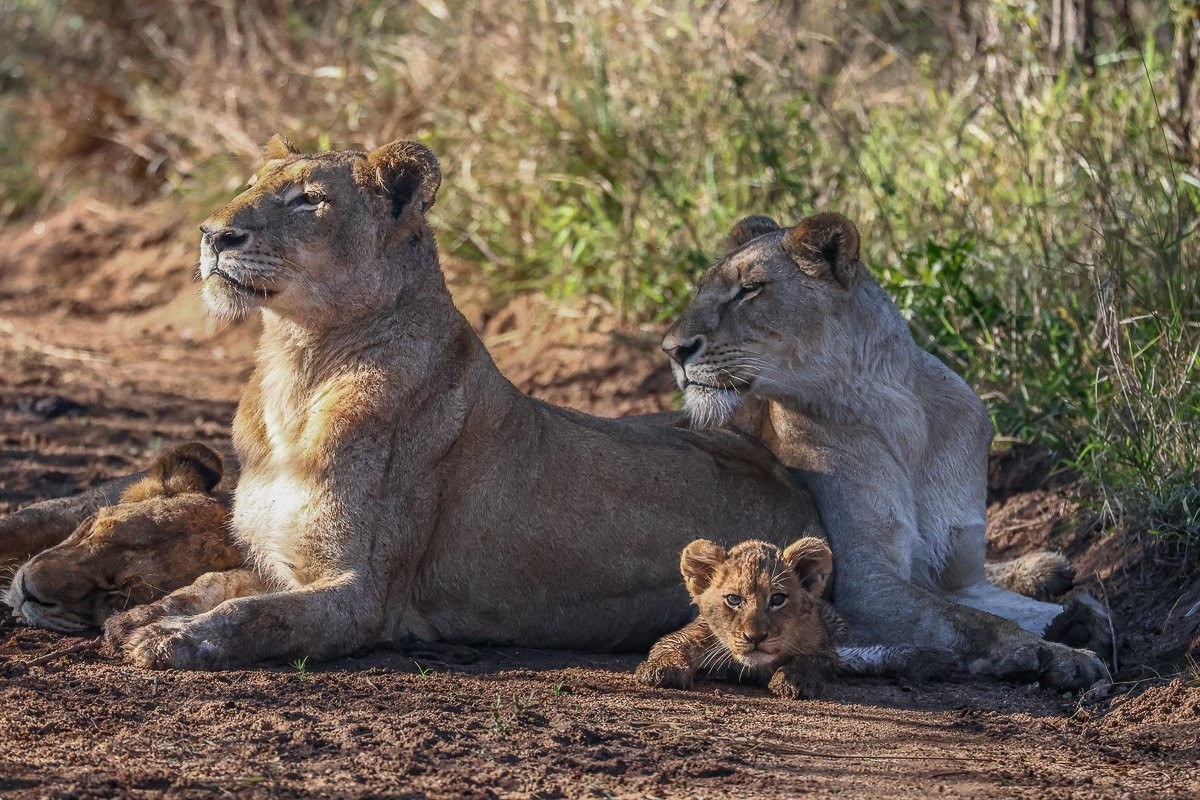
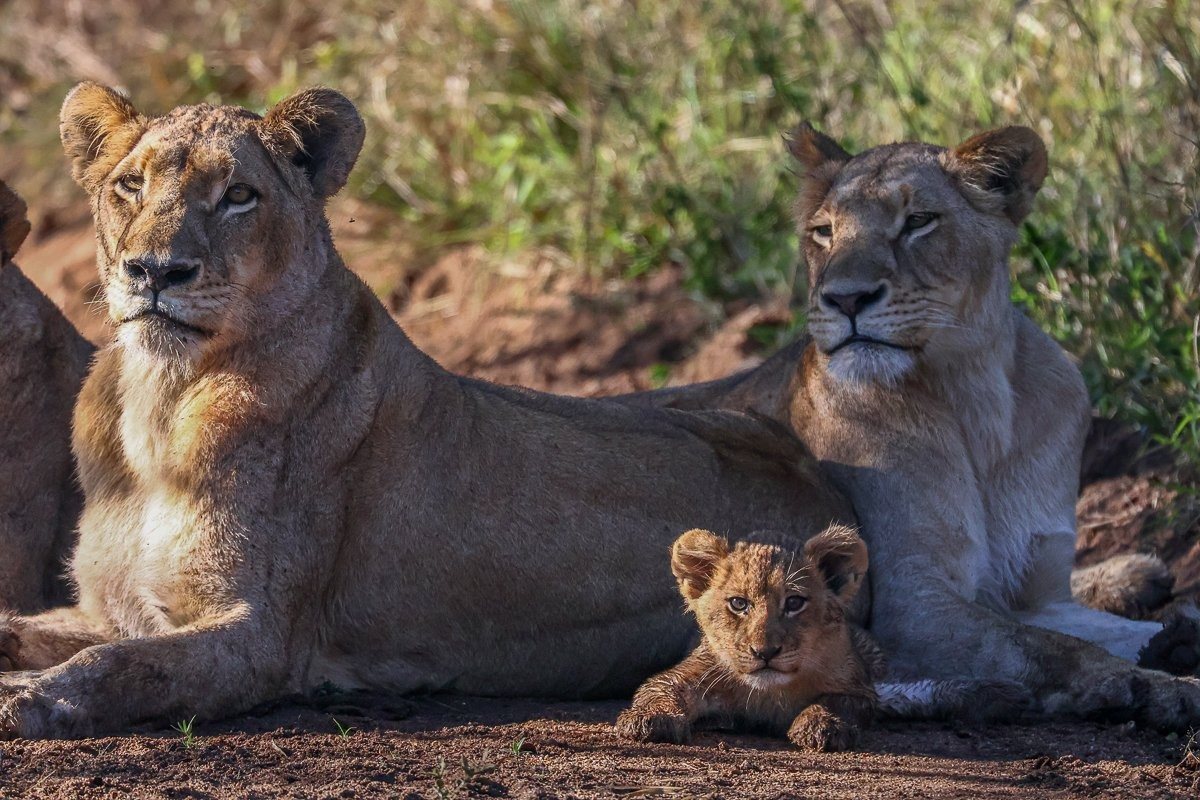
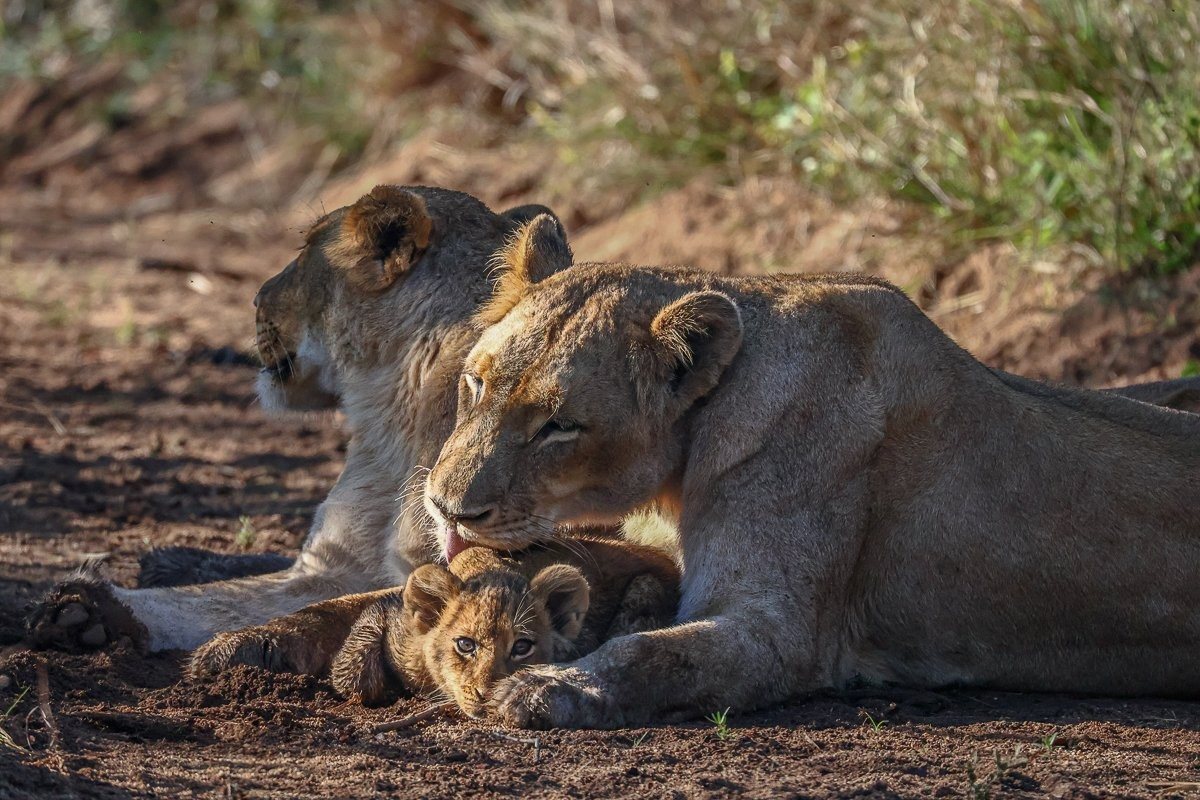
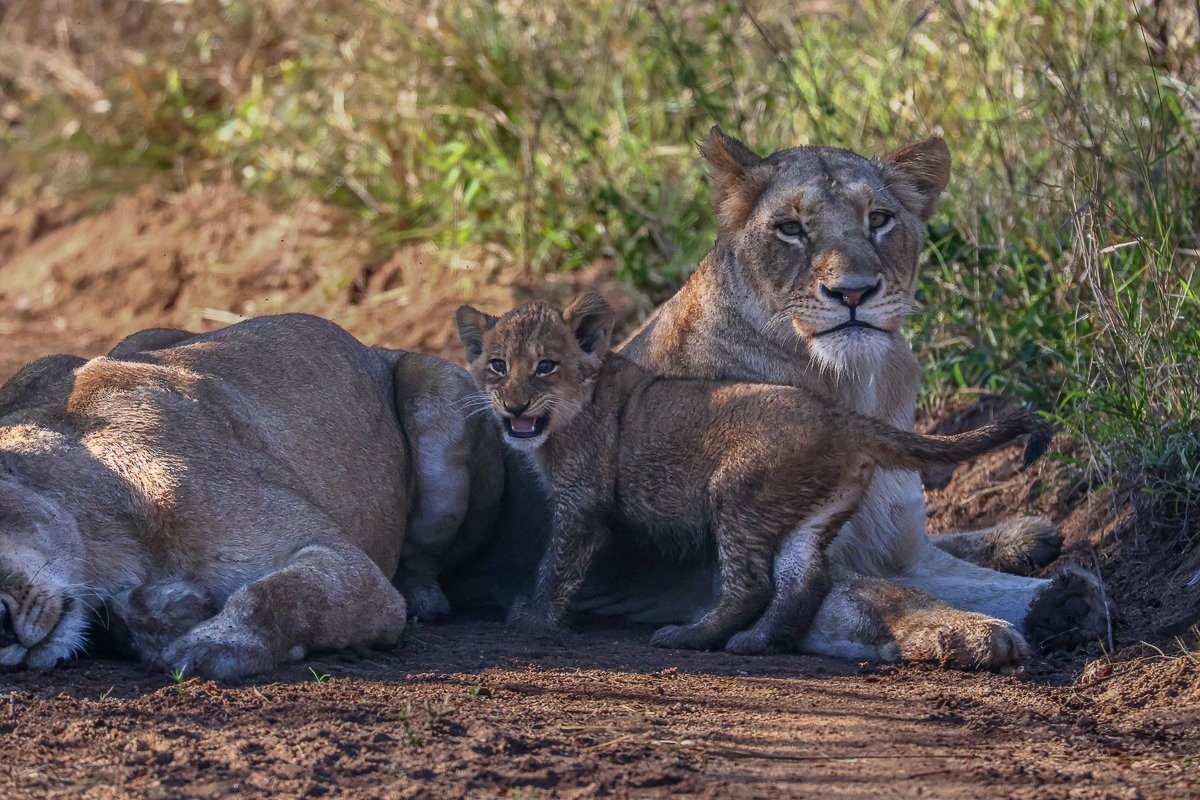
on Oct 07, 2026As we left Earth Lodge for our morning safari, we slowly made our way through the southern parts of the reserve when we came across the three lionesses from the Southern Pride. To our surprise, one cub was with them as they emerged from the wet vegetation and settled on the road, playing together and keeping the little one entertained.
Although we only saw one cub, it is possible the others were tucked away nearby and may reunite with the lionesses later. These females have done an incredible job over the past two months securing the area and creating a safe environment for their cubs. With two of the lionesses now raising cubs, it may only be a matter of time before the Southern Pride is a formidable pride once again.
The N’waswishaka males were on the move, walking shoulder to shoulder down the road as dust drifted up around them. Backlit by the vehicle’s lights, their manes glowed almost like halos, while a third male quietly followed in the shadows alongside them.
Night is when lions truly come alive. As the temperature drops, coalitions like this one patrol their territory, scent-marking and roaring to remind rival males of their presence. Watching these powerful males move with such calm confidence, completely unbothered by our presence, is a sight that never gets old.
As we turned the corner, we spotted something walking far ahead on the road, which we initially thought was a group of impala. As we got closer, another moved onto the road before stopping and turning sideways, revealing the unmistakable silhouettes of two male cheetahs. They walked ahead of us for quite some time, scanning their surroundings for their next meal, before suddenly darting into the treeline and setting their sights on a small herd of impala.
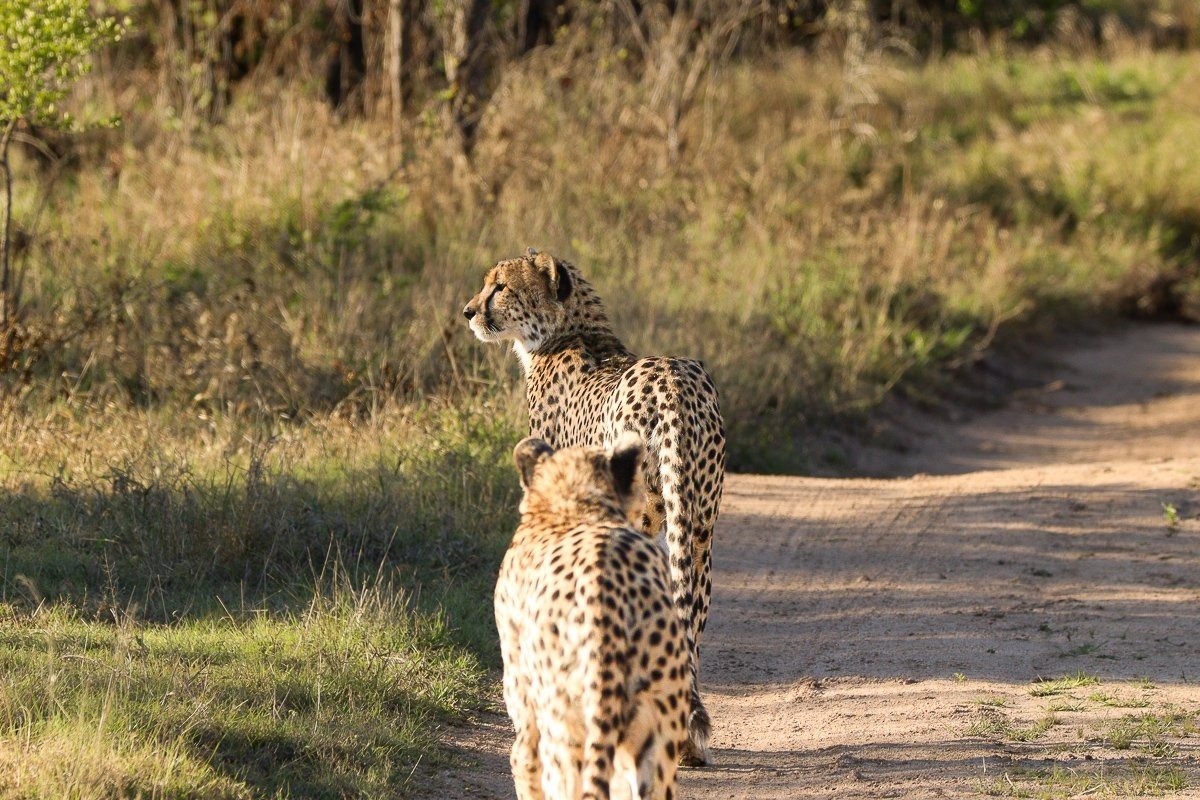
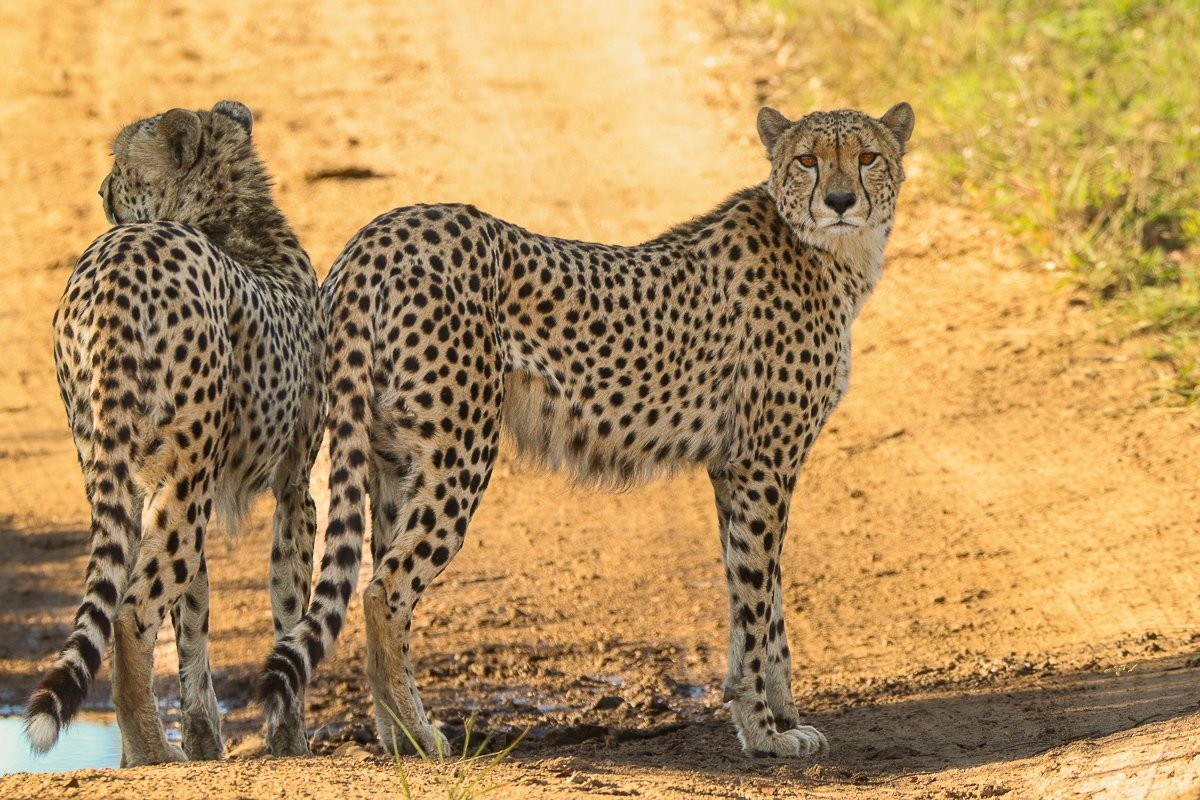
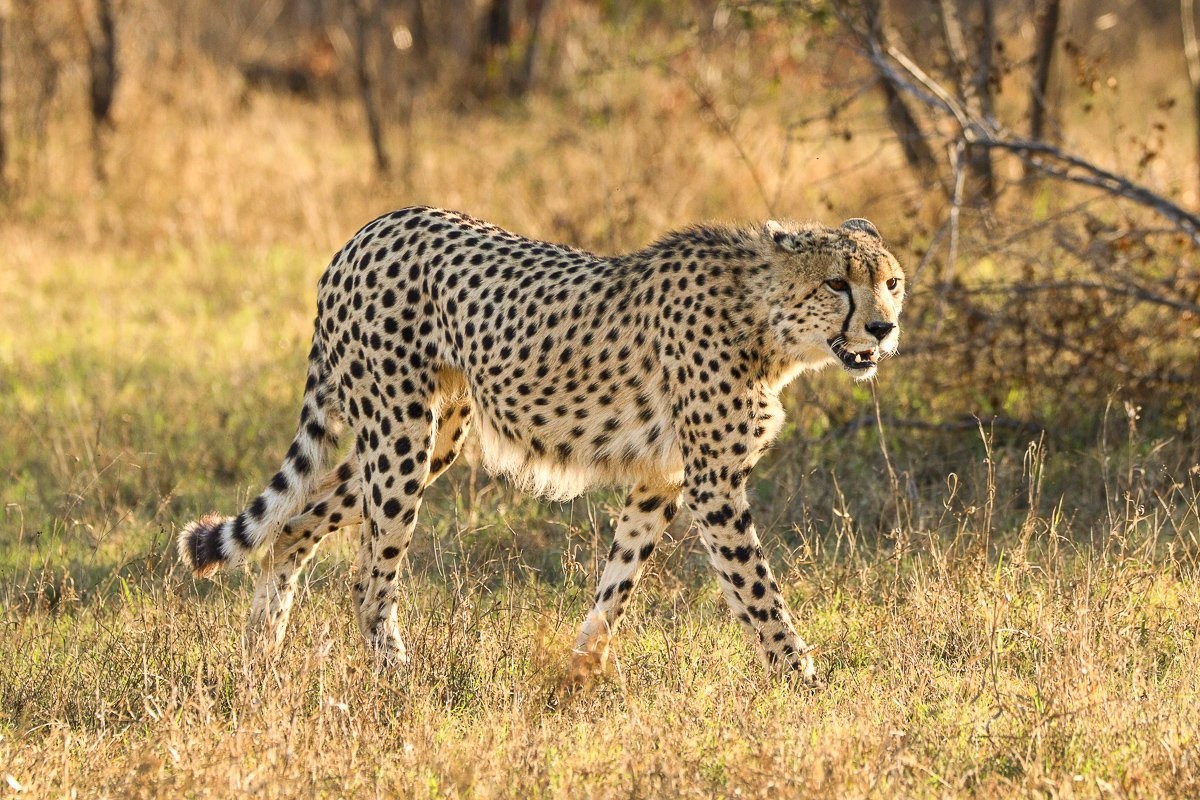
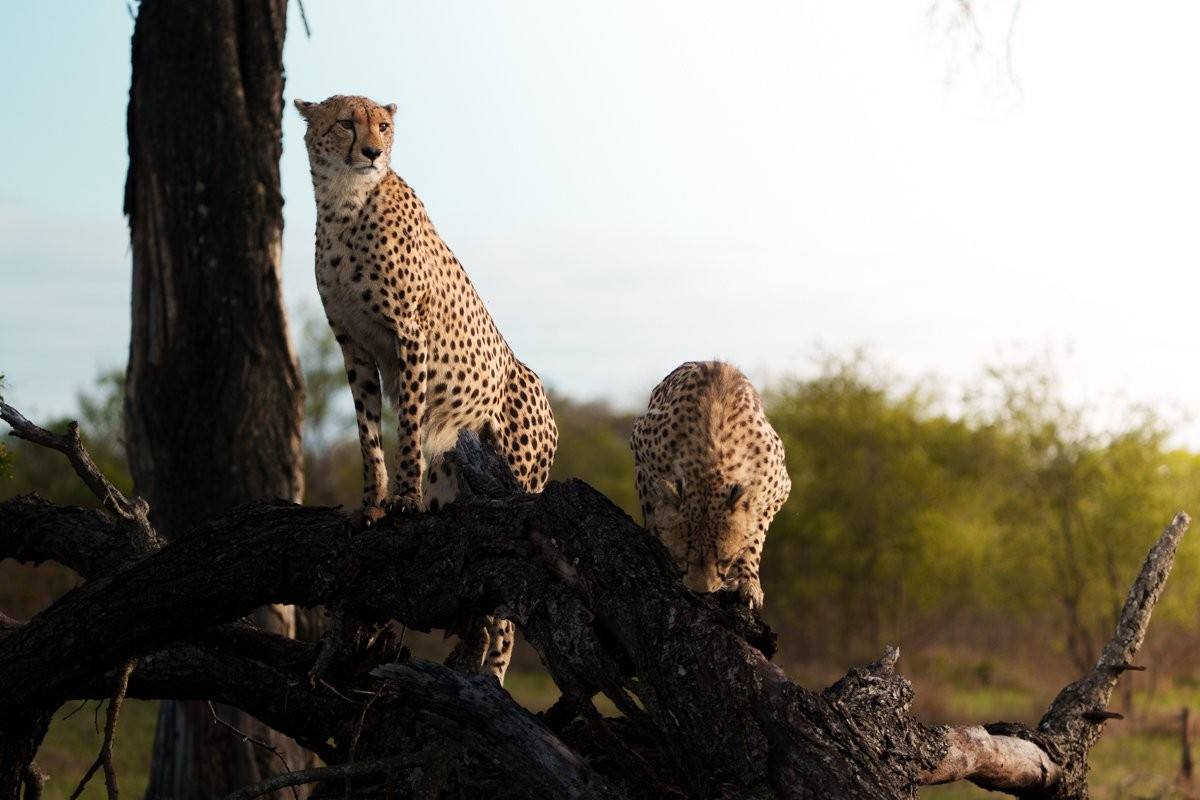
For the past few days, we've been lucky to see a coalition of male cheetahs, and every sighting has been something special. They were moving with purpose, stopping at prominent trees along the way to scent mark. Coalitions are usually made up of brothers who stay together after leaving their mother, although unrelated males sometimes join forces too. Working as a team gives them a real advantage in defending themselves more effectively against rival males and take down bigger prey than a single cheetah could manage alone.
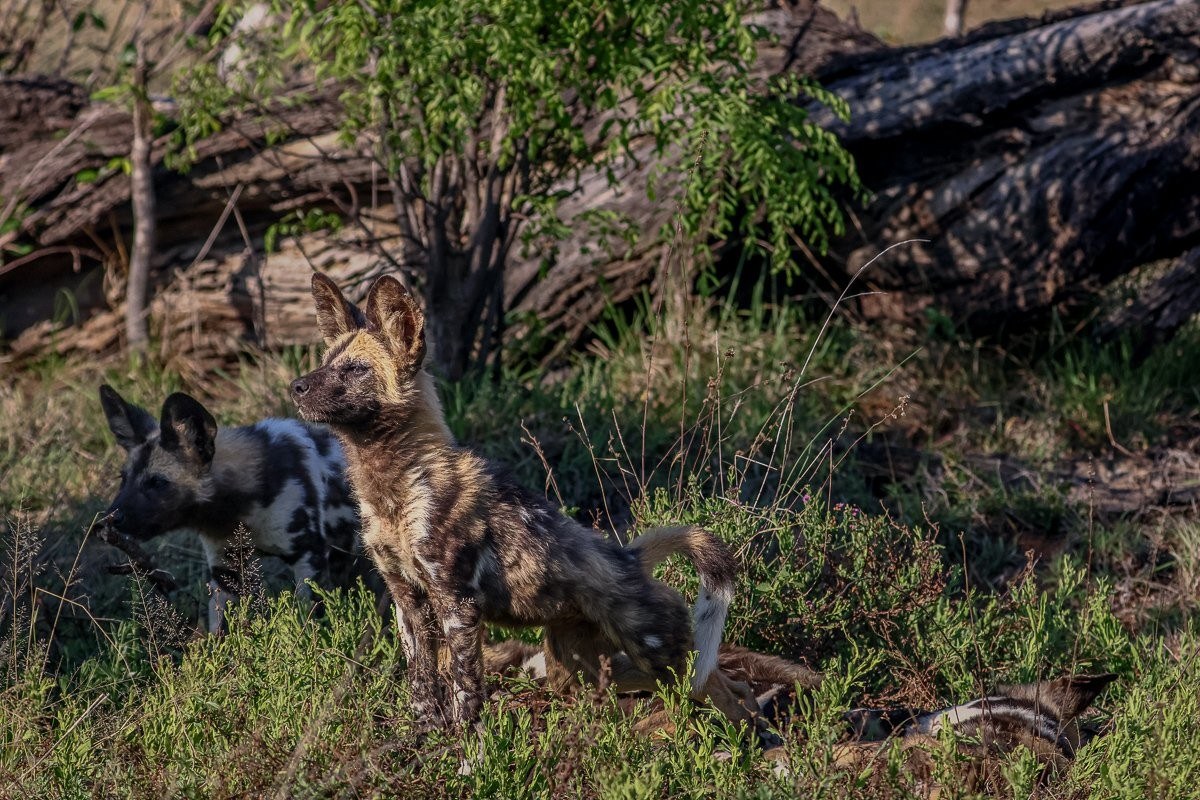
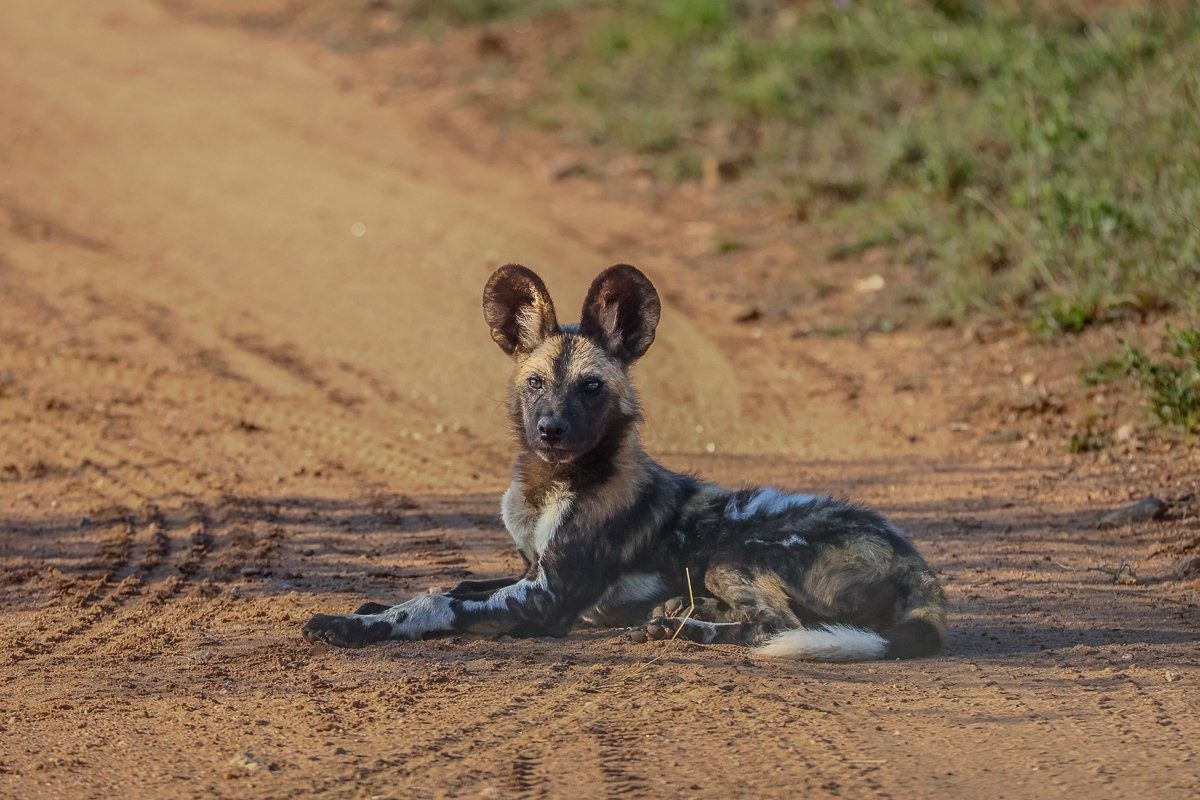
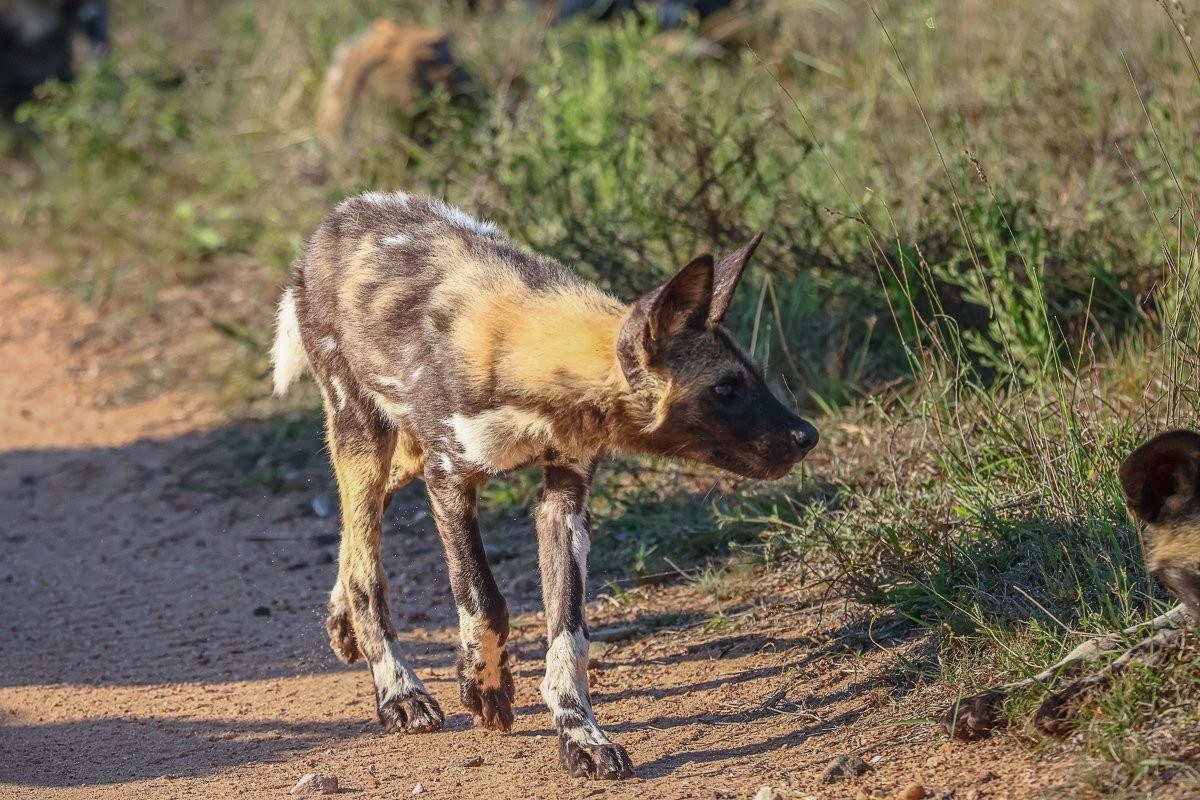
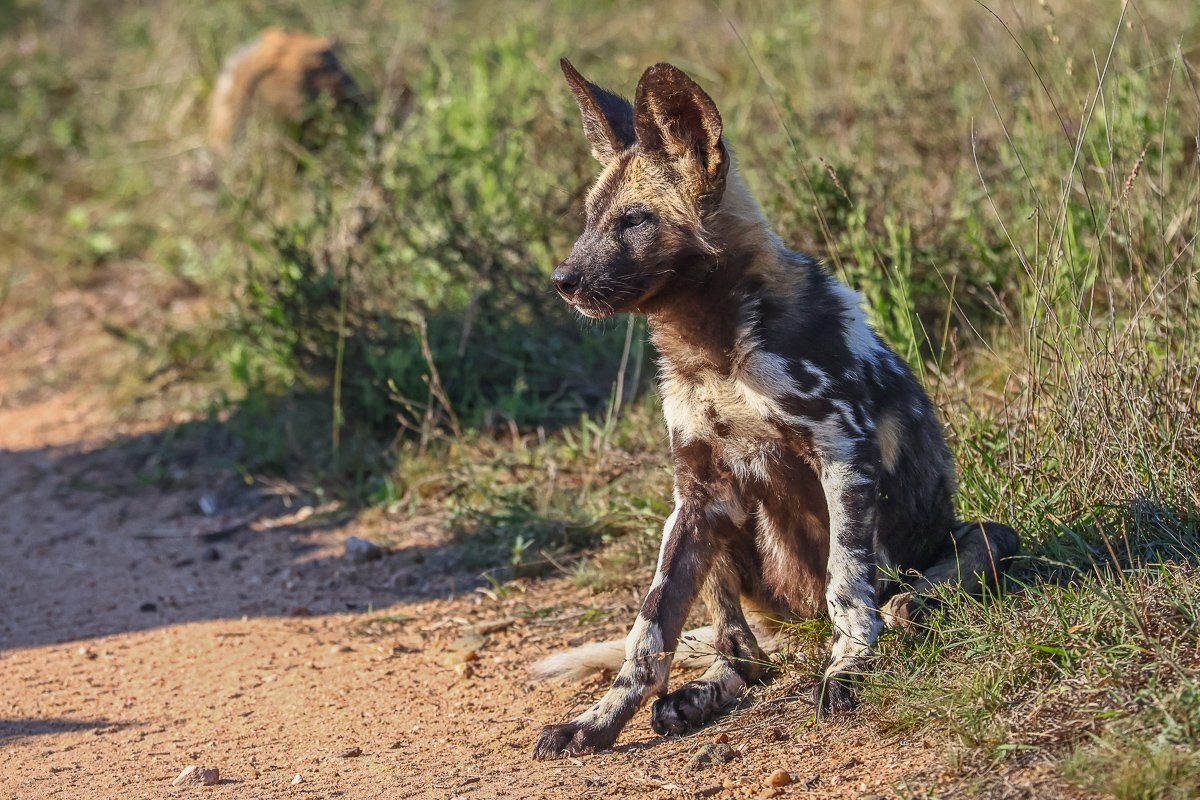
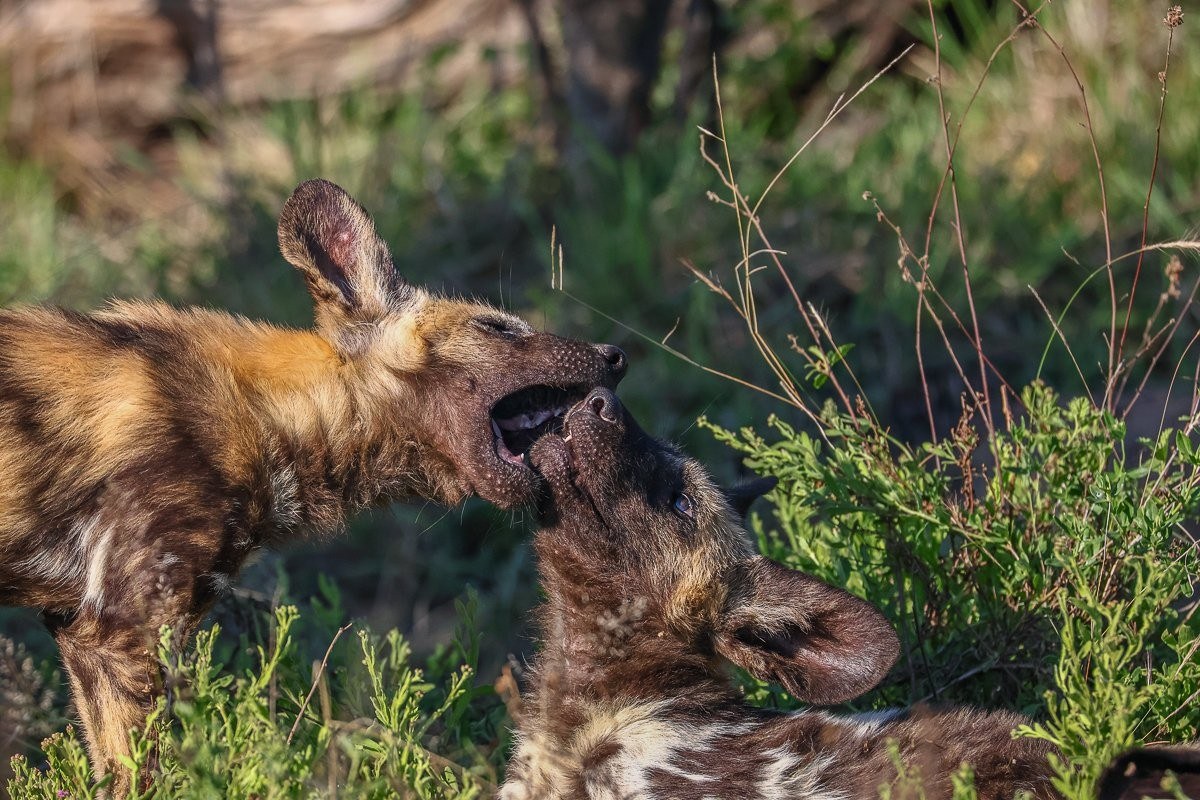
Driving through the southern parts of our reserve, we found a pack of wild dogs not far from the Sabie River, basking in the morning sun. The pups were slowly becoming more active, playing and interacting with one another as the adults rested nearby.
With the youngsters now moving with the pack, they have a better chance of survival than when left behind at a den site. Travelling with the adults provides them with protection while allowing them to learn the essential skills they will need as they grow, while also developing the strong social bonds that are so important within the pack.
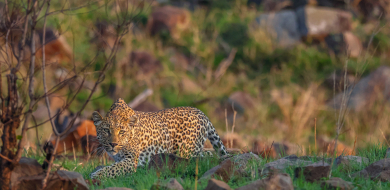
Finding female leopard tracks in the southern region of the reserve usually signals the presence of Golonyi. We had not seen her for some time, although there had been reports of her being seen with her cub. We followed her tracks through challenging terrain, weaving between rocks and small koppies.
After tracking her for some time, we were beginning to lose hope of finding her when our tracker spotted her in the distance, walking along a dry riverbed. Unfortunately, she was in an area we could not access. We waited for a short while, and soon she walked right past our vehicle. As if that wasn't enough, she then climbed a tree on the opposite side of the riverbed, giving us an excellent opportunity to watch her more closely.
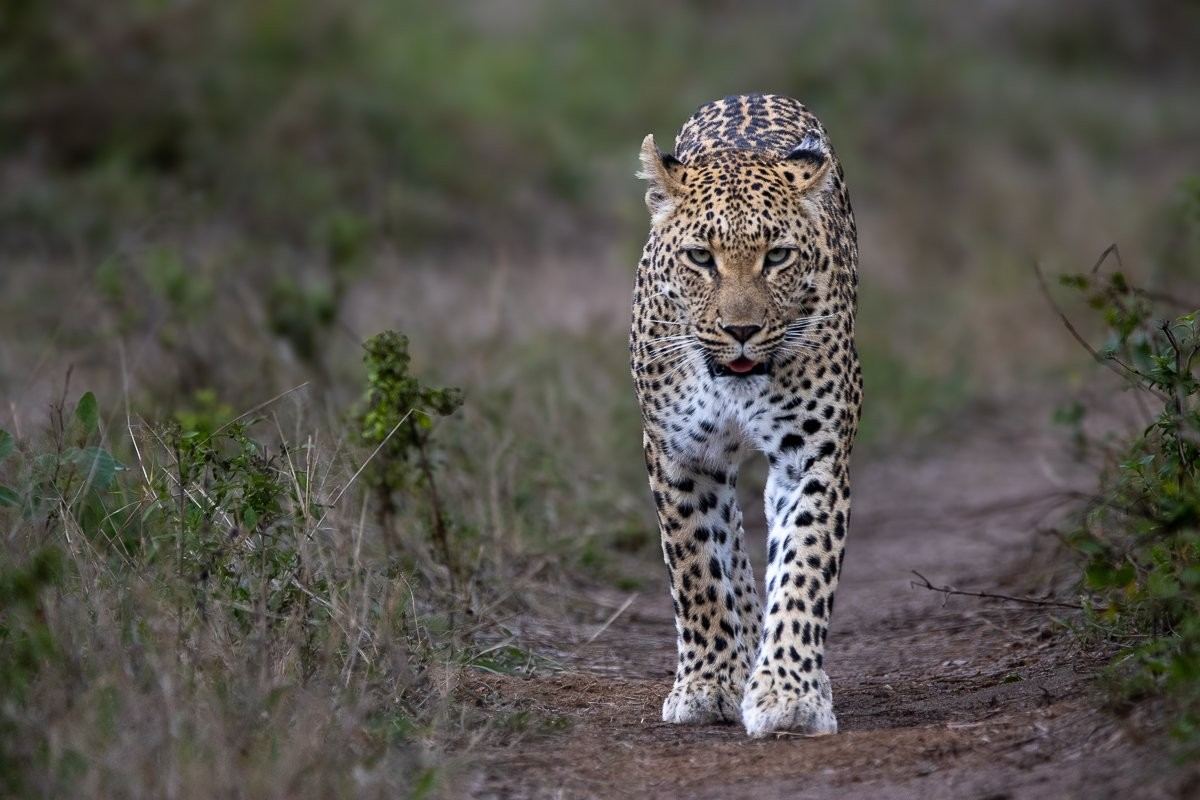
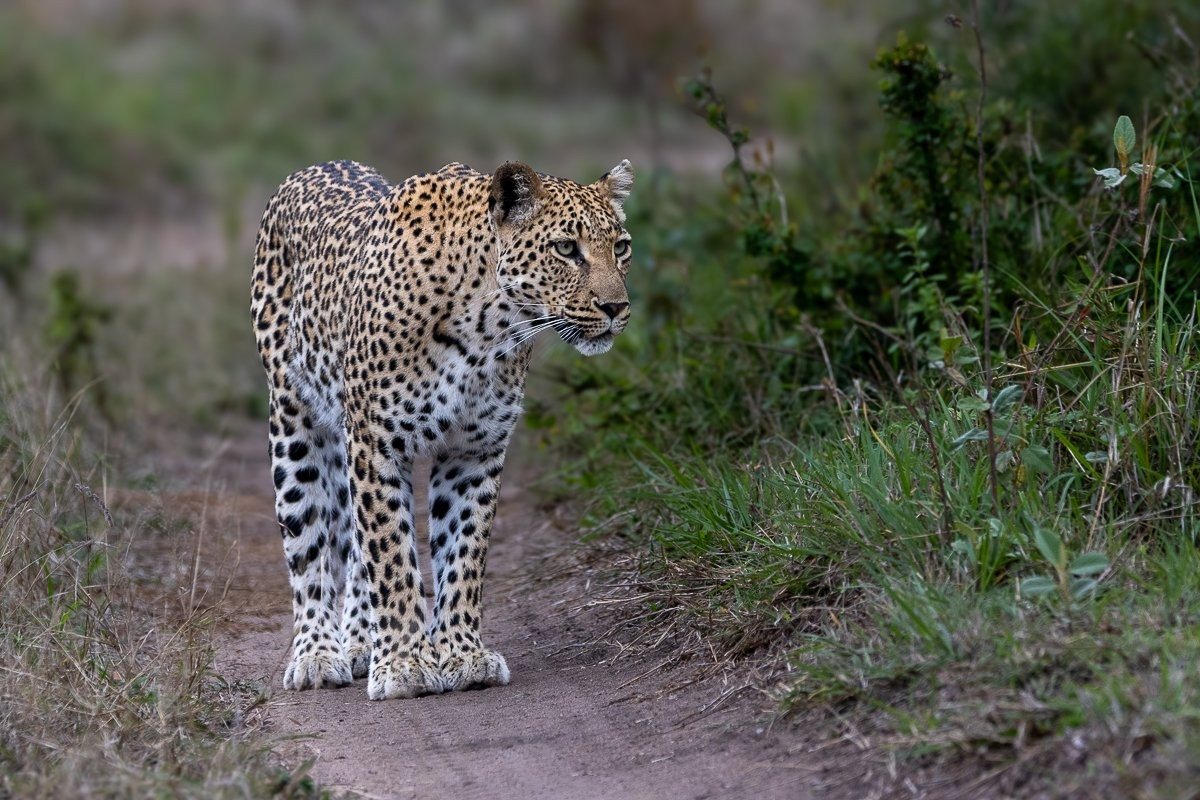
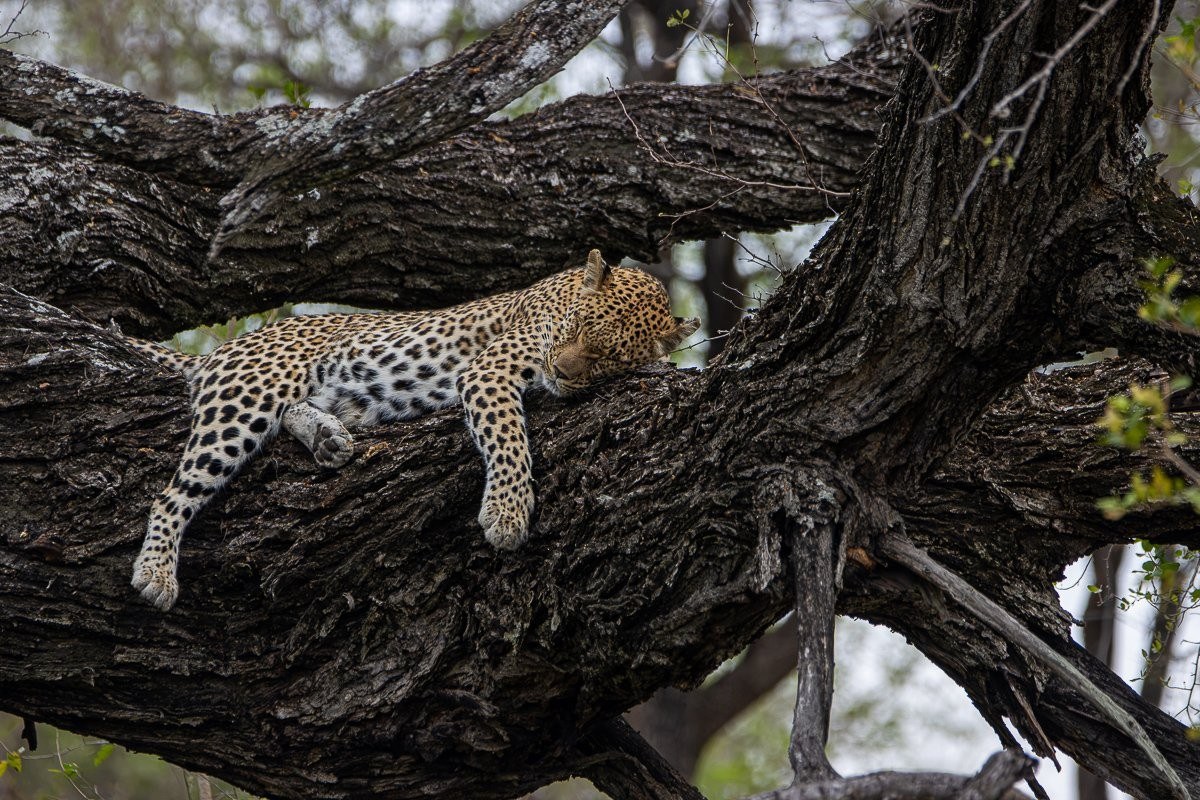
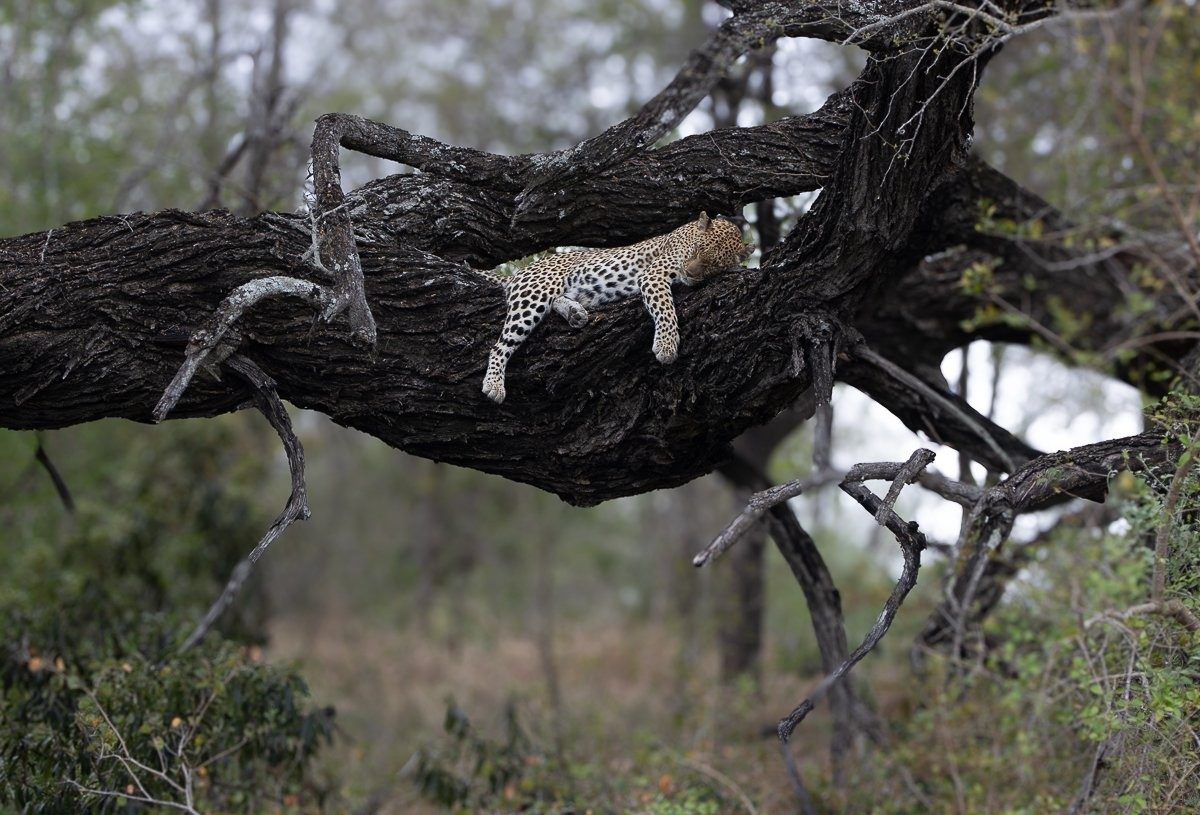
Resting in the thick shade of the large trees, the Tengile leopard and her male cub settled down after their meal. As the sun shifted and the cub woke, his energy quickly returned. He played with sticks, pounced on flattened grass as it sprang back up, and eventually turned his attention to his sleeping mother.
With each step, he carefully placed his paws to avoid waking her before finally pouncing. Playfully grabbing at her throat and legs, he practised the skills he has been honing under his mother’s watch over the past year.
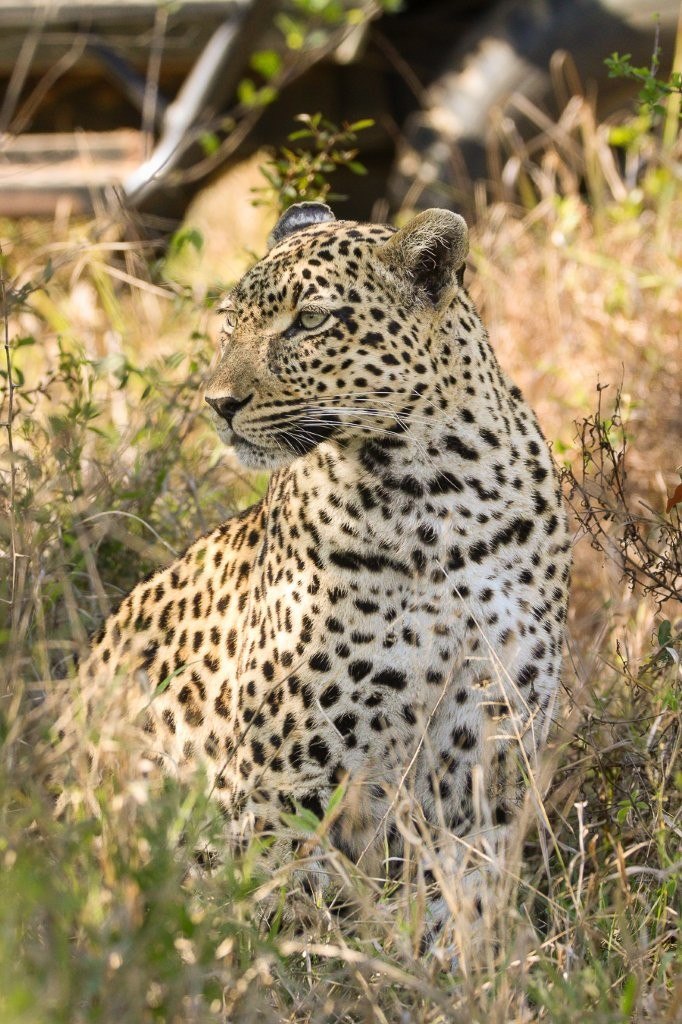
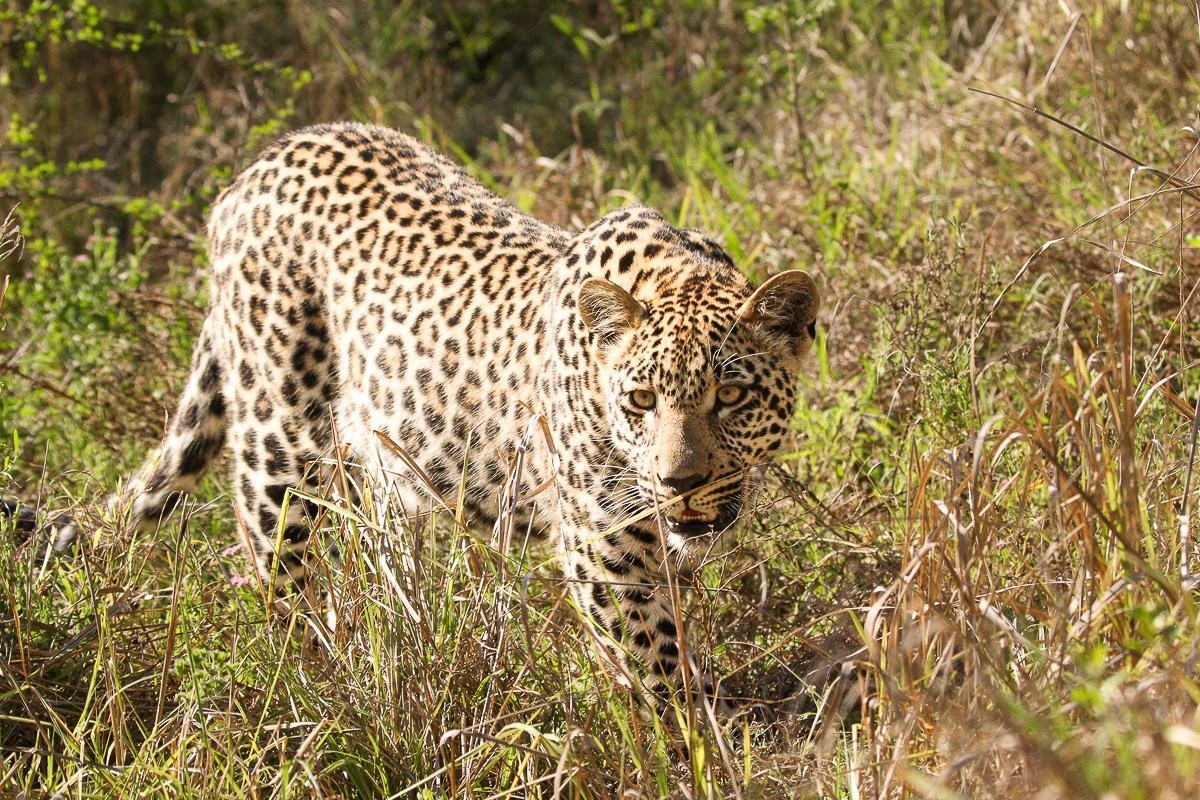
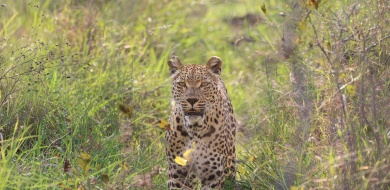
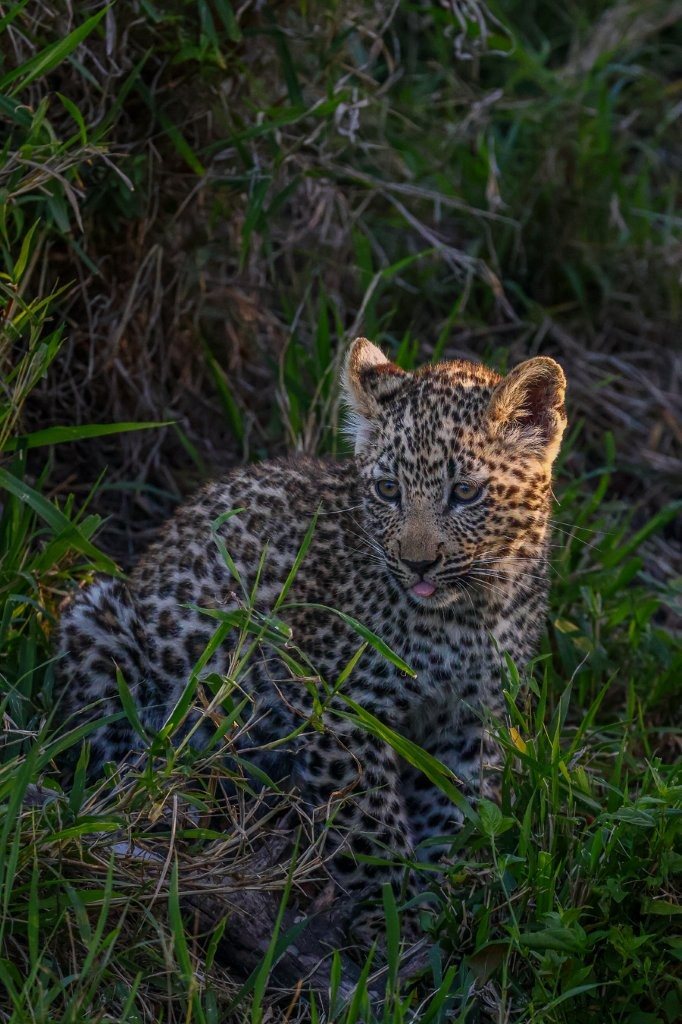
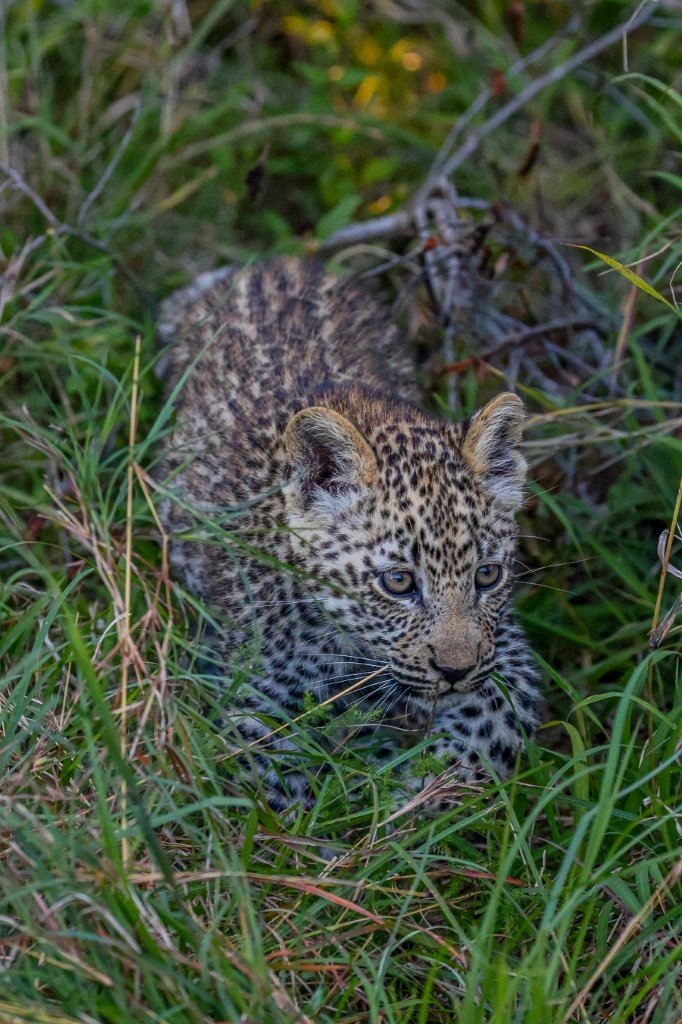
Resting in the shade of a small tree, the Kurhula female leopard fed on what remained of her duiker kill from the previous night. As we watched, a rustle in the tall grass revealed her young cub, which emerged and settled down beside her. The cub soon moved closer and began feeding on a small piece of meat left behind.
Although leopard cubs will continue to suckle from their mother until around four months old, they begin introducing meat into their diet from just over 10 weeks, gradually transitioning to a fully meat-based diet as they are weaned.
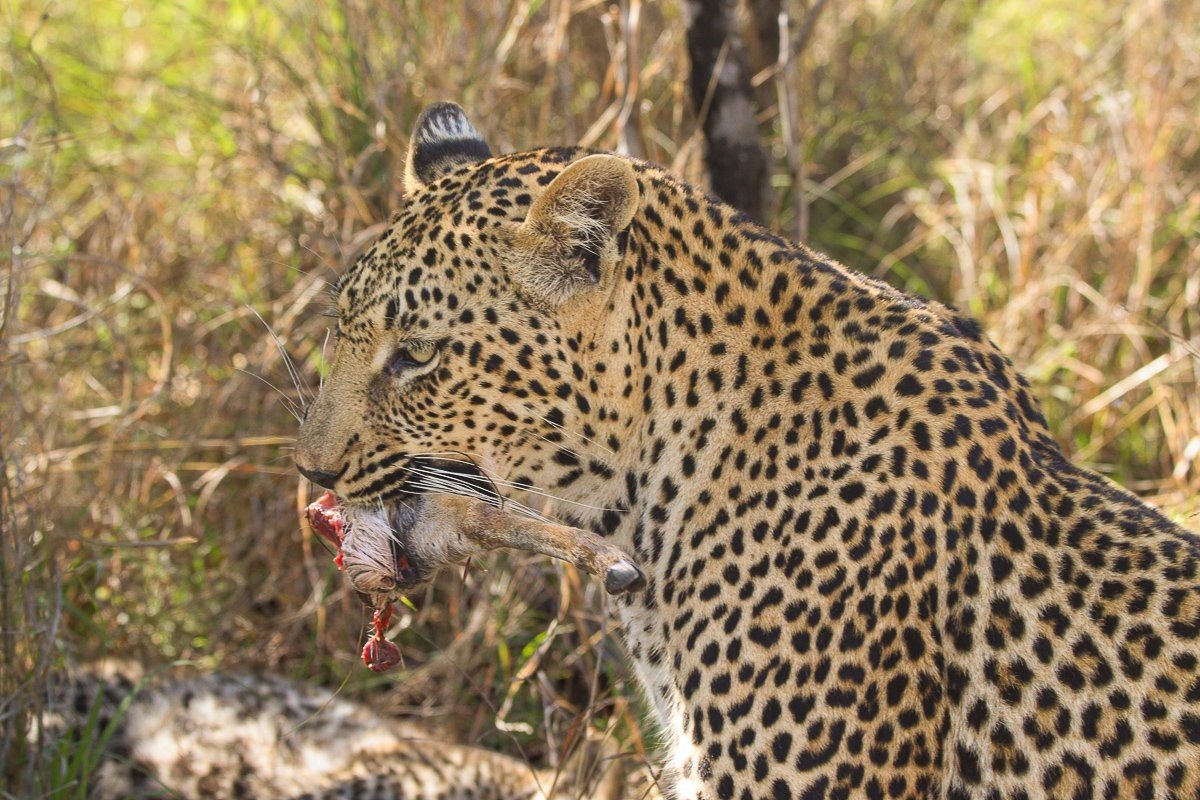
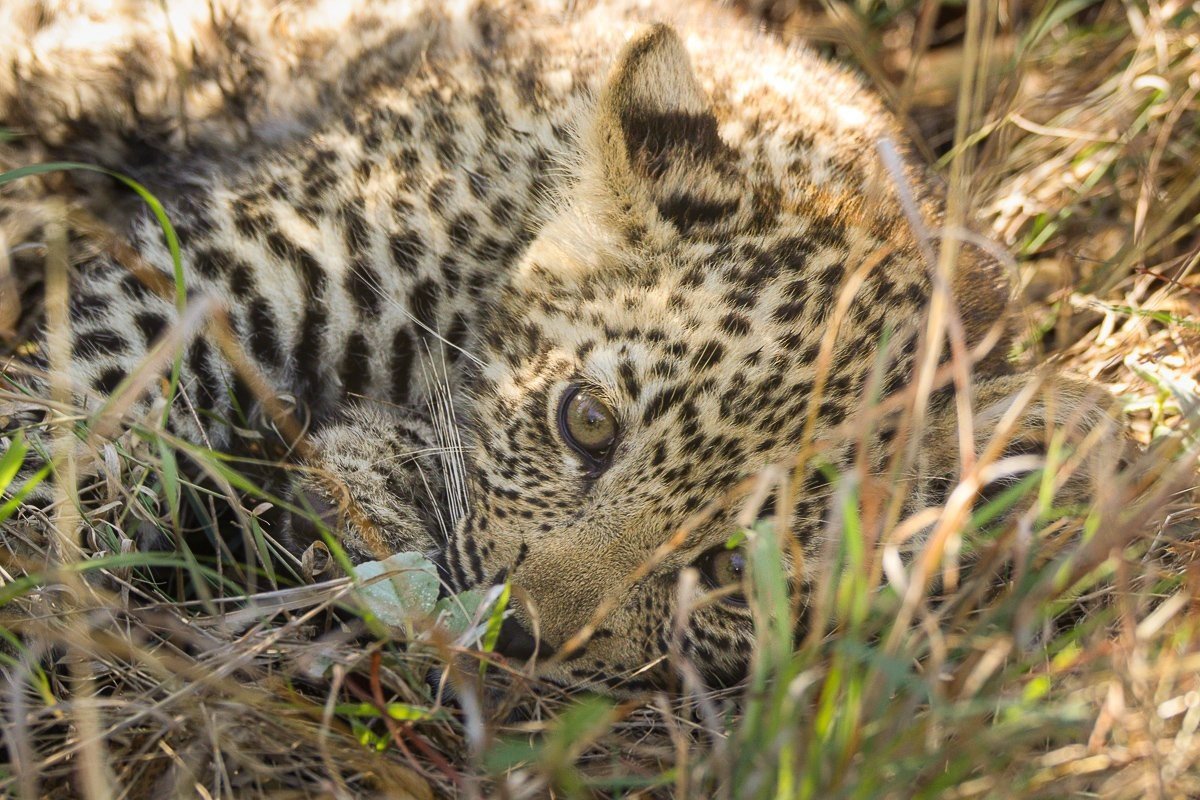
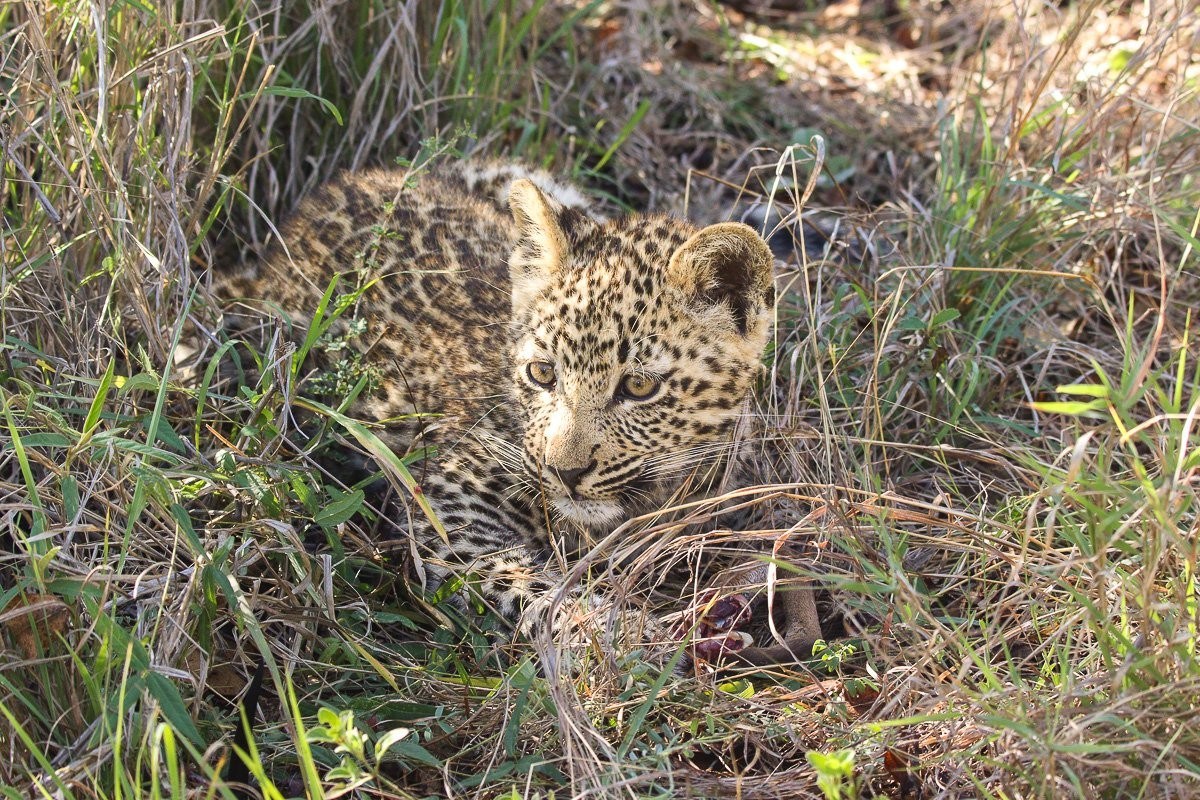
After following up on Kurhula and her cub in the eastern parts of our reserve, we found them enjoying the warmth of the late-afternoon sun. Following the recent rainy days, the predators around our reserve have been particularly active, making the most of the conditions to feed and scent-mark their territories.
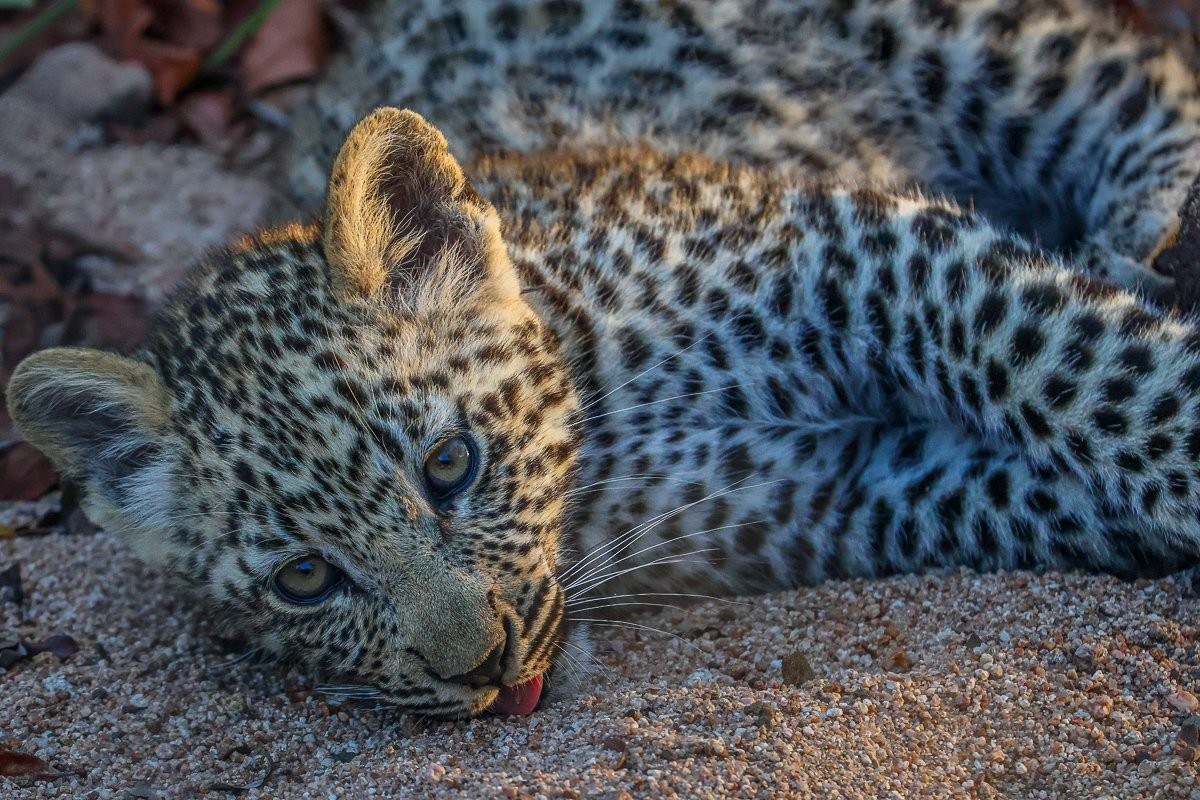
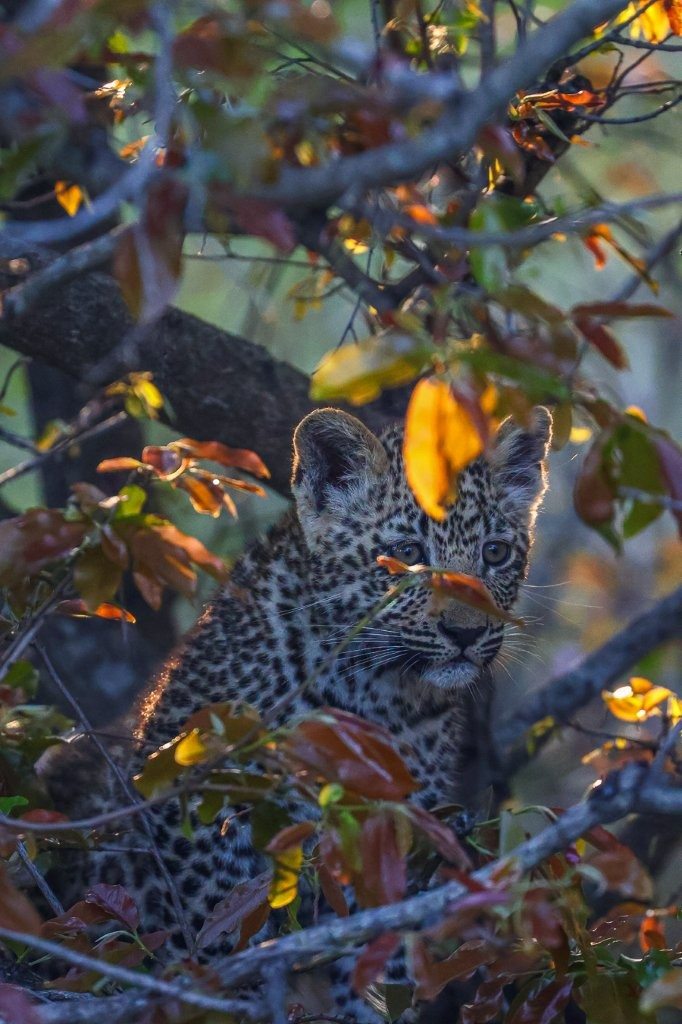
Kurhula’s young male cub is becoming increasingly confident and curious. Each time we approach, he takes the opportunity to inspect the safari vehicles before retreating to the safety of his mother.
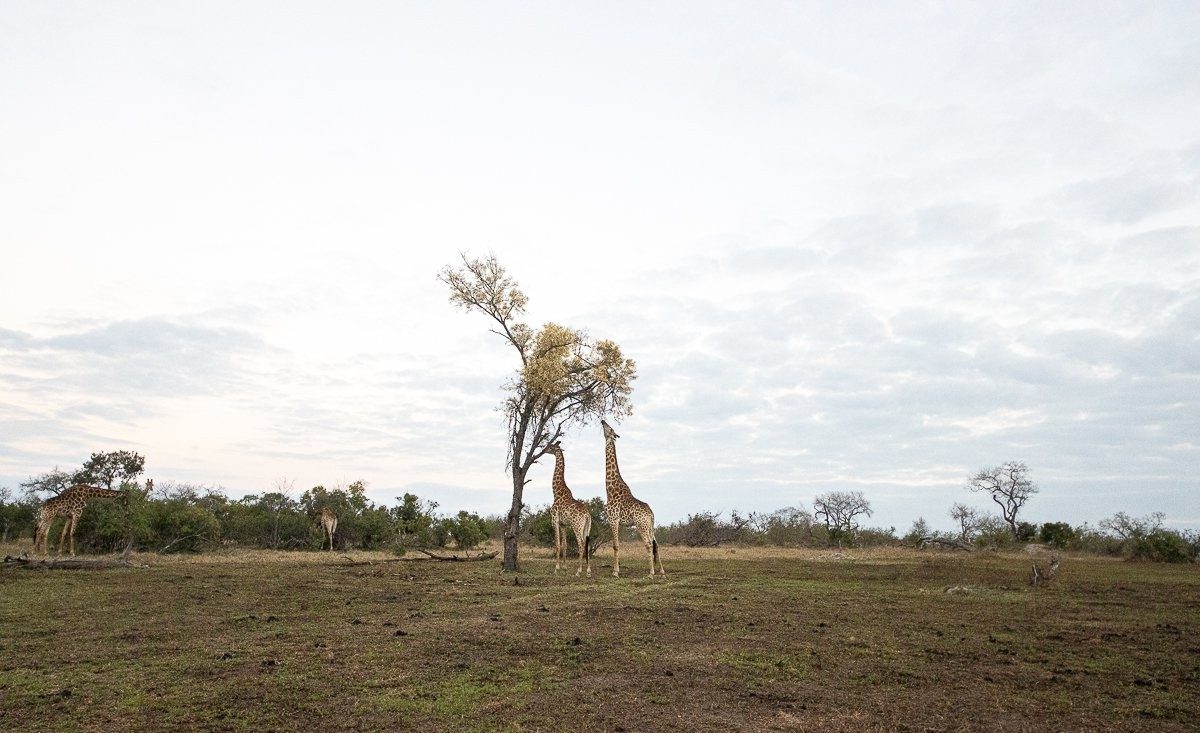
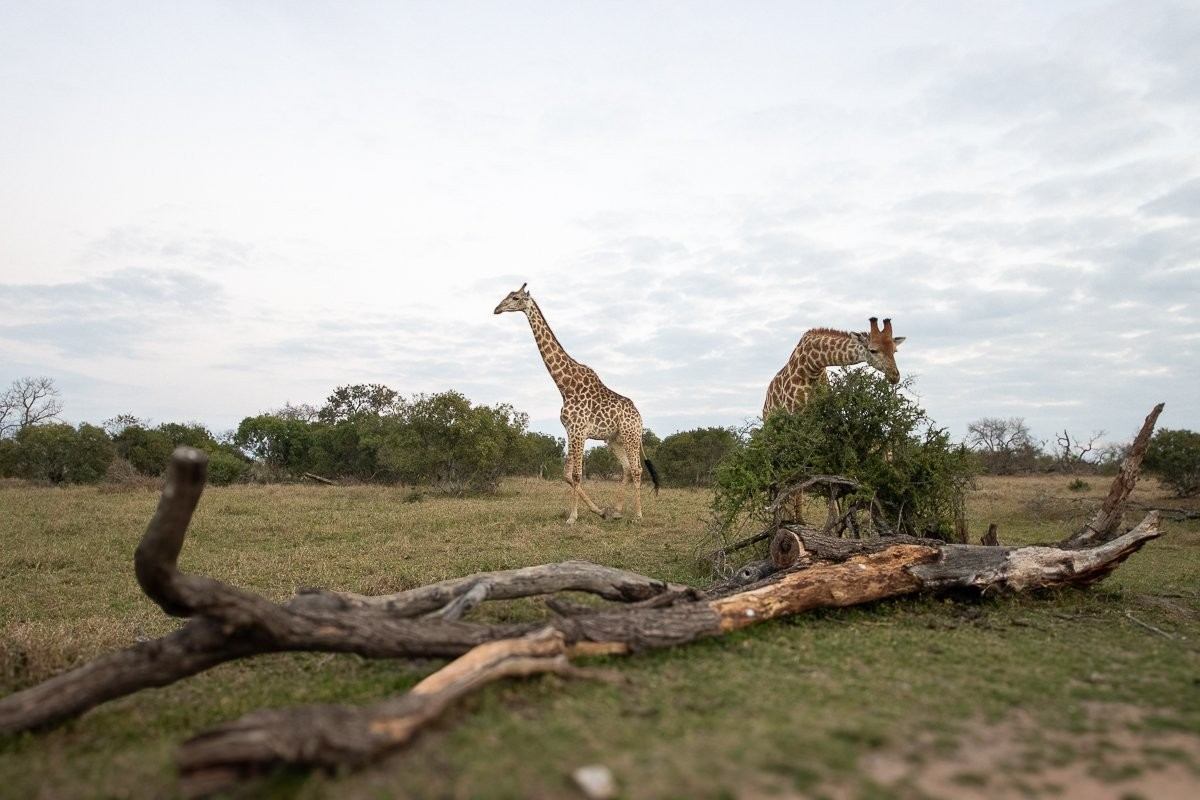
Spring brings fresh life to the bush, and few take advantage of it quite like the giraffe. Beneath the blooming Knobthorn trees, a giraffe delicately stretches its long neck into the canopy, carefully plucking the tender new leaves and shoots. With each mouthful, it takes full advantage of nature’s seasonal abundance.
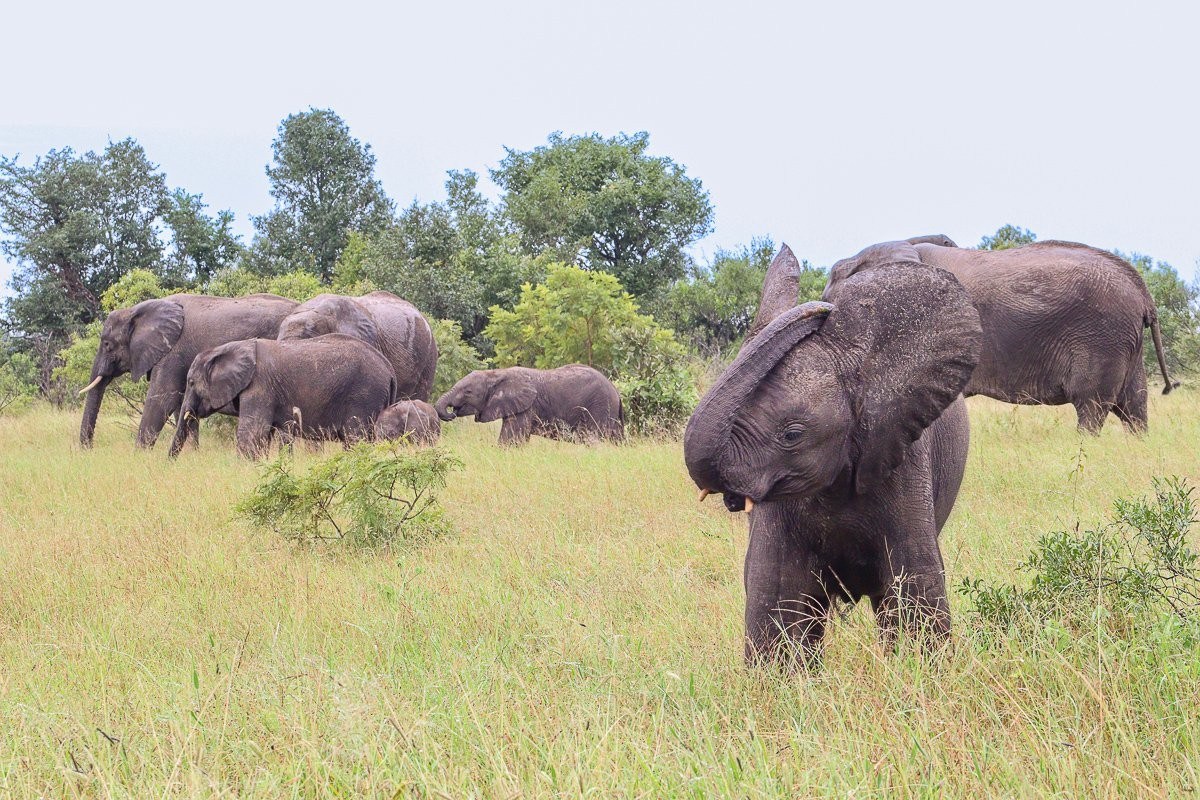
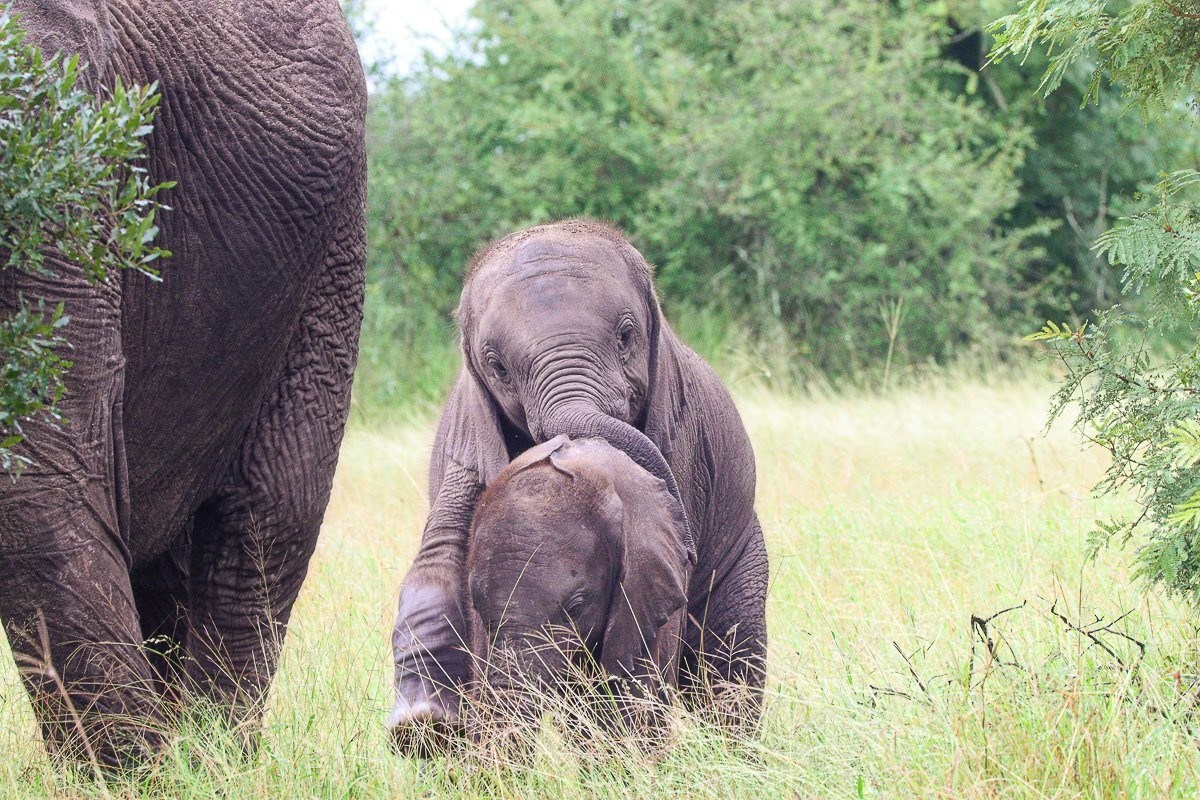
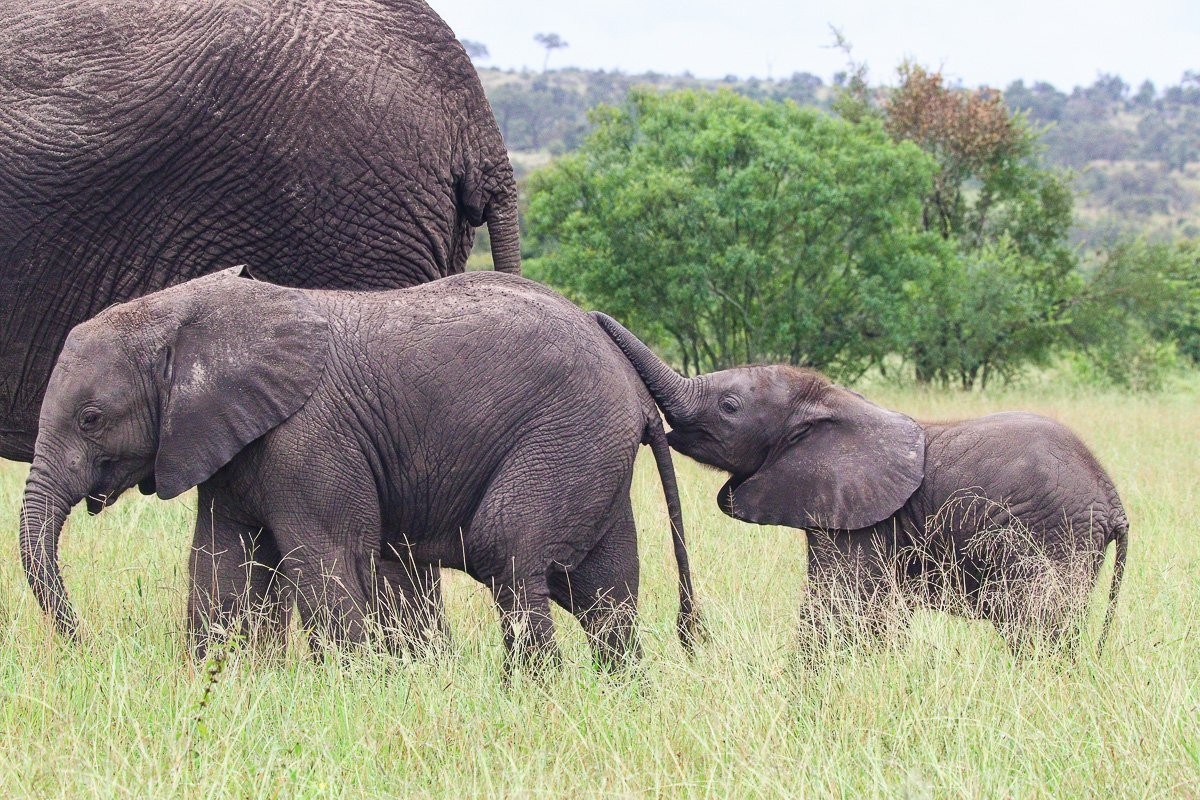
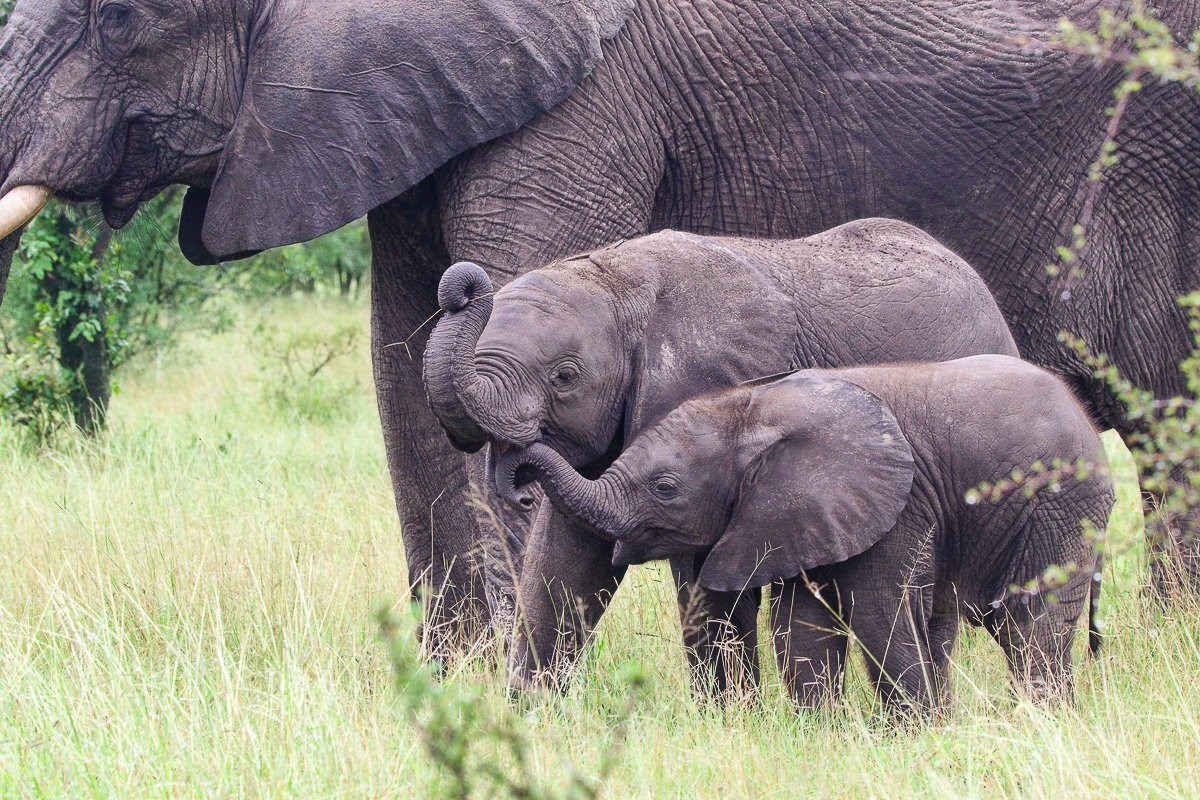
As a herd of elephants moved peacefully across the plains, there was a constant flurry of activity among them as two young calves played together. They charged at one another, climbed over each other and even tried stealing food straight from each other’s mouth.
While it may look like simple fun, these playful interactions are an important part of a young elephant’s development. Through play, calves build strength, develop physical coordination and learn to control their trunks. These interactions also help establish social relationships between young elephants and, if these calves are bulls, can help strengthen the bonds within their peer group - relationships that become increasingly important when they eventually leave the breeding herd.
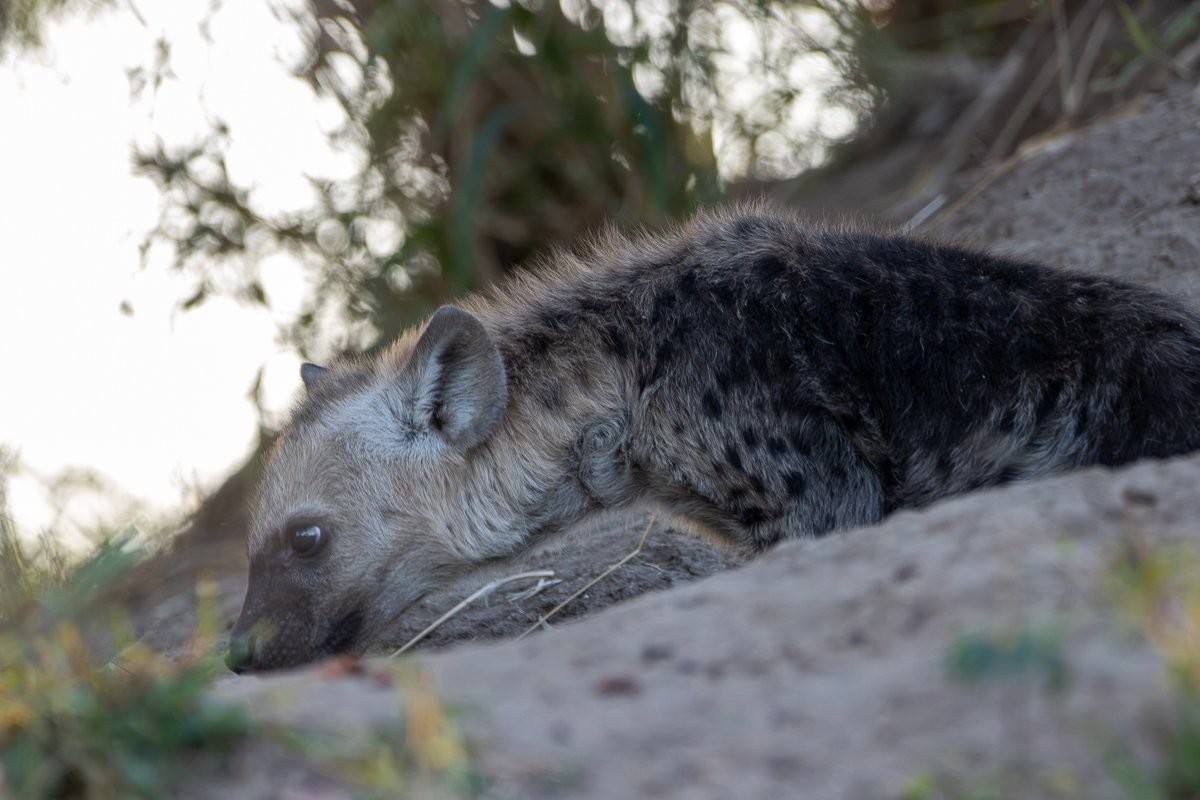
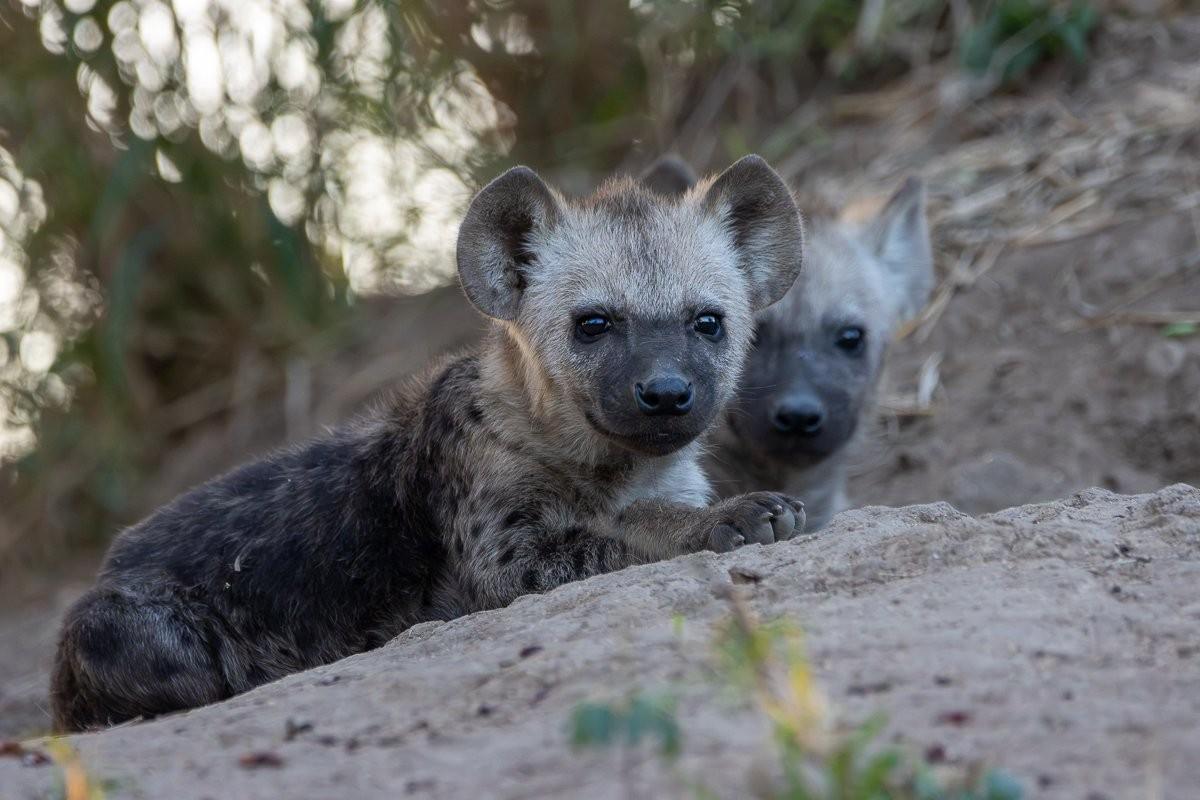
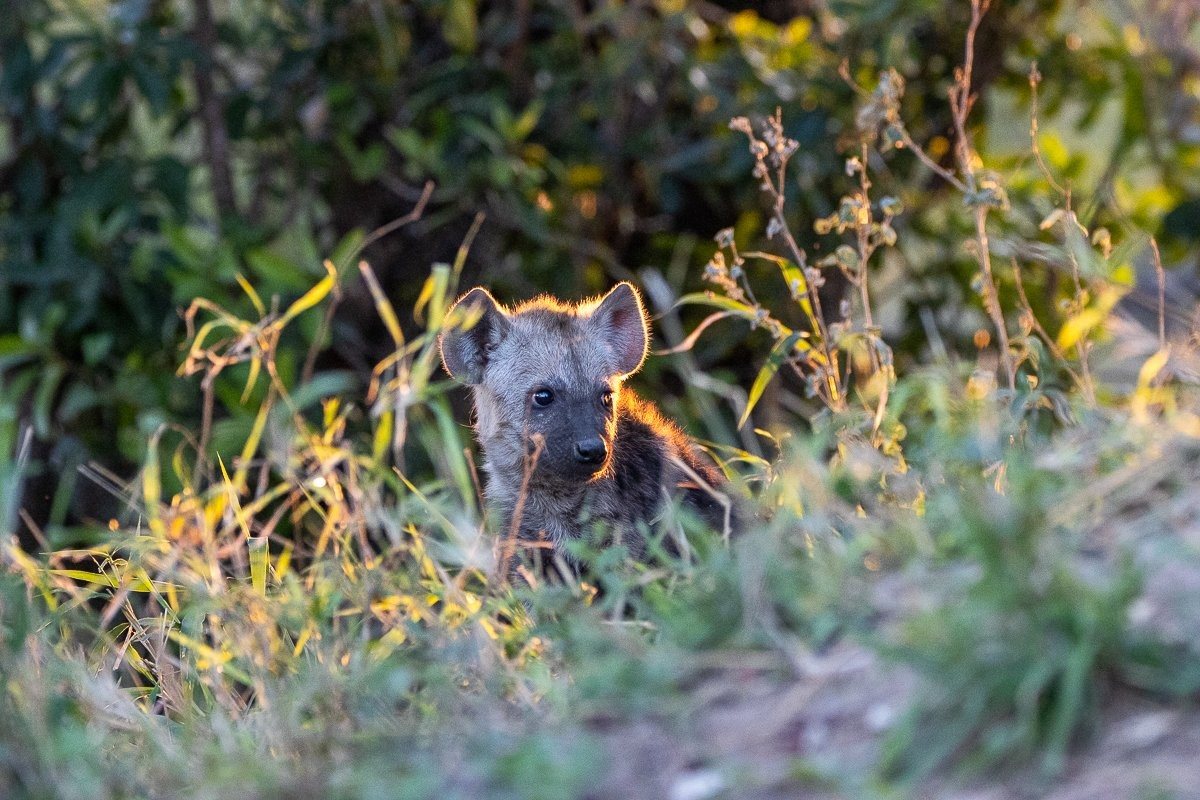
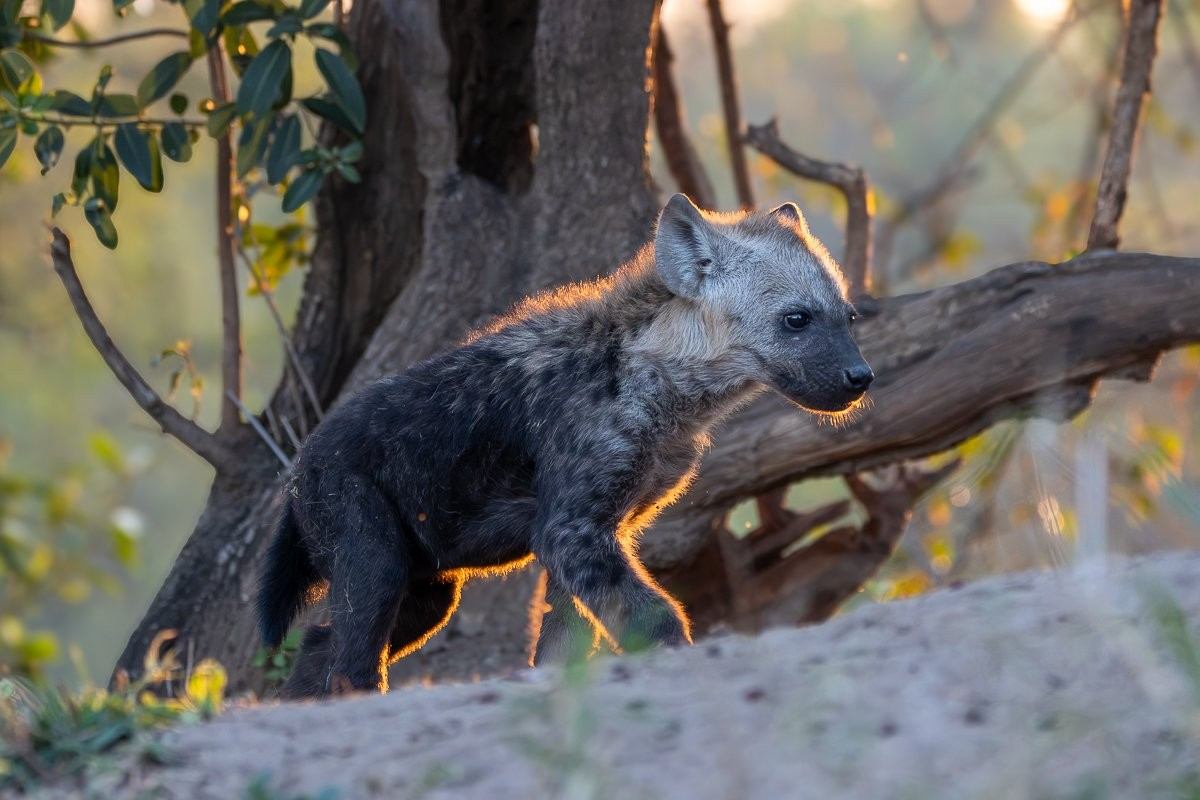
At the den, the seriousness of survival takes a back seat for a little while. Hyena cubs tumble, chase and wrestle with one another, their playful antics filling the den site with energy and curiosity.
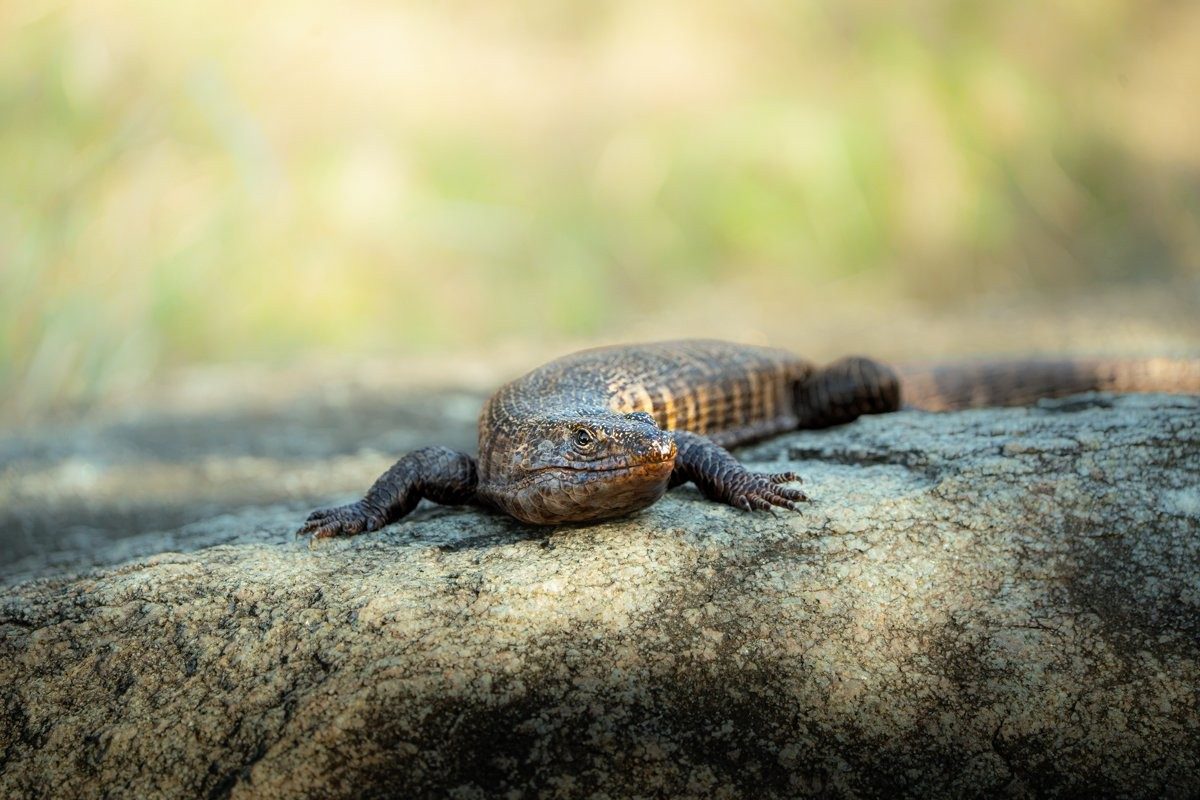
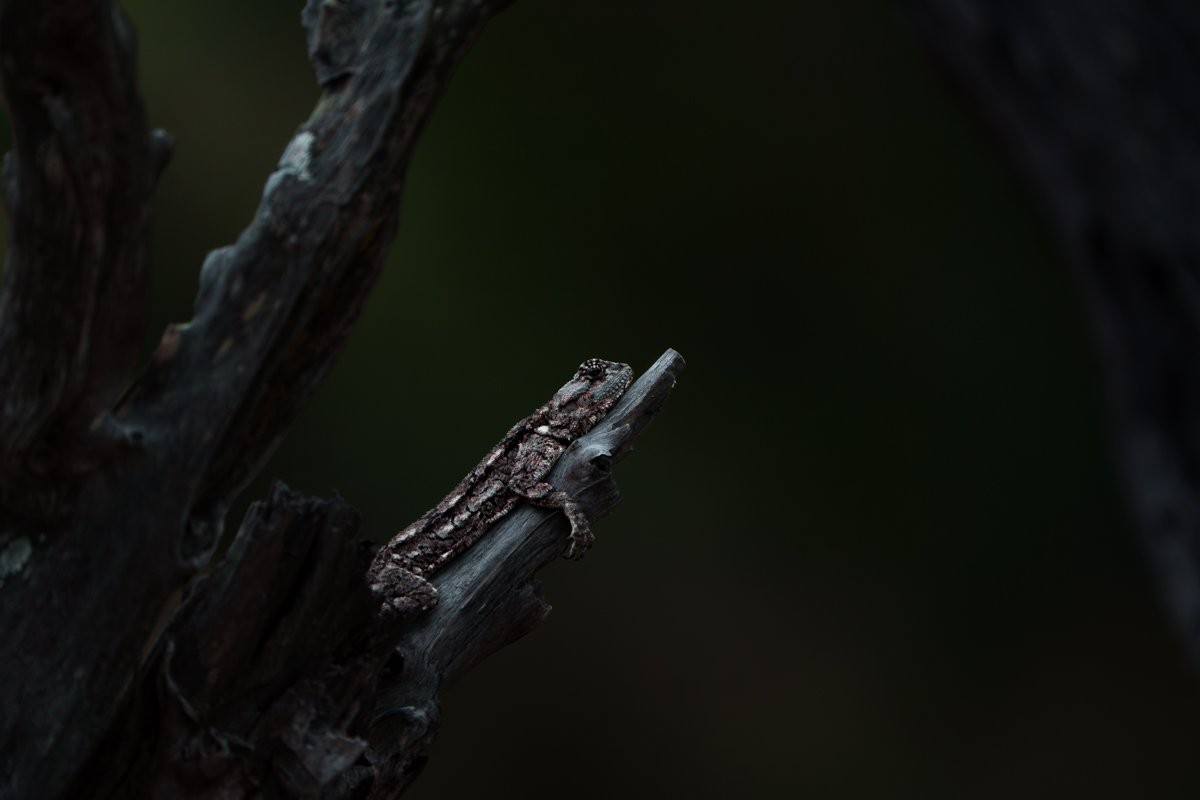
With Summer upon us, many of the cold-blooded residents have been out and about. We came across both a plated lizard and a female tree agama, both warming up, readying themselves for another active day of hunting and avoiding predators.
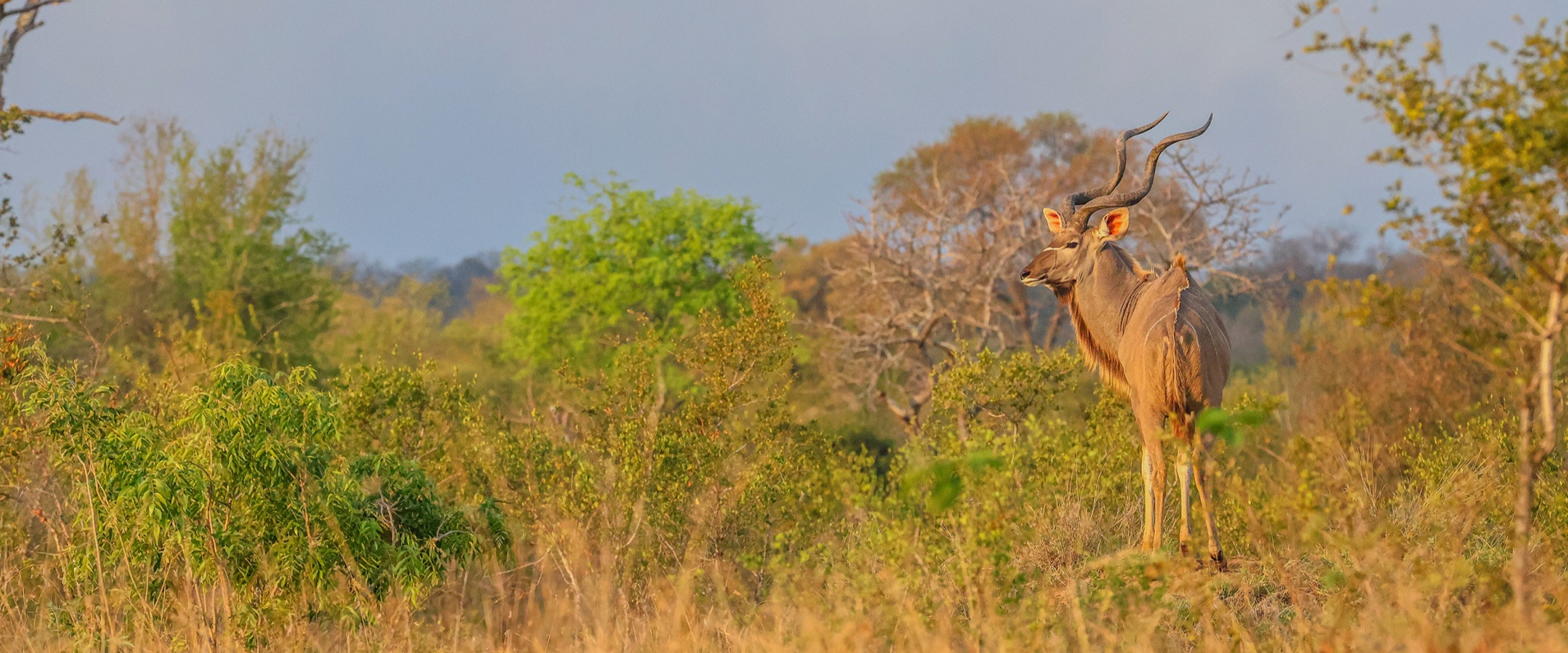
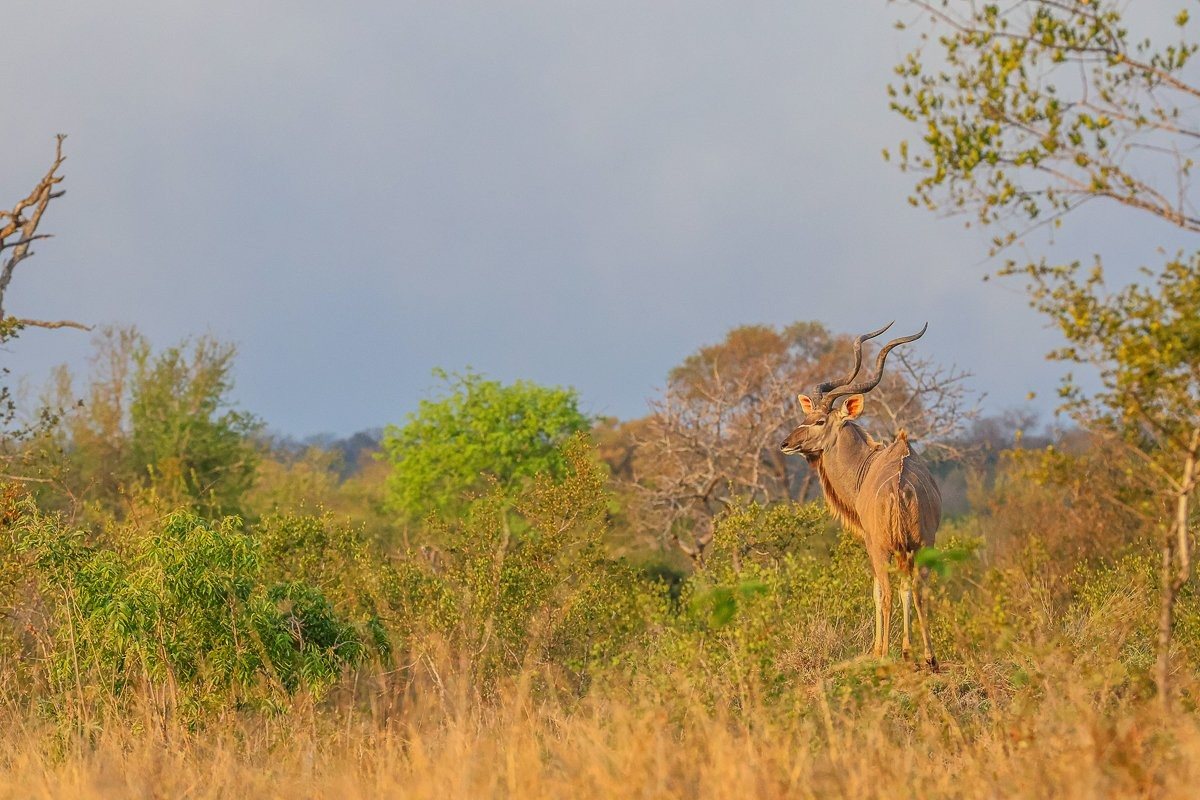
Late afternoon, this kudu bull was beautifully positioned on top of a termite mound, with the perfect backdrop creating an ideal photography opportunity. Kudu bulls often move in small bachelor groups and favour thicker vegetation, where their natural camouflage helps them remain concealed. As the day draws to a close, they may use elevated points such as termite mounds to scan their surroundings, keeping watch for potential danger before nightfall.
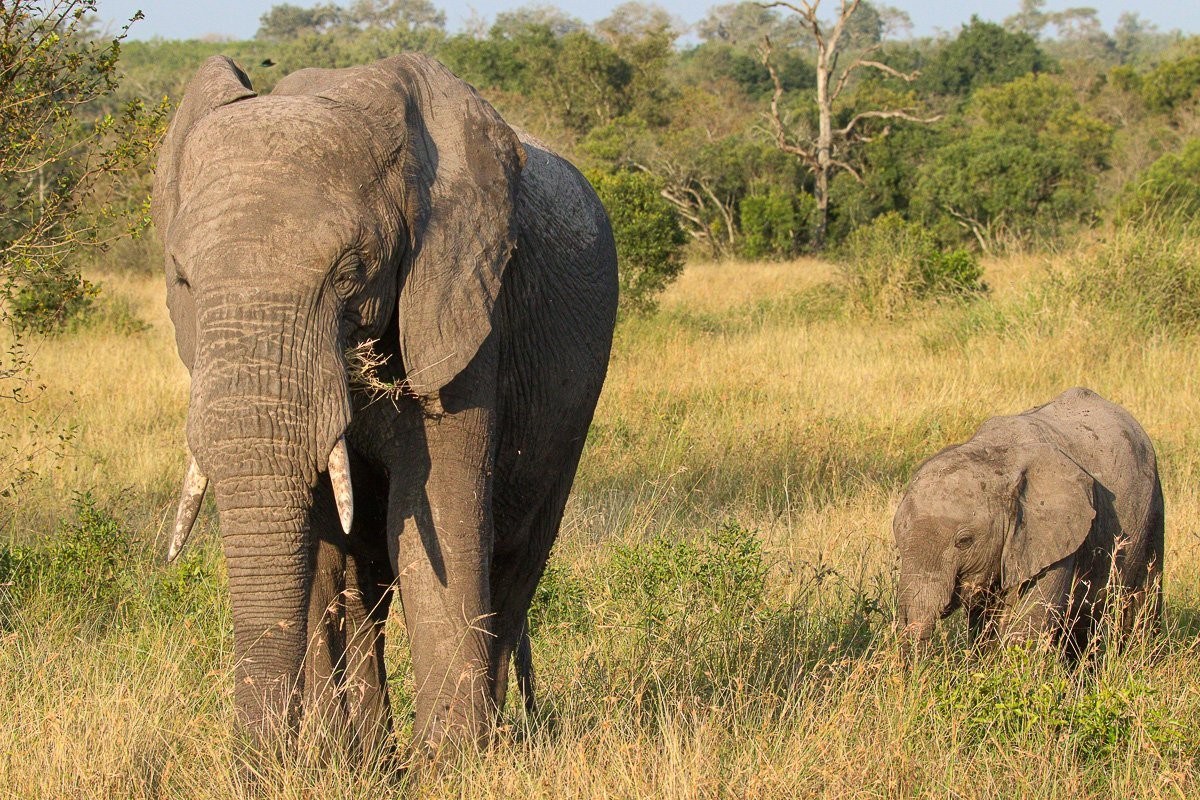
As a large breeding herd of elephants moved out of the thicket and into the open plains, a small calf paused briefly before rushing back to its mother. Although calves are often seen playing and interacting with other members of the herd, this young calf stayed close to its mother, relying on her for protection from predators, suckling and learning vital survival skills.
Until next time…
Blog by Wendy Claase
Images by Jana du Plessis, Jarrod Oflaherty, Ronald Mutero and Ruan Mey
Video by Jarrod Oflaherty