
A Week in the Bush Vol. 610
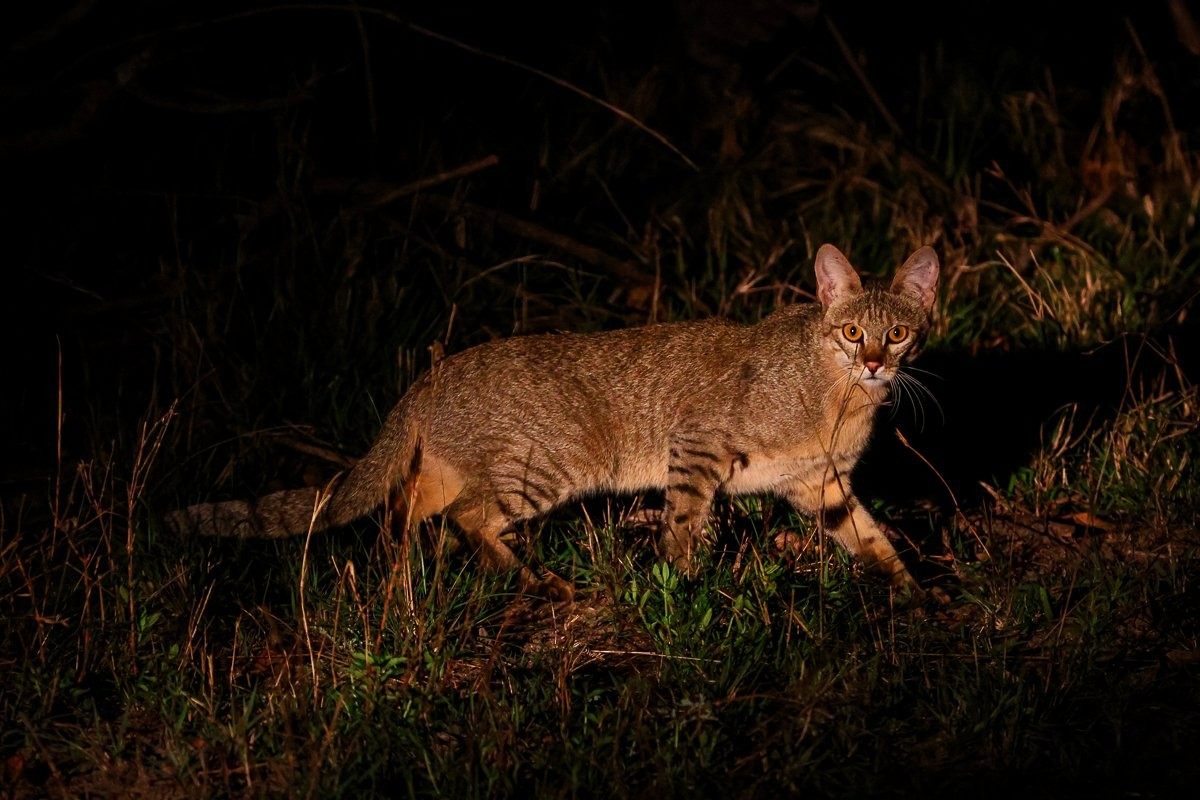
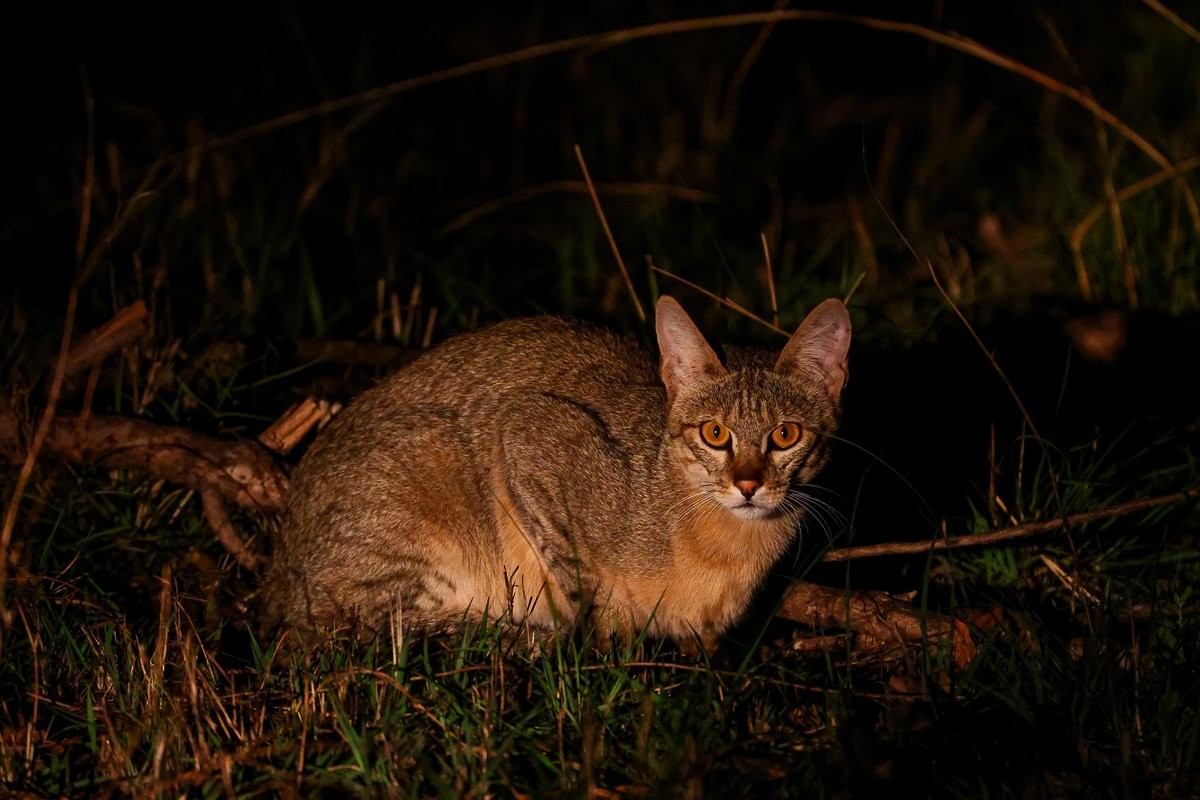
on Sep 23, 2026We were fortunate to spot an African wild cat quietly moving through a previously burnt area, where fresh green regrowth is beginning to emerge. As the vegetation returns, so too will the prey and cover it provides, highlighting the resilience of the landscape after fire.
Spotting an African wild cat on safari is never easy, as these small and elusive cats often remain hidden in dense vegetation while hunting, making this sighting incredibly special.
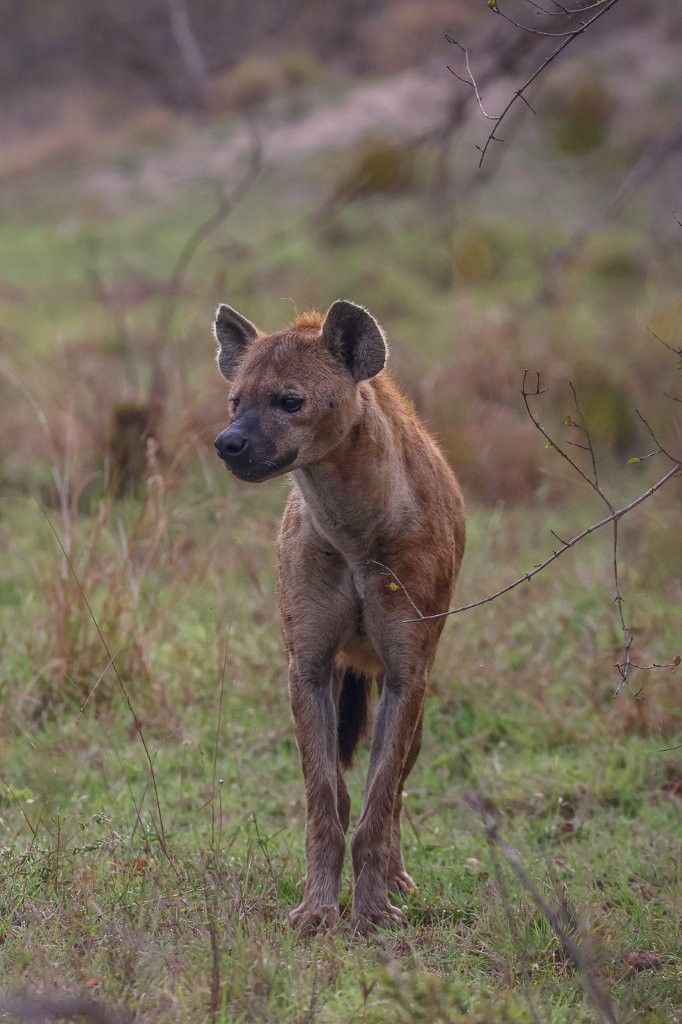
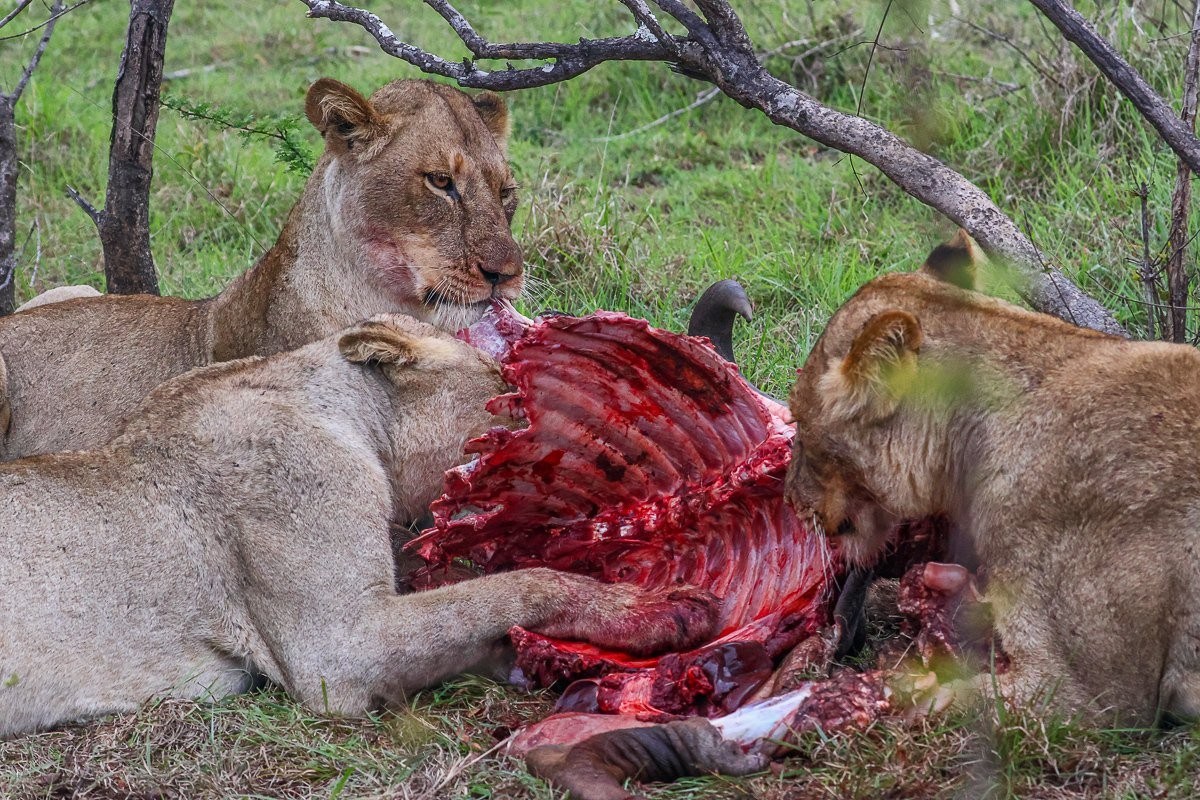
After hearing the distinctive whooping calls of hyenas, we immediately followed the sounds. As we investigated further, we spotted vultures gathering in the area and moved closer to see what had attracted them. To our surprise, we found four lionesses from the Msuthlu Pride finishing off a wildebeest kill.
They were not alone. A large clan of hyenas was waiting nearby, watching for an opportunity to steal the kill. After several attempts to challenge the lionesses, the hyenas eventually accepted defeat and settled down to rest. They knew their best chance was to wait for the lions to finish feeding and move off before they could feast on what remained.
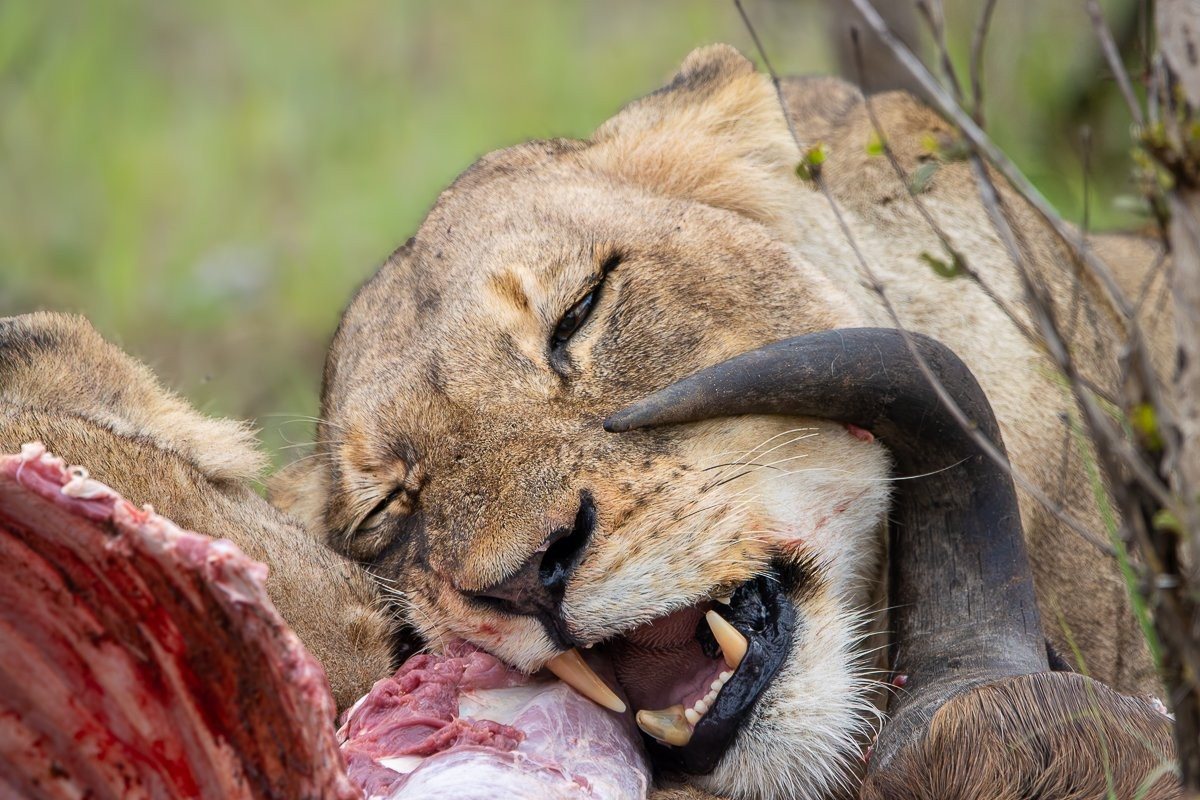
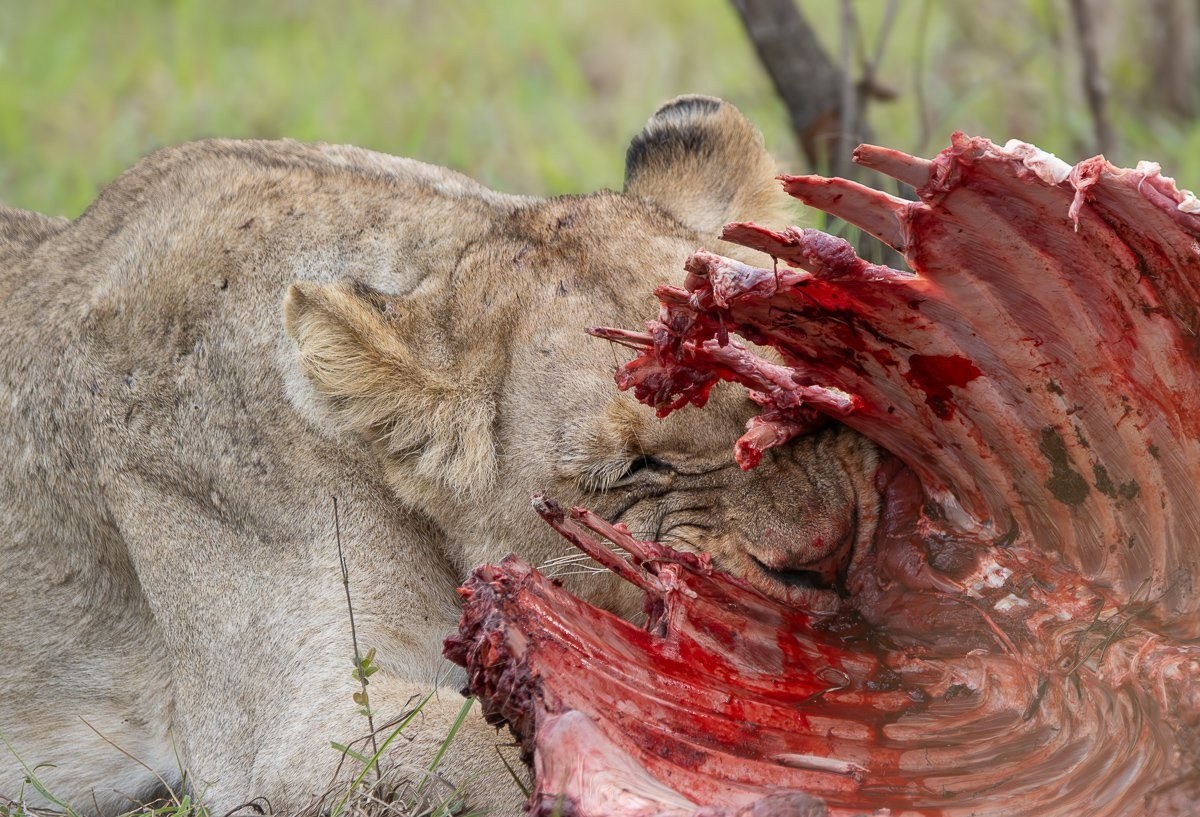
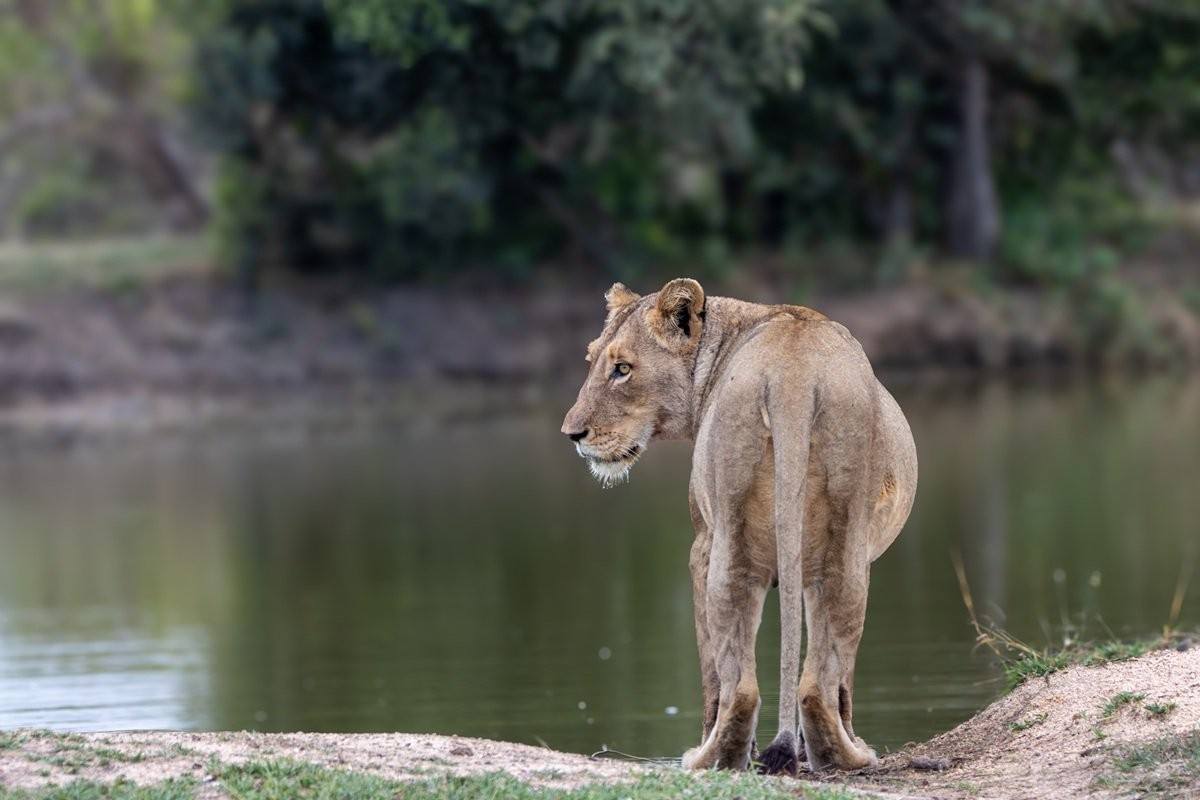
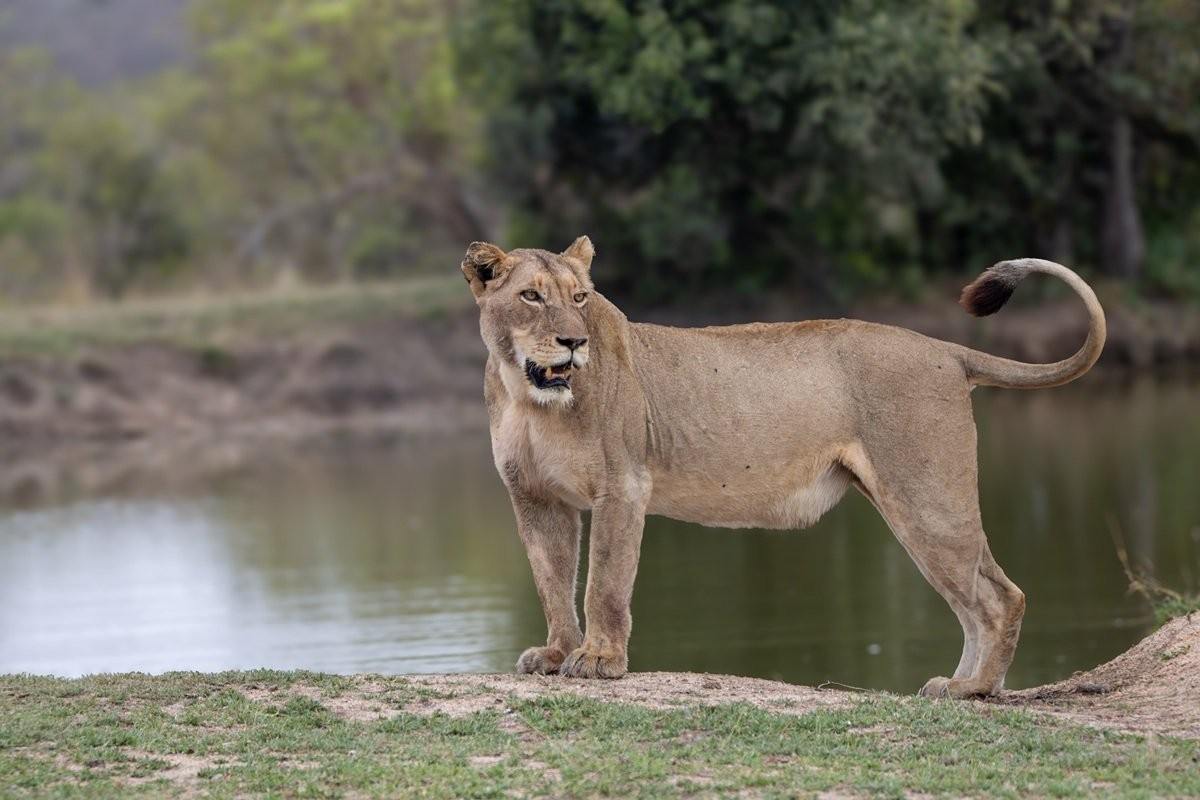
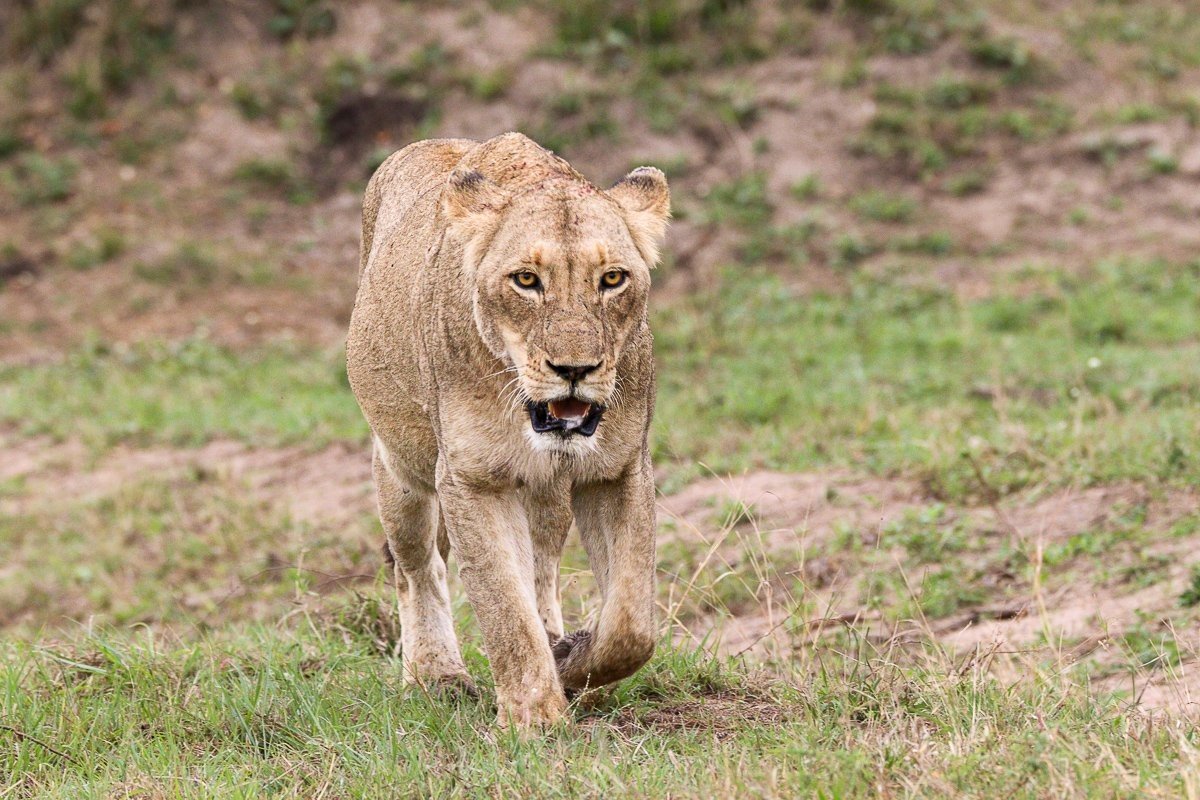
Hoping to find the Msuthlu lionesses, we headed towards the area where their tracks had last been seen. As we turned the corner, one of the lionesses came walking towards us along the road at a steady pace. Knowing that she had come from the direction of their den site, and with blood visible on the back of her head, it was clear that the lionesses had successfully made a kill during the night.
The new cubs are still too young to accompany the lionesses to a kill, so after feeding, the females will leave the carcass with the rest of the pride and return to the den to provide milk for their cubs.
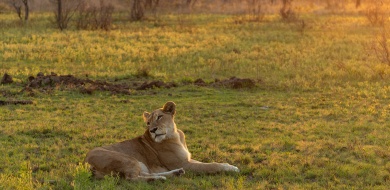
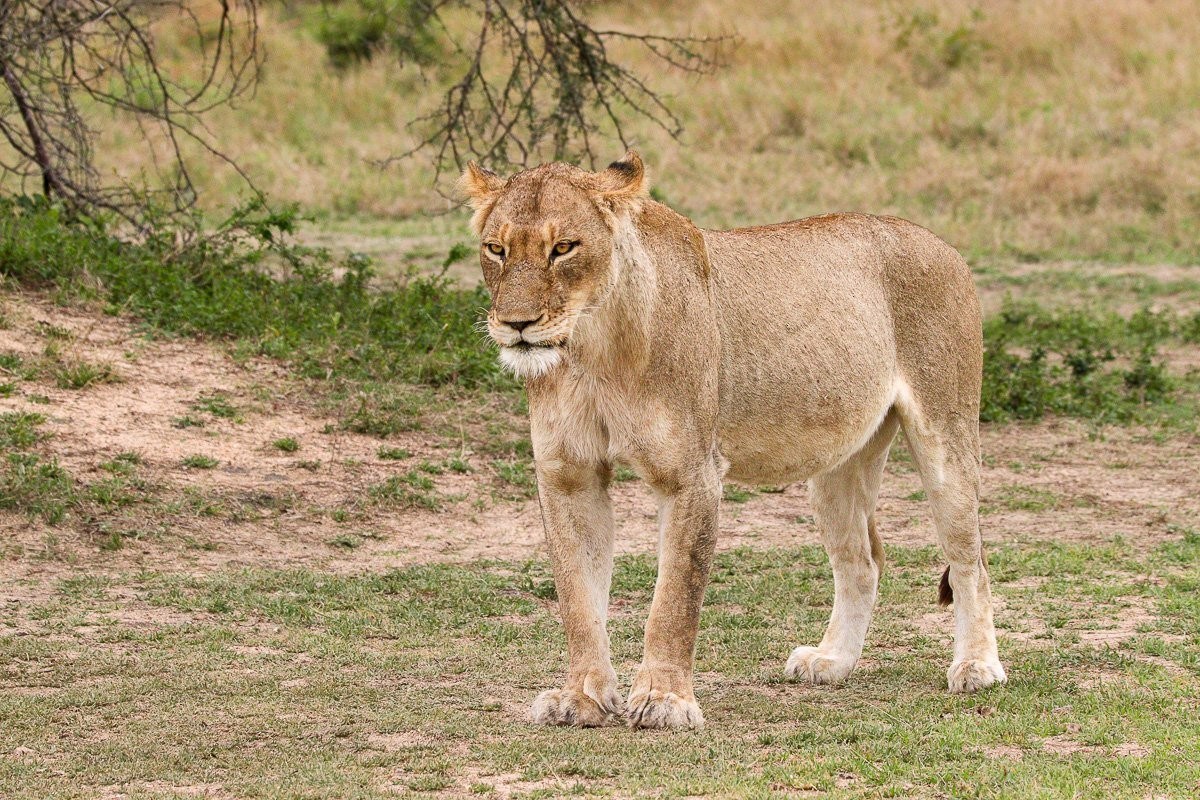
The following day, after finishing off a meal with her pride, a lioness lay next to a waterhole while the rest of the pride moved to feed their cubs. Although they get their daily moisture in from their meal’s blood, they will still visit a waterhole after a large meal to not only help digest their heavy meal, but also to help cool them down on hot days.
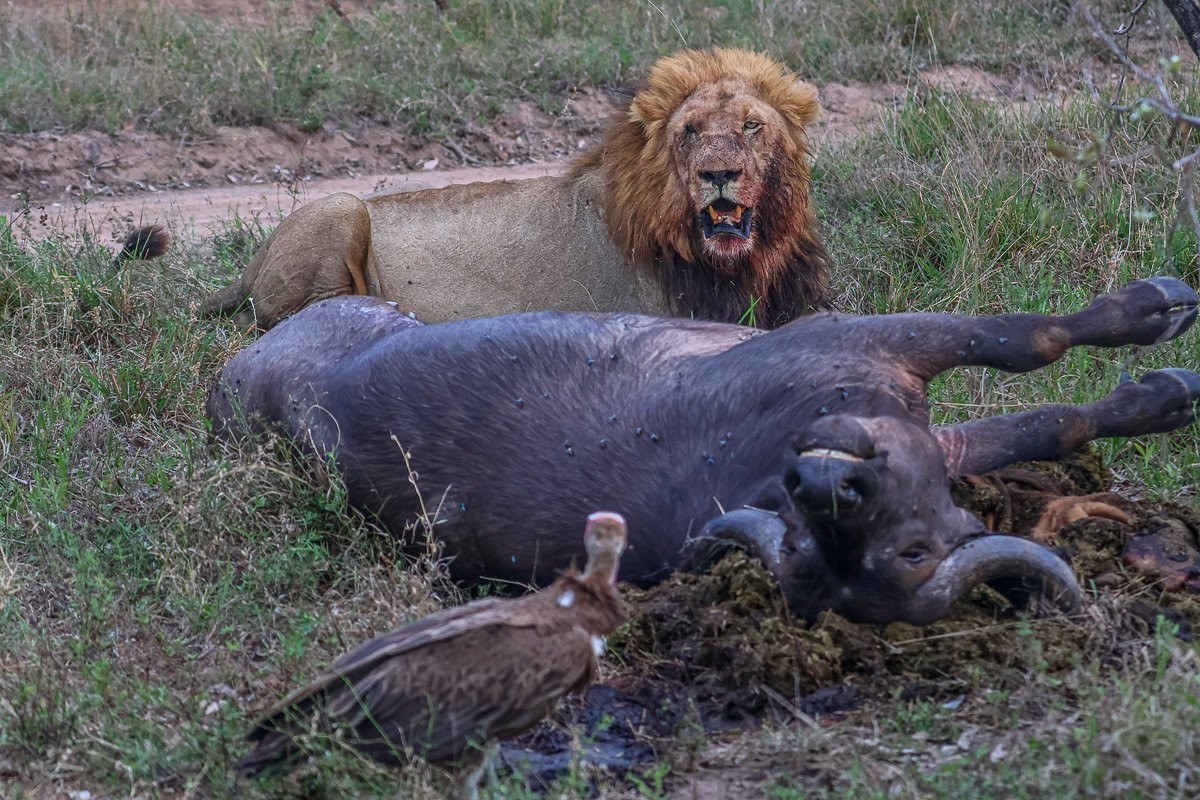
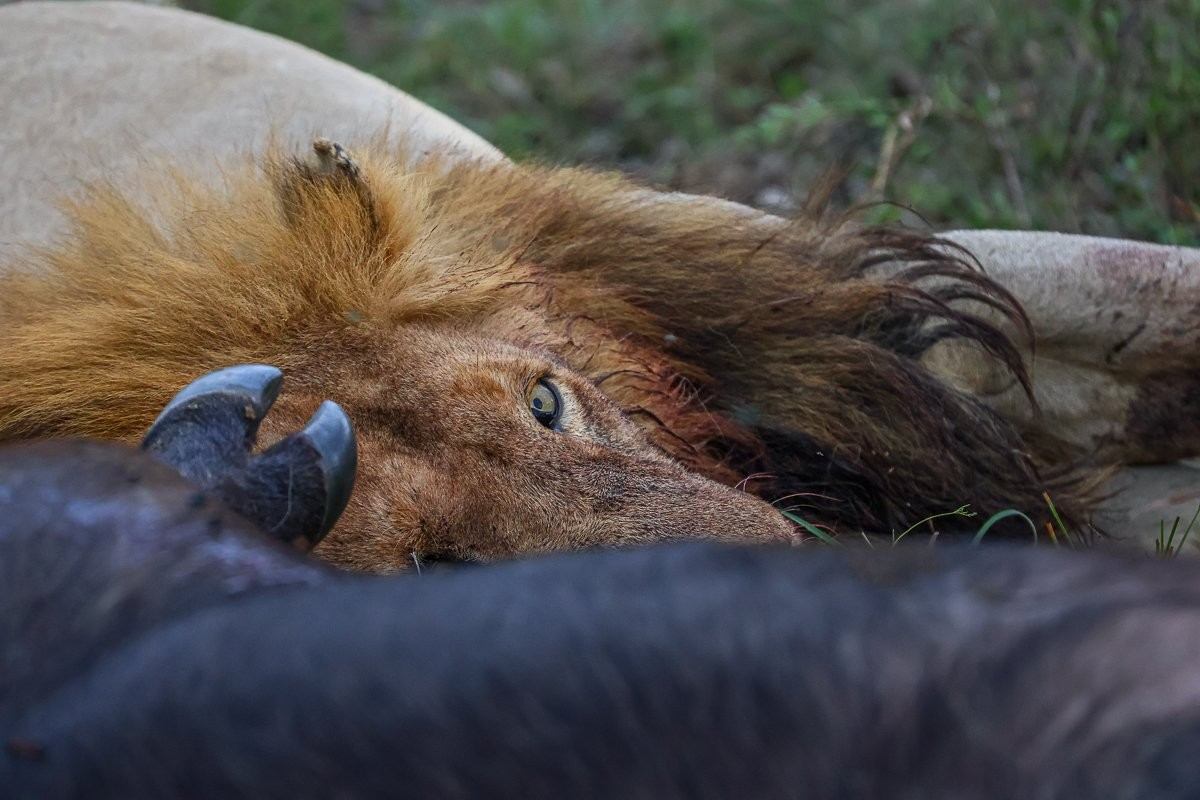
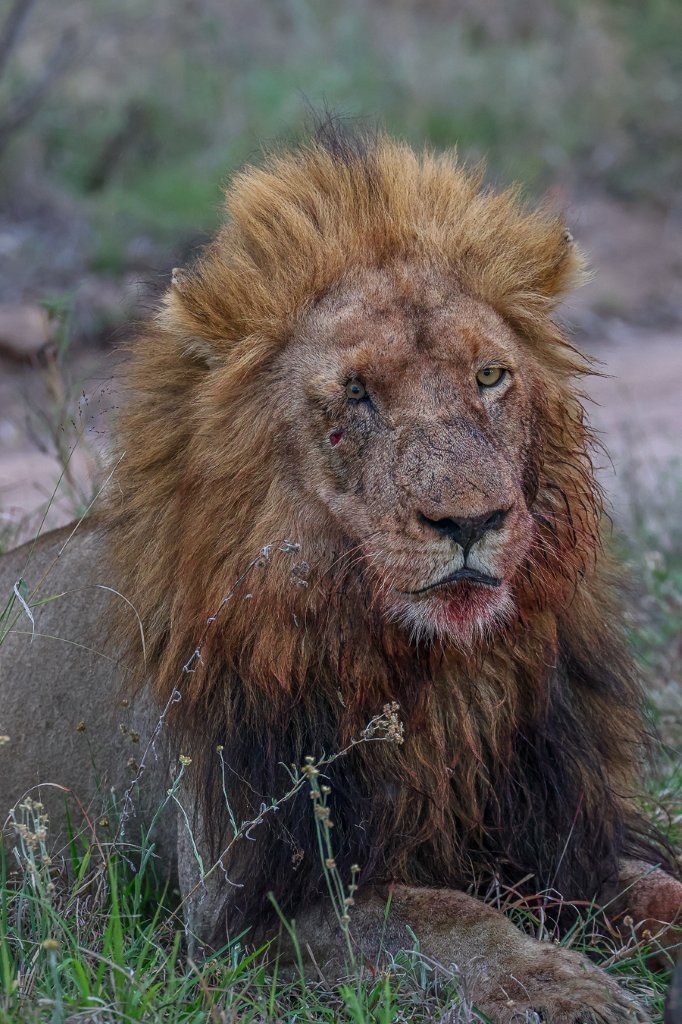
After a long absence, we were thrilled to have the formidable Nkuhuma and Talamati male lions back on the reserve - and they had returned with a purpose.
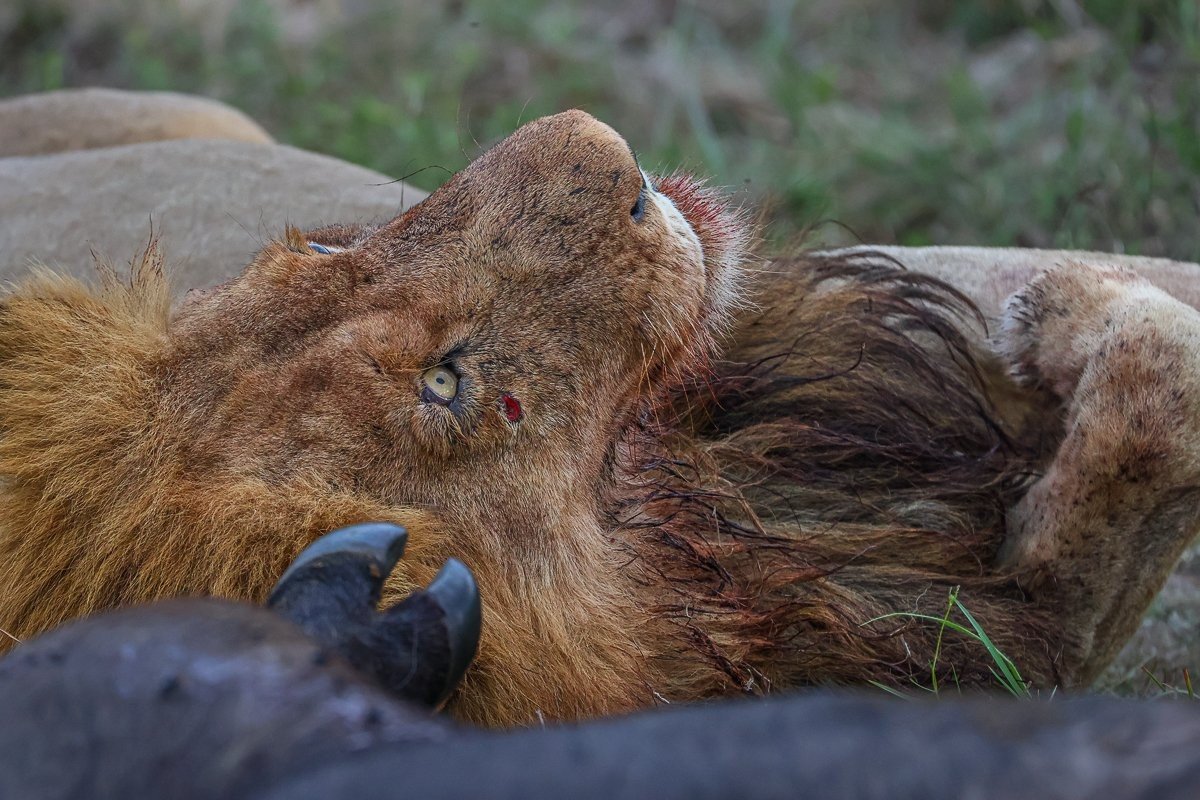
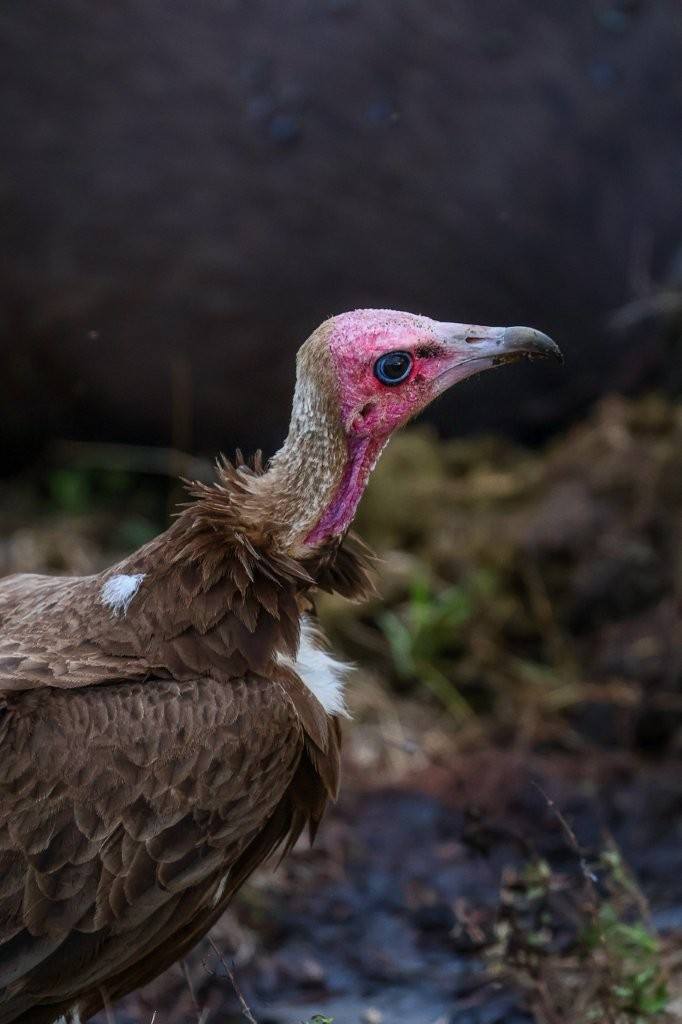
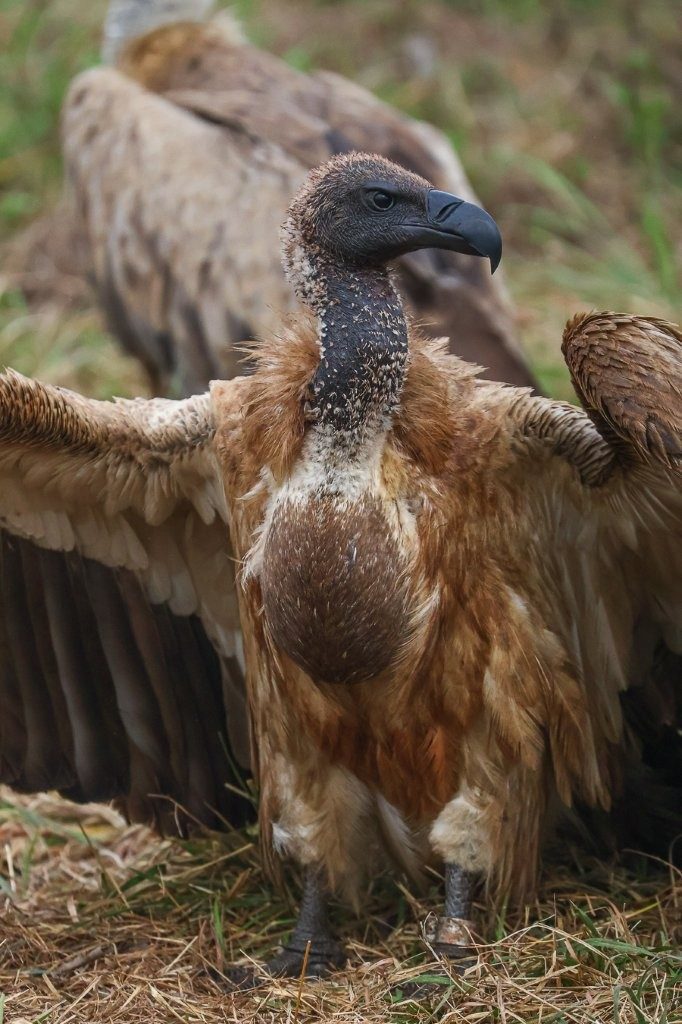
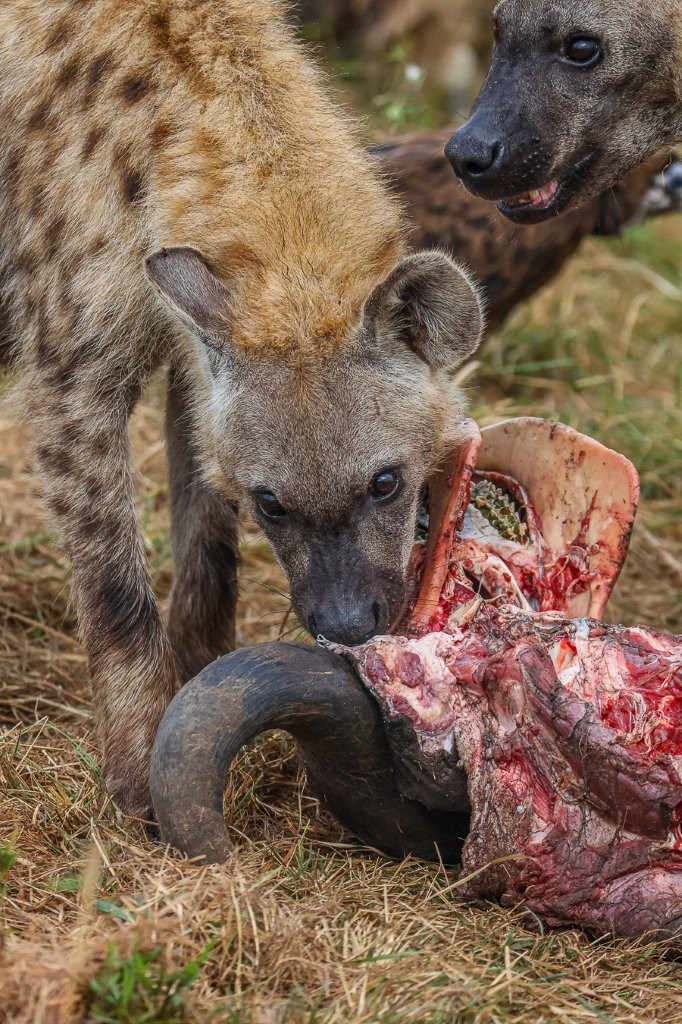
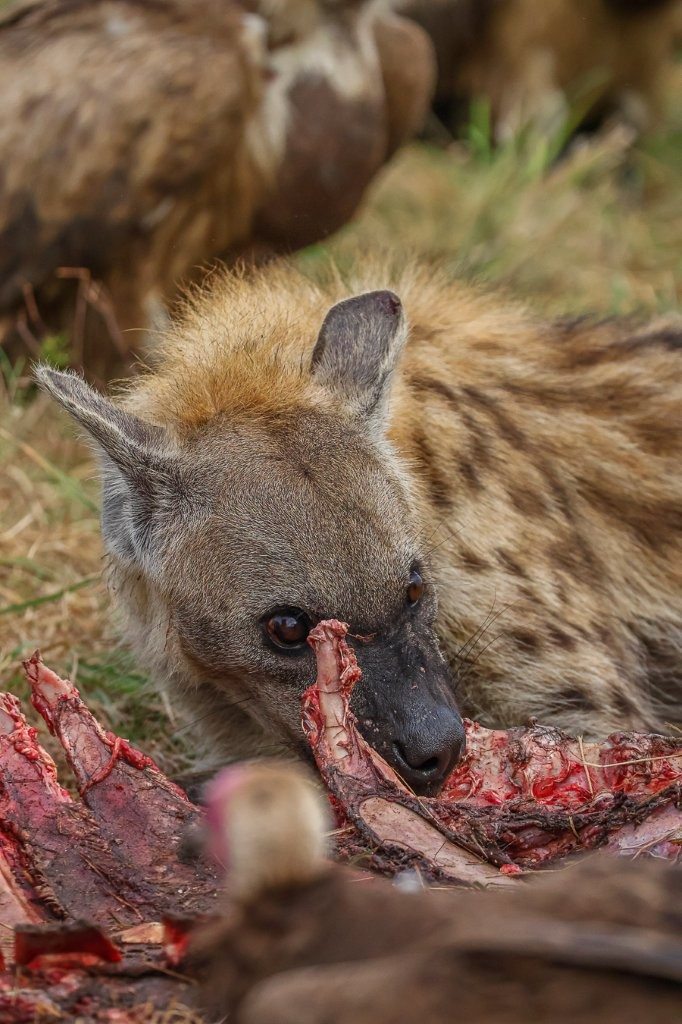
We found the two males late one afternoon in the western parts of the reserve, where they had managed to bring down not one, but two buffalo. Both males were already full and were protecting their kills from the growing numbers of hyenas and vultures gathering nearby. With so many scavengers being drawn to the area, the night ahead was likely to be a long one as the two males defended their hard-earned meals.
We left them as the sun began to set, planning to return the following morning. When we arrived, however, we were in for a surprise. The Nkuhuma and Talamati males had disappeared, leaving the hyenas and vultures to feast on both buffalo carcasses.
It is likely that the two males recognised they were in contested territory. The nearby presence and roaring of the N’waswishaka males would have been a clear indication that they were not alone, and the Nkuhuma and Talamati males may have decided that remaining in the area was not worth the risk.
Lion dynamics are constantly shifting, and with the Nkuhuma, Talamati and N’waswishaka males all moving through the reserve, competition between male lions is intense.
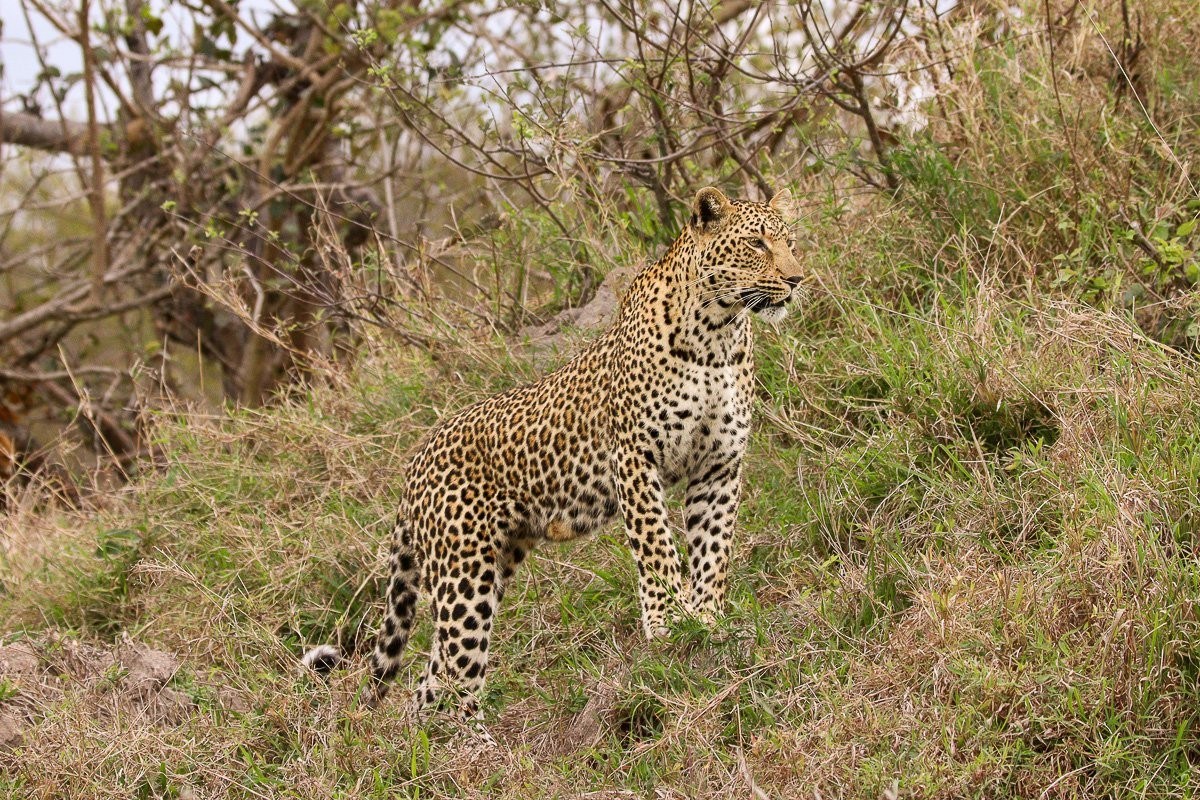
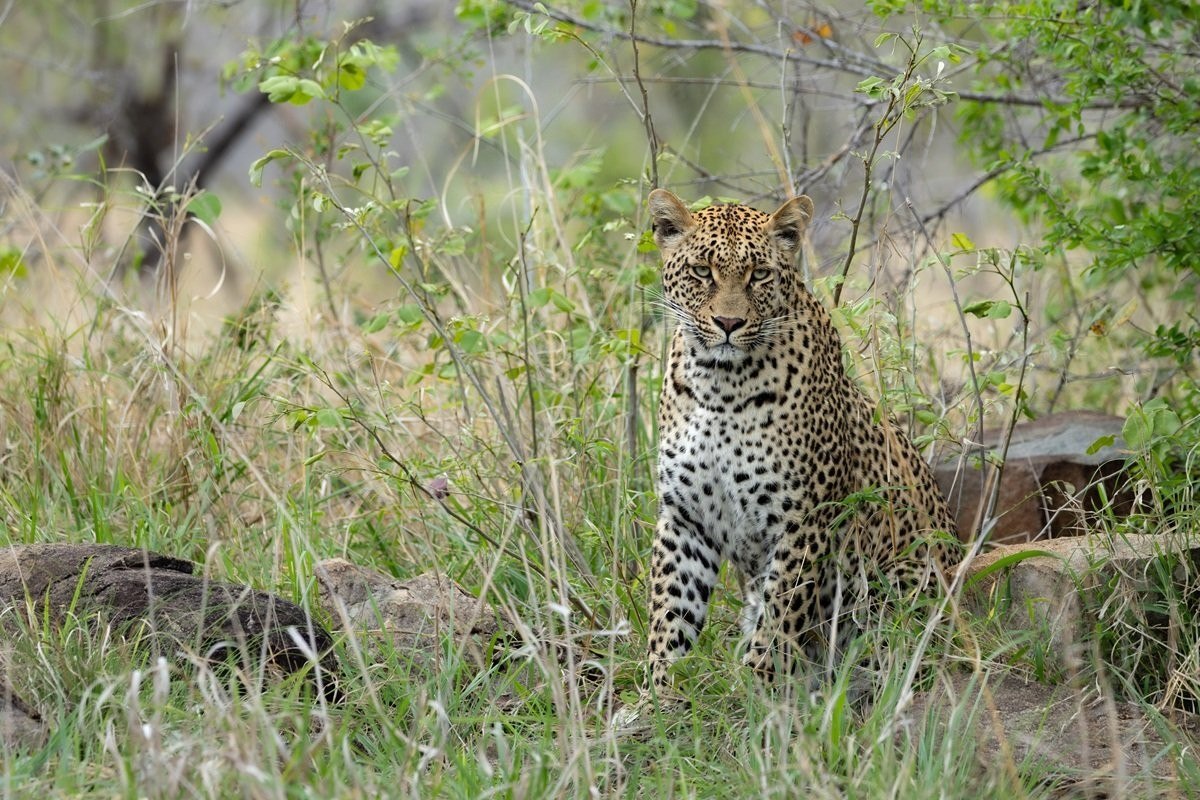
After leaving her cub in the safety of a rocky area within a small drainage, the Kurhula female leopard set off through the reserve in search of her next meal. She moved from one termite mound to the next, climbing to the top of each one to scan her surroundings before continuing her search for food.
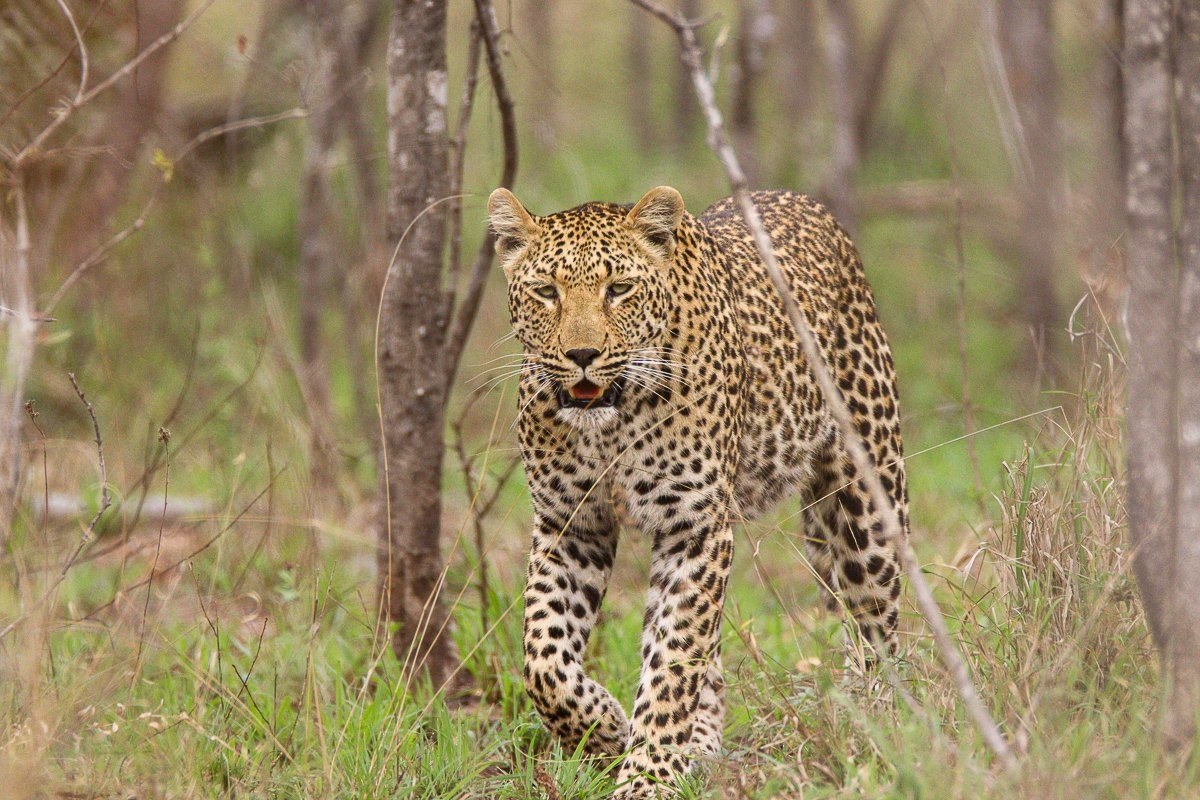
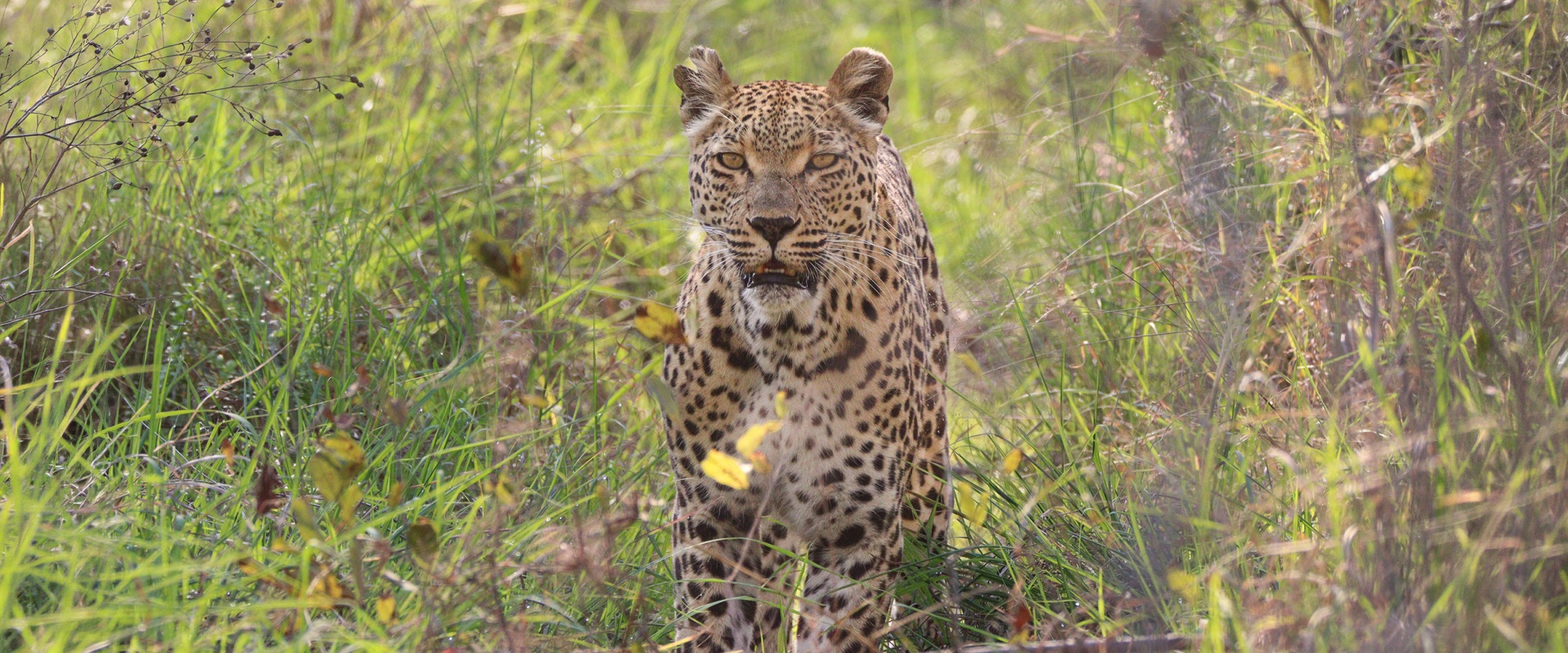
The Ntsumi female leopard was moving through the reserve before settling briefly in the shade of a thick drainage line to catch her breath. After a few moments, she lifted her head, shifted position and continued on her way.
As we followed her, we noticed two hyenas approaching the drainage line where she had been resting. She quickly slipped into the long grass, waiting for them to move on before continuing along her route.
Every few steps, she paused to look back over her shoulder, checking whether the hyenas were still following. She also climbed onto higher vantage points, using the elevation to keep an eye on her surroundings before continuing once it was safe to do so.
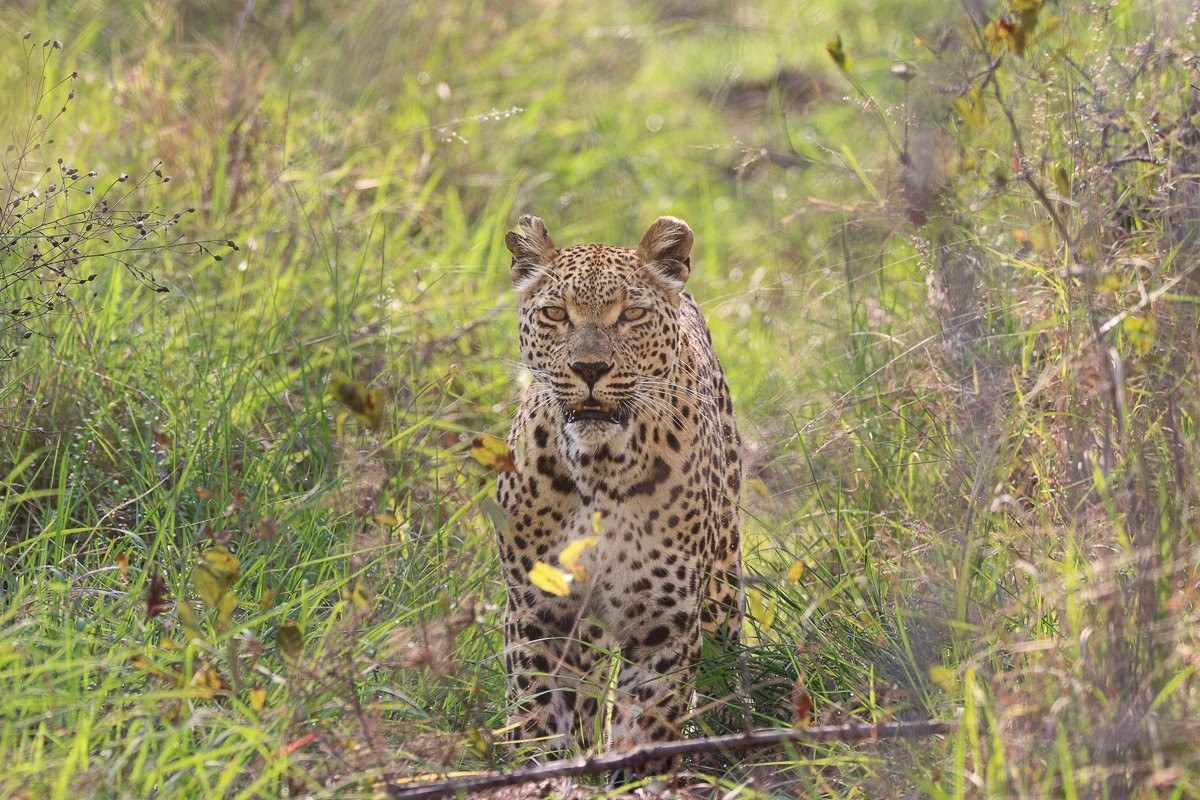
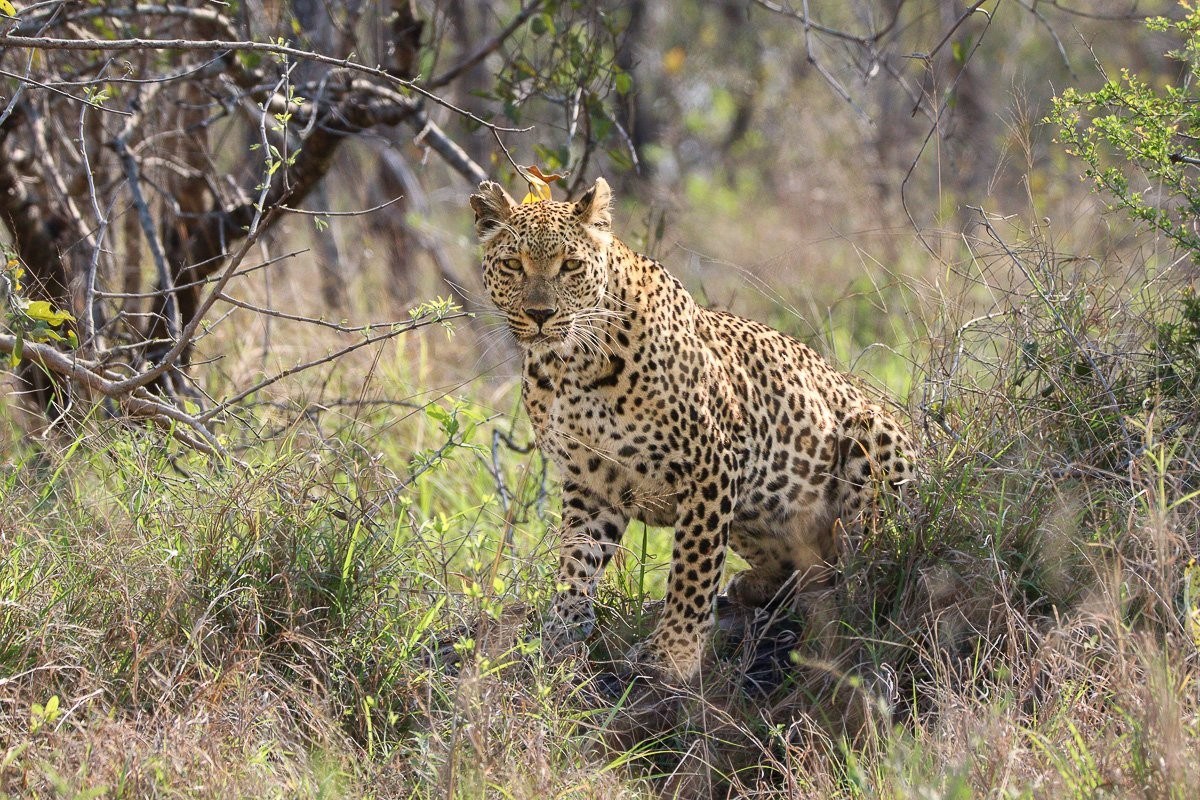
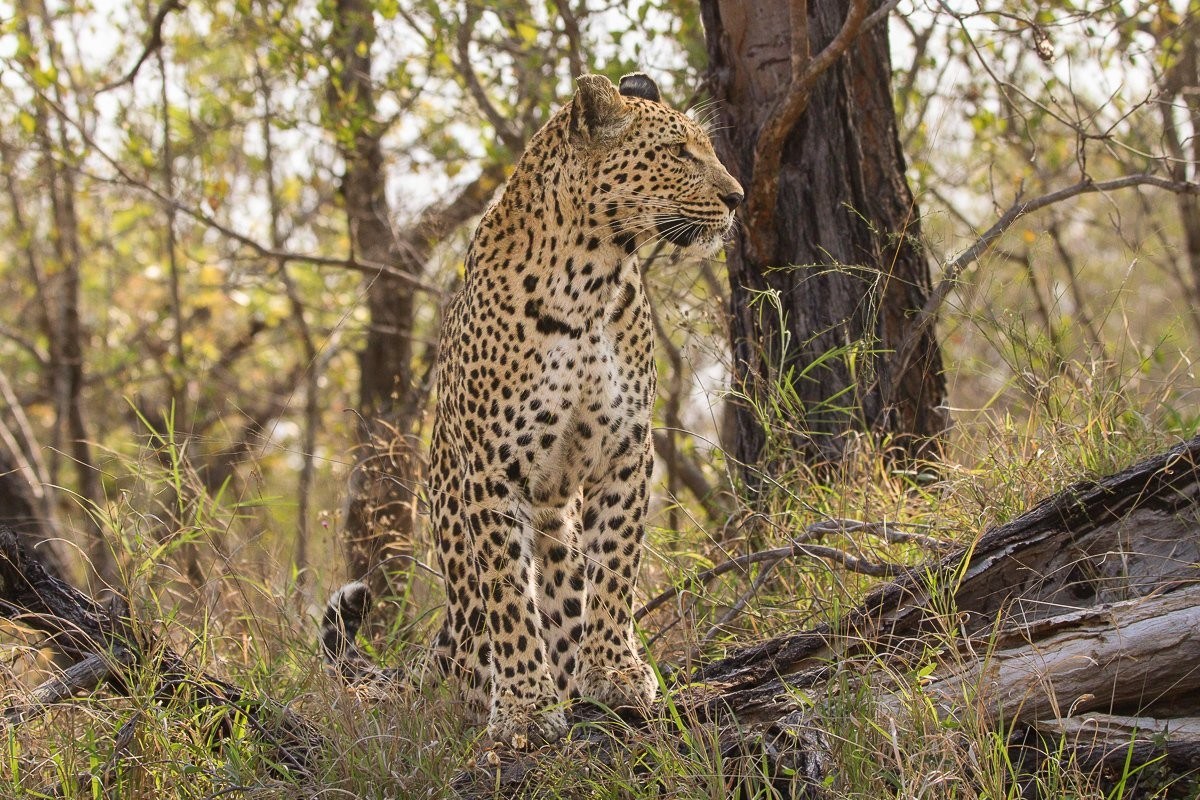
After a long absence from the reserve, the Mgiba female finally showed herself again. She wasn’t alone, with the Khulwana male right alongside her. The pair had been mating for several days and had remained close throughout. Khulwana, however, was far more camera-shy, choosing to keep himself hidden in a nearby thicket.
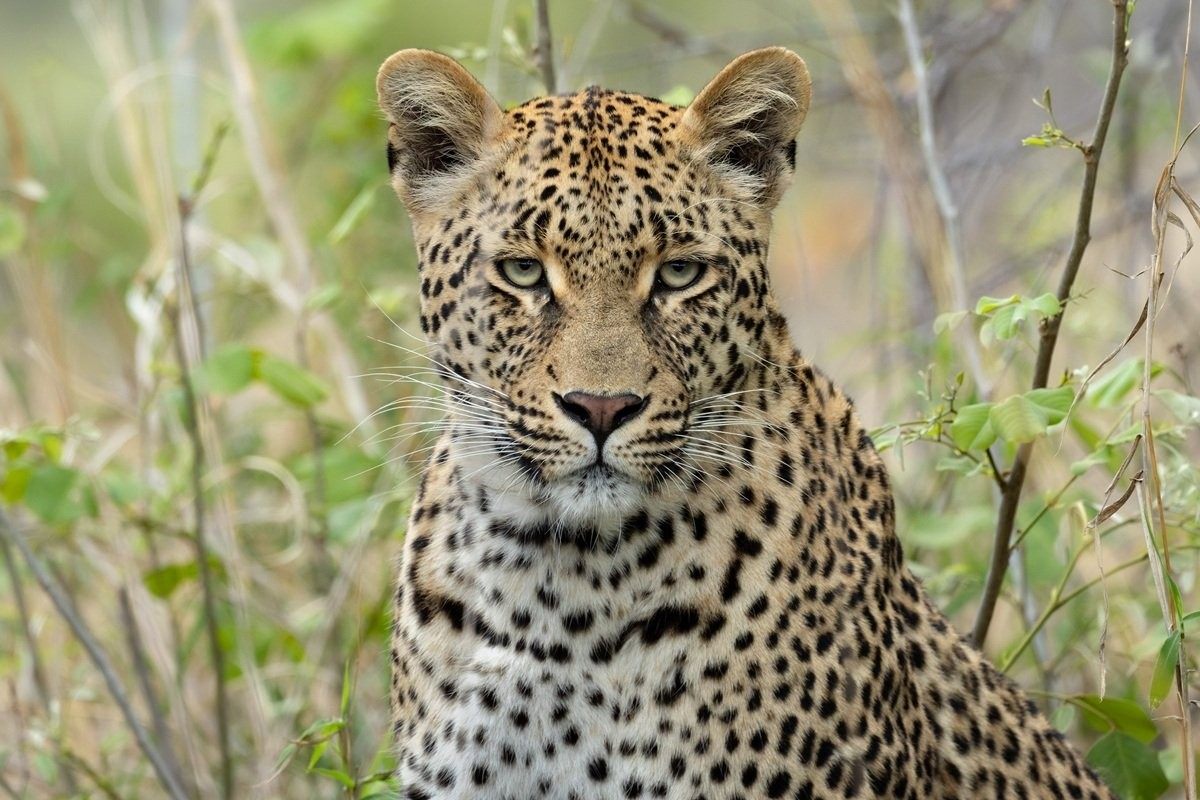
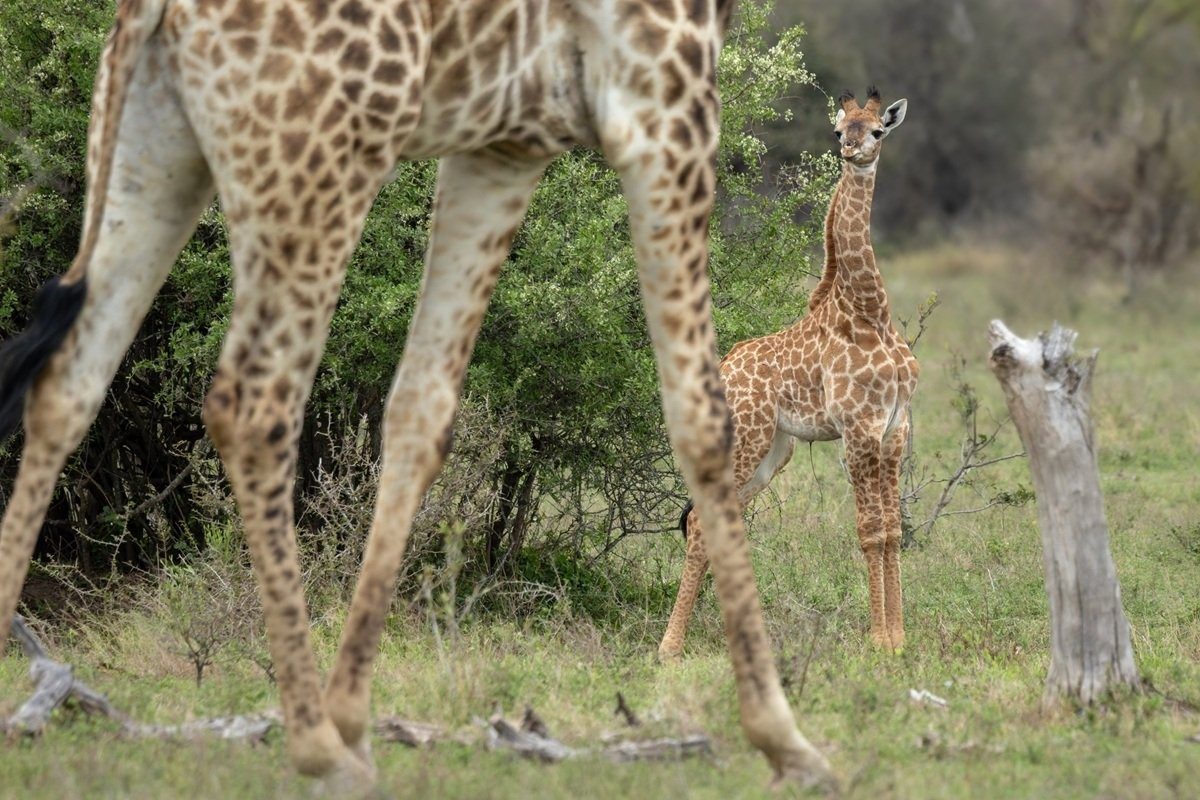
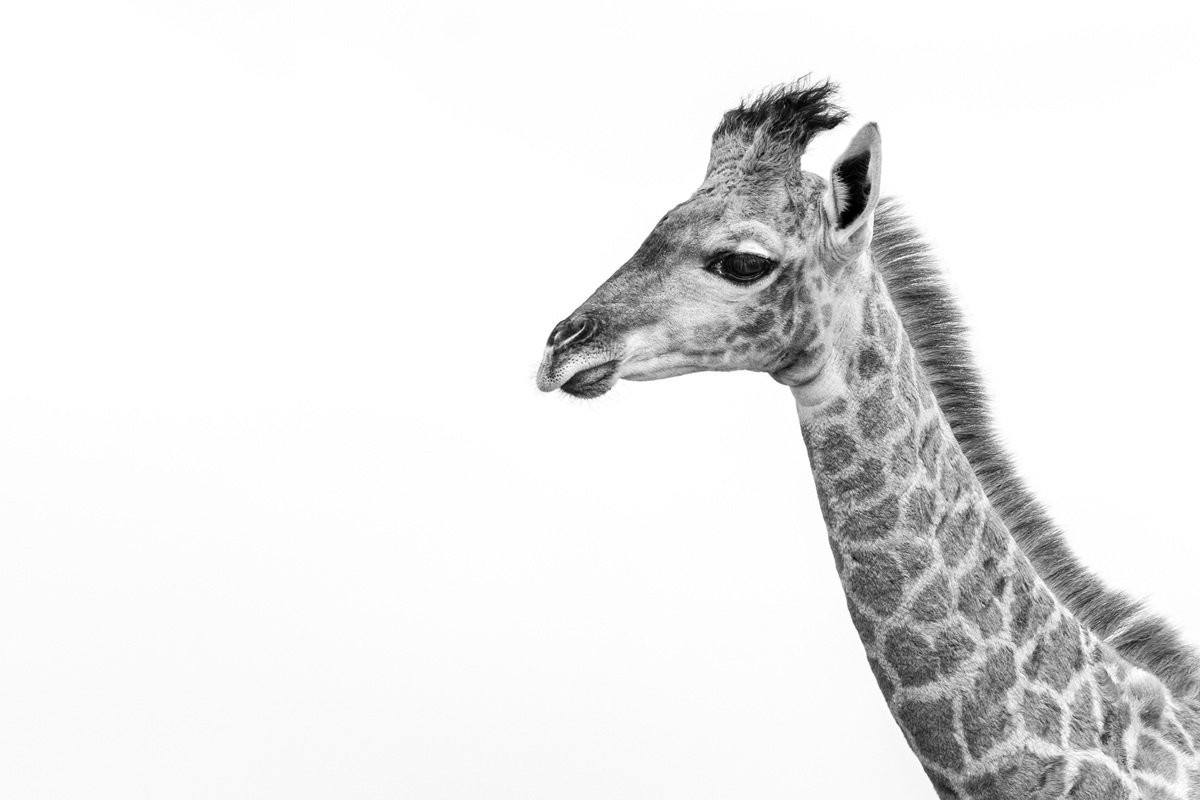
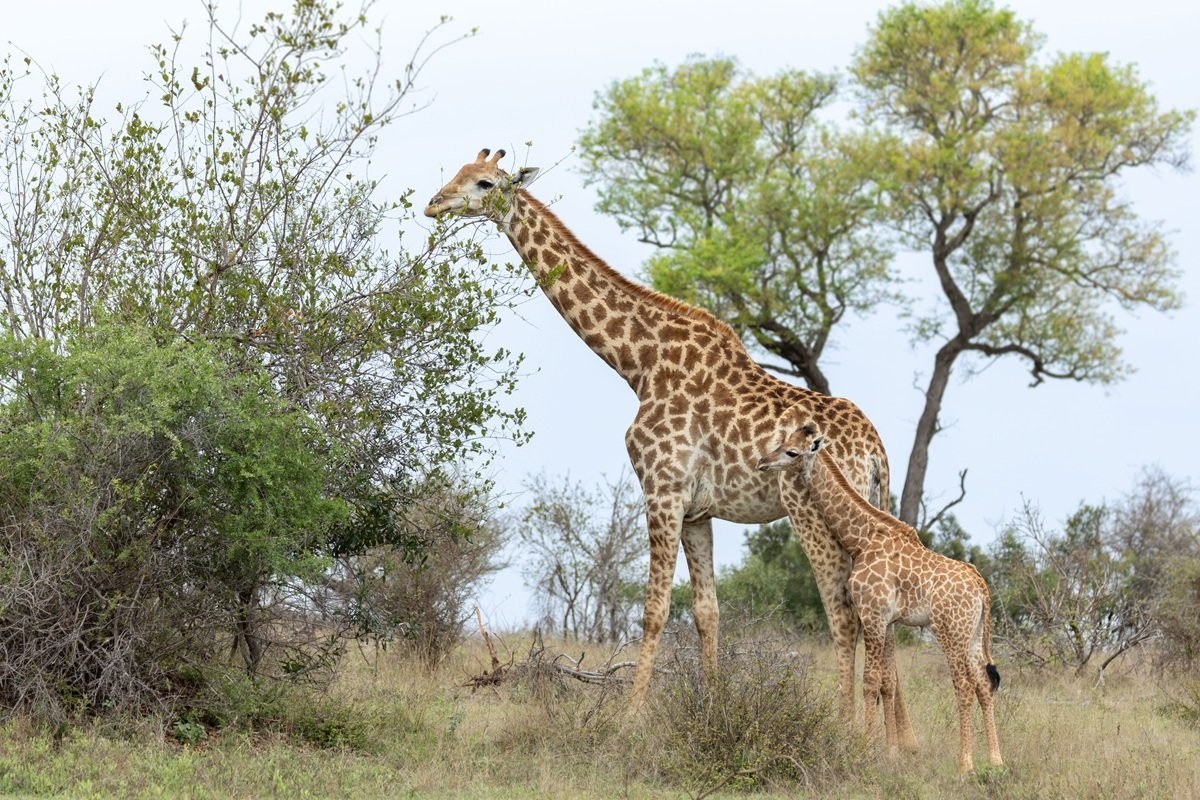
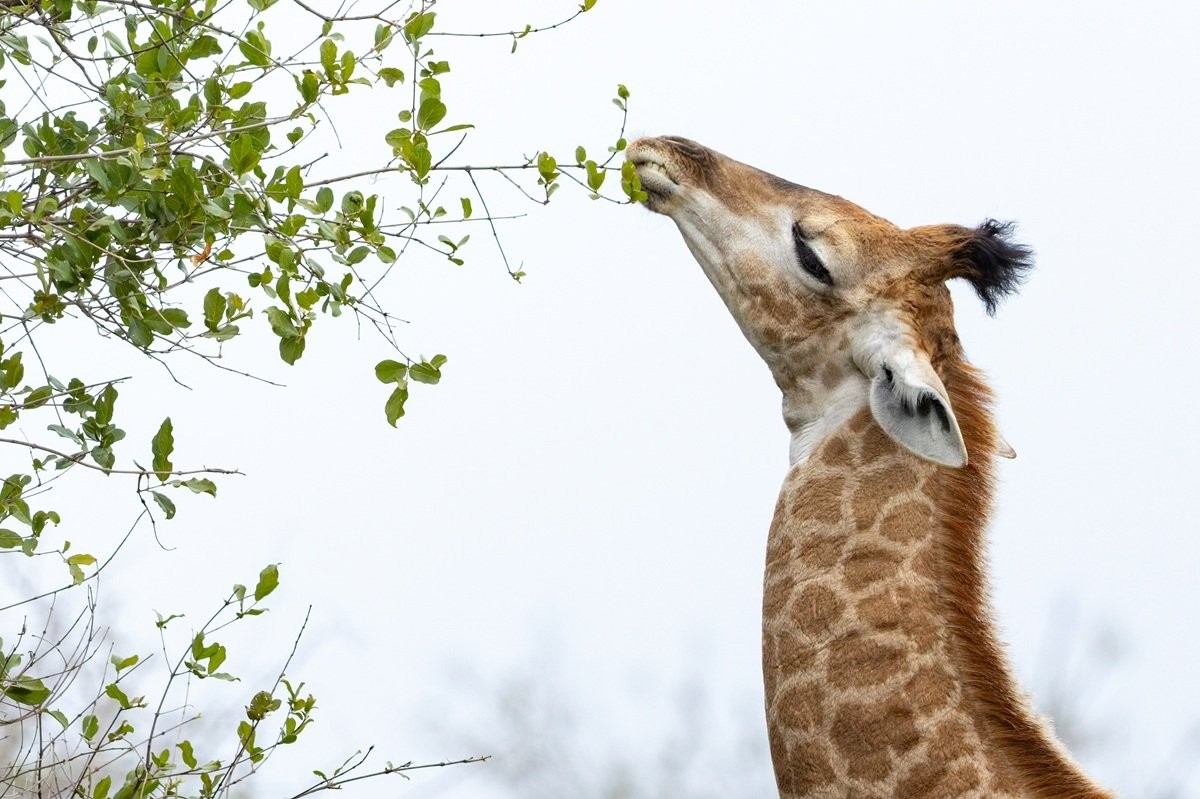
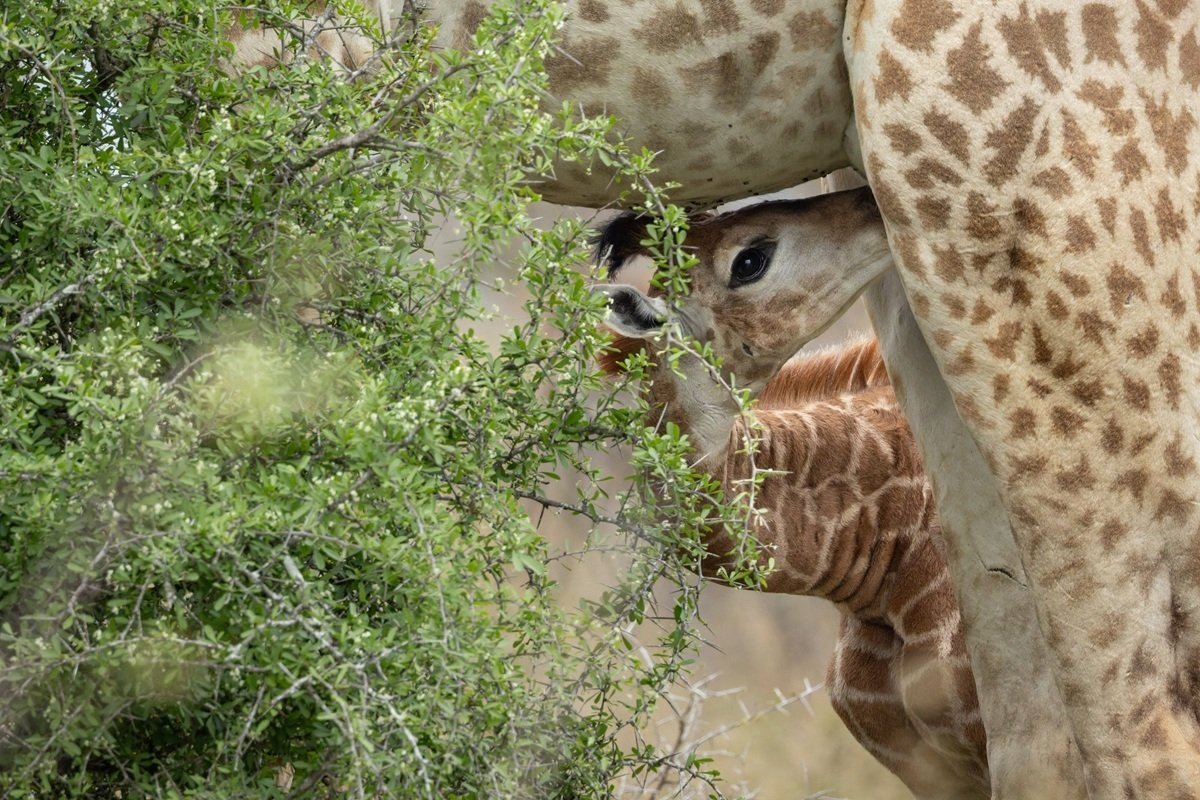
Baby giraffes are not a sight you see every day. We were incredibly lucky to find a practically newborn giraffe, its umbilical cord still attached, staying close to its mother. We approached slowly and quietly, careful not to startle the youngster, before settling in to watch this beautiful sight. The confident little giraffe even attempted browsing on a few leaves, before deciding that milk was by far the more delectable option.
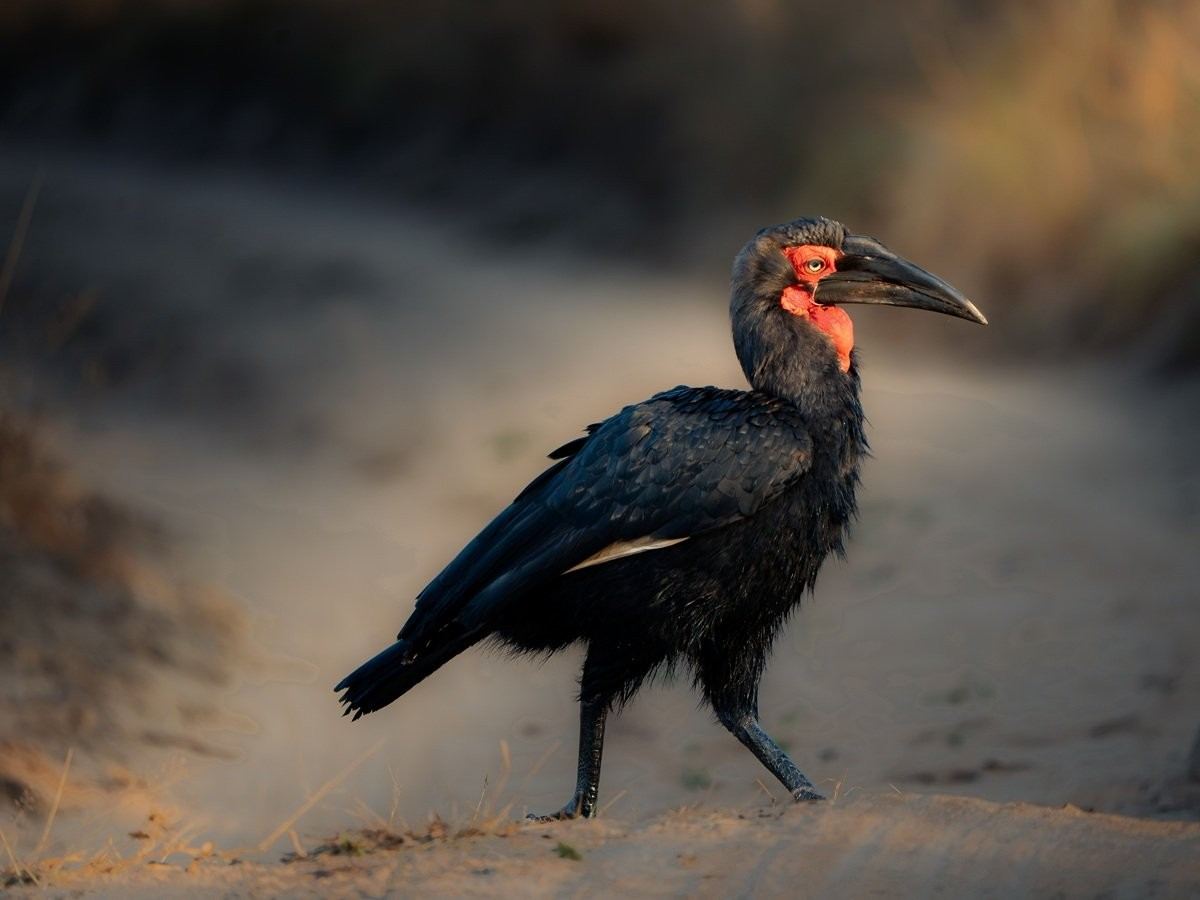
The Southern Ground Hornbill is Africa’s largest hornbill, easily recognised by its striking black plumage, vivid red skin around the eyes and throat, and long eyelashes. Unlike most hornbills, it spends much of its time on the ground, walking through open grassland and woodland in search of insects, reptiles, frogs and small mammals. Usually seen in small family groups, these impressive birds are powerful hunters and can often be heard before they are seen, with their deep, booming calls carrying across the landscape.
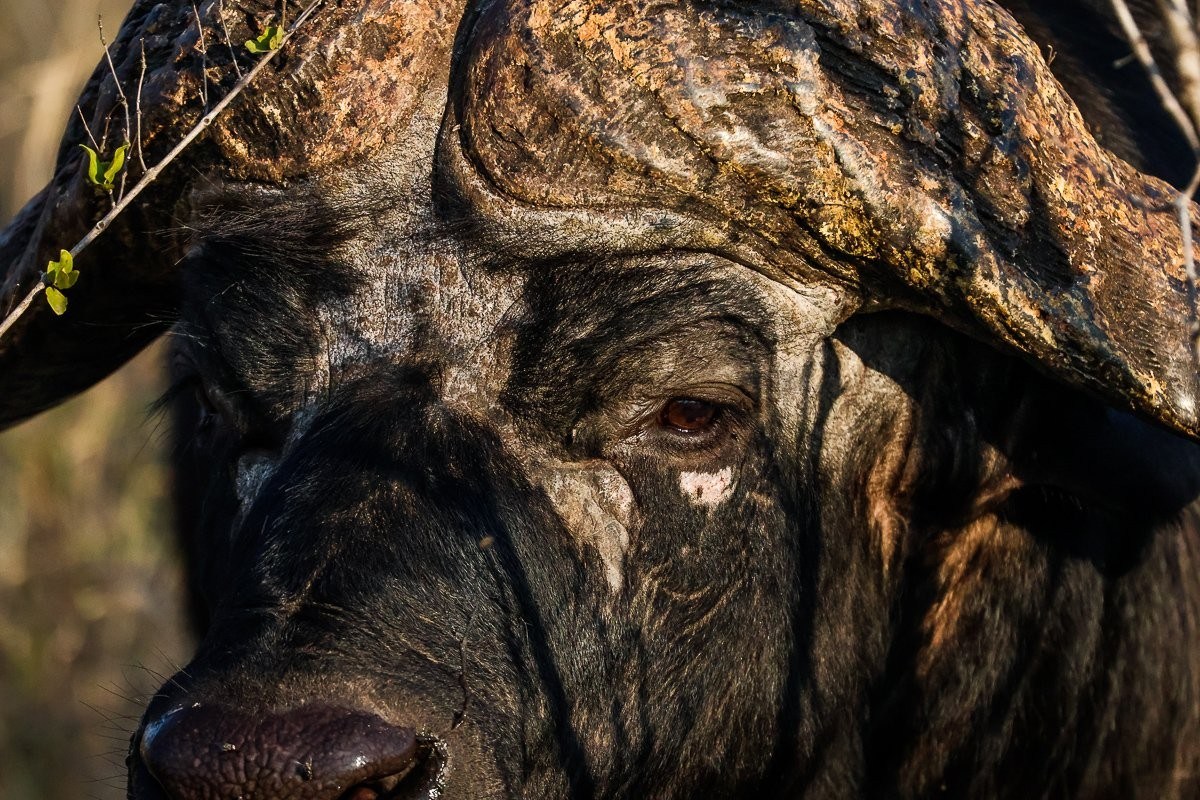
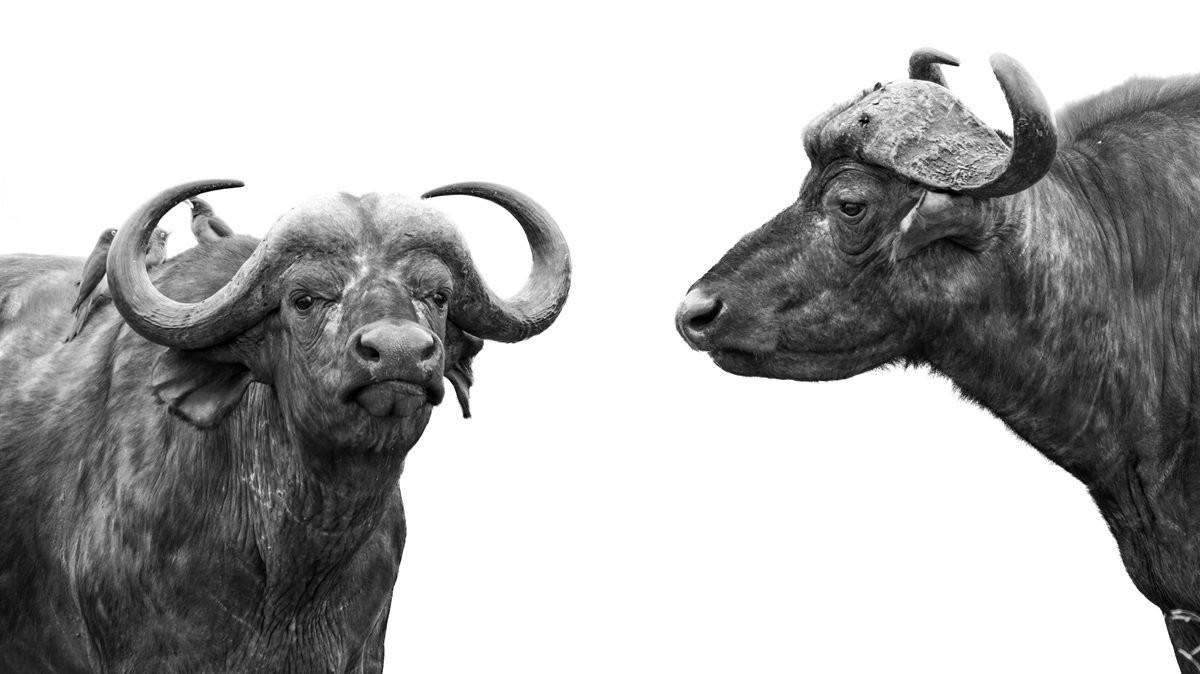
Entering the thickets, you never know what you might come across. As we drove slowly through the dense vegetation, a large dark figure caught our eye, and we stumbled across an impressive buffalo bull. He was making the most of the last afternoon sun before heading into a drainage line where he would spend the night.
Older bulls like this often spend much of their time alone in thick areas, relying on themselves rather than the protection of a herd. Looking at his weathered face, it was easy to imagine the years of experience behind those eyes and the many challenges he has faced throughout his life.
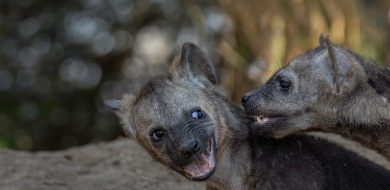
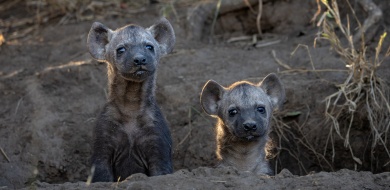
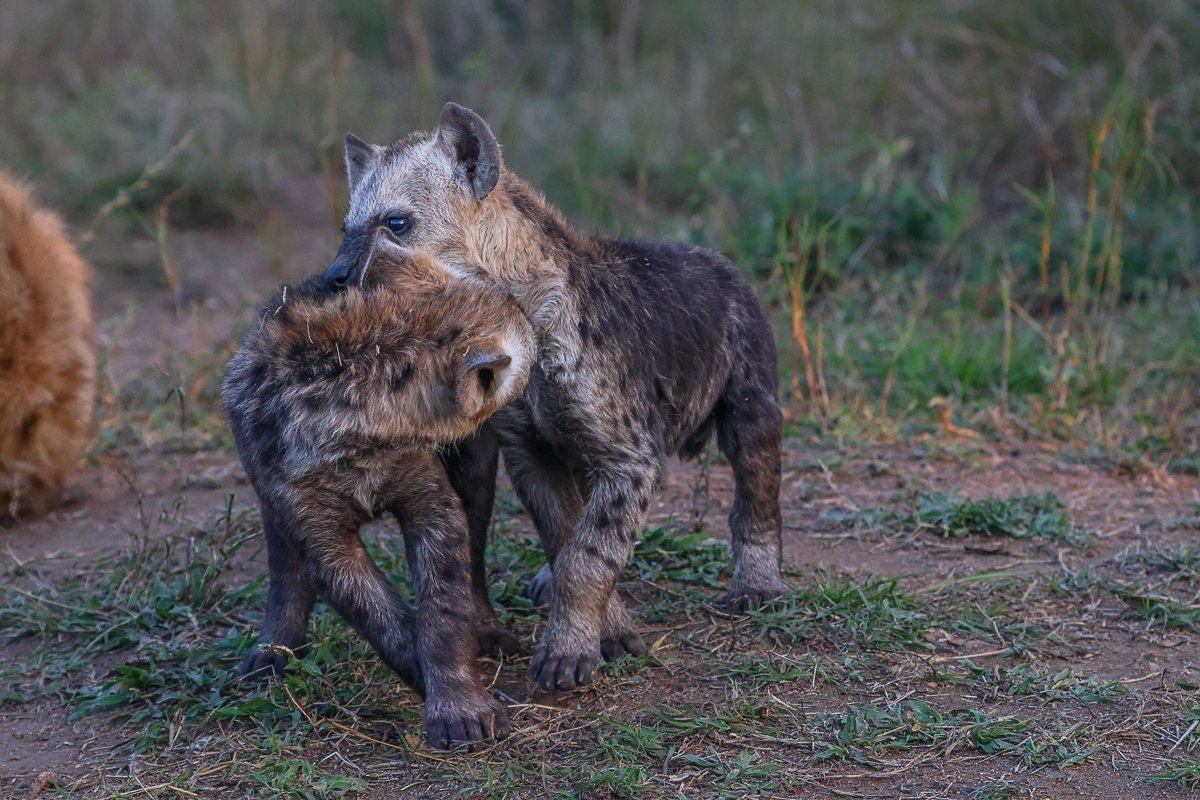
Visiting the hyena den, these two youngsters were full of energy, playing beneath the watchful eye of their mother as she rested nearby. As the sun sets, the adults leave the den to search for food, while the youngsters remain safely underground. For now, their playful antics provide the perfect way to burn off some energy while developing and strengthening their social bonds.
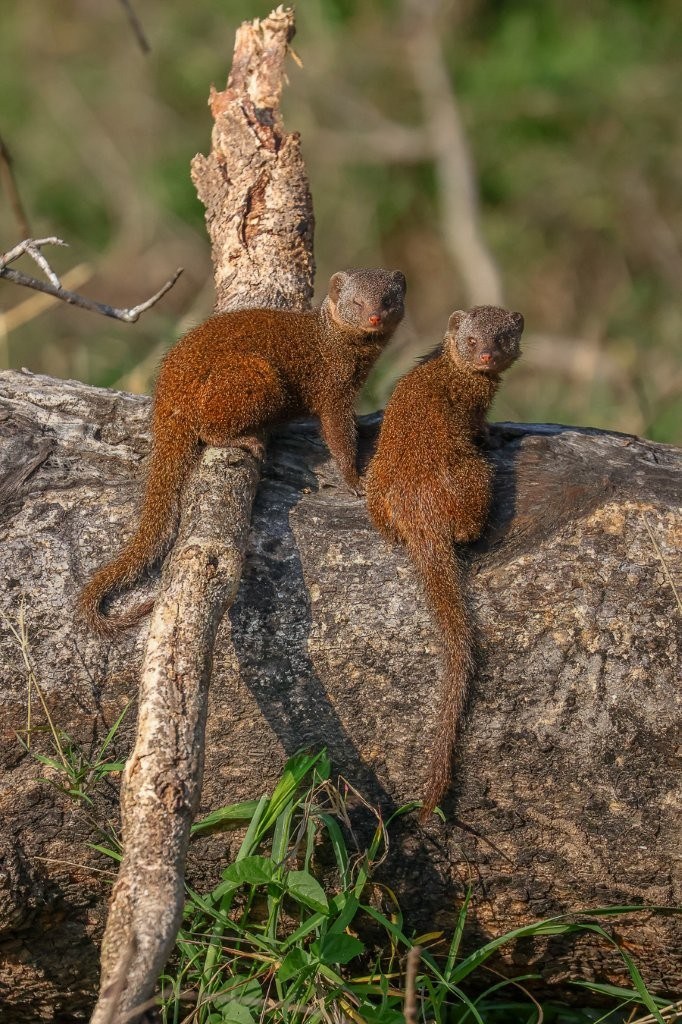
Early morning grooming is an important social ritual for dwarf mongooses. Perched on a fallen log, these two groomed each other, helping to keep clean while strengthening their social bond. This close cooperation is an important part of life within their small family groups.
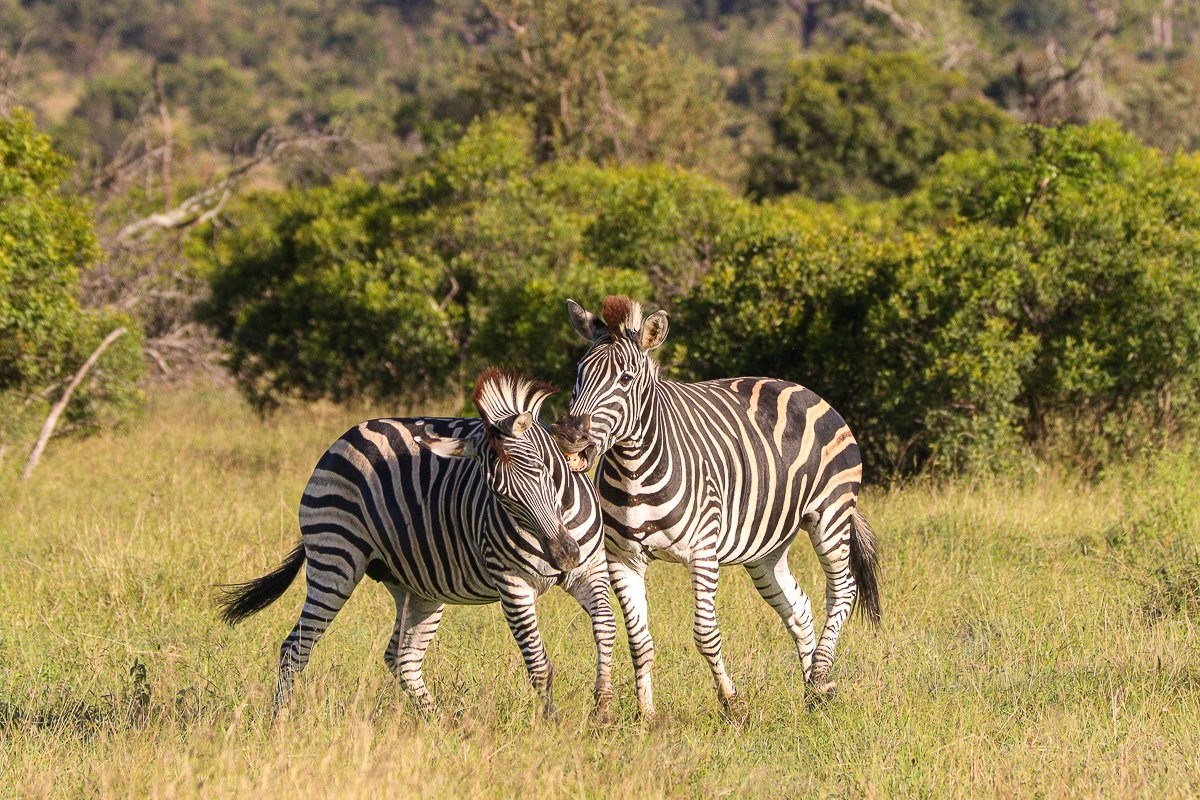
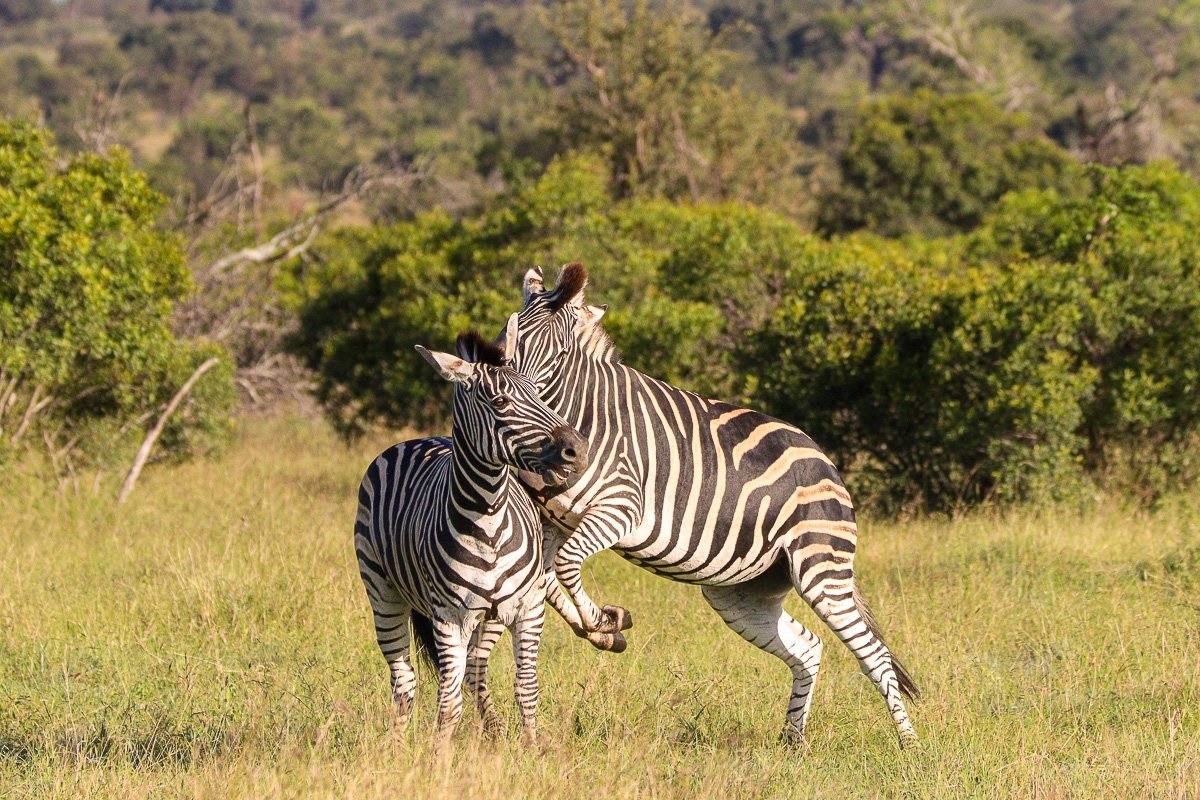
Using their powerful jaws and sharp teeth, zebra stallions will bite at an opponent’s neck, rump and ears, while also kicking during aggressive encounters. This behaviour helps establish dominance, with the victor securing mating rights over the females in his harem.
These confrontations are particularly common during the mating season, which generally runs from October to March. While they rarely result in death, the fights can leave serious injuries, including damaged or missing ears, bitten tails and deep wounds across the body.
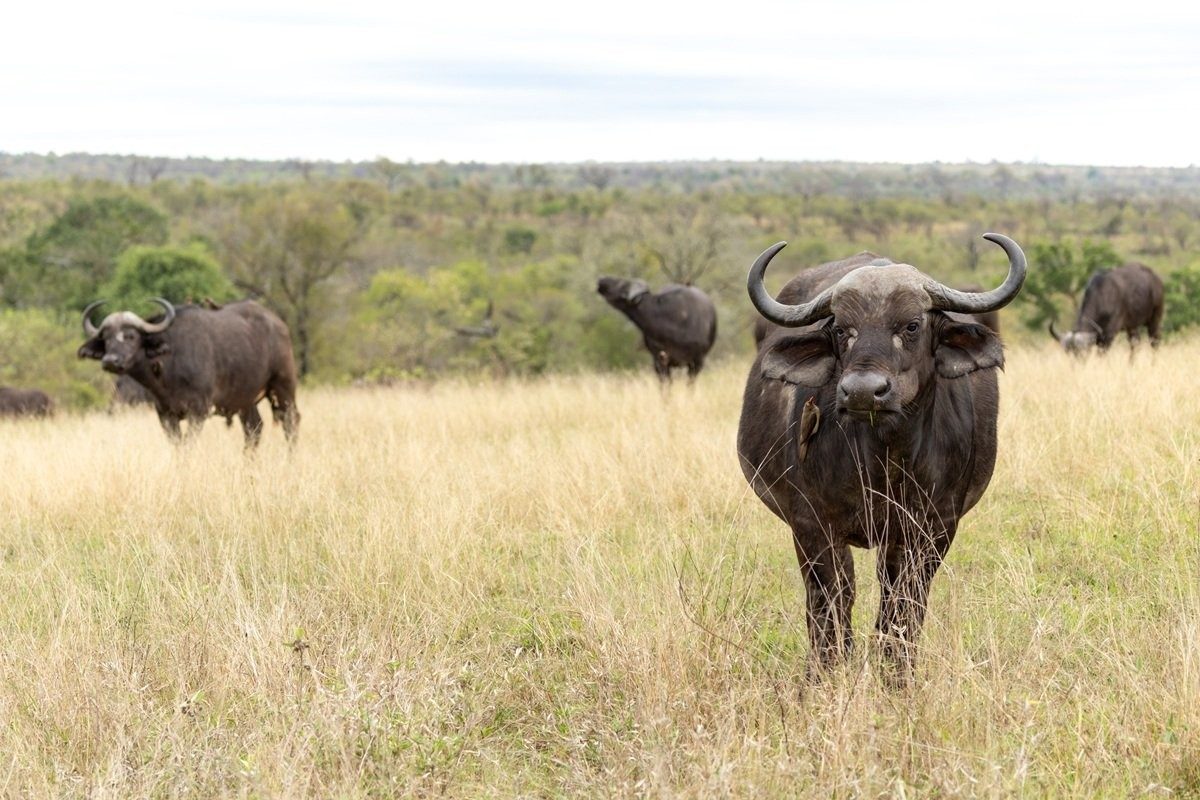
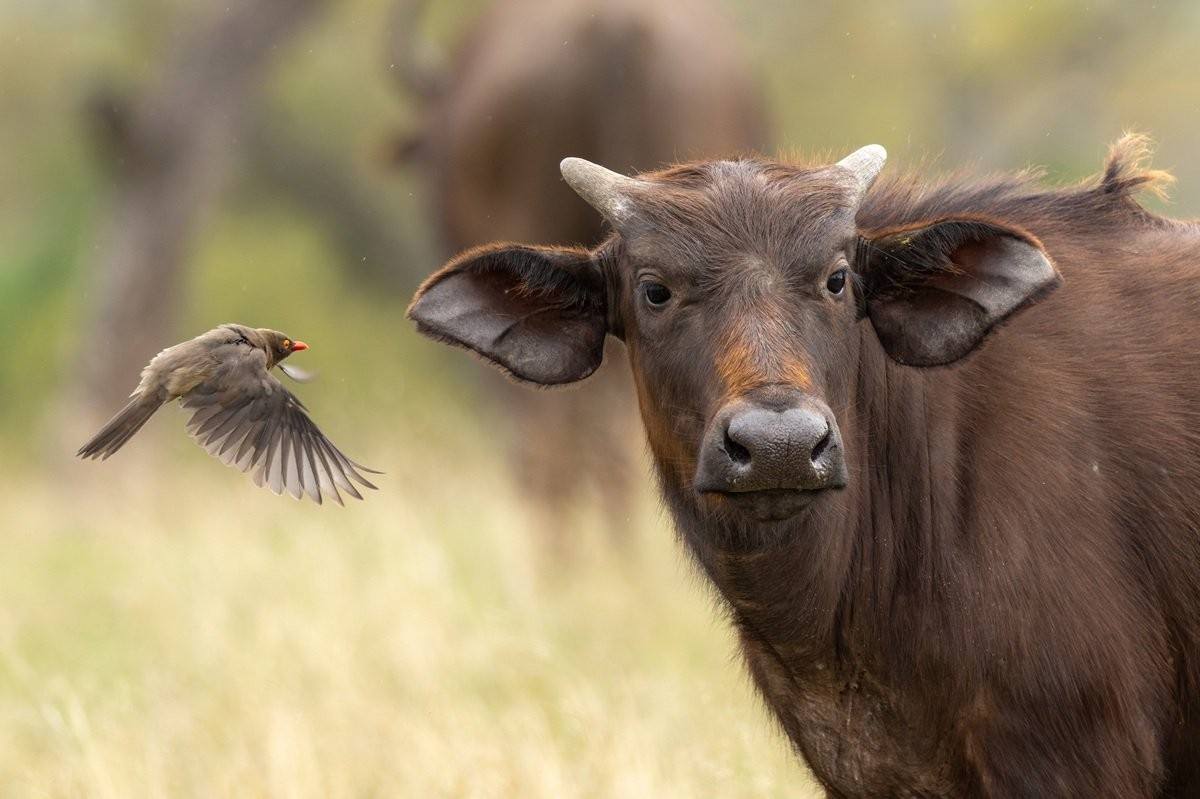
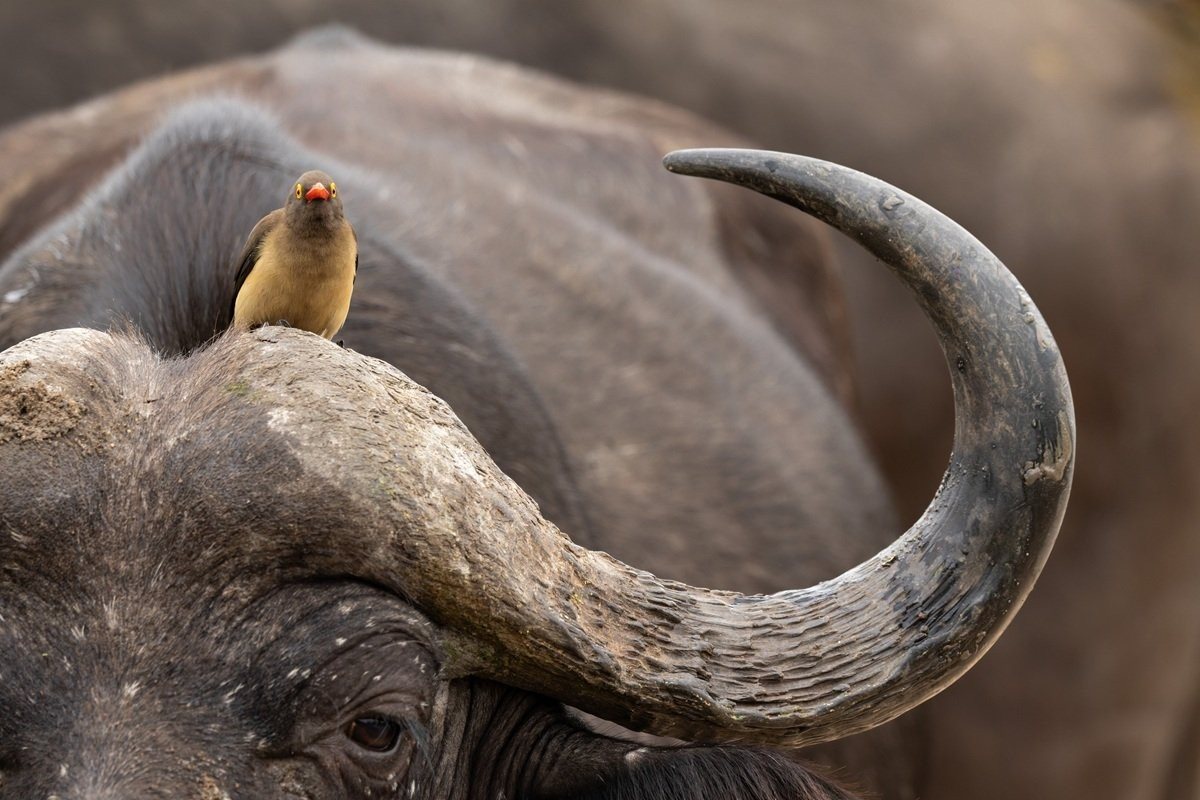
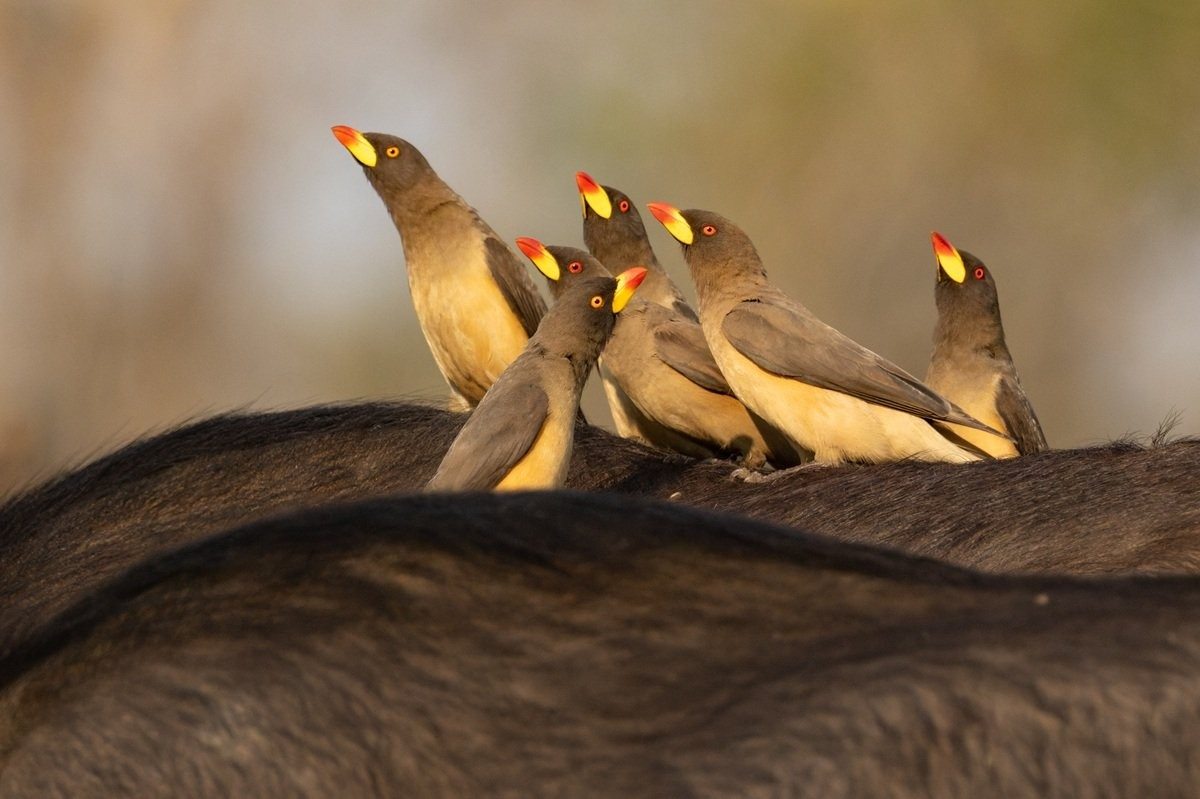
We spent a good amount of time with a herd of hundreds of buffalo, taking in the constant activity around us. From buffalo scratching themselves against trees and young bulls locking horns, to oxpeckers constantly darting between the moving animals, there was always something happening. It was an incredible sight to watch, and we left feeling extremely happy with the time we had spent with the herd.
Until next time…
Blog by Wendy Claase
Images by Benjamin Loon, Jana du Plessis, Jarrod Oflaherty, Ronald Mutero and Ruan Mey