
A Week in the Bush Vol. 609
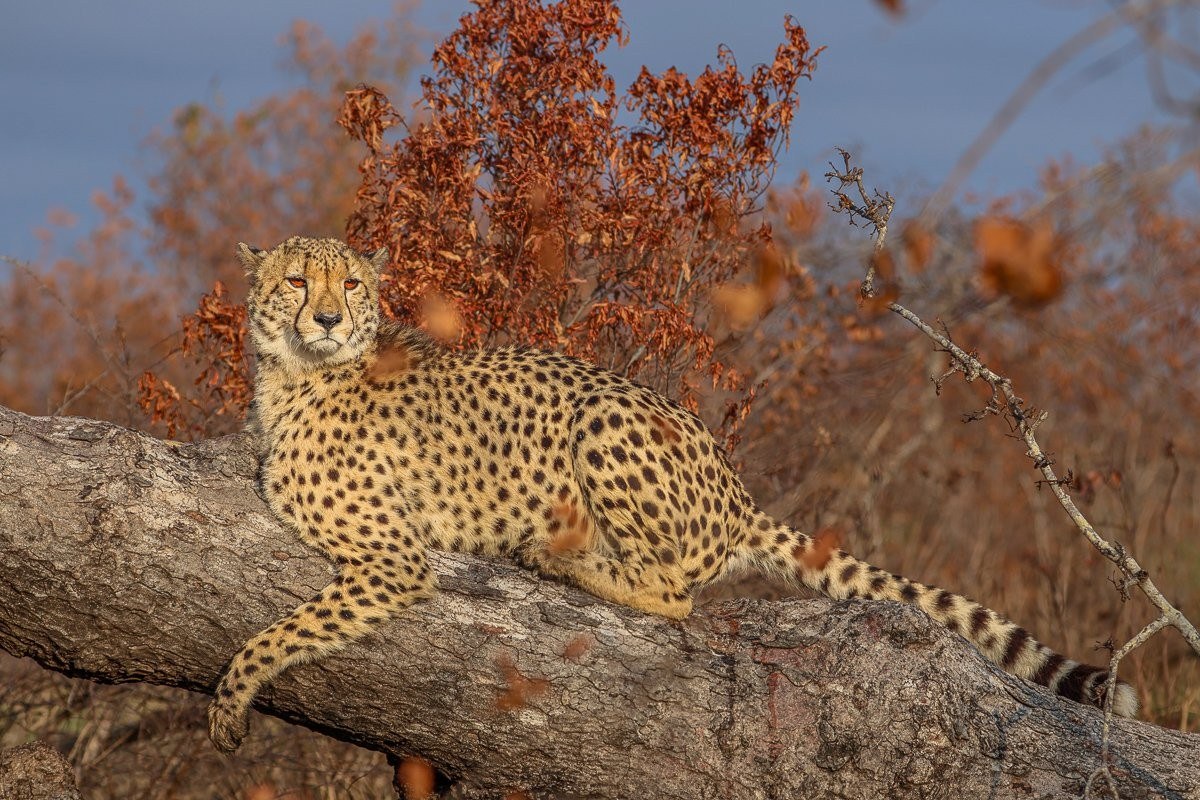
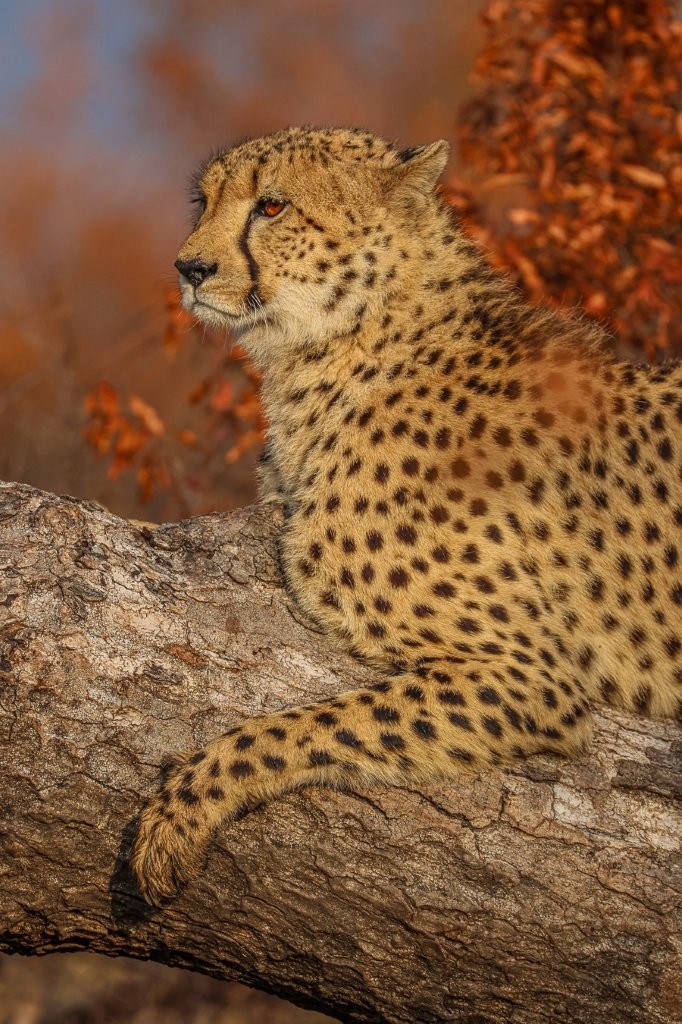
on Sep 16, 2026Our morning safari started with a bang as we found two young male cheetahs making their way through the reserve. They were highly alert, regularly pausing to scan their surroundings and listen for any signs of danger or opportunity. One male was so curious about what was happening around them that he climbed onto a fallen Marula tree to get a better vantage point.
Cheetahs are primarily diurnal, meaning they are most active during the daylight hours, when they take advantage of the cooler temperatures and search for potential hunting opportunities. We left the two males as they disappeared into the thickets, no doubt continuing their search for their next meal.
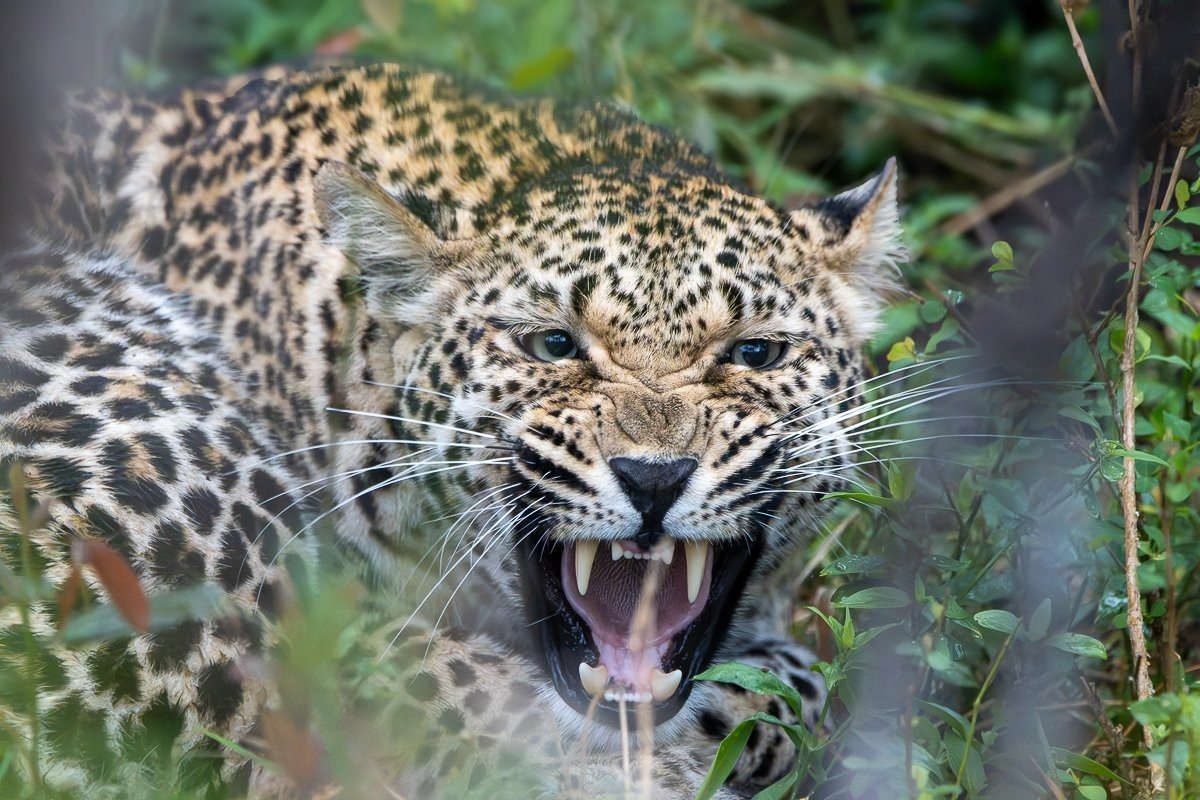
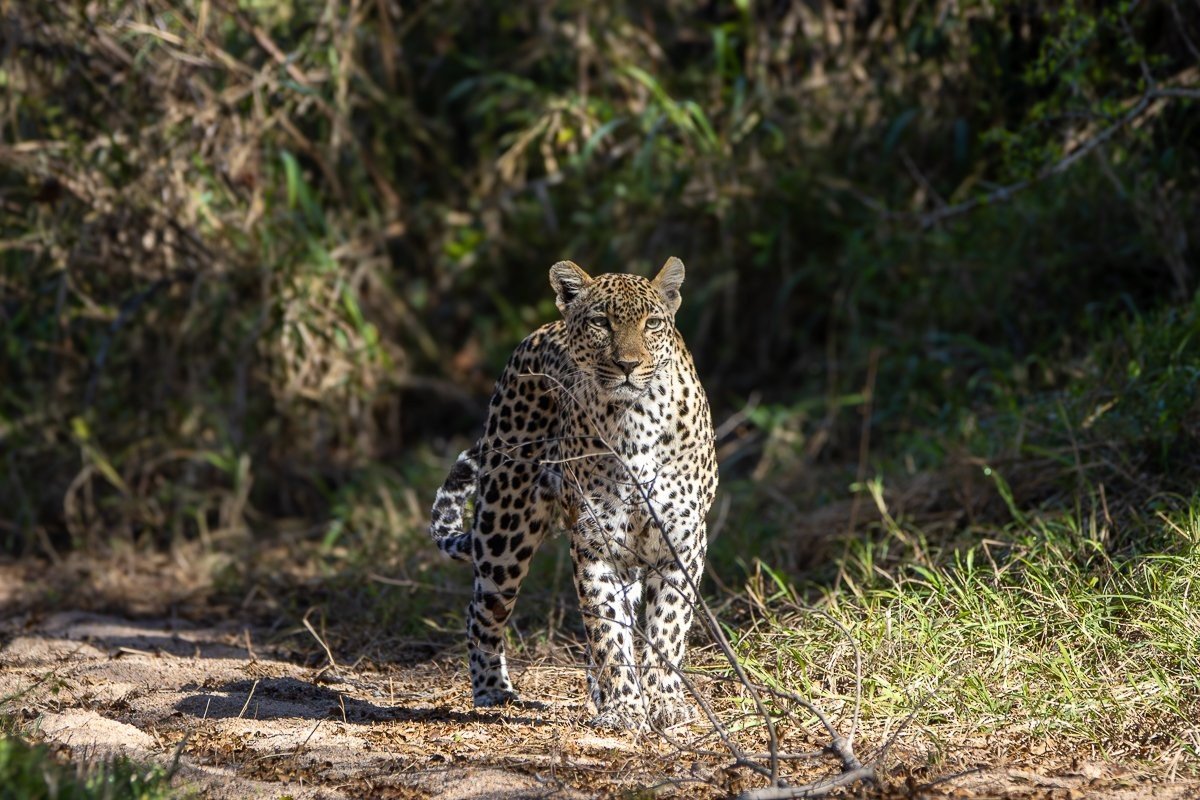
We found the Kurhula female with her cub, but the sighting soon became tense as a hyena approached. The leopardess immediately hissed aggressively, delivering a clear warning to keep its distance. The hyena didn’t retreat immediately, forcing Kurhula to remain on high alert while keeping a close eye on her vulnerable cub.
As more hyenas began to approach, the situation became increasingly risky. With her cub’s safety at stake, Kurhula made the decision to move into a nearby tree, carrying her youngster to the safety of the higher branches. It was a powerful display of a mother’s protective instincts and the lengths she will go to keep her cub safe.
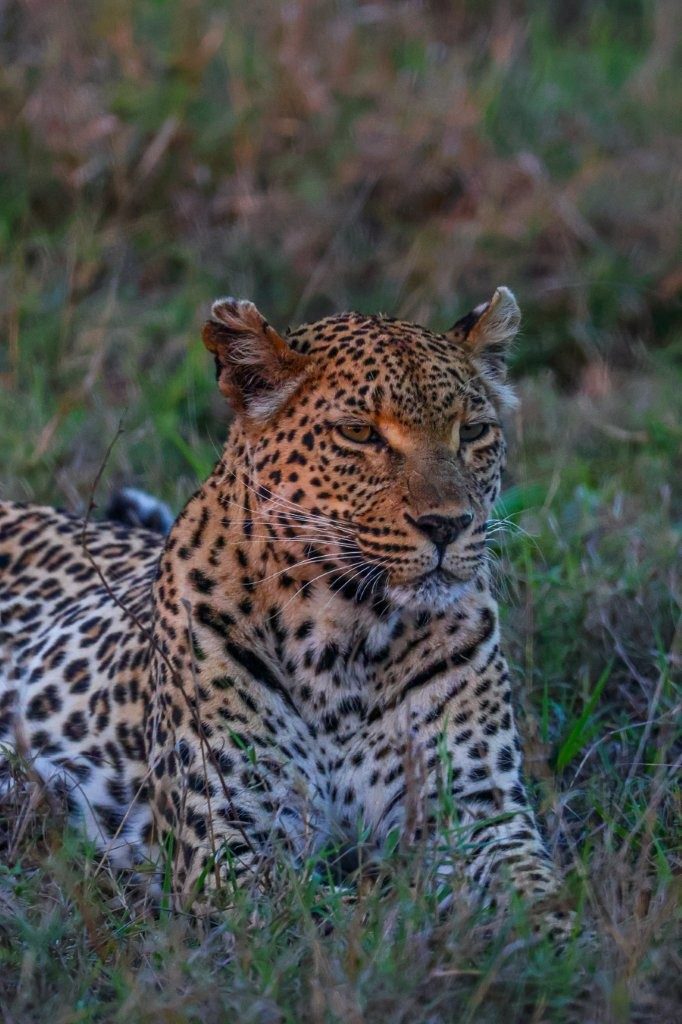
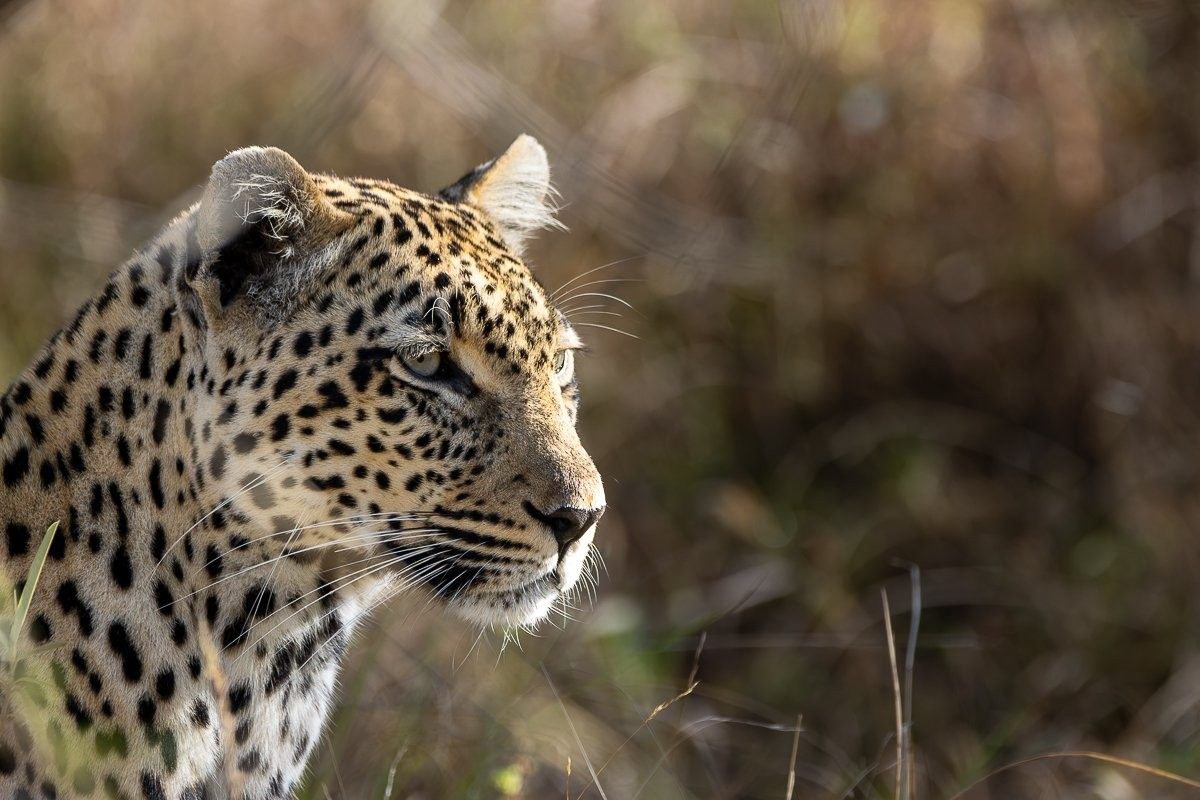
Slowly making our way through the bush, we found the Ntsumi female resting beside the road. As the afternoon cooled, she became more active, moving cautiously through the thickets in search of her next hunting opportunity. Alert and focused, her eyes and ears constantly scanned her surroundings while she regularly lifted her nose to pick up the scent of potential prey.
Late afternoon is an ideal time for leopards to start positioning themselves for a hunt, as prey species such as impala and warthogs begin seeking shelter for the evening. This can create opportunities for a well-timed ambush.
We eventually left her as she continued slowly through the thickets, carefully searching for her next meal.
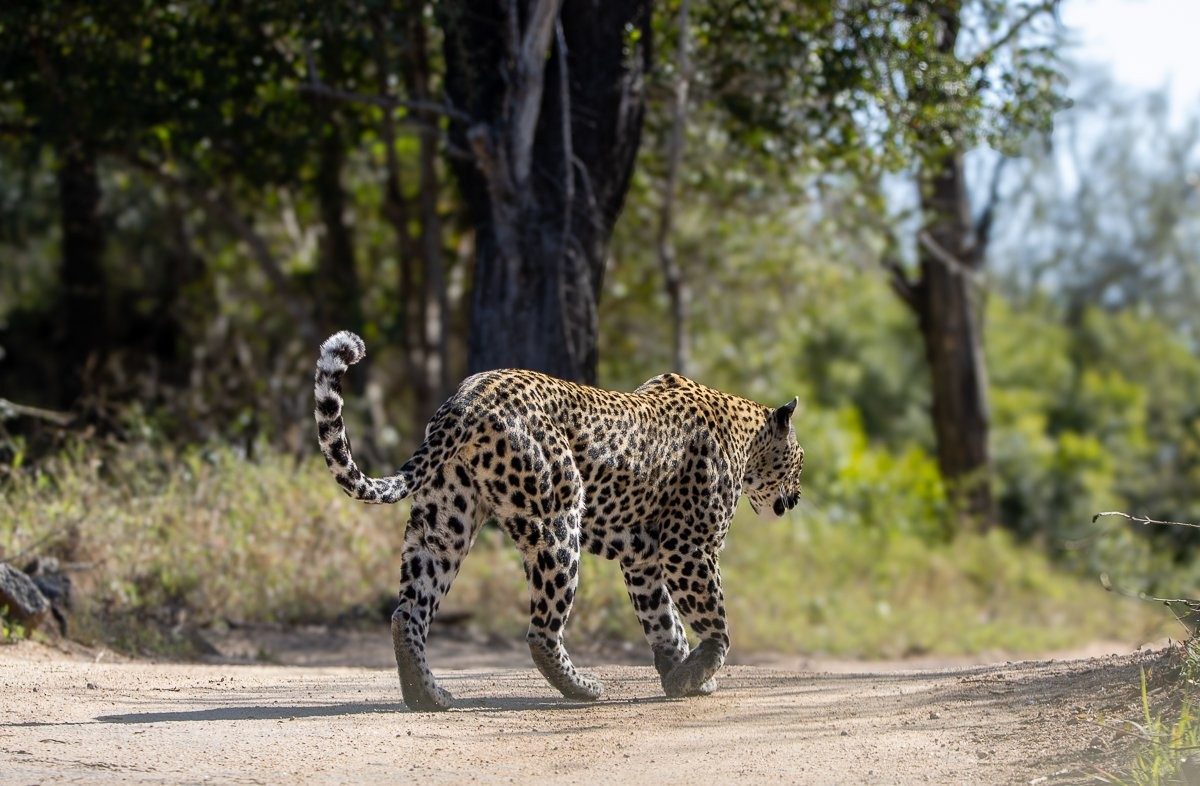
On our morning safari, we were pleasantly surprised to find this young male leopard lying beside the road, soaking up the first rays of sunshine after several days of cold, rainy weather. With the sun finally breaking through, he was taking the opportunity to warm up, raise his body temperature and dry out his coat.
The wet and chilly conditions aren’t ideal for these cats, but as the weather improves, they will become more active again and begin searching for their next meal. We left him fast asleep in the same spot, surrounded by several large trees that would provide a safe escape route should danger approach.
This young male still spends much of his time with his mother, Tengile, but as he matures, he will gradually start venturing further away, practising the skills he needs to eventually become independent.
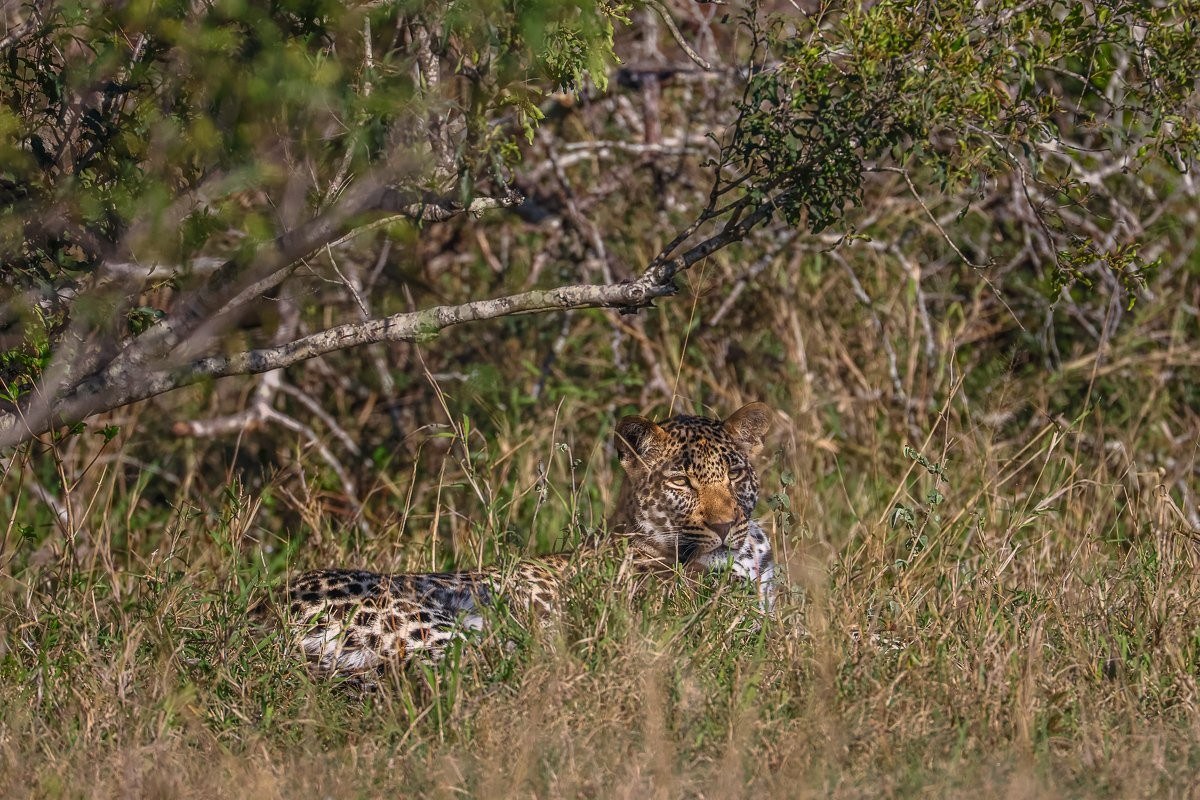
As the first light of morning spread across the bush, we found the Tengile female leopard moving silently through the grass, every step measured and deliberate. Her eyes scanned the surroundings while her ears constantly adjusted to the faintest sounds. She was on the hunt, using the cool morning air and soft light to her advantage.
Patient and perfectly camouflaged, she paused often to listen and observe before continuing her search. We followed at a distance, knowing that a sighting like this was a game of patience, stealth and opportunity. Eventually, she disappeared into the thick vegetation in pursuit of a grey duiker, and we lost sight of her.
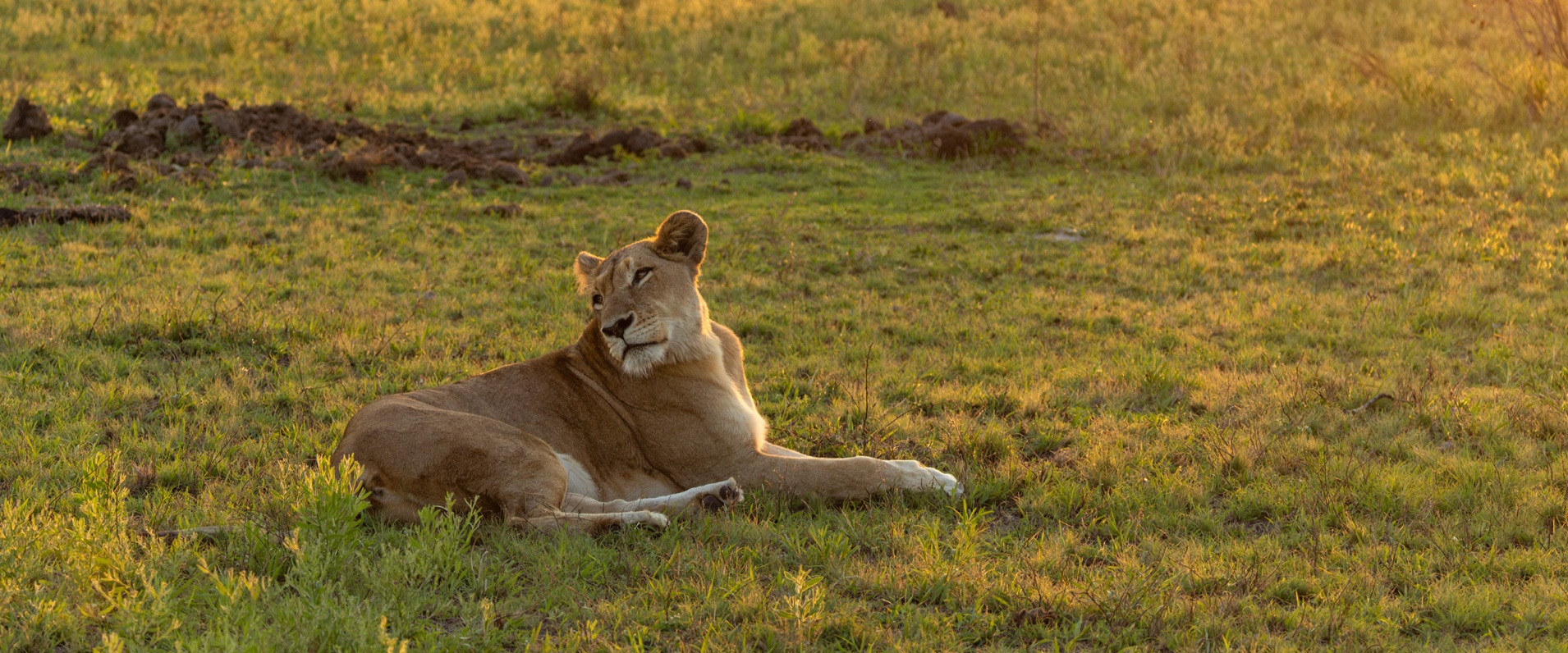
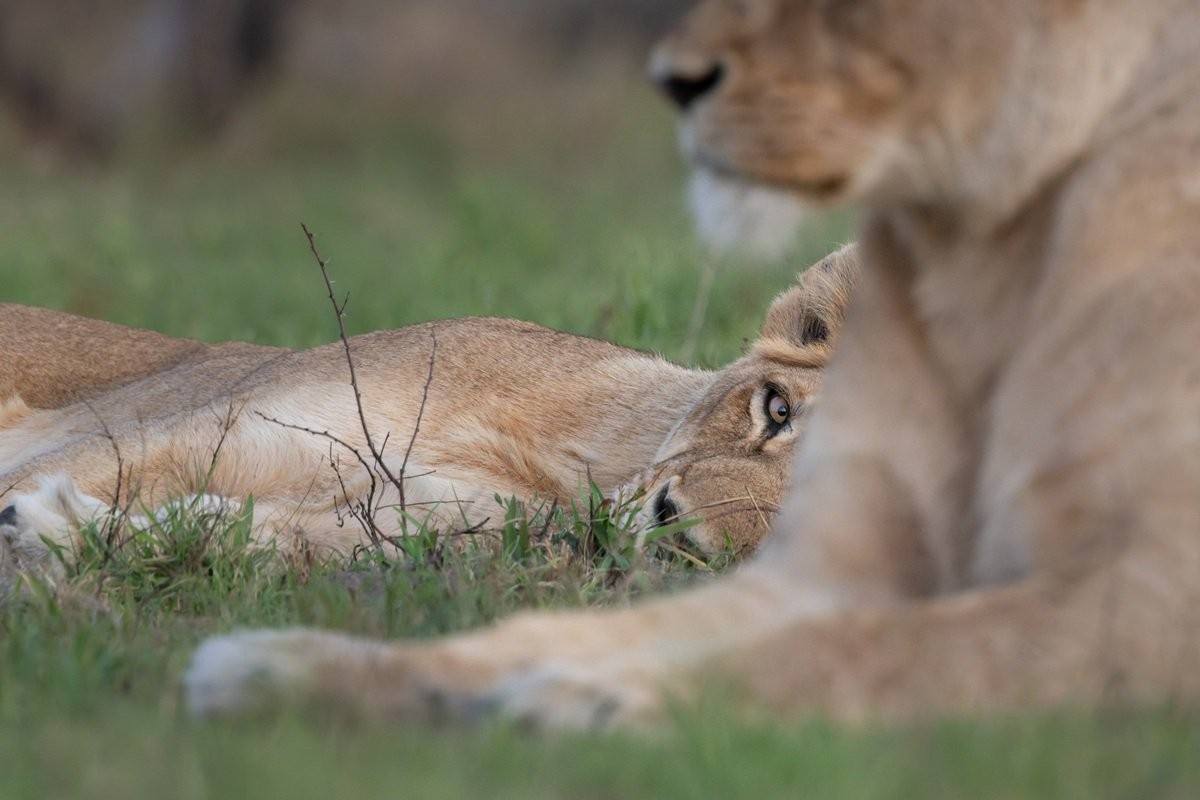
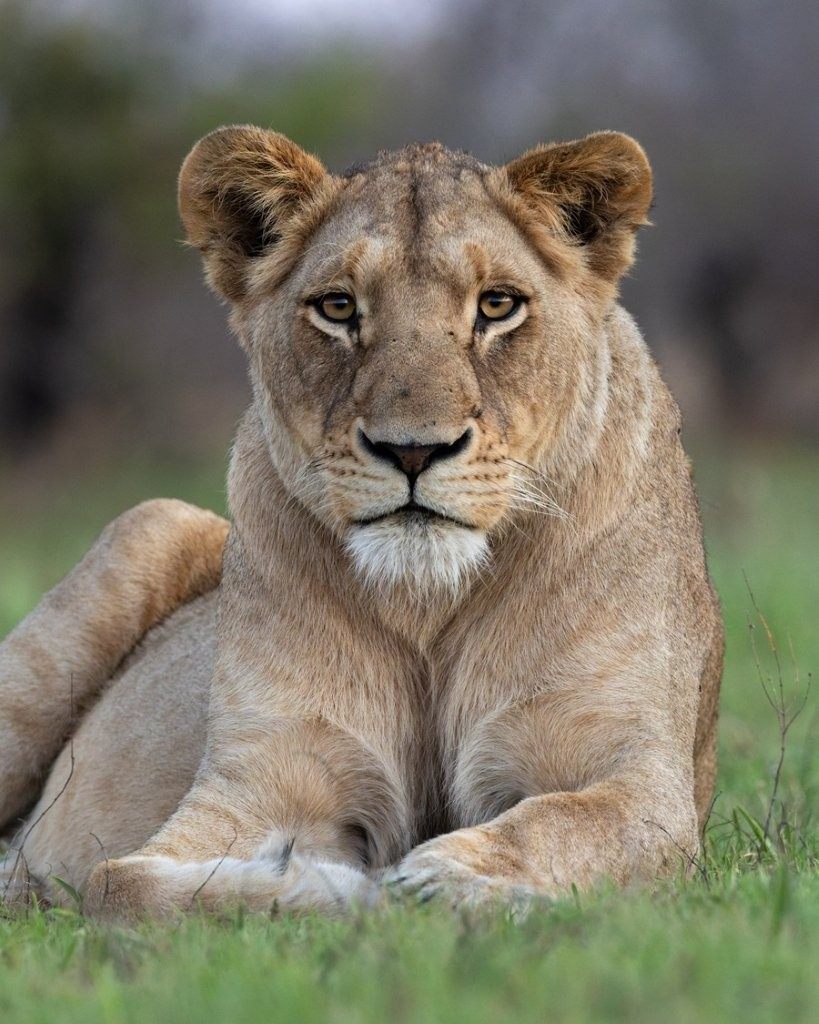
We followed up on the tracks of lions seen earlier that morning and came across the three Southern Pride lionesses resting in the shade. With signs of a large buffalo herd in the area, it is likely that the lionesses were following the herd, hoping for an opportunity to hunt in the coming days.
As the sun began to set and the afternoon cooled, the females became more active. They groomed themselves, yawned and scanned their surroundings before eventually getting up and moving towards the distant calls of the buffalo herd.
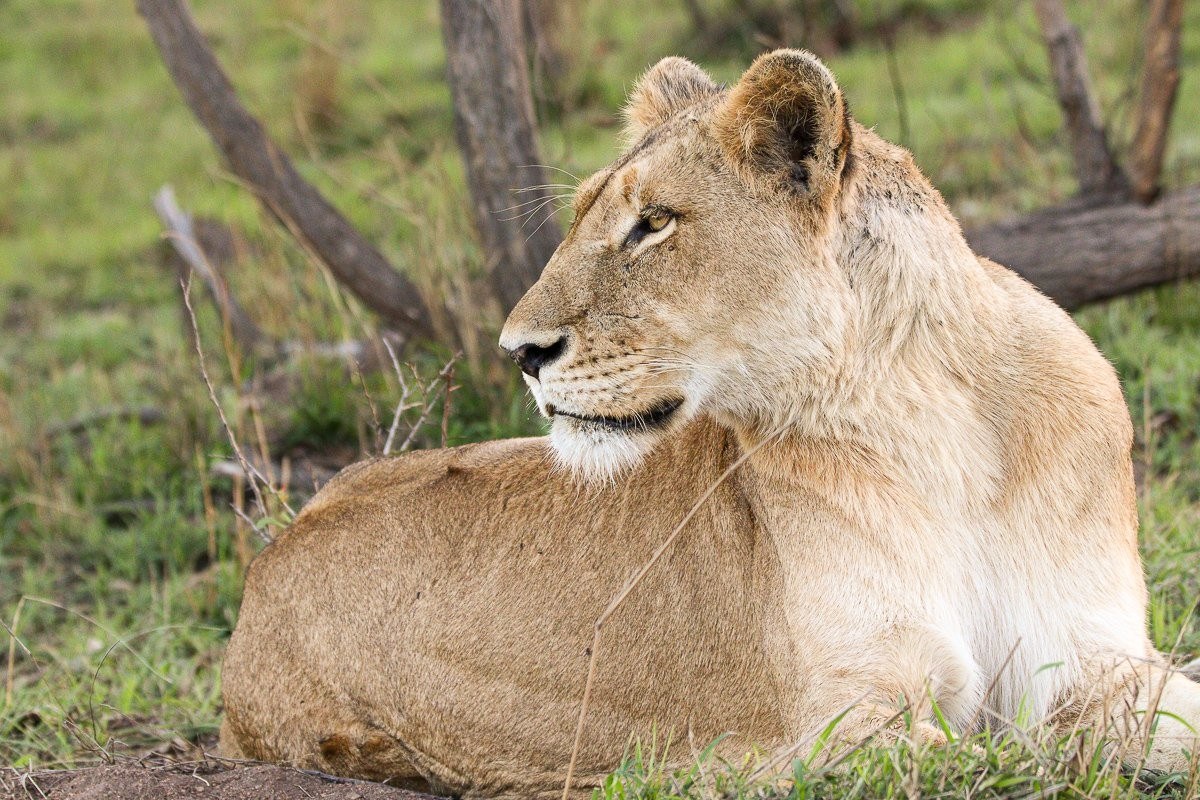
Seeing a herd of impalas all intently facing the same direction, with their eyes fixed on something in the distance, often means one thing: a predator is nearby. This was exactly what we encountered when we came across a herd of impala, and we soon discovered the reason for their alertness as the three Southern Pride lionesses walked past.
The lionesses had no intention of hunting the impala. Instead, they were focused on the sounds of a nearby buffalo herd over the ridge. They continued walking in the direction of the buffalo until they felt they were close enough, eventually settling down in the open to rest until nightfall, when they may attempt a hunt.
With the lionesses beautifully settled in the open, we were treated to a wonderful sighting as the afternoon drew to a close.
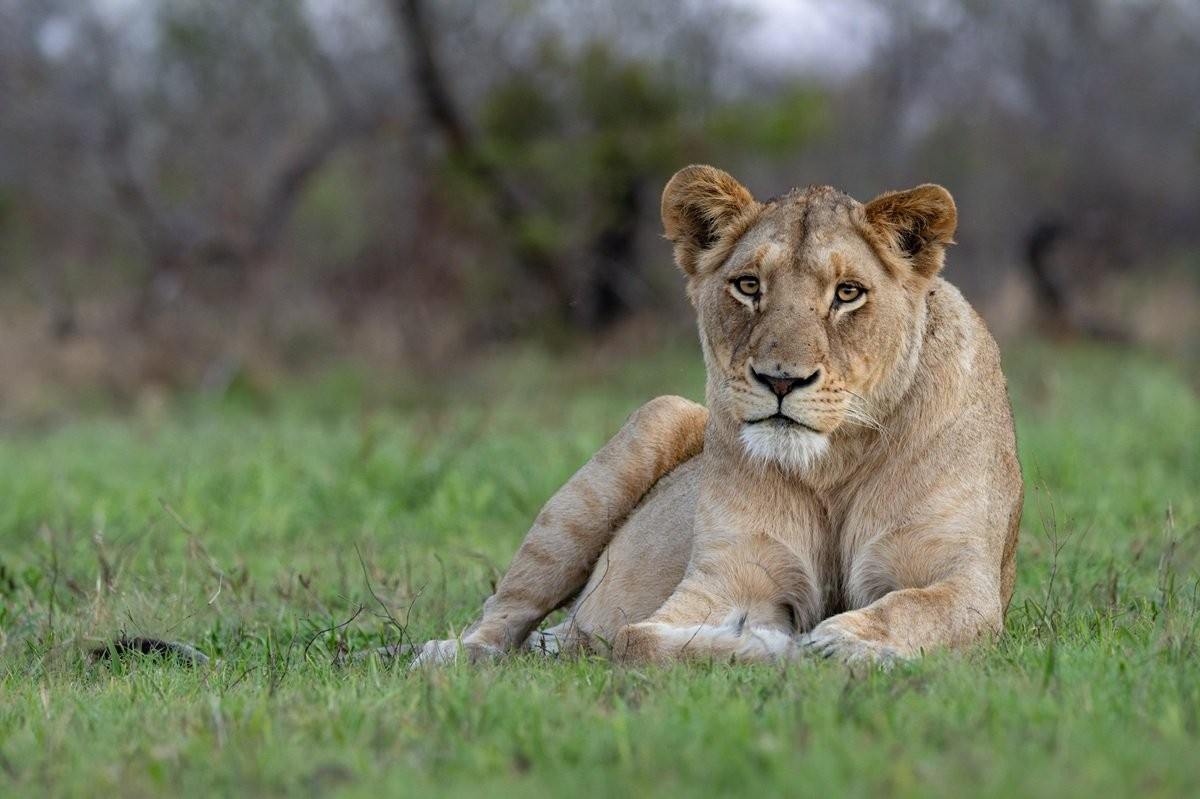
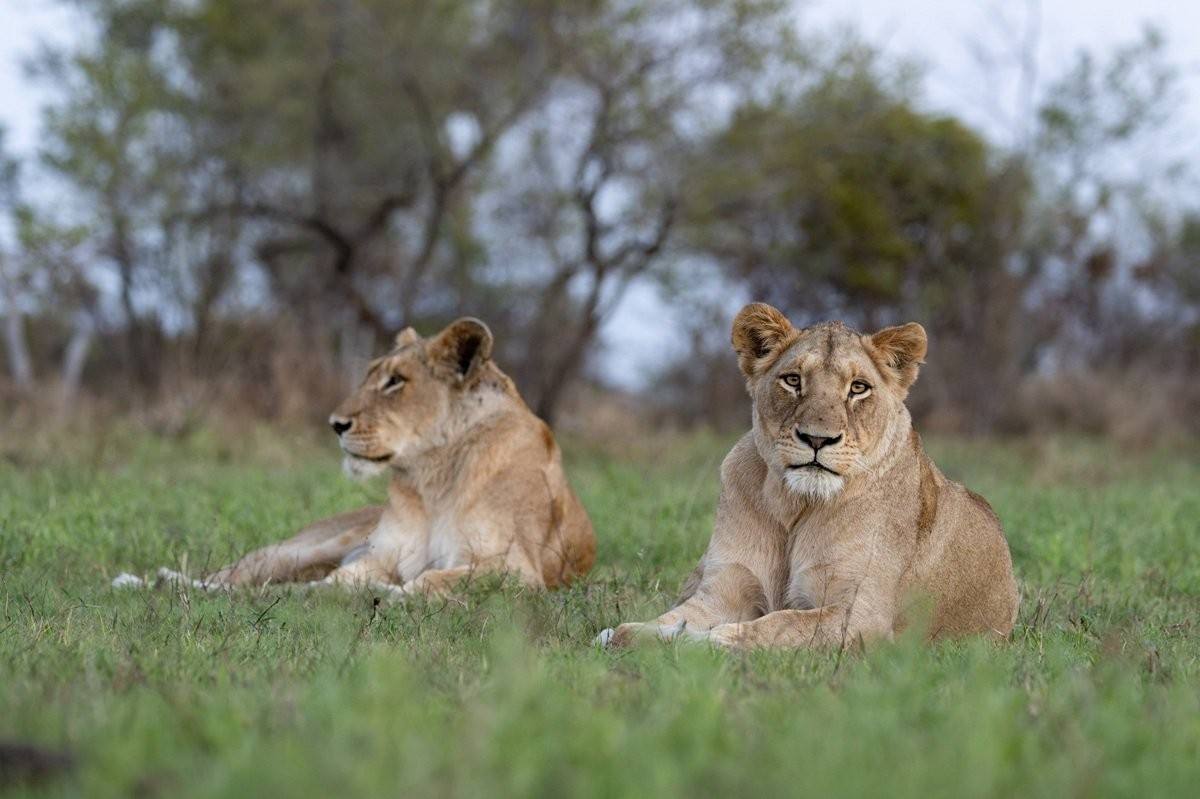
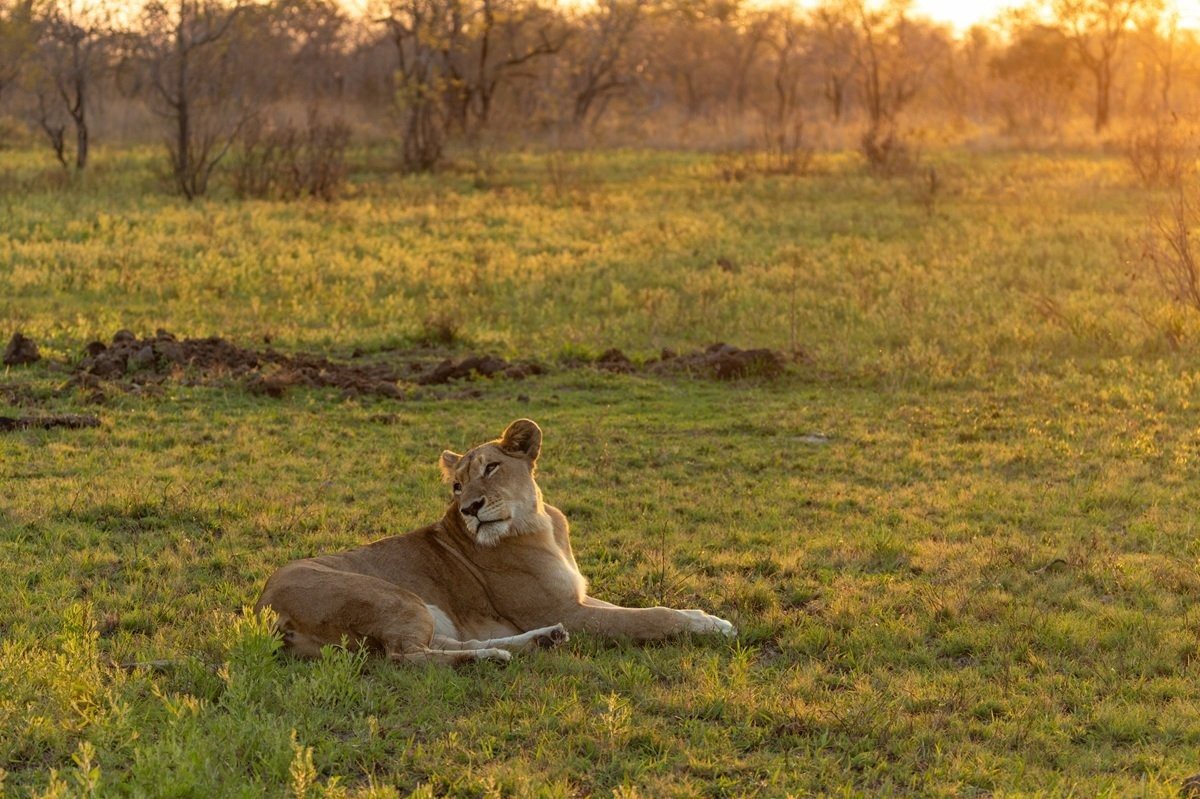
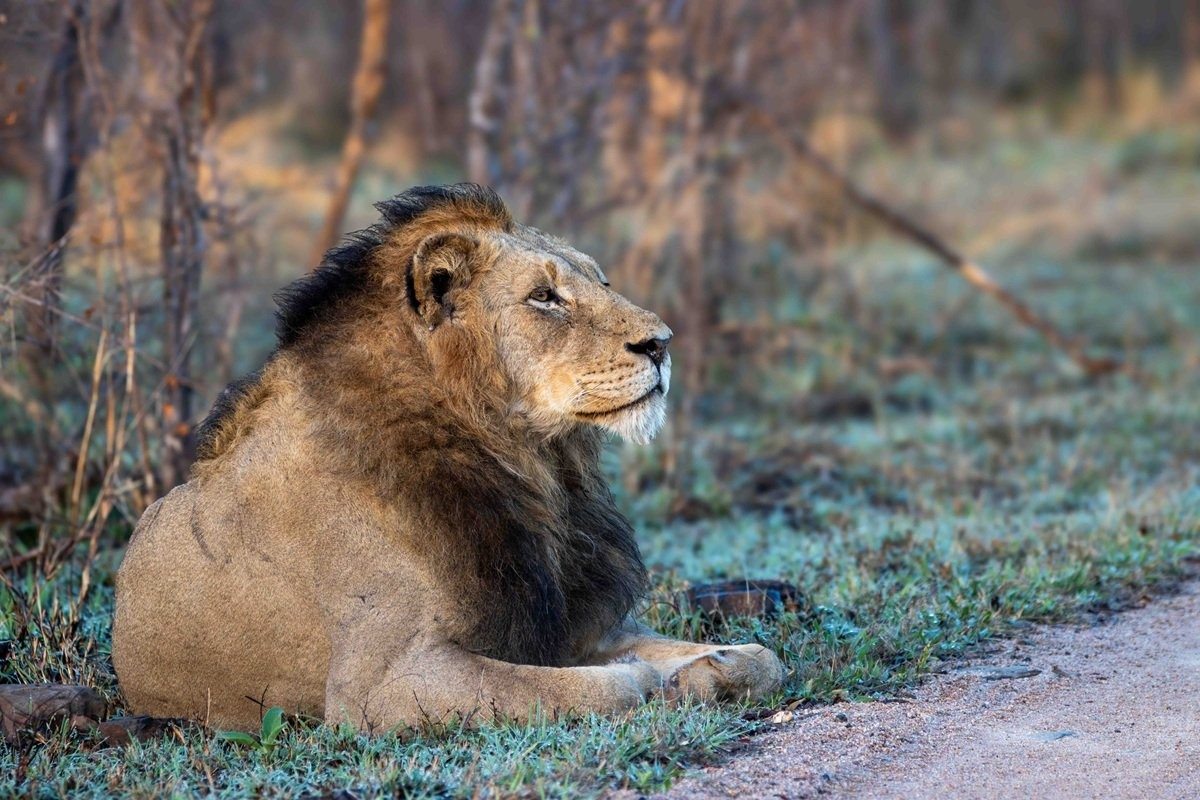
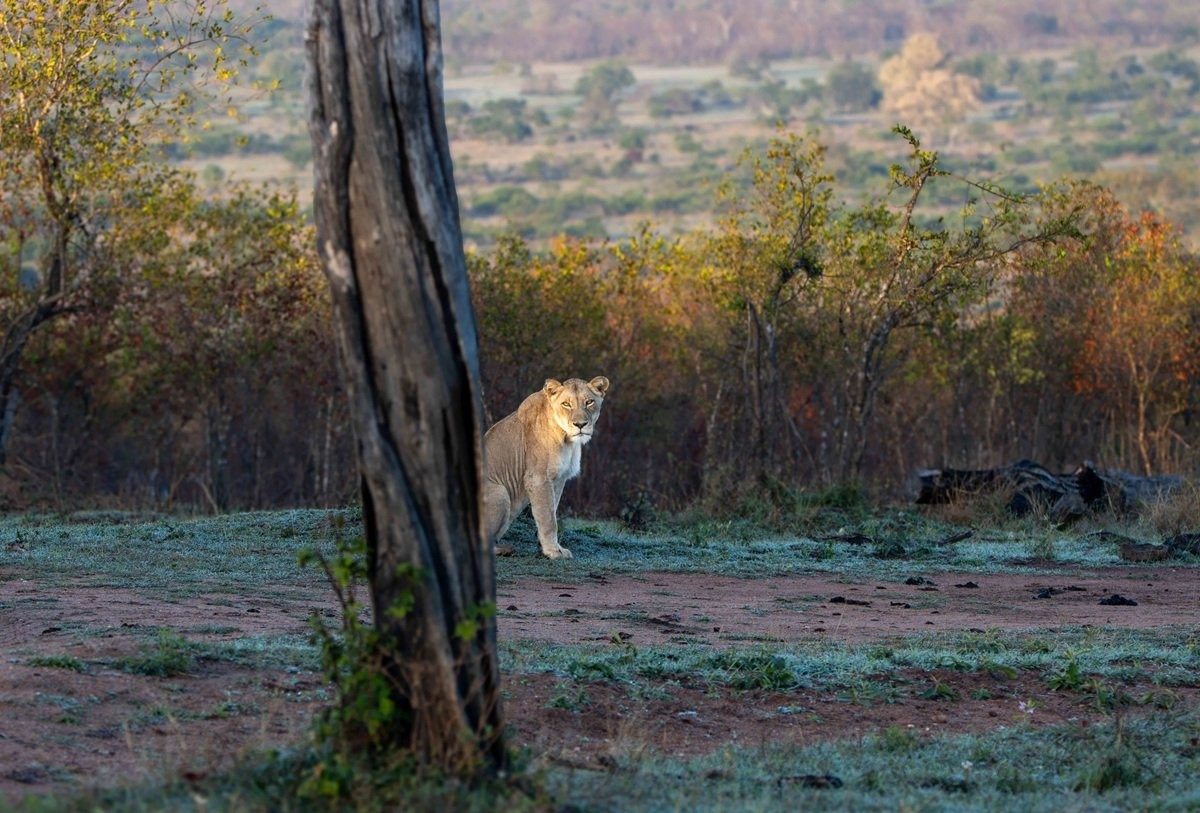
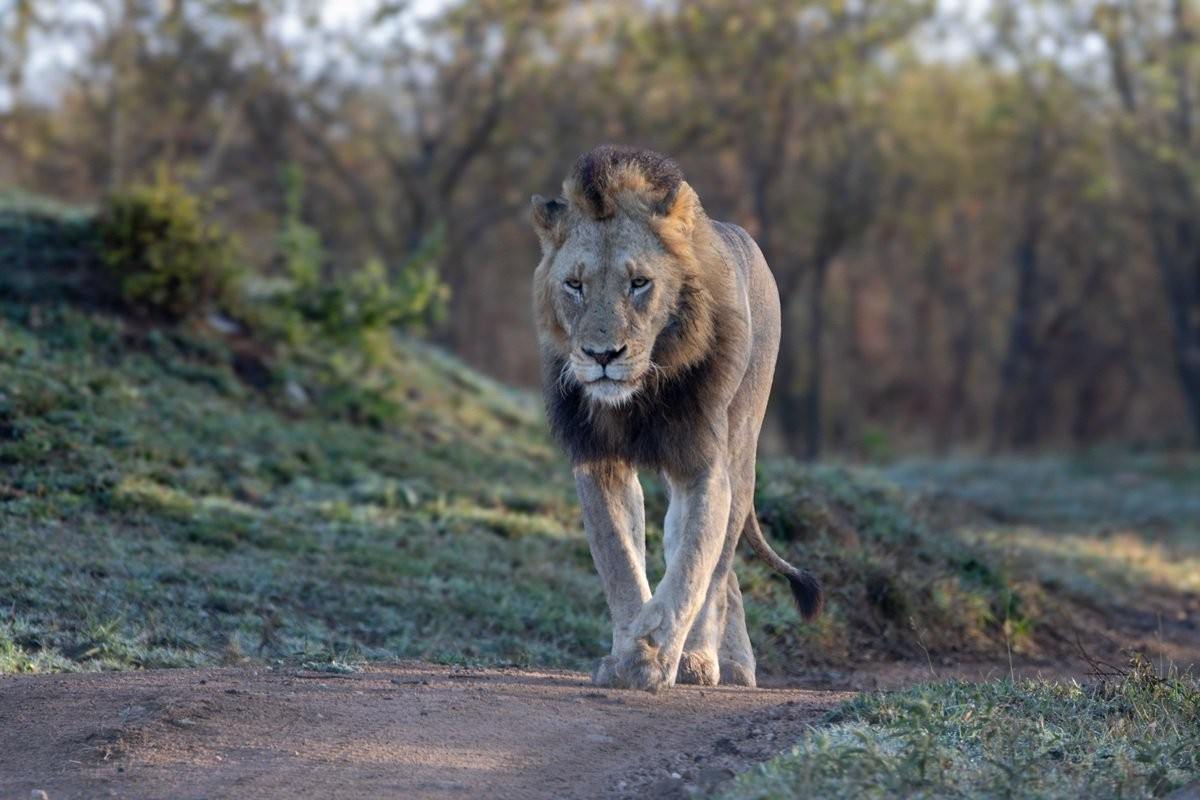
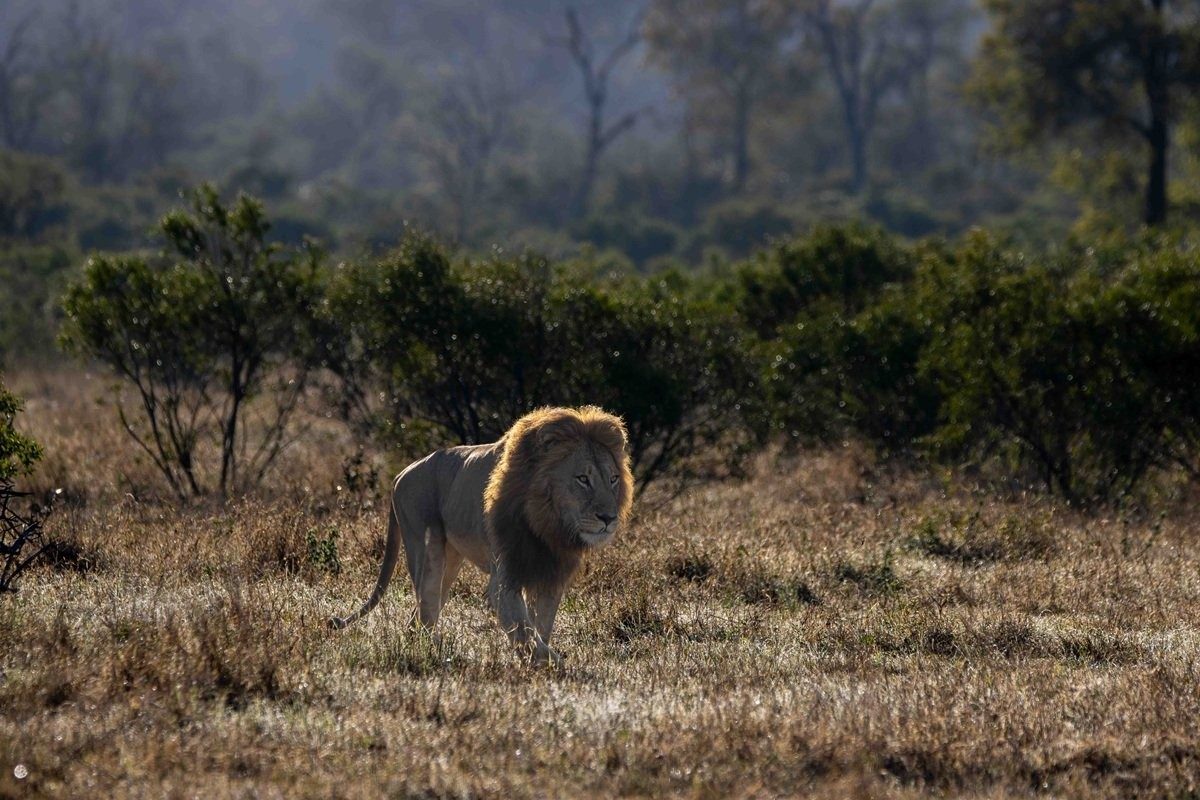
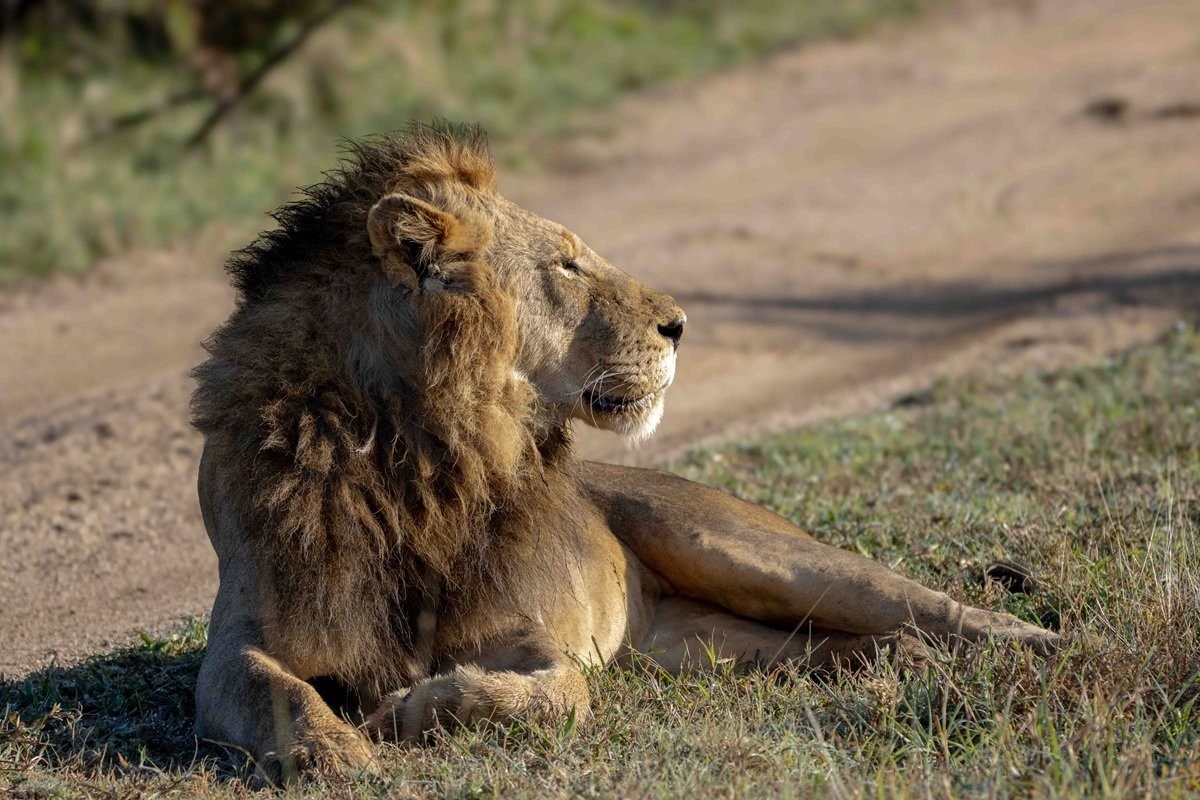
Early morning is often an important time for lions to communicate, with members of a pride vocalising to announce their presence and reinforce their claim over the surrounding area. Alongside their powerful roars, lions also scent-mark with urine, faeces and glandular secretions, leaving chemical signals for other lions that may pass through the territory. These markings help neighbouring prides and males establish who occupies the area and can help reduce unnecessary confrontations.
For guests on a safari vehicle sitting quietly in the dawn, hearing a pride calling across the landscape is one of the most evocative sounds of the African bush. Before the day has even begun, the lions are already communicating, reinforcing their territory and making their presence known.
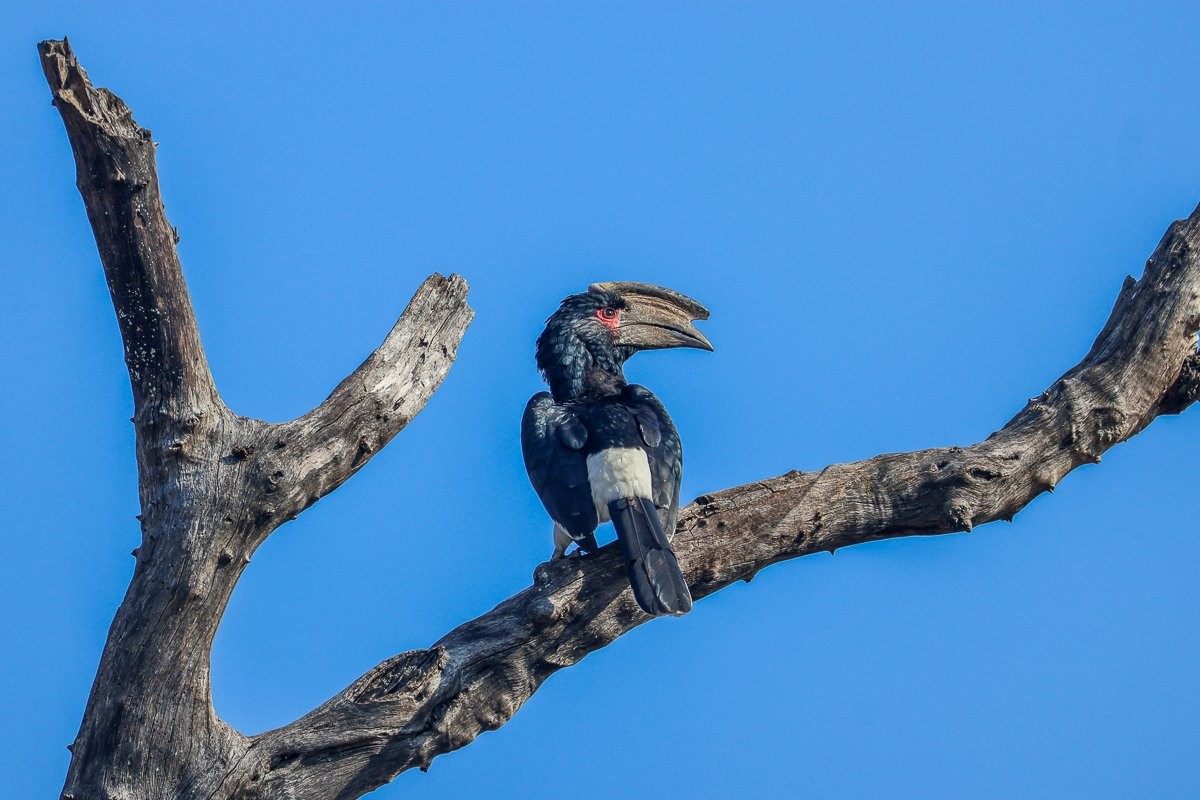
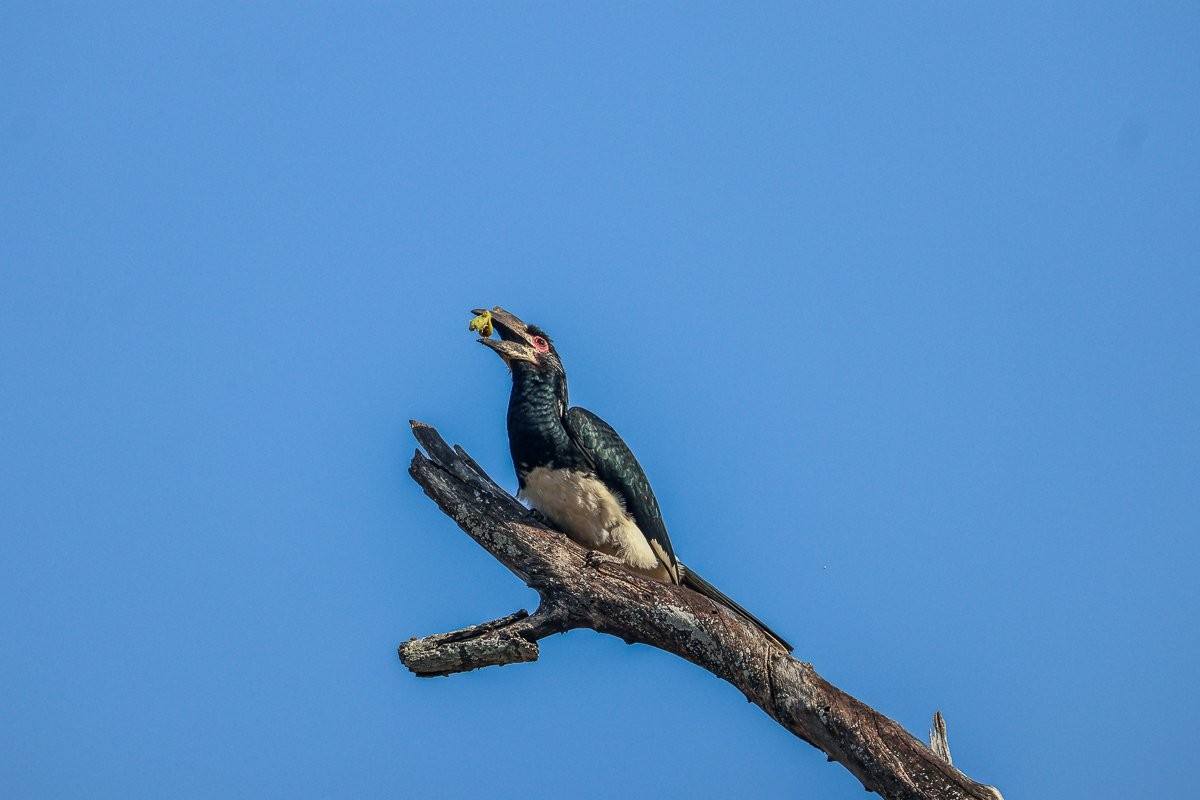
While enjoying our morning coffee, we stopped beside a Large-leaved Rock Fig, where the figs are slowly beginning to form and the spring bird activity has been incredible. A pair of Trumpeter Hornbills soon made an appearance, settling in a dead tree directly above us and feasting on the figs they had harvested.
These fruit-loving birds play an important role in the ecosystem by dispersing fig seeds as they feed, helping contribute to the regeneration of native trees throughout the reserve.
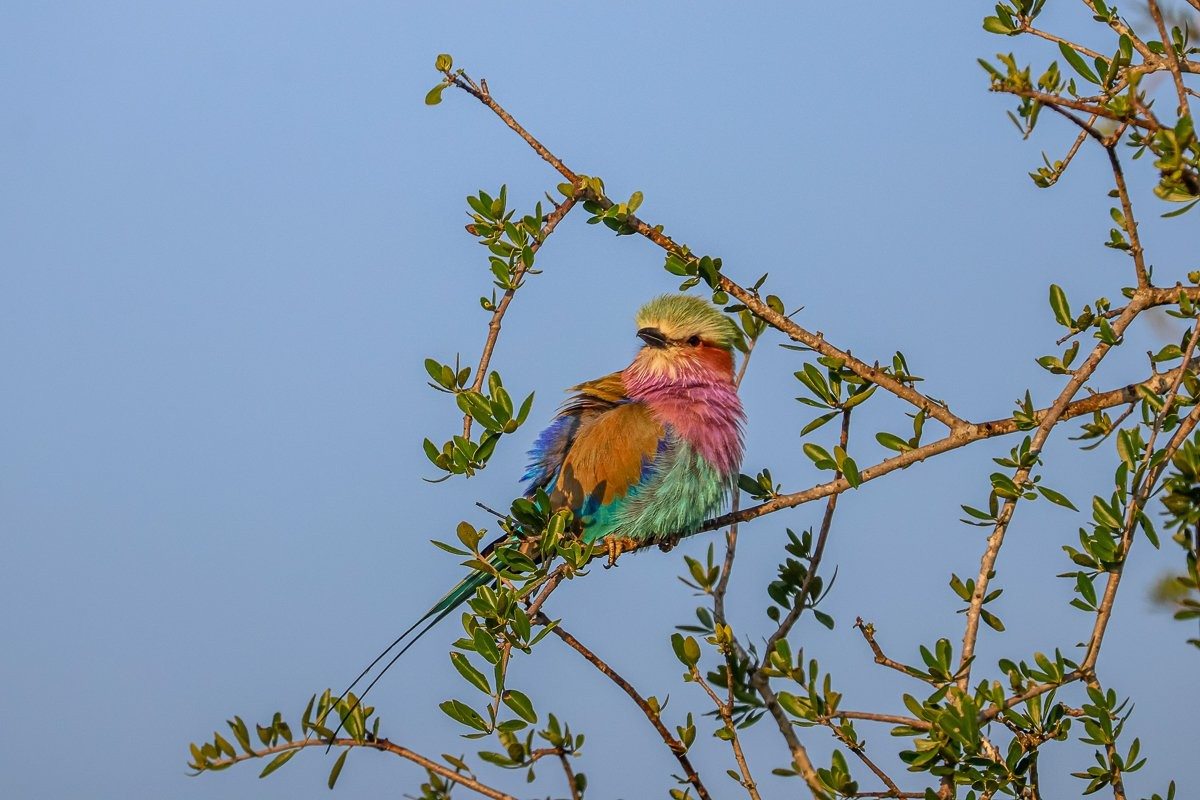
This Lilac-breasted Roller was enjoying the morning sunshine after a cold evening, showing off its beautiful colours as it warmed up and prepared to begin hunting for insects and small vertebrates.
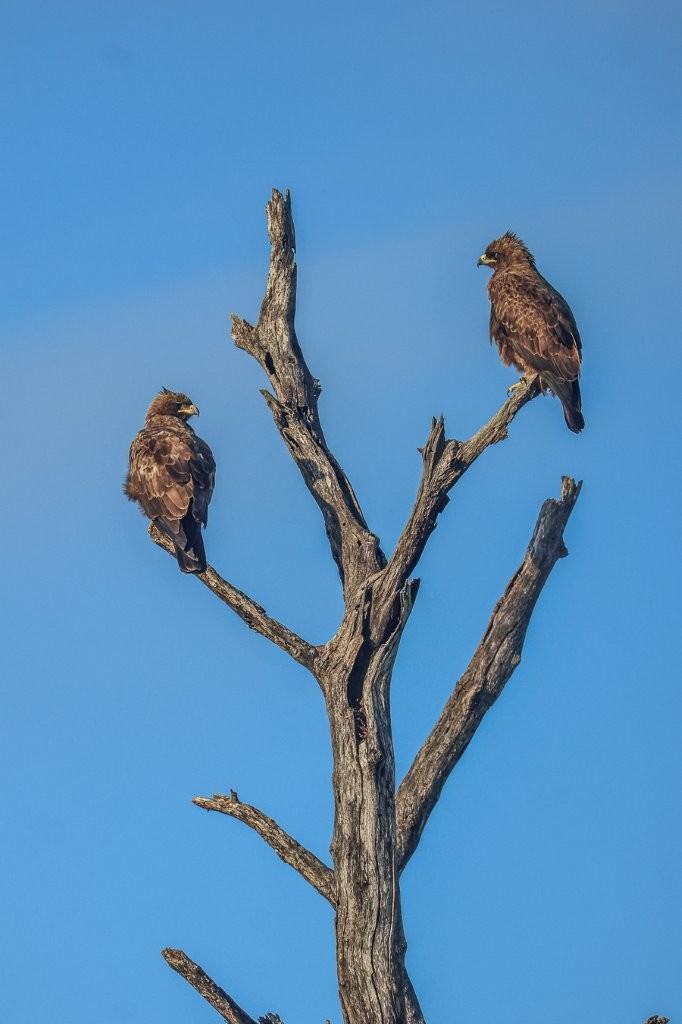
This breeding pair of Wahlberg’s Eagles perched high in a tree, surveying their surroundings. These monogamous raptors typically build their nests just below the canopy of tall trees and, if the location proves favourable, may return to the same nest year after year.
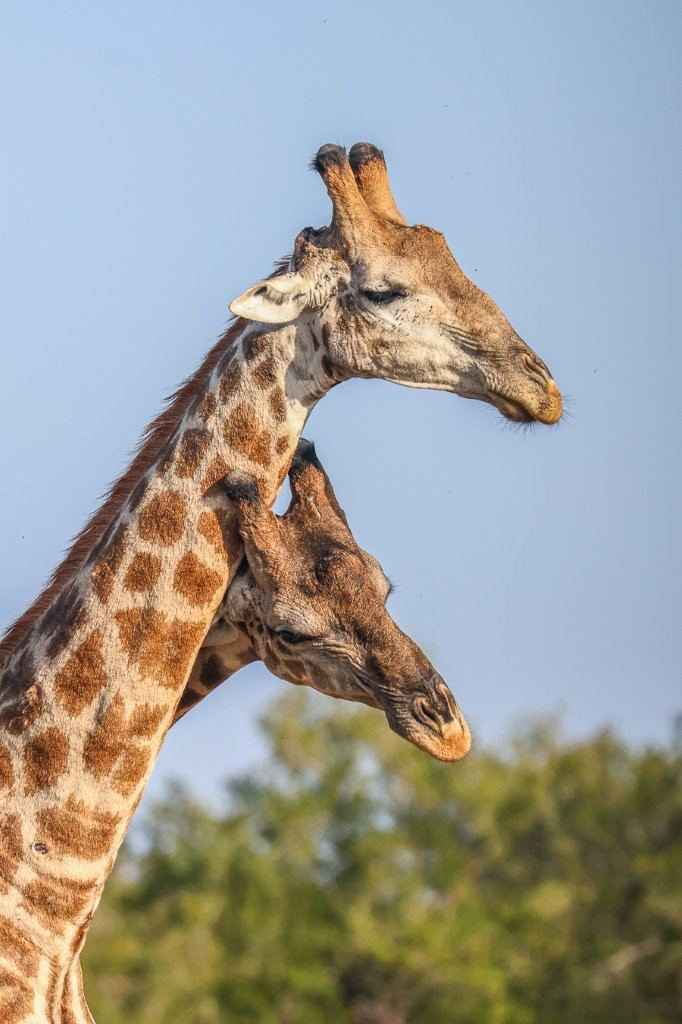
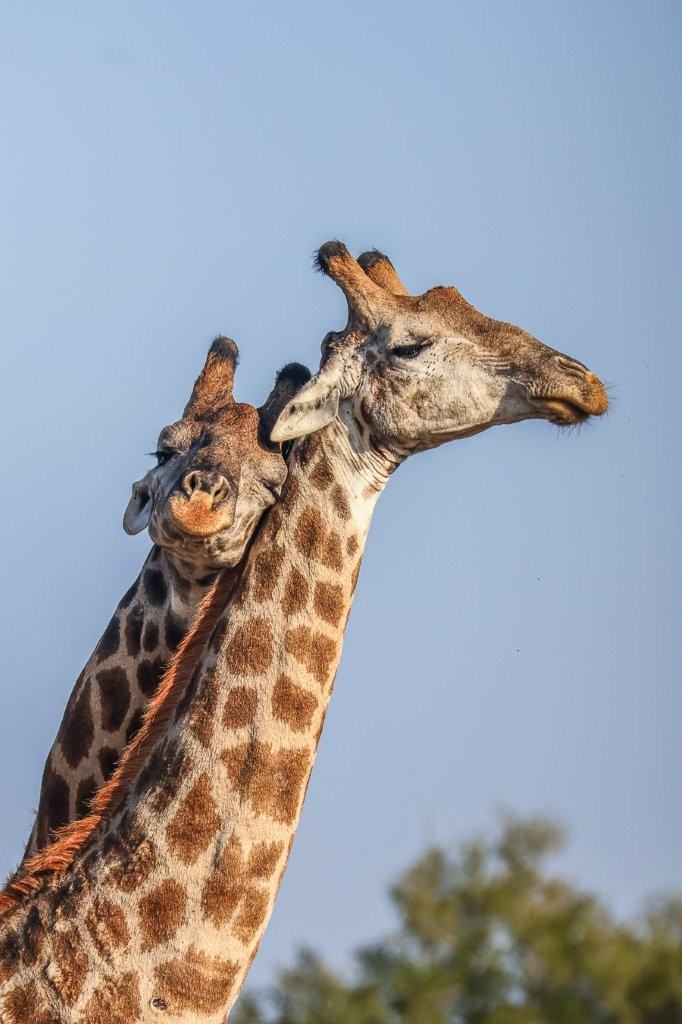
We watched as these two young giraffe bulls slowly tested their strength and skills against one another. Young males will often spar as a way of practising their techniques and building strength, preparing for the day when they may have to face fierce battles with other males for mating rights with females.
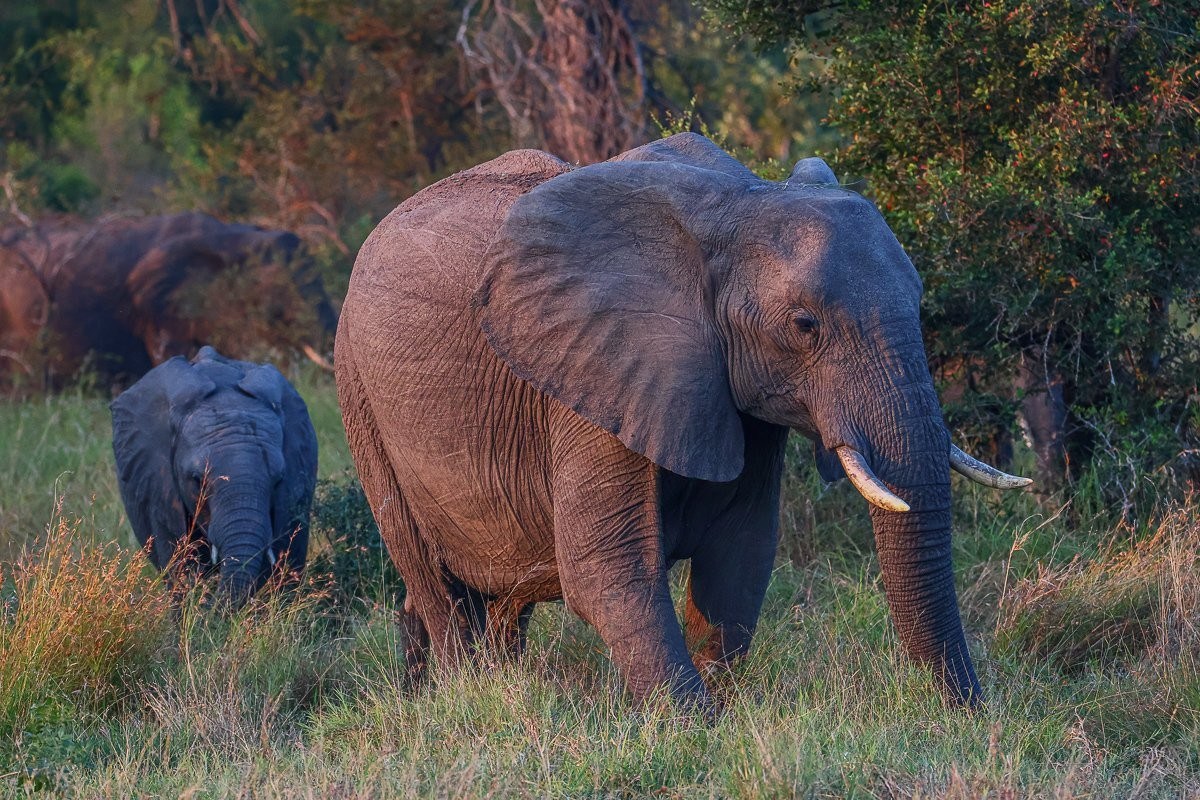
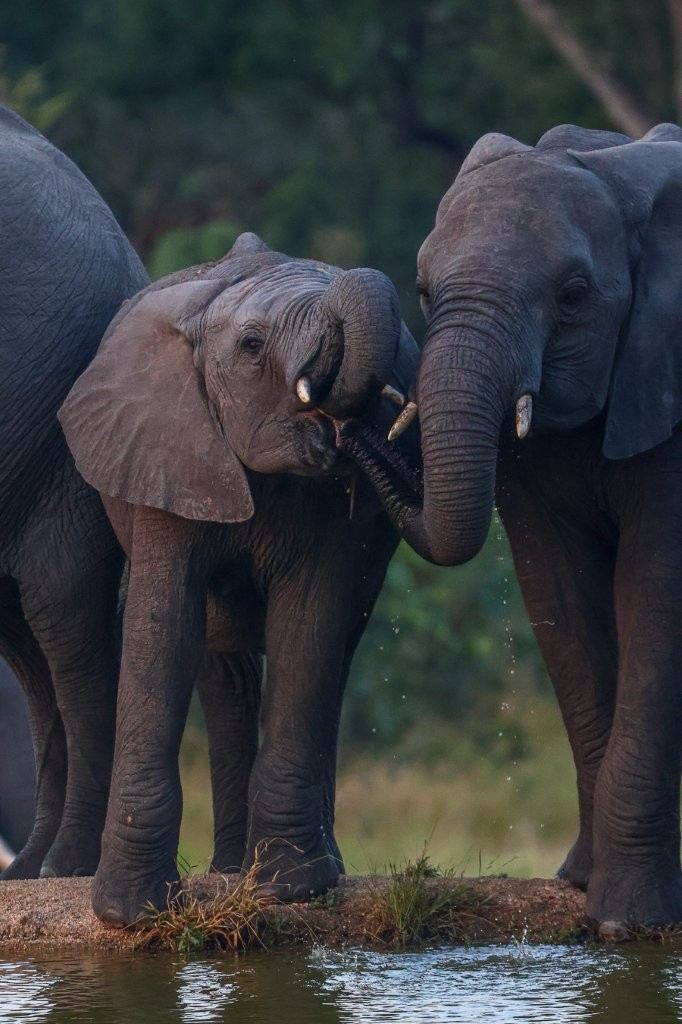
Late afternoon, we were spoiled by a beautiful herd of elephants making their way towards a waterhole to quench their thirst. Elephants are highly water-dependent and need to drink daily. They are also selective about their water sources, often preferring fresh, clean water. The matriarch therefore plays an important role in leading her herd to the best available water sources.
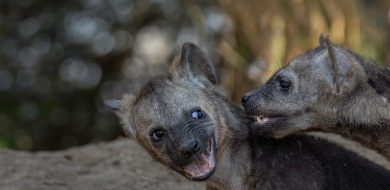
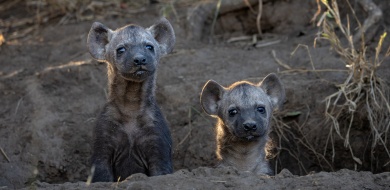
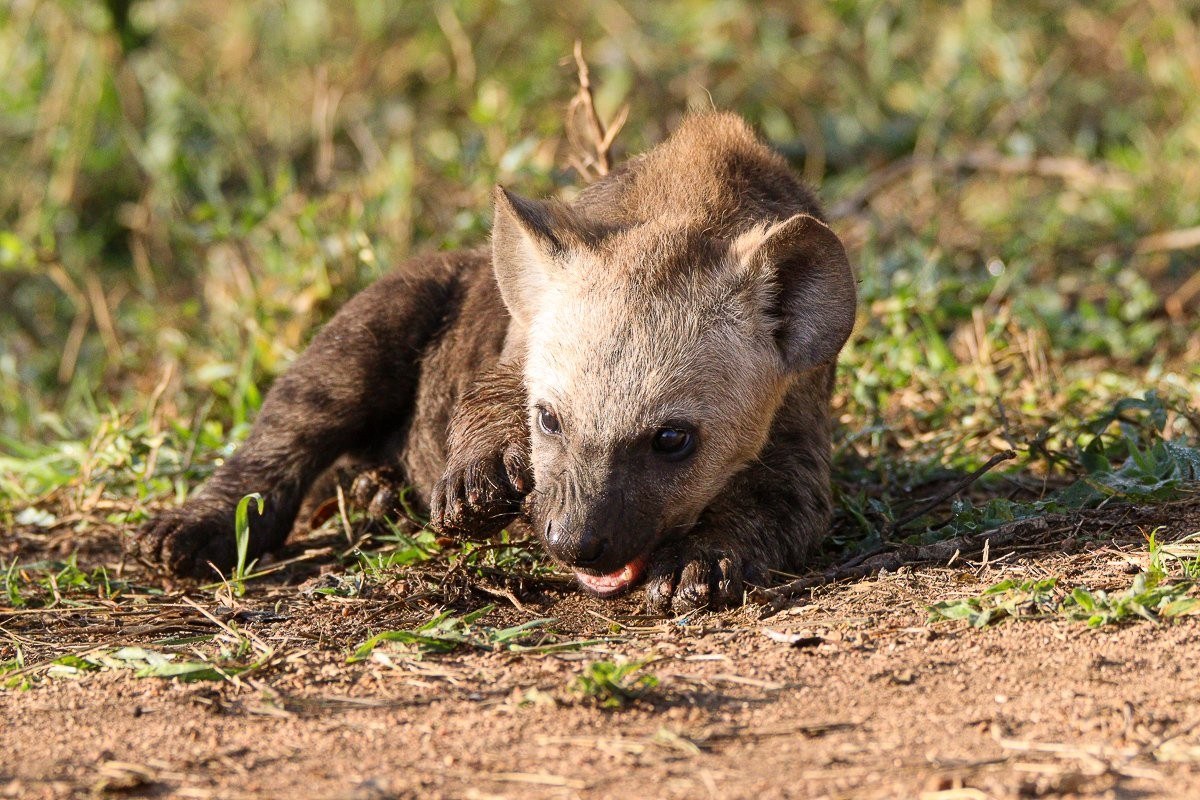
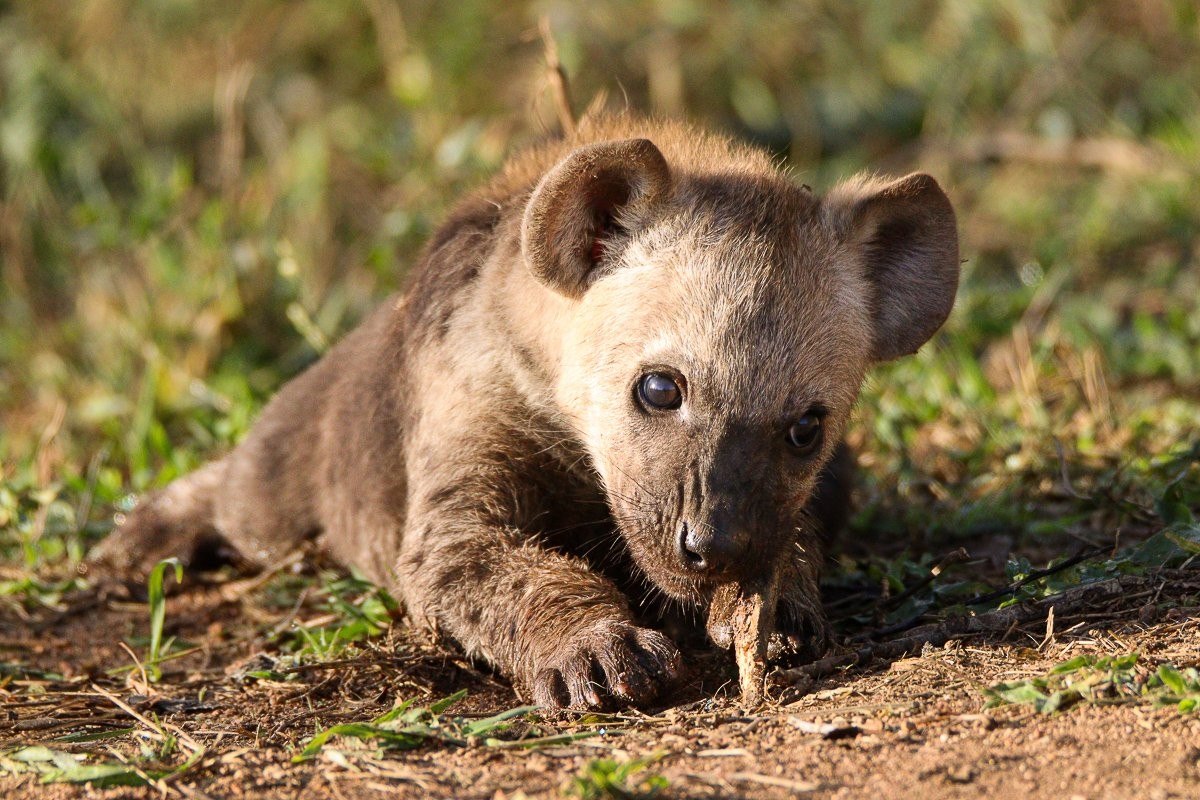
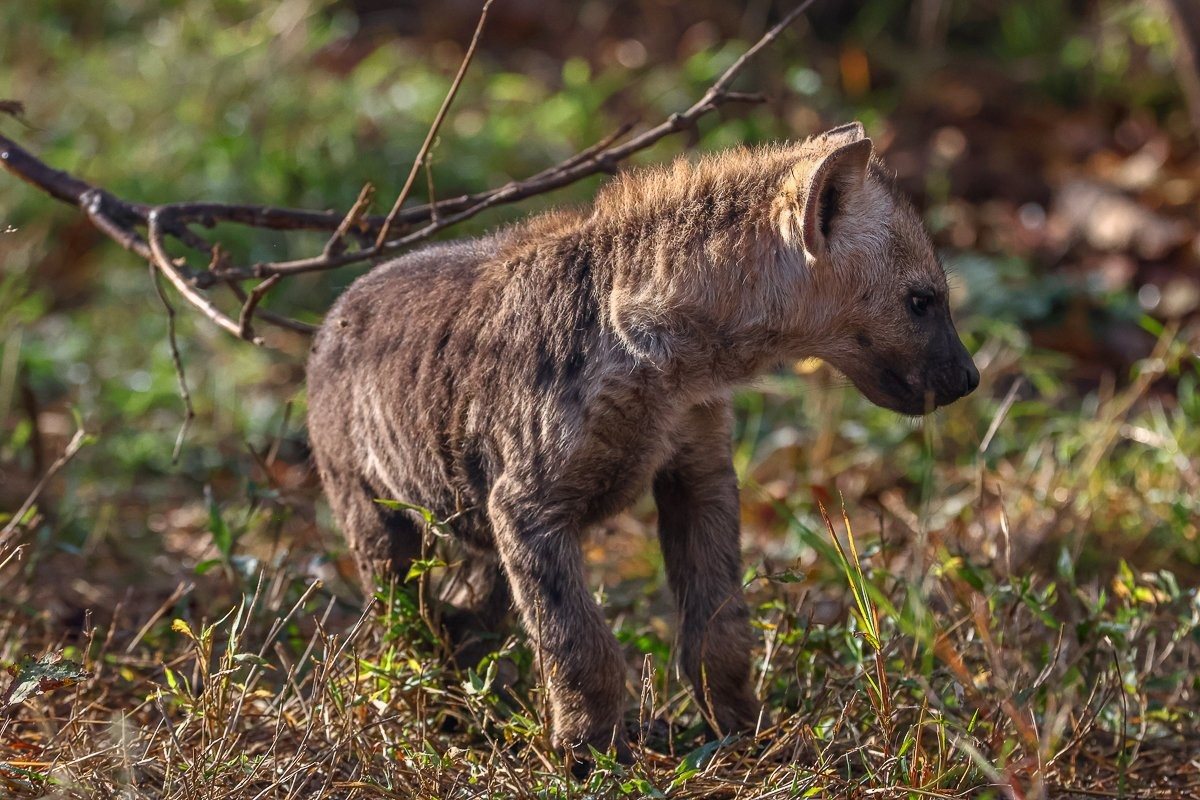
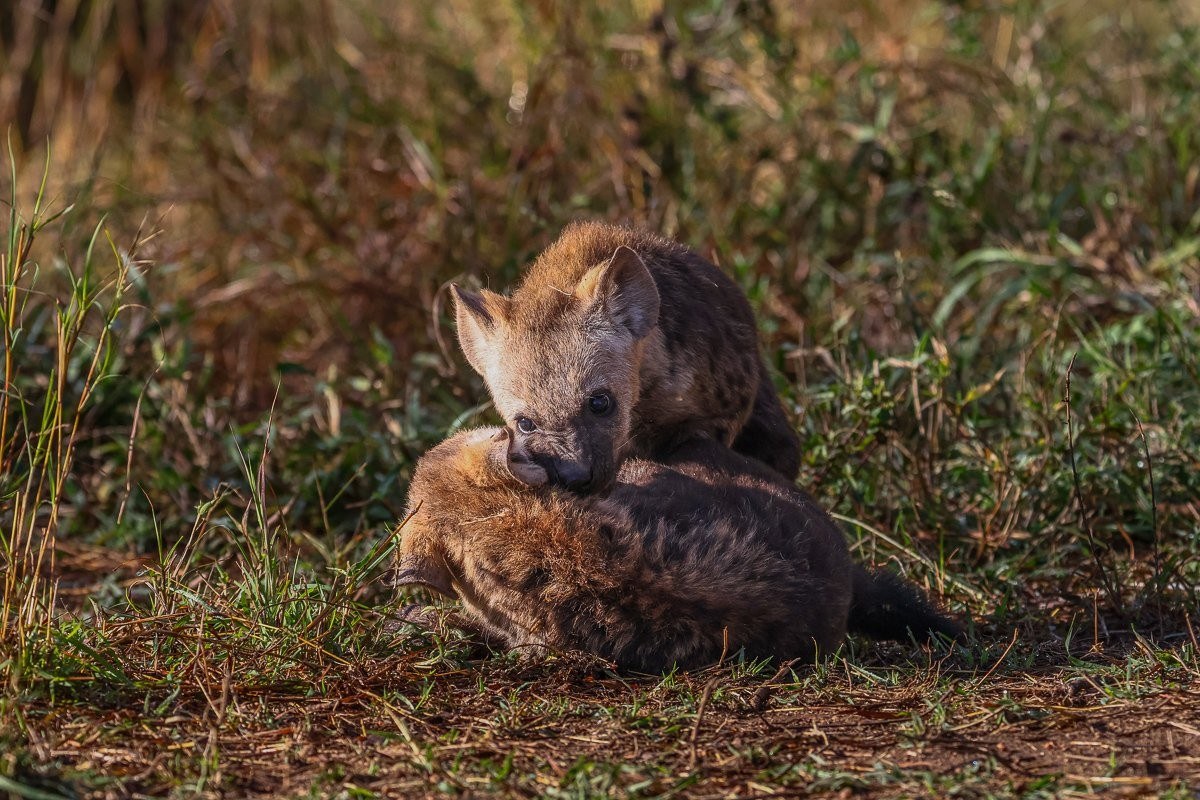
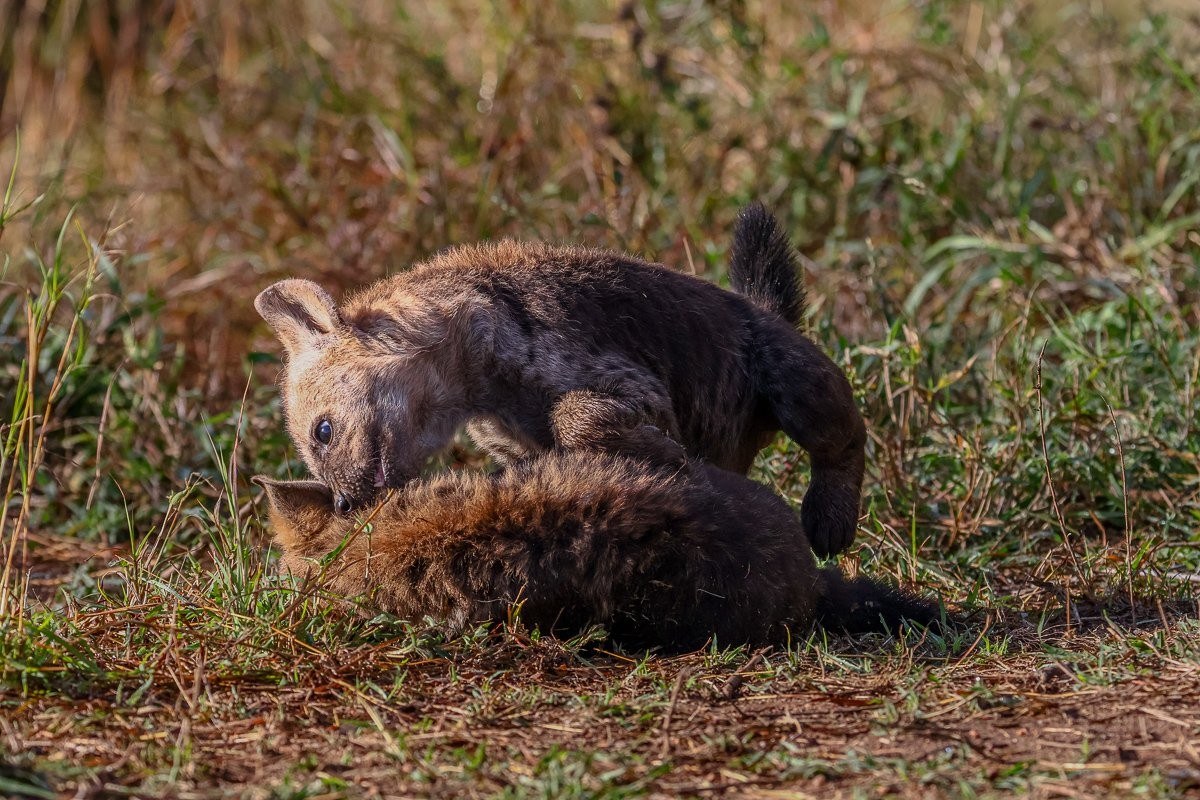
At first light, we patiently waited at the hyena den as the two curious cubs eventually emerged to suckle from their mother. Once they had their fill of milk, they began to play and explore, quickly discovering a small piece of bone that became the focus of their attention. While still largely dependent on milk, these playful behaviours are already helping them develop important social and survival skills, while chewing on the bone helps strengthen their jaws and develop the powerful bite they will need as adults.
Until next time…
Blog by Wendy Claase
Images by Benjamin Loon, Devon Jansen, Jana du Plessis, Ronald Mutero & Ruan Mey