
A Week in the Bush Vol. 607
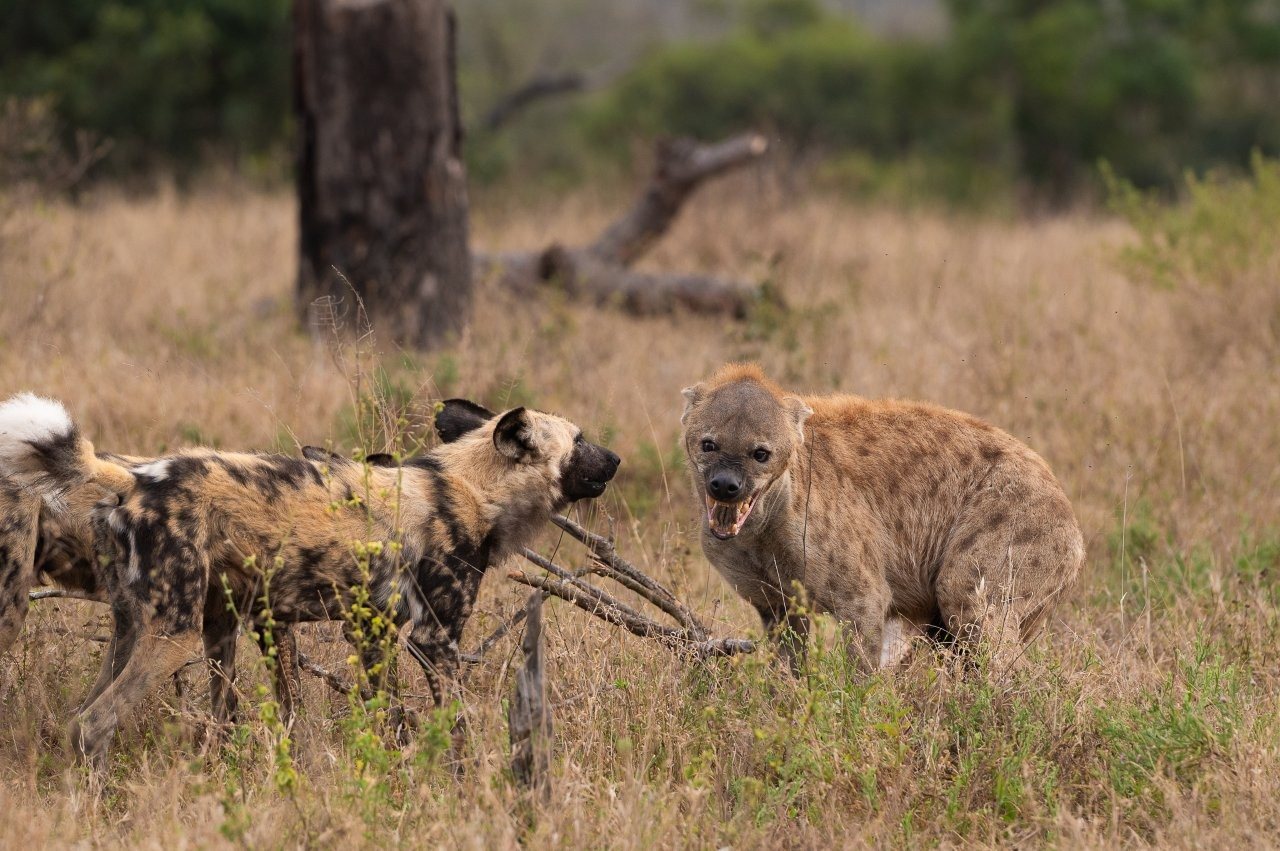
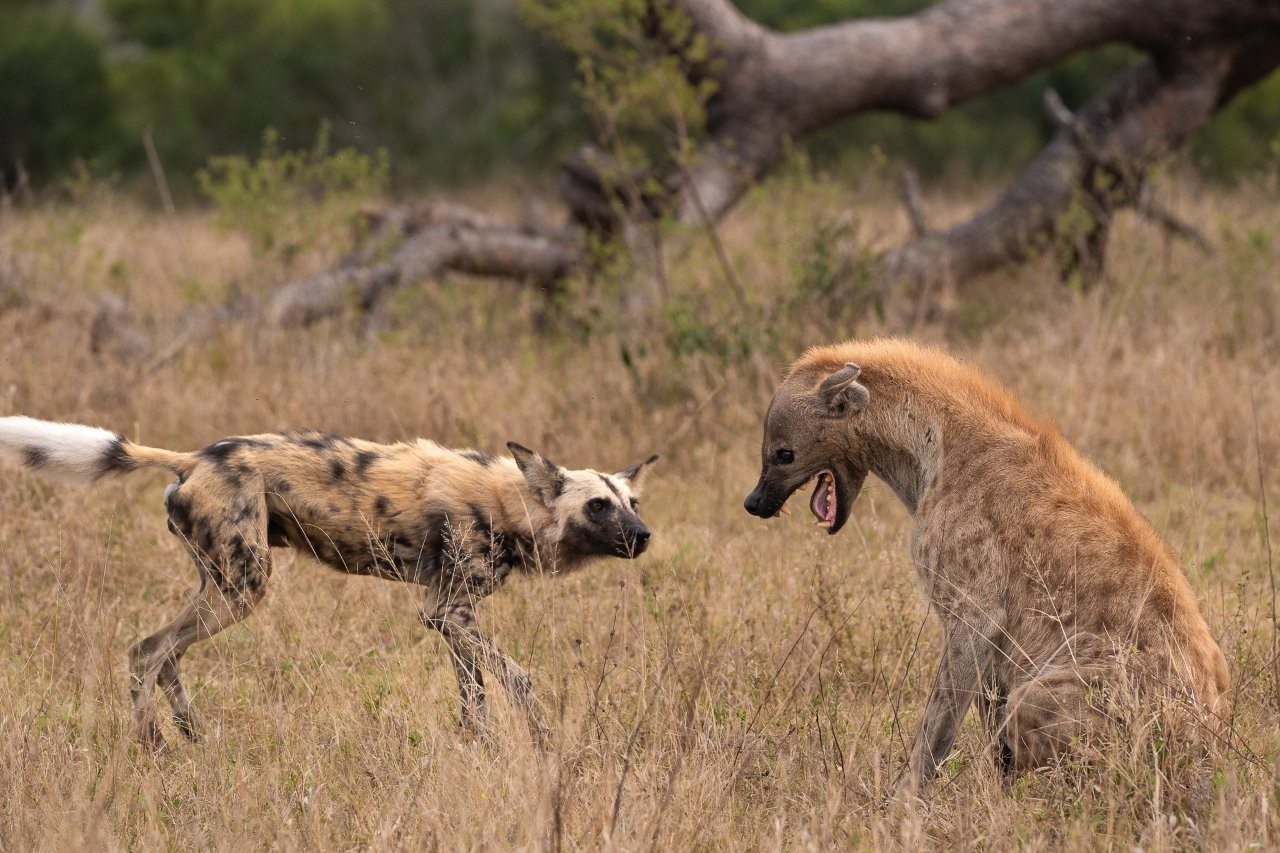
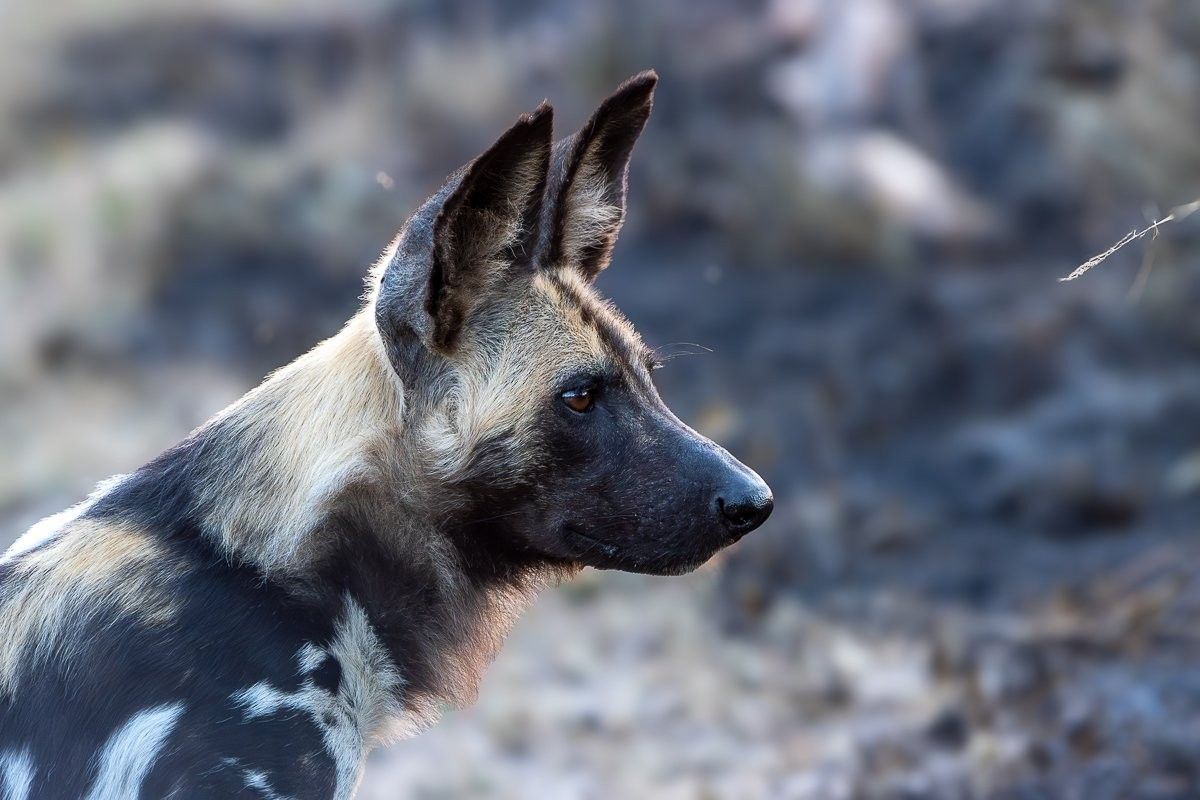
on Sep 02, 2026A pack of wild dogs was seen on the move, resting, hunting and repeatedly dealing with the ever-present attention of Spotted hyenas. On one morning, two Wild dogs turned their attention to a nearby hyena, which eventually tucked its tail and bared its teeth in submission. On another, four dogs successfully brought down an impala, reducing their kill to little more than a carcass within minutes. Elsewhere, three wild dogs found themselves shadowed by three spotted hyenas – a difficult situation for predators that rely on speed and teamwork to hunt successfully. Attempts to chase them off only attracted more hyenas to the commotion.
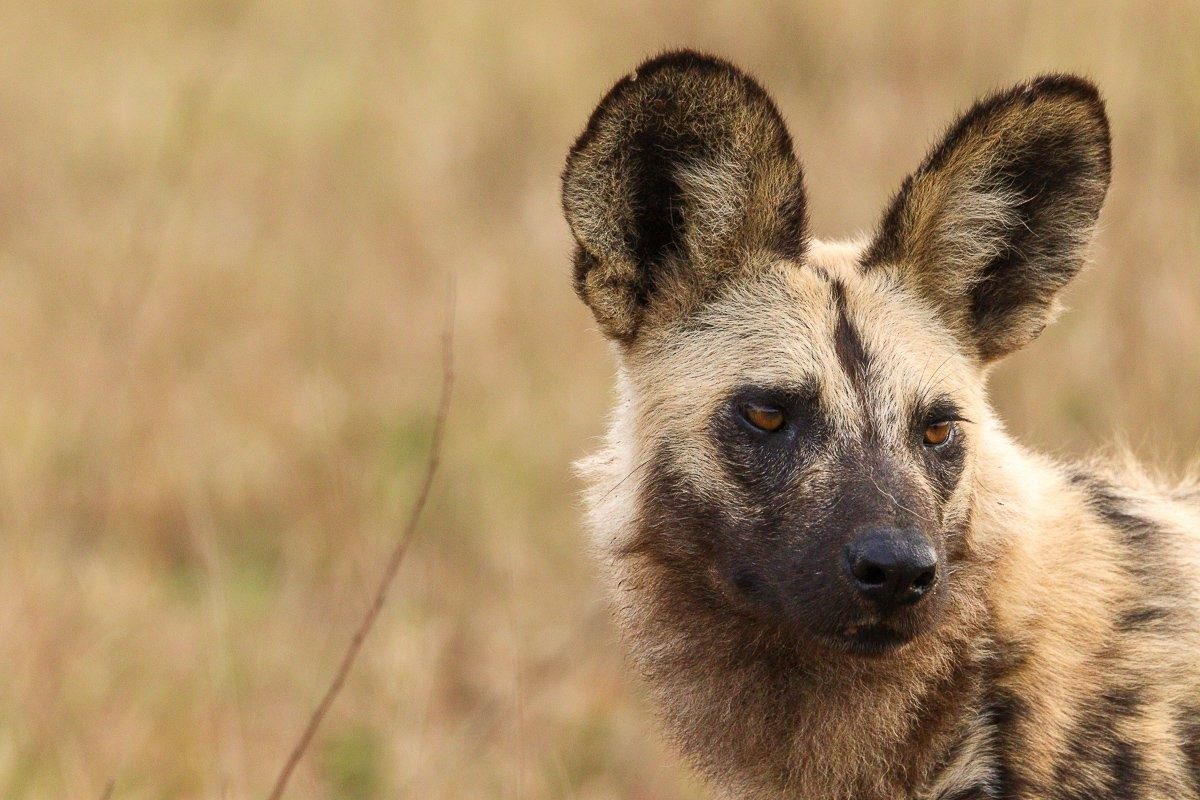
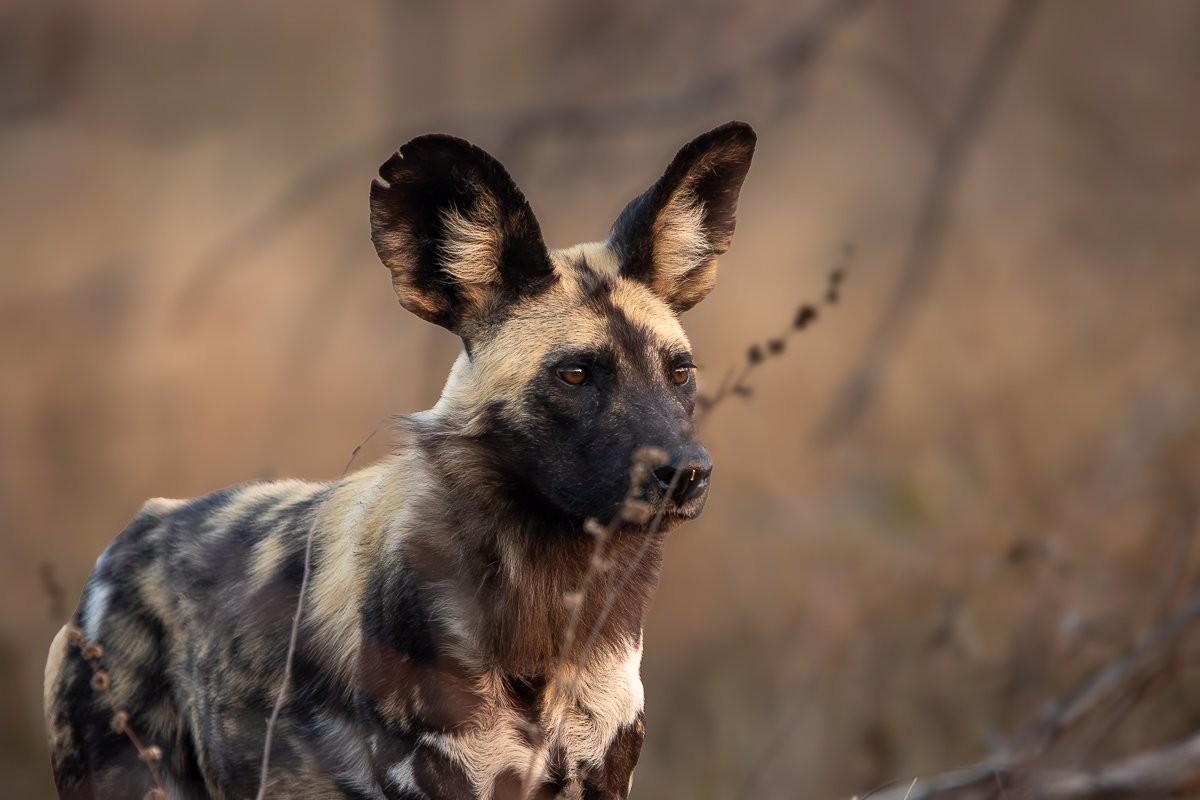
For a species that can be difficult to find, we have been incredibly fortunate with our Wild dog viewing lately, giving us time to observe not only their hunting ability, but the remarkable social bonds within a pack.
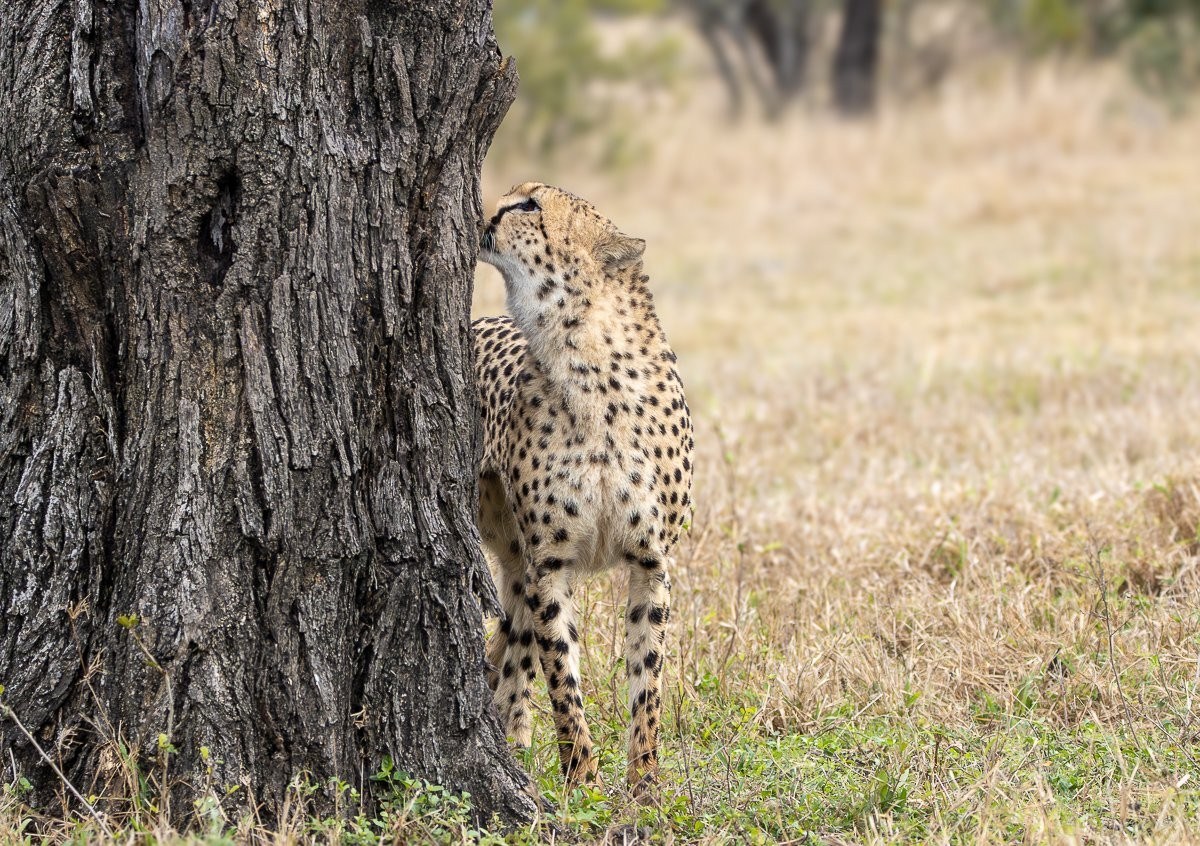
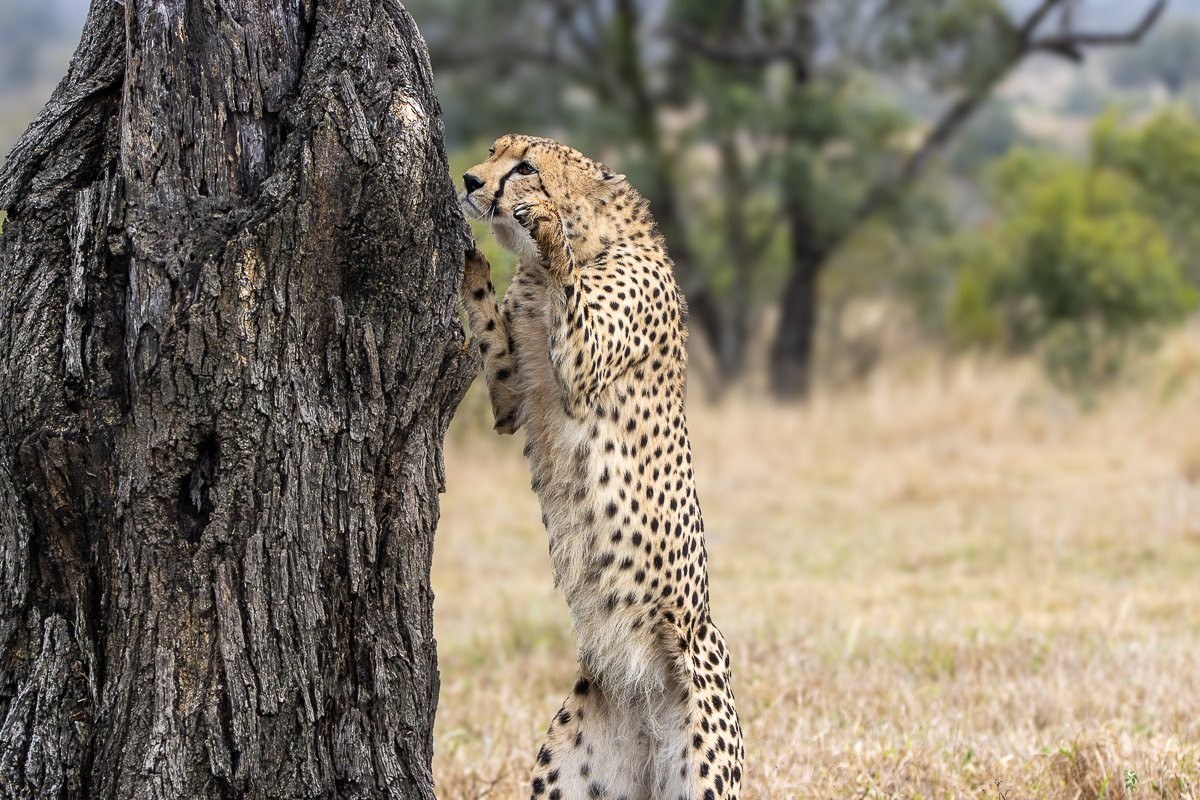
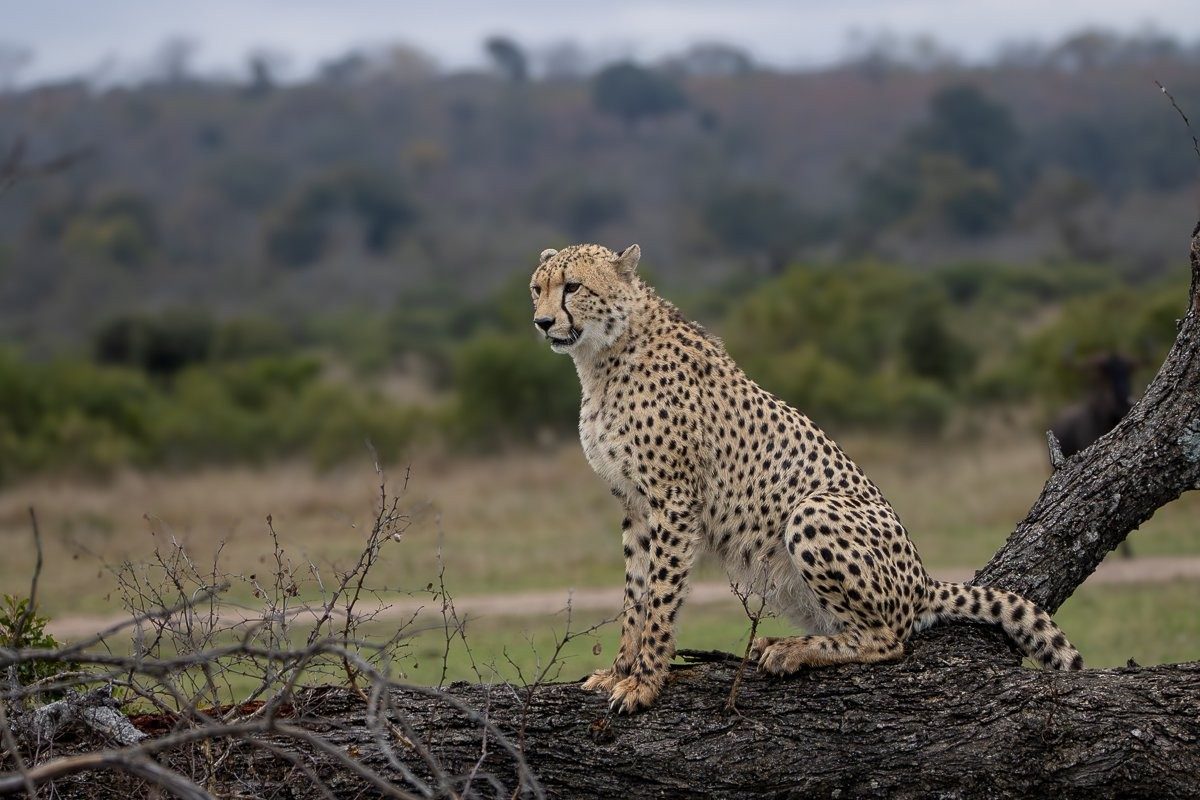
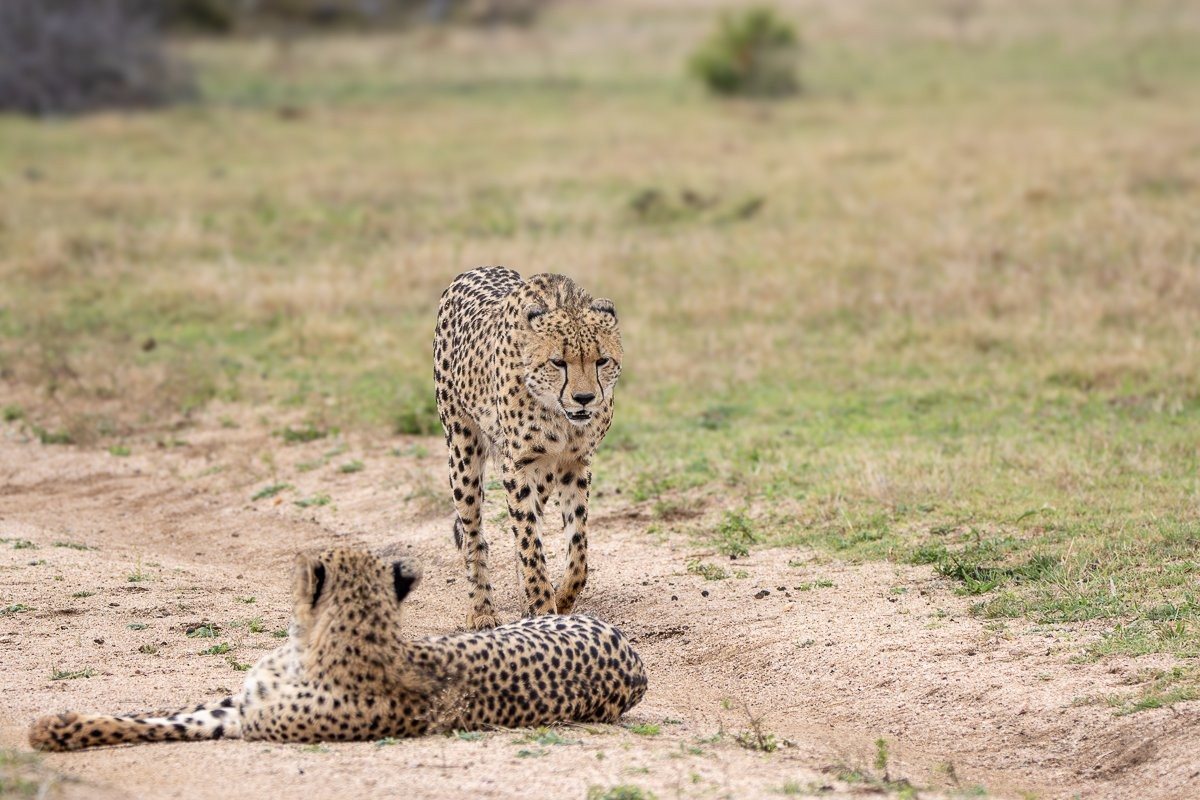
We were lucky to find two cheetahs after following the alarm calls of a male wildebeest across an open area. It was a special sighting as our guests had never seen them before.
Usually, when prey species such as impala spot these fast-moving predators, there is often little time for alarm calls. Instead, they are more likely to start running, creating as much distance as possible. Because of this, we were expecting the wildebeest’s calls to lead us to lions or perhaps a leopard.
Open areas provide ideal hunting grounds, with plenty of space to sprint as well as a clear view of what is happening around them. They will also regularly scent-mark prominent trees and fallen logs as they move through an area.
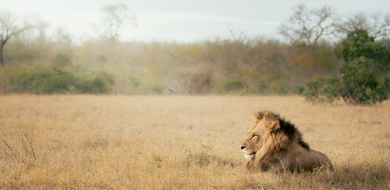
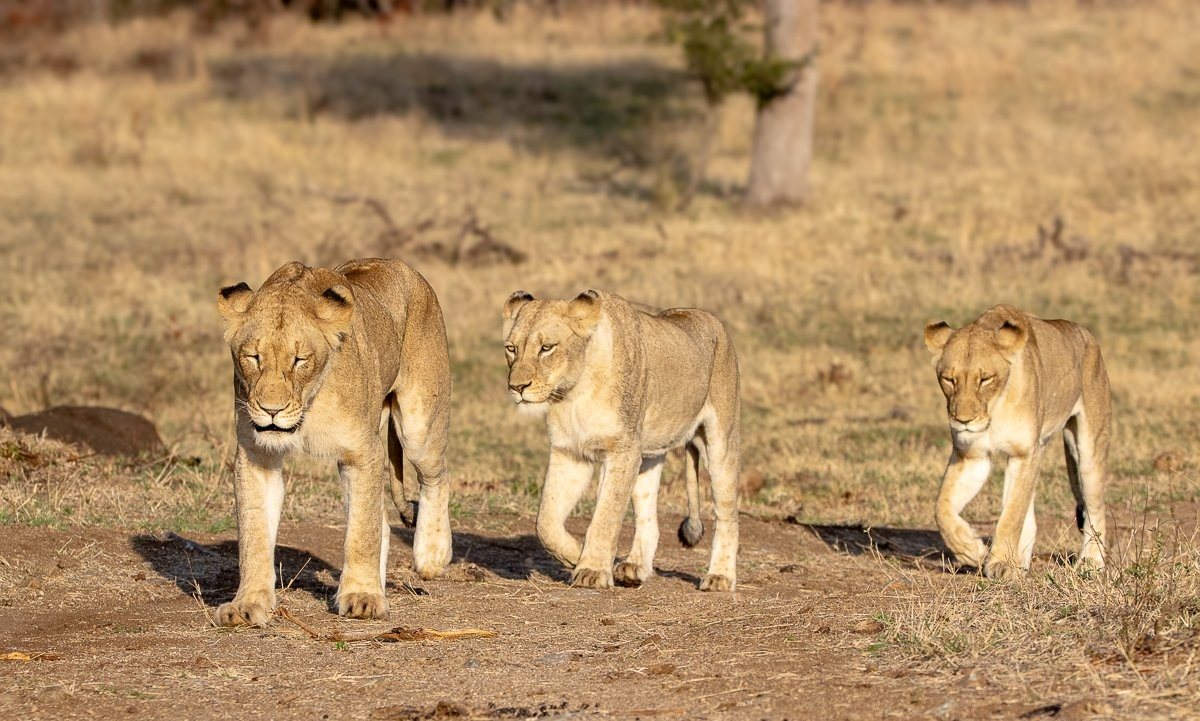
The Southern Pride was resting near a watering hole before the oldest lioness stirred, stretched and eventually set off with the two younger females following behind. With an empty belly, she moved purposefully through the reserve, testing the wind and taking in the sounds and scents around her as the pride disappeared into thicker vegetation.
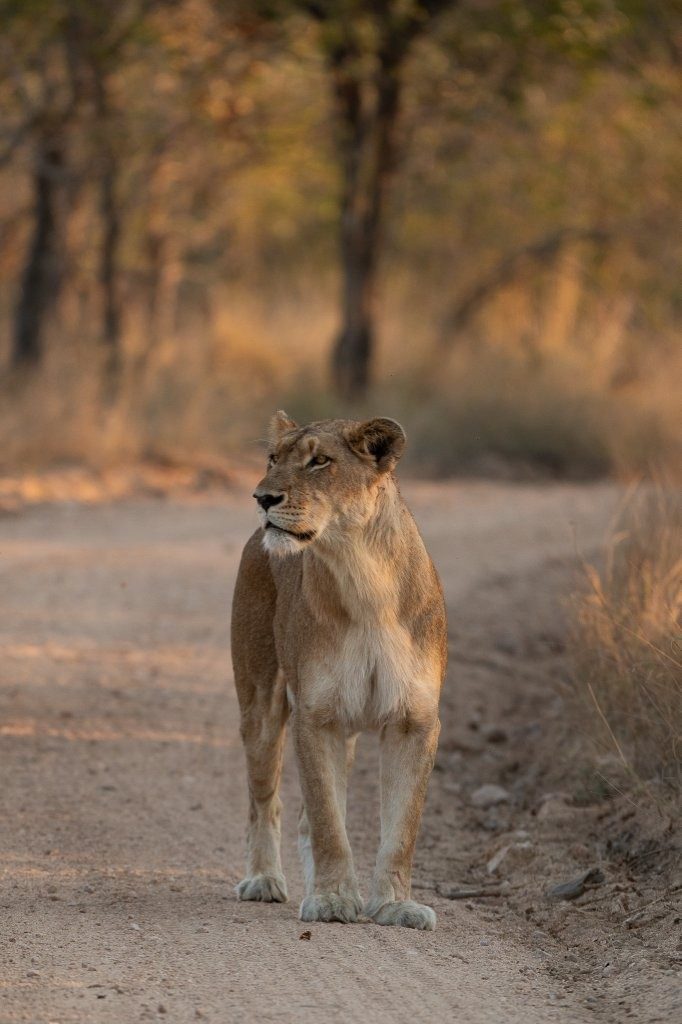
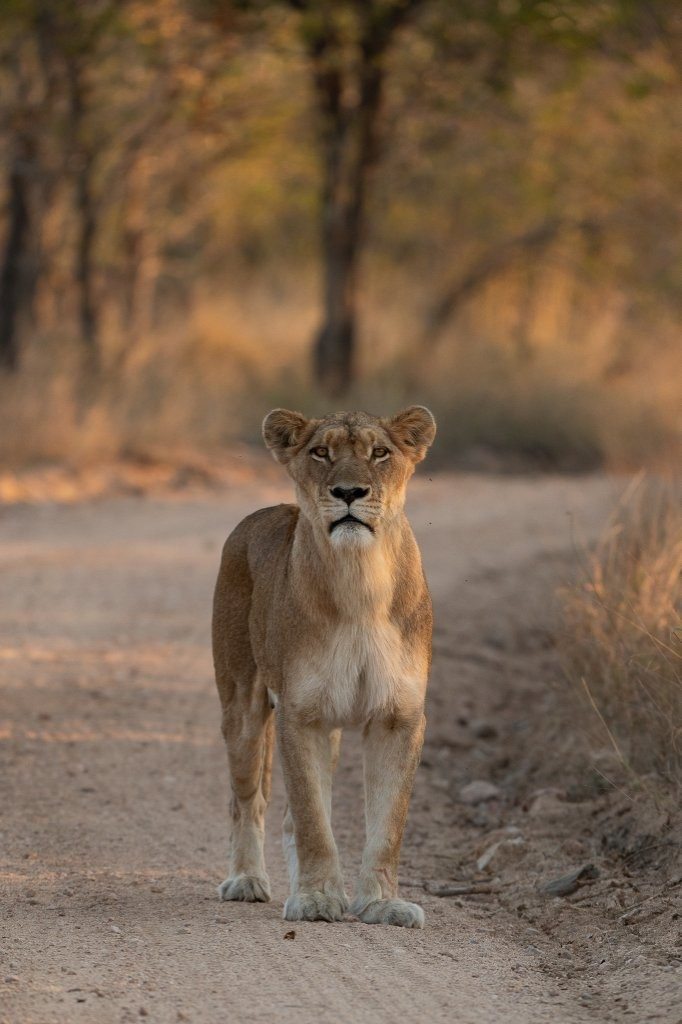
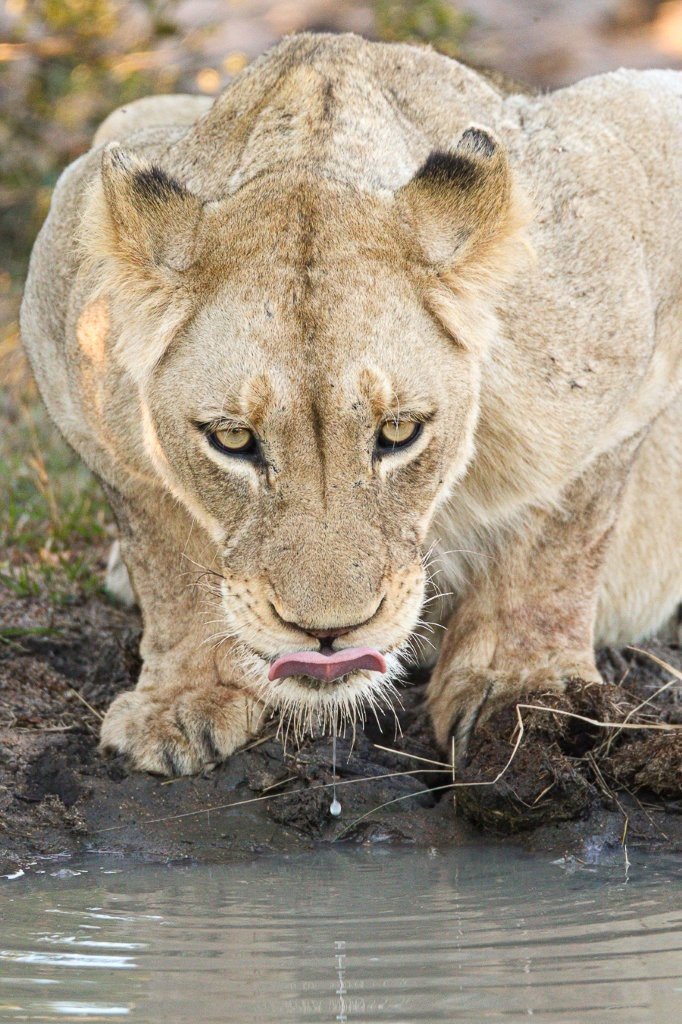
Our afternoon safari had quite a surprise in store for us. Five females from the Msuthlu Pride took down a Blue wildebeest bull in the late morning hours and were still feeding when we arrived. As the females finished their share of the kill, they started moving off to a nearby waterhole to quench their thirst, before resting in the cool shade after the hot day’s hard work.
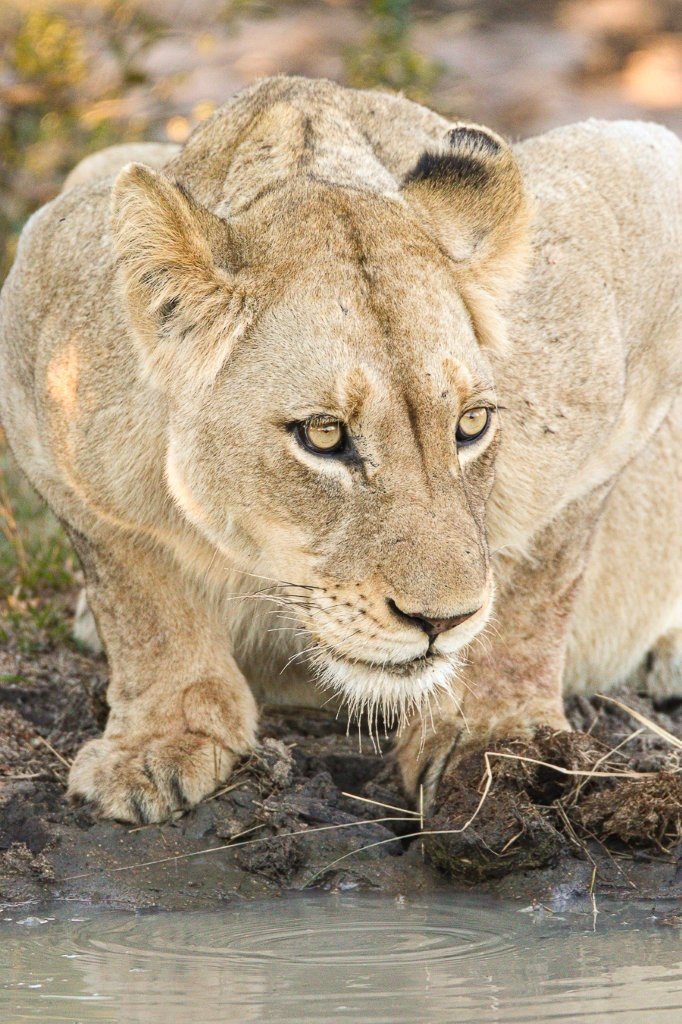
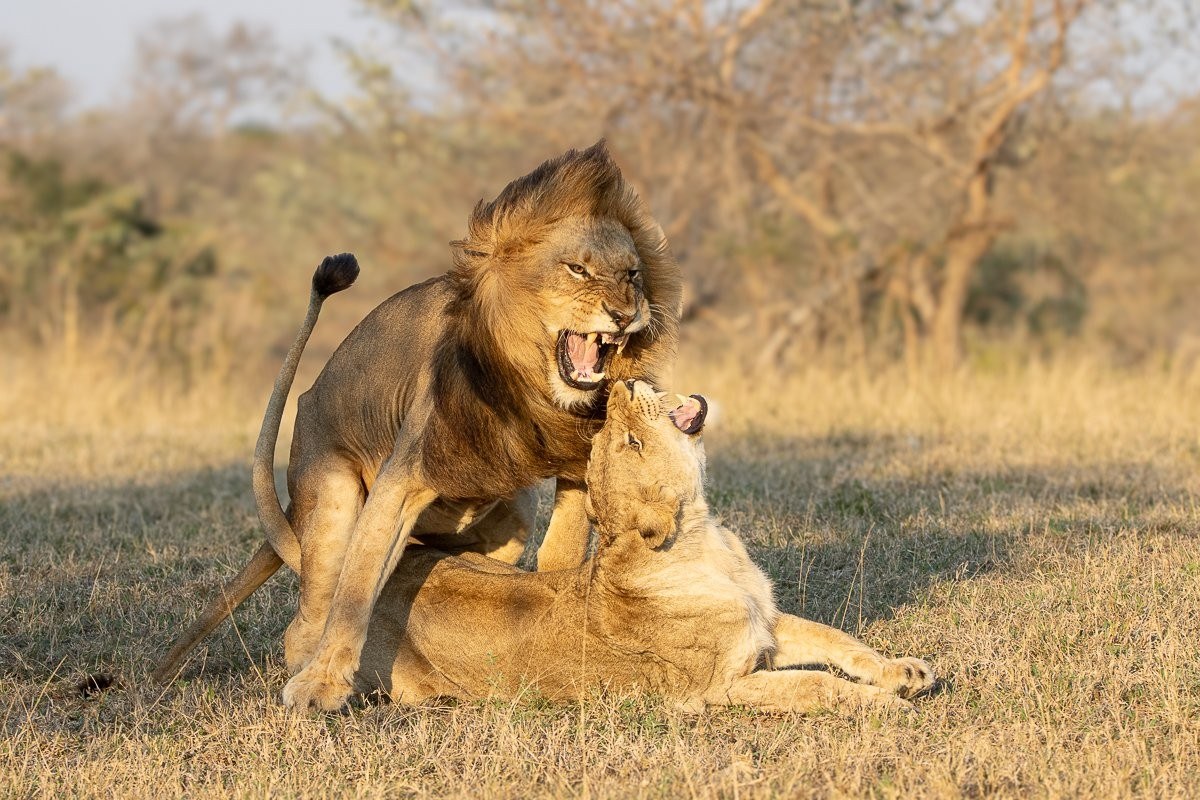
There was also continued mating activity between the N’waswishaka males and Msuthlu females, with one female mating with a different brother within the coalition – behaviour that can occur towards the end of a lioness's oestrus cycle.
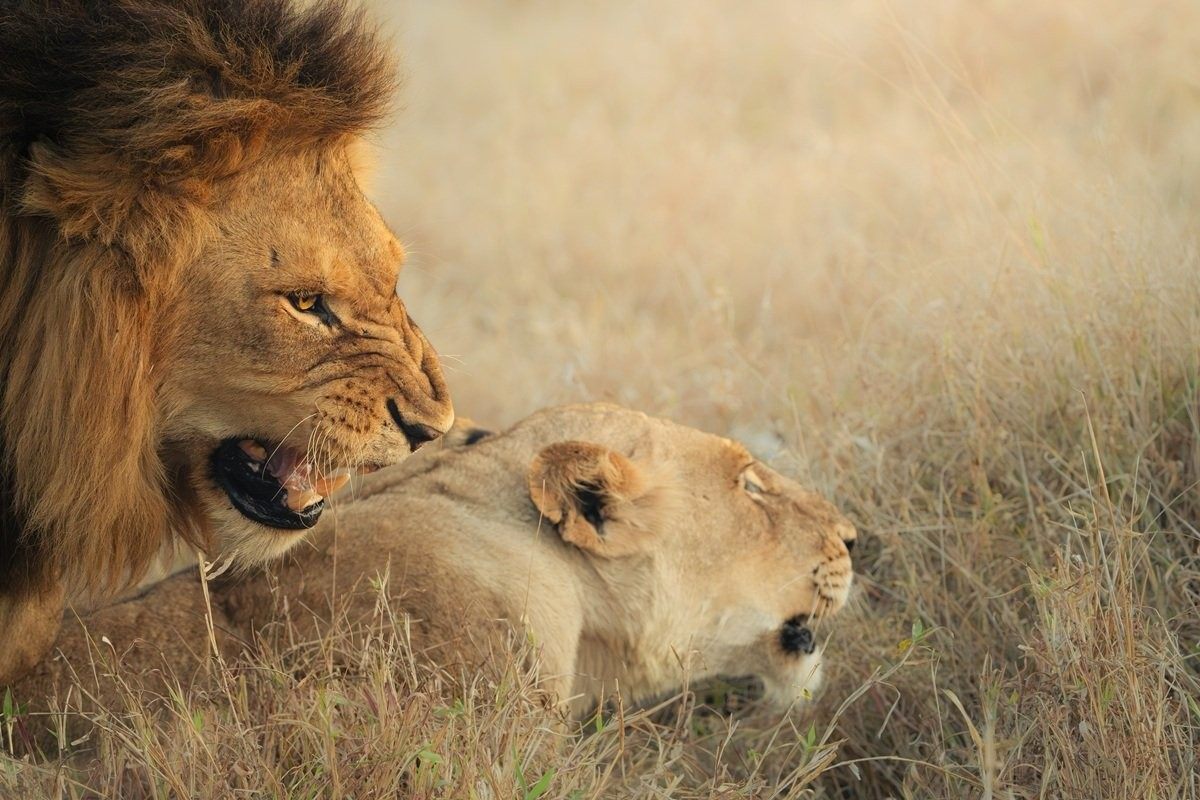
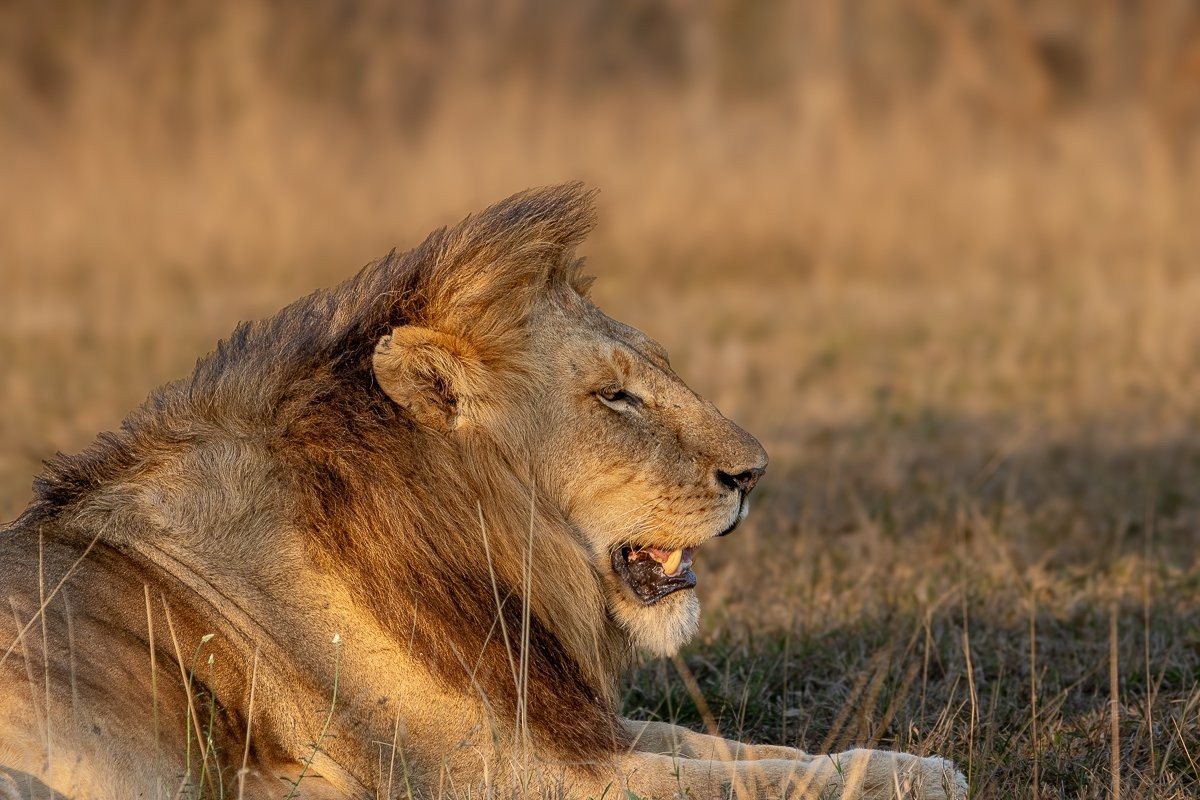
Five Msuthlu Pride lionesses and four N’waswishaka male lions were together in an open area. Three of the four males appeared to have just come from a kill, judging by their noticeably full stomachs.
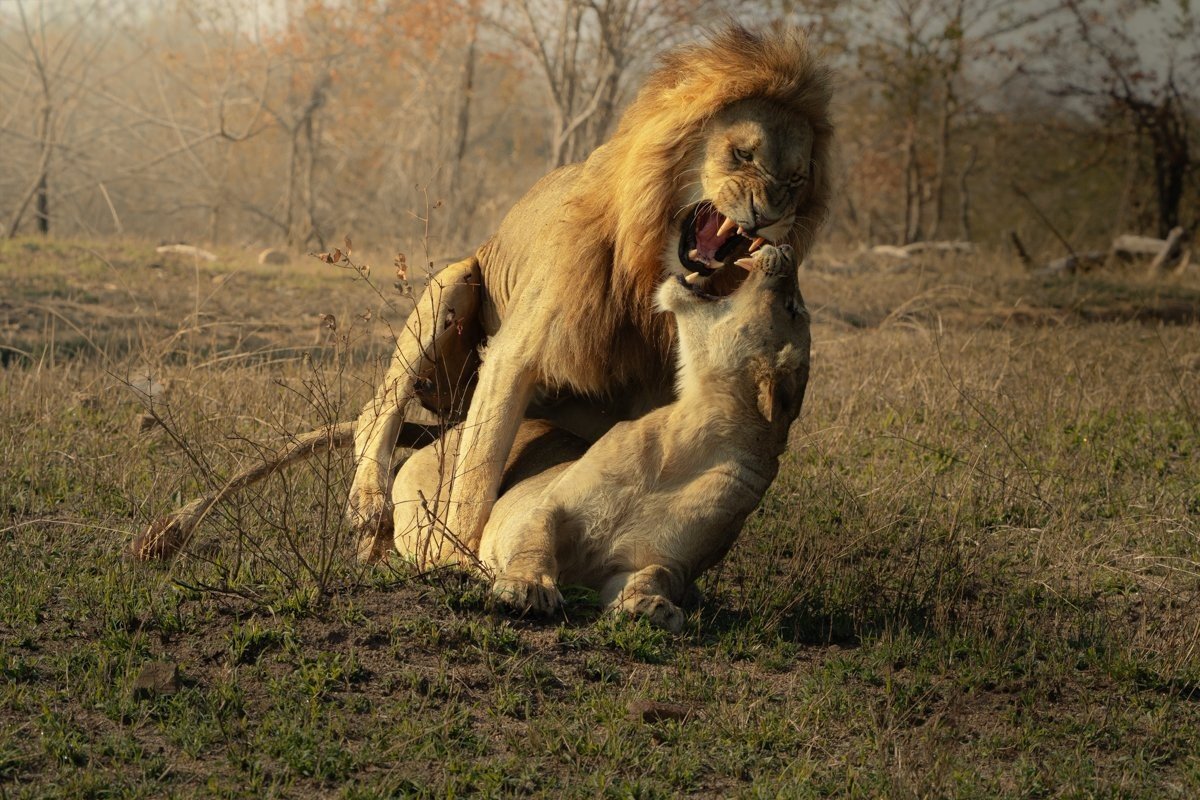
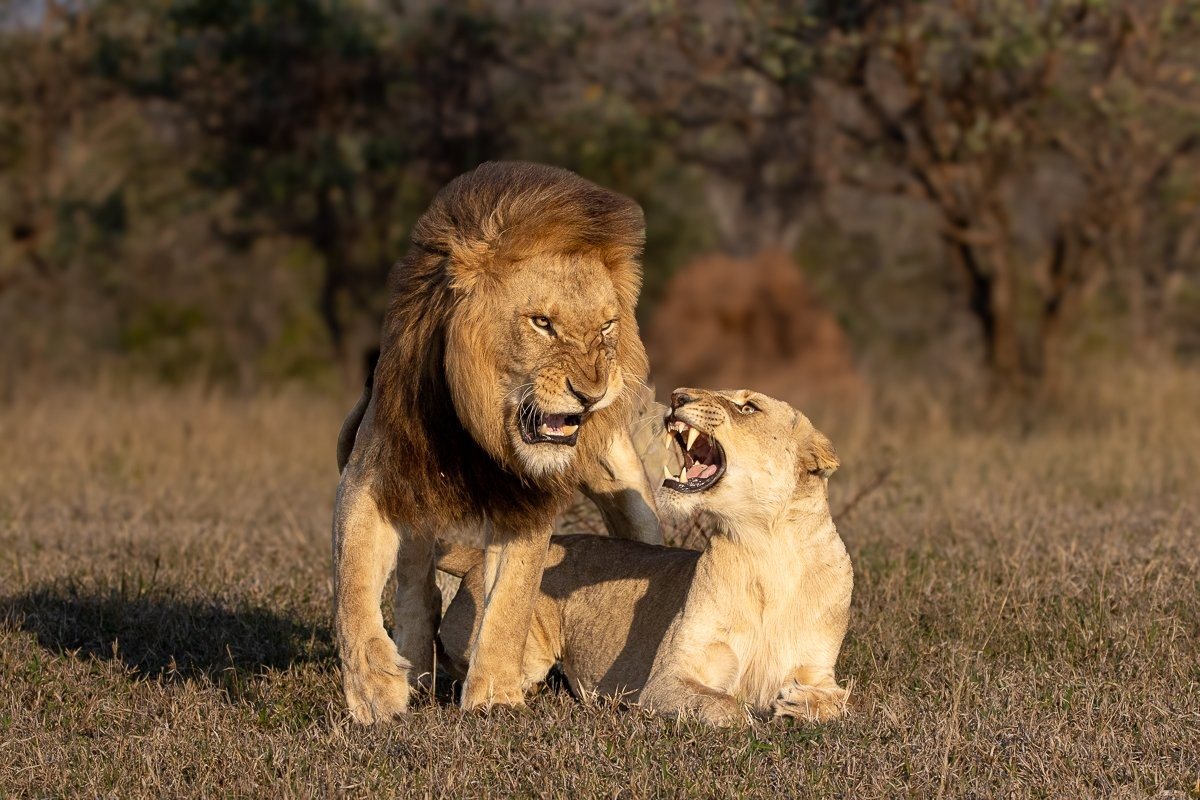
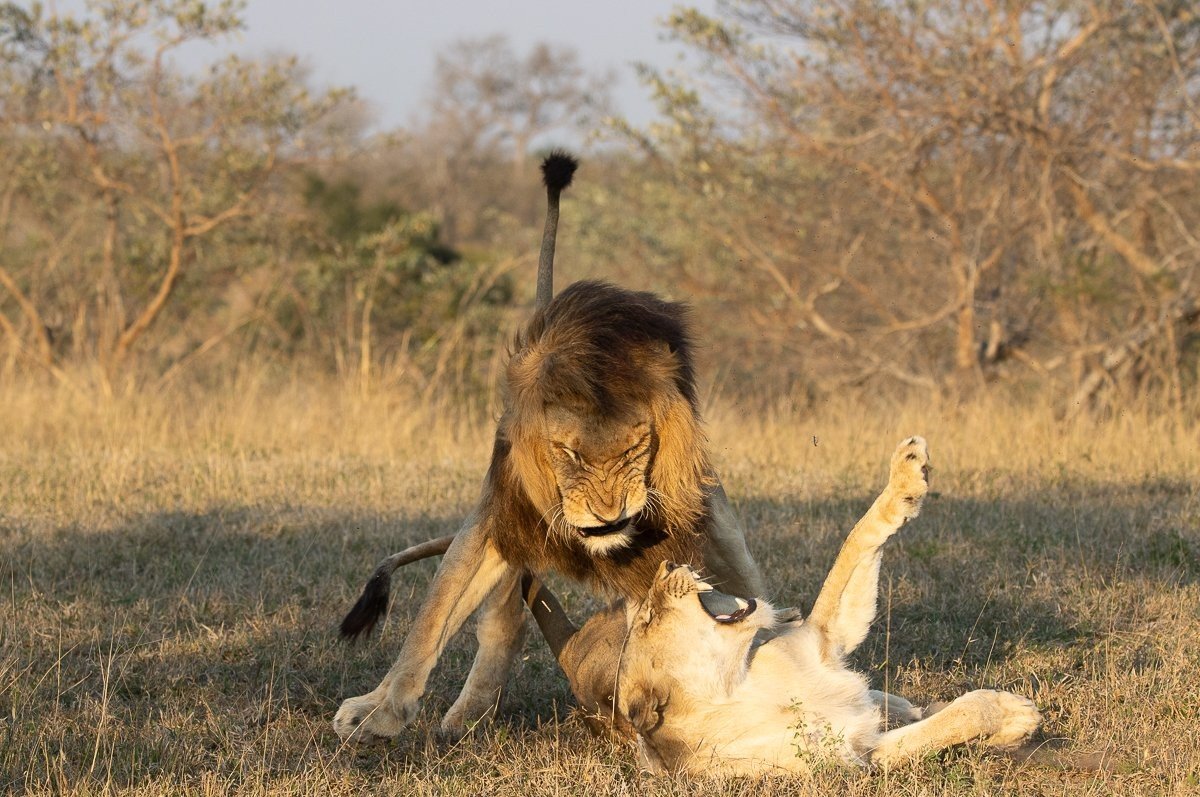
As we spent time with the pride, we witnessed something many safari-goers hope to see. When one of the females moved away from the group, the males followed her. At times, there were brief scuffles between them, and it wasn’t immediately clear what was happening. Eventually, the female began displaying her mating behaviour, moving around the males and rubbing her body against them to signal that she was ready to mate.
The males wasted no time, and mating began, with the pair mating several times during our sighting.
During mating, the male typically grips the female by the neck. This is not intended to hurt her but helps stabilise her and prevents her from turning around and swatting him with her claws or biting him. Even so, the female can still put up quite a fight, and if the male loses control of the situation, he can easily be injured.
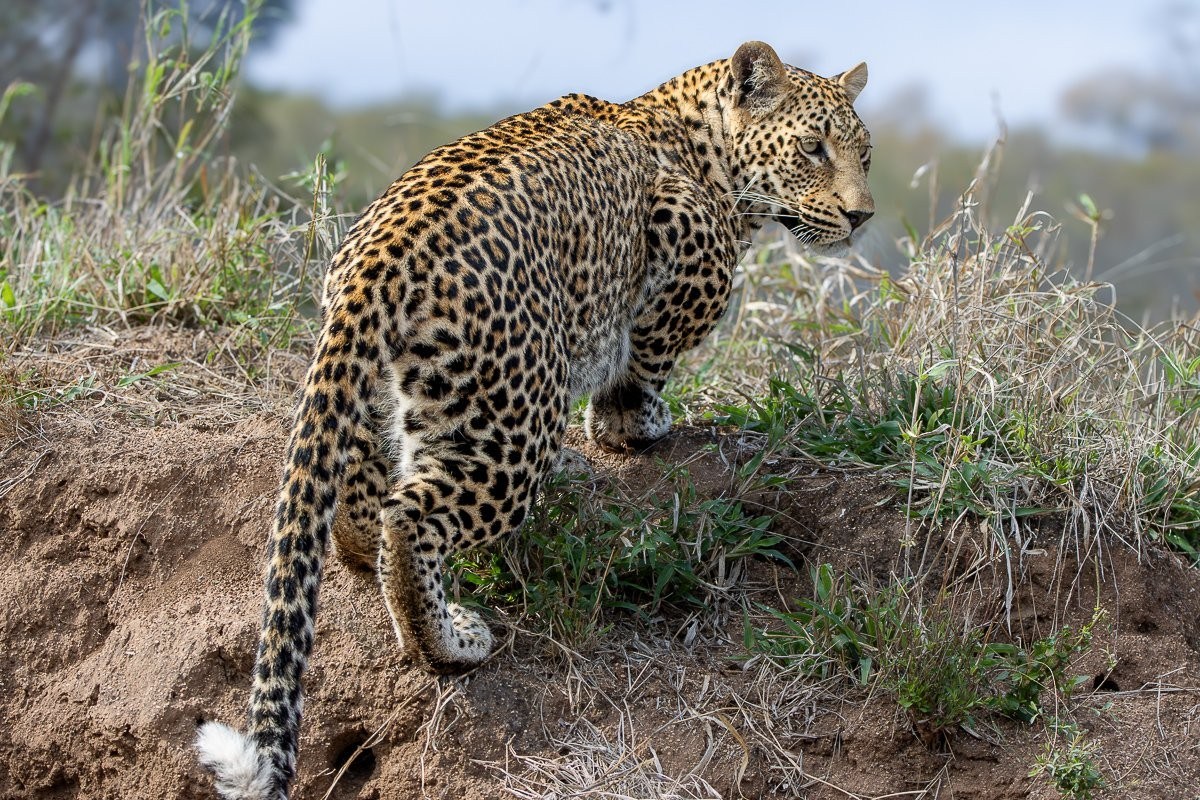
A female leopard leaving Little Bush Camp via the main entrance. This is what makes our camps and lodges so unique - we remain guests in their world!!
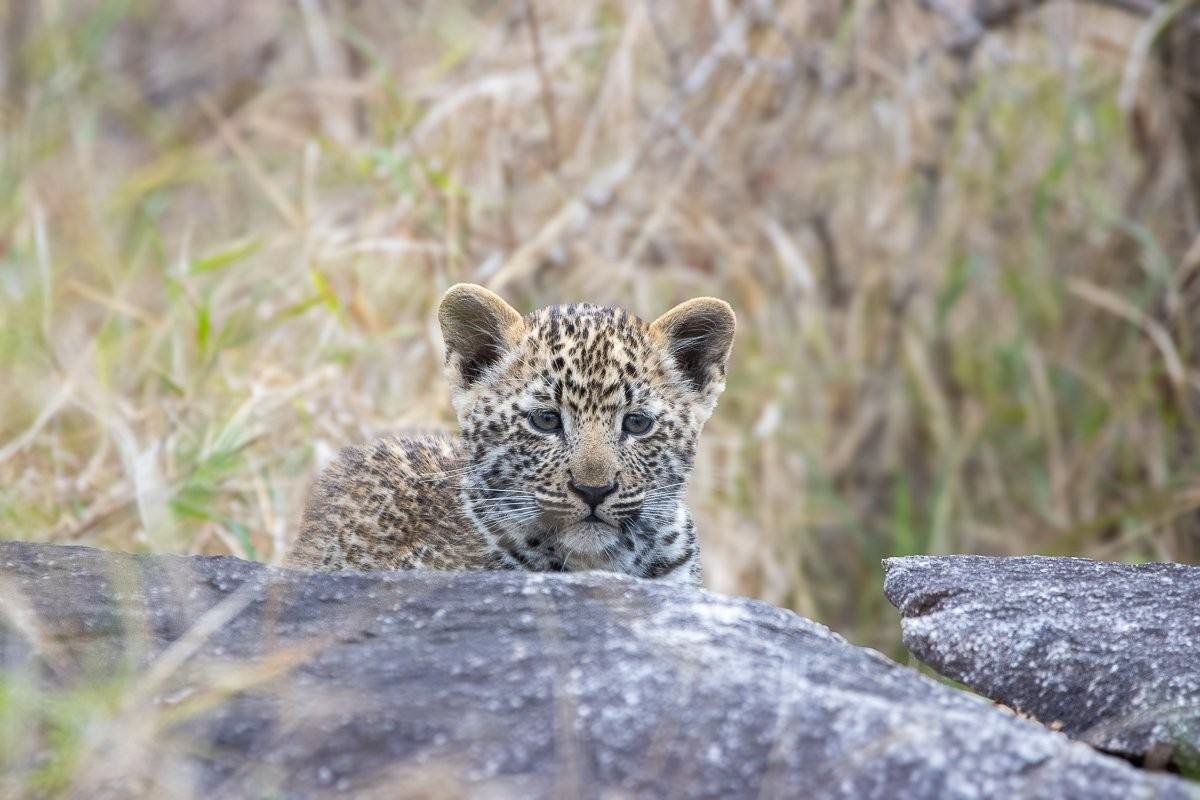
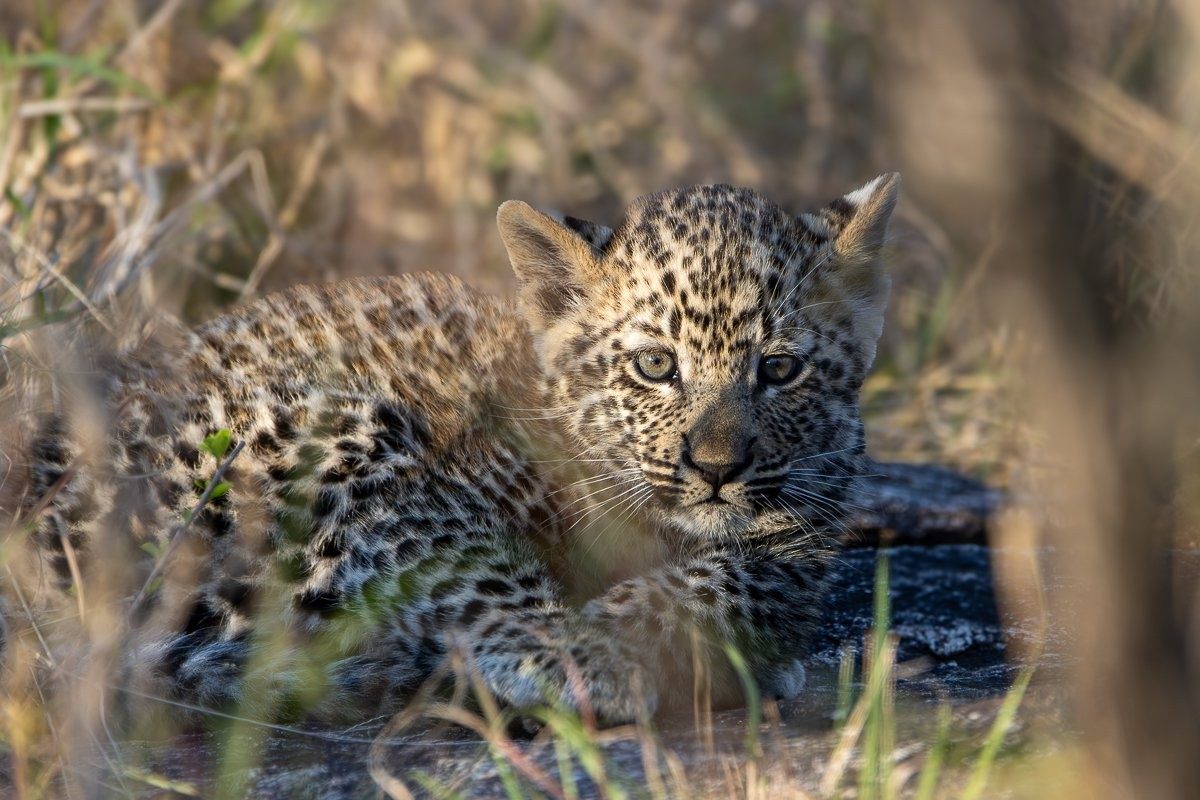
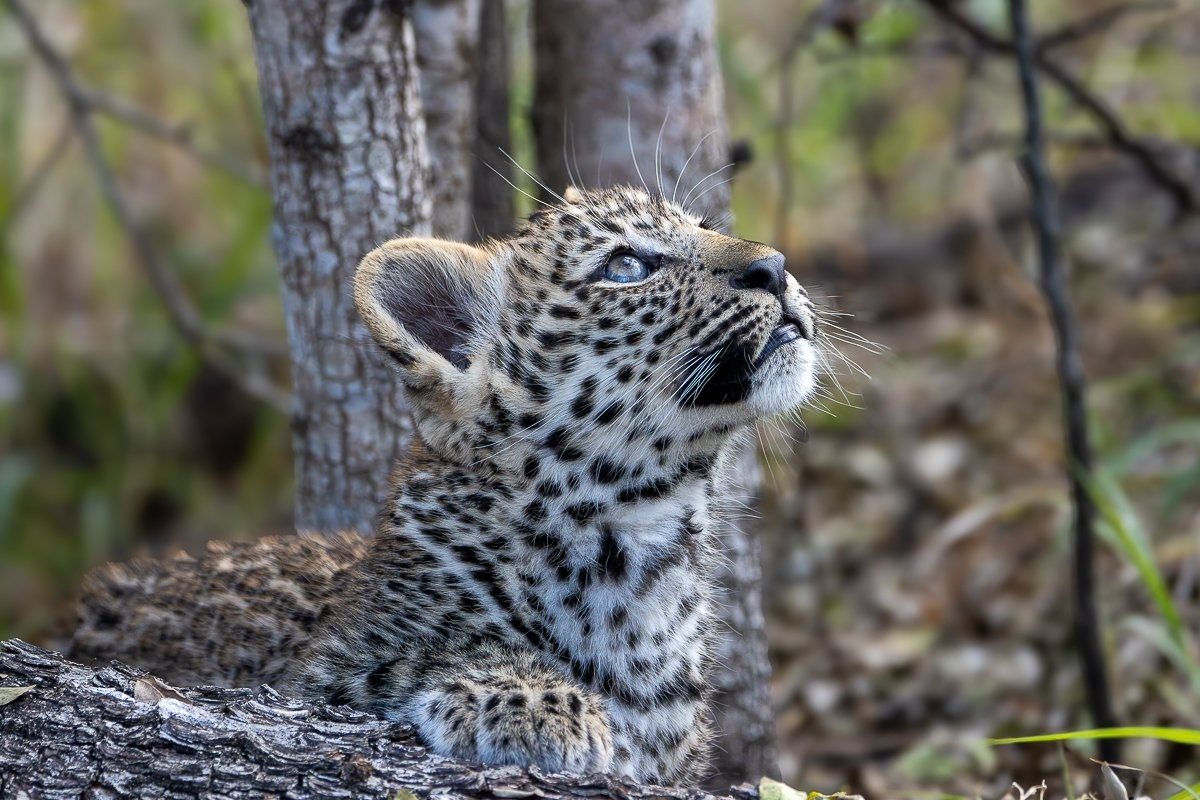
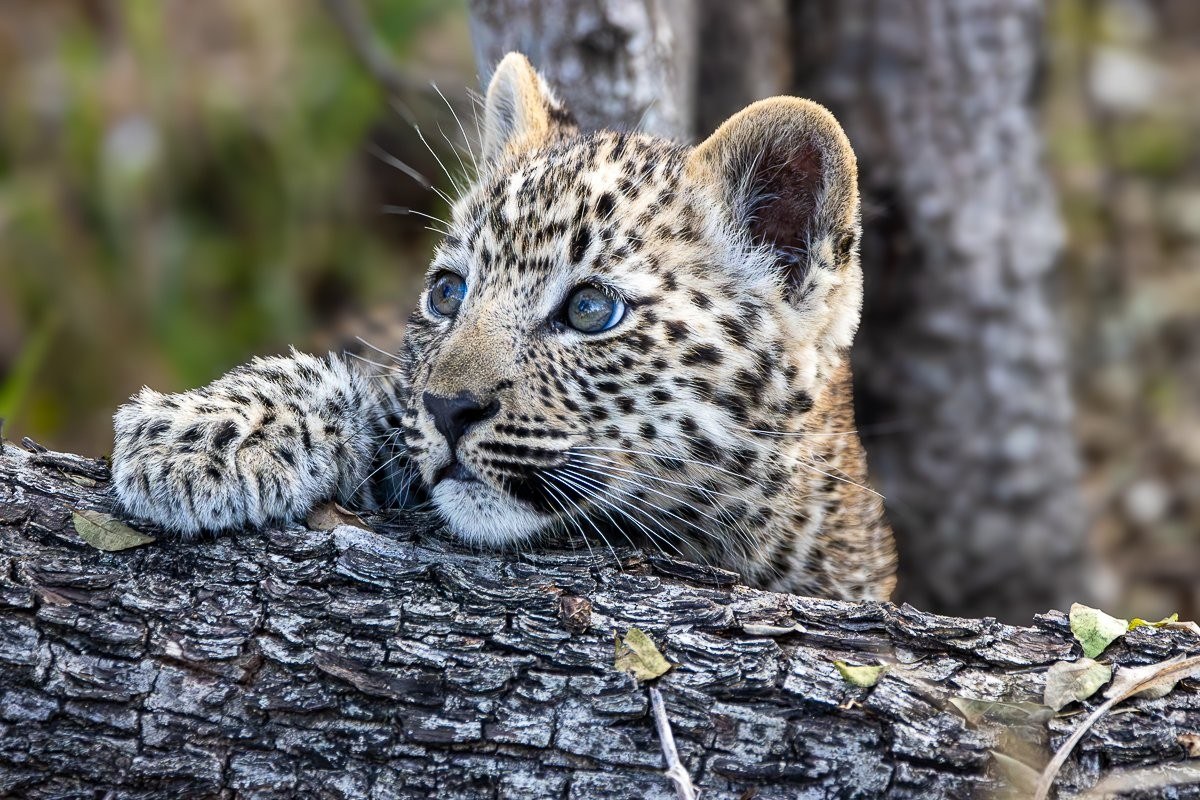
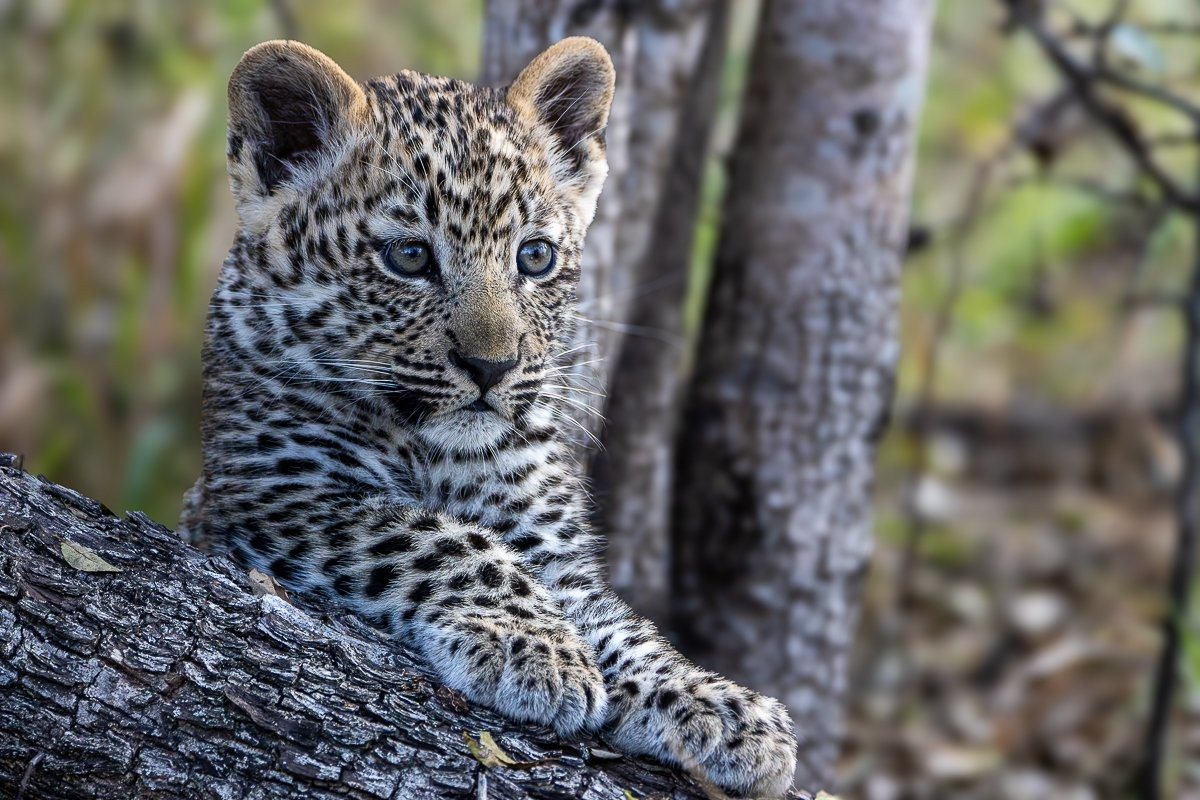
We have enjoyed plenty of sightings of the Kurhula female leopard and cub of late.
Fresh tracks of a female leopard were found moving towards where we had first discovered Kurhula’s cub a few weeks ago. Resting in a small drainage line, the Kurhula female sat grooming and playing with her cub. It was clear that she had intentions of going on patrol, but the cub did not want to leave its den. With some encouragement from mom, the young cub soon started to move alongside her and even stalk her. The cub climbed onto a small fallen tree and hid, watching and waiting for mom to walk closer, before pouncing and running after her.
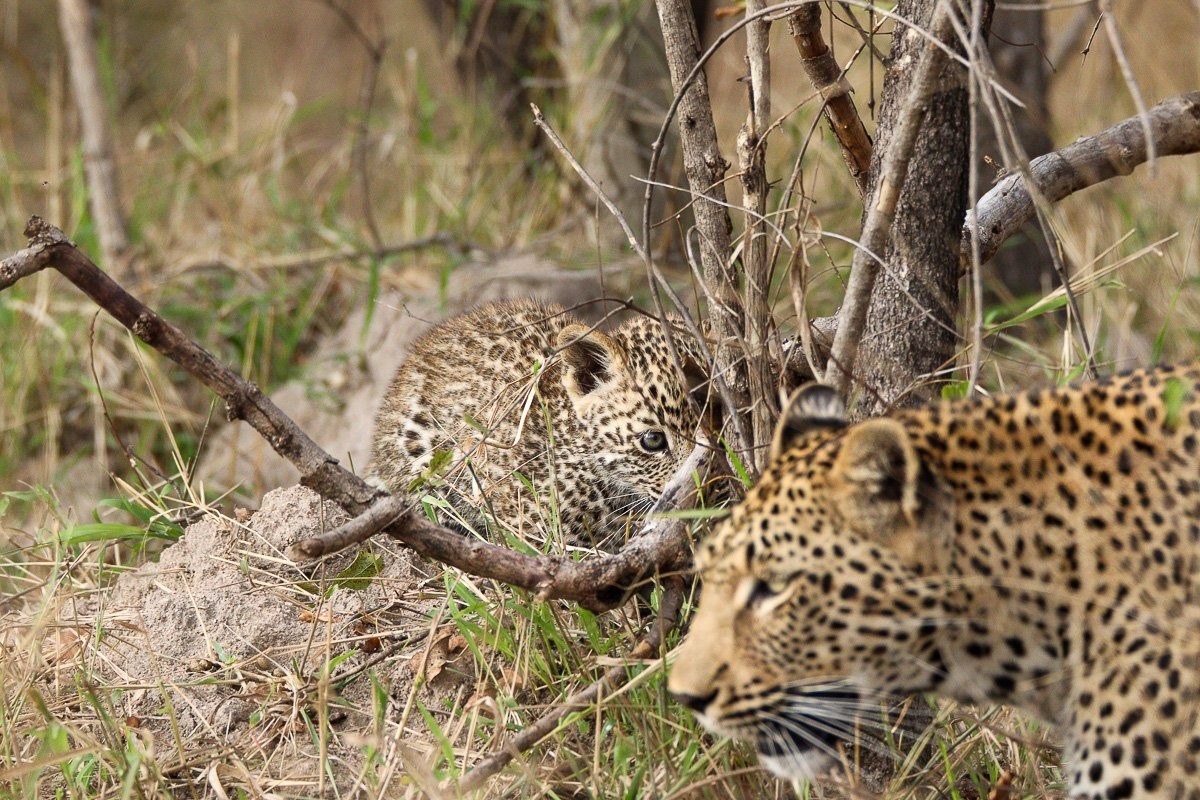
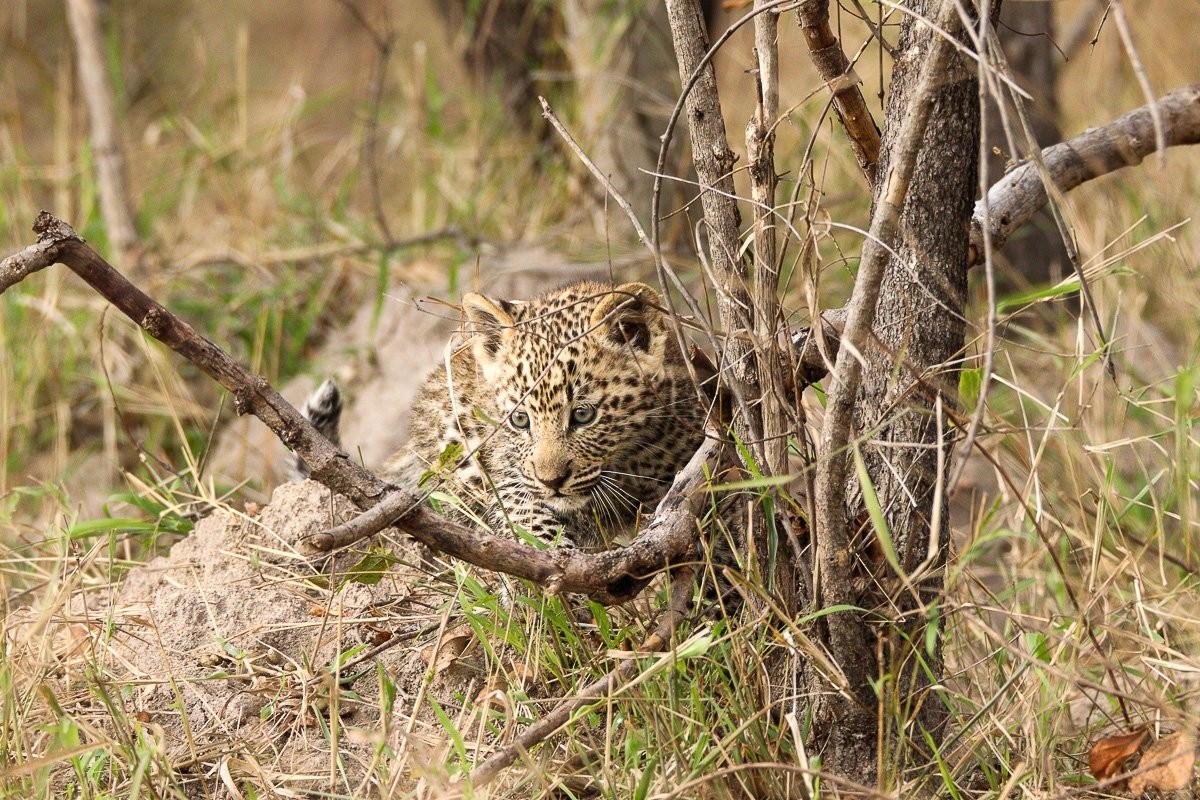
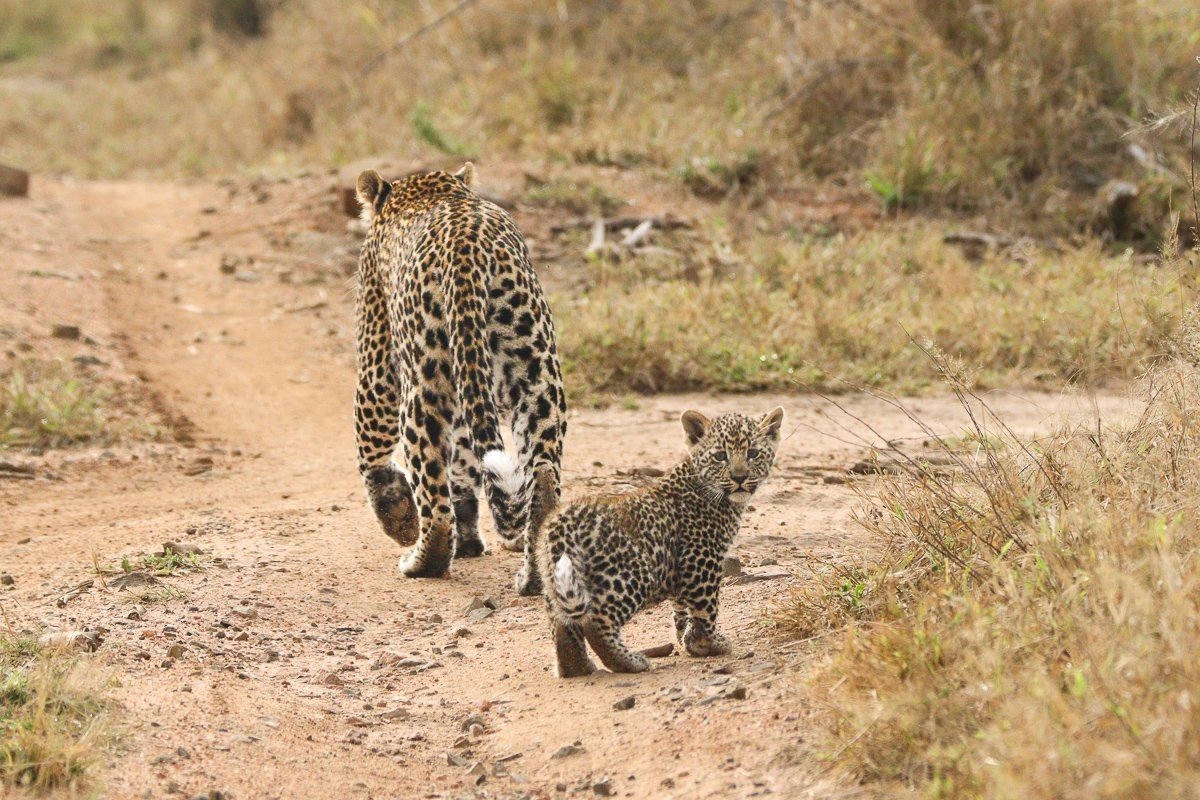
Kurhula was resting on a termite mound before moving to drink from a puddle close to the road. Well-fed and showing little interest in hunting, her movements suggested she may have been making her way back towards her cub.
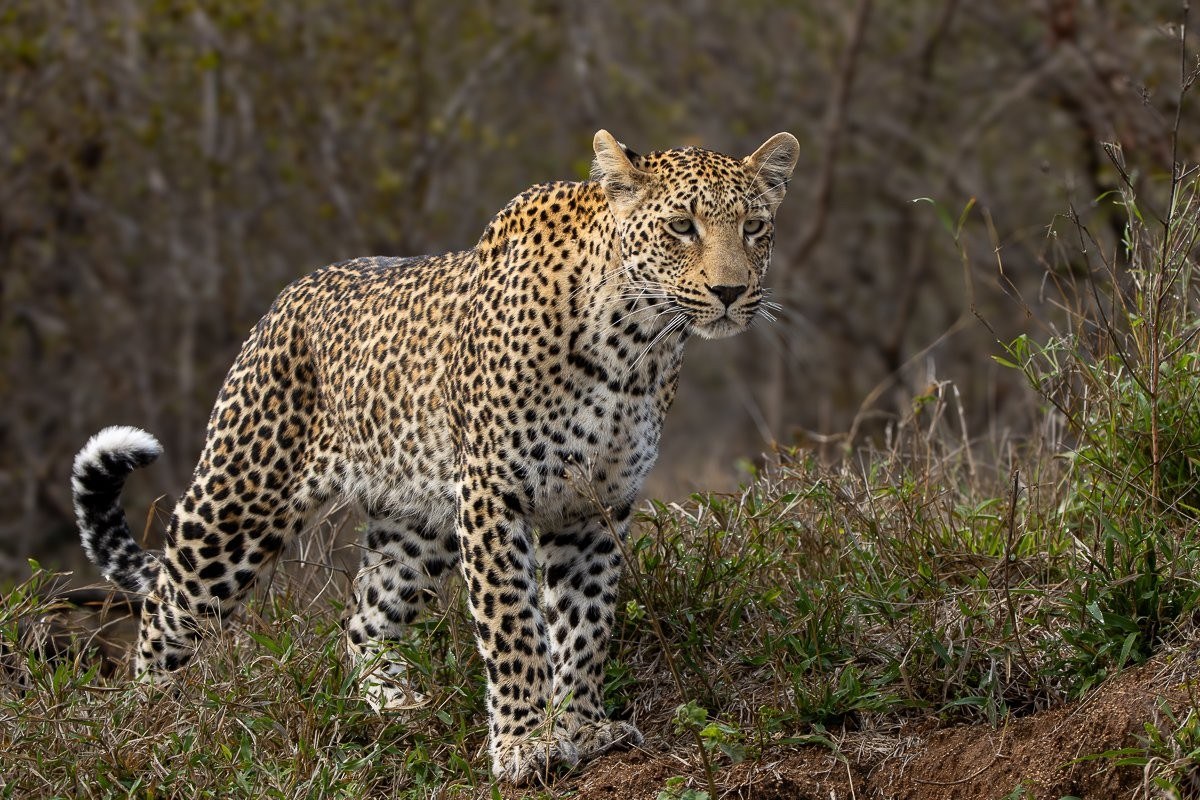
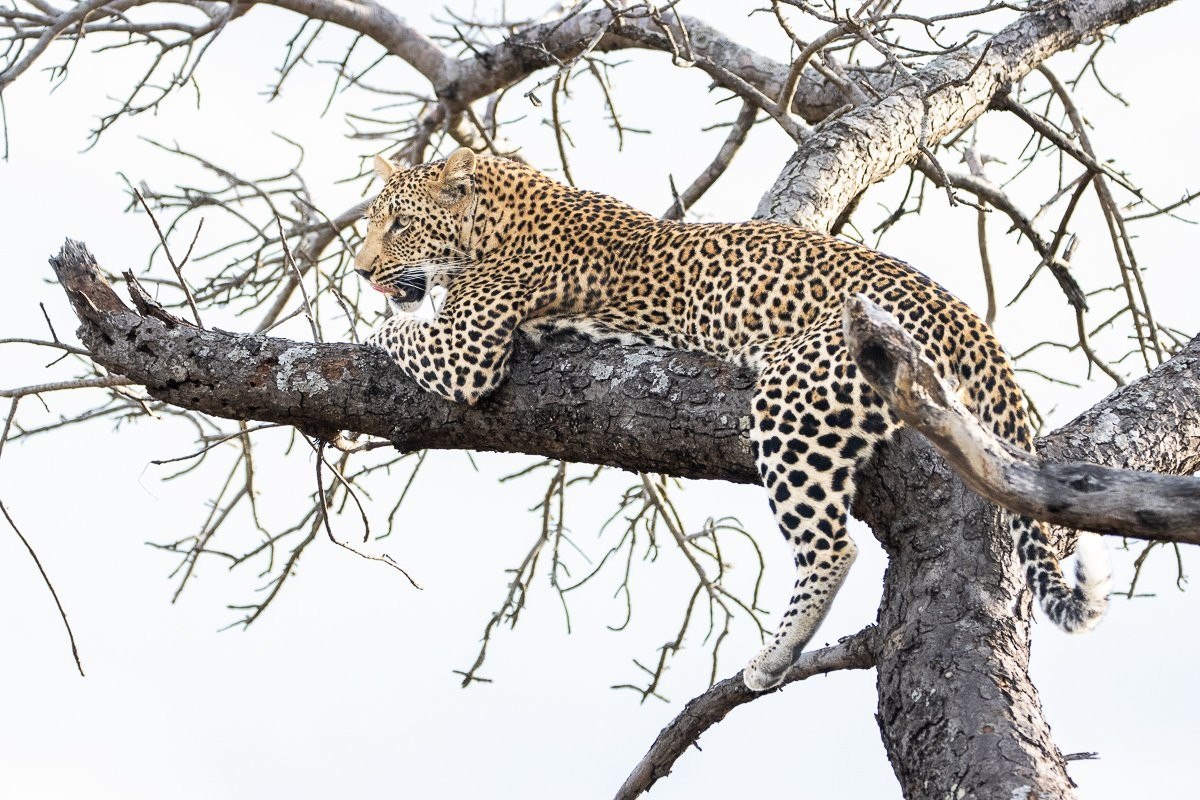
A few days later, she was seen again, this time with an impala kill hoisted high in a Marula tree. At this time of year, many Marula trees have shed their leaves ahead of the summer rains, and the bare branches made the kill much easier for our tracker to spot from a distance.
We watched as she eventually climbed down from the tree, and followed her as she moved into a riverbed, where she led us to her cub. We waited for quite some time, but our patience was rewarded when mother and cub eventually came quite close to us, giving our guests a beautiful view before they disappeared once again into the thick bush.
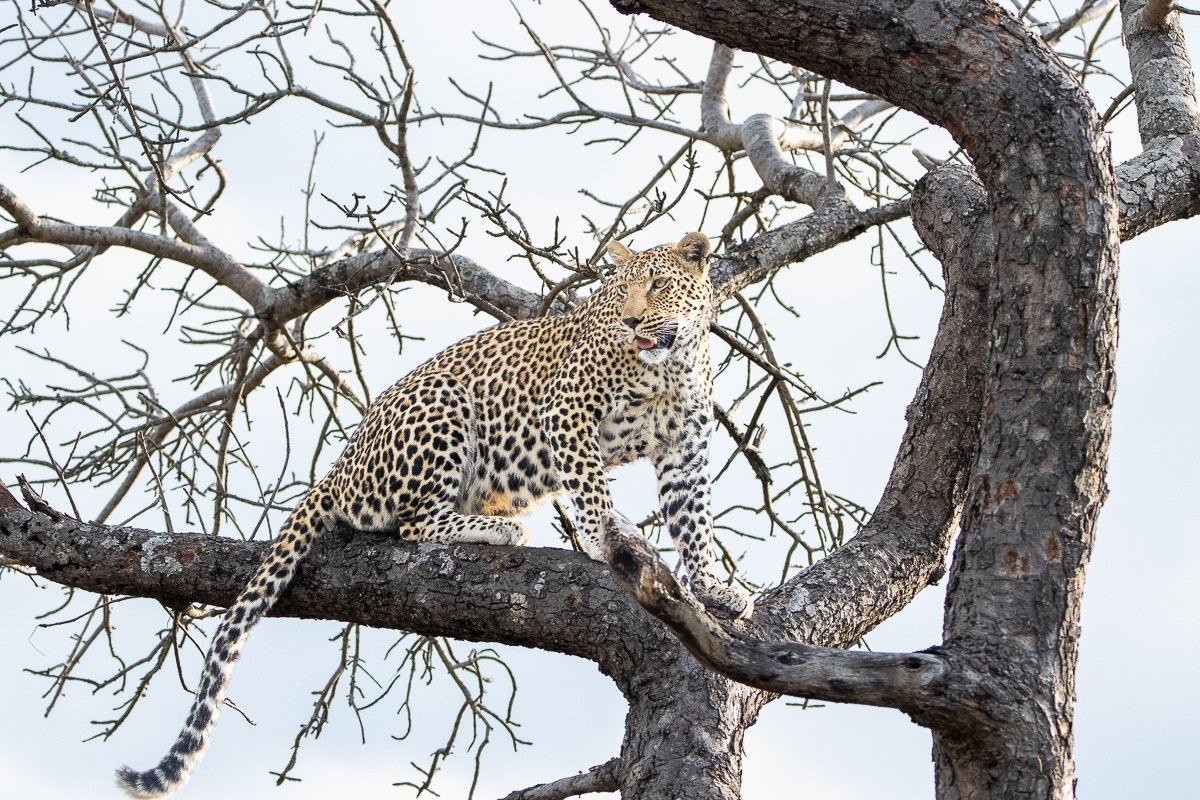
The Ntsumi female remains a very special leopard at Sabi Sabi. Over the years, she has successfully raised a number of litters, with some of her offspring remaining in the area and going on to have cubs of their own. We found her following a herd of impala from a riverbed, and spent some time watching her before leaving her to continue the hunt.
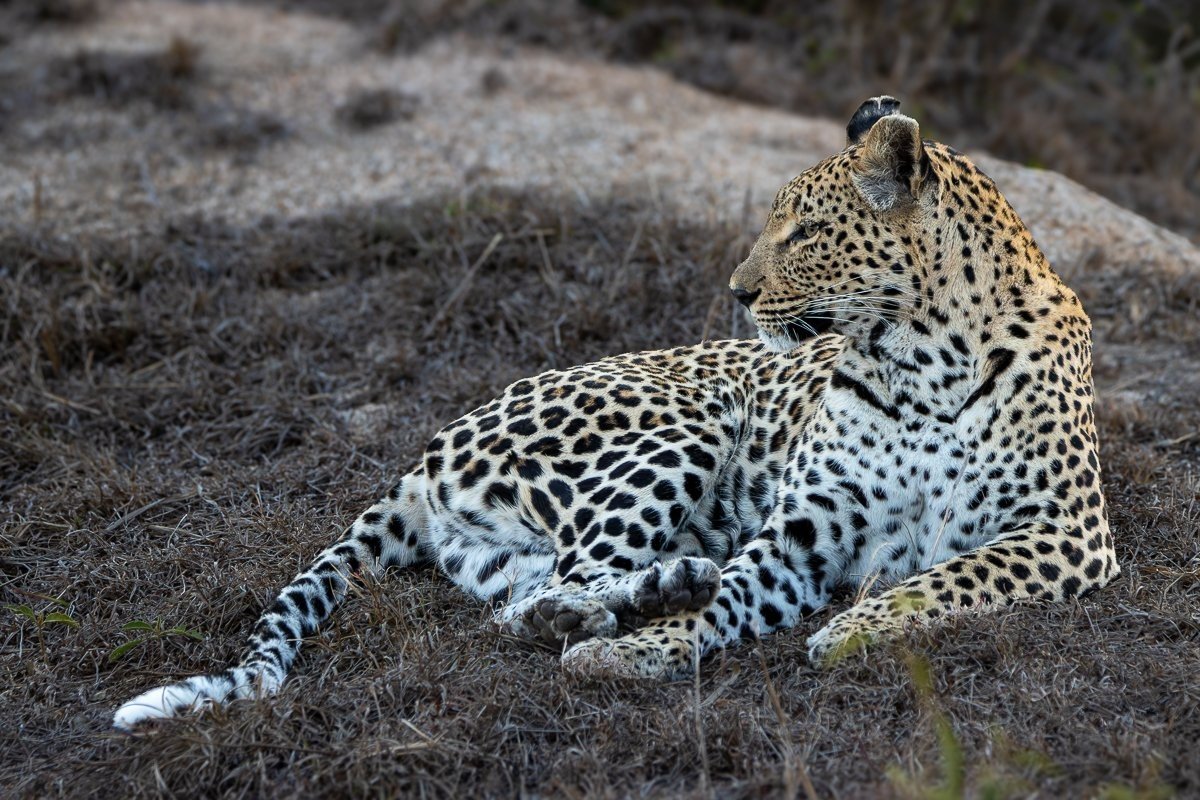
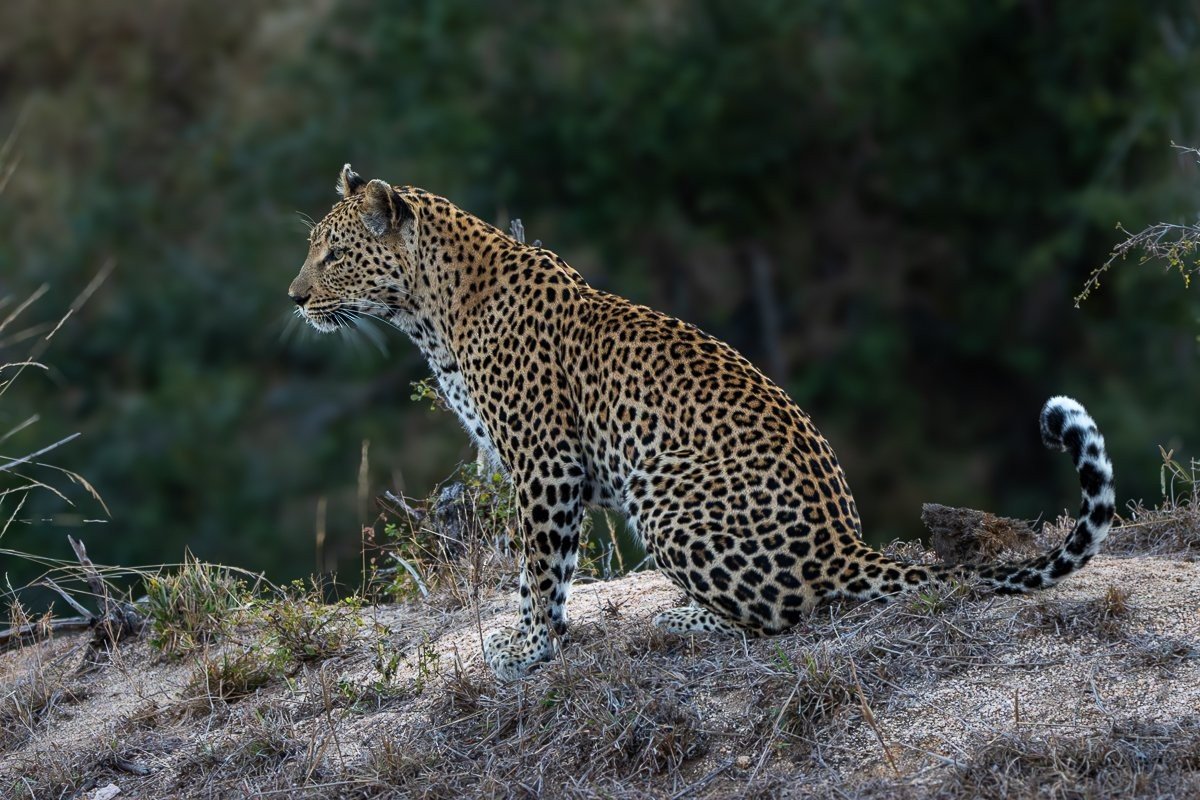
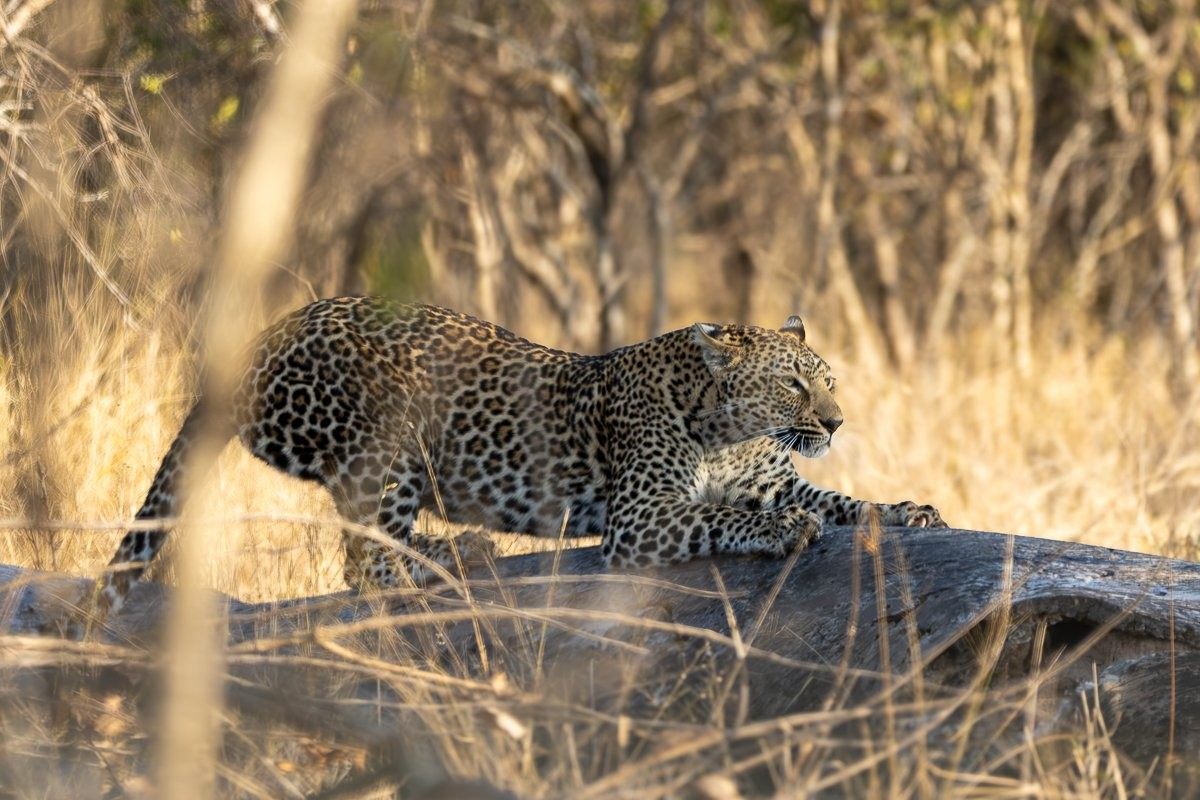
As the morning progressed, we were lucky enough to catch a glimpse of Tengile and her cub in a small dry riverbed, settling into a shady spot to rest as the day began to heat up.
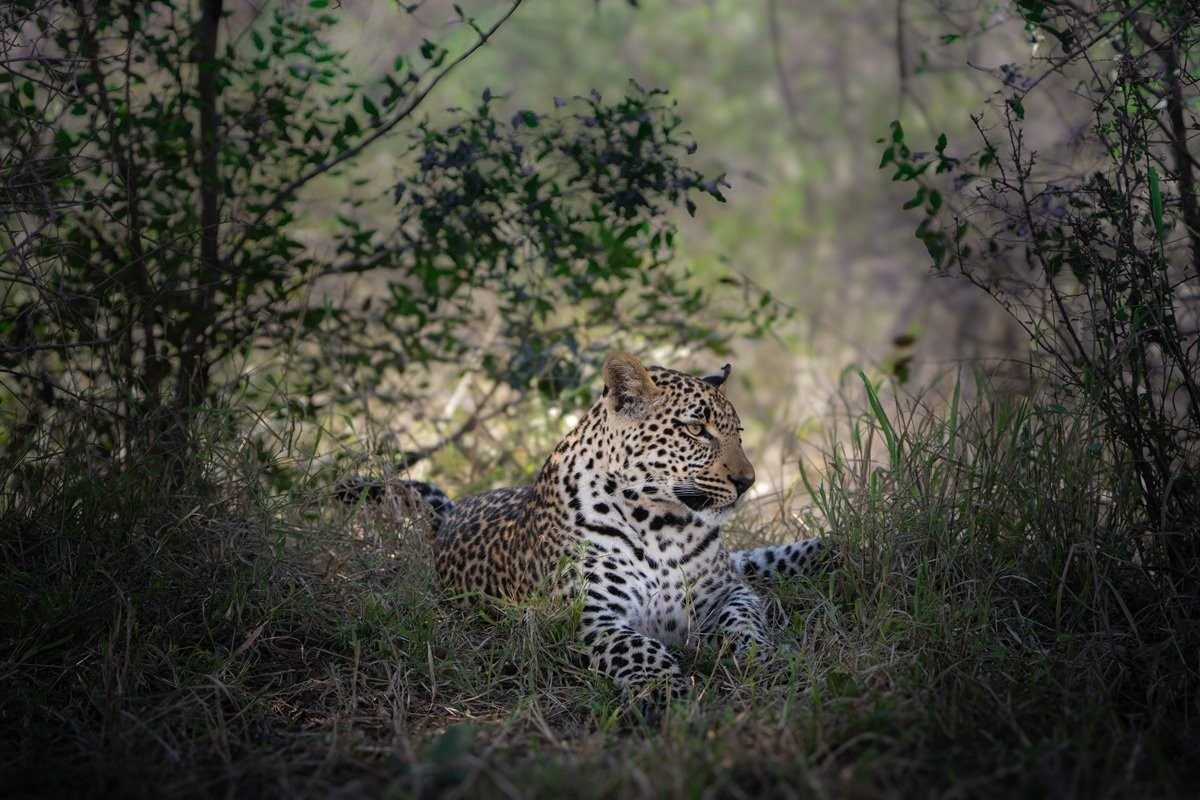
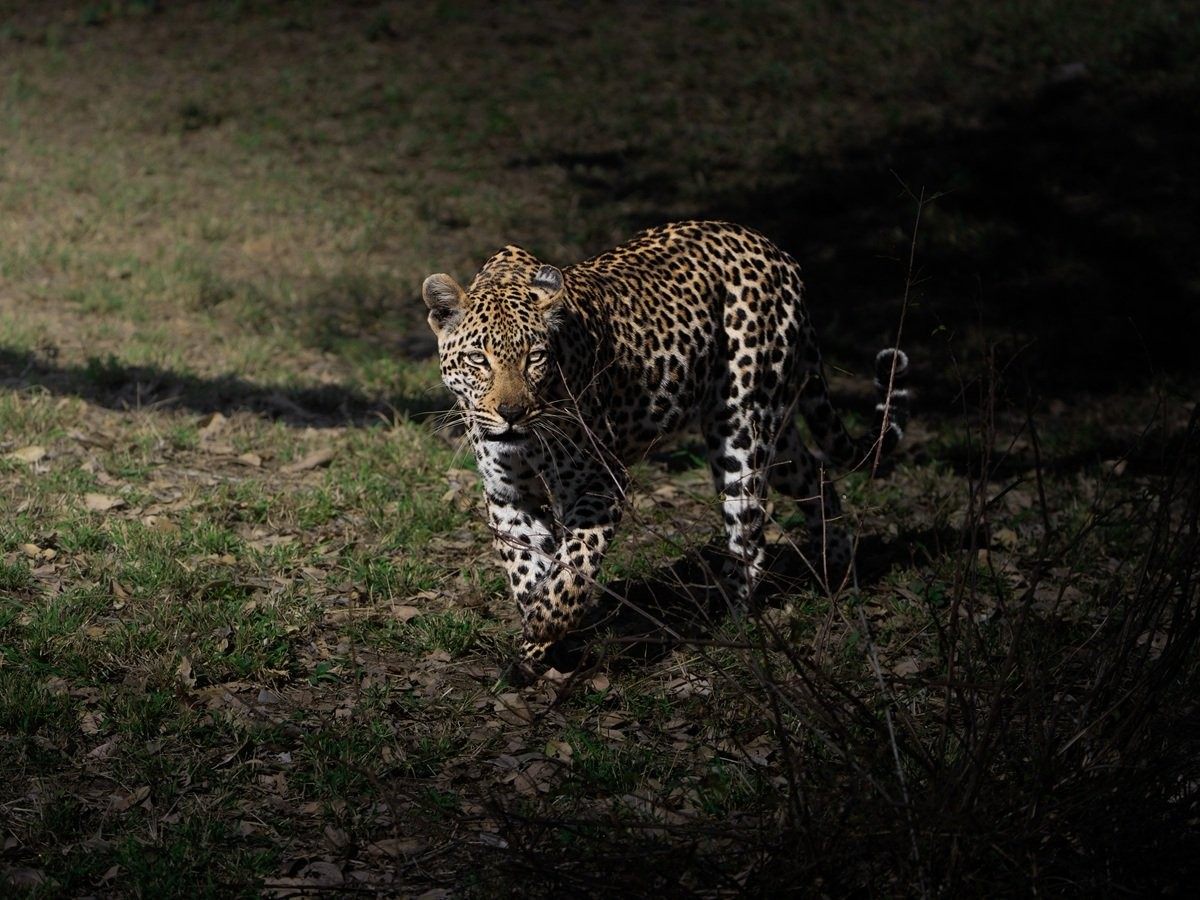
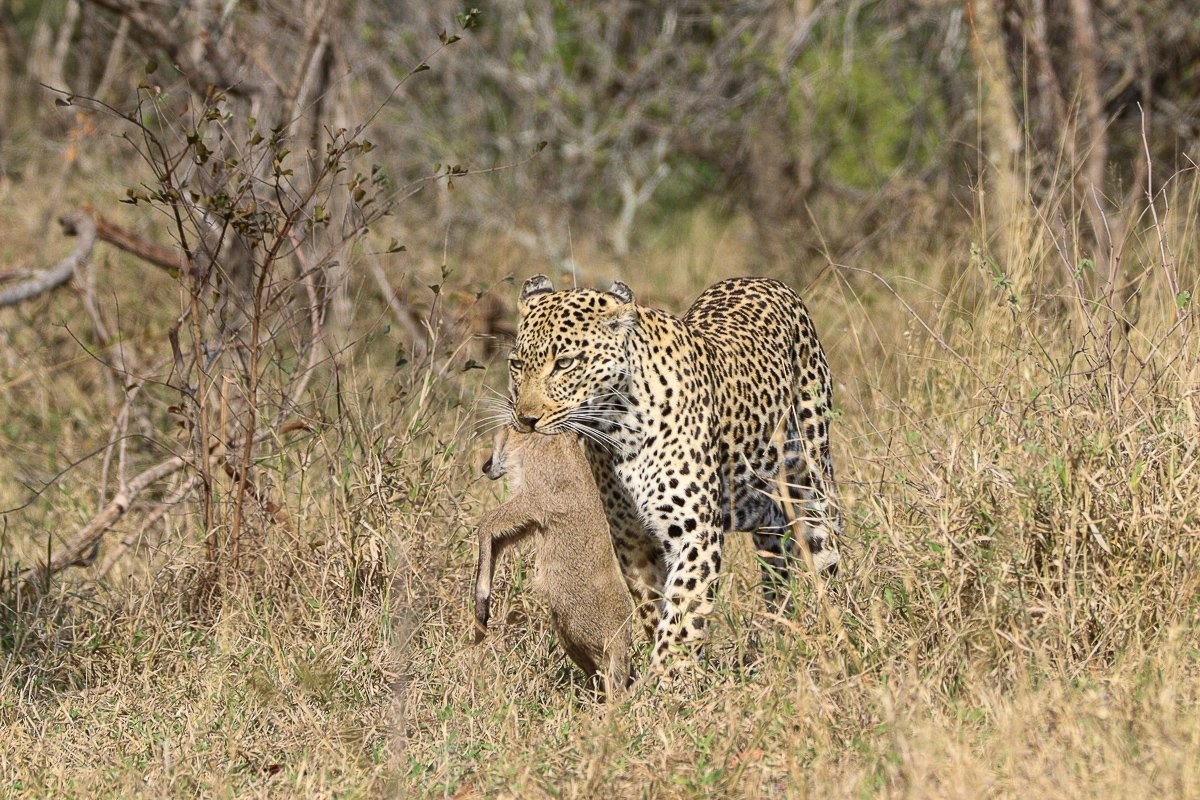
The Tengile leopardess provided another memorable morning. What began as a quiet sighting developed into a patient hunt as she made several attempts at unsuspecting prey. After disappearing into the grass in pursuit of a steenbok, the unmistakable cry of an animal in distress broke the silence. Moments later, she emerged from behind a fallen tree carrying a young common duiker, potentially destined for her cub.
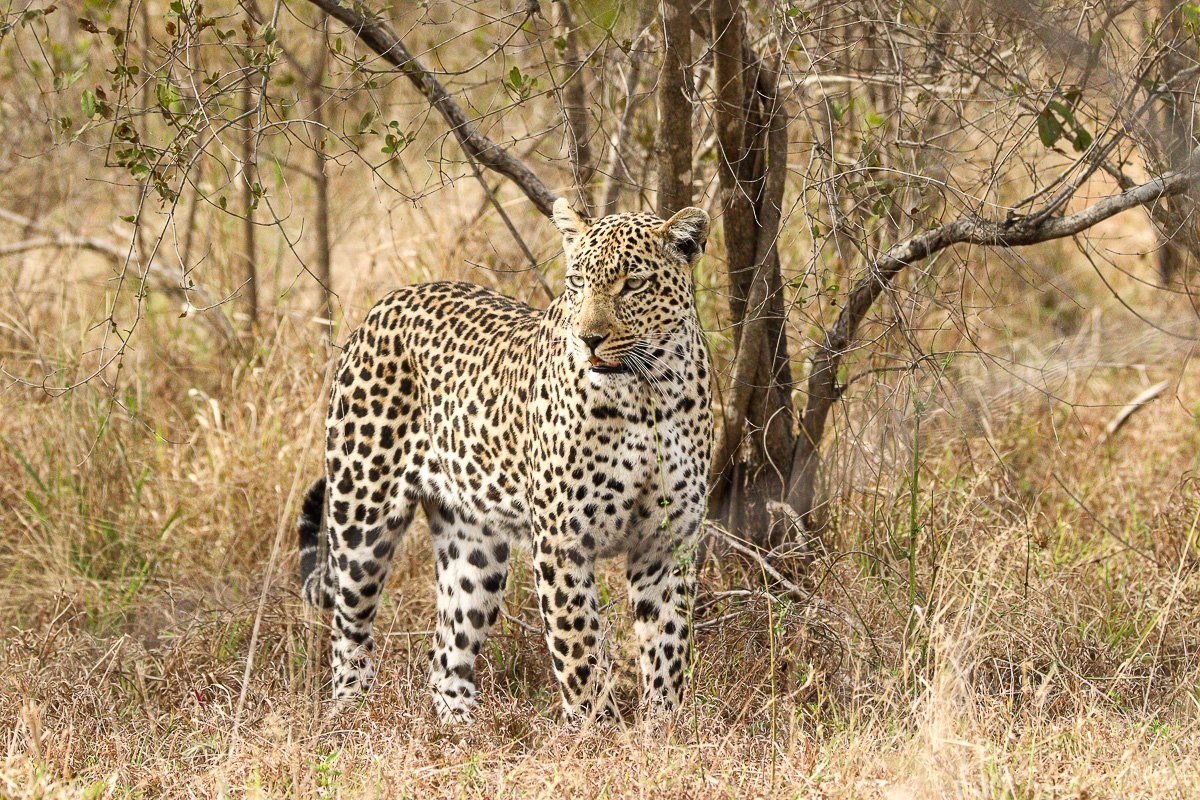
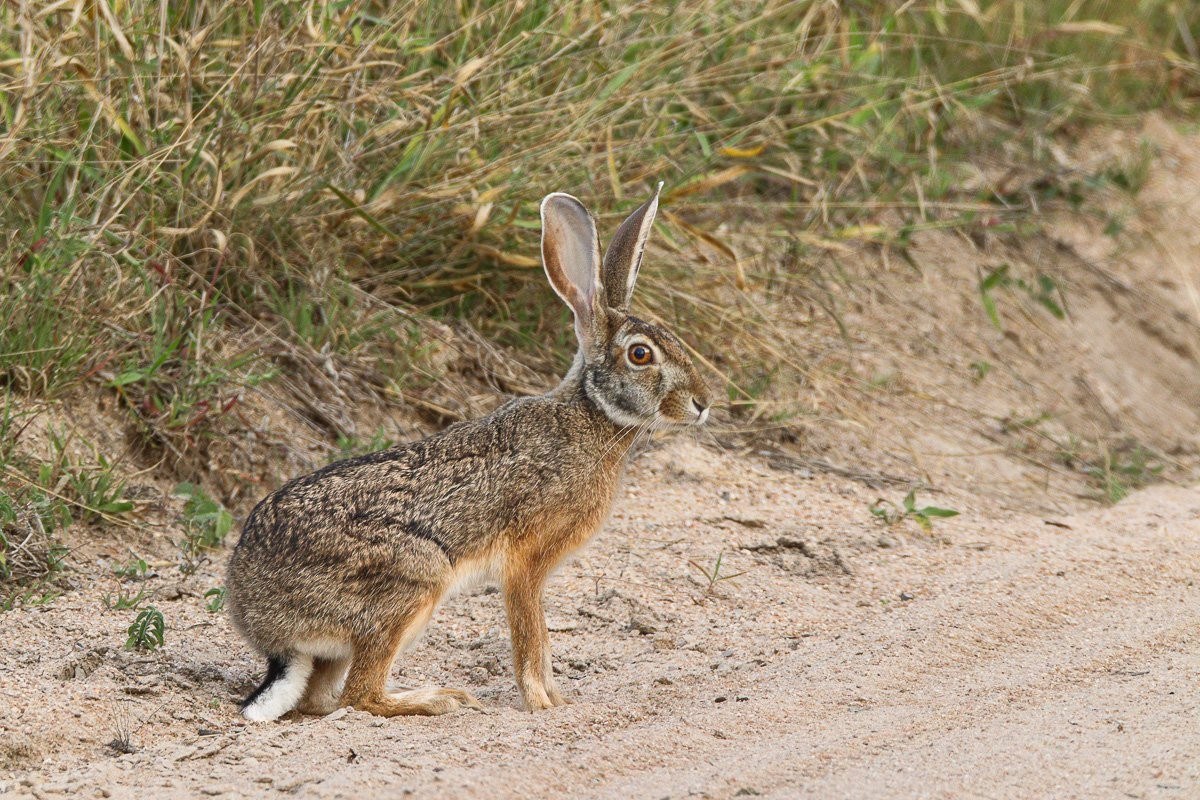
Scrub hares are one of the most common nocturnal animals we encounter while on safari, but this particular sighting was something special. As we drove along the road, we noticed two scrub hares running alongside us before darting off to the side. We slowed down and approached carefully to avoid startling them and soon realised that we were watching an adult and a youngster. As we stopped to observe them, the youngster moved closer to the adult and began to suckle.
Scrub hares give birth to precocial young, known as leverets. Unlike many other mammals, they are born covered in fur, with their eyes open, and can regulate their own body temperature and move around within minutes of birth. Despite this early independence, the young remain dependent on their mothers for nourishment and care for around a month before becoming fully independent and heading off on their own.
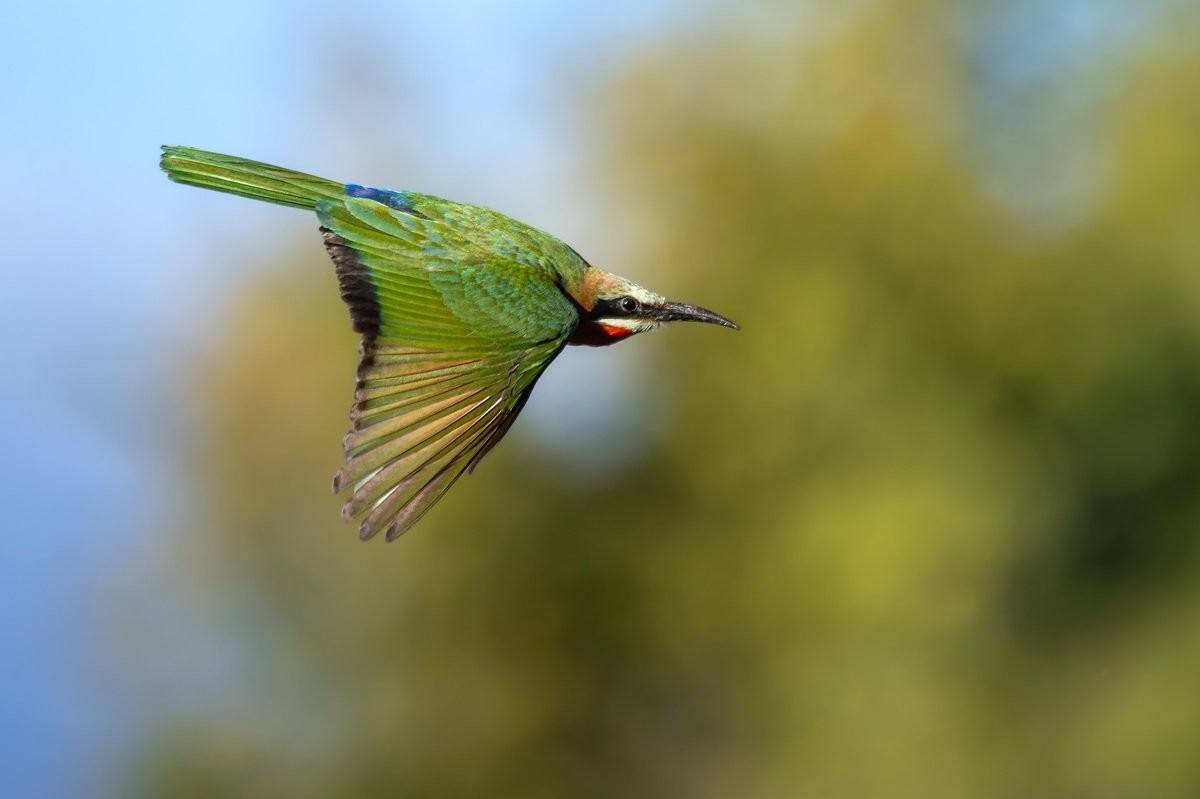
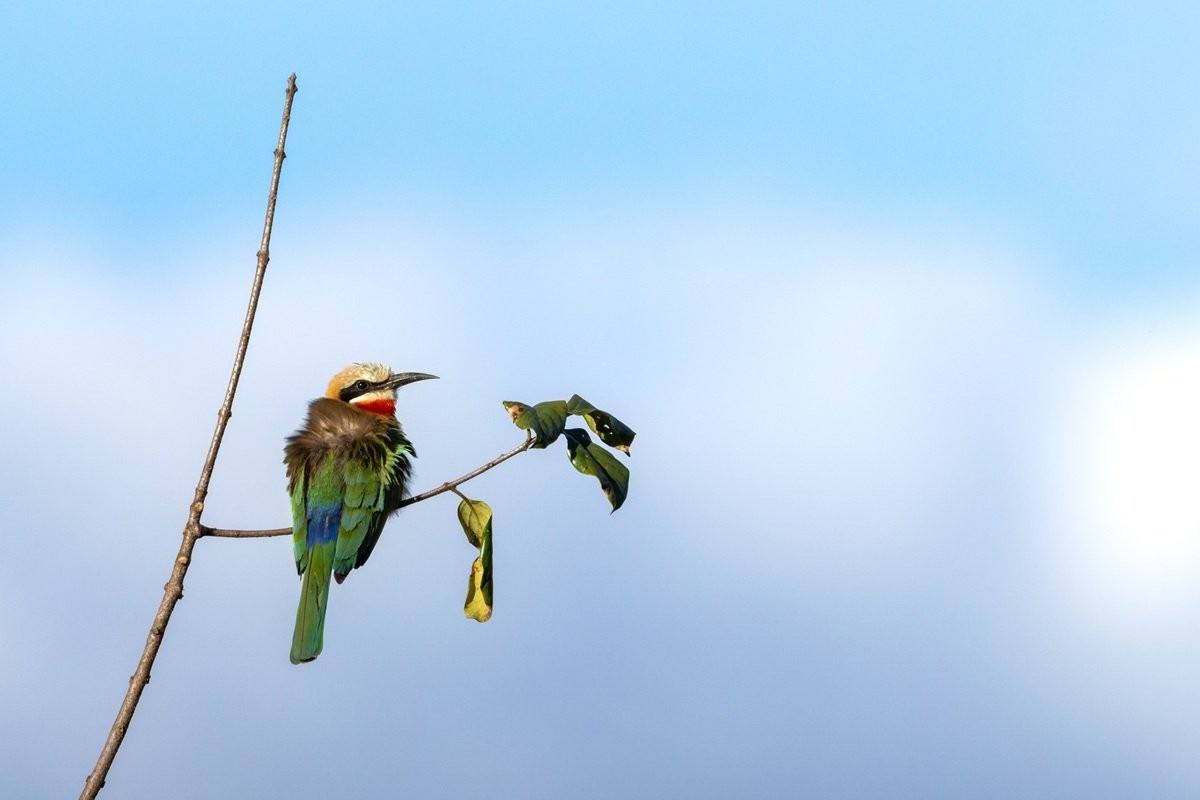
Just as we were making our way towards the Sabie River, the distinctive call of a White-fronted Bee-eater caught our attention. We were delighted to spot a pair flying back and forth, expertly catching insects in the afternoon light. Their aerial acrobatics were incredible to watch, and we spent some time simply enjoying the spectacle, with the beautiful Sabie River providing the perfect backdrop.
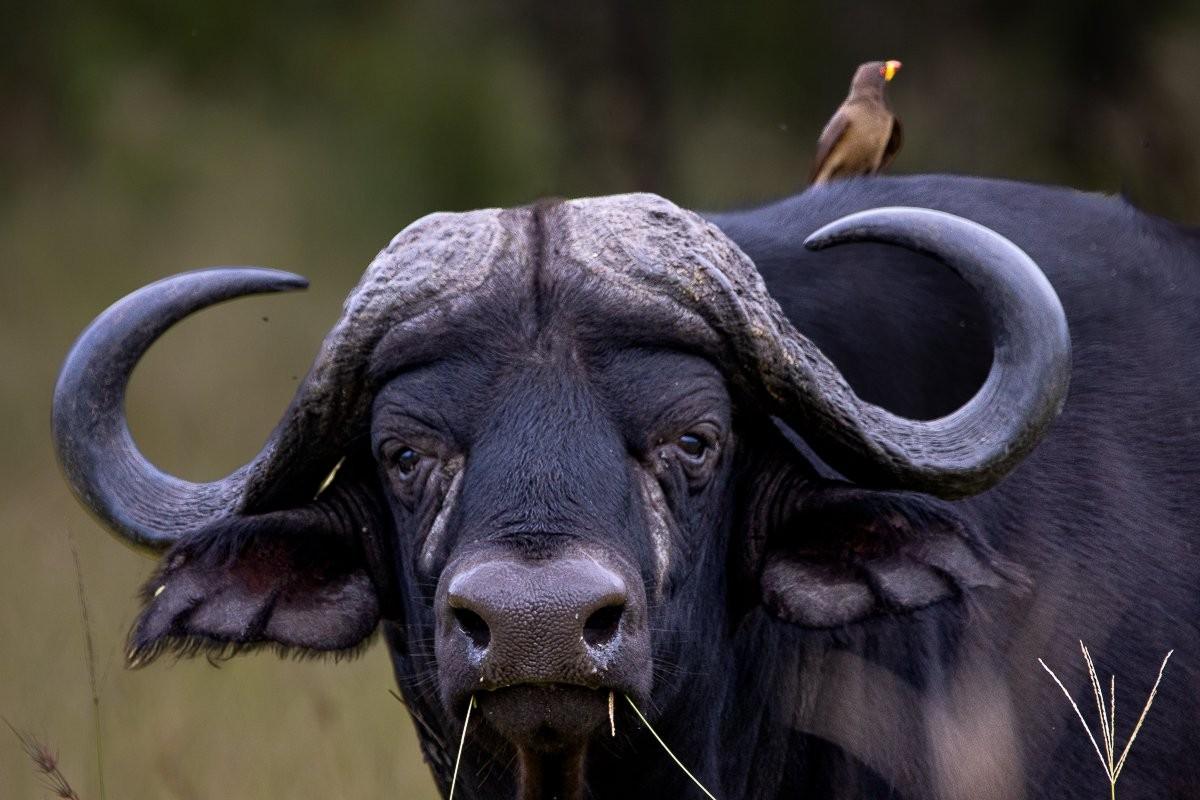
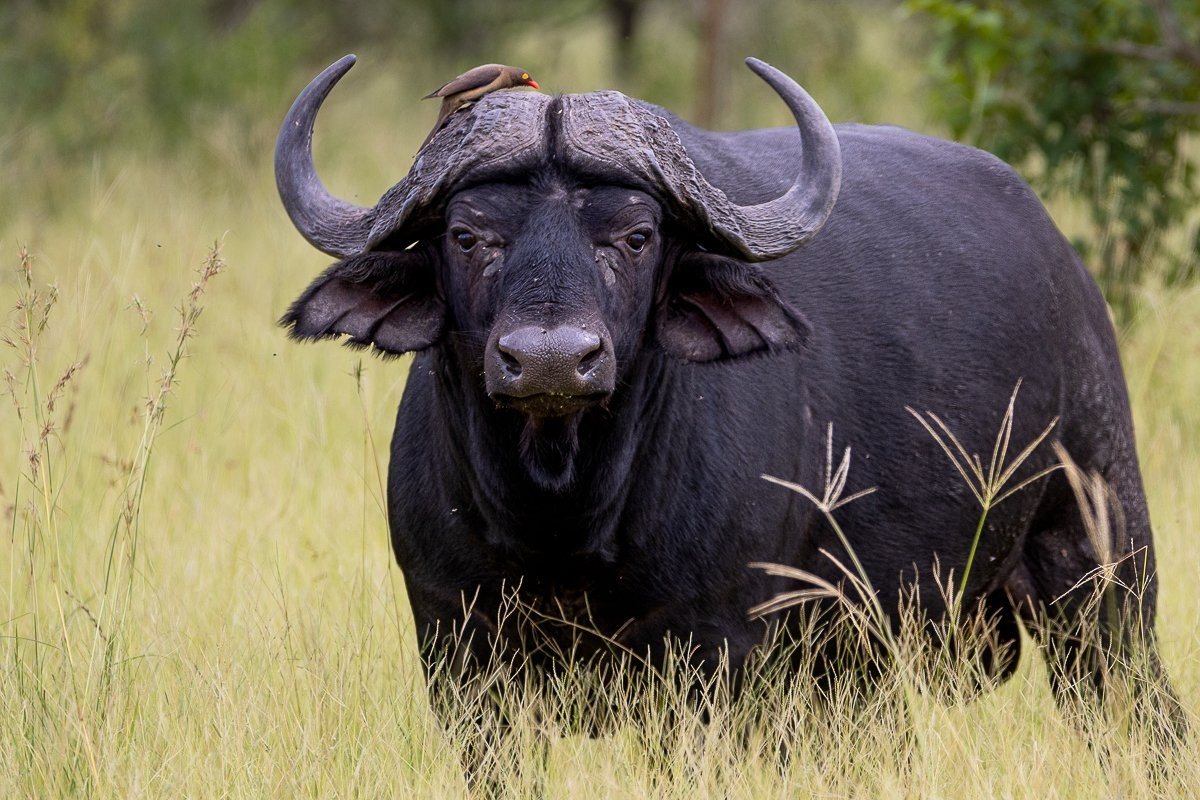
We had been searching for buffalo as the large herds continued moving in search of better grazing. Eventually, we were fortunate to come across a herd of bachelor males. These groups can range from just a few individuals to more than 20, with the males staying together for companionship and protection as they move independently from the larger herds.
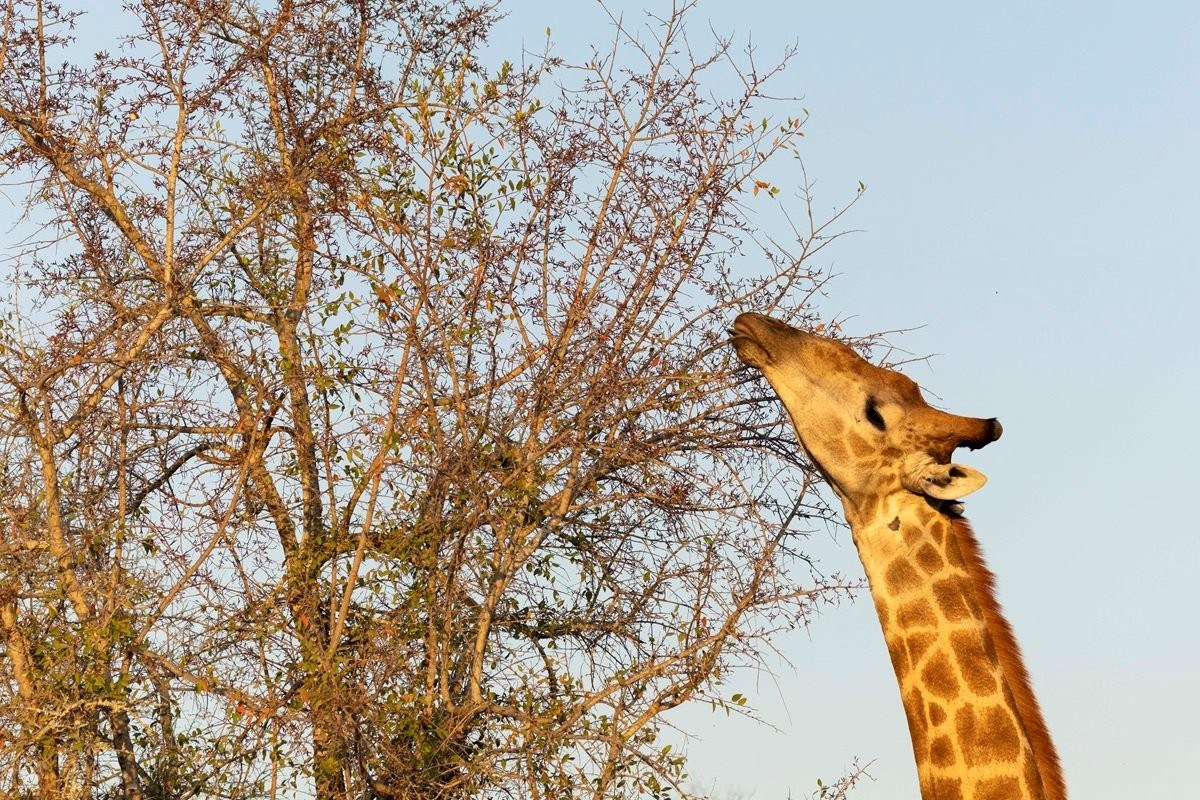
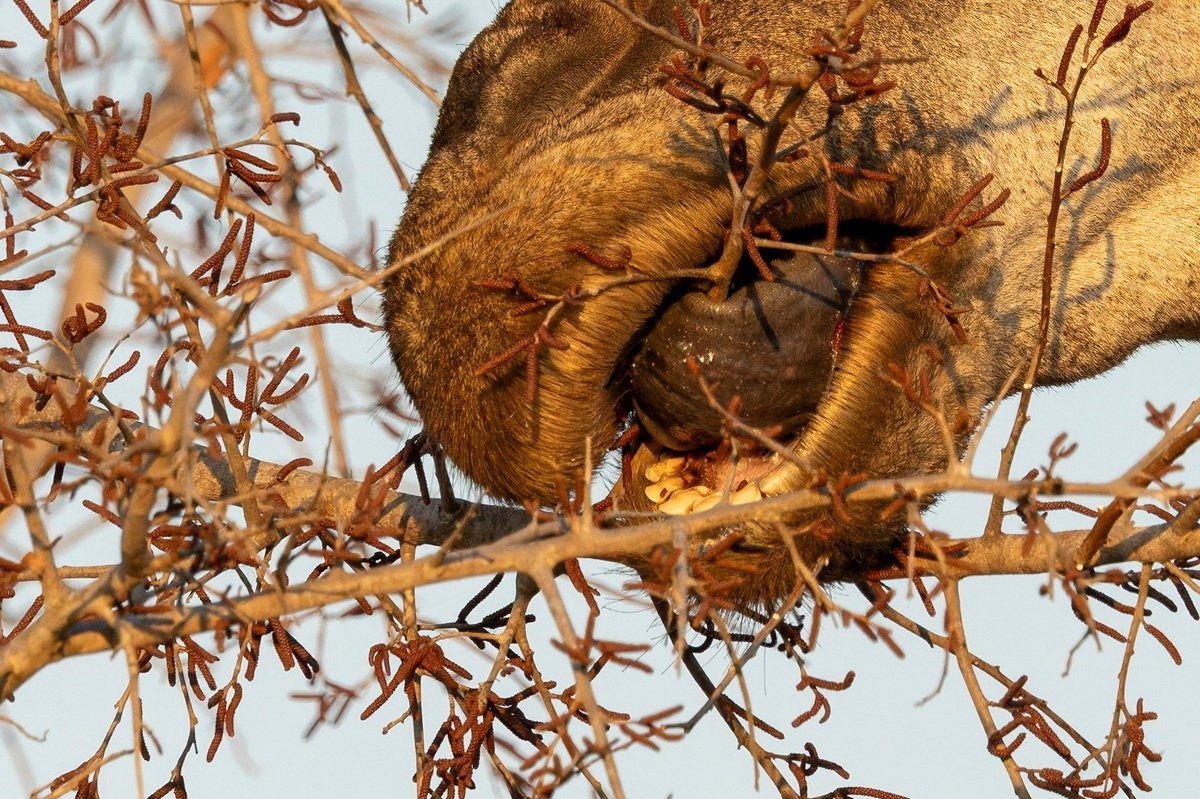
In the dry winter months when most trees in the bushveld have lost their leaves, giraffes sometimes resort to eating the nutritious flowers of the Tamboti tree. While the tree’s milky sap is toxic, giraffes carefully eat the tiny flowers to try limit damaging the branches or ingesting the sap. These flowers are a great food source for them and is amazing to watch them pluck them off the trees.
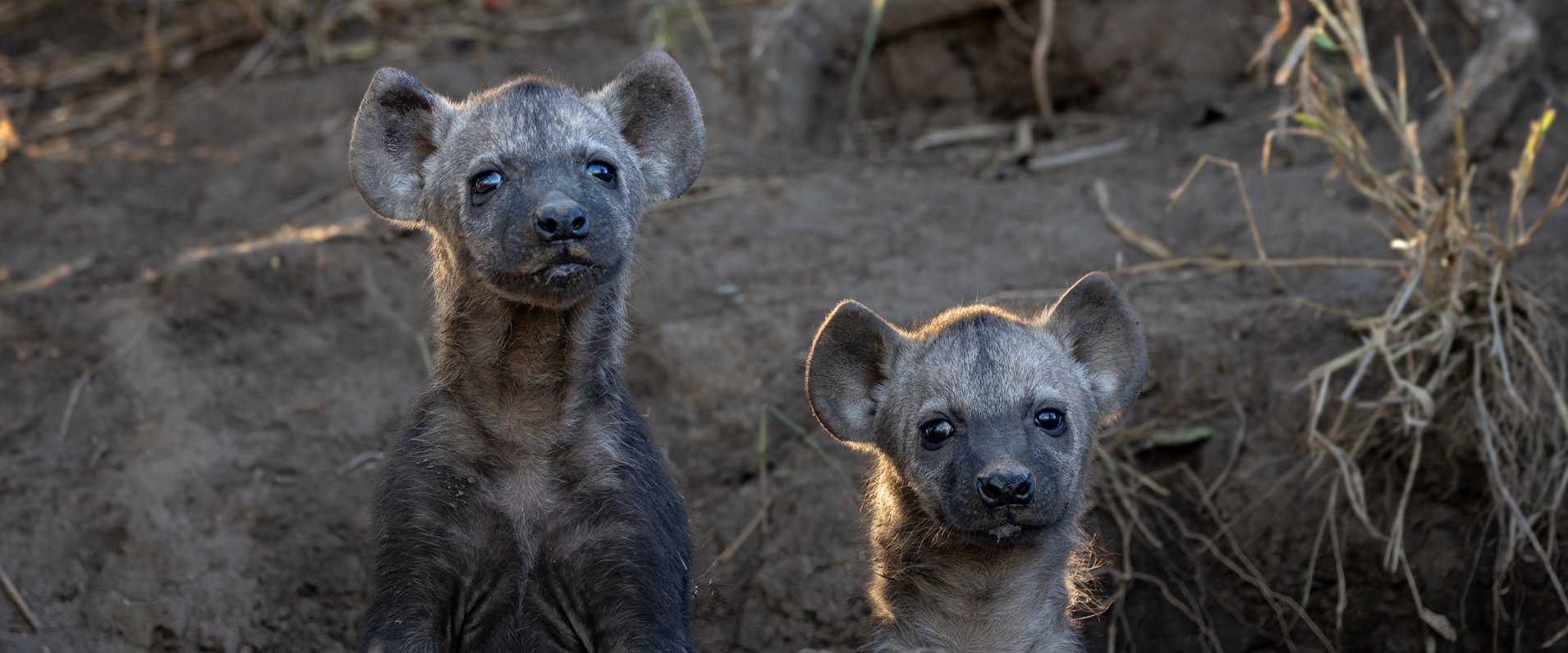
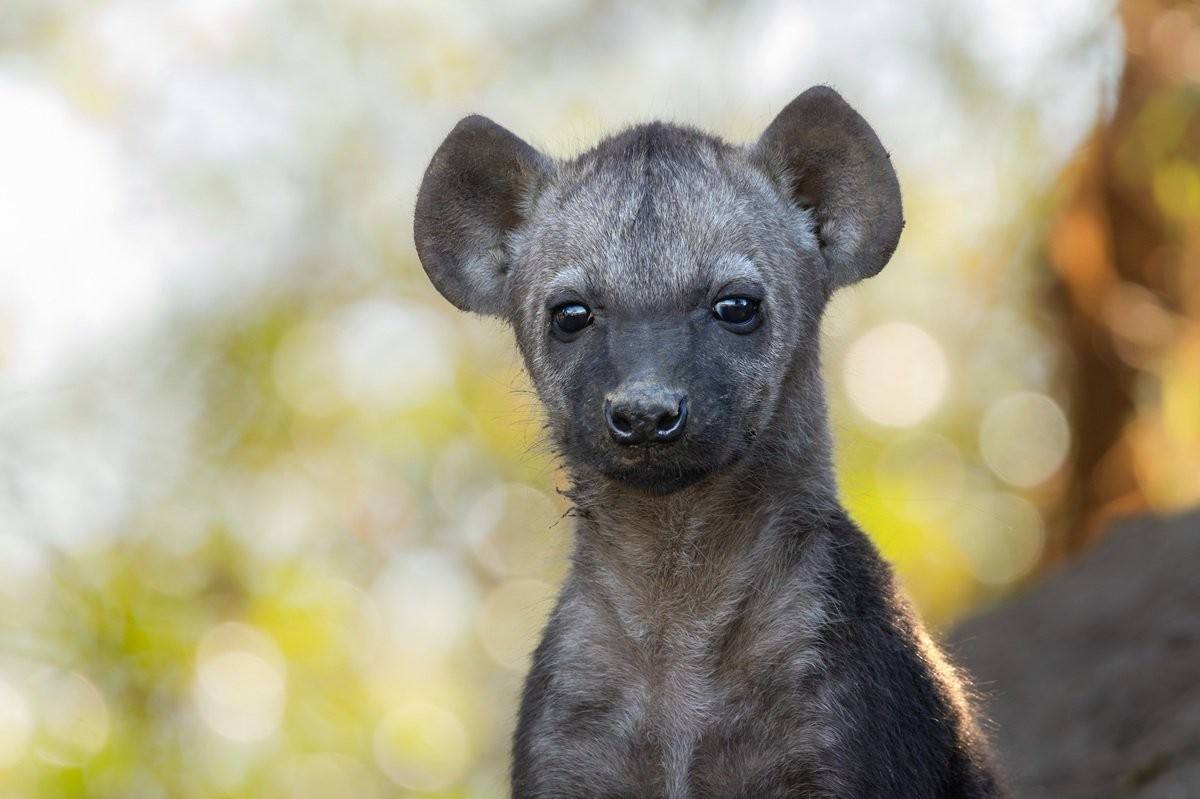
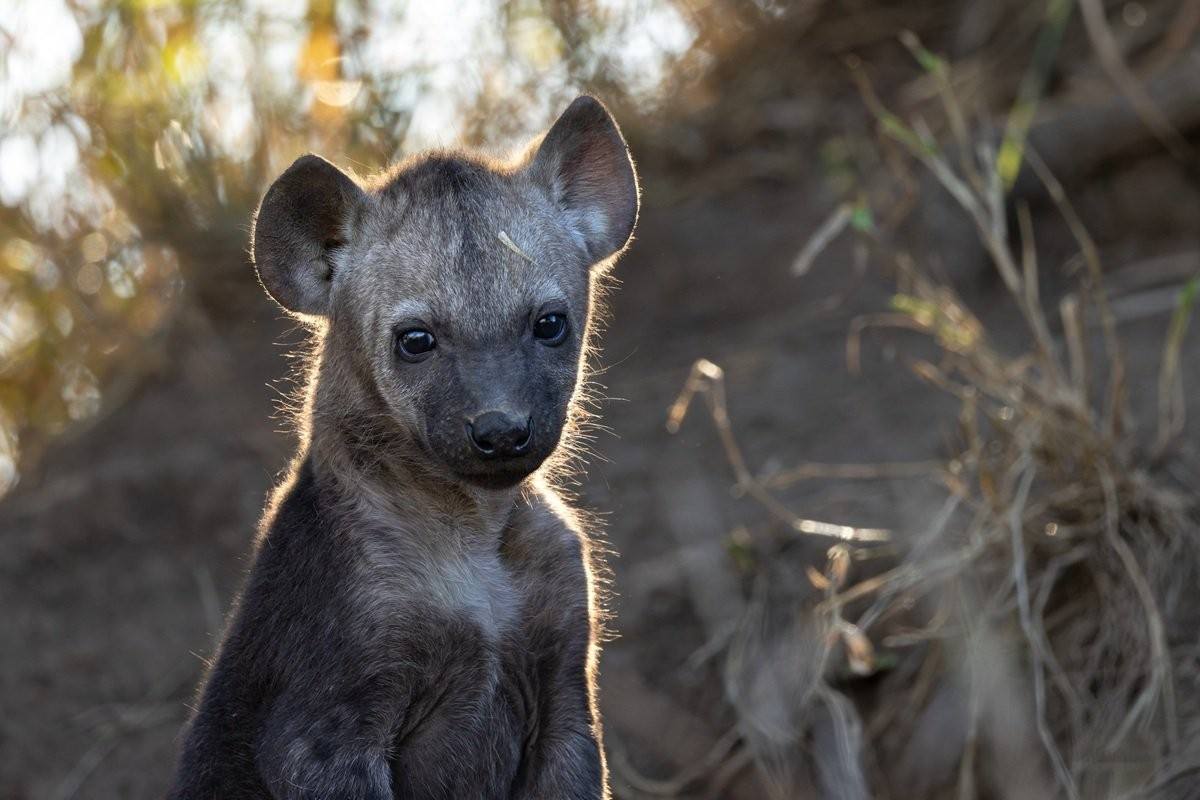
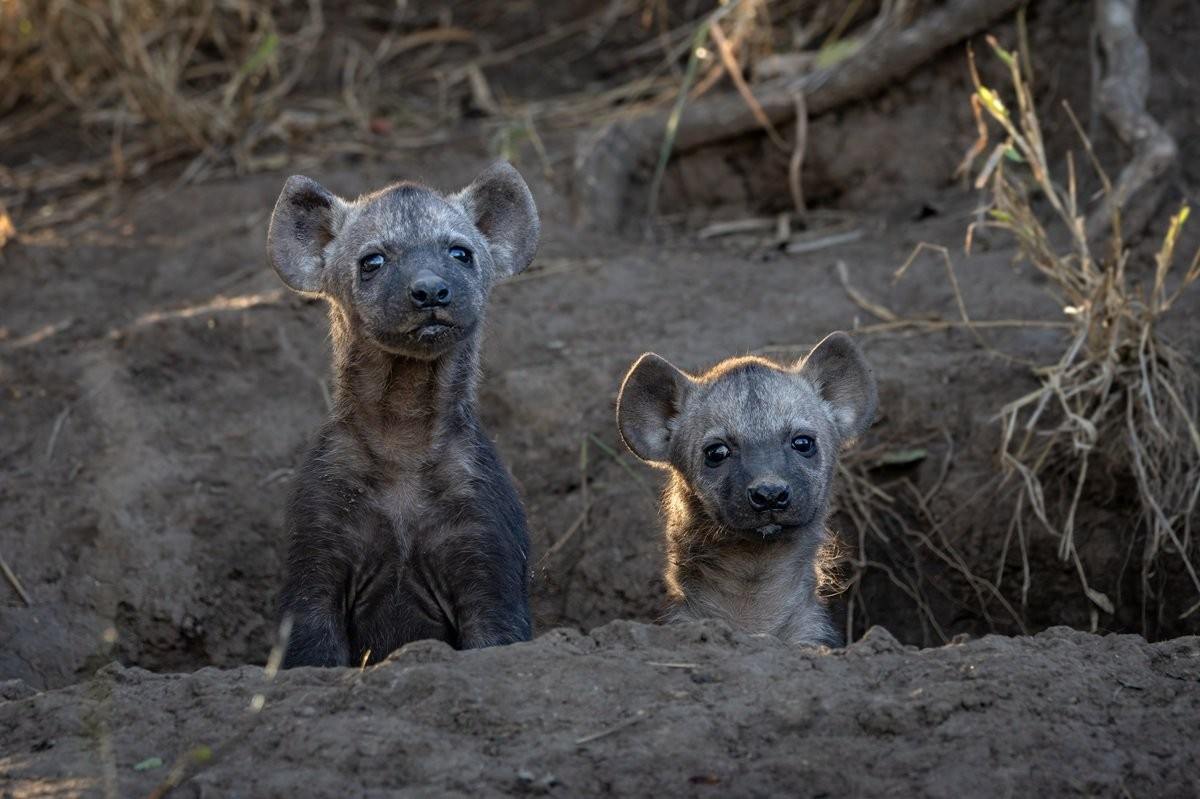
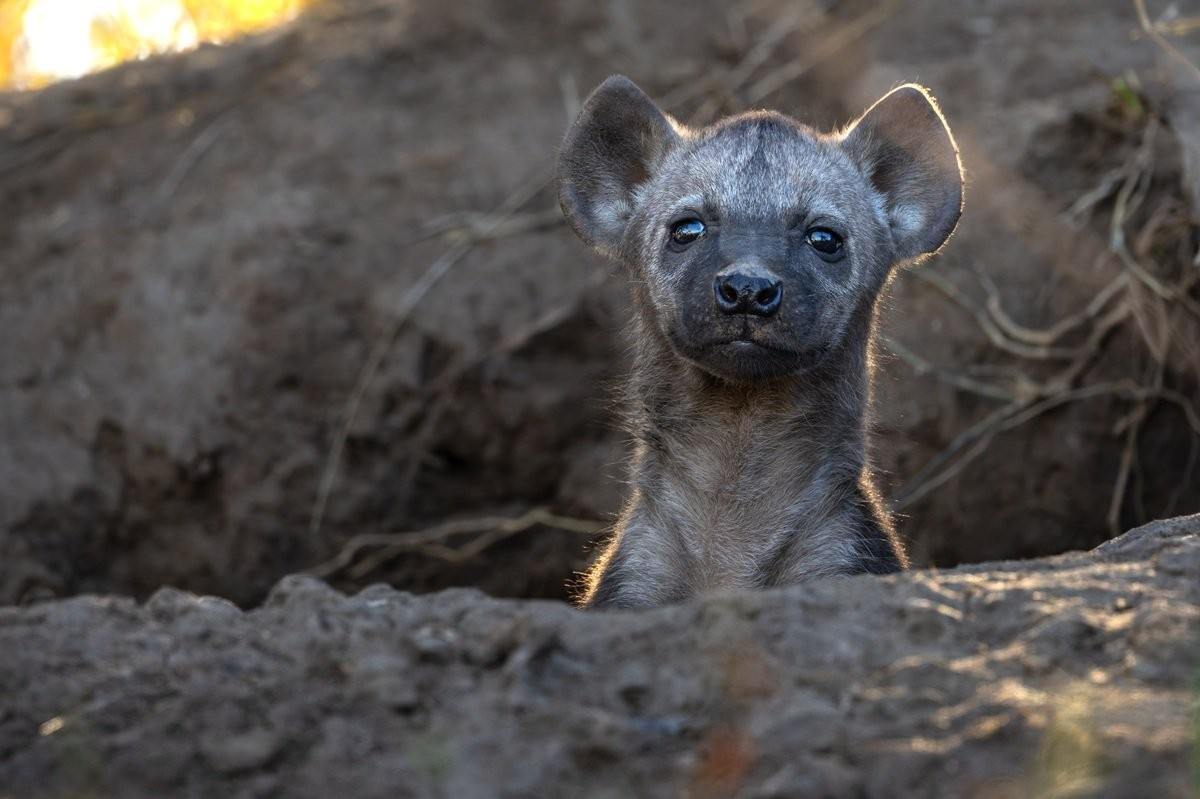
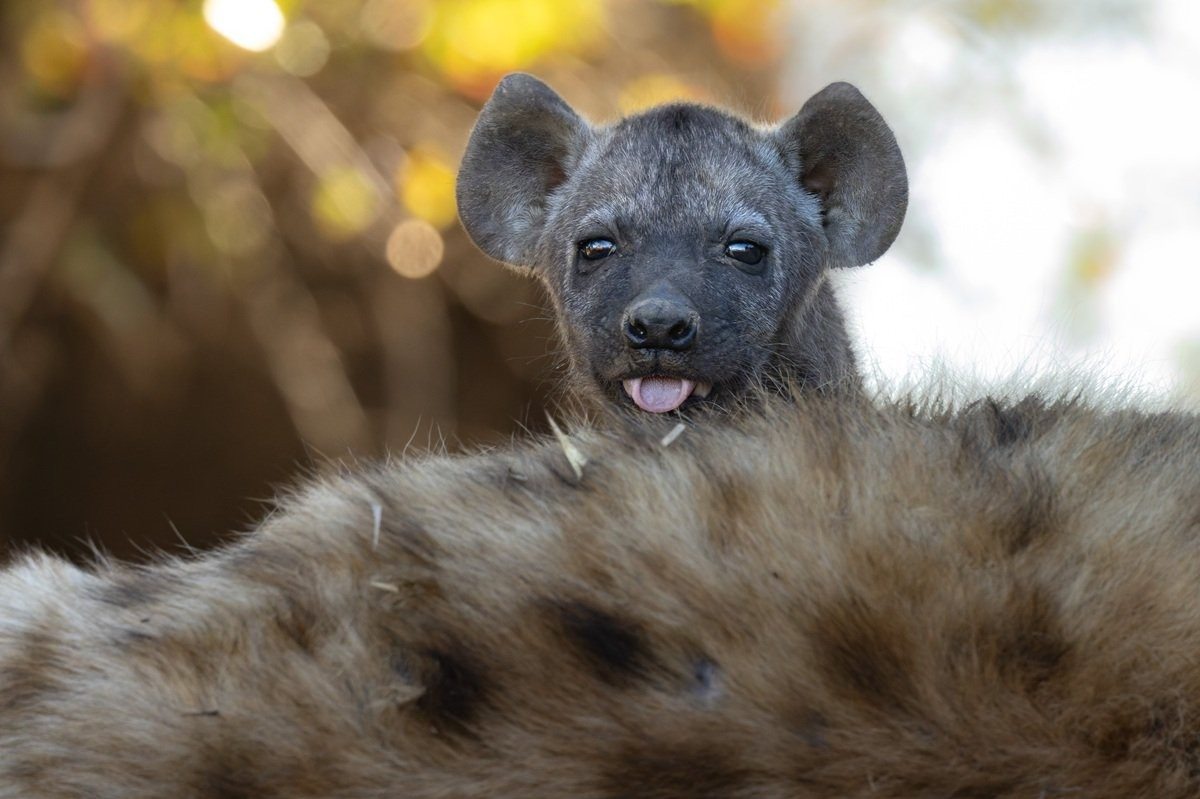
Now that the hyena den is active once again, there is always a sense of excitement as we carefully approach, hoping the cubs will be out. On this occasion, they certainly were, and it was incredible to watch!
The two cubs would cautiously peek their heads out of the den, checking that everything was safe before quickly dashing over to their mother, who was lying in the open. After suckling, they began playing with each other, climbing all over and even on top of their mother.
It was an incredible sighting of two energetic little cubs enjoying some time outside the den!
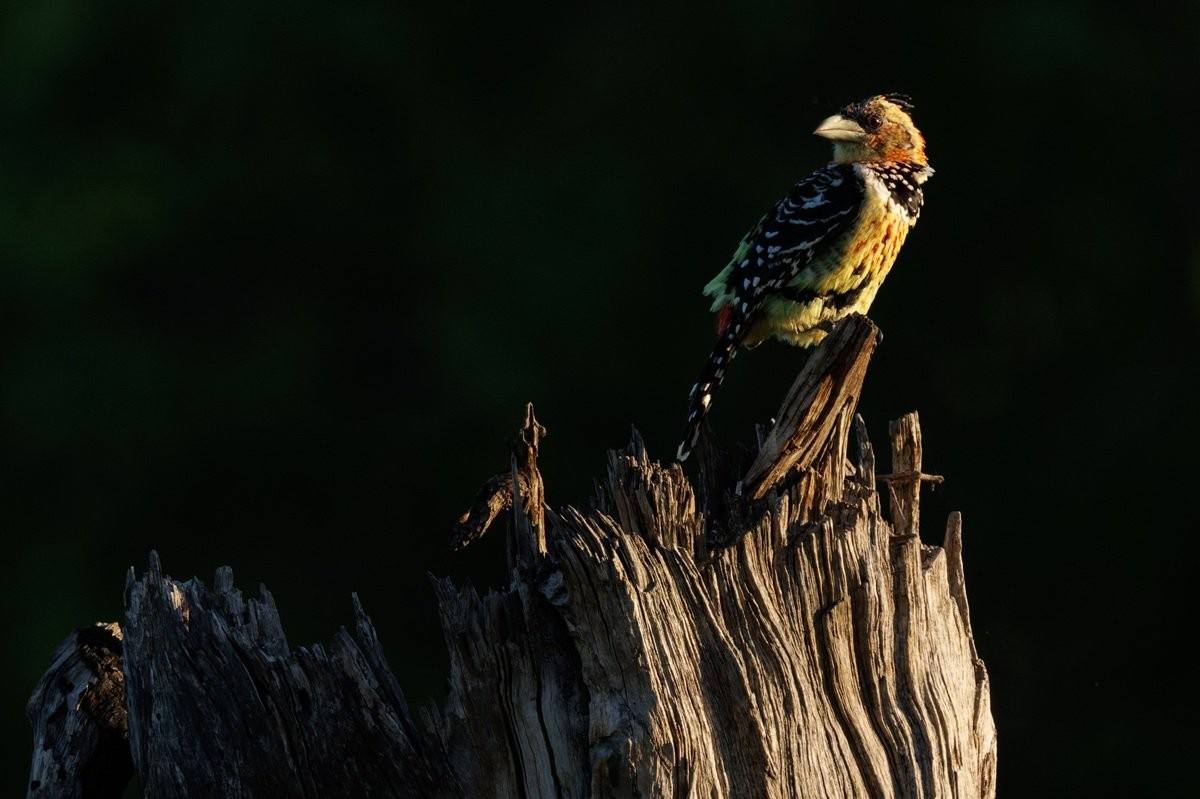
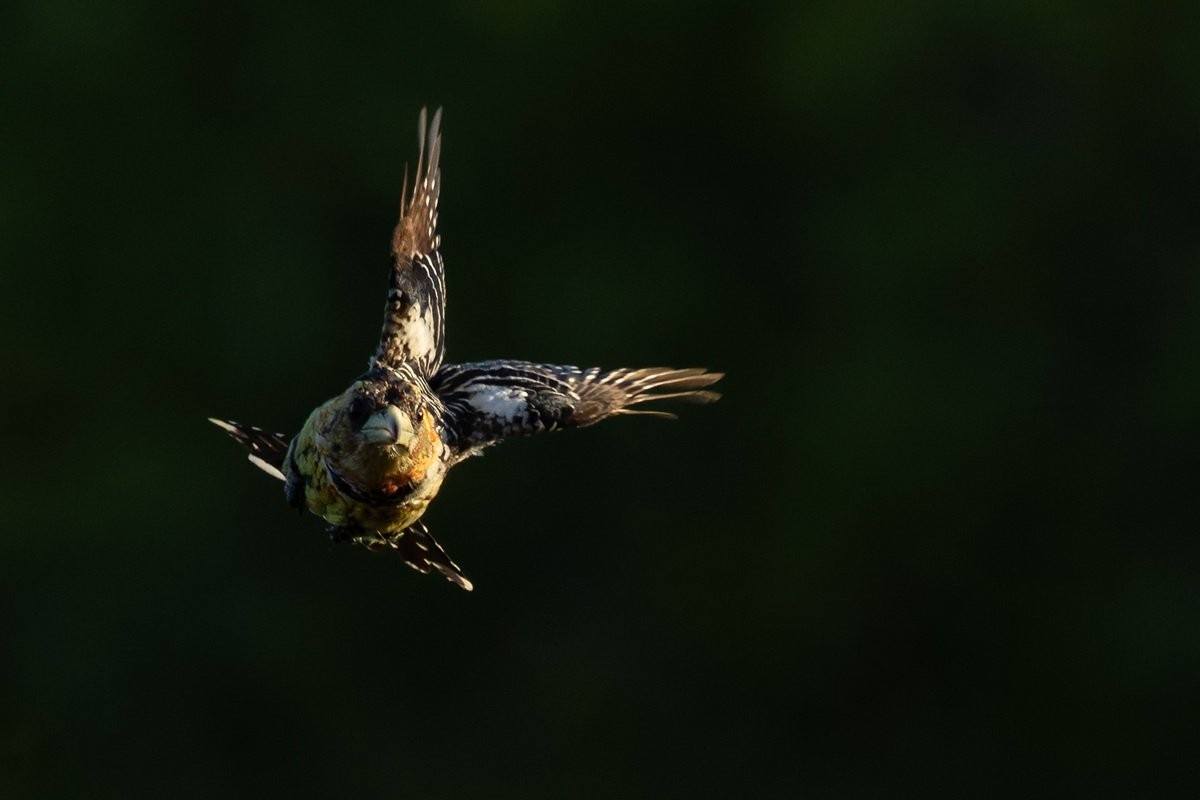
In the late afternoon we spotted this Crested Barbet perched on a tree stump with the golden light shining perfectly on it. Shortly after we stopped, it took flight and flew in our direction which was a lucky break to capture good flight shot images.
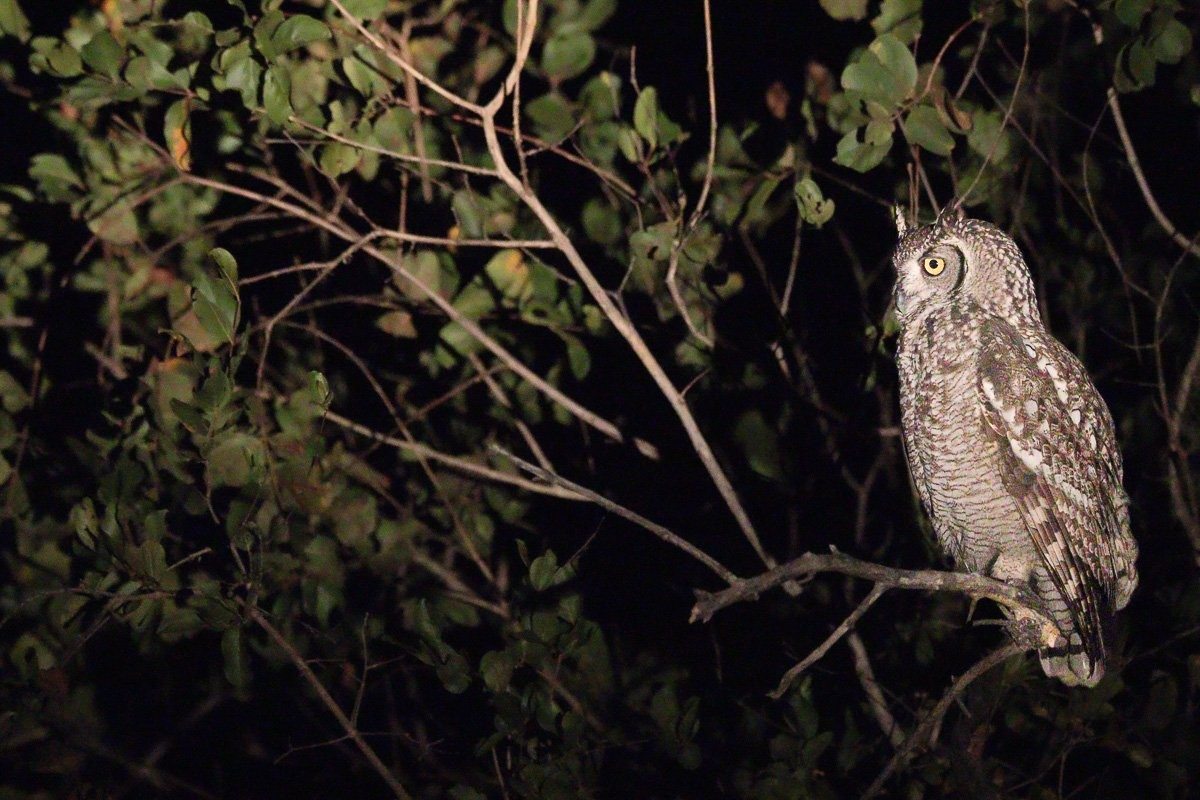
Perched in a low branch, a Spotted eagle-owl sat listening and watching for any movement in the grass, waiting for potential prey. Although they do mate for life and can be seen in pairs, they will go off hunting separately during the day and night, when they go out looking for mice and small rats, or even insects.
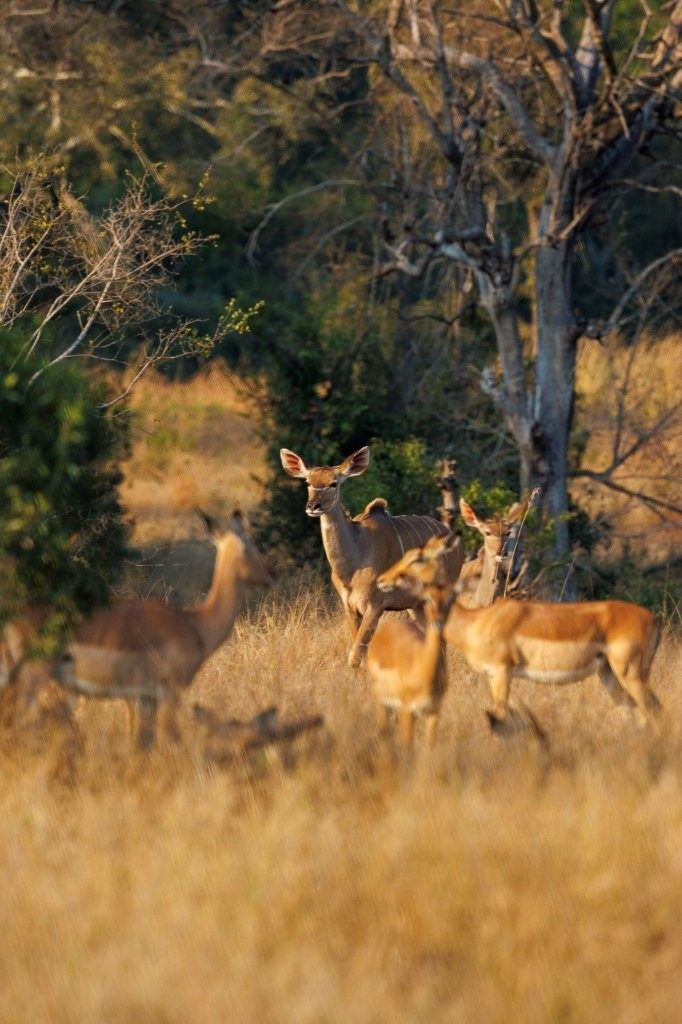
Winter gold in the bushveld. A mixed herd of impala and kudu graze and browse side by side in the pale cool morning grass, ears flicking, breath misting in the cold. The impala ewes stay close, alert to every rustle. Quiet mornings like these are why we love the bush in winter.
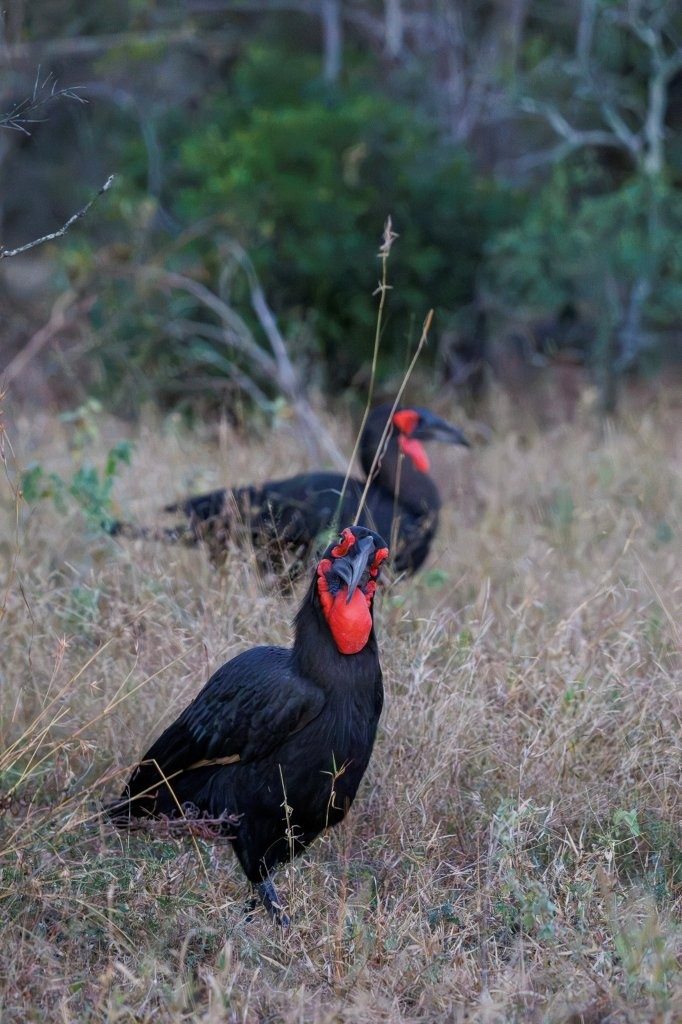
Two Southern ground hornbills stride through the undergrowth, red throat patches bright against the tangle of dry brush. Bold, unhurried, almost prehistoric in the way they move. These rare and predominantly ground-dwelling giants are always a special sighting behold.
Until next time…
Blog by Wendy Claase
Images by Benjamin Loon, Devon Jansen, Jana du Plessis, Jarrod Oflaherty, Ronald Mutero and Viviane Ladner
Videos by Jana du Plessis and Willie Woest