
A Week in the Bush Vol. 606
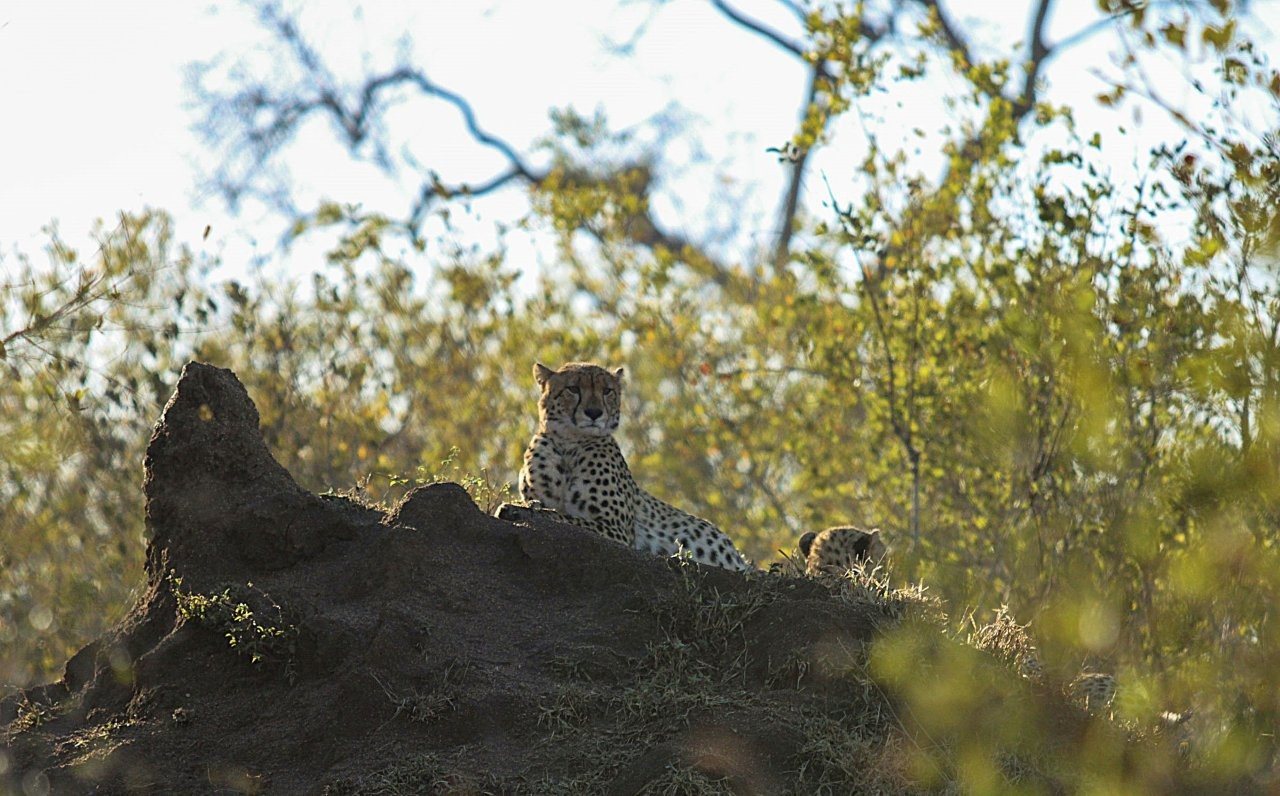
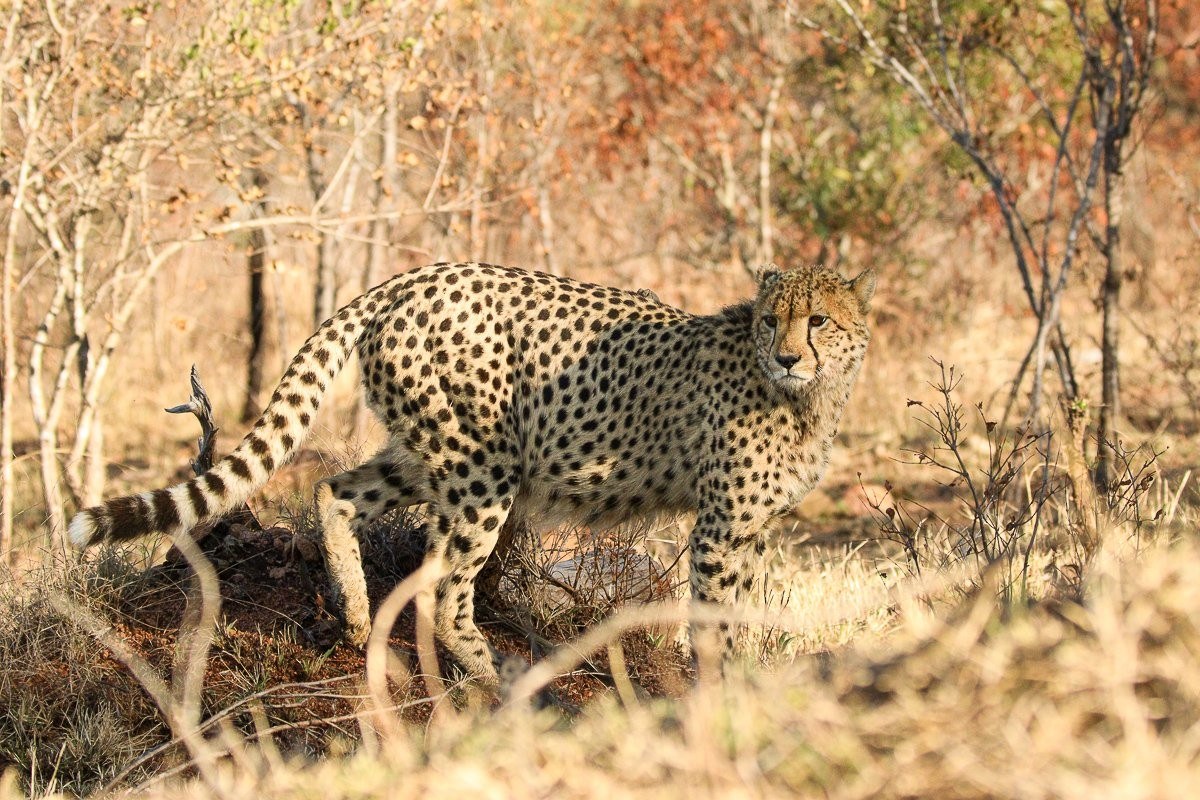
on Aug 19, 2026Our morning safari got a lot more exciting when two cheetahs were spotted resting on a termite mound in the northern part of the reserve. They lounged, groomed and soaked up the warmth of the morning sun before eventually getting up and moving on. Their full bellies were a good indication of a successful hunt, either earlier that morning or the night before. Seeing these young males moving together with such confidence and in such good condition is a positive sign that they are well on their way to establishing themselves as a potentially dominant coalition.
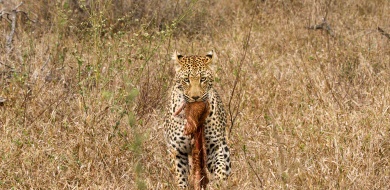
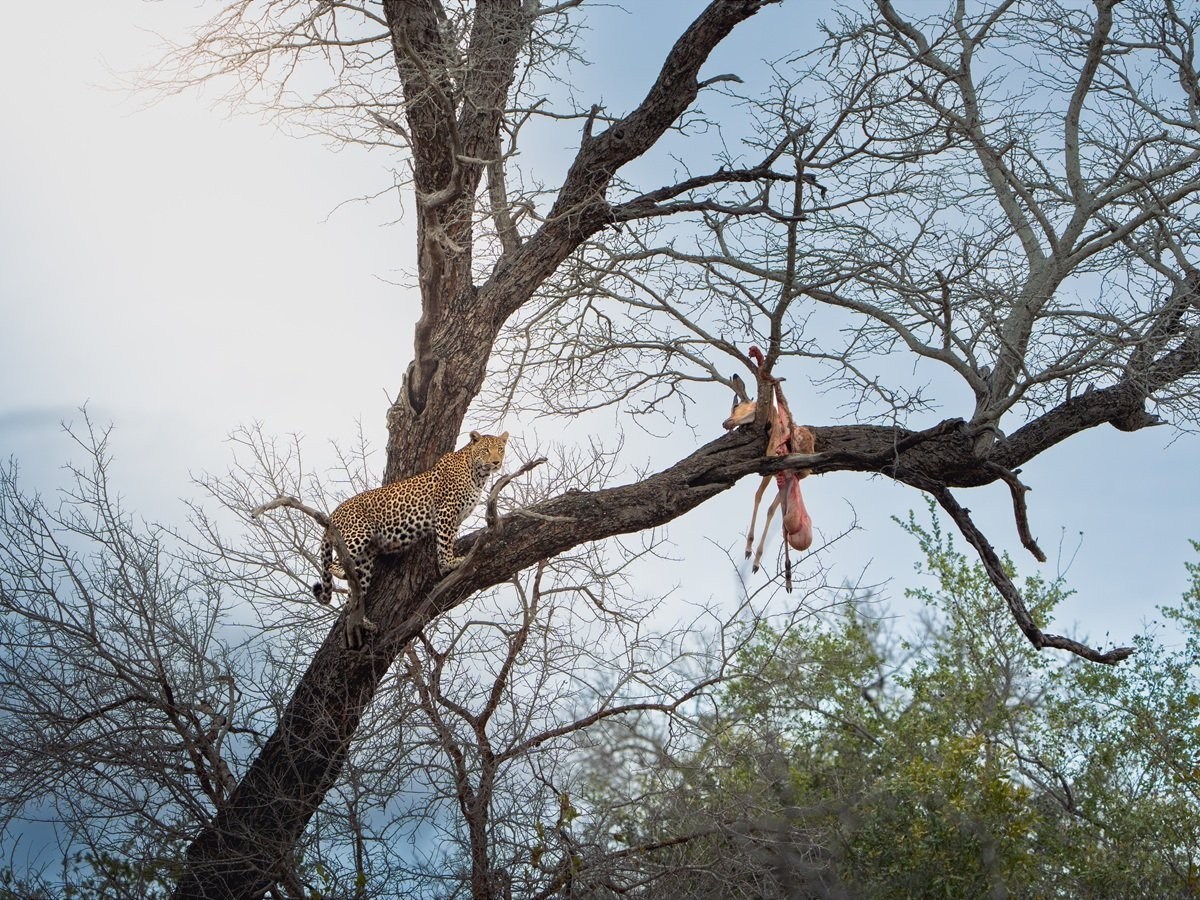
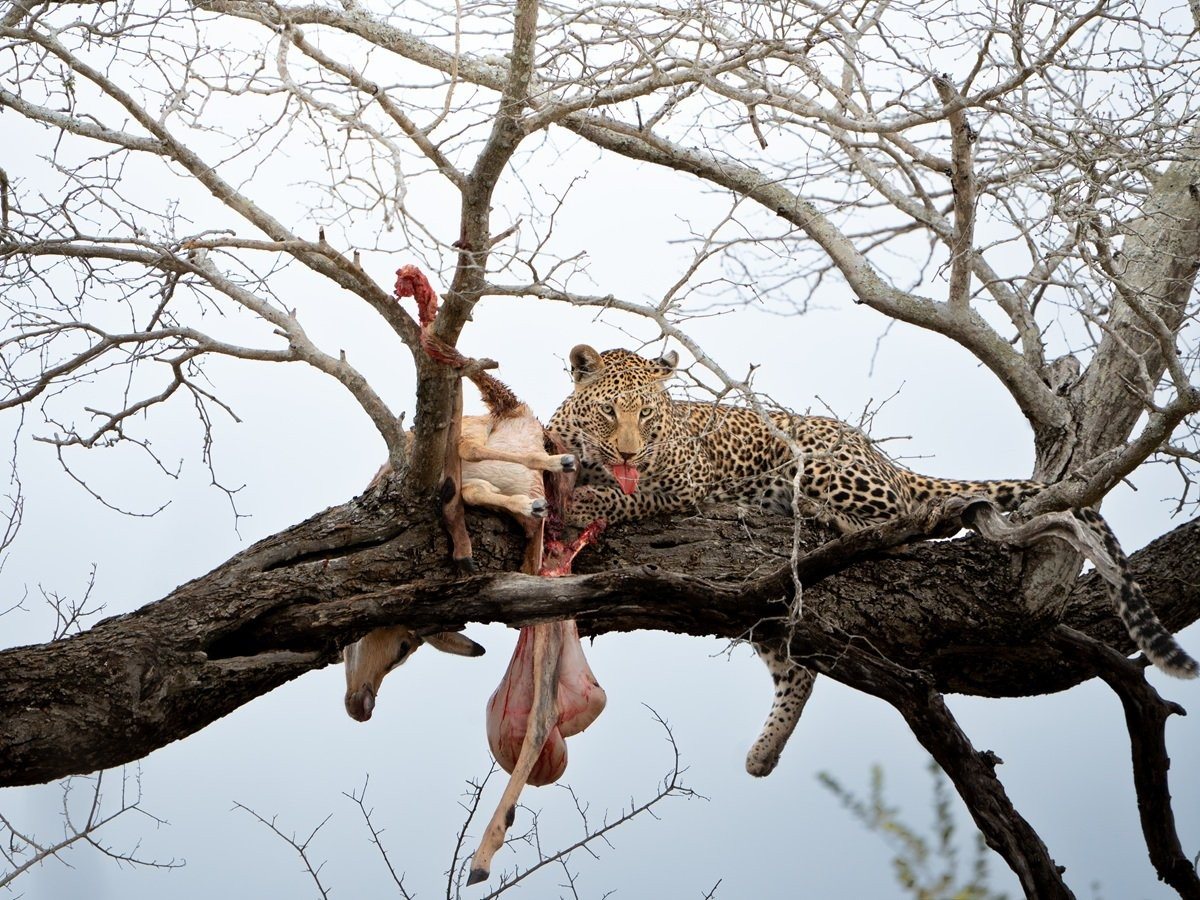
Morning tea, then out into the cold. We searched for tracks in the sand, checked the waterholes and scanned every Marula tree for the tell-tale sight of a tail hanging down. And then there she was - the Kurhula female, walking along the road ahead of us and leading us straight to her kill, hoisted high in the branches of a nearby tree.
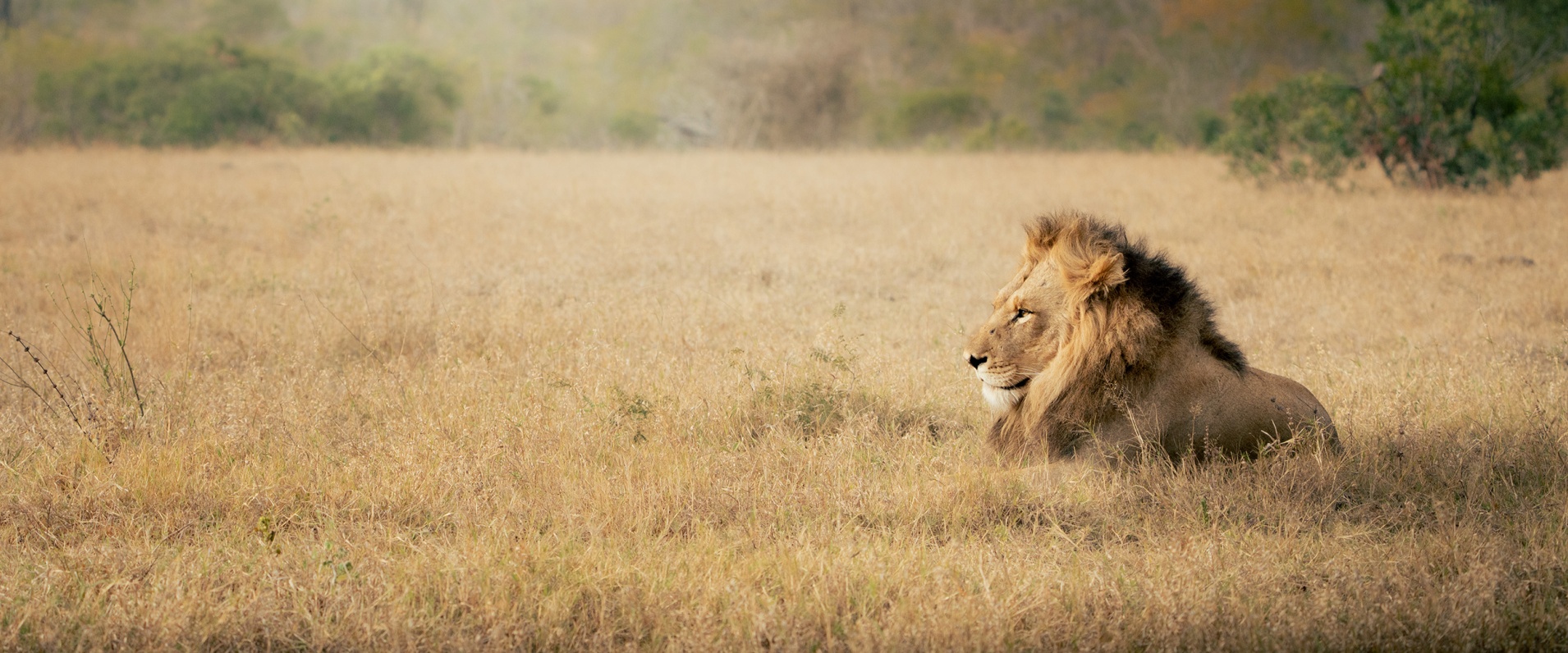
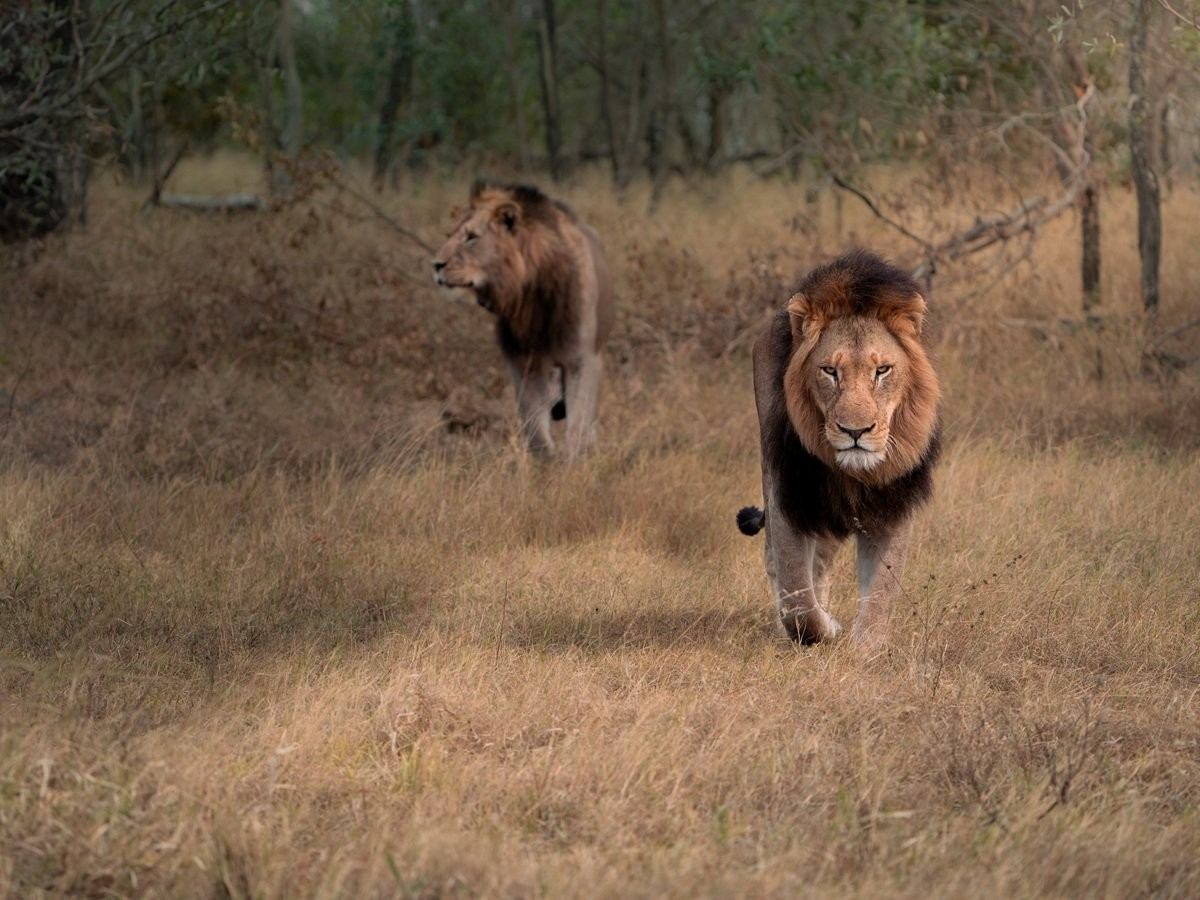
After a rainy few days, the N’waswishaka males were back together, making the most of their first proper sunny morning in a while. With the clouds clearing, they spent the morning resting, grooming and enjoying some well-earned sunshine.
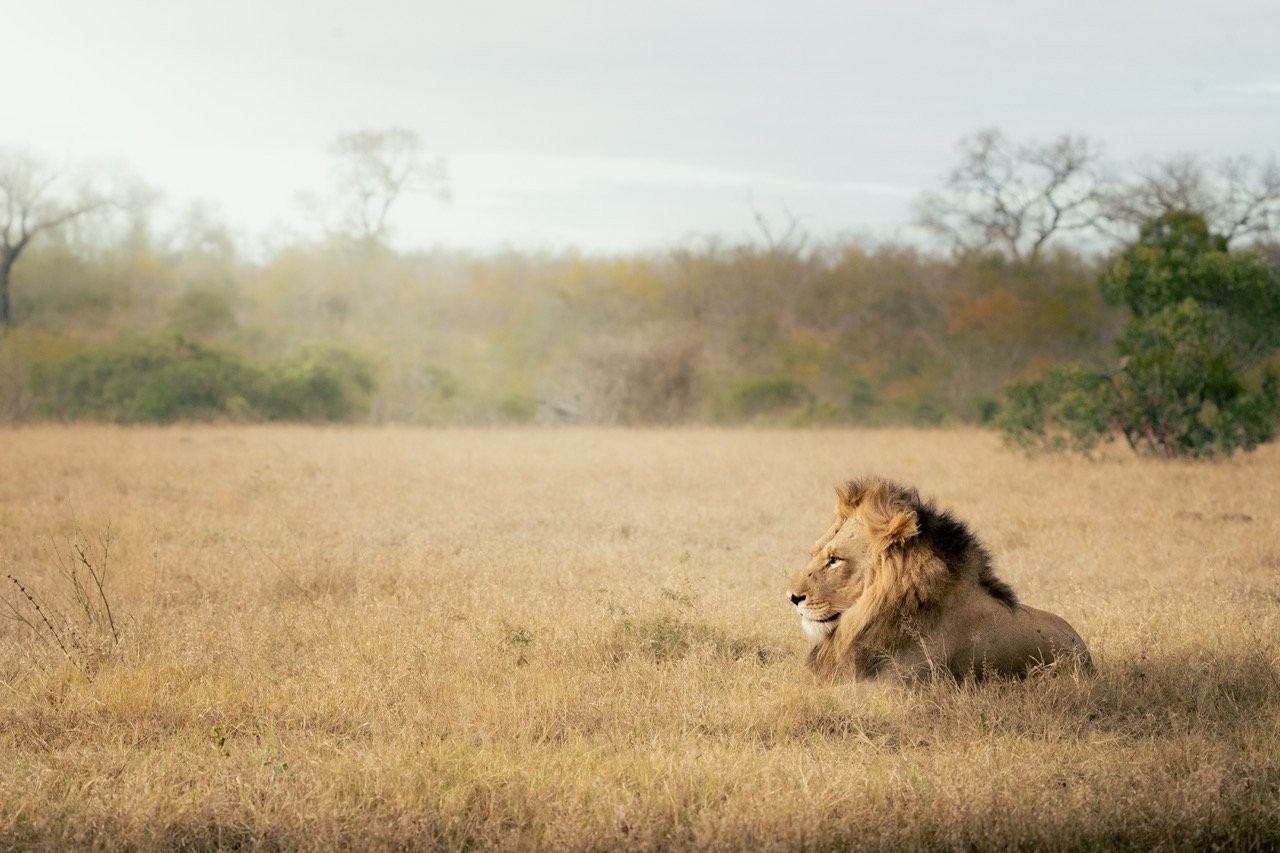
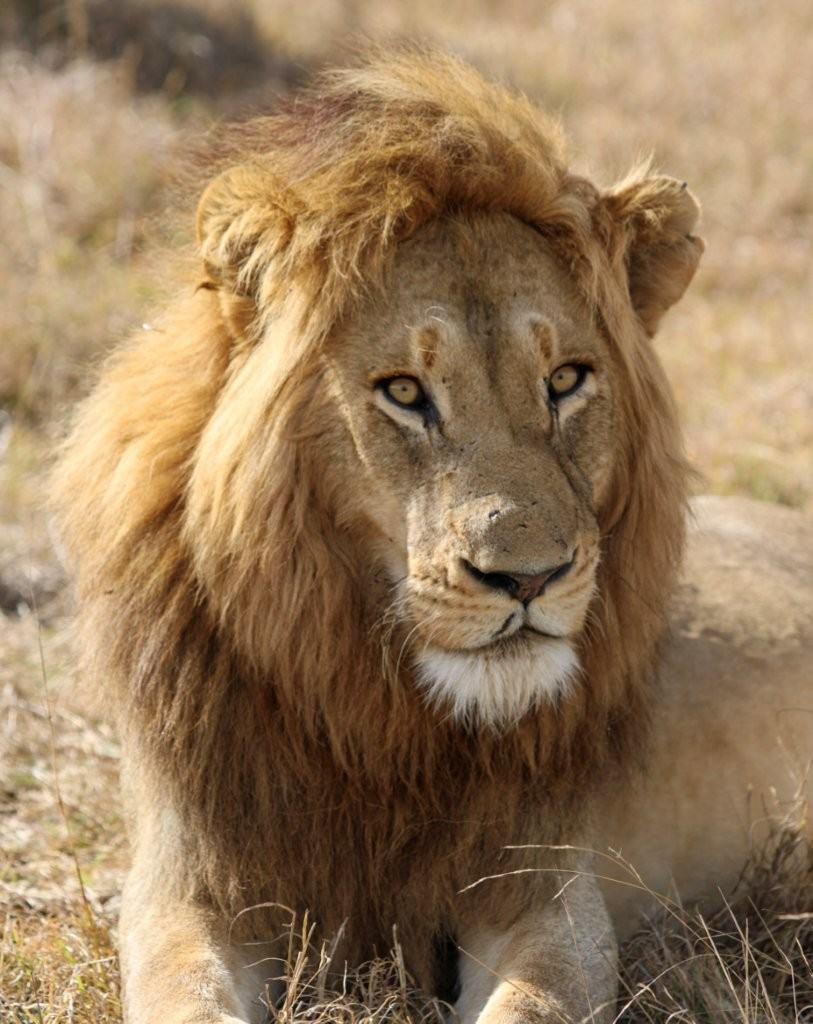
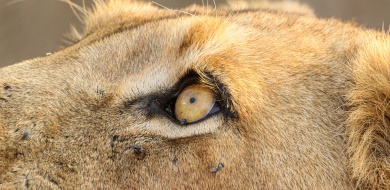
Early in the morning, just as the sun began to break through the clouds, we rounded a bend and came across these two beautiful lions, making the most of the brief sunshine after the recent heavy rains. We sat with them, watching them wake up, and we were privileged enough to witness them mate.
Late during dinner service, we heard lions roaring to the north of Earth Lodge. The following morning, we set out to see if we could find them. Not long after leaving the lodge, we came across fresh tracks from both male and female lions, seemingly heading in the direction of a nearby buffalo herd.
To our surprise, we soon discovered that we were tracking six members of the Msuthlu Pride. The youngsters were alert and focused, listening, scenting and scanning the horizon as the buffalo herd slowly made its way towards them, while the adult lioness rested peacefully in the shade.
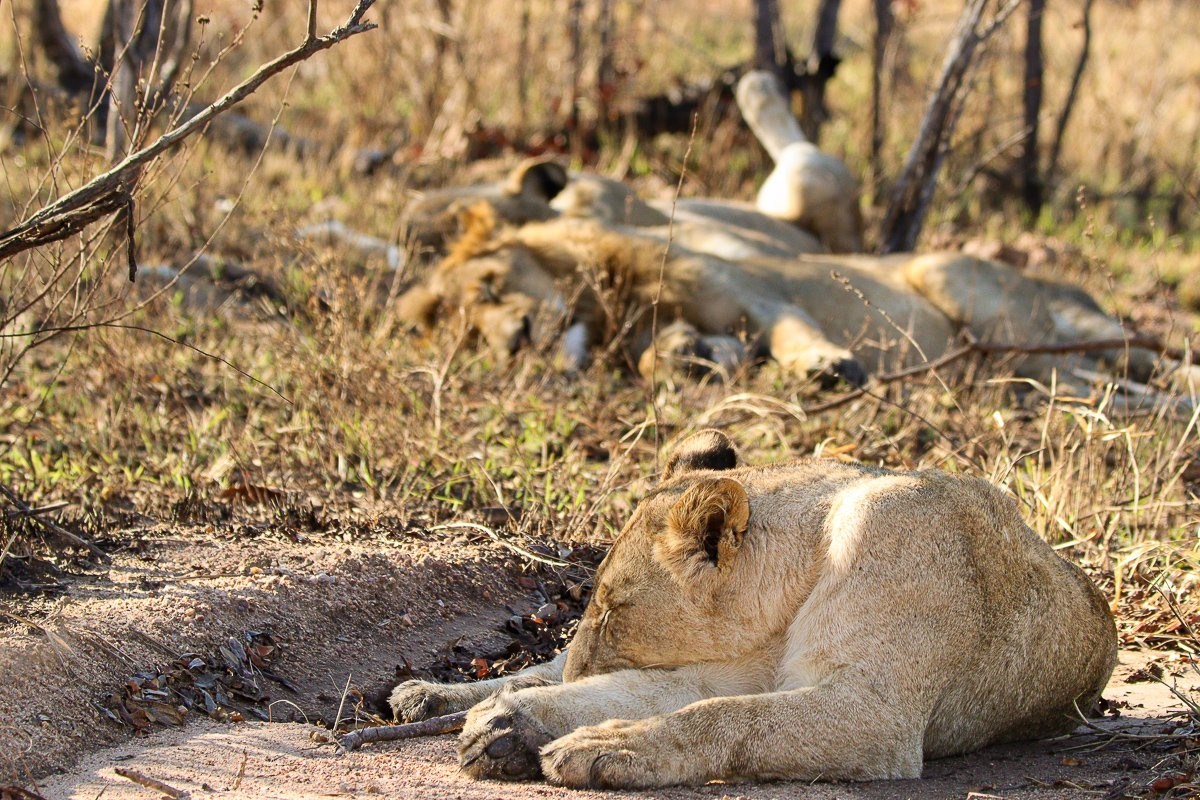
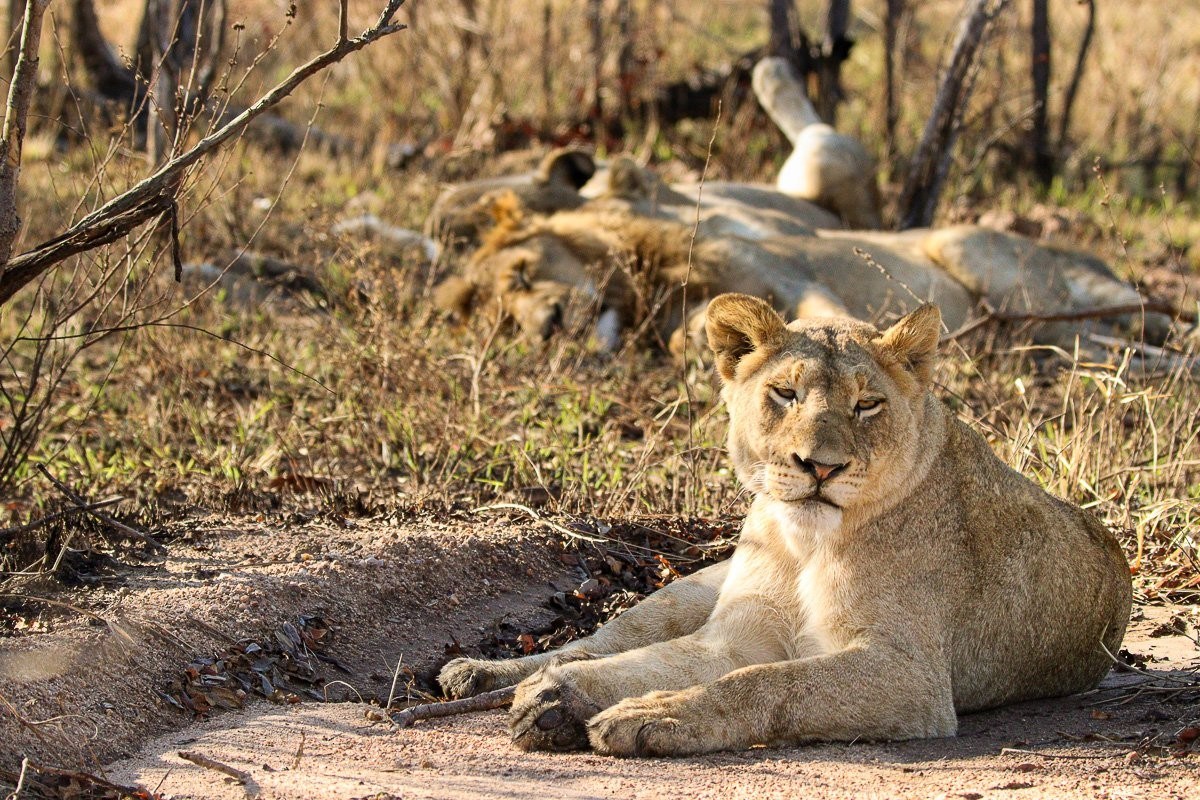
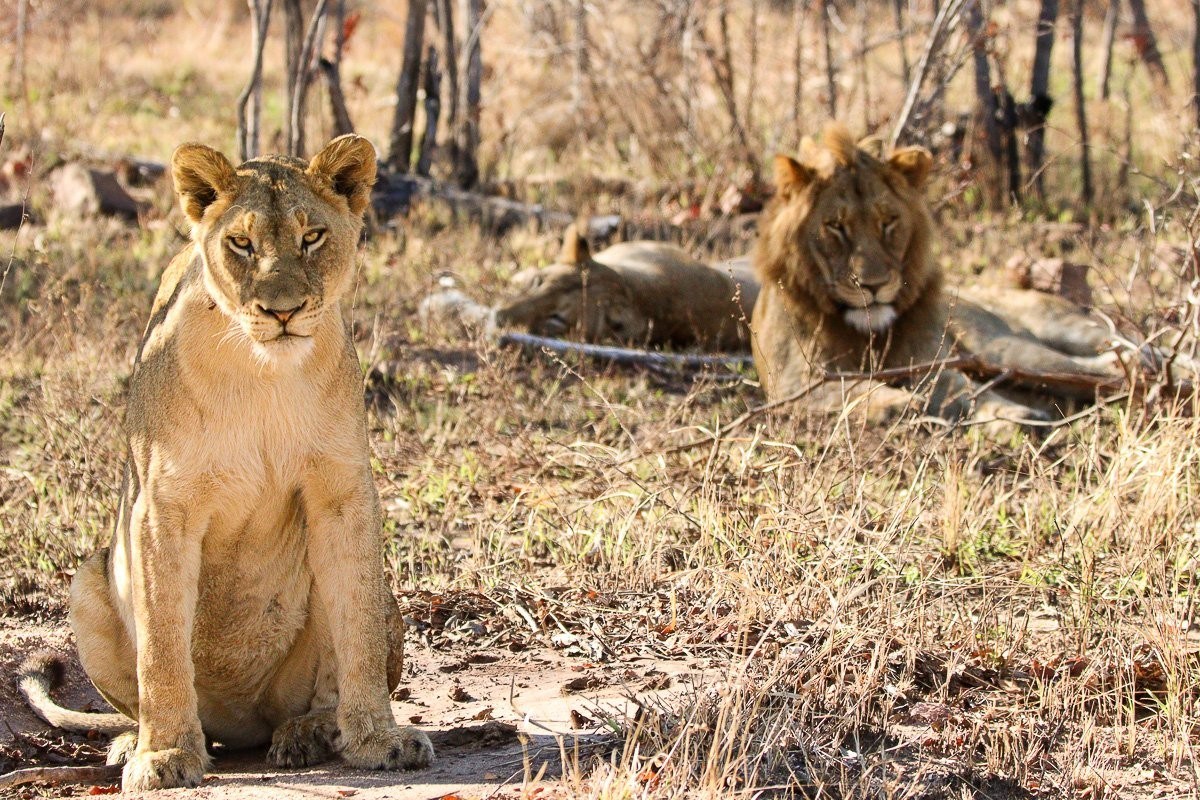
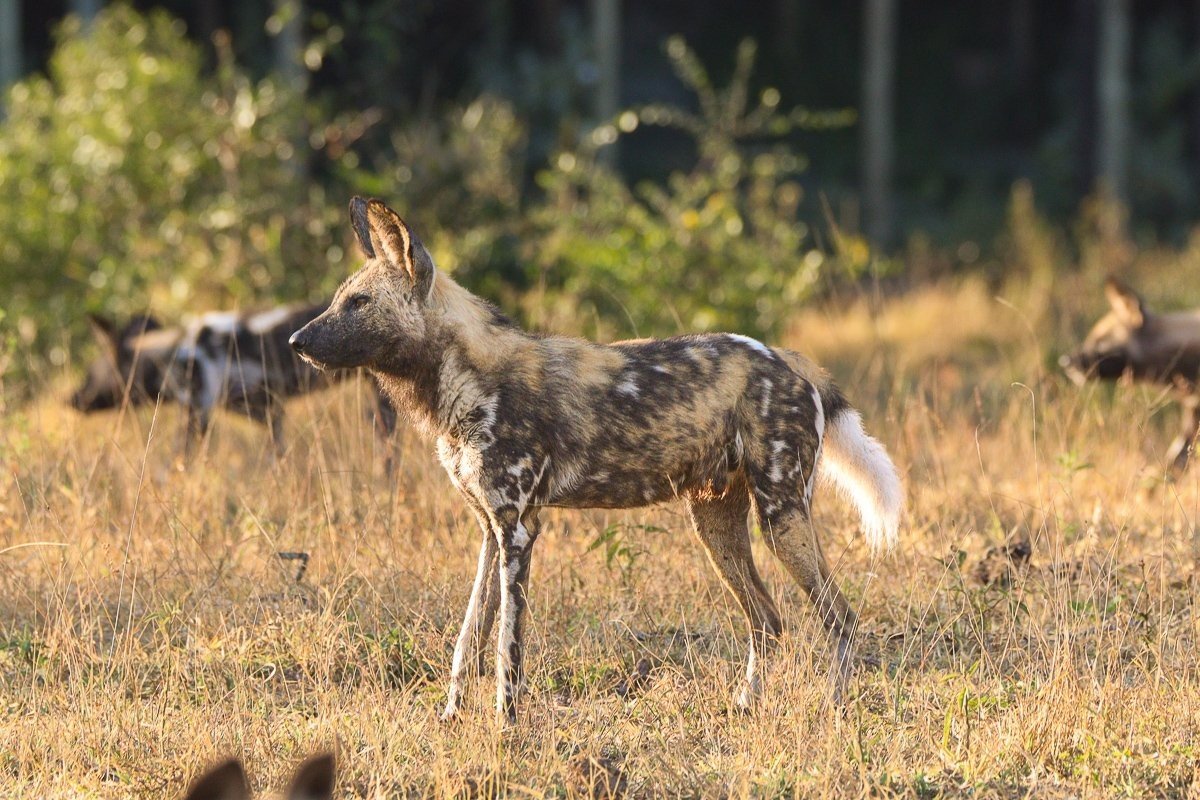
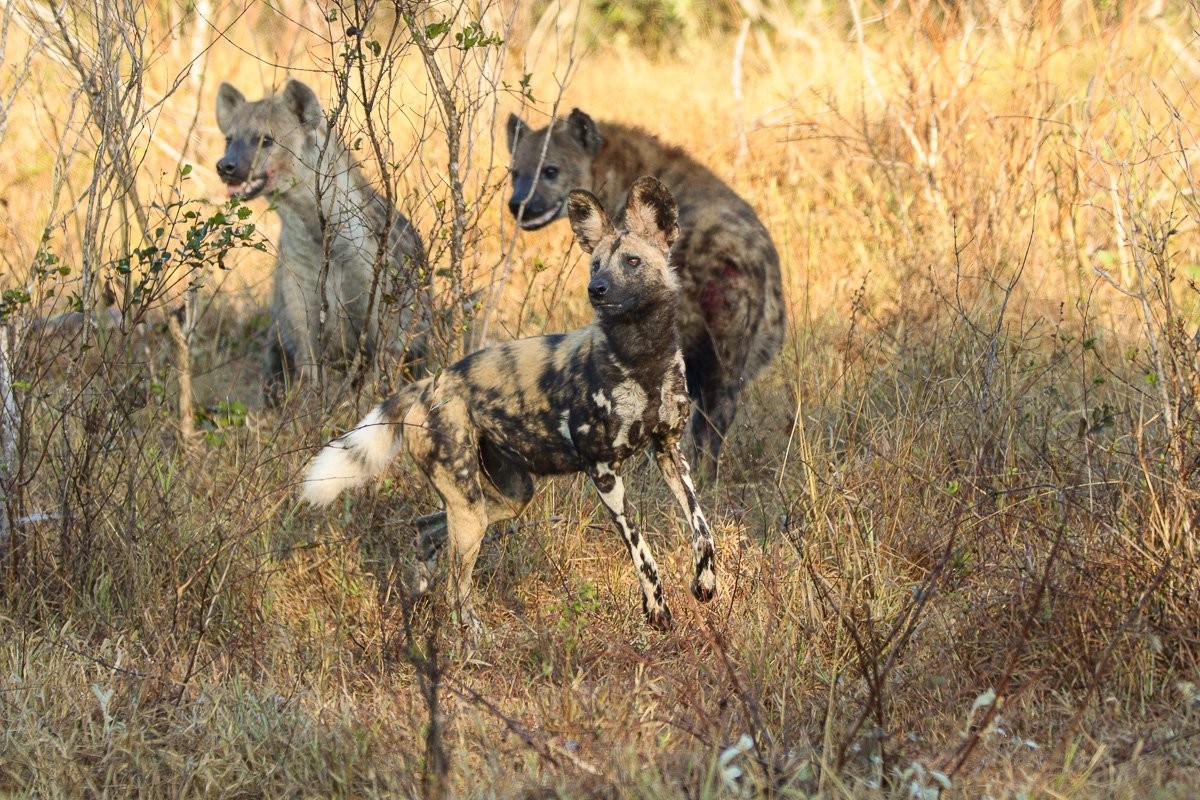
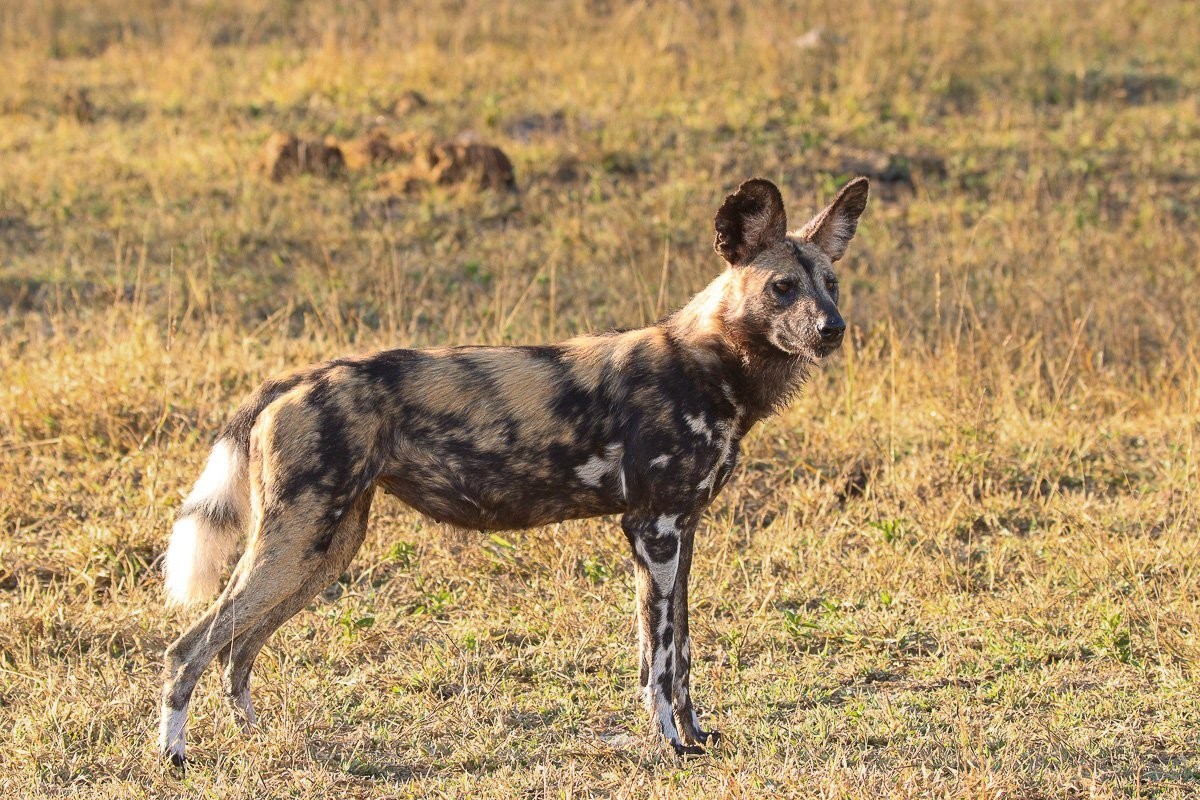
The call came through from Bush Lodge that three wild dogs had just killed an impala at the waterhole in front of the lodge. Shortly after, several Spotted hyenas arrived and stole the kill. The commotion attracted the rest of the pack of wild dogs, which surrounded the hyenas to reclaim their meal. Unfortunately, their efforts were unsuccessful.
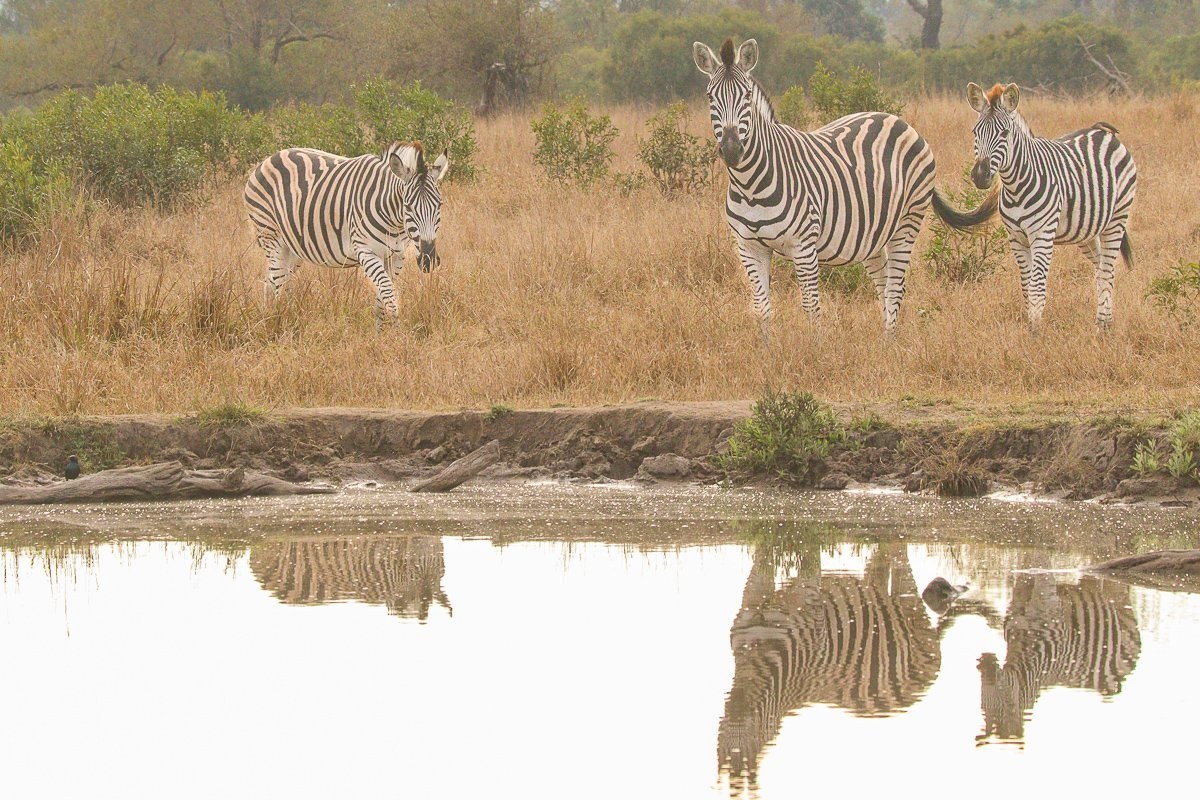
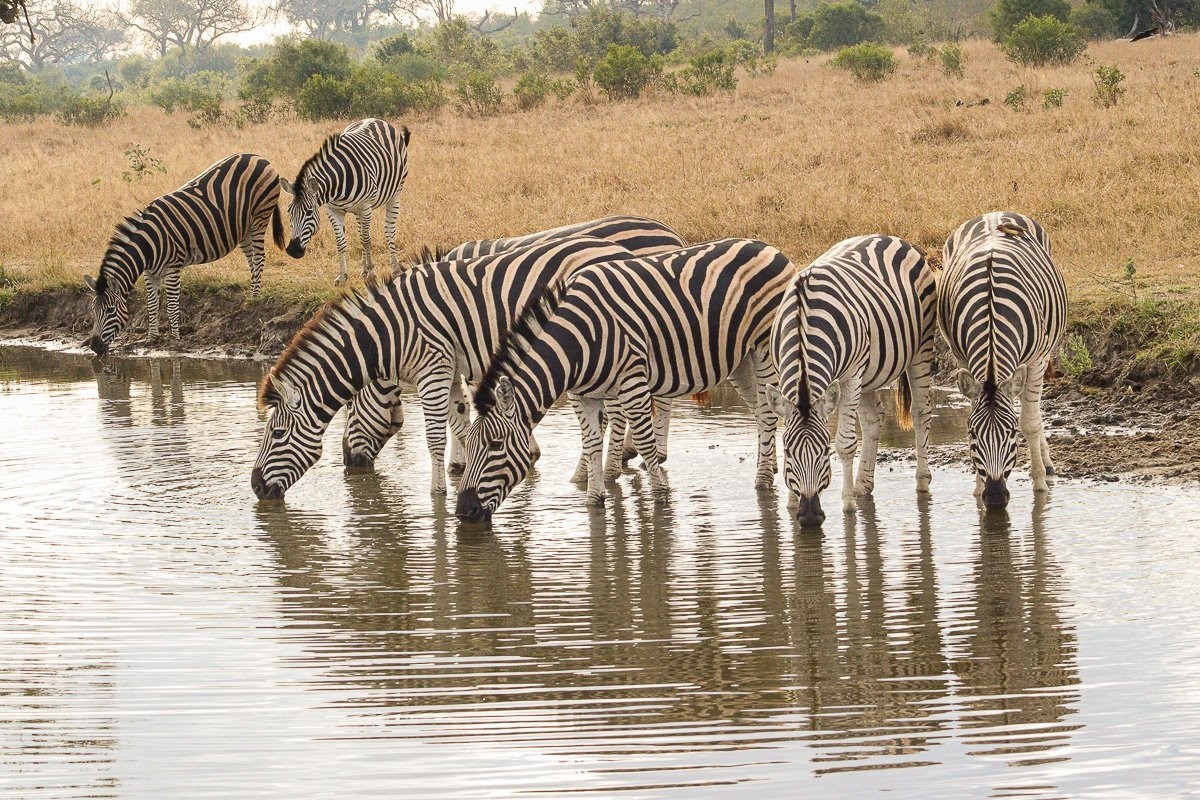
We patiently waited at a waterhole as a herd of zebras slowly made their way towards us. As they approached the water, their distinctive patterns were reflected in the surface, creating a striking scene. One by one, the zebras entered the water to drink, giving us a beautifully picturesque moment.
Zebras are water-dependent animals and, because of their high-fibre diet, require regular access to water. They can travel several kilometres each day in search of water sources, which are essential for staying hydrated and helping them process their fibrous food.
After a six-month gestation period, a single baby baboon is born. Completely dependent on its mother, the newborn clings tightly to her stomach for the first few weeks, before developing the strength to travel on her back alongside the troop. As it grows, the young baboon learns important survival skills by watching and interacting with its mother and the rest of the troop.
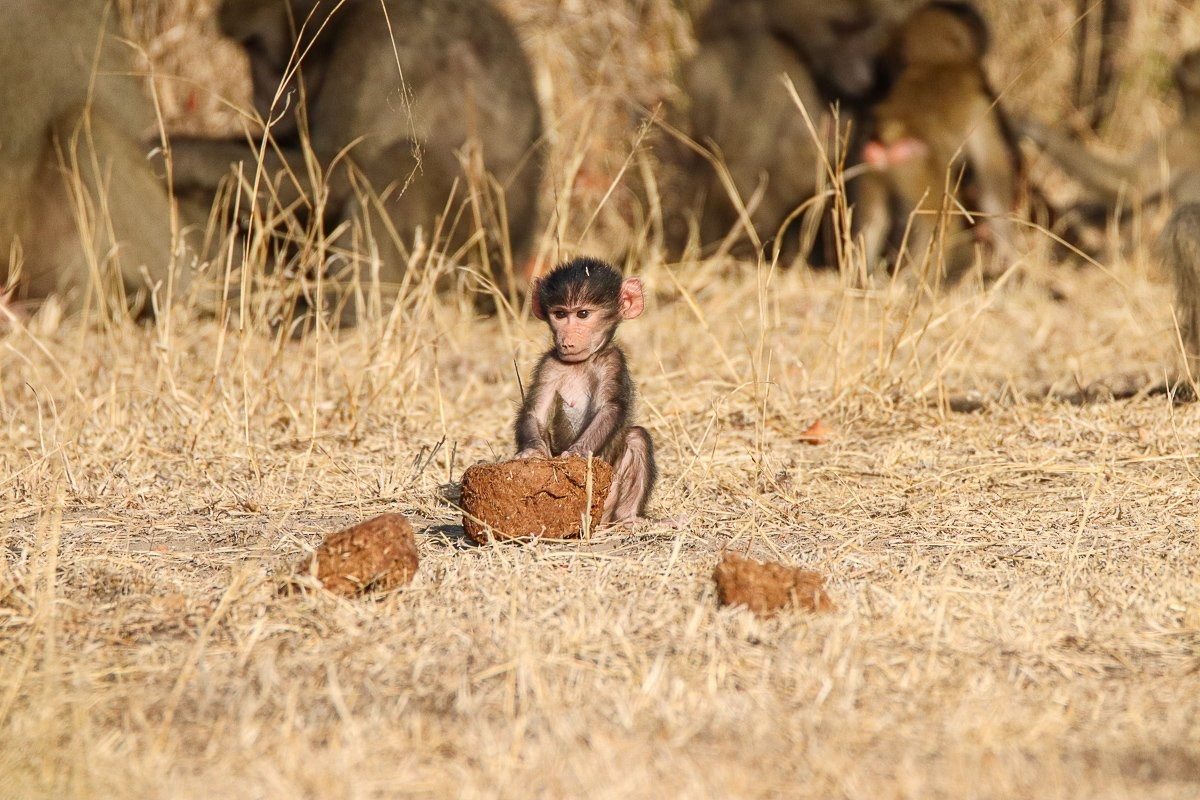
While watching a troop moving through the bush in search of food, we noticed a young baboon playing with some old elephant dung. What may look like an unusual source of entertainment is a valuable food resource. Due to elephants’ relatively inefficient digestive systems, their dung can contain undigested fruits, seeds and insects, which baboons will forage through for an easy meal.
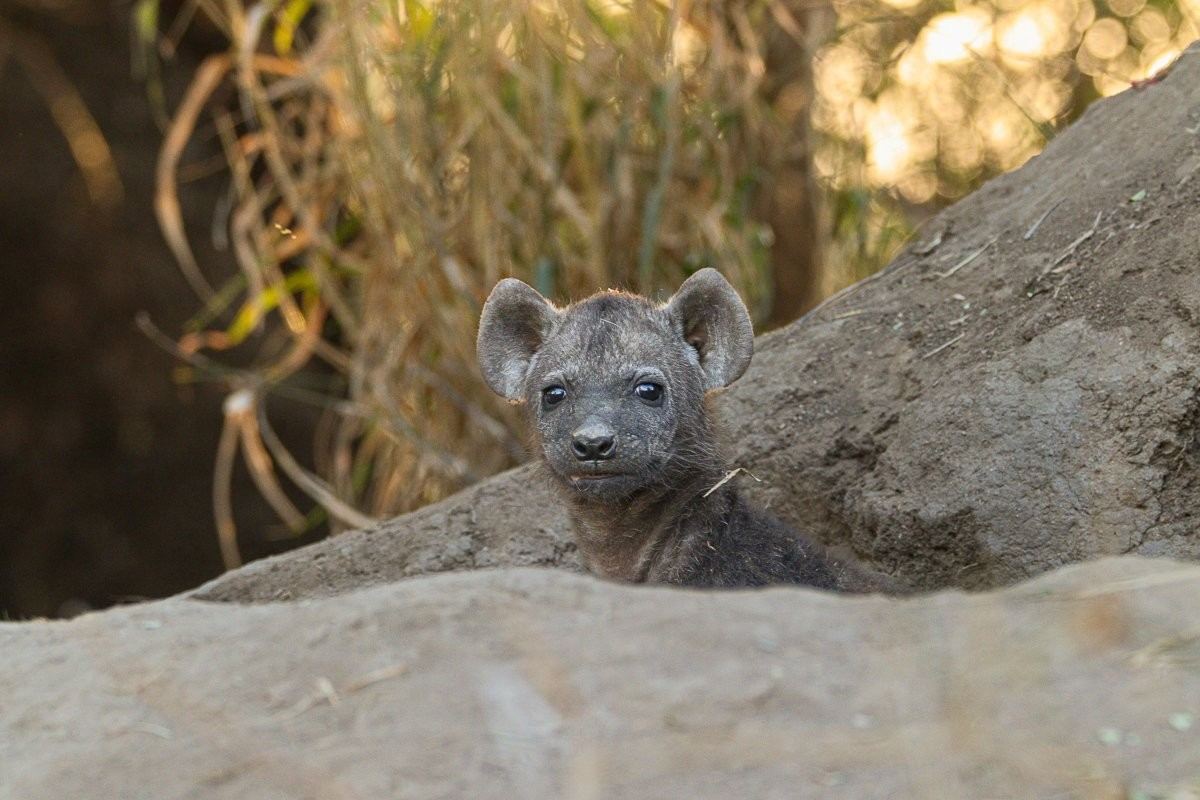
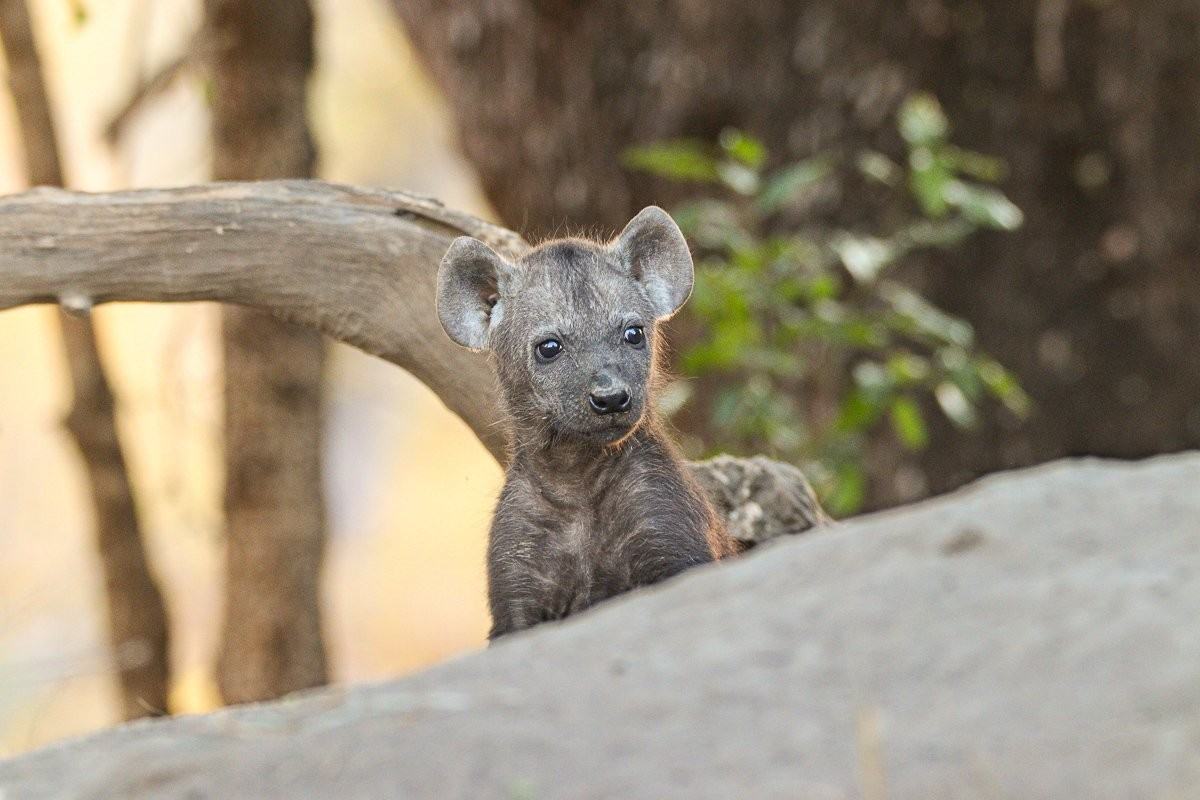
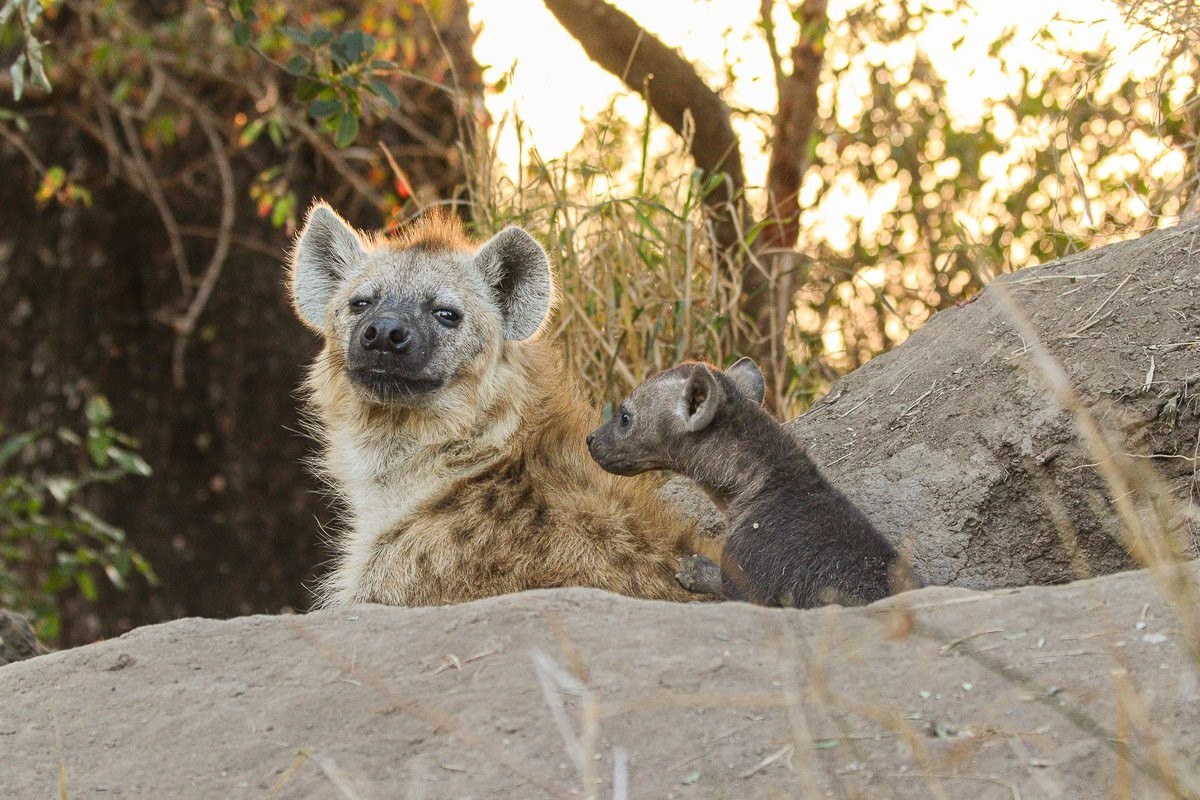
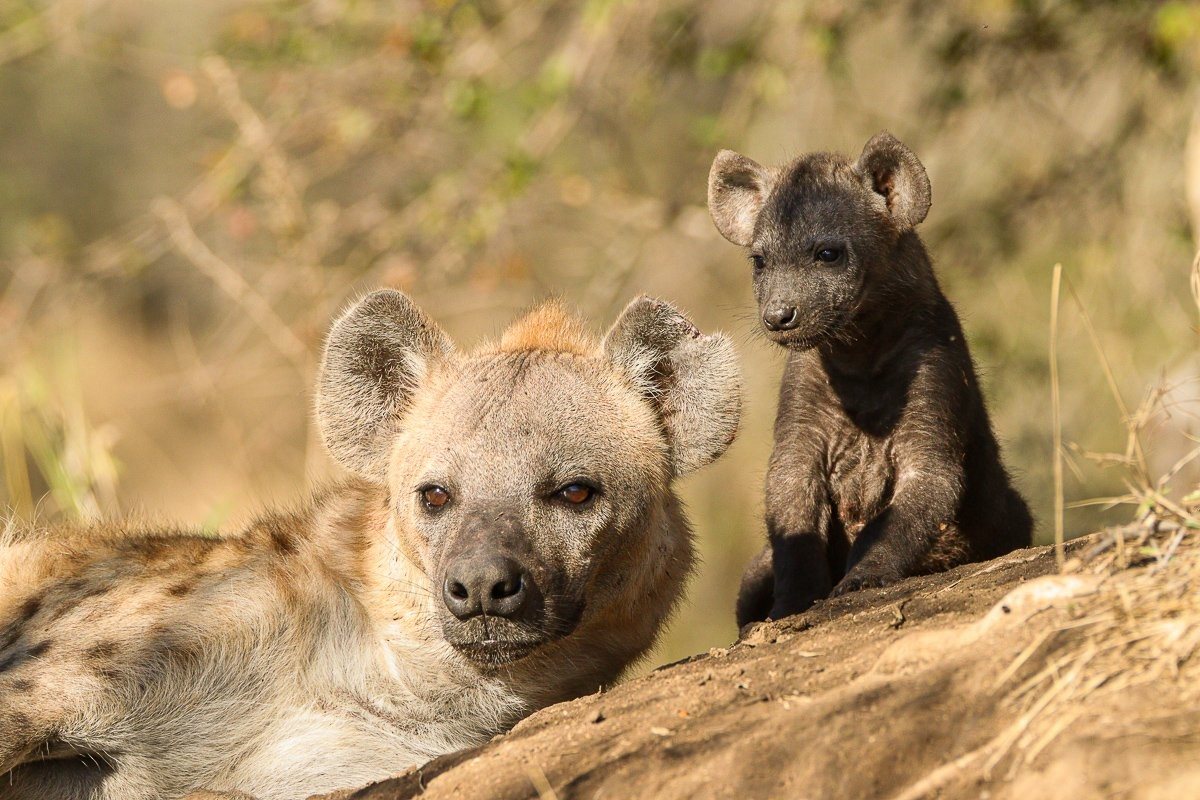
As we approached a den site, we noticed a large female hyena sleeping on the road, soaking up the afternoon sun. We watched patiently, knowing that once she got up and moved towards the den, there was a good chance her cubs would emerge.
After a short wait, she did exactly that. She walked into the den and settled inside, with just her head visible at the entrance. Moments later, two small black heads appeared. The cubs immediately began playing with each other and their mother, full of energy and curiosity. When another young hyena arrived, the mother returned to the road, leaving the youngster to join in the playful interaction with the cubs.
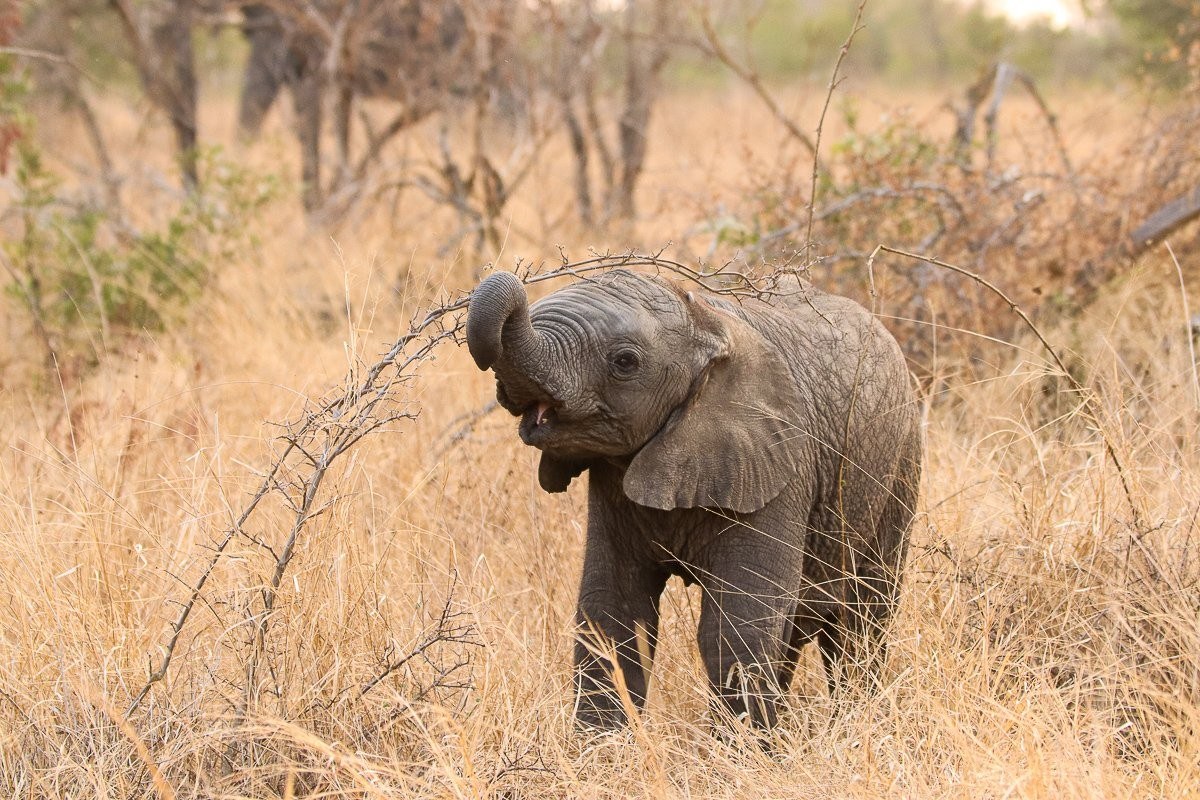
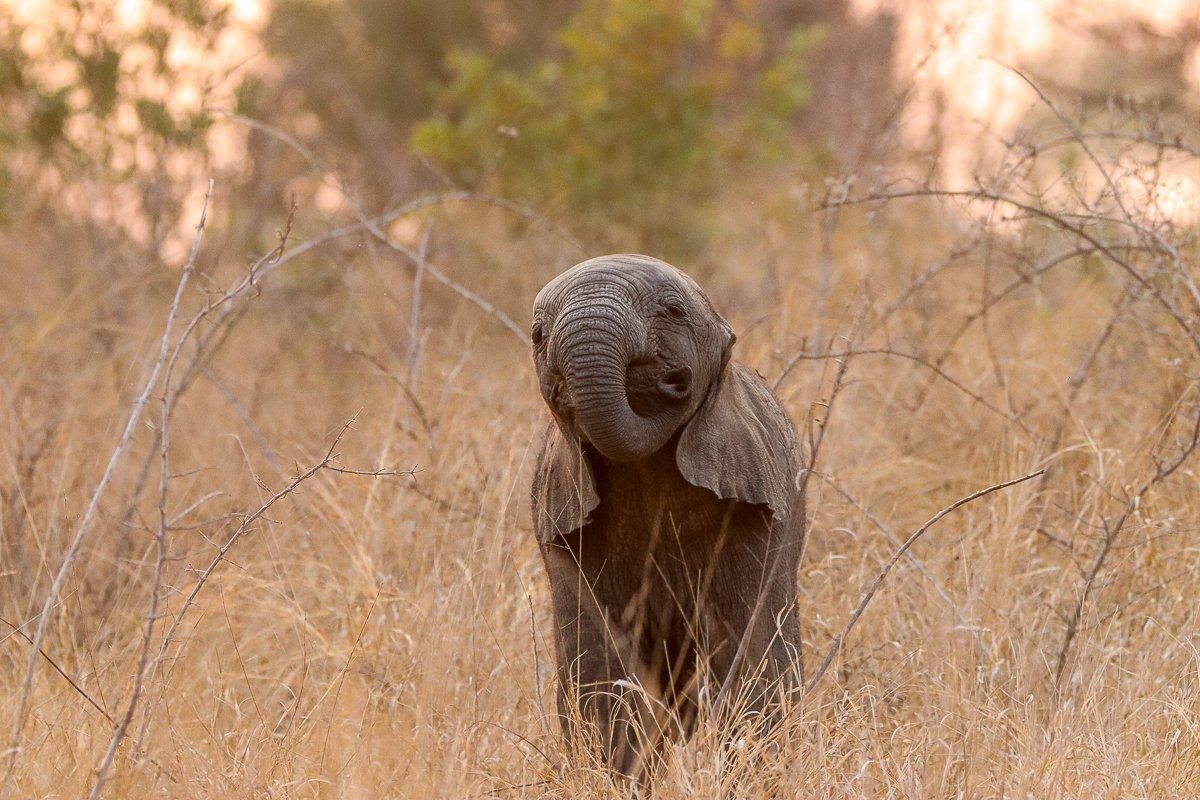
Although an elephant’s trunk contains more than 40,000 muscles, young calves are born without the ability to control it. This is why they are often seen swinging their trunks around, tripping over them and playing with sticks.
Through trial and error, they gradually learn to control this incredibly versatile appendage. By mimicking the adults around them and practising by picking up grass, leaves and sticks, while also interacting physically with other herd members, they develop coordination and strength. By around one year of age, most calves have become remarkably proficient at using their trunk.
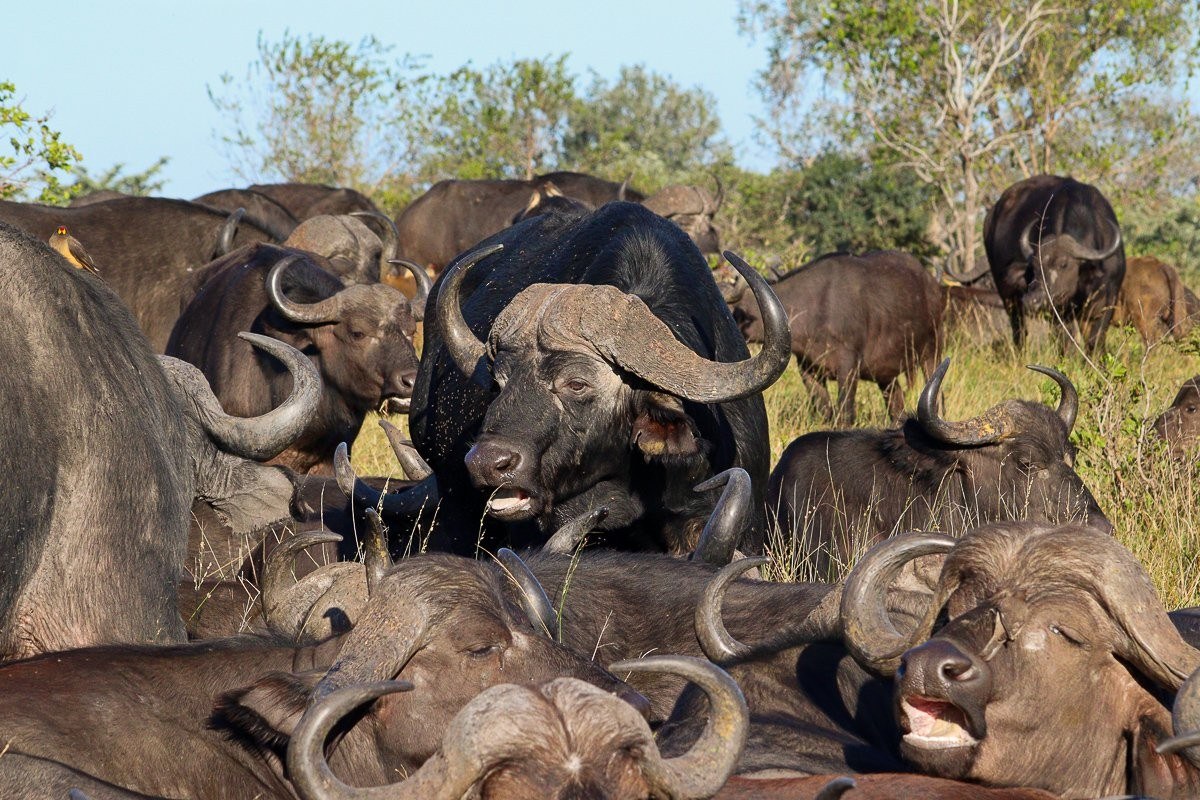
Easily identified as a bull by the large, fused horn base known as the “boss”, which helps protect them during head-on clashes for dominance and mating rights.
Buffalo bulls play an important role within the herd, not only by breeding with the females but also by helping protect the herd from predators. When threatened, the bulls will often form a defensive wall at the front, shielding the calves and females in the middle of the herd.
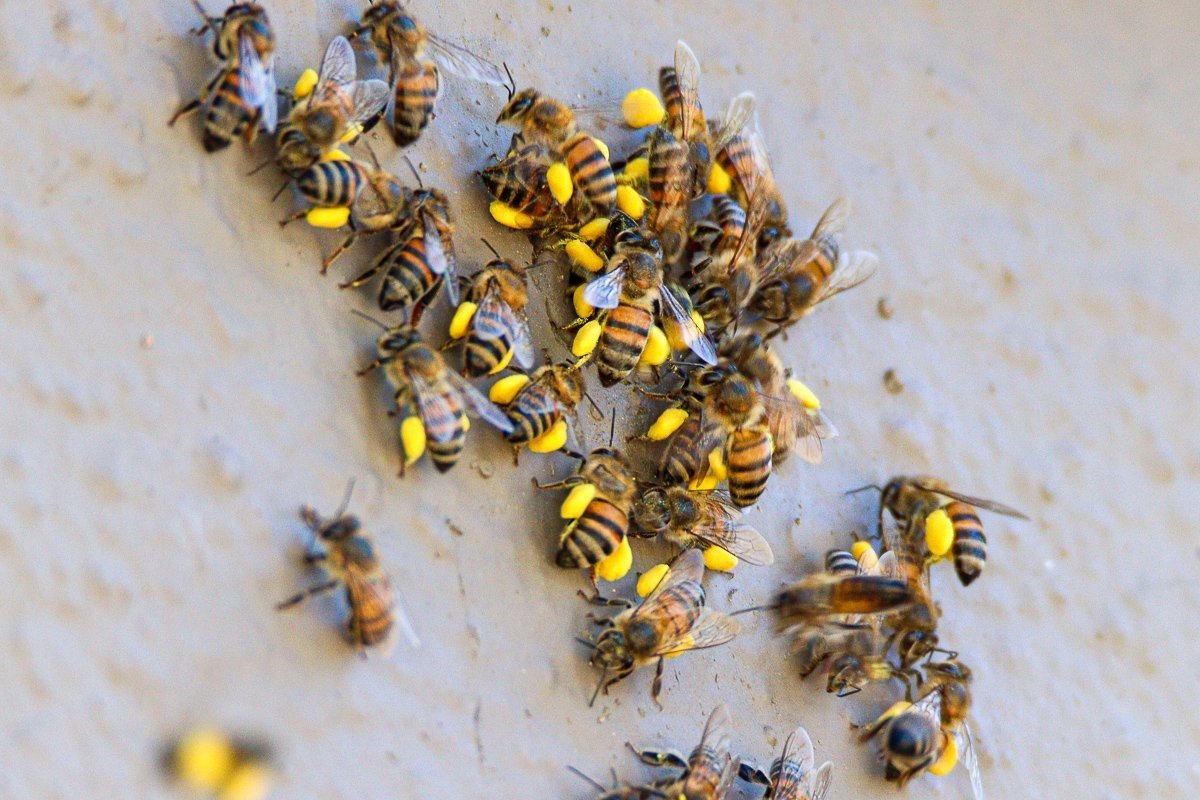
When bees leave their hive, a static charge builds up on the tiny hairs covering their bodies, allowing them to attract pollen grains from flowers. The bees then mix the pollen with saliva, making it sticky enough to pack into the corbicula, or pollen basket, on their hind legs. This is what gives their legs that distinctive bright yellow appearance.
After collecting pollen from the flowering Knobthorn trees, the bees return to the hive, where it becomes an important source of nutrition. The pollen is fed to developing larvae and, when mixed with honey and enzymes, is stored as a long-lasting food source. It is also consumed by young worker bees, providing the nutrients they need to produce royal jelly, which is fed to the Queen.
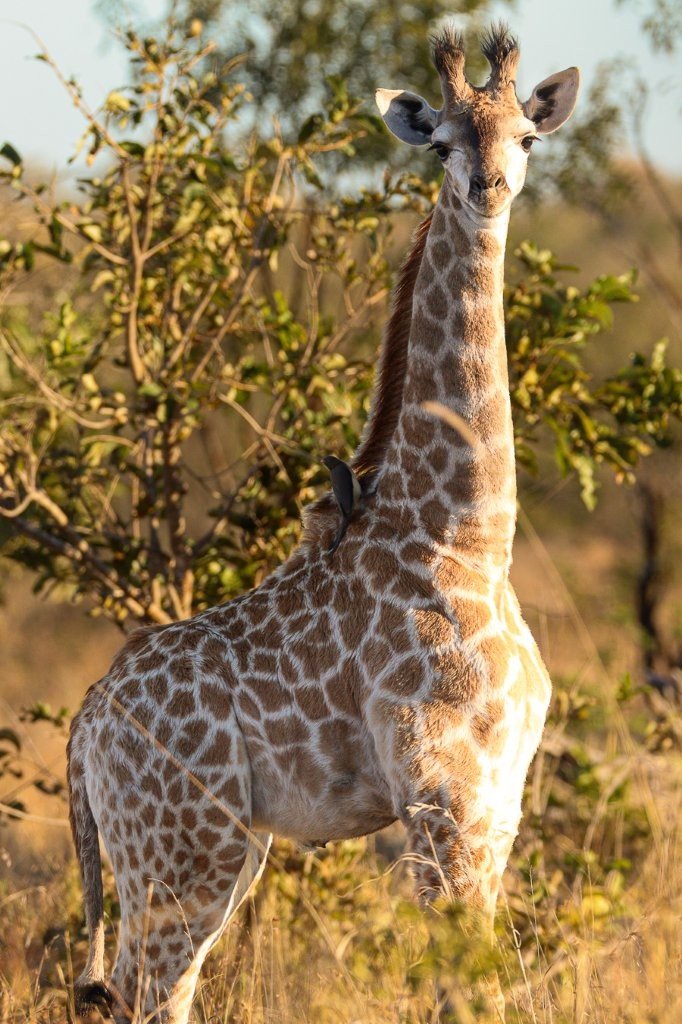
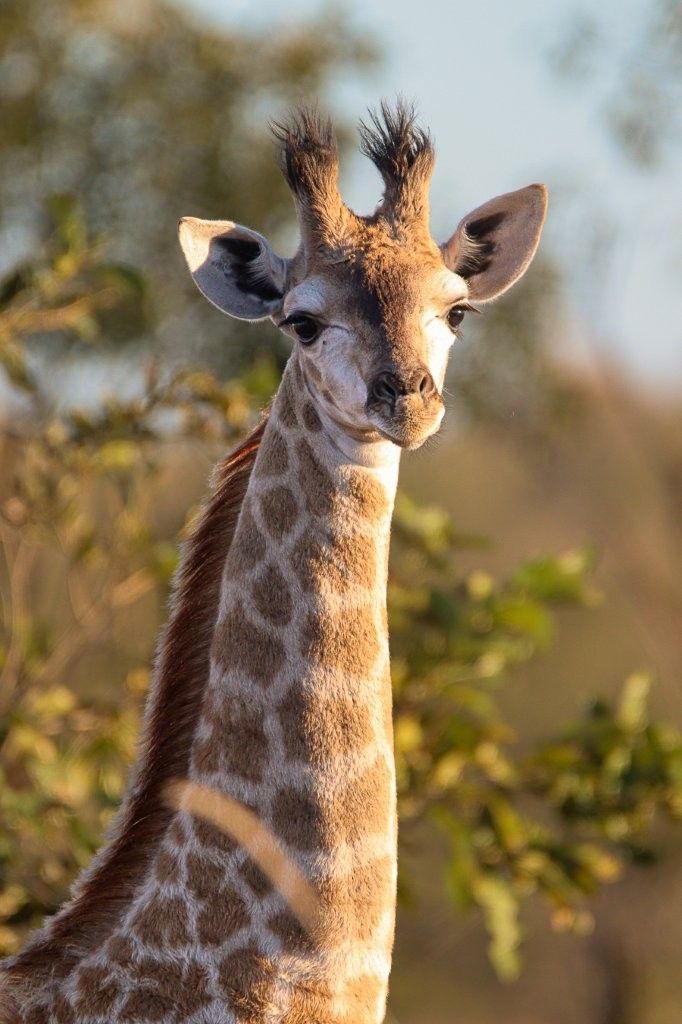
Far in the distance, we spotted the head of a giraffe standing tall above the trees. As we got closer, a small giraffe emerged from the treeline, staying close to its mother. With its umbilical cord already detached, this youngster is estimated to be over two months old. For now, it remains close to its mother for protection and milk, but by around four months of age, it will begin feeding on leaves.
Until next time…
Blog by Wendy Claase
Images by Devon Jansen, Jana du Plessis, Jarrod Oflaherty and Mel
Video by Mel