
A Week in the Bush Vol. 605
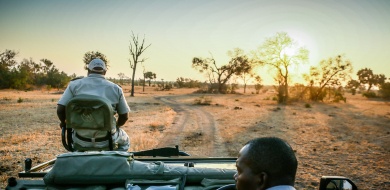
on Aug 12, 2026Knowing that the Southern Pride lionesses had been seen near Earth Lodge, we spent the afternoon safari driving every road where they might be. We stopped to enjoy a small herd of elephants when our tracker quietly asked, "Do you see the lions?"
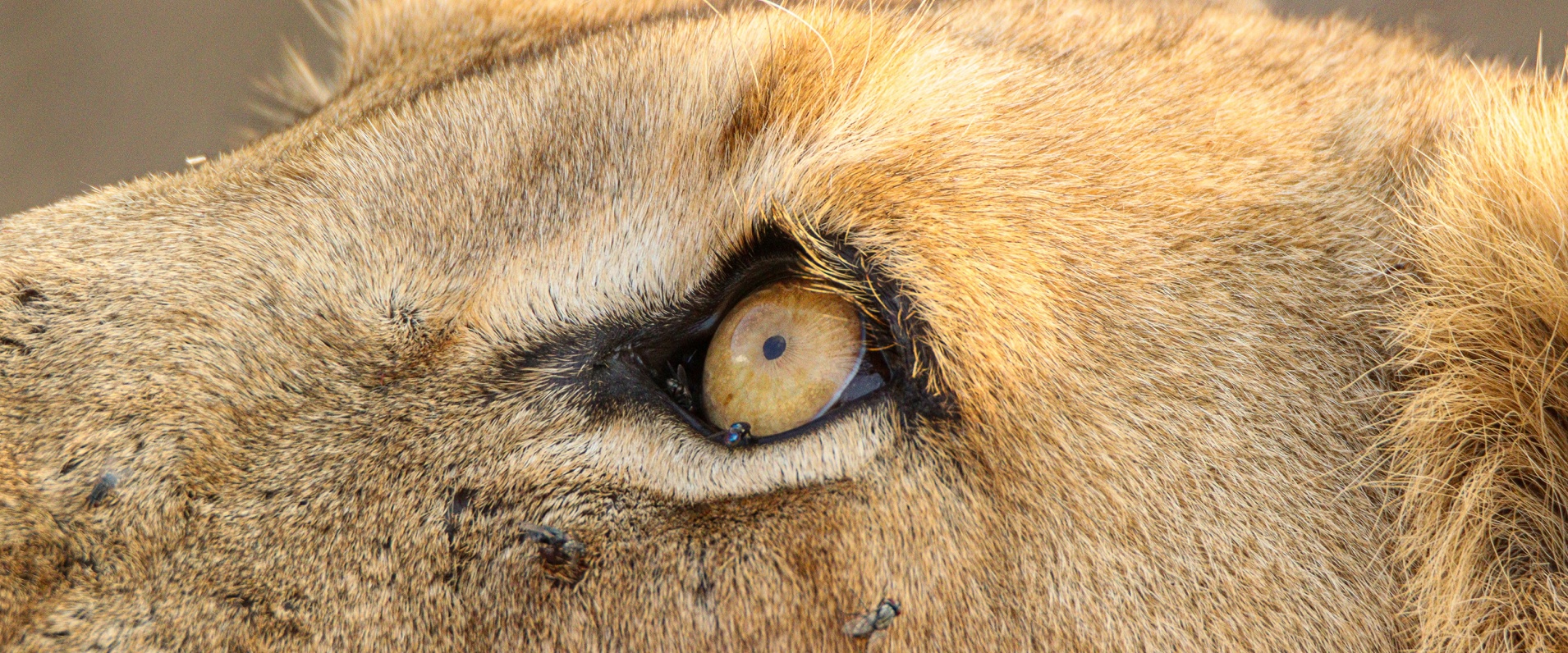
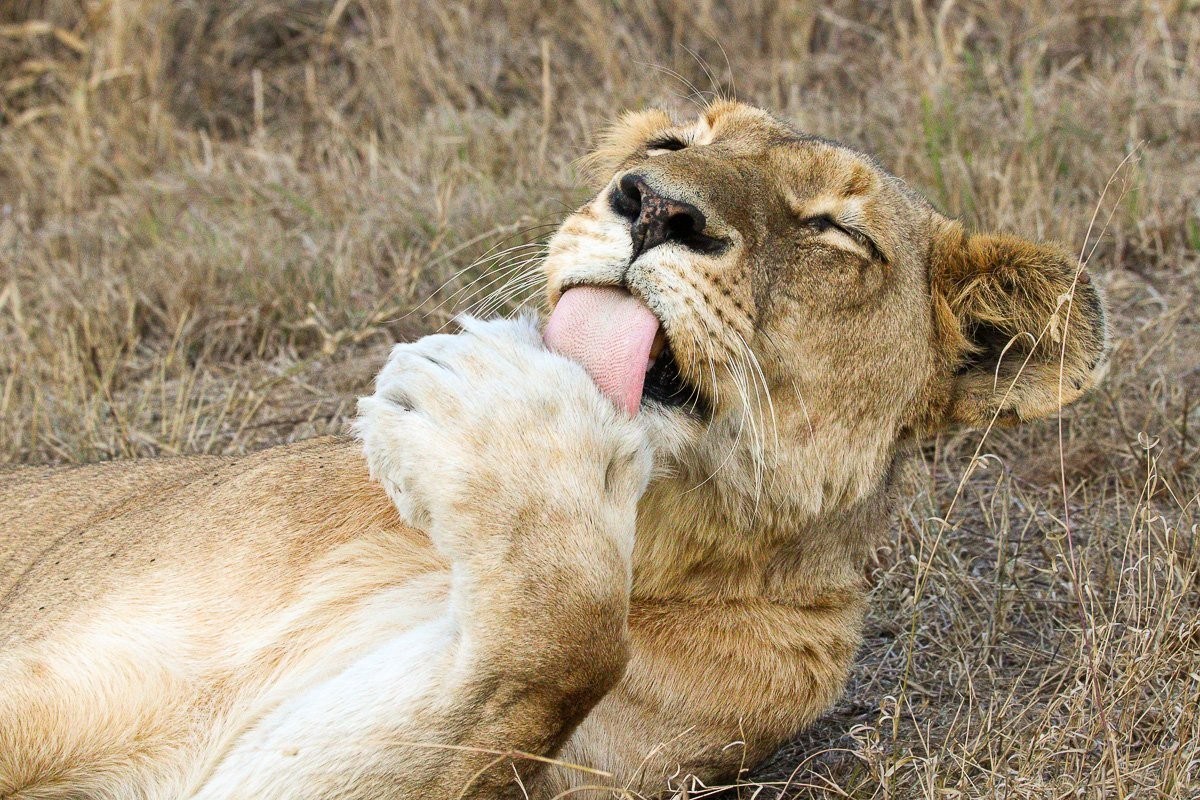
We scanned the area, assuming the elephants would have reacted if lions were nearby. Then we spotted them - almost 200m away, resting peacefully in the afternoon sun. We slowly approached, with the elephant herd and a beautiful sunset providing the perfect backdrop. The lionesses spent their time grooming one another before gradually stirring, preparing to head out for their night's hunt.
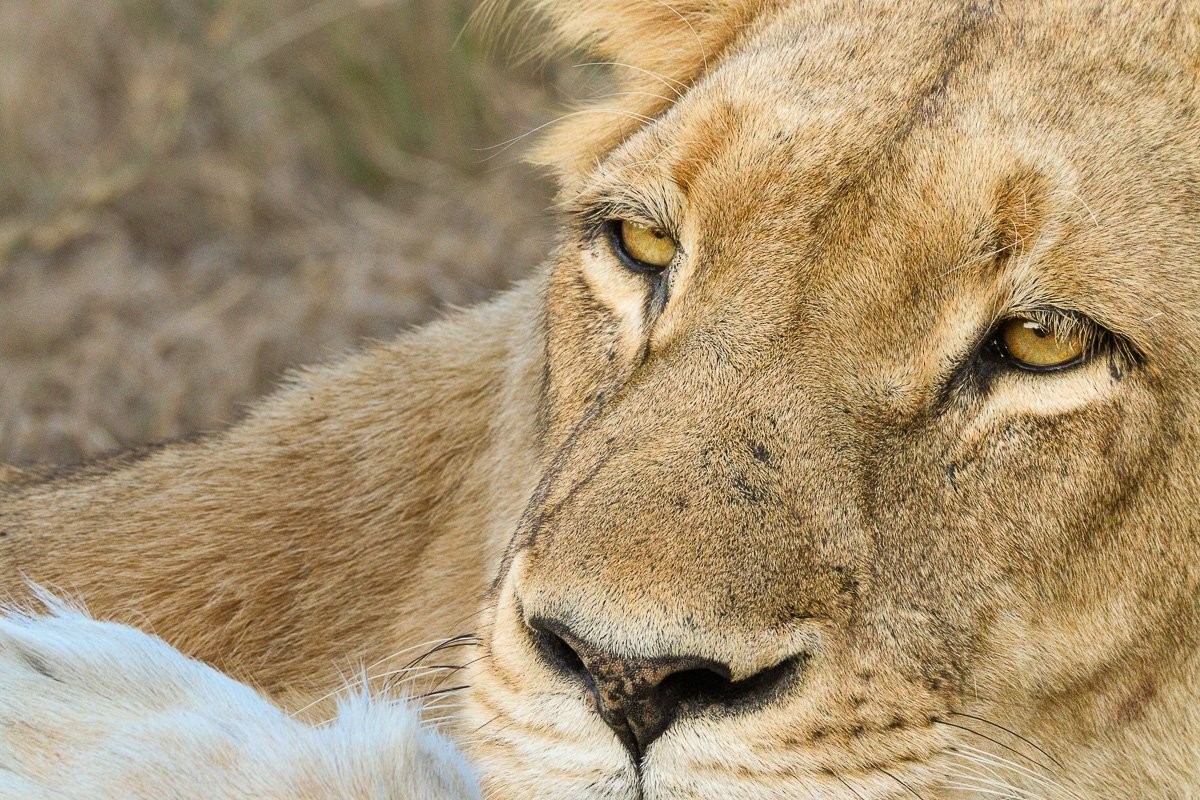
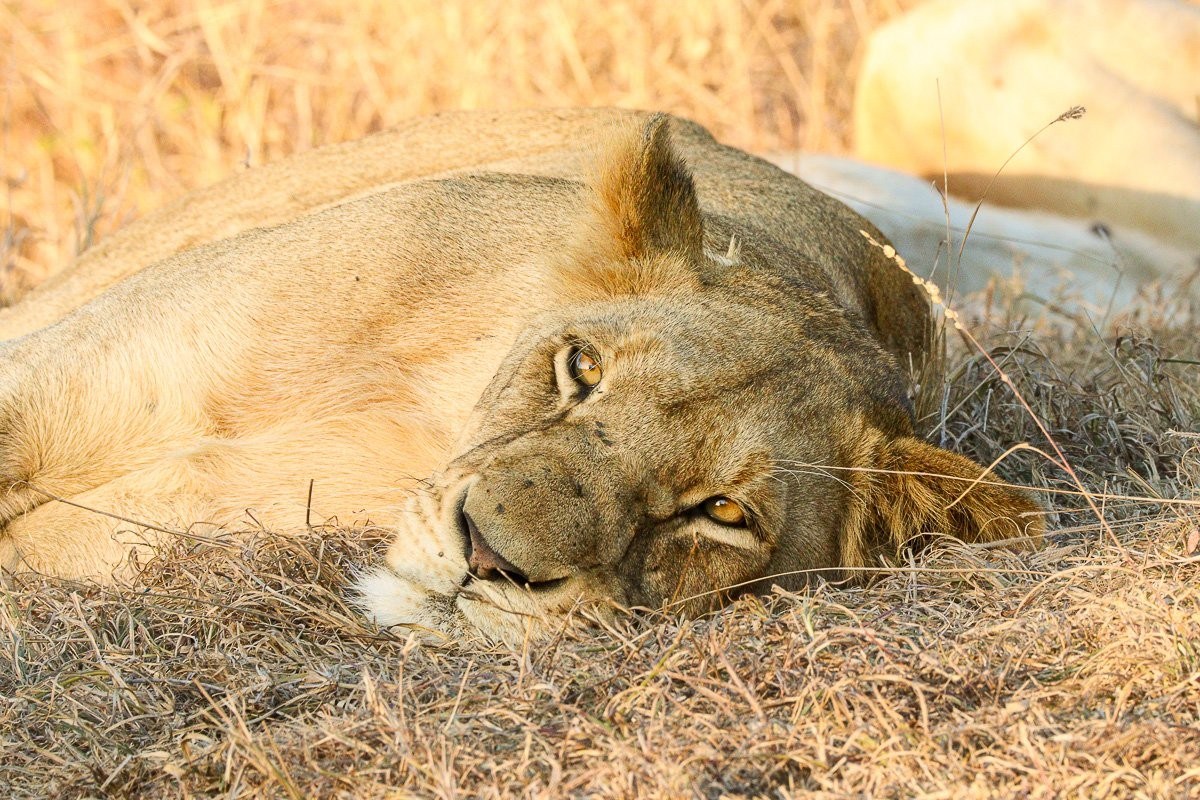
A few days later and morning safari delivered an unforgettable sighting. What began as a calm encounter quickly turned into an action-packed hunt.
We found two lionesses from the Southern Pride resting in a recently burnt section of the reserve. Almost immediately, the dominant lioness fixed her gaze on something in the distance. She repositioned herself, and the two lionesses split up, carefully setting themselves into position while we watched from a respectful distance.
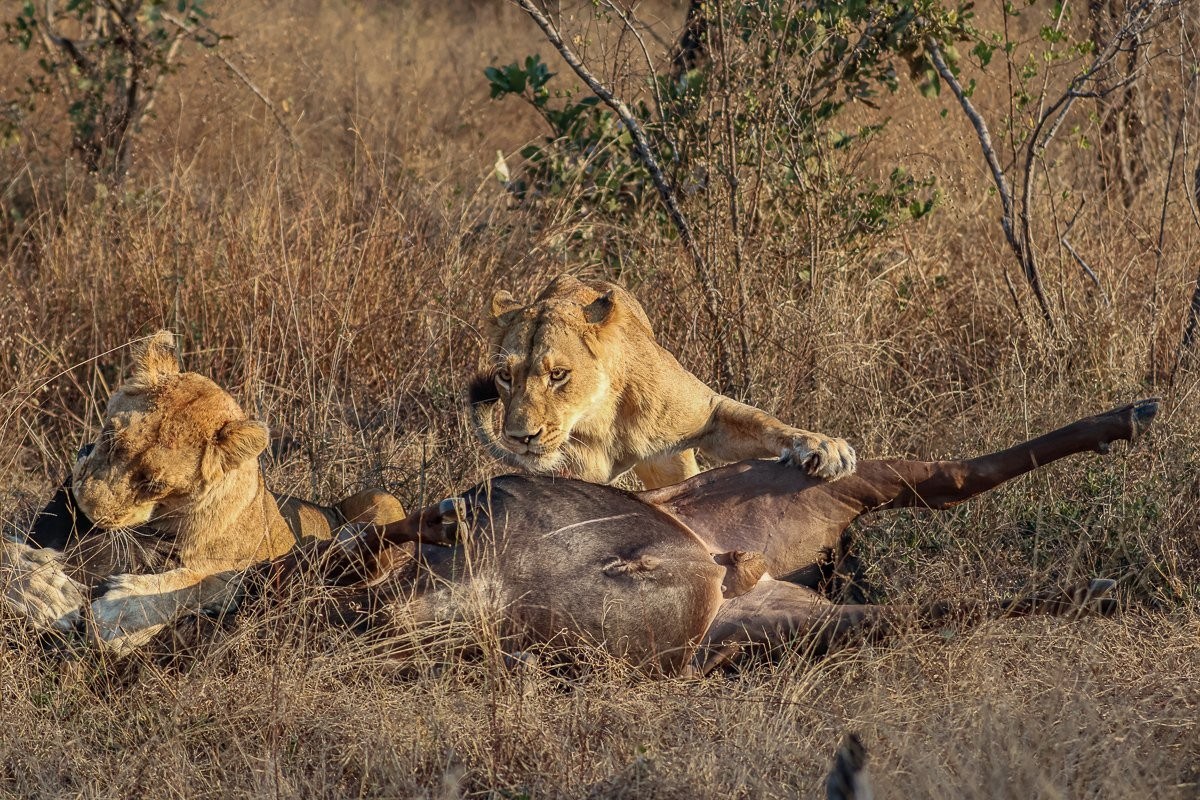
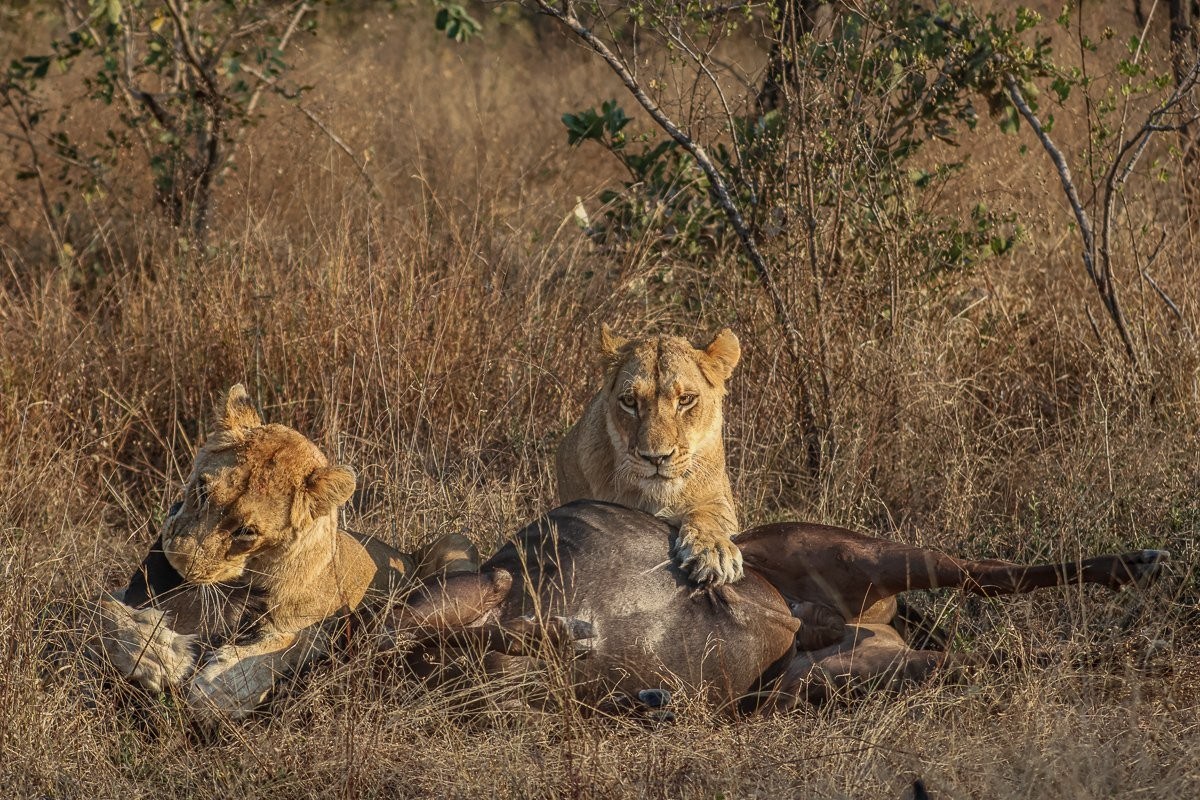
Moments later, one of the lionesses burst into a chase after a fully grown blue wildebeest bull. As the bull fled, the dominant lioness emerged ahead of it, launching herself onto the animal and bringing it crashing to the ground. She immediately clamped her jaws over the wildebeest's nose and mouth, suffocating it, while the second lioness rushed in to help hold the struggling bull down until the kill was complete.
Not long afterwards, a third lioness arrived, and all three settled down to feed on their hard-earned meal. They are likely to remain at the carcass for much of the day before returning to their den site to regurgitate food for their cubs.
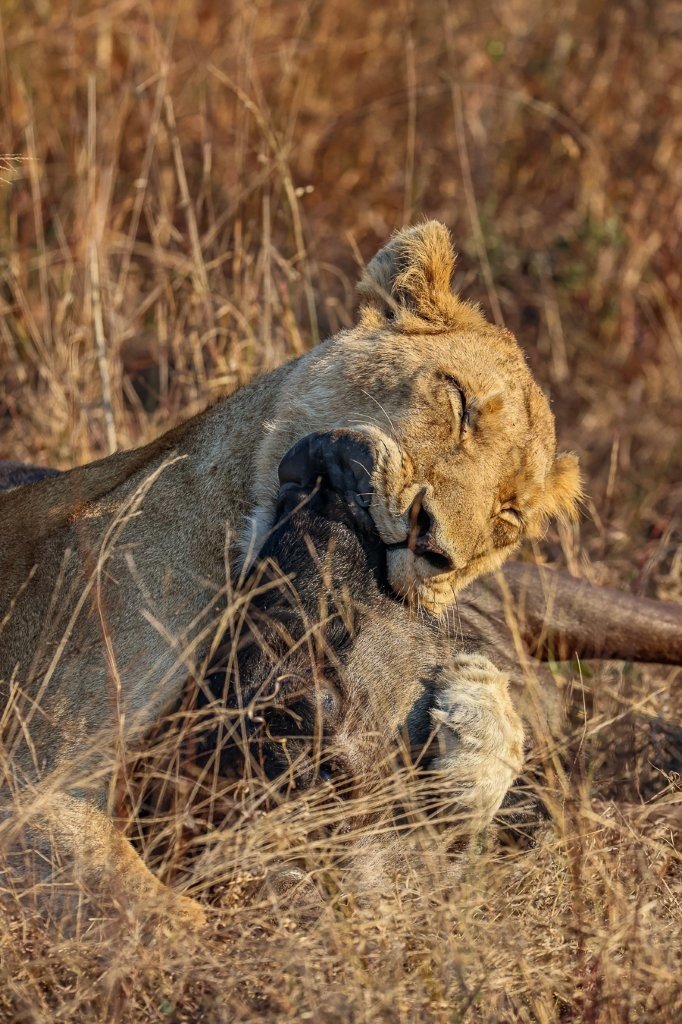
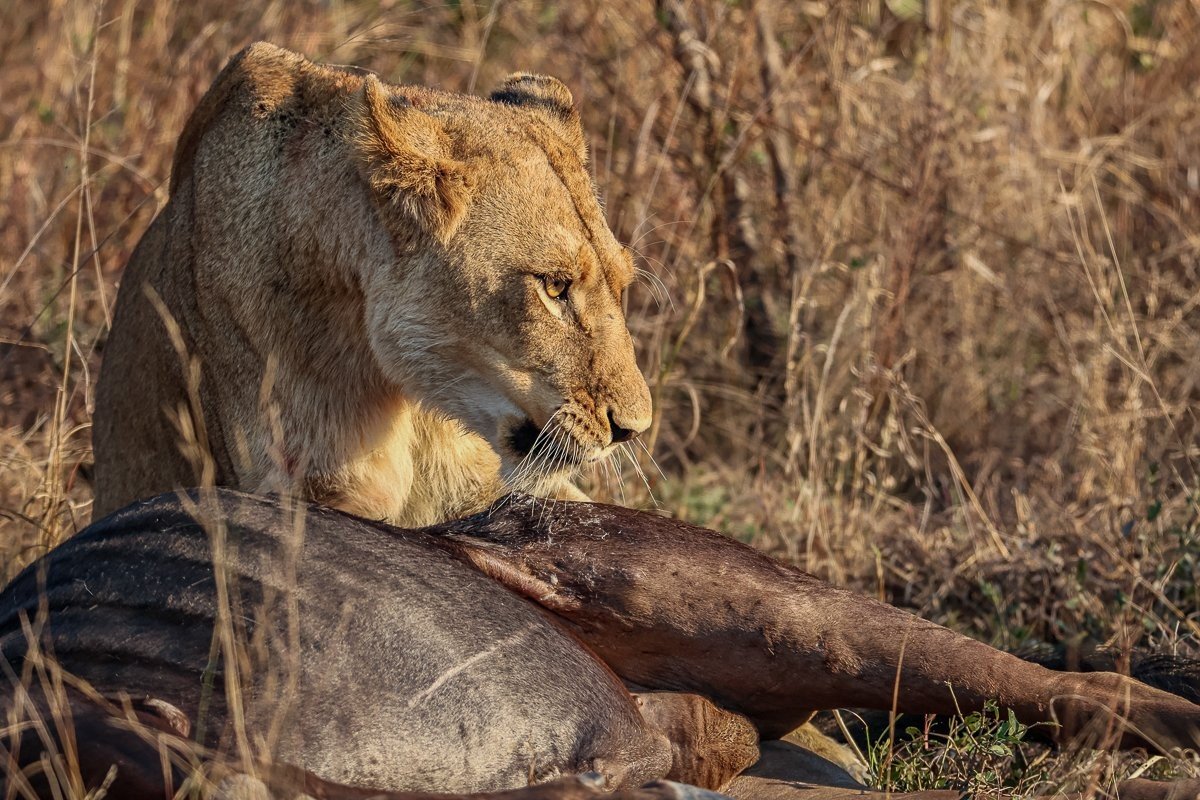
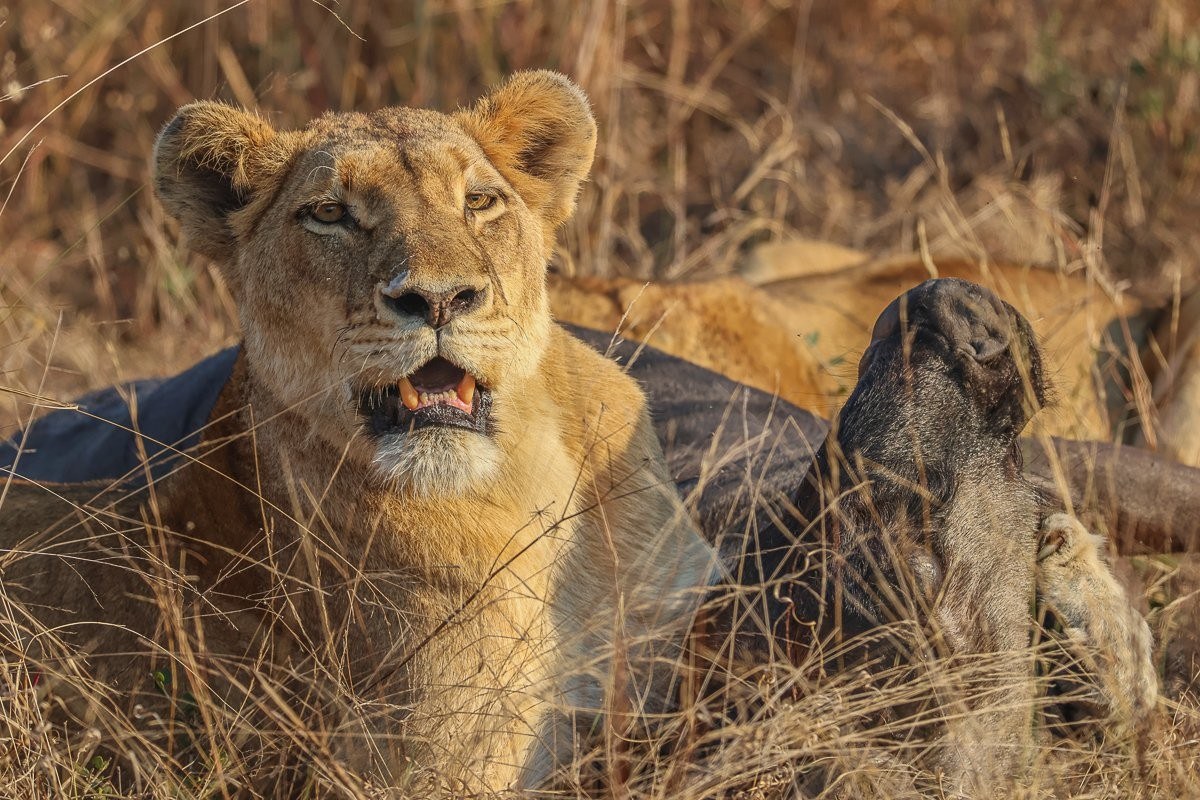
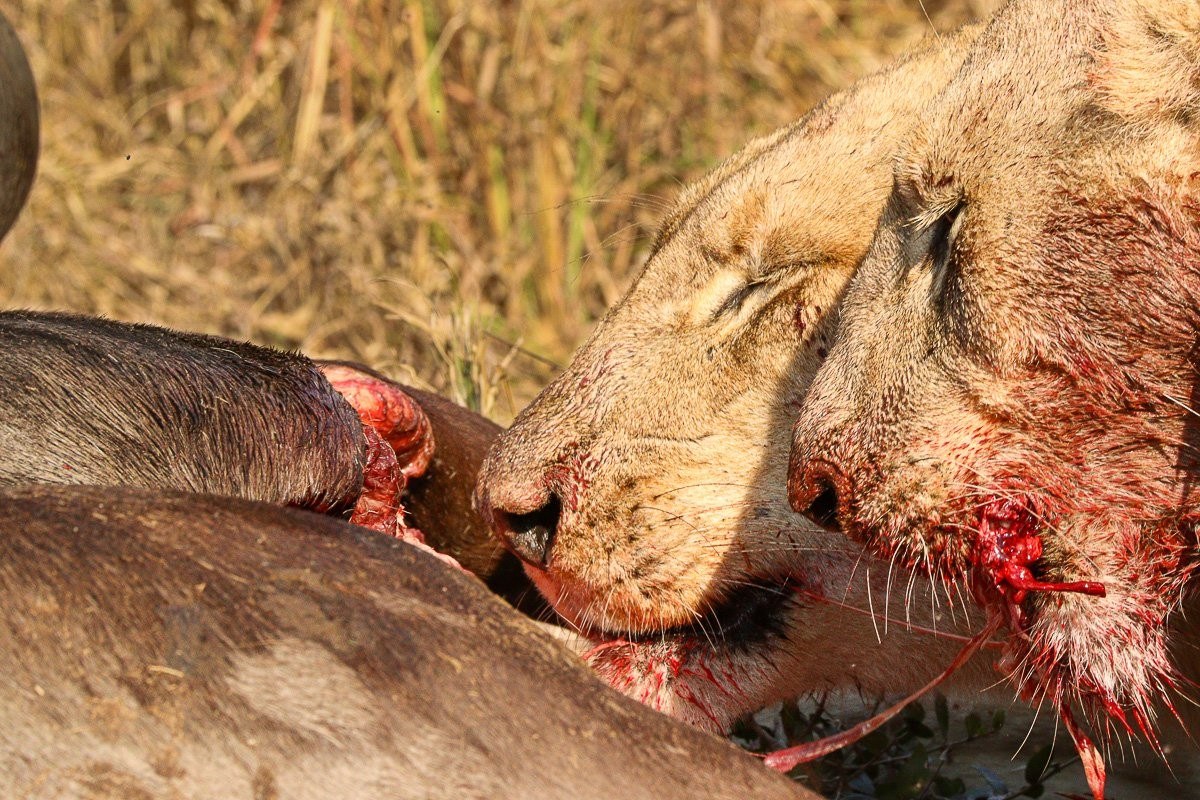
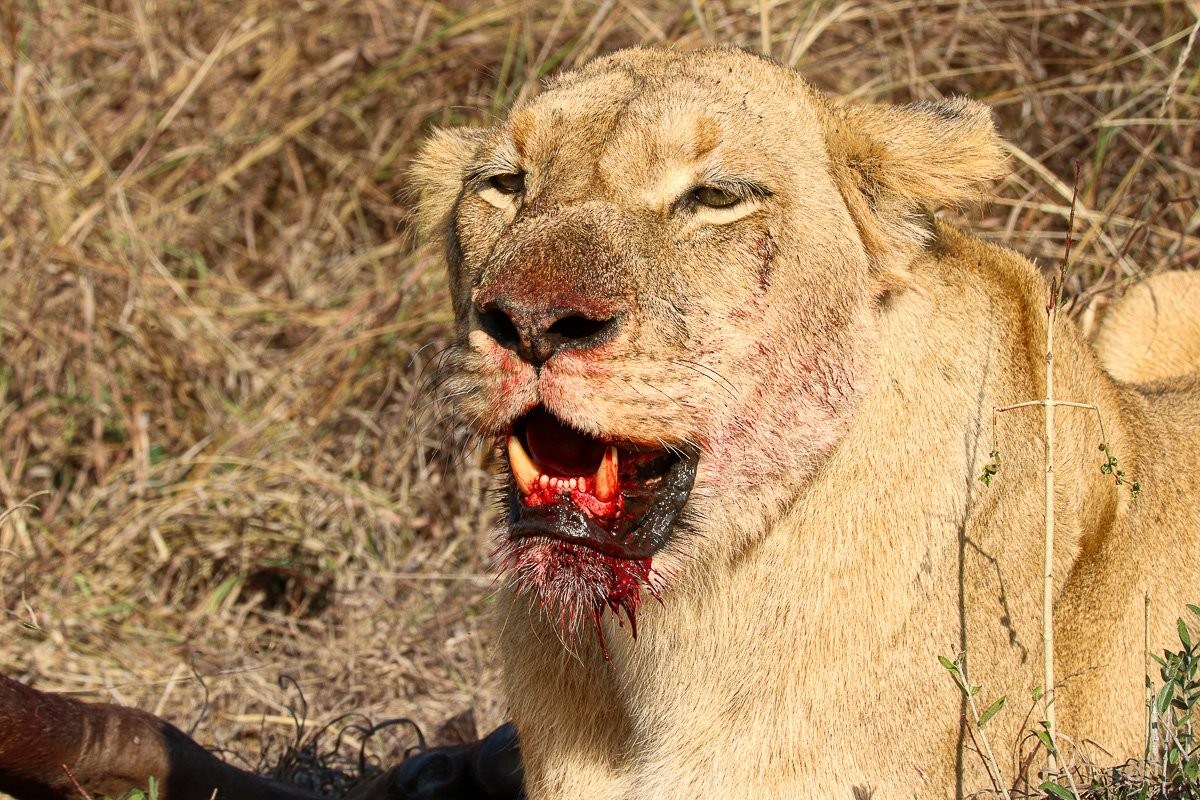
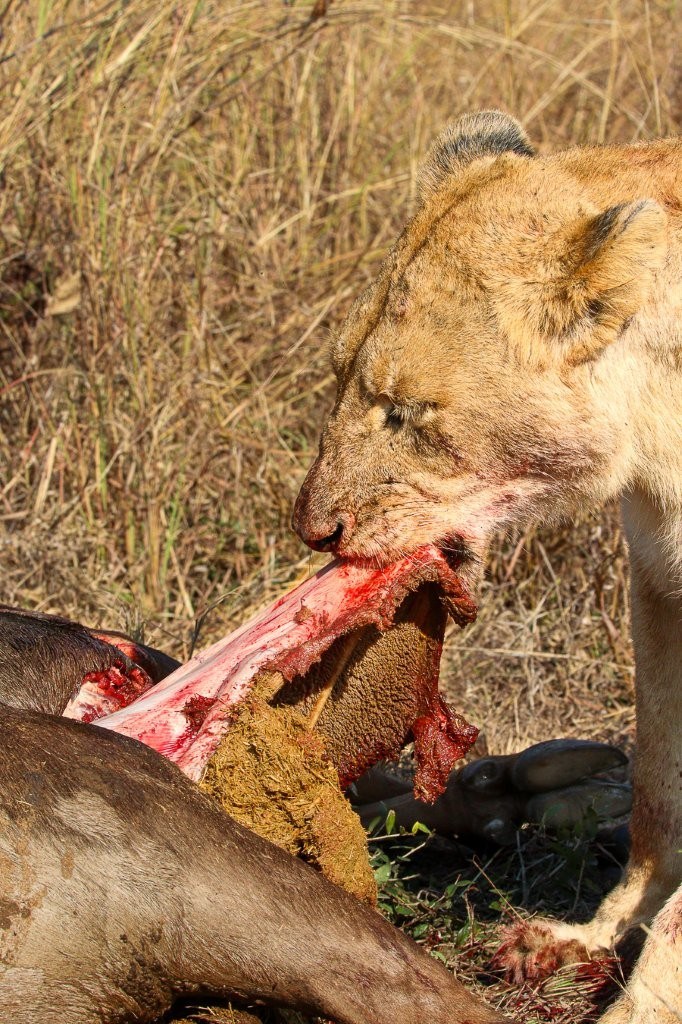
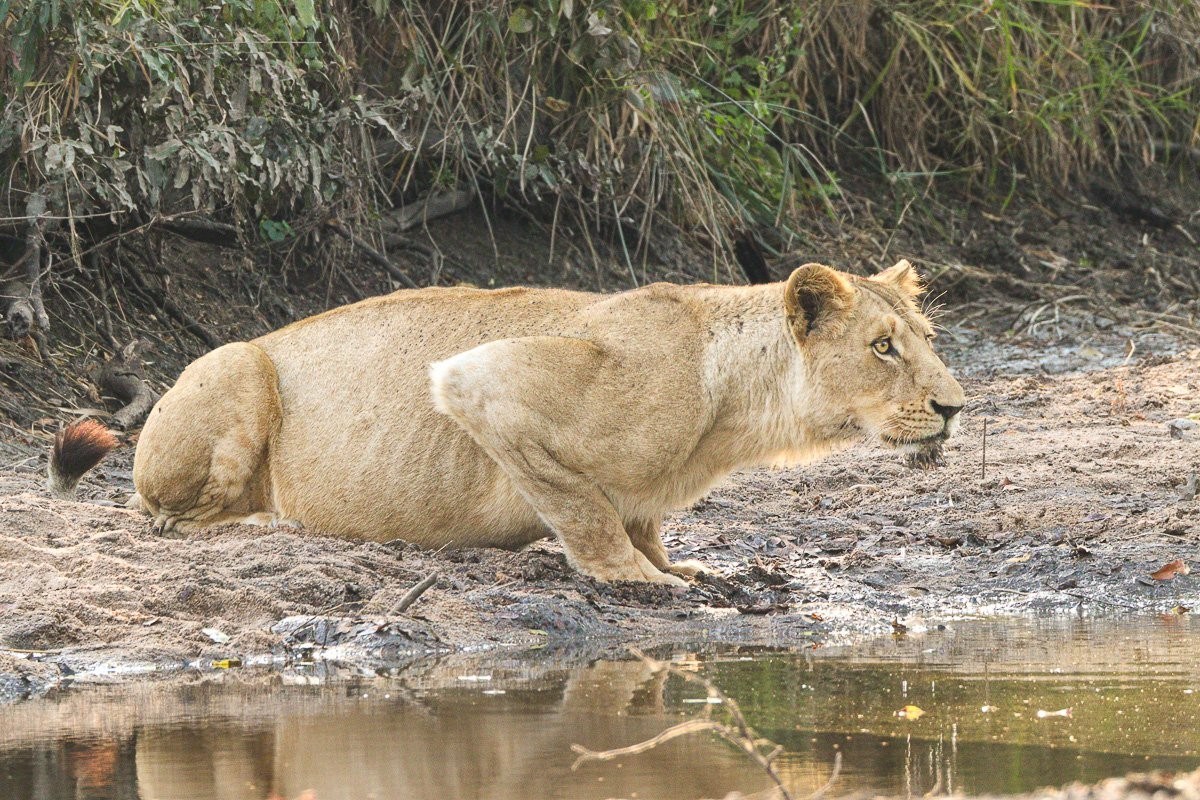
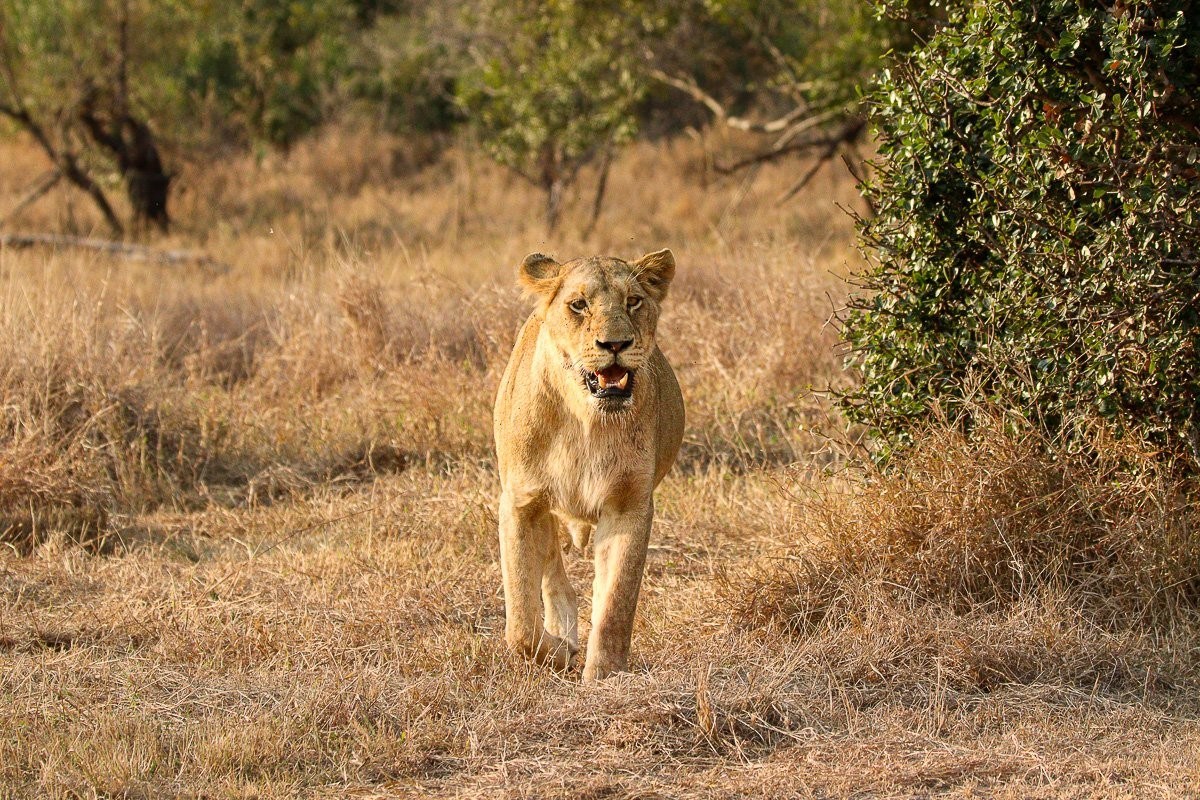
The three Southern Pride lionesses rested in the morning sun near a large waterhole, not far from where they had finished their wildebeest kill. After feeding, lions will often seek out water to help with digestion after consuming large amounts of meat. Resting in the warmth of the morning sun also allows them to conserve energy while their digestive system processes the meal, before they become active again.
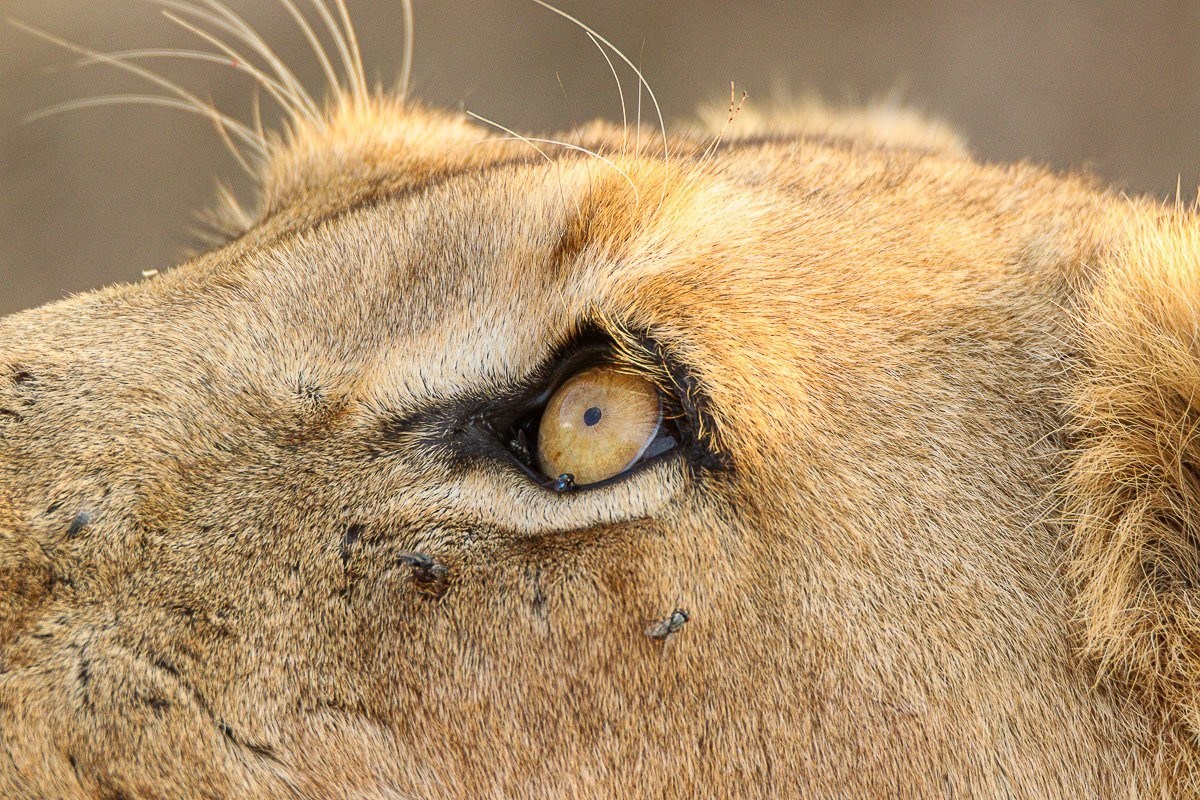
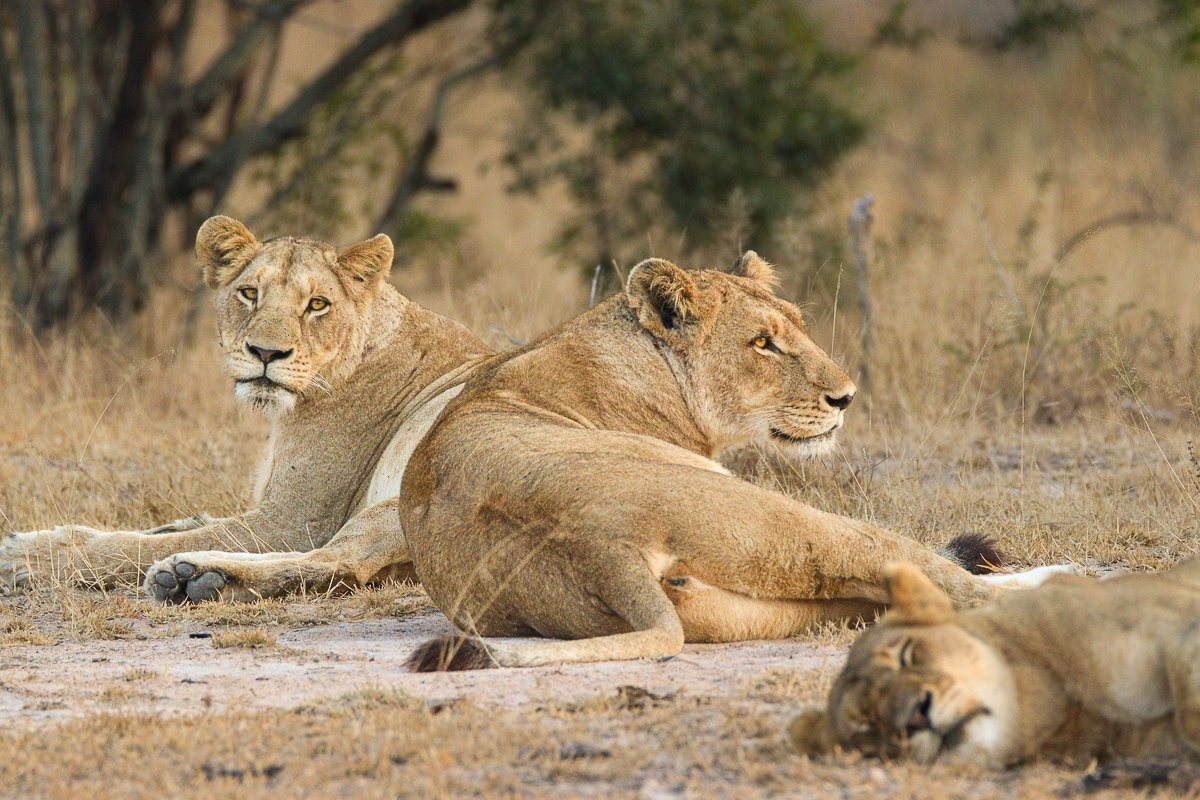
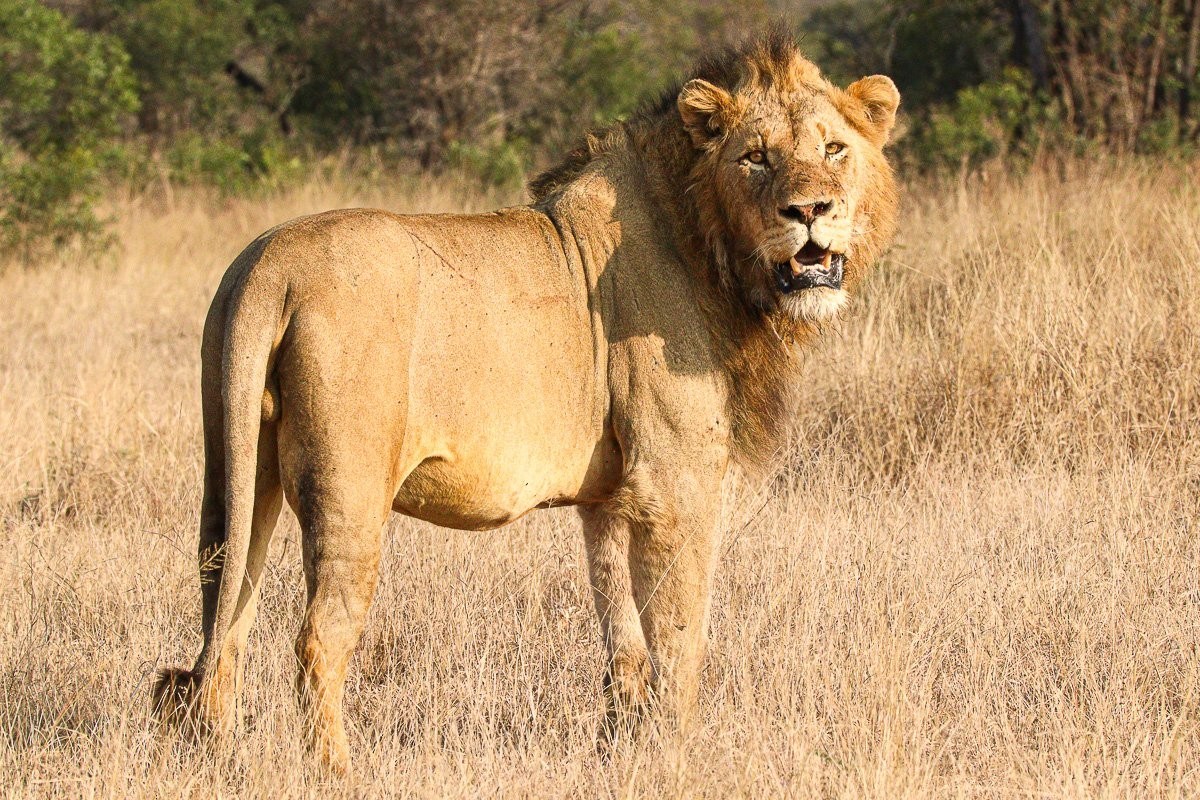
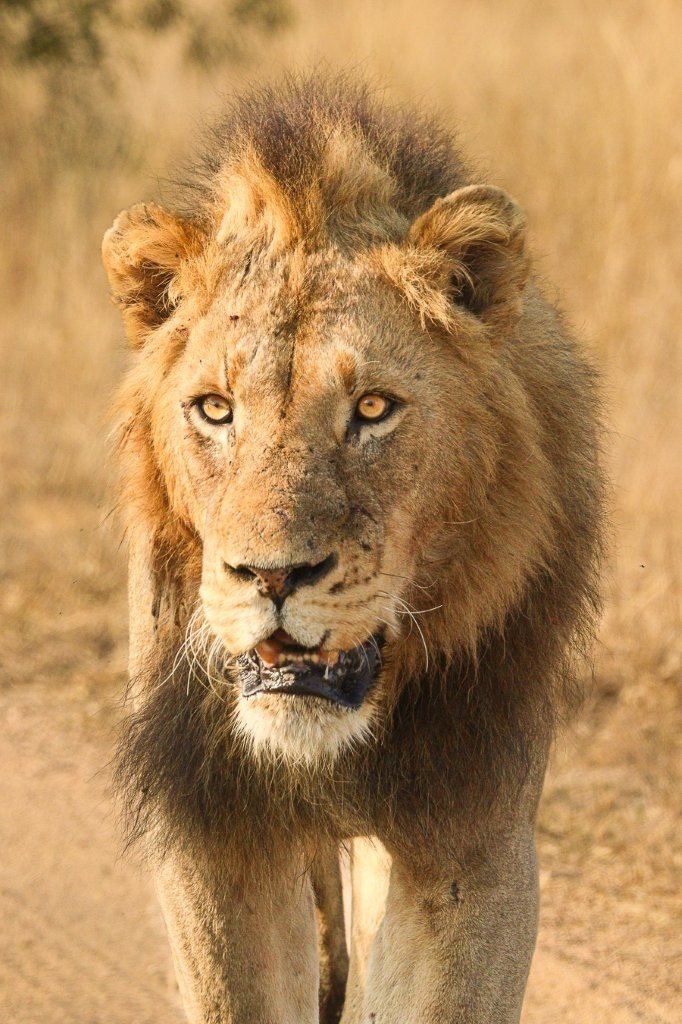
As we watched the N’waswishaka male and Msuthlu female sleep in the shade, a soft contact call came from the bushes nearby. One of his brothers was sleeping in the shade nearby, and after multiple ignored contact calls the male decided to get up and trail the scent of his two other brothers, who were seen walking with 4 of the Msuthlu females.
With the N’waswishaka males becoming stronger and more vocal through the reserve, the Msuthlu females have started spending more time with the males, mating and gaining their trust and protection, so that they can ensure the survival and safety of their young.
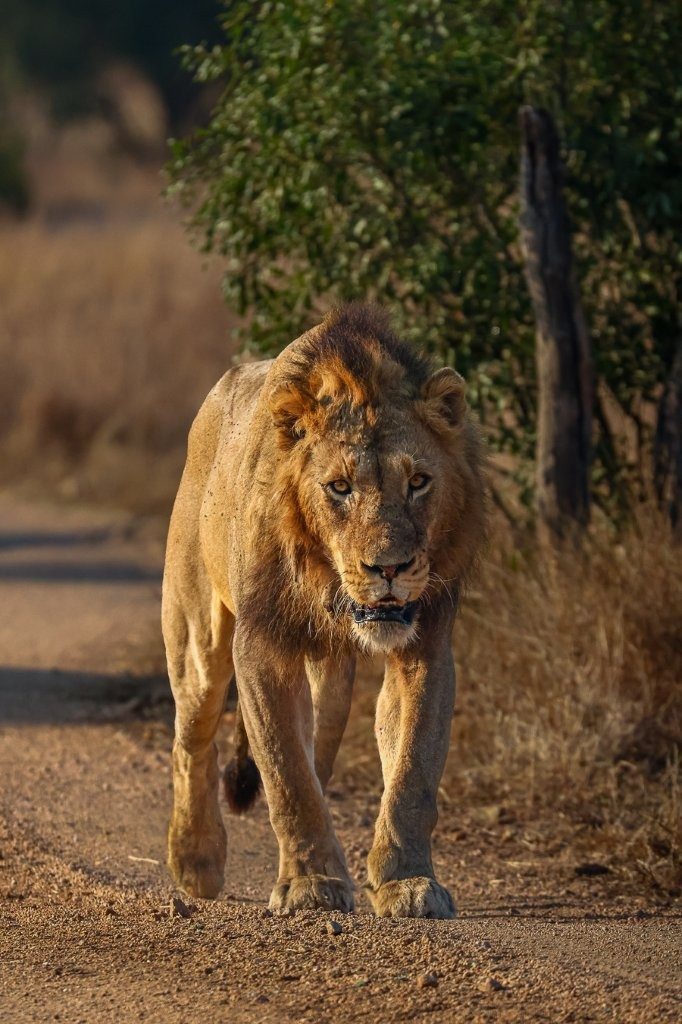
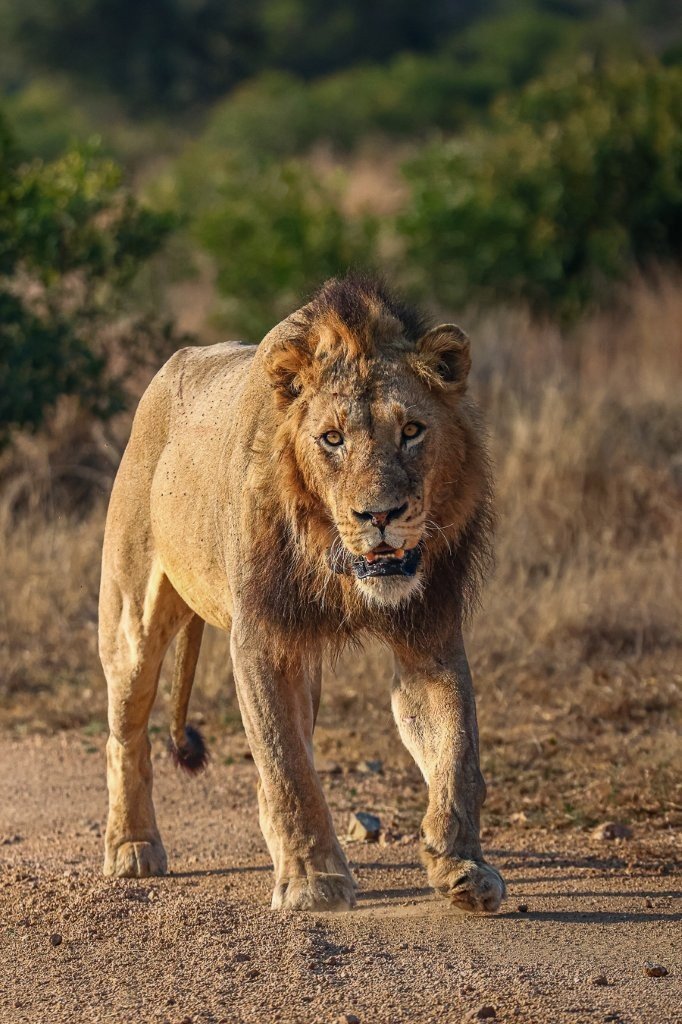
We came across Tengile's son as he called for his mother while searching for her. It wasn't long before his calls were answered, and Tengile emerged from the thick bush to reunite with him.
As they moved through the reserve, the curious cub explored a nearby drainage line, making several enthusiastic attempts to hunt spurfowl. Meanwhile, Tengile paused regularly to scent mark her territory, occasionally calling her son back to ensure he didn't wander too far from her side.
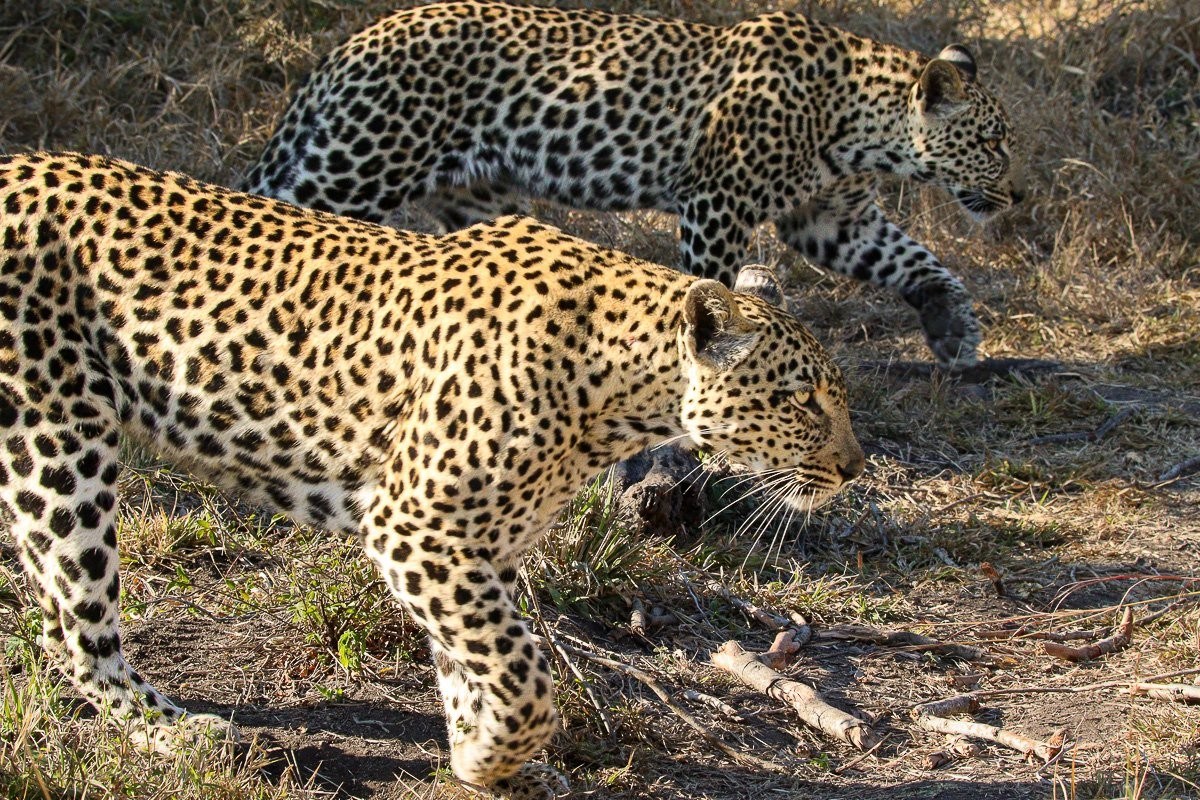
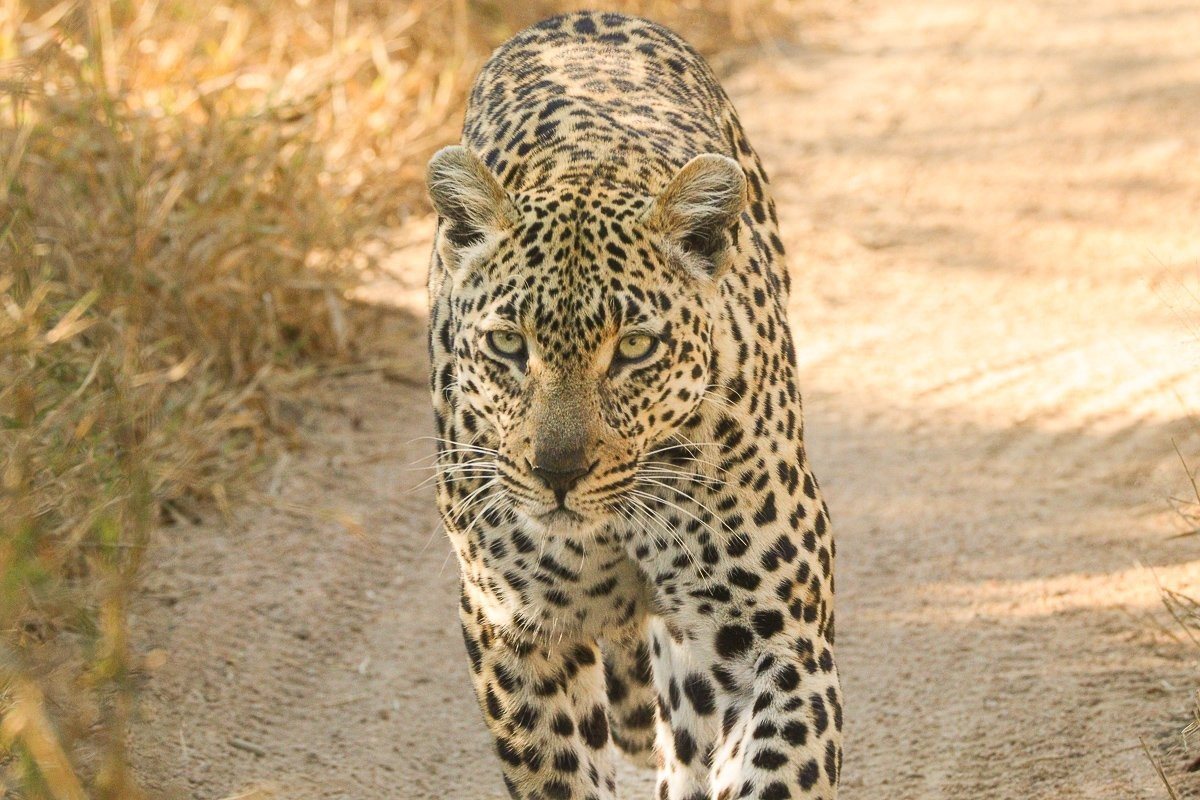
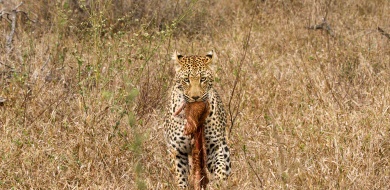
The fresh tracks of a female leopard moved through the reserve, and knowing that she will potentially still be active, we followed her tracks and found the Golonyi leopardess scent marking her territory.
Although they are nocturnal predators, the cool early morning hours are the perfect time of day for them to move through their territories during a comfortable temperature of the day, without using too much energy to regulate their body temperature, and is usually the time of day that they patrol their territory after a night of hunting, before finding a shaded place to rest during the heat of the day.
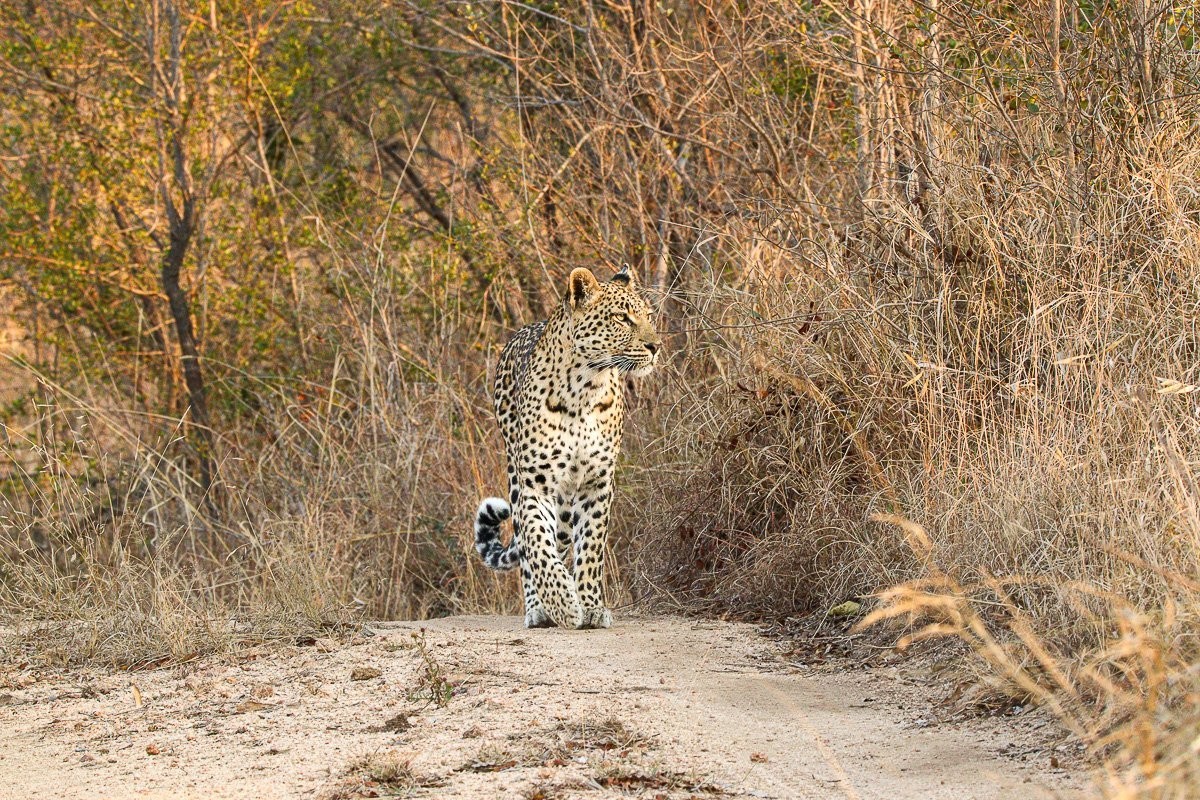
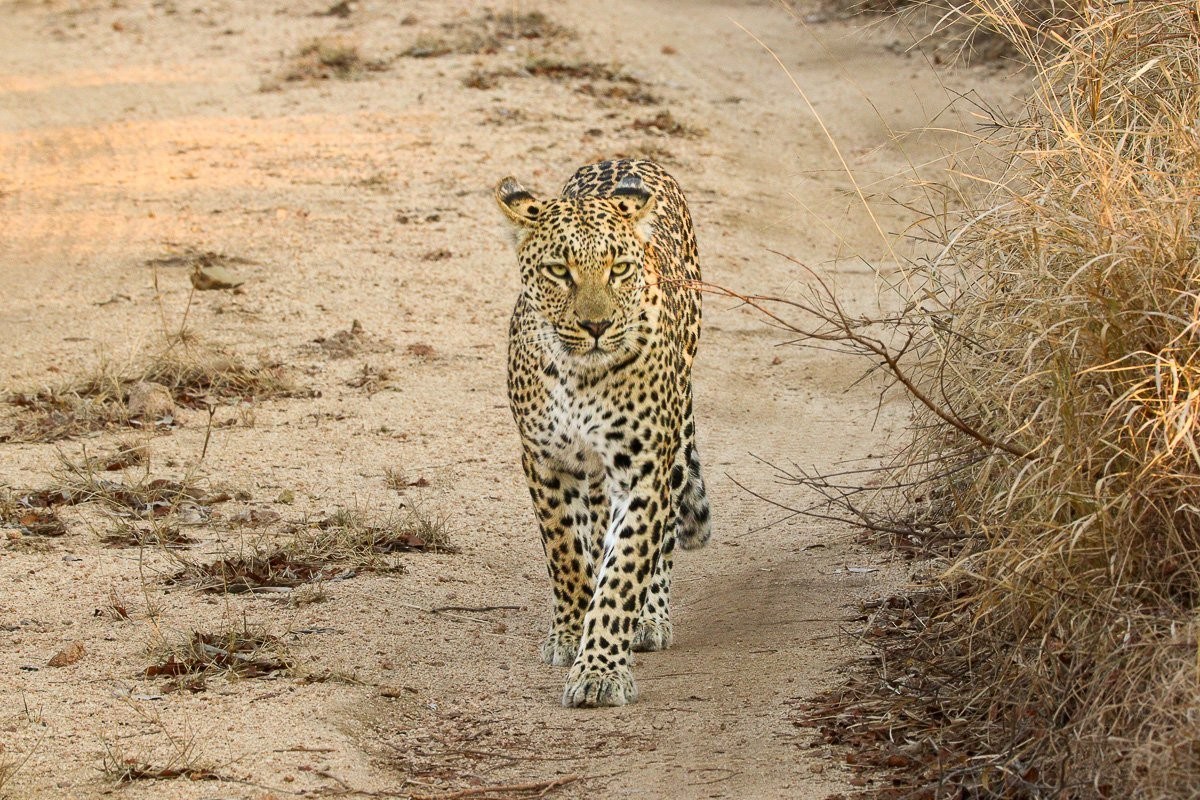
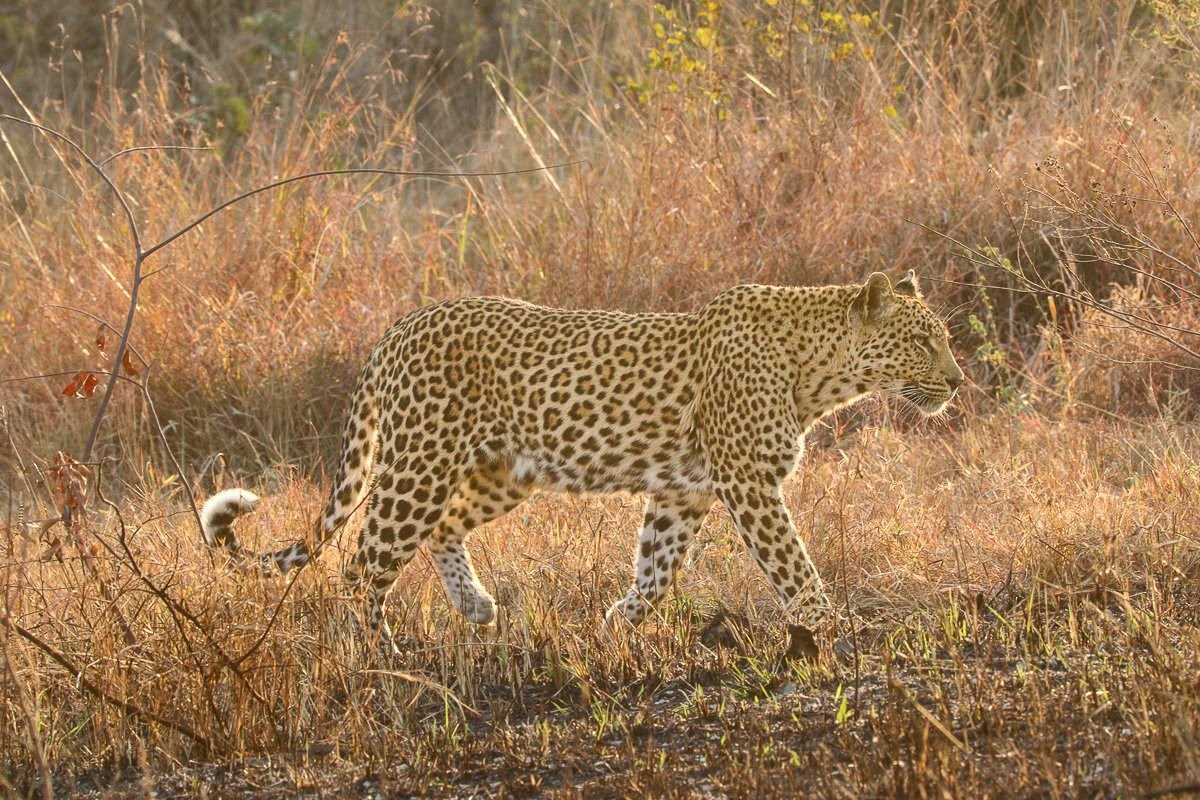
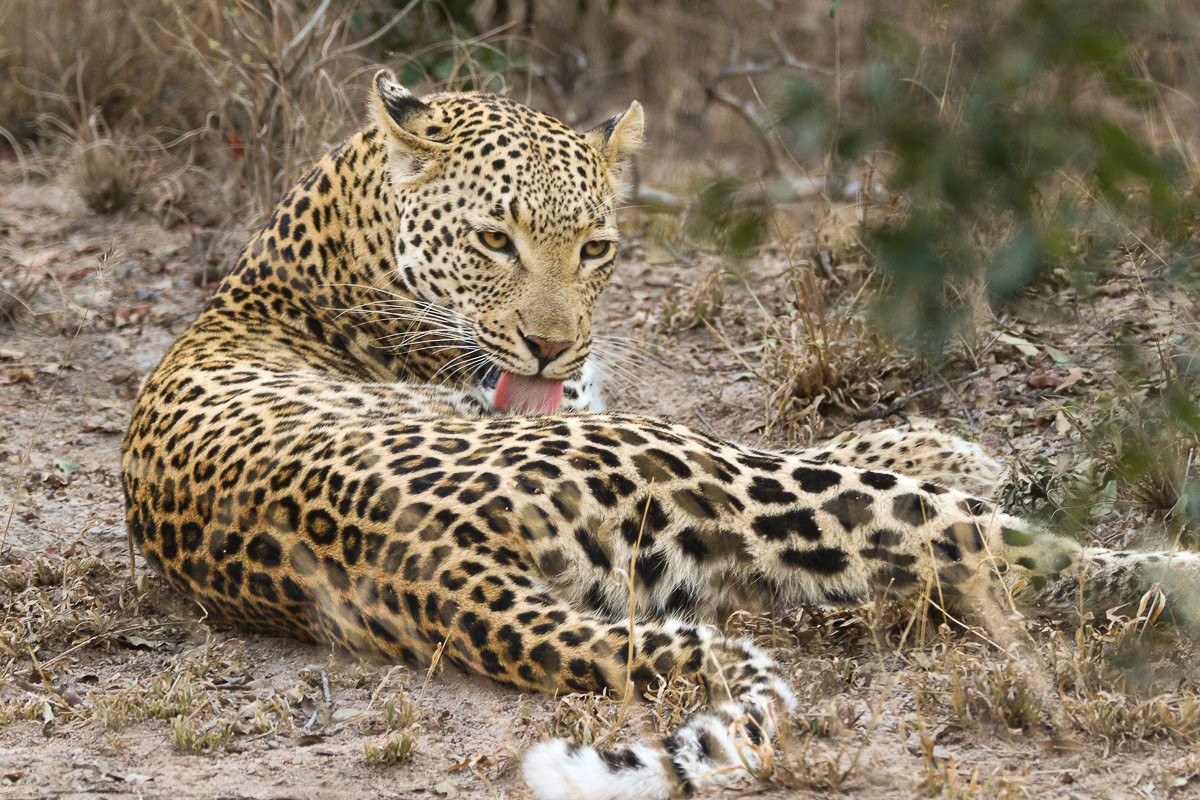
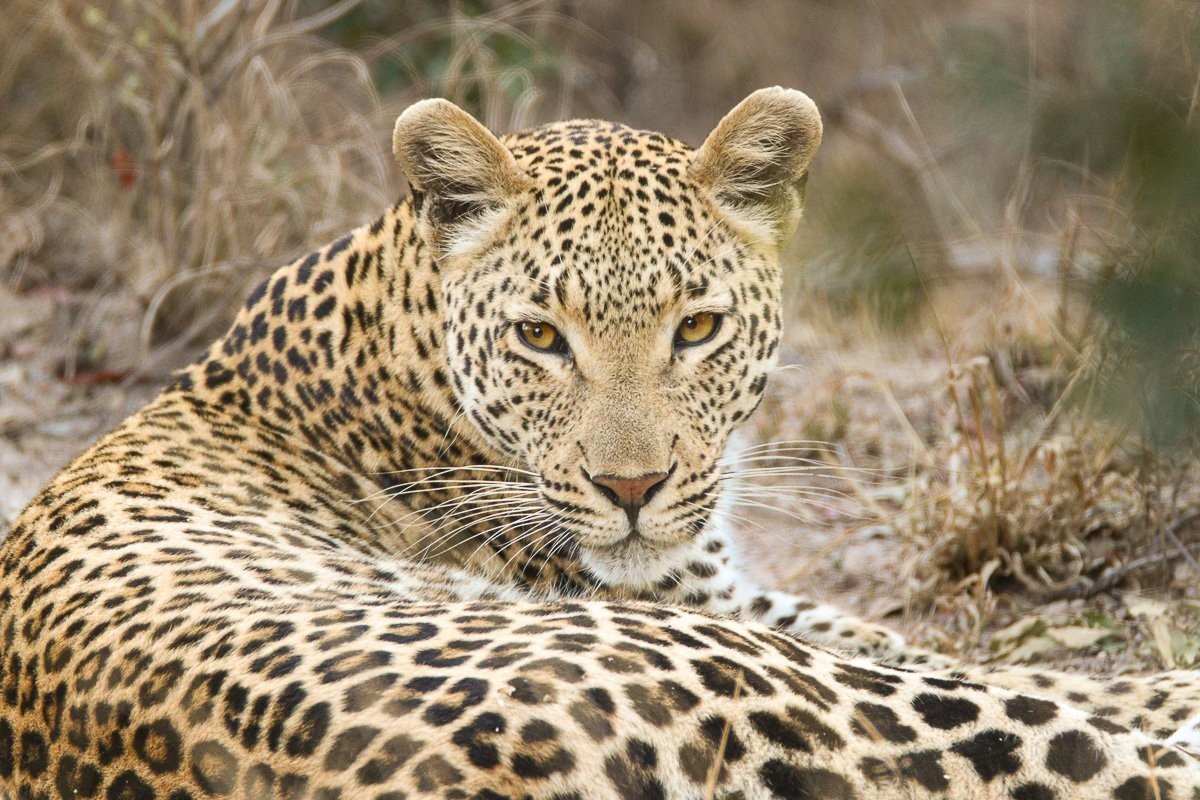
A female leopard rested in a large Tamboti thicket, watching a herd of impala grazing on the open plains ahead. As the herd moved further away, the leopardess turned to groom herself, giving us a full view of her body and an incredible sighting of the usually shy Jacana leopardess.
As the sun began to set and the afternoon cooled, she got up to scent-mark her territory, calling occasionally to announce her presence. She then disappeared into the bush, heading off to find her two cubs.
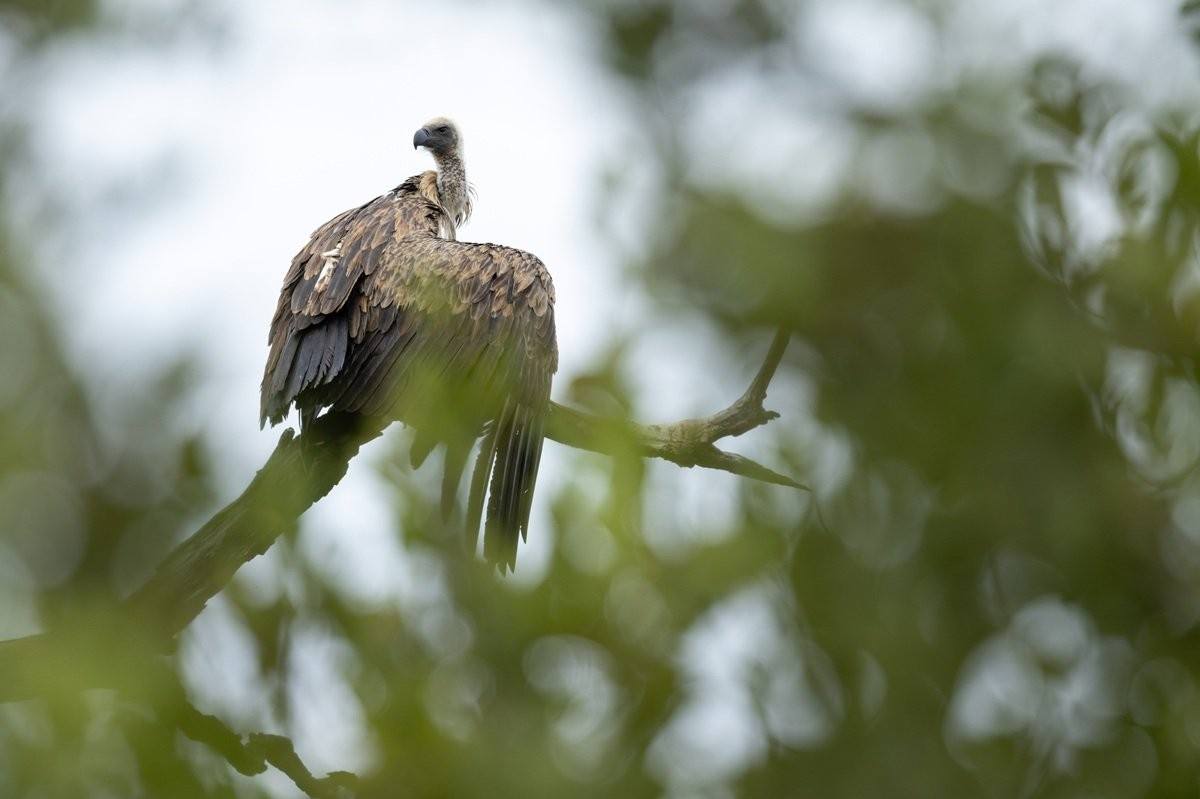
White-backed Vultures are among Africa's most common vultures and play an important role in the ecosystem by quickly removing carcasses. Their excellent eyesight allows them to spot food from high above, often gathering in large numbers at a kill. Despite their abundance in some areas, populations have declined significantly due to poisoning, collisions with power infrastructure, and habitat loss.
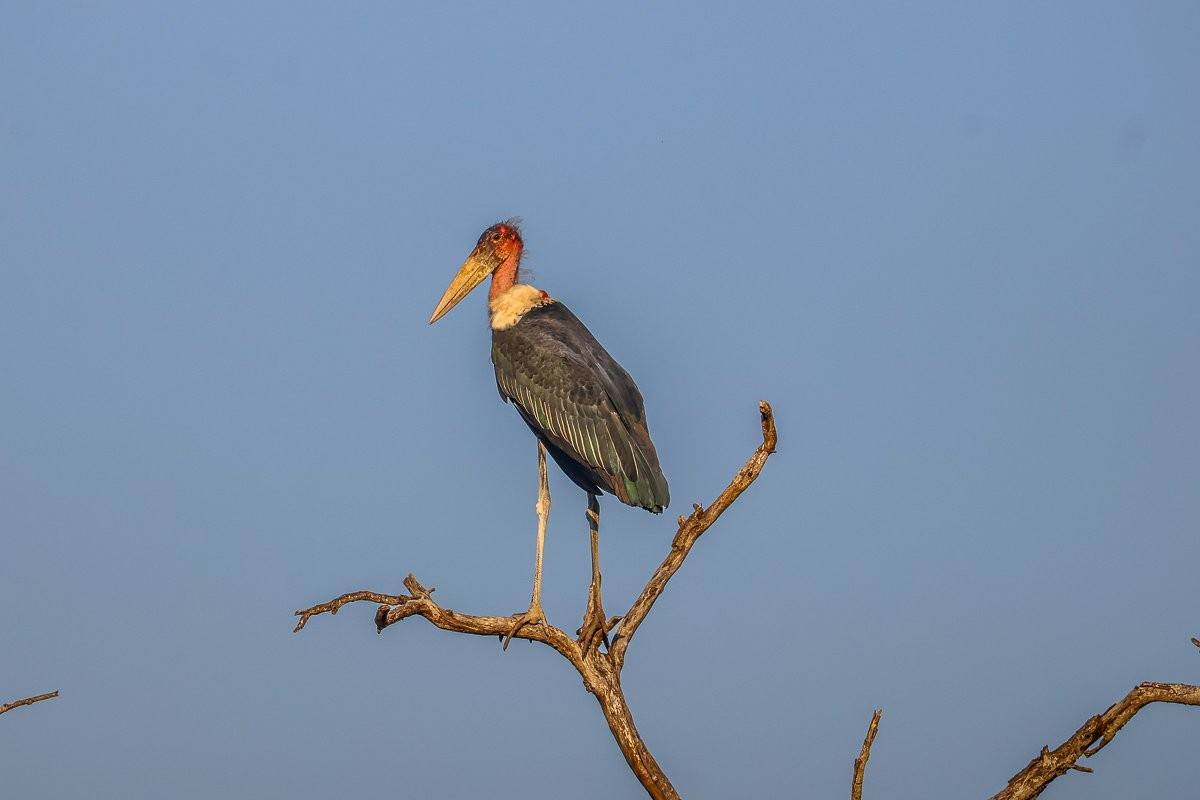
Perched high in a dead tree as the late afternoon light fades, a Marabou stork surveys the landscape with remarkable patience. Often called nature's cleanup crew, these large birds feed on carrion, helping to prevent the spread of disease by recycling dead animals. Despite their imposing appearance, Marabou storks play a vital role in maintaining healthy ecosystems across sub-Saharan Africa.
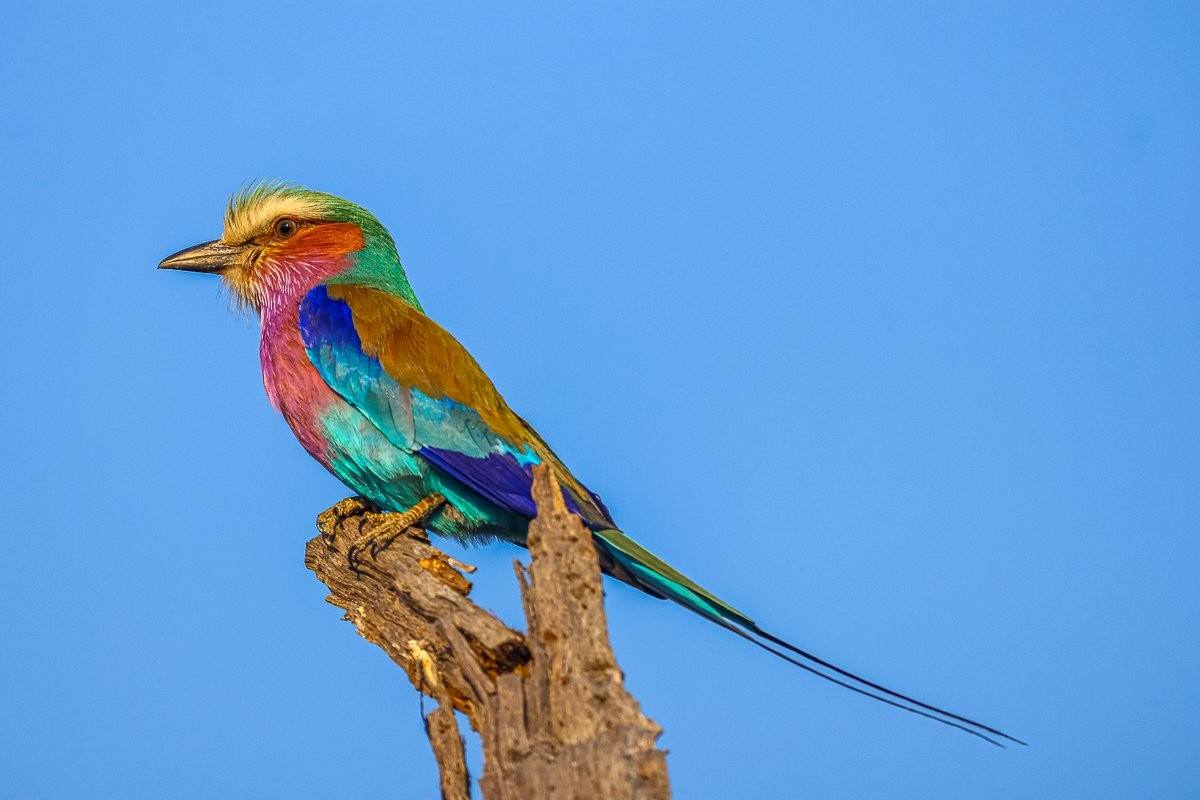
Bathed in the golden glow of the late afternoon sun, the Lilac-breasted roller reveals the dazzling blues, greens, lilacs, and turquoise that make it one of Africa's most colourful birds. These vibrant hunters often perch on exposed branches, patiently waiting for insects and small prey before swooping down with remarkable speed and precision.
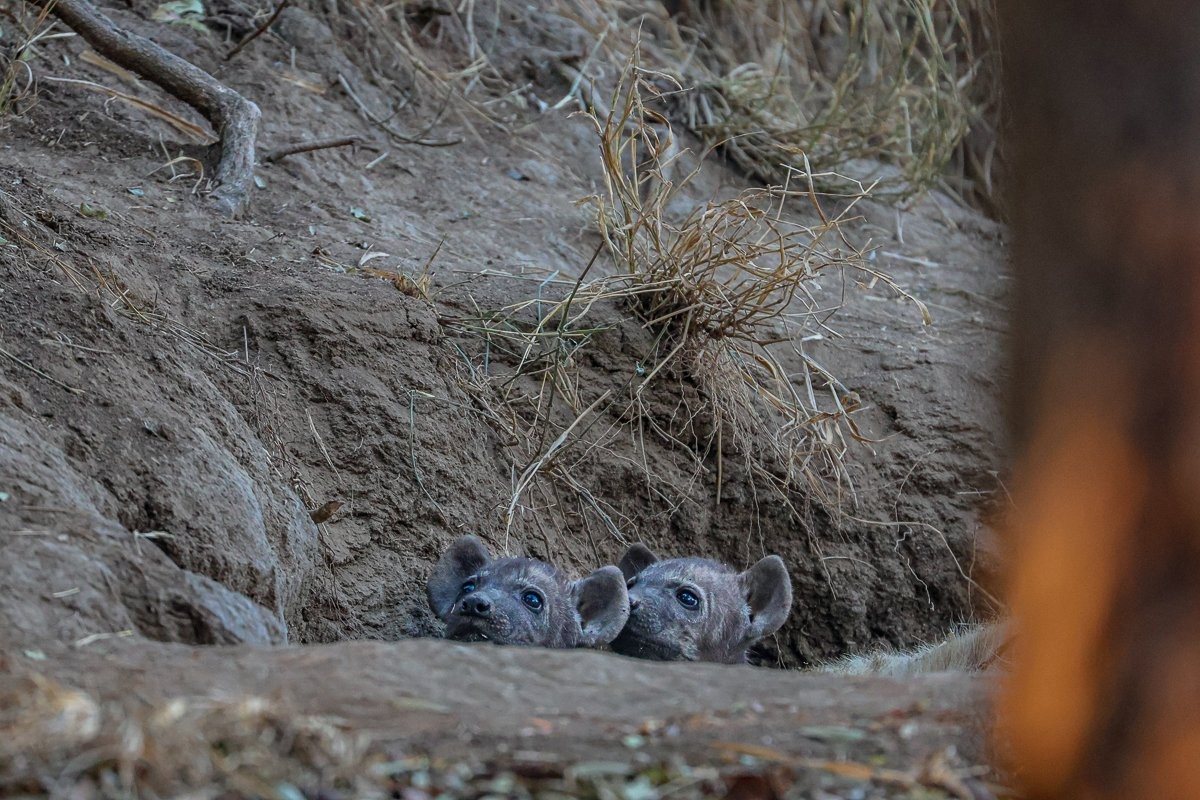
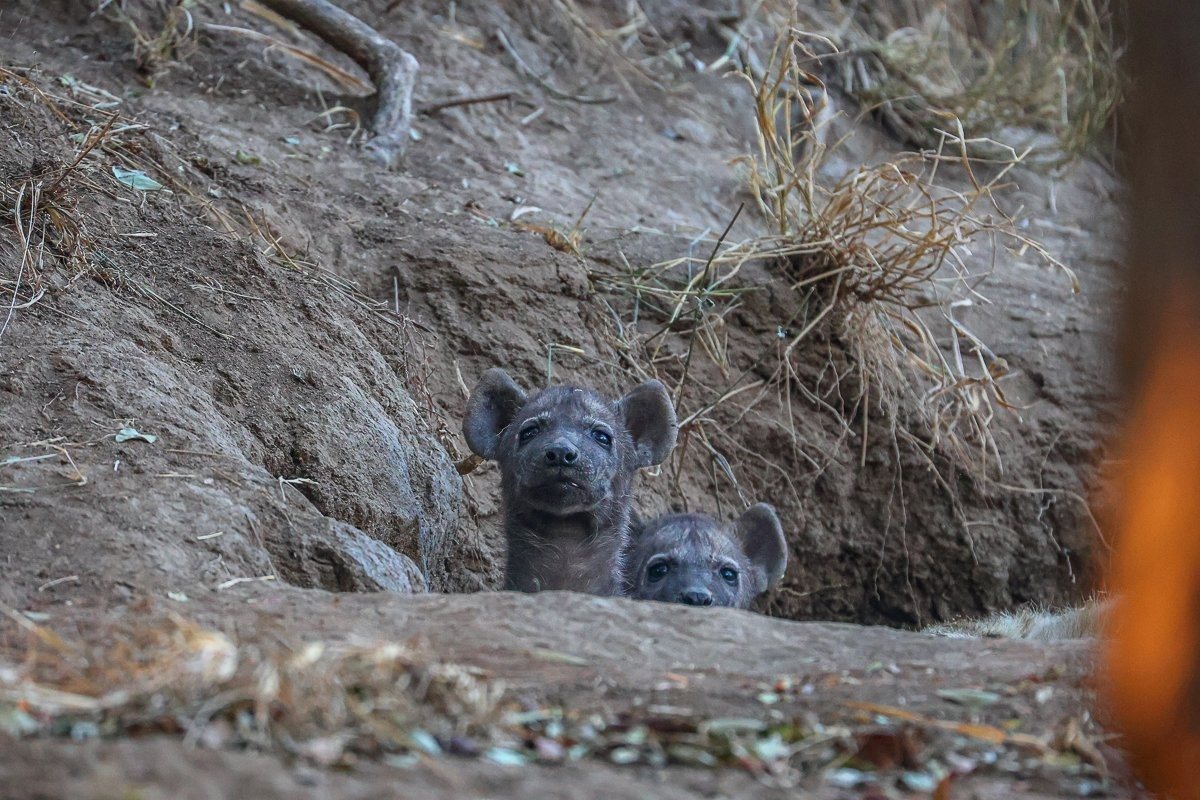
Driving past an old hyena den suddenly became far more exciting when we spotted a female lying beside the burrow they had previously used. As we watched, we were delighted to see two tiny heads cautiously peeking out, curiously observing us from the safety of the entrance.
The cubs are still very young and unsteady on their feet, so they are not yet confident enough to venture far from the den. Their curiosity, however, was enough to tempt them to take a cautious look at the strange visitors outside. At this age, they spend most of the day sheltered underground, only emerging when their mother considers it safe. During the night, while the adults head out to hunt and scavenge, the cubs remain safely hidden in the burrow.
Until next time…
Blog by Wendy Claase
Images by Benjamin Loon, Jana du Plessis and Ruan Mey