
A Week in the Bush Vol. 604
on Aug 05, 2026We have enjoyed numerous sightings of Kurhula female leopard over the past week…
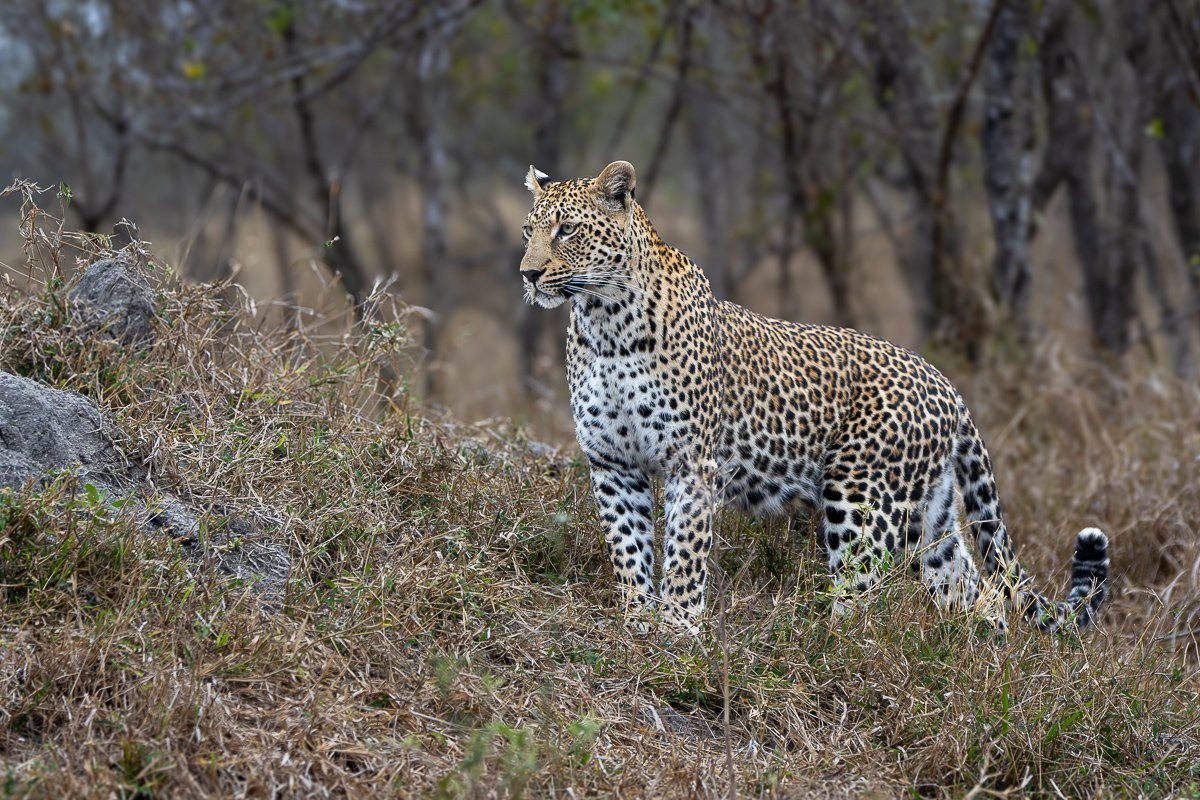
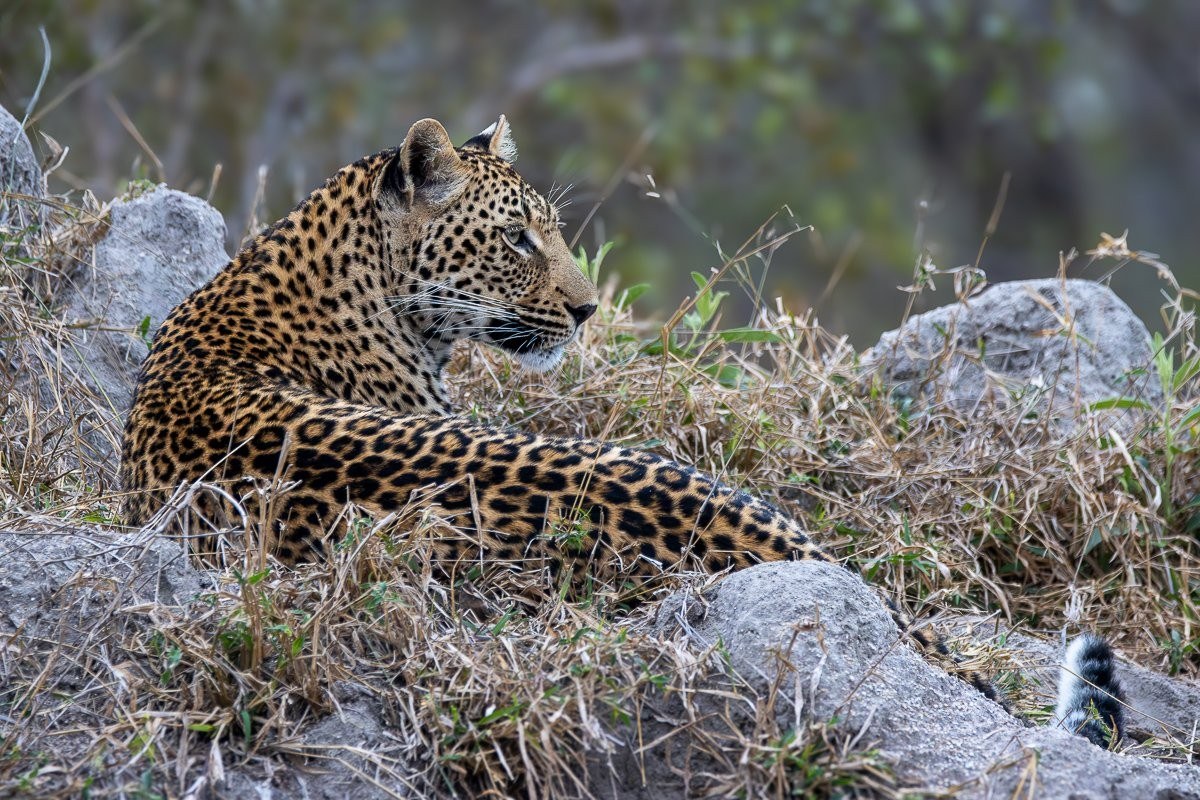
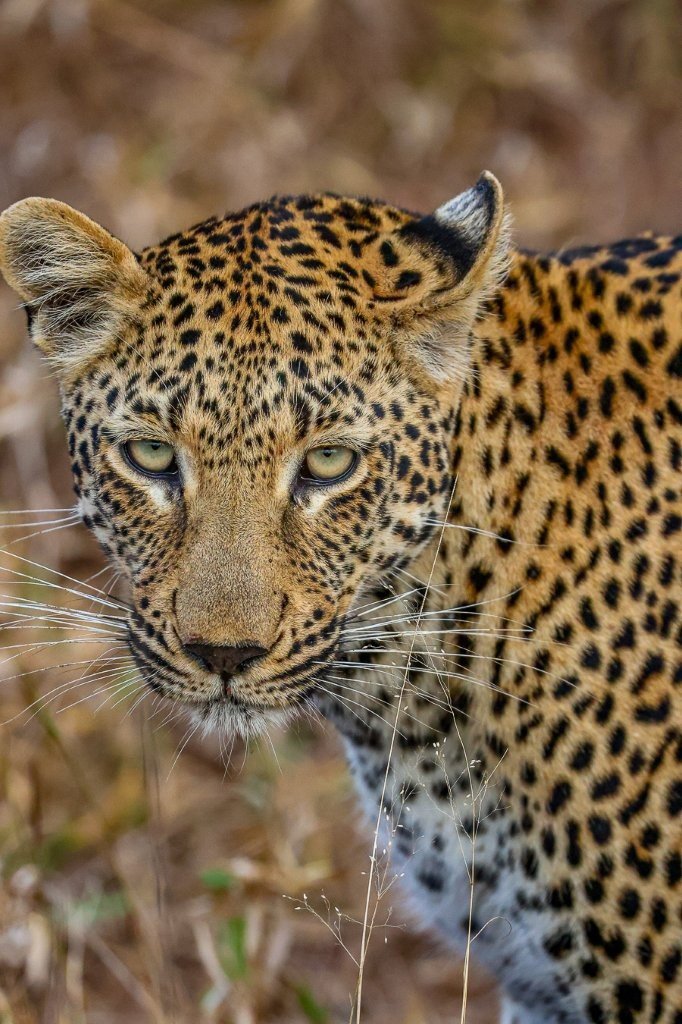
The distant alarm calls of impala caught our attention, and as we followed the sounds, we soon found the Kurhula leopardess moving through the reserve. She paused to scent-mark trees along the way and called into the crisp winter morning air, announcing her presence throughout her territory.
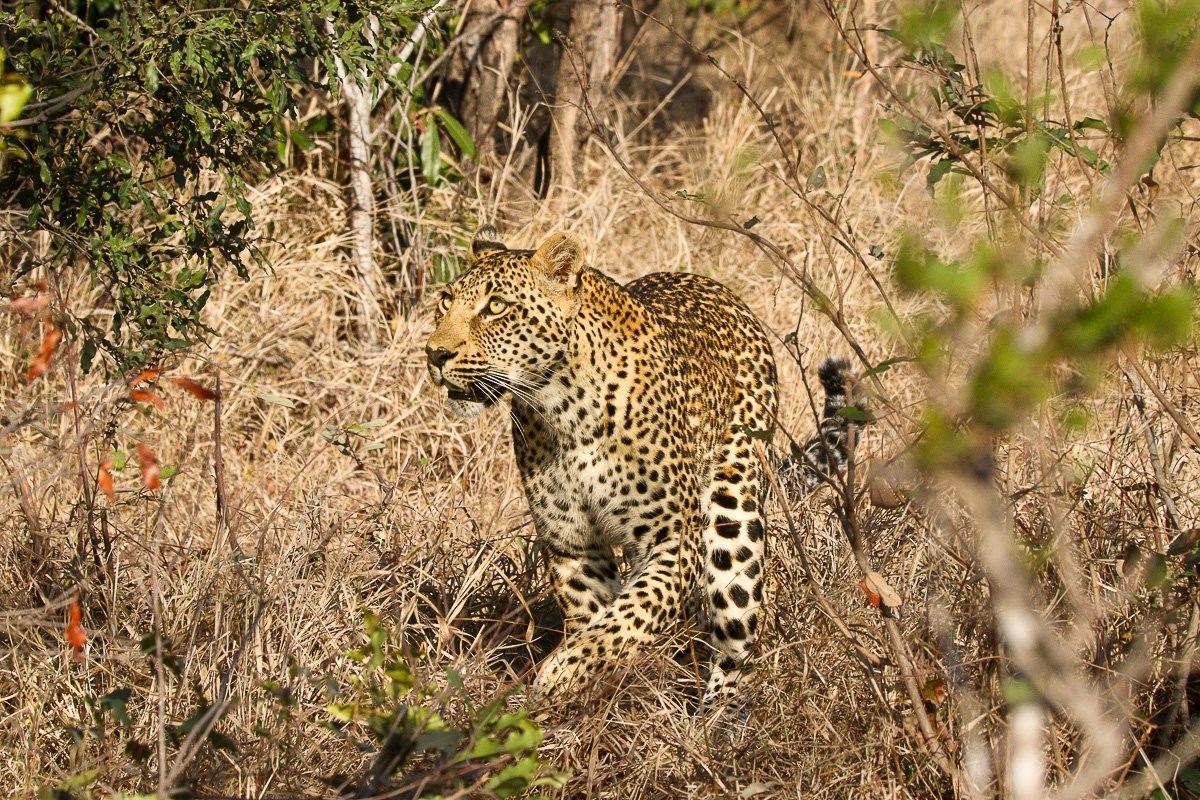
While watching three male lions resting in a small open clearing, we suddenly heard the rasping call of a female leopard. We moved in the direction of the vocalisation, only to discover that she was much closer than we had expected. While scanning the area for her next meal and after a few failed hunting attempts, the Kurhula female unexpectedly found herself almost face-to-face with the lions. Startled by the encounter, she quickly turned and rushed away. We followed her for a short while as she put as much distance as possible between herself and the lions.
Both lions and leopards are ambush predators that rely on stealth and the element of surprise to catch their prey. They move with remarkable silence, carefully placing each step to avoid making noise. Because both species are so quiet when travelling, unexpected encounters like this can occasionally happen, even between two of Africa's most formidable predators.
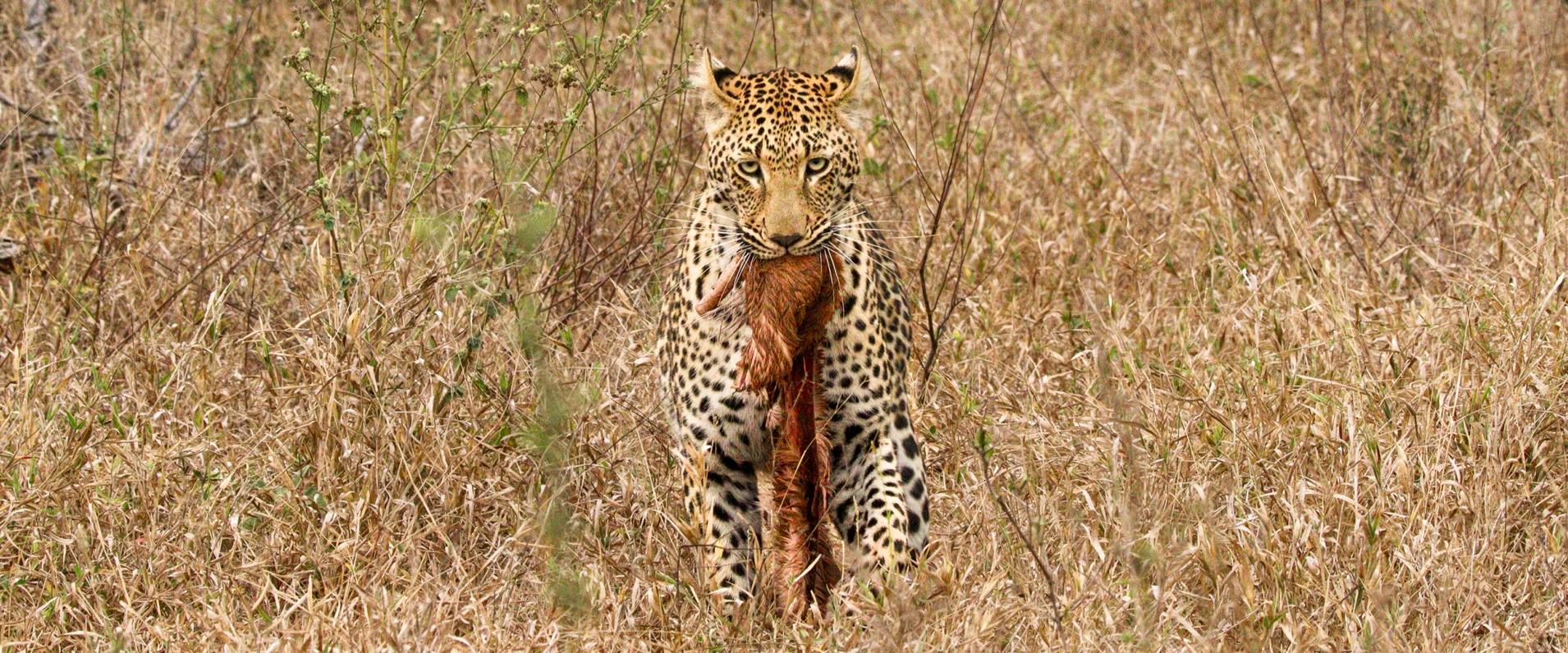
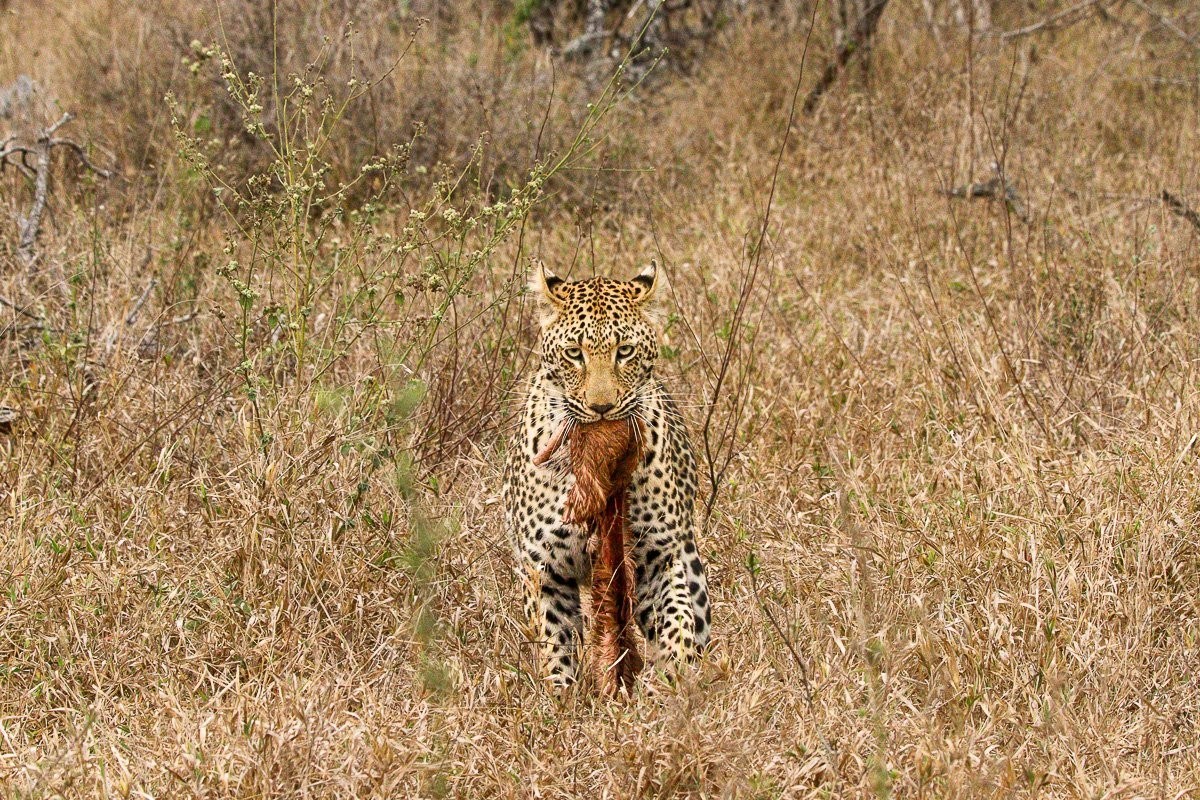
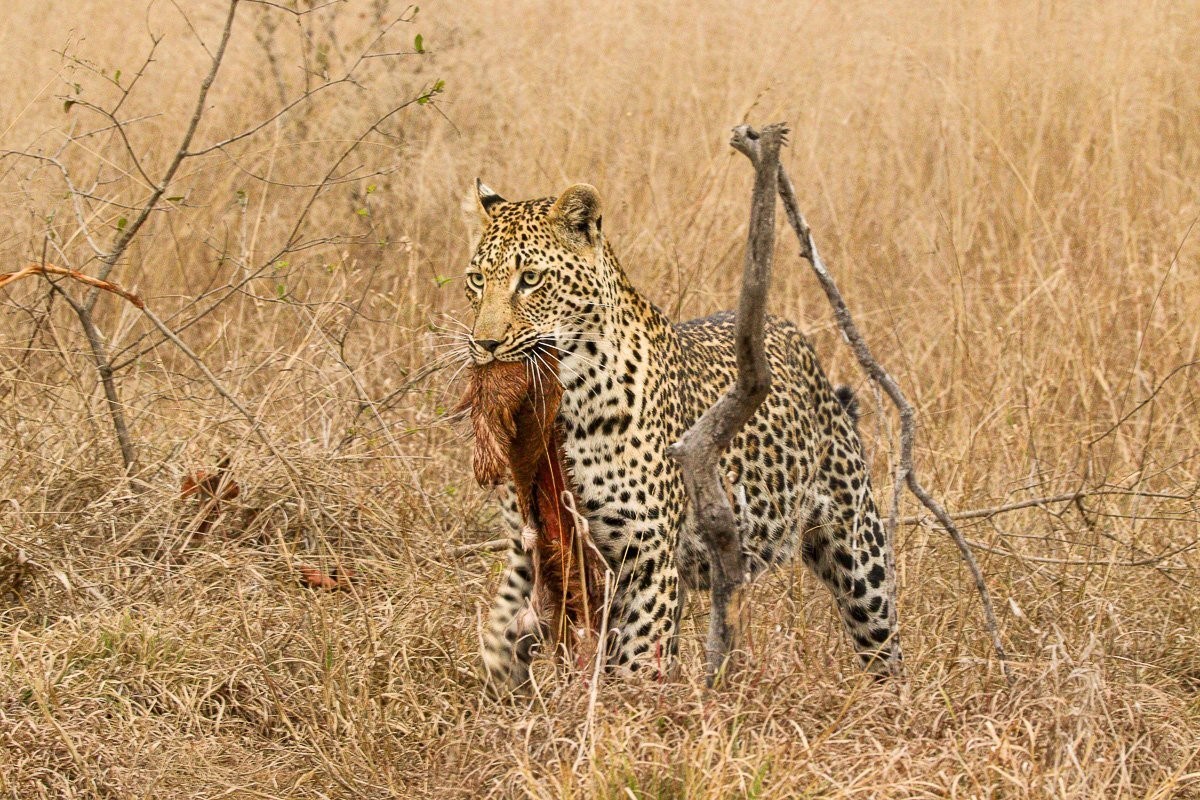
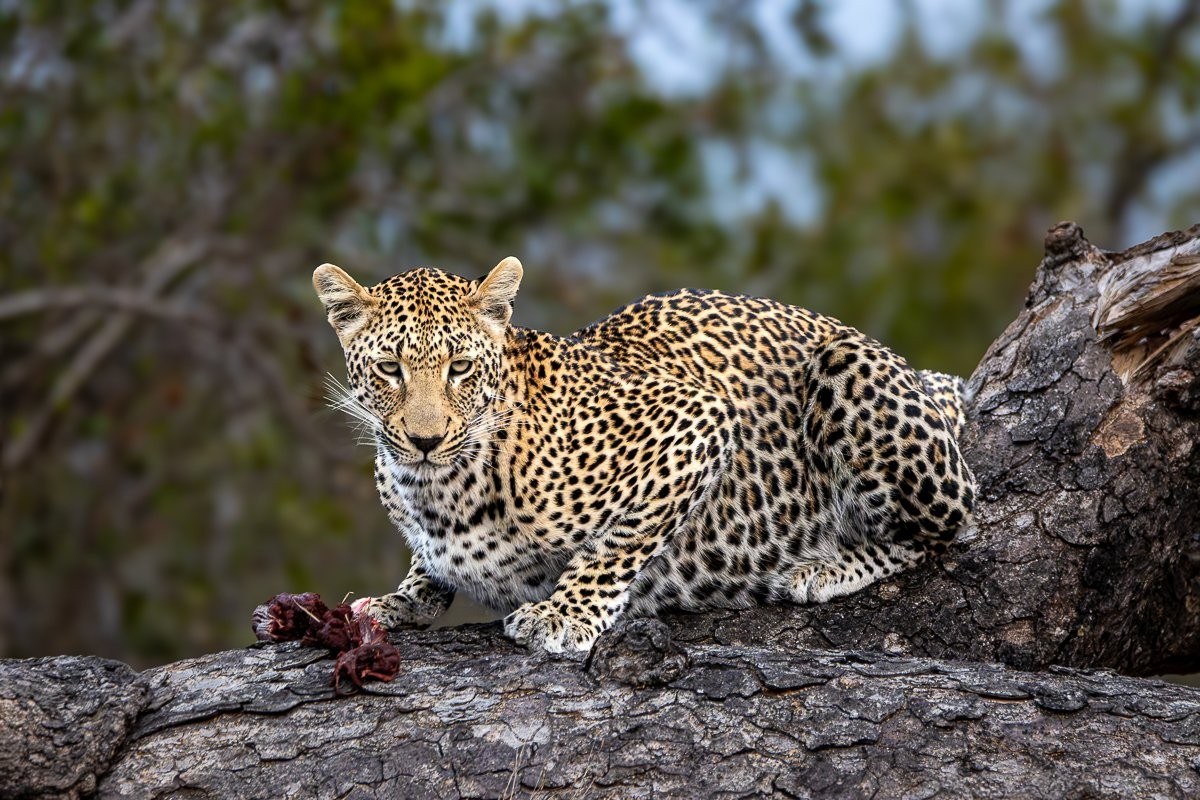
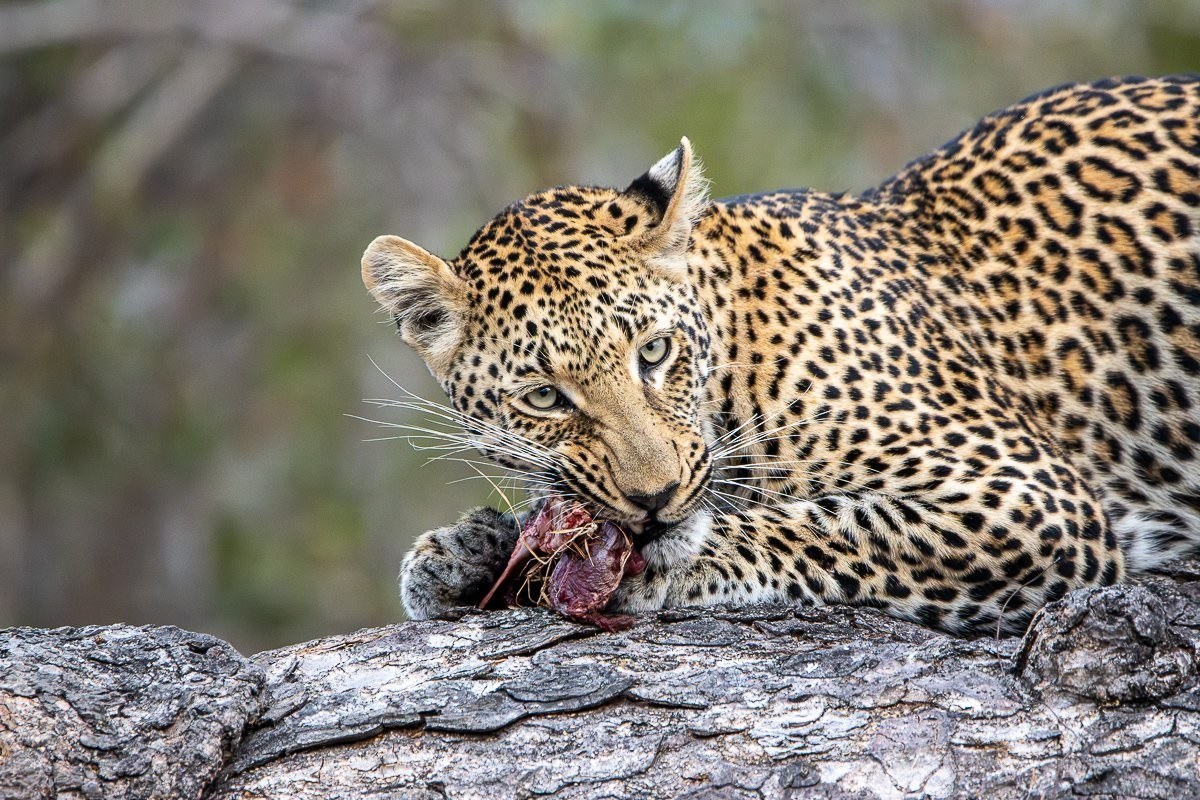
During the afternoon safari, we had hoped she would have made a kill - and she had. She successfully brought down an impala, but unfortunately it was stolen by a group of hyenas. Rather than risk confronting them, she retreated to a safe distance. Once the hyenas had moved off, she returned to the kill site and found they had left behind only the impala's skin. She quickly picked it up and safely hoisted it into a nearby tree.
From the condition of her mammary glands, it was clear that she has a cub or cubs. This likely explains why she returned to the kill site, as she was trying to salvage as much as possible to help produce enough milk for her young.
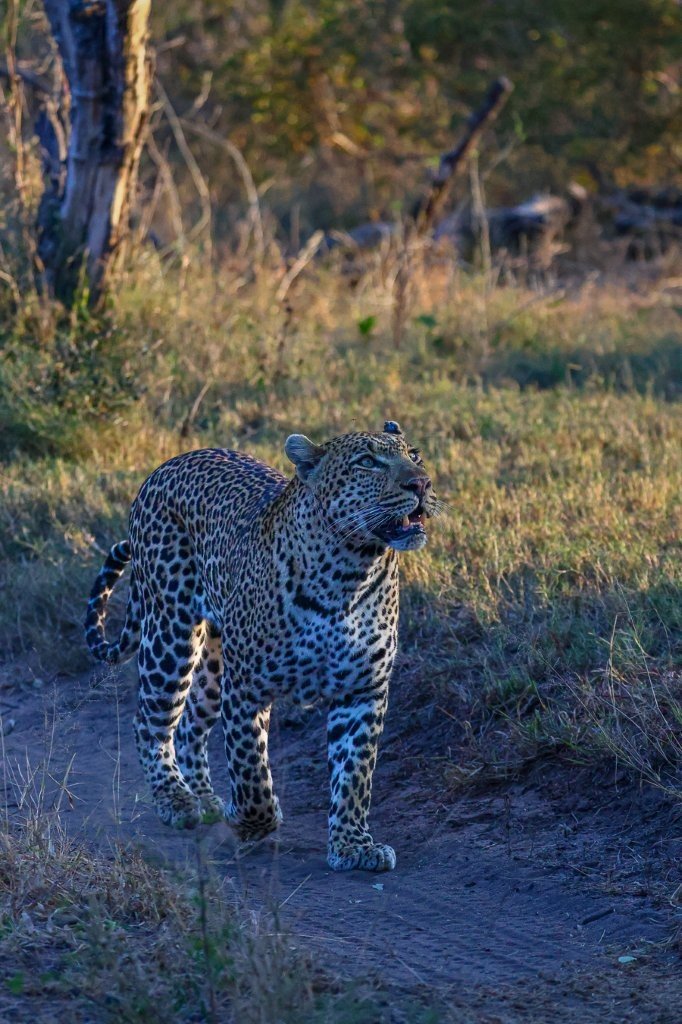
We found the Khulwana male late in the afternoon as he moved through the reserve, scent marking continuously. With this section of the reserve currently not occupied by a dominant male, Khulwana appears to be expanding his territory. If successful, he will gain access to more females, increasing his chances of passing on his genes.
We eventually lost sight of him as he disappeared into the thickets, still scent marking heavily to ensure any rival males are well aware of his presence.
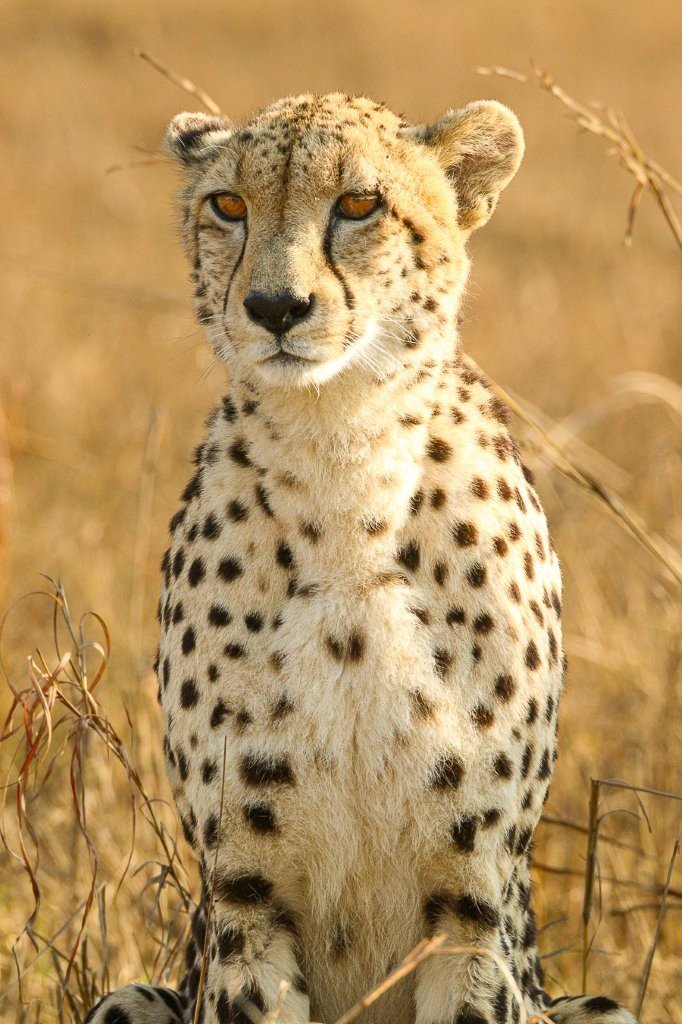
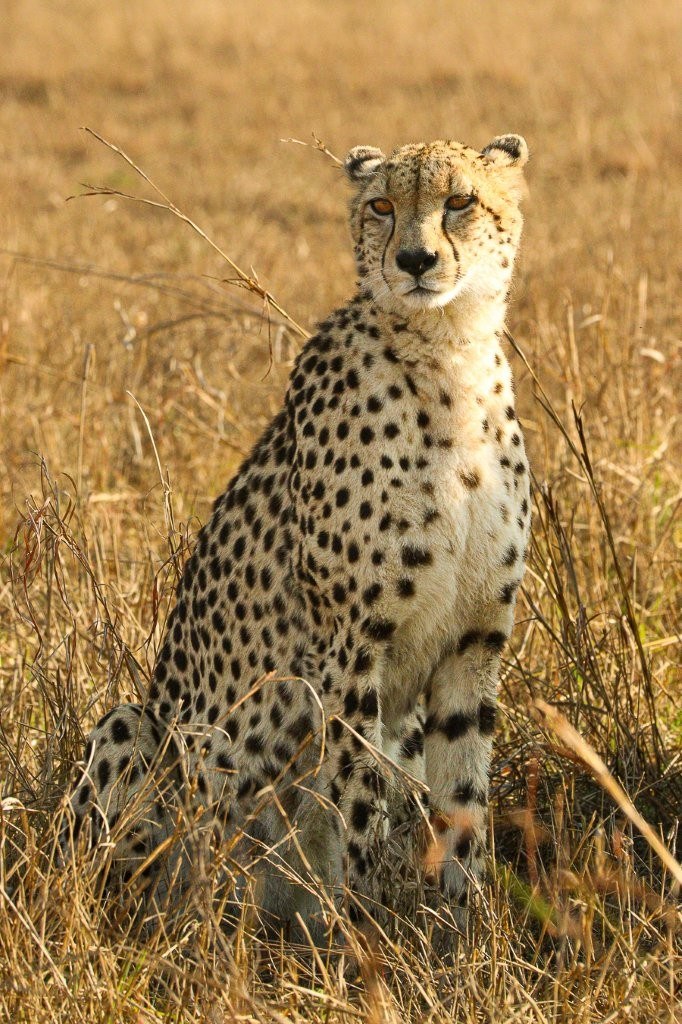
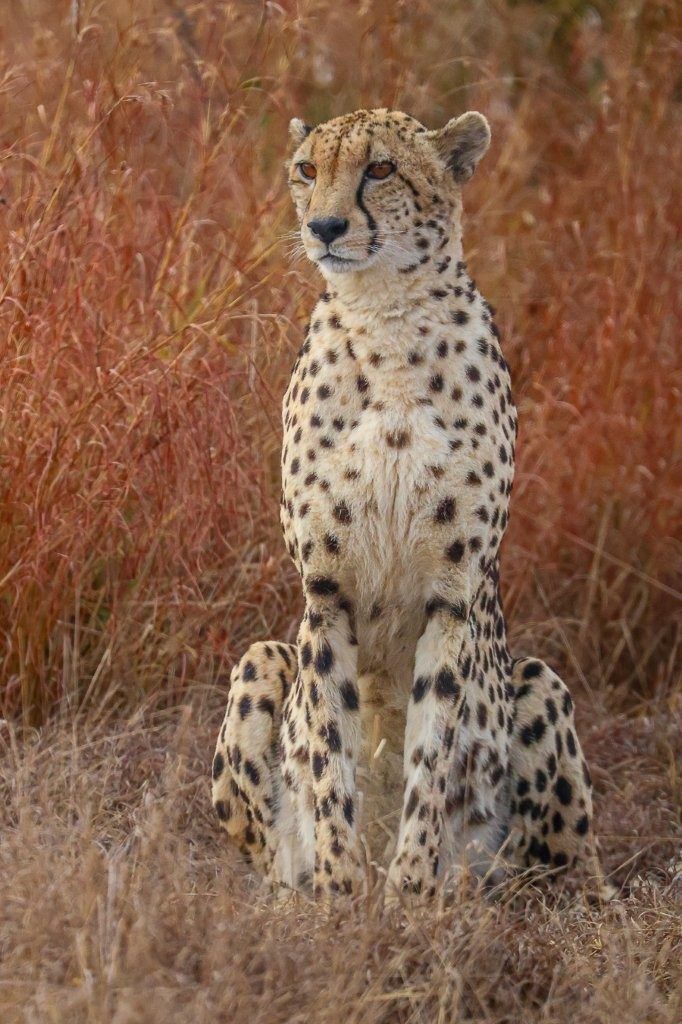
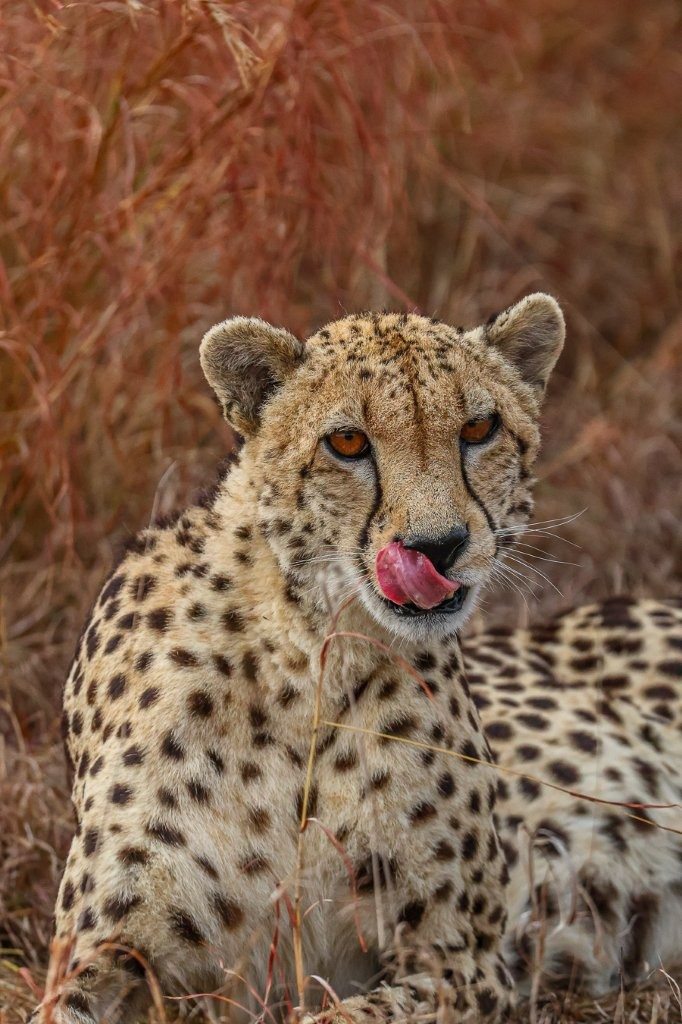
A quick glimpse of a cheetah at the end of the evening safari had the team in high spirits the next morning. Everyone set out searching for tracks and scanning every open plain, hoping for any sign of the rare cat.
Early in the morning safari, we found a female cheetah, peacefully moving through the open plains near Bush Lodge. Judging by her condition, she had fed recently, but cheetahs are highly opportunistic predators and are always ready to hunt again.
In our area, cheetahs are successful in roughly half of their hunting attempts, so they rarely pass up the chance to stalk potential prey. With no guarantee of when their next meal will come, they are constantly on the lookout for an opportunity.
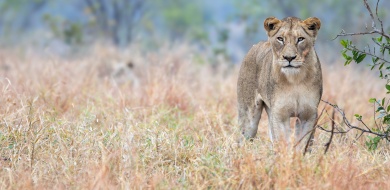
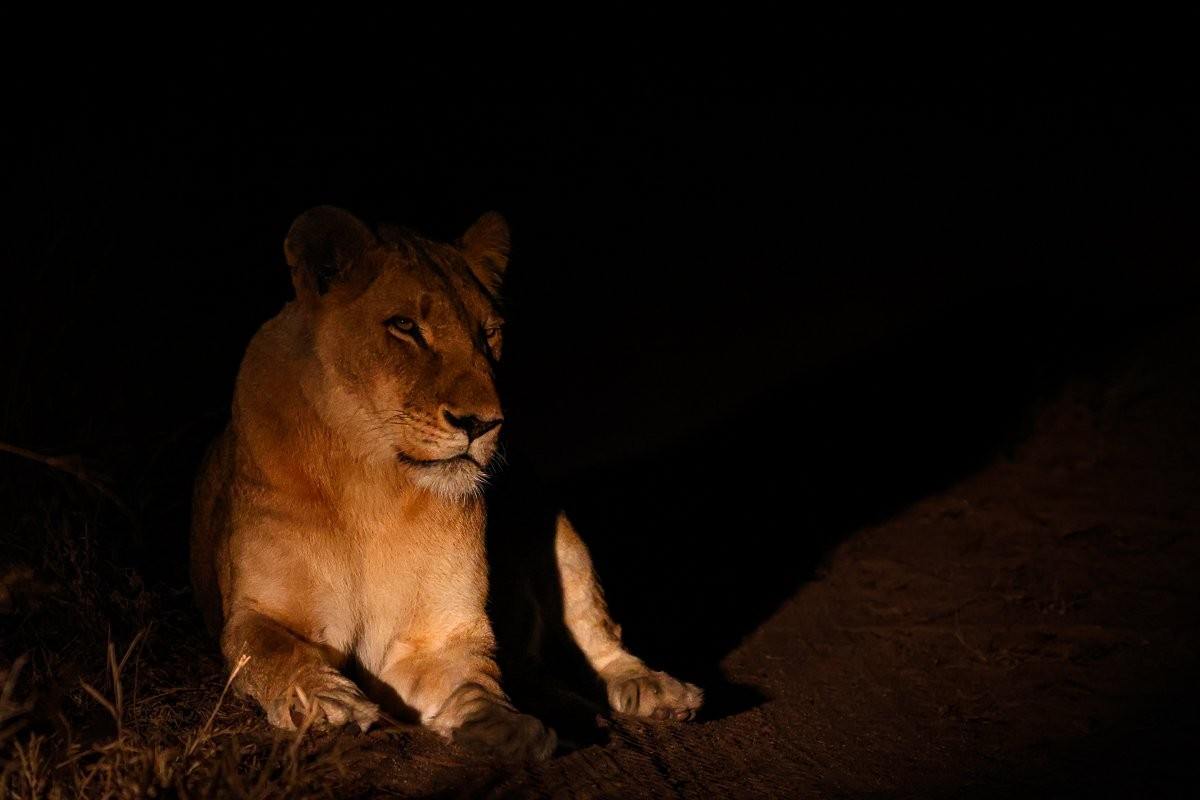
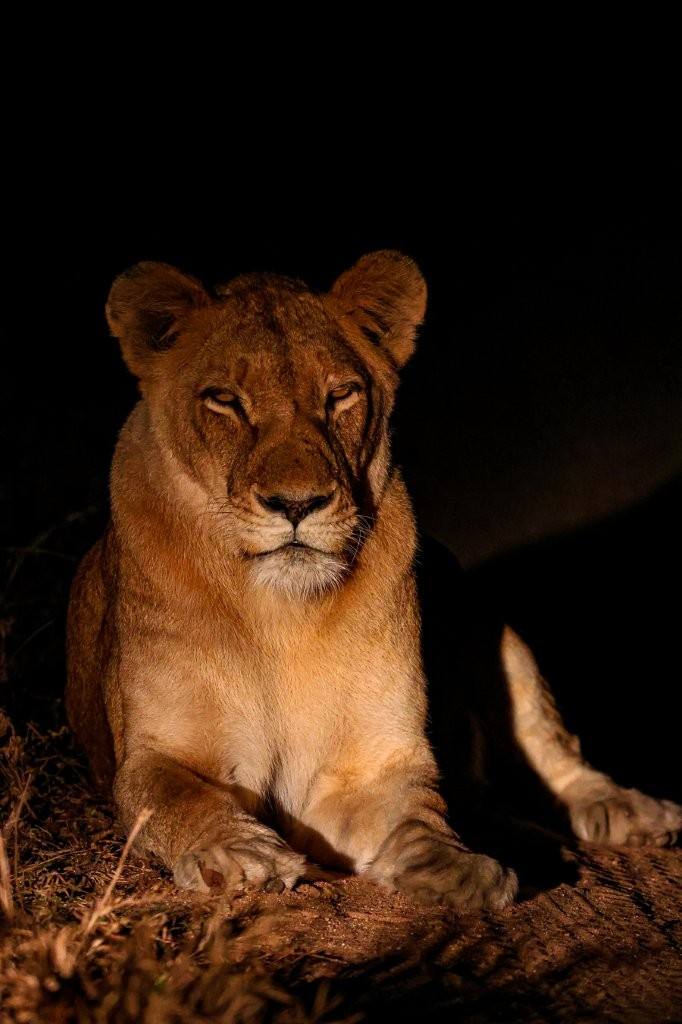
As we approached Earth Lodge after a successful afternoon safari, we were treated to a memorable surprise as the three lionesses from the Southern Pride became our welcoming party.
We watched in awe as they moved slowly past us, pausing every so often to listen, scan their surroundings, and test the air with their scent, searching for any sign of potential prey. As darkness settled in, we left them to continue on their way, disappearing into the night as they carried on with their hunt.
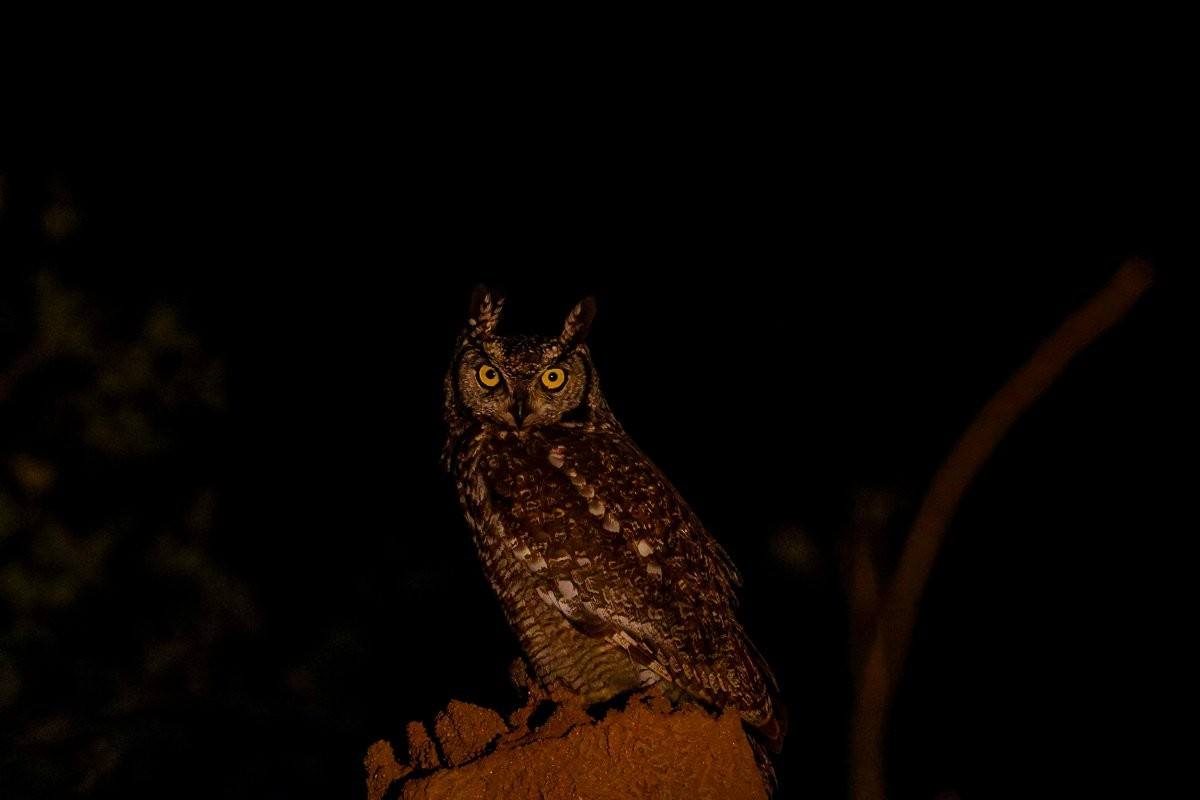
On our way back to Earth Lodge, we caught sight of this Spotted eagle-owl perched atop a termite mound, making the most of a natural lookout. The raised mound provides an excellent vantage point for spotting prey such as rodents, insects, reptiles, and small birds. Although these owls are primarily nocturnal hunters, they are often seen resting or scanning their surroundings from elevated perches during the day. Termite mounds play an important role in the ecosystem, supporting countless species while also providing ideal hunting platforms for predators like the Spotted eagle-owl.
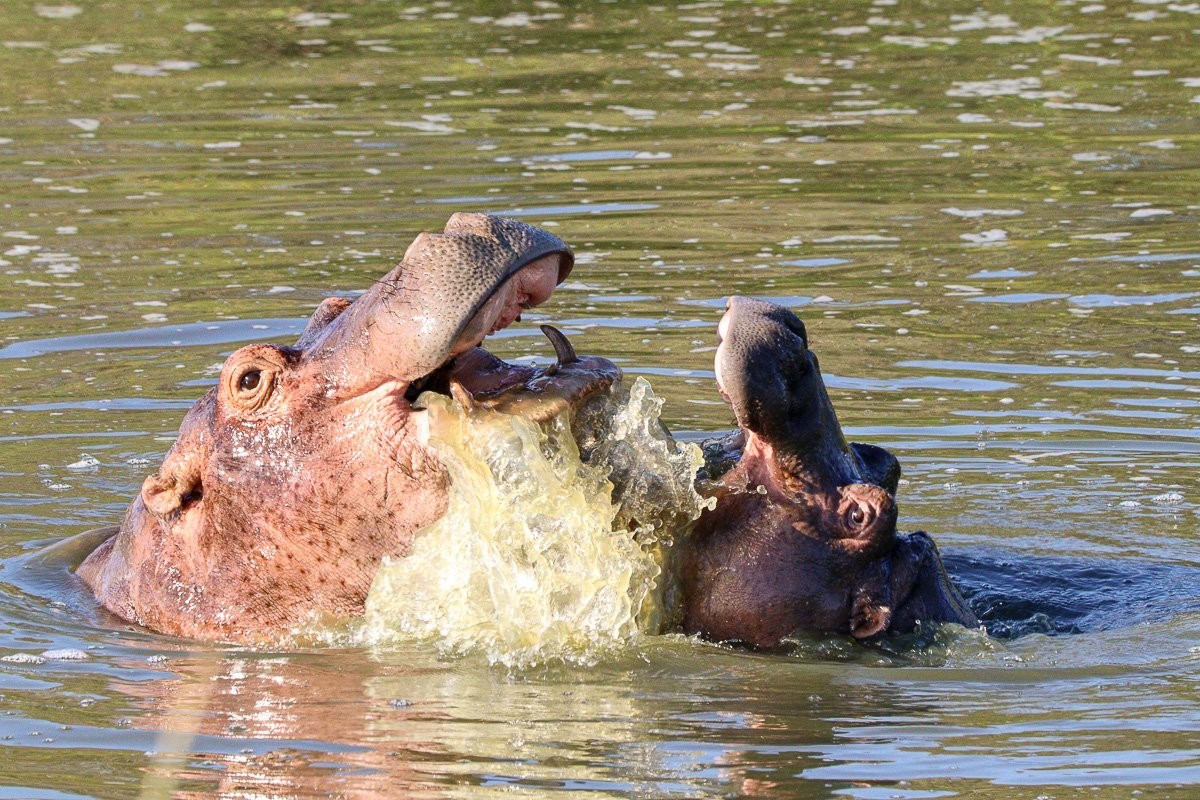
Despite being one of Africa's most aggressive and dangerous mammals, hippos have a playful side, particularly young calves and mothers with their offspring. These energetic interactions help strengthen social bonds while developing the muscles and coordination they will rely on later in life.
These two young hippos spent a considerable amount of time engaged in a mock battle, diving beneath the water before resurfacing a few metres apart and pushing against one another. They repeatedly displayed their still-small canines, practising the behaviours they will use as adults, when their much larger tusk-like canines become formidable weapons in dominance disputes.
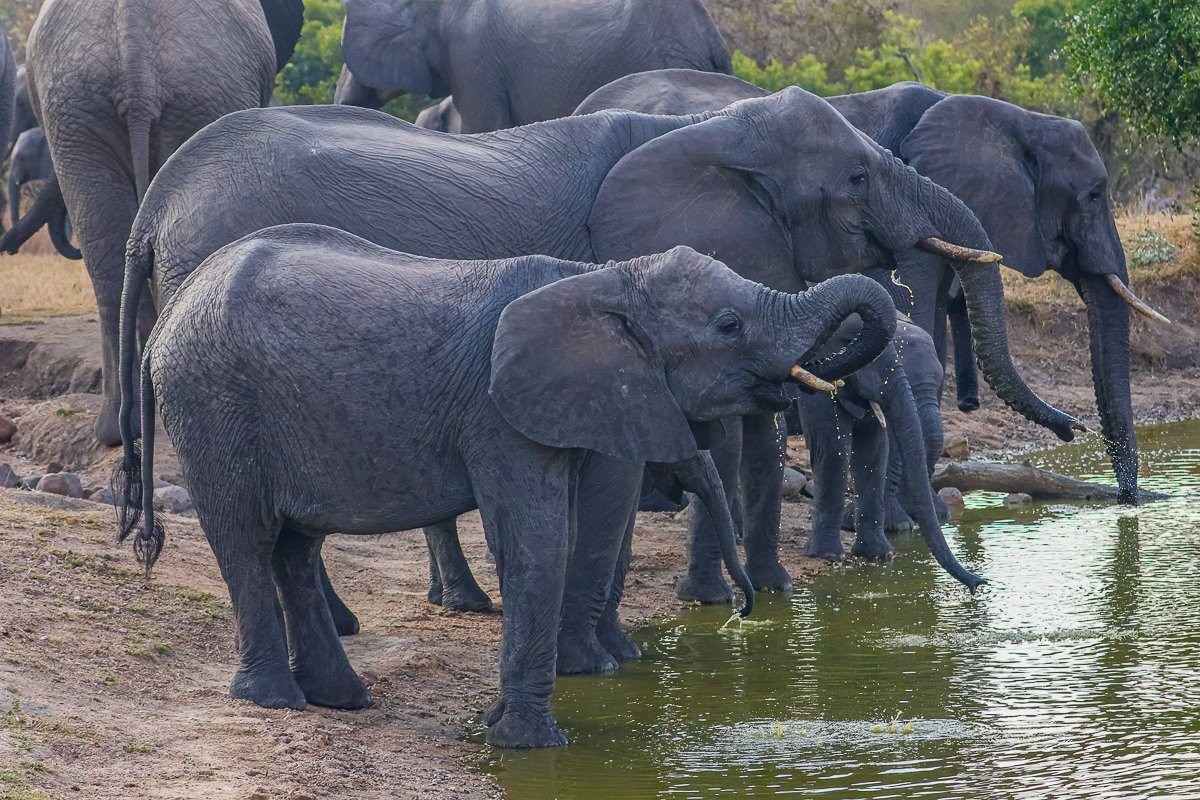
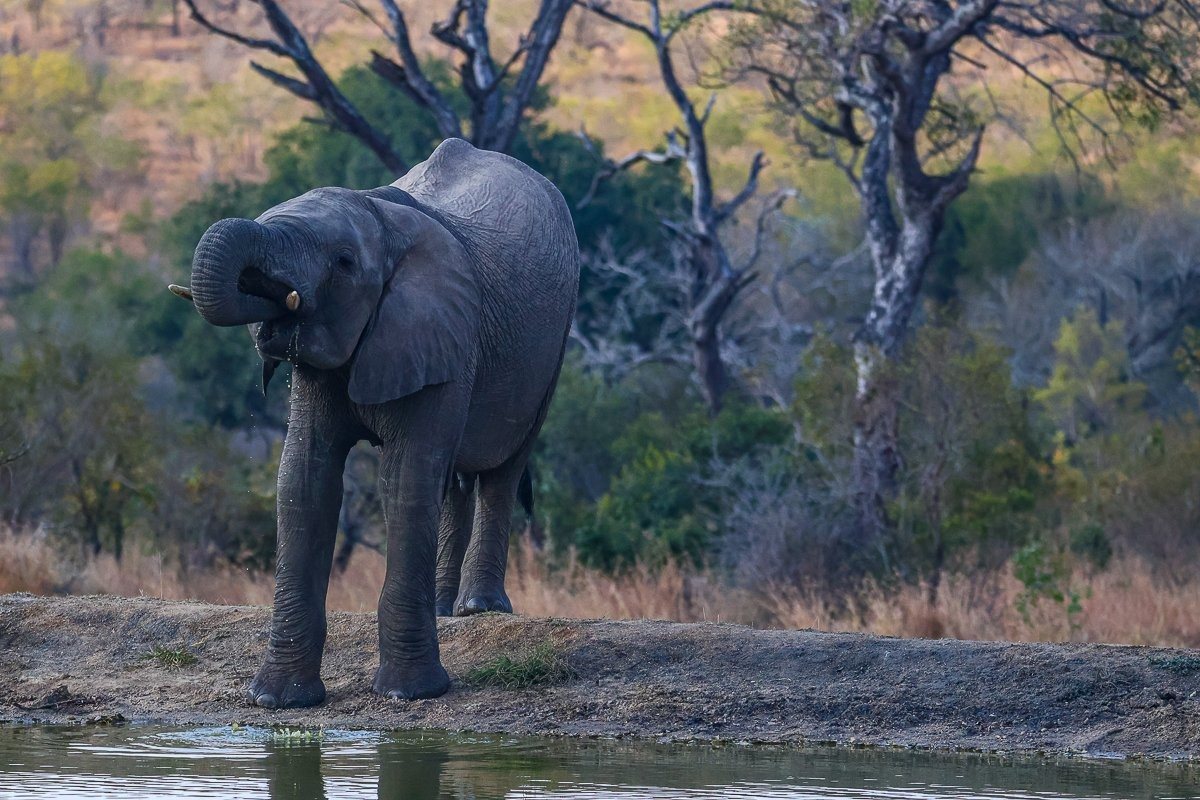
As we waited at a waterhole late one afternoon, we witnessed an unforgettable sight. A large herd of elephants approached at a brisk pace, their heads bobbing up and down with excitement as they hurried towards the water.
During the dry winter months, elephants are forced to travel greater distances between water sources, feeding as they move. As highly water-dependent animals that need to drink every day, it's easy to understand their eagerness when they finally reach a reliable waterhole.
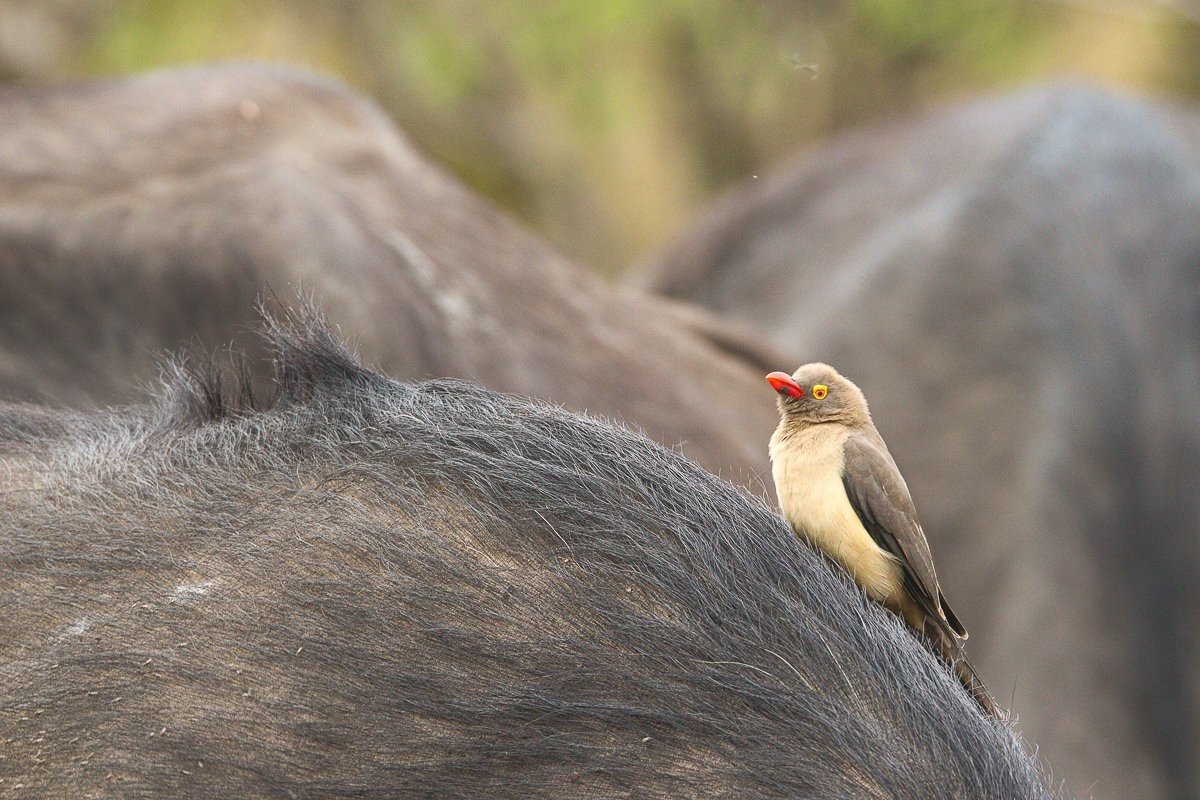
The distant calls of Oxpeckers made us changed our safari direction as we hoped they would lead us to four Buffalo bulls that move through our reserve regularly. We watched as the oxpeckers flew over us and landed in the bushes nearby. As we drove around to follow them, we saw distant movement in the drainage line and patiently waited as the bulls emerged from the thicket.
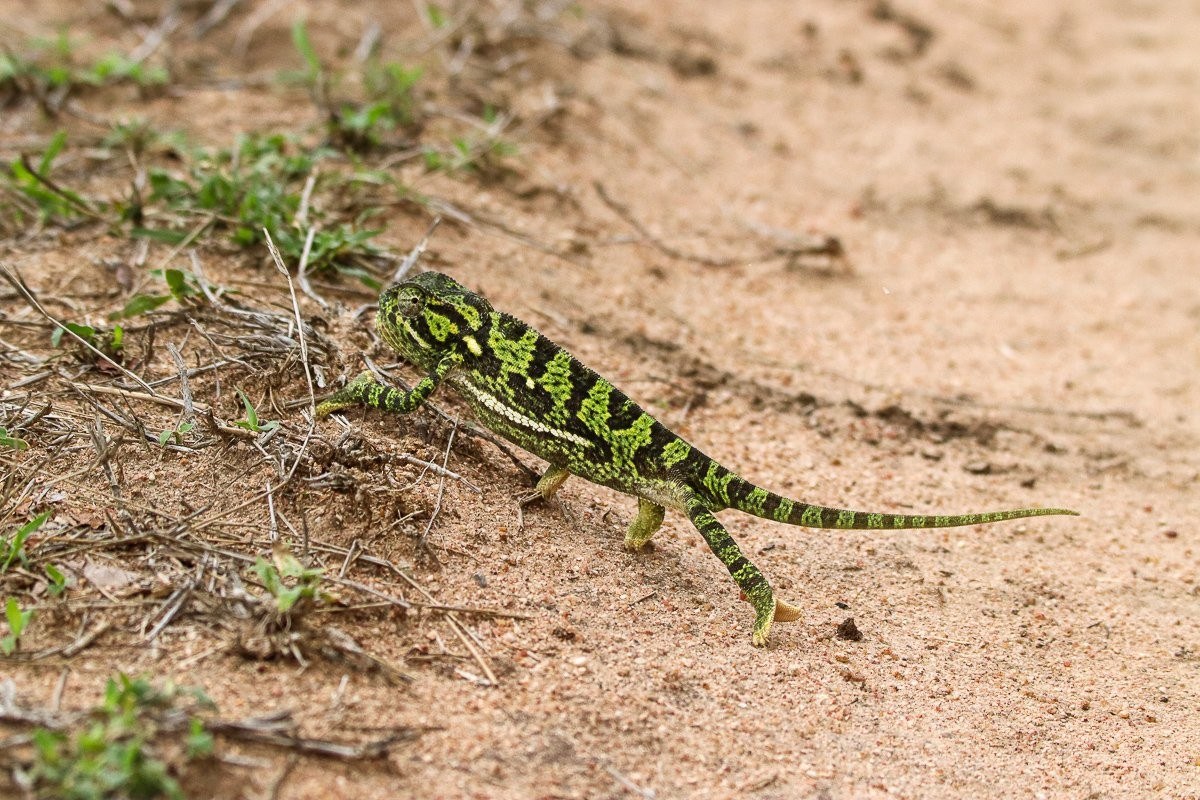
A small, bright green shape in the road caught our attention. As we slowly approached, we realised it was a chameleon making its way across. Chameleons have a unique way of moving when crossing open areas where they are more vulnerable. It advanced slowly, gently swaying back and forth several times before placing each foot down. This movement mimics a leaf blowing in the wind, helping it blend into its surroundings and avoid the attention of potential predators.
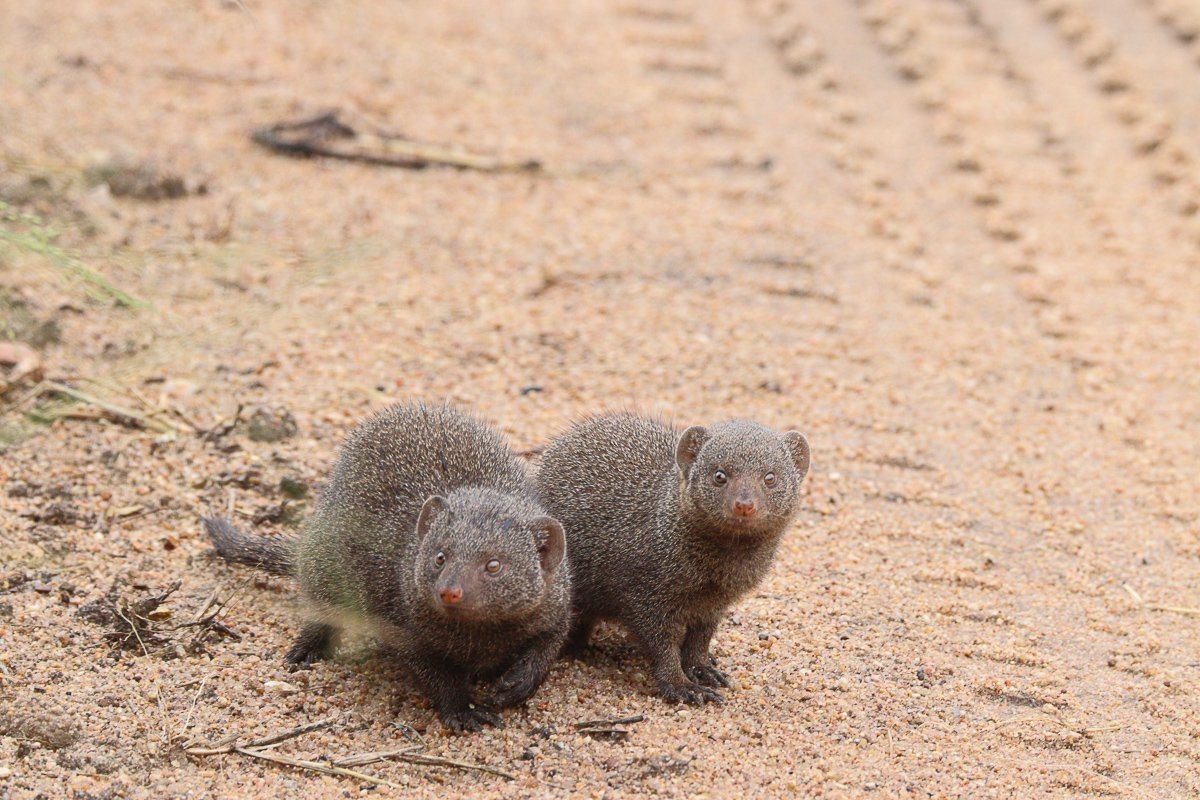
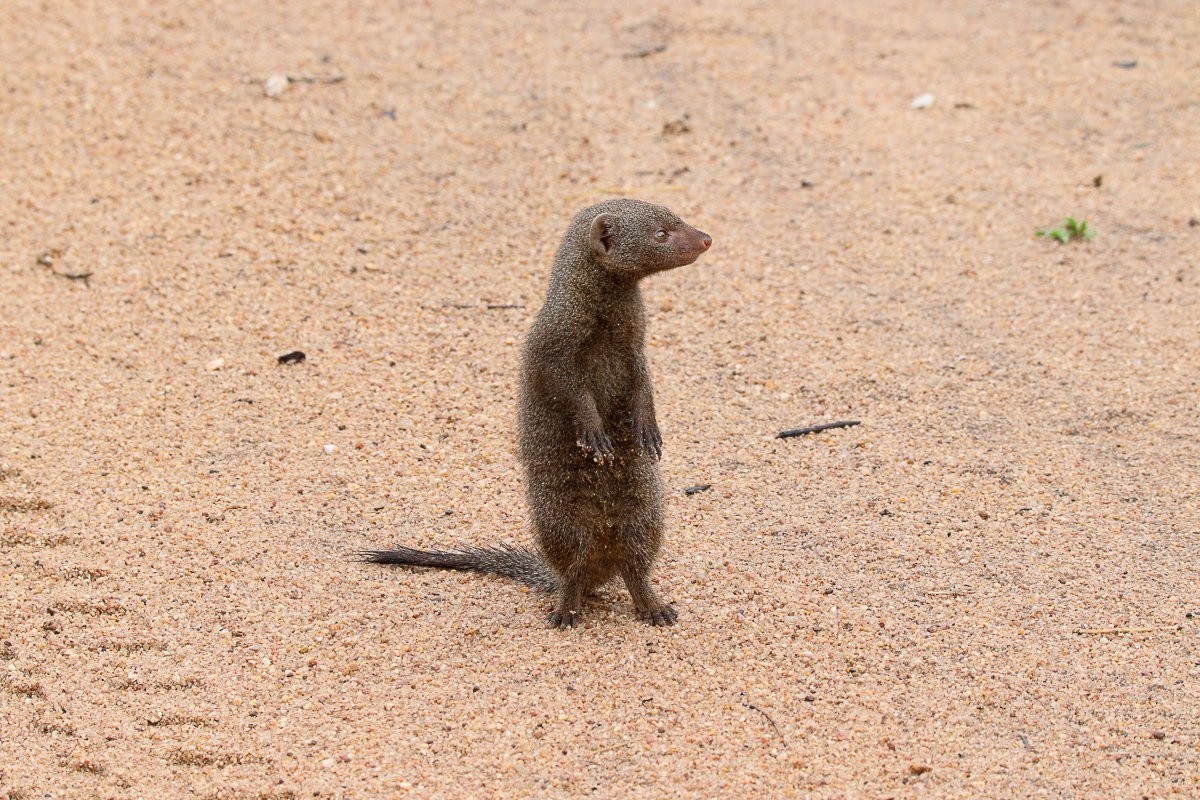
As we slowly approached a group of Dwarf mongooses, they quickly retreated into the tall grass for safety. After waiting quietly for a few minutes, they gradually reappeared, one by one, making their way back onto the road. Each mongoose would take a few quick strides before pausing to listen, scan its surroundings, and then cautiously continue towards the vehicle.
Dwarf mongooses are highly social and inquisitive carnivores. Once they are satisfied that there is no danger, their natural curiosity often overcomes their initial caution, prompting them to investigate their visitors.
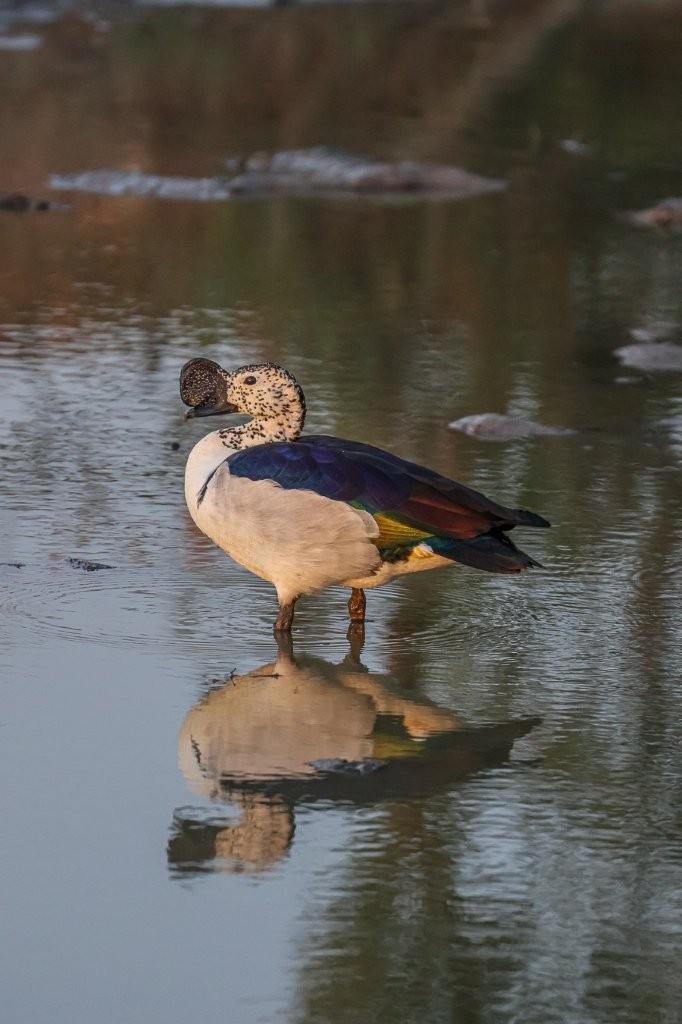
The Knob-billed duck, also known as the Comb Duck, is a large, striking waterfowl often seen foraging in dams and wetlands. The male is easily recognised by the prominent black knob on its bill. These ducks feed by dabbling and upending in shallow water, searching for aquatic plants, seeds, and small invertebrates. Their unique appearance and feeding behaviour make them a fascinating sight.
Until next time…
Blog by Wendy Claase
Images by Jana du Plessis, Rod Wyndham, Ronald Mutero and Ruan Mey