
A Week in the Bush Vol. 603
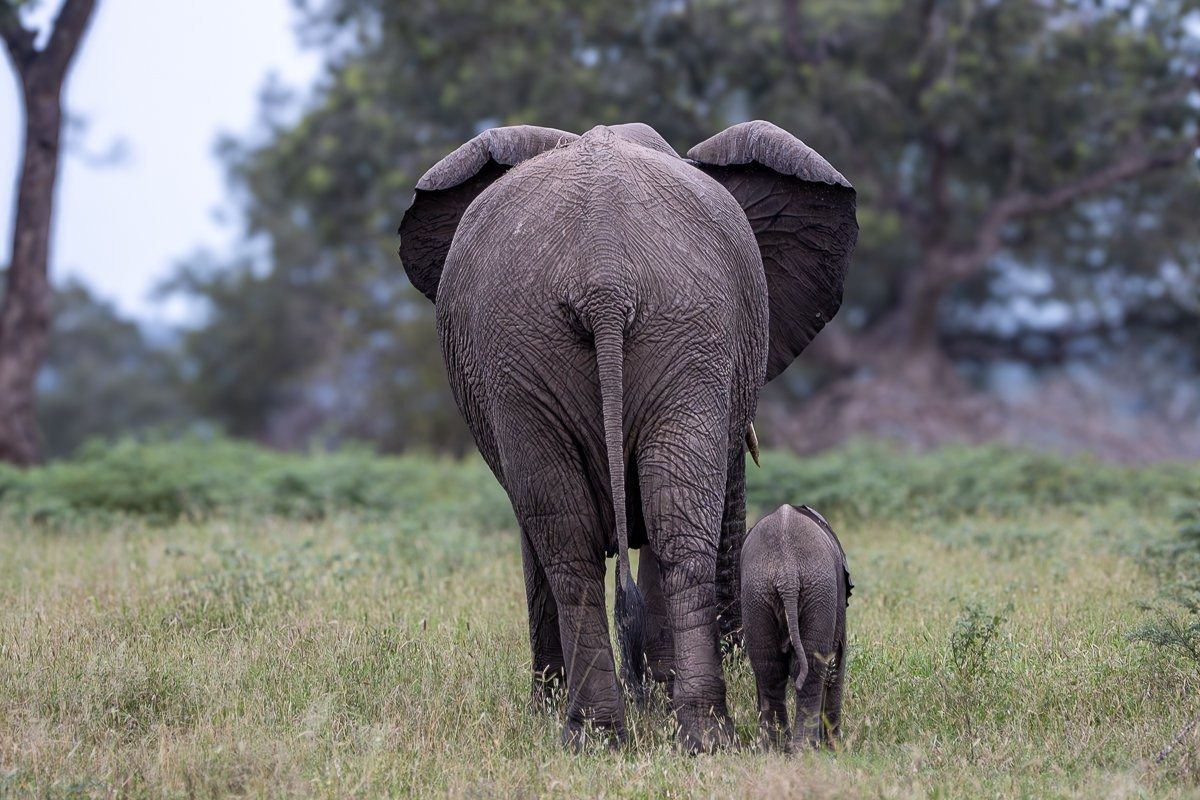
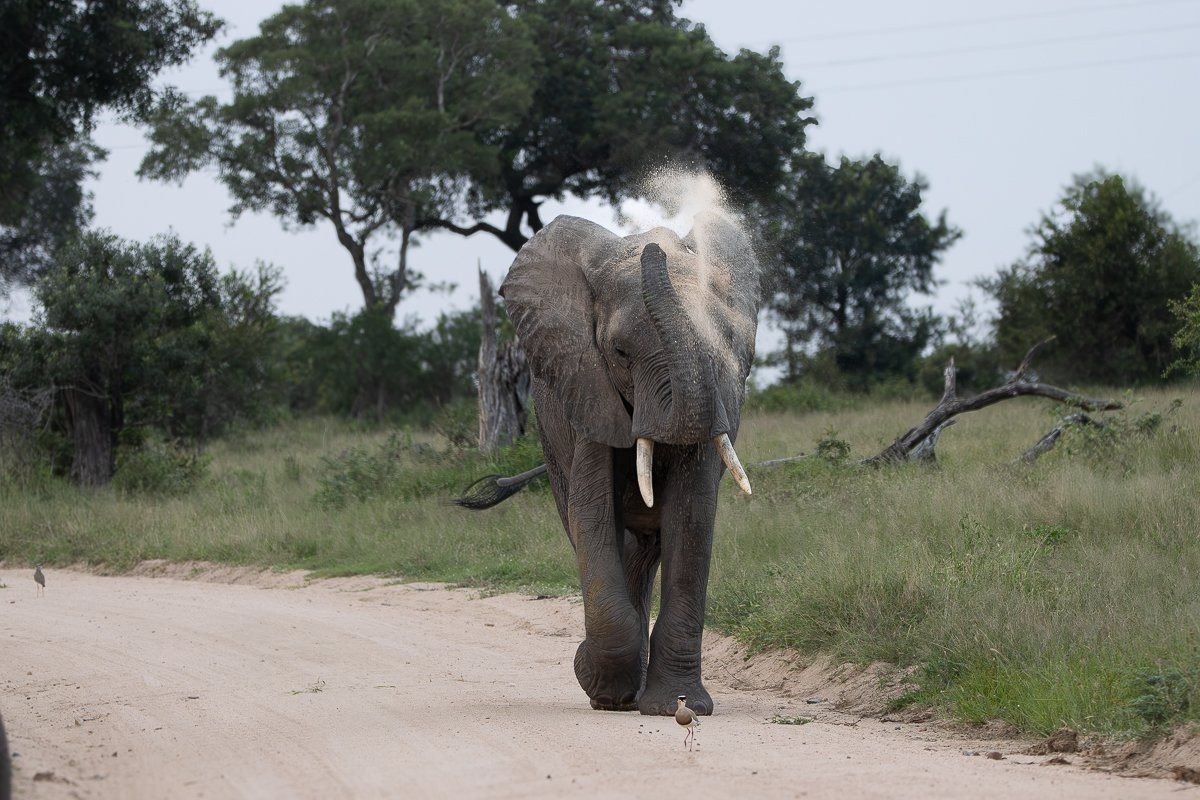
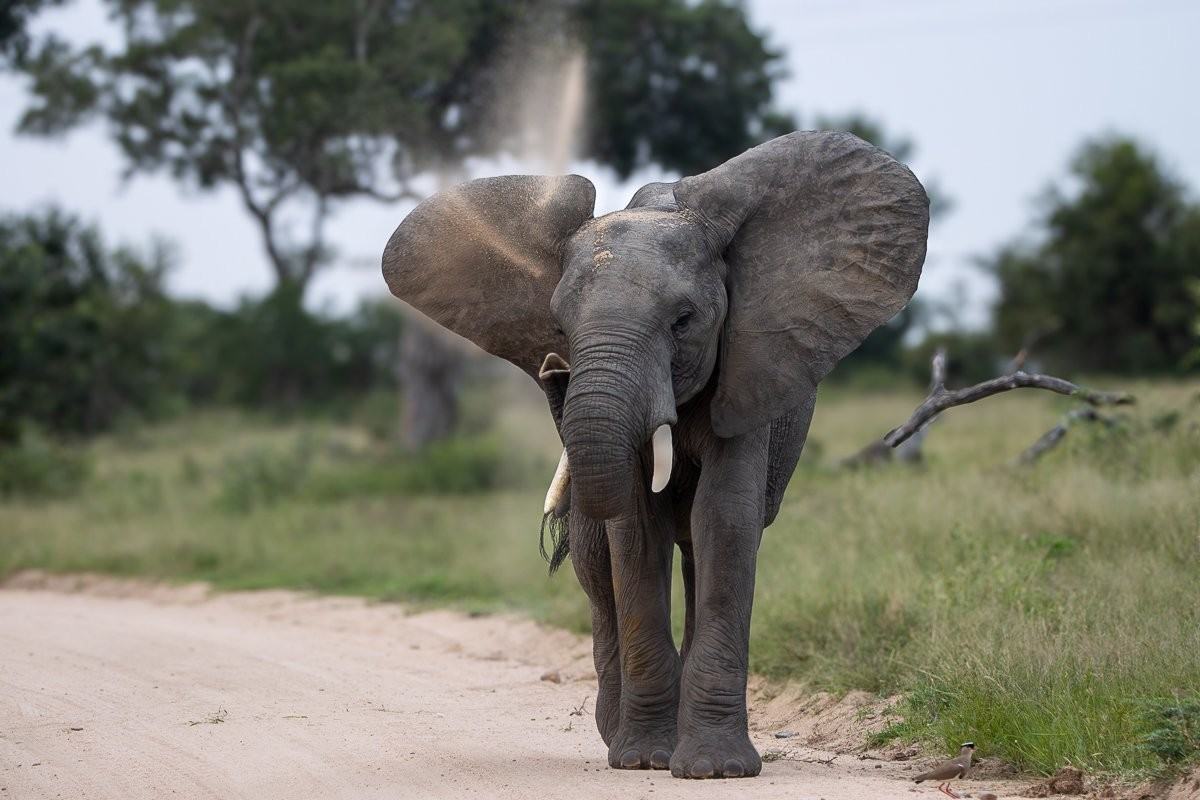
on Jul 29, 2026We came across a herd of elephants crossing an open clearing, taking part in one of their favourite rituals: dust bathing. More than just playful behaviour, this daily activity serves an important purpose. Using their trunks to spray loose soil over their bodies, elephants create a protective layer that helps shield their skin from the harsh sun, biting insects and parasites. The dust also absorbs excess oils and moisture, acting as a natural form of skincare.
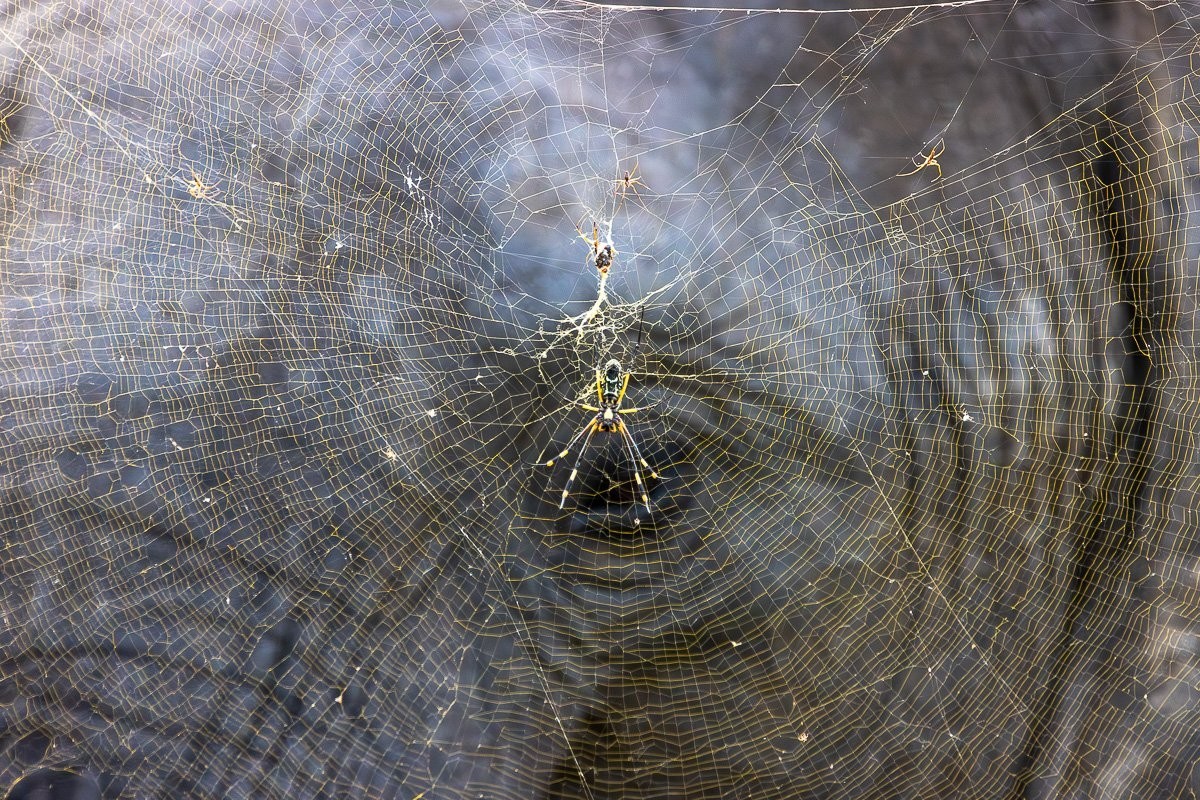
As the herd disappeared into a golden haze of dust, a delicate Golden Orb spider's web caught the light between the elephants. A quiet reminder that in the bush, it’s not only the big things that matter.
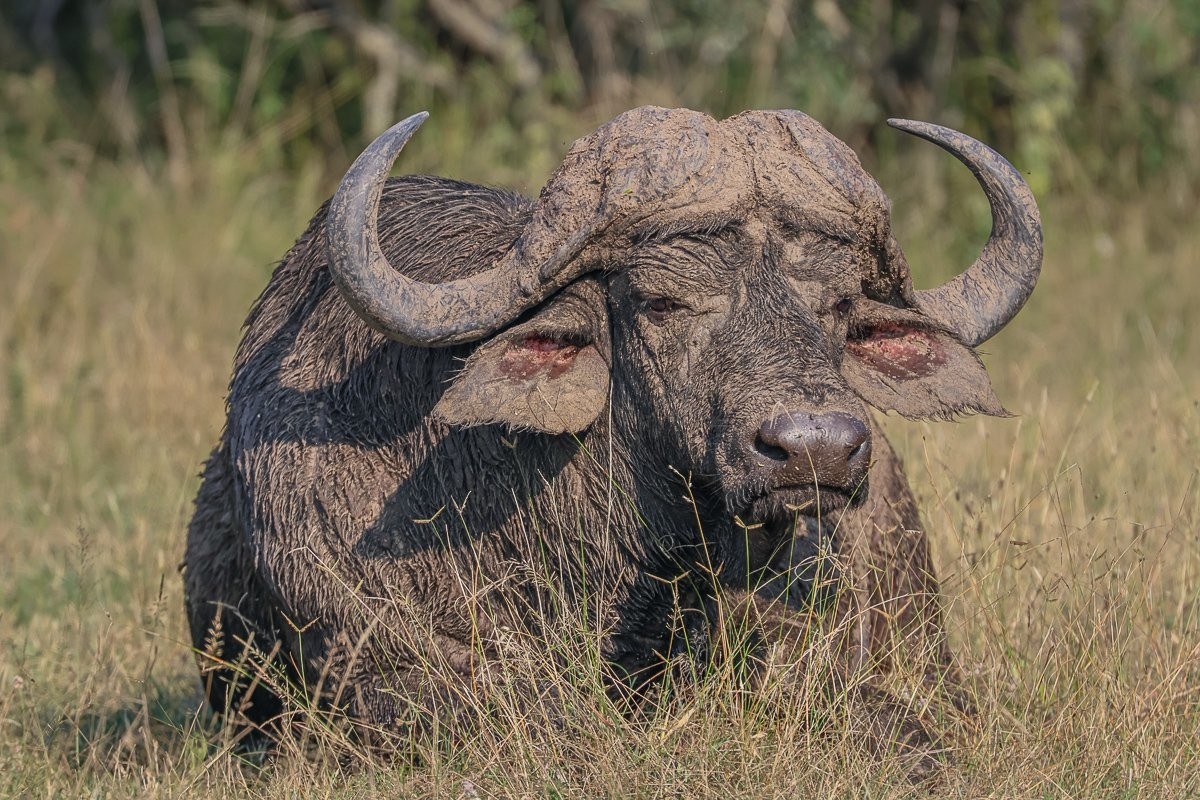
In the early morning light of the open bushveld, a lone buffalo bull rests after a night of grazing, conserving energy for the day ahead. Older bulls like this often live alone or in small bachelor groups, separate from the breeding herds of females and calves. Despite weighing between 800 and 1,000 kg and carrying their impressive curved horns, they still rely on mud wallows to keep cool and remove parasites. Ever vigilant against lions, their thick hides, powerful build, and defensive instincts make them formidable opponents.
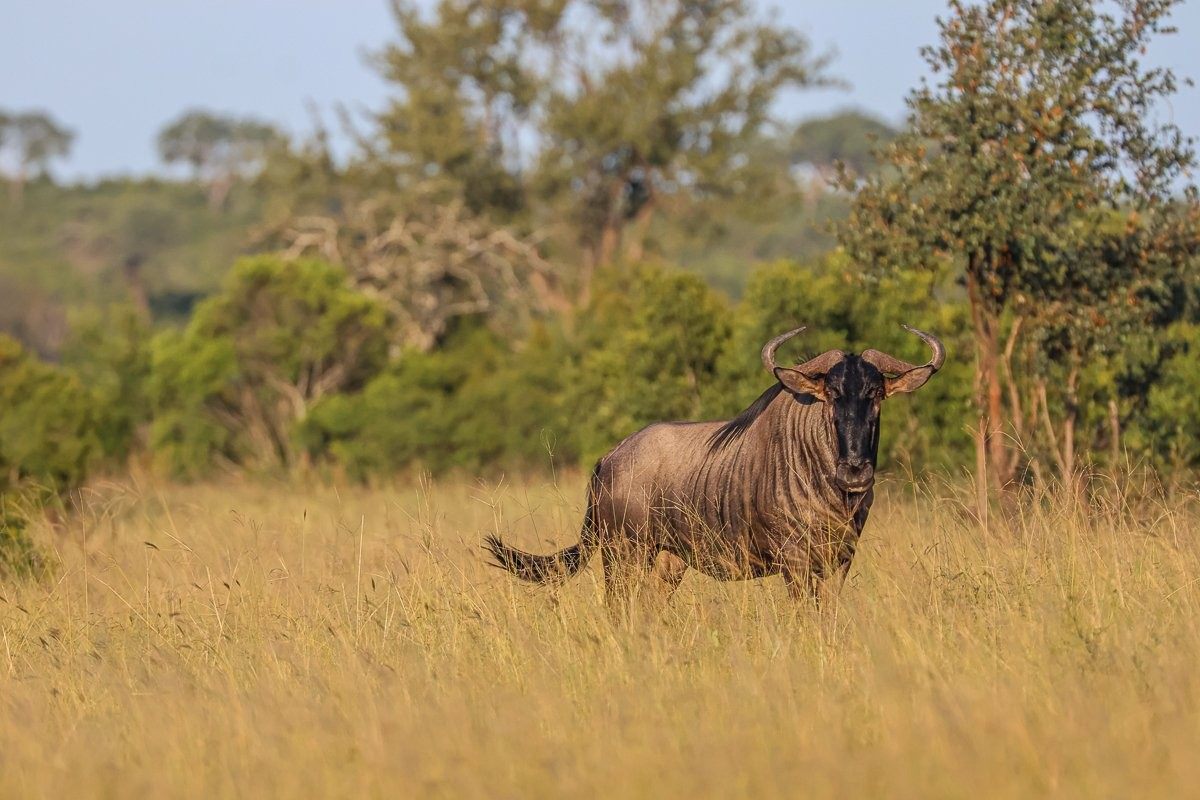
A territorial Blue wildebeest bull stands alert in the golden late-afternoon grass, keeping watch over his patch of the plains. As the sun begins to set, the warm light highlights his muscular build and blends him seamlessly into the surrounding grass.
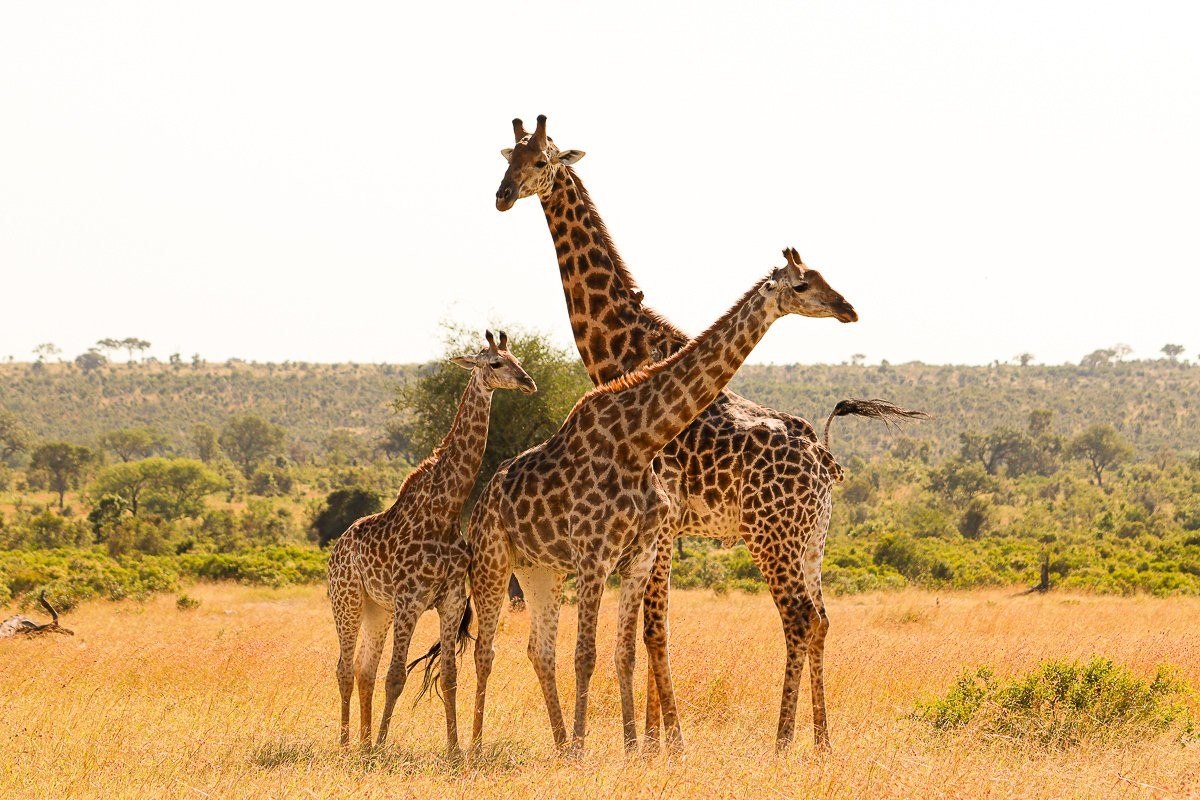
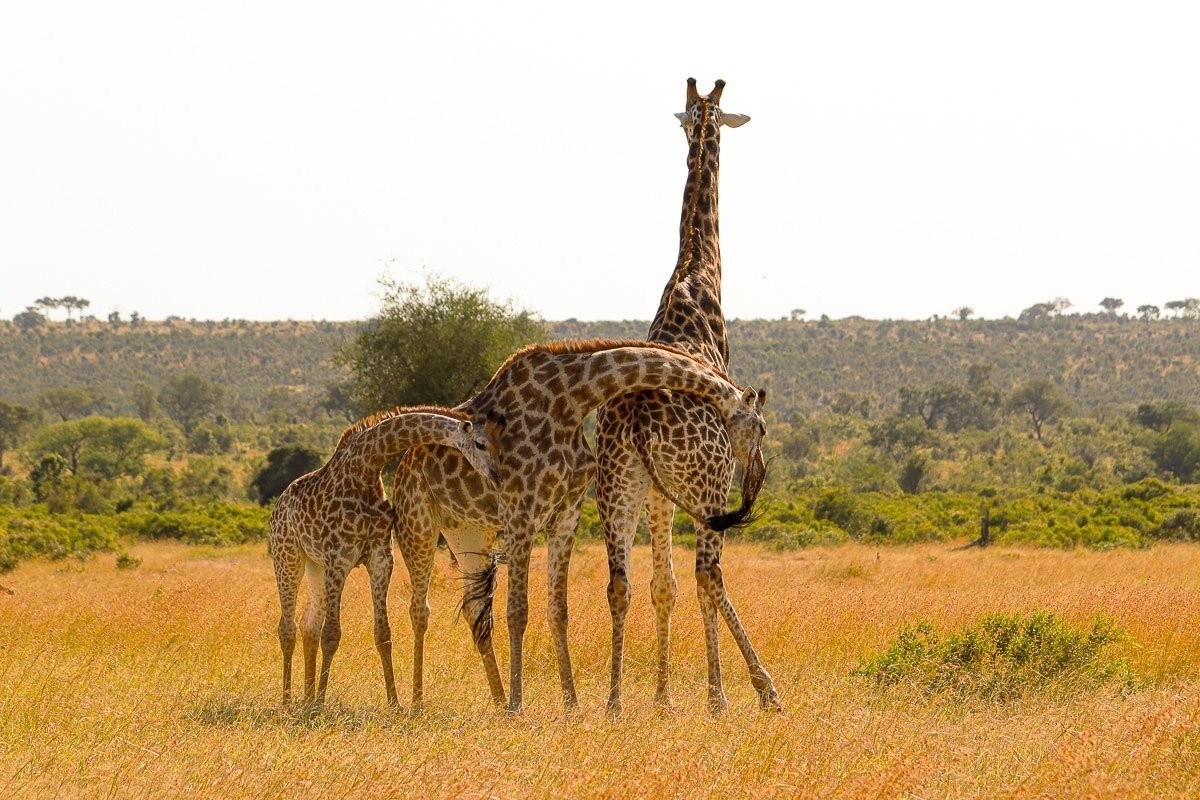
Moving across the open plains, a giraffe cow and her calf browsed from one tree to the next, with an adult bull following closely behind. His intentions were clear - to determine whether the female was ready to mate.
Unlike many mammals, female giraffes show no obvious external signs of being in oestrus. Instead, the bull must locate and follow a female, encouraging her to urinate by nudging the back of her legs or hindquarters. He then samples her urine, curling back his upper lip in what is known as the Flehmen response. This exposes the scent to the vomeronasal (Jacobson's) organ on the roof of his mouth, allowing him to analyse her pheromones and determine whether she is receptive to mating.
After testing her urine, the bull quickly lost interest and moved away from the cow and her calf, indicating that she was not in oestrus and not ready to mate.
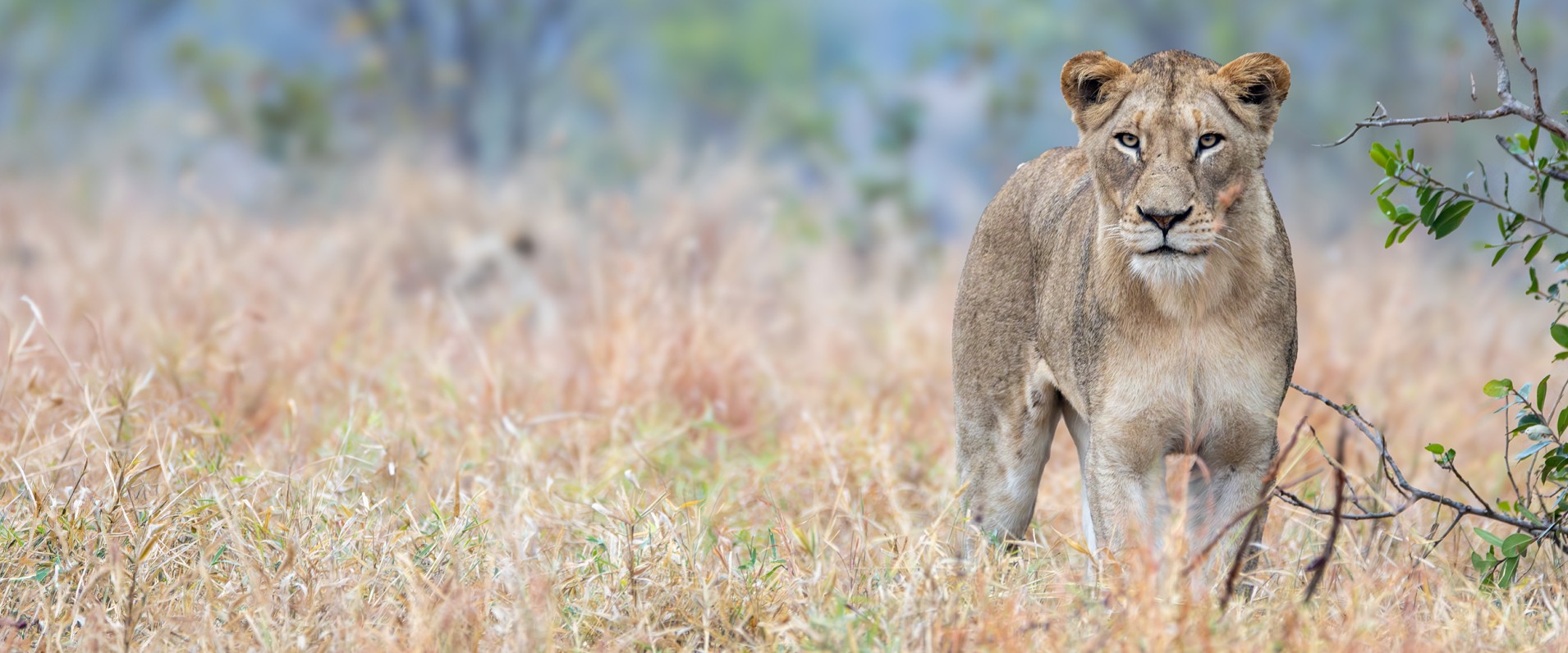
We followed up on four lionesses from the Msuthlu Pride and three N'waswishaka male lions as they continued trailing a large buffalo herd in the northern parts of the reserve. As the sun began to set, the lions gradually closed the distance, keeping a watchful eye on the buffalo, which remained completely unaware of their presence.
Hunting buffalo is one of the most dangerous challenges lions face, but the reward is well worth the risk if they are successful. They will often spend days shadowing a herd, patiently waiting for the right opportunity before launching a swift attack. We eventually left them still following the buffalo, knowing they were prepared to wait as long as it took.
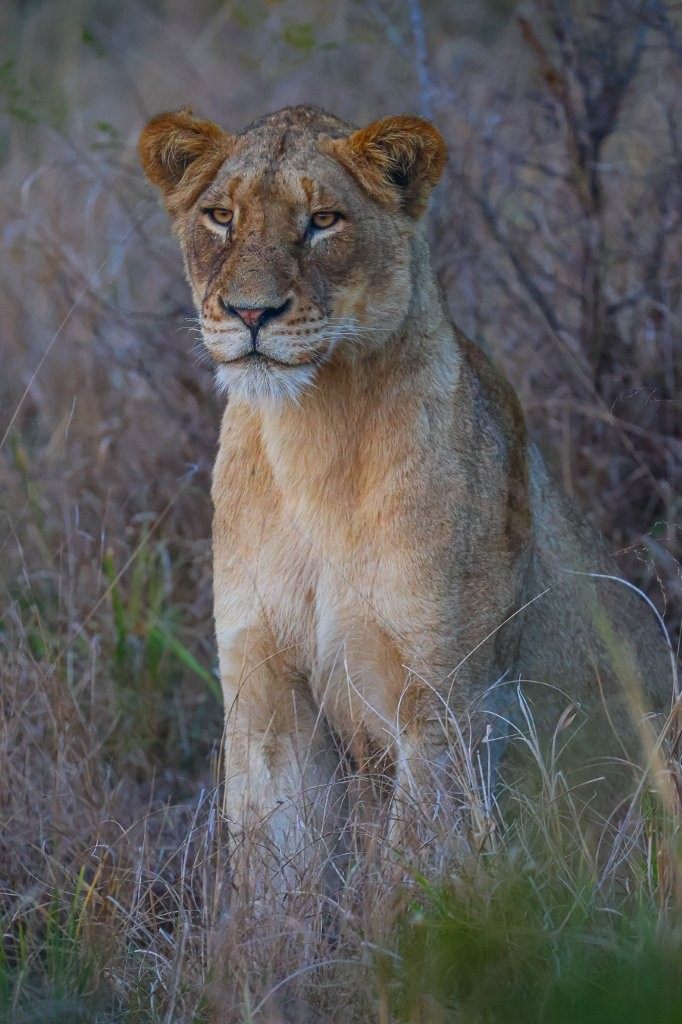
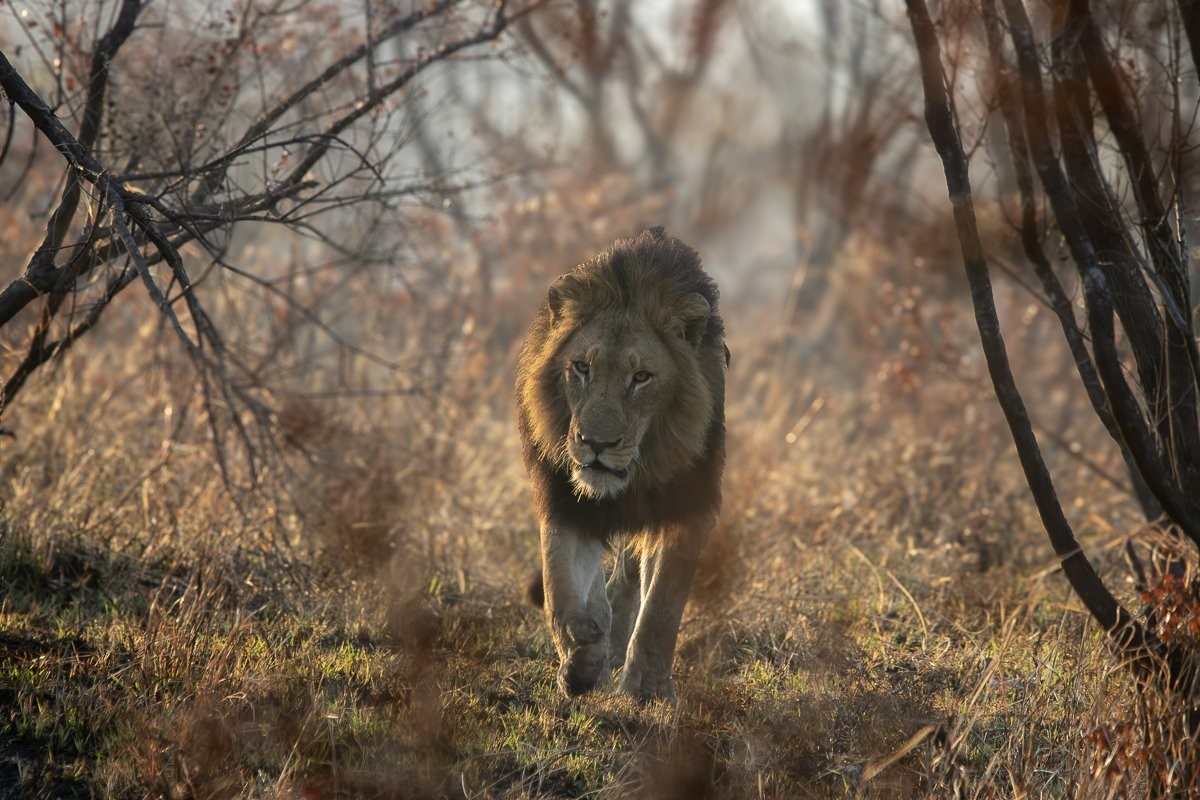
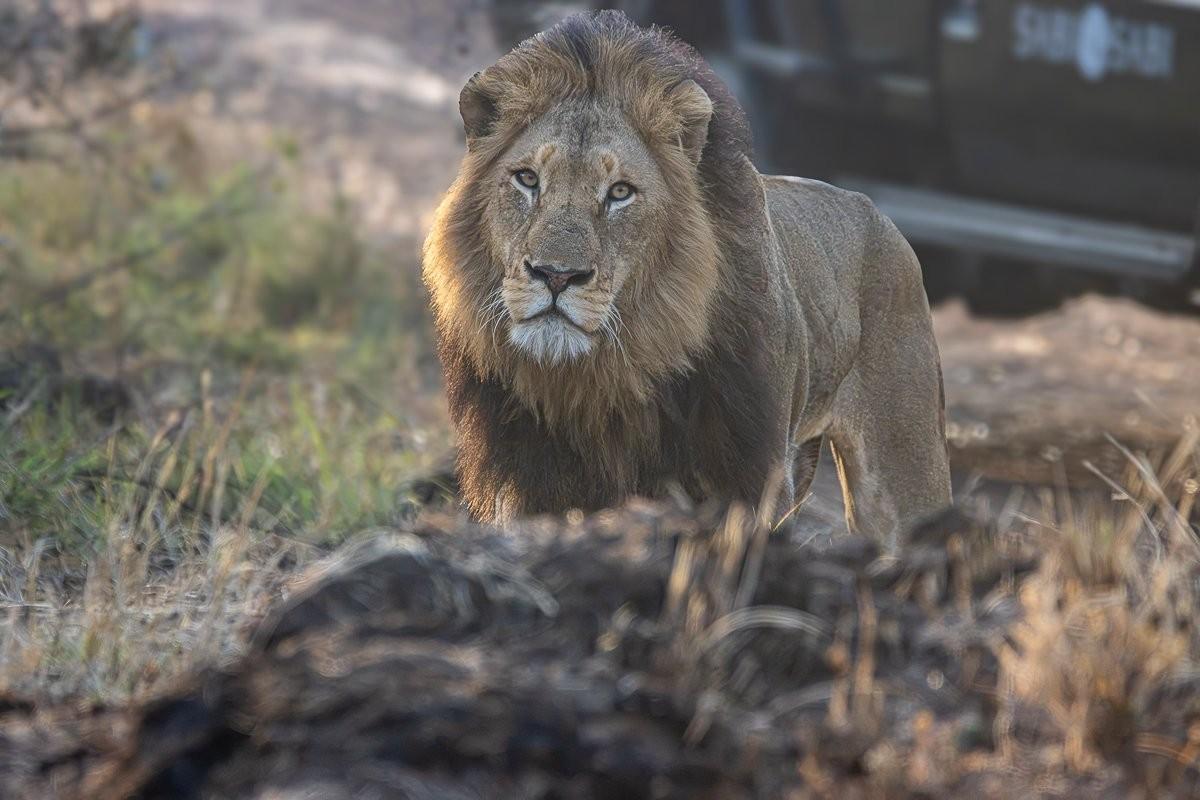
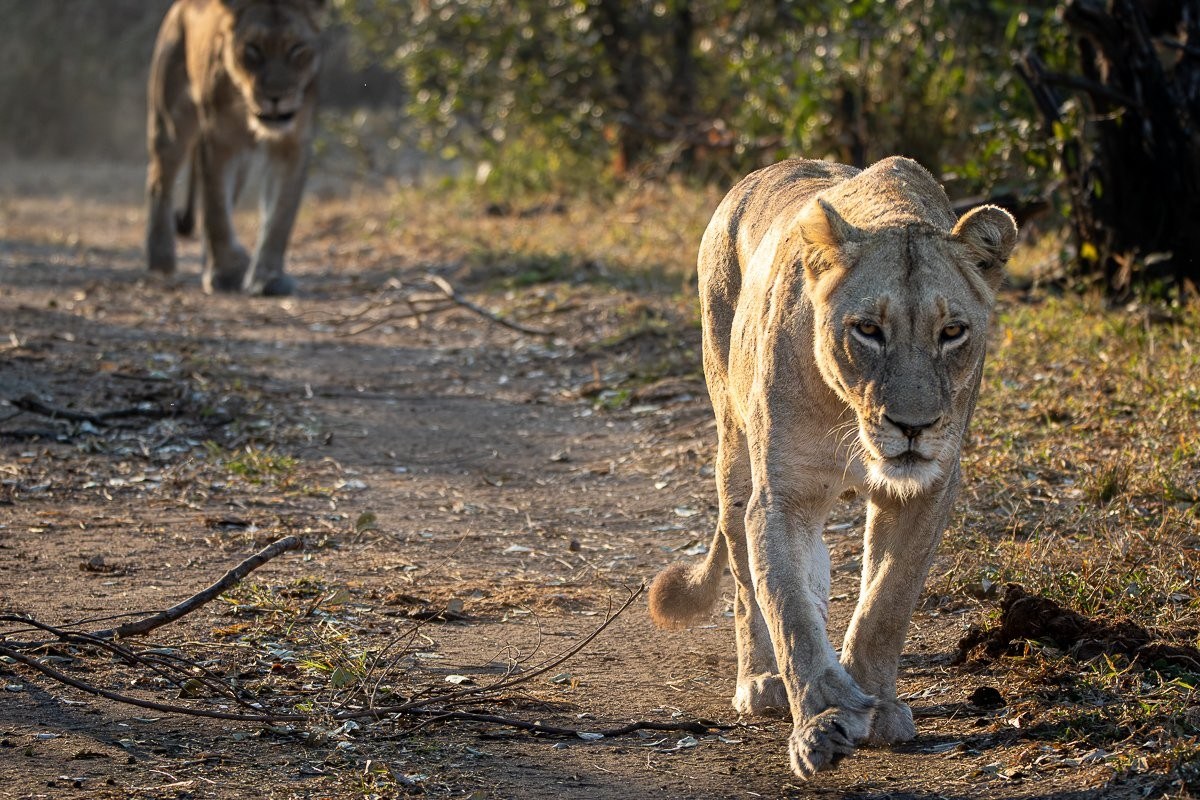
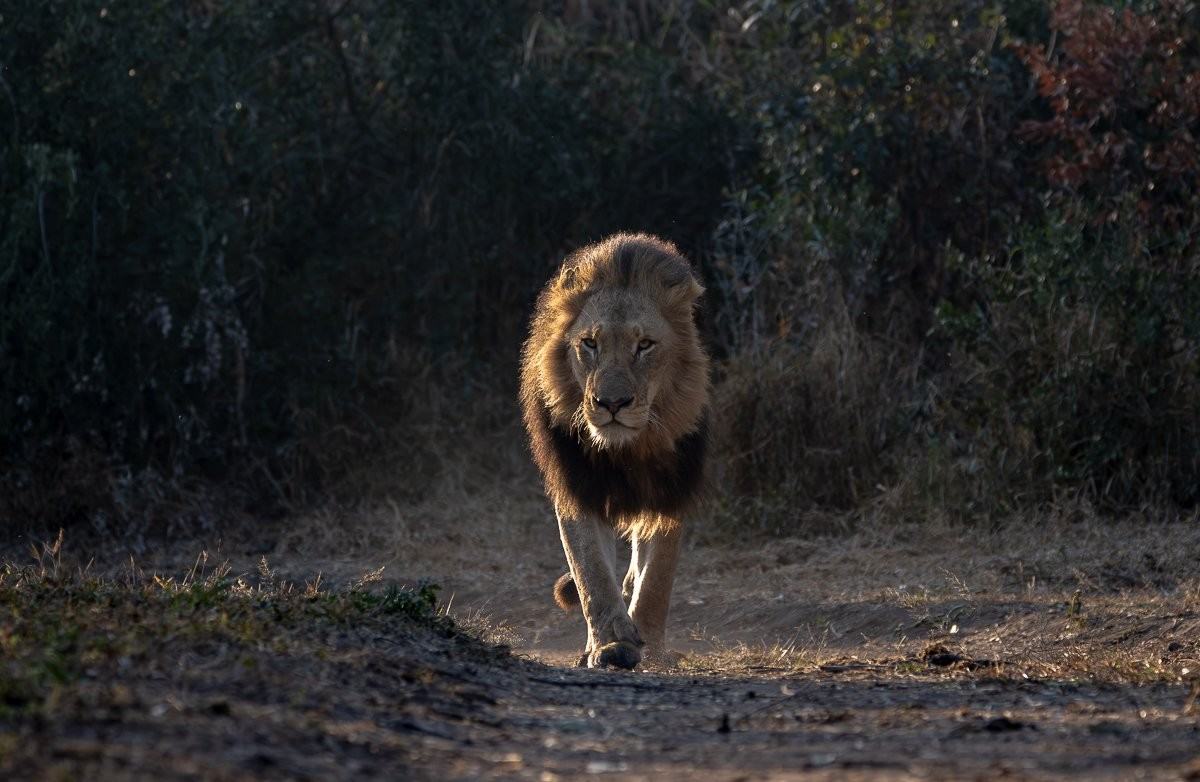
Finding fresh lion tracks heading off in different directions, all appearing equally fresh, it was difficult to determine which way the pride had moved. After spending most of the safari tracking, our persistence finally paid off when we found them. Three N’waswishaka males were resting not far from the Msuthlu Pride lionesses, all with noticeably full stomachs, suggesting they had made a kill during the night.
Witnessing lions on a hunt is always a special experience, but often we find them after the action has taken place - feeding on a carcass, finishing the last scraps, or with nothing left but scattered bones. Fortunately, lions tell the story themselves. Full, rounded stomachs and slow, heavy breathing are usually clear signs that they have recently enjoyed a successful meal.
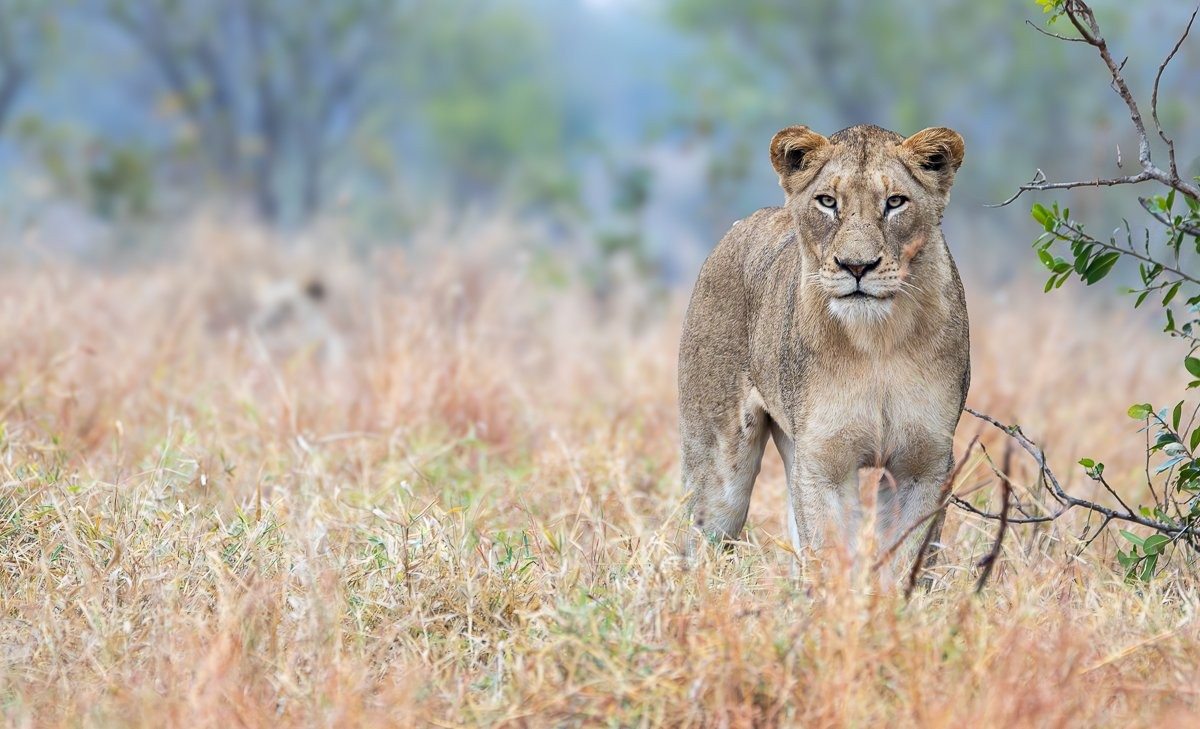
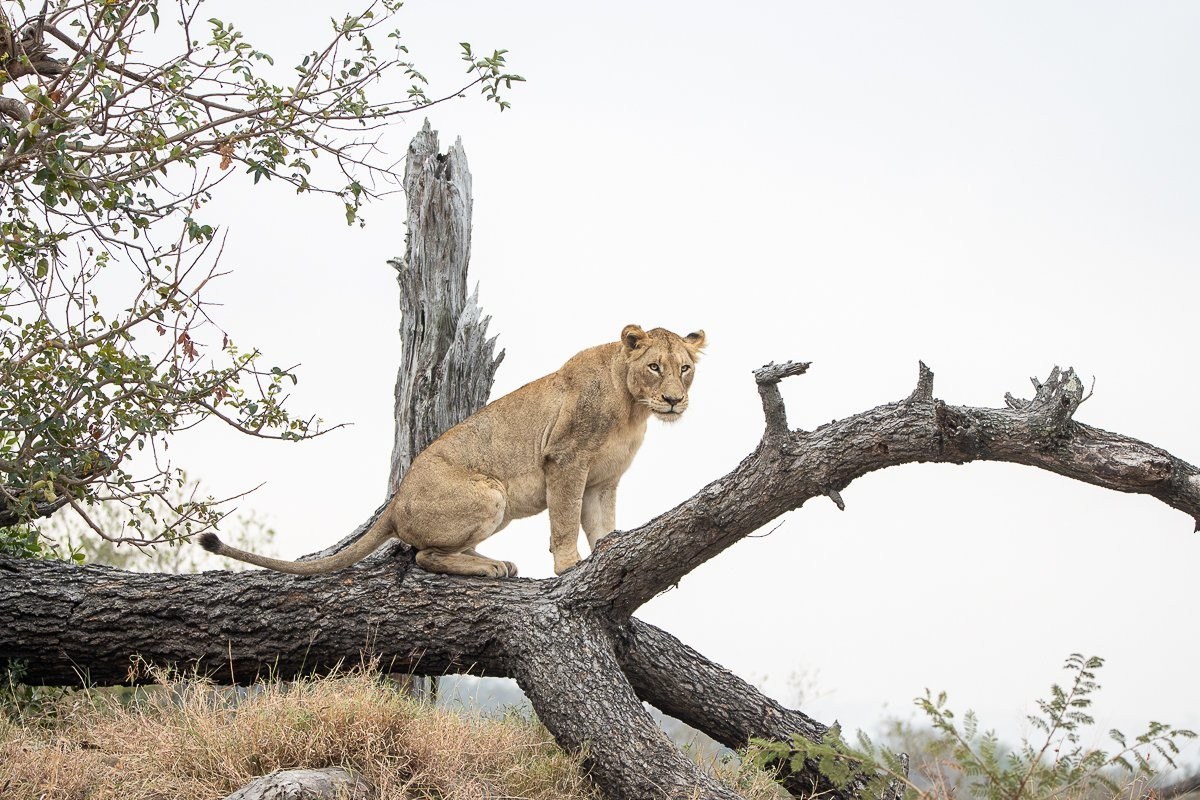
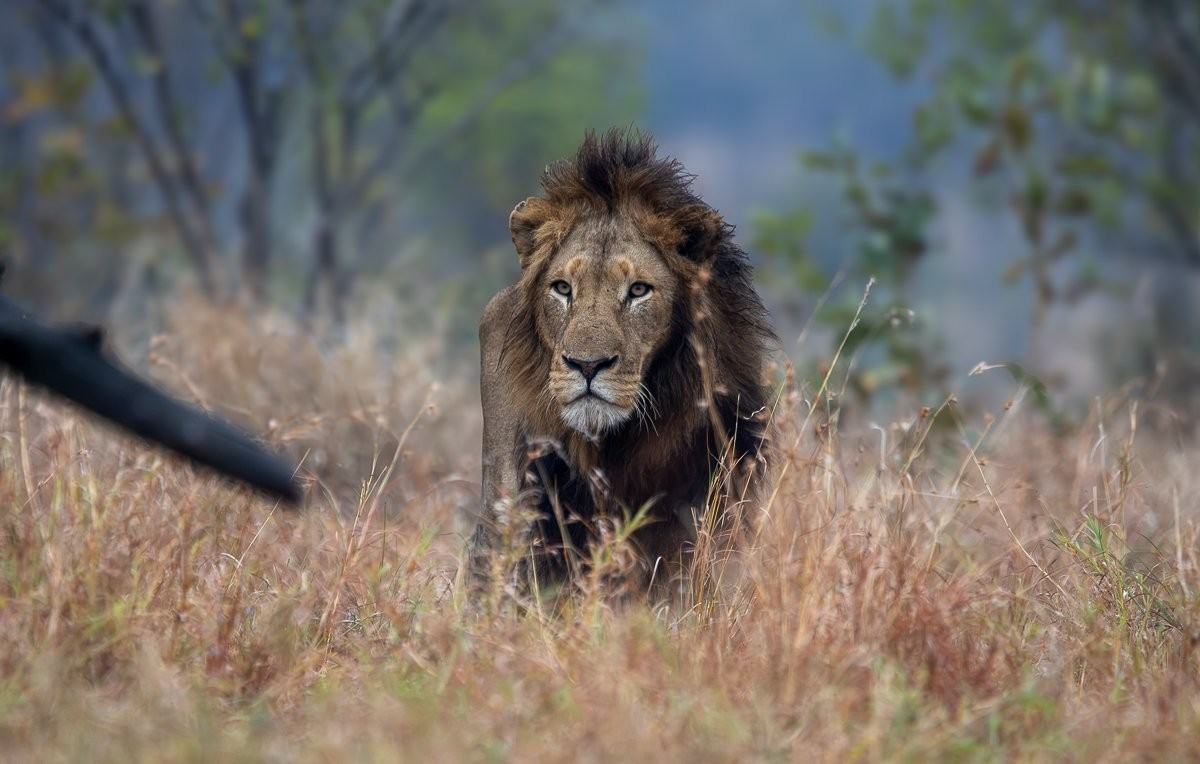
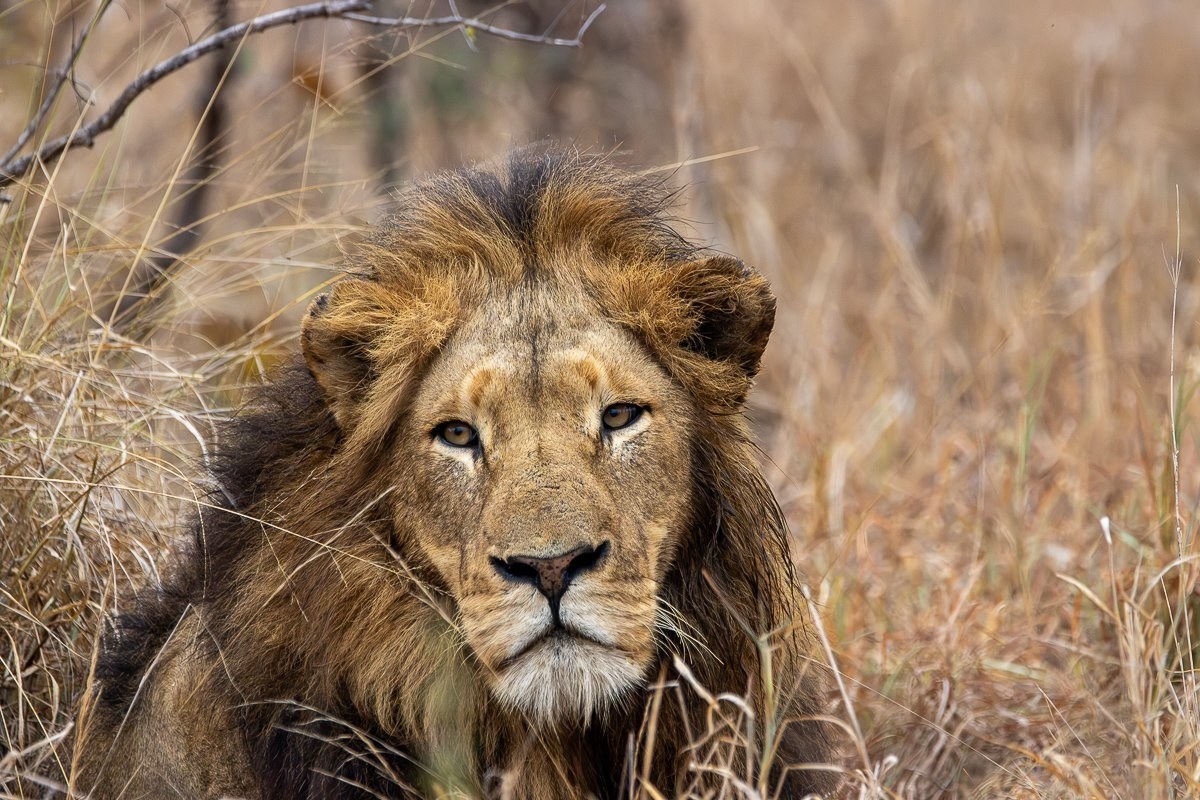
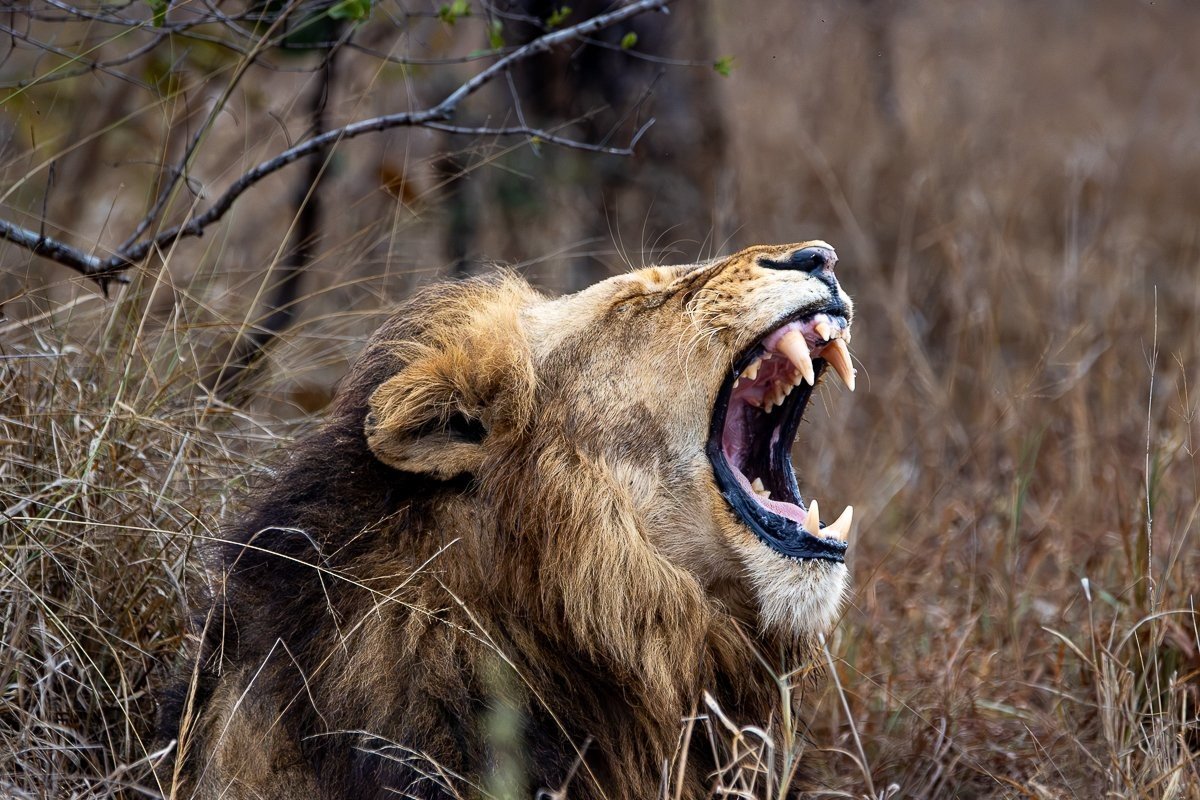
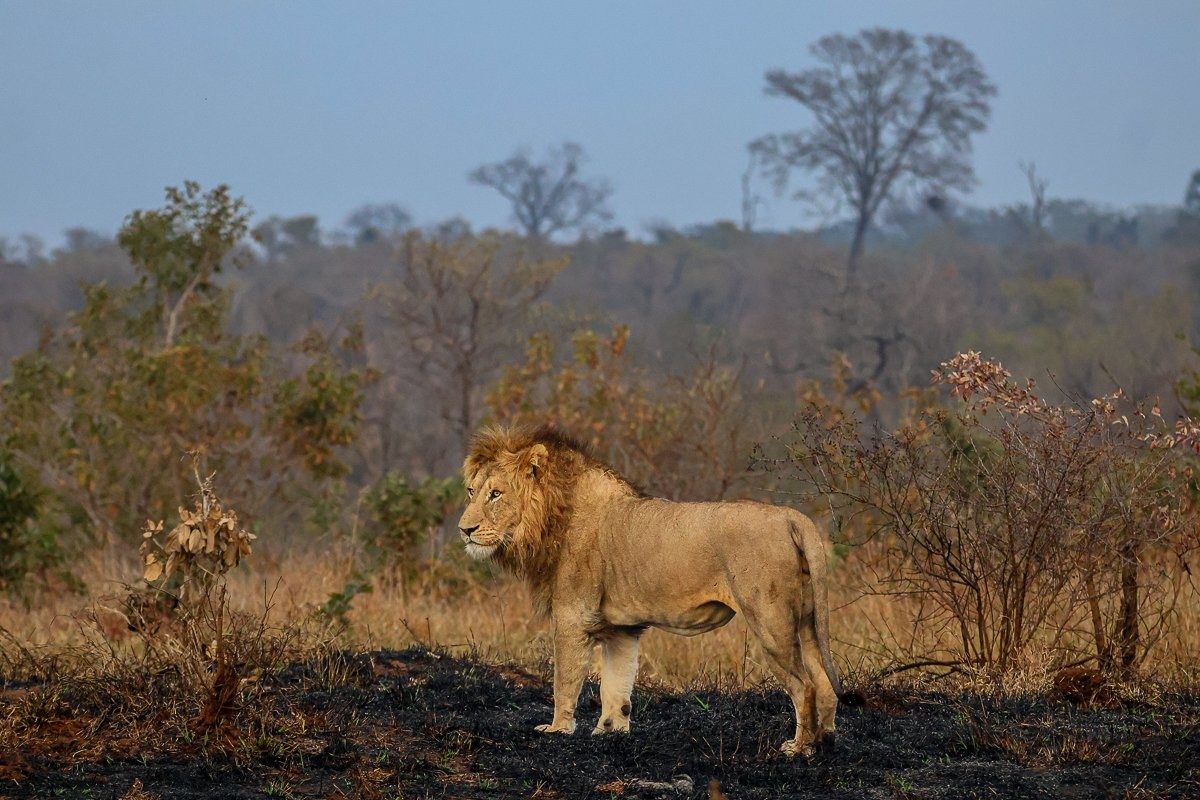
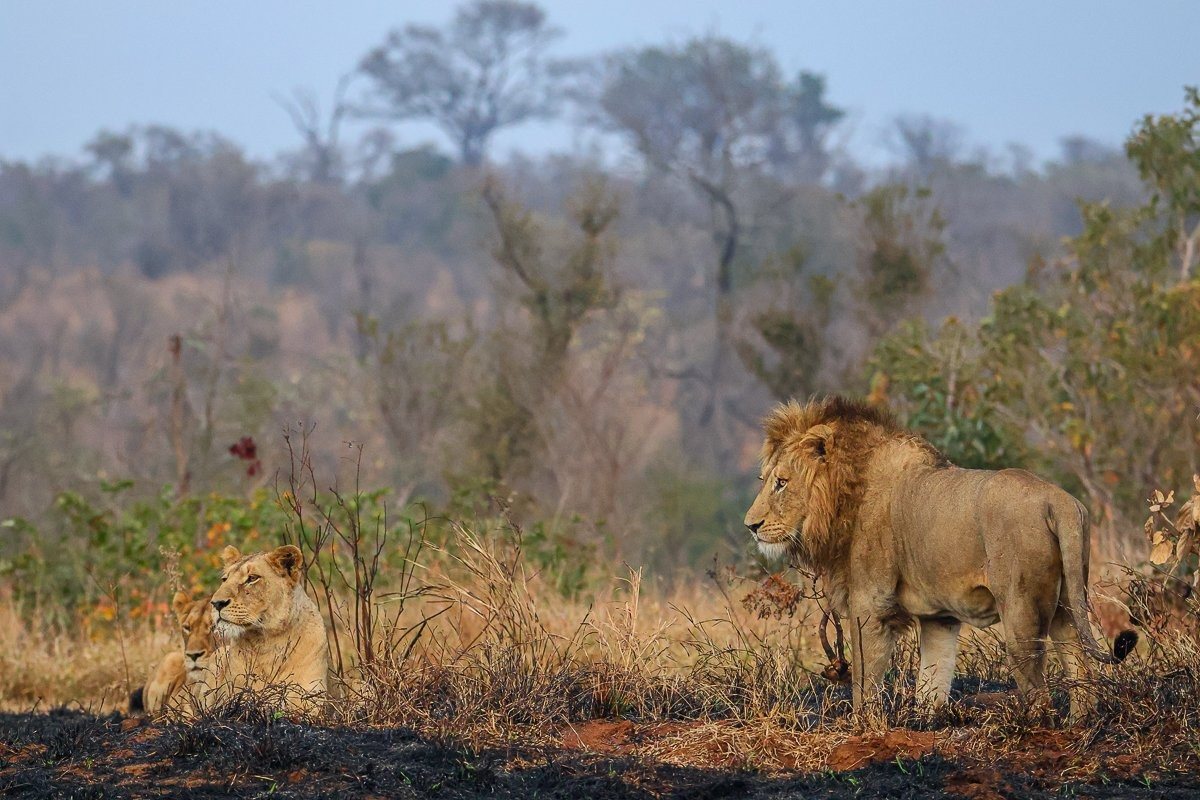
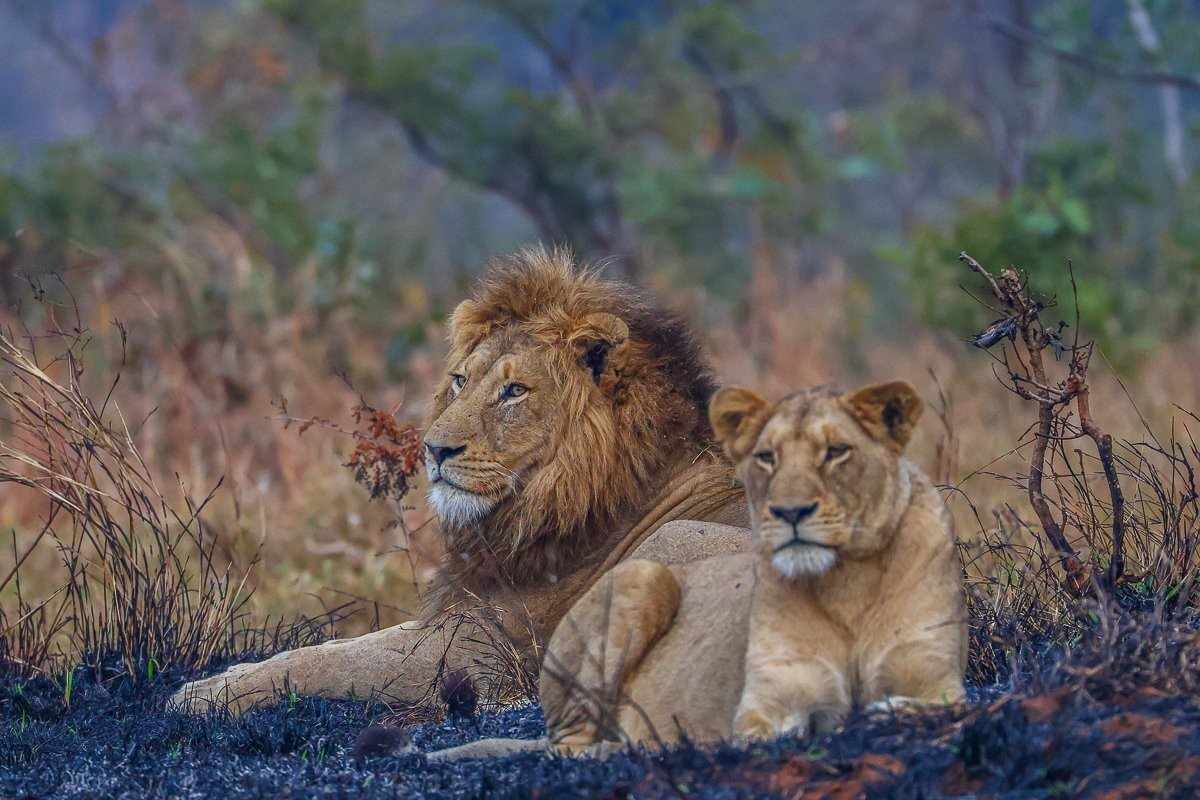
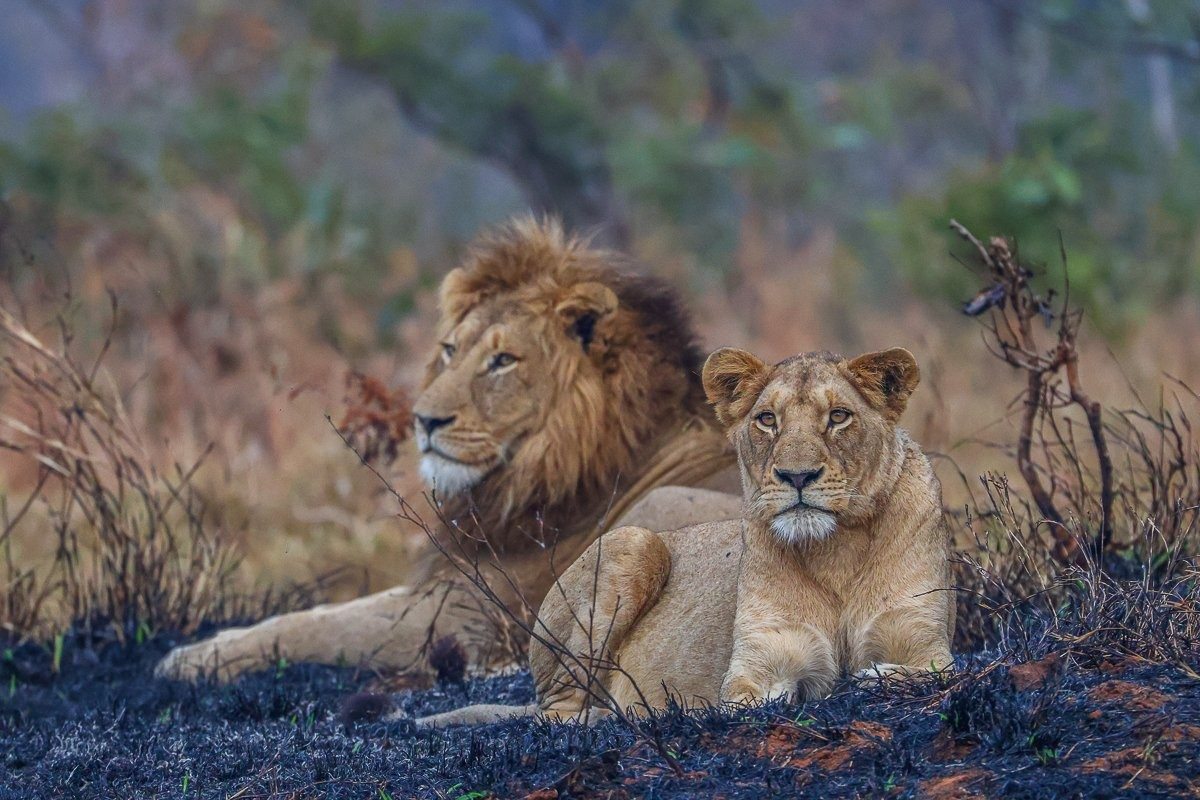
After an evening filled with lion roars echoing through the bush, we followed up on tracks left by the Southern Pride. Before long, we found two lionesses and one N'waswishaka male lion resting in a recently burnt area, conserving their energy before continuing back towards the matriarch's den site. With new cubs currently hidden in the area, the pride has been particularly active in the southern parts of the reserve, regularly patrolling and asserting their dominance to keep rival lions away.
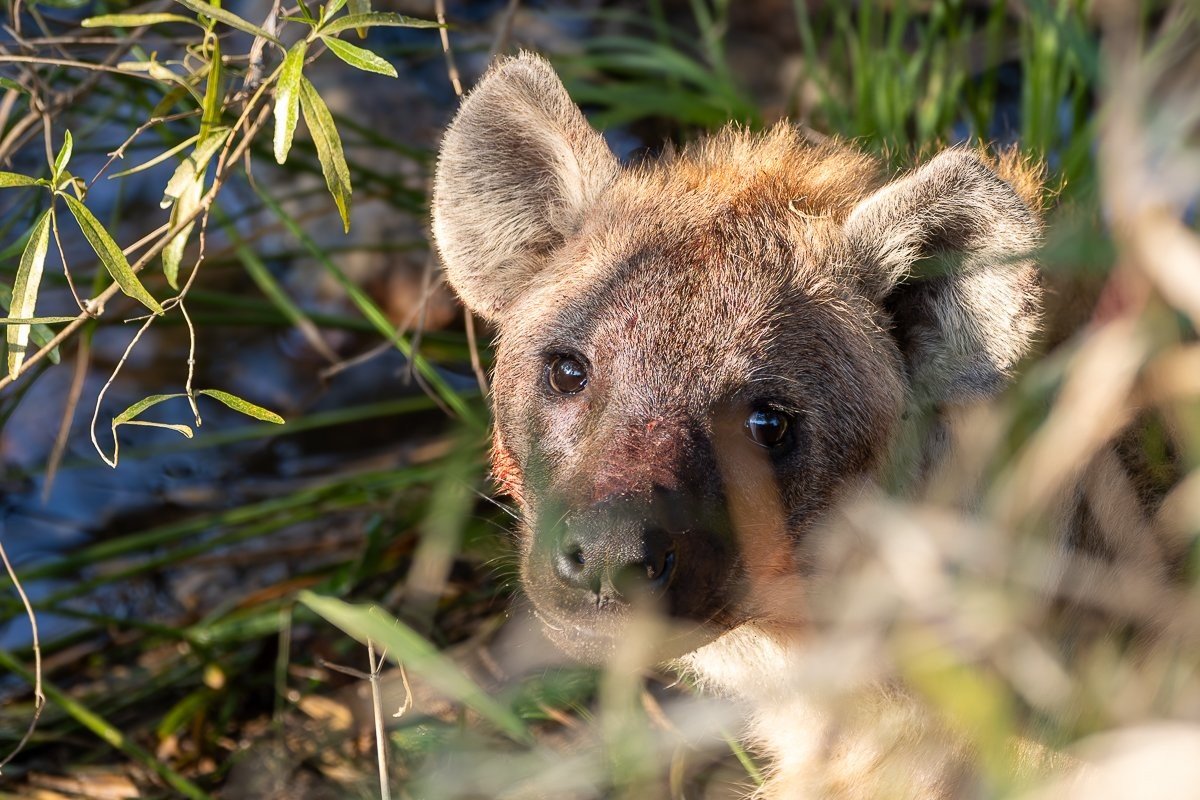
We left the lodge in search of a female leopard after finding her tracks near the lodge the previous evening. Before long, the sound of hyenas calling from the opposite direction caught our attention, so we went to investigate. Our decision paid off as we found the Jacana female in a tense standoff with a clan of hyenas over her impala kill. Despite her efforts, she was eventually forced to abandon the carcass as the hyenas dragged it into the riverbed. She lingered nearby, hoping they might leave behind a few scraps.
This is a common challenge for leopards. Hyenas will often follow them in the hope of stealing a fresh kill, overwhelming the leopard before it has the chance to hoist its prey into the safety of a tree.
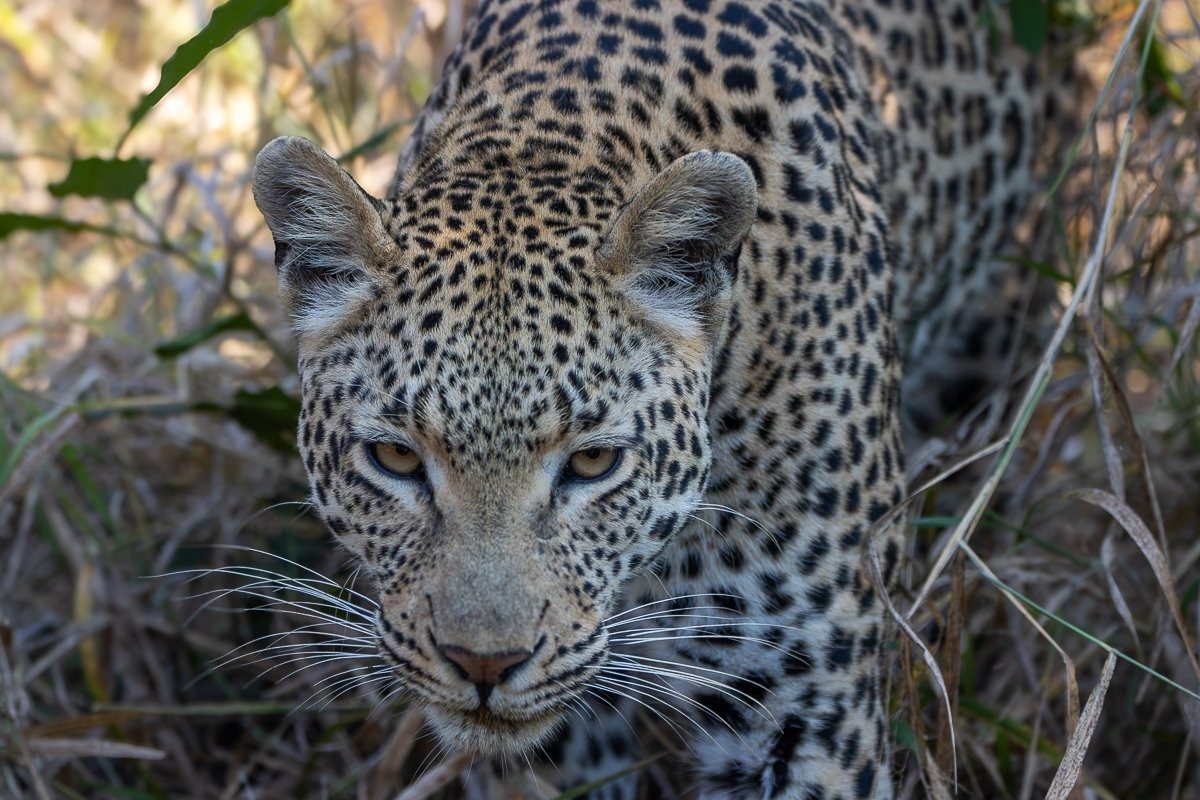
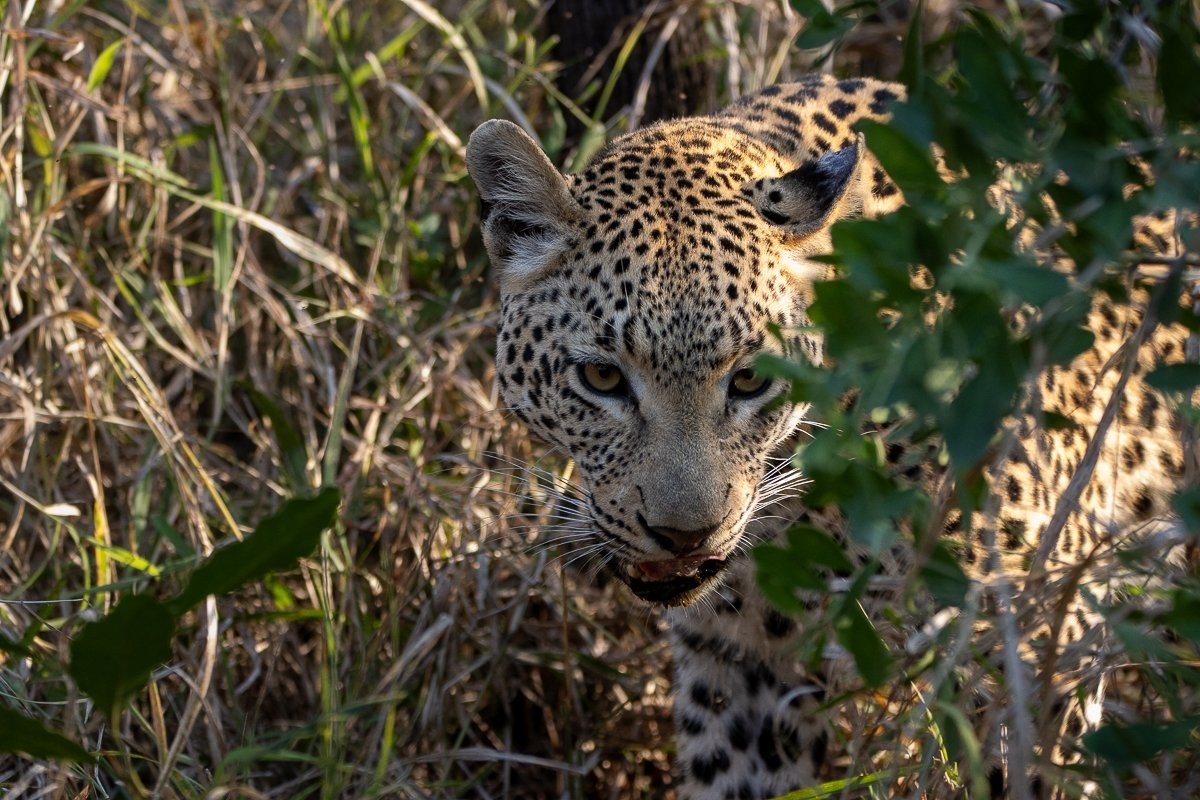
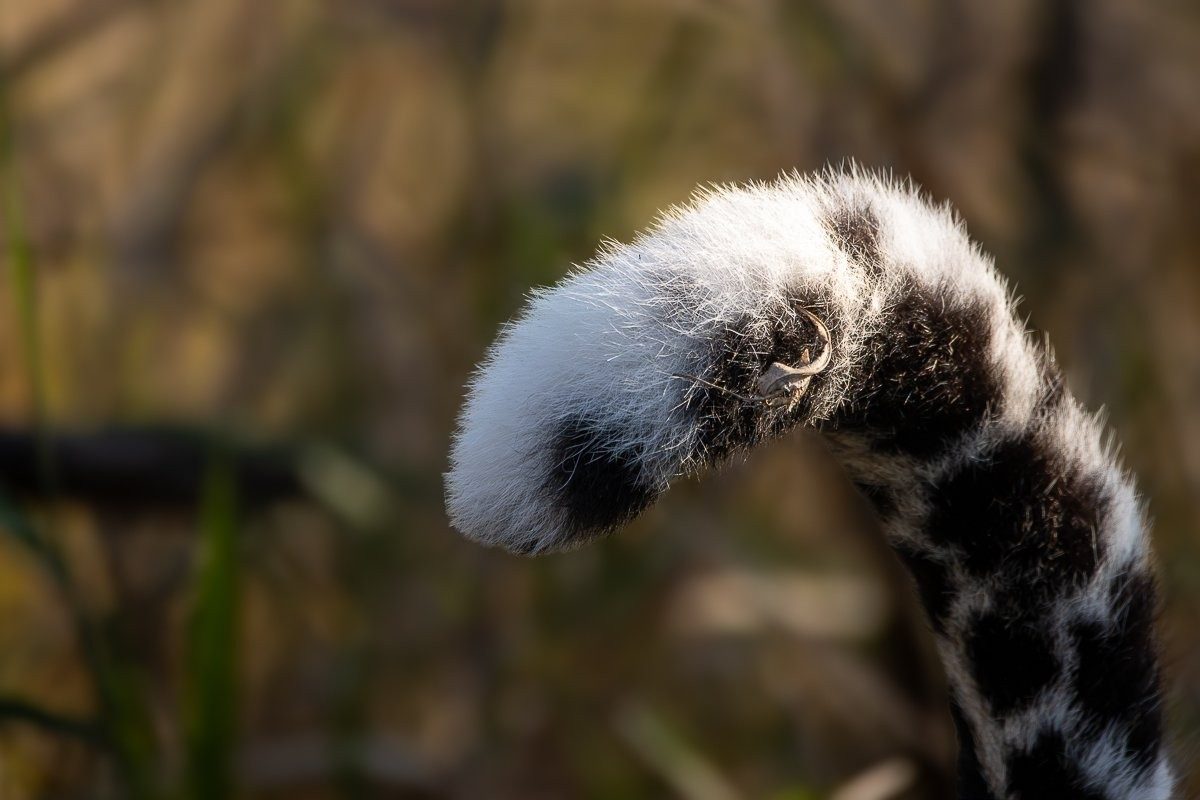
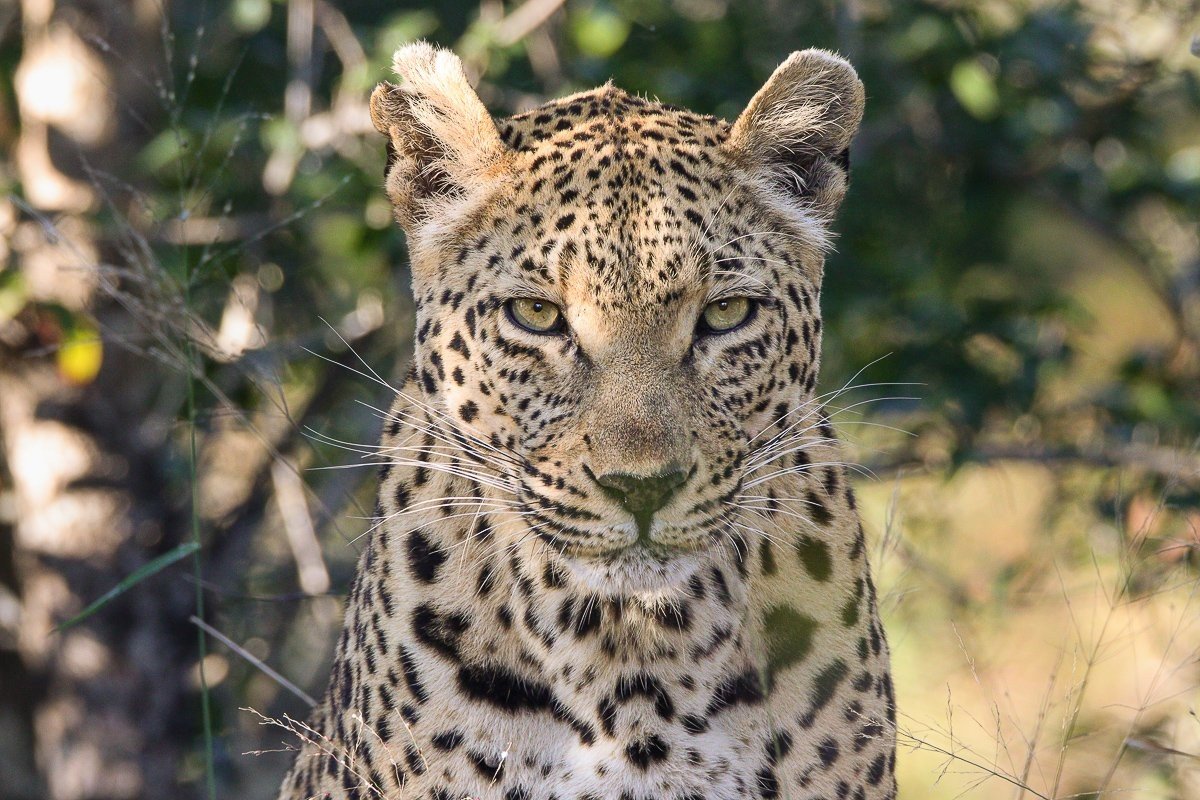
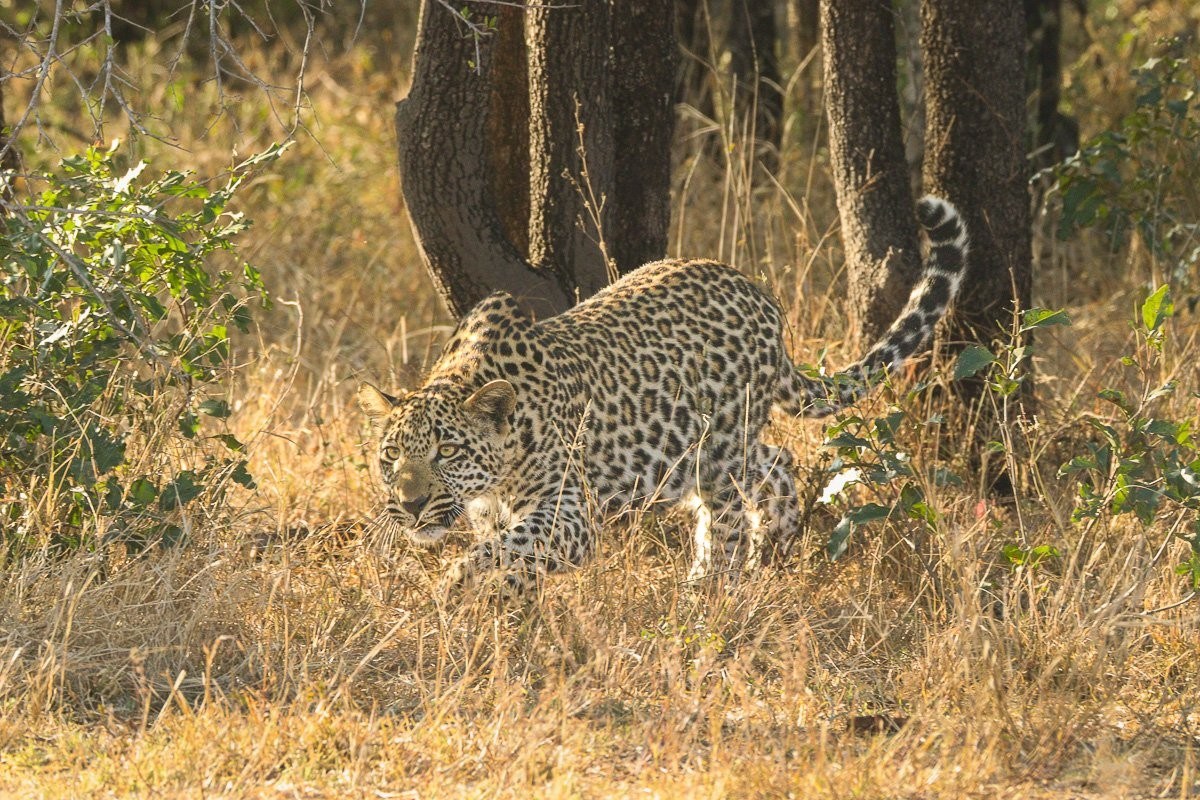
Early on the afternoon safari, the team picked up the fresh tracks of a female leopard moving through the reserve. We followed them eagerly and before long they led us to Ntsumi, who was gracefully making her way through the bush in search of her next meal.
As she approached the riverbed, she set her eyes on a small herd of impala grazing in the treeline. She quickly ran into the tall grass and dense tree cover where the impala would not be able to see, or smell her, as she inched forward attempting to hunt.
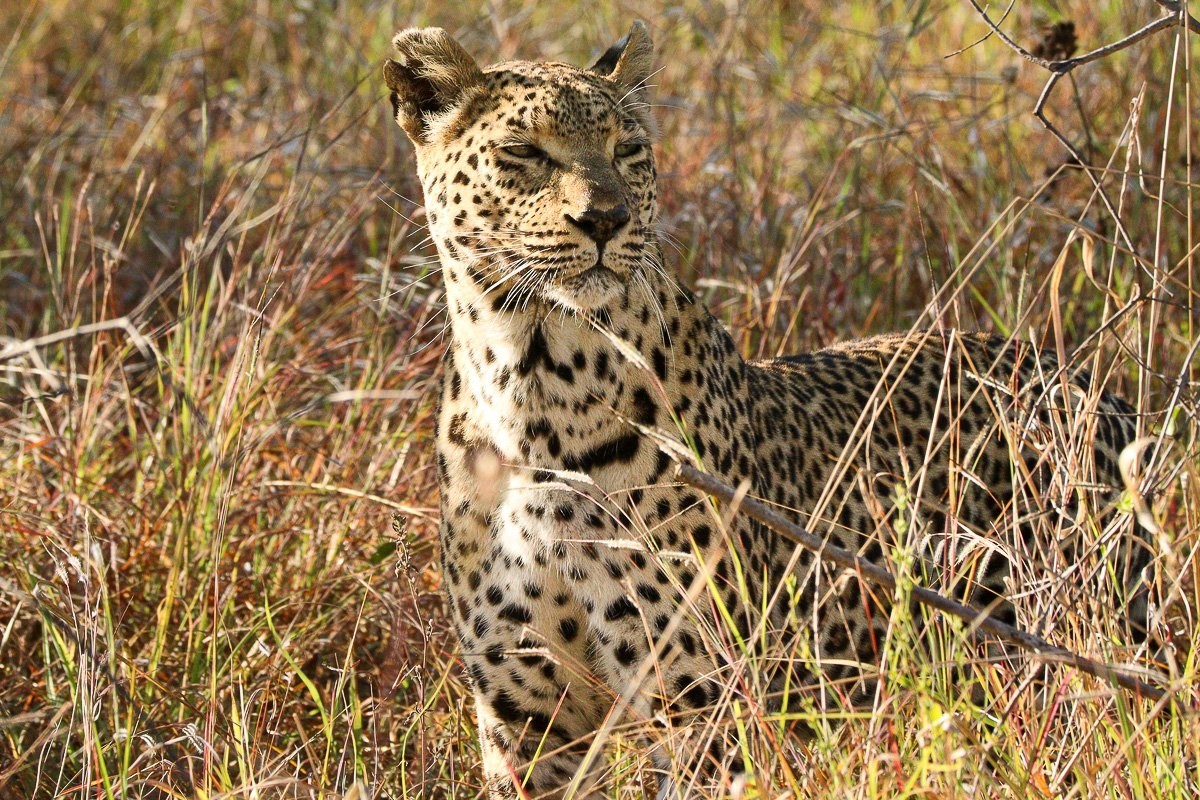
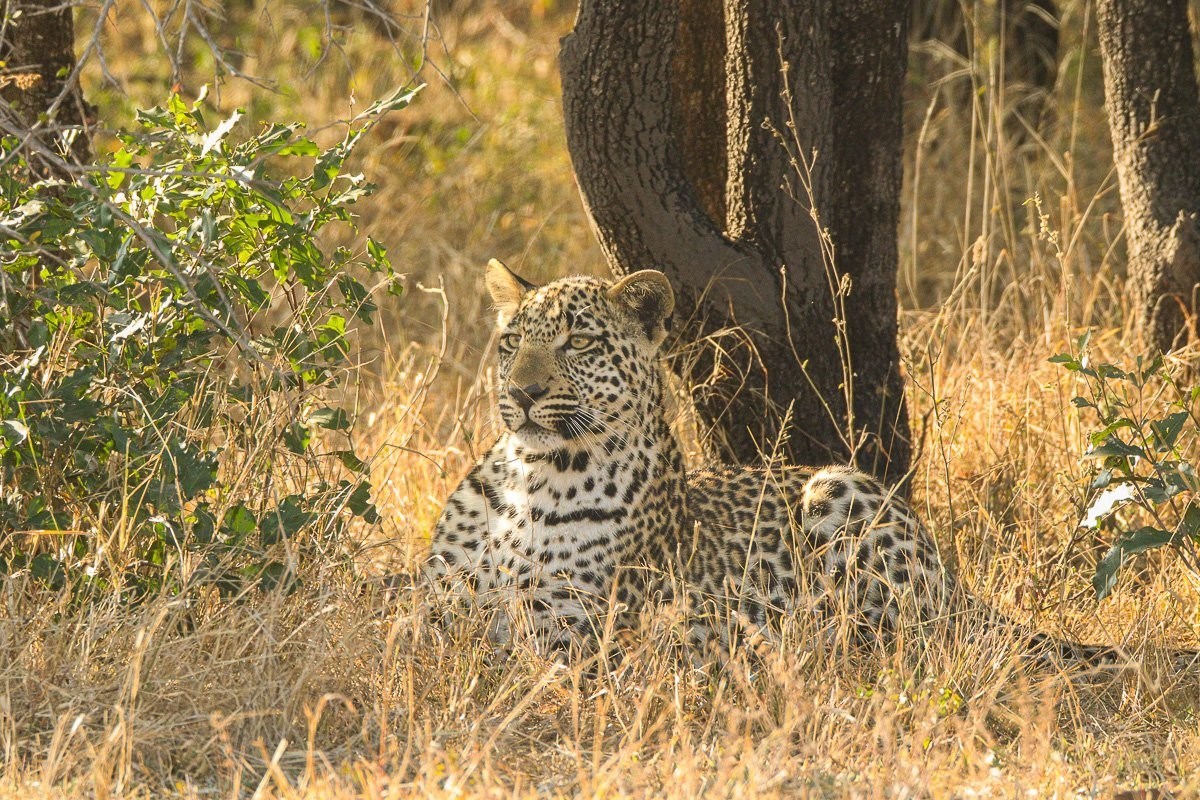
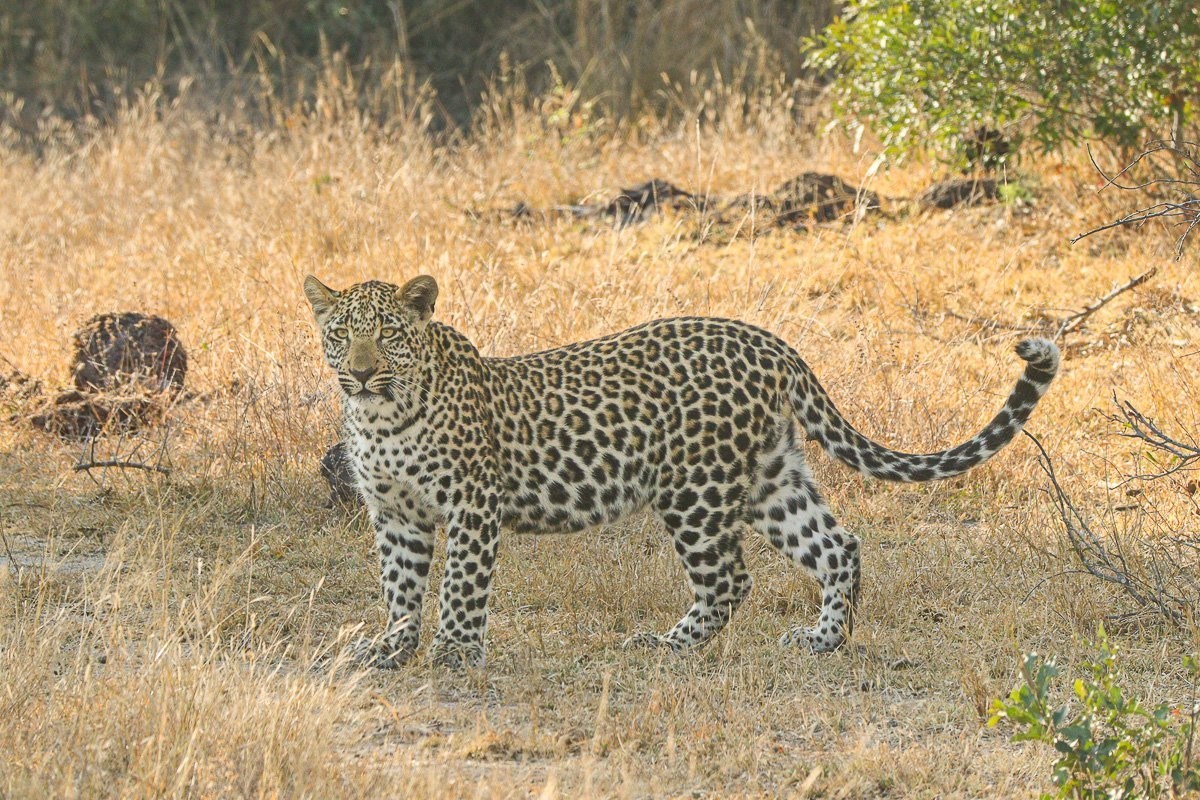
Tengile's son rested beside a small waterhole, carefully grooming himself before moving back to lie with his mother in the shade. As they relaxed, the cub suddenly sprang to his feet and began stalking a small flock of francolins.
At this stage of his life, every hunting attempt, no matter how small the potential prey, is an important learning experience. These instinctive behaviours help him develop the skills he will rely on as an adult, teaching him to stay low, move silently, and focus on even the slightest movement. Chasing small prey also sharpens his agility, coordination, and reflexes, preparing him for the day he begins hunting larger animals.
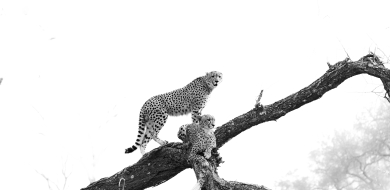
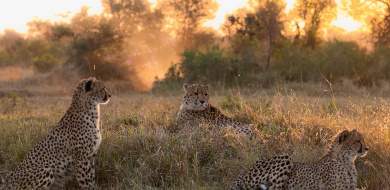
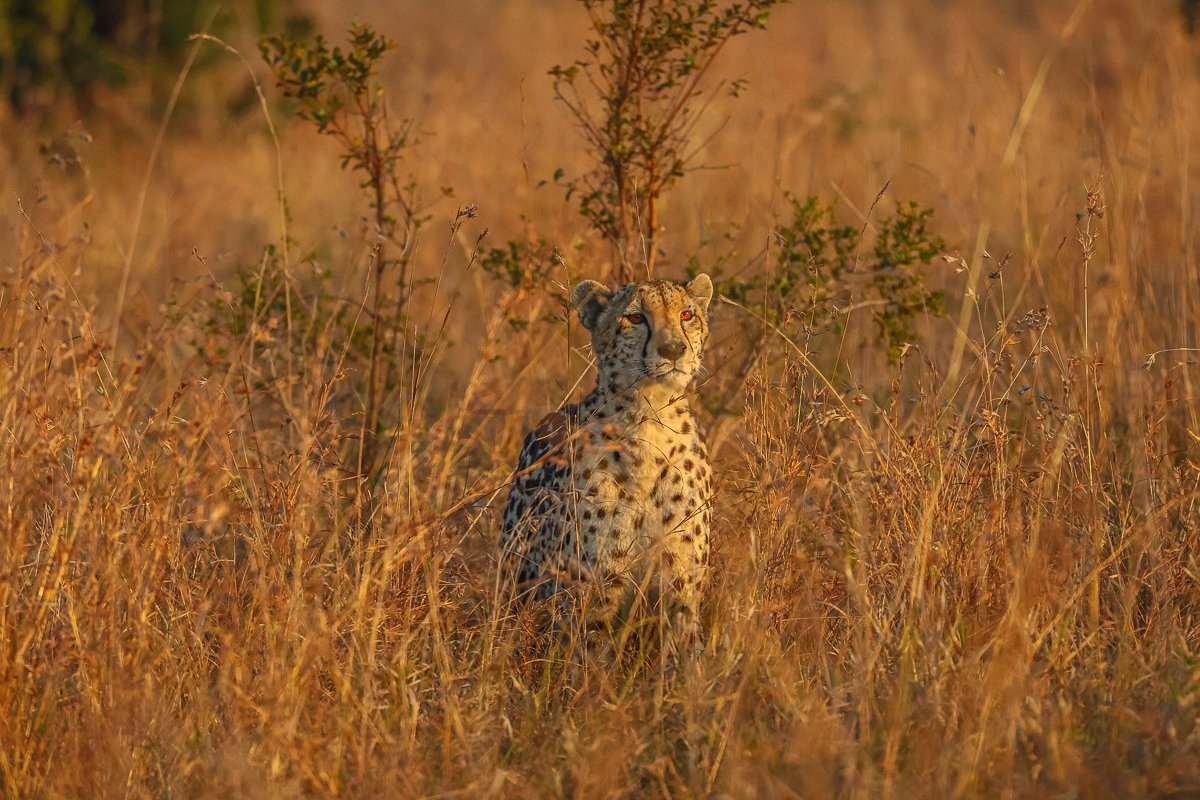
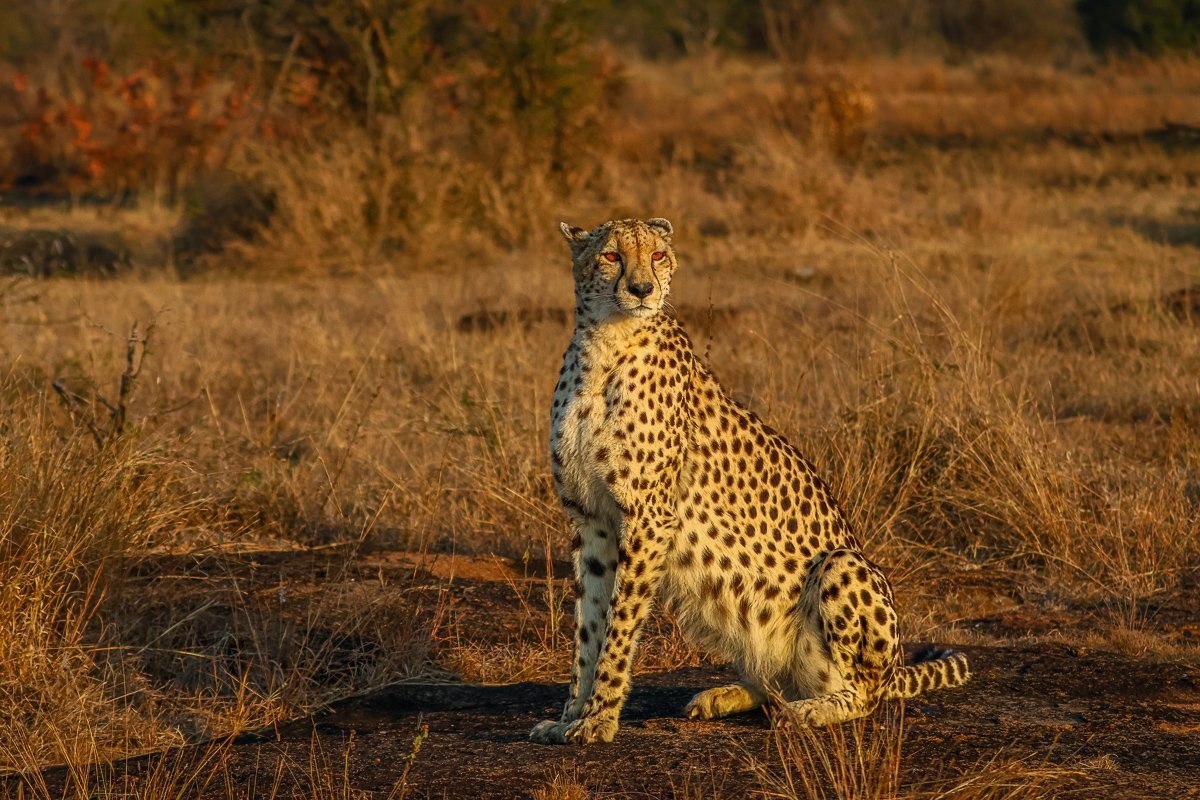
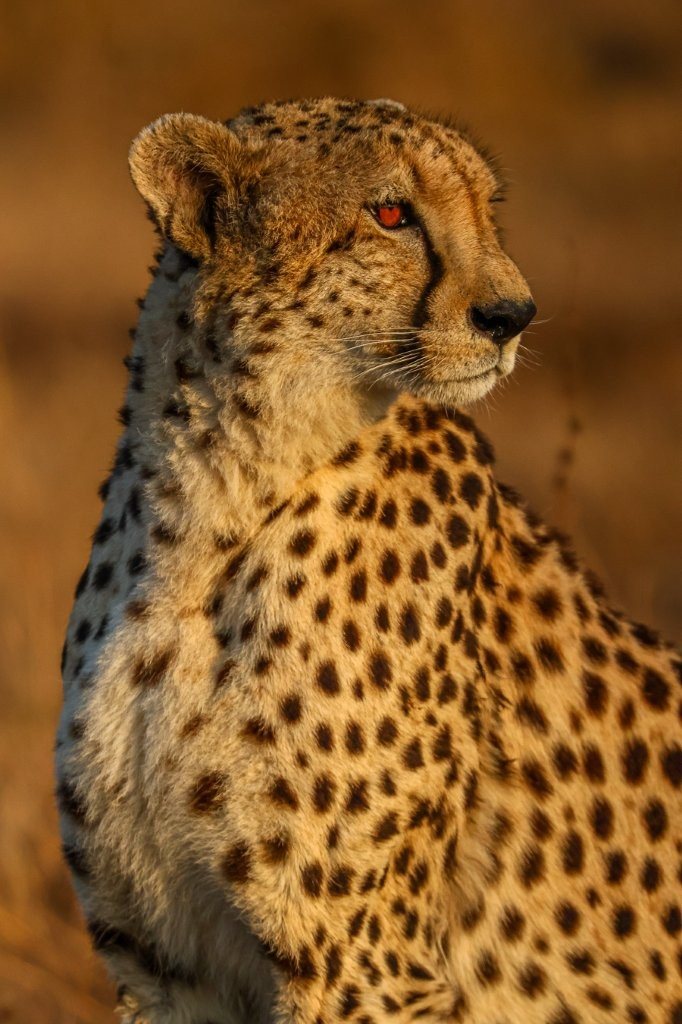
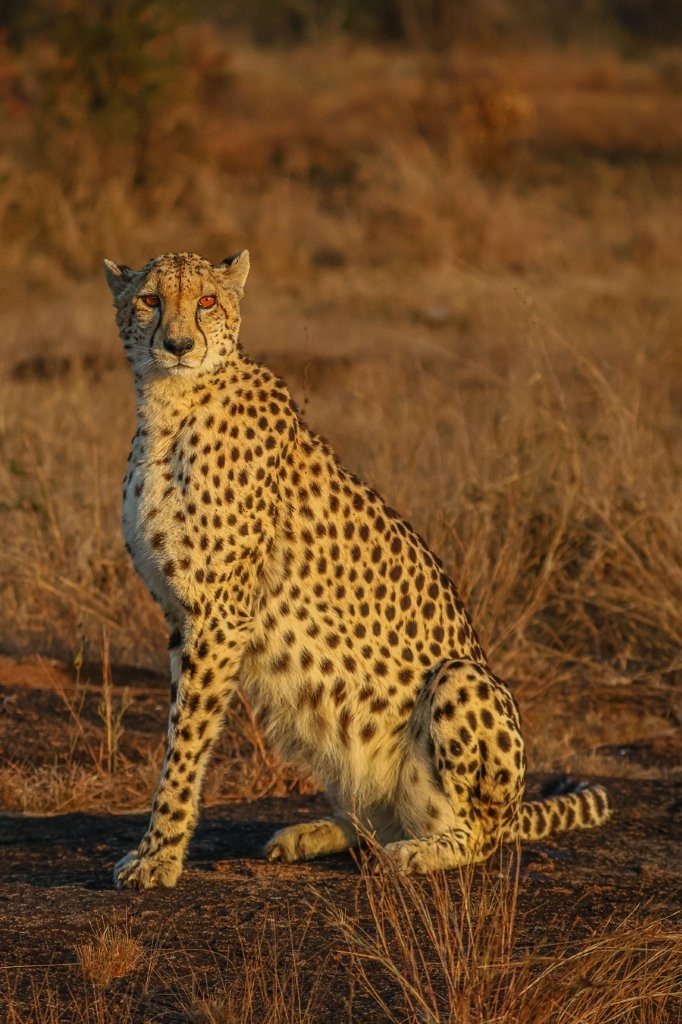
Driving in the southern section of our reserve ensured great excitement on our morning safari, as we slowly moved through an open area we spotted this beautiful female cheetah, she was watching a herd of impala intently as she was using the wind to plan her approach, unfortunately for her a dazzle of zebra got visual of her and chased her off, forcing her to move off and look for a new hunting opportunity. Even though cheetahs have speed on their side, they are not the strongest predator we get in the African bush, forcing them to look for smaller prey and avoid contact with large species. On windy days like today, cheetahs are active for most of the day as they know their chances for successful hunting increases significantly as the wind has a big impact on the sense of hearing and smell for prey animals.
Until next time…
Blog by Wendy Claase
Images by Jana du Plessis, Ronald Mutero and Ruan Mey