
A Week in the Bush Vol. 602
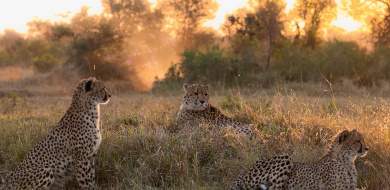
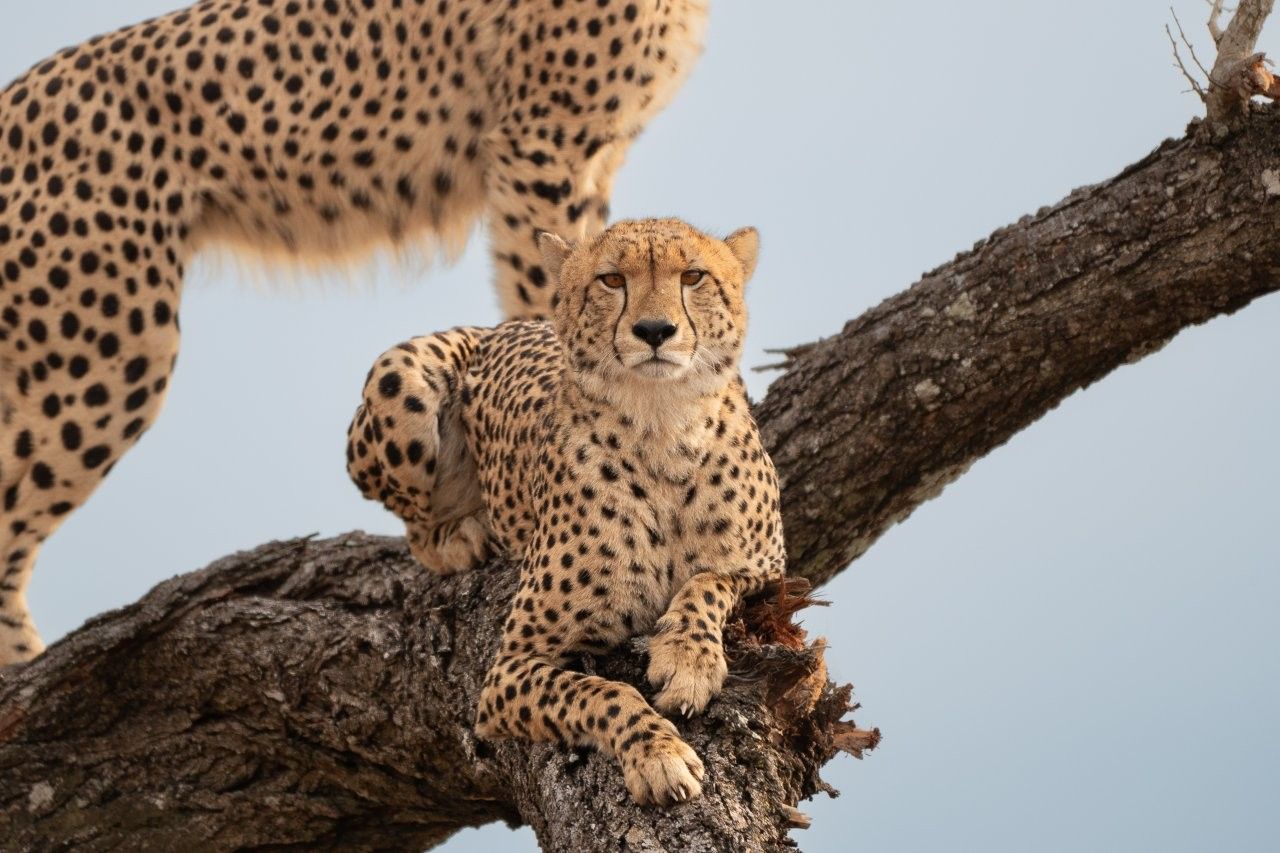
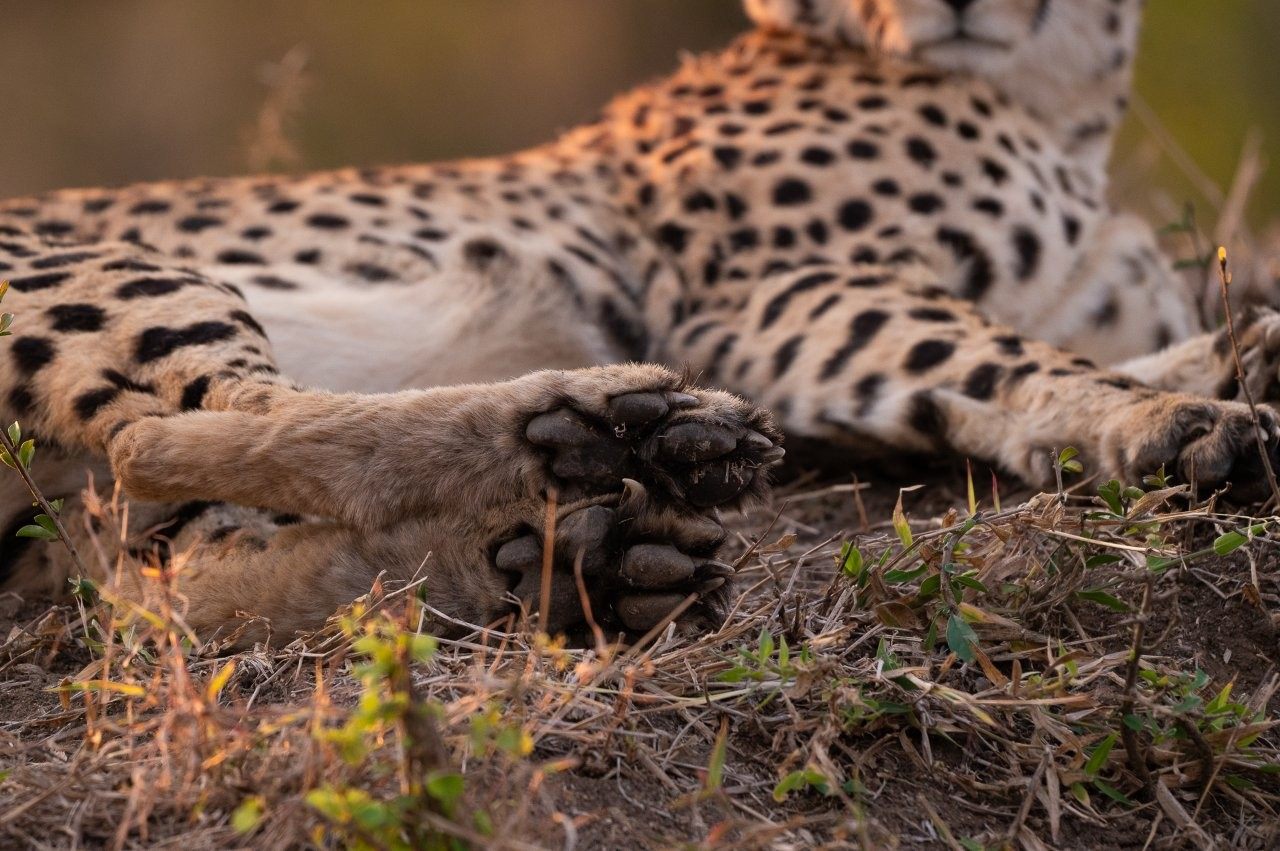
on Jul 22, 2026During one of our safaris, we decided to follow up on the three young cheetahs that have been spending time around the reserve. After finding their tracks, we followed them for a short distance before locating them resting in the shade, their stomachs full after an impala kill earlier that morning. These youngsters have done an impressive job of securing regular meals while constantly staying on the move to avoid attracting the attention of larger predators and scavengers.
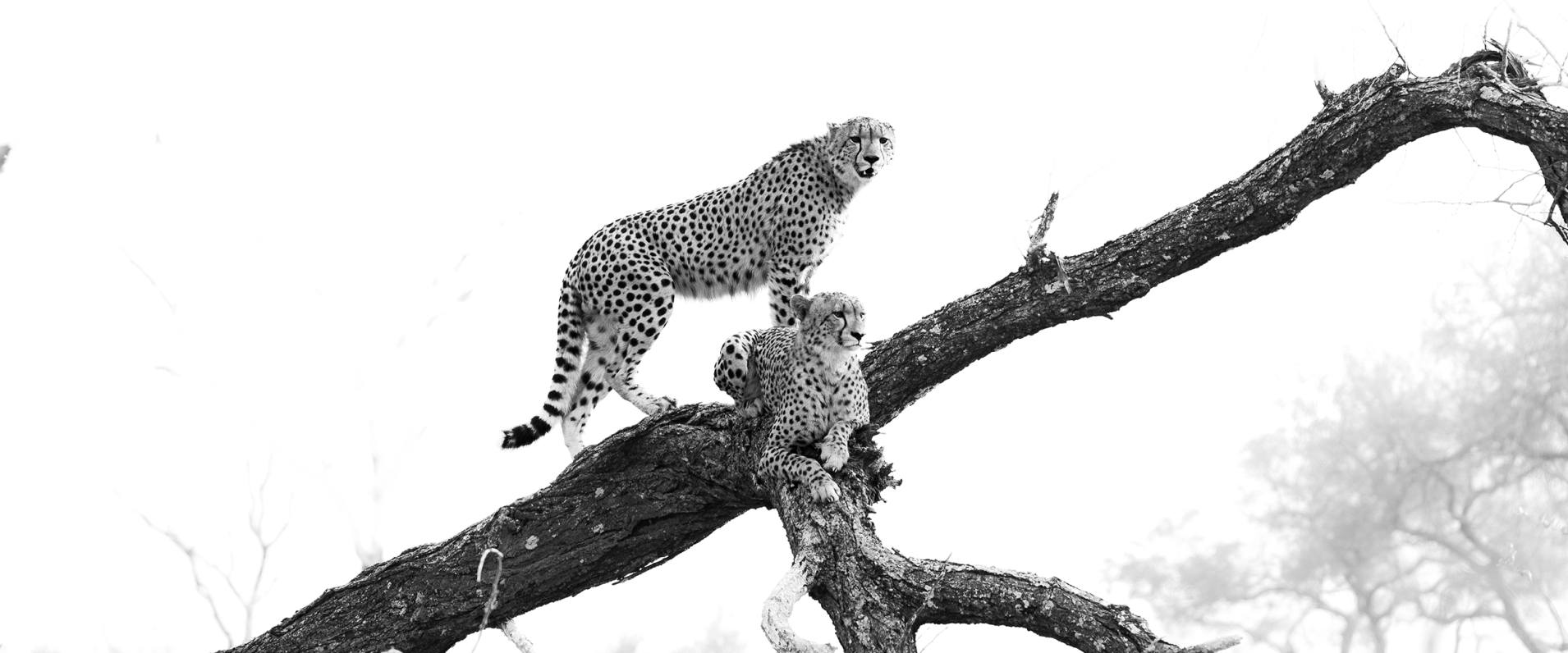
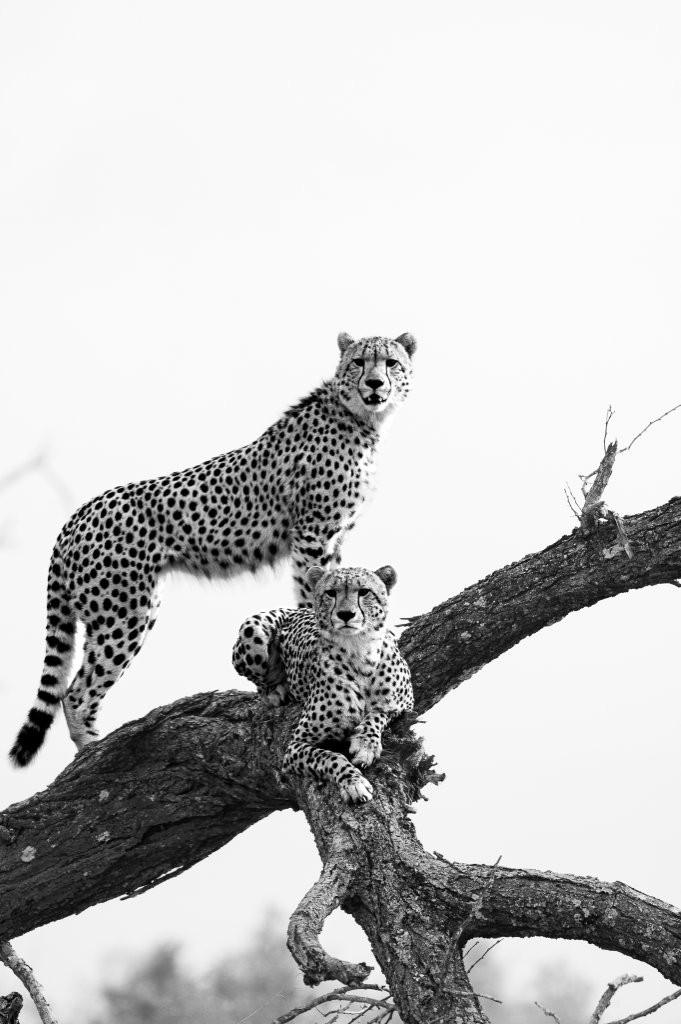
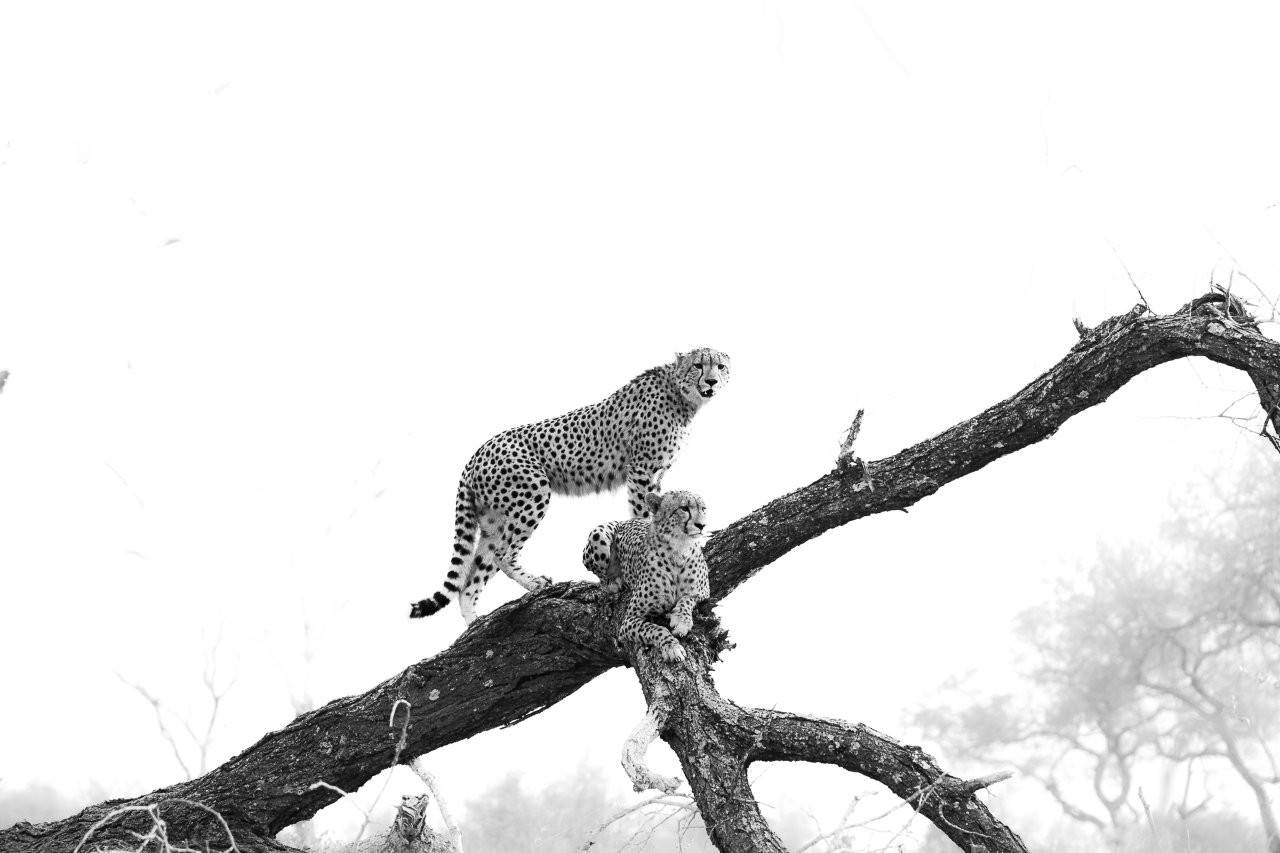
On another occasion, we found two of the cheetahs perched on a fallen tree after noticing the anxious behaviour of nearby impala, wildebeest and zebra. As one of Africa's most efficient predators, cheetahs often trigger alarm calls, with prey species quickly putting as much distance between themselves and the cats as possible. Recognising these telltale signs, we circled the area and, thanks to our tracker's sharp eyes, soon spotted the cheetahs resting on the log.
With two males and one female in this small group, it is only a matter of time before the males separate from the female and hopefully form a coalition of their own. As they continue to mature, these young cheetahs will play an important role in strengthening the gene pool of this endangered species across the reserve.
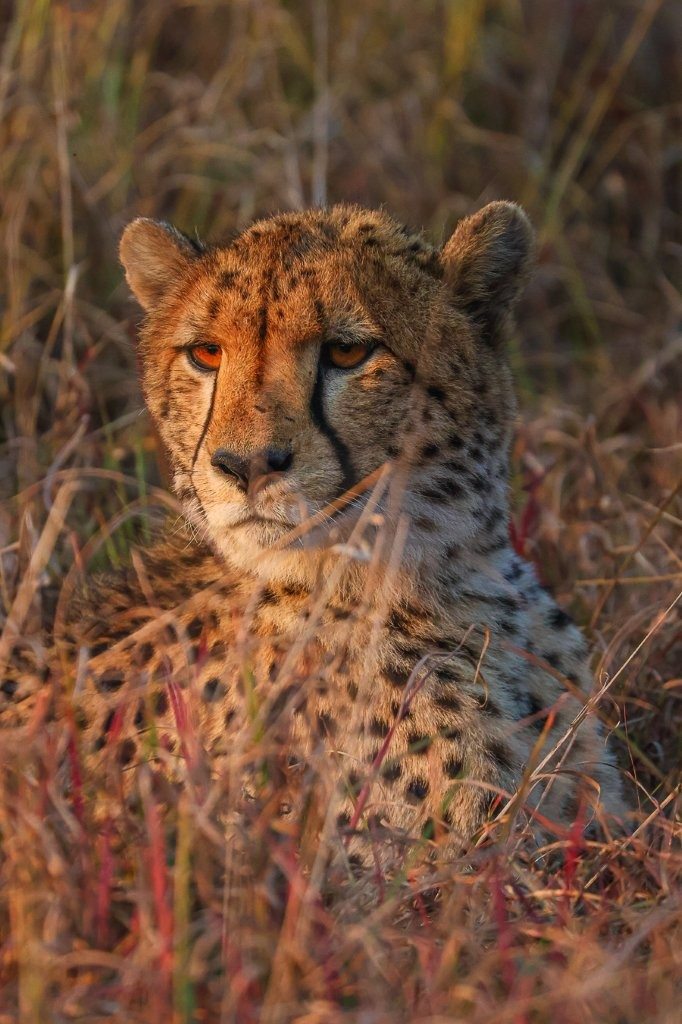
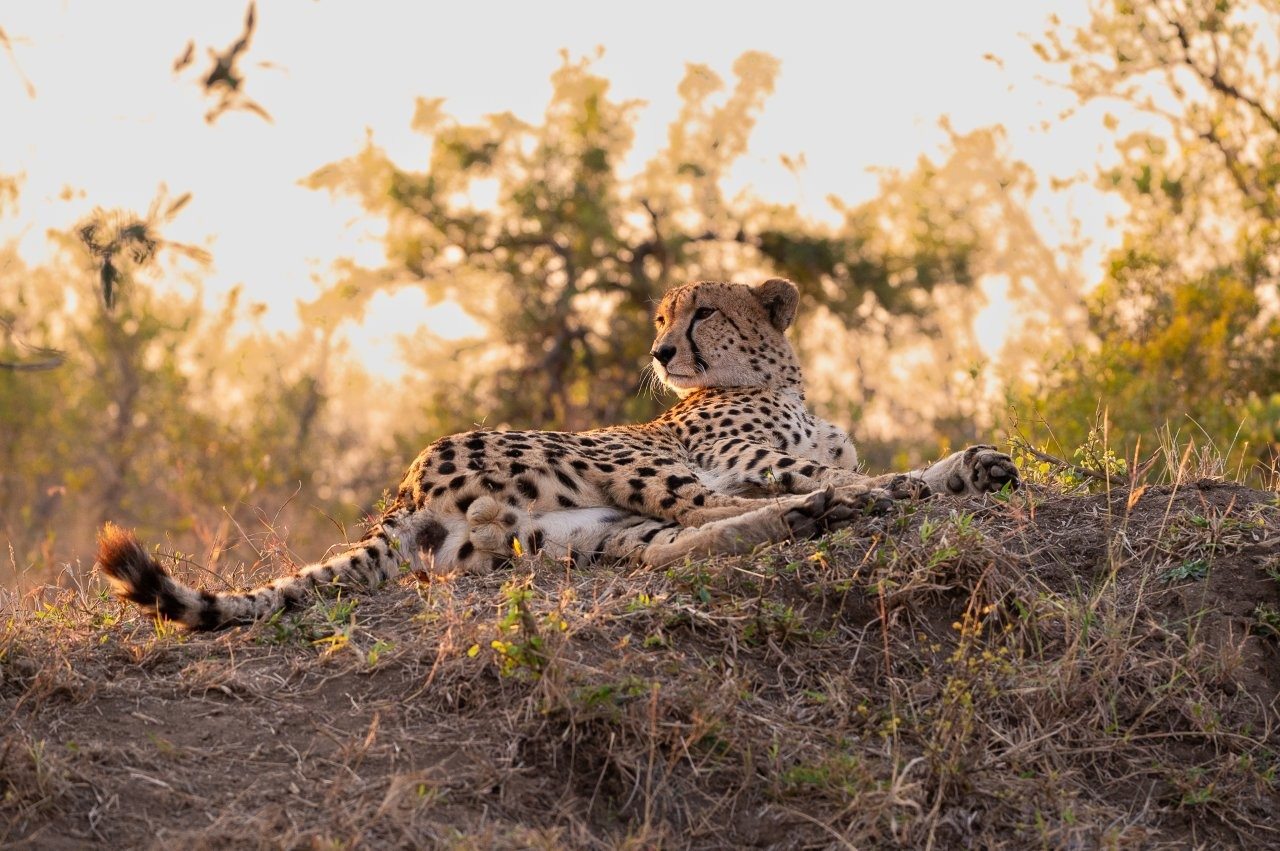
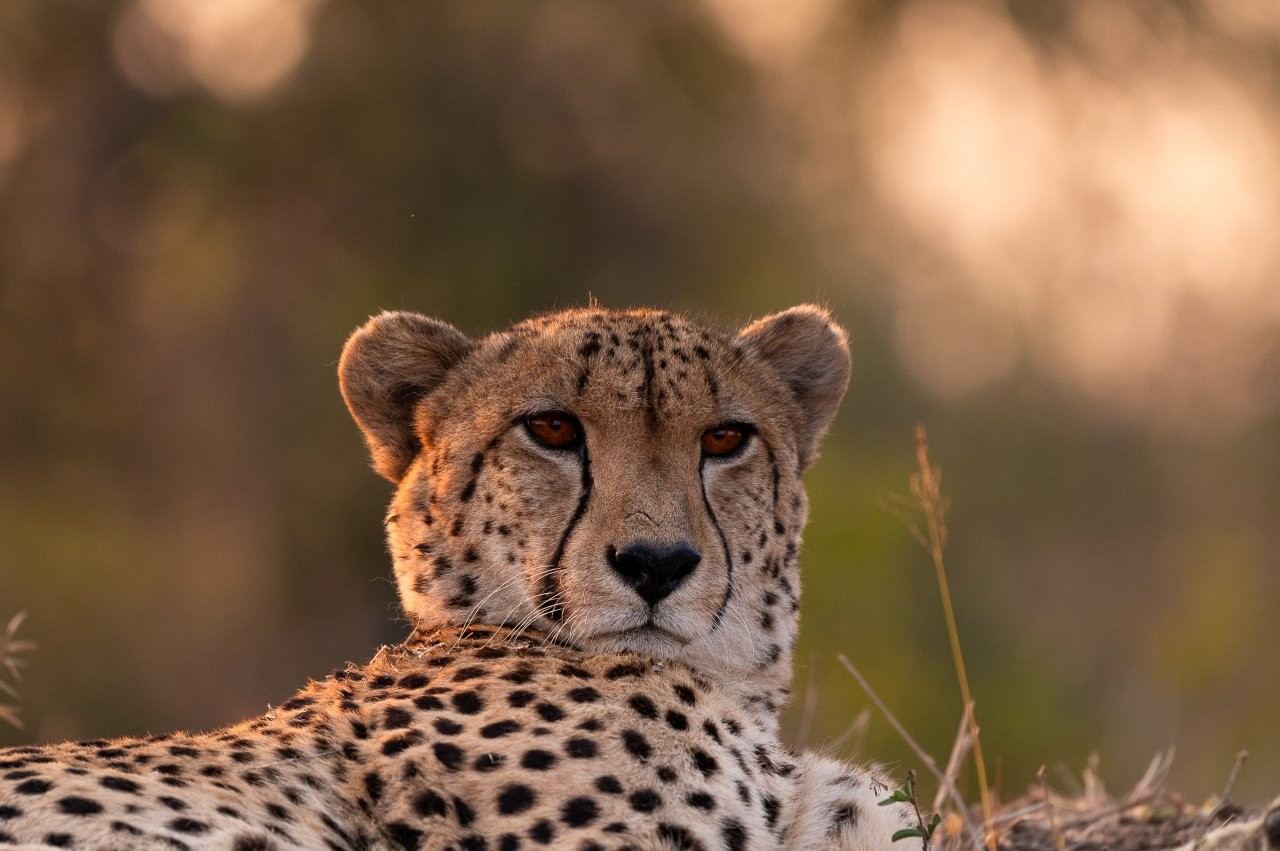
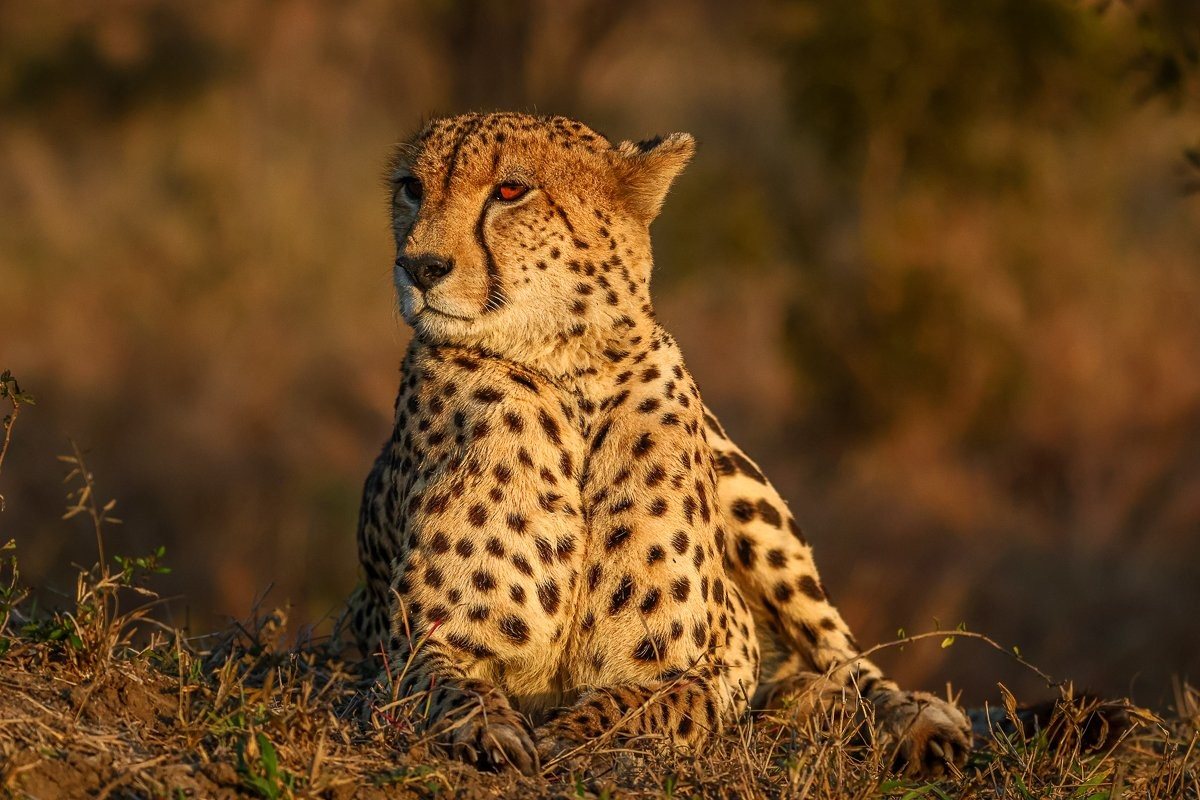
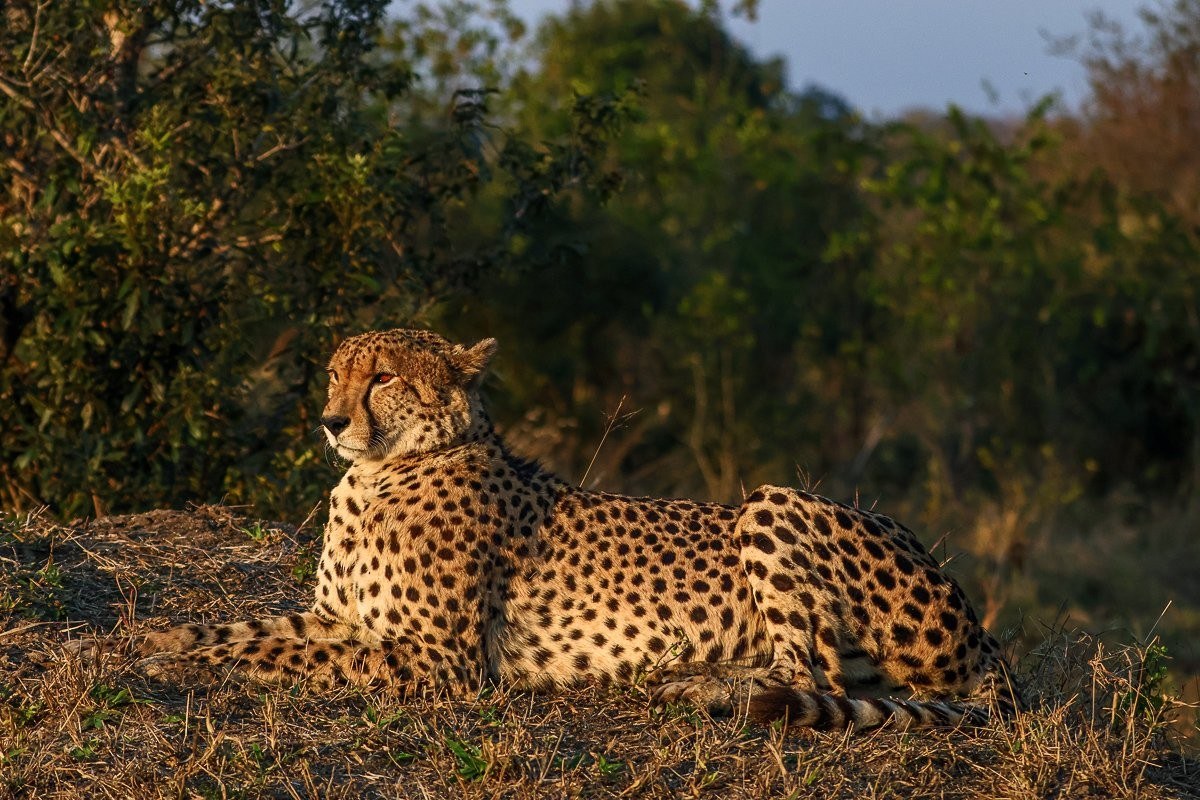
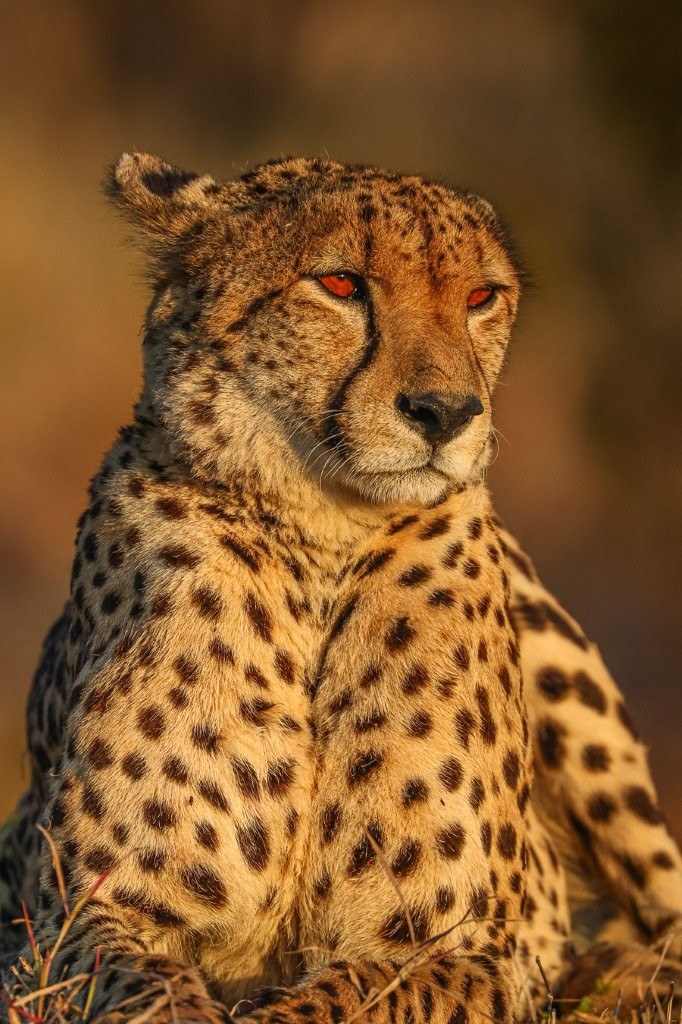
After a cheetah was spotted at the end of the morning safari, we knew we had to follow up on him that afternoon. We searched every open area for any sign of him and carefully checked the roads for tracks. Eventually, we found what we were looking for. Following his tracks led us straight to him, resting peacefully atop a termite mound in the warm afternoon sun.
We've been incredibly fortunate to enjoy more frequent cheetah sightings over the past few weeks. While they are still far from an everyday sighting, these encounters have been a real highlight and a reminder of just how special it is to spend time with one of Africa's most elusive predators.
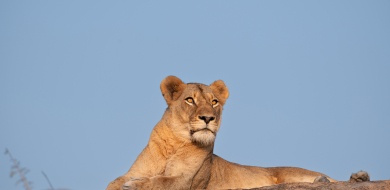
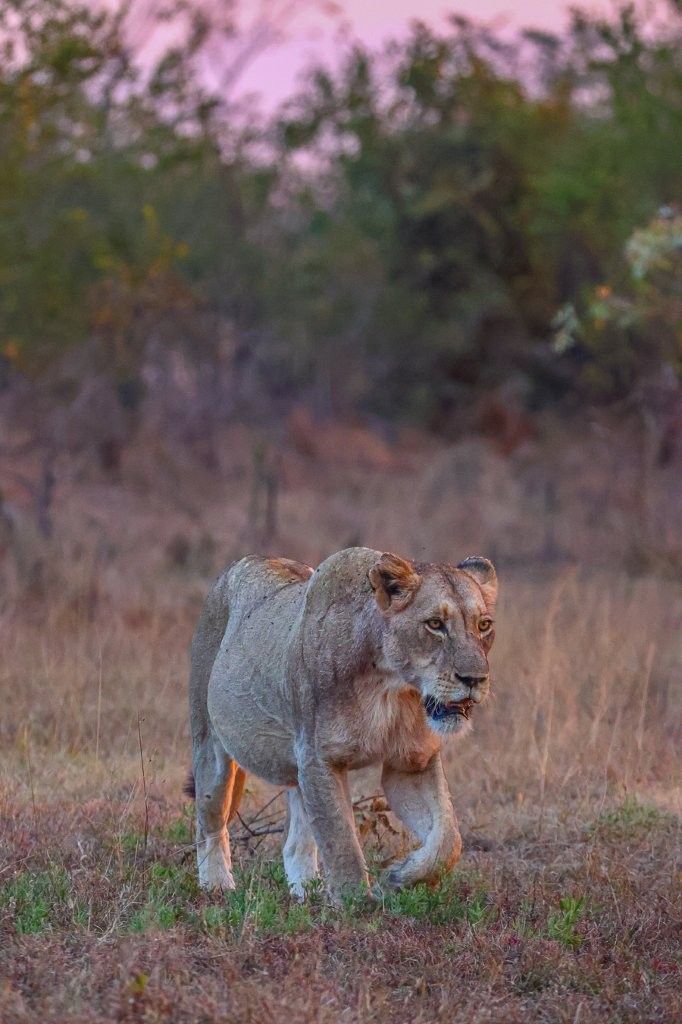
On our way to our sundowner spot we were surprised by this lioness from the Msuthlu Pride as she was making her way to a nearby waterhole. This lioness is heavily pregnant and will start moving into an area she feels safe enough to use as a den site in the next few weeks.
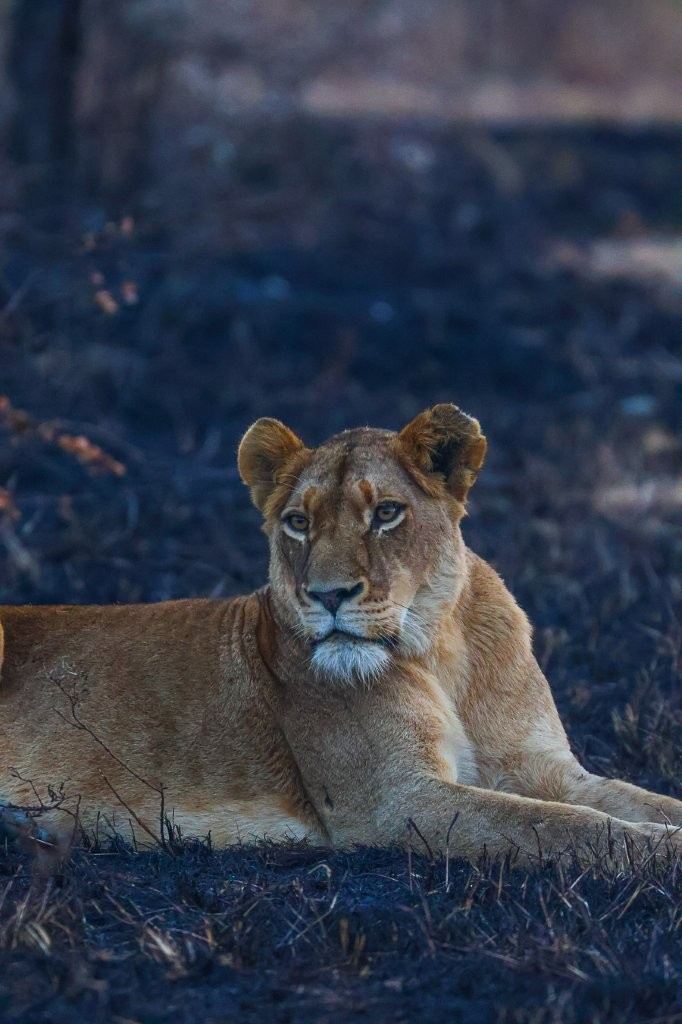
After leaving Earth Lodge late afternoon we found this lioness from the Southern Pride lying in a burnt open area, soaking up the last heat of the day before the cold evening sets in. With their den site not far away, she was contact calling, looking for the other lionesses to join her on their evening hunting excursion. We later left her as she started moving back towards the den site.
After receiving reports of a female leopard moving through our reserve, we followed up and successfully located the Ntsumi female as she stalked a herd of impalas. Although her hunting attempt was unsuccessful, she disappeared deeper into the thickets, remaining alert and focused on finding another opportunity.
With her sub-adult male still relying on her for food, she is under considerable pressure to provide for both herself and her offspring. In the coming months, however, he will become fully independent, easing the demands placed on her.
It was also clear that she was searching for a territorial male. She was scent-marking extensively, rubbing her neck against bushes to leave her scent behind, while repeatedly contact calling in the hope of receiving a response.
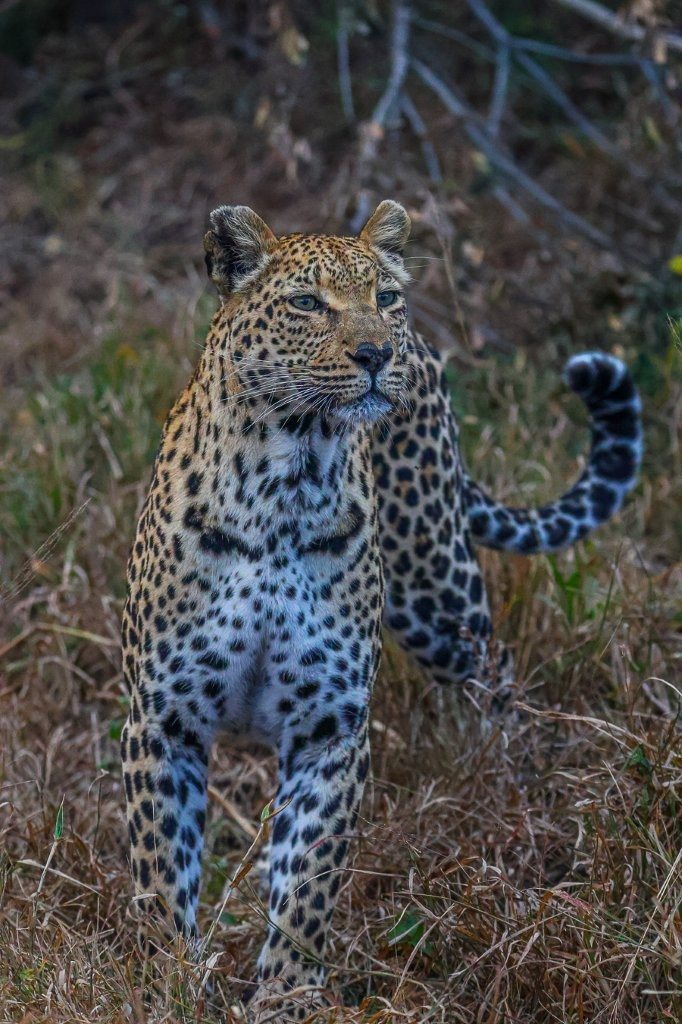
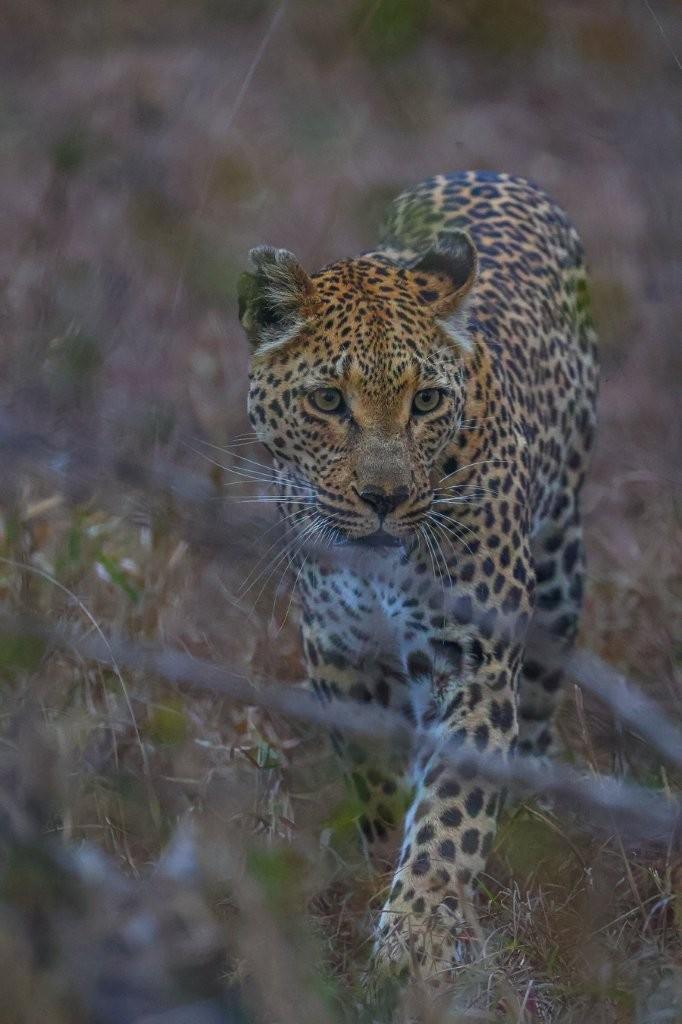
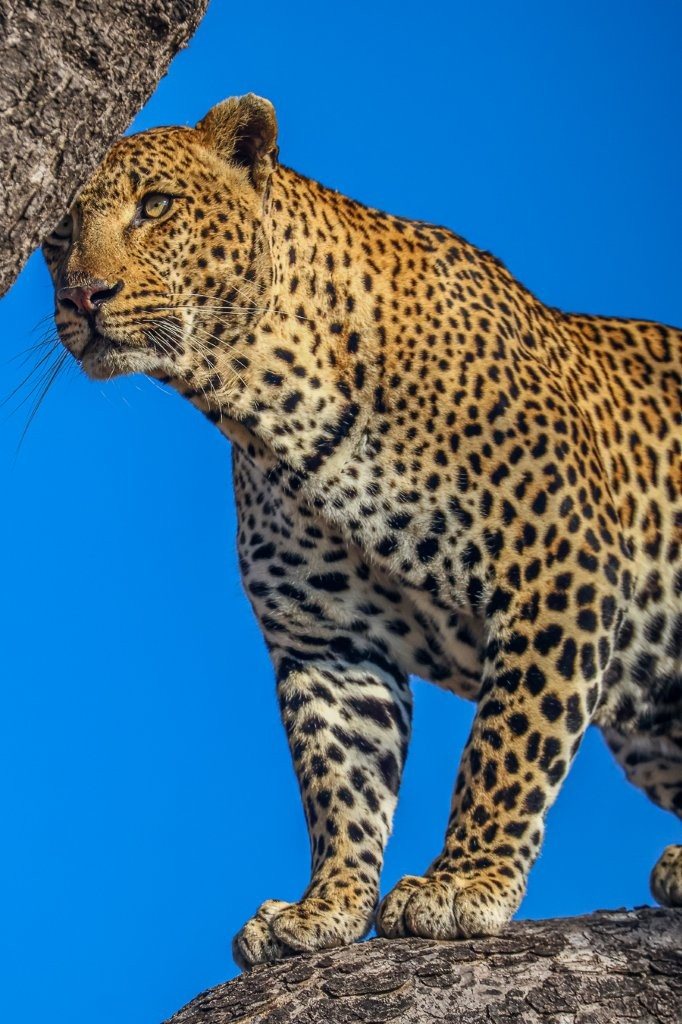
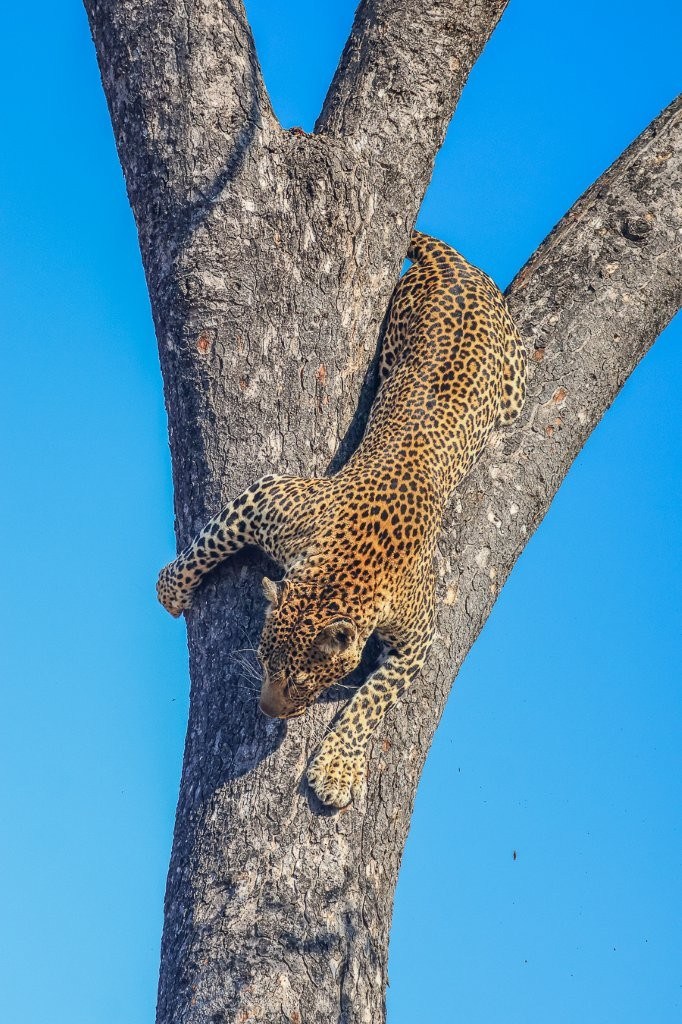
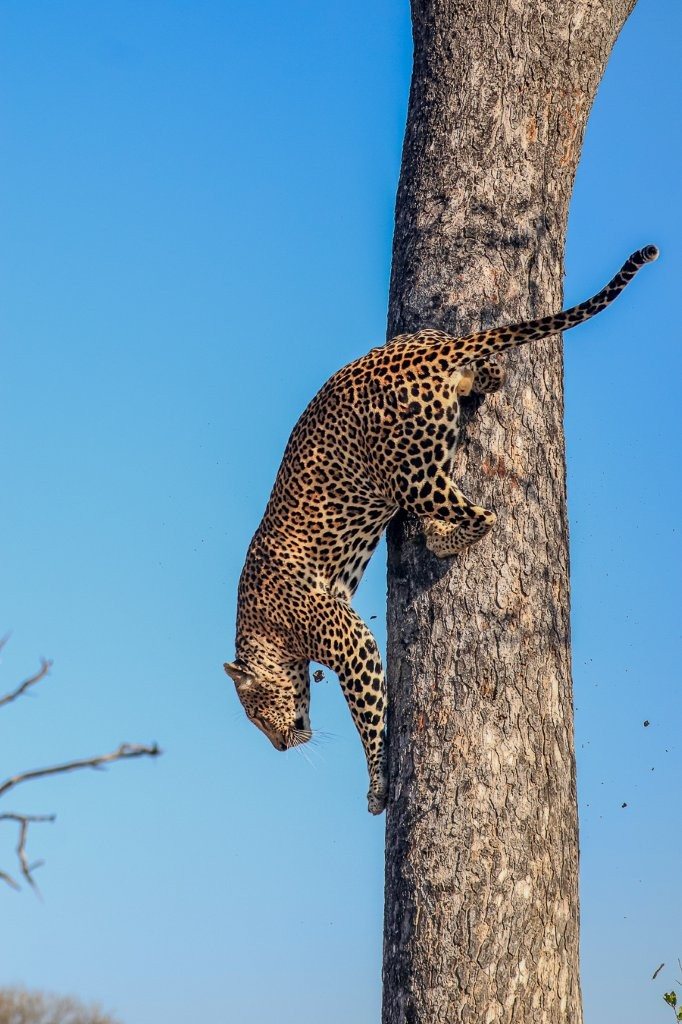
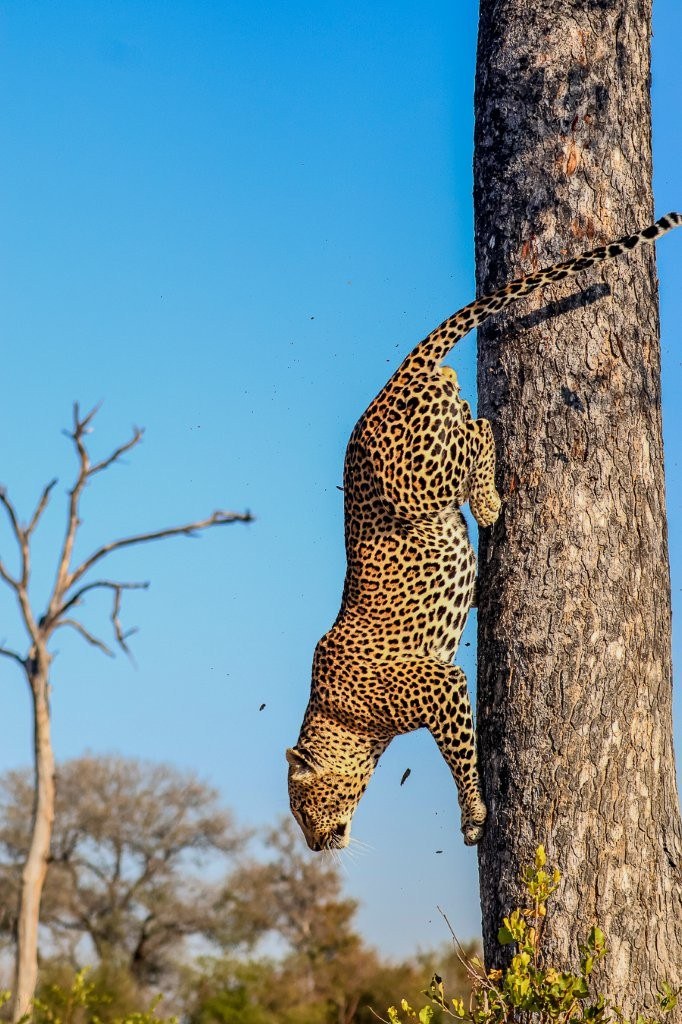
After spending most of our morning safari tracking a male leopard, we bumped into four hyenas as they ran down the road. After leaving them we continued and finally found our male leopard up a Marula tree, watching the hyenas retreat. Once the hyenas had moved off, Khulwana climbed down and headed deeper into the southern section of the reserve.
Leopards are often wary of hyenas, as these opportunistic scavengers frequently follow them in the hope of stealing a hard-earned kill. It's a constant rivalry, and every successful hunt comes with the challenge of protecting both themselves and their meal.
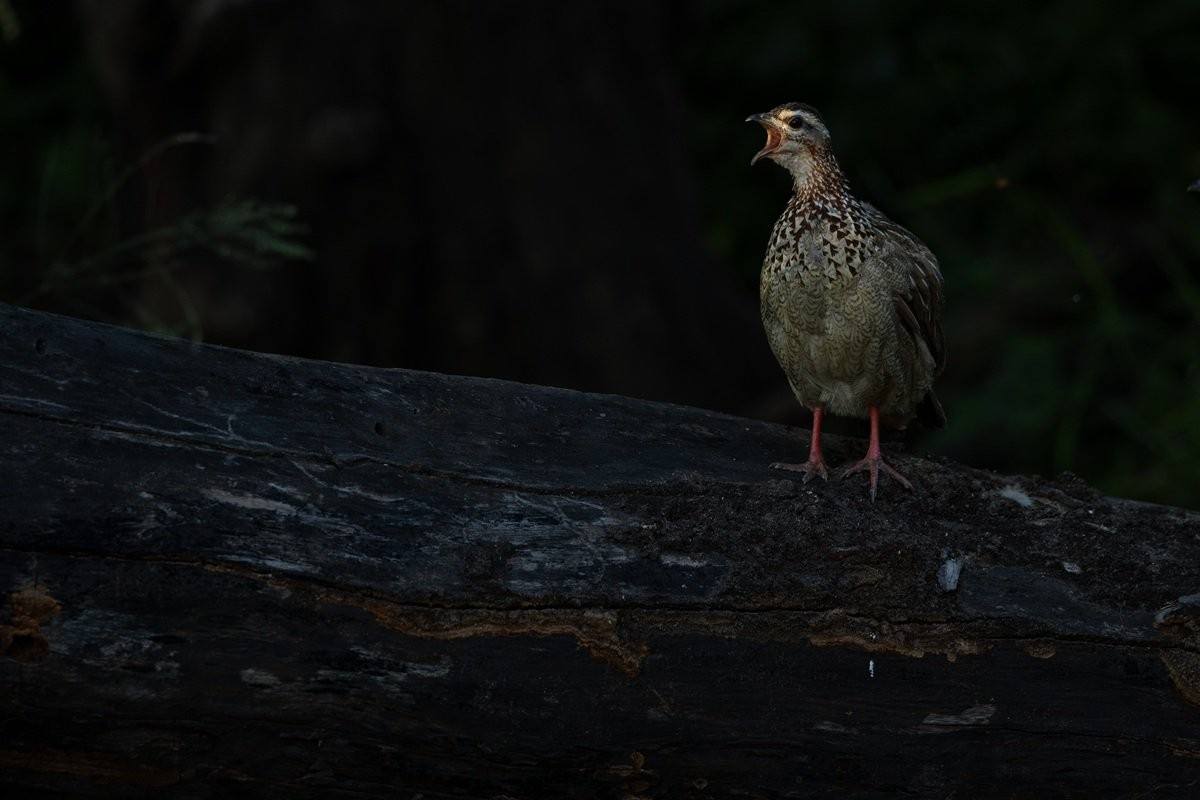
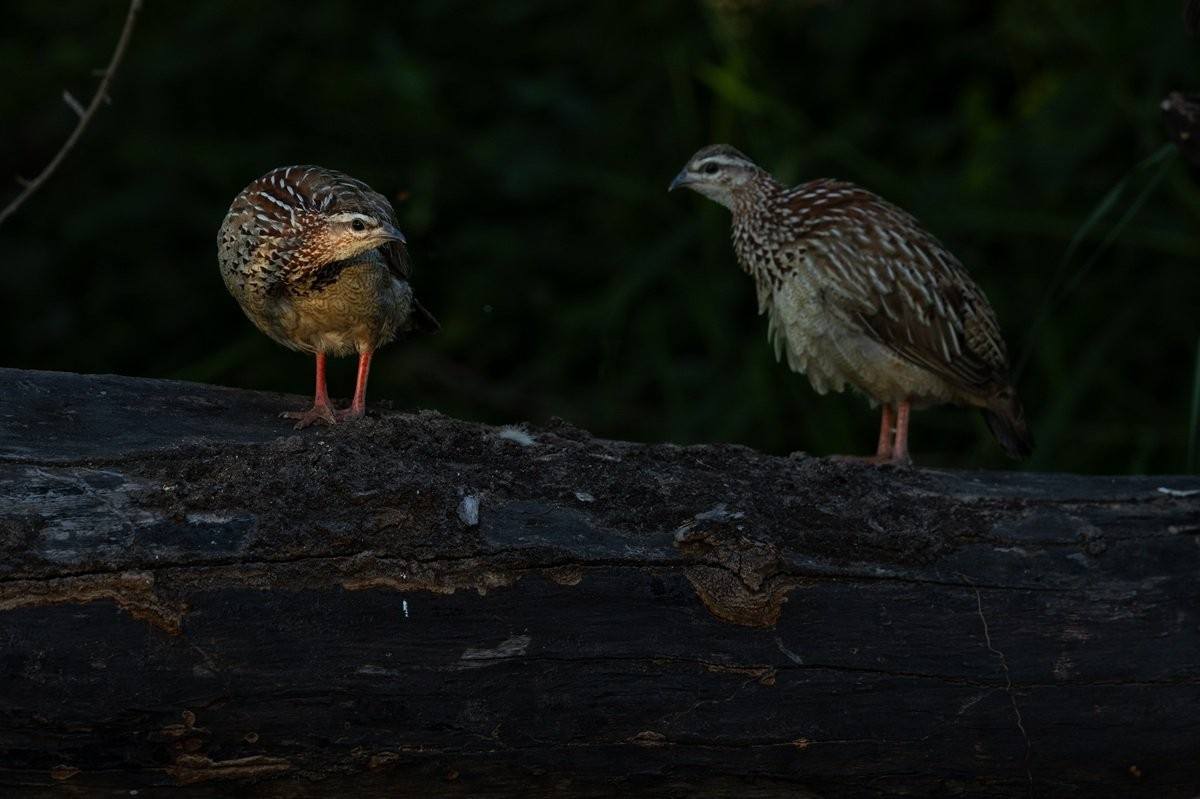
The Crested Francolin is one of the most encountered birds at Sabi Sabi, often seen foraging along roadsides and through the bush in small family groups. These ground-dwelling birds feed on seeds, insects, bulbs, and other plant material, and their loud, distinctive calls are a familiar soundtrack to an African safari.
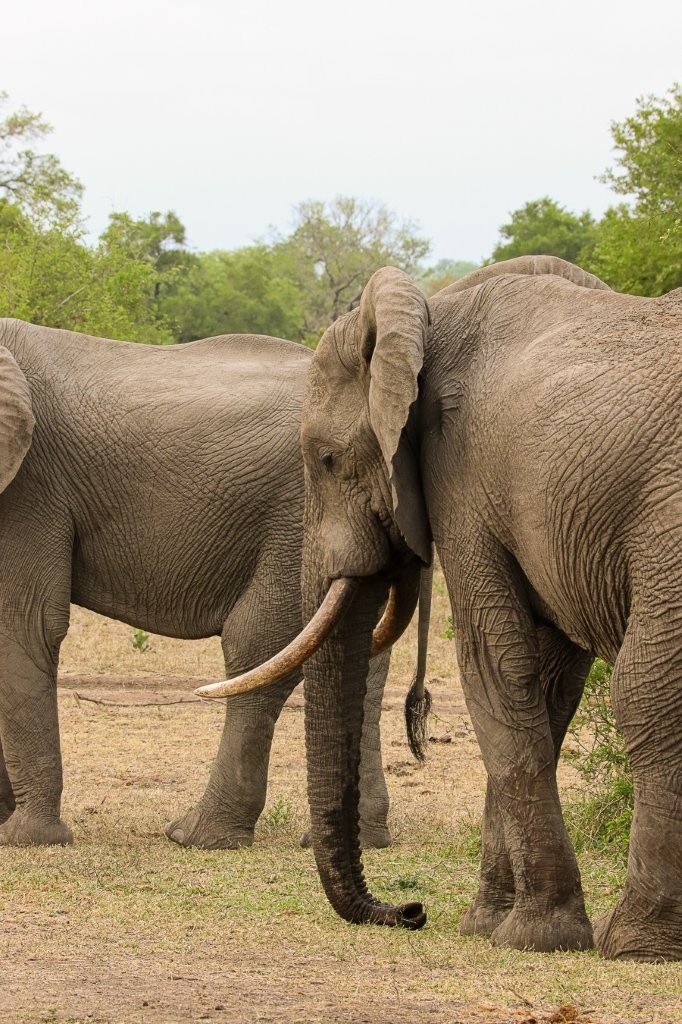
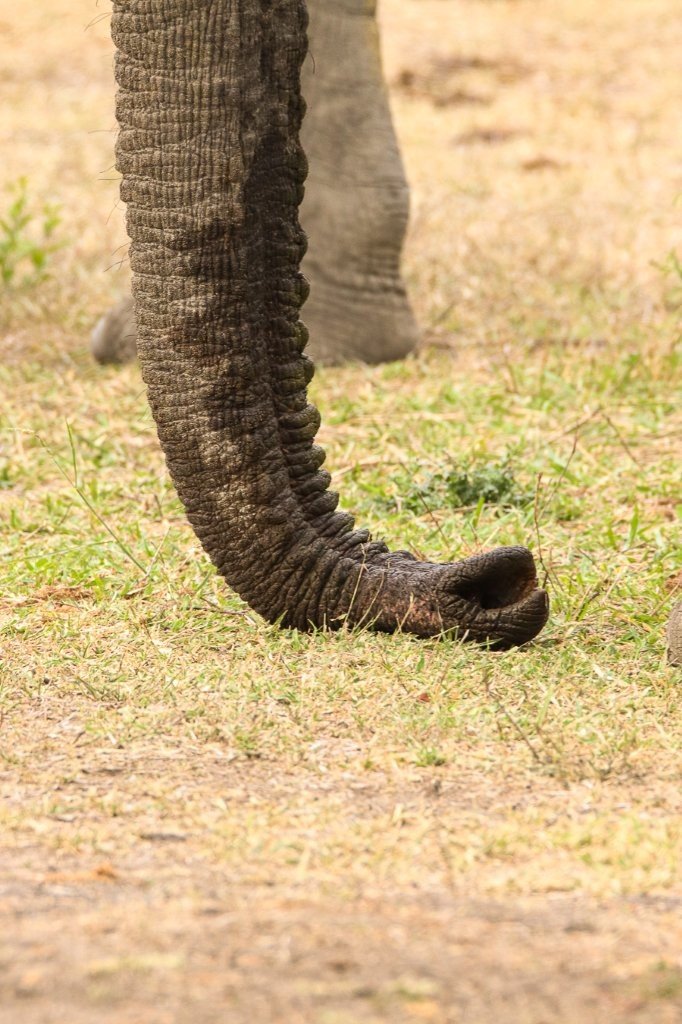
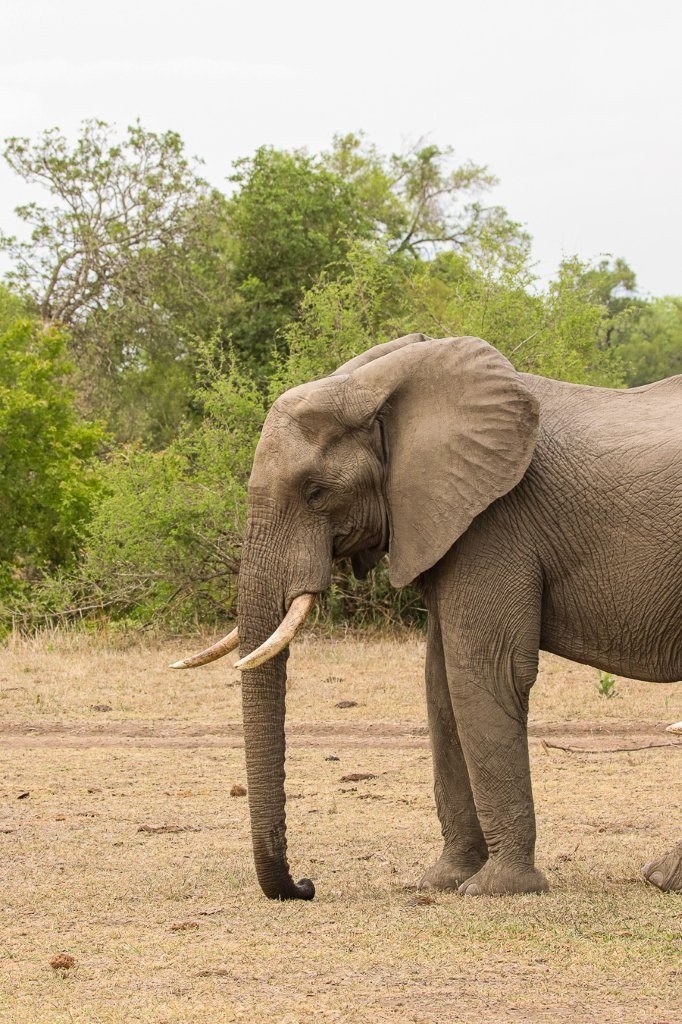
As we approached a waterhole, we noticed two elephant bulls standing unusually still, their trunks resting on the ground. After moving to a different angle, it became clear that they were asleep.
Elephants typically sleep for just 2–4 hours a day. They often doze while standing, allowing them to take short naps throughout the day, but they also lie down to achieve deep REM sleep. Although lying down provides the best quality rest, it also leaves them more vulnerable, as an adult elephant can take time and considerable effort to get back onto its feet if threatened.
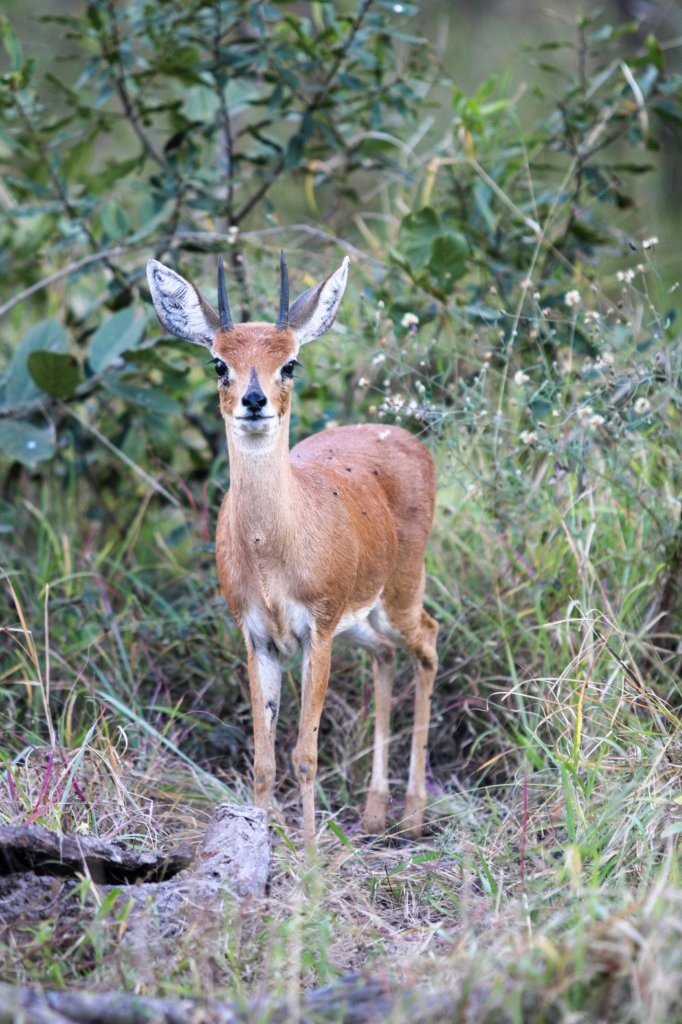
It is a rare treat to photograph this beautiful little antelope. Often mistaken for a young impala, the steenbok is one of Africa's smallest antelope species, perfectly adapted to life in the savannah. As this male stood watching us, his mate slipped quietly into the surrounding bush, likely keeping close to a hidden fawn concealed nearby. Steenboks are commonly found in pairs, with bonded males and females often remaining together for as long as nature allows.
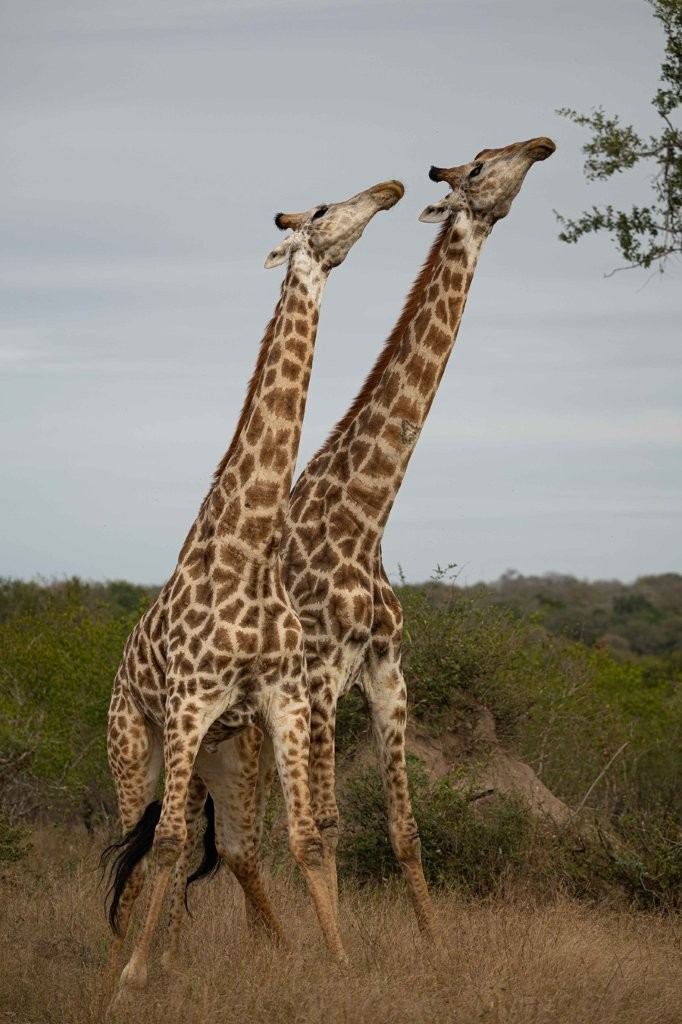
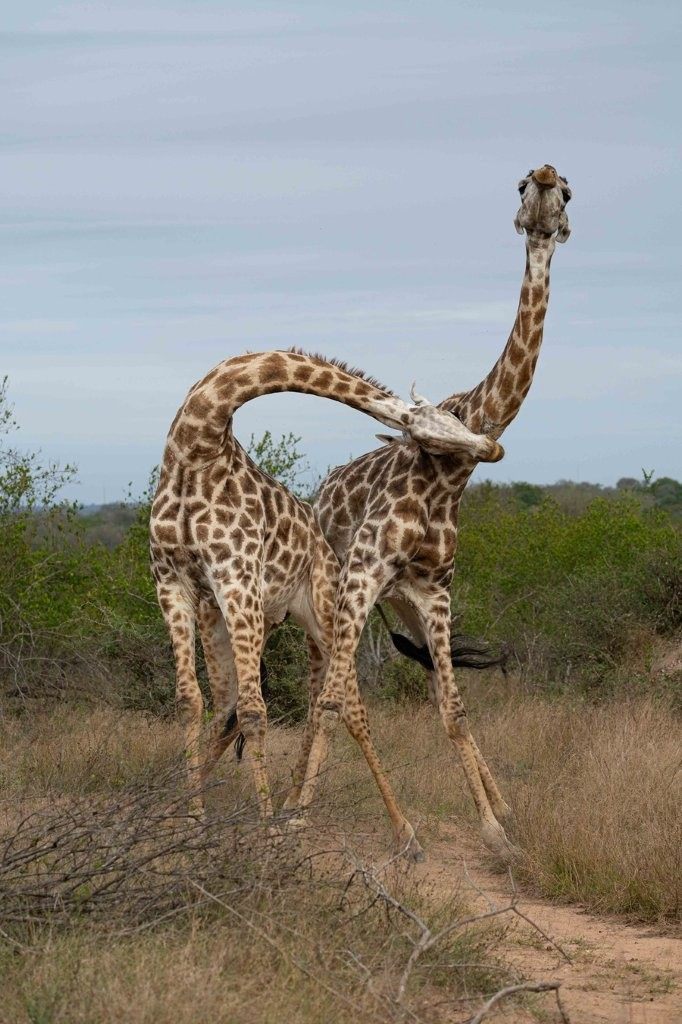
We came across these two male giraffes engaged in a bout of necking. What began as what appeared to be a gentle sparring session quickly escalated into a serious contest, with each bull swinging his neck and using the weight of his head and ossicones to deliver powerful blows. After several intense exchanges, the smaller male eventually conceded and walked away, leaving the larger bull victorious.
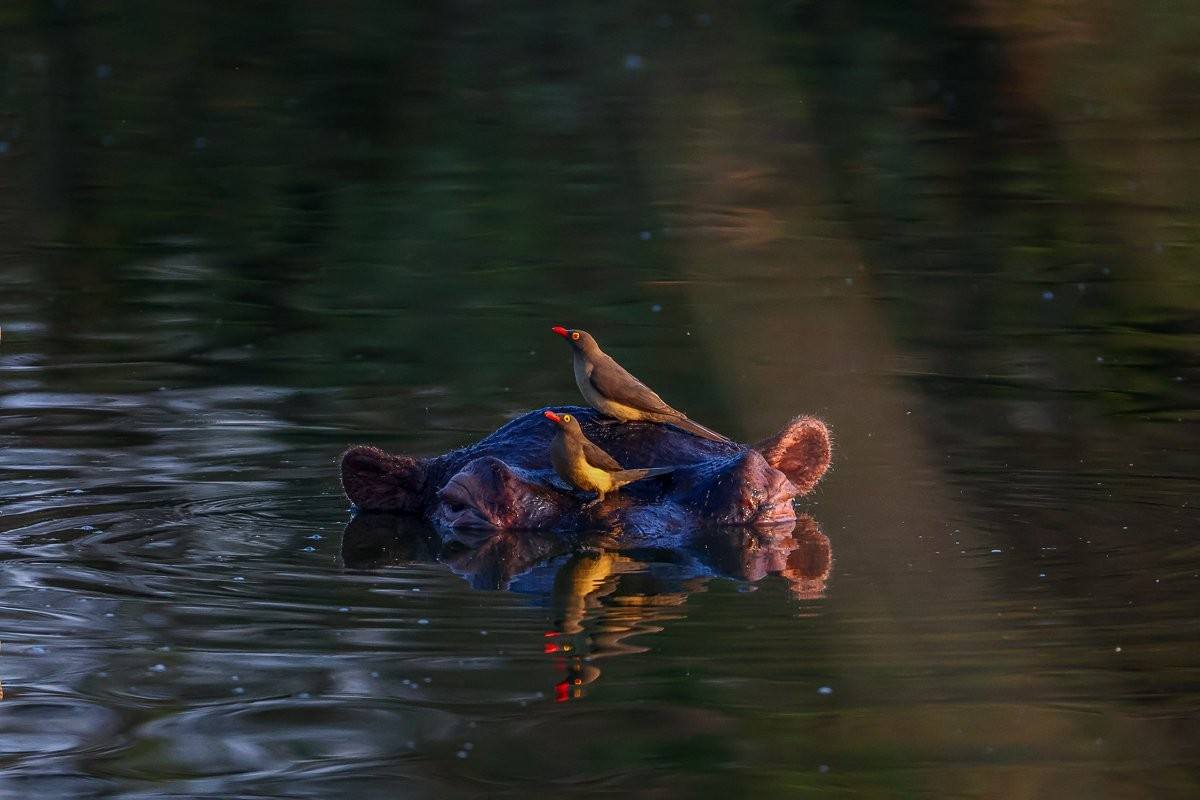
We watched as this hippo bull surfaced every few seconds to breathe, giving these Red-billed Oxpeckers the perfect opportunity to feed. These opportunistic birds remove ticks, flies, dead skin, and even earwax from hippos, making the most of every chance to forage.
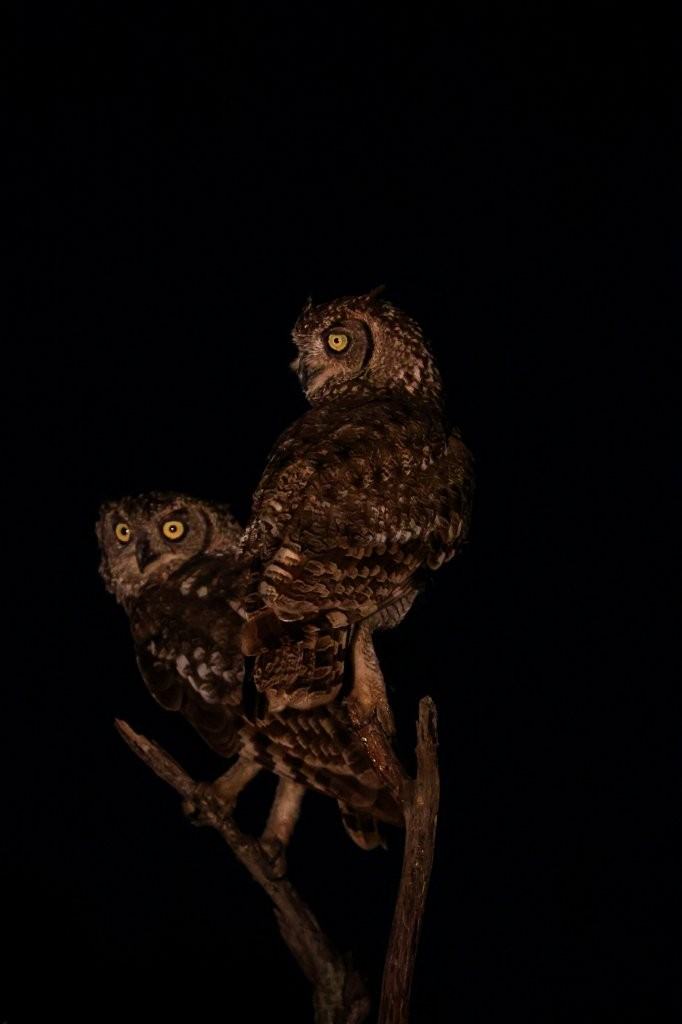
Two Spotted eagle-owls perch quietly on a roadside branch, their mottled plumage blending seamlessly into the dark surroundings. As one of Africa's most adaptable owls, they often hunt near roads where insects and small animals are drawn to the open spaces. By day, pairs rest close together, strengthening their bond while conserving energy for the night ahead, when their deep, resonant calls echo through the bush as they defend their territory.
Until next time…
Blog by Wendy Claase
Images by Benjamin Loon, Jamiel Malherbe, Jana du Plessis, Ruan Mey and Viviane Ladner