
A Week in the Bush Vol. 599
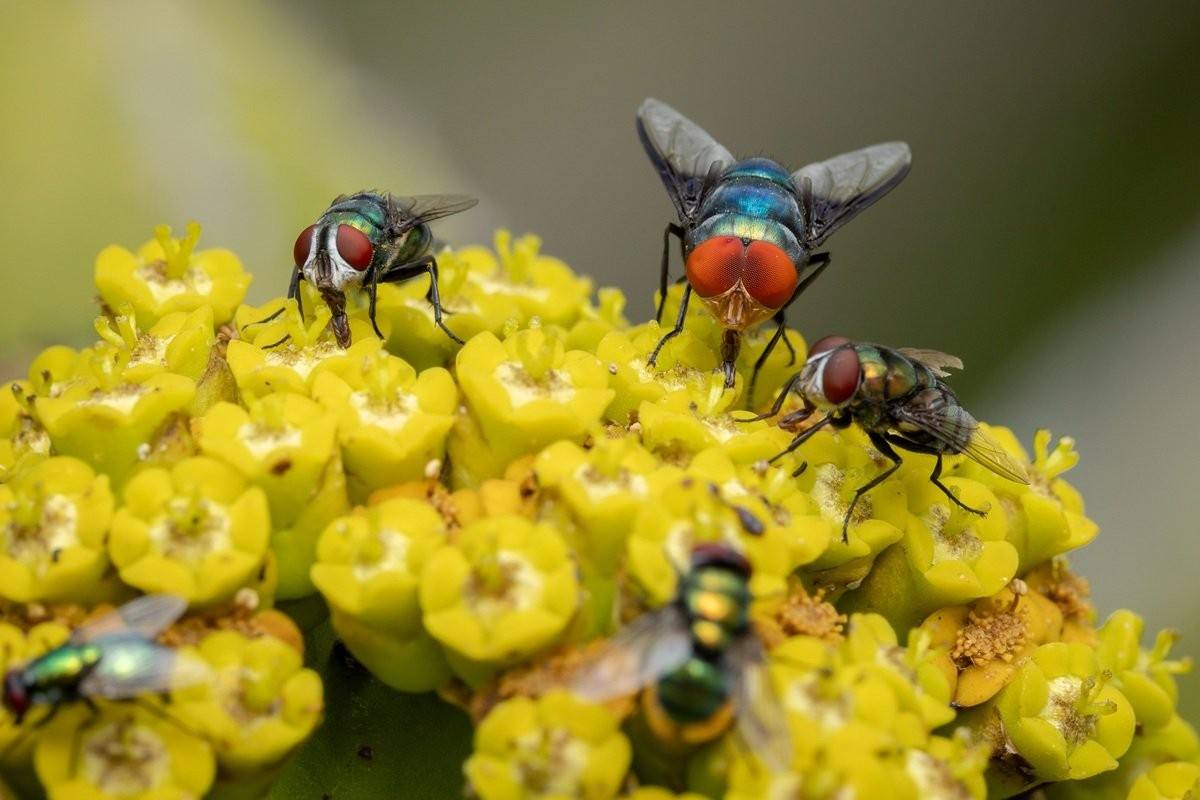
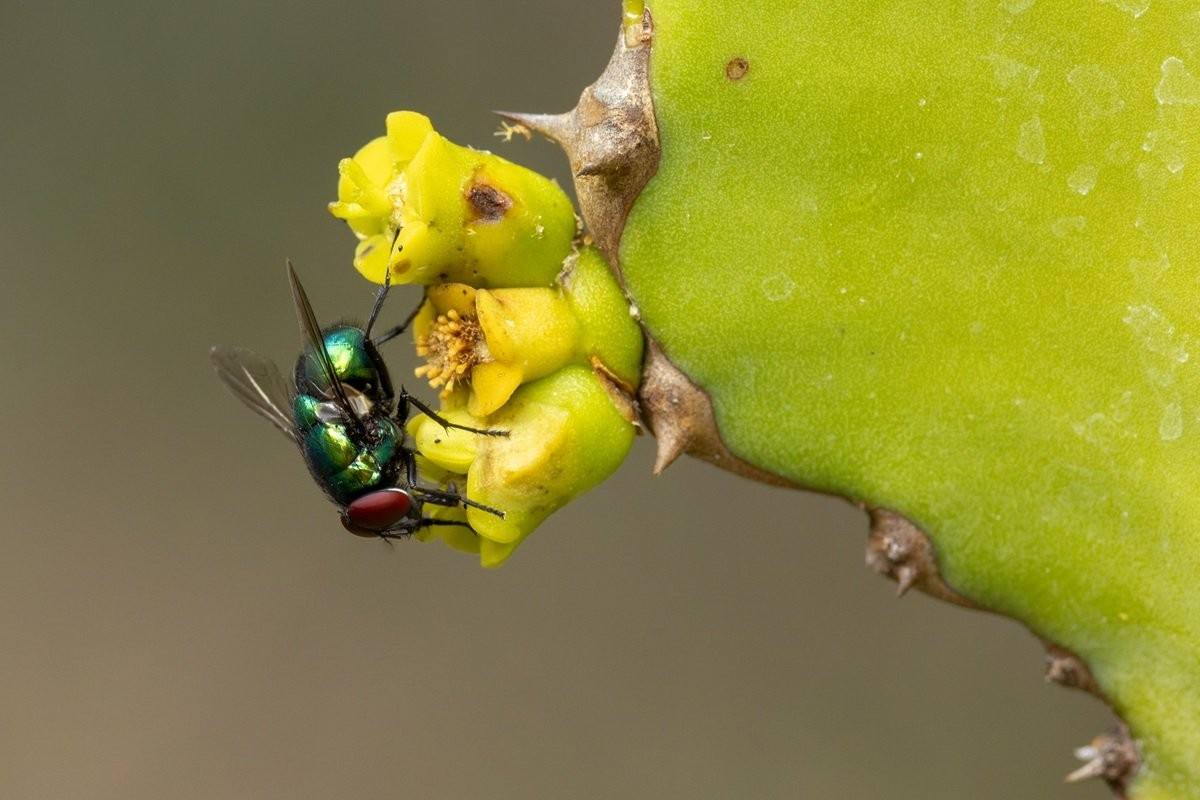
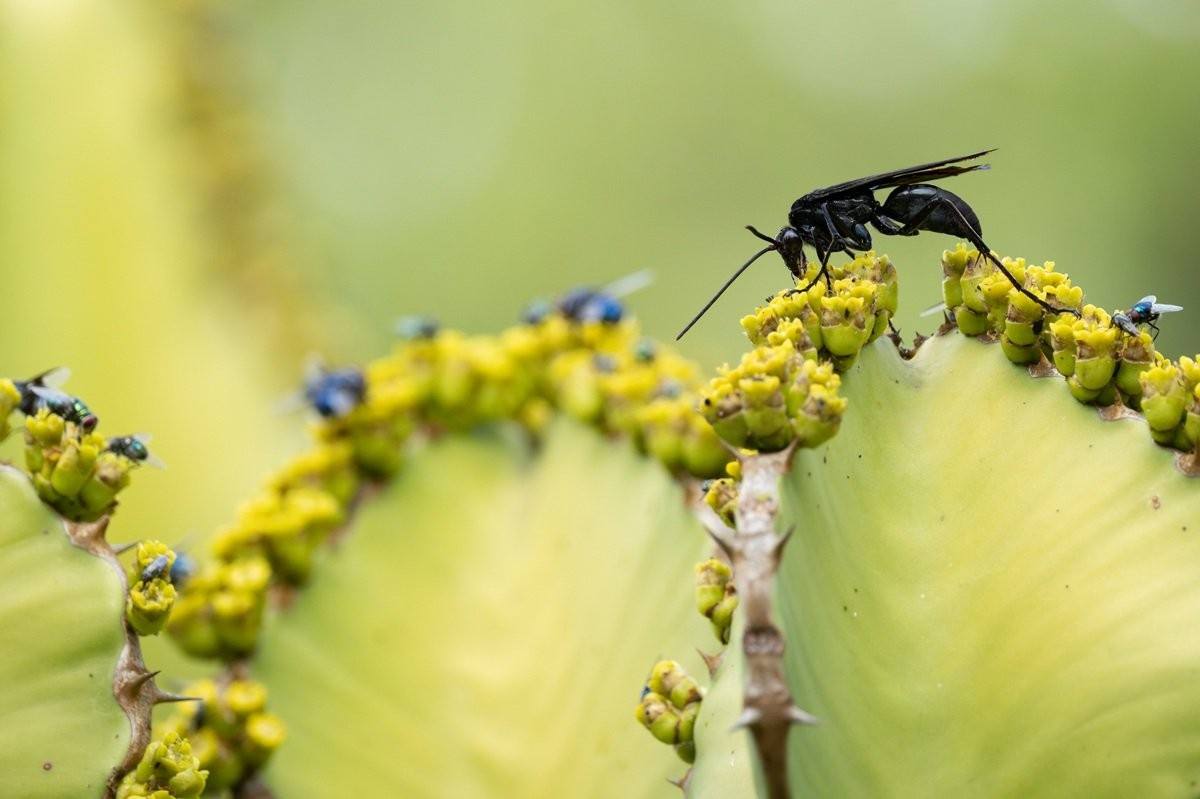
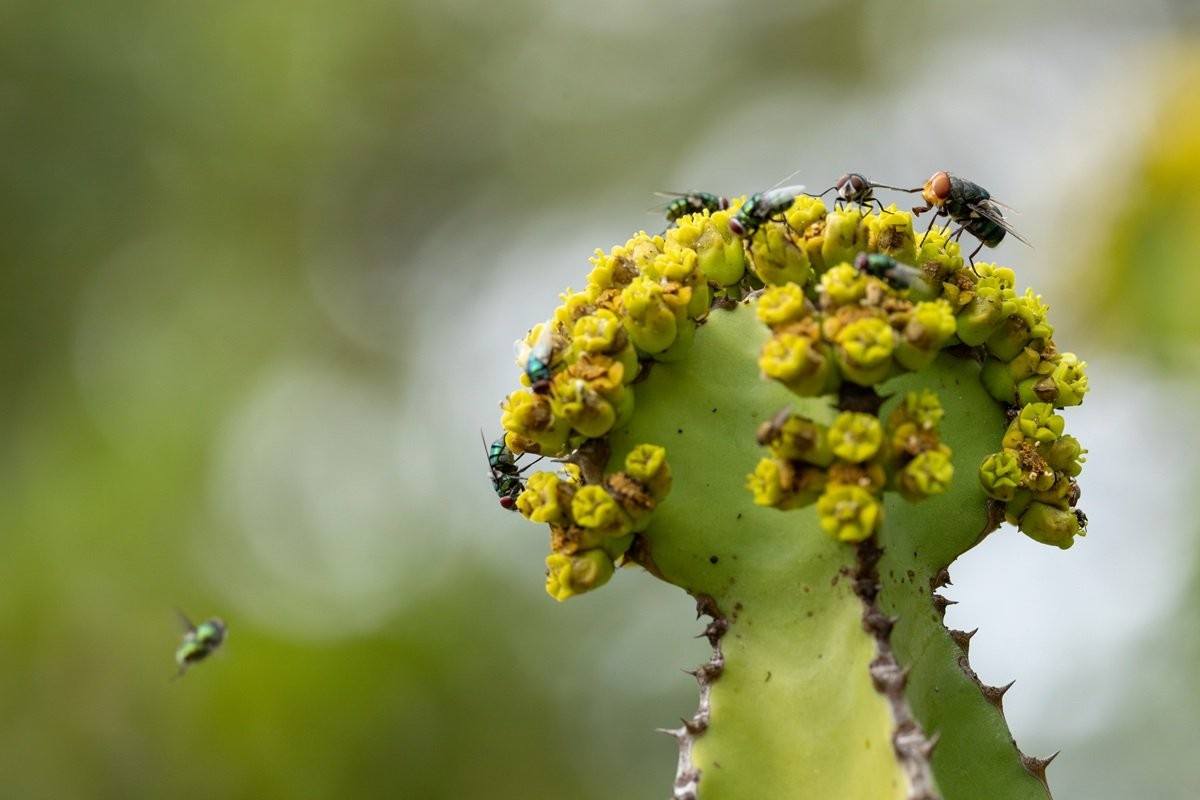
on Jul 01, 2026There is something special about the Bushveld Candelabra. Long after most other trees have finished flowering, the candelabra comes into full bloom. Its small yellow-green flowers are easy to overlook, lacking the bright colours and large petals of many other flowering plants, but to insects they act like tiny beacons.
On warm days, the flowers become remarkably busy, attracting a wide variety of visitors that come to feed, pollinate, or simply take advantage of this valuable food source. With few other plant species flowering at this time of year, the candelabra becomes an important resource, creating a constant swarm of activity around the tree.
Spending time observing the flowers highlights just how important individual plant species can be within an ecosystem. A single flowering candelabra can support bees, flies, beetles, wasps, and countless smaller insects, all sharing the same resource.
Photographing the insects visiting this tree was particularly rewarding, offering a fascinating glimpse into the remarkable diversity that a single flowering plant can attract.
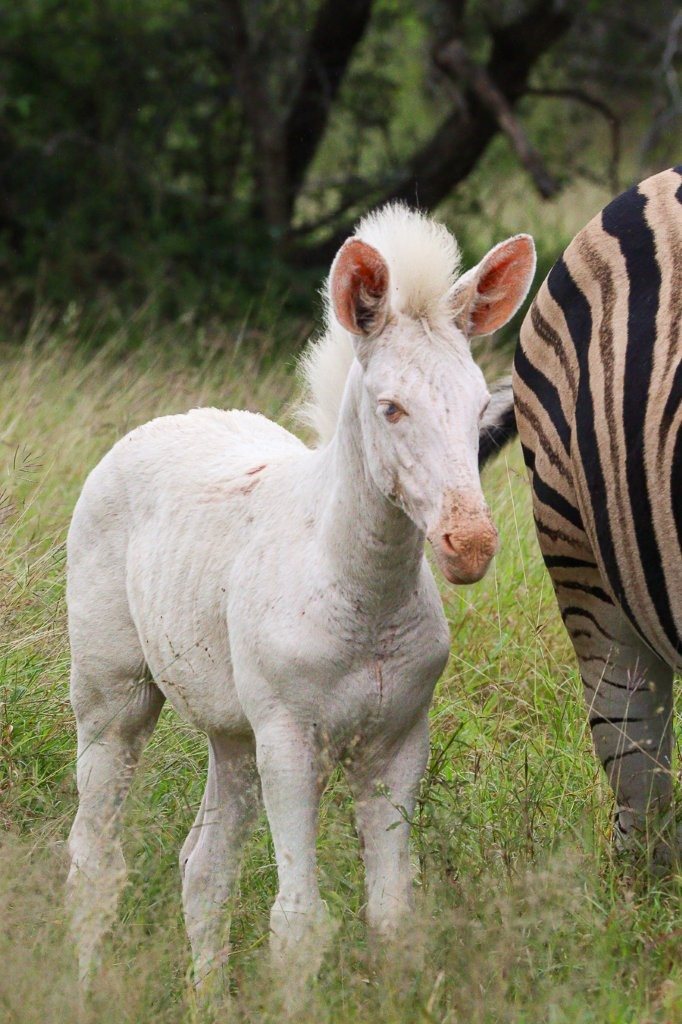
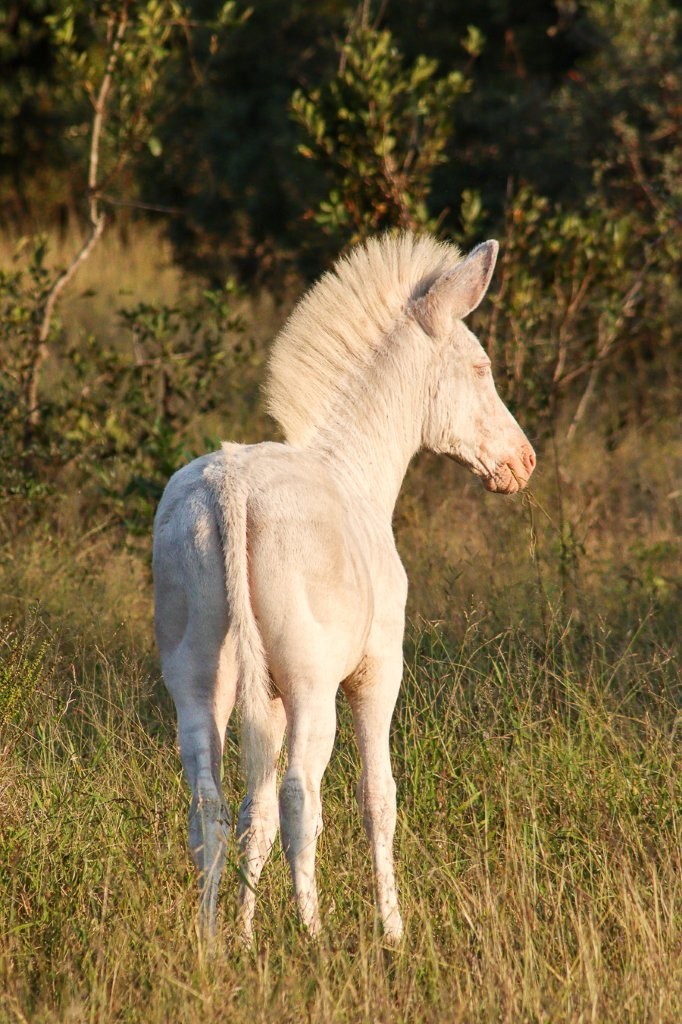
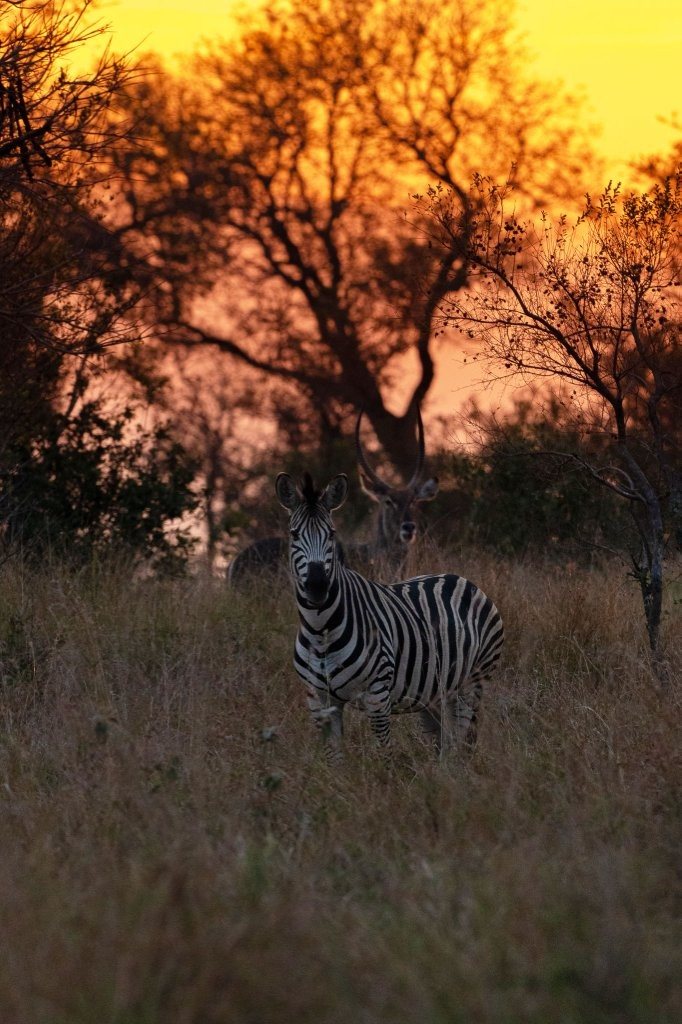
As the sun started to break through the cloudy day, we found a small dazzle of zebra moving through the tall grass, and after a short wait the white zebra made its appearance again. Zebras spend almost half their day grazing, or moving to find good grazing and water resources, especially during the cooler hours of the day. As the day got warmer, the dazzle started settling, spending time resting and grooming one another, and even taking short naps to conserve energy.
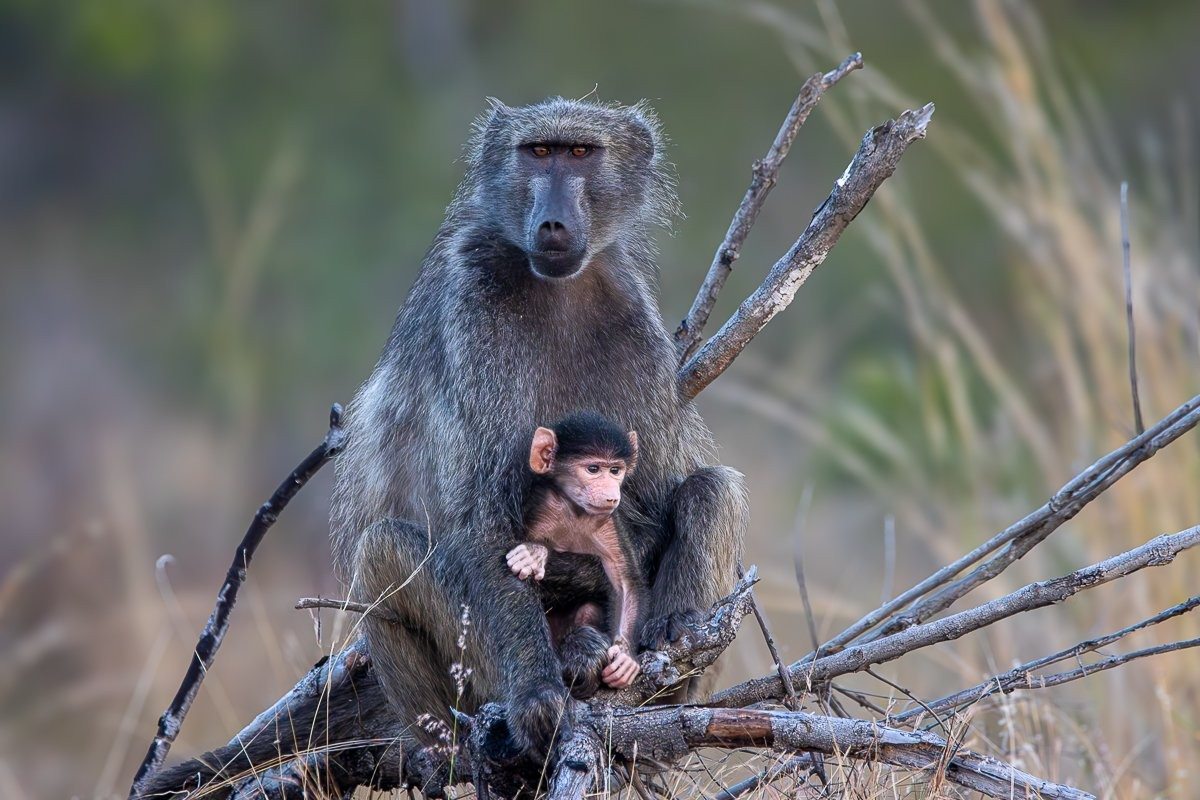
All mothers protect their young from any harm around them, providing comfort, safety, and reassurance. This was no different for this mother baboon and her infant.
We found them among a group of youngsters playing as the troop prepared to settle down and roost for the evening. However, as soon as we stopped, the baby quickly ran back to its mother, climbing into her arms where it sat comfortably, safe and secure.
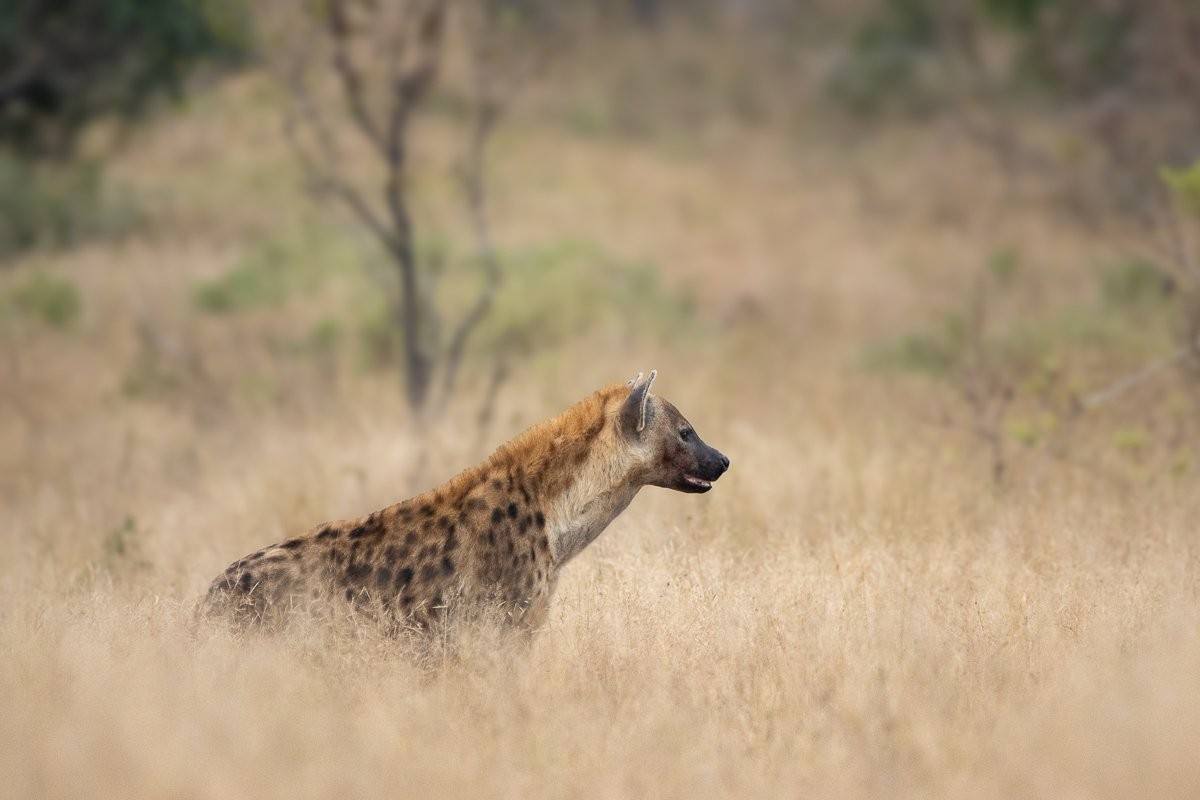
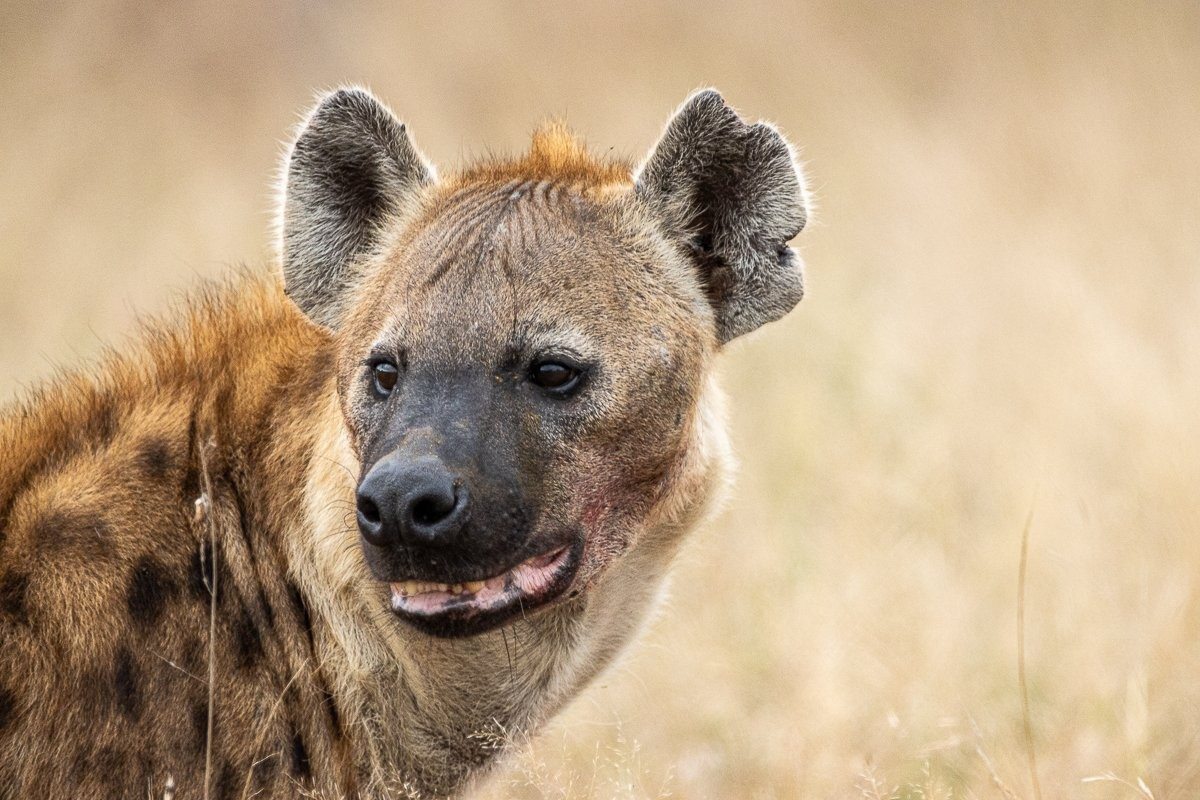
After hearing a great deal of commotion and calling from hyenas, we quickly followed the sounds and found several hyenas fighting over an impala carcass. We were unable to determine whether they had made the kill themselves or had stolen it from another predator. Eventually, one hyena picked up the entire impala and ran off, leaving the others momentarily deciding whether to follow or stay behind.
Although hyenas are highly capable hunters, they are well known for scavenging and stealing kills from other predators. Their fearless nature, combined with the strength of their clans, often allows them to intimidate other predators and take advantage of feeding opportunities.
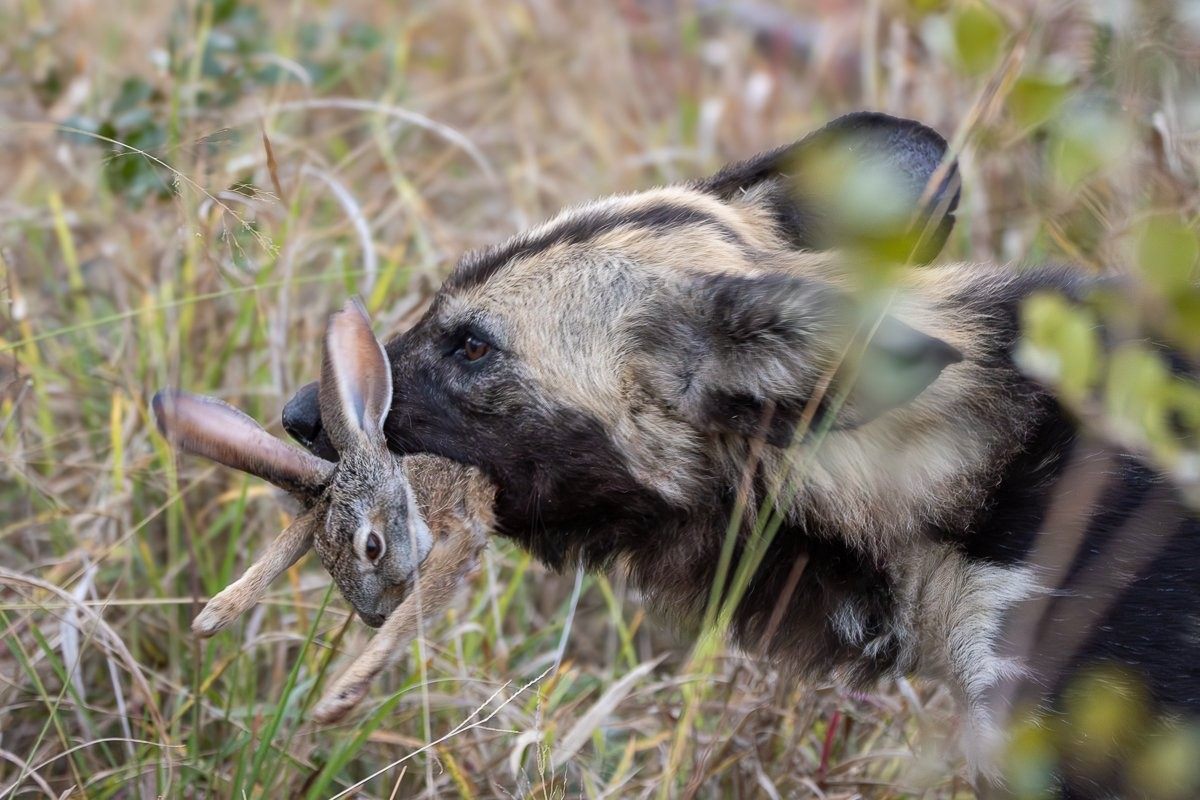
We followed the tracks of two wild dogs and our persistence was rewarded at the very end of safari when we found them walking along the road while hunting. From a distance, we watched them suddenly sprint into the bushes, where they managed to make a kill. As we approached, we realised it was a Scrub hare. Given the small size of the prey, the successful hunter made little effort to share the meal with the other wild dog.
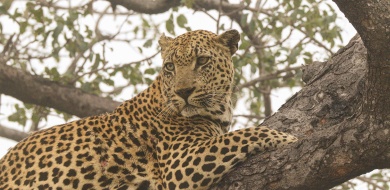
The tracks of a female leopard and her cub led the team to Tengile resting high in a large Marula tree, while her cub fed on an impala kill.
By allowing the cub to feed first, Tengile gives it the opportunity to learn the important skills of opening the tough hide and feeding independently while also ensuring it receives the nutrients needed for growth. However, this process can be risky, as young cubs have not yet mastered the challenge of feeding in a tree and may accidentally dislodge the kill.
As the cub fed, Tengile remained vigilant, keeping watch over her surroundings, her cub, and the kill itself, ready to intervene should the youngster lose its grip and risk dropping her hard-earned meal.
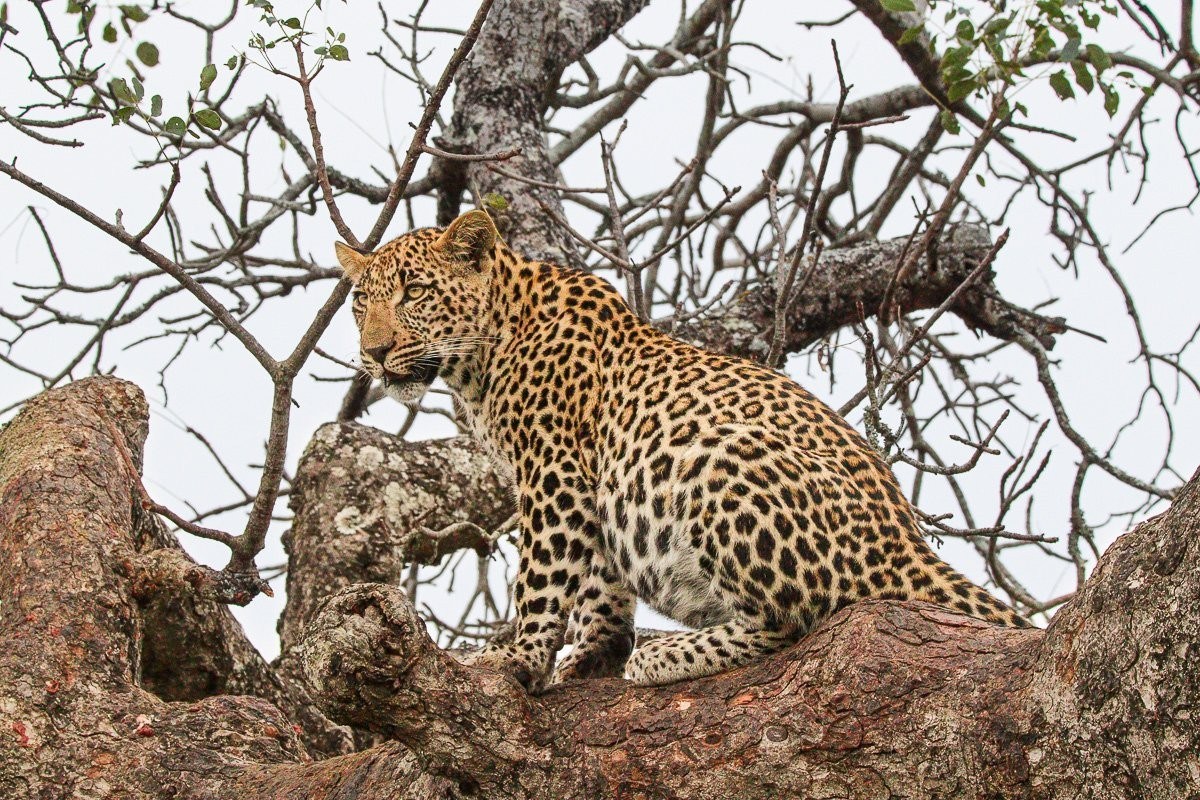
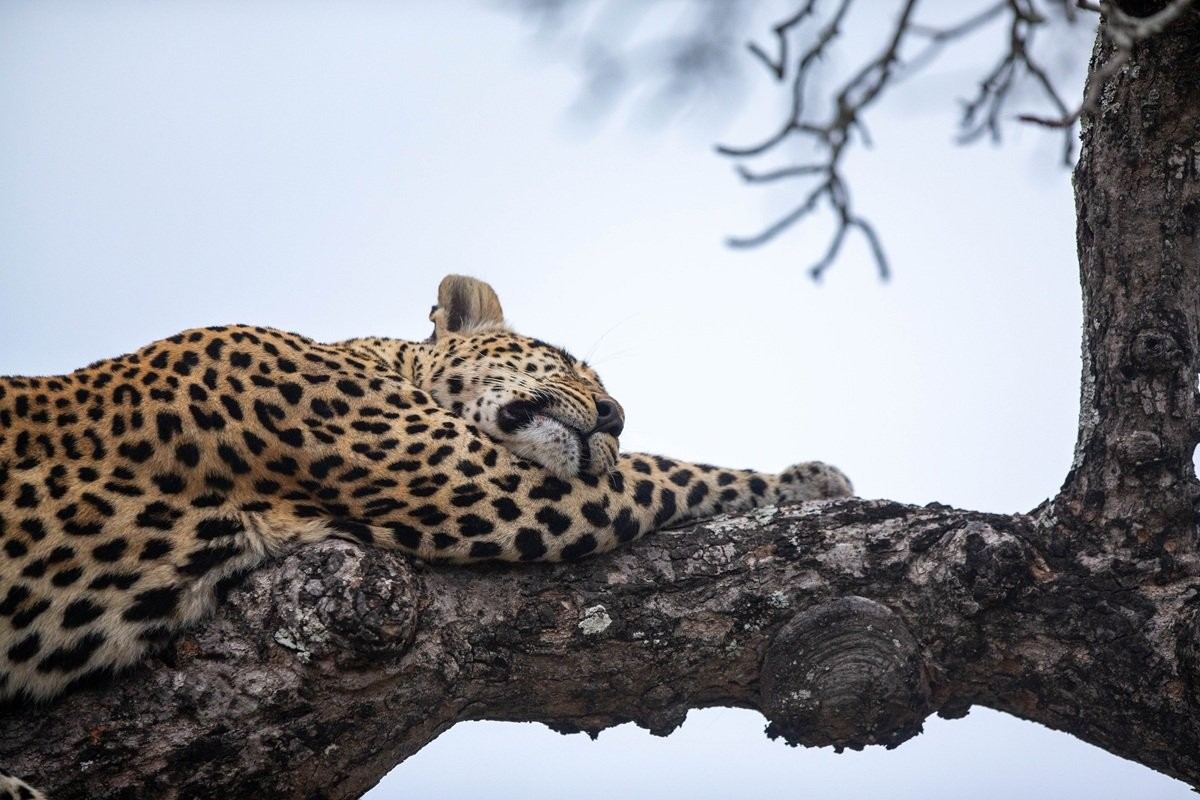
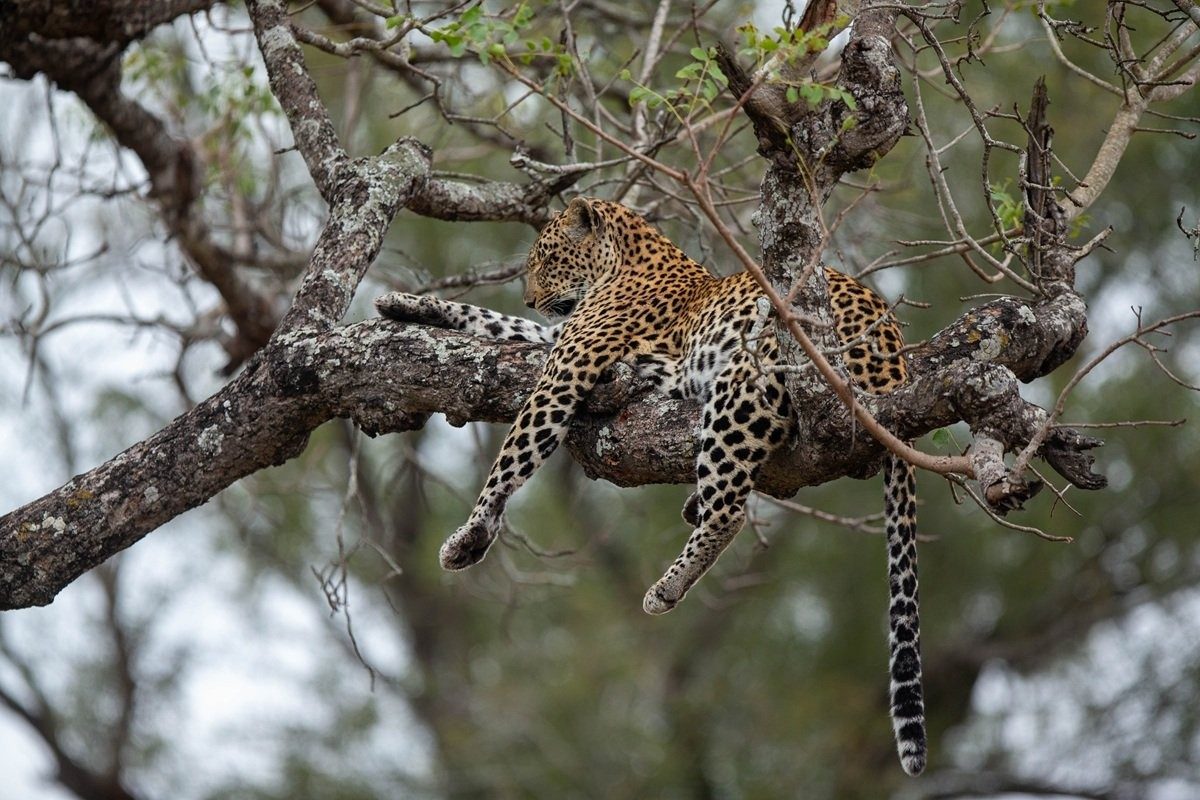
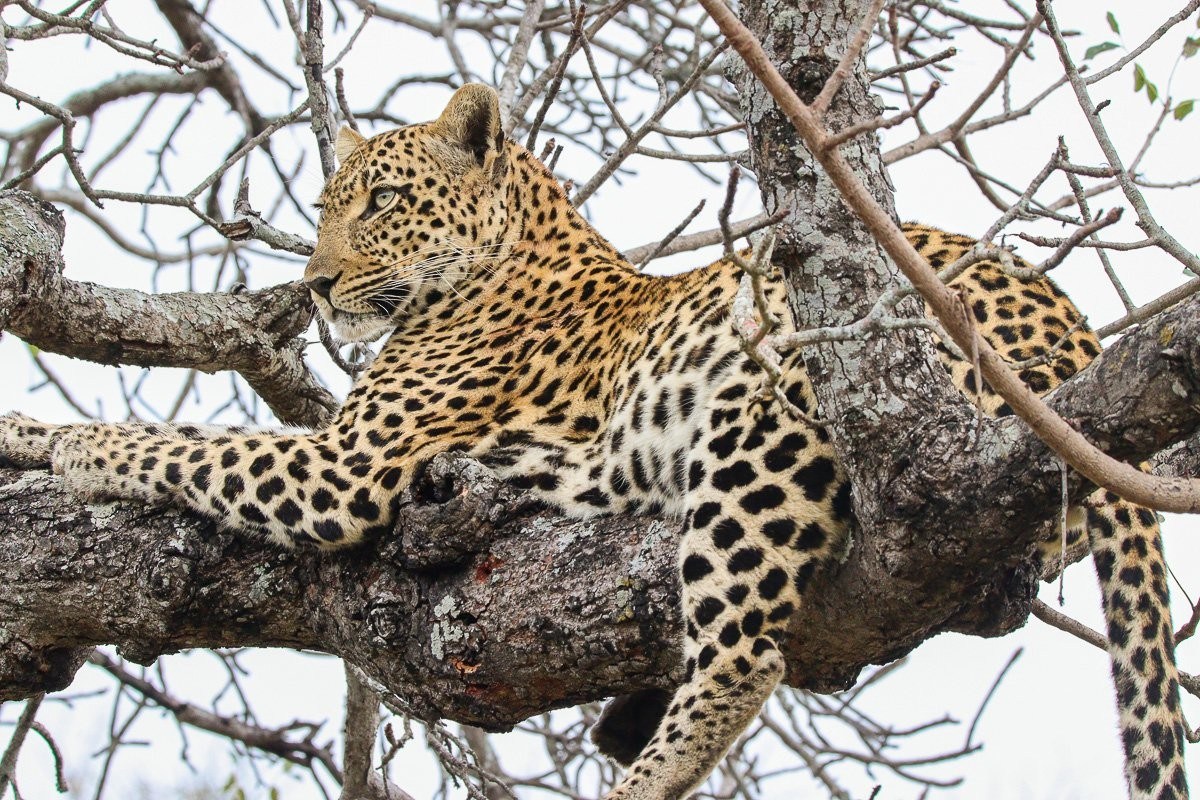
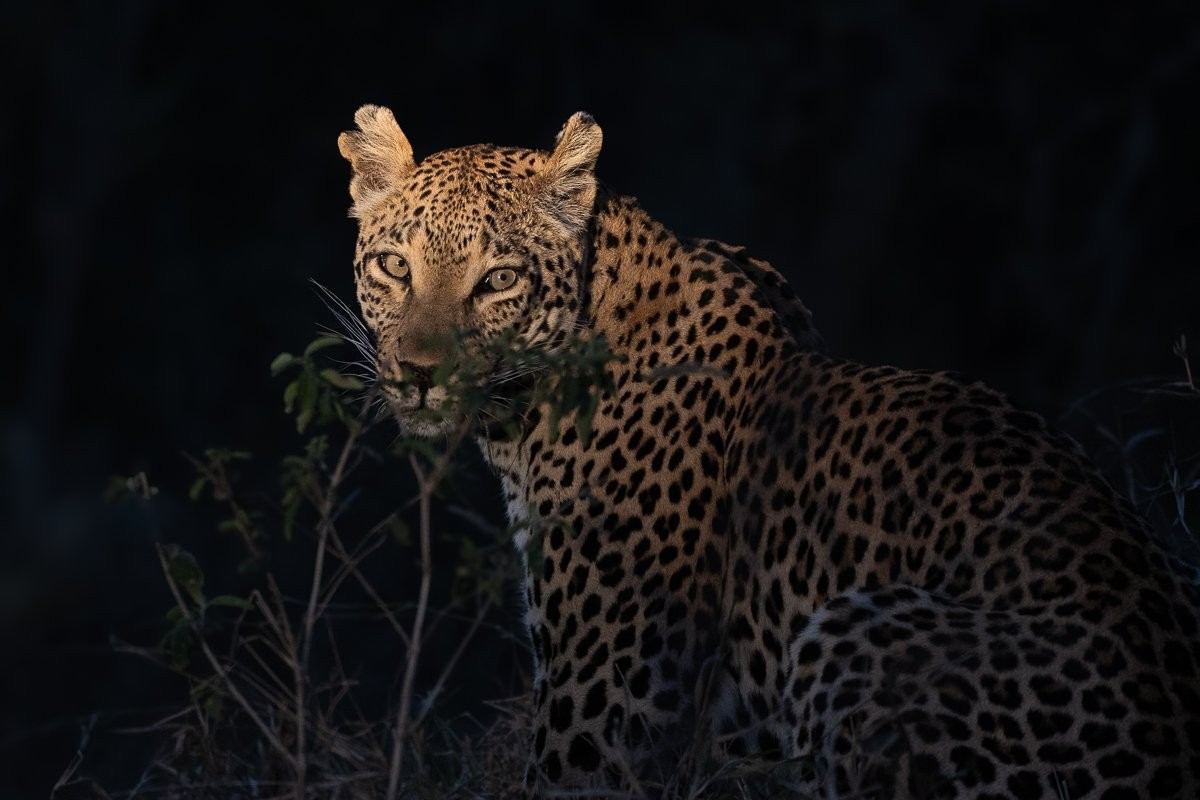
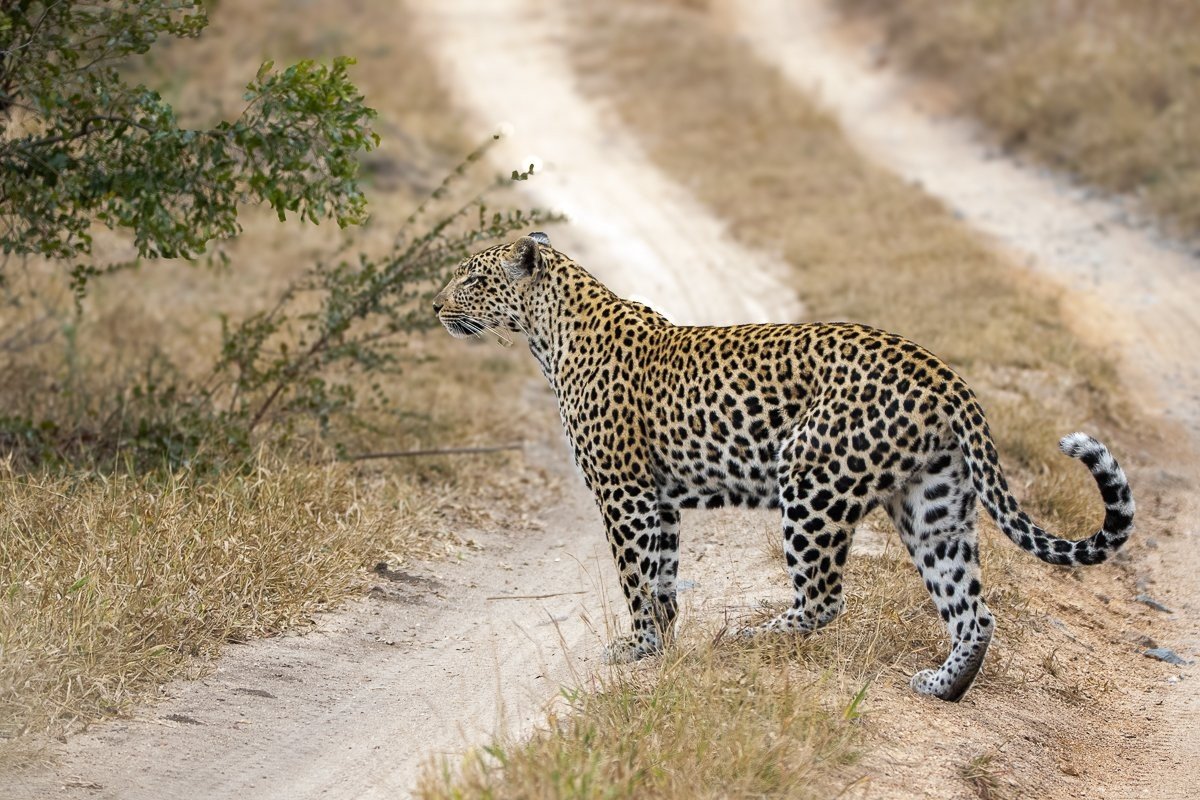
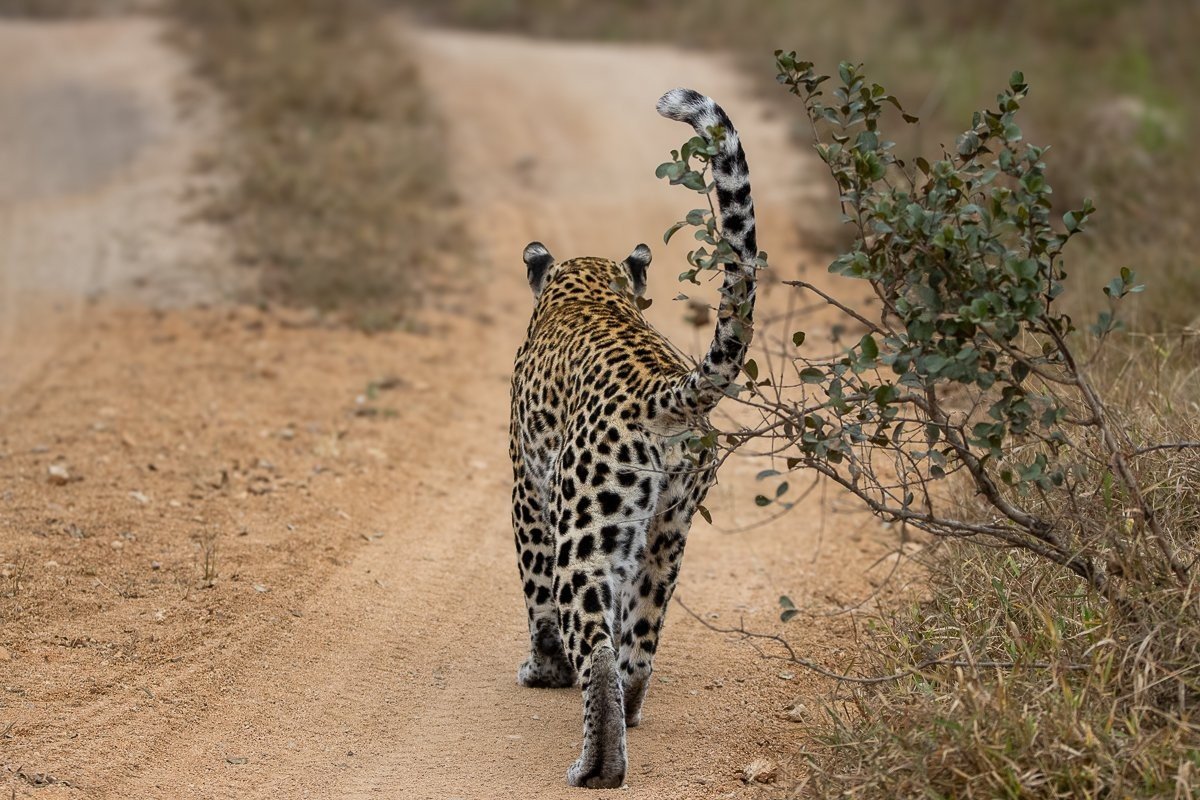
In separate sightings as the sun began to set, we found Ntsumi and Tengile. Throughout each encounter, the females appeared highly focused on marking their territories while simultaneously searching for hunting opportunities. We left the Tengile female as she continued searching for her cub, while the Ntsumi female remained focused on hunting.
Although these females are rivals and were found far apart, there was a clear similarity in their behaviour. Both were focused on protecting and caring for their young cubs, regularly remarking their territories and asserting their presence to secure valuable hunting grounds.
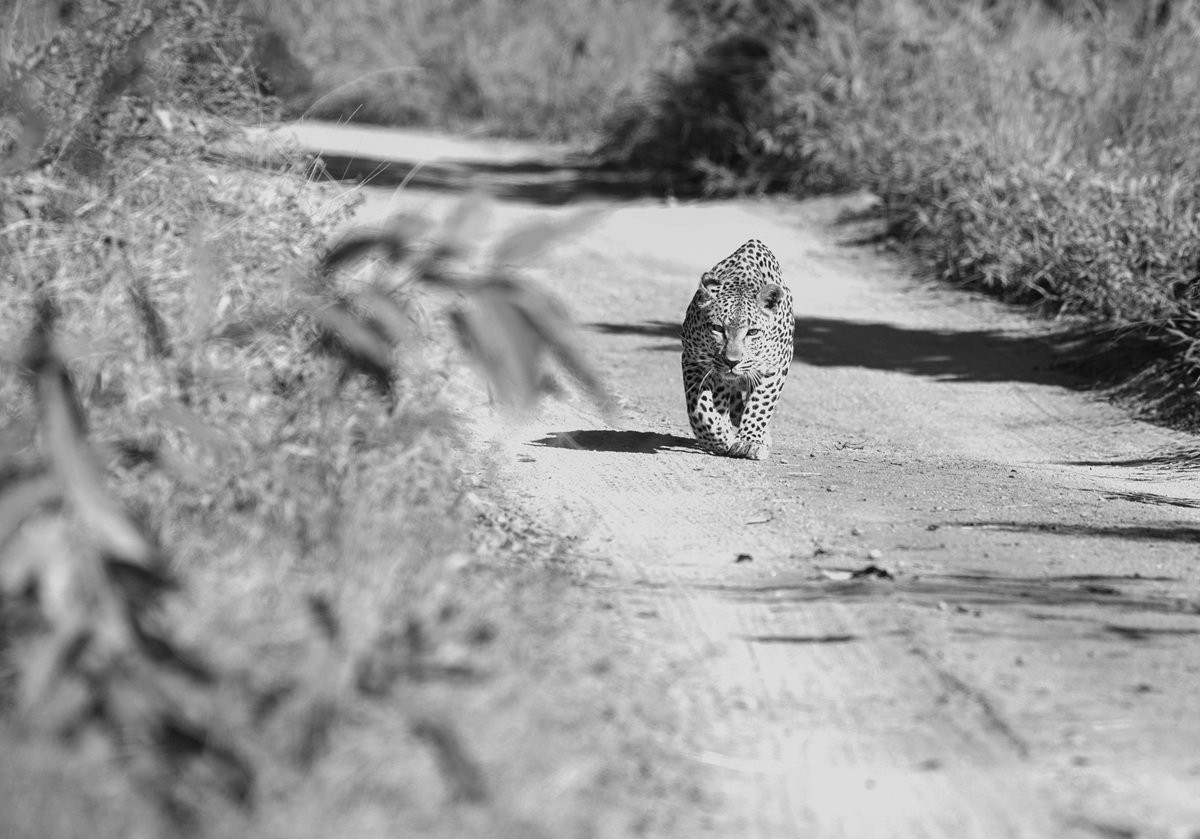
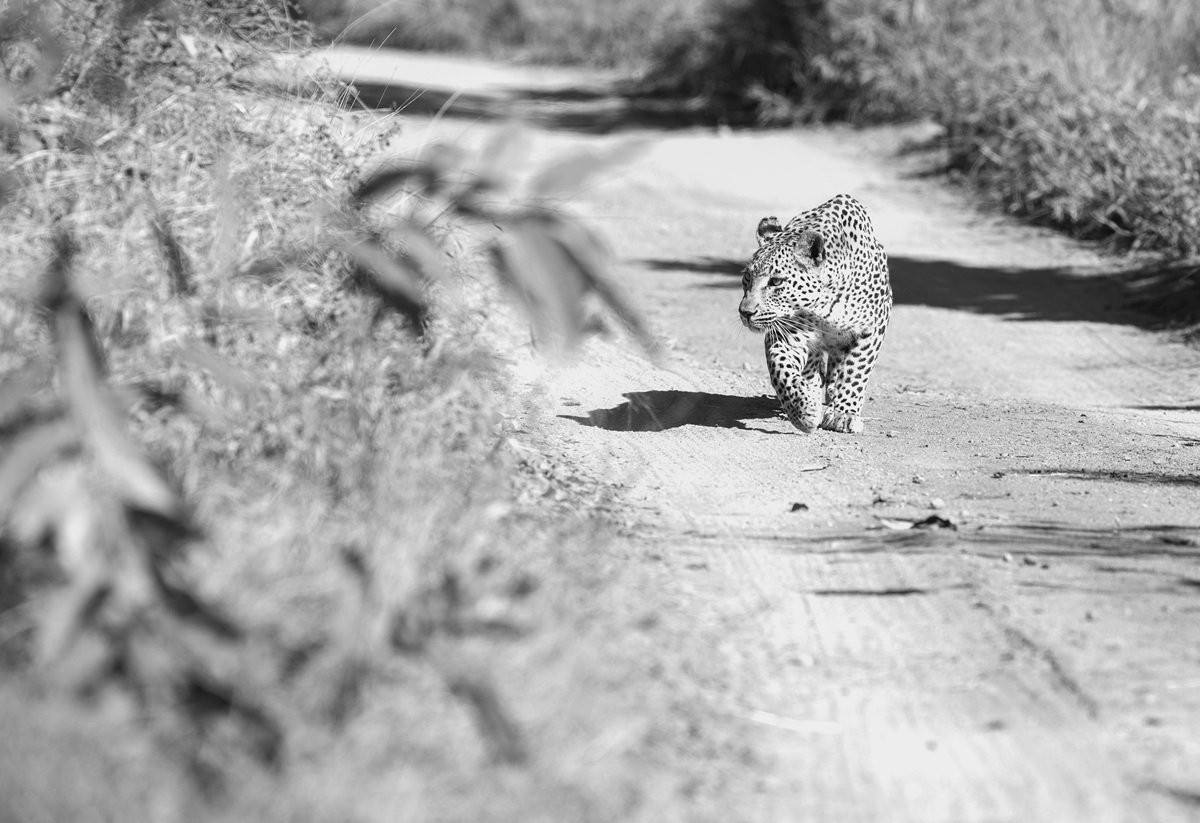
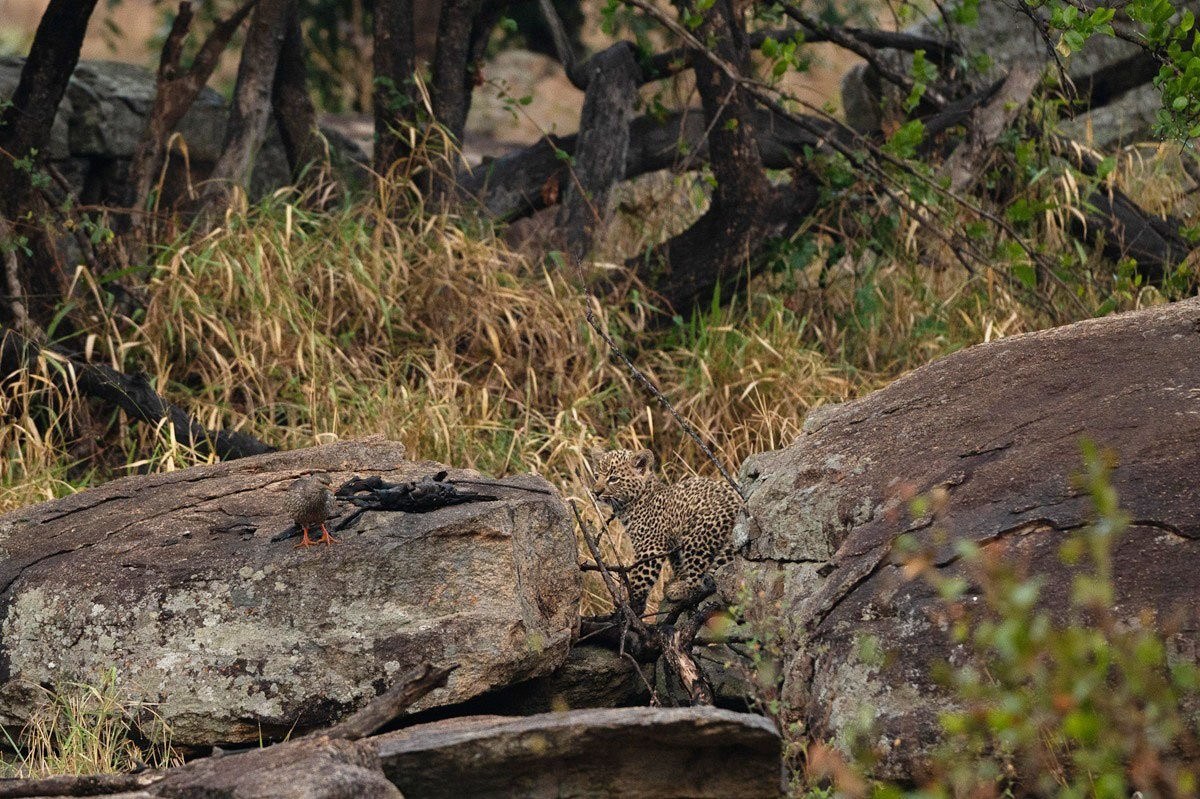
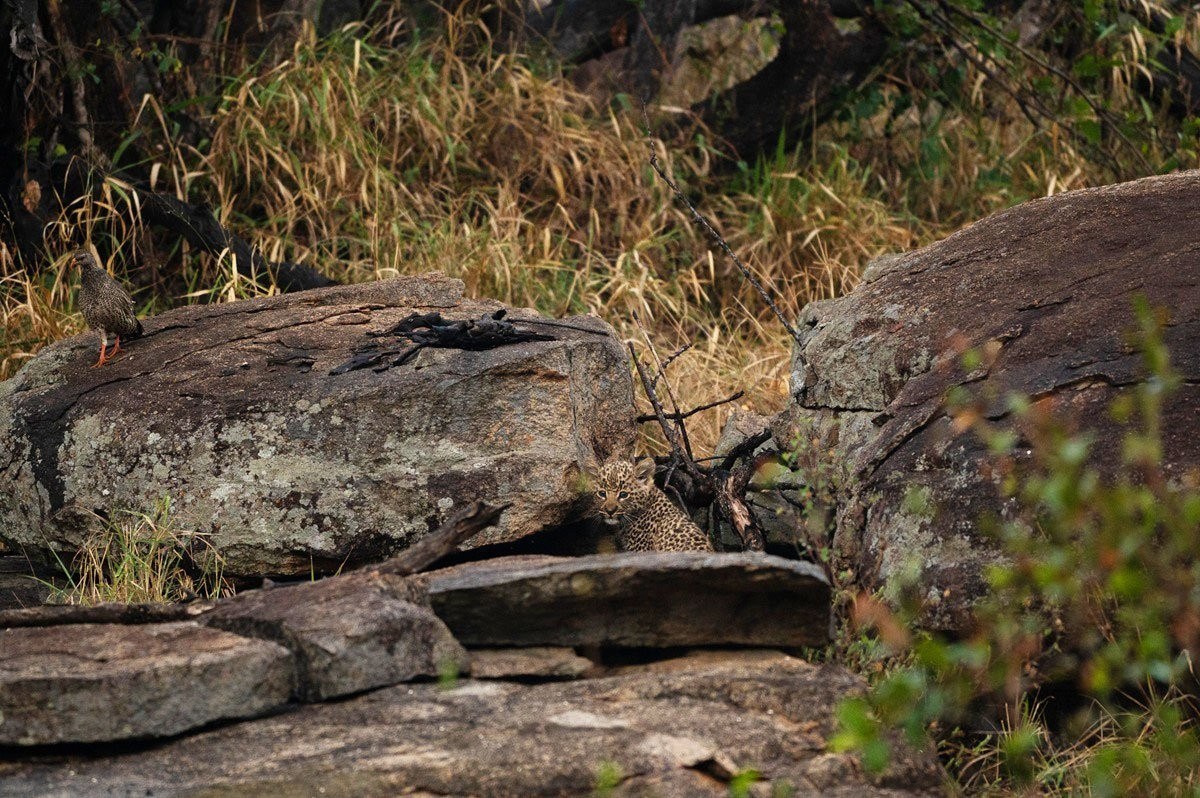
After hearing alarm calls near Golonyi's den, we decided to investigate. What we found was a very unhappy spurfowl perched on a stump. After some time, a tiny face appeared from between the rocks — one of Golonyi's cubs.
The spurfowl cautiously made its way down to inspect the strange little predator, and we watched excitedly as the cub emerged from the crevice and began stalking the bird. Unfazed by the youngster, the spurfowl stood its ground, only hopping off the rock when the little leopard ventured a bit too close for comfort.
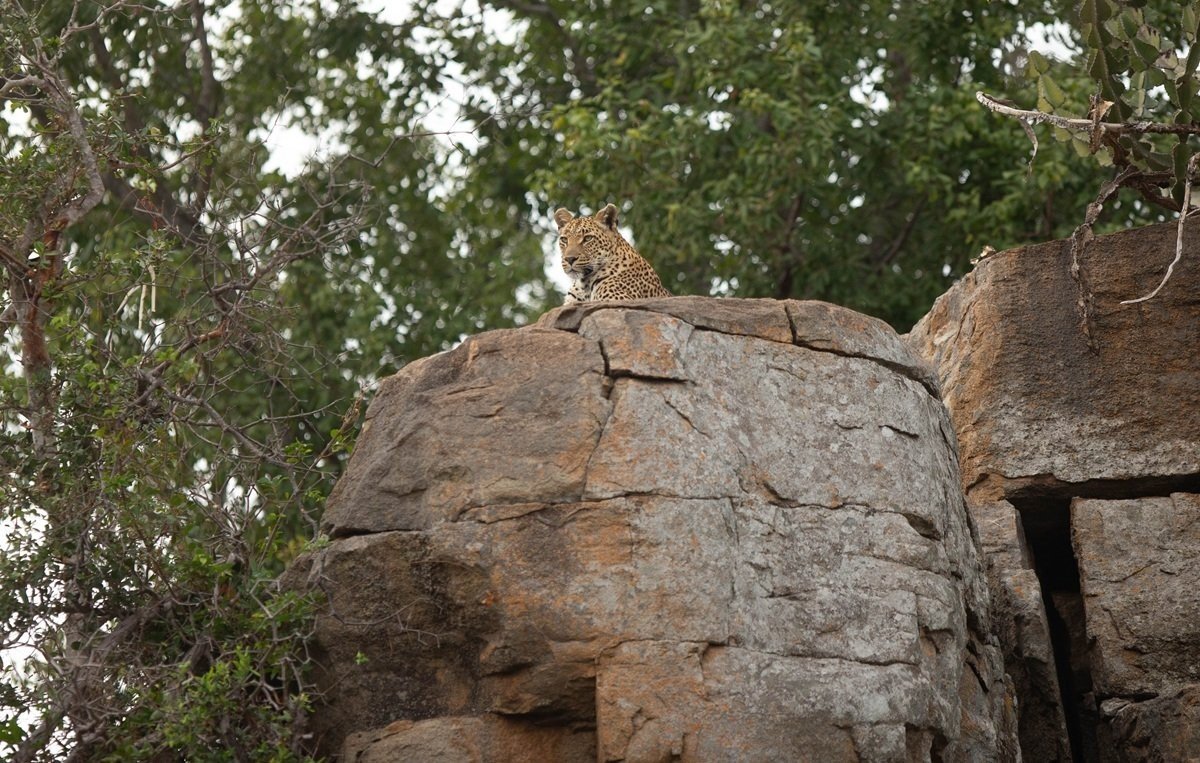
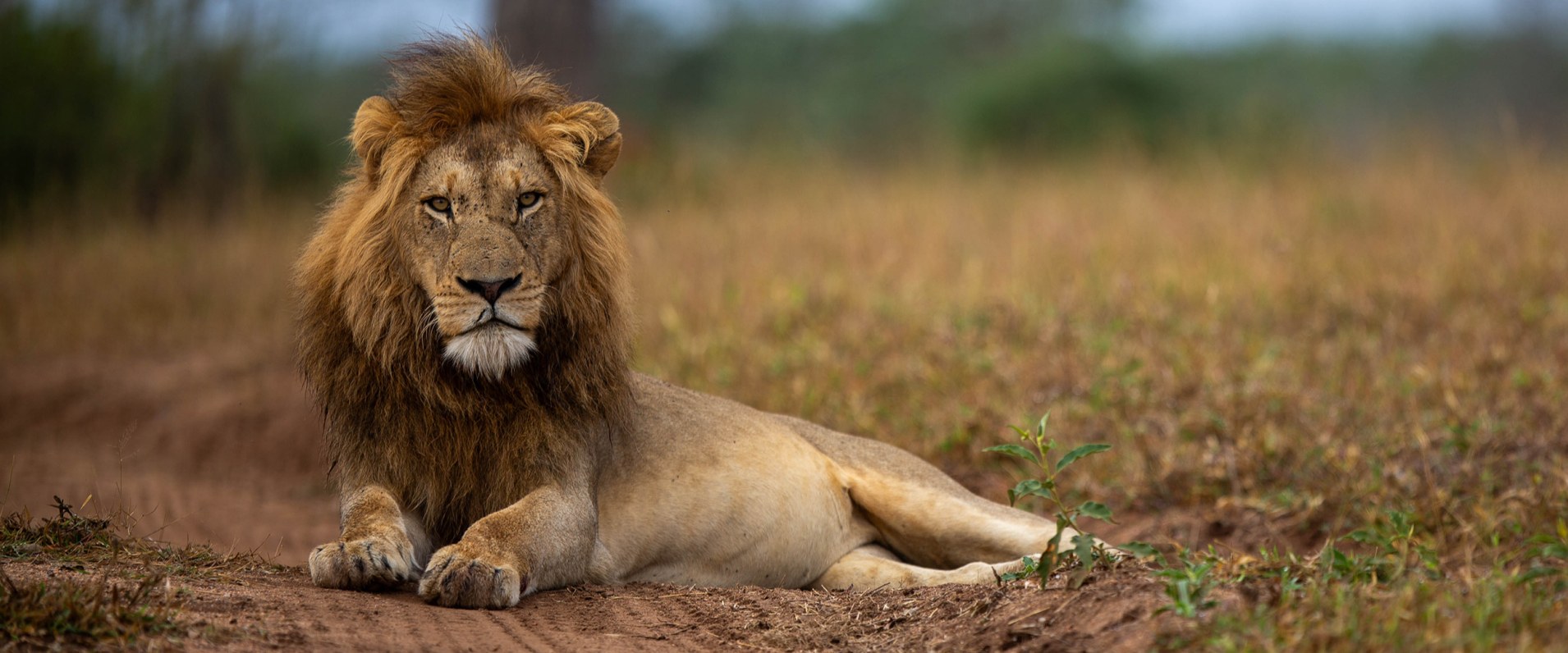
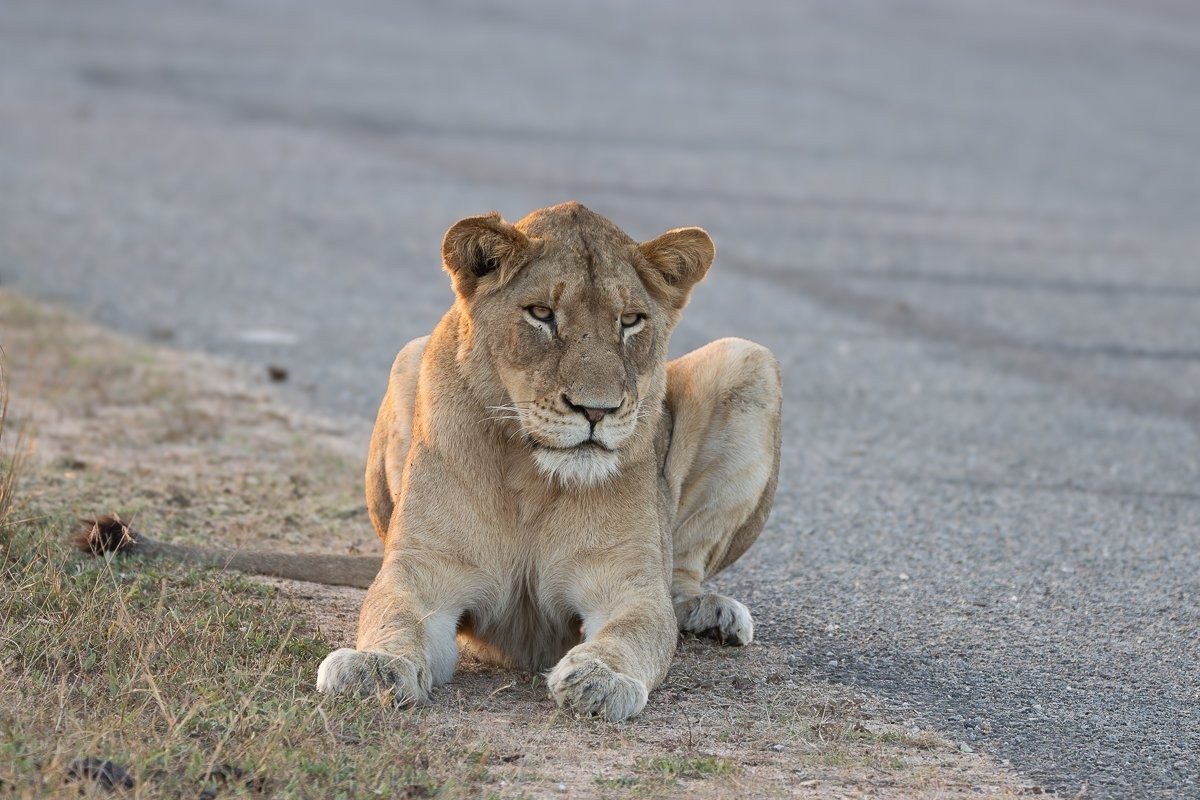
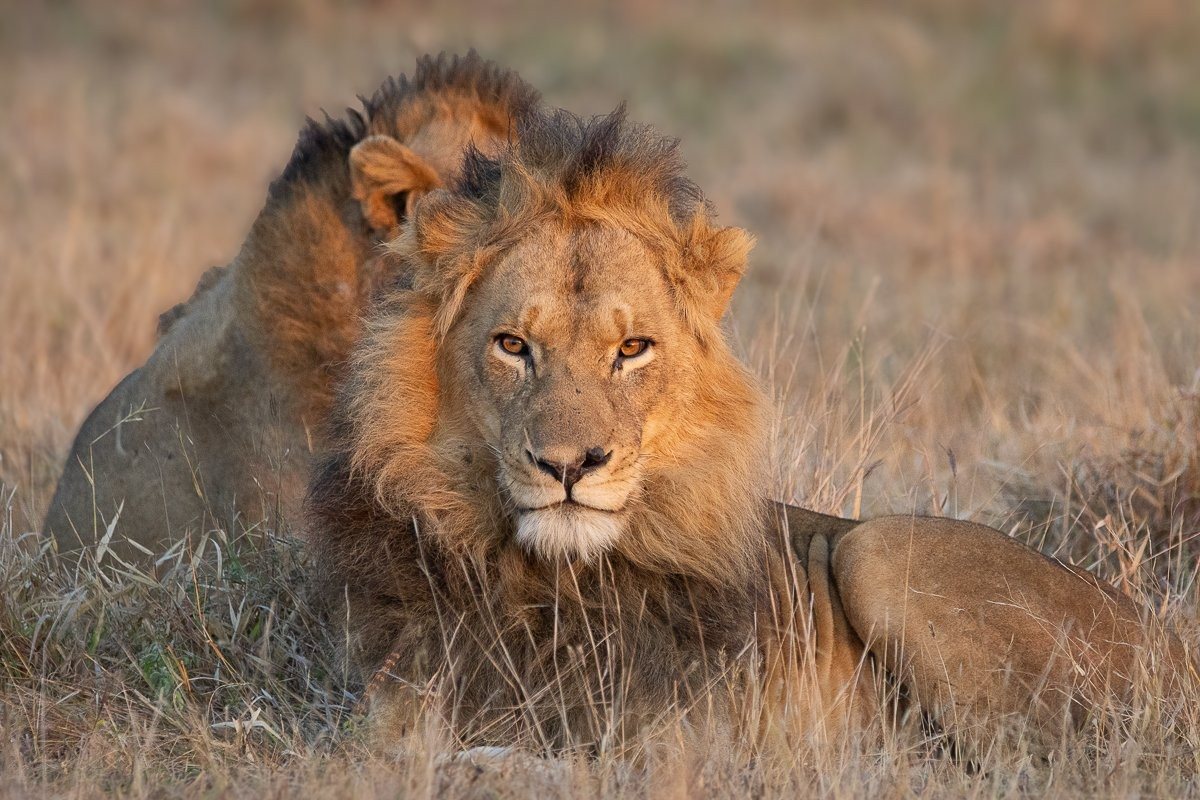
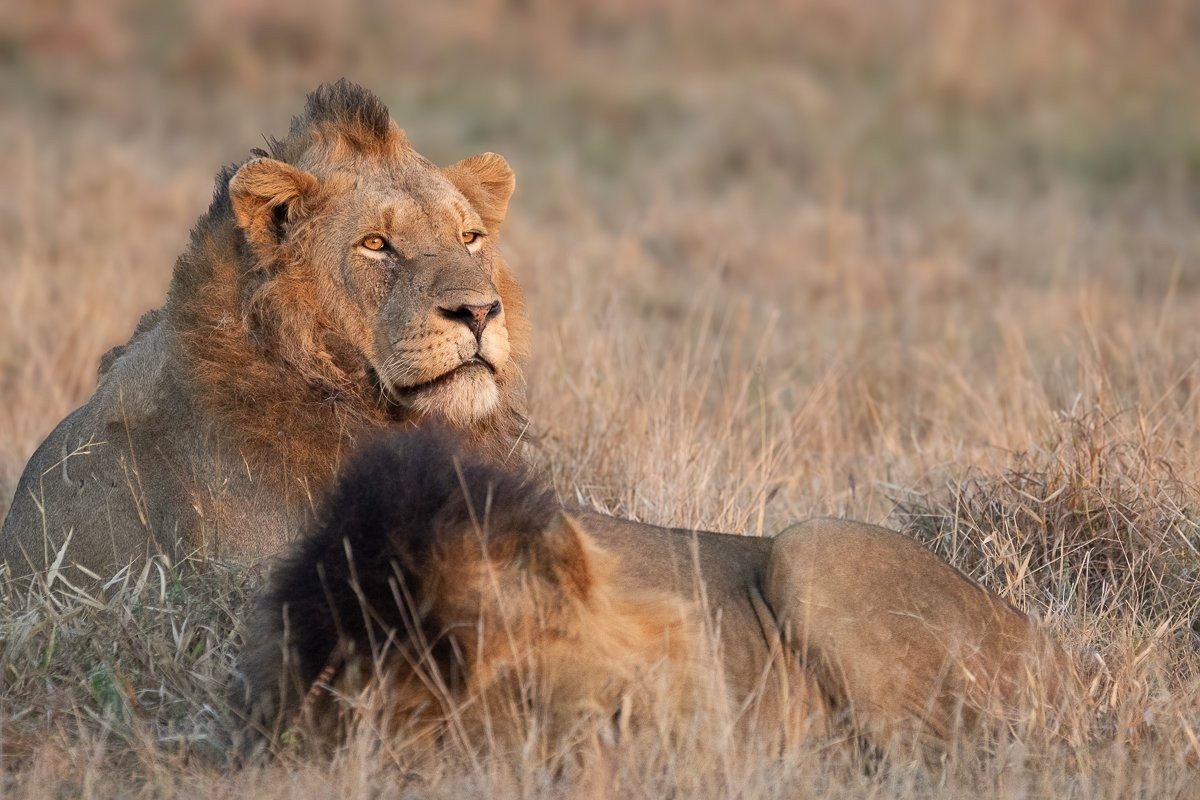
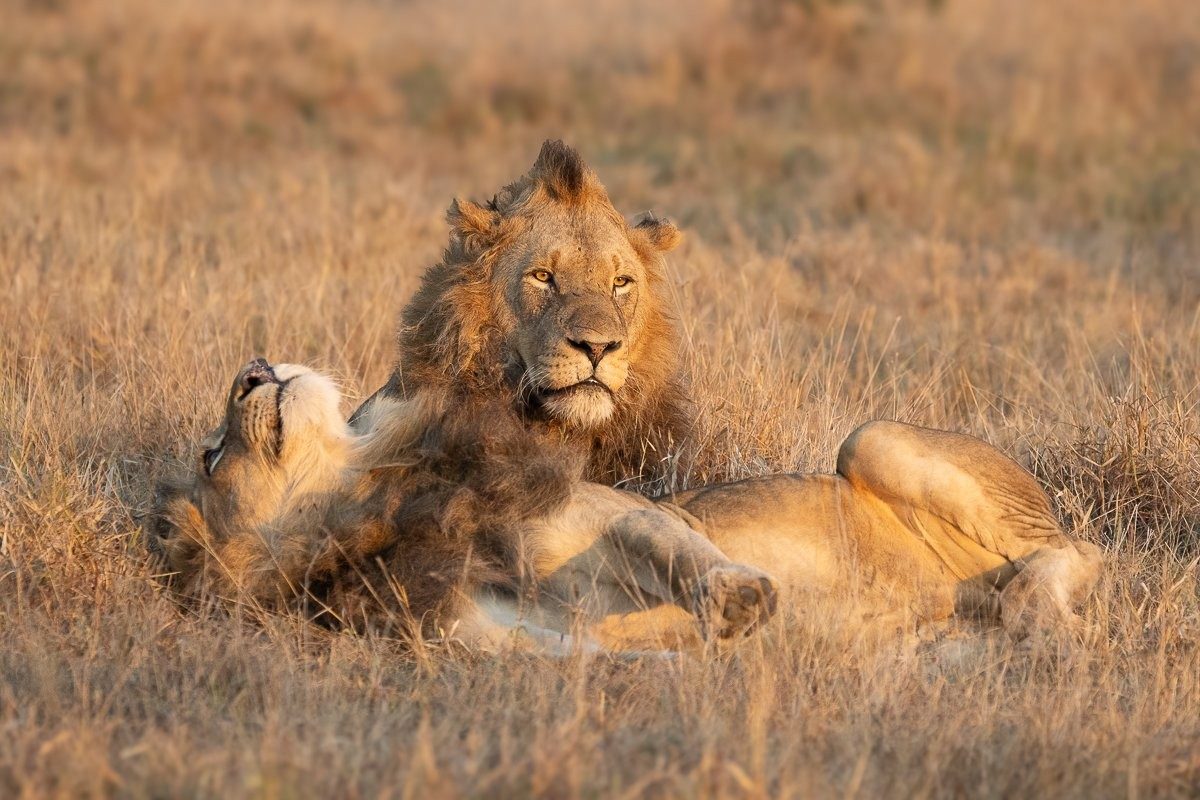
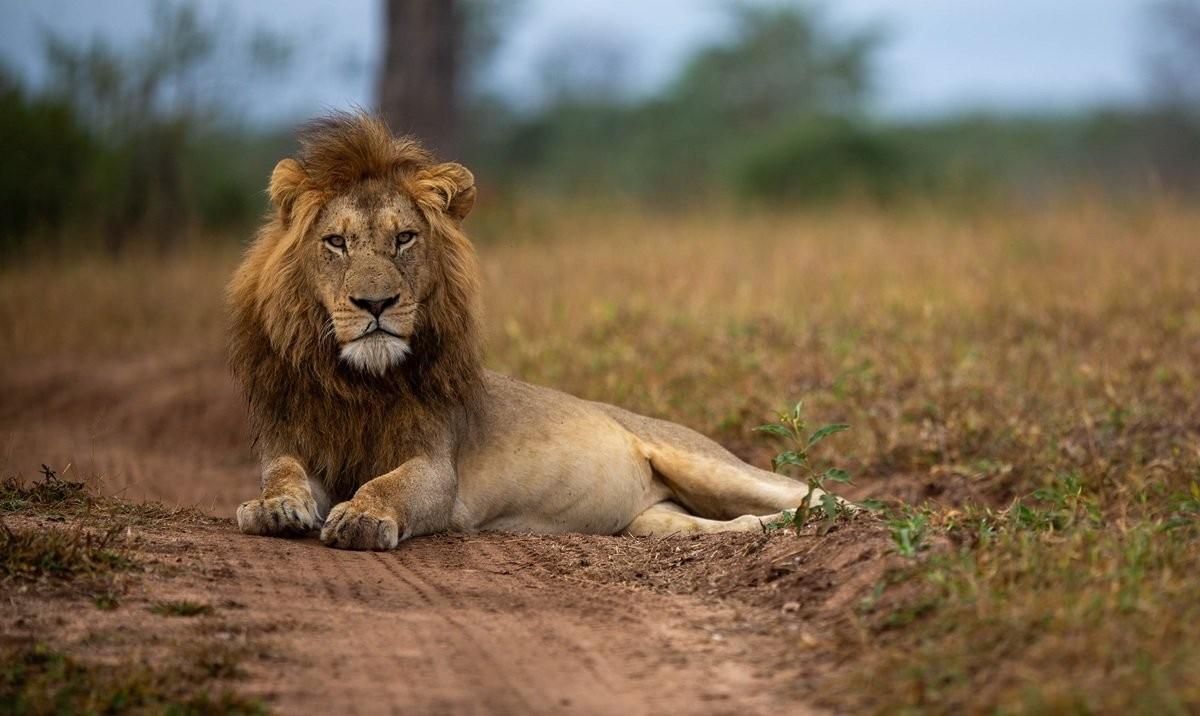
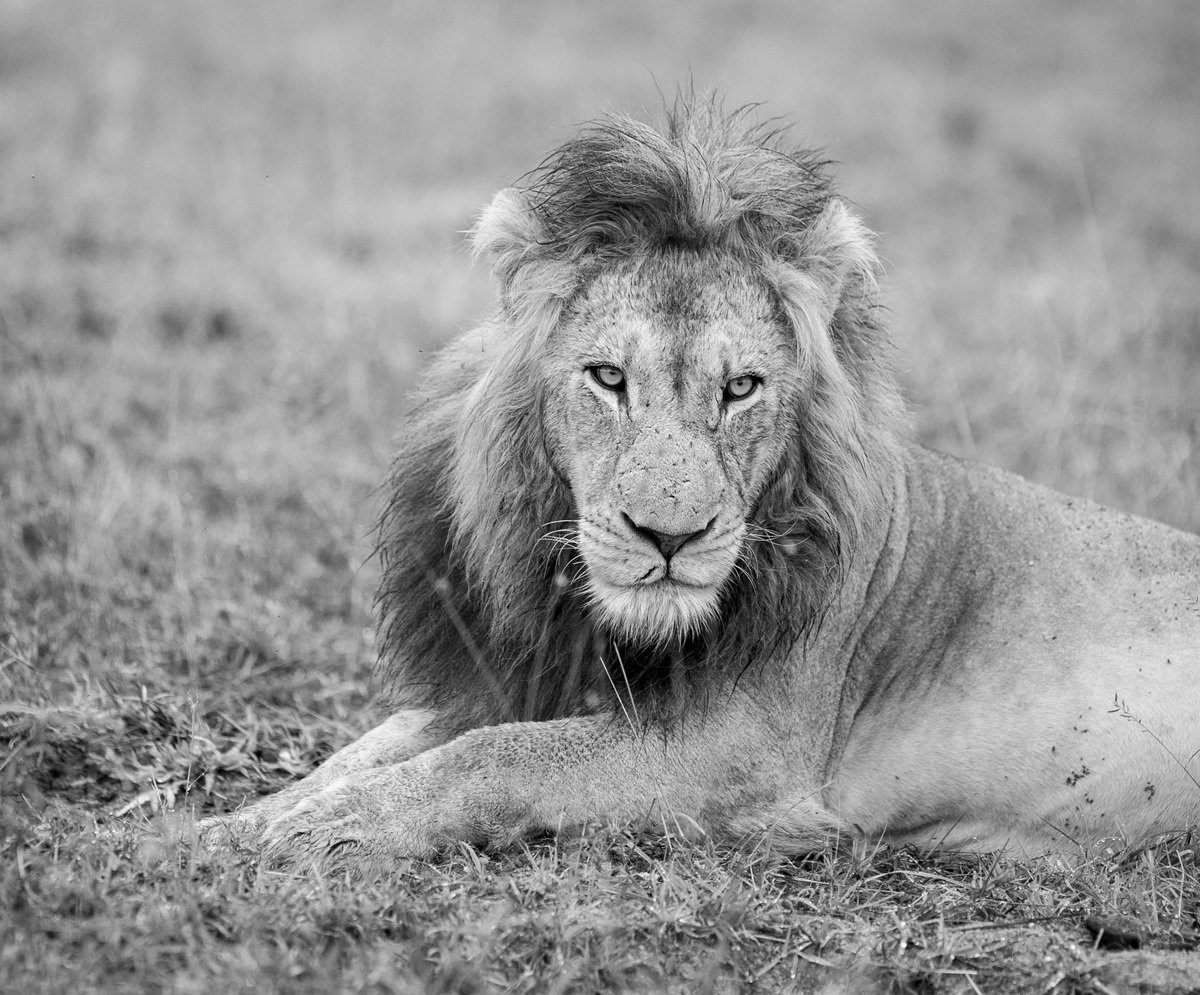
The lions roared through the night before eventually settling on the open plains near Selati Camp. After locating the three N’waswishaka males and two Msuthlu females, we found them resting after a cold winter night, waiting for the morning sun to warm them.
As his brothers moved into the shade towards the end of the safari, one male remained in the sunlight, rolling from side to side before stretching and yawning. He eventually joined the rest of the pride, which had gathered beneath the small patches of shade offered by the surrounding trees.
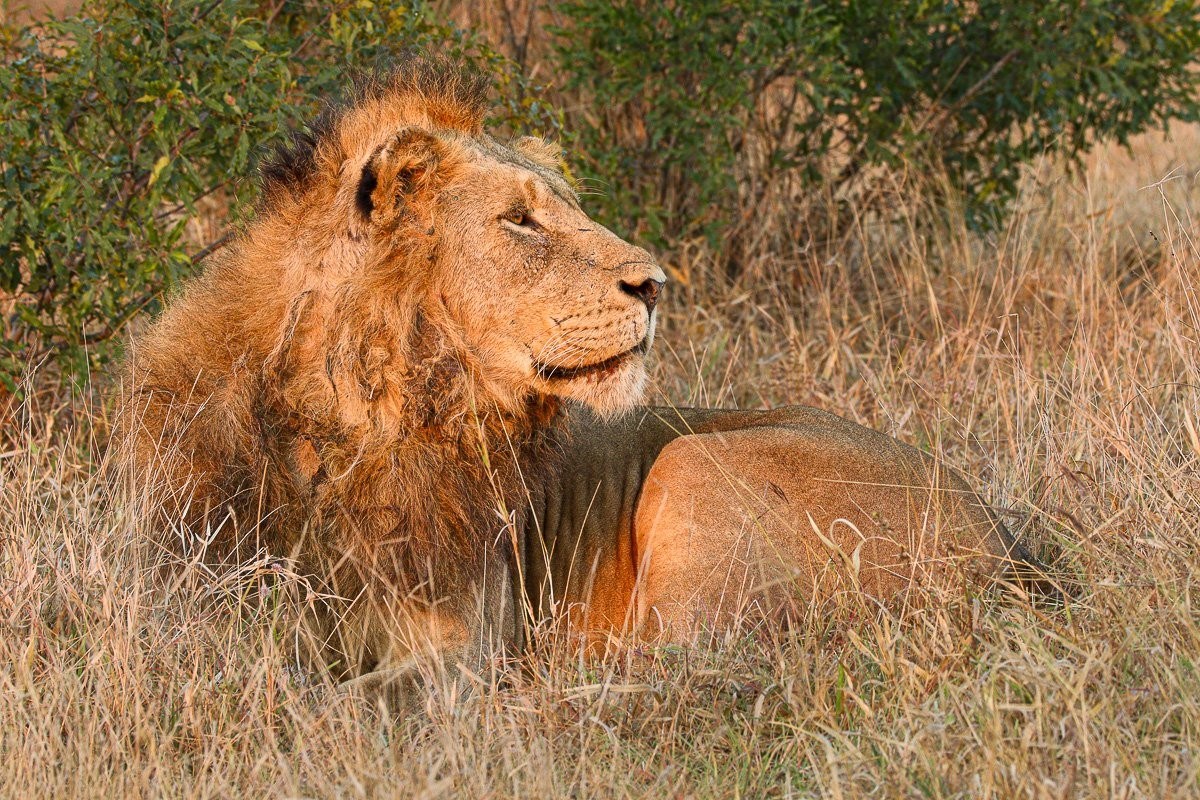
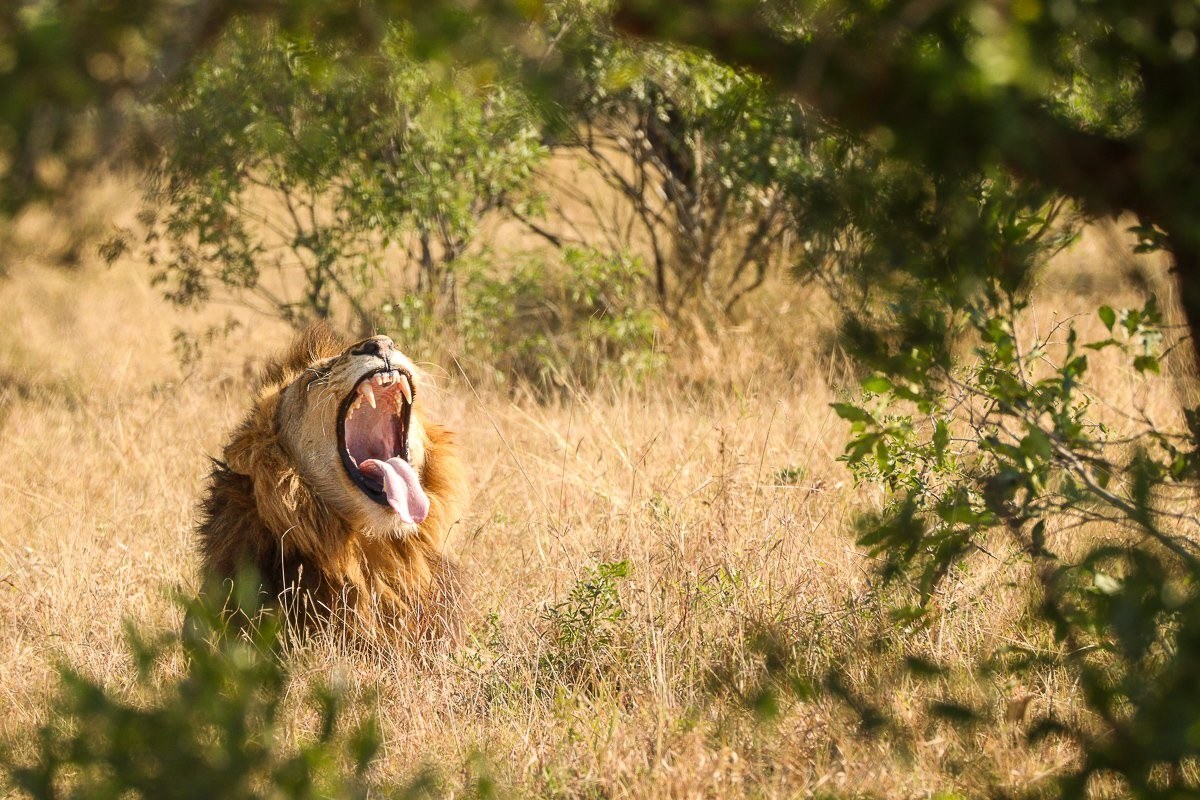
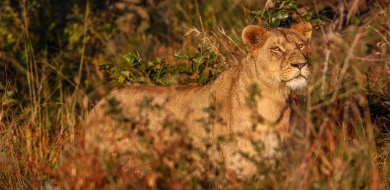
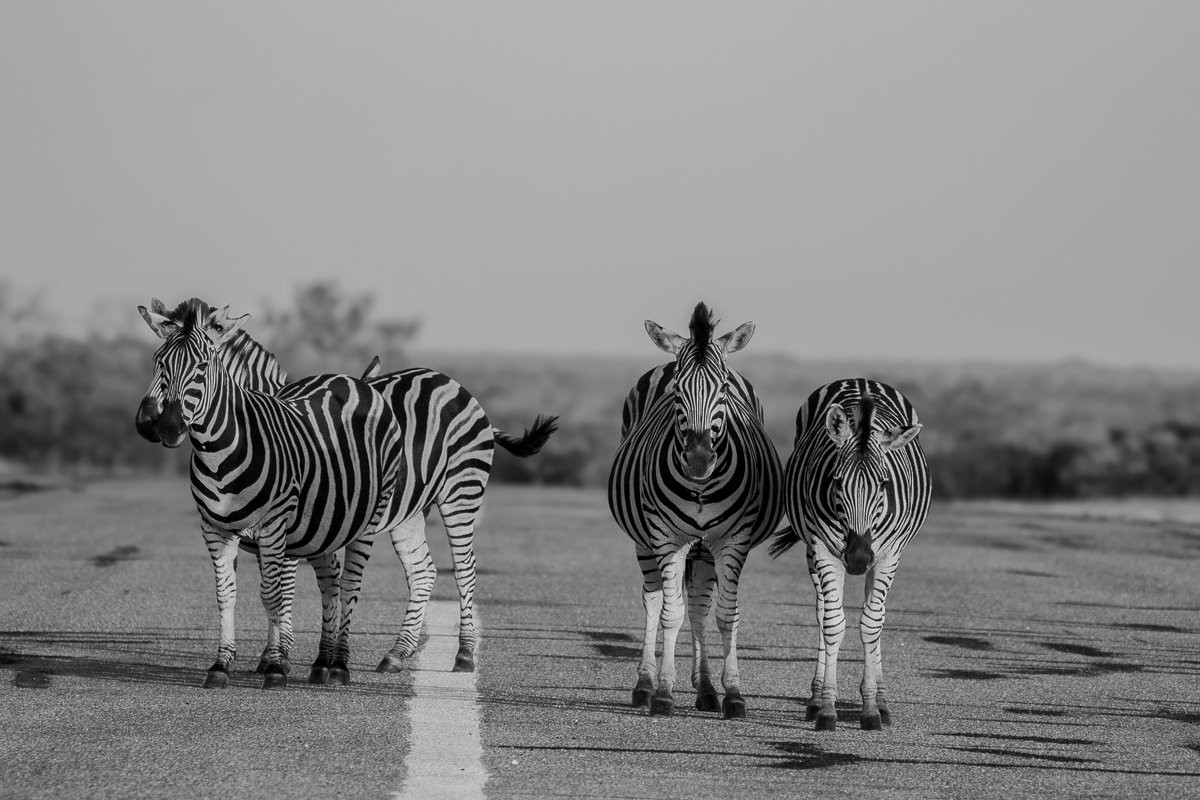
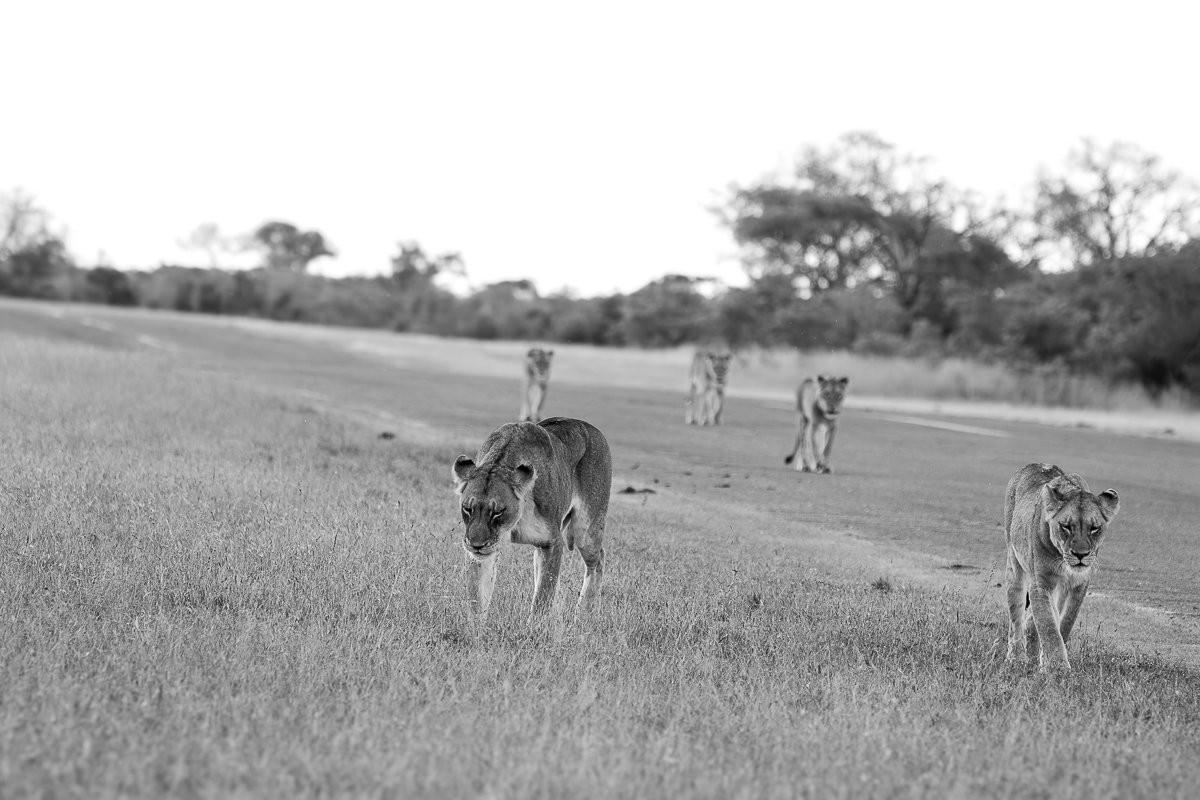
We tracked the Msuthlu Pride from where they had been left that morning after they had followed a herd of buffalo. We eventually found them resting in the tall grass before they moved out onto our Private Airstrip, seemingly attempting to hunt a group of zebras that were still some distance away.
From their position on the open airstrip, the lions had a perfect view of the zebras as they sat watching intently.
The Msuthlu Pride had moved far into the southern territory, something we have not witnessed very often. They appeared to be trying their luck, with their eyes fixed on the potential reward of a successful hunt rather than the fact that they were venturing deep into territory belonging to the Southern Pride. With the neighbouring pride not too far away, this movement into unfamiliar ground carried a degree of risk.
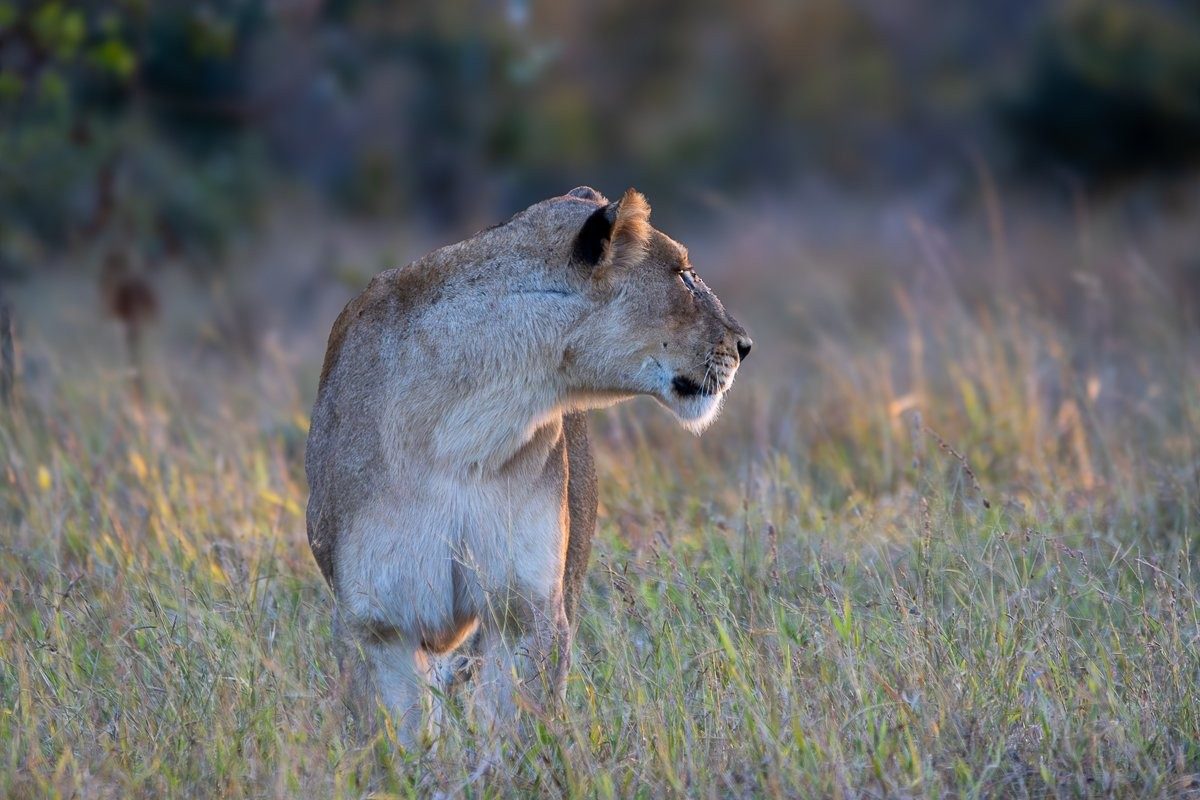
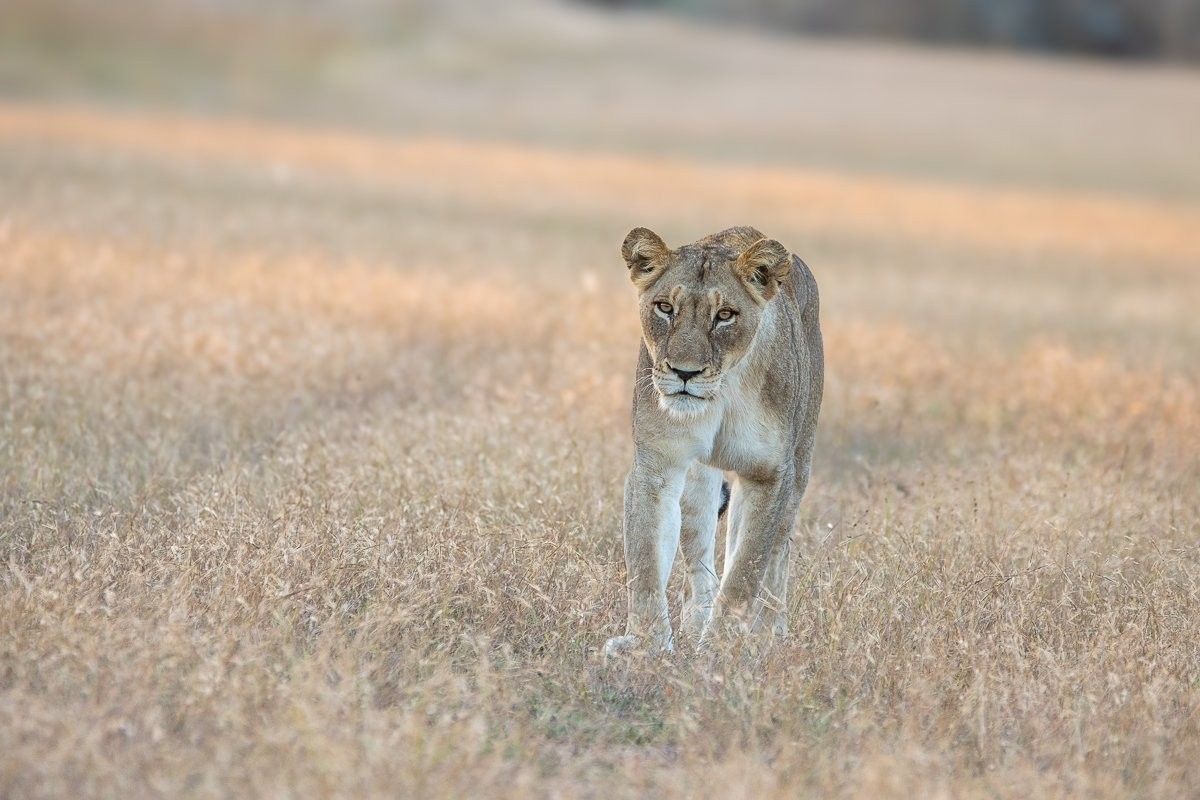
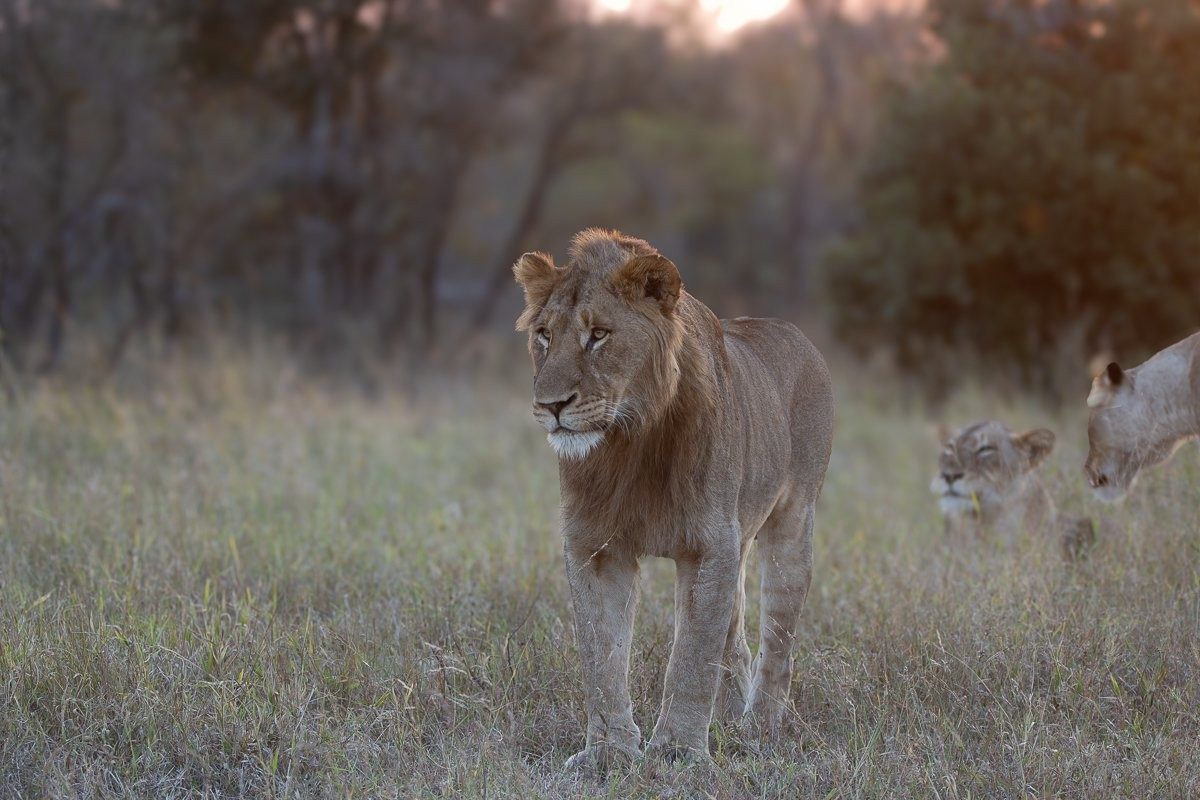
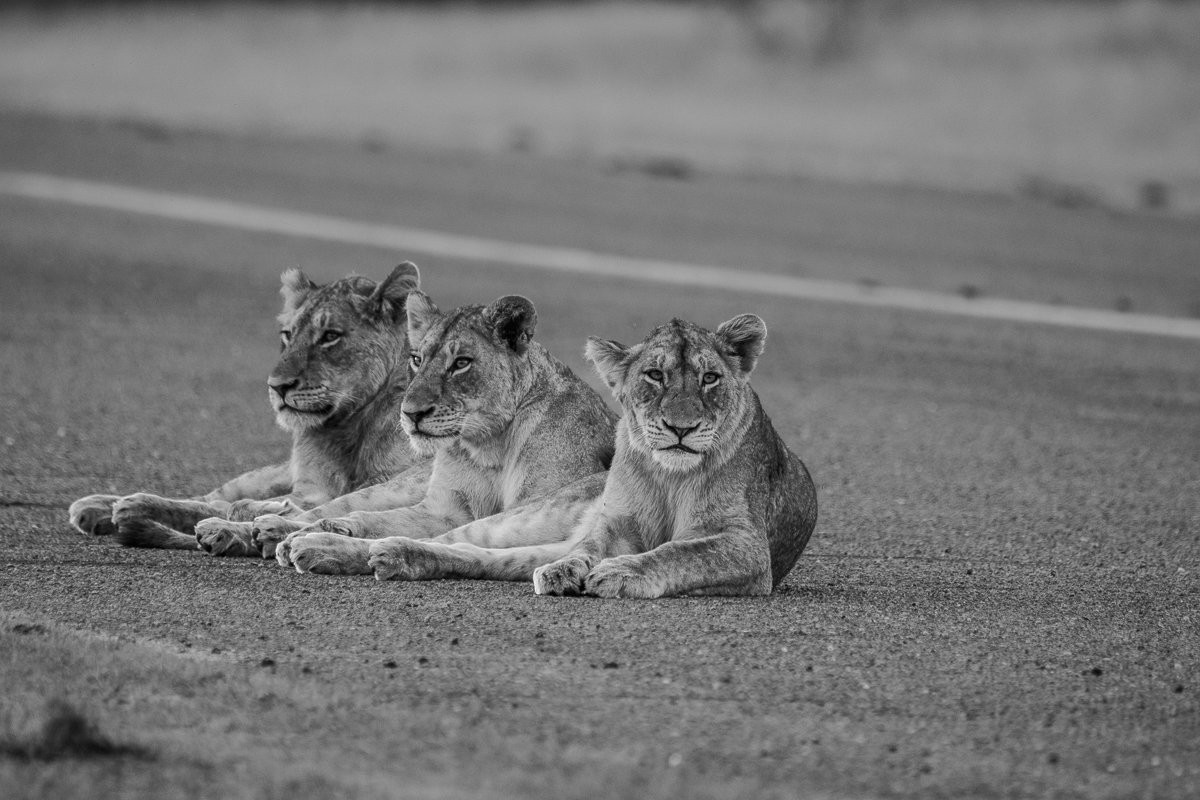
In recent weeks, the three N’waswishaka males have regularly been seen in the company of the two females from the Msuthlu Pride. From time to time, both the males and females can be heard roaring and contact calling to locate the rest of the pride, although these calls are often met with no response.
Hopefully, in time, the remainder of the pride will reunite with them and eventually accept the males as part of the pride, allowing them to strengthen and secure their territory together.
Until next time…
Blog by Wendy Claase
Images by Benjamin Loon, Jana du Plessis, Josh Duffus, Ronald Mutero and Viviane Ladner