
A Week in the Bush Vol. 597
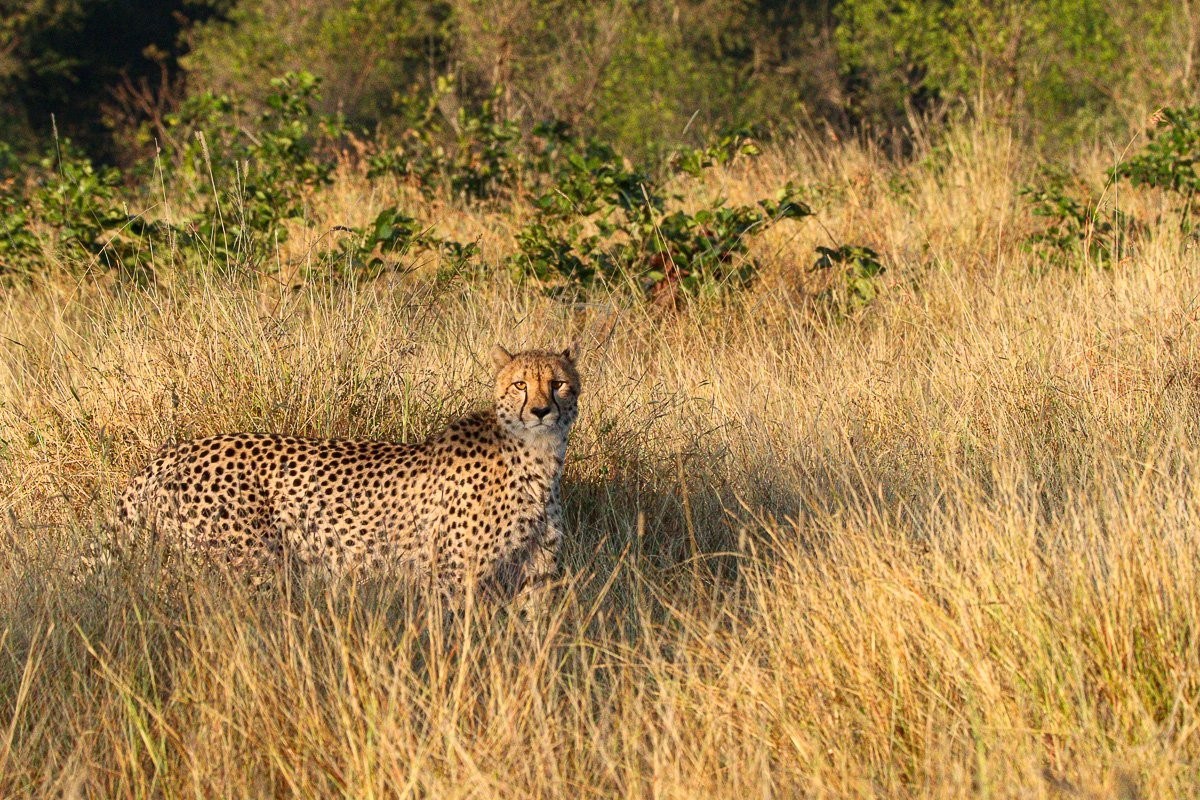
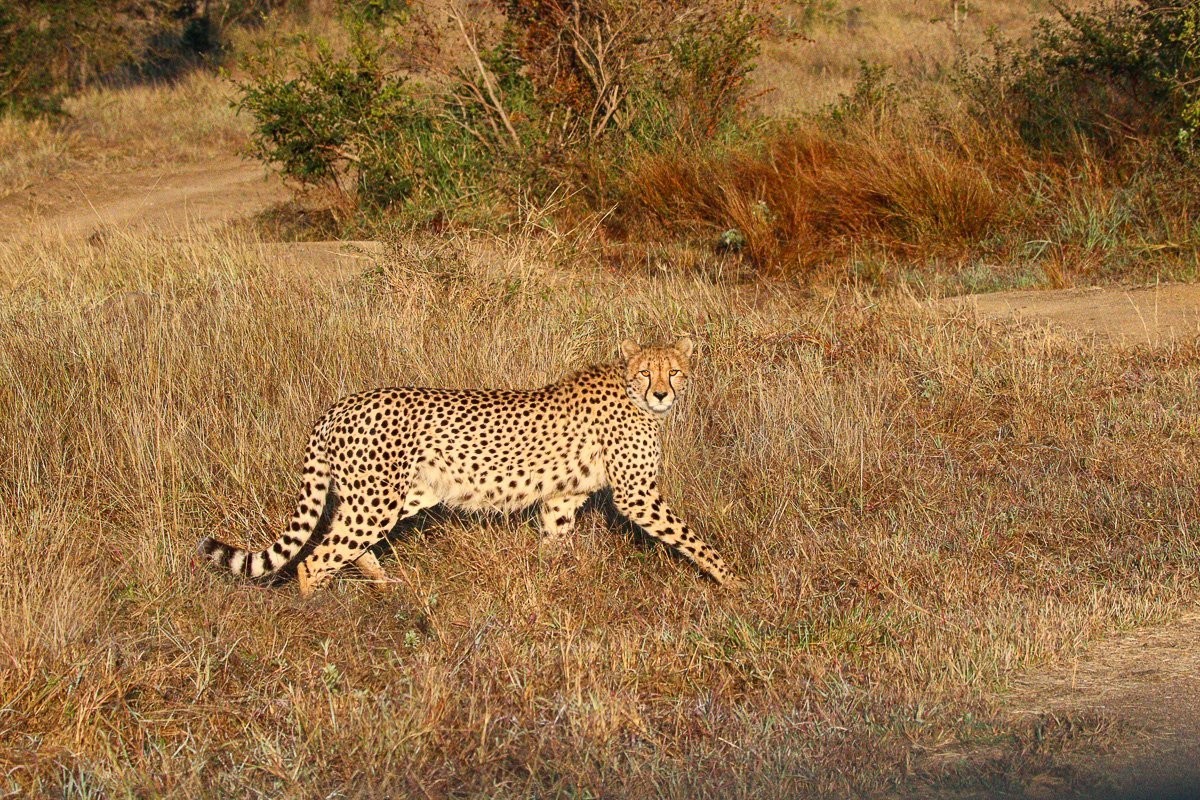
on Jun 17, 2026The roads were covered in tracks left by the reserve’s nocturnal predators during the night, but one set in particular caught our attention. Fresh tracks from multiple cheetahs headed north near Selati Camp, and after a short tracking exercise, we located three cheetahs moving swiftly through the reserve.
While female cheetahs are typically solitary, males often form coalitions with their brothers. These coalitions help them defend territory, compete with rivals, and improve their hunting success. This group has recently been seen moving through the reserve, seemingly searching for a suitable area to establish a territory and potentially encounter receptive females.
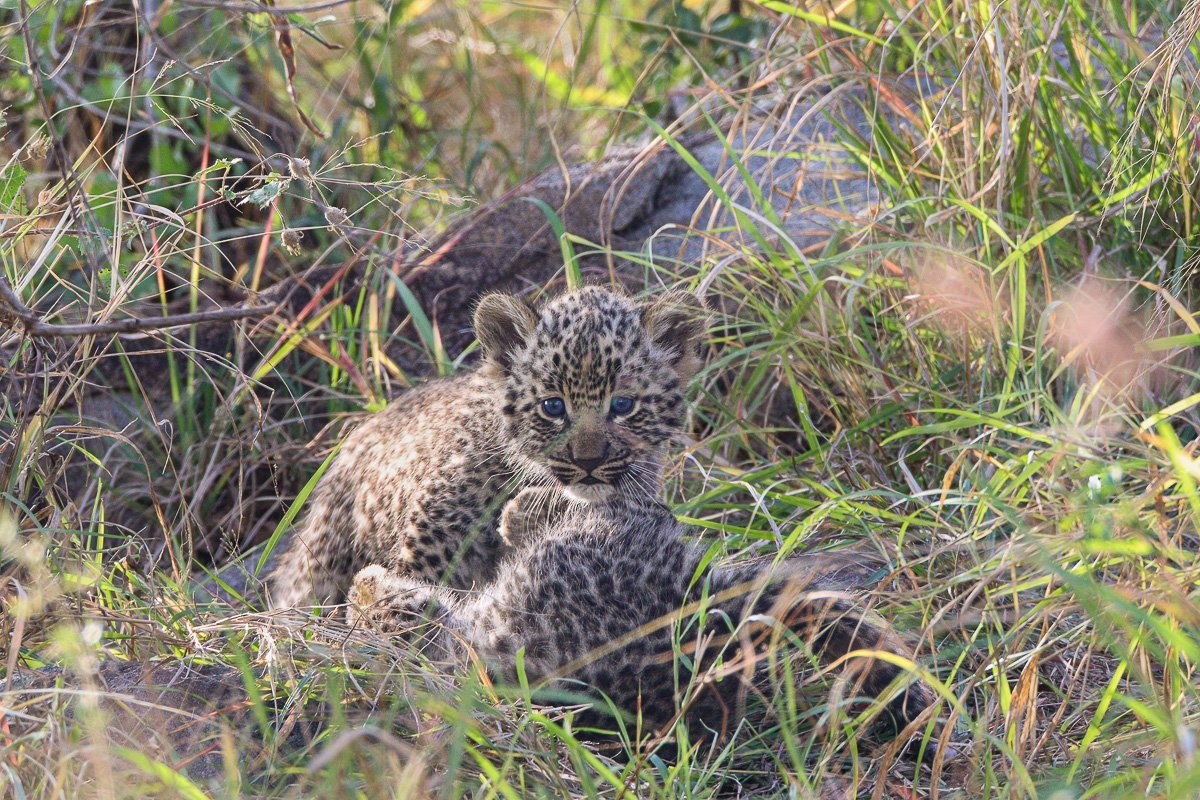
Driving through the southern parts of the reserve searching for any sign of leopard, we heard kudu alarm calls coming from a nearby drainage line and immediately went to investigate. Carefully navigating the rocky terrain, we were rewarded with a distant view of Golonyi and her three cubs resting on the opposite side of the drainage line, with the cubs nursing from their mother.
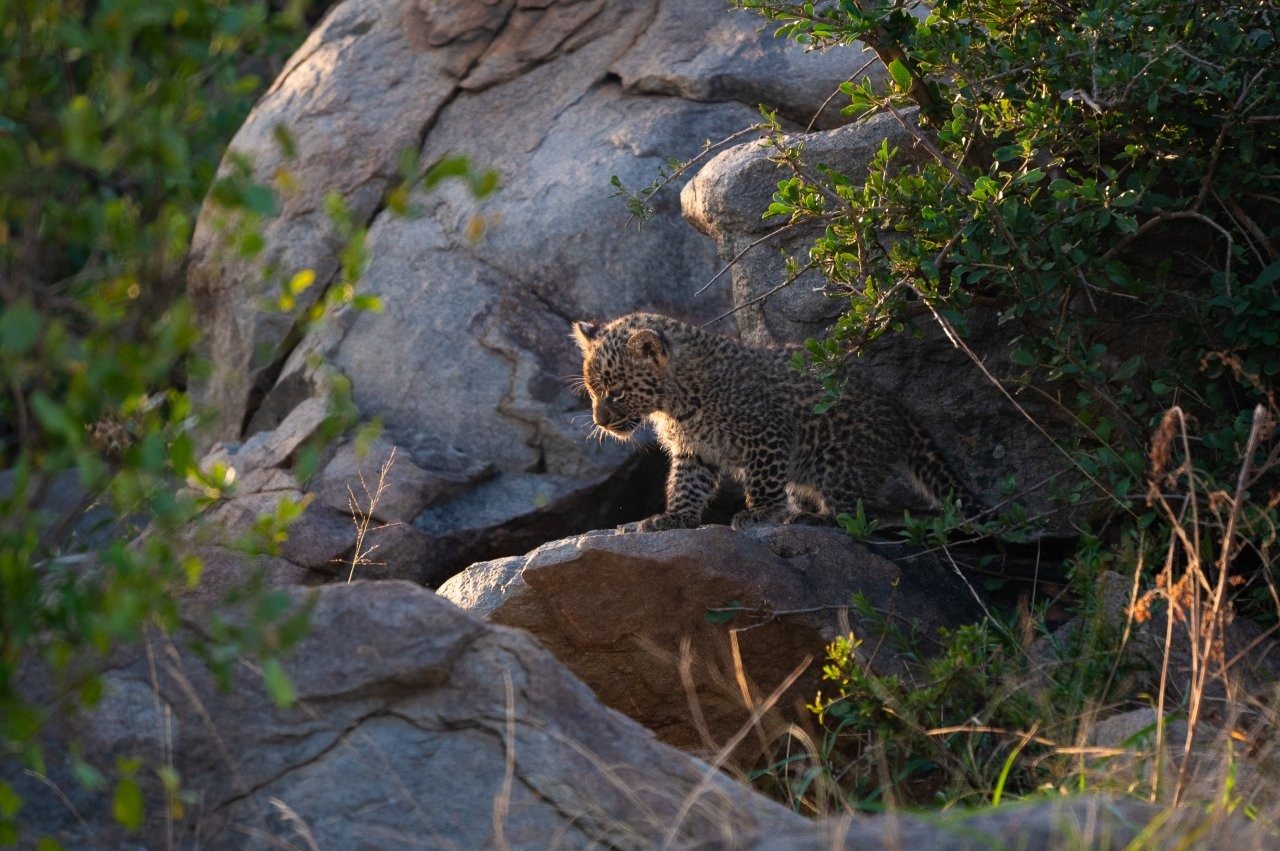
These cubs are still very young and vulnerable, so we kept our distance to avoid drawing any unwanted attention to their location. The drainage line provides plenty of rocky, secluded areas where Golonyi can move her cubs between safe hiding spots while she is away hunting. It was an incredible privilege to witness these little ones and enjoy such a special sighting.
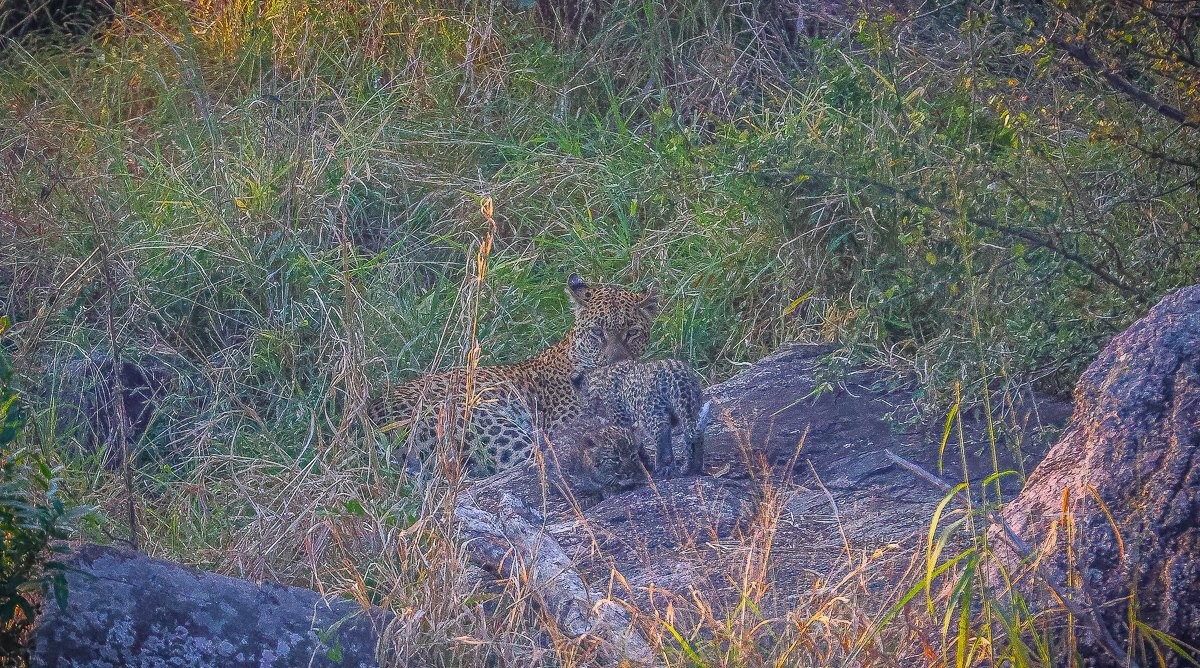
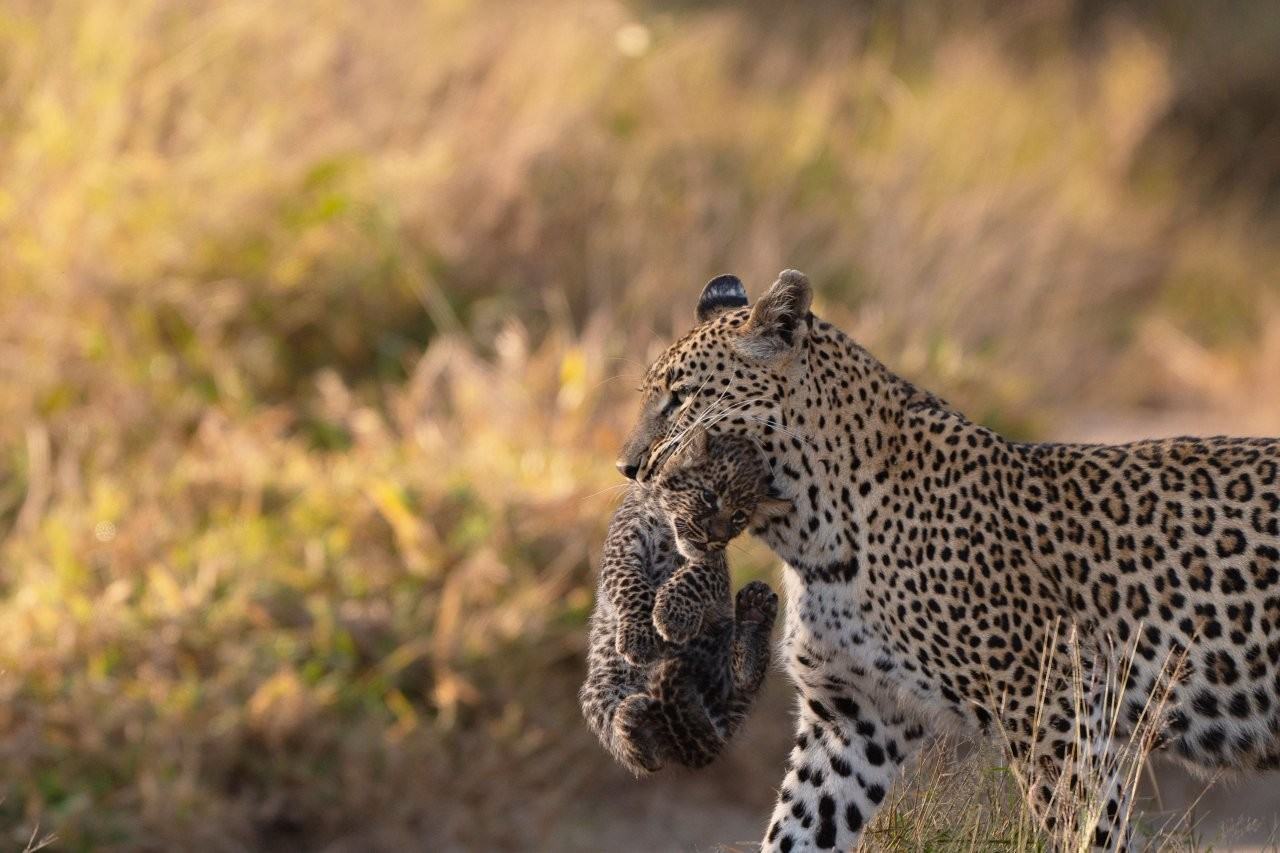
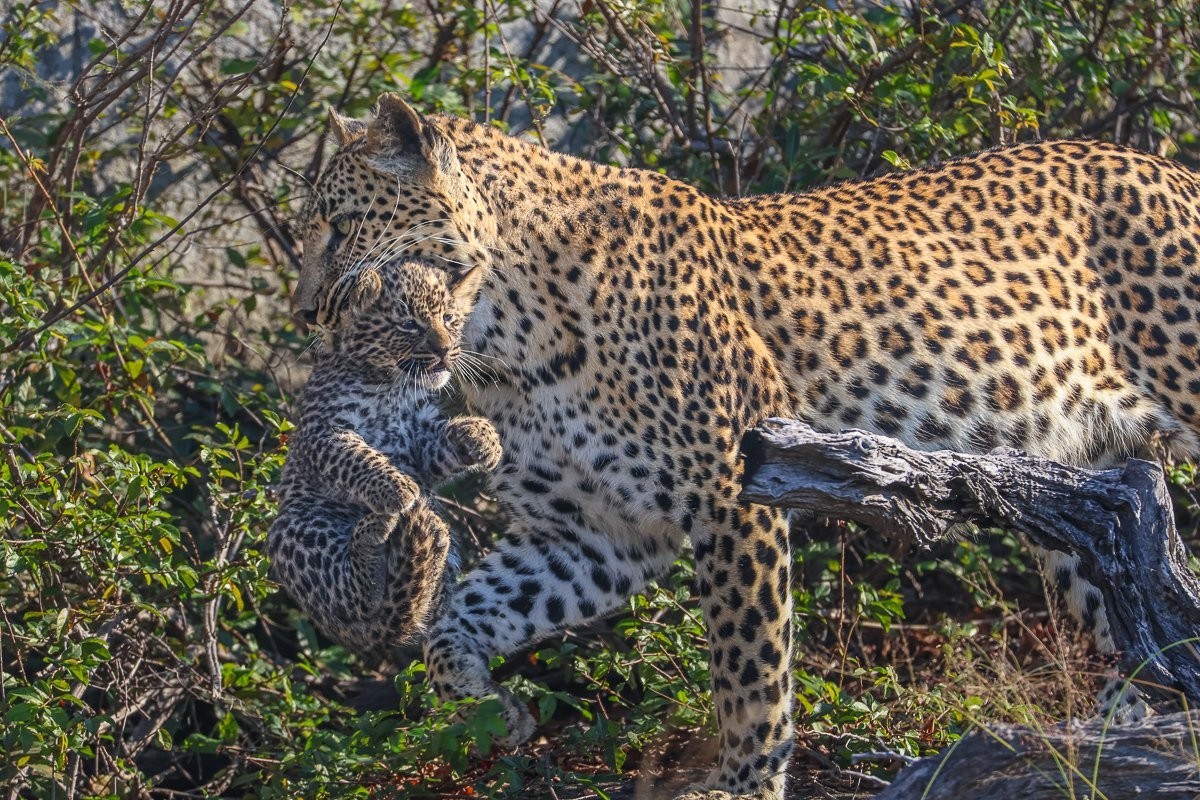
We followed up on Golonyi and found her resting on the rocky outcrop where she has been spending much of her time recently, keeping her cubs safe. Sitting quietly, we were treated to an unforgettable sighting as Golonyi carefully moved her cubs from one rocky crevice to another before they settled down to suckle.
With the cubs still very young, Golonyi moves them every few days to prevent their scent from building up and attracting unwanted attention from predators. As a solitary species, a female leopard must leave her cubs behind while she hunts, making them particularly vulnerable. By regularly moving them to different hiding spots and taking advantage of the cover provided by the rocky terrain, Golonyi is doing everything she can to give her cubs the best possible chance of survival.
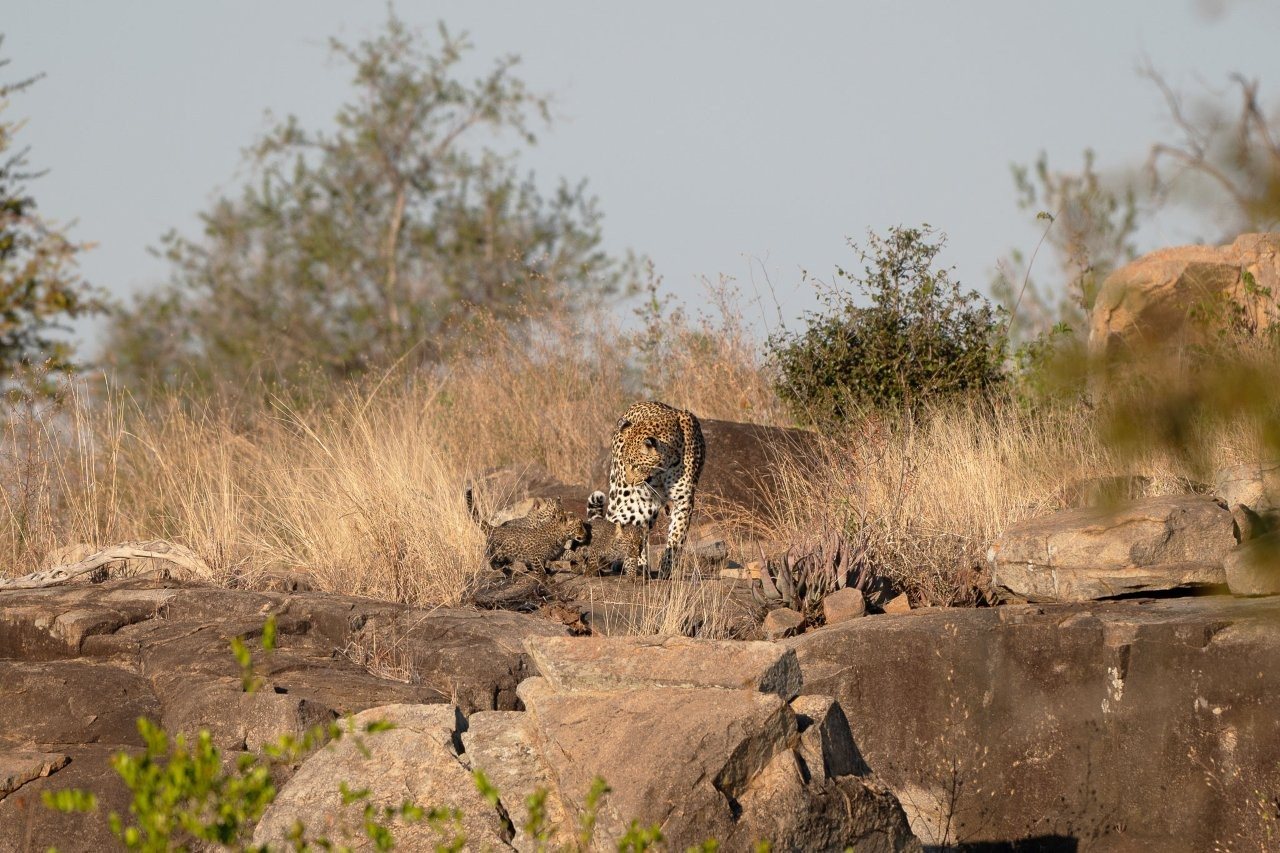
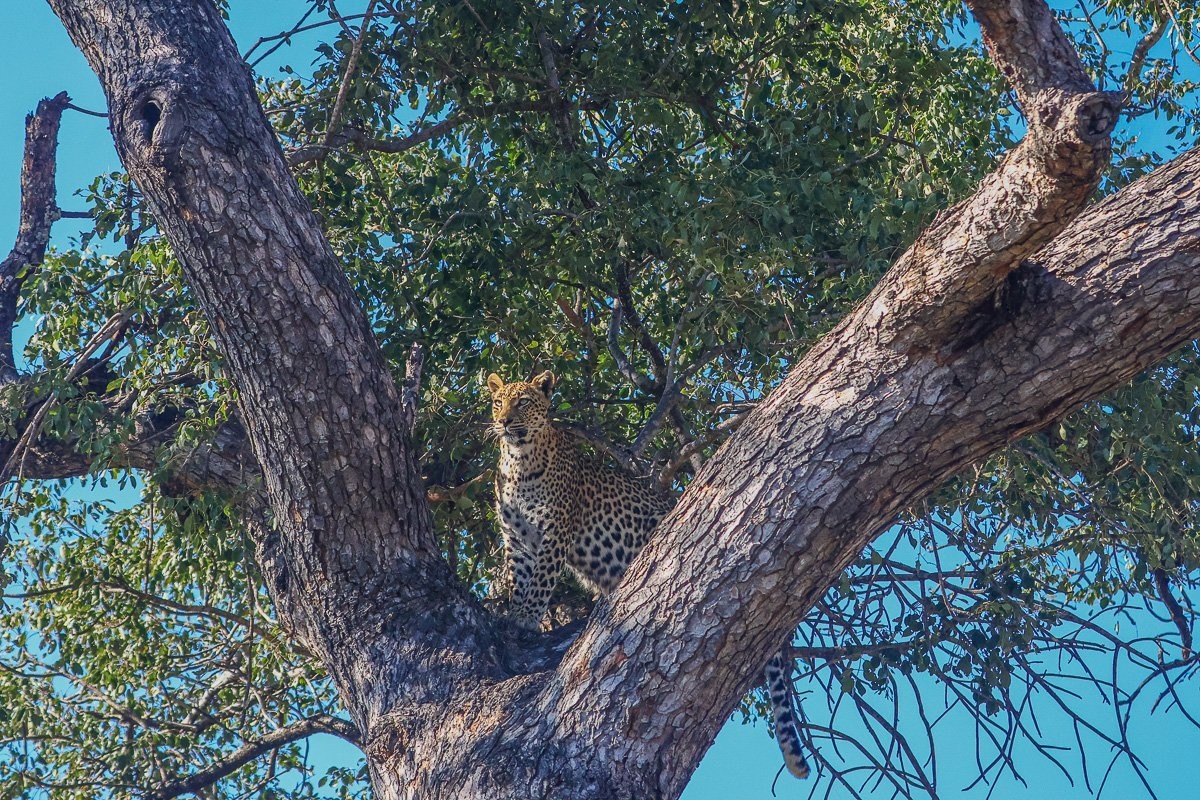
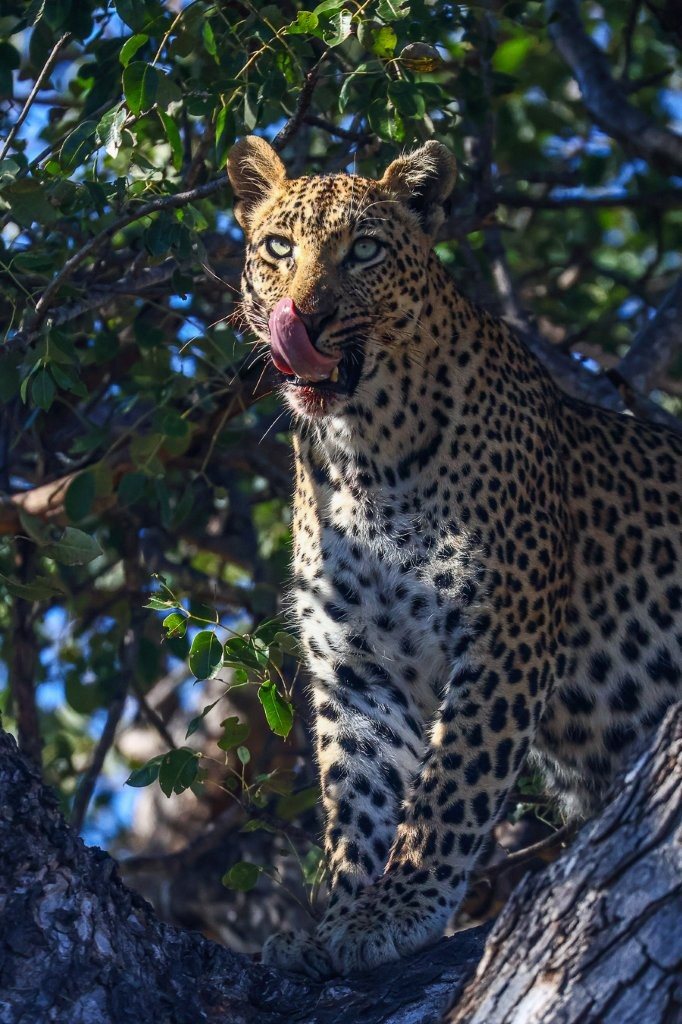
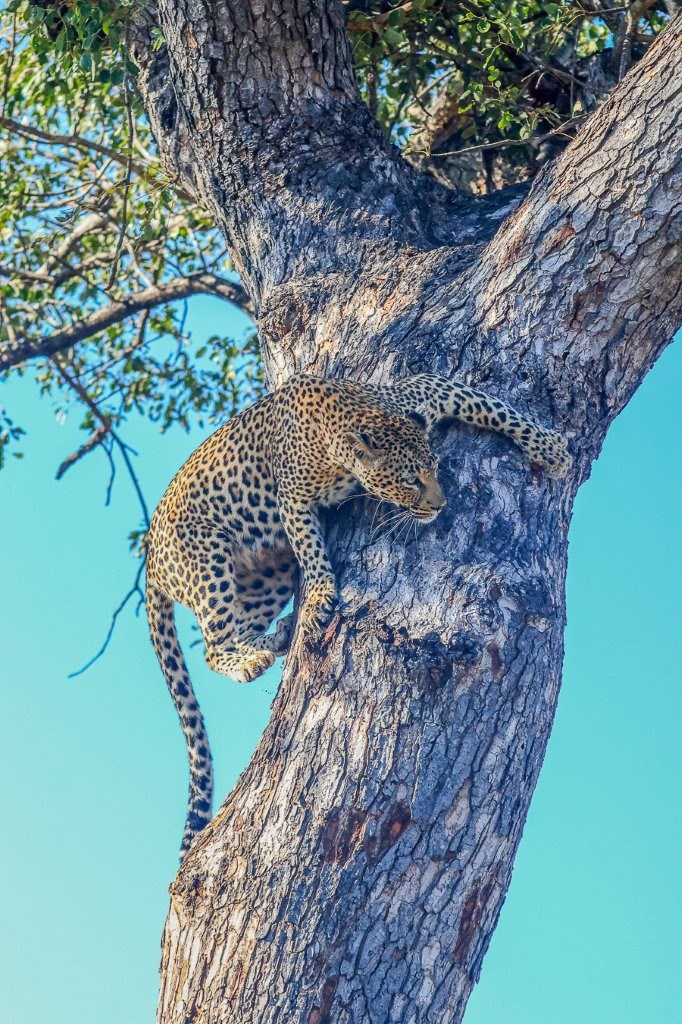
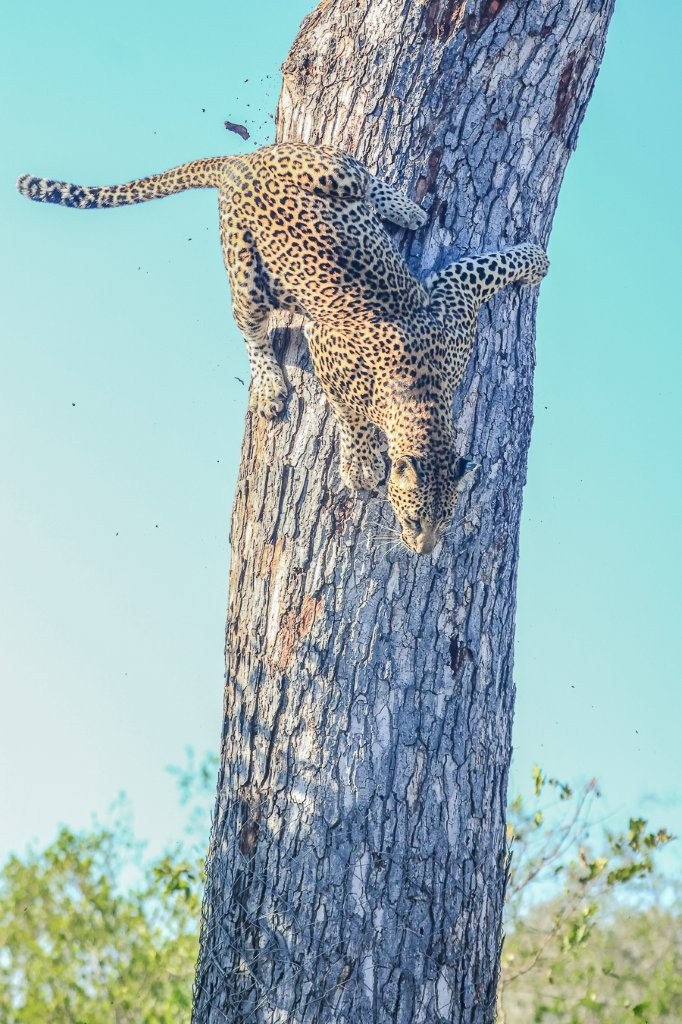
Golonyi was successful in securing another meal – a duiker which we safely stashed up a tree. After feeding, she climbed down and returned to where she had left her cubs.
Female leopards with cubs need to hunt more frequently to meet the increased nutritional demands of raising their young and producing enough milk for them. After feeding, she headed back to her cubs to allow them to suckle and will likely return to the kill later to continue feeding.
Three of the N’waswishaka males were patrolling and scent marking their territory on the northern section of the reserve. Having left the Southern Pride, the fourth N’waswishaka male set out in search of his brothers. Their distant calls guided him to the area where they had been resting the previous day, but by the time he arrived, they had already moved on.
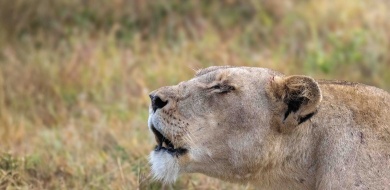
He spent the cooler daylight hours sleeping in the open, but as night fell, he resumed his search. Across the flat plains, with cool night air settling into the drainage lines, his deep roars carried far and wide, vibrating through the vehicle and echoing across the reserve as he called out for his brothers.
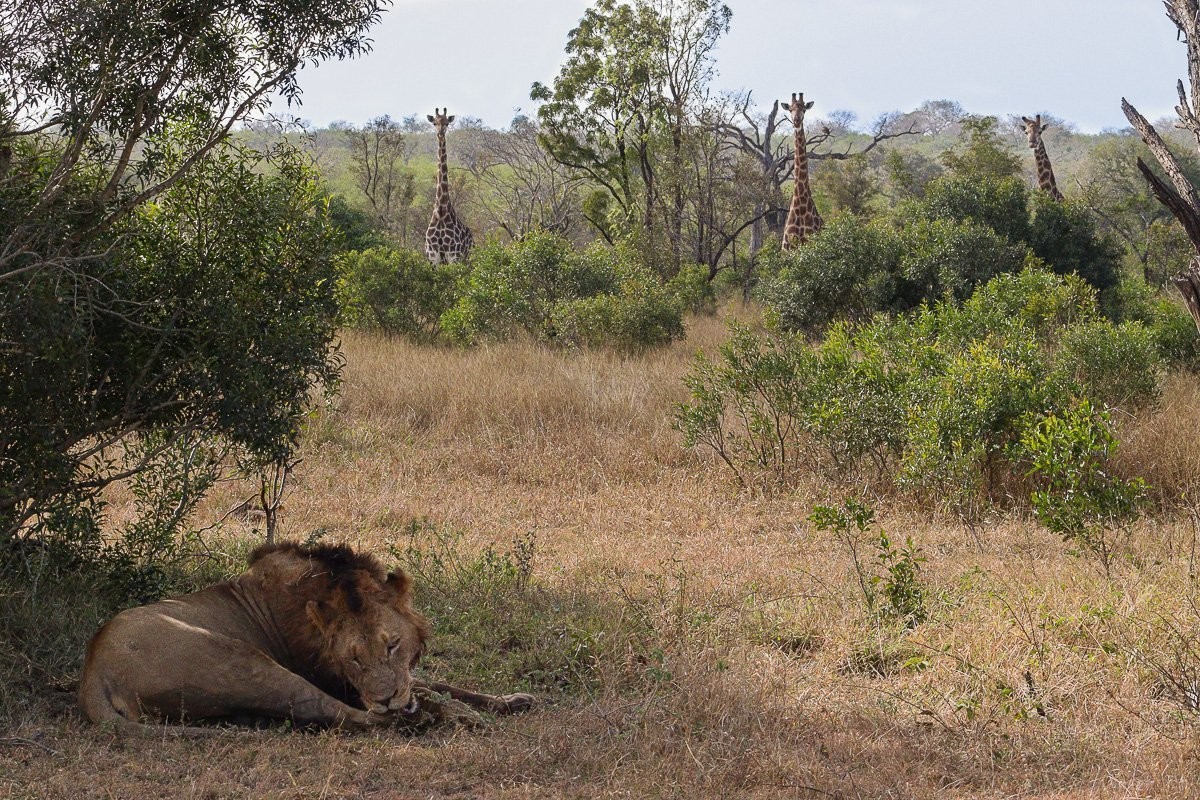
Our morning safari began with an unexpected sighting as we came across two of the N’waswishaka male lions feeding on a large giraffe bull they had successfully taken down during the early hours of the previous night.
With their stomachs full, the males attempted to drag the carcass into the shade and out of the open clearing, where scavengers would be more likely to find it, but the sheer size of the giraffe proved too much. After feeding again, one of the males joined his brother nearby in the sun, taking time to groom himself while keeping a watchful eye on the kill, regularly lifting his head at every movement or sound that could signal a potential threat.
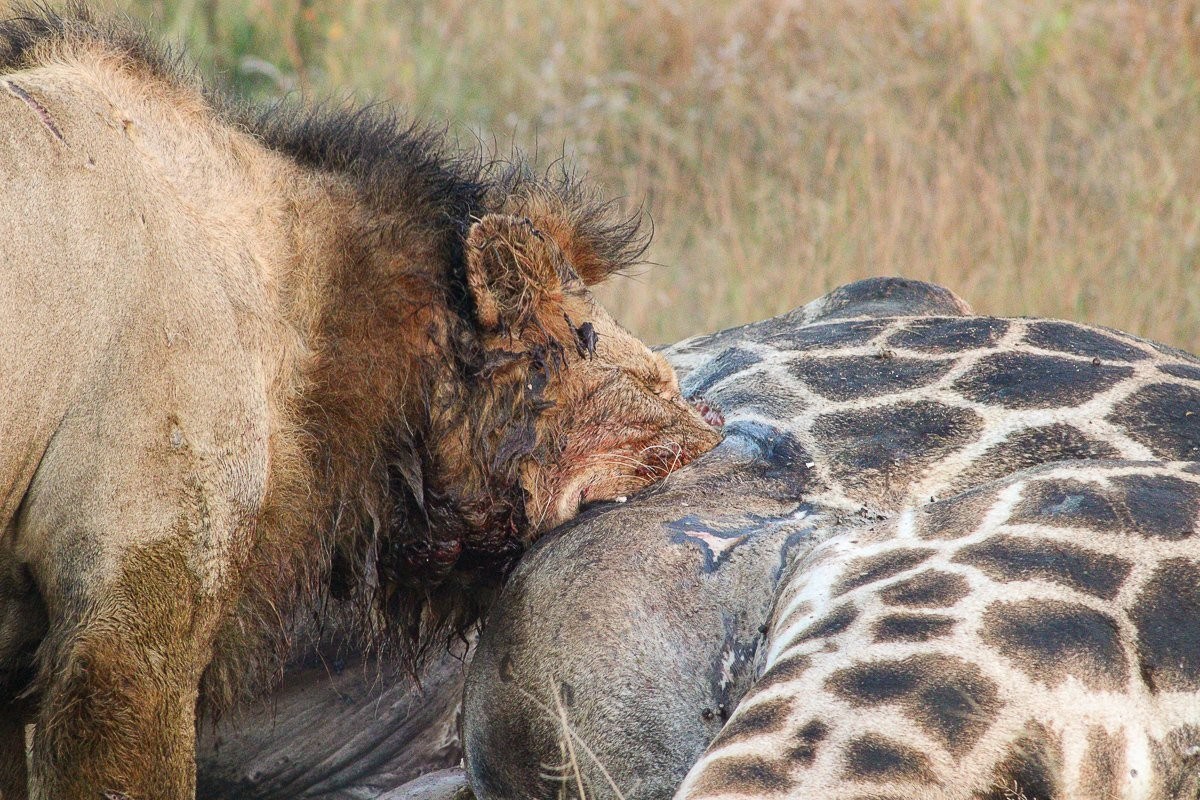
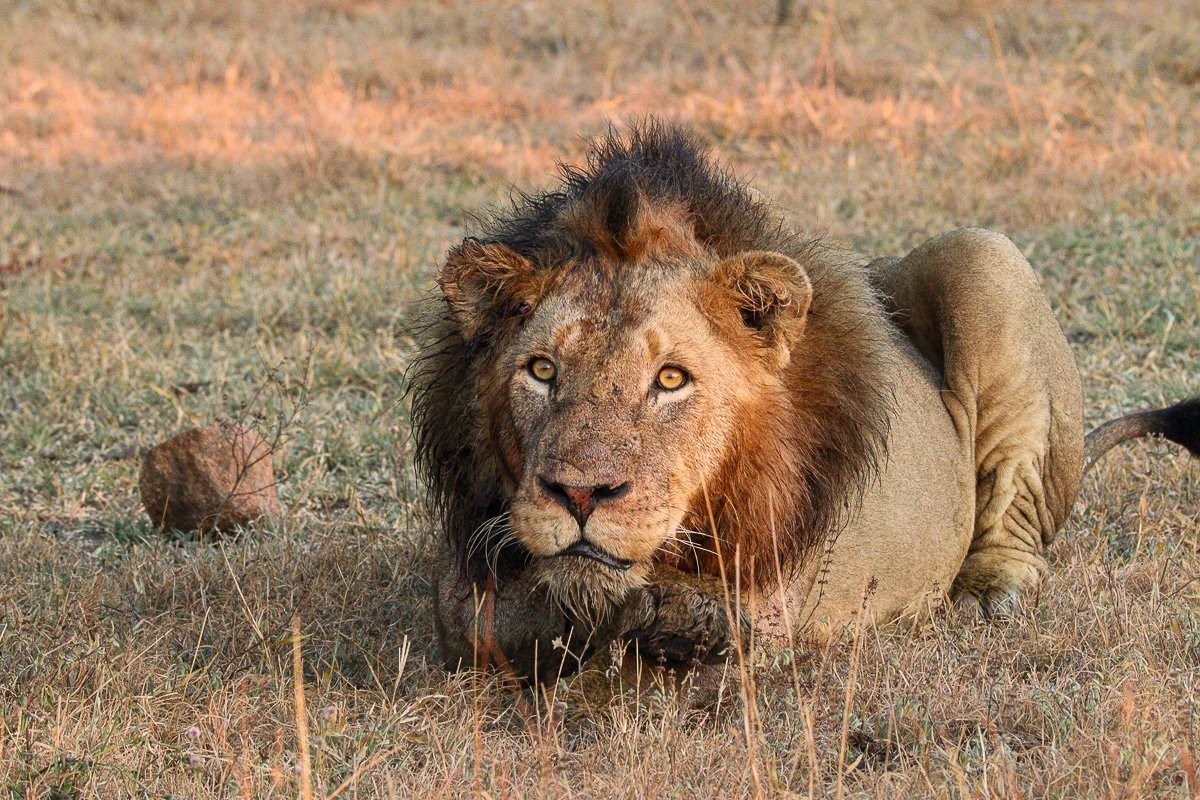
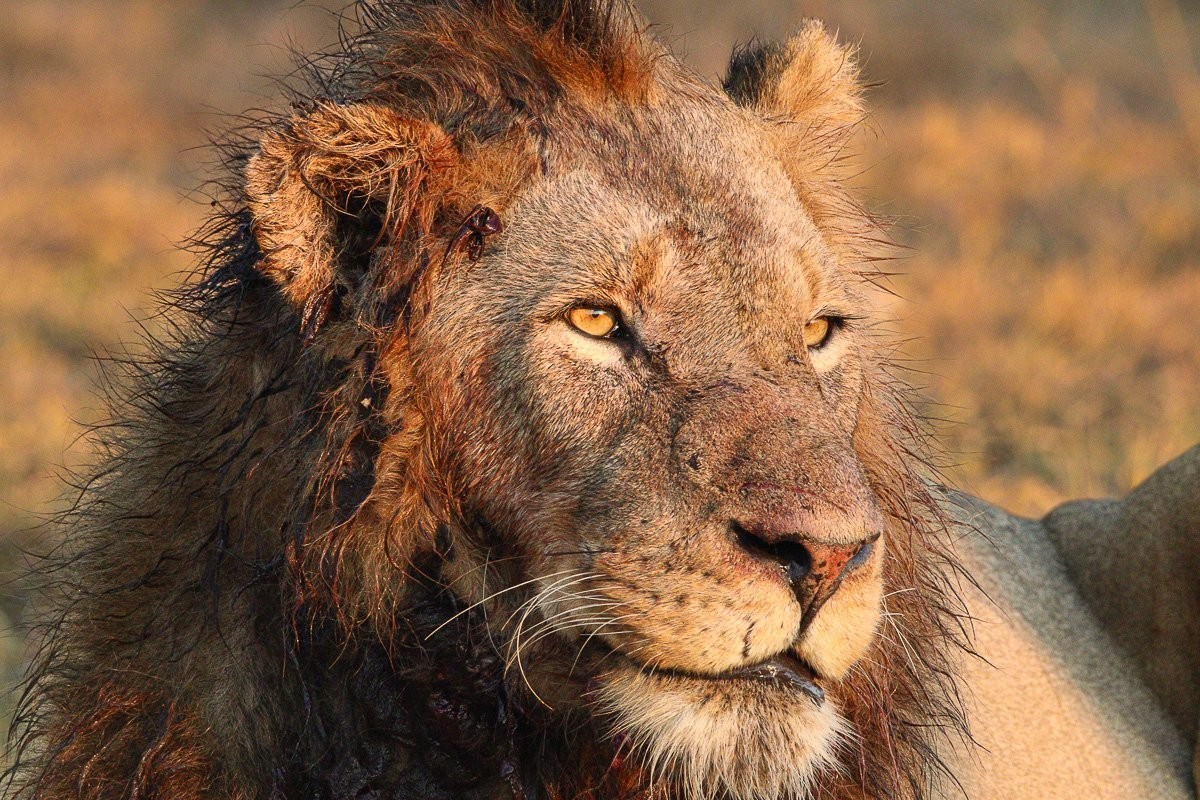
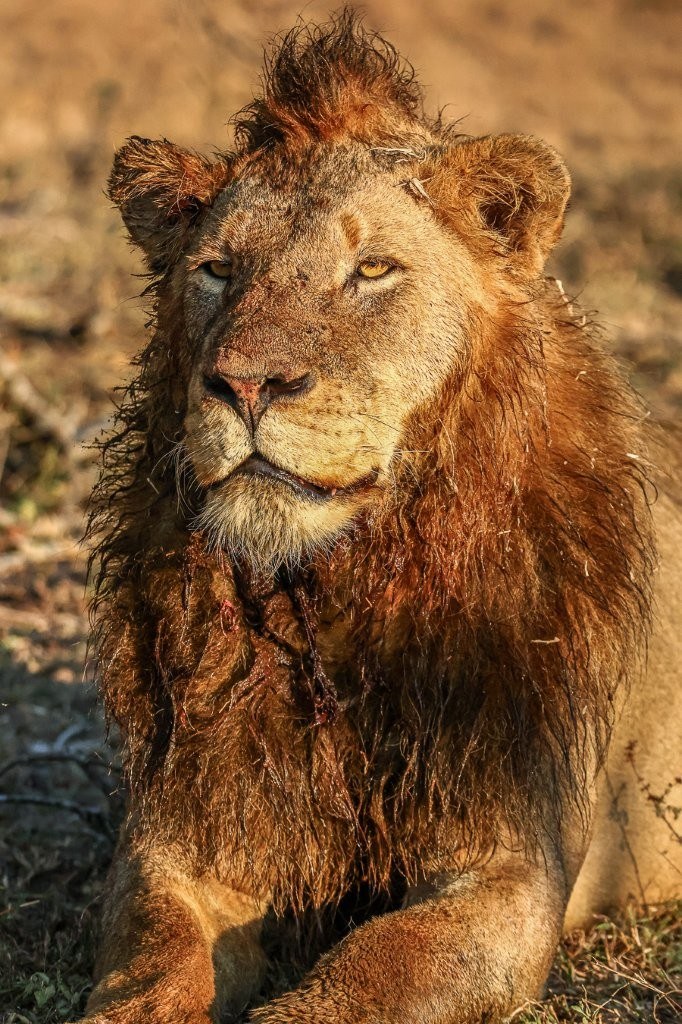
The following day, the lions were still feeding on the giraffe. In the far distance we noticed movement above the tree line, and out of the thicket a journey of giraffes appeared. Feeding as they moved closer, one suddenly stopped and the other followed short behind. Focused on the small movements near the vehicles. They observed the male lions as they fed, groomed and went back to sleep.
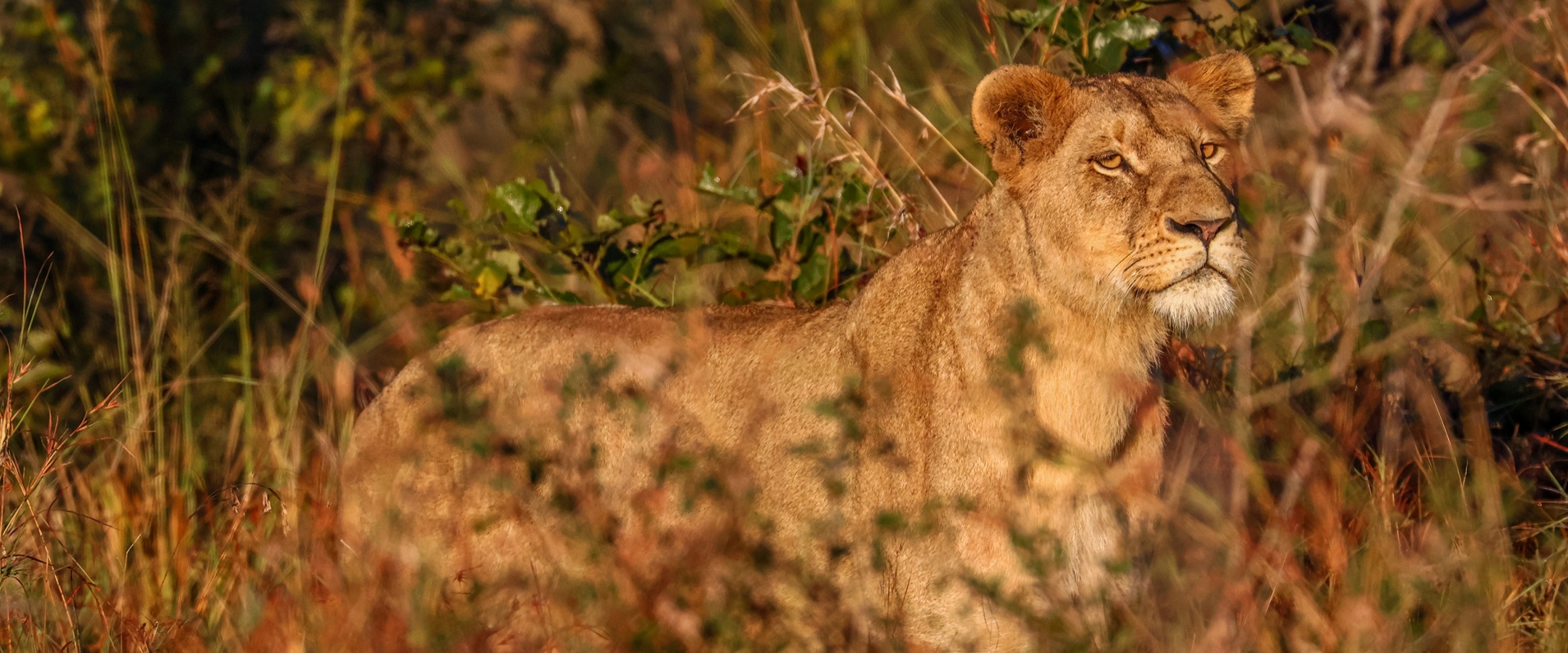
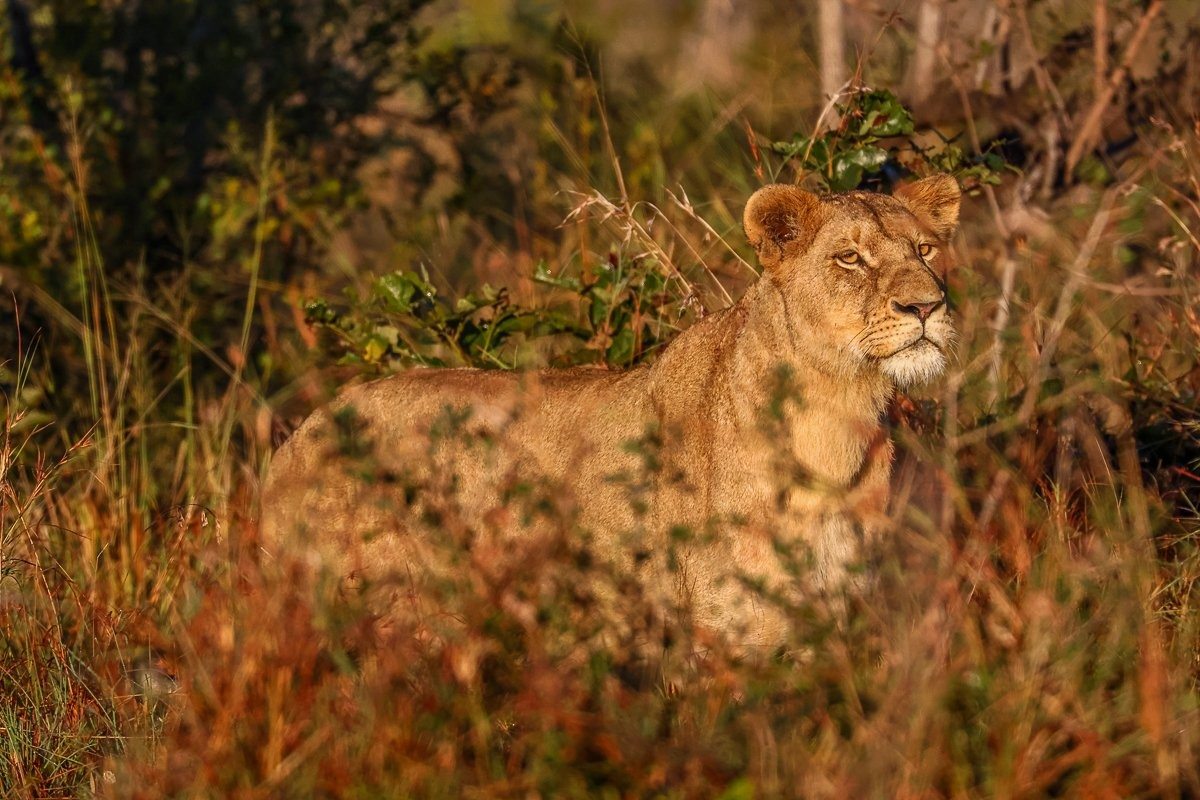
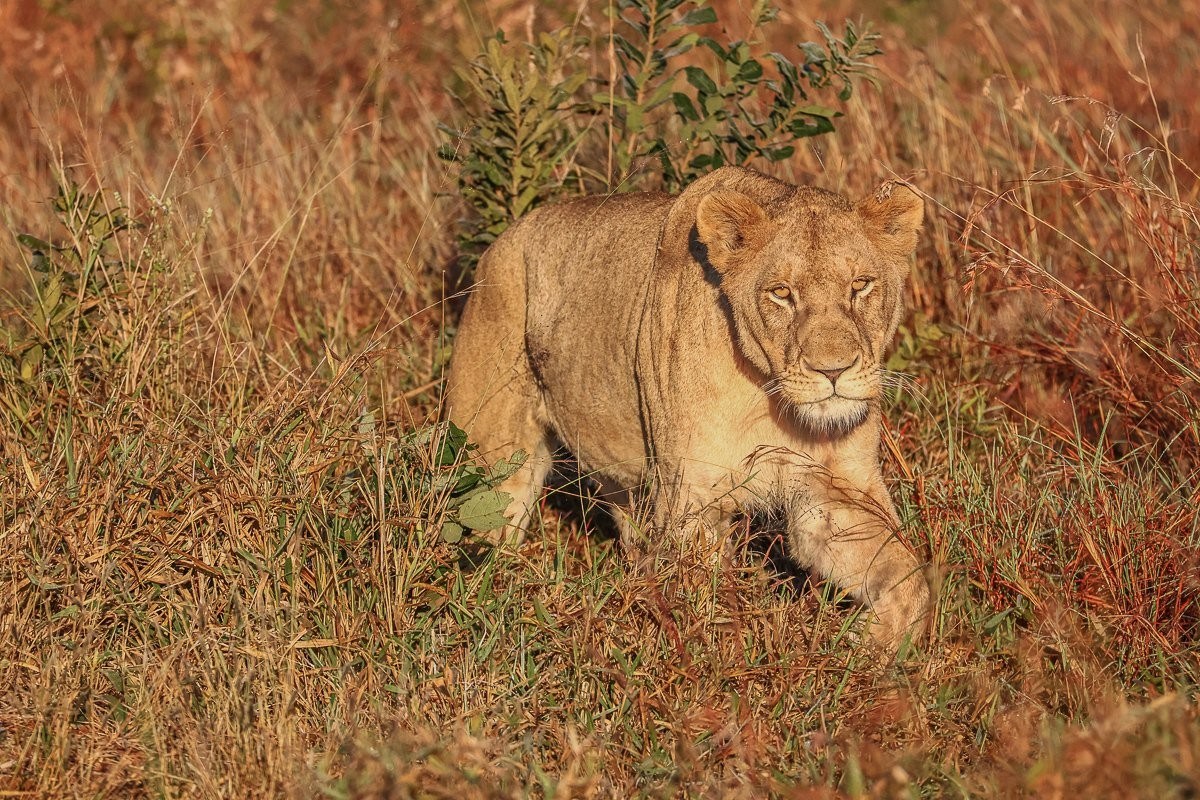
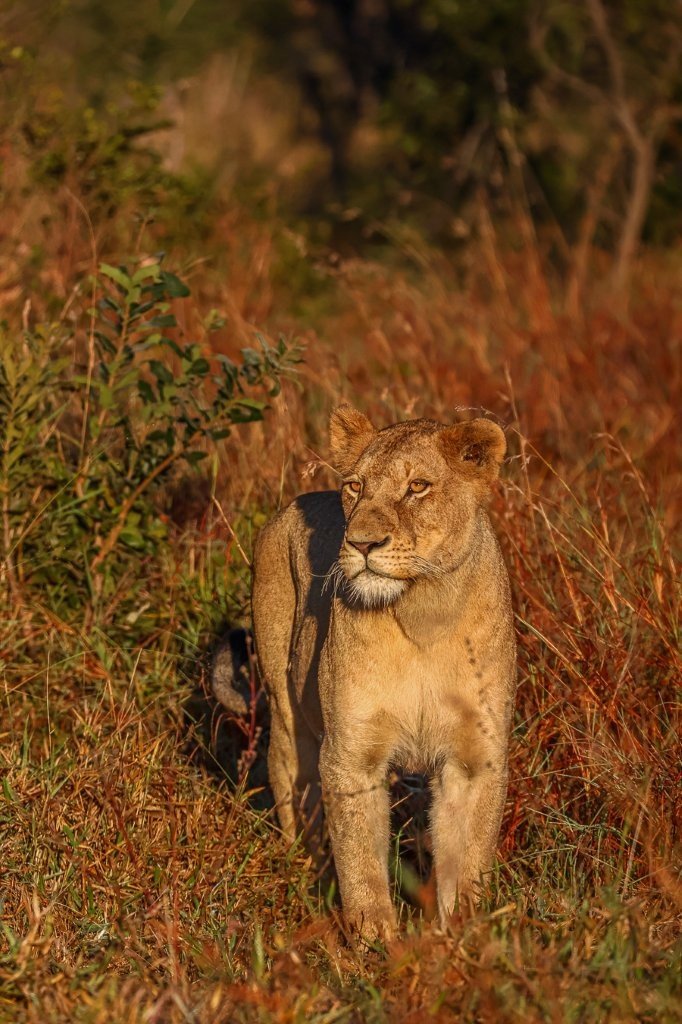
Seen moving around during the day, we followed up on tracks left behind by the Southern pride females. We came across the three females drinking water, clear that they had just finished off a kill nearby, but a herd of elephants nearby showed signs of discomfort, probably because they came across the lions on their kill while on their way to the waterhole.
The elephant herd picked up on the scent of the lions again, moved closer to the pride and caused the pride to move into taller grass where they could find shelter from the herd.
The lions were seen again the following day, no doubt looking out for any potential hunting opportunities.
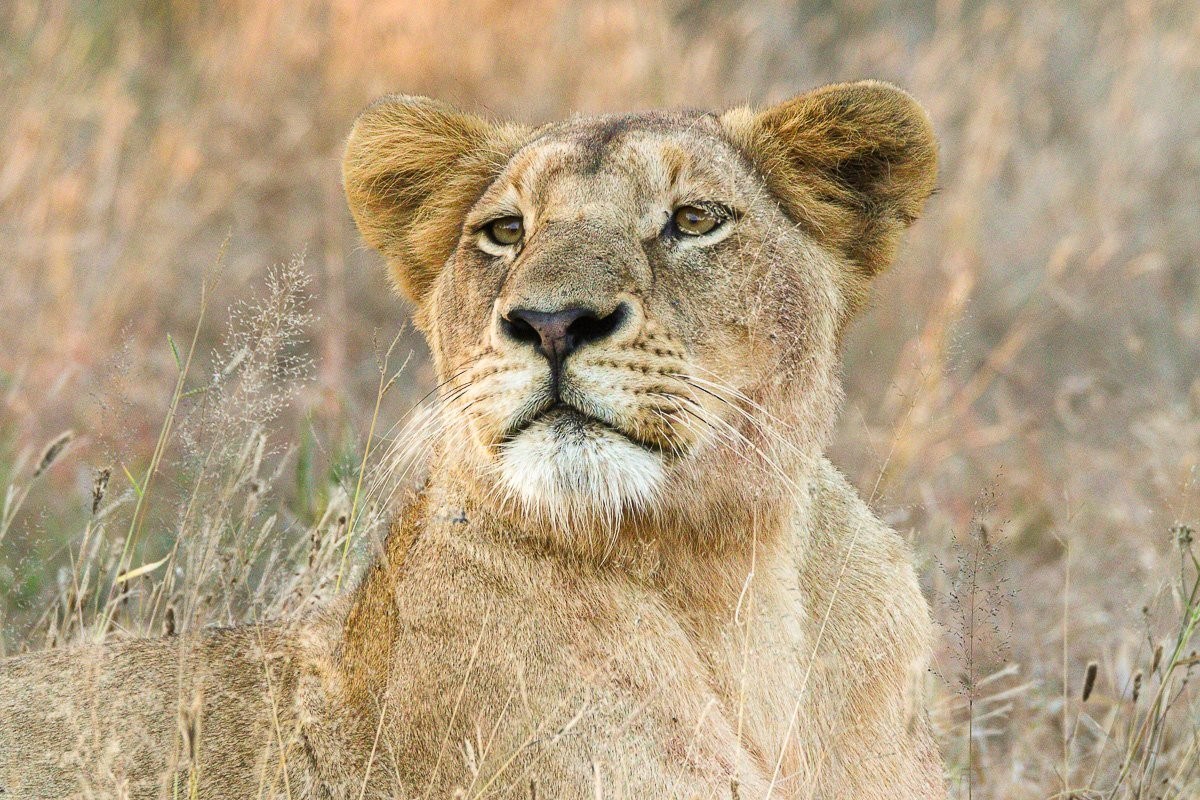
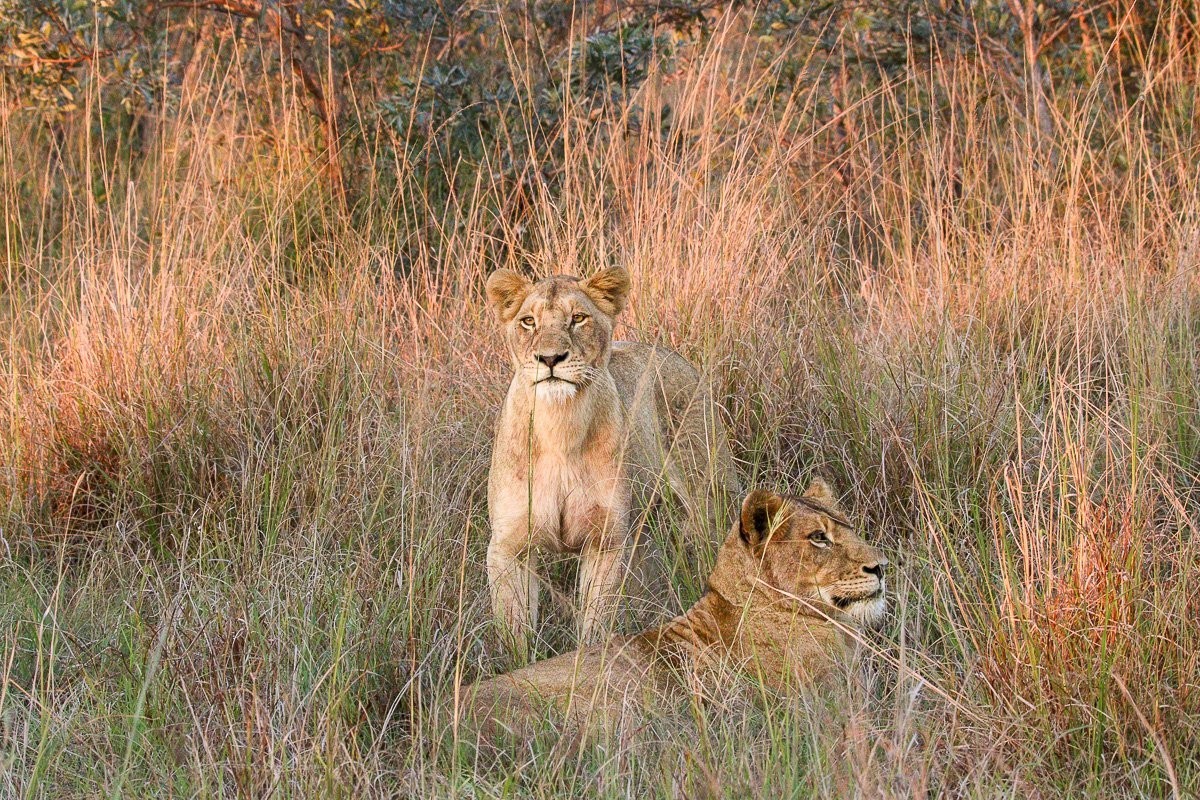
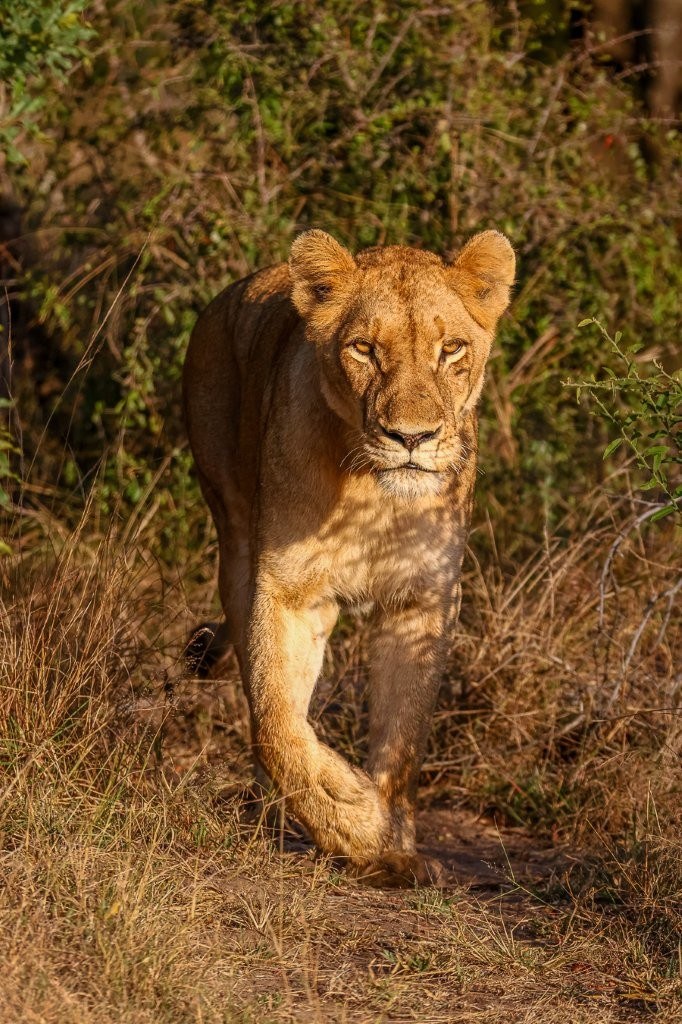
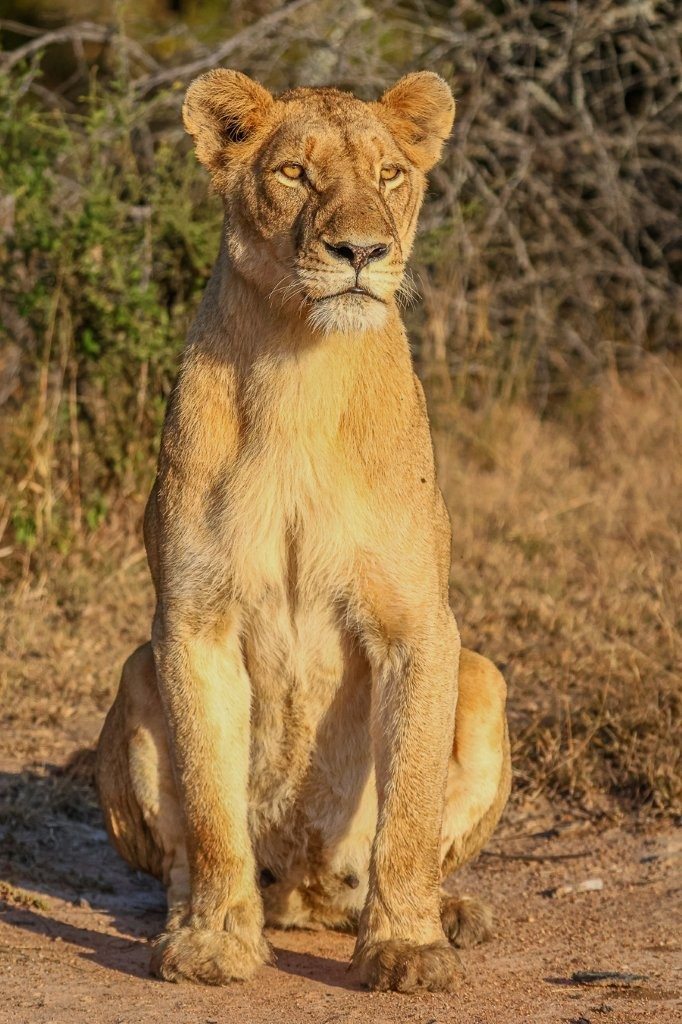
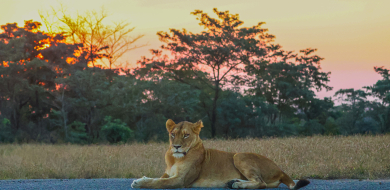
As we left Earth Lodge early morning, we came across tracks of lionesses moving deeper into the western section of the reserve. After a short tracking exercise, we found the three Southern Pride lionesses soaking up the first warmth of the day. Despite appearing relaxed, they remained alert to their surroundings, as lions are highly opportunistic and will hunt at any time if the chance presents itself.
We eventually left them as they settled near a waterhole, where they were likely to spend much of the day. By positioning themselves close to the water, they increase their chances of ambushing unsuspecting prey coming for a drink.
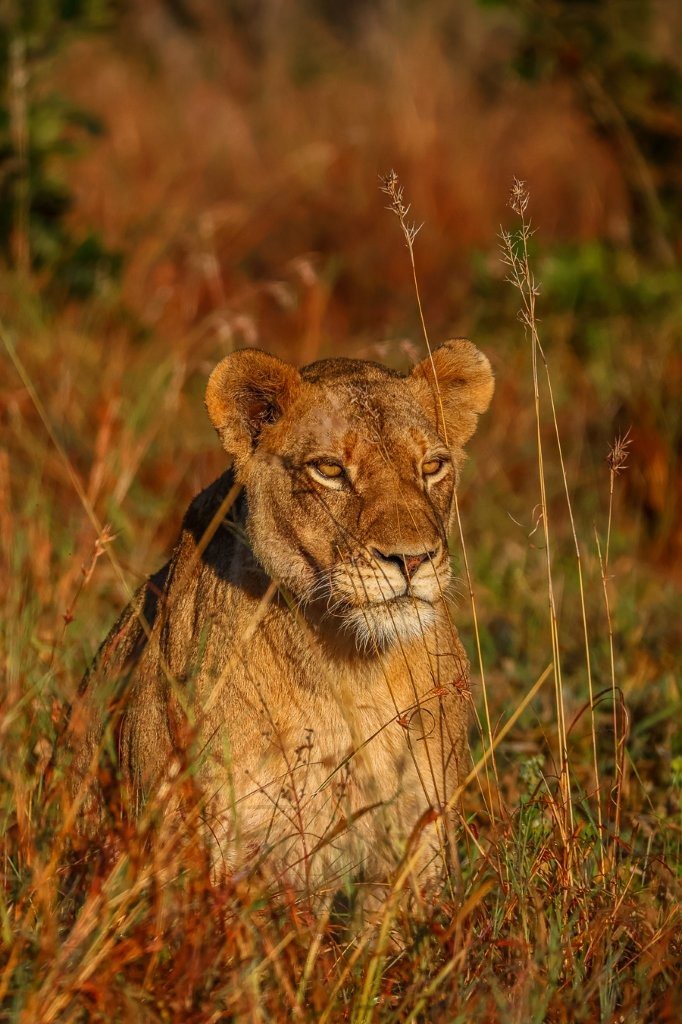
A large breeding herd of buffalo rested after feeding, while one young buffalo calf became fascinated by our safari vehicle as it slowly approached.
Buffalo calves are naturally curious and often wander a short distance to investigate unusual sounds, movements, or objects. This inquisitive behaviour helps them learn about their surroundings and develop important survival skills, including recognising potential threats. Although they may appear to stray away from the safety of the herd, they are closely monitored by attentive adults who will react quickly if danger arises or if a calf ventures too far.
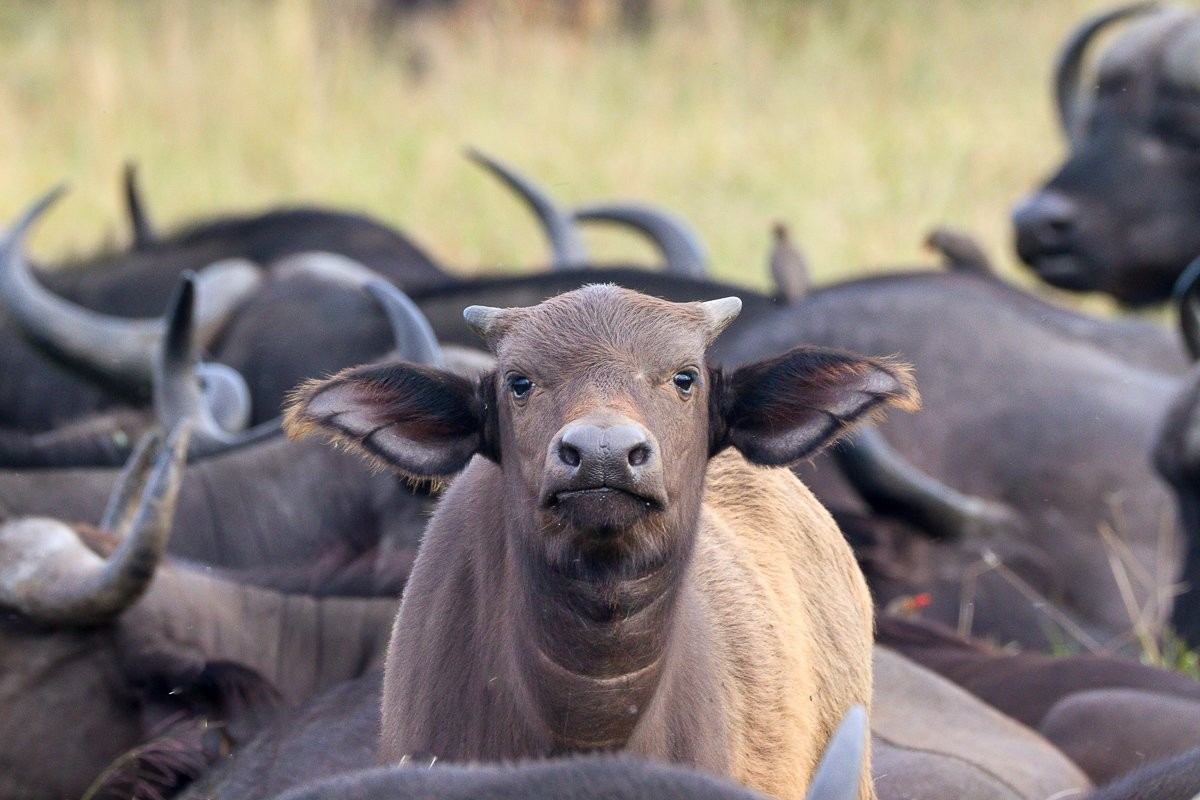
We watched as this Lilac-breasted Roller caught a beetle on the road, then flew to a nearby branch. There, it struck the beetle to kill it before feeding. These birds frequently employ a sit-and-wait strategy, patiently observing their surroundings before swooping down to catch prey.
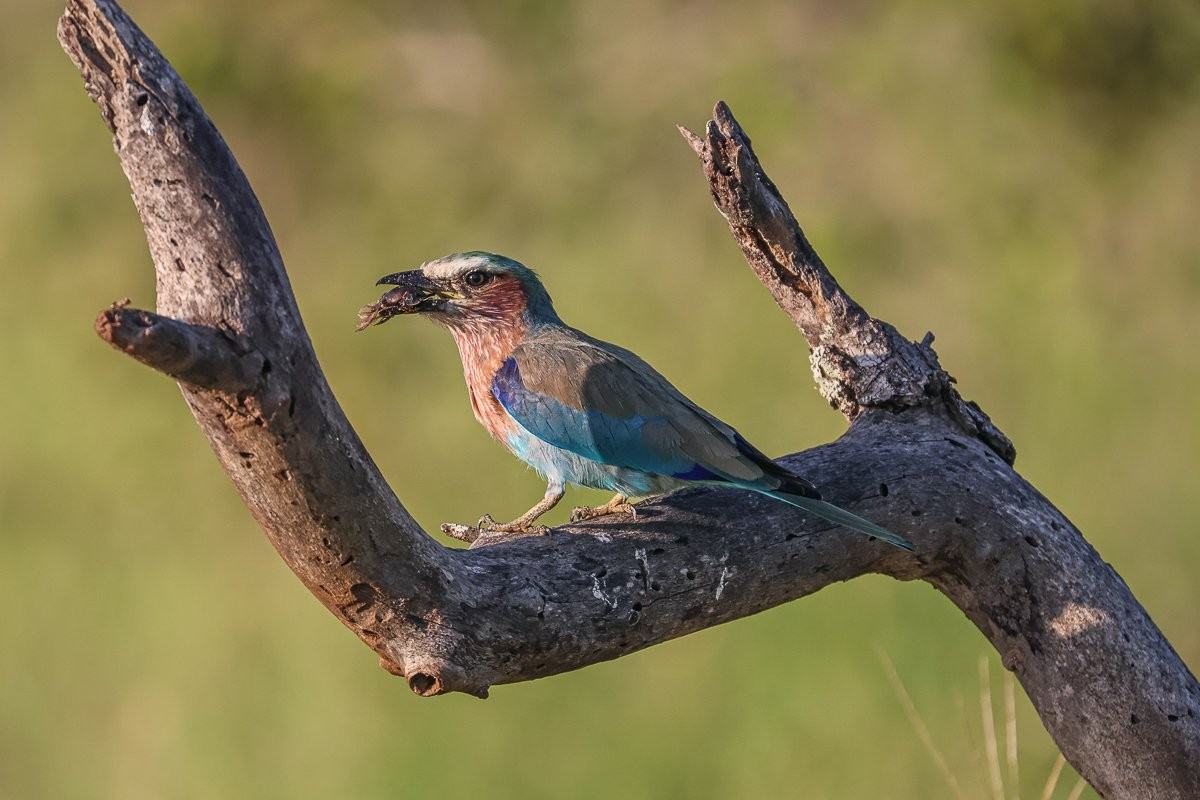
Although hyenas live in large clans, they are often seen moving alone during the cooler parts of the day, like this Spotted hyena we encountered on our morning safari.
While hyenas are well known for scavenging carcasses left behind by other predators, they cannot always rely on the sounds of growling lions or distressed prey to lead them to a meal. Instead, they use a social strategy known as fission-fusion, where members of a clan split into smaller groups or travel alone. This allows them to cover more ground while searching for food, monitoring their territory, and keeping track of opportunities across the reserve.
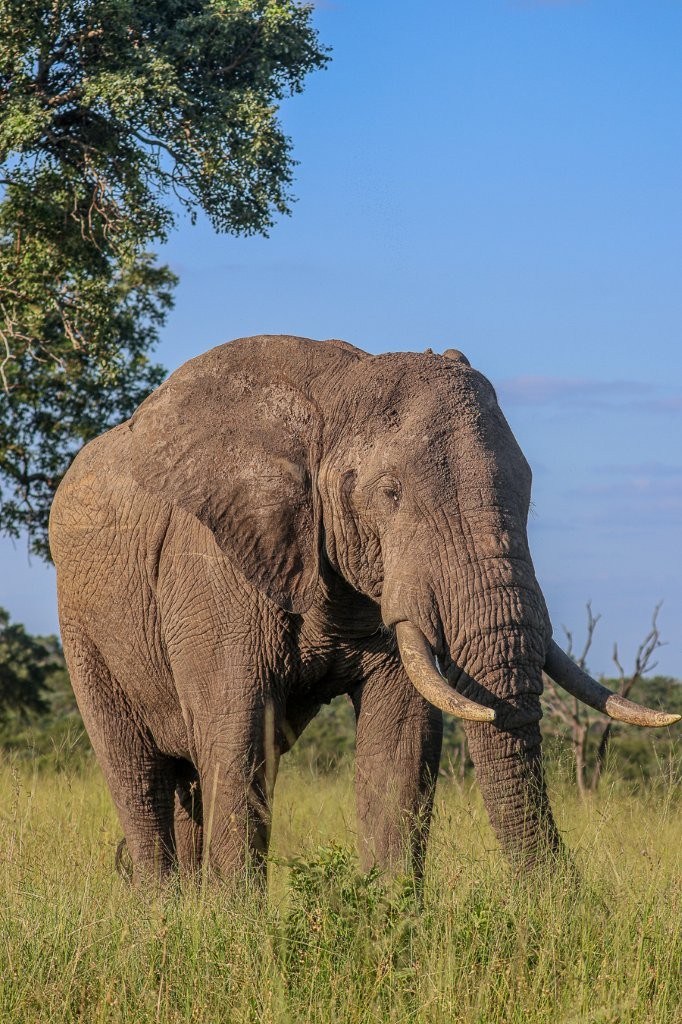
An elephant bull grazed calmly in an open area, using his trunk with remarkable precision to pluck grass and browse on shrubs. These impressive animals spend much of their day feeding, playing an important role in shaping the landscape as they move through it. Open areas not only provide abundant food but also allow bulls to keep an eye out for rivals while showcasing their impressive size and strength.
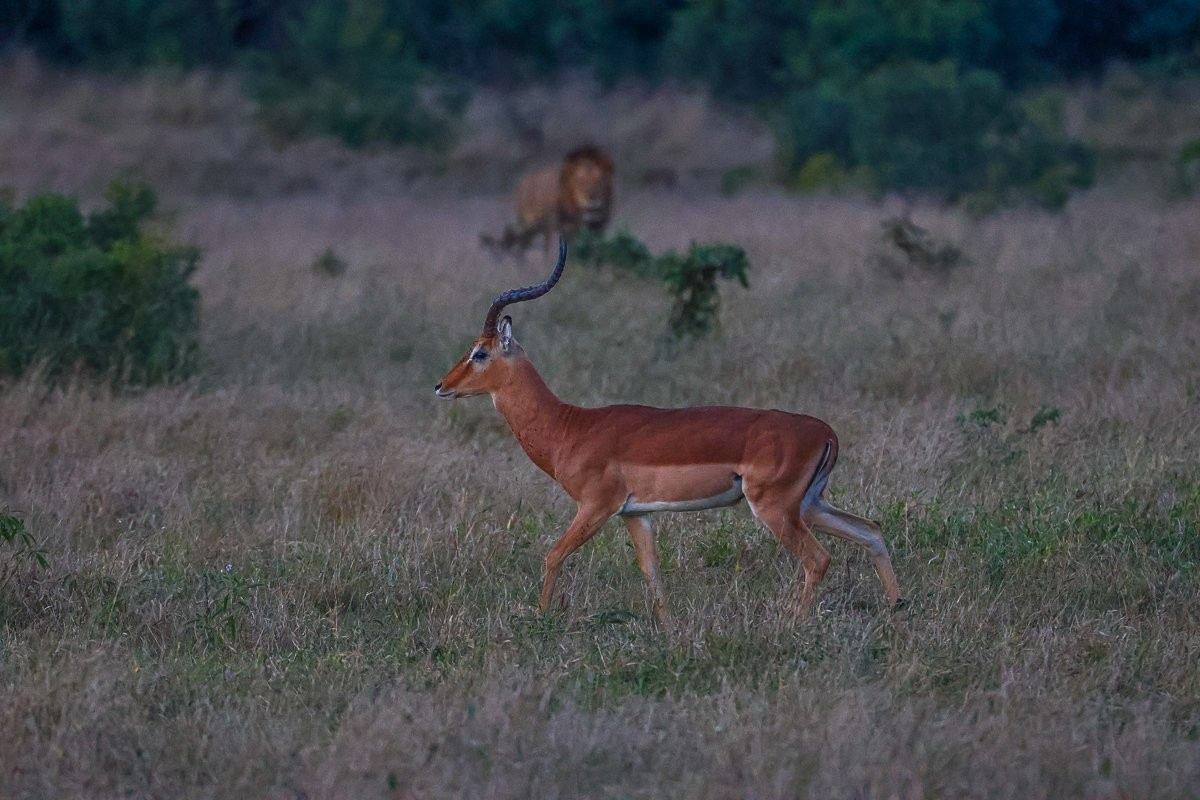
This brave impala ram was carefully herding his harem across an open area towards the safety of the treeline as lions moved through the same clearing, roaring loudly. Despite being a preferred prey species for lions, impalas have a good chance of escaping once the element of surprise is lost.
The ram continuously alarm-called, alerting his females to the nearby danger while guiding them away from the lions and towards cover. His vigilance and leadership helped ensure the herd remained aware of the threat and moved safely out of harm's way.
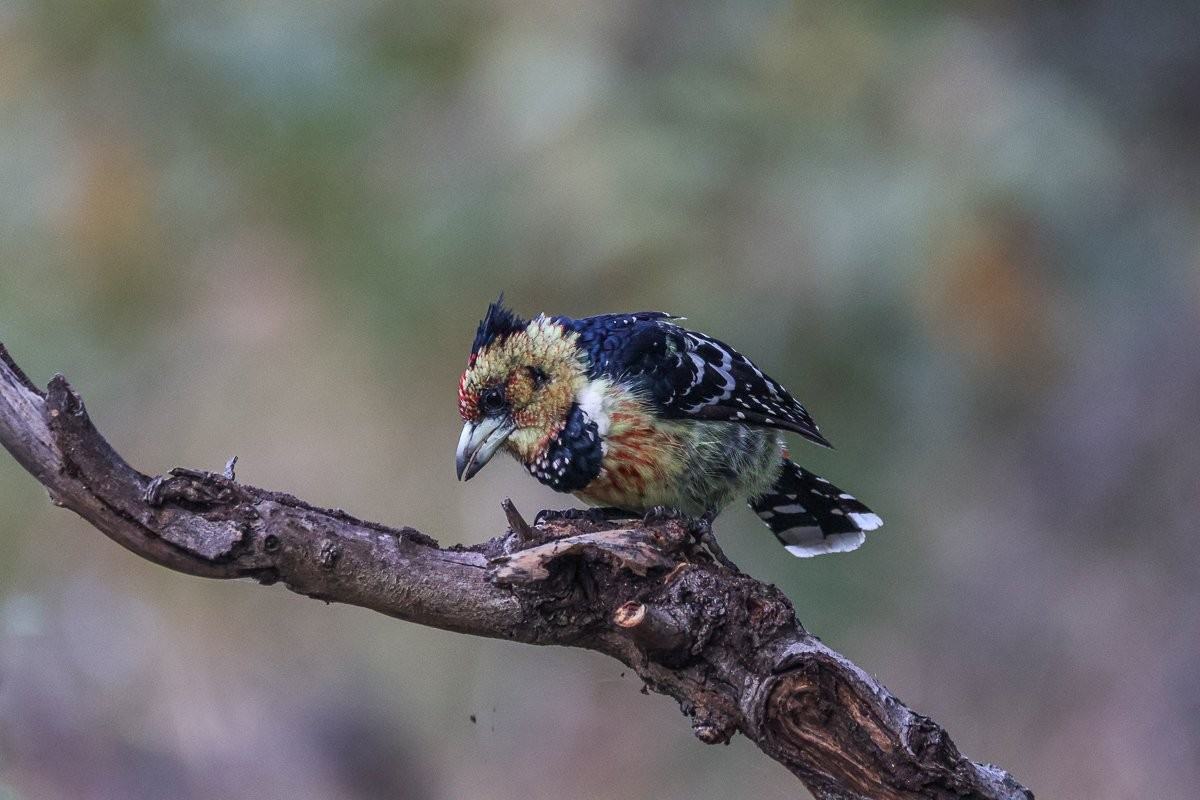
This Crested Barbet was constantly on the move, hopping between trees and the ground in search of food. These colourful birds are omnivores, feeding mainly on fruits and insects. They are often seen in pairs, as Crested Barbets are monogamous and typically form lifelong bonds with their partners.
Until next time…
Blog by Wendy Claase
Images by Jana du Plessis, Ronald Mutero, Ruan Mey and Viviane Ladner
Videos by Jana du Plessis and Viviane Ladner