
A Week in the Bush Vol. 595
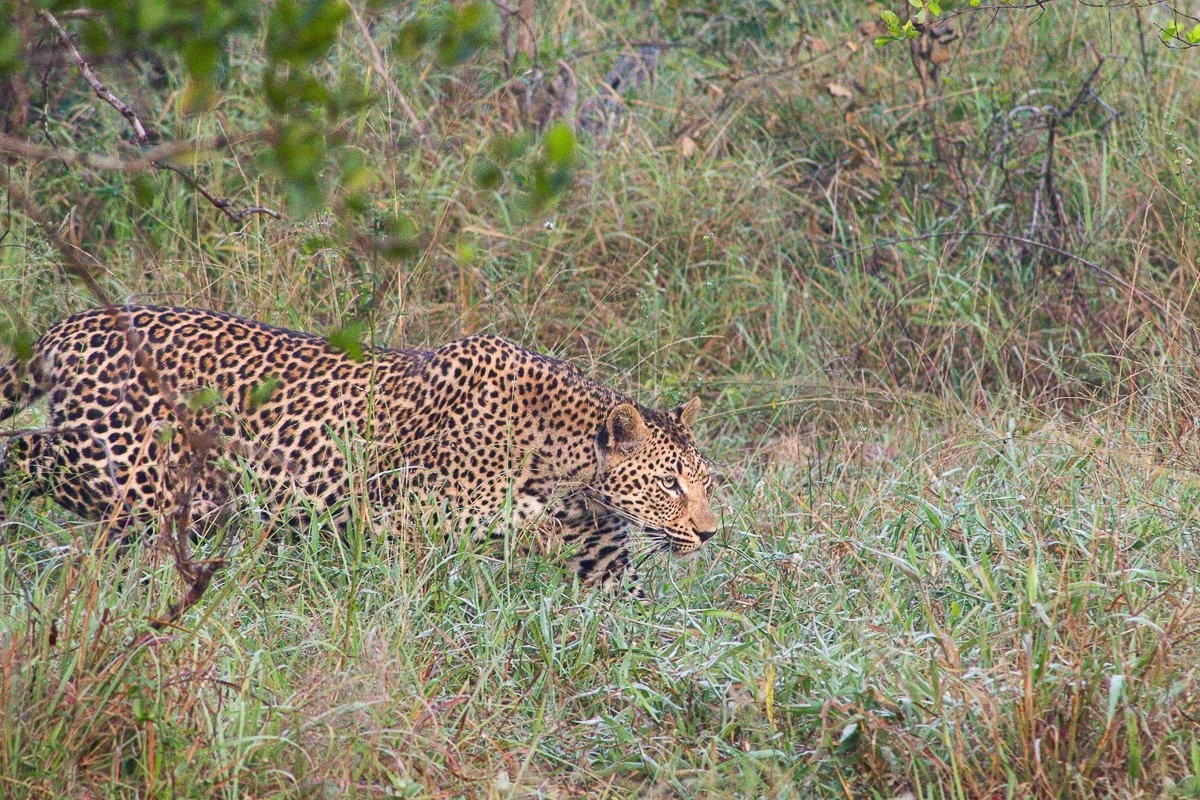
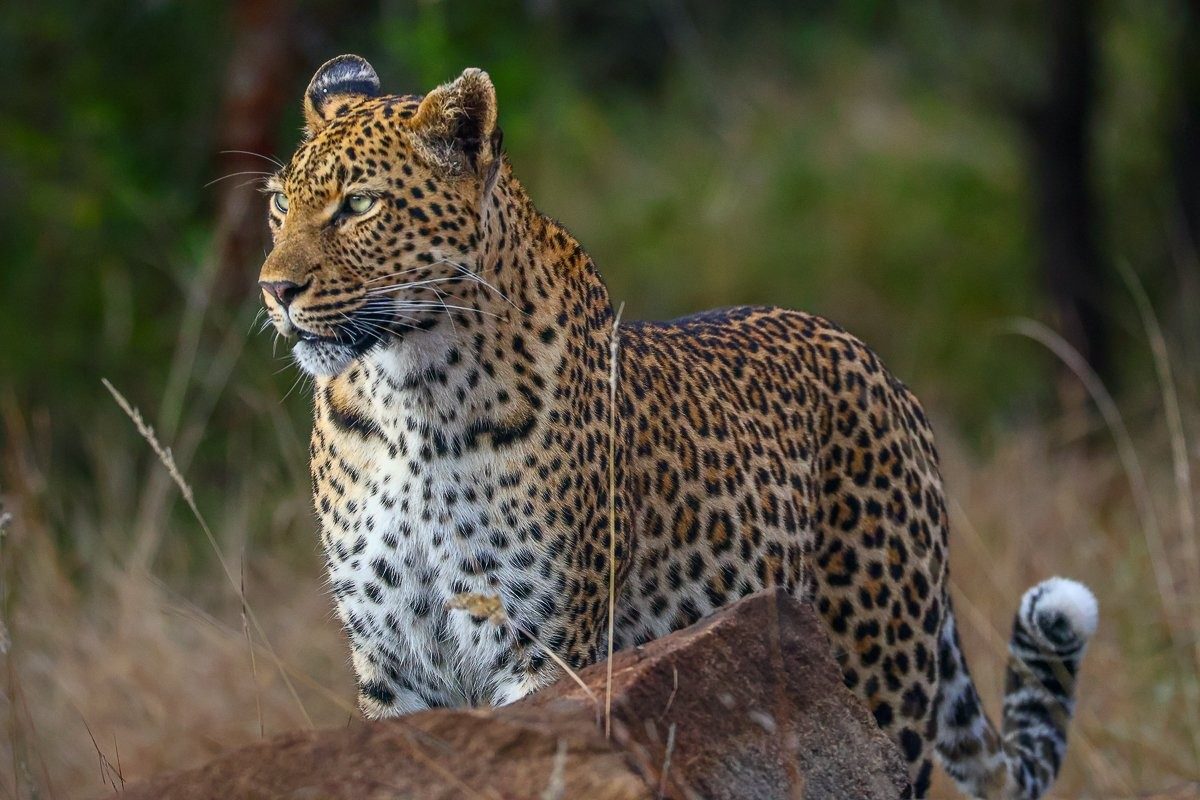
on Jun 03, 2026On a cool winter morning, we followed the young Kurhula female leopard as she moved through the reserve, carefully marking her territory. We positioned our vehicle perfectly to watch her cross an open clearing, but just before stepping out, she suddenly stopped, crouched low, and began to crawl forward with intense focus fixed on the distance, as though she had spotted potential prey.
With remarkable precision, she placed each foot carefully, avoiding even the slightest sound that might alert her target. After a short stalk, she paused, scanned the area once more, and eventually settled into the tall grass to groom herself before continuing with her territorial patrols throughout the reserve.
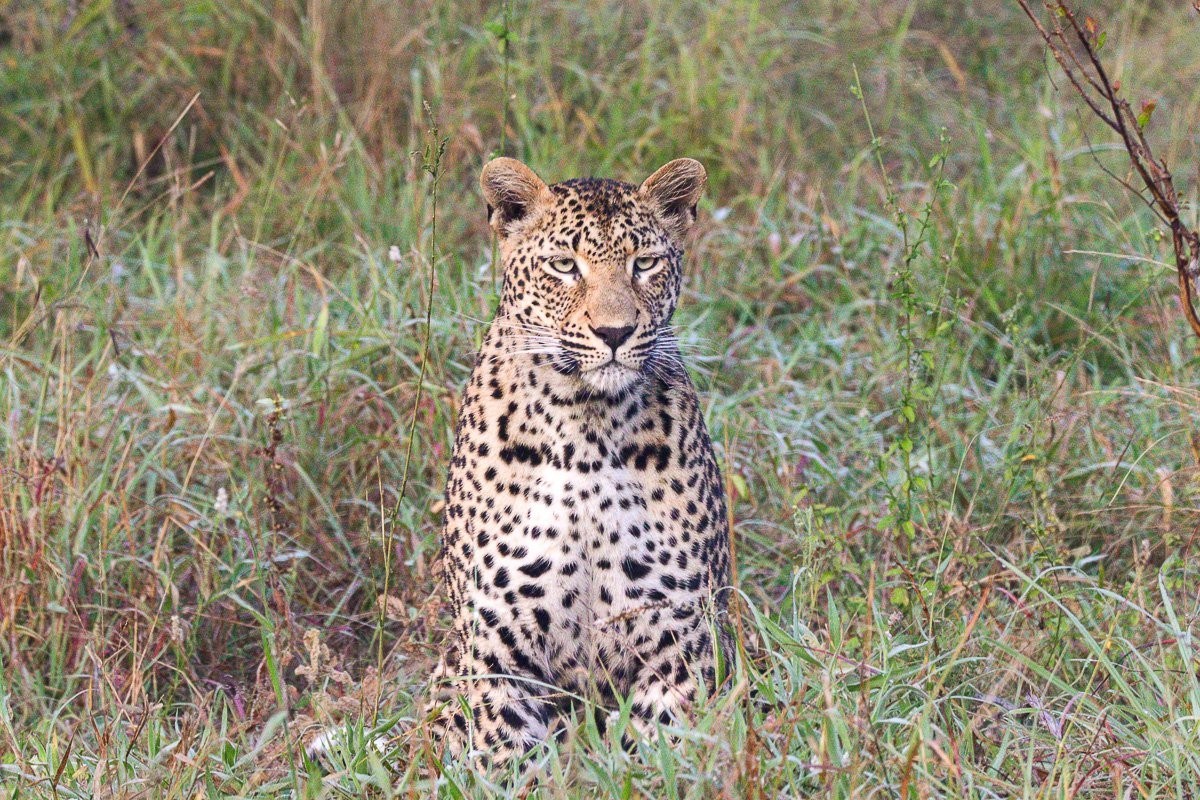
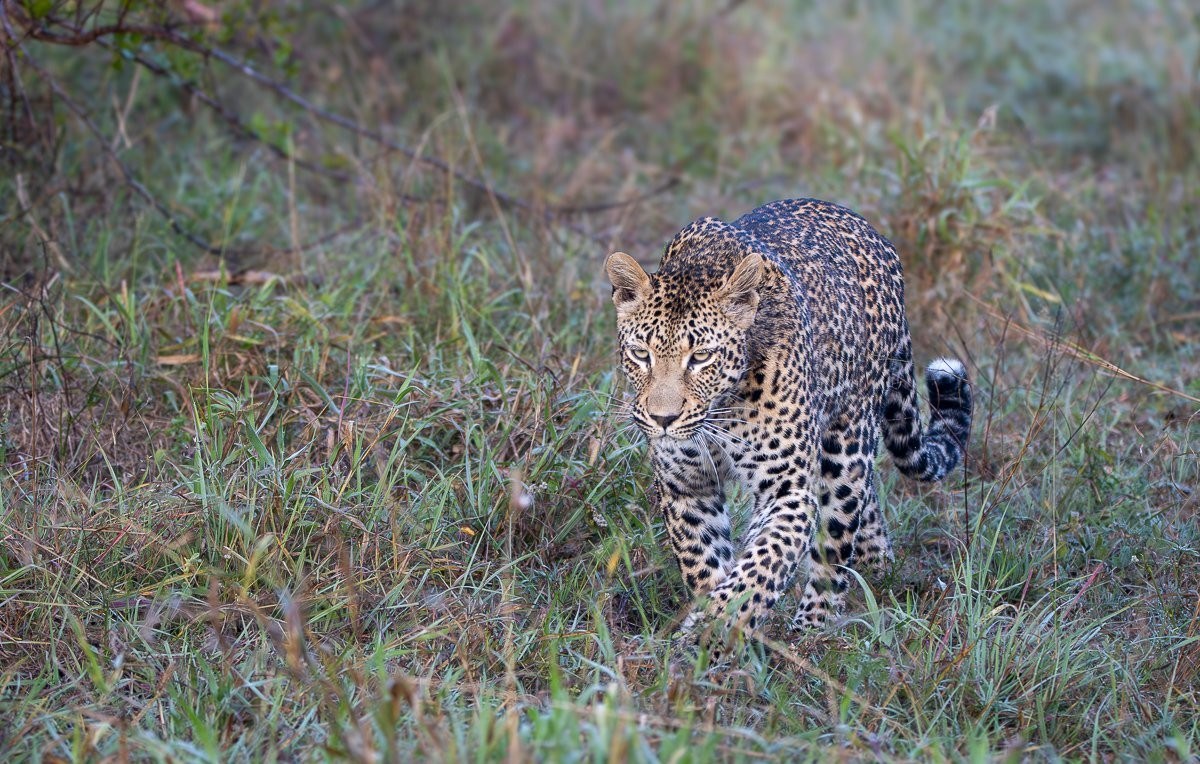
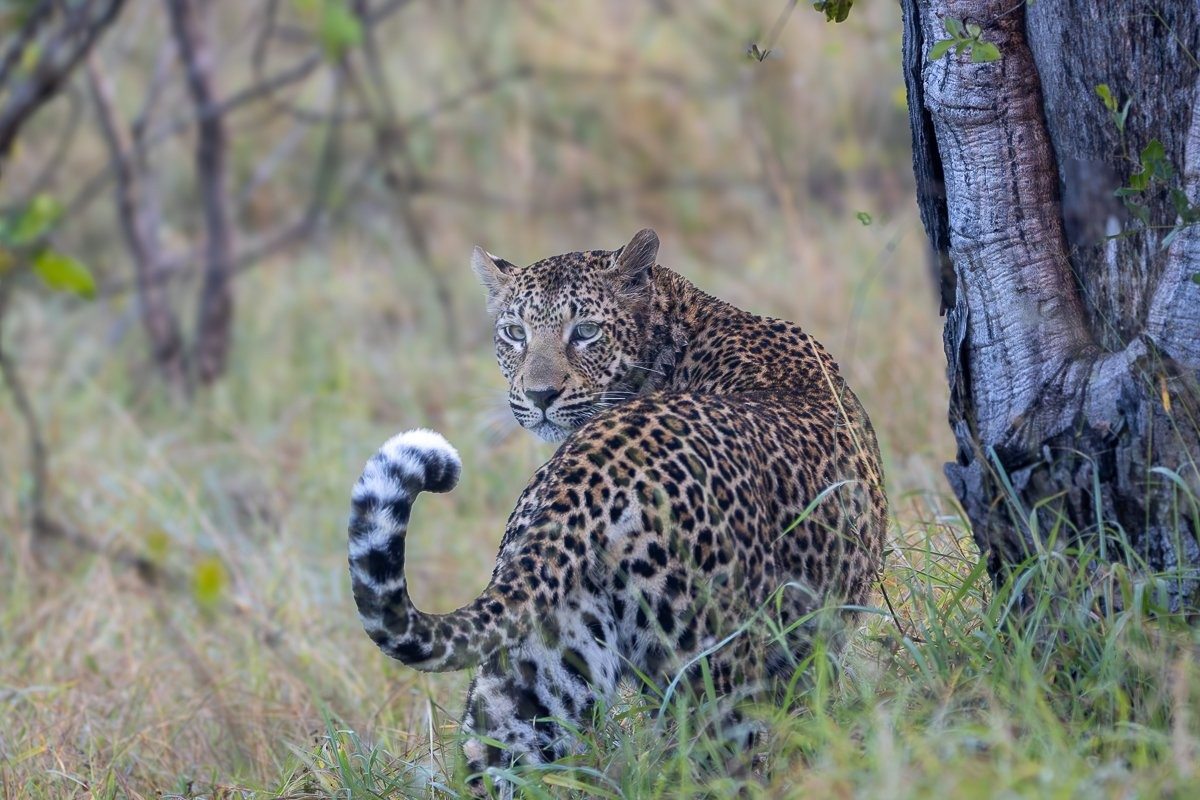
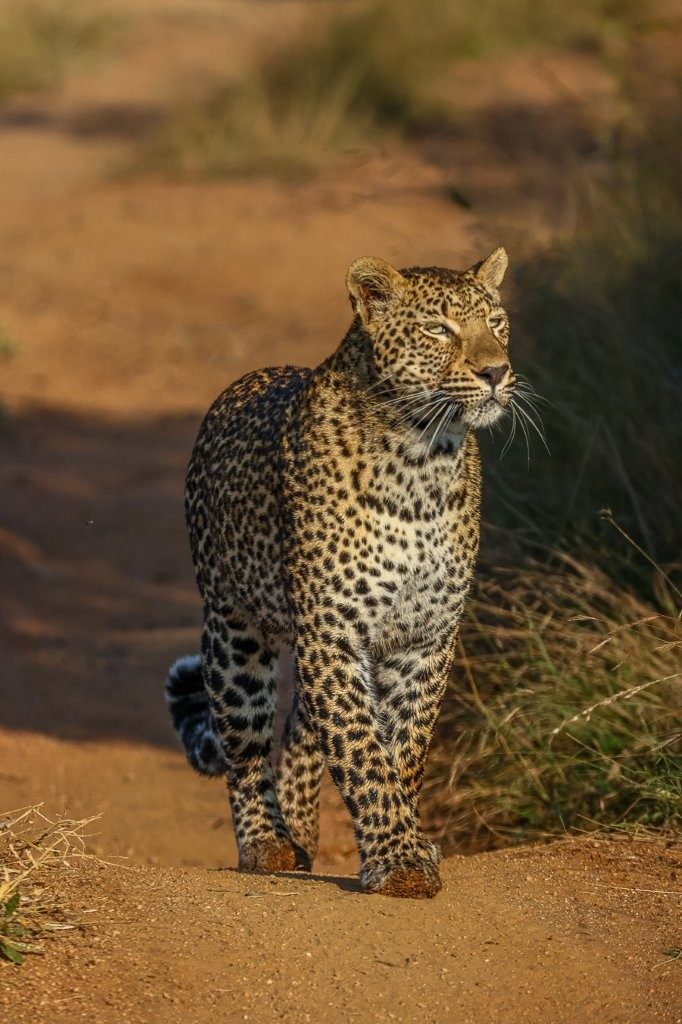
We followed tracks of a female leopard and eventually located the Golonyi female as she moved steadily towards the rocky outcrop she is currently using as a den site. Having clearly fed recently, she seemed eager to return to her cubs, allowing them to suckle and receive the nutrients they need for healthy growth.
Female leopards with cubs need to feed more frequently, as producing nutrient-rich milk places significant demands on their bodies. Every successful meal helps support both the mother's condition and the development of her growing cubs. With the Golonyi female regularly returning to her den, it is only a matter of time before we get our first glimpse of her cubs.
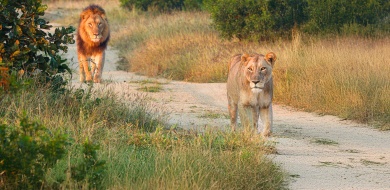
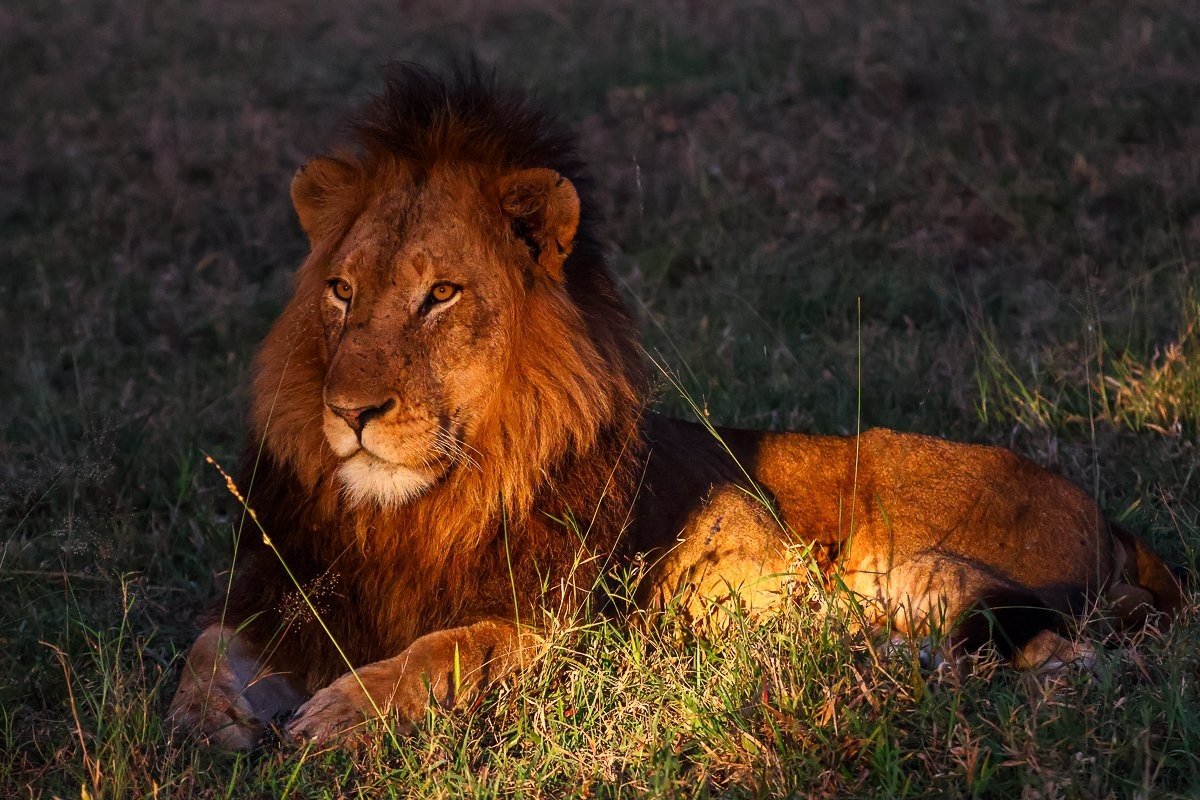
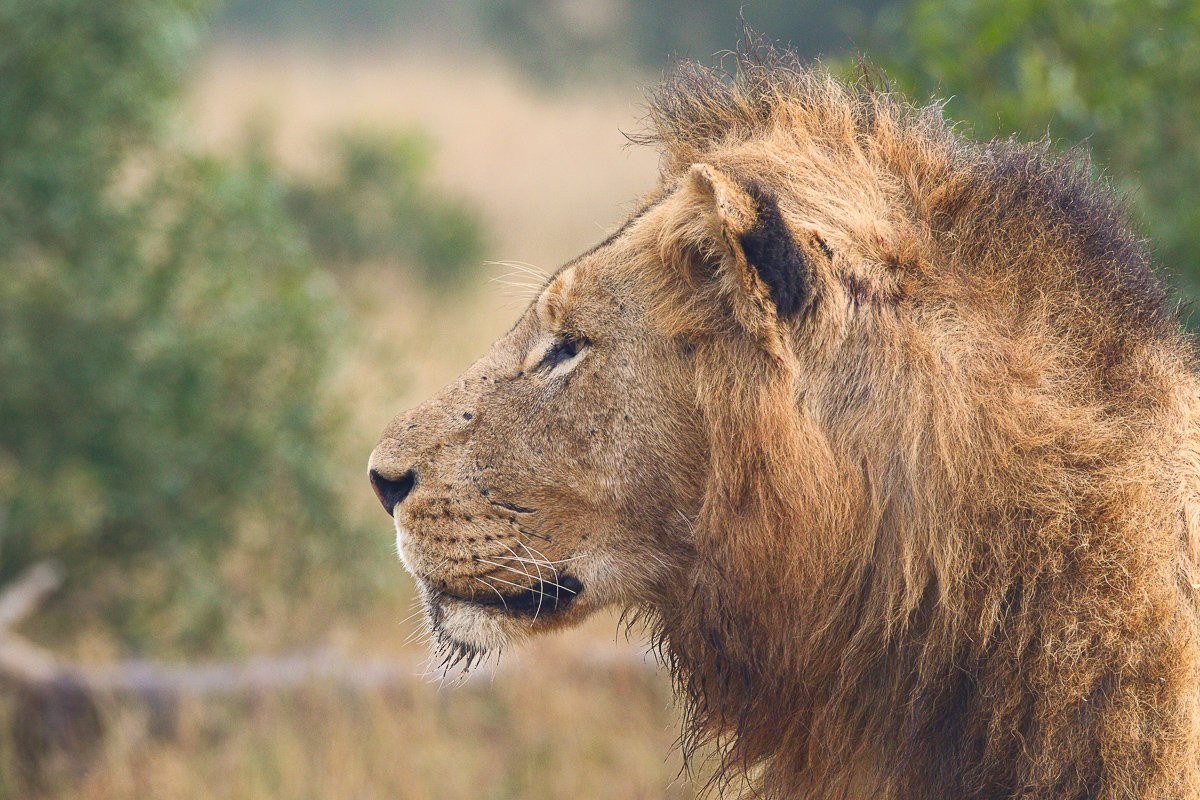
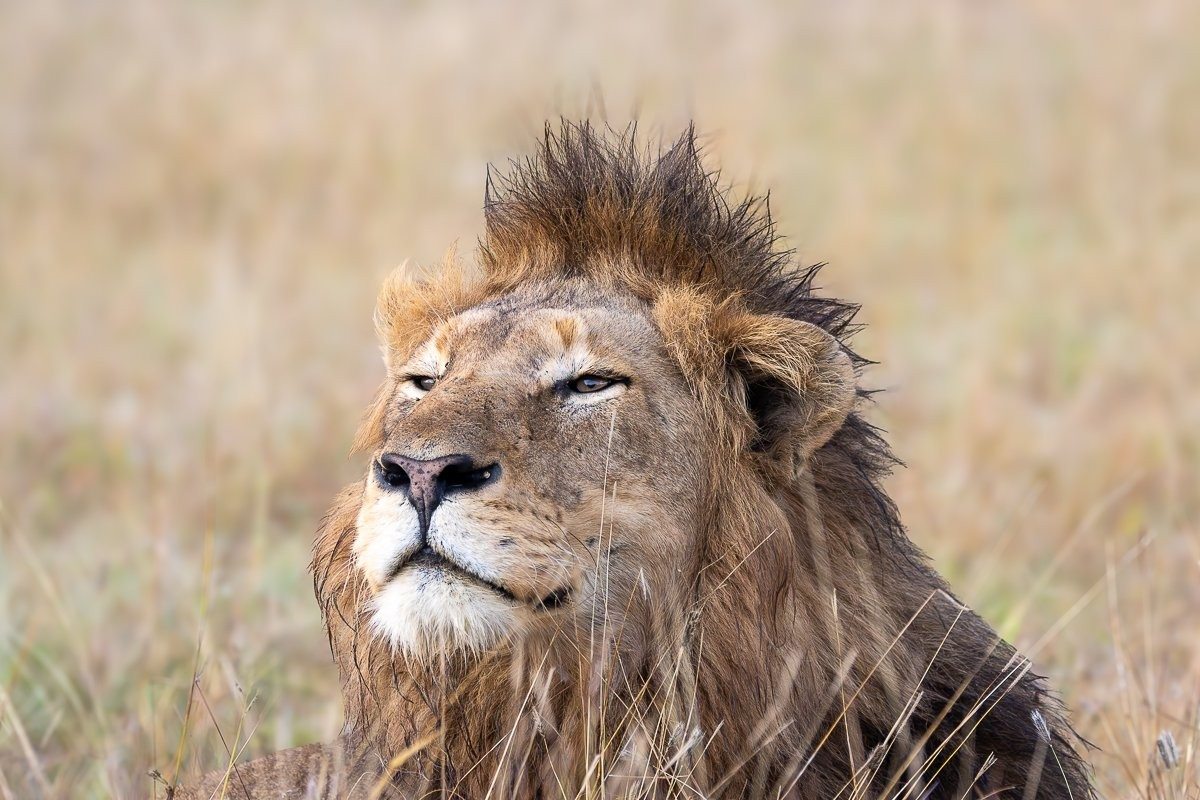
Following up on the two N’waswishaka male lions and the Msuthlu lionesses, we found them resting in a large open area as the sun dipped below the horizon. The lions have been spending a considerable amount of time together, with mating remaining a top priority. Before long, however, the males will need to reunite with the rest of their coalition to patrol their territory and ensure that no rival males are encroaching on their kingdom.
After a few days of silence, we were excited to be greeted by the roars of multiple lions while enjoying our morning coffee. We quickly made our way to the vehicles and set off in search of them, soon picking up their tracks and following the direction of the calls.
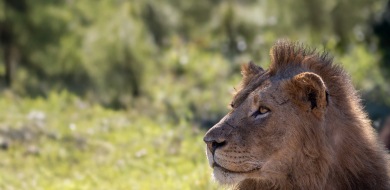
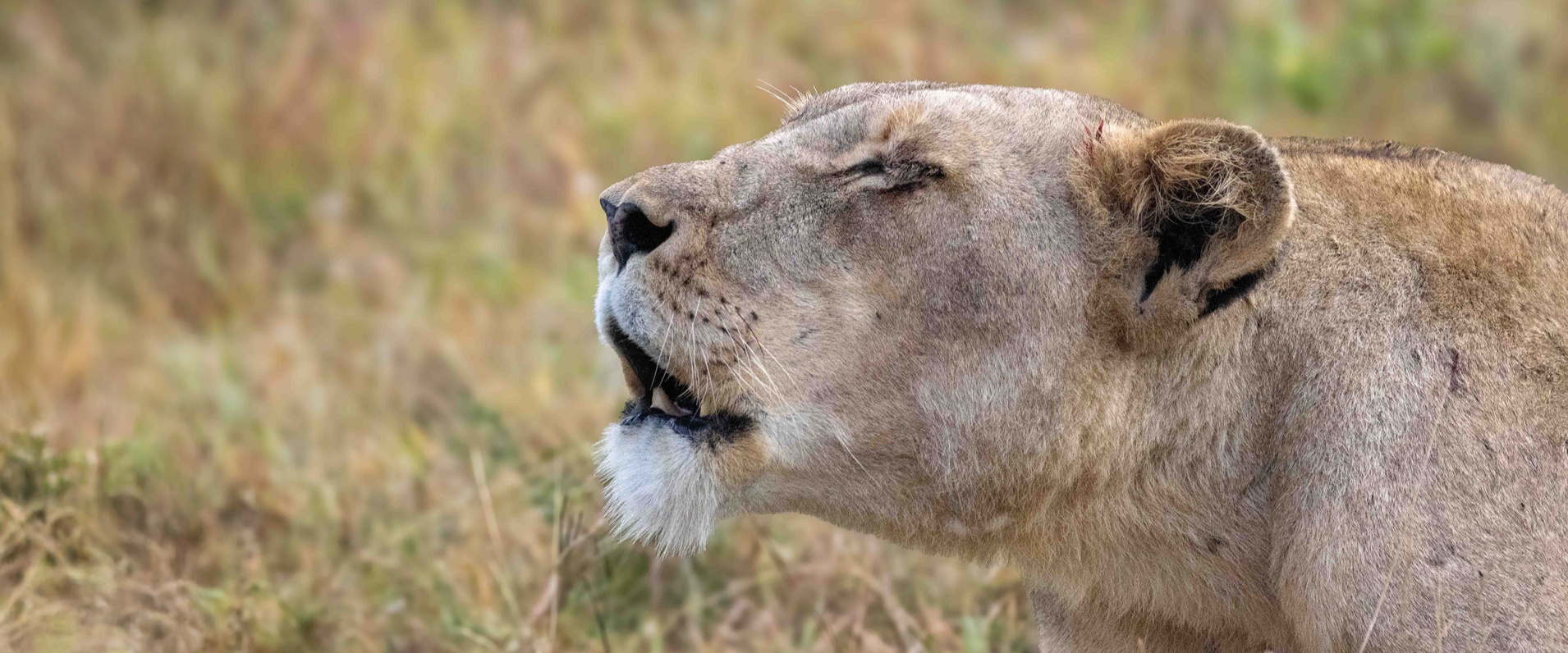
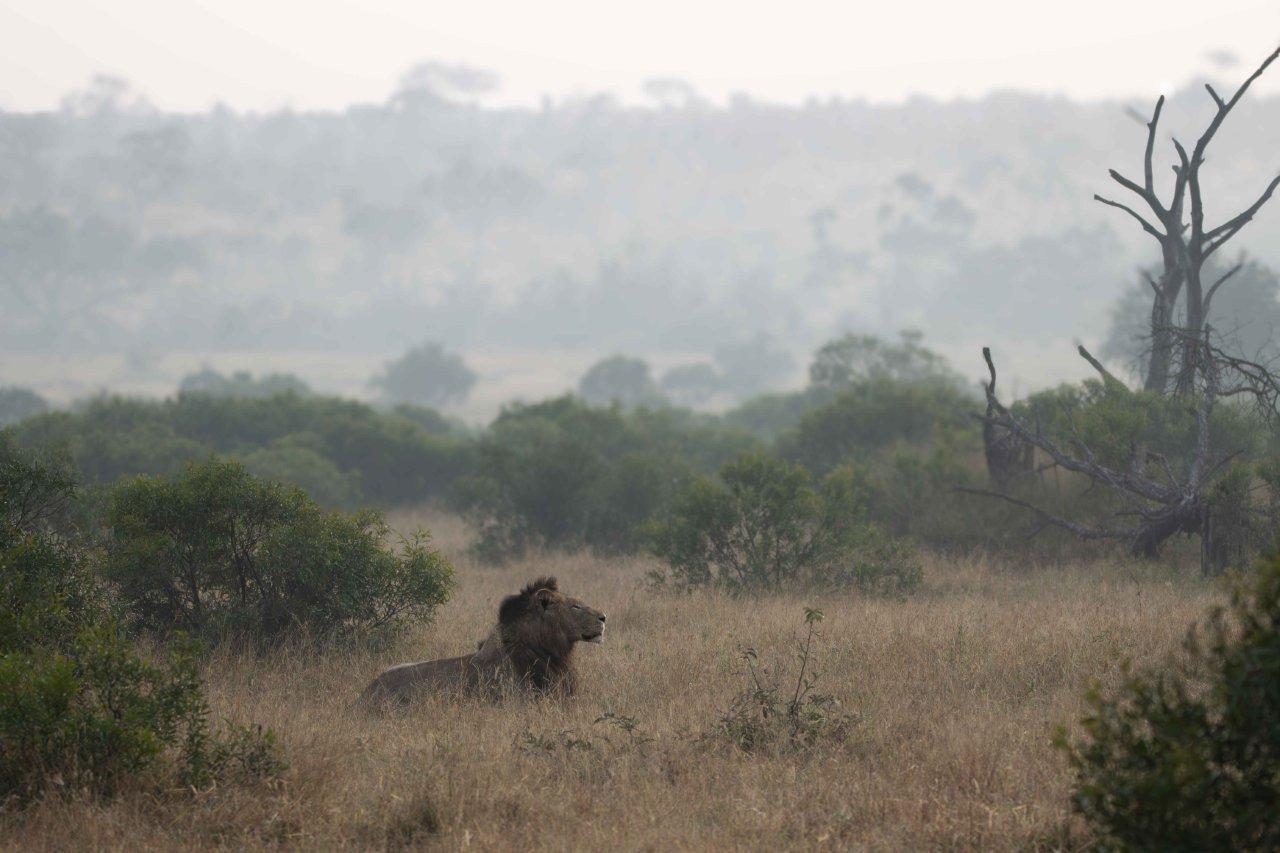
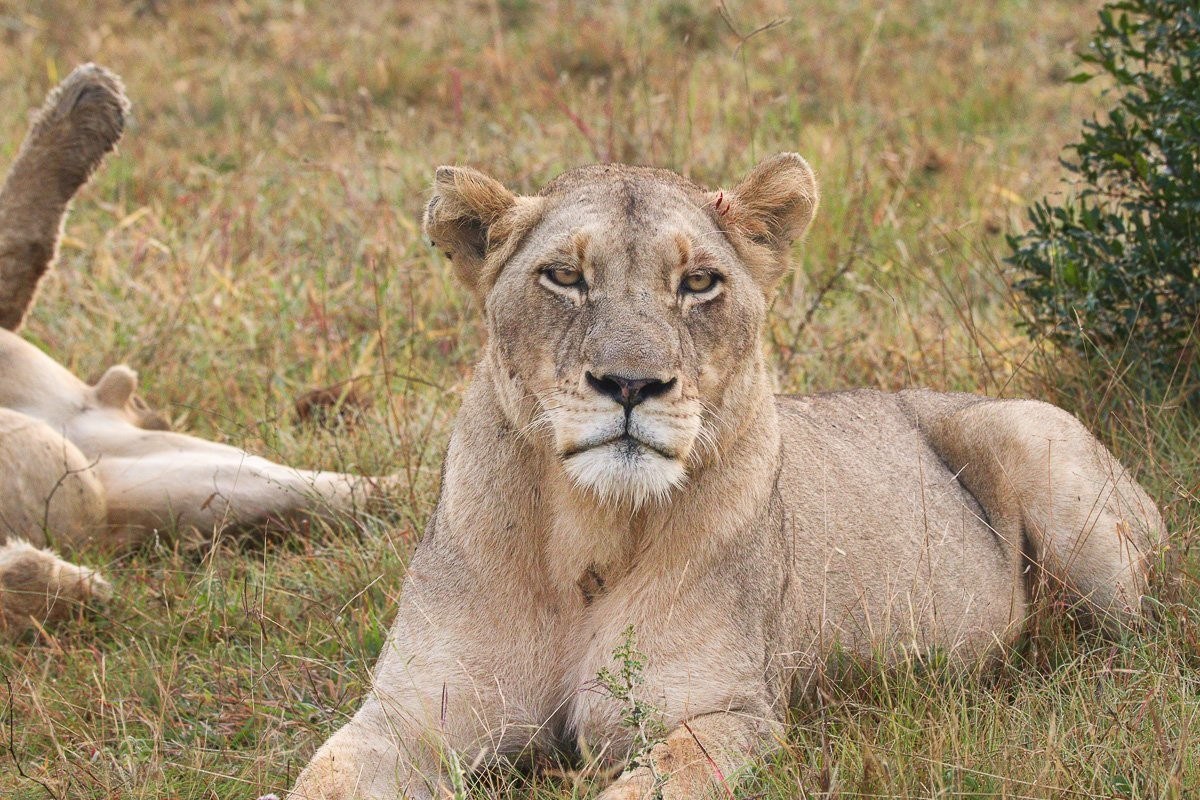
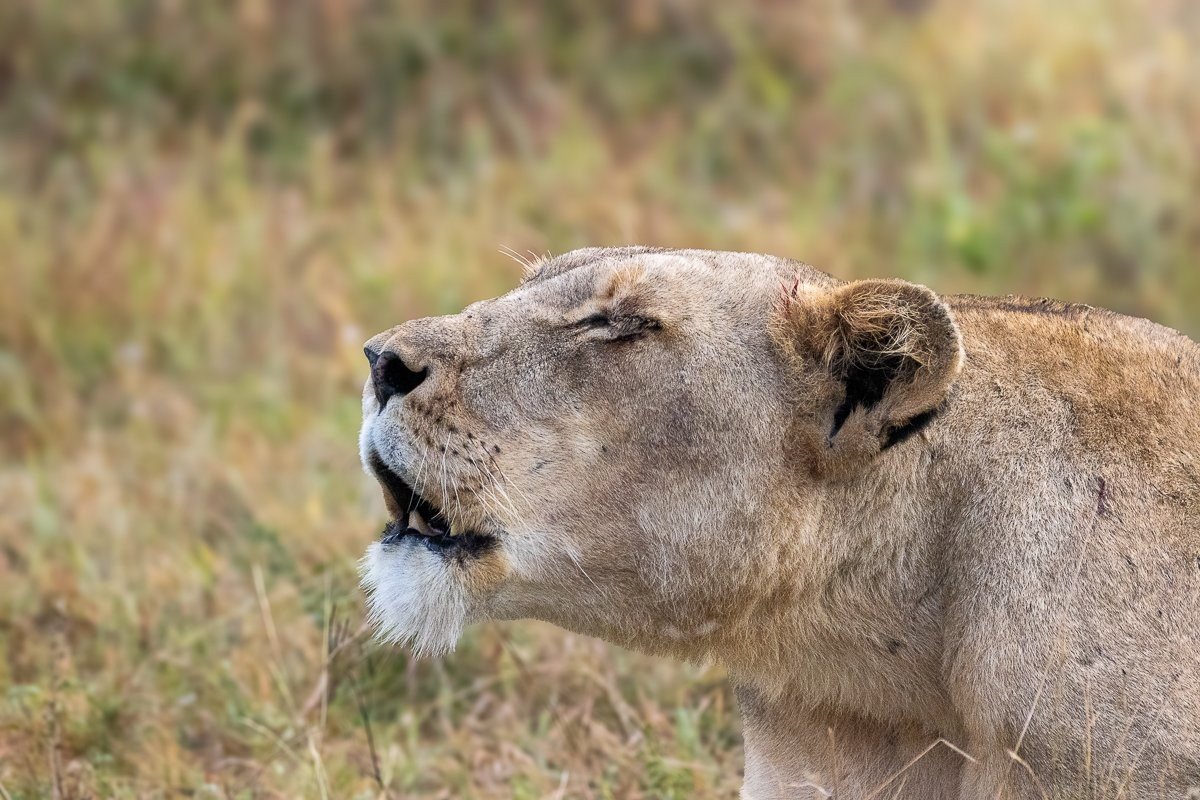
Three N’waswishaka males and a Msuthlu lioness were resting in the early morning mist near Selati Camp. Distant roars soon caught the attention of the males, causing them to lift their heads and listen carefully. The Msuthlu lioness responded with a roar of her own, and shortly afterwards a second lioness emerged from the open plains to join the group. With the pride reunited, they settled down to rest for the remainder of the day.
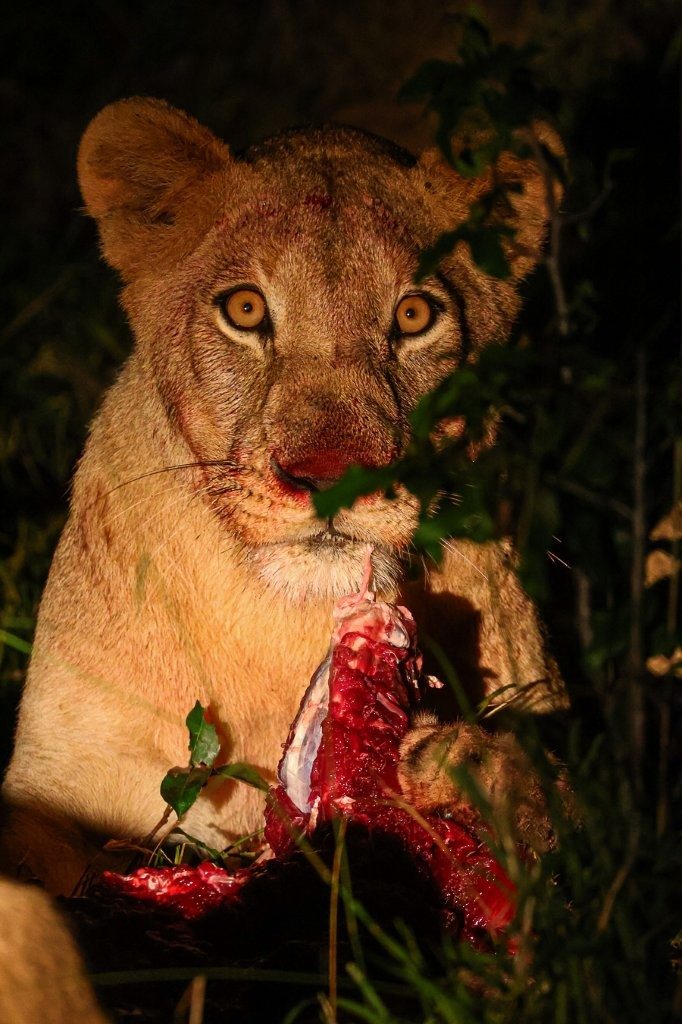
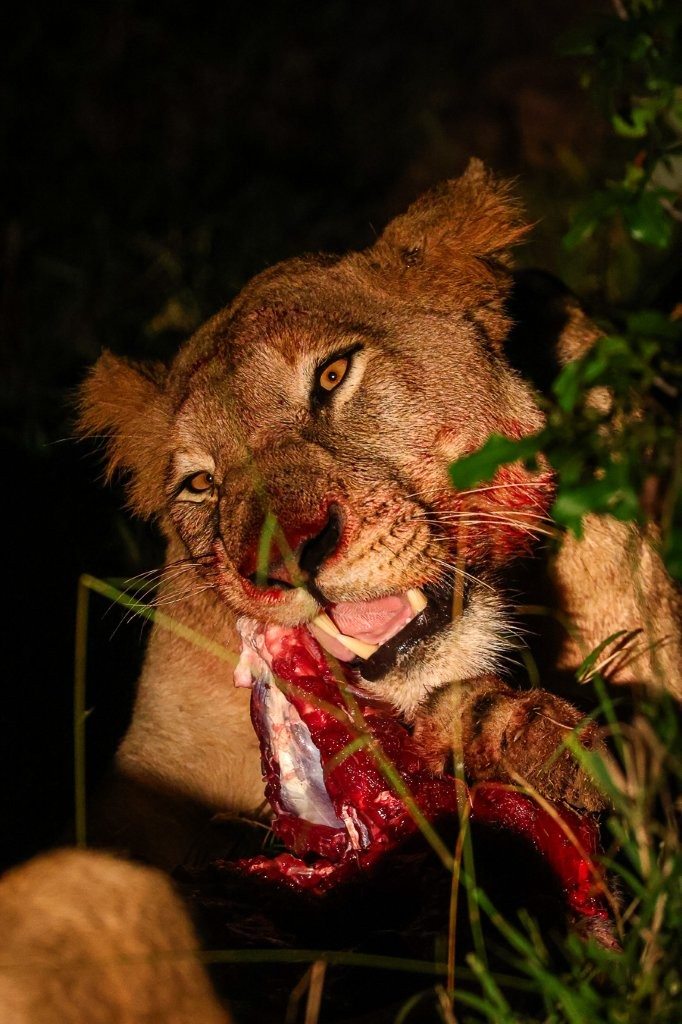
On our way back to Earth Lodge, we came across two lionesses from the Southern Pride that had just brought down a fully grown impala ram. Having only recently made the kill, they had just begun feeding, providing us with an incredible sighting.
While an impala is generally not considered a substantial meal for an entire pride, this large ram will be more than enough to sustain two lionesses for the next few days.
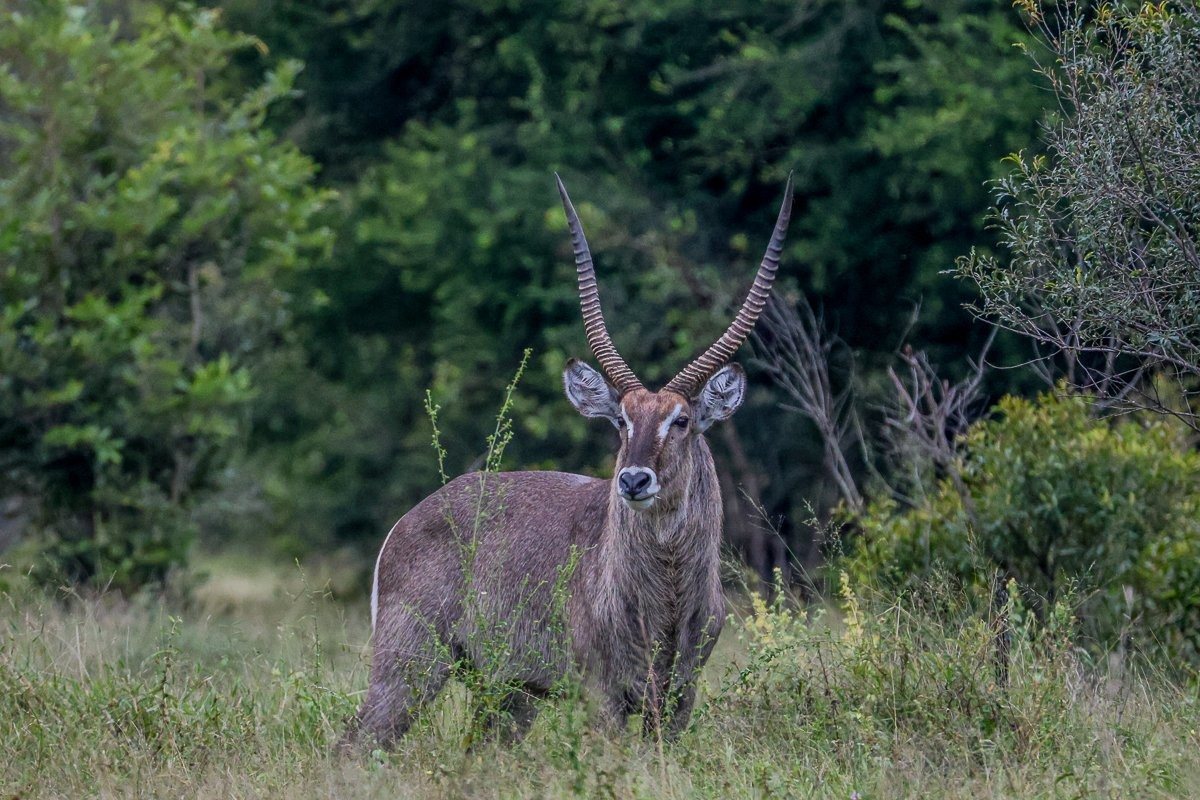
This large waterbuck bull kept a close eye on his females as they made their way to a waterhole late in the afternoon to quench their thirst before nightfall. Although waterbuck bulls are territorial, they often move with a harem of females, providing protection while leading them to safe areas and prime grazing.
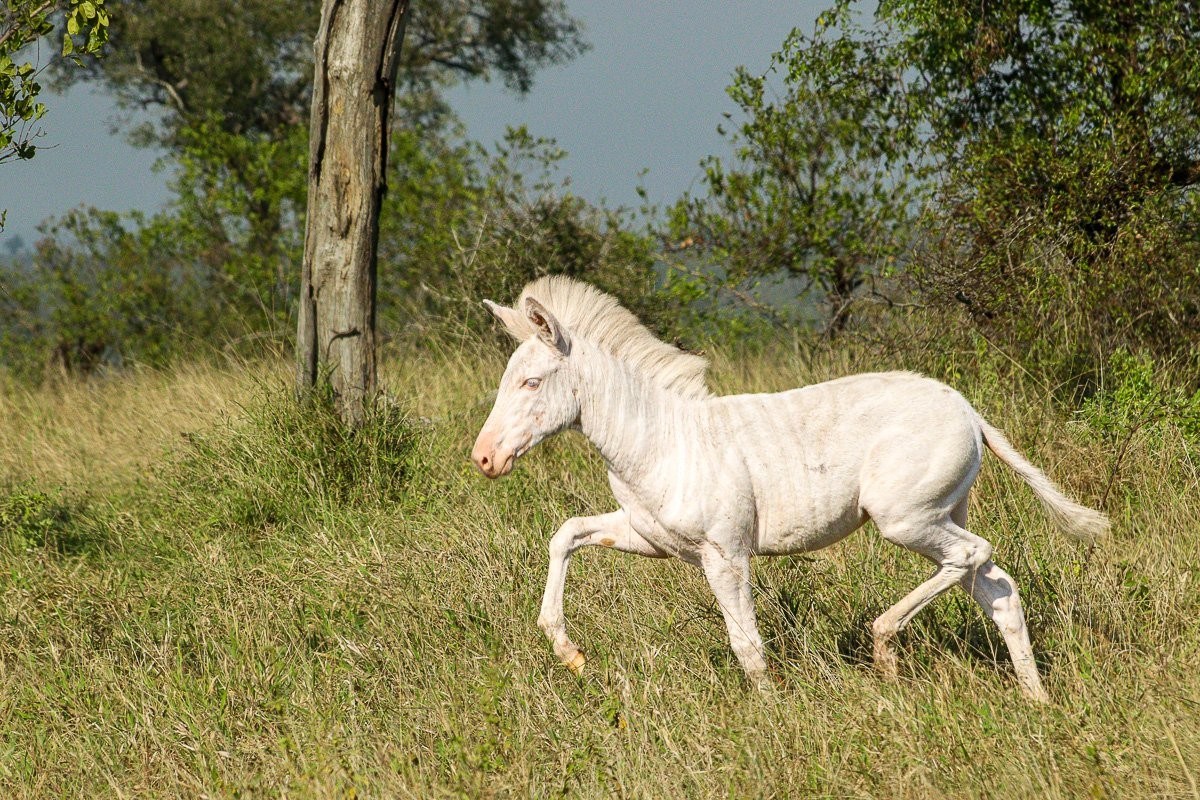
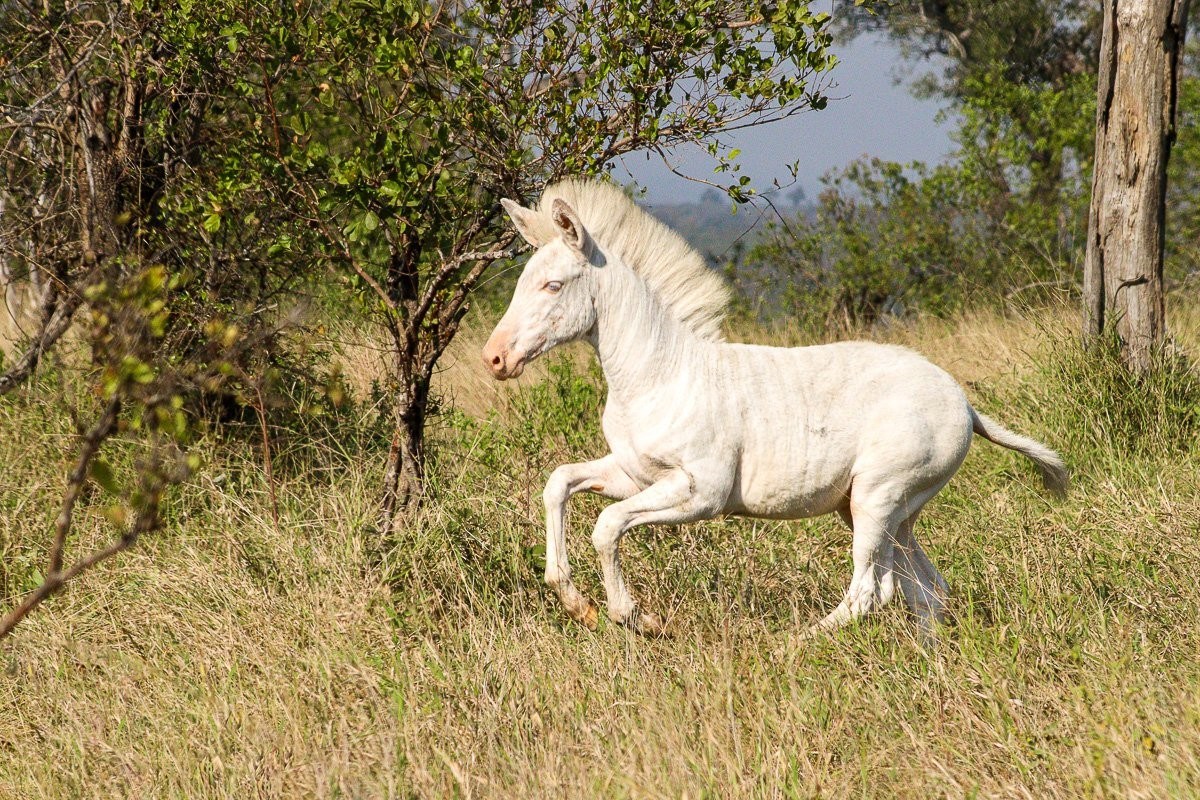
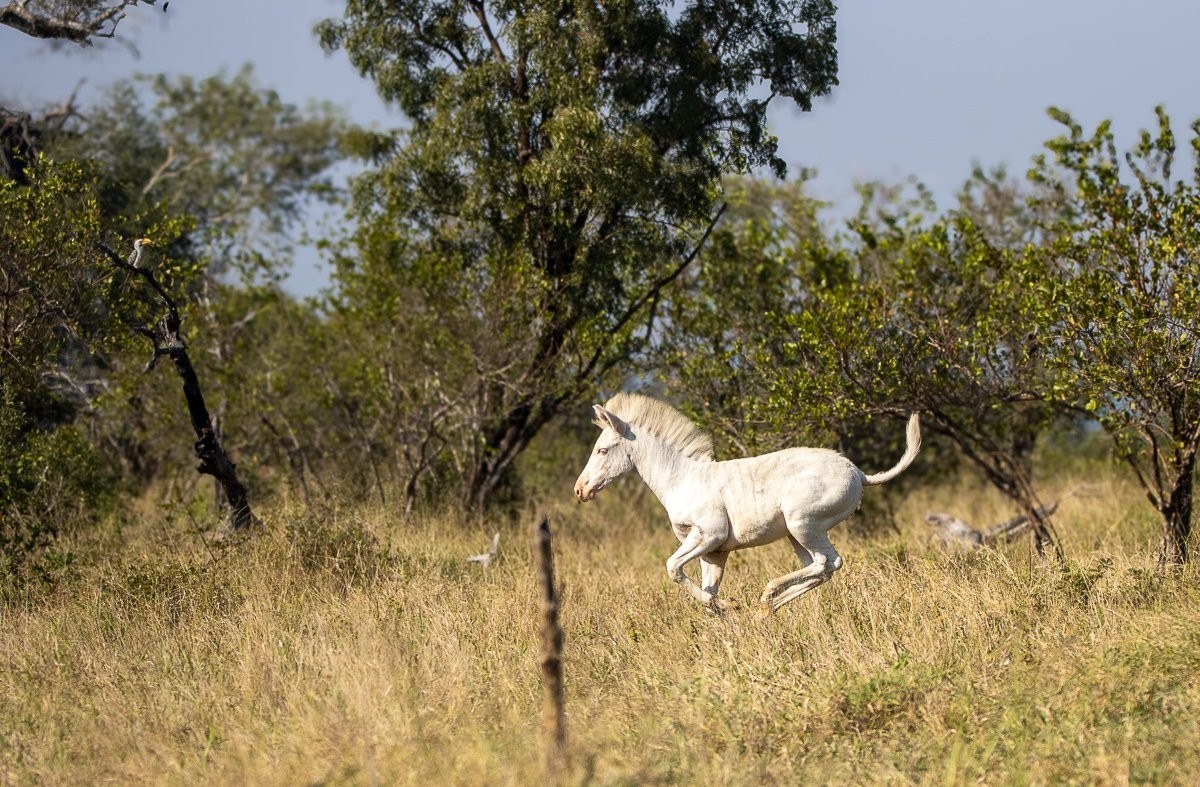
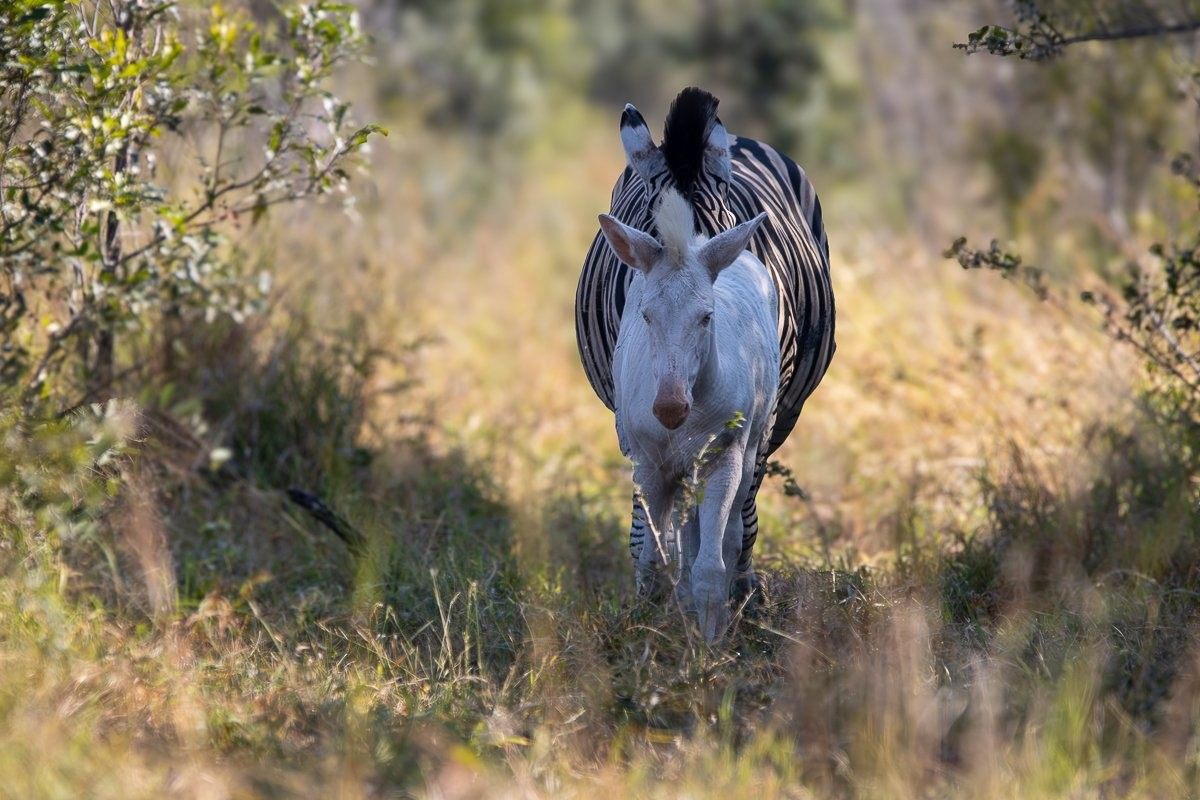
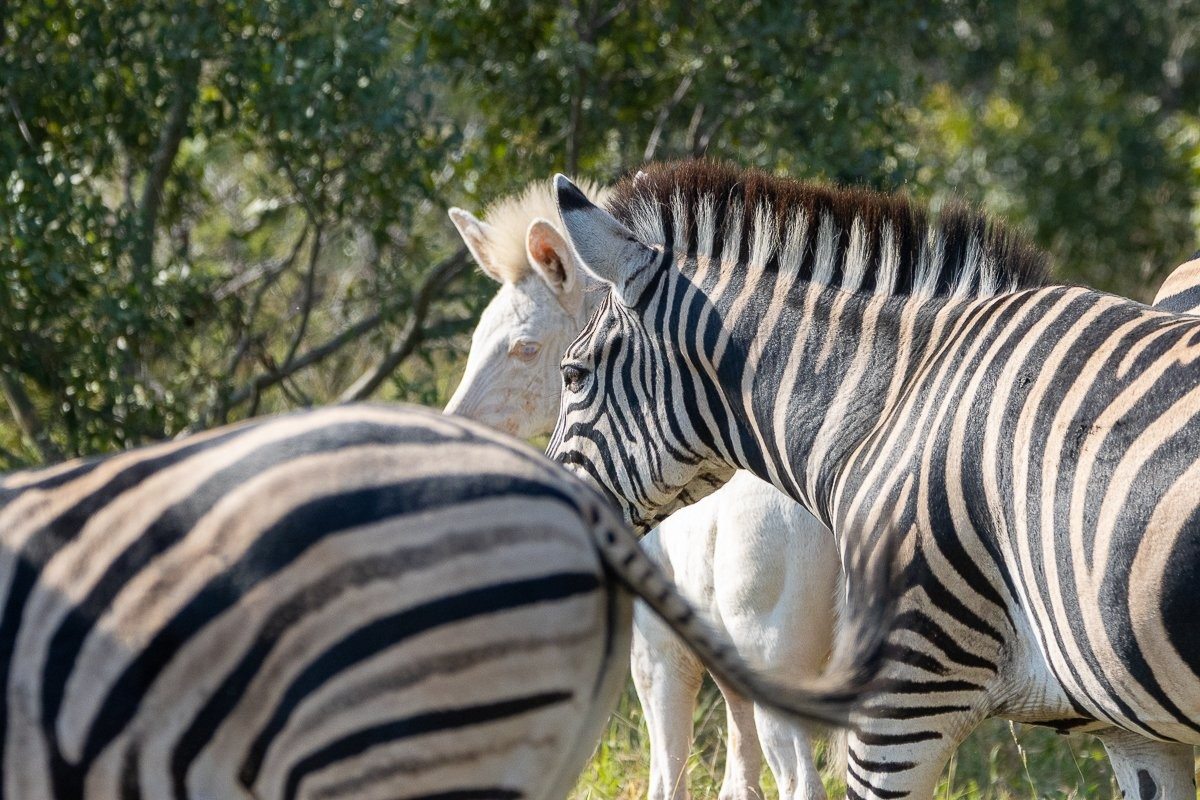
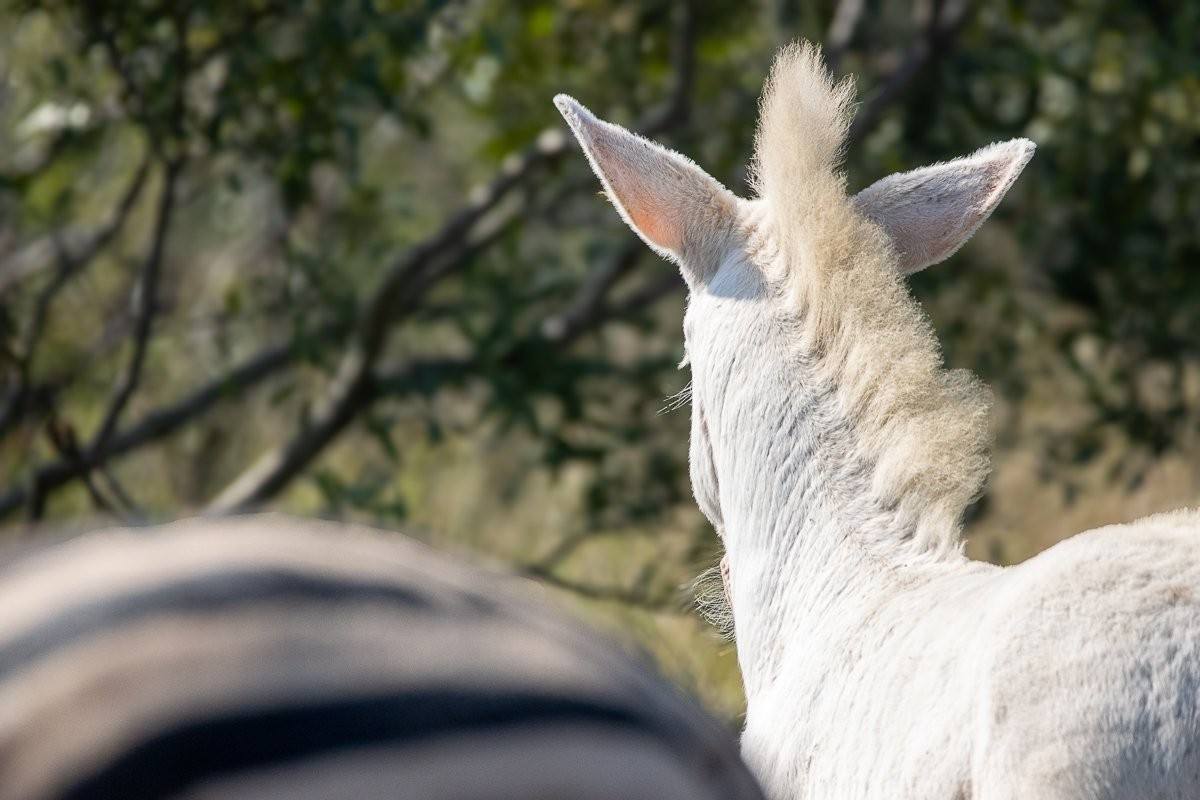
As we ended our morning safari, we spotted a few zebras moving in the distance. We drove closer to try and get a better view and as we turned the corner, we saw the white zebra walking behind its mother. With excitement and awe, we watched as this special zebra and its large dazzle grazed through the reserve, giving us yet another incredible sighting.
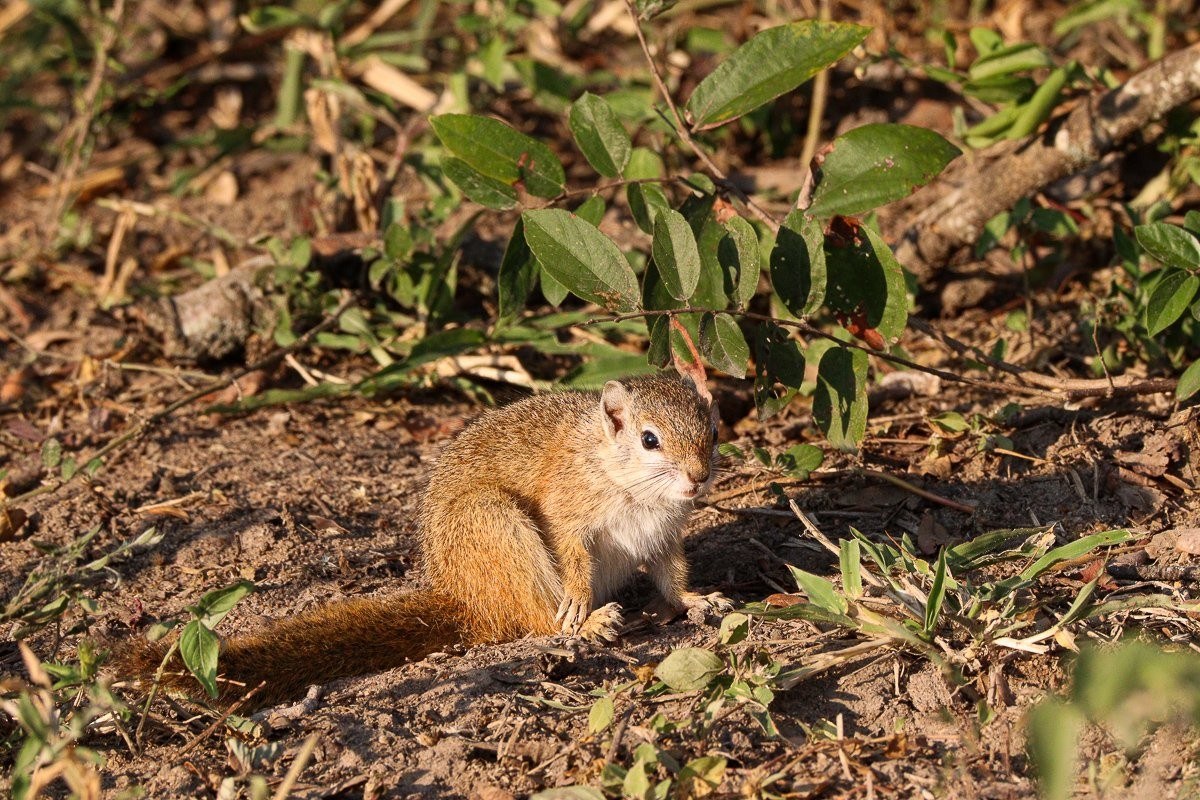
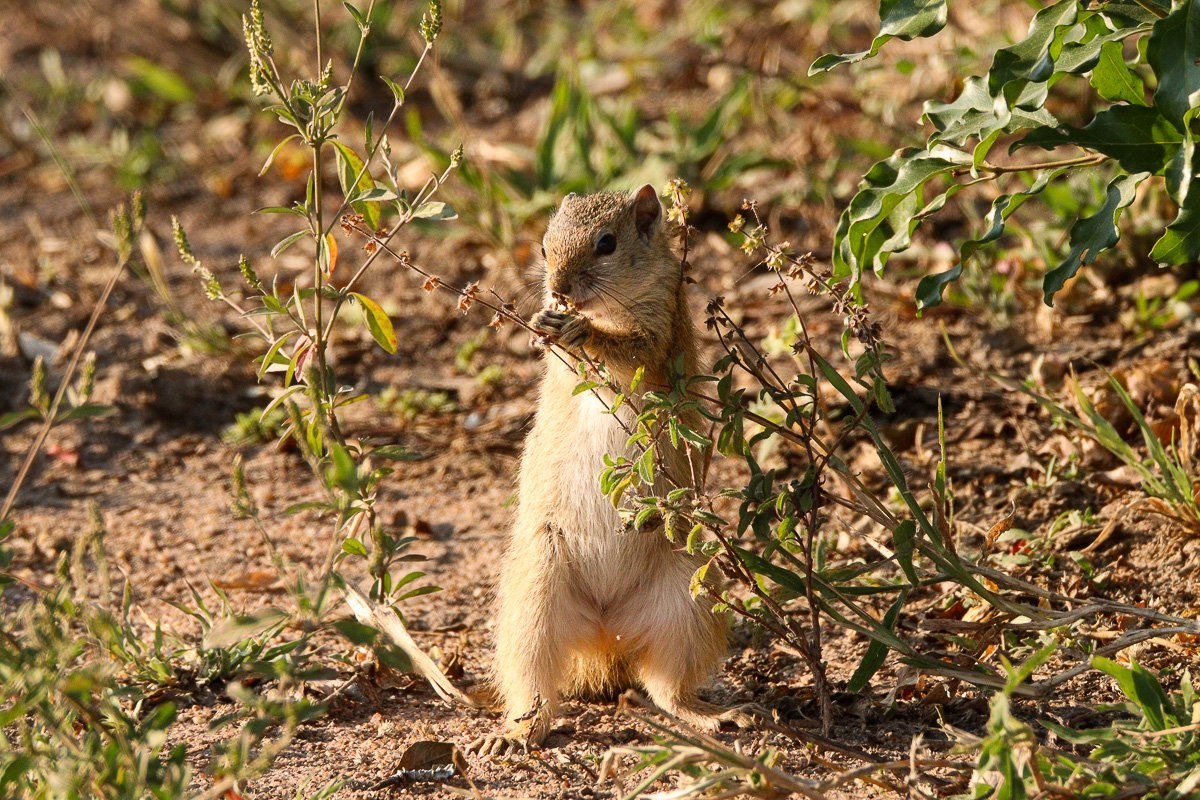
Often seen darting and leaping between tree branches, we were surprised to find this Tree Squirrel calmly moving through the early morning sunshine, feeding on various seeds and grasses before eventually retreating to a safe place to rest during the warmer parts of the day.
Although they live in family groups and move around together while searching for food, they usually feed alone. If a squirrel comes across a good food source, it may collect and carry the food to a safer spot, where it digs a small hole to store it for later use.
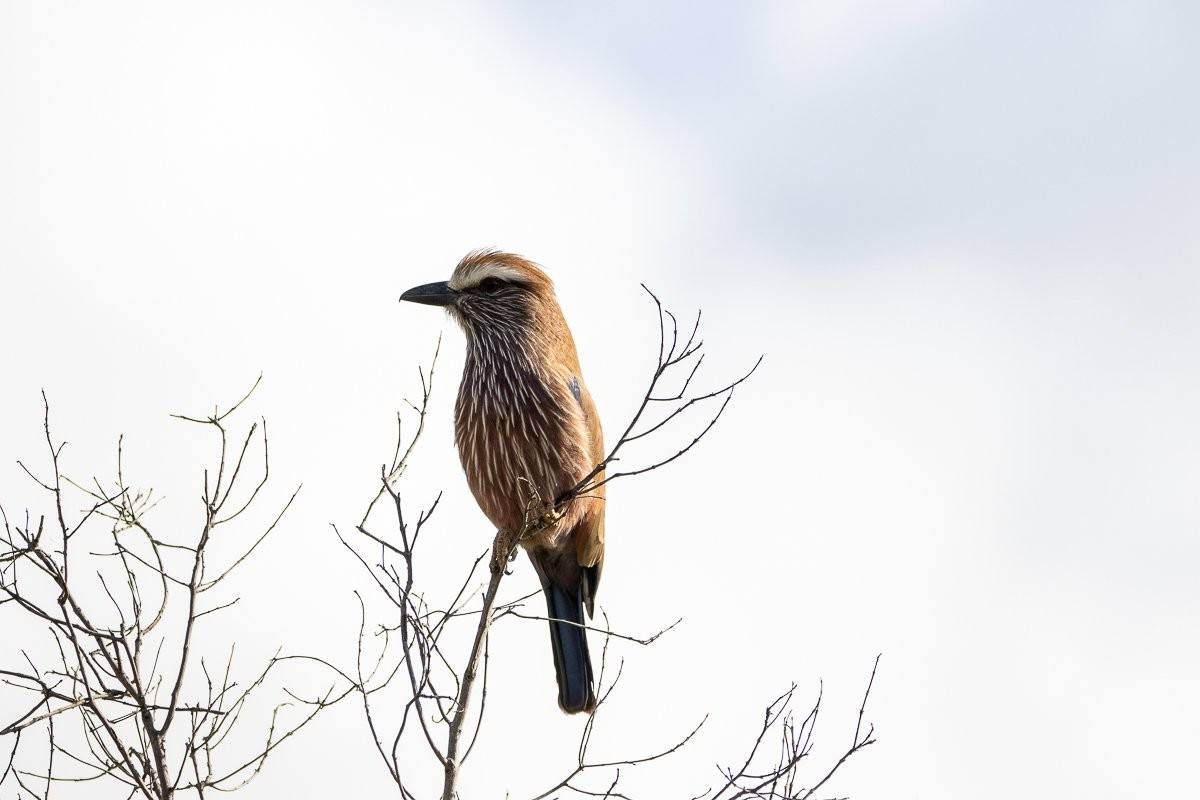
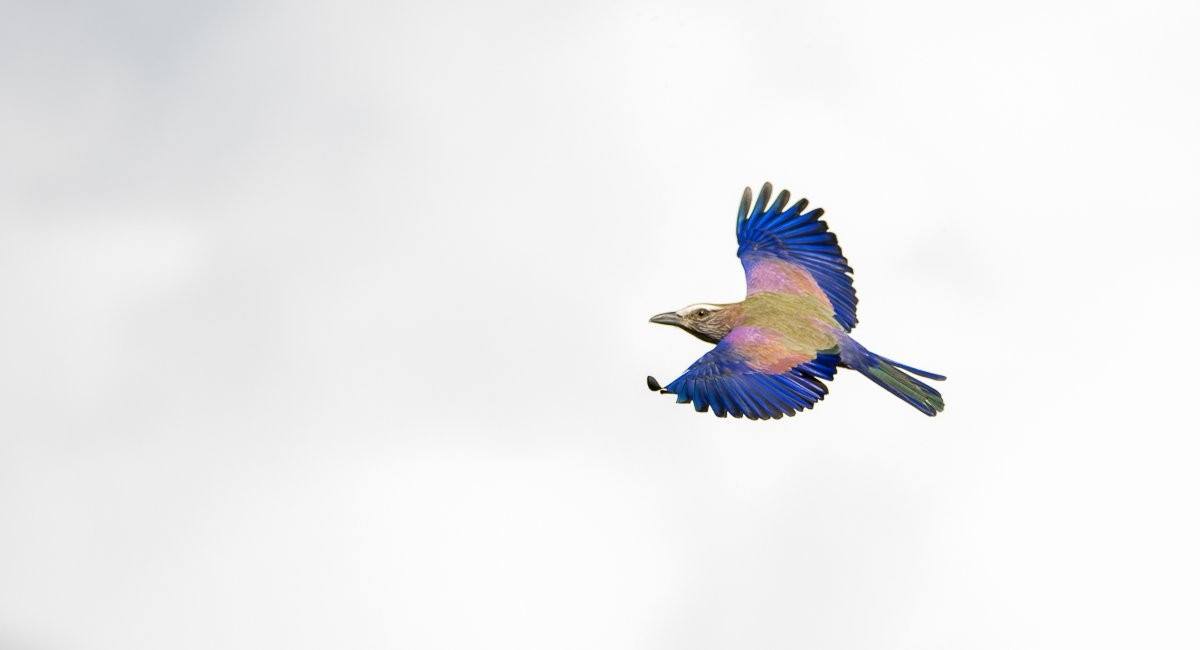
The Purple Roller displays a stunning blend of deep violet, indigo, and turquoise hues that shimmer brilliantly in the sunlight. Often seen perched high in trees overlooking open areas, it patiently scans the ground for insects, small reptiles, and other prey. When it takes flight, its vibrant wing colours become even more striking, creating a spectacular display against the sky. Less commonly encountered than some other roller species, the Purple Roller is always a prized sighting for bird enthusiasts and safari guests alike.
Until next time…
Blog by Wendy Claase
Images by Jana du Plessis, Ronald Mutero and Ruan Mey