
A Week in the Bush Vol. 593
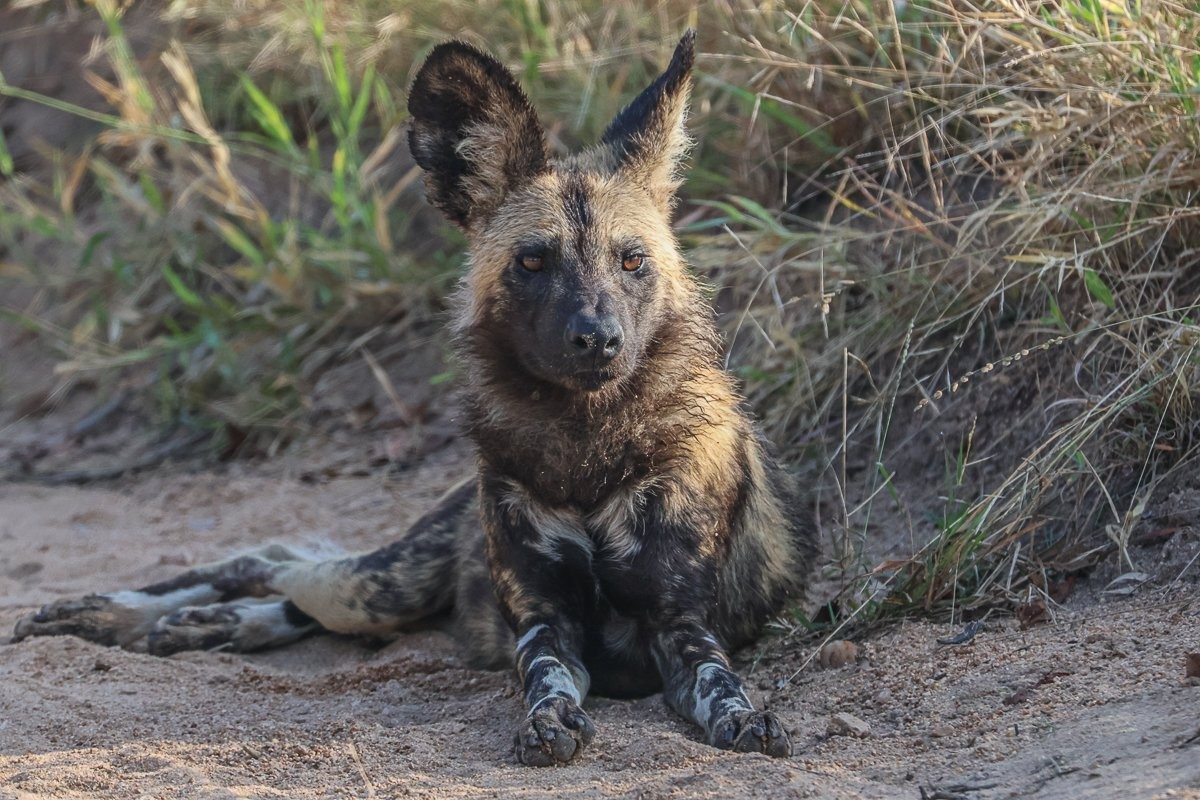
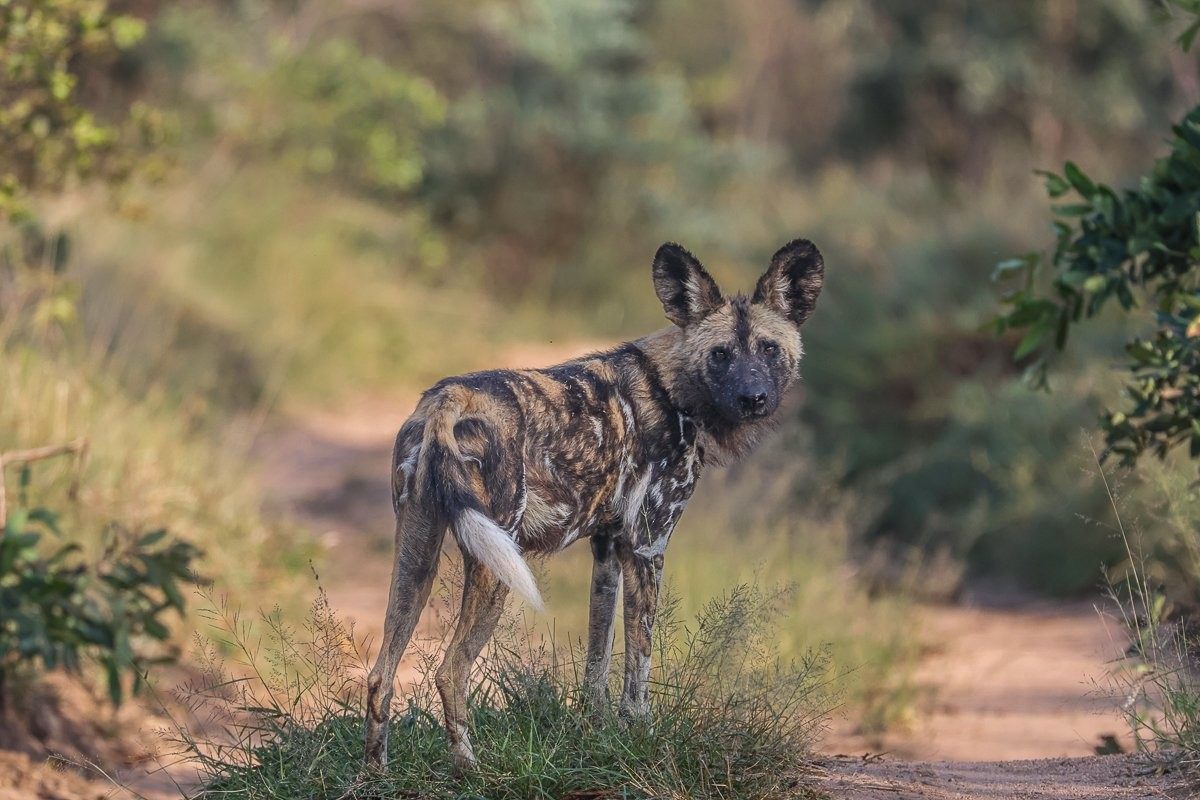
on May 20, 2026Our afternoon safari got off to an exciting start when, while driving along our Private Airstrip, our tracker spotted a pack of wild dogs emerging from the tall grass. We watched them become increasingly active, greeting and playing with one another - a reminder of just how social these remarkable animals are. We’ve been fortunate to enjoy several sightings of them over the past few weeks, which has been especially exciting given how rare they are to encounter.
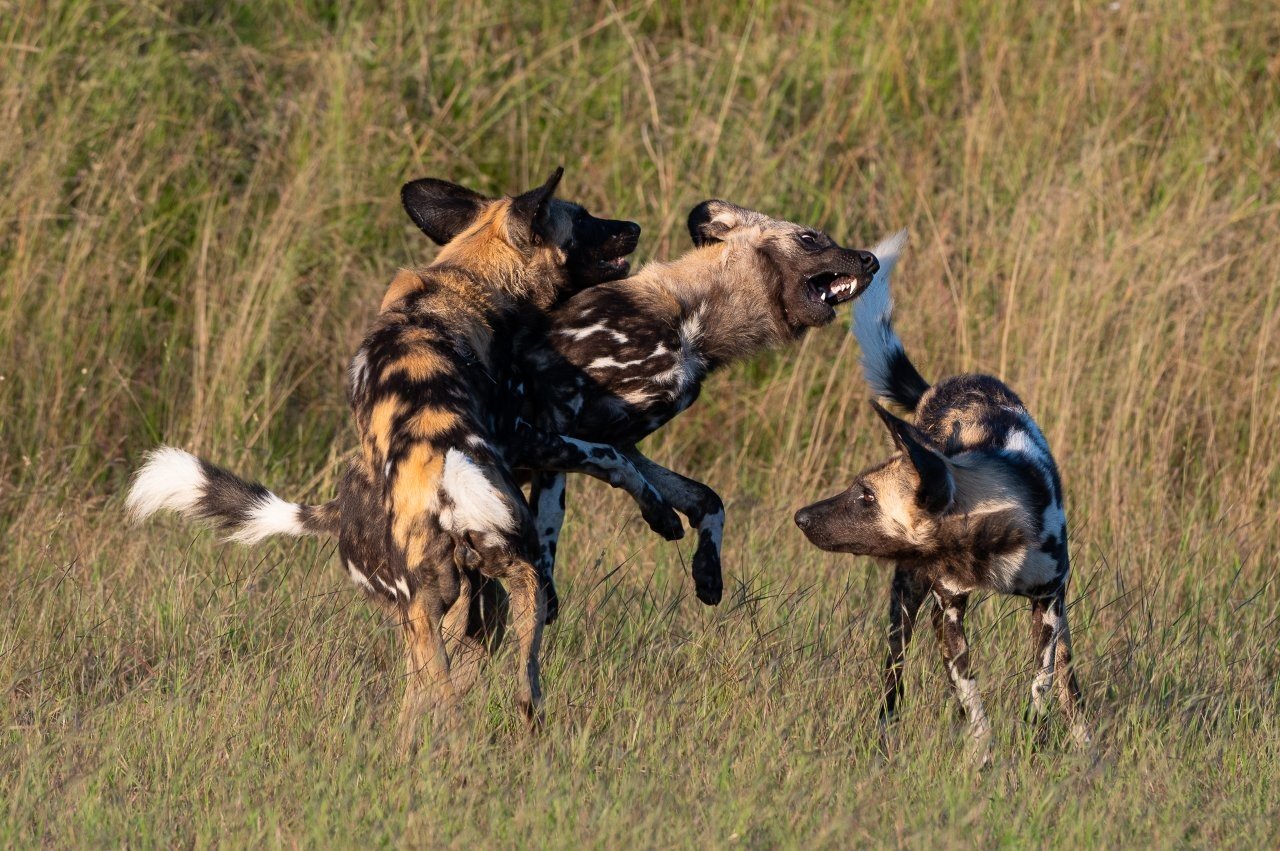
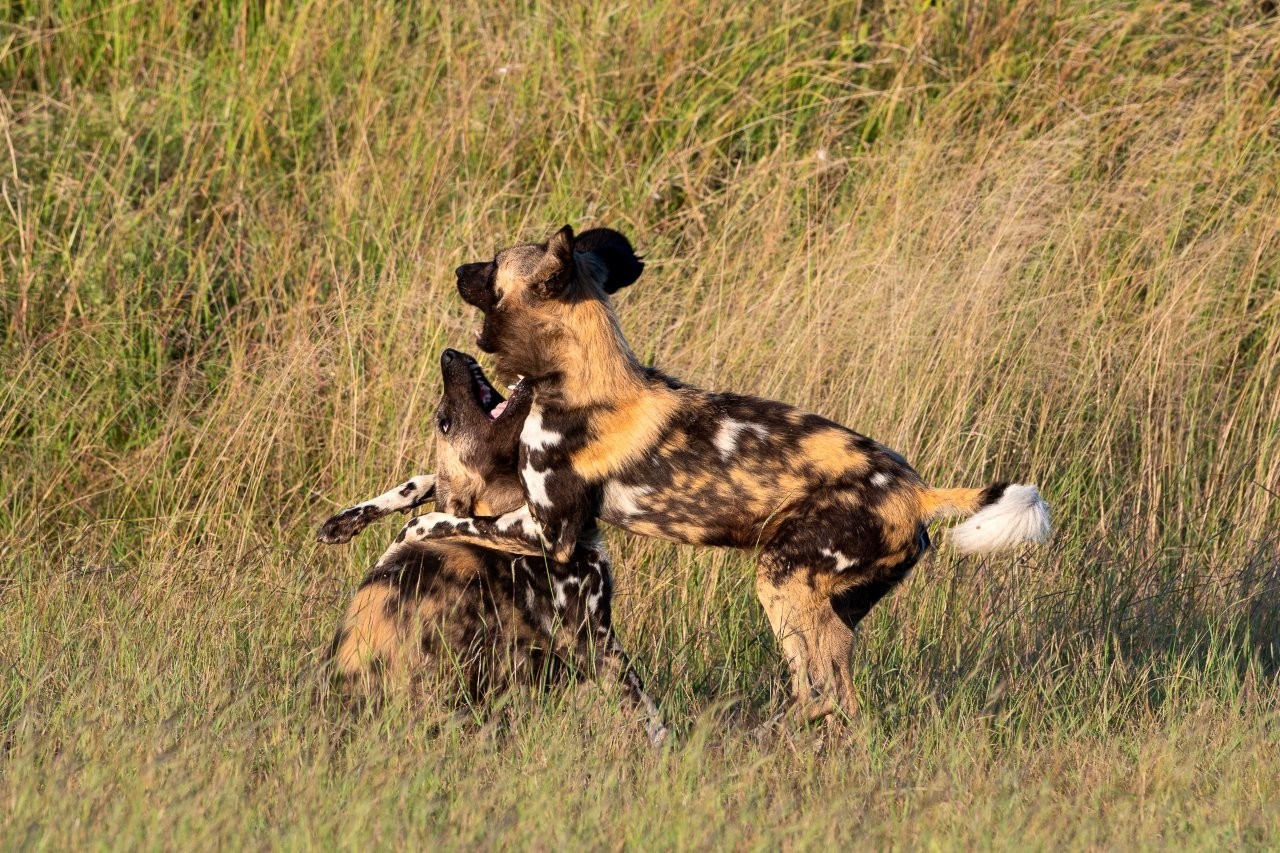
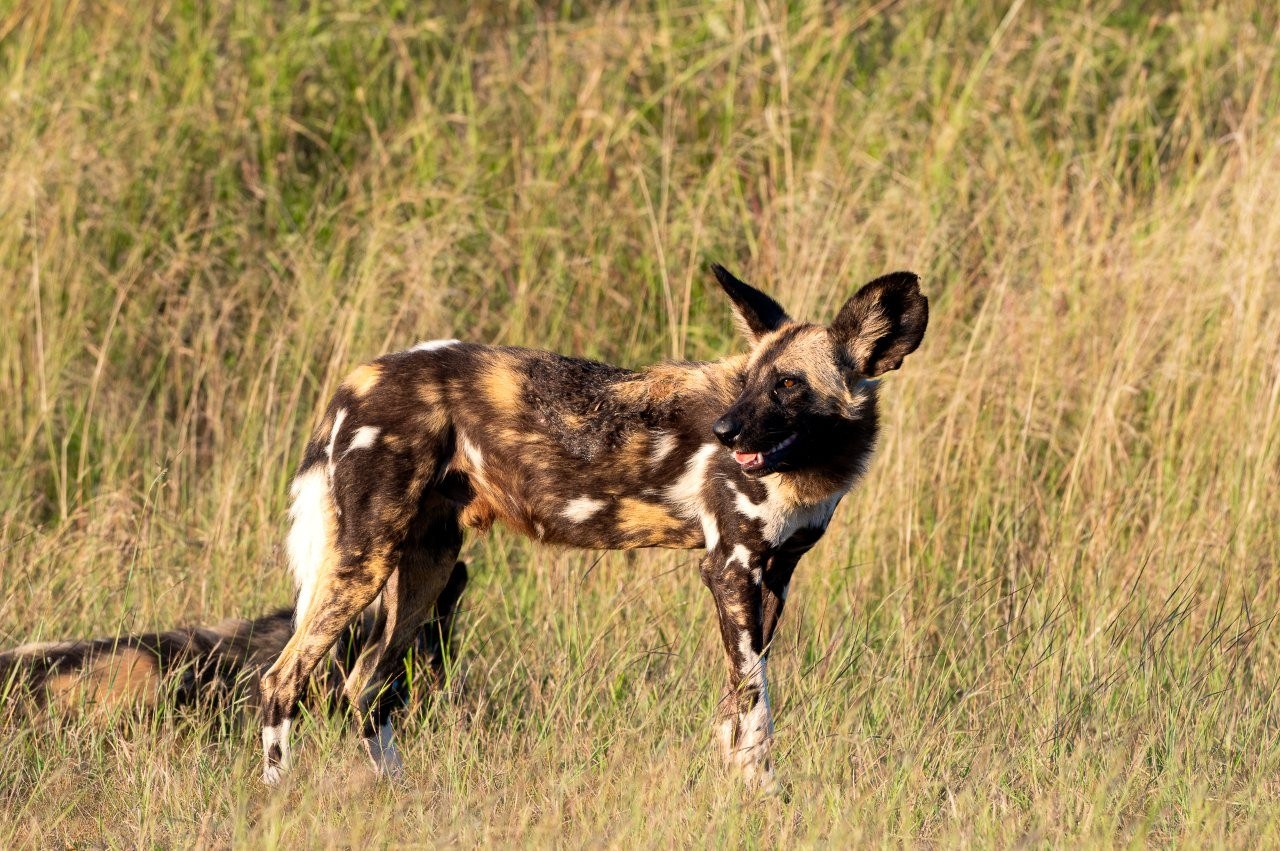
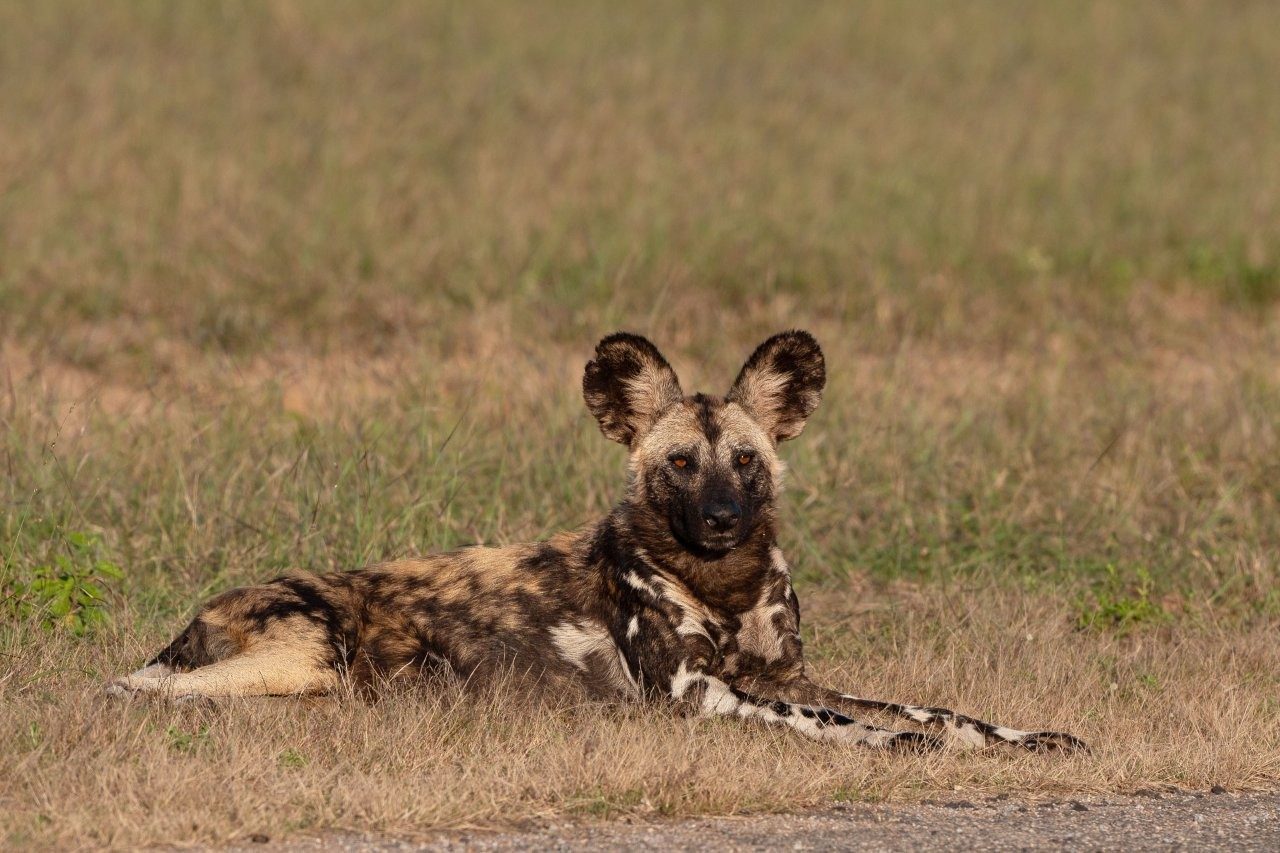
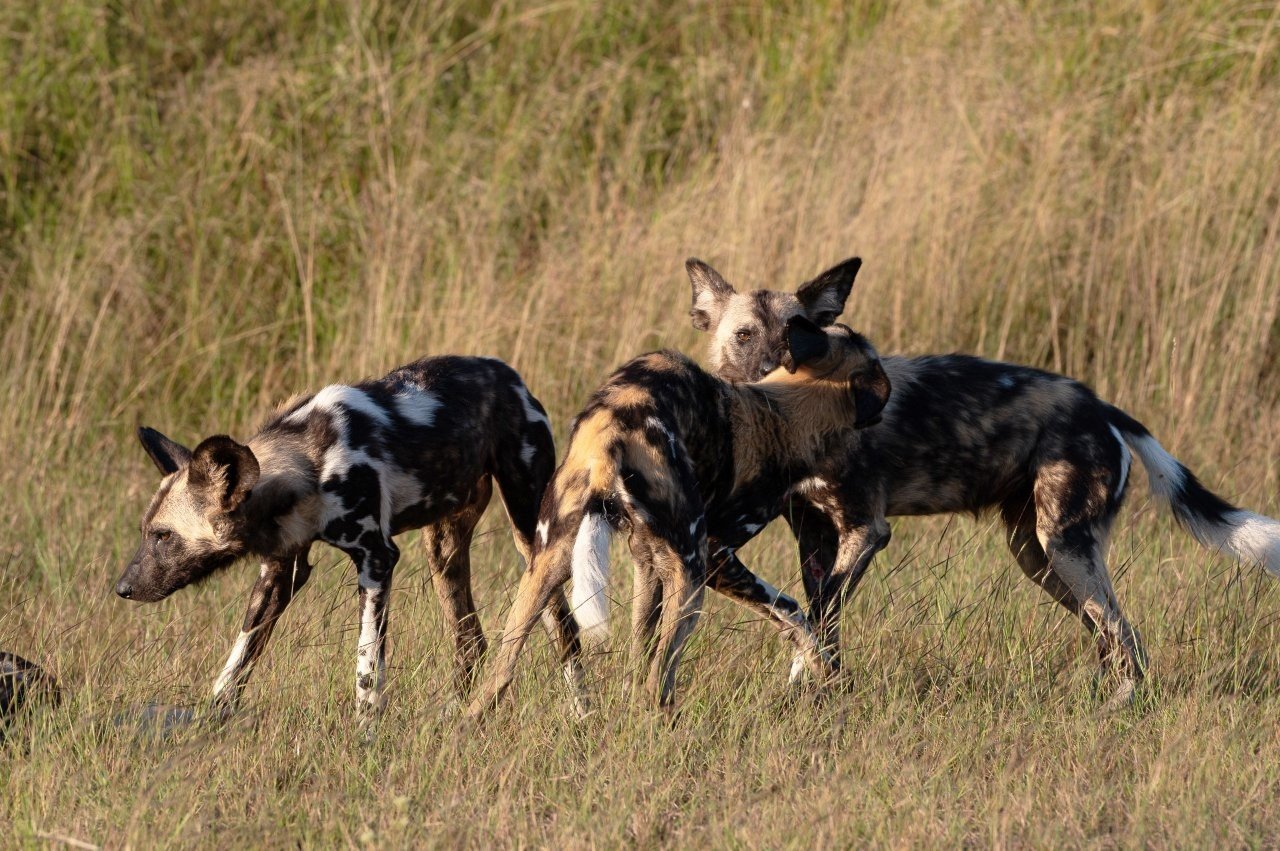
Following up on a pack of wild dogs led us into the central parts of the reserve, where we found them as the temperatures slowly began to rise after a cool night. Wild dogs are most active during the early mornings and late afternoons, but in the winter months their activity often increases, as the cooler conditions allow them to hunt and move around for much longer periods throughout the day.
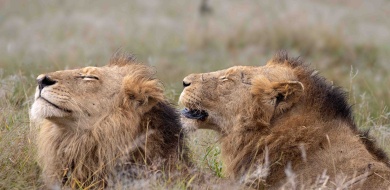
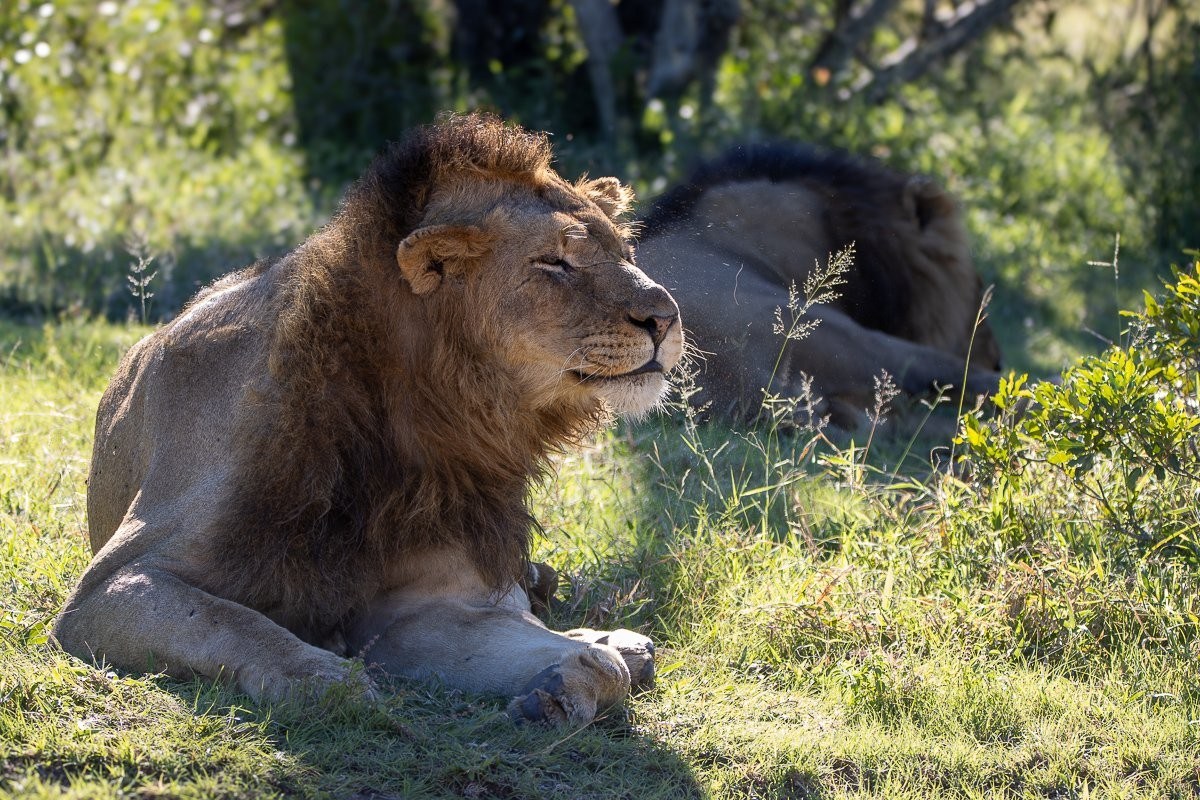
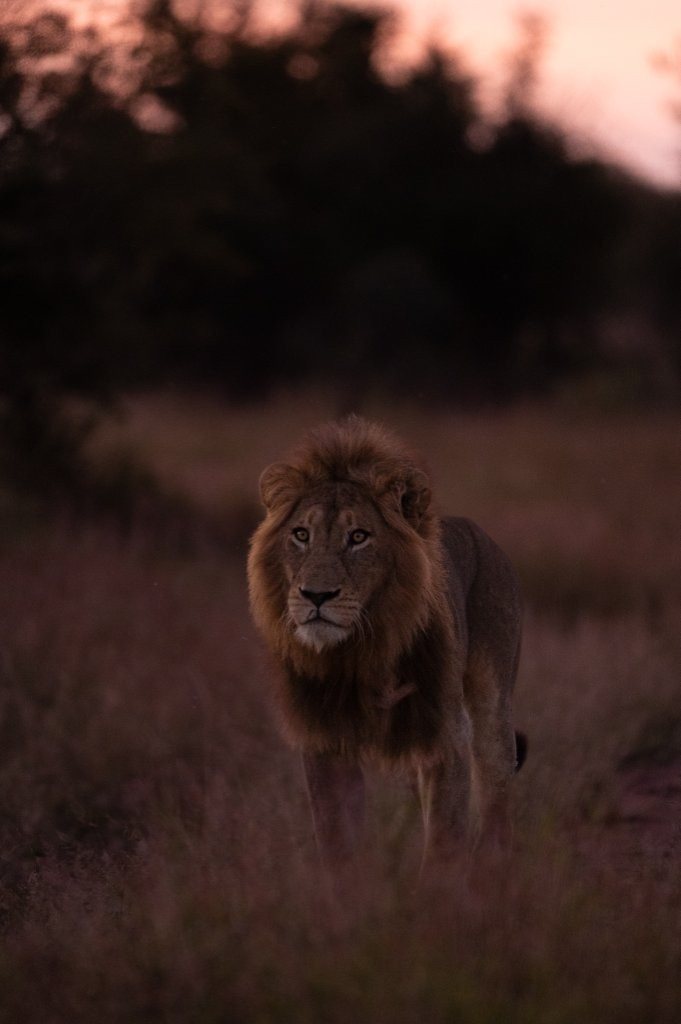
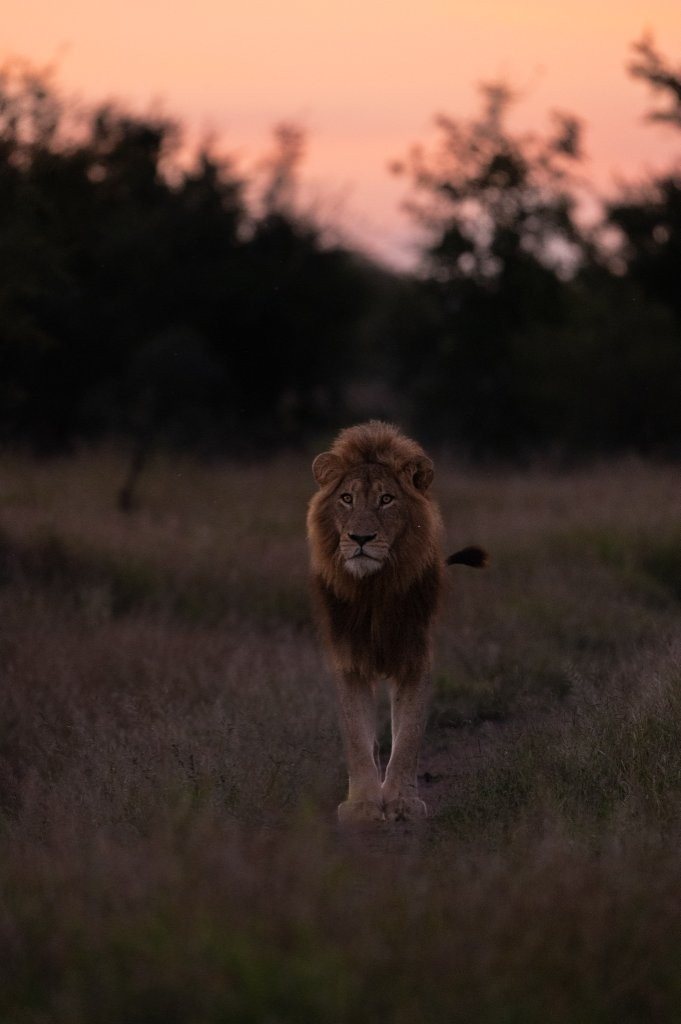
Not far from Selati Camp, we could hear lions vocalising loudly in the distance, so we followed the sounds and soon found the four N’waswishaka males lying in the road, waiting for the sun to break through the morning mist. We spent a long time watching them as they slowly stood up, shifted positions, and settled back down again. It quickly became clear they were in no hurry to move, their swollen stomachs suggesting they had fed well on a recent kill.
Male lions are often on the move, especially at night, as they patrol and remark their territories. During the day, however, they spend much of their time resting. While many people see lions as lazy, this is actually a carefully planned survival strategy - conserving energy for when it is most needed, particularly during territorial patrols and hunts under the cover of darkness.
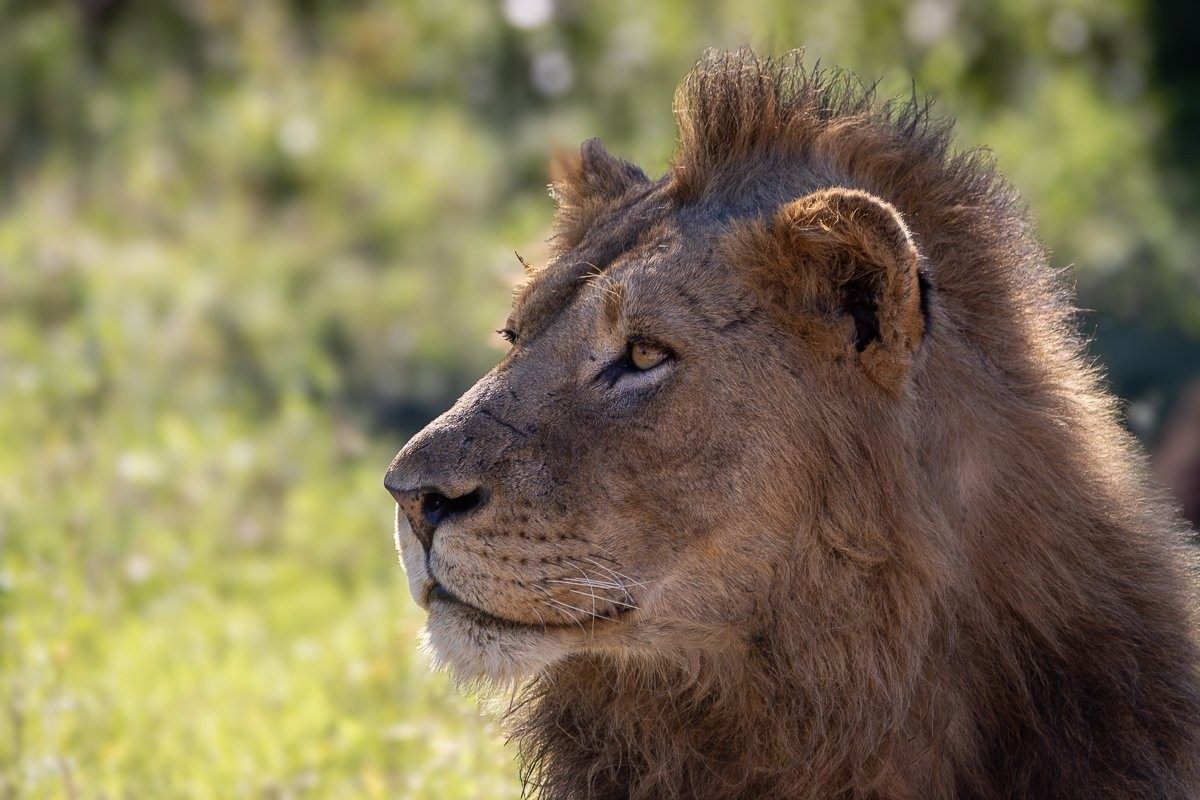
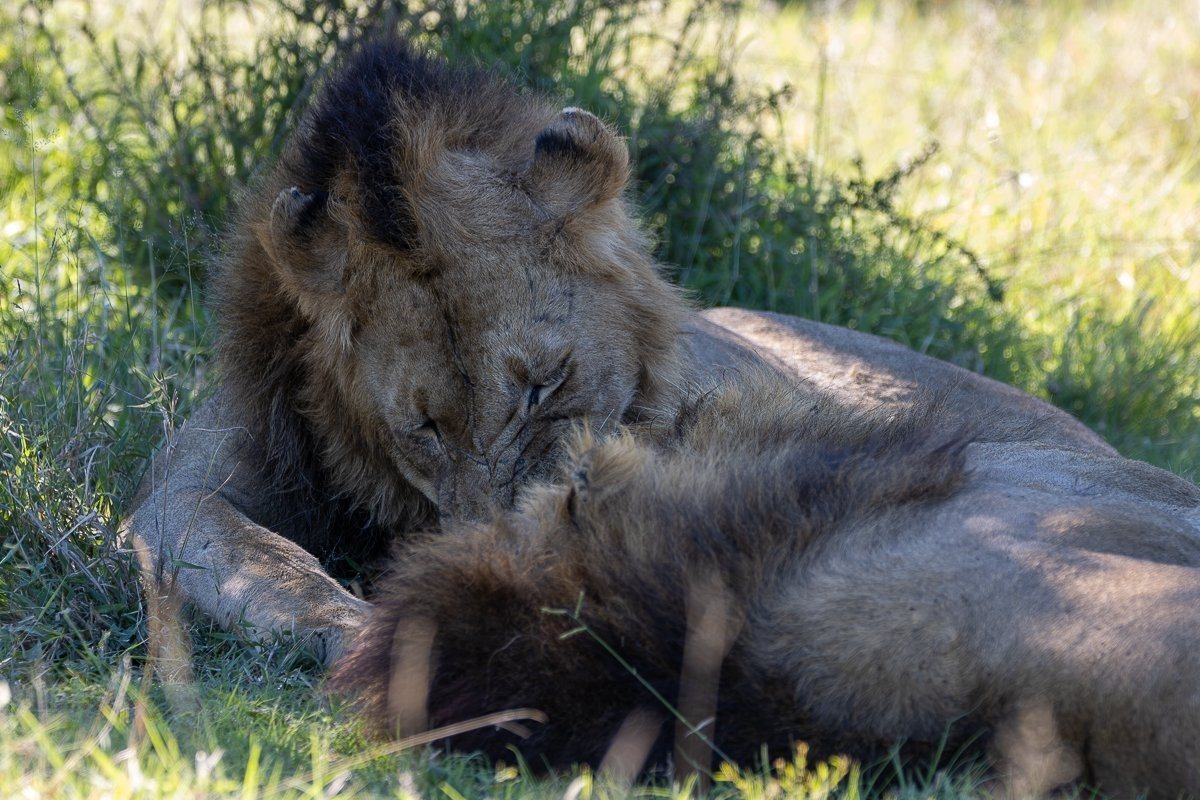
After leaving Earth Lodge at first light, we followed up on the roars we had heard while enjoying our morning coffee. Not long after, we found one of the N’waswishaka male lions alongside a lioness from the Southern Pride, both lying out in the open and soaking up the early morning sun to warm themselves.
The N’waswishaka males have once again split up and are spending time with different females across several prides. As they move through the area, they continue to make their presence known by vocalising, scent-marking, and leaving signs of their dominance wherever they go.
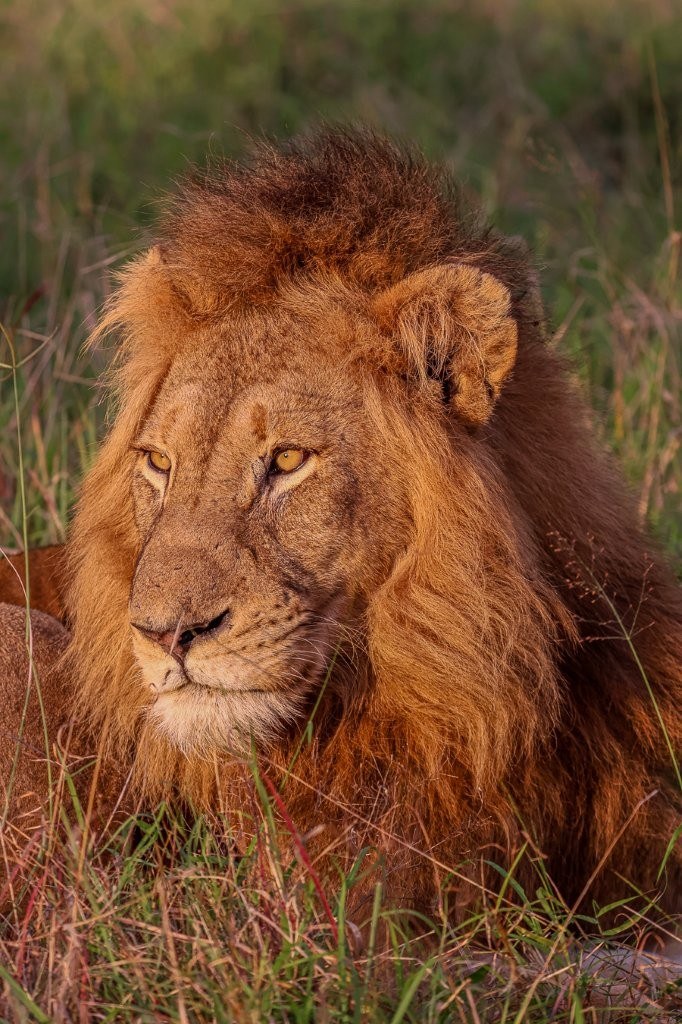
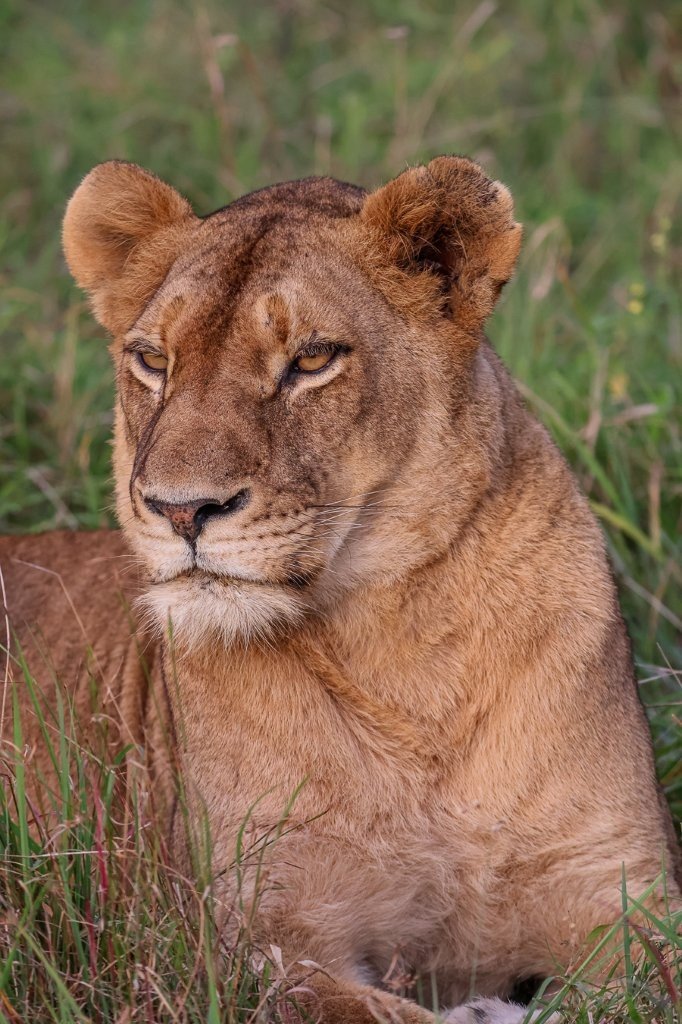
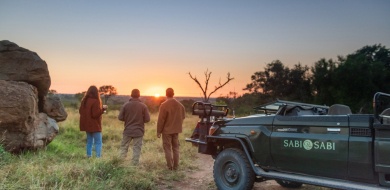
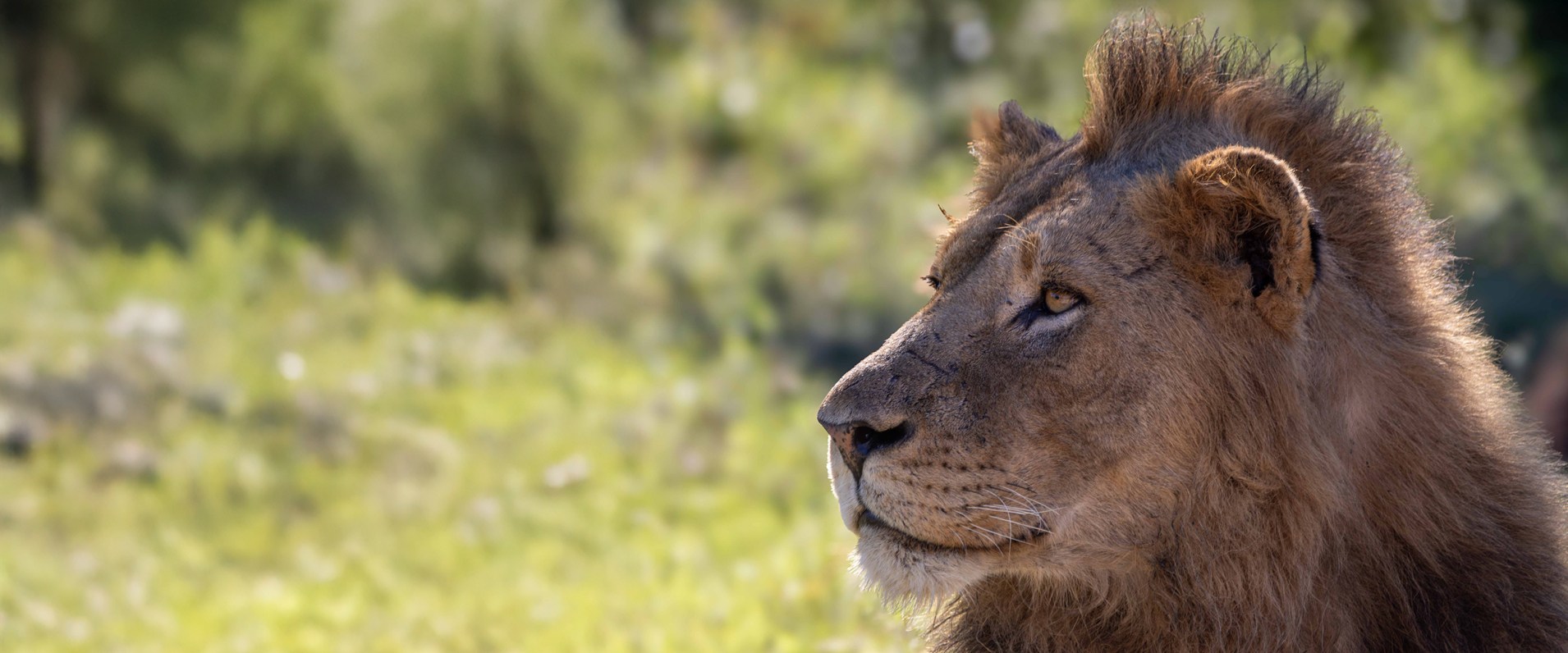
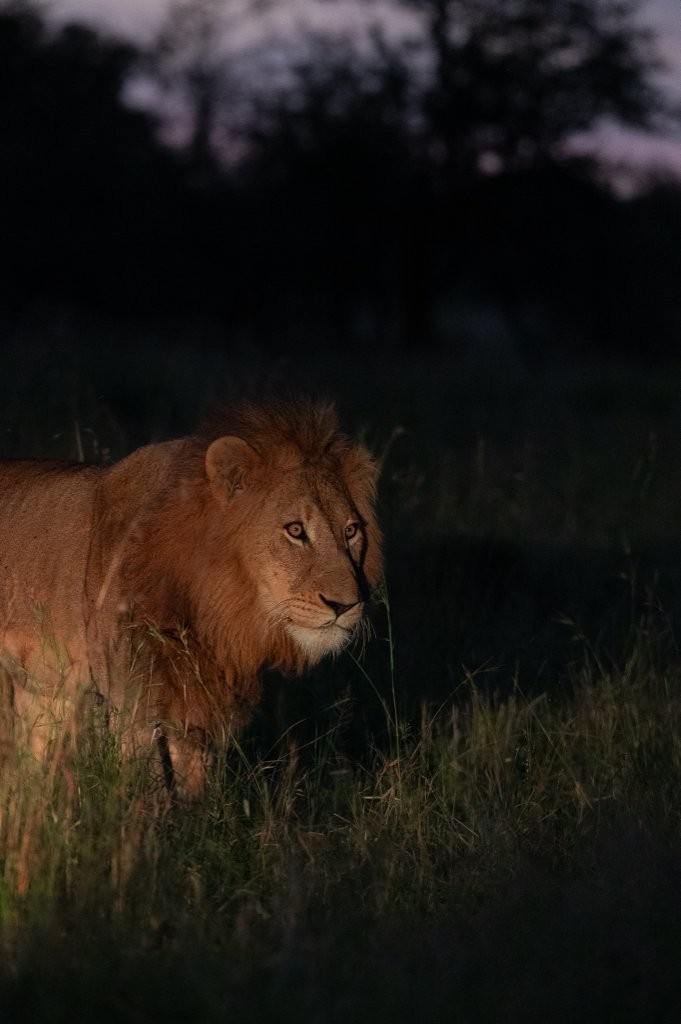
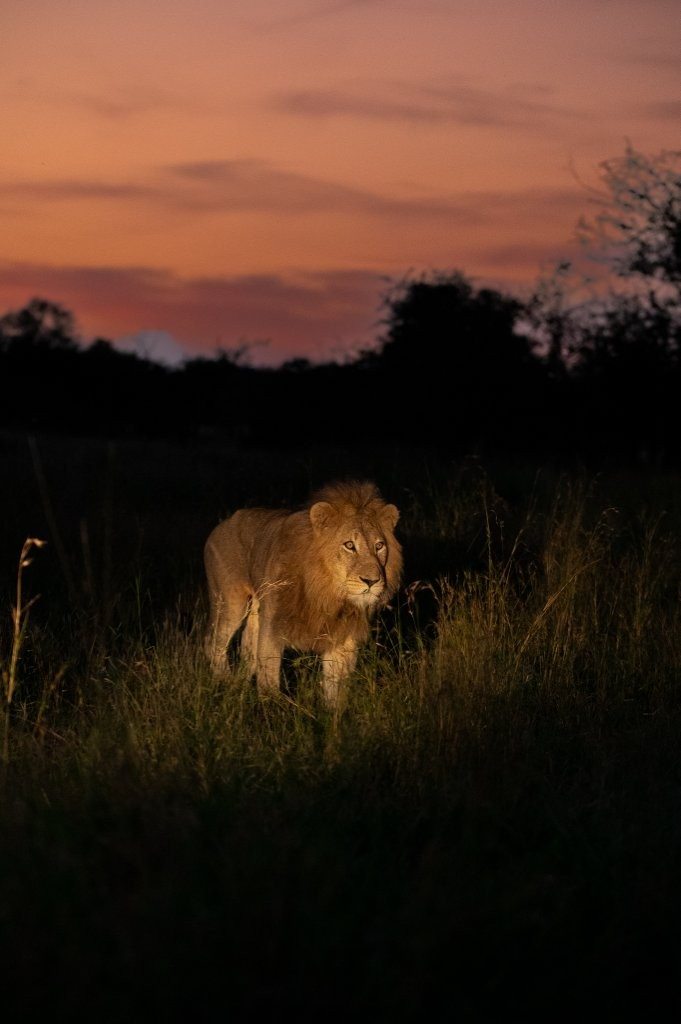
We tried to stop for an evening sundowner, but our plans were interrupted by a pair of lions - a male and female emerging from the grass nearby. For a few moments, we studied each other from a distance before the pair began to move off and we followed behind. The male seemed particularly interested in the sounds of a nearby buffalo herd, and with the sun setting behind him, the scene created a breathtaking backdrop that highlighted his striking features. We spent some time with the pair before they eventually settled back into the grass, where they all but disappeared from view.
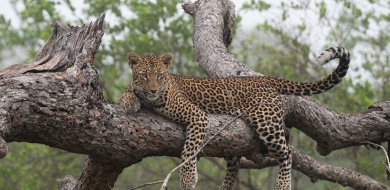
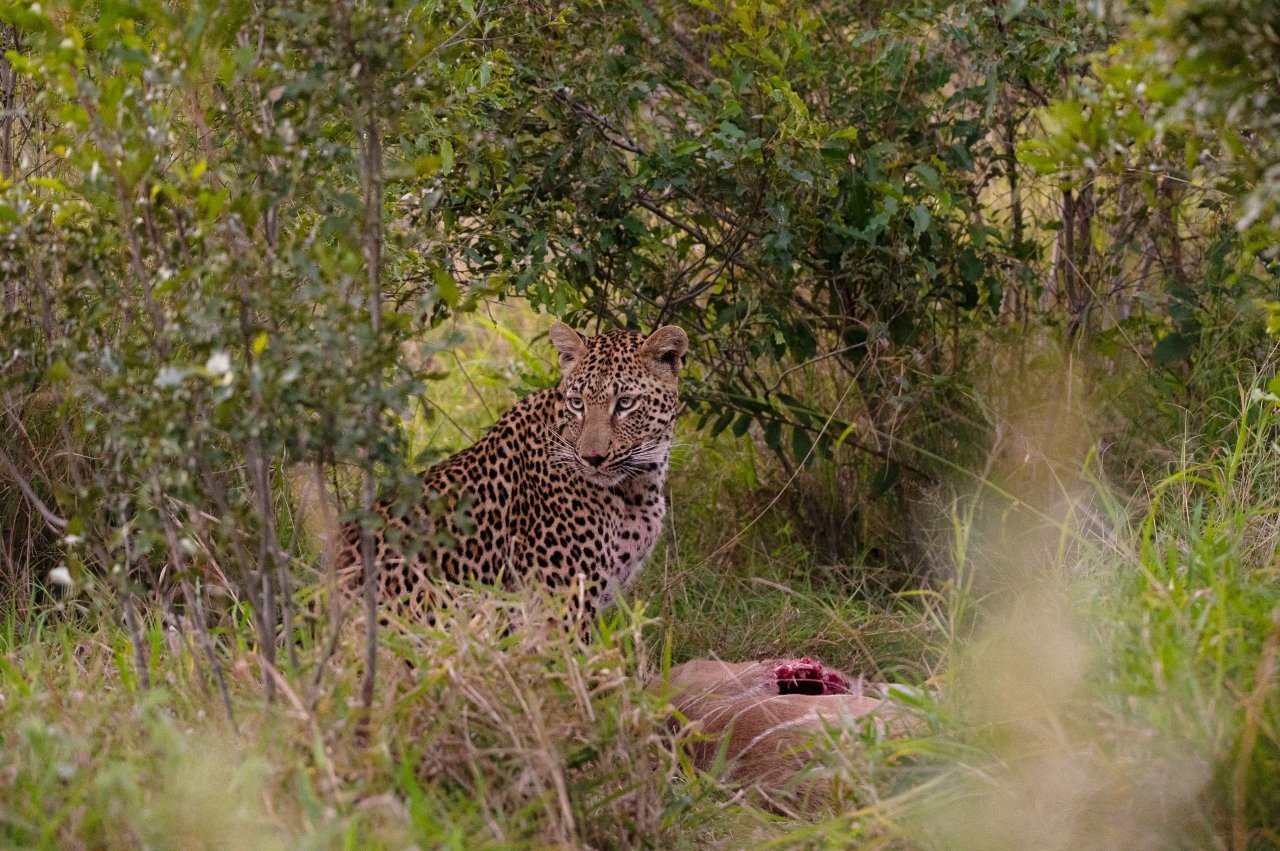
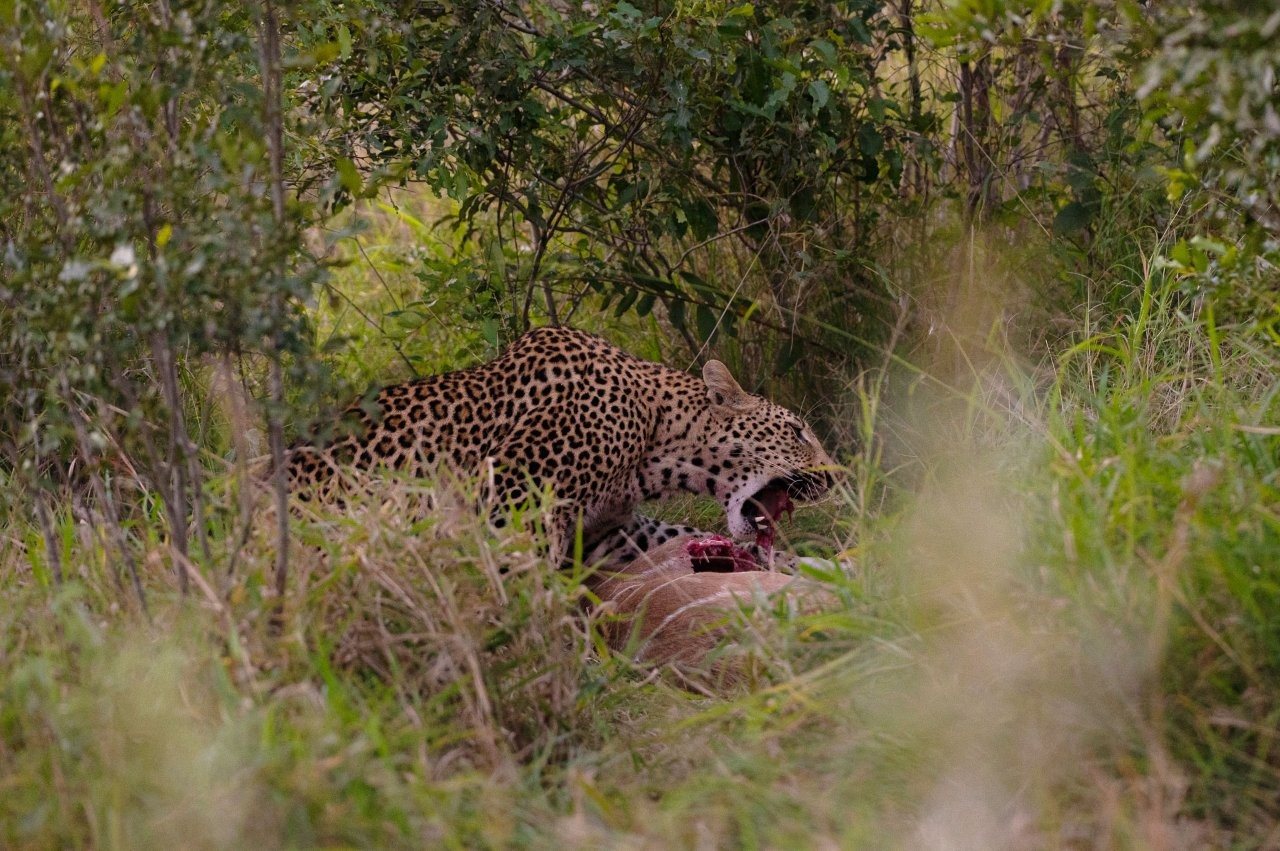
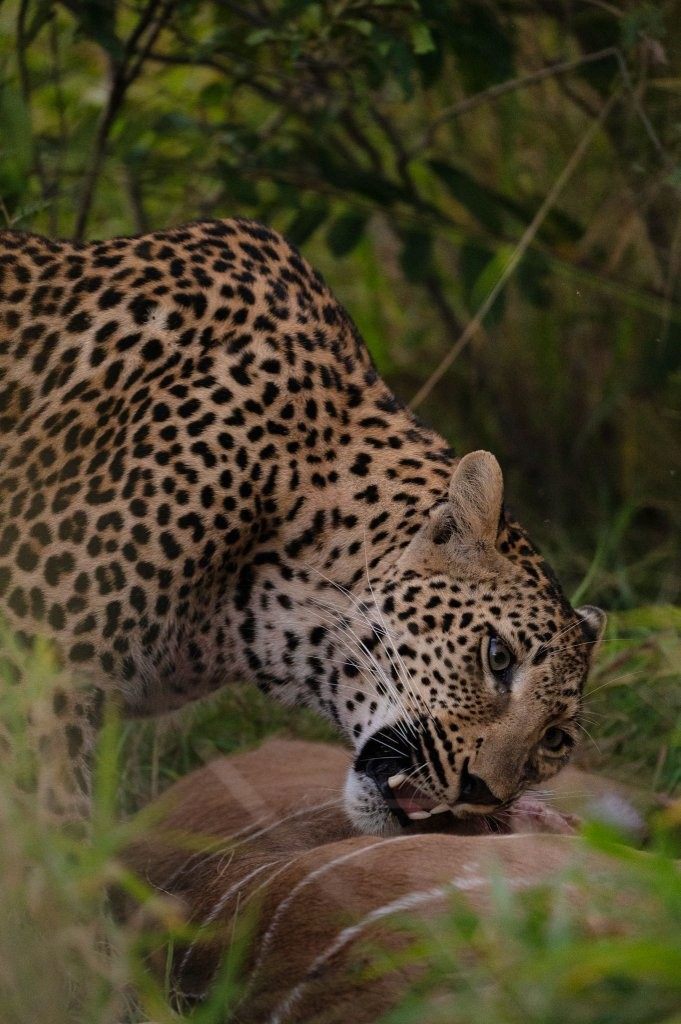
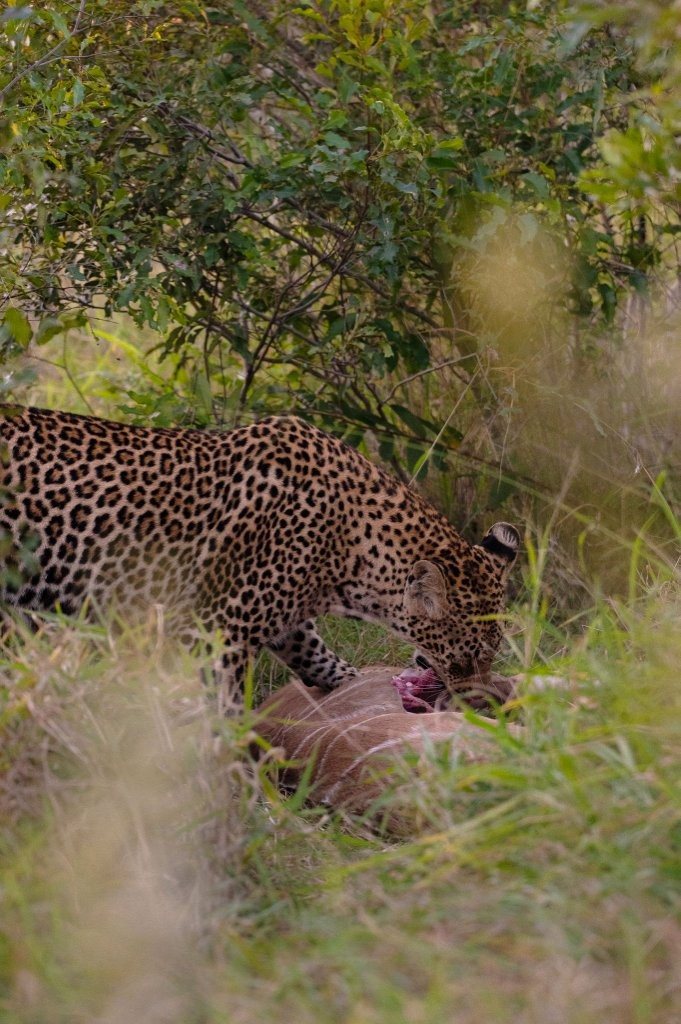
We were lucky enough to watch a young leopard rolling around in the grass as she slowly began to stir after a long day of rest, eventually greeting us with a magnificent yawn. Once she got to her feet, we followed her to her kill. To our surprise, she had taken down a large kudu calf. With only a small gap in the thick vegetation to view her through, the sighting felt incredibly intimate and all the more memorable.
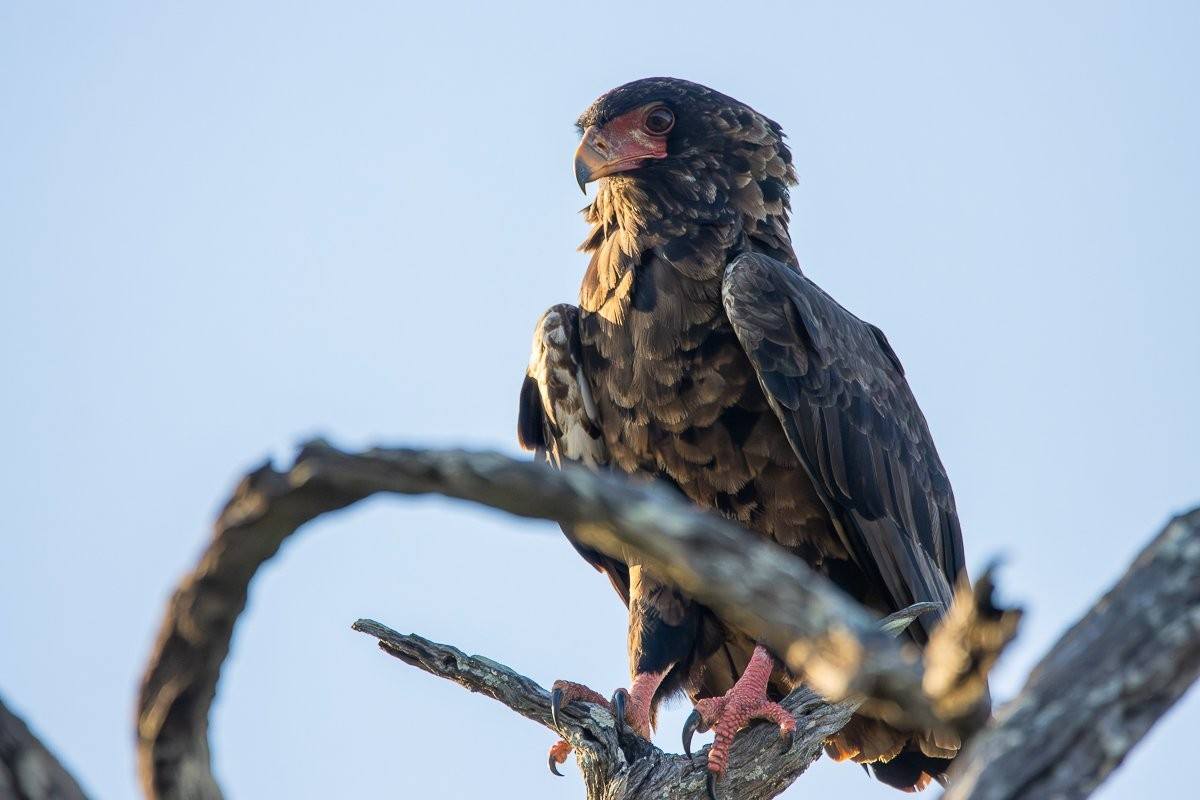
A juvenile Bateleur eagle looks very different from the bold and colourful adults. Cloaked in rich brown plumage with a pale face and dark eyes, these young raptors can take up to seven years to develop the striking black, white, and red colours of adulthood. Often seen soaring somewhat awkwardly across the skies as they refine their flying skills, juvenile Bateleurs are the future of one of Africa’s most iconic birds of prey.
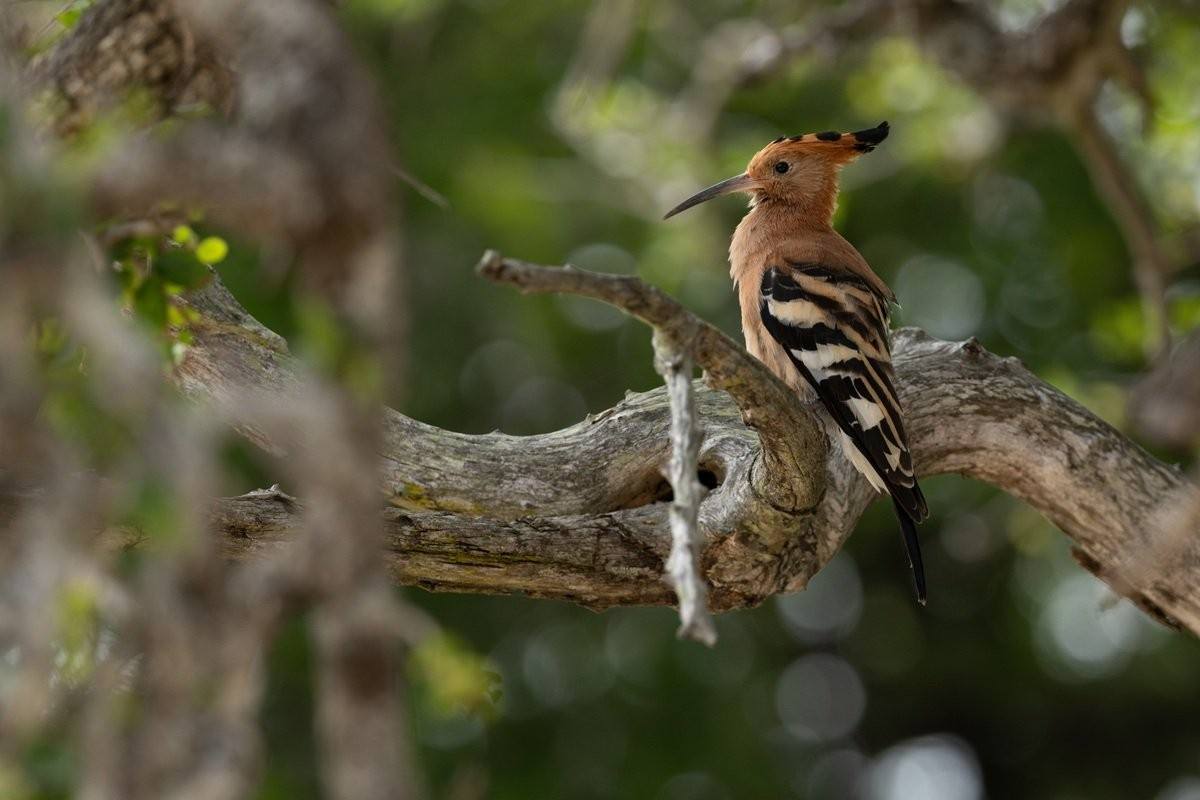
With its striking crest and bold black-and-white wings, the Hoopoe is one of the bushveld’s most recognisable birds. Often seen foraging on the ground, hoopoes use their long, curved bills to probe for insects, larvae, and small invertebrates hidden beneath the soil. Their distinctive “hoo-poo” call is where they get their name.
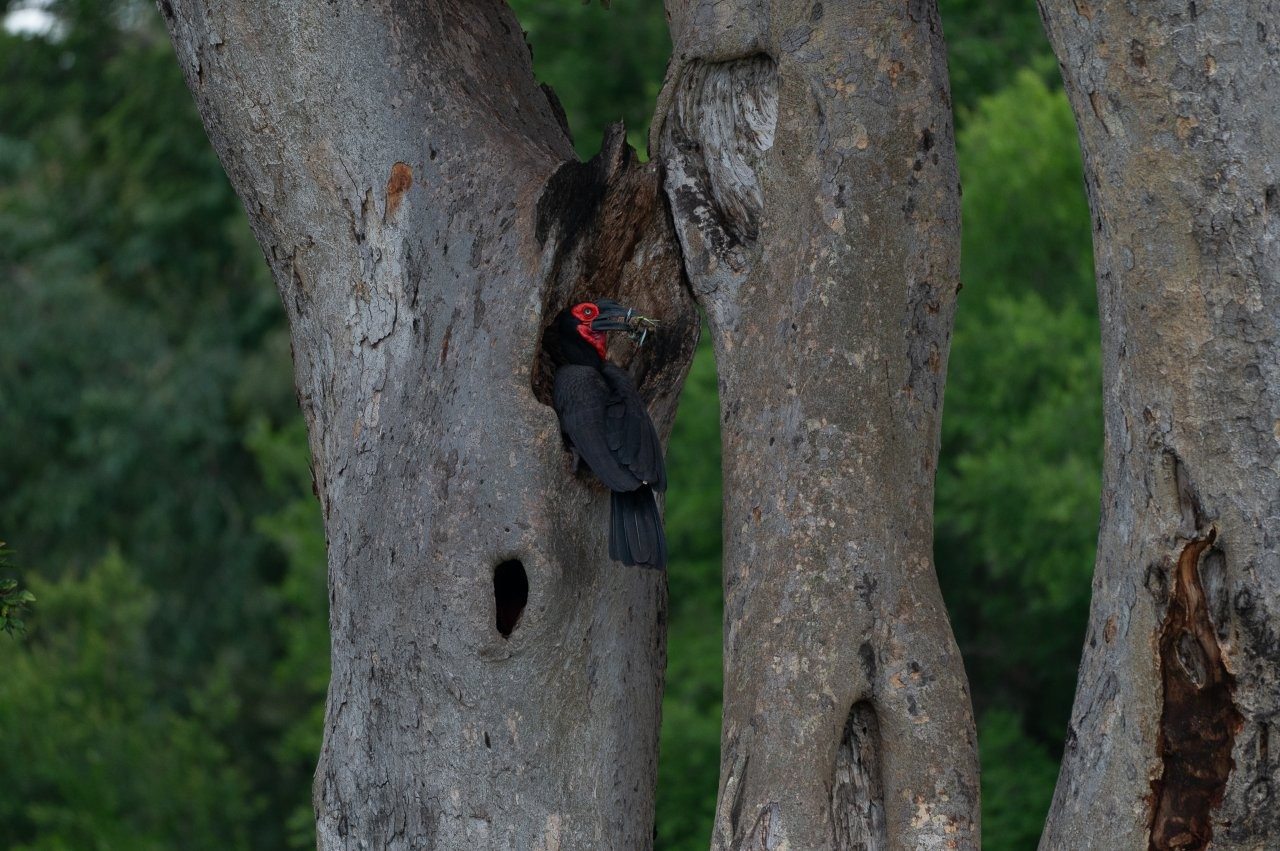
A Southern Ground Hornbill delivers food and nesting material to its partner, who is sealed inside a nesting cavity high in a large Fig tree. During this period, the female remains in the nest for extended lengths of time, relying on her mate and other family members to provide food and protection - a remarkable example of cooperative breeding.
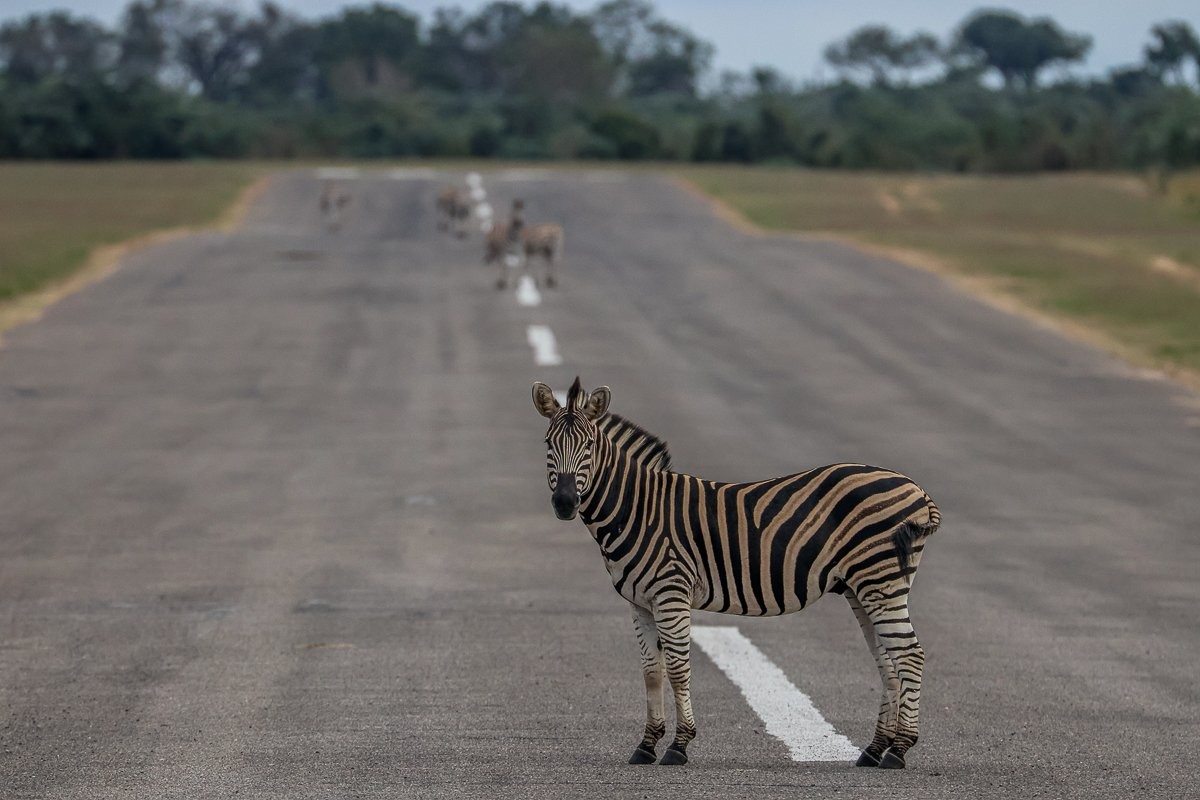
After a cool night in the bush, these zebras gathered on our private airstrip at first light. The black stripes soaking up the sun for a quick warm up, while the white stripes will later reflect heat again. The stallion leads the tight herd, with their stripes camouflaging them, acting as thermoregulation and a signal of survival in the bush.
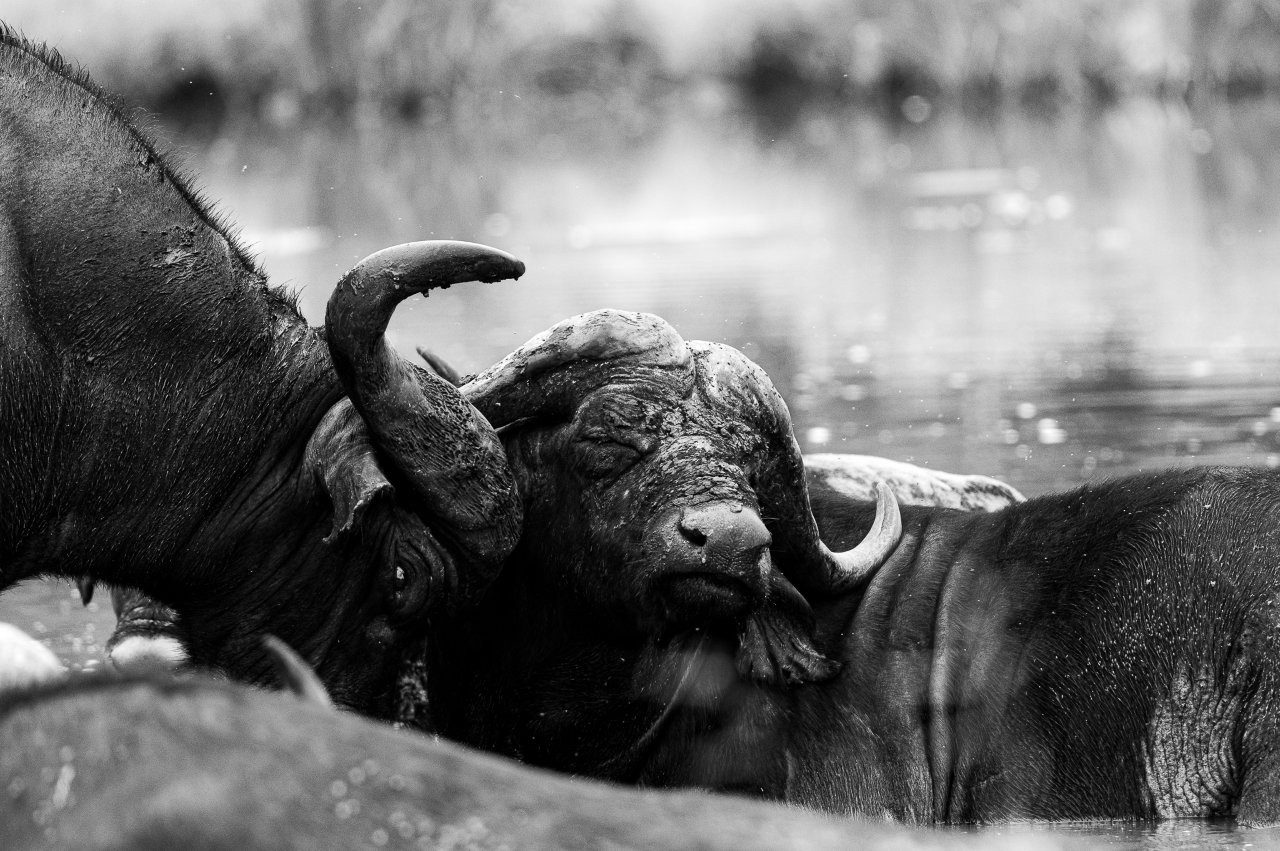
An old buffalo bull, often referred to as a “dagga boy” for the species’ habit of wallowing in mud, lay peacefully in a shallow watering hole alongside a few other bulls. One in particular took an interest in him and repeatedly tried to disturb his rest, pushing and clashing horns against the old buffalo. Despite the persistent harassment, the seasoned buffalo showed remarkable patience, continuing to wallow calmly until the younger bull eventually took the hint and moved off, leaving him to relax in peace.
Until next time…
Blog by Wendy Claase
Images by Benjamin Loon, Ronald Mutero, Ruan Mey and Viviane Ladner
Video by Viviane Ladner