
A Week in the Bush Vol. 592
on May 13, 2026Every week on safari brings something different. From incredible sightings to quiet moments in the bush, here are a few of this week’s highlights…
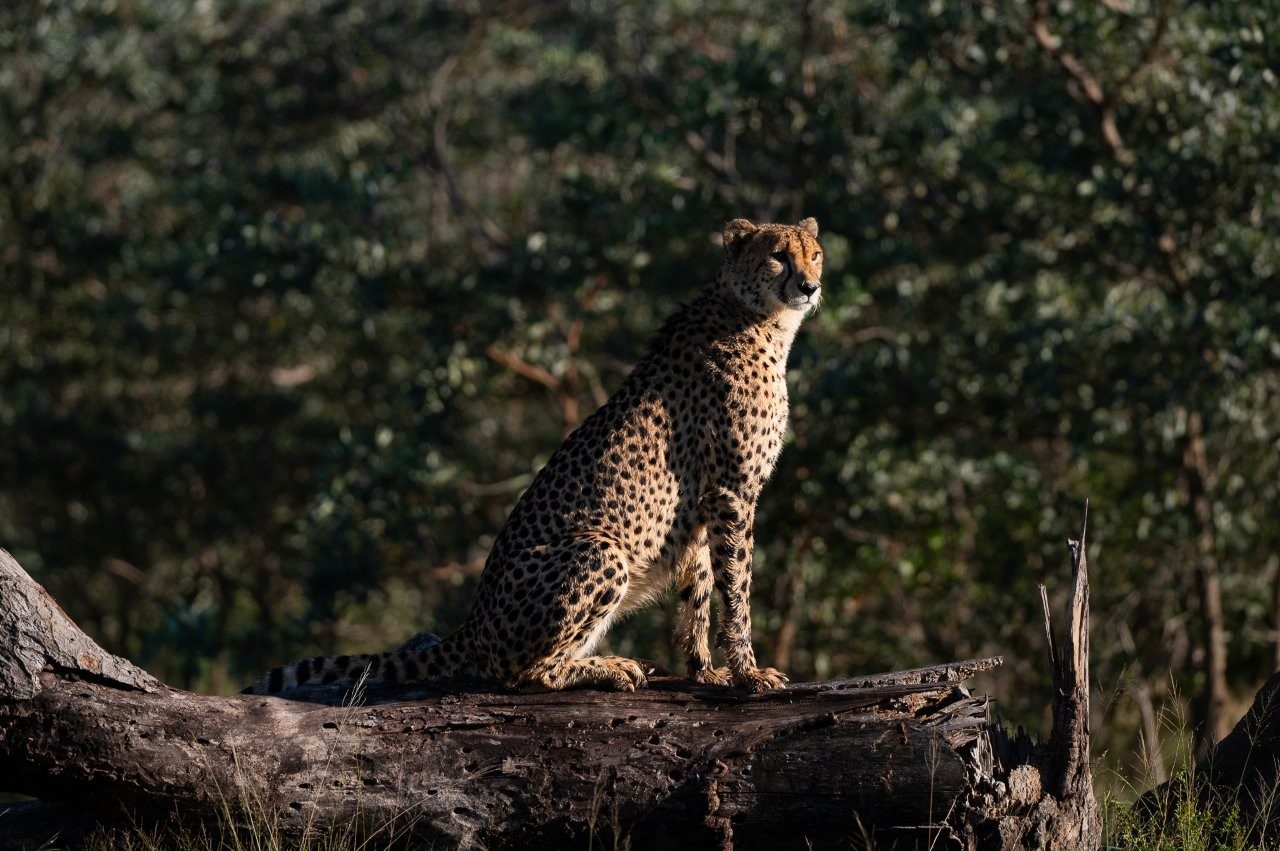
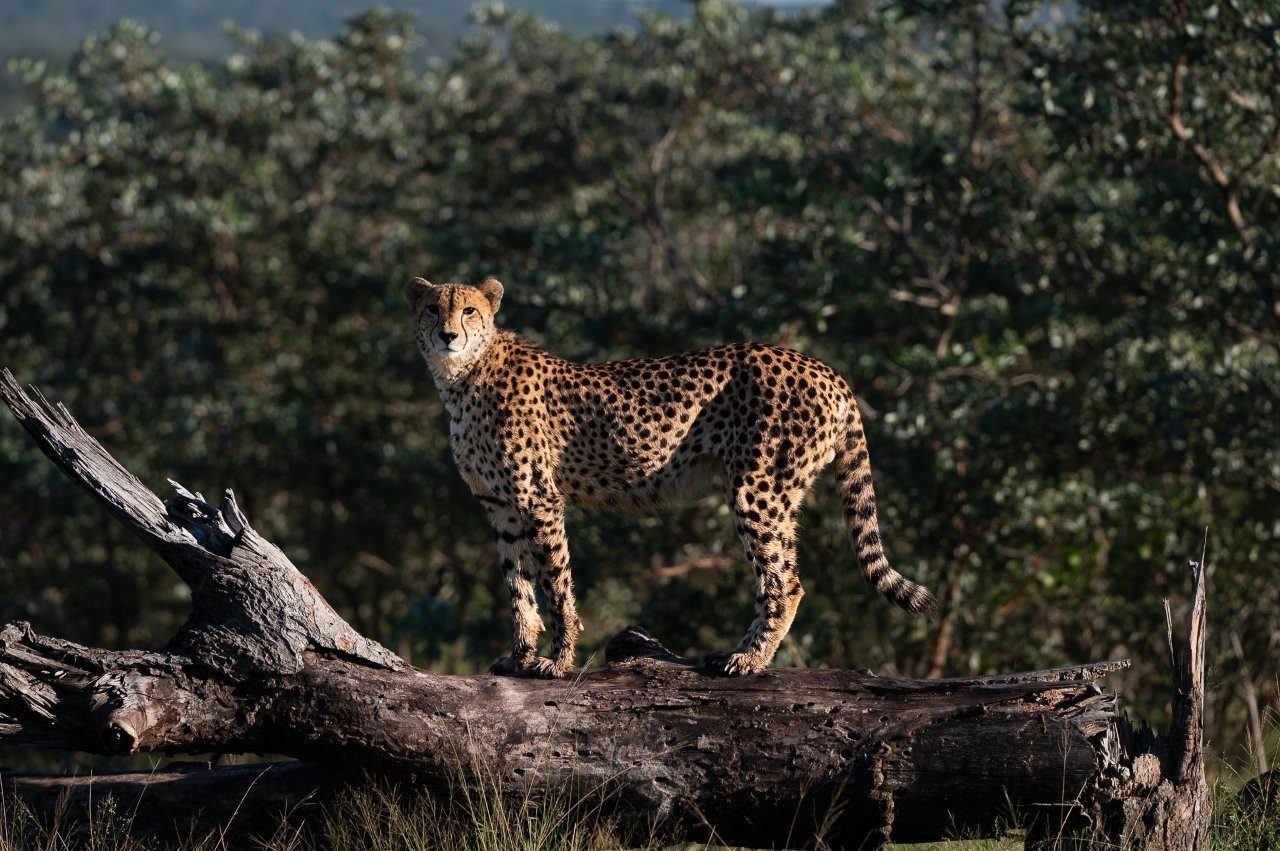
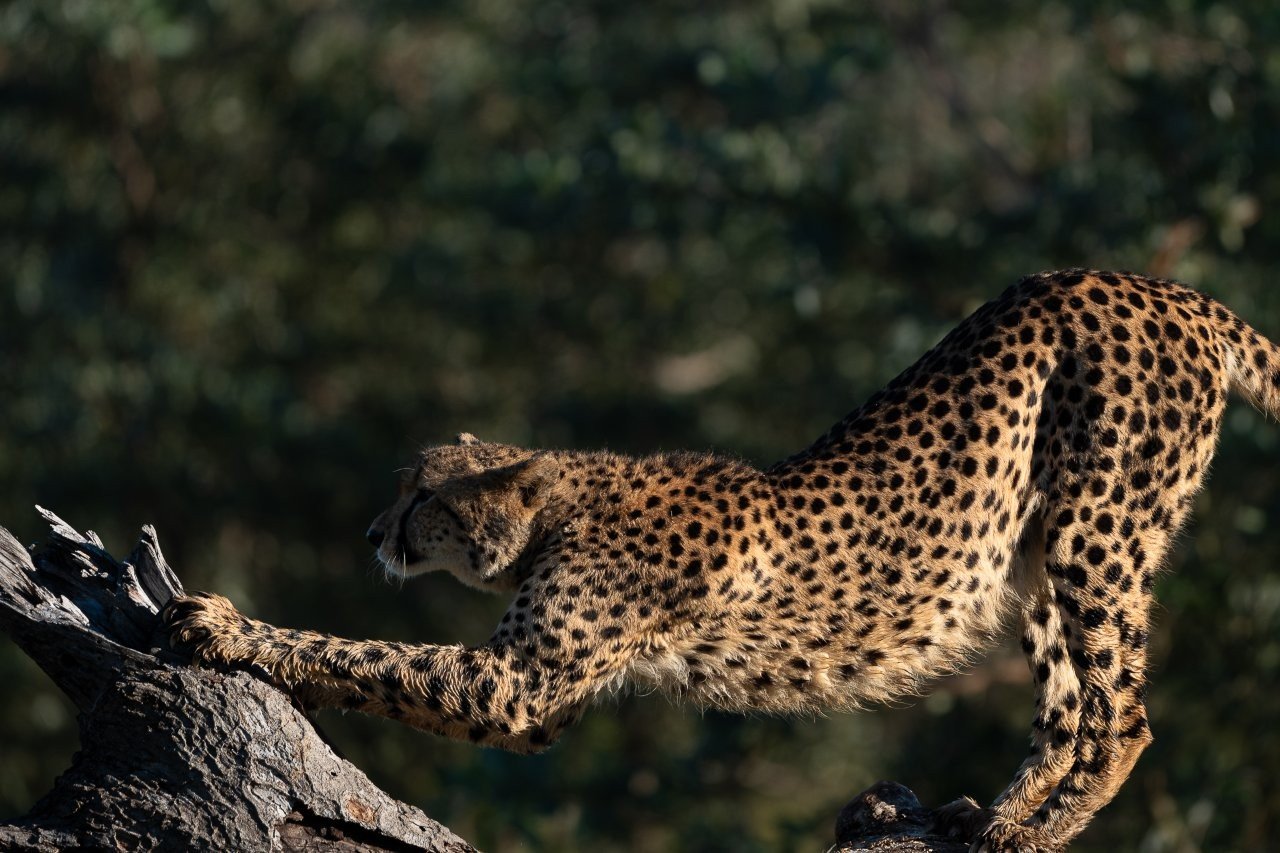
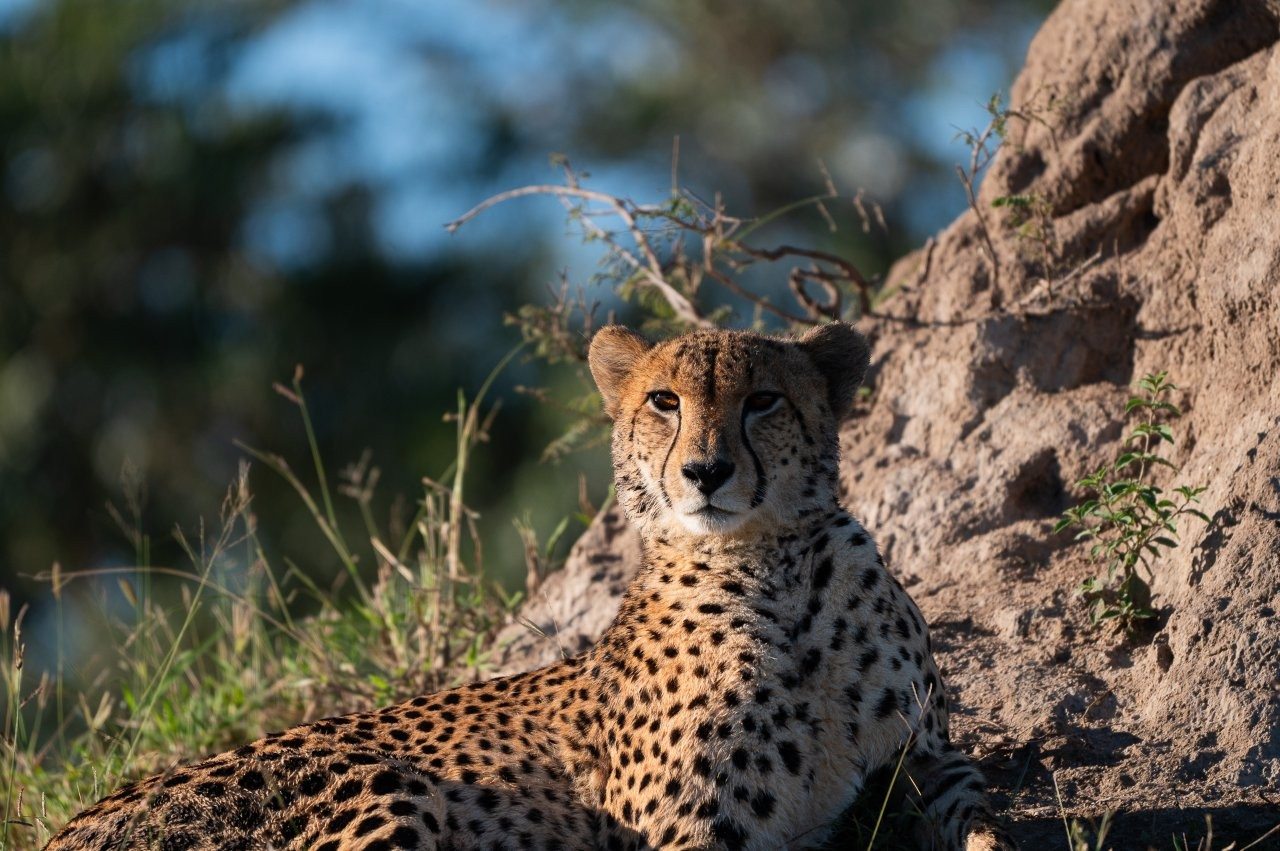
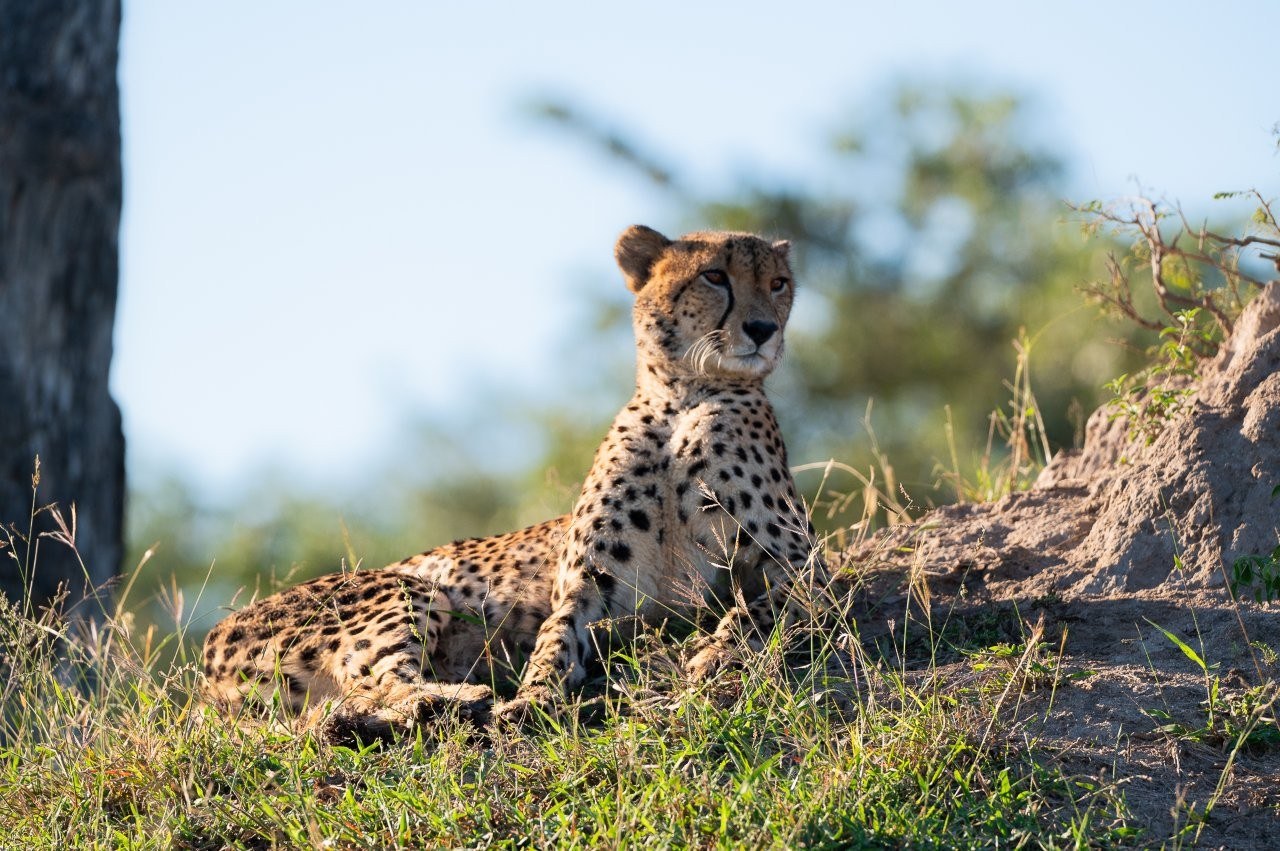
Shortly after setting out on morning safari, we spotted a cheetah moving through an open area. He moved at an incredible pace, weaving through the long grass and making it difficult to keep up with him. After some time, he paused beside a termite mound to catch his breath before climbing to a slightly higher vantage point to scan the area for both potential prey and possible danger. Sightings like these are always incredibly special - it is a true privilege to spend time with these remarkable cats.
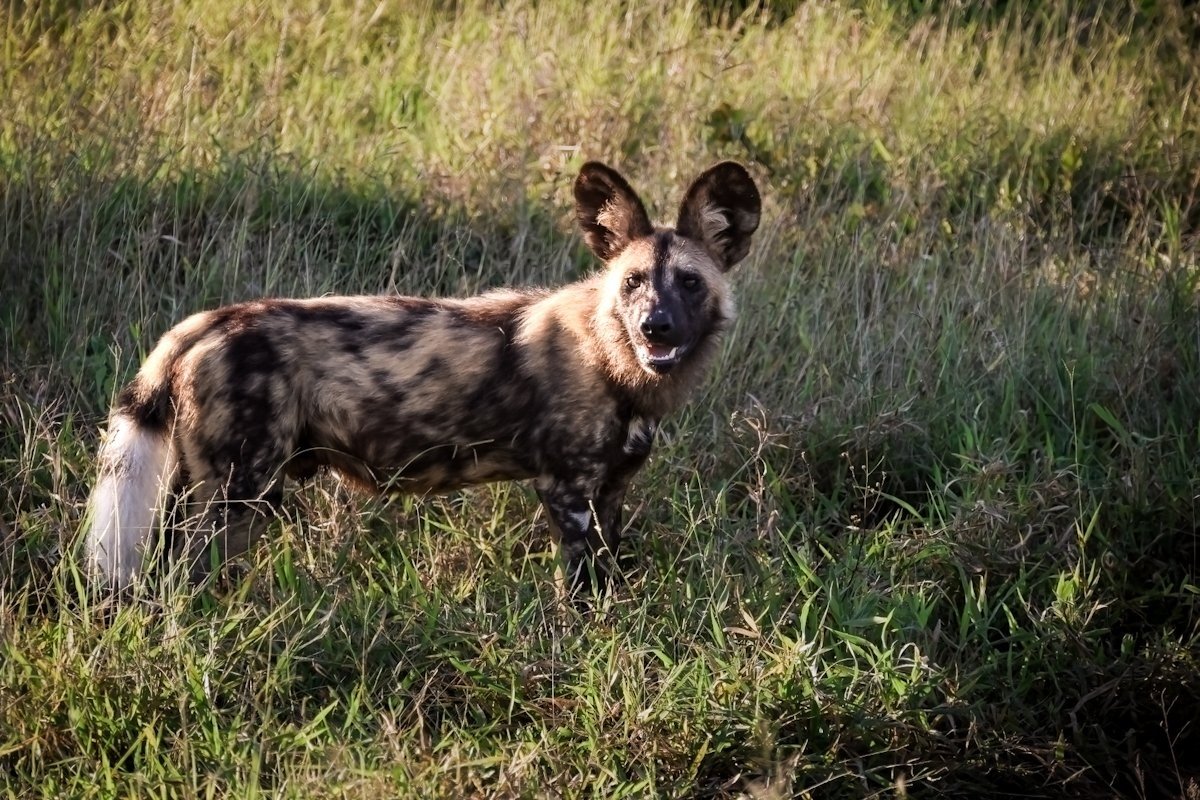
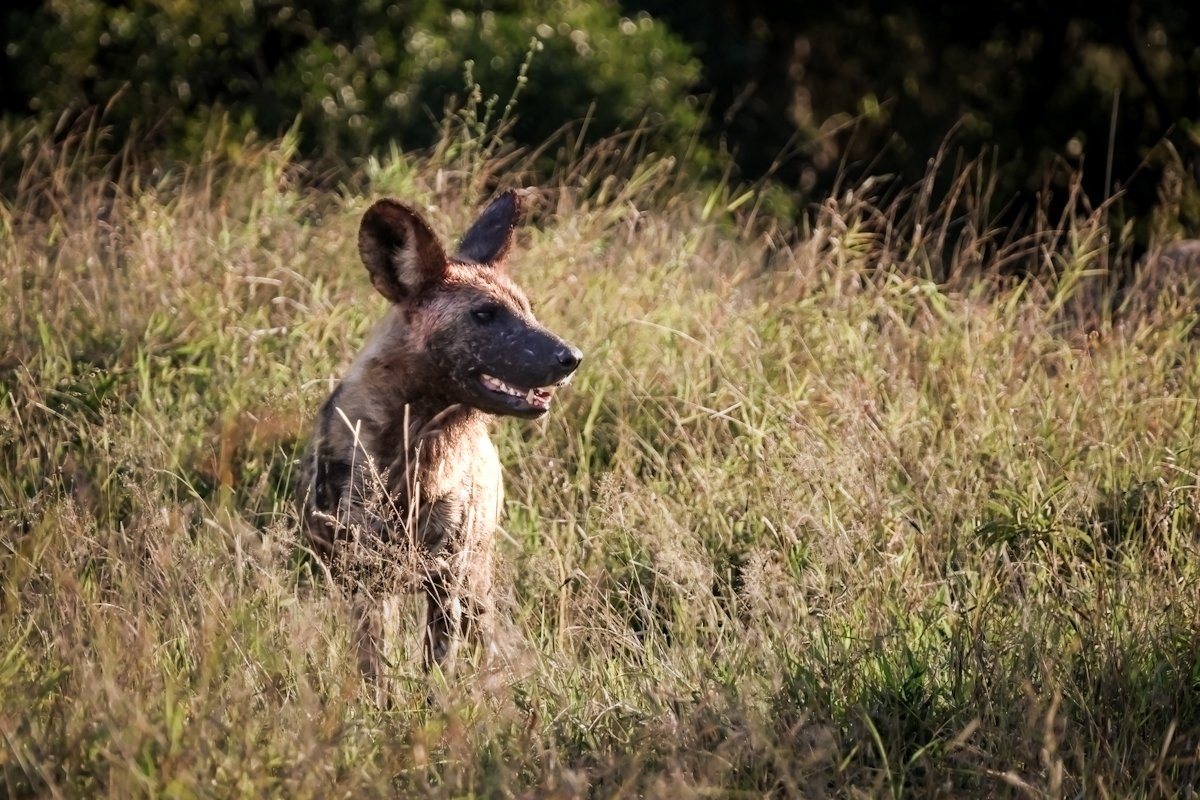
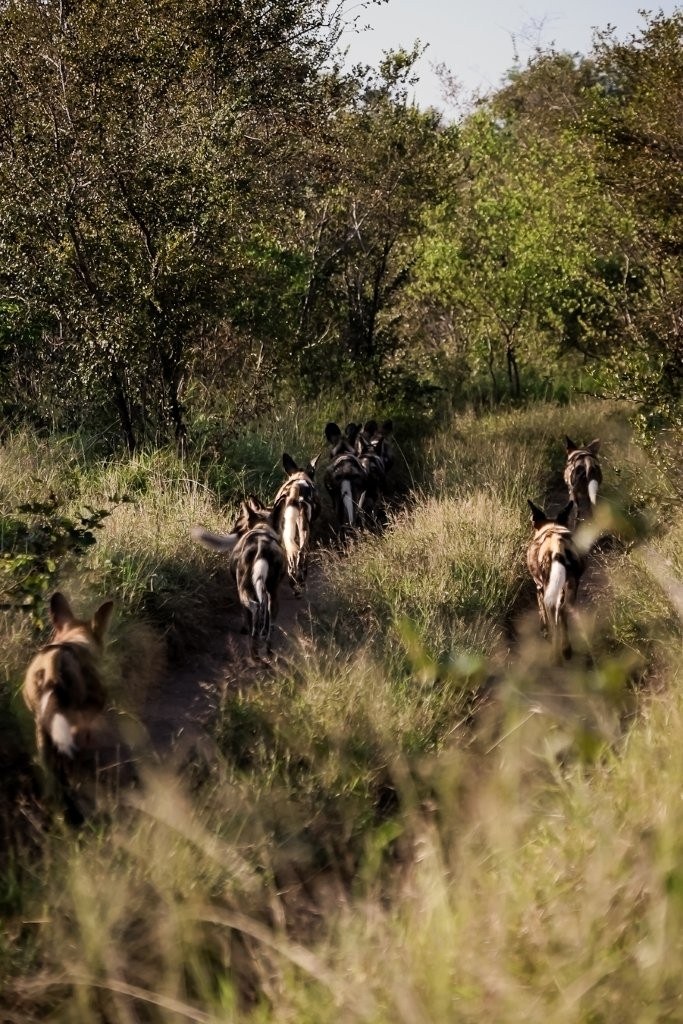
There is always great excitement when African Wild Dogs move through the reserve, especially after days of speculation about their whereabouts. Also known as painted wolves, they are relentless endurance hunters, relying on stamina rather than stealth to wear down their prey. Encounters with them are often fast-paced and chaotic, as the pack moves with purpose and speed through the bush.
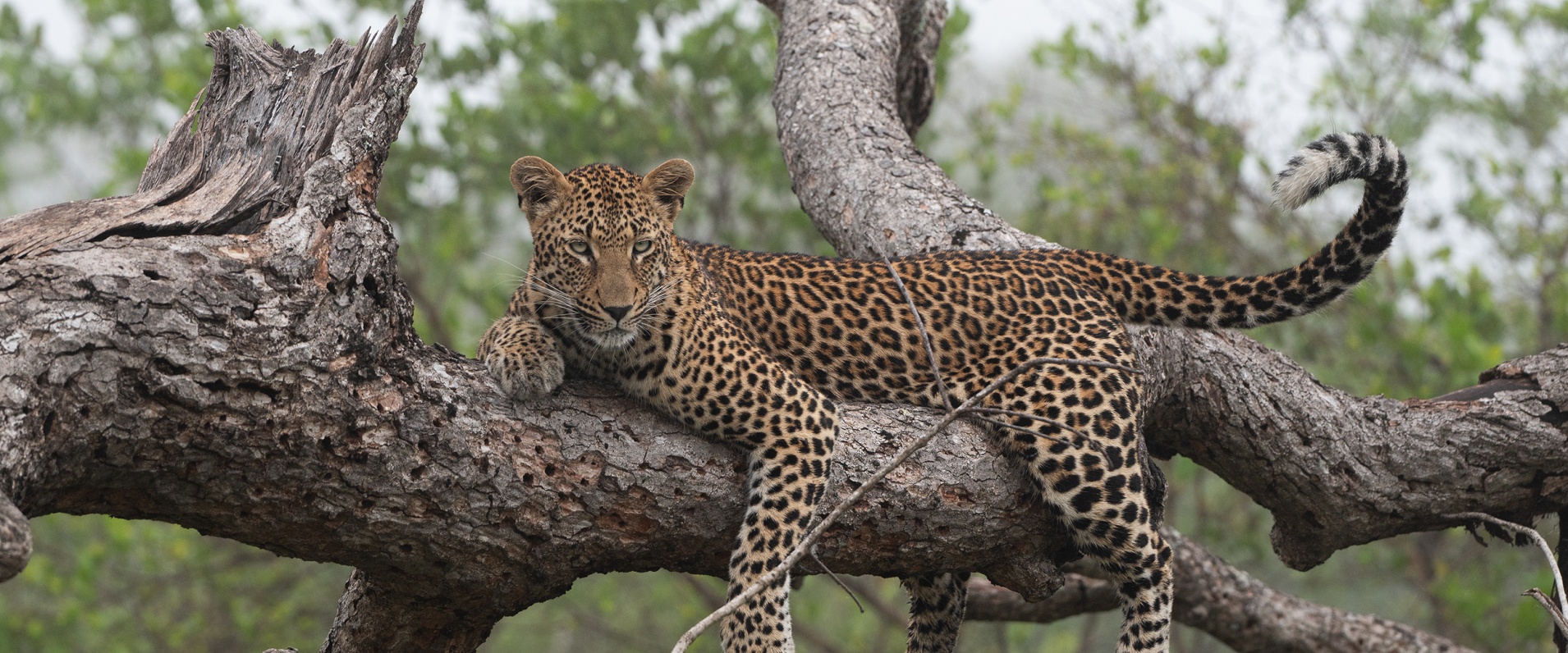
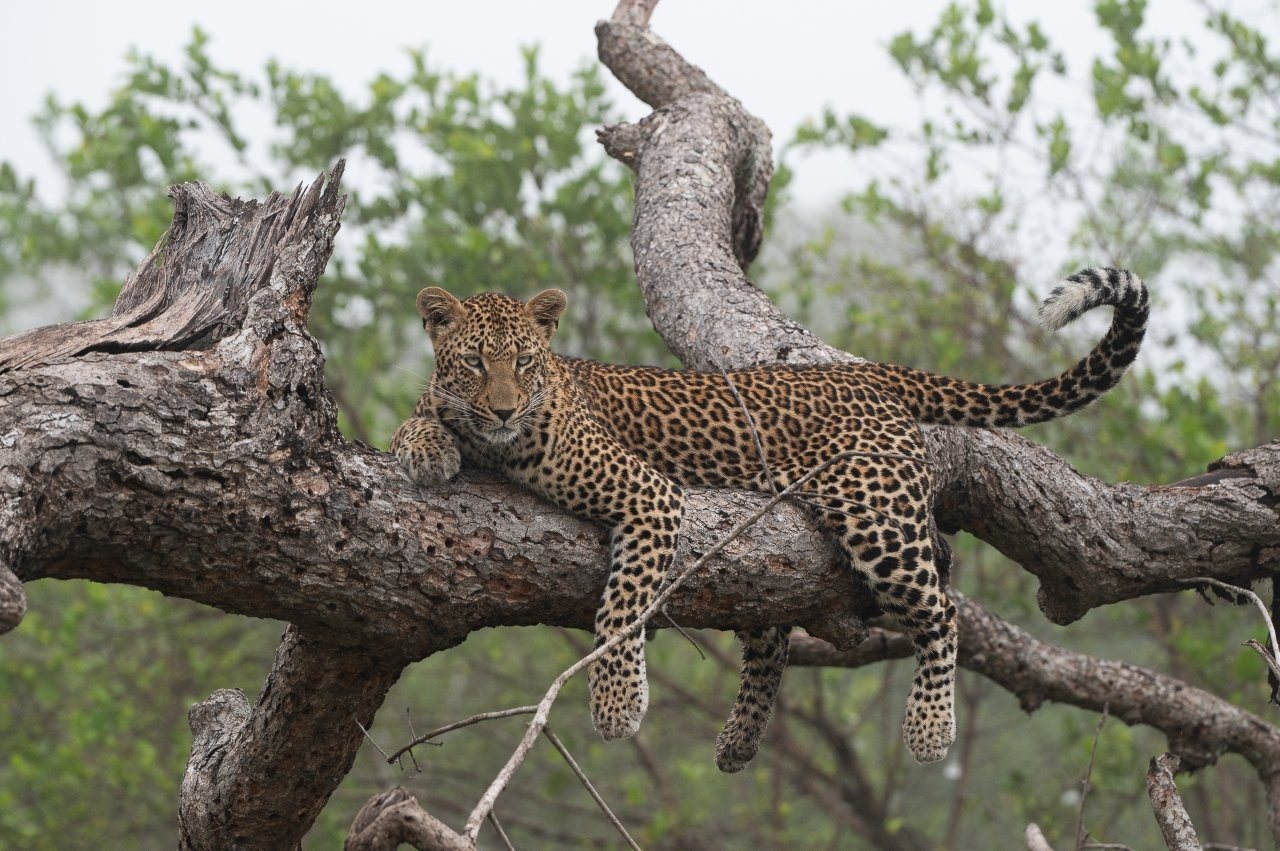
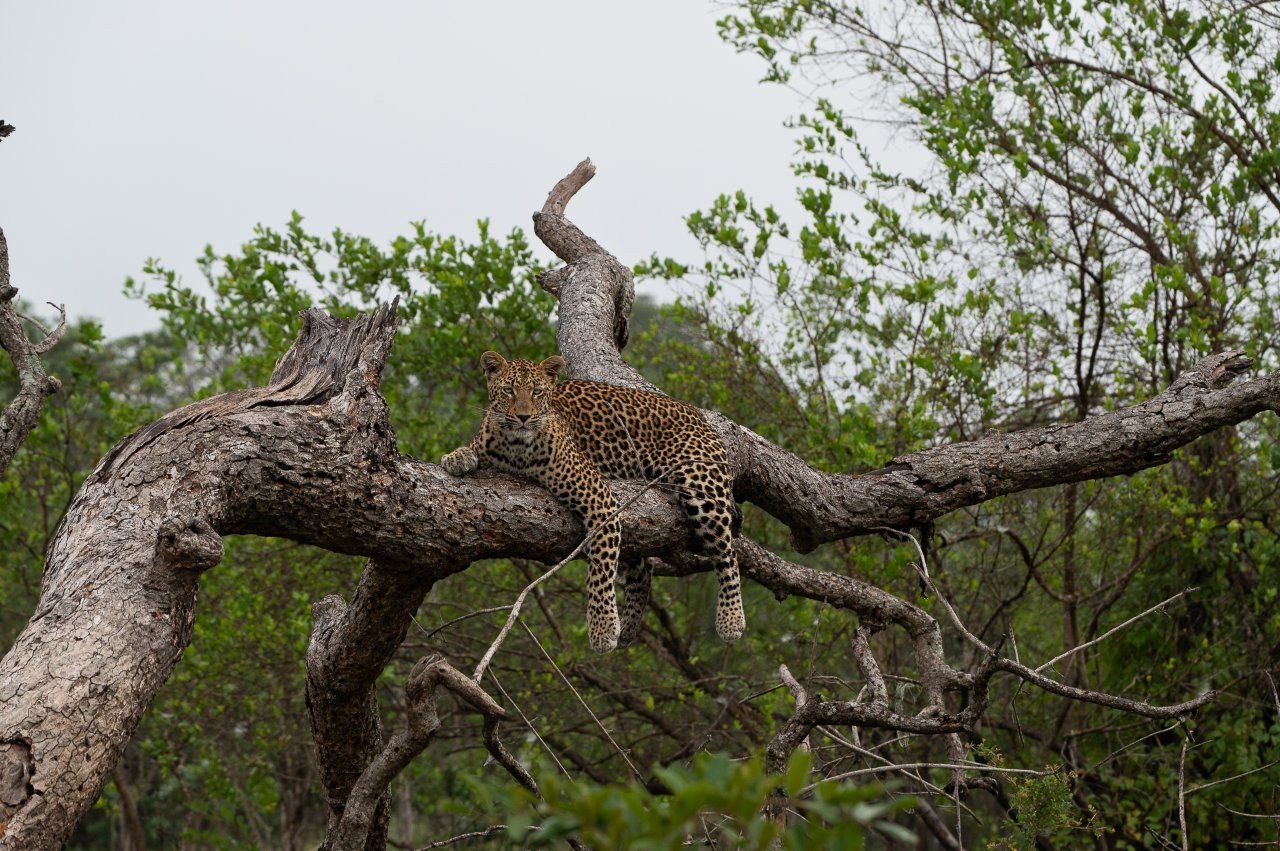
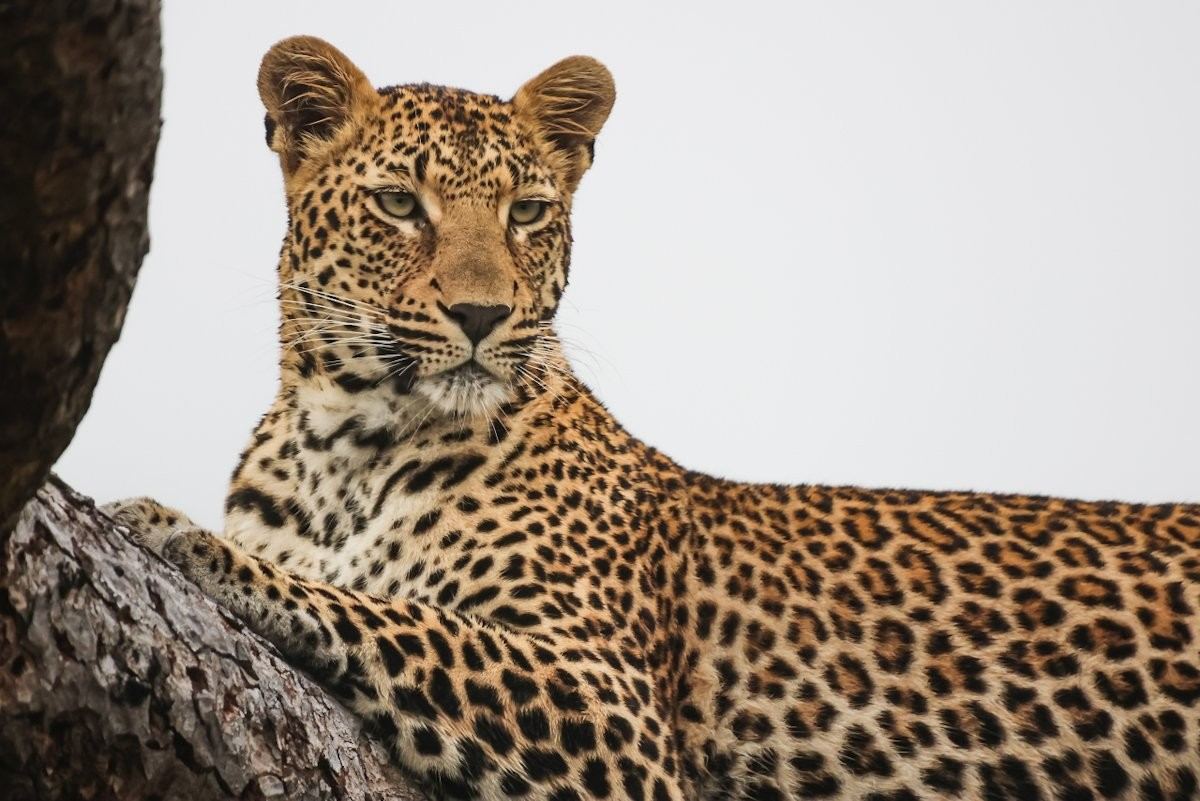
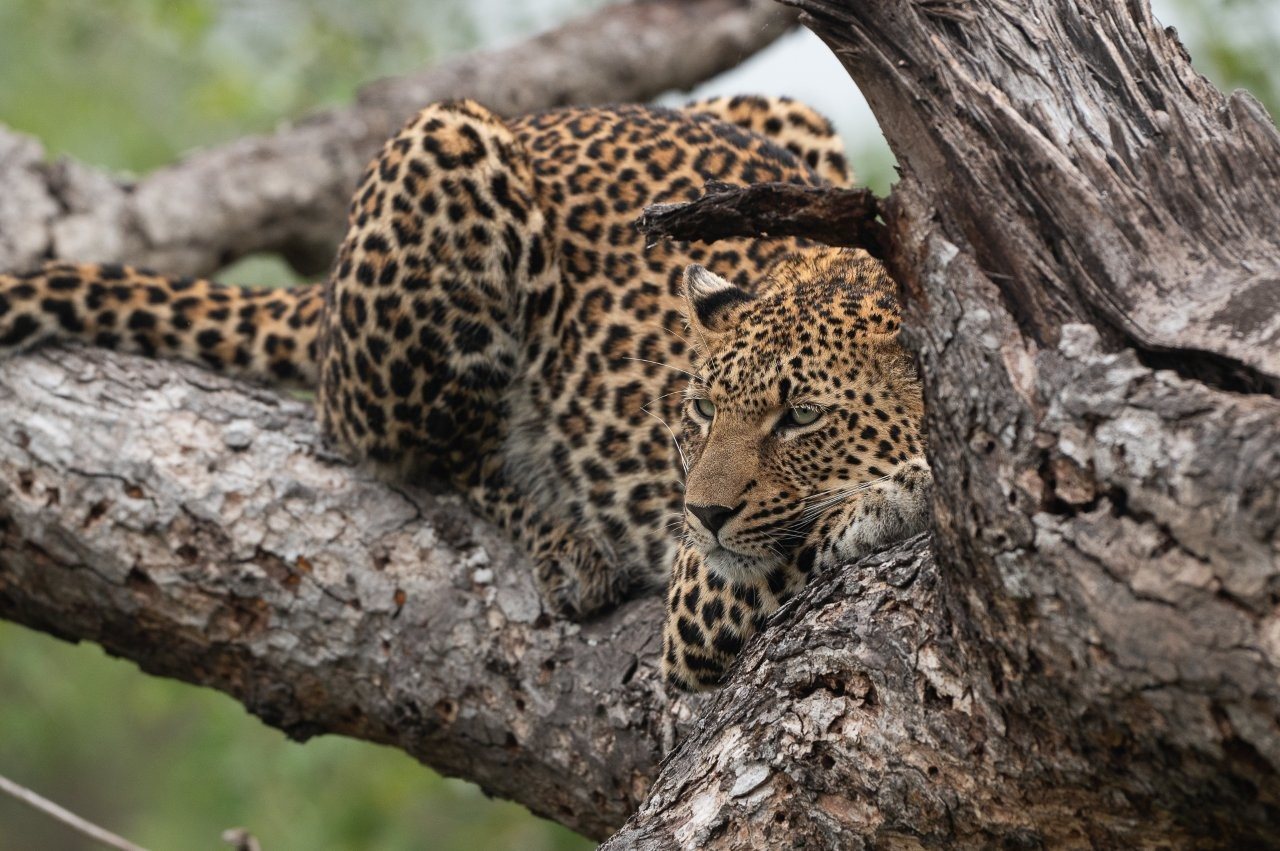
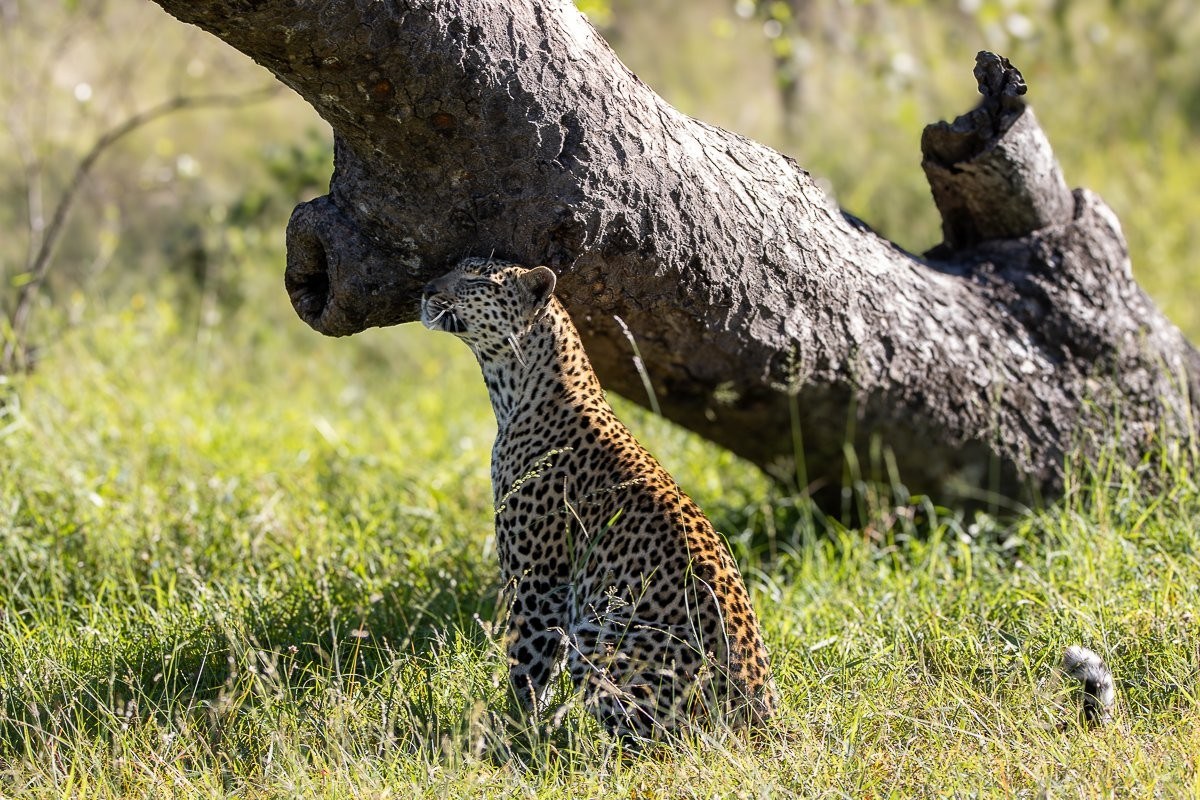
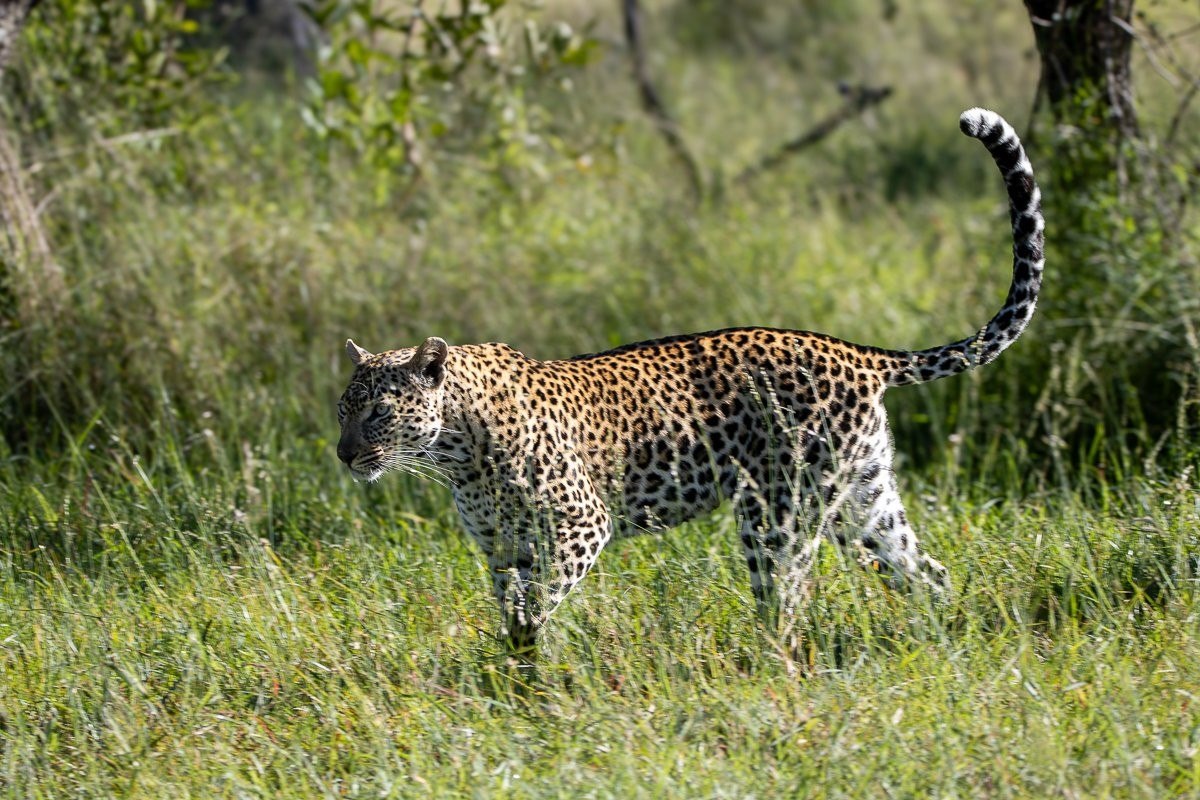
Kurhula walking comfortably down the road, the grass was wet with condensation from a particularly misty morning, and she avoided it at all costs. She perched herself on top of a fallen Marula tree and groomed herself - cleaning the dew off her paws while using her perch as a vantage point. Once she was sufficiently dry, she hopped down from the tree and continued on her journey.
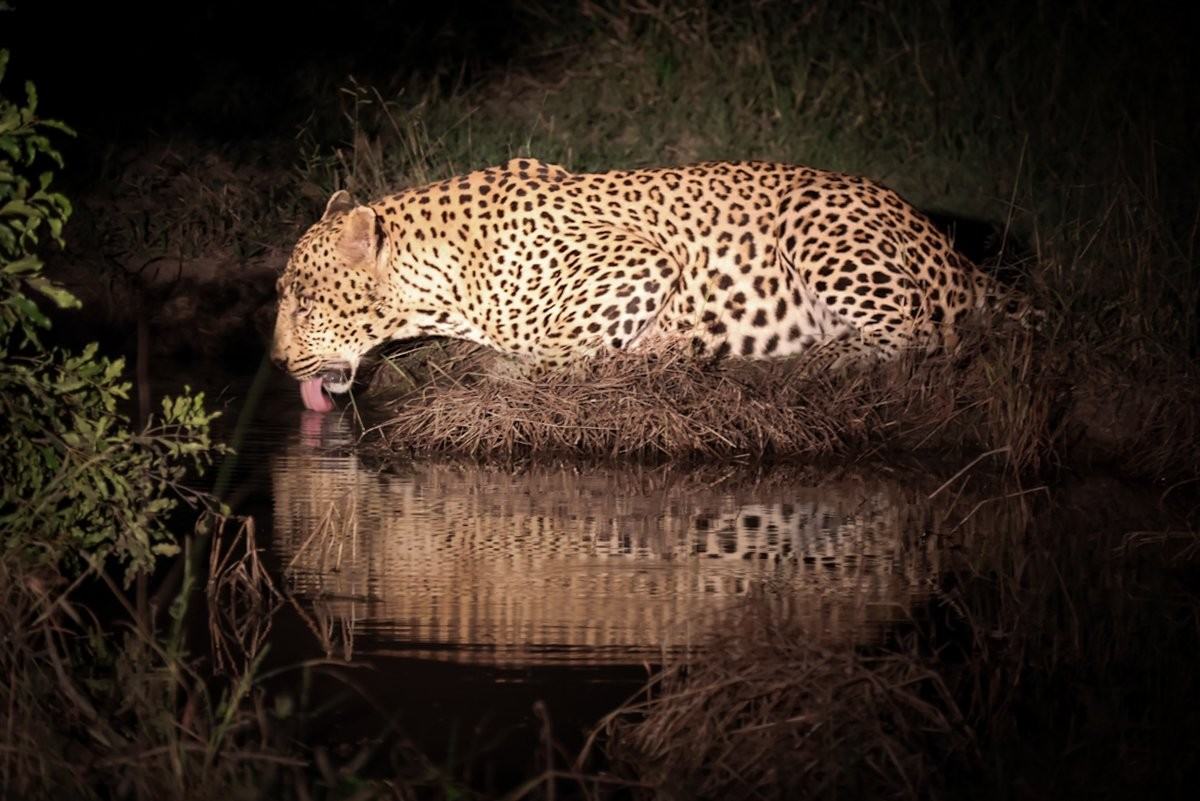
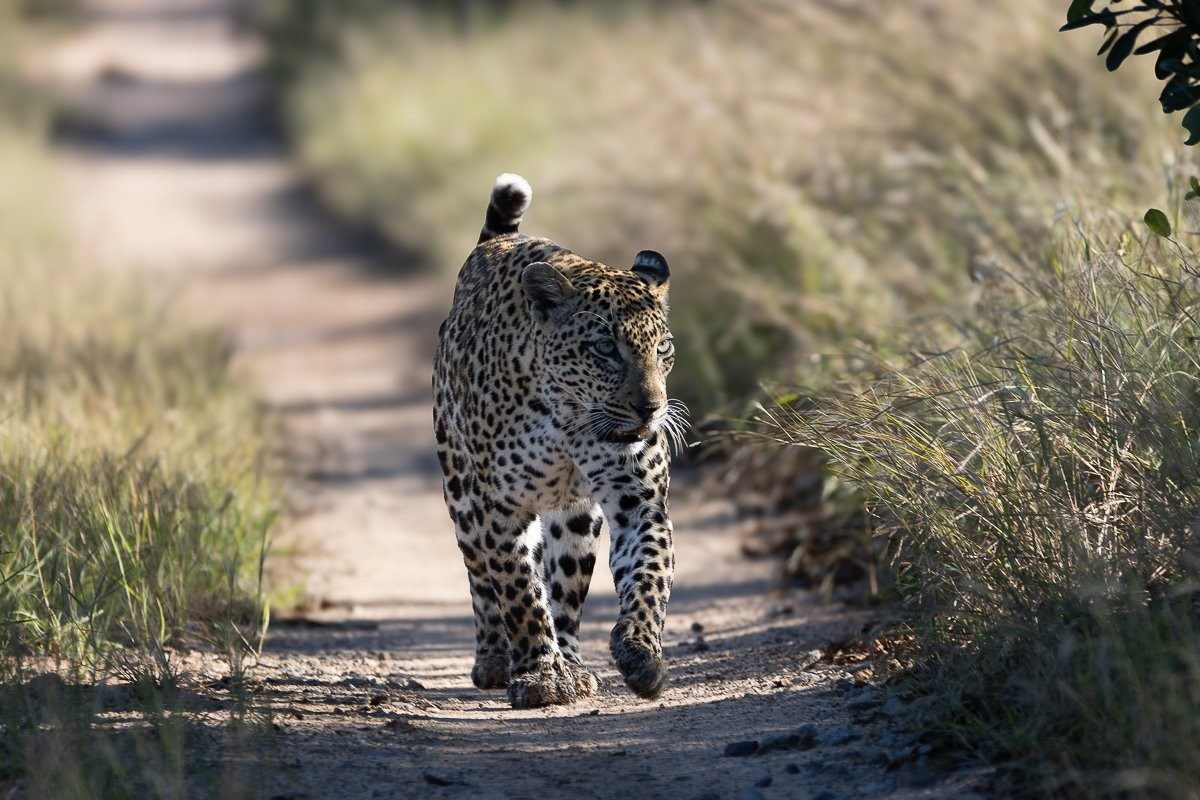
During evening safari, we came across this impressive young male leopard around Selati Camp area. He walked with determination and confidence, and even swagger as he began scent marking. He gave us quite the show as he stopped to drink water - his reflection mirrored in the pool at his feet.
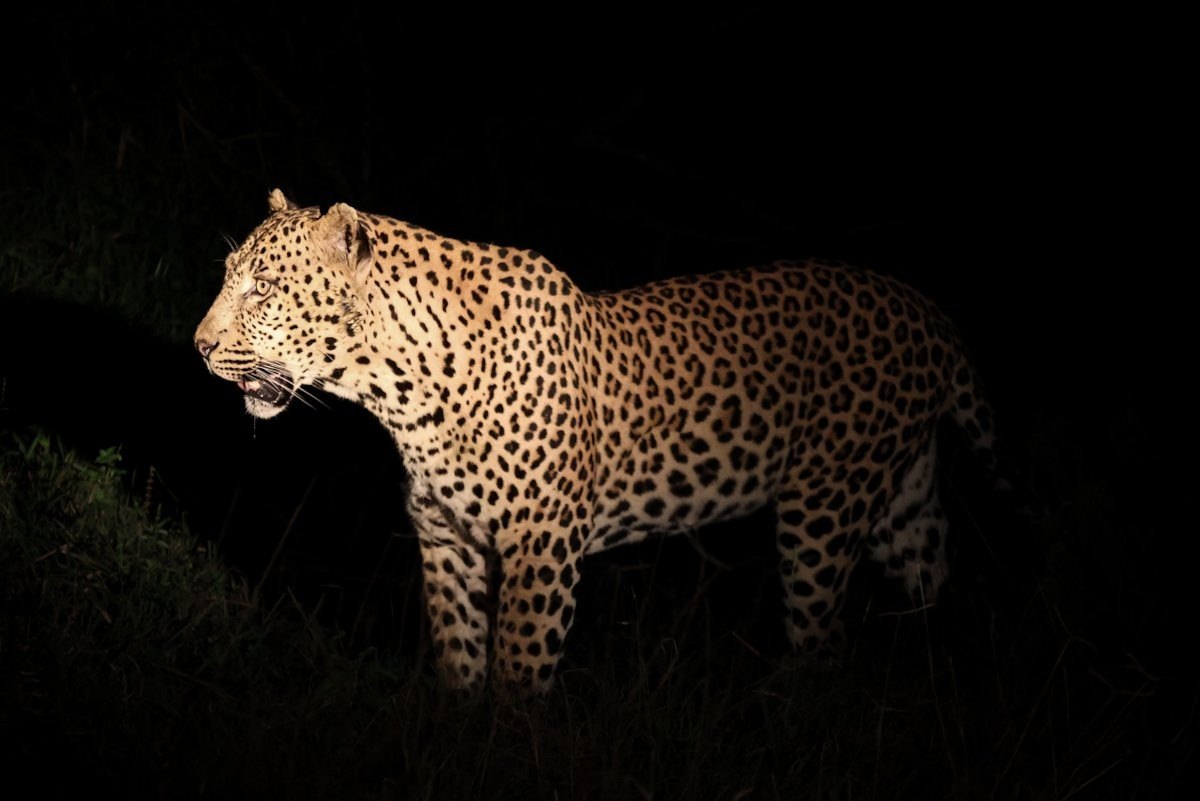
After following a series of alarm calls in a riverine area, we found the Tengile female moving cautiously along the riverbed, seemingly hunting or following the scent of potential prey. Eventually, she gave up and climbed back onto the road, scent marking as she walked while we followed behind her.
Leopards are incredibly opportunistic predators. Although they may focus on a specific target while hunting, they can quickly shift their attention if another opportunity presents itself, especially if they find themselves in the right position to make an ambush.
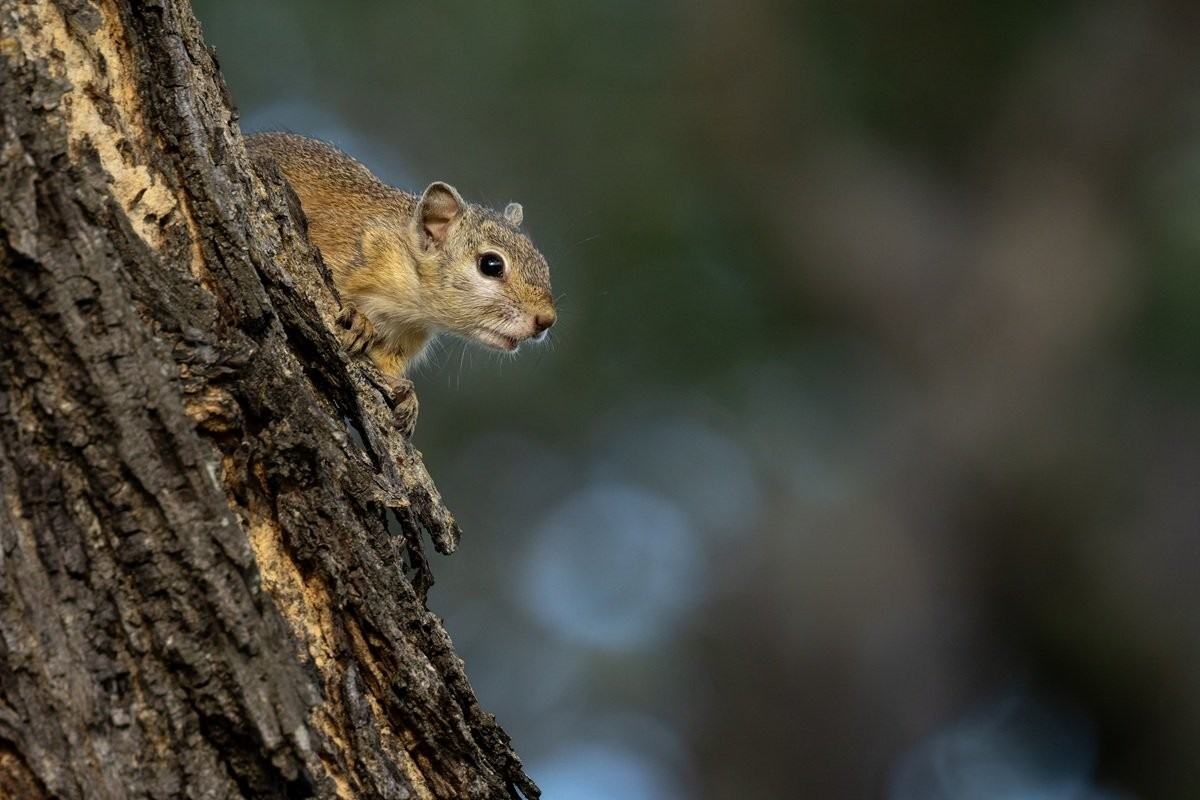
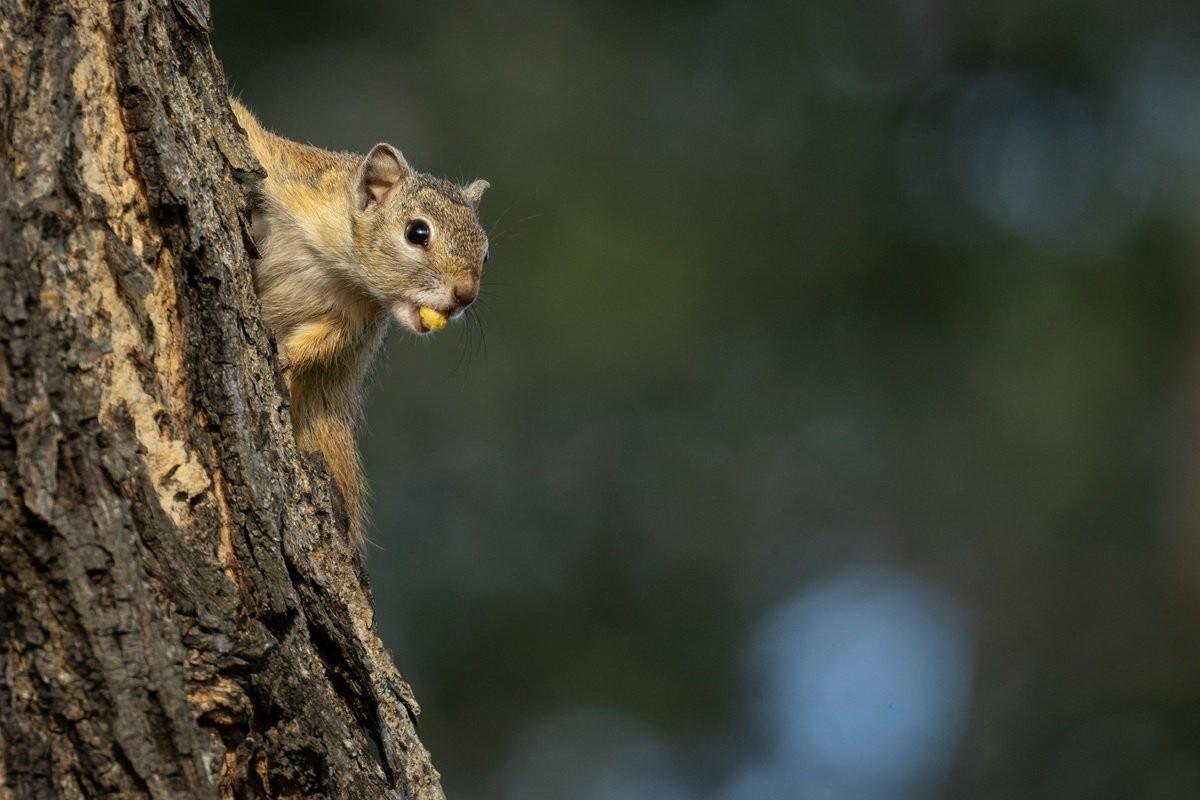
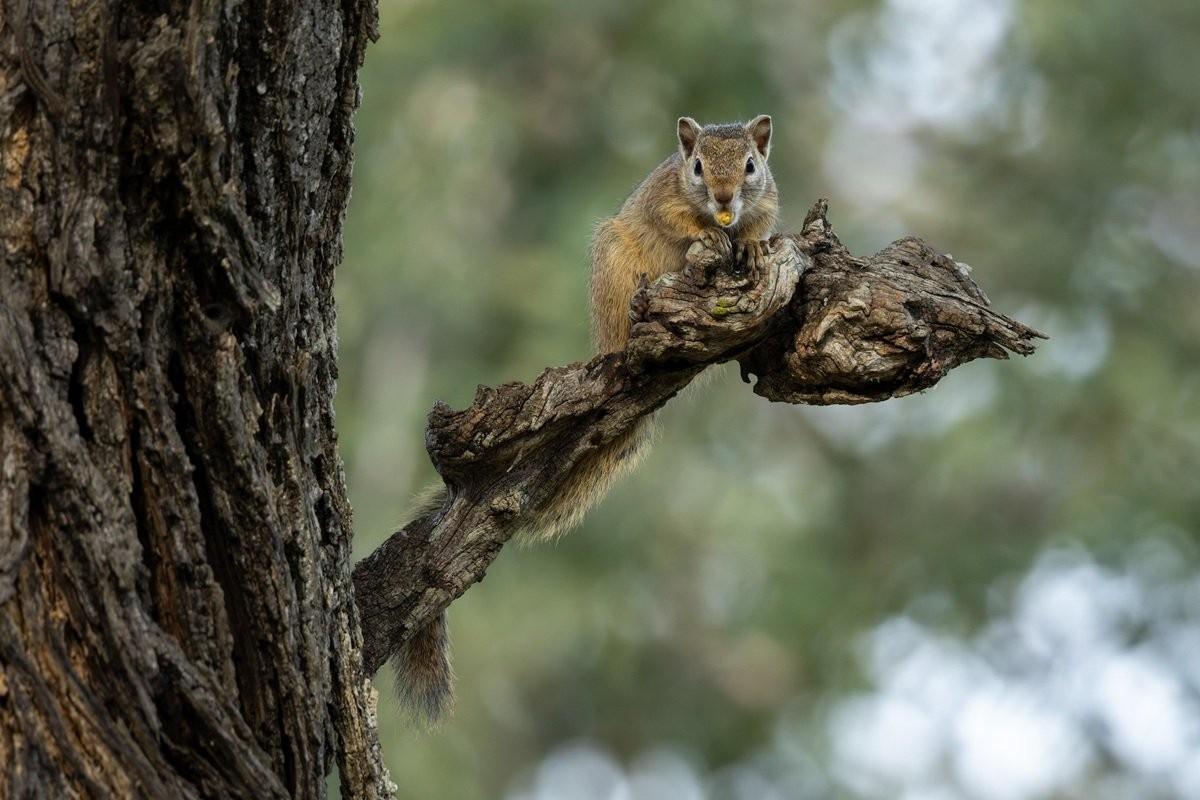
Sometimes, slowing down and paying attention to the small details can be surprisingly rewarding. After watching this squirrel for about 15 minutes, we were delighted to see him pop a berry out from his cheek pouch. He then settled comfortably on a branch, taking his time to enjoy his well-earned treat.
Every now and then, we witness something on safari which serves as a truly sobering reminder of what nature is ultimately about at its very core - survival.
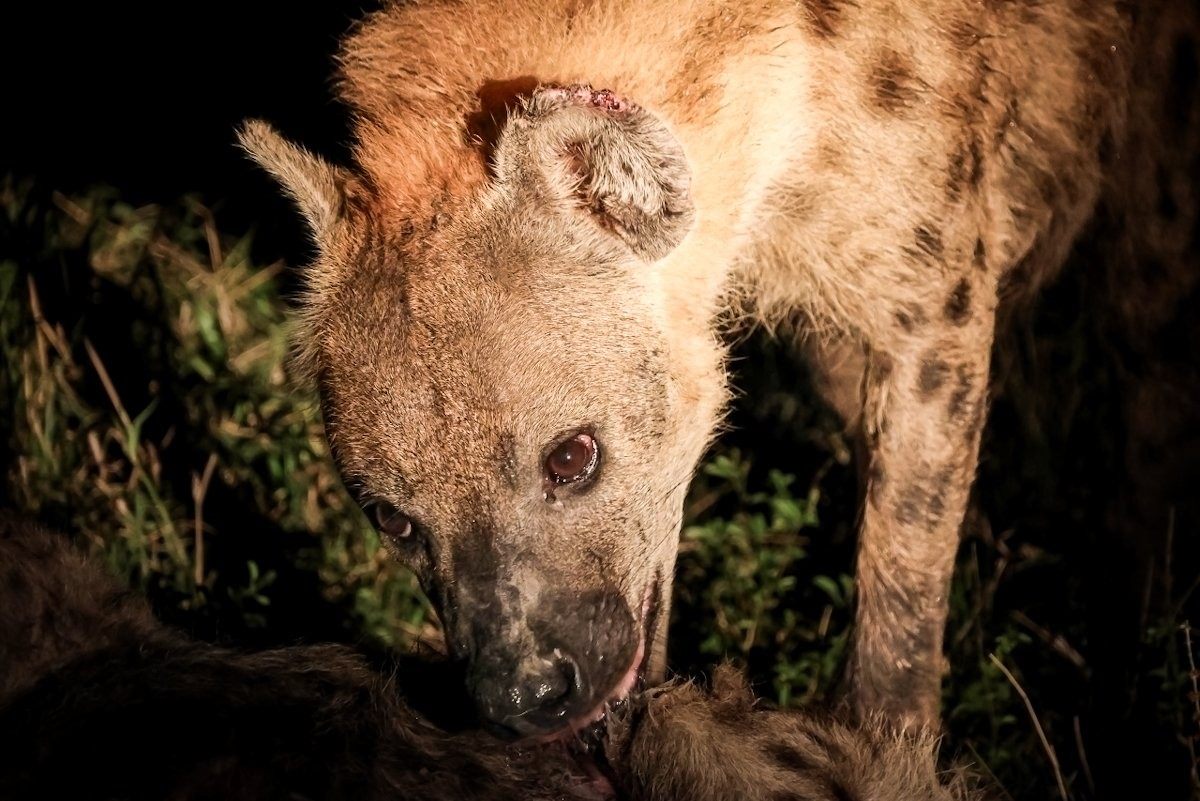
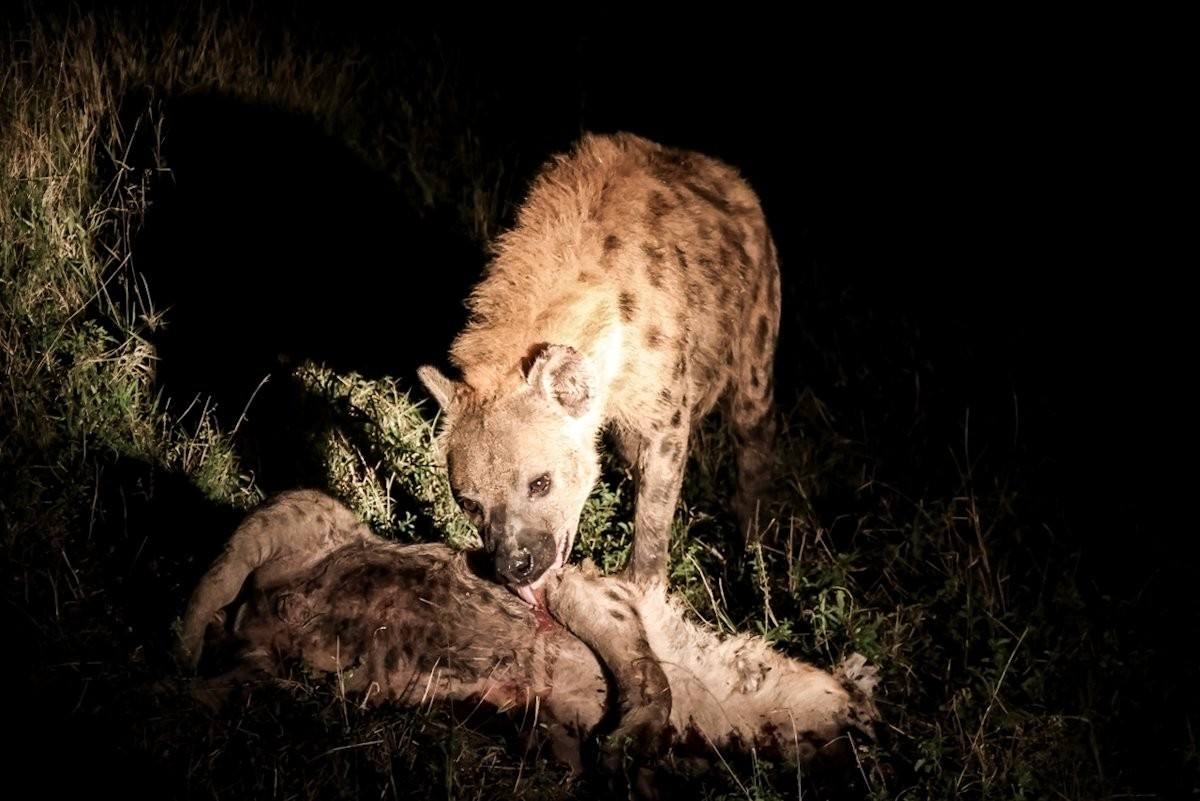
During afternoon safari, we encountered a dead hyena which had seemingly succumbed to injuries sustained from conflict with other hyenas or even another predator. The unfortunate individual had broken legs, and Spotted hyenas rarely die from infectious diseases, due to exceptionally robust immune systems / high pathogen resistance.
After watching a beautiful and tranquil sunset over the reserve, we made our way back to the area to check if there was any activity at the site of the carcass. Upon our arrival, the scene was both exhilarating and somewhat grim - as another hyena was now present and beginning to feed on his fallen kin. Spotted hyenas are opportunistic scavengers and hunters that practice cannibalism, typically consuming the carcasses of other hyenas from either their own or rival clans.
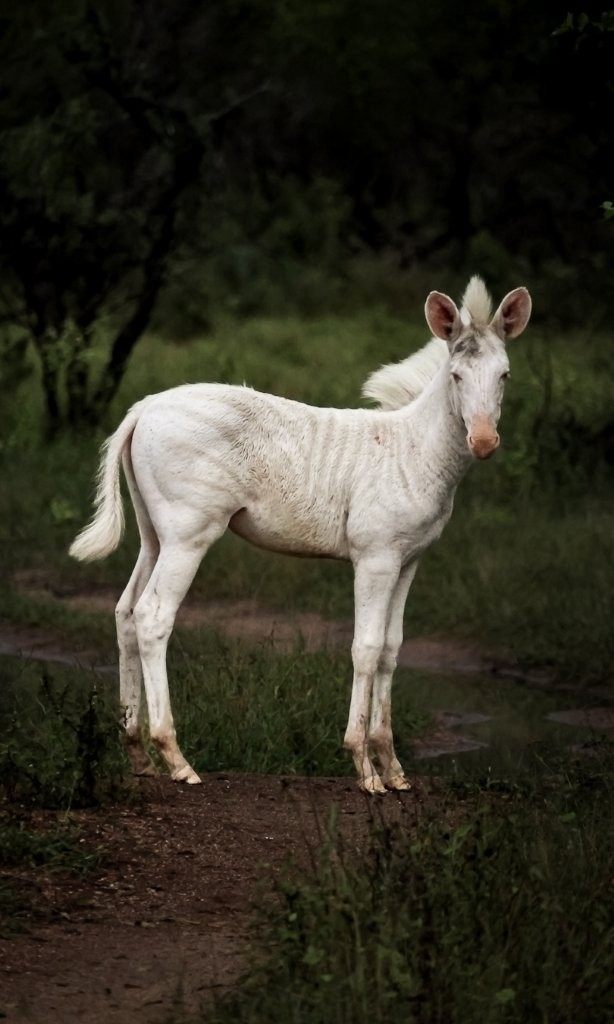
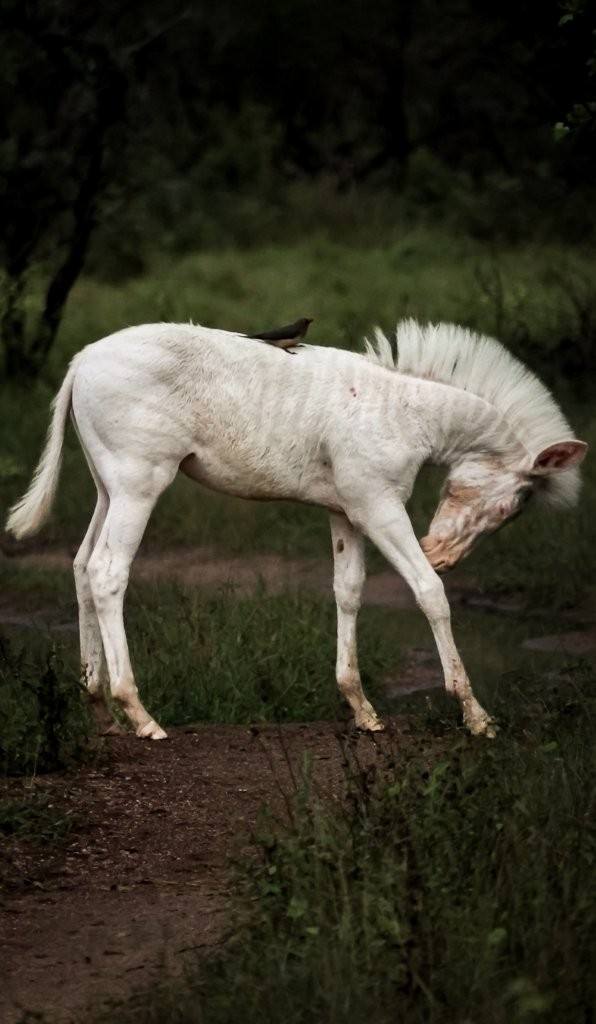
During a damp and cloud covered morning safari, a piercing white figure stood out in stark contrast against the dark veil of greenery in the background. As we rounded a bend in the mud trodden road, an exceptionally rare and exquisite leucistic zebra foal stood in the mosaic of puddles that lay ahead. Leucism mainly differs from albinism in one key aspect, which is that there is not a complete lack of pigment - but rather a degree of deficiency in melanin levels.
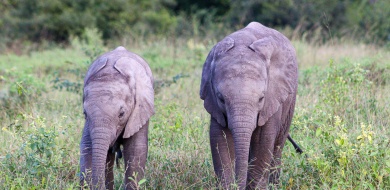
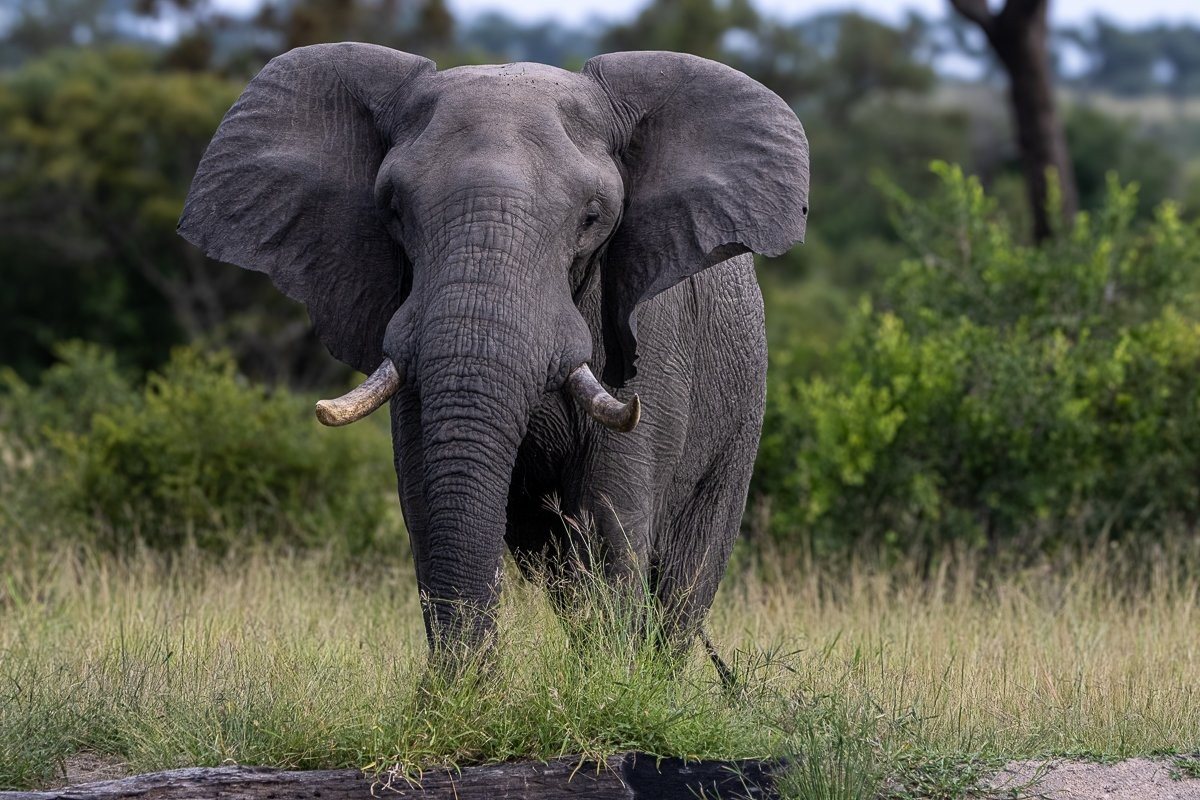
As the bush moves into the dry winter months, food and water become harder to find. The marula season has come to an end, and the elephants that once wandered from tree to tree searching for the ripe fruits are now spending more time following well-worn paths between reliable water sources. Older bulls are often seen alone, conserving energy as the landscape slowly changes around them.
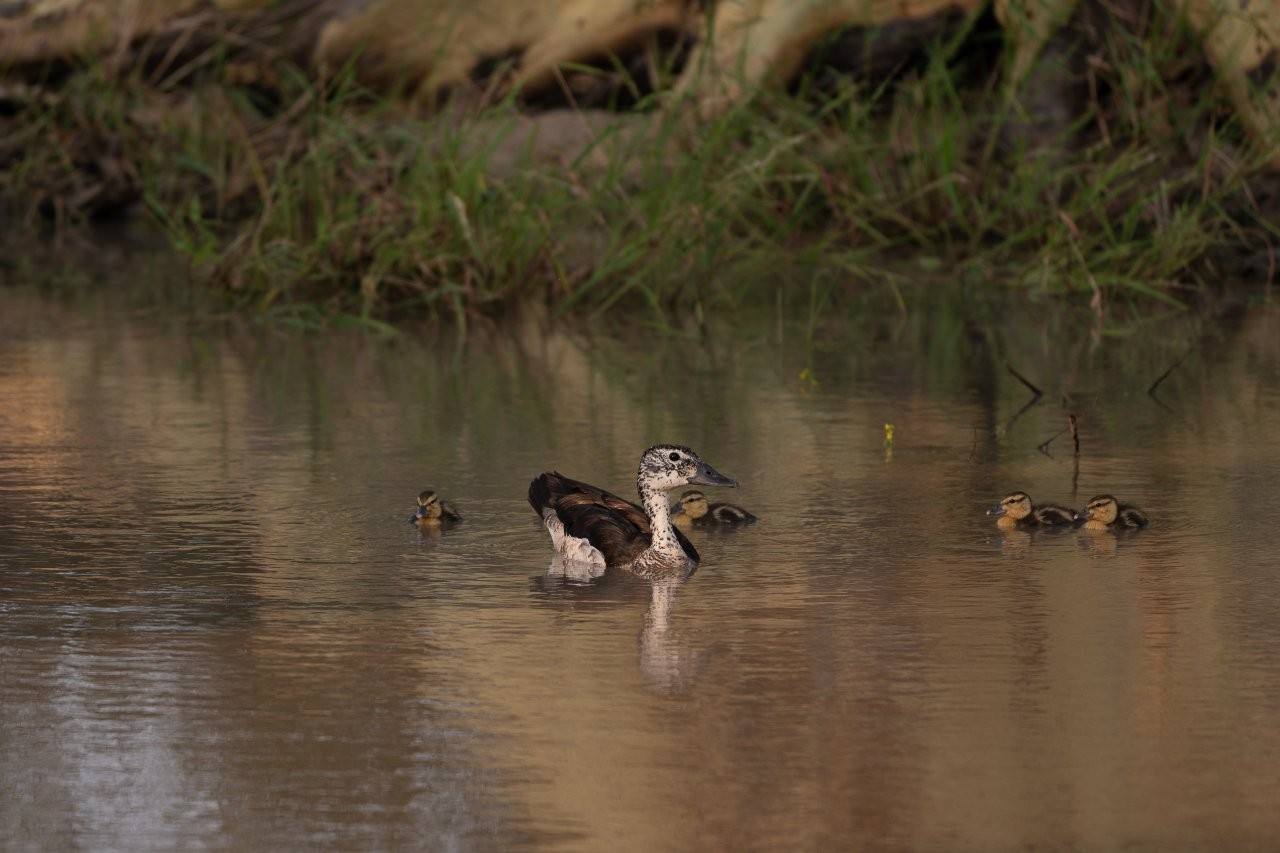
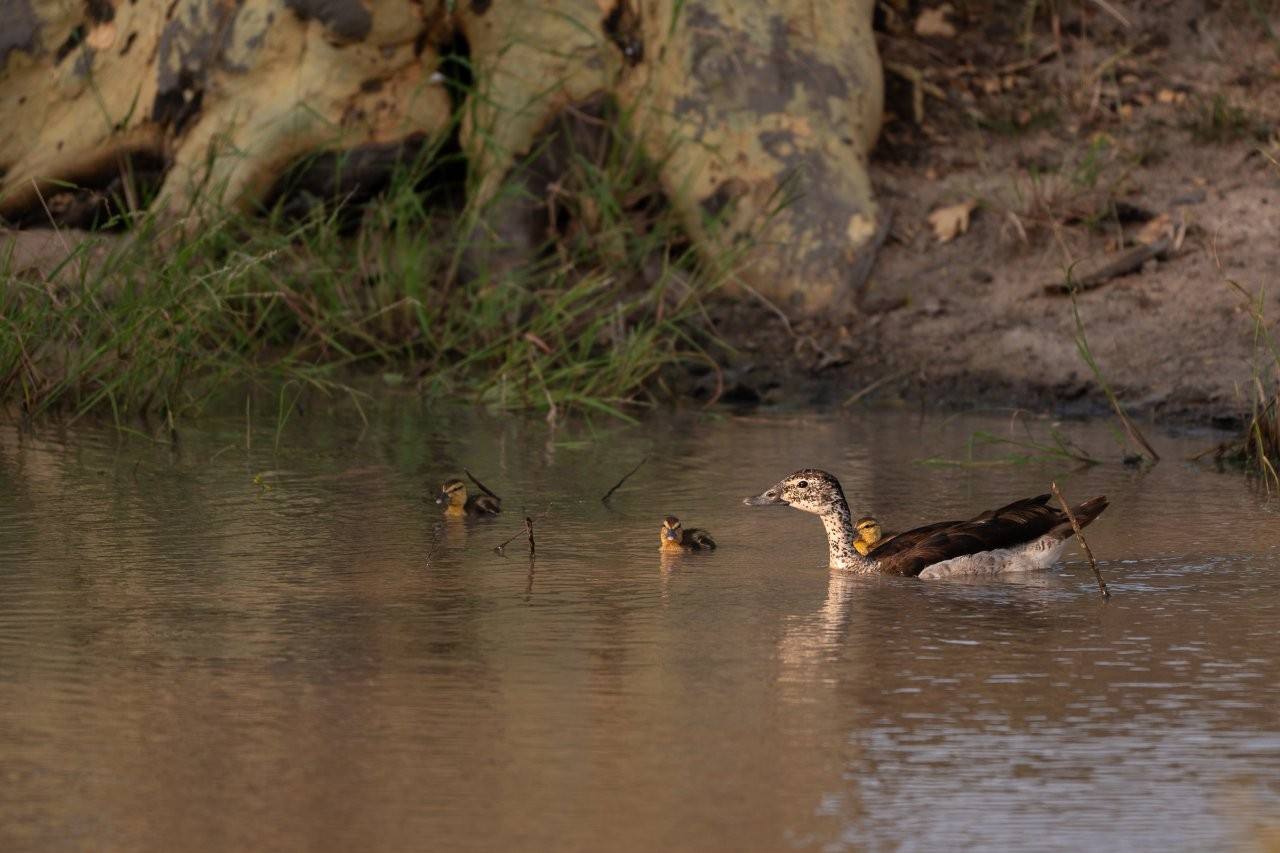
A Knob-billed duck and ducklings paddled around a pan at the base of a large Fever tree, enjoying the afternoon sunshine.
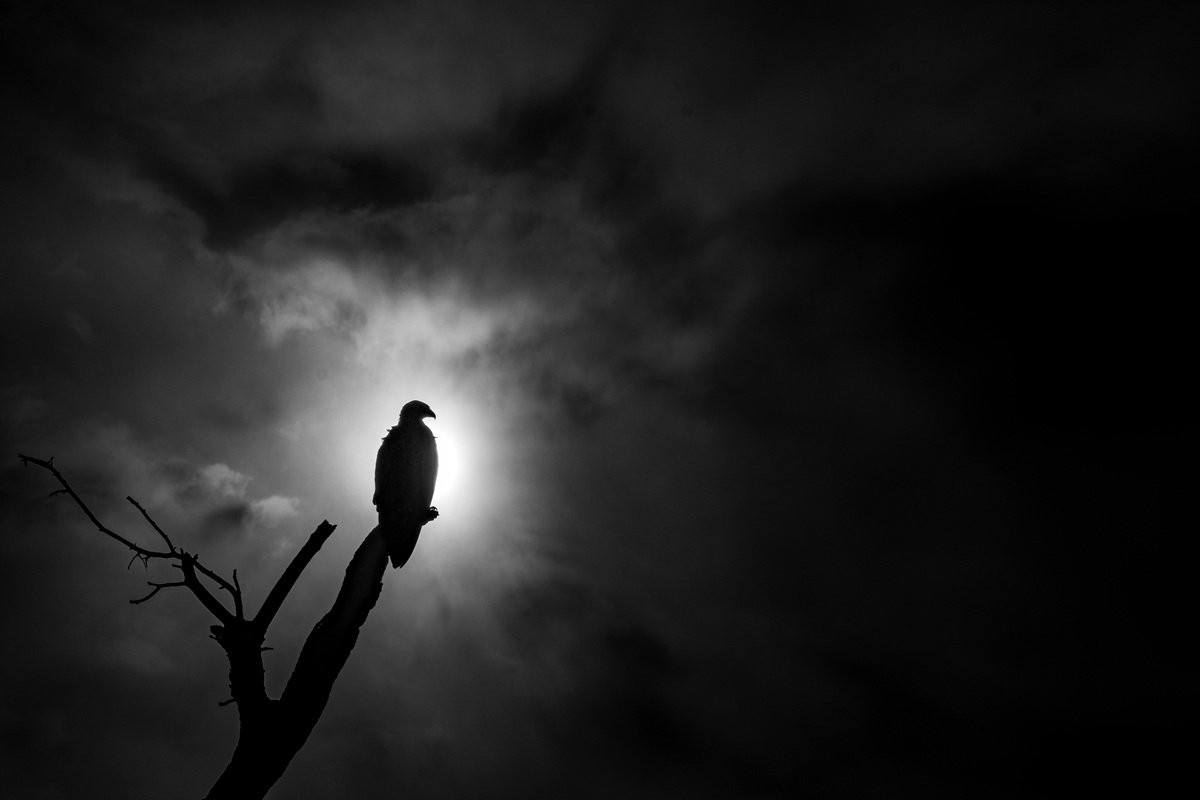
A Tawny eagle pauses high above the bush, one of Africa’s most adaptable birds of prey. Equally skilled at hunting and scavenging, these raptors survive in a wide range of habitats and will feed on anything from small mammals to carrion when the opportunity presents itself. Despite their tough reputation, Tawny eagles are often heavily mobbed by smaller birds, especially during breeding season, as they remain a serious threat to nests and young chicks.
Until next time…
Blog by Wendy Claase
Images by Benjamin Loon, Jan Nel, Ronald Mutero and Viviane Ladner