
A Week in the Bush Vol. 594
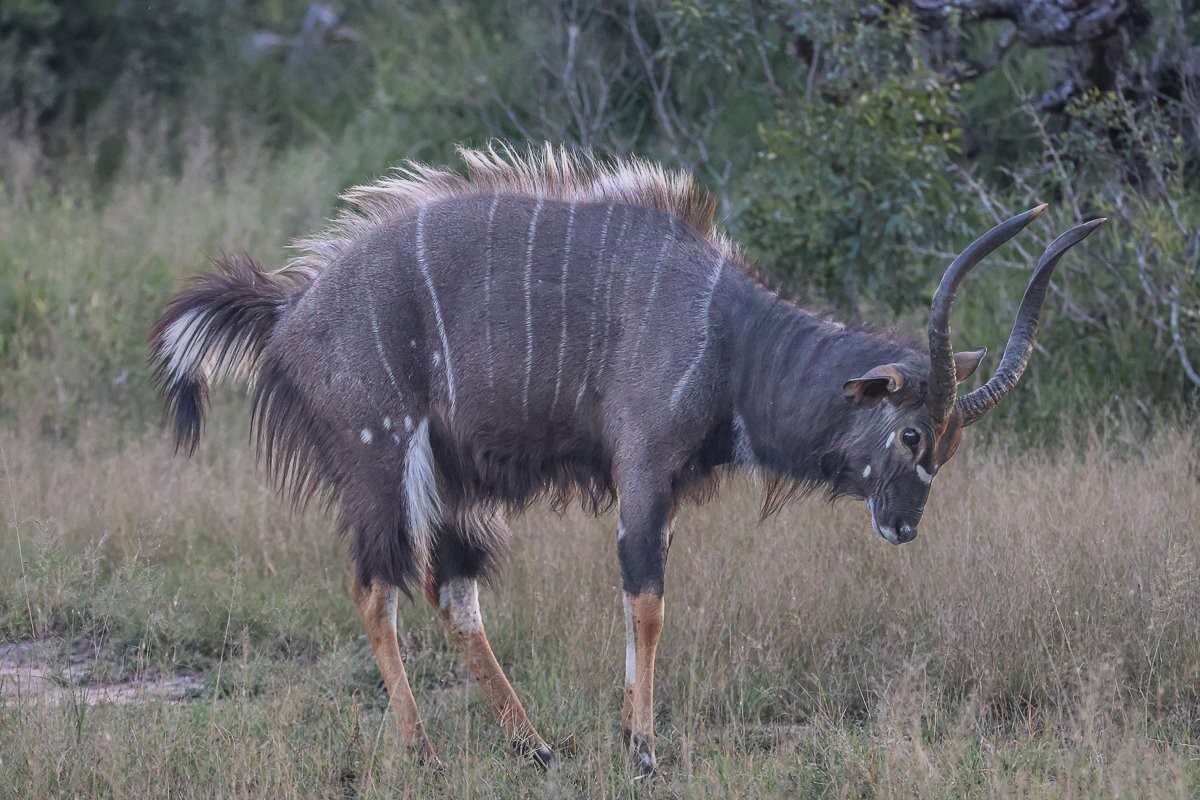
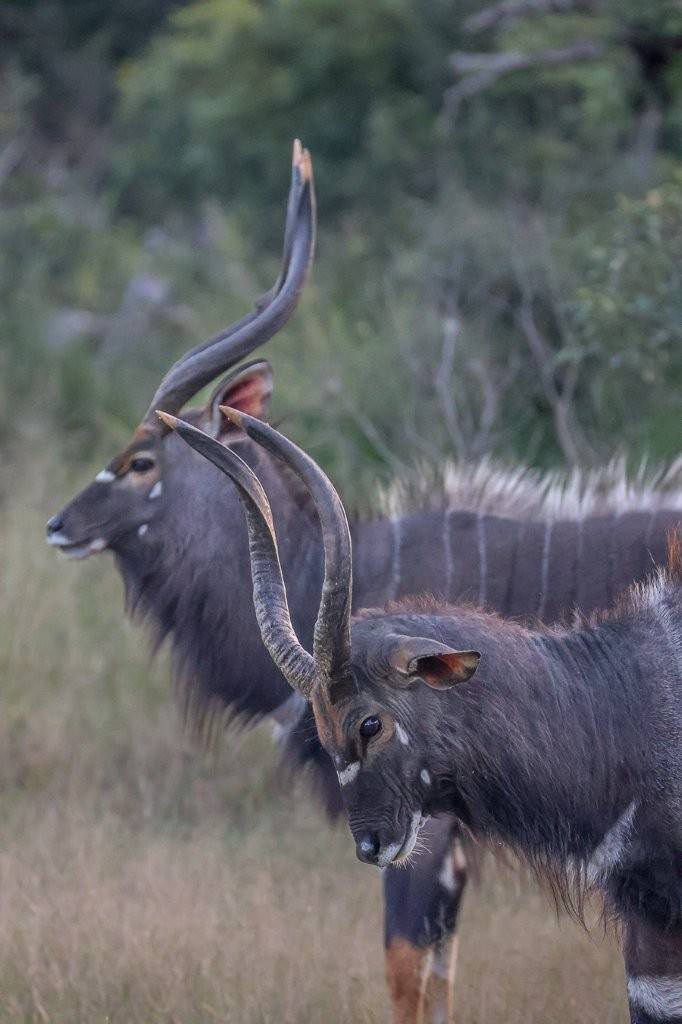
on May 27, 2026We watched these two nyala bulls engage in a display of dominance, a ritual designed to avoid physical fighting. One bull raised his crest, flared the hair along his neck, snorted, and flipped his tail to reveal the bright white underside while showing off his flank stripes and facial markings. These visual signals allow rivals to assess one another’s strength and confidence, helping keep conflicts brief, controlled, and largely ritualised.
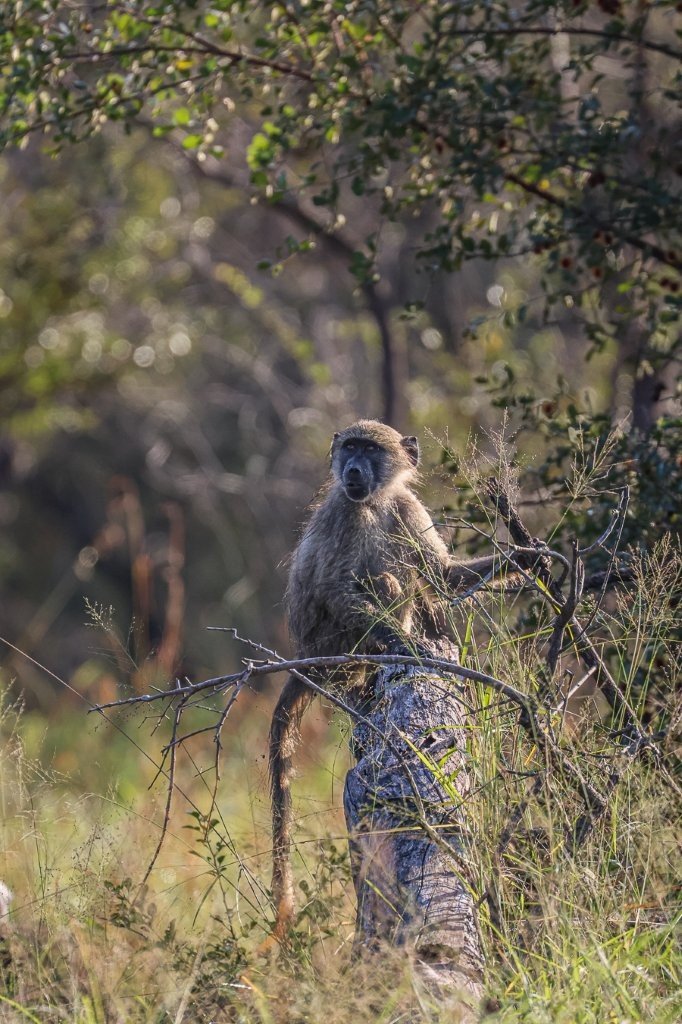
We watched as a troop of baboons slowly moved through the bush foraging for food. Living in large groups, baboons rely on safety in numbers, with a few individuals positioning themselves on higher ground to keep watch for potential danger while the rest of the troop continues feeding. They regularly take turns acting as lookouts, helping keep the group safe.
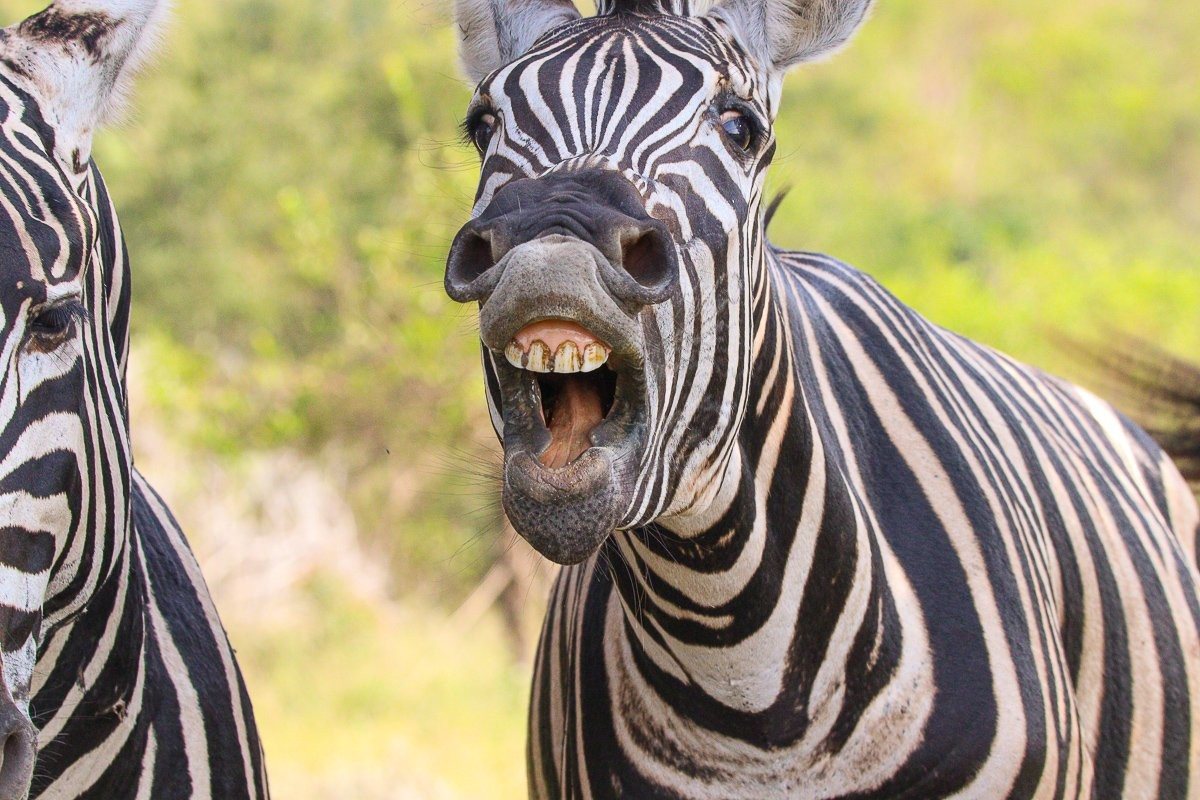
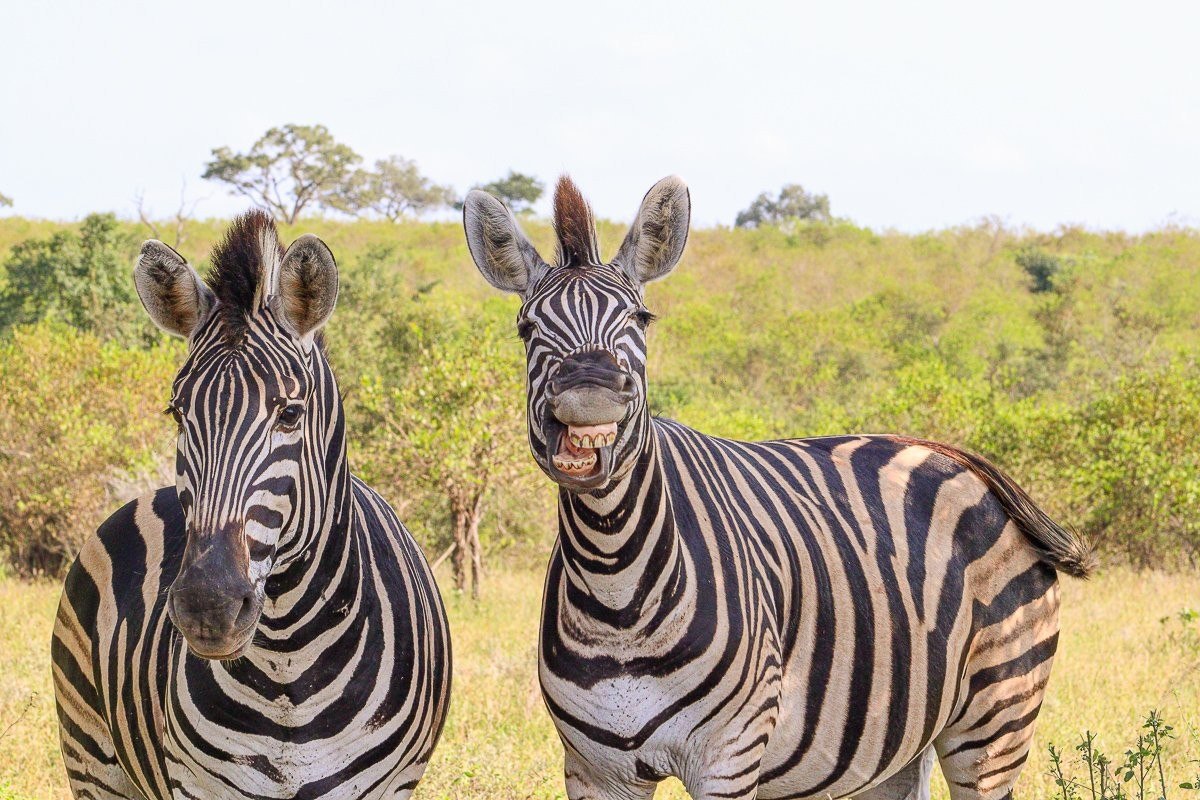
We observed a dazzle of zebras moving through a field, socialising with one another while calmly feeding. As the group moved past, two zebras approached our vehicle, giving us the opportunity to witness a rather amusing interaction.
One zebra repeatedly shook its neck and head before yawning directly towards us several times. Given the time of day, this behaviour was most likely linked to increasing alertness, as yawning can help deliver more oxygen to the brain while also assisting the nervous system in relieving stress and tension.
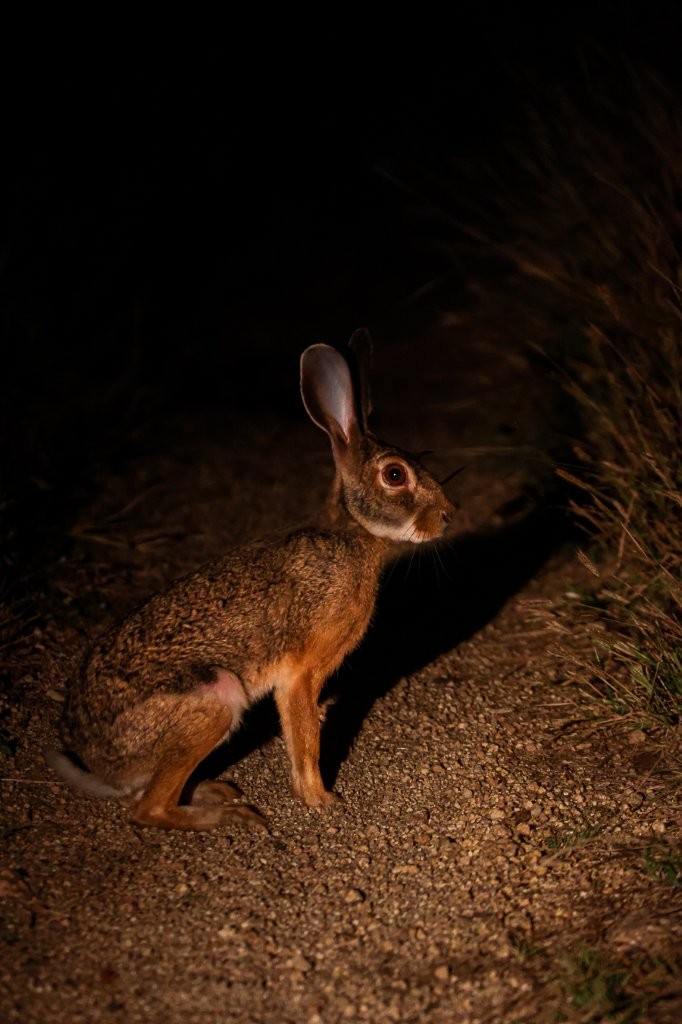
On our way back to the lodge, we came across this scrub hare pausing in the road as it scanned the surrounding area for danger. These solitary, crepuscular mammals rely on their cryptic fur, freezing stillness, and sudden bursts of speed to avoid predators.
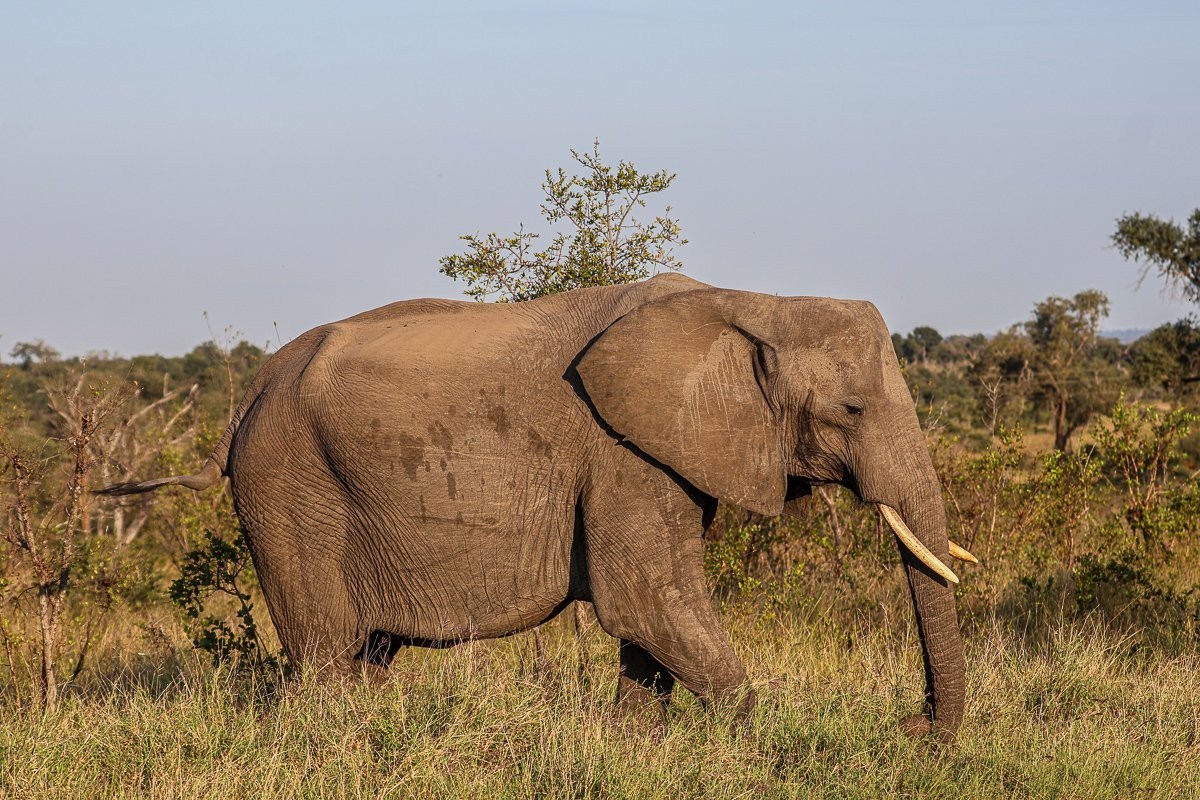
We watched in awe as this matriarch led her herd across the open plains towards a waterhole late in the afternoon. These older females carry years of experience, knowing exactly where to guide their herds through both droughts and floods. Their role is far more than just a title - it requires vital knowledge that is essential for the herd’s survival.
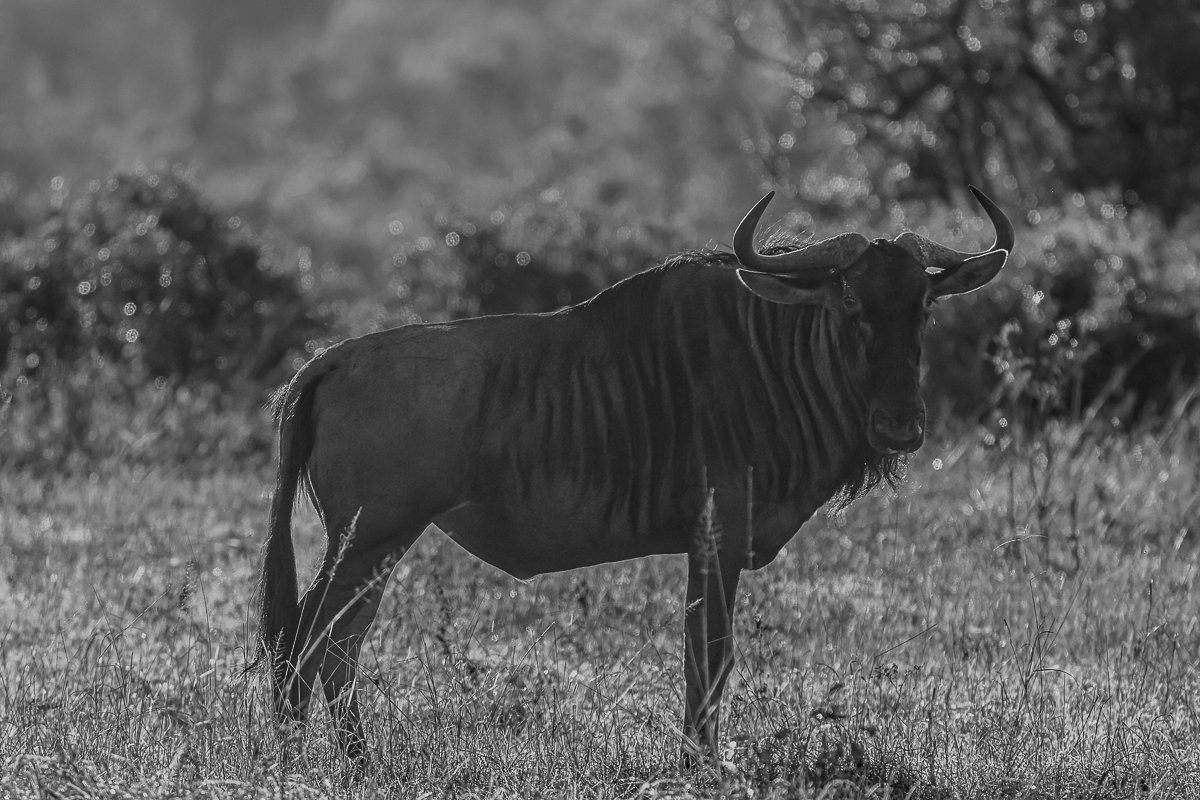
This Blue wildebeest bull was keeping a close eye on his surroundings as he baked in the early morning sun, warming his body temperature before starting to feed for the day. Bulls are territorial all year round and patiently wait for female herds to come past while protecting their territory against rival males.
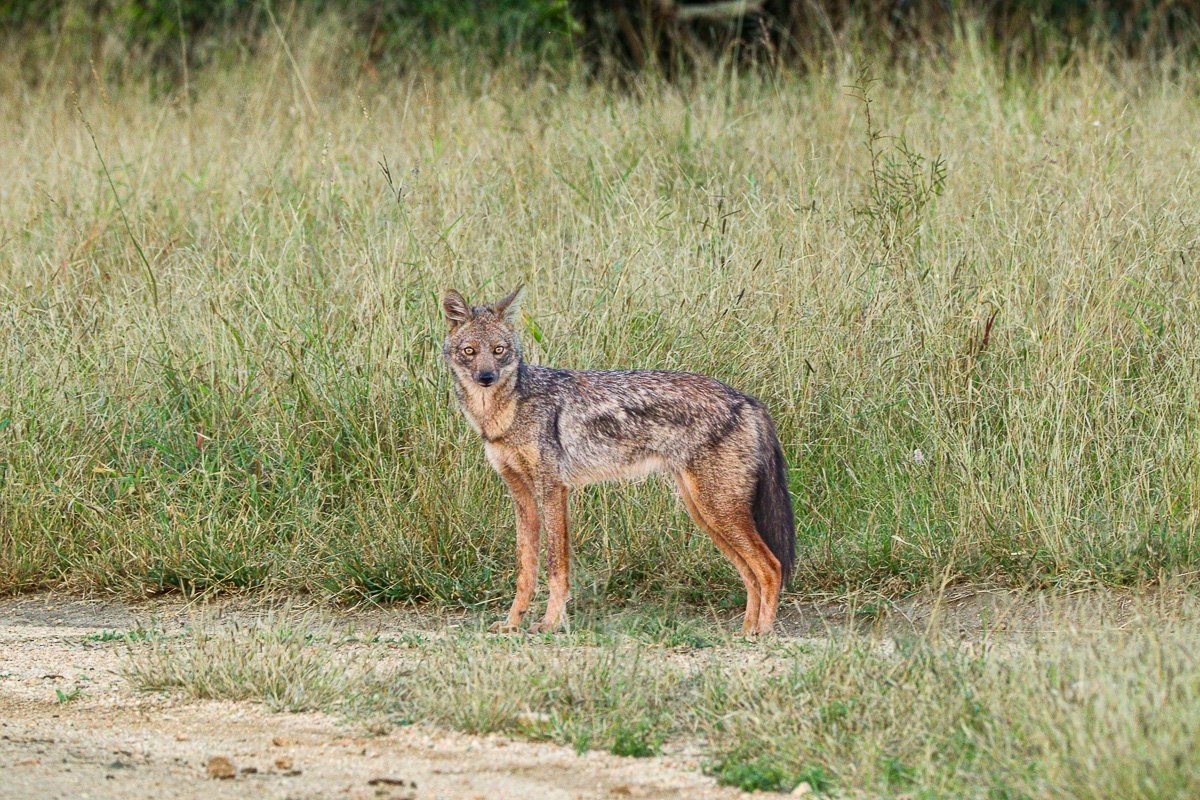
As the sun set and the temperatures began to drop, slight movement through the tall grass caught our attention. We waited patiently as a Side-striped Jackal made its way towards the road. As it moved carefully through the grass, it was clear the jackal was searching for food such as carrion, fruits, birds, eggs, and other small mammals.
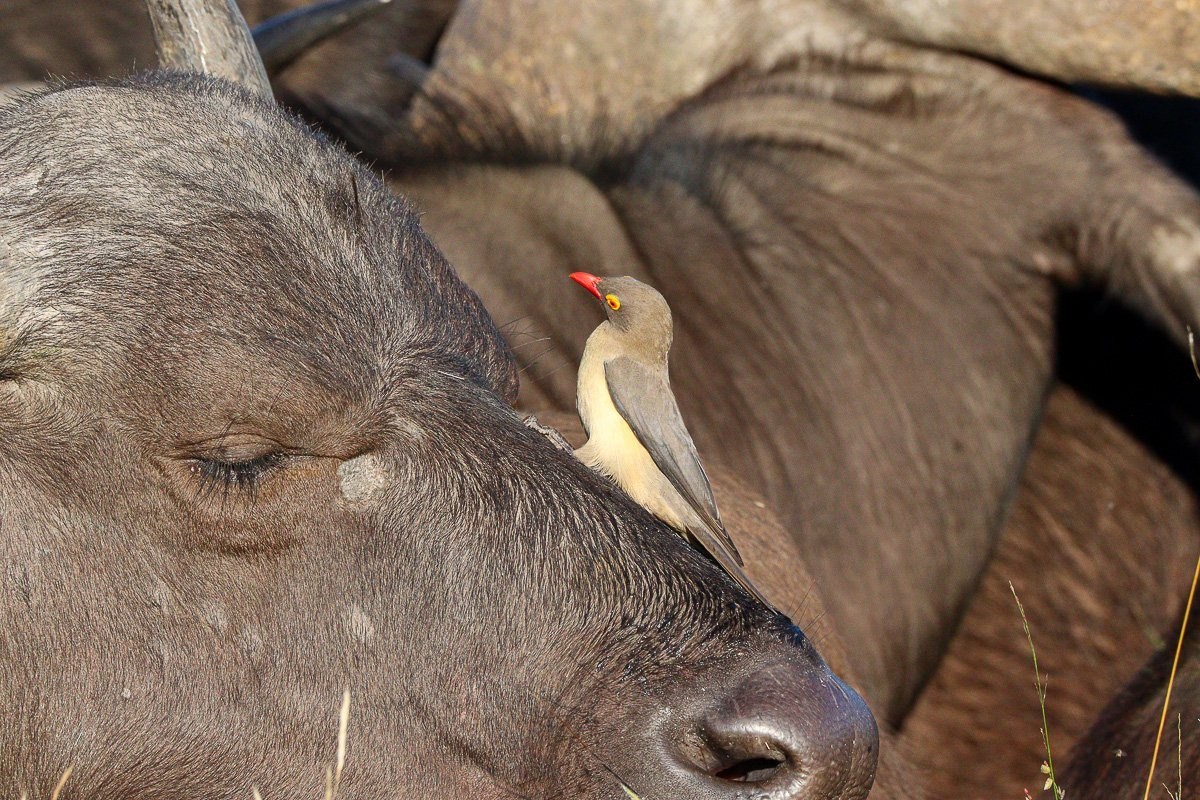
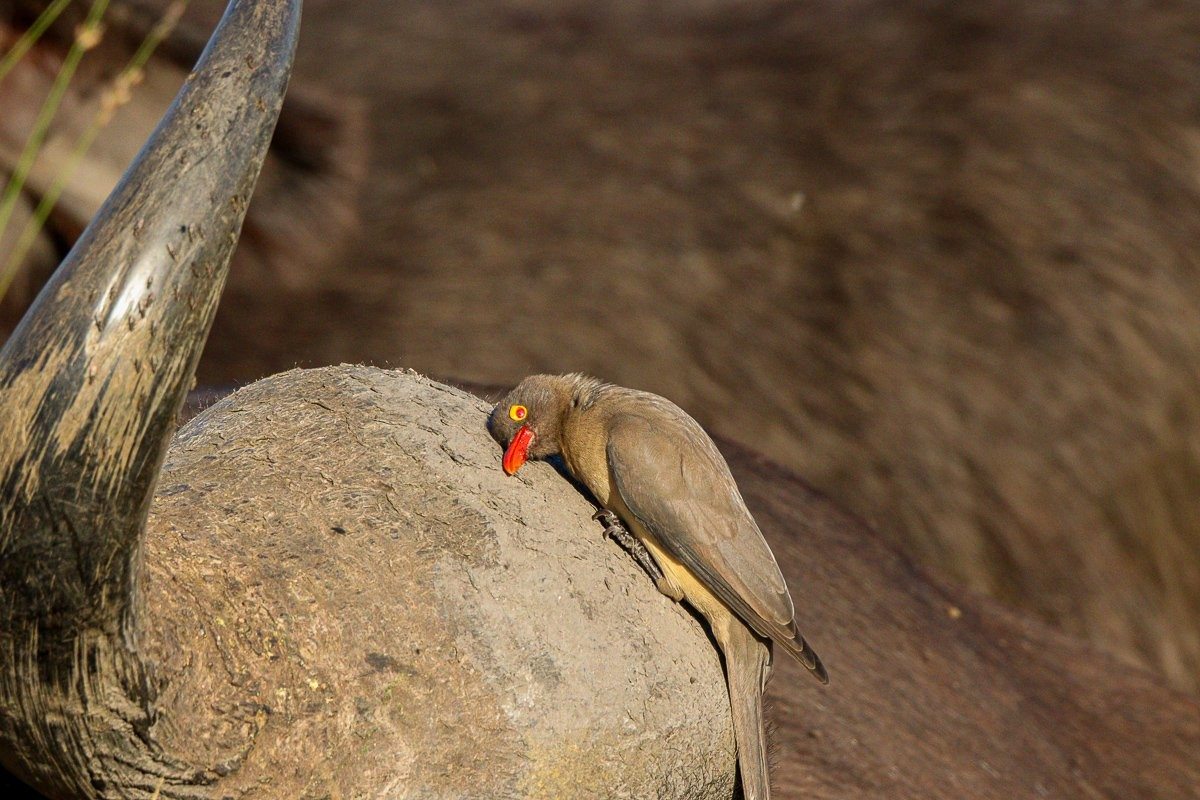
As we sat with a large herd of buffalo, we watched a flock of Oxpeckers moving between the individual members of the herd. Perching on the buffalo’s horns is a classic example of their symbiotic relationship, where the Oxpeckers feed on ticks and parasites while also acting as an early warning system for nearby predators. The buffalo, in turn, provide the birds with a safe resting place as they search the animals’ bodies for food.
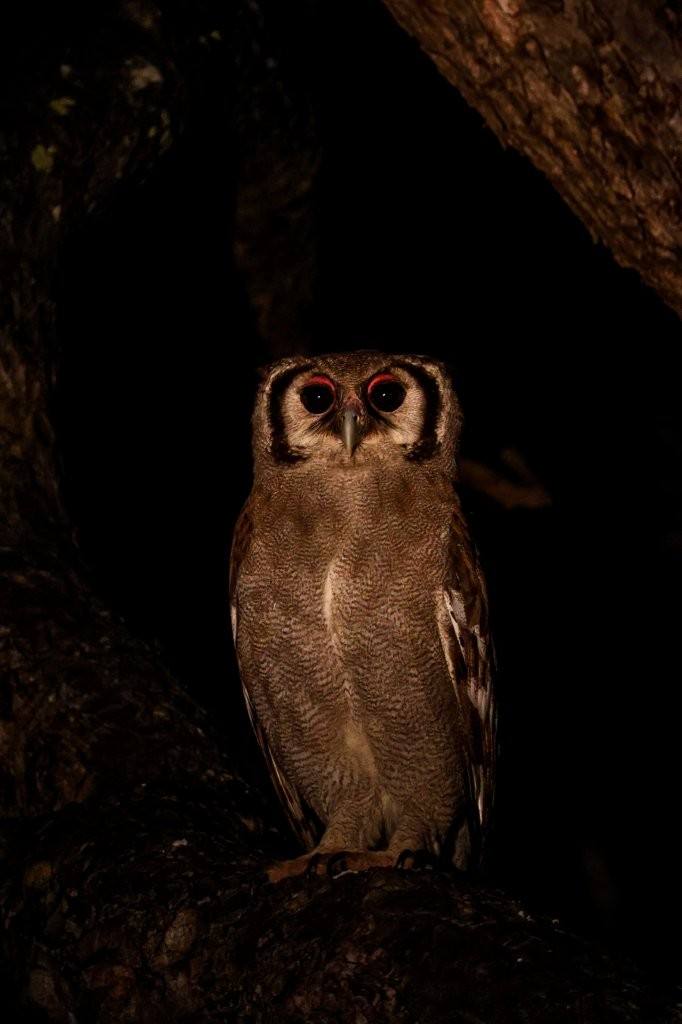
Perched low in a Marula tree during the early evening, the Verreaux's Eagle-Owl stood as a silent sentinel of the bushveld. With its distinctive pink eyelids and prominent ear tufts, this large nocturnal raptor listened intently for the movement of small mammals and birds below. As darkness settled, its deep, resonant hoot carried through the night air, used to defend territories and communicate with potential mates.
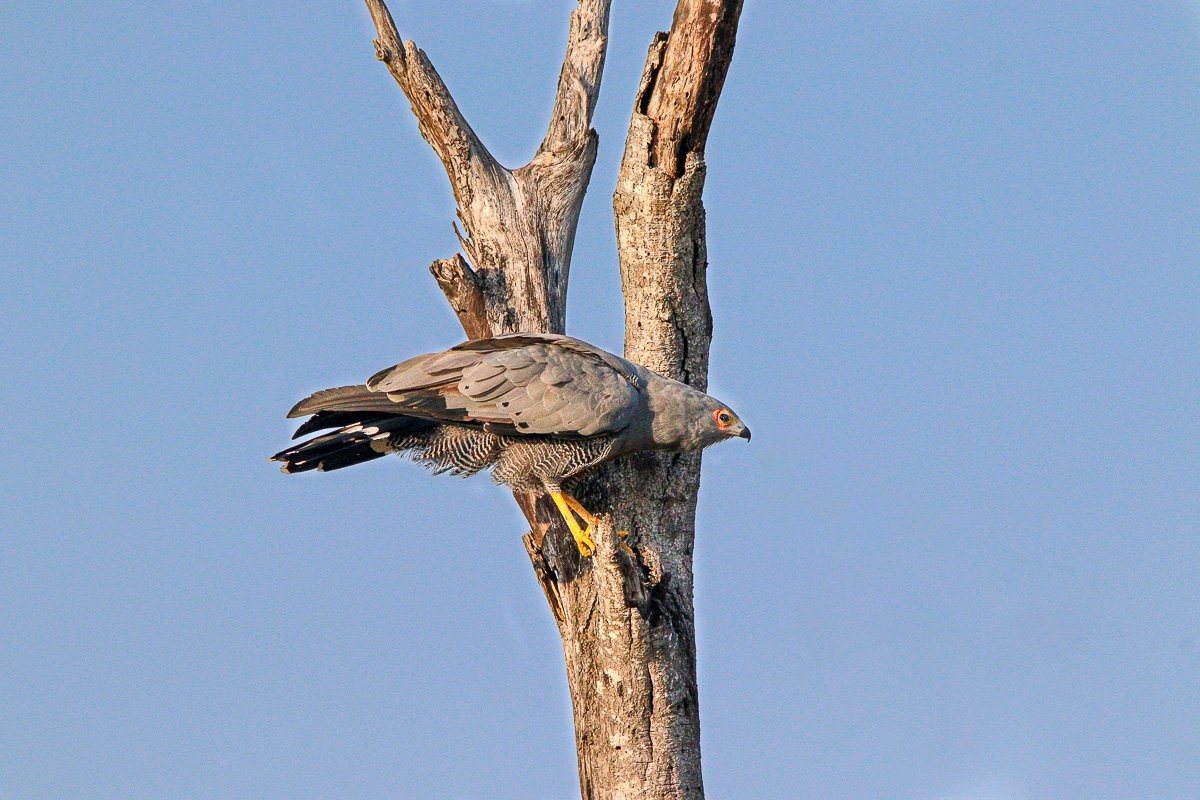
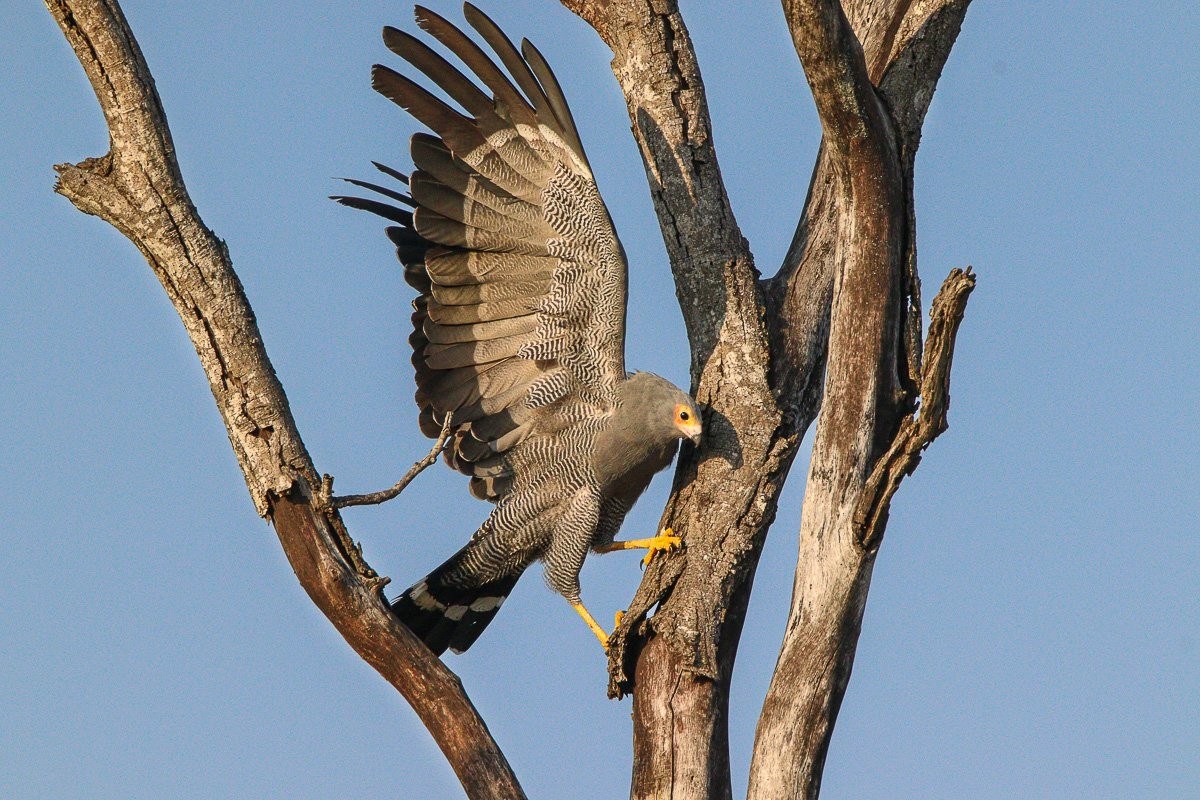
A Harrier Hawk flew from branch to branch as he searched for potential food, putting on the acrobatic foraging show that they are known for. These birds of prey specialise in finding food in small spaces, hanging at unusual angles along the trees, and using its featherless double-jointed legs to move around, remove loose bark from the tree and extract prey from their crevices.
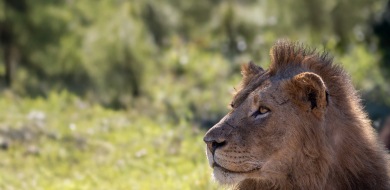
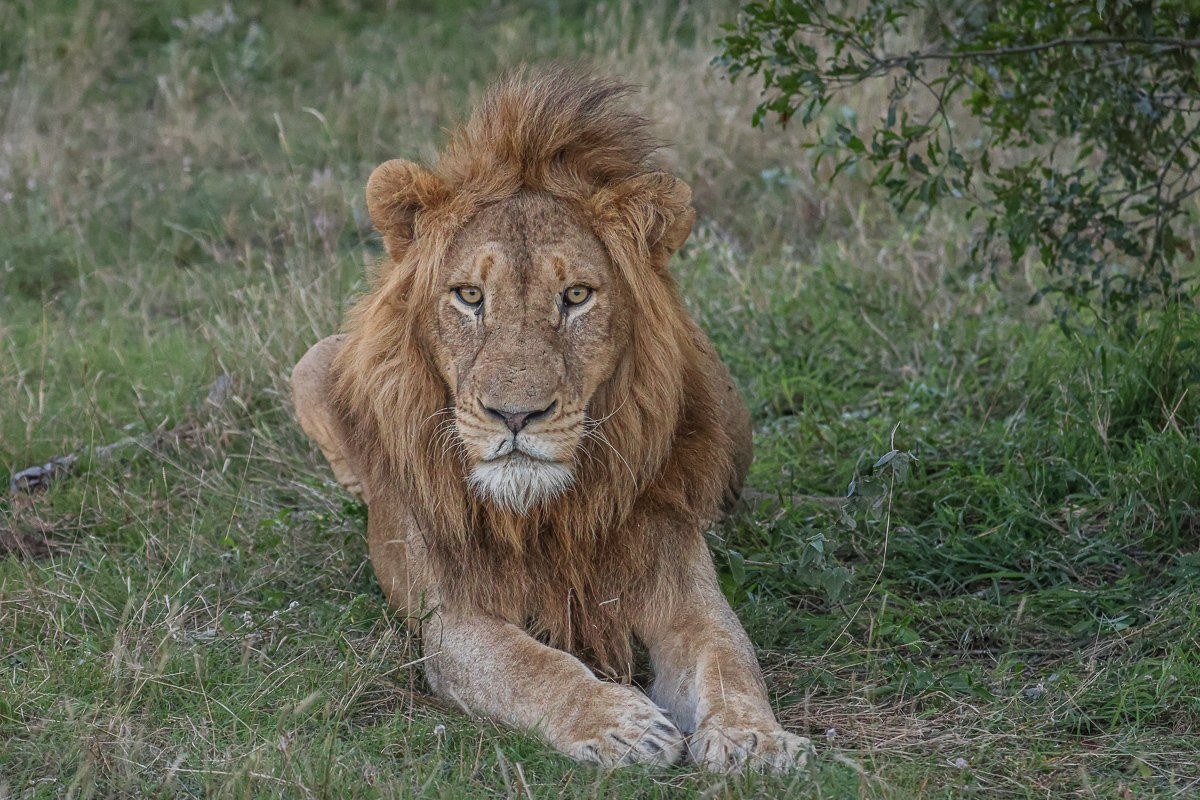
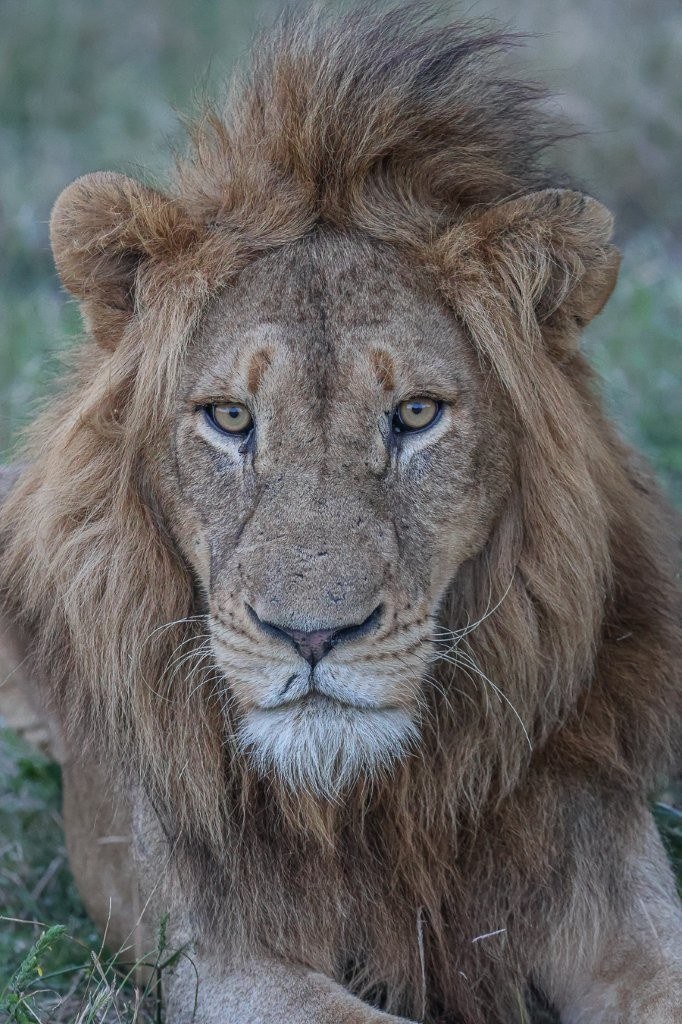
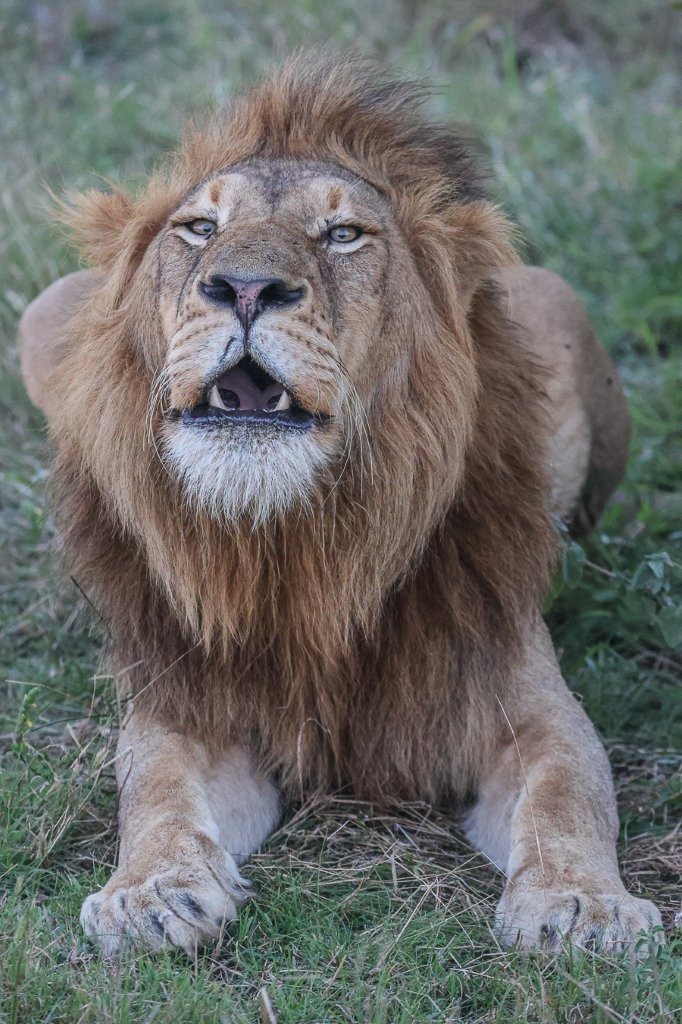
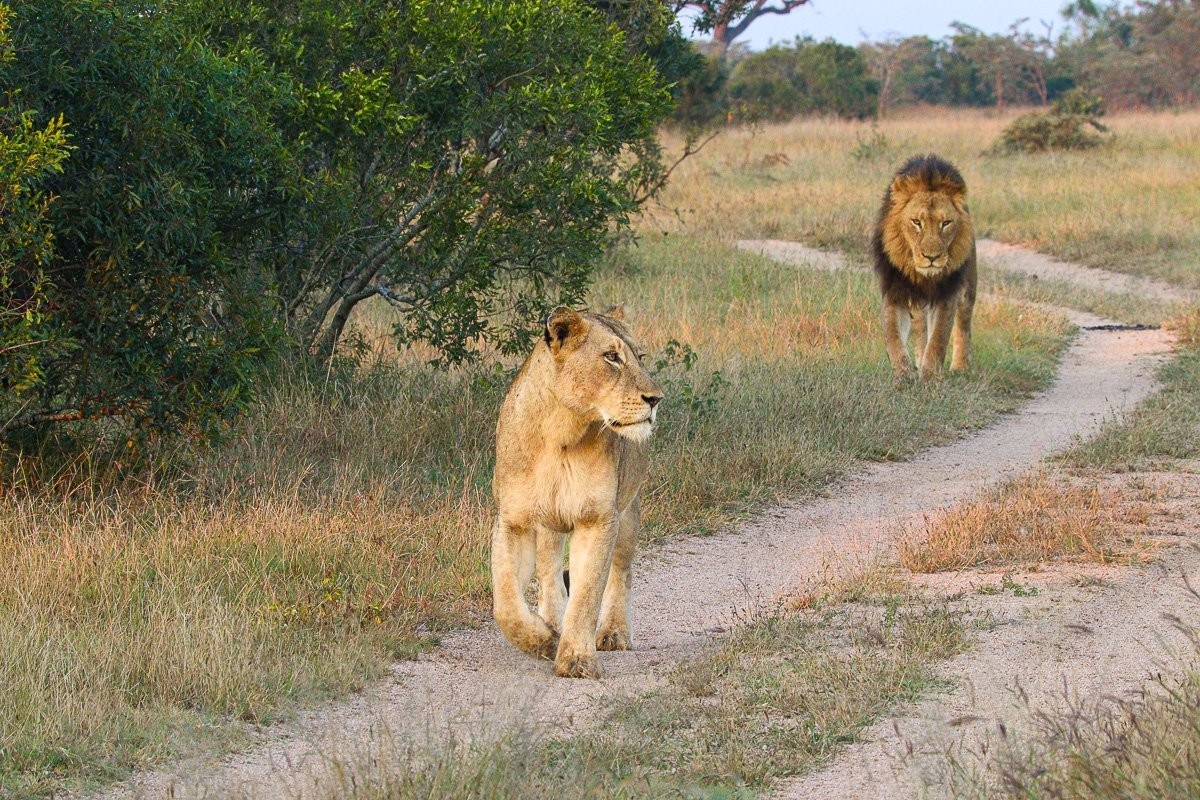
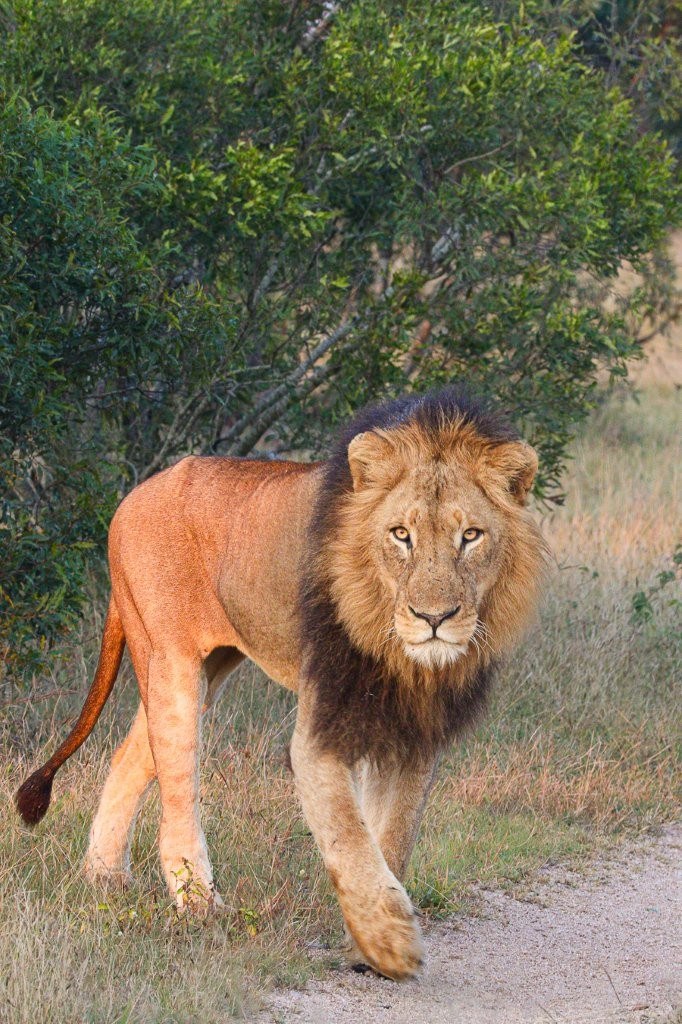
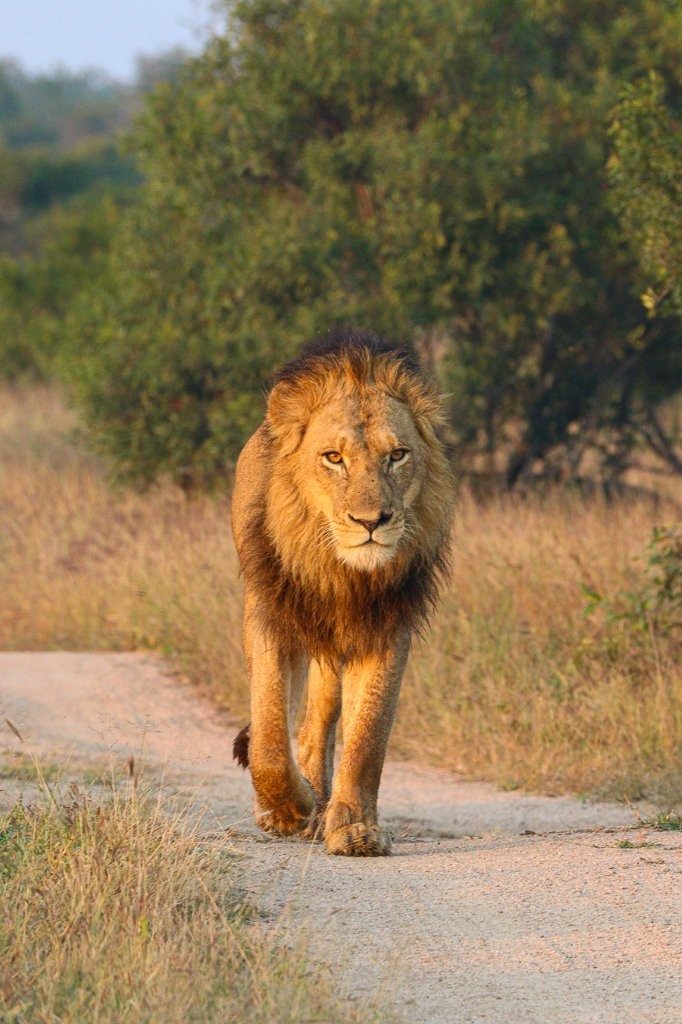
We found one of the N’waswishaka male lions in the southern parts of the reserve as the sun began to set. Slowly becoming active after resting through the heat of the day, he yawned before beginning to contact call in search of his three brothers.
With several lionesses currently on heat within the territory, the males have been splitting up to maximise mating opportunities and spread their genes throughout the area. Having only recently taken over this territory, these young males appear to have a promising future ahead of them - although only time will tell how long they can successfully hold onto it.
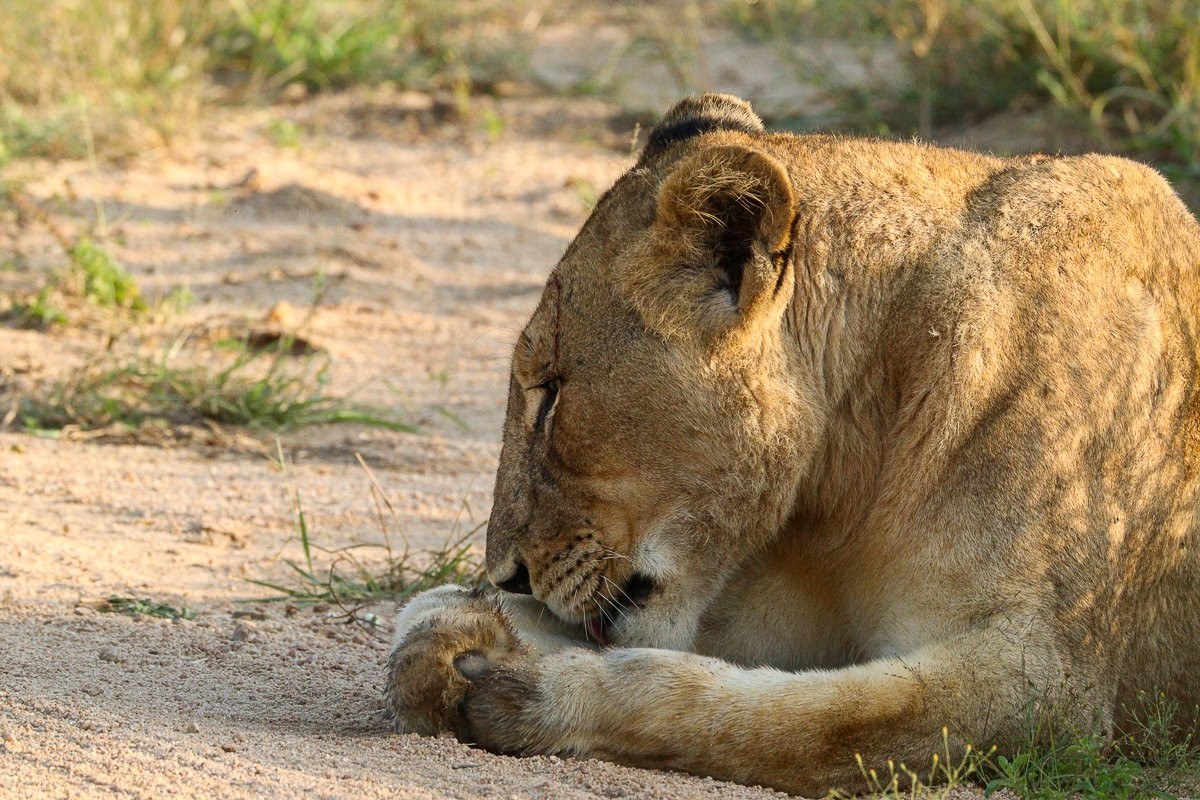
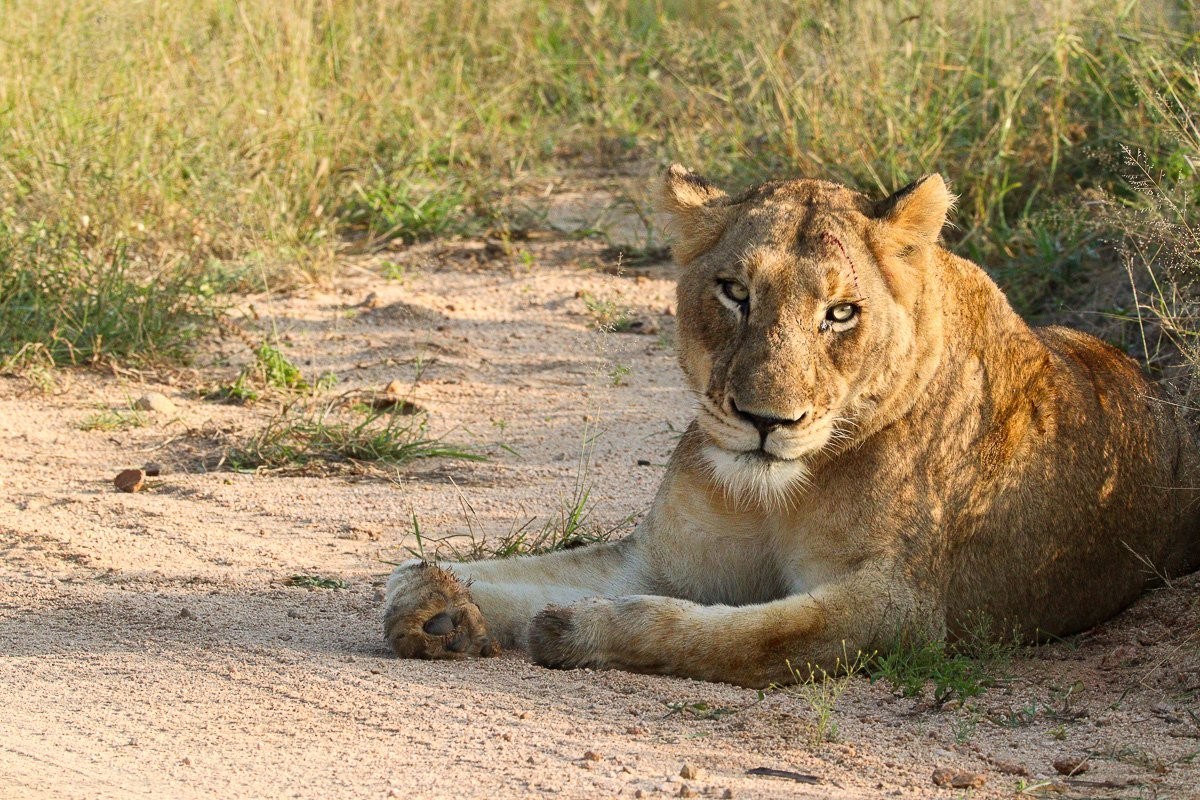
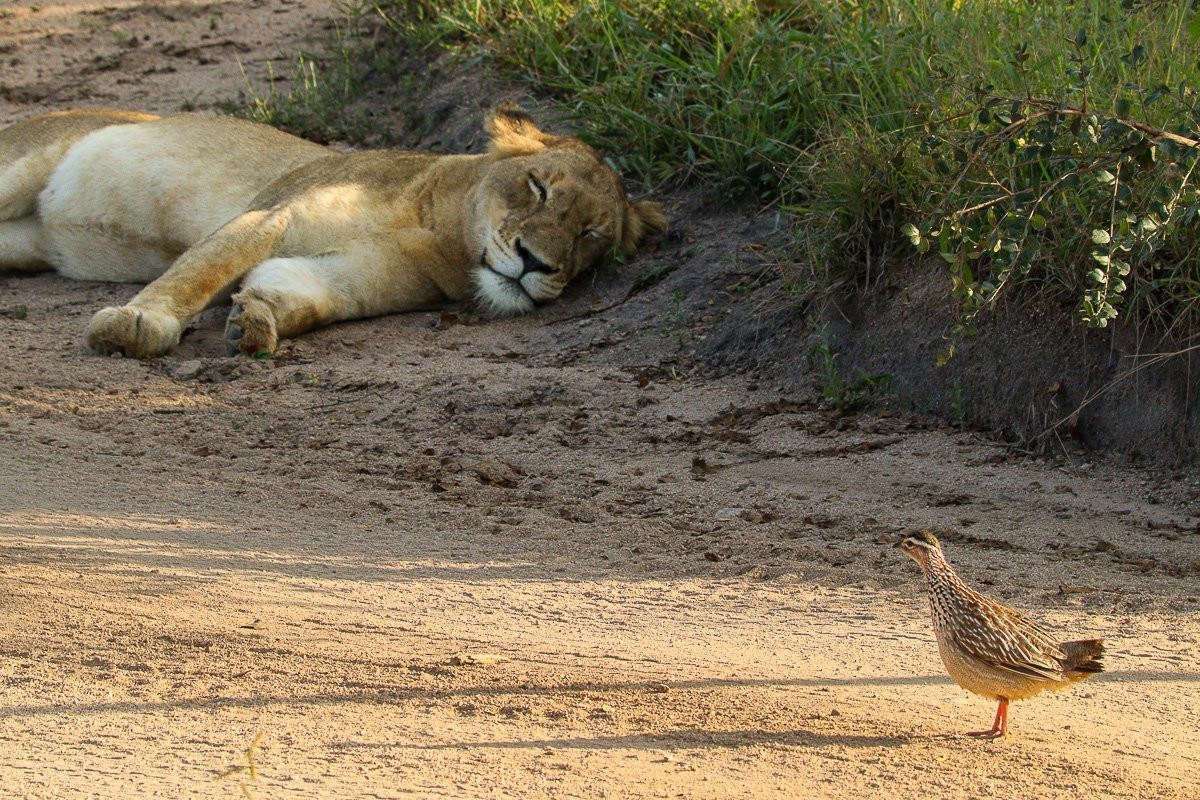
One of the Msuthlu lionesses enjoyed the warmth of the morning sun beside the road. After spending some time grooming herself, she eventually settled down to rest, only to have her attention drawn by the faint sound of movement nearby. Moments later, a Crested Francolin appeared around the corner, seemingly unaware of the potential danger waiting ahead.
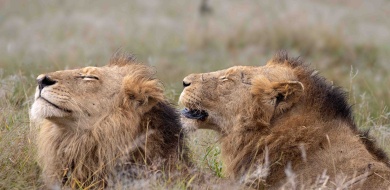
After tracking lions in the southern parts of the reserve, we eventually found one of the N’waswishaka male lions alongside three lionesses from the Southern Pride, closely following a herd of buffalo. Following an unsuccessful attempt to bring down a buffalo bull at sunset, the lions retreated into the treeline. Here, they will likely remain hidden for a while, allowing the buffalo herd to settle and become more relaxed before attempting another hunt later in the night.
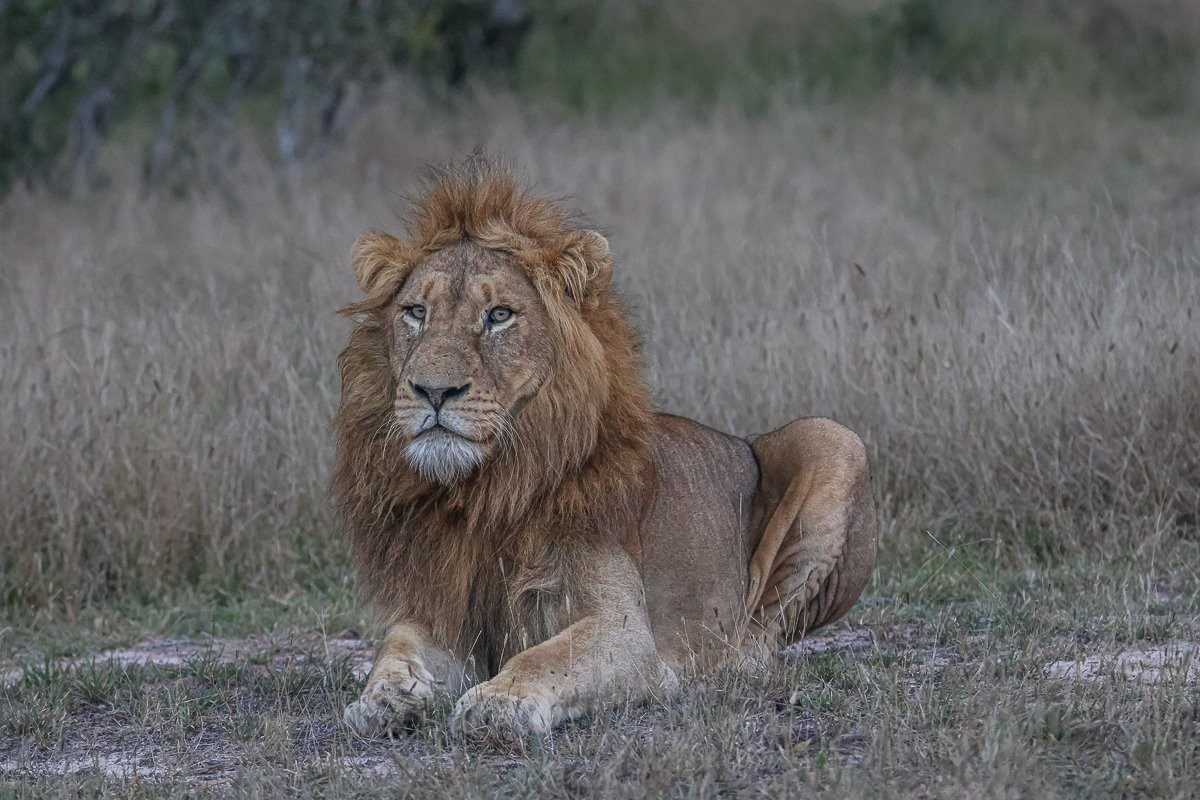
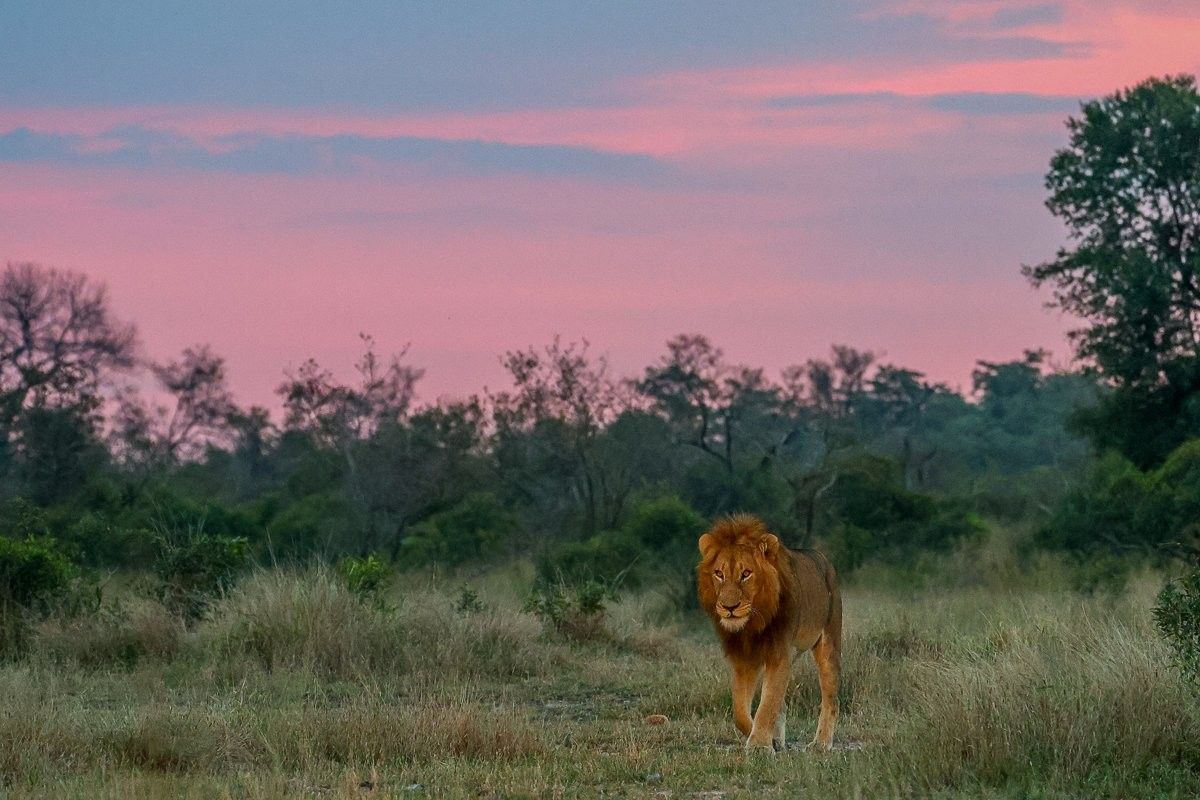
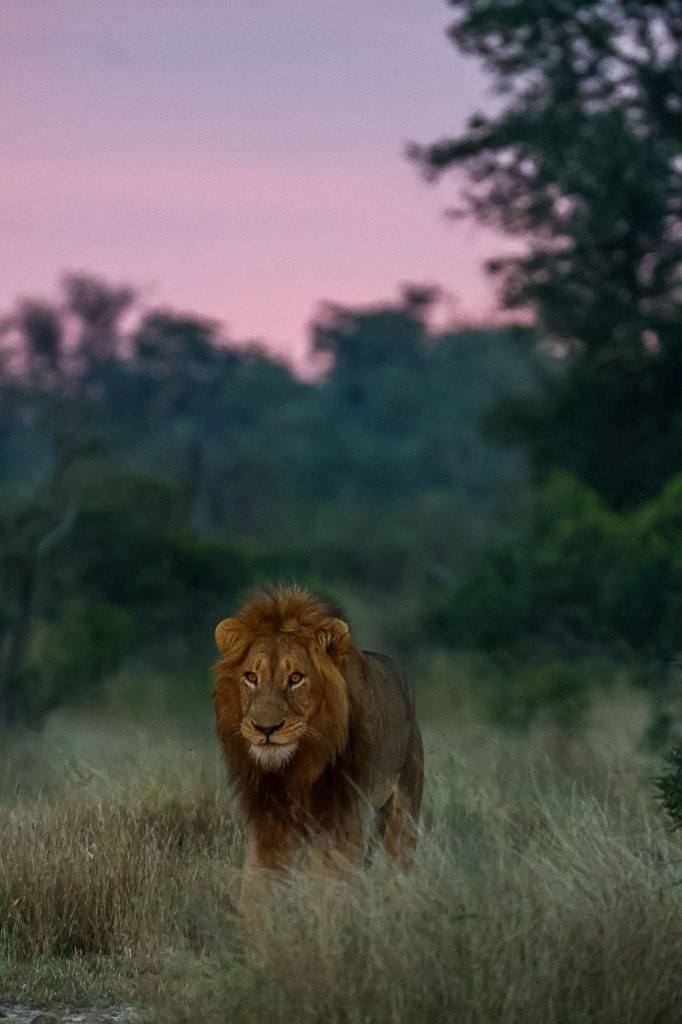
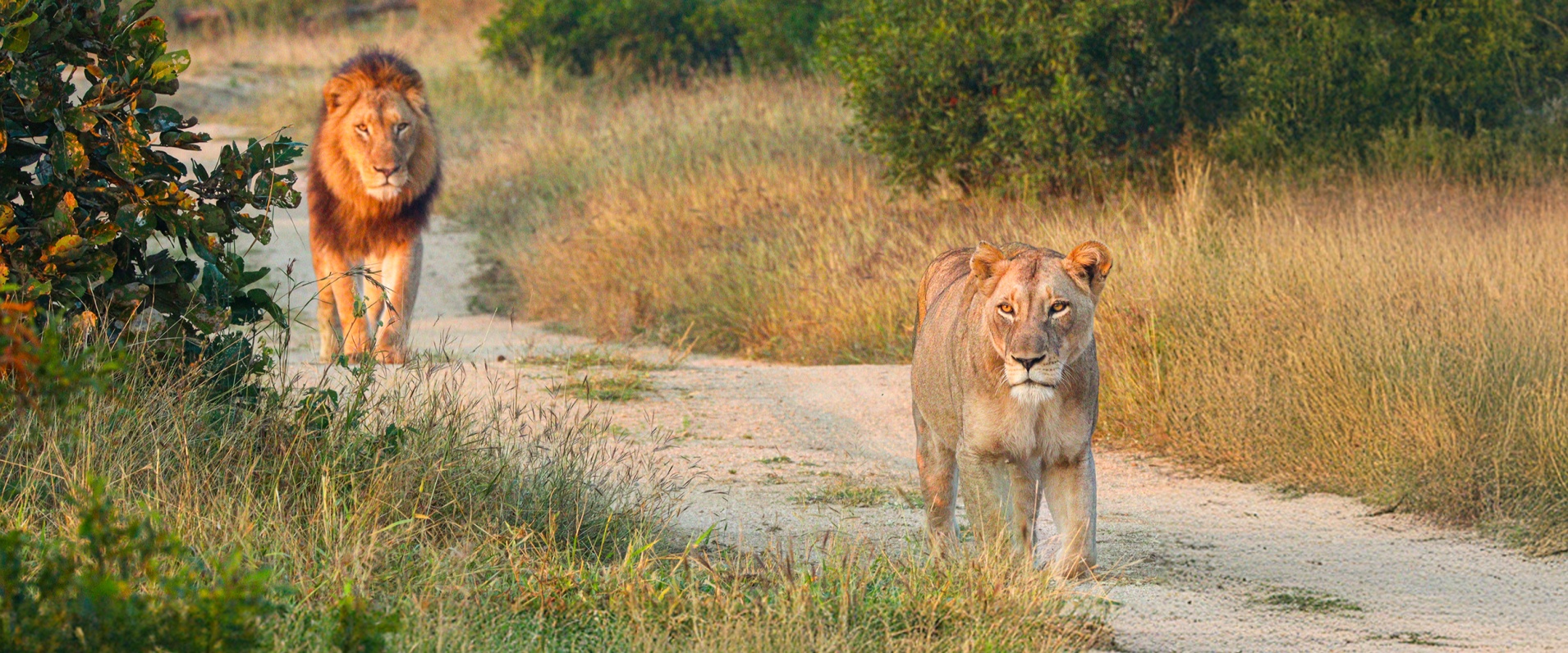
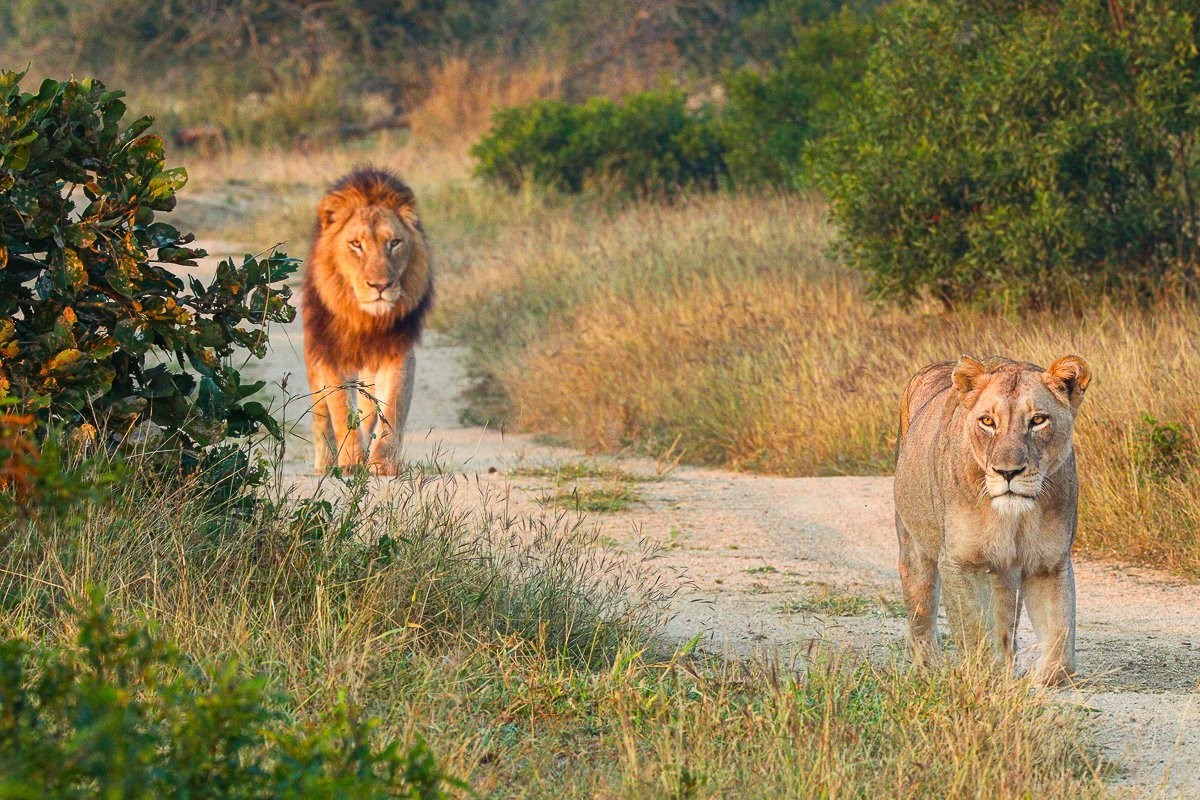
A N’waswishaka male lion followed shortly behind his brother and a lioness, trying to approach and catch up to them but unfortunately was greeted by growls and mock charges from his brother, keeping him away from the lioness to prevent him from mating with her.
Tengile and her cub strolled through the reserve after the short burst of rain we experienced last night. With their coats drenched from the rain, they treated our guests with beautiful interactions, grooming one another and playfully spending time together.
Unfortunately, the appearance of a Spotted hyena quickly changed the mood. The cub immediately ran for cover in the drainage line while Tengile bravely stood her ground, chasing the hyena away before rejoining her cub in the safety of the drainage line.
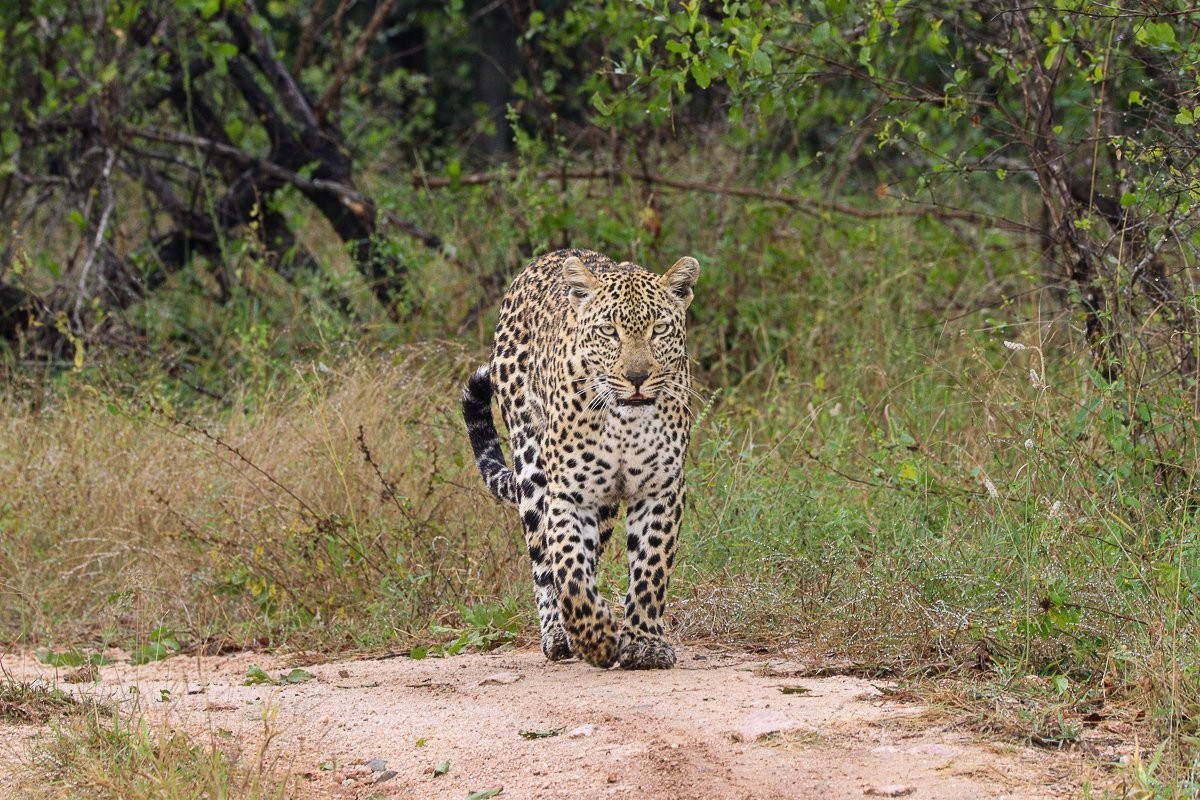
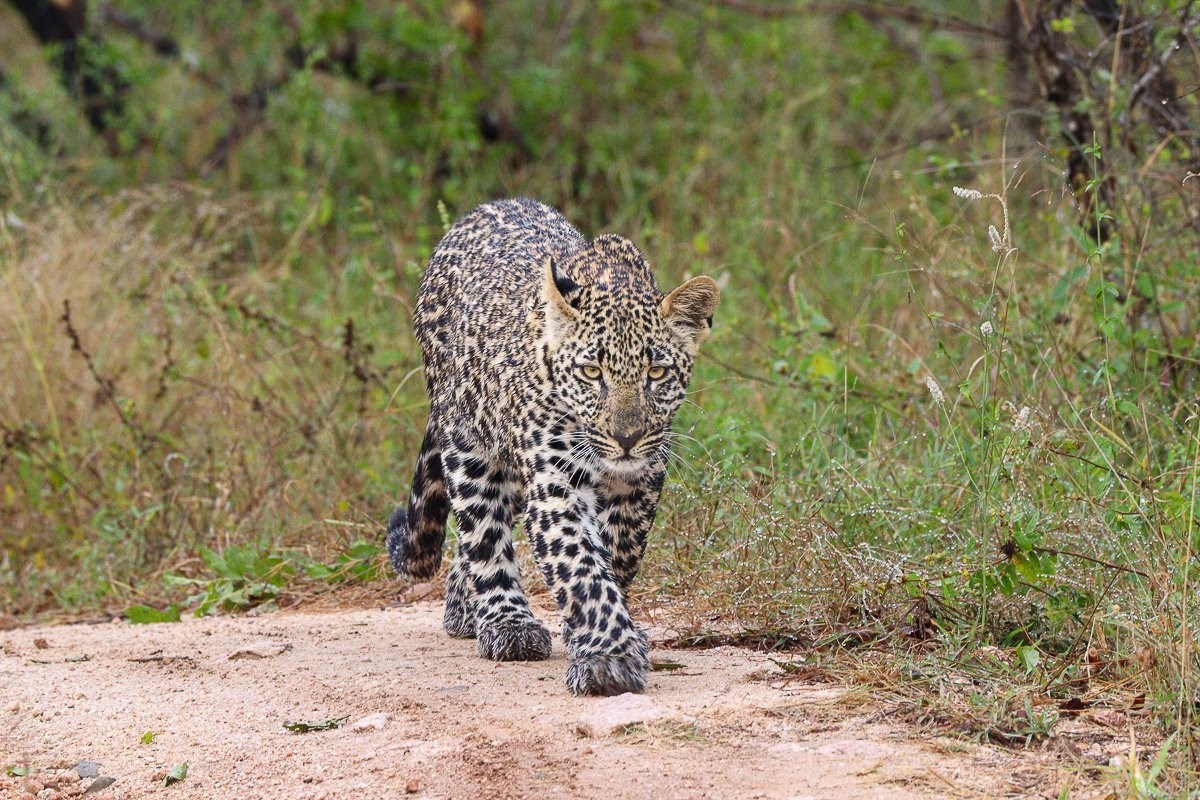
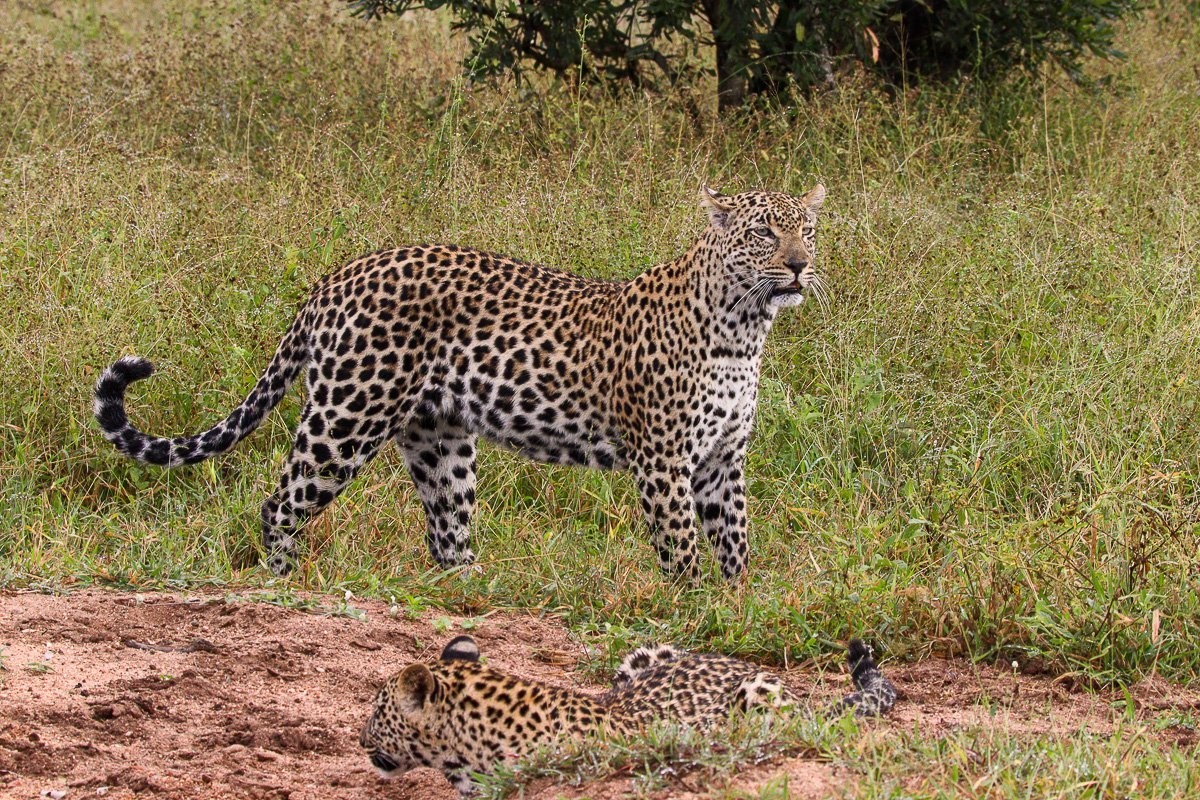
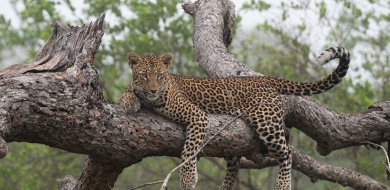
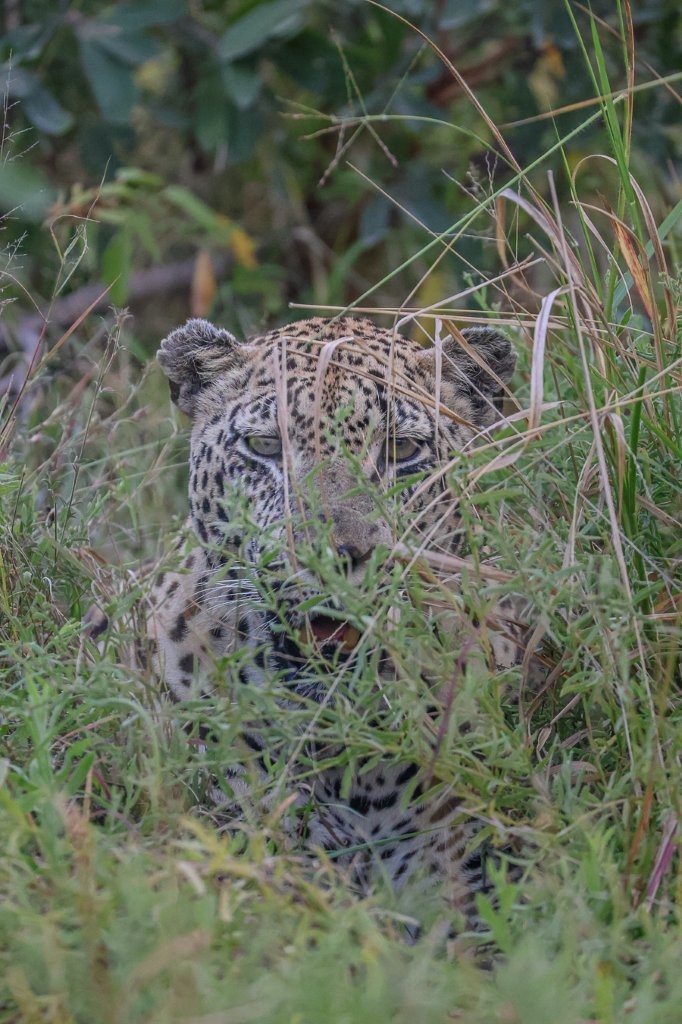
We found fresh tracks of a male leopard and began our tracking exercise. Shortly afterwards, we located the Mawelawela male resting in the tall grass, panting heavily in the afternoon heat. It was clear he had fed recently and was still digesting his meal, while searching for a safe place to rest before becoming active again later in the evening.
Until next time…
Blog by Wendy Claase
Images by Jana du Plessis and Ruan Mey