
A Week in the Bush Vol. 596
on Jun 10, 2026What a wonderful start to the week...
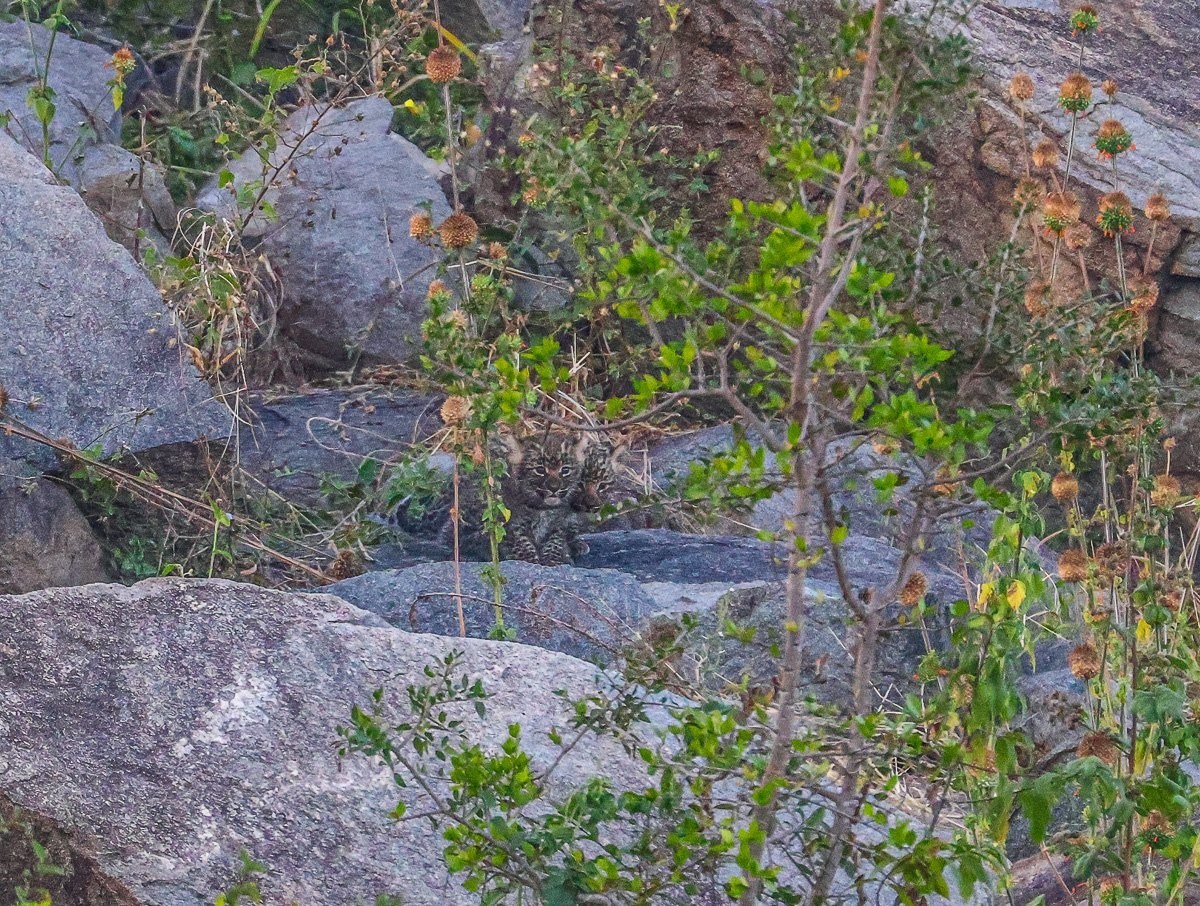
A morning safari brought an incredible and humbling experience as we were fortunate enough to see Golonyi’s cubs for the very first time. Golonyi was resting on a rocky outcrop and soon started calling repeatedly. Moments later, three tiny faces appeared from behind the rocks and cautiously made their way towards her.
At around four weeks old, the cubs are still extremely vulnerable. The rocky outcrop she has chosen as a den site provides numerous hiding places and escape routes, offering valuable protection should danger arise.
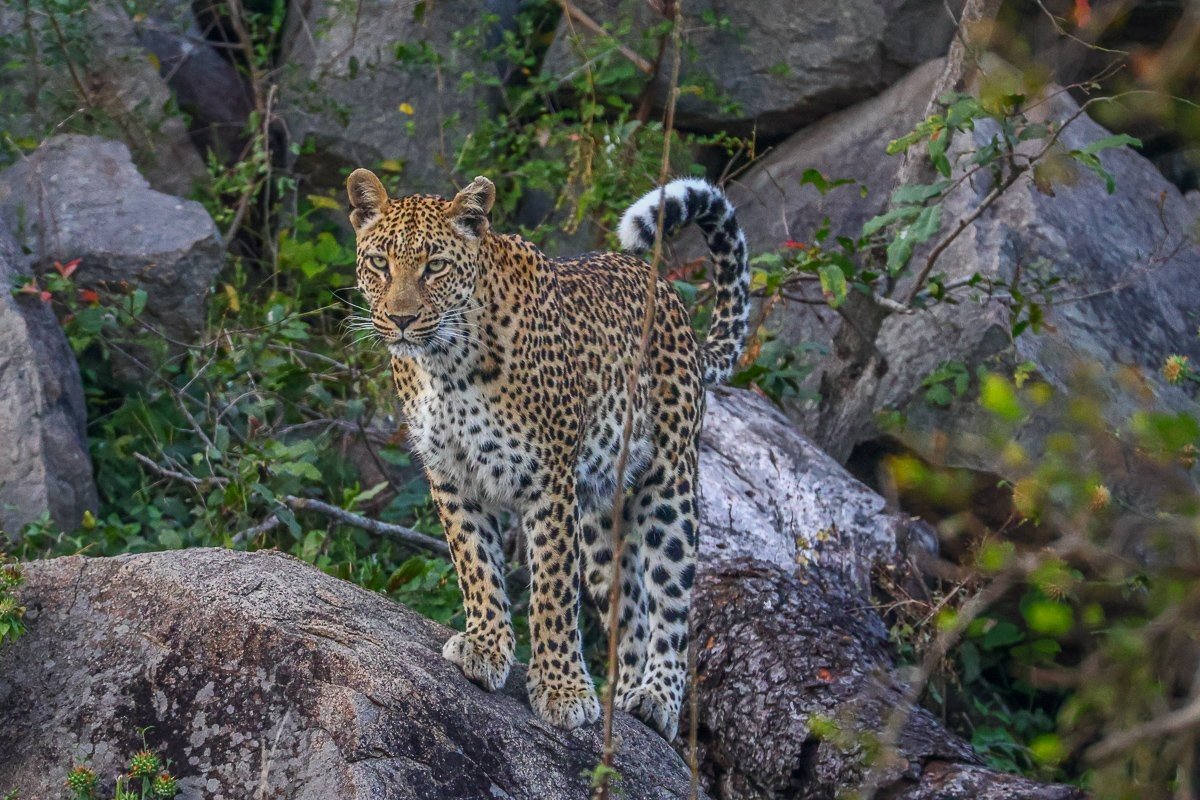
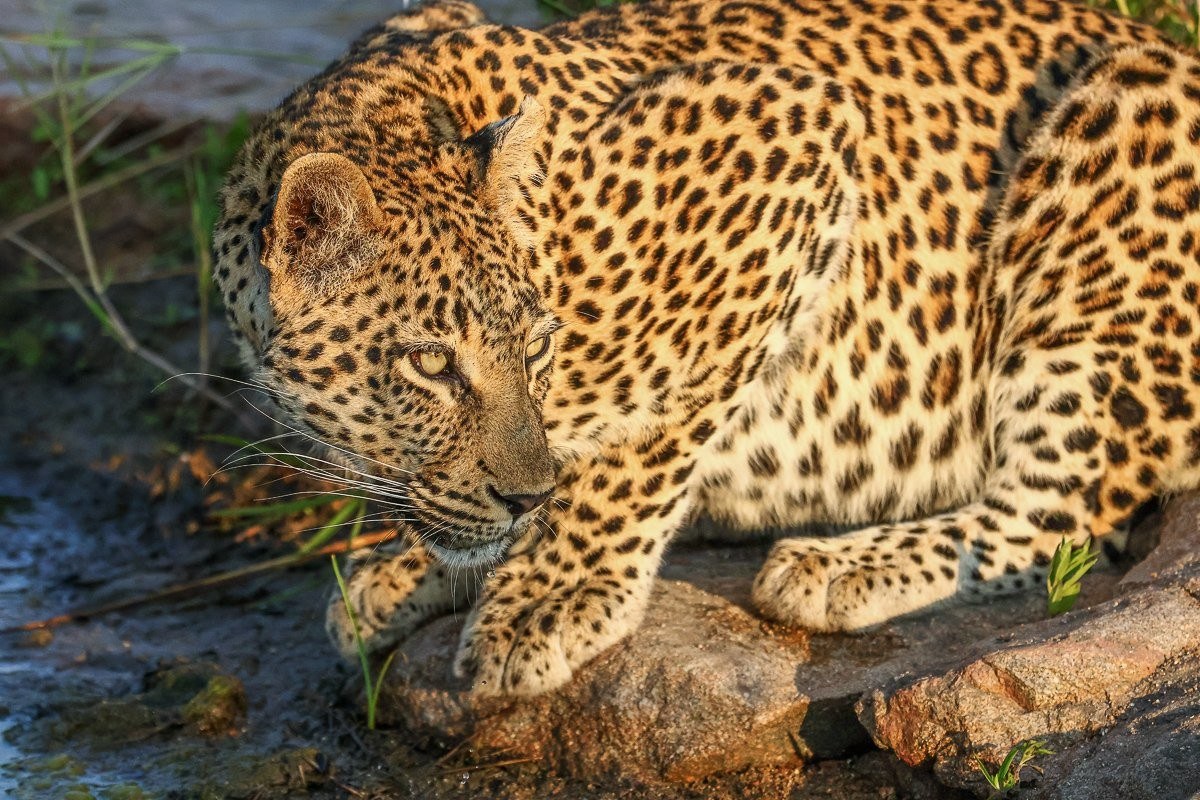
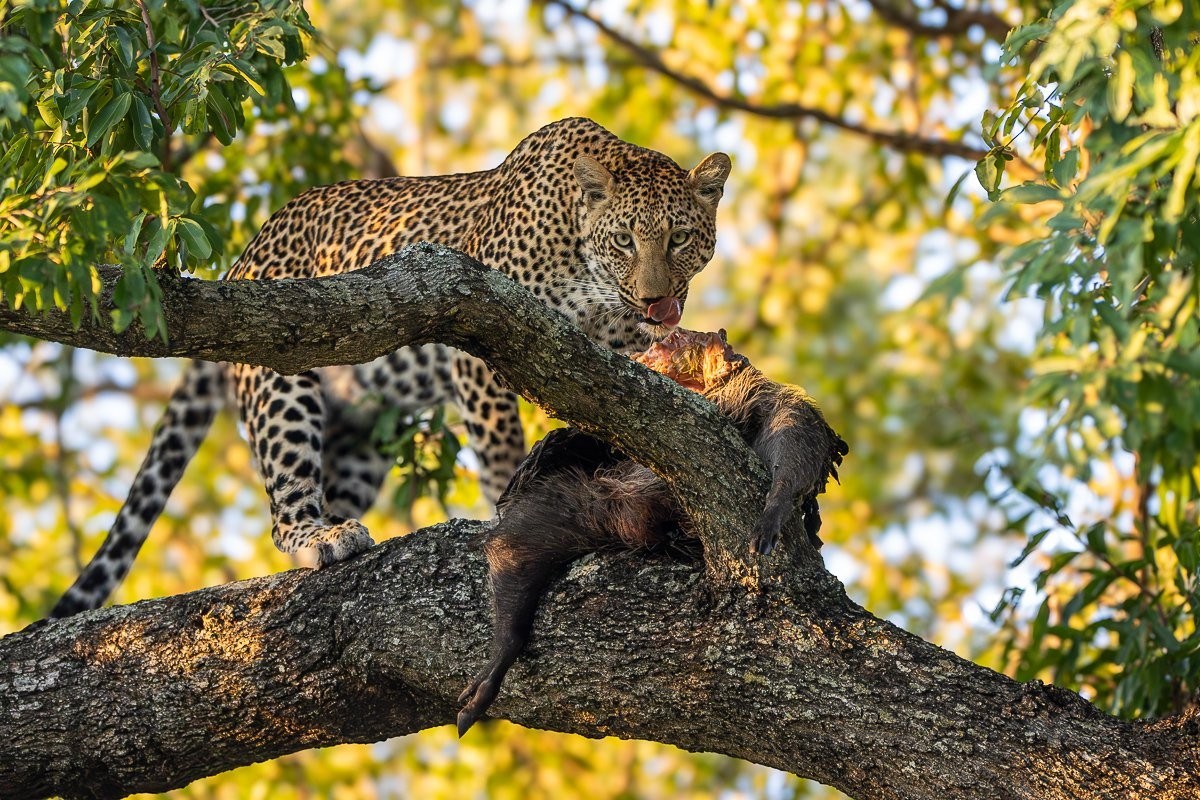
After discovering a dead warthog stashed in a Marula tree the previous day, we set out on our morning safari and were delighted to find Kurhula resting nearby, keeping a watchful eye over her kill.
Unfortunately for her, the Marula tree had lost most of its leaves, leaving the carcass exposed to potential scavengers. Fortunately for us, this led to an incredible sighting. She climbed into the tree, retrieved her kill, and carefully dragged it into a nearby drainage line, where she concealed it in the shade and spent the remainder of the day resting beside it.
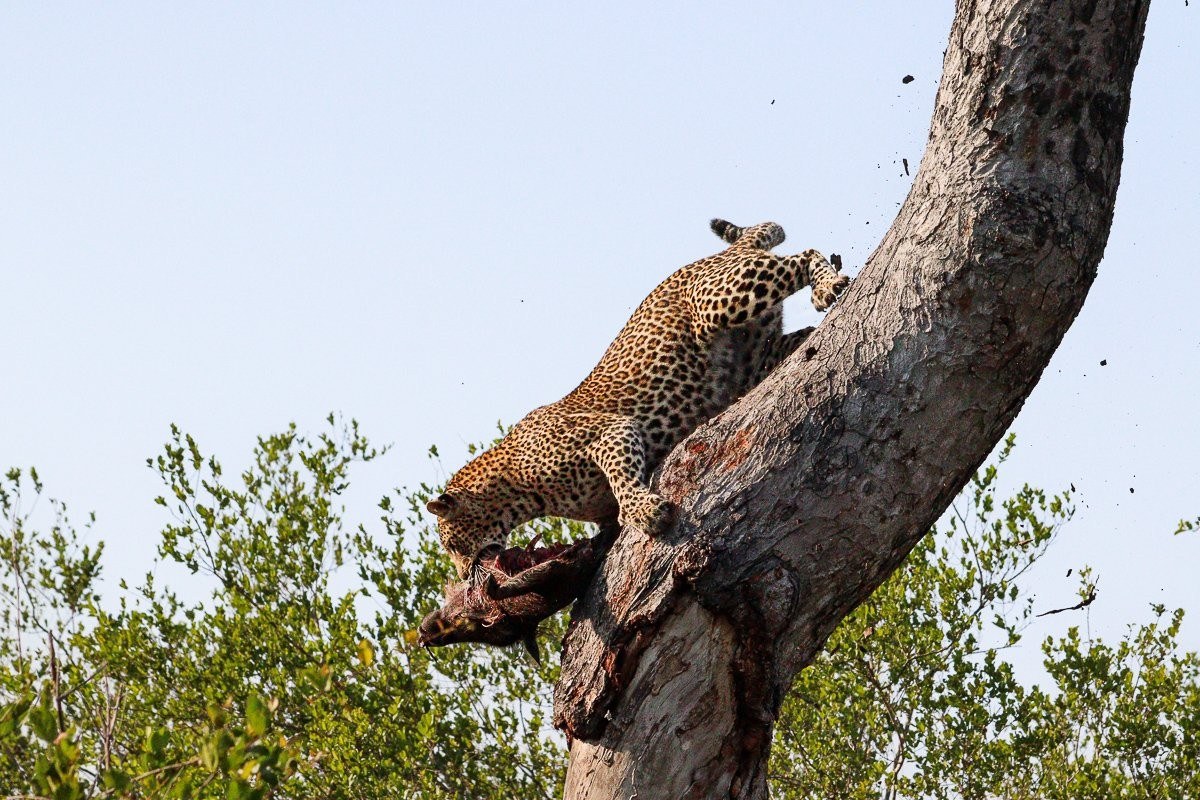
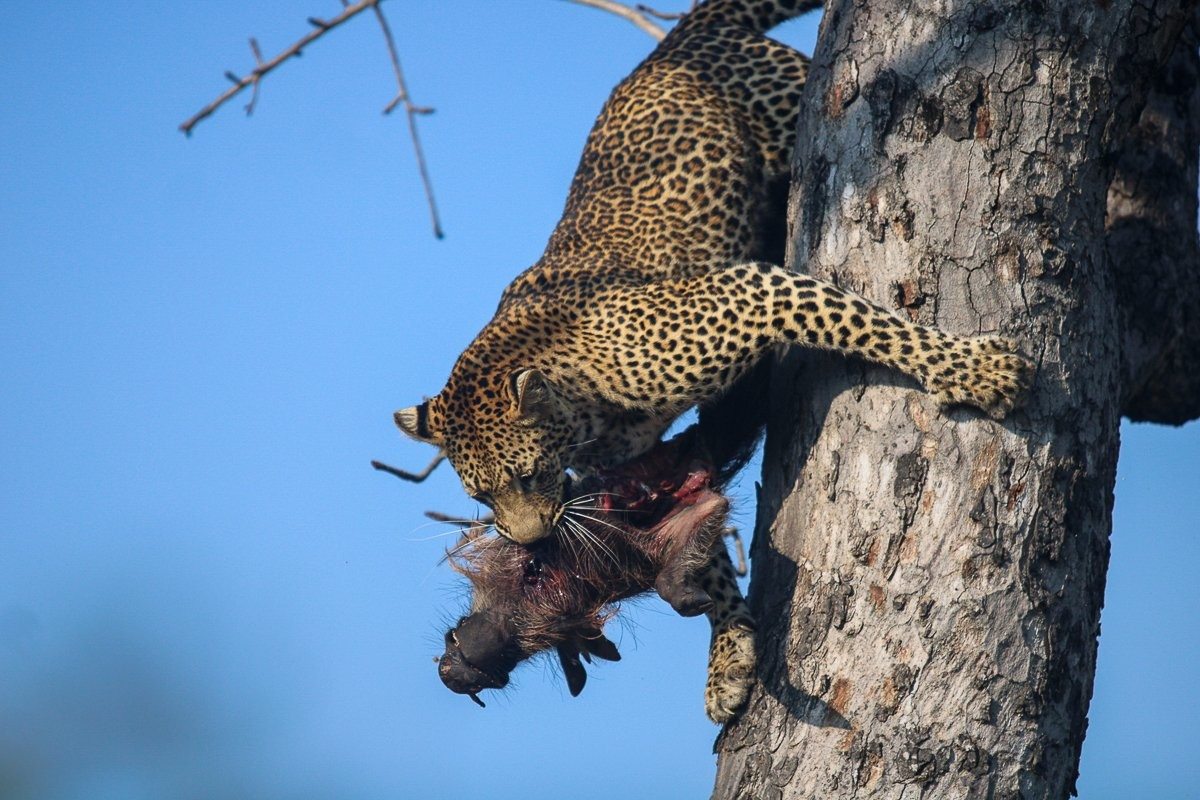
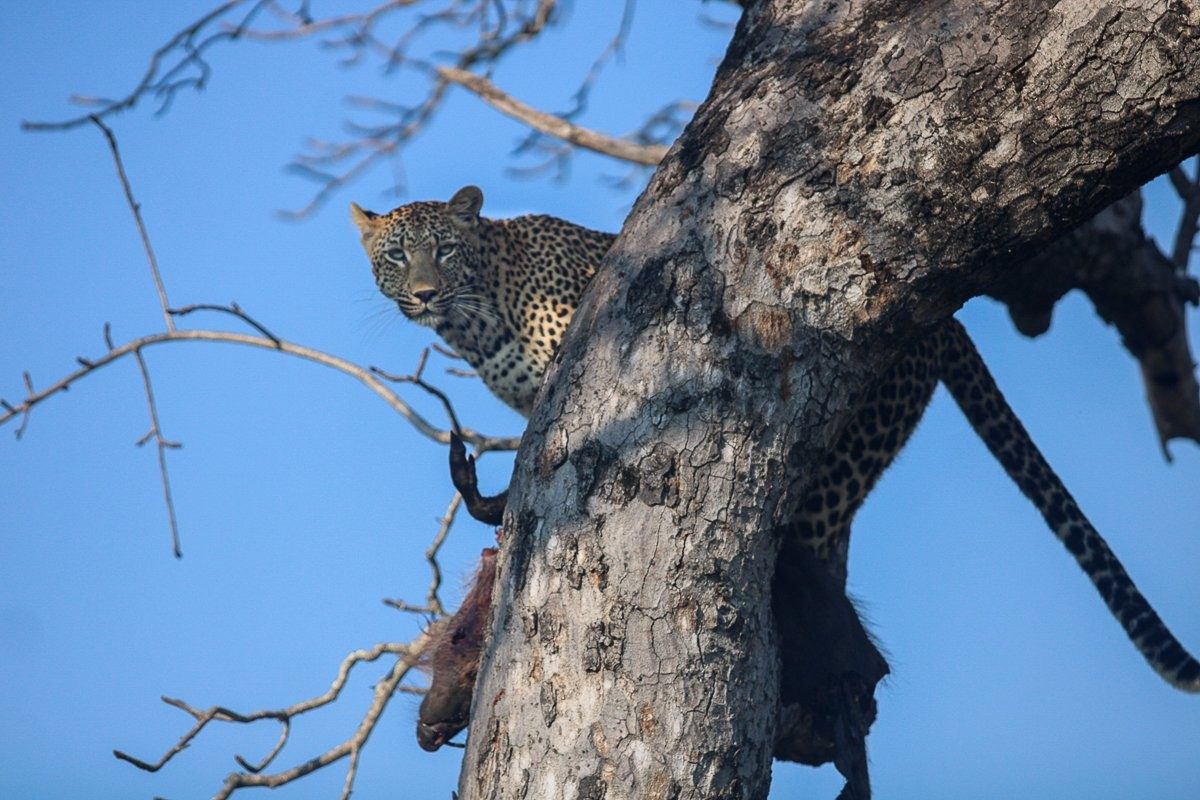
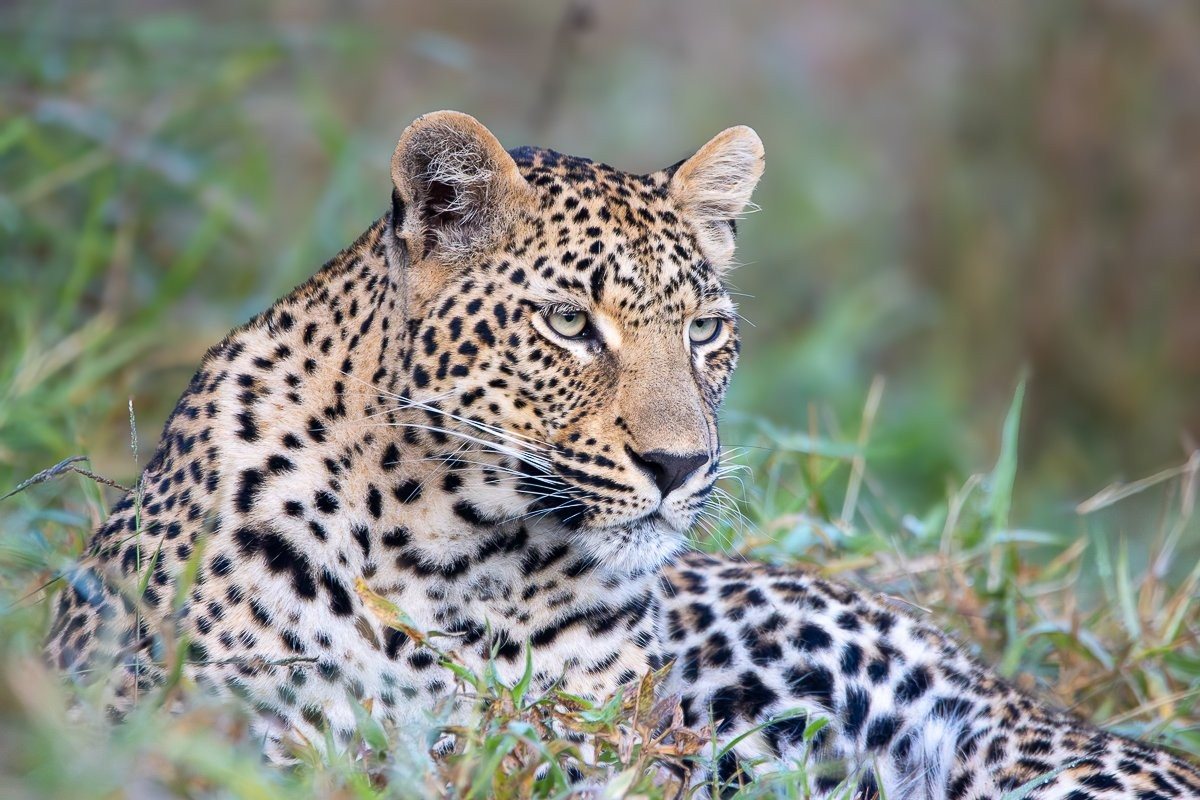
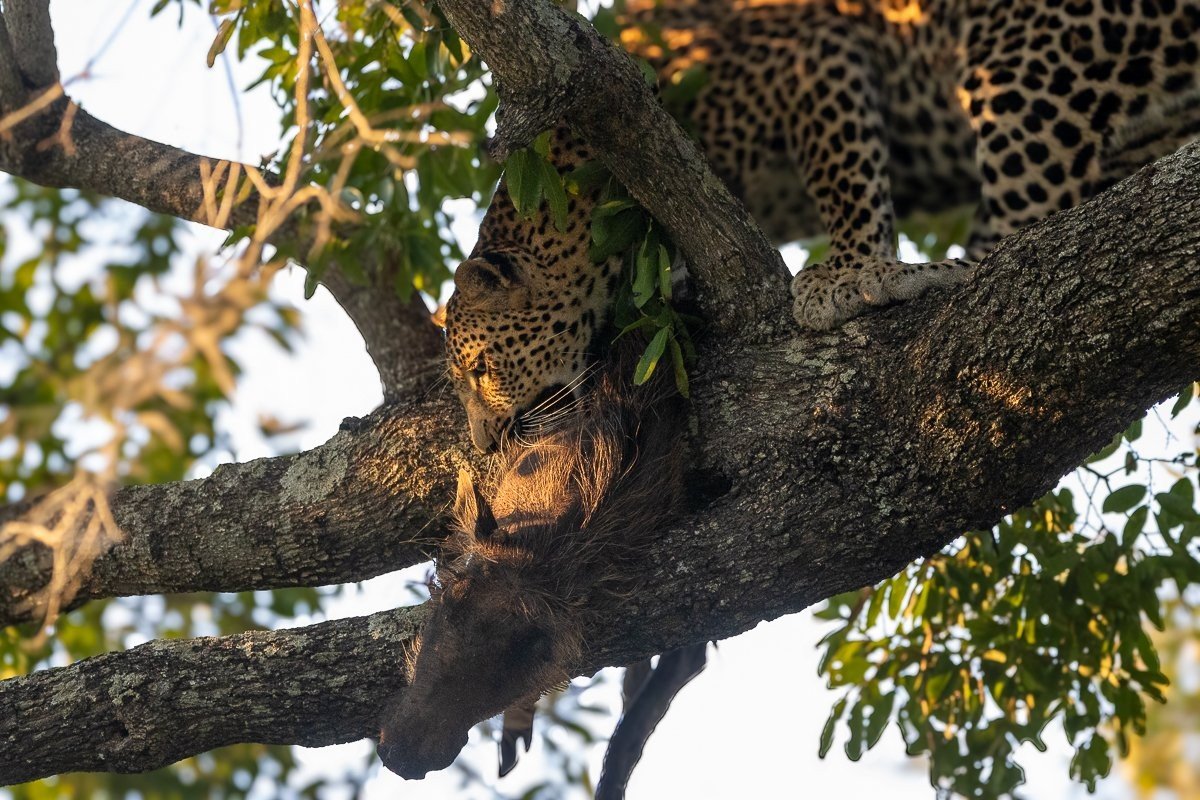
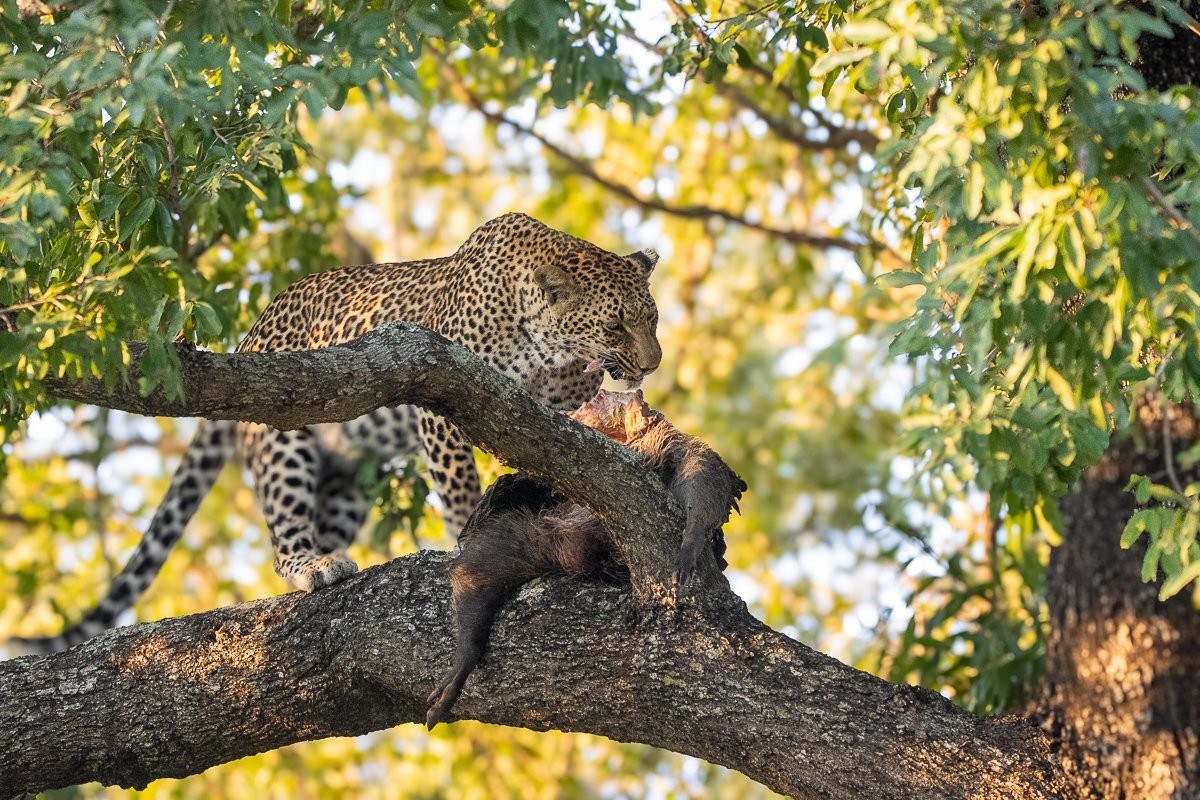
We followed up on the area where we had last seen Kurhula with her warthog kill, but she was nowhere to be found. After searching for some time, we eventually discovered drag marks in the riverbed alongside her tracks, revealing that she had moved the carcass.
Following the trail through the long grass, we were finally rewarded when we spotted the kill once again hoisted high in a tree. This time, she had chosen a thick Jackalberry tree, its dense canopy concealing the carcass from both the harsh sun and circling vultures.
Leopards regularly stash their kills in trees to protect them from scavengers such as hyenas and vultures. They often select well-concealed locations within dense canopies, using cover and height to reduce the chances of other predators detecting and stealing their hard-earned meal.
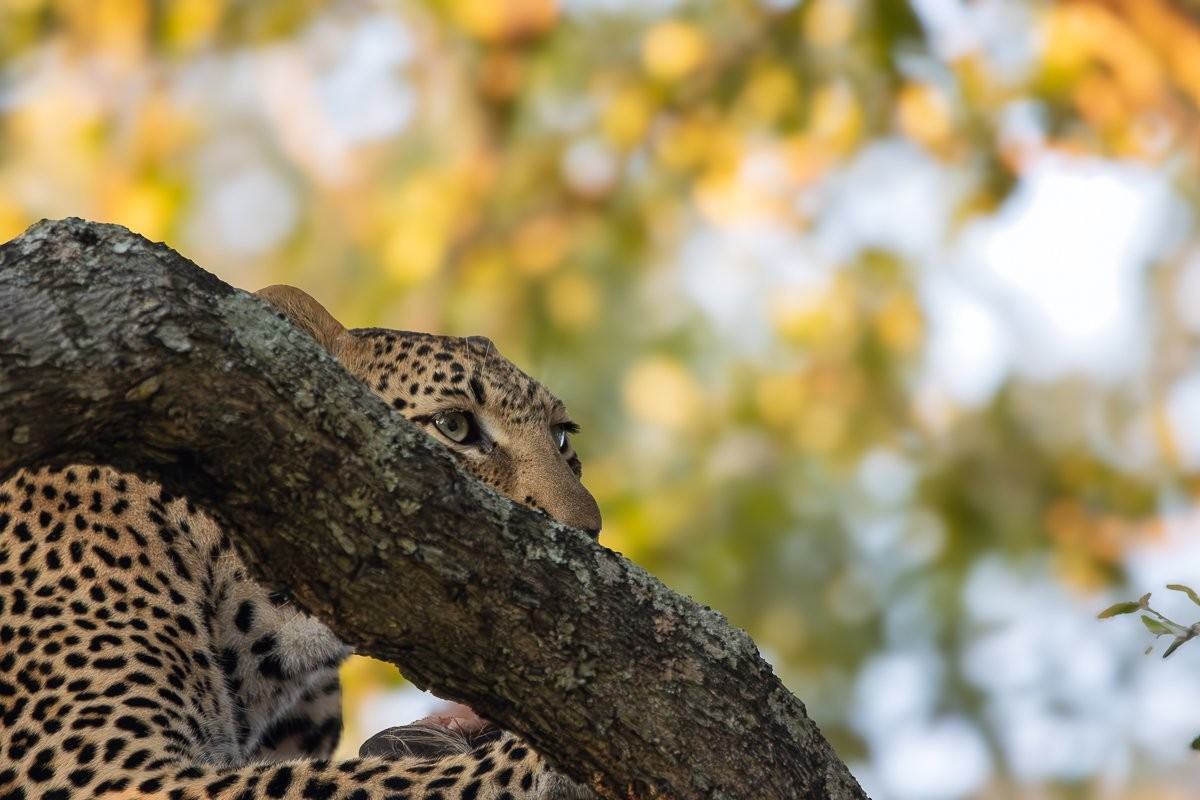
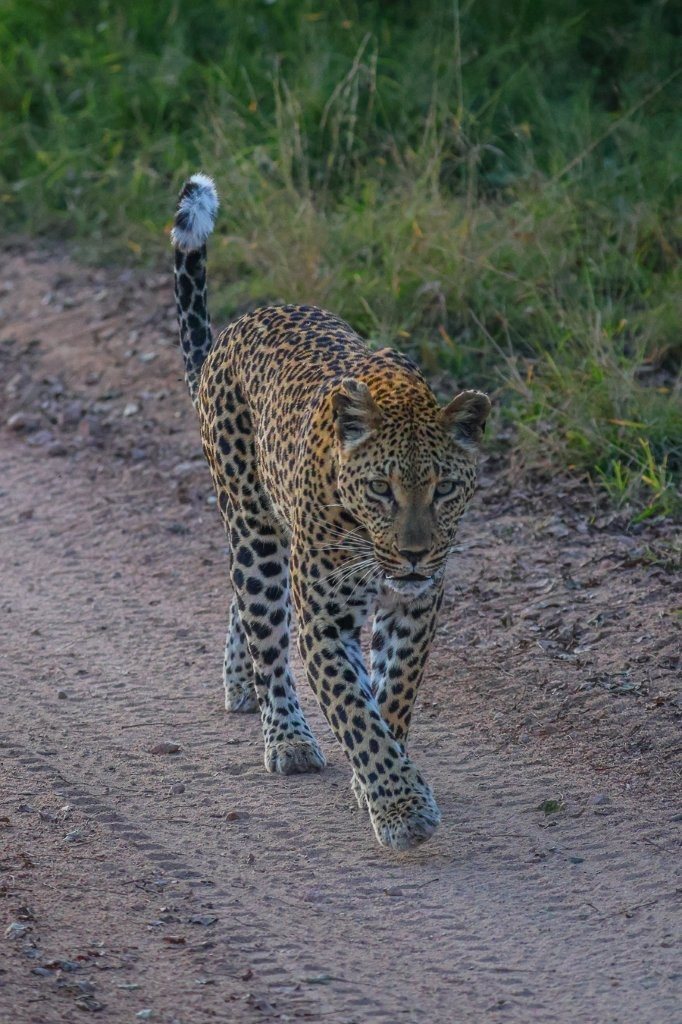
During our afternoon safari, we picked up the tracks of a female leopard moving through a drainage line and decided to follow them on foot. As we tracked, we suddenly heard alarm calls from a nyala ahead of us. Recognising that the leopard was likely nearby, we immediately returned to the vehicle and drove around to continue the search.
Luck was on our side. We soon found the Ntsumi female calmly walking down the road, stopping every few metres to listen, smell the air, and assess her surroundings. She was clearly searching for her next hunting opportunity.
Although leopards are primarily nocturnal, they often become active in the late afternoon as temperatures begin to drop. At the same time, many prey species start moving back into thicker vegetation to settle for the night, creating ideal conditions for a leopard to ambush.
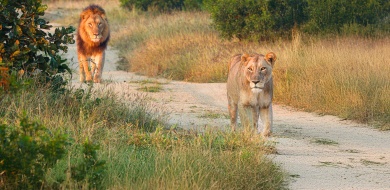
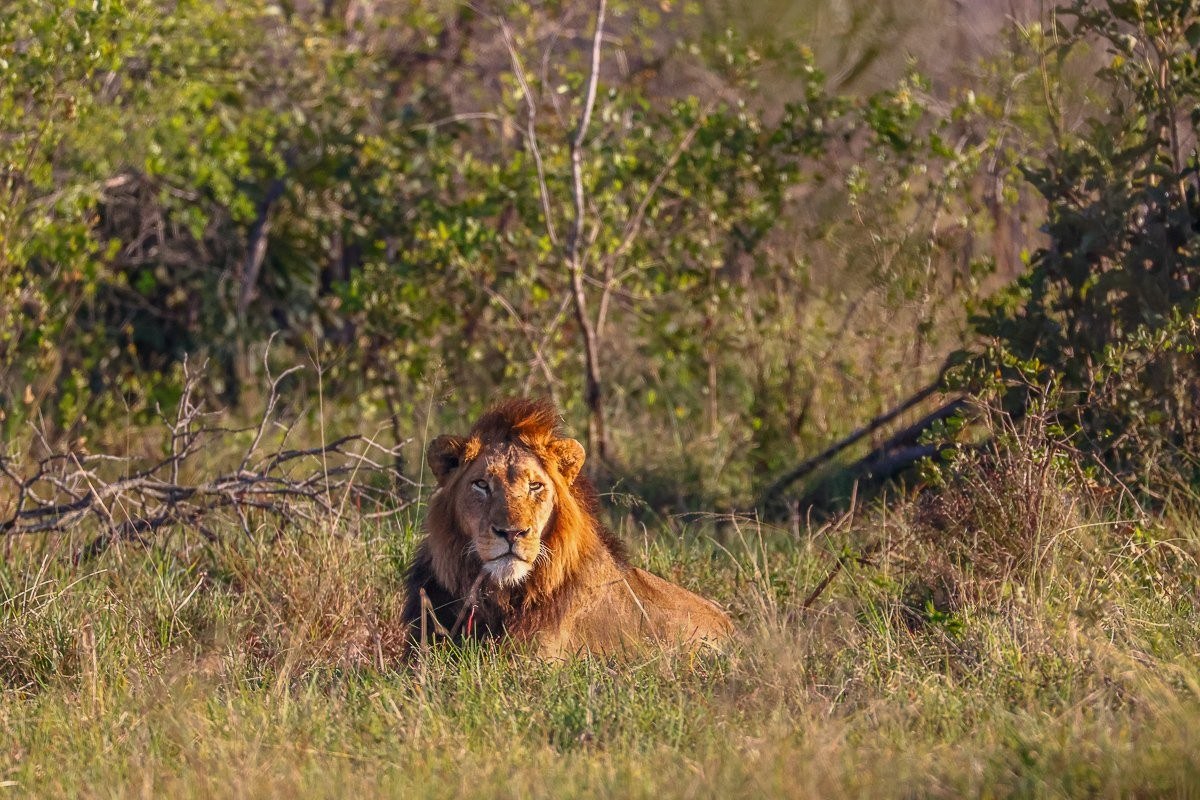
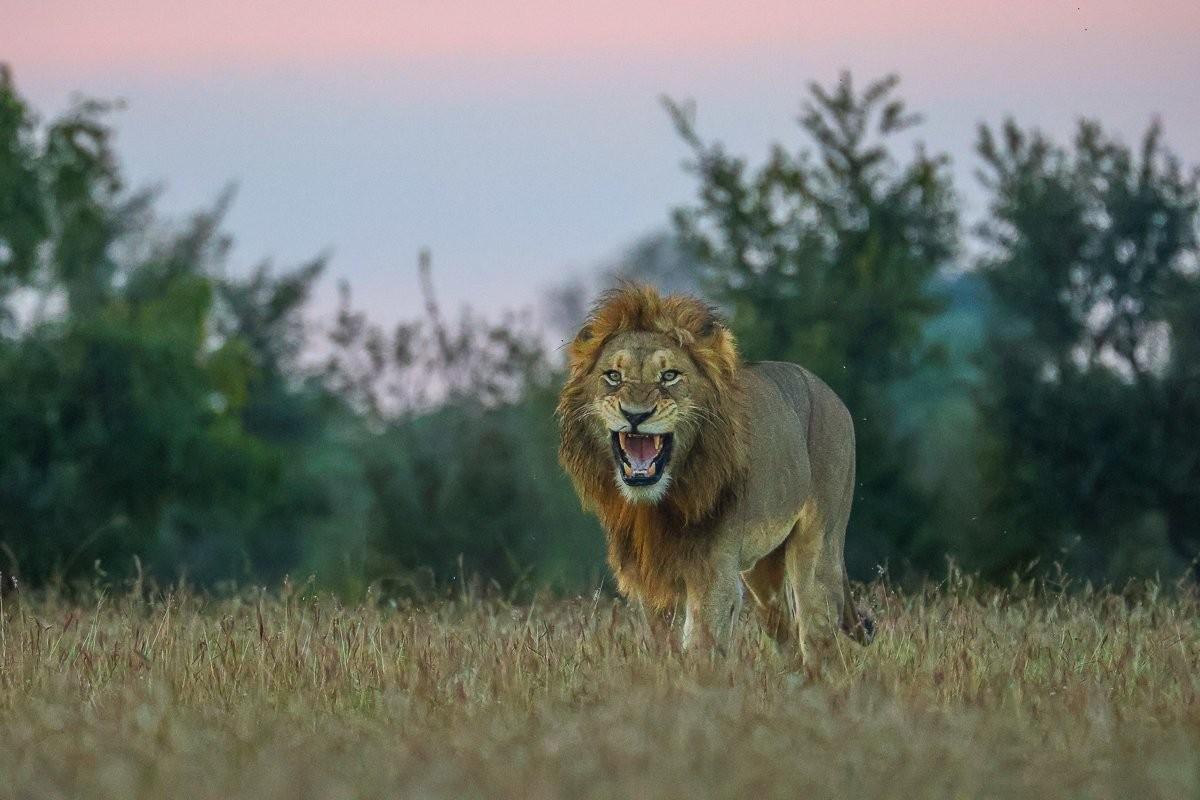
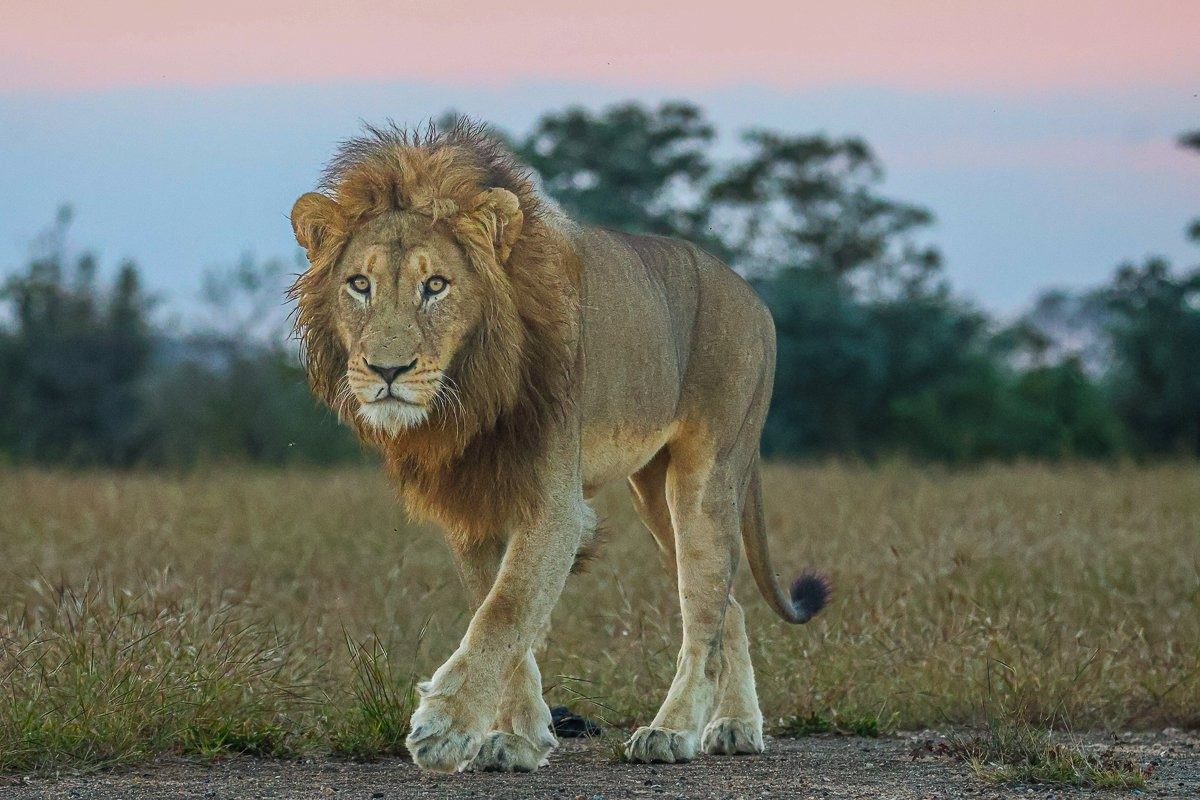
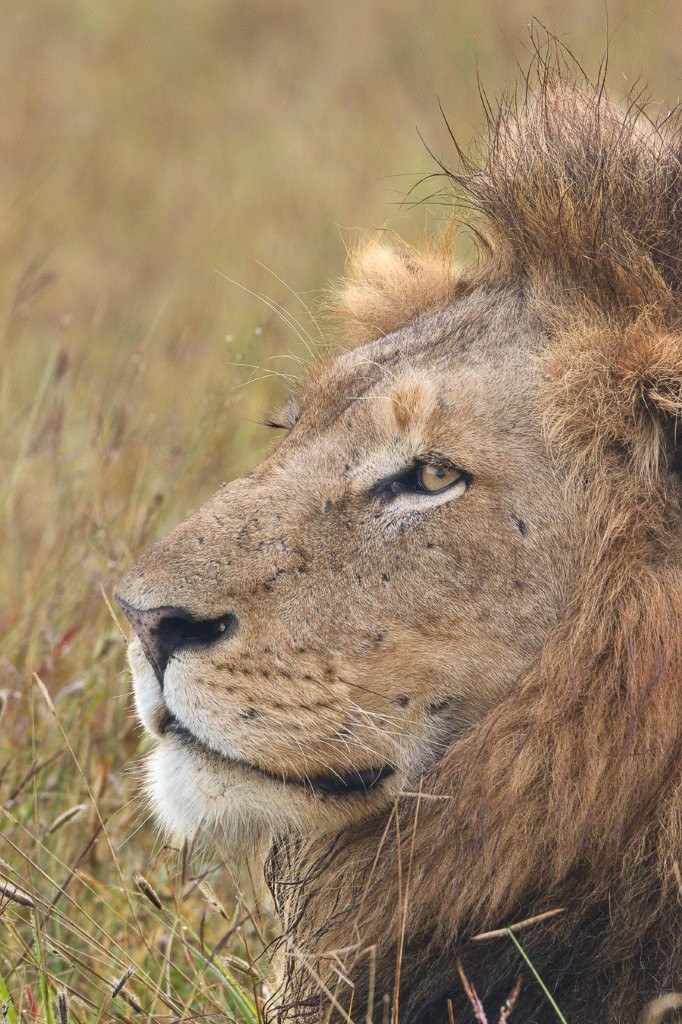
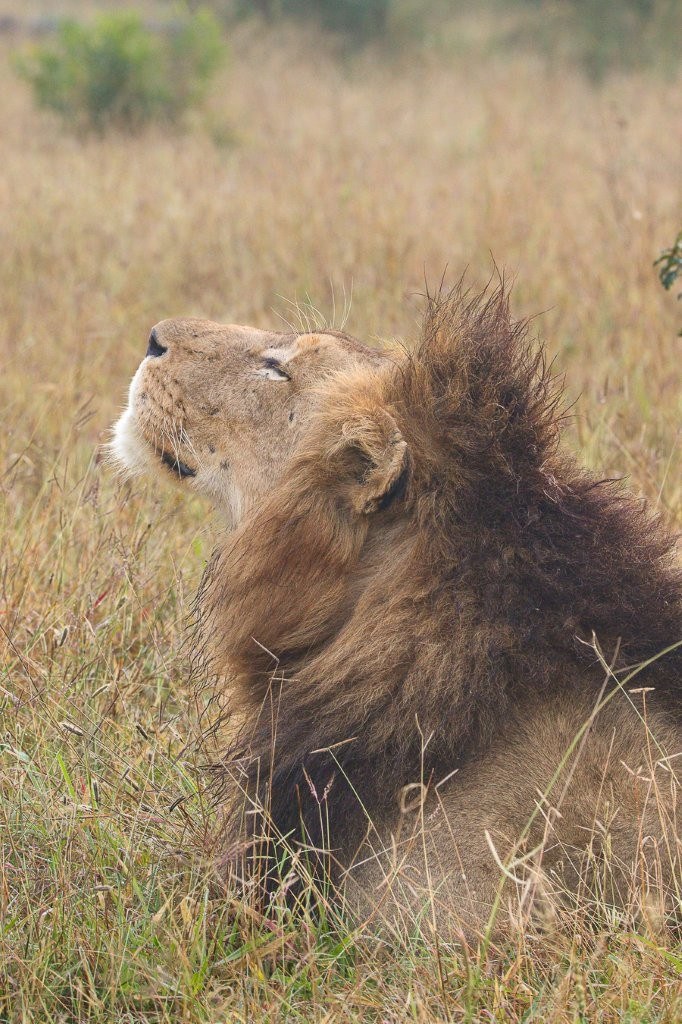
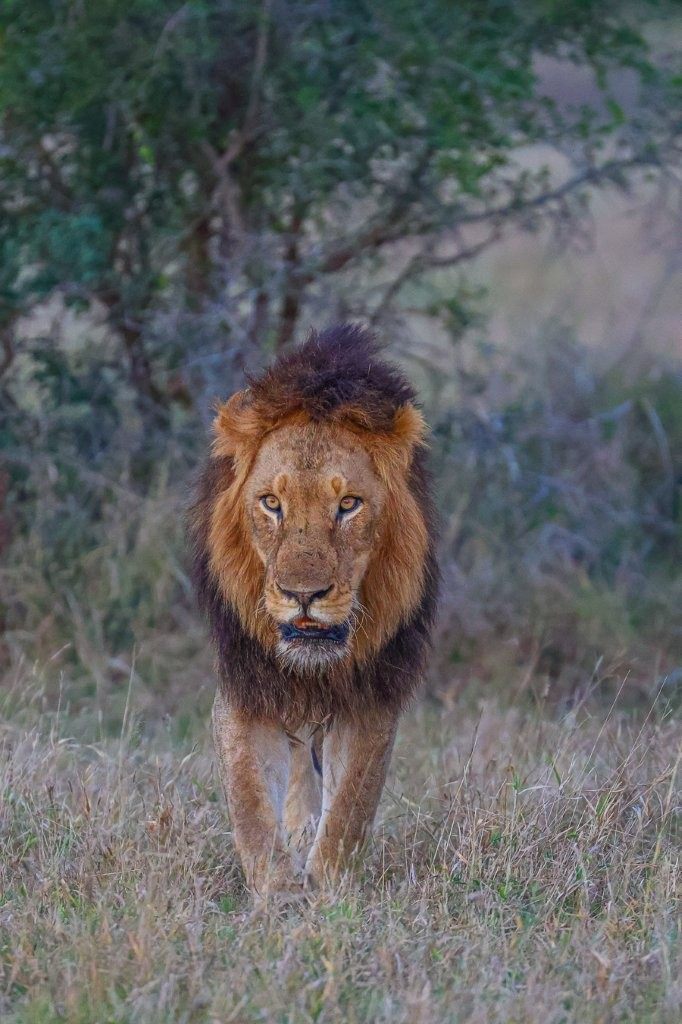
We decided to follow up on the N’waswishaka male lions from the morning and, unsurprisingly, found them in the exact same spot where we had left them earlier in the day. The three males were still accompanying two lionesses from the Msuthlu Pride, with mating clearly high on their agenda. However, the lionesses’ behaviour suggested they were no longer in oestrus, as they repeatedly moved away from the persistent males. Female lions typically spend around five days with males while mating, after which they leave and rejoin the rest of their pride.
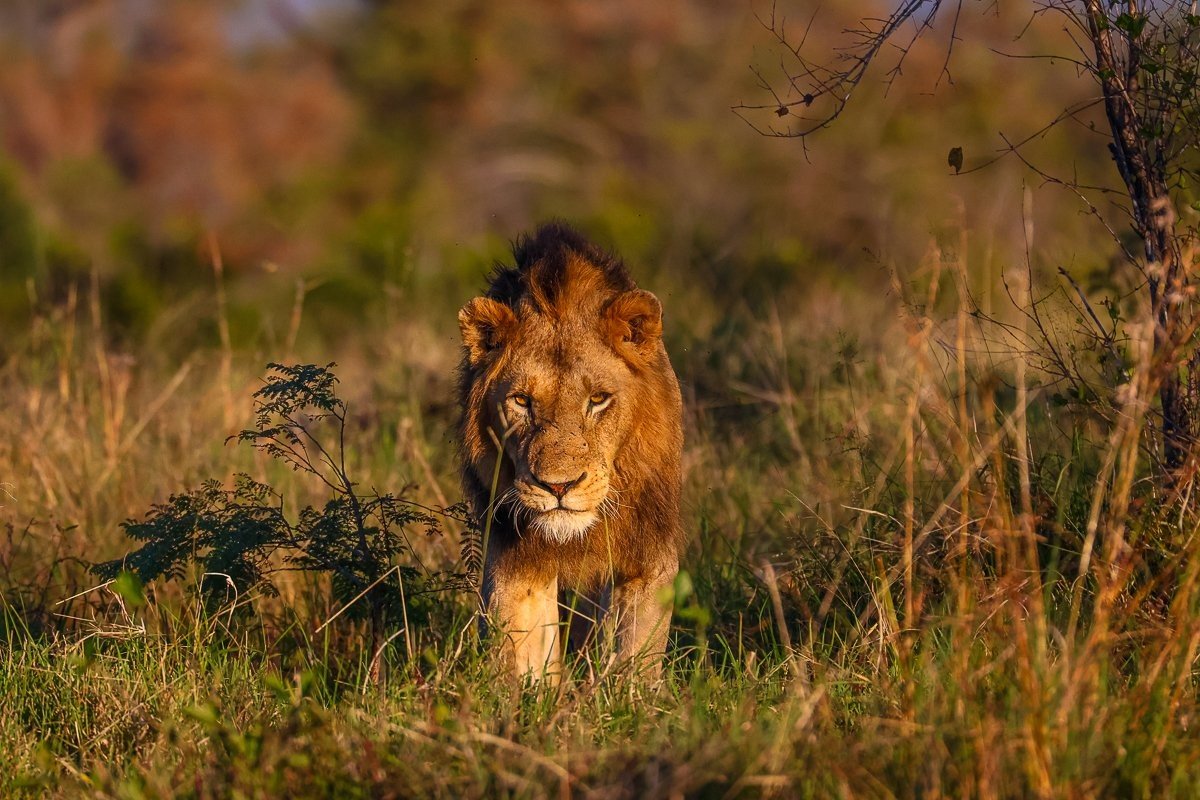
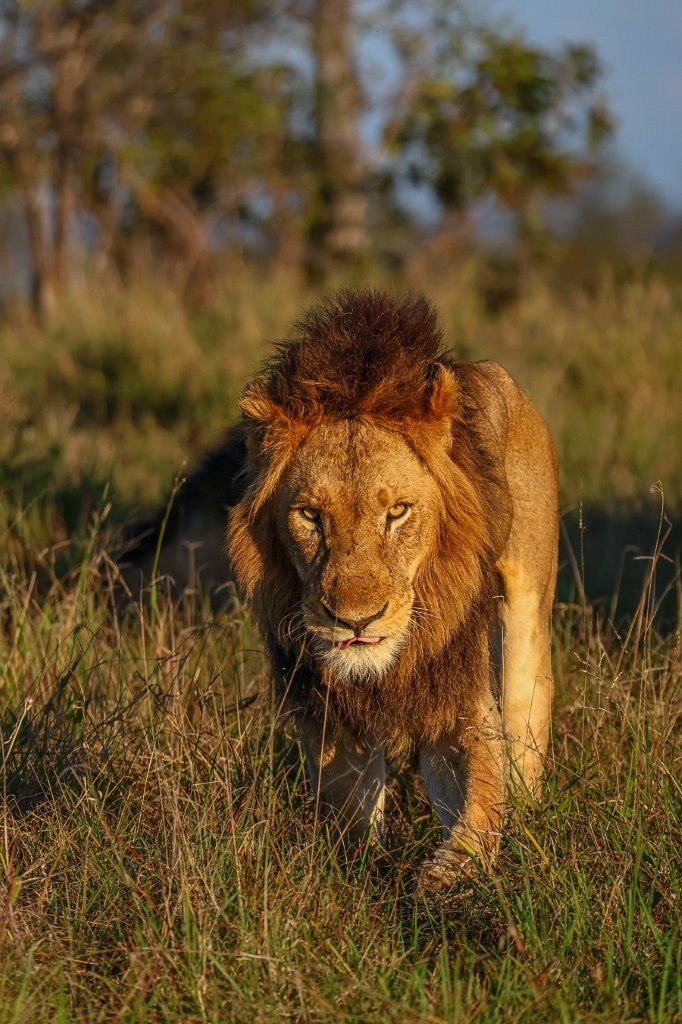
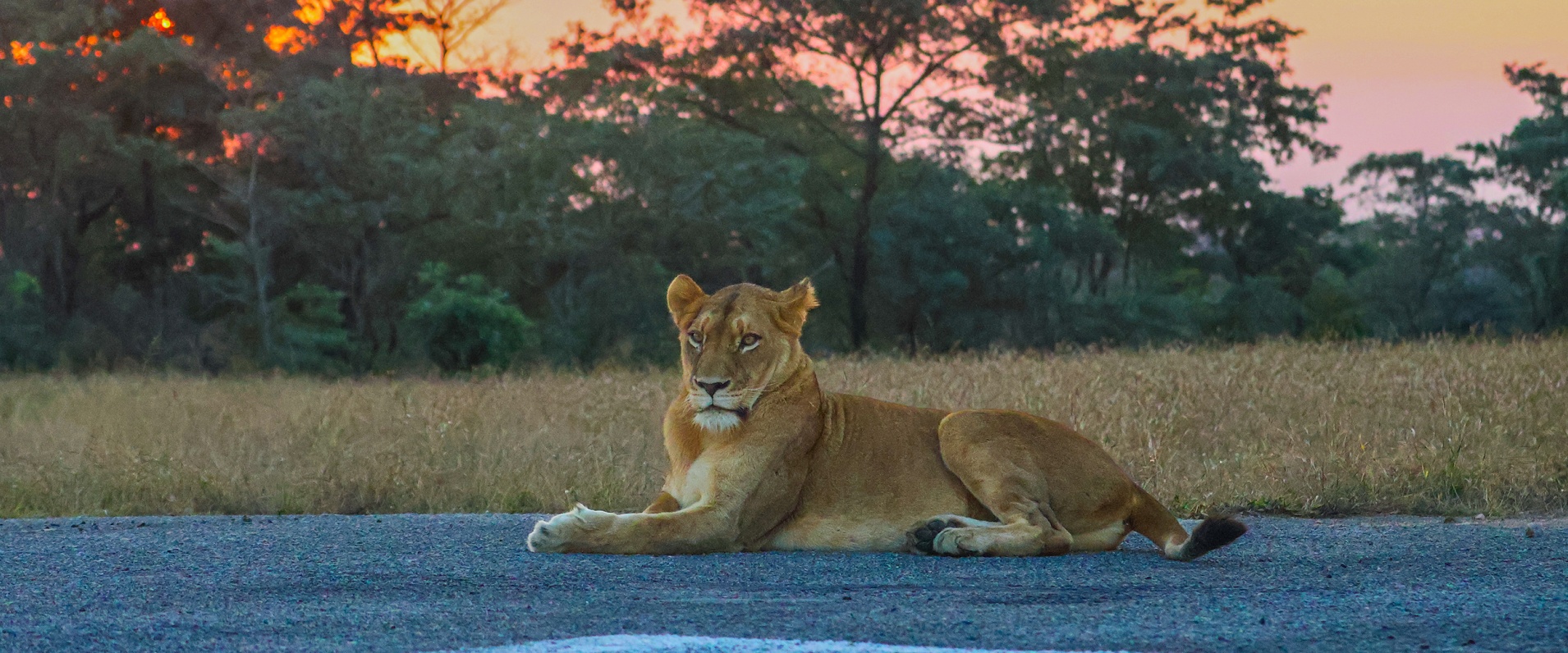
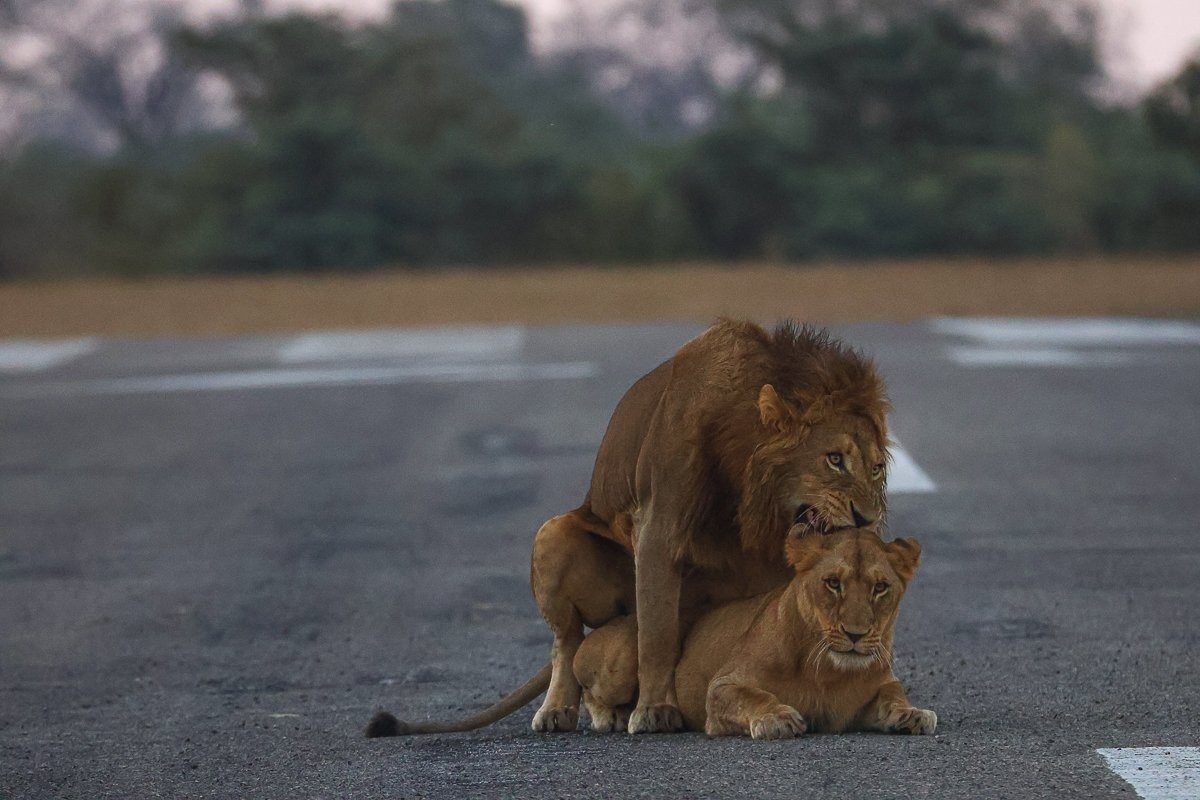
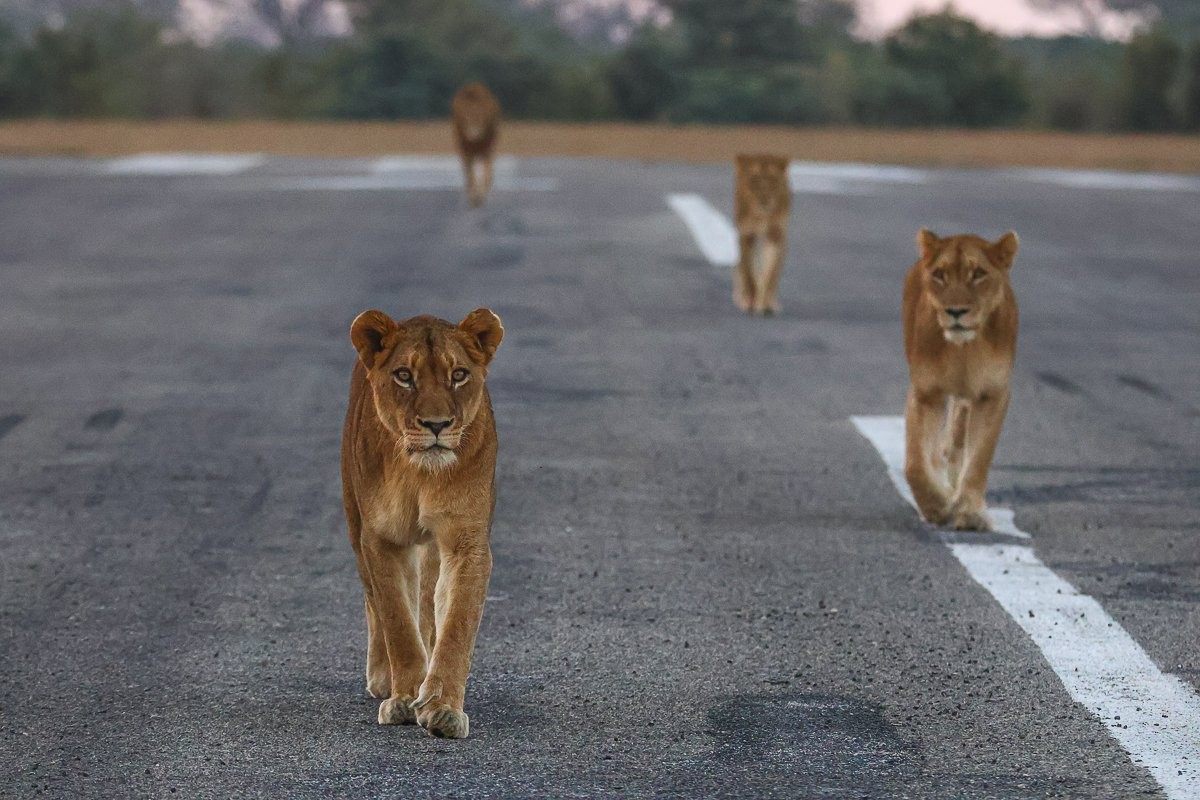
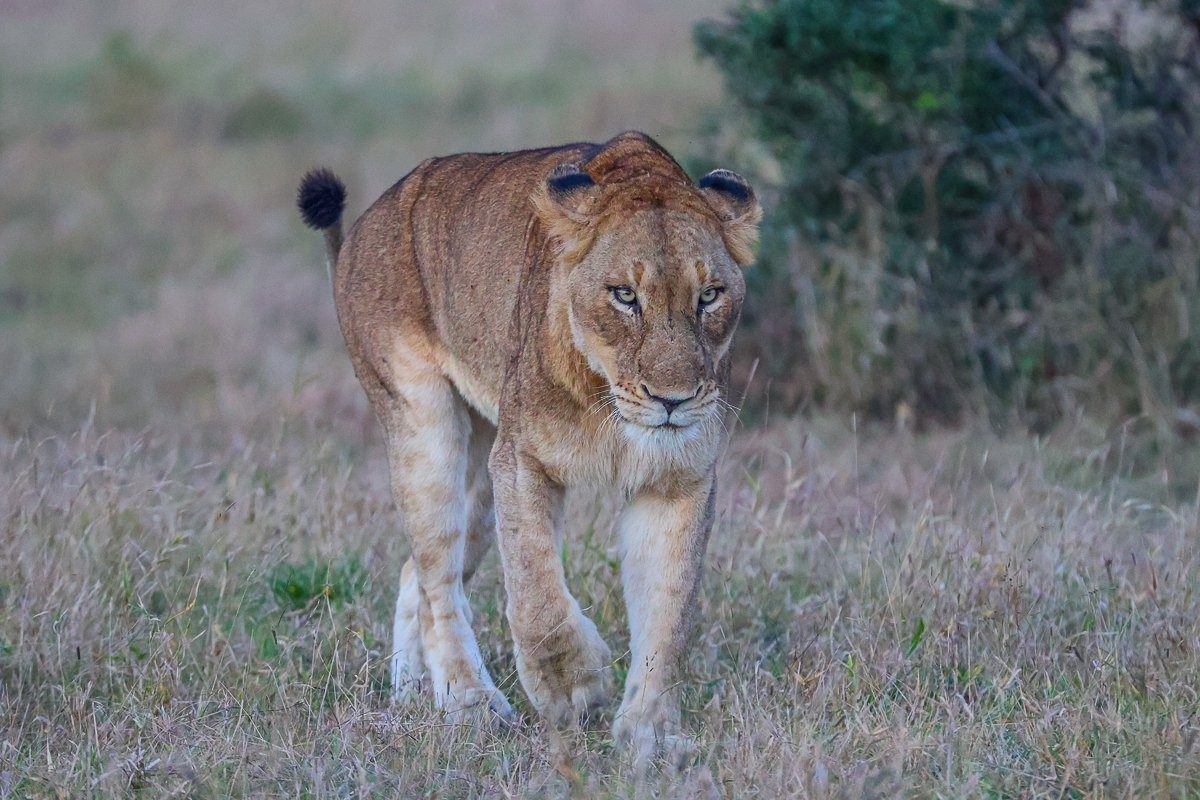
We followed up on tracks from a pride of lions moving deeper west into the reserve. After spending considerable time tracking on foot, we eventually located three lionesses from the Southern Pride together with one N’waswishaka male lion on the northern tip of our private airstrip. The male's focus was clear – mating - and he was frequently seen mating with one of the younger lionesses.
We spent some time with the group and were treated to an incredible sighting as all four lions walked down the middle of the runway. It was a truly unforgettable moment, creating a memory that will remain etched in our minds for years to come.
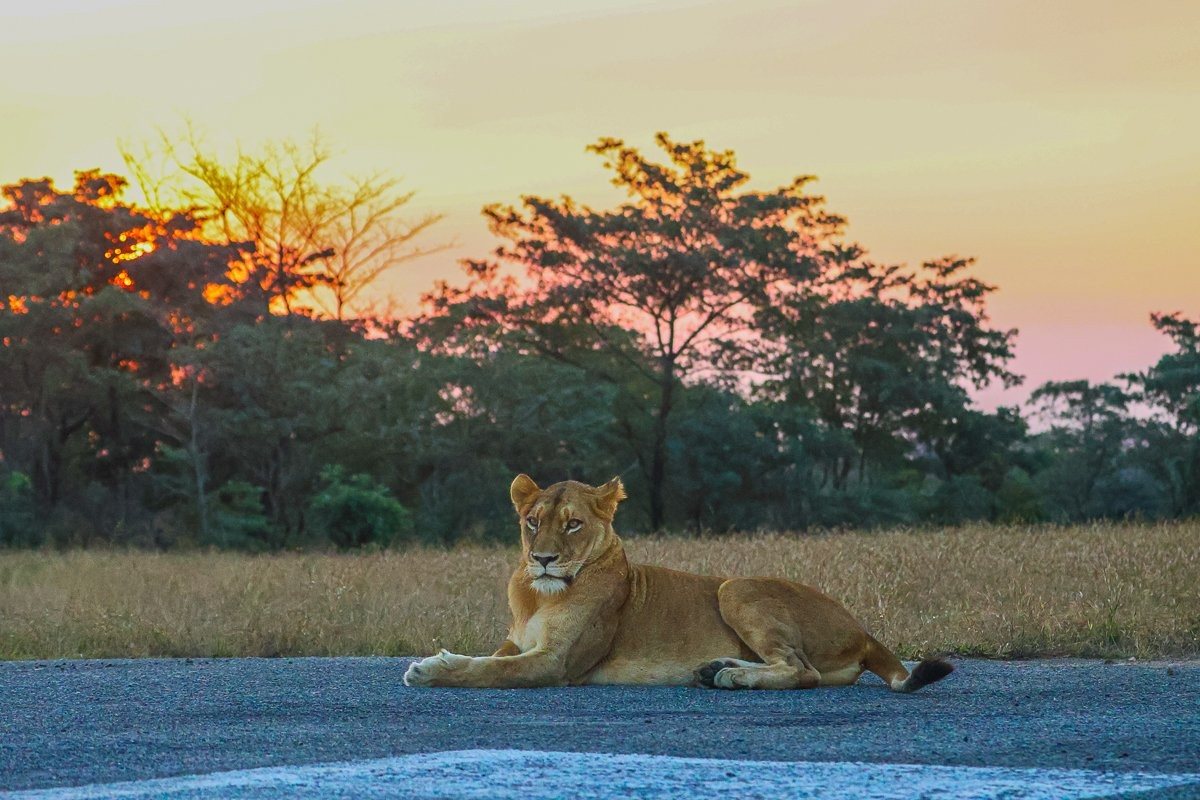
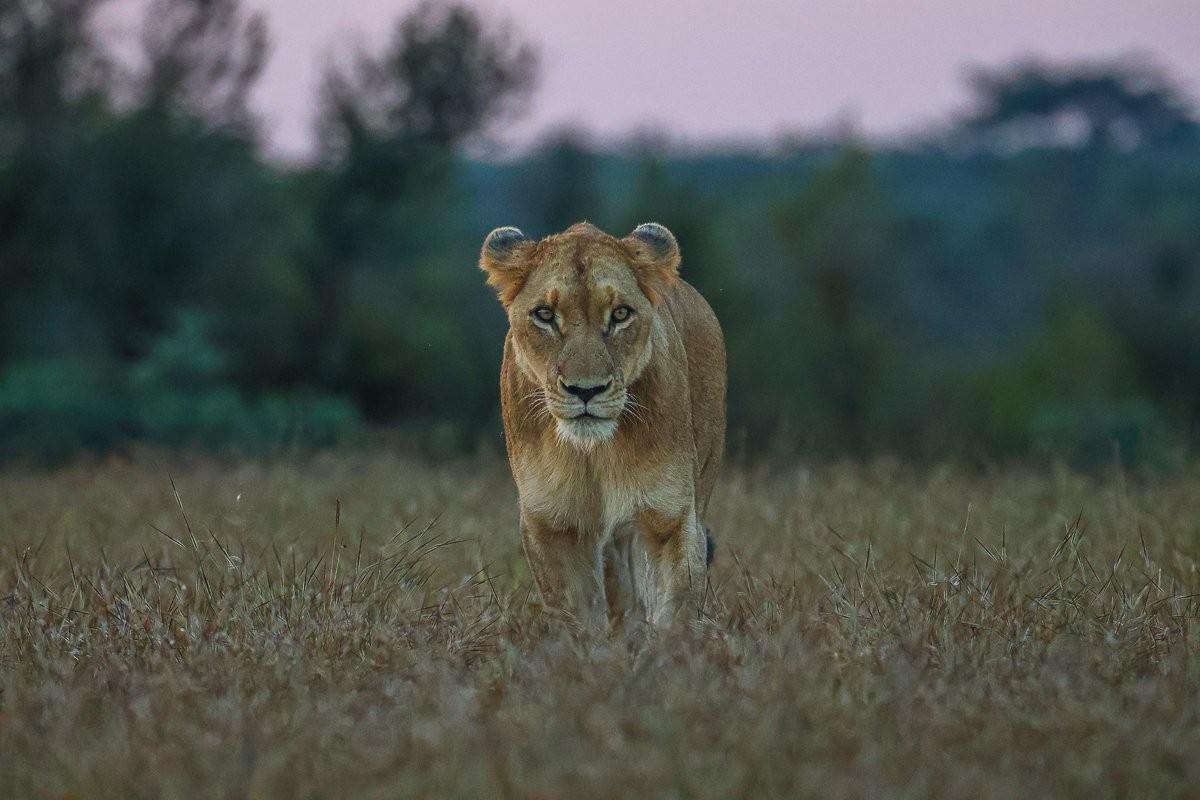
With the Southern Pride and a buffalo herd in close proximity, we suspected the lions would attempt a hunt. As the pride moved closer to the herd, they suddenly stopped and changed direction. It became clear they were stalking something hidden in the treeline, although we couldn't tell what it was. Moments later, the mystery was solved. With a sudden burst of speed, the lions charged and brought down a warthog.
For a pride of four adult lions, the small warthog offered little to share. As is often the case at a kill, tensions quickly flared, and each lion grabbed a portion before moving off to feed separately. After finishing her share, this lioness returned in search of more, eventually settling for the stomach lining of the unfortunate warthog.
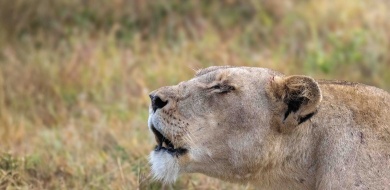
Trying to get away from the three N’waswishaka male lions, the Msuthlu lioness slowly got up from where they were sleeping, moving away far enough to where she stopped. As she moved through the reserve, she smelled the ground, lifted her head and softly called for her pride.
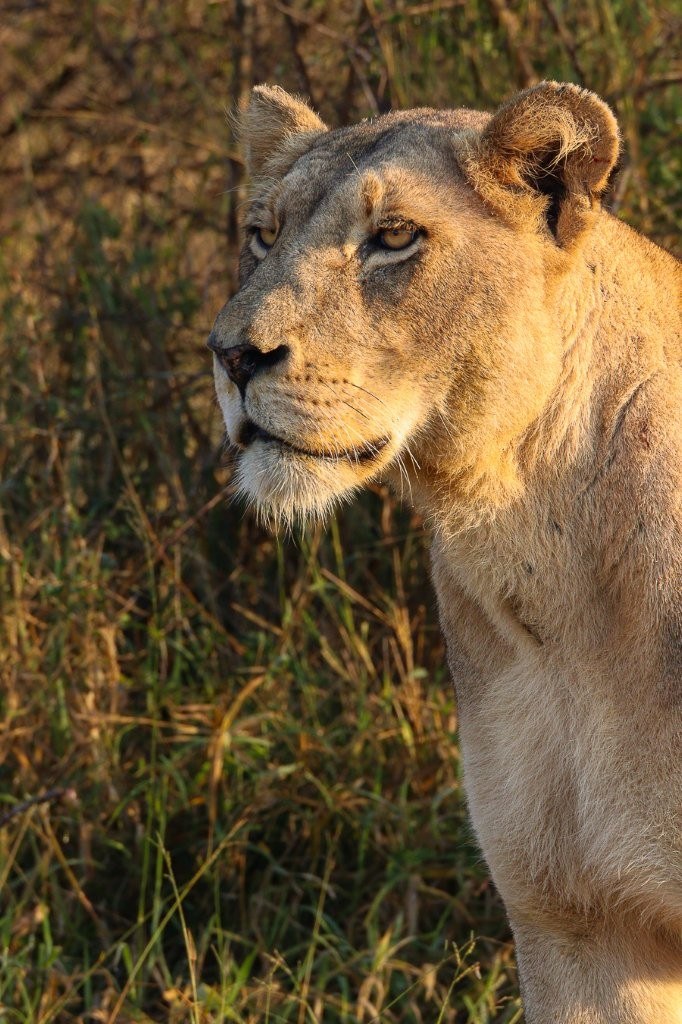
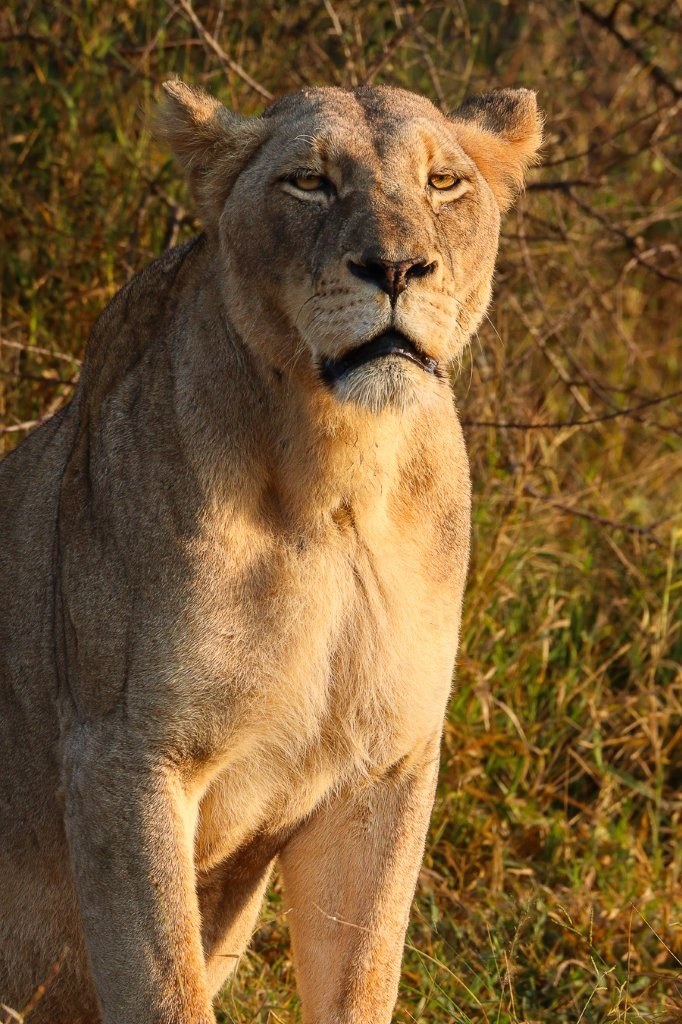
After finishing their wildebeest kill from the day before, three N’waswishaka male lions and 2 Msuthlu lionesses, rested in the cold winter sun as they digested their food. Fast asleep, the males breathed slowly, digesting their full bellies while the females slept not too far away. As the one lioness got up the male lifted his head, watching her every step carefully as she moved off to find more sun.
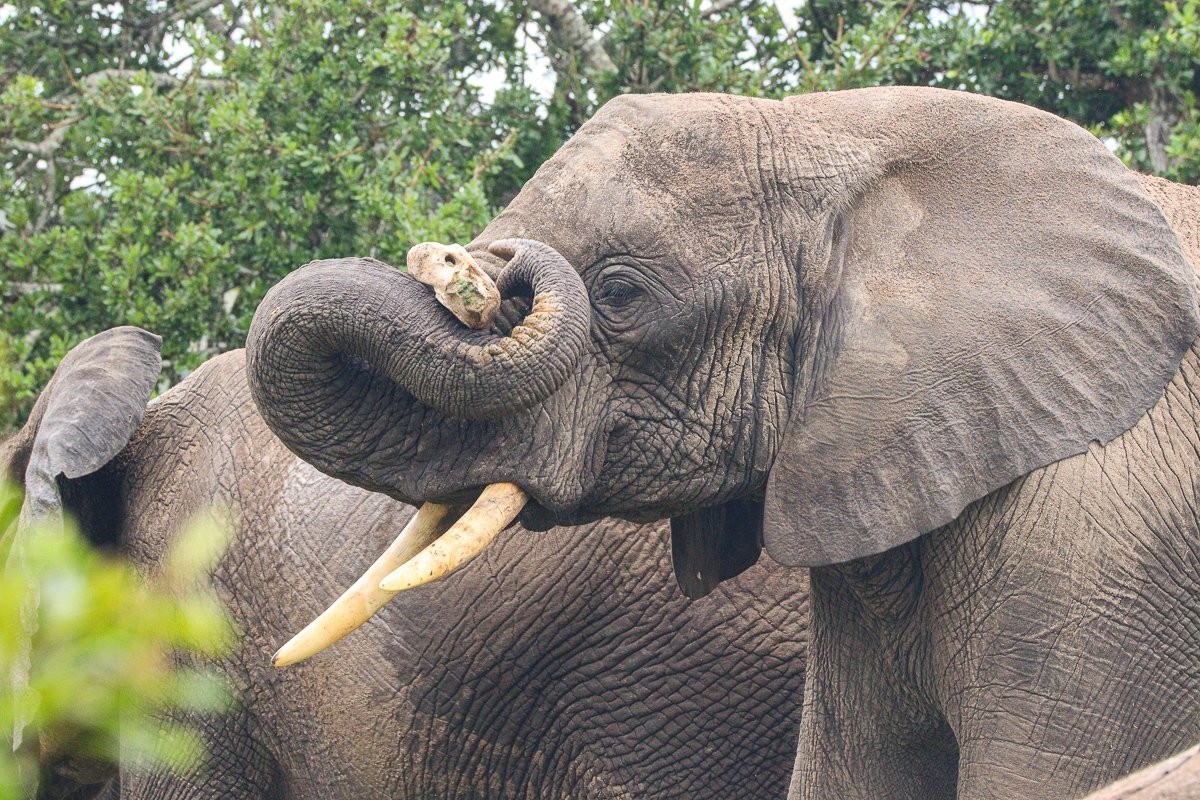
We watched a herd of elephants moving across the open plains, feeding and interacting peacefully with one another, when one individual caught our attention by behaving rather unusually. Curious, we moved closer and noticed it was carrying and playing with an old bone, possibly from an elephant that had died in the area last year.
Elephants are renowned for their remarkable emotional intelligence and complex social bonds. They have often been observed touching, smelling, and even carrying the bones of deceased elephants, behaviour that many researchers believe may be linked to mourning or remembrance.
As the rest of the herd moved on, this elephant remained fixated on its discovery, carefully curling the bone in its trunk and even keeping it away from other curious herd members that approached to investigate. It was a fascinating glimpse into the emotional depth and intriguing behaviour of one of Africa’s most intelligent animals.
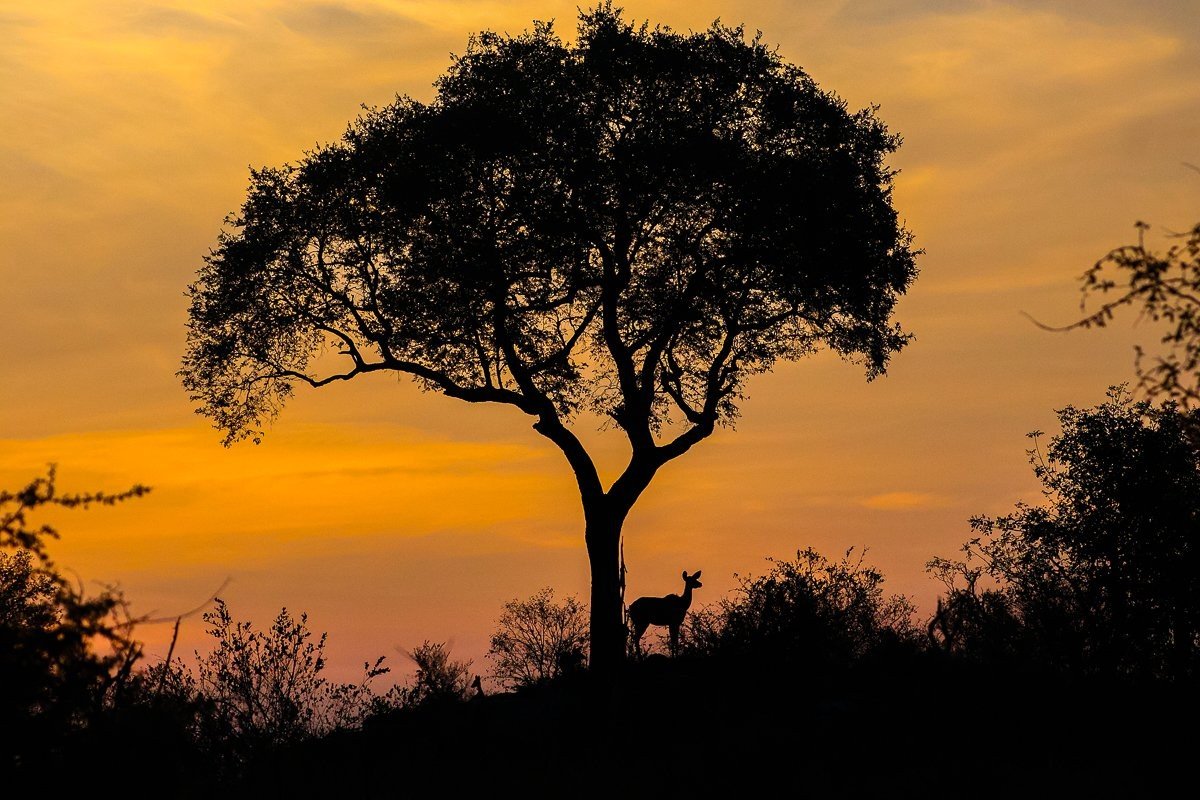
After sunset, this kudu silhouette created the perfect photograph against a golden sky as the last light of day slowly faded. Kudu, like many other species, often use termite mounds as natural lookout points, gaining extra elevation to scan their surroundings before nightfall. From these vantage points, they can check for potential danger and choose the safest place to spend the night.
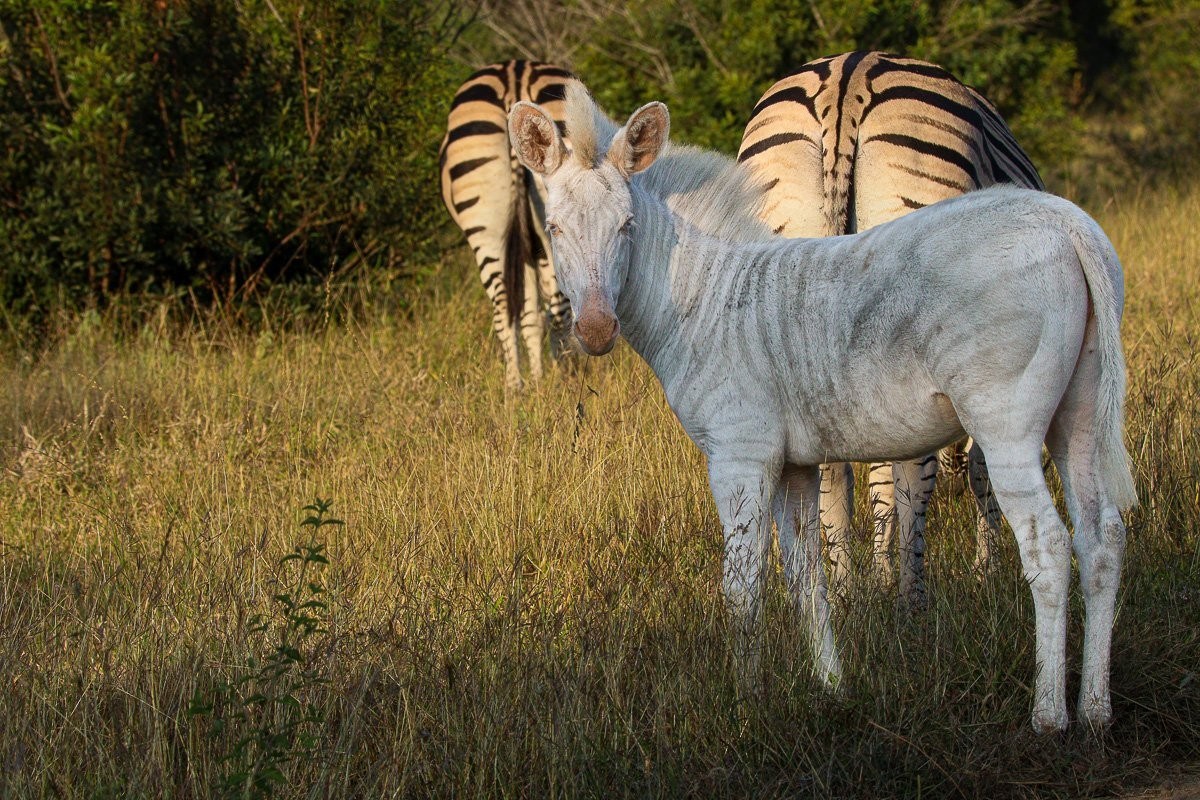
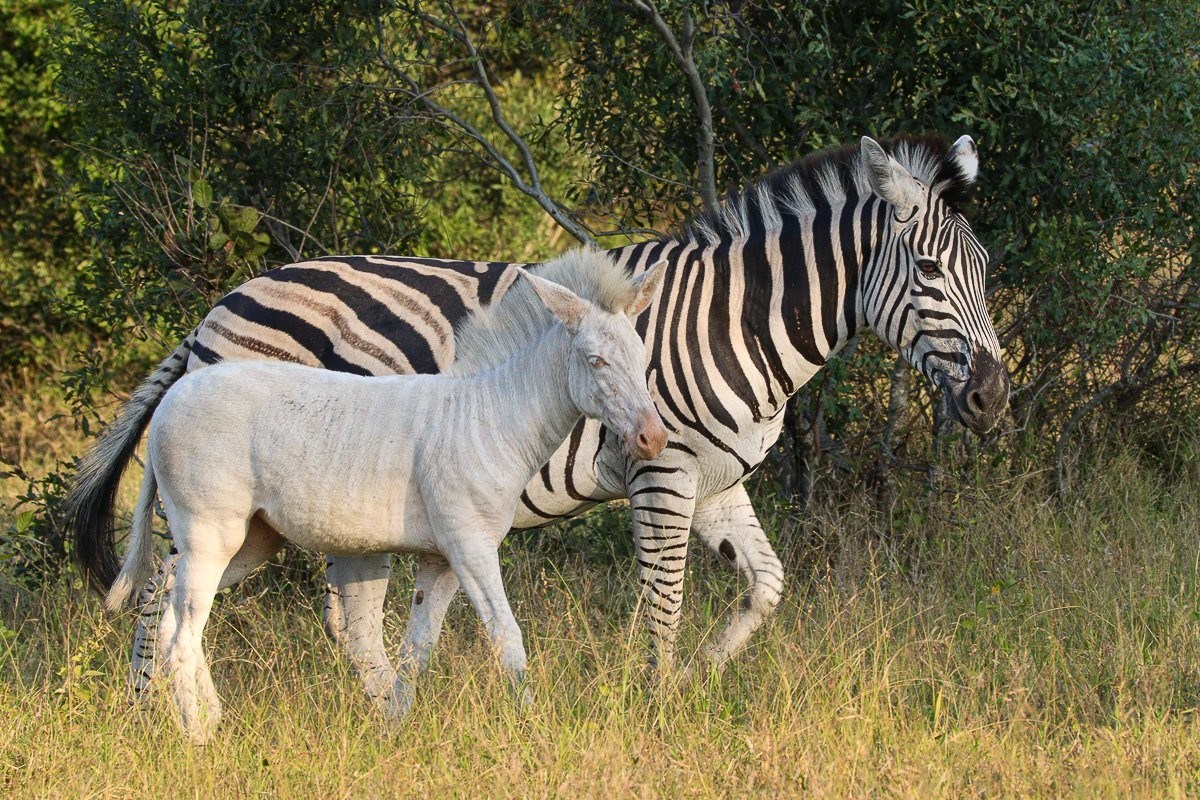
This white zebra stayed close to its mother, rarely leaving her side or straying far from the safety of the dazzle. As the herd moved across the open plain toward a waterhole, the young zebra suddenly stopped, turned, and looked back at us. For a moment, it seemed almost aware of our presence, as if it knew we had come to admire this remarkable sighting.
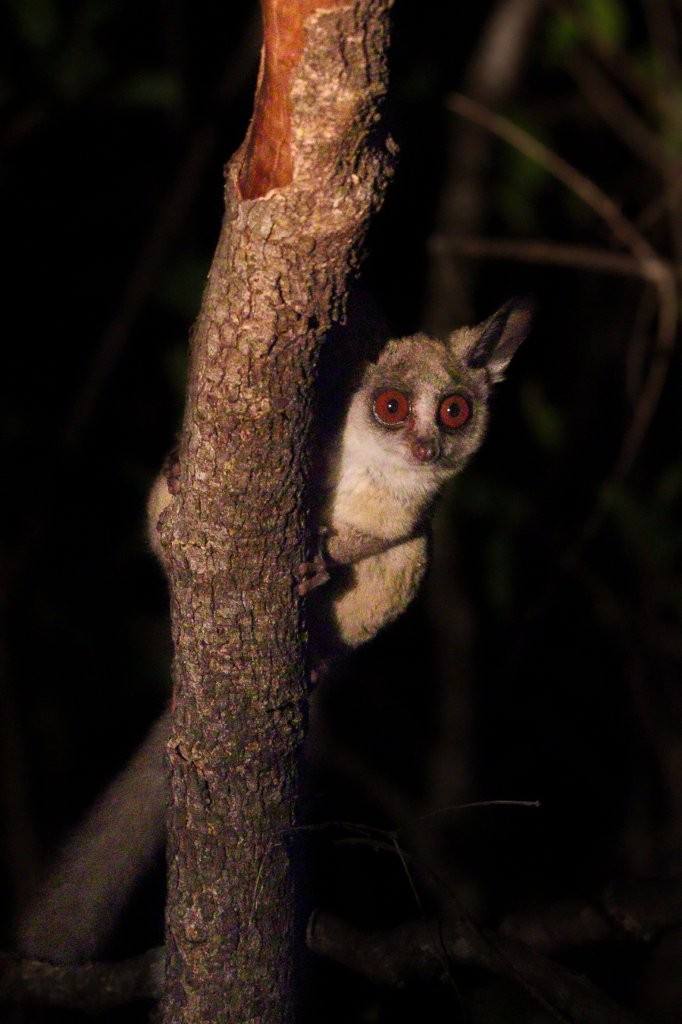
Two little spots shining back at us made us slow down and approach carefully, scanning the trees to identify the source. Perched on a small tree was a Lesser Bushbaby, watching us intently before hopping between the trees and returning to the tree closest to us.
We followed its movements as it leapt gracefully from tree to tree, gradually disappearing deeper into the bush in search of food. Bushbabies spend their days hidden away and inactive, emerging after dark to forage, hunt insects, and socialise with other members of their family group.
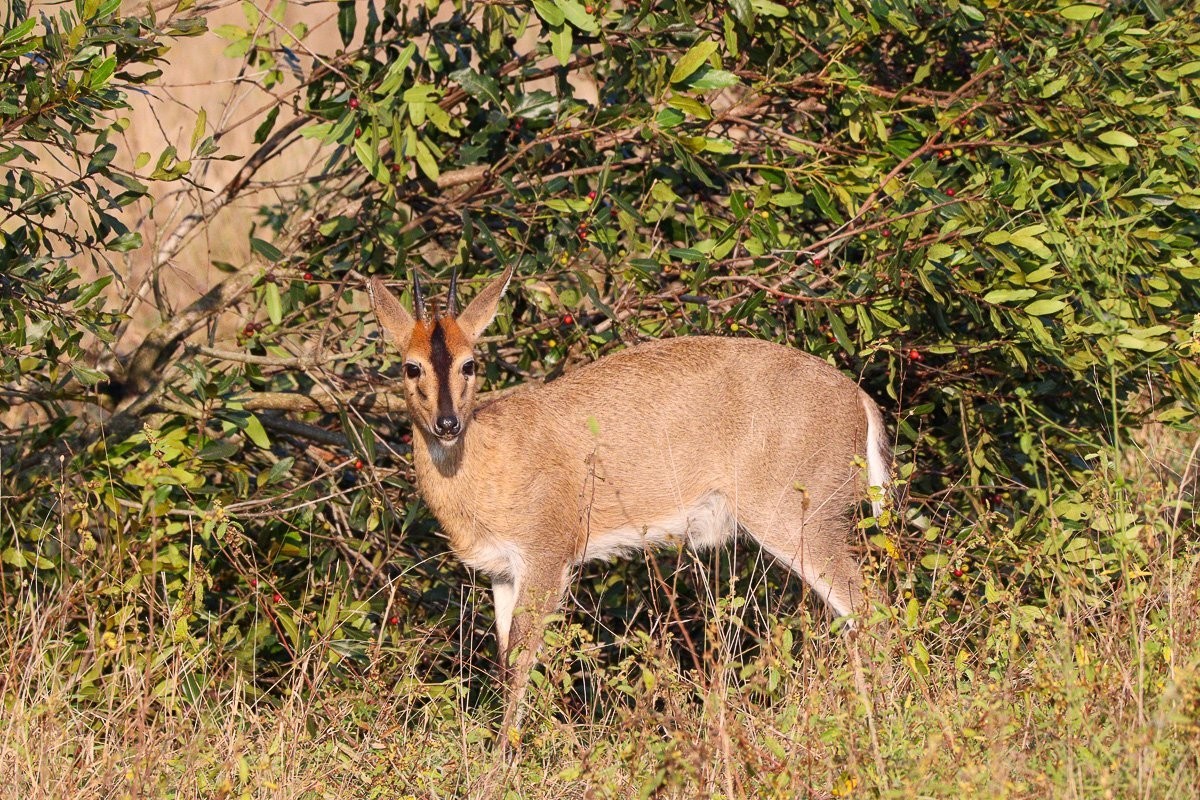
Due to their shy and solitary nature, these antelope are often seen only briefly as they dart into dense vegetation at the first sign of danger.
This male Common Duiker was unusually relaxed, allowing us to watch as he fed on leaves and fallen fruits beneath the surrounding trees. Common Duikers are most active during the cooler hours of dawn, dusk, and throughout the night, spending the hotter parts of the day resting in the shade.
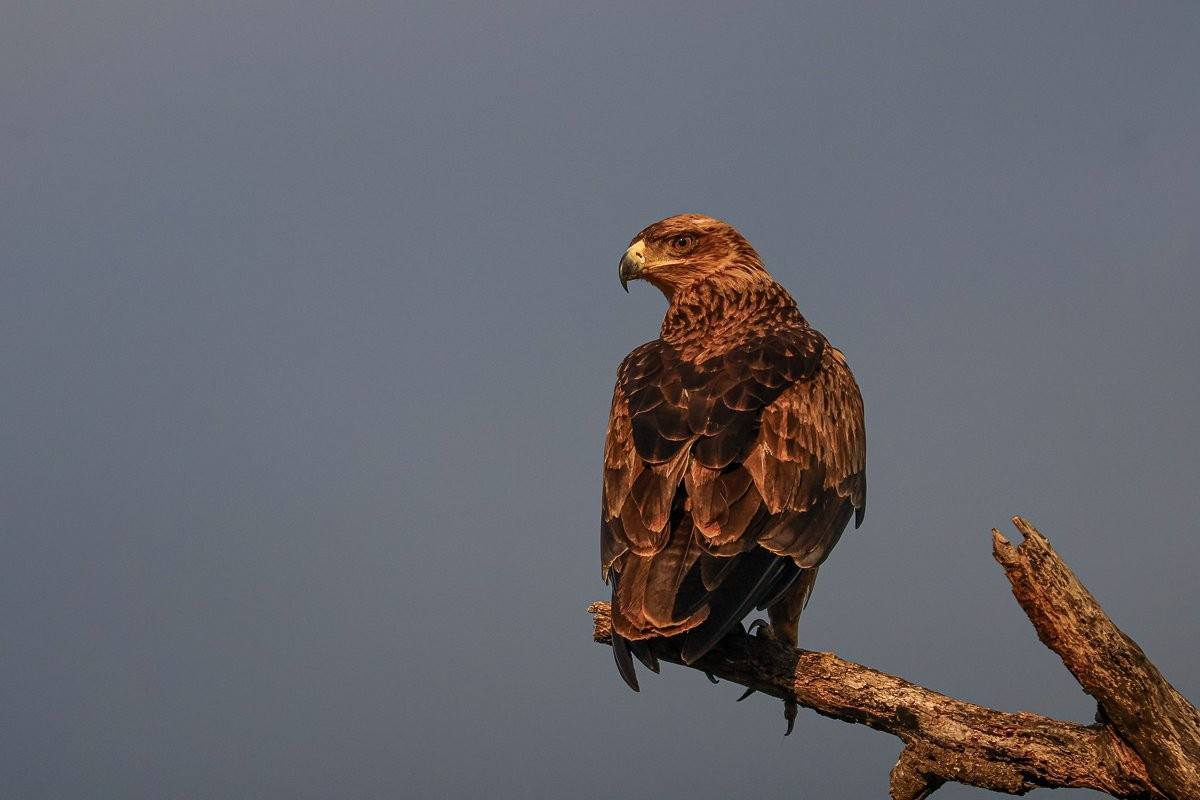
We watched this Tawny Eagle perched atop a dead tree, its russet-brown plumage blending perfectly with the warm tones of the veld. From this elevated vantage point, it scanned the landscape for small mammals and birds, using its exceptional eyesight to detect movement from great distances.
As the day cools towards dusk, Tawny Eagles often become more active, gliding low over the bush or dropping from their perches to pursue prey or investigate carcasses. Both skilled predators and opportunistic scavengers, they play an important role in the ecosystem by helping regulate animal populations and recycling nutrients back into the environment.
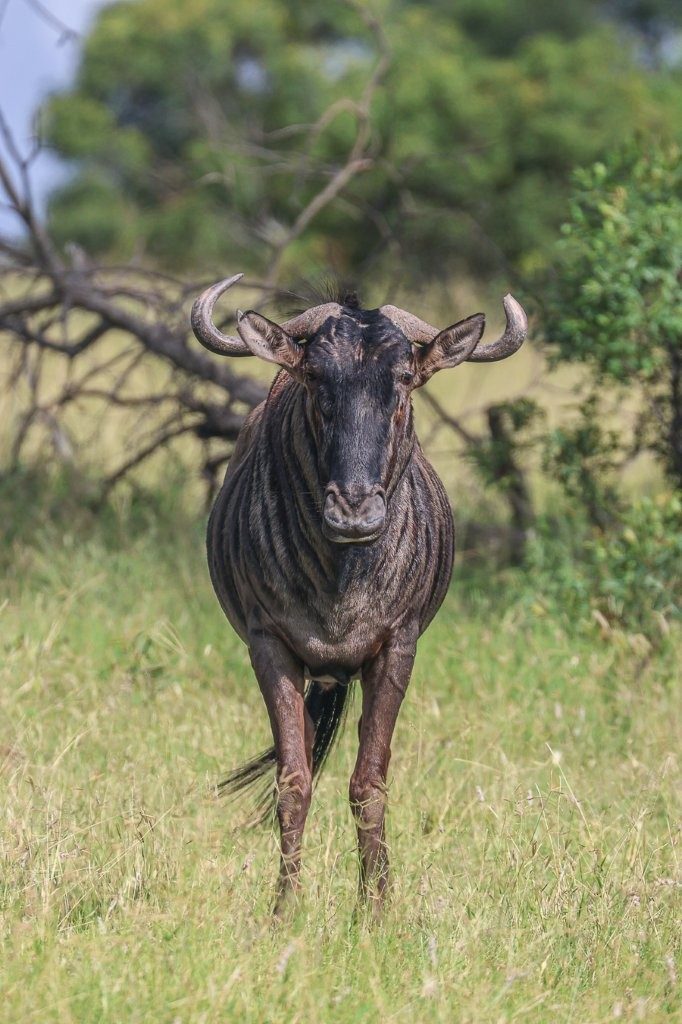
This male Blue Wildebeest was basking in the morning sun, enjoying the lingering coolness of the night as he acclimated to his surroundings before beginning his day of grazing. Male blue wildebeests are typically solitary creatures, remaining within their established territories. They only briefly interact with female herds when they pass through, staying close for a day or two. It’s crucial for these bulls to defend their territory, as maintaining it is their only chance to attract females during the breeding season. Without a territory, they have little to no opportunity to mate.
Until next time…
Blog by Wendy Claase
Images by Jana du Plessis, Mel, Ronald Mutero and Ruan Mey
Video by Jana du Plessis