
A Week in the Bush Vol. 601
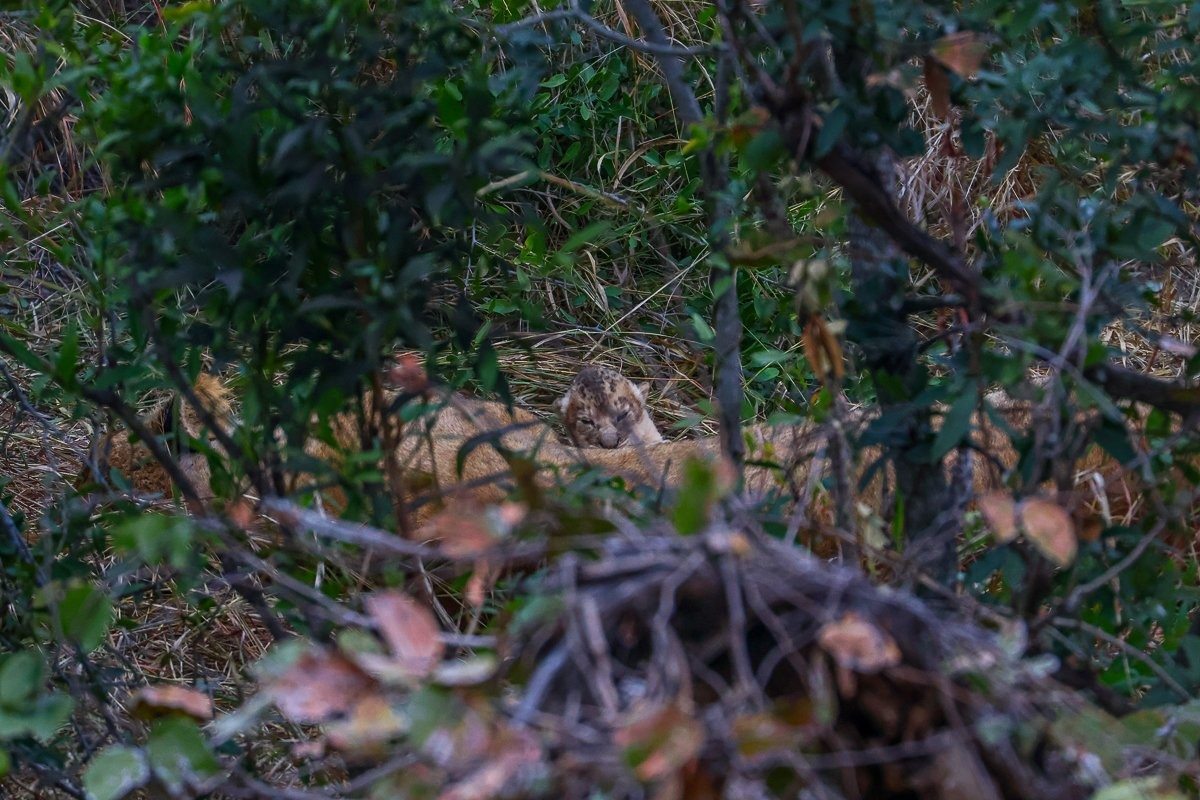
on Jul 15, 2026A morning to remember. Shortly after leaving Earth Lodge, we found fresh tracks of lionesses leading into a drainage line. After a brief follow-up, we located the three lionesses from the Southern Pride and were delighted to discover the pride's two newest members.
We estimate the cubs to be only a few days old, as their eyes were just beginning to open. Witnessing such young cubs in the wild is a truly special and unforgettable experience.
After spending a short time with them, we quietly left the area to avoid placing any unnecessary pressure on the pride. At this early stage, the lionesses are keeping the den site secluded to give the cubs the best chance of remaining safe from other predators.
It has been a while since we last saw the entire Msuthlu Pride together, so it was a welcome sight to find almost every member. The only absentees were the two females currently known to be in the company of the four N’waswishaka males.
With a pride of this size, larger prey is essential to sustain everyone. Buffalo have become an important target, as a successful hunt can provide enough food to feed the pride for several days.
When we found them, they were trailing a herd of buffalo. As we followed, the lions would periodically stop and stare towards the direction of the buffalo, guided by the sounds coming from the herd. Each call suggested they were closing the distance, building anticipation of what might unfold.
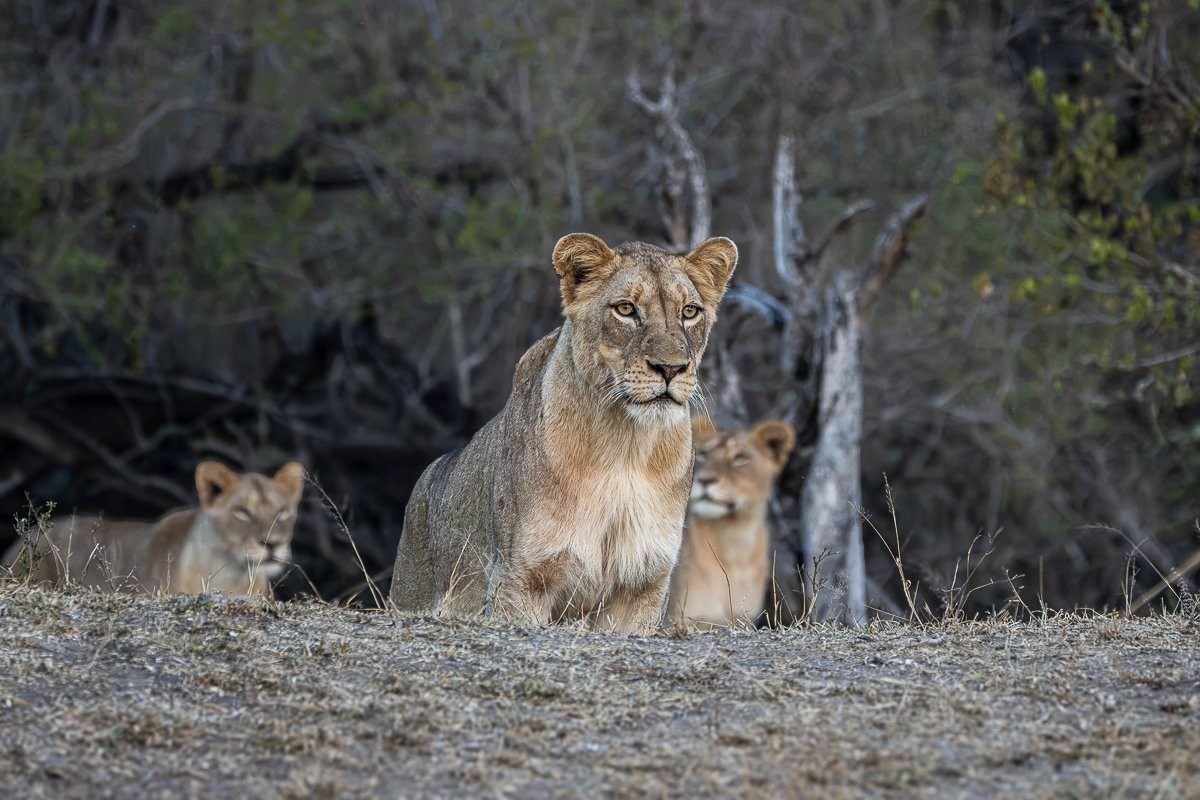
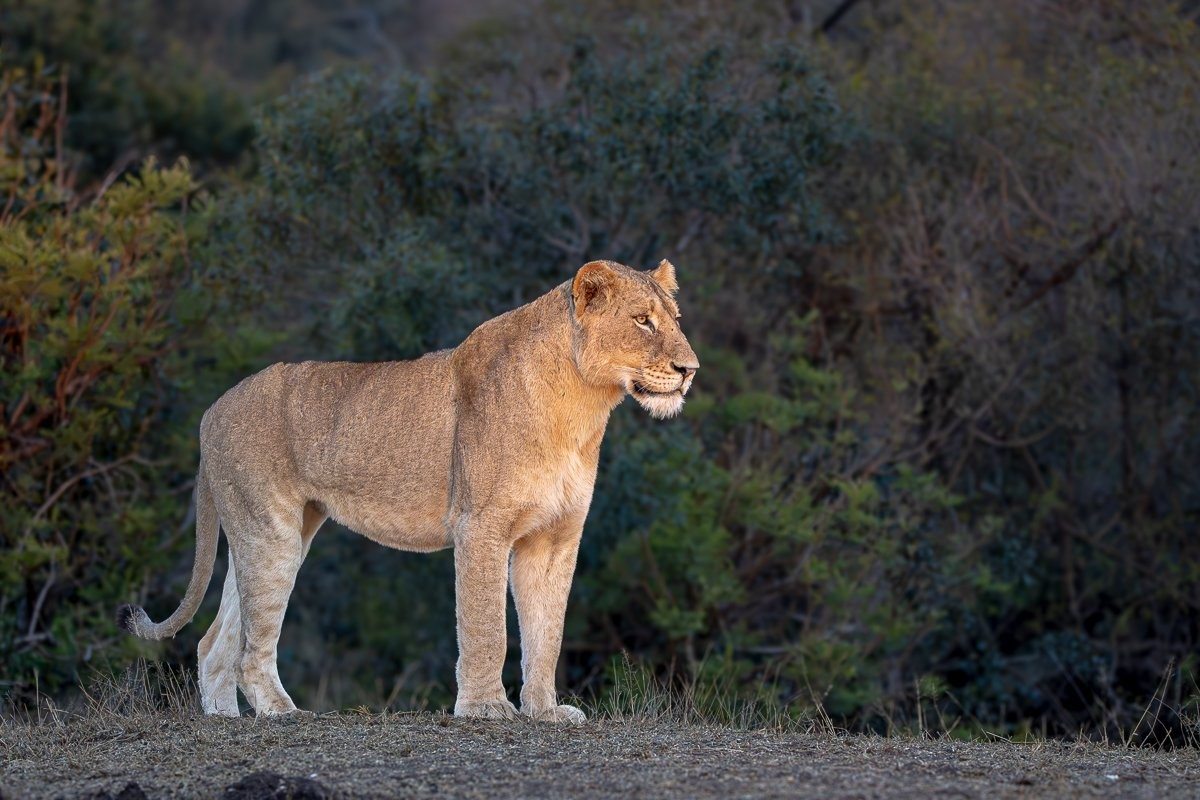
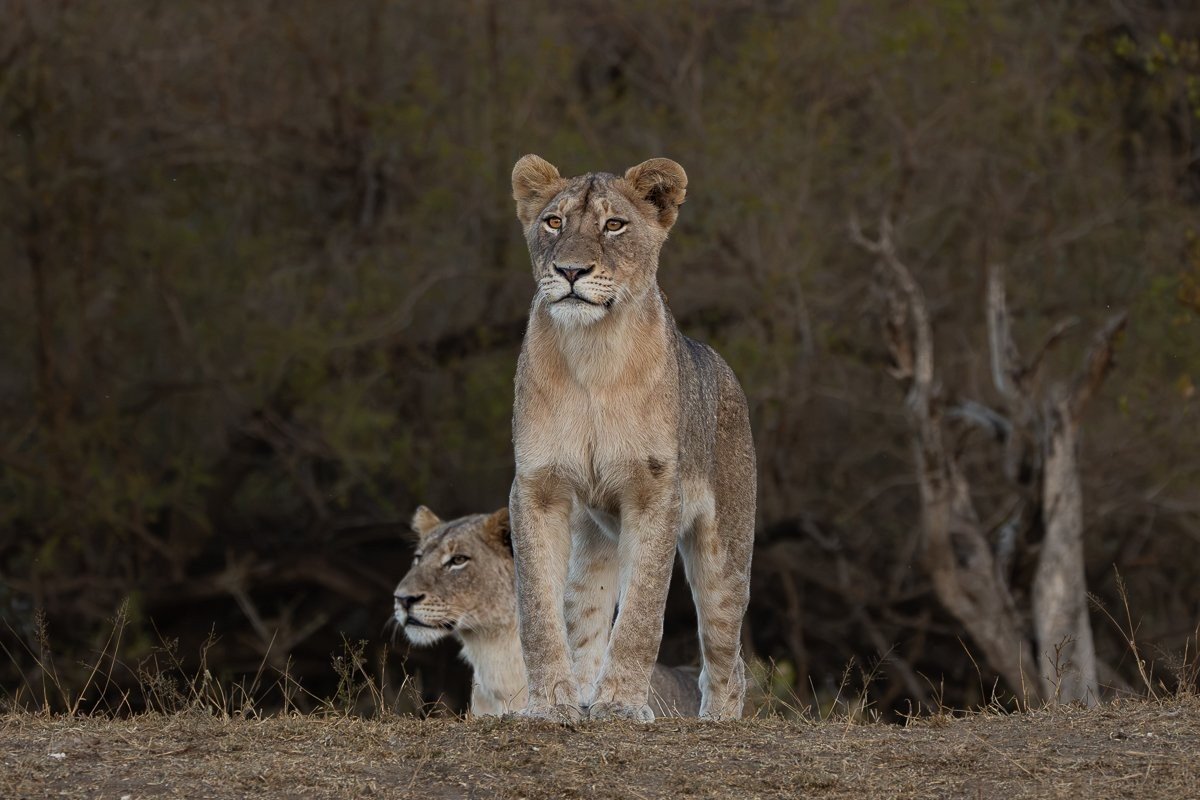
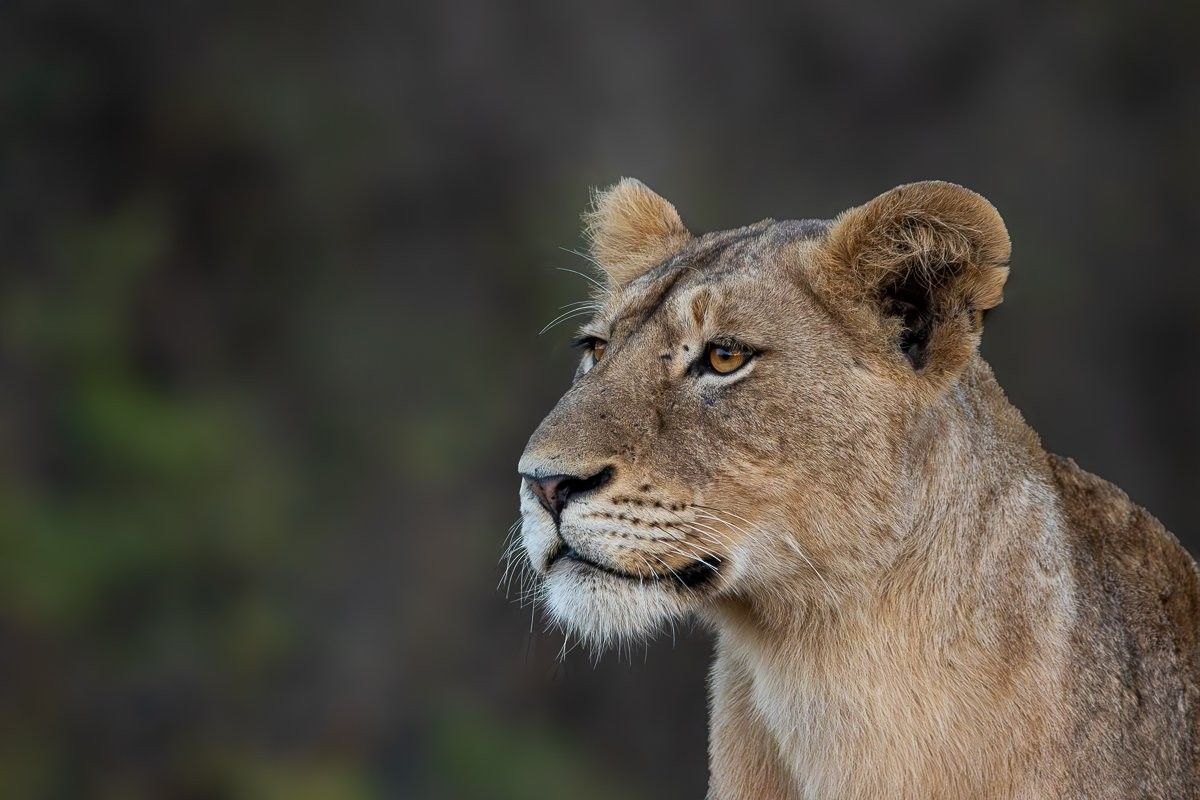
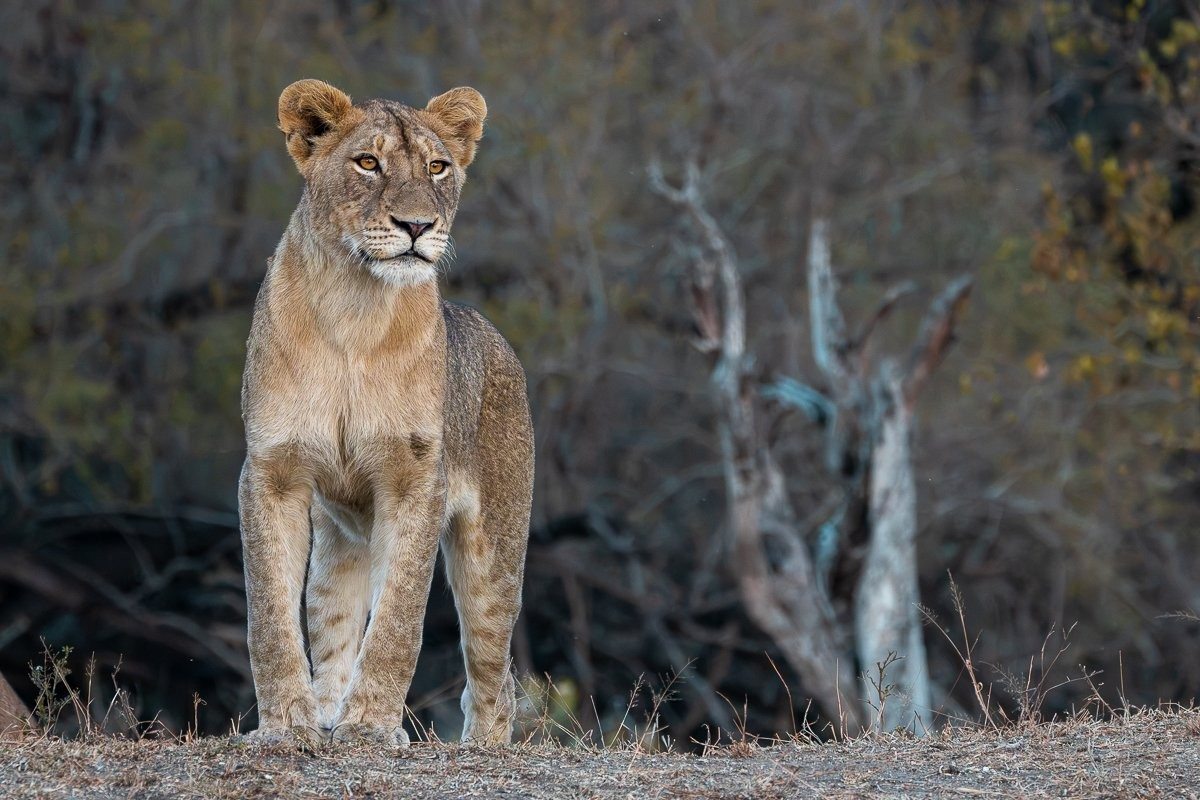
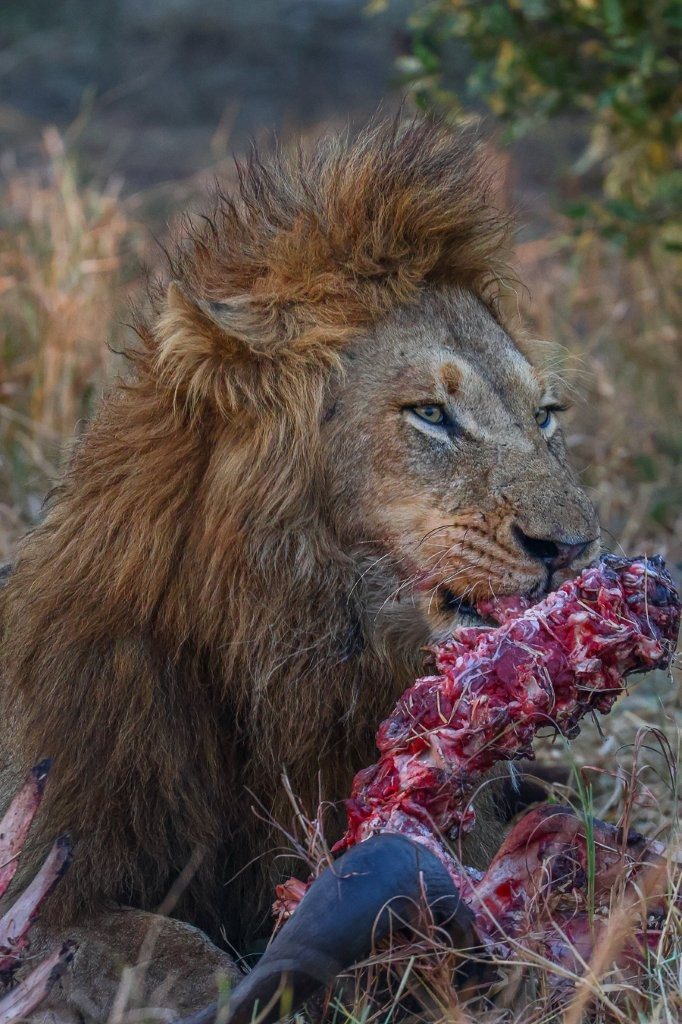
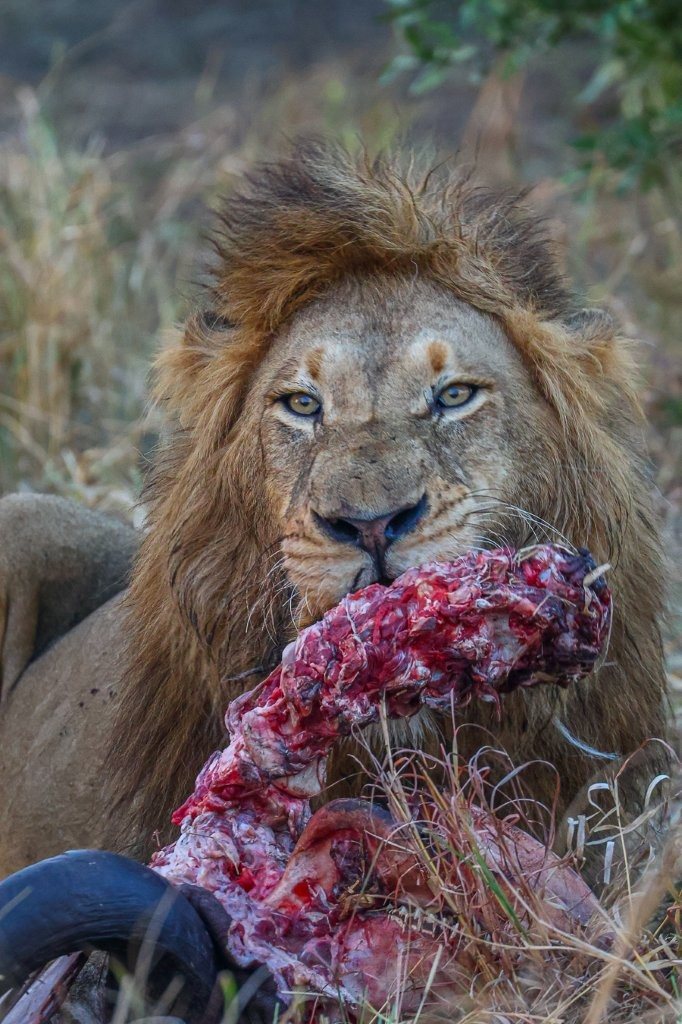
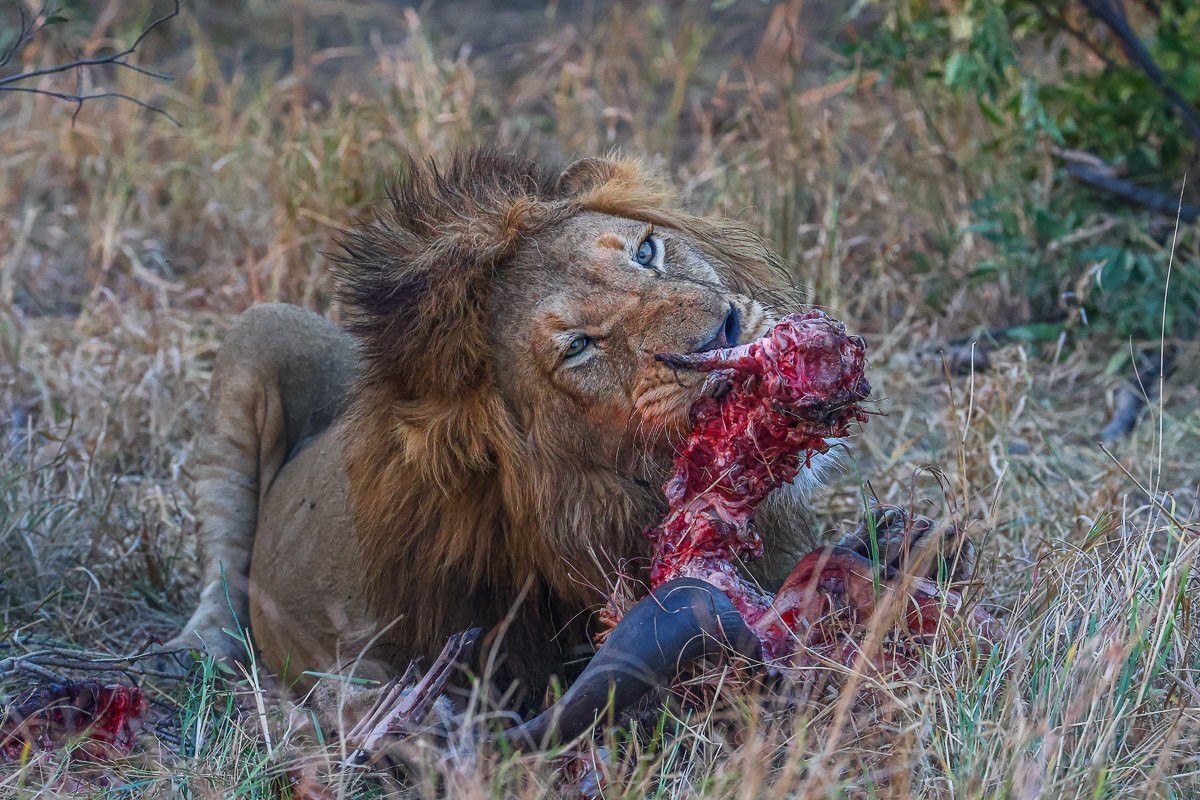
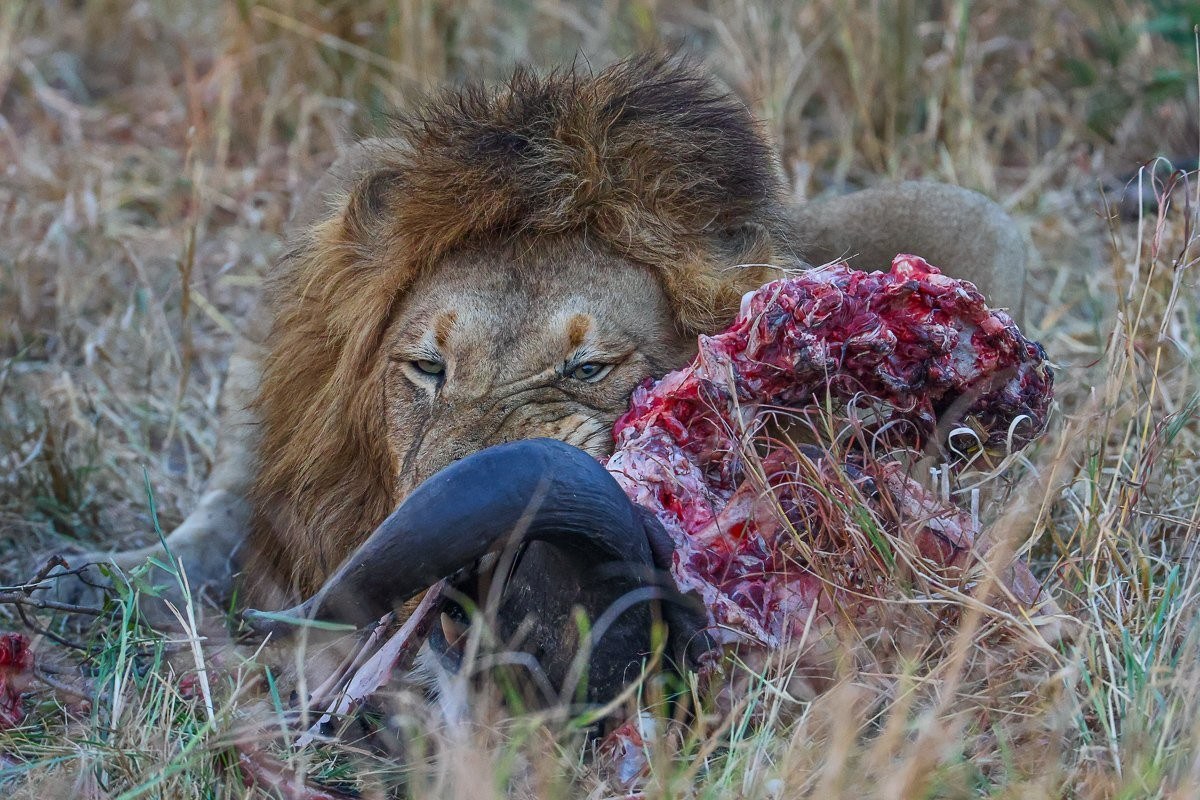
After two of the Msuthlu lionesses successfully brought down a buffalo cow from a massive herd, we were pleasantly surprised to find the four N’waswishaka male lions with them the following morning. Having likely heard the commotion during the hunt the previous evening, the males were drawn to the area and eventually located both the lionesses and their hard-earned meal.
As the dominant coalition in the area, these males regularly join their associated prides at a kill, asserting their dominance by displacing the females and feeding first. After making quick work of the remaining carcass, the males moved off to a nearby thicket to rest and digest their meal.
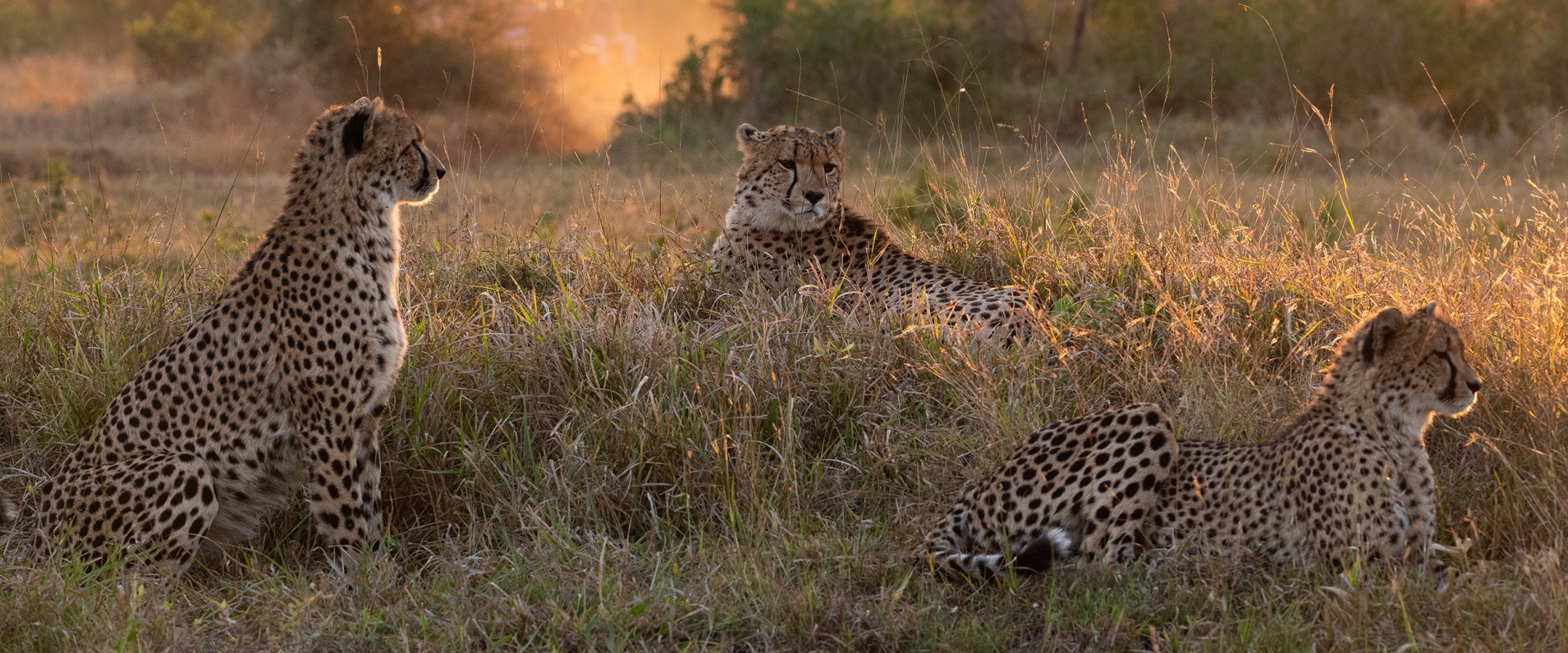
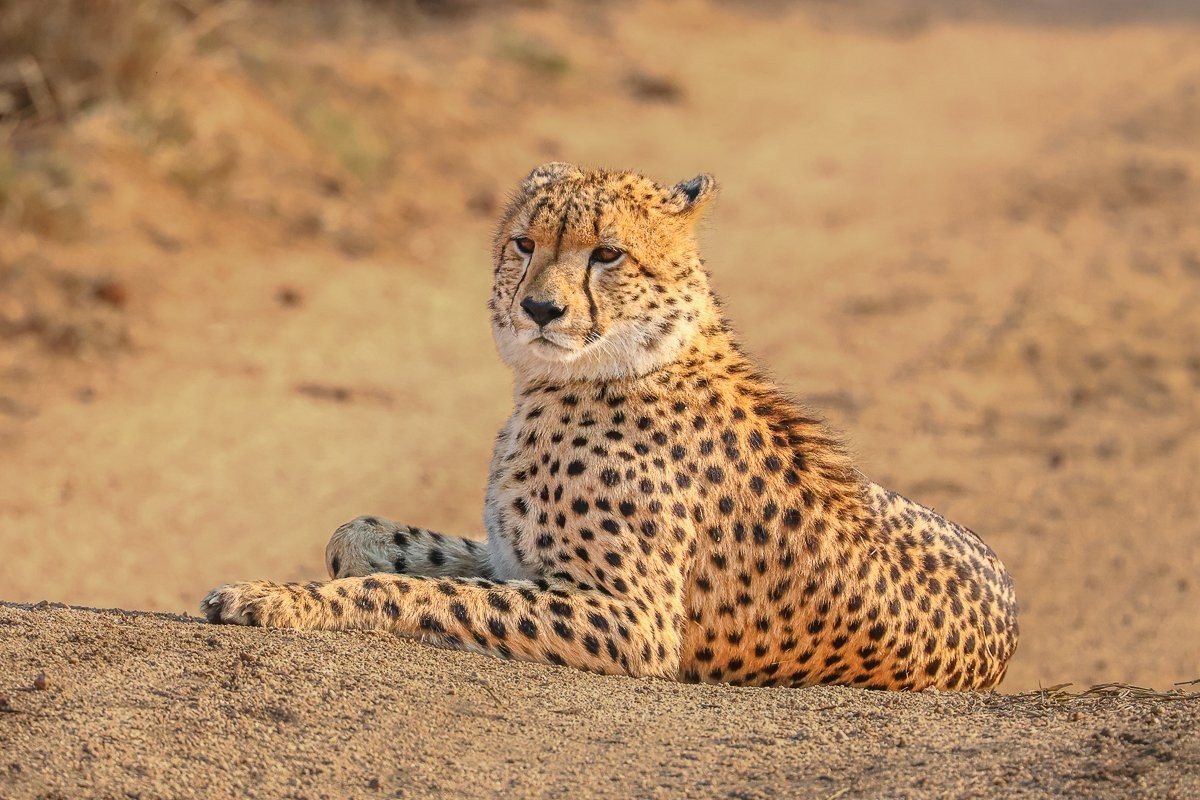
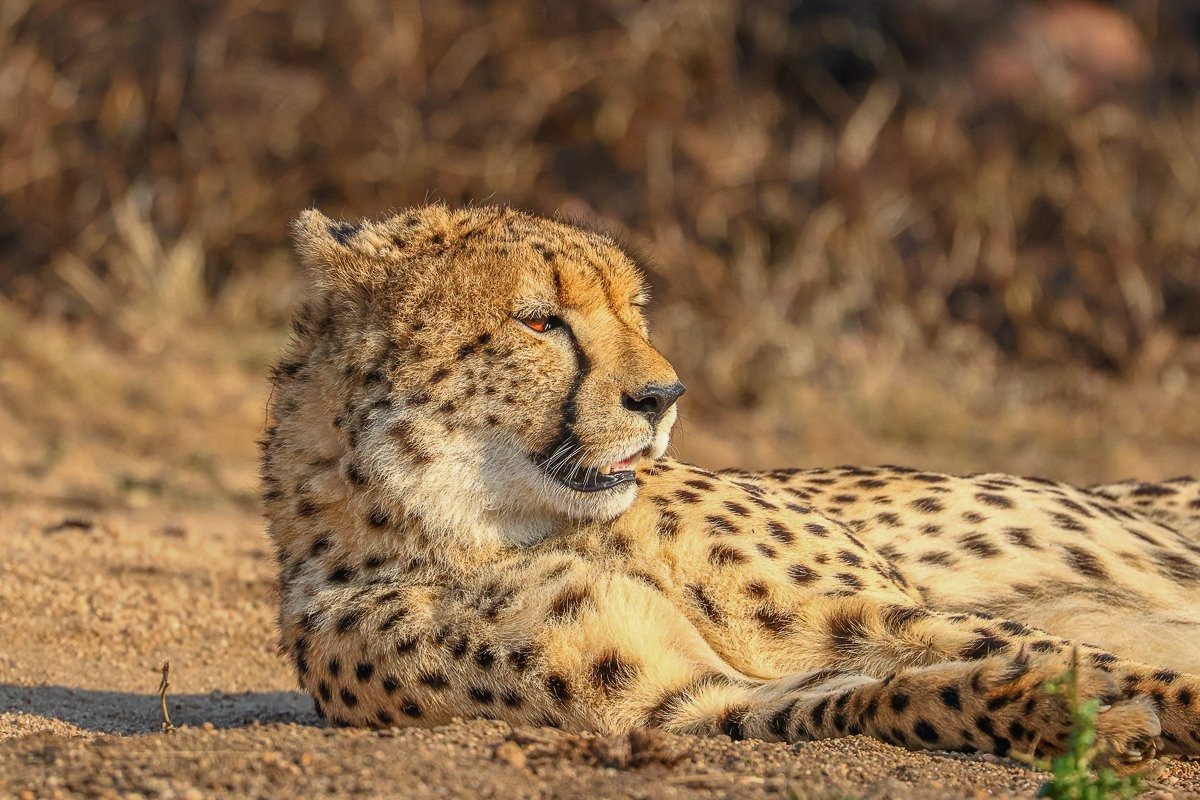
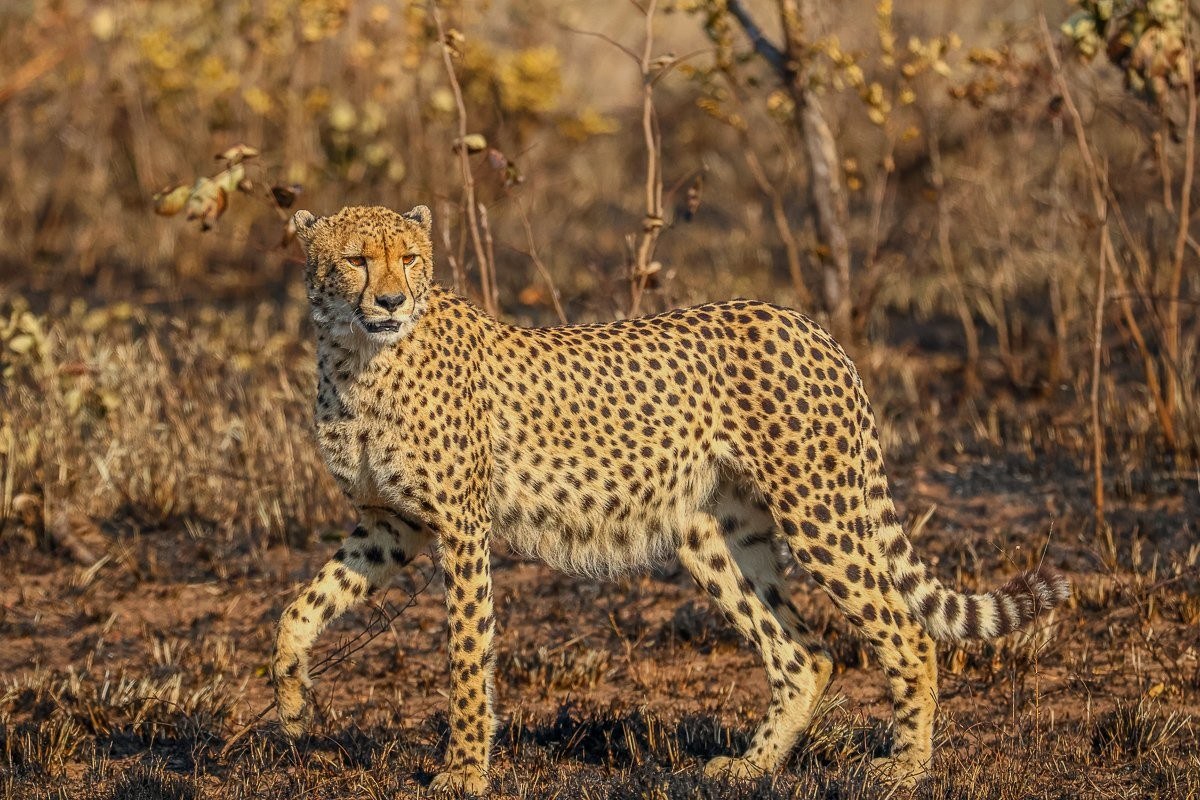
We followed the sound of impala alarm calls, and as we drew closer it became obvious that the entire herd was fixed on something hidden in the thick bush. Scanning in the same direction, we spotted a single cheetah moving quietly through the vegetation. As we edged closer for a better look, we were in for a surprise - not one, but three cheetahs emerged from the bushes. All three were young and sporting noticeably full bellies, suggesting they had enjoyed a substantial meal not long before we arrived.
These young cheetahs appear to have recently reached one of life's greatest milestones: independence. After spending nearly two years learning from their mother, they must now rely on the skills she taught them to hunt, avoid danger, and survive on their own.
For now, they remain together, drawing confidence and strength from their sibling bond as they navigate the challenges of life in the African bush. Every successful hunt and every new day brings them one step closer to adulthood.
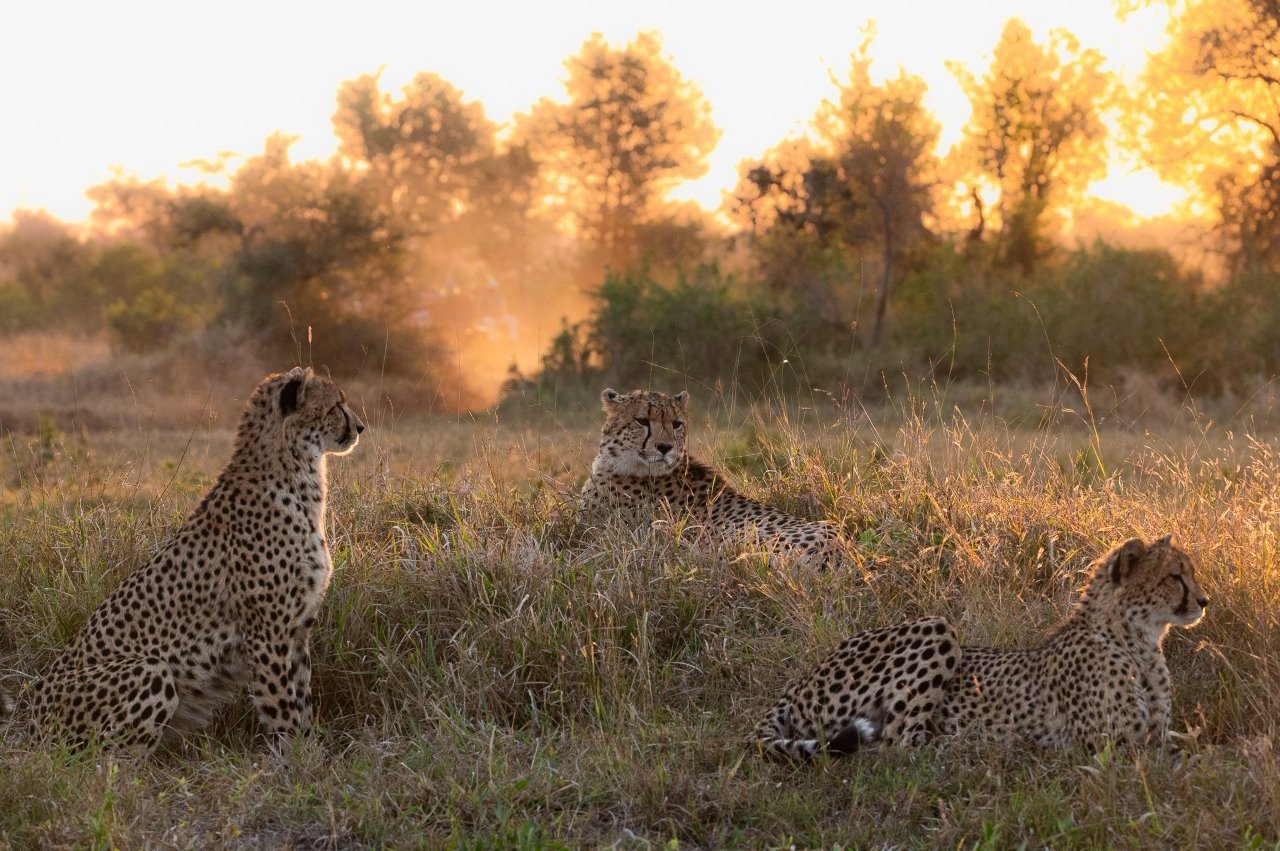
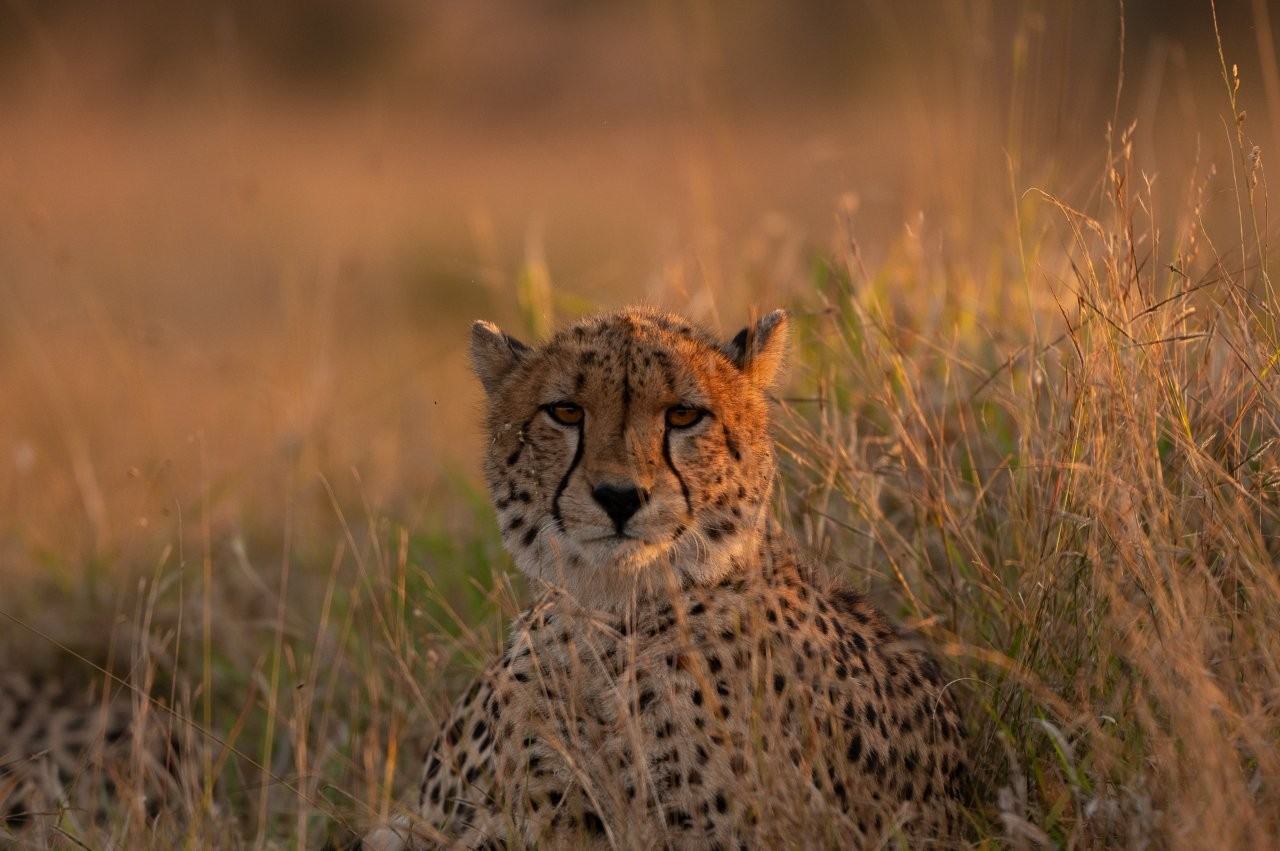
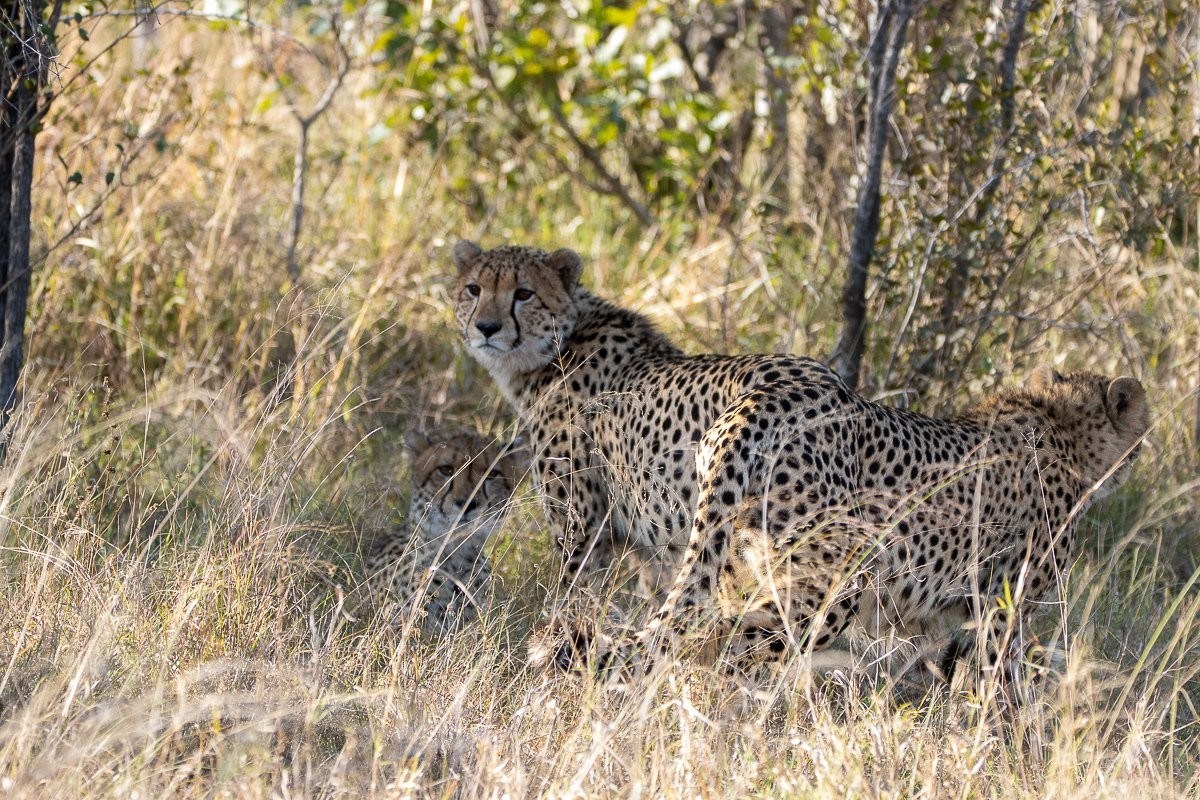
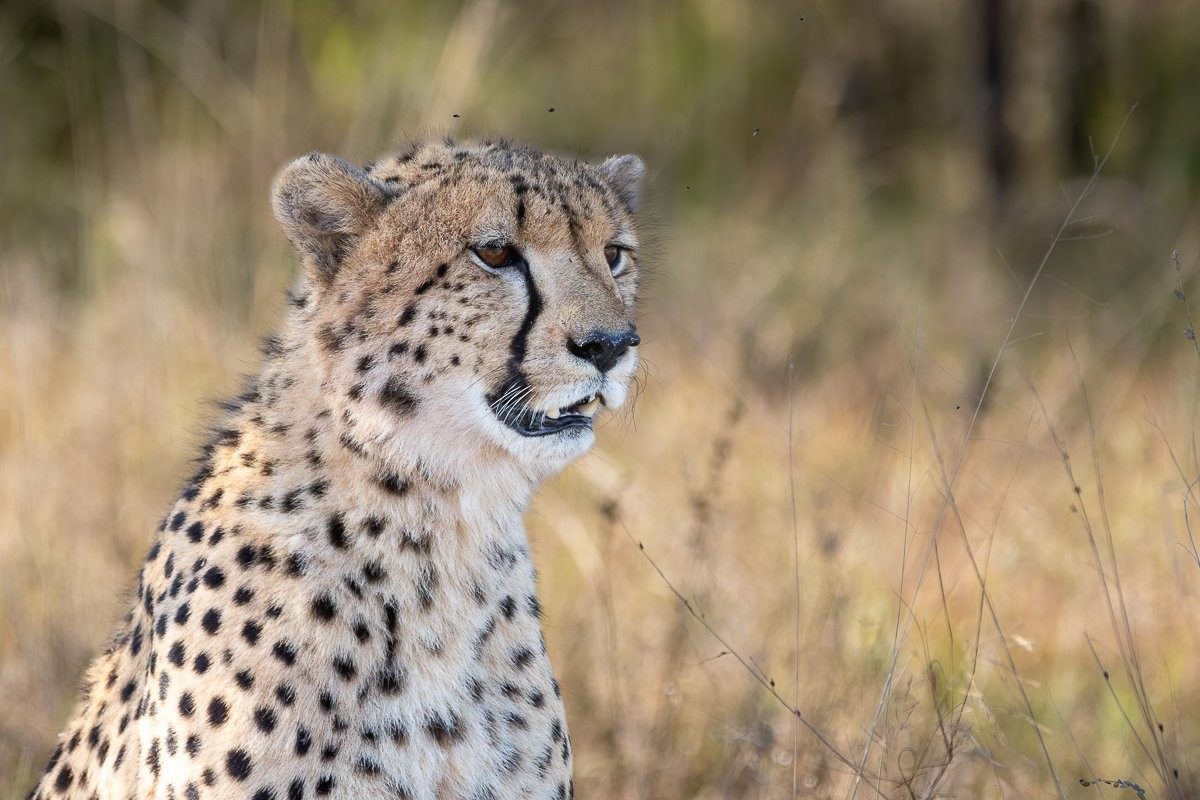
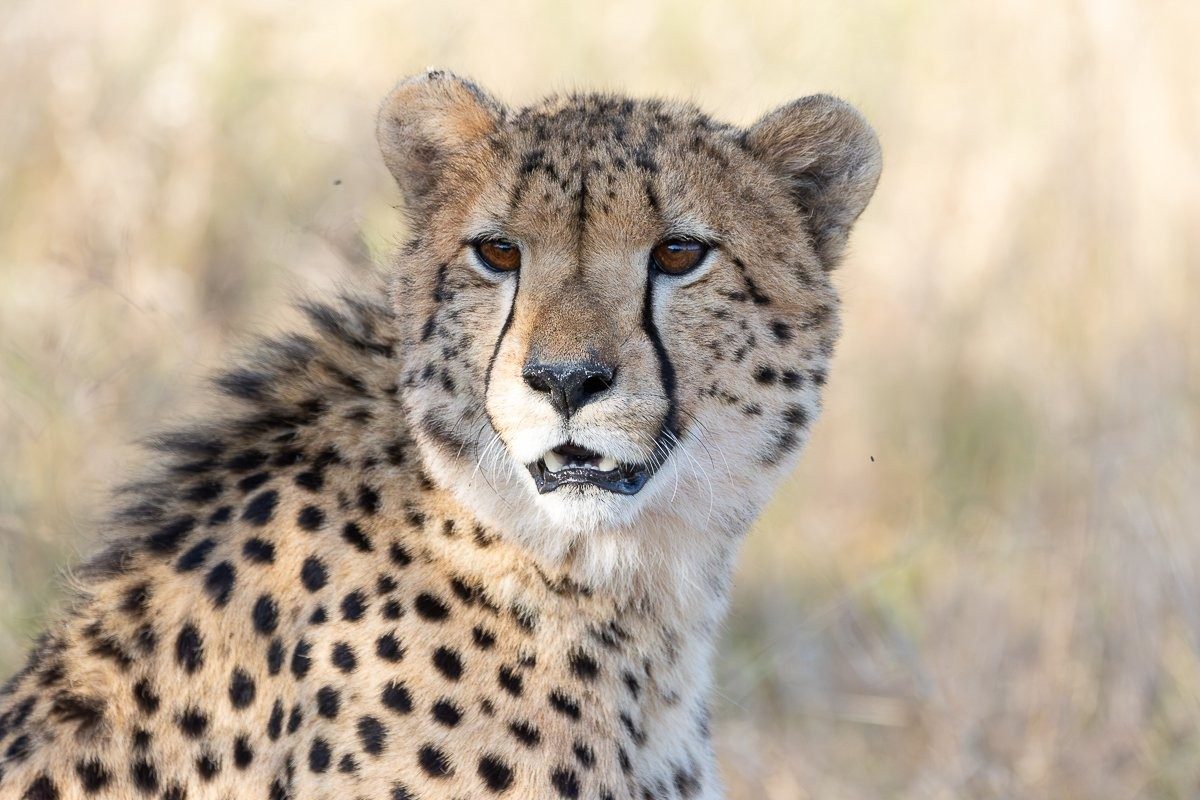
The three cheetahs we had seen a few days prior, were seen again. They were resting in the road, soaking up the warmth of the morning sun before setting off through a recently burnt area. They moved with purpose, scanning their surroundings intently in search of a hunting opportunity.
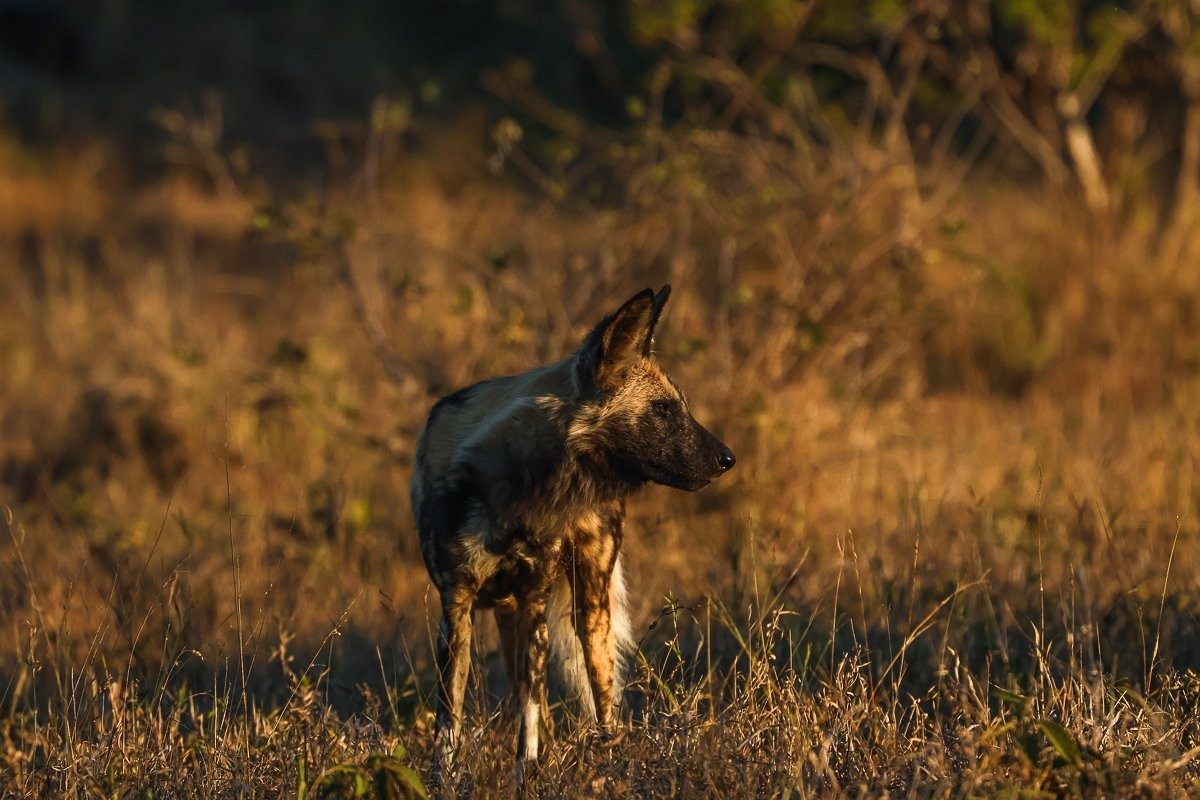
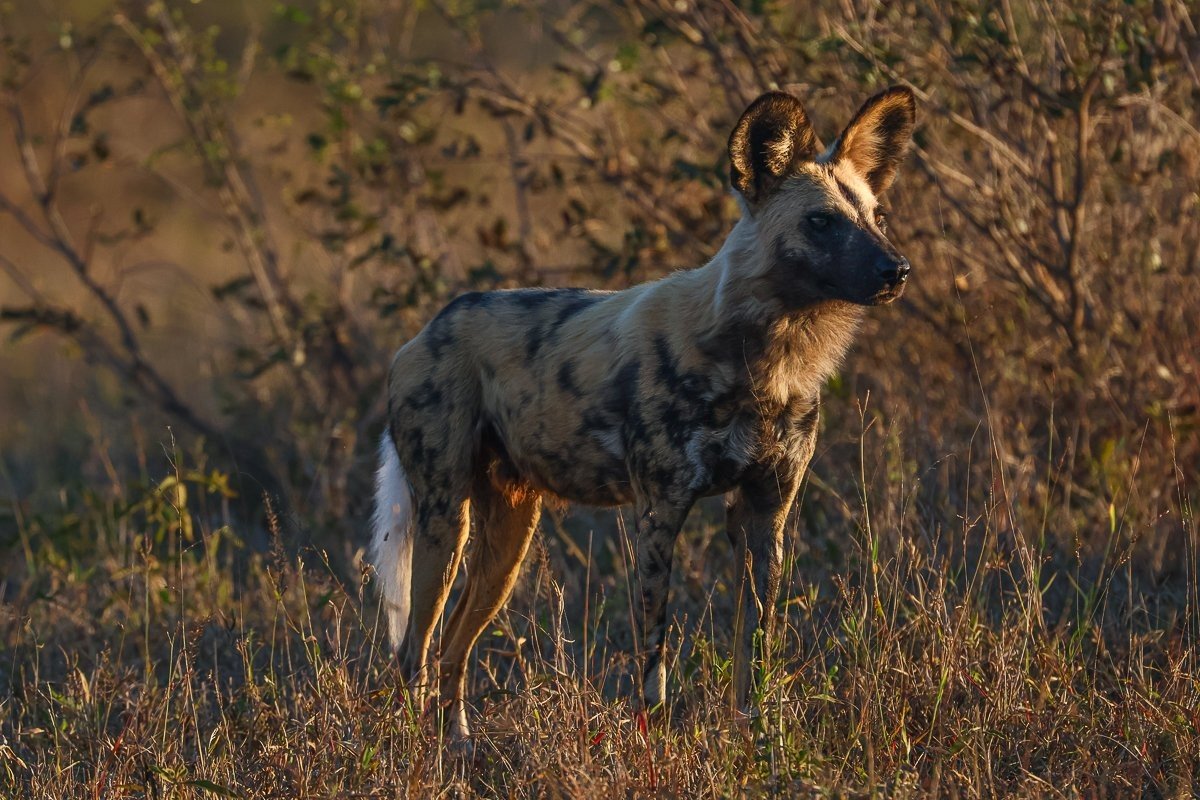
This small pack of wild dogs has been tearing their way through the reserve, and sightings have been very brief. Fortunately, we found them shortly after they had made a kill. There was a faint tint of red surrounding their faces, their bellies were full, and through binoculars we could even make out tiny droplets of blood scattered throughout their coats - evidence of their successful hunt that likely took place at the break of dawn.
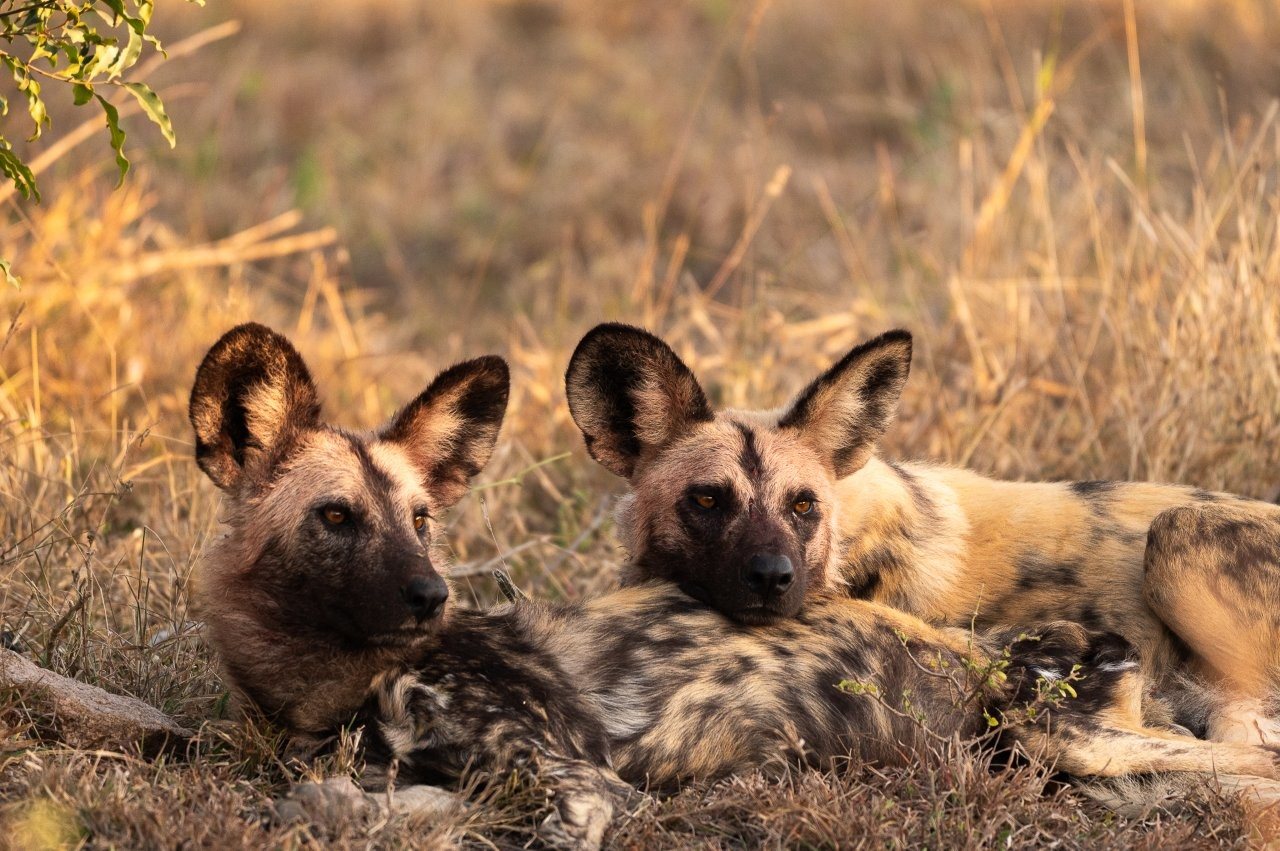
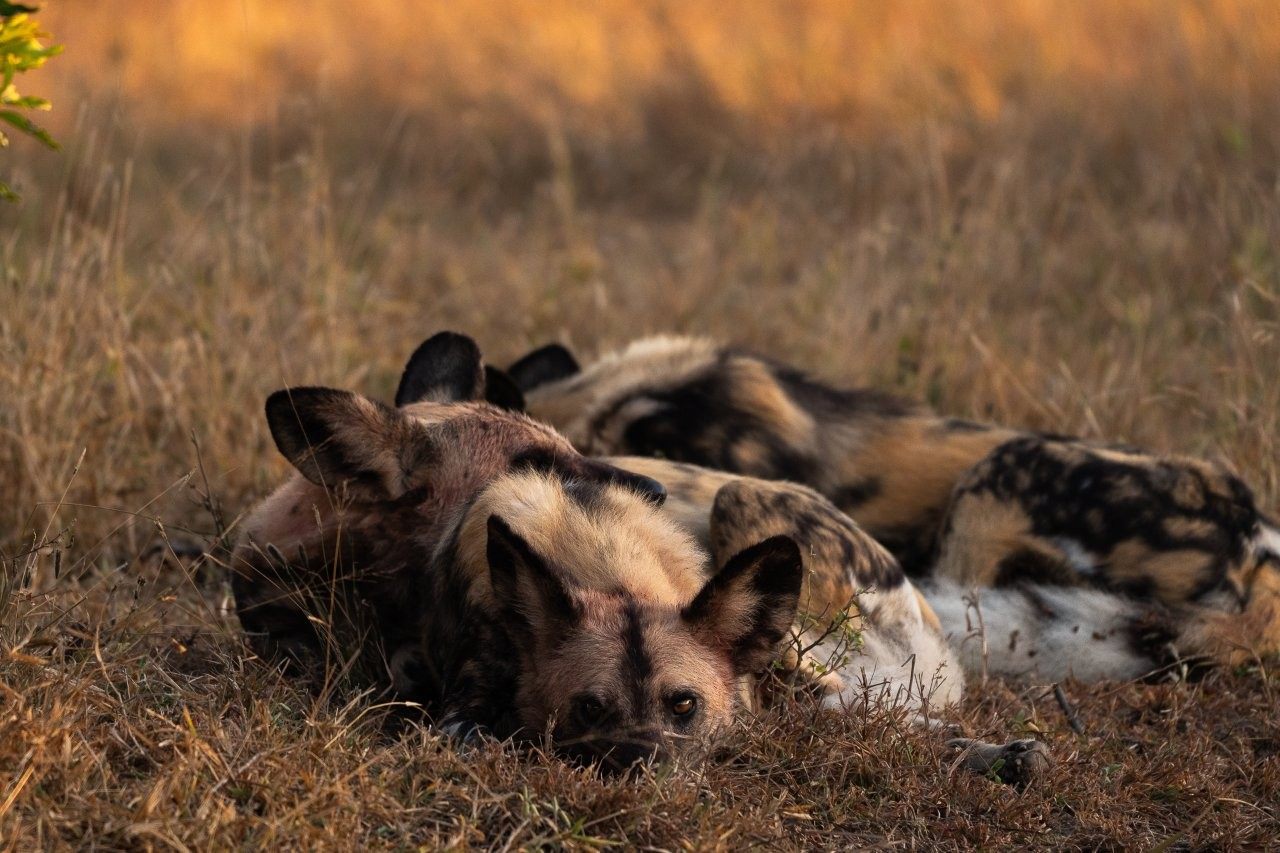
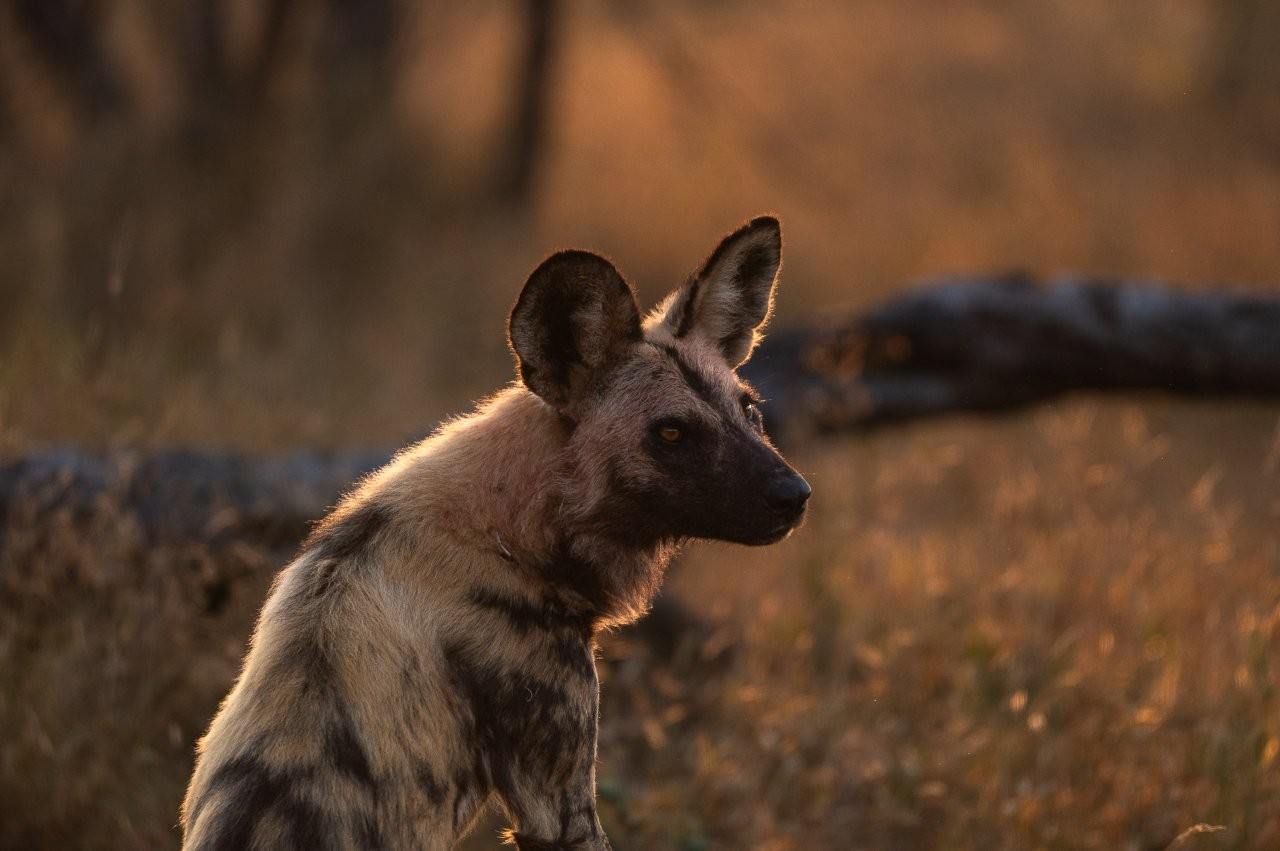
Sometime later, they were becoming active in the late afternoon as they began searching for their next hunting opportunity – closely followed by hyenas. Not long afterwards, the wild dogs chased down a young nyala and successfully brought it down, only to lose their hard-earned meal almost immediately to the hyenas. With nothing left to gain, the pack retreated into the thick bush, hoping to shake off their persistent followers before searching for another hunting opportunity.
This is a common challenge for smaller packs of wild dogs. Hyenas, being larger and more powerful, often shadow them during hunts, relying on their strength to steal kills and secure an easy meal with minimal effort.
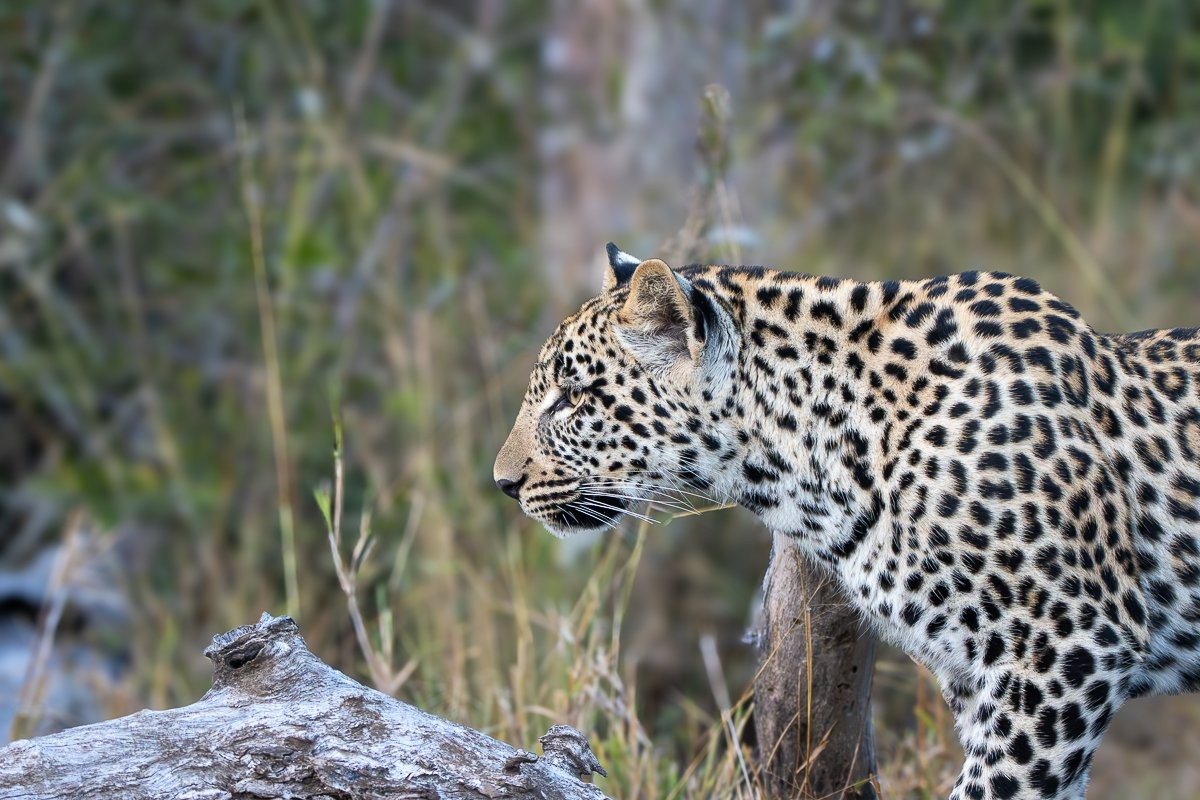
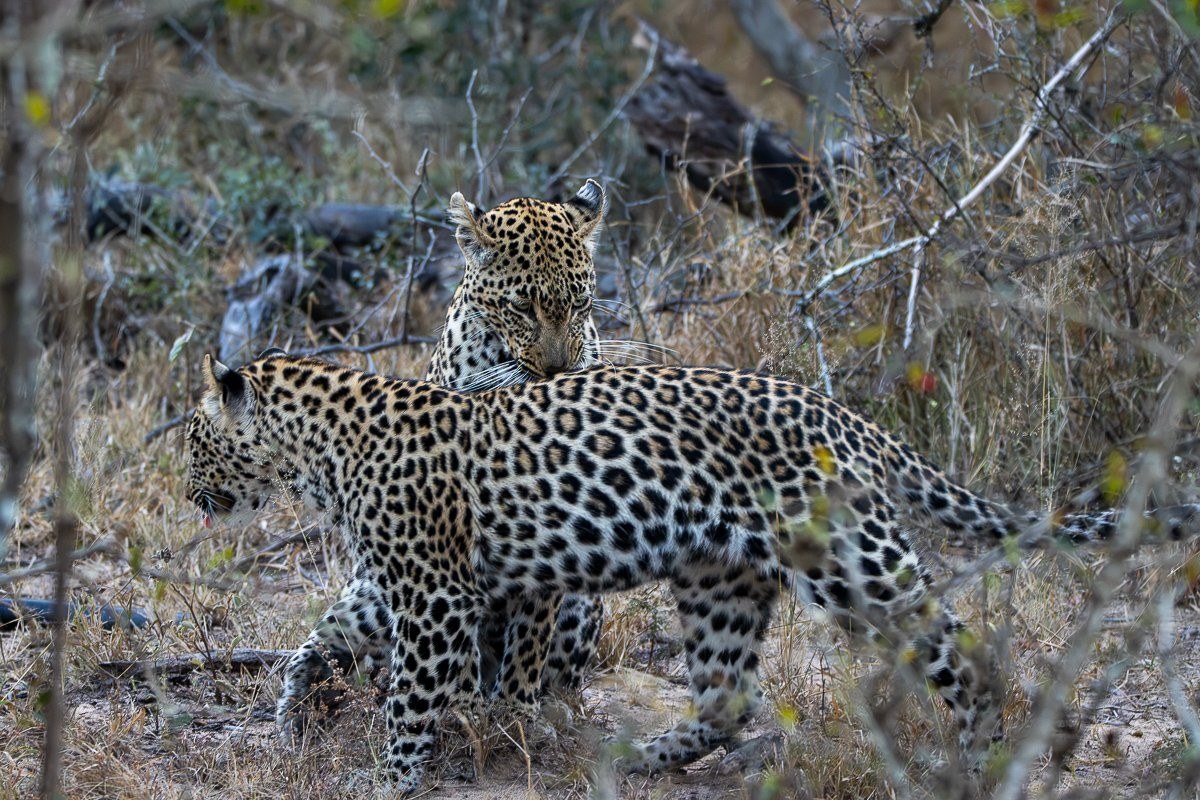
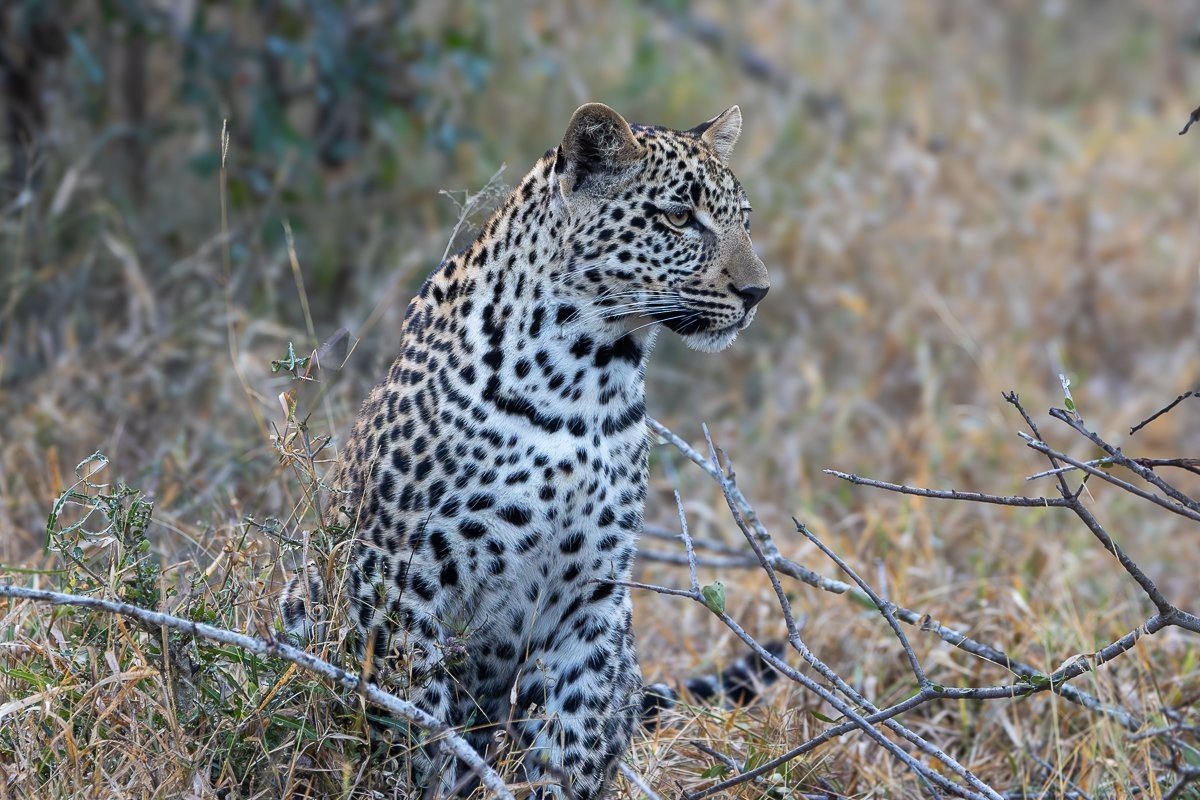
Not much beats finding a leopard cub and witnessing its playful energy running through the grass, chasing anything that dared to move, from fluttering insects to drifting leaves. With Tengile watching nearby, every pounce and playful sprint was more than just fun; it was valuable practice for the skills it will one day need to survive.
These carefree moments are a reminder that even one of Africa's most elusive predators starts life with curiosity, playfulness, and plenty of youthful enthusiasm.
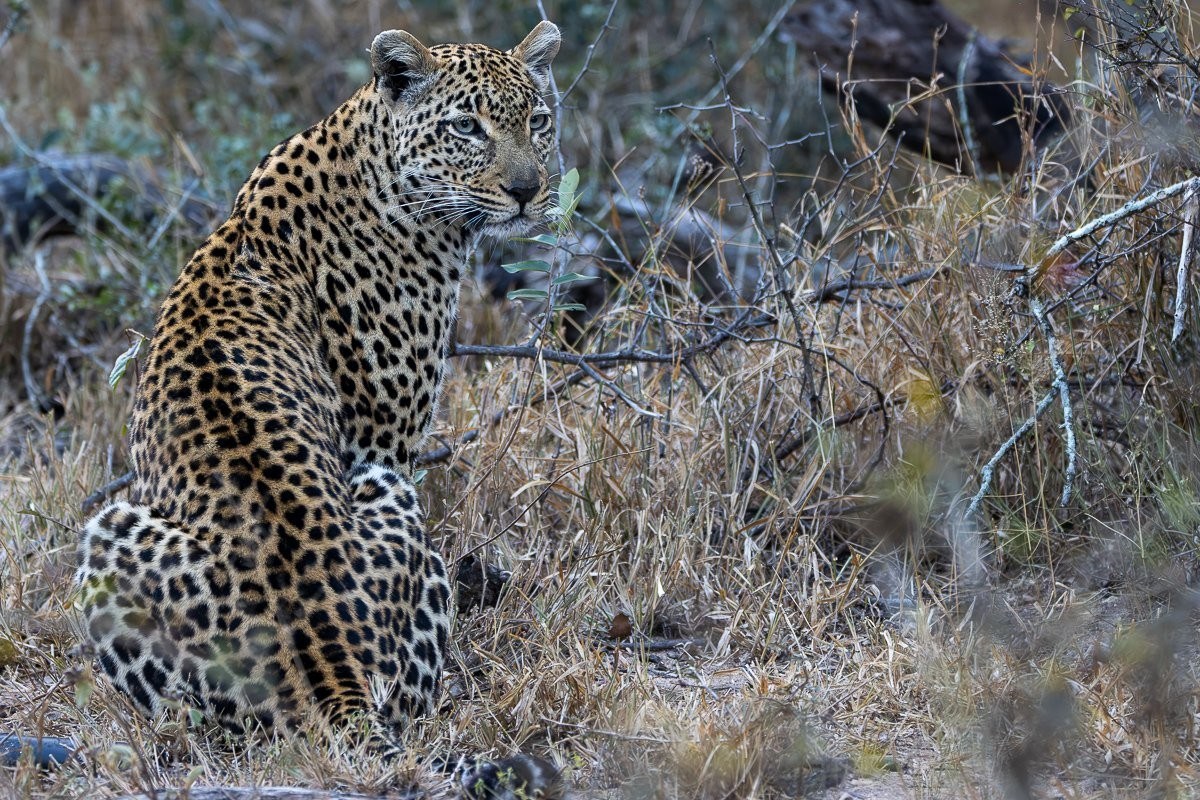
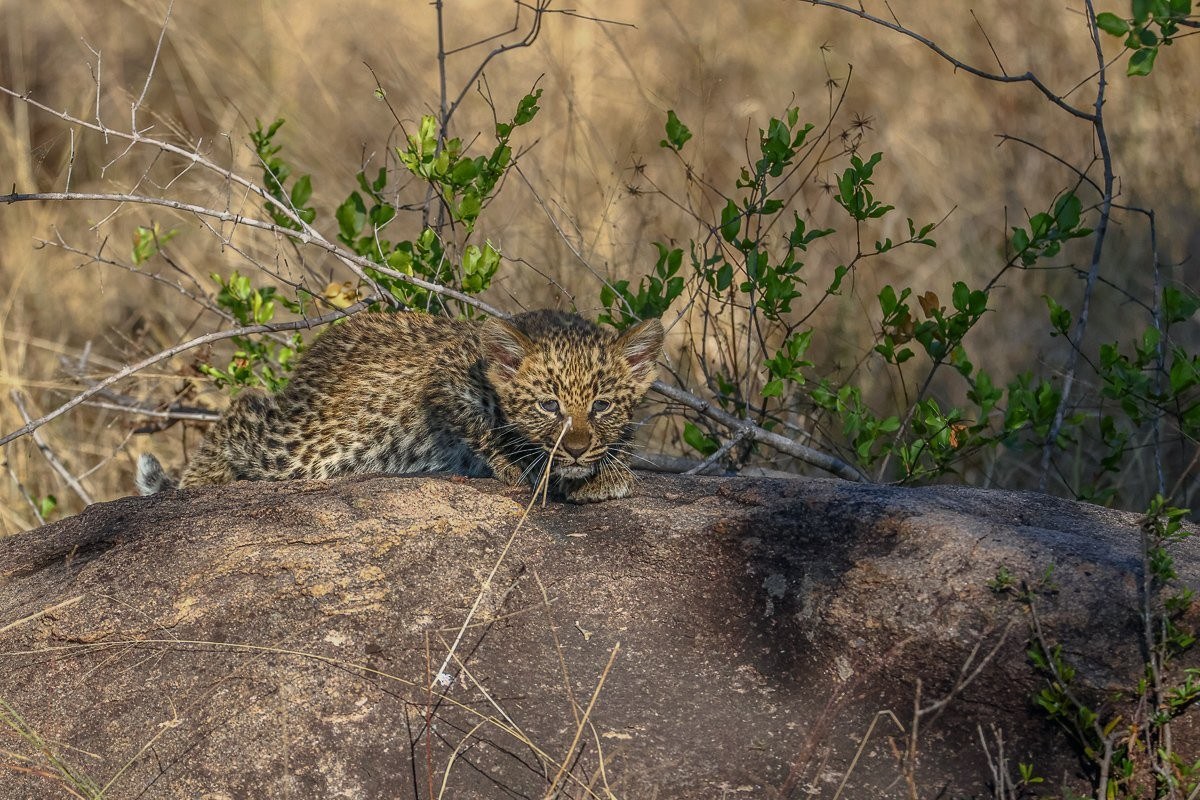
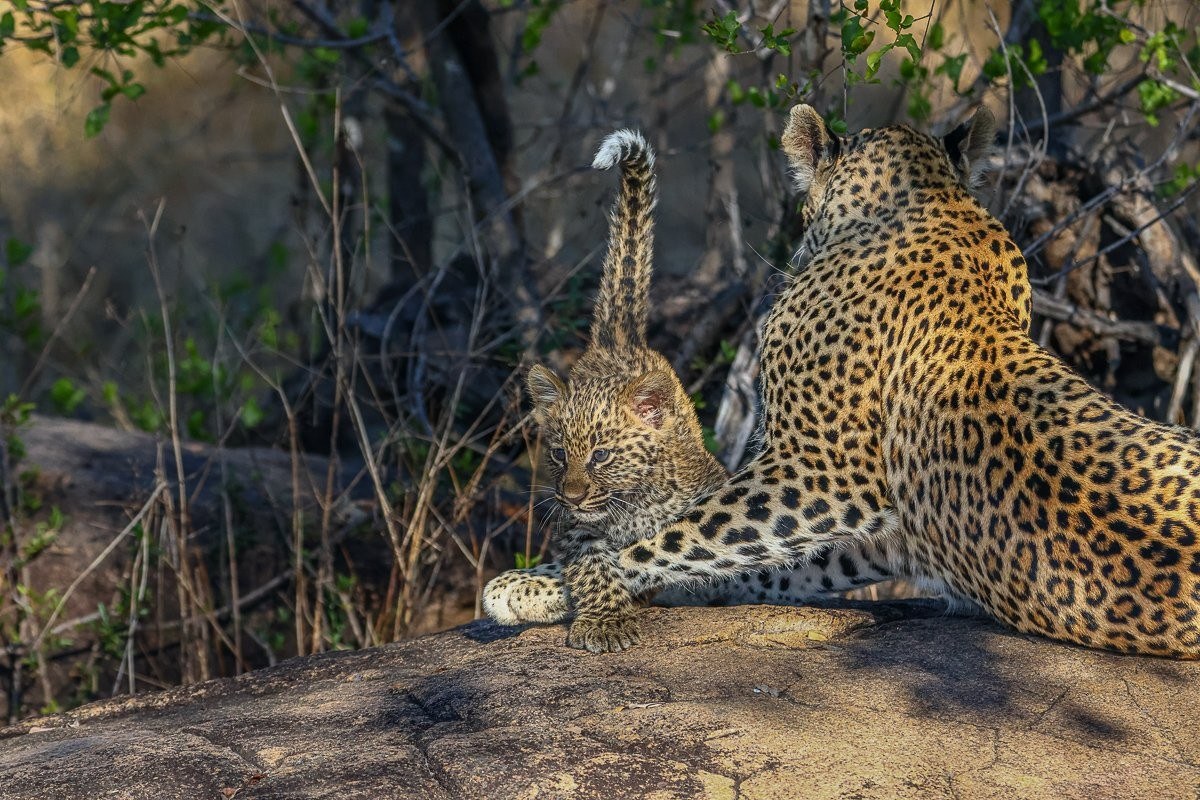
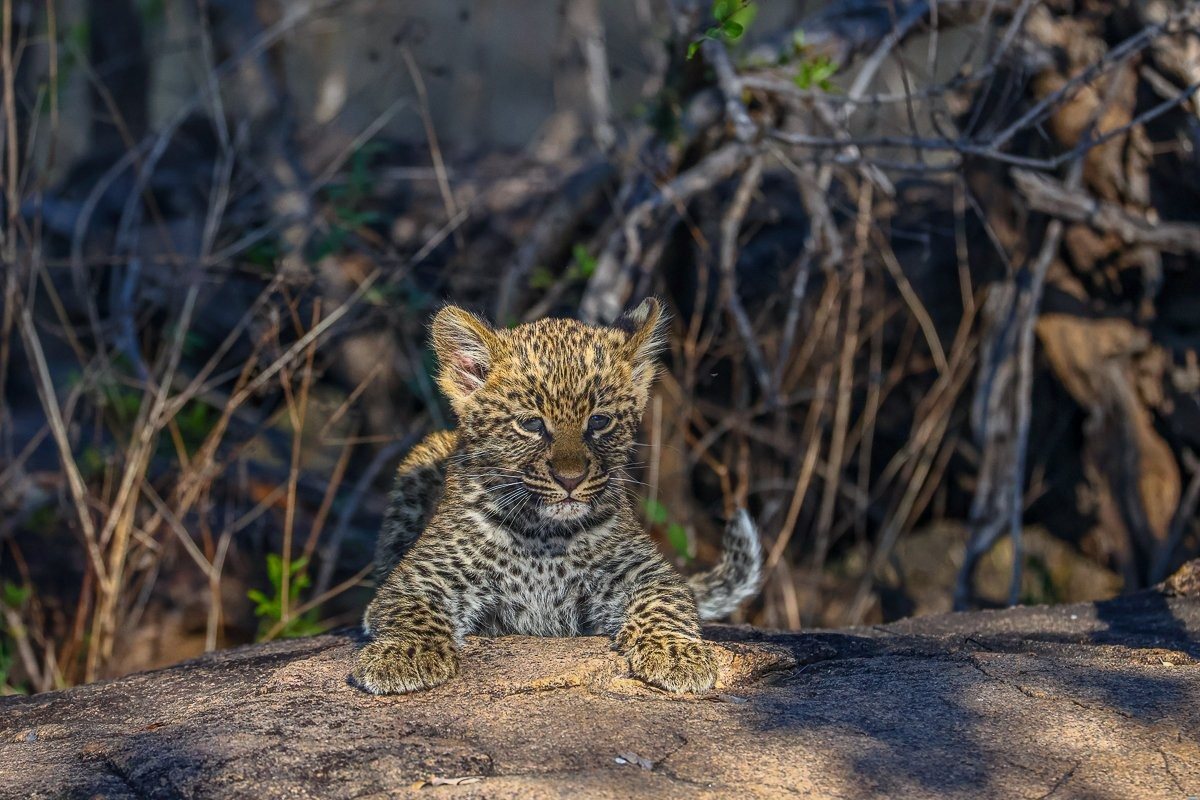
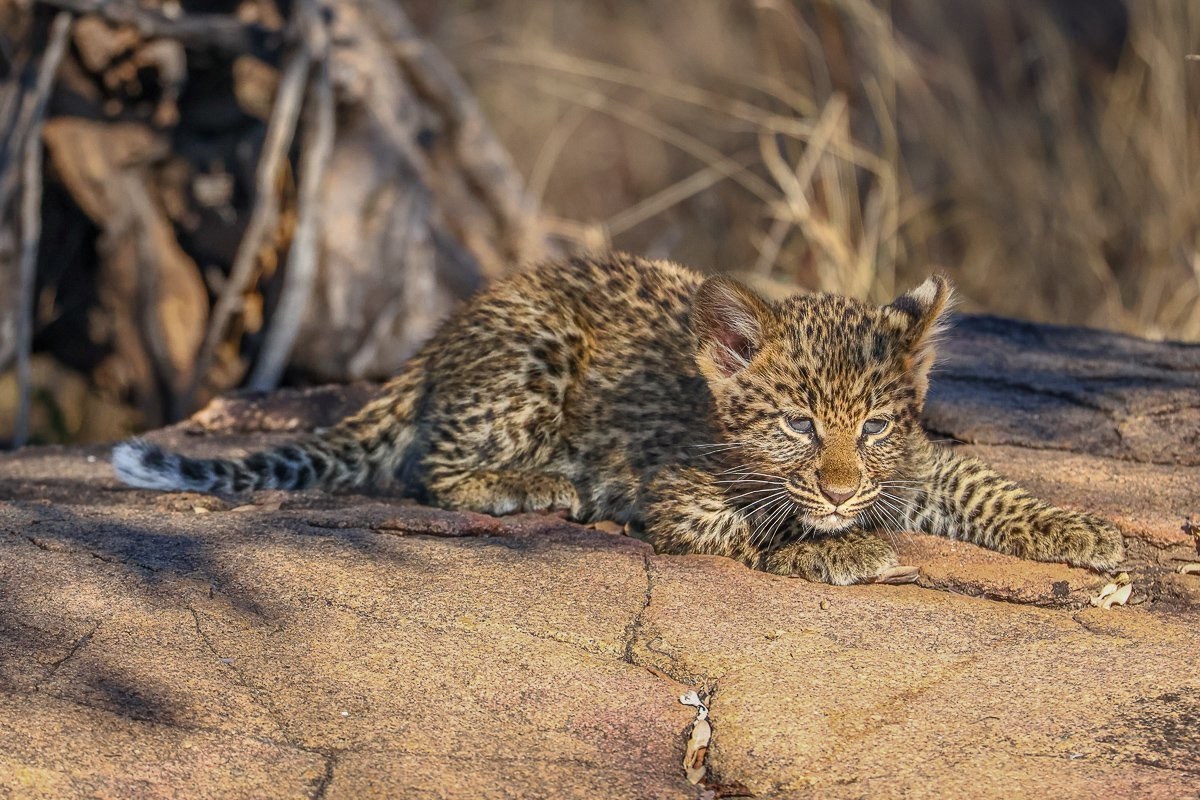
After spending most of our morning safari tracking Golonyi, we finally caught up with her and one cub as they were resting on a small rocky outcrop, taking up all the heat possible from the first sun rays after a cold evening. Golonyi currently has a lot of pressure on her as her cubs are getting stronger by the day, she constantly needs to rotate her den sites to keep the cubs safe. So far, she has done an incredible job in ensuring safety and securing food for them.
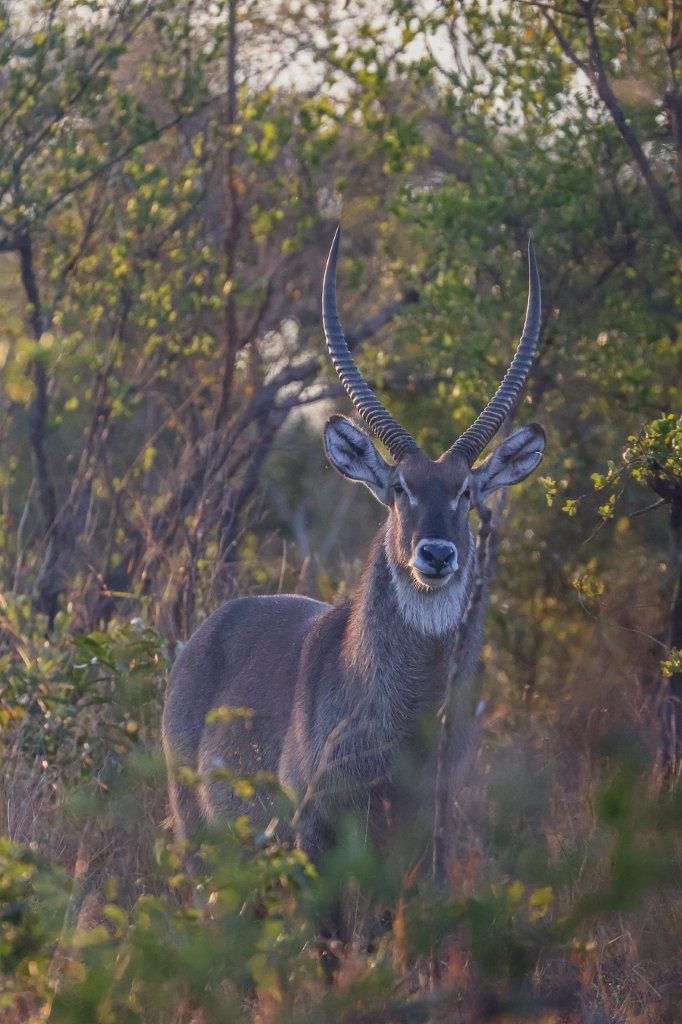
Standing proudly in the warm glow of the late afternoon, a mature waterbuck bull surveys his territory. Recognisable by his impressive ringed horns and shaggy, water-resistant coat, the waterbuck thrives near rivers, lakes and wetlands across sub-Saharan Africa. Bulls establish and defend territories, while their keen senses and preference for staying close to water help them avoid predators and survive in their natural habitat.
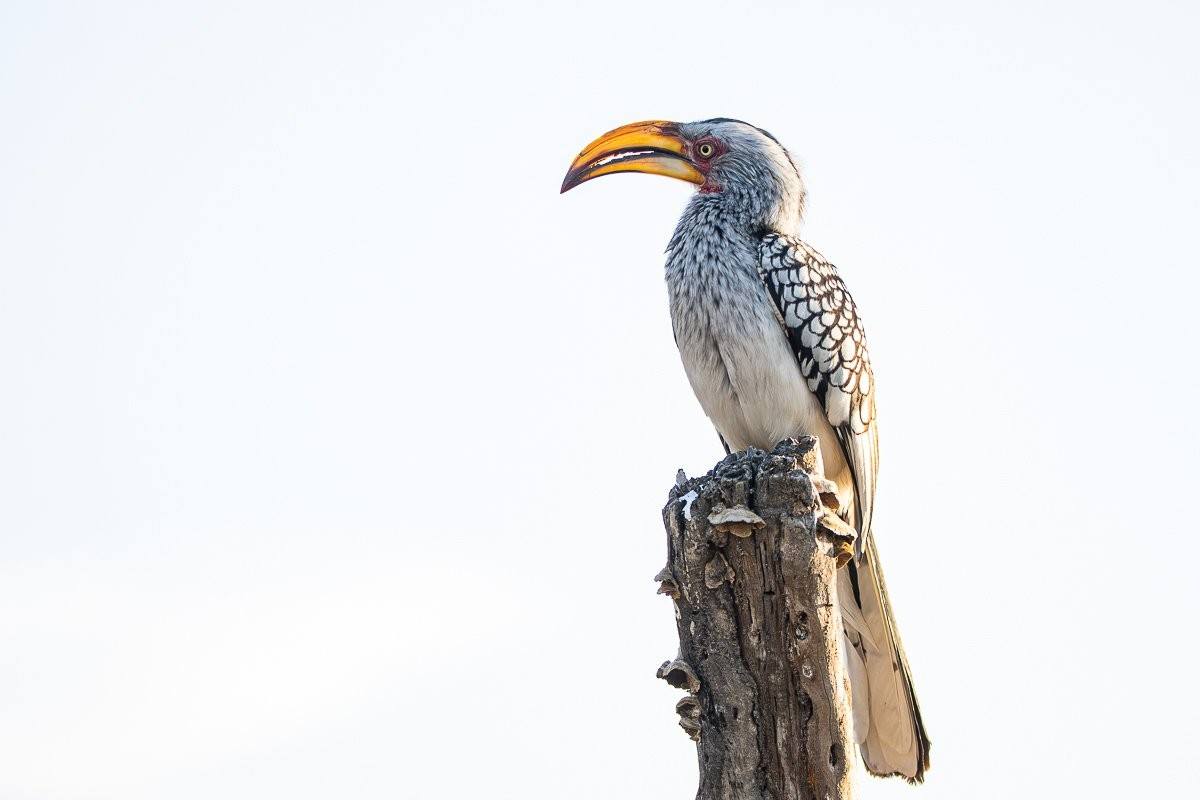
With its sharp eyesight and inquisitive nature, this charismatic bird is always on the lookout for an easy meal. Whether following grazing animals to snatch insects disturbed by their movements or investigating anything that catches its attention, the Yellow-billed hornbill brings a welcome dose of charm to every safari.
Until next time…
Blog by Wendy Claase
Images by Ronald Mutero, Ruan Mey and Viviane Ladner