
A Week in the Bush Vol. 611
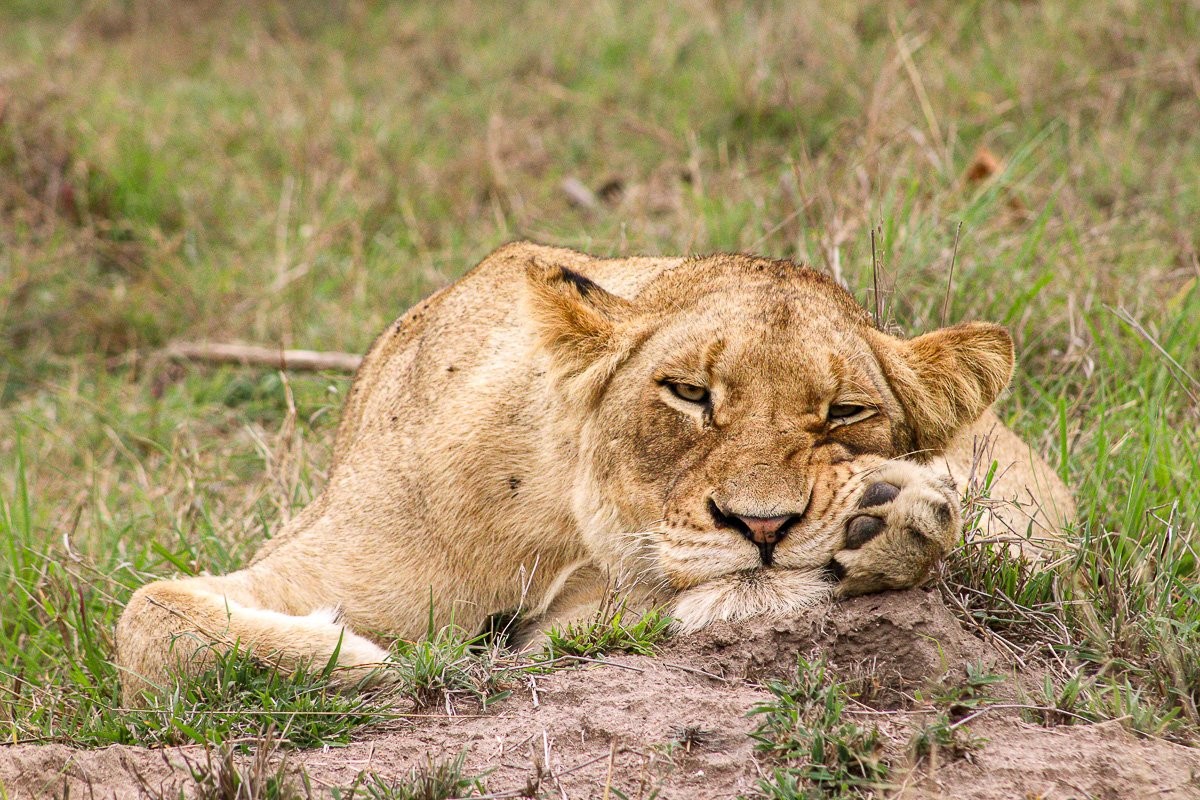
on Sep 30, 2026We tracked the Southern Pride females early one morning, expecting them to be following behind a large herd of buffalo. Instead, we found them some distance away from the herd, still hunting, but something else…We followed the lionesses for a while as they spotted a few warthogs in the distance. Rather than rushing in, they settled into a patient wait, positioning themselves near a termite mound in the hope that the warthogs would eventually move closer.
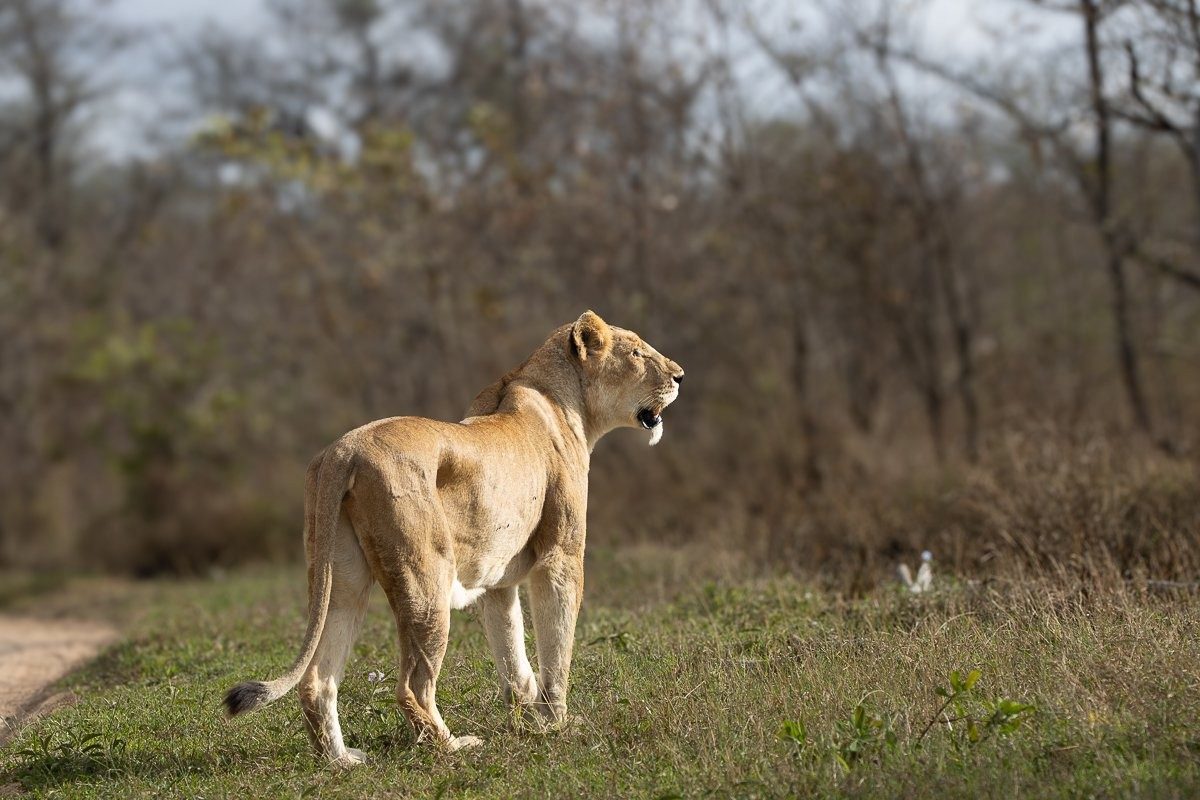
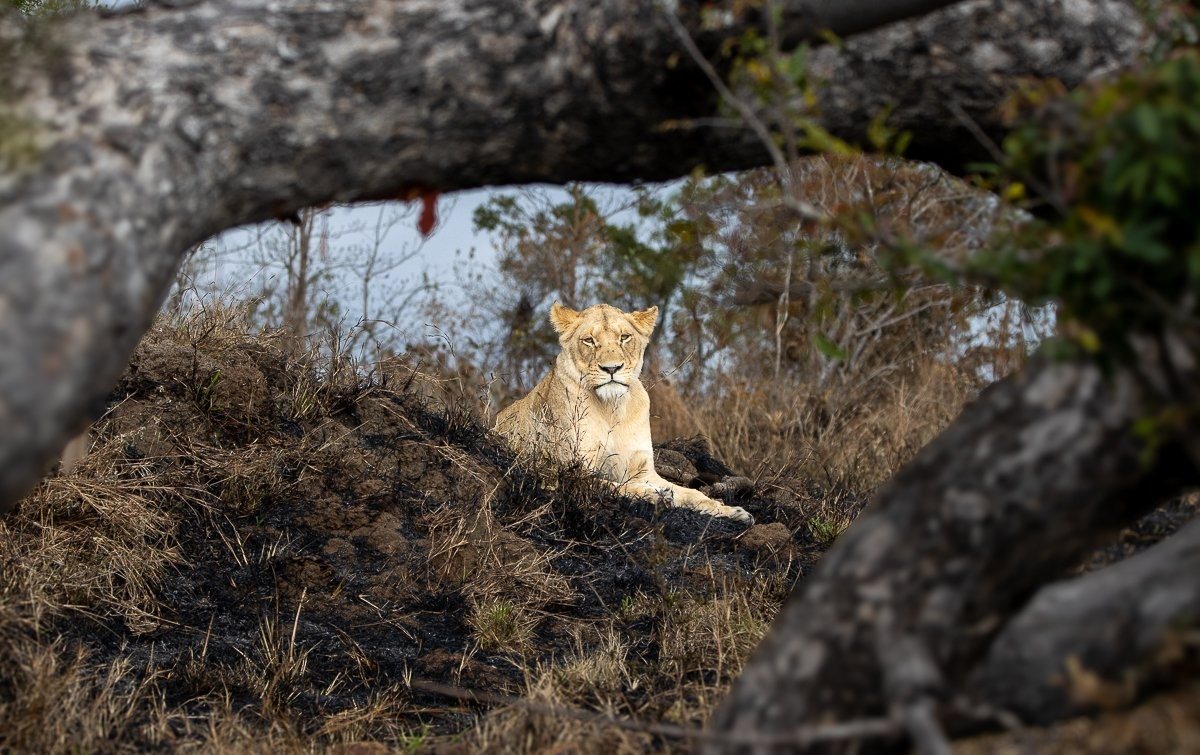
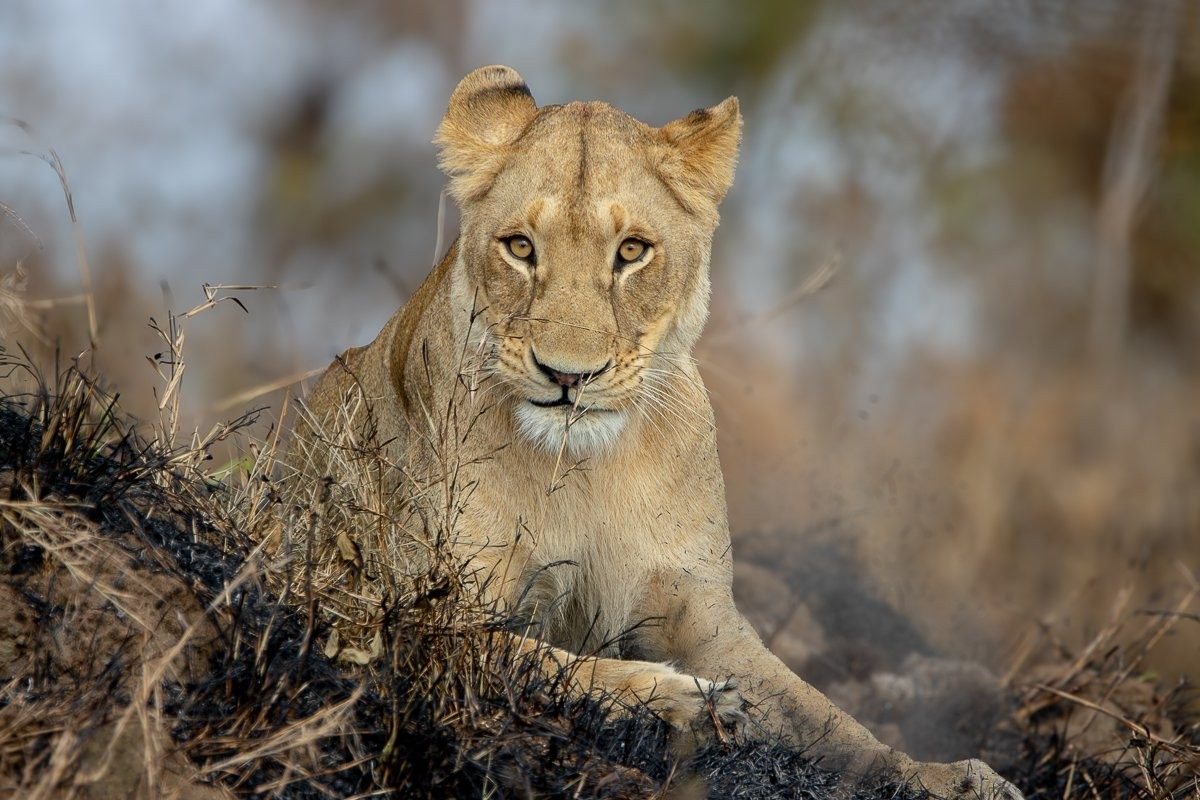
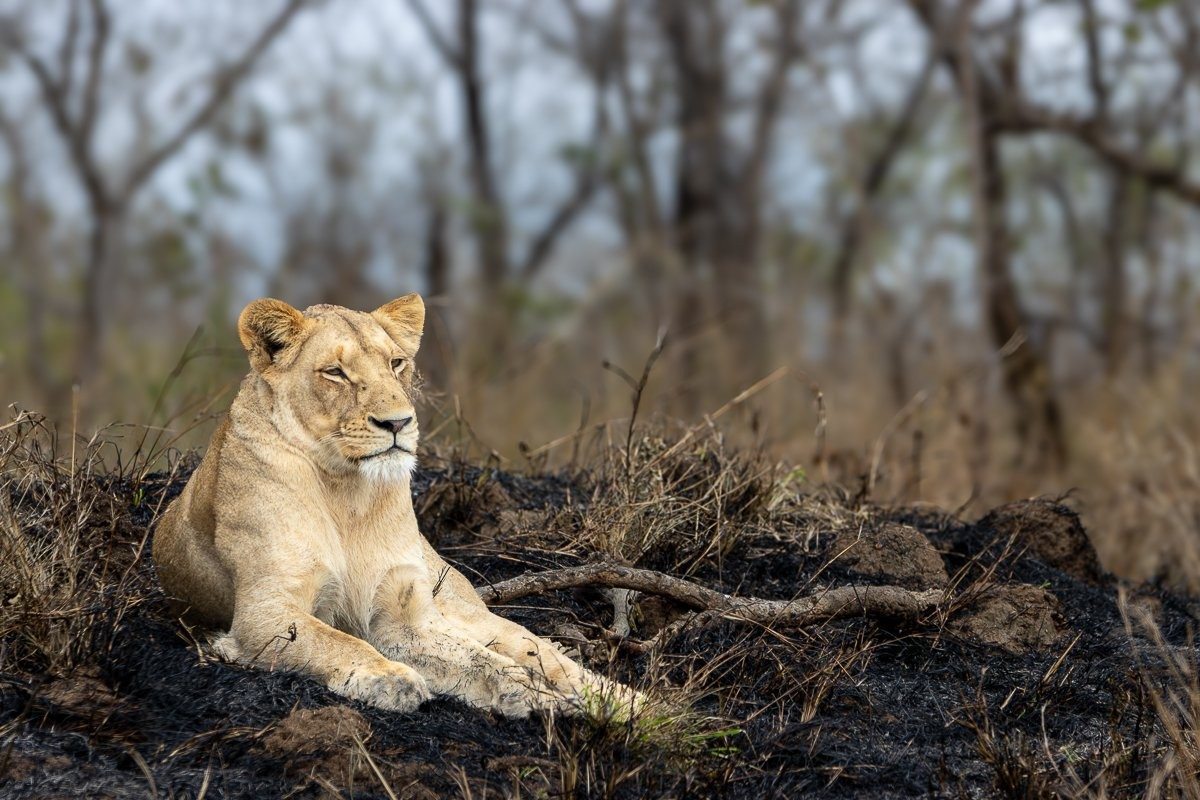
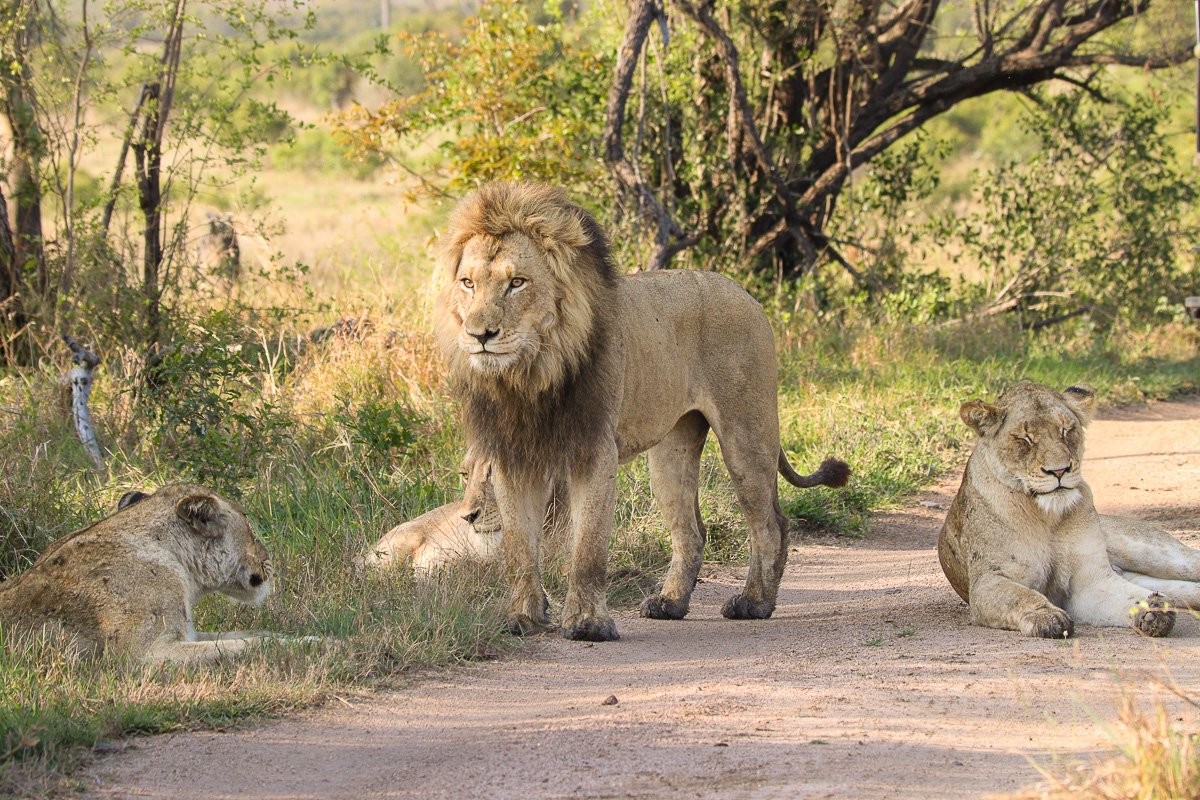
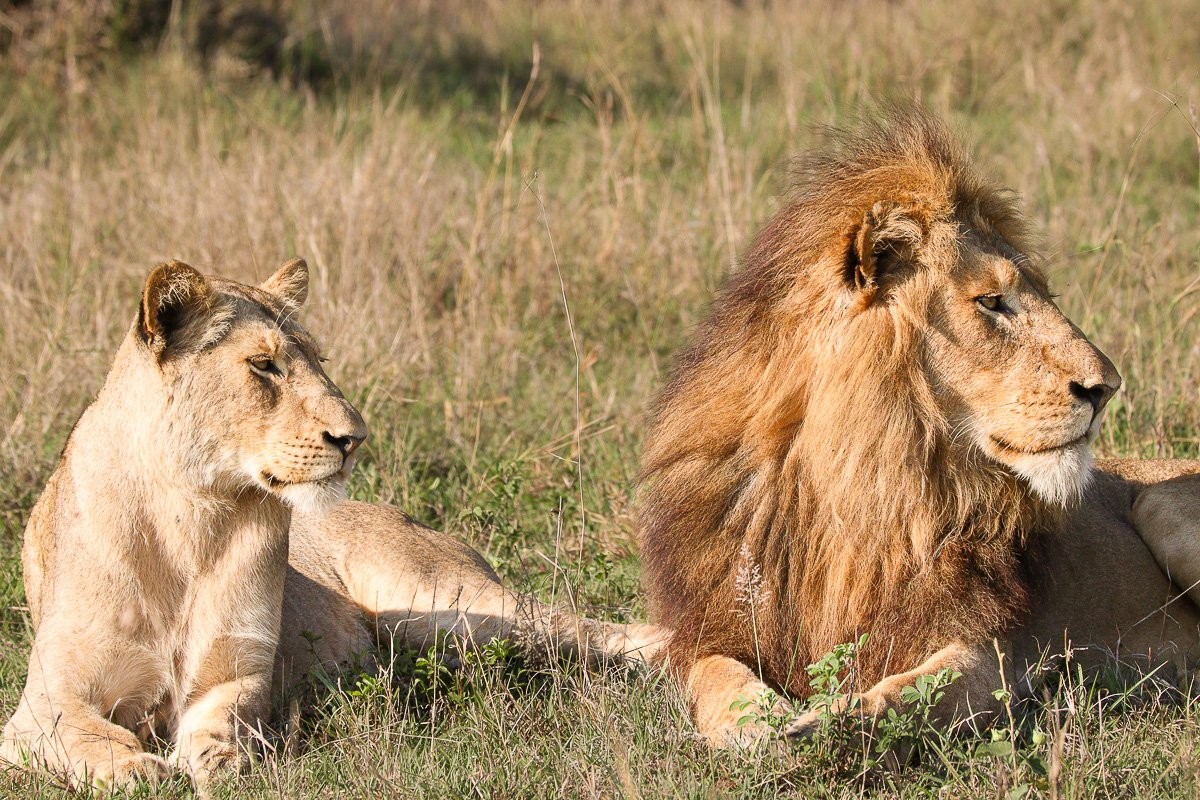
On an overcast day, we were delighted to find the Msuthlu Pride resting alongside all four N’waswishaka males. It is wonderful to have all four males back on the reserve, and they are certainly making their presence known.
The pride was initially quite spread out, with individuals resting some distance from one another. As we watched, they slowly began making their way closer, one by one, until eventually they were all resting together, proving just how social lions are.
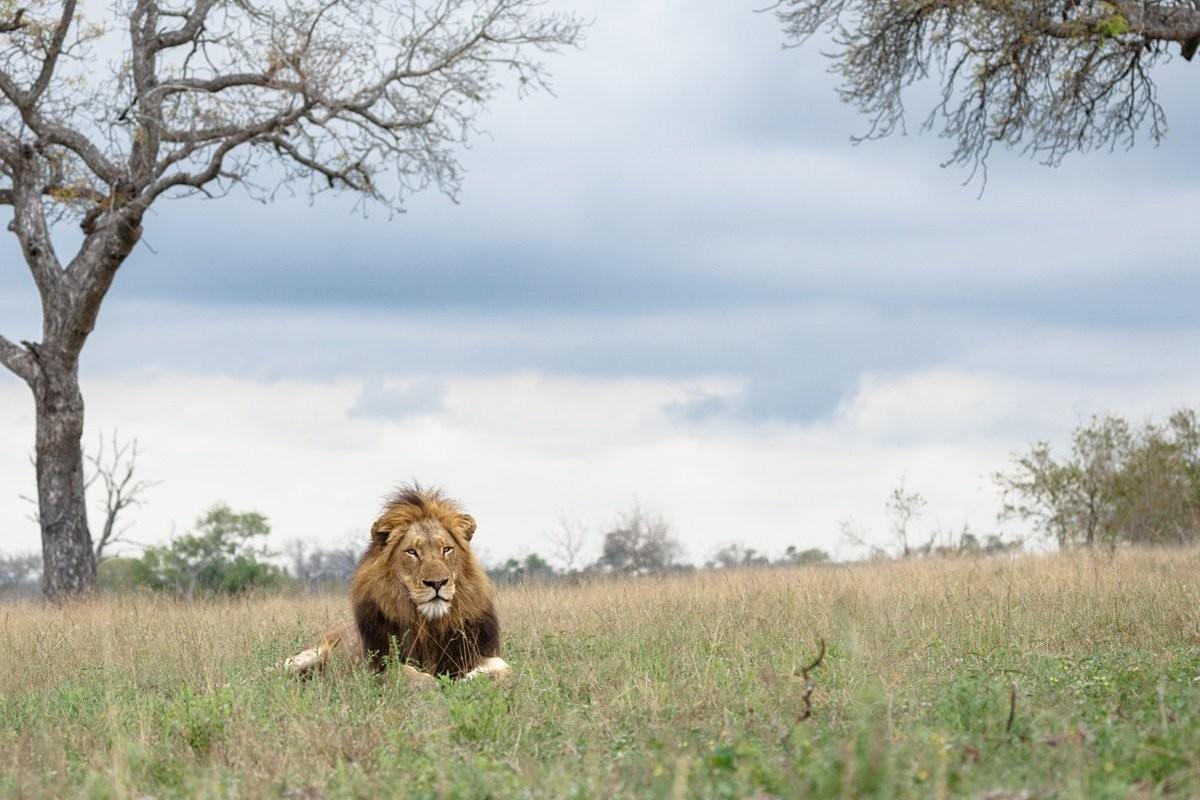
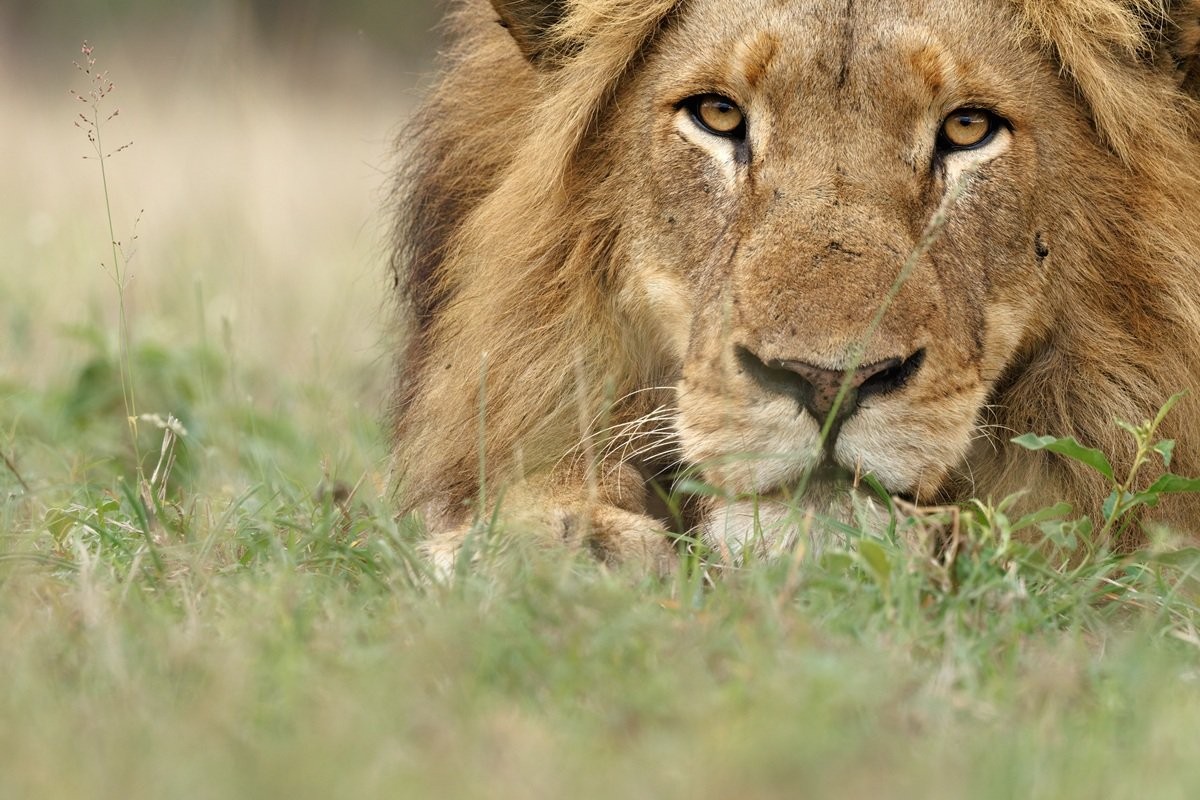
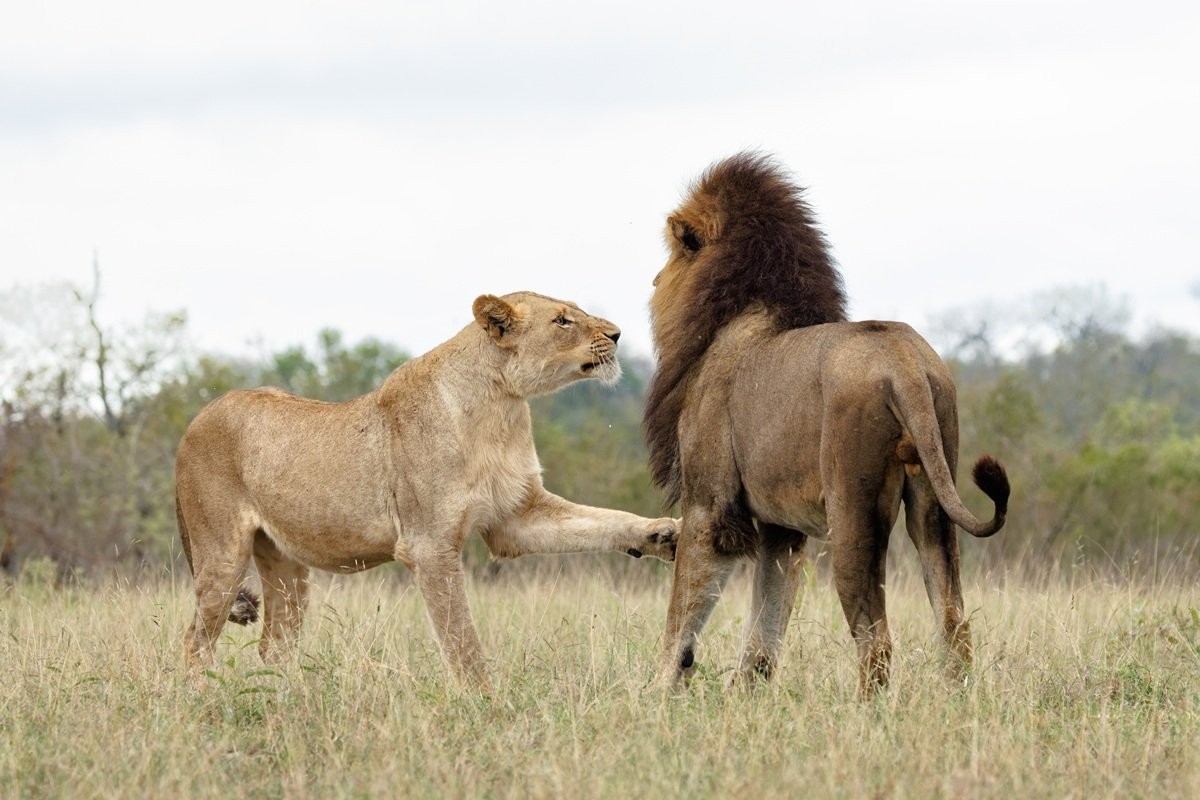
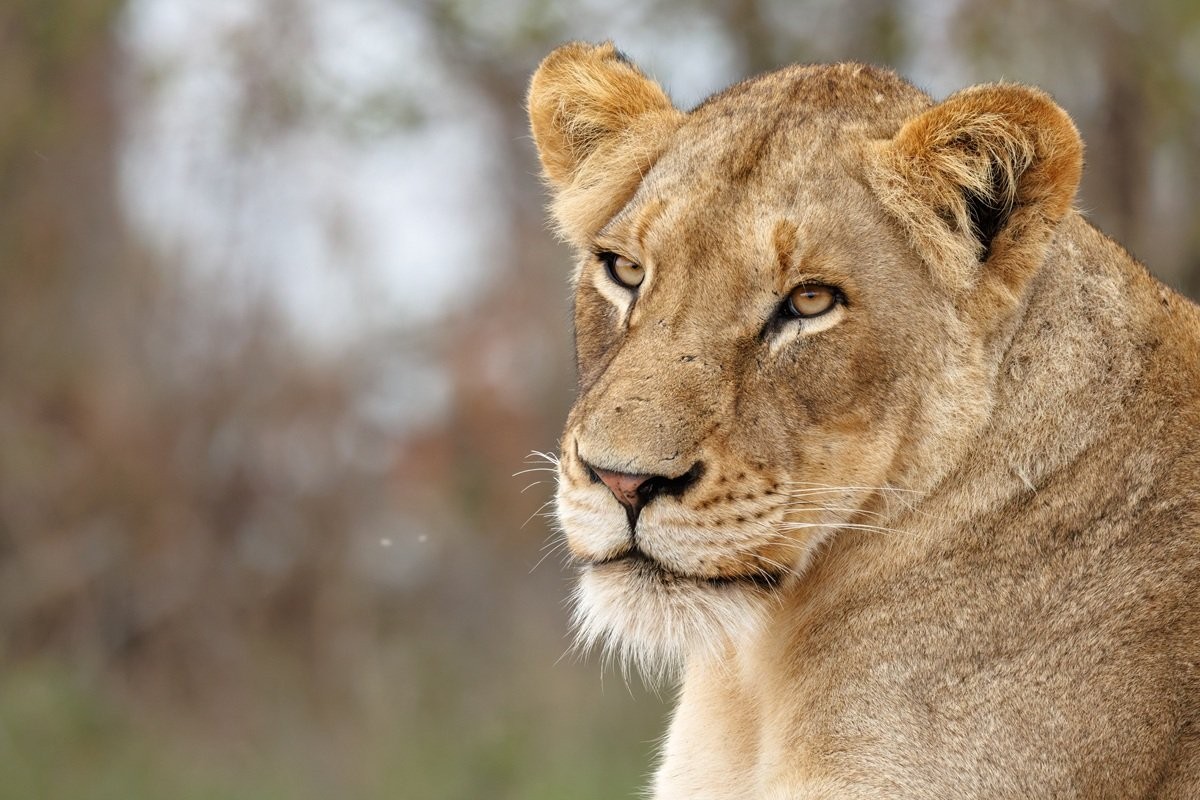
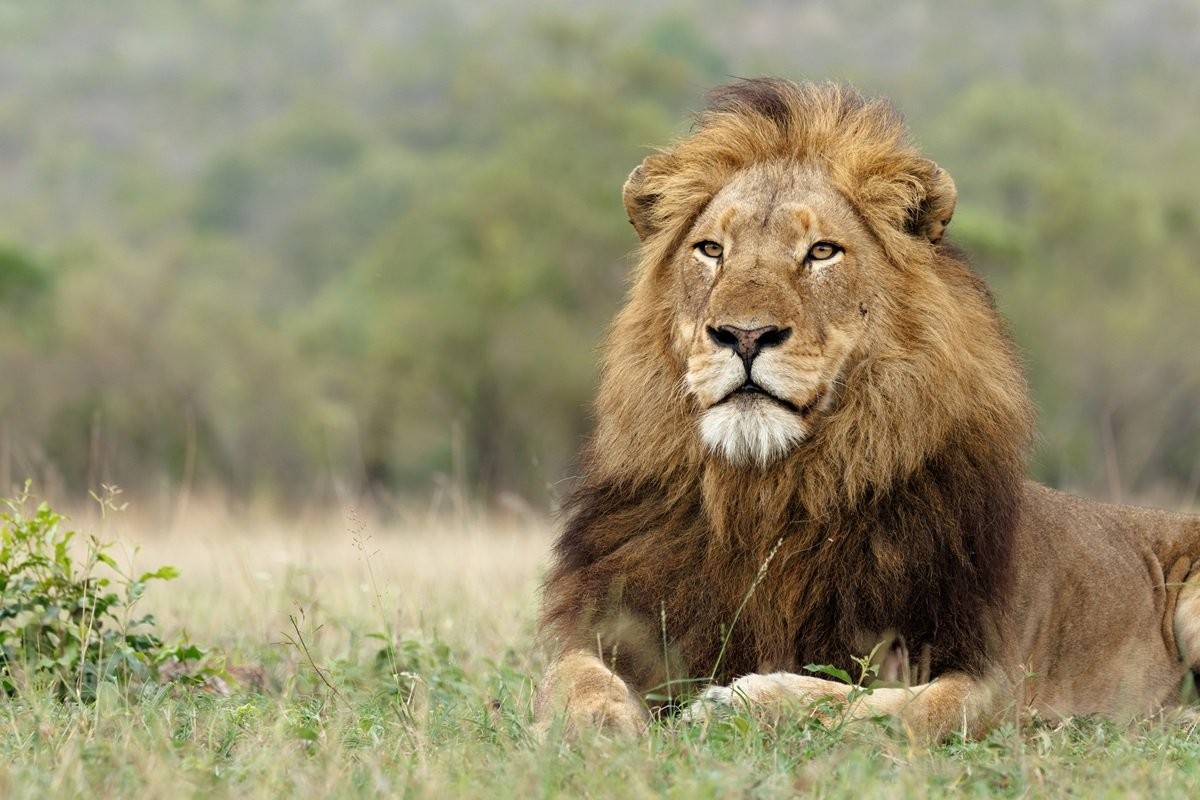
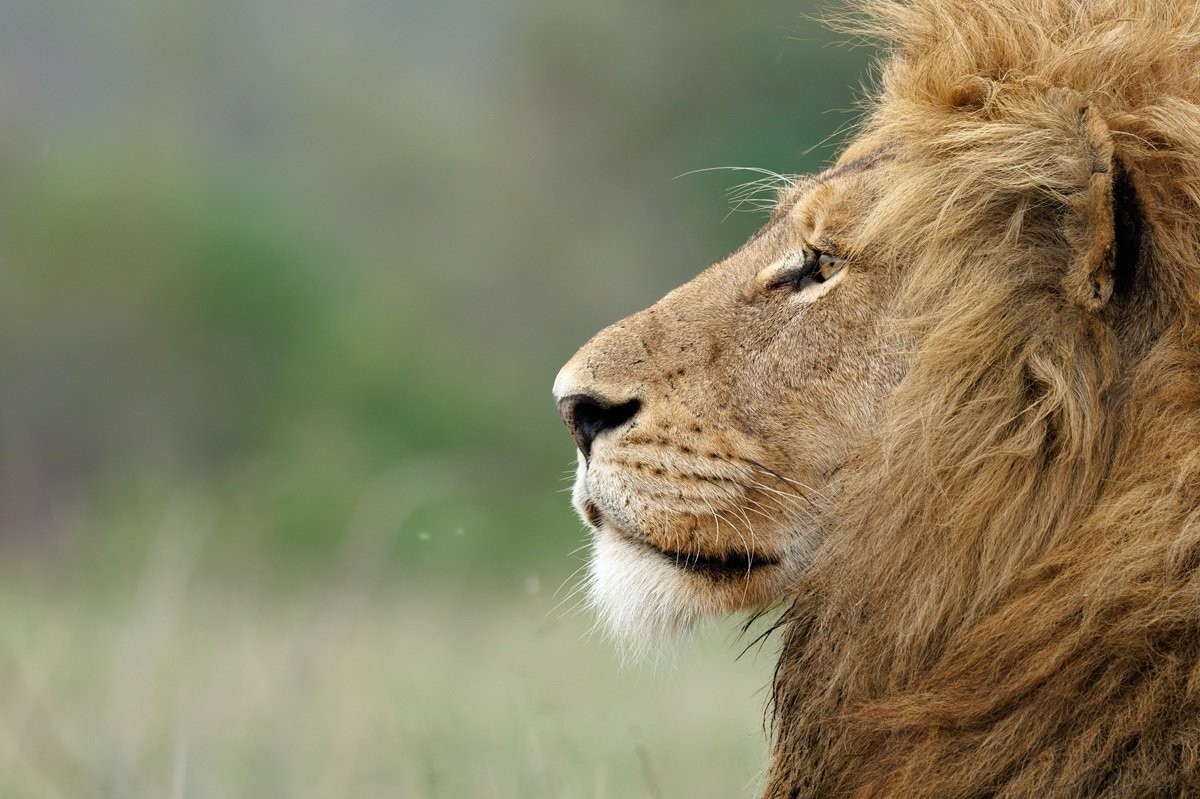
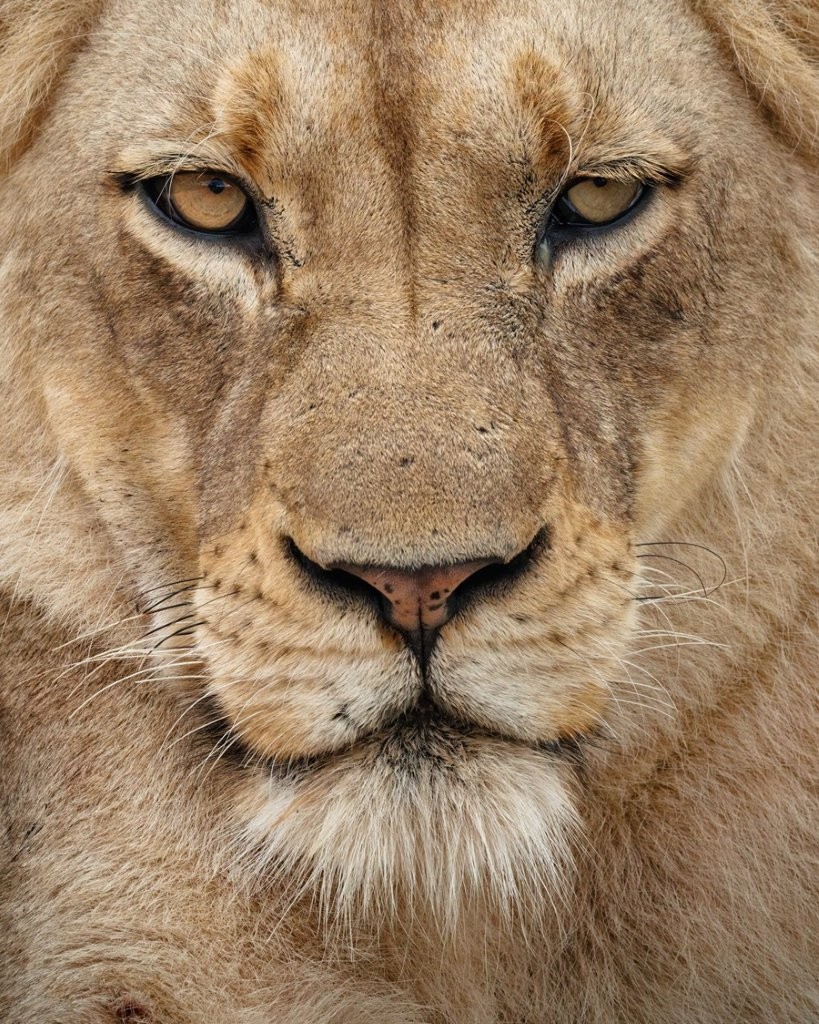
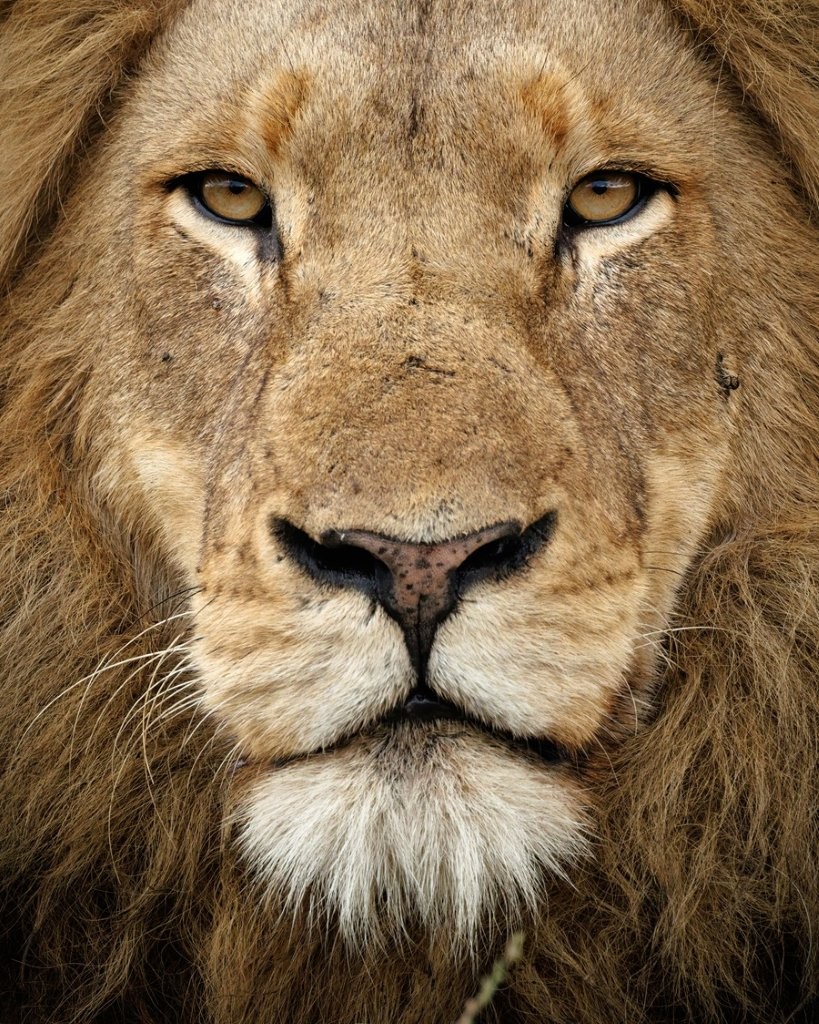
The four N’waswishaka male lions have each managed to isolate a lioness from the Msuthlu Pride. Although they are not currently mating, the males continue to display strong signs of dominance whenever the females attempt to move away. The males will immediately get to their feet, growl at the female and move to cut her off from the rest of the pride.
These vocalisations and displays are a clear indication that the male remains interested in mating with her. By preventing the female from leaving, he also reduces the opportunity for her to mate with another male and discourages his brothers from doing so.
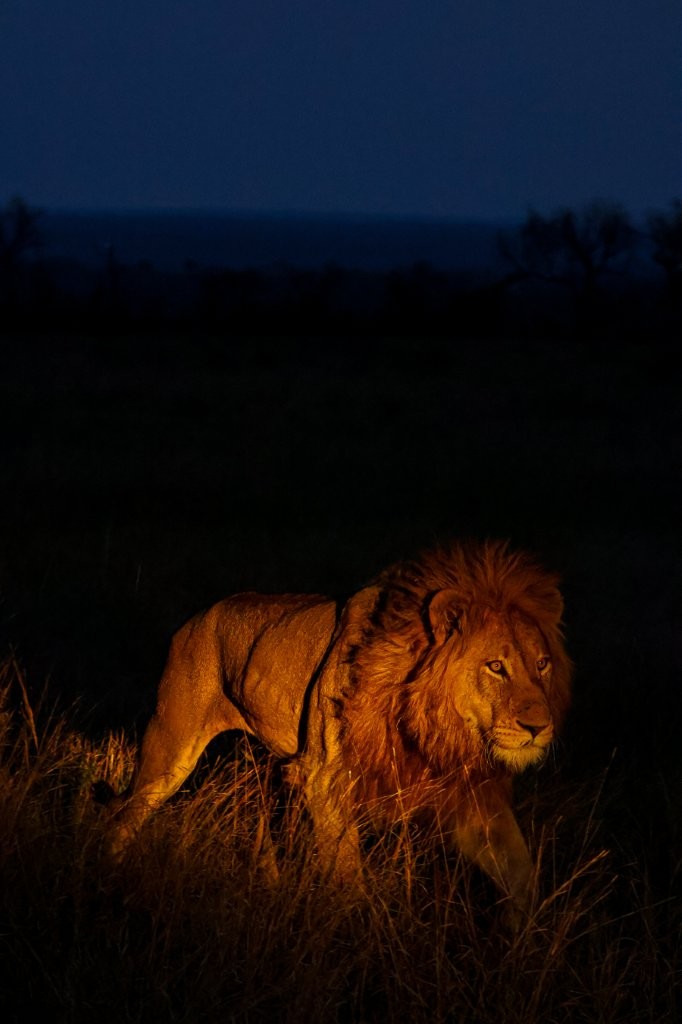
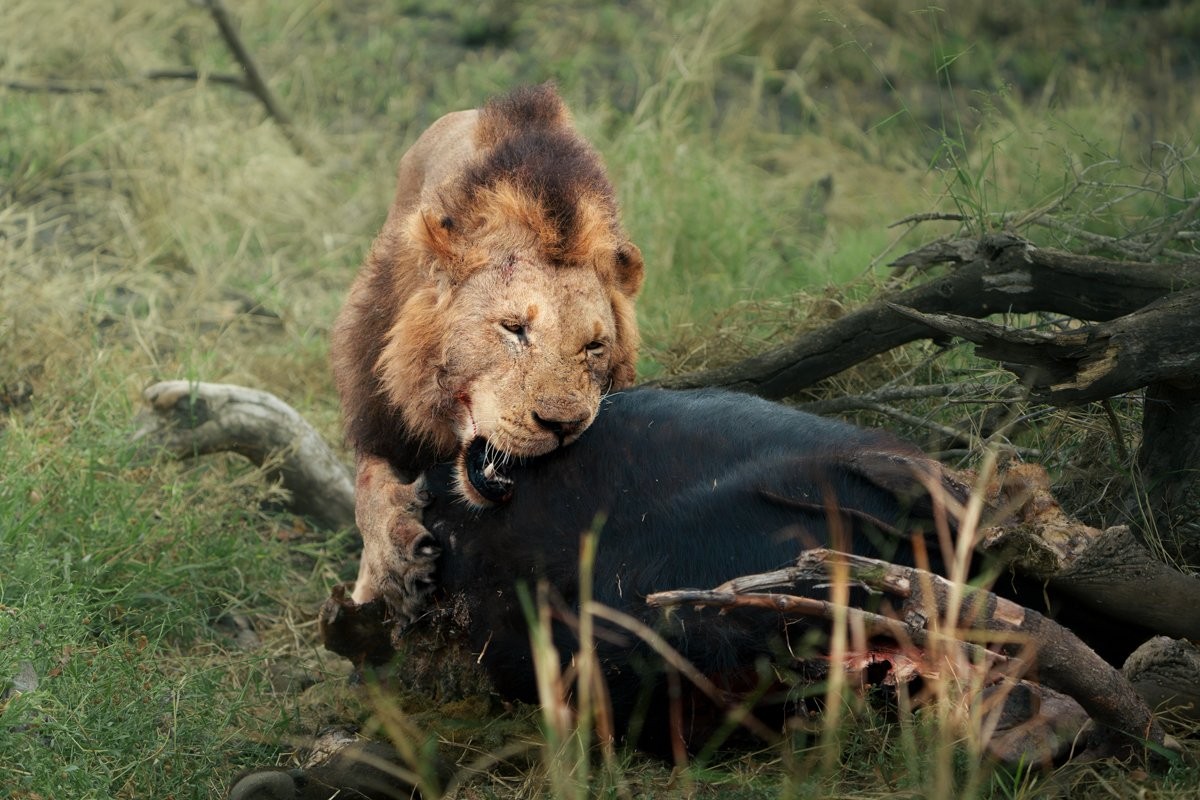
Buffalo are among the toughest prey lions take on. Weighing close to a ton, they are formidable opponents that will fight back fiercely, meaning bringing one down often requires teamwork. Once the hunt is over, however, the big males are usually first to the carcass and can consume more than 30kg of meat in a single sitting.
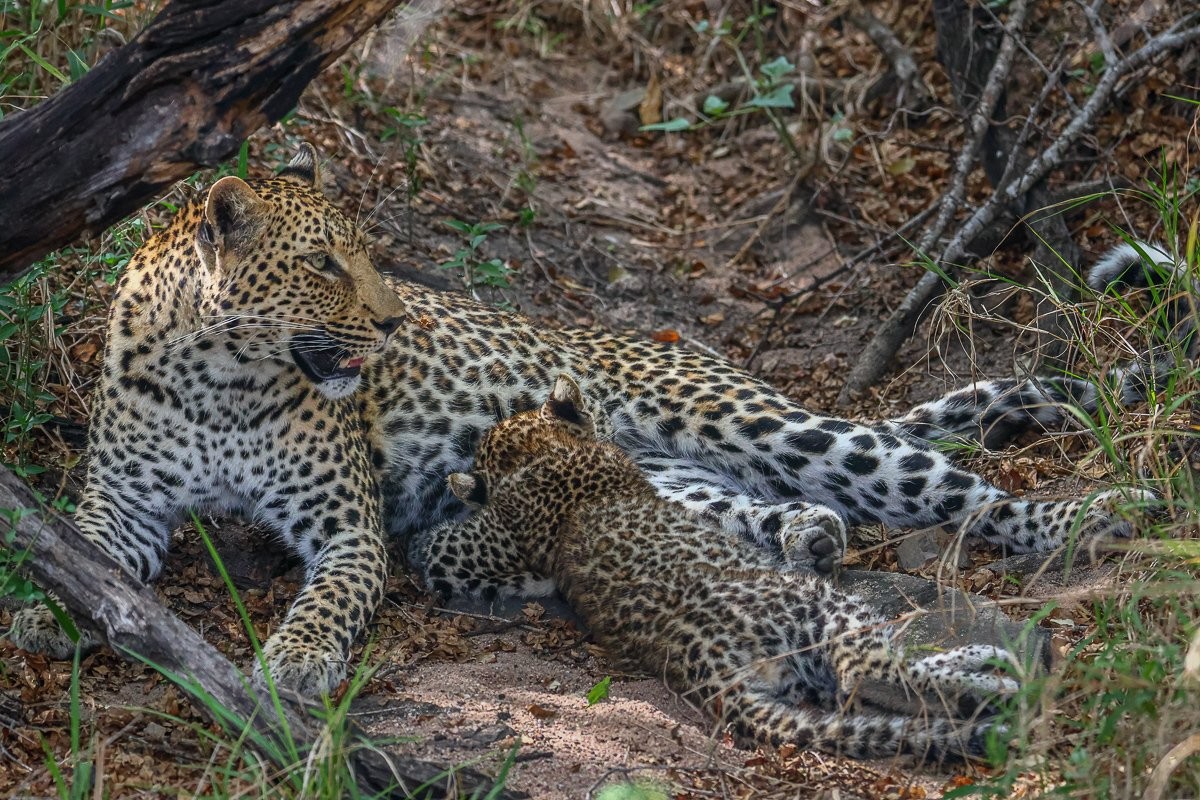
After following up on Kurhula and her cub, we were fortunate to find them just as they had finished feeding on a duiker. With their bellies full, they began looking for a shady, lower-lying area where they could rest undisturbed.
The cub is only now developing a full set of milk teeth, so it is slowly beginning to nibble on small pieces of meat alongside continuing to drink its mother’s milk. This transition to solid food is gradual, with the cub only beginning to develop its permanent teeth at around six months of age. Until then, Kurhula’s nutrient-rich milk remains an important source of nourishment as the cub continues to grow.
We left them as the cub settled in to suckle, before both found a comfortable spot where they could spend the remainder of the day resting.
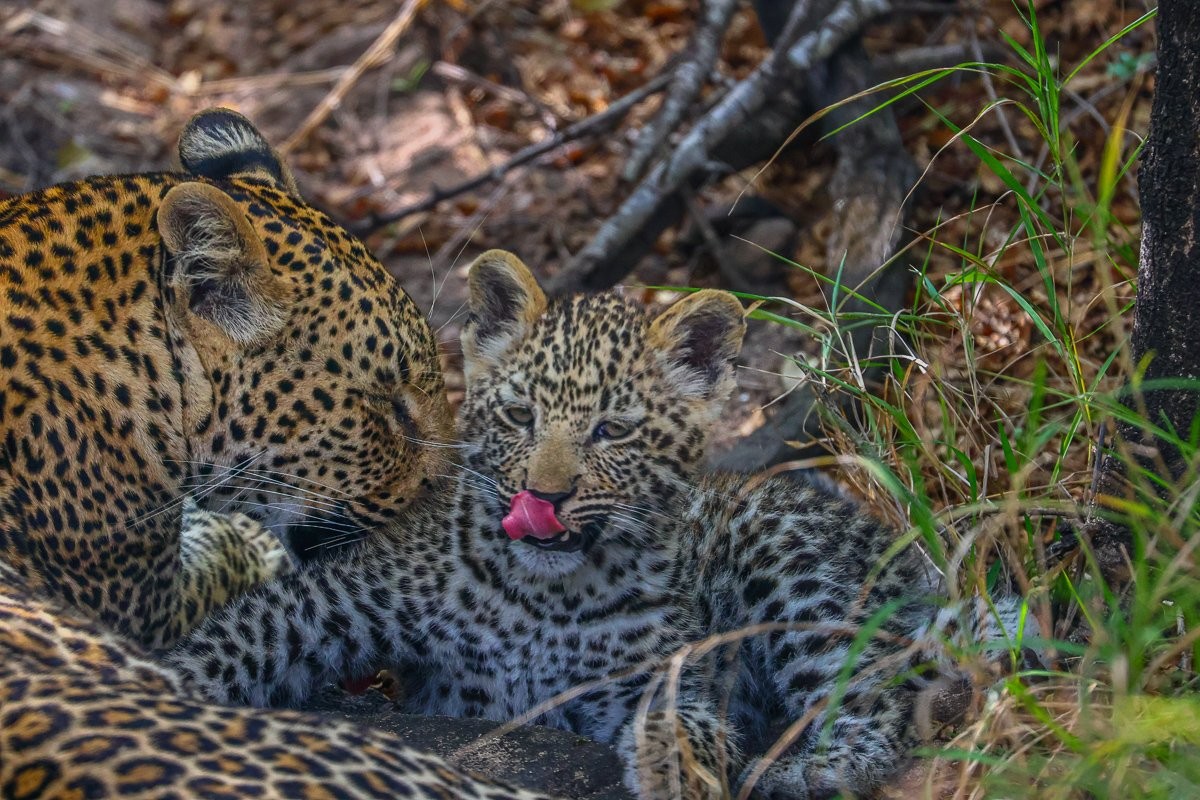
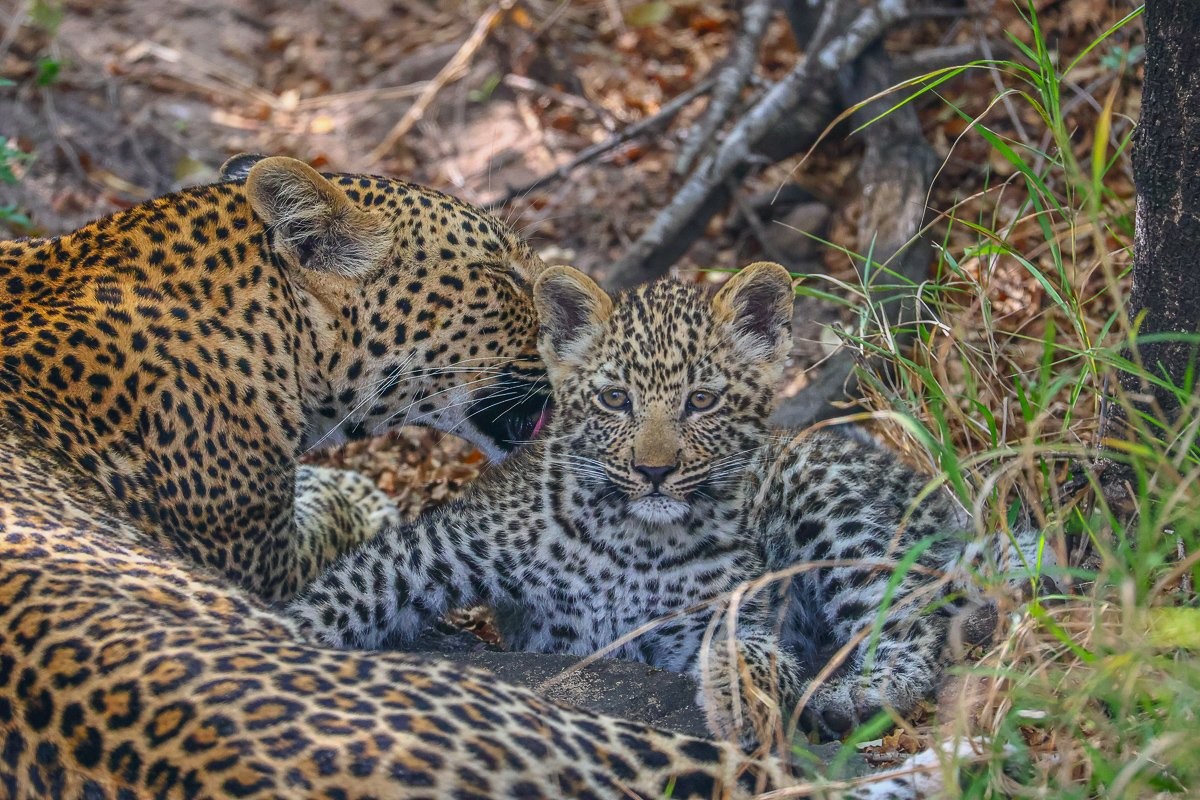
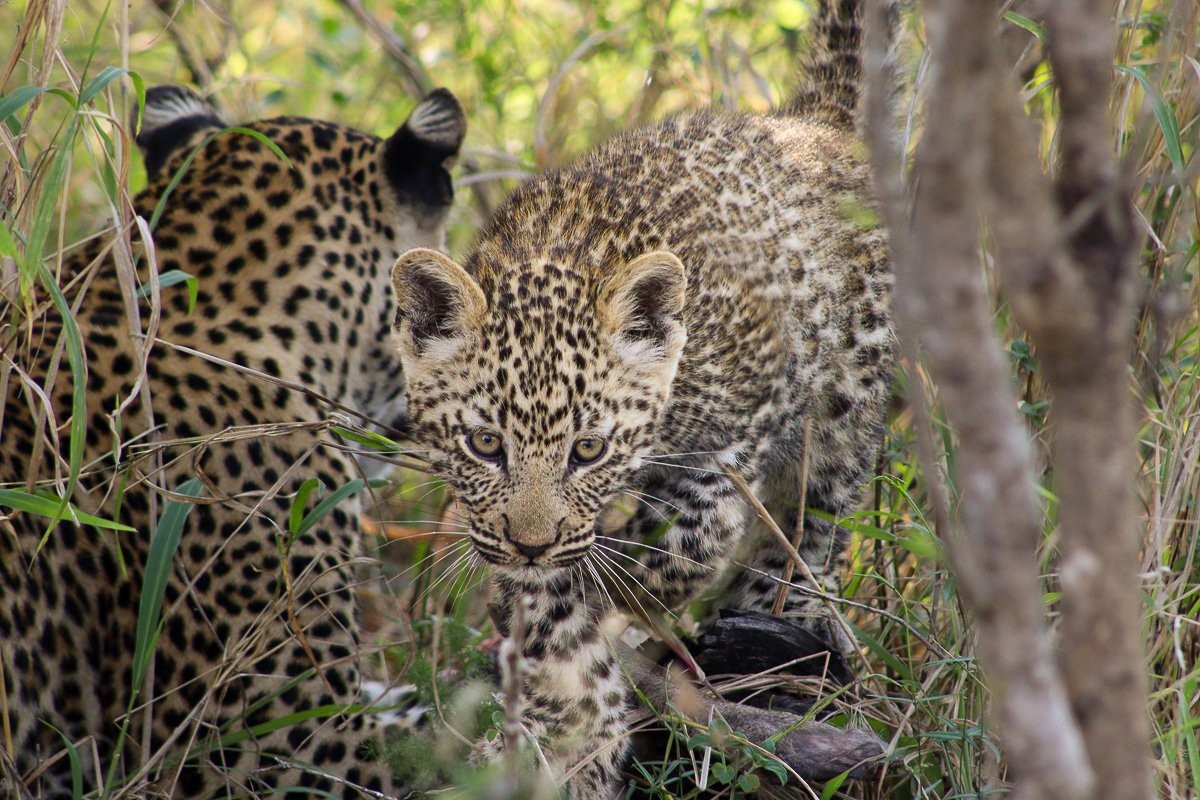
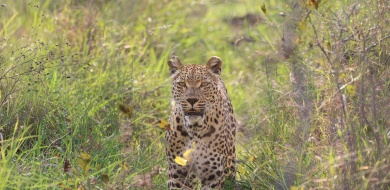
After a short burst of rain at the beginning of our morning safari, we found Kurhula moving through her territory, scent marking as she searched for food.
Rain can wash away the urine markings that territorial animals leave along their boundaries and frequently used paths. Once the rain stopped, Kurhula began remarking her territory, leaving fresh scent markings along the game paths and vocalising to let other leopards know of her presence.
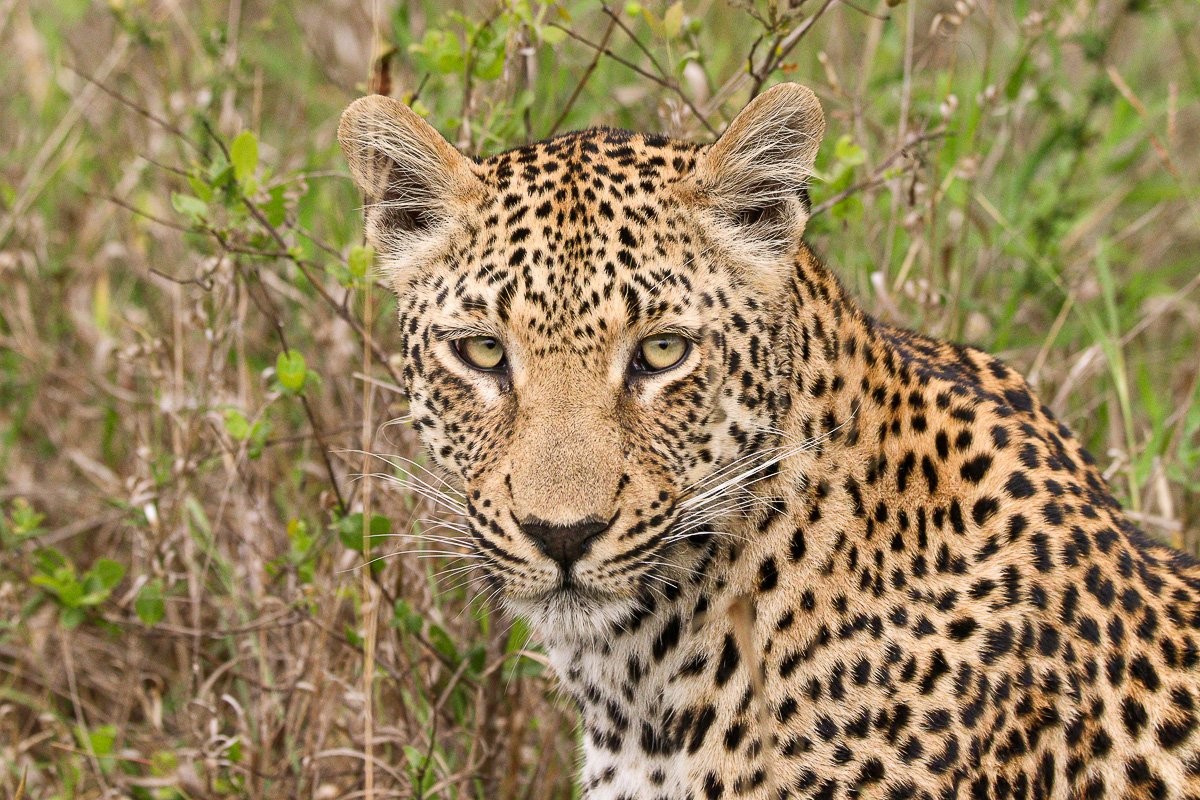
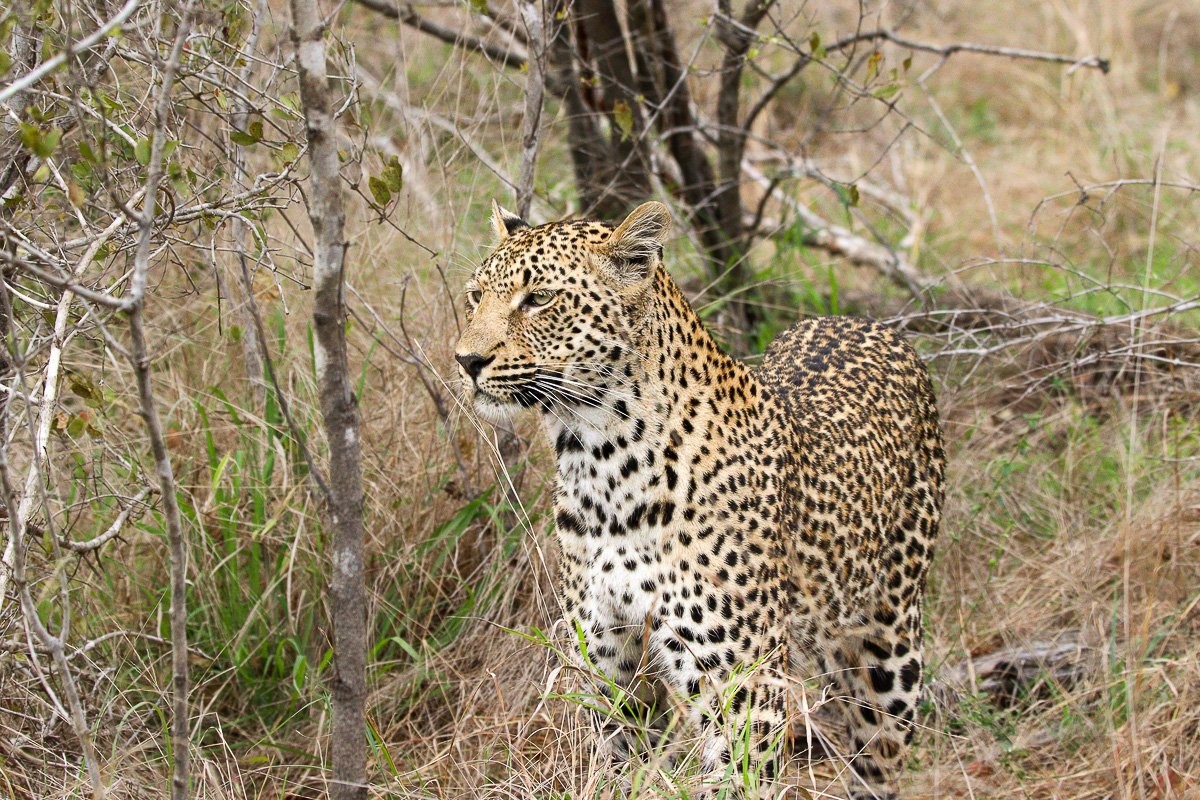
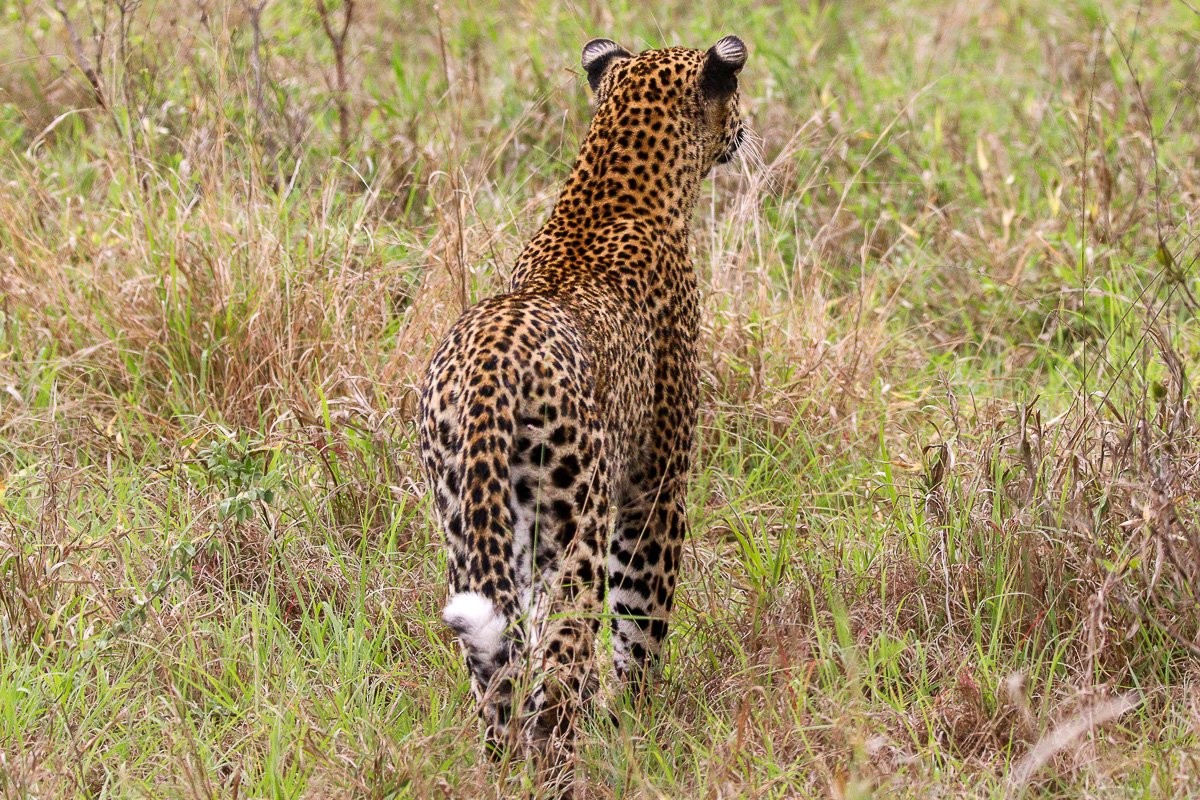
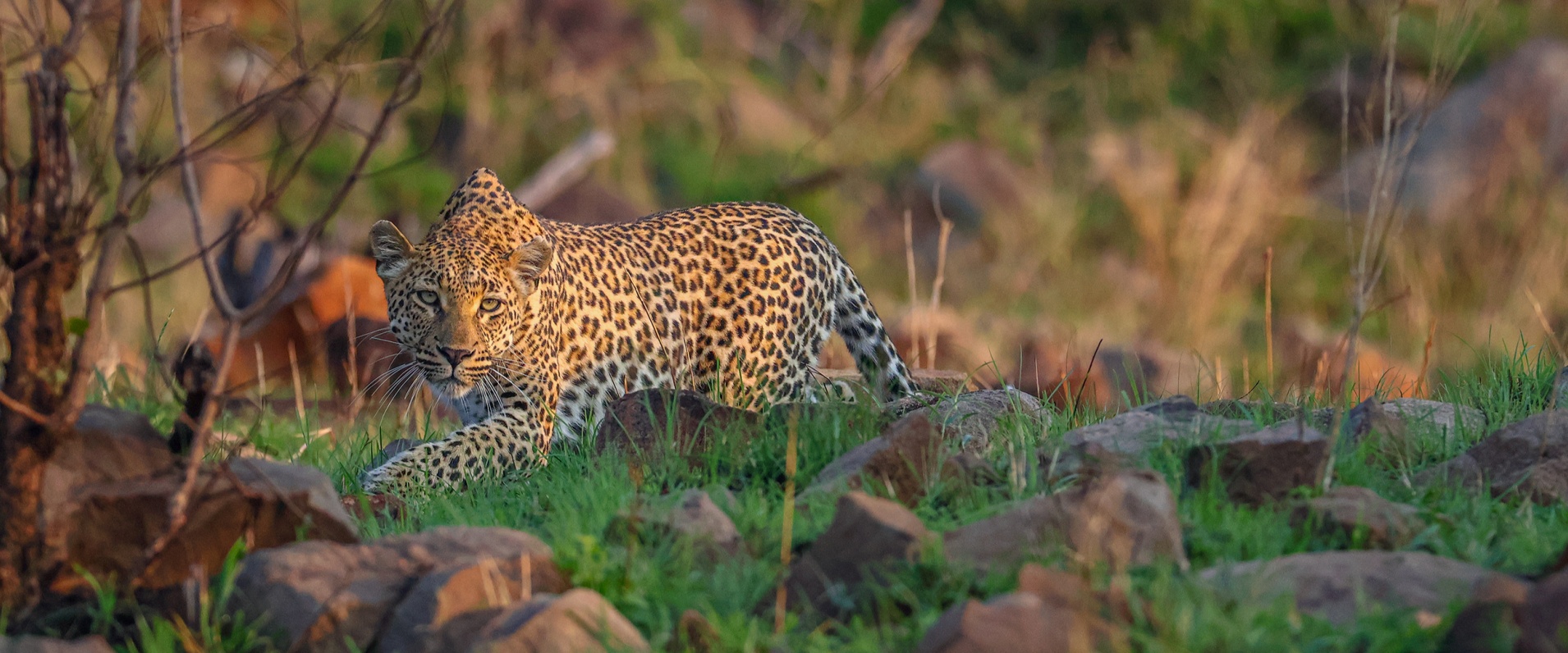
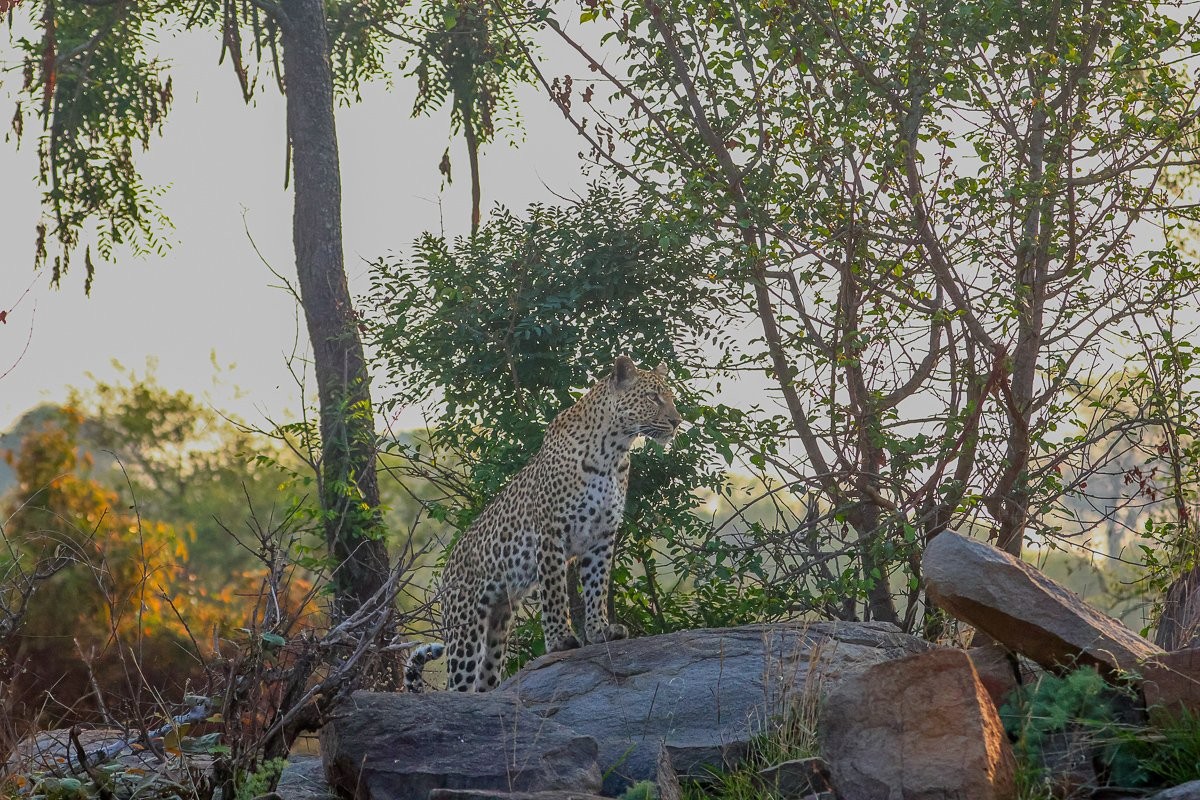
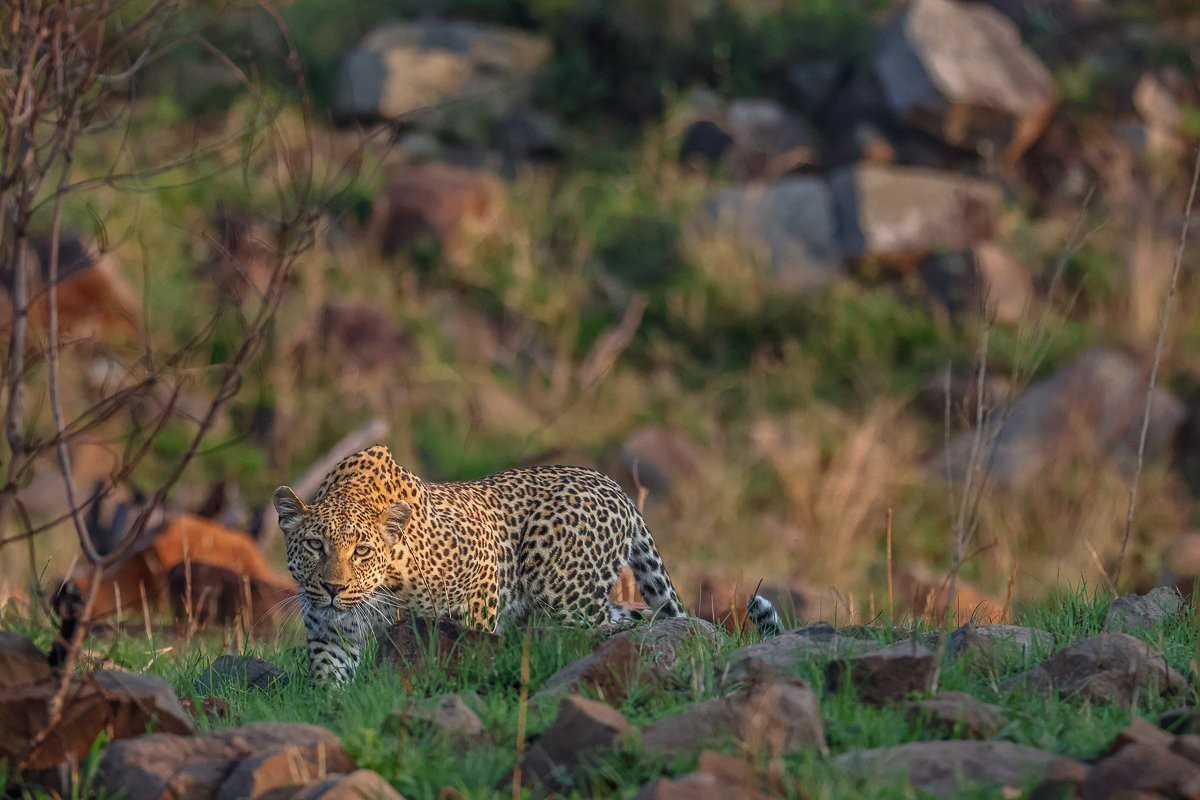
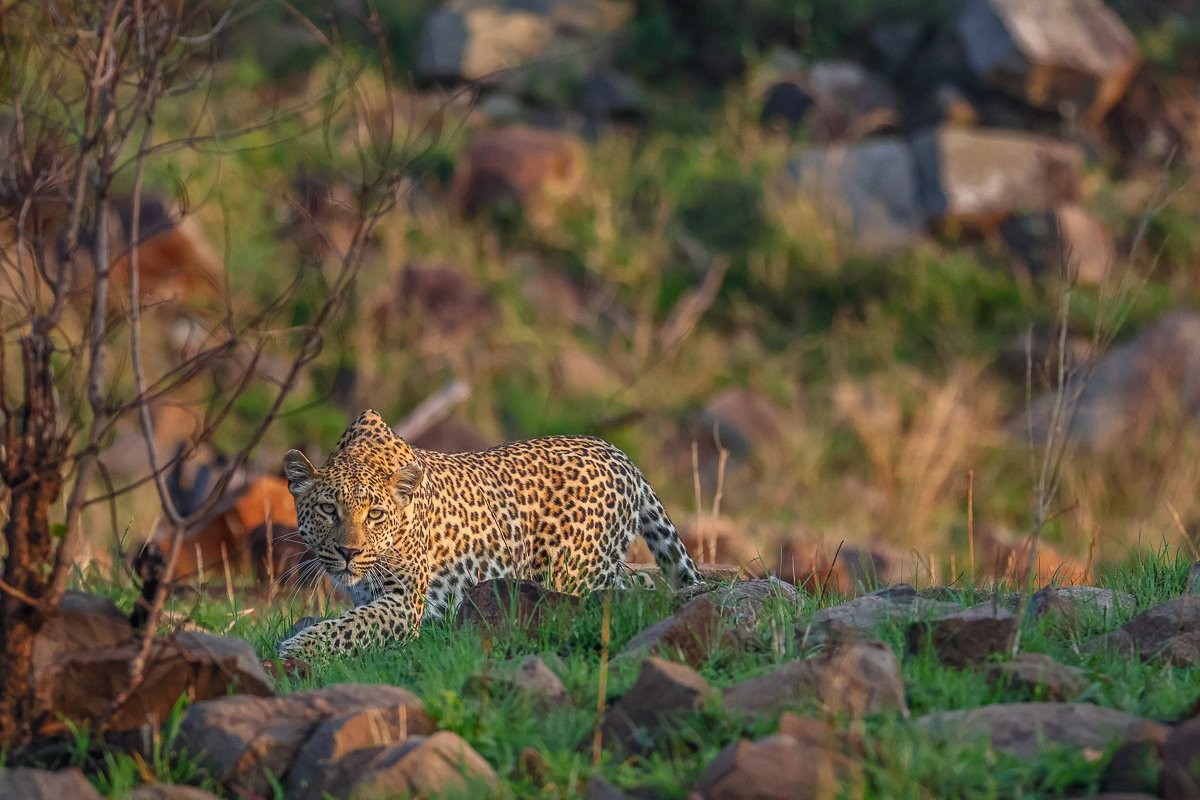
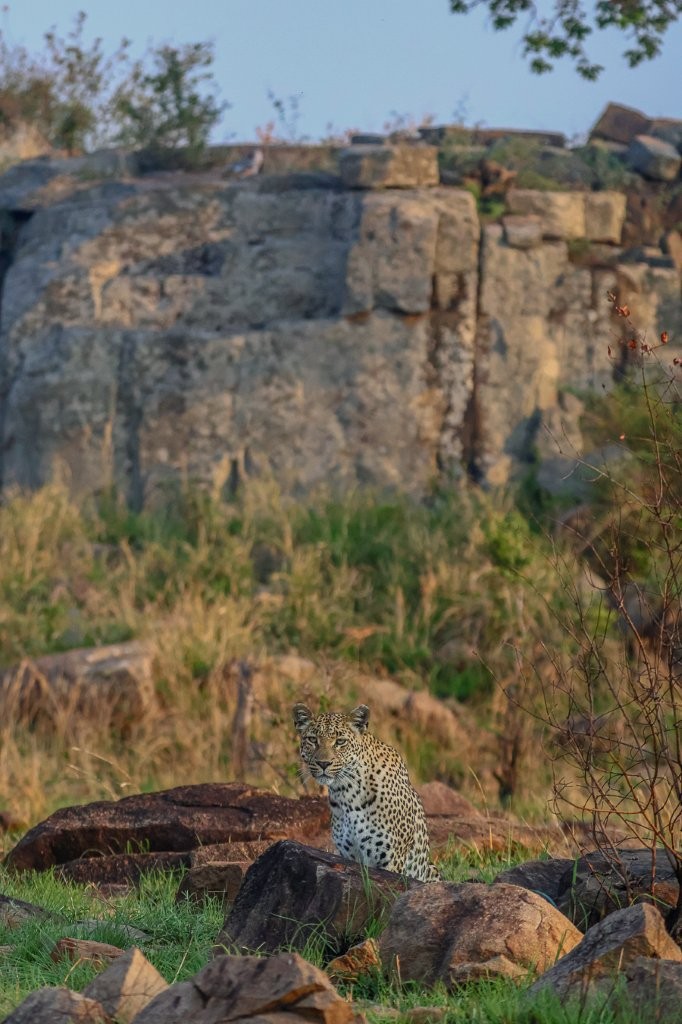
While driving through the southern parts of the reserve, we came across Golonyi, who was stalking a herd of impala. With the grass still short as we approach the rainy season, she had very little cover to conceal her approach, making it difficult for her to get close enough to launch an attack.
Eventually, she abandoned the attempt and moved into a thicker area where she could find some shade and spend most of the day resting. She still has clear suckle marks, indicating that she has a cub somewhere nearby.
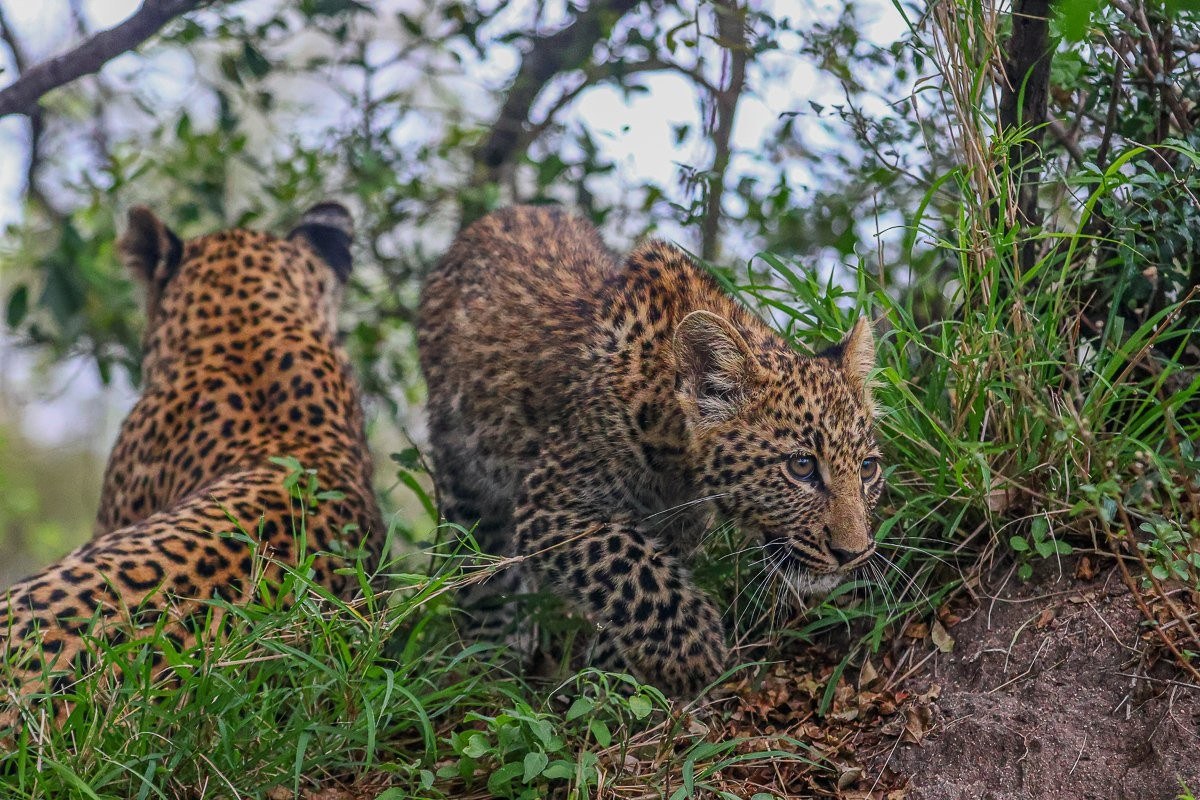
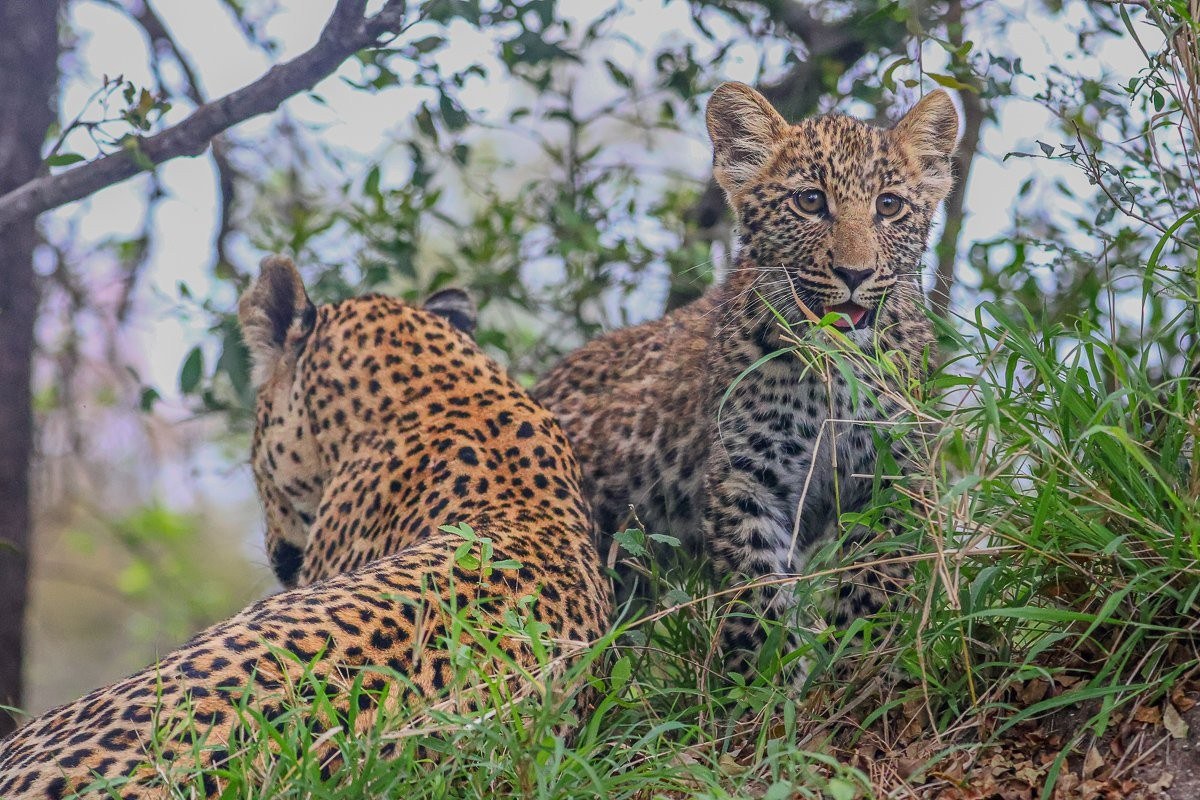
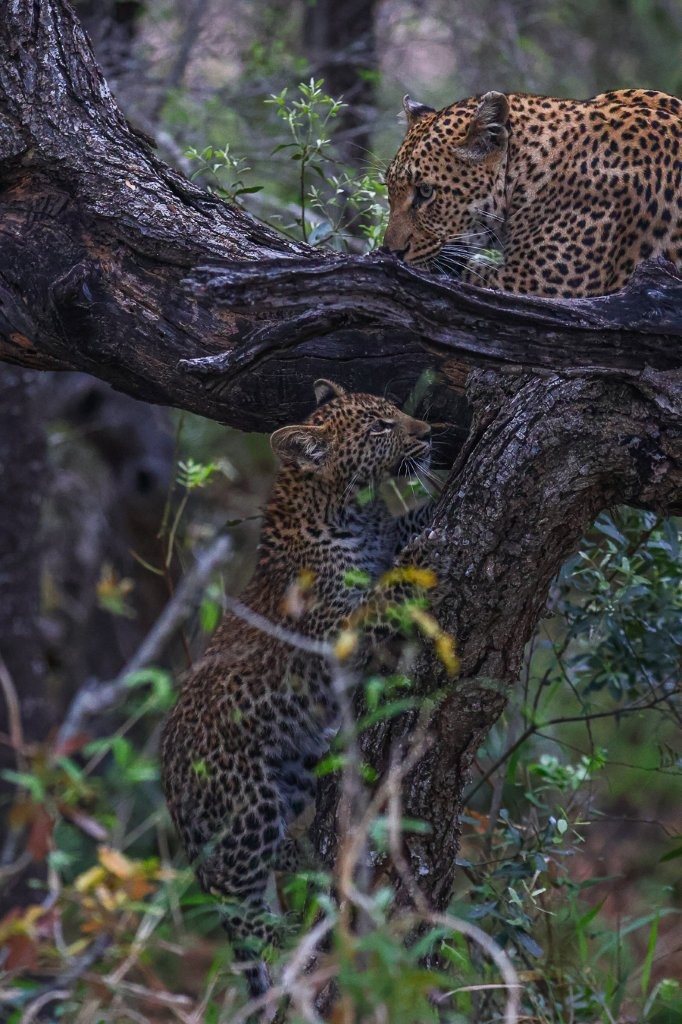
We followed up on Golonyi after finding her with a kill the previous afternoon. As we approached the area, we found her resting in a fallen tree, with her male cub playing below her.
As we watched, a hyena suddenly appeared and charged towards them. Golonyi immediately reacted, rushing towards the hyena to protect her cub. Her maternal instinct took over, and she confronted the much larger predator, sacrificing the remains of her kill in the process. With the hyena’s attention focused on the carcass, Golonyi was able to direct her cub away from danger and lead him into the thickets.
They remained hidden in a safe area for some time before eventually retreating into the drainage line, where they disappeared from view.
Female leopards will generally avoid direct confrontations with hyenas, as a well-placed bite from a hyena can be fatal. However, when their cubs are threatened, they will go to great lengths to protect them.
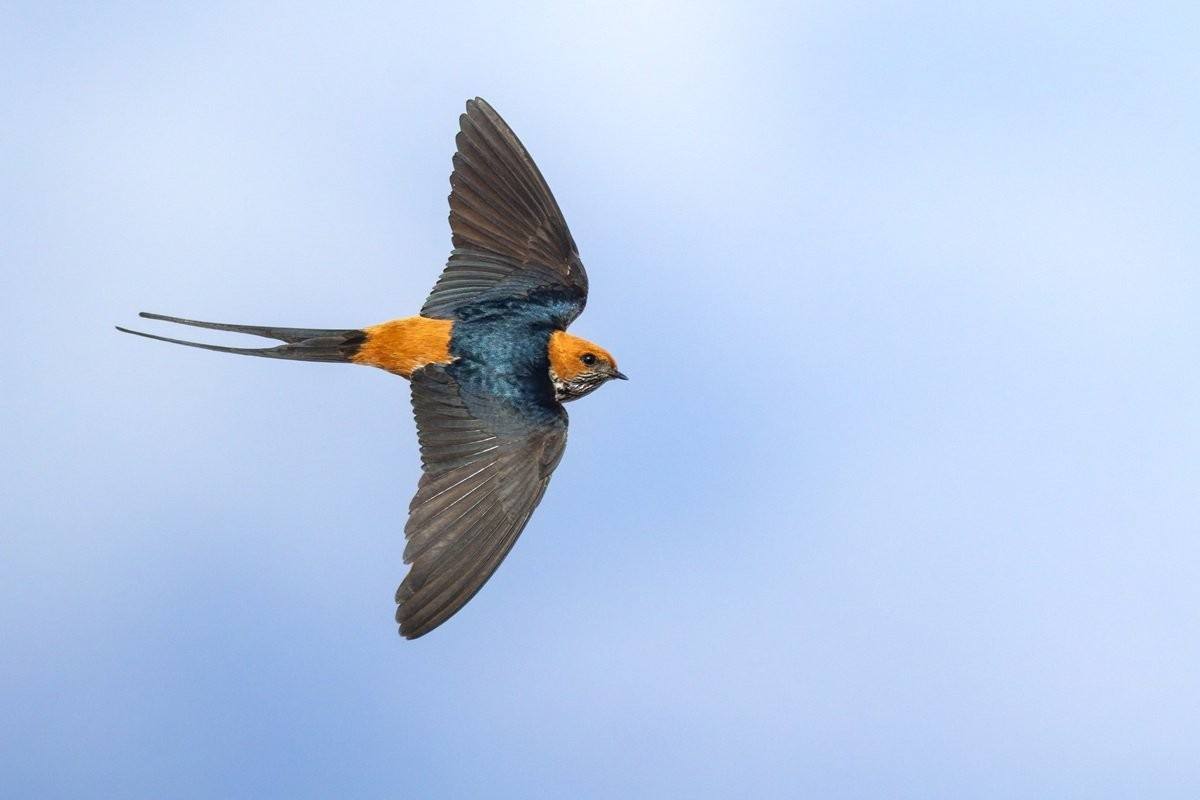
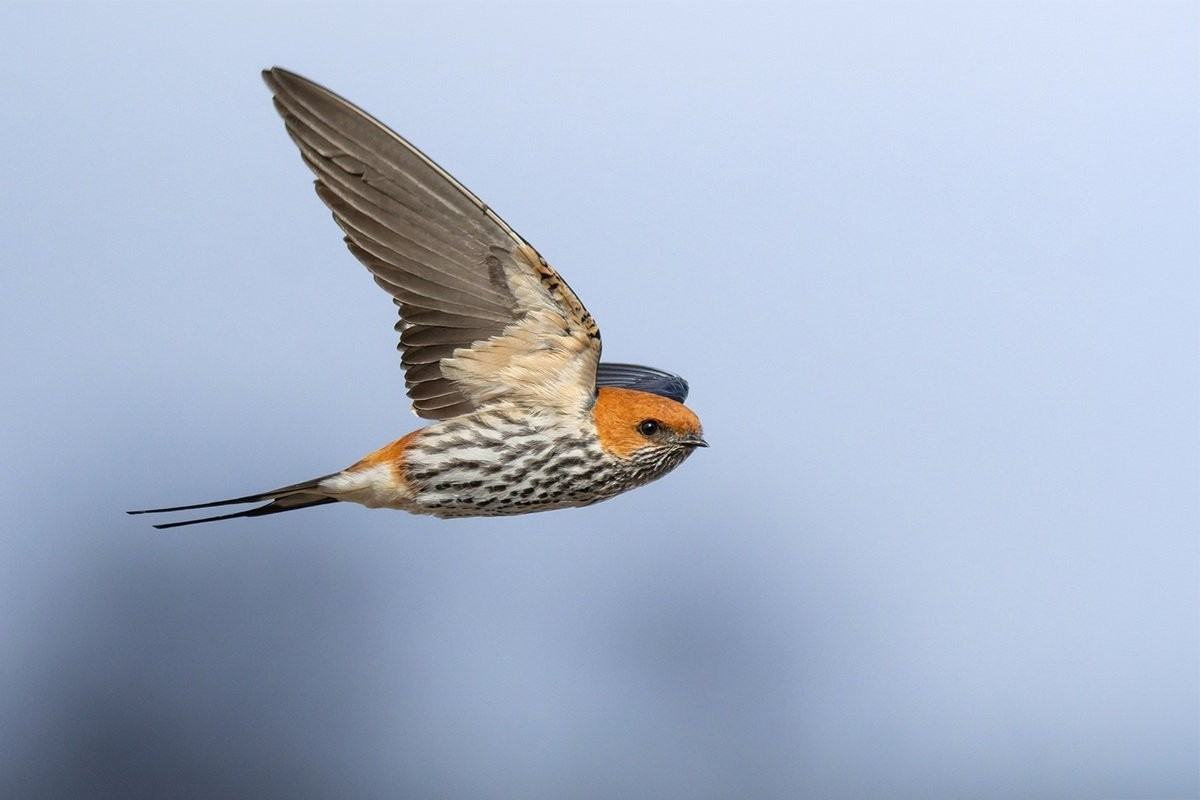
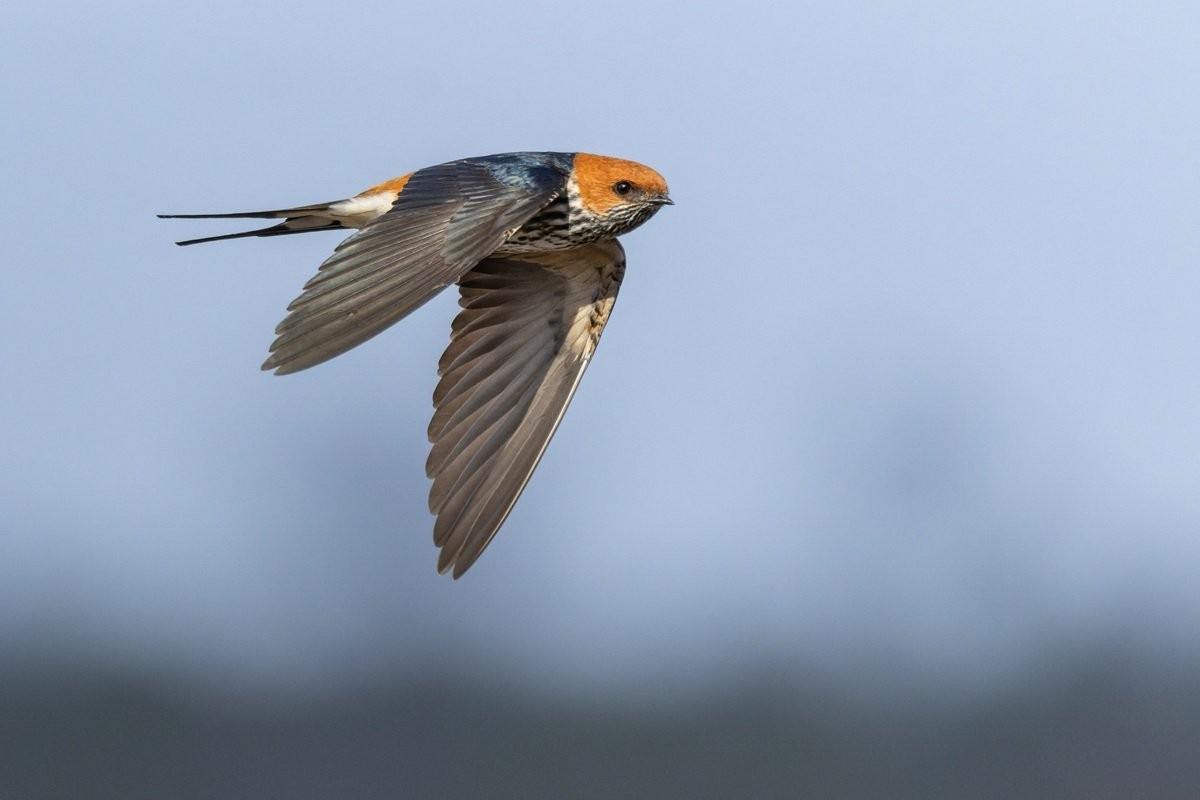
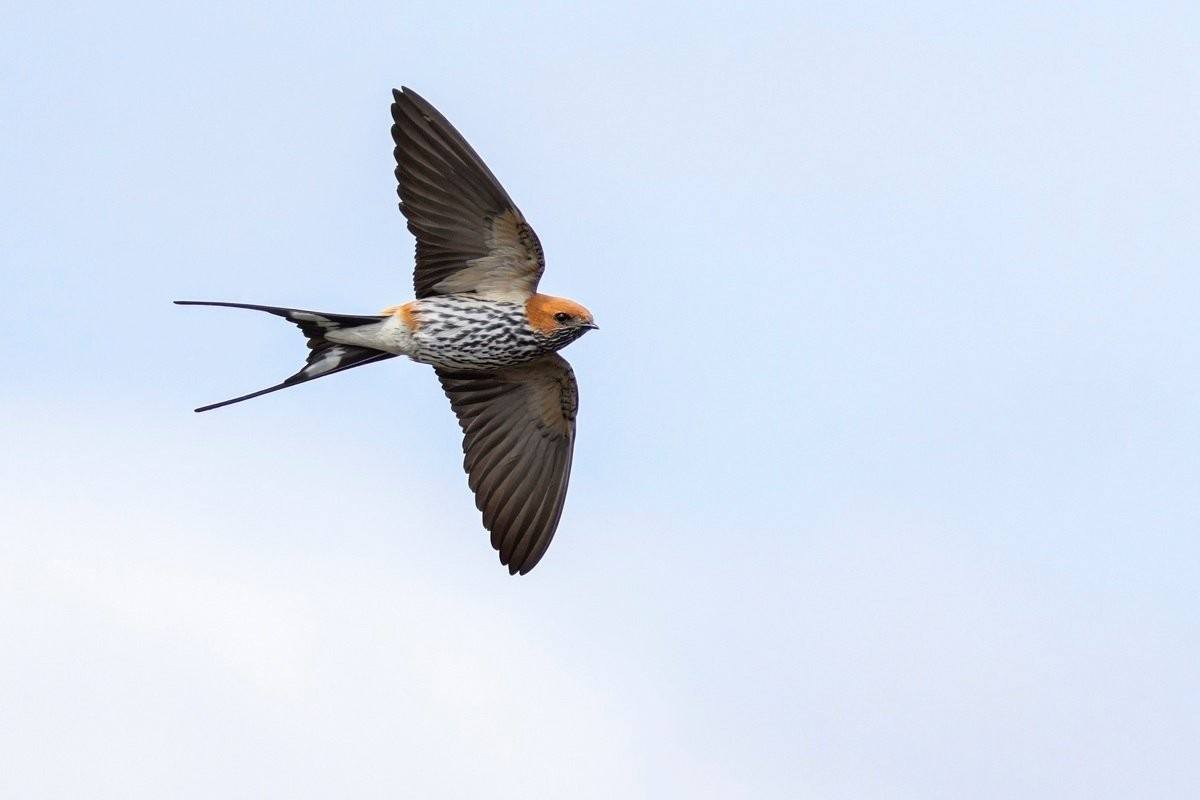
It’s always wonderful to see some of the migratory birds, such as the Lesser Striped Swallow, returning at this time of year. These intra-African migrants spend the drier months in central Africa before travelling south to Southern Africa to breed during the wet season.
Now that they are back, they are certainly making their presence known, constantly calling overhead as they fly past. Watching their agility in the air as they twist and turn effortlessly is spectacular.
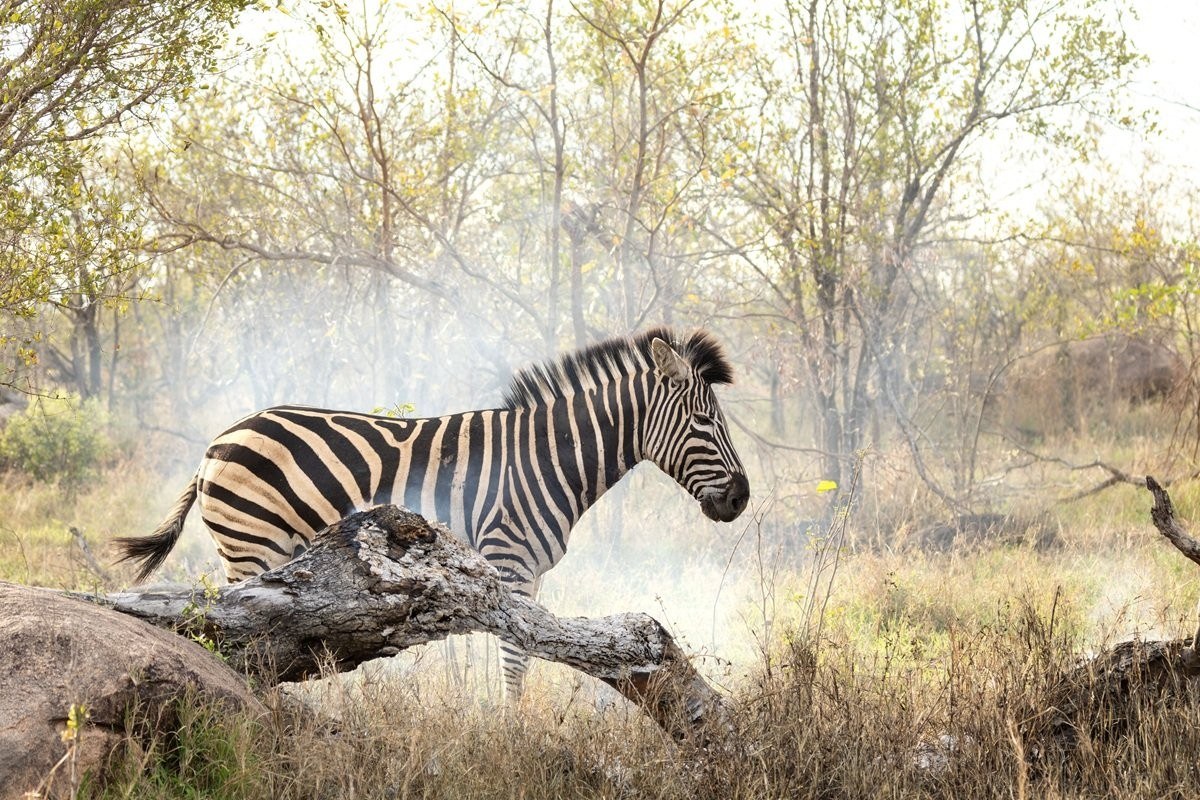
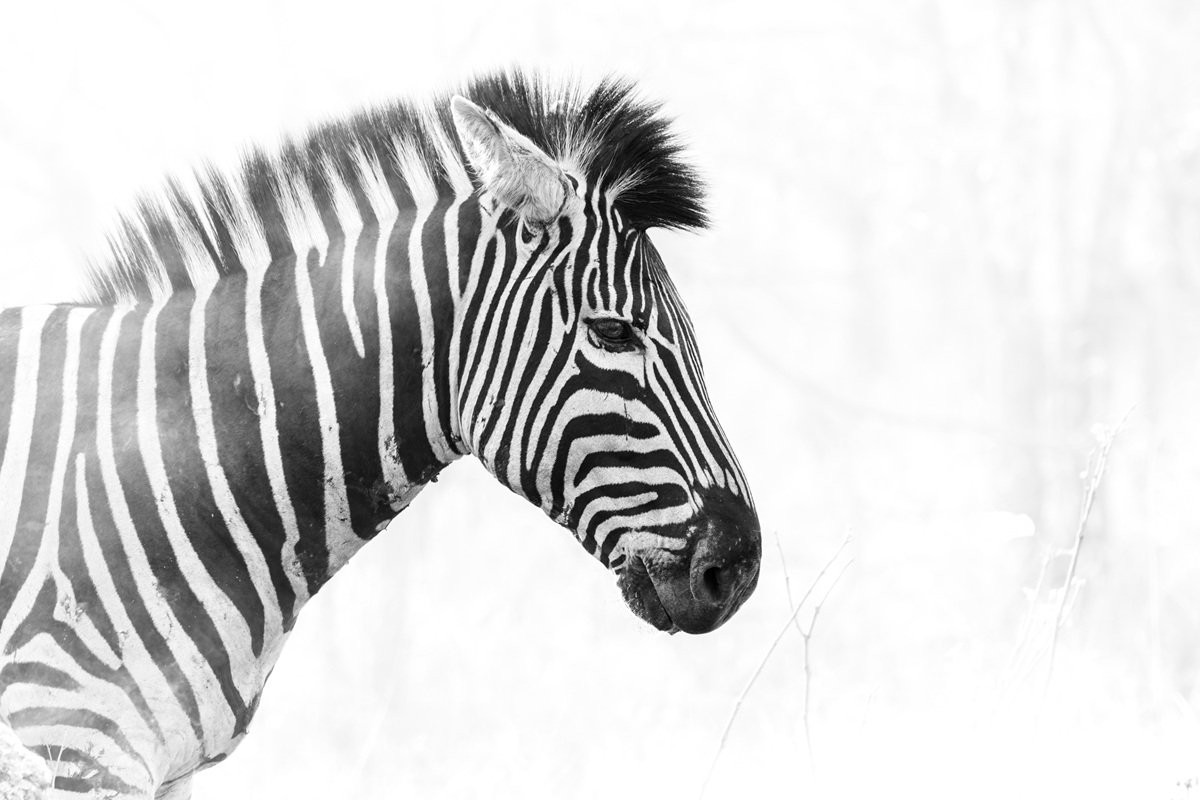
As we drove past an area that had recently undergone a seasonal burn, we spotted a zebra standing beside a log that was still smouldering. Completely unfazed by the lingering smoke, the zebra remained calmly beside the log for some time, allowing us to capture some dramatic photographs.
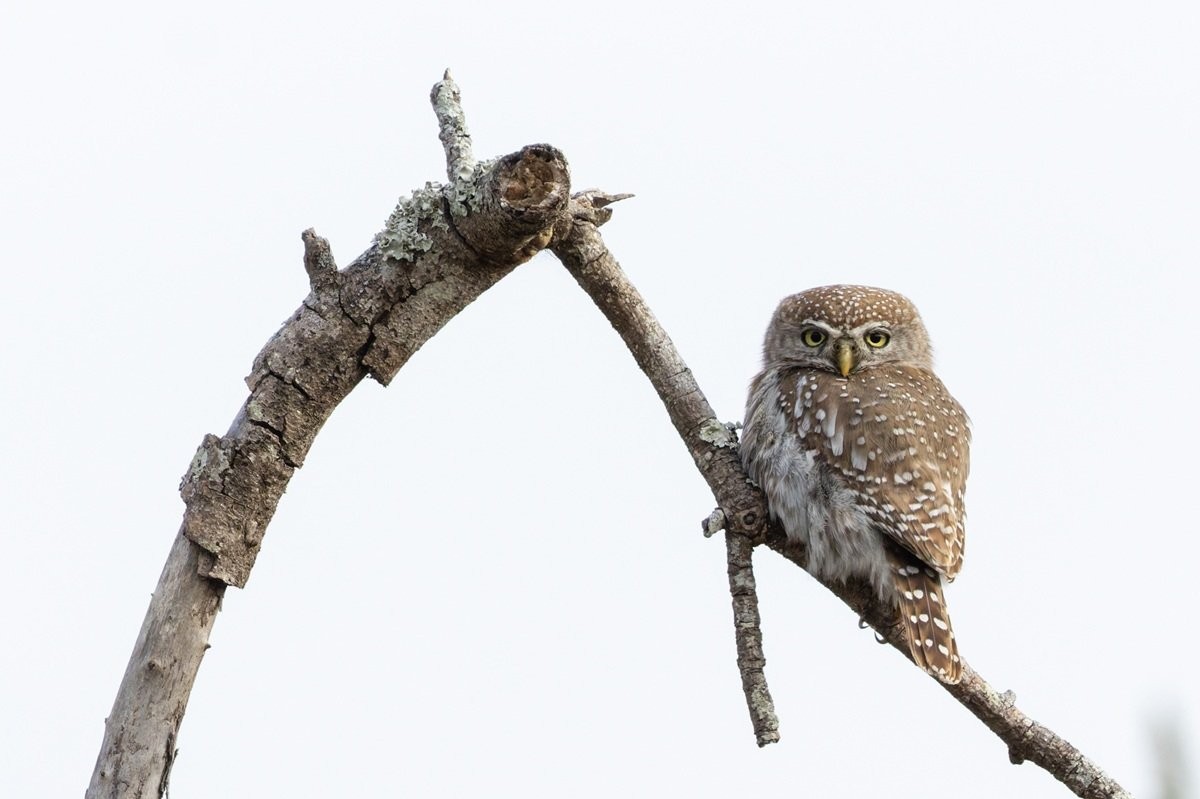
Although Pearl-spotted Owlets aren’t technically rare, they can be surprisingly difficult to spot. At just 17–21cm tall, they are extremely small, making any sighting a special one. They can be heard calling both day and night, much to the dismay of the smaller birds in the area that they prey on.
We were incredibly lucky to find two Pearl-spotted Owls on the same drive. It was a fantastic opportunity to see these tiny owls so clearly, with both birds sitting beautifully and allowing for some great photographic opportunities.
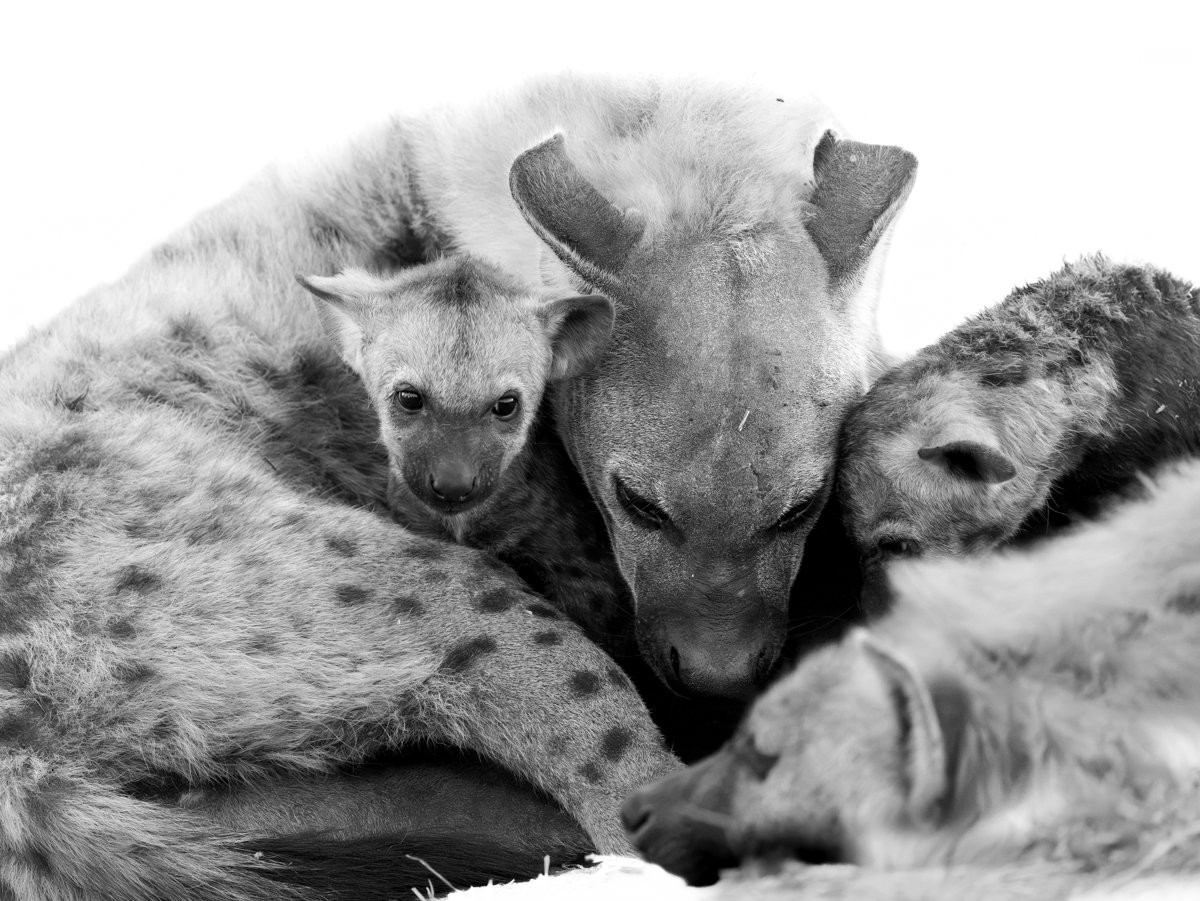
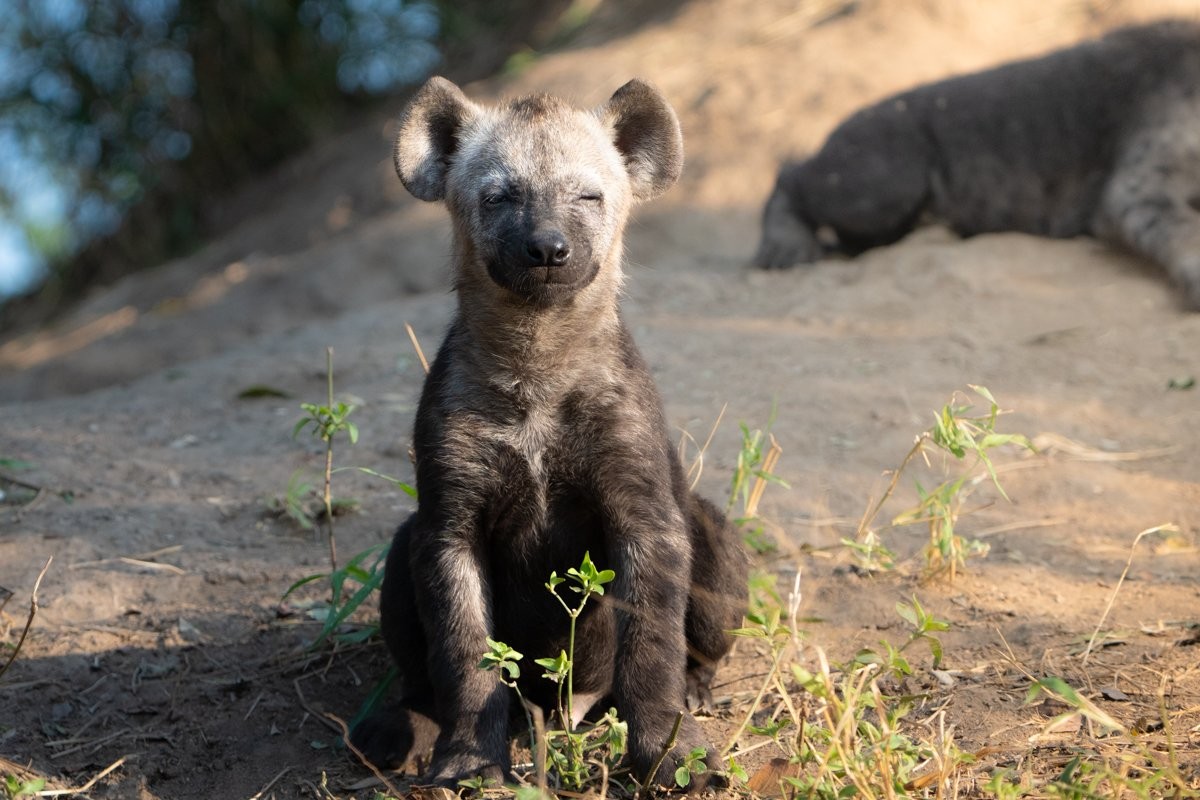
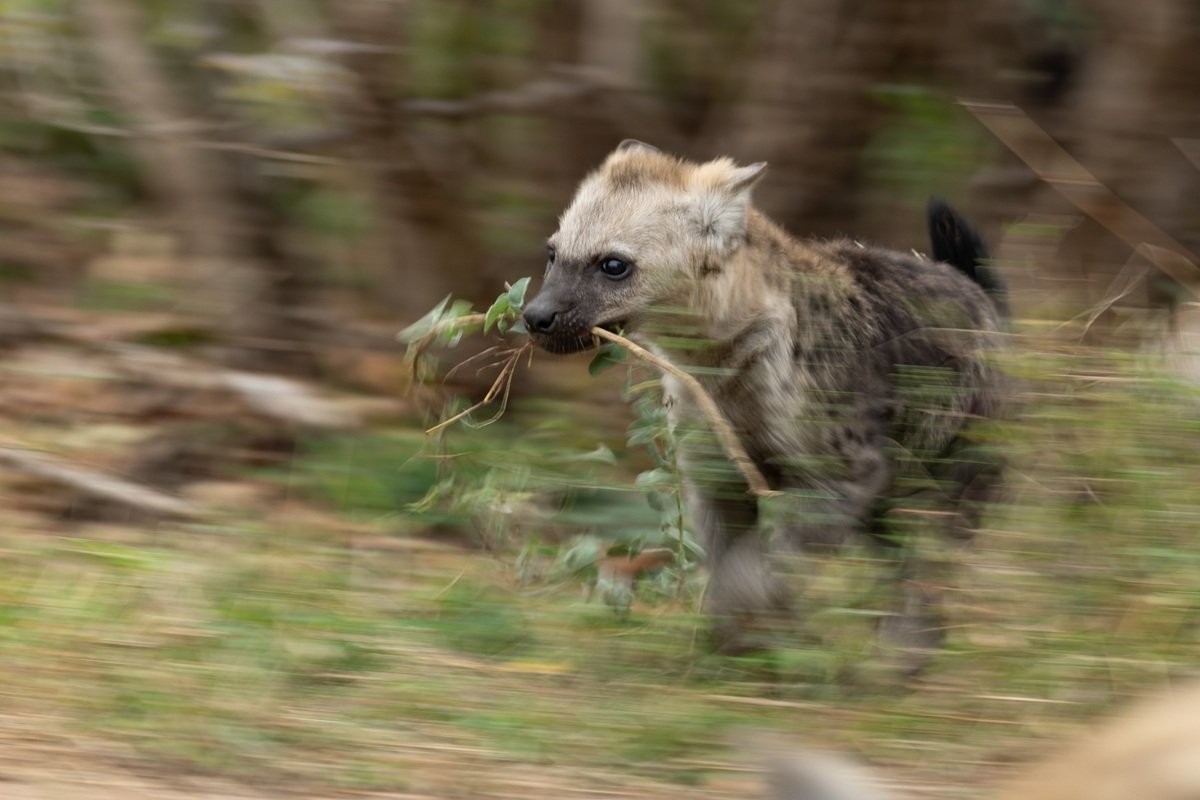
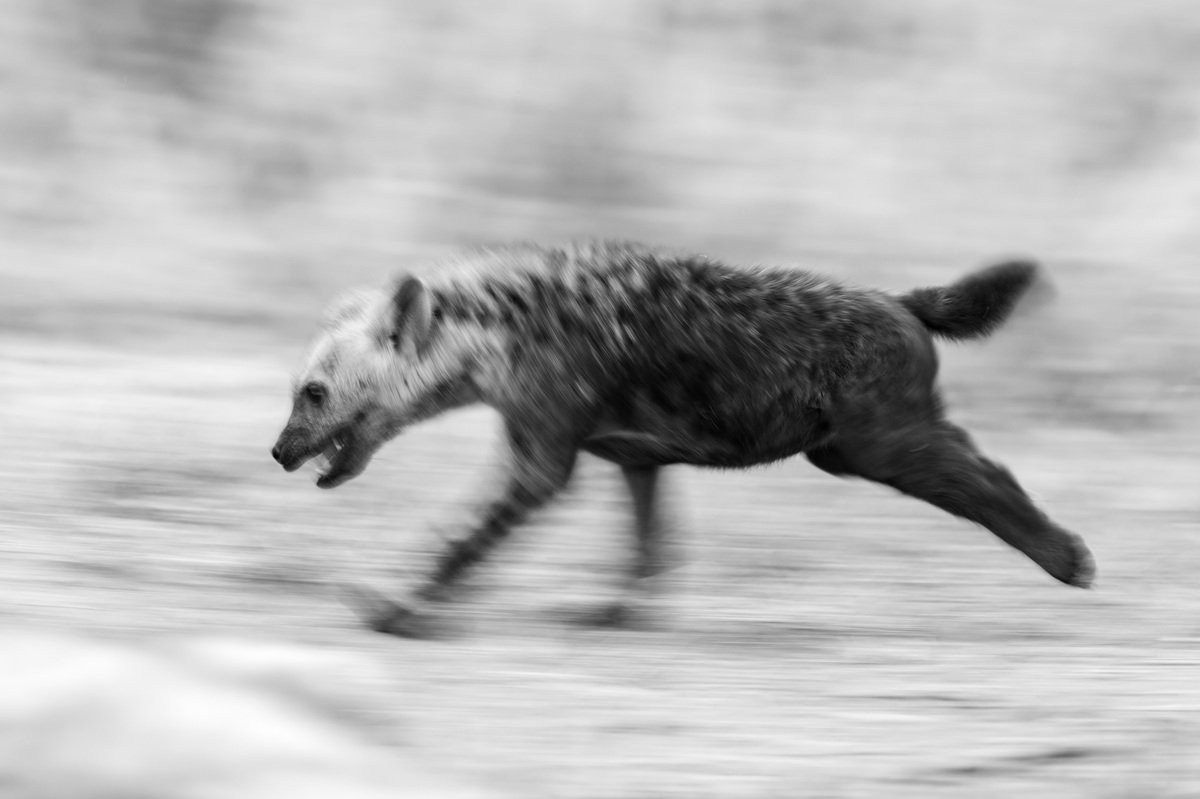
When the hyena cubs are in the mood to play, there is no stopping them. We watched the two youngsters tear up and down, chasing each other and weaving between their rather tired-looking clan members.
It was an overcast morning, so the low light made photography a little more challenging. With the cubs constantly on the move, we had to get creative to capture their playful energy and antics.
Until next time…
Blog by Wendy Claase
Images by Benjamin Loon, Jarrod Oflaherty, Jana du Plessis, Ronald Mutero and Ruan Mey