
Why Private Game Reserves Matter for South Africa’s Wildlife
on Sep 29, 2026When people think about wildlife conservation in South Africa, they often picture vast national parks, iconic landscapes and herds of elephants moving across the African bush. National parks such as Kruger National Park are undoubtedly at the heart of the country's conservation story. But alongside these famous public protected areas is another important part of the conservation landscape: Private game reserves.
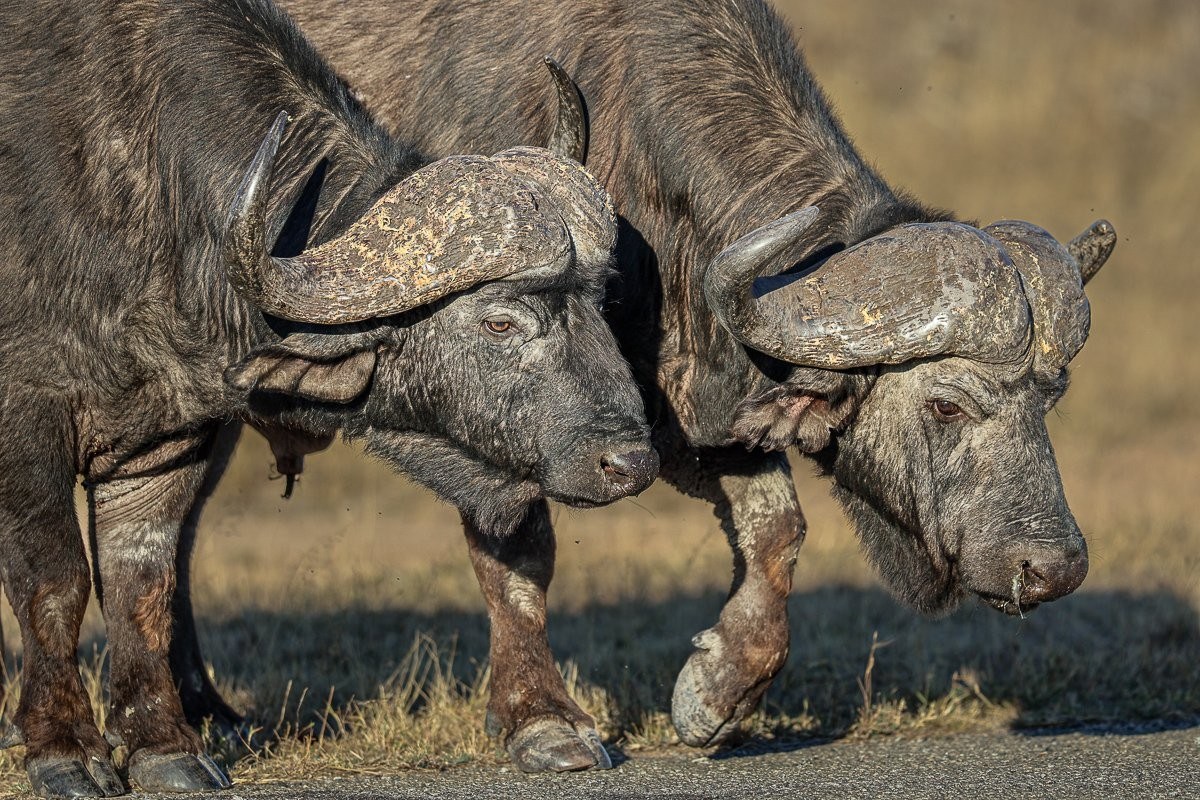
Places such as Sabi Sabi Private Game Reserve demonstrate how tourism, wildlife protection, habitat management and community involvement can work together to help safeguard South Africa's natural heritage.
Private reserves are not a replacement for national parks. Rather, they form part of a much larger conservation network, one where wildlife does not necessarily recognise the boundaries between public and private land.
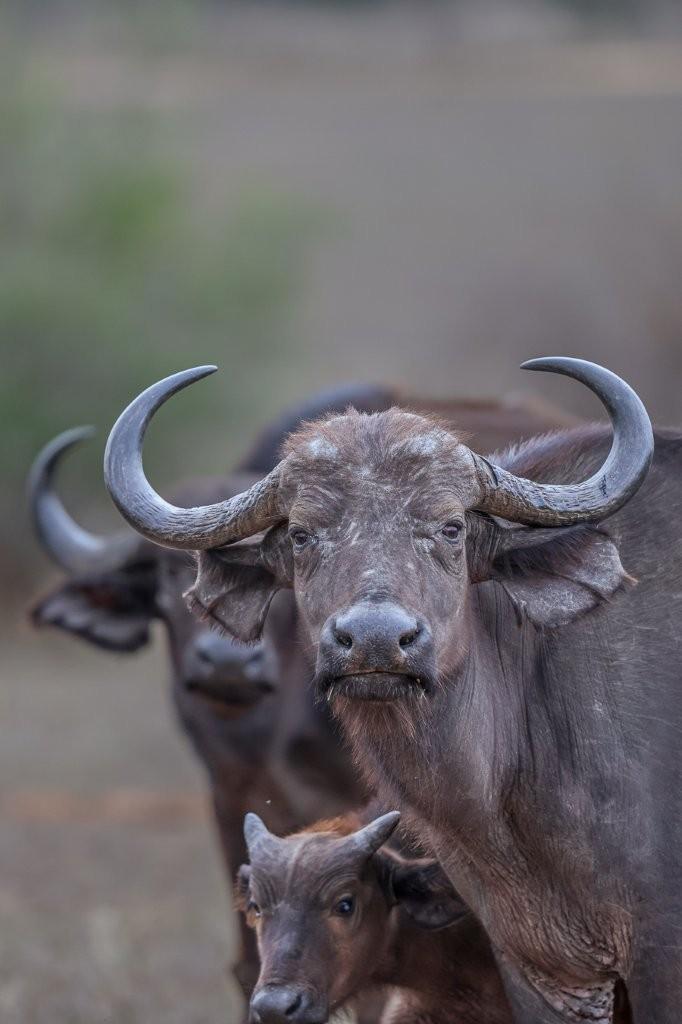
Conservation doesn't stop at a fence
Wild animals need space.
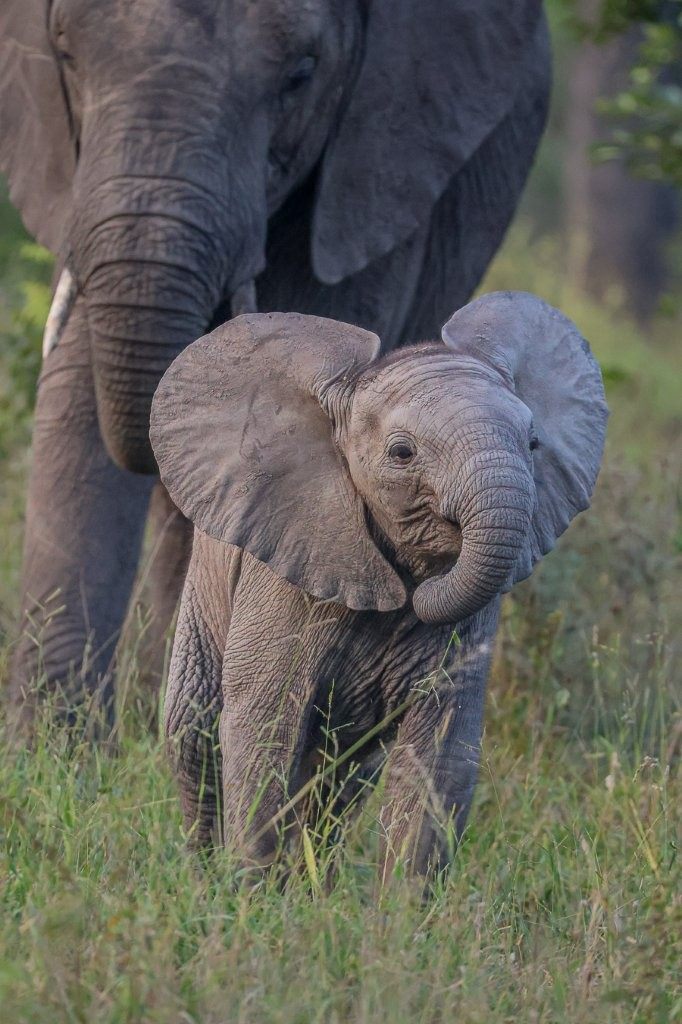
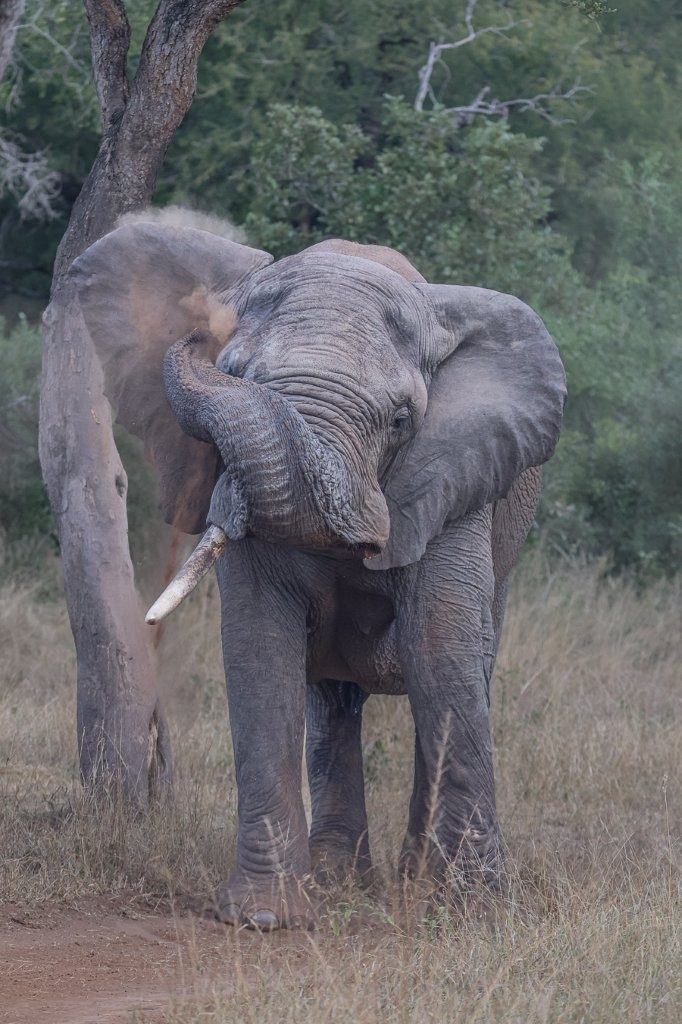
Elephants can travel enormous distances. Predators follow prey across large territories. Wild dogs, lions and other species depend on connected habitats to maintain healthy populations and genetic diversity. This is one reason the relationship between private reserves and neighbouring conservation areas is so important.
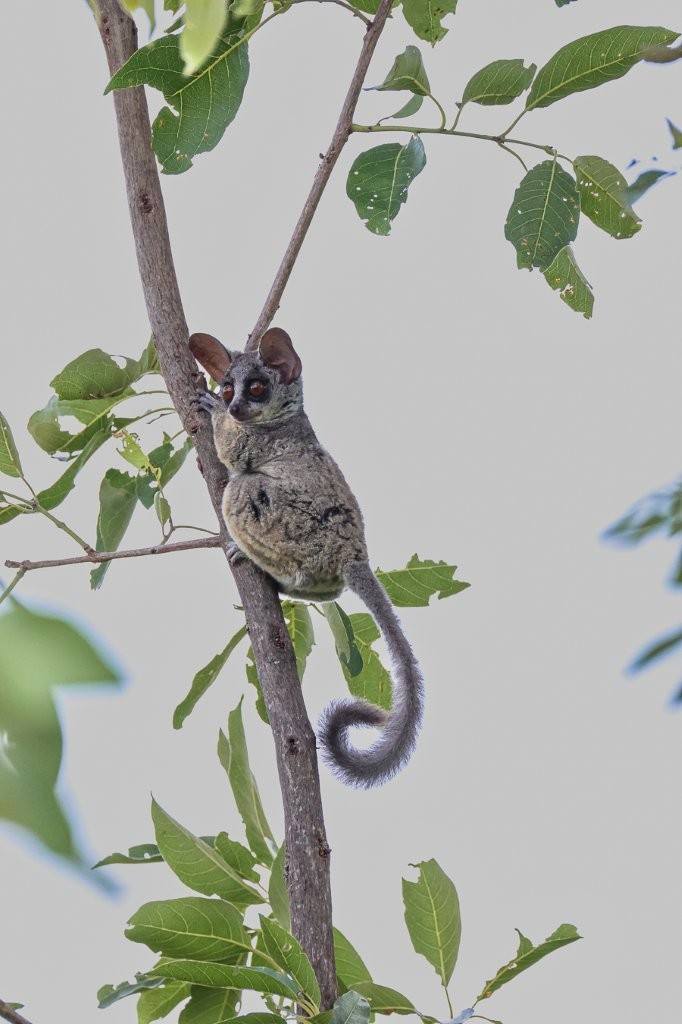
Sabi Sabi forms part of the Greater Kruger landscape and borders the Kruger National Park. In 1993, fences between Sabi Sabi and the neighbouring national park were removed, allowing wildlife to move more freely between the areas.
This illustrates an important principle of modern conservation: the most effective wildlife protection often happens at a landscape level rather than within individual properties.
South Africa's conservation landscape includes national parks, provincial reserves, private reserves, communal conservation areas and other forms of protected land. Government biodiversity programmes recognise private and stewardship areas as valuable tools for expanding and strengthening the country's protected-area network.
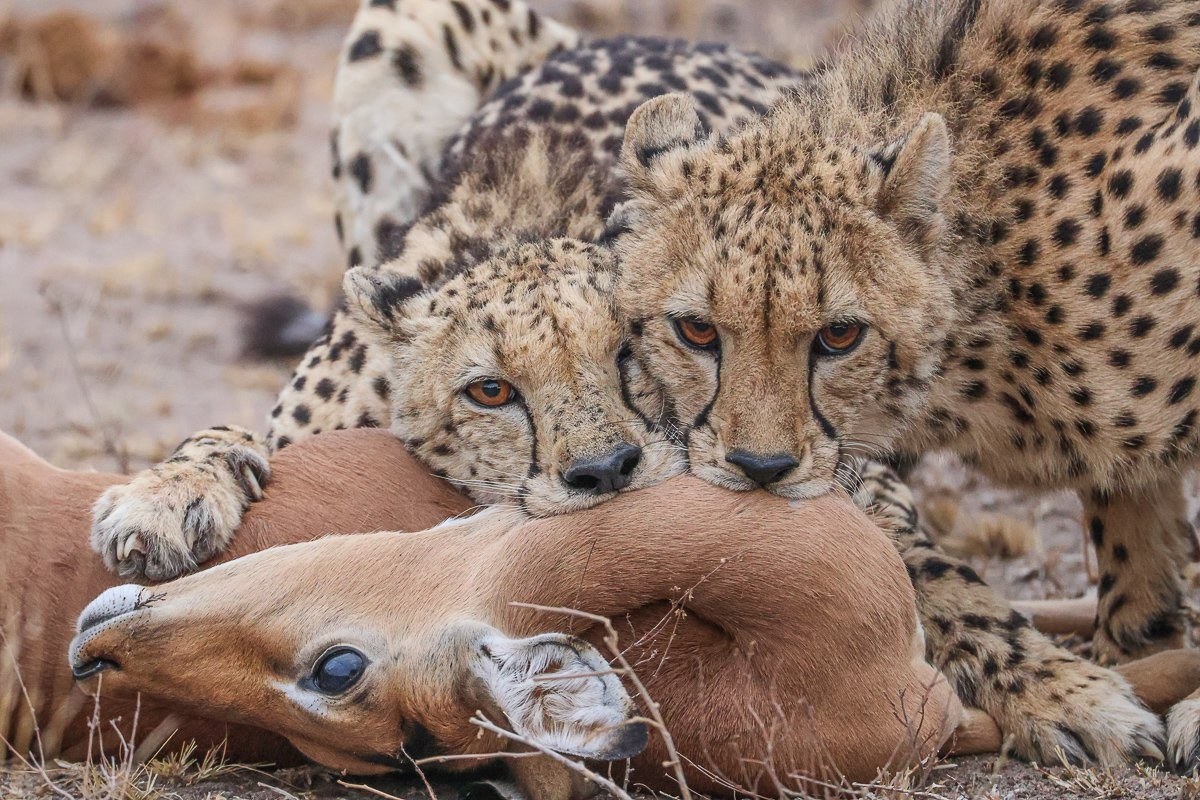
Protecting habitat, not just animals
It can be easy to think of conservation as simply protecting elephants, rhinos, lions or leopards.
But wildlife cannot survive without healthy ecosystems.
A functioning ecosystem needs rivers, wetlands, grasses, trees, insects, birds, reptiles and countless other organisms. It also needs the ecological processes that connect them.
At Sabi Sabi, habitat management includes activities such as controlled burning, alien-plant control, waterhole rotation, erosion control and road maintenance. These interventions are designed around the ecological needs of the reserve and are reviewed with input from ecological specialists.
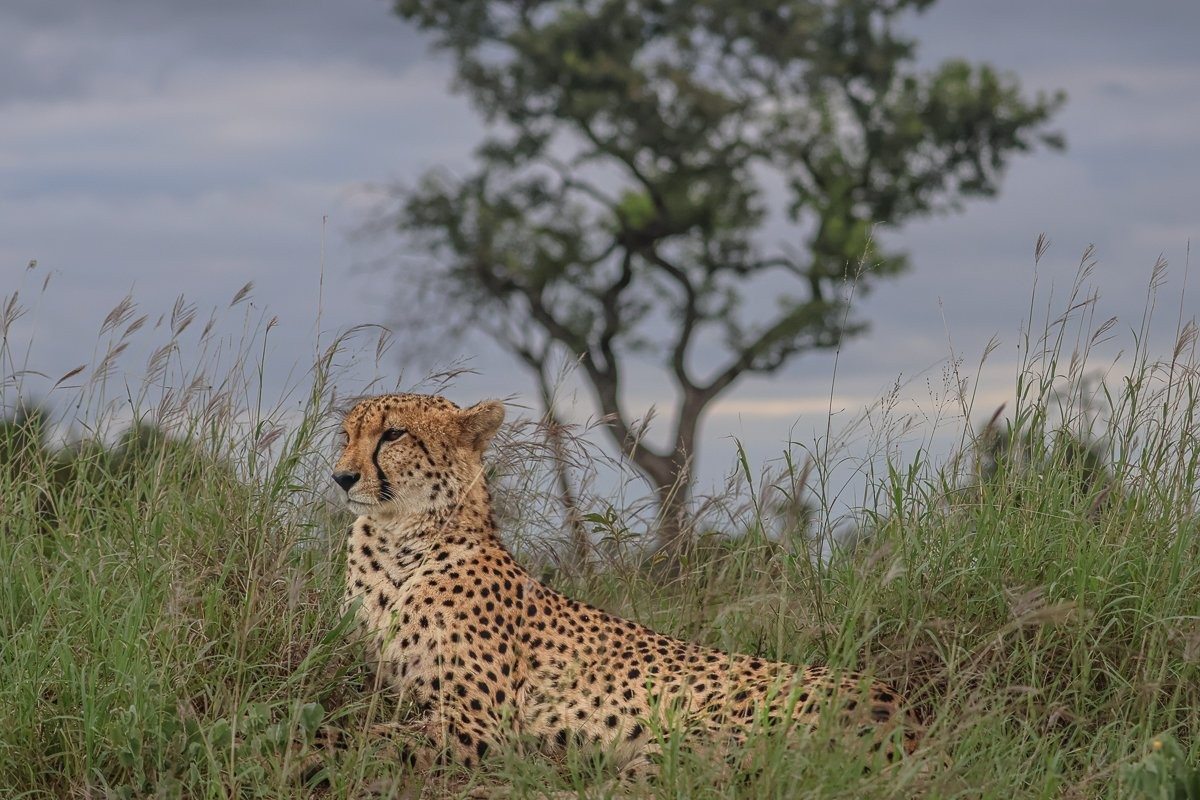
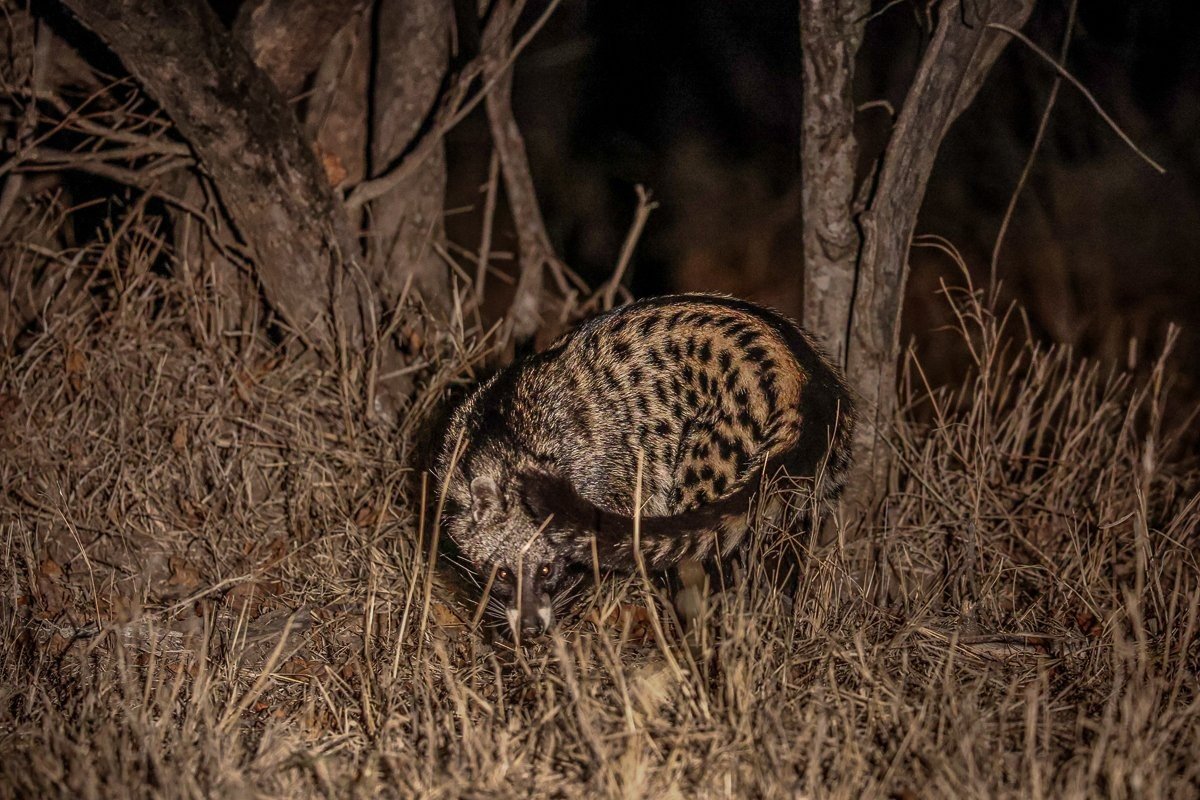
This is particularly important because South Africa's wildlife exists within landscapes that are constantly changing. Conservation therefore isn't simply about leaving nature untouched. In many areas, careful, science-based management is necessary to maintain ecological balance.
The economic power of wildlife tourism
One of the most significant contributions private reserves can make is creating an economic reason to keep land wild. Running a wildlife reserve requires people, infrastructure, equipment, veterinary expertise, ecological monitoring, security and ongoing habitat management. Tourism revenue can help finance these activities.
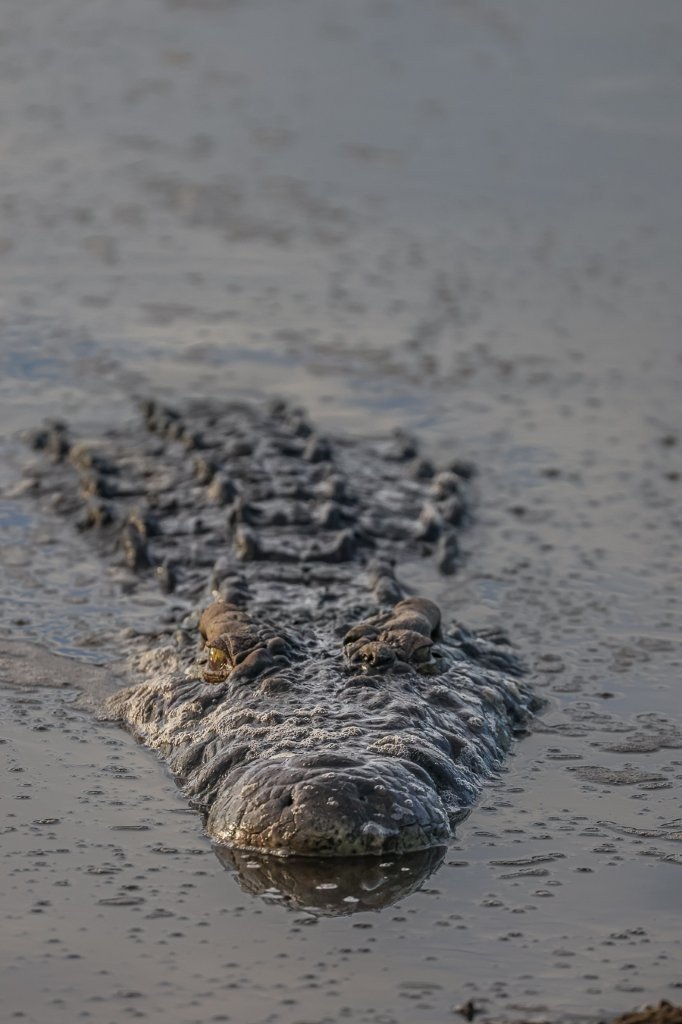
The principle is relatively simple: Wildlife attracts visitors → visitors support tourism → tourism creates employment and revenue → revenue helps fund conservation.
When managed responsibly, this creates an economic incentive for natural landscapes to remain natural rather than being converted to other forms of land use.
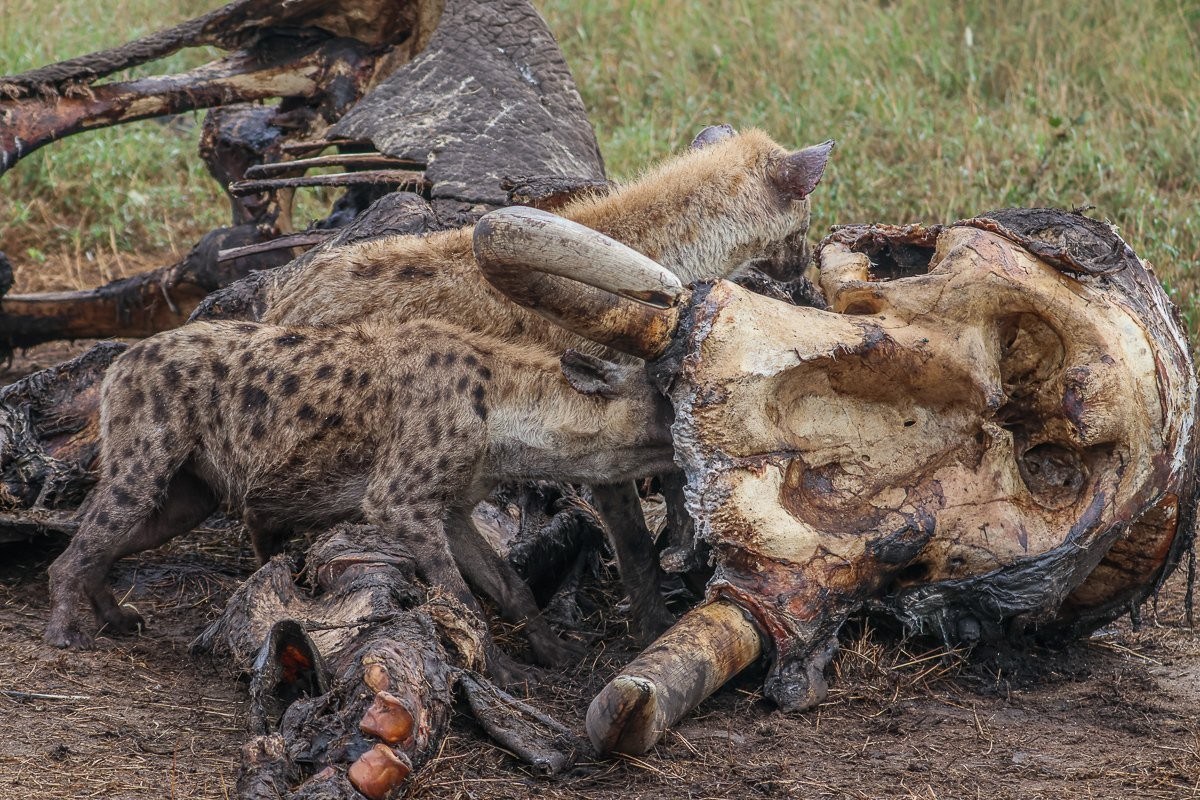
South Africa's Department of Forestry, Fisheries and the Environment recognises biodiversity as an important foundation for the country's tourism economy, while biodiversity stewardship programmes highlight ecotourism, employment and rural economic development as potential benefits of conservation areas.
Creating jobs around conservation
Conservation is ultimately about people as well as wildlife.
A reserve needs rangers, guides, hospitality teams, maintenance staff, managers, conservation specialists and many other professionals. These jobs can provide valuable skills and income to people living in surrounding communities.
Here at Sabi Sabi we describe community involvement as a central part of our conservation approach and highlight local employment, training, environmental education and community development as components of our work.
This matters because wildlife conservation becomes more sustainable when people living alongside protected areas can see tangible benefits from keeping those landscapes healthy.
Conservation cannot simply ask communities to protect wildlife without considering their own economic opportunities and quality of life.
The fight against wildlife crime
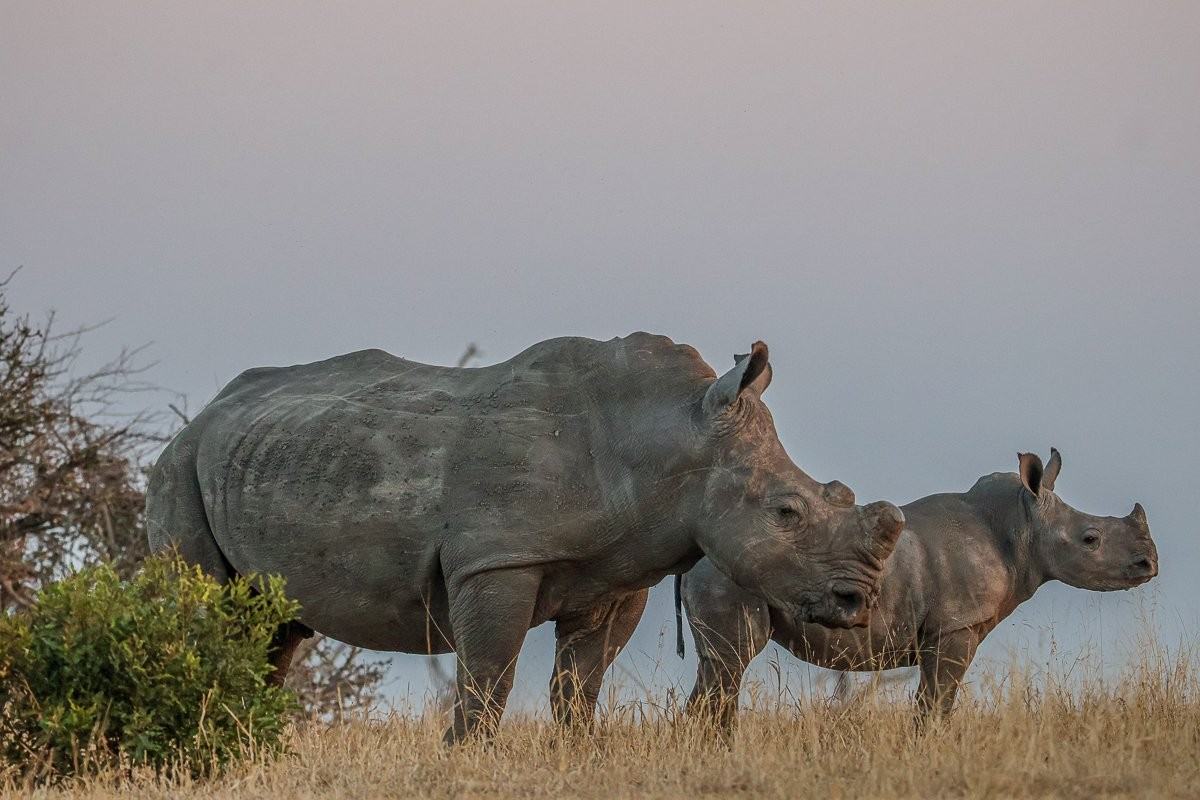
South Africa's wildlife, particularly rhinos, continues to face serious threats from poaching.
Private reserves can contribute additional resources to the wider security network through ranger teams, monitoring, technology, partnerships and other anti-poaching measures.
Sabi Sabi, for example, operates dedicated anti-poaching units alongside broader conservation efforts in the Sabie Game Reserve landscape.
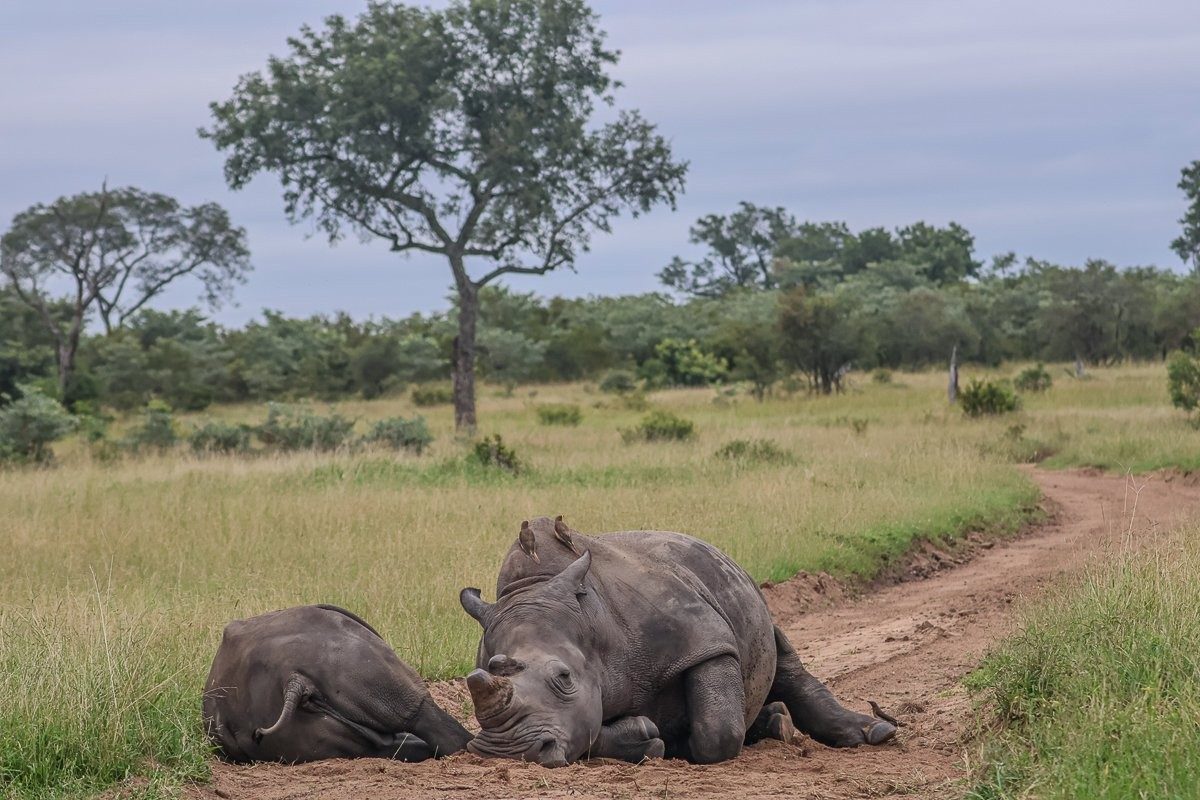
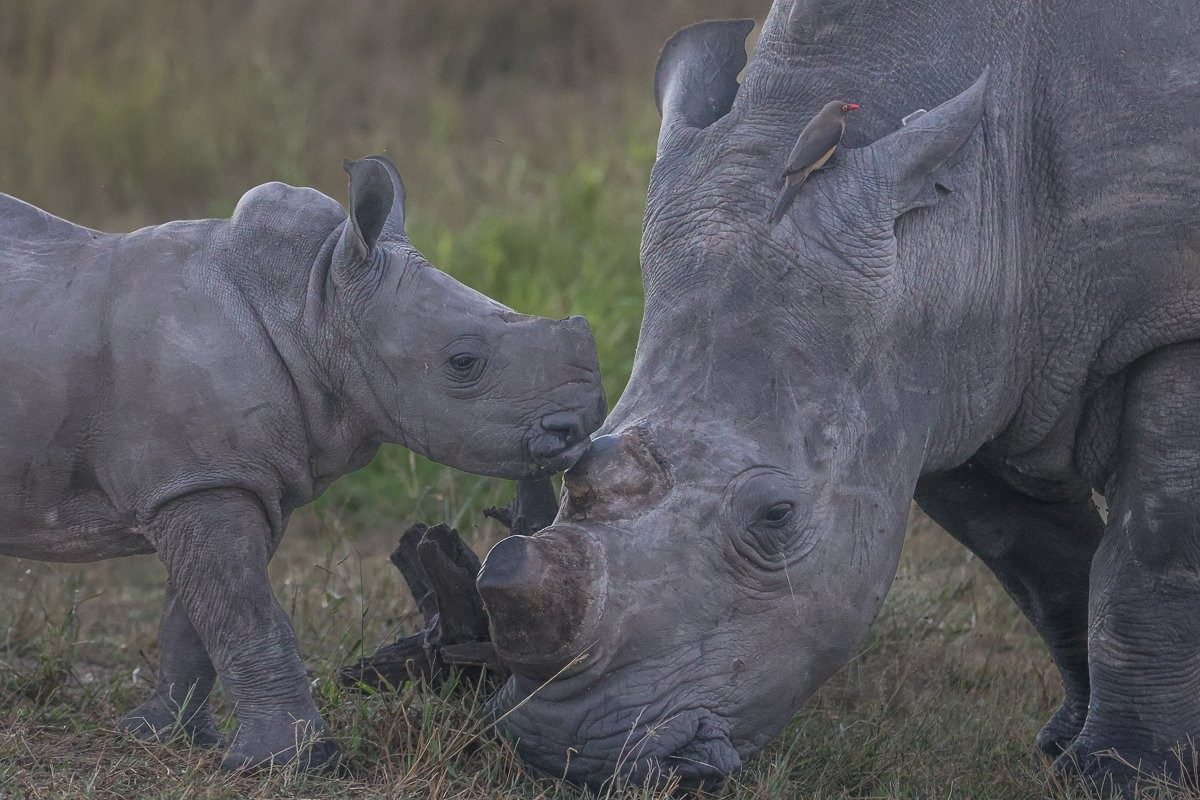
In 2025, Sabi Sabi also reported that its rhino dehorning programme, launched in 2022, had been followed by zero rhino losses to poaching on the reserve. Dehorning is only one part of a much broader protection strategy, but the example illustrates the kind of hands-on intervention that private conservation operations can undertake.
The wider lesson is important: protecting wildlife requires constant investment.
A healthy ecosystem today does not automatically guarantee a healthy ecosystem tomorrow.
Turning visitors into conservation supporters
There is another role private reserves can play that is sometimes overlooked: Education.
A safari is not simply an opportunity to see an elephant or photograph a leopard. It can also be an opportunity to understand how ecosystems work.
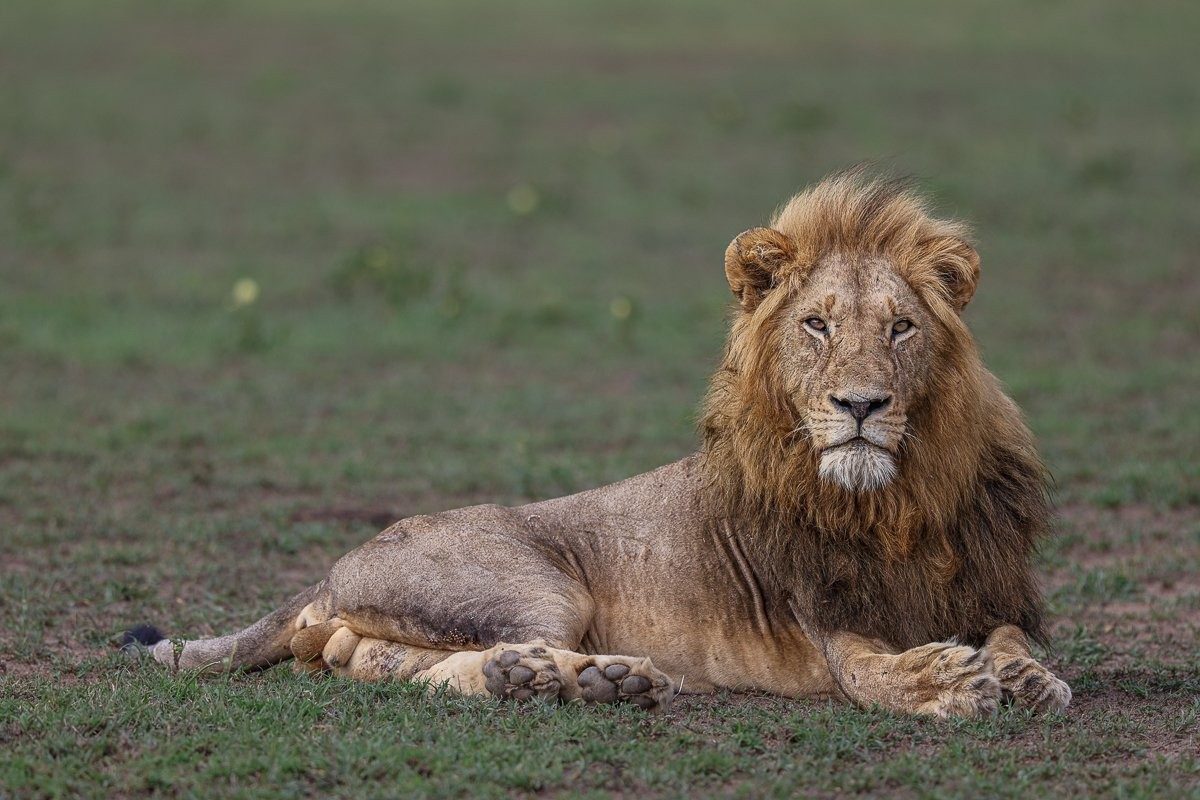
A skilled guide can explain why predators matter, how elephants influence vegetation, why vultures are important, how water shapes wildlife distribution and why seemingly small changes in habitat can have major consequences.
At Sabi Sabi we describe our guides and trackers as environmental educators, with training that includes ecology, species identification and responsible guest behaviour.
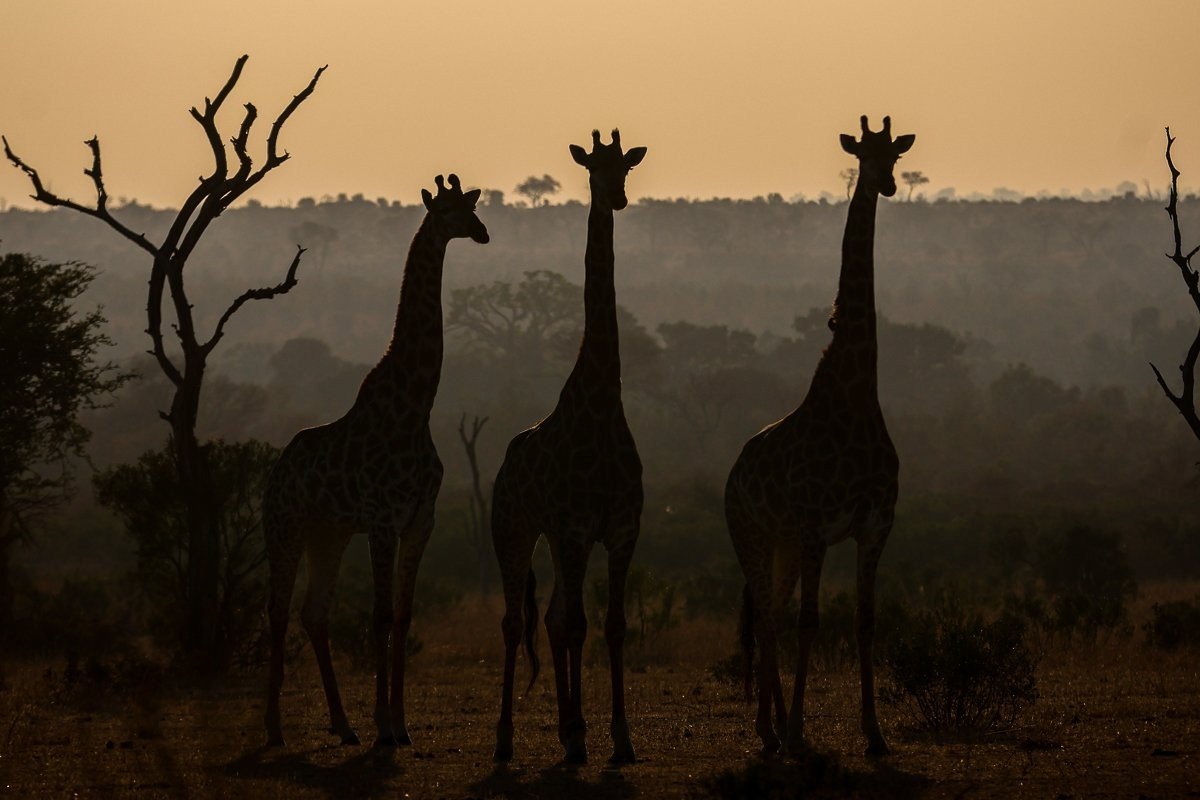
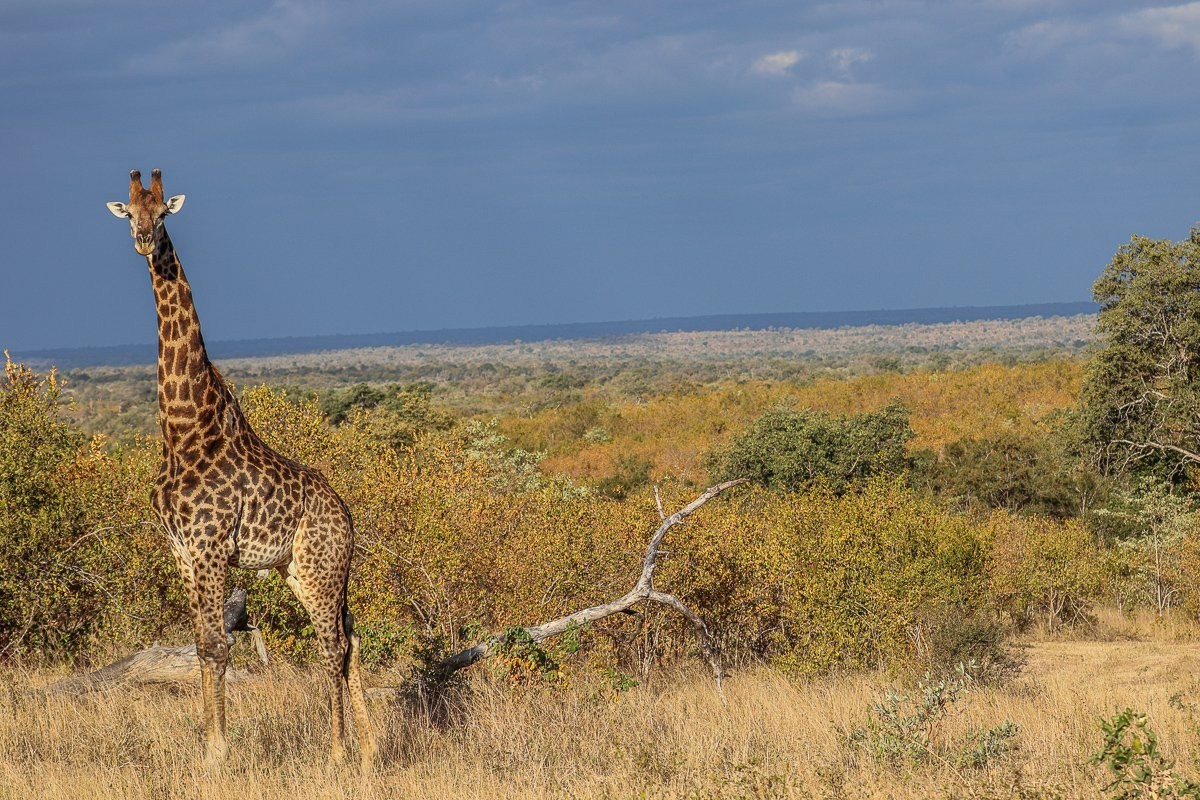
That educational experience can stay with visitors long after they leave the reserve.
Someone who witnesses a wild rhino at dawn may return home with a much deeper understanding of why protecting that animal matters. They may support conservation organisations, talk to others about wildlife protection or make more responsible travel choices in the future.
In this way, a safari can become a conservation story that travels far beyond the reserve itself.
Conservation is a shared responsibility
Perhaps the most important point is that private game reserves should not be viewed in isolation. South Africa's conservation success depends on collaboration between national parks, private reserves, provincial authorities, communities, conservation organisations, researchers and responsible tourism businesses.
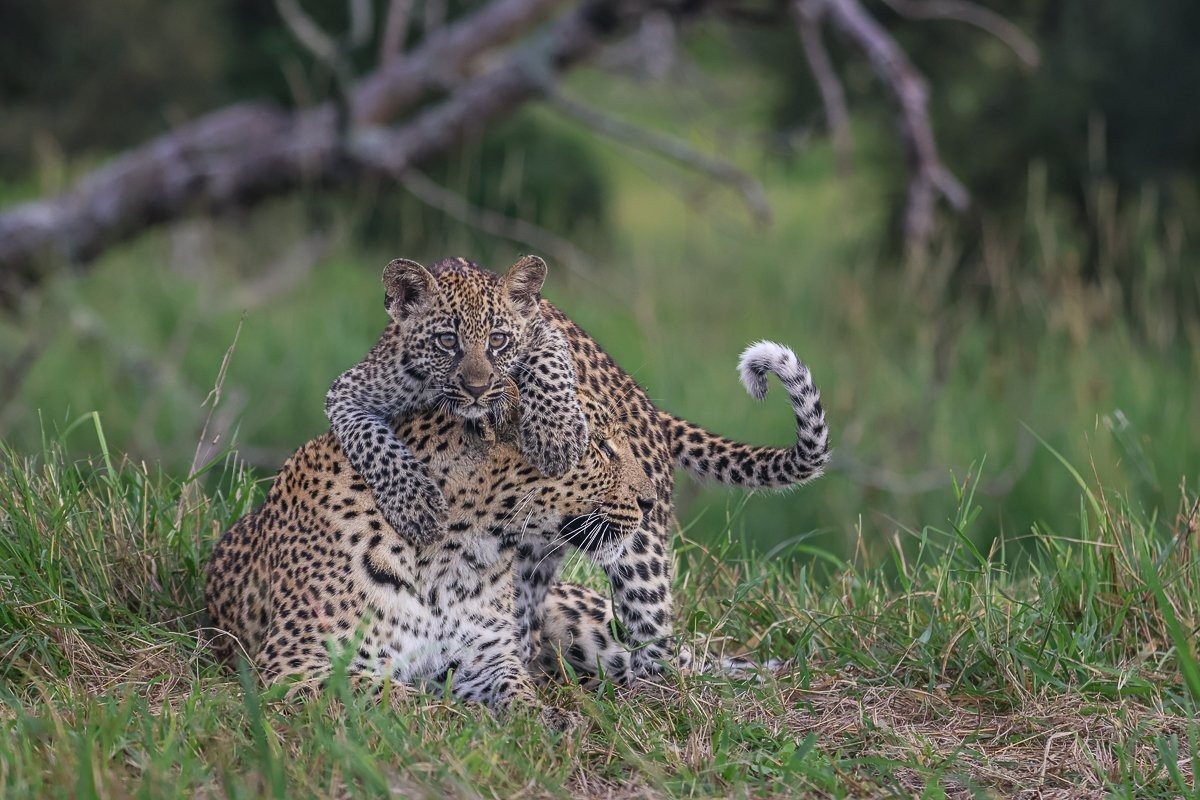
The country's broader conservation model increasingly recognises landscapes made up of different forms of land ownership and protection. In Transfrontier conservation areas, for example, national parks, private reserves and communal conservation areas can form parts of larger connected ecosystems. This approach recognises something fundamental about wildlife: Animals don't care who owns the land.
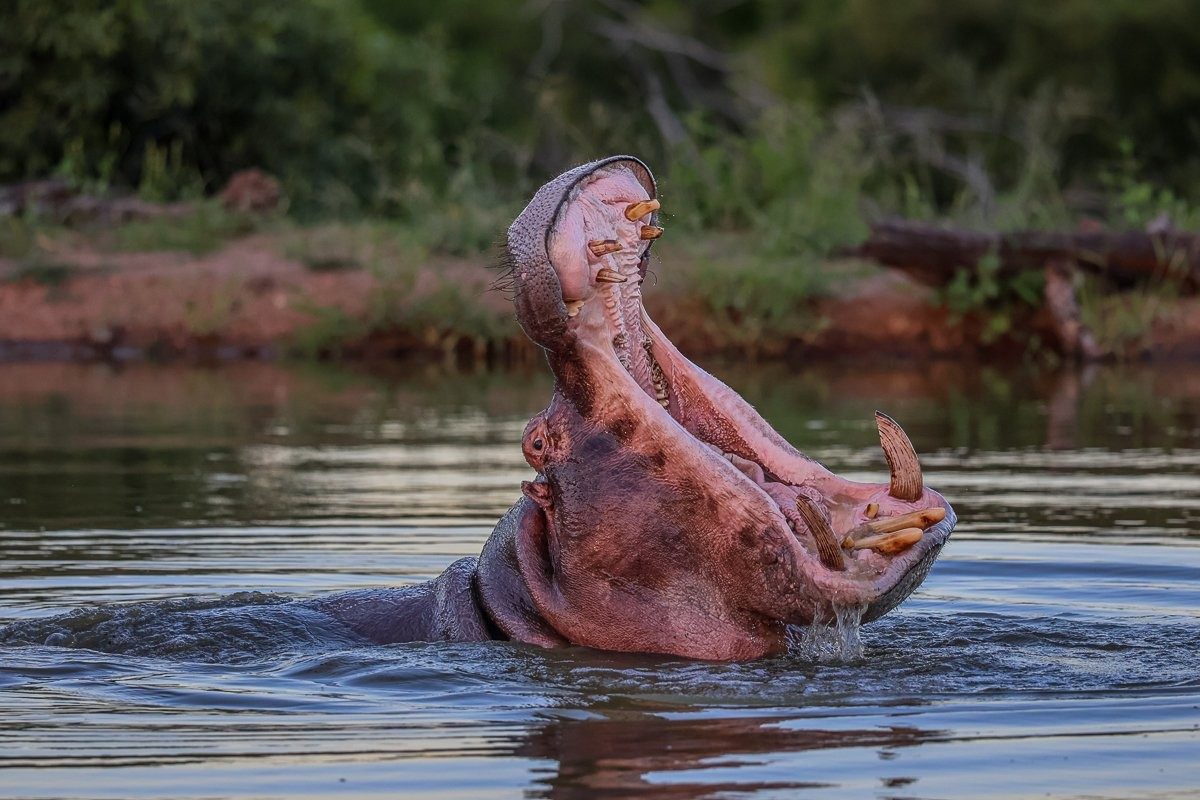
A lion doesn't know when it has crossed from a national park into a private reserve. An elephant doesn't recognise a property boundary. Conservation therefore works best when those responsible for different pieces of the landscape work together.
Why places like Sabi Sabi matter
Sabi Sabi represents one example of how private conservation and responsible tourism can operate together.
Our reserve contains a variety of habitats and is connected to the wider Greater Kruger ecosystem. Our reserve combines habitat management, wildlife protection, anti-poaching, environmental education, tourism and community initiatives as part of our conservation model.
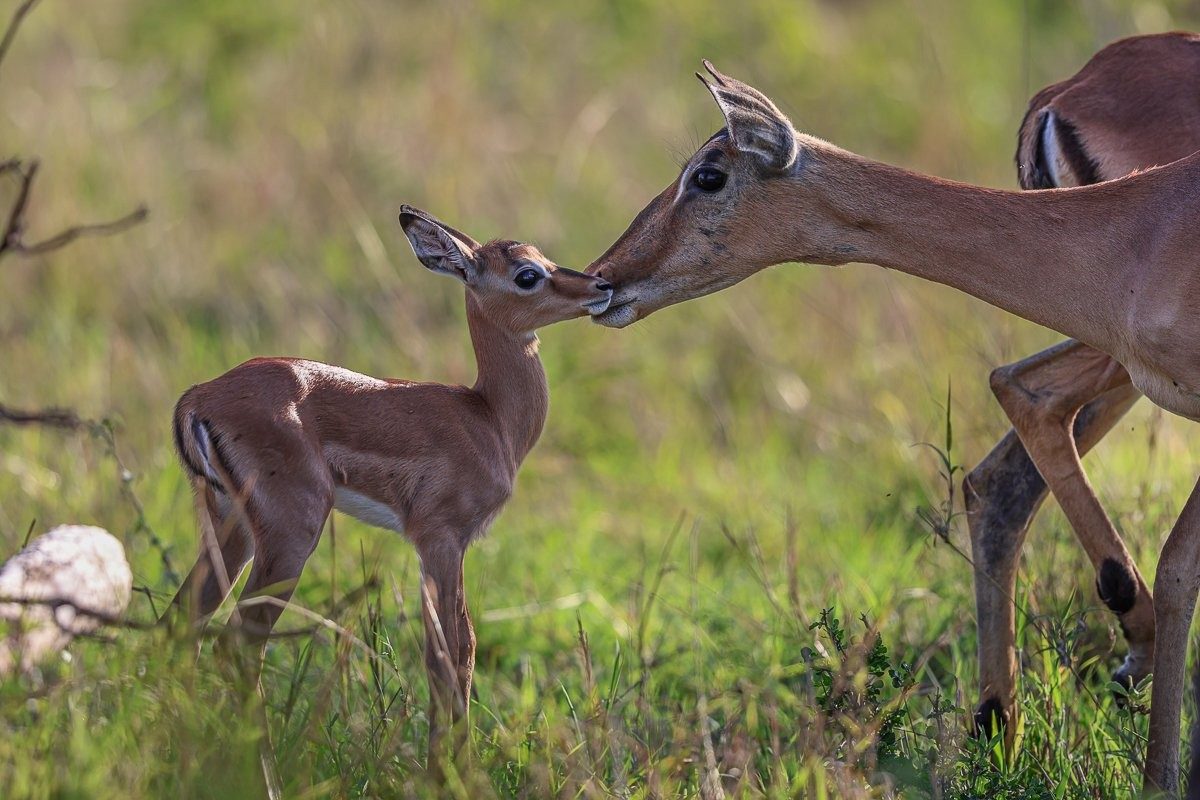
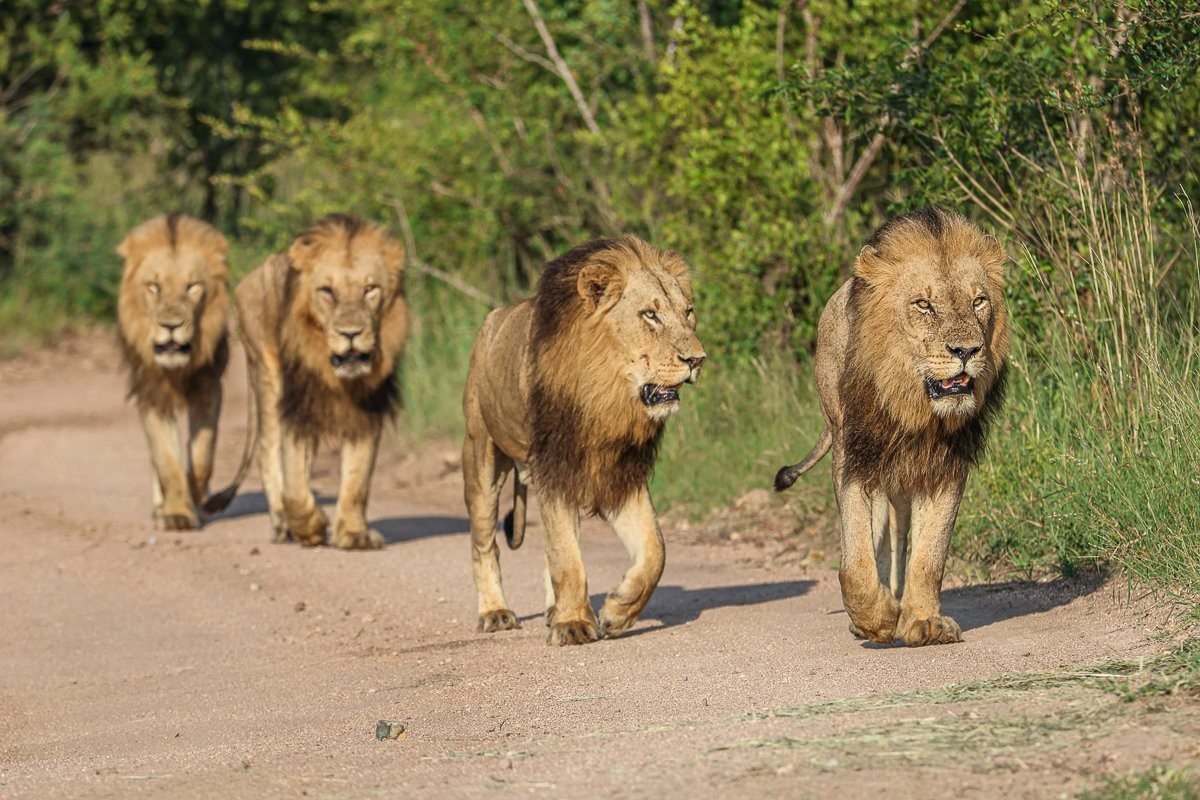
But the bigger story goes beyond one reserve. Private game reserves help demonstrate that wildlife can have ecological, social and economic value at the same time.
They can help protect habitat.
They can create employment.
They can fund conservation work.
They can support anti-poaching efforts.
They can educate visitors.
And, when connected with neighbouring conservation areas, they can contribute to larger landscapes in which wildlife is able to move more naturally.
Looking to the future
South Africa's wildlife faces a complicated future. Habitat loss, climate change, wildlife crime, human-wildlife conflict and economic pressures all present challenges.
There is no single solution.
National parks remain essential. Community conservation is essential. Scientific research is essential. Strong government policy is essential. And responsible private conservation can be an important part of the picture too.
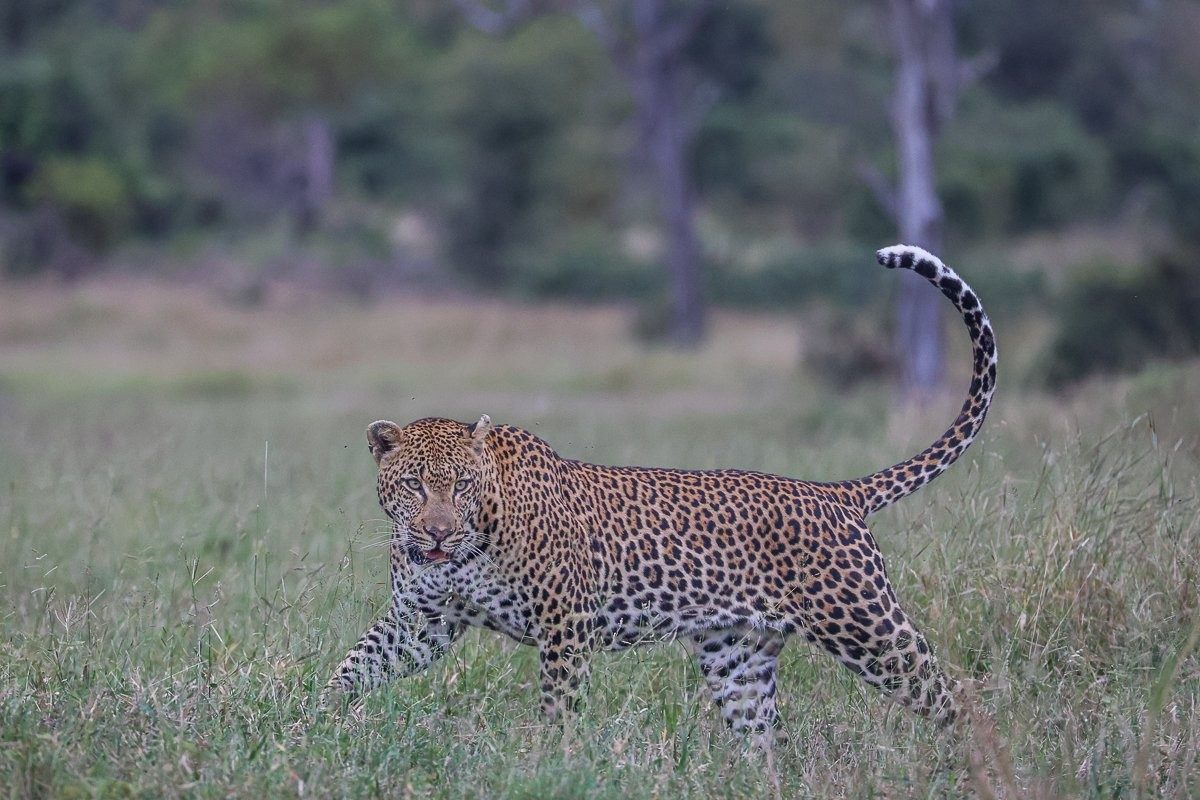
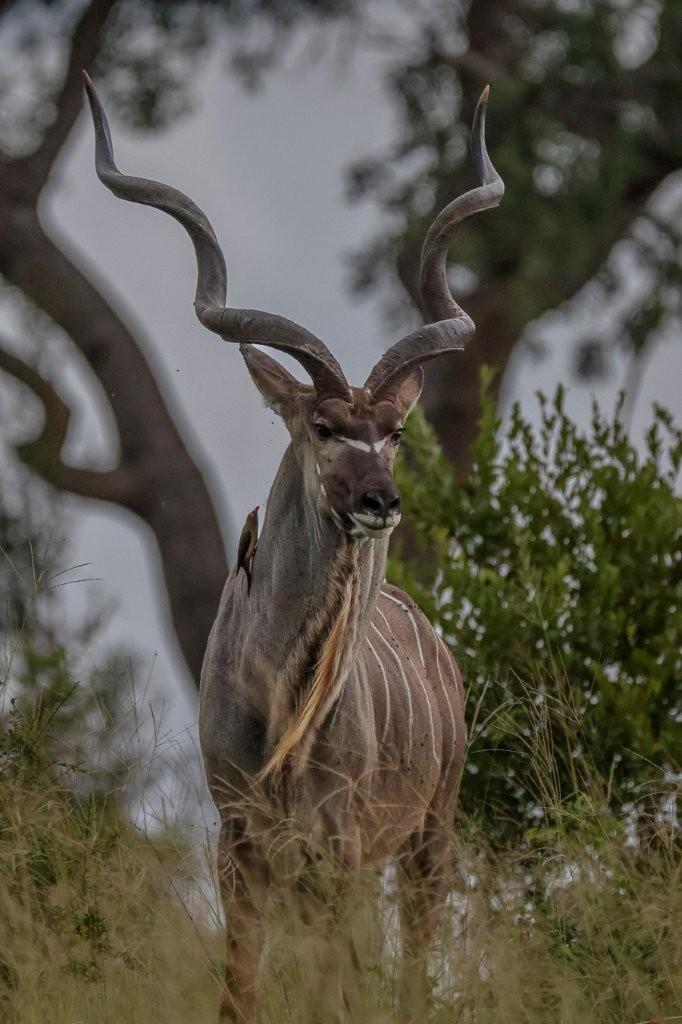
The future of South African wildlife will depend on whether these different approaches can work together. Private reserves like Sabi Sabi matter because they show what can happen when conservation and tourism are not treated as opposing goals, but as partners in protecting a living landscape.
Ultimately, the goal is bigger than protecting a single species or preserving one beautiful piece of land. It is about keeping South Africa's wilderness alive, so that elephants can continue to shape the landscape, predators can continue to roam, birds can continue to fill the skies, and future generations can experience the extraordinary privilege of encountering wildlife in its natural home.
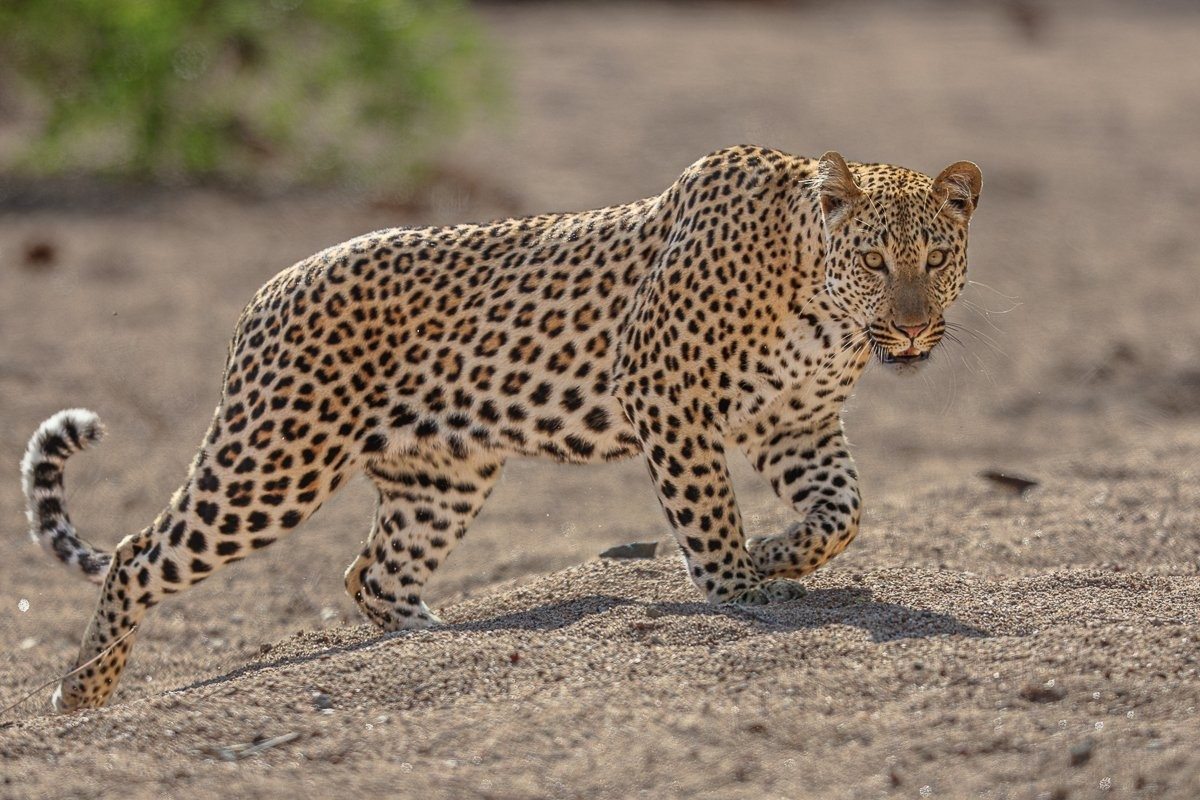
Private game reserves play a vital role in conserving the entire ecosystem, and the support of our guests helps drive our ongoing efforts. Together, we can continue protecting the wildlife, habitats and natural spaces we are fortunate to call home.
Blog by Ruan Mey (Earth Lodge Ranger)