
Hyenas: More than just scavengers
on Sep 15, 2026Few animals in Africa are as misunderstood as the Spotted hyena. Mention the word “hyena”, and many people immediately think of a cowardly scavenger lurking in the shadows, waiting for lions to finish a meal. Popular culture has done little to improve this reputation, often portraying hyena as villains of the African wilderness.
Yet, spend enough time in the bush, and you begin to realise that these remarkable carnivores deserve far more respect than they are often given. As rangers, we are fortunate to witness their intelligence, resilience, and extraordinary social lives firsthand. The more time you spend observing them, the more difficult it becomes to think of them as “just scavengers”.
The truth is that spotted hyenas are among Africa’s most successful predators, playing an essential role in maintaining the balance of the ecosystem.
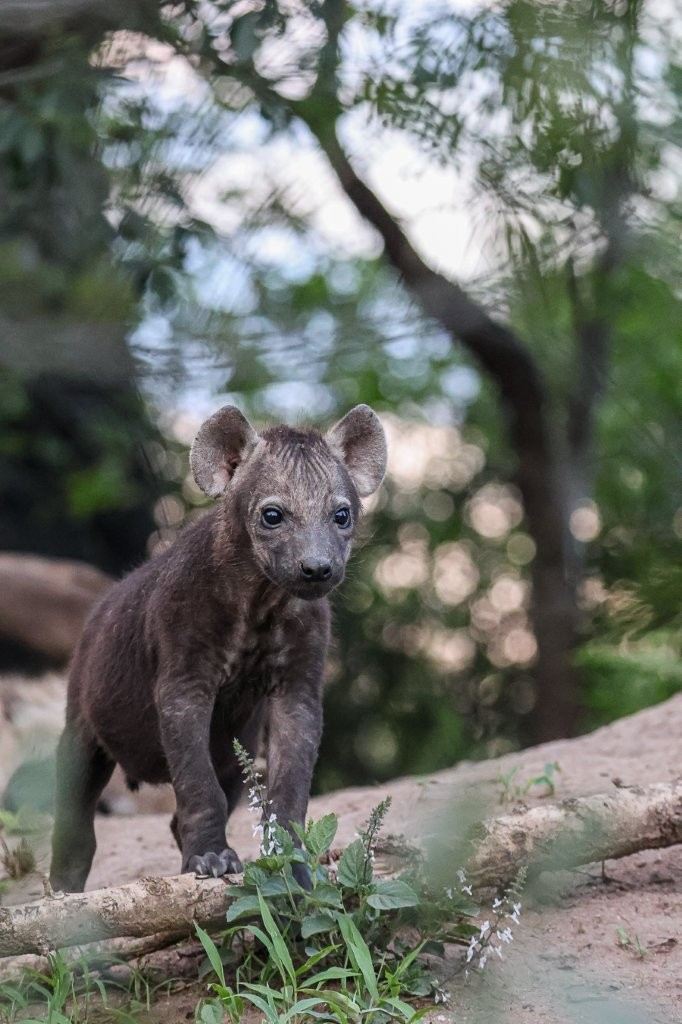
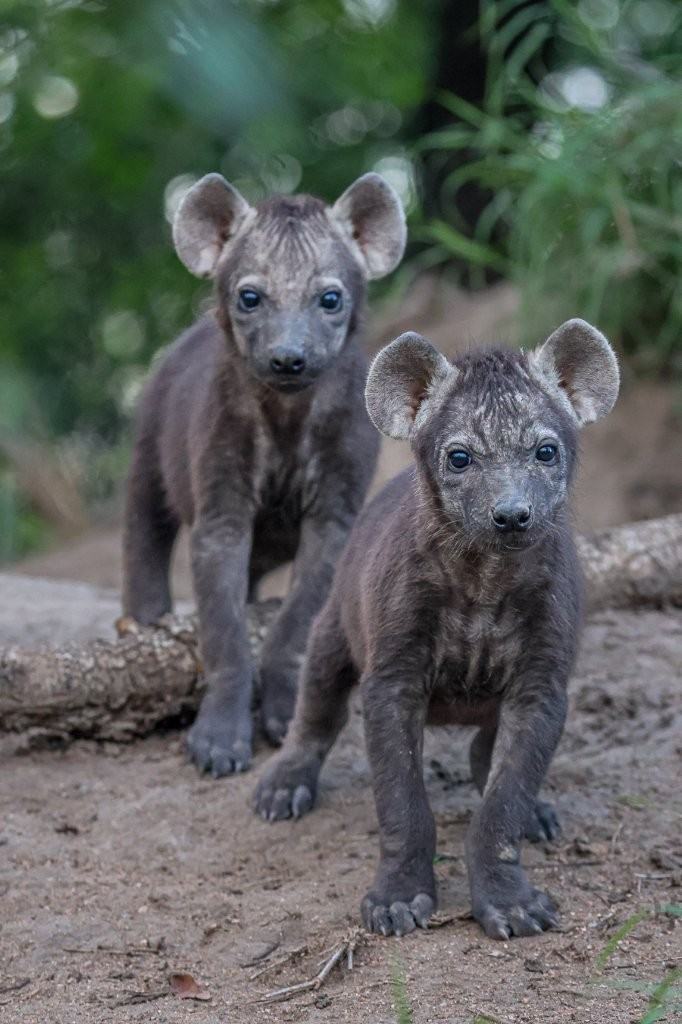
Nature’s ultimate opportunists
One of the greatest strengths of the Spotted hyena is its adaptability. Rather than specialising in one method of finding food, hyenas take advantage of every opportunity the bush presents.
If they come across the remains of a lion kill, they will certainly make use of it. If a vulnerable impala crosses their path, they are more than capable of hunting it themselves. This flexibility has allowed hyenas to thrive in a variety of habitats across Africa, from open savannas to dense woodlands.
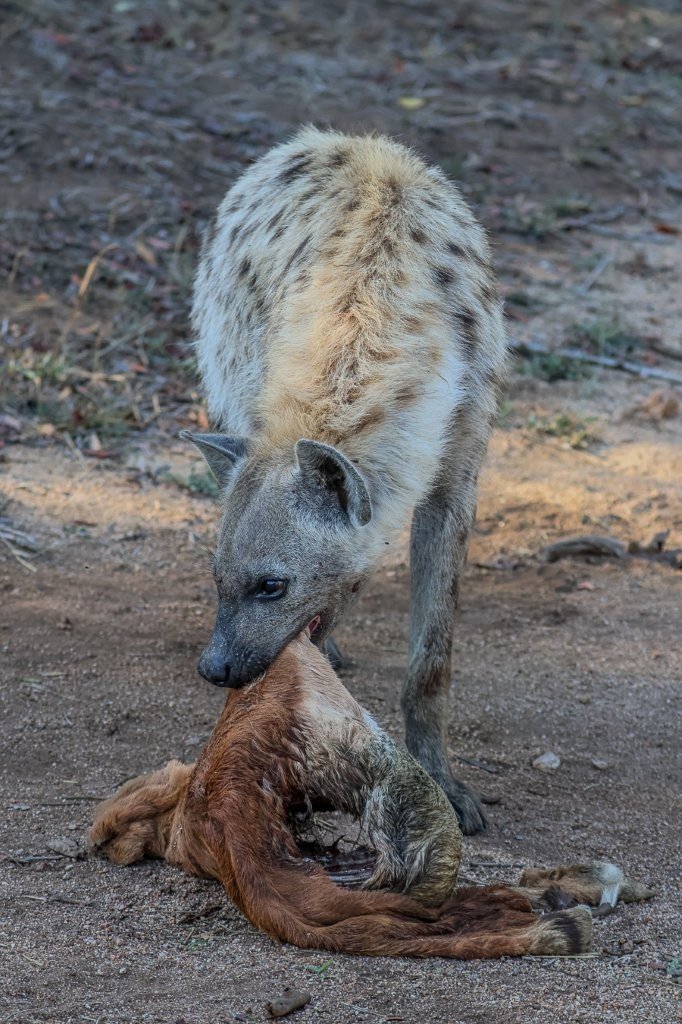
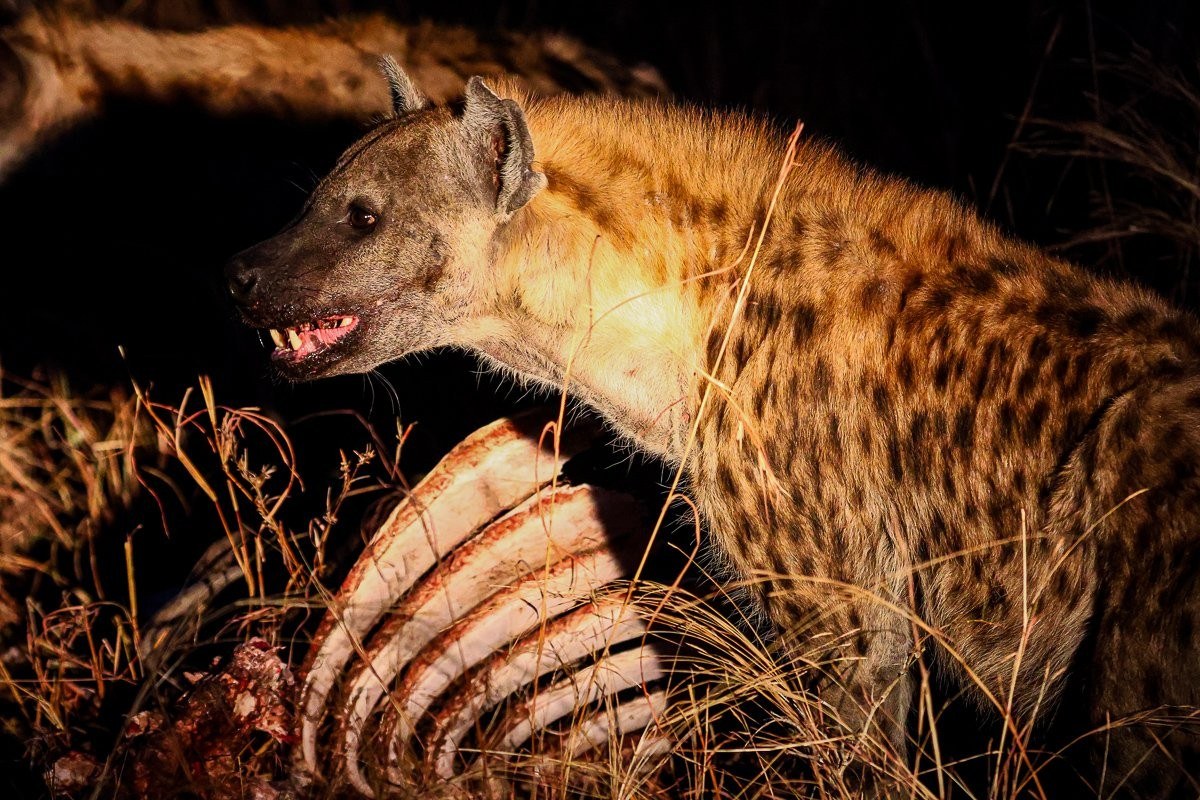
Being an opportunist is not a weakness; it is one of nature’s greatest survival strategies.
More hunter than scavenger
One of the biggest misconceptions about Spotted hyenas is that they survive mainly on leftovers from other predators. The opposite is often true.
Research has shown that Spotted hyenas hunt much of the food they consume. They are skilled predators capable of bringing down prey both alone and in coordinated groups. Their success lies not in speed alone, but in endurance, teamwork, and remarkable persistence.
Unlike a cheetah, which relies on explosive acceleration, hyenas wear their prey down over long distances. They are built for stamina rather than sprinting, allowing them to pursue animals until exhaustion begins to favour the hunter.
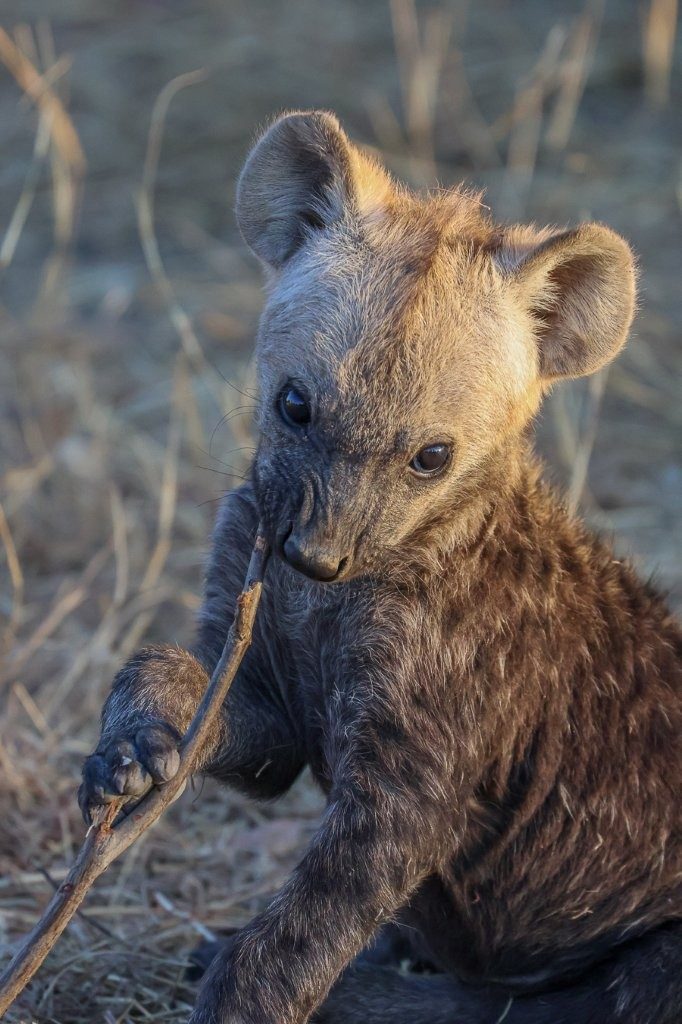
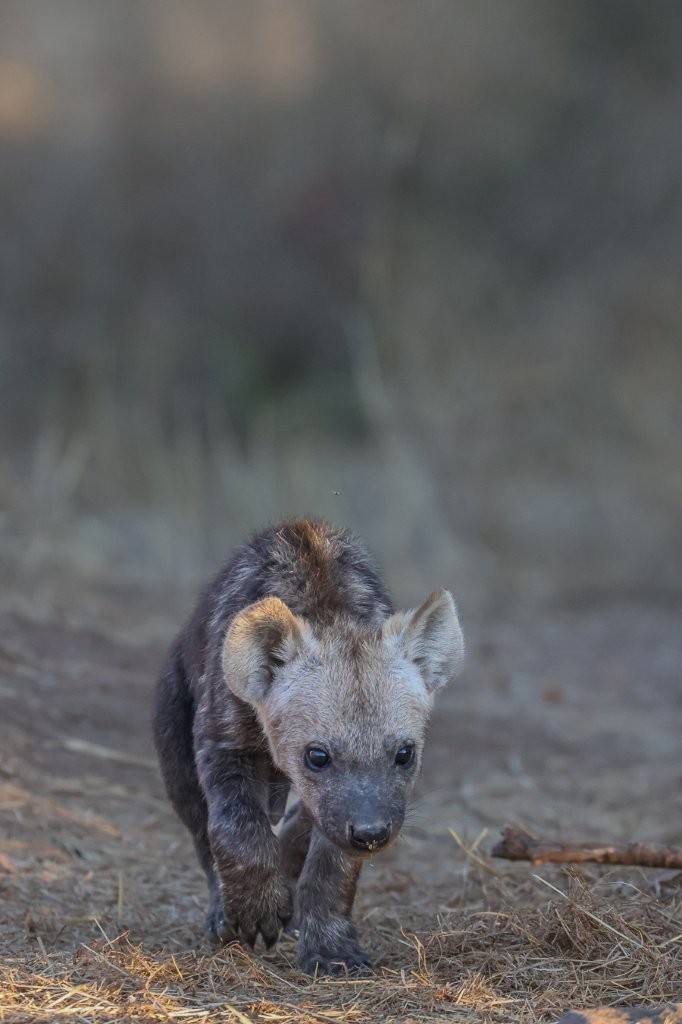
Watching a coordinated clan hunt is a fascinating display of communication and cooperation. Each individual appears to understand its role, adjusting to the movements of both its companions and its prey. It is a reminder that intelligence in the animal kingdom takes many forms.
Powerful beyond measure
Perhaps the most extraordinary feature of the Spotted hyena is its bite.
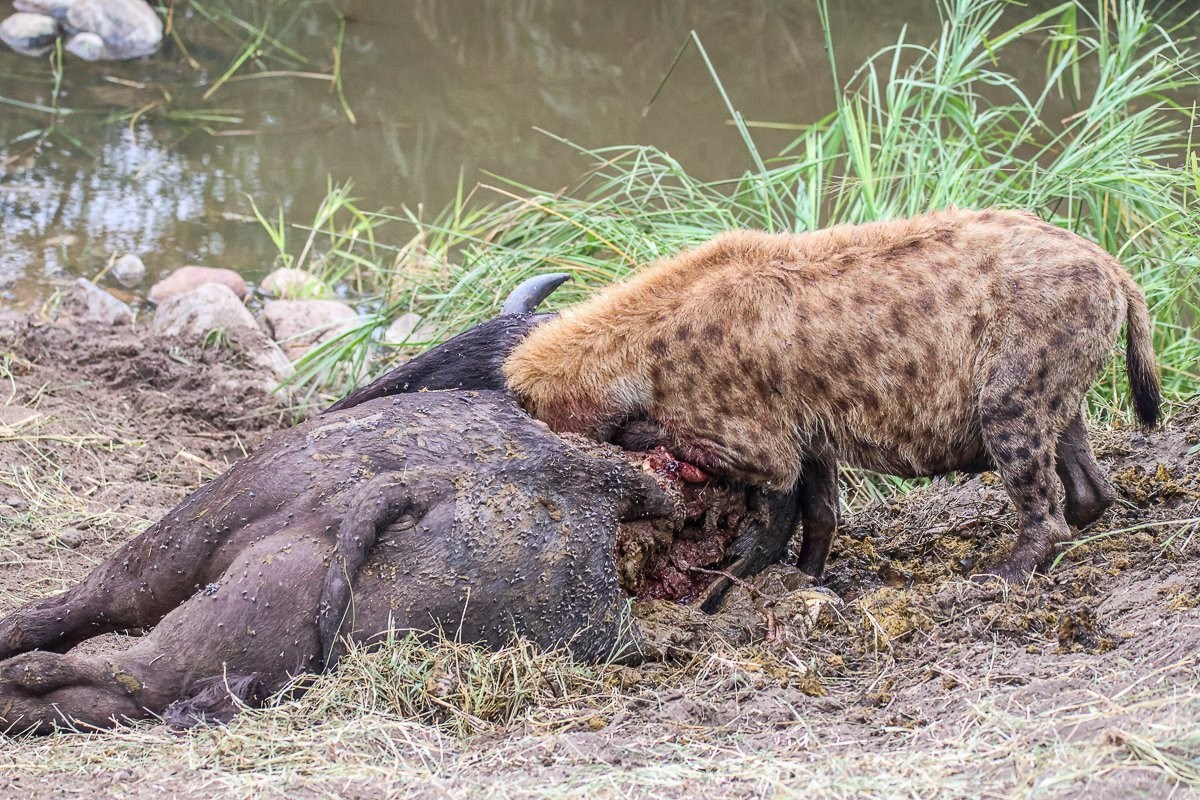
Hyenas possess one of the strongest bite forces relative to body size of any mammal. Their jaws can crush the dense leg bones of giraffes, buffalo, and even elephants. Teeth that would shatter under such pressure in most animals barely show signs of wear in a healthy adult hyena.
This incredible strength allows them to consume almost every part of a carcass, including bones, skin, hooves, and horns. The calcium rich bone marrow hidden inside large bones provide valuable nutrients that many predators simply cannot access.
Very little is wasted.
Nature’s clean-up crew
While hyenas are accomplished hunters, they are also exceptionally efficient scavengers, and that is something worth celebrating rather than criticising.
Every carcass left in the bush has the potential to become a breeding ground for bacteria and disease. By rapidly consuming remains, hyenas help recycle nutrients back into the ecosystem while reducing opportunities for harmful pathogens to spread.
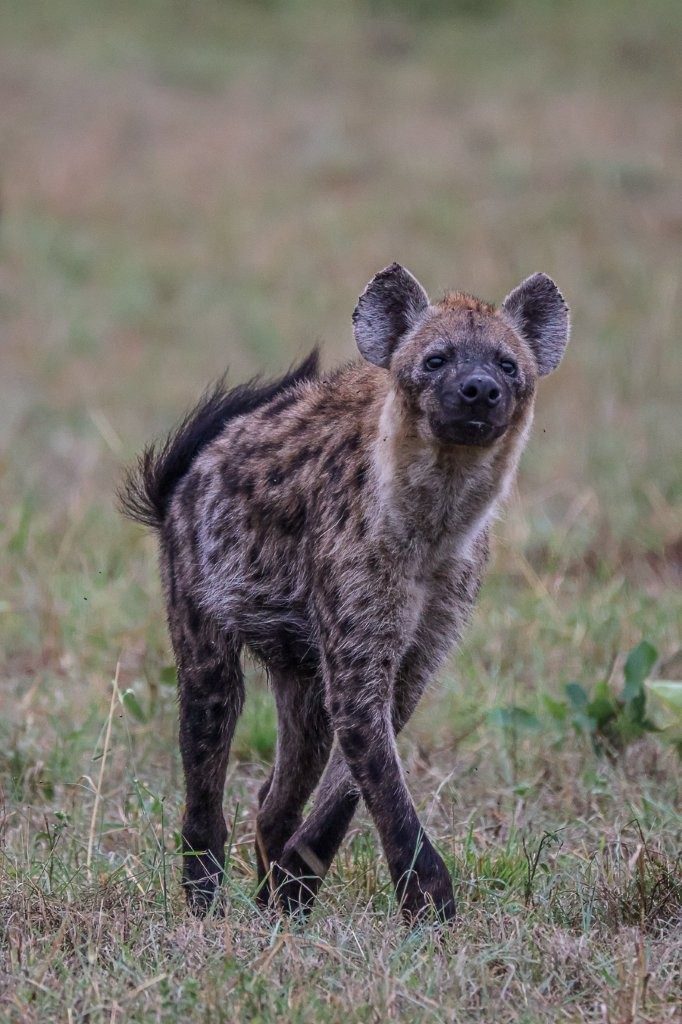
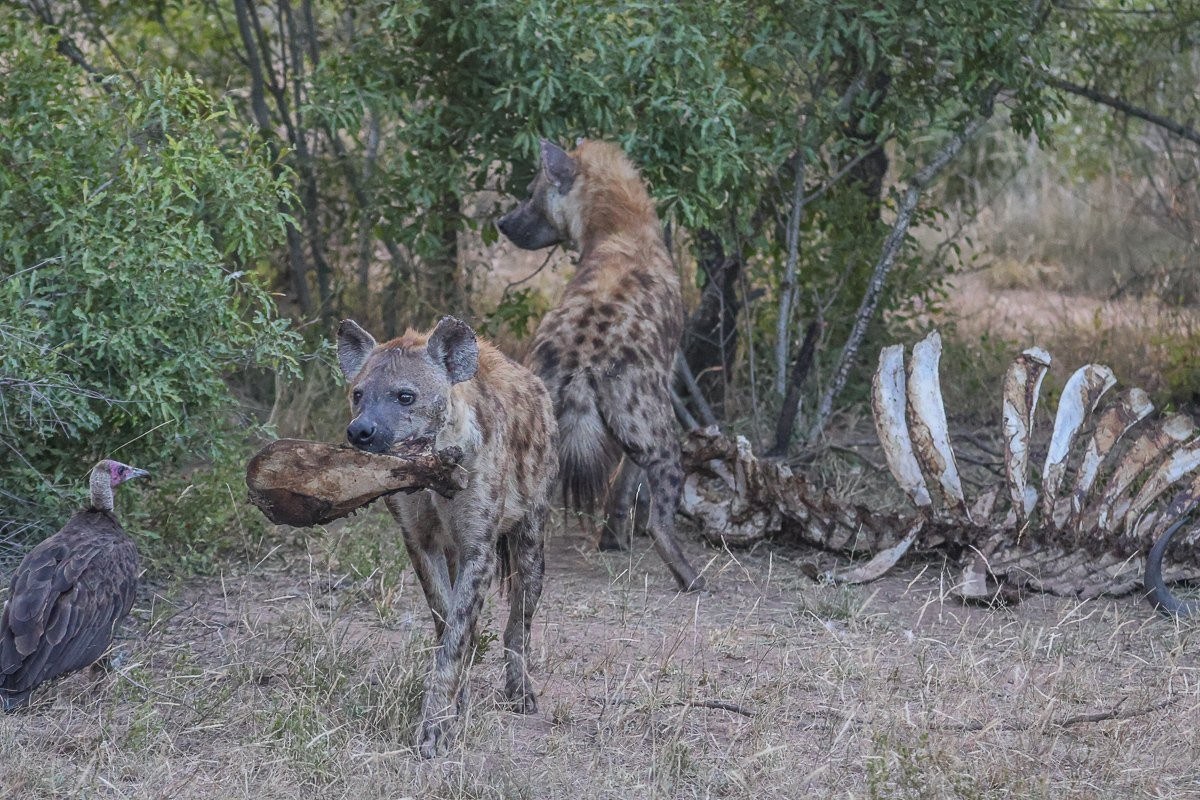
Alongside vultures, jackals, insects, and countless micro-organisms, hyenas form part of nature’s recycling system. Without them, the African bush would look very different.
Life in a matriarchal society
Perhaps one of the most fascinating aspects of hyena behaviour is their social organisation.
Spotted hyenas live in clans that can range from a handful of individuals to more than fifty animals. These clans occupy territories that are fiercely defended against neighbouring groups.
Unlike lions, however, hyena society is dominated by females.
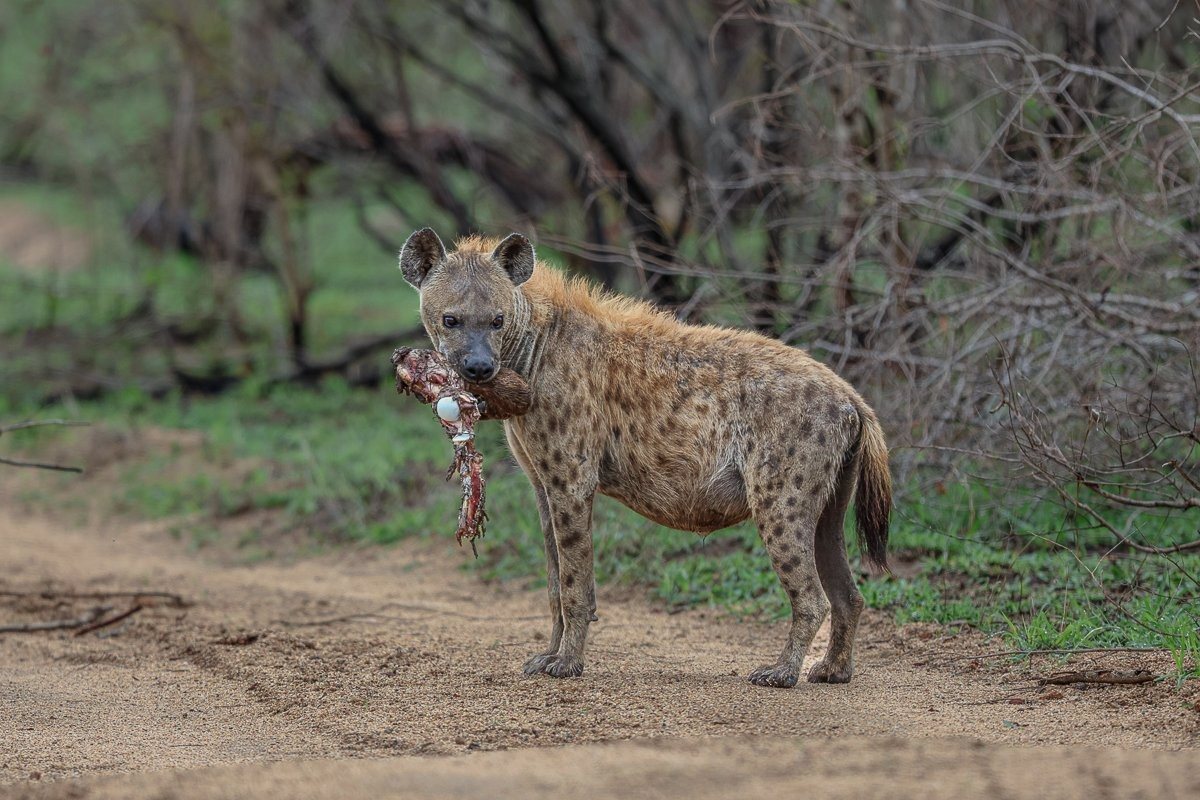
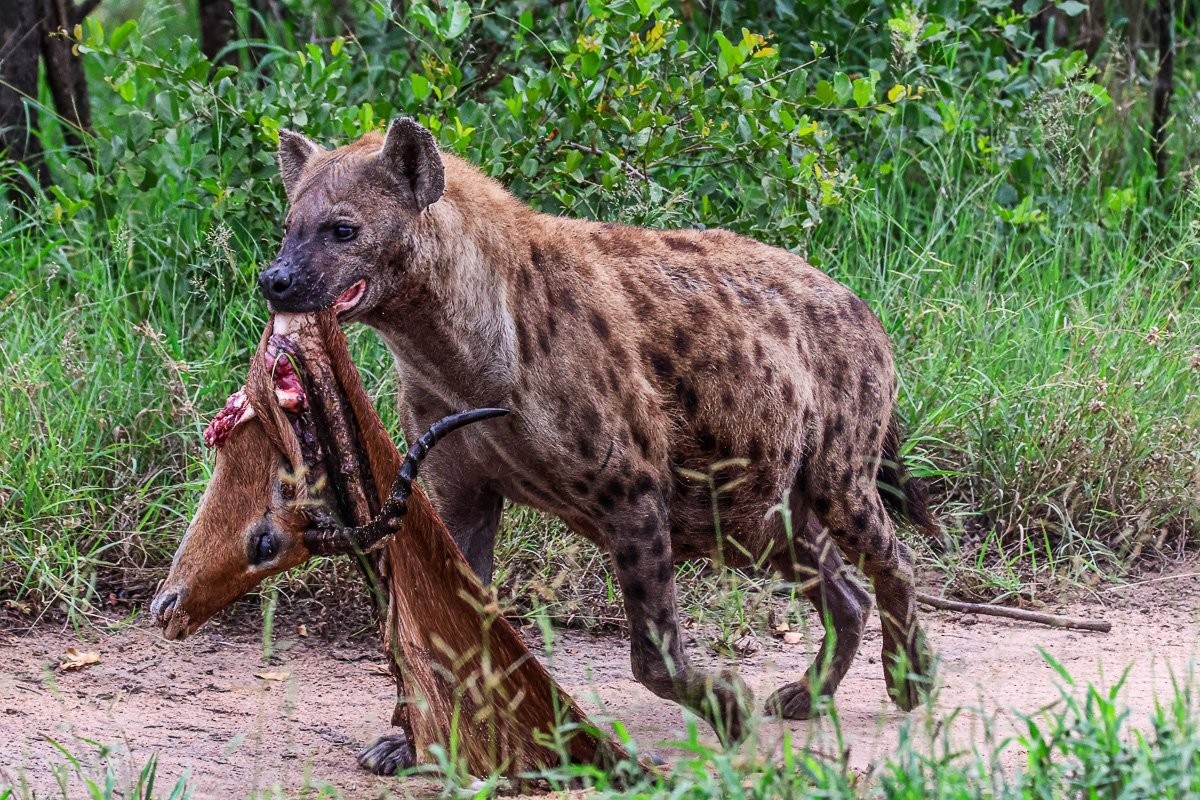
Adult females are larger, stronger, and socially dominant over males. Leadership is passed through maternal family lines, and cubs inherit much of their social standing from their mothers. Young females often remain within the clan for life, while males usually leave once, they reach maturity to seek opportunities elsewhere.
Within the clan exists a surprisingly complex social network. Aliances are formed, relationships are maintained, disputes occur, and individuals recognise one another through scent, vocalisations, and behaviour.
Far from being chaotic, hyena societies are remarkably organised.
Communication across the landscape
Many guests ask about the famous “hyena laugh”.
Despite its name, this vocalisation has nothing to do with amusement. The giggling sound is often produced during moments of excitement, conflict, or submission, particularly when several hyenas compete over food.
Their most iconic call, however, is the haunting whoop.
These powerful vocalisations can travel several kilometres through the still night air, allowing clan members to locate one another or reinforce territorial boundaries. For those fortunate enough to spend a night in the African bush, the distant whooping of hyenas is one of the sounds that defines the wilderness.
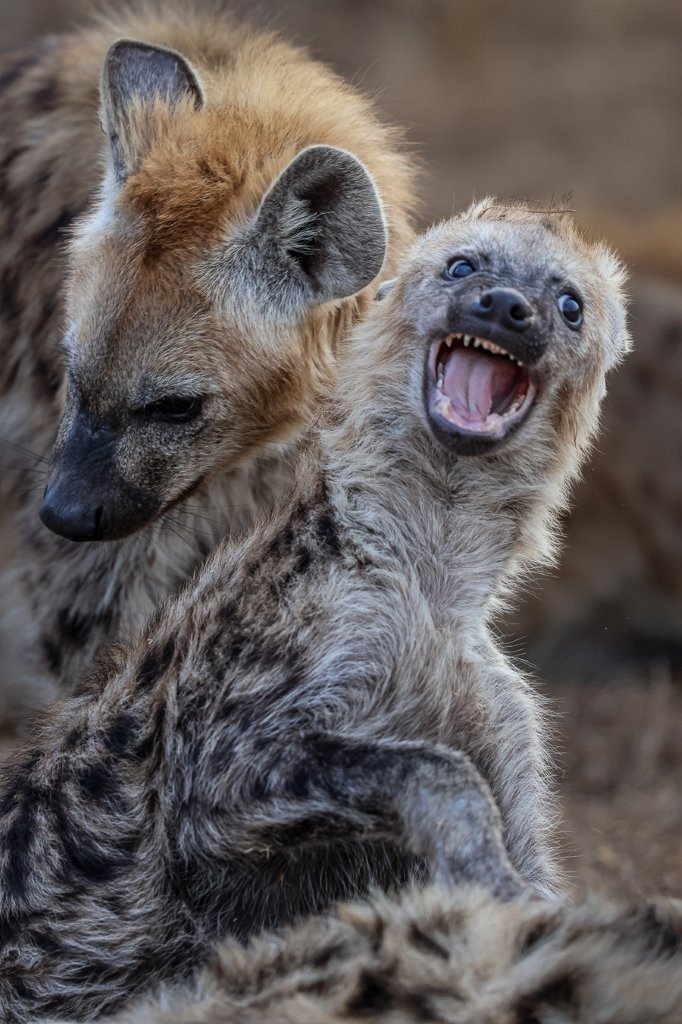
Communication extends beyond sounds alone. Scent marking, body posture, facial expressions, and subtle interactions all contribute to the sophisticated language of a hyena clan.
Rivals of lions
Few rivalries in nature are as dramatic as that between lions and hyenas.
Contrary to popular belief, lions are not always the dominant force. While a pride may steal a hyena kill, a sufficiently large clan can just as easily overwhelm a smaller group of lions and claim the carcass for themselves.
These encounters often involve careful calculations of risk and reward; every participant must decide whether the potential meal is worth the possibility of injury.
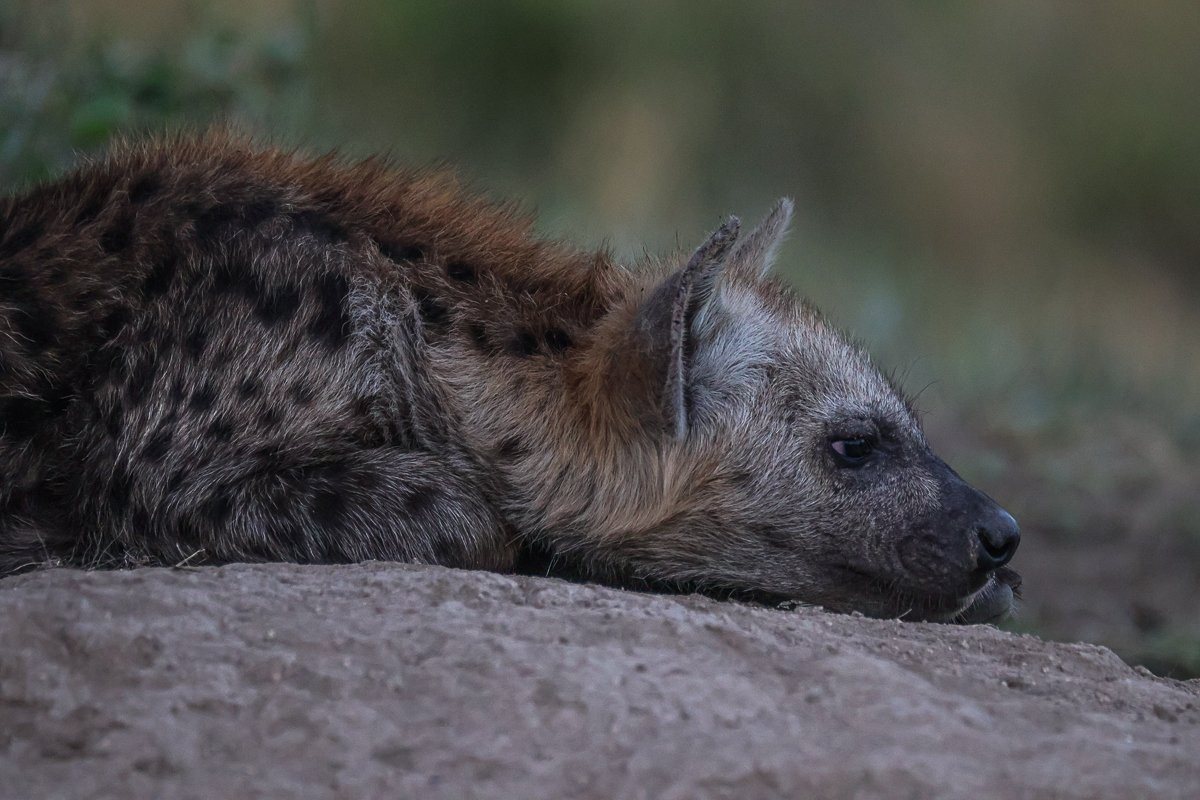
For visitors on safari, witnessing such interactions offers a glimpse into the constat struggle for survival that shapes life in the African wilderness.
Remarkable mothers
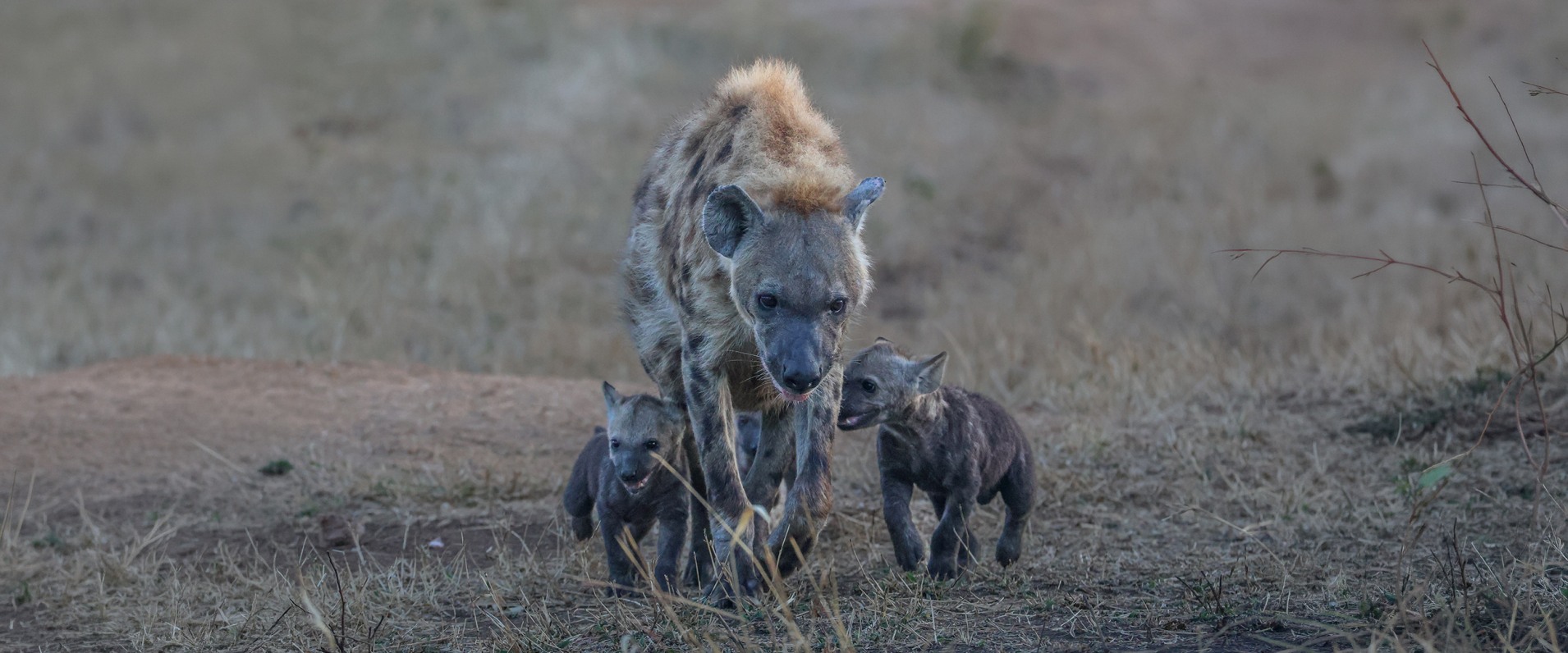
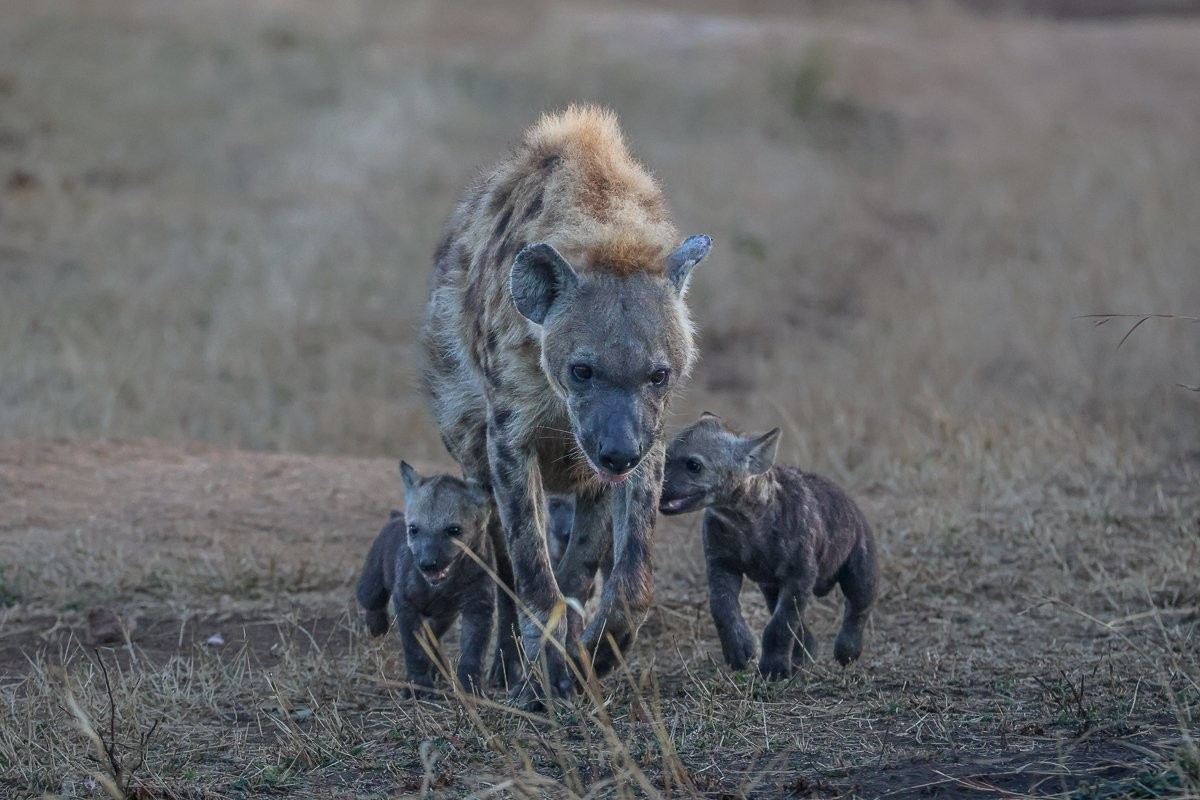
Female hyenas invest enormous effort in raising their young.
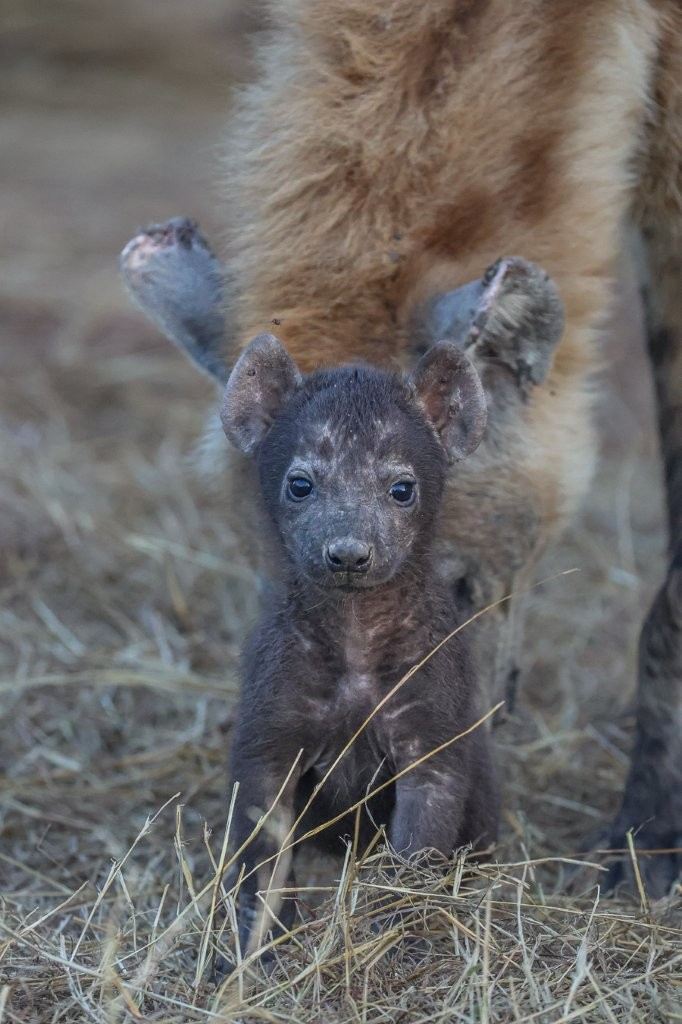
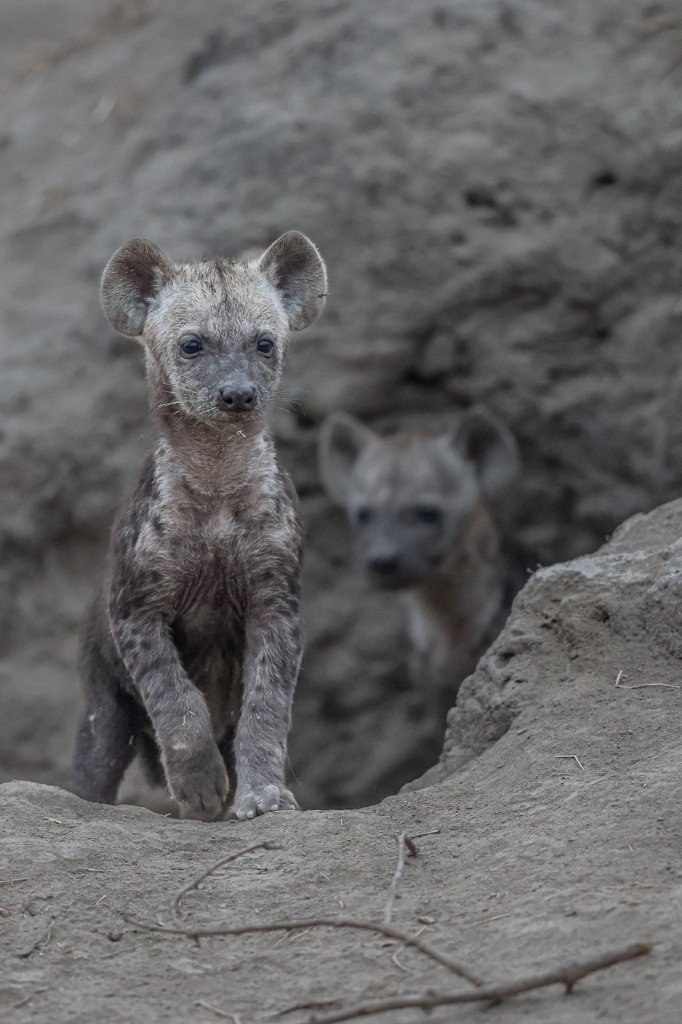
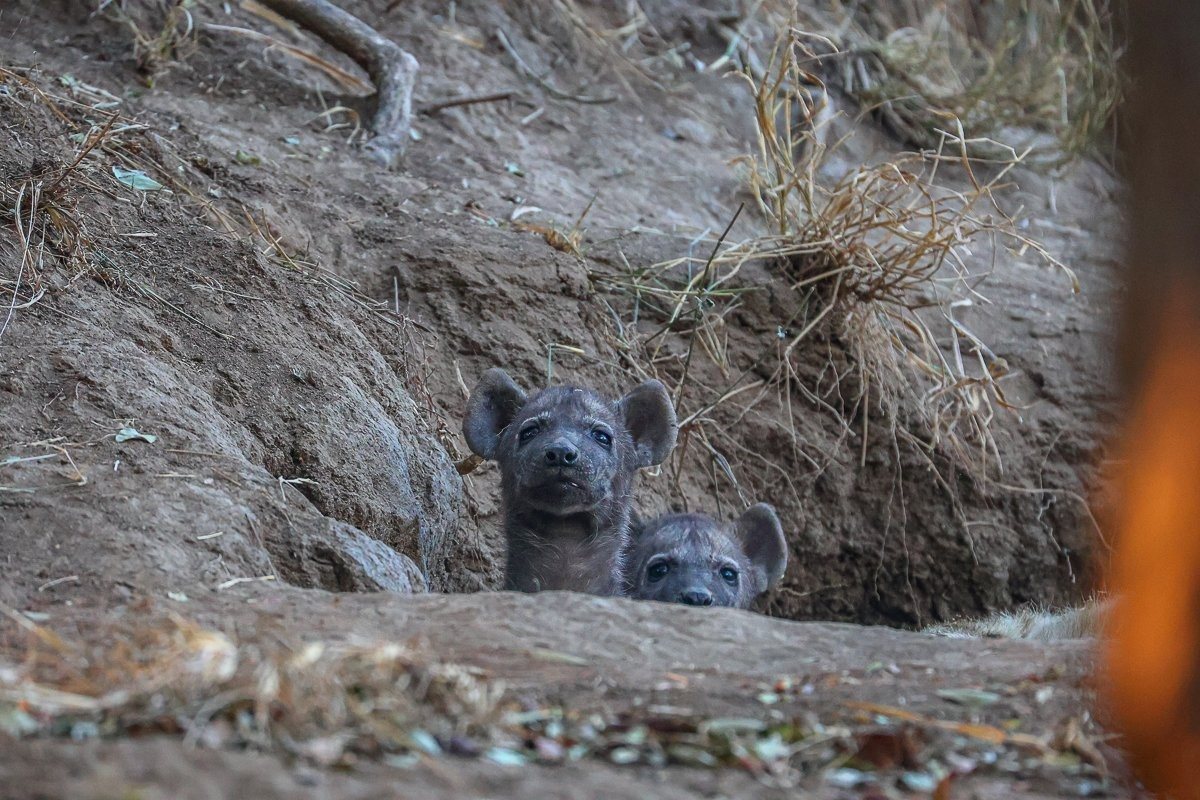
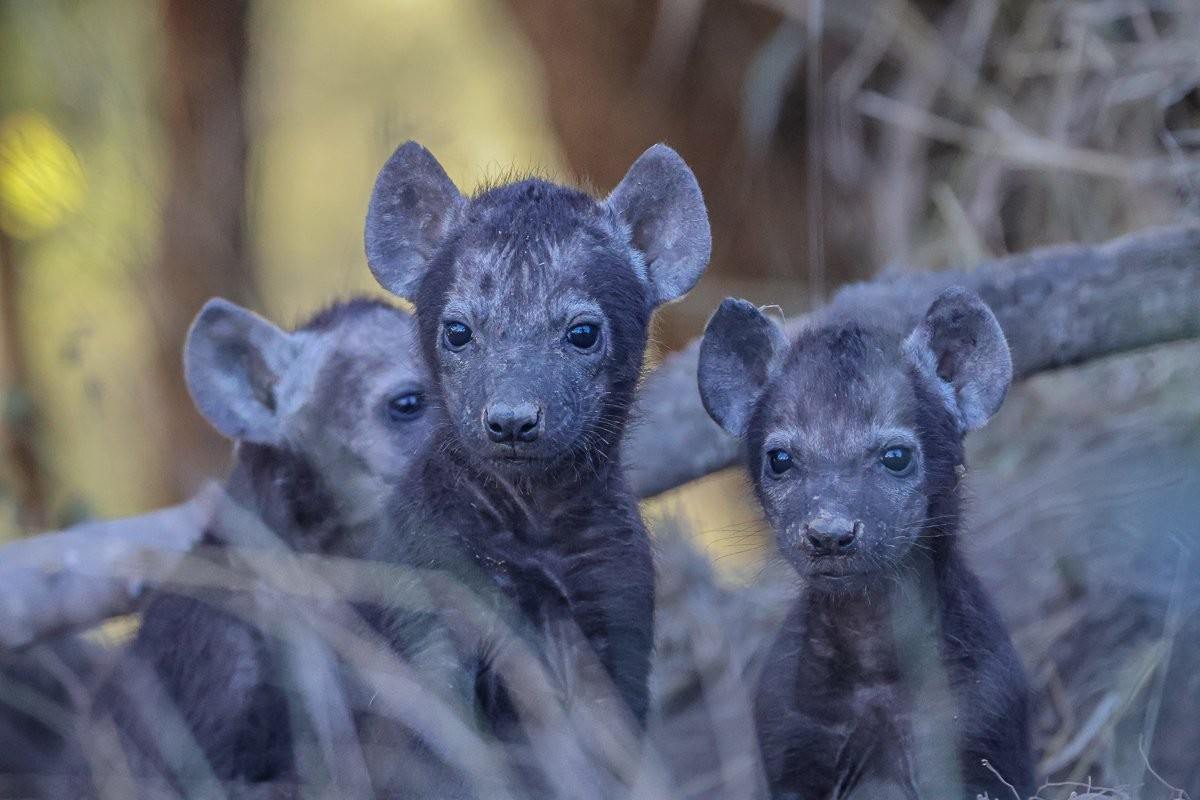
Cubs are born with their eyes open and already possess sharp teeth, a rare trait among carnivores. Life begins immediately with competition, as littermates establish dominance from an early age.
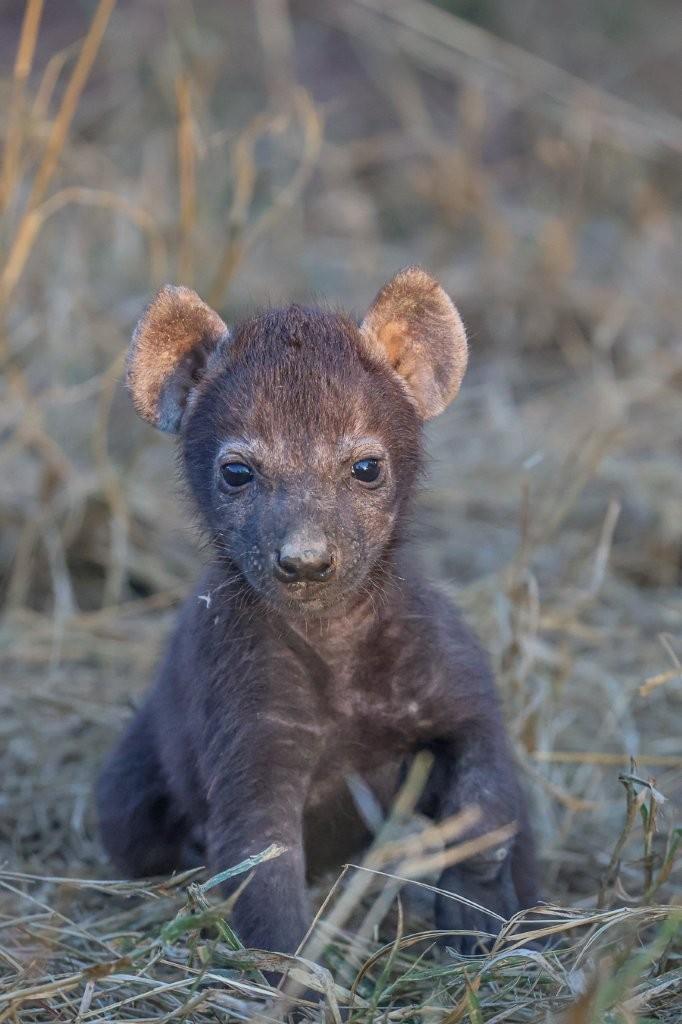
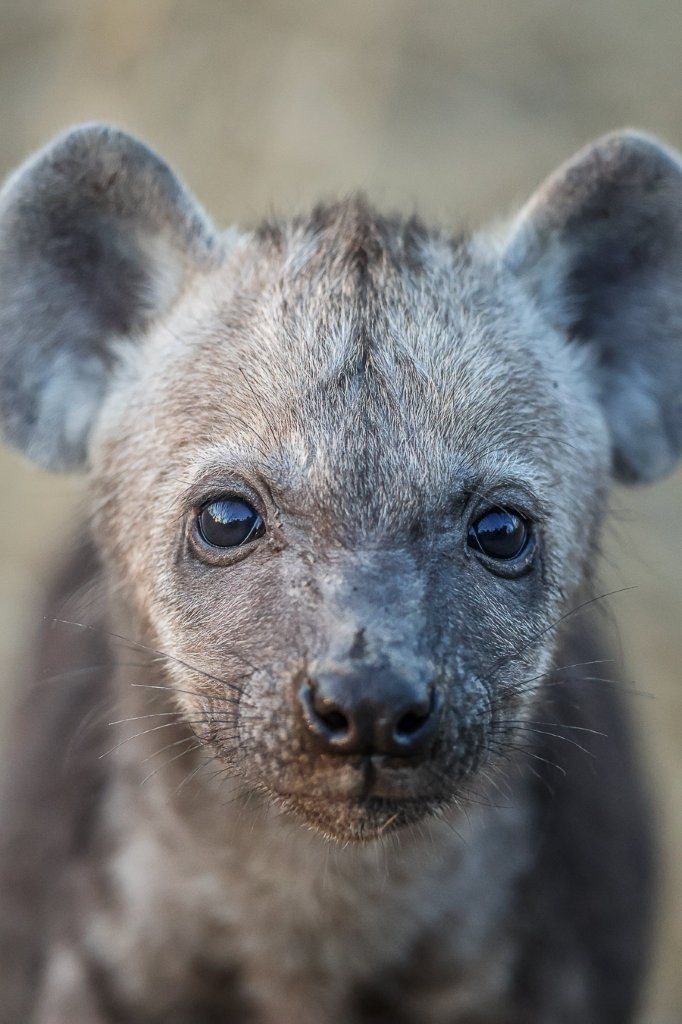
Mothers produce one of the richest milks of any terrestrial carnivore, allowing cubs to grow steadily despite periods when food may be scarce. Dens become busy nurseries where youngsters play, learn social skills, and begin exploring the world under the watchful eyes of experienced adults.
My personal perspective
Some of my most memorable sightings have involved hyenas rather than the more celebrated members of the Big 5.
Whether it is watching cubs tumbling around a den entrance at sunrise, listening to distant whoops echo across the Sabie River after dark, or observing a determined clan patiently outmanoeuvring larger predators, hyenas continually remind us that appearances can be deceptive.
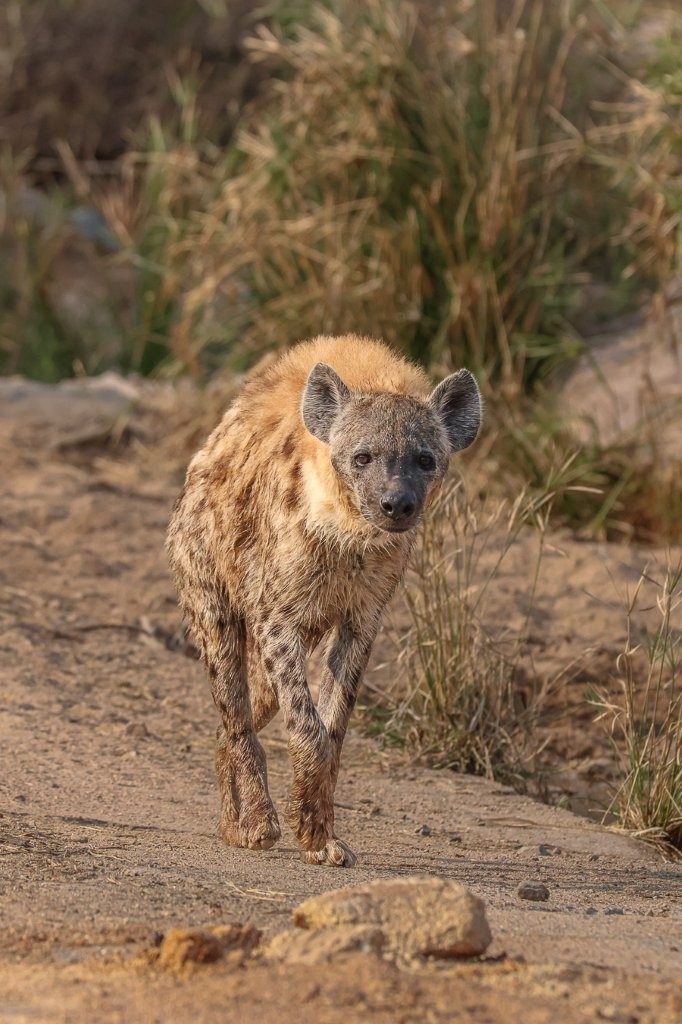
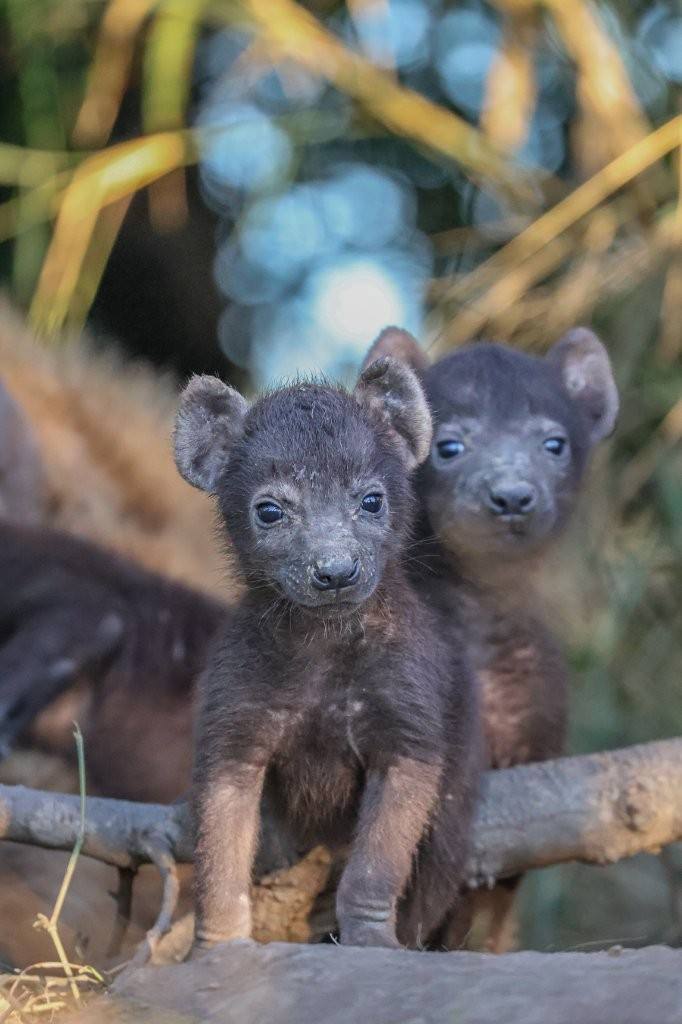
They are intelligent, adaptable, resilient, and endlessly entertaining to watch. Every sighting reveals another layer of their complex behaviour.
Looking beyond the myths
The next time you encounter a Spotted hyena on safari, resist the temptation to see only a scavenger.
Look at the confidence with which it moves through the bush. Notice the powerful shoulders built for endurance, the attentive ears constantly scanning for information, and the remarkable intelligence reflected in every interaction with its clan.
The African wilderness depends on predators and scavengers alike, and few animals perform both roles as effectively as the Spotted hyenas. They hunt, they clean, they communicate, they nurture their young, and they help maintain the delicate balance that keeps ecosystems healthy.
Perhaps their greatest lesson is that nature does not deal with heroes and villains. Every species has a purpose, and every animal contributes to the intricate tapestry of life.
For those willing to look beyond old stereotypes, the Spotted hyena reveals itself not as the outcast of the bush, but as one of its most fascinating and indispensable inhabitants. And once you’ve truly watched a hyena at work, you’ll never think of it as “just a scavenger” again.
Blog by Ruan Mey (Earth Lodge Ranger)