
Sabi Sand Safari: Everything You Need To Know
on Aug 31, 2026Sabi Sand Safari: South Africa Wildlife Adventure
Welcome to Sabi Sand National Park, one of southern Africa’s most celebrated wildlife destinations.
Located in the southwestern corner of Kruger National Park, this stunning 65,000-hectare private reserve is a classic example of a lowveld bushveld. Its terrain is a dazzling mixture of flat and open savanna grasslands, dense riverine bush along the Sand River, and clusters of iconic African Marula, Leadwood, and Acacia trees.
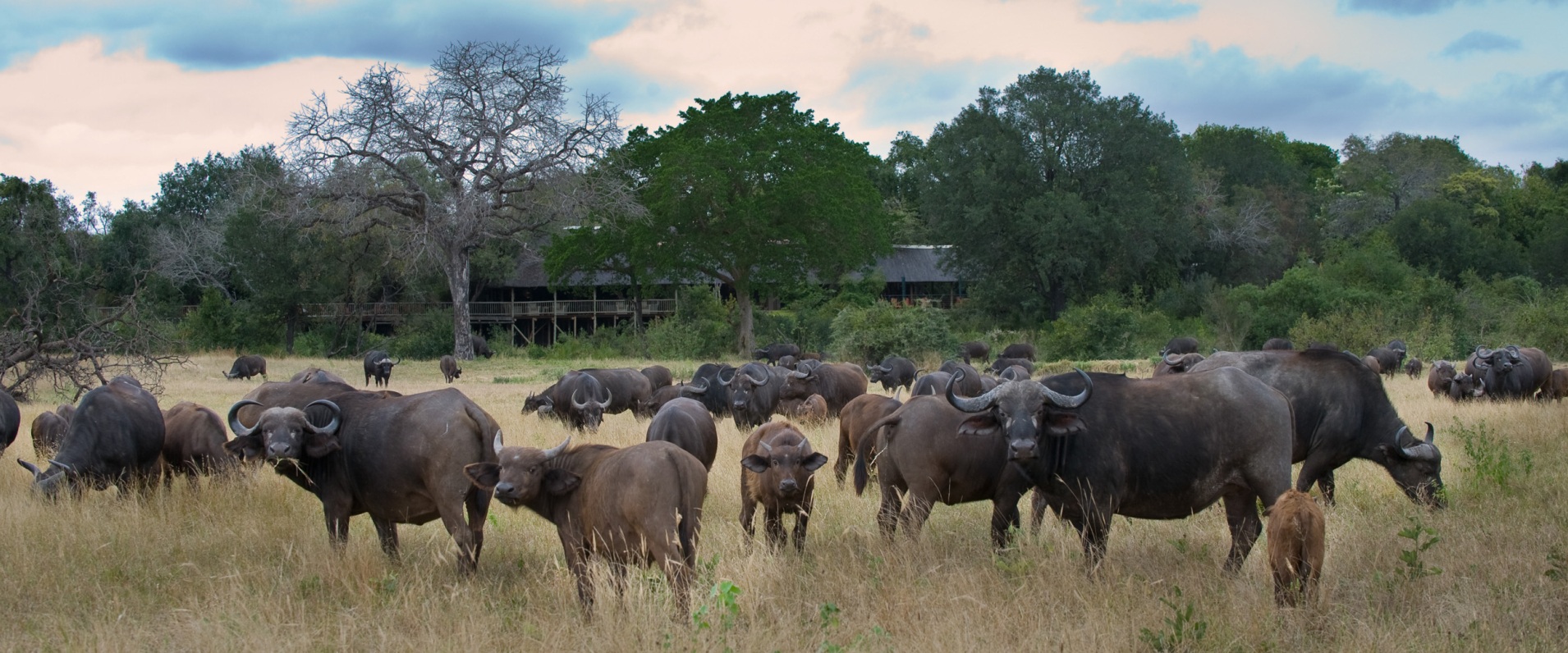
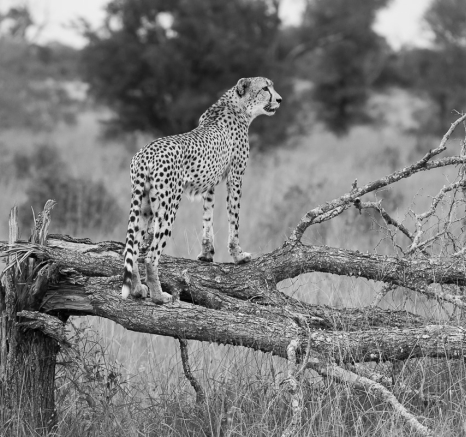
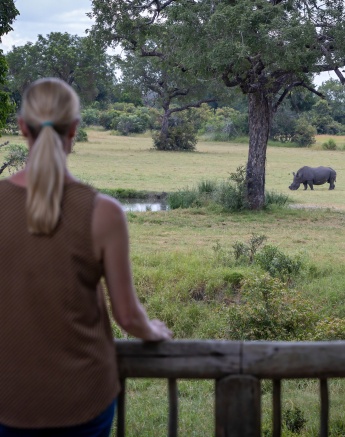
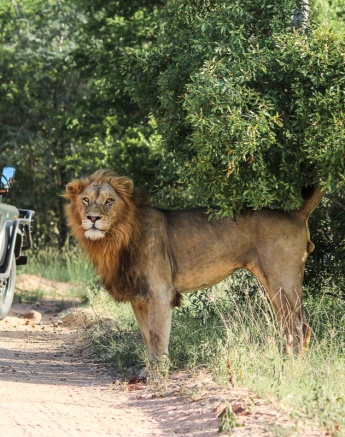
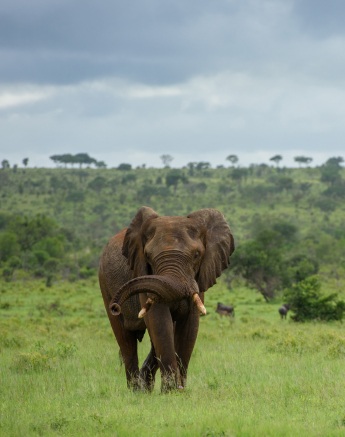
This magnificent African safari destination is home to an awe-inspiring array of southern African wildlife. The Big Five (lions, leopards, rhinos, elephants, and African buffalo) are a main feature of the Sabi Sand Game Reserve, while more than 145 mammals and over 500 bird species can be found in incredible densities.
Sabi Sand Game Reserve is also home to a captivating variety of luxury safari accommodation options, such as innovative and one-of-a-kind luxury lodges. Each offering presents its own unique take on Sabi Sabi’s tradition of understated luxury accommodation, intertwined with untamed African safari experiences.
The Location, Map and Size of Sabi Sand National Park
Sharing an unfenced border with South Africa’s Kruger National Park, the Sabi Sand National Park consists of a group of private game reserves totalling 65,000 hectares of pristine African wilderness.
Due to an agreement between private landowners, this unbounded destination has become one of the most famous private game reserves in the world, renowned for its astonishing wildlife density.
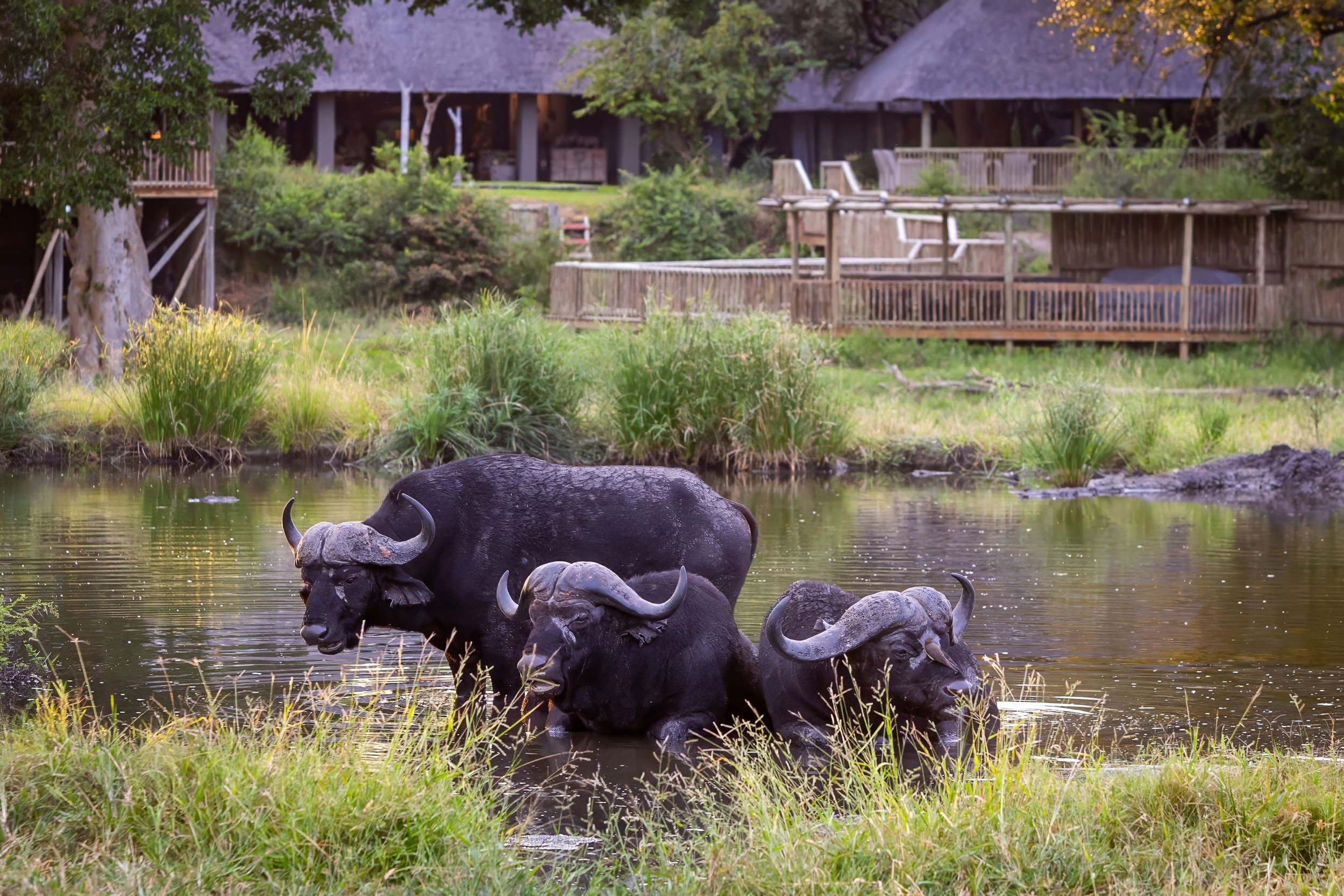
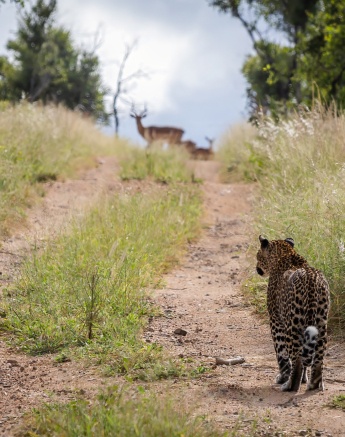
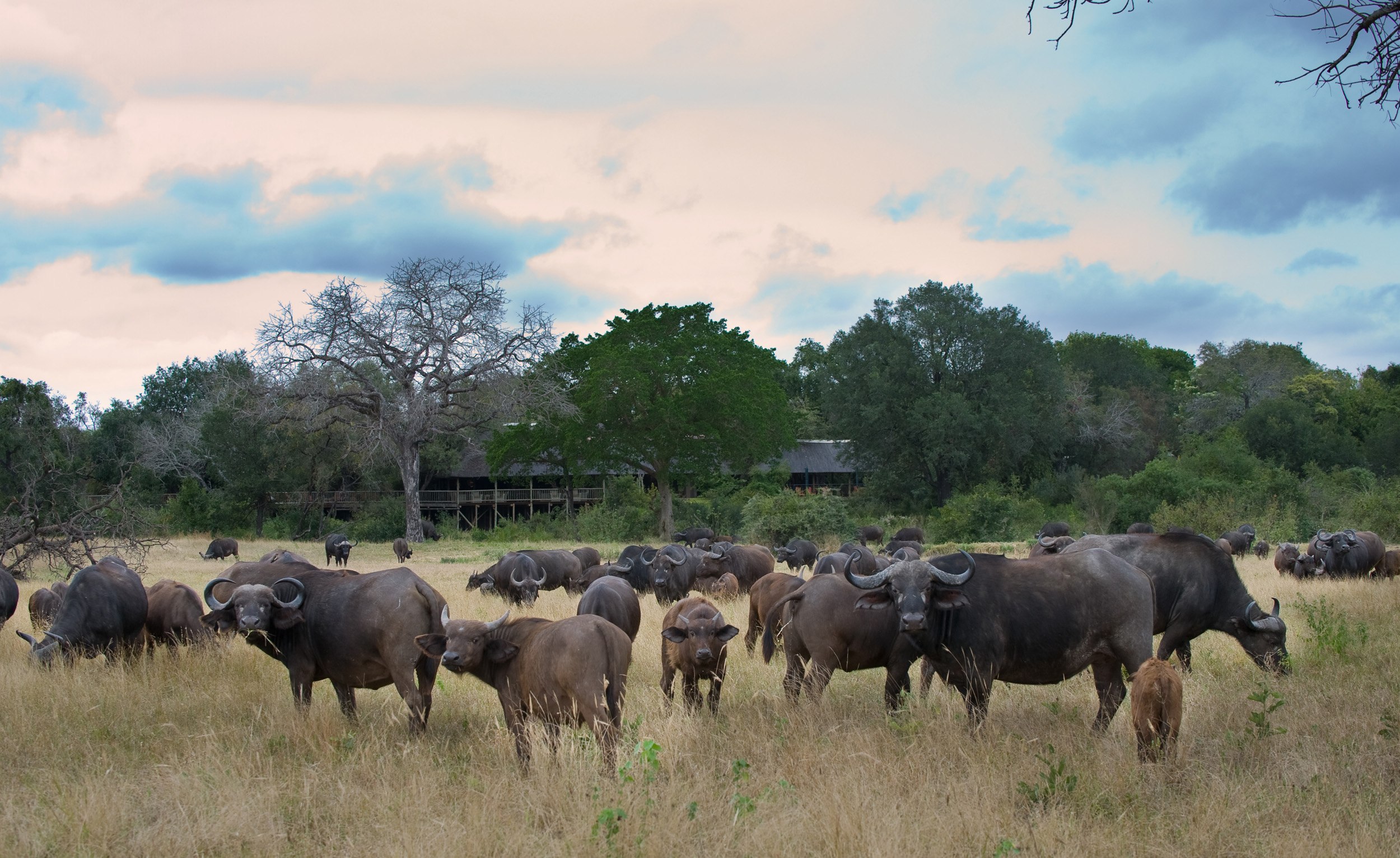
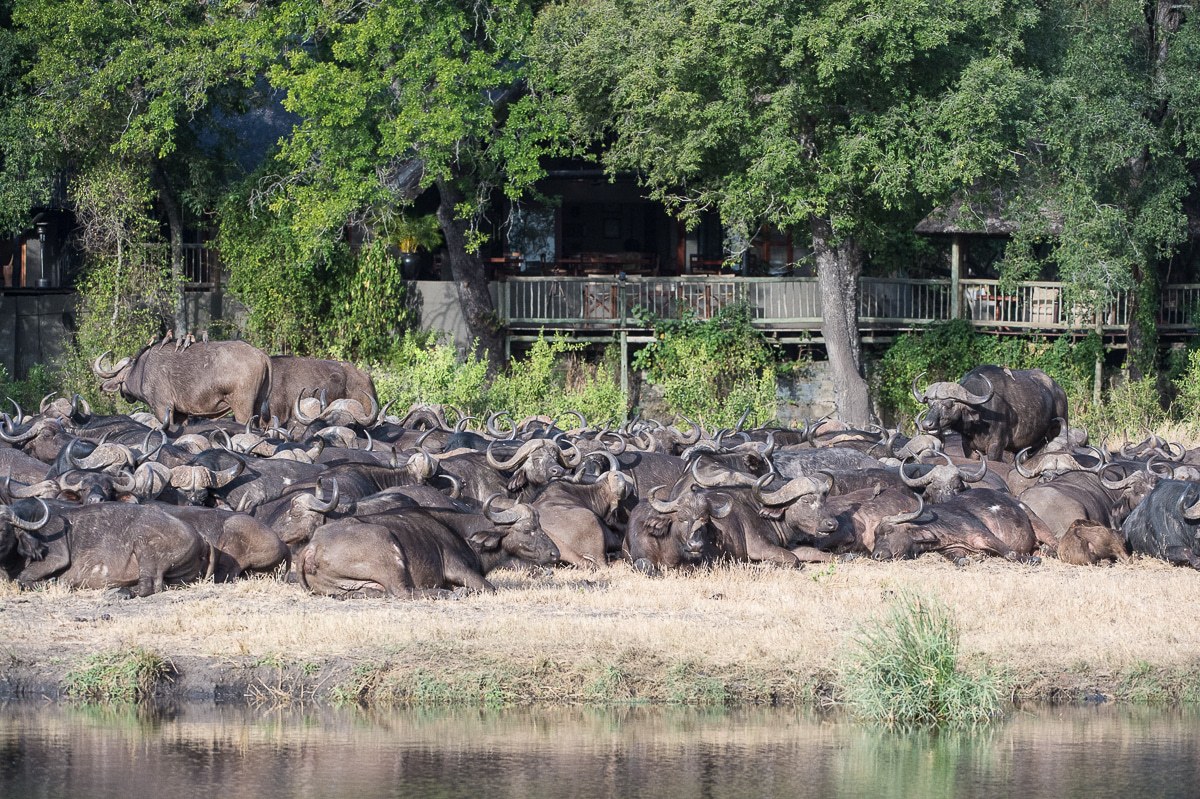
From a massive herd of buffalo roaming the savanna to leopards stalking adolescent game through tall grass, the unbordered nature of Sabi Sand National Park means you can experience the unimaginable wonders of wildlife from both Sabi Sand and Kruger National Park.
The Essence of Sabi Sand Safaris
To experience the Sabi Sand National Park is to immerse yourself in the spirit of Africa. This unique safari destination in South Africa is renowned as one of the most beautiful wilderness areas in the world, thanks to its breathtaking landscape diversity. On a single safari, you can see vast grasslands that touch the horizon, riverine forests that stretch for kilometres, and dense bushveld that turns open fields into regions needing navigation.
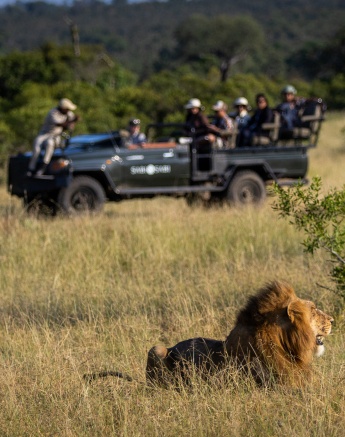
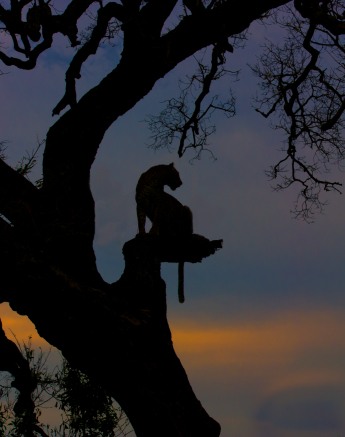
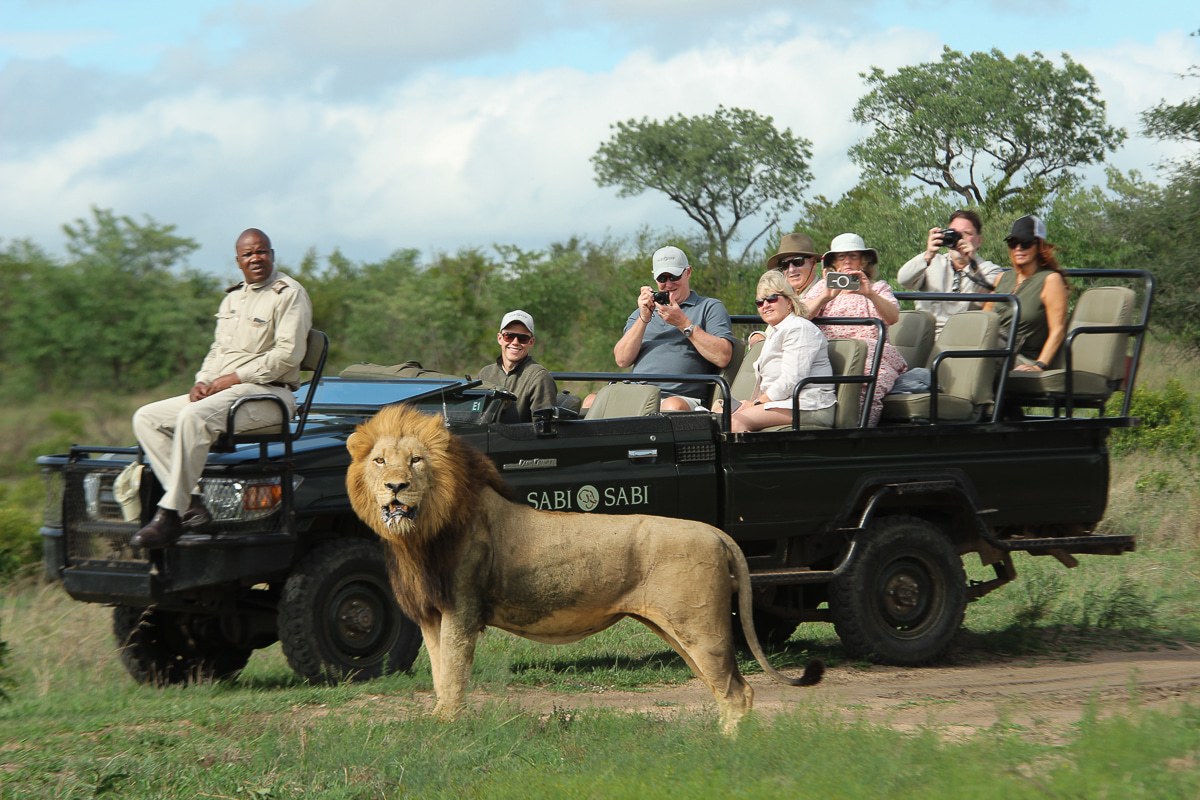
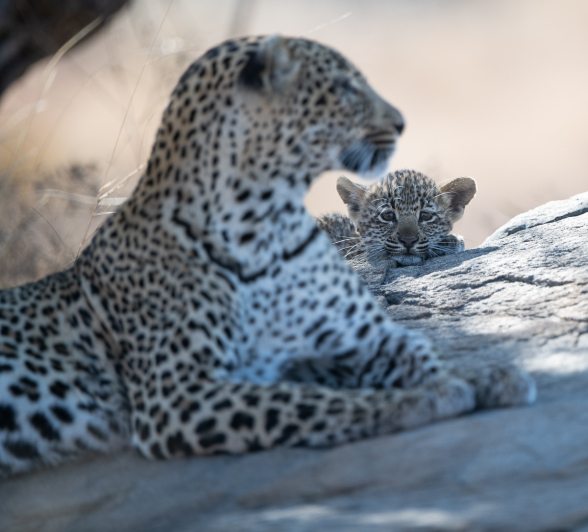
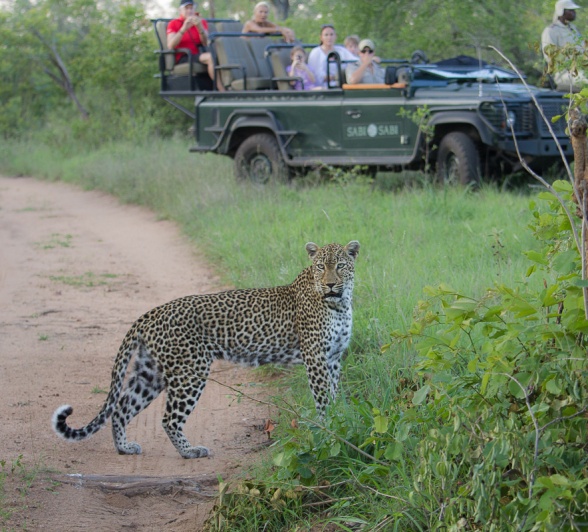
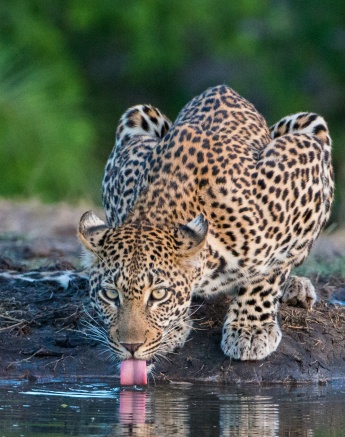
These diverse biomes attract animals in the hundreds of thousands. Crossing between Kruger and Sabi Sand, over 145 species of mammals can be found, while over 500 species of birds fly overhead. Sabi Sand National Park is also the leopard capital of the world. Normally very elusive, the leopards in Sabi Sand are accustomed to safari vehicles, leading to one-in-a-lifetime close-ups with the beautiful creatures.
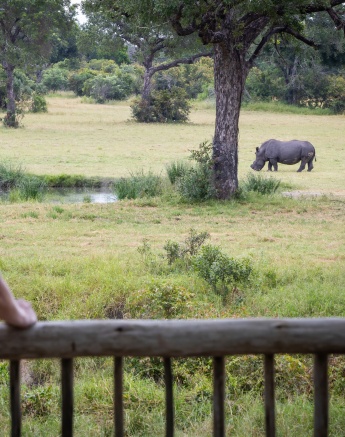
Experience the incredible wildlife diversity of each magical biome on a range of Sabi Sabi wildlife expeditions. Each Sabi Sabi game drive is a journey of anticipation. You start your trip traversing the stunning landscapes on a safari vehicle, looking for the untamed inhabitants of southern Africa, until you find one. An extraordinary creature like a rhino, which comes so close to the experience, feels intimate.
Sabi Sand Safaris: The Seasons
Sabi Sand National Park is a year-round safari destination in South Africa with two very distinct seasons. The wet (green) and the dry seasons each transform the reserve into entirely different worlds.
Sabi Sand experiences its wet season in the South African summer. From October to April, rain in the region steadily increases, transforming arid grasslands into vibrant green, lush grass. It also replenishes permanent water sources and creates new watering holes across the reserve.
Winter is when Sabi Sabi has its dry season. This is also the best time to experience a safari at Sabi Sand. From May to September, there is very little rain. Water sources shrink and even disappear over time, and the vegetation dries out. With the vegetation thinned and few water sources to pick from, our world-class safari team knows exactly where to go to encounter Africa’s wildest.
How Seasons Affect the Sabi Sand Safari Experience
Each season at Sabi Sand National Park in South Africa is completely unmistakable.
In the wet months (October to April), the vegetation across its open grasslands and dense bushvelds turns a magnificent shade of green. Its rivers, waterways, and watering holes fill up with water. The abundance of water brings a burst of life to the area. Migratory species return to the Sabi Sand National Park, while endemic species give birth to calves and pups.
The dry season is when almost all the vegetation turns a yellow-brownish colour. Bushes begin to thin out while the grasslands open up. Water also becomes scarcer with no new rain to replenish the many drying watering holes around the Sabi Sand Reserve.
So, when should you visit Sabi Sand National Park? The wet season is ideal for immersing yourself in the incredible landscape diversity. The dry season, however, is unrivalled for wildlife spotting opportunities. The thinner vegetation gives wildlife enthusiasts better visibility across the vast wilderness, while limited water sources make it easier for our expert guides to track large game and predators.
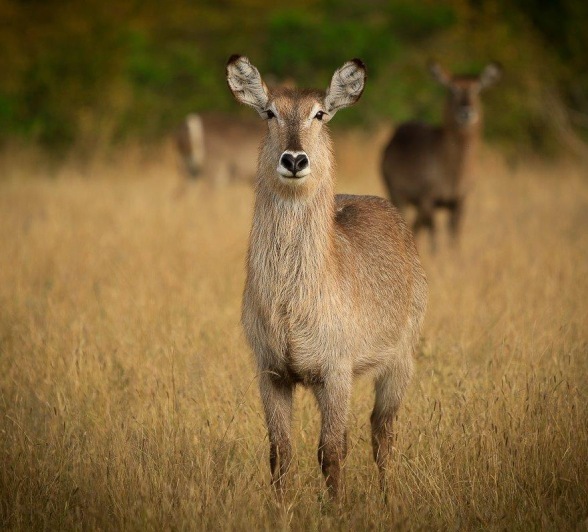
Sabi Sand Safaris: May to October - Dry Season
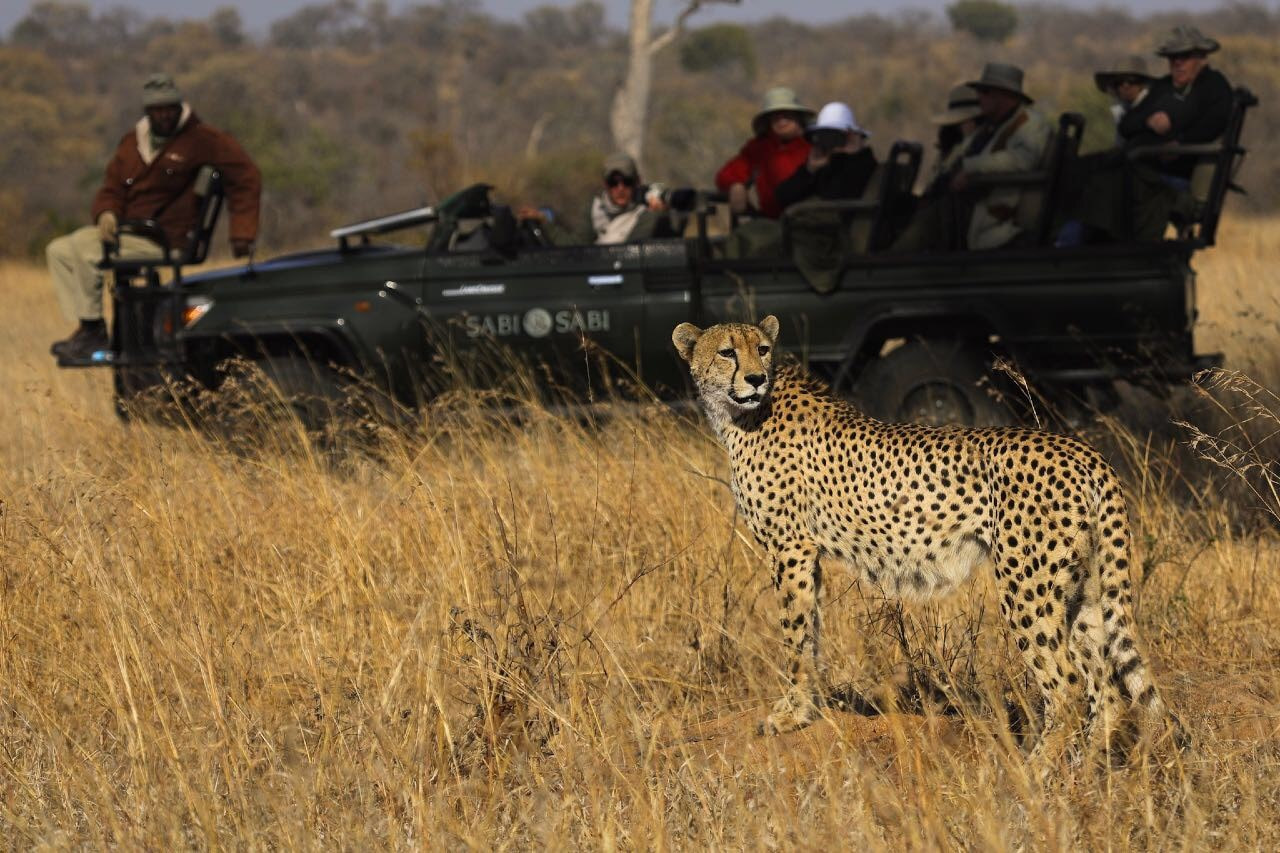
Between May and October, Sabi Sand National Park is at its best for wildlife viewing. Its dense bushveld thins out, the already open savannas broaden even further, while water becomes limited as the rains stop and heat increases. This means your wildlife spotting adventure in Sabi Sand will be at its best.
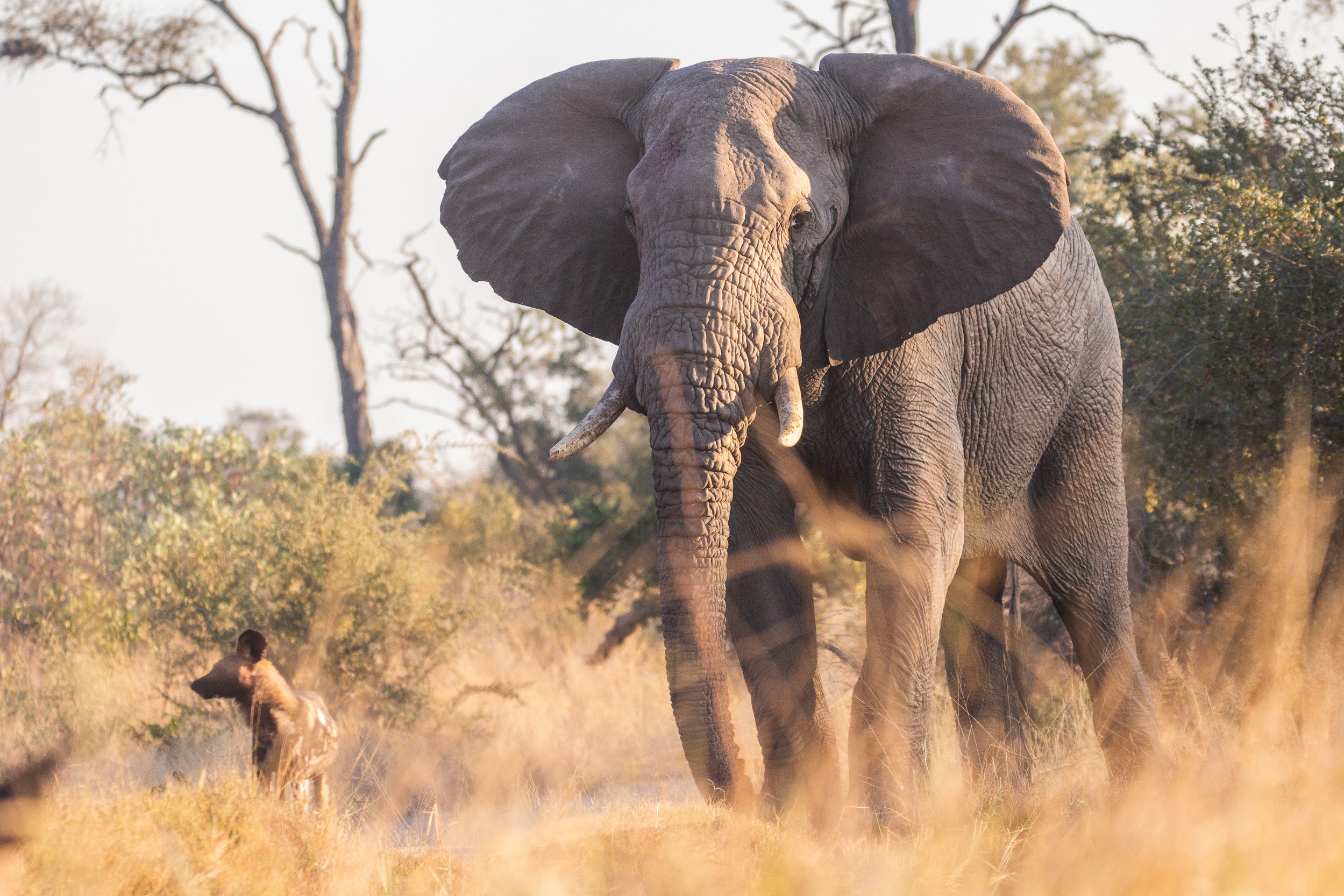
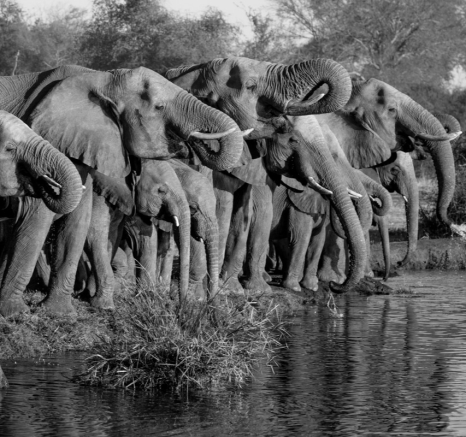
The open plains give unobstructed views of massive herds of elephants in search of food, while the scarcity of water can always net us a sighting of a predator stalking its prey by a permanent water source.
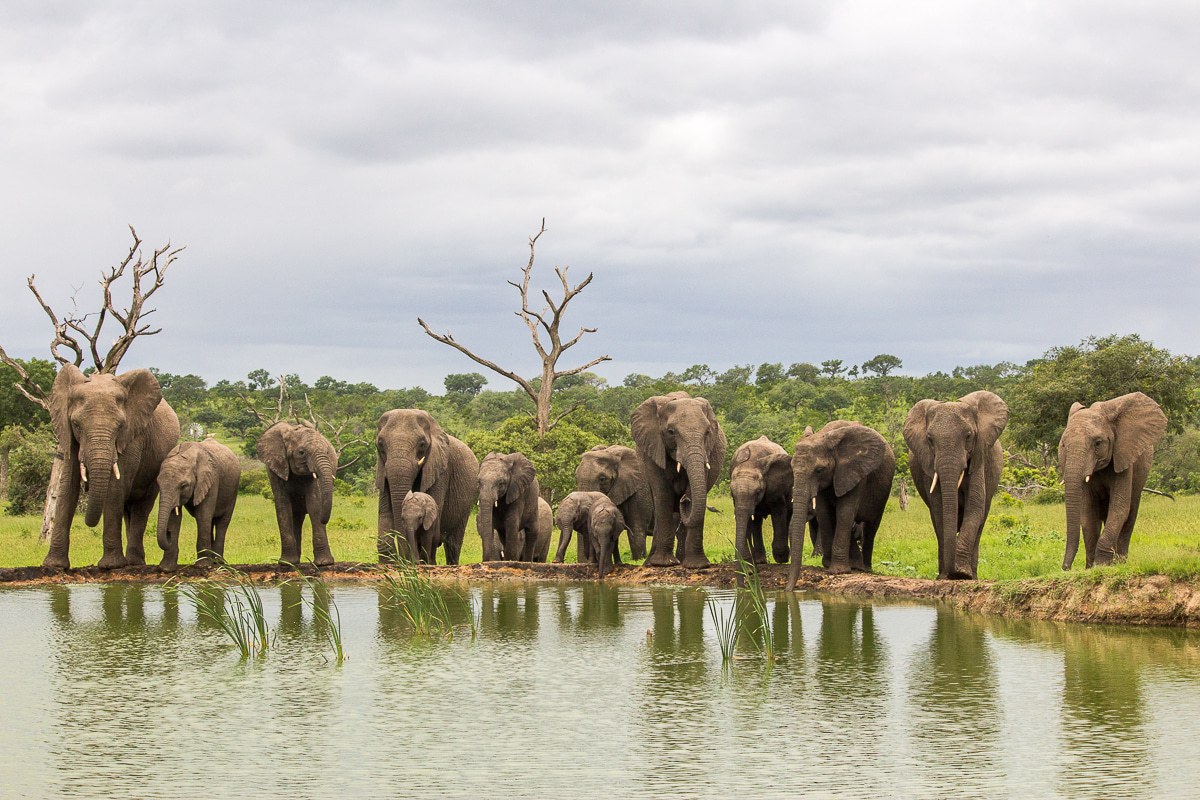
Sabi Sand - Safari Times - Dry Season
Sabi Sand National Park is one of the most beautiful safari destinations in the world, boasting an unimaginable density of wildlife across its varied biomes. With unmatched daytime visibility and predictable wildlife behaviour, our expertly trained guides read stories in the sand and track the wildlife’s movements.
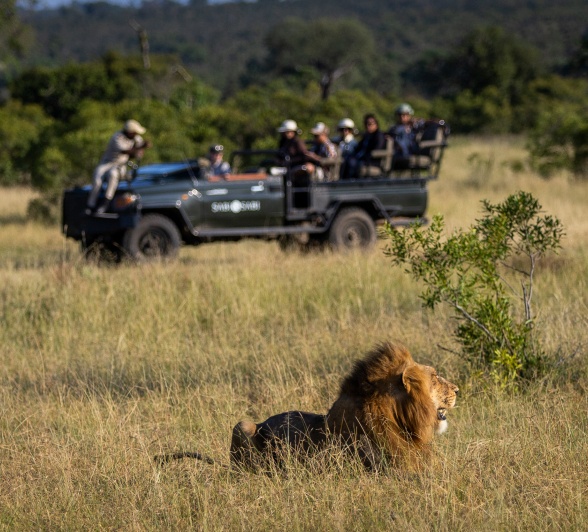
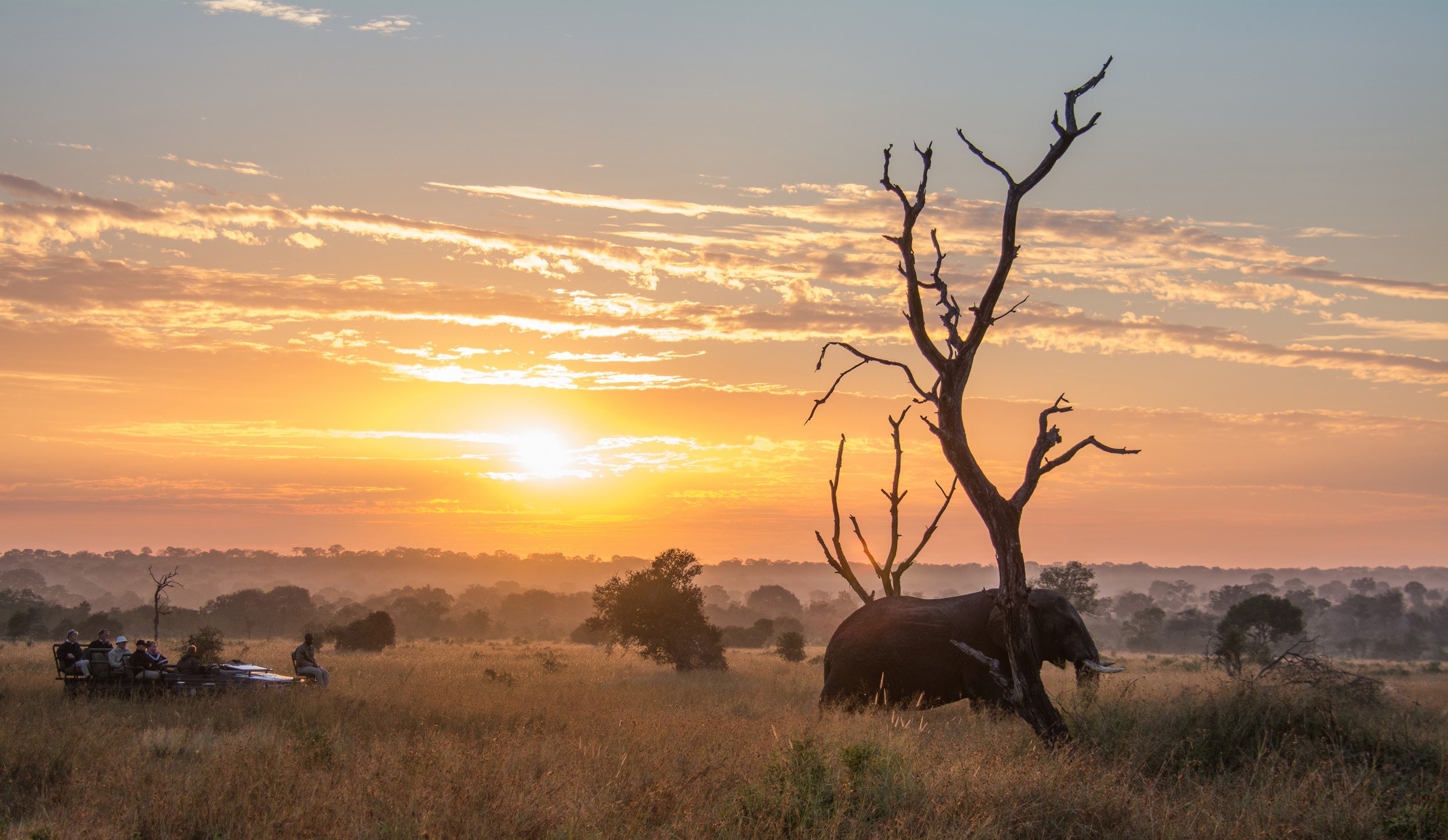
These untamed wildlife experiences in Sabi Sand National Park occur from dawn to dusk. Start your morning with a thrilling 4X4 safari to the open savannas when lions are most active during the day. Next, take a leisurely walking safari to the Sabie River and watch as massive elephants mud bathe and drink water in front of other plains game and their stalkers. Then, finally, go on a night safari when all the nocturnal creatures of the night come alive while the undimmed brilliance of the night sky’s canopy shines down.
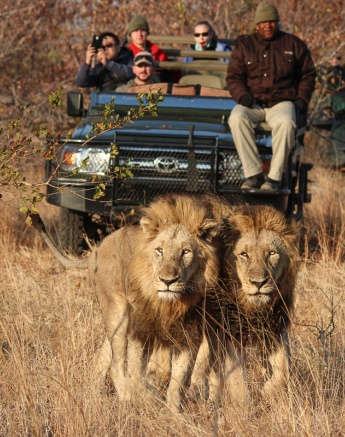
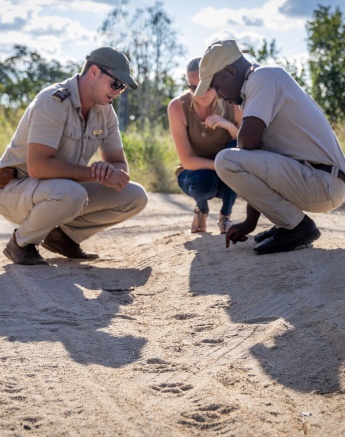
Sabi Sand - Early Morning Safaris - Dry Season
The dry season’s early morning is the perfect time to go on a guided wildlife safari in Sabi Sand National Park.
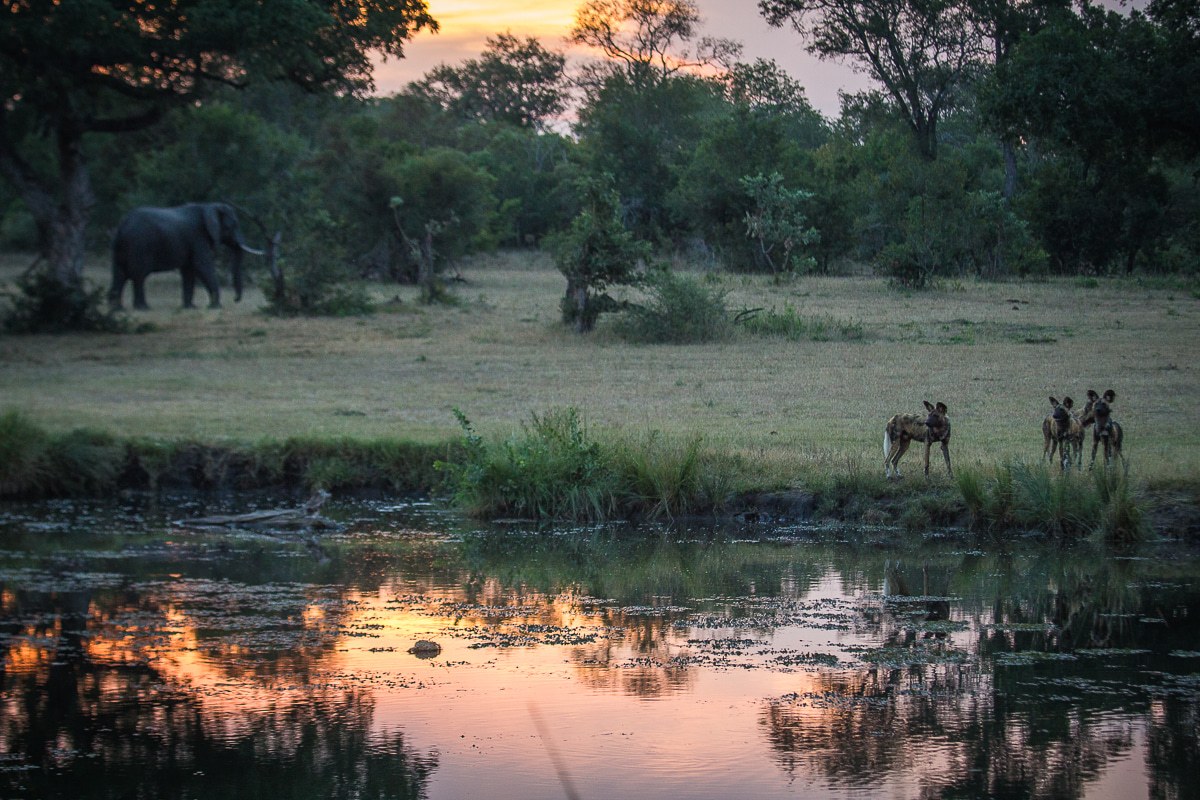
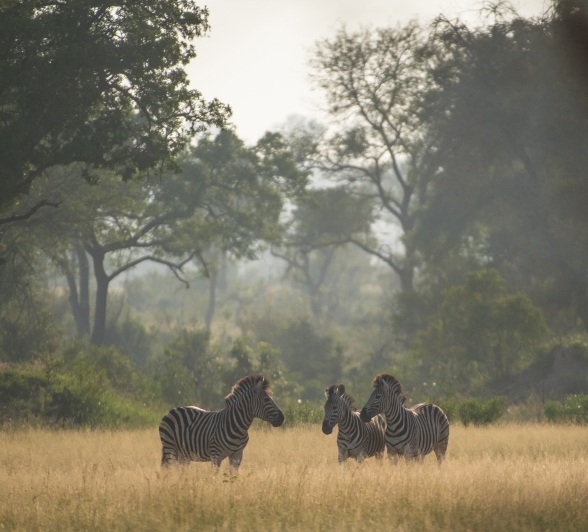
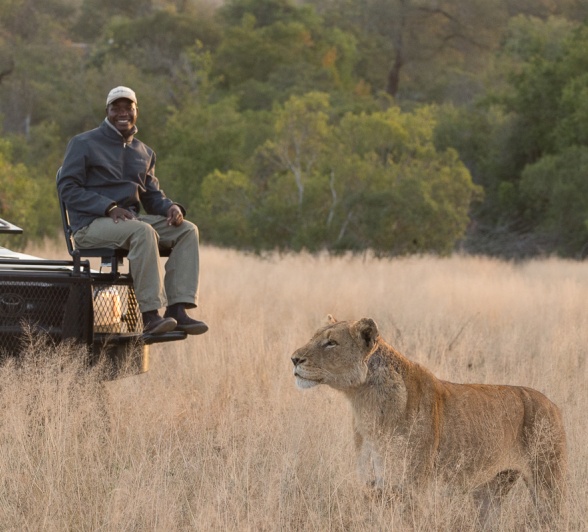
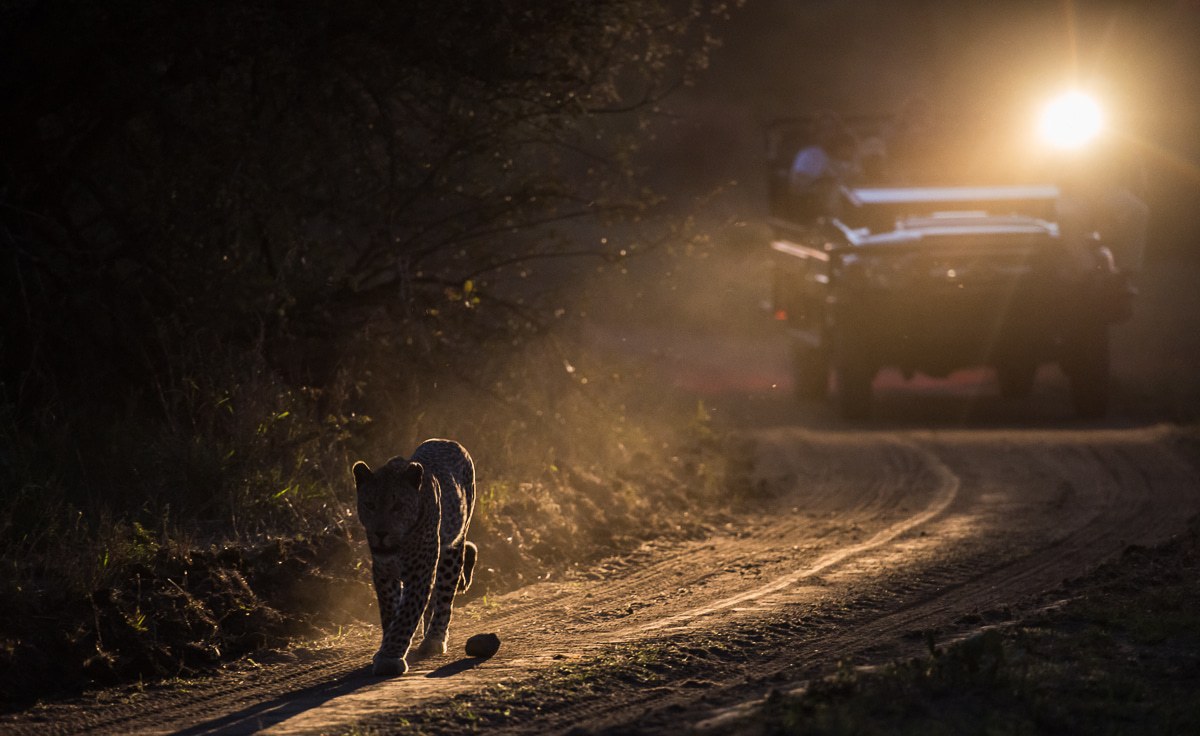
Early morning safaris typically start at dawn when predators like leopards and lions are still hunting game like impala and zebra in the cool morning air. The chill might require a blanket, but as your wildlife experience in South Africa unfolds, temperatures will start to rise as you encounter more and more wonderful wildlife sightings.
Sabi Sand - Mid-Day Safaris - Dry Season
Witness Africa at a slower pace during an afternoon safari in an untamed paradise.
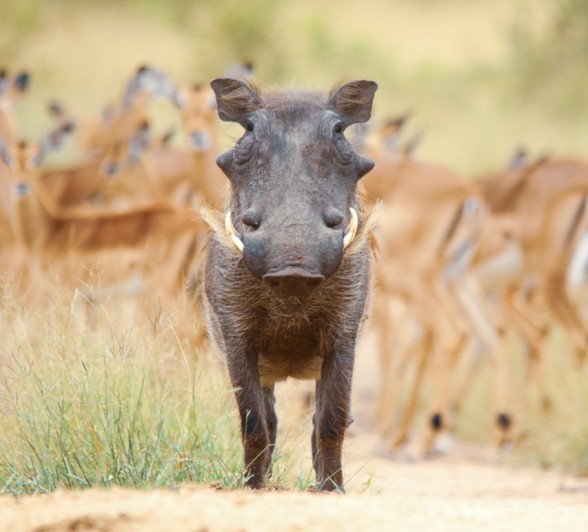
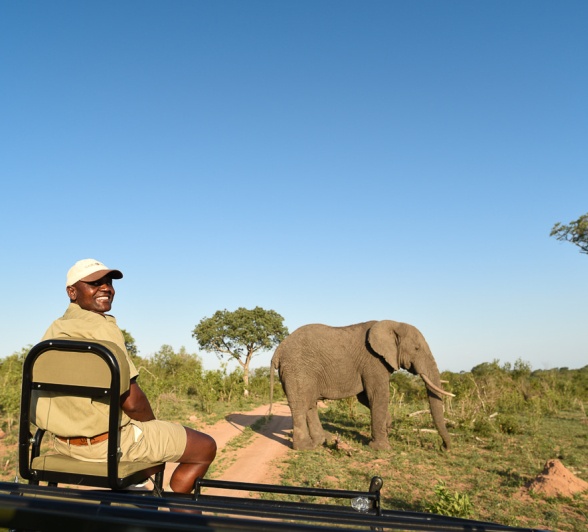
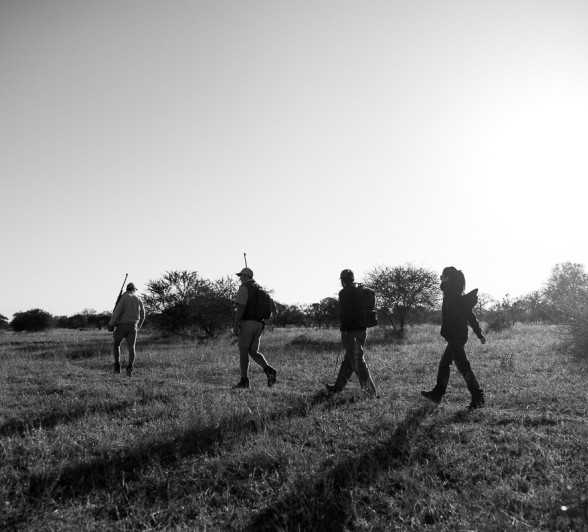
Wildlife moves more slowly, or even not at all, during midday (11:00 to 14:00). This makes a walking safari in Sabi Sand National Park the ideal way to come up close and personal with wildlife like elephants and antelope while immersed in the world they spend their whole lives in.
Sabi Sand - Afternoon & Sunset Safaris - Dry Season
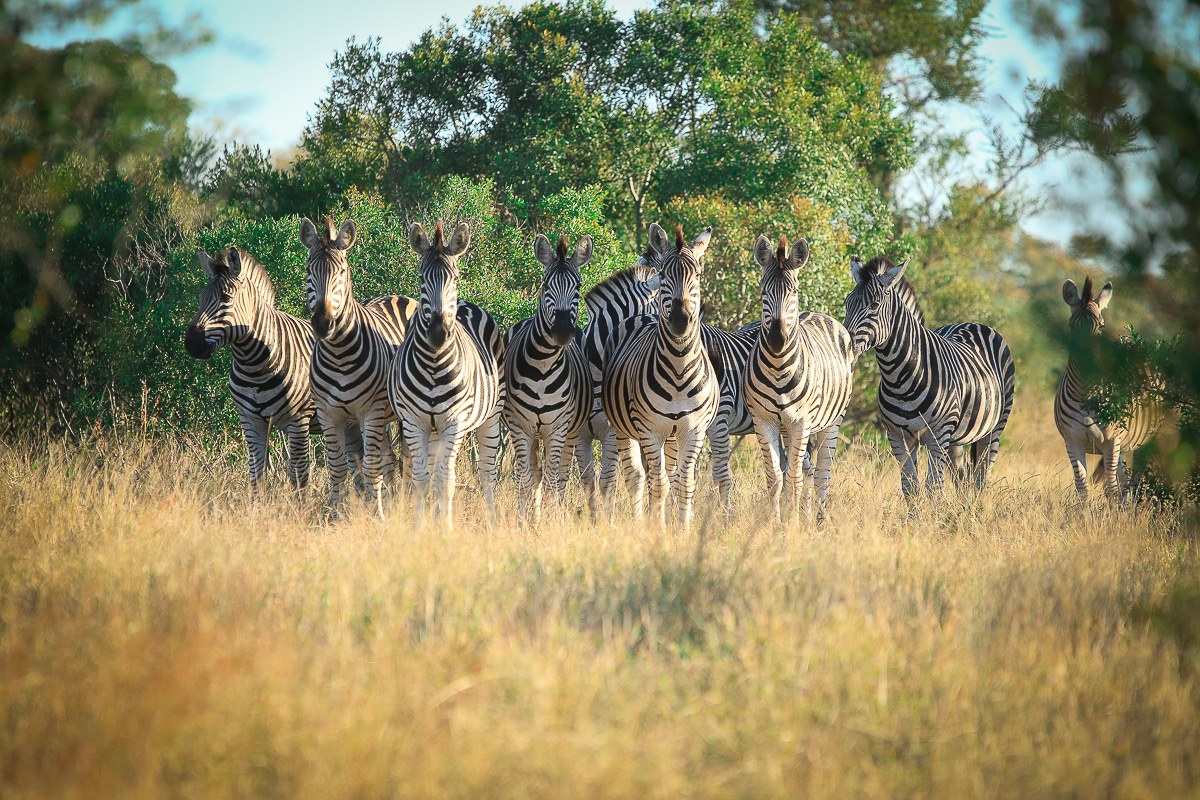
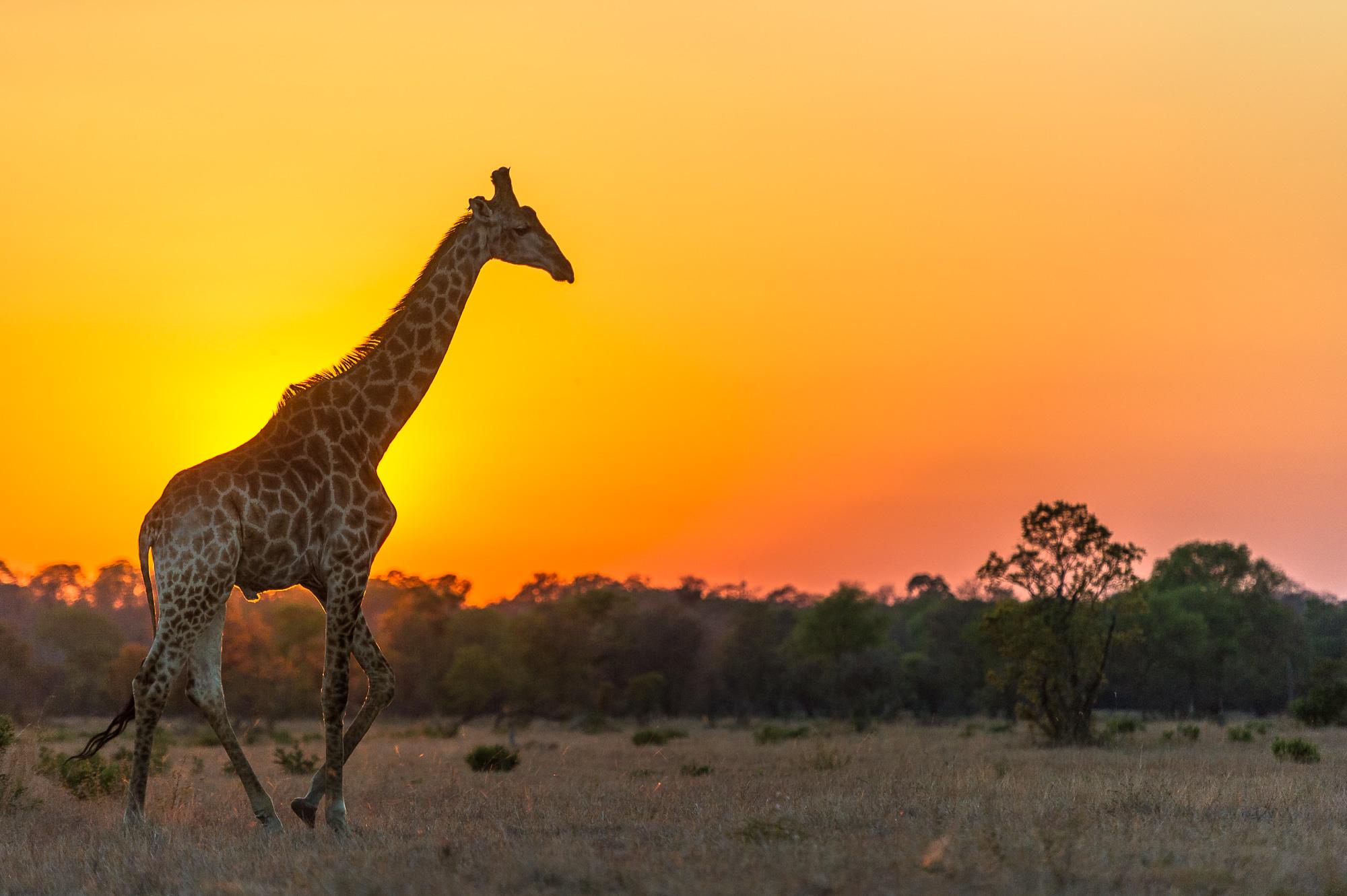
Temperatures cool down from 15:30 to 18:30, and this is also when previously inactive animals start stirring.
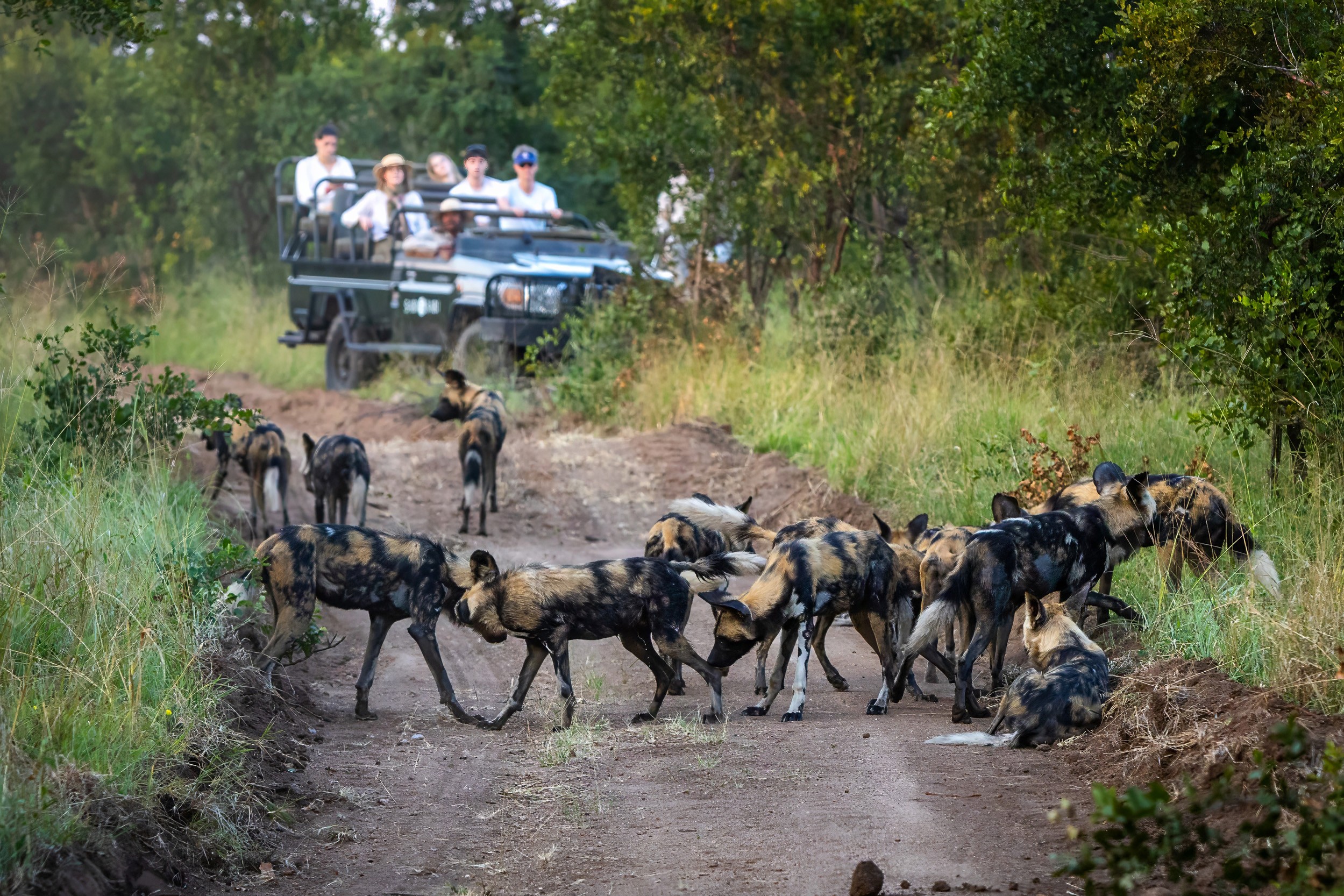
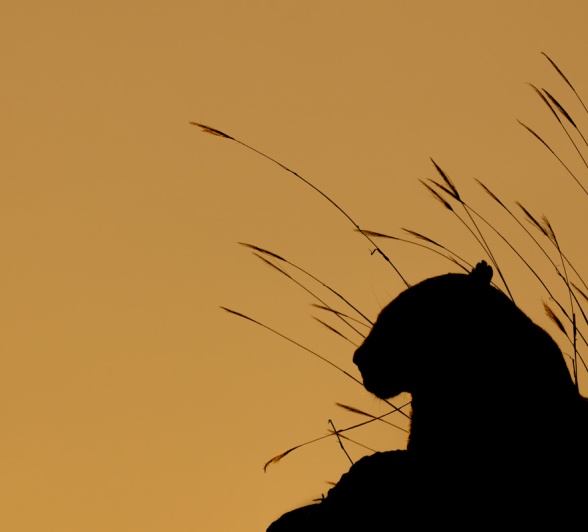
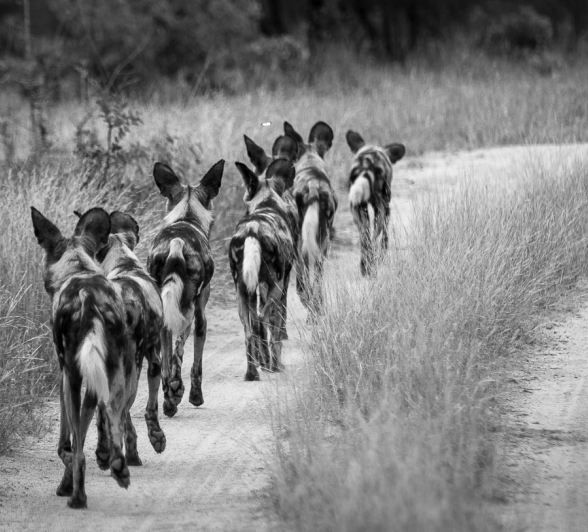
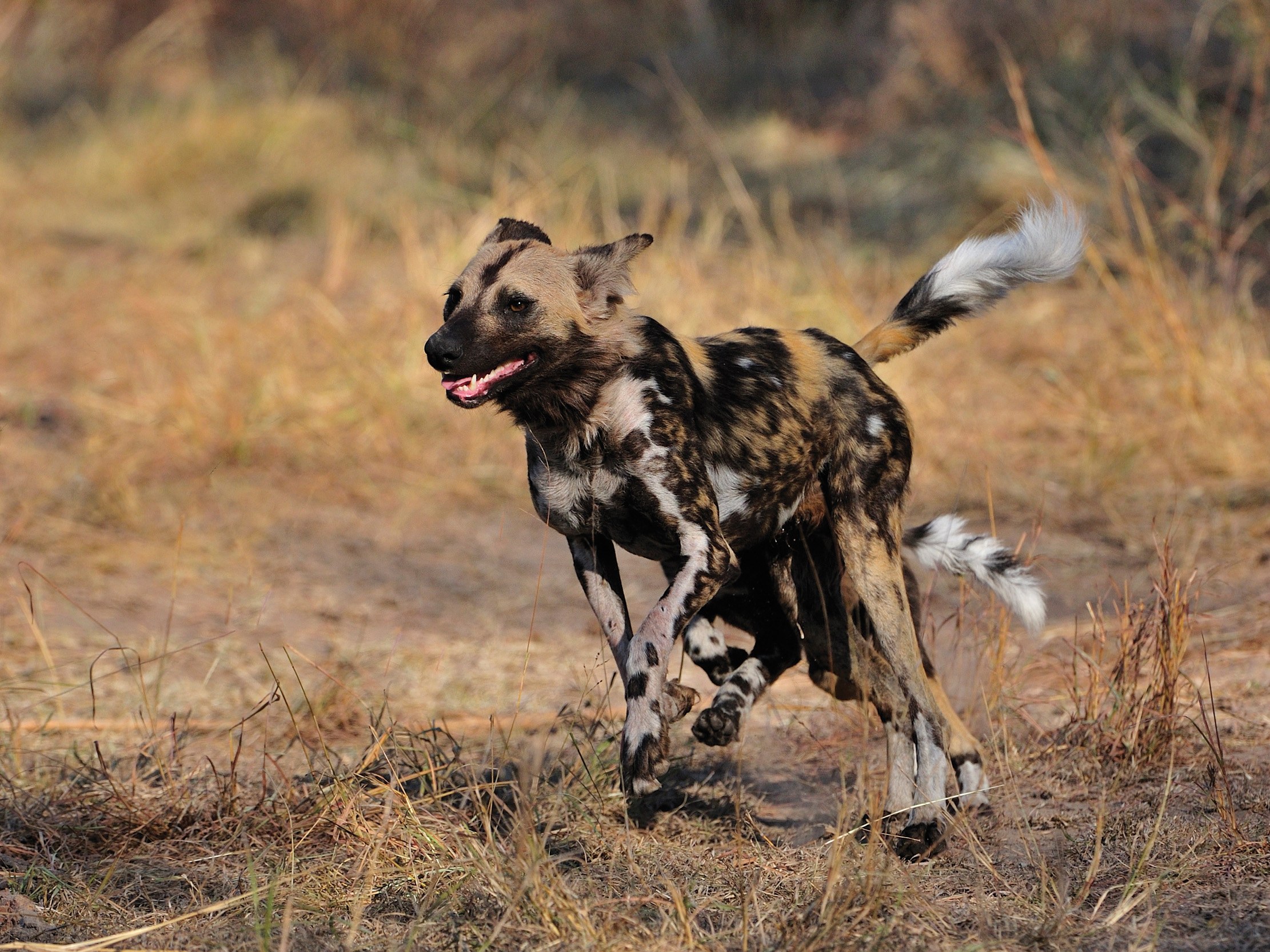
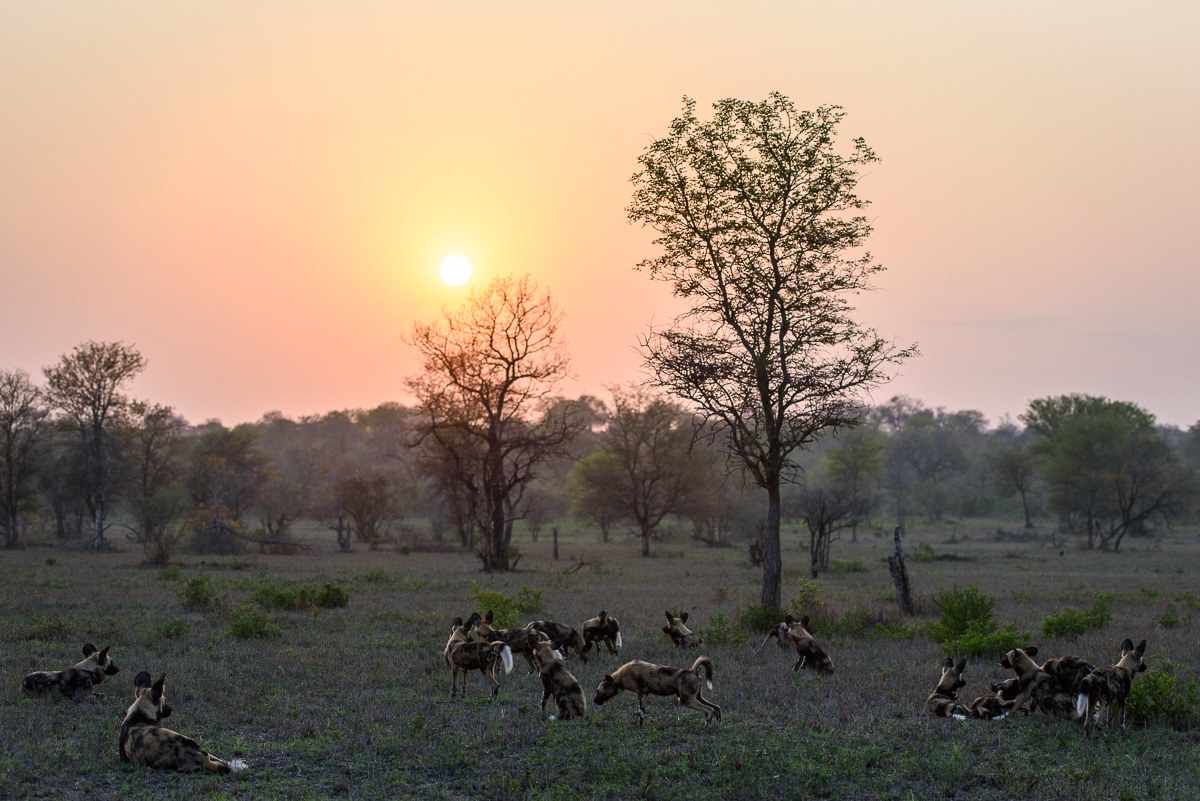
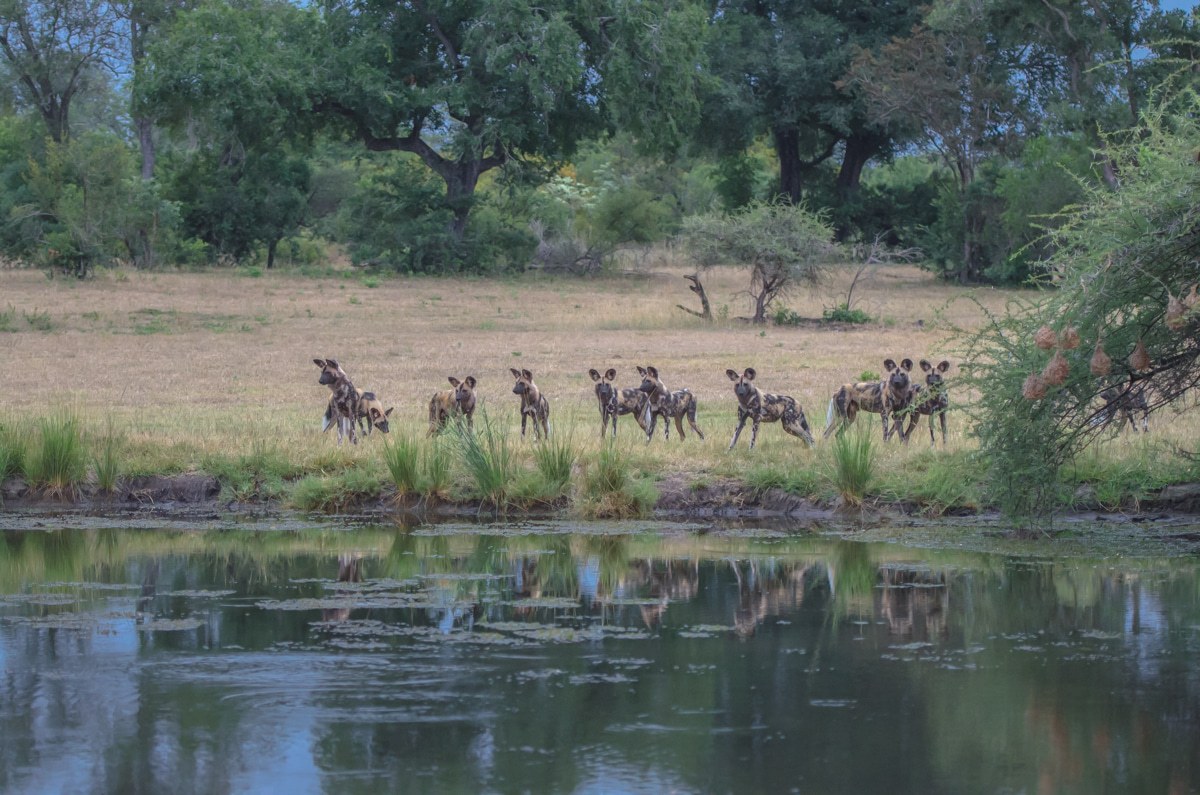
Predators like leopards, lions, and African wild dogs are now looking to sate their hunger by coordinating their hunting behaviour to catch prey. A late afternoon safari drive in Sabi Sand National Park presents breathtaking predator encounters in unmatched clarity.
Sabi Sand - Night Safaris - Dry Season
Sabi Sand National Park becomes a world born anew once the sun sets.
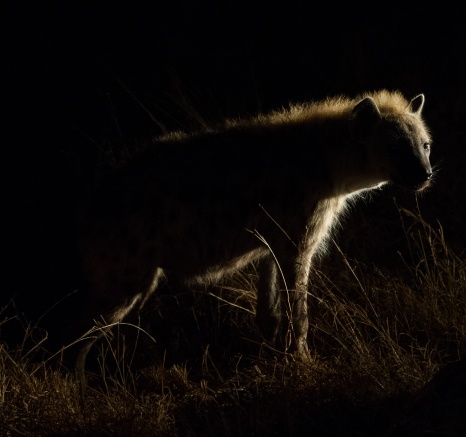
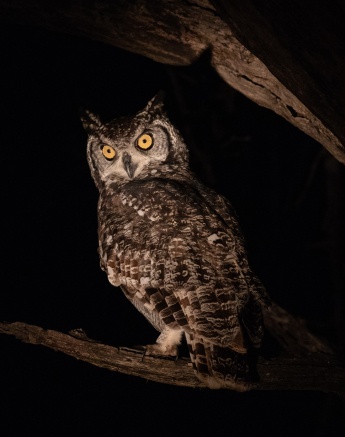
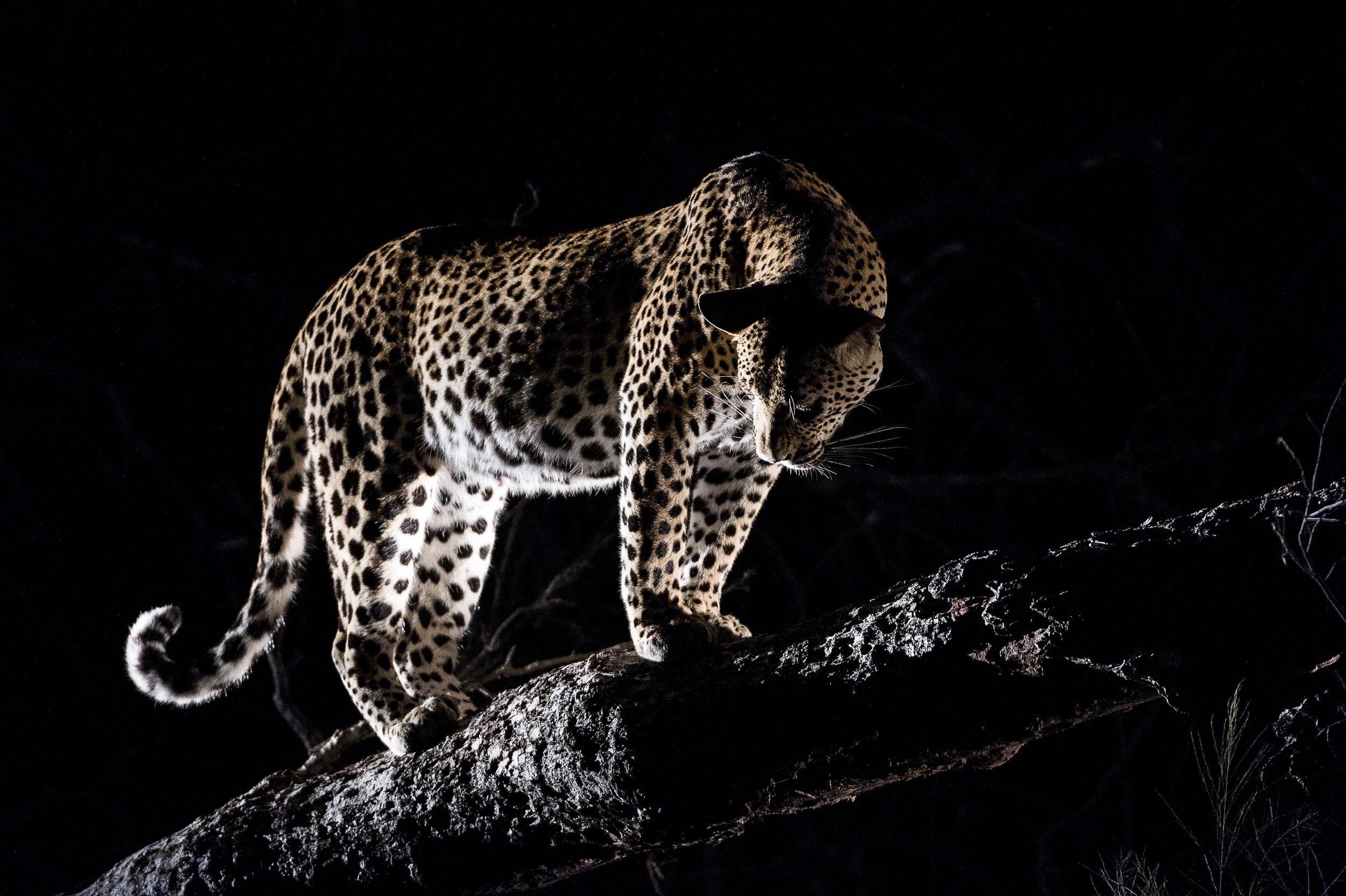
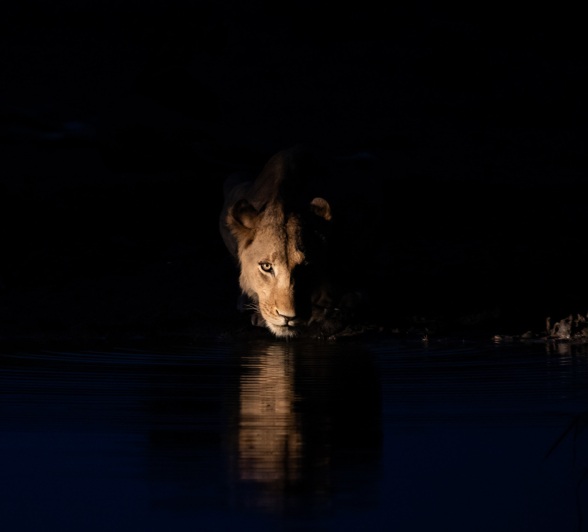
Starting at between 18:30 and 19:00, this time of night offers wildlife enthusiasts an entirely new look at the animal kingdom. Until the sun rises the next morning, predators and nocturnal hunters across the reserve use the cool weather and limited visibility to aid in their search for prey that are now hiding away from their hungry mouths.
With the only light coming from the safari vehicle and a few torches, our skilled guides use all their tools and their sense to read every sight, sound and smell to locate the most adrenaline-pumping safari experiences in Sabi Sand.
Sabi Sand: Weather and Climate in Dry Season
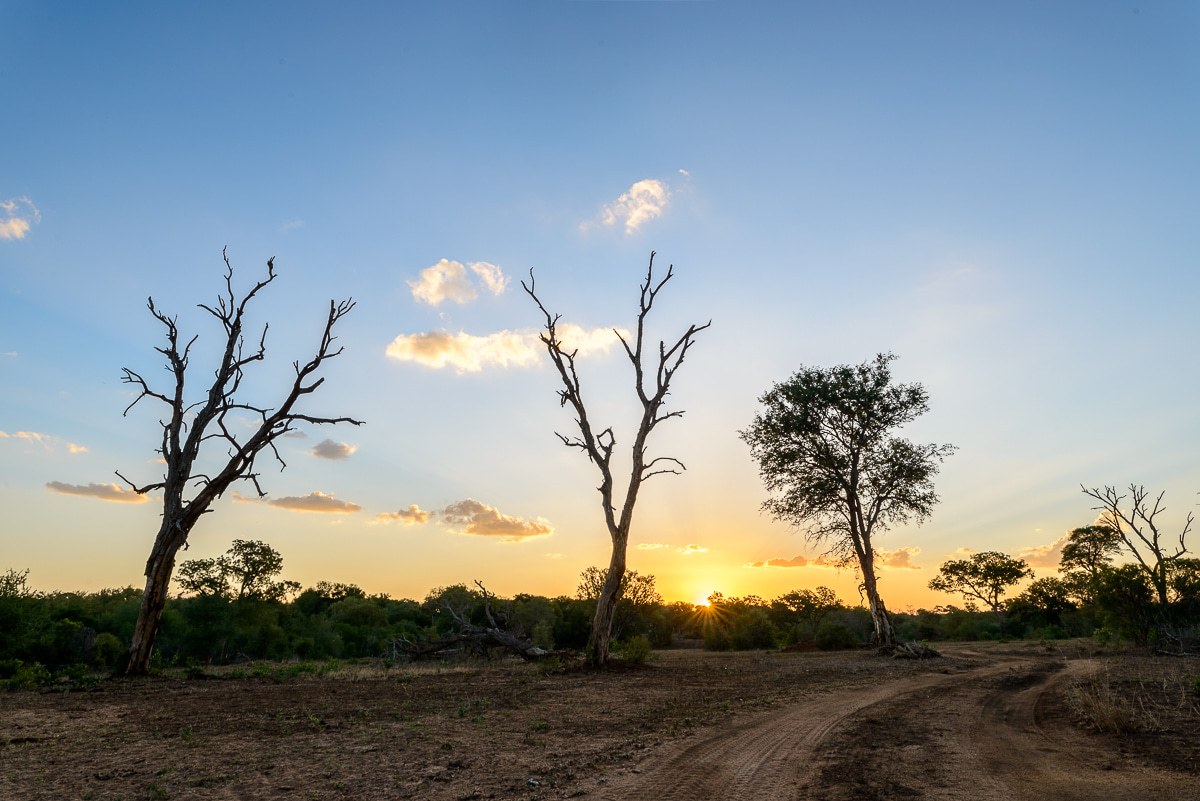
The Sabi Sand National Park is one of the premier safari destinations for unrestricted wildlife viewing, offering beautiful and diverse landscapes during its dry season.
Morning temperatures are cool, usually hovering around 9°C until midday rolls around. Here, the heat can reach a peak of between 24 - 28°C, pleasant conditions for exciting game drives and walking safaris in South Africa. During this time, there is almost no rainfall.
Typical Time Schedules For Sabi Sand Safaris During Dry Season
Morning (06:00 - 09:30): See predators on the move
Midday (12:00) - come face to face with massive herds of game on walking safaris
Afternoon & Sunset (15:00 - 18:30) Elephants bathing and sunset safaris
Evening (camp-dependent): Spot nocturnal wildlife on night safaris
Things to Keep in Mind During the Dry Season in the Sabi Sand
What to Wear on a Dry Season Sabi Sand Safari
For the most enjoyable safari experience in Sabi Sand National Park during the dry season, wear layered clothing that can keep you warm during the cool morning safaris, which can also be taken off as the heat increases throughout the day.
Dress in neutral colours like khaki, beige, and green to blend into the natural surroundings of the Sabi Sand reserve. Long-sleeved shirts and trousers are recommended to protect against the harsh African sun and bothersome insects.
Wear closed, comfortable hiking shoes and don’t forget to bring a wide-brimmed hat, sunglasses, and sunscreen.
Photography Tips for a Sabi Sand Dry Season Safari
The dry season in the Sabi Sand National Park presents unmatched wildlife photography opportunities. With the dried-up vegetation allowing for clearer sight lines, paired with clear skies and predictable animal behaviour, capturing pictures of wildlife in Sabi Sand is easiest between May and September.
Take some of your best wildlife photography by incorporating these tips:
Be patient: Animals flock to permanent water sources when temperatures rise, so find a good spot and wait for the wildlife to come to you.
Use the sun to your advantage: For dramatic pictures that look straight out of a nature magazine, use the golden hours in early morning and late evening for the best lighting.
Use fast shutter speeds: Stick to around 1/1000th of a second to capture fast-moving animals with minimal blur.
Shoot from low angles: Lower-angle shots make for more intimate and engaging photos.
Use wide apertures: To avoid busy, cluttered shots, use wide apertures to separate your subject from the background.
Spotting Animals During the Dry Season in the Sabi Sand
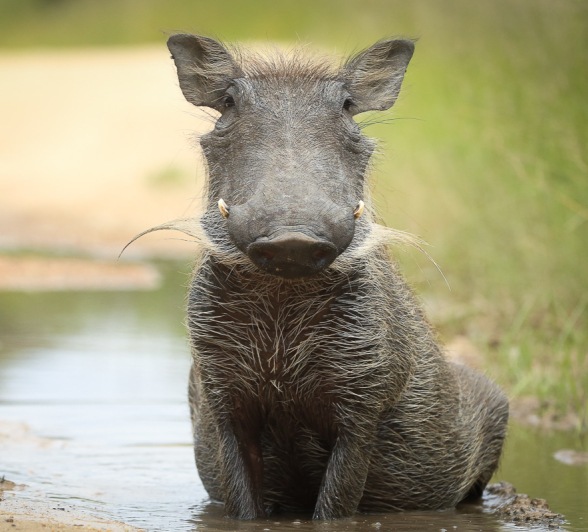
Safaris in the Sabi Sand National Park in the dry season present nature's creatures in their finest and most unrestricted form. Between May and September, this 65,000-hectare private reserve receives little to no rain. The vegetation in the area turns golden yet sparse, while watering holes across the reserve dry up, leaving only a few for all the animals to share.
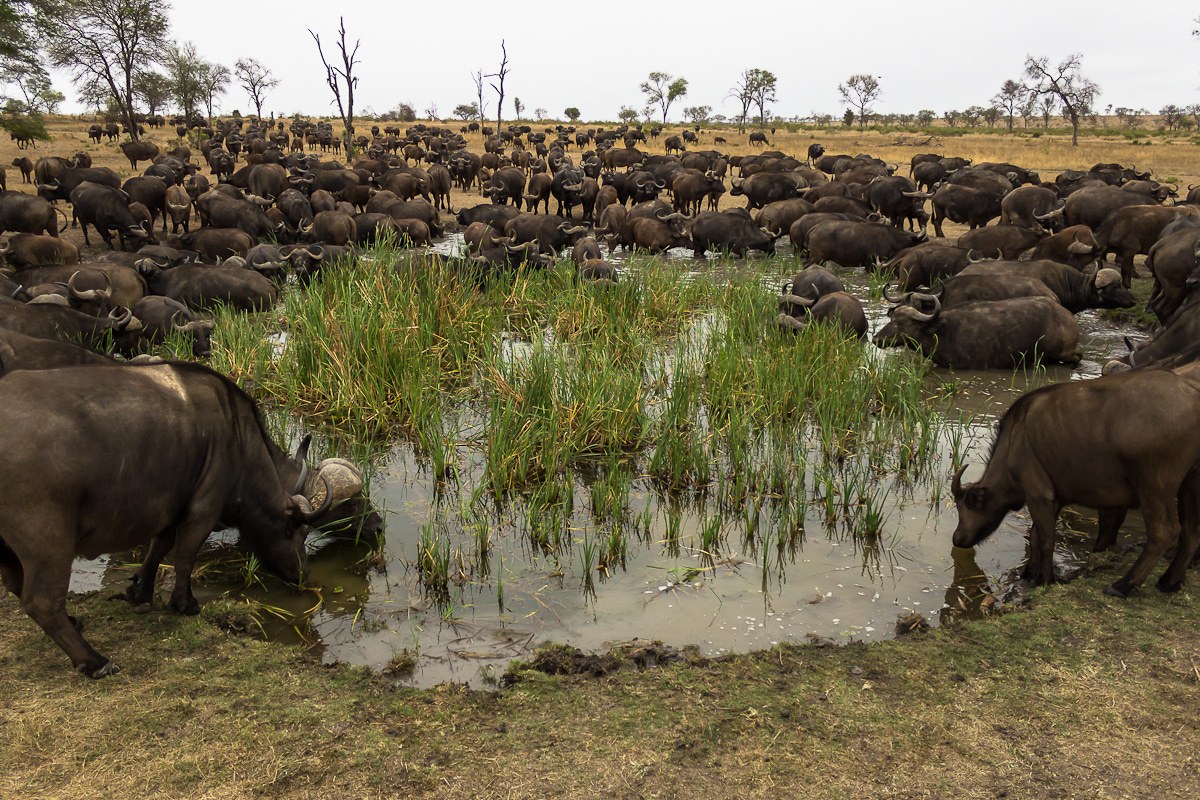
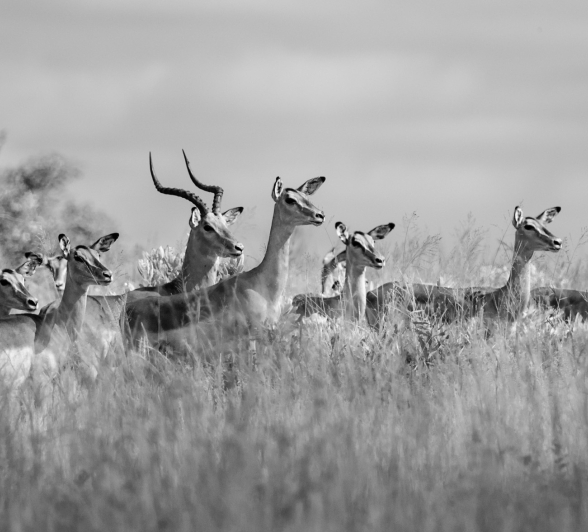
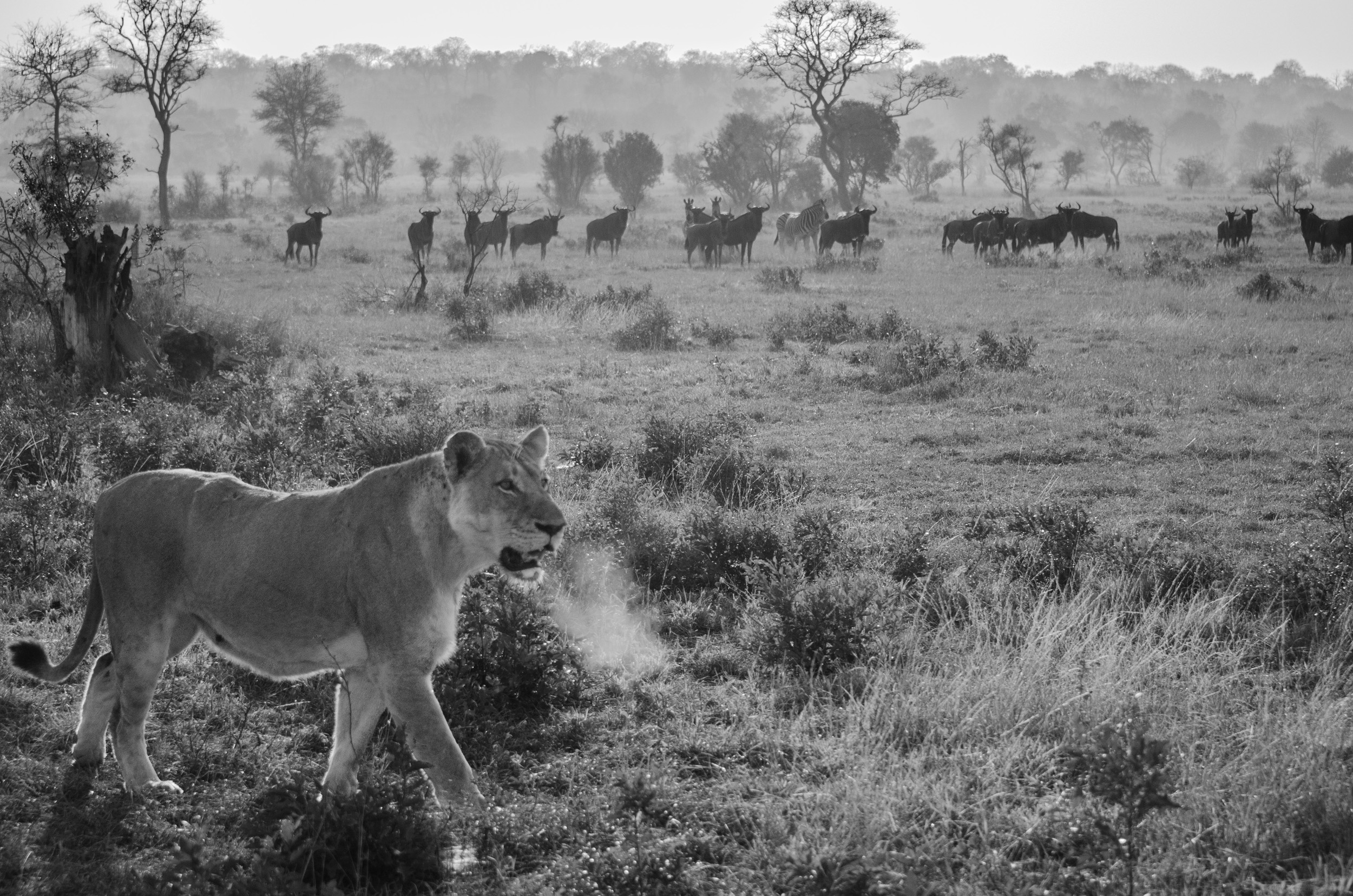
As a result, there is little between you and the most incredible creatures in the world. Lions and their cubs will walk right beside your safari vehicle on their way to drink from a permanent watering hole. There, massive herds of impala, elephants, and buffalo drink together in a spell-binding display of harmony.
The Landscape of the Sabi Sand in the Dry Season
The dry season turns lush landscapes into golden arid savannas. This is no different in Sabi Sand National Park.
Vegetation and thick bushes dry out, leaving long sightlines open for animals and wildlife enthusiasts to traverse, while water sources shrink and disappear. The Sabie and Sand Rivers then become crucial for survival. Massive herds of animals congregate alongside the only patches of green along the river. And closely behind them, predators wait for the perfect moment to strike, or just to take their turn drinking water.
Why the Dry Season is Prime for Game Viewing in the Sabi Sand
Sabi Sand National Park is one of the most spectacular destinations for wildlife encounters during the dry season.
Animal behaviour is very predictable during this time. In the early mornings, late afternoons, and evenings, the wildlife in the area covers massive ground in search of water and food. In the midday, they all slow down their pace and look for shaded areas to escape the afternoon sun.
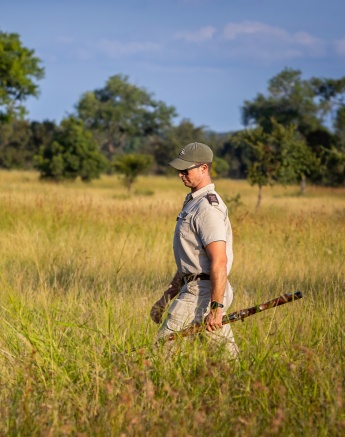
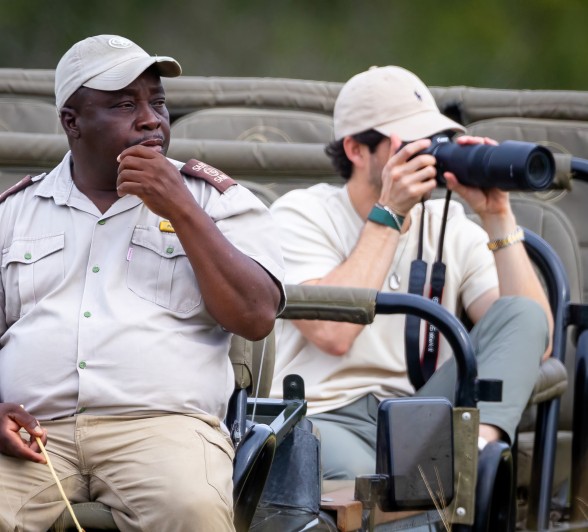
Our expert team of guides has experienced the dry season many times over. They know where and when certain animals might be, and once they pick up the tracks, finding them in the sparse vegetation is much easier.
Health and Safety Tips for a Dry Season Safari in the Sabi Sand
Have the most immersive adventure in the Sabi Sand National Park in South Africa by following these easy health and safety tips.
When going out on safari, stay hydrated and keep some water with you at all times. Wear a wide-brimmed hat, sunglasses, and apply sunscreen to protect yourself from the sun. There are fewer insects during the dry season, but it's still a good idea to have insect repellent, especially if you’re staying near the Sabie and Sand Rivers.
When on safari in the Sabi Sand National Park, following your guide’s instructions is crucial. Always stay a safe distance from the animals while staying as quiet as possible. Always remain in the safari vehicle or on the designated path.
Animals You Can Expect to See at the Sabi Sand in the Dry Season
The dry season in Sabi Sand is one of the most magical places on earth.
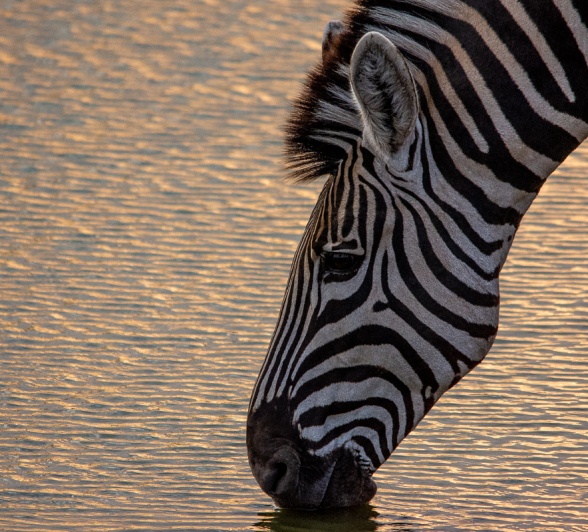
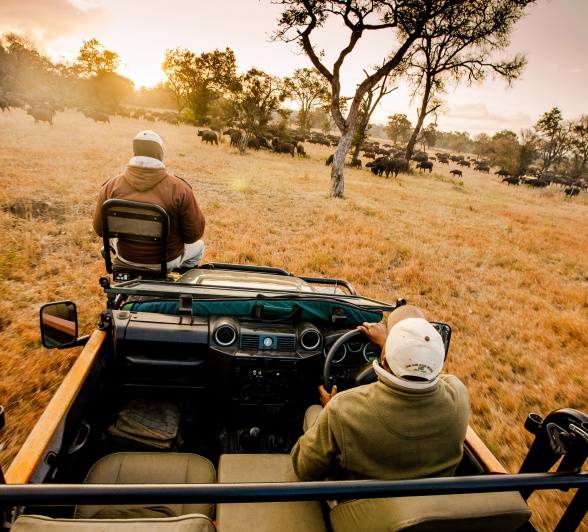
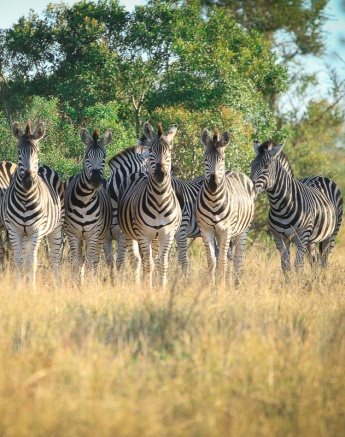
Between May and September, the number of watering holes shrinks dramatically. As a result, herds of herbivores gather at the remaining sources of water and the Sabi and Sand Rivers. Massive breeding herds of elephants, buffalo, zebra, and impala can be spotted in the thousands, all sharing the space along the riverside.
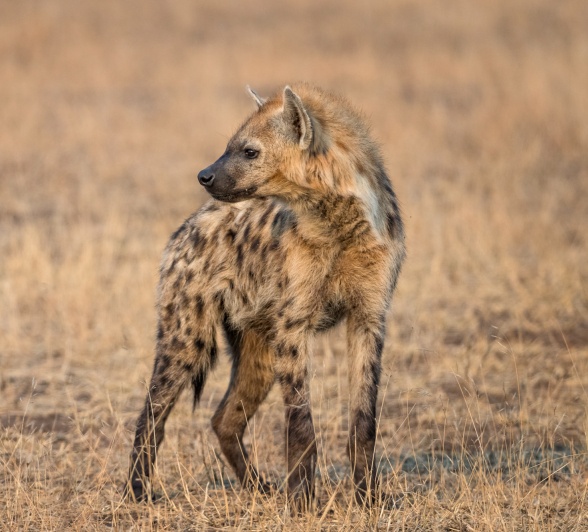
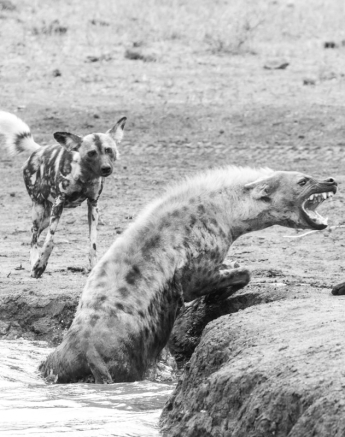
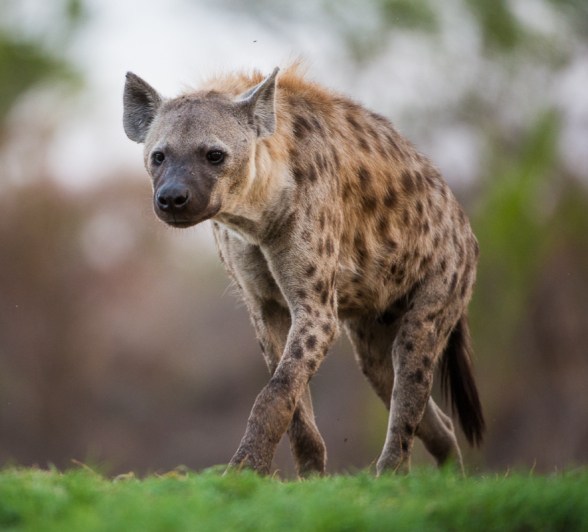
Not far behind them are predators such as lions, African wild dogs, spotted hyenas, and even cheetahs, ready to pounce on the small, elderly, and sick. Leopards are arguably one of the main characters of the Sabi Sand story. The quantity and quality of leopard sightings here are unmatched anywhere else on the African continent.
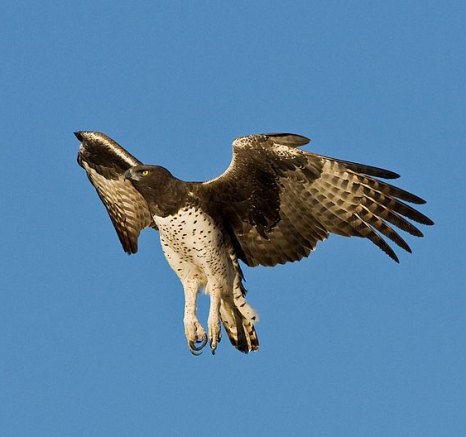
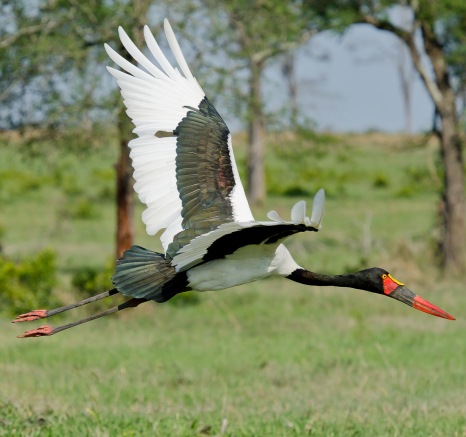
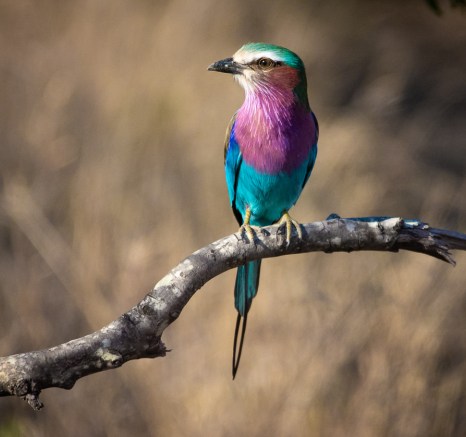
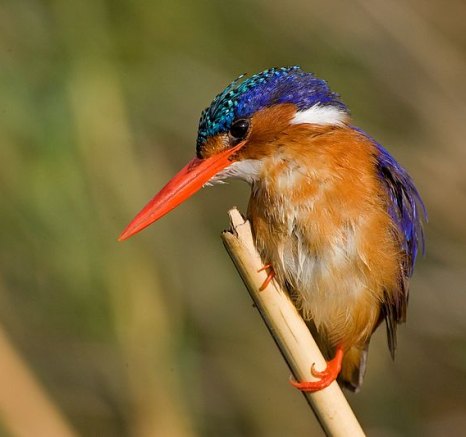
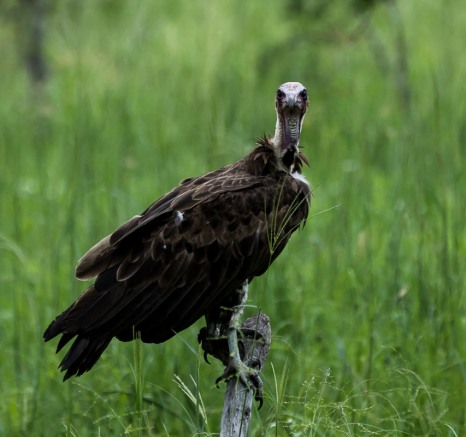
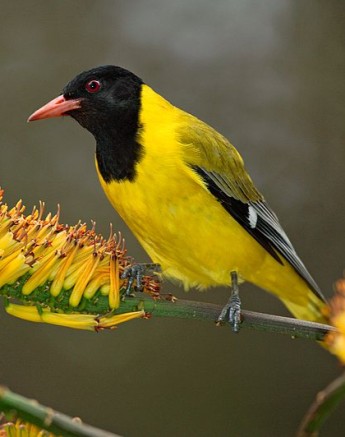
If you look towards the canopies, tree lines, and riverbanks, you can spot up to 250 resident species of birds. African fish eagles, saddle-billed storks, lilac-breasted Roller, and various vulture species can all be spotted on a birding safari with specialised guides from luxury lodge accommodation in Sabi Sand National Park, like Sabi Sabi.
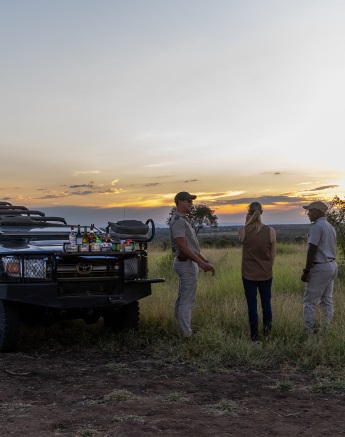
Sabi Sand Safaris: October to April - Wet Season
The wet season in Sabi Sand National Park is when this spectacular destination looks its best.
From October to April, rain falls in abundance on the parched landscapes, transforming the Sabi Sand Reserve into a beautiful tapestry of lush green vegetation, dense bushes and newly bloomed trees.
A safari in Sabi Sand National Park during this season offers more than just incredible wildlife sightings. It also showcases the varied biomes at their most mesmerising.
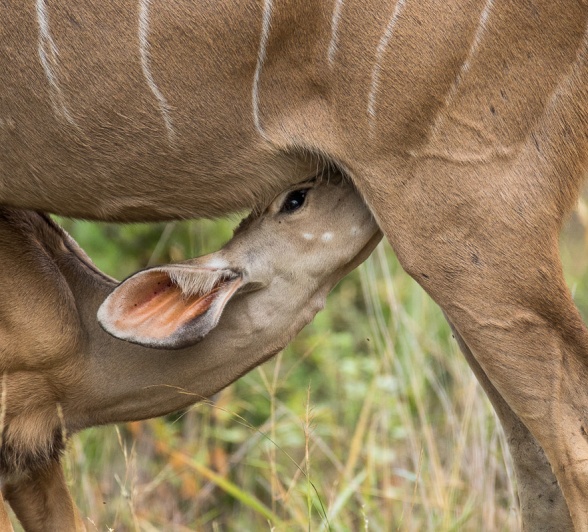
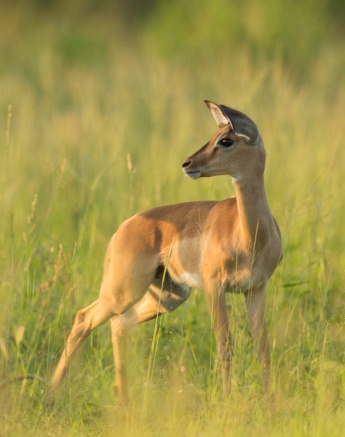
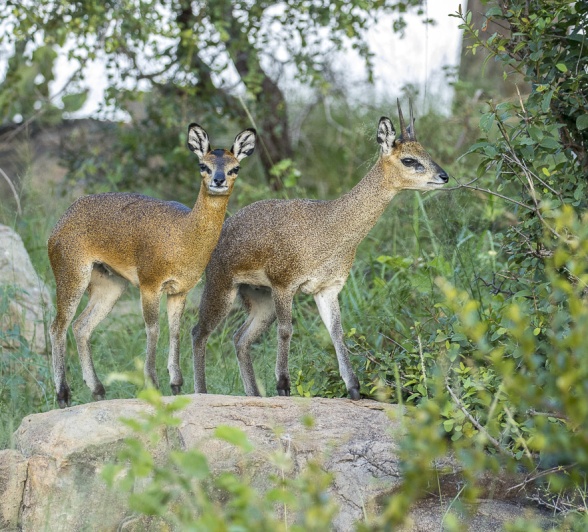
The wet season is also the peak antelope birthing season. The abundance of vegetation and water all around this pristine safari destination nourishes mothers and promotes milk production. The increased vegetation density also provides more cover from predators looking to snatch their young.
The rejuvenated landscape and replenished water sources also invite hundreds of migratory bird species from Europe, Asia, and North America, giving bird watchers the perfect opportunity to go on birdwatching safaris in Sabi Sand National Park.
Notably cooler than the dry season, luxury accommodation offerings like Sabi Sabi’s Earth Lodge provide world-class amenities and warm beverages to keep you warm on early morning safaris in the Sabi Sand Reserve.
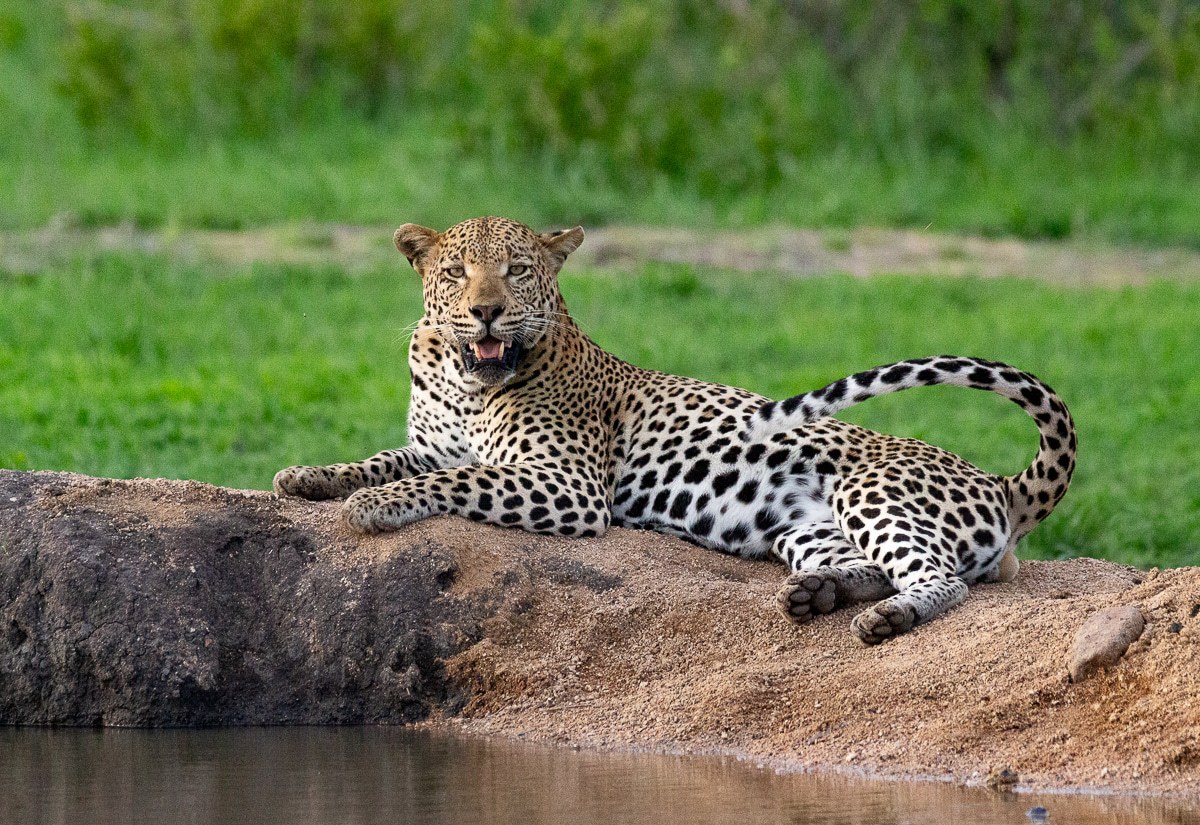
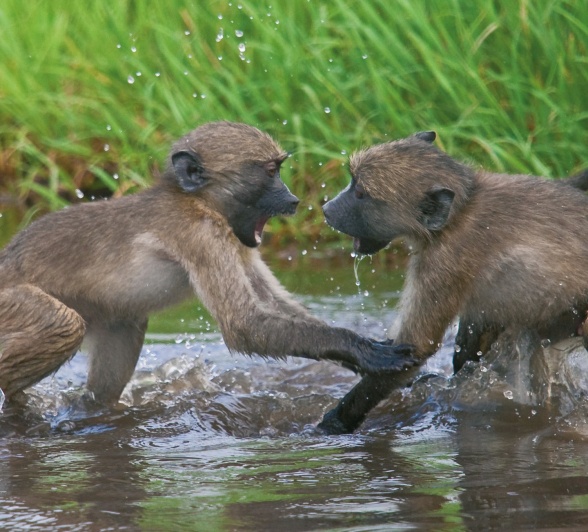
Sabi Sand - Safari Times - Wet Season
The gorgeous Sabi Sand landscape in the wet season provides some of the finest safari experiences in South Africa. Designed to showcase the immeasurable beauty of the African wilderness, adventurers looking to traverse these lands during the wet season can embark on thrilling 4X4 Safaris, immersive walking safaris, and intense night safaris.
Being the wet season, vegetation is thicker and denser. This makes spotting wildlife more difficult because of the added obstruction, and there is less need for animals to gather in large numbers at a single water source. And yet, this makes finally spotting that lion hunt where an antelope is brought down in front of you, even more tense and exciting.
Birdwatching in Sabi Sand National Park becomes even more spectacular in the wet season. Birds from all over the world, like the European roller, Amur falcon, Woodland kingfisher, and common Greenshank, among so many more, flock to the Sabi Sand National Park, where you can spot them on game drives and walking safaris.
Sabi Sand - Early Morning Safaris - Wet Season
Early morning safaris in Sabi Sand National Park start around 5.30 am in the wet season.
Cool and misty weather is often how safari-goers in Sabi Sand experience their first excursion of the day. At this time, predators like lions and leopards take advantage of the weather and are actively on the hunt.
However, as you drive from one amazing sighting to the next, the lush grasses of the savanna, magical riverine forests, and thick bushveld showcase fresh greenery, home to baby antelope, predators like spotted hyenas, and over 500 species of birds.
Although the vegetation’s density does make spotting these incredible creatures more difficult, with an expert guide and tracker by your side, life-changing safari encounters in Sabi Sand National Park are never far off.
Sabi Sand - Mid-Day Safaris - Wet Season
Midday in Sabi Sand National Park is when the beauty of the region meets the slower pace of this pristine destination’s inhabitants. The gorgeous landscapes are blanketed in brilliant shades of green, while migratory bird species and indigenous wildlife slowdown in the midday heat.
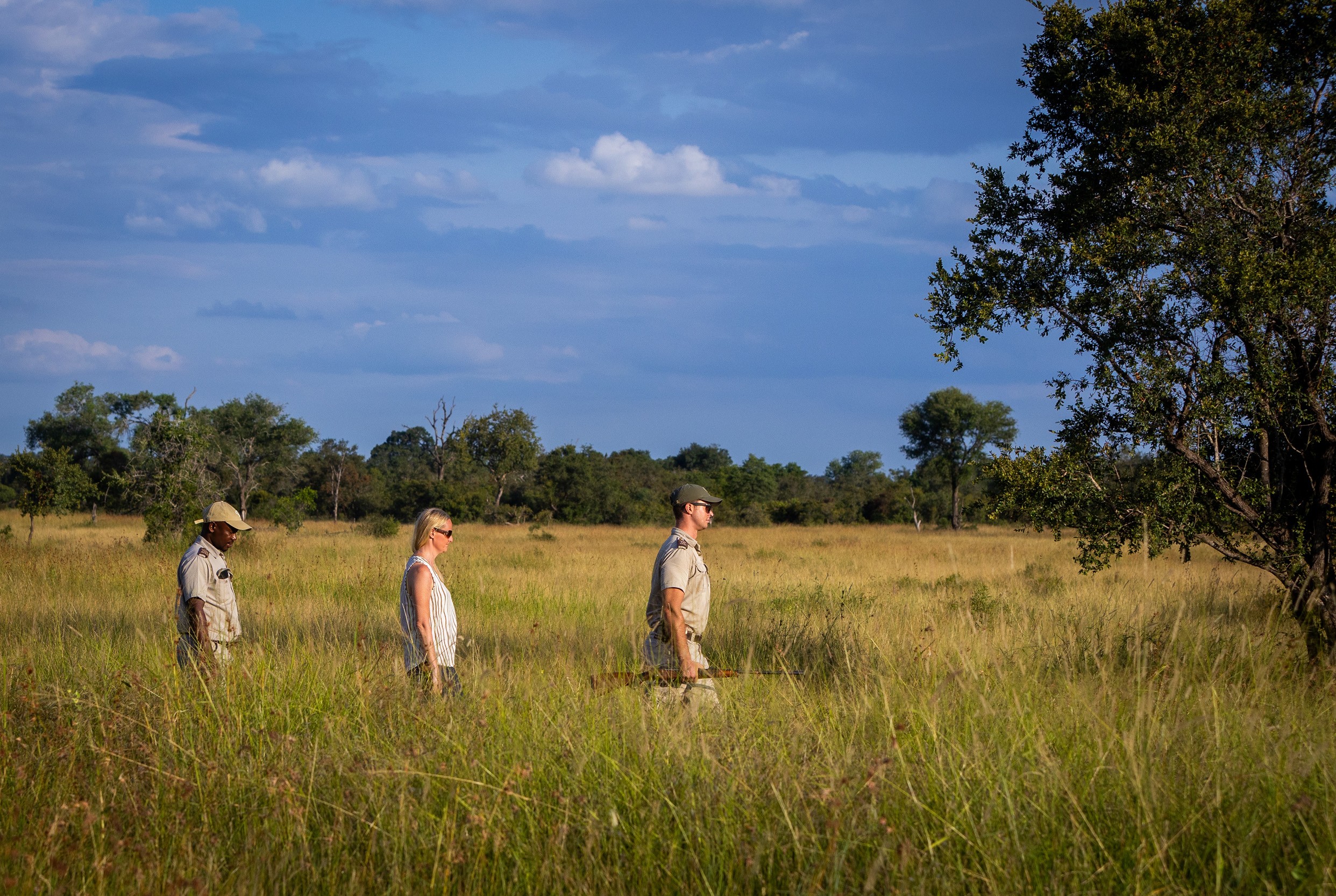
Around this time, the temperature reaches its peak, demanding that everything under the hot African sun slow its pace. This is the perfect time to go on a guided walking safari in Sabi Sand National Park. With years of training under their belt, the expert guides can track down most animals and lead you to a face-to-face encounter with massive elephants feeding on trees, leopards resting in trees, and young antelopes pouncing around the plains.
Sabi Sand - Afternoon & Sunset Safaris - Wet Season
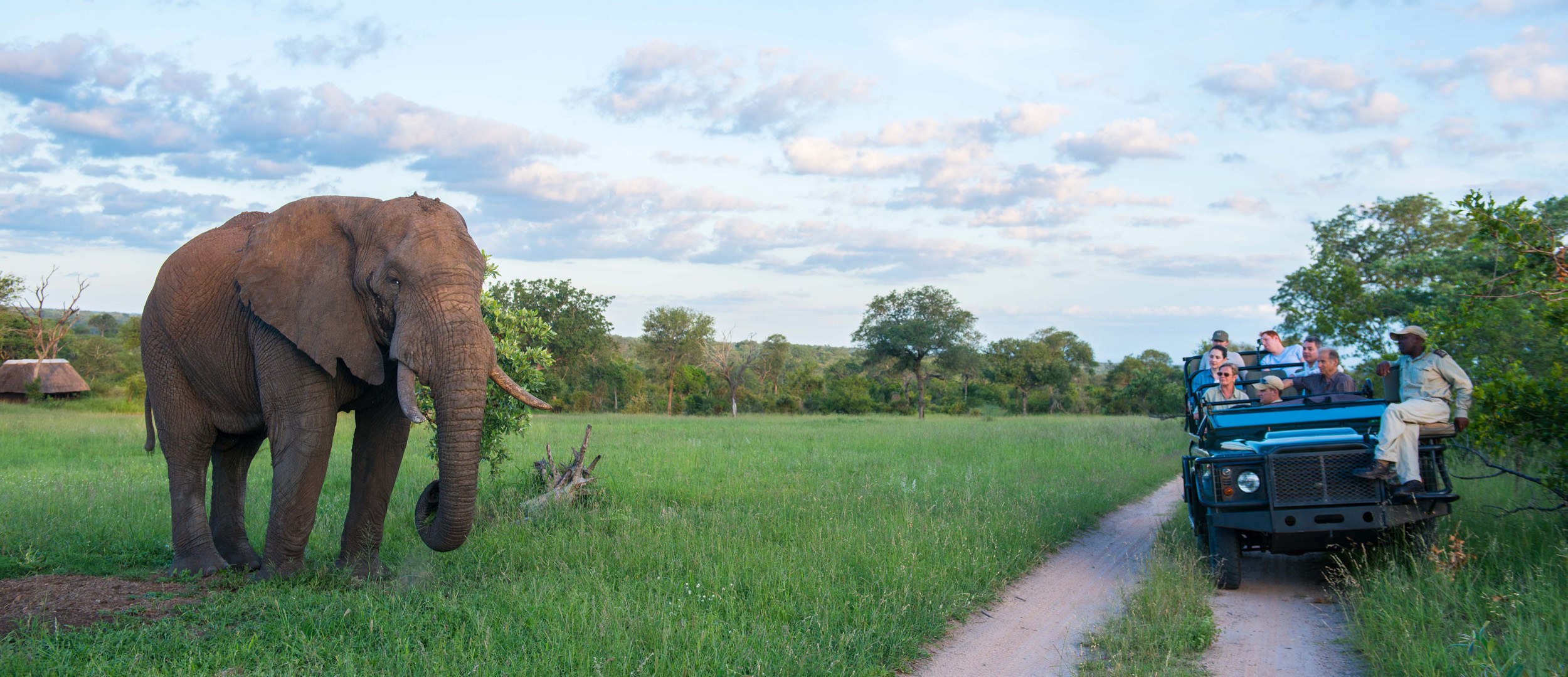
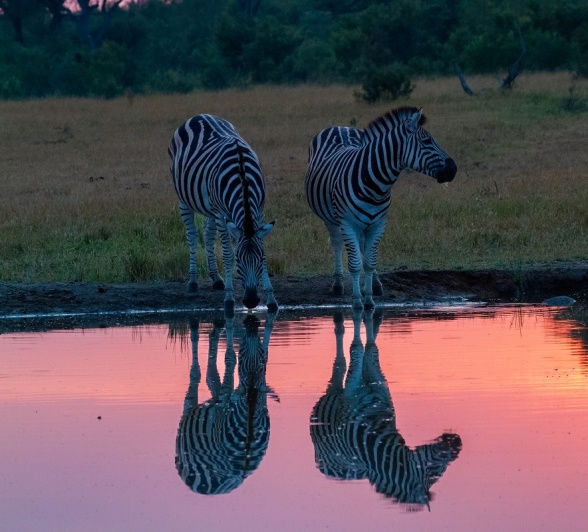
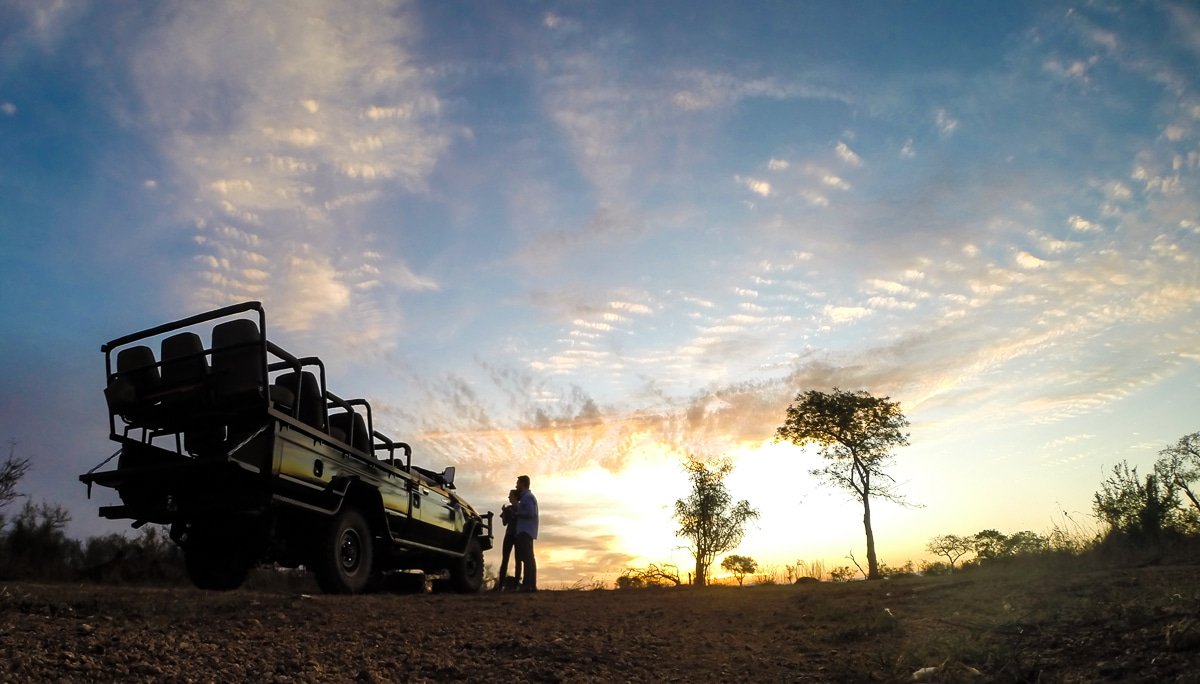
When the midday gives way to the late afternoon and evening, the songs of insects’ usher in the golden hour. It’s the time when wildlife photography is at its most spectacular. The vibrant landscapes and breathtaking creatures are accentuated by the setting sun, making this one of the best times to go for a game drive in Sabi Sand National Park.
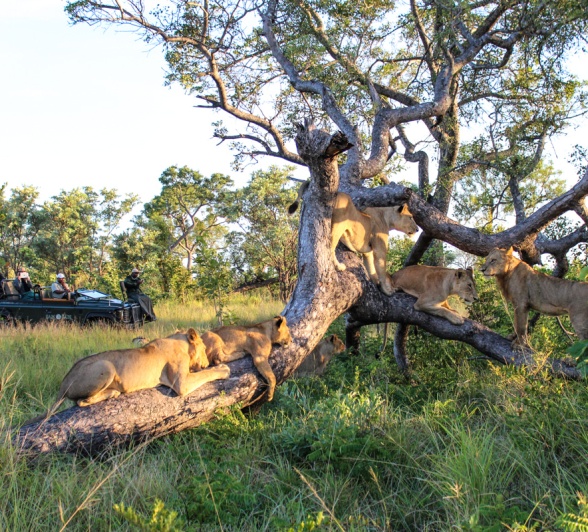
15:30 to 18:30 when afternoon and sunset safaris usually take place. By then, the day's heat has subsided, and hunters like lions, leopards, hyenas, and African wild dogs start looking to make prey from impala and zebra feeding in the open with their young.
With this marvellous backdrop, the atmosphere around the region shifts from the relaxed midday meander to an almost cinematic build-up of suspense.
Sabi Sand - Night Safaris - Wet Season
Night safaris in Sabi Sand National Park are one of the most extraordinary safari experiences in South Africa.
At no other time are the hunters of the Sabi Sands Reserve more active. Guides from accommodations like Sabi Sabi in South Africa use their many years of tracking experience and spotlights to search for clues to the next unforgettable safari sighting.
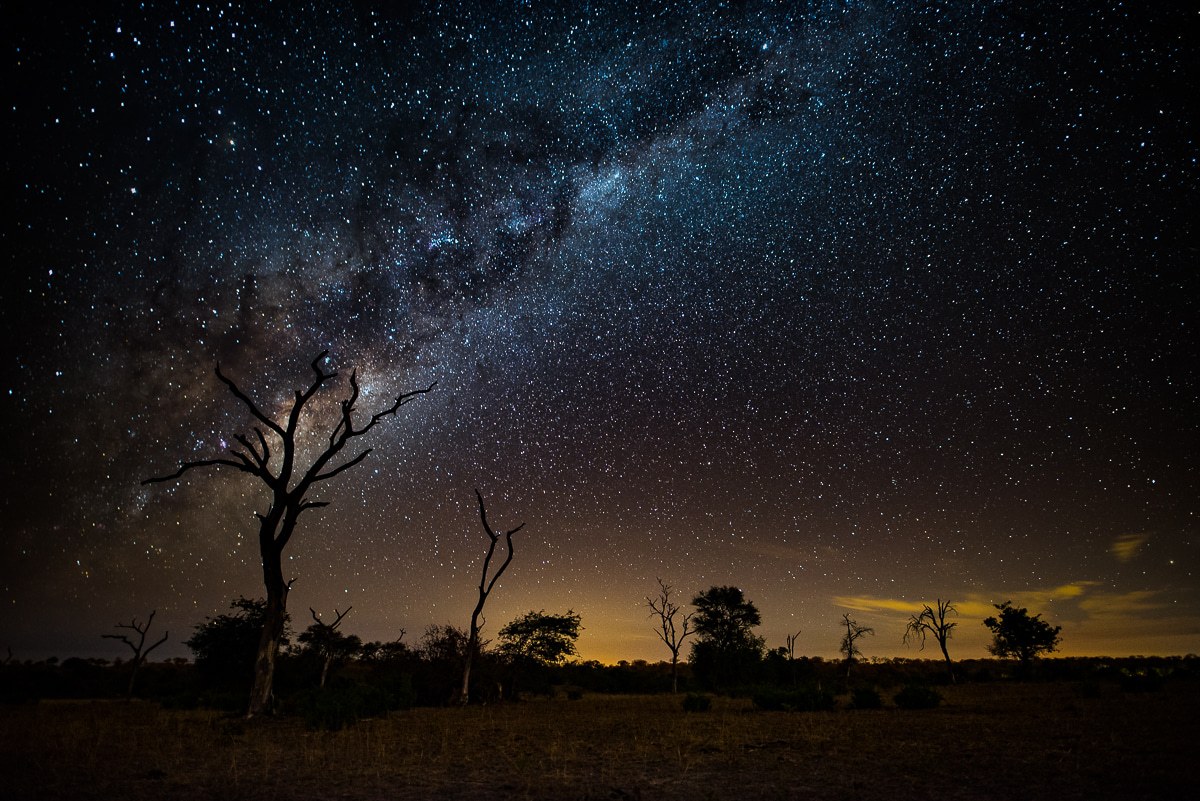
Nocturnal animals are now fully awake, and depending on their size, they might become prey to the leopards roaming the bush, African wild dogs coordinating for their next hunt, or predatory birds looking to scoop them up.
Sabi Sand: Weather and Climate in Wet Season
The wet season in Sabi Sand National Park is from October to April. During this time, the rain transforms the landscape from a parched arid region into one of vibrant green hues teeming with wildlife.
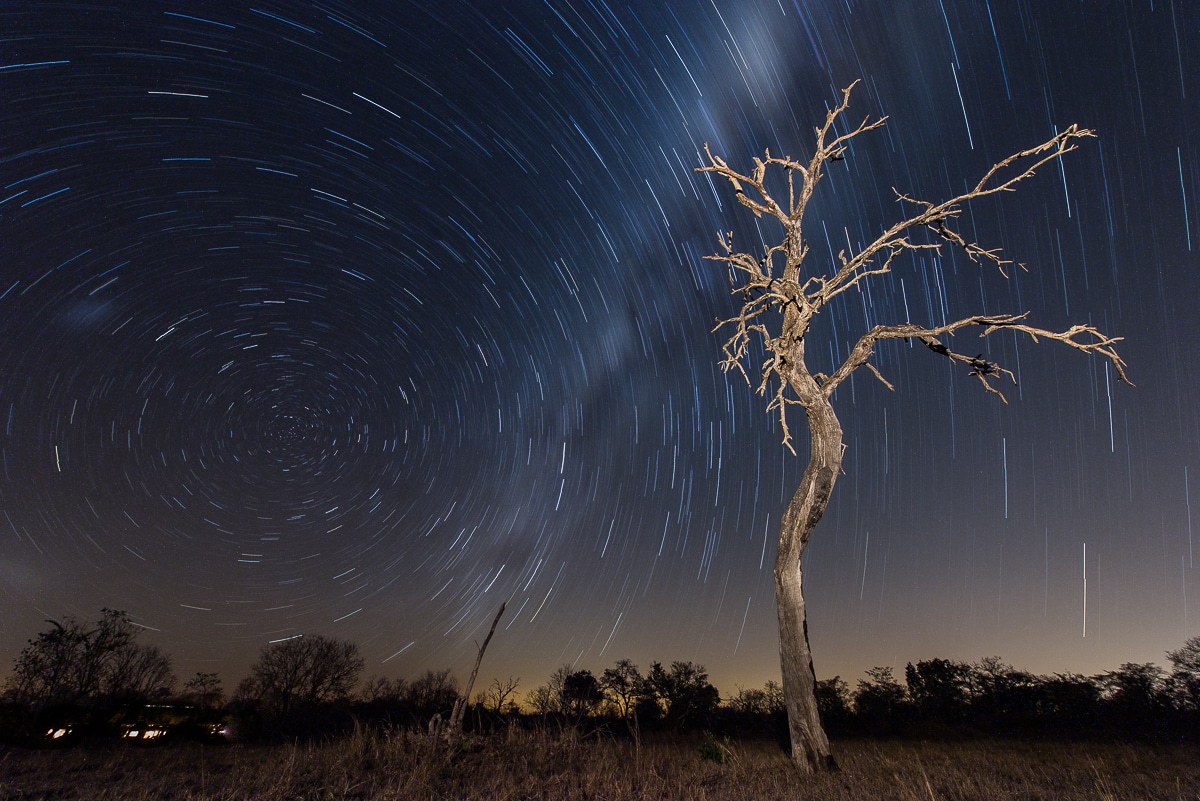
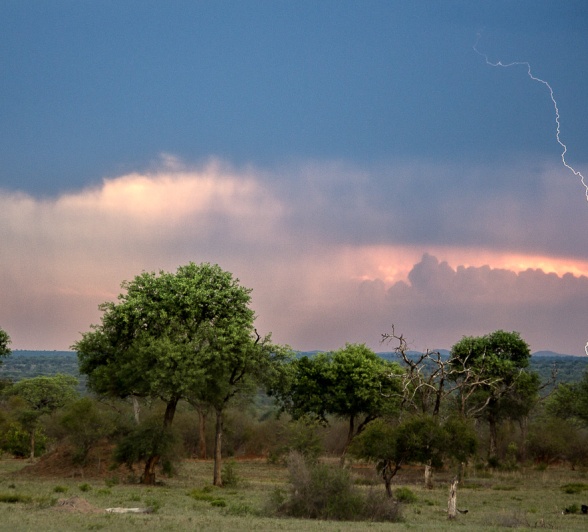
The wet season is during the South African summer. So, days typically start a little warmer at around 18-22°C (64-72°F). As the morning passes, temperatures and humidity start to climb. By the peak of midday, average temperatures will range between 28-35°C (82-95°F). This is also when thunderstorms occur. They can be heavy downpours, but normally do not last the whole day. As nighttime descends, temperatures cool back down to around 18-22°C (64-72°F). Now, the skies are clear for Sabi Sand’s incredible stargazing.
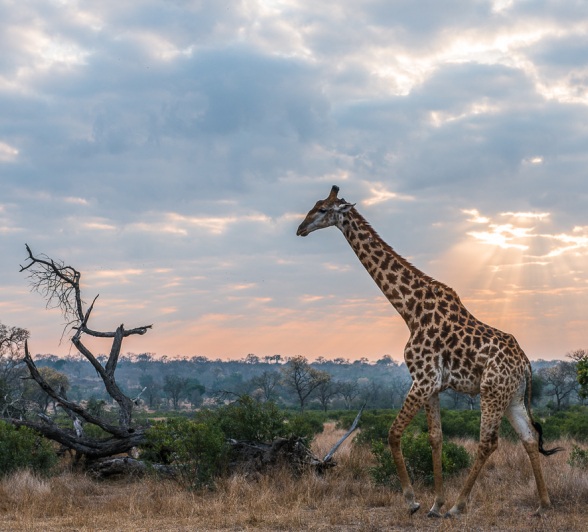
Typical Time Schedules For Sabi Sand Safaris During Wet Season
Morning (05:30 - 09:00): Game drives start early to beat the rain and heat
Afternoon (16:00 - 19:00): Post-rain safaris present refreshed vegetation
Evenings (camp-dependent): Nocturnal animals and fierce hunters become their most active
Things to keep in mind during the Wet Season in the Sabi Sand
What to Wear During the Wet Season when on Safari in the Sabi Sand
The wet season in Sabi Sand National Park is generally hot and humid, broken up by short thunderstorms that end in the evenings. For the most immersive safari experience in the Sabi Sand Reserve, light, breathable clothing that dries easily is highly recommended. Wear neutral colours like khaki and olive green to blend into the surroundings while also keeping you cool.
A lightweight water-resistant jacket is also recommended in case you get caught in the rain during a 4X4 safari in the Sabi Sand National Park. Also, bring a pair of waterproof hiking boots to keep your feet dry during thrilling walking safaris on wet and muddy ground.
With more water sources all over Sabi Sand National Park during the wet season, mosquito and other insect populations increase dramatically. Wear long-sleeved shirts and trousers to avoid insect bites.
Lastly, the wet season is during the African summer. Keep a wide-brimmed hat and sunglasses with you at all times to protect yourself from the sun.
Photography Tips for a Sabi Sand Wet Season Safari
Wildlife photography in the Sabi Sand National Park is a little bit more difficult than in the dry season. With the abundance of water in the Sabi Sand Reserve, the vegetation has become much thicker. This gives predators like the elusive leopard more cover to stalk their prey from.
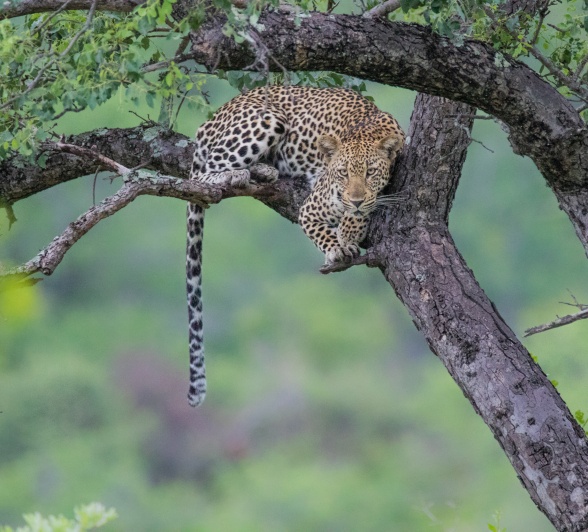
However, the new vegetation also accentuates any picture you take. Spotting a leopard in a tree that has fully bloomed with new leaves makes for an incredible contrast between the magnificent creature's fur and the vibrant green leaves.
The best tip for wildlife photographers in Sabi Sand National Park is to be patient. There are many more watering holes around the reserve, meaning many animals like elephants and impala will return to their preferred biomes and will congregate in smaller numbers. Find a spot your guide thinks animals will visit and wait patiently. With your guide's expert knowledge and a steady hand, the most captivating wildlife encounters will come to you.
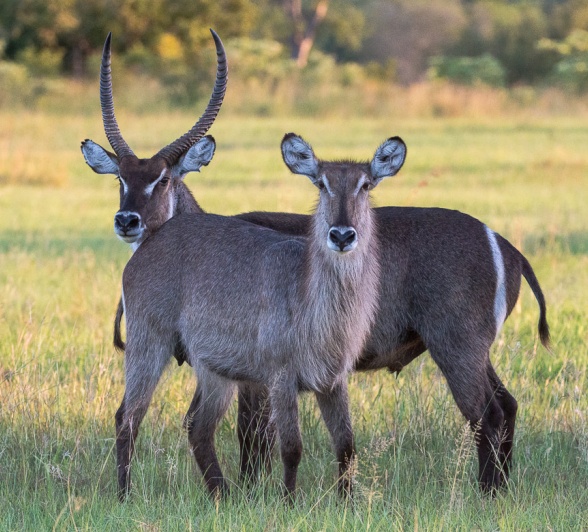
Spotting Animals in the Wet Season
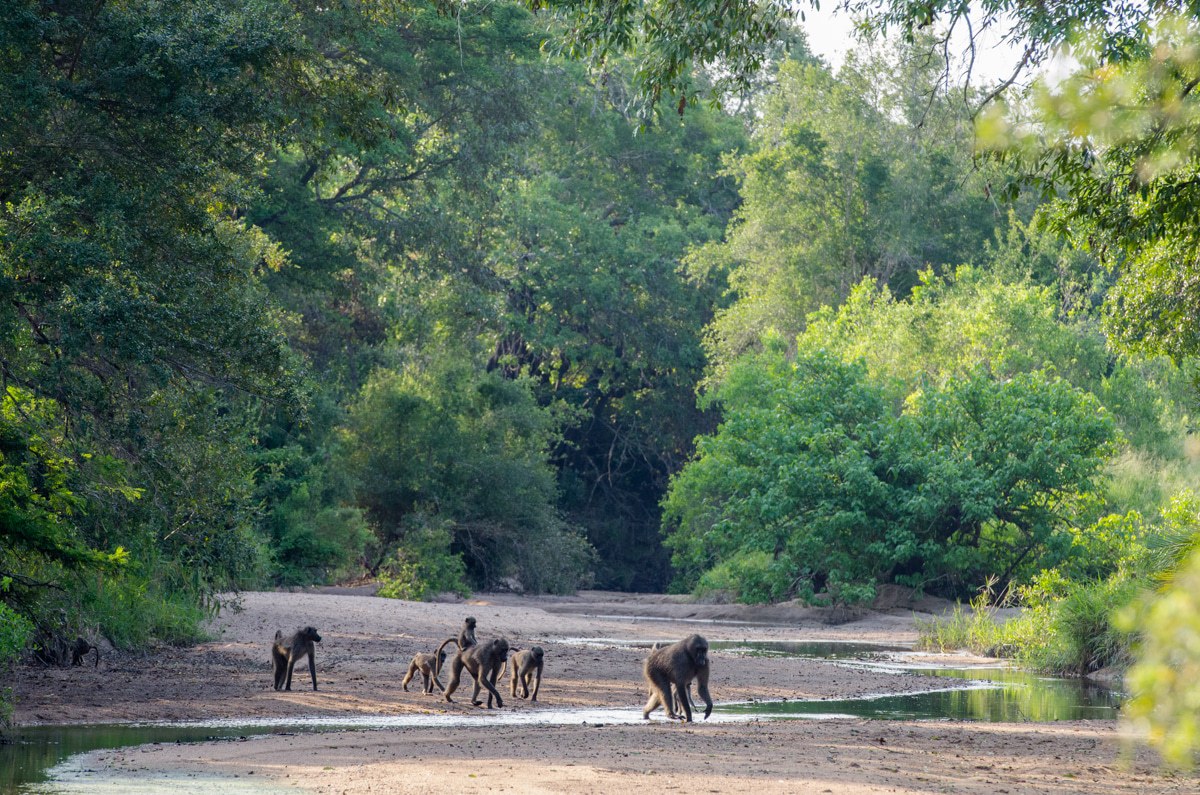
Spotting massive herds of animals during the wet season in Sabi Sand National Park becomes more difficult, but far from impossible. The increased vegetation density can obstruct your view, and large herds of animals do disperse into smaller ones as they make use of the national park’s watering holes.
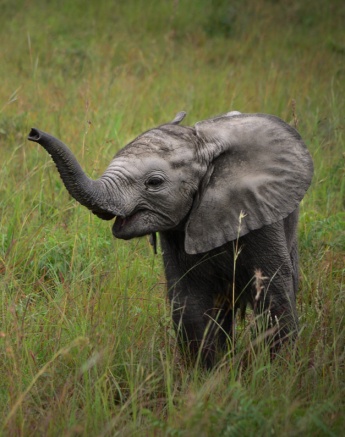
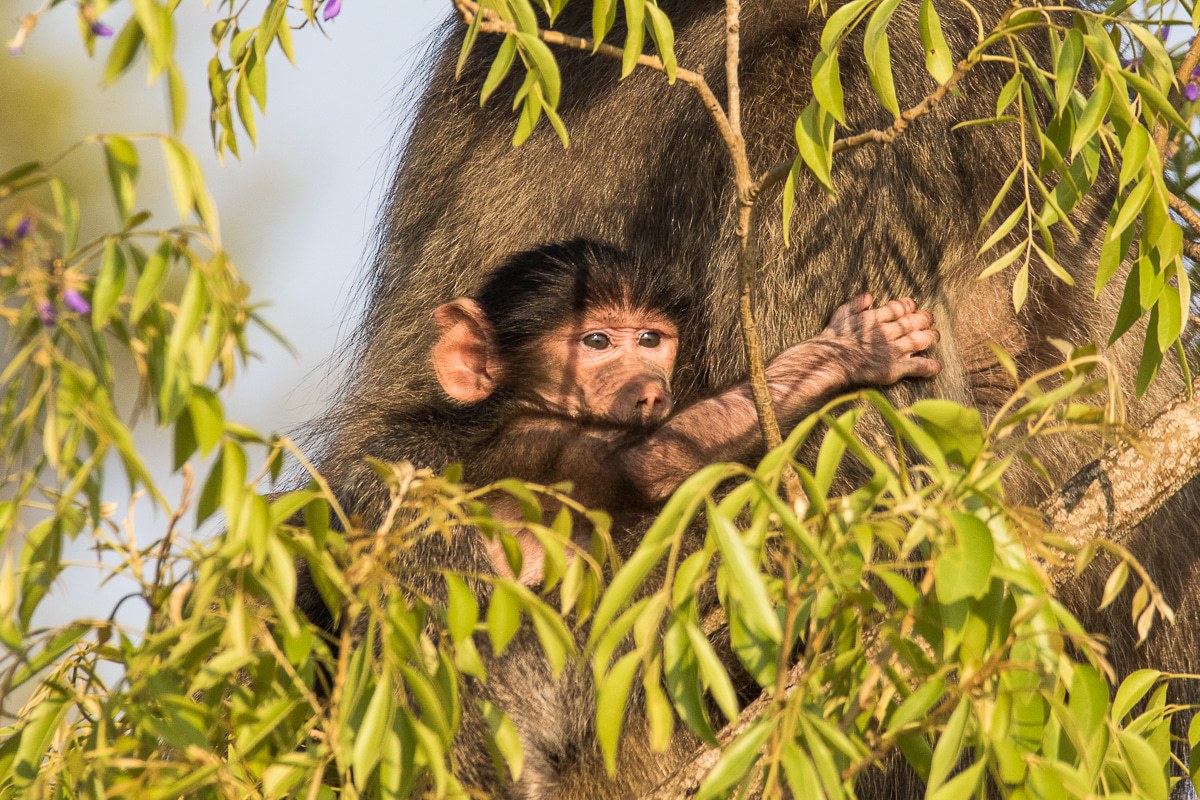
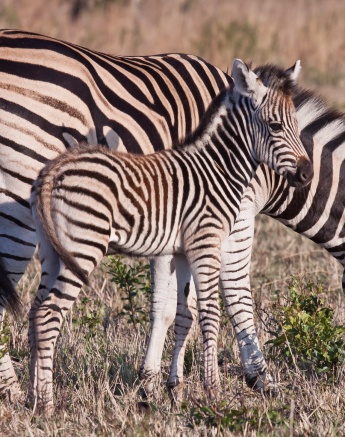
The wet season is also the main calving season for animals like impala, zebra, lions, leopards, and many other species. So, although you might have a harder time spotting them, you do have a greater chance of seeing the most adorable period of these creatures’ lives.
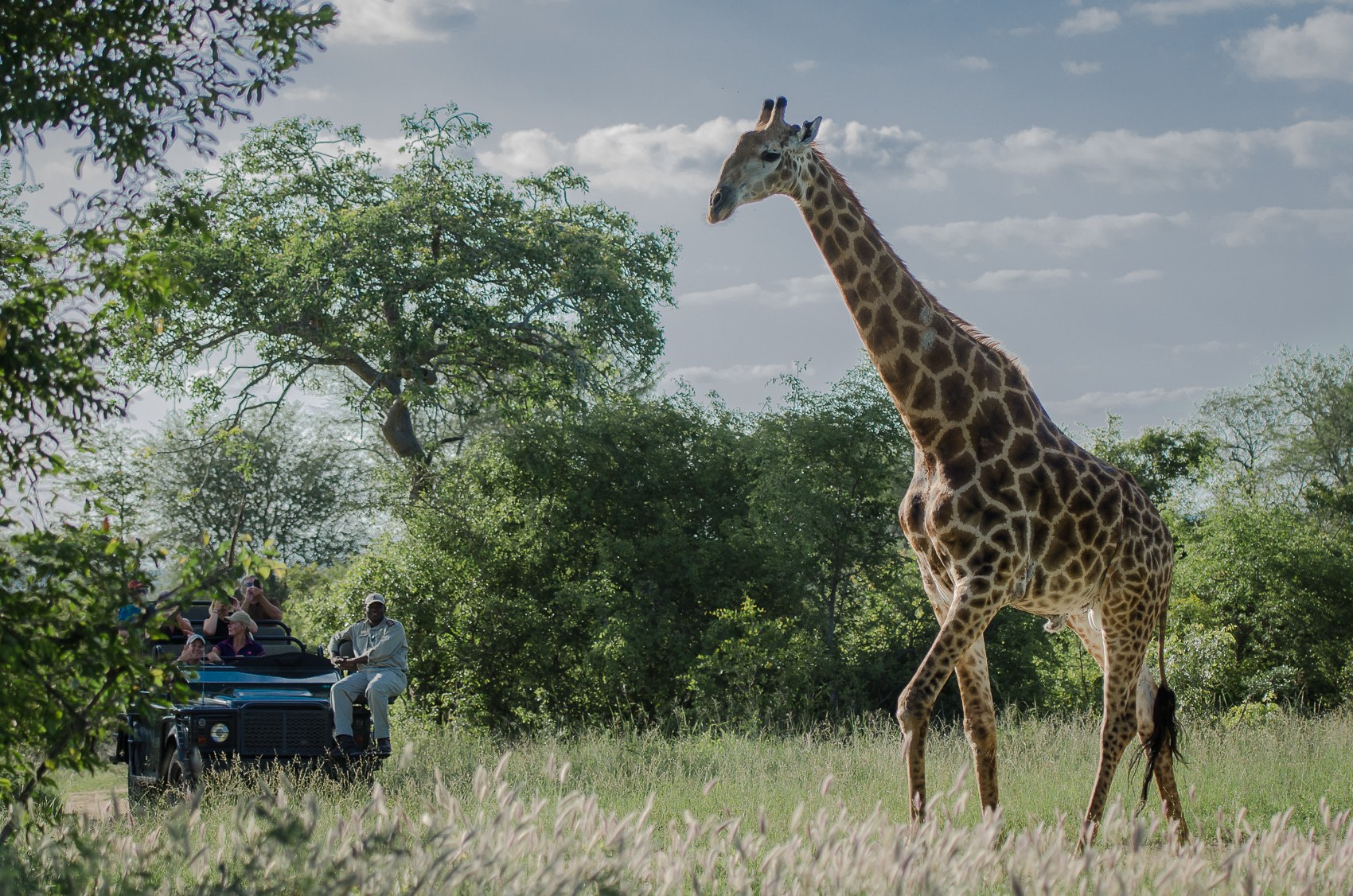
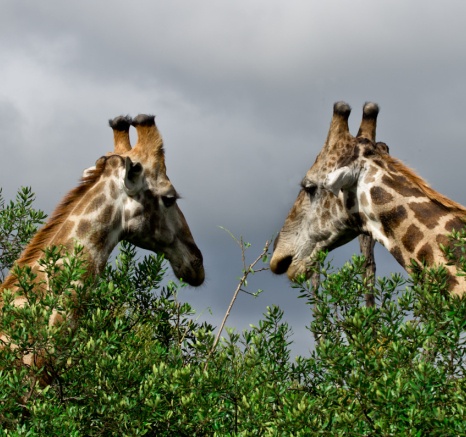
You can expect to see antelope, zebra and buffalo in grasslands, while elephants and giraffes frequent the trees of the woodland biomes. Predators generally follow where the prey is, so if you want to spot one of them, just watch out for them while you view the herbivores of the Sabi Sand National Park.
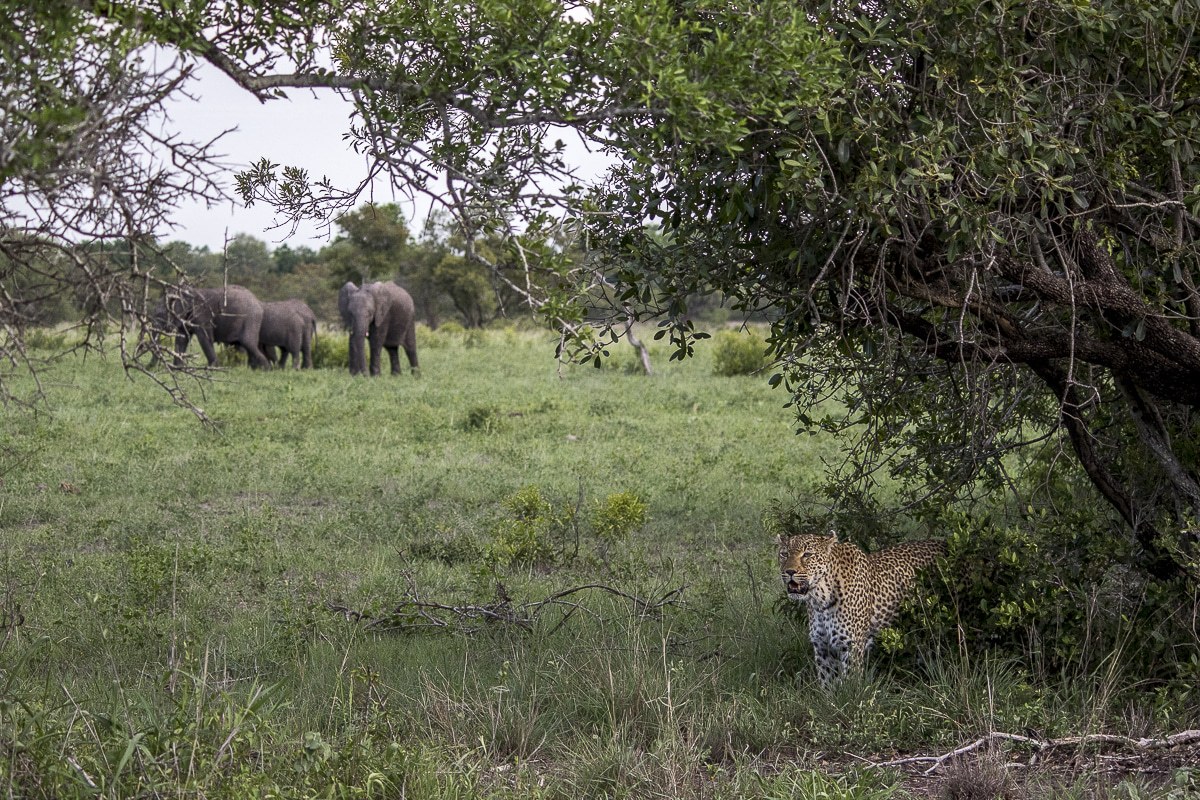
The Landscape of the Sabi Sand in the Wet Season
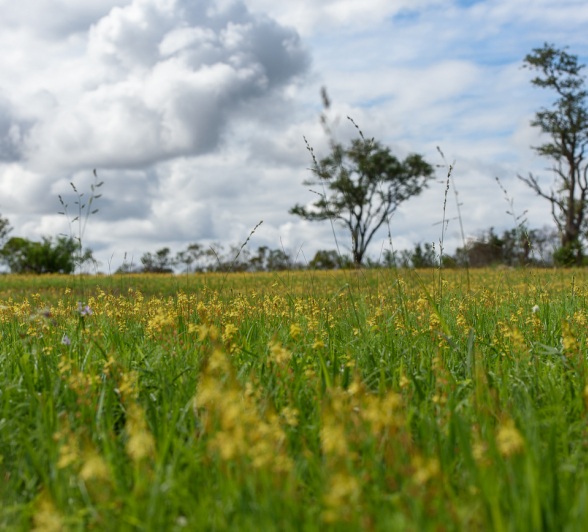
Landscapes in the Sabi Sand National Park turn a shade of verdant green in the wet season. The vast grasslands are blanketed in green as herds of buffalo and antelope graze for nourishment. Flowers and fruits bloom in the riverine forests, waiting for enormous elephants and larger-than-life giraffes to visit them. The dense shrubbery of the bushveld grows thicker and greener, becoming the impromptu home of many of the region’s smaller creatures.
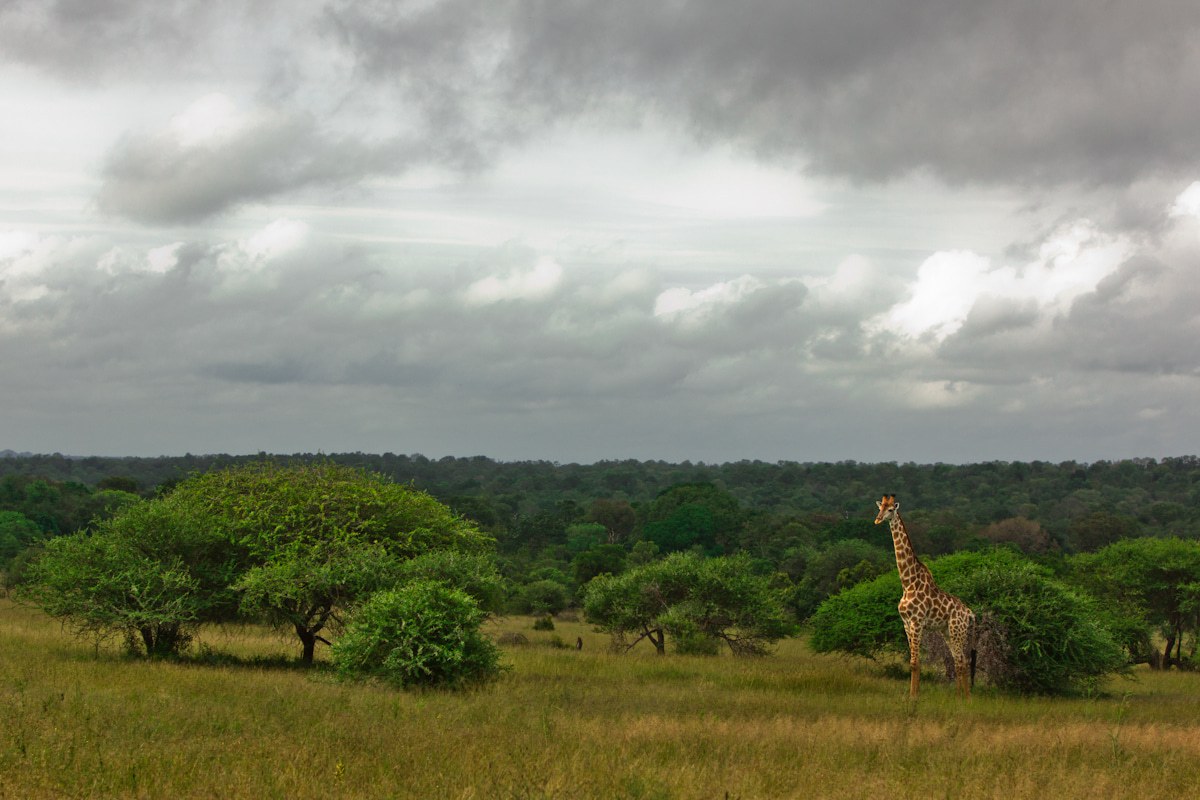
Things to Keep in Mind During Early Morning Safaris in the Wet Season in the Sabi Sand
The early morning in Sabi Sand National Park is a spectacular time to go on an adventure.
Here are some things to keep in mind while you are on a safari in Sabi Sand:
Mornings do start cool, but as the day progresses, it becomes hot and humid
Wear layers of light, quick-drying clothing you can take off when temperatures start changing
Wear a wide-brimmed hat, sunglasses, and sunscreen
Health and Safety Tips for a Wet Season Safari in the Sabi Sand
Never compromise your health and safety on a safari in Sabi Sand National Park during the wet season.
The weather is hot and humid, and keeping a bottle of water with you goes a long way in keeping you hydrated on safari. Protect yourself from the sun by wearing sunglasses, a wide-brimmed hat, a long-sleeved shirt, and long trousers. Insect repellent is also important if you don’t want to be bitten by mosquitoes and other insects.
On the safari itself, always maintain a safe distance between you and the wildlife when encountering them. Follow your guide's instructions at all times, and when you see an animal, stay as quiet as possible.
Animals You Can Expect to See on Safari in the Sabi Sand in the Wet Season
The Sabi Sand National Park is one of the most beautiful and picturesque safari destinations in Africa during the wet season.
Because of the abundant rains, the landscape has transformed into a tapestry of vibrant green hues. The grasslands have sprung up, the woodland forest now bears fruit and flowers, all while the rivers reflect beauty along their waters.
The rains have now dispersed many of the large herds into smaller groups that now reside in the preferred habitats. Antelopes and zebra graze in the grasslands, elephants and giraffe feed off fruit in the tall trees, and crocodiles and hippos enjoy the deeper waters of the Sabi and Sand Rivers.
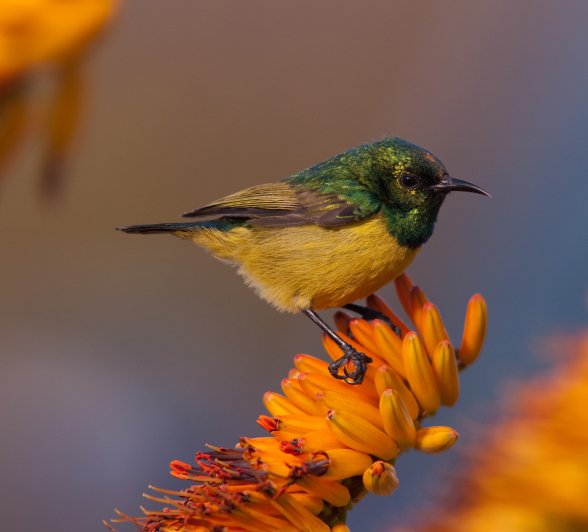
Bird watching safaris in Sabi Sand National Park are one of this destination's premier adventures during the wet season. Migratory birds such as the barn swallow, lesser spotted eagle, and yellow-billed kite make their way from different parts of the globe to indulge in the abundance of insects brought by the rains.
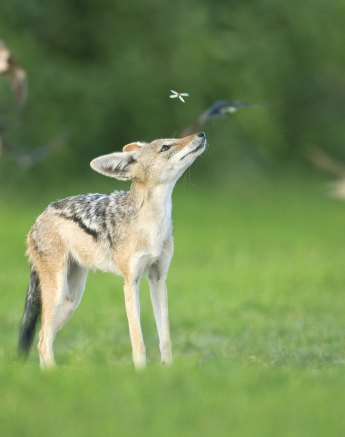
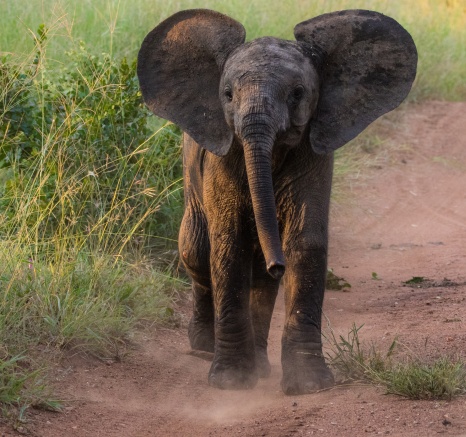
Last but not least, the big five are ever-present in Sabi Sand National Park. Lions hunt down prey with masterful coordination, elephants roam with their massive frames, rhinos and buffalo nurse their newly born calves, and leopards, the main attraction in Sabi Sand, prowl the savanna for their next meal.
Sabi Sand Safari - Tips for Planning Your Adventure
Make sure that your time at Sabi Sand National Park, the leopard capital of the world, is an unforgettable safari experience by following these quick tips:
Best Time to Visit: The dry season is ideal for visiting the Sabi Sand, presenting exceptional game viewing and predator activity in the three distinct biomes.
What to Pack: Neutral-coloured long-sleeved shirts and trousers, insect repellent, sunscreen, a lightweight raincoat for sudden downpours, and binoculars for birding safaris.
Booking Your Safari: It is advisable to book well in advance. Sabi Sabi offers exceptional luxury accommodation and world-class guided safari experiences in South Africa.
Plan your stay based on the season, the wildlife you want to see, and the type of safari experience you want as a core memory.
Sabi Sand is the Ultimate Luxury Safari Experience in Southern Africa
Every game drive feels like a new adventure in Sabi Sand National Park, one of Africa's most acclaimed and celebrated wildlife destinations.
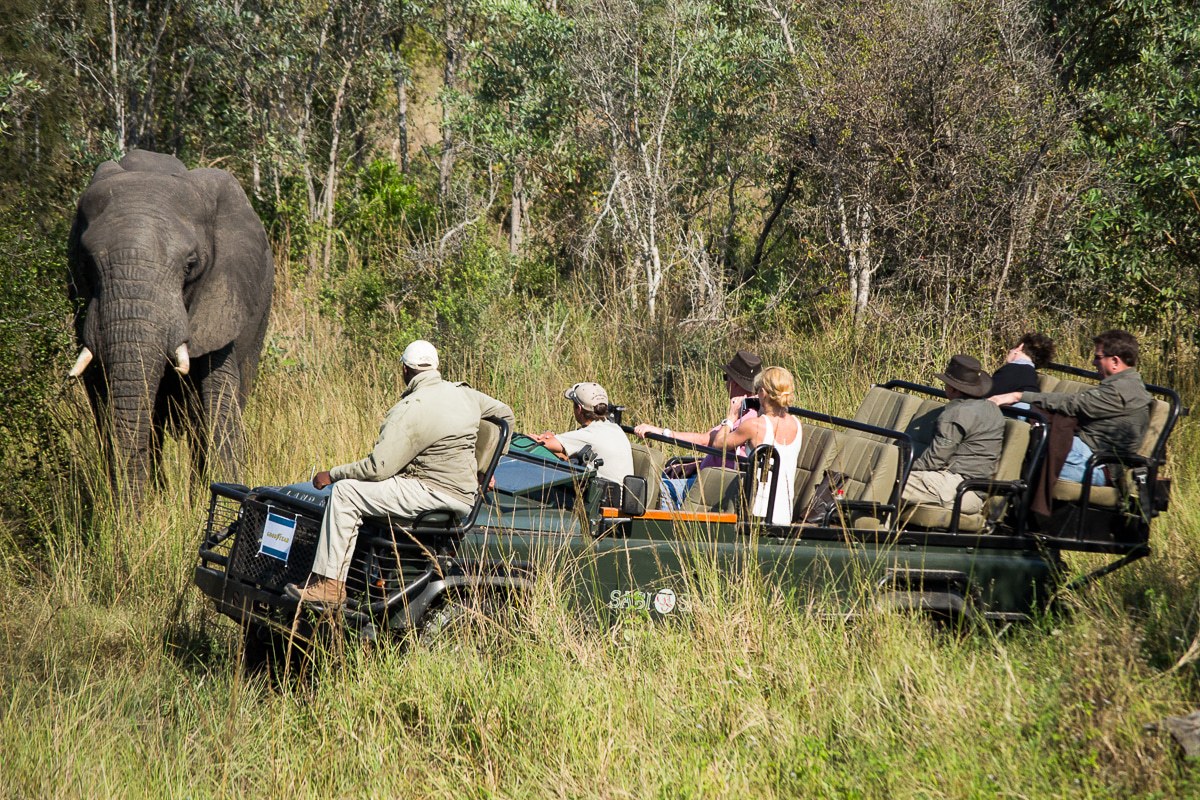
Whether it's the unobscured viewing angles of the dry season or the immaculate scenery of Mother Nature at her greenest, Sabi Sand is a place where adventurers feel at home. From the elevated seating of a specially designed safari vehicle, witness massive herds of elephants dominate the landscape in one area, while in another, African wild dogs display why they are the kings of pack hunting.
Inspired by the great African safari era of the late 1800s, and augmented by the desire to pioneer a new frontier of luxury African accommodation, Sabi Sabi offers world-leading luxury lodges and safari experiences backed by decades of experience.
Sabi Sabi, established in 1979, is where the world of luxury accommodation, transcendent safari experiences, and Mother Nature's most incredible creatures and landscapes meet.