
The Road to Independence
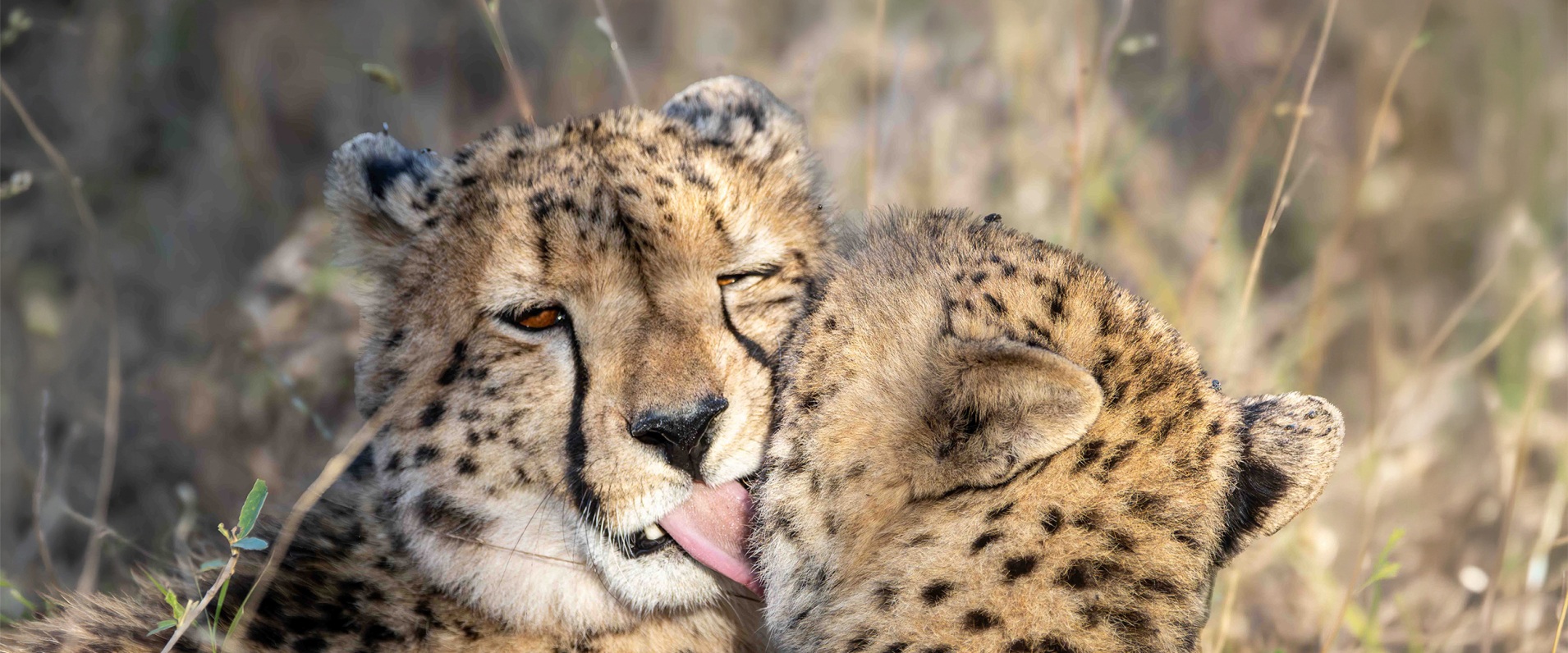
on Aug 18, 2026Few sightings are as special as spending time with three young cheetahs together. At this stage of their lives, however, their time as a family is becoming increasingly important. Having spent their formative months under the care and guidance of their mother, they are now approaching one of the most significant transitions of their lives: independence.
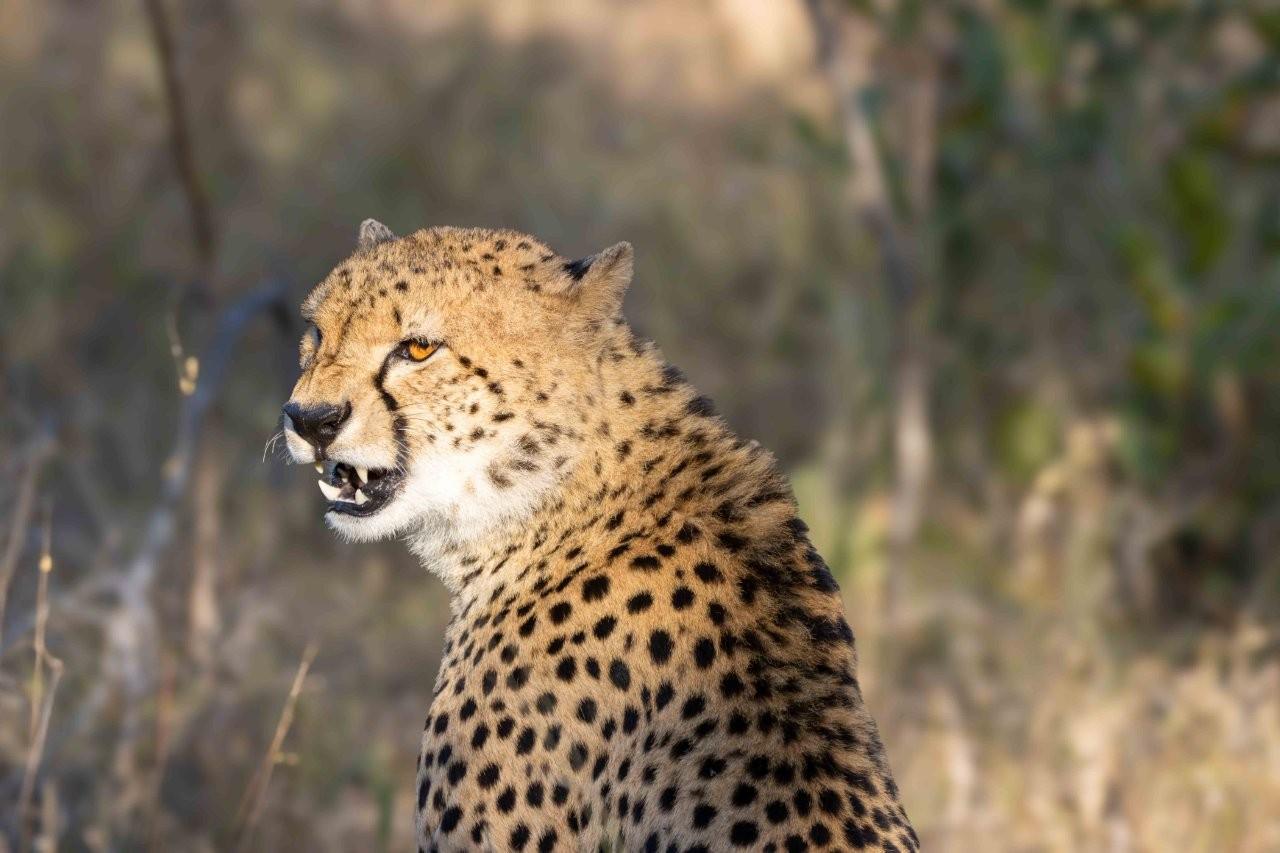
For young cheetahs, independence is far more than simply separating from their mother. It is the culmination of months of physical development, observation and behavioural learning. Before they can survive on their own, they must develop the skills needed to find prey, hunt successfully, recognise danger and navigate a landscape where survival often depends on making the right decision at the right moment.
Much of this learning begins through play. Chasing, wrestling and pouncing may look like simple games, but these activities help develop coordination, balance, reaction speed and an understanding of movement. As the cubs mature, their play becomes increasingly purposeful, with stalking, chasing and ambushing beginning to resemble the behaviours they will eventually rely on when hunting.
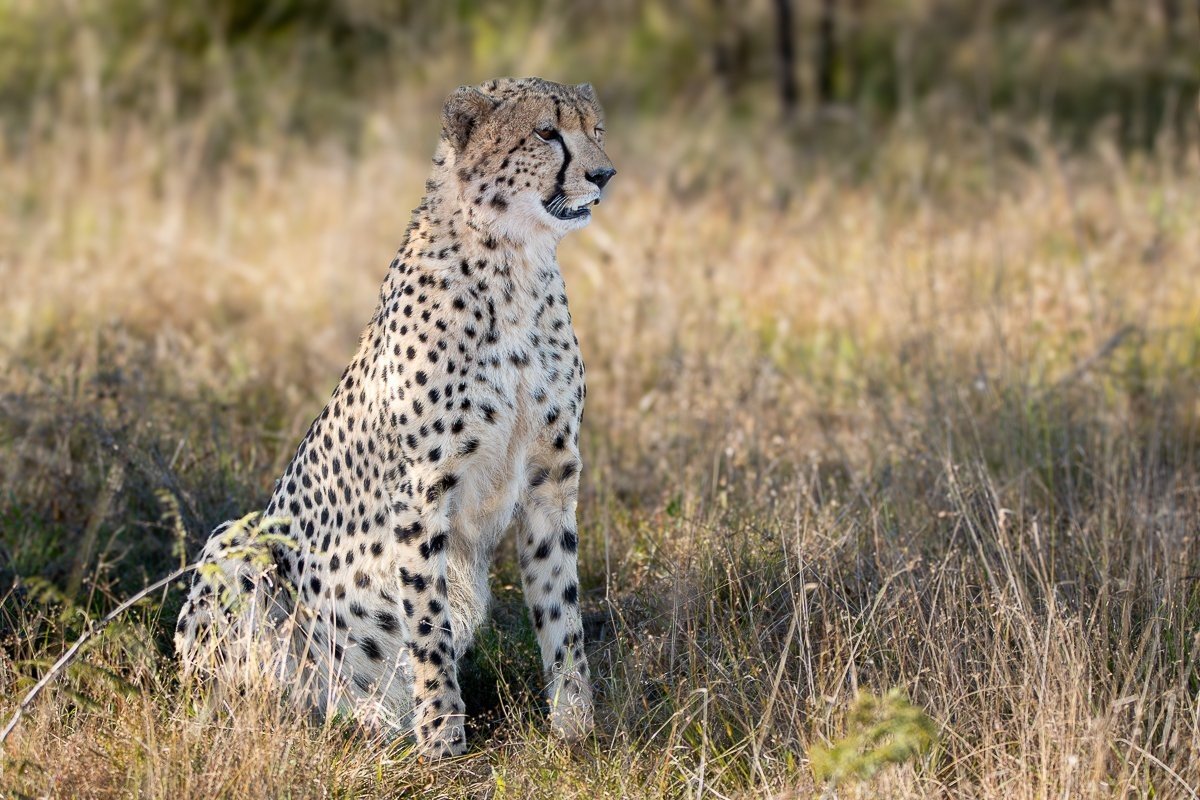
Their mother remains an important teacher during this period. By watching her, the young cheetahs begin to understand the different stages of a hunt, from locating and selecting prey to positioning themselves and launching a pursuit. Not every attempt will be successful, but each experience provides valuable lessons.
Cheetahs are highly specialised predators, built for short bursts of incredible speed. Their long legs, flexible spines and non-retractable claws help them accelerate rapidly and maintain traction during a chase. But speed comes at a cost. A high-speed pursuit requires enormous amounts of energy, and a failed hunt can leave a cheetah exhausted and vulnerable. Learning when to chase - and when to conserve energy - is therefore just as important as learning how to catch prey.
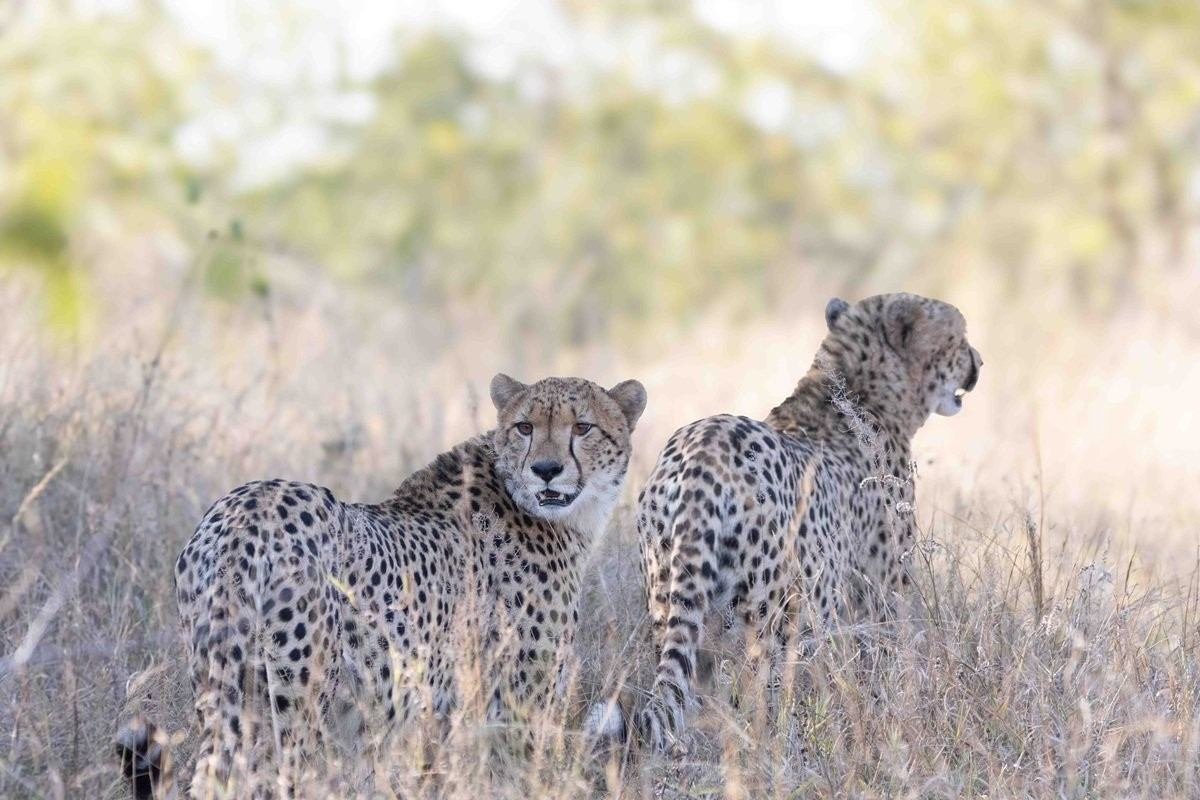
Hunting is only one part of the challenge. Cheetahs live alongside some of Africa’s most formidable predators, including lions, leopards and spotted hyenas. These competitors can kill cheetahs, steal their kills and pose a serious threat to younger animals.
Awareness and avoidance are therefore essential survival skills. The young cheetahs must learn to recognise potential danger, make use of suitable cover and understand where they can move safely through their mother’s territory. Her experience provides them with an invaluable advantage as they begin to develop their own understanding of the landscape.
The road to independence is consequently about developing an entire survival strategy. They must become capable hunters while also learning how to minimise risk, conserve energy and avoid unnecessary confrontation.
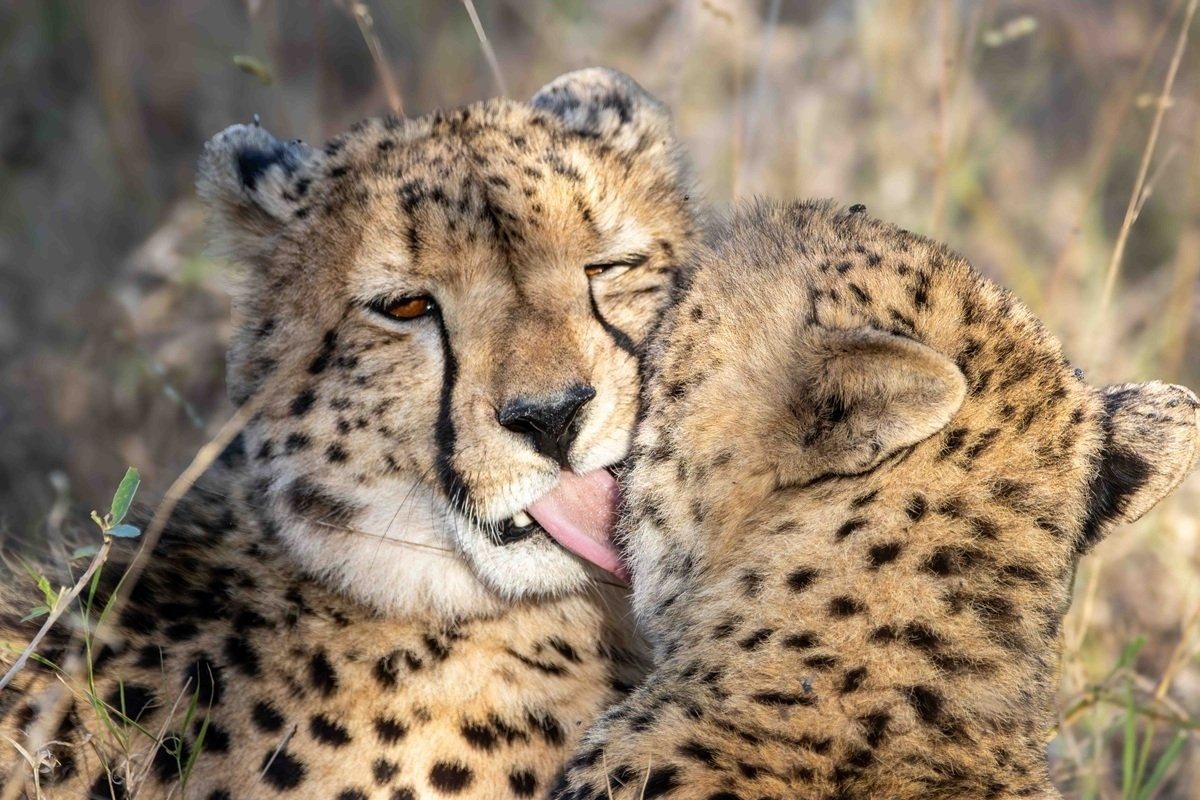
Eventually, the bond between mother and offspring will change. A mother cheetah raises her cubs until they are sufficiently capable of surviving without her, after which the family group eventually disperses.
What happens next depends partly on their sex. Young females generally become solitary once they leave their mother, establishing home ranges that may overlap with those of other cheetahs. Male siblings, however, may remain together as coalitions, providing companionship and advantages when defending territories and competing for access to females.
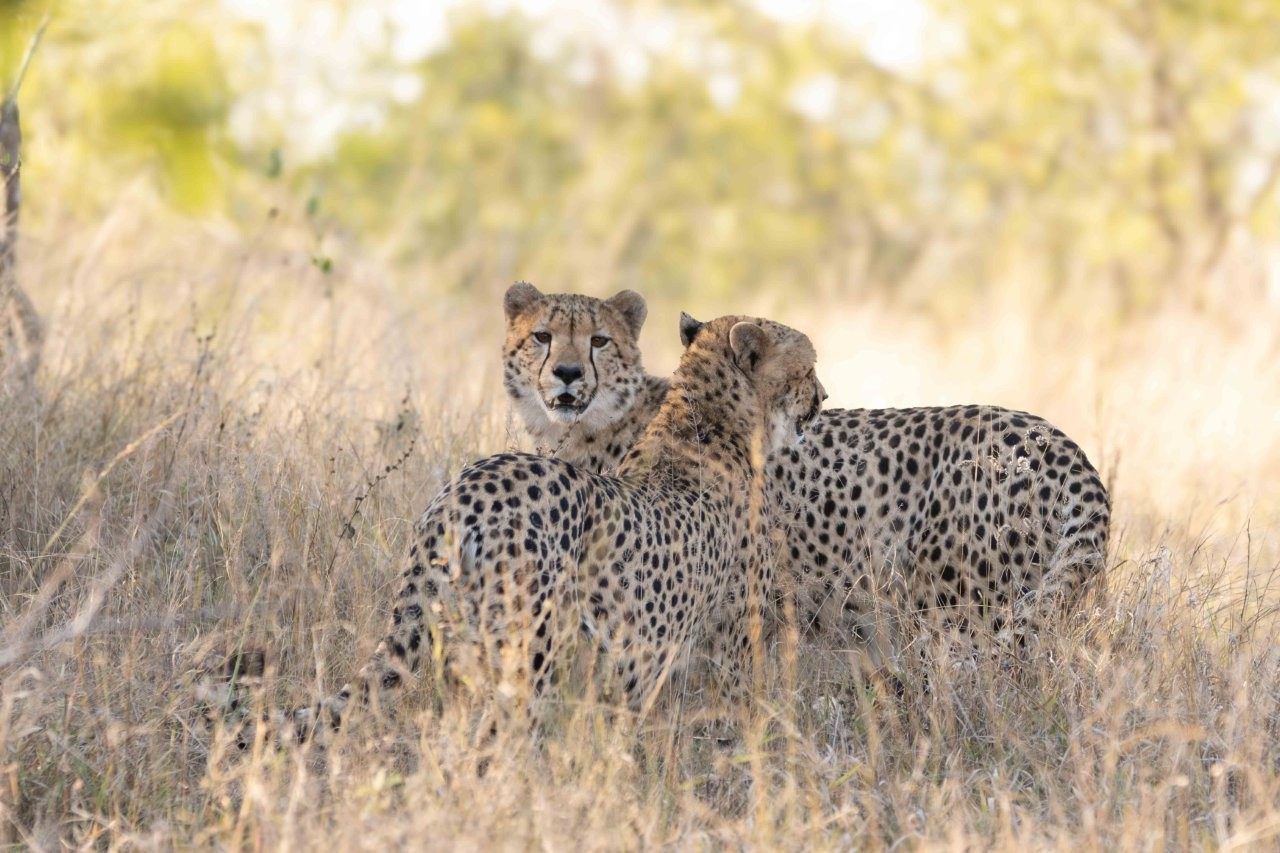
For these three young cheetahs, their future will therefore be shaped by their individual development, their relationships with one another and the conditions they encounter once they leave their mother.
The period leading up to independence is one of the most demanding stages of a cheetah's life. Their mother must continue to provide food while simultaneously giving them the opportunity to develop skills through observation and experience. Hunting techniques, predator awareness and the ability to interpret their surroundings cannot simply be inherited; they must be learned.
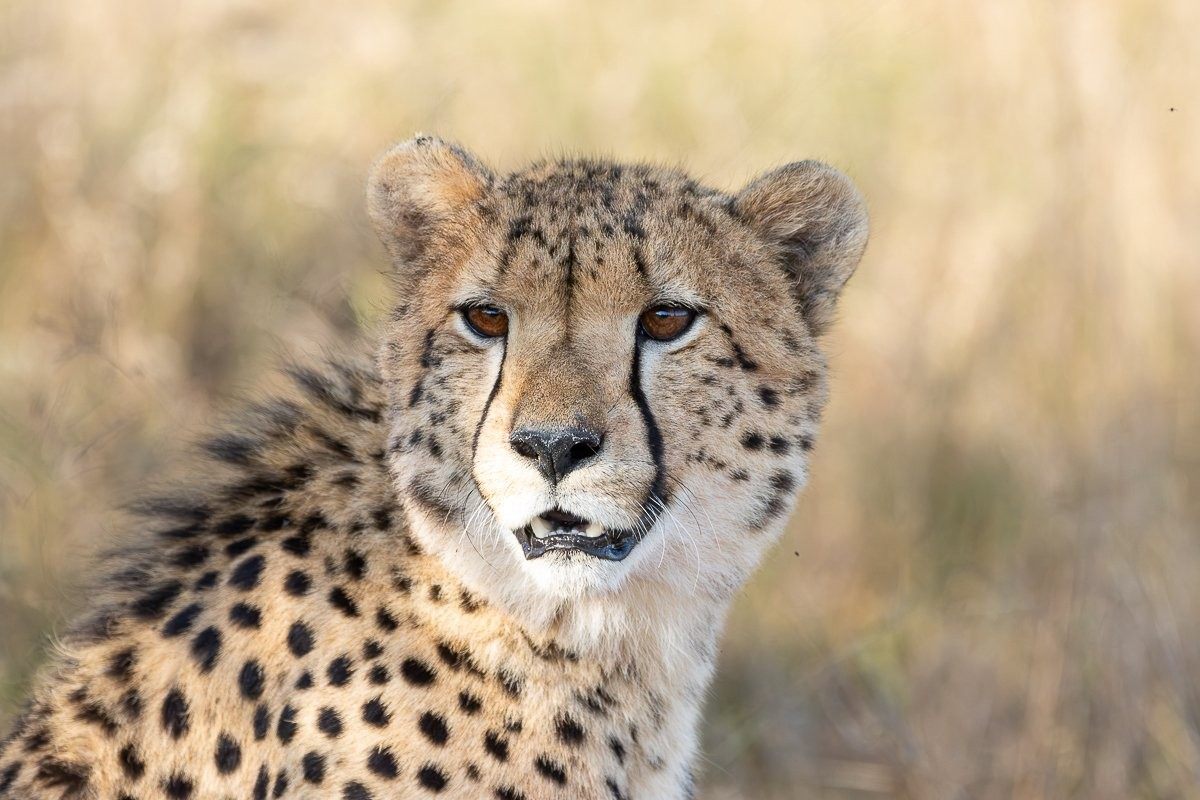
This is particularly important for a species as specialised as the cheetah. Their hunting strategy leaves little room for error, and unlike larger predators, they are poorly equipped to defend a kill against powerful competitors. Their survival depends on speed, stealth, timing and knowing when to avoid a confrontation.
For the three young cheetahs, that transition is now well underway. Their bodies are becoming stronger, their hunting abilities are improving and their dependence on their mother is gradually decreasing. What once looked like playful behaviour is becoming increasingly purposeful, offering a glimpse of the predators they will eventually become.
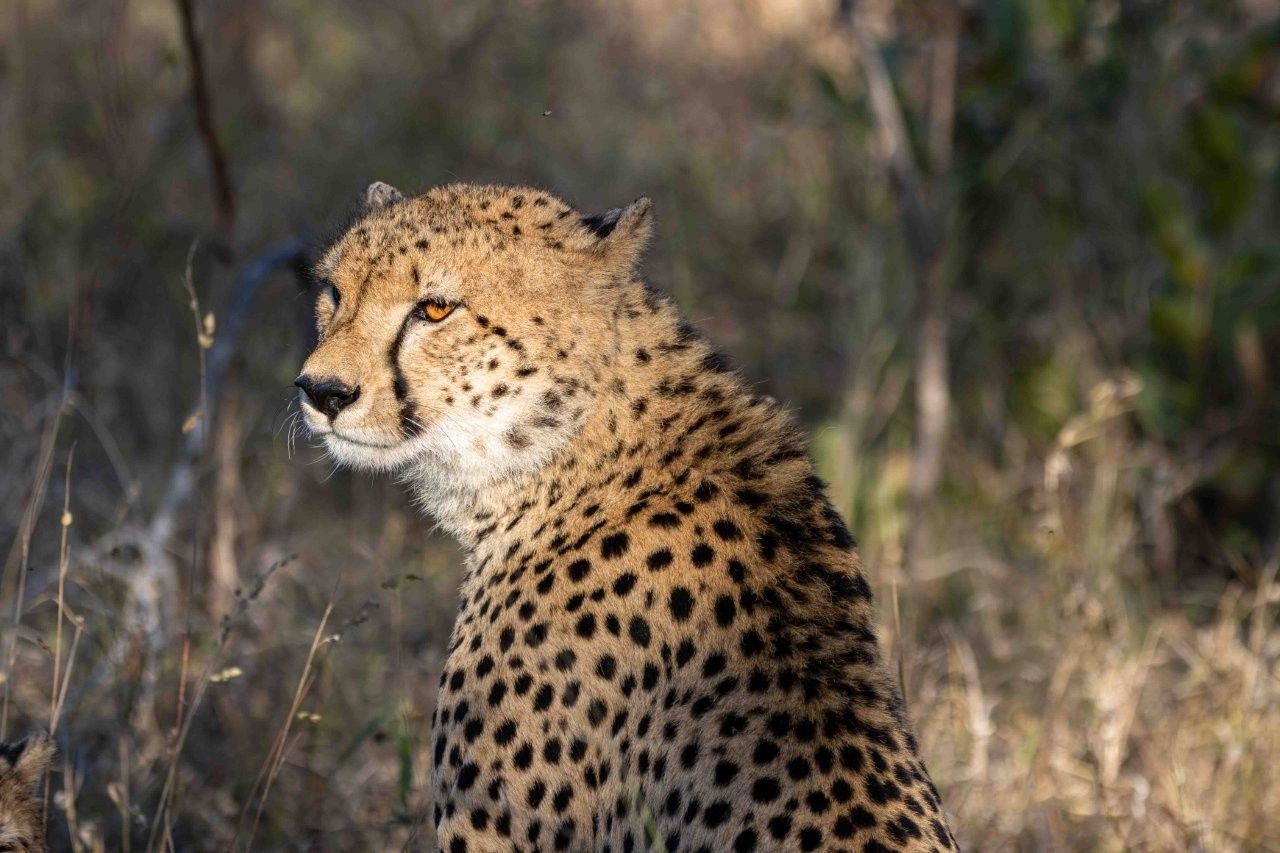
For those fortunate enough to spend time with them, this is a particularly fascinating stage to witness. They are no longer entirely dependent cubs, but neither are they fully experienced adults. Every stalk, chase, failed attempt and successful hunt adds another piece to the knowledge they will eventually need to survive on their own.
Soon, the familiar family unit will change.
Whether they eventually separate or, if they are males, remain together as a coalition, the lessons learned during these formative months will influence their ability to navigate the challenges of the African wilderness.
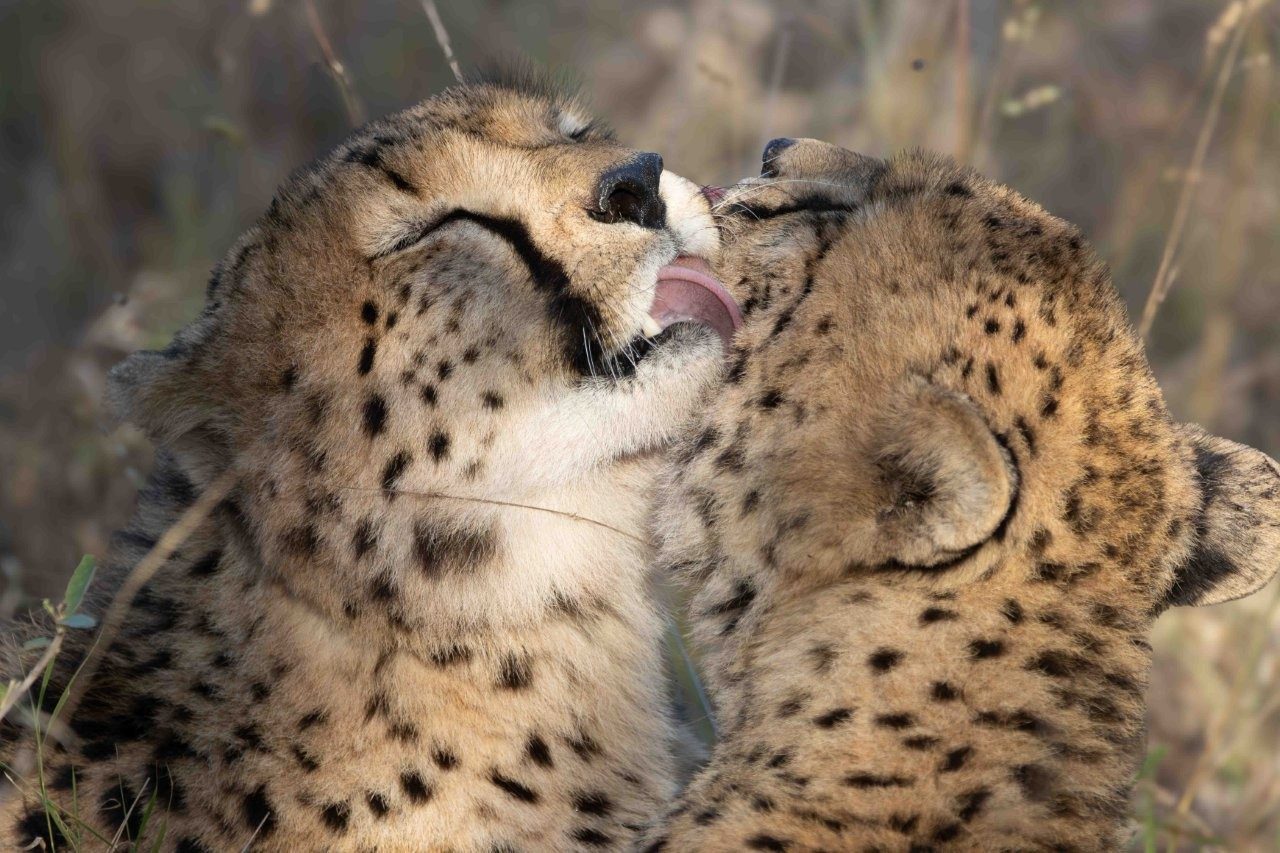
Their mother has provided the foundation. The landscape will provide the test. For these three young cheetahs, the road to independence has already begun.
Blog by Ronald Mutero (Selati Camp Ranger)