
A new reign on Sabi Sabi
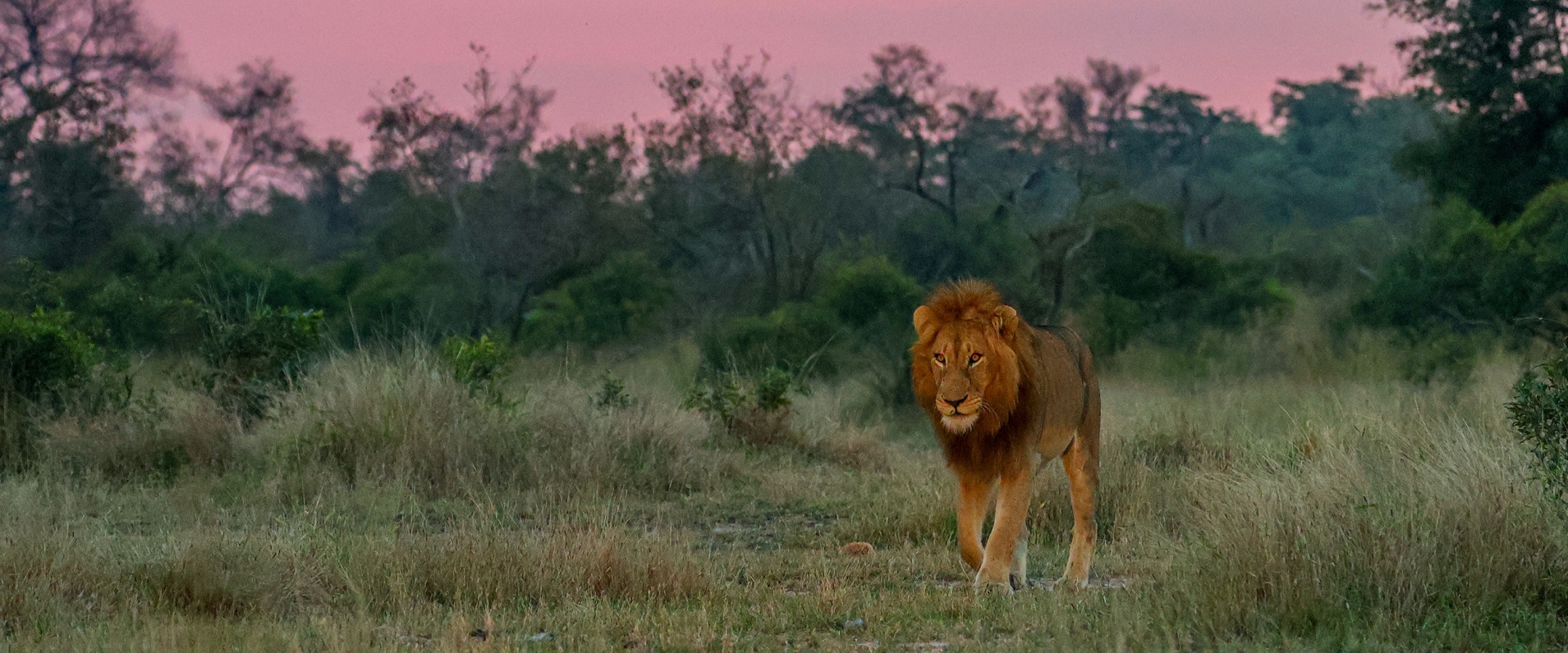
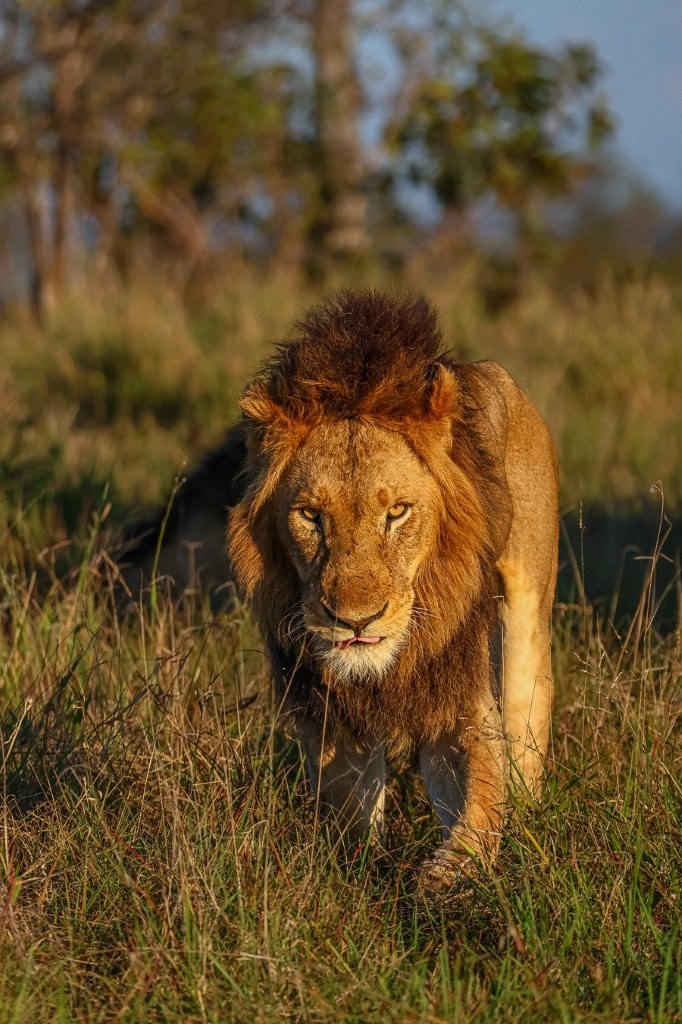
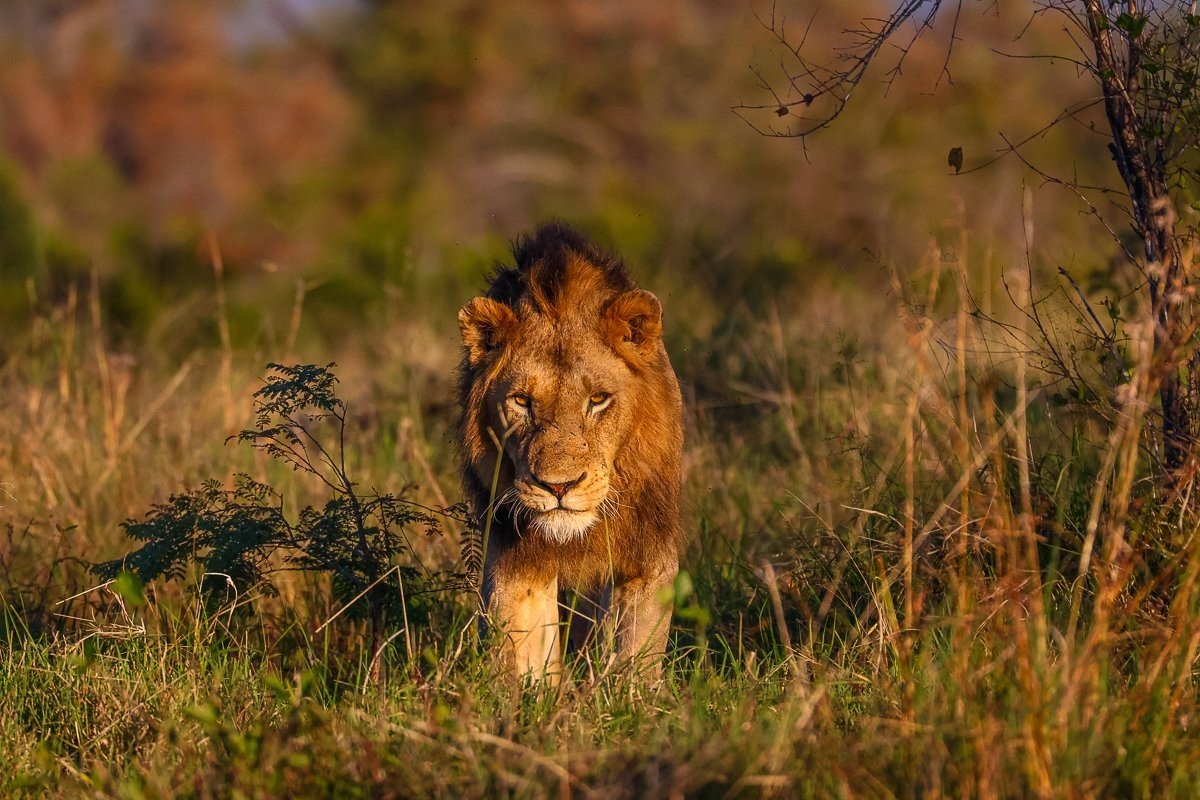
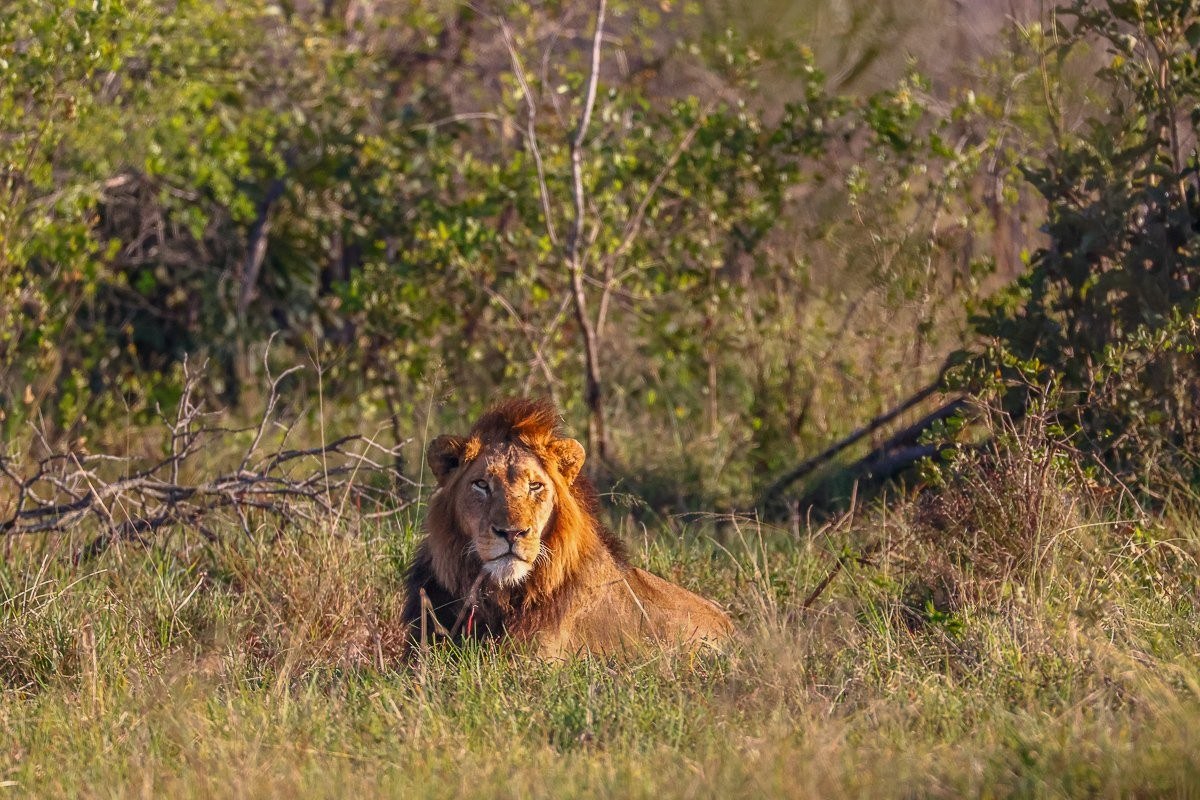
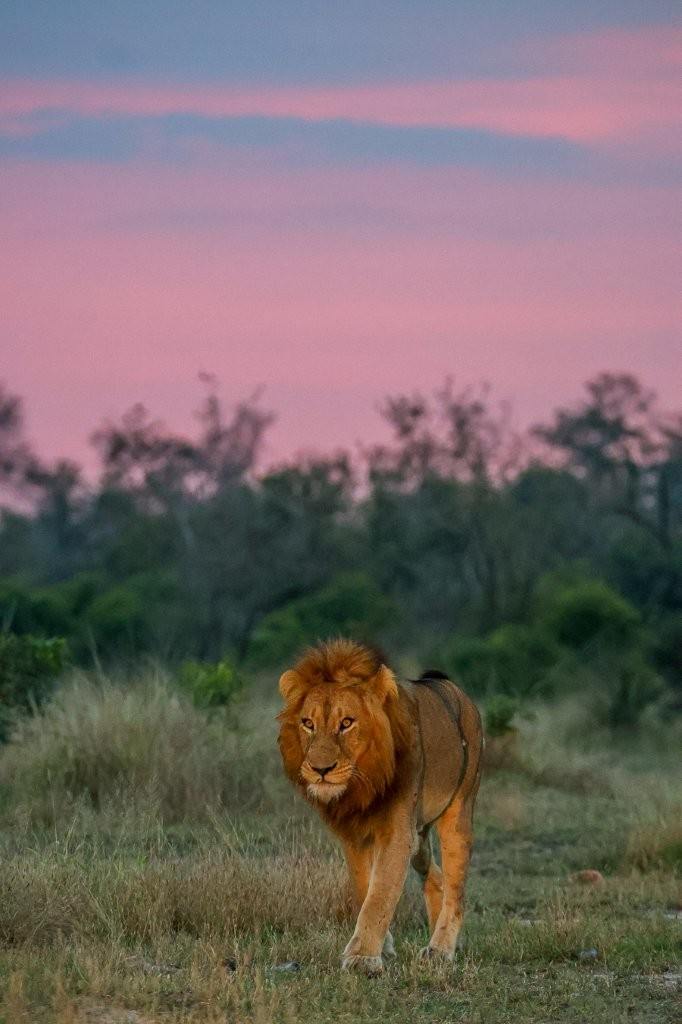
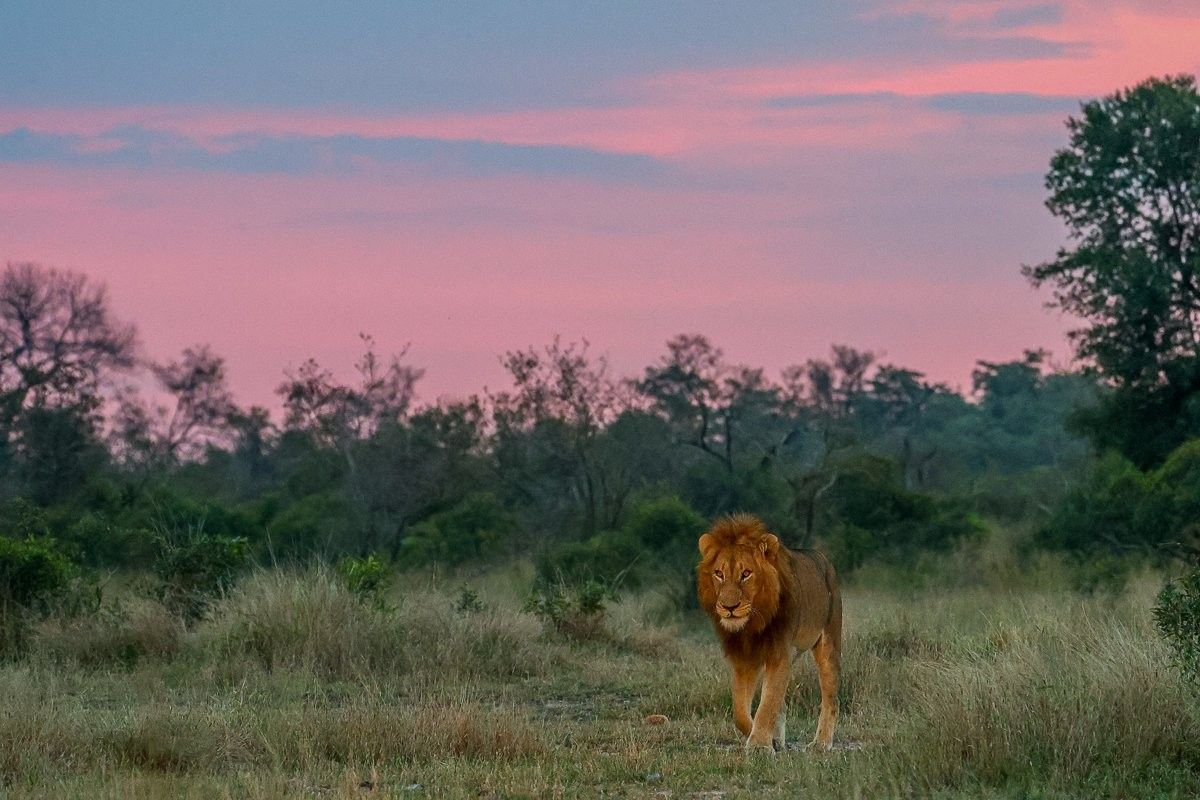
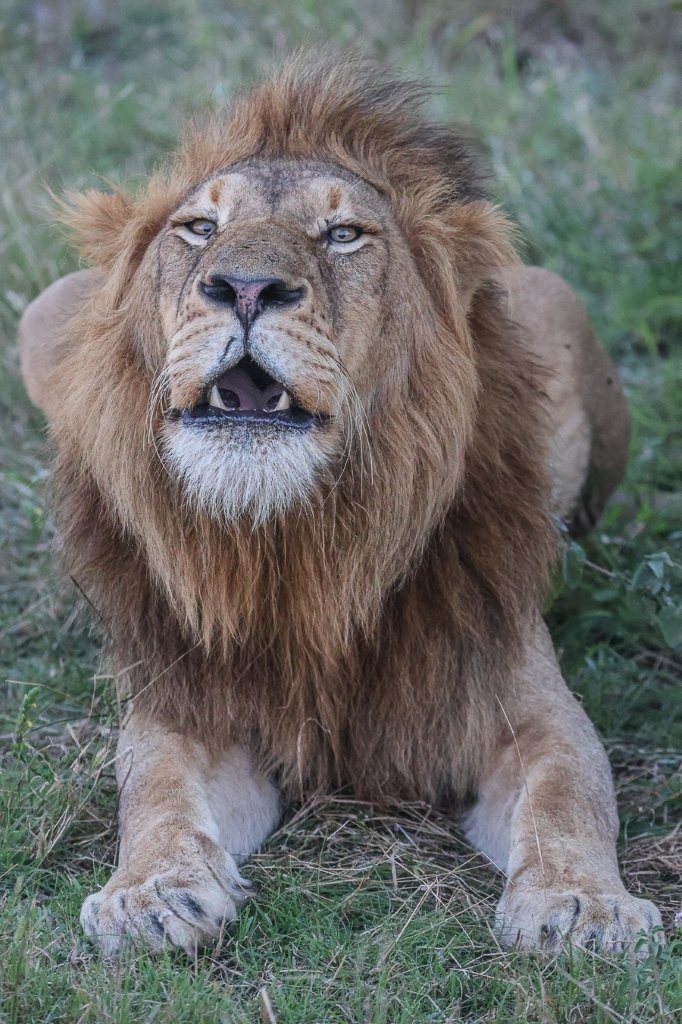
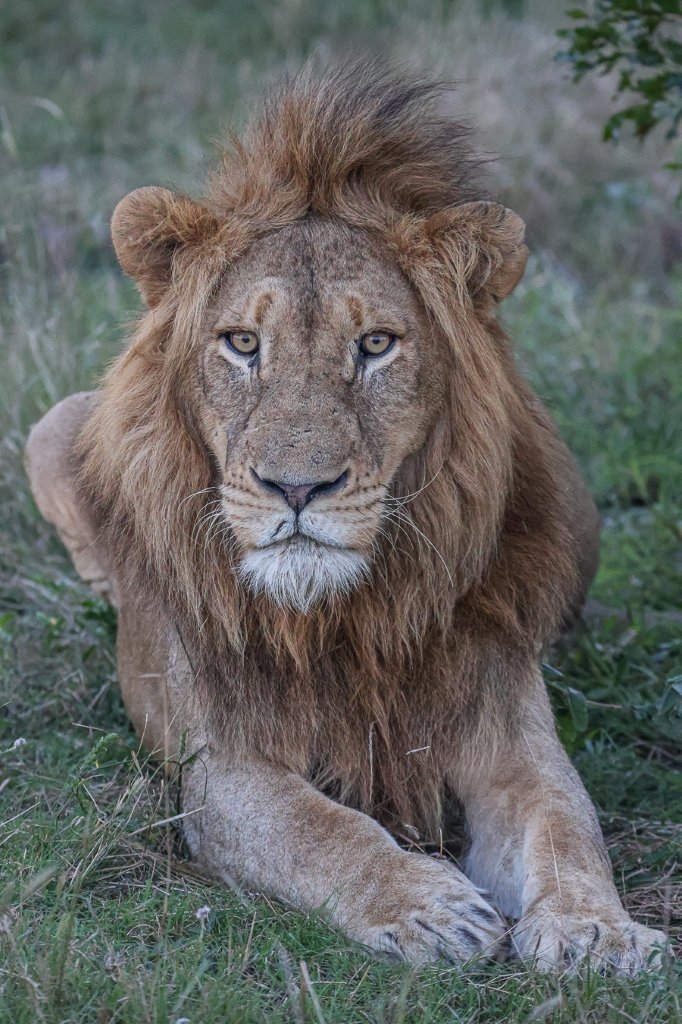
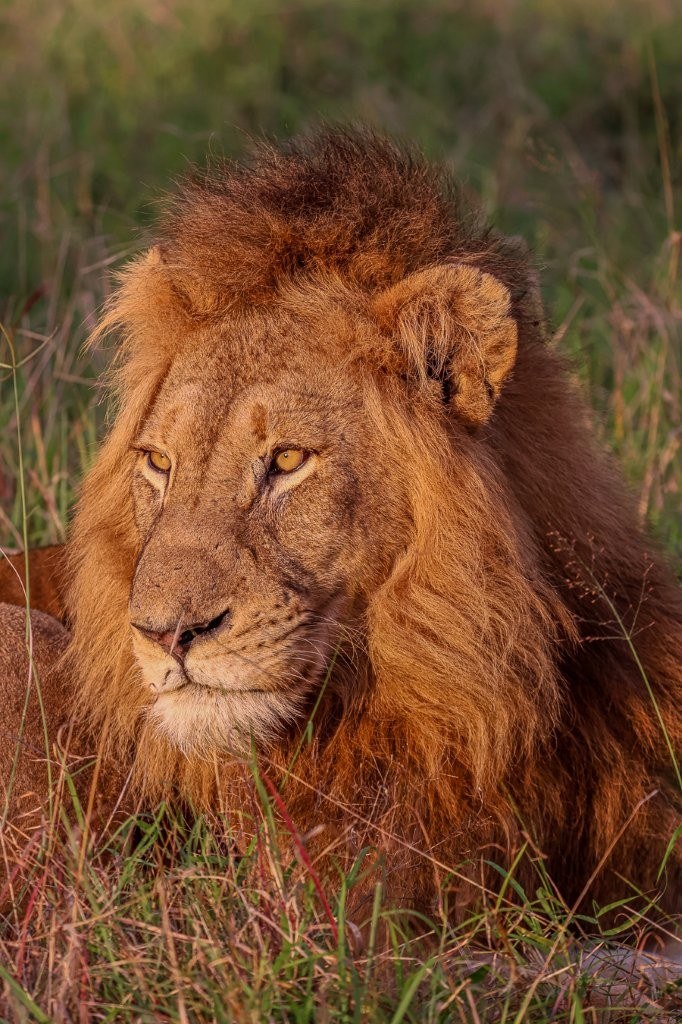
on Jun 30, 2026Over the past few months, we have witnessed an impressive and textbook example of lion ecology unfold: four adult male lions moving together as a tightly bonded coalition and taking control of territory that stretches across Sabi Sabi. From early morning spoor checks to evening game drives, their presence has transformed our understanding of male lion behaviour and serves as a reminder of the vital role coalitions play in the ecosystem - not only for the lions themselves, but for the wider environment they help shape.
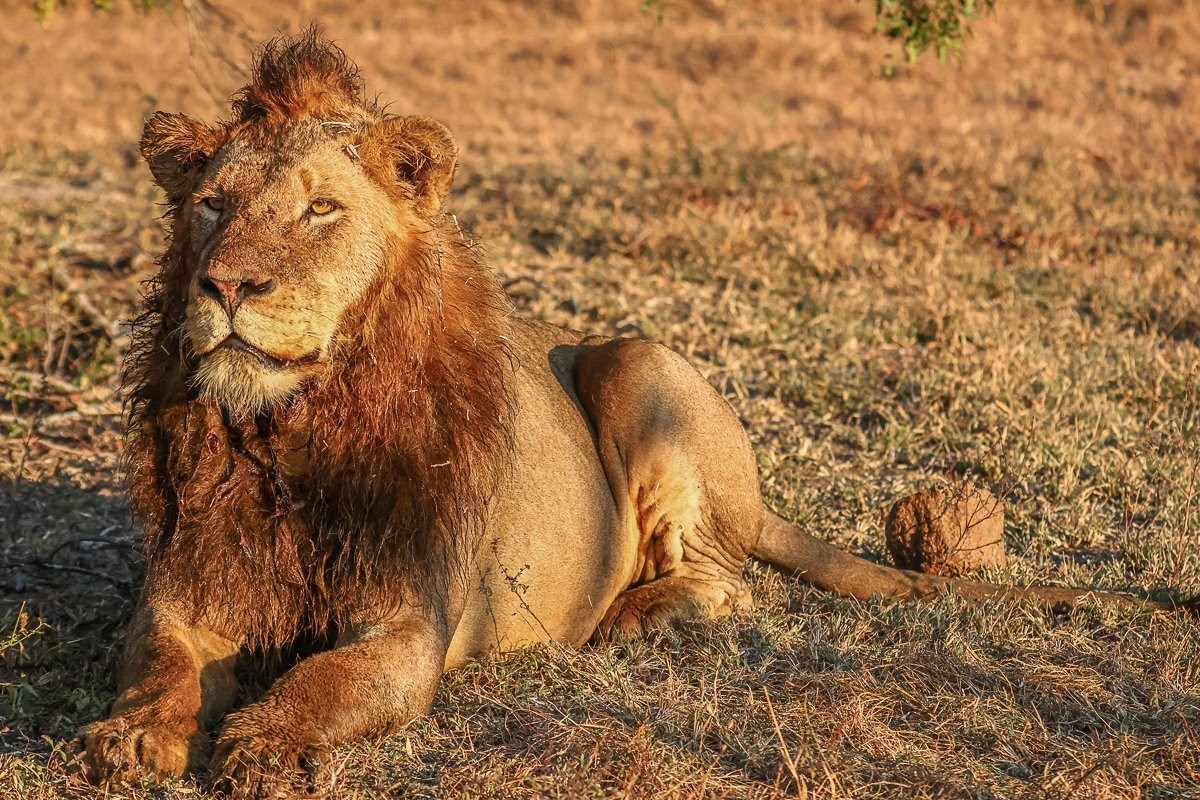
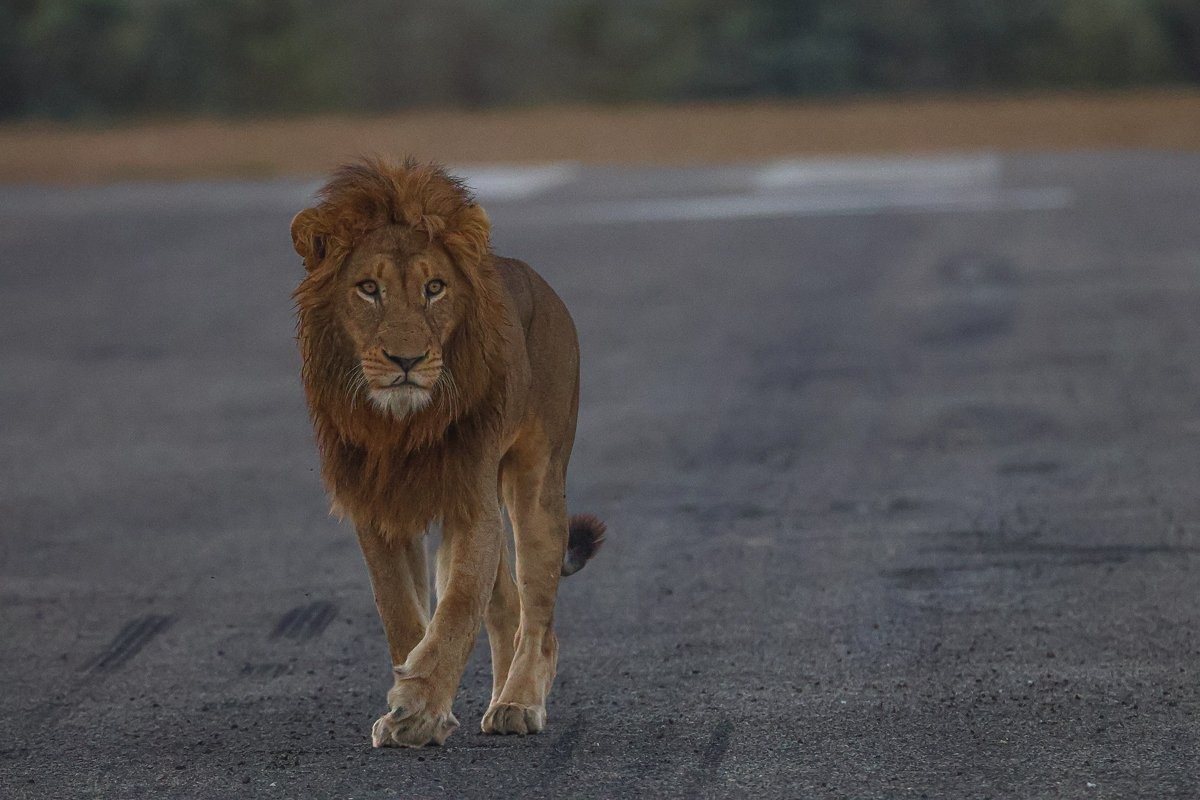
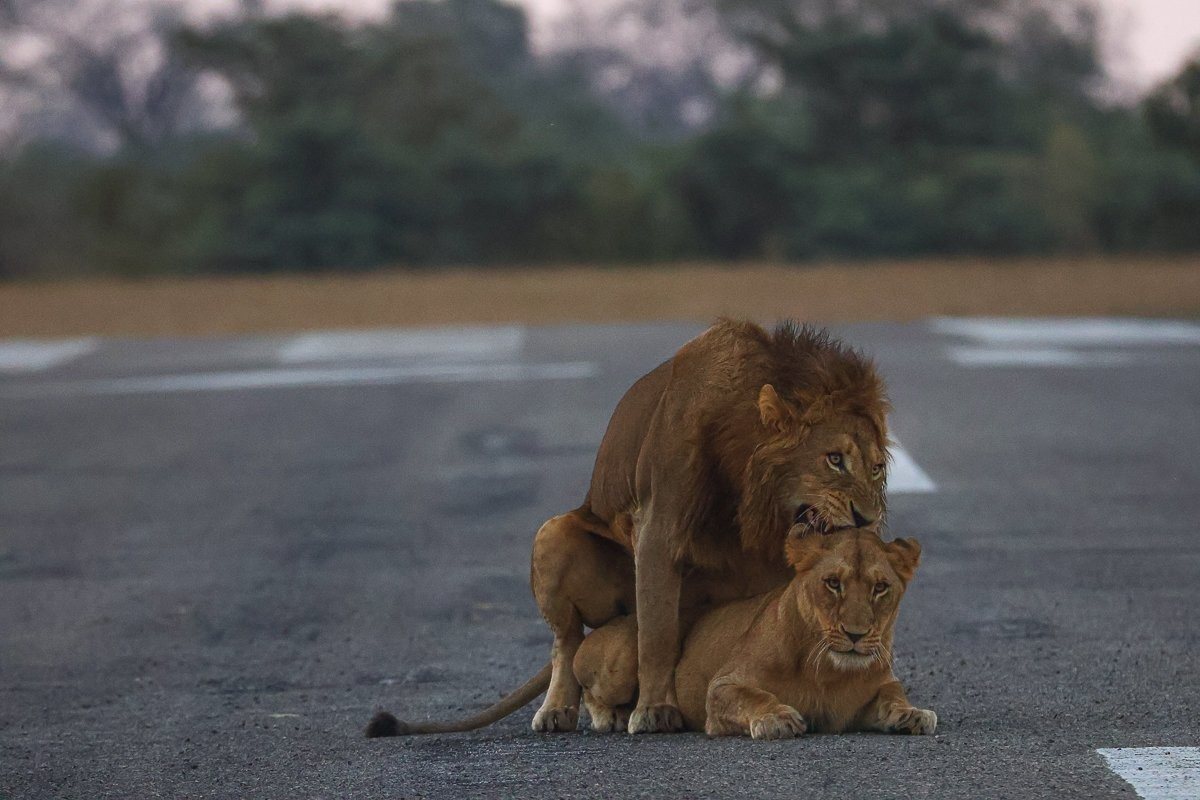
These N’waswishaka male lions have moved into our reserve from the Kruger National Park. Over the past few months they have matured, hunted cooperatively, and gradually pushed out competing males. They now partner to patrol large territories, coordinate hunts with associated lionesses and mate with the female prides they have successfully taken over.
Observation shows clear social bonds, grooming, synchronised roaring and joint patrols along scent-marked roads and boundary lines. Their coordinated strategy allowed them to displace recently dominant males and establish clear access to pride females across our reserve.
Why a coalition is stronger than single male lions?
The advantages of coalition living are significant.
First and most obvious is strength in numbers. Four males working together can overpower solitary males or smaller coalitions, giving them a clear advantage when defending territory or confronting rival lions.
There is also an important division of labour. A single male cannot be everywhere at once, but within a coalition, individuals can share responsibilities such as patrolling, guarding cubs, resting, and hunting. This allows for more effective territorial control and improves overall survival.
Coalitions also tend to enjoy longer territorial tenure. Holding a territory for an extended period increases a male's opportunities to sire offspring while reducing the frequency of violent takeovers, which can result in serious injuries or death.
Finally, cooperative behaviour around feeding can provide additional benefits. Larger coalitions are often better able to subdue larger prey and defend kills from scavengers and competing predators, improving their overall energy intake and feeding success.
How coalitions benefit the ecosystem
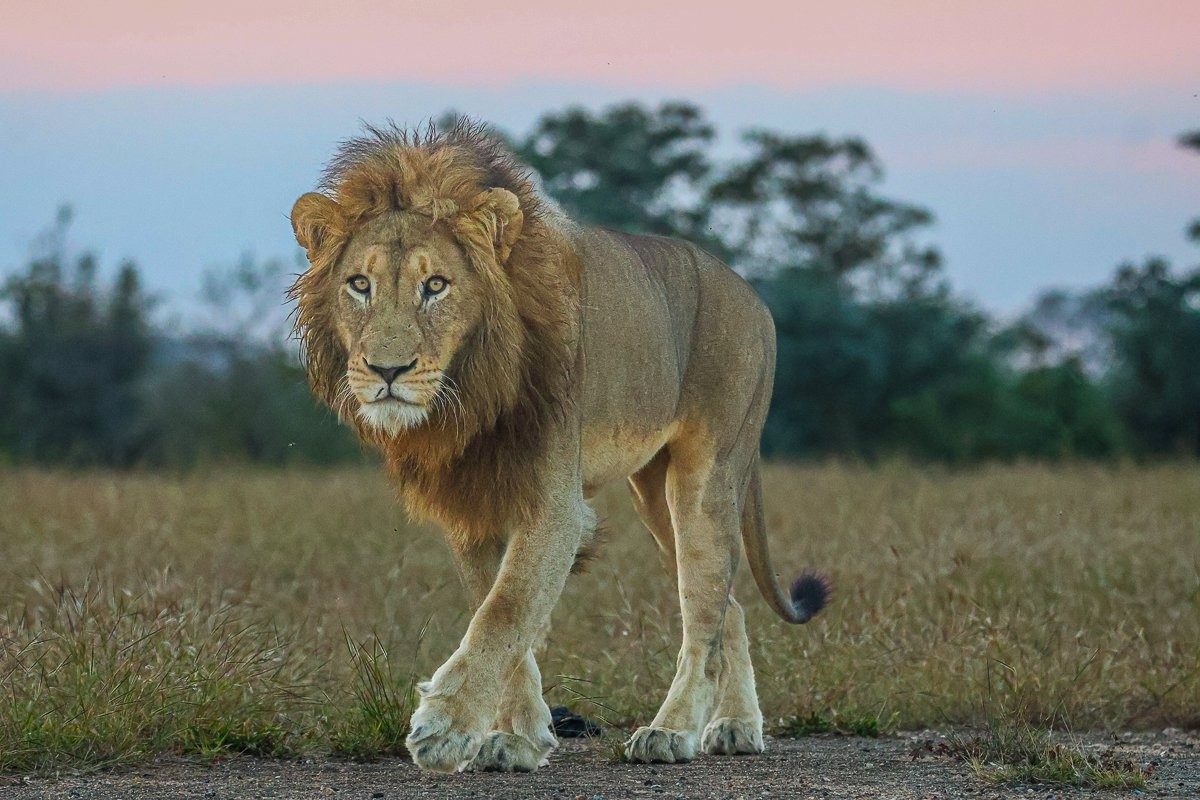
The benefits of a strong male coalition extend beyond the lions themselves and can have a significant influence on the wider ecosystem.
A stable coalition often leads to a more stable social structure. Longer male tenure means fewer disruptive takeovers, reducing the likelihood of infanticide and helping to maintain pride stability. This continuity can have ripple effects throughout the predator-prey system.
Coalitions also help create more balanced predation pressure across the landscape. When males hold territory securely, lion movements and hunting patterns tend to be more consistent and predictable, reducing the risk of intense, localised predation pressure on particular prey populations.
By successfully defending prides and their offspring, coalitions contribute to cub survival and genetic continuity. More cubs reaching independence helps maintain healthy population numbers and preserves local genetic lineages.
Their influence can even be seen in how resources are distributed across the reserve. Large coalitions often patrol extensive areas, and their movements, scent marking, and territorial boundaries help shape where prey species congregate and where scavengers focus their efforts. These patterns contribute to the complex web of ecological interactions that defines the landscape.
Why constant rival challenges are important for genetics and health
It is an example of natural selection in action. While territorial takeovers can be brutal, they act as a filter, with the strongest and most capable males securing breeding opportunities. This helps maintain robust physical and behavioural traits within the population.
Takeovers also promote genetic mixing. When new males successfully establish themselves and sire cubs, fresh genetic material is introduced into the population. This gene flow reduces the risk of inbreeding and may increase resilience to challenges such as disease, environmental change, and fluctuations in prey availability.
Competition can also have indirect benefits for overall health. Males that can defend territory, survive conflicts, and maintain good physical condition are more likely to pass on traits associated with strength, fitness, and disease resistance to future generations.
Finally, ongoing social competition helps preserve behavioural diversity. Different males succeed through different strategies, whether through coalition-building, effective territorial defence, or tactical decision-making. This variety of behaviours ensures that lions retain a range of adaptations that help them respond to changing environmental pressures over time.
A balanced perspective
Takeovers are violent and costly events. Adult males may be seriously injured or killed, and cubs are often vulnerable in the immediate aftermath. From a conservation perspective, these moments can be difficult to witness. However, they are also a natural ecological process that helps maintain healthy, genetically diverse lion populations over time.
Our role is not to interfere with these natural dynamics, but to monitor them while minimising human-caused pressures such as poaching, habitat fragmentation, and other disturbances that can intensify or disrupt natural processes. By protecting the integrity of the landscape, we help ensure that essential behaviours such as dispersal, territory establishment, and coalition formation can continue to occur naturally, supporting the long-term health of the lion population and the ecosystem as a whole.
What we are witnessing now
On Sabi Sabi, the four N’waswishaka males have, so far, demonstrated remarkable stability. Their coordinated territorial patrols, successful defence against neighbouring males, and the continued survival of cubs within their range suggest that they have firmly established themselves as a dominant coalition.
We continue to document their movements, kill rates, and interactions with pride females and cubs to better understand how a large male coalition influences local prey distribution and affects other predators, such as hyenas and leopards. Over time, the balance between their tenure and the eventual challenge posed by new rivals will provide valuable insight into genetic turnover, population dynamics, and the overall health of the reserve's lion population.
Why this matters
This coalition offers a rare opportunity to observe the complex social strategies of one of Africa’s top predators. Protecting habitat connectivity is essential to maintaining the natural processes that allow coalitions to form, establish territories, and eventually be replaced by new rivals - dynamics that are critical for the long-term health of lion populations.
By appreciating both the drama and the ecological significance of territorial takeovers, we gain a deeper understanding of conservation. It is not simply about protecting individual animals, but about safeguarding the natural processes that shape resilient populations, maintain genetic diversity, and sustain healthy ecosystems for generations to come.
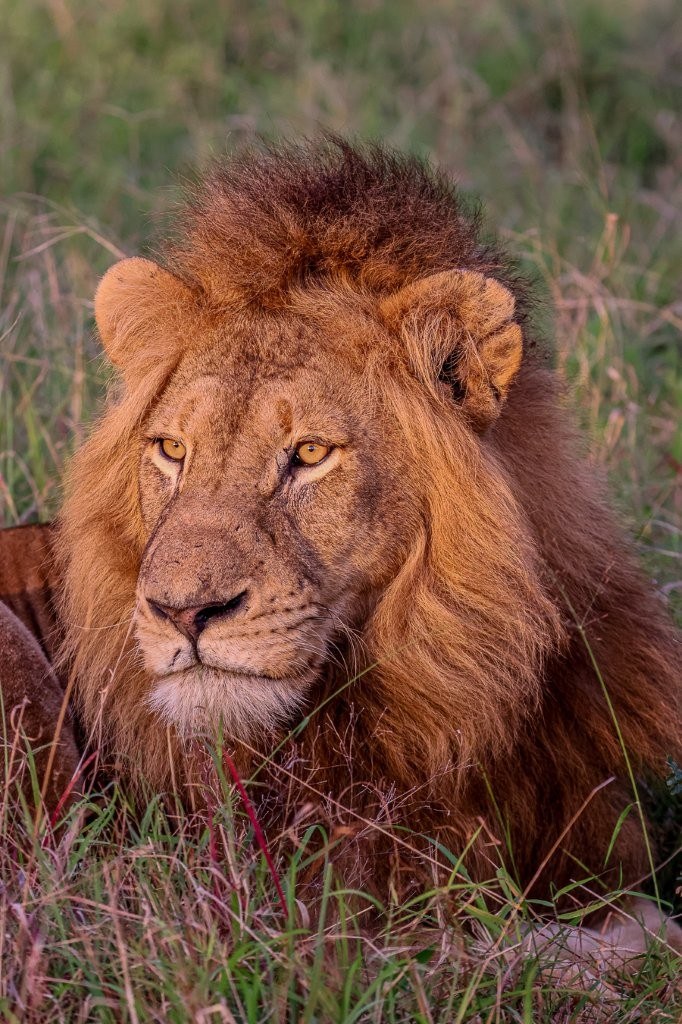
Only time will tell how long these males will remain dominant on our reserve and how many of their cubs will survive to adulthood. With lion dynamics in this part of the Greater Kruger being particularly complex, their tenure is likely to be shaped by a constant balance between territorial defence, coalition strength, and pressure from rival males. Whatever the outcome, their story will provide valuable insight into the ever-changing nature of lion ecology.
Blog by Ruan Mey (Earth Lodge Ranger)