
A Day in the African Bush
on Jul 14, 2026There is a special kind of magic that begins long before the sun rises over the African wilderness. While the bush is still cloaked in darkness and the first birds have yet to announce the coming day, safari guides, trackers, and eager guests gather around steaming cups of coffee, preparing for another adventure.
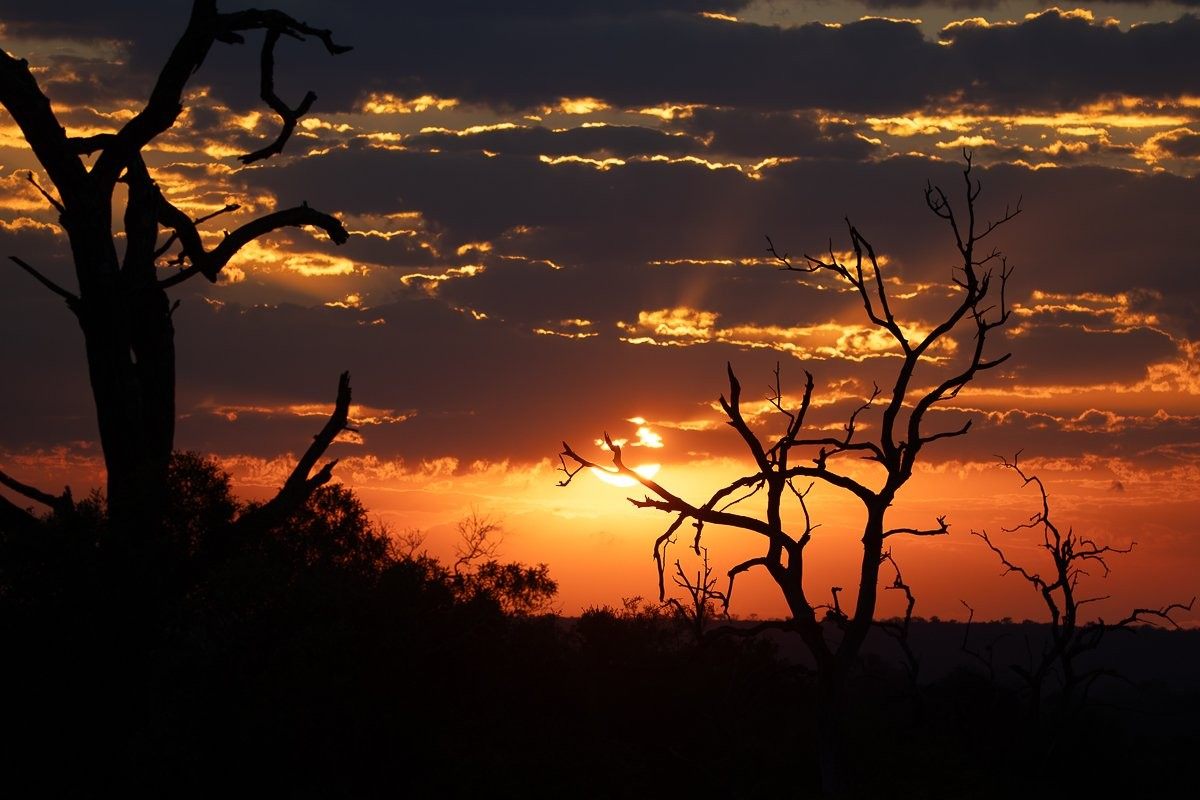
The aroma of freshly brewed coffee mingles with the crisp morning air as conversations revolve around the possibilities of the day ahead. Will we find the leopard that eluded us yesterday? Will the lion pride be on the move? Or perhaps a rare bird will make an appearance for those keeping their cameras at the ready.
With coffee cups emptied and cameras checked one final time, we venture into the awakening wilderness.
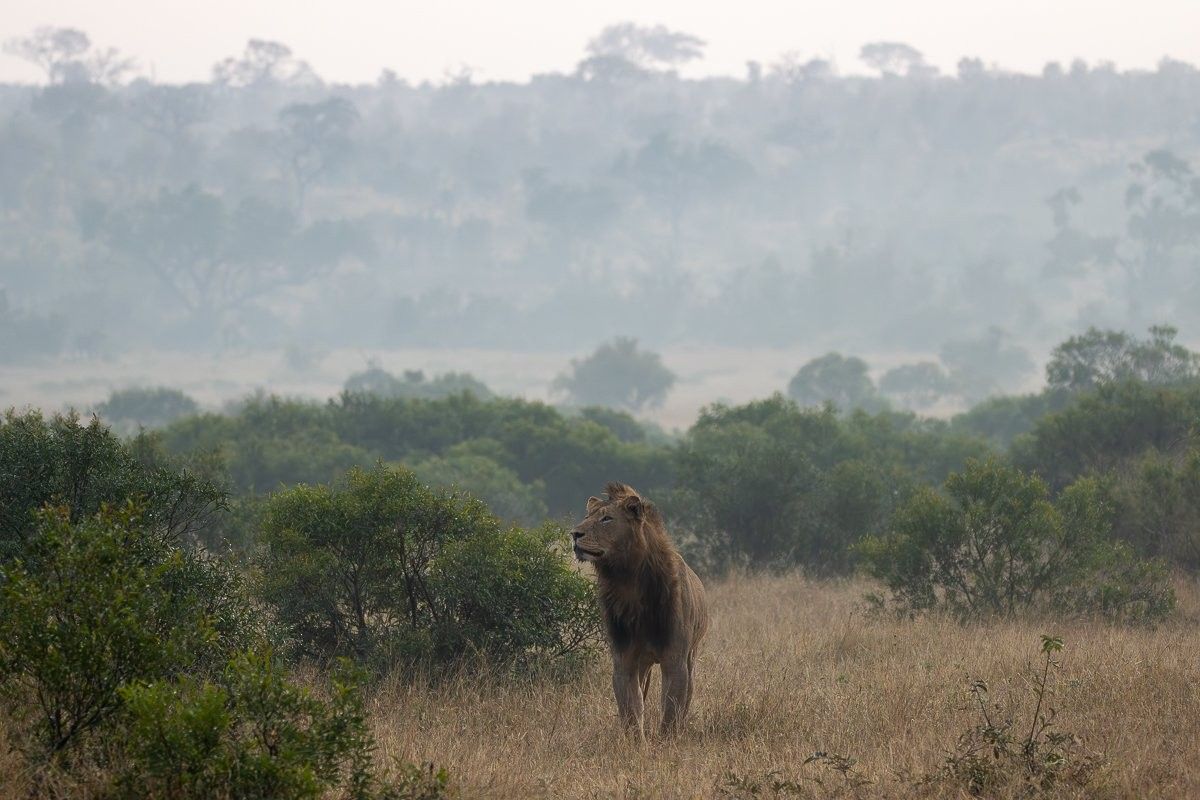
The early morning light is a photographer's dream. Soft golden hues illuminate the landscape, transforming ordinary scenes into extraordinary moments. Every turn of the road holds promise. A herd of elephants crossing a river, a giraffe silhouetted against the sunrise, or a Martial eagle perched high in a Leadwood tree can all become lasting memories through the lens of a camera.
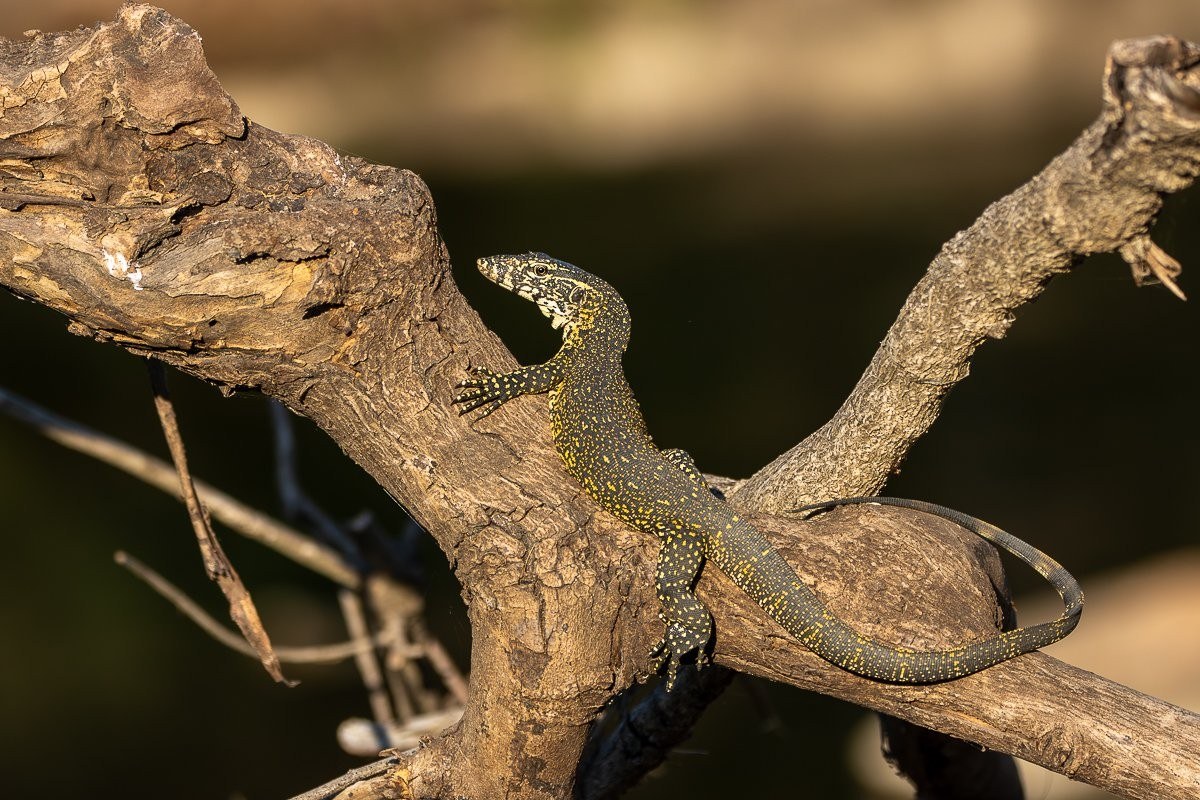
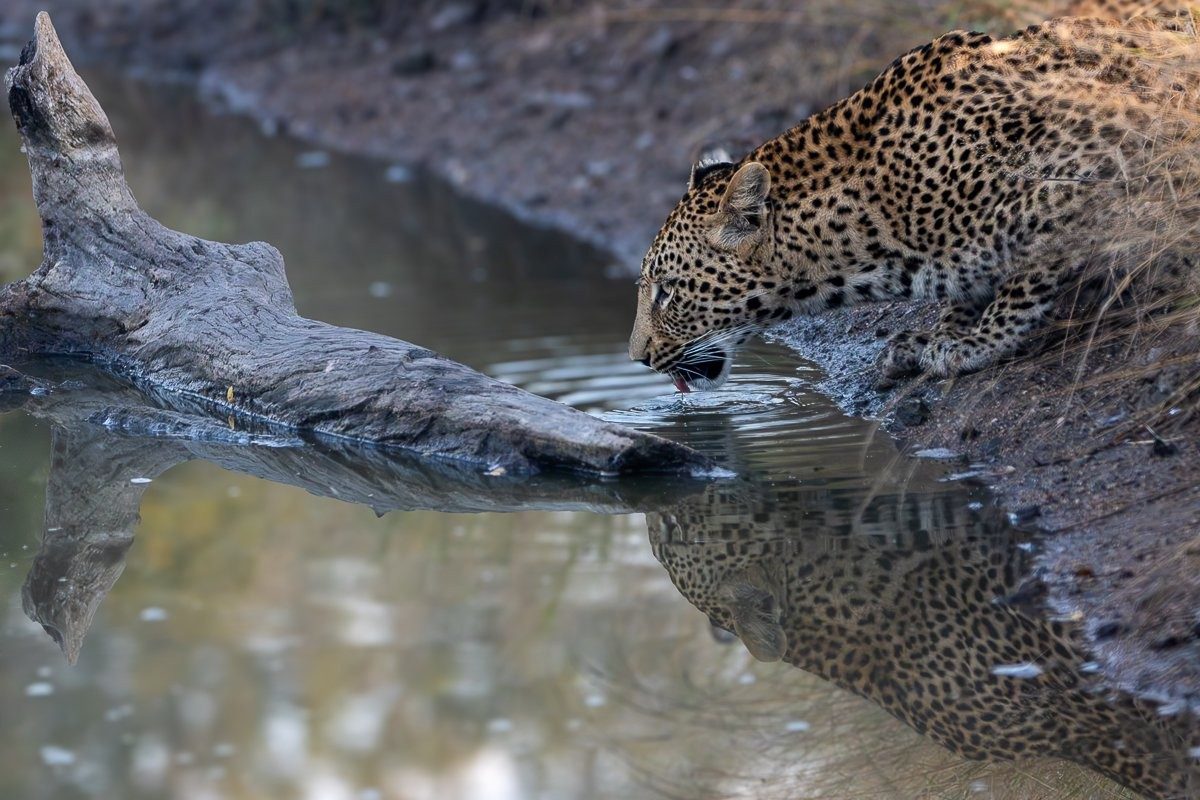
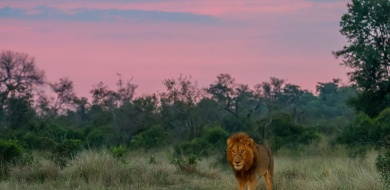
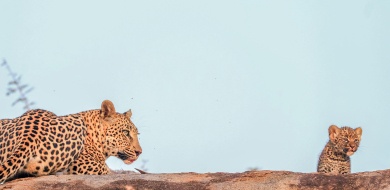
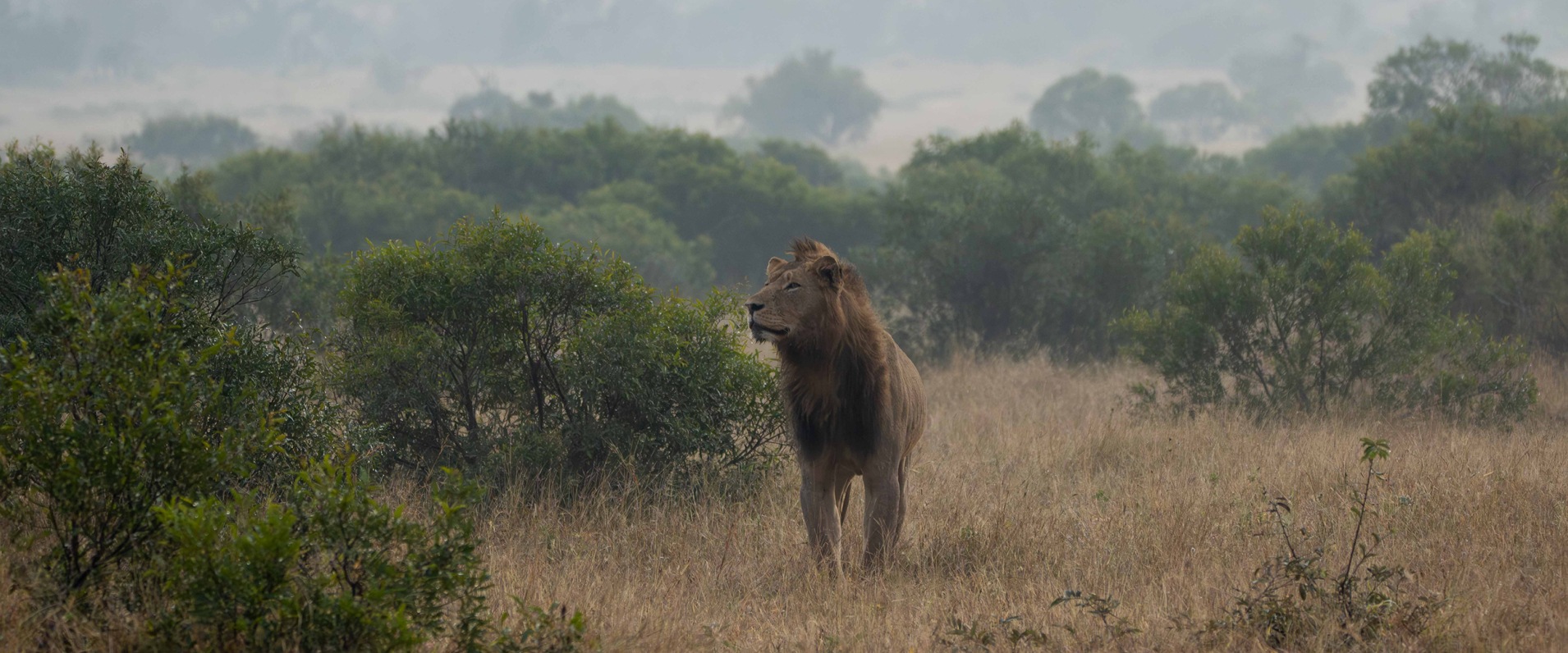
Photography has become an integral part of the modern safari experience. Cameras allow guests to capture not only images but emotions, stories, and connections with the natural world. A single photograph can preserve a fleeting moment forever - a lion's piercing gaze, a leopard draped over a Marula tree branch, or the playful antics of elephant calves at a waterhole.
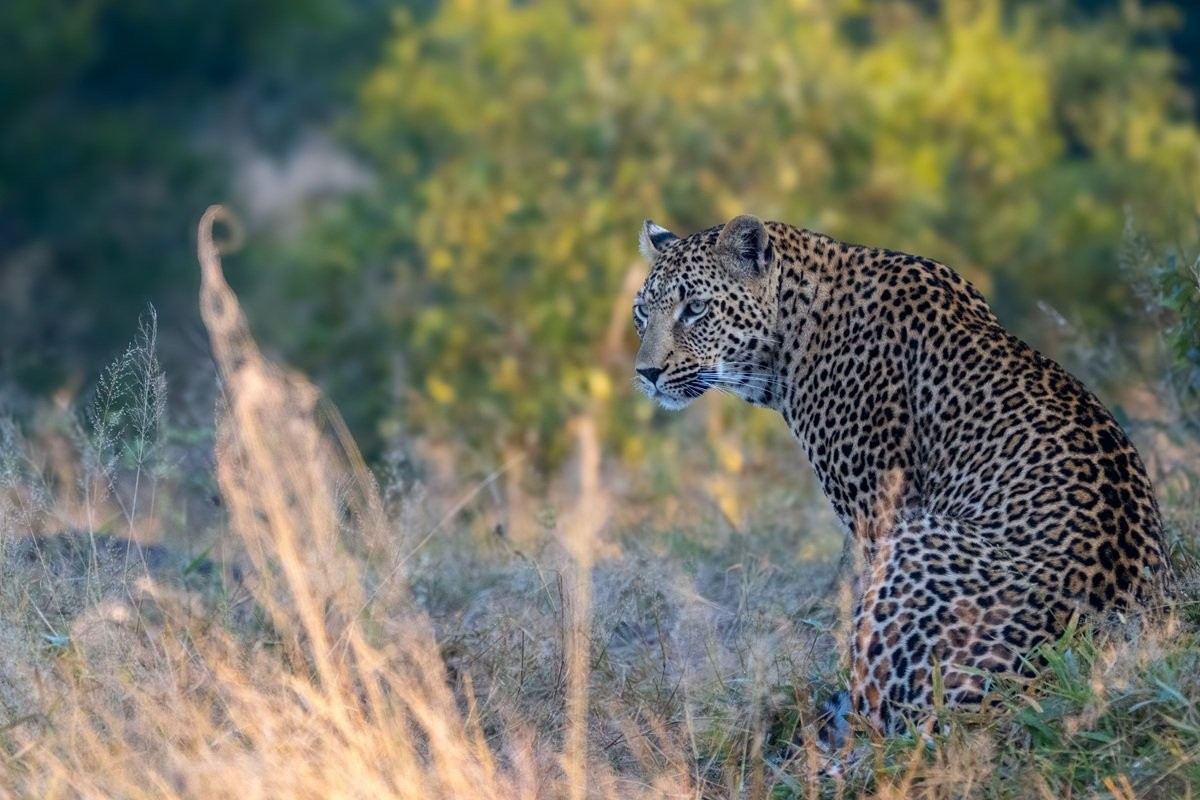
Yet beyond creating beautiful images, photography serves a far greater purpose.
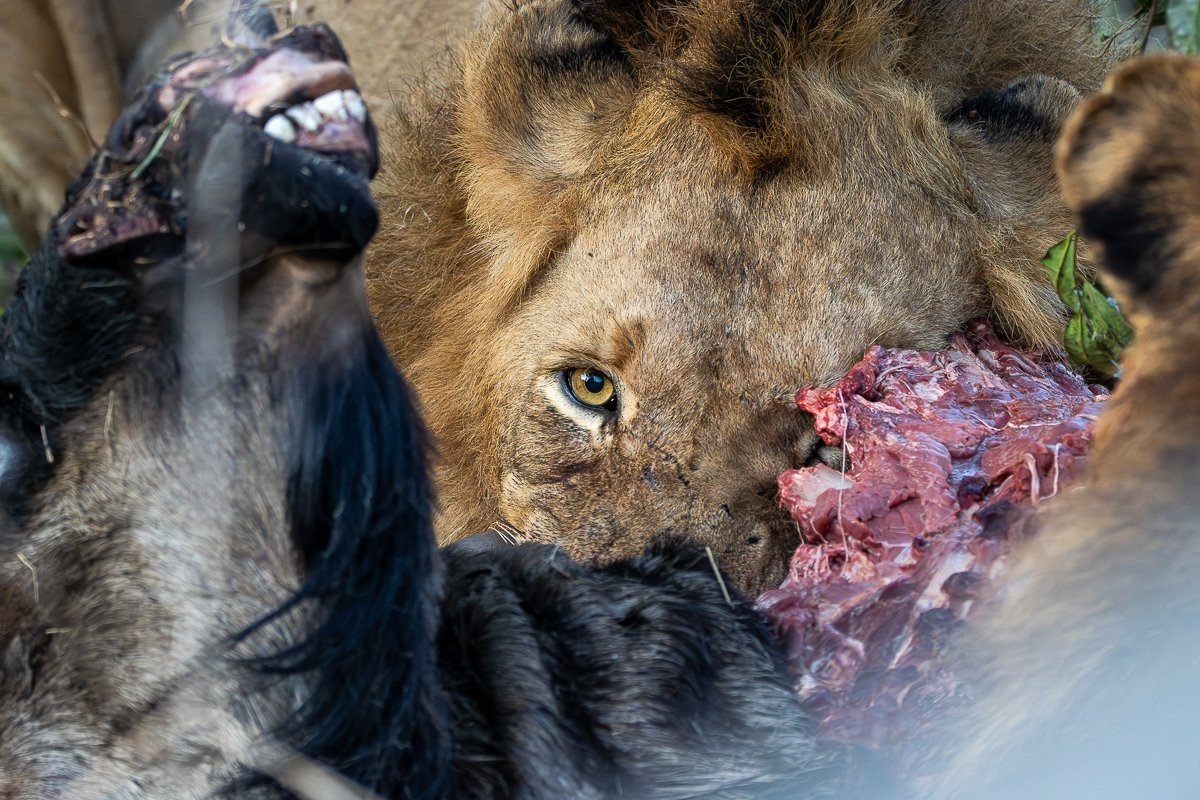
Every photograph shared has the potential to inspire conservation. Images connect people to wildlife and wild places, often motivating support for conservation initiatives, anti-poaching efforts, and habitat protection. For many people around the world, photographs provide their first glimpse into ecosystems they may never have the opportunity to visit.
Conservation is woven into every aspect of the safari experience. The roads we travel, the wildlife we observe, and the stories we tell all contribute to a larger mission: protecting Africa's natural heritage for future generations.
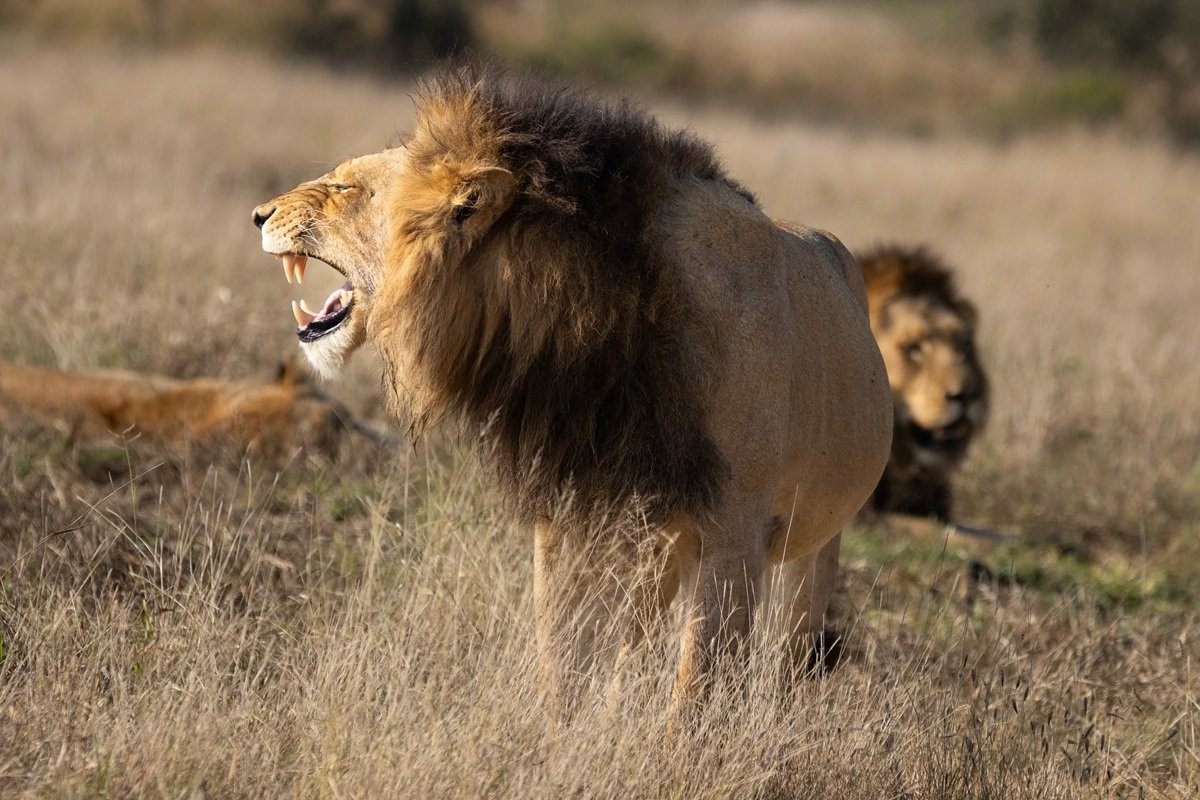
Guides and trackers play a vital role in this effort. Their knowledge of animal behaviour helps ensure that wildlife encounters are respectful and sustainable. By educating guests about the challenges facing species such as rhinos, wild dogs, vultures, and pangolins, they help transform curiosity into awareness and awareness into action.
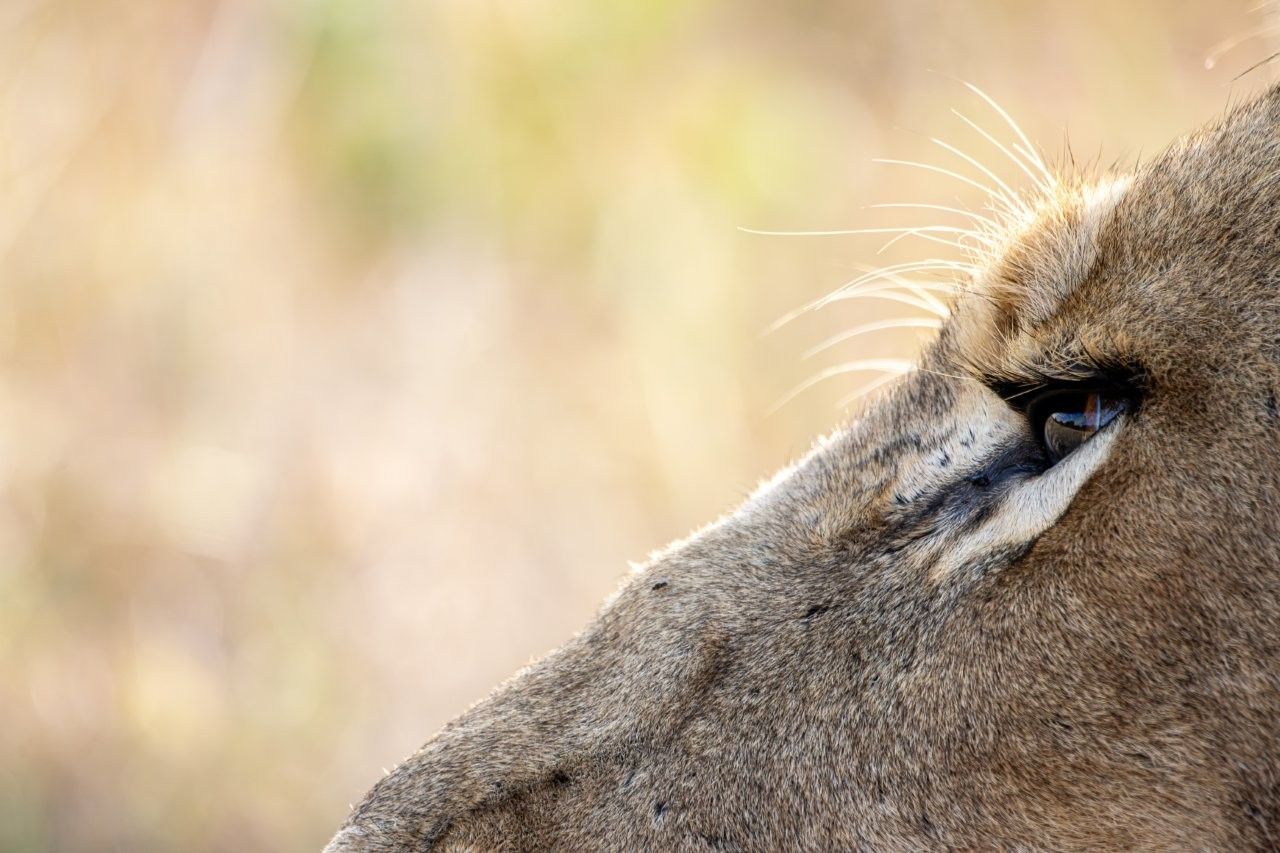
Throughout the day, cameras continue to click as remarkable sightings unfold. Some images will be technically perfect; others may simply capture a meaningful memory. Regardless of their quality, each photograph becomes part of a larger story - a story of connection between people and nature.
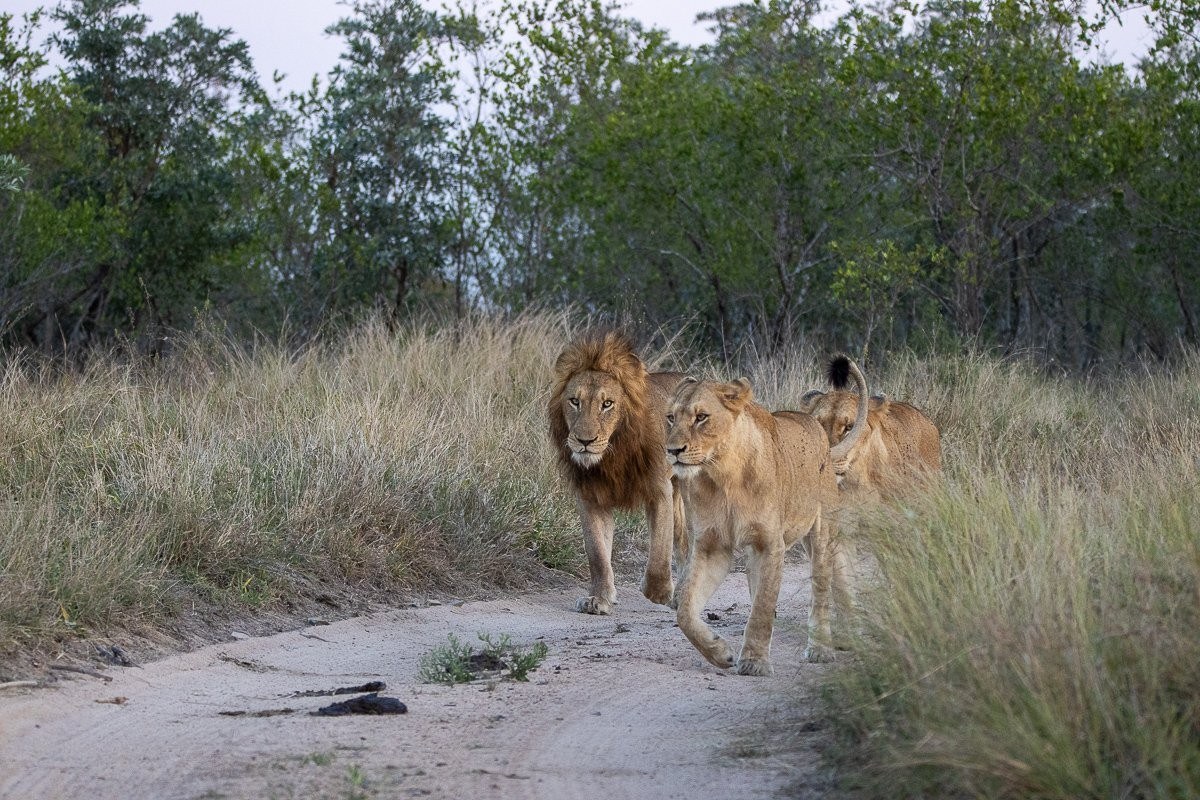
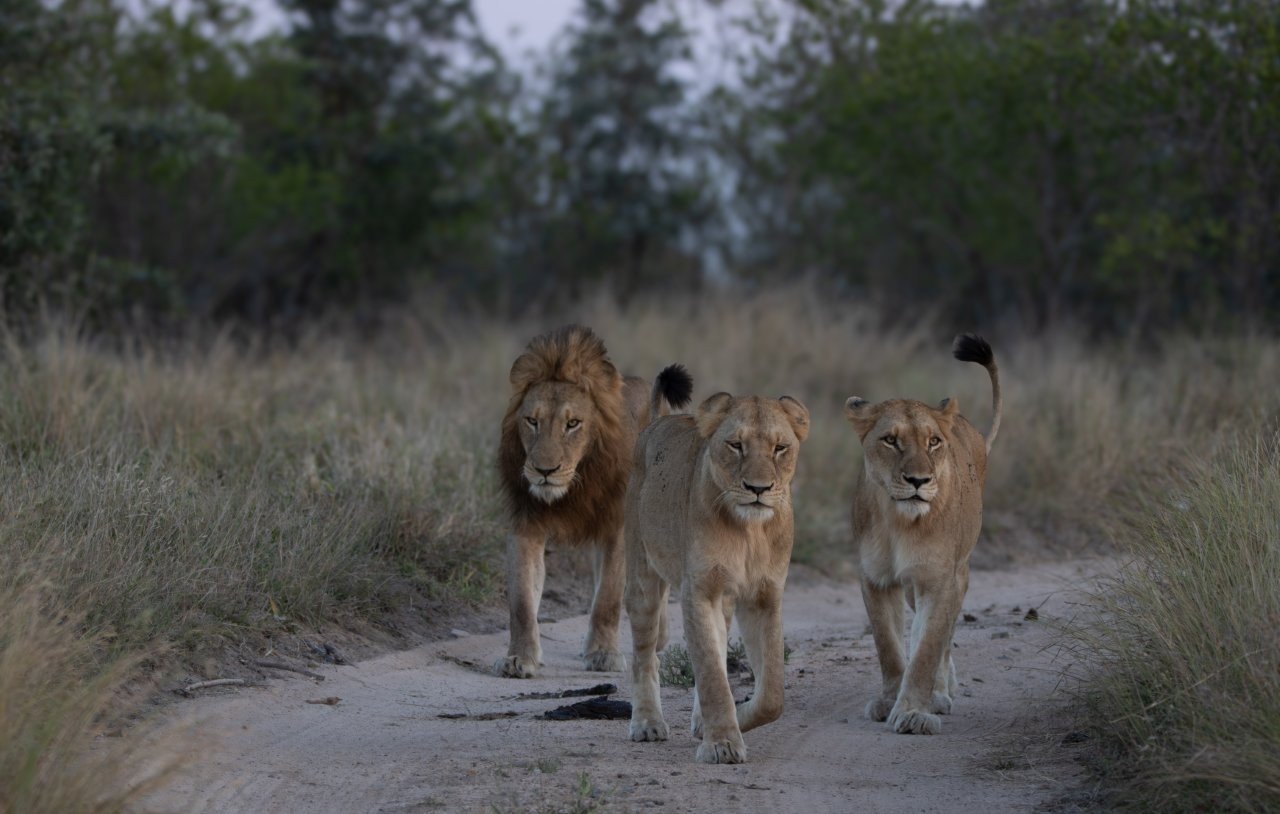
As the day draws to a close, vehicles gather at a scenic spot overlooking the vast African landscape. Once again, coffee may be replaced by sundowners, but the conversations remain the same. Guests share photographs, relive memorable sightings, and reflect on the privilege of spending time in one of the world's last great wildernesses.
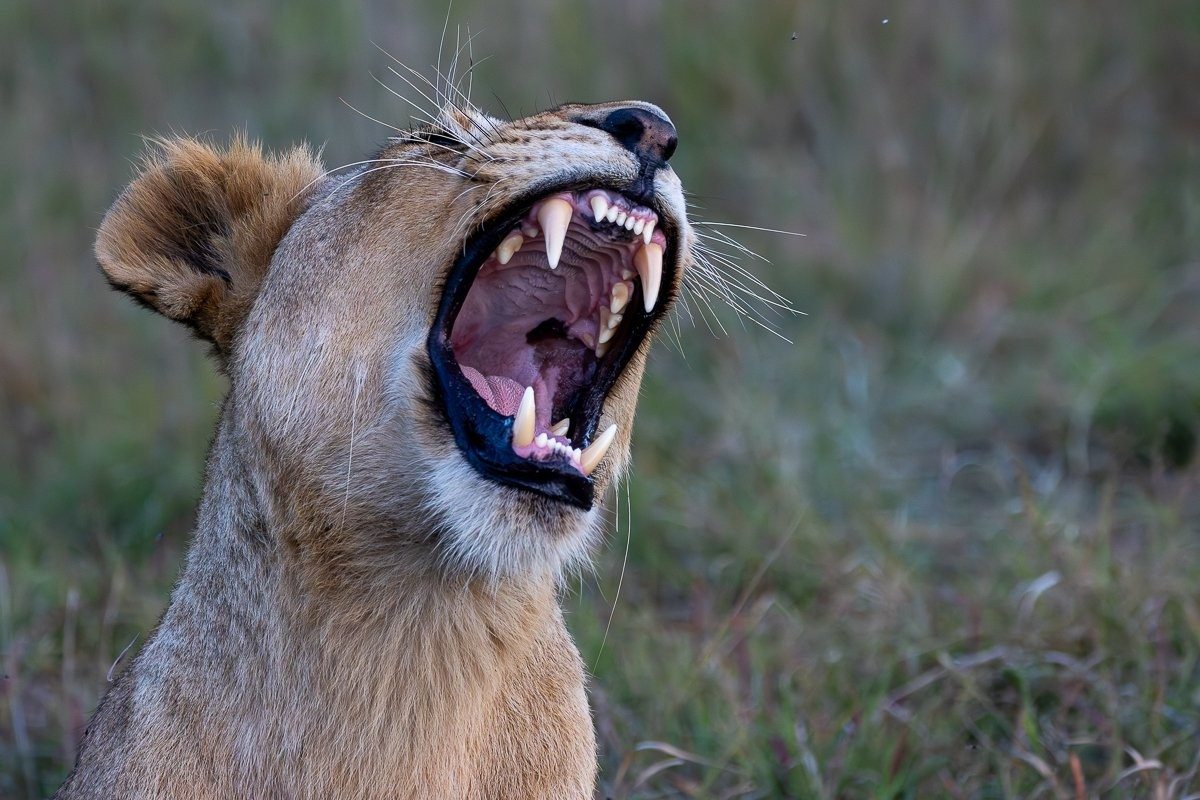
In these moments, it becomes clear that coffee, cameras, and conservation are more closely linked than one might imagine. A simple morning ritual leads to unforgettable experiences, powerful images, and a deeper appreciation for the natural world.
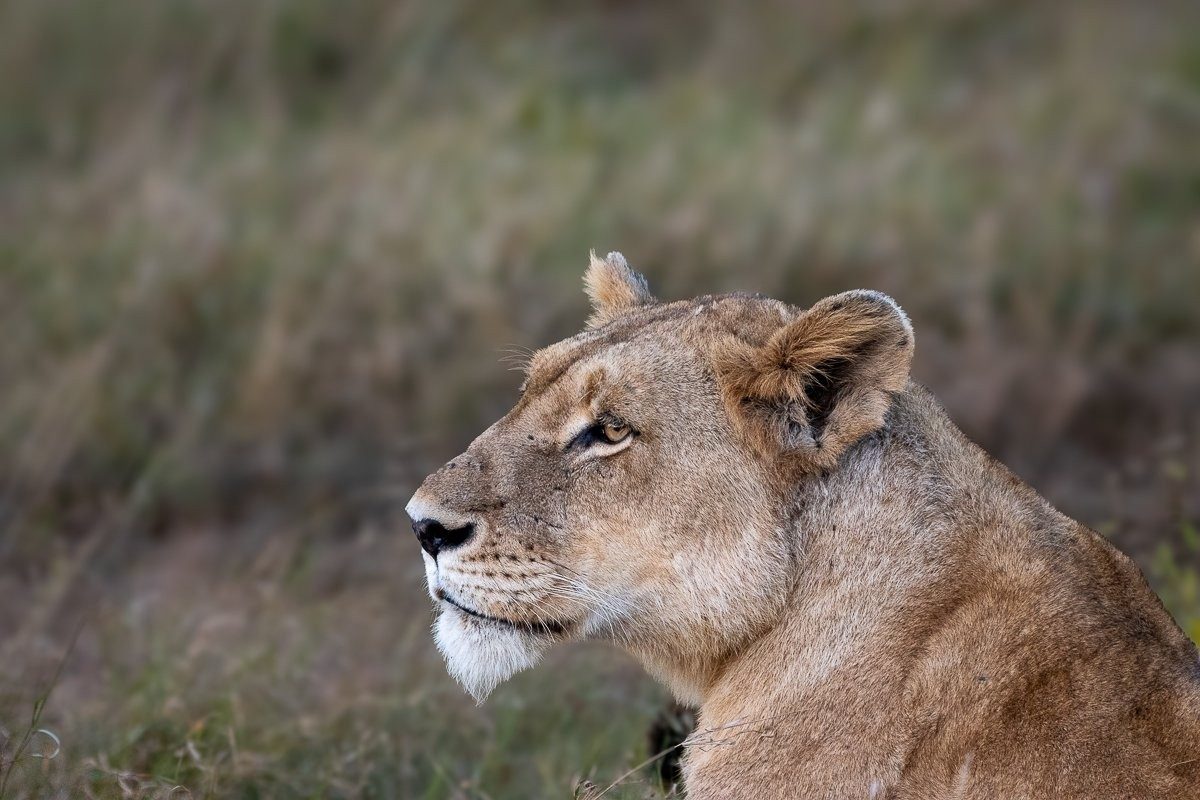
And perhaps that is the true essence of safari, not simply seeing wildlife, but understanding its value and becoming part of the ongoing effort to protect it. Because every great conservation story begins with a moment of connection, and often, that moment starts with a cup of coffee before sunrise.
Blog by Ronald Mutero (Selati Camp Ranger)