
Three Icons
on Aug 11, 2026August is a special month for celebrating some of Africa's most iconic wildlife. Throughout the month, three internationally recognised conservation days shine a spotlight on elephants, lions and African wild dogs - species that play vital roles in maintaining healthy ecosystems, yet all face growing threats in the wild.
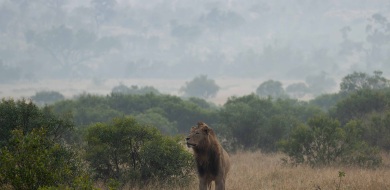
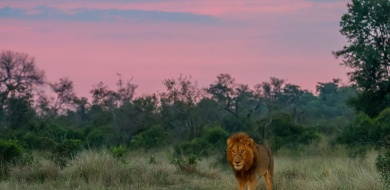
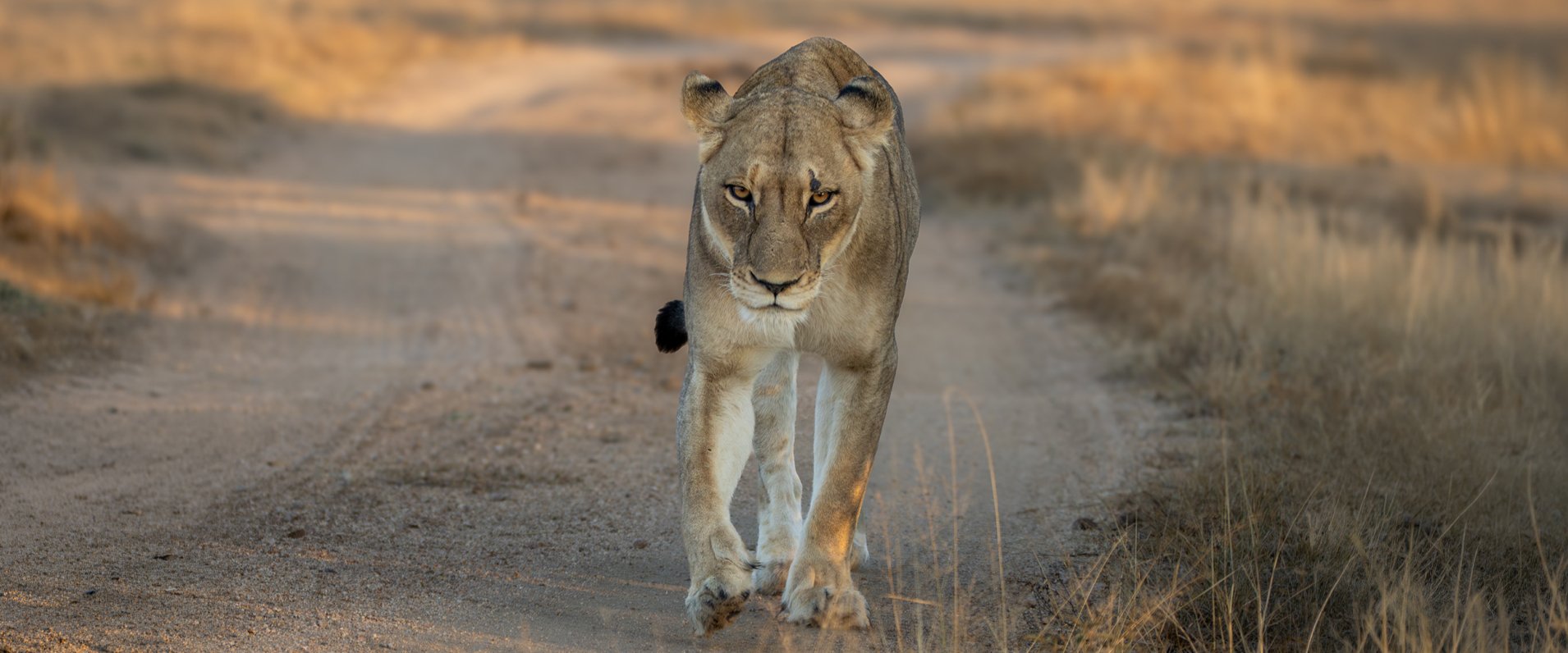
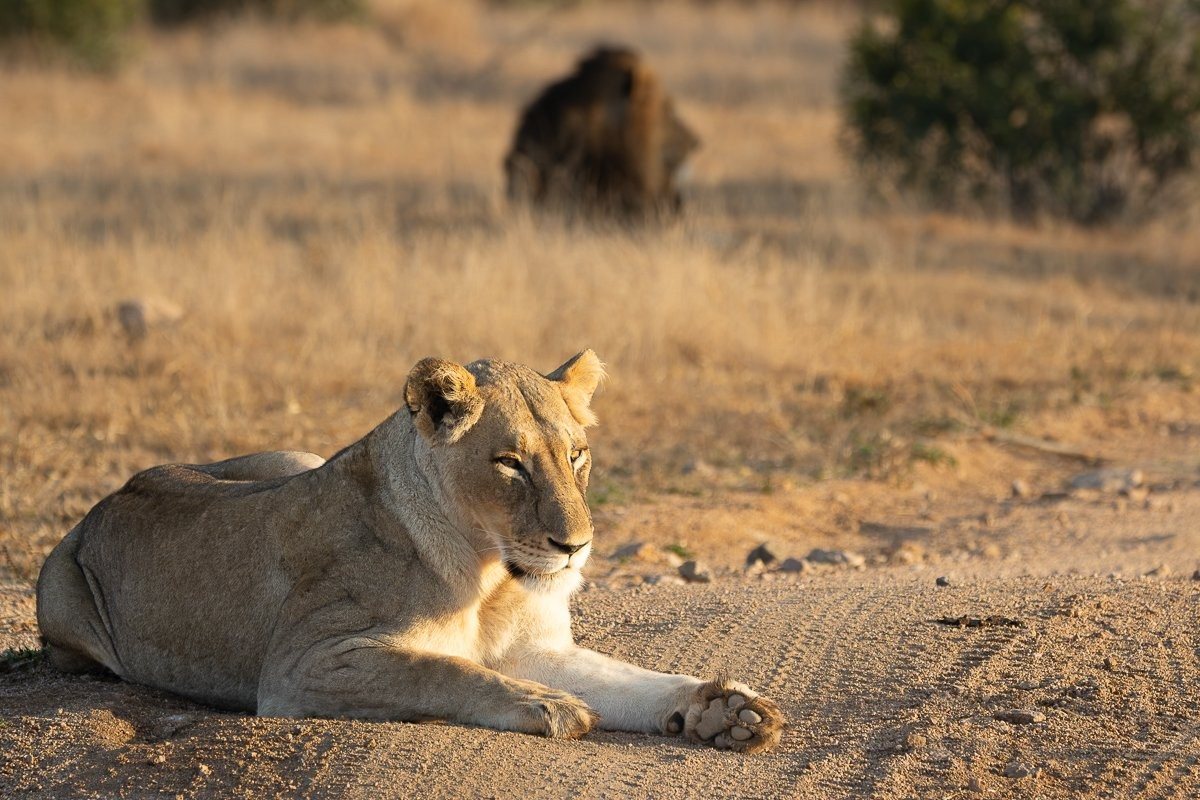
The Lion: Guardians of the Food Chain
Few animals embody the spirit of Africa quite like the lion.
The unmistakable roar of a pride echoes across the landscape long before first light, serving as both a declaration of territory and a reminder that the wilderness still belongs to its rightful inhabitants.
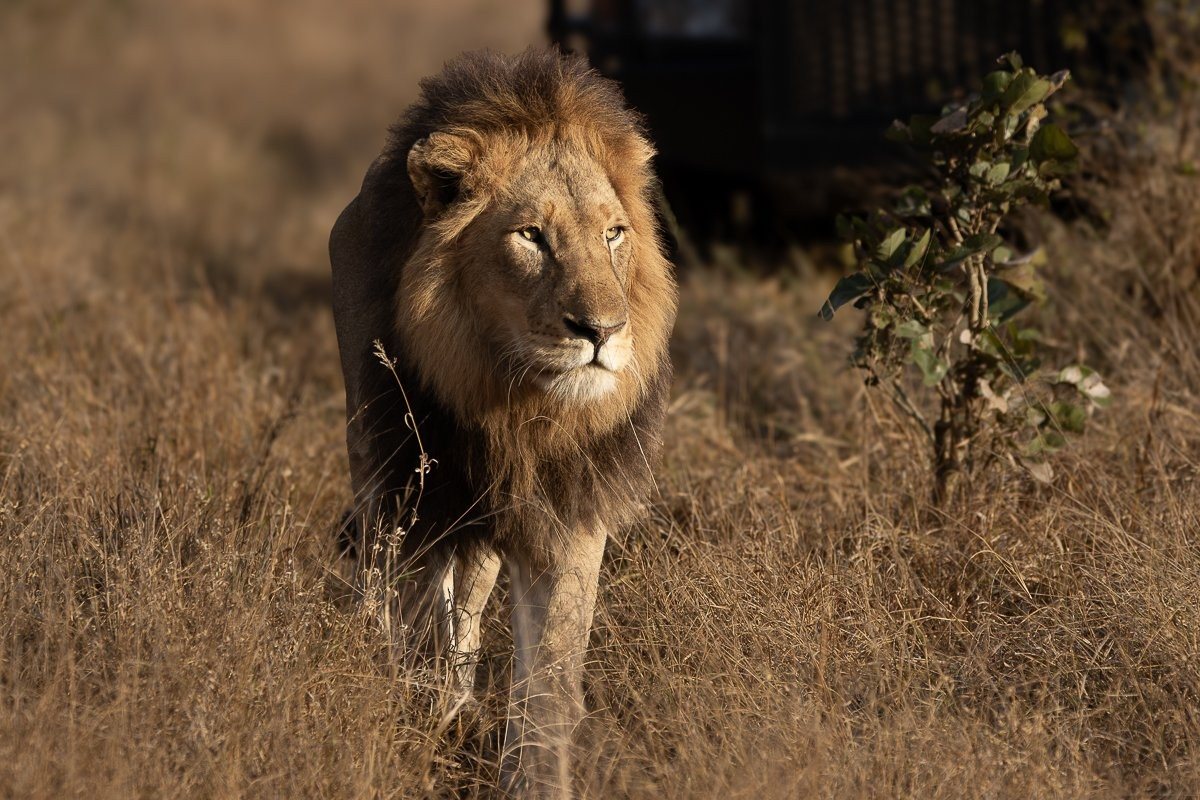
As apex predators, lions perform an essential ecological role. By hunting herbivores such as buffalo, zebra and antelope, they naturally regulate prey populations, preventing overgrazing and allowing vegetation to regenerate. Healthy predator populations ultimately contribute to healthier ecosystems.
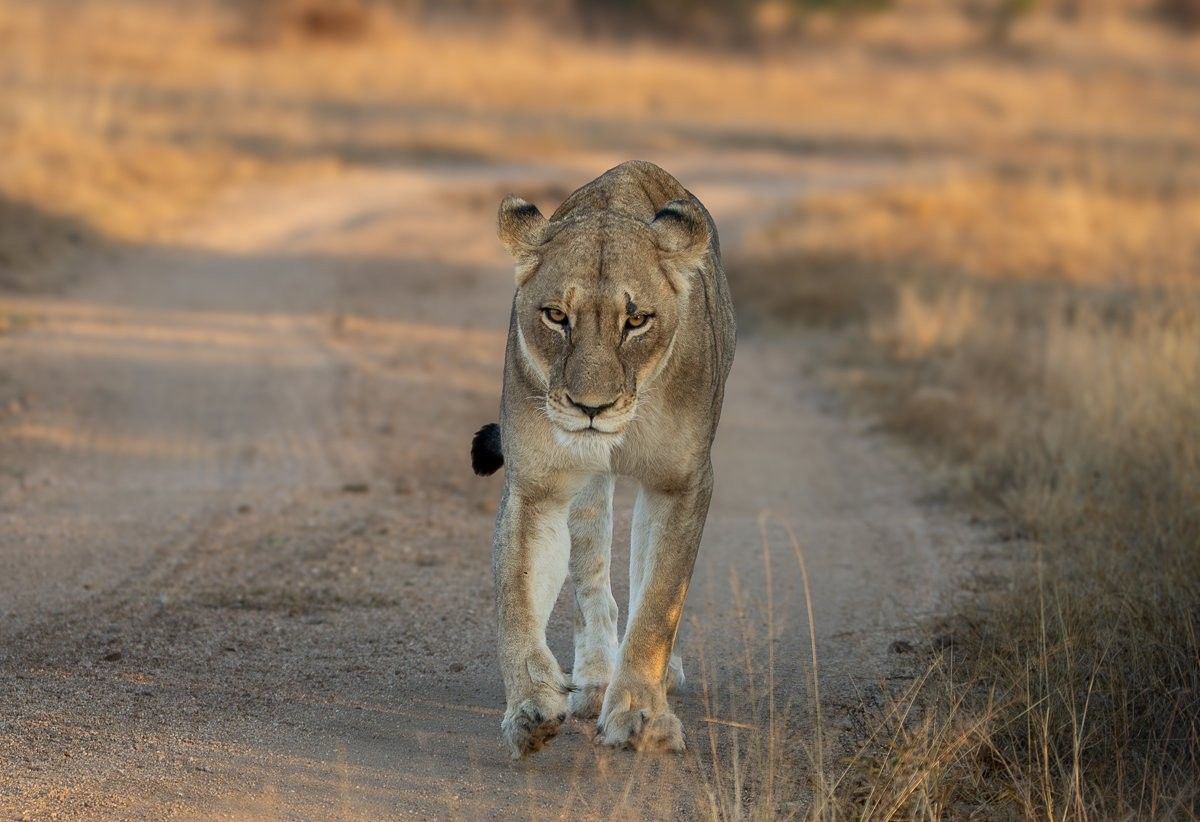
Yet life is anything but easy for lions.
Territorial disputes between rival prides are often violent, and cub mortality remains high. Disease, habitat fragmentation and increasing conflict with expanding human populations continue to threaten lion numbers across Africa. Although southern Africa remains one of the species' strongholds, lions occupy only a fraction of their historic range.
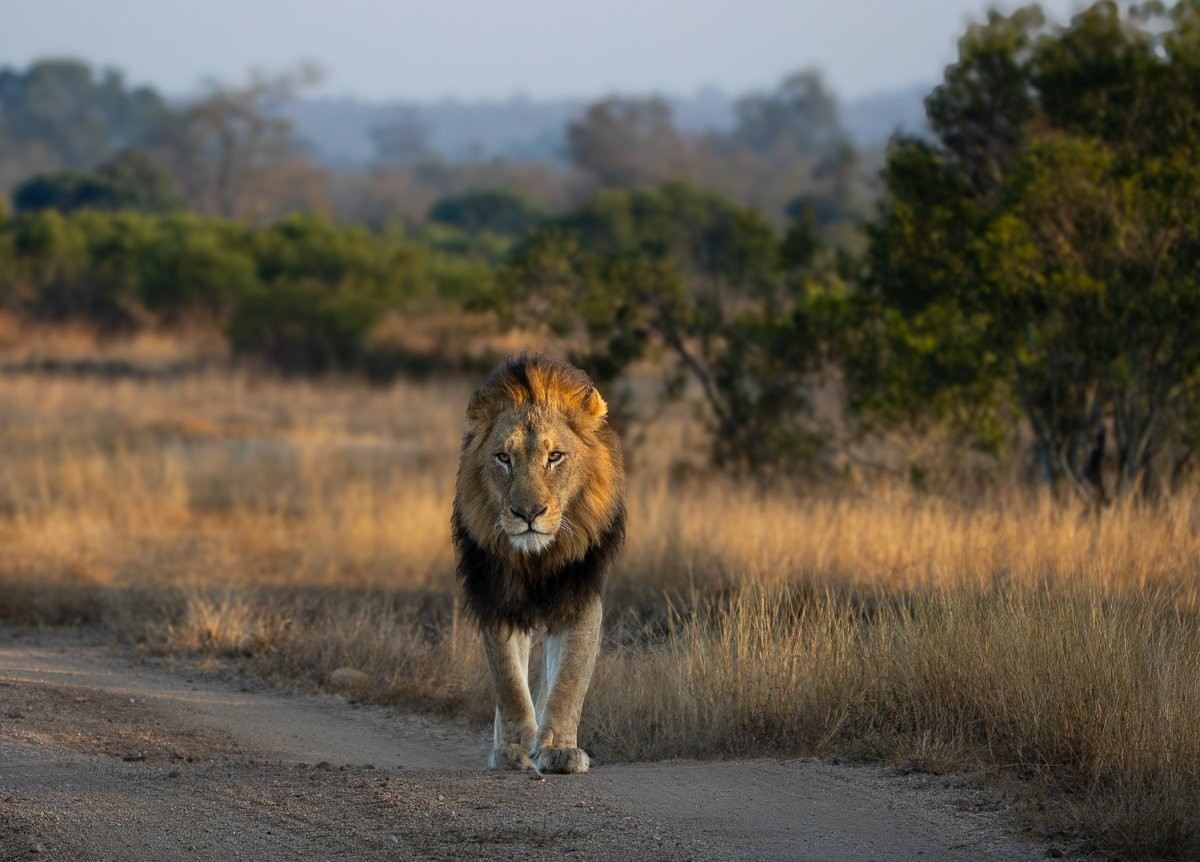
Within Sabi Sabi and the greater Sabi Sand ecosystem, lions benefit from large, unfenced landscapes connected to the Kruger National Park. This freedom allows natural movement, genetic diversity and the formation of stable prides. Every sighting contributes valuable information as guides and trackers monitor individual animals, pride dynamics, breeding success and movements across the reserve. By protecting habitat first, Sabi Sabi helps ensure that Africa's king continues to reign naturally for generations yet to come.
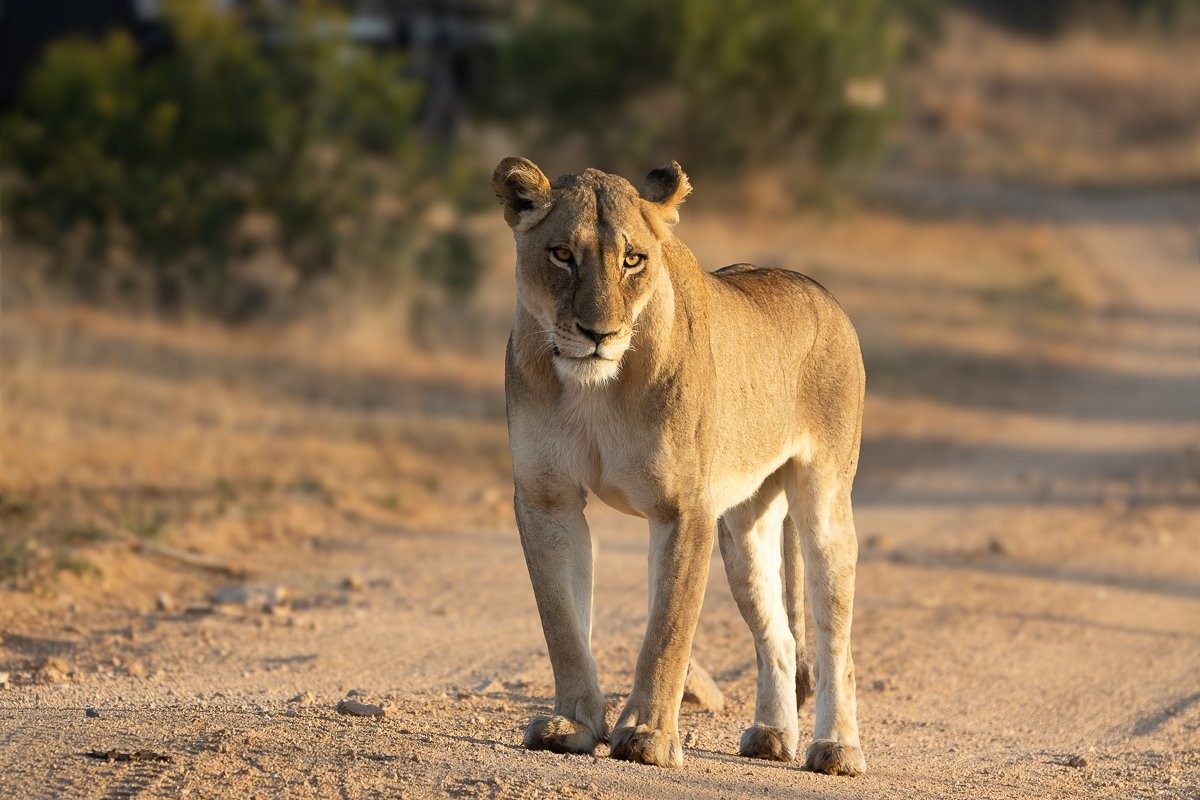
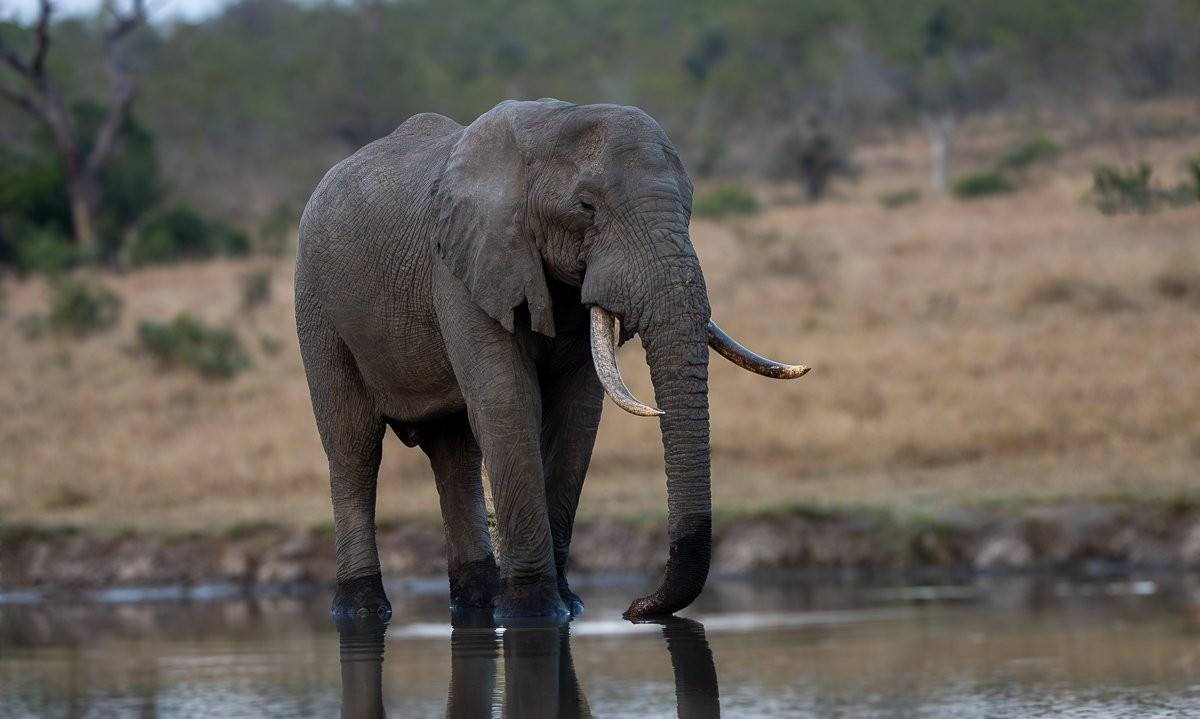
The Elephant: Architects of the Wilderness
Watching an elephant family quietly feeding through the bush is to witness centuries of wisdom in motion.
Led by experienced matriarchs, elephant herds possess remarkable memories, strong family bonds and sophisticated communication. Their low-frequency rumbles can travel several kilometres, allowing family members to remain connected even when out of sight.
Elephants are often referred to as ecosystem engineers - and for good reason.
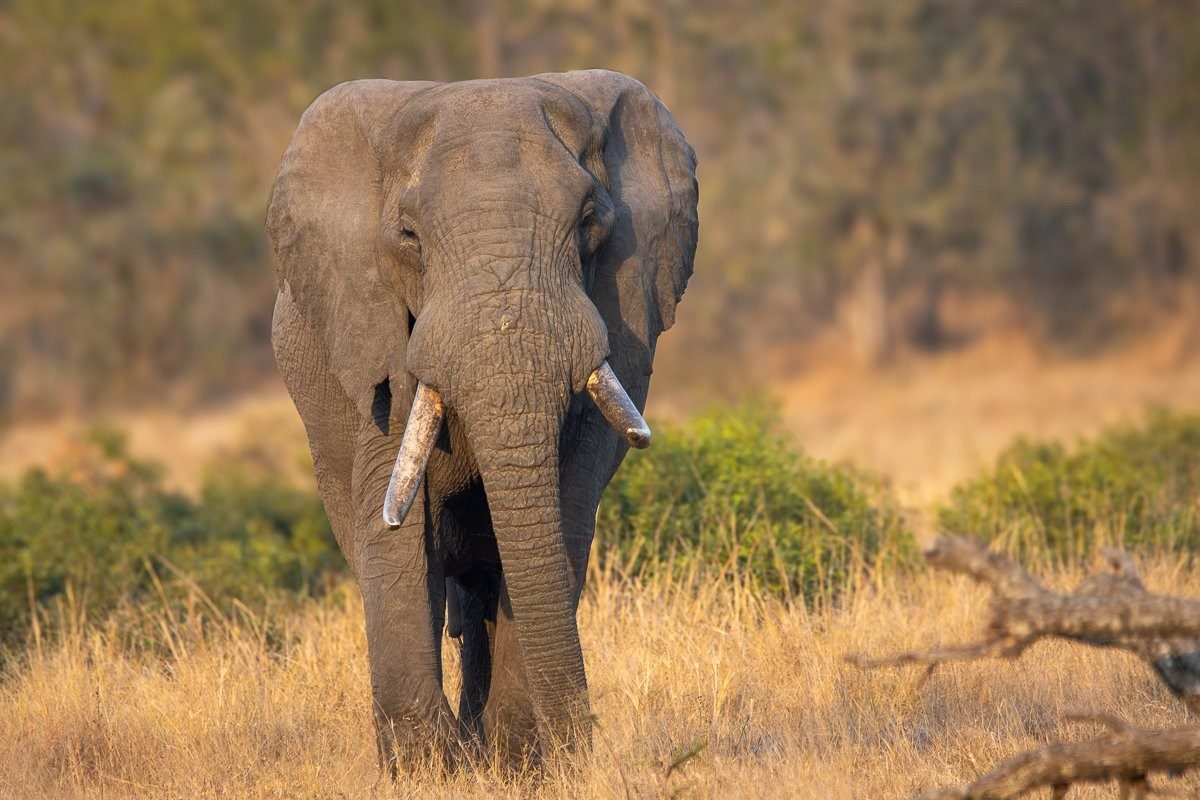
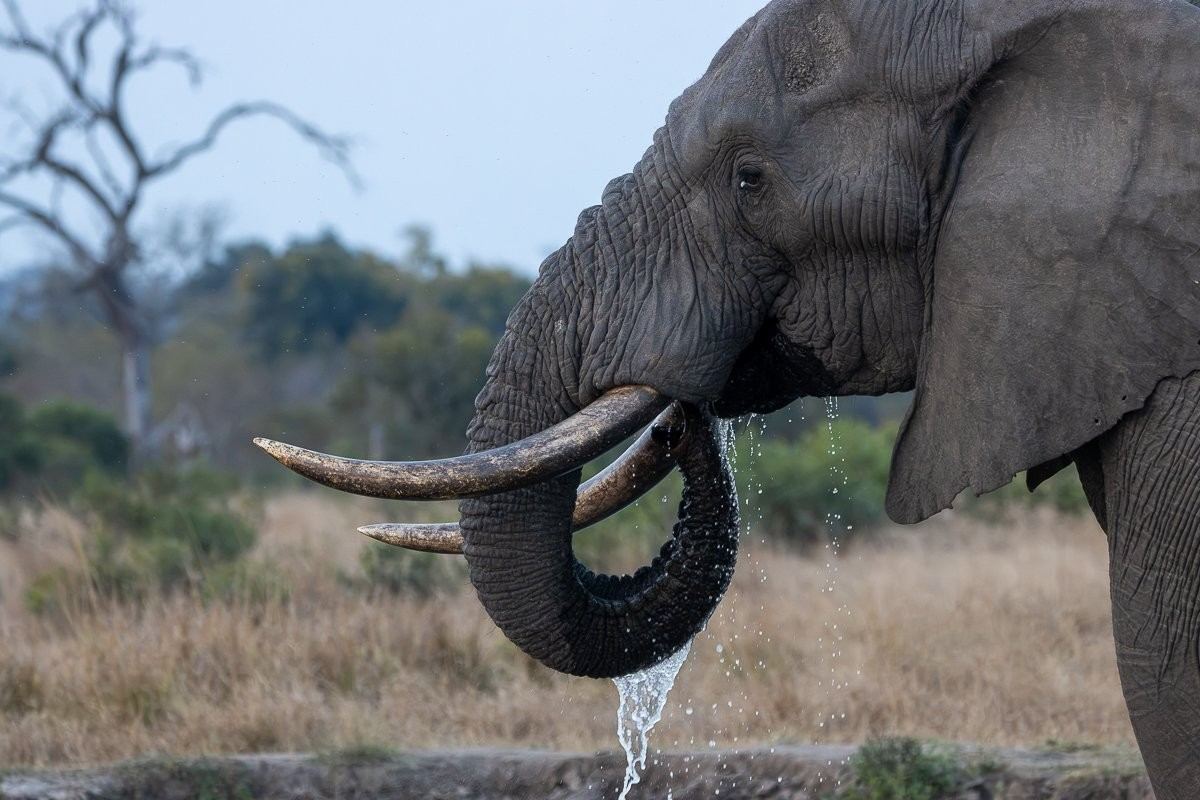
As they browse, push over trees, dig for water and disperse seeds through their dung, they reshape entire landscapes. These activities create habitats for countless birds, insects, reptiles and smaller mammals. Many species rely on the environmental changes elephants create.
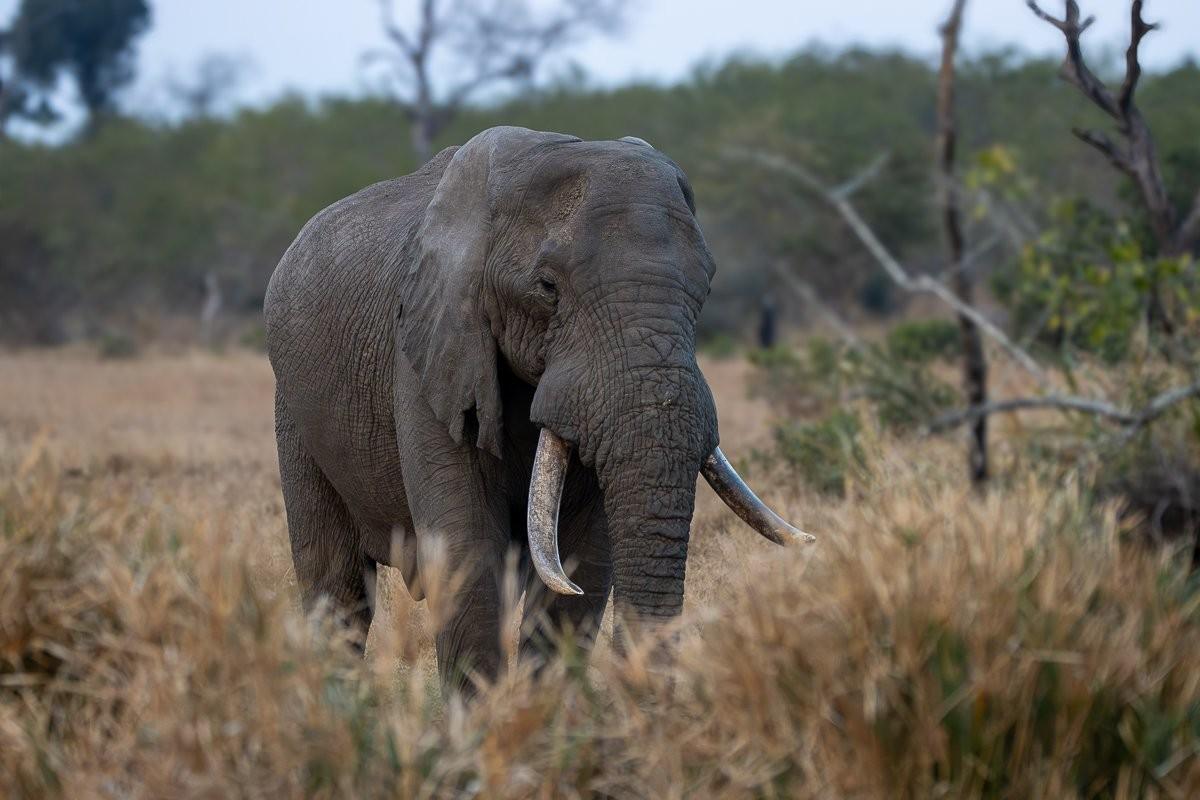
Yet their immense influence also presents challenges.
At Sabi Sabi, ecological management is guided by scientific monitoring rather than intervention for intervention's sake. Habitat health, vegetation dynamics and wildlife populations are continually assessed, ensuring that natural ecological processes remain in balance while preserving the extraordinary biodiversity that defines the reserve.
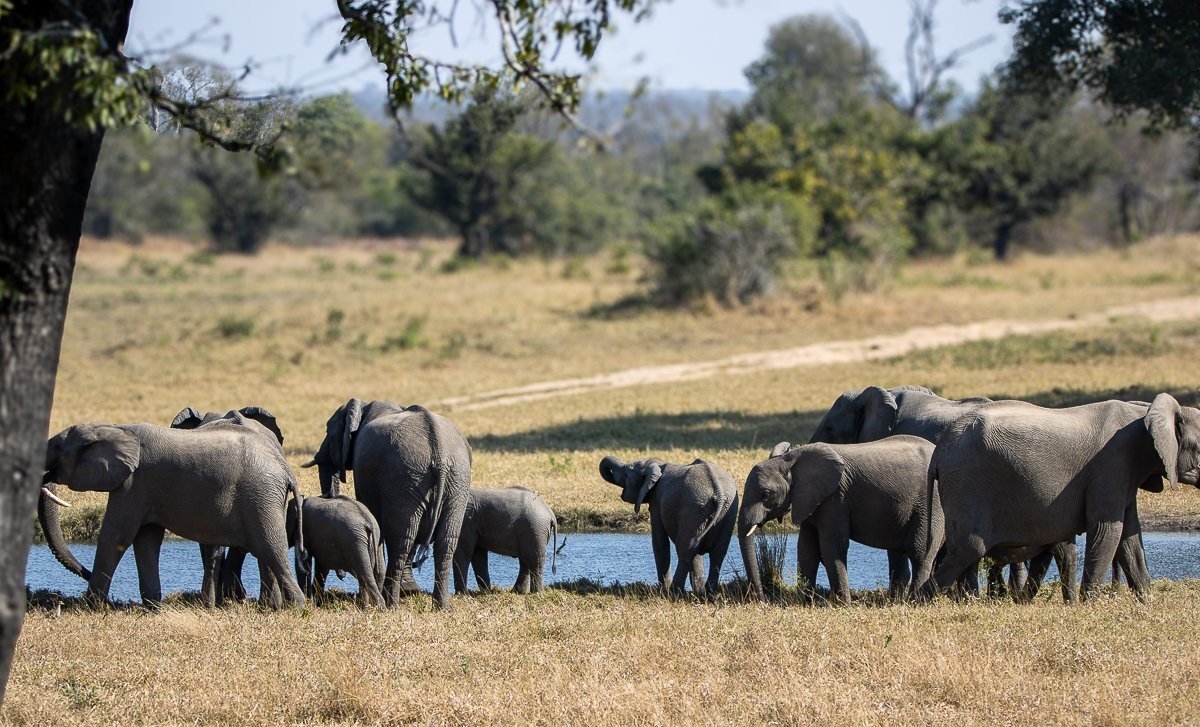
Protecting elephants ultimately means protecting entire ecosystems.
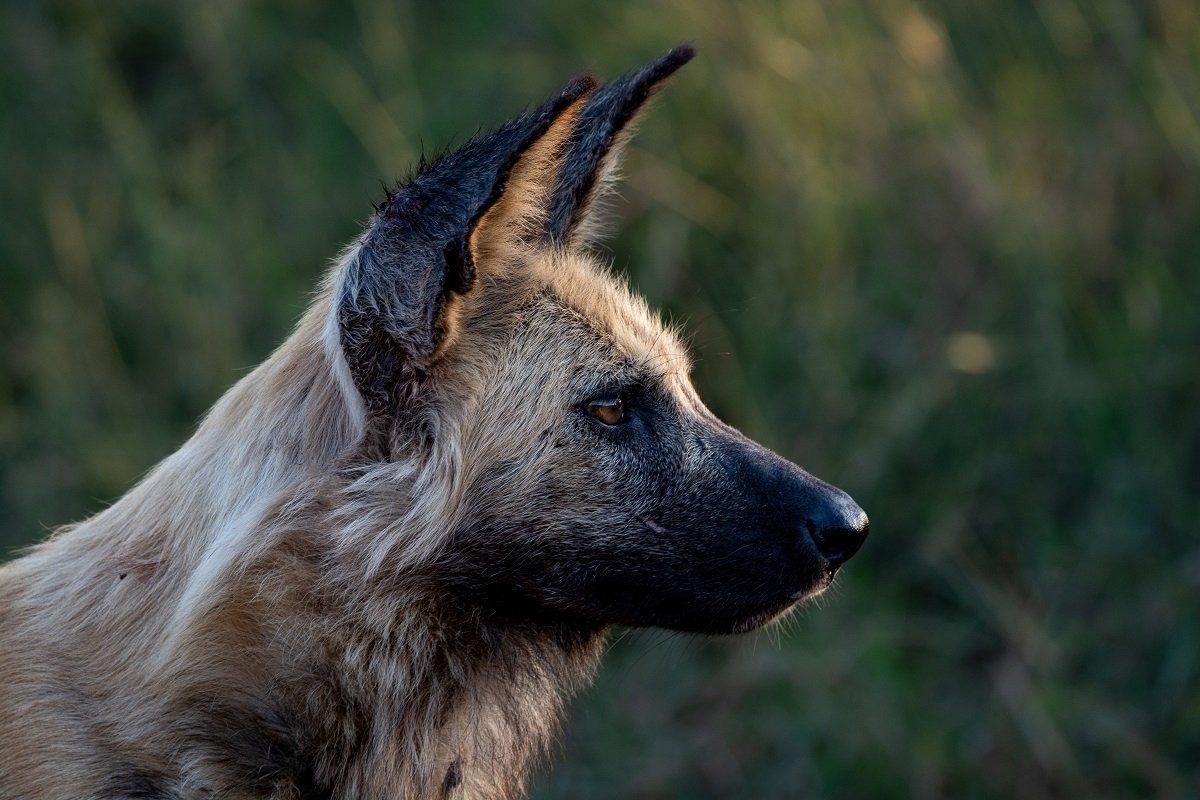
African Wild Dogs: The Endangered Masters of Teamwork
If lions represent strength and elephants represent wisdom, African wild dogs embody cooperation.
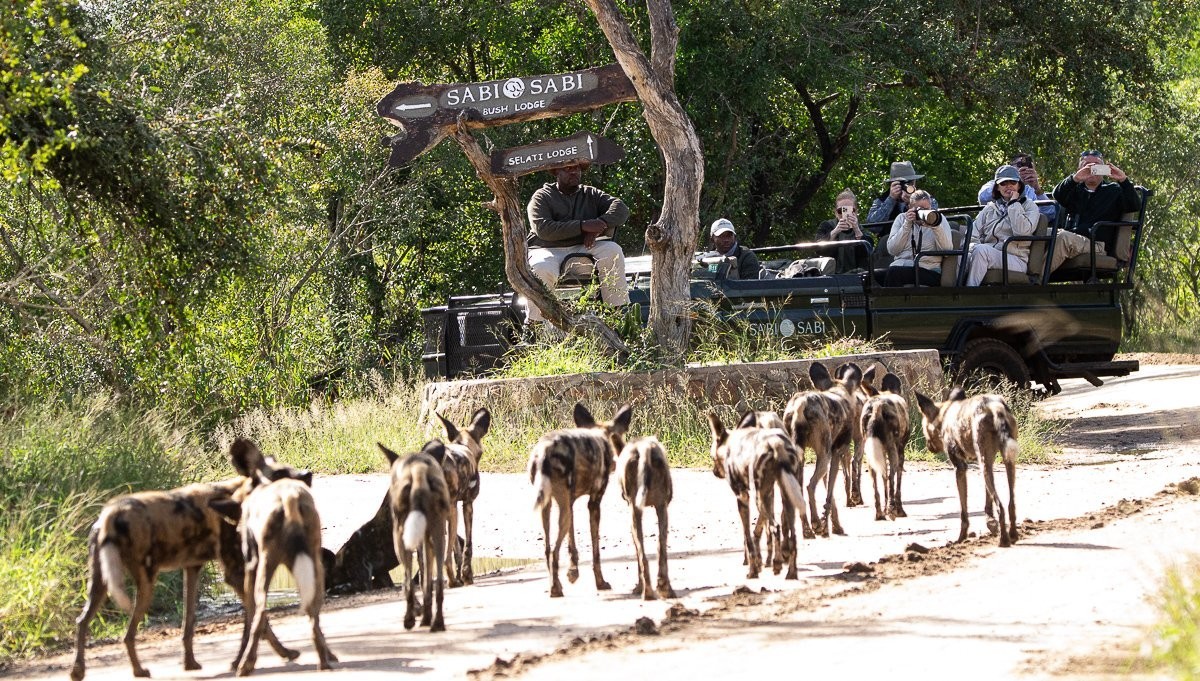
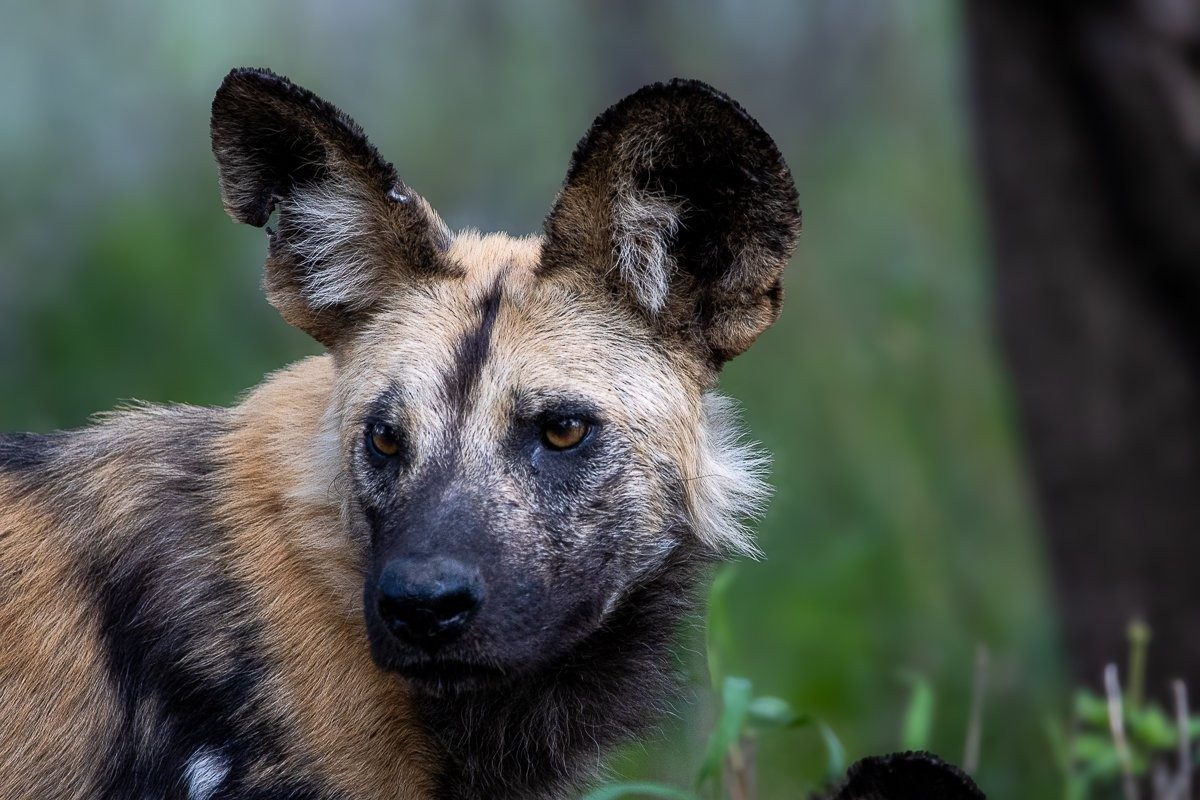
Few wildlife encounters generate as much excitement as watching a pack of these beautifully patterned hunters preparing for the day's chase. Every movement has purpose. Every individual has a role. Their success depends entirely on teamwork.
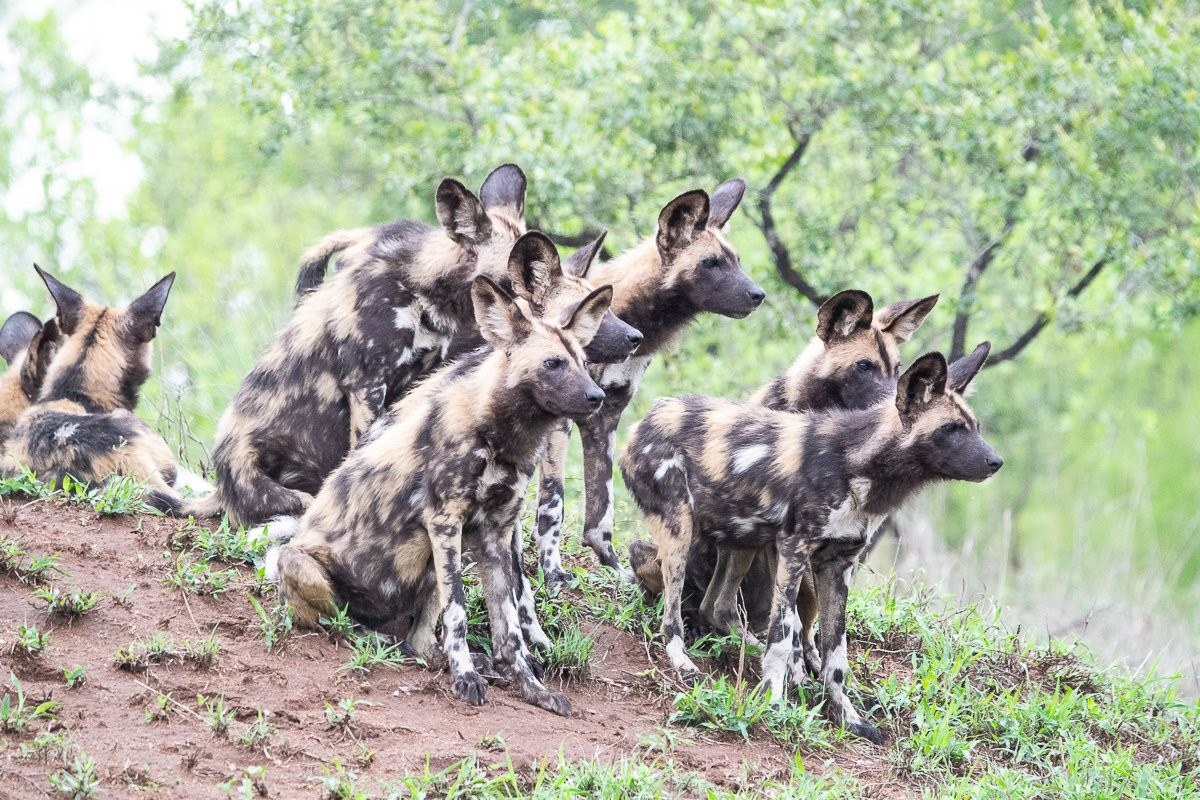
Wild dogs are among Africa's most efficient predators, often achieving hunting success rates exceeding 70 percent - far higher than many other large carnivores. Yet despite their remarkable abilities, they are Africa's most endangered large carnivore.
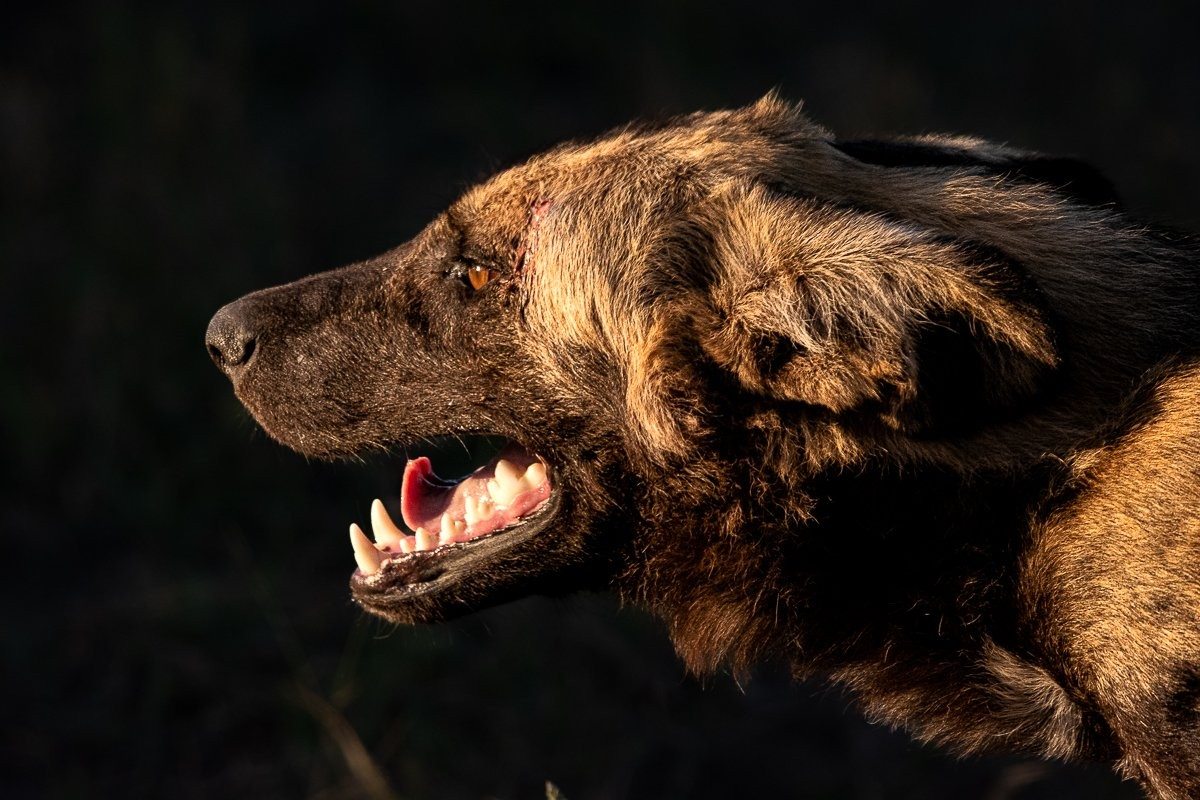
Their greatest challenge is not a lack of hunting skill but the shrinking availability of safe habitat. Wild dogs require enormous territories to survive. As human development expands, suitable landscapes become increasingly fragmented. Competition with lions and hyenas, disease transmission from domestic animals and accidental snaring further threaten already vulnerable populations.
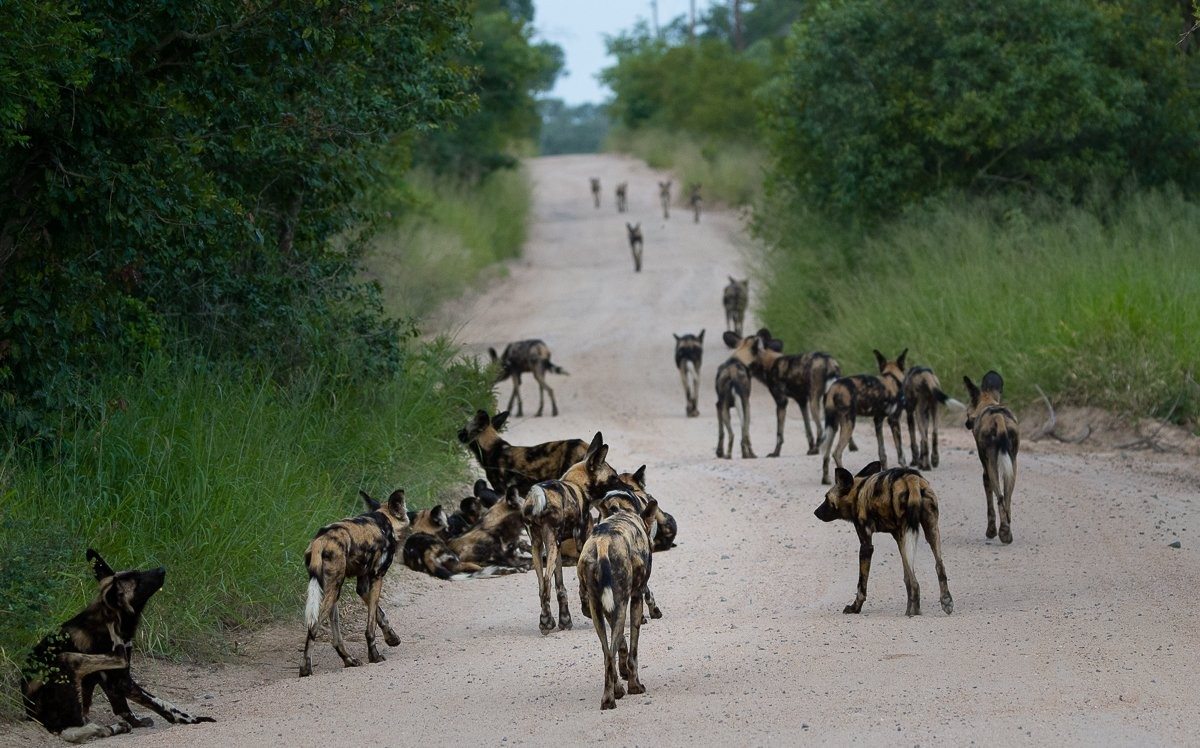
Each healthy pack therefore represents something truly precious.
The open boundaries linking Sabi Sabi Game Reserve with the Greater Kruger ecosystem allow wild dogs the freedom they need to roam naturally across vast landscapes. Regular monitoring, collaboration with conservation organisations and participation in broader wildlife management initiatives all contribute to safeguarding these remarkable predators.
Every successful denning season offers hope for the future of a species fighting against the odds.
Conservation Beyond the Safari Vehicle
Every safari at Sabi Sabi Private Game Reserve is built upon a simple understanding: exceptional wildlife experiences are only possible when exceptional conservation comes first.
Protecting biodiversity means far more than conserving charismatic animals. It means preserving healthy rivers, ancient trees, grasses, insects, birds, reptiles, amphibians and every intricate relationship that binds them together.
Highly trained guides and trackers spend countless hours observing wildlife and contributing valuable ecological knowledge. Anti-poaching efforts, habitat protection, scientific monitoring and close collaboration with neighbouring reserves all play an essential role in safeguarding this extraordinary wilderness.
Equally important is education. Every guest who leaves with a deeper appreciation for Africa's wildlife becomes another ambassador for conservation, carrying these stories far beyond the boundaries of the reserve.
The roar of a lion, the rumble of elephants and the chorus of wild dogs at dawn are more than sounds of the African bush - they are voices of an ecosystem that has endured for millennia.
Their future, however, is not guaranteed.
Conservation is a continuous journey requiring dedication, science, collaboration and respect for nature's delicate balance. At Sabi Sabi, protecting biodiversity means ensuring that future generations will one day feel the same anticipation as dawn breaks over the bush, hear those familiar calls echo through the wilderness and witness Africa exactly as it was meant to be - wild, interconnected and alive.
For every lion that defends its pride, every elephant that shapes the landscape and every wild dog pack that races across the open plains, there is a larger story unfolding.
It is the story of conservation. And it is a story worth protecting.
Blog by Ronald Mutero (Selati Camp Ranger)