
Why don’t predators attack safari vehicles
on Sep 01, 2026One of the questions I hear most often on safari.
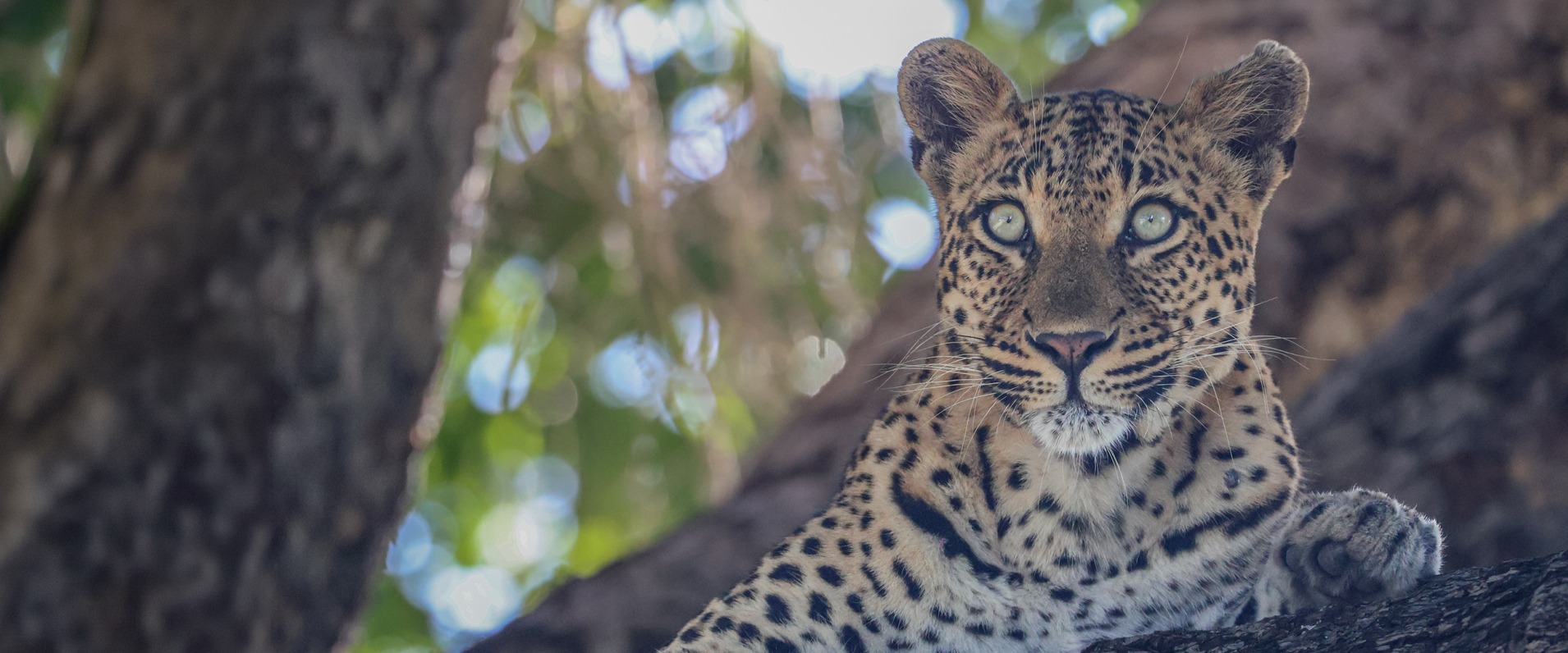
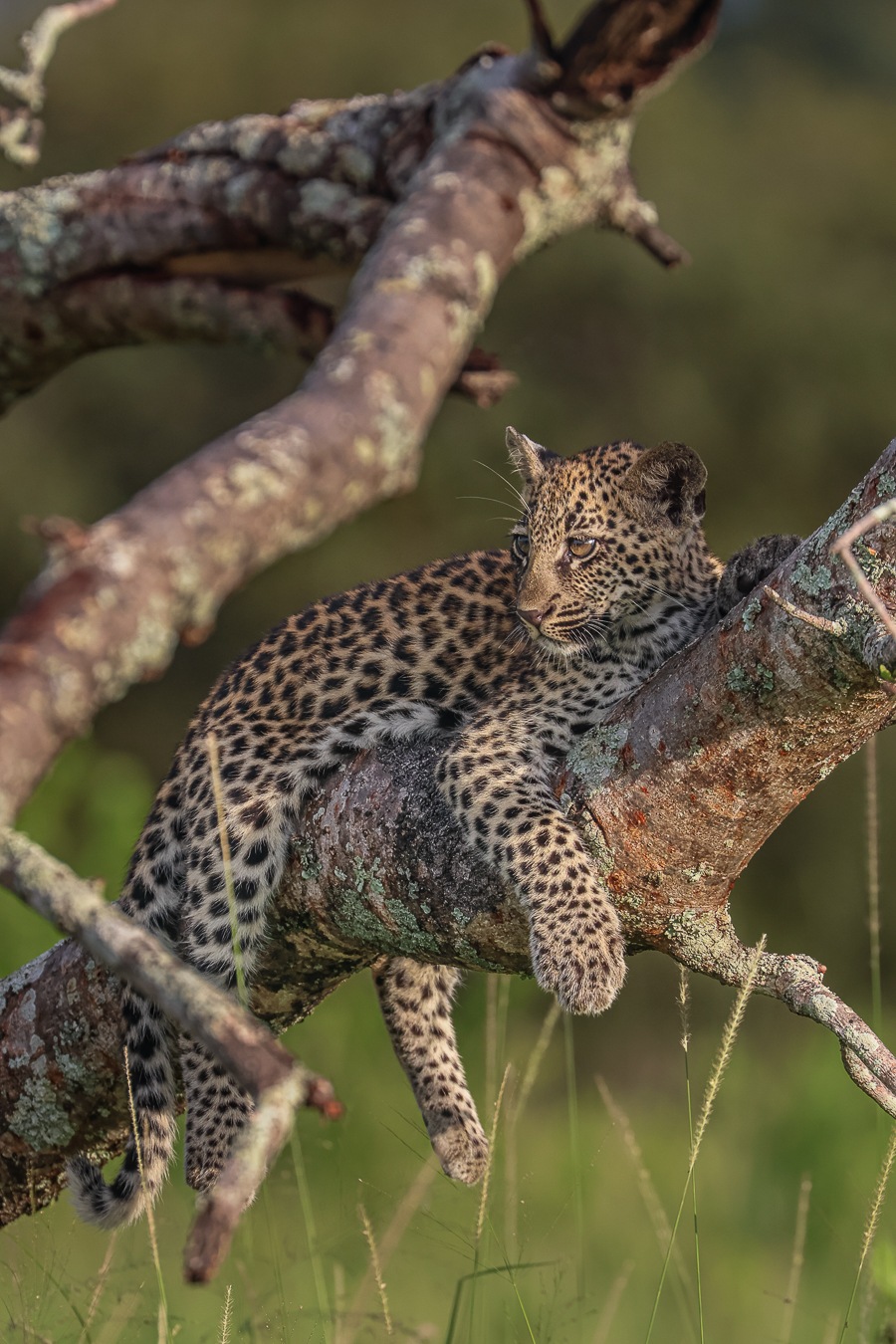
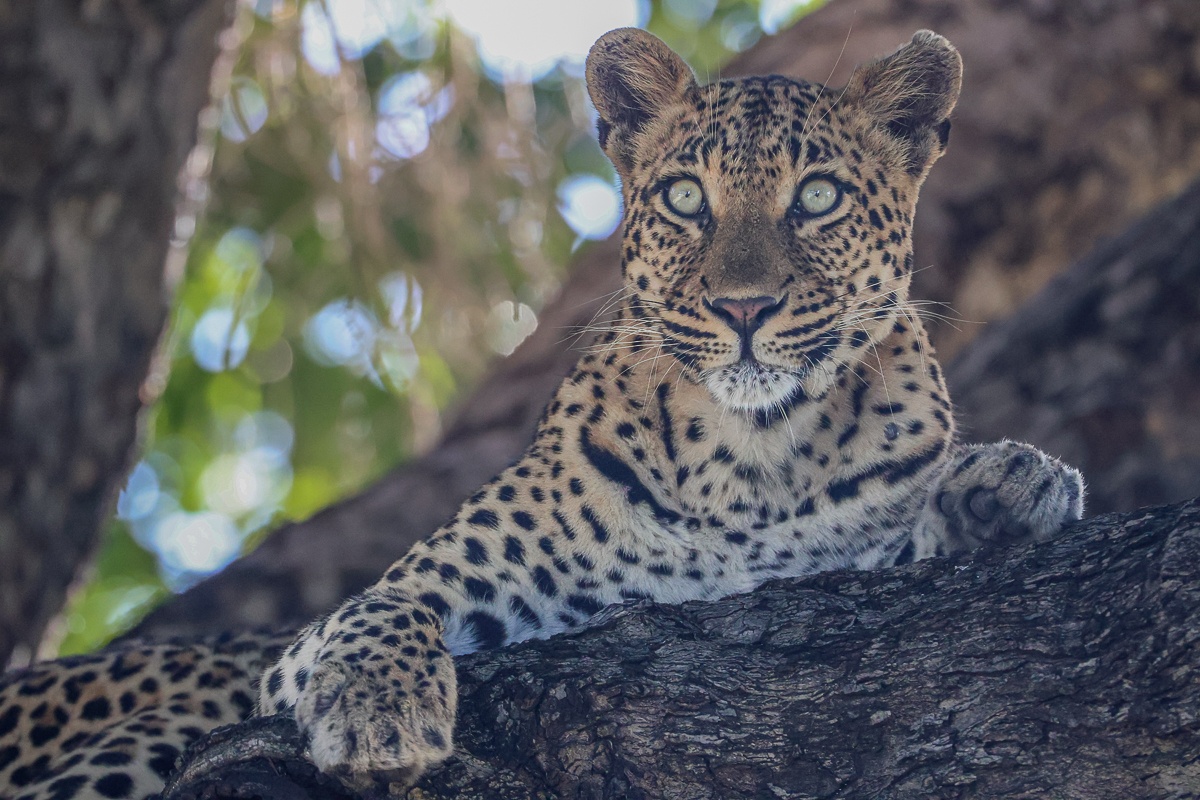
As we sit quietly just a few metres from a pride of lions or watch a leopard draped over a branch of a Marula tree, someone always eventually asks, “Why don’t they attack the vehicle?”
It’s a fair question. These are apex predators, perfectly adapted to hunt and capable of taking down prey much larger than themselves. Yet they can appear completely relaxed as a vehicle approaches.
The answer lies in how predators recognise and assess potential threats, how they distinguish between danger and familiarity, and how they have learned to coexist with responsible, managed safari vehicles.
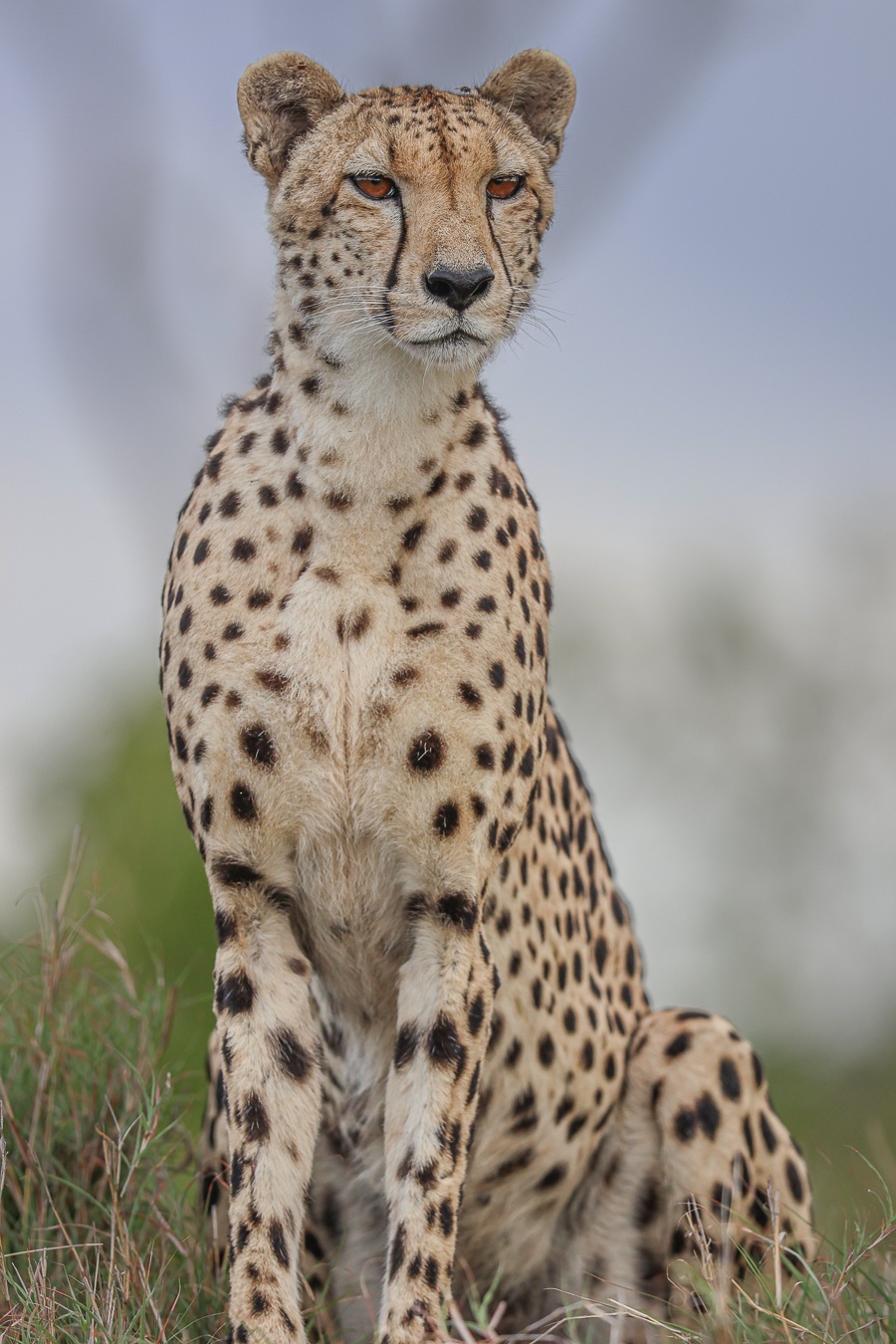
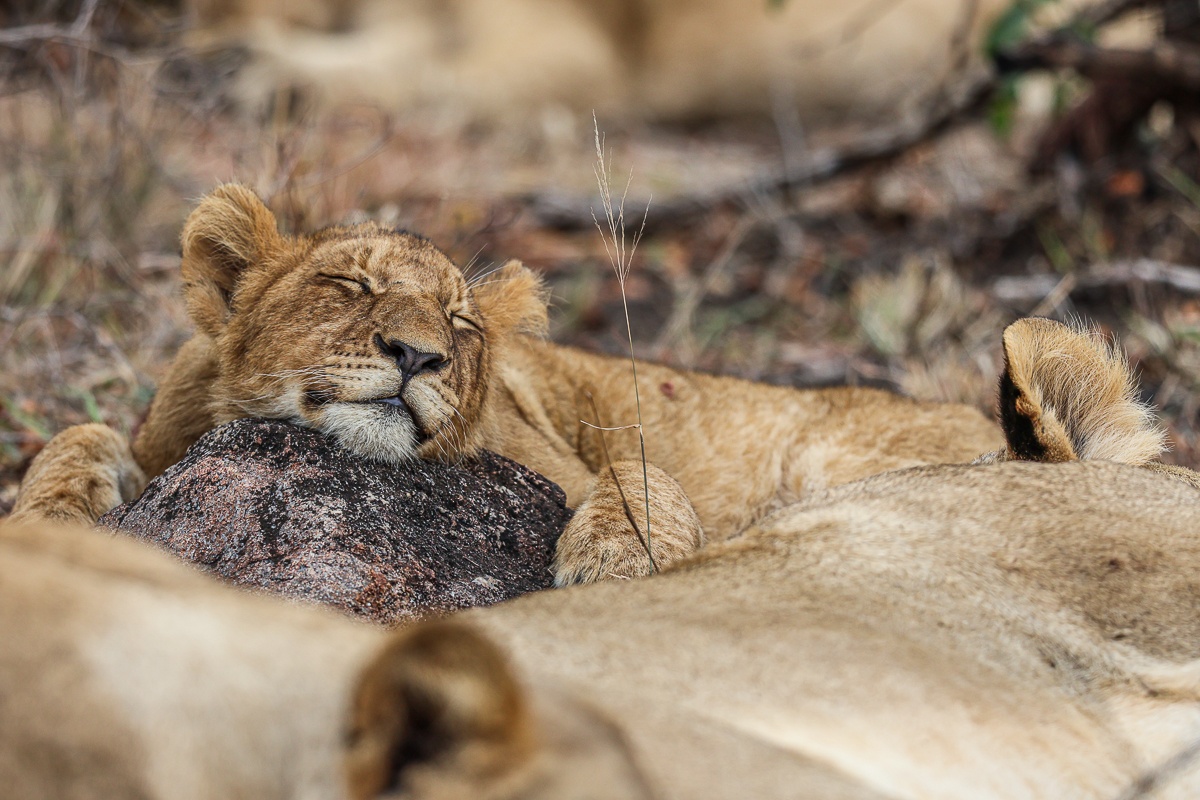
Predators don’t associate a vehicle with food
Predators don’t attack everything they see. Hunting is an energy-intensive activity that comes with significant risks. An injury sustained while hunting can mean the difference between survival and starvation.
Because of this, predators are selective. They focus on animals they recognise as suitable prey species whose size, movement, scent and behaviour fit into the predators natural hunting strategy.
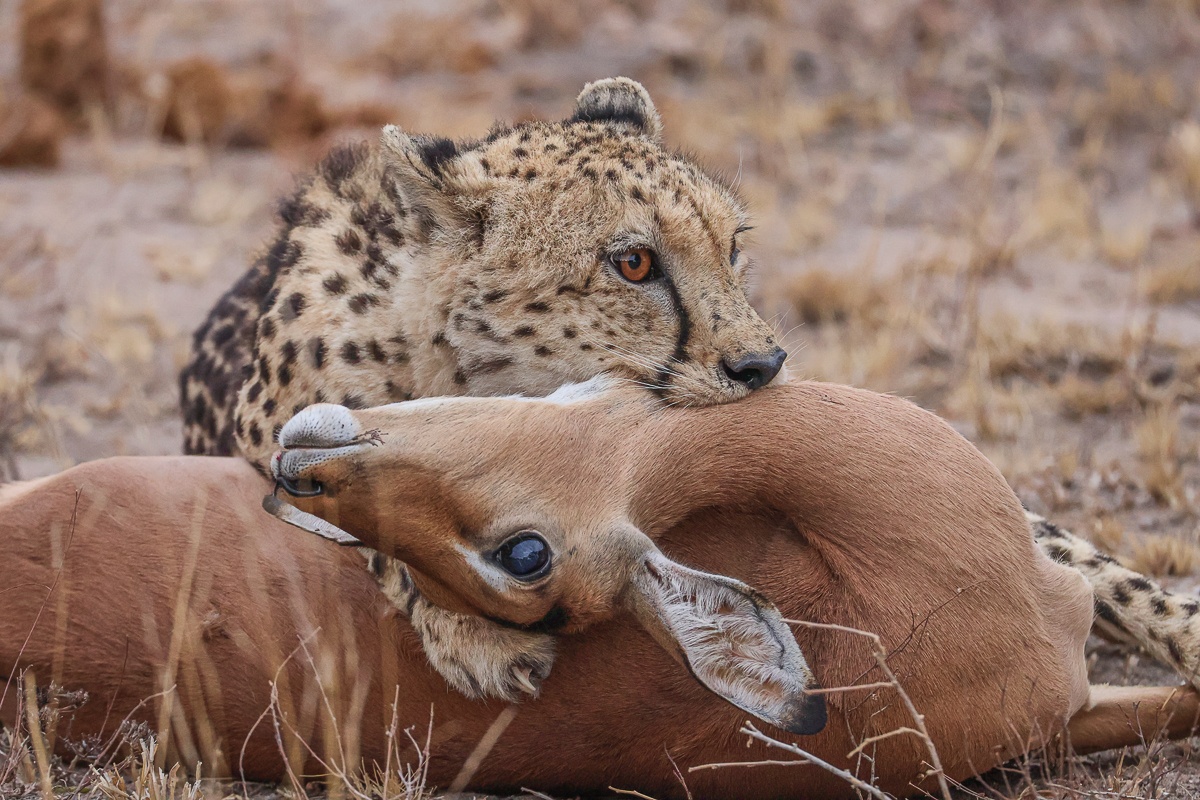
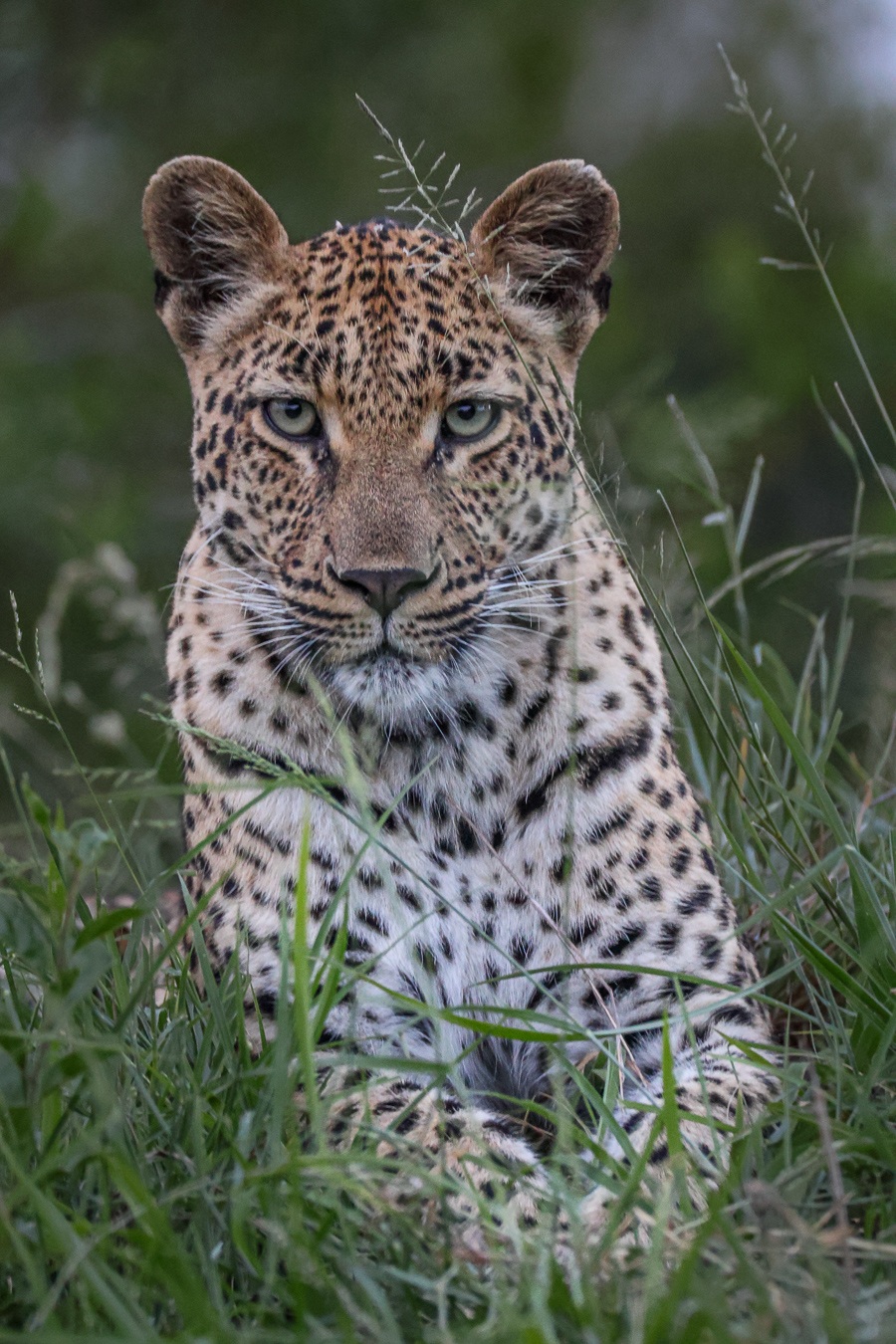
An impala grazing in the open, a warthog running with its tail in the air or a young wildebeest separated from its herd all trigger instinctive hunting responses.
But safari vehicles do not.
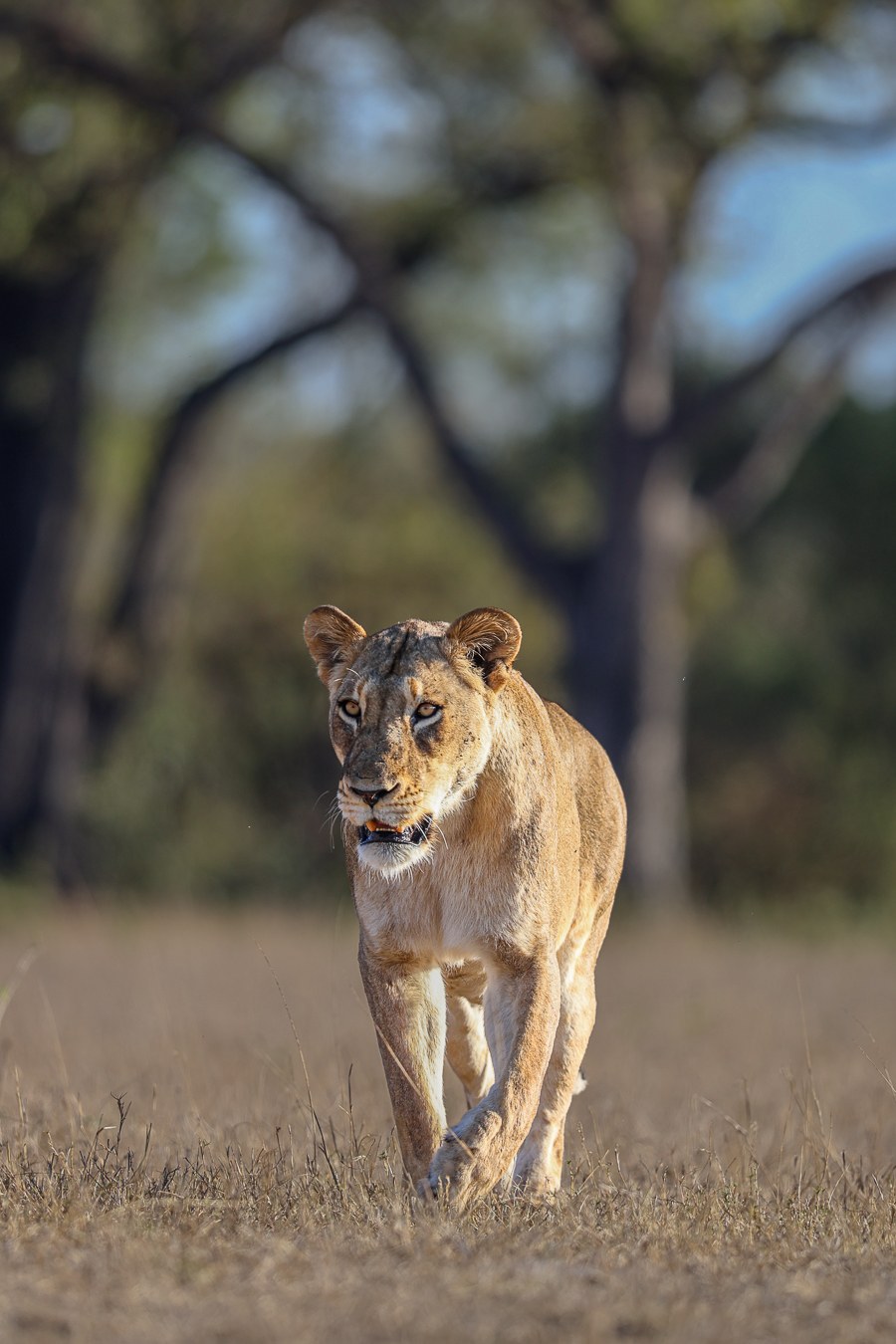
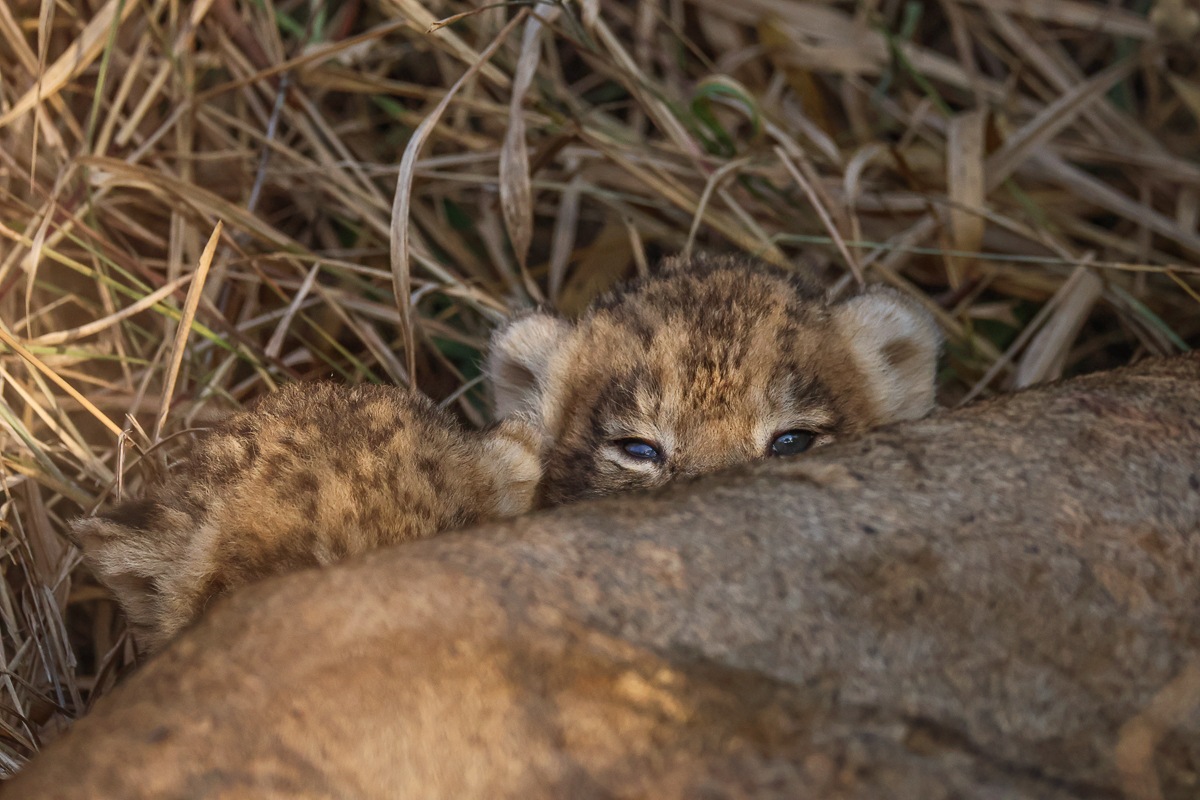
To a lion or leopard, a vehicle is a large, unfamiliar shape that doesn’t resemble any prey species they have evolved to hunt. It doesn’t flee, graze, browse or behave like an animal. Instead, it moves steadily, stops calmly and follows predictable routes.
Habituation is not tameness
One of the most misunderstood concepts in wildlife tourism is habituation.
Animals living in well managed reserves encounter safari vehicles almost every day. Over time, they learn through repeated, non-threatening experiences that these vehicles pose neither a danger nor a feeding opportunity.
This process is known as habituation.
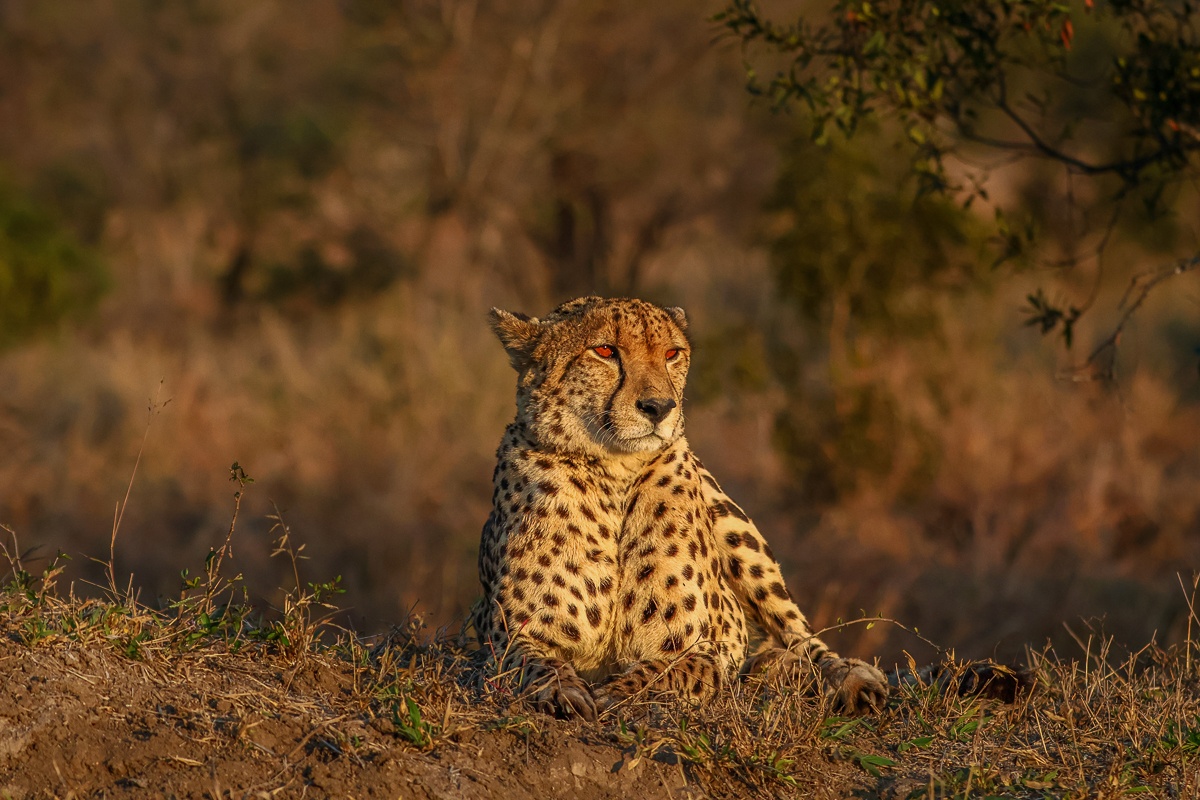
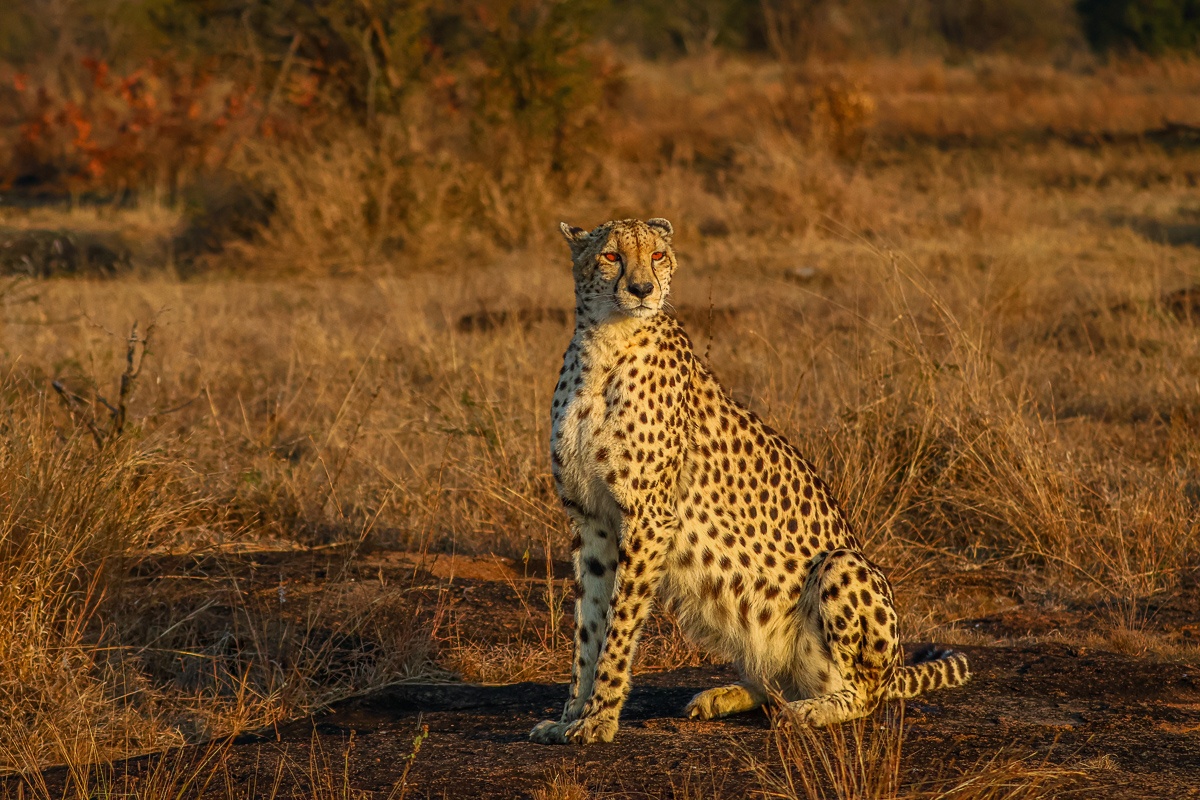
Importantly, habituation does not mean the animals are tame, domesticated or friendly. Their instincts remain the same as those of any wild predator.
If a lion feels threatened, cornered or surprised, it will still react instantly. Habituation simply means the animal has learned that a vehicle behaving predictably is something it can safely ignore.
Why everyone must stay seated
Guests often notice that guides ask everyone to remain seated and avoid sudden movements.
There is a good reason for this.
When everyone stays seated, the predator perceives the vehicle as one large object. If someone suddenly stands up, leans far outside the vehicle or climbs out, the familiar outline changes dramatically.
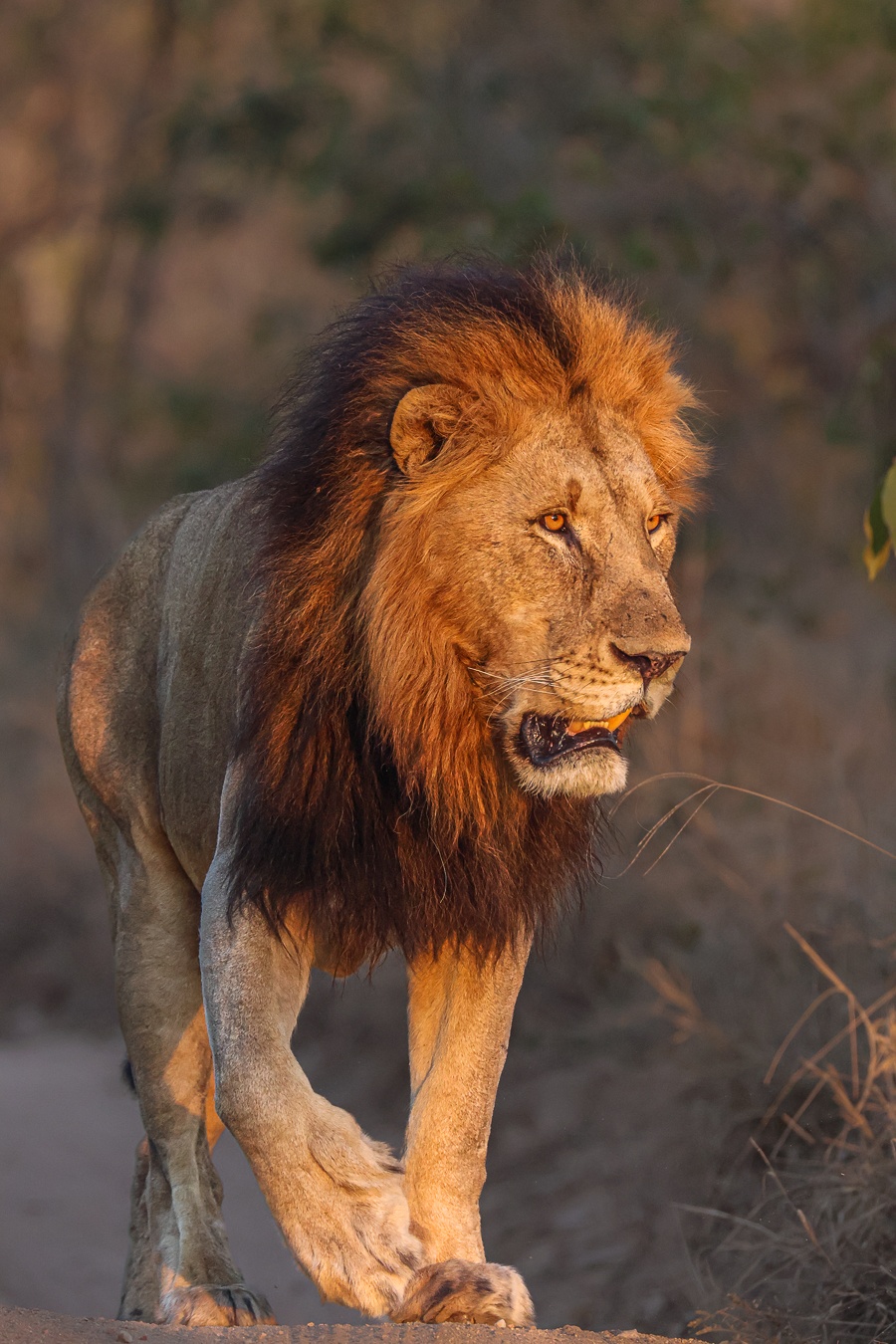
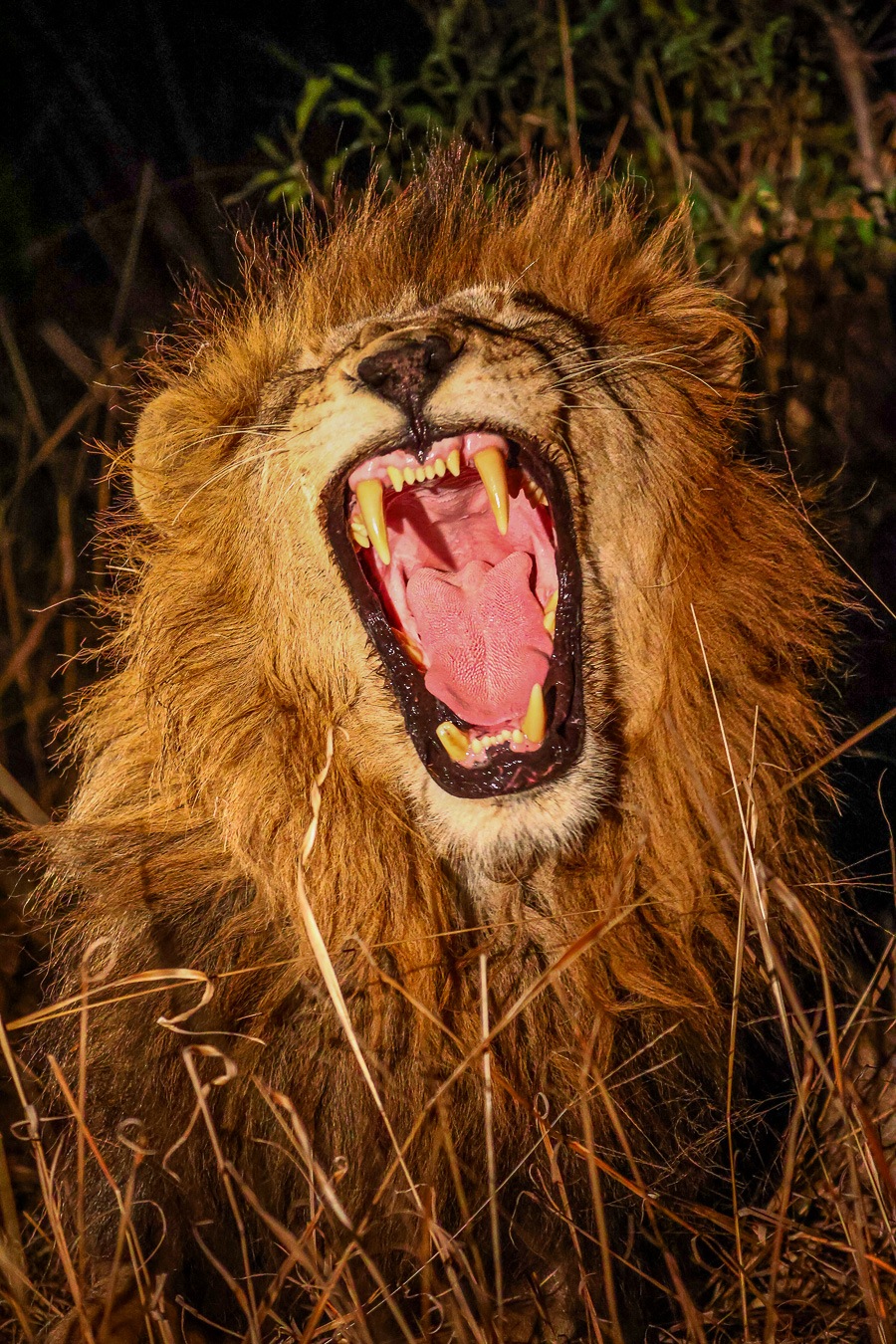
That unexpected movement can attract the predator’s attention because it now resembles the movement of an individual animal rather than part of the vehicle.
Similarly, shouting, waving arms or making sudden gestures can cause unnecessary stress or curiosity. Quiet, calm behaviour helps maintain the animal’s comfort and allows everyone to enjoy a natural sighting.
Predators are always reading their environment
Just as we observe the animals, they are constantly observing us.
A lion may appear to be sleeping, but it is continuously monitoring sounds, scents and movements around it.
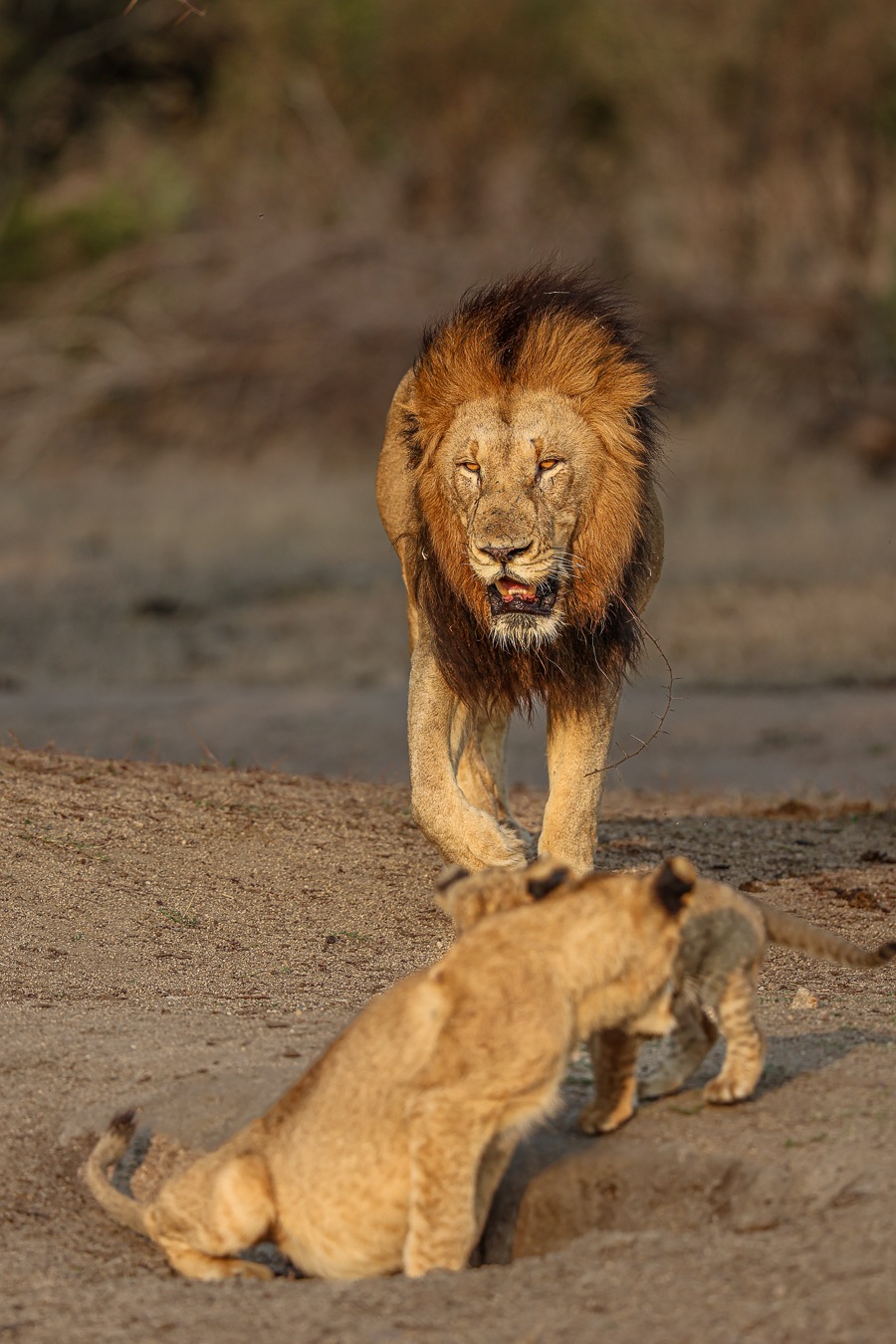
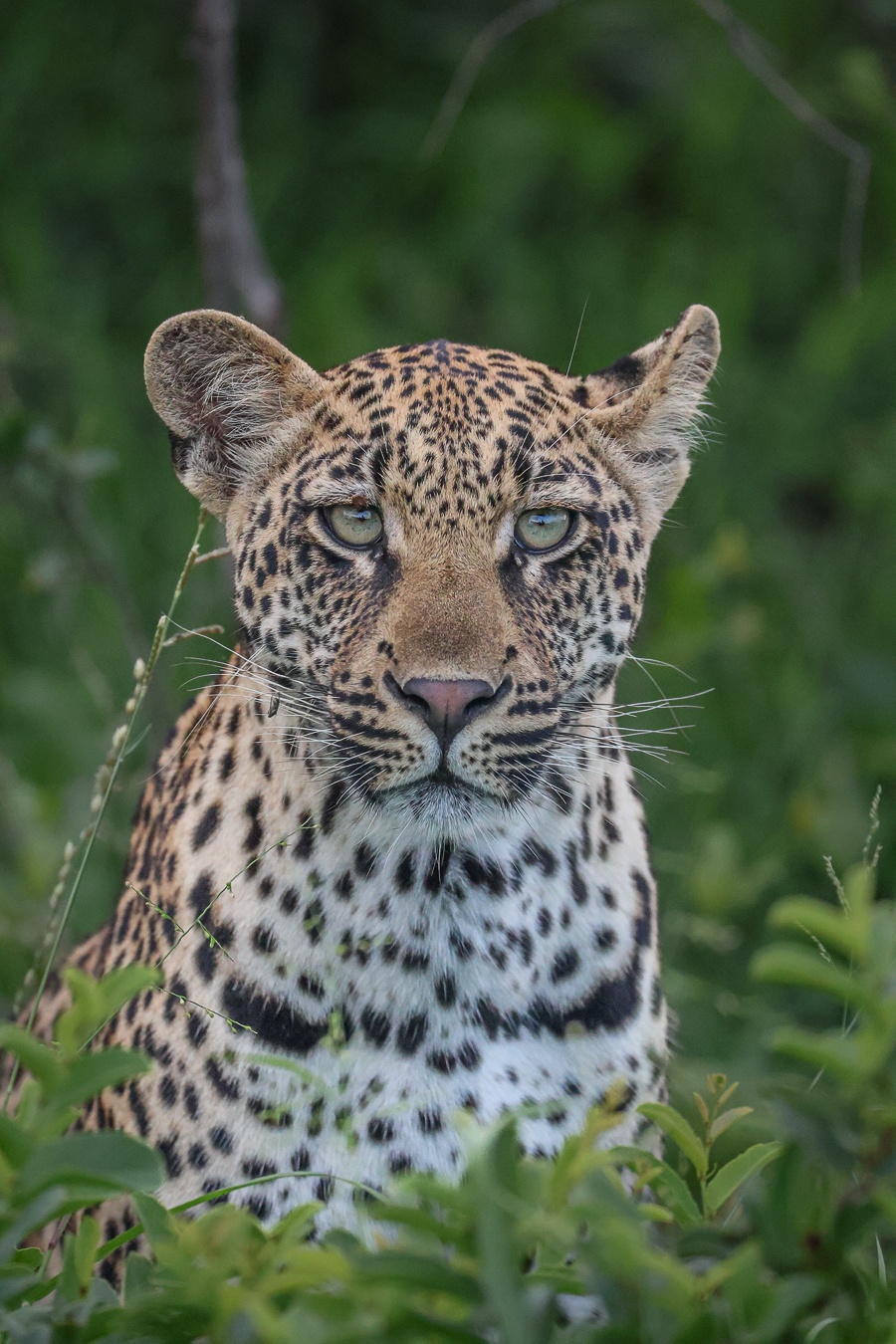
Experienced guides watch the animal’s body language just as carefully. Signs such as flattened ears, an intense stare, twitching tail, repeated yawning, changes in posture or mock charges can indicate discomfort or irritation. If these signs appear, the responsible decision is to increase the distance and allow the animal space.
Every sighting is guided by respect for the animal’s wellbeing.
Vehicles provide an unexpected advantage
Interestingly, some predators have become so accustomed to safari vehicles that they continue their natural behaviour even when people are nearby. Leopards may drag a kill into a tree while vehicles observe quietly. Lions may continue resting after a hunt. Wild dogs may carry on playing with their pups.
These moments aren’t possible because the animals are tame, they’re possible because the vehicle is treated as a neutral part of the landscape, allowing us a rare glimpse into behaviours that would otherwise remain hidden.
The golden rule: Wild animals deserve respect
One of the greatest privileges of being on safari is witnessing truly wild animals behaving naturally.
That privilege depends on maintaining a respectful distance, following reserve regulations and allowing the animals to dictate the encounter.
As guides, our role is never to force a sighting or interfere with wildlife. Instead, we read the situation, interpret behaviour and ensure that both guests and animals remain safe.
So, why don’t predators attack safari vehicles?
Because they don’t perceive the vehicle as prey, they have learned that responsible driven vehicles are not a threat, and experienced guides work hard to ensure every encounter remains calm and respectful.
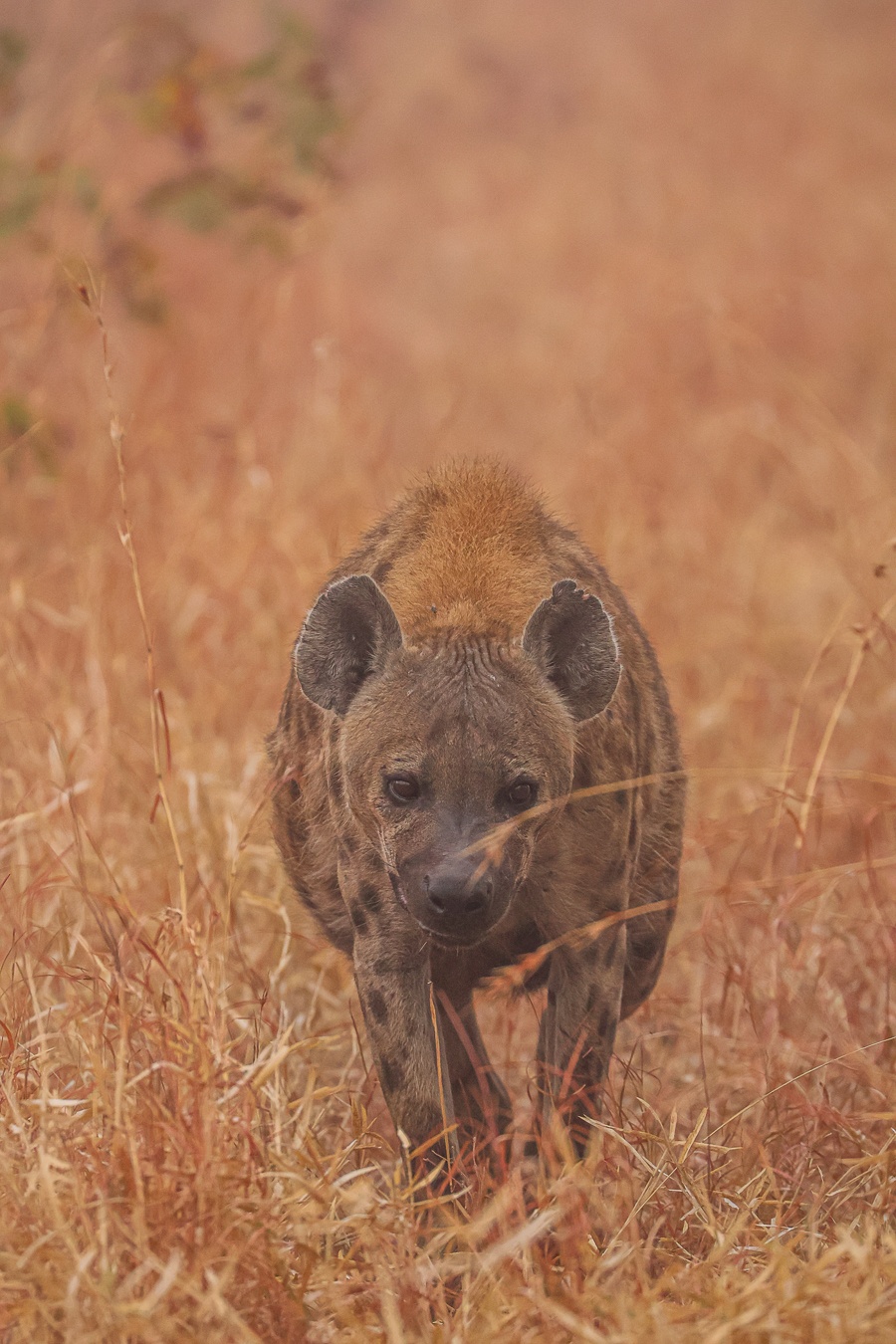
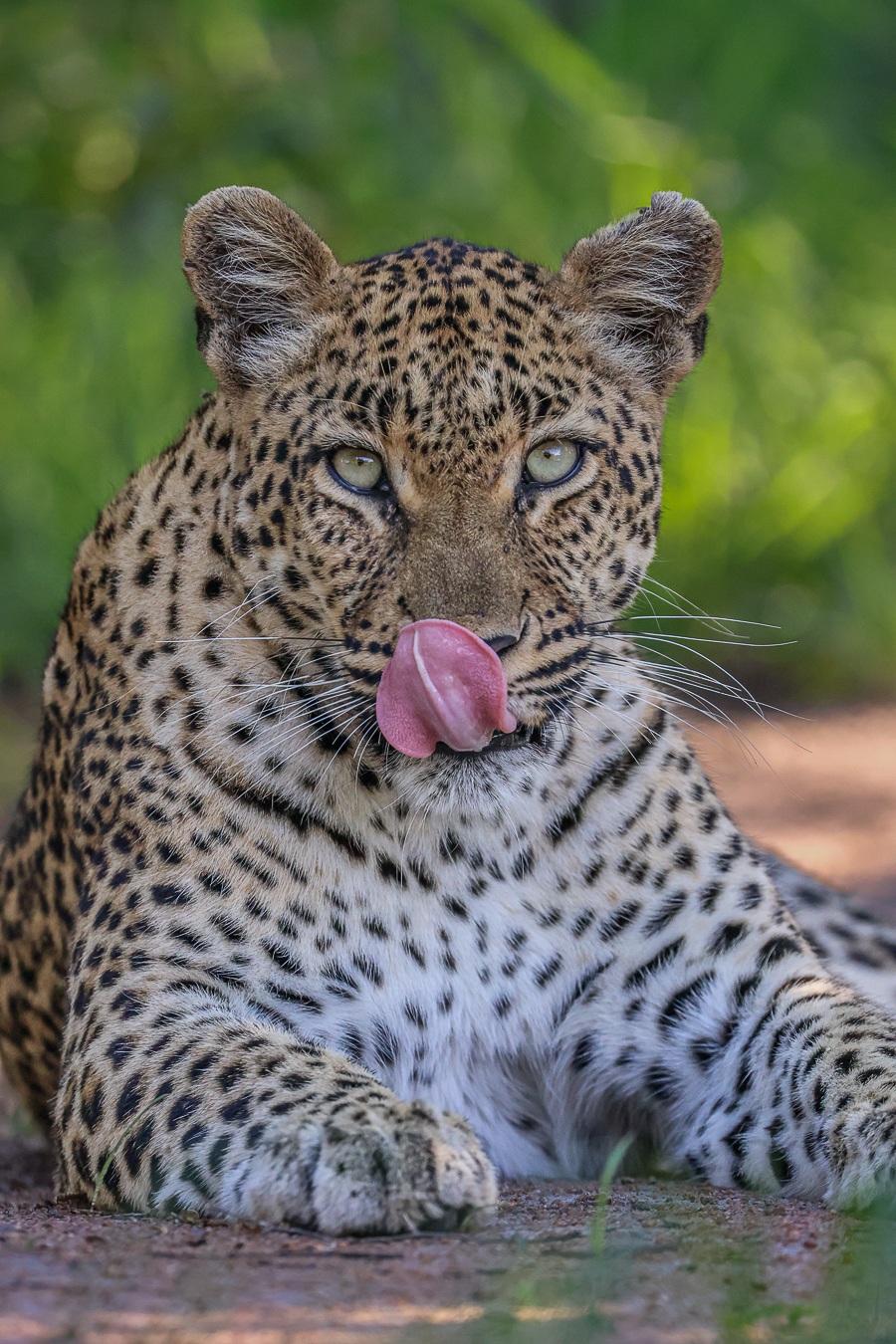
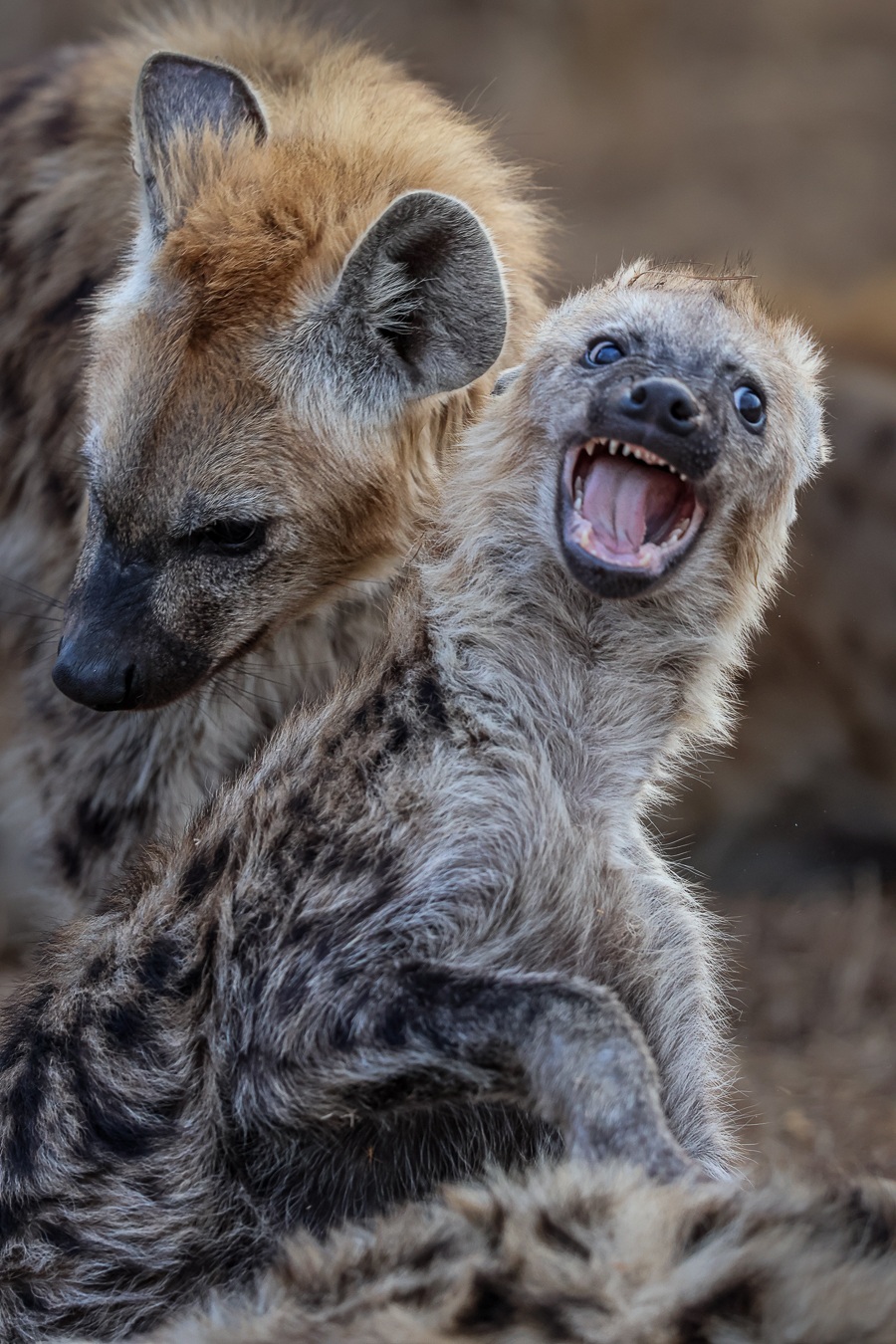
But perhaps the most important thing to remember is this: lions, leopards, cheetahs and hyenas are still completely wild. Every peaceful sighting is built on trust, knowledge and respect. Not because these predators have forgotten their instincts, but because we have learned how to observe them without disrupting the natural world they call home.
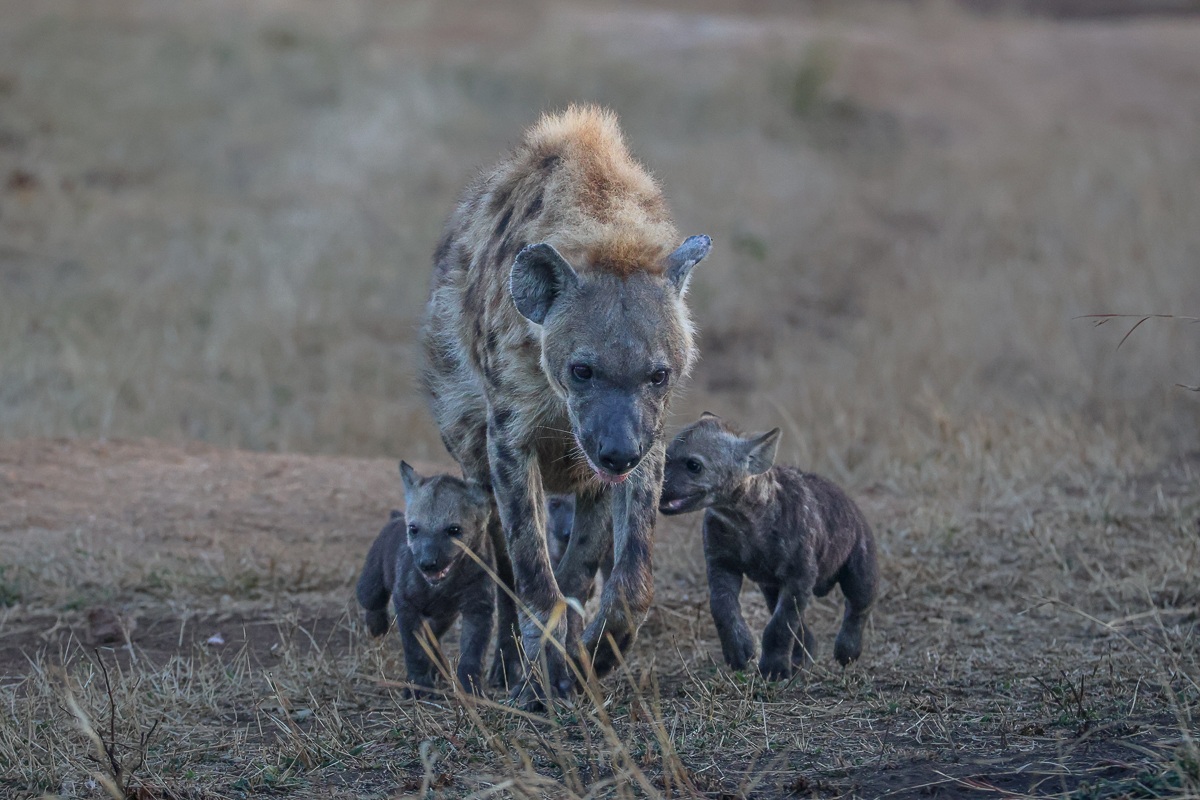
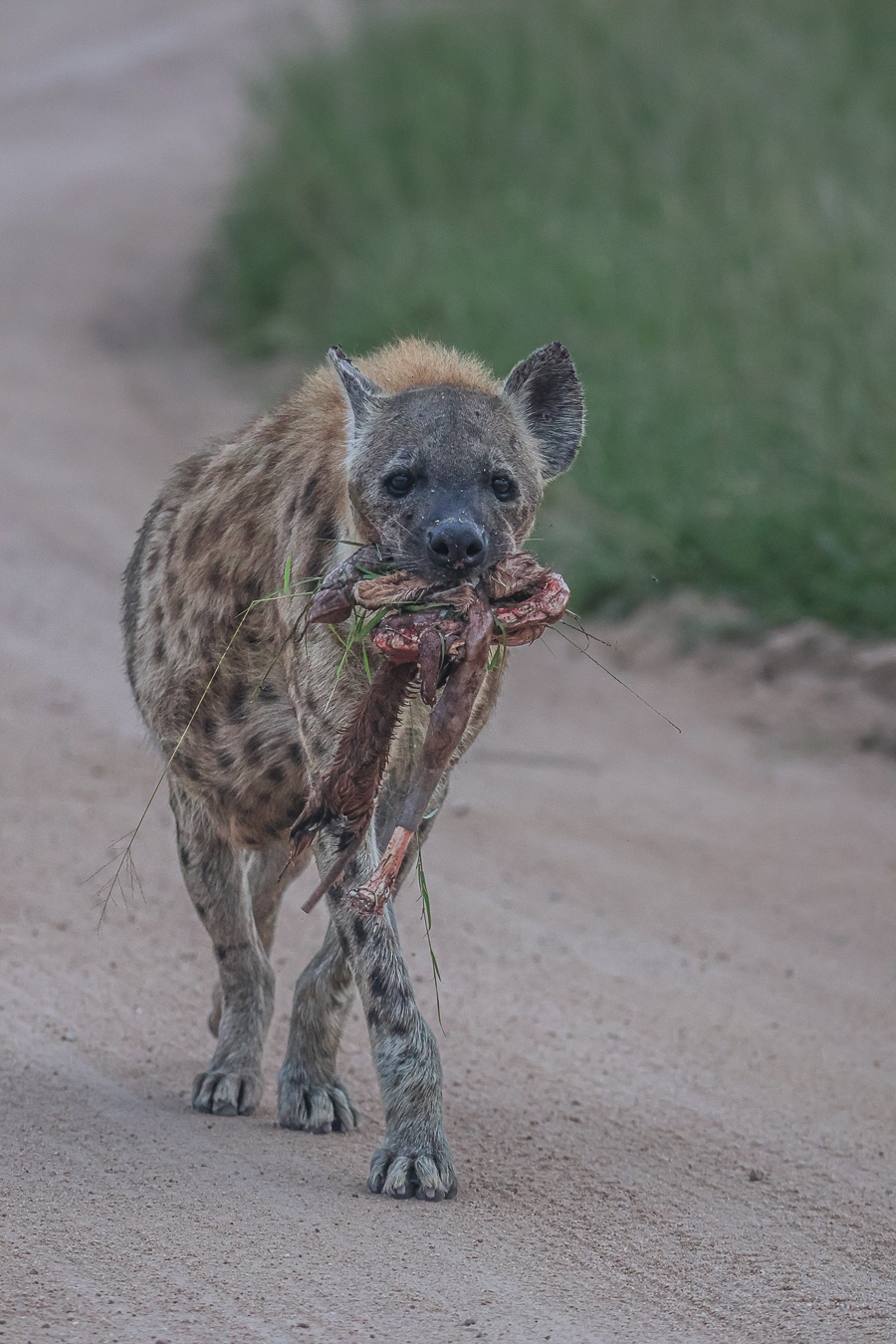
For me, every game drive reminds me that we are visitors in the animal’s world. The closer we can observe them while leaving the lightest footprint, the more authentic and rewarding the safari experience becomes, for both us and the wildlife.
Blog by Ruan Mey (Earth Lodge Ranger)