
A Week in the Bush Vol. 588
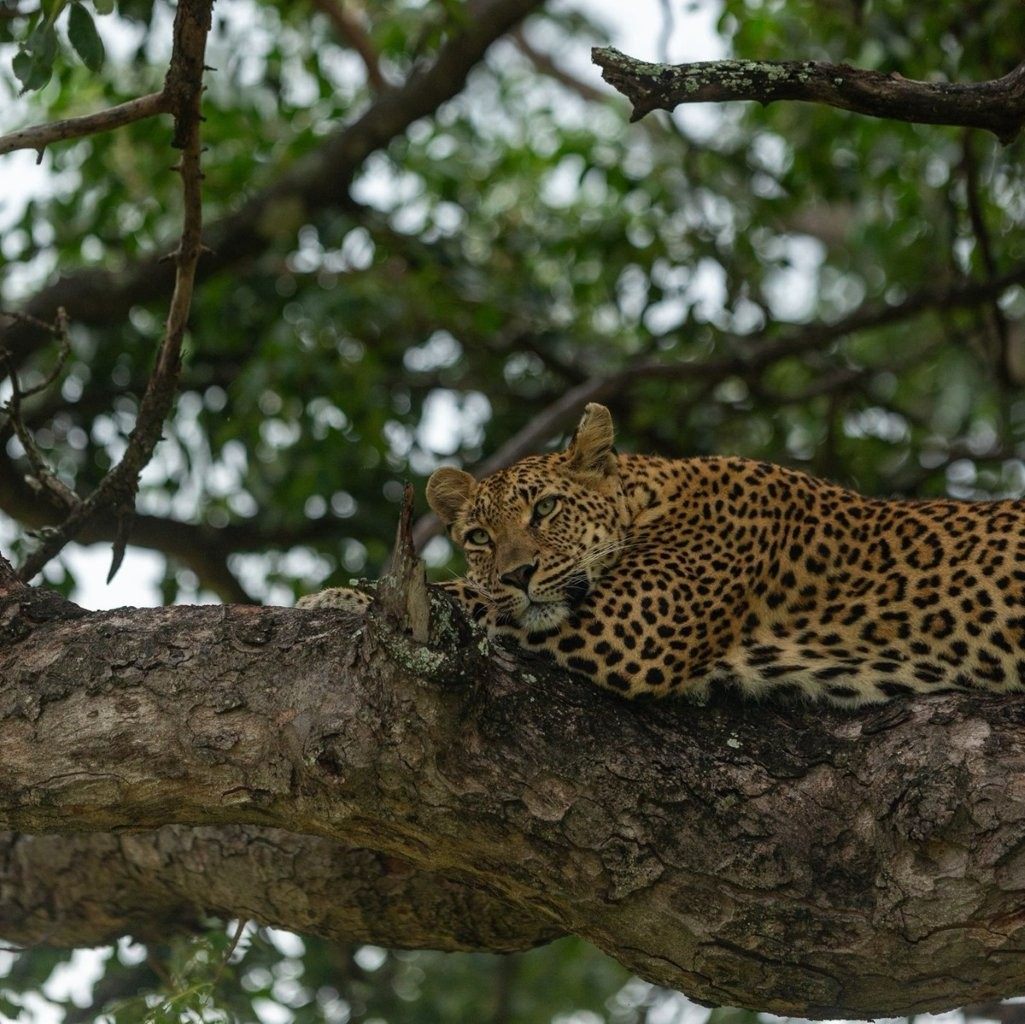
on Apr 15, 2026We departed on our afternoon safari with the intention of finding a leopard. We knew Golonyi had been seen in the morning and were hoping she wouldn't be far from where she was last seen. Luckily for us, she had a full belly and was found resting high up in a Marula tree. She stirred, listened to the distance calls of Spurfowls, and readjusted before going back to sleep. We felt incredibly lucky to have had this experience and continued on our way, leaving her to enjoy her nap.
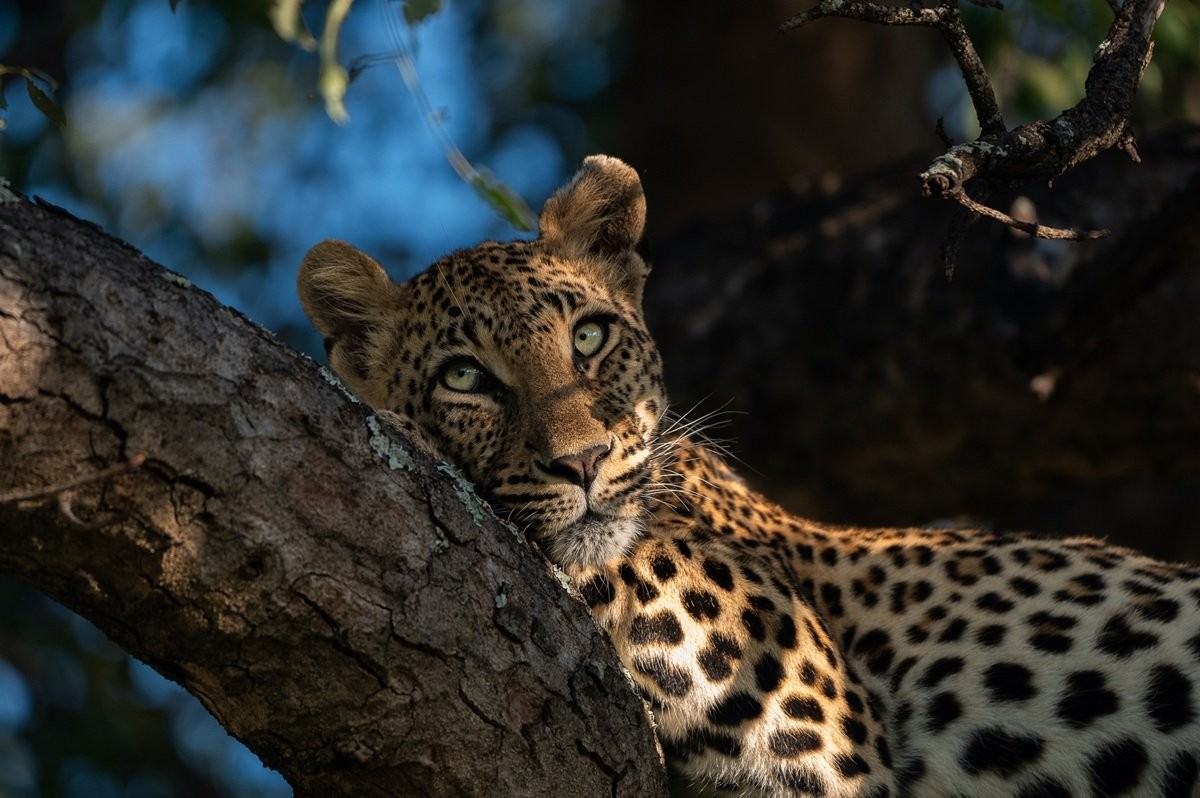
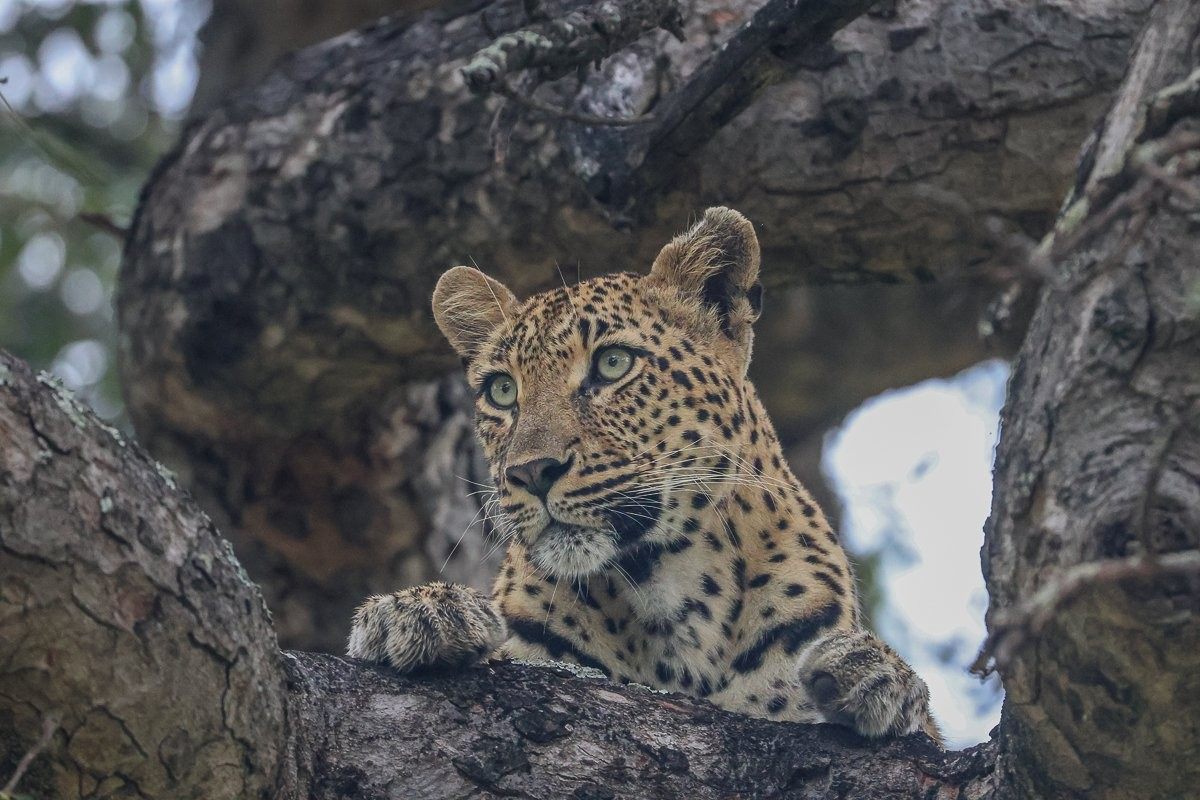
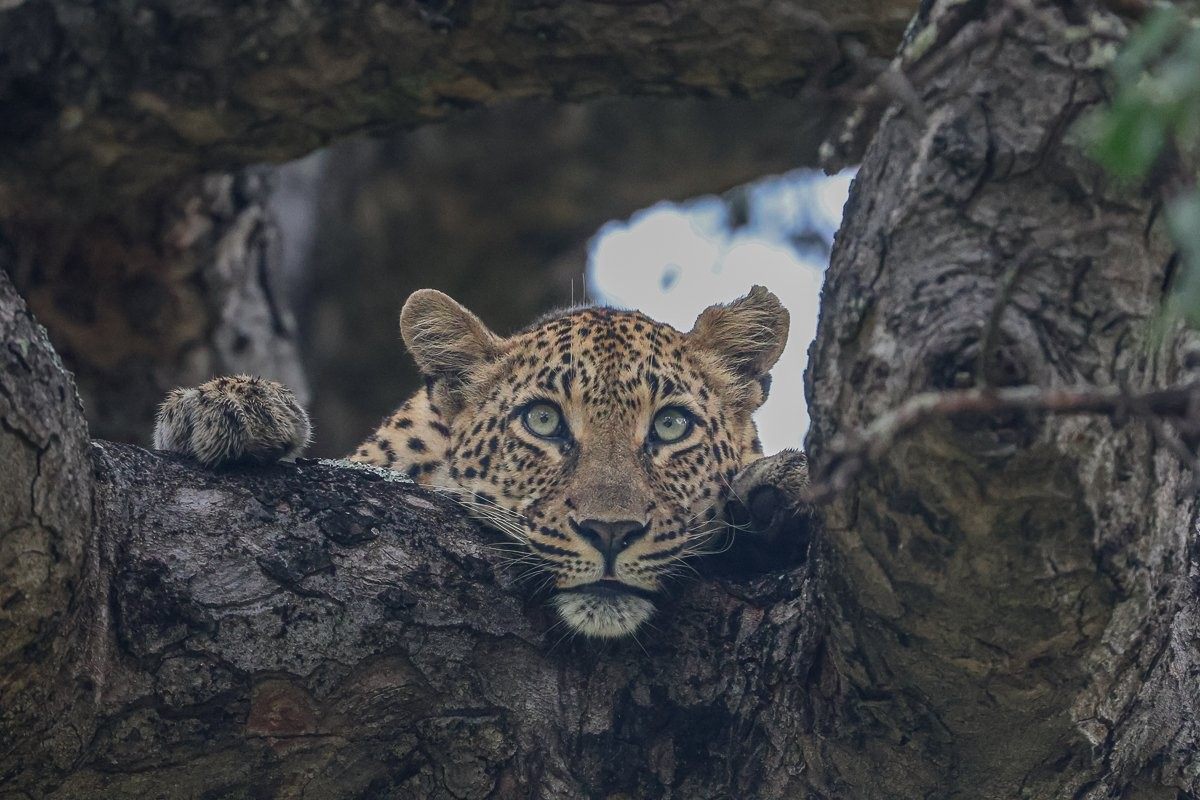
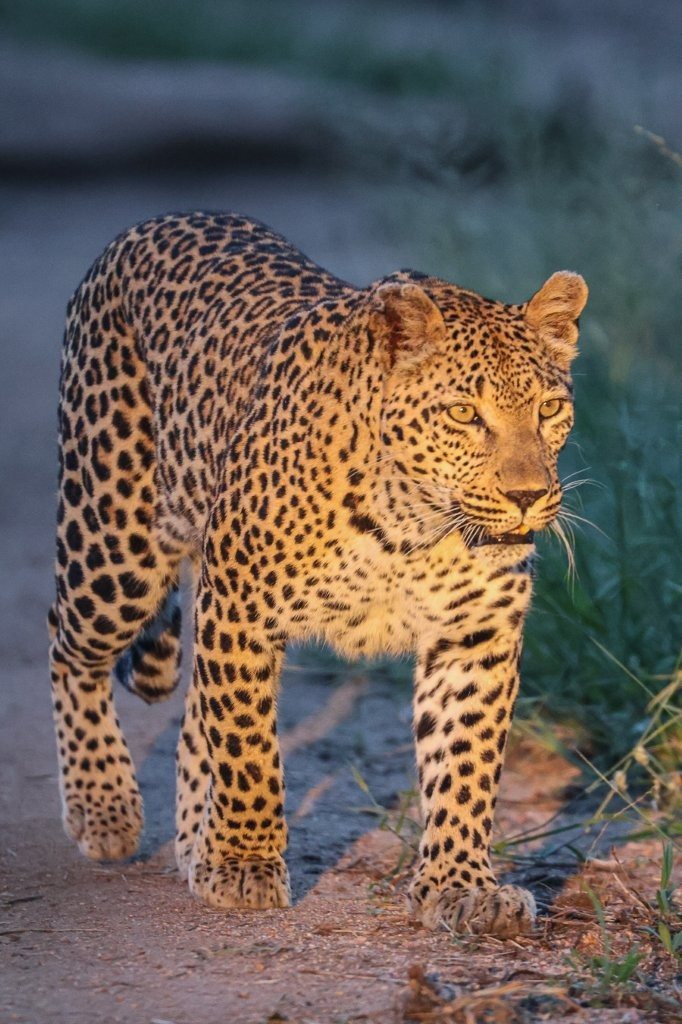
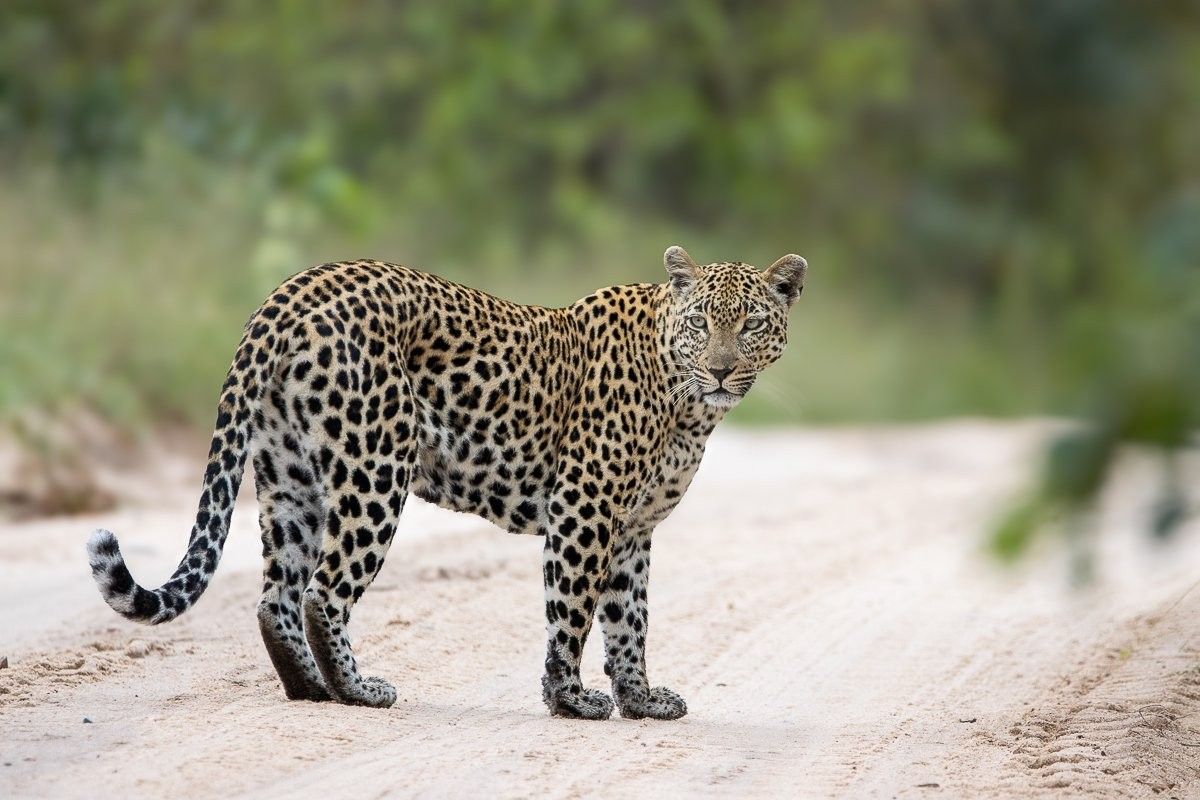
Driving along the lush bushveld early morning led us straight into the Golonyi female as she was making her way down the road, scent marking as she moved effortlessly down the road. This female has been very vocal and has been making her presence known, she is clearly looking to draw attention from a male leopard that might lead to mating, only time will tell.
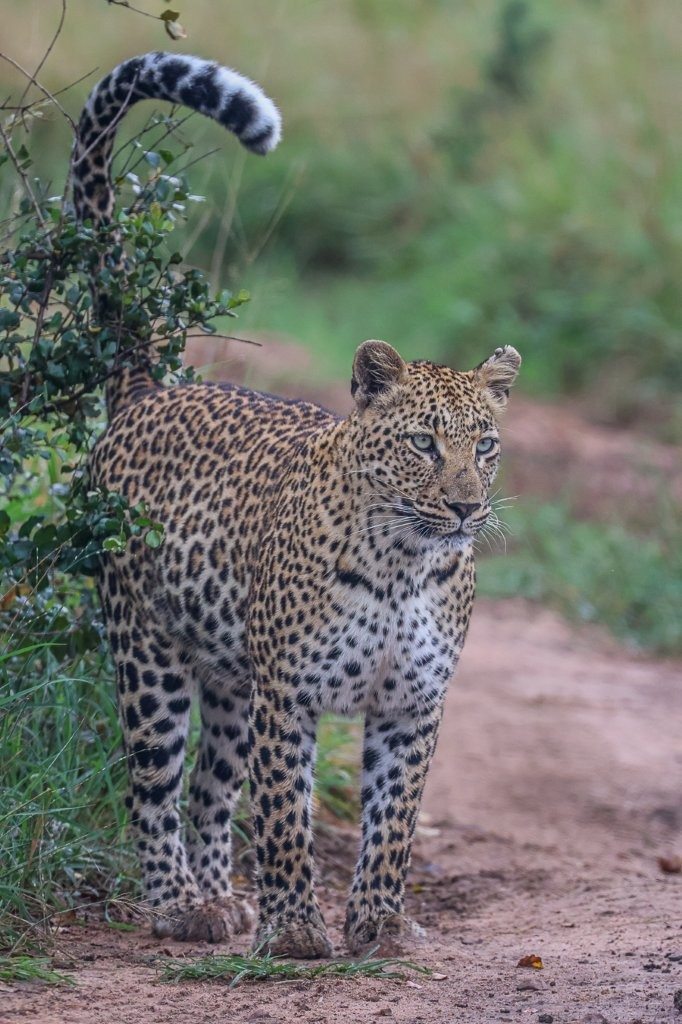
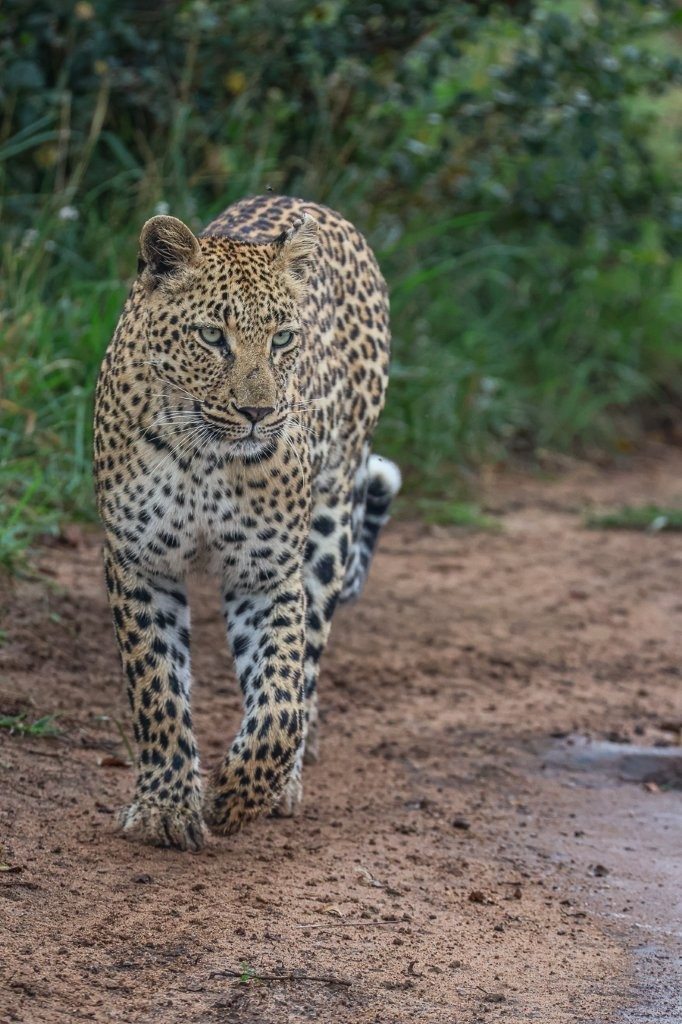
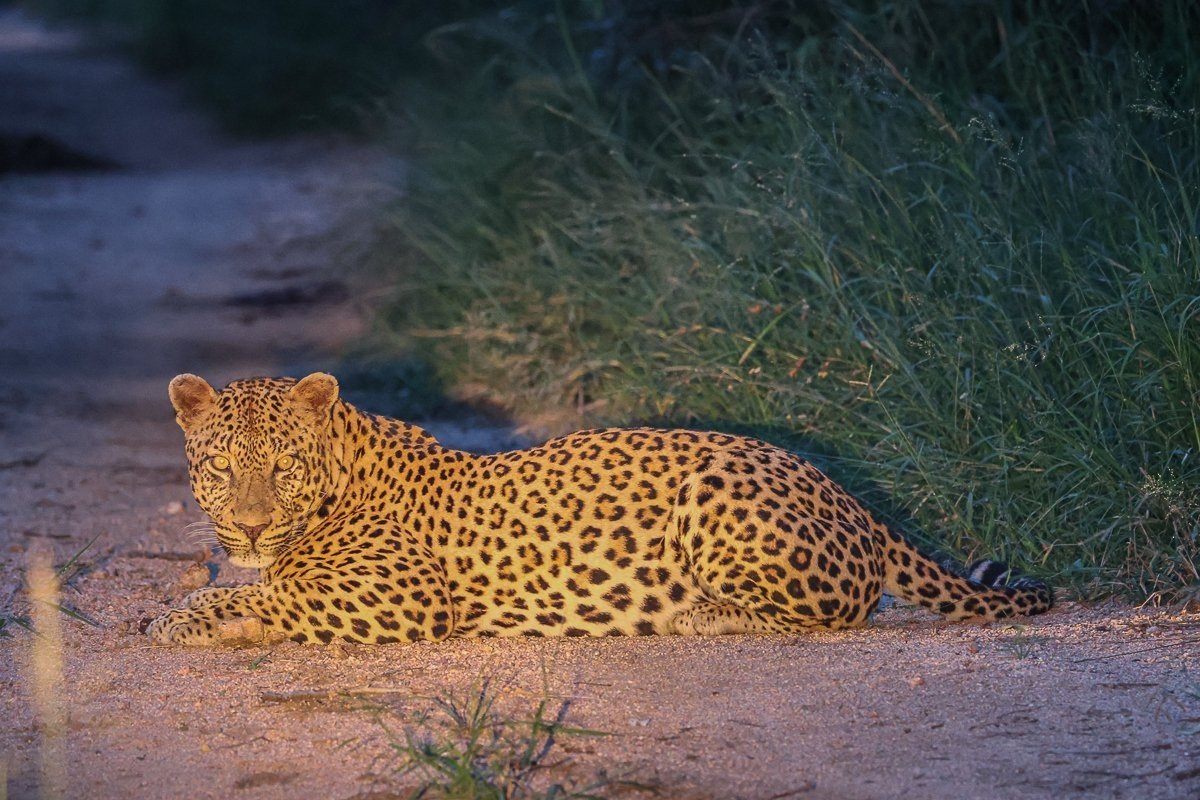
Driving through the bush often leads to wonderful surprises. As we slowly moved through a winding road, we got audio of leopards mating and immediately followed up. We soon found the Nsuku male and Ntsumi female still mating. These leopards have been spending a fair amount of time together and have been very active with mating, only time will tell if conception was successful but hopefully Ntsumi will be putting her motherly instincts to the test again soon.
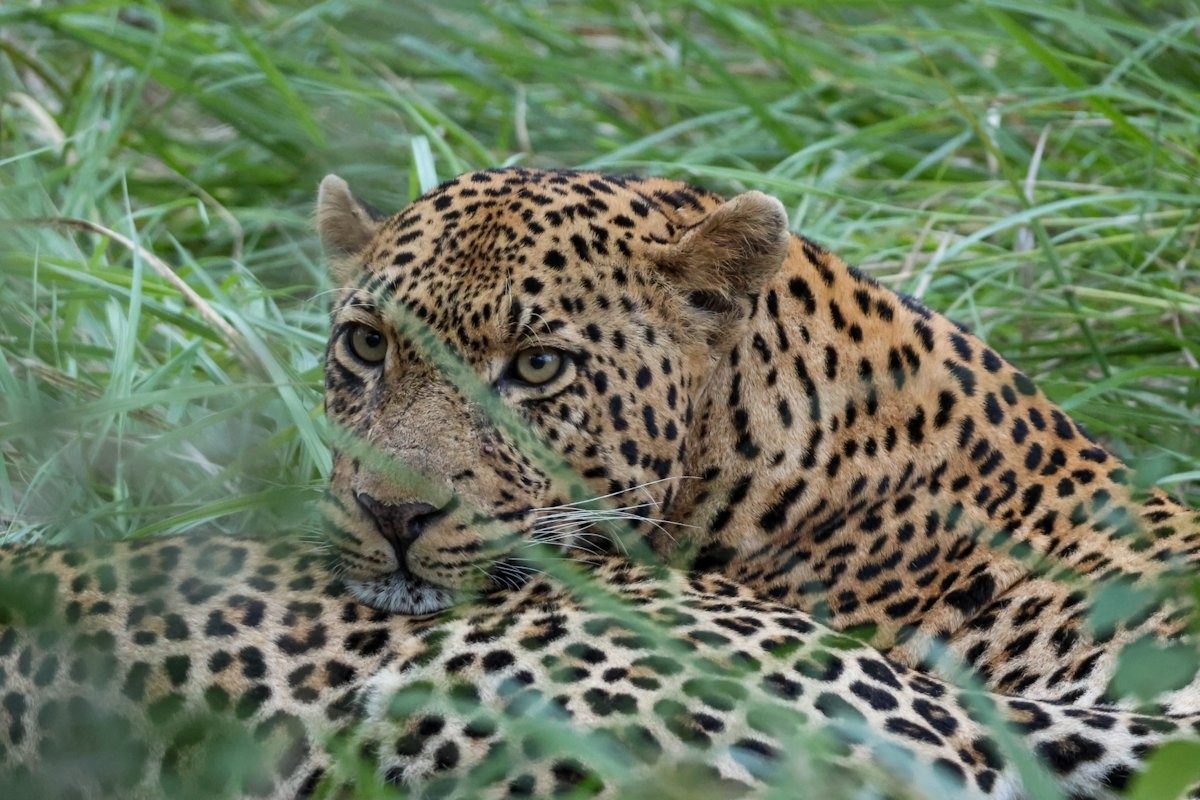
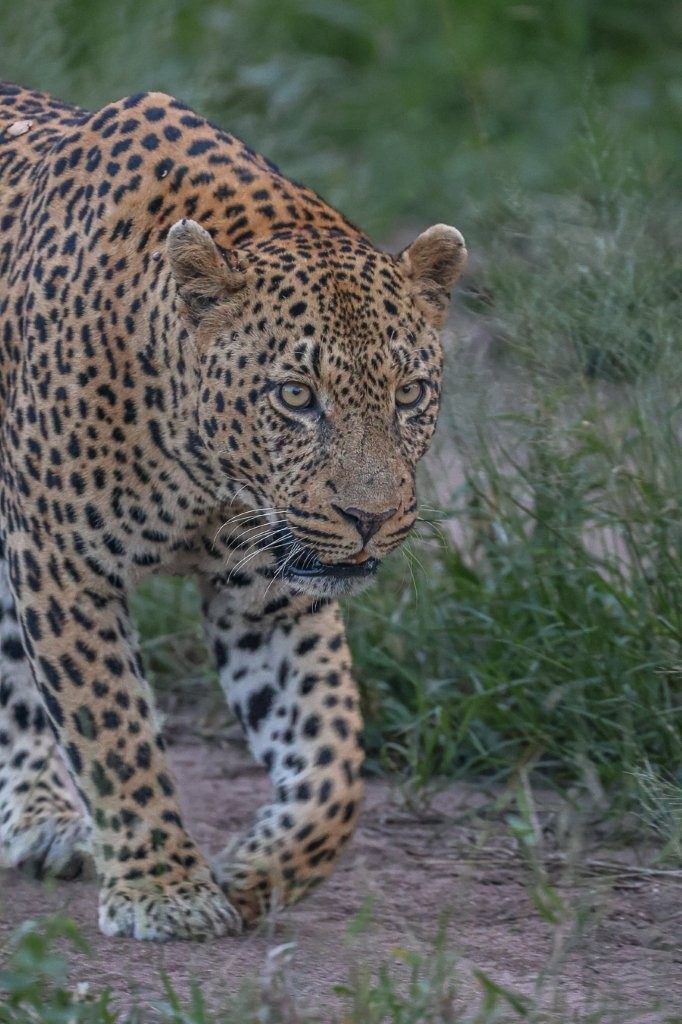
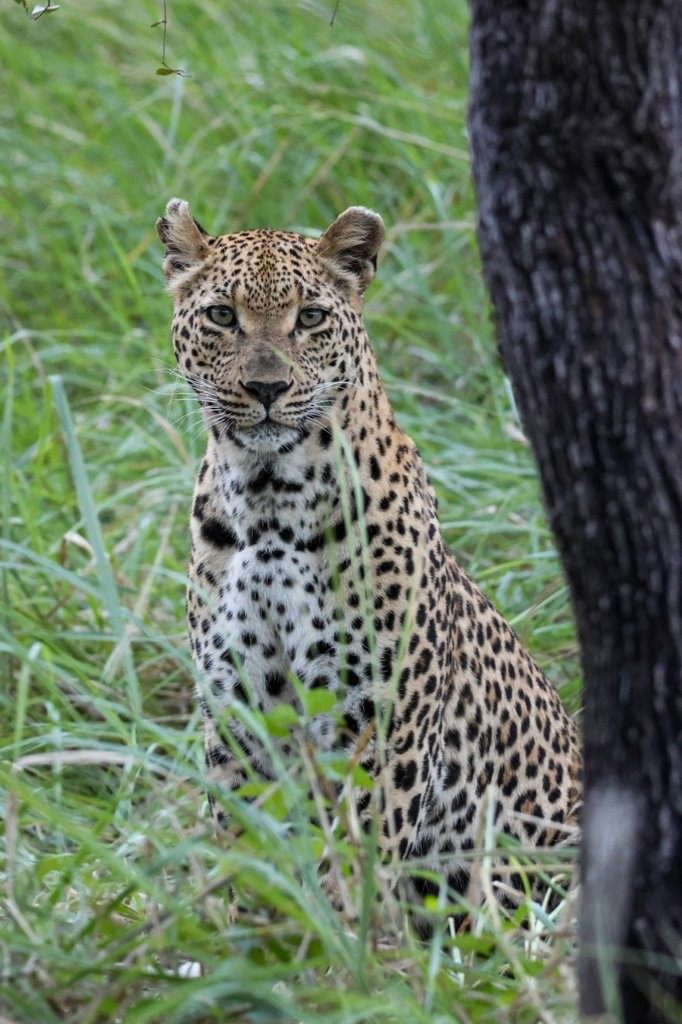
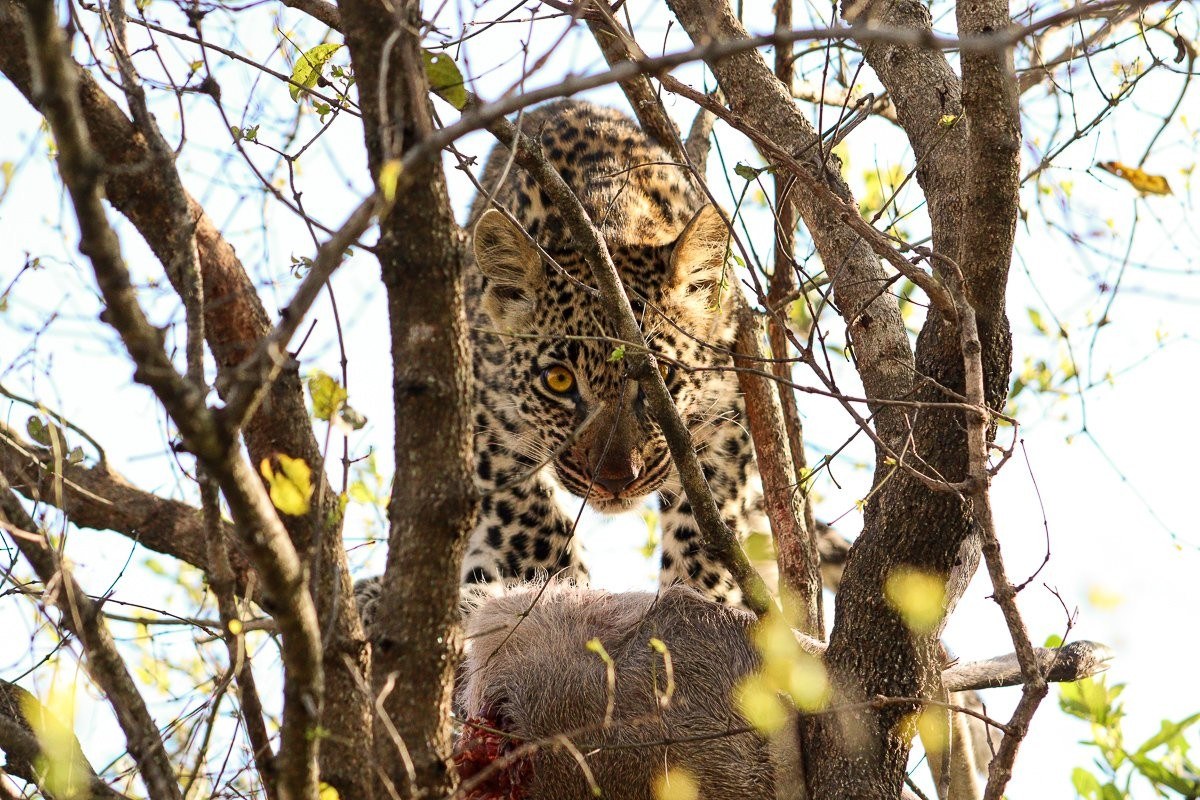
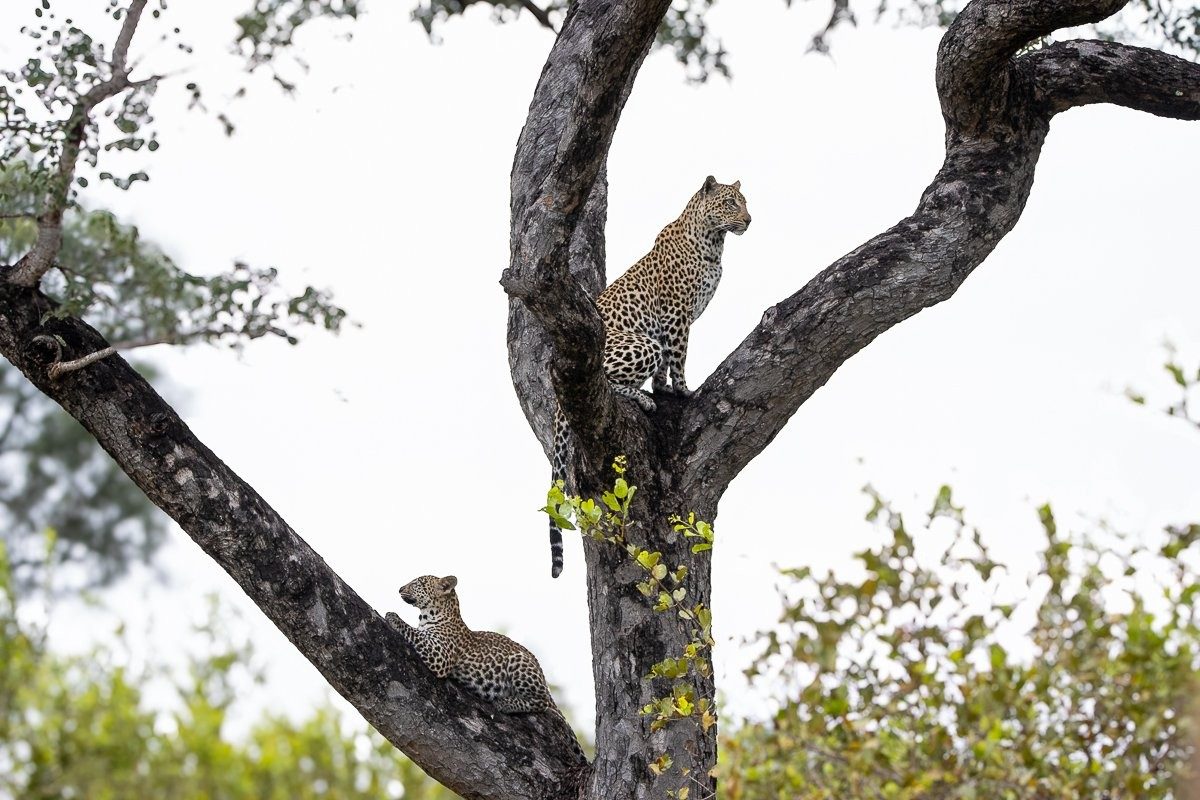
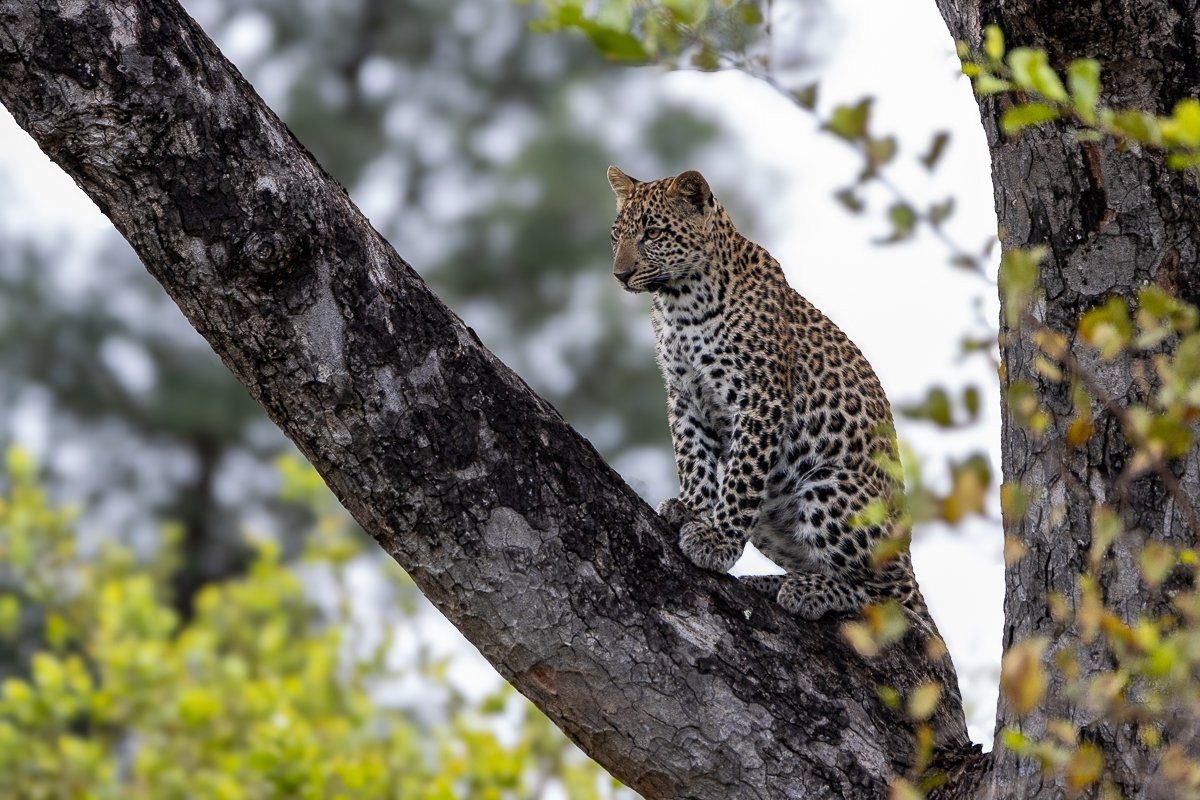
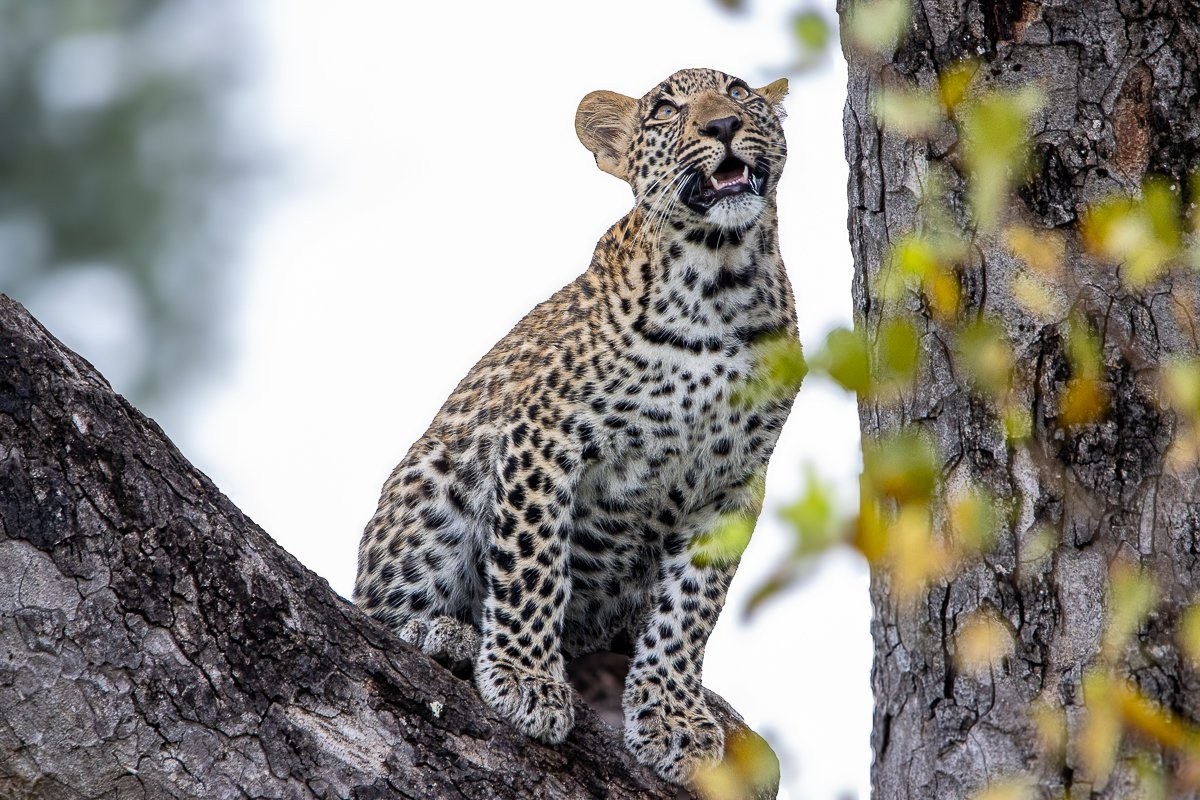
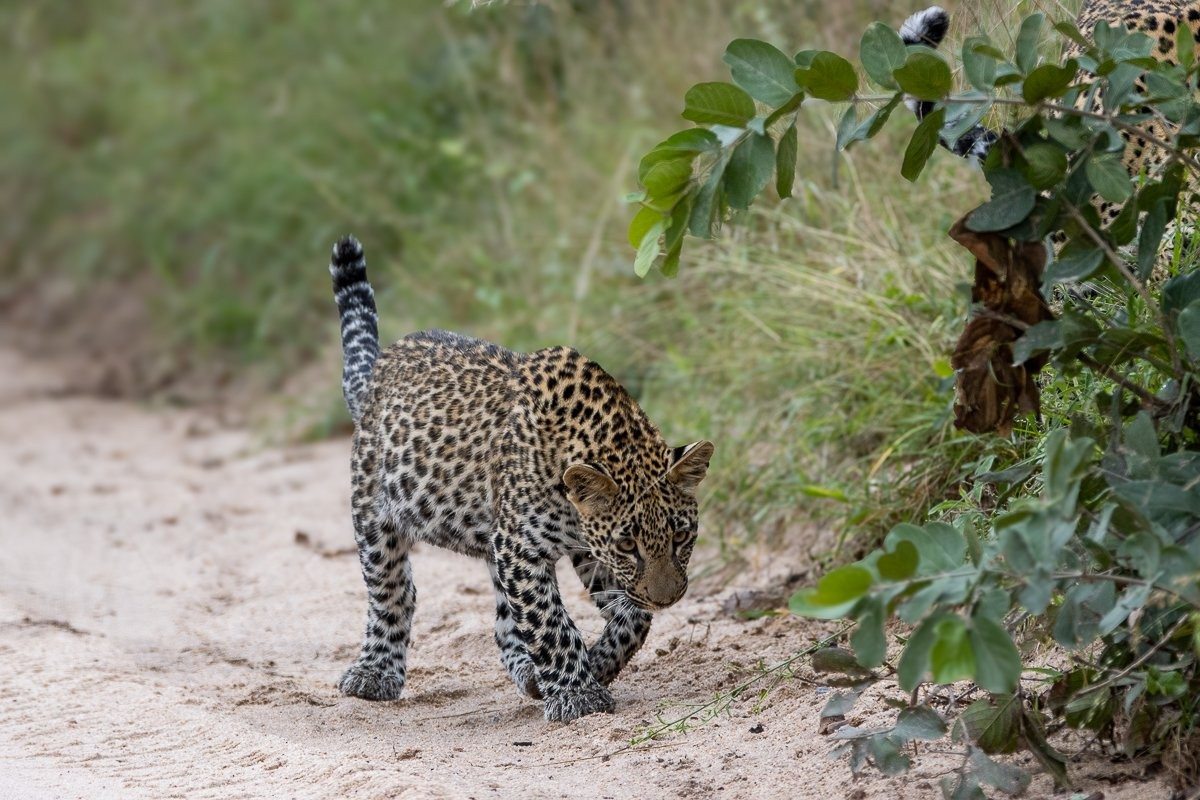
After a short tracking exercise, we came across Tengile and her cub resting in the morning sun before climbing into a small Red Bushwillow tree where she had hoisted her duiker kill. After having her share of the meal, she climbed down from the tree and allowed her cub, balancing carefully on the small branches of the tree.
We tracked and found Tengile and her cub, with hyenas trailing along the path she had taken. As we watched, she attempted to circle a herd of impala, searching for the perfect position to launch a hunt. However, the constant presence of the hyenas made it nearly impossible for her to commit. Eventually, she settled onto a fallen tree, choosing to wait patiently and conserve her energy until the hyenas moved on.
Shortly after leaving Earth Lodge on afternoon safari we found tracks for a male leopard. After a follow up we found more tracks and a drag mark over the road. As the sun was slowly setting, Ruan and Donald followed on foot to locate this male. Their slow movements through the tall grass paid off as a short distinctive growl gave them the position of the leopard.
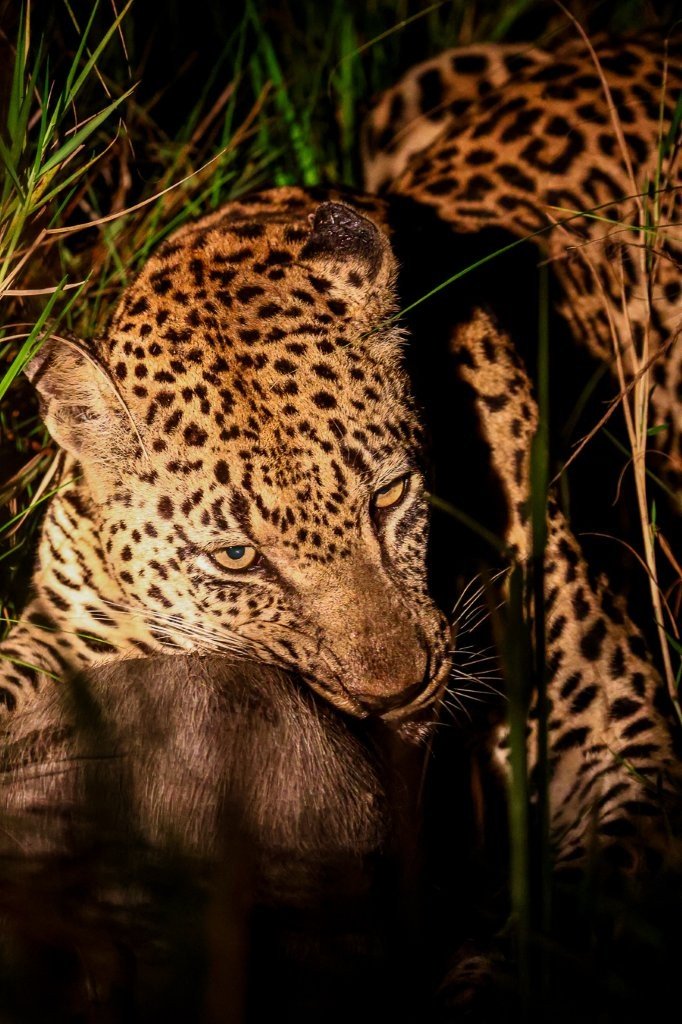
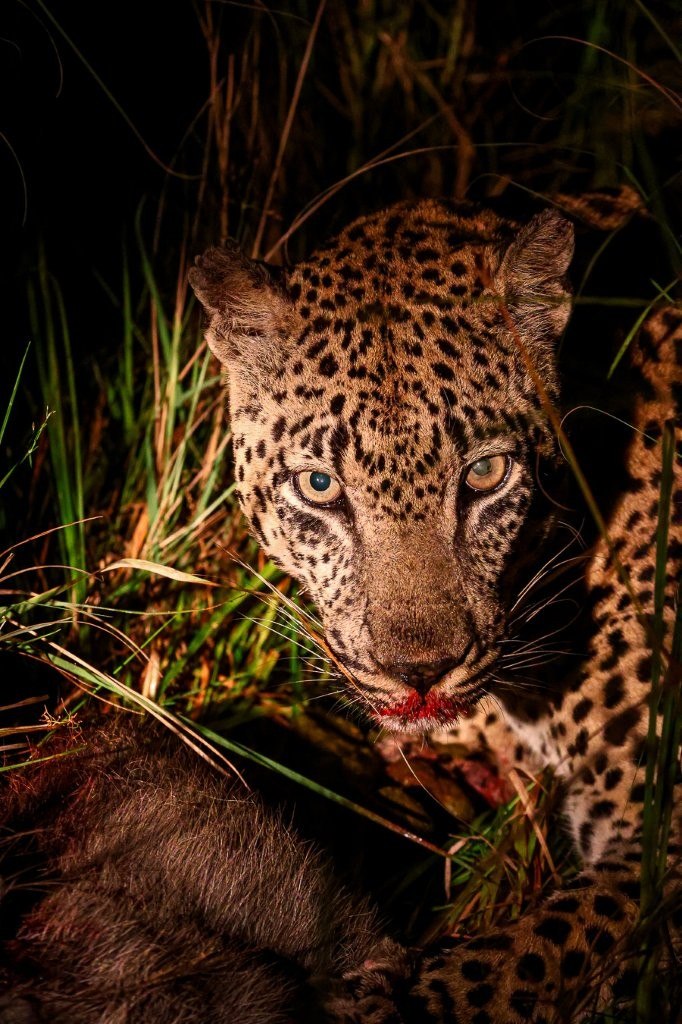
They moved back to the vehicle and drove to Mawelawela male as he was feeding on a warthog kill he successfully made during the afternoon. With the bush being very lush and grass very tall, he felt safe enough to feed on the ground with no need to hoist his kill into a tree, but with a good position and big trees around him to escape if the need arises.
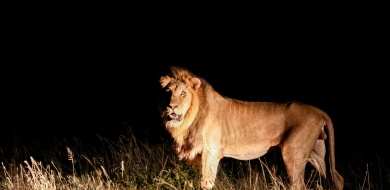
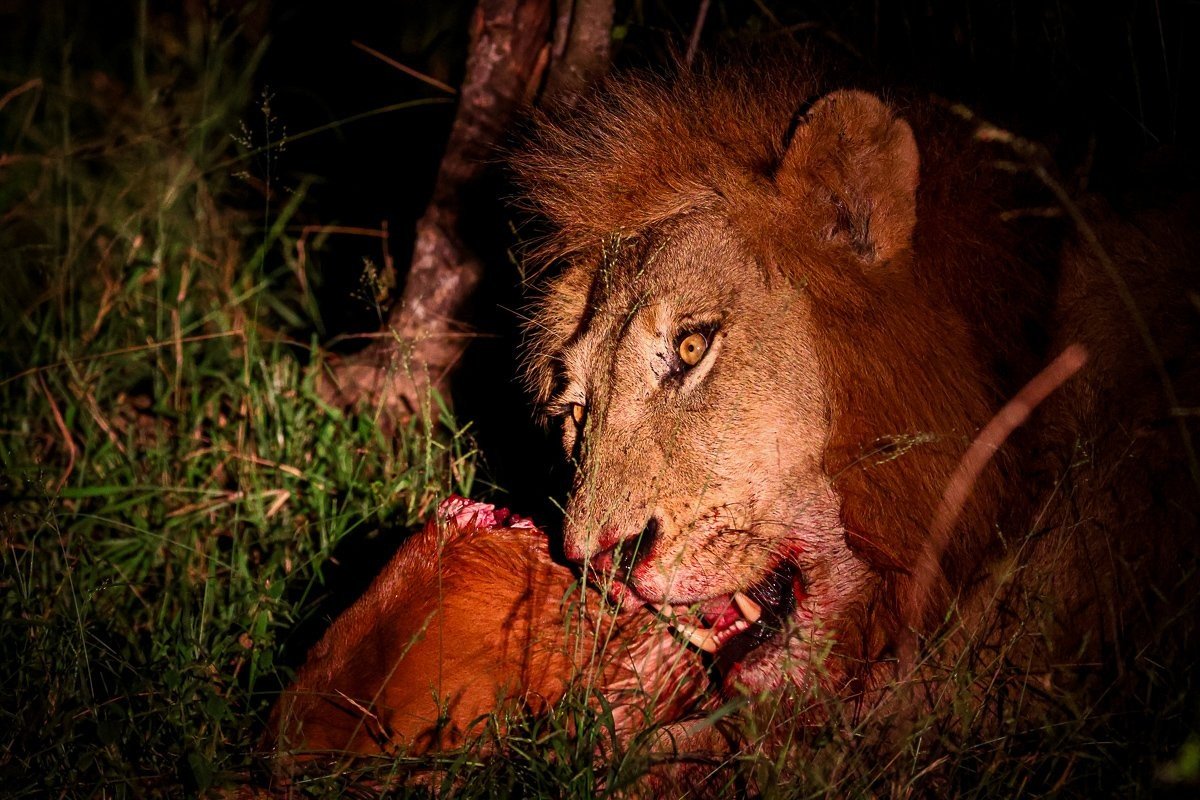
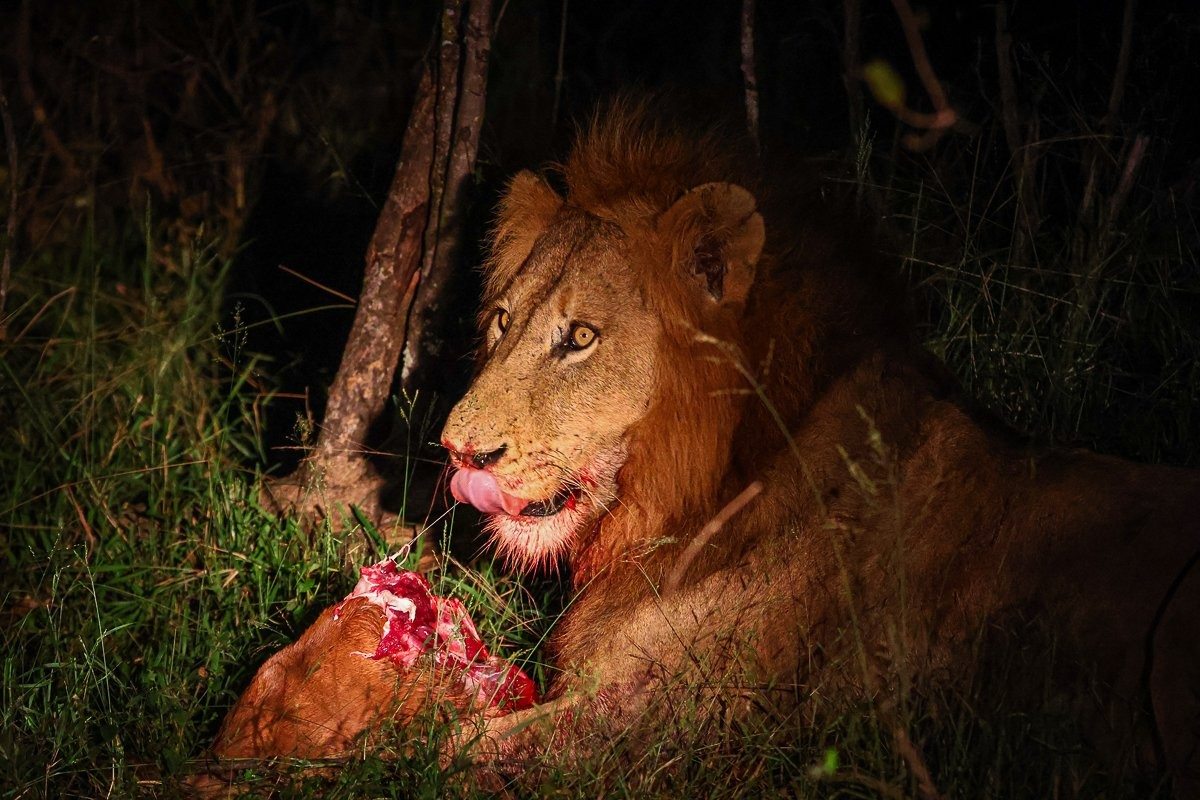
A lion sighting after dark is special because it offers a glimpse into their natural behaviour that is rarely seen during the day. Lions are most active at night, using the cover of darkness to hunt, patrol territory, and interact with their pride. Spotting them after sunset allows us to see how they rely on keen night vision and sensitive hearing, making their movements precise and purposeful, providing a deeper understanding of their role as apex predators.
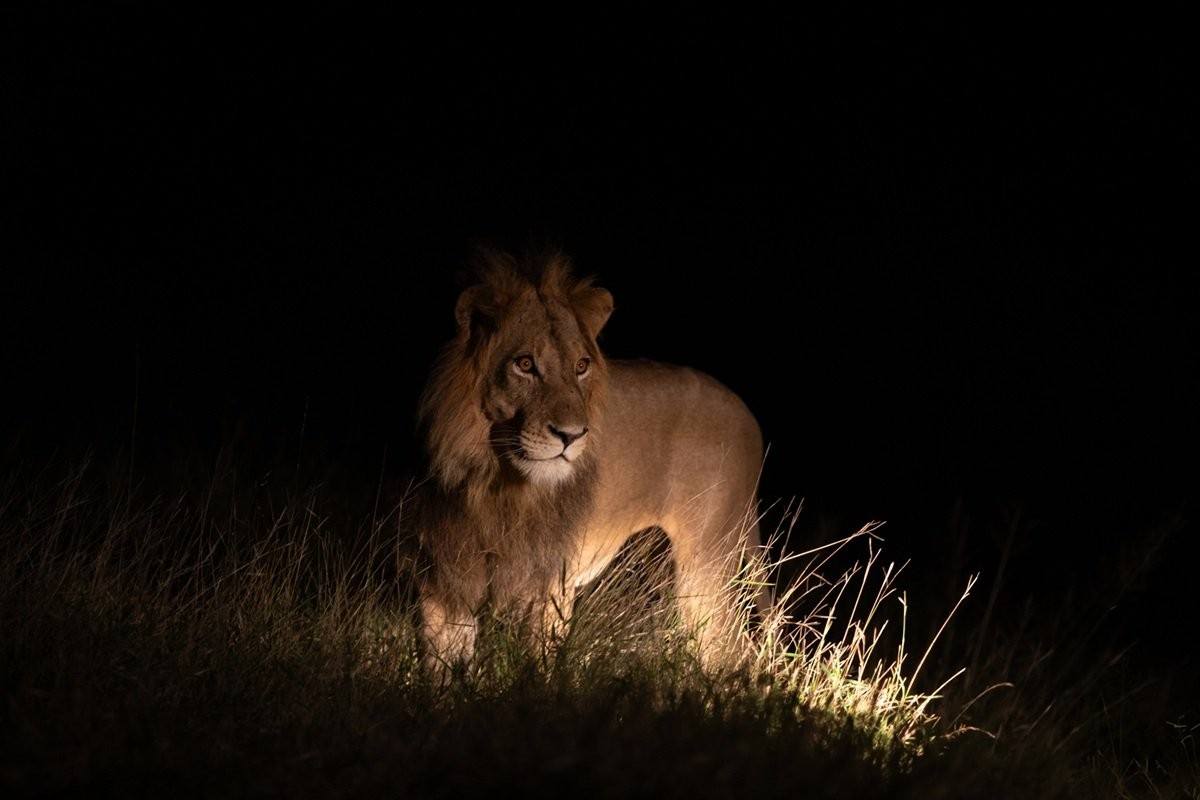
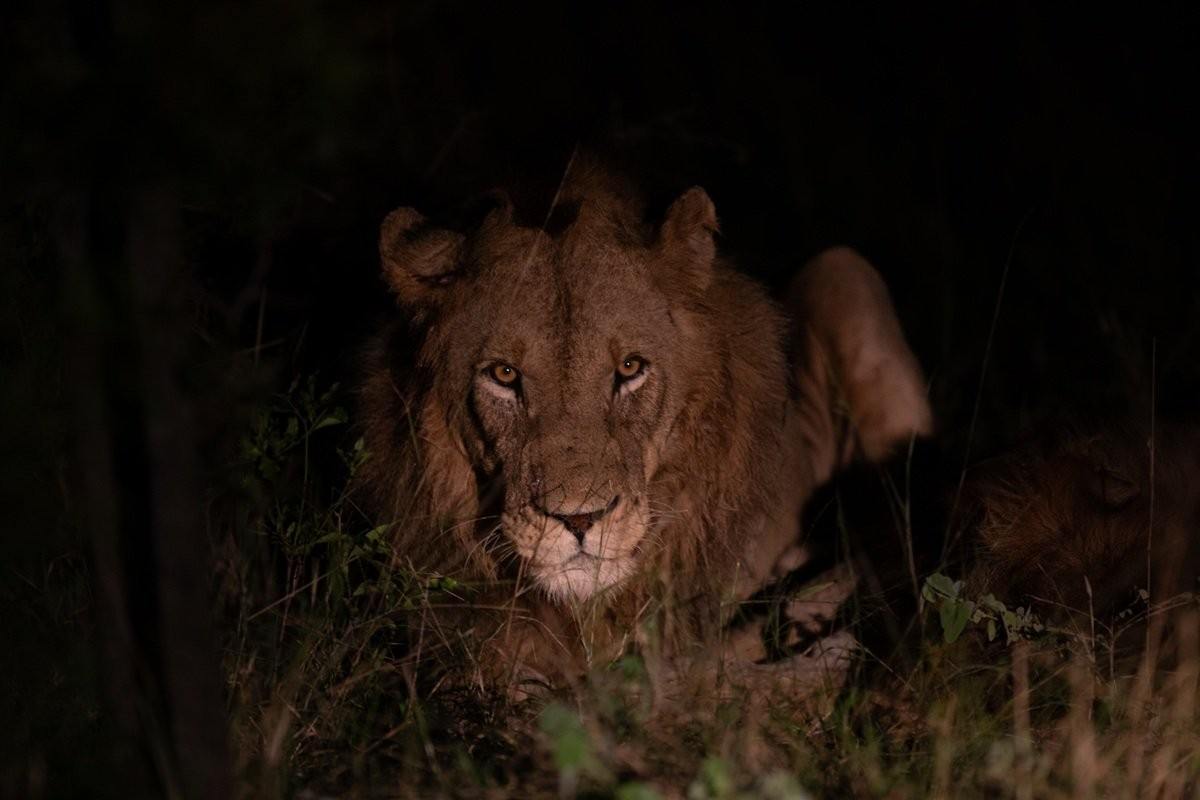
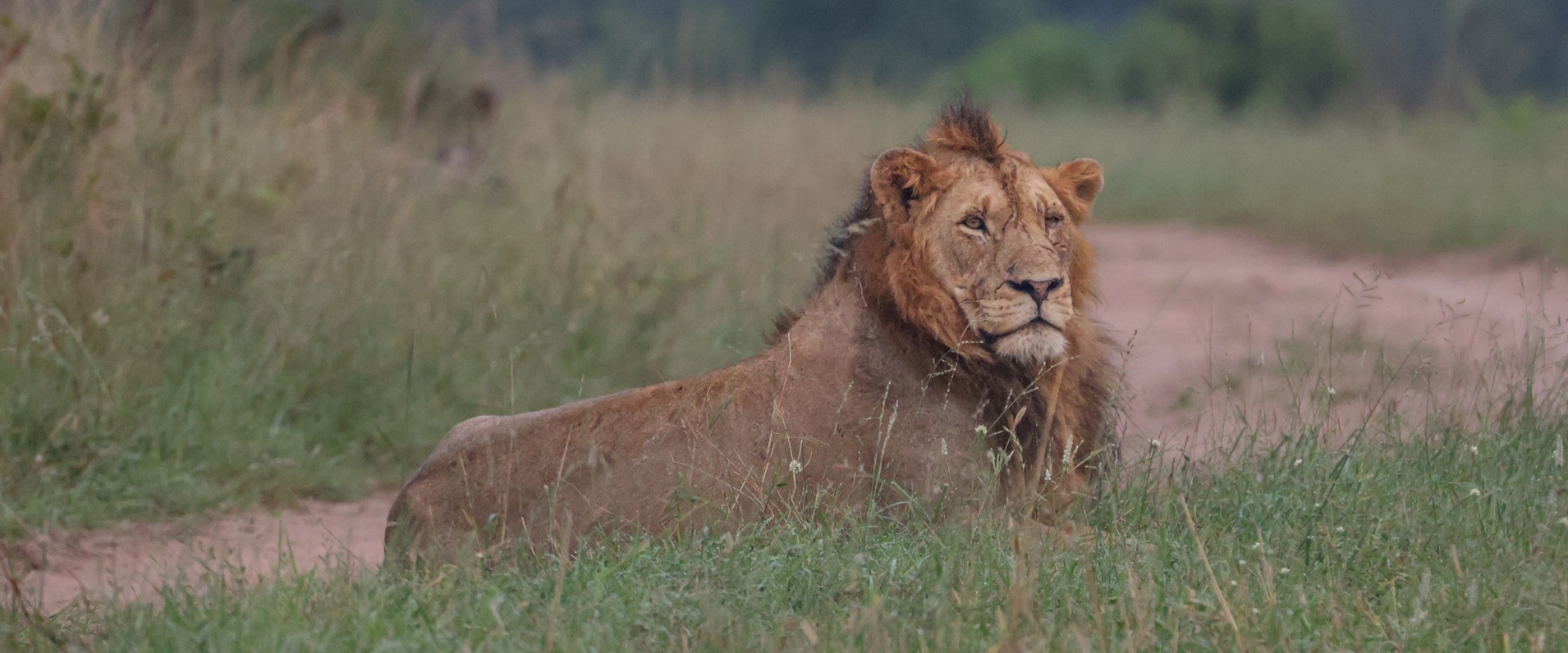
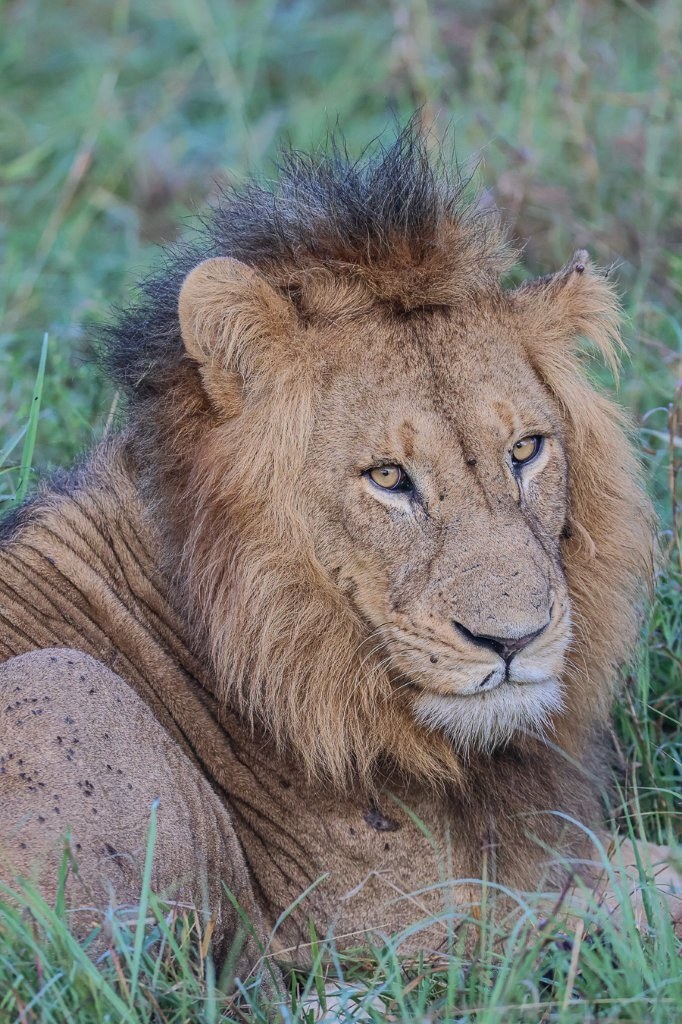
An unexpected surprise for our guests appeared as we turned the corner on our morning safari. The fourth N’waswishaka male lion, along with a lioness, was resting in the road trying to warm up after a cold and cloudy night. They soon got up and moved through the reserve, but the soft contact calls of the other N’waswishaka males caused them to stop in their tracks. With full stomachs from their buffalo kill over the weekend, the three males called for their brother, resting in the road every few minutes before finally hearing a response and moving to meet up with him.
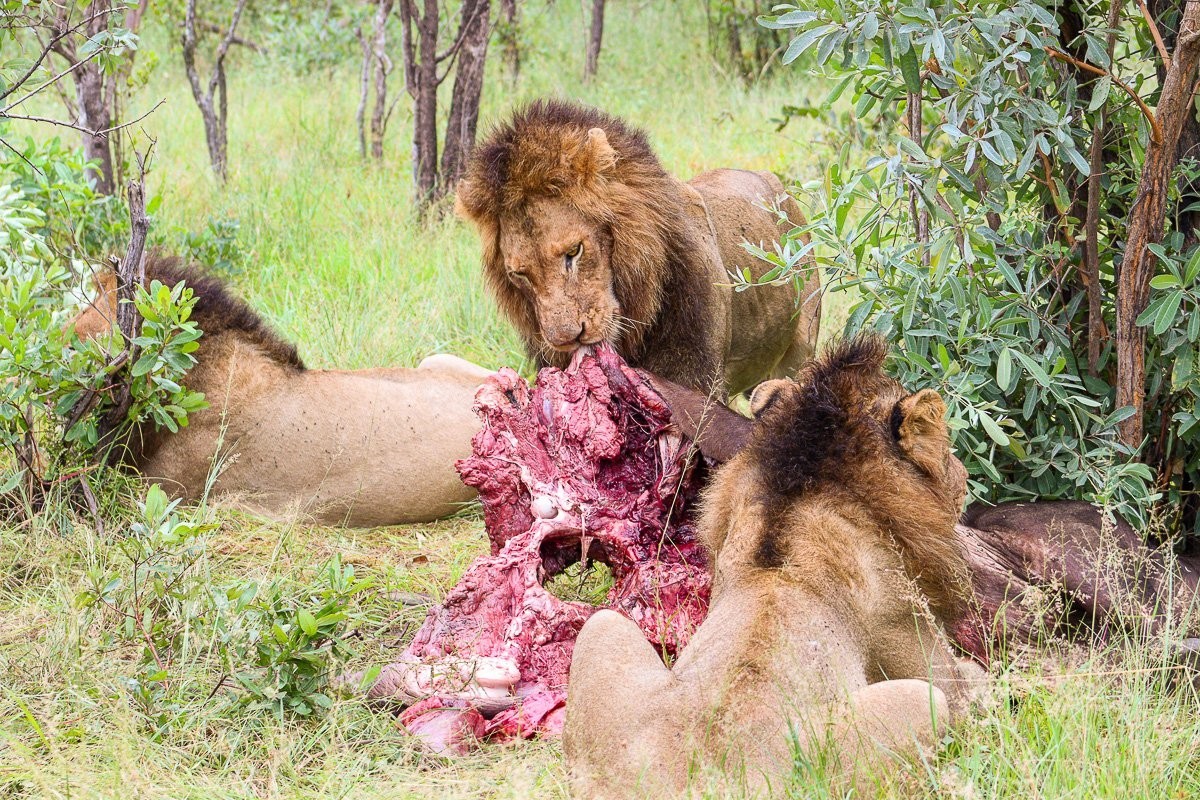
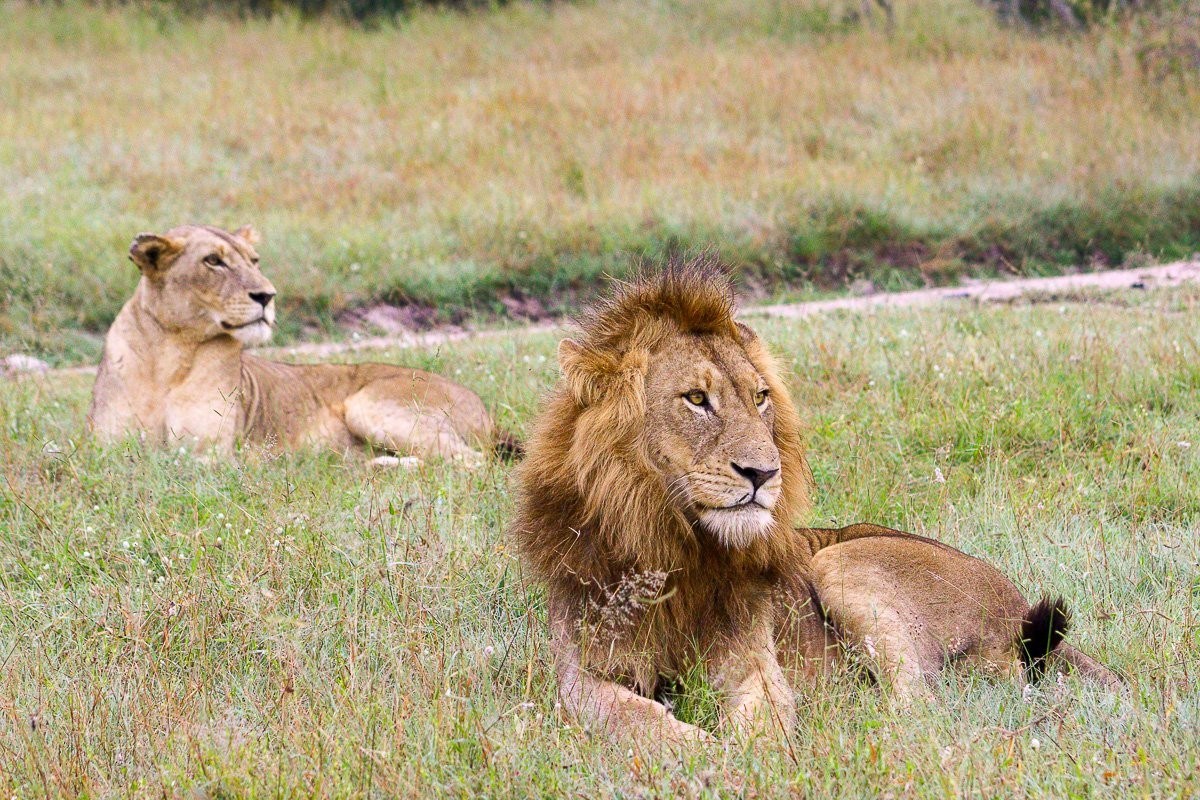
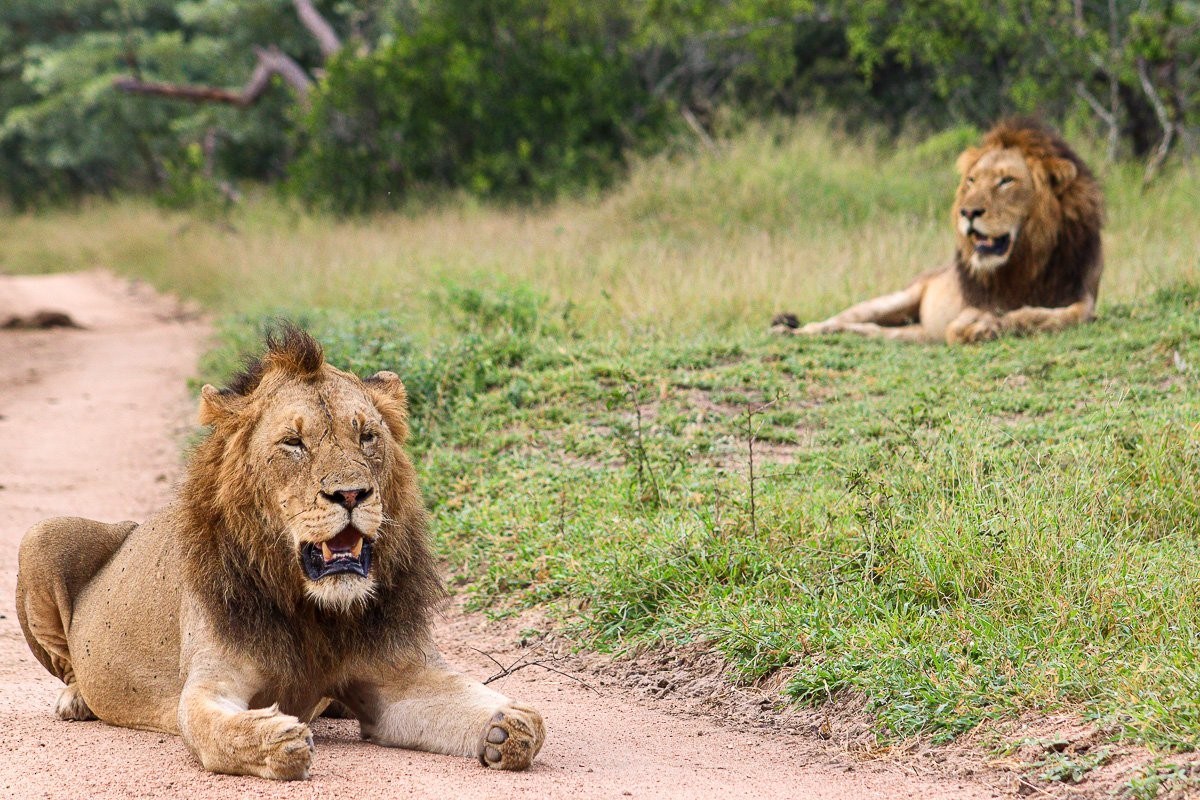
After finding tracks for lions heading north into our reserve it didn’t take long to locate three of the N’waswishaka male lions. One female from the Msuthlu Pride is still in their presence as she is getting safety from moving around with the males. These males have become very confident in the area and are slowly but surely taking over the territory.
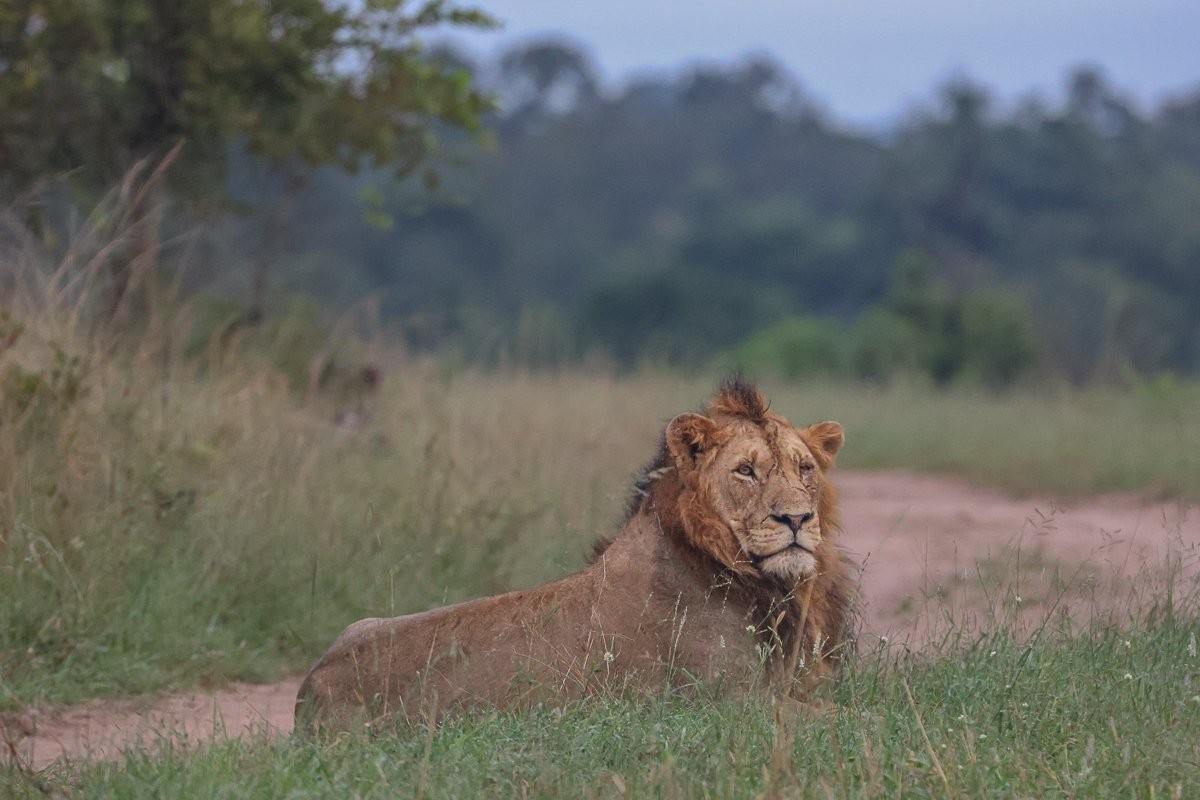
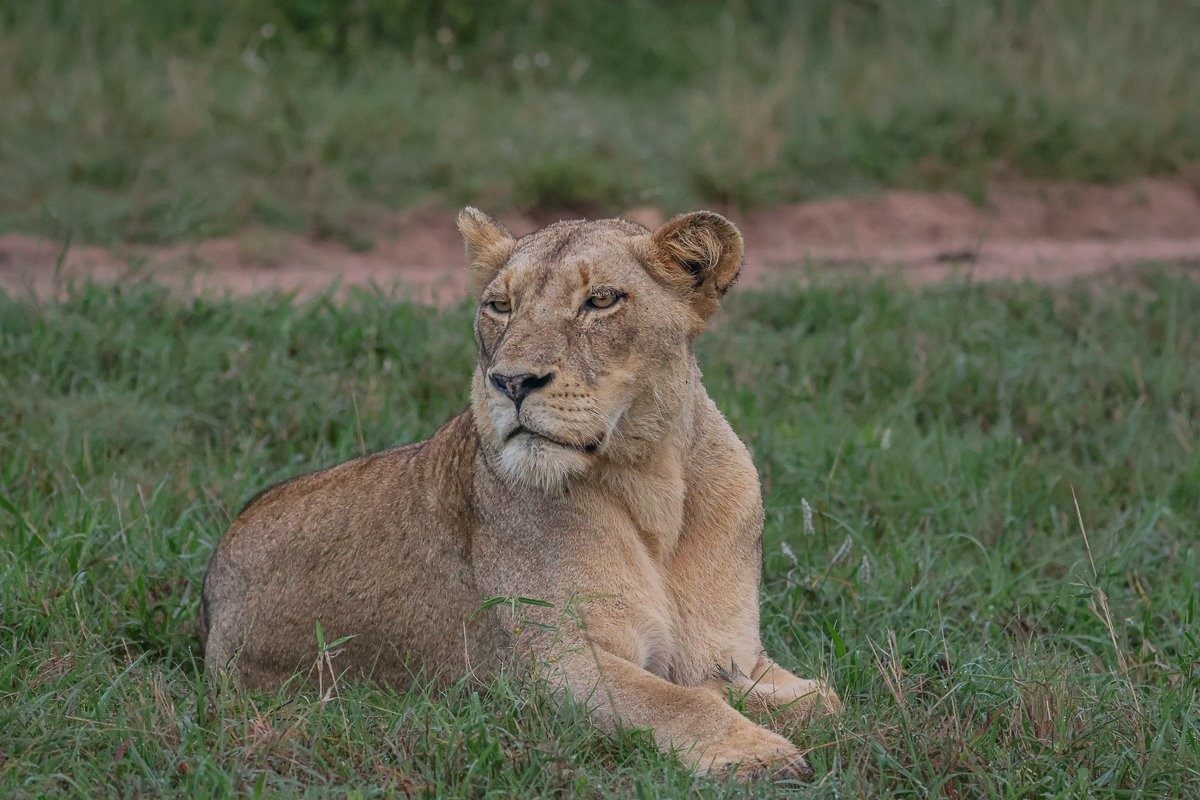
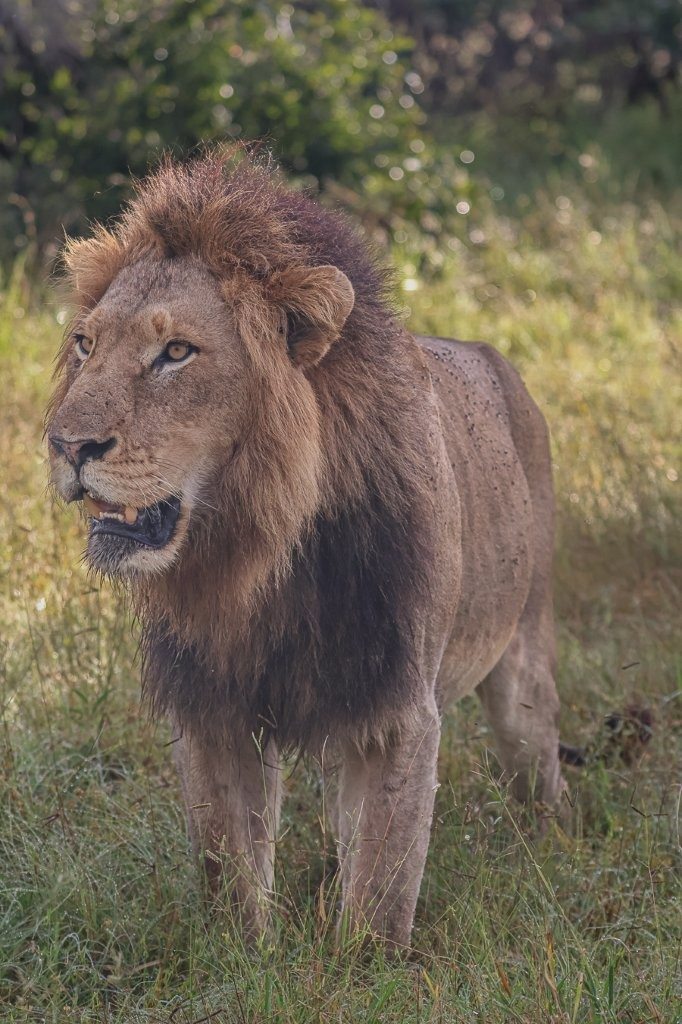
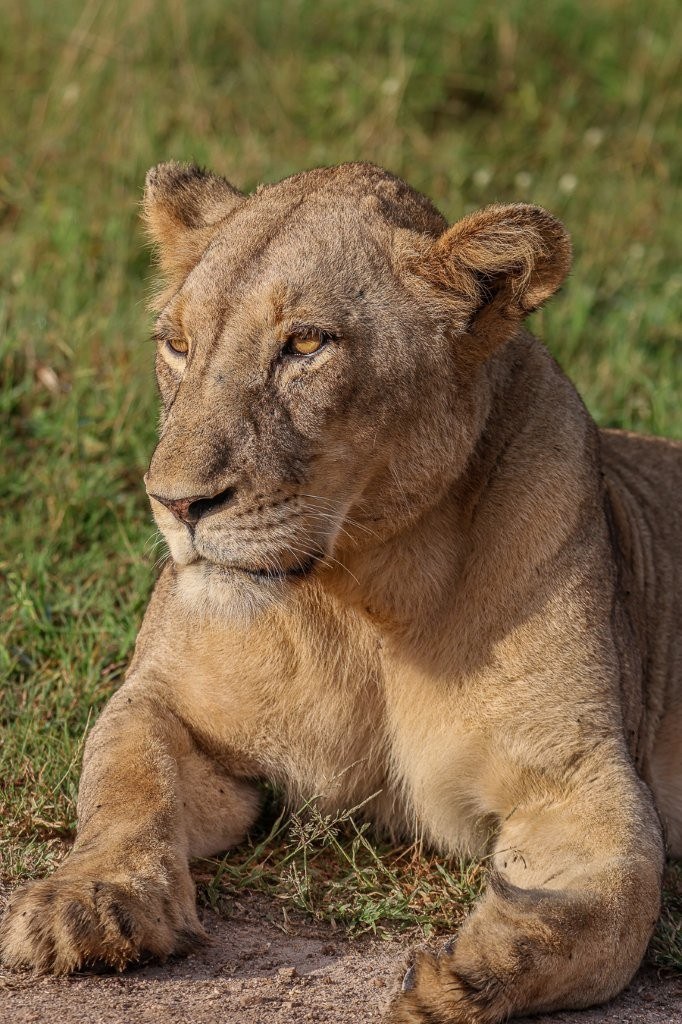
As we started our safari from Earth Lodge, we didn't expect to come around the corner and bump into the one N’waswishaka male that is still away from the rest of his coalition, but he also has some female company as a lioness from the Southern Pride is still moving around with him. The male was very motivated to mate while the female was making it very clear with growls and claw strikes that she is not currently interested. We left them as the temperatures were getting higher and them falling into a deep sleep before the night's activities ahead.
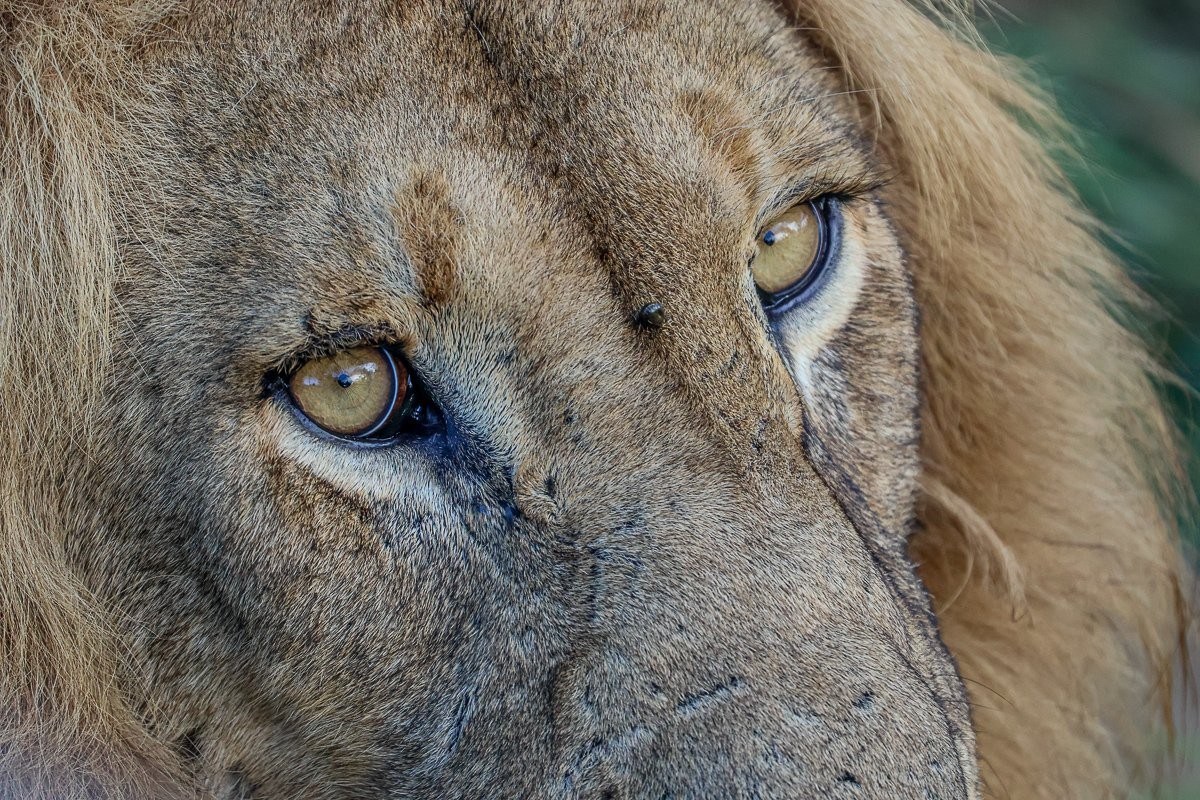
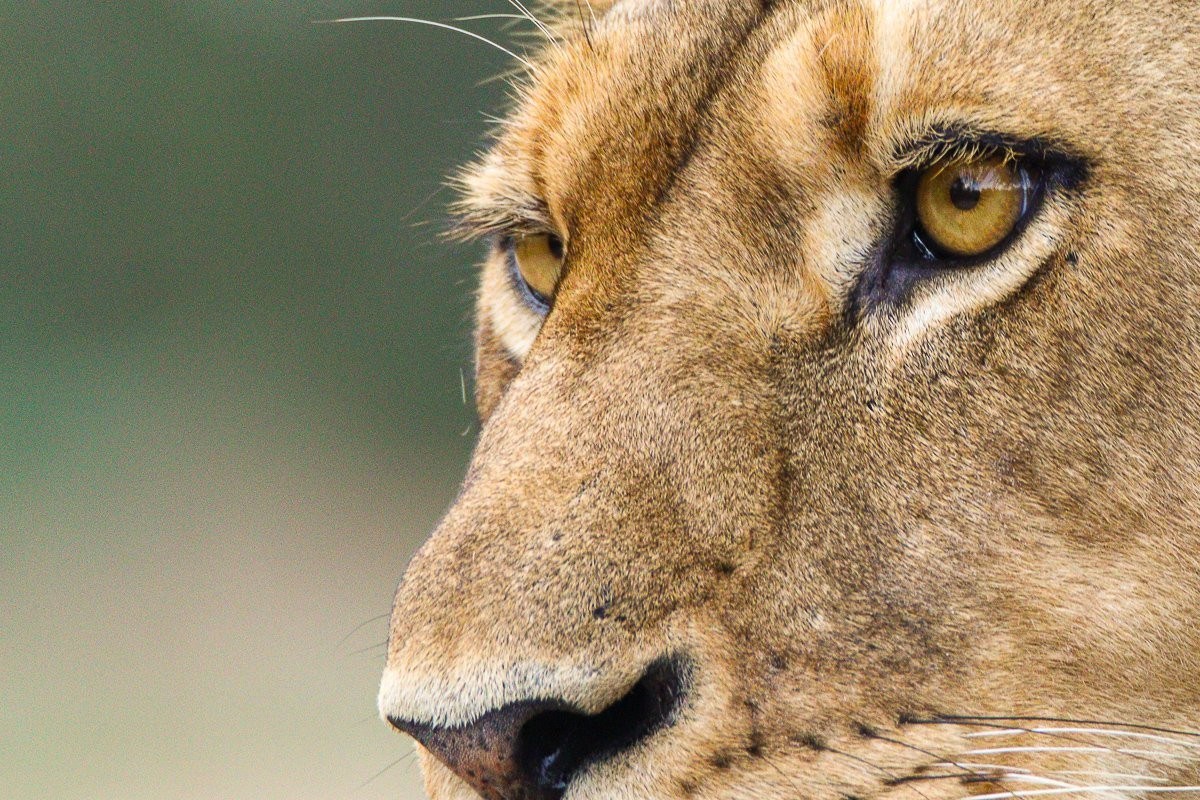
A lioness from the Msuthlu Pride strides past us with calm authority, her powerful frame moving silently as her watchful gaze scans the surroundings.
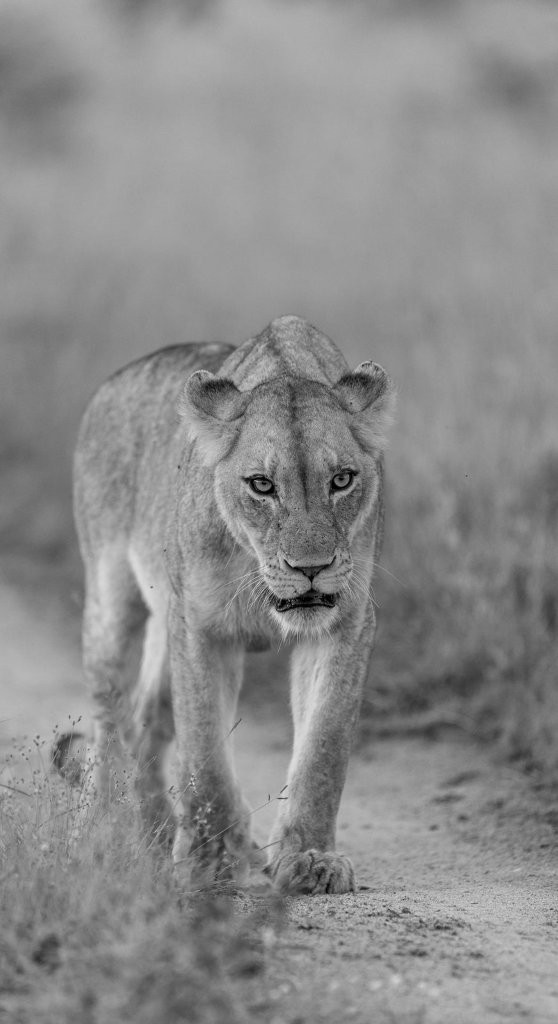
We spent most of our afternoon safari tracking the Southern Pride and as the light was fading our work paid off. We found three lionesses from the Southern Pride as they were running and playing around, building and strengthening their social bonds with one another. We left them as they carried on into the dark looking for their next hunting opportunity.
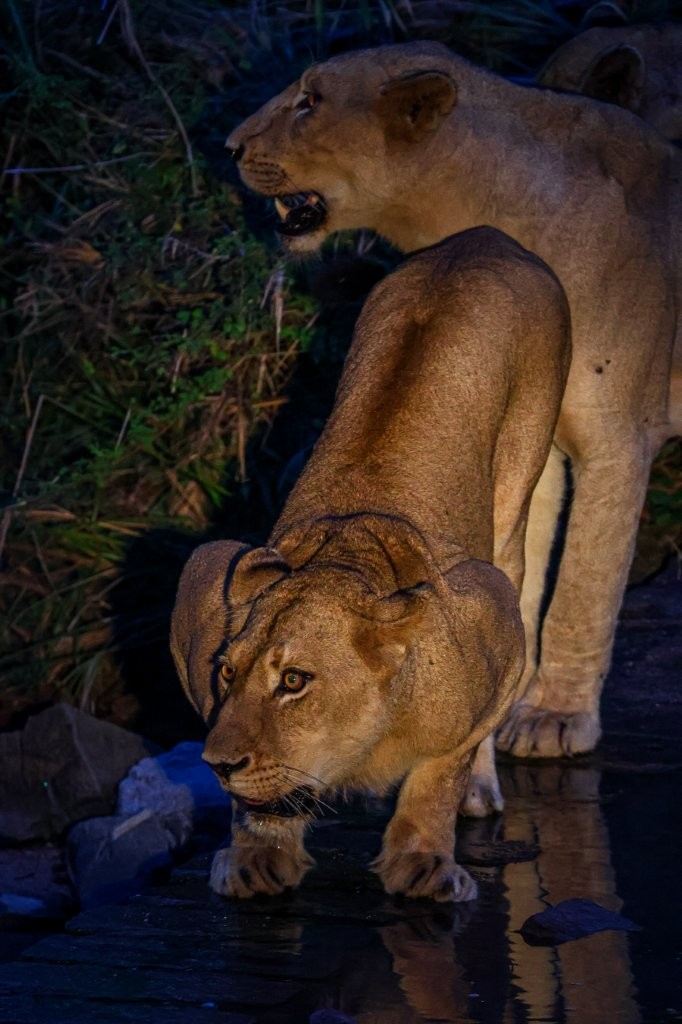
On our way back to Earth Lodge we found the one young N’waswishaka male with three lionesses from the Southern Pride - they were stalking impala right at the entrance of the lodge.
We sat in darkness, allowing nature to take its course and immediately reacted when we heard the commotion and growling. As we approached the male took most of their successful impala kill, leaving the lionesses to fight for the pieces he left behind. Even though they were successful, a young impala of this size is not a sufficient meal for these lions, and they will continue looking for their next meal.
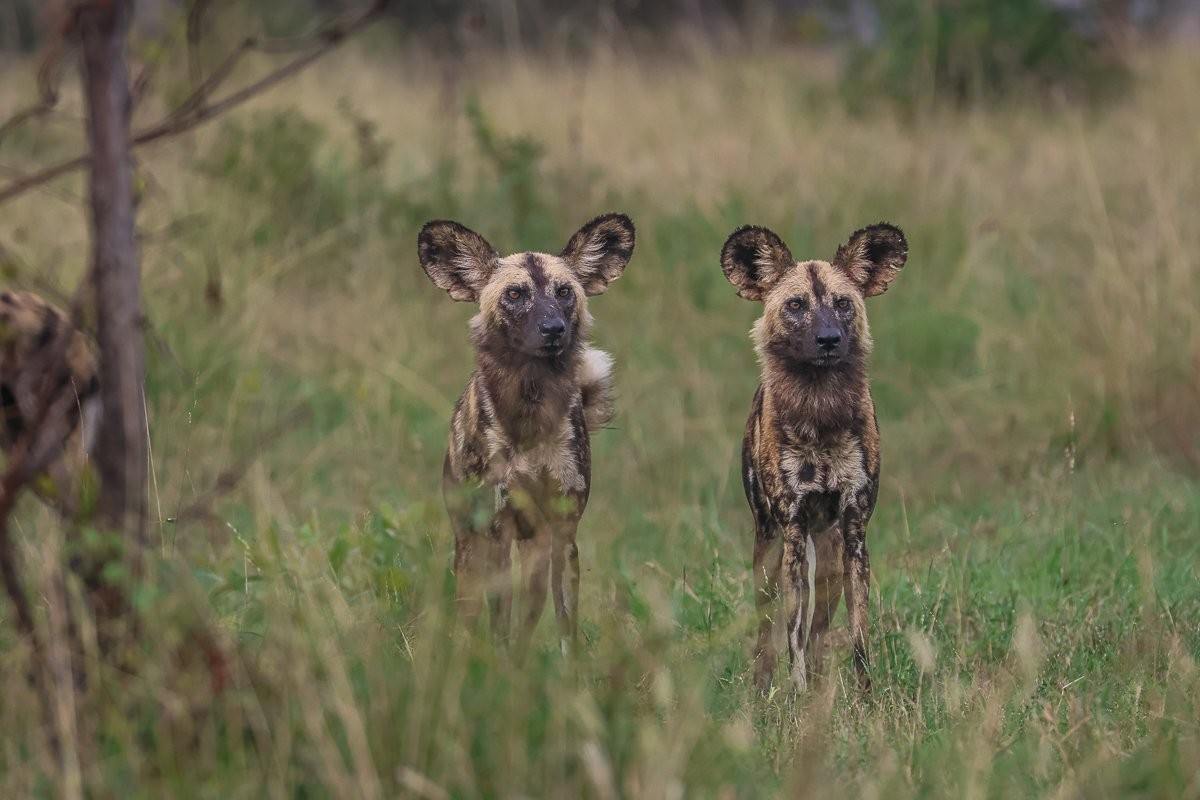
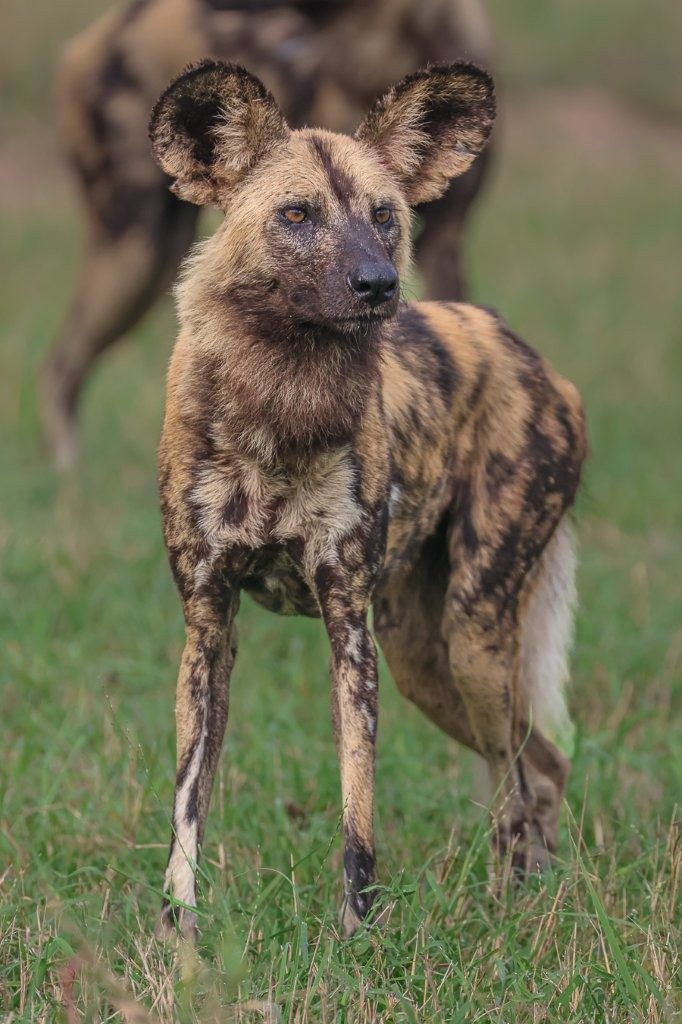
African wild dogs practice one of the most cooperative feeding systems in the animal kingdom. After a hunt, pack members will regurgitate food not only for pups, but also for injured, sick, or elderly adults that stayed behind. This level of care helps maintain strong social bonds and ensures that even less able members of the pack can survive - something rarely seen among large predators.
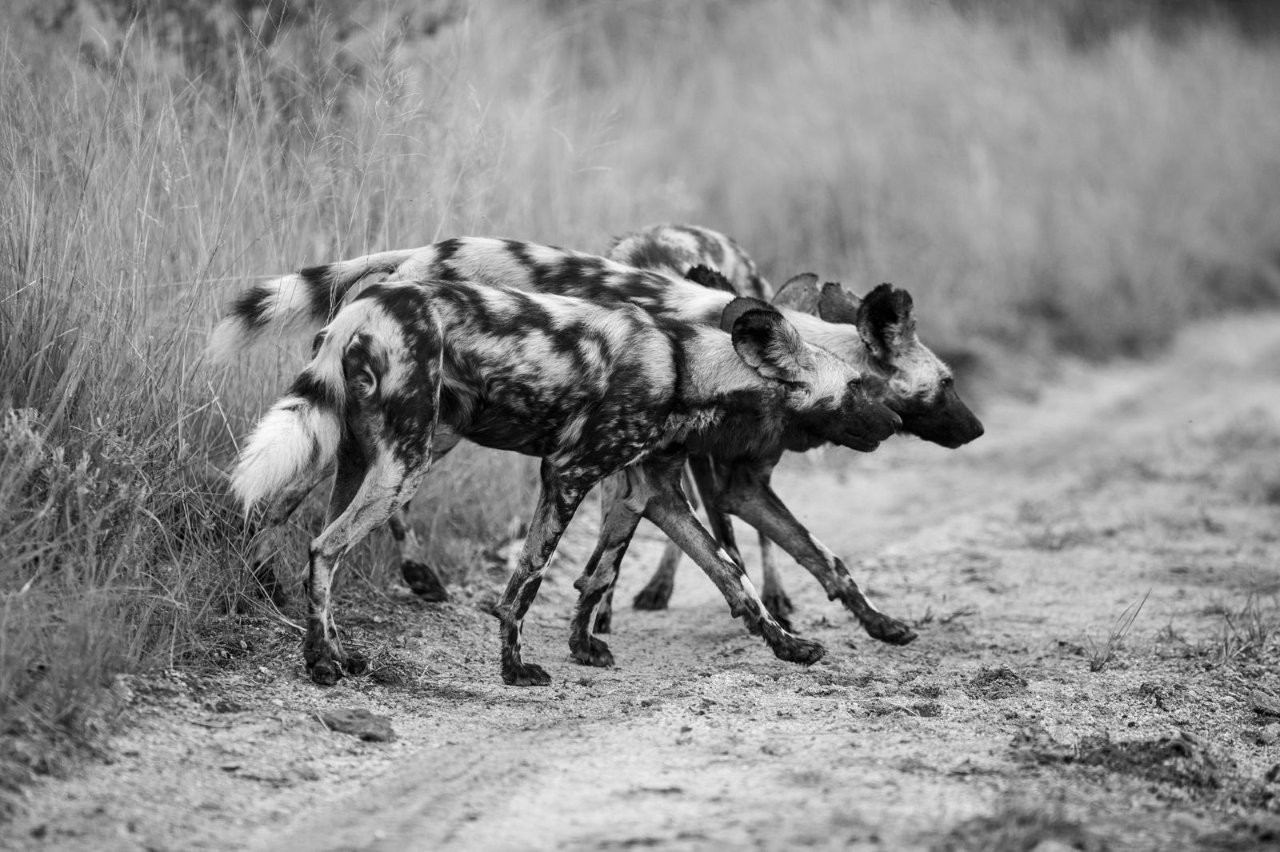
This small pack of four wild dogs gave us a pleasant surprise as we found them running down the road and sprinting after any potential prey they could see. They were unsuccessful this time. Wild dogs have an incredibly high success rate during hunting, which means they feed on a daily basis, depending on the pack size and the size of the animal they take down.
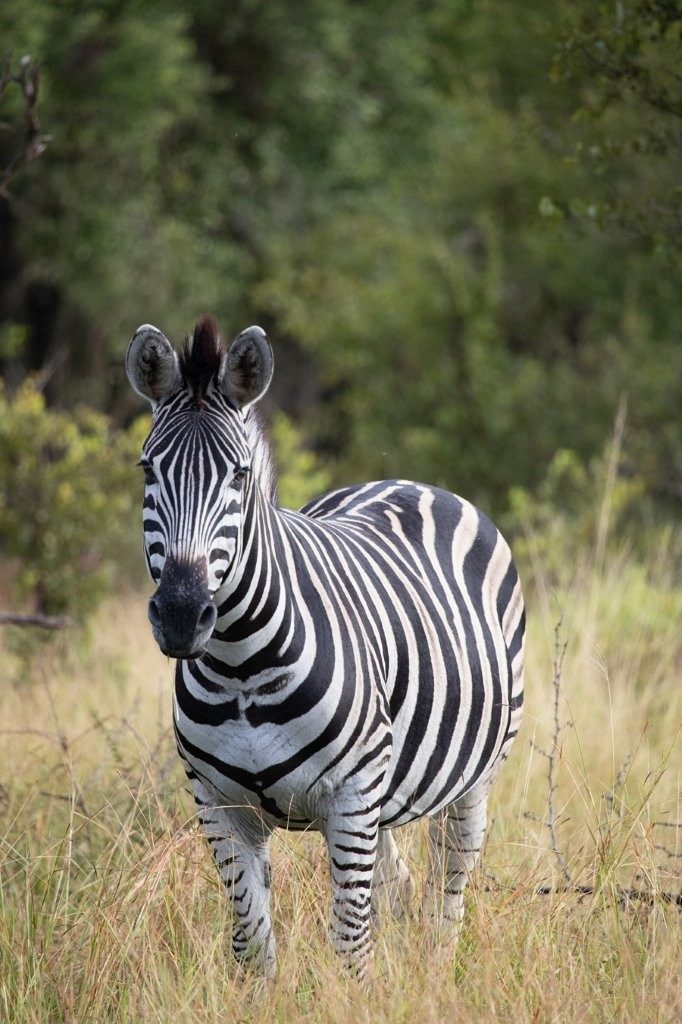
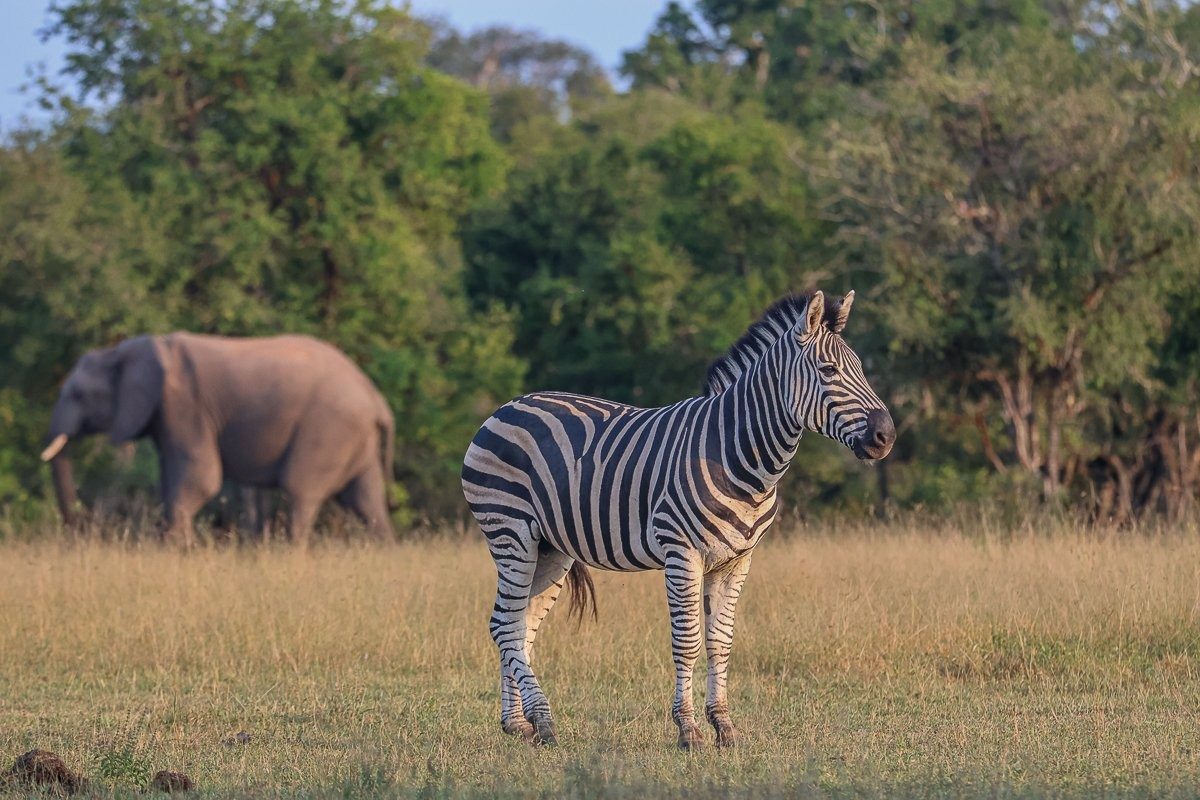
The stripe patterns of a zebra are unique to each individual, much like human fingerprints. These stripes also play a functional role: their high-contrast patterns are believed to deter biting flies by disrupting the insects’ visual systems, making it harder for them to land. Additionally, the alternating black and white bands may aid in thermoregulation, as they absorb heat differently and can create small air currents along the zebra’s body, helping to manage temperature in hot environments.
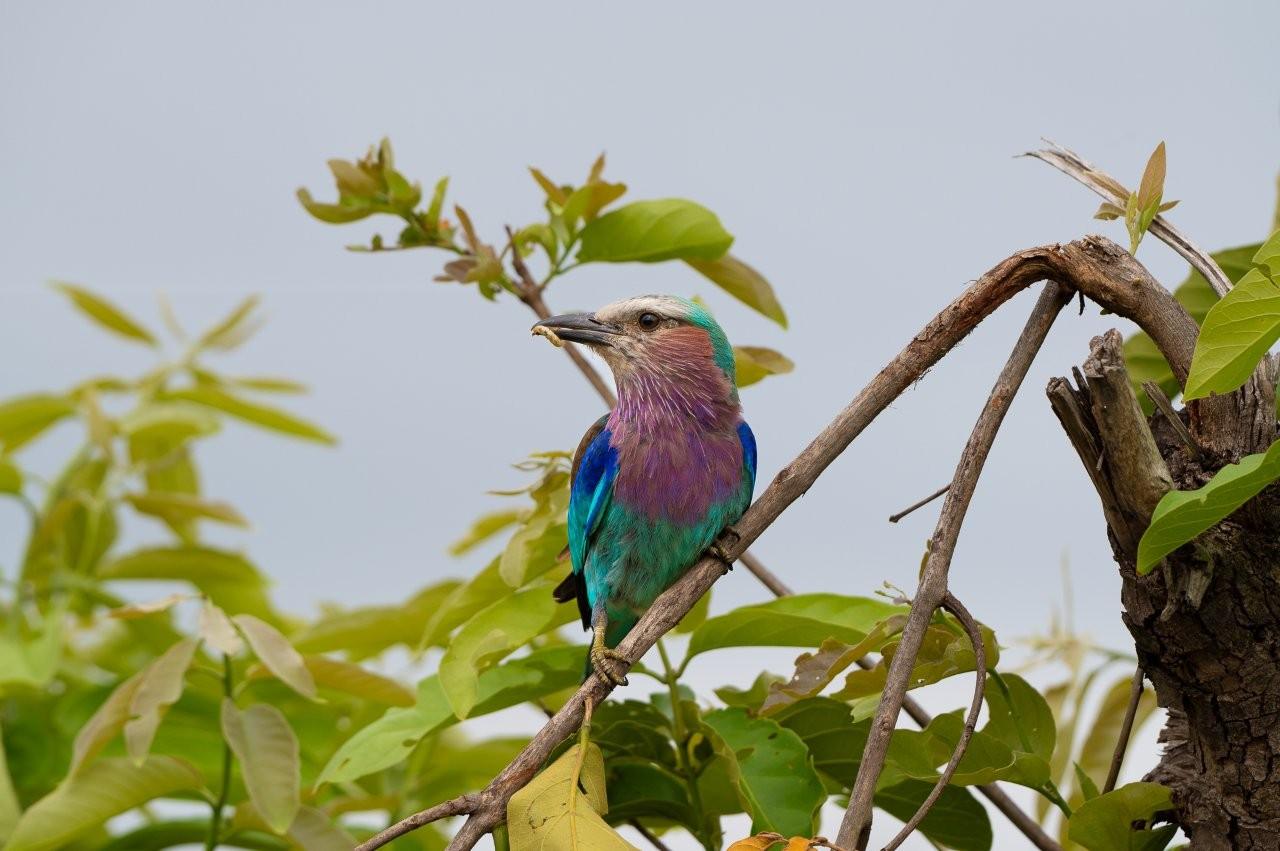
A Lilac-breasted Roller was hunting for insects, and after grabbing a large beetle it managed to get hold of a fat juicy worm.
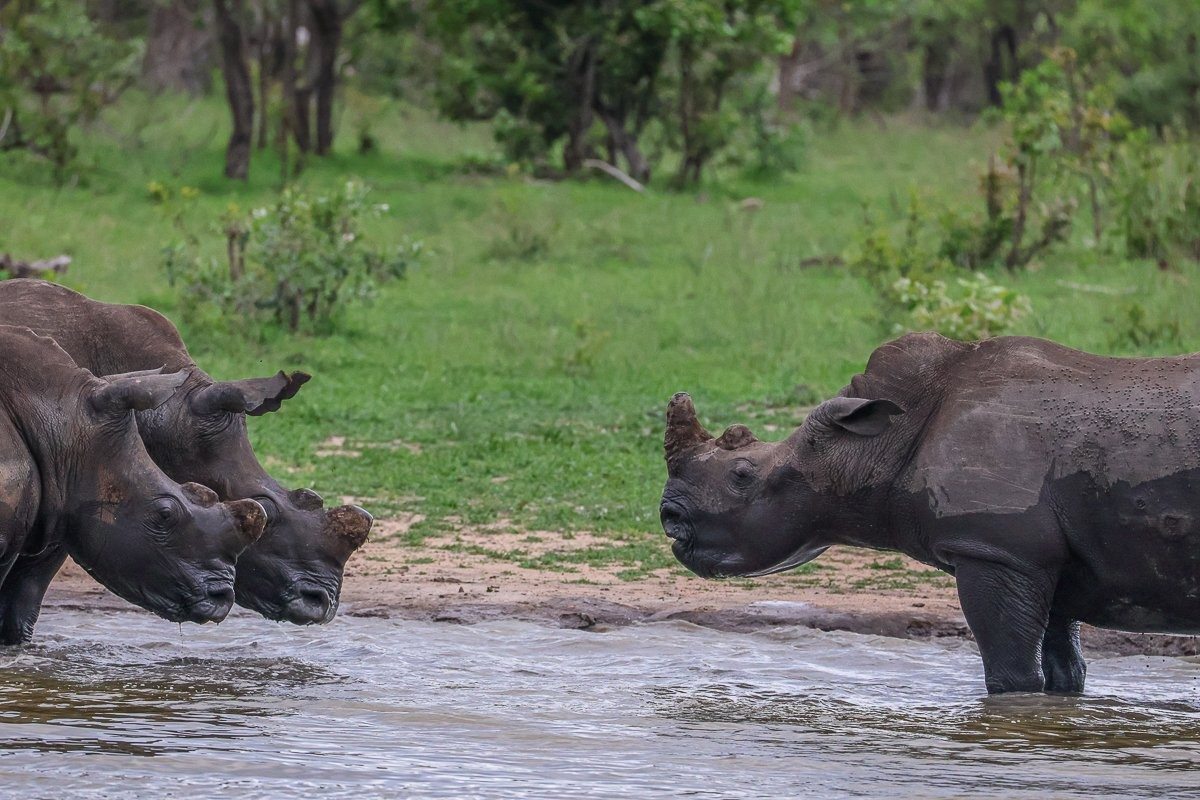
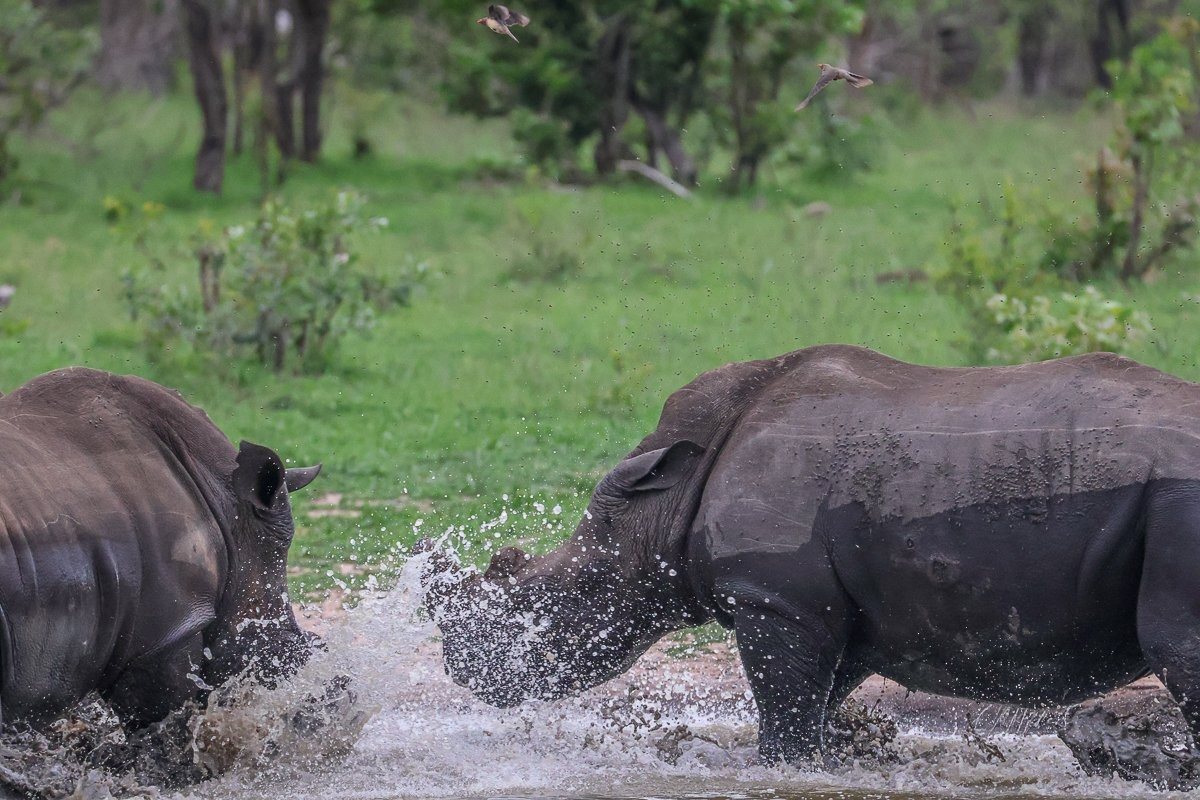
We spotted young rhino bulls playfully pushing each other around in a dam. At this age, these sparring sessions are an essential part of growing up, allowing young males to practice the strength, balance, and confidence they will need as adults - whether defending territories or competing for mates. Although it may appear rough, this behaviour is generally harmless, helping to establish social bonds and teaching them how to navigate future challenges.
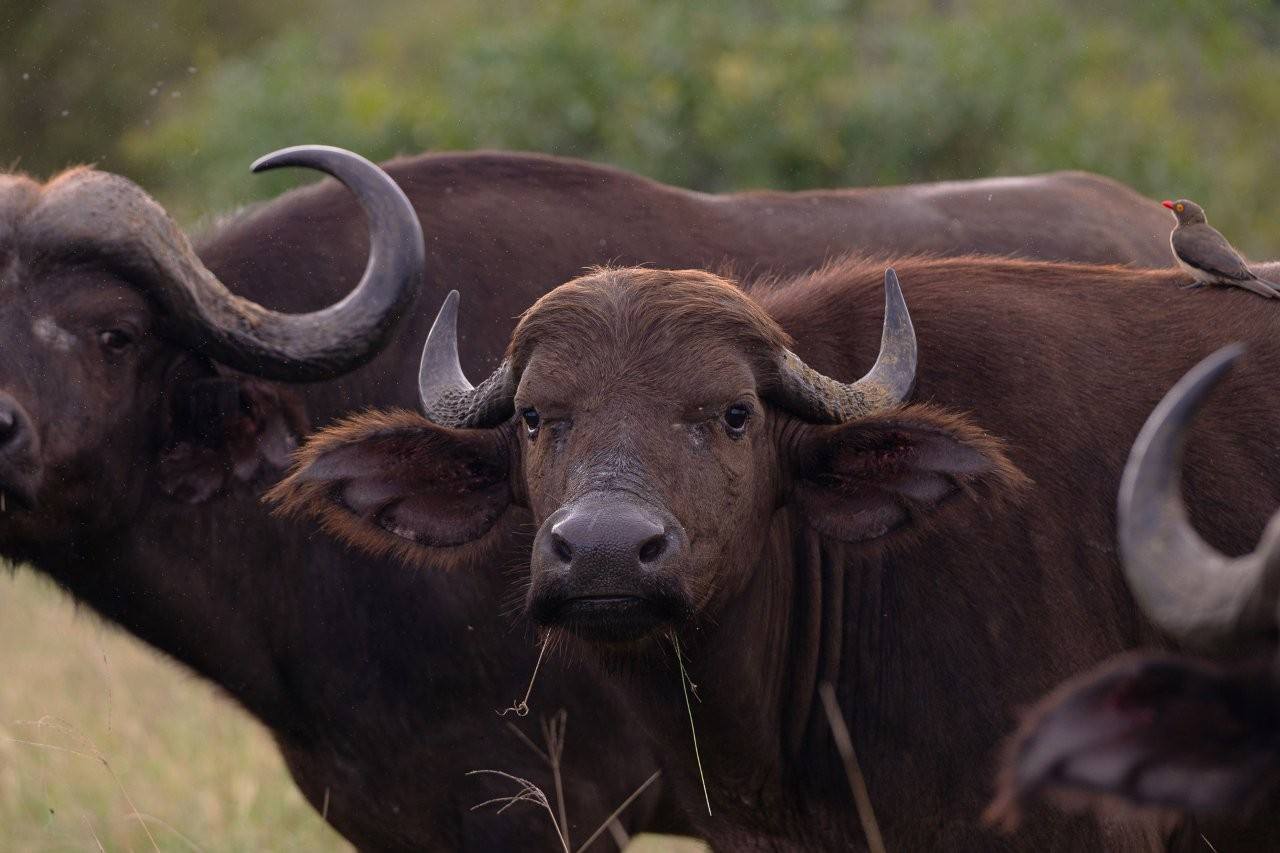
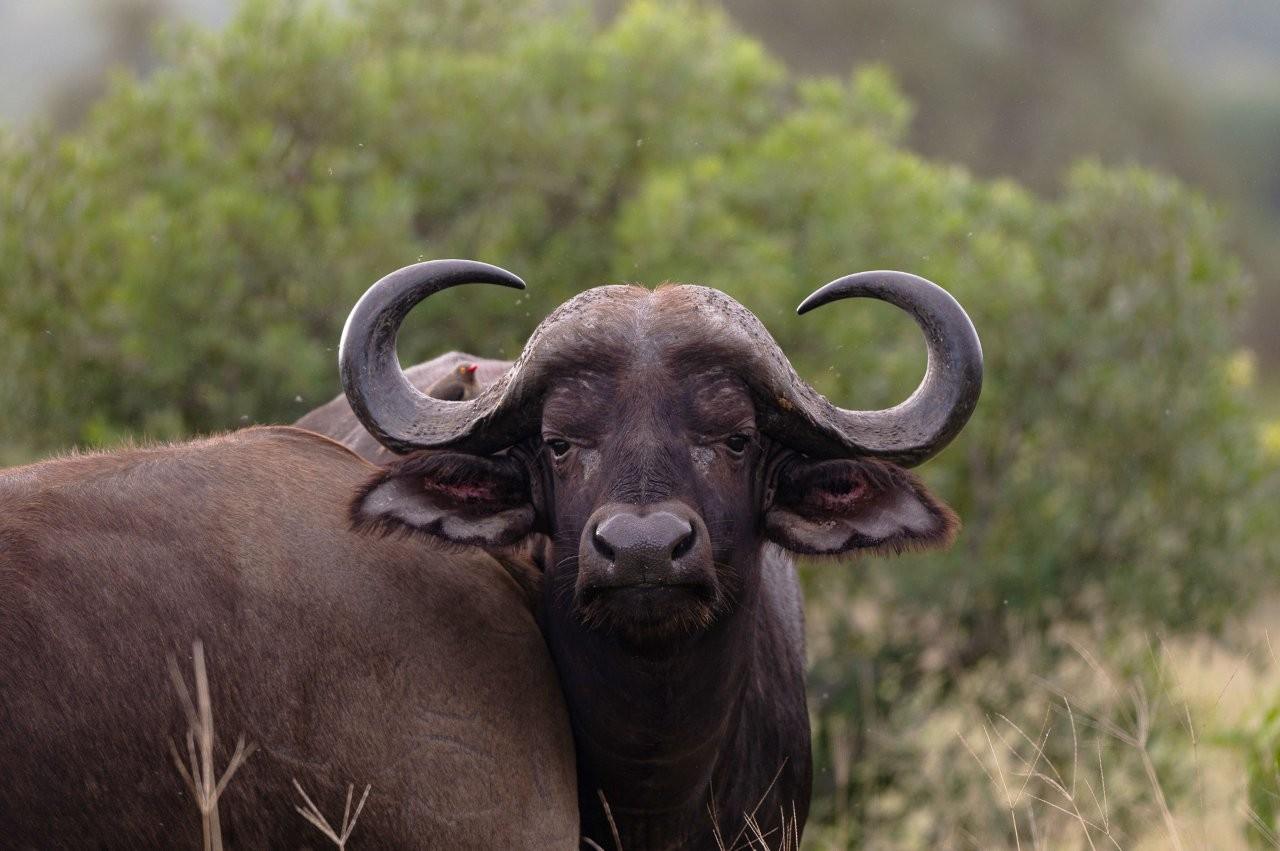
A small herd of buffalo watched us closely as they moved across a clearing. One by one they took in all our details before moving on to graze.
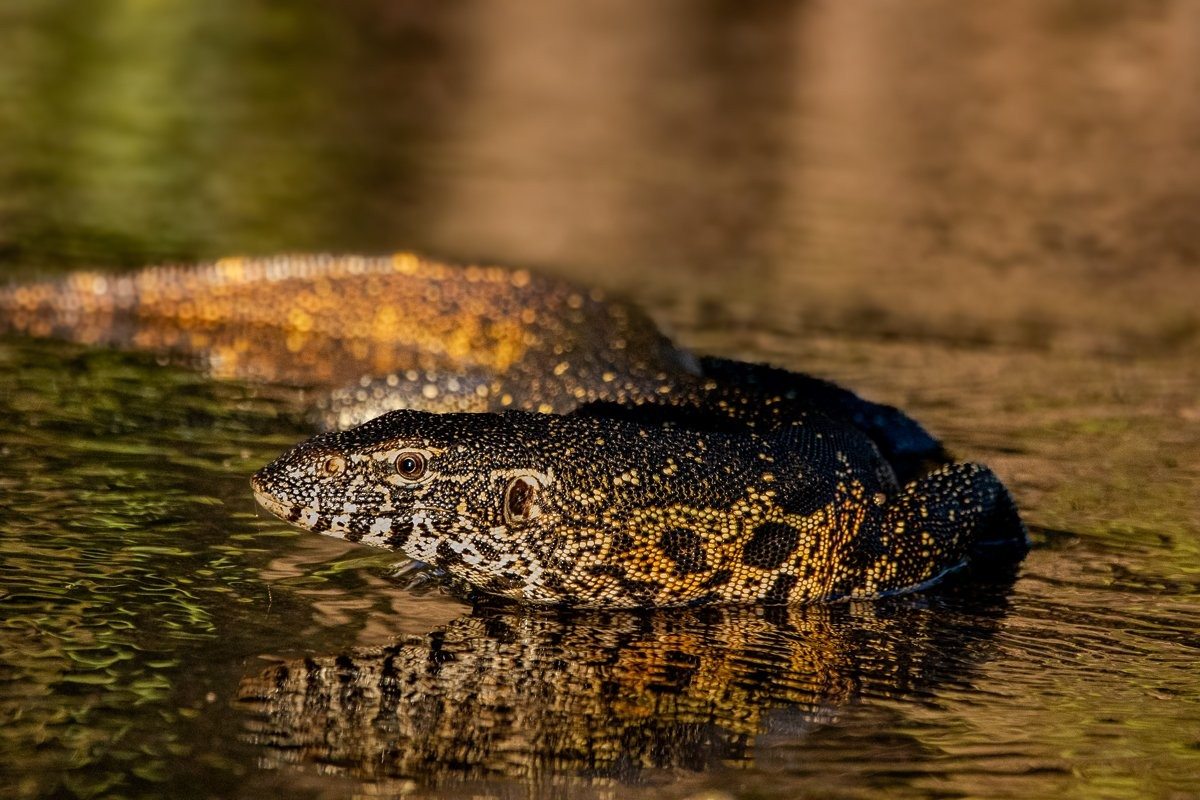
The water monitor lizard is one of Africa’s most impressive reptiles, perfectly adapted to life in and around water. With its muscular body, powerful tail, and sharp claws, it moves effortlessly between land and rivers, often seen gliding silently through the water with only its head visible. A skilled hunter and opportunistic feeder, it eats everything from fish and frogs to birds and carrion. Despite its formidable appearance, the water monitor usually avoids humans, relying instead on stealth and intelligence to survive in its wild, watery domain.
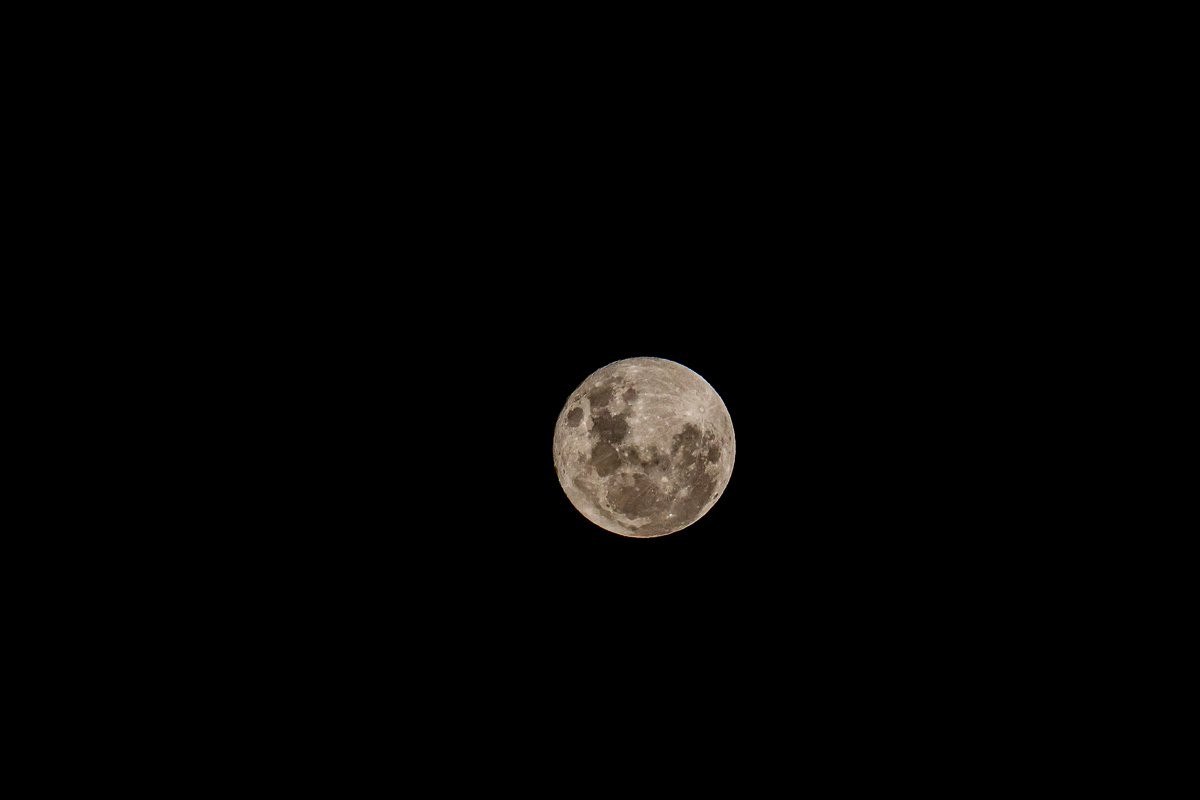
Bathed in ethereal silver, the full moon crowns the bushveld, stirring lion roars and guiding the silent glide of owls - an untamed nocturnal symphony beneath Africa’s endless skies.
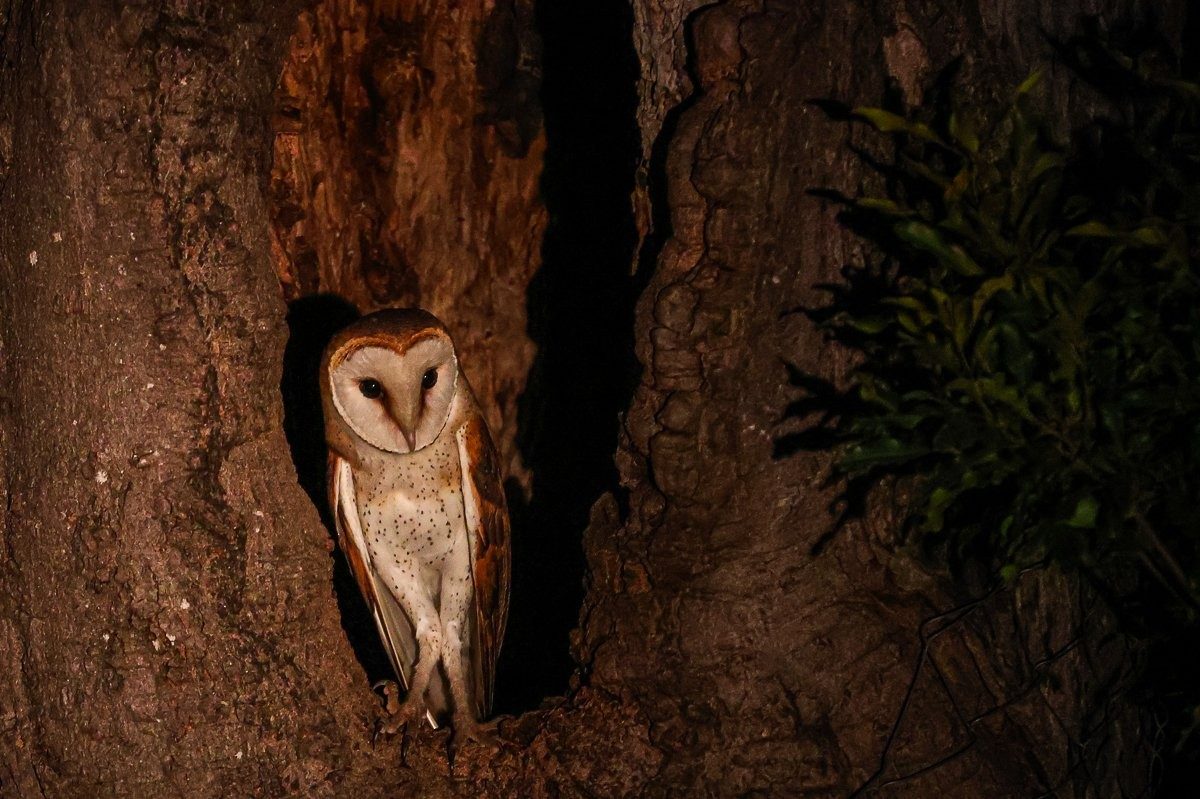
At dusk, this Barn owl perches silently on its tree cavity's edge, ears attuned to the faintest rustle below. With asymmetric ears and a heart shaped face funnelling sound, it pinpoints prey like mice or insects up to 20 metres away in total darkness, launching a silent, deadly strike at speeds over 50km/h, thanks to specialised feathers that muffle flight noise.
In the early morning light, a lone zebra stallion stands out on an open plain, his stripes soaking up the warmth after a cool night. Bachelors like him tend to roam alone or in small groups, seeking out mares while keeping clear of rival stallions. Those bold black-and-white patterns help break up his outline, making it harder for predators to single him out from a distance. In the background, a herd of elephants moves steadily past - a quiet reminder of the shared watering holes and the delicate balance of life in the bushveld.
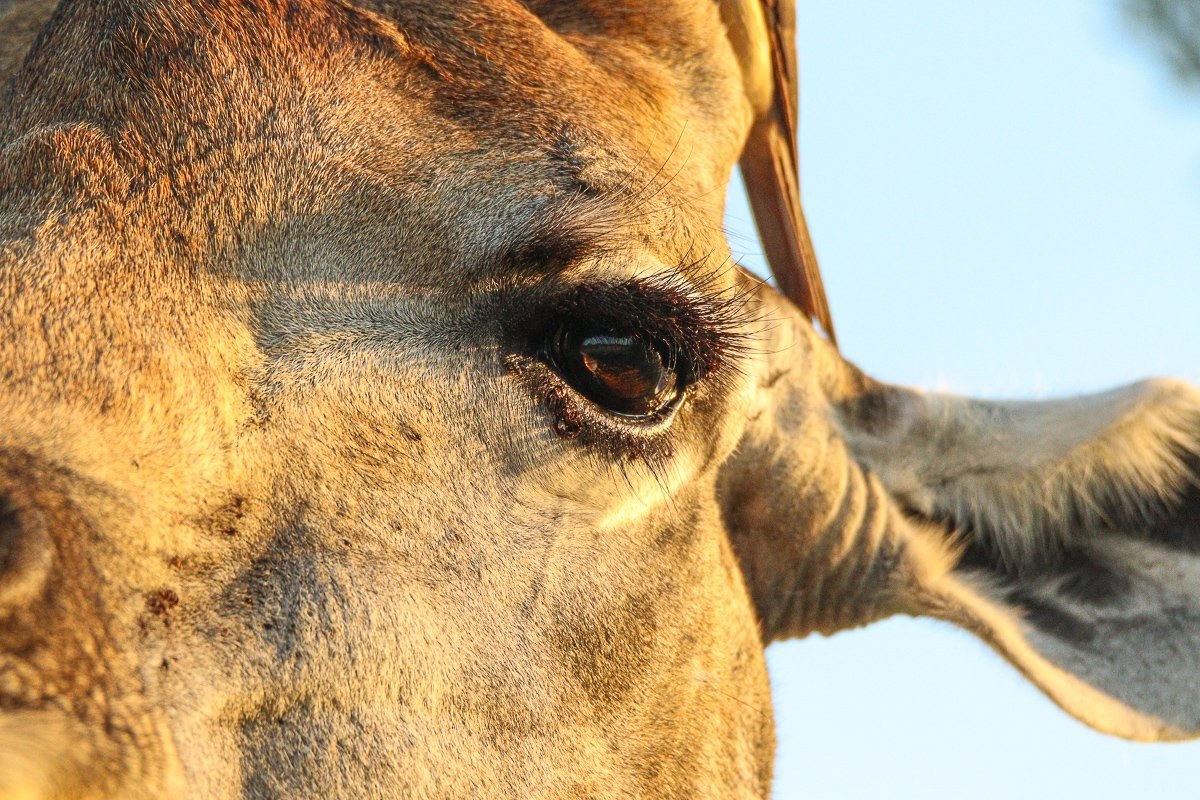
Looking close at the eyes of a giraffe, and even elephants, you will notice that they have thick, long eye lashes that, once touched or stimulated, will close their eyelid and protect their eyes when they are feeding in between the branches of their favourite trees, like the Acacia thorn trees which could cause damage or blind them, as well as keeping out any dust or insects that might come from these trees.
Until next time…
Blog by Wendy Claase
Images by Jan Nel, Jana du Plessis, Josh Duffus, Ronald Mutero, Ruan Mey and Viviane Ladner