
A Week in the Bush Vol. 586
on Mar 18, 2026During safari, we are often fortunate to witness some truly breathtaking moments. Sometimes these moments come in the form of wildlife giving a spectacular show of sorts. On other occasions, these moments simply arise as a matter of timing and composition.
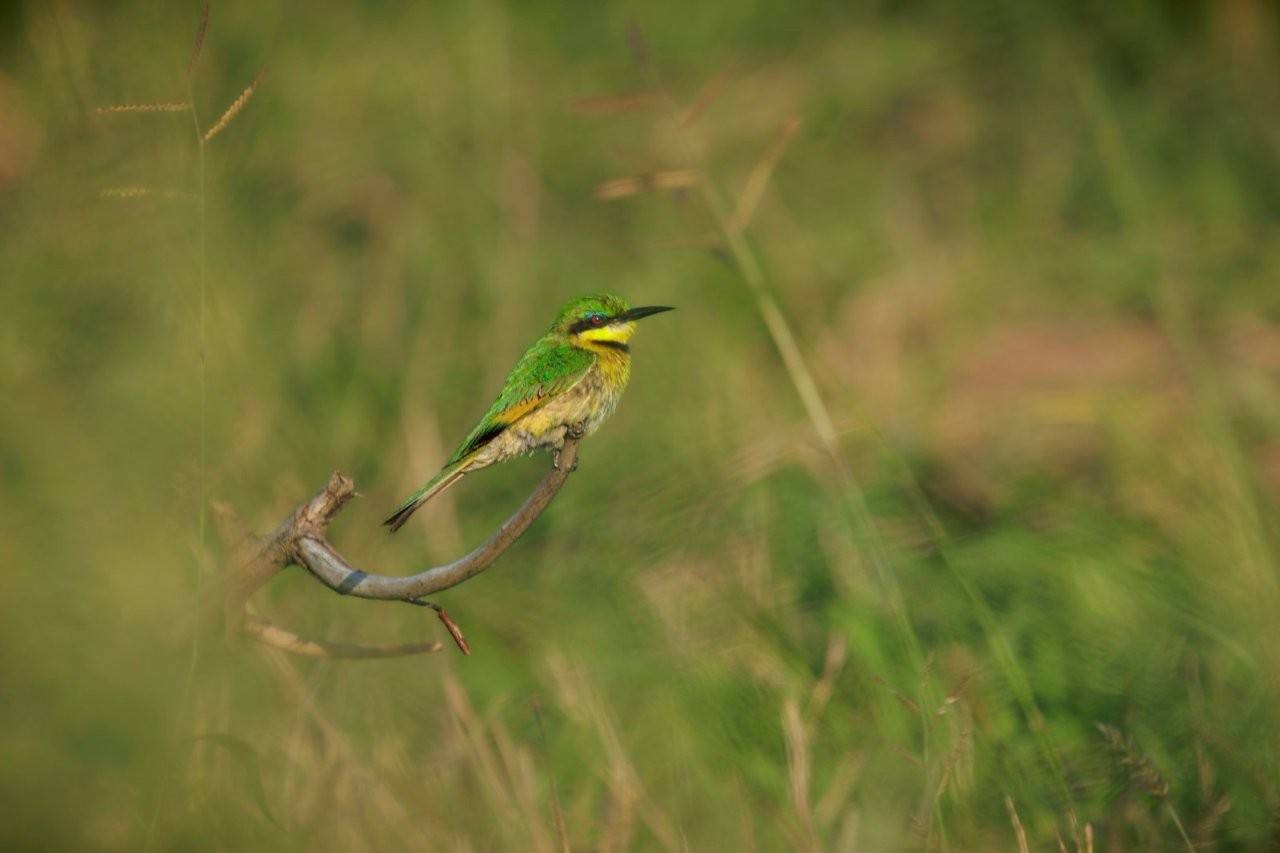
A Little bee-eater balances effortlessly on a blade of grass, its colours bright even in the soft light. It pauses only briefly, ever alert and ready to dart after flying insects - not just bees - a hunting skill refined by returning repeatedly to the same perch. Small and delicate in form yet bold in behaviour, it brings quiet energy to the grasslands.
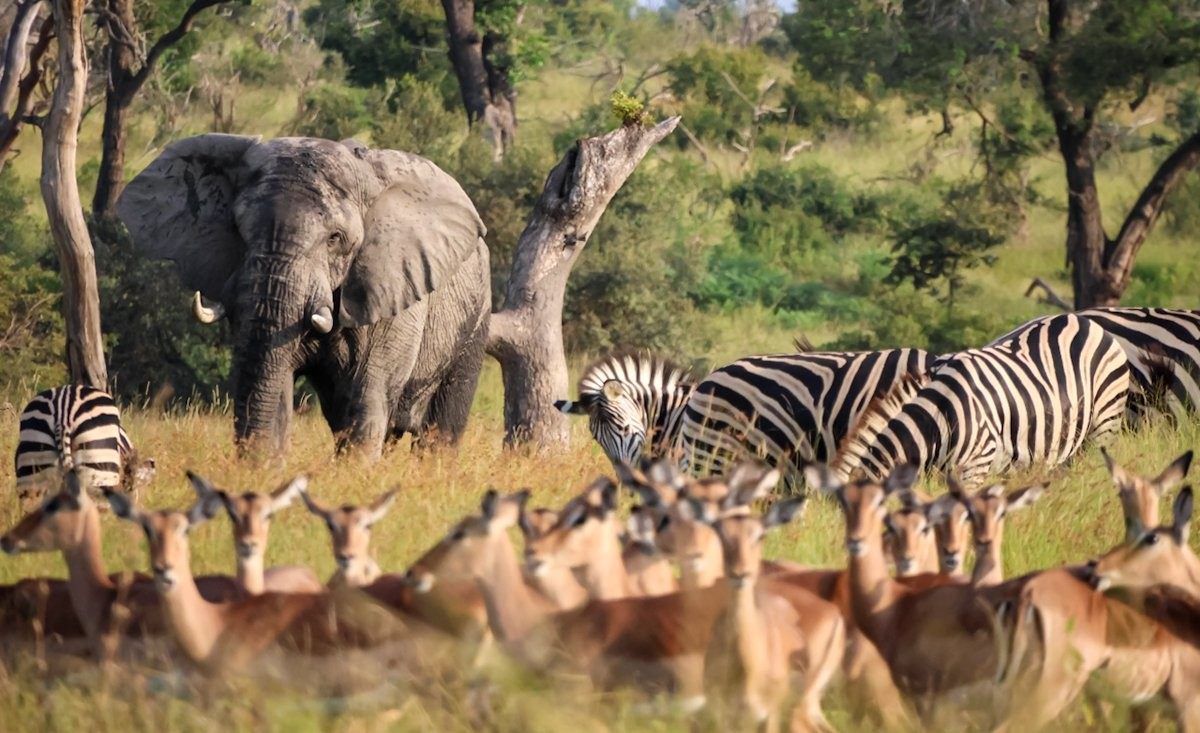
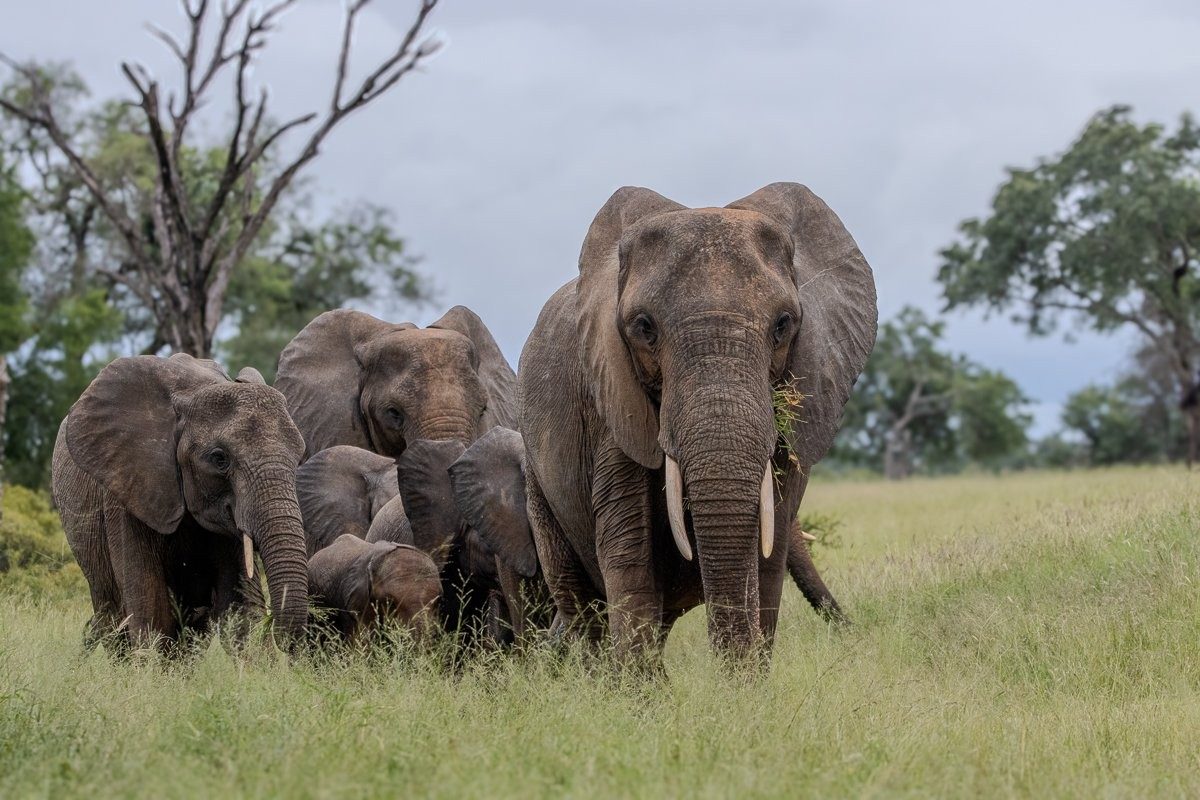
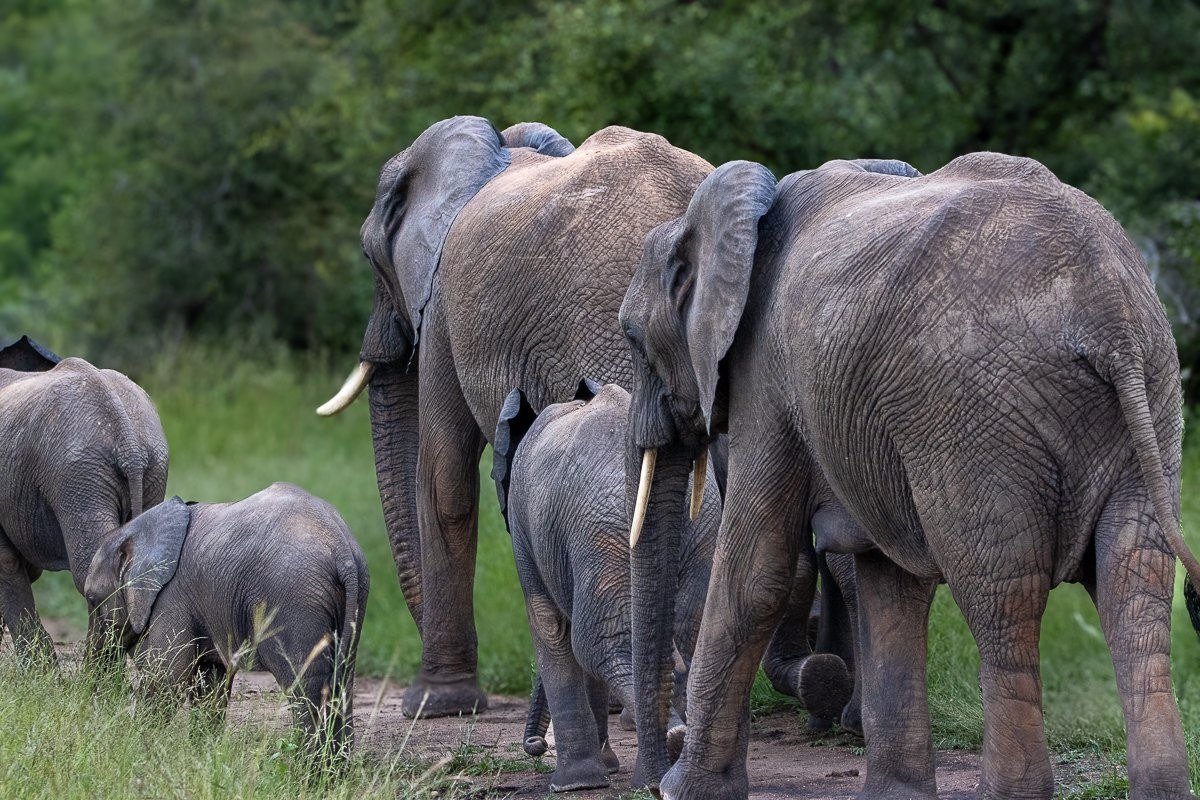
Our afternoon was accompanied by a soft drizzle, but it didn’t stop us from heading out. In fact, the animals were active, taking advantage of the cool temperatures. It turned out to be quite an experience. We came across a herd of elephants in an open area, calmly feeding. The younger elephants jostled and playfully fought to be at the front whenever the group started to move. Every now and then, they lifted their trunks and sniffed the air, seemingly trying to detect the scent of nearby Marula fruits. Before long, we watched them hurry toward the Marula trees, eager to be the first to reach and enjoy the fallen fruits.
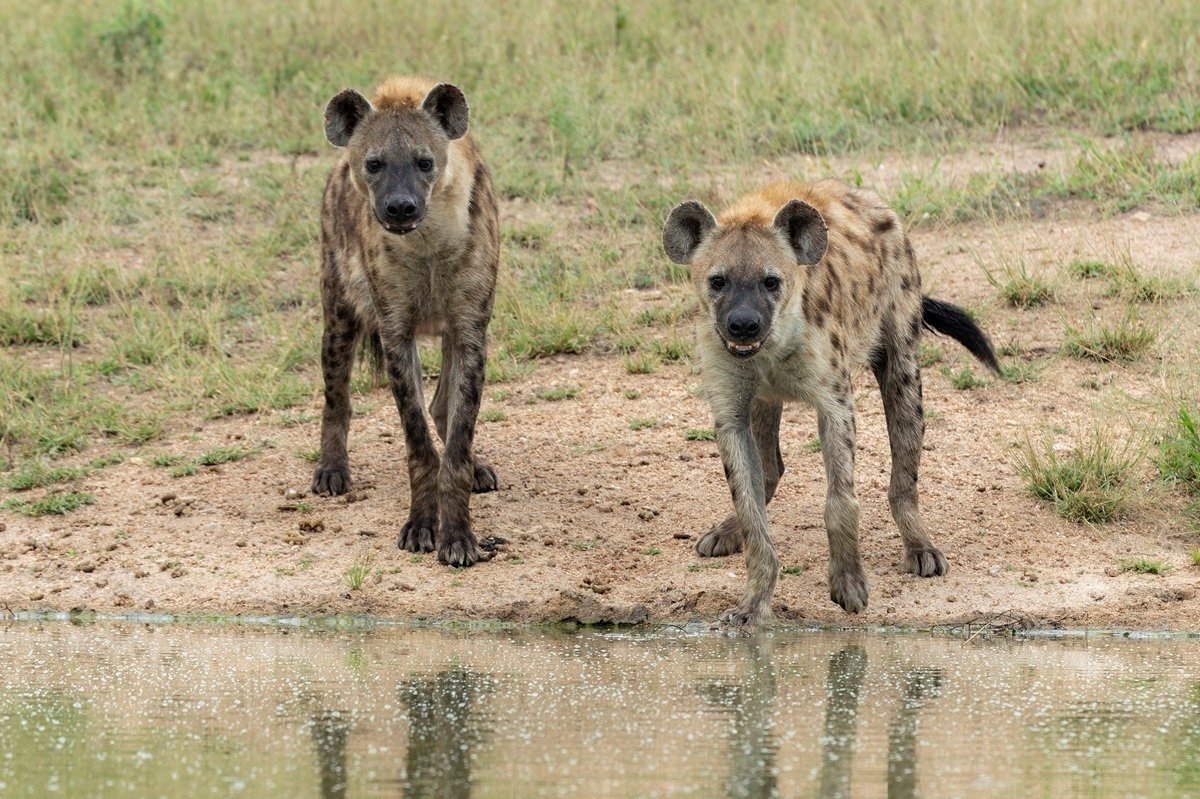
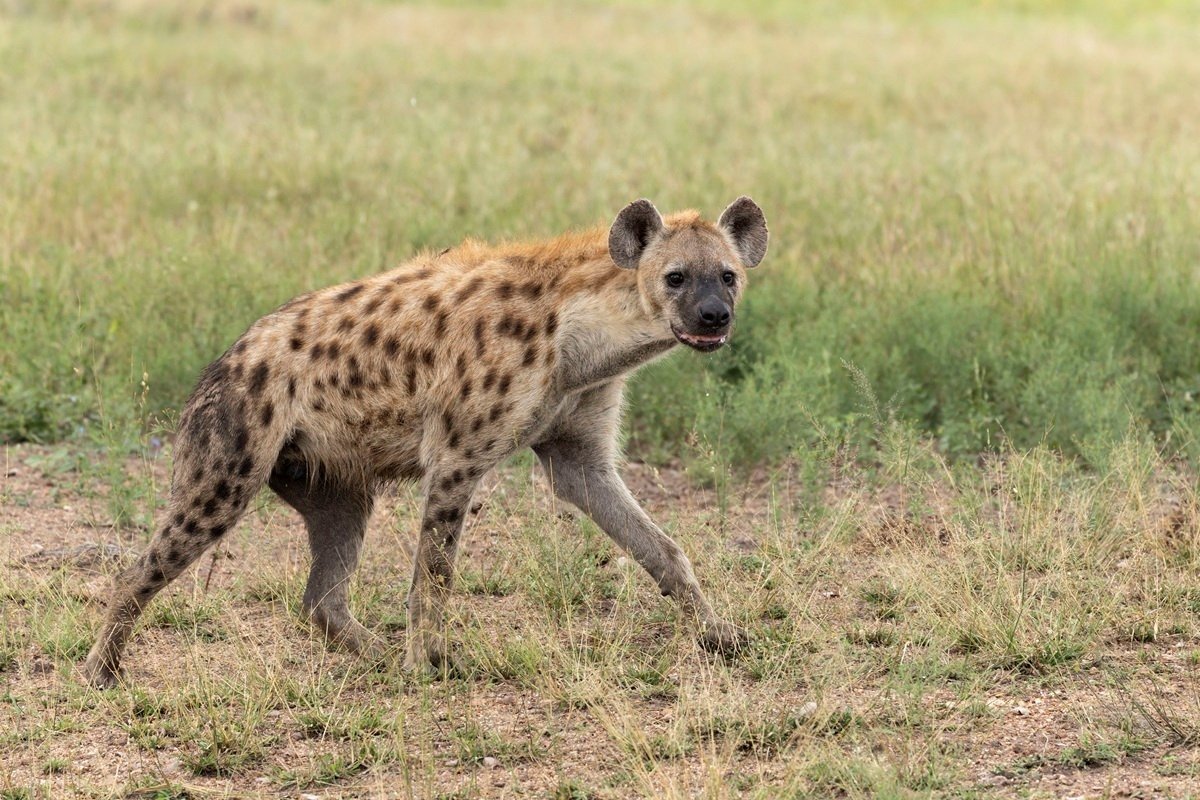
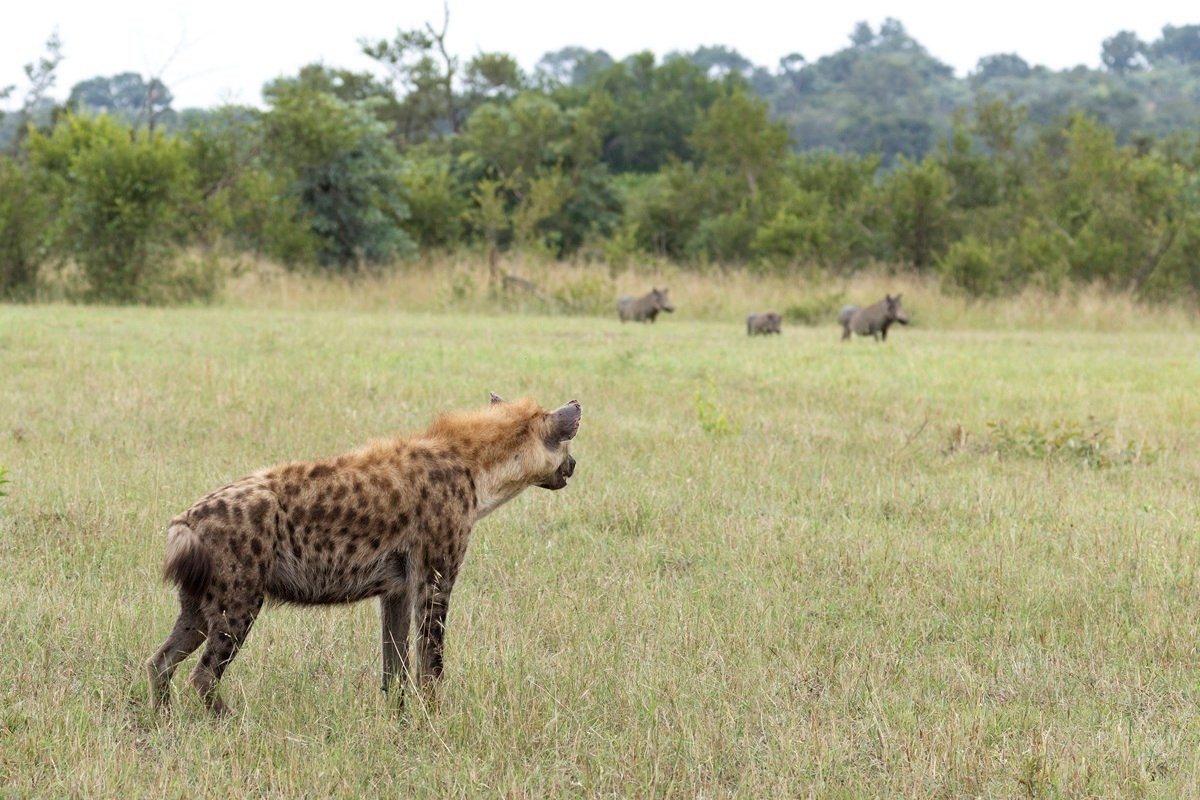
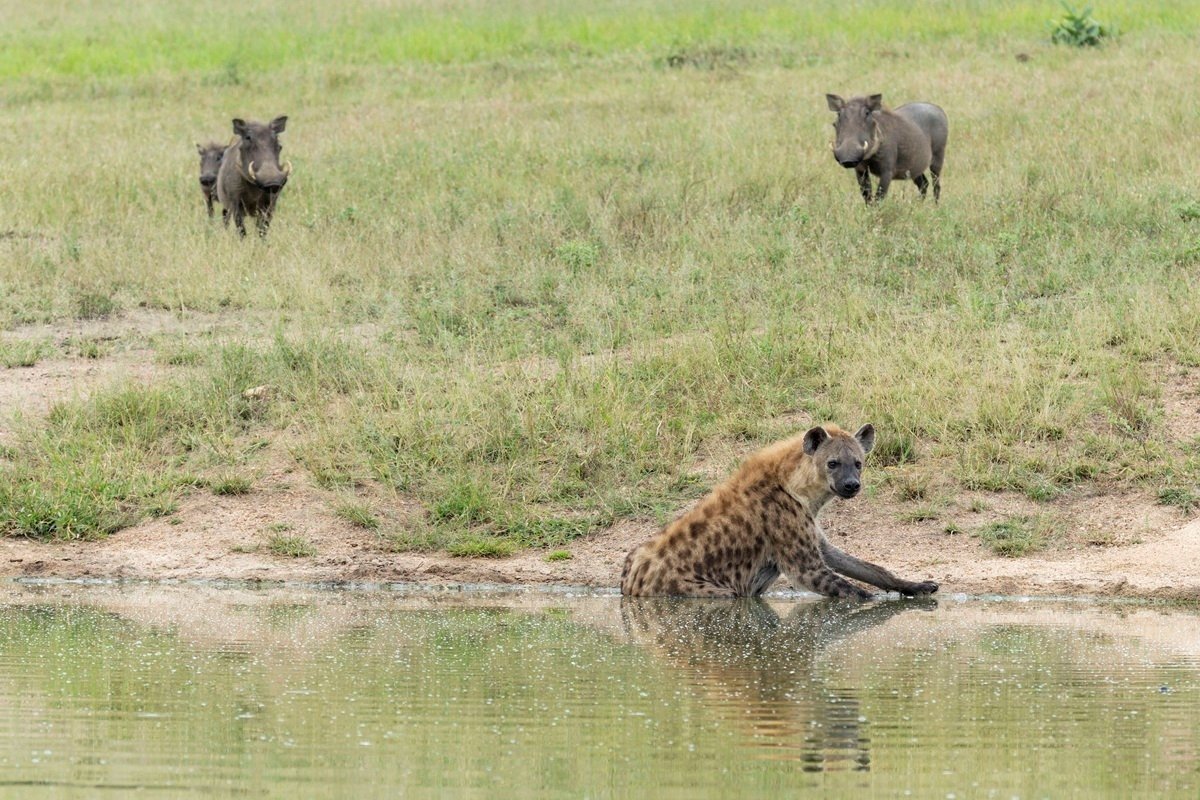
Both the hyenas and the warthogs approached the waterhole, each eager for a drink. They cautiously eyed one another as they made their way down to the water. One hyena, wanting more than just a sip, flopped boldly into the shallows. Tension grew until, finally, one impatient warthog chased the hyenas away, forcing them to retreat from the waterhole.
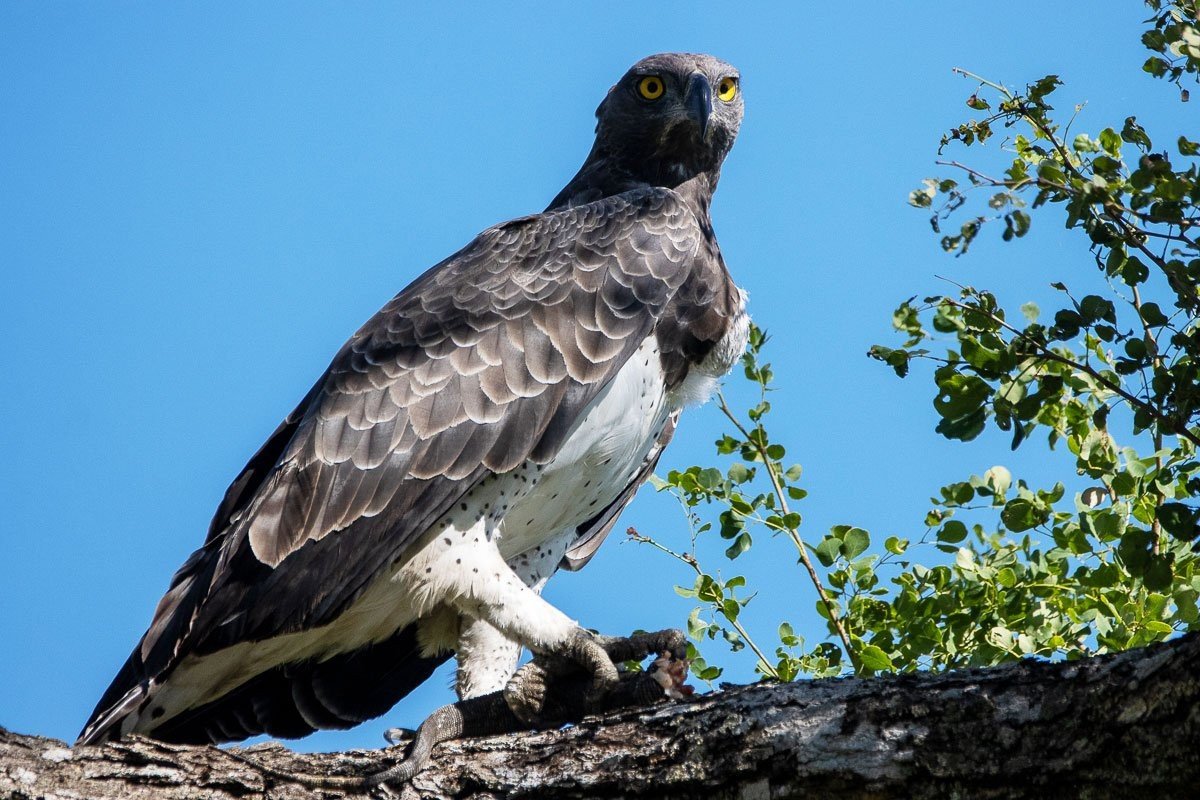
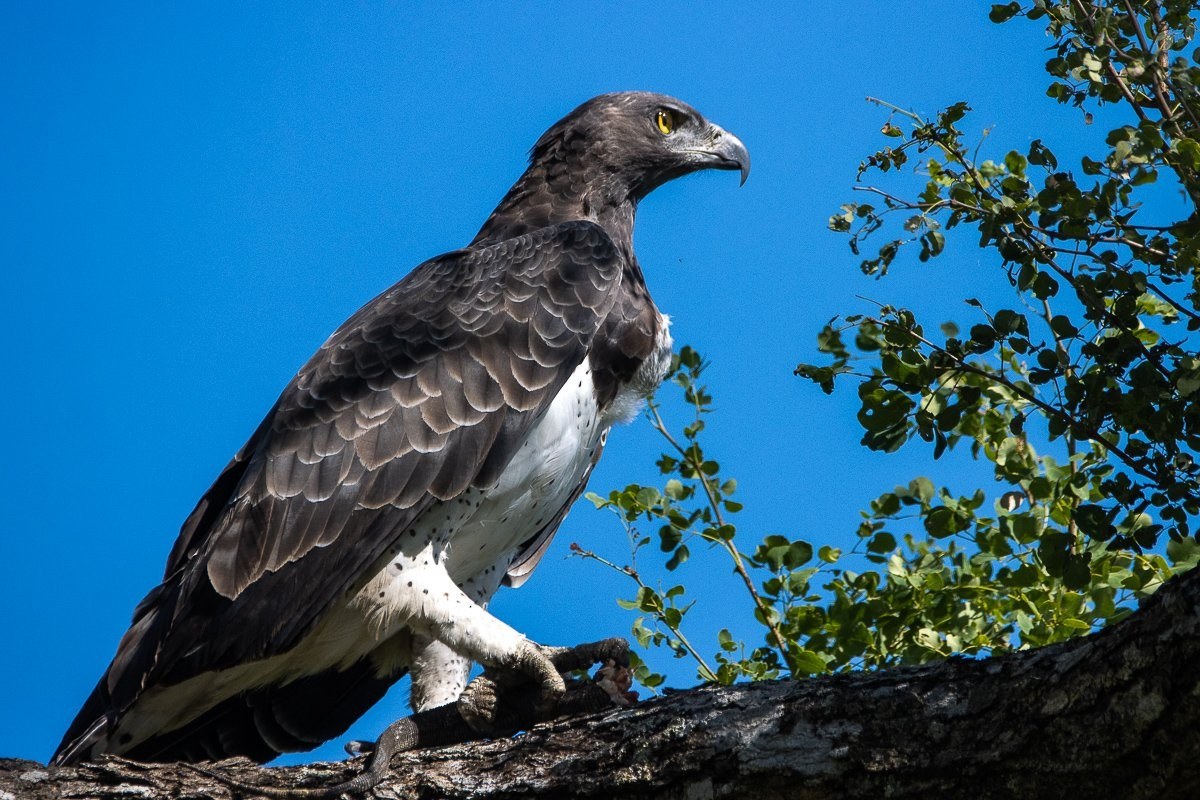
On our way back from our morning safari, very close to the lodge, we spotted a Martial Eagle feeding on its prey - a rock monitor lizard. We spent quite some time watching as it used its powerful claws to pierce through the tough skin of the monitor, an impressive display of strength and precision.
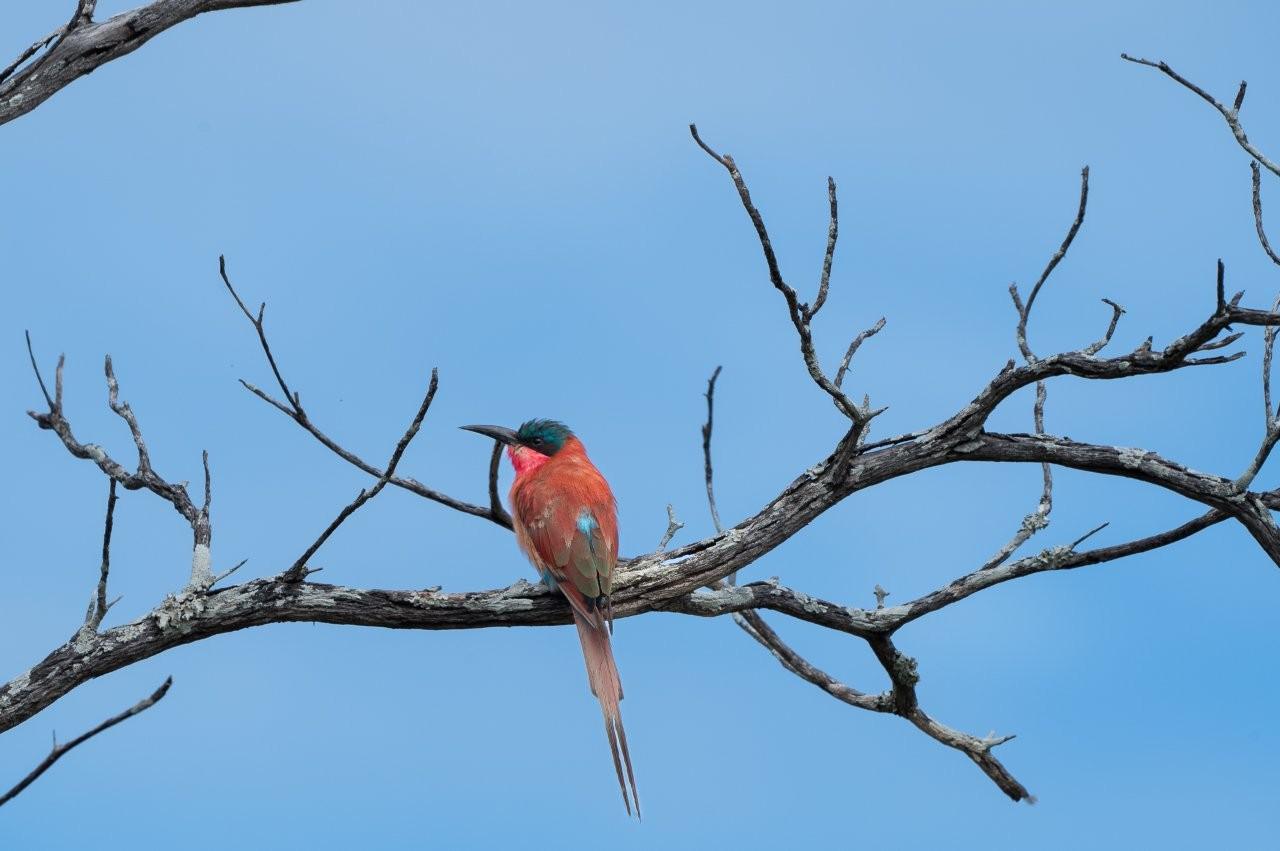
A Southern carmine bee-eater perched on a bare branch, listening as others flew overhead. It is the end of summer here in South Africa, which means it’s time for them to gather and begin their long migratory journey toward the Equatorial Savannahs of Central and Eastern Africa.
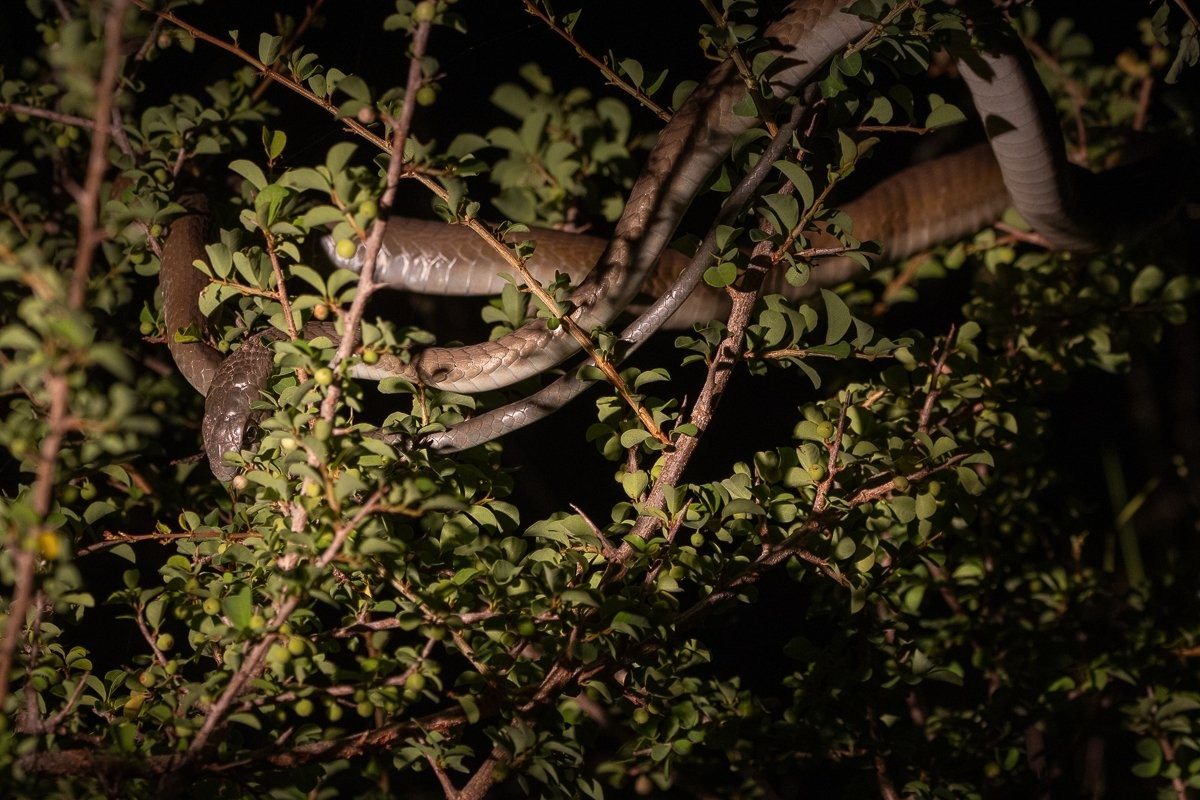
We spotted something unusual in the middle of the bush and decided to drive closer to investigate. As we approached, we realised we couldn’t move any closer. It was a boomslang. In the wild, the boomslang plays an important ecological role, helping regulate populations of birds and small animals while maintaining balance in the bush.
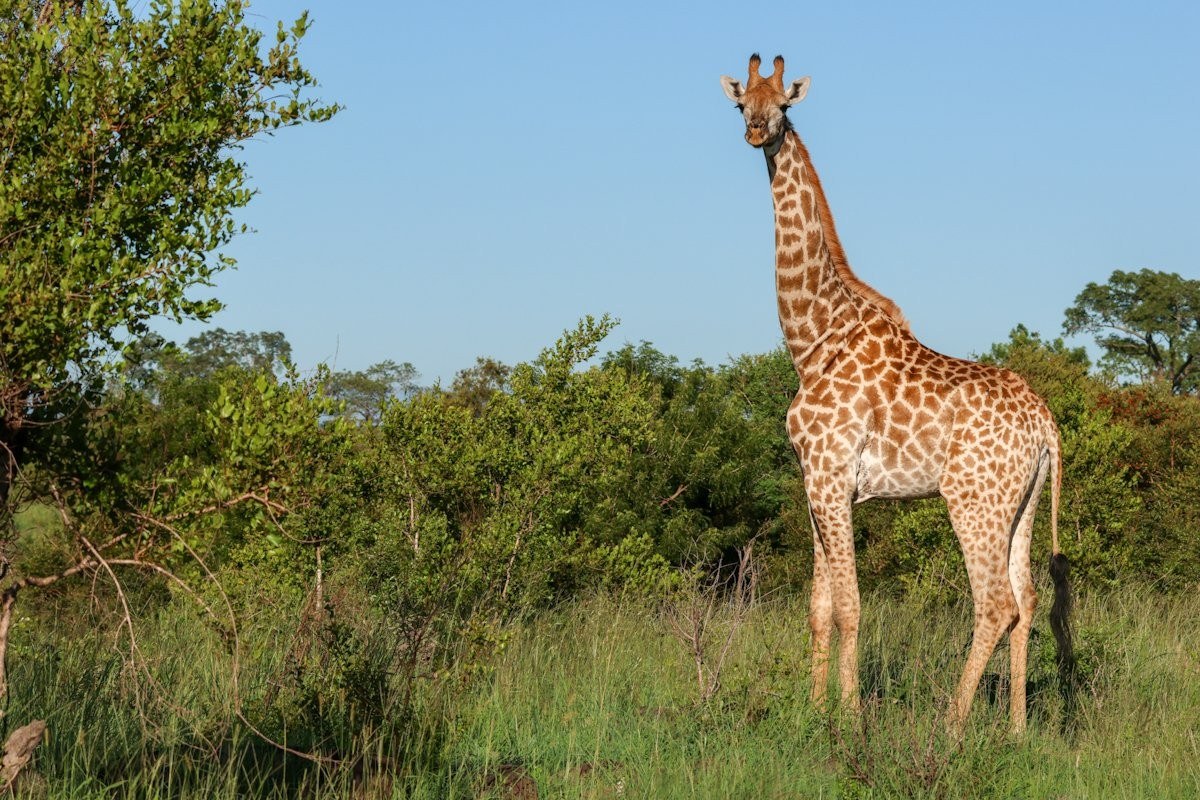
During our safari, we spotted a group of giraffes gracefully feeding on the treetops in the distance. As we moved closer, we were treated to a spectacular view of a female giraffe towering majestically above the treeline. In the local Shangaan language, a giraffe is called “Dlamiti” which translates to "a horse with its head above the trees".
The unseen engineers of the grasslands, termites craft towering colonies using a remarkable mixture of saliva and soil. These mounds, often as solid as concrete, function not only as homes but also as sophisticated ventilation systems - like natural chimneys that release excess heat and carbon dioxide from the colony. With populations numbering in the millions, termite mounds stand as living monuments to collective engineering, a society of tiny architects working in flawless harmony.
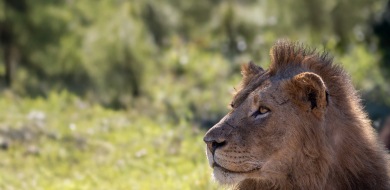
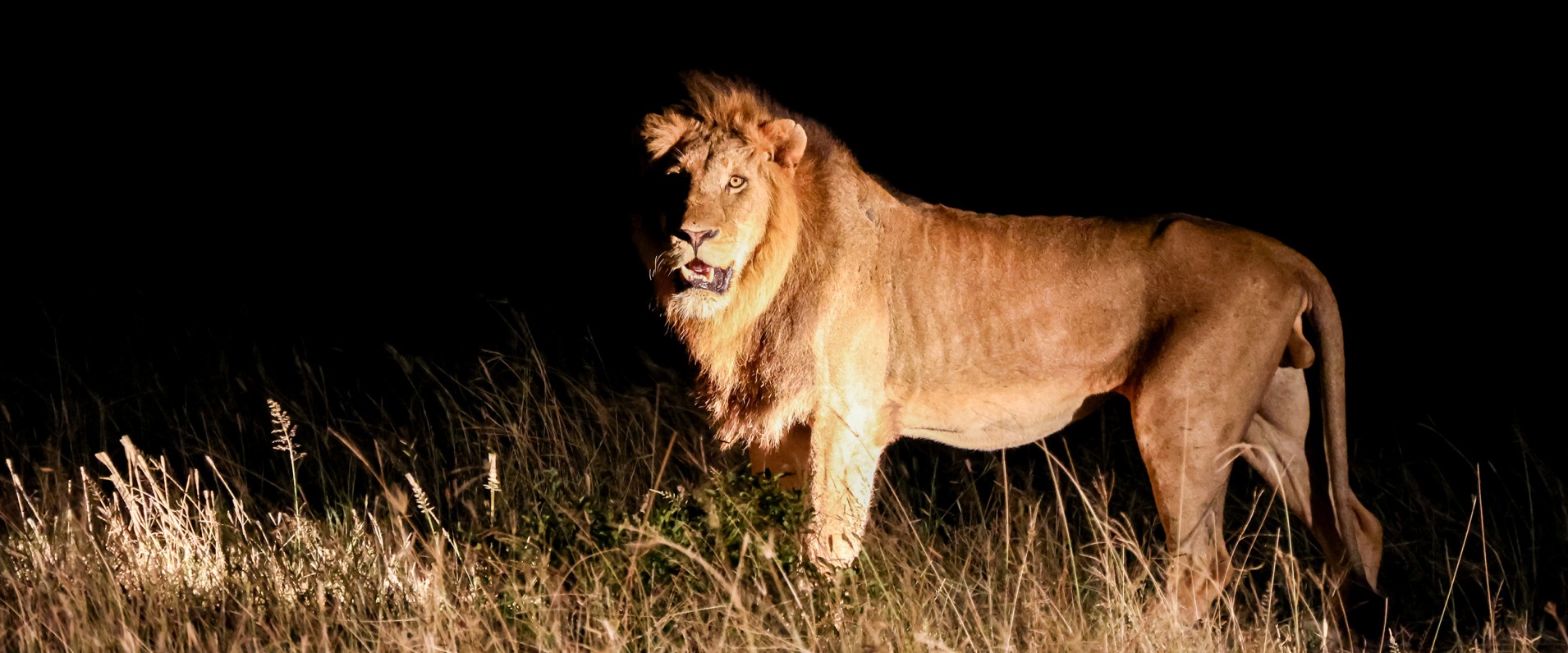
Lions are primarily nocturnal or crepuscular predators, meaning they are most active at dawn and dusk. They take advantage of the cover of darkness and cooler temperatures to hunt, socialise, and move across their territory. During the heat of the day, lions usually rest and conserve energy, often sleeping for long periods in preparation for their night-time activities. As a result, encountering these incredible cats after nightfall - whether they are hunting, interacting with pride members, or simply on the move - can be especially rewarding.
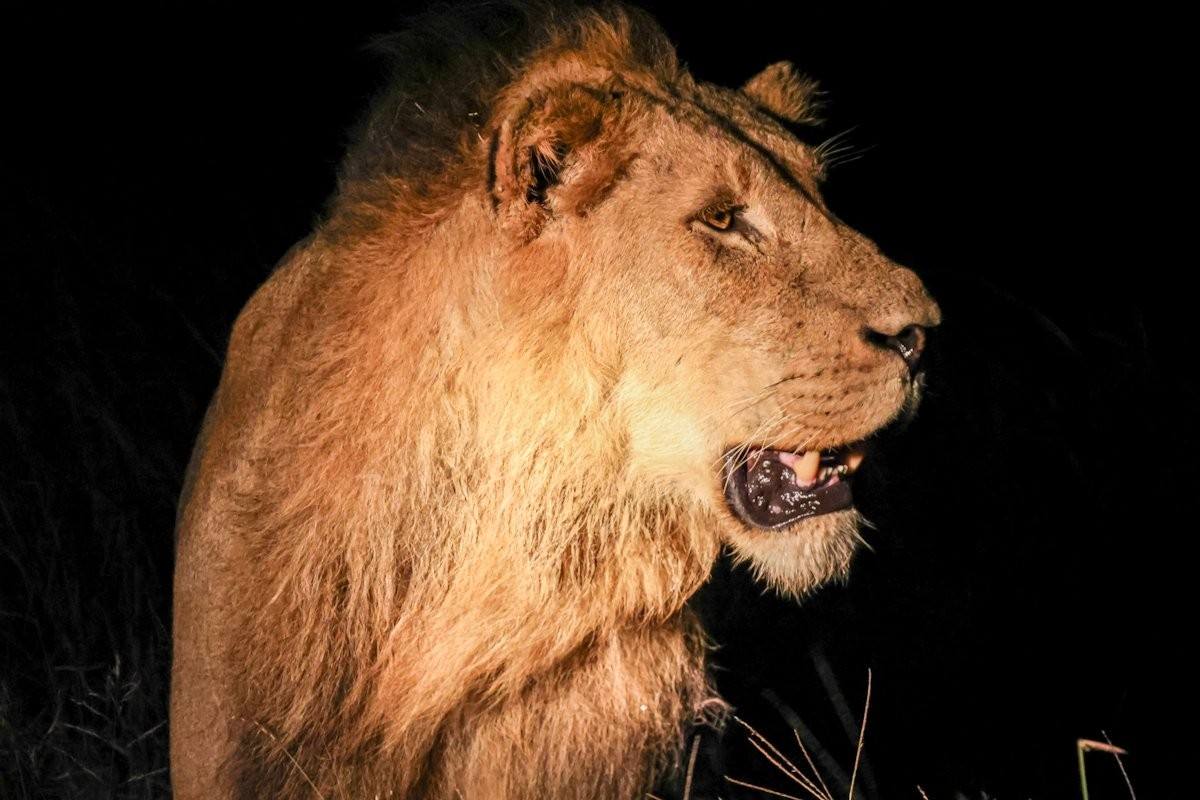
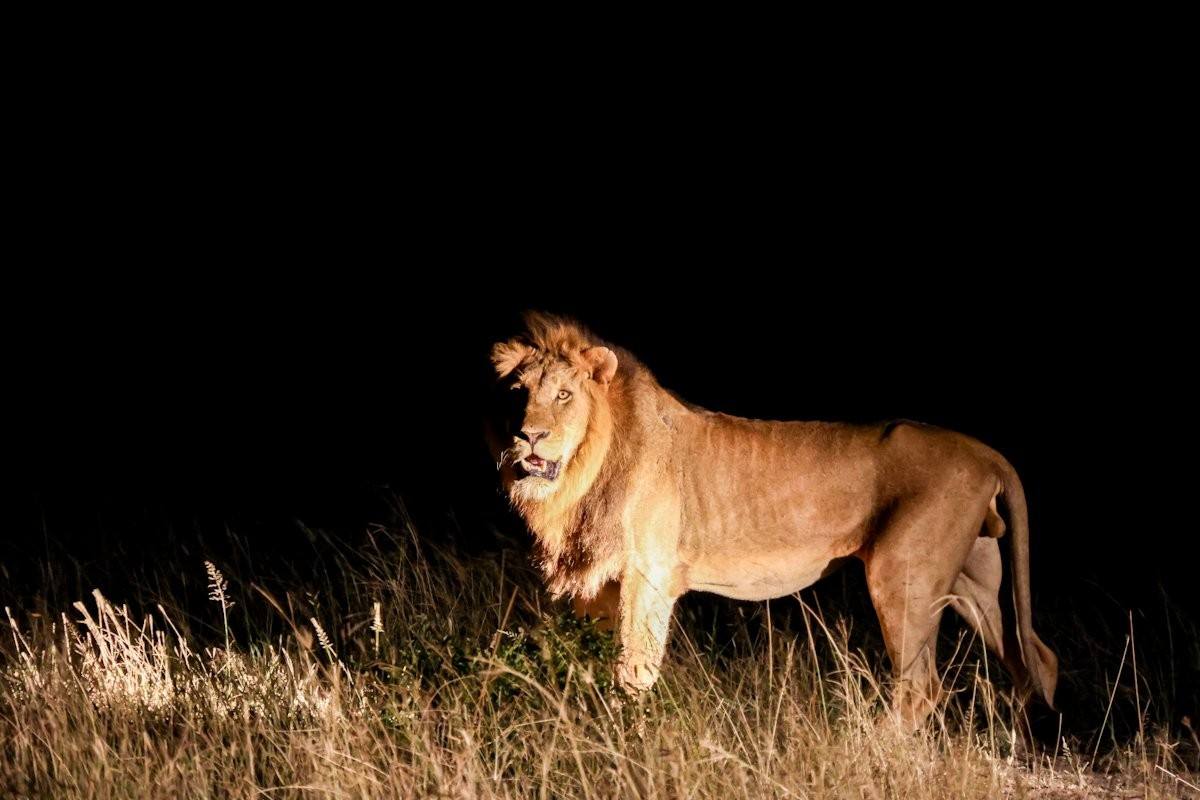
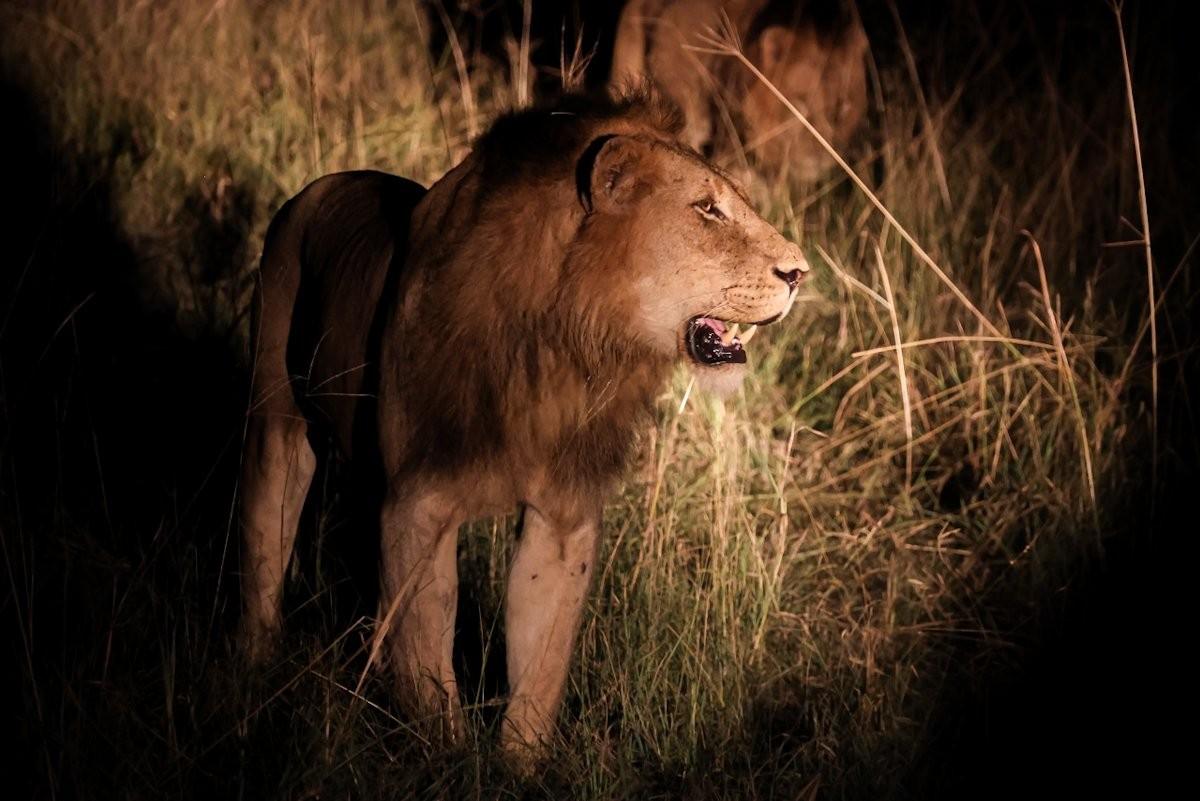
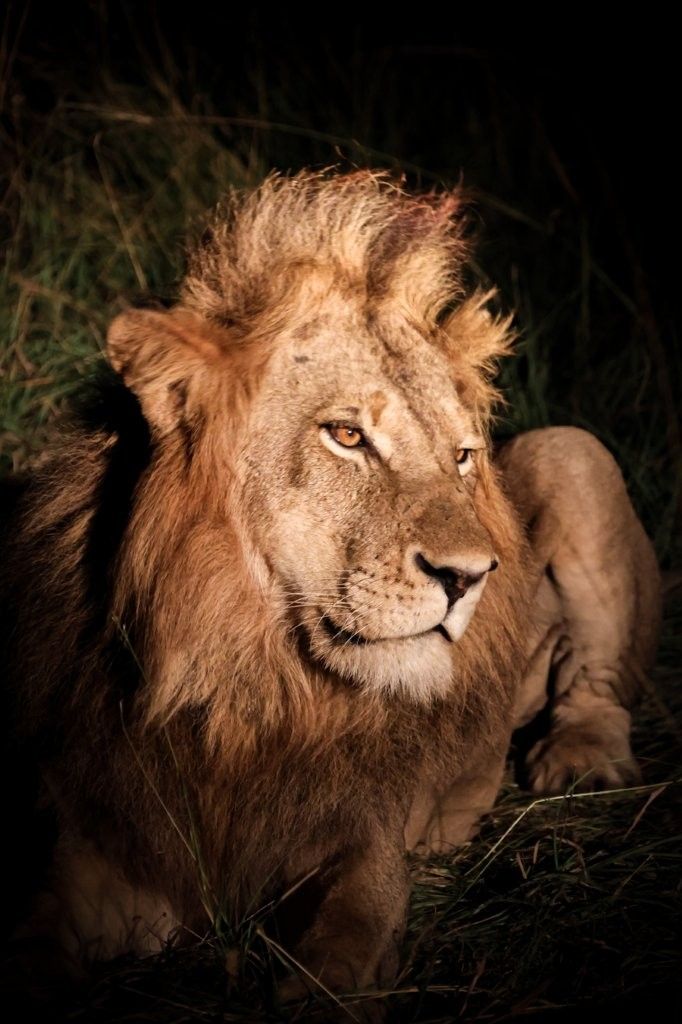
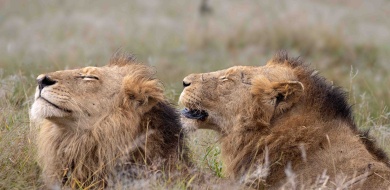
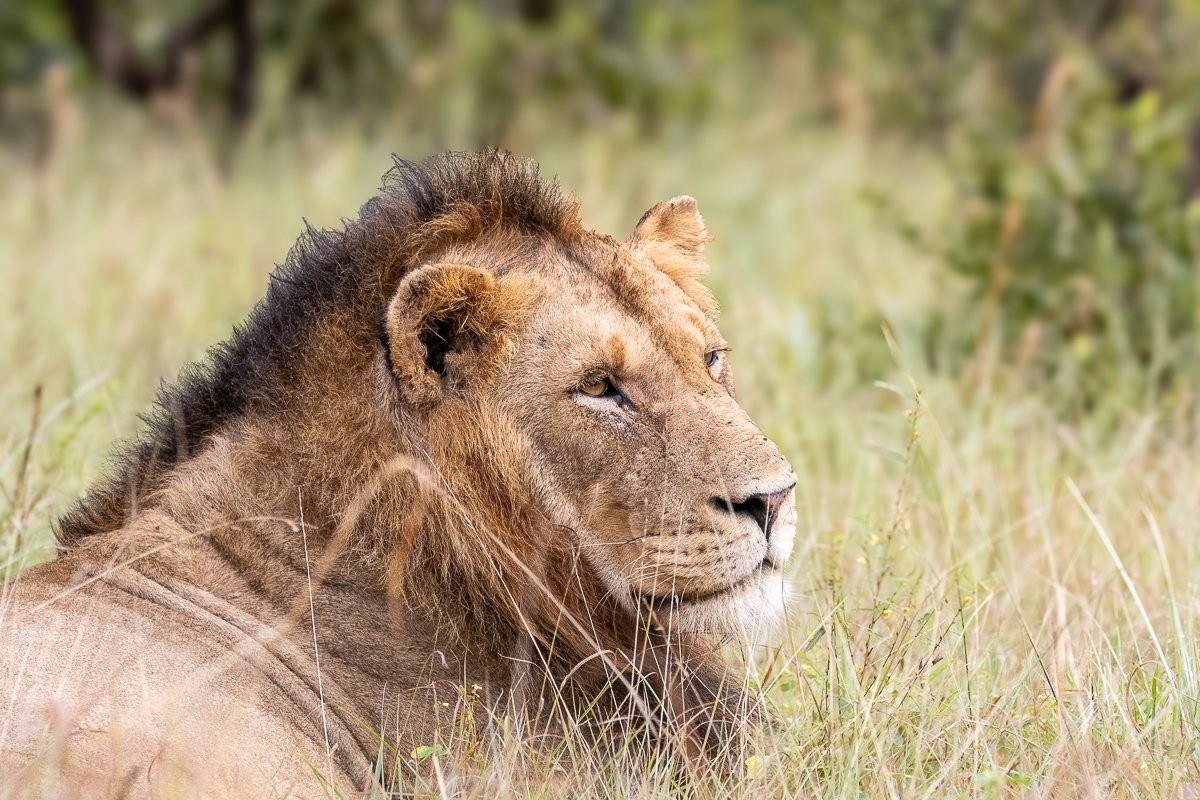
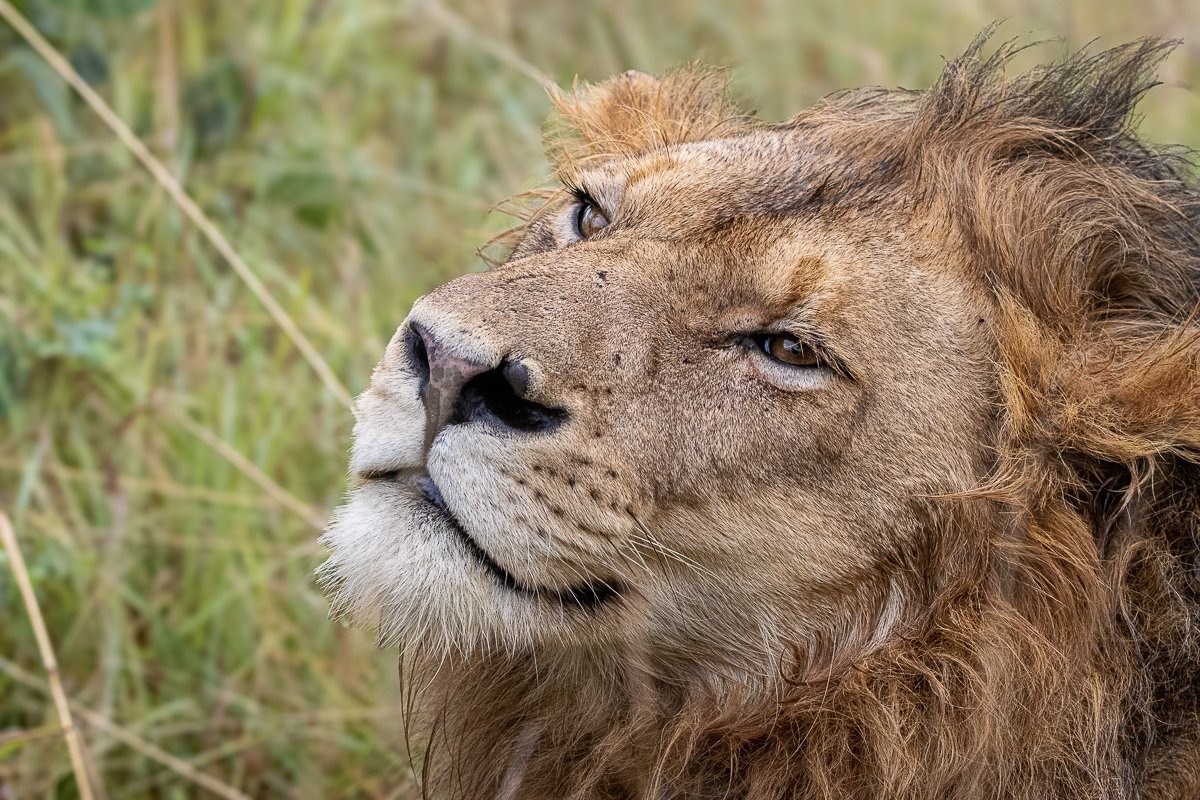
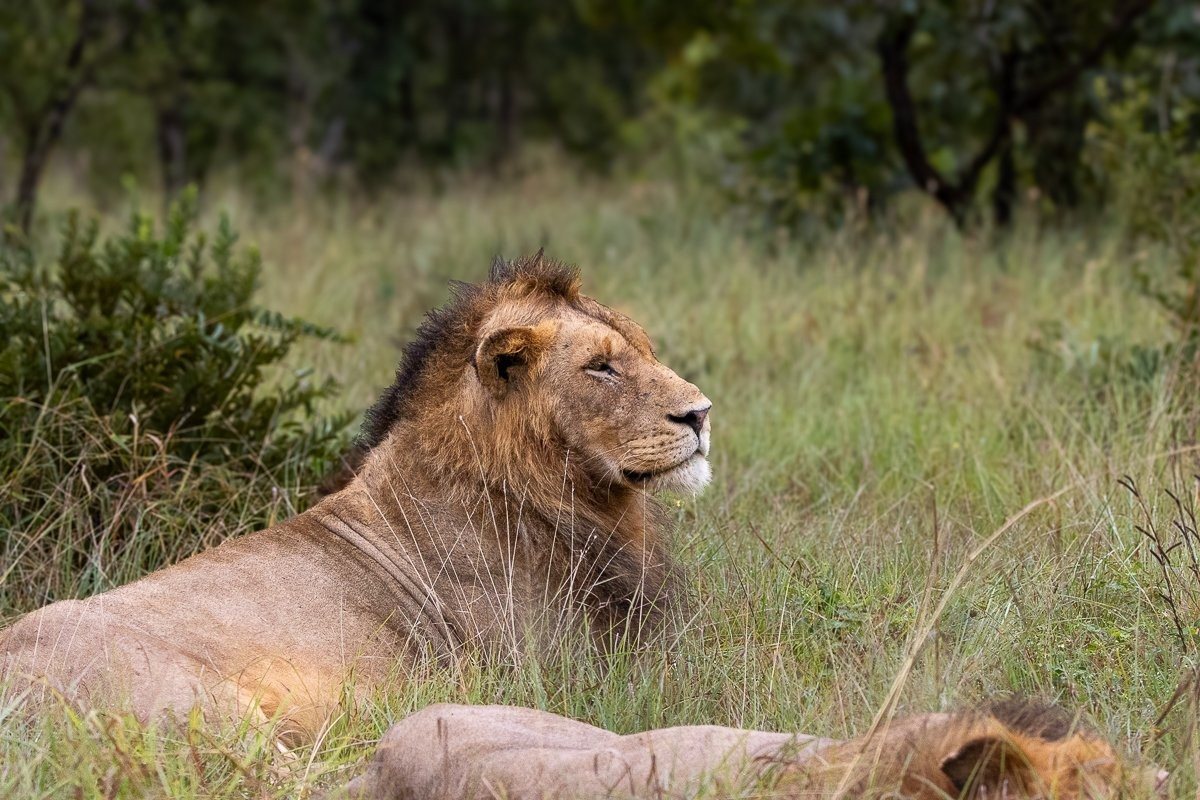
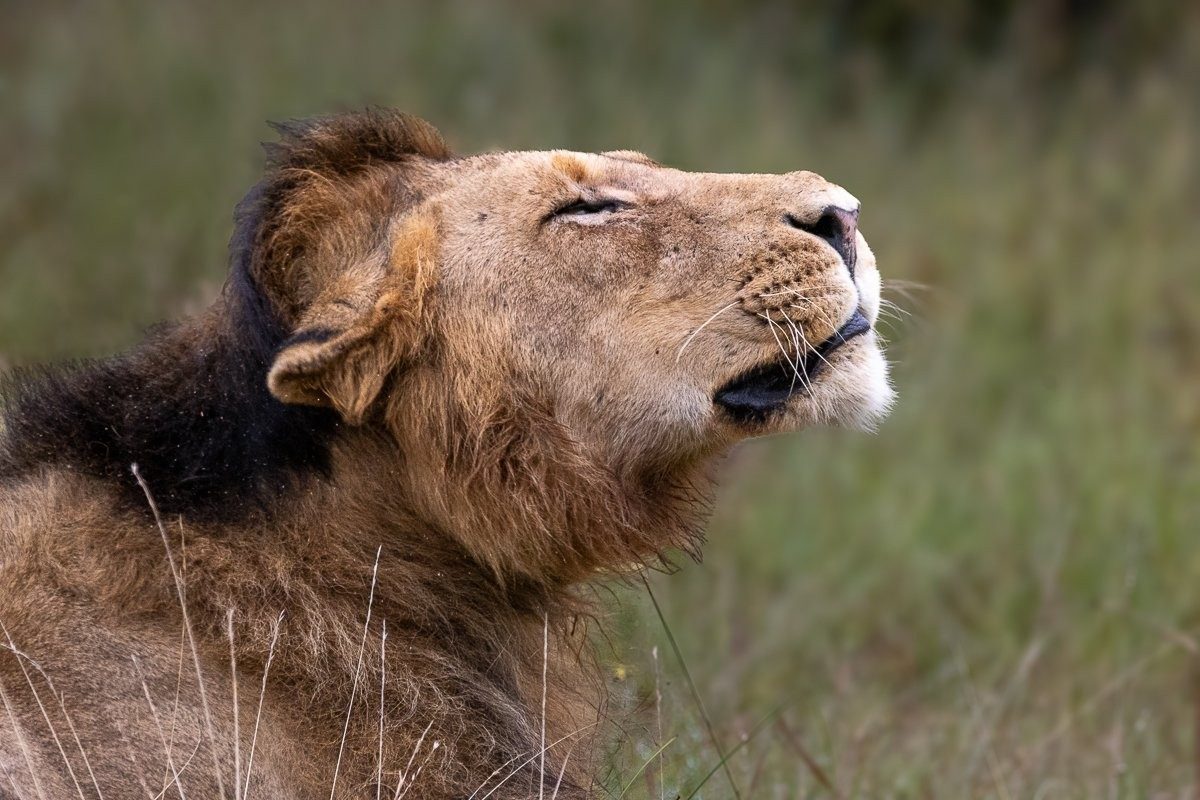
Three N’waswishaka male lions were found late during the morning safari. They were resting after their movements during the night and had likely been remarking their territory.
Lions spend much of the day sleeping as a way of conserving energy for hunting at night, when their chances of success are much higher. However, they are also opportunistic hunters and will take advantage of any suitable opportunity that comes their way.
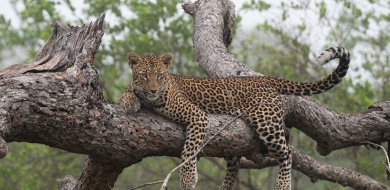
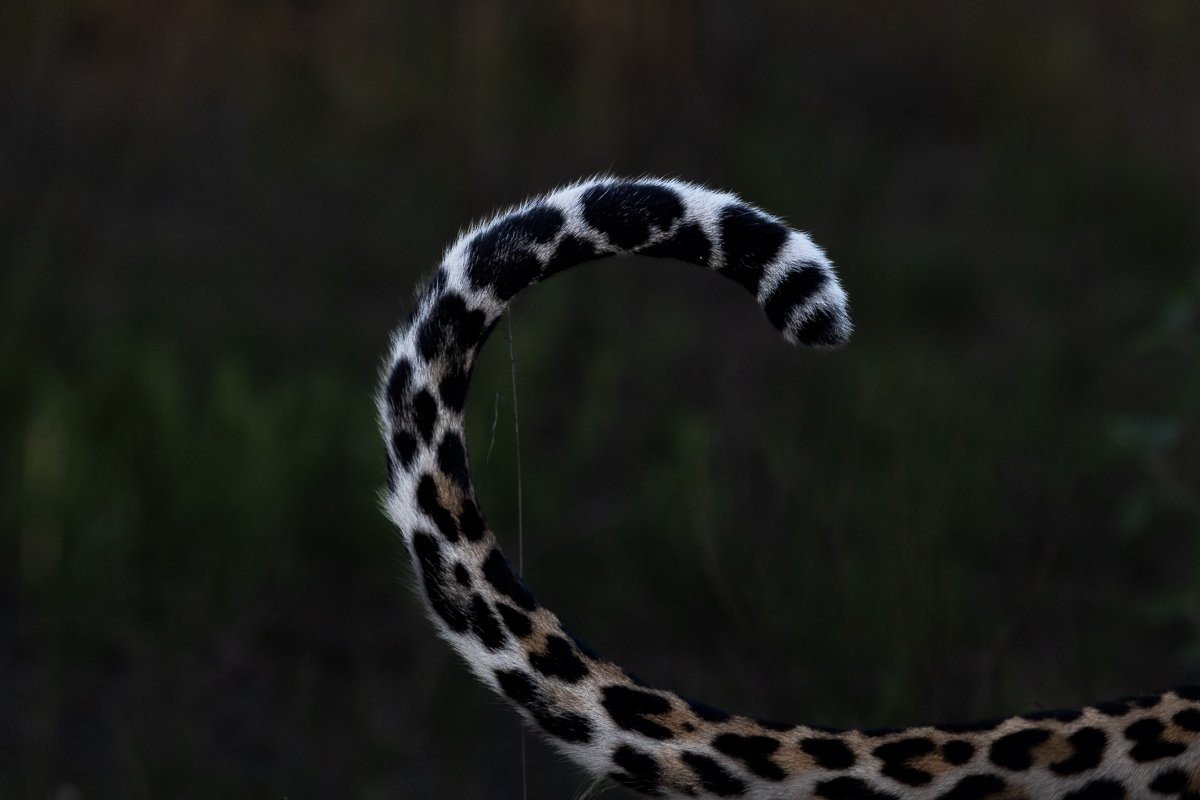
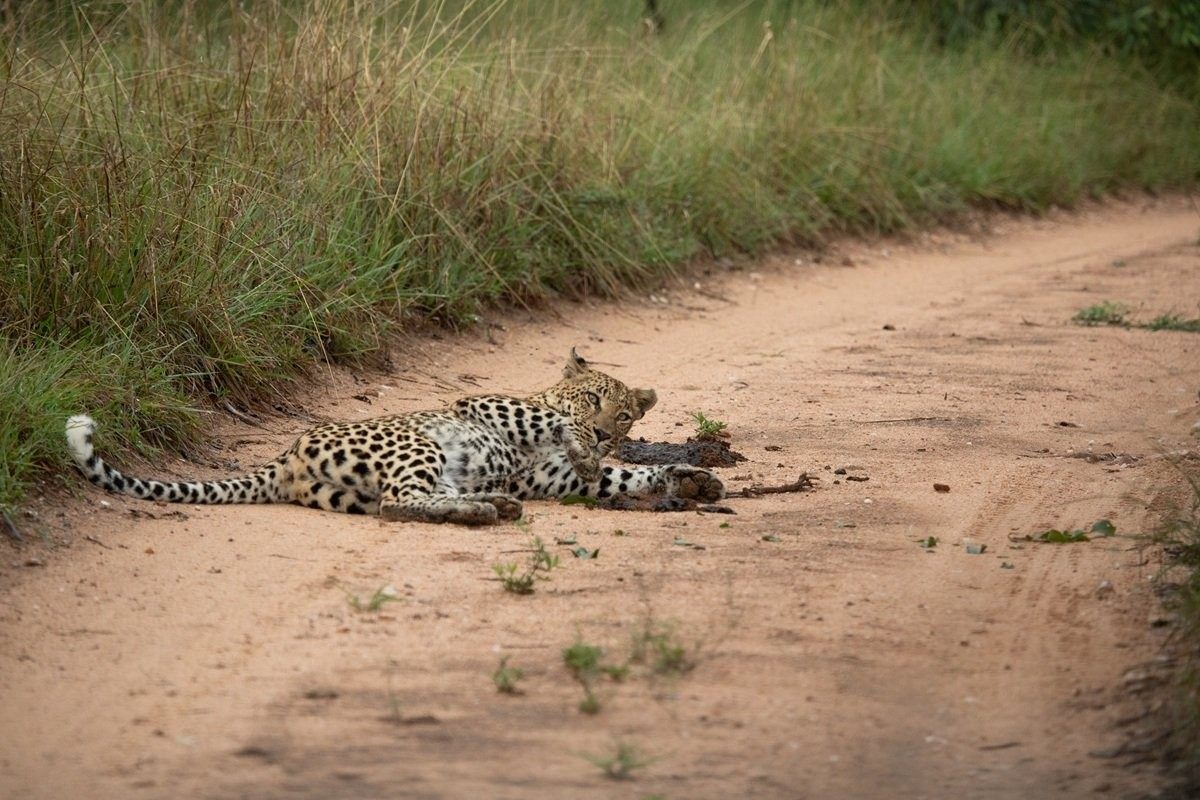
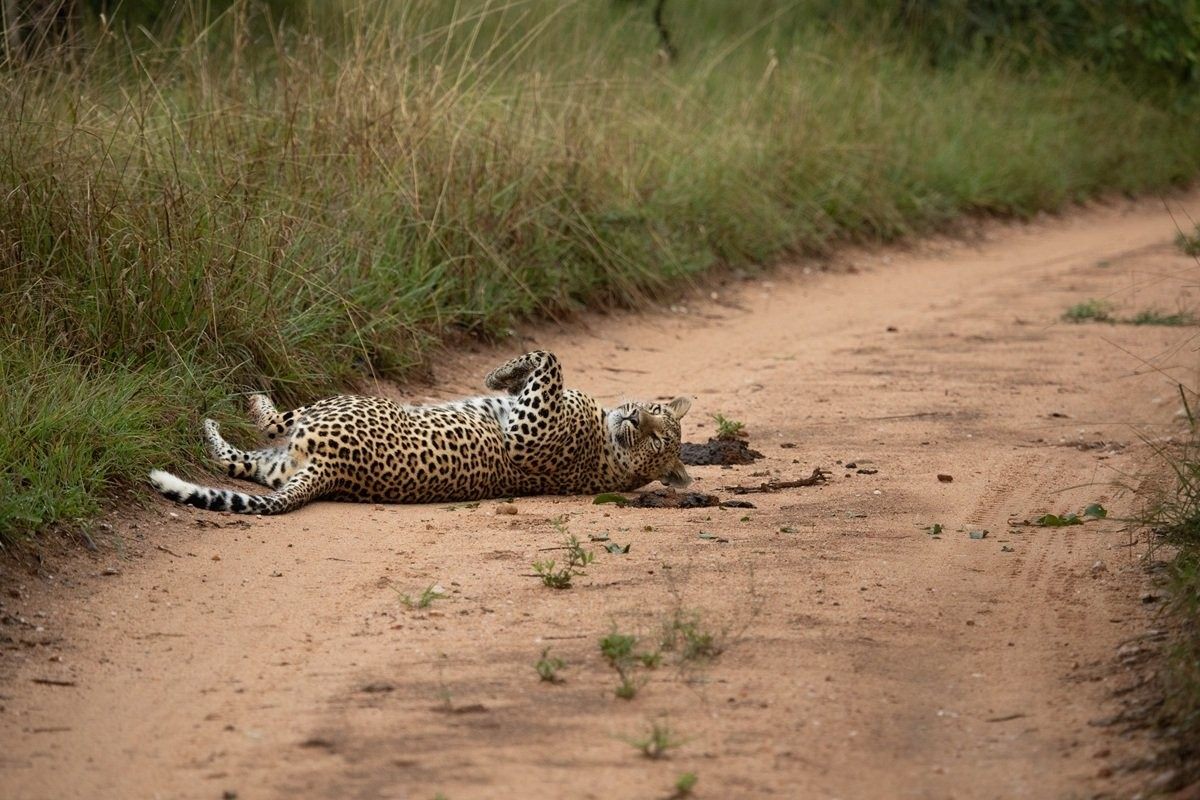
Searching for leopards is both exciting and intriguing. If they don’t want to be seen, you can easily pass right by them - they are true masters of camouflage.
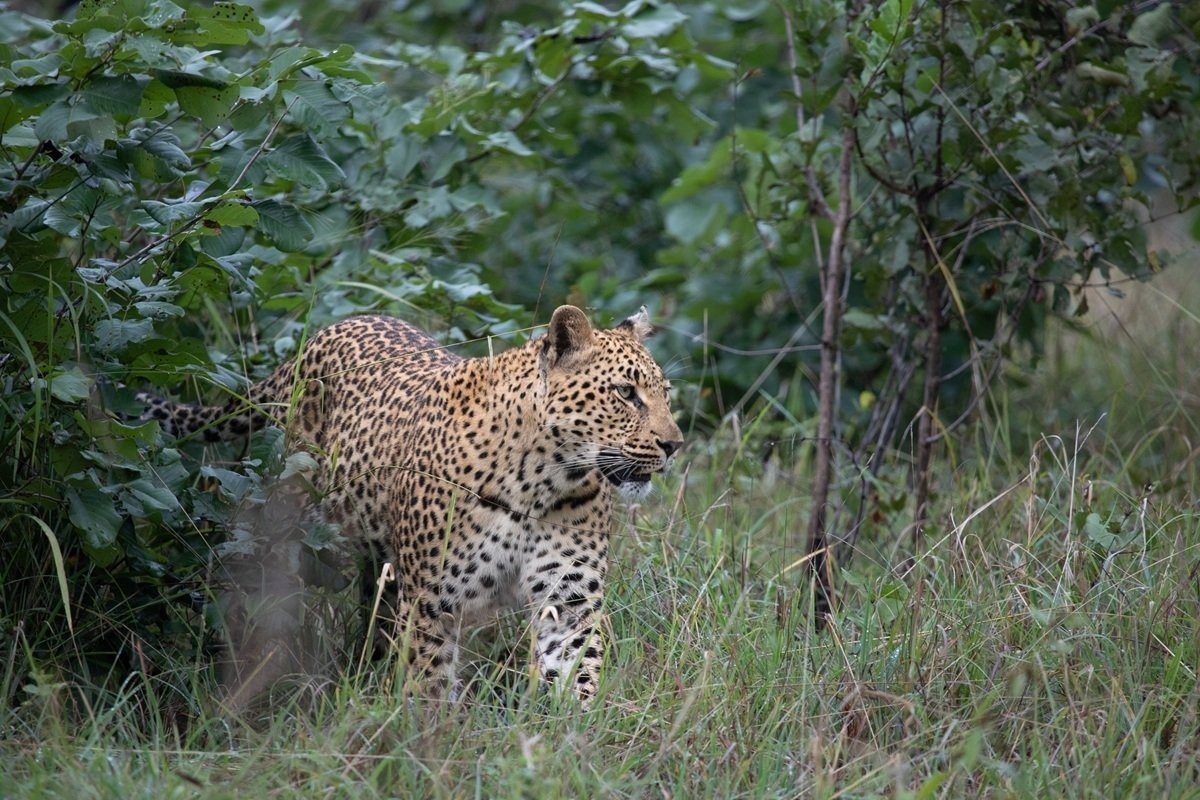
We tracked a leopard for quite some time, following the alarm calls of impalas and kudus and checking fresh tracks along the way. However, it proved more difficult than we thought, as heavy rain kept washing away the tracks we were trying to follow.
Eventually we found her. She was scent-marking her territory, likely because the rain had washed away the markings she had left earlier. We never managed to see the whole leopard clearly - she moved quickly through the grass - but sometimes on safari that’s just how it is.
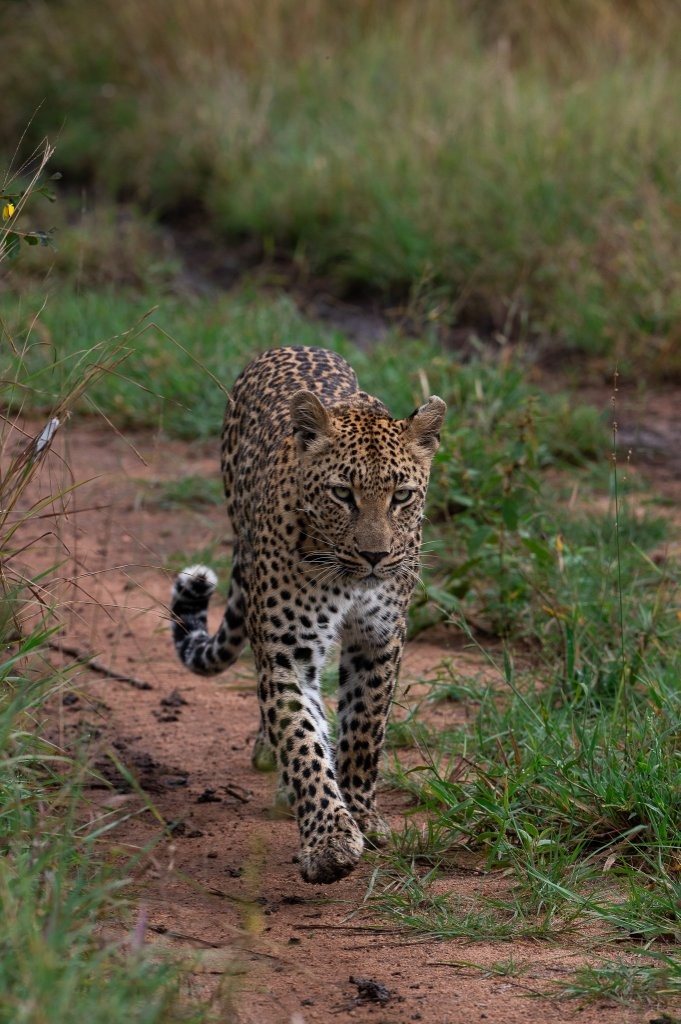
We departed on our morning safari feeling hopeful - it was the first time we had seen clear skies after days of grey weather. We paused for a moment to observe insect activity at a pile of elephant dung, and while sitting quietly, heard the unmistakable rasp of a leopard calling.
Excited, we followed the sound, which eventually led us to Golonyi lying comfortably in the grass, casually watching a herd of impala. After a while, she got up and continued marking her territory. We followed her for as long as we could before she disappeared into the thicket.
Until next time…
Blog by Wendy Claase
Images by Benjamin Loon, Devon Jansen, Jan Nel, Josh Duffus, Ronald Mutero and Viviane Ladner
Video by Benjamin Loon