
A Week in the Bush Vol. 587
on Mar 25, 2026After hearing alarm calls from impalas, the bush seemed to hold its breath along with us. Every rustle of grass, every distant snap of a branch teased the promise of her presence - yet she remained a ghost: unseen, unfelt, but deeply known. Time stretched, our patience tested in that quiet, sacred way only the wild can demand.
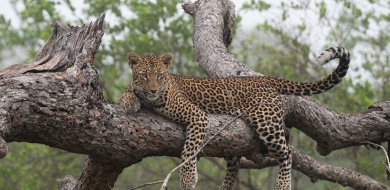
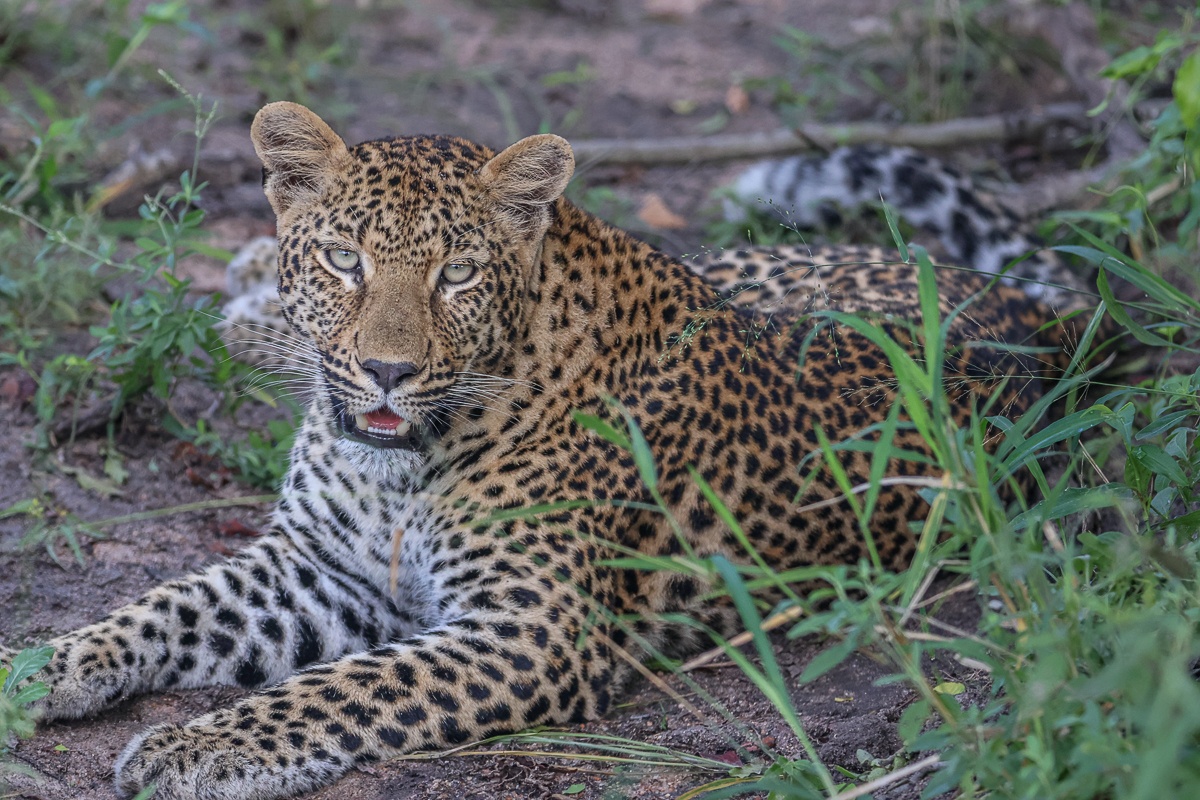
Then she emerged through the thickets. The Kurhula female paused, turned slightly, and began marking her territory, spraying against a bush just a few metres from us.
Leopards always require patience and stillness to witness. Their movements are deliberate, often revealed only after long waits. Many times, they use open roads as natural boundaries, marking territories against others of their kind.
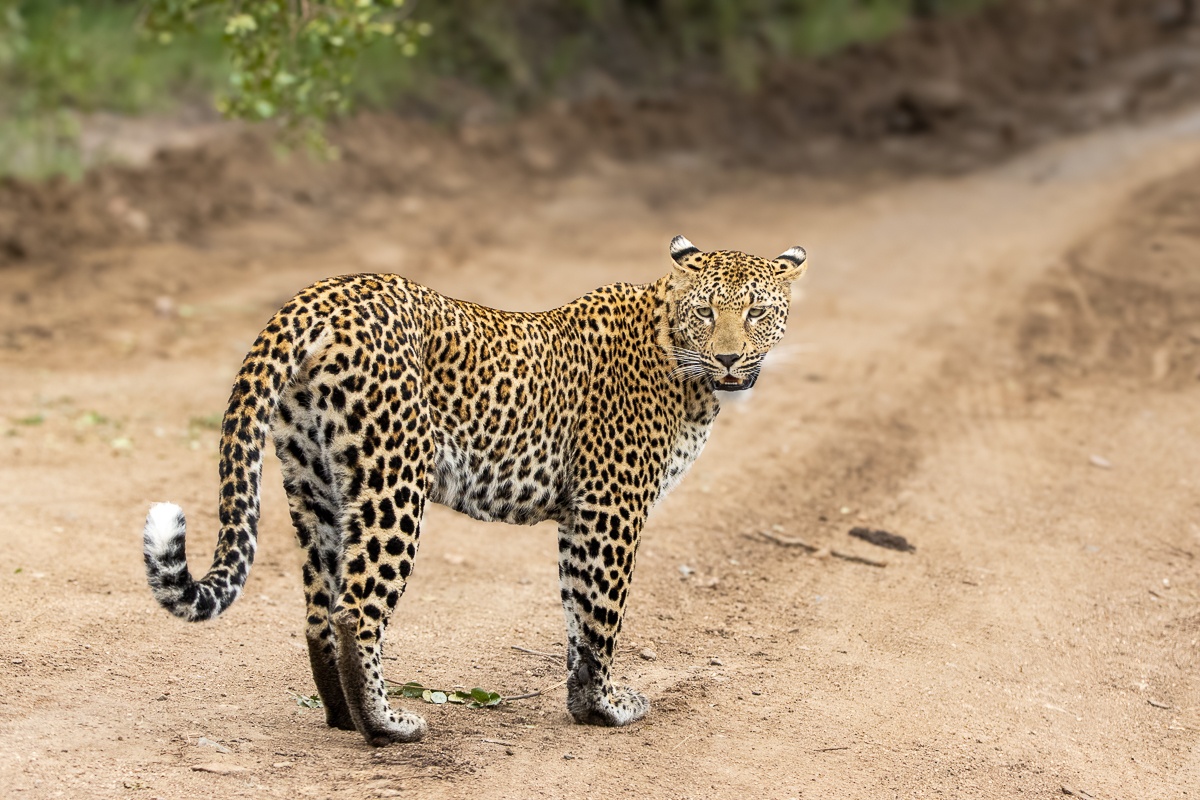
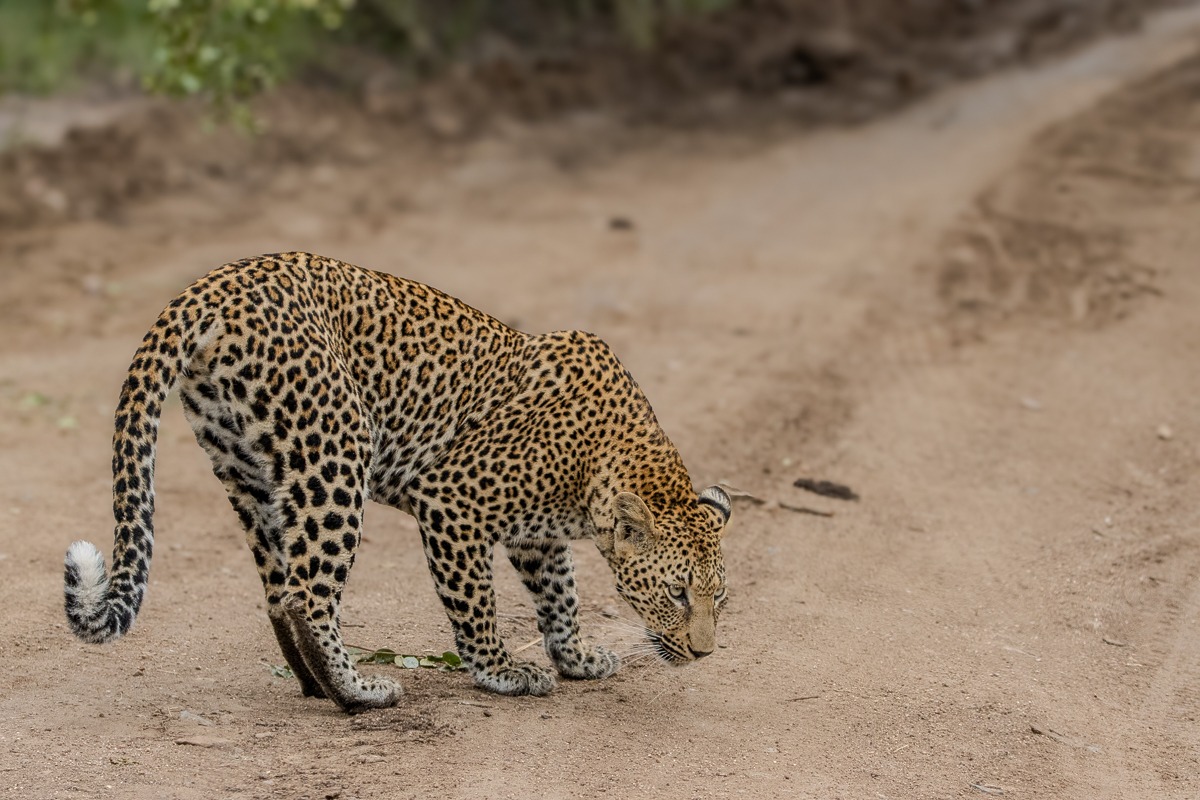
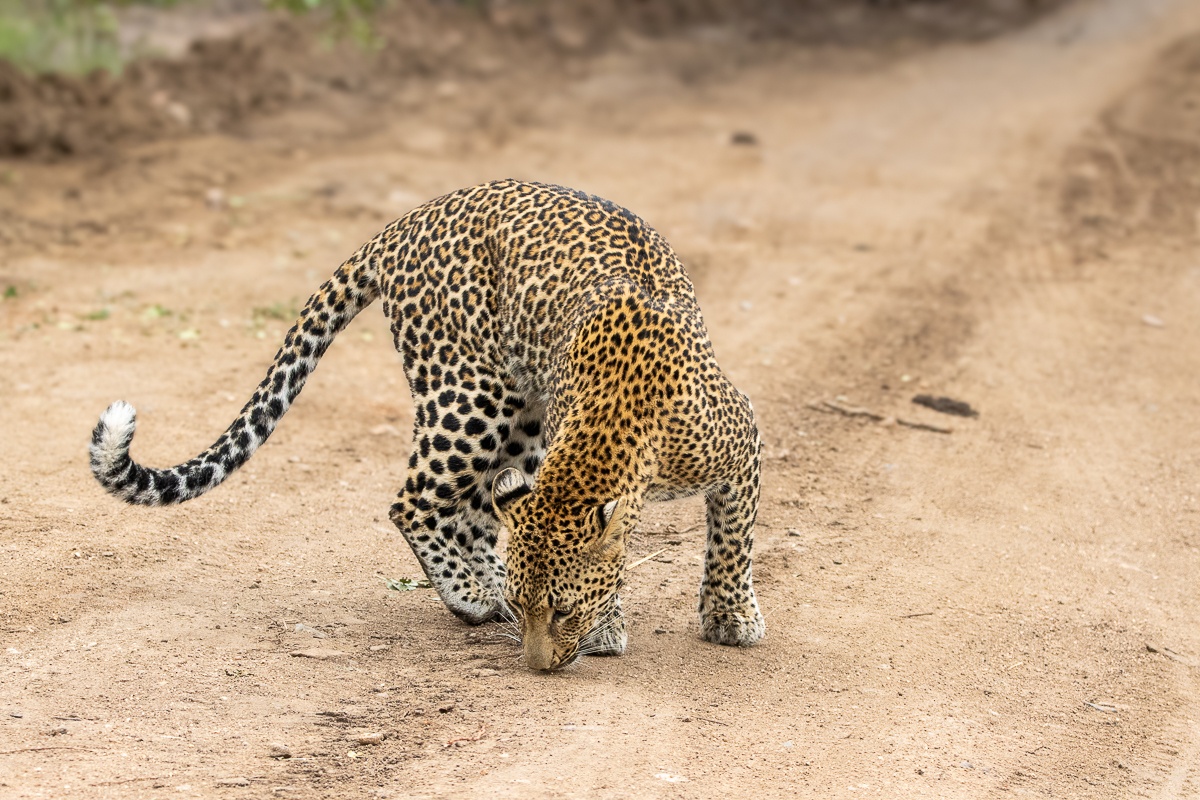
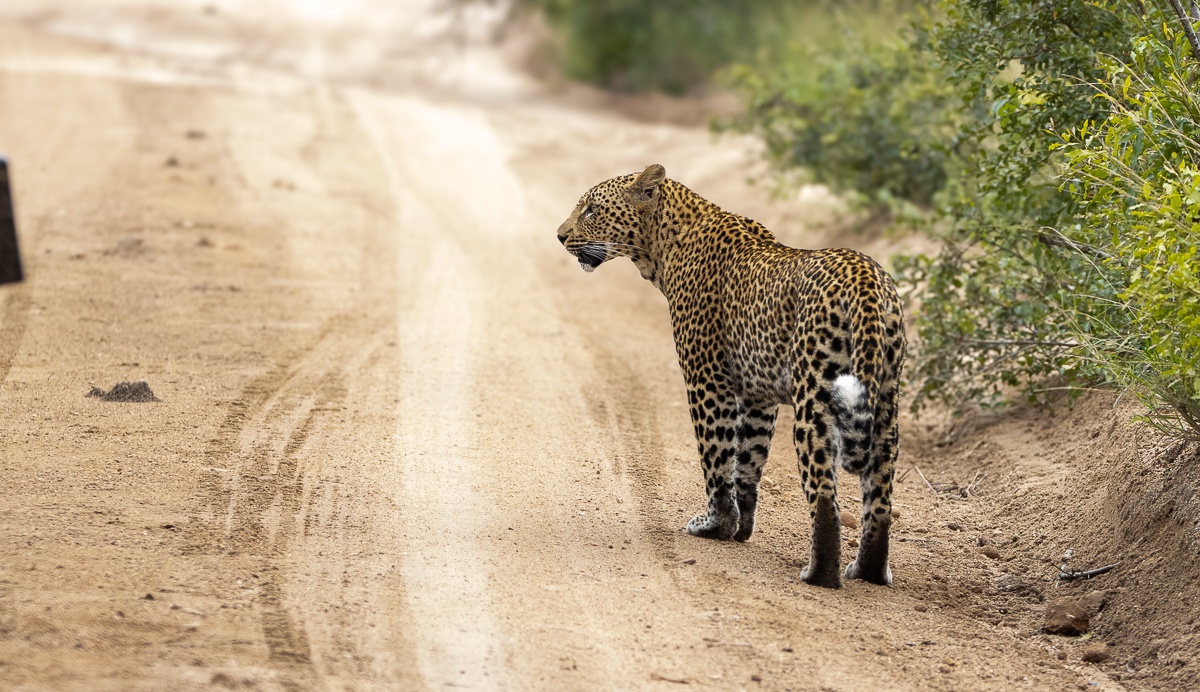
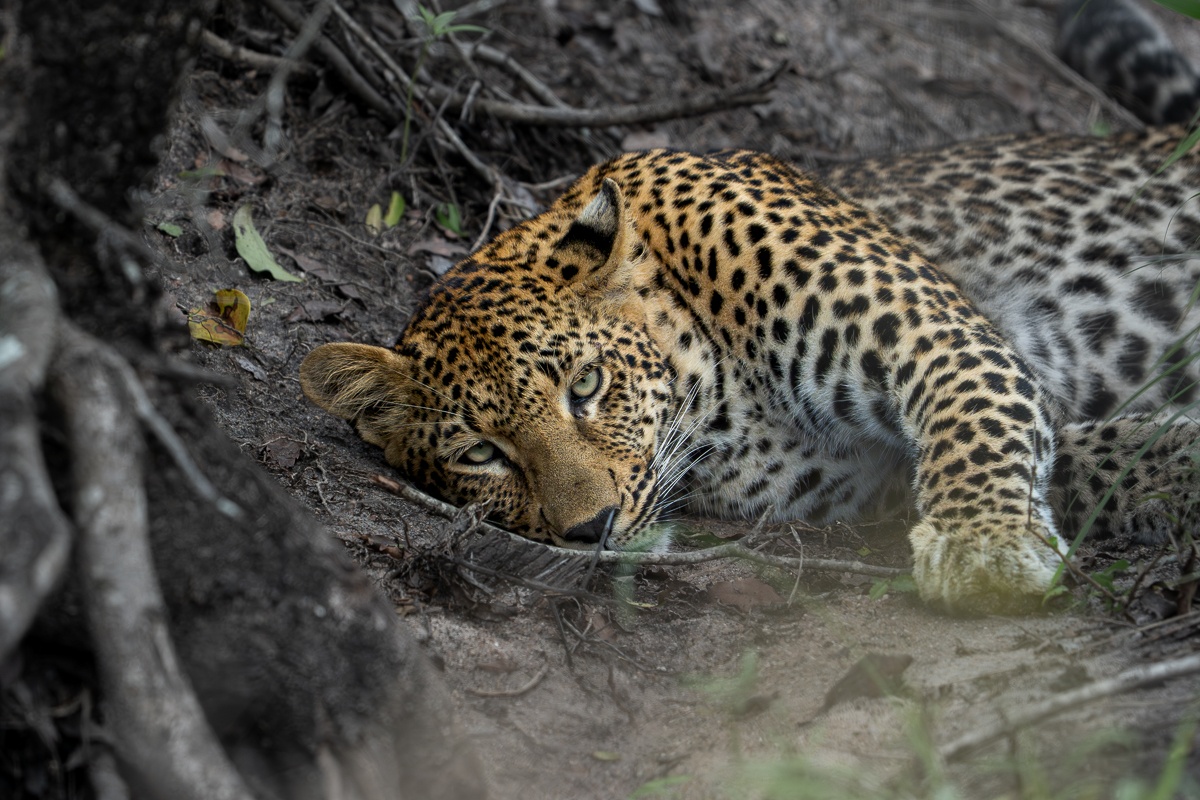
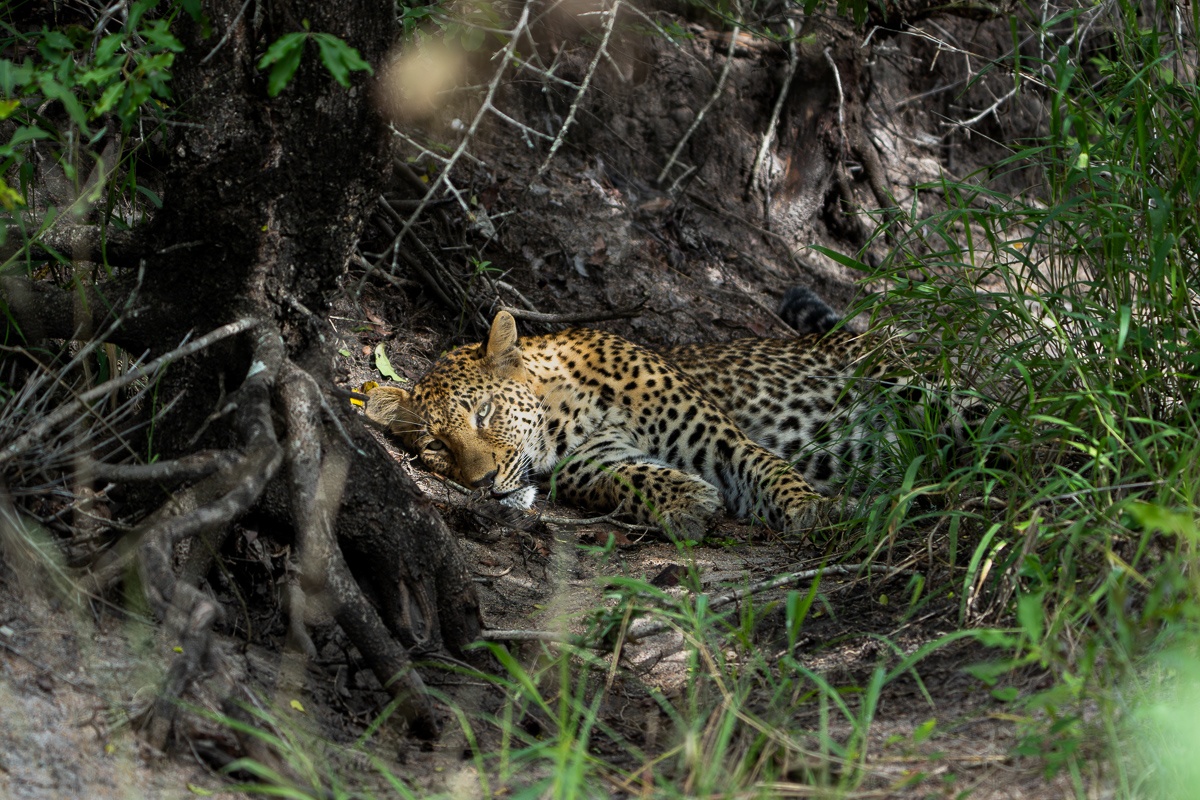
A couple of days later, we found Kurhula again as she made her way through the thickets, searching for a safe, comfortable spot to rest for the day. She had clearly just eaten, her belly full and panting heavily, pausing every few minutes to catch her breath. Leopards often leave the remains of their kills behind, avoiding conflicts with hyenas and other scavengers drawn to the scent of death, allowing them to rest in safety and digest their meal.
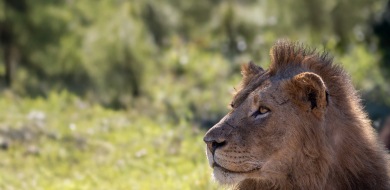
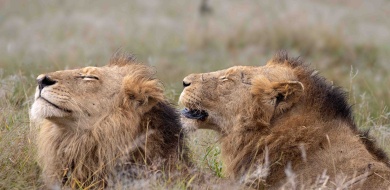
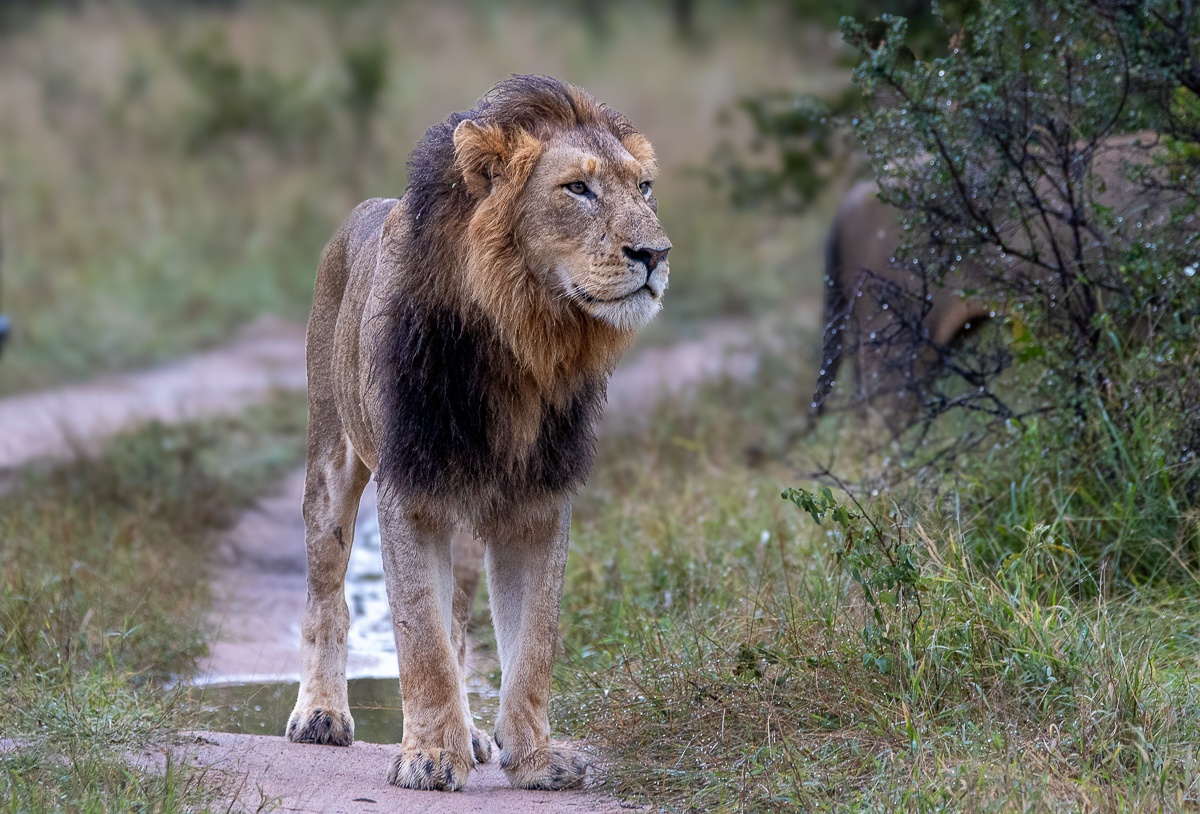
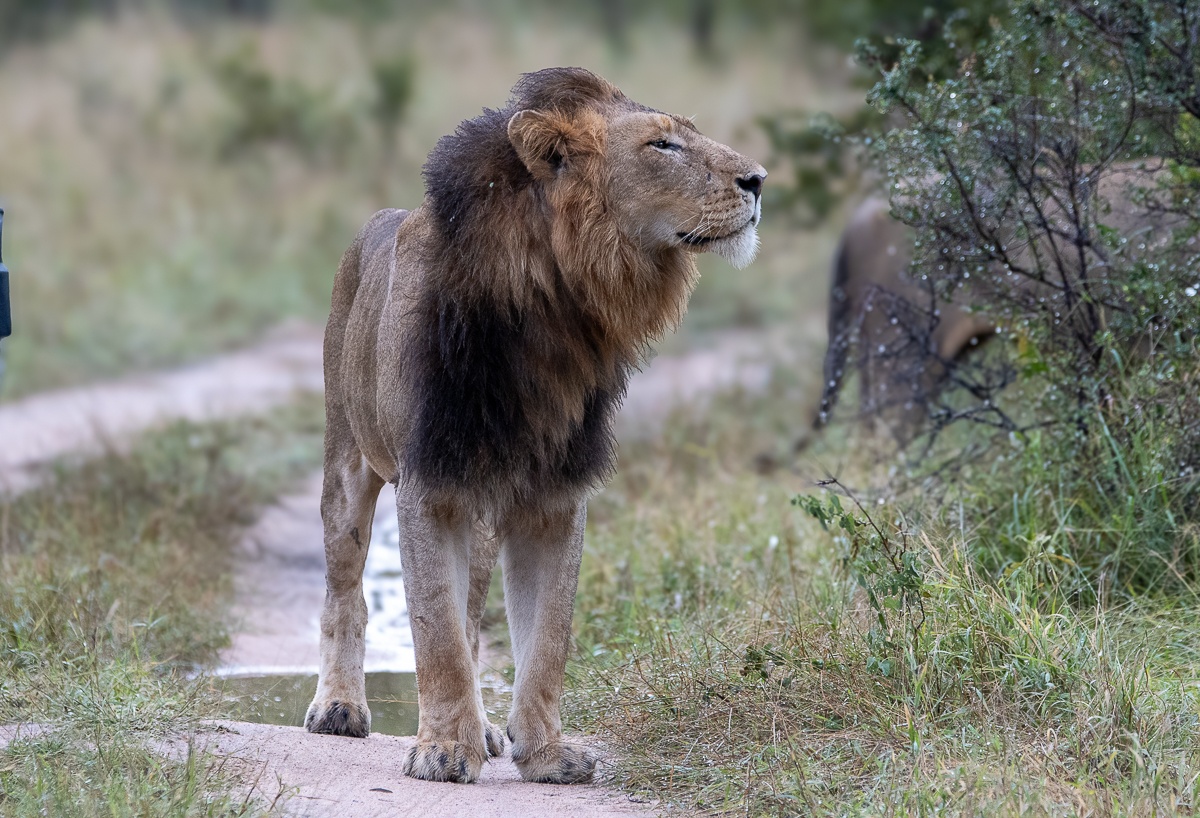
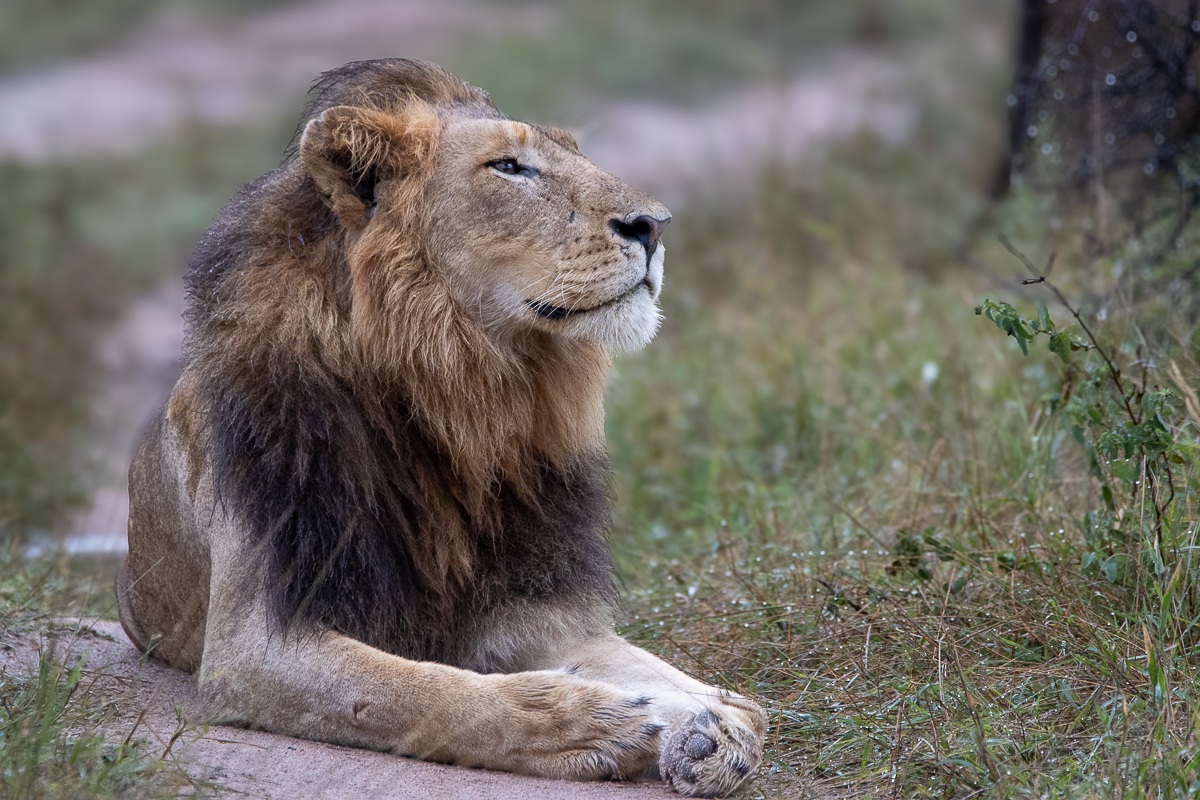
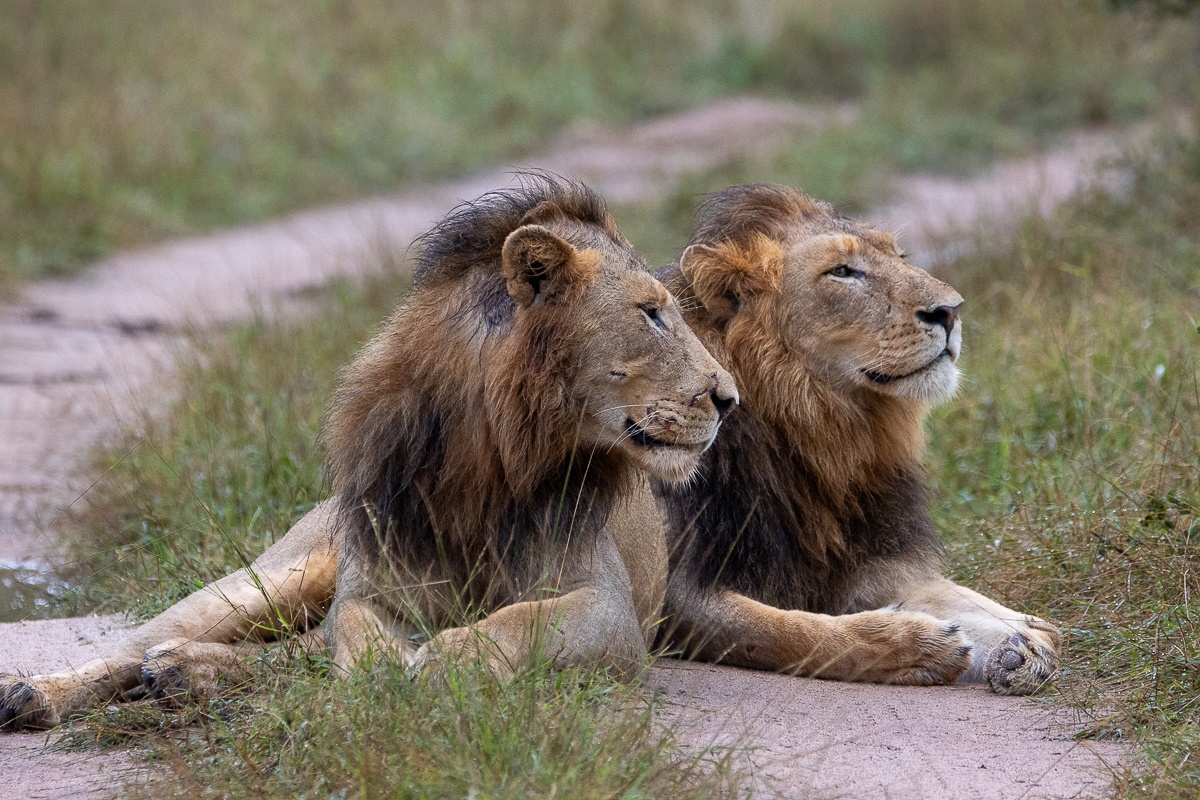
One of the N’waswishaka male lions was mating with a lioness from the Southern Pride. With these males also mating with the Msuthlu Pride, it shows that they are slowly but surely asserting their dominance over the area.
The N’waswishaka males were spotted in different areas over the past few days. At one point, the three males were found alongside a single female from the Msuthlu Pride. However, they showed little interest in her and were not mating, as she remained lying a few metres away from them for most of the time. We observed the males moving from one patch of shade to another, and although they tried to hunt, they were unsuccessful.
It is typical for male lions - and lions in general - to sleep for up to eight hours a day. While this is often perceived as laziness, it is actually a calculated survival strategy. Lions conserve their energy during the hottest part of the day, from mid-morning through to late afternoon. As the light begins to fade, they become more active, making use of one of their greatest advantages: their excellent night vision, which gives them a better chance of success when hunting.
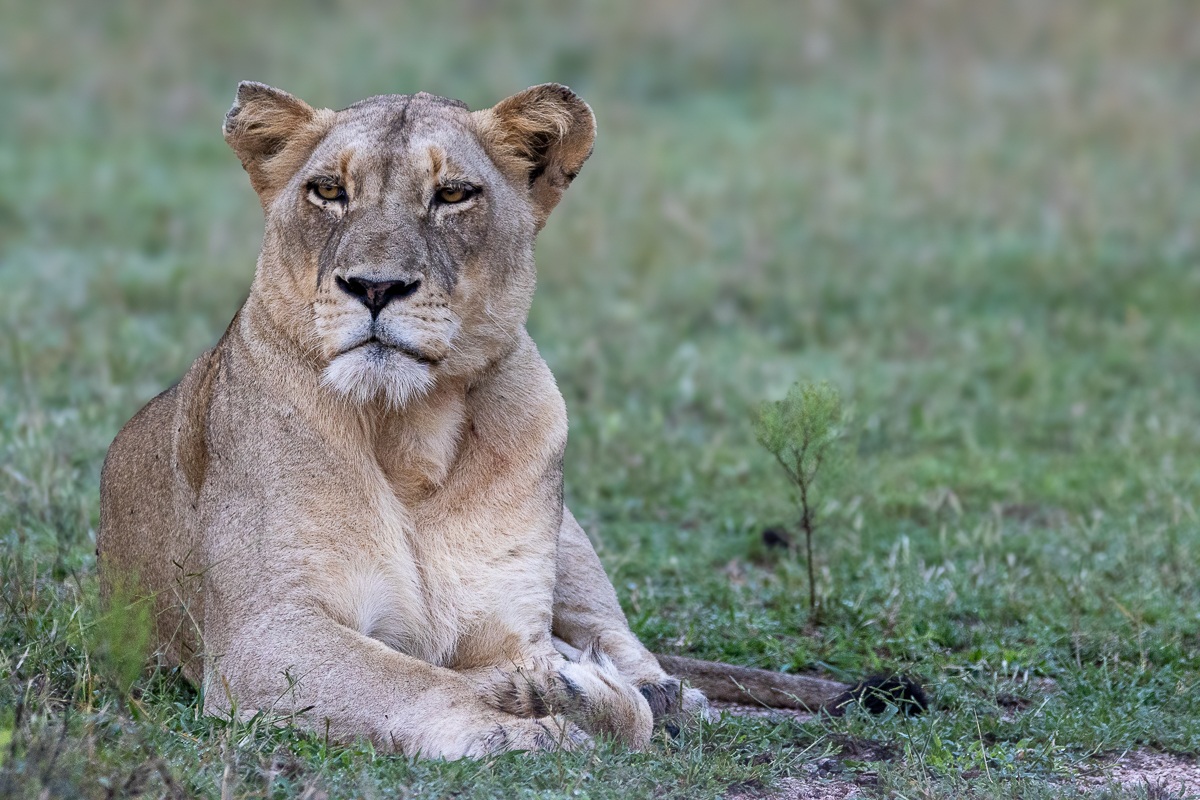
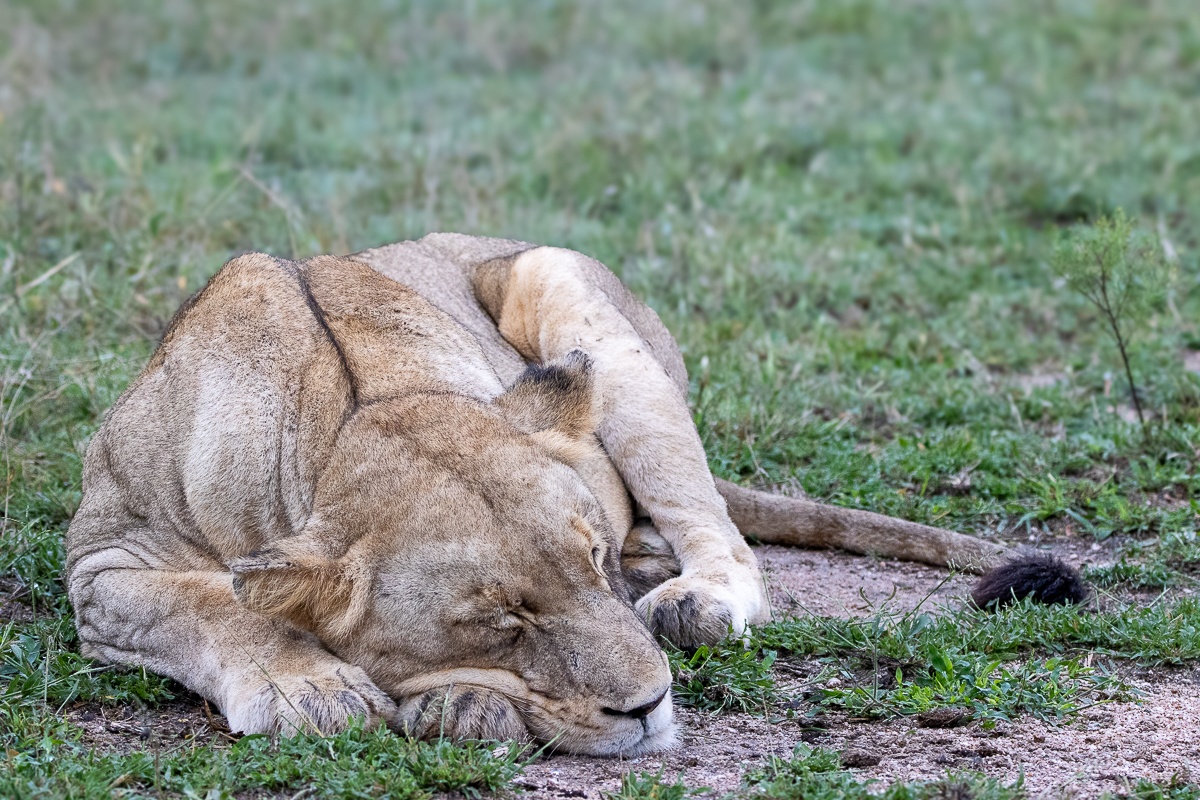
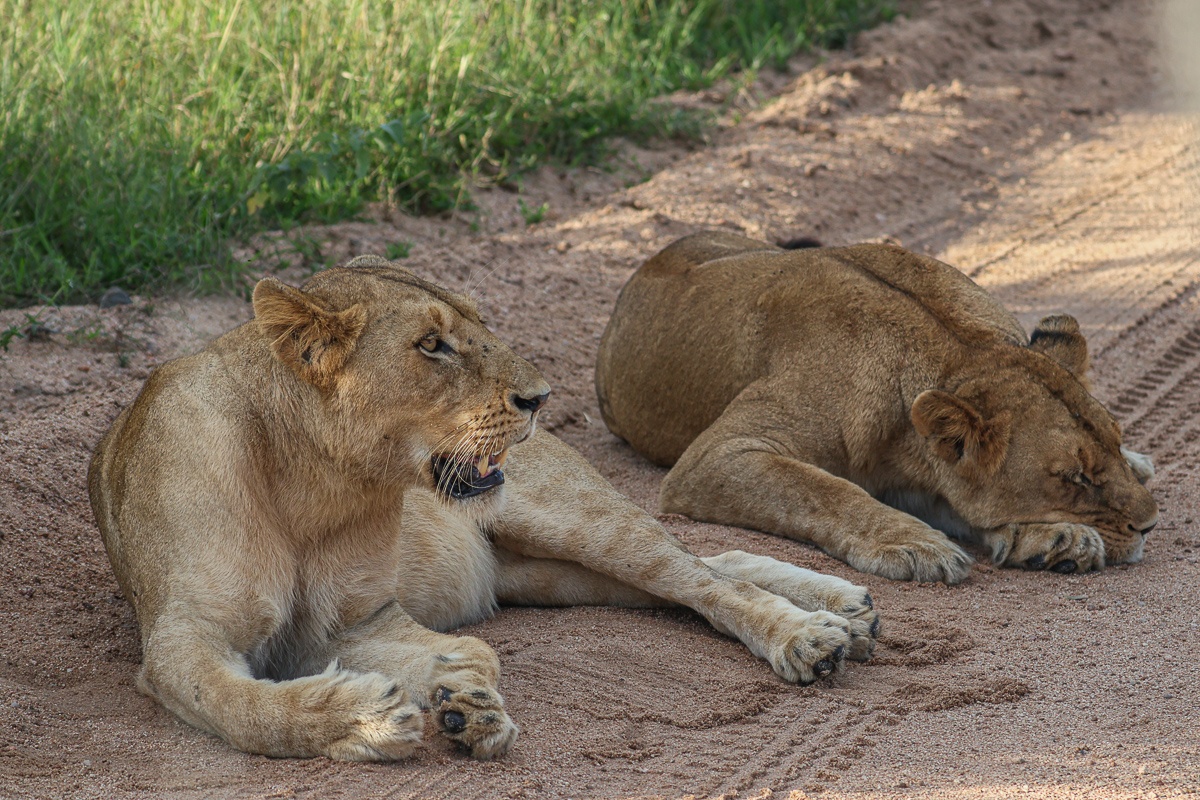
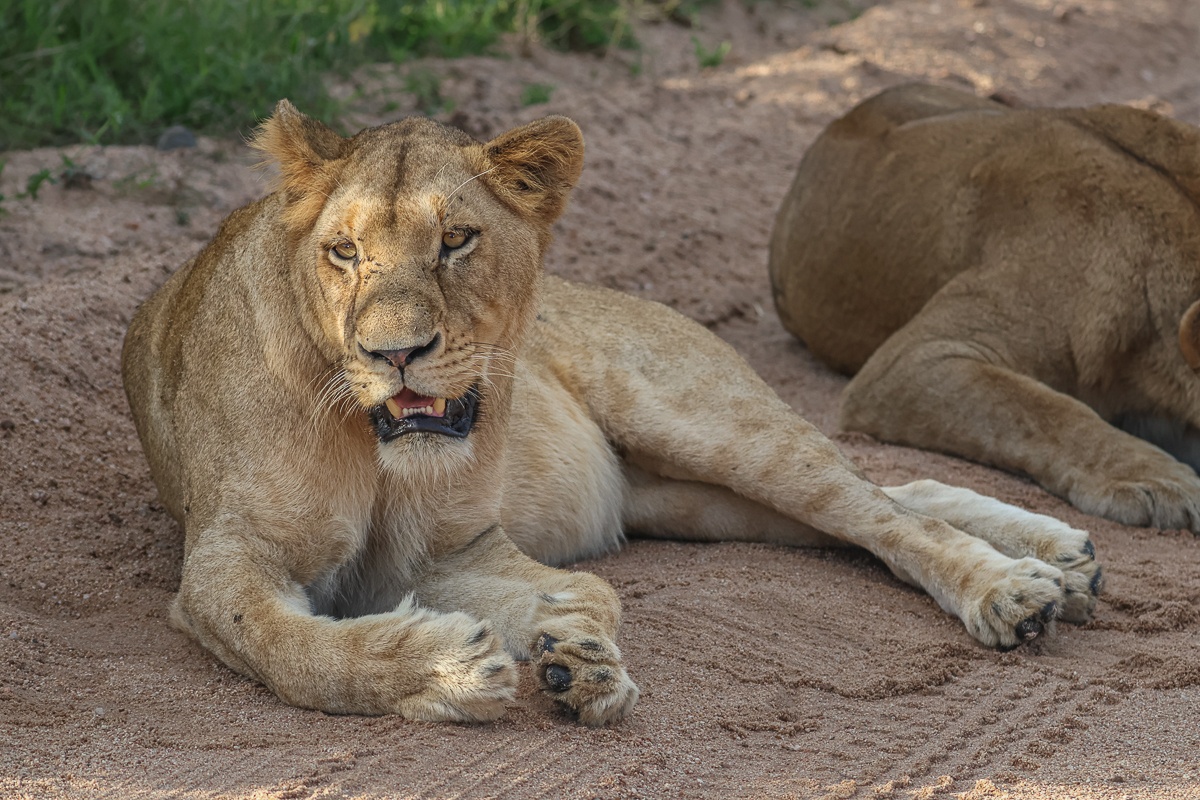
Minutes after leaving Earth Lodge on our afternoon safari, we were fortunate to come across two lionesses from the Southern Pride. With temperatures running high, they had settled on the sandy road, making the most of the shade and its cooler surface to regulate their body temperature.
These lionesses have been particularly active in the southern parts of the reserve over the past few days. The older lioness is currently moving with one of the young N’waswishaka males, leaving the others to fend for themselves and stay safe until her return.
We set out to explore the southern reaches of the reserve and the Sabie River. On our way back north, a ranger radioed in a sighting of African wild dog being followed by three spotted hyena - less than five minutes from us. The decision was easy. Within minutes, we arrived and were treated to a brief but unforgettable encounter with one of Africa’s most endangered predators.
The raucous, cackling territorial display of Green wood hoopoes was in full swing as this group confronted a nearby rival, driving them away to defend their territory. This behaviour is crucial for maintaining control over valuable nesting sites.
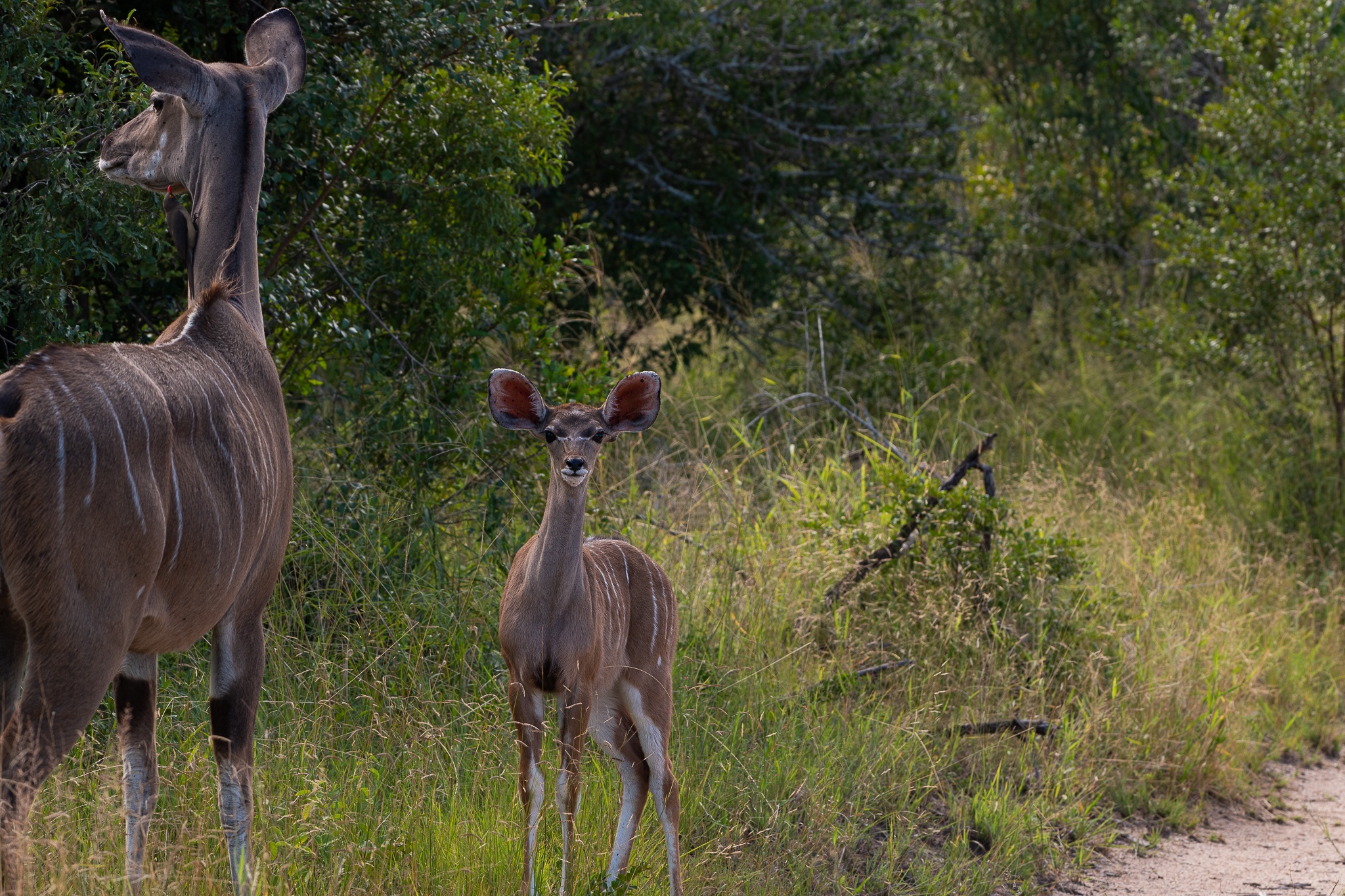
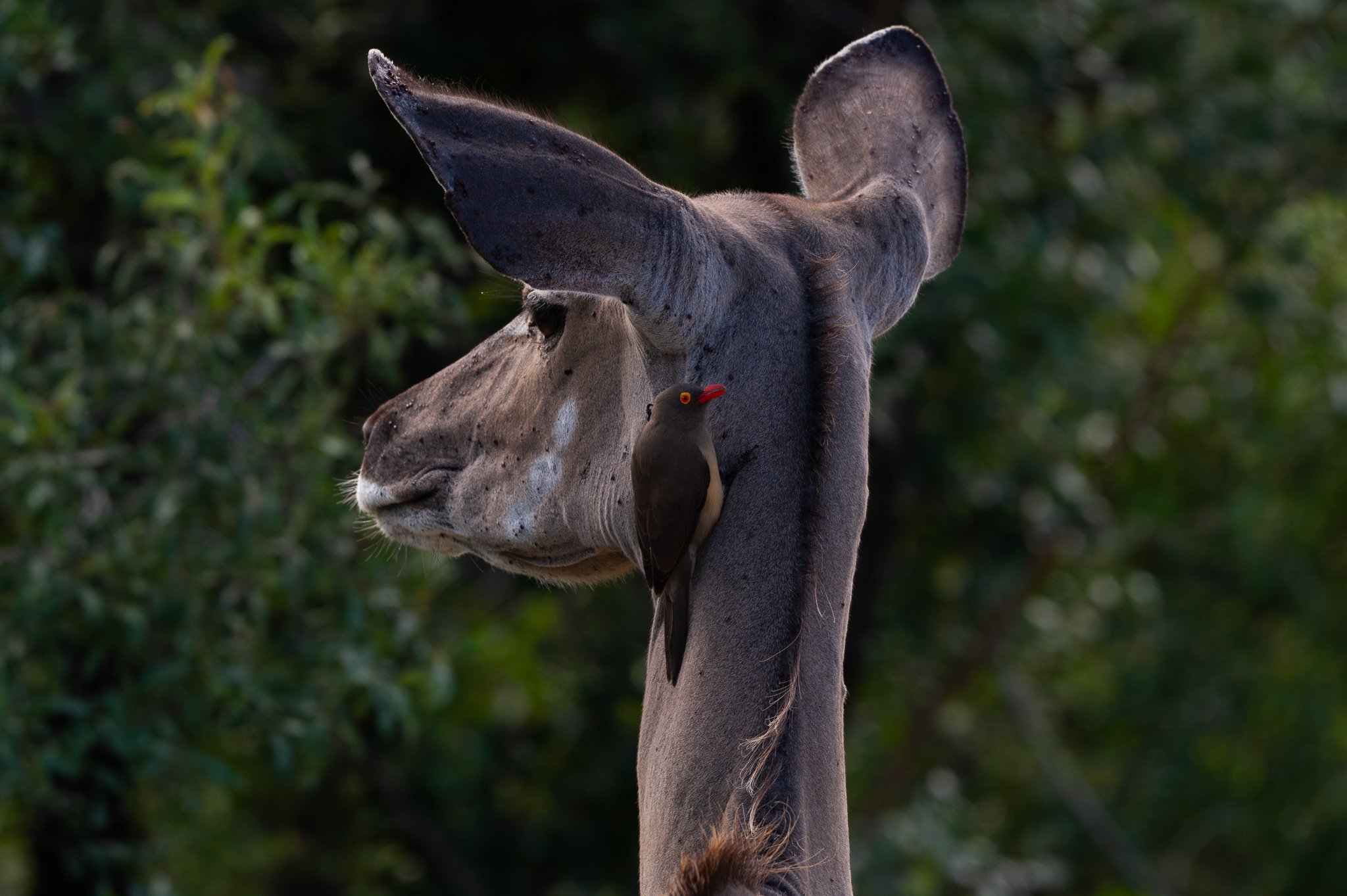
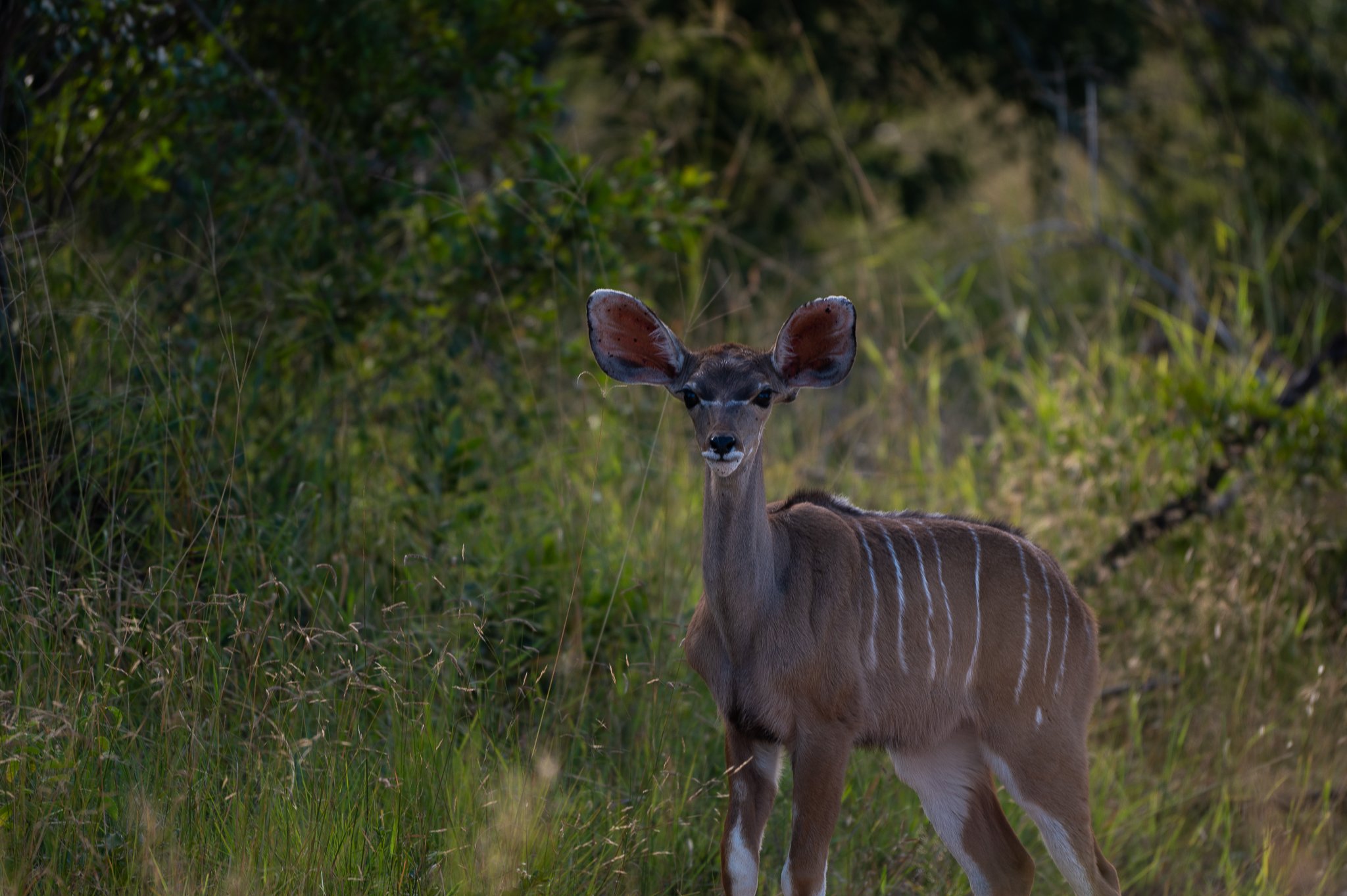
A kudu calf stood beside its mother at the edge of a thicket. The mother looked into the bushes, ears tuned to the sudden alarm call of a startled Natal spur-fowl. The calf, tense yet curious, fixed its eyes on us - carefully analysing our every movement. All the while, a Red-billed oxpecker went about its business, methodically picking ticks from the adult female, as though nothing else in the world mattered.
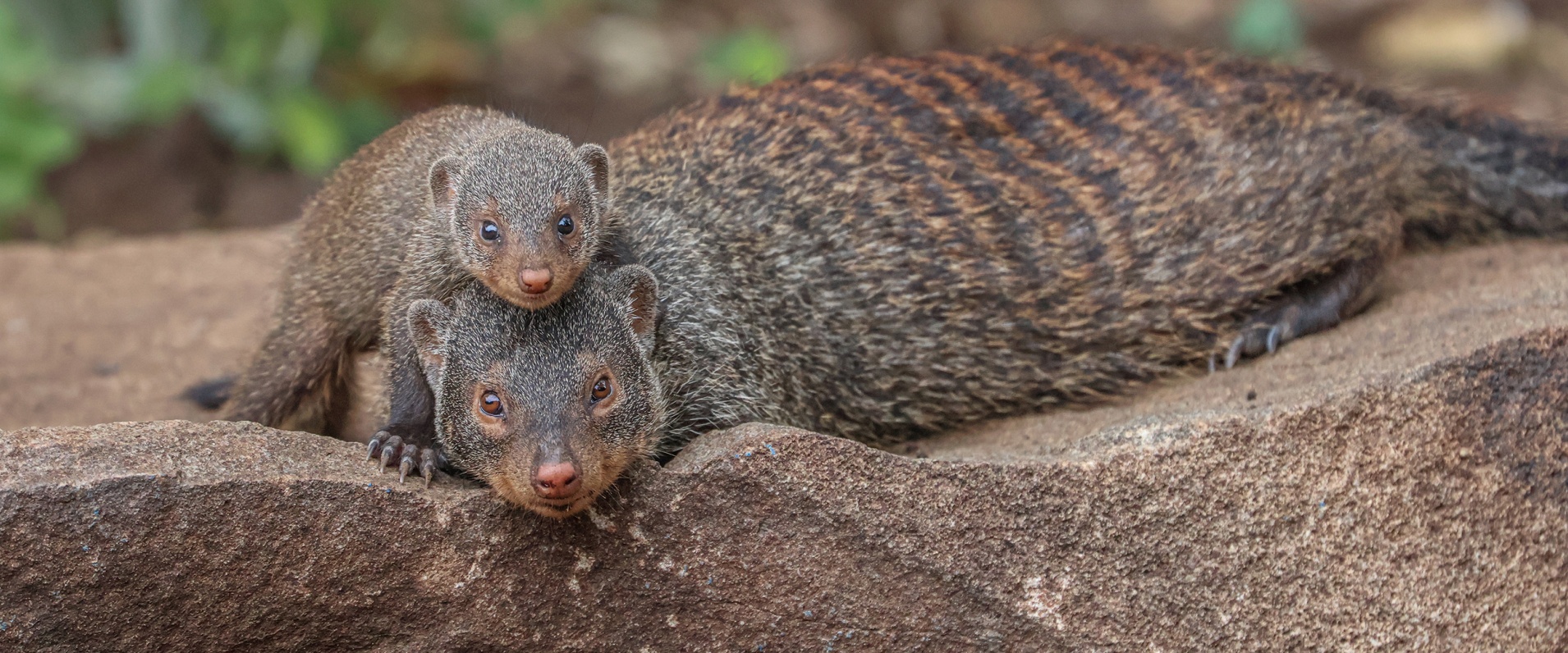
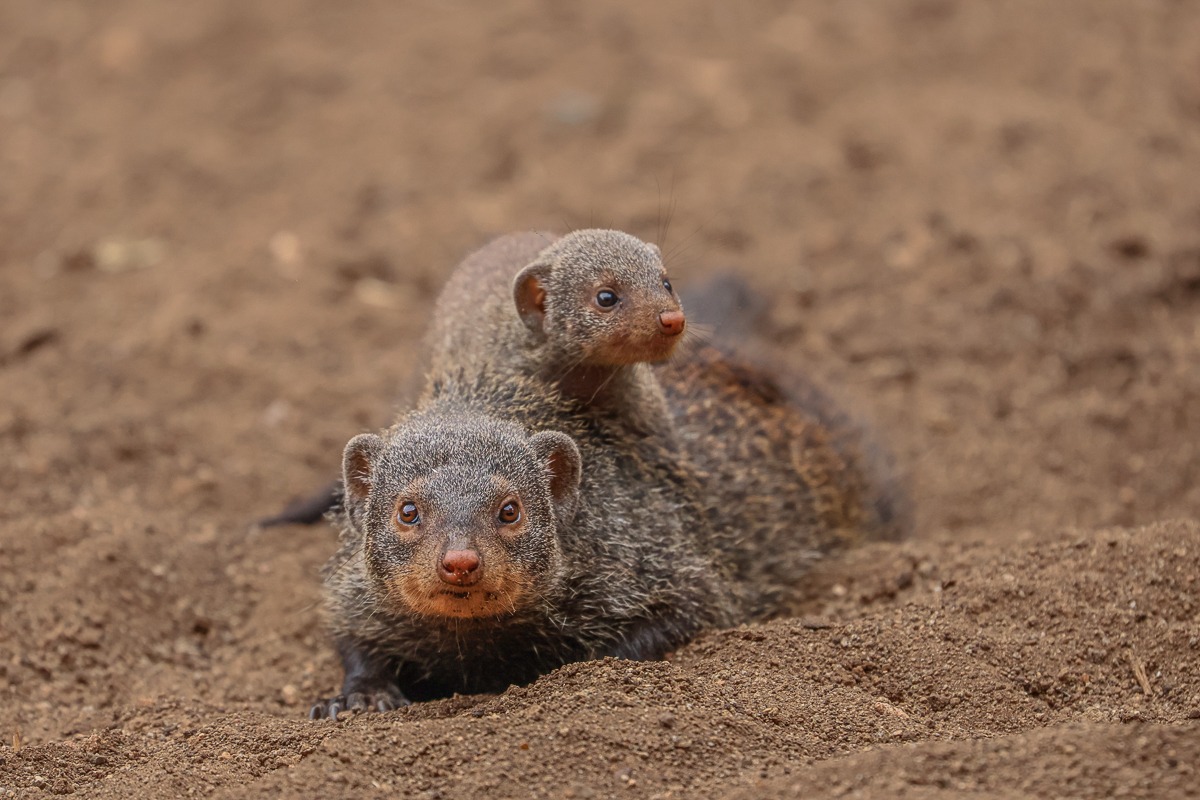
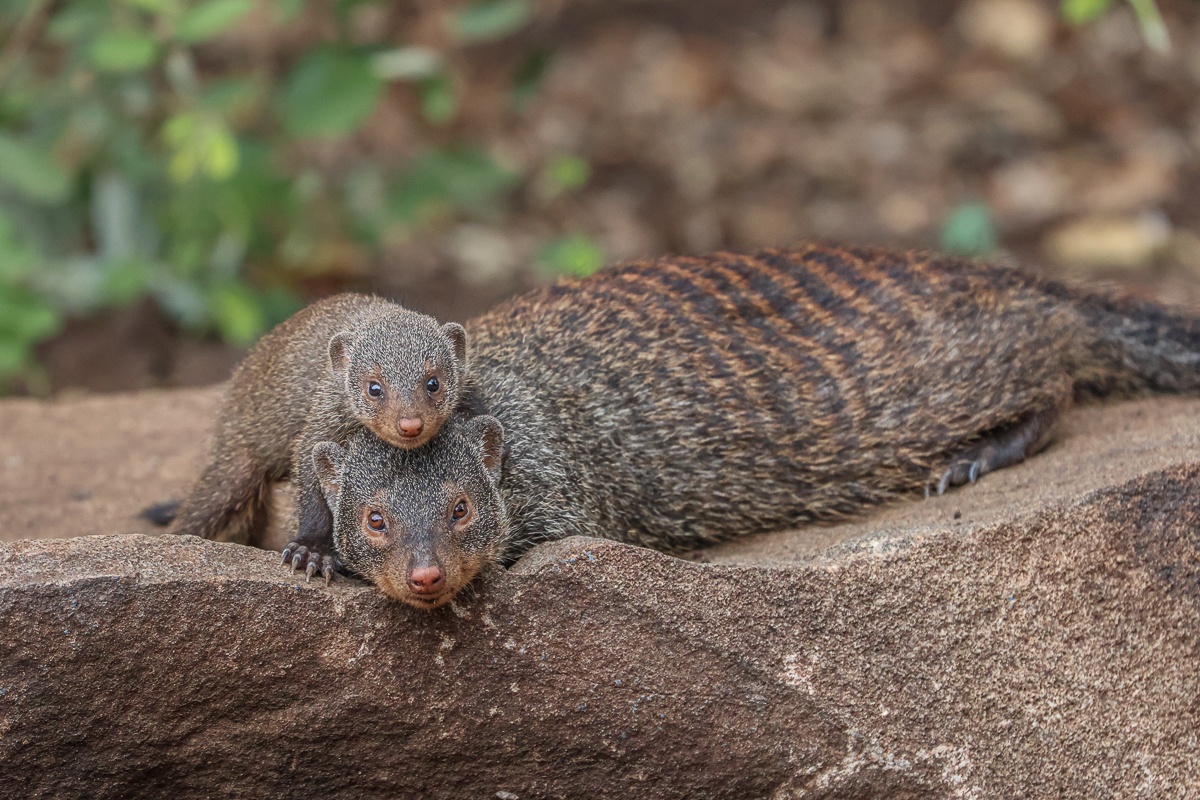
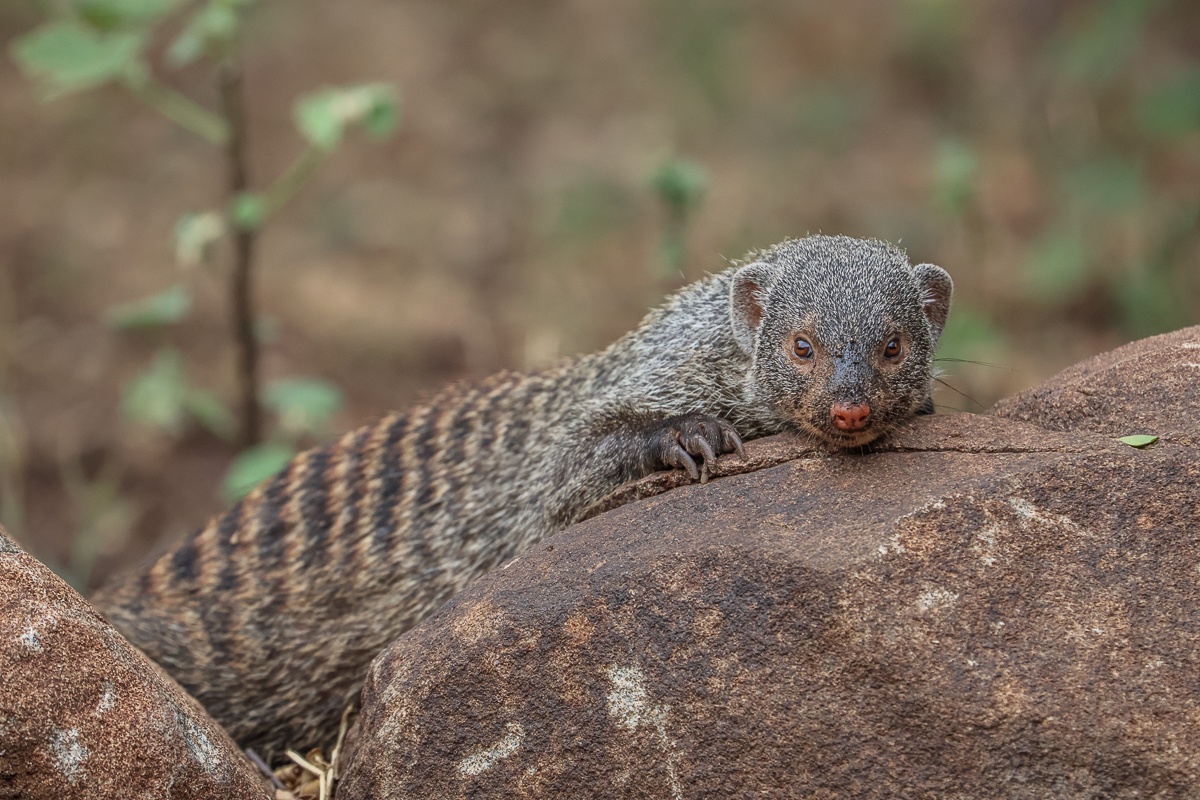
In the late afternoon as temperatures cool in the bushveld, we watched a Banded Mongoose mother as she played and groomed her tiny pup. This vital bonding strengthens their family ties in the matriarchal troop, teaching the pup essential skills like sentinel calls and cooperative foraging while reinforcing social hierarchies. For these agile hunters, moments like these are not just affectionate, they are vital for survival.
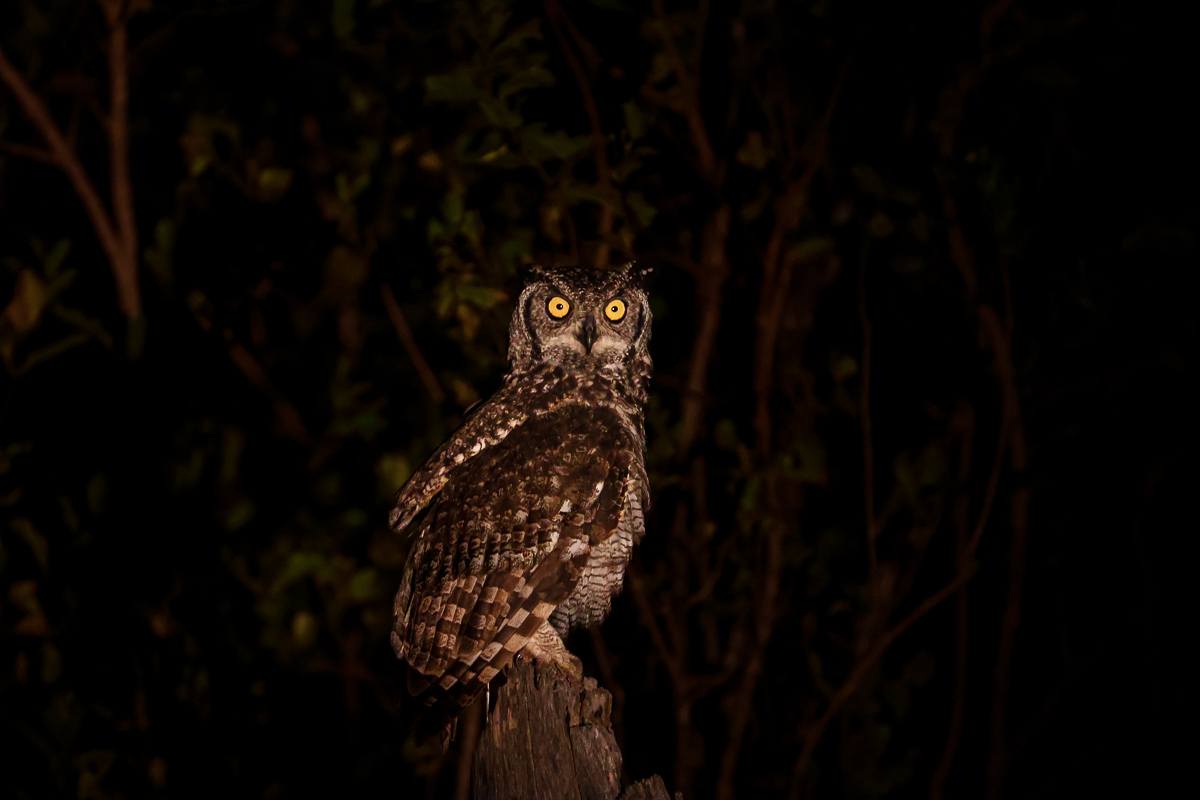
Perched on a roadside stump in the evening, a Spotted eagle-owl scans the twilight for movement, its yellow eyes perfectly adapted for the low light. As a mostly nocturnal hunter, it often uses posts, trees, and even road signs as vantage points to silently watch for rodents, insects, and small birds, playing a crucial role in keeping these populations in balance.
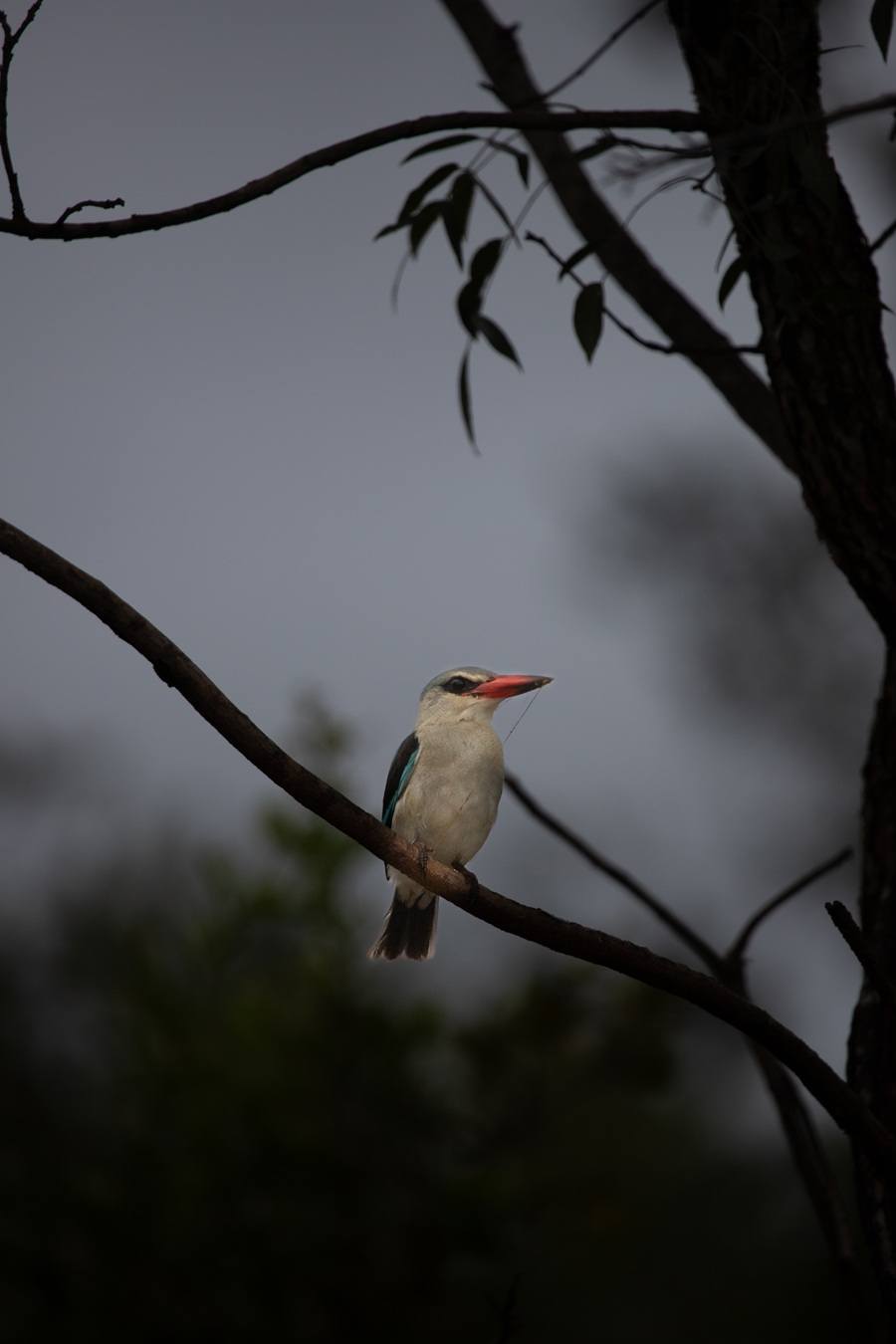
As summer draws to a close in southern Africa, the Woodland kingfisher begins its annual migration out of South Africa. These birds arrive in the region during spring to breed, taking advantage of the warm weather and abundance of insects. By late summer and early autumn, Woodland kingfishers move northward toward equatorial Africa, where conditions remain favourable through the southern winter. Their departure marks a seasonal shift in the bush, as the distinctive trilling calls that signal the start of summer gradually fade.
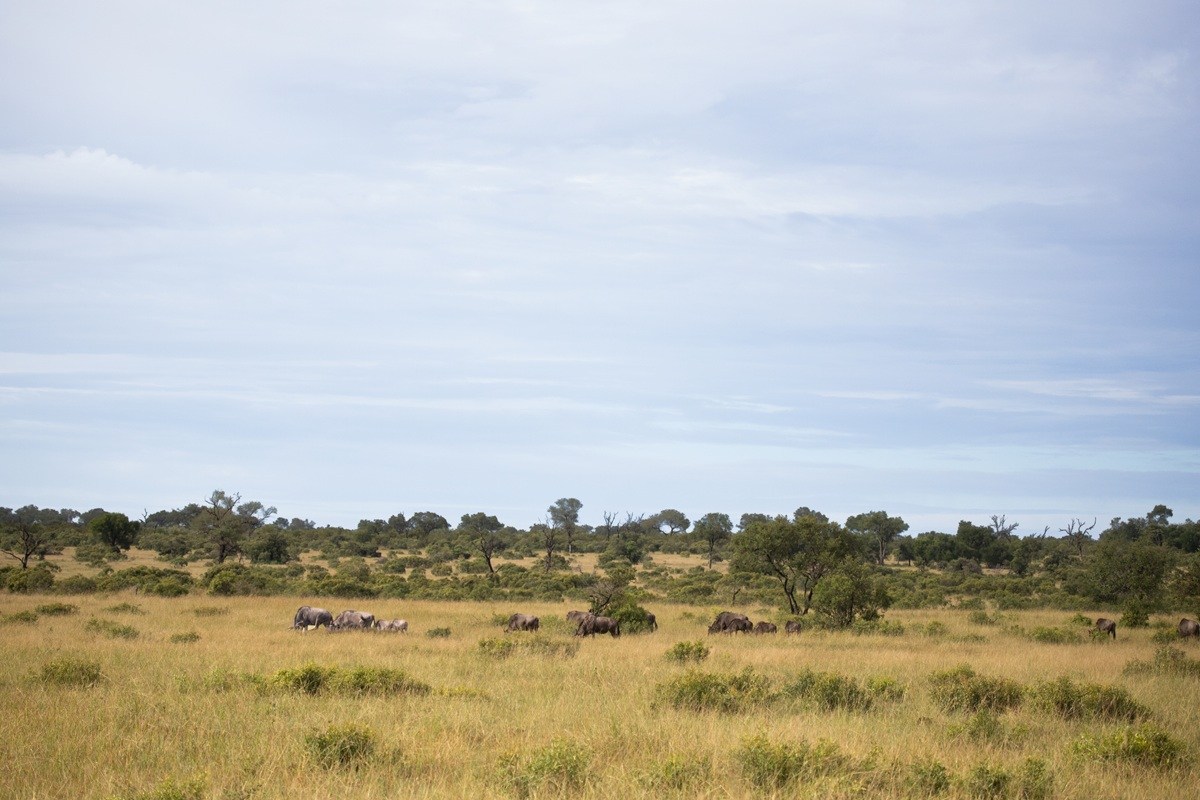
Seeing an elephant up close on safari is awe-inspiring. The sheer size of their bodies, the power in every step, and the detail of their wrinkled skin make them feel enormous. Yet, despite their massive presence, they can seem surprisingly small against the vast expanse of the open plains. This contrast highlights both their grandeur and their place within the larger landscape, reminding us that even the largest land animals are part of a much bigger ecosystem.
Until next time…
Blog by Wendy Claase
Images by Franco Hay, Josh Duffus, Ronald Mutero, Ruan Mey and Viviane Ladner
Videos by Benjamin Loon, Franco Hay and Josh Duffus