
A Week in the Bush Vol. 583
on Feb 25, 2026We have enjoyed plenty of sightings of the young Kurhula female leopard…
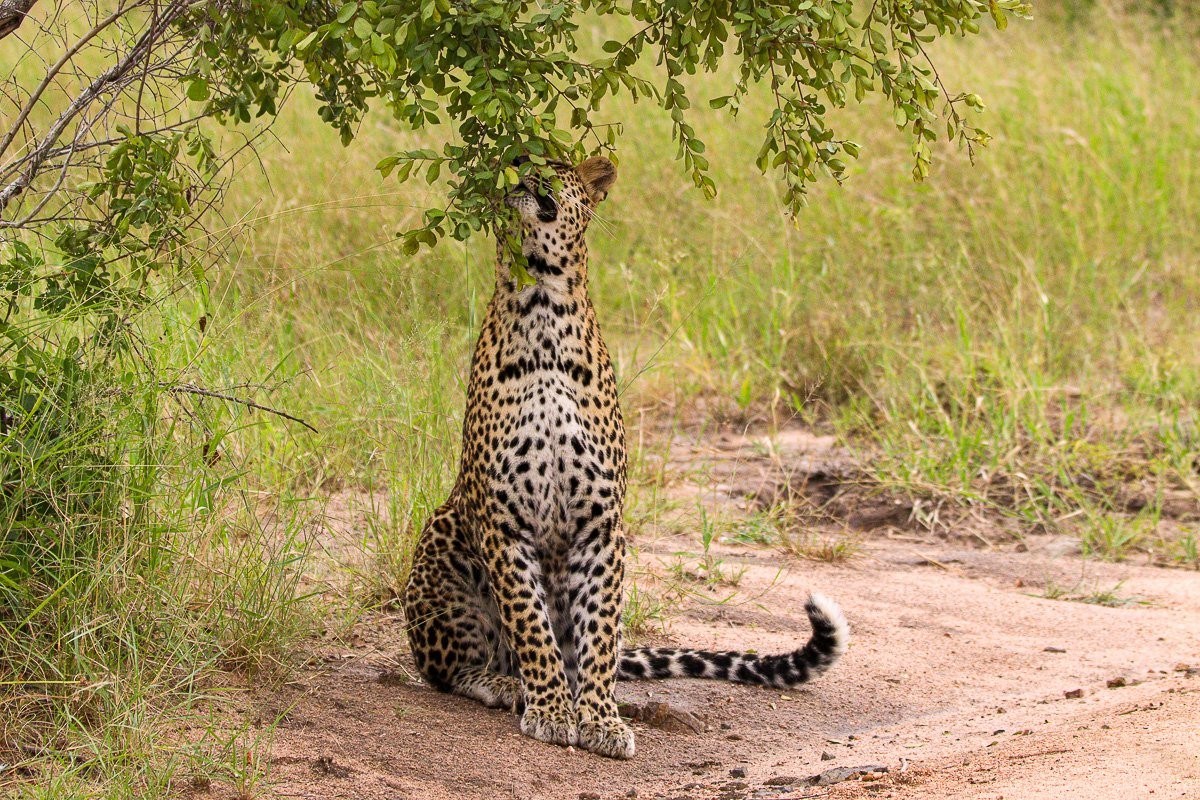
Being a solitary animal, leopards depend on the presence of pheromones throughout their territory to allow olfactory communication and prevent confrontation with other leopards.
After the short burst of rain during the night, the Kurhula female leopard was seen moving along her territorial boundary, refreshing and re-establishing her territory that might have been washed away by the rain. Moving along the road, stopping to urinate on trees and impregnate her paws with her scent, as well as using their Sebaceous glands in their cheeks to transfer the oily secretions onto the bark of trees or amongst the leaves, she marked the north eastern side of the reserve before finding her resting place for the night.
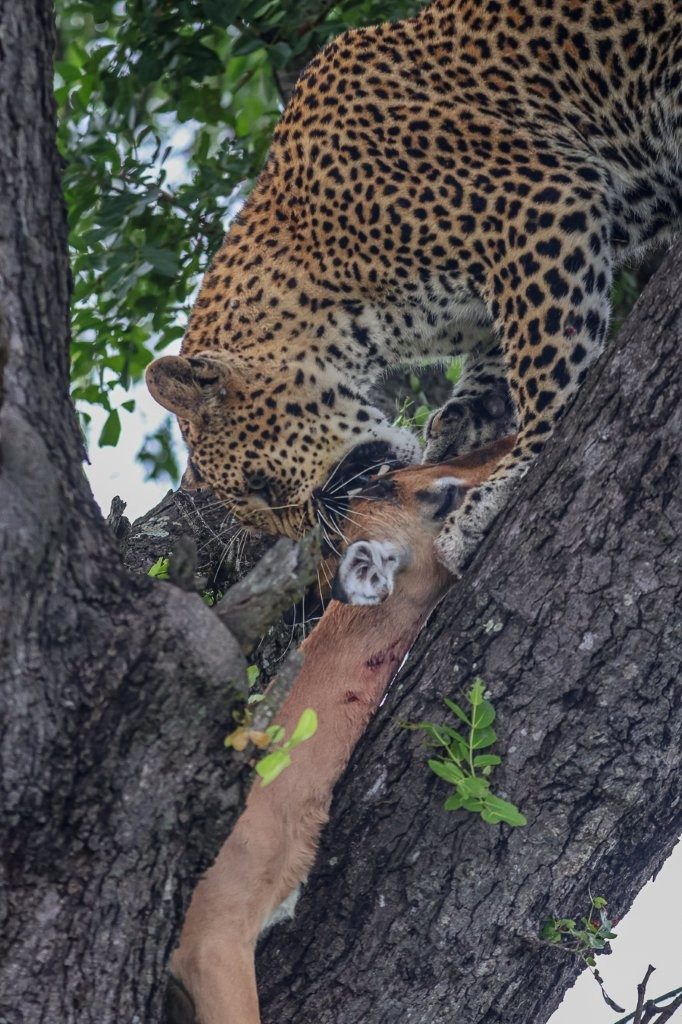
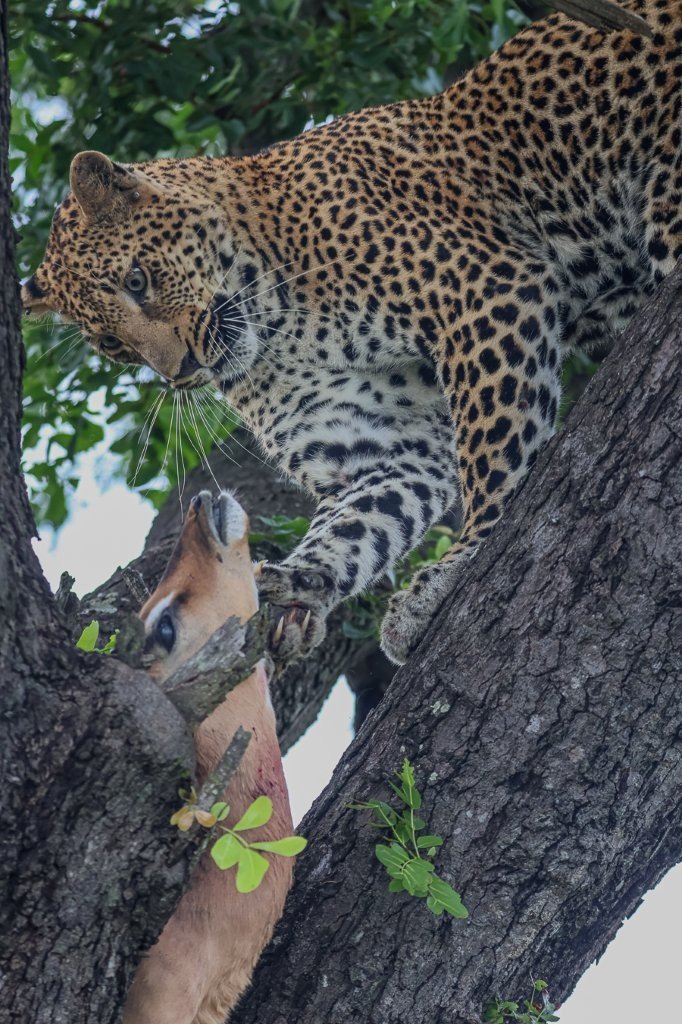
The unmistakable silhouette of a leopard draped over a tree branch caught our attention - the Kurhula female had secured herself a well-earned meal. She had successfully taken down a young impala and, with impressive strength, hoisted it high into the tree for safekeeping.
We sat quietly below as she continued to play with the carcass, still energised from the hunt, tugging at tufts of fur before finally settling down to feed. Although impala lambs are relatively small, they provide a sufficient and sustainable meal - especially for a young female like Kurhula.
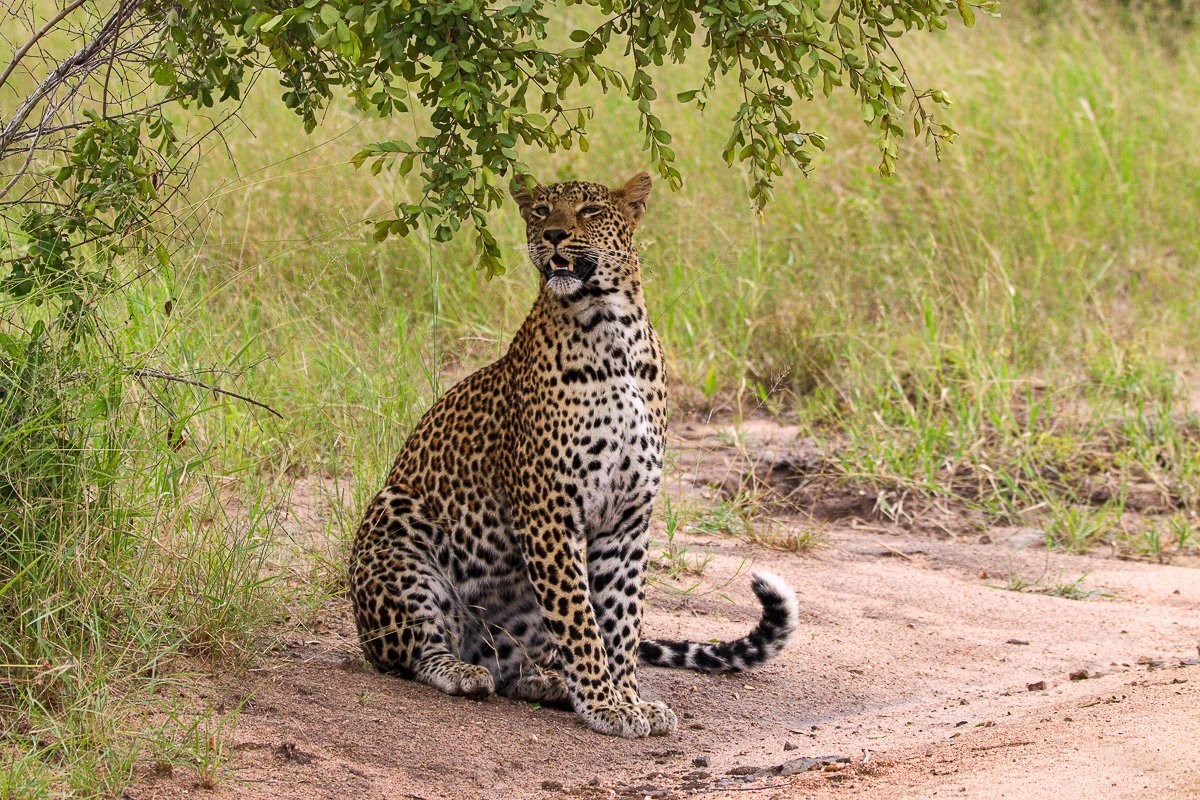
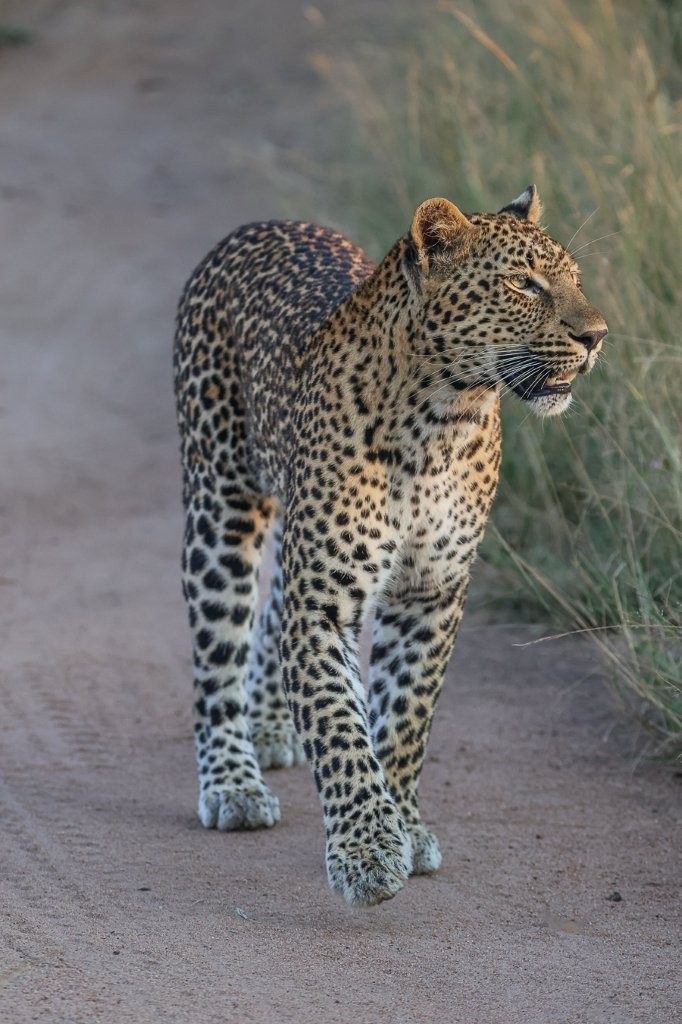
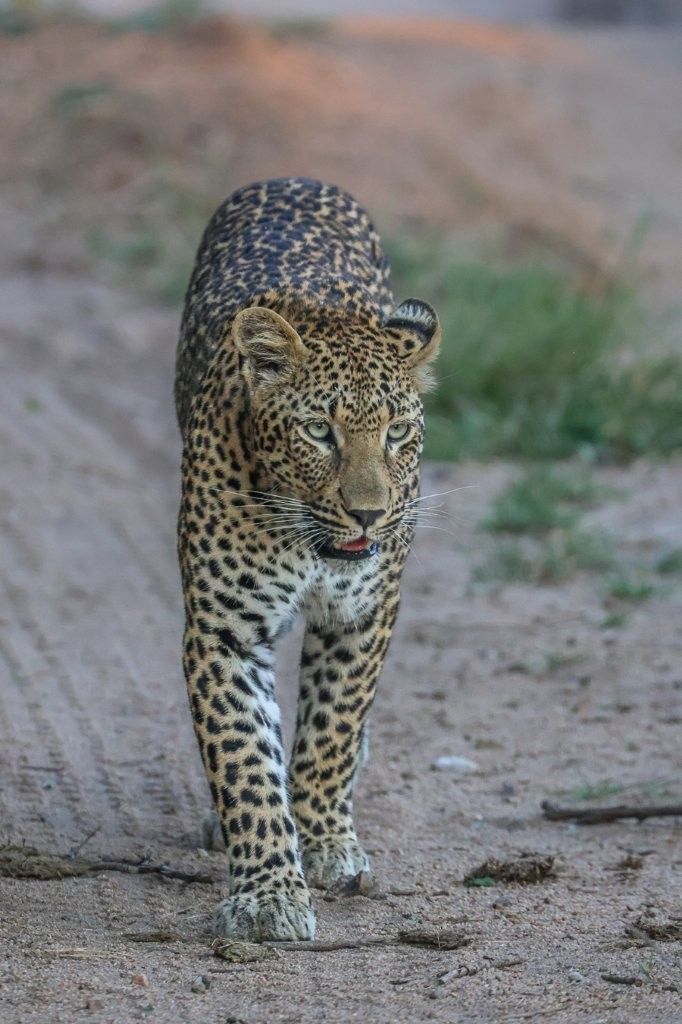
As we drove through the bush in the late afternoon, we were truly spoiled when we came across the Kurhula female moving down the road. She paused every few seconds, carefully testing the air and scanning her surroundings, ensuring no hunting opportunity went unnoticed.
With each passing day, she grows more confident, steadily establishing herself as a formidable presence in the territory she is beginning to claim as her own. Only time will tell whether she will succeed and, perhaps one day, raise cubs of her own in these parts.
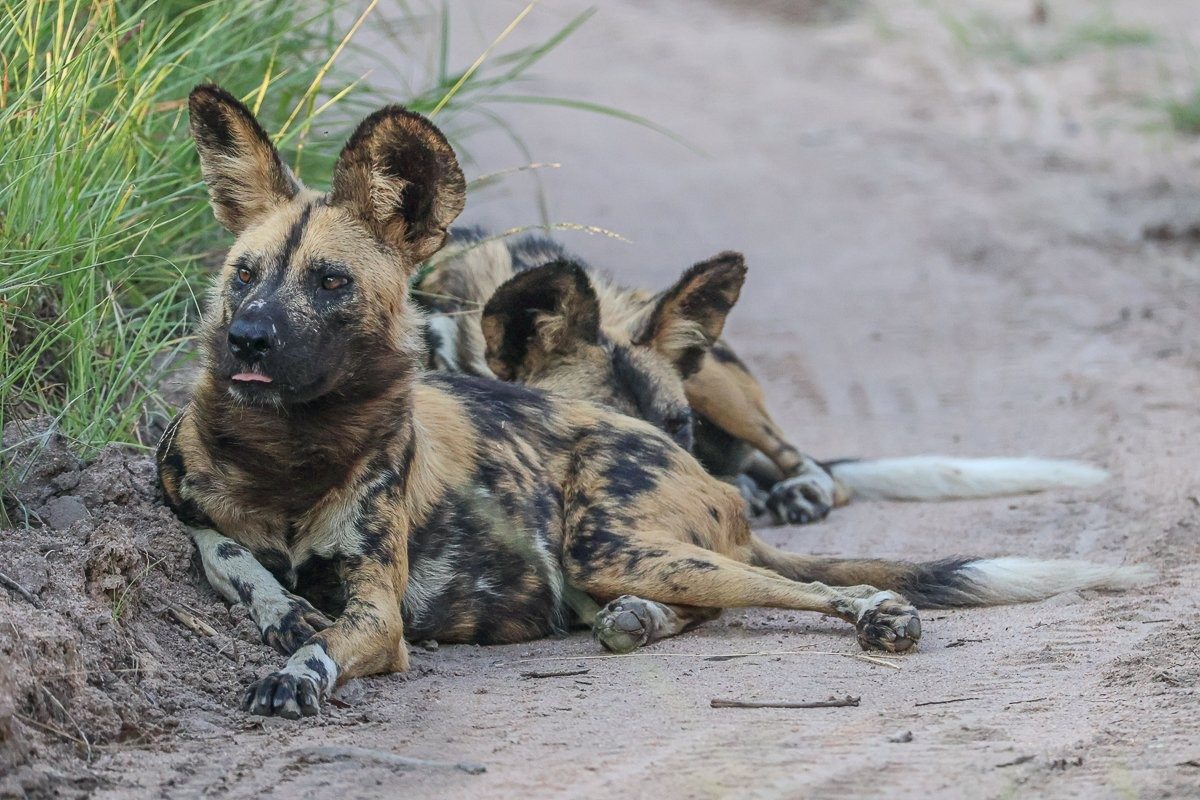
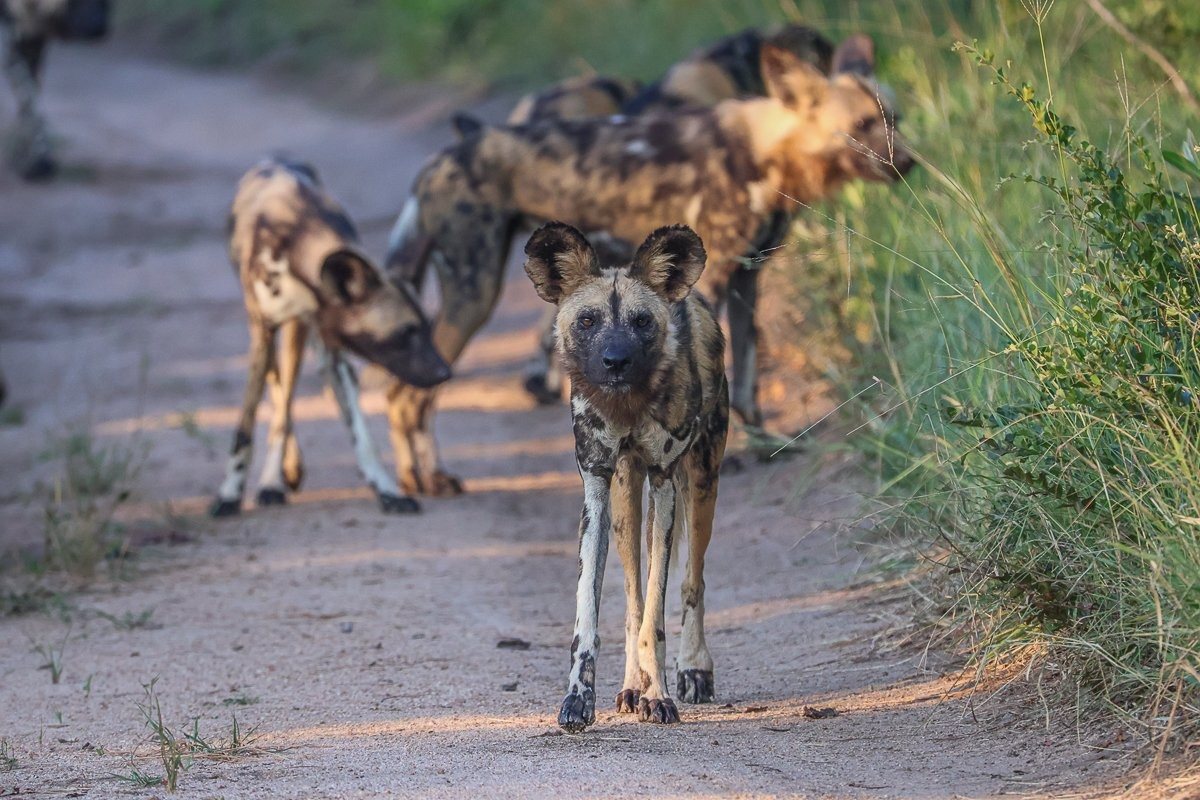
We caught up with a large pack of wild dogs just as they were beginning to get active. One by one, they rose from their resting spots, stretching and scanning the bush for their next hunting opportunity. We followed them through the bush as they moved effortlessly. After two failed attempts at impalas the light was fading and the pack settled down in a small thicket where they will spend their evening before attempting another hunt at daybreak the following day.
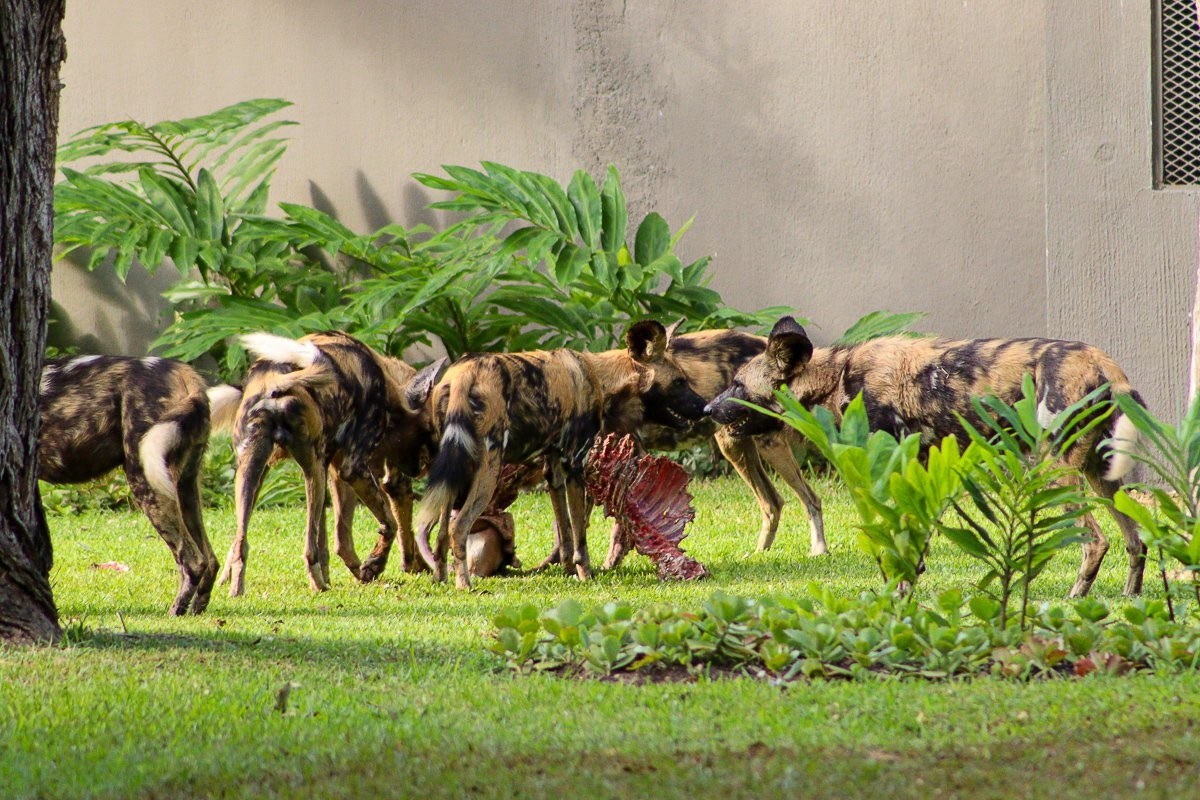
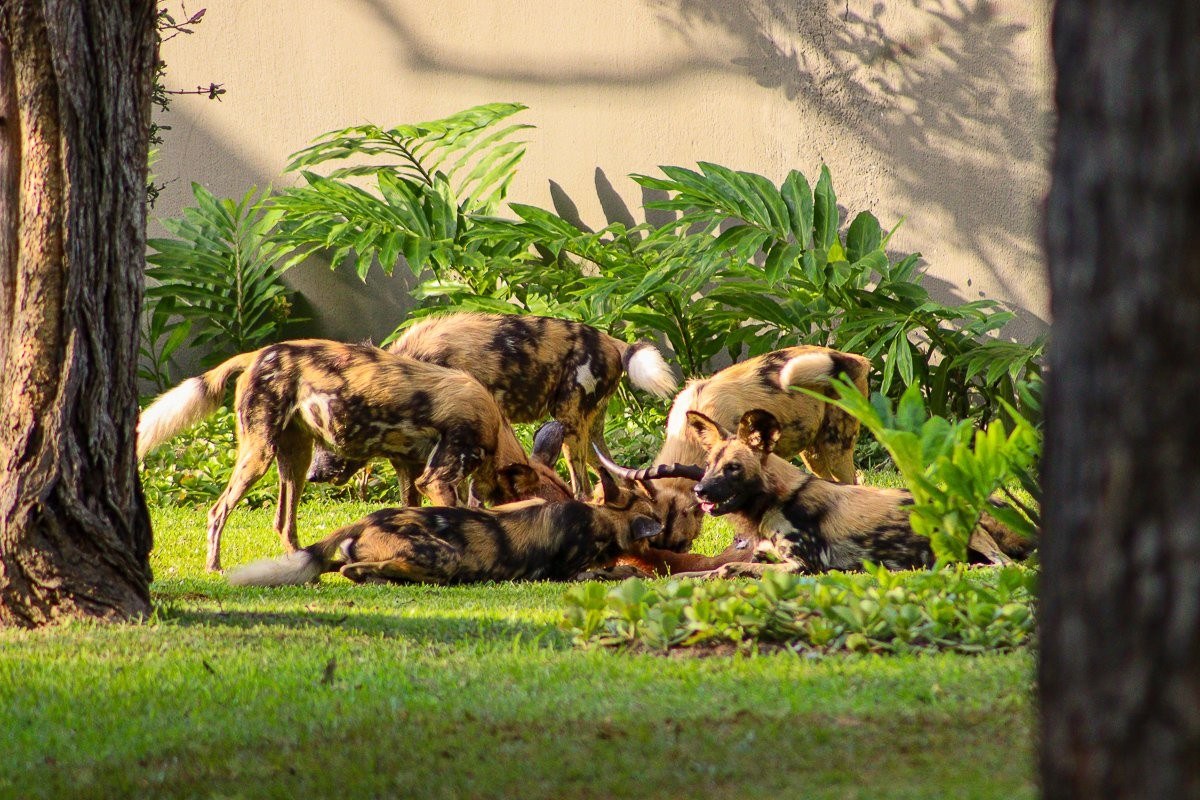
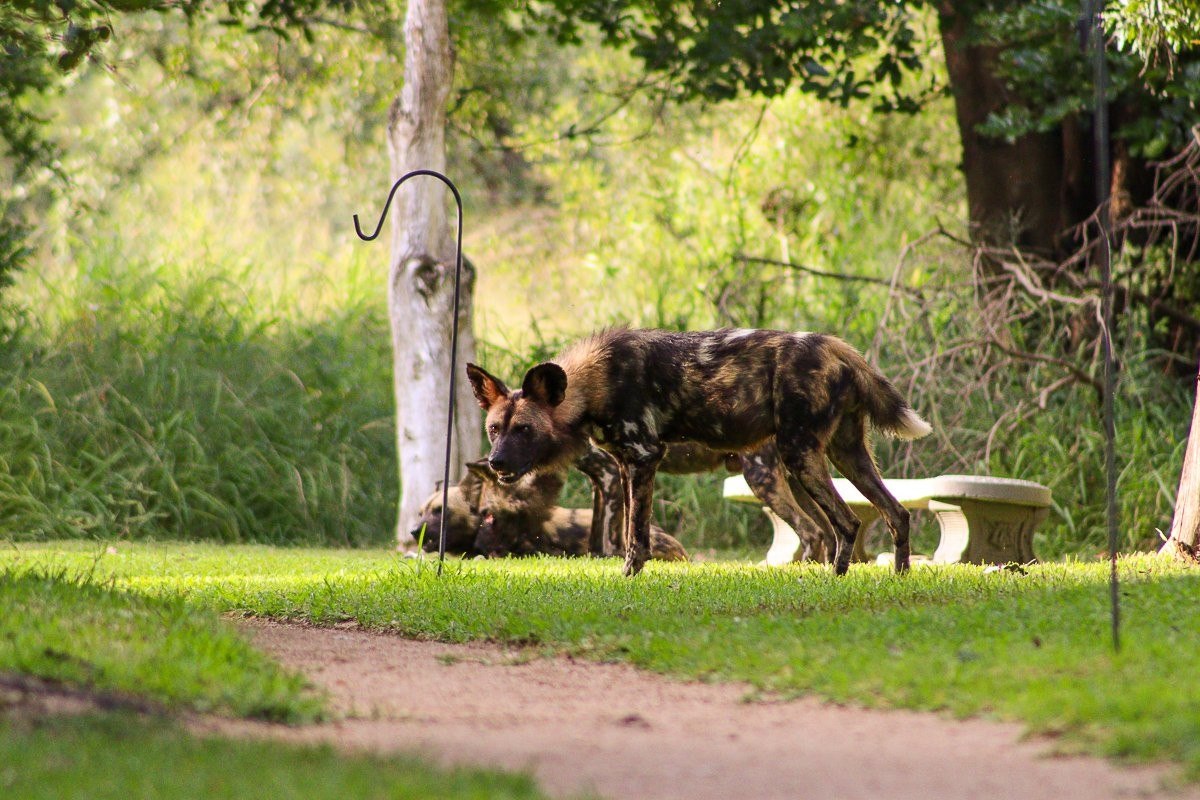
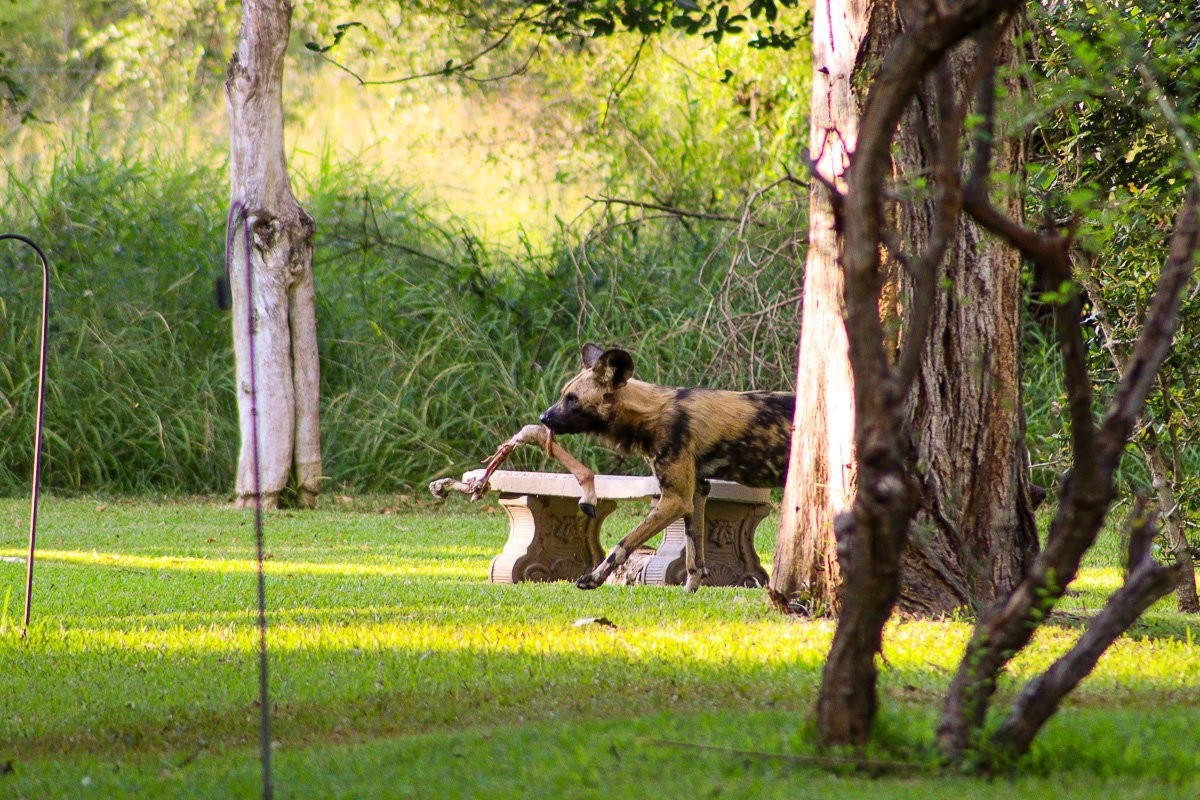
As the sun rose over Selati Camp, the Vervet Monkeys and Squirrels started alarm calling, indicating the possibility of a predator nearby. What we found on the lawn of Selati Camp had us all in disbelief.
A pack of at least ten wild dogs had chased and brought down an impala ram right into the lodge grounds, feeding on it just outside Suite 4. Guests and staff gathered quietly in the main lodge area, watching in awe as the pack fed for over an hour, before responding to distant calls of more wild dogs.
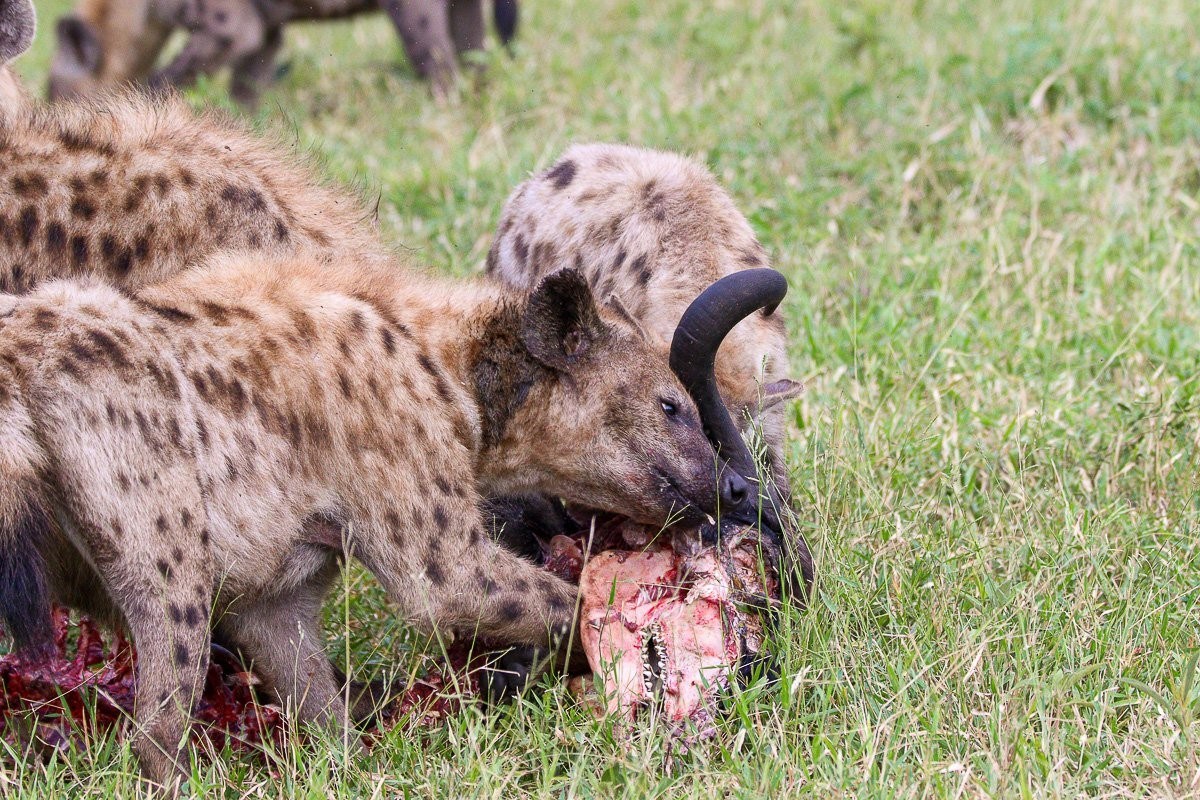
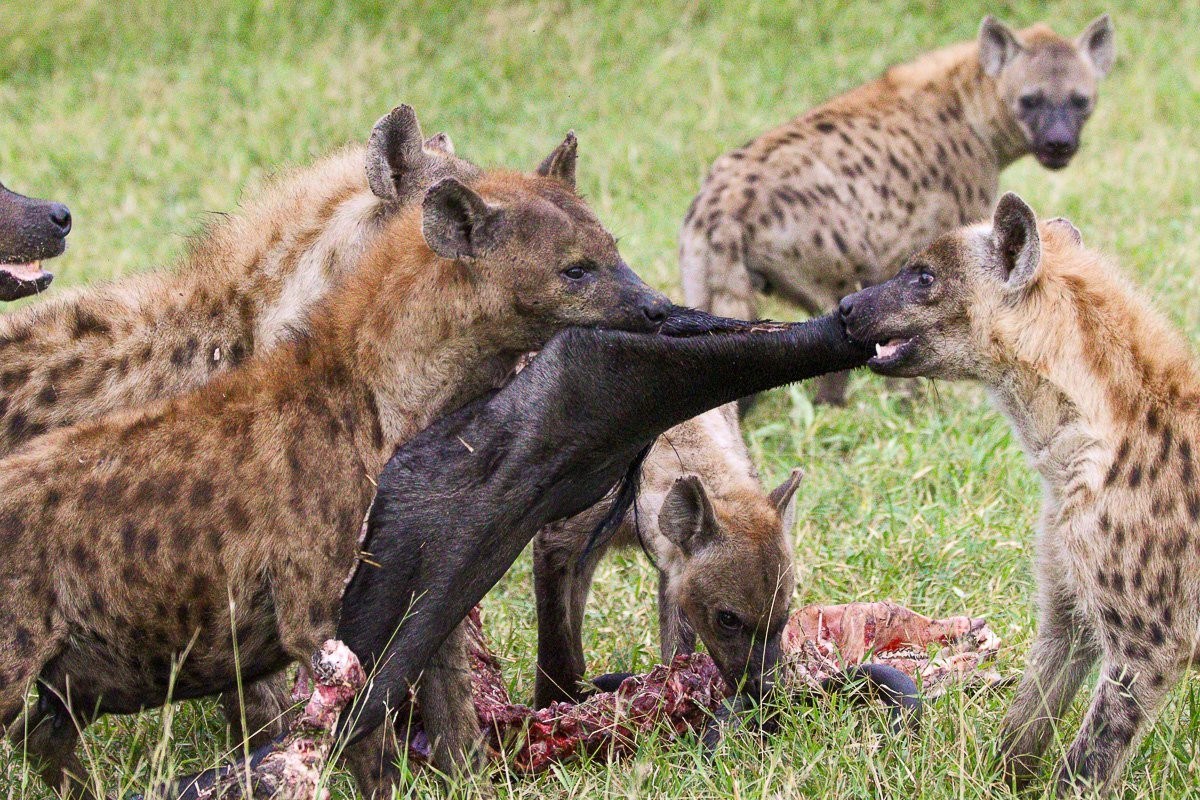
The distant calls of hyenas and the low growls of lions got the attention of our safari team. As they set out for the morning safari, they came across a pride of lions fighting with a clan of hyenas over what was left of a wildebeest that they killed the night before.
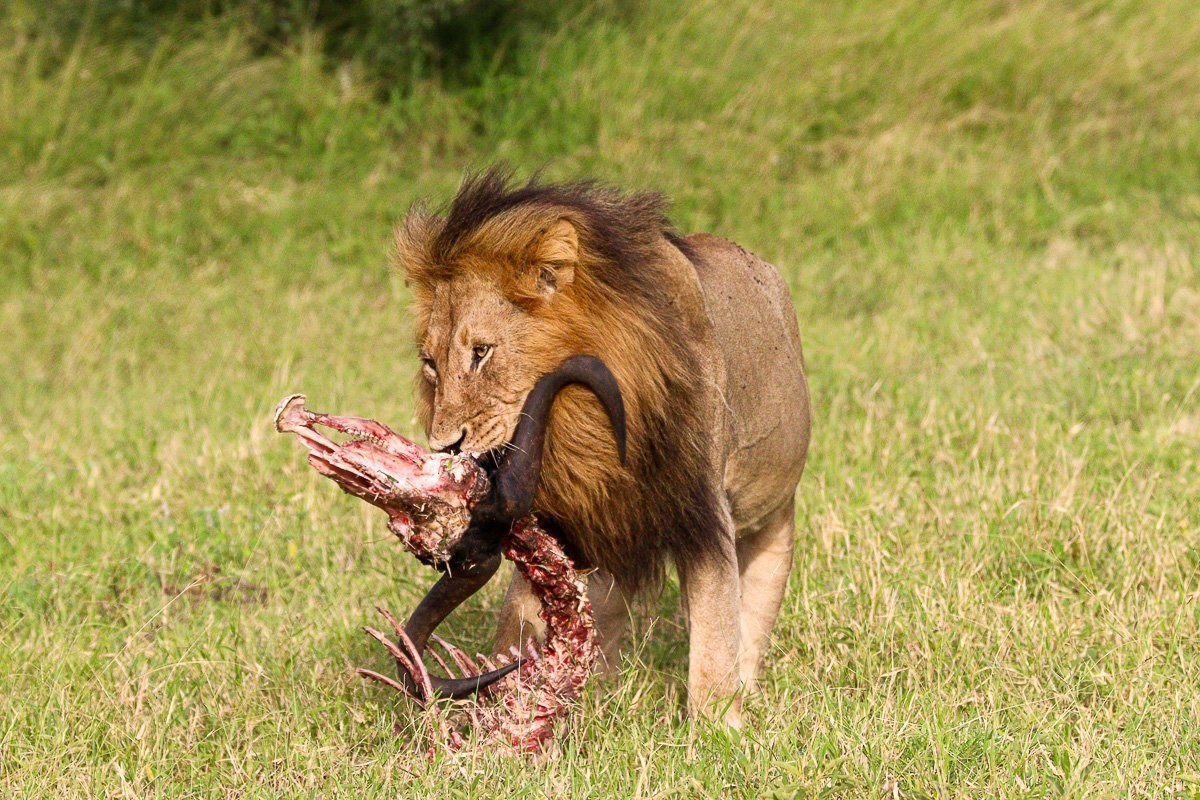
These calls not only alerted us of the kill but also attracted the Gijima males. Soon after the pride moved off from the kill, a Gijima male emerged from trees, stalking the hyenas before running towards the kill and successfully stealing it.
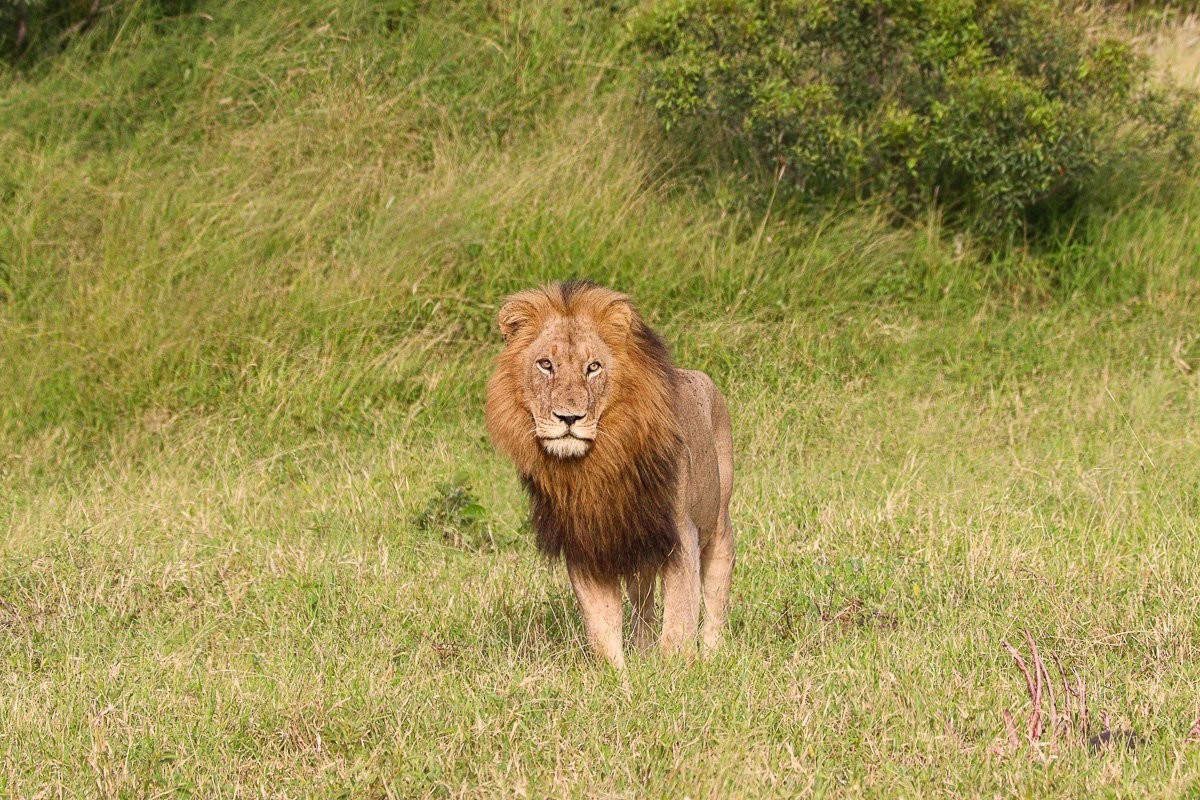
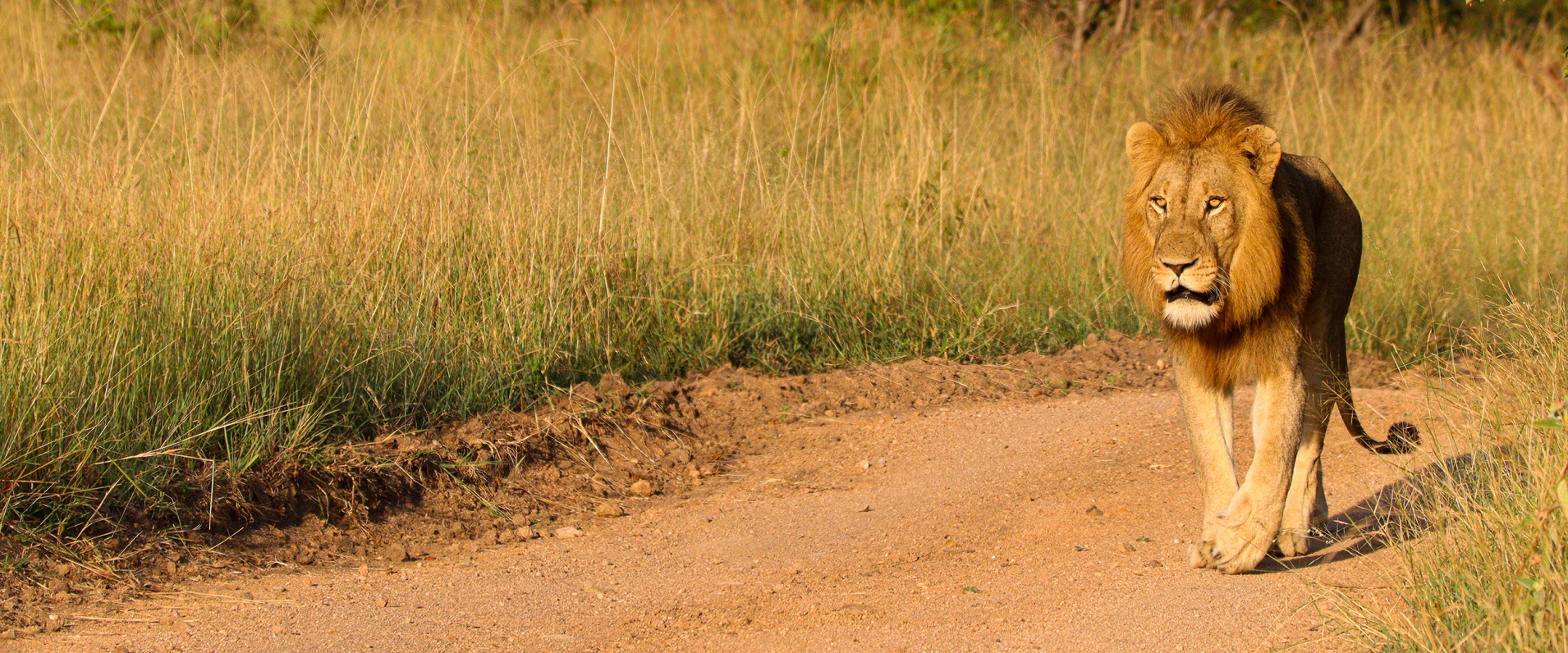
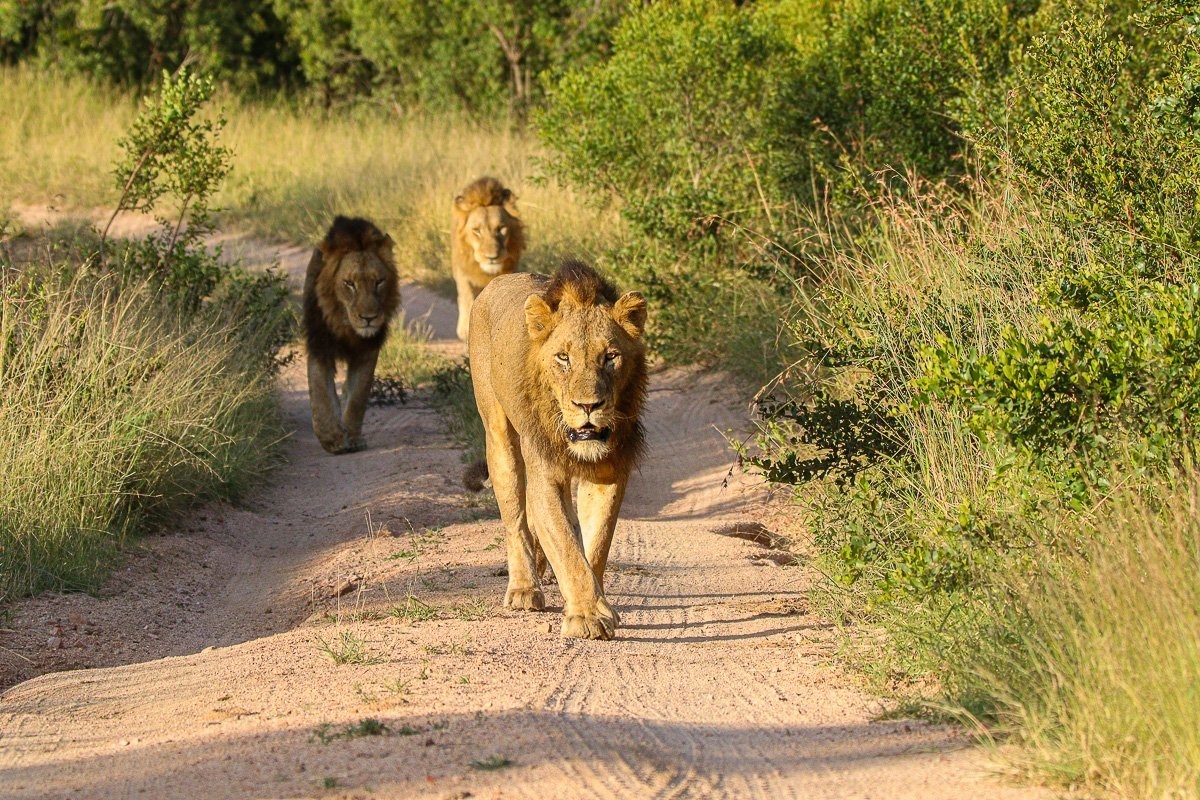
Shortly after departing Earth Lodge on our morning safari, we picked up fresh tracks of male lions heading east into the reserve. Following the signs, we tracked them for a short while before finding four magnificent males resting in the open alongside a lioness, soaking up the early morning sun.
One of the males had separated from his coalition brothers and was mating with the lioness, while the remaining three watched closely, waiting for their opportunity. Within any male coalition, the hierarchy is clearly defined, and in moments like these, the dominant male makes certain that his rank - and his rights - are unmistakably understood.
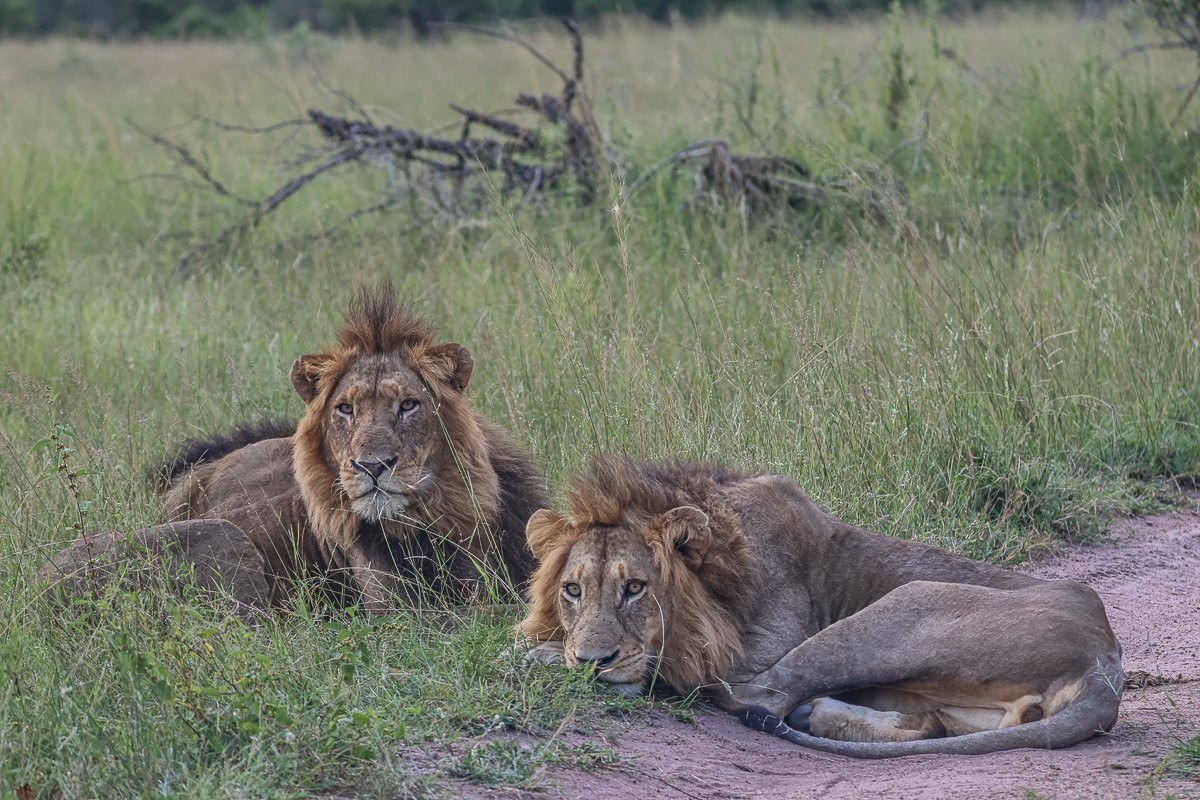
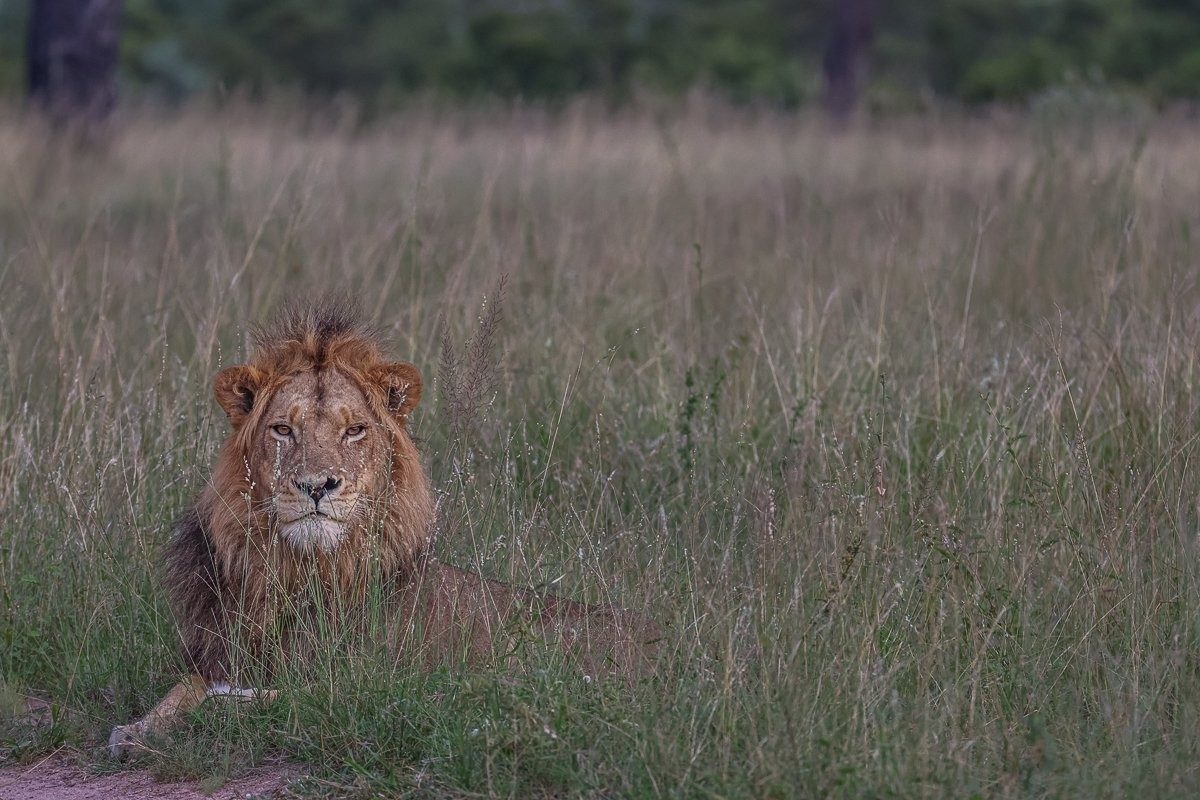
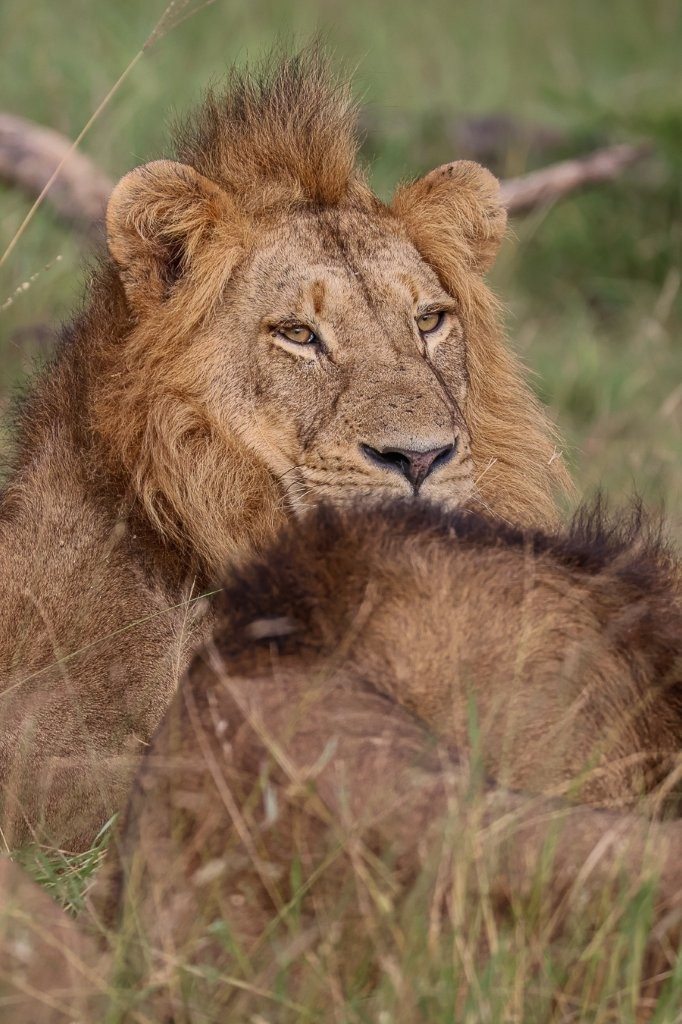
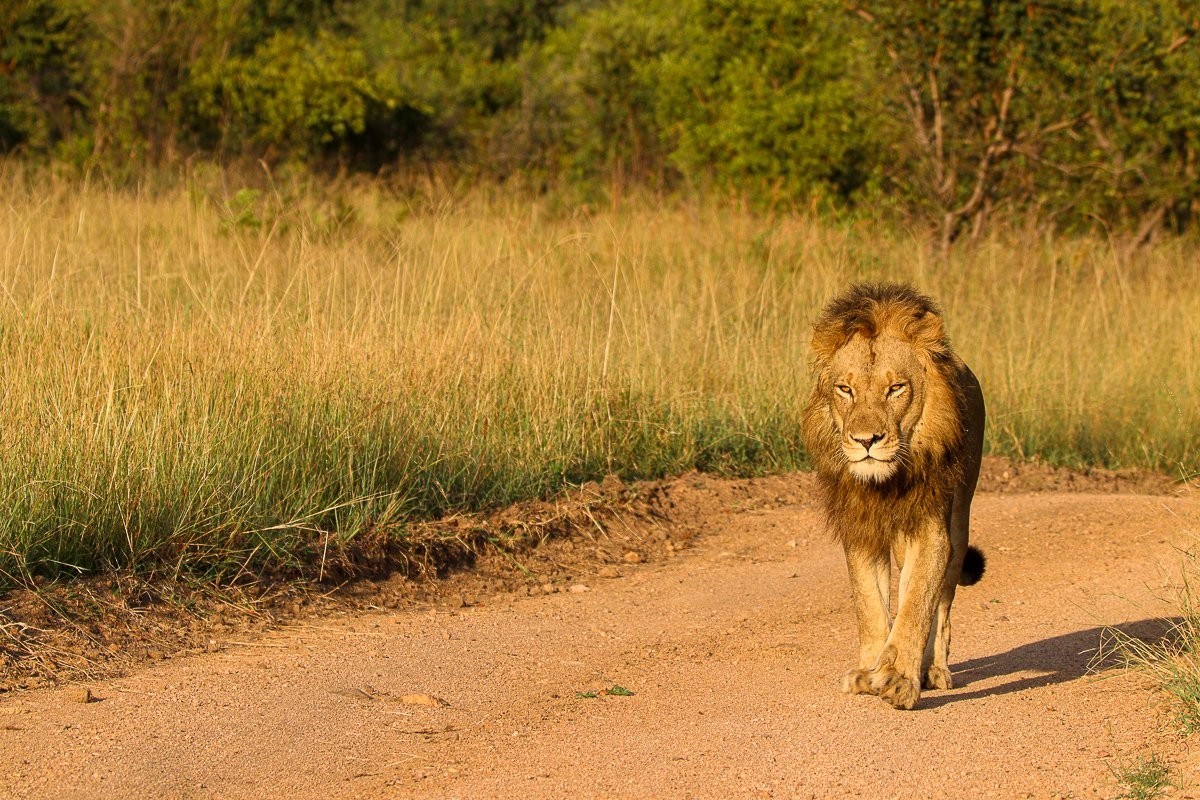
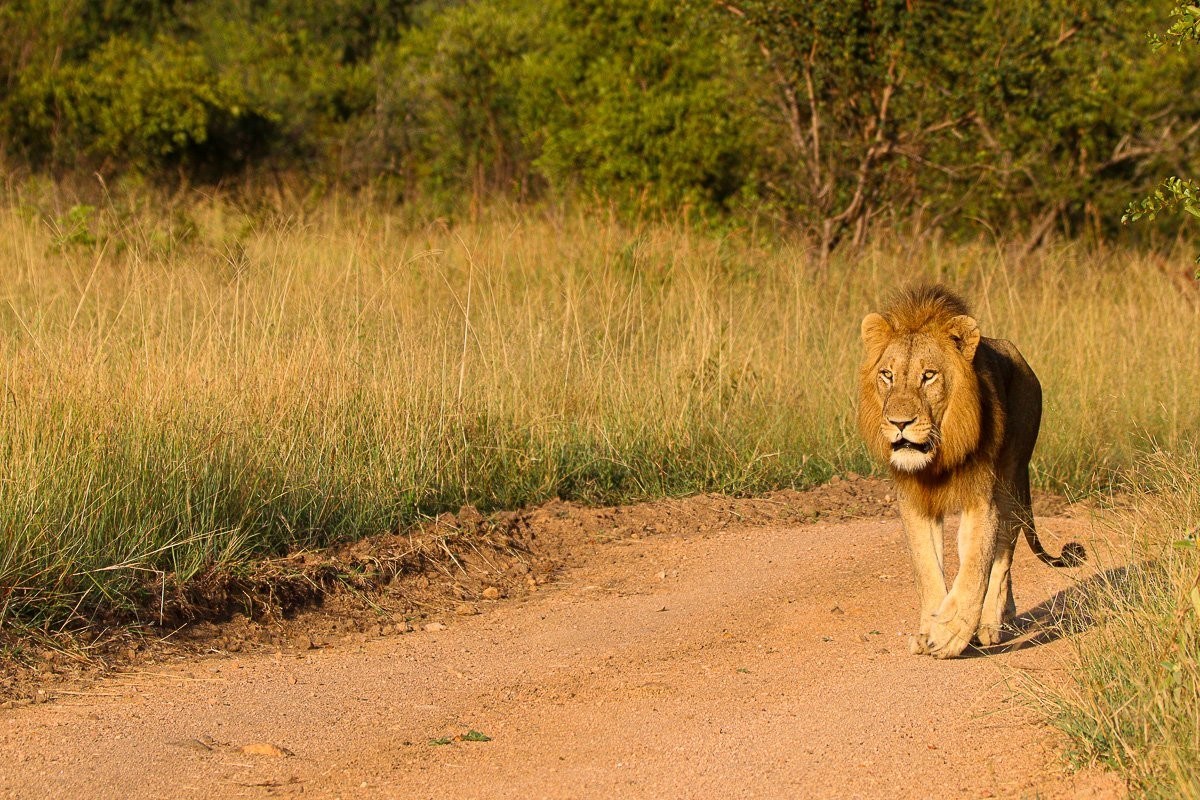
After sleeping the day away, we set out during the morning safari to find the four N’waswishaka males. Their tracks were all over the reserve, disappearing through riverbeds and open fields, but luck was on our side. As the tracks became fresher, we spotted movement in the distance. Between the lush green bush the males started emerging, walking past our vehicles and using the roads to find their next resting place in the cool Msuthlu riverbed near Selati Camp.
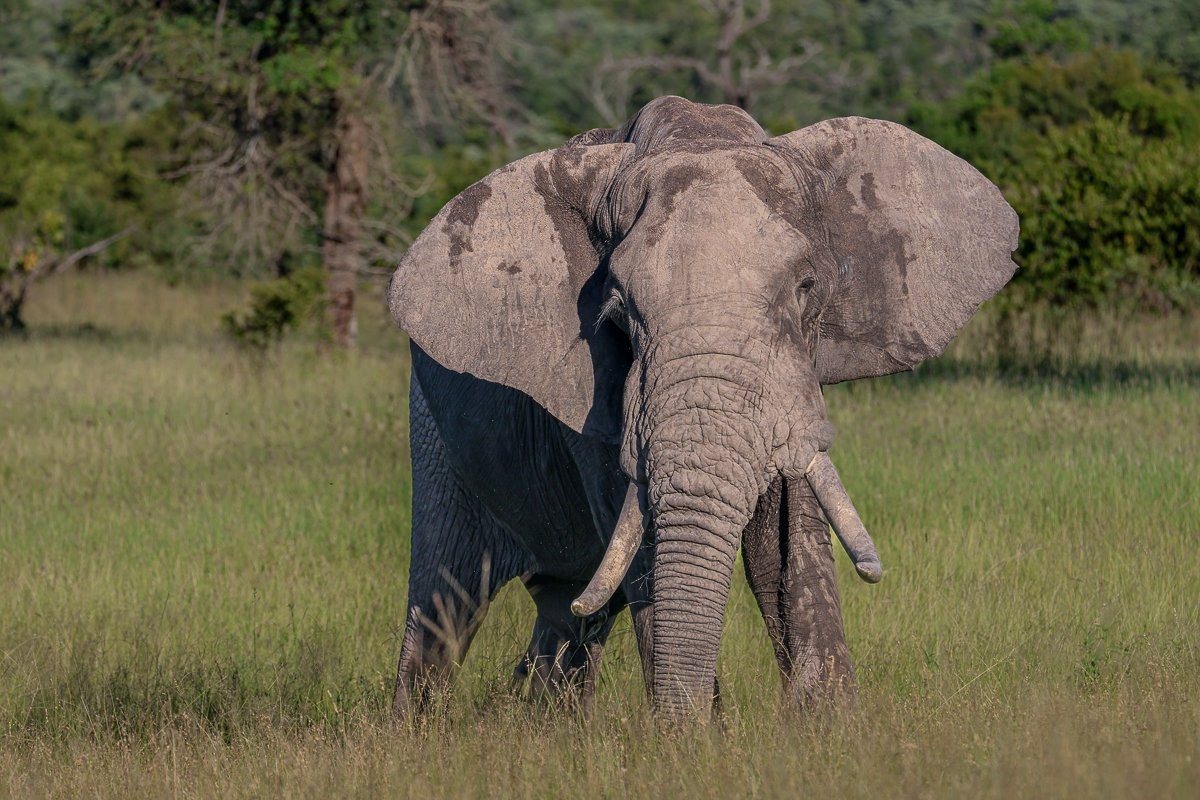
A massive bull elephant strides confidently across the open plain, using his size and outstretched ears to regulate body temperature by dissipating heat. By moving through open areas, he gains clear access to grazing areas and water sources while keeping a vigilant eye on his surroundings. Dominant bulls often travel alone, navigating well-established seasonal routes as they track shifting resources and assert their independence across the landscape.
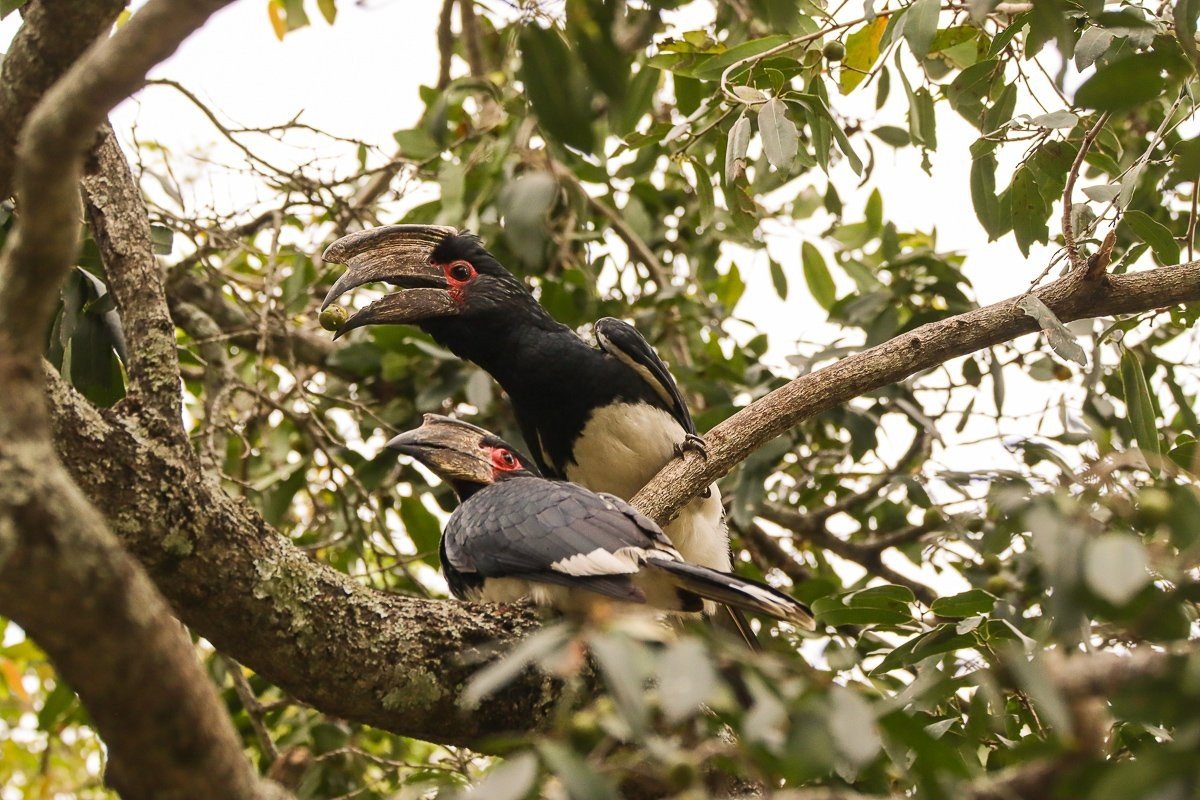
In the early morning hours, the Trumpeter Hornbill breeding pair flew from tree to tree with the male searching for small fruits to feed his female. Although little is known about their breeding, it is believed that they are solitary nesters, living and defending their small territories where-in they will nest and lay 2-4 eggs between September and January. These eggs will be incubated by the female and fed by the male once they have hatched.
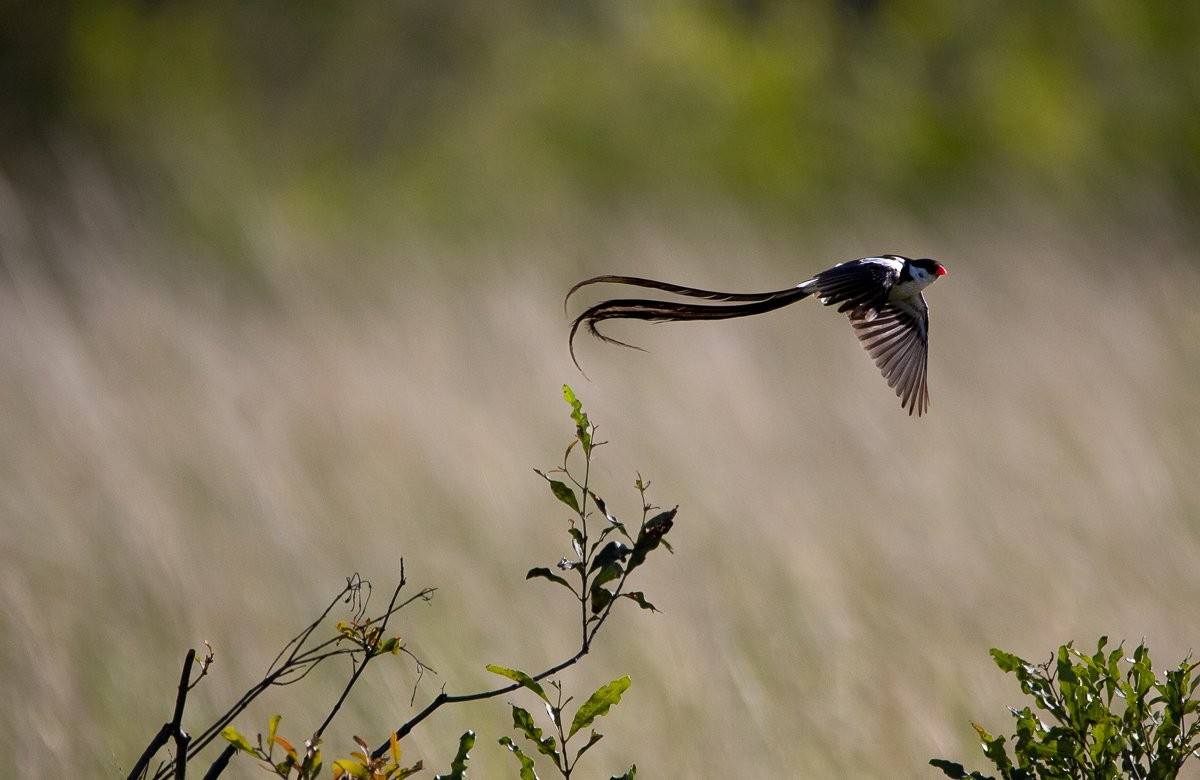
As the end of summer draws near, many beautiful birds are still lingering, making the most of the lush, wet conditions. Among them is the striking Pin-tailed Whydah. During the breeding season, the males are unmistakable, adorned with extraordinarily long, flowing tail feathers used to attract females. Highly territorial at this time of year, they establish and defend small territories, often close to waterholes, where their elaborate displays can be seen to full effect.
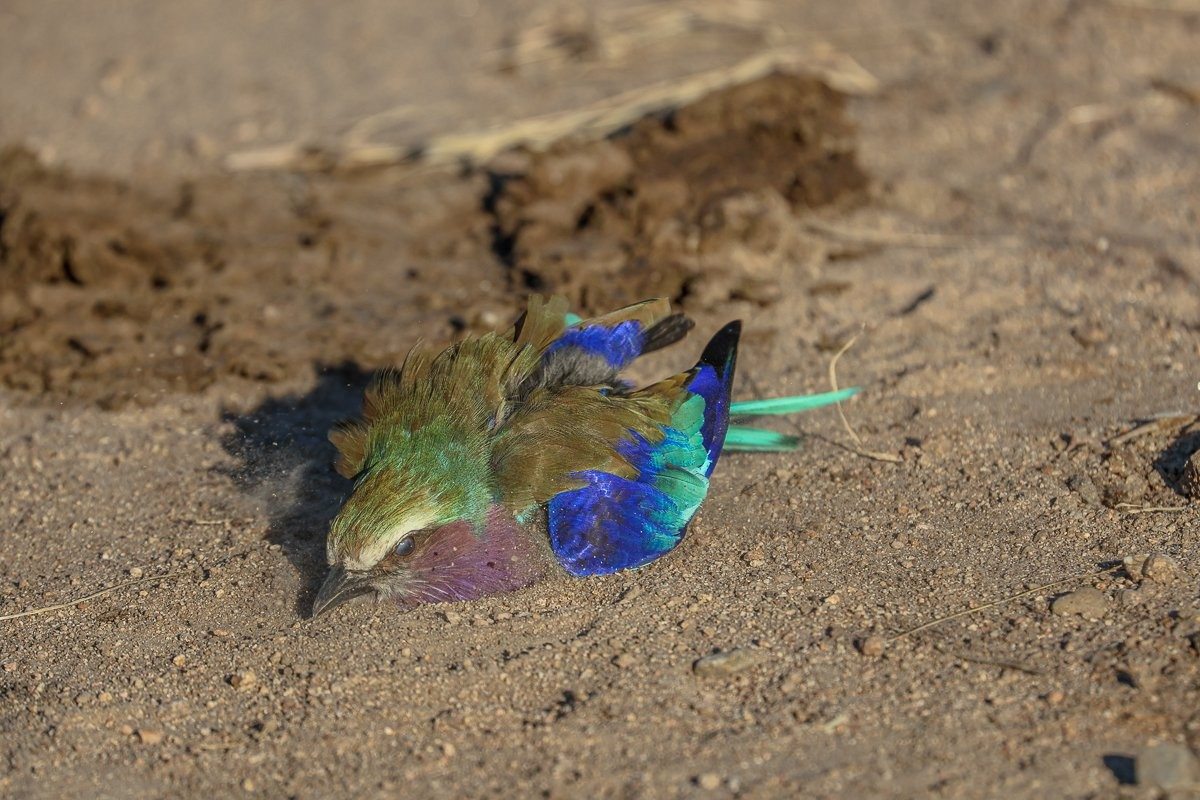
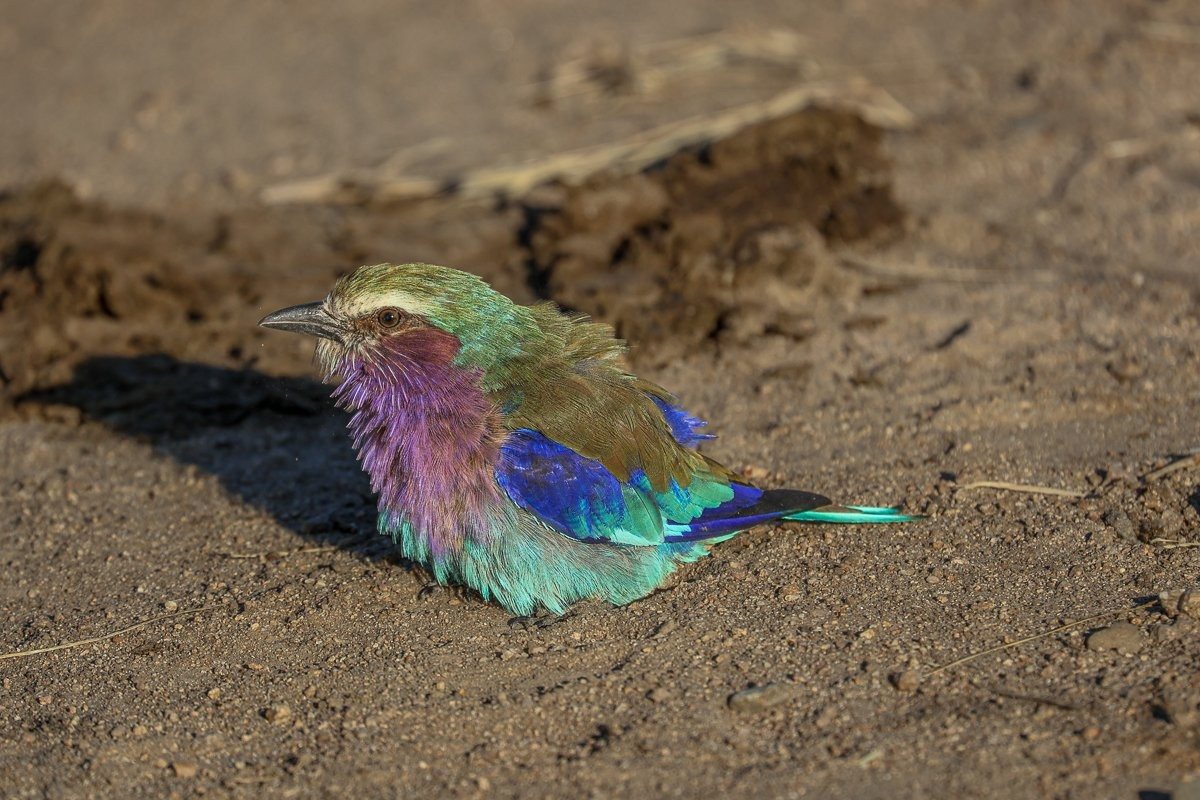
In the late afternoon light, this Lilac-breasted roller takes a dust bath to help remove parasites and keep its feathers in good condition. This behaviour also aids in thermoregulation, allowing the bird to cool down after a hot day before becoming more active during the cooler early evening hours.
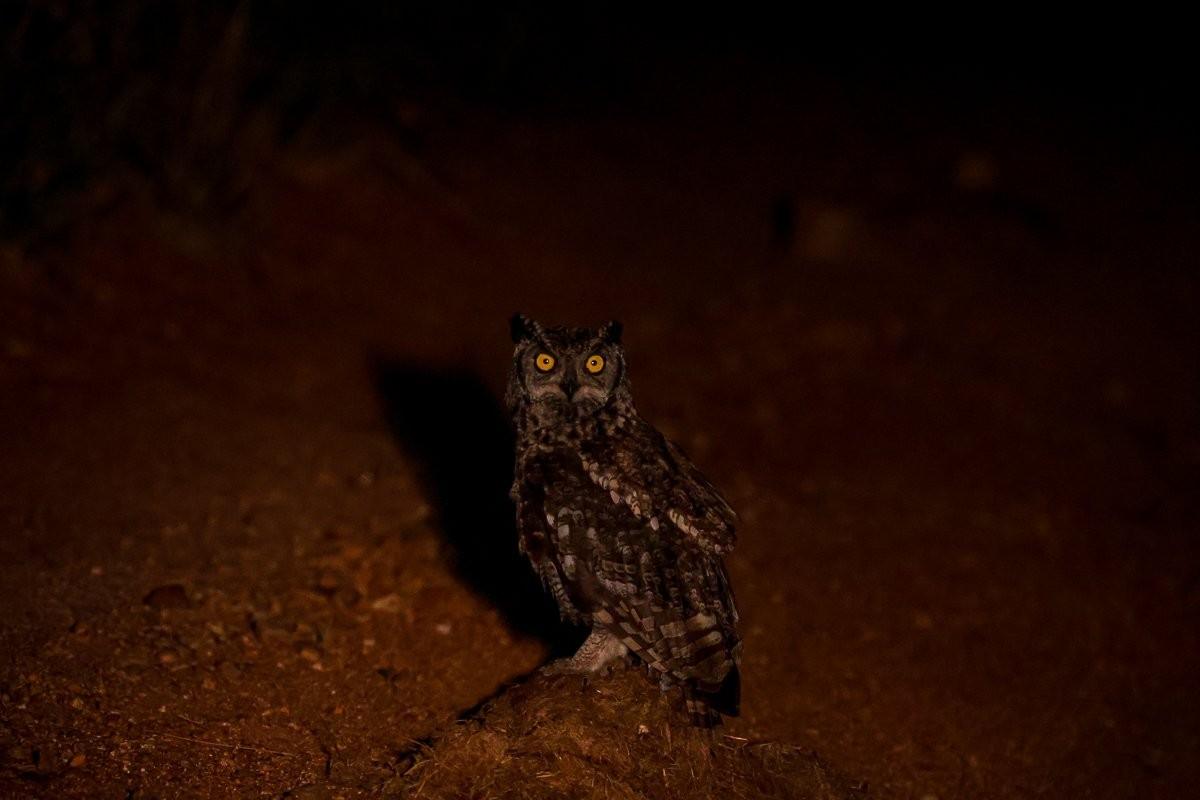
As we made our way back to Earth Lodge, we were treated to a remarkable sight – a Spotted Eagle-owl sitting in the road, patiently waiting for its next meal to appear. At this time of year, when the vegetation is thick and lush, hunting becomes more challenging for these owls. The tall grass provides excellent cover for rodents, making them difficult to spot. To overcome this, the owls cleverly take advantage of the open road, where visibility is much better. They wait quietly for unsuspecting prey to cross, then swoop down with precision for the kill.
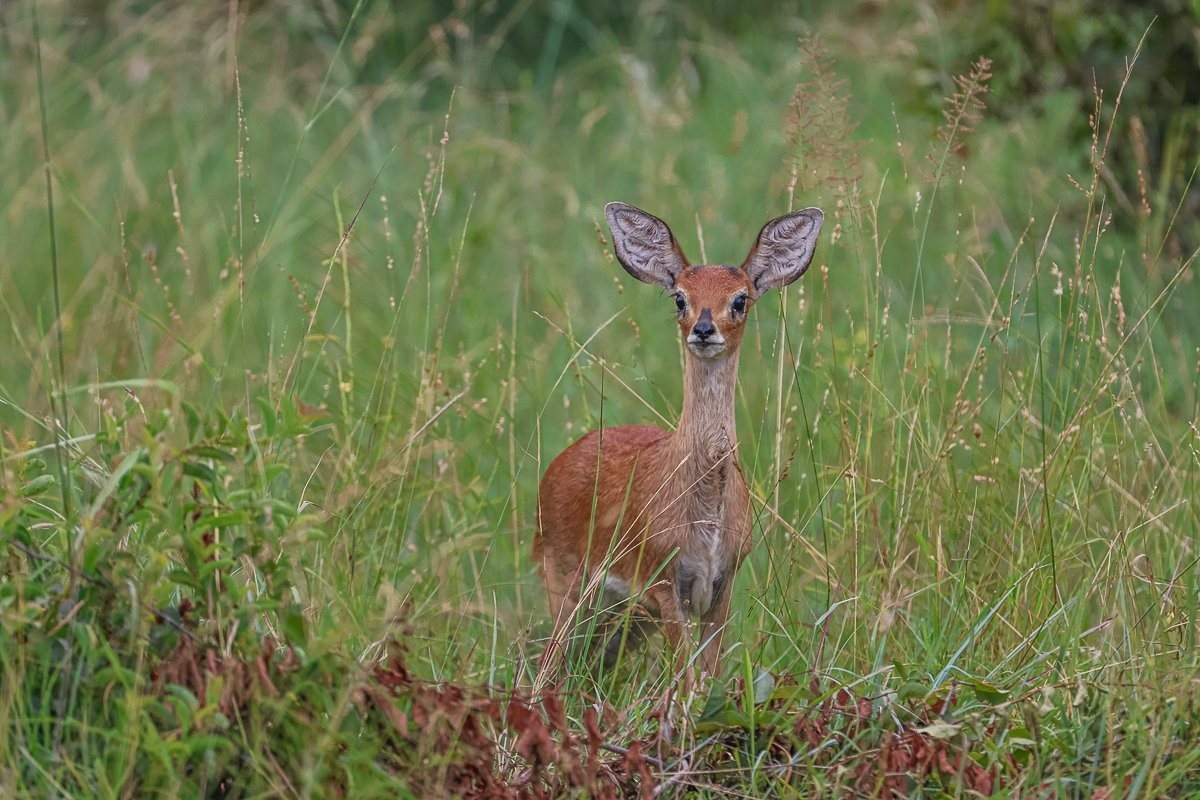
A female steenbok stands alert on the open plains, relying on her keen senses and camouflage rather than speed alone. These small antelope are usually solitary and prefer open areas where they can spot danger early. By remaining still and watchful, she blends into the landscape, ready to dart for cover at the first sign of a threat.
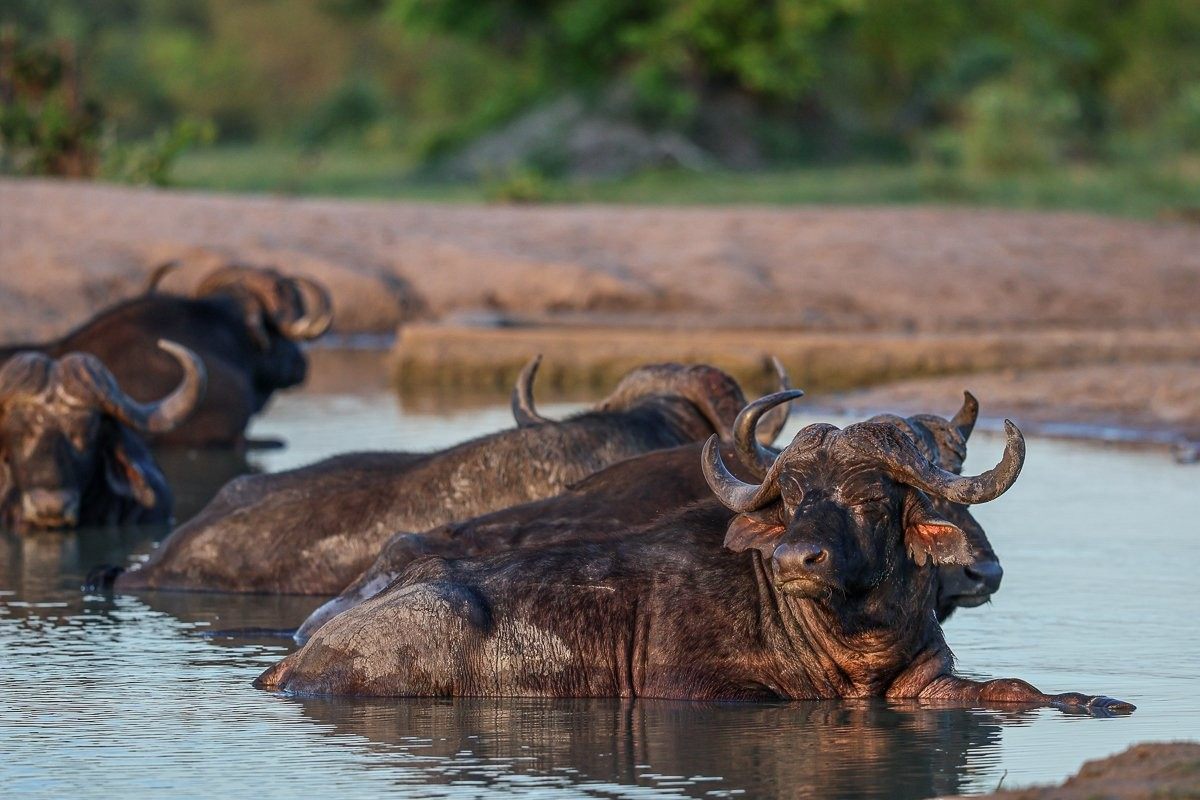
We decided to move between waterholes in the late afternoon, as many animals typically come to drink after a hot day. At one waterhole, we encountered a group of buffalo bulls cooling off in the water, their large, dark bodies soaking to lower their temperature. Because they absorb a significant amount of heat, buffaloes often rely on mud wallows or dams to help them stay cool.
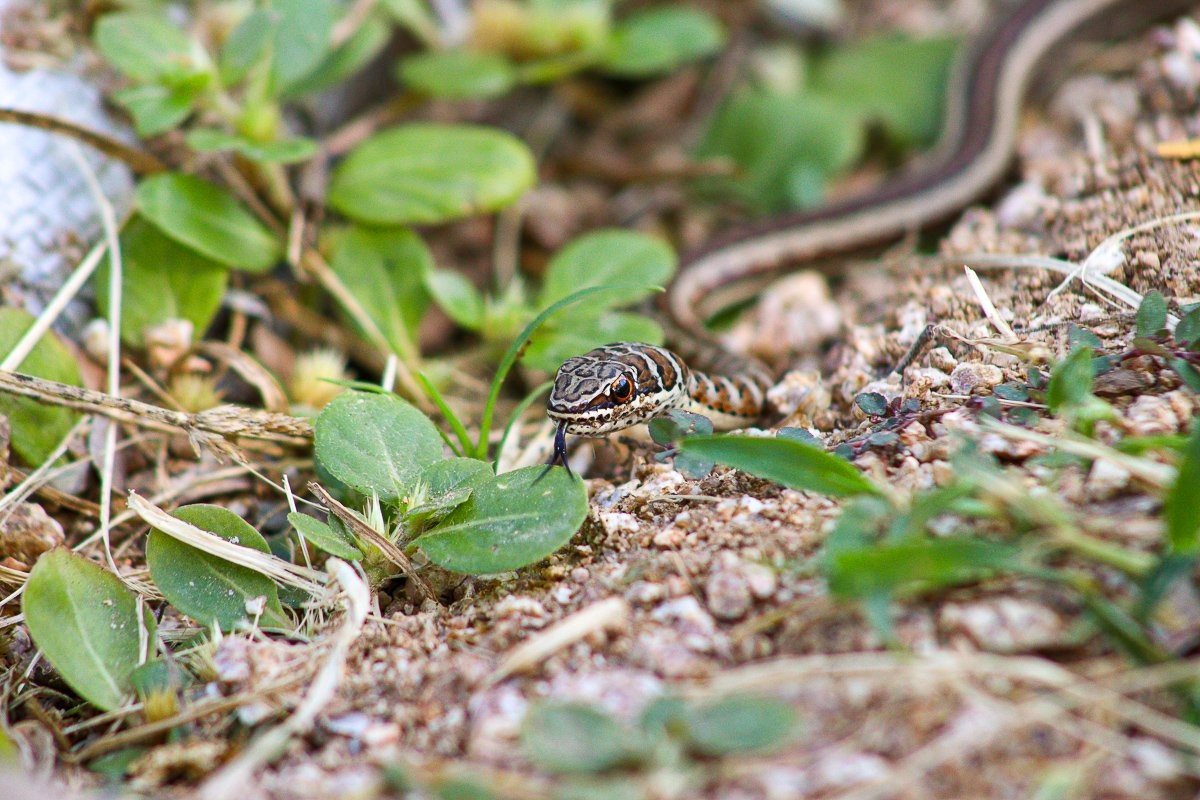
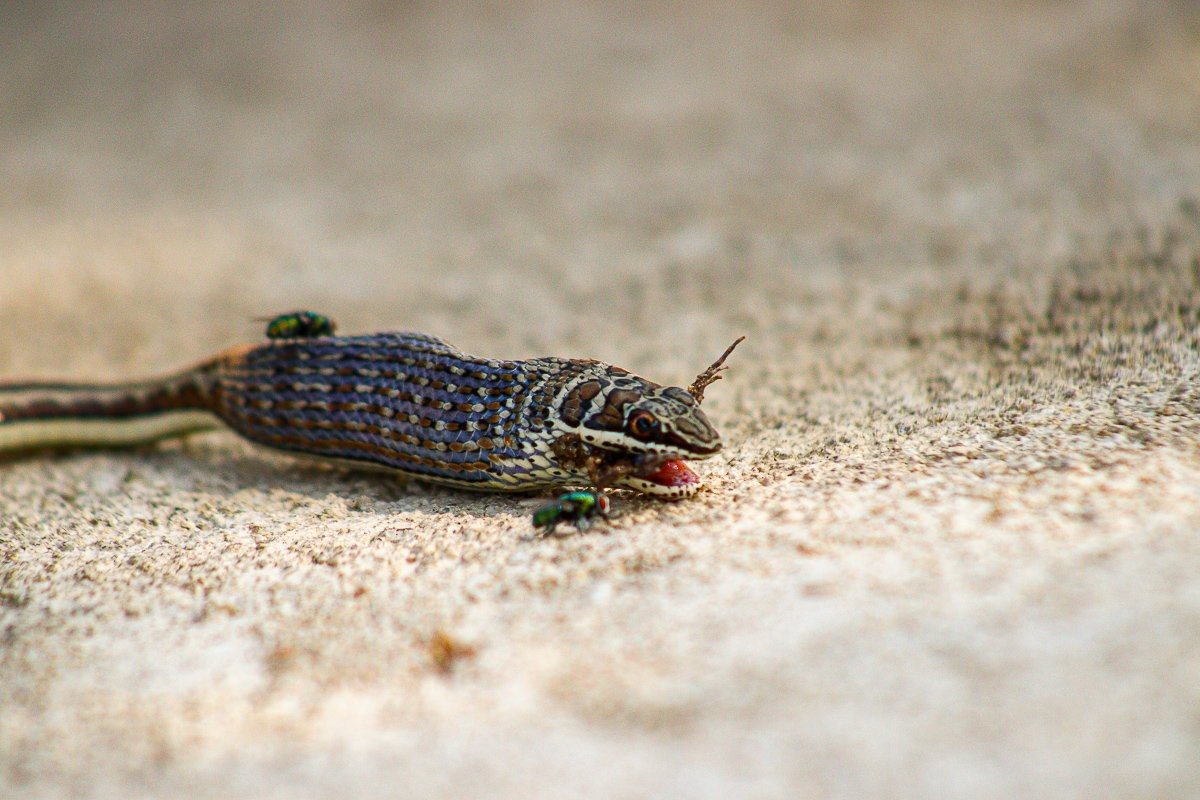
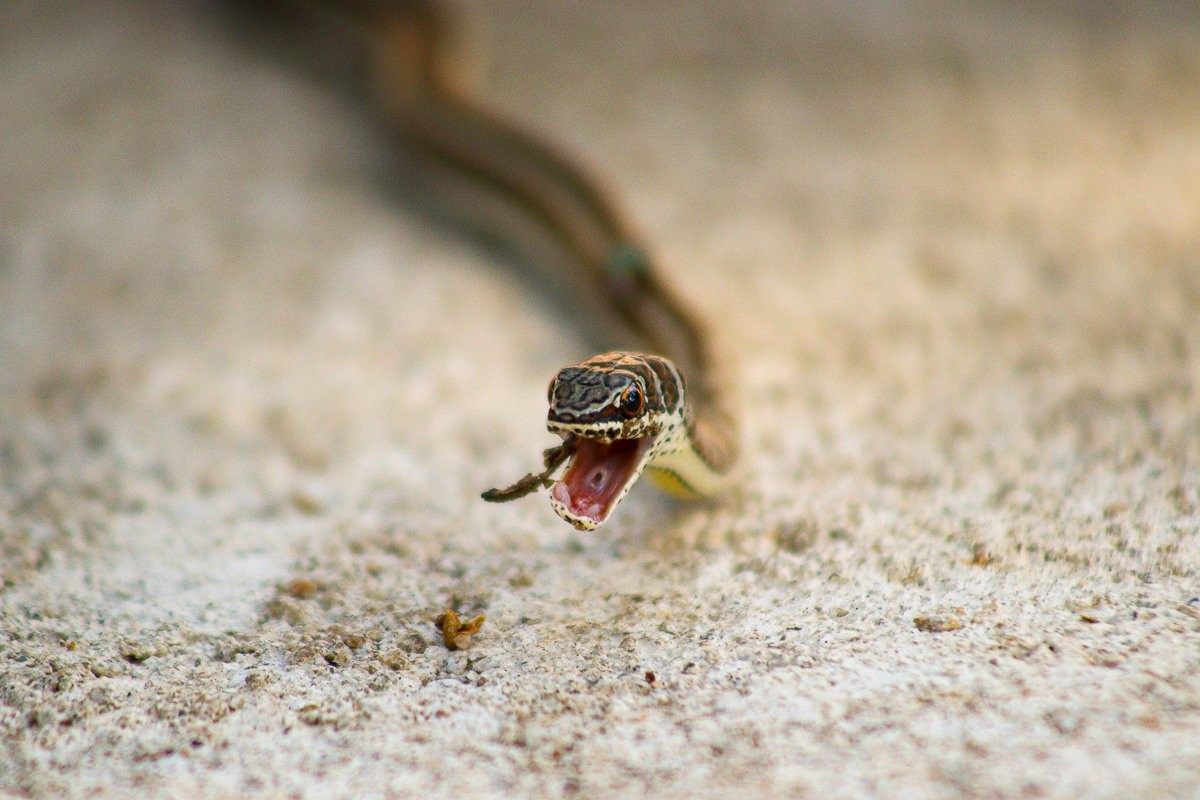
Sudden movement on the ground caught our attention. As we crept closer, we saw a young Western Yellow-bellied Sand Snake feeding on a frog.
We watched as it demonstrated one of nature’s most remarkable adaptations. Using its flexible, unfused jawbones, the snake opened its mouth wide and moved each side independently, gradually moving the food further down into its mouth. Once the frog had passed beyond the jaws, the snake performed what looked like a slow, exaggerated yawn, carefully realigning its jawbones back into place. With its meal secured, it slipped quietly away to find a safe place to digest its food.
Until next time…
Blog by Wendy Claase
Images by Jana du Plessis, Ronald Mutero and Ruan Mey