

A Week in the Bush Vol. 578
on Jan 07, 2026The Tengile female lay peacefully resting in a large tree, hiding from the hot and humid weather of the day. As the sun started to set and the temperatures dropped, she climbed down and started marking her territory along the road, stopping every few metres to spray her urine on the small trees and occasionally defecate on the road, allowing the guests to observe and enjoy the behaviour of an adult leopardess.


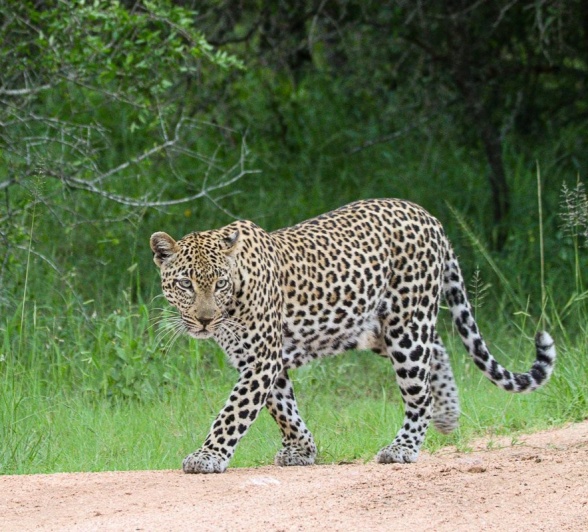
With darkness creeping in and a drizzle of rain falling, we heard reports of a male leopard nearby. We immediately made our way into the area. Initially nestled in a dense thicket, the Nsuku male eventually arose in spectacular fashion and proceeded to drink from a pool of water.
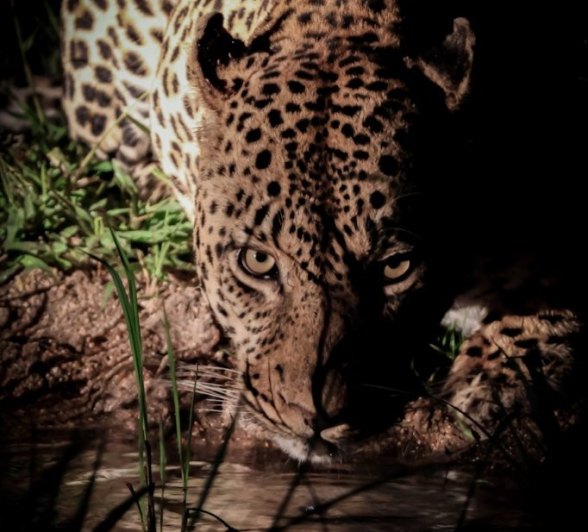
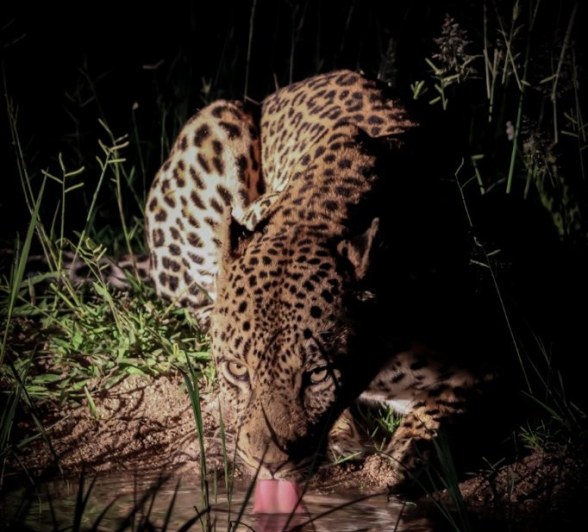
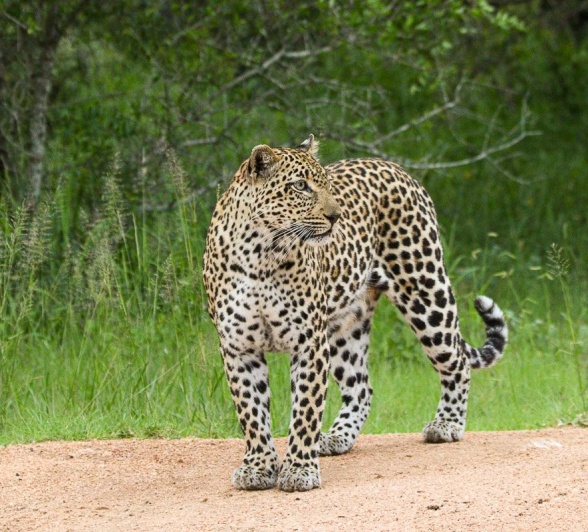
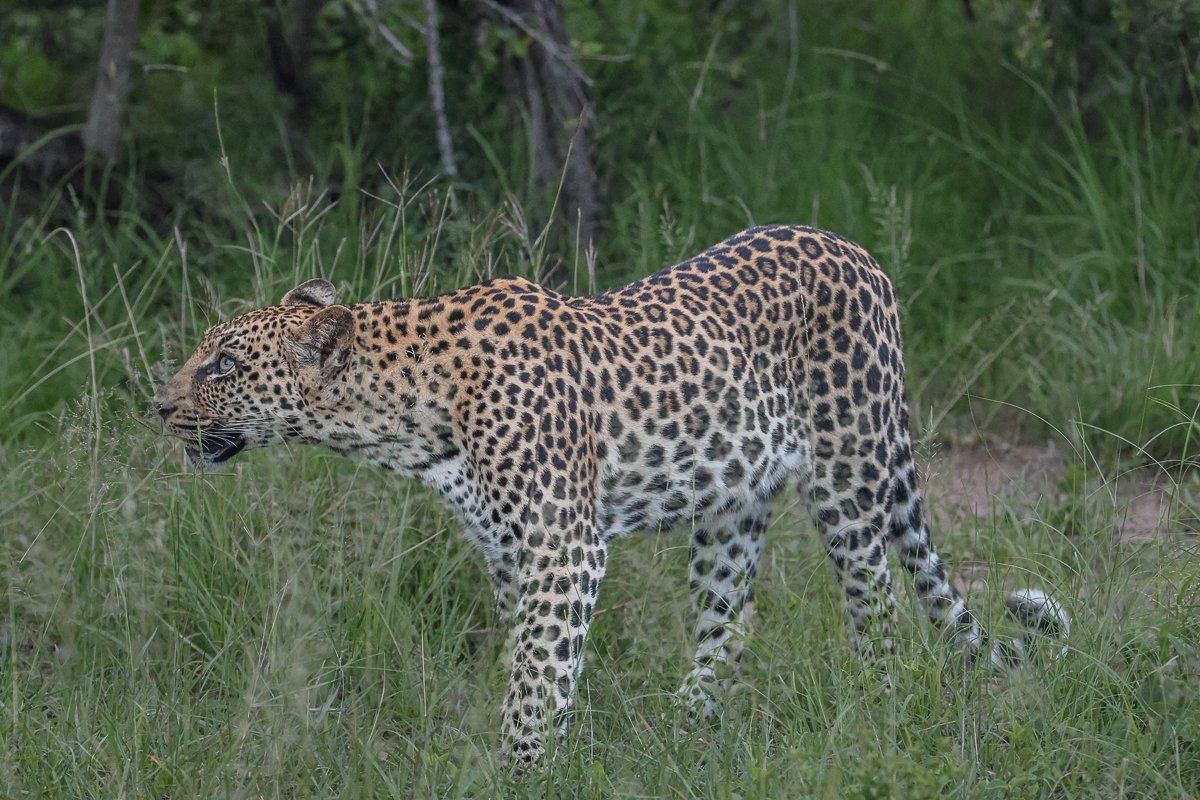
Just as we were about to drive into the entrance of Earth Lodge after a successful safari, we caught sight of the Golonyi female. She paused briefly, scanning her surroundings with the alertness typical of a nocturnal predator, ready to take advantage of every opportunity the night might bring. Without hesitation, she continued on, passing right by us before slipping silently into the thickets, likely in search of her next hunting opportunity.
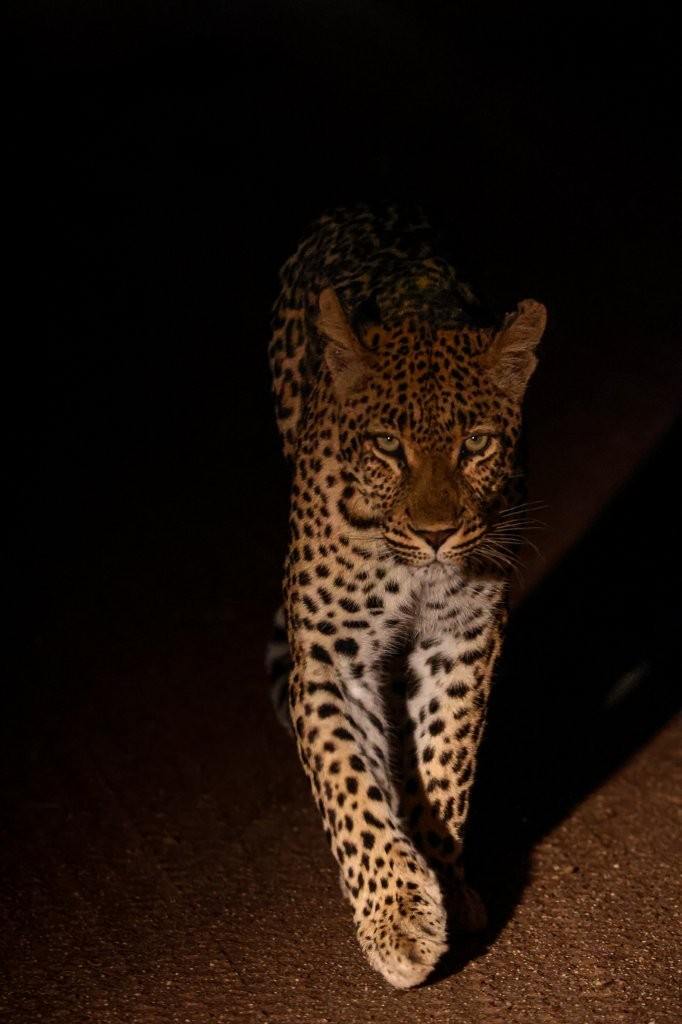
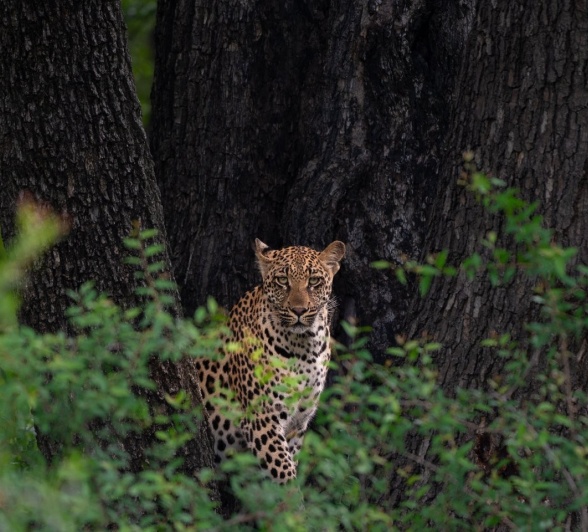
As we drove across an open area late in the afternoon, the sharp alarm calls of impalas and blue wildebeest immediately caught our attention. Following the commotion, we soon spotted a young male leopard moving purposefully across the open ground toward a nearby treeline. With the sun sinking and temperatures beginning to drop, it was the perfect time for him to become active - testing his stalking skills and honing his hunting abilities, vital practice as he prepares to survive on his own in the months ahead.
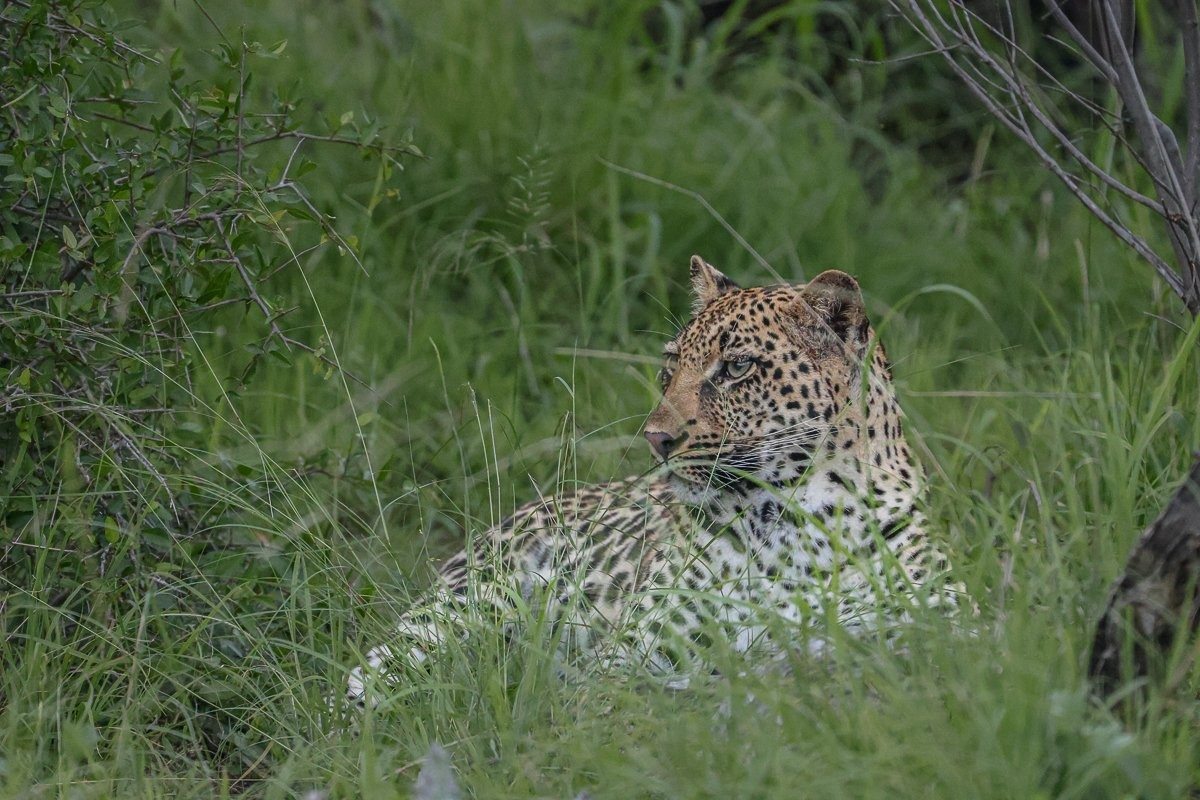
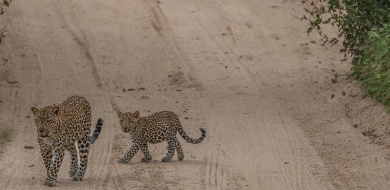
Resting in the shade of large Jackalberry trees Golonyi and her young son sat resting, both panting heavily from a meal they had possibly finished the night before.
The young male sat across the drainage line from where his mother was, grooming himself before trying to cross over the now flowing river. He carefully approached the river, trying to find a stable rocky surface to cross over but after a failed attempt he decided to stay dry on his side of the small drainage line and disappeared into the tall grass.
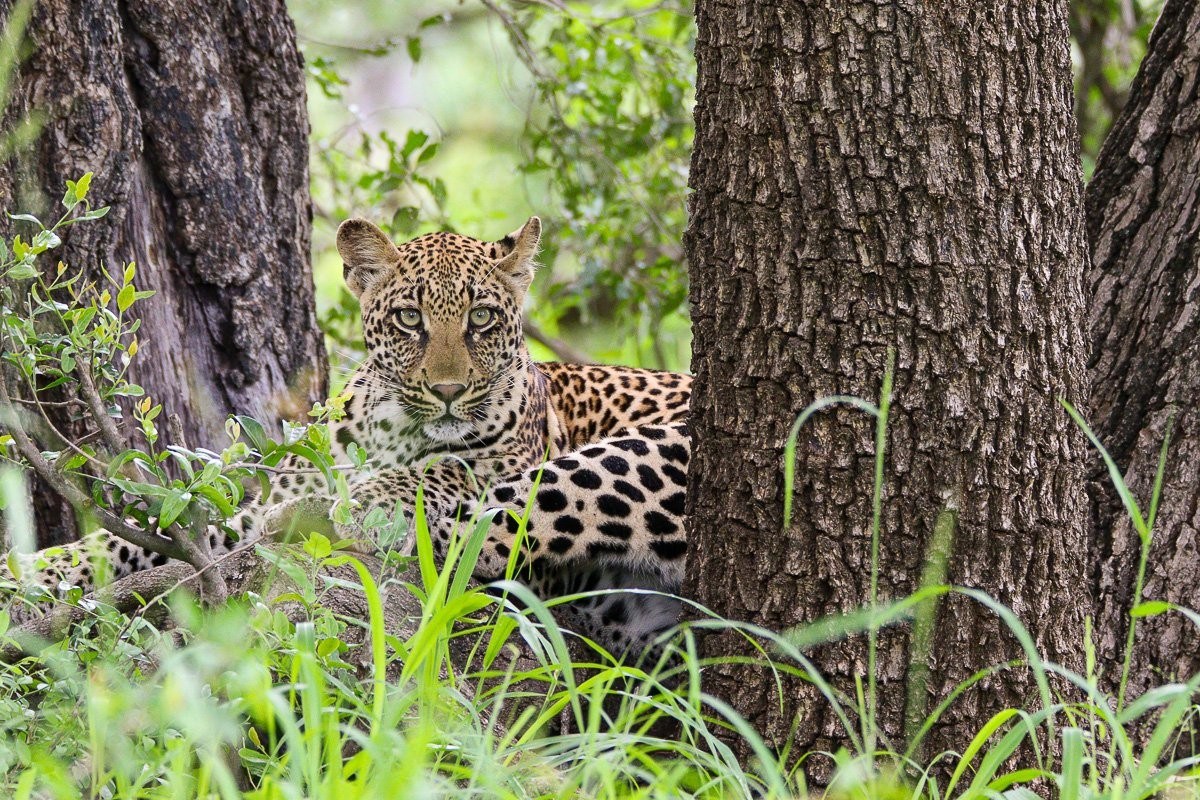
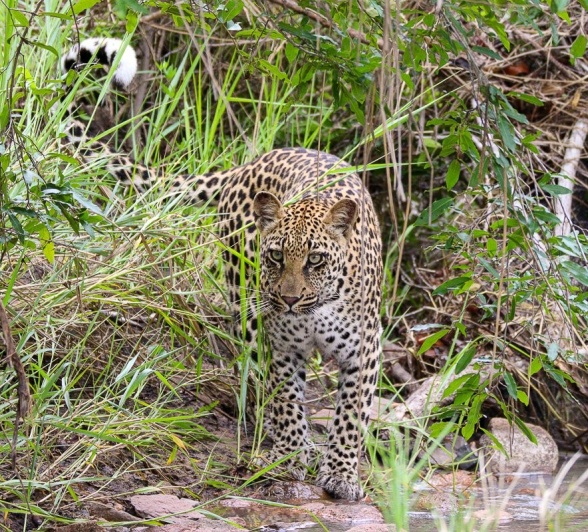
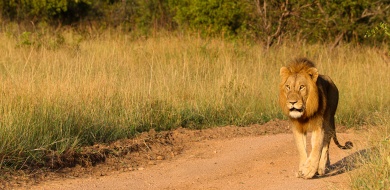
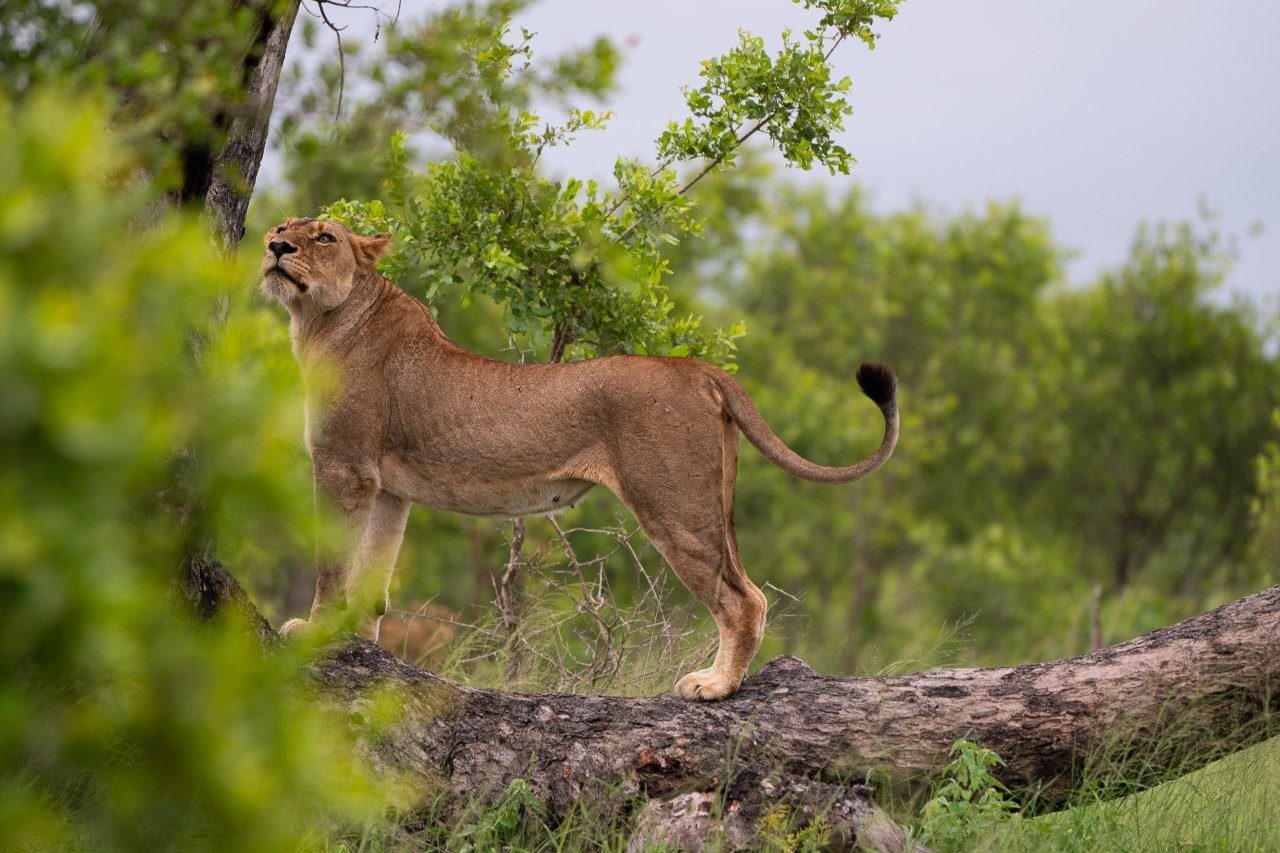
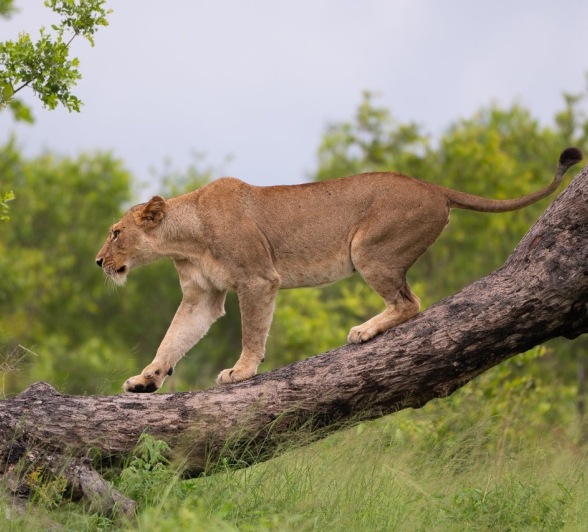
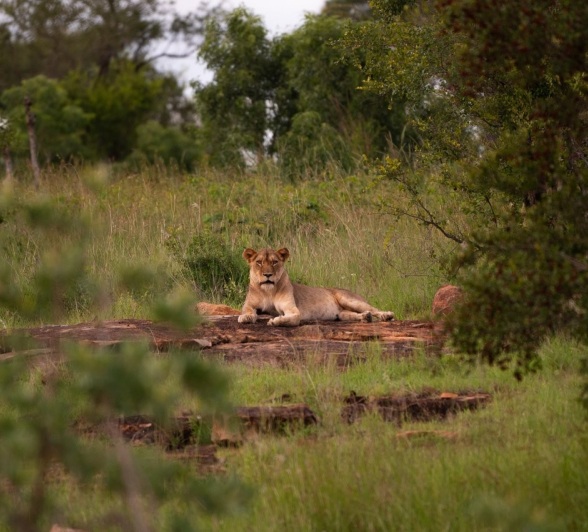
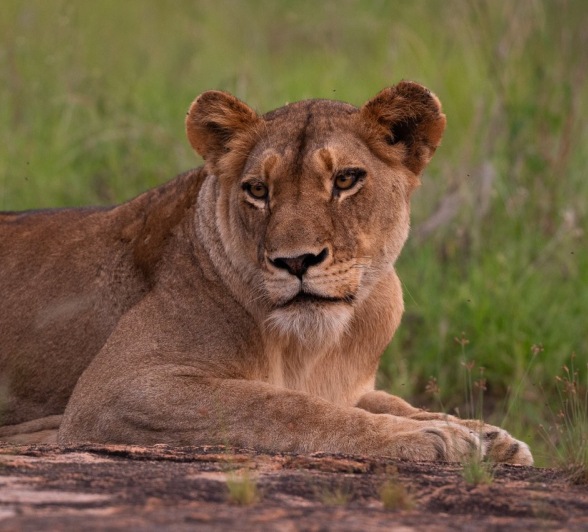
After searching for lions, we eventually came across some very fresh tracks - clear as day in the mud after the previous night's rain. We tracked and after a bit of persistence we found three members of the Southern Pride. One of the females used a fallen Marula tree as a vantage point to scout above the tall grass before eventually settling down to rest.
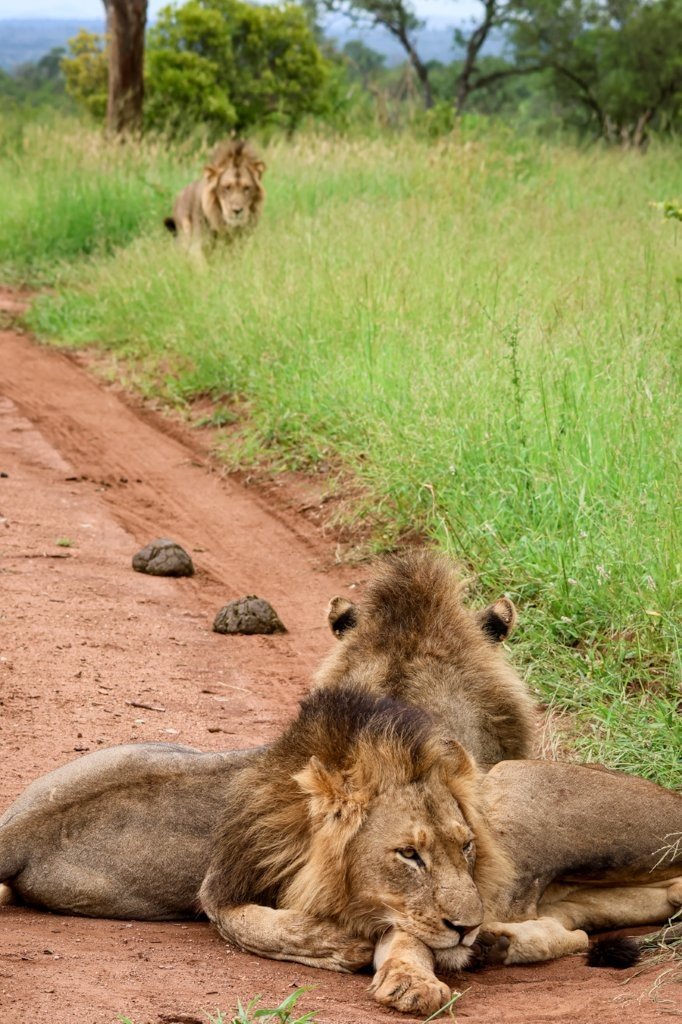
Although fragmented it is good to see the familiar faces of a pride with such a tumultuous history. The turbulence of lion dynamics is a fact well known to this pride who constantly adapt and overcome - much like the fields of wildflowers through which they now stride.
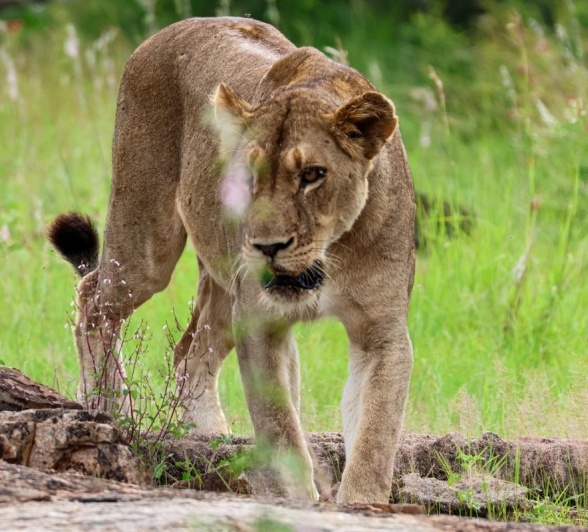
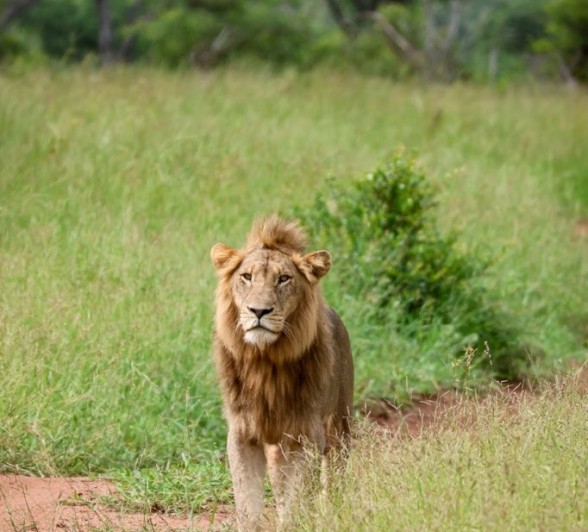
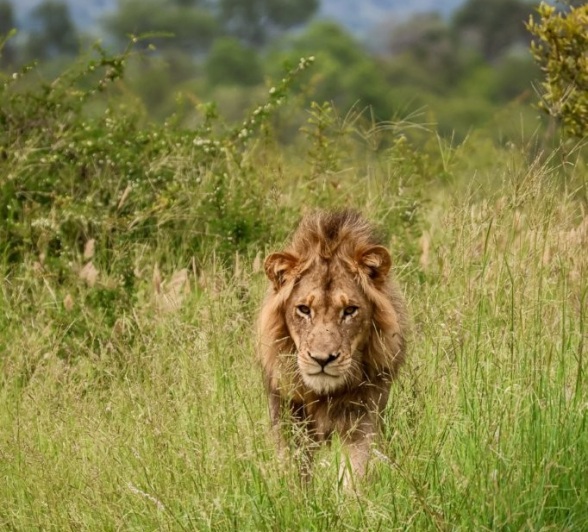
The N’waswishaka males have become an increasingly ever-felt presence in the reserve of late. They jostle to try and secure a territory in the wake of the void left by the galivanting Gijima males. Resident lionesses now carry battle scars signifying their opposition to the 'would be' new order.

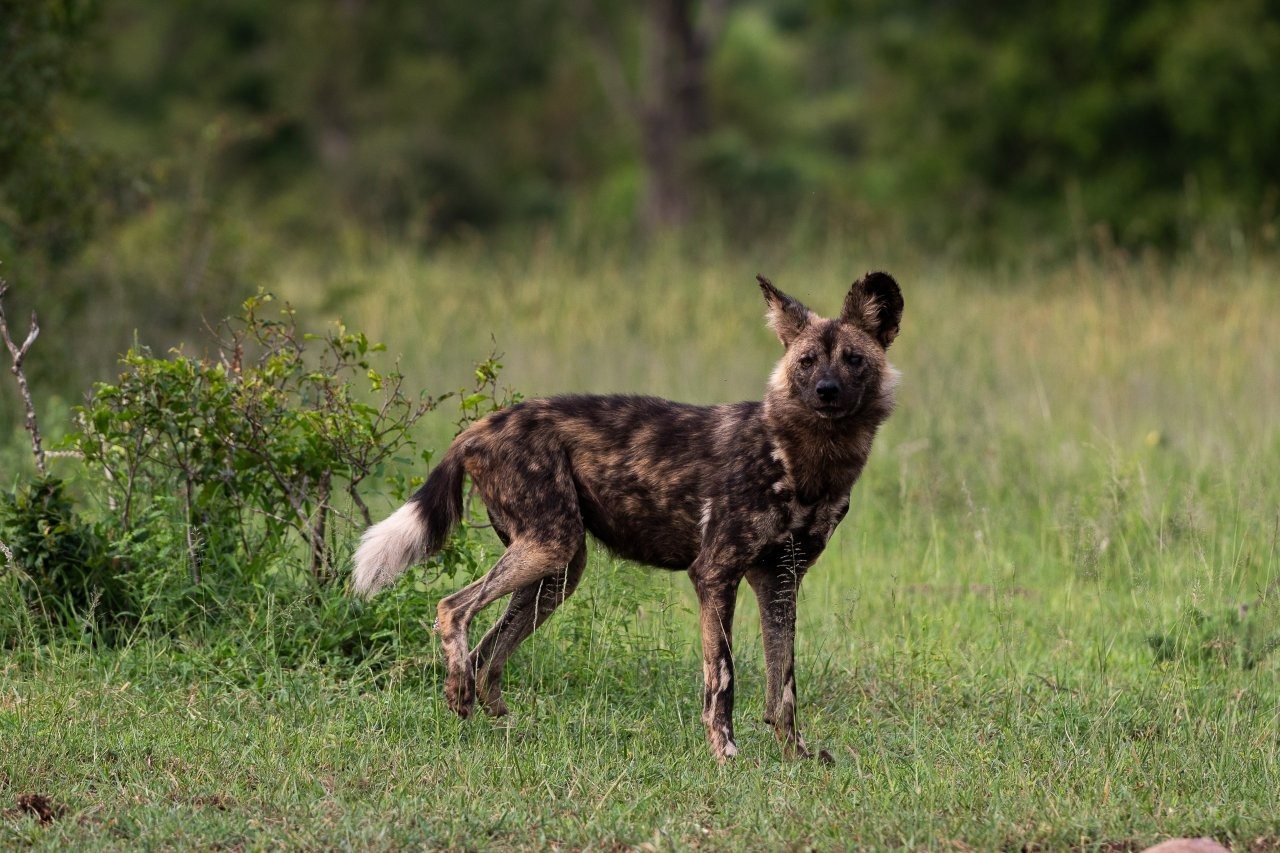
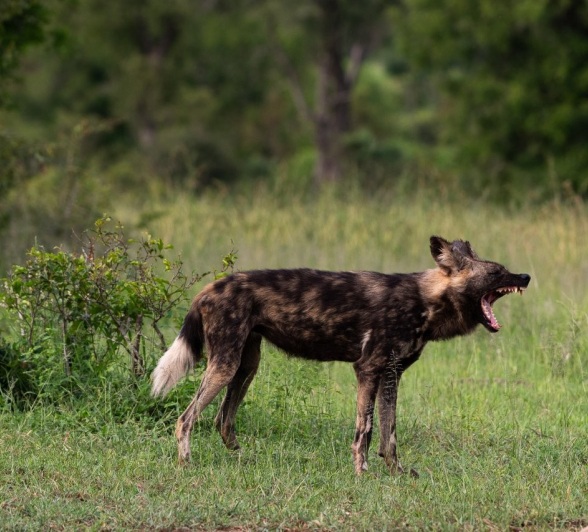
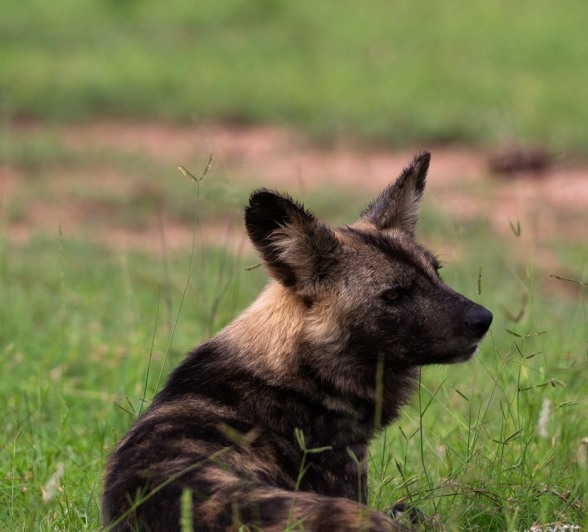
We decided to explore the southern reaches of Sabi Sabi for our afternoon drive. As we crossed through a drainage line, we gained elevation and saw a figure in the grass. Our tracker shouted, "Wild dog!" without skipping a beat. We sat with a pair of them while they rested, and followed them for as long as we could once they got active, before they eventually disappeared into the thicket. It's always an incredible privilege to see these rare animals.
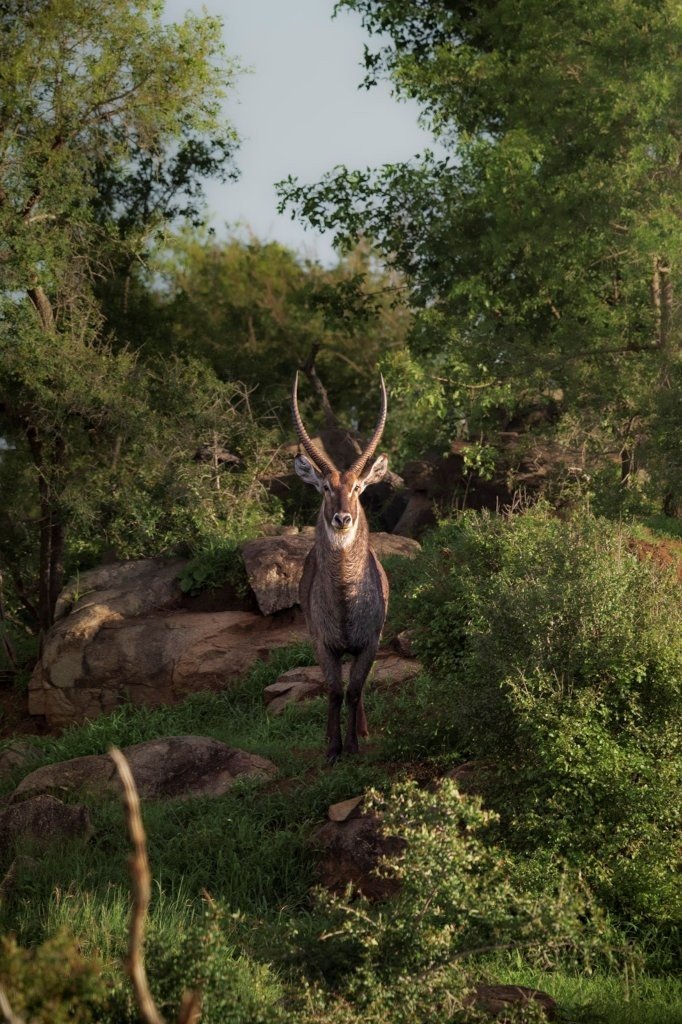
A mature male waterbuck stands broad-chested in the clearing, his white-ringed rump and sweeping horns unmistakable in the beautiful late afternoon light. Built for strength, he relies on dense, oily fur that helps repel water — a trait perfectly suited to the wetlands he calls home. Calm but alert, he holds his ground with the quiet authority of a seasoned survivor.
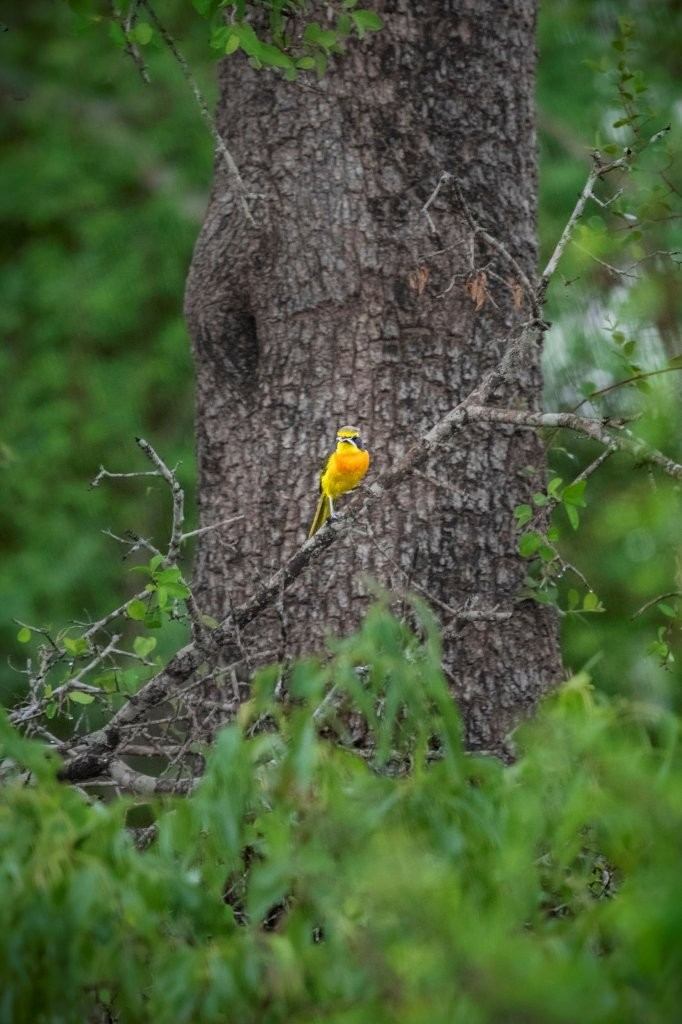
Driving along searching the flourishing bush a flash of orange in a world of green. Hidden in the thicket yet impossible to miss, this songster lights up the bush with melody, regularly heard yet rarely seen. Flashes of colour dart from tree to tree eventually presenting itself. The colourful melodious Orange-breasted Bushshrike. Proof that even the smallest birds can steal the whole scene.
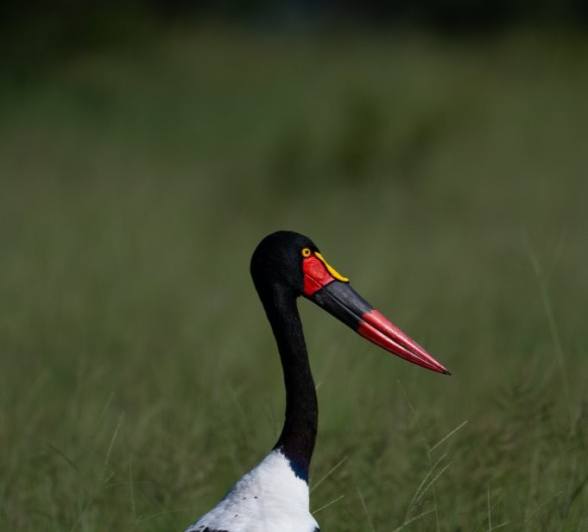
We found this pair of Saddle-billed storks foraging in an open area. The flooded grassland was an ideal place for them to look for food, in this case frogs. We don't often see these majestic birds as they are quite endangered, so coming across both a male and female was a delight.

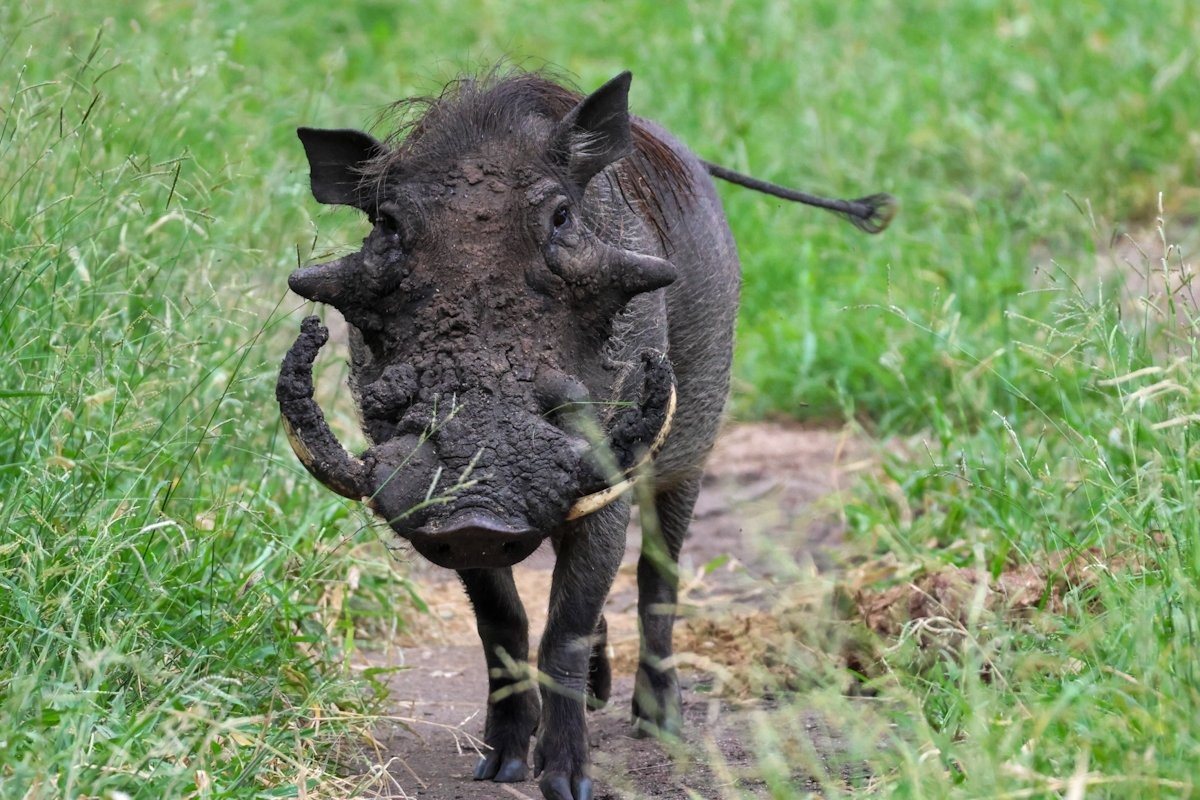
We were thrilled to come across this absolute boar of a warthog whilst on our morning safari. Warthogs are usually timid, easily startled by an approaching safari vehicle - but not this fella. As we came around a bend he simply looked up at us and then went back to feeding while making his way directly towards our safari vehicle. This made for a great sighting of a remarkable animal as he strutted his stuff with a certain swagger about him.
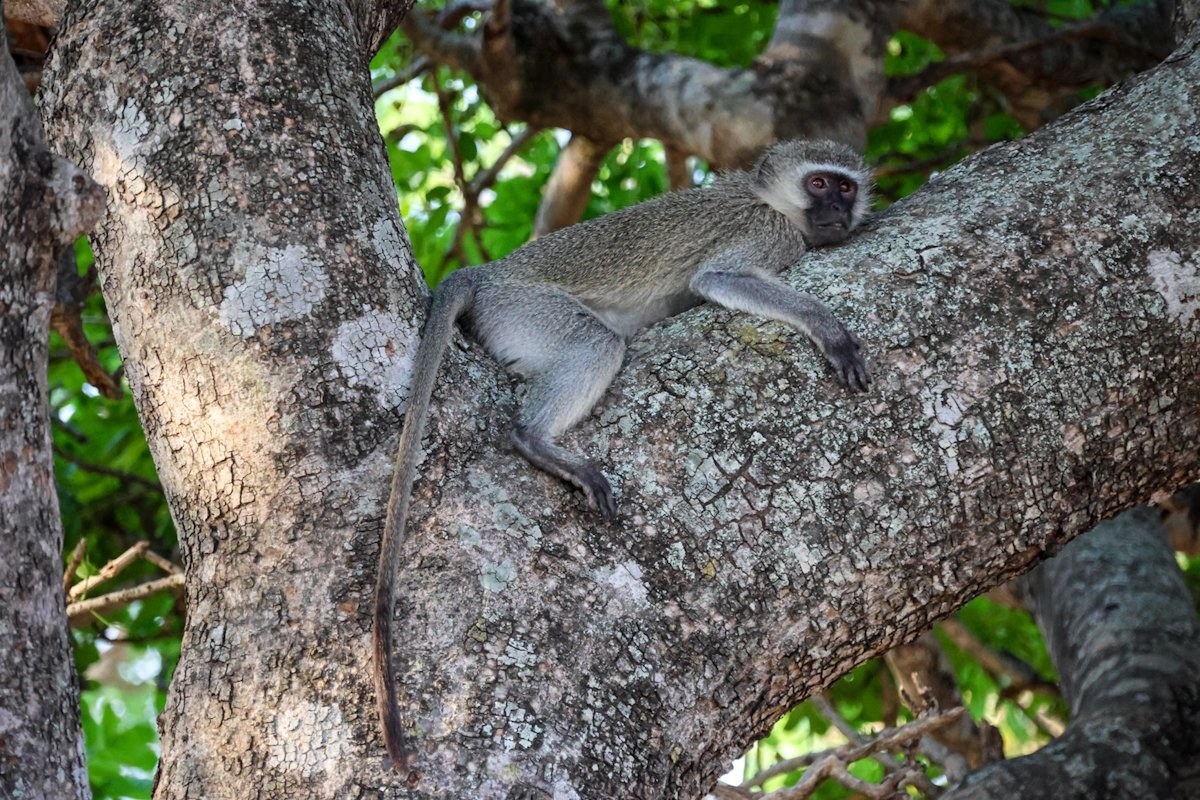
During the latter part of our morning drive, with temperatures starting to climb, we encountered a troop of vervet monkeys - with some choosing to roost in shaded branches to manage the oncoming heat.
Until next time…
Blog by Wendy Claase
Images by Devon Jansen, Jan Nel, Jana du Plessis, Ronald Mutero, Ruan Mey and Viviane Ladner
Video by Jan Nel