
Why Responsible Safaris Matter
on Feb 26, 2026A safari encompasses far more than ticking off sightings from a checklist. It’s about understanding what you are witnessing, and recognising the privilege of being present in a space that functions perfectly well without you.
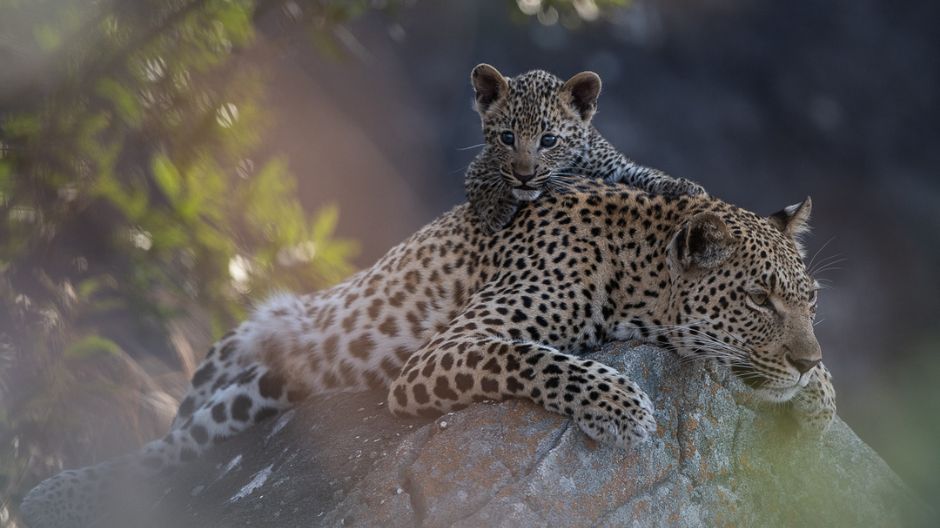
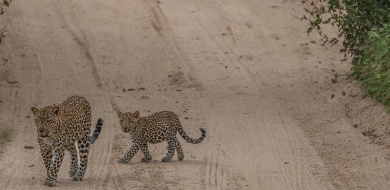
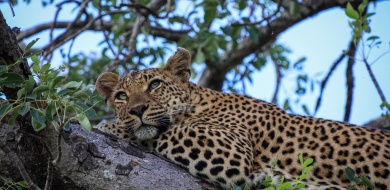
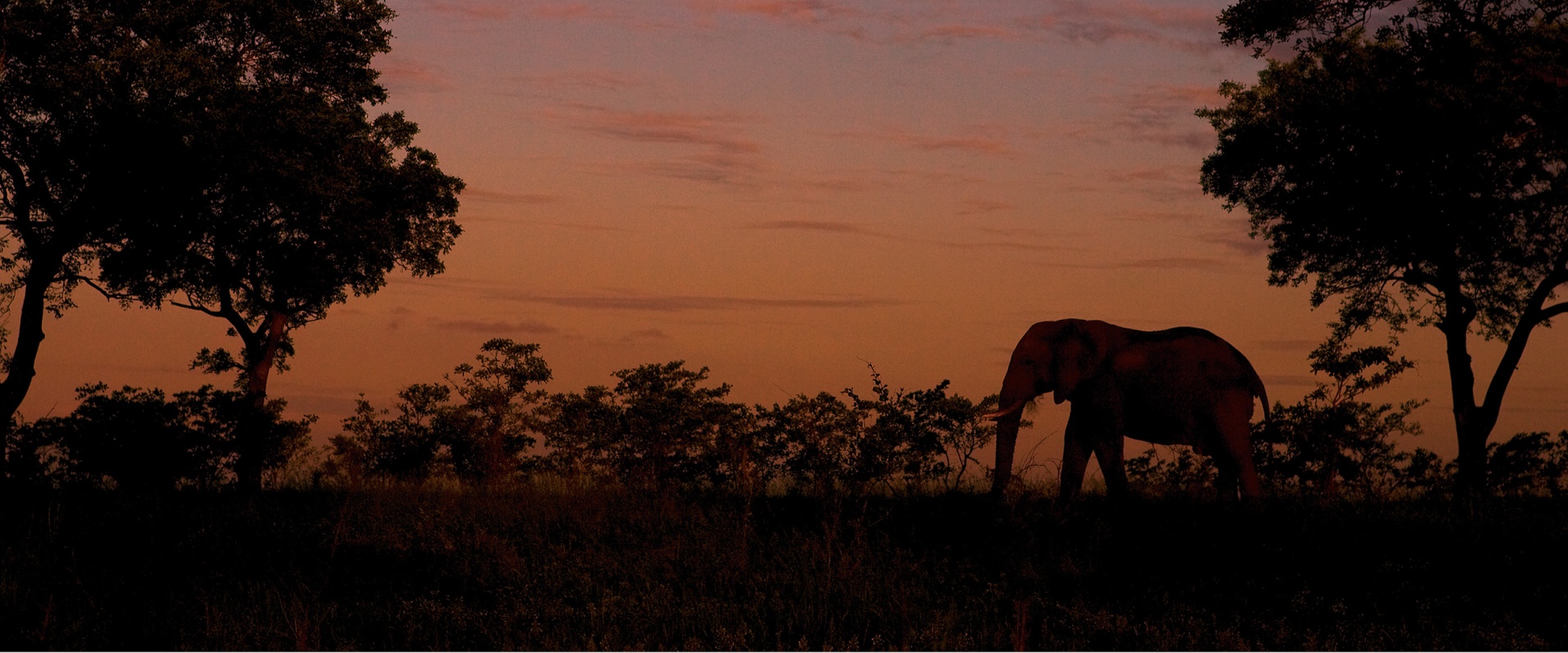
By the time a leopard appears, or an elephant crosses the road ahead of you, an extraordinary amount of work has already taken place. Years of conservation planning, constant habitat management, ongoing training, anti-poaching patrols working in the background, and intentional daily decisions about how people move through this landscape all lead to that single moment. A safari experience is never accidental. It exists because the wilderness has been protected, respected, and allowed to function naturally.
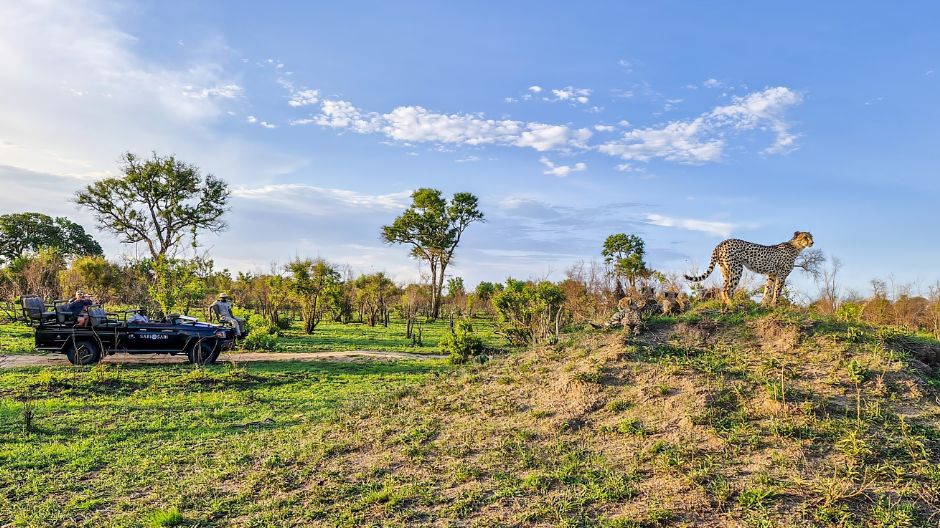
How Guides Protect What You Come to See
Responsible safaris are the foundation of everything we do, shaping how Sabi Sabi is managed, how guides are trained, how sightings unfold, and how guests are invited into the experience. Our intention is simple: to ensure that wildlife remains wild and that human presence never comes at the expense of natural behaviour.
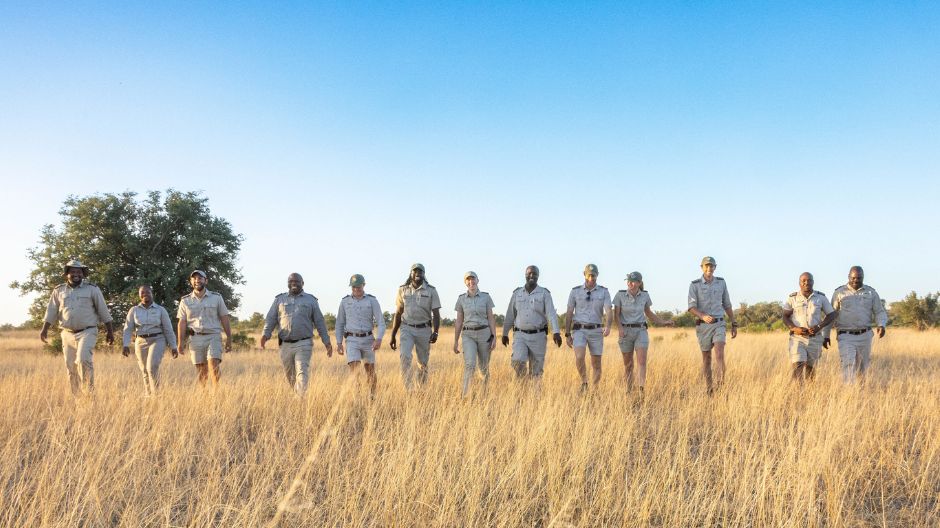
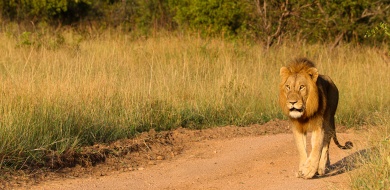
Our guides are trained to do more than identify animals. They are taught to read behaviour, to notice tension in a herd, shifts in posture, warning signals and feeding patterns. These details determine where the safari vehicle stops, how long it stays, and when it’s time to move away. If animals show signs of discomfort, space is given. If predators are hunting, the approach becomes more measured. If young animals are present, extra care is taken. Keeping a respectful distance prevents animals from becoming stressed or too accustomed to vehicles, and ensures they continue to hunt, rest, raise their young and move through the reserve and beyond.
Managing Access So The Bush Stays Balanced
Responsible safari also lives in the details that guests may not immediately notice. Vehicle numbers at sightings are controlled so animals don’t feel surrounded. Off-road driving is carefully regulated to protect vegetation and soil structure. Sensitive areas and sensitive sightings are avoided during vulnerable periods. Roads and water points are managed with long-term ecological health in mind, not short-term viewing convenience.
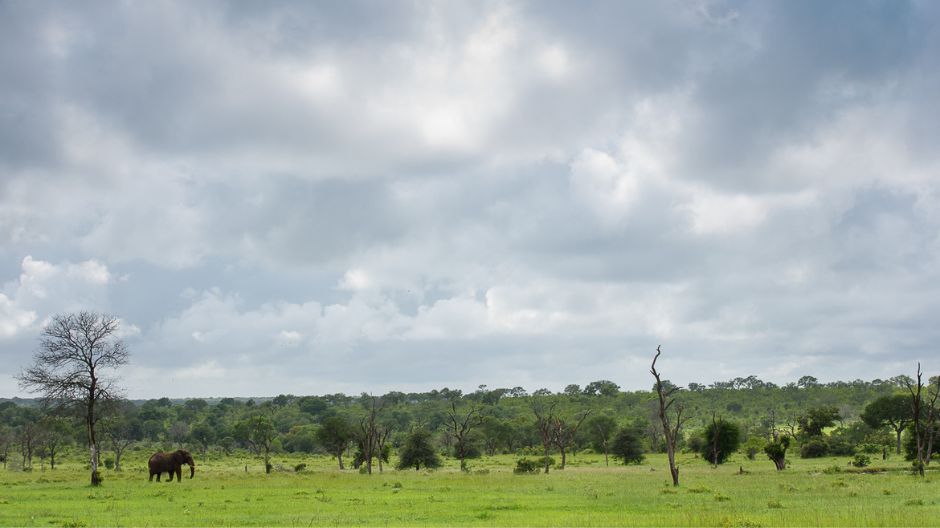
Sabi Sabi forms part of a greater ecosystem, open to the Kruger National Park and beyond, allowing wildlife to move freely across natural corridors. This freedom supports genetic diversity and seasonal movement, and it depends on careful land stewardship and cooperation across reserve boundaries.
Conservation Happens Everyday
What our guests see on safari is only possible because of what happens behind the scenes. Dedicated anti-poaching teams work continuously to protect endangered species. Habitat management ensures grazing areas remain healthy. Wildlife populations are monitored, and water resources are protected.
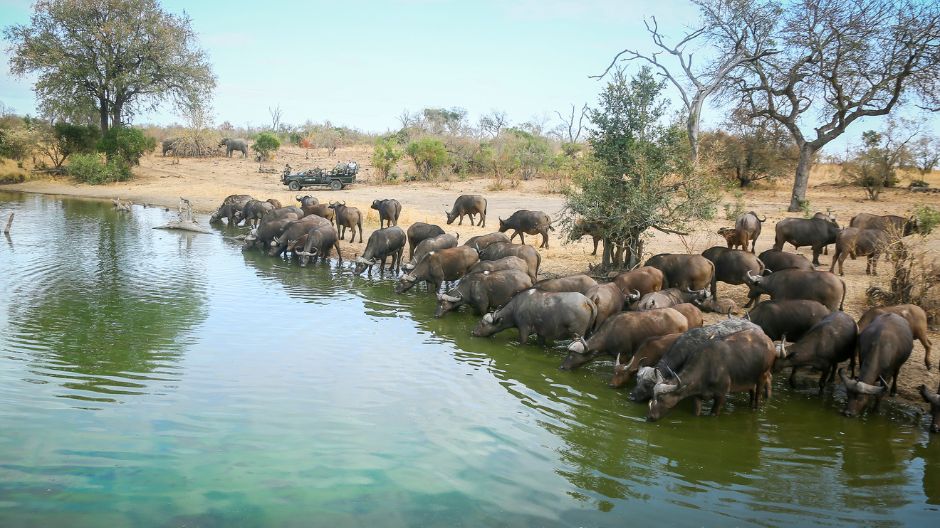
Conservation also extends beyond reserve boundaries, contributing to local communities and creating active participation in wildlife protection. Responsible tourism supports livelihoods, strengthens stewardship and reinforces the understanding that living landscapes hold lasting value.
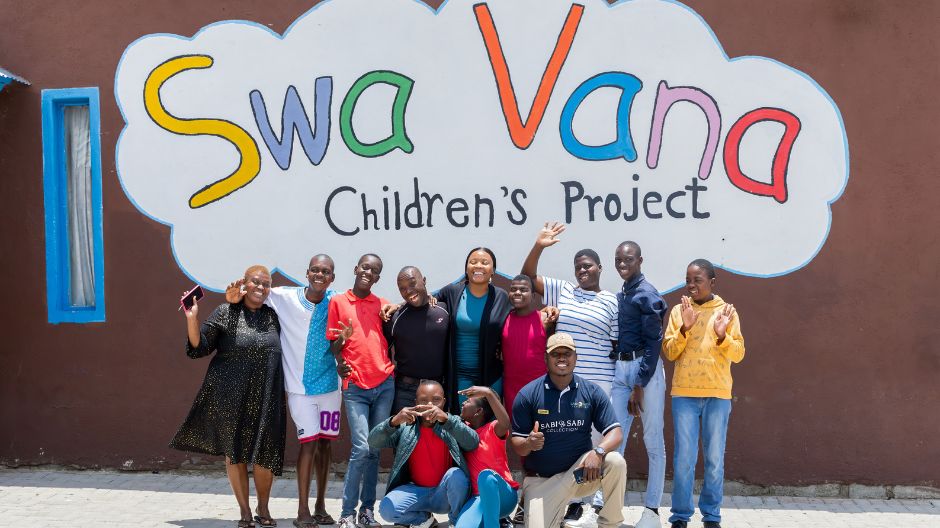
Turning Guests into Custodians
A responsible safari reshapes the role of the guest. Game drives become conversations about predator-prey balance, rainfall cycles, animal movement and the realities of conservation in modern Africa. Guests gain insight into why certain decisions are made and how interconnected every element of the ecosystem truly is.
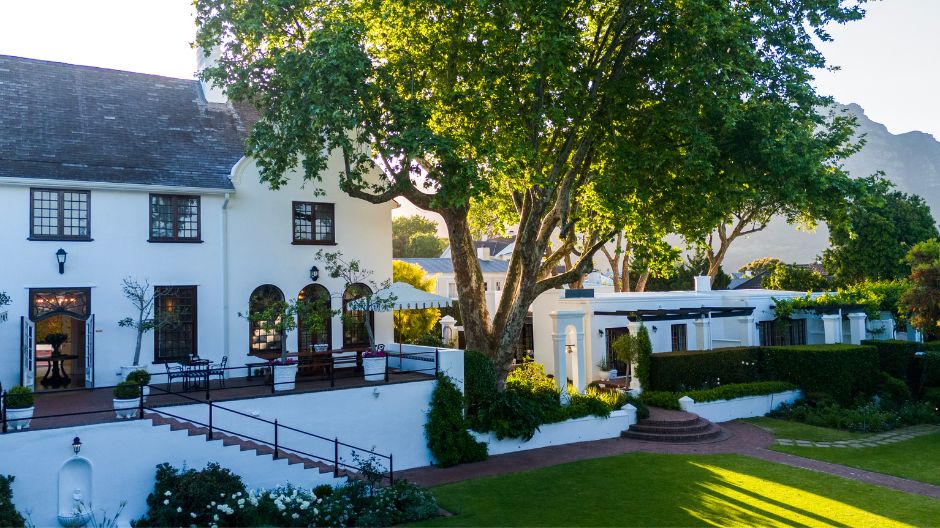
There is another dimension to this role. By choosing to travel with the Sabi Sabi Collection — whether in the bush at Sabi Sabi, within the city setting of The Claremont Boutique Hotel in Cape Town, or in time at Sandringham Private Game Reserve — our guests enable the continuation of this work. In this way, a stay becomes more than a visit; it allows guests to be part of a greater story where tourism, conservation and community remain intrinsically linked.
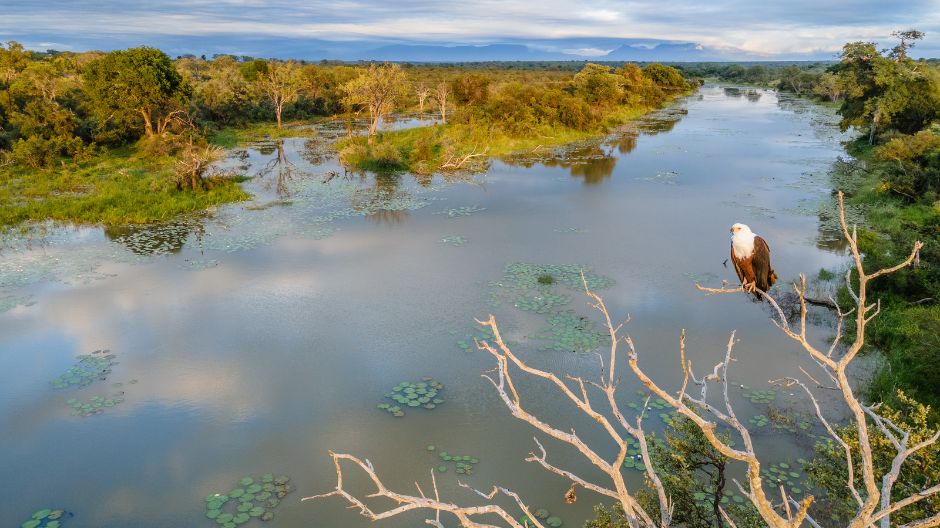
Ultimately, responsible safaris ask us to slow down and see differently. It reminds us that the greatest gift is not proximity, but presence.
When travel is guided with care, the landscapes and communities we value remain exactly what they should be: beautifully balanced, protected and worthy of our utmost respect.
Warm regards,
The Sabi Sabi Collection Team