
A Week in the Bush Vol. 581
on Feb 11, 2026Welcome to the latest edition of our weekly highlights blog…
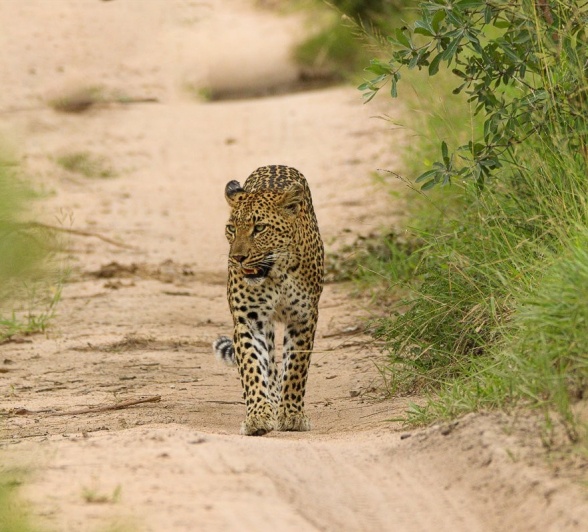
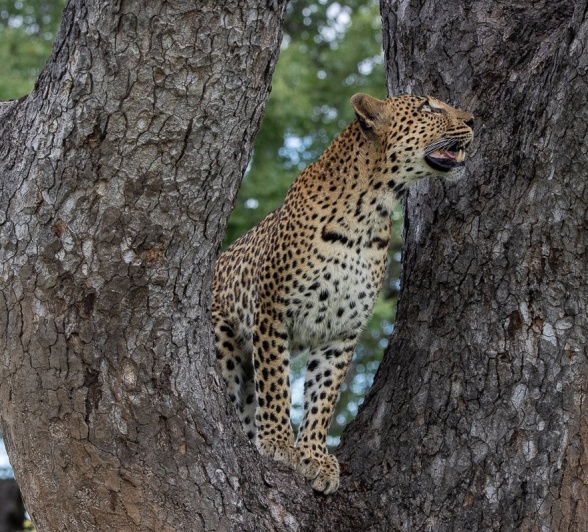
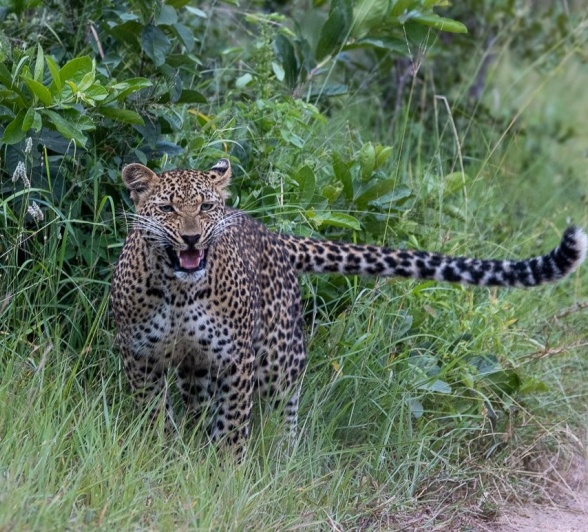
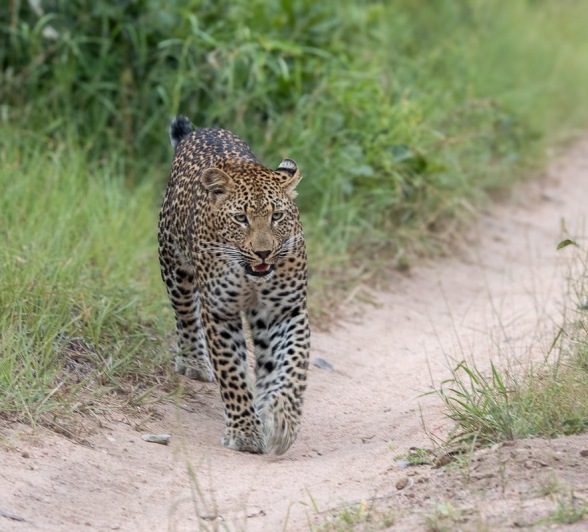
Our evening safari was a great success. While searching for a leopard, we came across the Golonyi female walking along the road. She wasn’t simply moving through the area - she was using the road to scent mark her territory. We haven’t seen her in her original territory for quite some time, and on this occasion, she was heavily scent-marking nearly every tree and bush along the road.
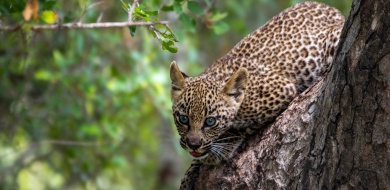
She eventually climbed into a Marula tree, where she remained for a long period before descending and continuing in search of prey.
Female leopards are known to extend their territories when they have cubs. This allows their offspring to eventually inherit parts of the expanded territory once they become independent, after which the mother often retreats to her original range.
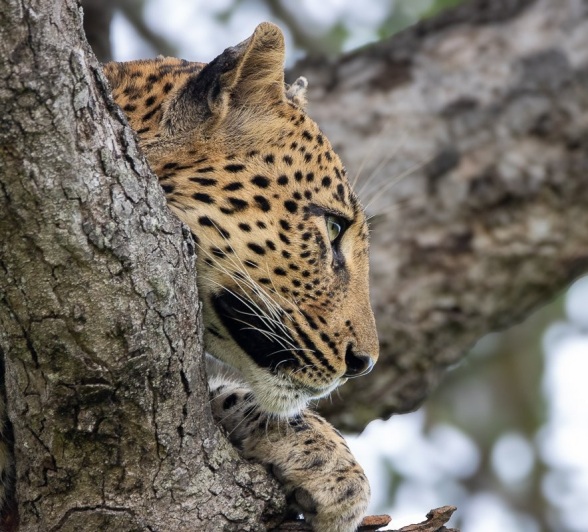
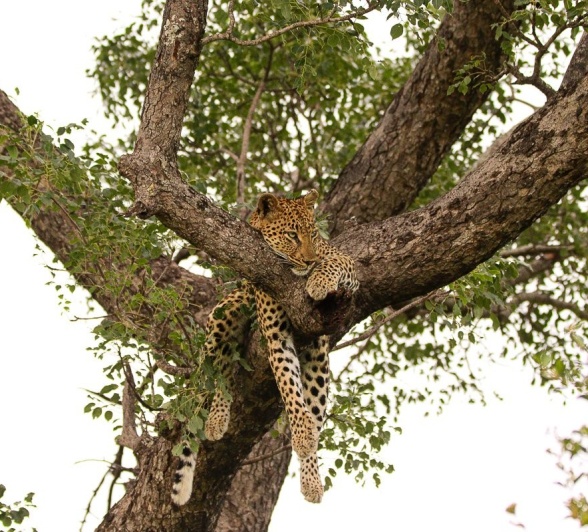
During our morning safari, we set out in search of a leopard - a pursuit that can be somewhat challenging at times. As the morning drew to a close, our efforts had unfortunately gone unrewarded, with no sign of the elusive cat.
Just then, a fellow ranger informed us of some fresh tracks from a female leopard they had encountered earlier. With the heat of the day beginning to build, we started making our way back toward the lodge, choosing to bypass the area in which the tracks were believed to be heading, and were unexpectedly rewarded for it.
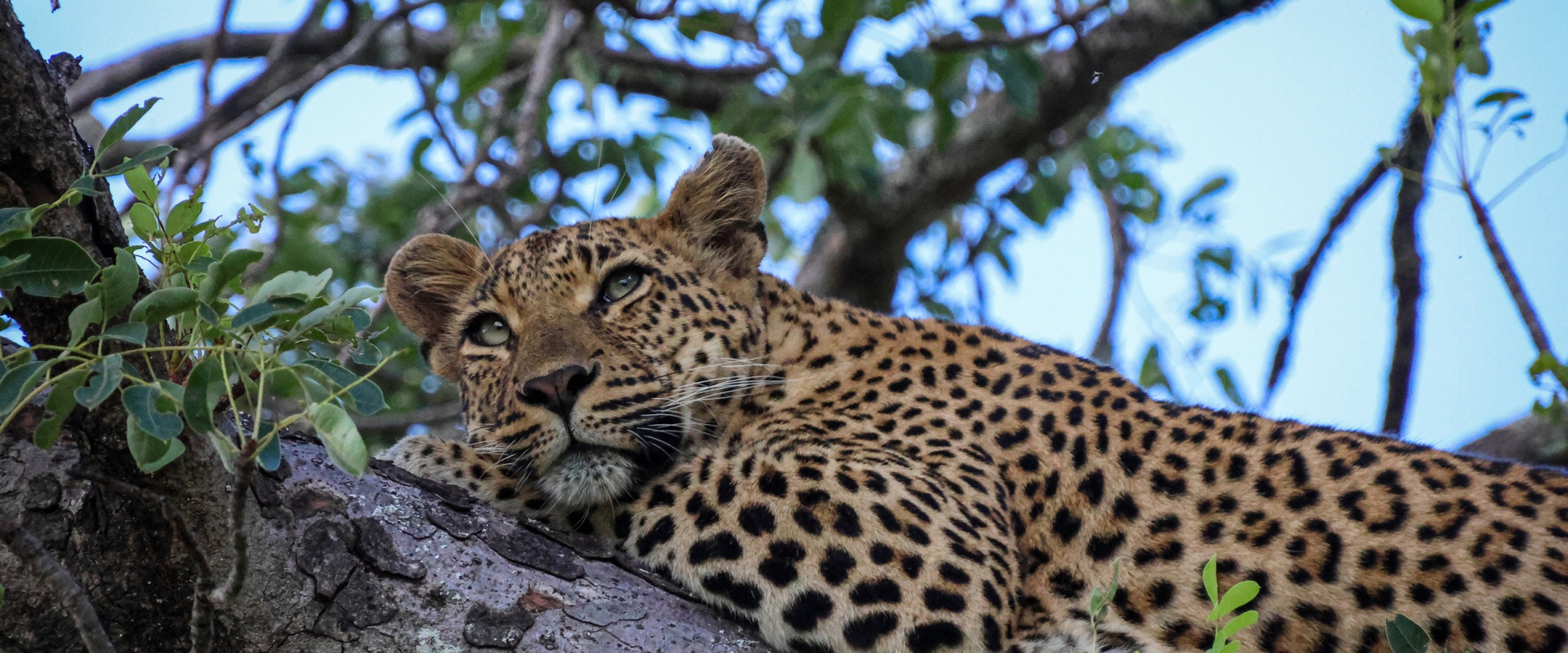
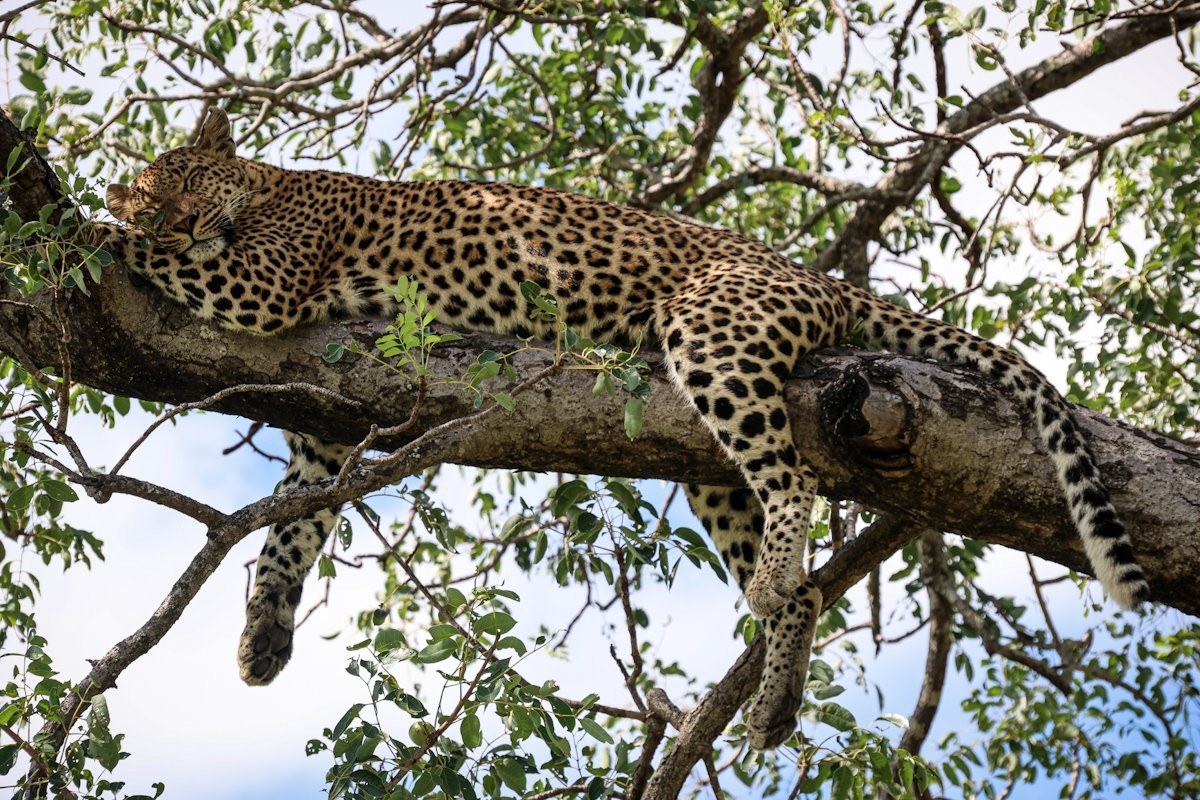
At this stage of summer, the thick grass cover makes spotting a leopard on the ground particularly difficult. As we scanned the surrounding trees, our tracker pointed and exclaimed, “There is the leopard!”
We sat in awed silence, taking in the moment. The Golonyi female lay resting in the cool, shaded branches of a Marula tree - a quintessential leopard sighting, if ever there was one.
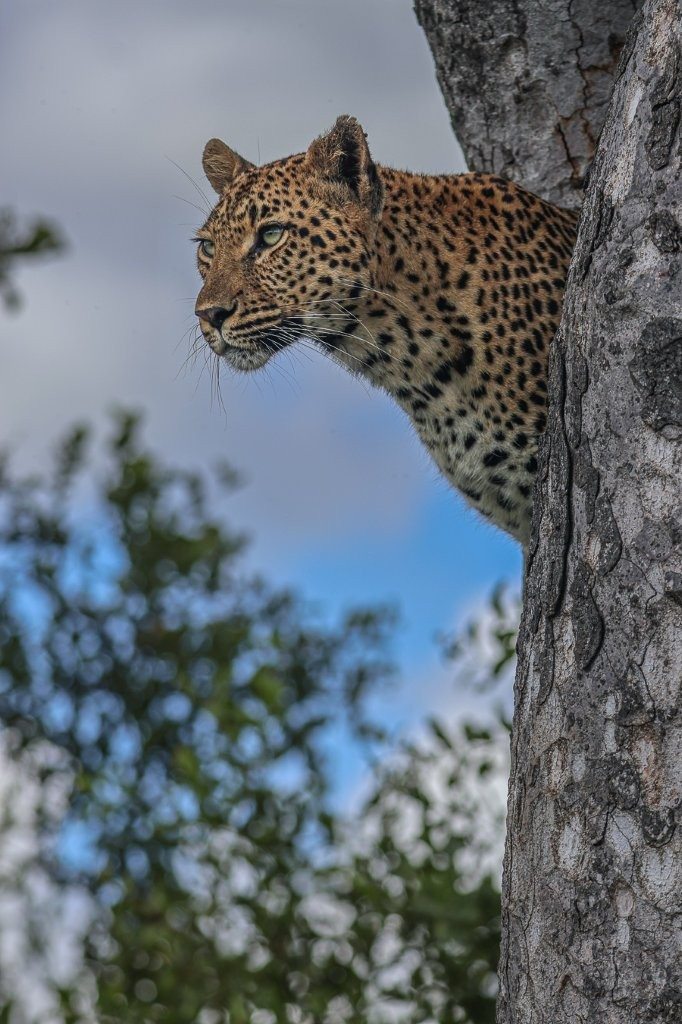
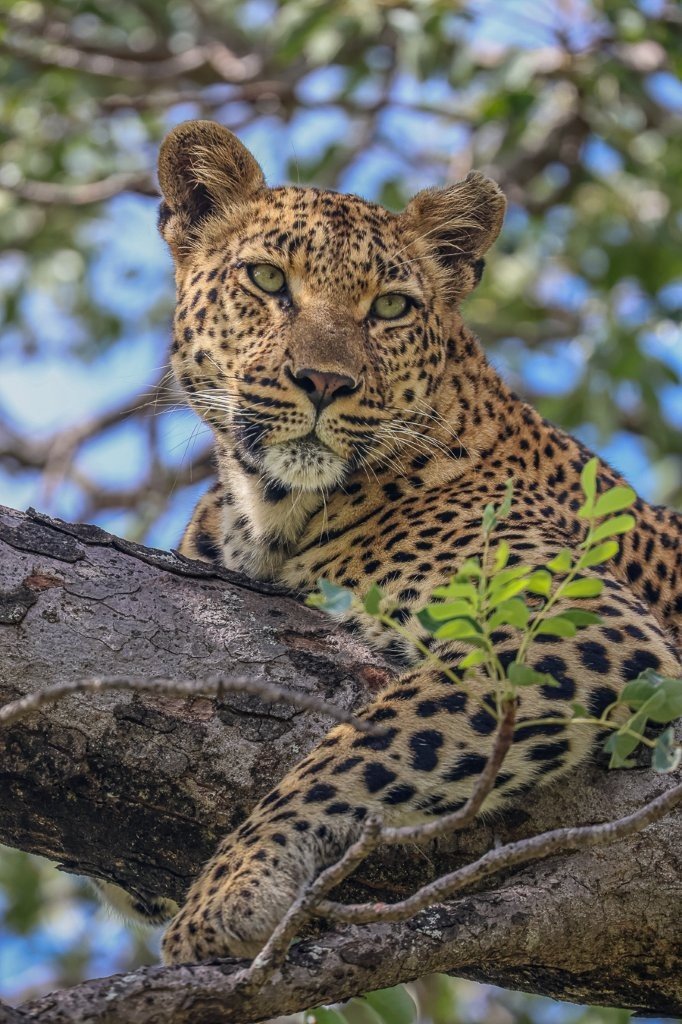
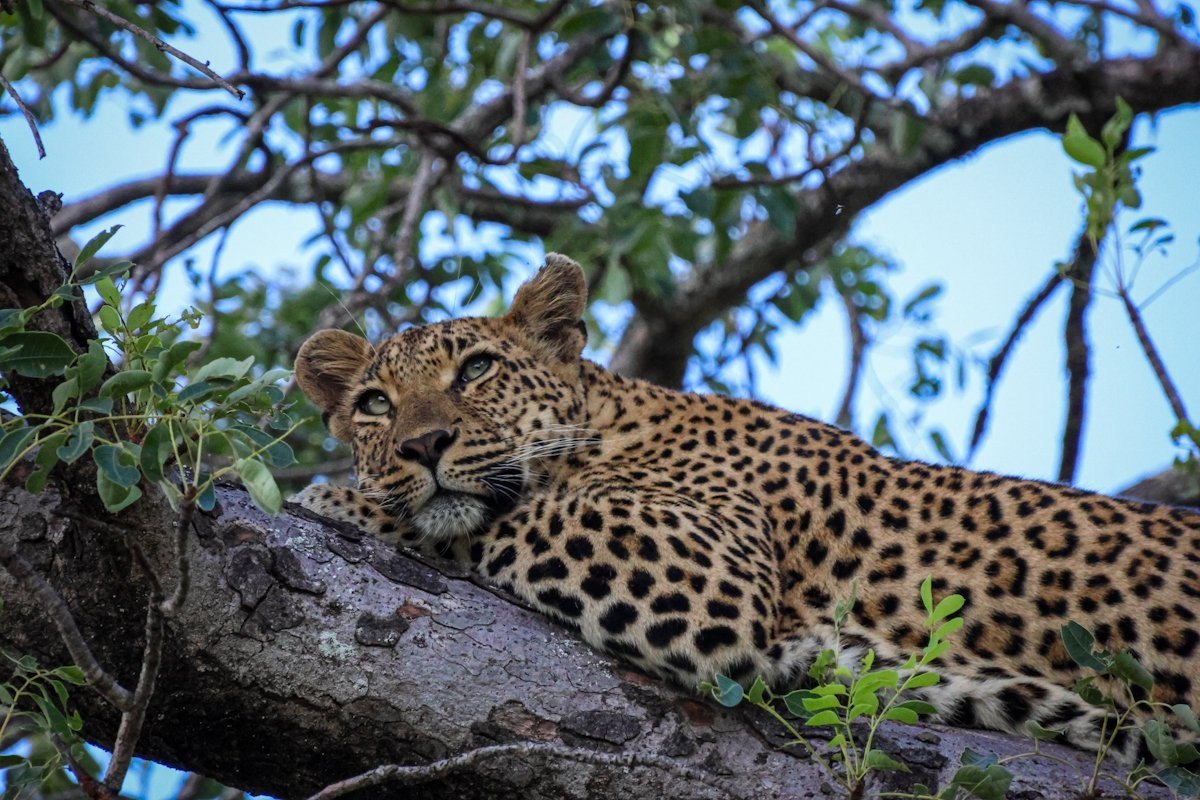
The young Kurhula female leopard was spotted on the eastern side of our reserve. She was observed contact calling and scent marking, which suggests she may be following the scent trail of a male leopard. These behaviours indicate that she could be coming into oestrus and actively seeking a mate.
Both male and female leopards regularly scent mark their territories as a form of communication, as they are solitary animals and rely heavily on scent to convey information to one another.
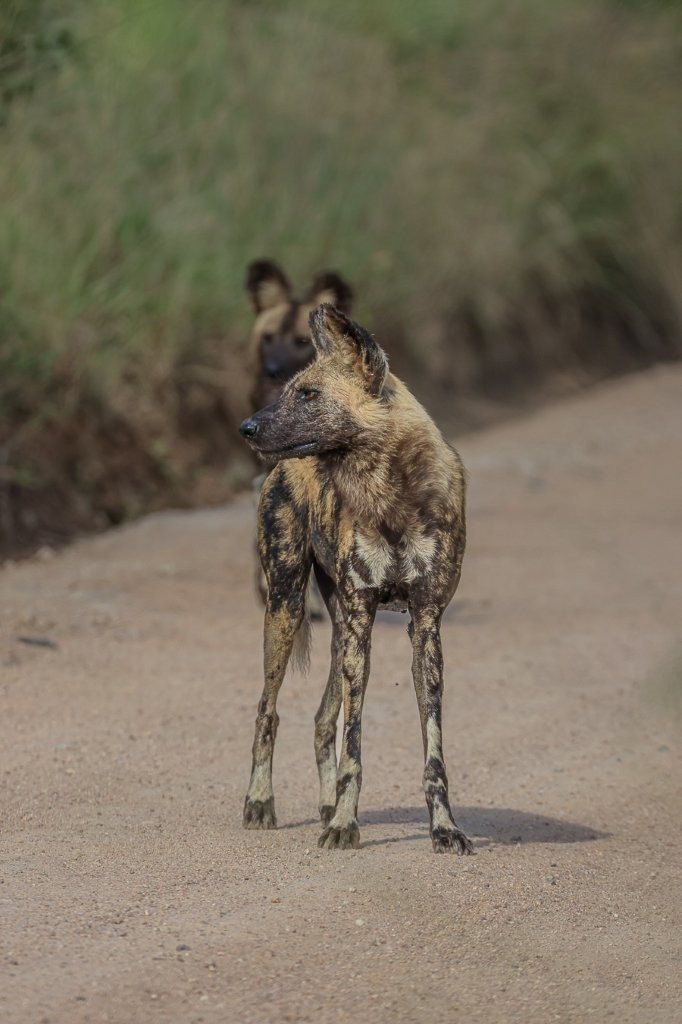
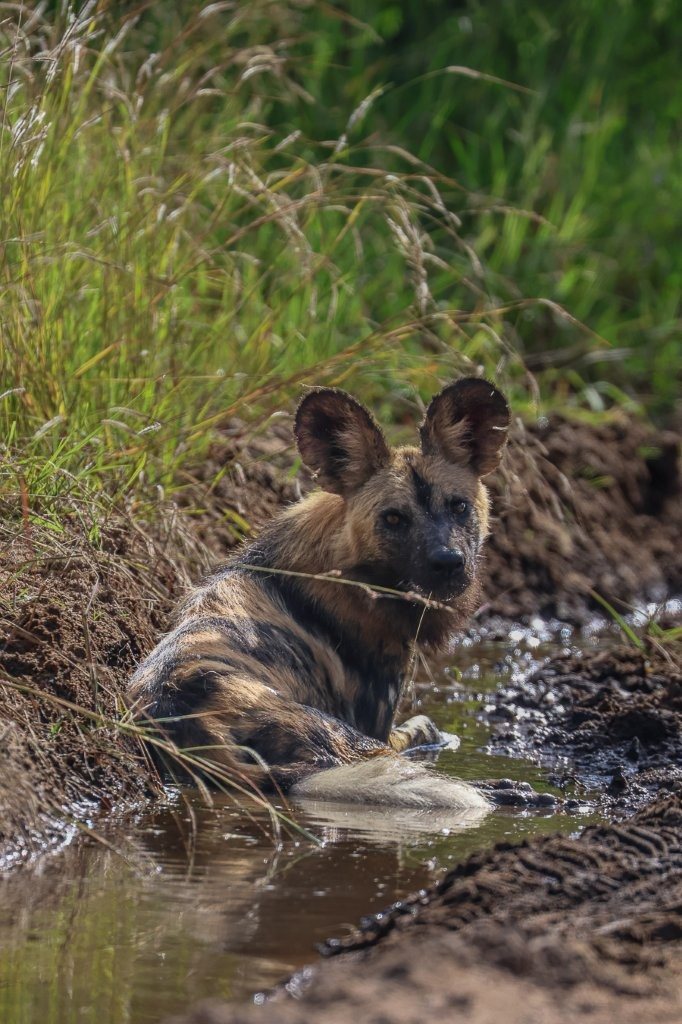
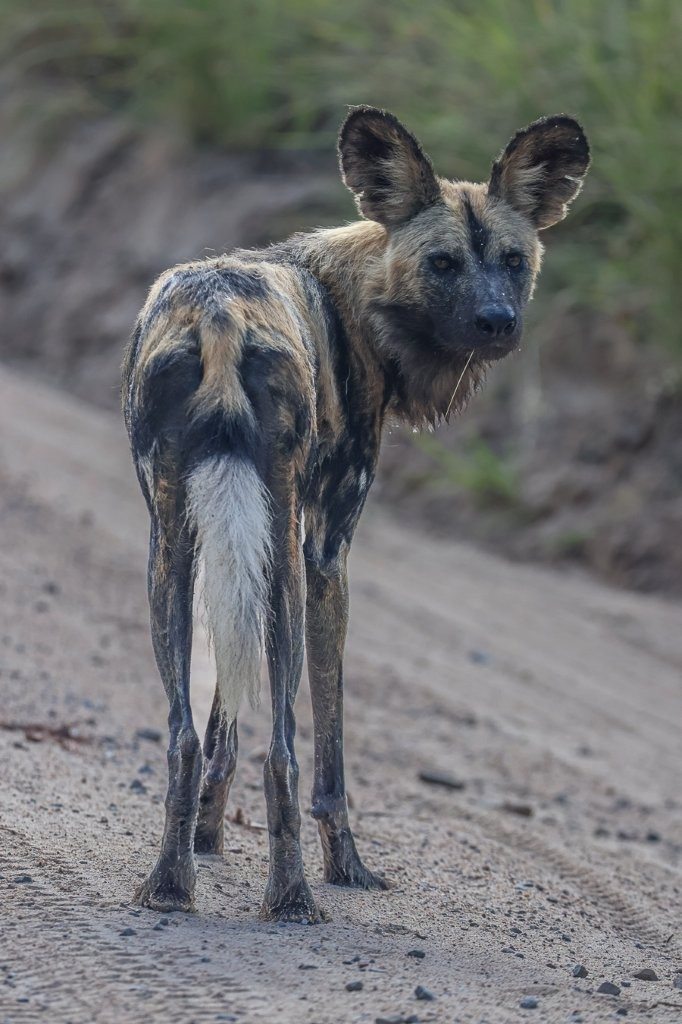
A lone wild dog moves through the early morning bush, sending out sharp contact calls to communicate his location. Moments later, another pack of five appears, chasing him through the thick vegetation, a reminder of the complex social dynamics and territorial challenges these highly coordinated hunters face in the wild.
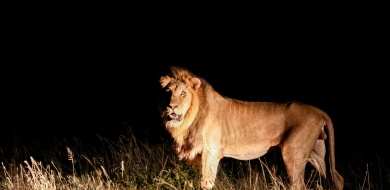
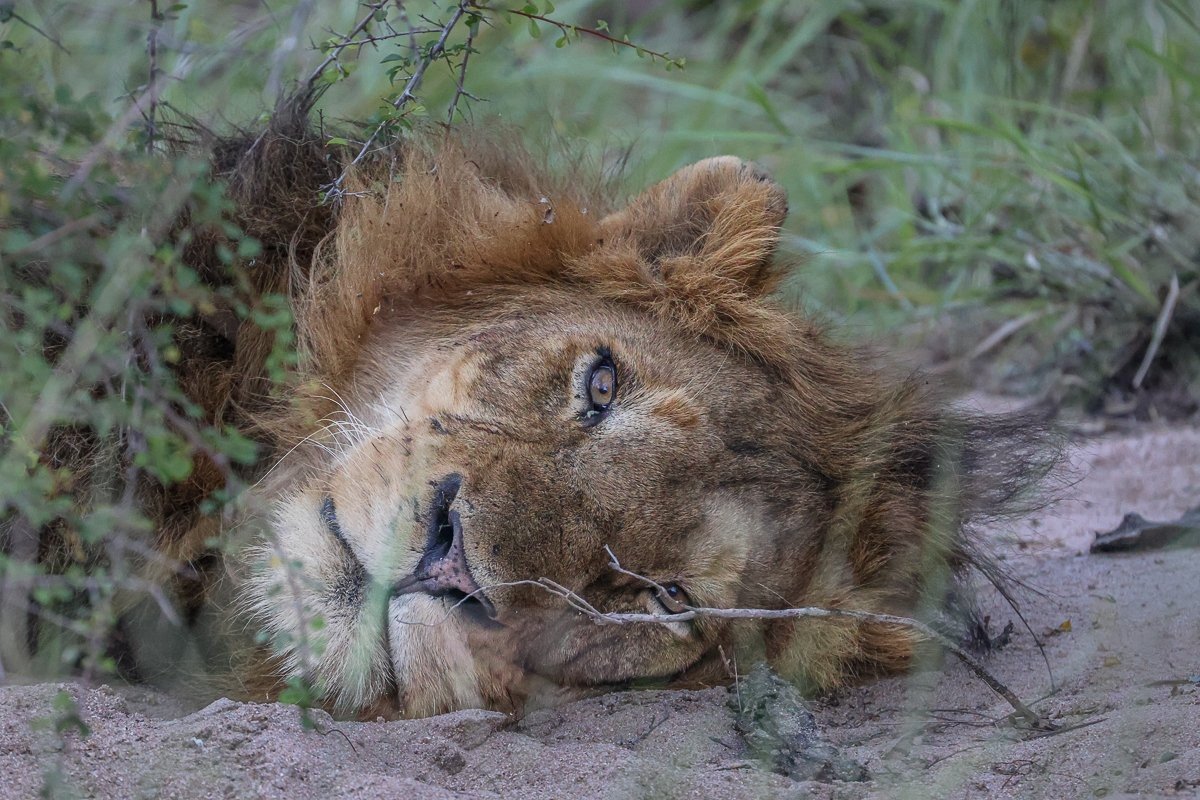
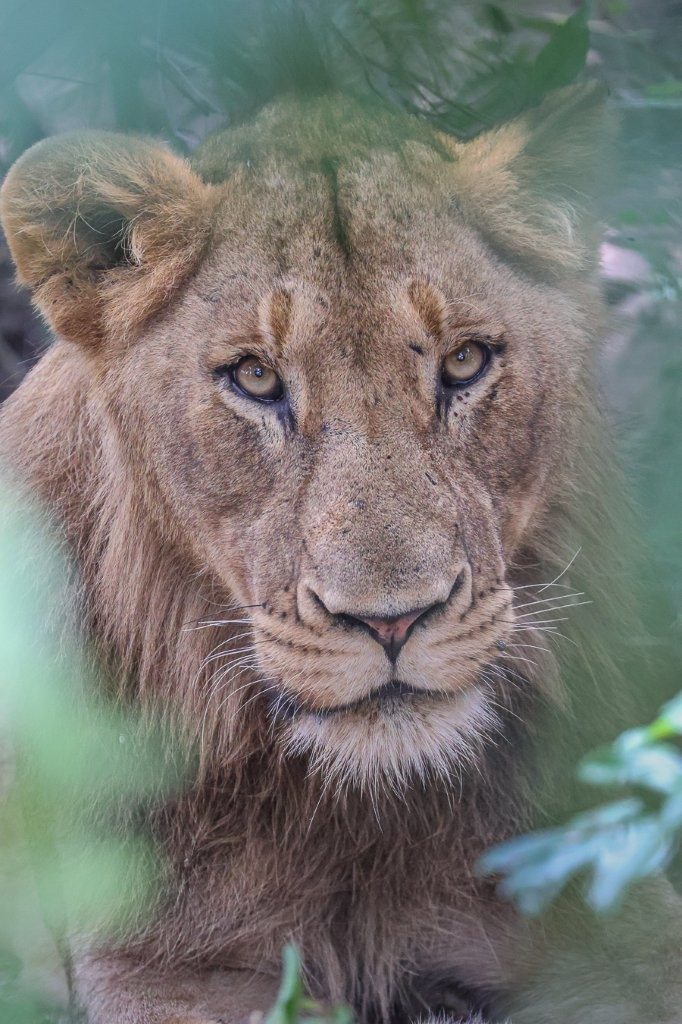
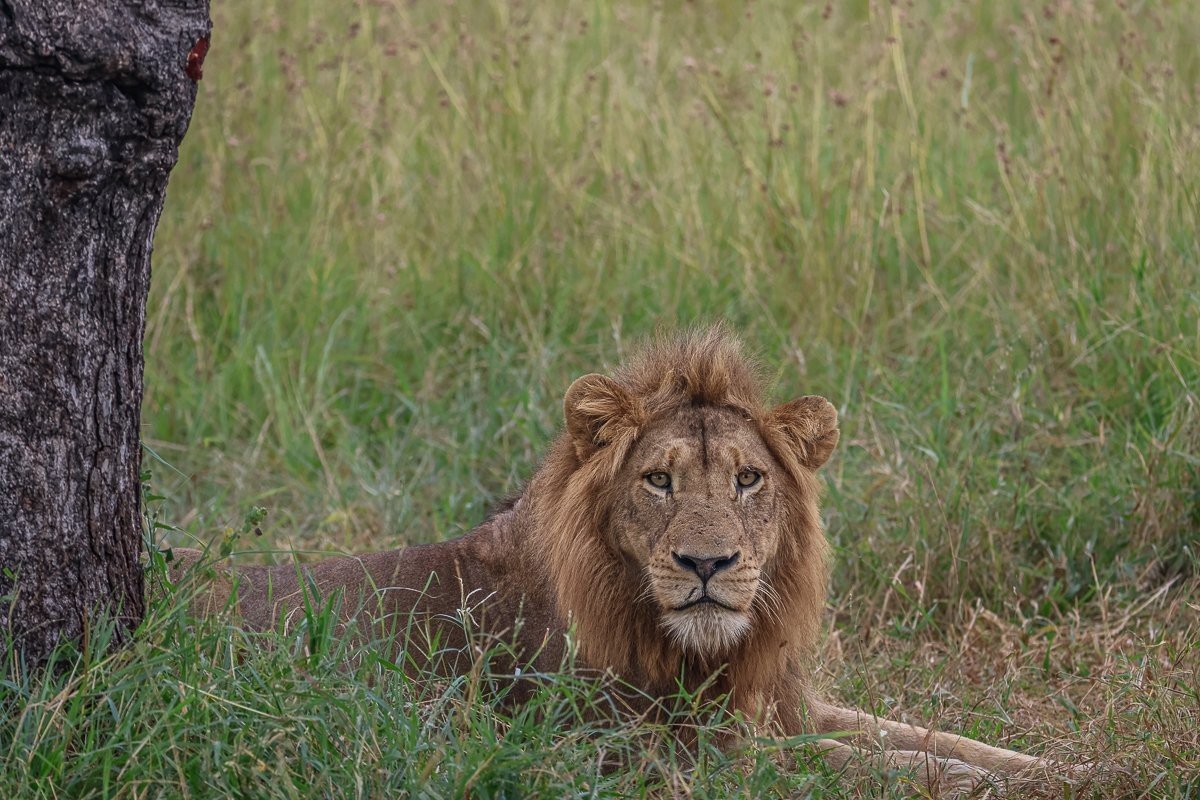
On scorching days, male lions often retreat to shaded drainage lines, where cooler air and damp soil provide welcome relief from the heat - as was the case with these N’waswishaka male lions. By resting through the hottest hours, they conserve energy and avoid overheating, saving their strength for patrols, social interactions, and hunting once temperatures drop later in the day.
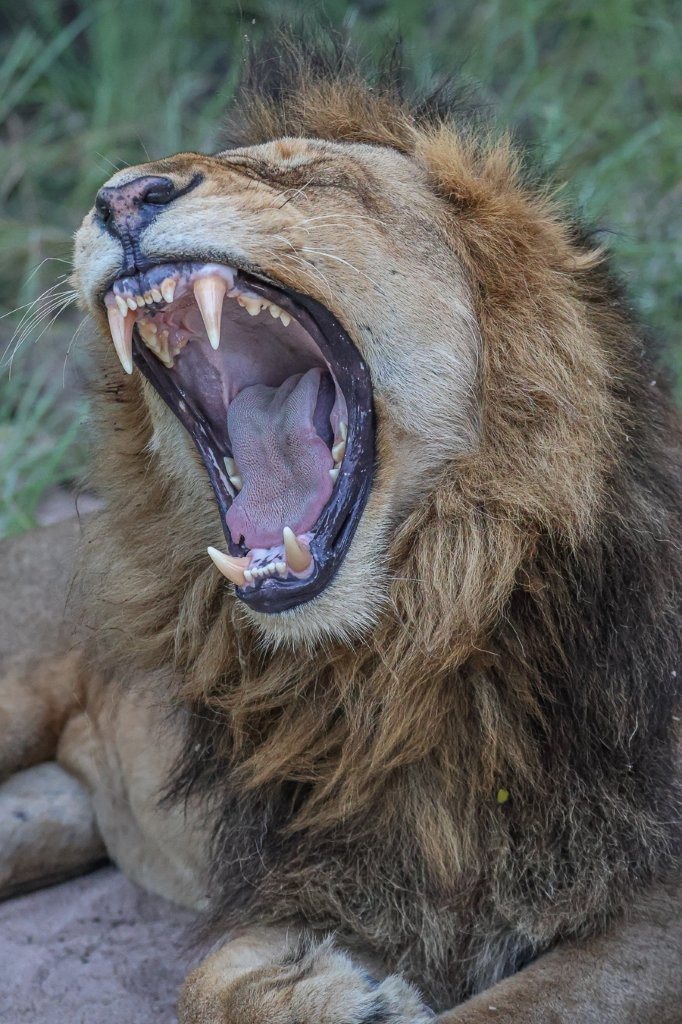
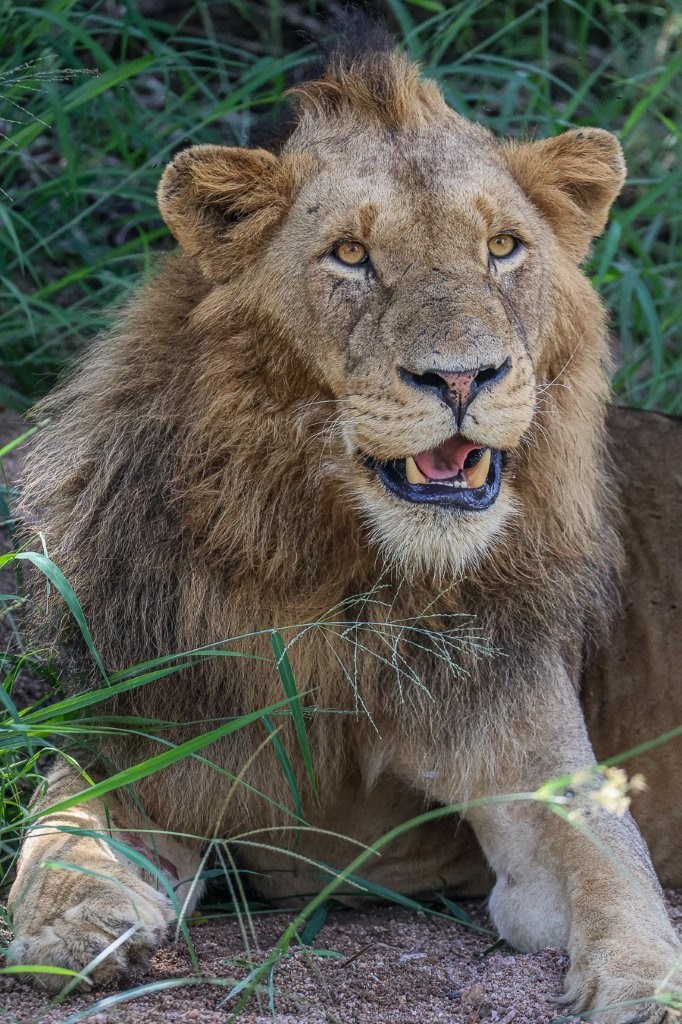
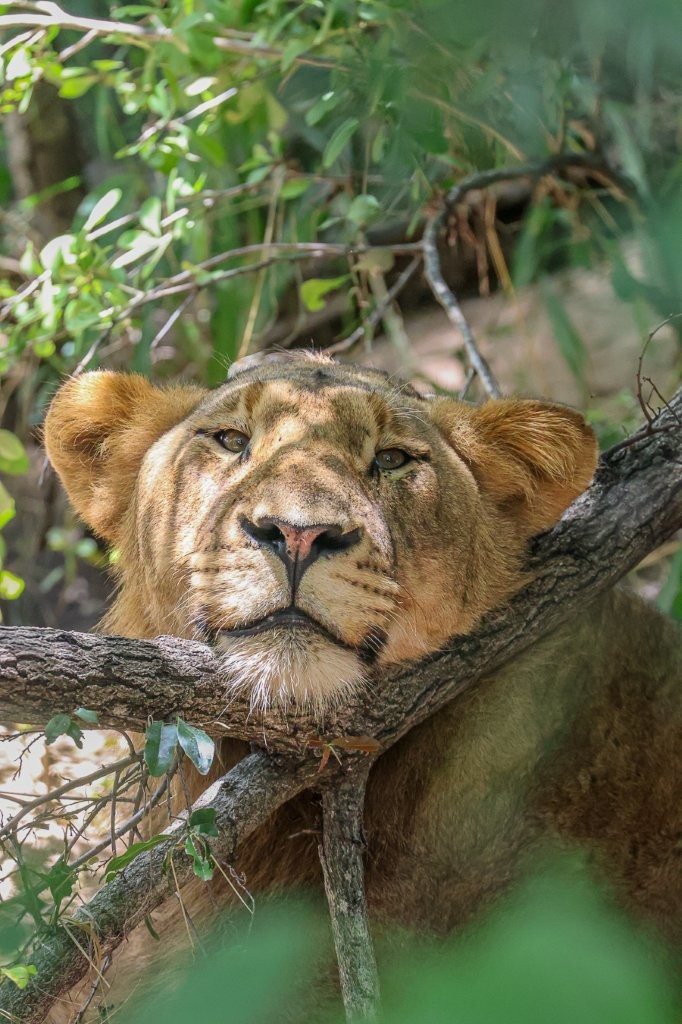
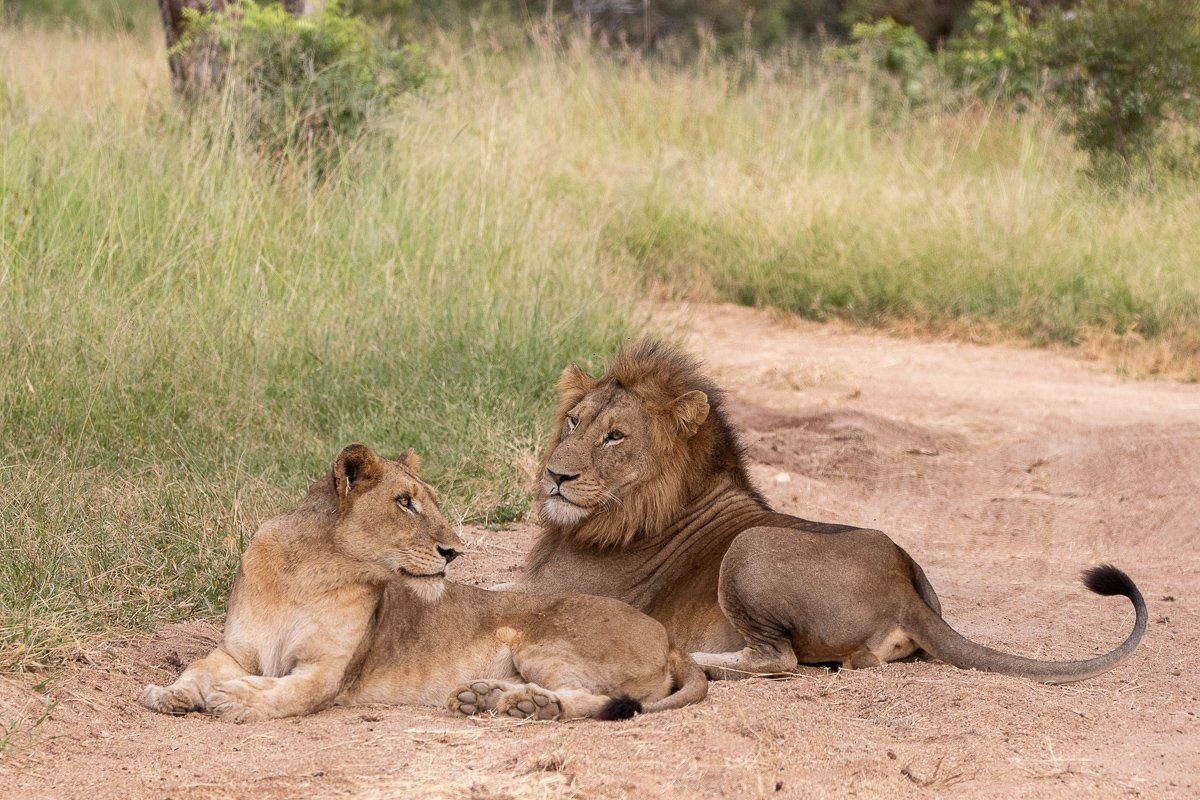
Driving through the bush during several days of extreme heat, we didn’t expect to come across two members of the Msuthlu Pride. A young male and female were tucked away in a dense thicket along a drainage line - the perfect refuge to ride out the hottest part of the day.
Before long, this male will need to begin searching for a safe territory of his own, as leaving the pride is essential for his survival. Only time will tell whether he will succeed in this journey and, one day, become the king of his own domain.
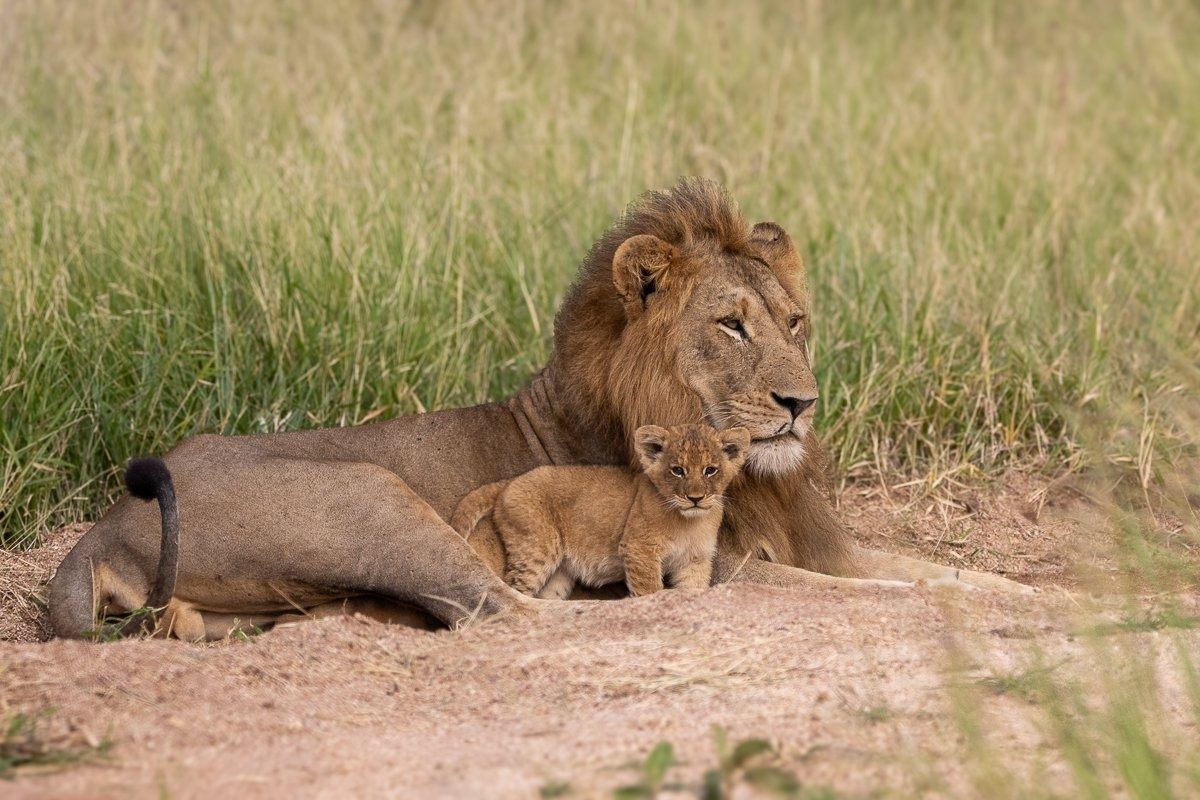
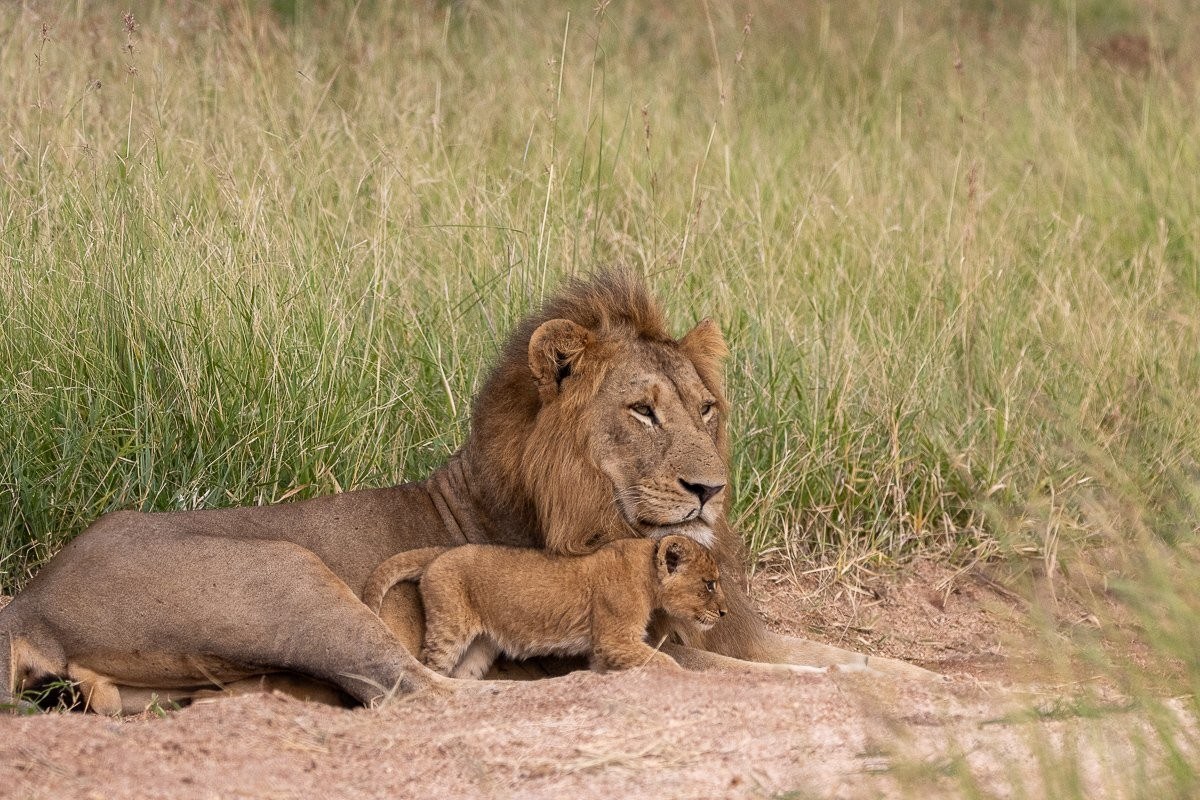
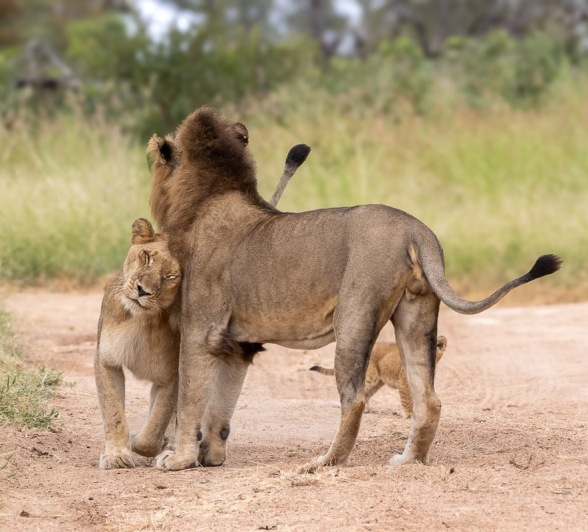
We tracked the Southern Pride, fully aware of the dynamics from the tracks, but what we encountered exceeded all expectations.
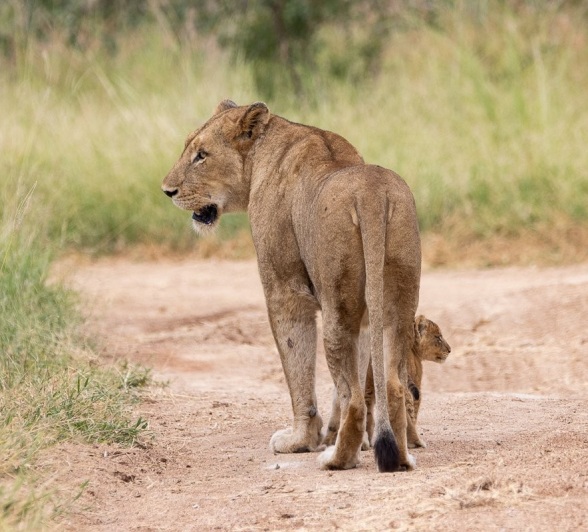
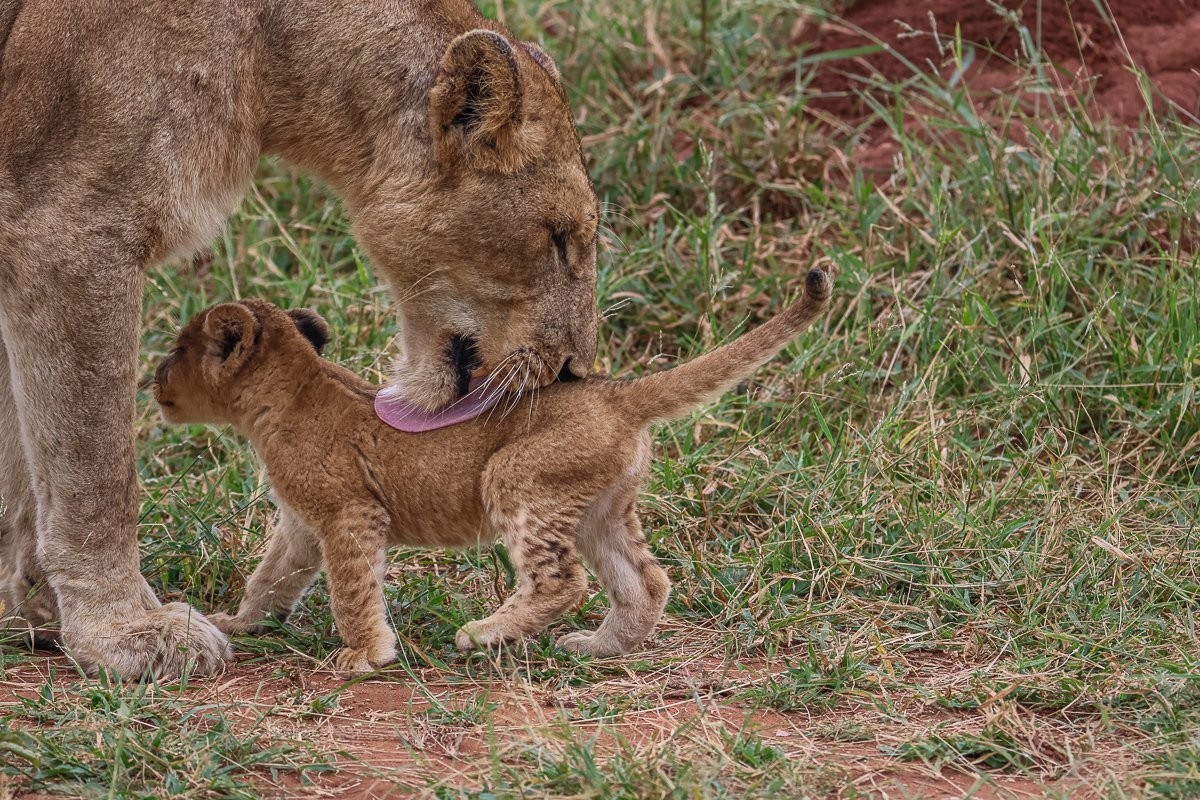
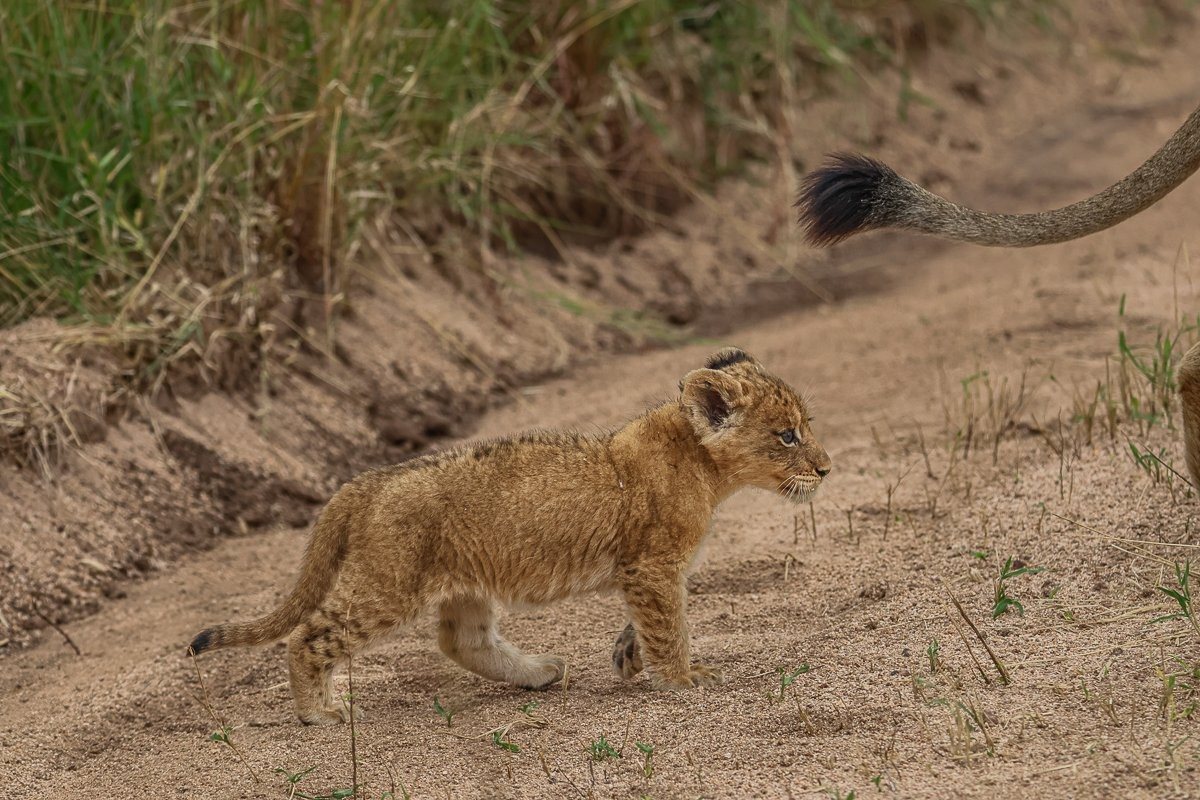
At first, we spotted the male alone, with the cub nearby - almost as if he was left babysitting. Then, as we watched, the females slowly emerged from behind tall grass and rocks. We thought the surprises were over, but we were completely unprepared for what came next.
One of the females began her mating ritual around the male, and in an instant, they were mating. It was a rare scene - a mother, with a small cub at her side, mating - a spectacle few have witnessed.
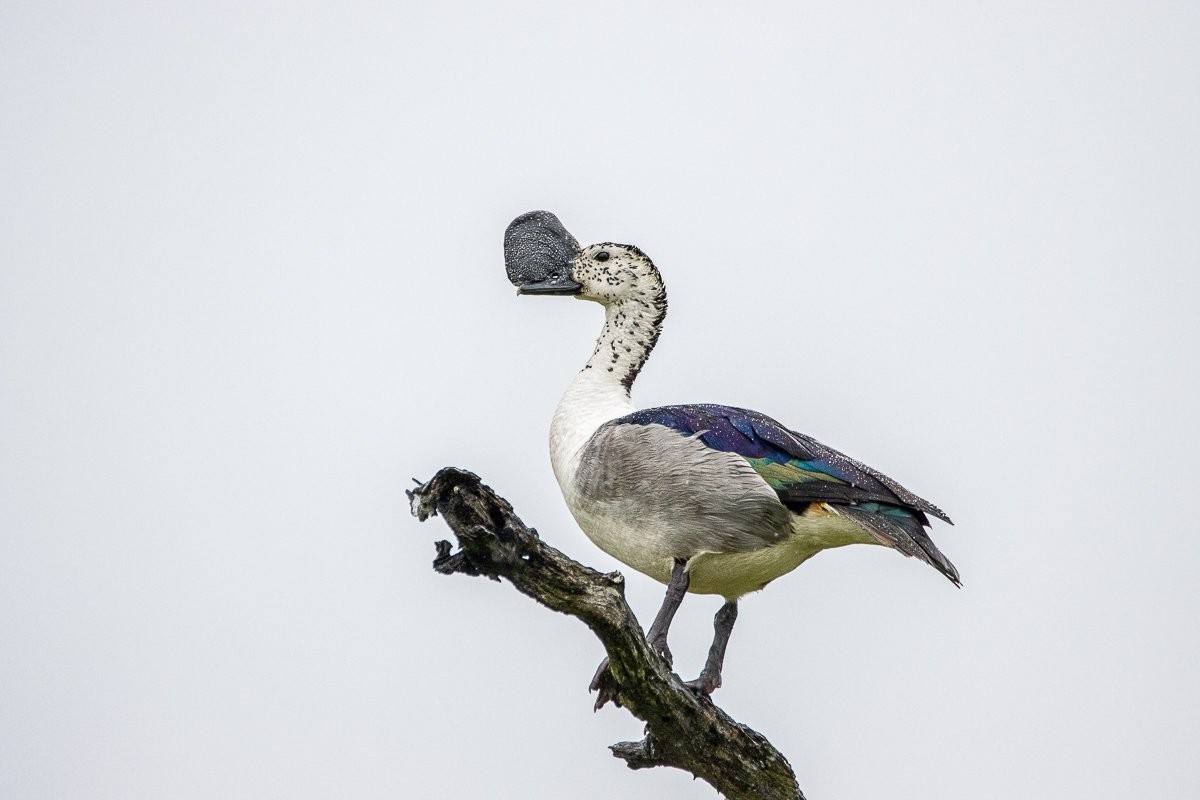
Knob-billed ducks are usually seen around our reserves for most of the year, but recently they have been appearing in many more places. As they follow the marshy, water-rich landscape, they remind us to slow down and appreciate the smaller details of our natural environment.
Males are easily recognised by the prominent black knob on their bill, which becomes especially noticeable during the breeding season. These ducks prefer freshwater dams, rivers, and wetlands, where they feed on aquatic plants, seeds, and small invertebrates.
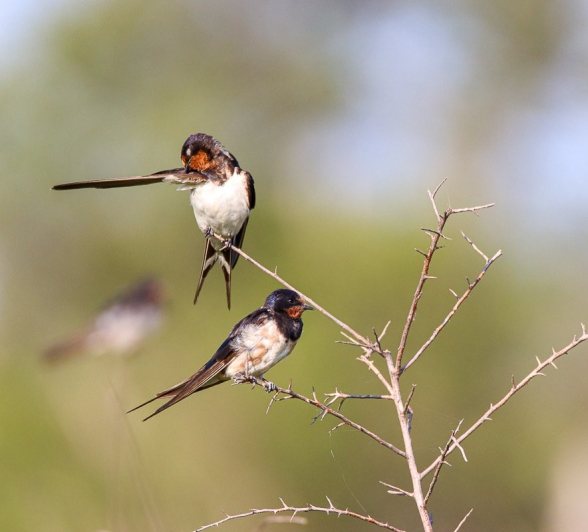
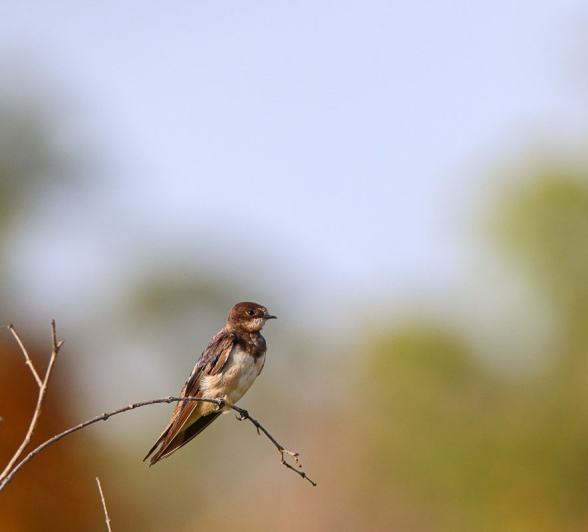
The Barn Swallow is a Palearctic summer-breeding migrant that can be seen on safari from October to early May. After this period, it migrates to Central and South America, as well as across Africa and South Asia, during the non-breeding season.
These highly gregarious birds form loose flocks during the day and roost communally at night, spending most of their time feeding. As aerial insectivores, they are almost constantly flying, swooping and gliding as they hunt insects to sustain both themselves and their young.
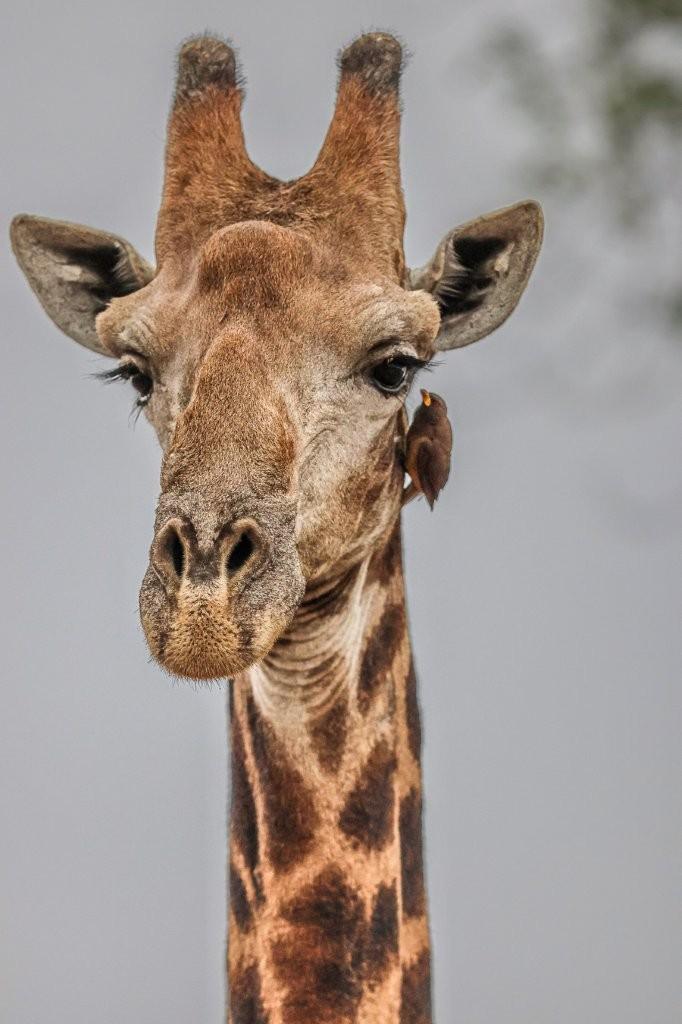
One morning, we watched a majestic giraffe bull as he was gazing into the distance. A Yellow-billed Oxpecker seized the moment, taking advantage of the giraffe’s distracted focus to probe the more sensitive areas. It didn’t last long - one sharp shake of the giraffe’s head sent the bird scattering.
Ticks and other parasites are a natural part of the ecosystem, with nearly all animals acting as hosts at some point. Oxpeckers, however, play a vital role by forming mutualistic relationships with these large mammals: they feed on ticks and parasites, keeping their hosts cleaner while securing a reliable food source for themselves.
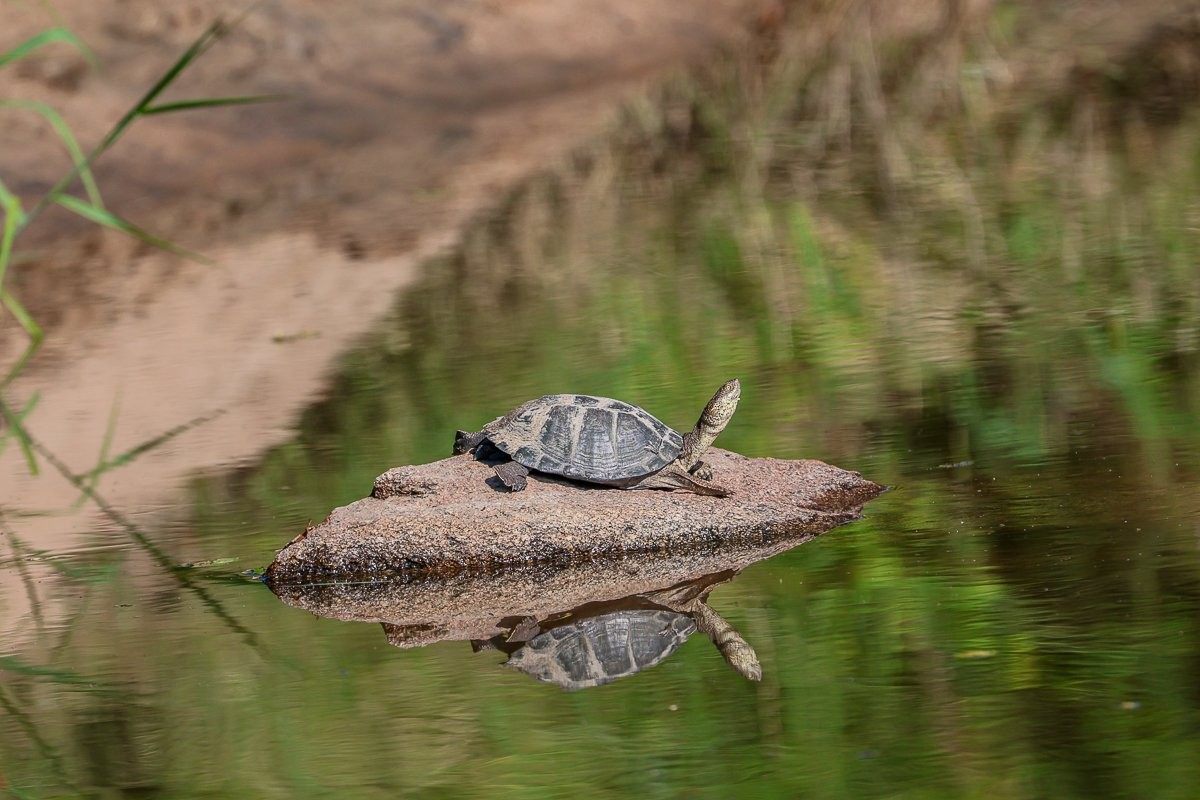
A terrapin basks on a sun-warmed rock in a riverbed during the early morning, soaking up heat after the cooler night. This behaviour helps raise its body temperature, improving digestion, movement, and overall metabolism before it returns to the water to feed or evade predators.
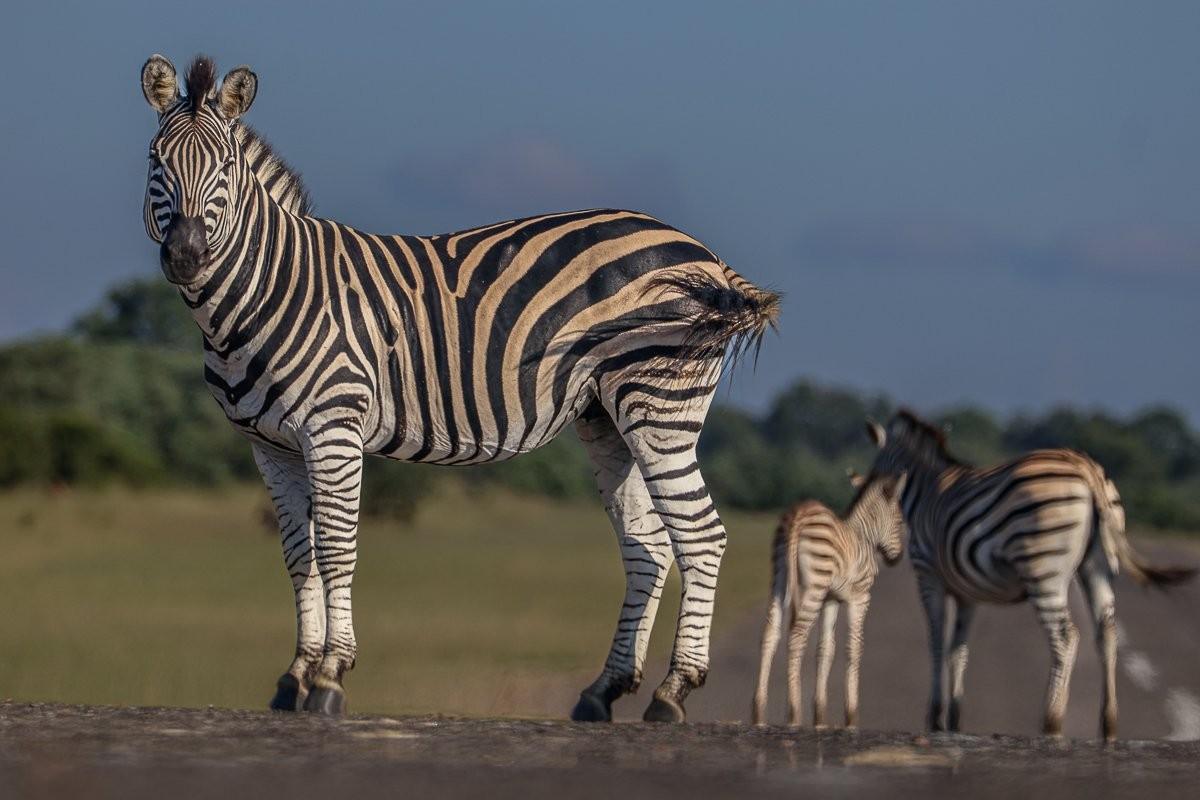
A dazzle of zebra stands on our private airstrip in the early morning, taking advantage of the wide-open space where approaching predators can be spotted from a distance. The short grass and clear sightlines make these open areas especially attractive after a long night, allowing the herd to remain alert and unified. Their bold black-and-white stripes create a striking visual display that can confuse predators during a chase, disrupt depth perception, and even help deter biting insects. Together, the herd’s choice of location and their collective vigilance turn this exposed strip of land into a surprisingly effective place of safety.
Until next time…
Blog by Wendy Claase
Images by Benjamin Loon, Jan Nel, Jana du Plessis, Ronald Mutero and Ruan Mey