
A Week in the Bush Vol. 582
on Feb 18, 2026We have been extremely fortunate this past week to have witnessed numerous wild dog sightings…
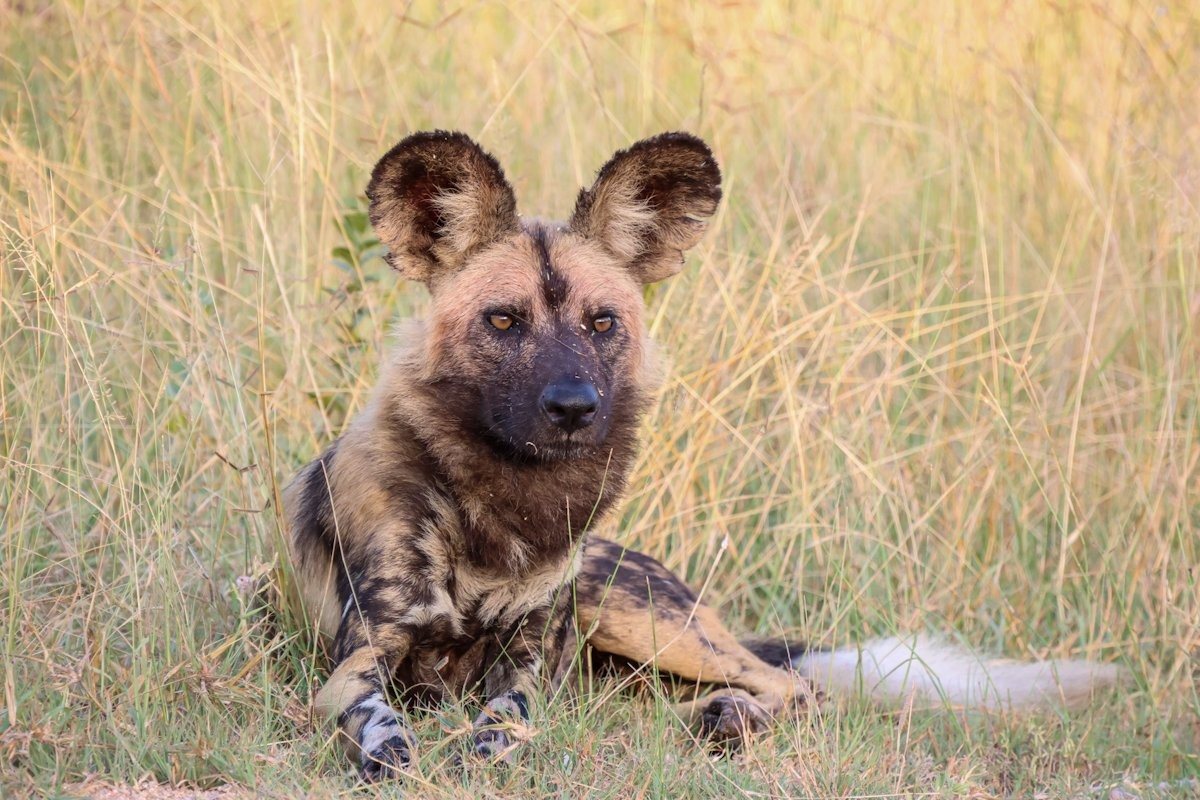
A small pack of five wild dogs moved low and deliberate across an open area, their eyes locked on a herd of impala ahead. Renowned for their teamwork and stamina, they begin with patience and stealth, closing the distance before erupting into a sudden, relentless chase. Even at this early stage, each dog is attuned to the others’ movements - because in a hunt like this, success depends as much on coordination as it does on speed.
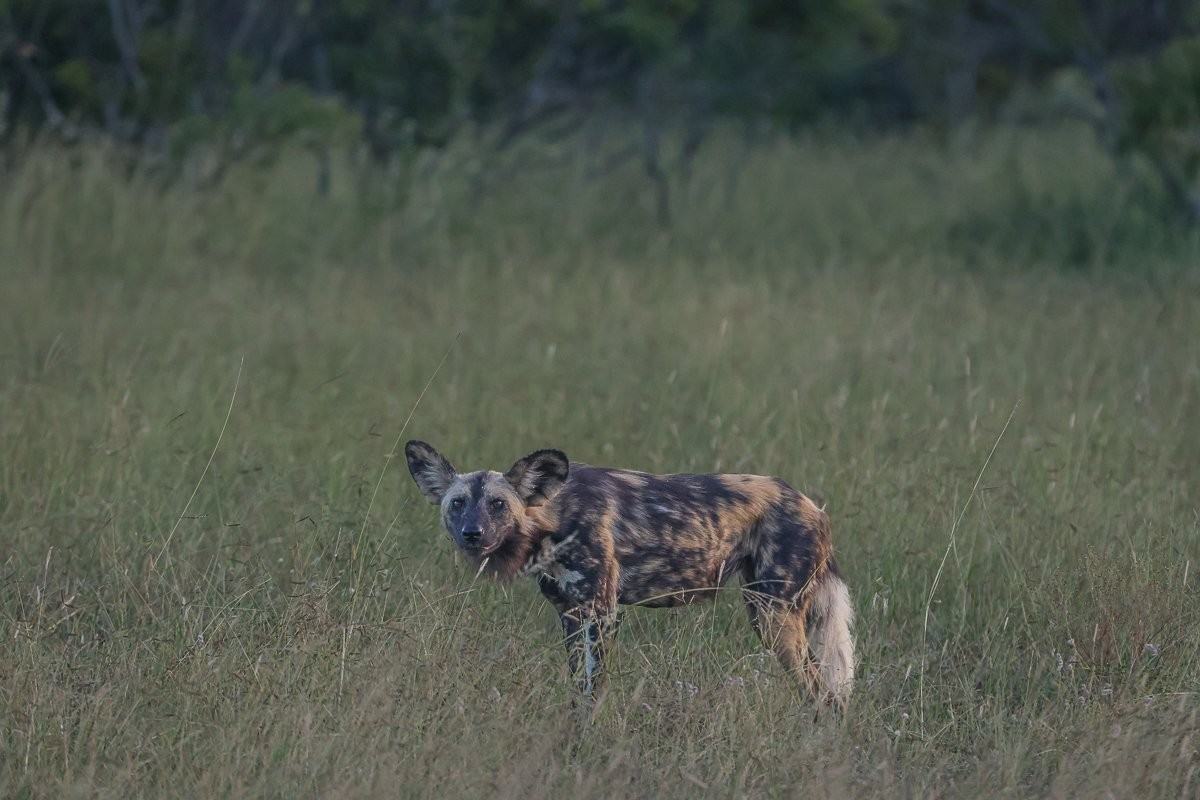
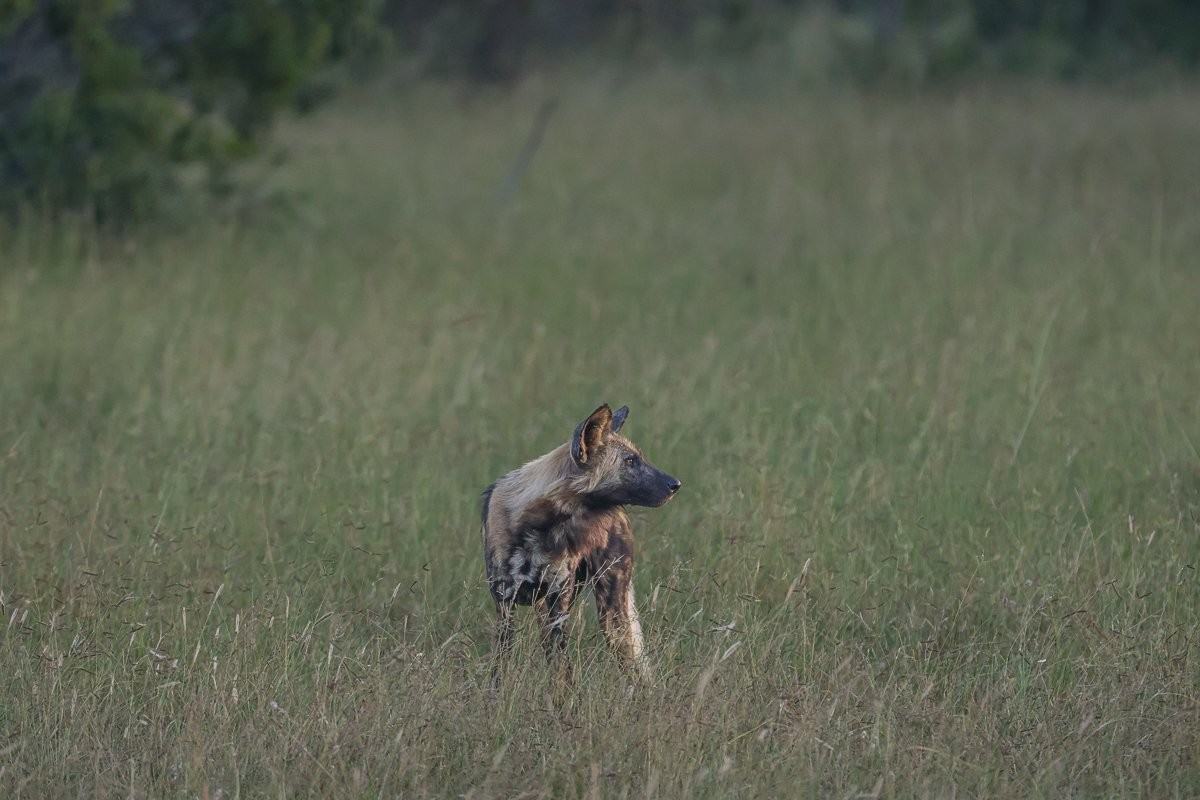
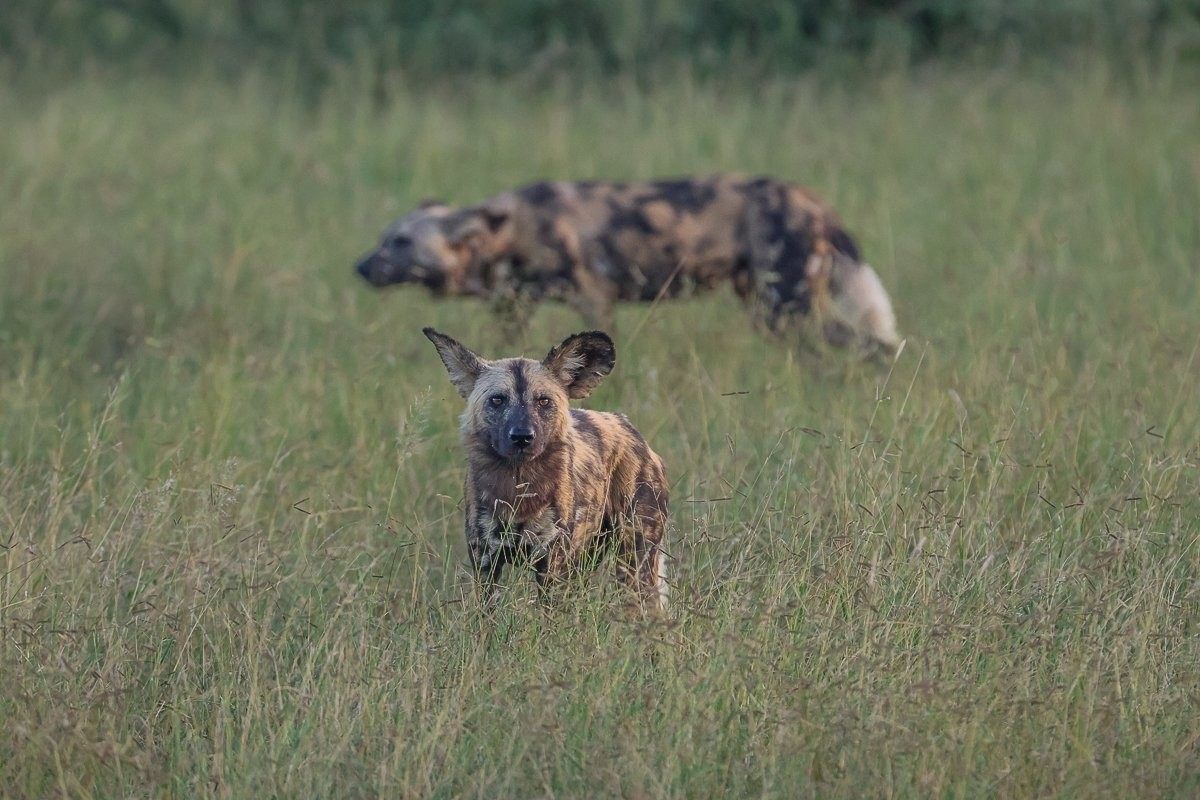
A few days later, while watching some buffalo bulls wallowing in the mud, the calm suddenly turned to excitement as a pack of wild dogs burst from the grass. They sprinted across the open clearing, scanning for potential prey as the sun dipped toward the horizon. Wild dogs are diurnal hunters, most active in the cool of early morning and late afternoon. We followed them as they disappeared into the thickets, and soon lost sight of them when they charged into a drainage line in pursuit of a herd of impala.
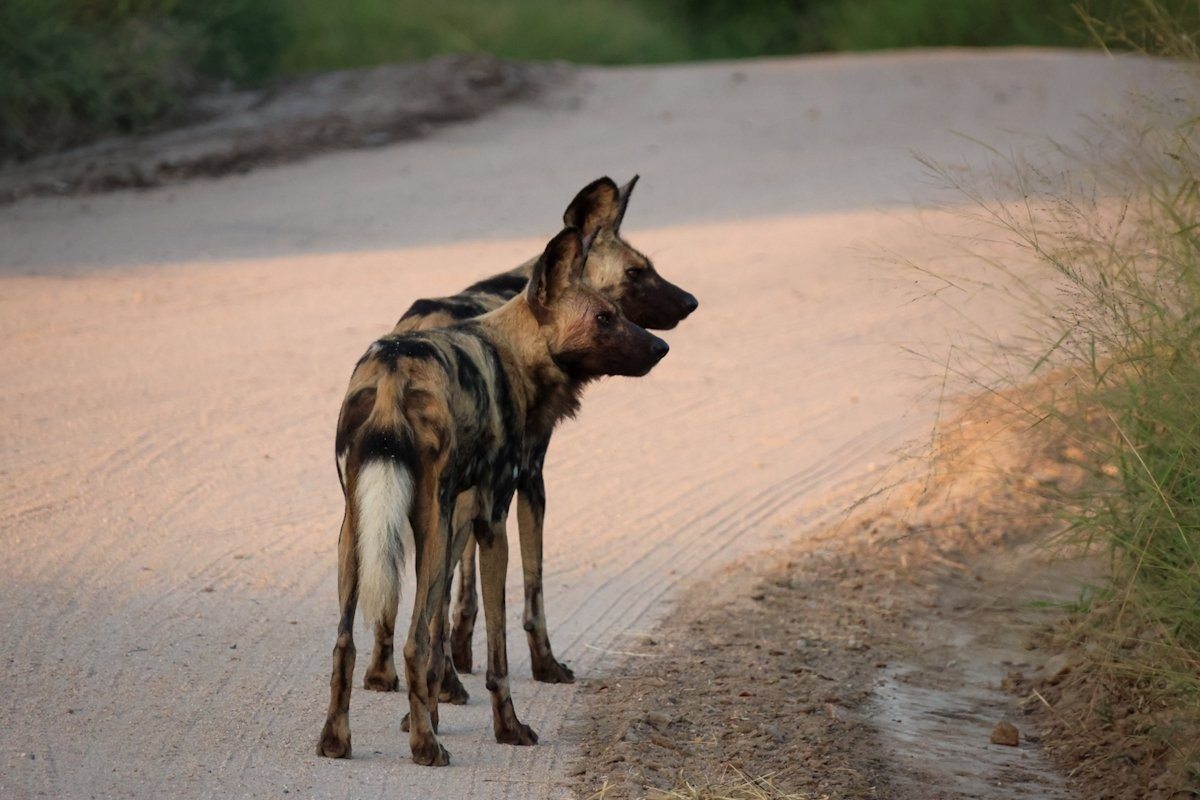
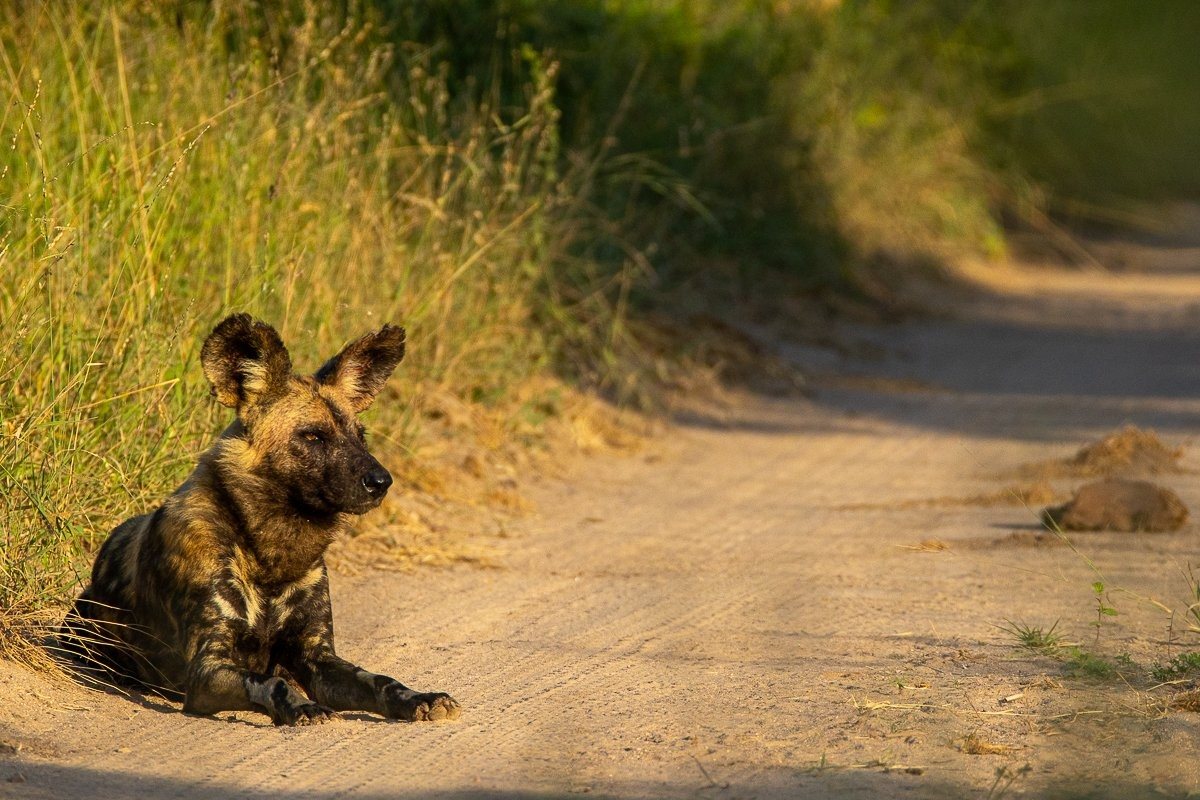
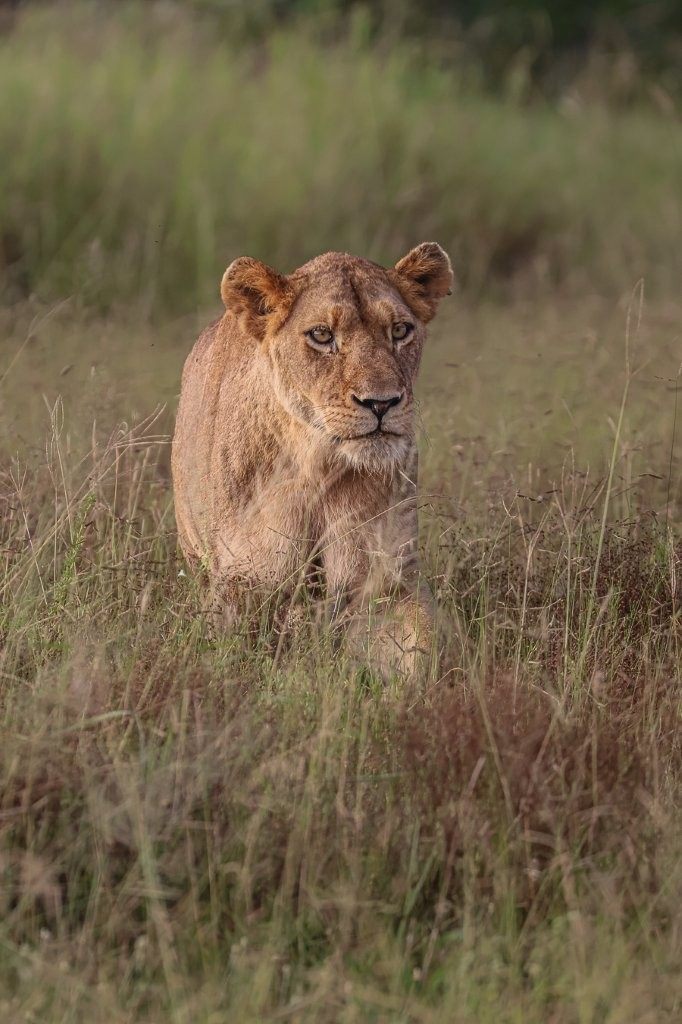
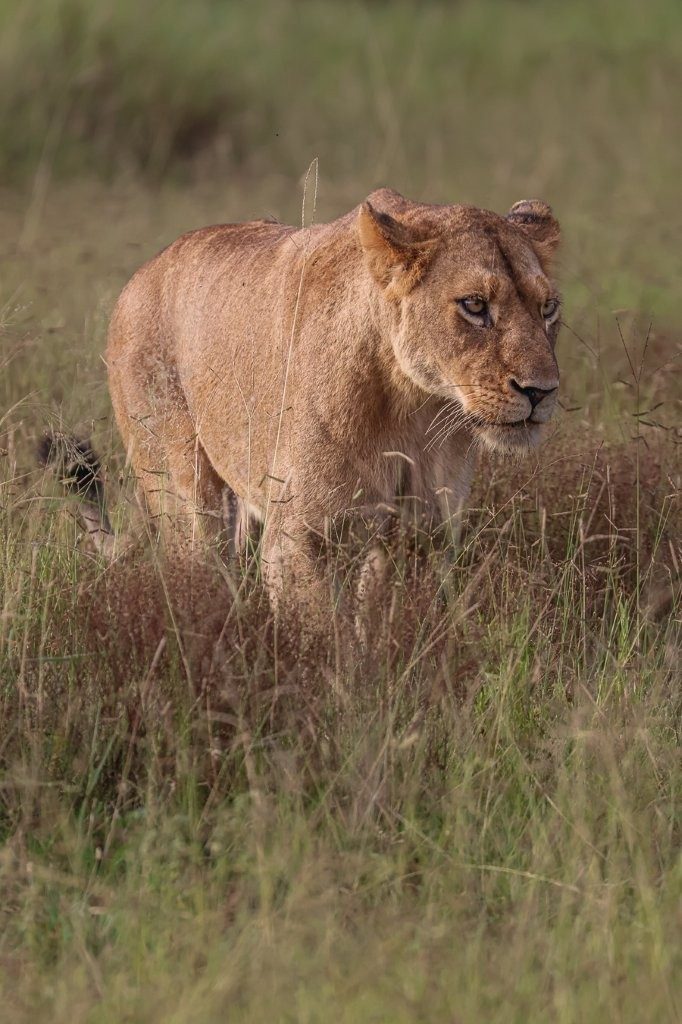
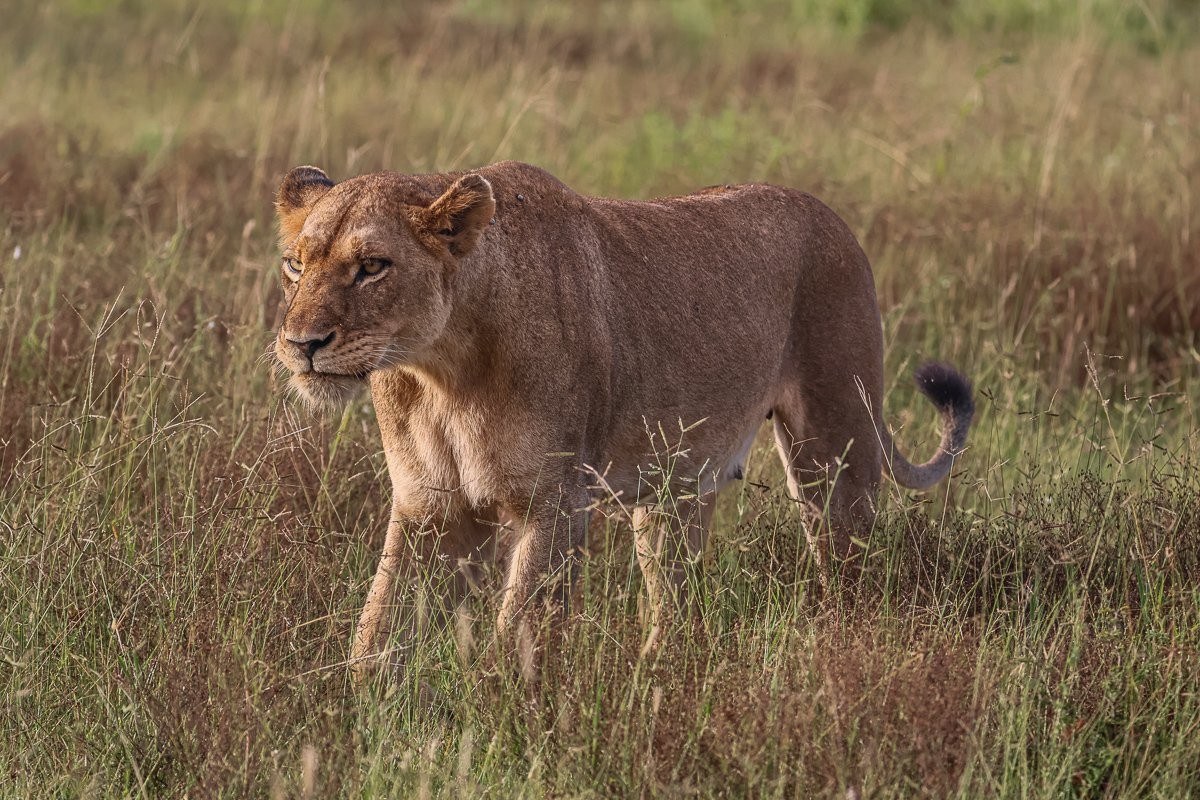
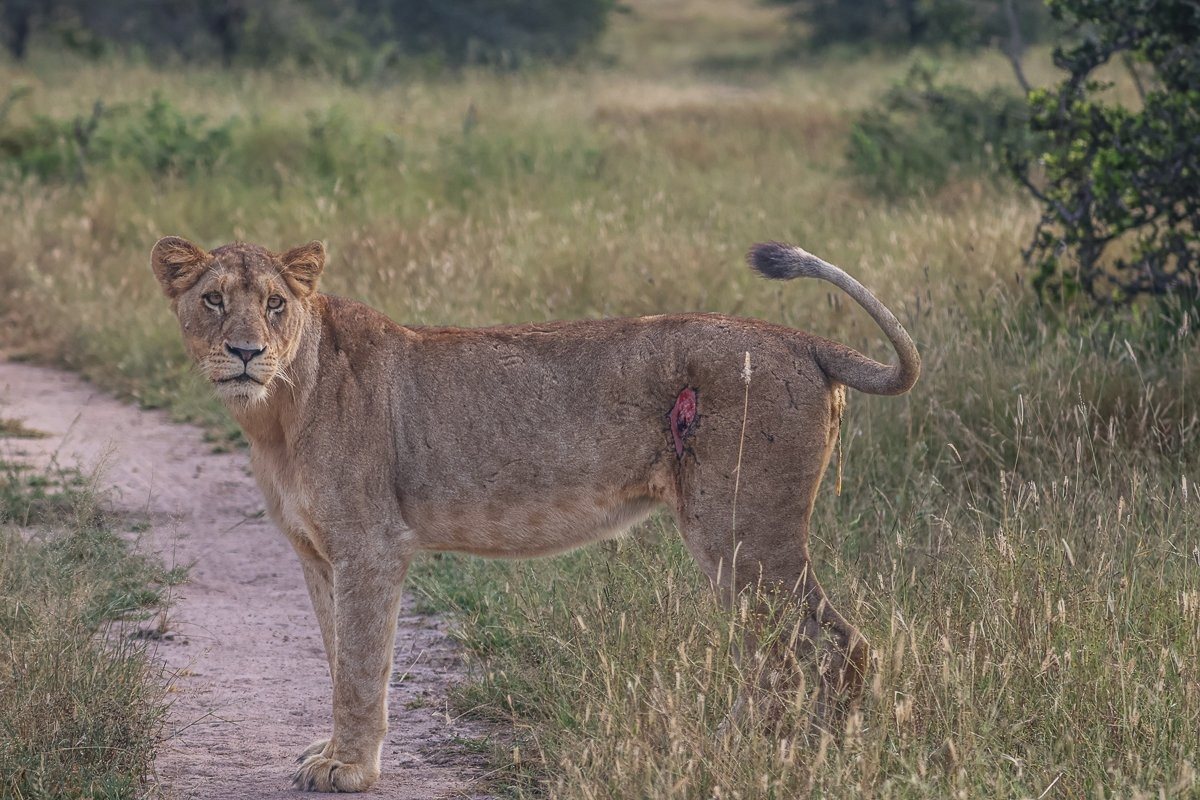
Following lion tracks in the early morning light, we soon came across two of the Southern Pride lionesses resting along the treeline. Suddenly, a dazzle of zebra appeared, and true to their opportunistic nature, the lionesses immediately began to stalk them. Unfortunately, they were spotted too soon, forcing an early chase that ultimately proved unsuccessful. Retreating into the treeline, they settled into a comfortable spot in a drainage line to spend the hottest part of the day conserving energy before another hunting attempt after dark.
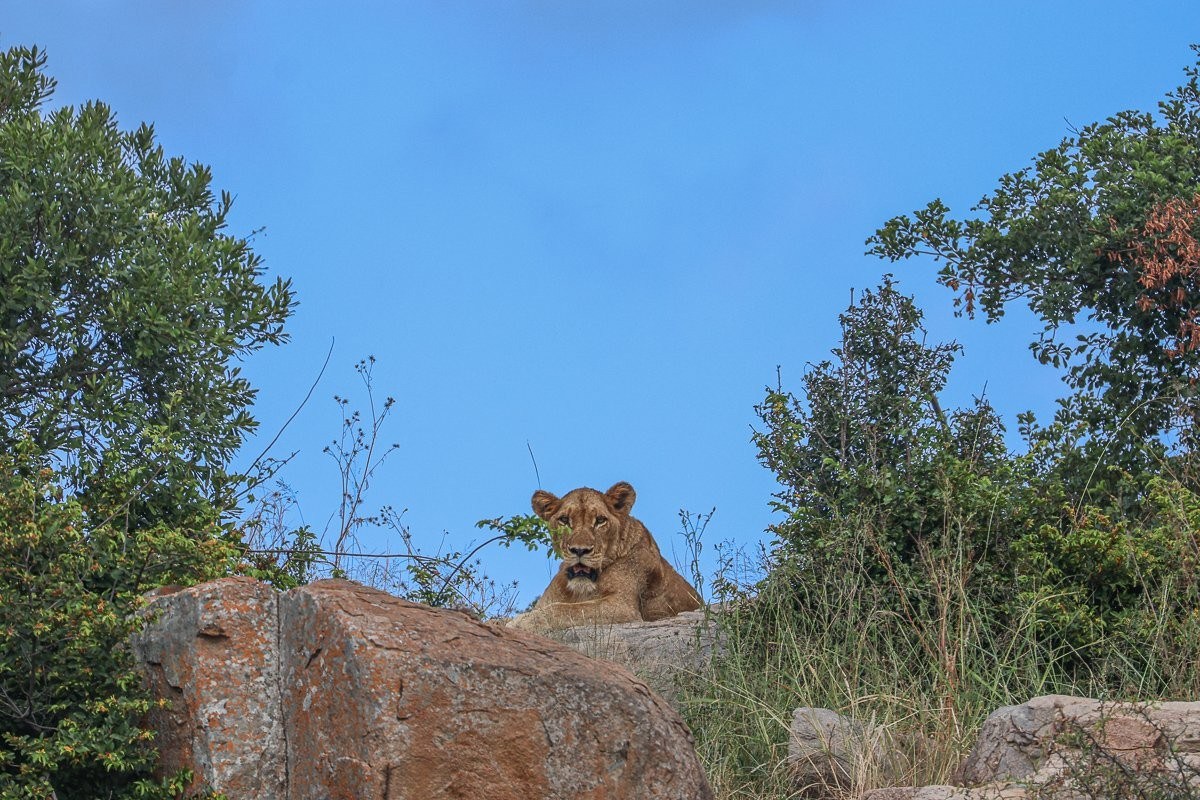
The following day, we spotted one of the Southern Pride lionesses resting on some rocks. Here, the newest addition to the pride is safely tucked away among the rocks, a secure haven while the adults hunt. During the day, when the adult females are present, they allow the cub to emerge from hiding and play around, bounding over the rocks until its little body is tired, just in time to return to the den before the adults leave once more.
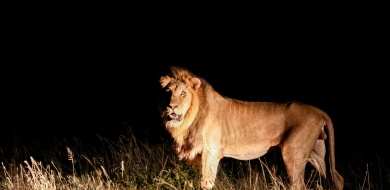
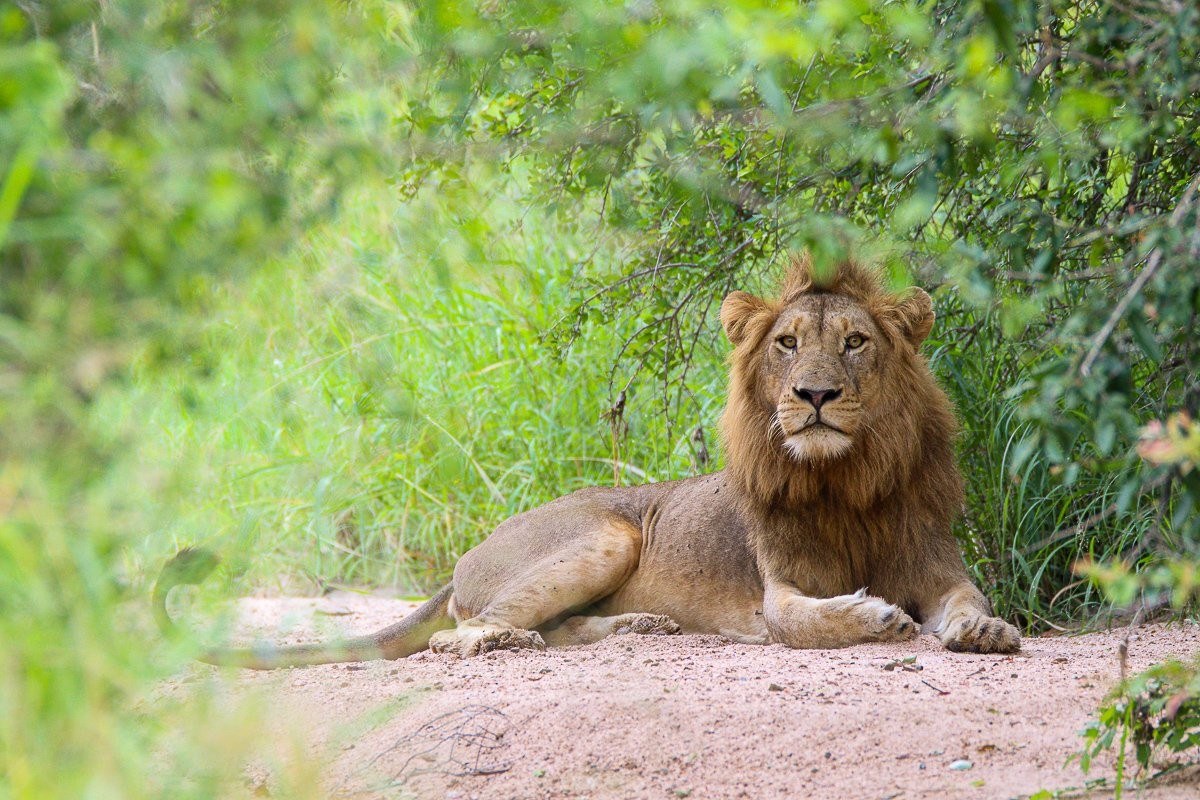
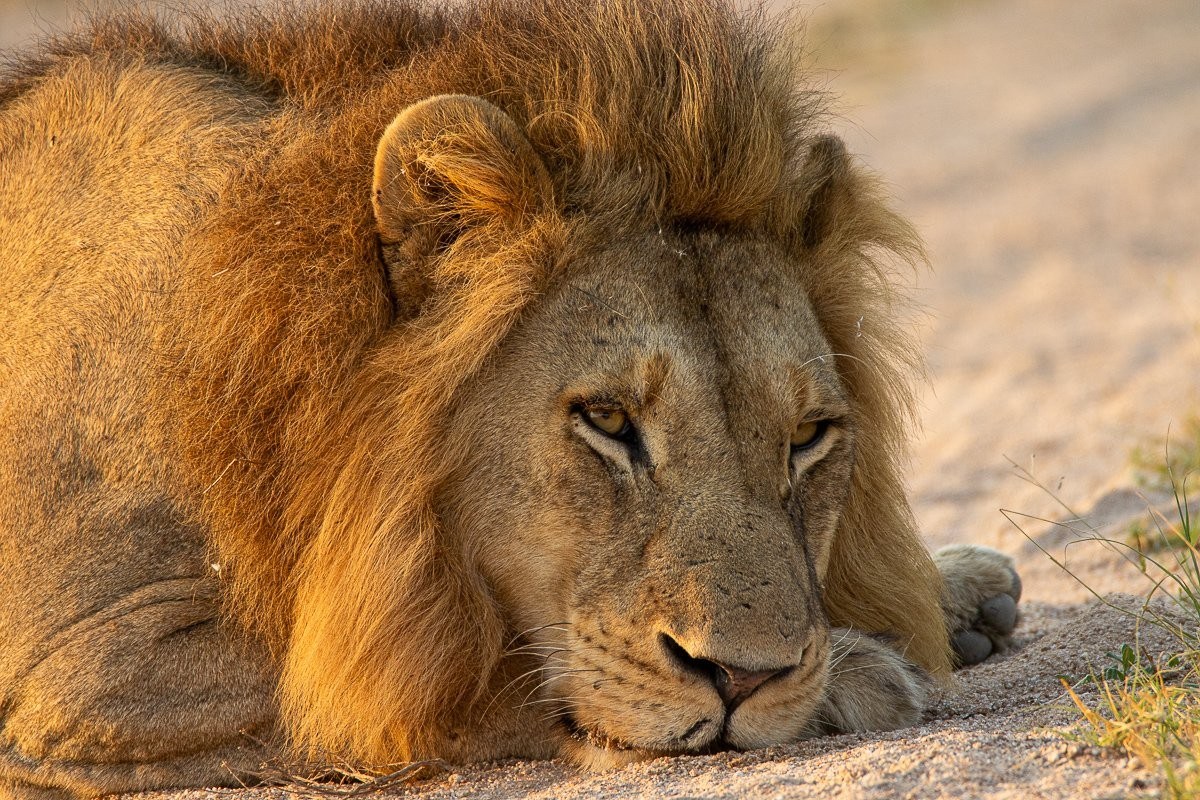
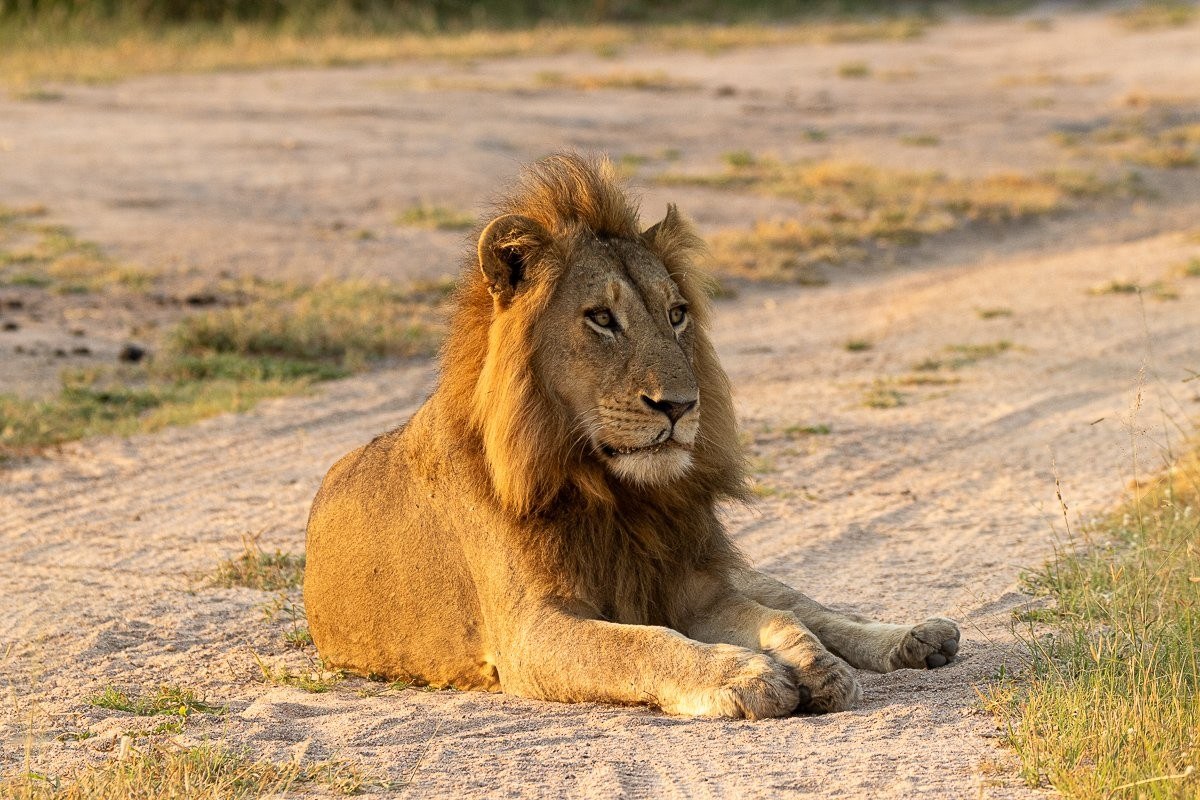
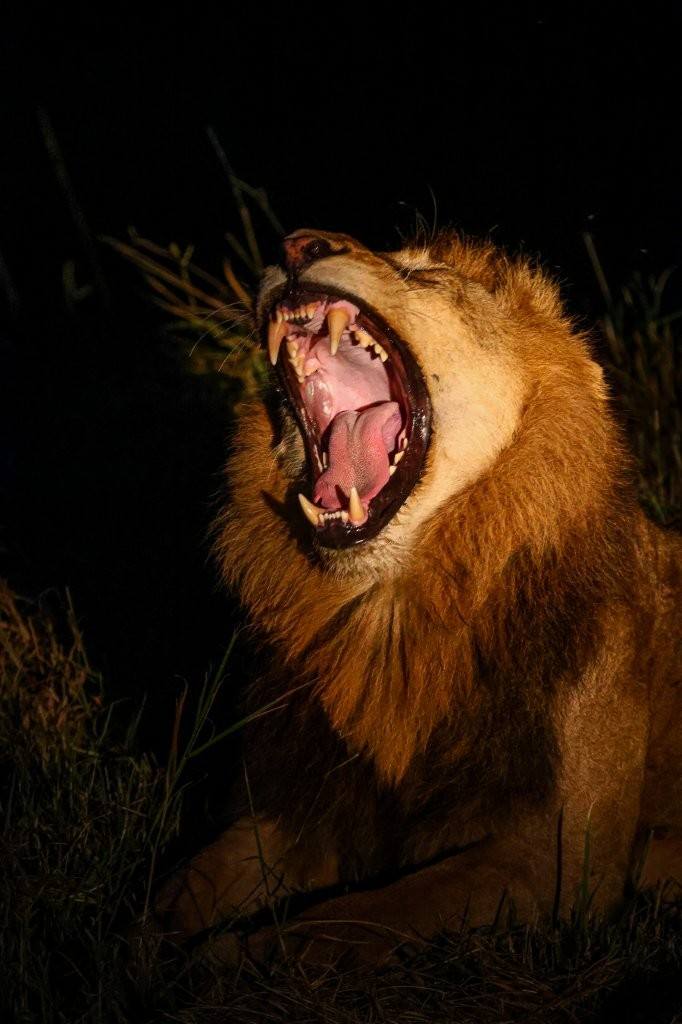
The roars of the three N’waswishaka males echoed through the night from Selati Camp, making us eager to set out and find them at first light. Their tracks led the safari team to the site where a Msuthlu lioness had been spotted the previous evening, stalking impalas. Now, with fuller bellies than the day before, it seemed the males had likely driven her off and claimed her kill. As the morning’s humidity and heat intensified, they retreated to the cool shade of a small drainage line, where the cold, damp sand would offer them a refuge to rest through the day.
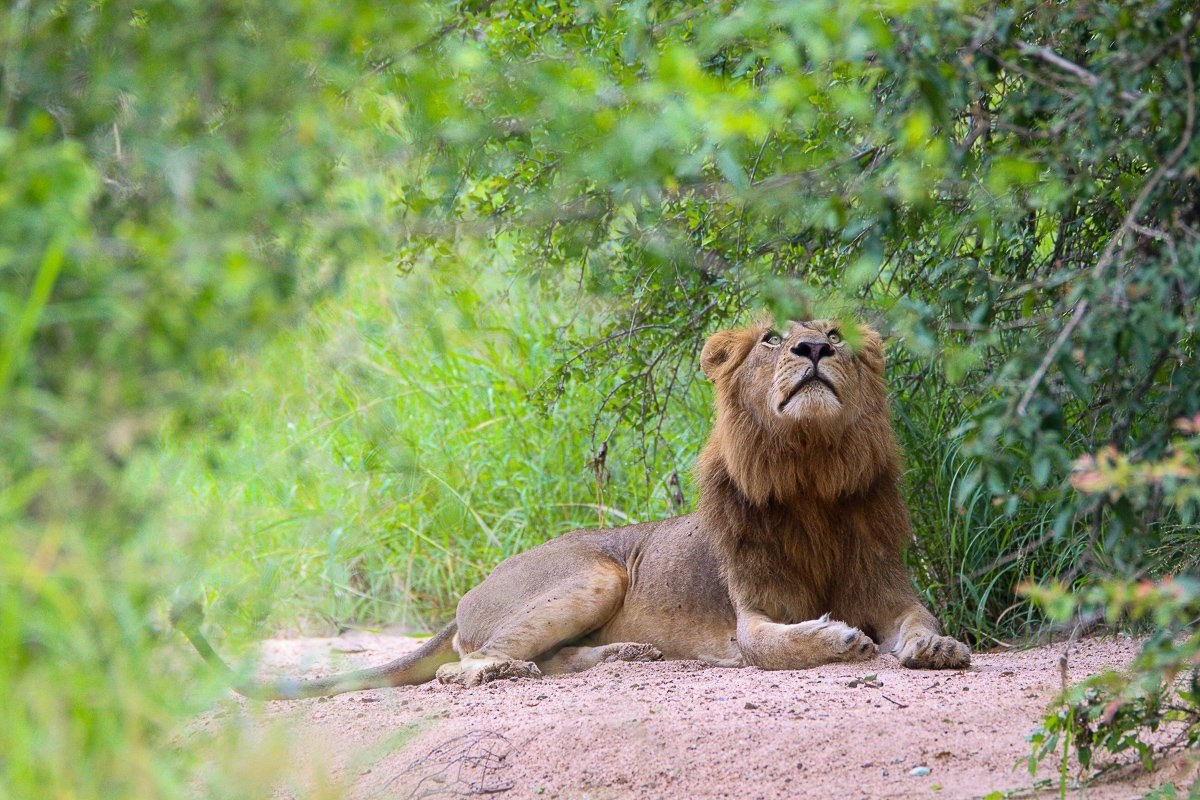
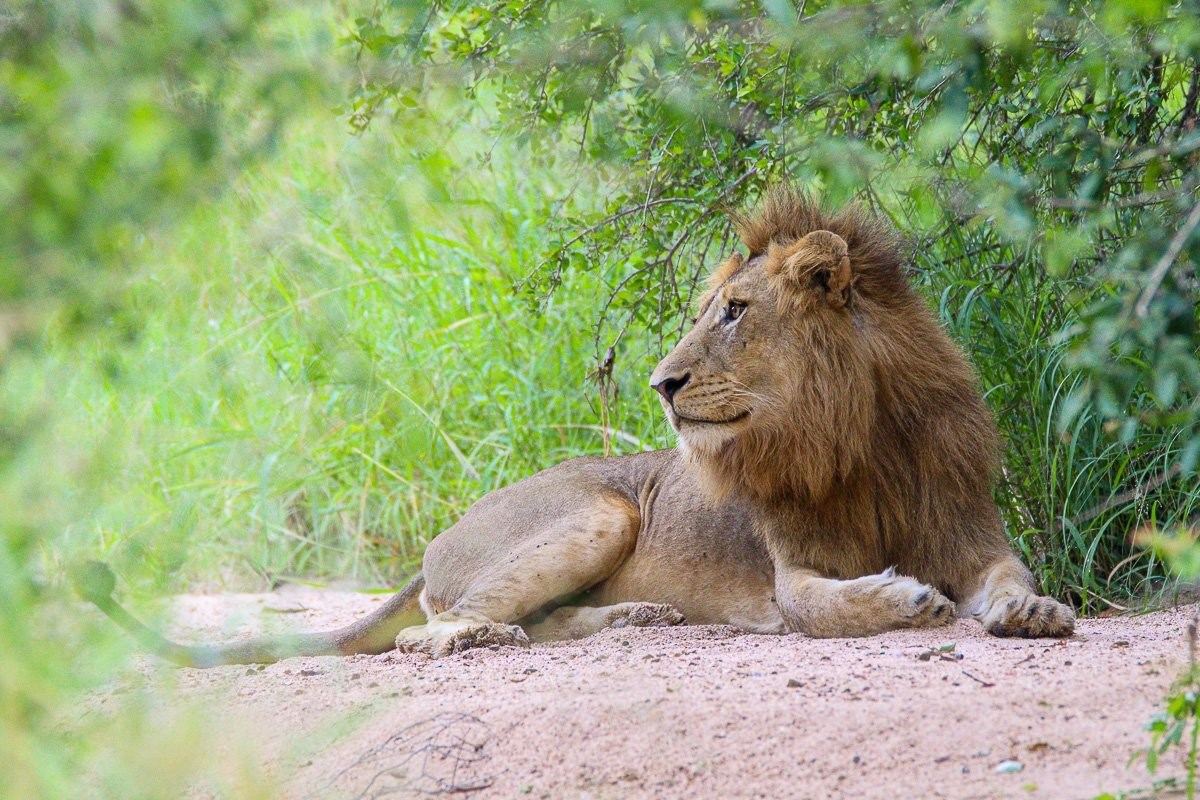
We followed up on two of the N’waswishaka male lions, returning to where we had left them earlier that morning, and managed to find them not far from the original spot. The males had spent the entire day in a low-lying area, resting and keeping cool while escaping the heat. As the temperatures began to drop and the light slowly faded, they gradually became more active, giving soft, short contact calls as they attempted to reunite with their two other brothers.
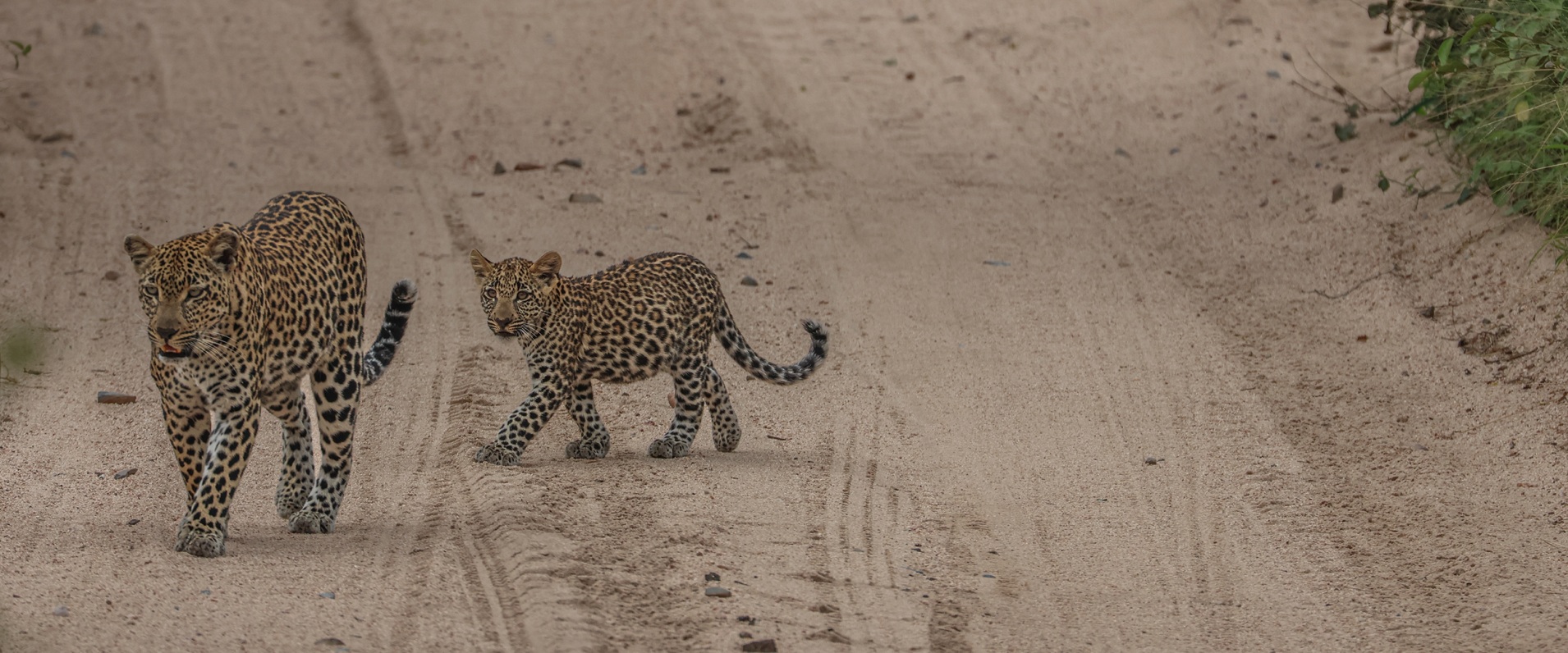
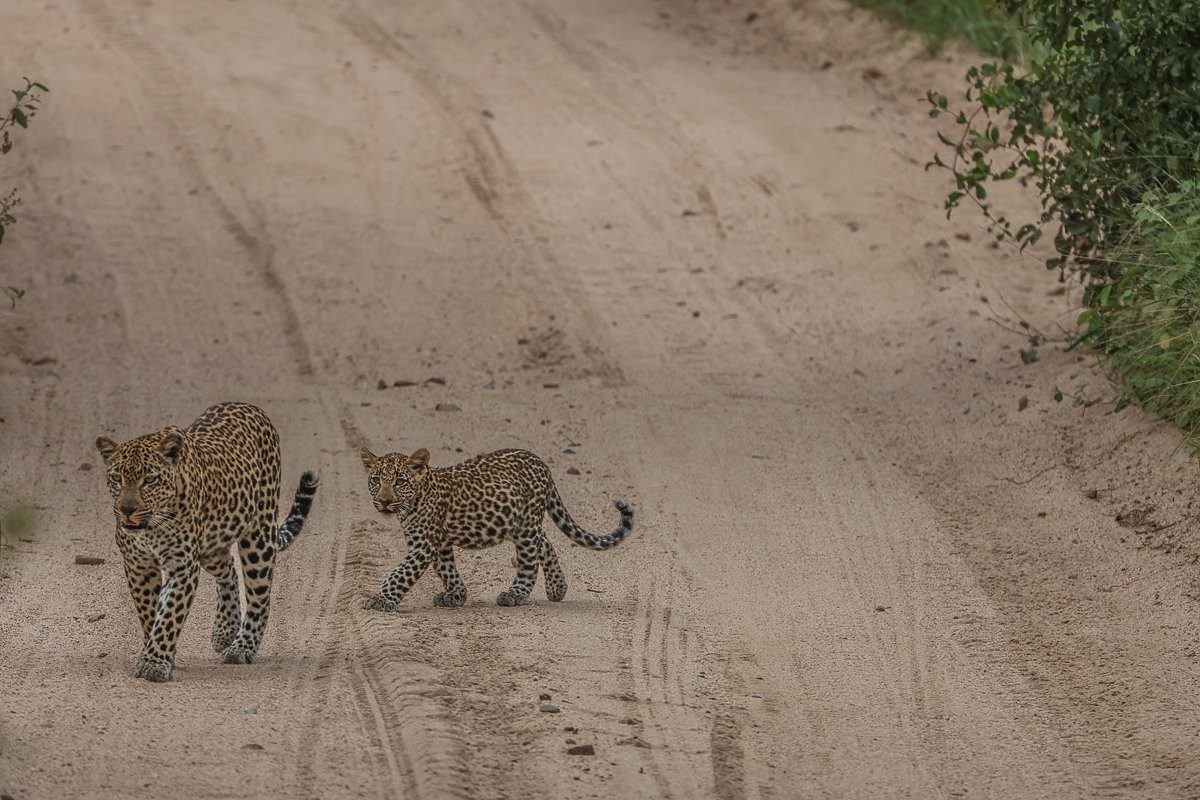
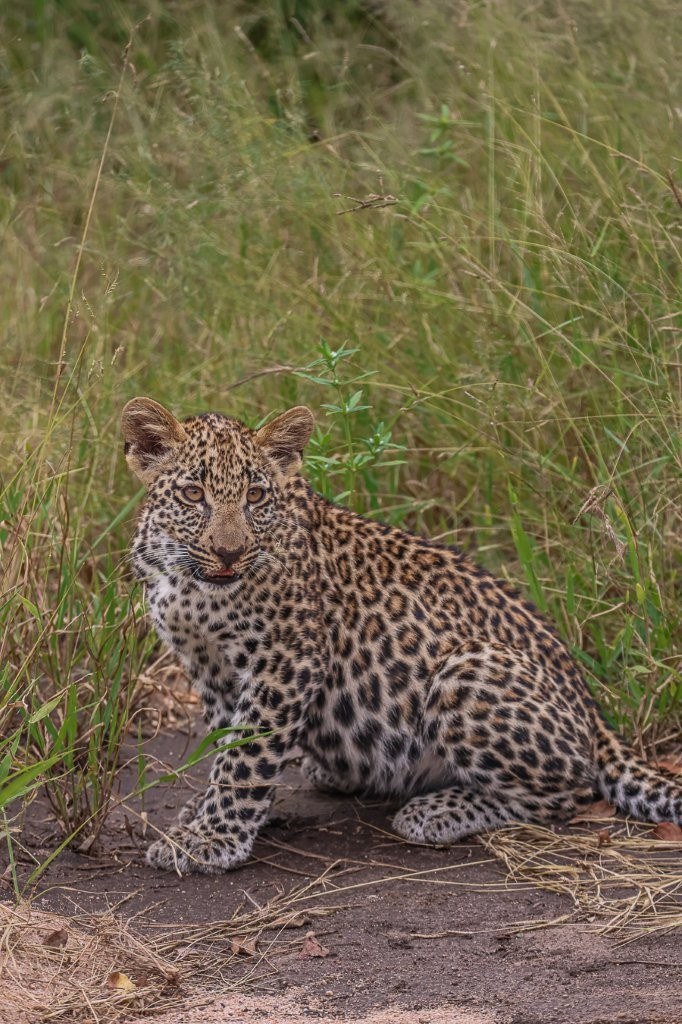
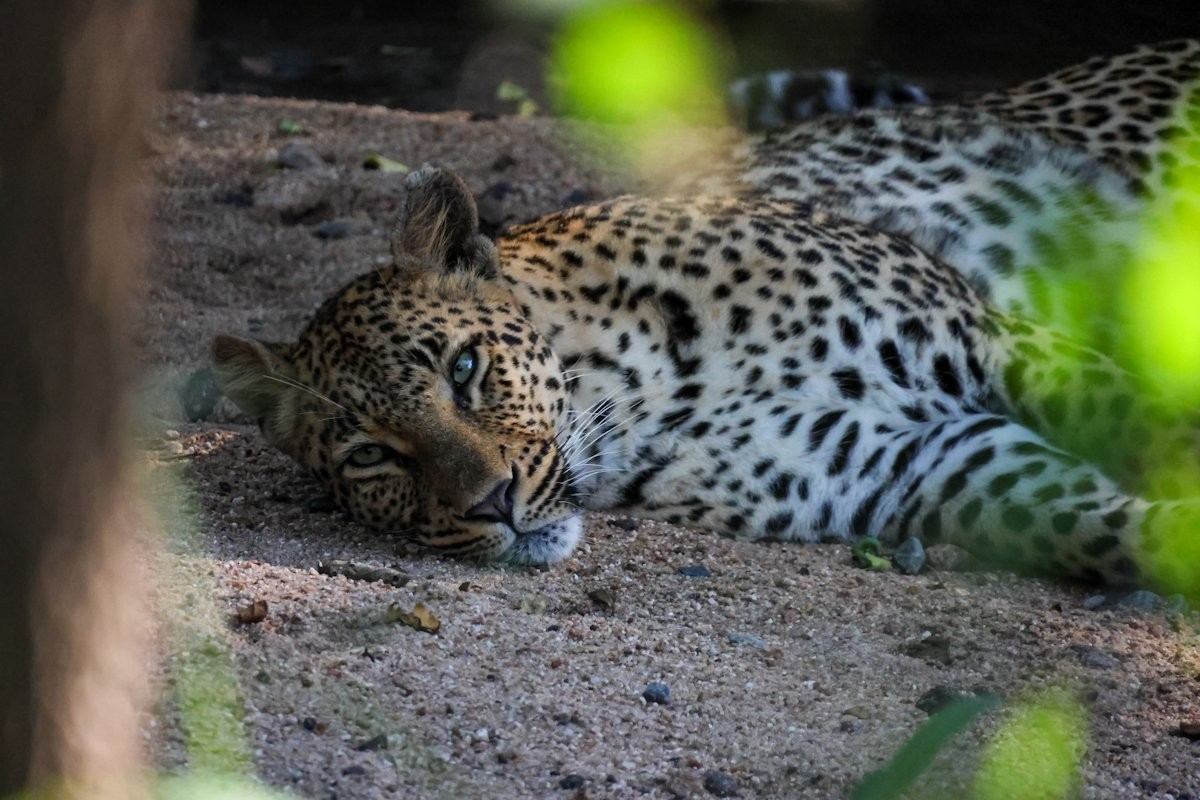
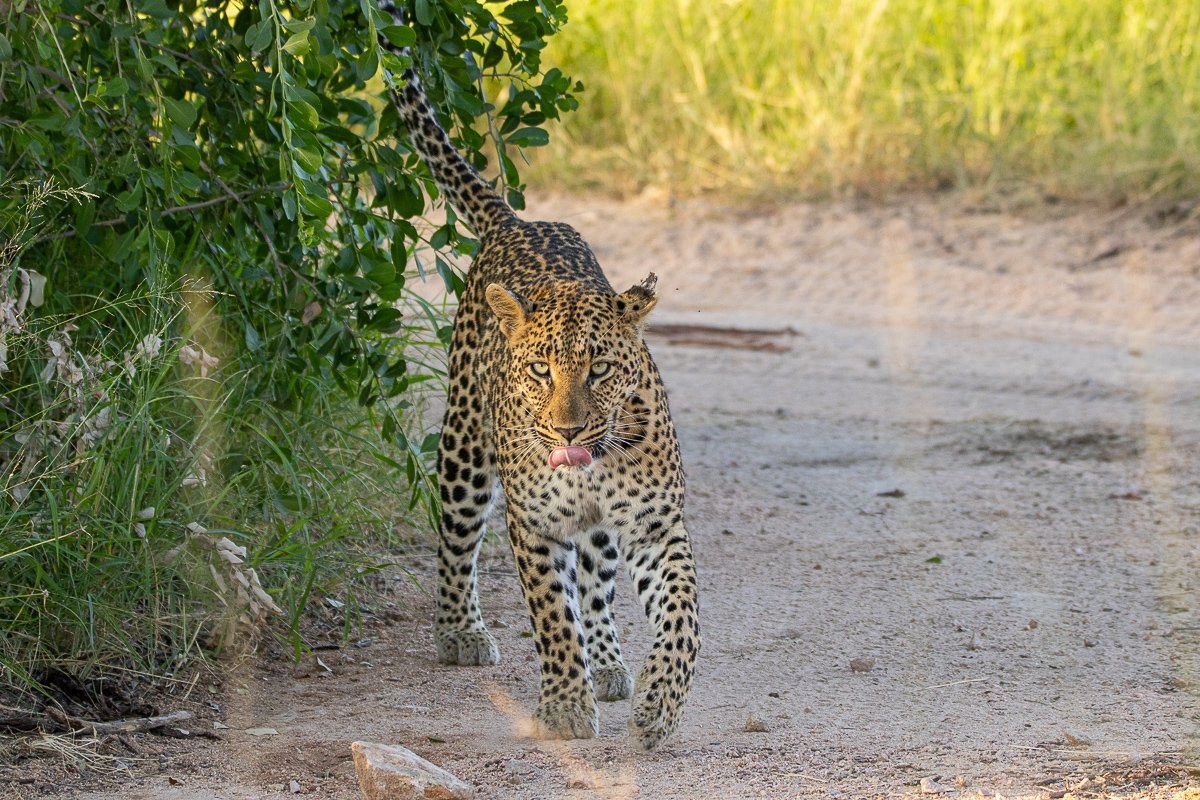
As we made our way back to Earth Lodge after our morning safari, the day delivered one last, unforgettable gift. Rounding a bend in the road, we found Tengile and her cub walking calmly toward us - a breathtaking sight that will remain etched in our memories for a lifetime.
Their full bellies told the story: they had clearly just finished a meal and were now searching for a safe, secluded spot to rest through the heat of the day. Leopards often move away from a carcass once they’ve fed, particularly when a cub is involved. This behaviour reduces the risk of unexpected encounters with other predators or scavengers that may be drawn to the remains, allowing them to digest their meal in peace and safety.
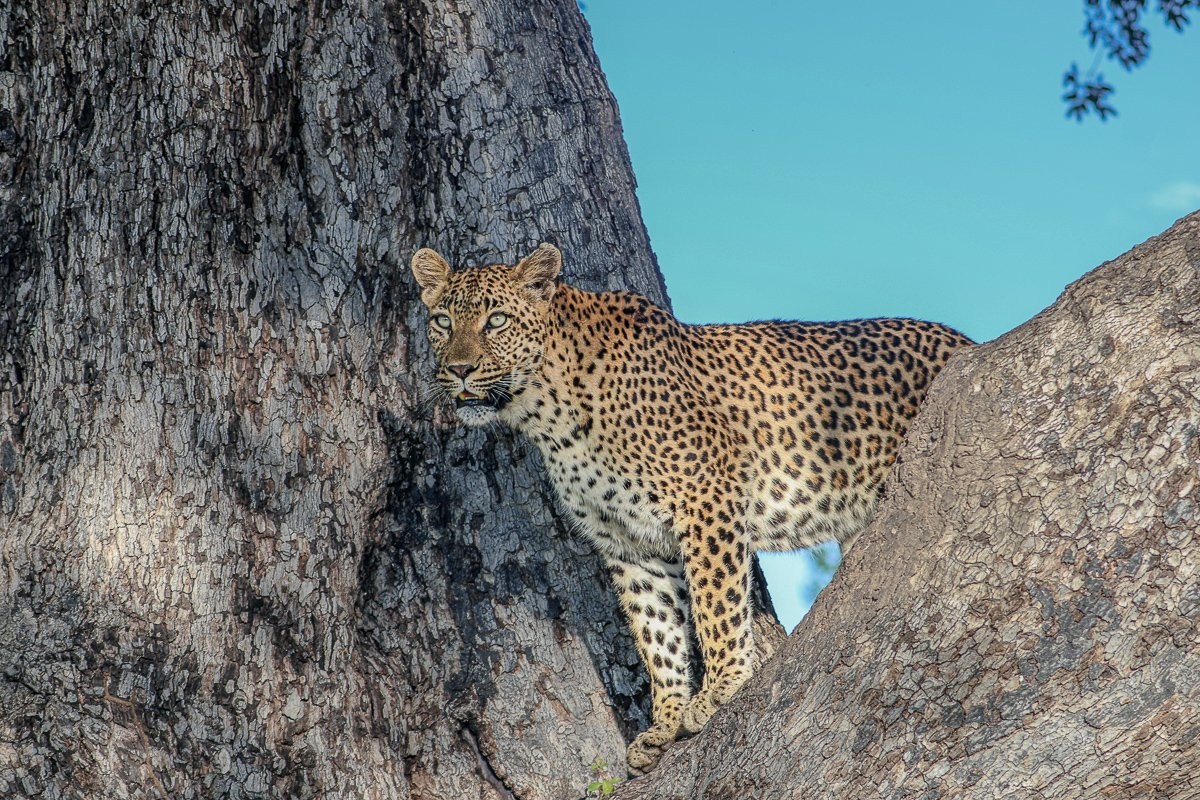
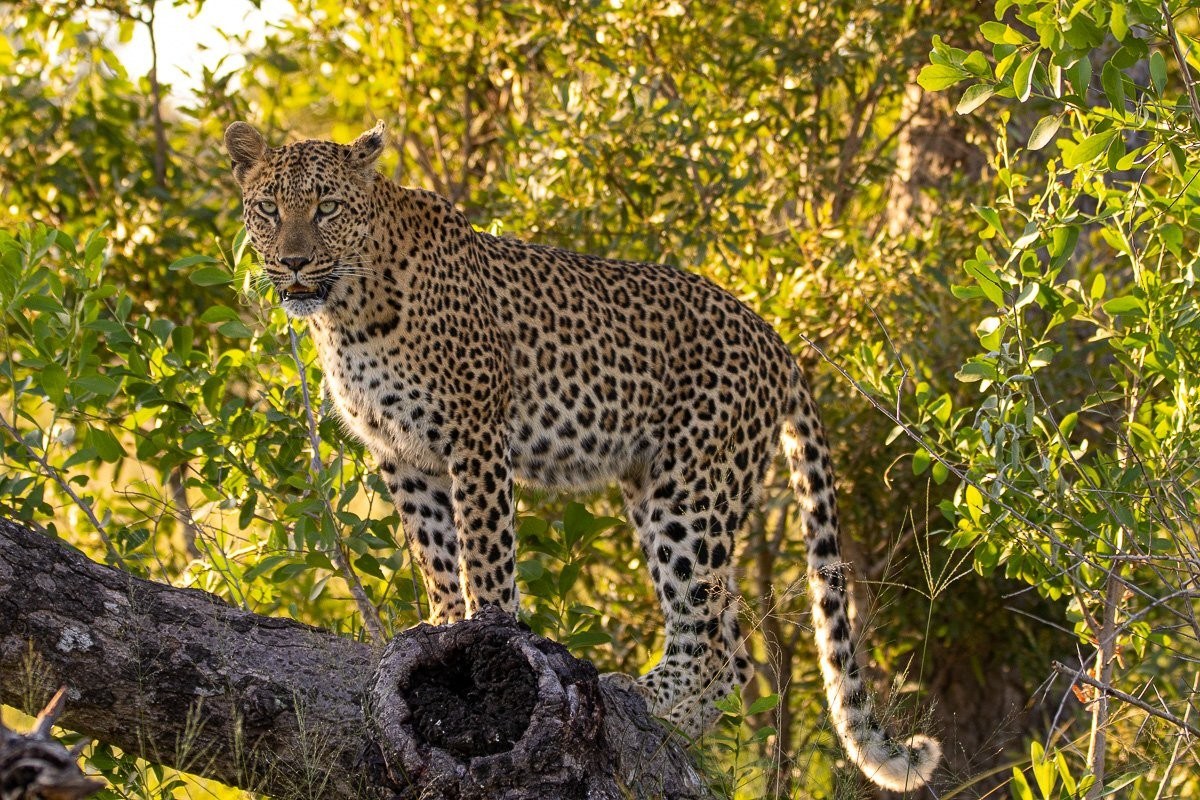
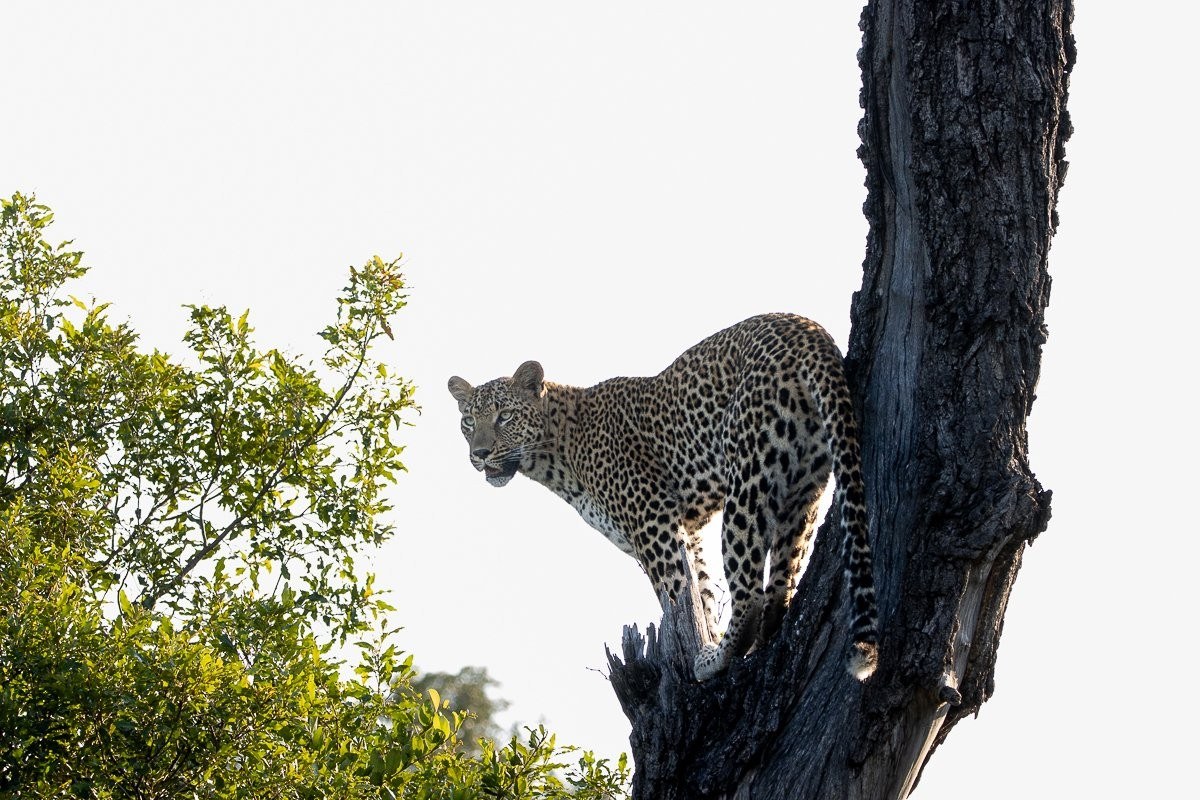
We found the Golonyi female as she made her way along a road before climbing a large, old Jackalberry tree. From this elevated perch, she rested while keeping a watchful eye on her surroundings, a perfect vantage point for spotting prey or potential threats, demonstrating the leopard's skilful use of both terrain and trees in its daily life.
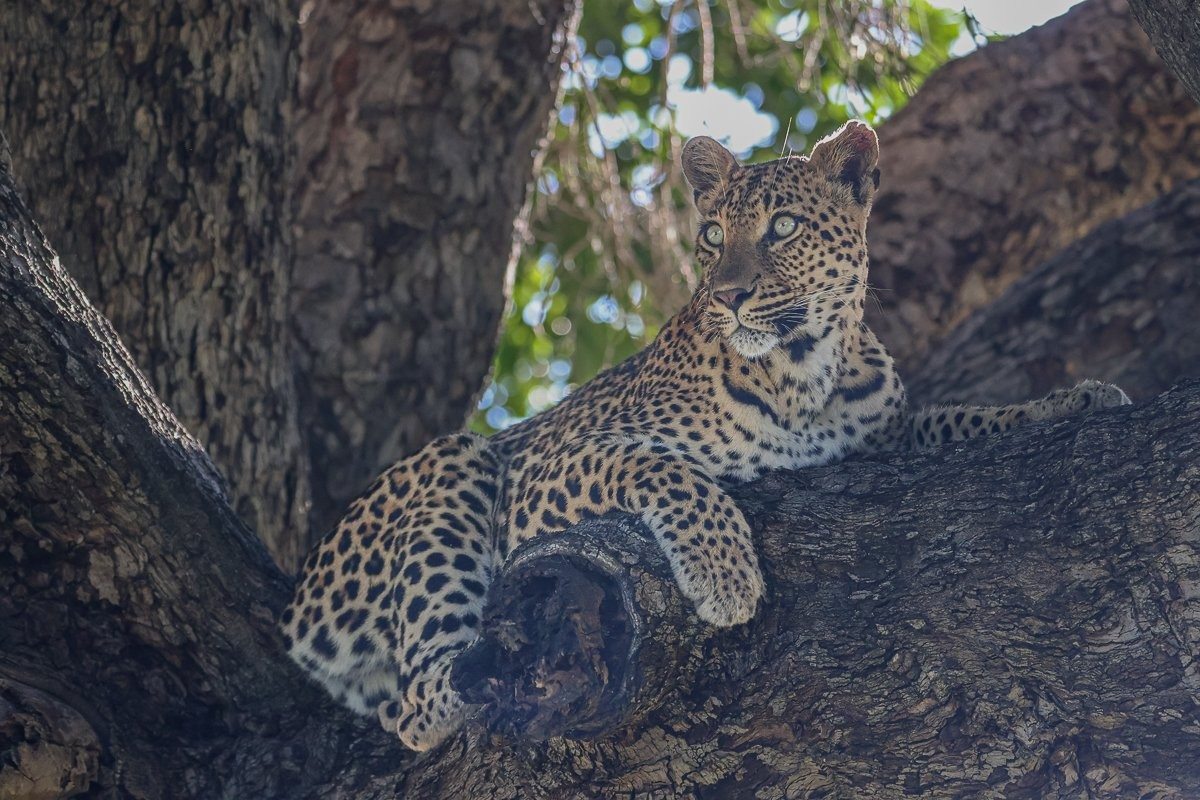
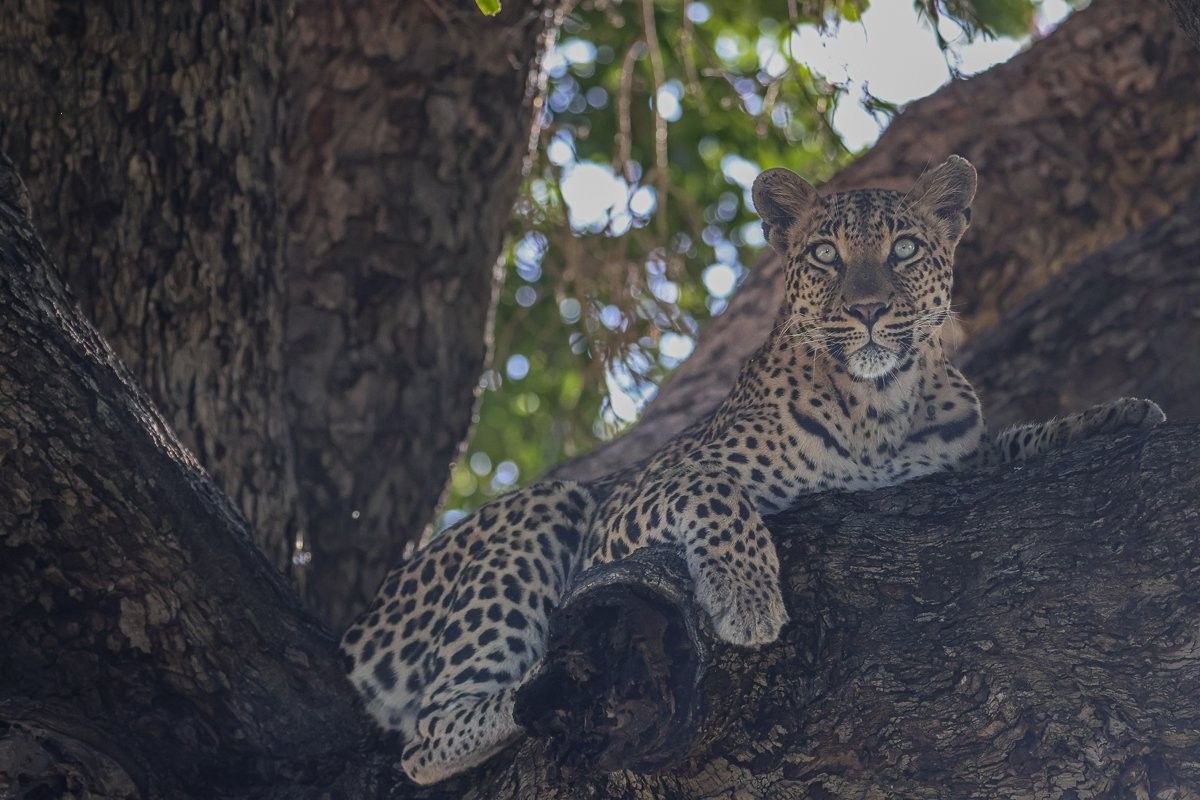
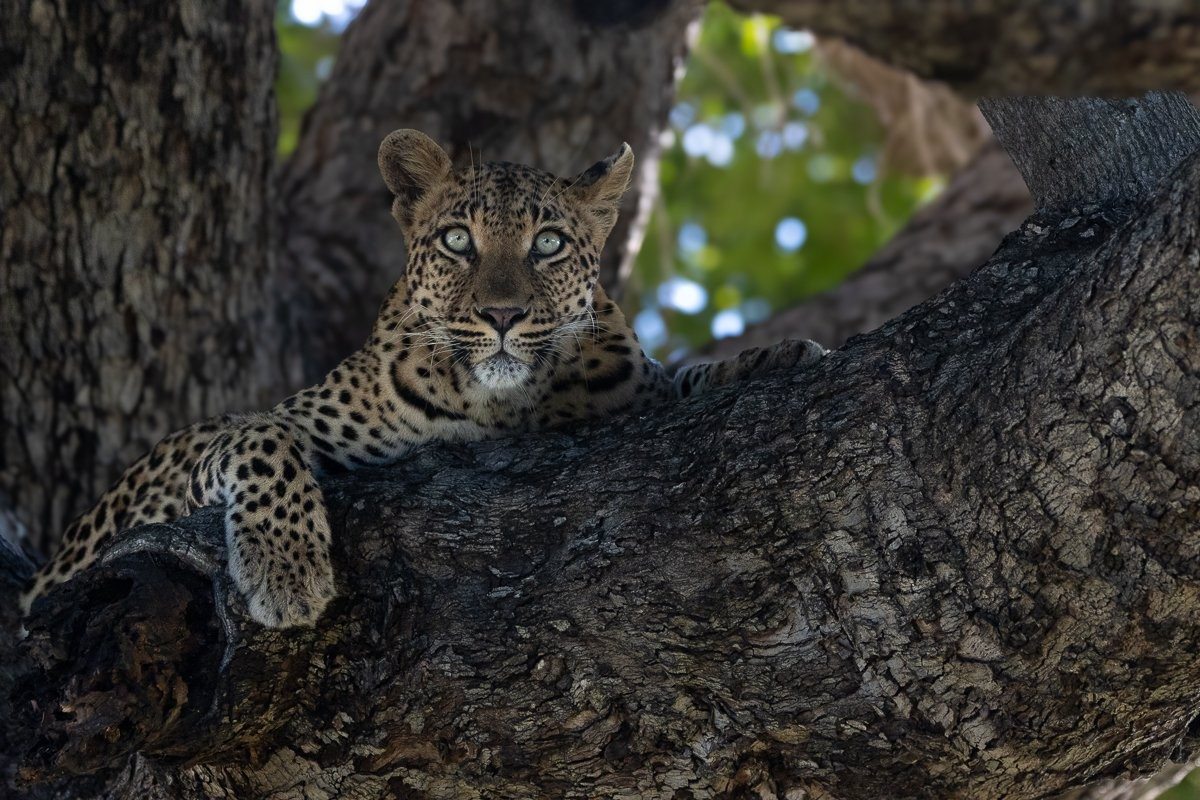
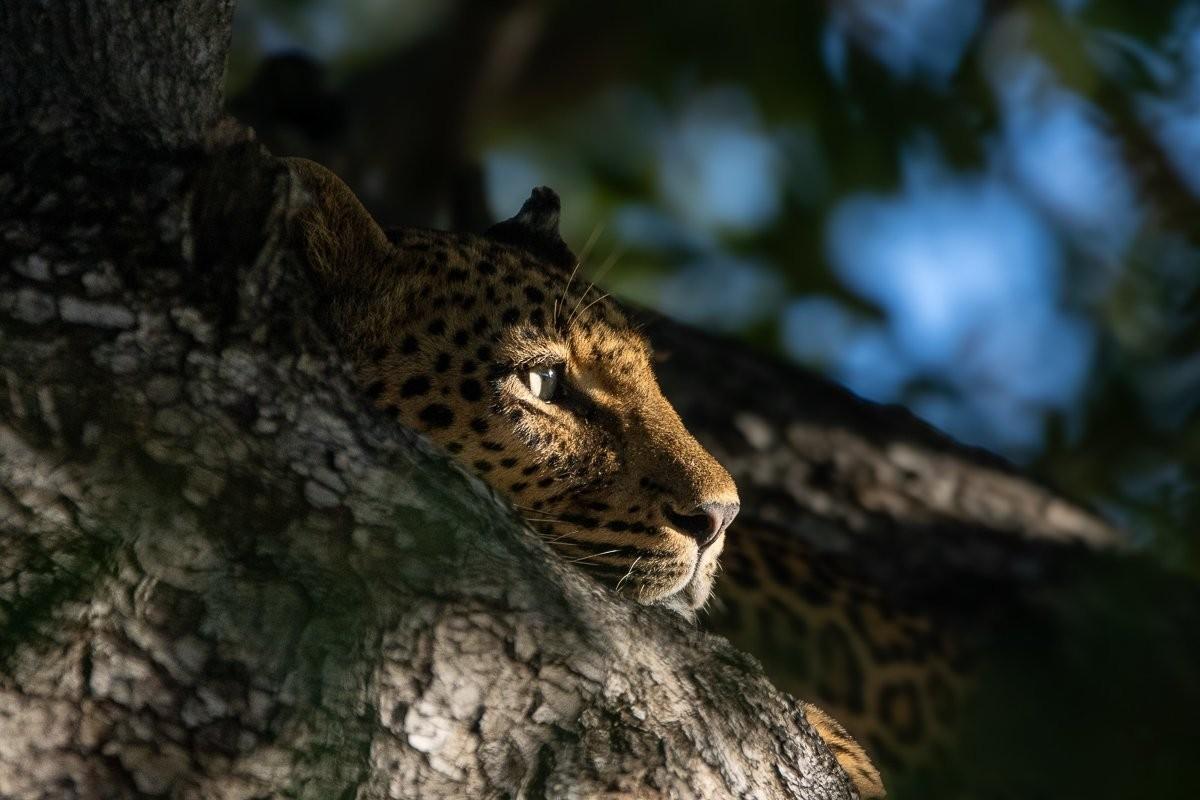
After resting in the cool shade of a riverbed, the Golonyi female moved silently through the bush, marking her territory. She went from one Marula tree to the next, rubbing her scent along the base, spraying urine, and continuing on her way.
By using the safari roads as a “path of least resistance,” she increases the likelihood that other leopards will encounter her scent. This not only signals that a dominant female occupies the area but also helps males locate females that may be ready to mate.
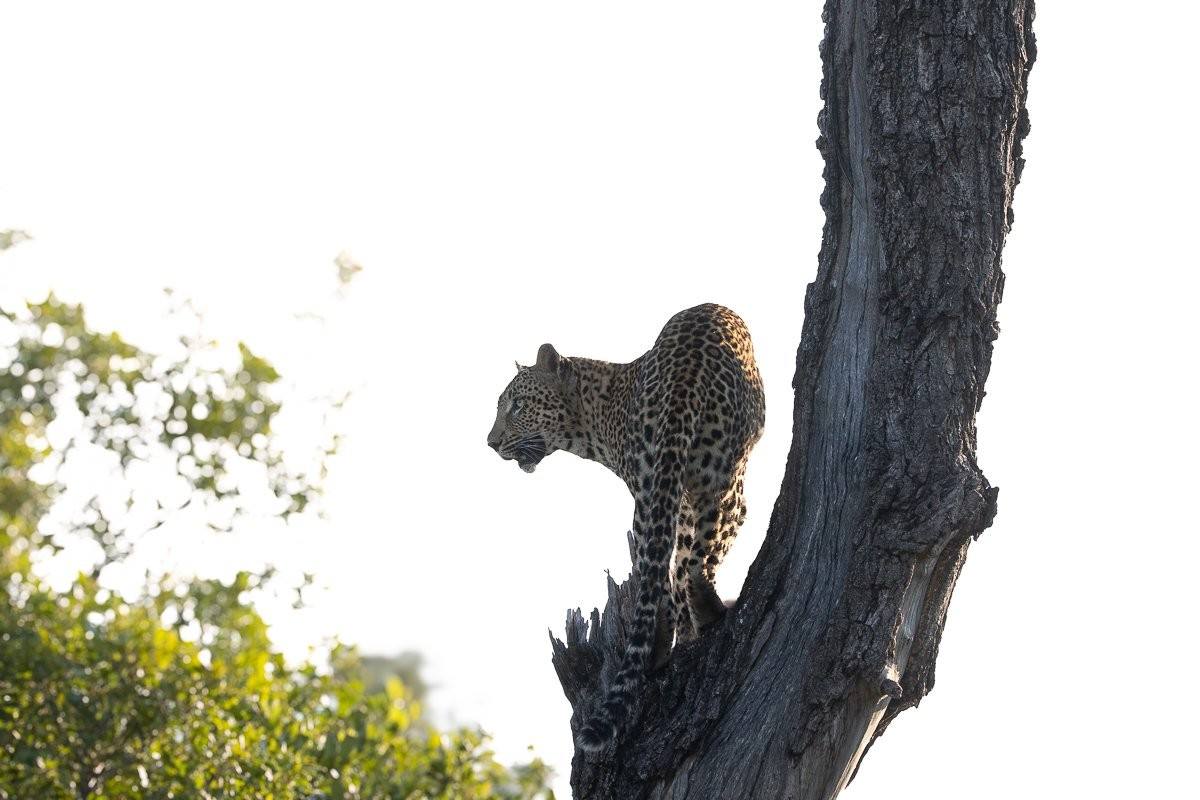
Following the sound of frantic screams from what seemed like a warthog in serious trouble and soon discovered the source of the commotion. A female leopard had taken down a young warthog and was attempting to secure the kill. Suddenly, the mother charged in, fiercely defending her offspring and confronting the leopard head-on.
Realising the danger posed by the warthog’s sharp tusks, the leopard quickly released her grip. With the protective mother continuing her aggressive charge, the leopard made a swift escape up a small tree to avoid serious injury.
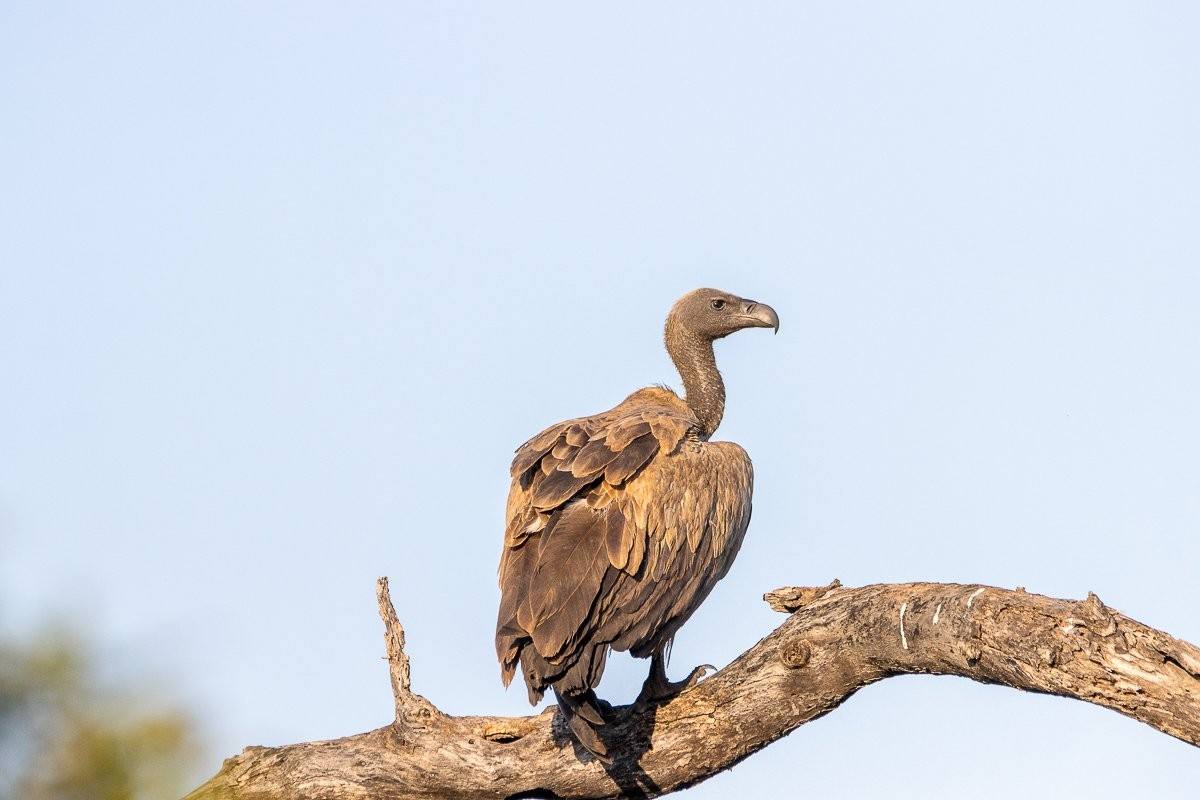
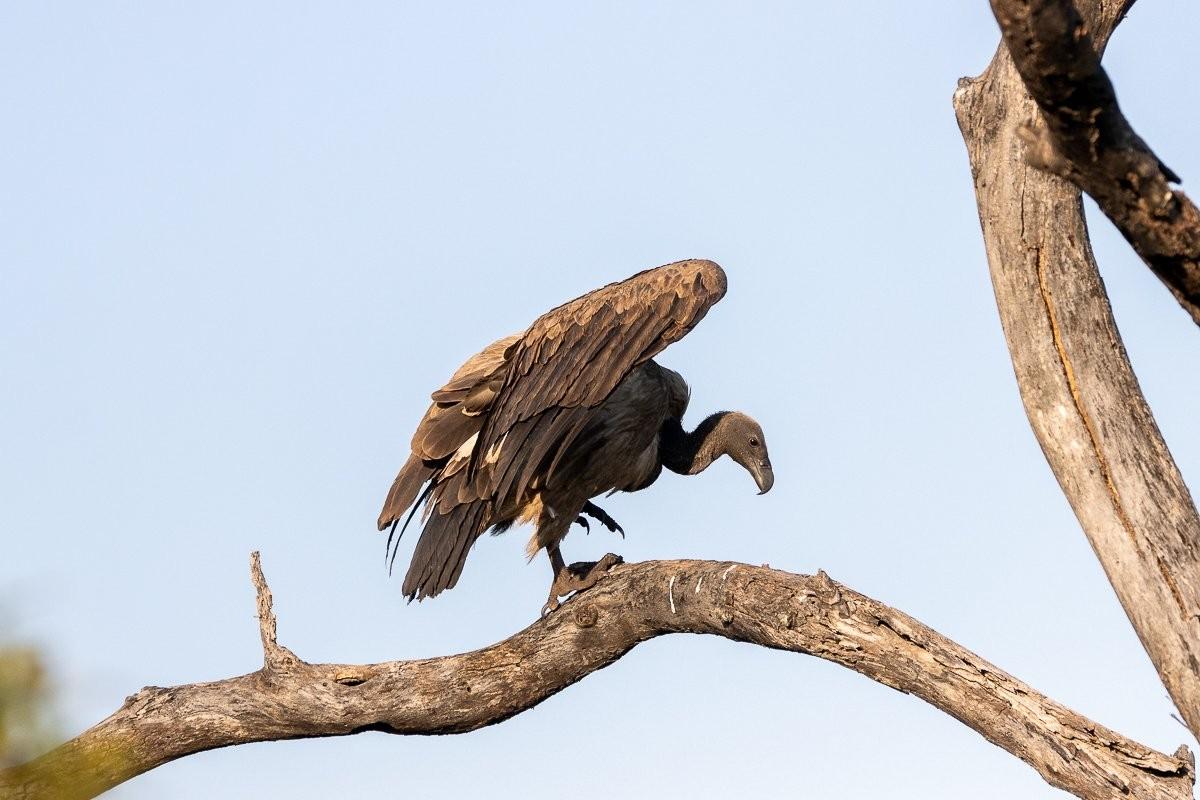
As the dramatic scene unfolded, vultures began circling and landing nearby. However, their interest wasn’t in the leopard’s failed hunt - close to the chaos, a pack of wild dogs had made a separate kill.
With predators and scavengers converging in the area, the leopard had little choice but to remain in the safety of the tree until the situation calmed and it was safe for her to descend once more.
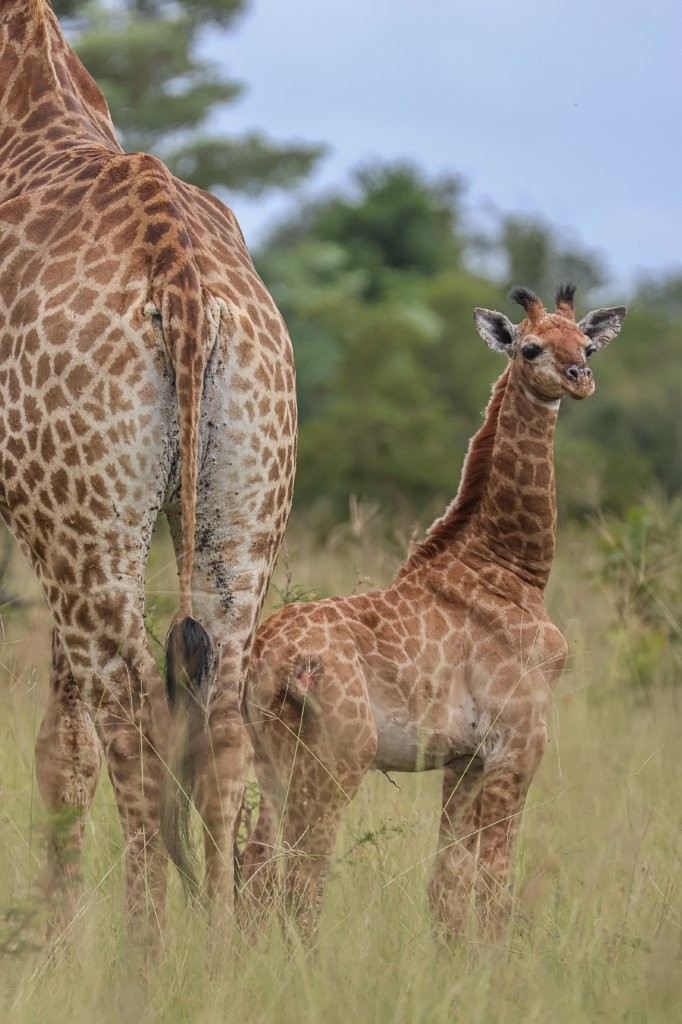
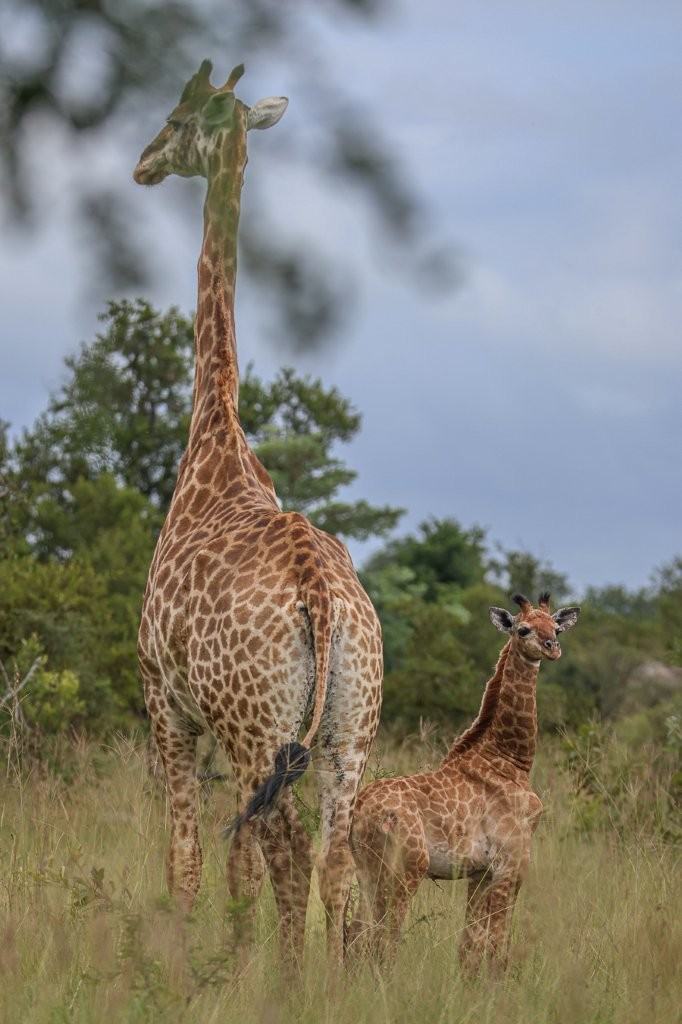
A giraffe cow and her calf move slowly through the bush, pausing often to feed and stay alert. Young calves rely closely on their mothers for protection, while frequent stops allow them to scan for predators and conserve energy. This steady, cautious movement is typical behaviour, helping the pair remain safe while the calf learns the rhythms of life in the wild.
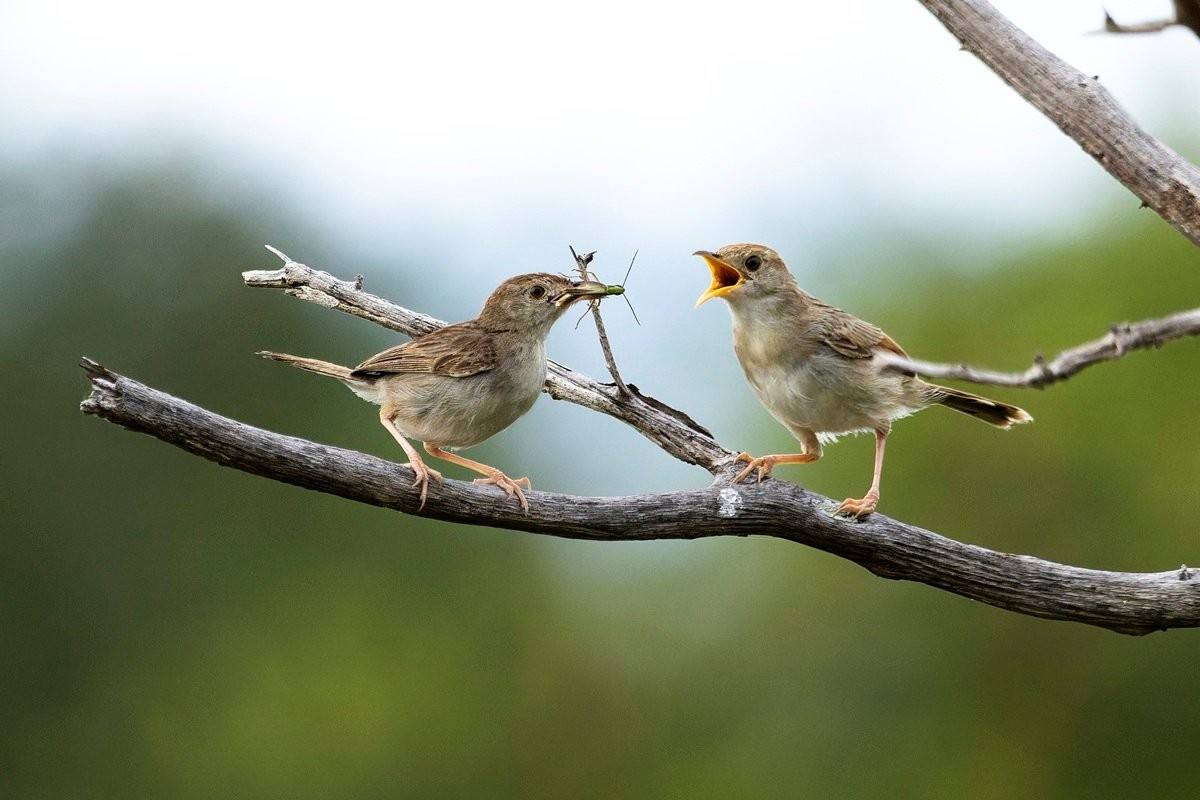
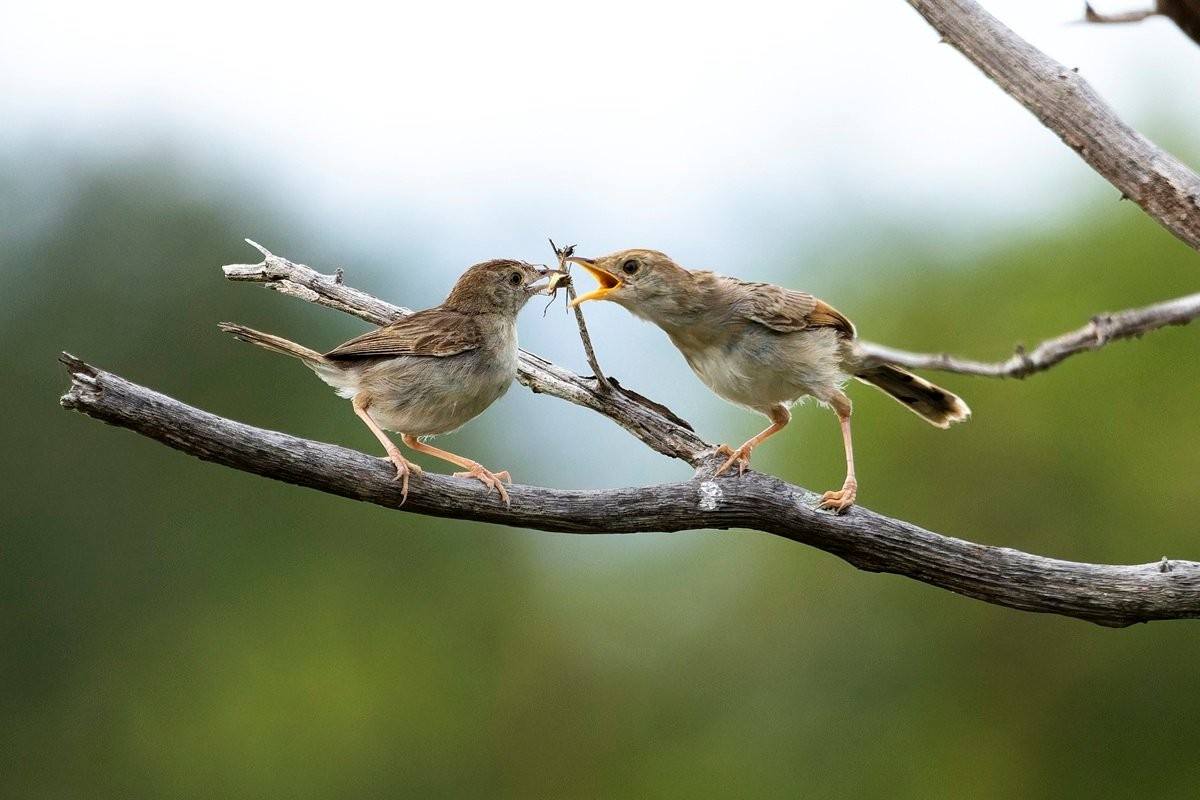
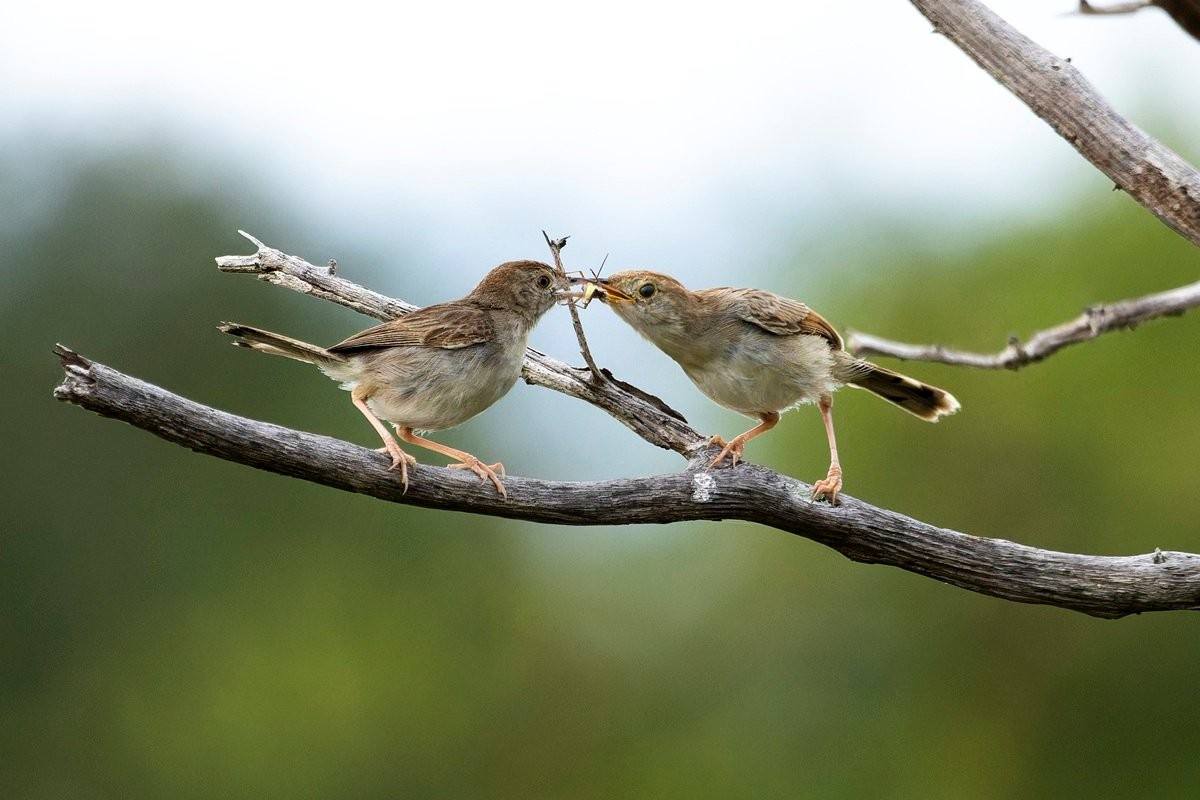
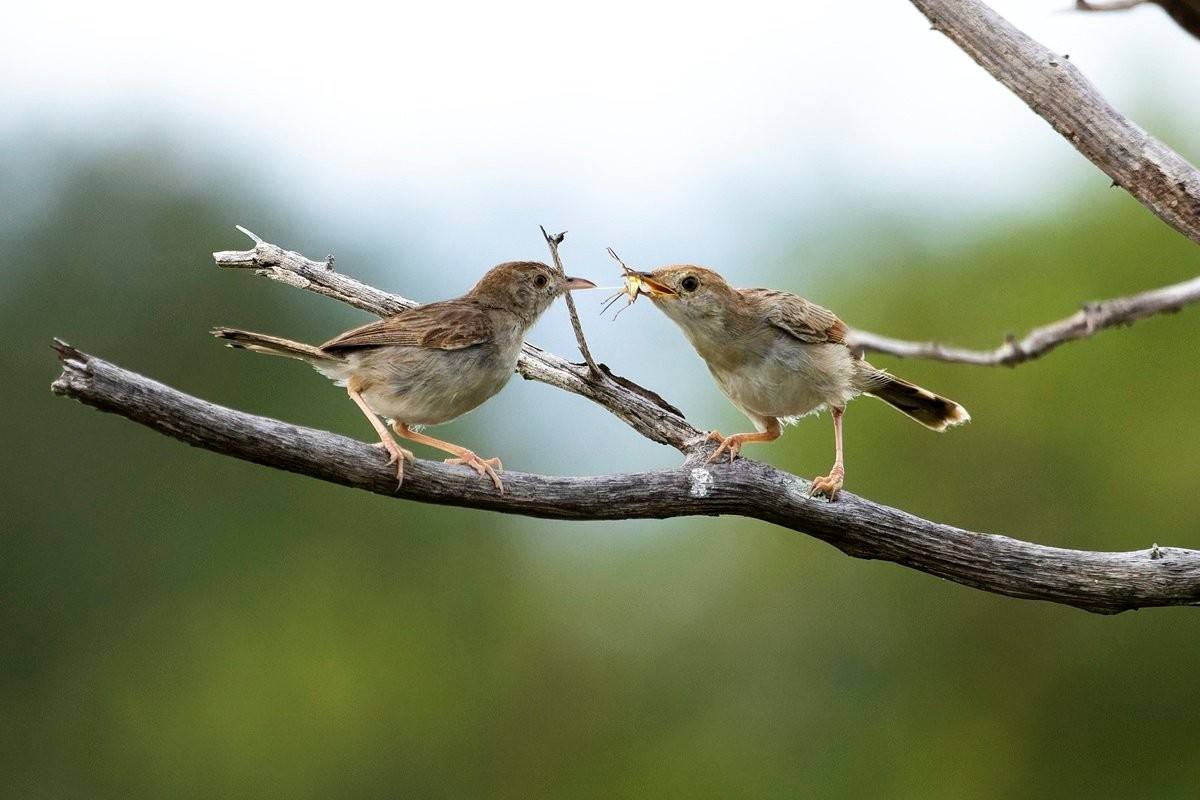
So much unfolds in the bushveld that often goes unnoticed. During our drive, we stopped after spotting a flurry of activity – small birds jumping about. They were Rattling Cisticolas, restless and energetic, rarely keeping still. All except one.
Perched quietly nearby was a young Rattling Cisticola, patiently and expectantly waiting for its parents to return with food. Before long, one of the adults appeared, a grasshopper clasped firmly in its beak. In a flash, the youngster snatched the offering and swallowed it whole.
It was a special sighting that few people are fortunate enough to witness.
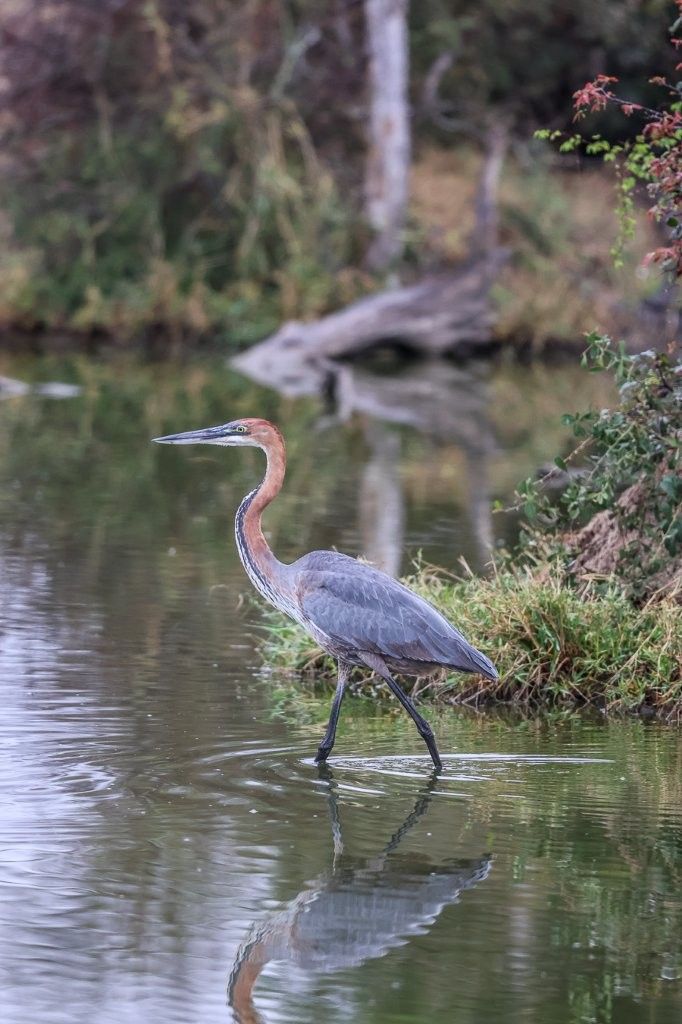
As we drove past one of our main waterholes, this magnificent Goliath Heron caught our eye. He was hard at work along the water’s edge, patiently scanning for any sign of movement. Ever watchful, he stood poised and focused, ready to strike at a moment’s notice. These impressive herons need to eat two or three meals a day, which means catching several small fish or frogs to sustain themselves.
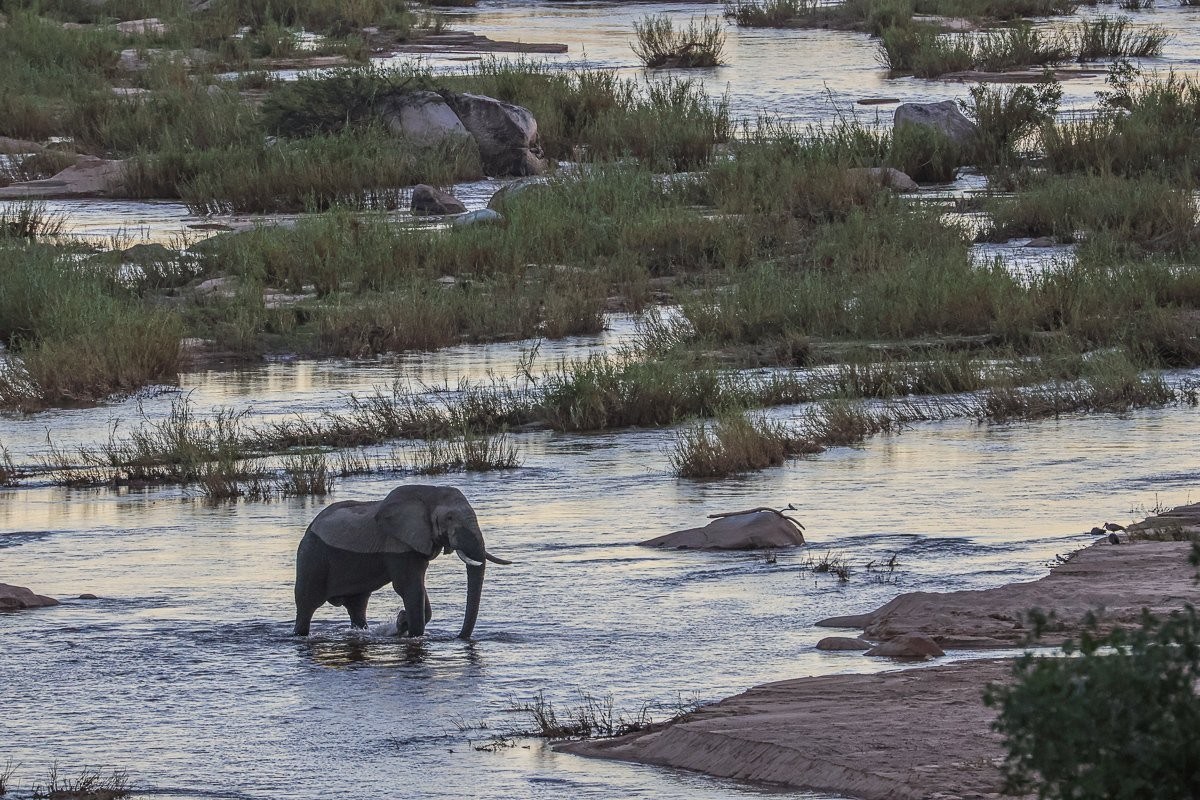
We watched as this elephant bull made his way across the Sabie River in the late afternoon, taking advantage of the cooler hours to move between feeding areas. Rivers like the Sabie are true lifelines in the Lowveld, offering fresh water, lush grazing along their banks, and natural corridors that guide wildlife movement. As an experienced bull, he knew this crossing well, moving steadily through the current with quiet confidence, all the while keeping a watchful eye on his surroundings.
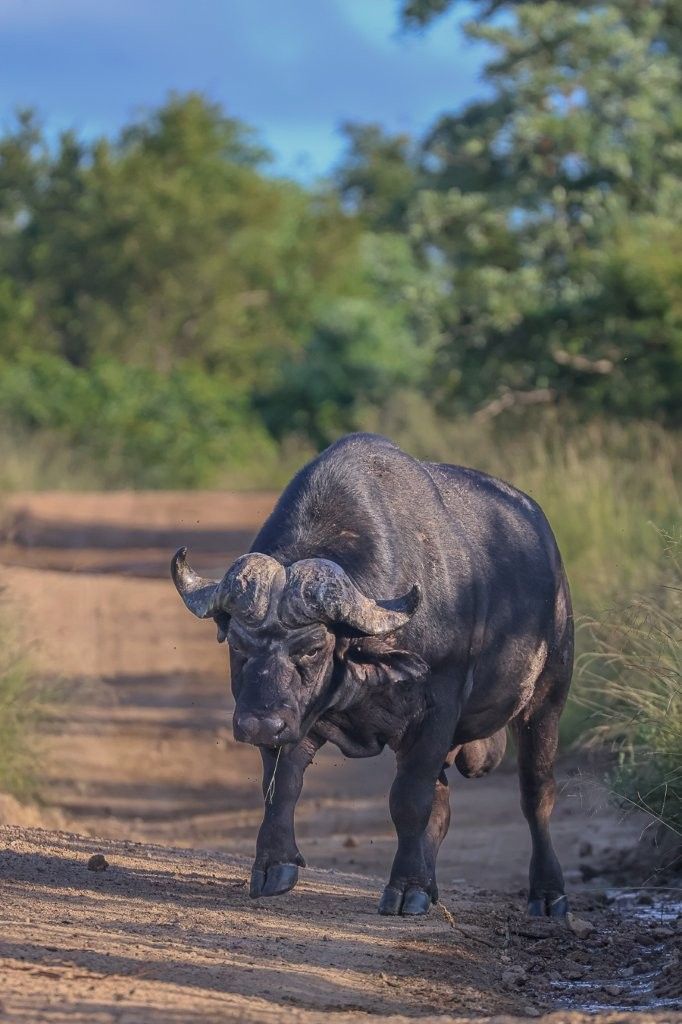
This large buffalo bull trailed behind a massive herd. Buffalo herds are typically led by the oldest female, known as the pathfinder, while the dominant bulls take up the rear. Their position ensures they are the first to detect and confront any lurking predators that may be following the herd.
Until next time…
Blog by Wendy Claase
Images by Benjamin Loon, Jan Nel, Jana du Plessis, Ronald Mutero and Ruan Mey