
A Week in the Bush Vol. 577
on Dec 31, 2025As the festive season unfolded, the natural world delivered its own unforgettable celebrations…
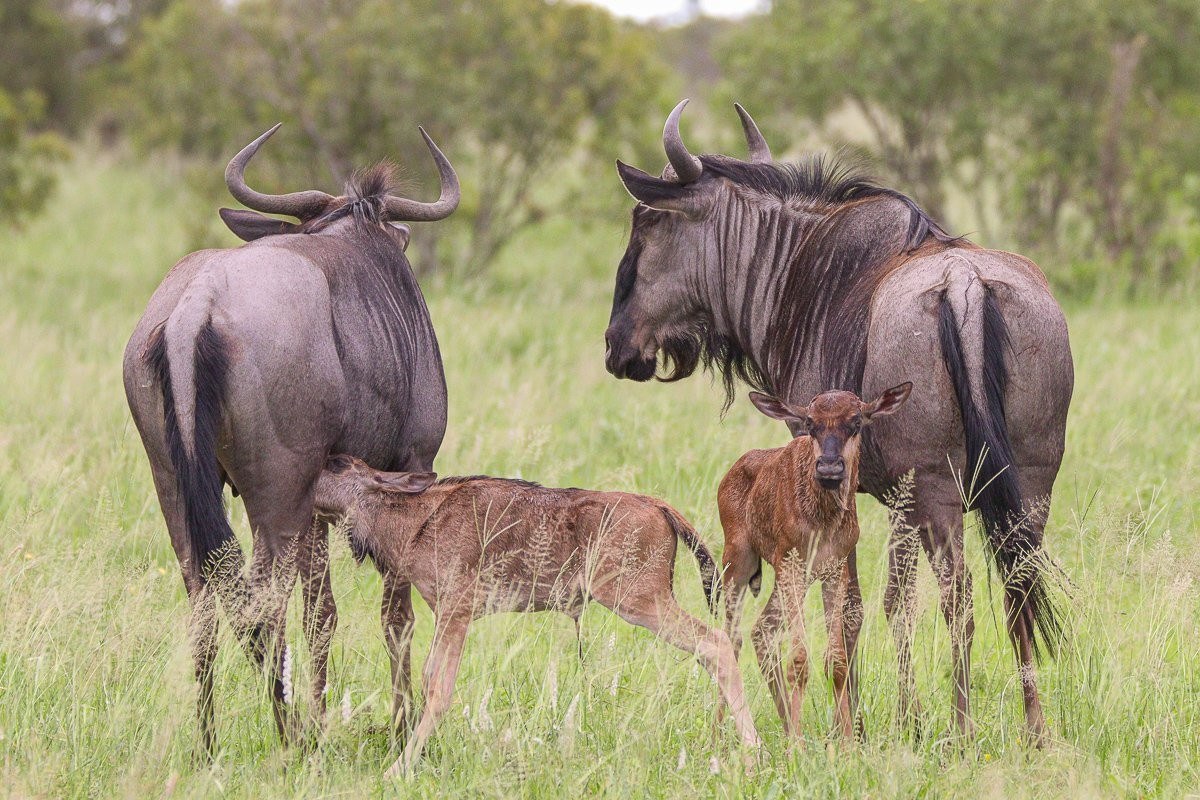
Far in the distance, our tracker noticed vultures lifting from the ground near a small herd of Blue wildebeest. We moved closer, hopeful that the birds were feeding on the remnants of the afterbirth. As we approached, we found two females standing alert, blood still staining their tails, while in the tall grass nearby lay two tiny wildebeest calves, newly born and resting.
After sitting there for a while, the youngsters got up, still unstable on their legs as they tried to find their feet and make their way to suckle from their mothers.
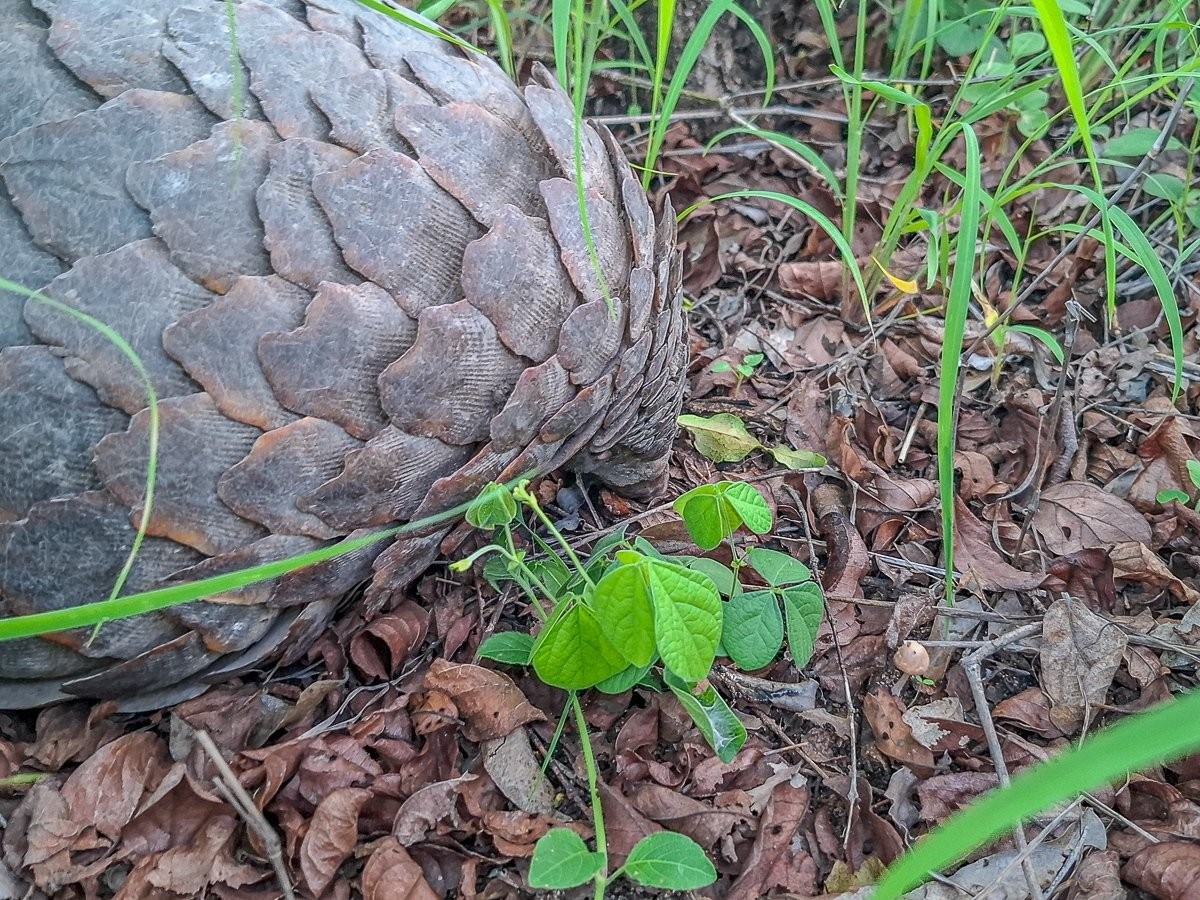
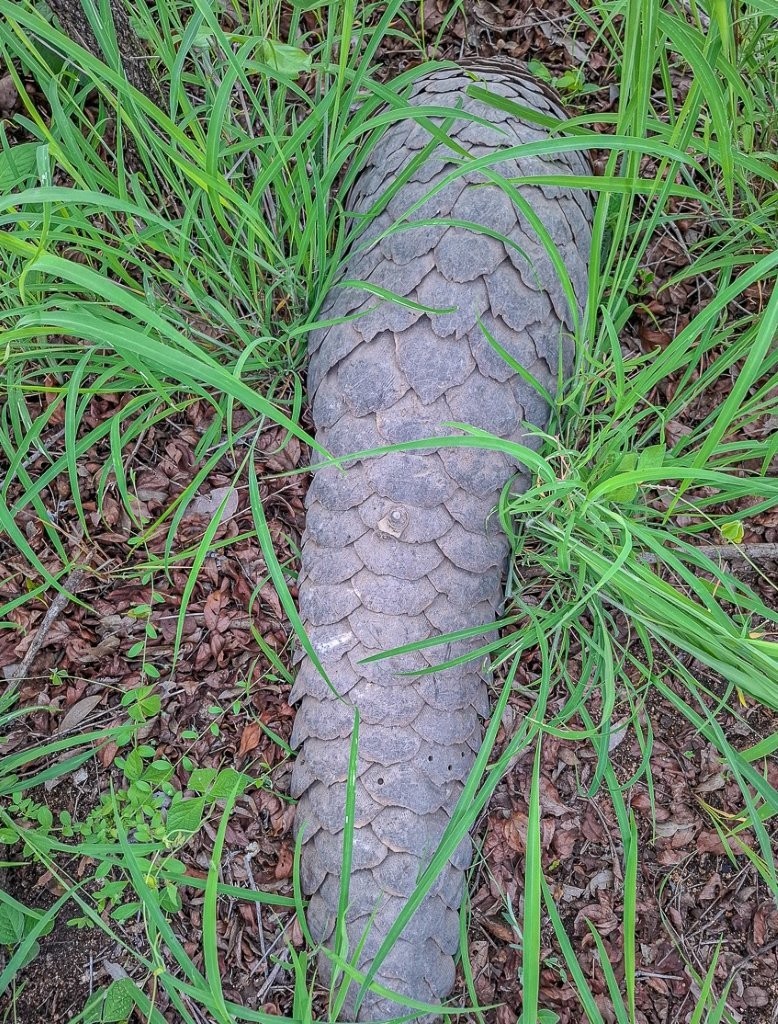
A massive pangolin encountered late afternoon is a rare and special sighting, as these secretive mammals are mostly nocturnal. Covered in tough, overlapping scales, pangolins rely on camouflage and roll into a tight ball for protection. Late-day movement often signals the start of their foraging period, when they will use their powerful claws and long, sticky tongue to feed on ants and termites under the cover of dusk.
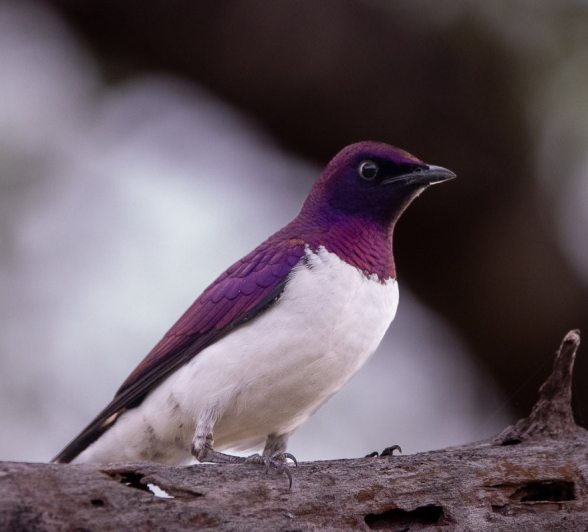
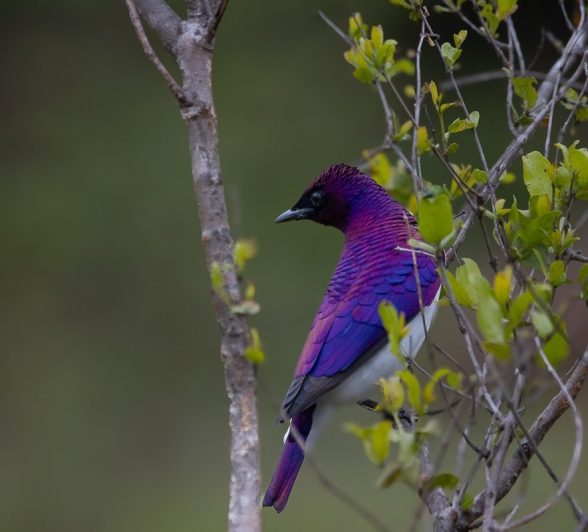
Violet-backed Starling – the males are striking, with a rich, iridescent purple covering their wings and back, contrasted by a crisp white underbelly. The females are more subdued, with a brownish plumage and less vibrant colouring. In this region, these birds are most often seen during the summer months, adding a splash of colour and life to the landscape.
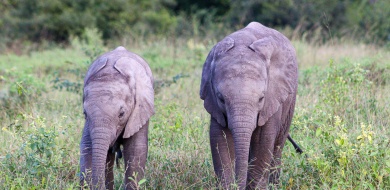
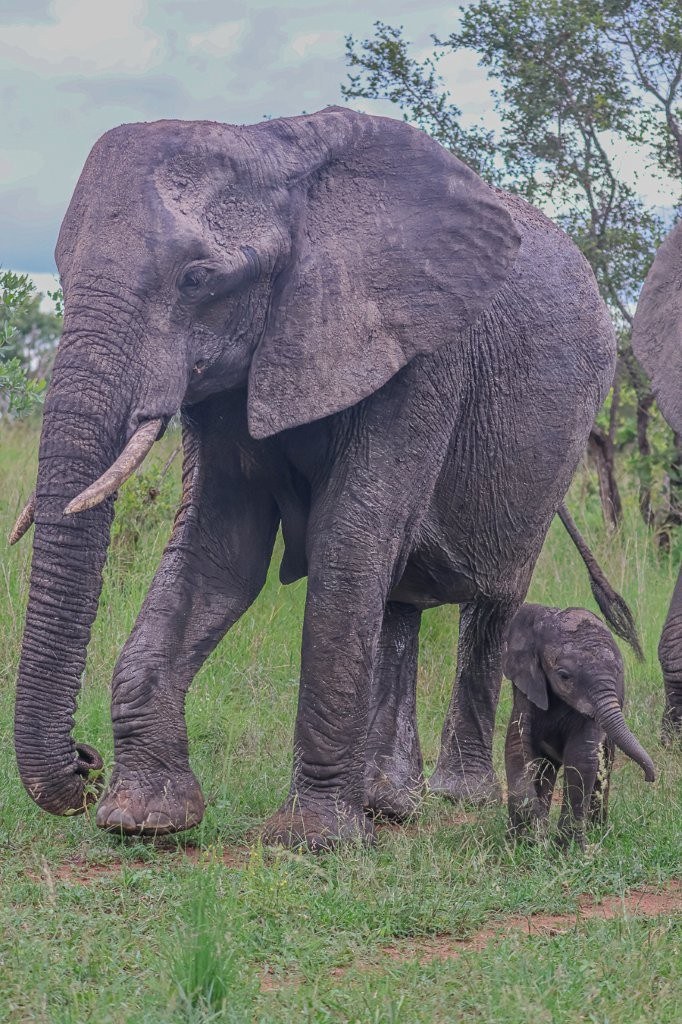
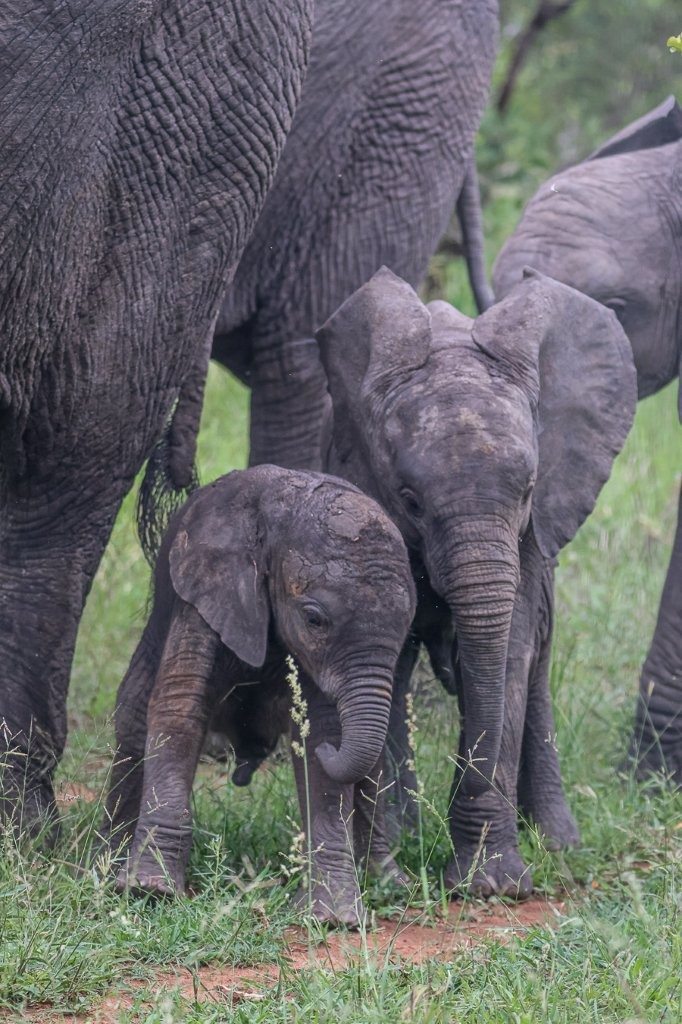
A relaxed herd of elephants moves steadily through the landscape, the adults forming a protective front and rear. In the middle, two small calves take full advantage of the moment, mock charging, nudging each other, and trotting in short bursts before hurrying back to their mothers. This playful behaviour is more than just fun, it helps calves develop coordination, strength, and social skills while reinforcing the close family bonds that keeps elephant herds so well organised and secure.
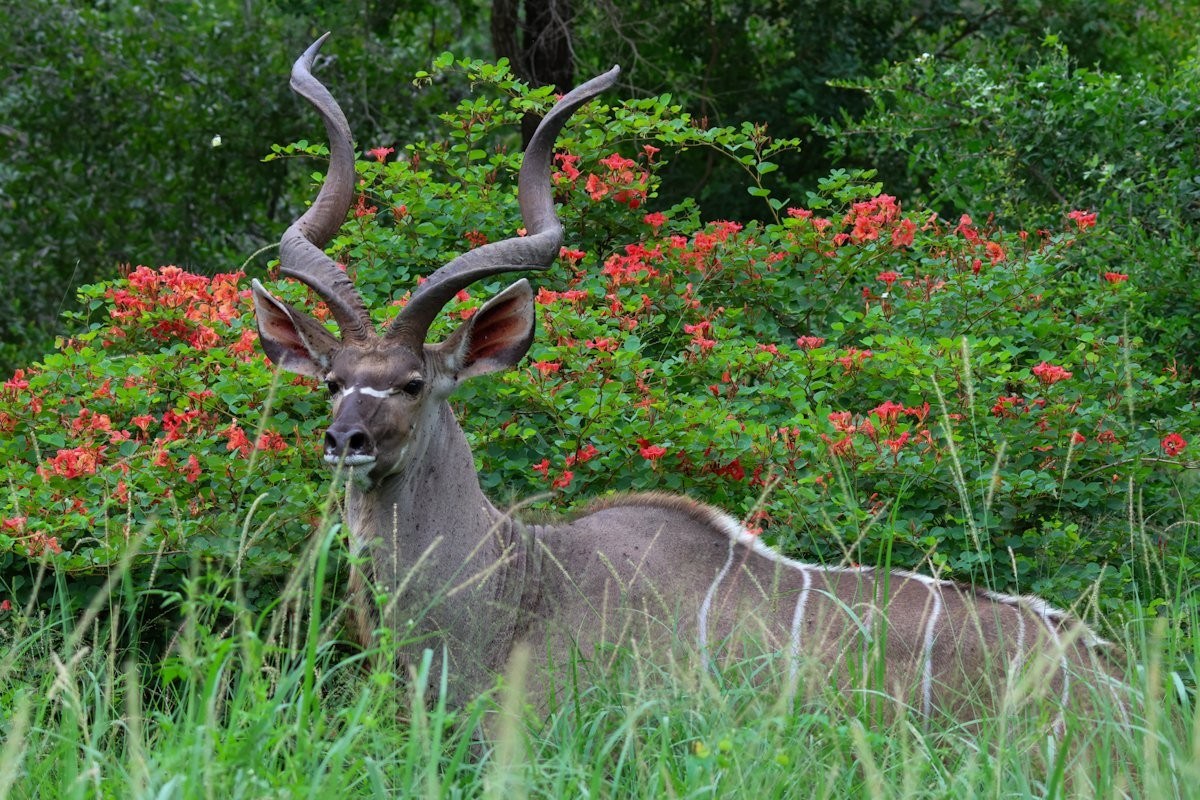
During a morning safari, we came across this stunning Kudu bull – a true icon of the South African bushveld. He was browsing on Pride of De Kaap plants, whose vibrant orangey-red flowers provided a striking contrast. This exquisite plant is named after the De Kaap Valley in Mpumalanga, not far from Sabi Sabi. In Afrikaans, it’s called Vlam van die Vlakte – ‘flame of the plains’ – a perfect description of those fiery blooms.
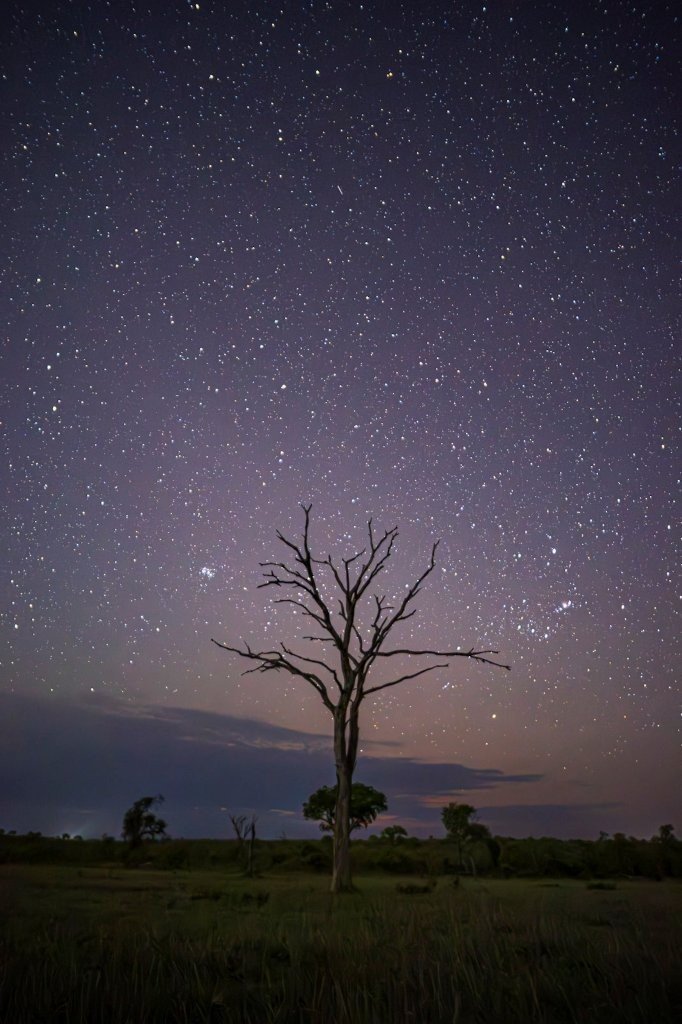
A dead tree rising from the open savannah, in years gone by the African sun nourished its branches that teemed with leaves and life. Today, the night sky continues to decorate it bare branches creating a dense foliage of stars and the ancient light they emit, a true window to the past.
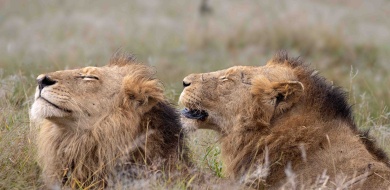
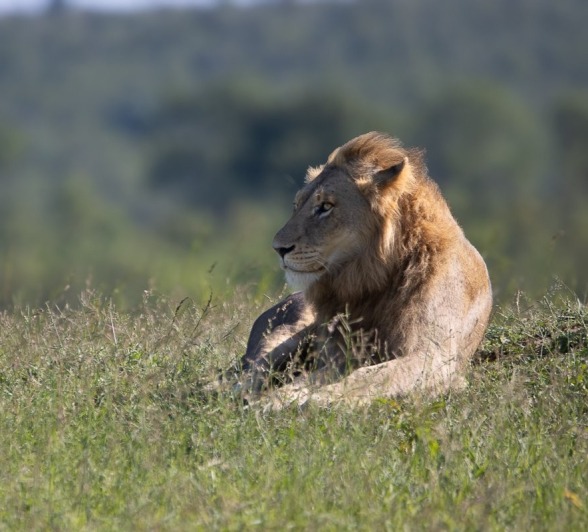
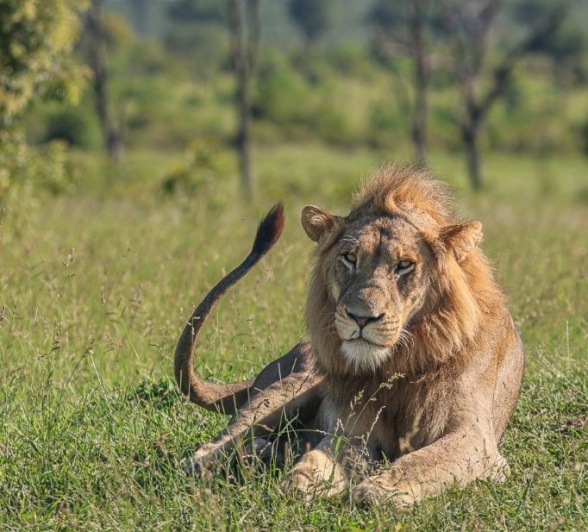
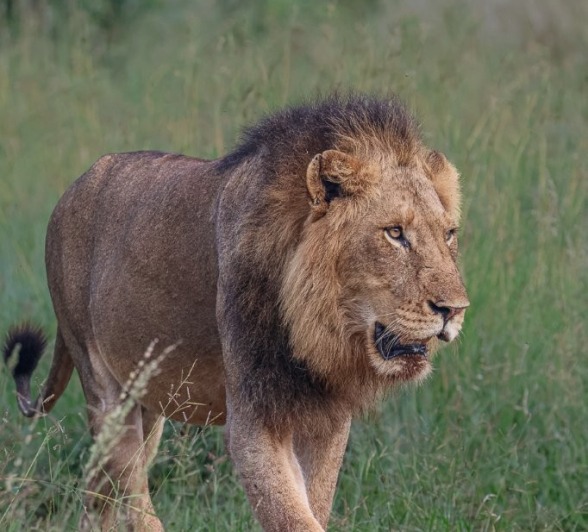
Following up on where we had left the lions the night before, we came across the young N’waswishaka males sleeping atop a small termite mound. As the morning warmed, we waited patiently, hoping they would rise and move into nearby shade.
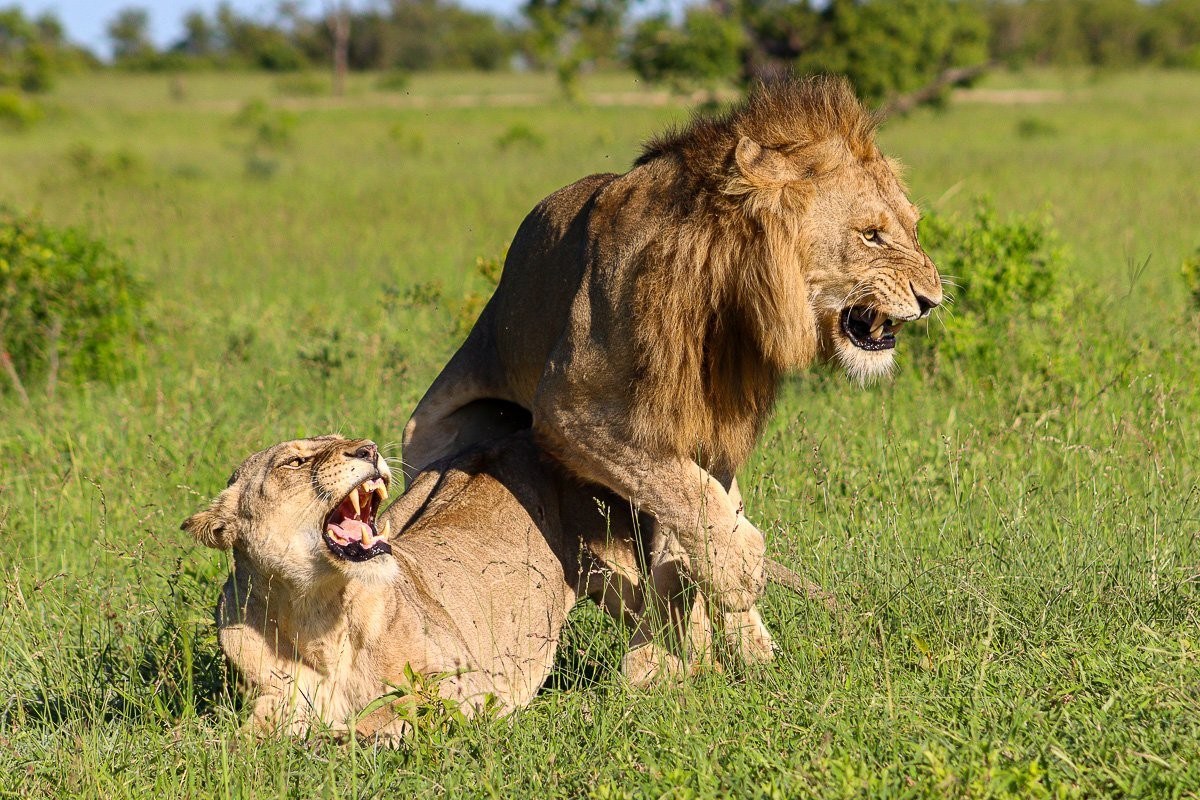
Just as we were about to leave, the female lifted her head, prompting guests to ready their cameras. When the male woke, the pair rubbed against one another and began mating repeatedly before settling down to sleep once more.
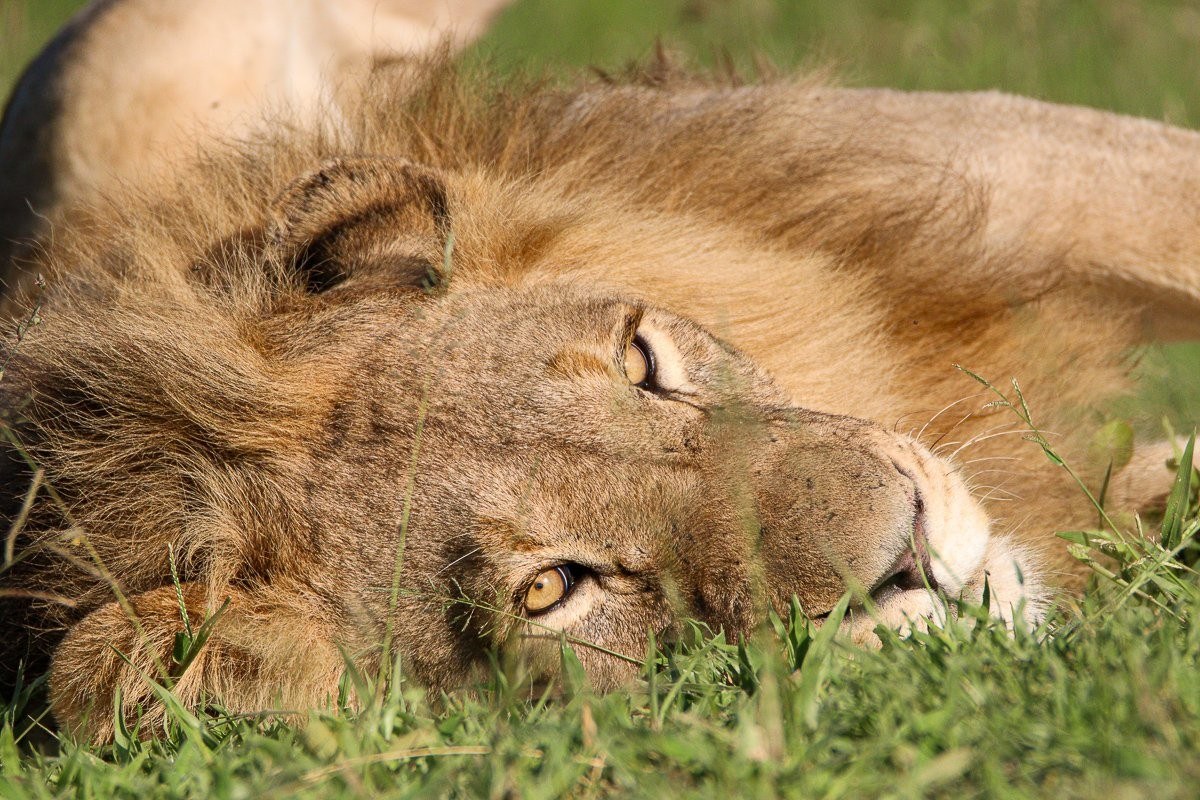
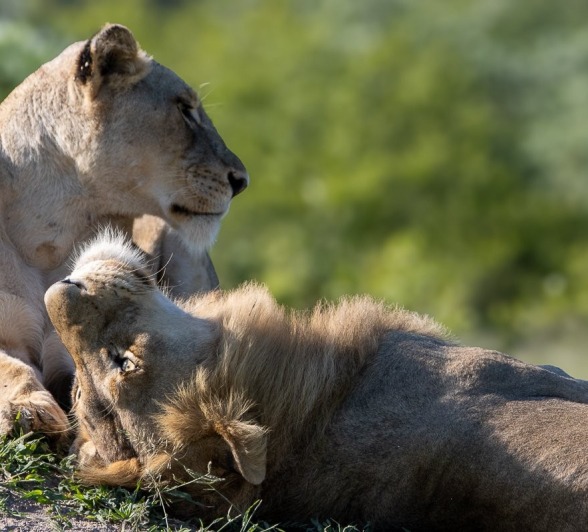
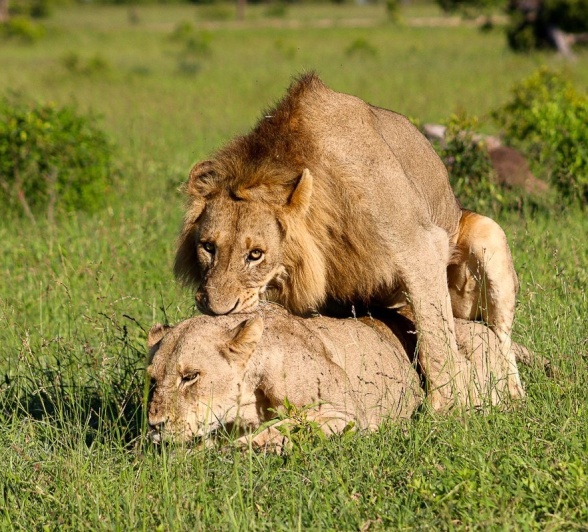
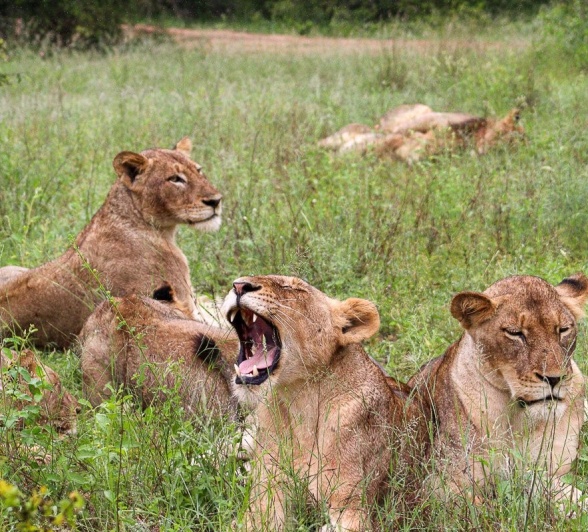
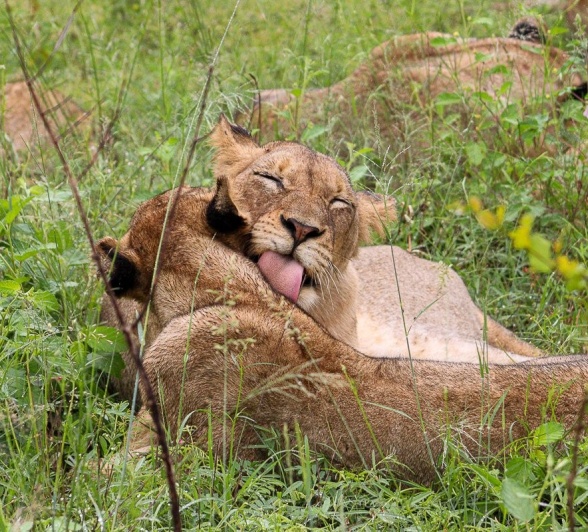
Our safari team set out on the morning safari, eager to follow up on the pride of lions that were seen the night before. After a short tracking exercise, we came across 11 of the Msuthlu Pride members, resting in a small open in the soft morning rain. As the rain increased the pride became uncomfortable in the tall wet grass, moving towards the other members, grooming each other, before settling down for the cold day awaiting.
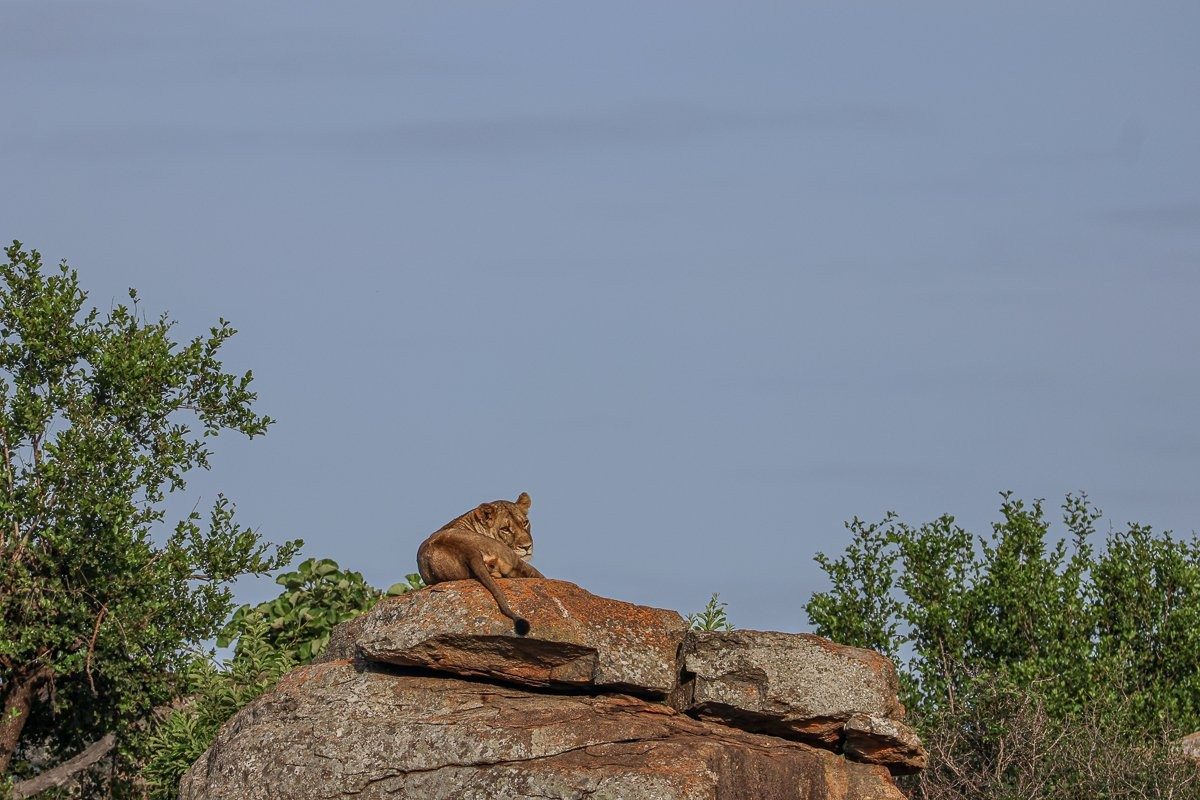
A lioness rests on top of a rocky outcrop in the late afternoon, using the elevated position to scan the surrounding area. Such vantage points offer safety, cooling breezes, and a clear view of potential threats or prey. When expecting cubs, lionesses often search for secluded den sites among rocks or dense cover, where newborns can be kept hidden and protected during their most vulnerable weeks.
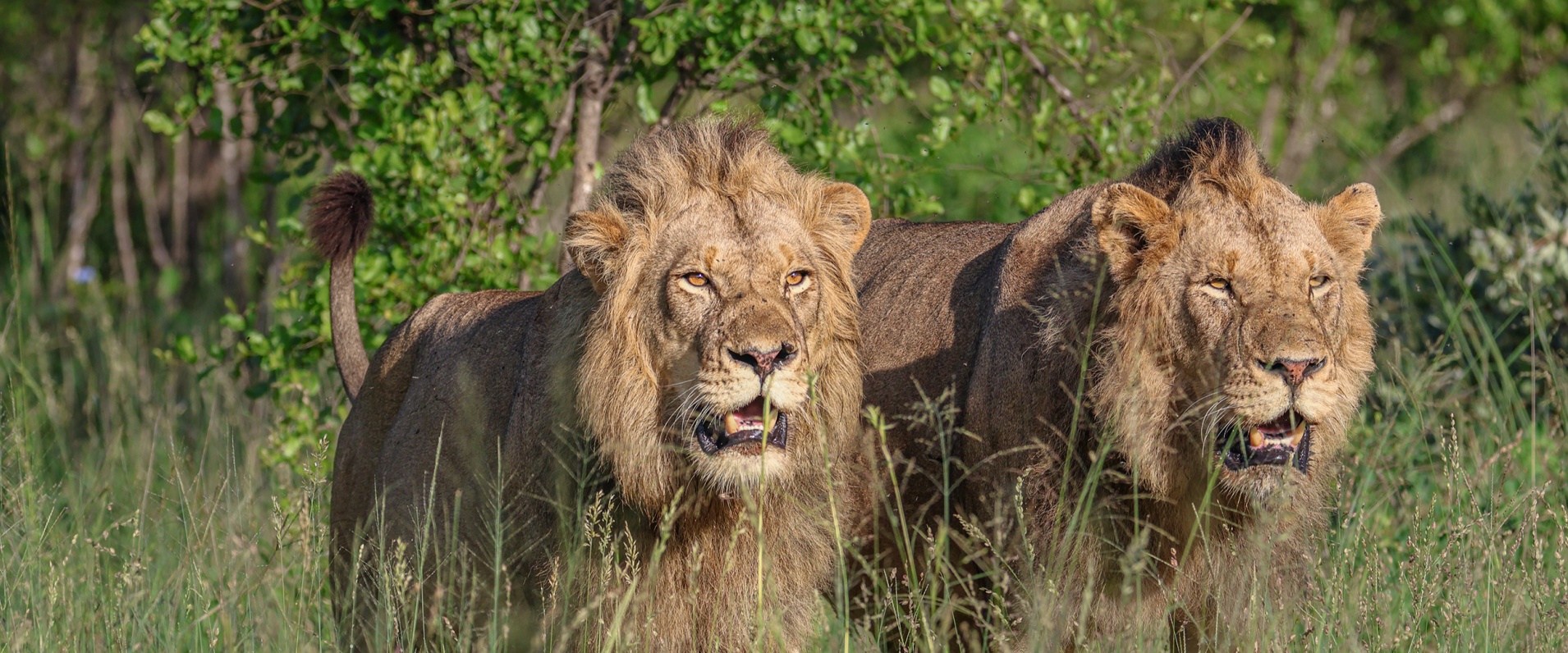
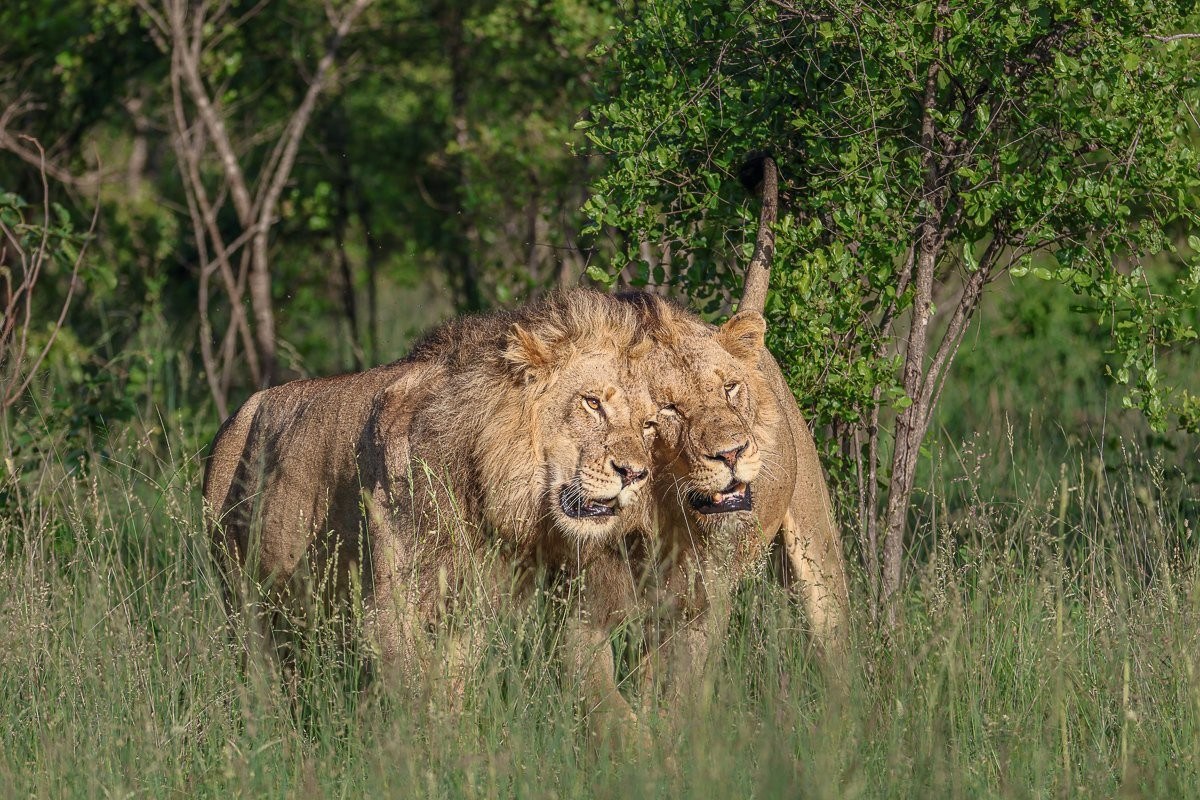
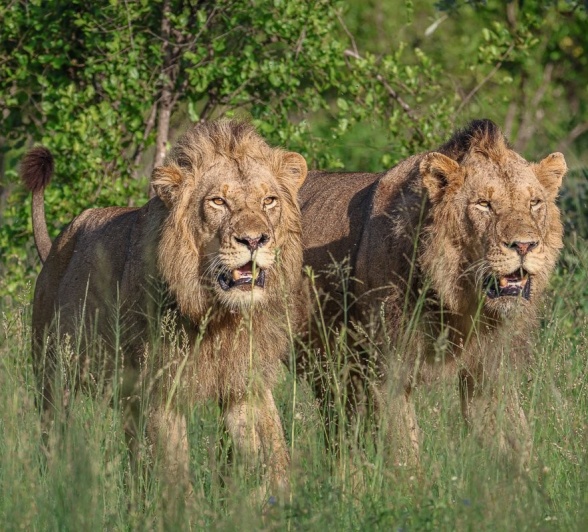
Early in the morning, the four young N’waswishaka male lions move purposefully through the bush, following the fresh scent and tracks of a female. Tracking her closely helps the males maintain contact while also assessing rivals, as these interactions play a key role in pride dynamics and breeding success.
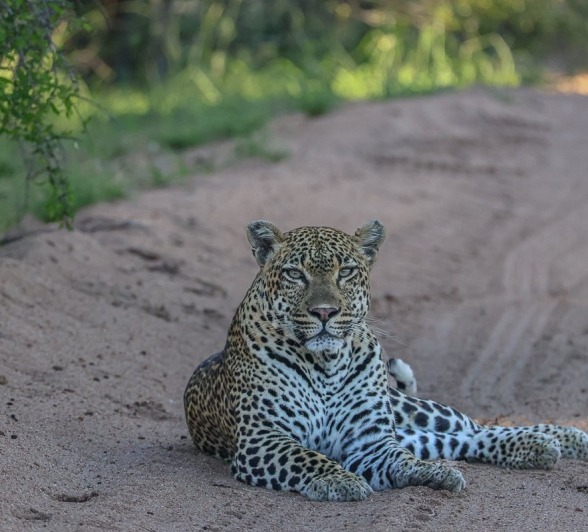
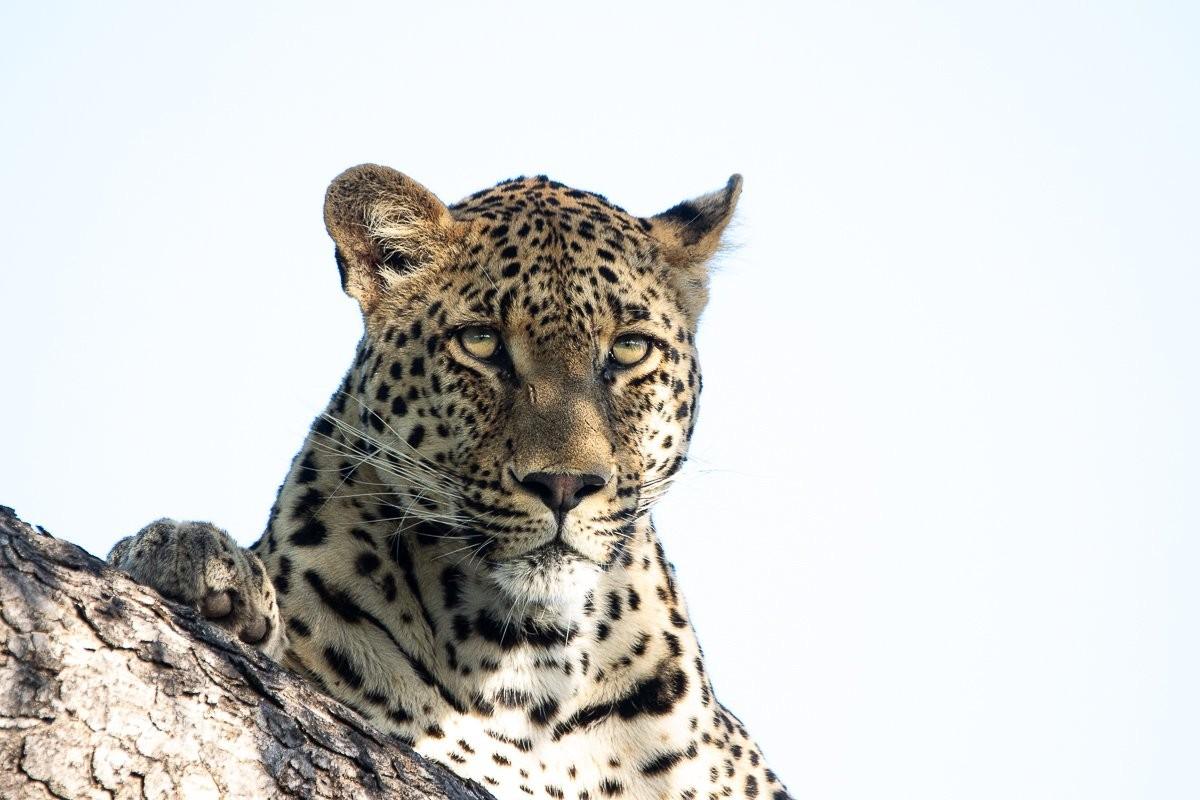
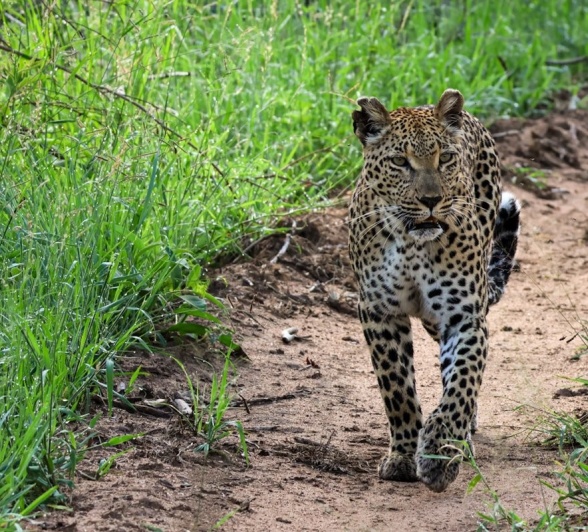
During our afternoon safari, we returned to the area where we had earlier left the Golonyi female and her cub. We found their tracks deep in the riverbed, but despite a thorough search, we were unable to locate them. Just as we decided to give up and move on, we were surprised to find the Khulwana male leopard lying in the road, resting.
Although completely unexpected, it was an exceptional sighting - we had been searching for a male leopard for quite some time without success. We followed him for a long while, eventually leaving him as he attempted to hunt impala. Hyenas were lingering nearby, clearly hoping to benefit from a free meal should he make a kill.
Male leopard territories can be vast, often depending on the level of competition from other males. We encountered this individual on the southern edge of the reserve, an area where we had never seen him before, suggesting he was either patrolling the boundary of his territory or exploring new ground.
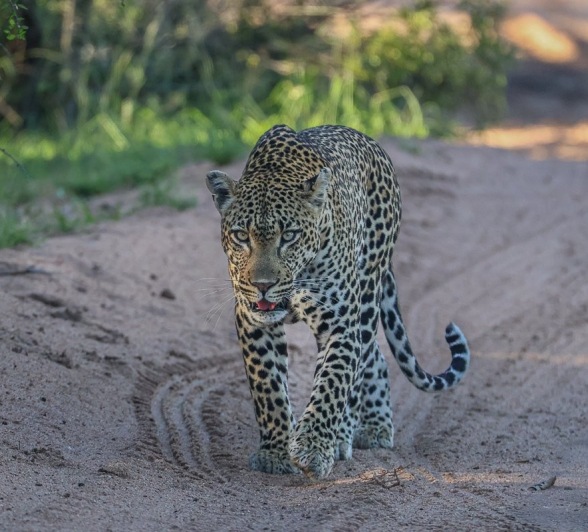
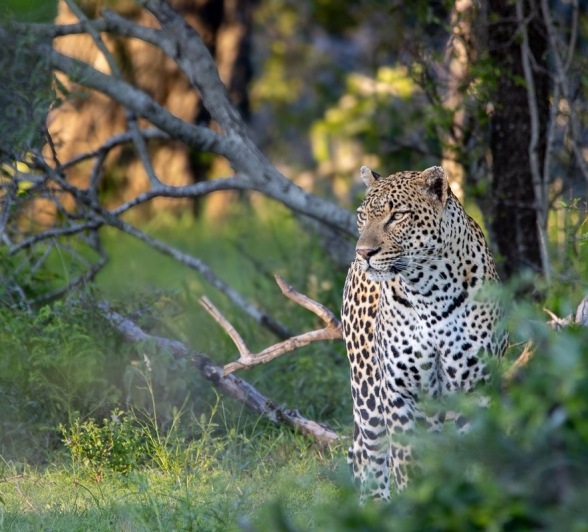
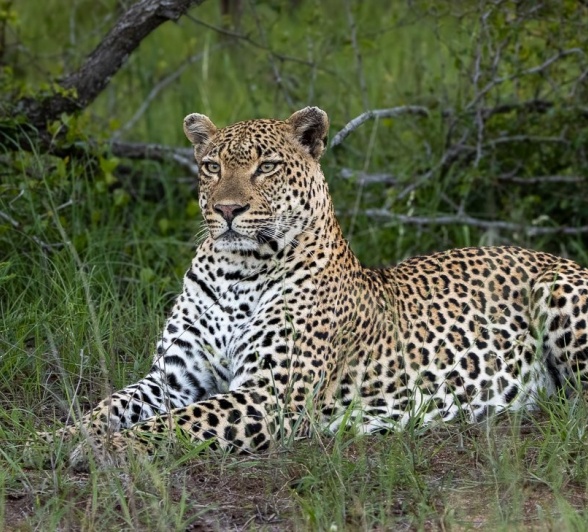
We tracked a young male leopard on foot, a process that demands patience and the careful reading of signs left behind in the sand. Once we located him, we quietly returned to the vehicle and brought our guests in to observe what we had found. Shortly after locating the young male, we confirmed that he was Golonyi’s son.
Not long after, we heard Golonyi calling nearby - a soft yet purposeful, repetitive call used to keep track of her offspring. The young male responded, and soon the pair reunited before slipping back into the safety of the thickets. Two hyenas followed at a distance, drawn by the scent and sounds, highlighting the constant pressure predators face from competitors in this dynamic ecosystem.
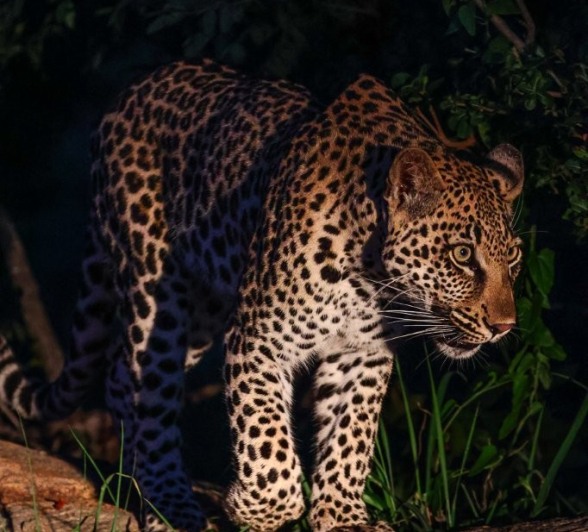
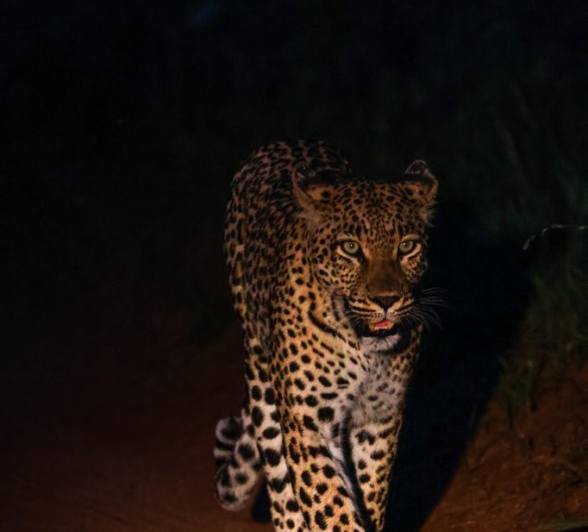
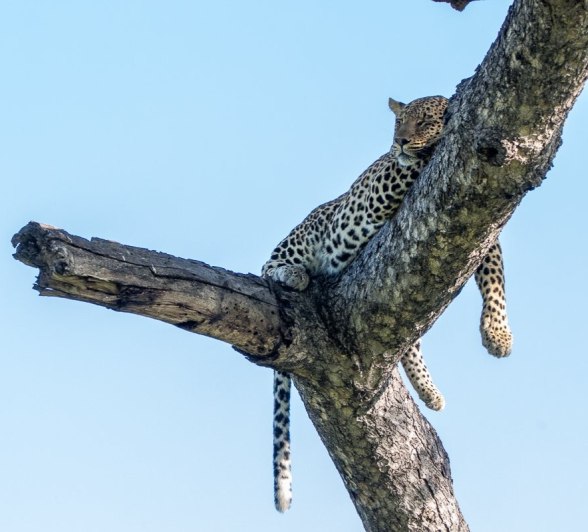
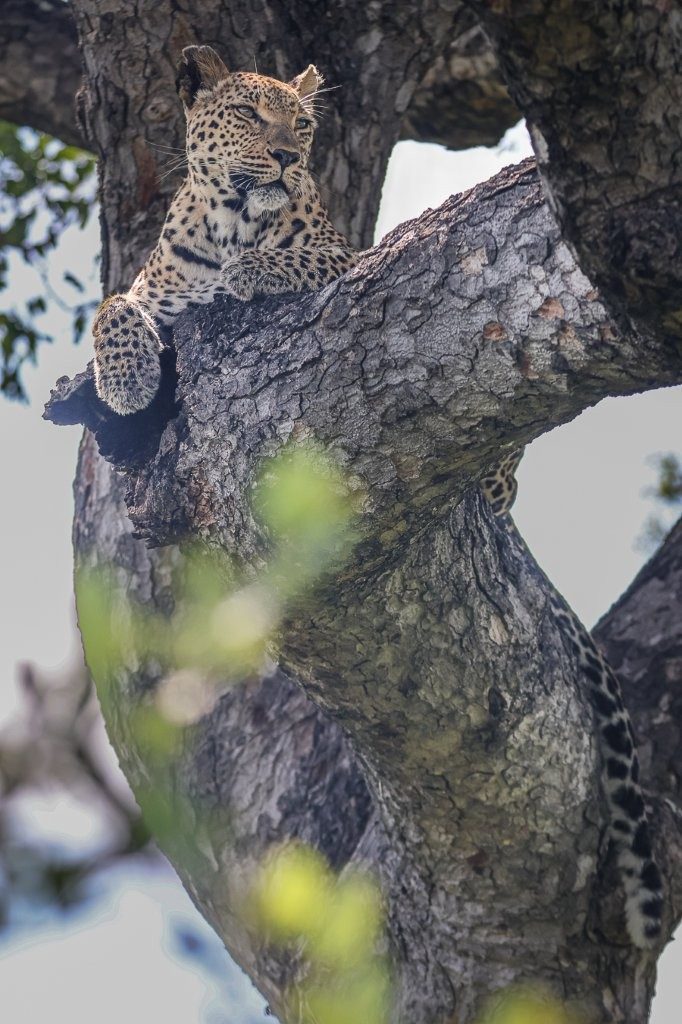
In the warm, humid afternoon sun, a strange straight branch hanging from a large Marula tree caught the attention of our safari team. On closer inspection, they realised it was the Nottins male leopard, resting in the cool shade beneath the tree’s leafy canopy.
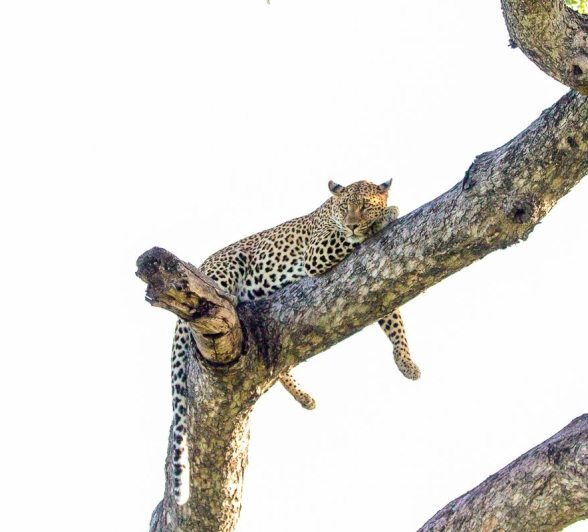
Late in the afternoon, after a warm day in the bush, we found the Golonyi female resting in the cool shade of a dense Tamboti thicket. The moist soil beneath her - still damp from recent rains - helped regulate her body temperature, providing a welcome reprieve from the heat. Leopards often seek out shaded, concealed spots like this during the hottest hours of the day, conserving their energy for the possibility of hunting later in the evening.
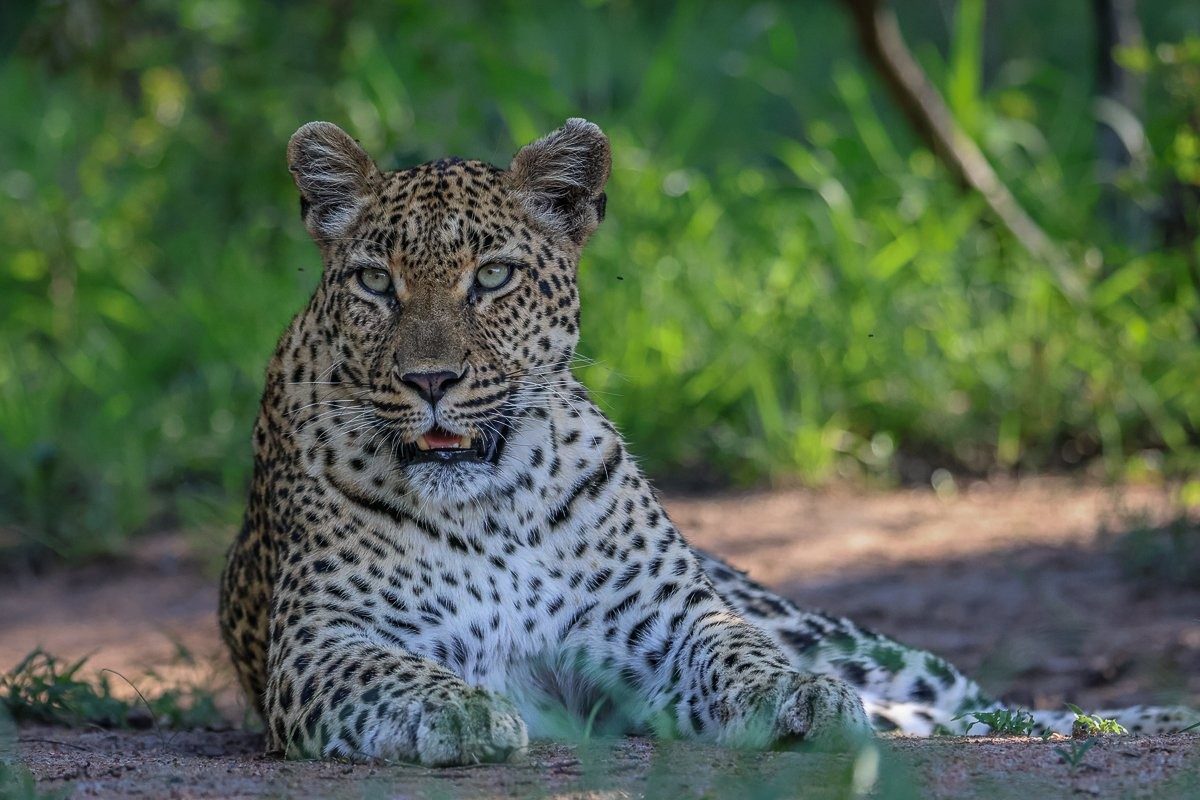
After having seemingly vanished into thin air during morning safari, our plan for the afternoon was decided - as if fated.
We ventured deep into the southern reaches of the reserve, setting course to the area where Golonyi had last been seen. As we rounded a bend in the road ahead, we noticed a herd of kudu who seemed somewhat unsure of their surroundings. Before taking another breath, their uncertainty was explained - as we noticed a glimmer of gold against a vibrant green backdrop.
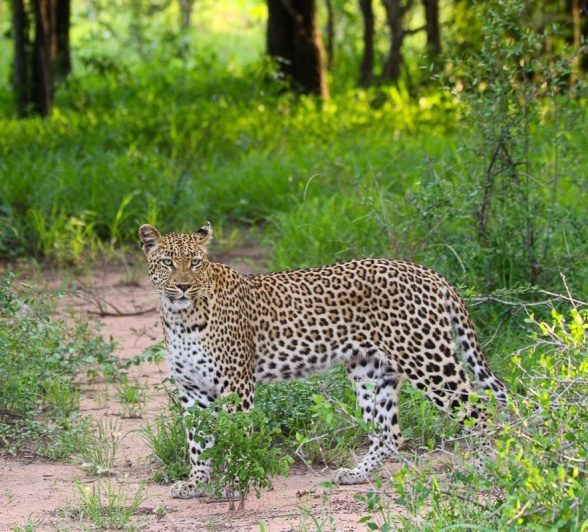
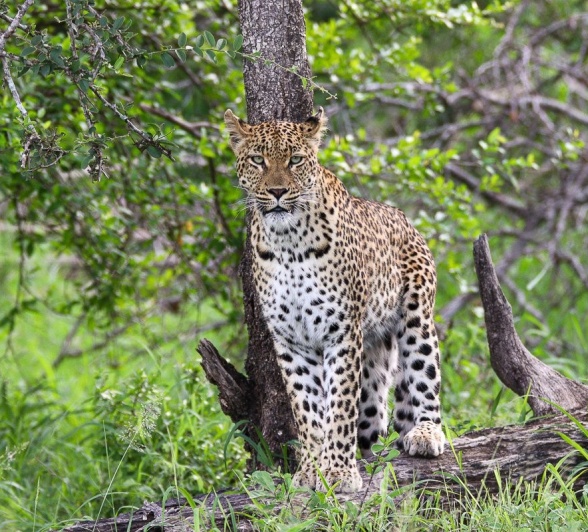
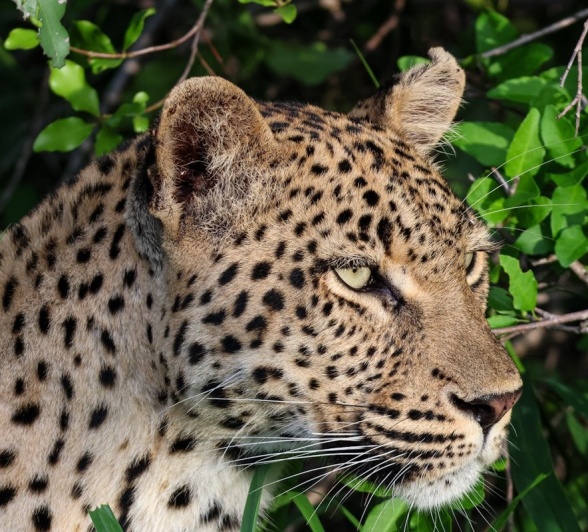
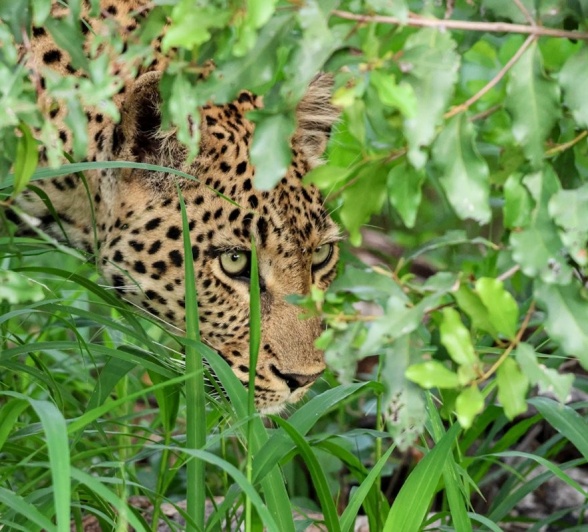
During a rainy morning safari, we came across a once familiar face - the gorgeous Tengile female. She has, until recently, been scarce - but seems to have returned to the eastern section of the reserve.
Having been observed interacting with a young cub in days passed, the reason for her return is clear. She has likely decided to operate in a place proven to be suitable for raising a cub - having successfully raised the Masungulo female in the same area.
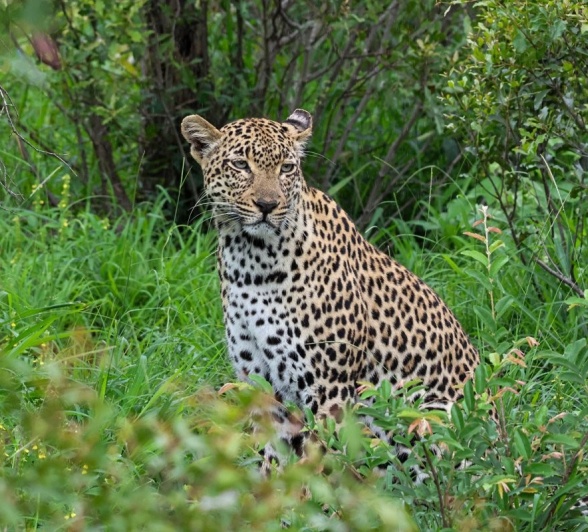
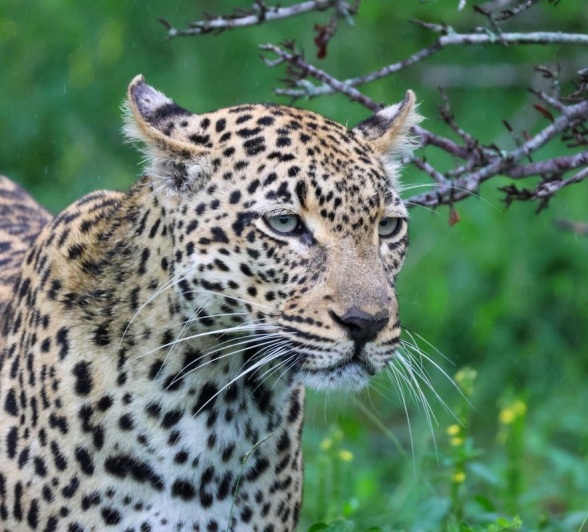
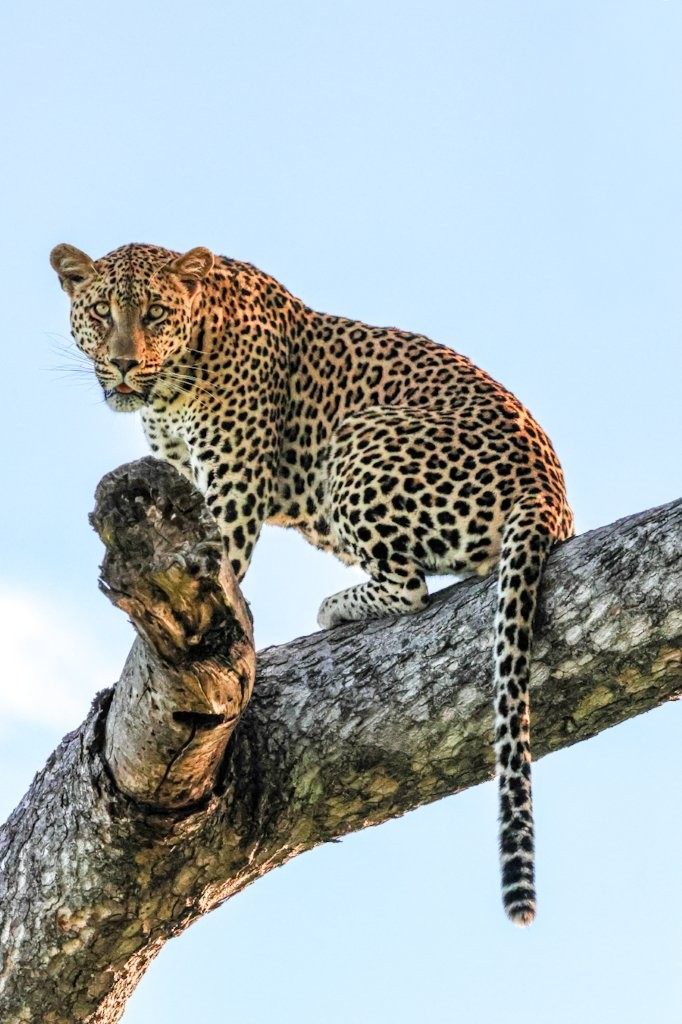
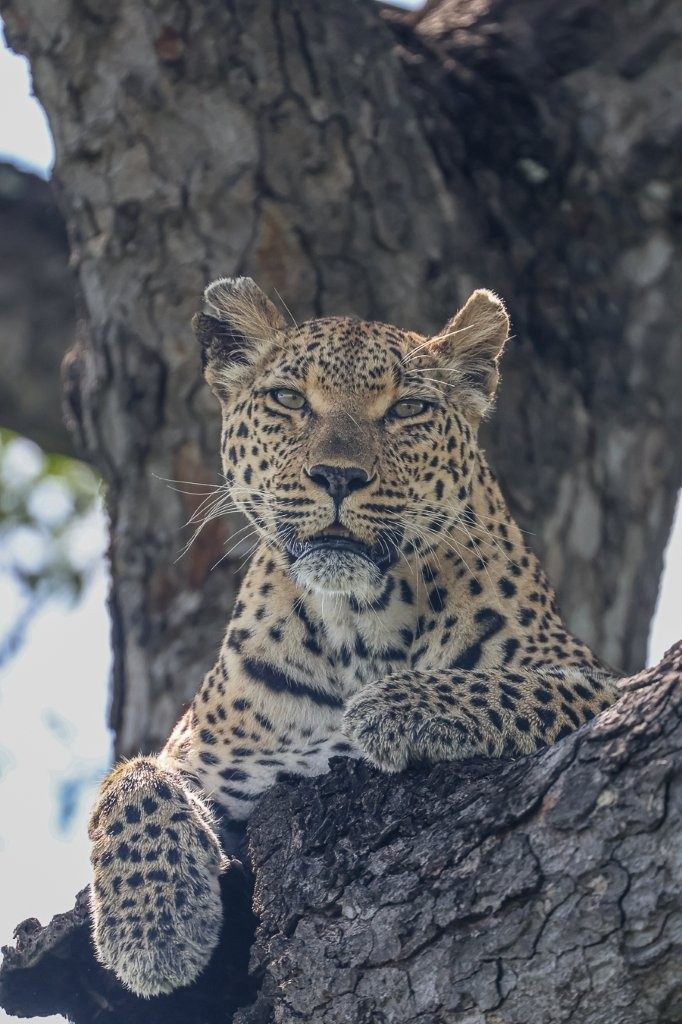
Resting in a large Jackalberry tree, the Tengile leopardess lies sleeping with a small impala that she had killed early in the morning. Knowing that this leopard has a small cub that is often not too far from her and her kills, the team went around to the other side of the tree, and there resting in the fork of the tree her 4-month-old cub sat watching all movements from the hyenas that walked beneath the tree.
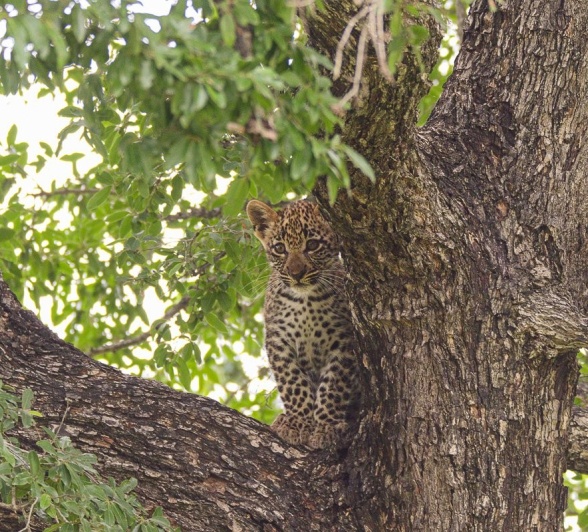
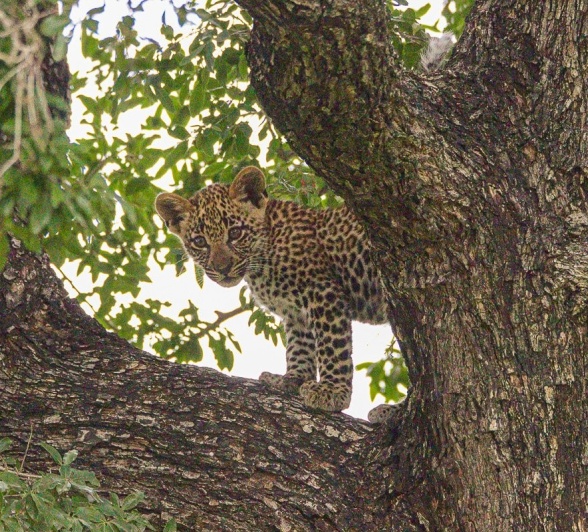
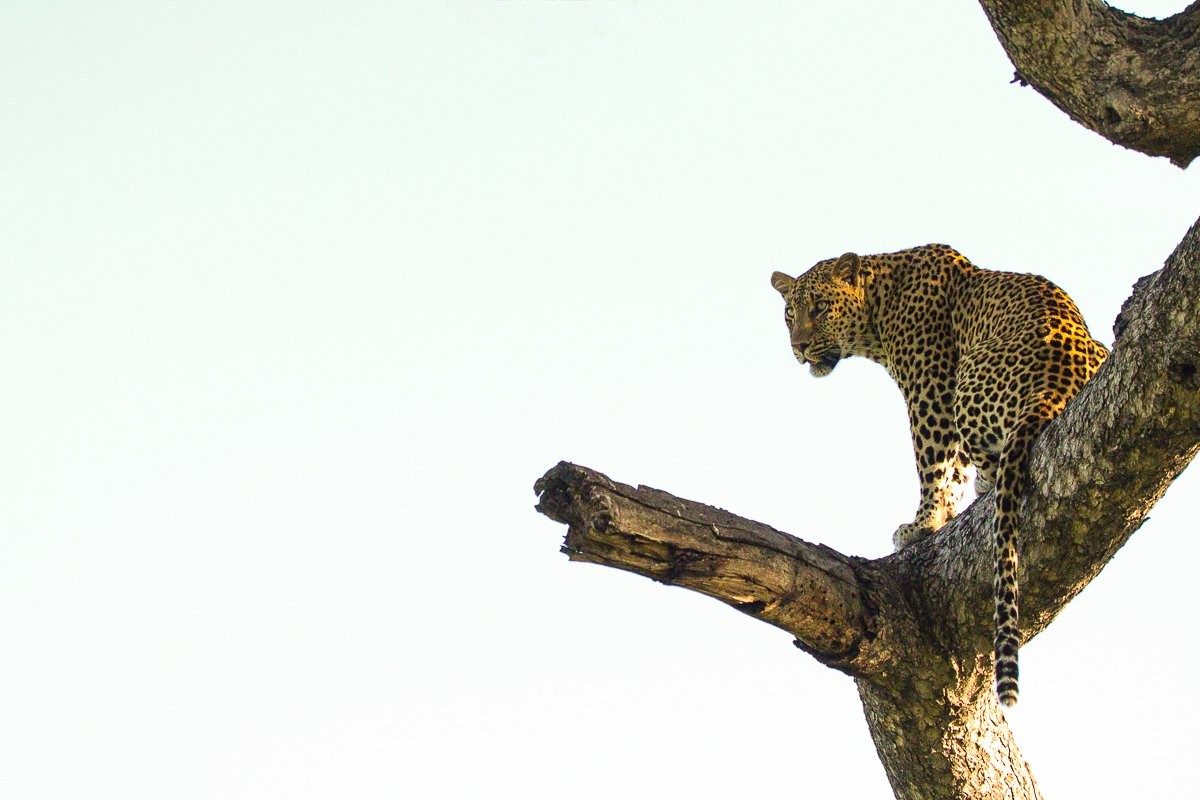
Late afternoon is a crucial learning time for a young male leopard. As the heat began to fade, we managed to locate Golonyi’s son, his senses coming alive with the cooling air. His ears rotated constantly, catching the faintest rustle of movement; his eyes swept the bush for any hint of prey, while his nose tested the wind for scent.
He moved slowly and deliberately, practising the stealth on which leopards depend, placing each paw with care to avoid the slightest sound. These moments of intense focus are vital, allowing him to hone the skills he will need to hunt successfully and, one day, survive on his own in the wild.
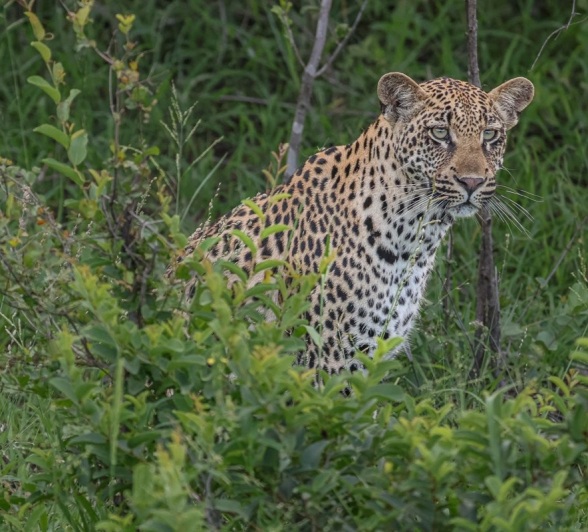
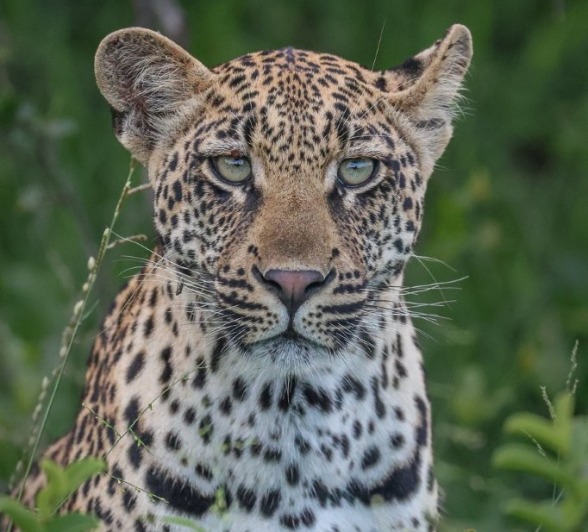
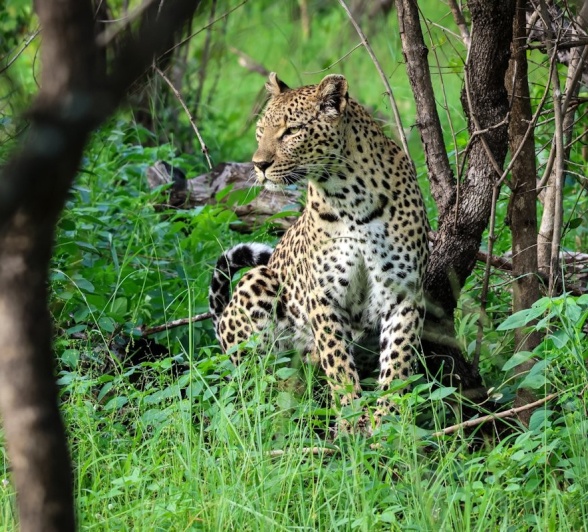
We found the Ntsumi female moving quietly through the bush, shifting from one shaded tree to the next to rest briefly before continuing. This stop-and-start movement is typical of a mother with cubs, conserving energy while remaining alert. Her eventual disappearance into thicker cover suggests she is most likely heading back to her cubs, where secrecy and caution are vital to keep them safe from predators and other threats.
Until next time…

Blog by Wendy Claase
Images by Devon Jansen, Jan Nel, Jana du Plessis, Ronald Mutero and Ruan Mey