
A Week in the Bush Vol. 576
on Dec 17, 2025A sighting we had been waiting for…
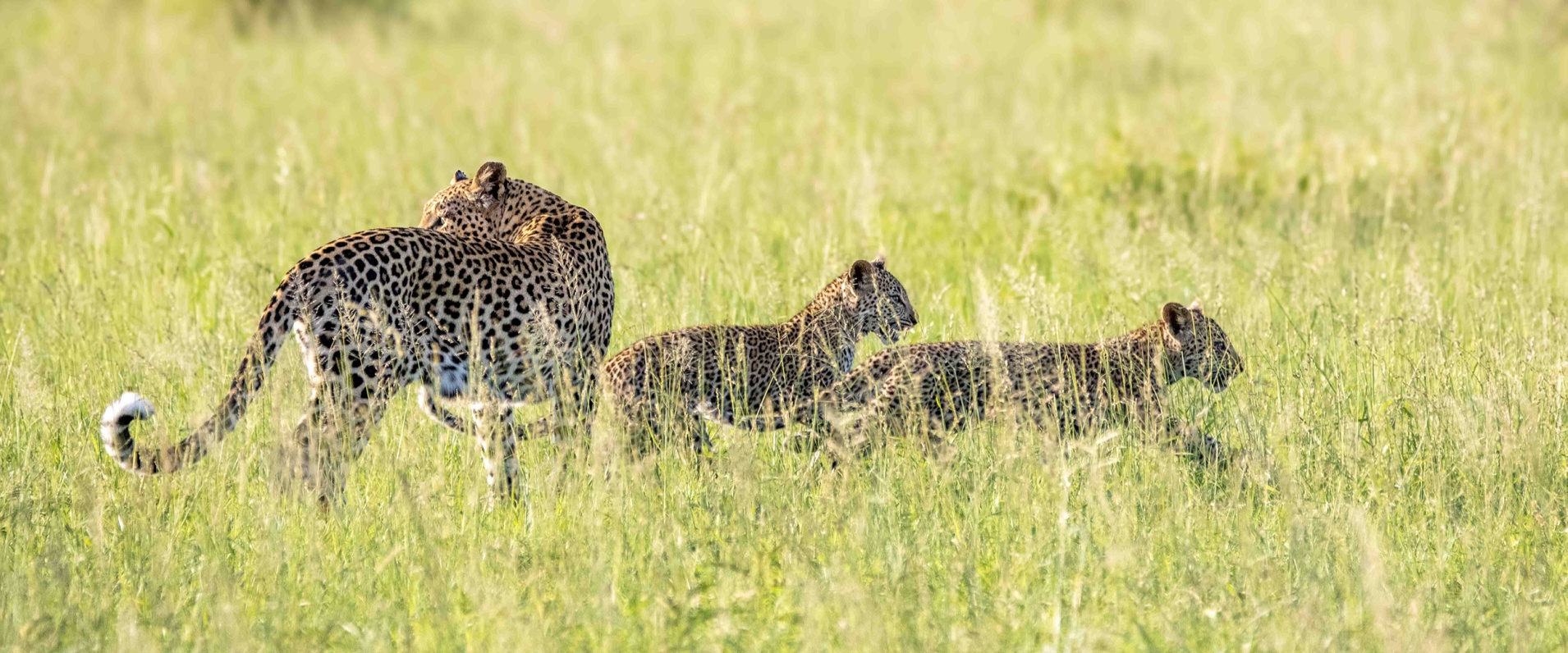
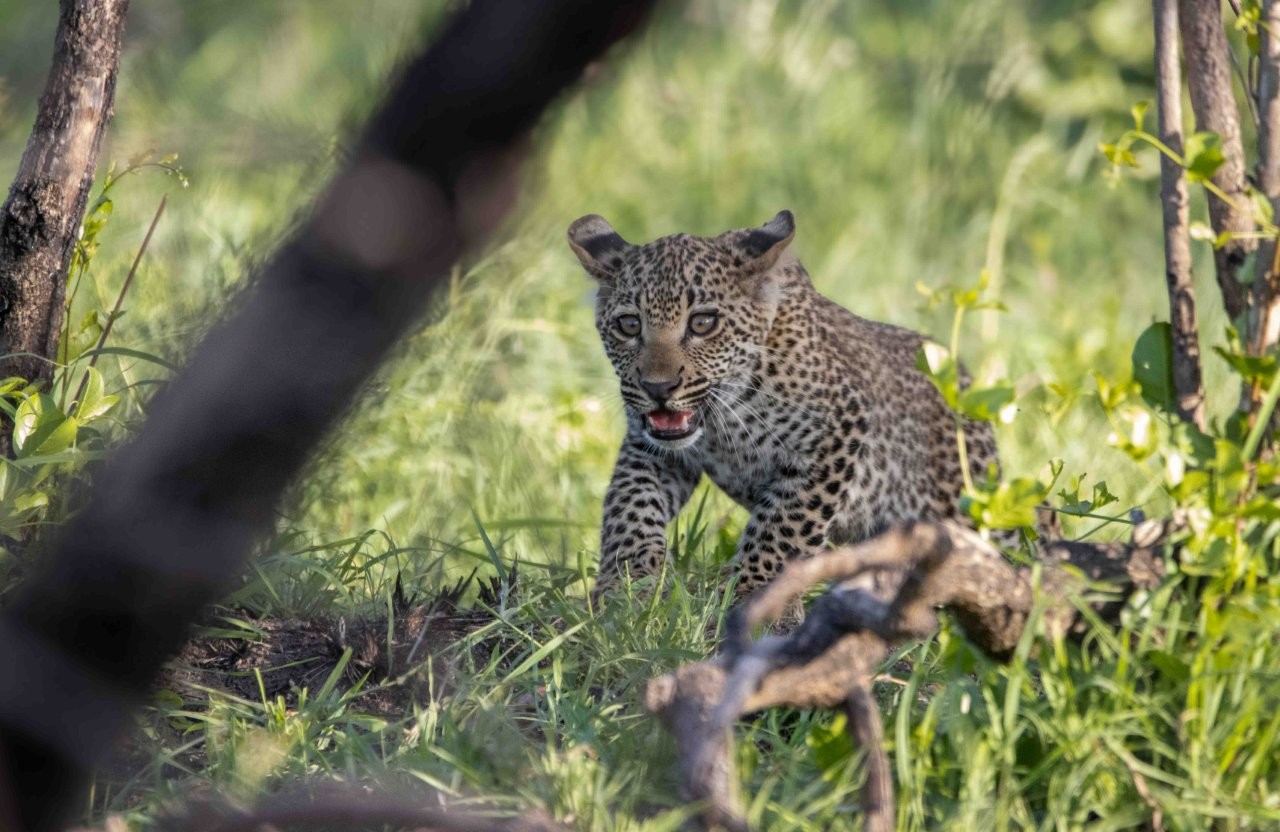
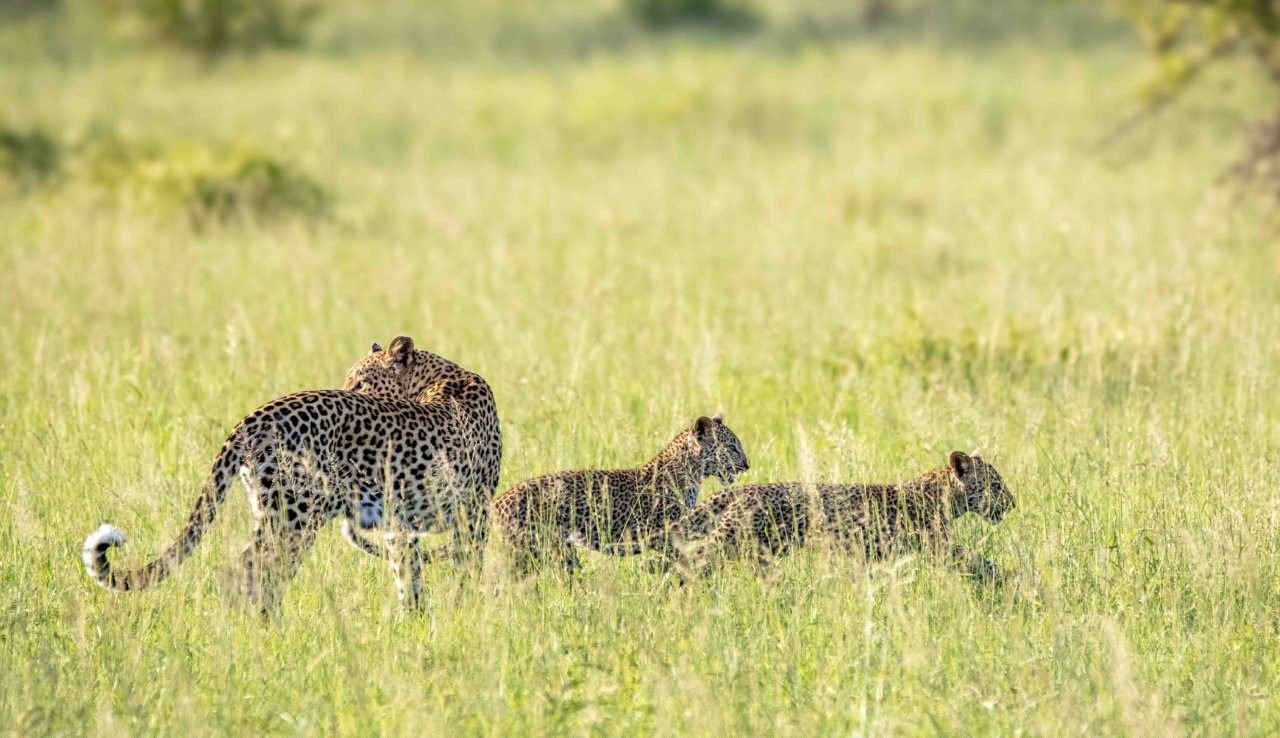
We found Ntsumi during our afternoon drive. There were no tracks to suggest that a leopard might be in the area, and she seemed to appear out of nowhere. To our greatest surprise, she was not alone - she was walking with her two new cubs.
We had not yet seen these little ones, and everyone in the vehicle, including our ranger and tracker, watched in a mix of excitement and disbelief. We had suspected she had cubs, as she showed signs of lactation a few months ago, but seeing them at last was truly special.
The cubs are already quite grown, although still very delicate and cautious around vehicles. We spent some time observing them, as it was our first encounter with them, and then chose to leave as they approached their young impala kill, allowing them to enjoy their meal undisturbed.
Female leopards with cubs often change den sites to confuse potential predators, as they avoid keeping their cubs in one place for too long. They will also bring the cubs to kills so they can feed, before later guiding them back to a den for safety.
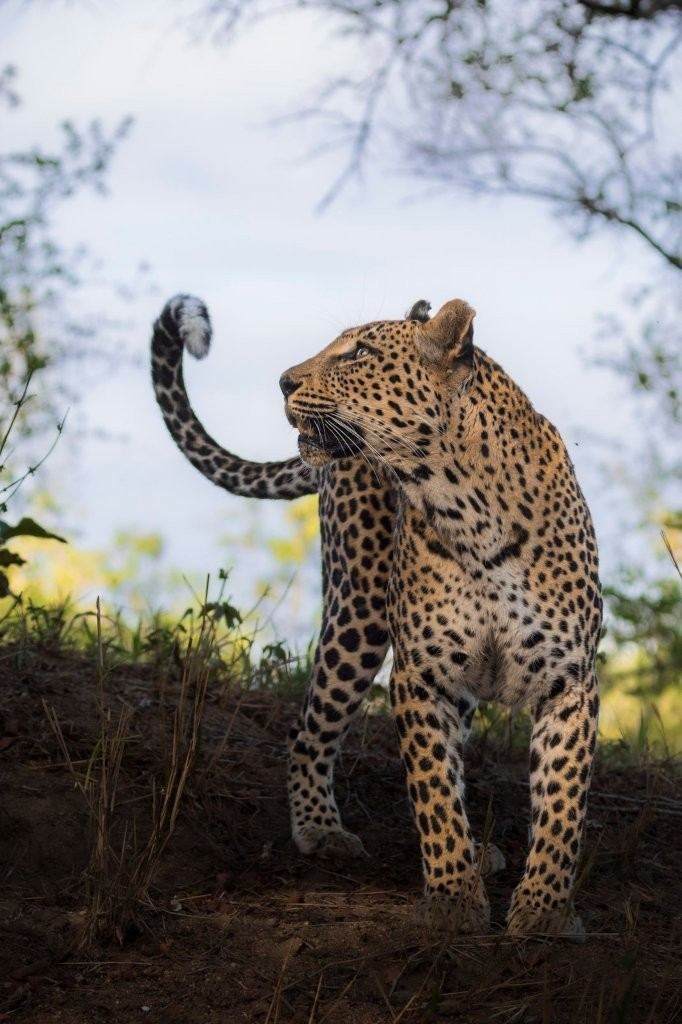
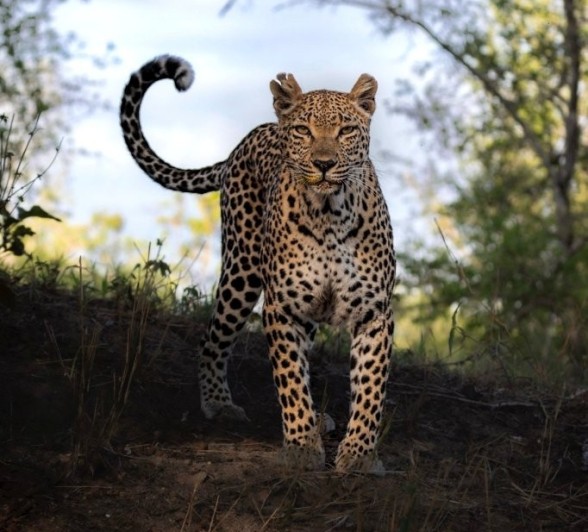
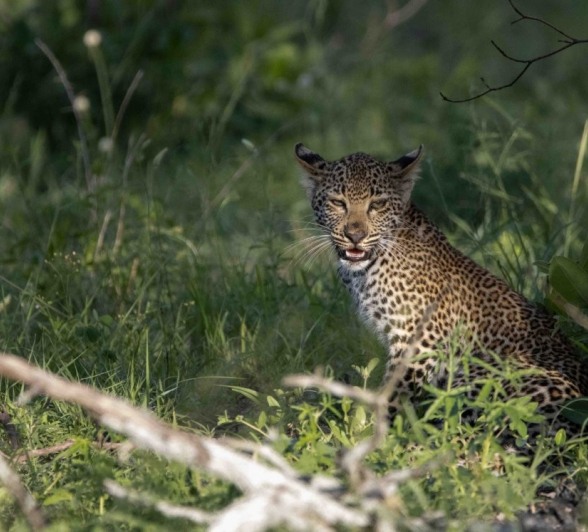
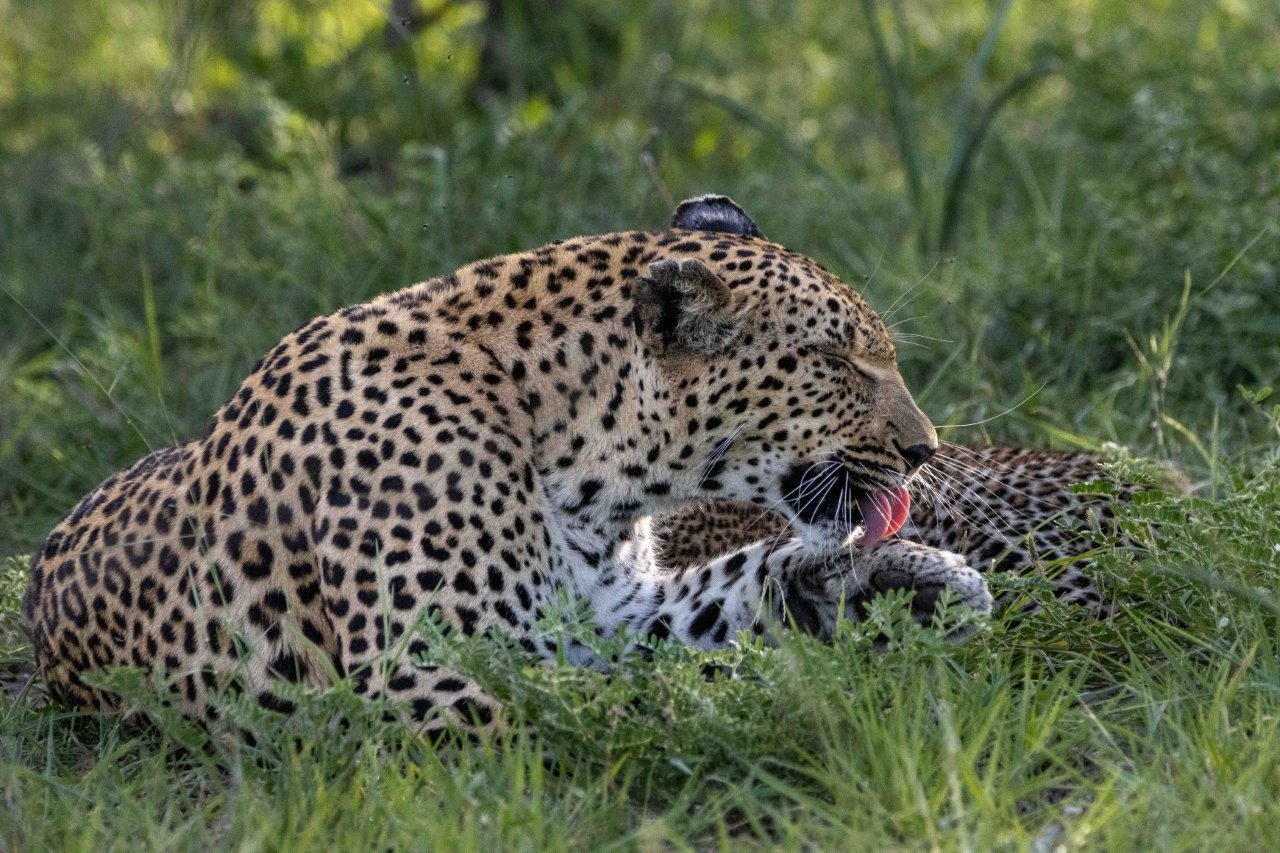
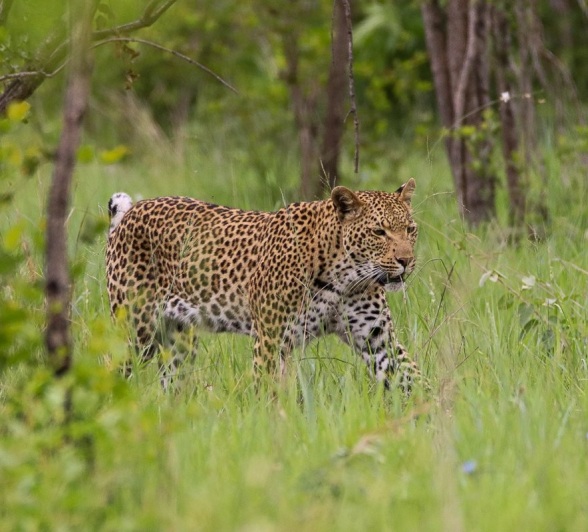
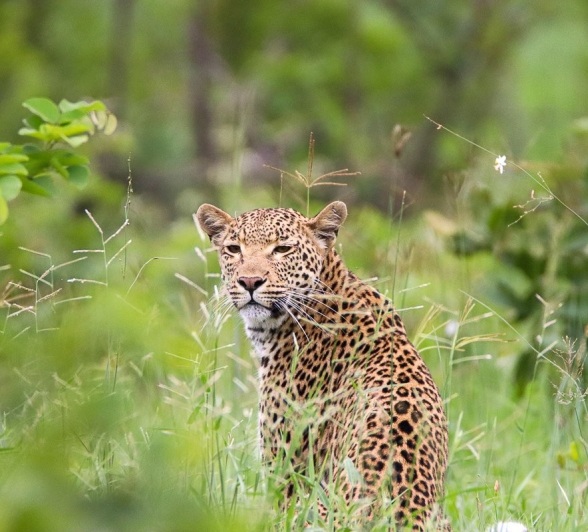
Often seen as a quick flash across the road, diving through the bushes, or quickly disappearing into the thick drainage lines around Little Bush Camp, the Jacana leopardess decided that on our cloudy morning safari, she would rather spoil us with her presence as she moves through the reserve before finding a comfortable place to rest for the day.
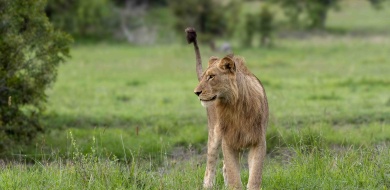
During sundowners, we watched a storm building in the far west, thunder and lightning rolling across the bushveld. After sunset, the darkness came alive with the roars of lions echoing from every direction. Following the deep, resonant calls we hoped belonged to a male, we moved out to investigate.
We soon found a young N’waswishaka male in the open near Selati Camp, pausing to listen to the distant calls of other lions. Moments later, he unleashed a powerful roar just metres from our vehicle, the force of it vibrating through the car and right through us.
As lion dynamics continue to shift in the area, the young N’waswishaka males have been seen marking more frequently and even mating with females - clear signs that they are beginning to claim and consolidate the territory once held by the Gijima males.
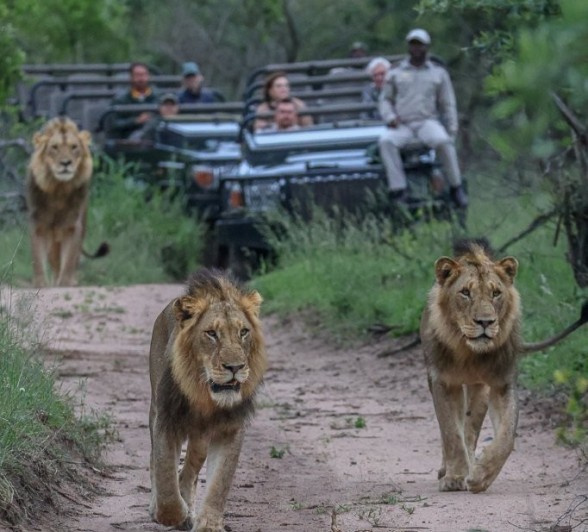
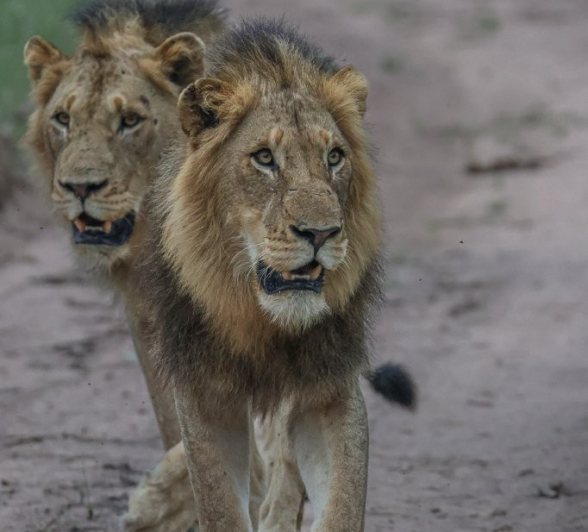
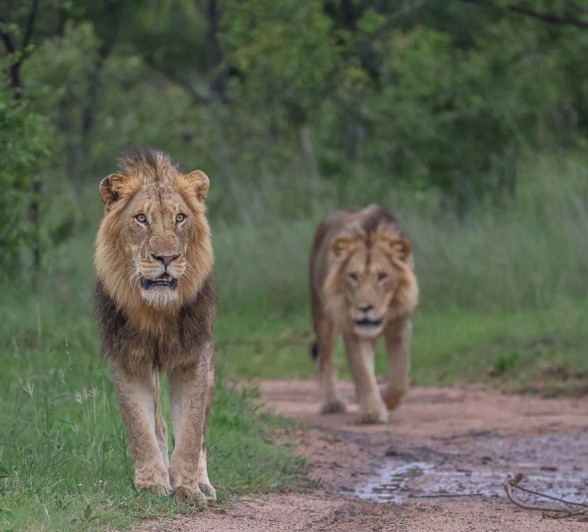
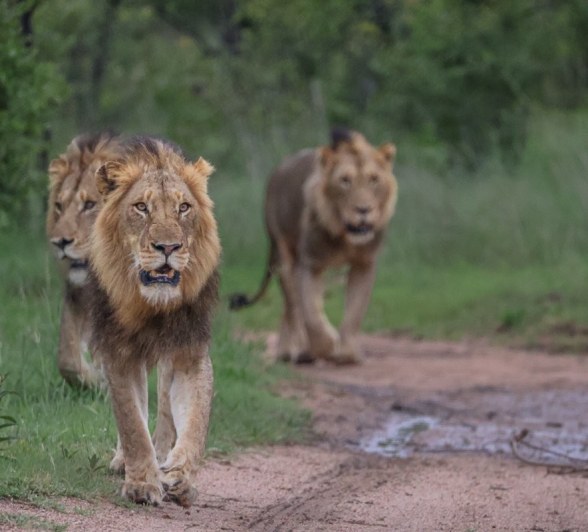
After the morning rains, three young N’waswishaka males moved with purpose through the bush, noses lifted and senses sharpened, following the fresh scent of their fourth brother, who remains in the company of a lioness. The damp ground held spoor and scent clearly, easing their pursuit. Such encounters are fuelled by dominance and breeding opportunity, and the lions’ focused, coordinated movements reveal the underlying social tension and competition as young males begin to assert their place in the landscape.
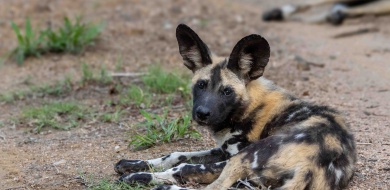
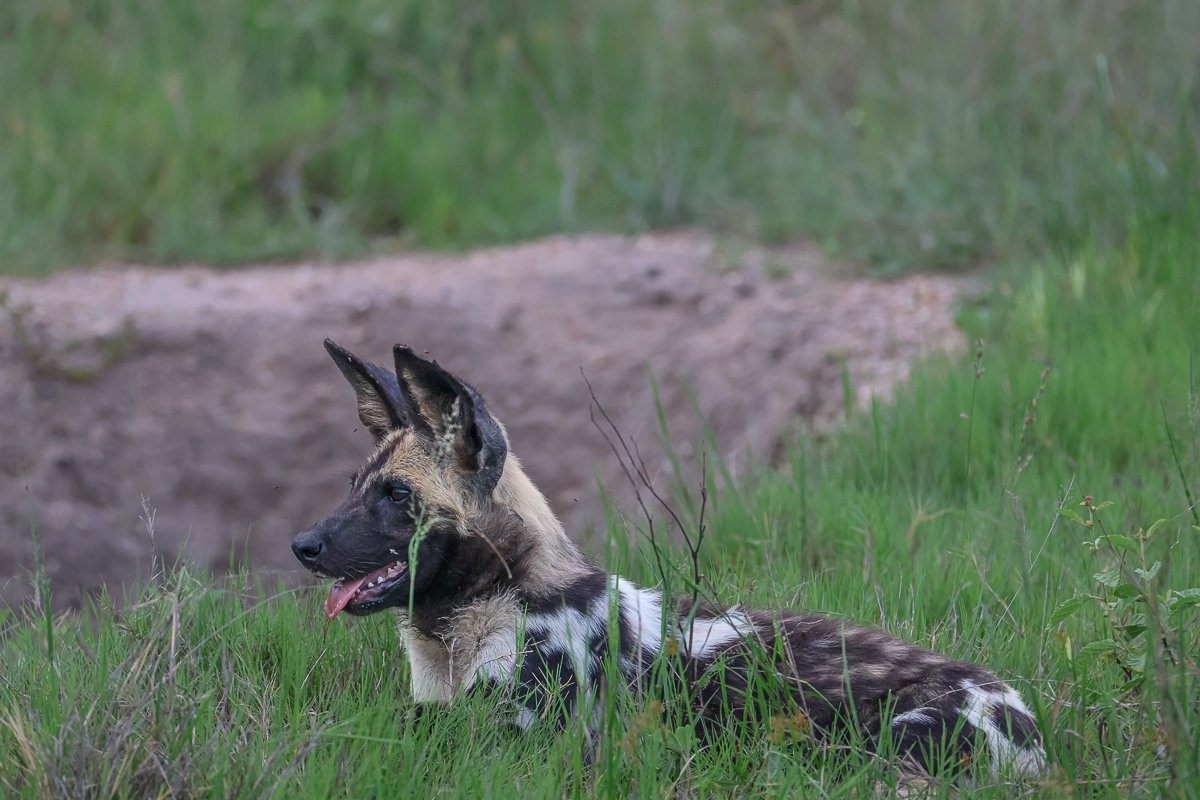
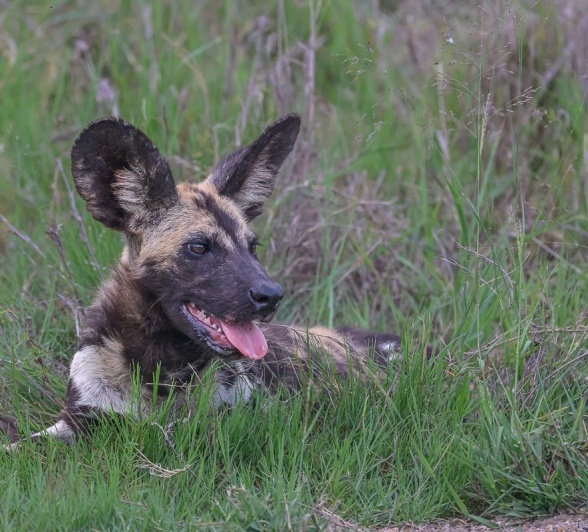
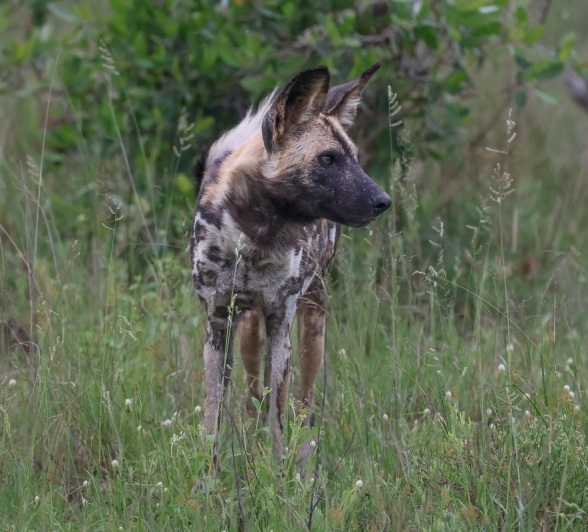
After a warm day, this pack of African wild dogs settled down to rest in the shade, often close together to maintain social bonds. With full bellies and energy conserved, this downtime is essential for recovery after long-distance hunting. While they appear relaxed, the pack remains alert, ears twitching and heads lifting at unfamiliar sounds, ready to move if danger approaches or as cooler evening temperatures signal the time to become active again.
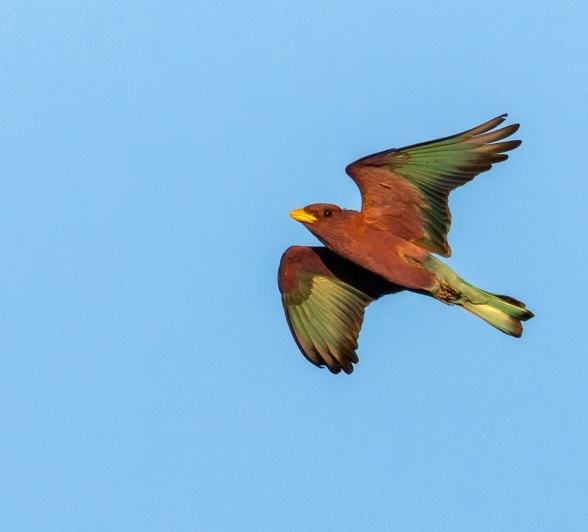
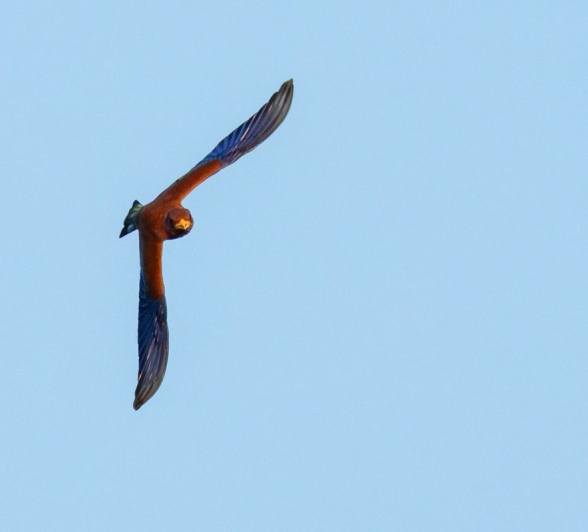
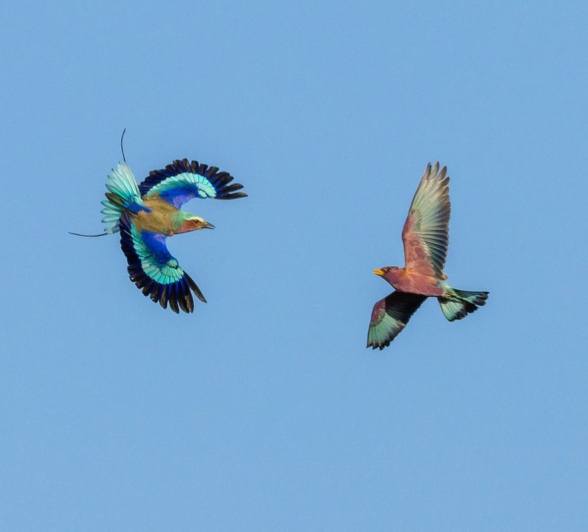
It's amazing to see the variety of migratory birds that are present in the bush this time of year. One of the highlights must be a pair of Broad-billed Rollers that come back to the same waterhole each year to breed. Not only are they beautiful birds just to look at by themselves but they are very entertaining when they put on a show as they fight over nesting sites with the resident Lilac-breasted Rollers.

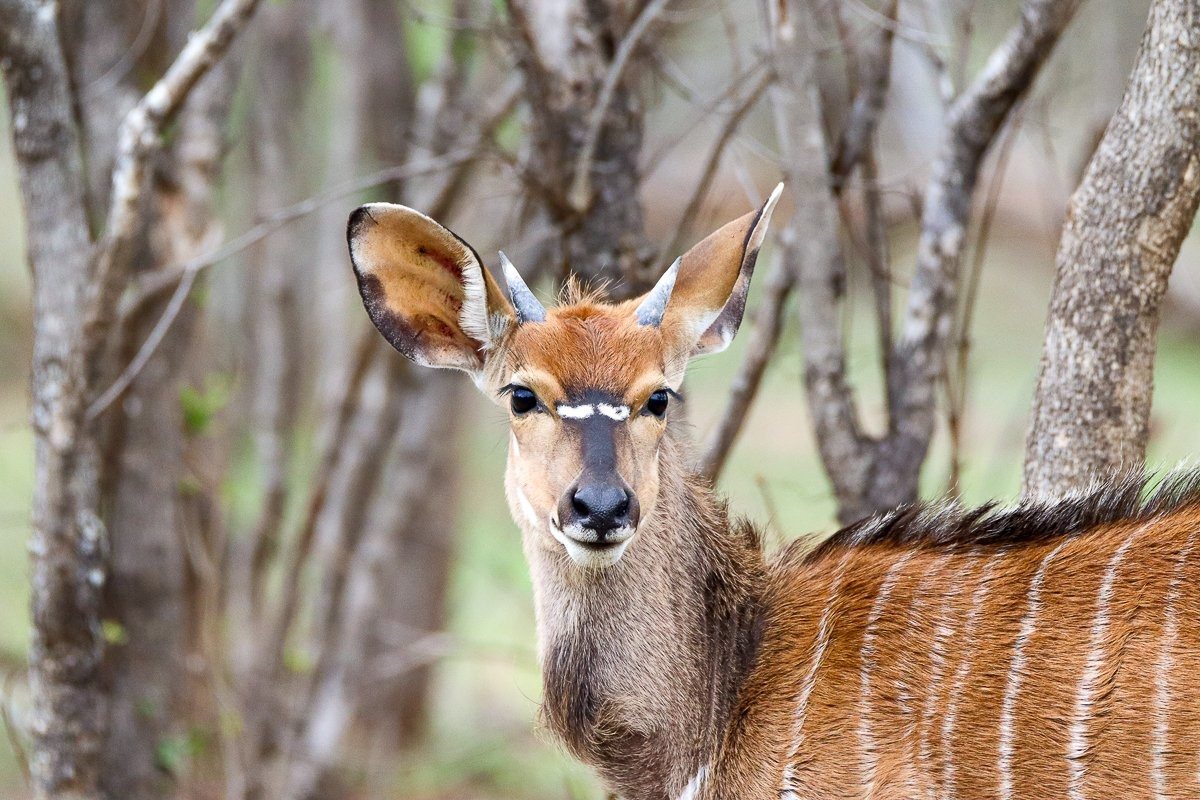
Tucked safely in the thickets, this very small nyala lamb relies on camouflage and stillness as its main defence, while its protective mother remains close by feeding. Nyala lambs spend much of their early days hidden, only venturing out when the mother is confident it's safe. Her presence nearby ensures the youngster can nurse frequently and learn vital cues about danger and movement in the bush, giving it the best chance of survival in a world full of predators.

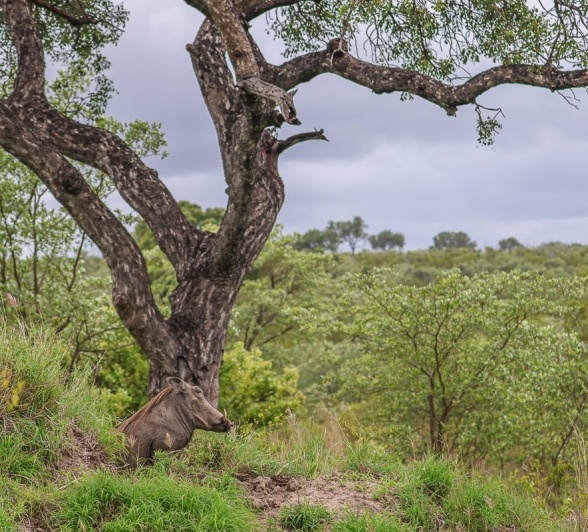
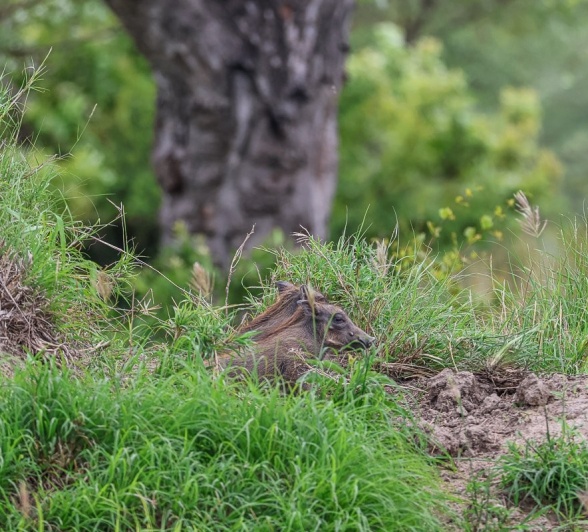
On a cool early morning, a female warthog cautiously pokes her head out of the burrow, scanning for danger before emerging fully. Predators often patrol at dawn, so this vigilance is crucial. As soon as she feels it's safe, she steps out, followed closely by her piglets.
Warthog mothers use abandoned burrows for shelter, offering warmth, protection, and a safe nursery. The piglets learn quickly to stay close and dash back to the burrow at any sign of threat, making these first moments of the day a delicate balance between safety and survival.
The Lilac-breasted Roller often brings both guide and guest to an abrupt halt - whether it’s gliding through the sky or perched high in a tree. Its dazzling palette of blue, green, lilac, turquoise, and black makes it one of the most photographed birds in Africa.
As it perched on a branch, we paused to admire it before it swooped to the ground, snatching up a dung beetle and returning to its lookout. Because of the beetle’s tough exoskeleton, the Roller began striking it against the branch, trying to break it apart into a more manageable meal.
Even then, not all of the beetle can be digested. Shortly after swallowing and processing what it can, the Roller will regurgitate a pellet - composed of the hard, chitinous remains that its digestive system cannot break down.

This oxpecker was indulging in a late afternoon snack as a small herd of buffalo slowly made their way toward a thicket to settle in for the night. These birds share a mutually beneficial relationship with large mammals like buffalo - feeding on the ticks and parasites that the buffalo host. In return, the buffalo get a much-needed cleaning service.

The white markings found around the eyes of some species are known as reflective strips. Their function varies depending on the animal’s social behaviour and whether it is diurnal or nocturnal.
In many species, these reflective strips enhance vision during low-light conditions such as dusk, dawn, or night. They help prey species detect the movement of approaching predators before they get too close, while also aiding predators during hunts by reflecting even the faintest light given off by the stars and the moon.

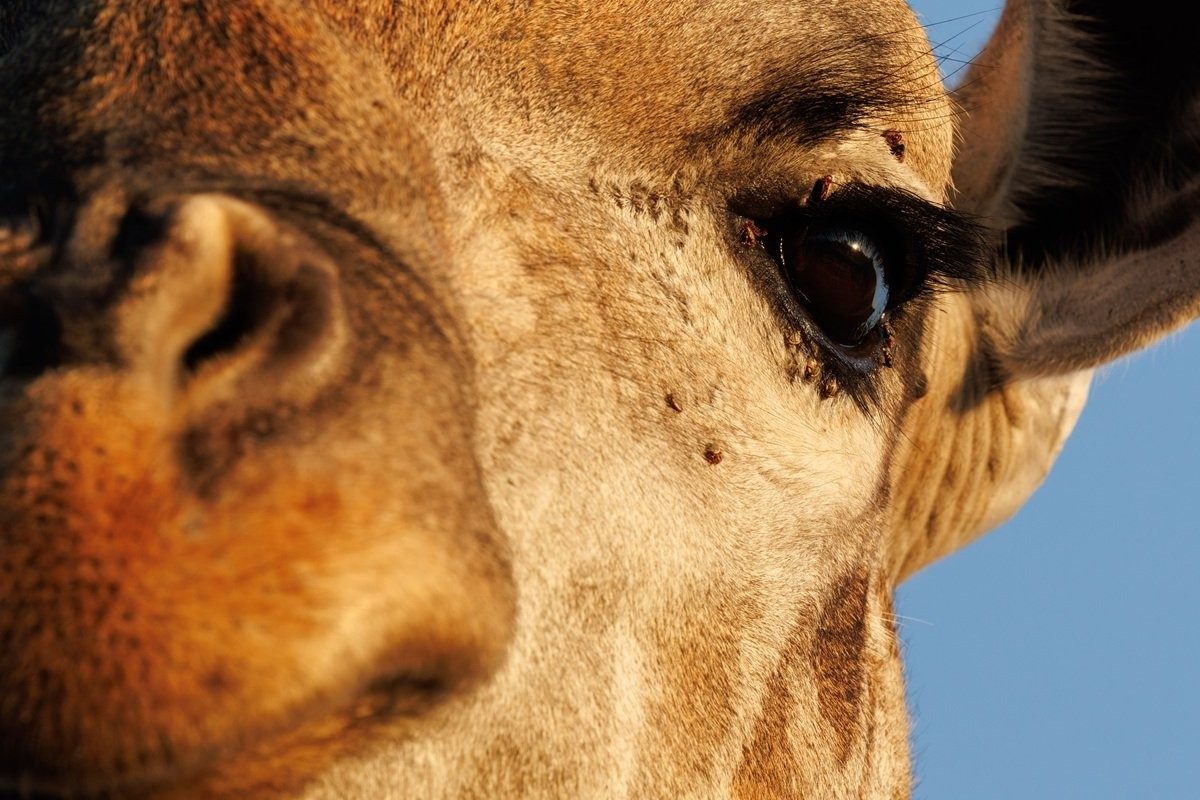
This male giraffe was very curious about our stopped game drive vehicle, wandering right up to us for a closer look. The light was perfect, and having this towering giraffe gaze down at us made for a truly special and unforgettable sighting.
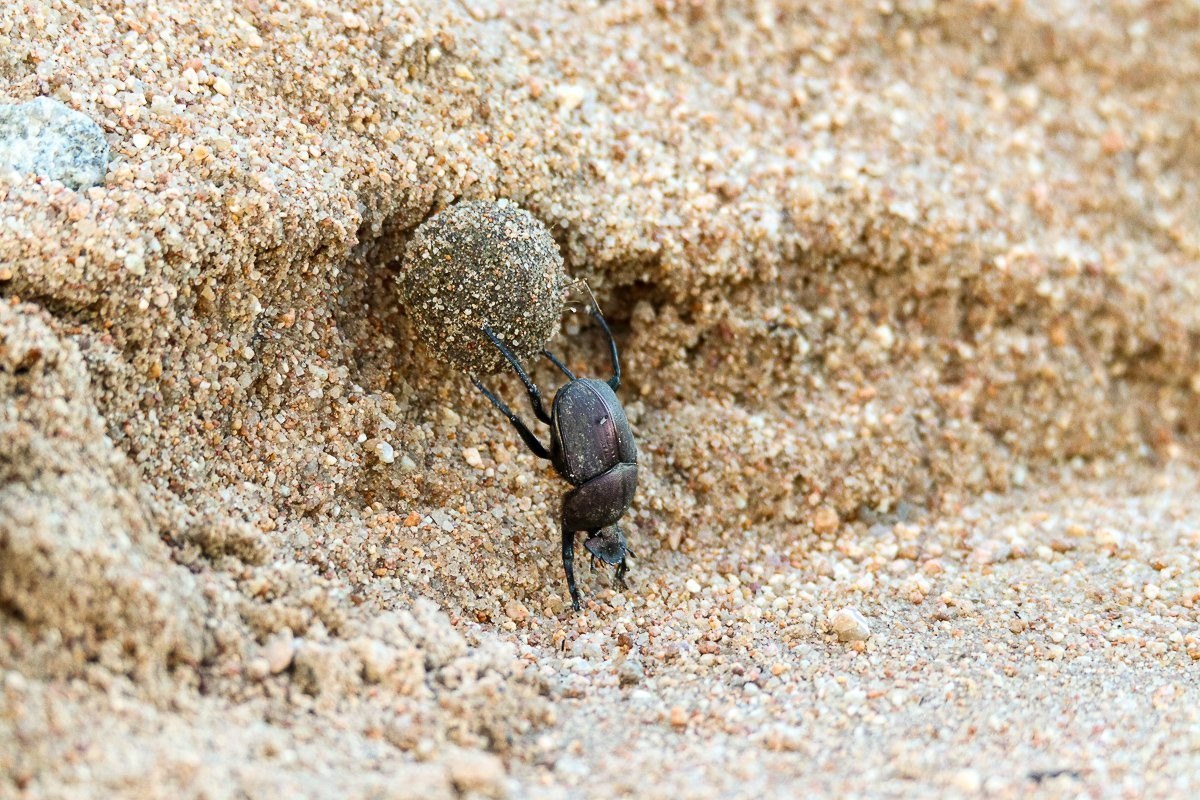
With over 780 species of dung beetles emerging during the summer months, roads can become swarmed with these beetles as they roll their dung balls away to bury later on. These impressive beetles - particularly the males - can roll dung balls up to 50 times their own body weight, using polarised moonlight to navigate their way.
These dung balls serve multiple purposes: they are where eggs are laid and provide food for both larvae and adults. Adult dung beetles feed on the liquid nutrients found in animal dung, while the larvae consume the solid material. By moving dung away from the original pile, dung beetles play a vital role in maintaining a healthy ecosystem. This process helps remove and disperse waste, destroy parasite eggs, return nutrients to the soil, and assist with seed dispersal and germination.
Until next time…

Blog by Wendy Claase
Images by Benjamin Loon, Devon Jansen, Jana du Plessis, Ronald Mutero and Ruan Mey
Video by Jana du Plessis