
A Week in the Bush Vol. 574
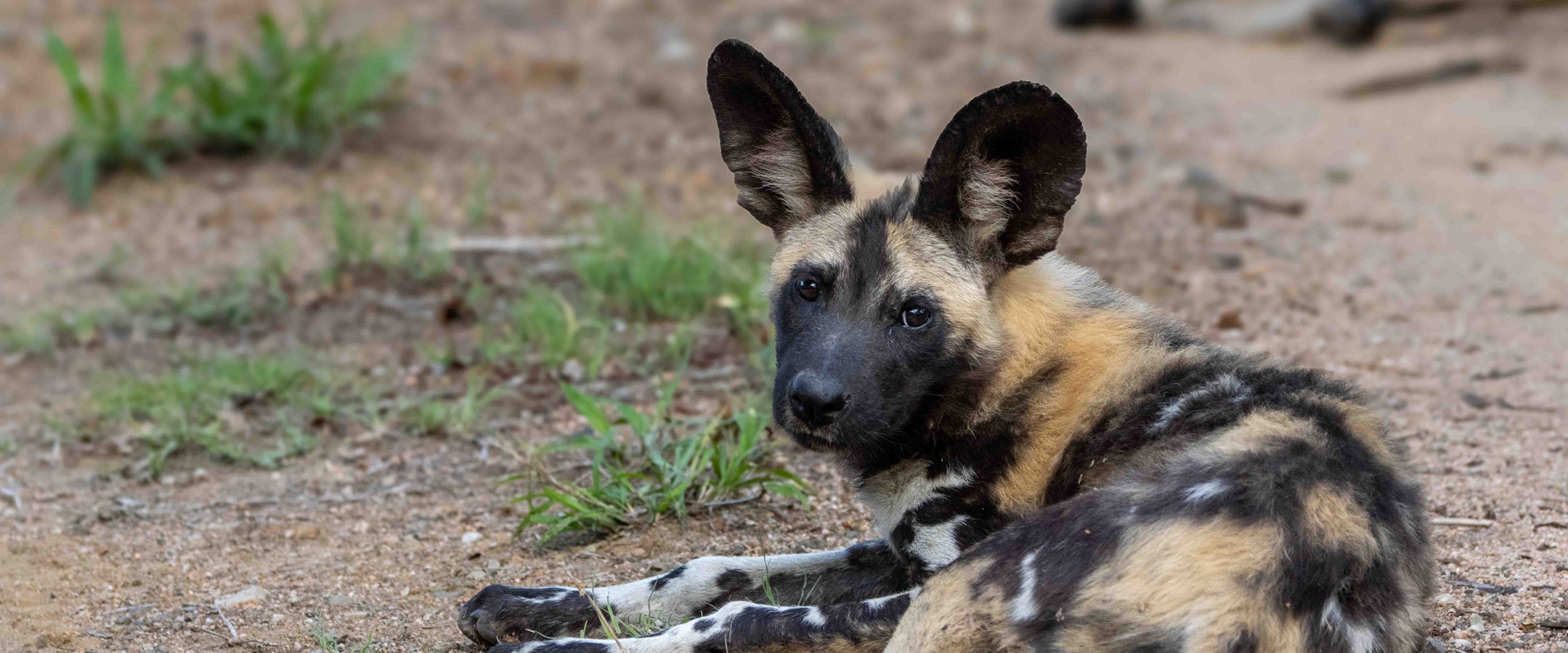
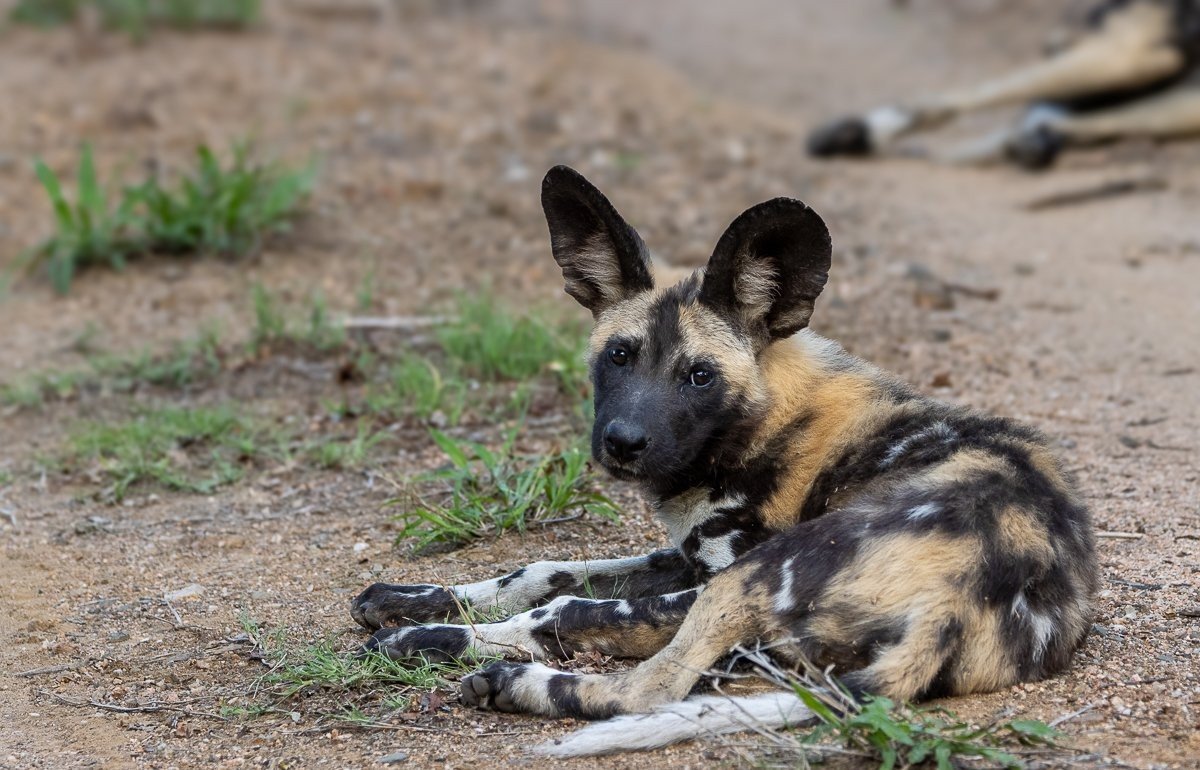
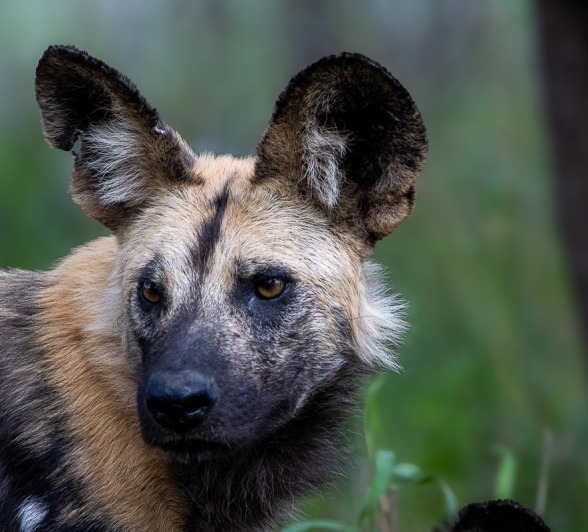
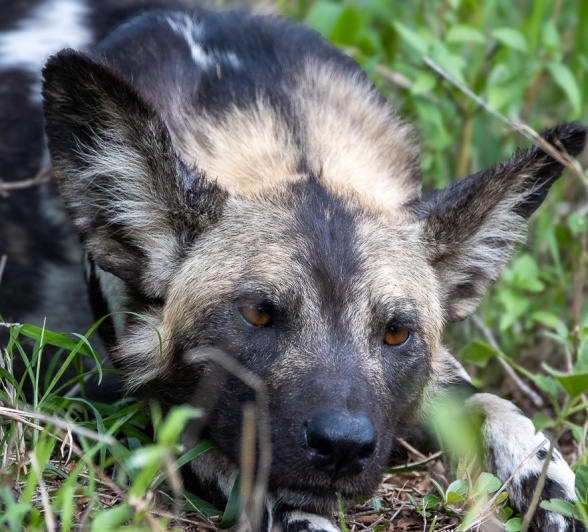
on Dec 03, 2025The sudden rush of wild dogs across the road sparked a manic chase. Watching a pack of roughly sixteen animals on the move is an incredible sight - although photographing them is a challenge as they weave through the thickets in search of prey. African wild dogs are stunning creatures, known for their multicoloured coats that help them blend into their surroundings. But one caught our eye: its unusually white coat made the moment even more special.
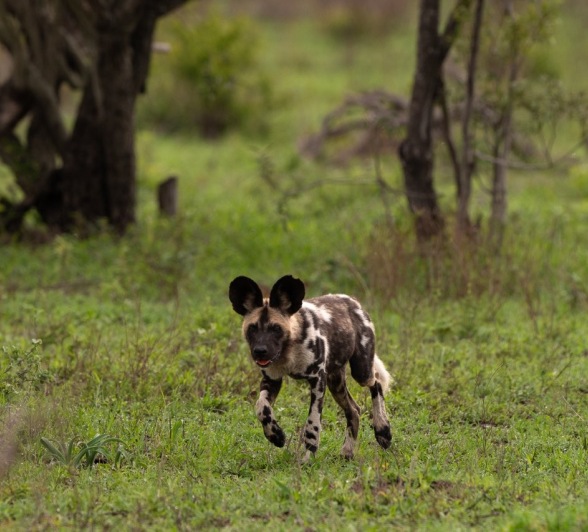
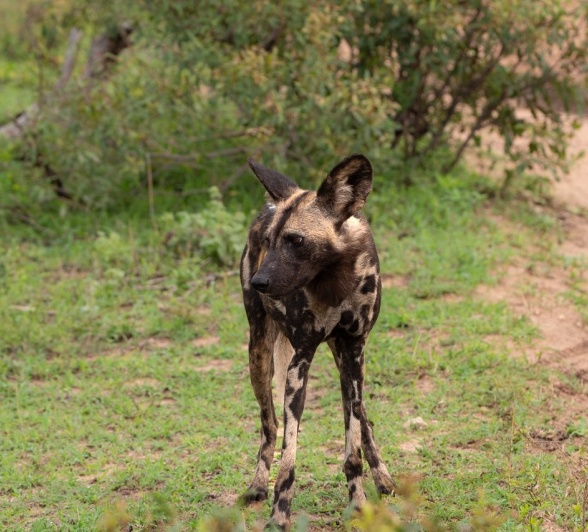
We came across this pack of wild dogs with the adults resting after the hunt while the sub-adults fed on the remains of a young impala. This behaviour reflects their tightly knit social structure: the adults make the kill, then allow the younger pack members to feed first, reinforcing social bonds and helping them develop crucial hunting skills.
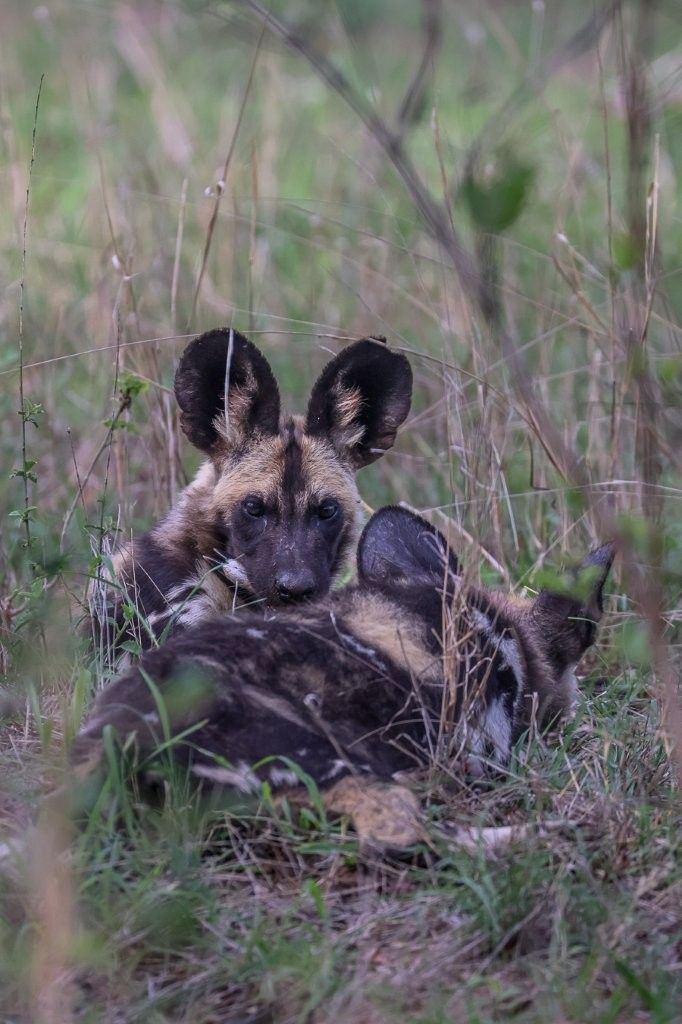
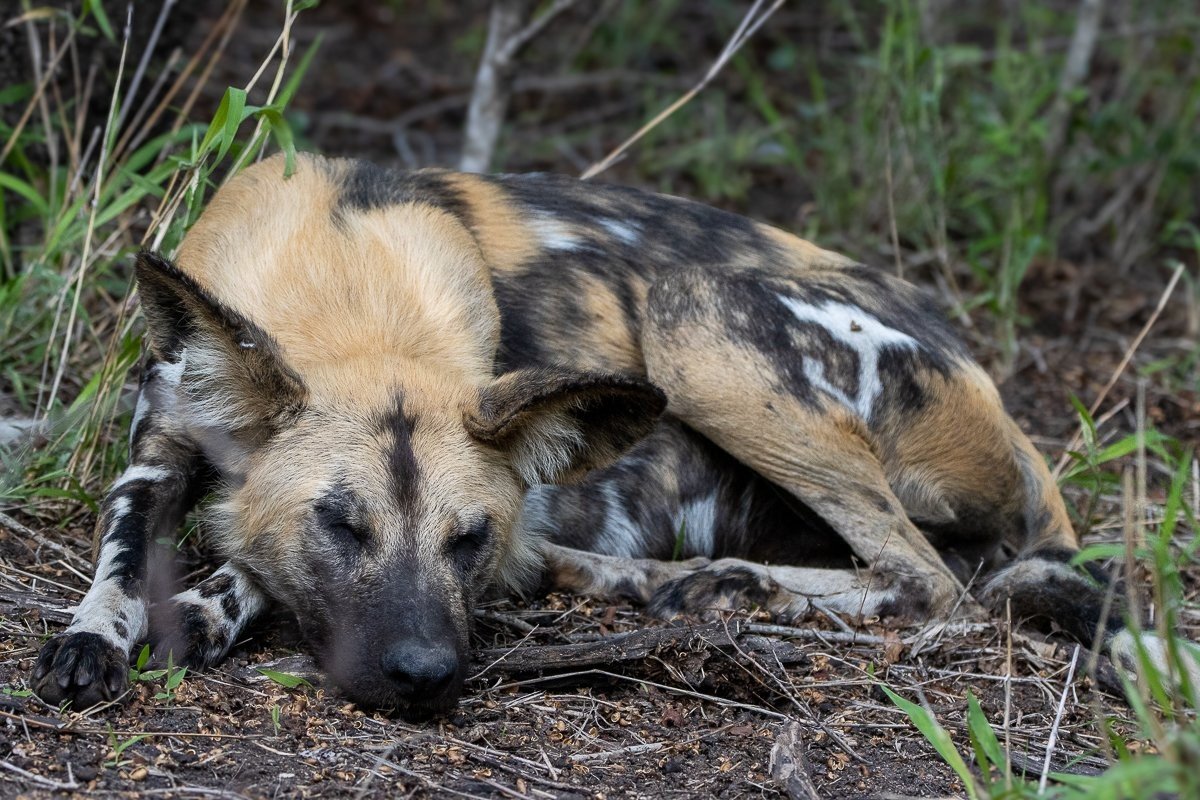
Golonyi’s son is being spotted on his own more frequently now. At just over a year old, he’s beginning to assert his independence, spending long stretches exploring his surroundings without his mother. We came across him resting in the thick vegetation of a riverbed, his belly rising and falling in contented breaths. Nearby lay the remains of a dwarf mongoose he had just eaten – an act that seemed driven more by youthful curiosity and play than by any real need for food.
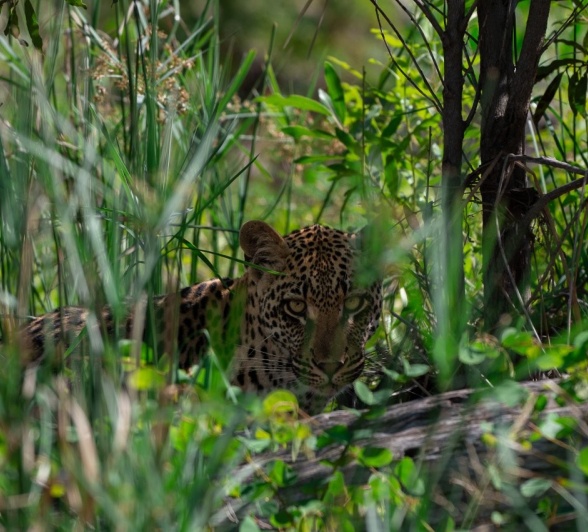
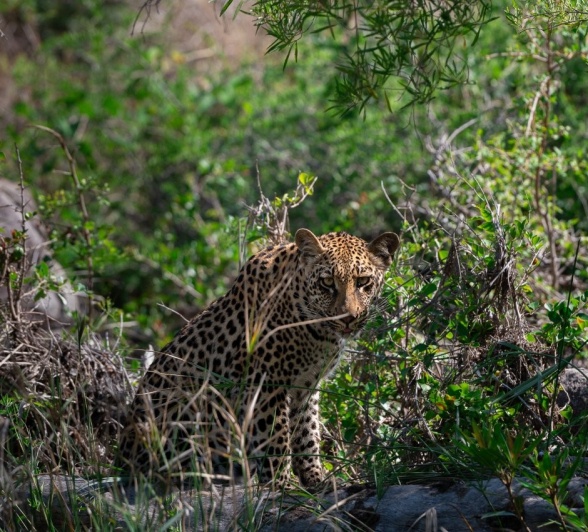
We found the Khulwana male resting just off the bank of the Sabie River in the late afternoon, using the vegetation to stay concealed. From this vantage point, he kept a focused watch on a nearby herd of impala. Leopards often rely on patience and stealth rather than long chases, carefully observing prey movements before deciding whether to approach. This quiet moment along the river shows how predators use the landscape to their advantage, combining shade, elevation, and dense vegetation to remain unseen while assessing hunting opportunities.
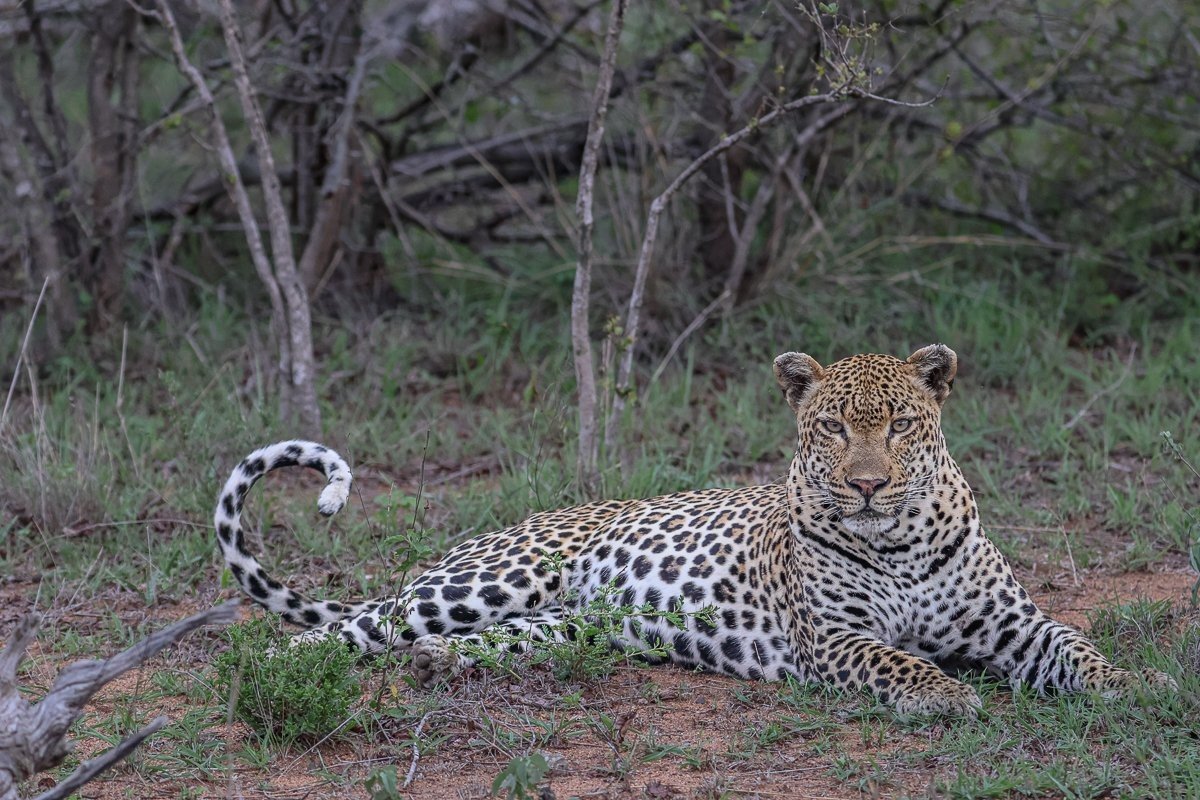
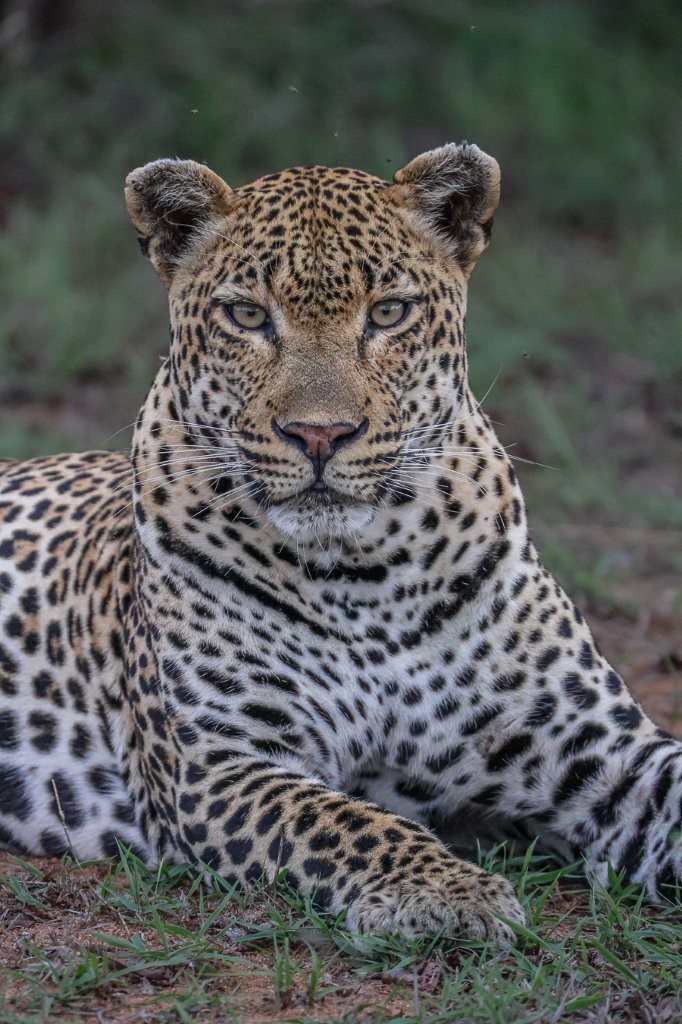
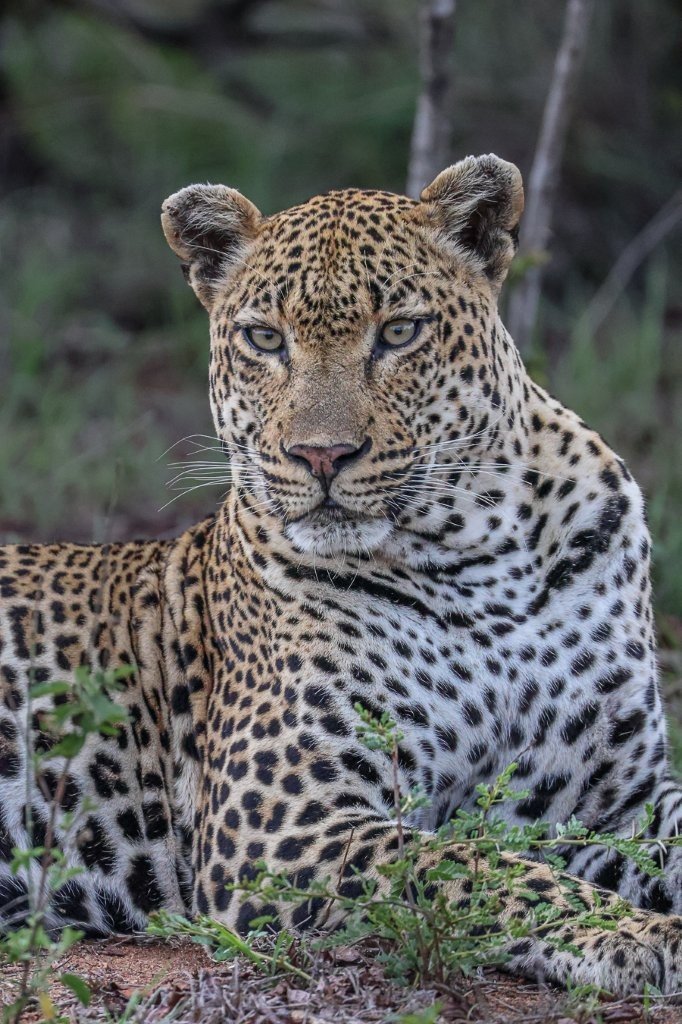
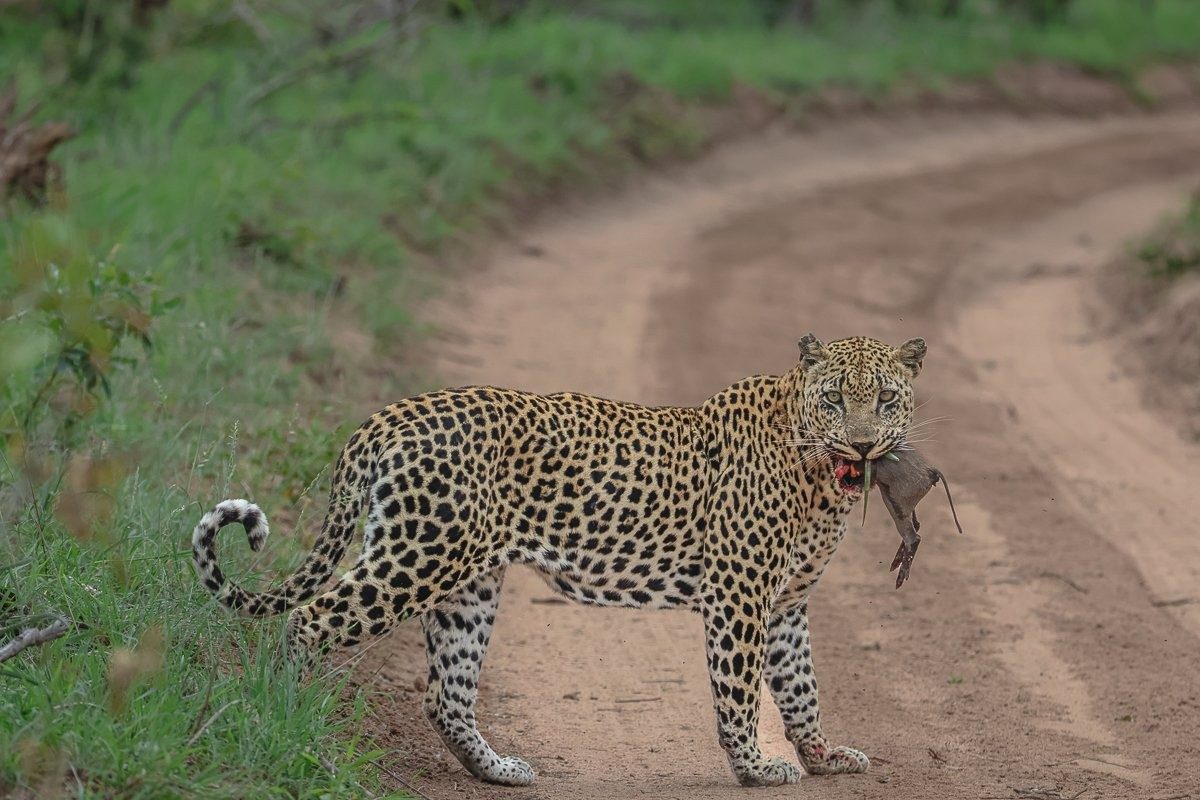
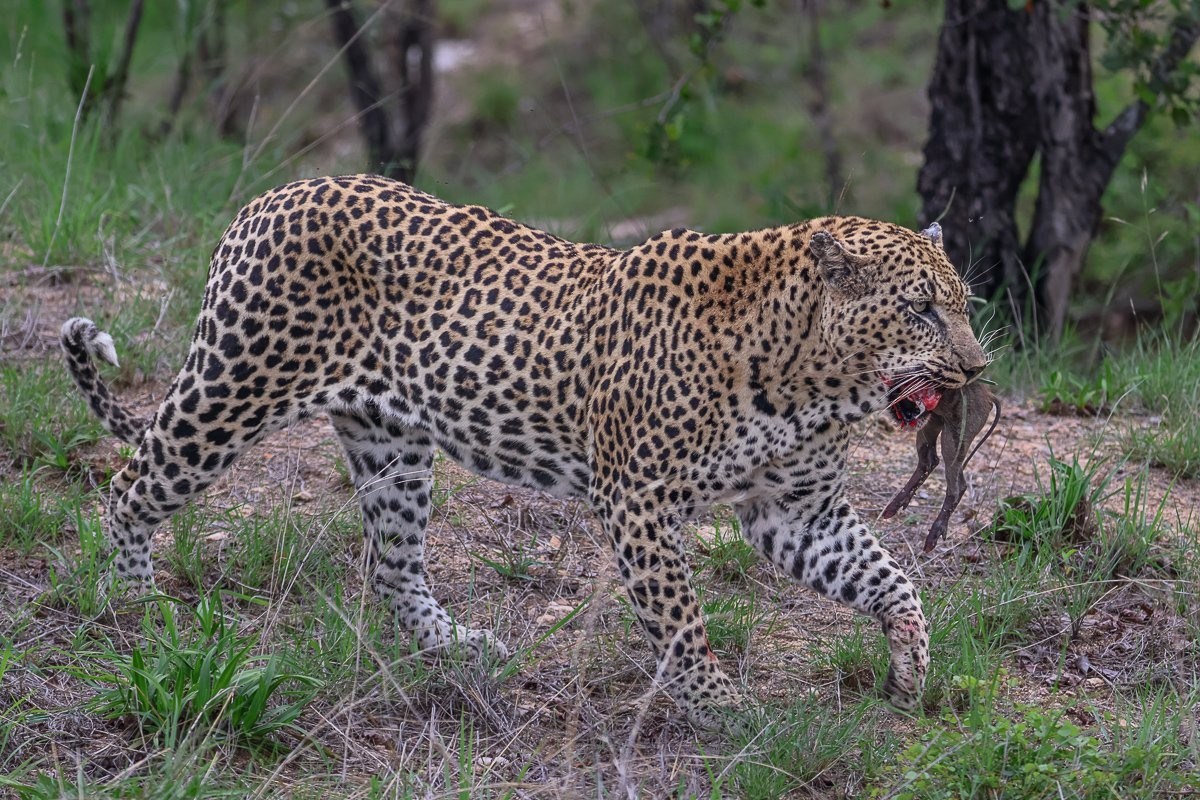
As we were enjoying the calmness of the bush, a distinct warthog squeal disturbed the silence. We immediately followed up and found the large Mawelawela male leopard as he successfully took down a newborn warthog piglet and was moving through the thickets to find a safe spot to feed.
This time of year, the bush teems with newborn animals, drawing predators eager to exploit their vulnerability. Today, the life of the warthog piglet came to an end but in doing so, it ensured another day of survival for the male leopard.
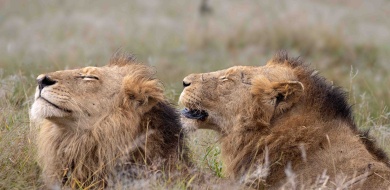
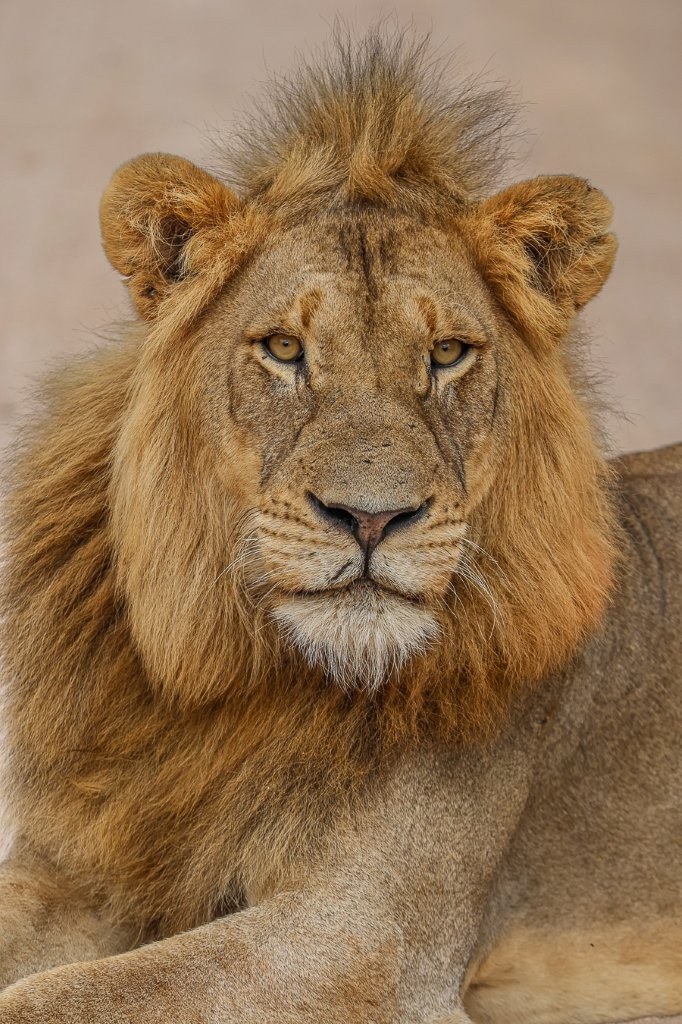
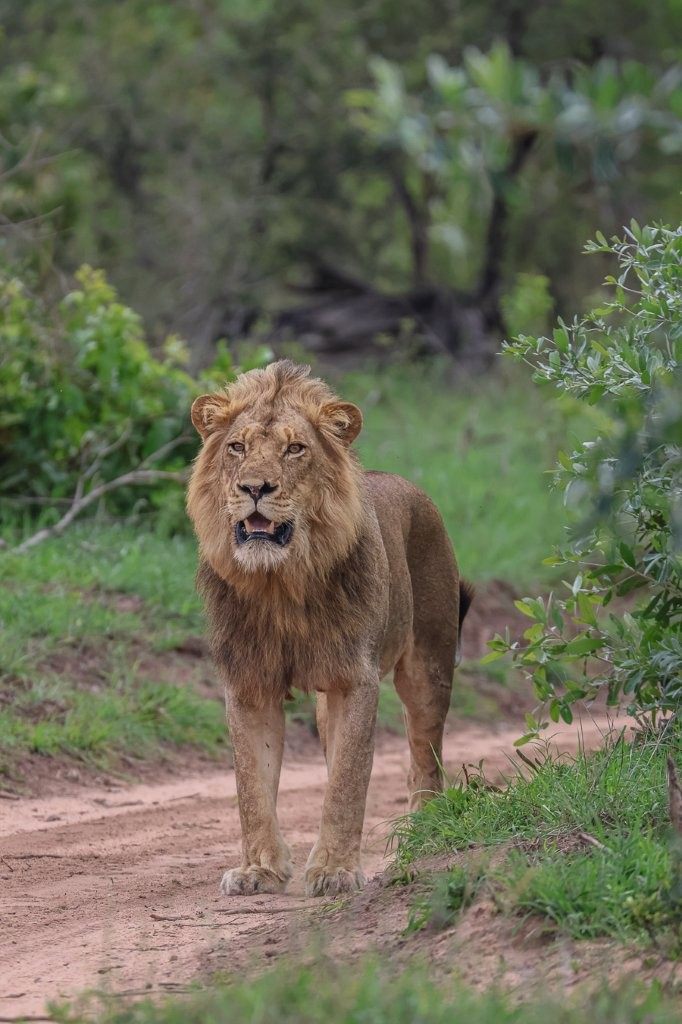
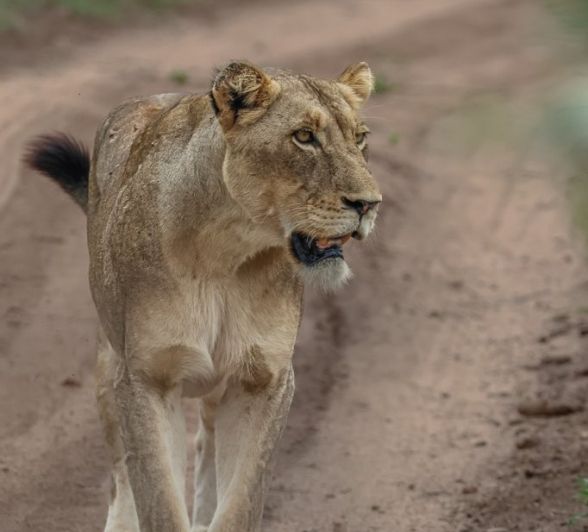
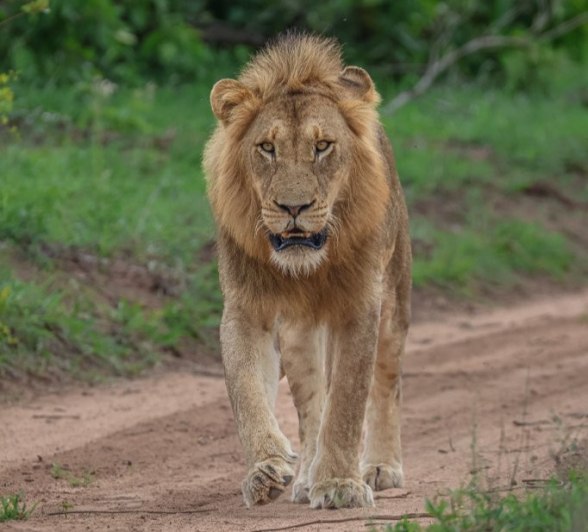
We located the Msuthlu Pride resting in the shade of an open clearing on a very hot morning, their full bellies revealing the success of a recent meal. After feeding, lions conserve energy by sleeping for long periods, and these cats were no exception. We watched as they slowly began moving toward a nearby drainage line, seeking deeper shade to escape the heat of the day and continue their rest.
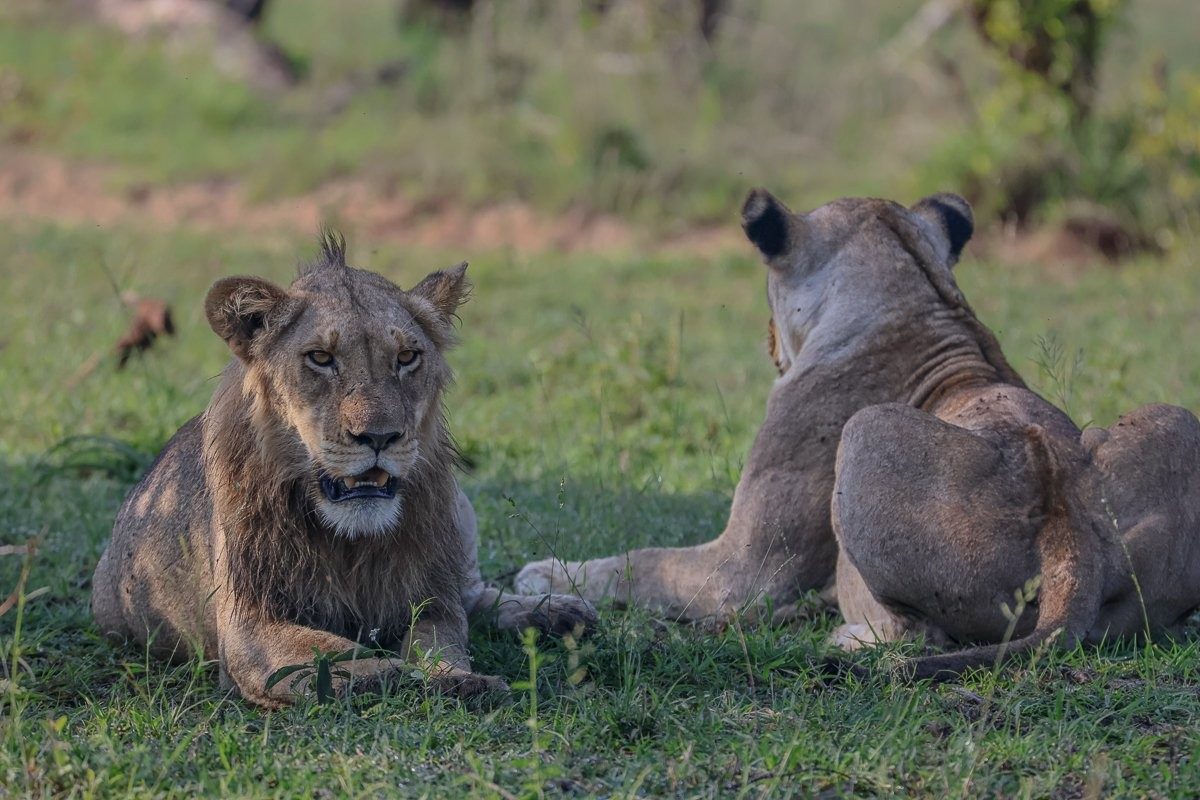
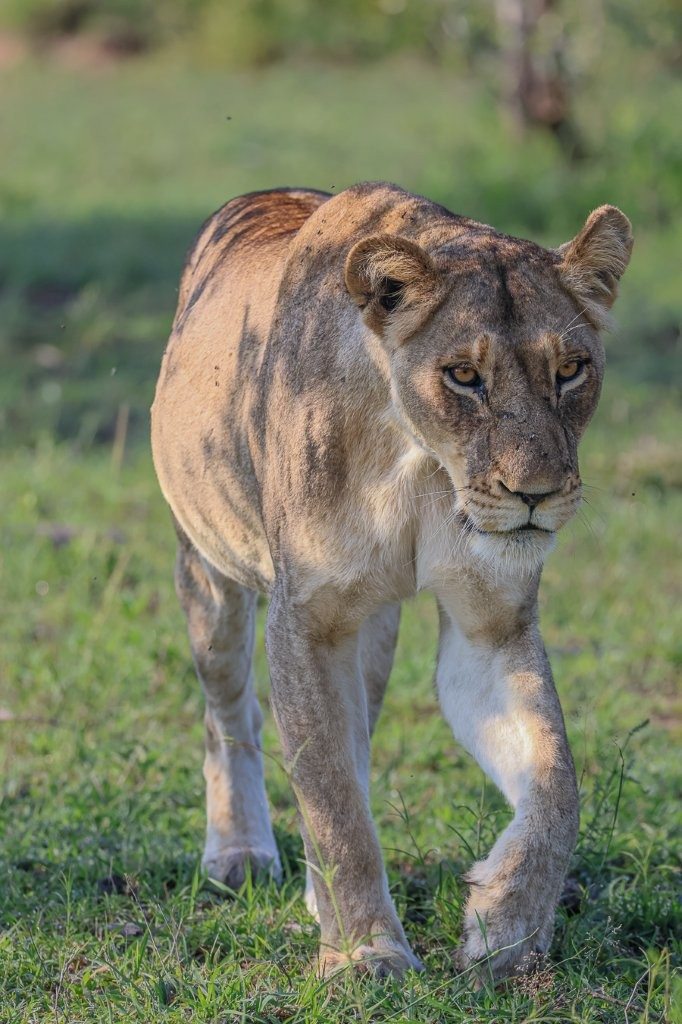
We followed up on the young N’waswishaka males who currently have some company from one of the Msuthlu Pride lionesses. Even though this is a rather unusual sight, lionesses will spend time with males that become regulars in the same territory as them, not only for their own safety, but also for the safety of the rest of the pride. A hierarchy is being established between the males, as all four of them are very interested in the female, declaring their stretch and dominance over one another with every chance they get.
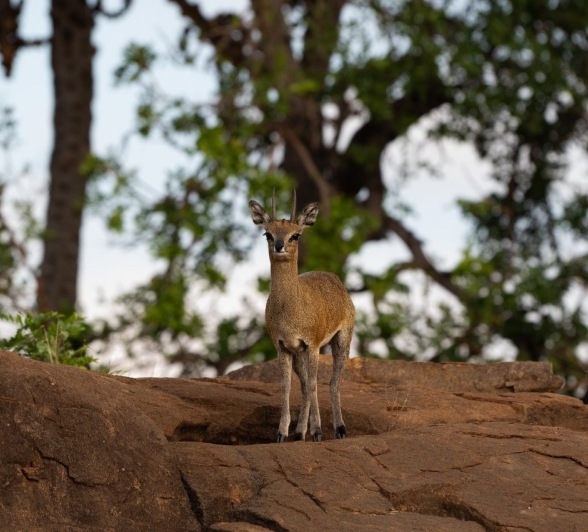
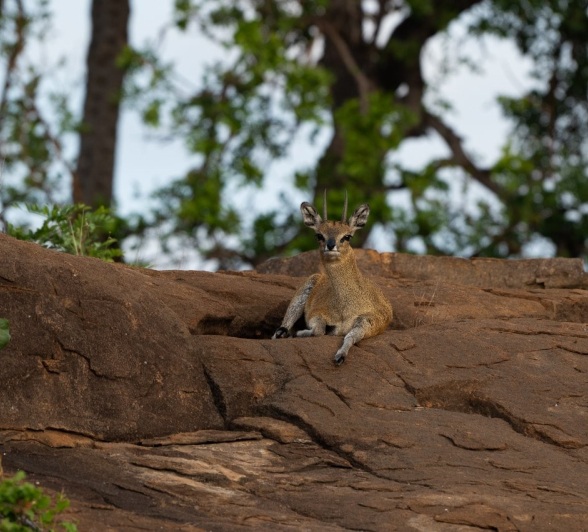
A klipspringer stood on a high rocky outcrop, using the warm rock as a comfortable resting spot while clouds moved in overhead.
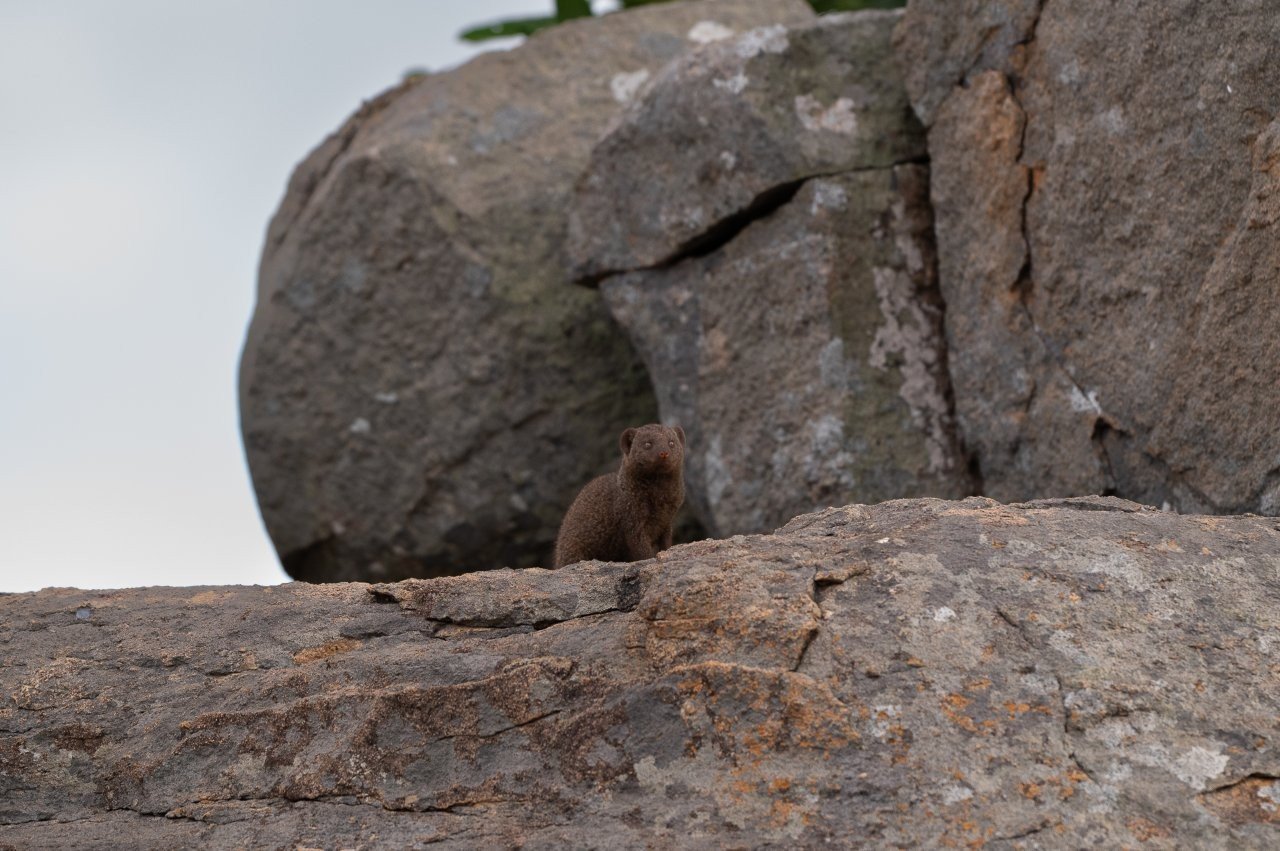
A dwarf mongoose used a boulder as a lookout point, scanning for danger while the rest of its family foraged in the grass below.
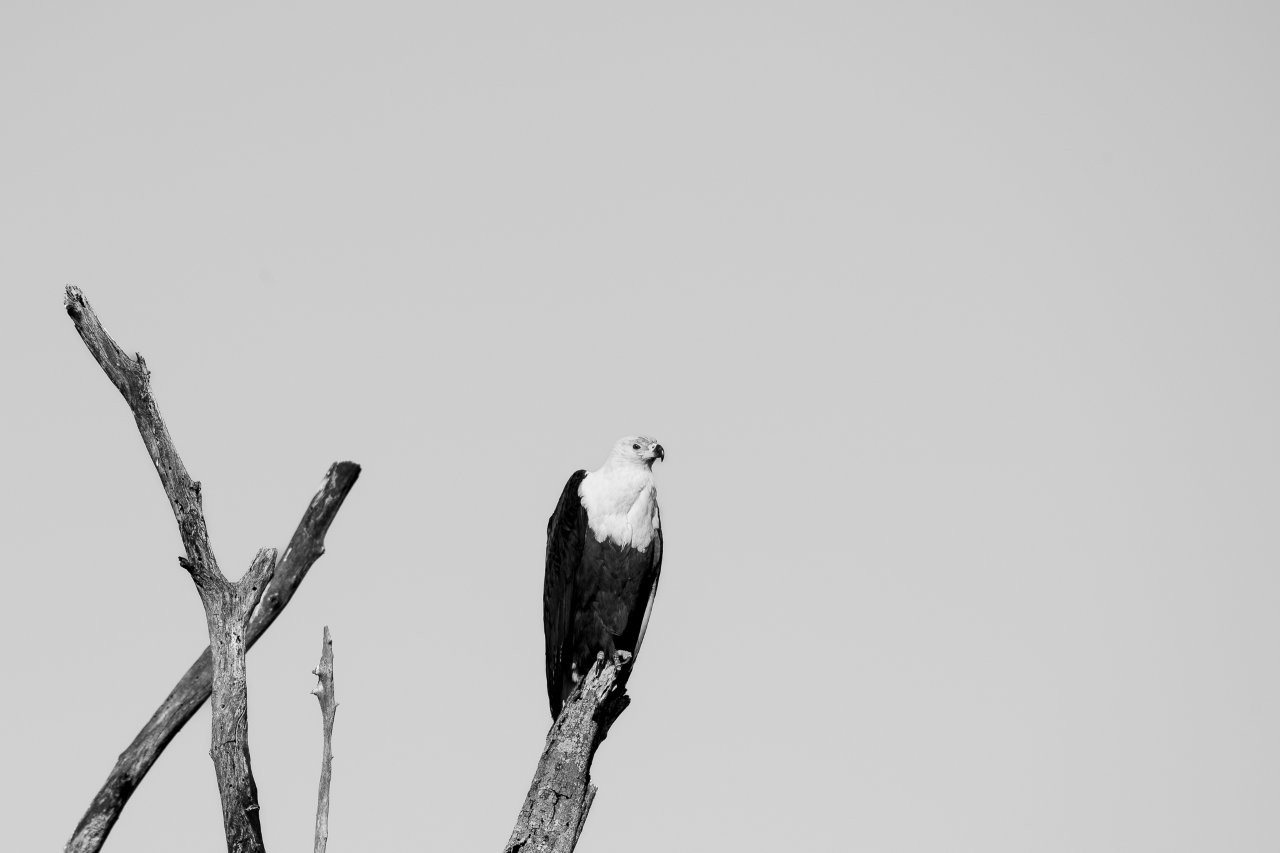
An African fish eagle enjoyed the morning sun, perched high above a watering hole it scouted below for potential prey.
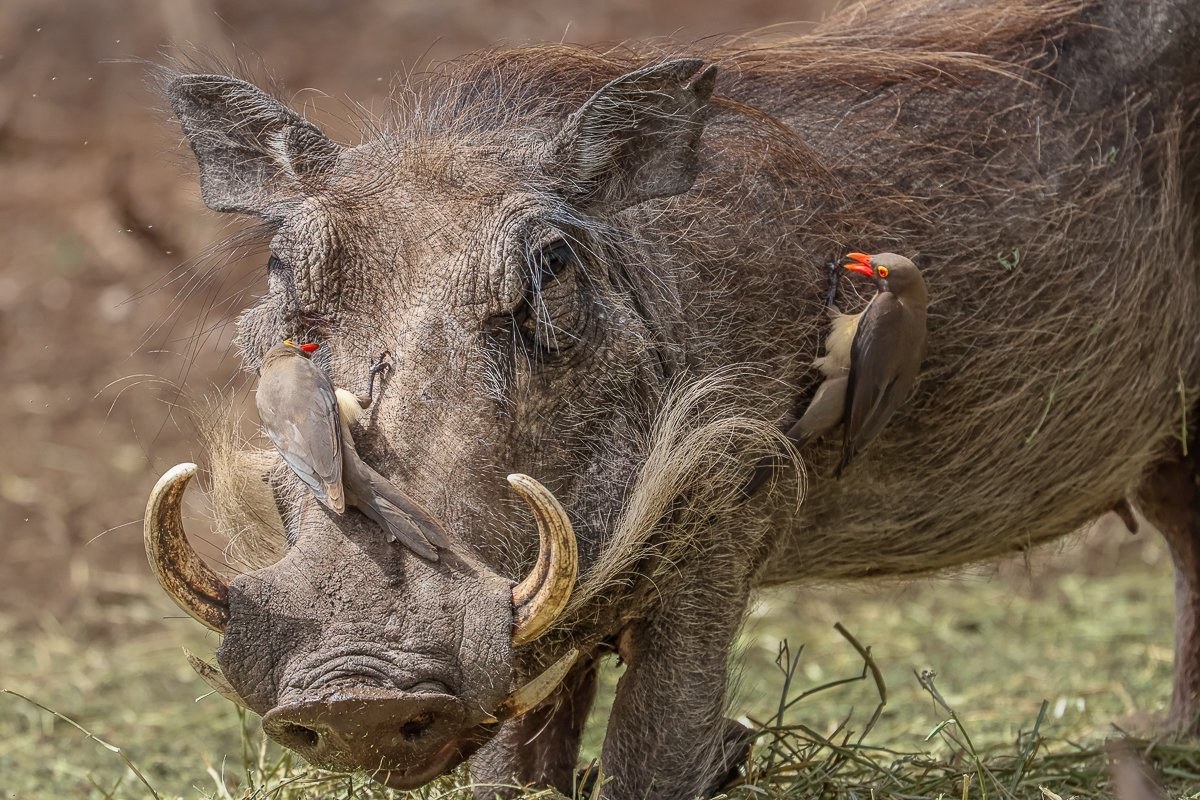
This big warthog enjoys a natural spa treatment from two hardworking oxpeckers. These birds feed on ticks and parasites around his face, helping keep his skin healthy. In return, the oxpeckers get an easy meal. A great example of mutualism in the African bush.
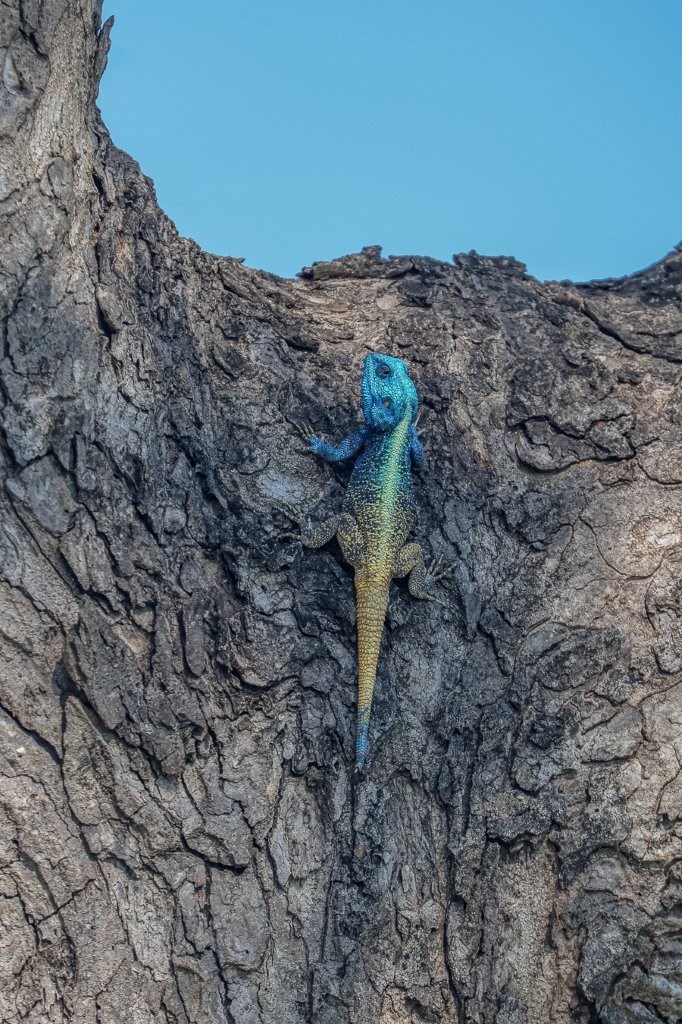
Perched in a Marula tree, this Tree Agama displays its brilliant blue head in full glory. Such striking colouration is characteristic of males during the breeding season, helping them attract females and assert their territory. Their vibrant colours make them among the most eye-catching reptiles in the bush.
Until next time…
Blog by Wendy Claase
Images by Ronald Mutero, Ruan Mey and Viviane Ladner