

A Week in the Bush Vol. 584
on Mar 04, 2026In the first few hours after birth, a giraffe calf begins to suckle, consuming around 4–6 litres of milk per day. It will continue nursing for up to a year. As it grows and develops, the calf gradually starts sampling small amounts of plant matter from as early as one month old. Weaning typically begins at around six months, as solid food becomes a more significant part of its diet. In some cases, however, calves may continue to nurse beyond their first year. This extended suckling provides additional nutritional support - even when food is plentiful - and helps strengthen the bond between mother and calf.

A group of Yellow-billed hornbills perched on a fallen Marula tree. Often seen in pairs or small family groups, these three seemed perfectly at ease together. For a while, they simply basked, feathers fluffed in the golden glow, savouring the last moments of the sun before finding a safe roost for the night.

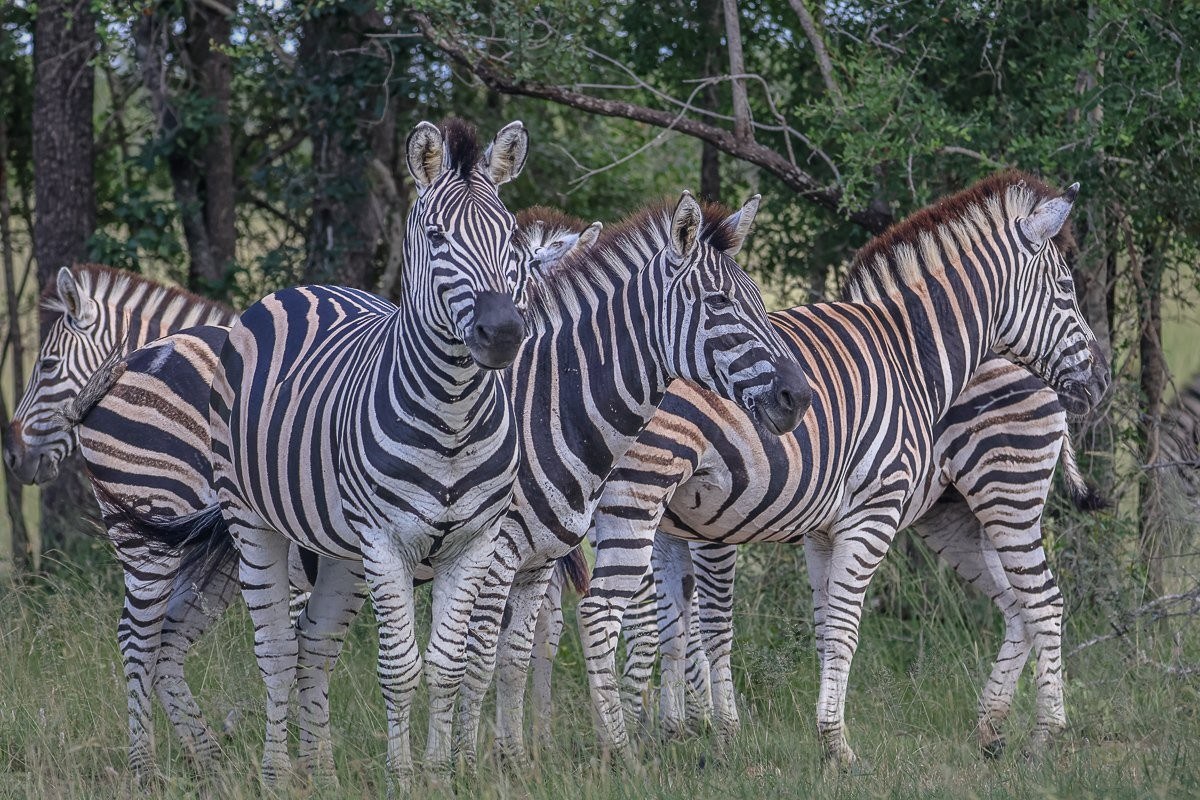
Resting in the shade of a Tamboti thicket, this dazzle of zebra escapes the harsh midday heat. By sheltering during the hottest hours, zebras reduce water loss and conserve energy, becoming more active again in the cooler parts of the day when feeding and movement are safer and more efficient.
Observing tortoises mating in the wild is a slow and infrequent occurrence. These Hinged-back tortoises were seen mating for a few minutes before breaking away and going their separate ways.
The males are quite aggressive and persistent during the pursuit of a female and can even be seen ramming into the female or biting at her legs. These tortoises generally mate during the wetter periods of the year, and if successful the female will lay an egg clutch of 1-6 eggs in shallow and carefully constructed nests in the ground, which will be covered by soil, leaf matter and other debris, to ensure the correct amount of moisture and heat for successful incubation.

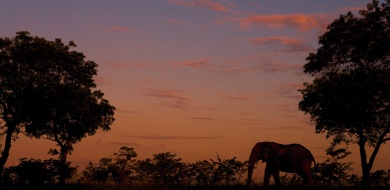
Through the lush green bush, the movement of trees indicated something large moving towards us. We sat, waiting patiently, as the matriarch emerged from the bushes with the herd following behind her. The relationship between elephants is one of the strongest, closest and longest lasting in nature. Their long-term maternal and emotional bonds ensure their survival as each member of the herd interacts and plays a role in raising and protecting the herd’s calves.


This mature Bateleur eagle was perched high in a tree, keeping a watchful eye on its surroundings. Bateleurs possess remarkable eyesight and are often the first to spot carcasses, even before vultures do.

On our way back to Earth Lodge after an incredible afternoon safari, we were spoiled by an amazing sighting of this Spotted Eagle-owl perched next to the road. These owls use the open roads to hunt for prey, especially after the recent rains with the grass cover being very thick.

Meet Africa’s largest owl, the Verreaux’s Eagle-owl. By day, it roosts quietly in the shade of tall trees, its imposing form blending into the branches. This magnificent raptor is instantly recognisable by its striking bright pink eyelids, which resemble a permanent brush of eye shadow against its dark plumage.
Although it may appear sleepy in daylight, it transforms after dusk into a formidable nocturnal predator. With an impressive 1.5 metre wingspan and powerful talons, it hunts with precision, taking advantage of almost any opportunity that presents itself.
Often described as ghosts of the bush, these owls are monogamous and remarkably faithful to their territories, returning to the same trees year after year to raise their young.

The European Roller is a striking, medium-sized bird known for its vivid turquoise-blue plumage and warm chestnut back. Found across southern and eastern Europe, parts of the Middle East, and western Asia during the breeding season, it migrates to sub-Saharan Africa for the winter. True to its name, the roller performs dramatic rolling and diving displays during courtship flights. It prefers open areas with scattered trees, where it hunts large insects, small reptiles, and other prey from elevated perches.

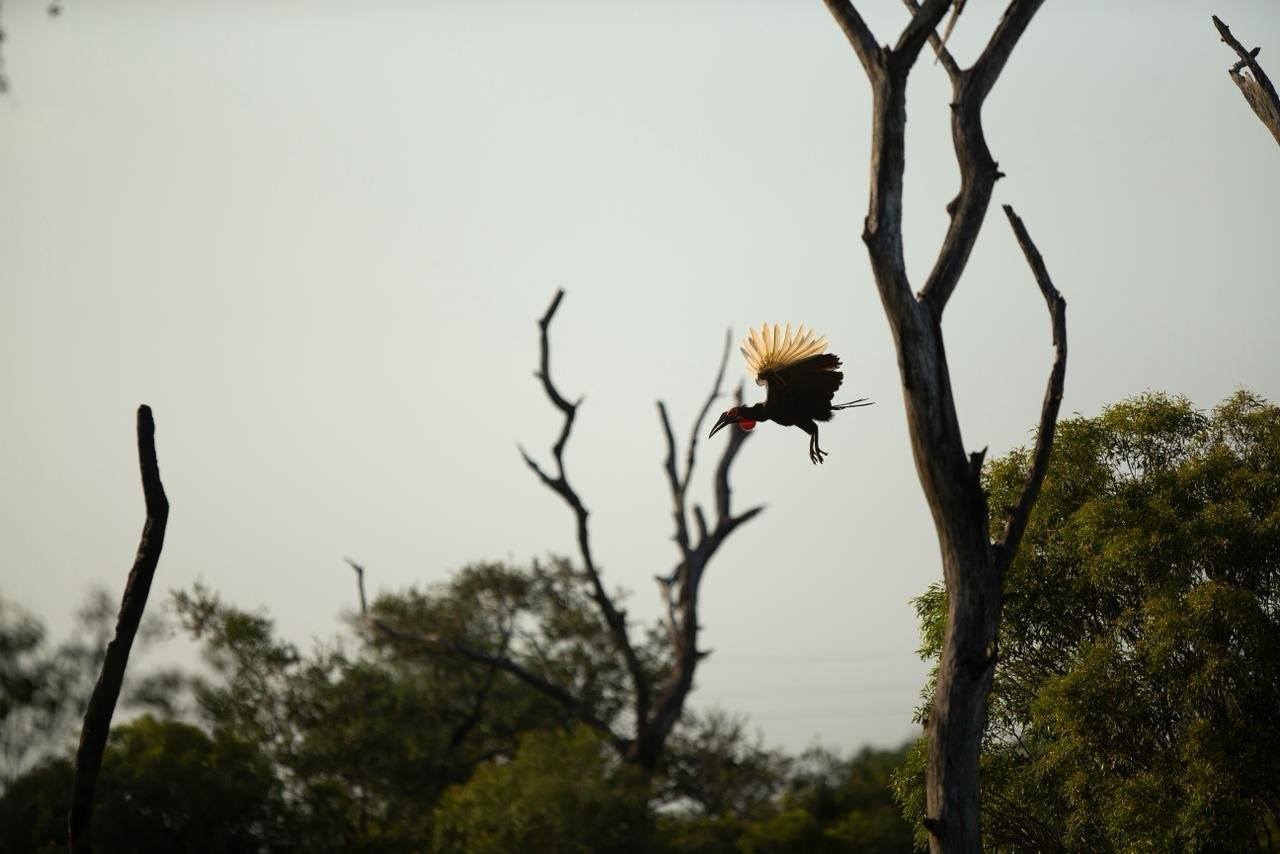
A Southern ground hornbill in flight is an unforgettable sight - massive wings beating slowly as it lifts above the bushveld. As the light catches the tips of its wings, flashes of white primaries gleam against the sky, turning each powerful stroke into a moment of brilliance. Its long bill and vivid red facial skin stand out even at a distance, giving the bird a prehistoric presence made graceful in motion.
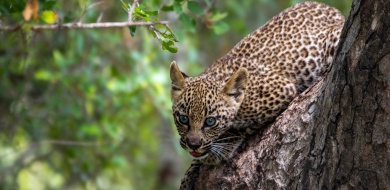
As we moved through the bush late afternoon, we found Golonyi resting right next to the road. With the recent rains and lush vegetation, leopards have been difficult to spot. But, Golonyi ensured a great sighting. As the temperatures dropped and the light faded, she started getting active, moving and looking for any hunting opportunities that might present themselves. We lost sight of her as she moved into the thickets, looking for her next possible meal.


We paused to watch two Yellow-billed Hornbills feeding in the road, fluttering up to a small tree nearby before hopping back down again. As we slowly inched forward to follow them, the young Kurhula leopardess suddenly emerged from the bushes. She moved with quiet purpose, scent-marking trees and the road itself as the light began to fade.
At sunset, she lowered herself and attempted to stalk a group of impala. After an unsuccessful chase, we gave her space, allowing the young leopardess to continue her silent passage through the reserve undisturbed.


We were out on our morning safari when a staff member radioed in a sighting of a leopard perched in a tree. Surprised and excited, we immediately made our way to the area to investigate. By the time we arrived, she was no longer in the spot where she had first been seen. We eased off-road and, after a careful search, finally found her.
She was not resting as gracefully as we had imagined. Instead, she looked as though she had been wedged into the spindly branches of a young Jackalberry tree. Her small body was draped awkwardly between the limbs, panting heavily, and her paws desperately tried to find stability amongst the twigs. Just below her, barely off the ground, lay an impala lamb - the hard-won prize of what must have been a long and exhausting hunt.


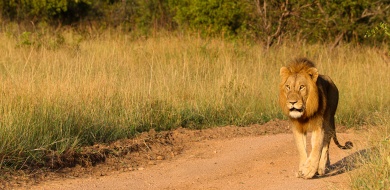
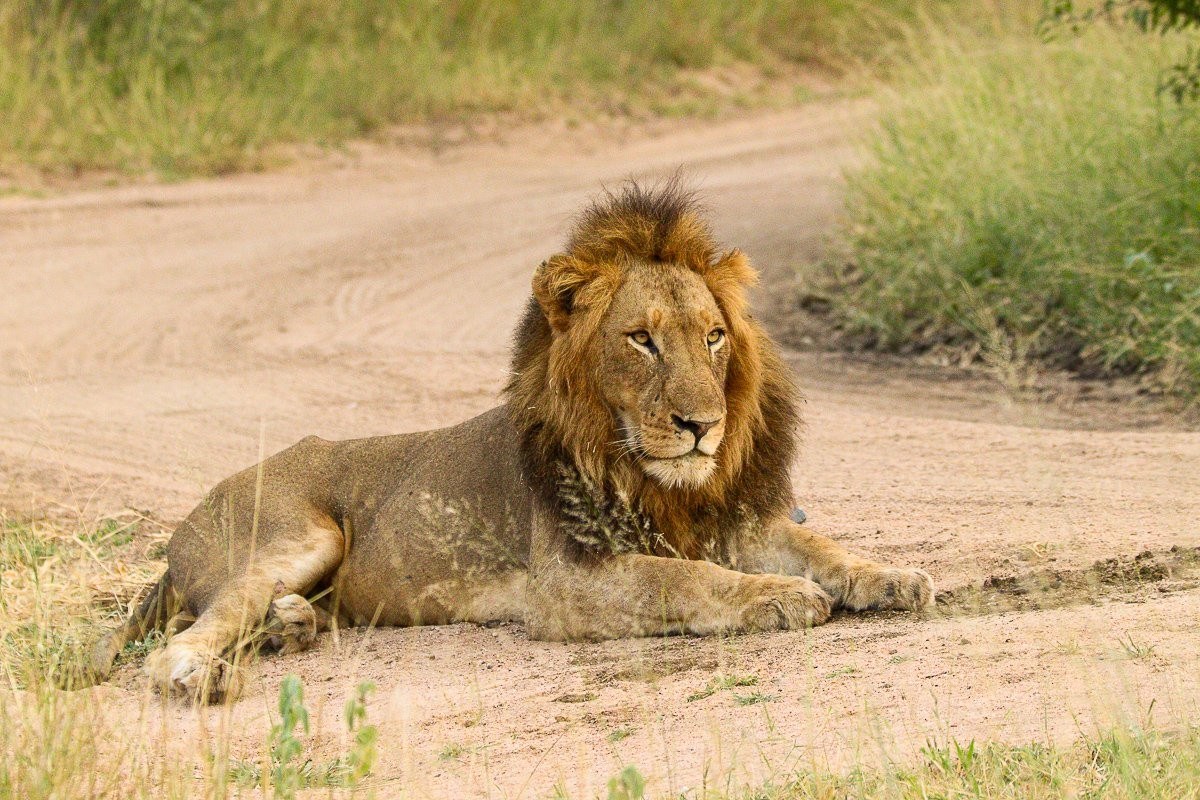
The young N’waswishaka male lions were resting on the warm road after a cool night of moving through the reserve. As the sun rose in the morning sky, their shade grew smaller which allowed us to see them active for one last time before finding a shaded place to rest in for the day.
Sleeping on the roads after cold evenings allows them to warm up their bodies with the warmth of the previous day’s sun, retained by the roads. Being on these open roads will also allow them to have a clear view of their surroundings, seeing potential prey or threats that may approach them.



Until next time…

Blog by Wendy Claase
Images by Devon Jansen, Jana du Plessis, Josh Duffus, Ruan Mey and Viviane Ladner