
A Week in the Bush Vol. 575
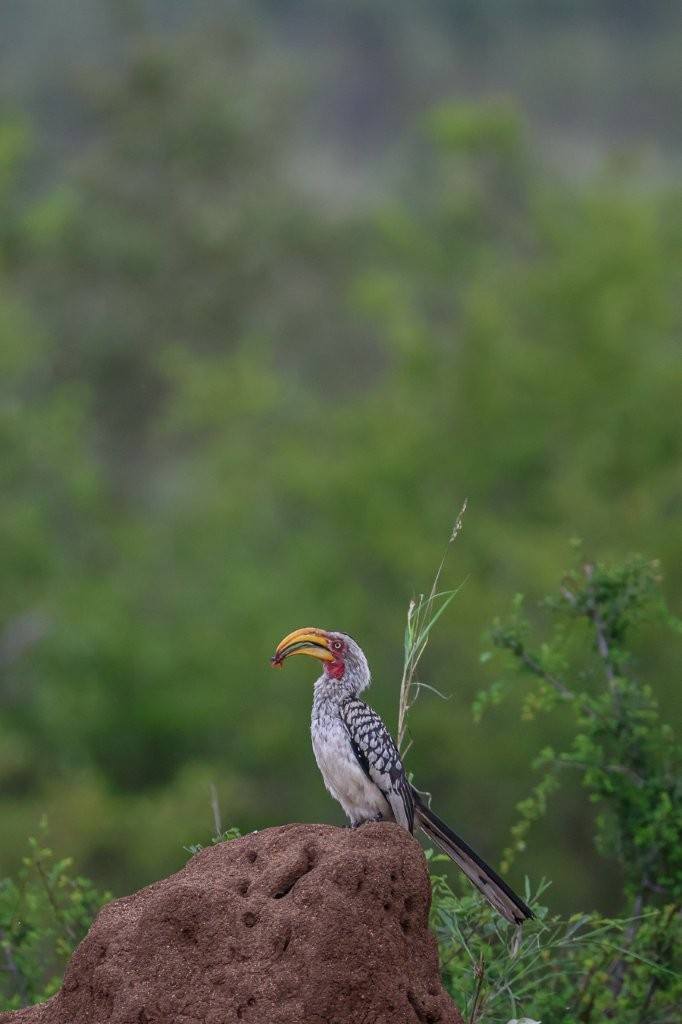
on Dec 09, 2025A Southern yellow-billed hornbill perched atop a termite mound after rain is taking full advantage of a seasonal feast. Rain triggers termite colonies to release winged alates, which emerge in huge numbers to disperse and start new nests. These soft-bodied insects are rich in fat and protein, making them ideal, energy-dense meals for hornbills. By foraging from an elevated mound, the bird can easily grab alates as they take off, while also keeping a watch for predators. This brief feeding bonanza is an important nutritional boost during the breeding season and a classic example of wildlife capitalising on short-lived ecological opportunities.
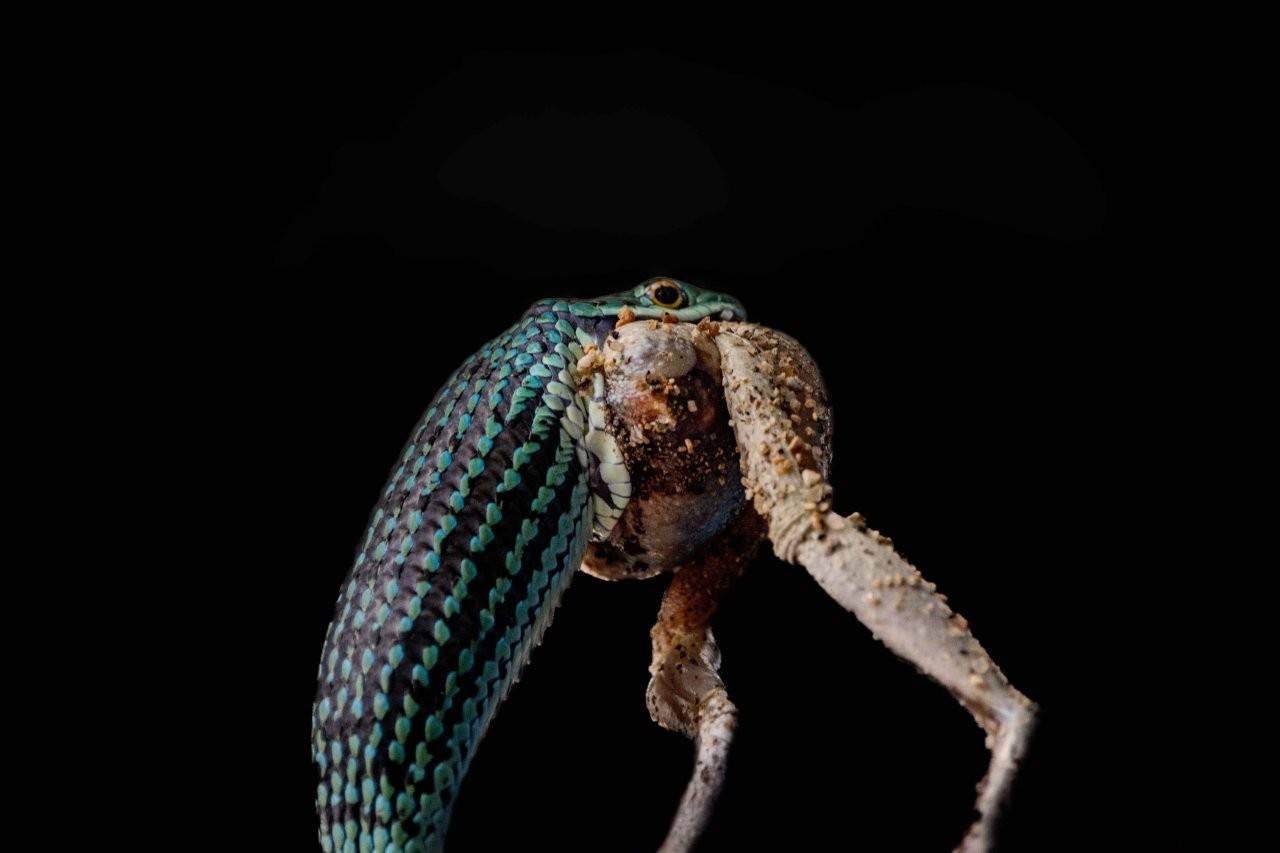
During our evening drive, we came across a group of frogs gathered around a puddle. We stopped to watch when, suddenly, a snake shot through at high speed, targeting one of the frogs. We observed an intense chase as the frog desperately tried to evade the snake, but the predator was relentless and eventually secured its prey. We lingered for a while, captivated by the snake as it worked to consume its prey.
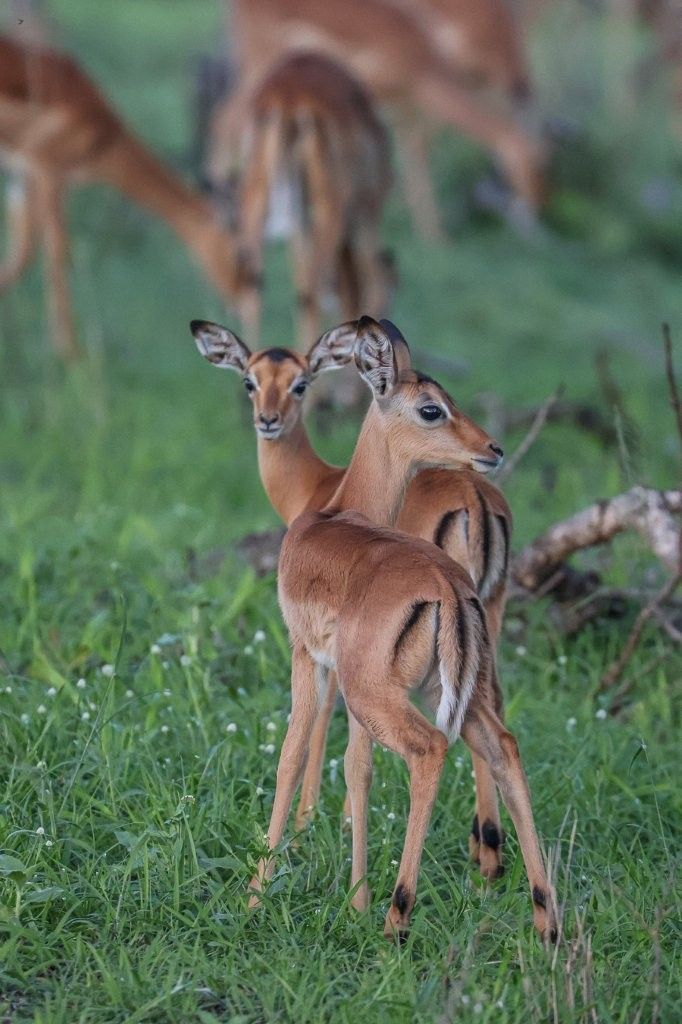
Newly born impala lambs are beginning to form small nursery groups, huddling together while their mothers graze nearby. These temporary creches offer protection through safety in numbers and help the lambs develop social skills early on. Mothers recognise their own young through scent and sound, returning regularly to nurse. This grouping strategy gives vulnerable lambs a better chance of survival during their most dangerous weeks in the bush.
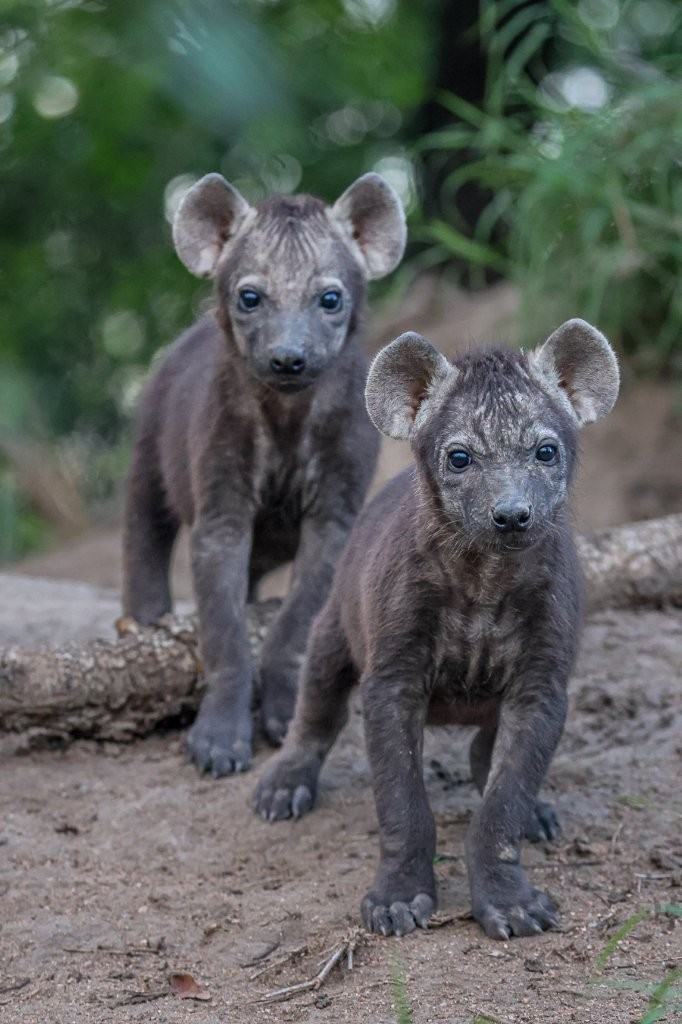
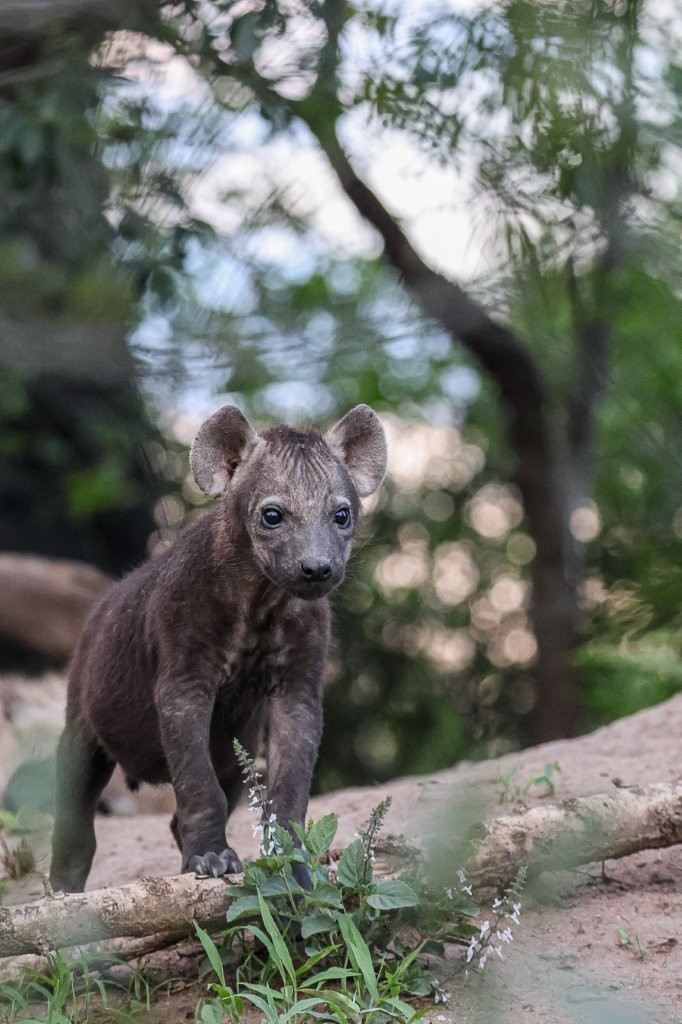
Two hyena cubs at the den in the late afternoon are bundles of energy, using the cooler hours to play, chase, and wrestle. This rough-and-tumble behaviour isn't just fun, it helps them build strength, coordination, and social skills for adult life. While the cubs dart around, older clan members rest nearby, listening for danger and keeps watch. The den provides a safe nursery, and these lively moments reflect the strong social bonds and complex family structure that make hyenas such successful predators and scavengers.
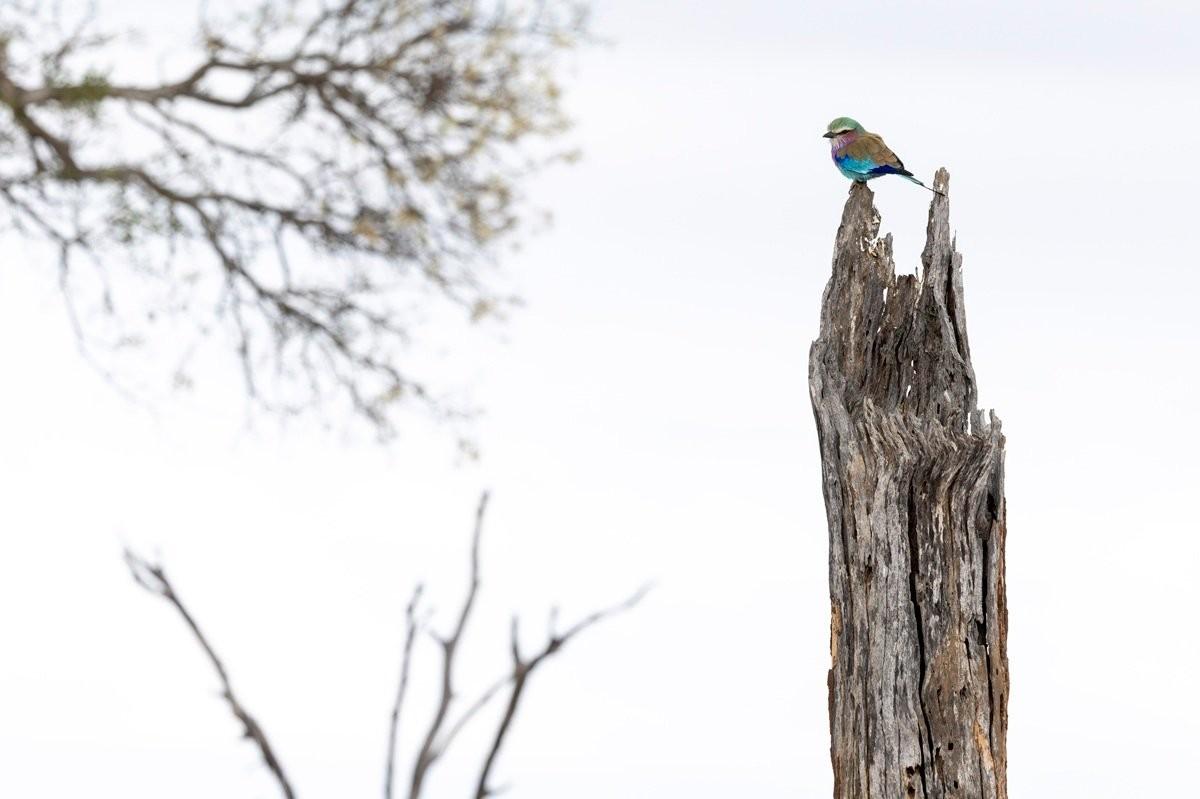
This Lilac-breasted Roller found a good perch to look out for possible insect prey below. It was great to see a bit of blue on an overcast day.
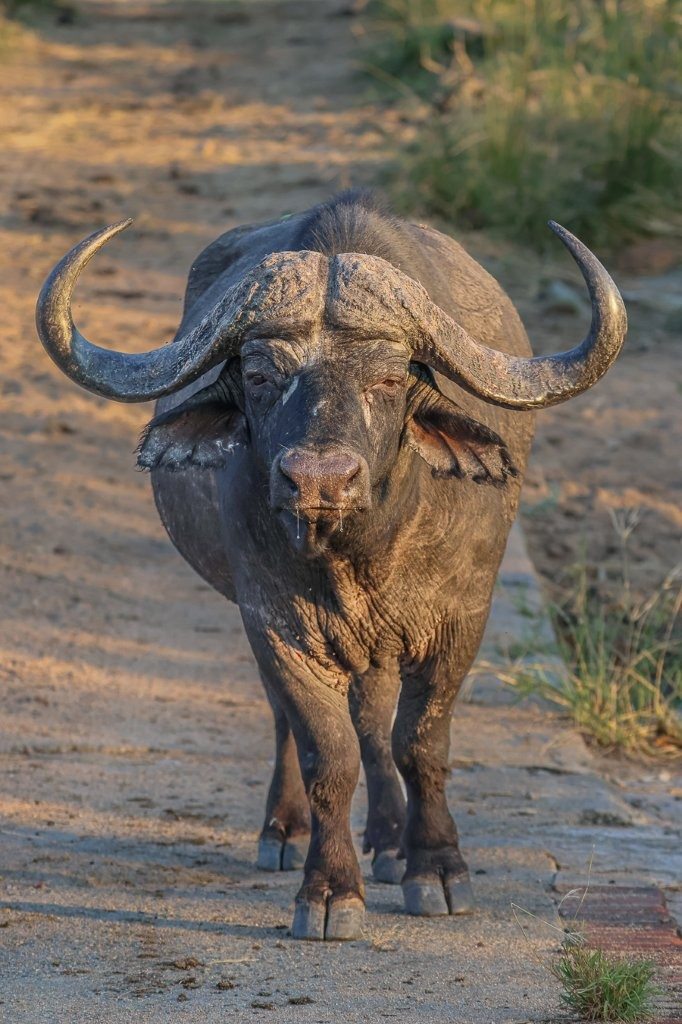
A big old buffalo bull makes his way down the road, the heat of the day still shimmering off his back. After hours spent resting in the shade, he’s now heading toward a small puddle in the drainage line - a crucial source of water after a scorching afternoon.
Solitary bulls like this, often called “dagga boys,” are seasoned veterans of the bush, their worn horns and scarred hides telling stories of years spent surviving predators, droughts, and clashes with rival bulls. Even in his old age, he remains a powerful emblem of the rugged resilience that defines Africa’s buffalo.
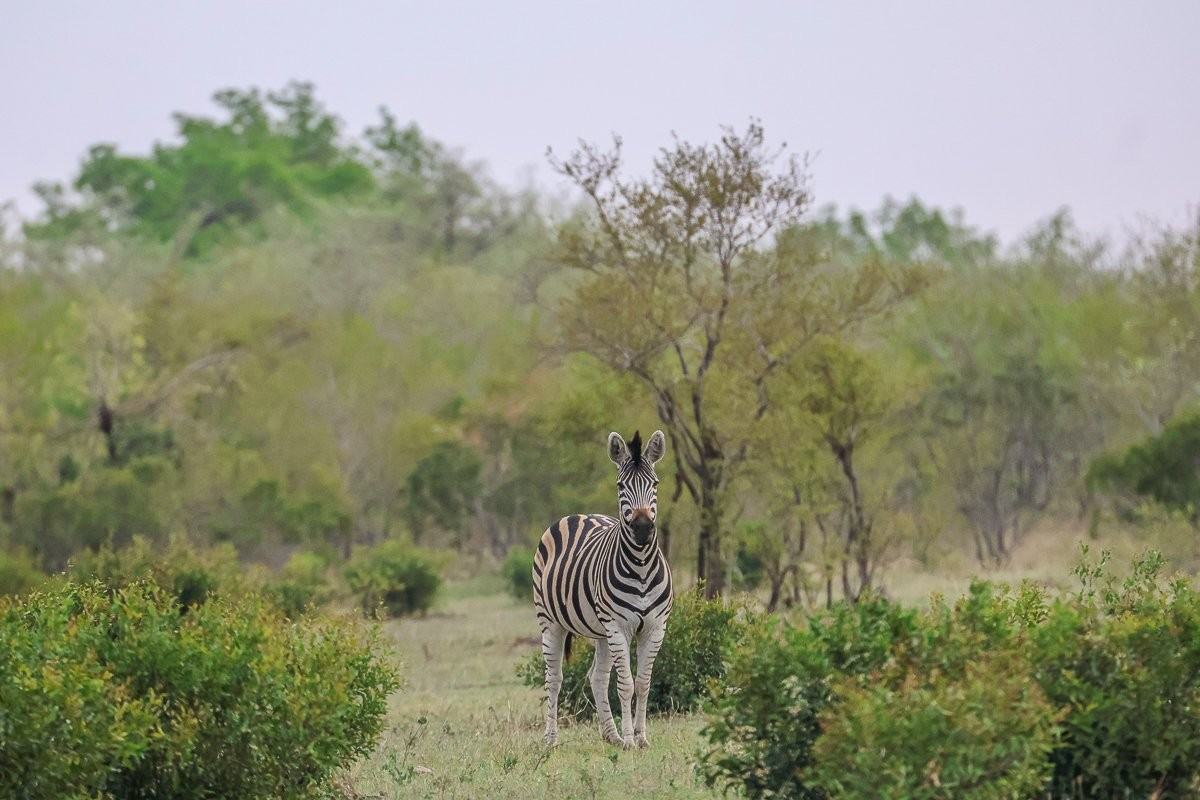
A lone zebra stallion stands tall and alert, keeping a watchful eye as a family of cheetahs moves across the open plains. While cheetahs typically target smaller or younger prey, the stallion's vigilance is crucial - his presence and posture signal awareness and strength, deterring potential threats. This brief standoff highlights the intricate balance of predator and prey, where observation, confidence, and caution play key roles in survival.
While following fresh leopard tracks, the unexpected appearance of two wild dogs on the road turned the search into an exciting predator encounter. African wild dogs are highly opportunistic hunters, and true to their nature, they quickly spotted nearby impalas and gave chase. Their speed, teamwork, and relentless stamina make them some of Africa's most efficient predators. Moments like this highlight the unpredictability of the bush, while you search for one elusive carnivore, another dynamic hunter can suddenly steal the spotlight.
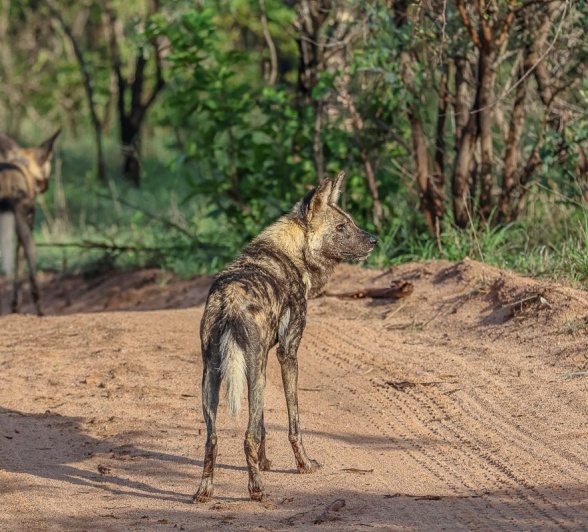
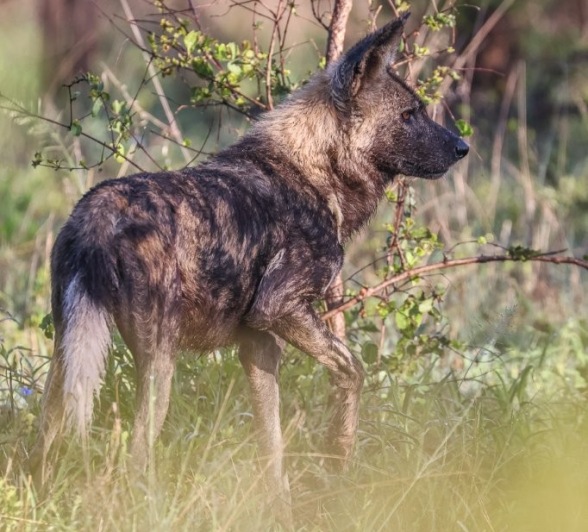
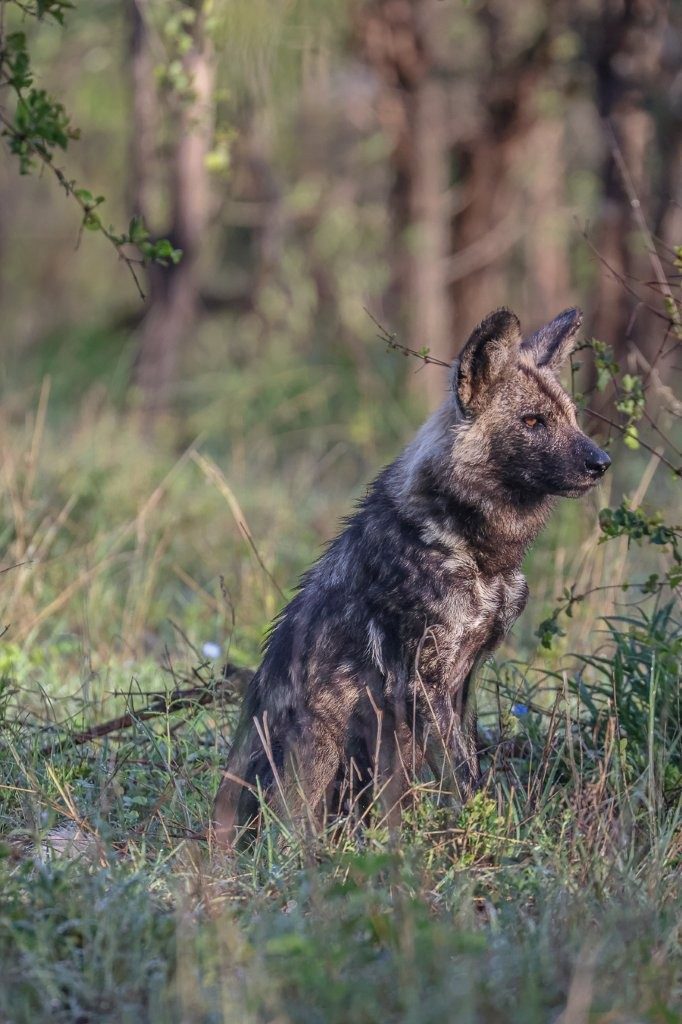
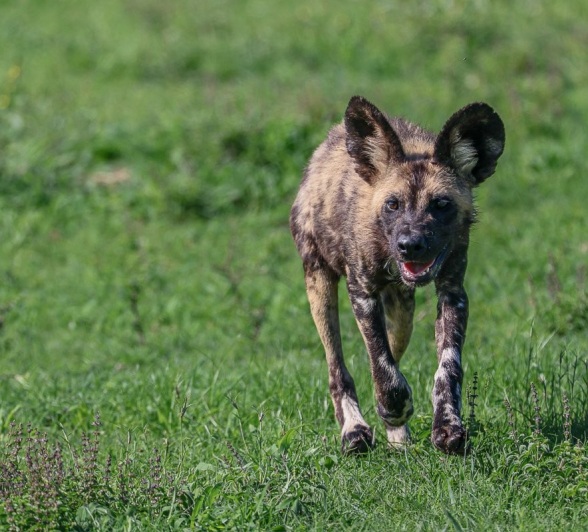
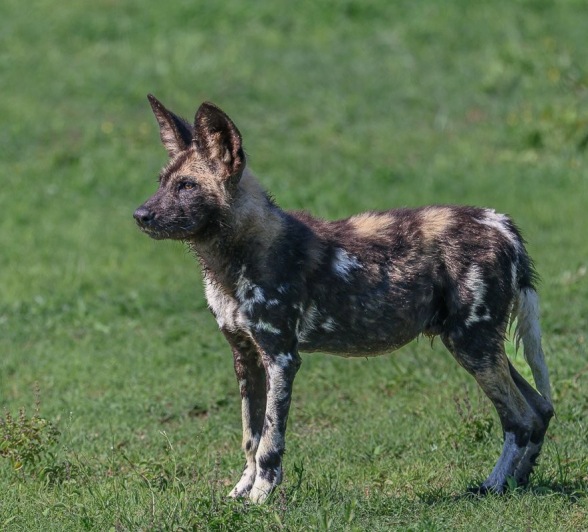
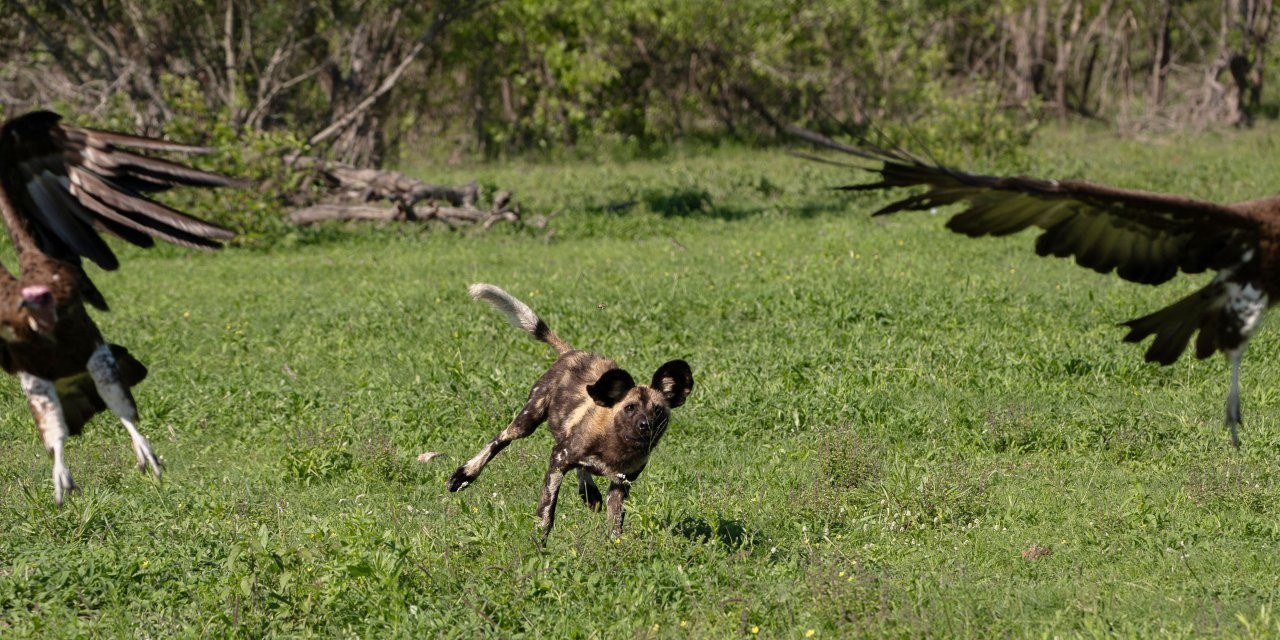
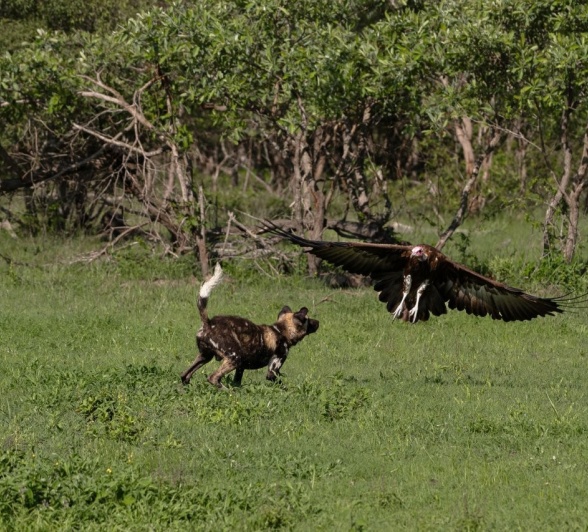
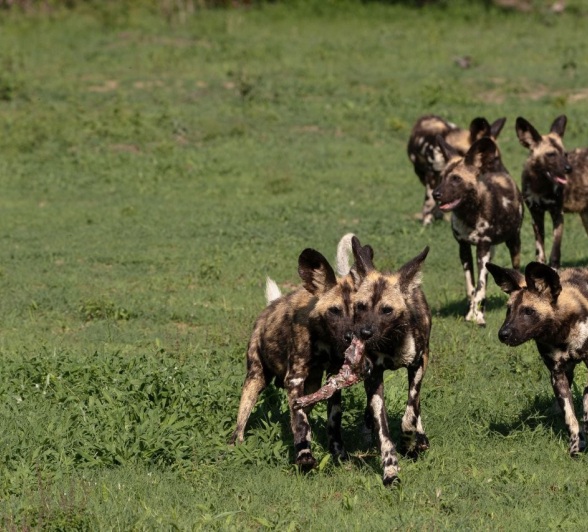
A pack of African wild dogs had settled along the treeline to rest after a successful early-morning hunt, the adults sprawled out and sleeping as they recovered their energy. Nearby, the sub-adult pups were still buzzing with excitement, chasing one another through the grass and testing their speed and coordination - skills that will be vital when they join future hunts. On the ground behind them, vultures moved in to pick over the remains of the kill, efficiently cleaning up what was left. The scene perfectly captures the wild dogs’ teamwork, the playful development of their youngsters, and the essential role scavengers play in returning nutrients to the ecosystem.
A new face on the block! The young Nsuku male leopard moved quietly through the thickets in the late afternoon, slipping through the dense vegetation that shielded him from view as he patrolled his territory in search of potential prey. As the temperature began to drop, he found a secluded spot in the shade, curling into a comfortable position where he could rest unseen and conserve energy.
For a dispersing young male, this delicate balance of exploration and respite is crucial, allowing him to learn the lay of the land, avoid dominant rivals, and gradually carve out a space of his own.
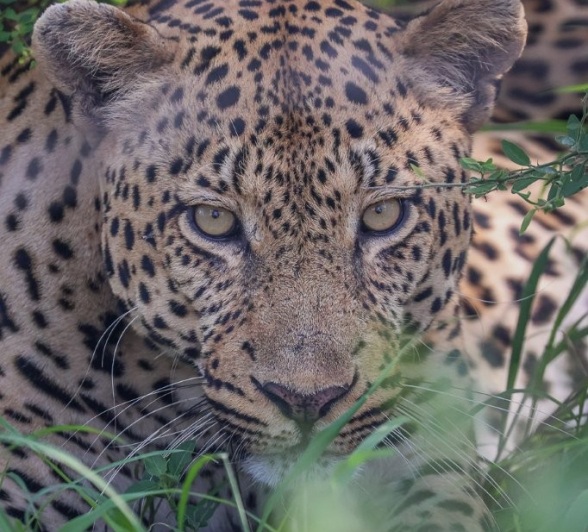
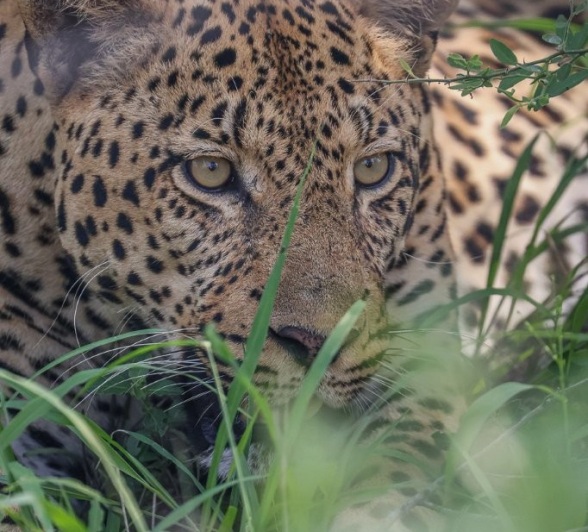
The Khulwana male has been scent-marking his territory throughout the reserve most of the time we encountered him. The recent rains seem to have washed away his scent more quickly than usual, forcing him to keep spreading it as a sign of dominance. We were fortunate to catch him attempting to hunt some impalas as well, but at this time of year, the impalas are all on high alert, especially with young ones in the herd. They detected his presence and bolted before the leopard was even ready to give chase.
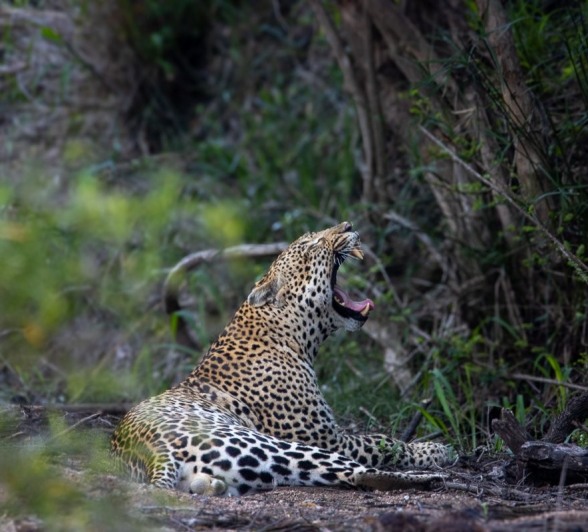
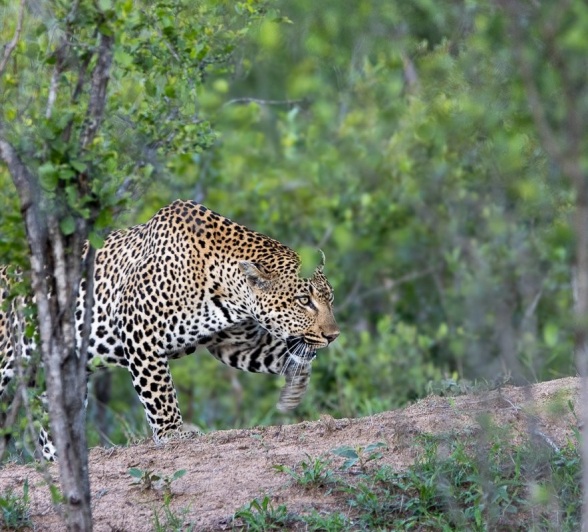
After following up on tracks seen in the morning, the team came across the young Kurhula female leopard. After the big rainstorms we have experienced, territorial animals like this leopard will be moving around to mark their territorial boundaries through scent marking on trees and the routes that they use to move around.
She is now around 2 years old and almost at the age where she will start mating with males that move through her area. These scent maps that she creates will allow males to identify her sex and maturity traits like if she is ready to be mated with or not.
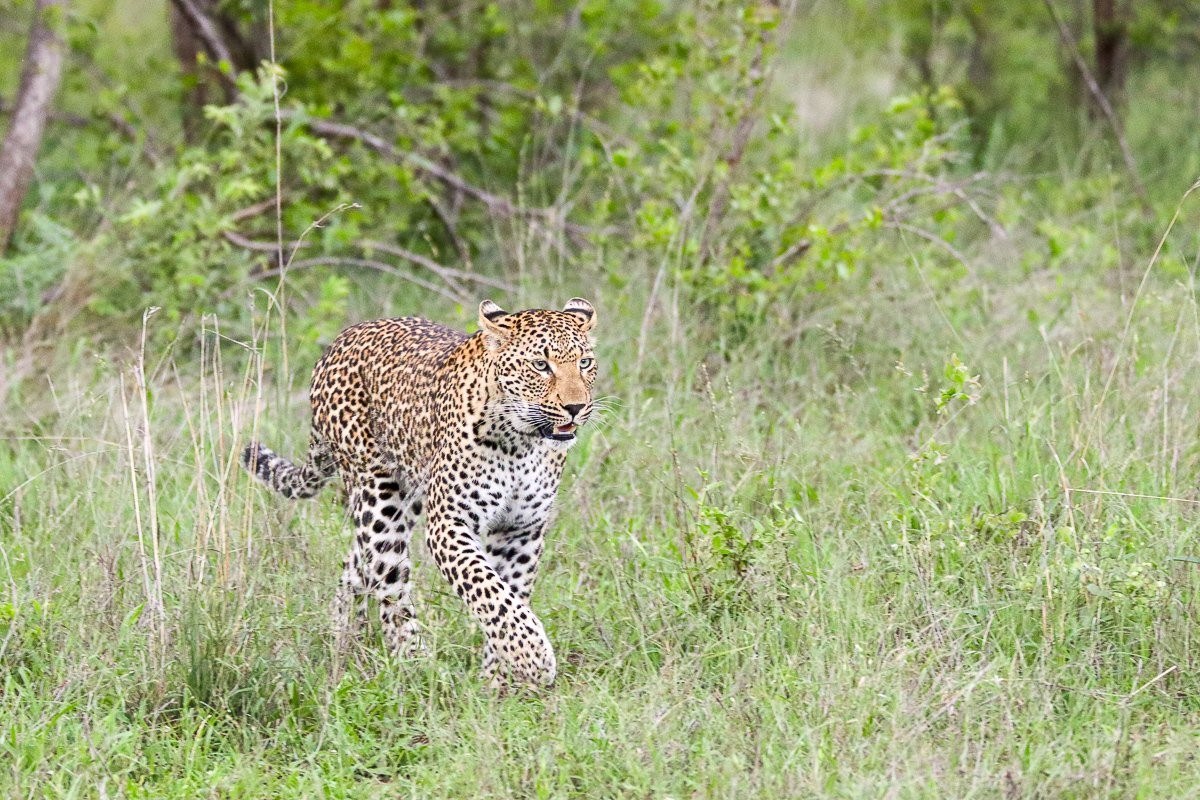
Late in the afternoon, we spotted Golonyi’s son making his way down a drainage line, with the sun dipping behind the horizon. At this stage of life, he is beginning to master the skills required to thrive as a solitary animal, learning the delicate balance of survival in the wild. As twilight deepened, he slipped quietly into the dense thickets, where he would spend the night hidden, staying safe from predators and opportunistic scavengers.
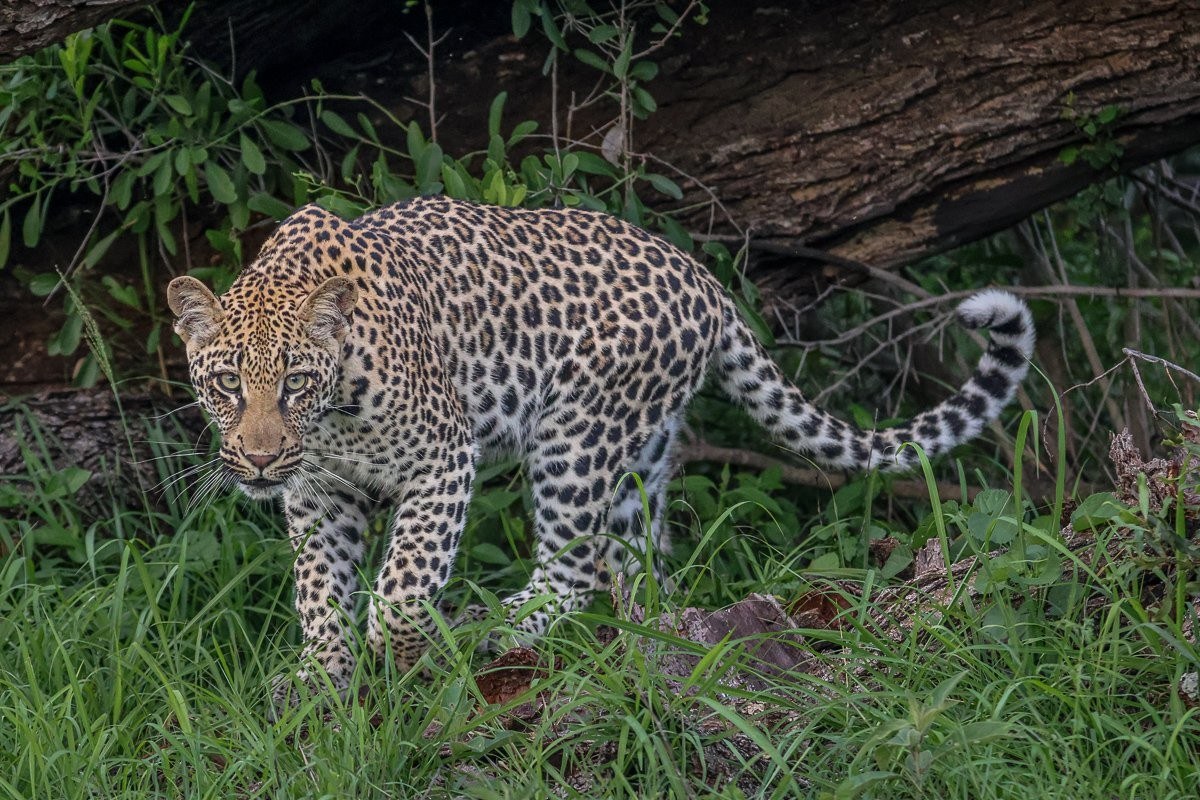
Shortly after leaving an incredible wild dog sighting - convinced the morning couldn’t possibly get any better - we came across a fresh kudu kill. A quick look around revealed the tracks of a male leopard, and before long we located Mawelawela as he moved into a nearby drainage line, putting distance between himself and the approaching pack of wild dogs.
He was already full, having helped himself generously to the massive carcass, and he clearly decided it wasn’t worth the risk to linger with the dogs closing in. Leopards often haul their kills into trees, but a carcass of this size would be difficult to hoist, even for a powerful male like him.
We watched him as he disappeared into the thickets where he would no doubt spend the rest of the day.
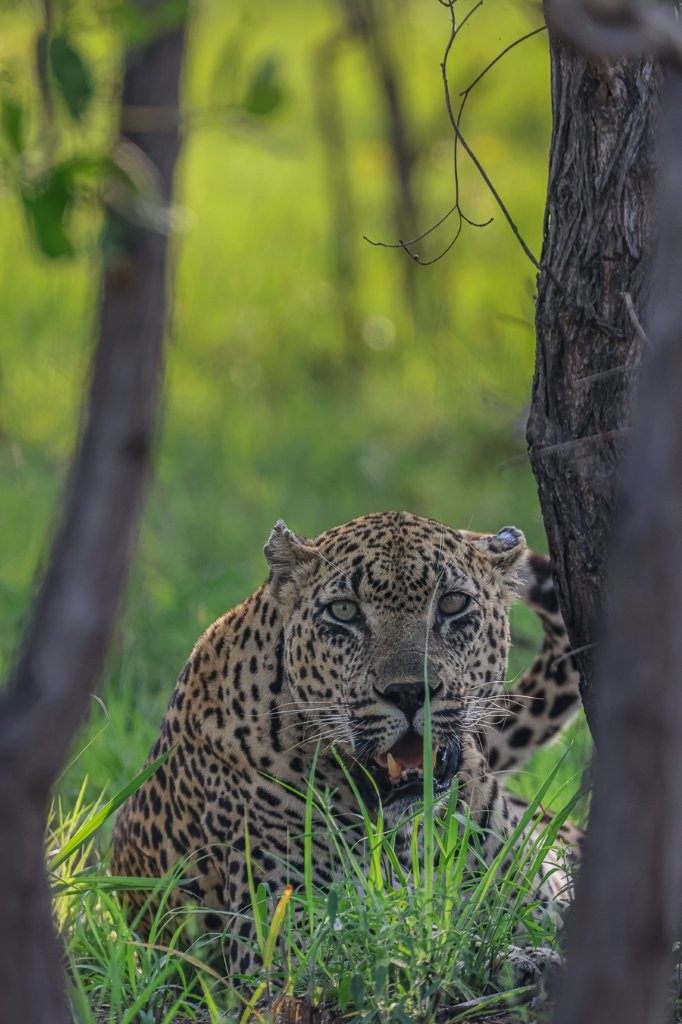
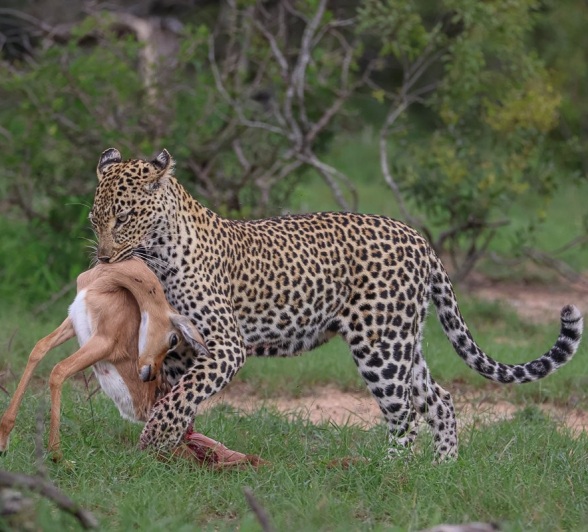
The Tengile female leopard moves silently through the bush, carrying an impala lamb with practiced efficiency. Leopards often drag their kills into thick cover or hoist them into trees to shield them from scavengers such as hyenas. For a female, every successful hunt is essential - nourishment not only for herself but, in Tengile’s case, for her small cubs as well.
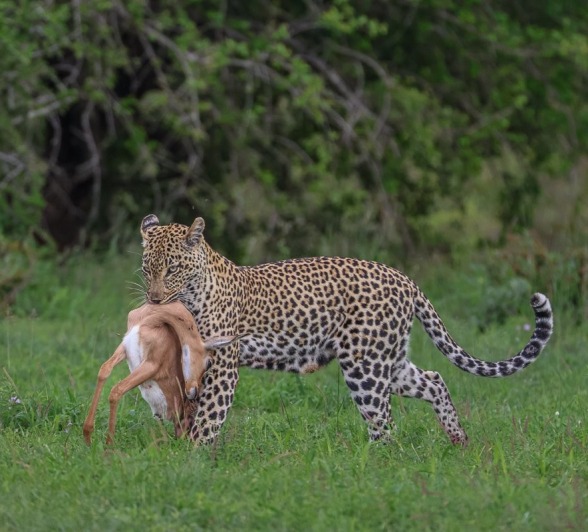
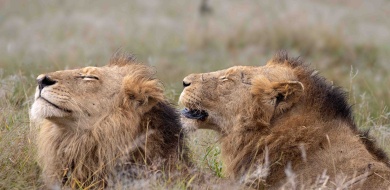
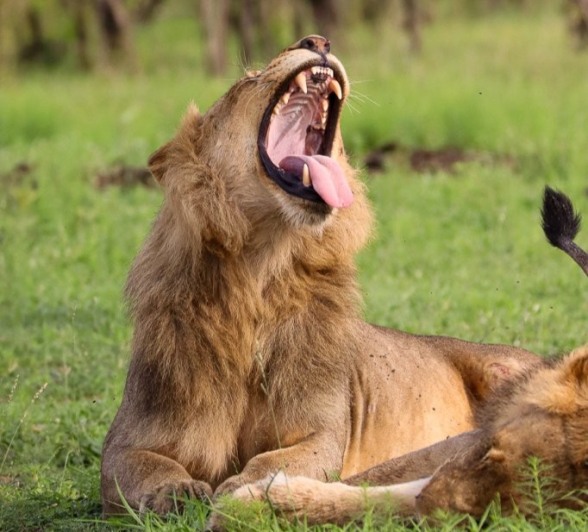
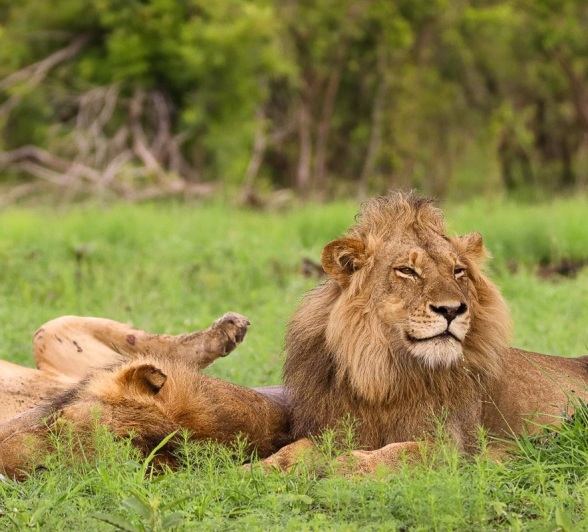
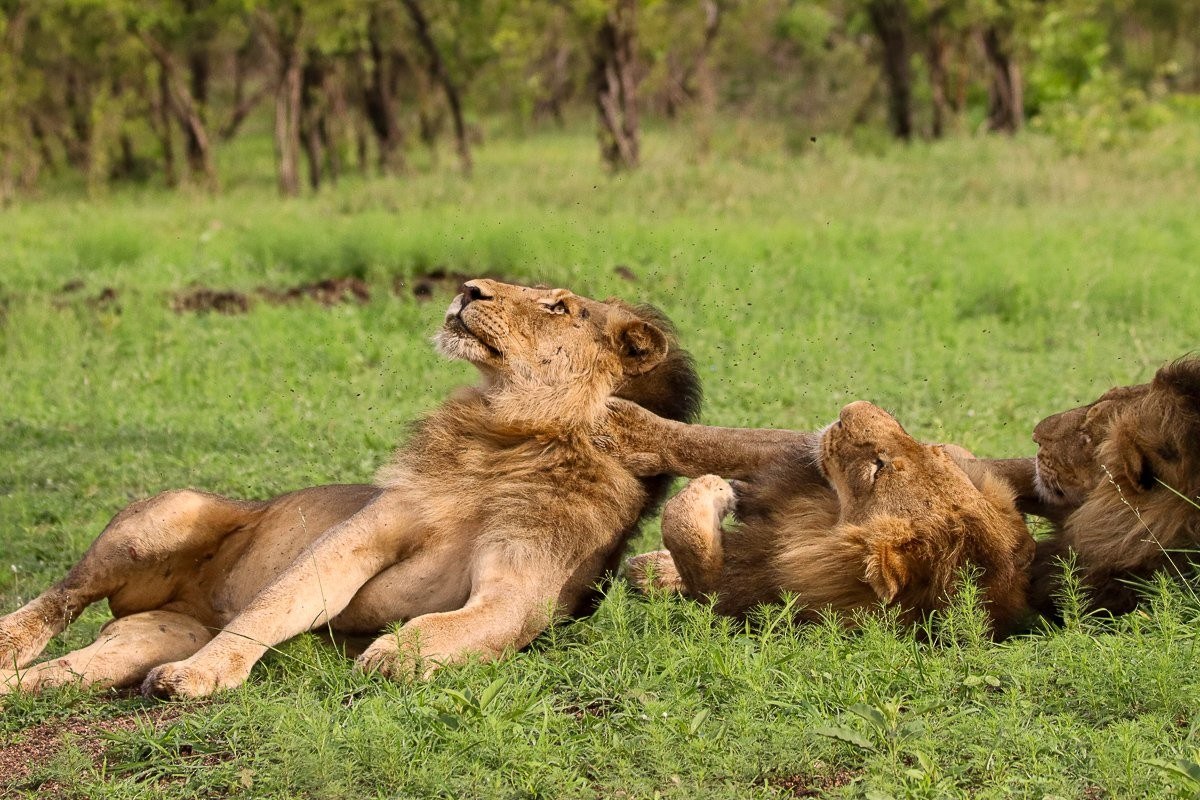
Sprawled out near a waterhole, three of the four young N’waswishaka males were resting in the cool morning breeze brought after the recent rains. As the cloud cover started to clear up and the sun broke through the males started yawning and slowly became more active, looking for a better place to rest for the day.
Lions are the largest social wild cat in Africa and is one of the reasons why they can often be seen sleeping near or on top of one another. This will help strengthen their social bond, aid in security and safety, and helps conserve their energy when they need to stay warm during the cooler periods of the day.
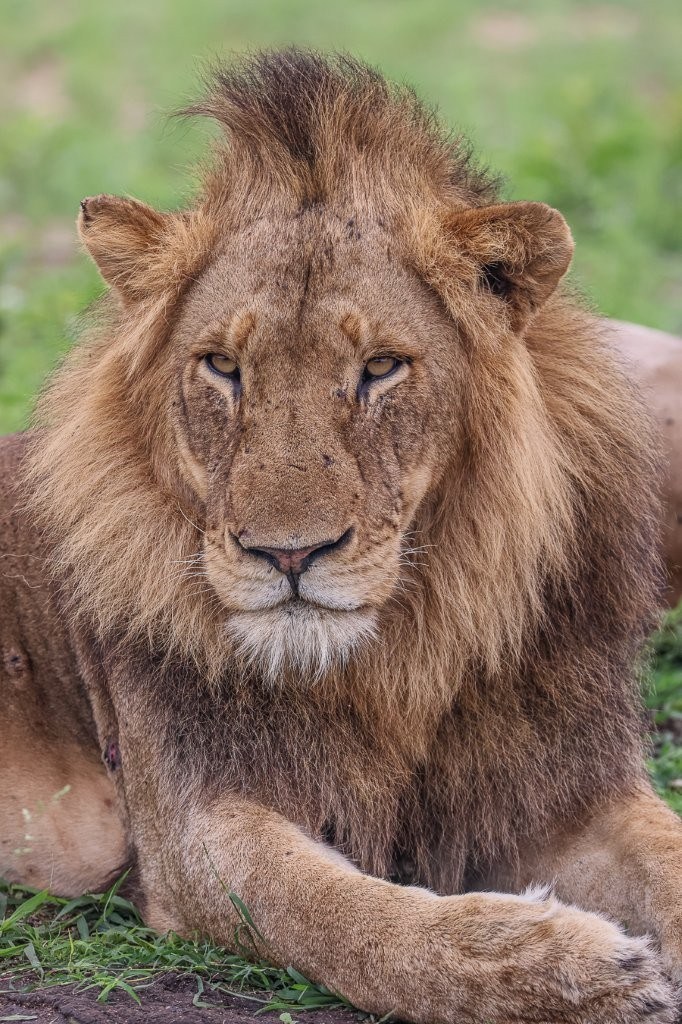
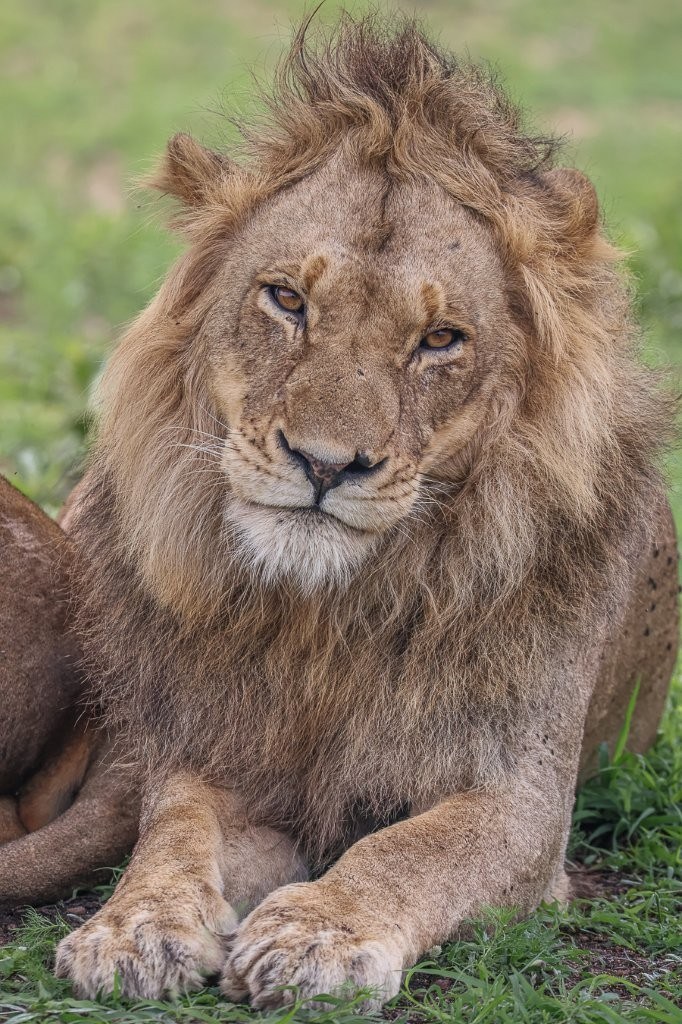
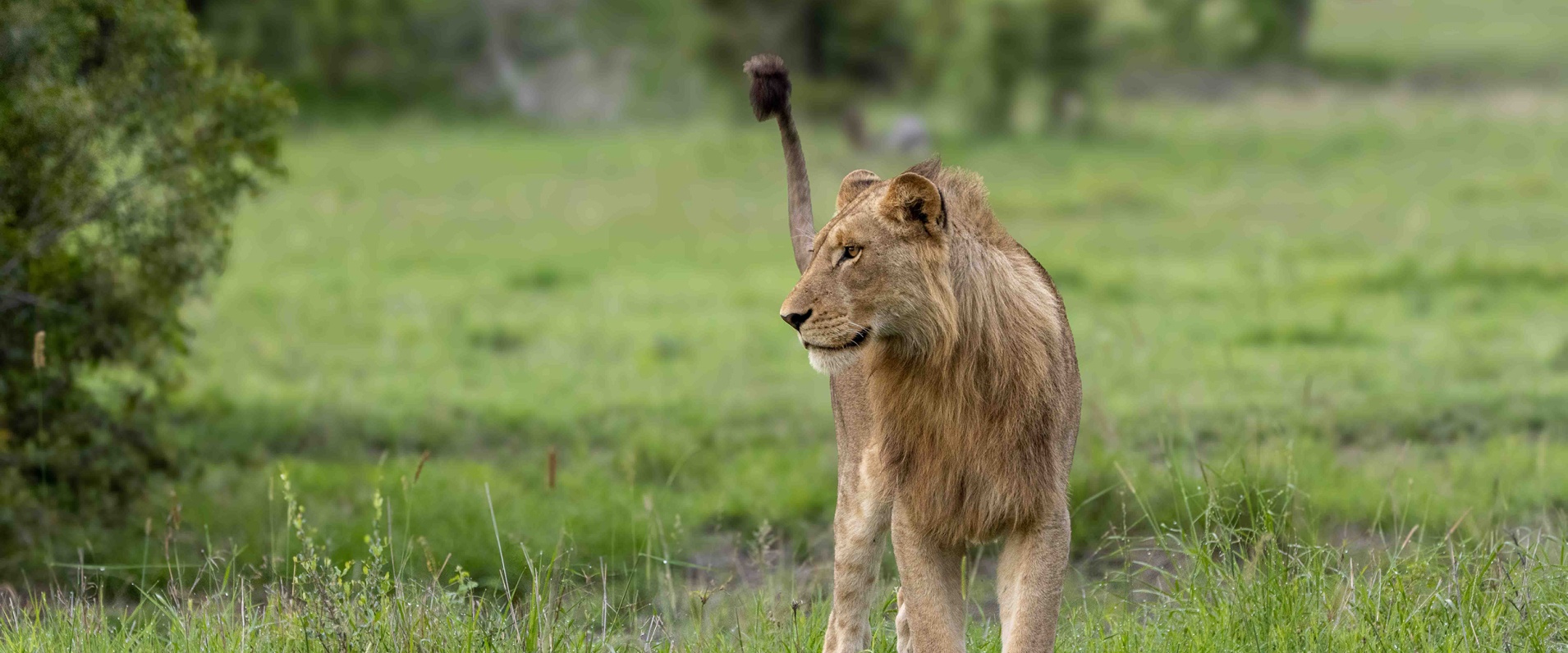
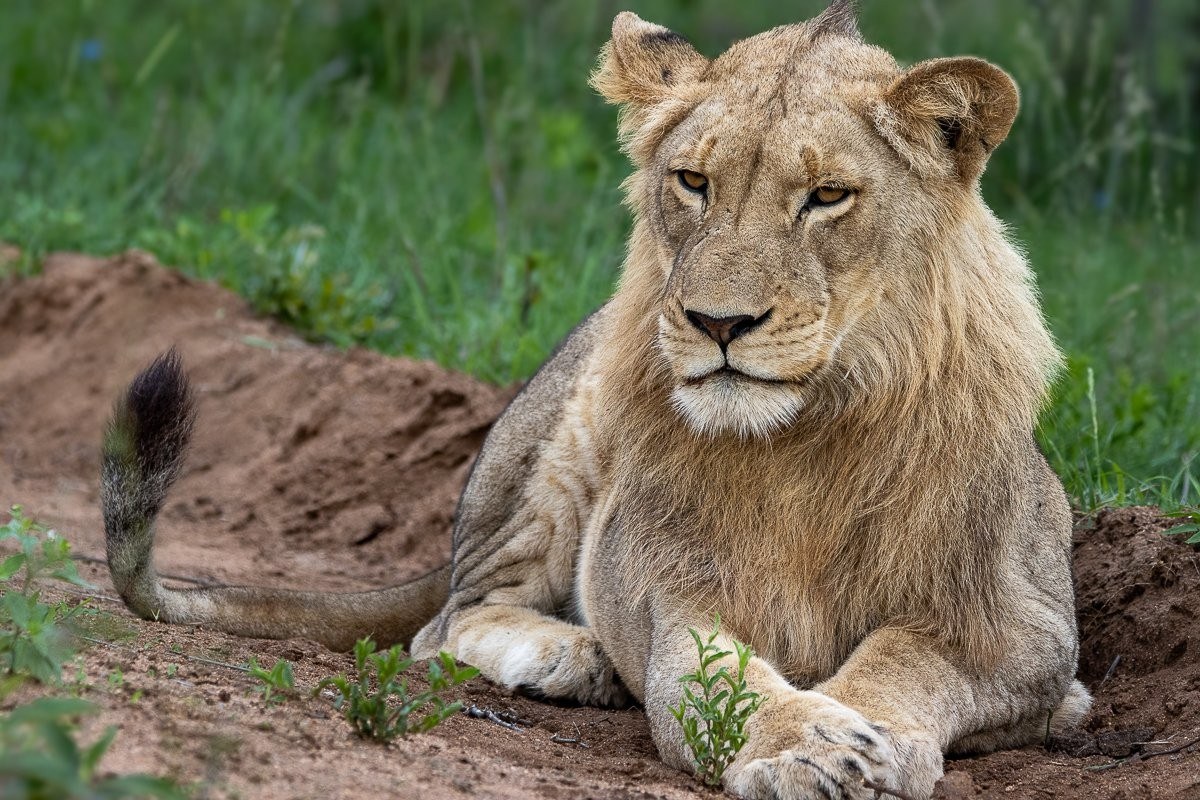
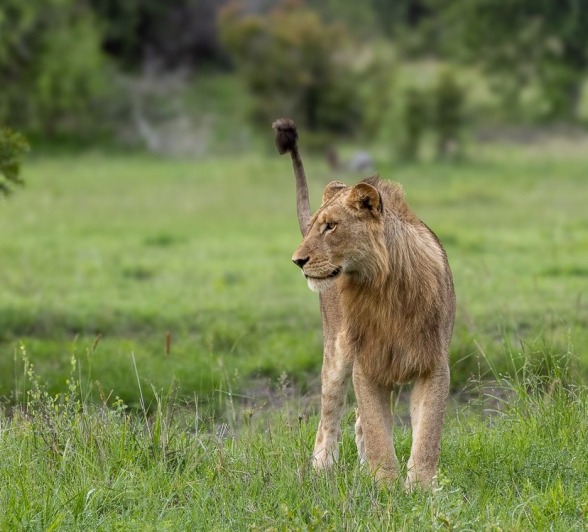
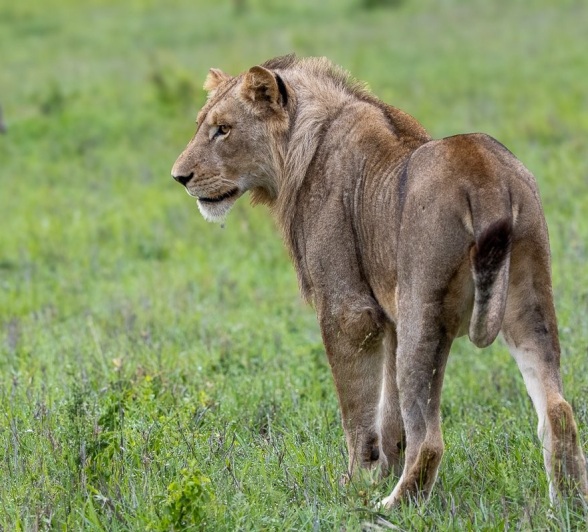
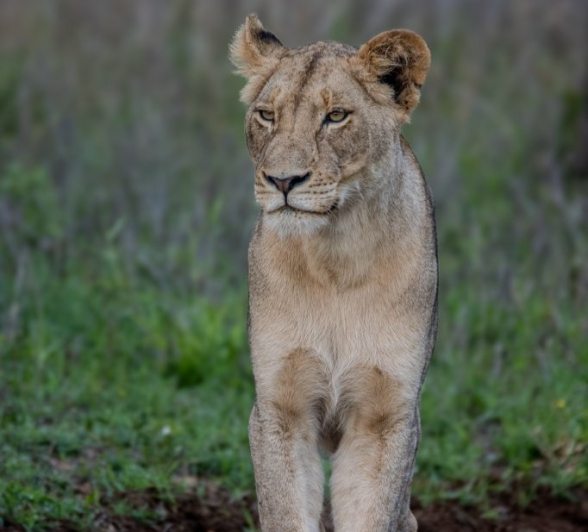
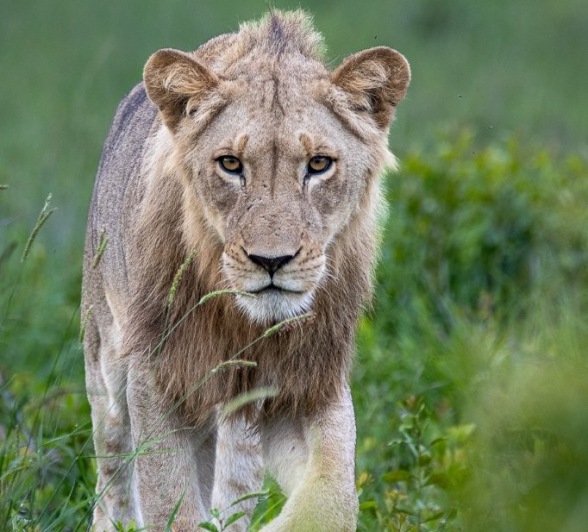
We found part of the Msuthlu Pride during an early morning drive, and from observing their behaviour it seemed they were searching for the rest of their pride. As we followed them, they showed no interest in nearby impala - even those with young - remaining focused on walking and trying to pick up the scent of the missing pride members.
Lately the pride has been scattered into different groupings each time we encounter them, and it’s still unclear when they will reunite and return to the cohesive pride we know so well.
Until next time…
Blog by Wendy Claase
Images by Benjamin Loon, Jana du Plessis, Ronald Mutero, Ruan Mey and Viviane Ladner