A Week in the Bush Vol. 619
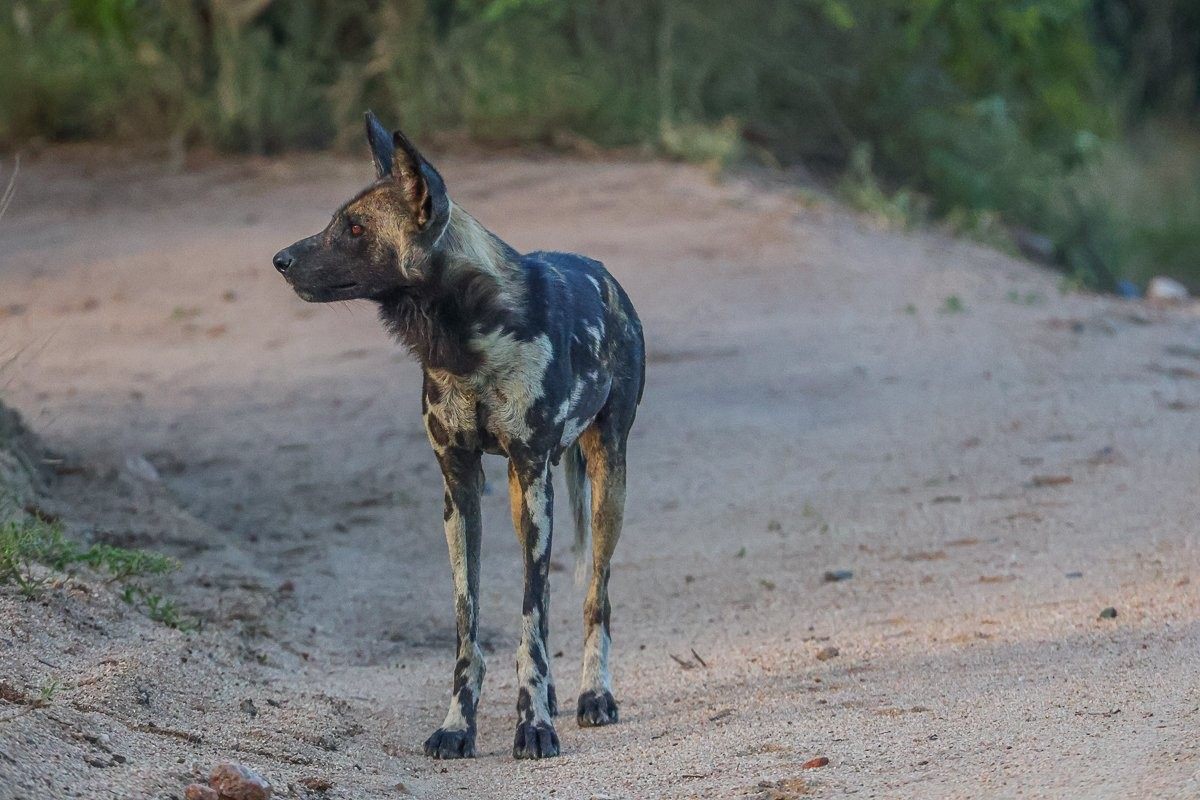
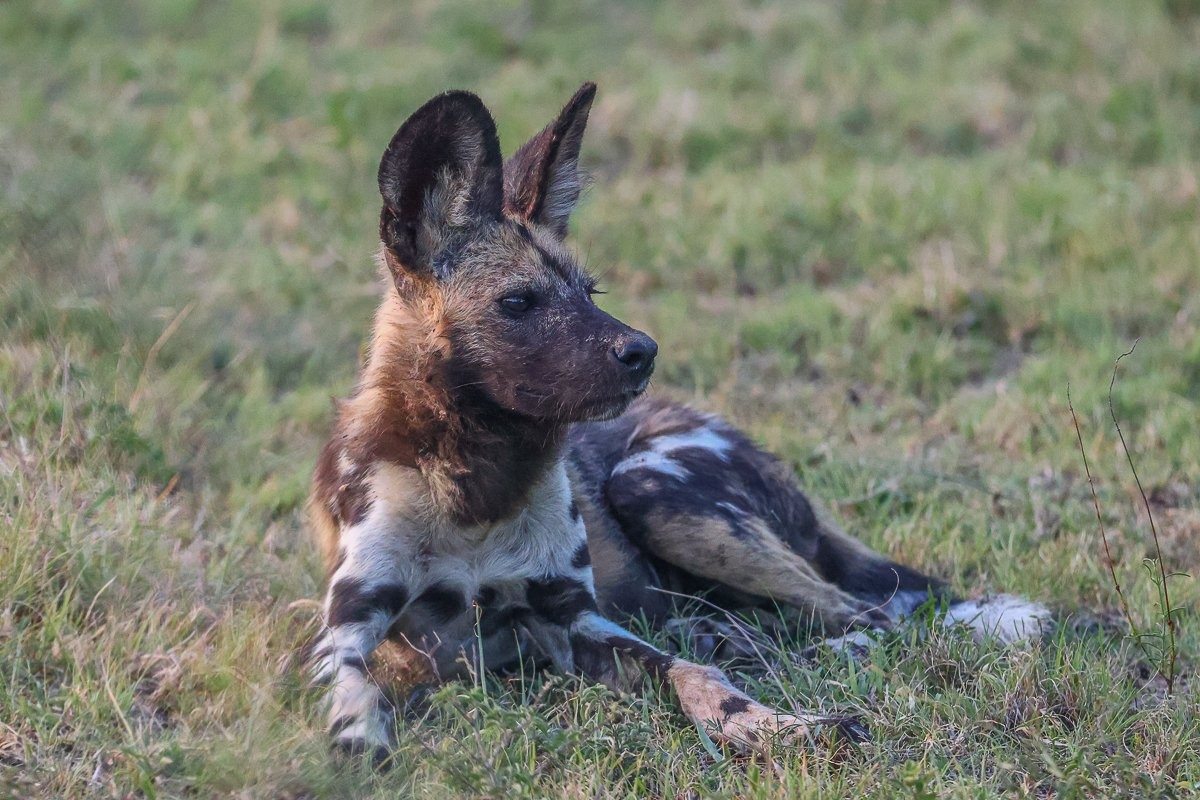
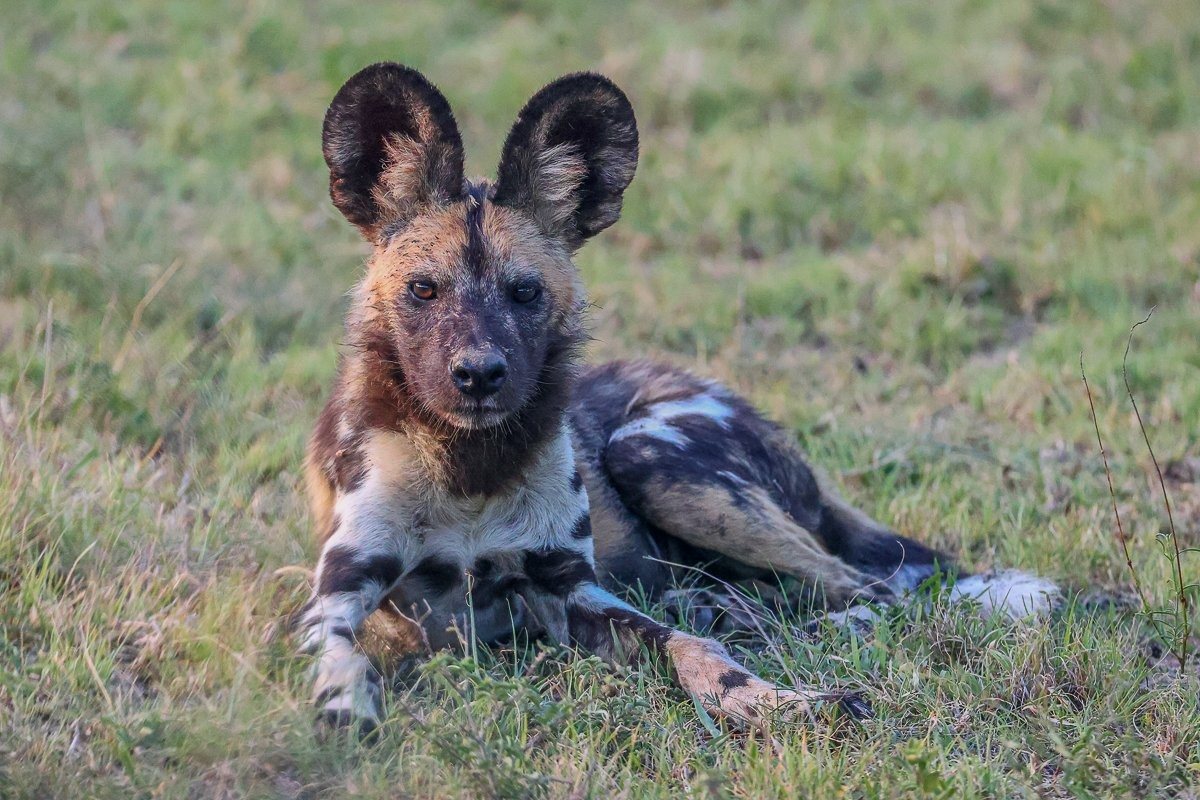
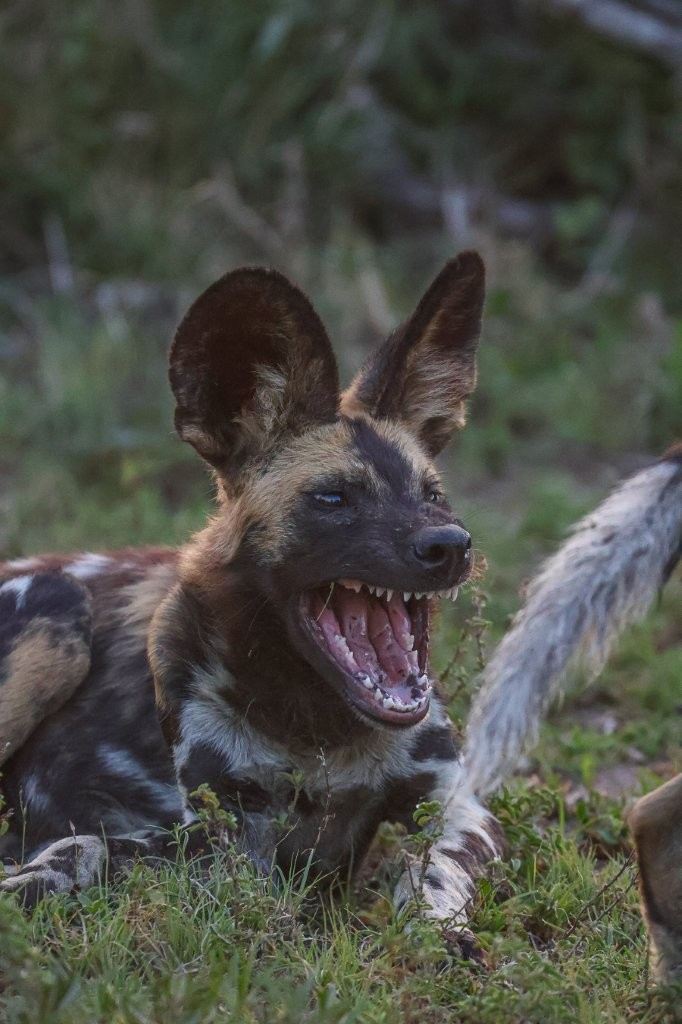
on Nov 25, 2026We found a large pack of wild dogs in the eastern parts of the reserve late one afternoon, just as they were beginning to become active. The pups were playing while the adults remained alert, scanning their surroundings. Suddenly, the adults sprang into action and disappeared into the thickets at speed. When we managed to find them moments later, they had already brought down an impala lamb and were busy feeding on the remains. Unfortunately, the pups missed out on this meal.
Wild dogs are highly successful hunters, but raising a large litter comes with added demands. With so many pups to feed, the adults face increased pressure to hunt successfully and secure enough food to sustain the entire pack.
Kurhula and her cub were making their way along a road with Kurhula actively scent marking and vocalising as they moved, reinforcing her territorial presence and helping to keep potential rivals at bay. We left them as they disappeared into a nearby thicket, possibly in search of a hunting opportunity. With the cooler temperatures and cloudy conditions, prey species such as impalas and warthogs tend to spend more time in thicker vegetation, where they find shelter from the elements.
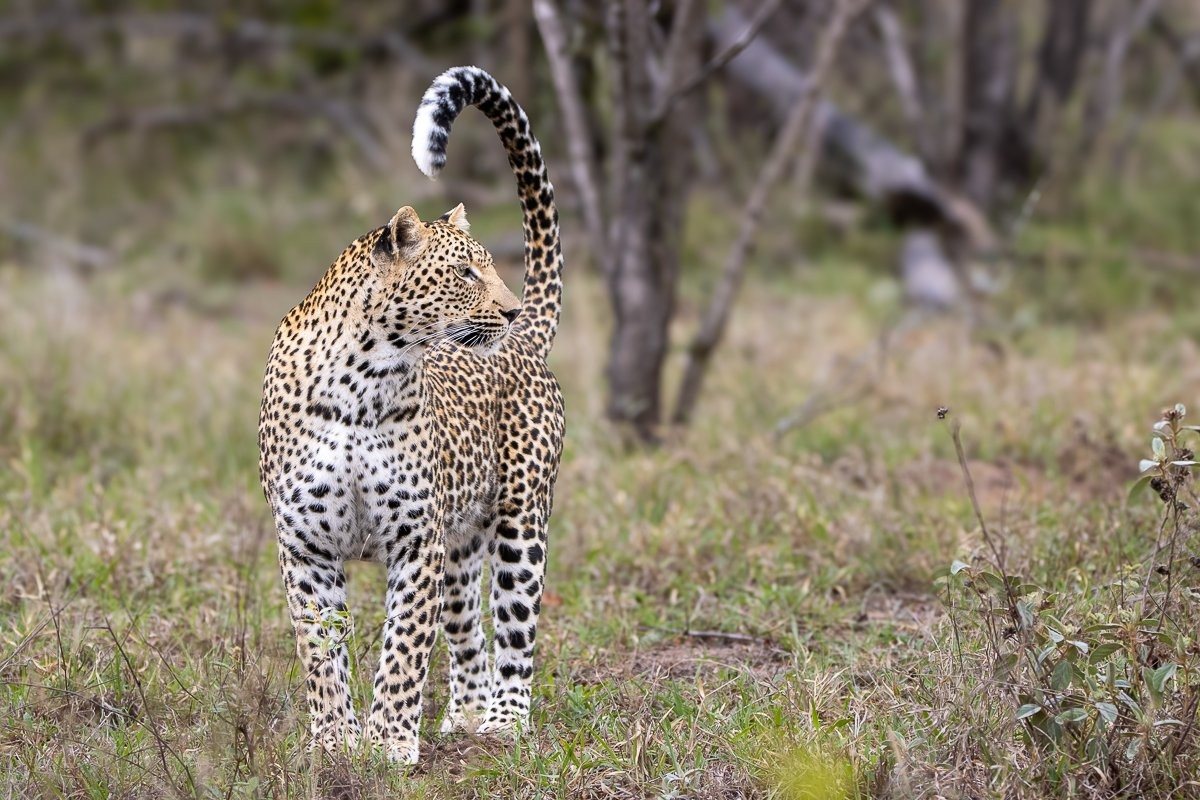
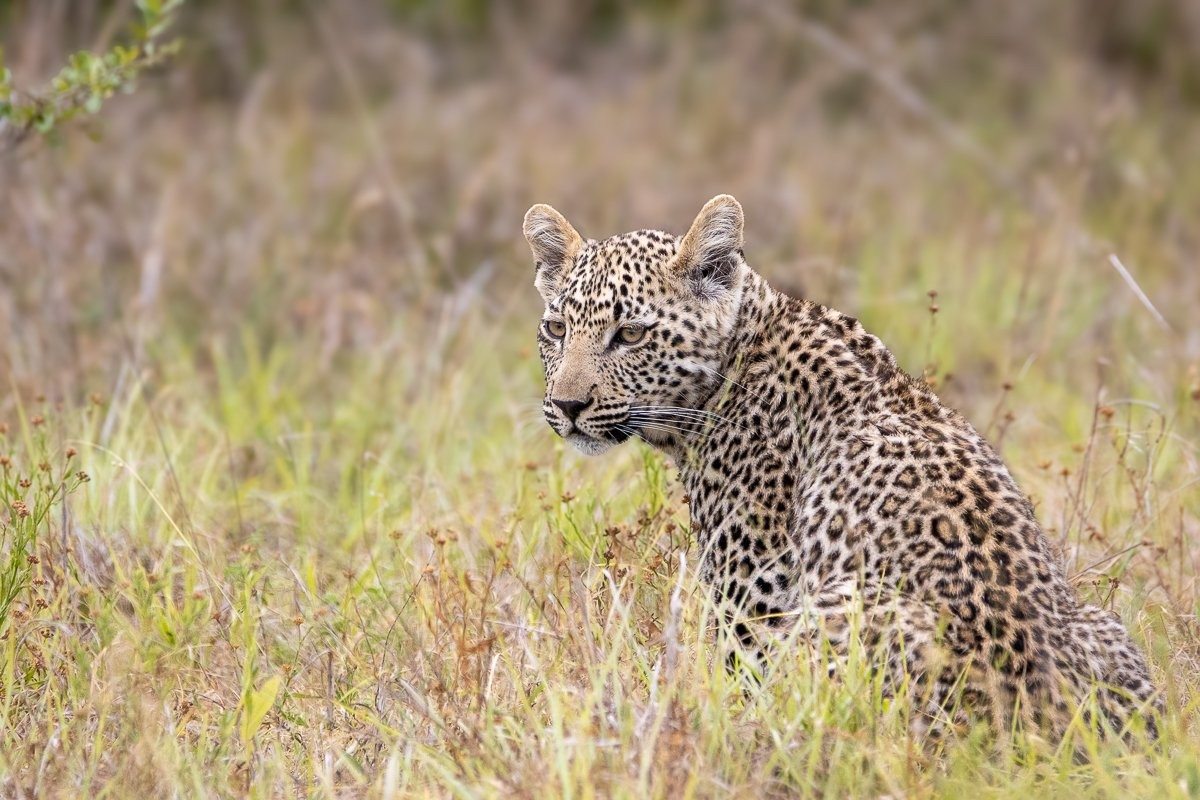
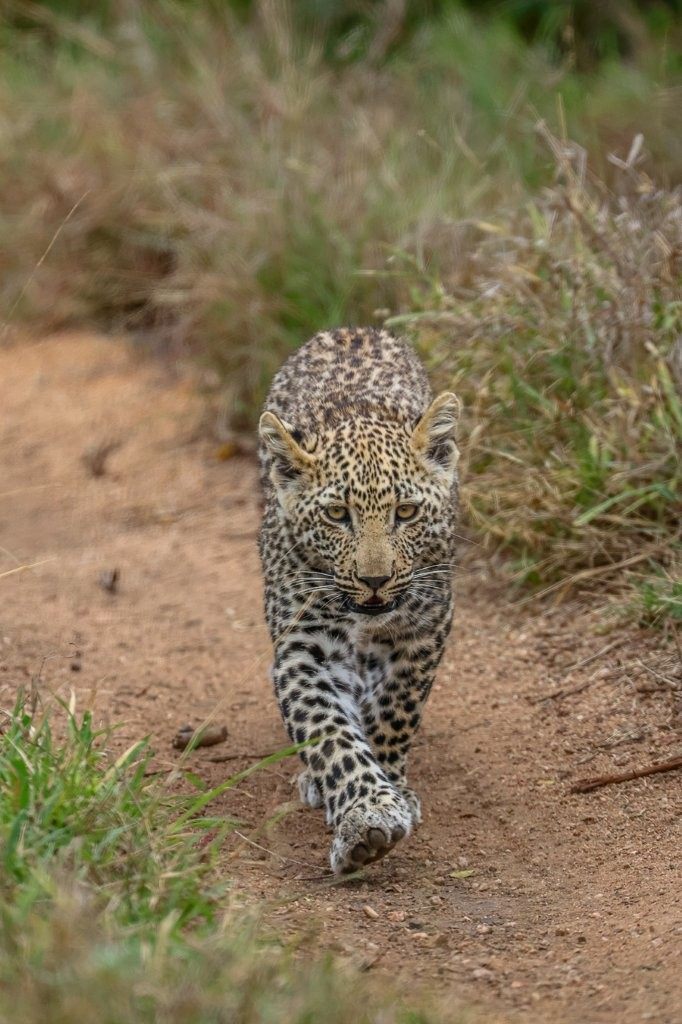
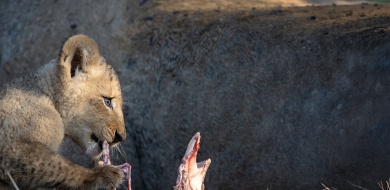
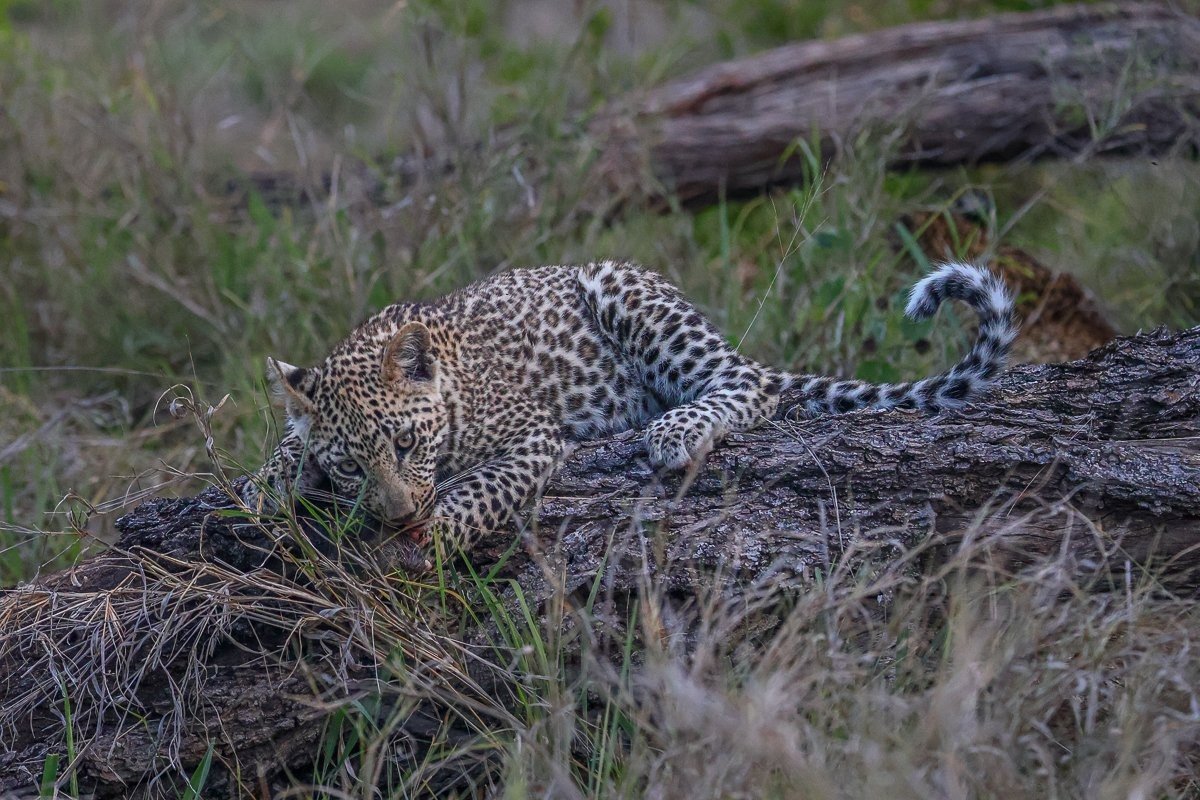
Kurhula’s cub was feeding on the head of a warthog piglet that its mother had successfully killed earlier in the day. With the lambing season in full swing, impala lambs and warthog piglets are plentiful, providing leopards with excellent hunting opportunities as these young animals are still weak and inexperienced. As the sun began to set, the pair retreated into a nearby drainage line to rest and digest their meal. They would likely move on later, continuing their search for another hunting opportunity, as a single warthog piglet is unlikely to provide enough sustenance for an adult leopard.
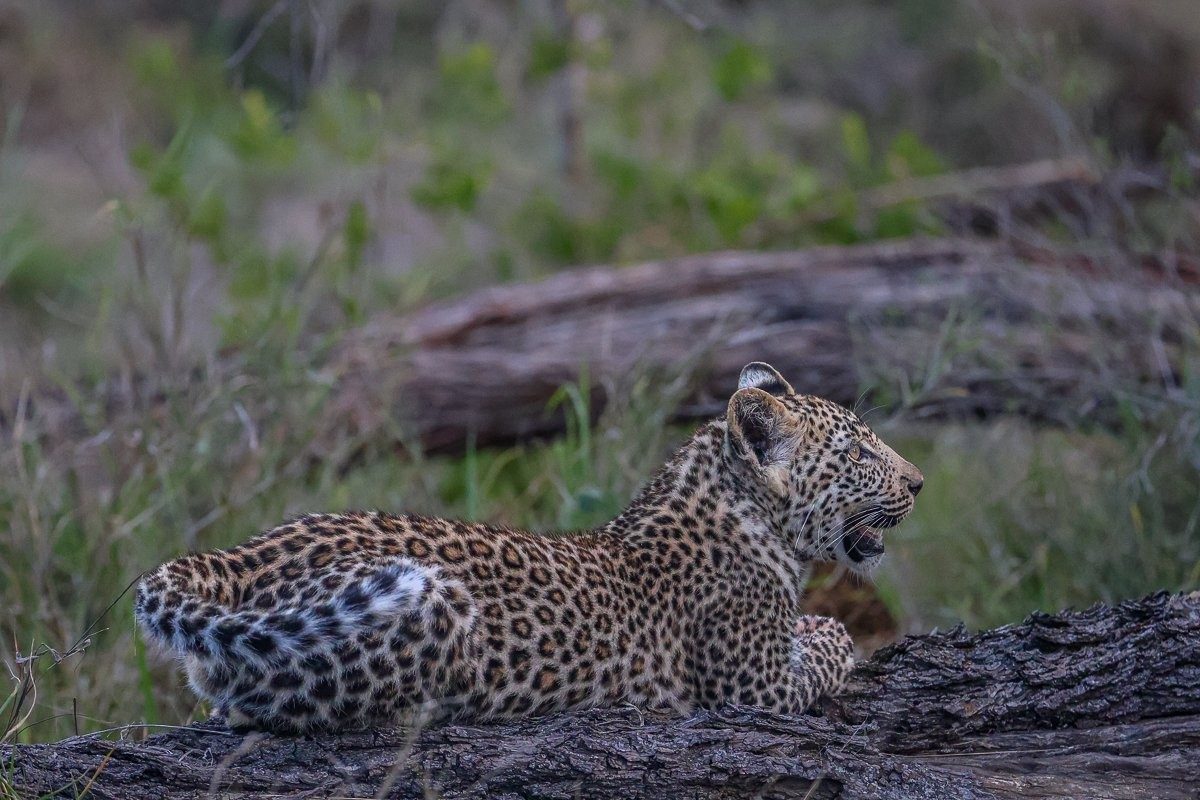
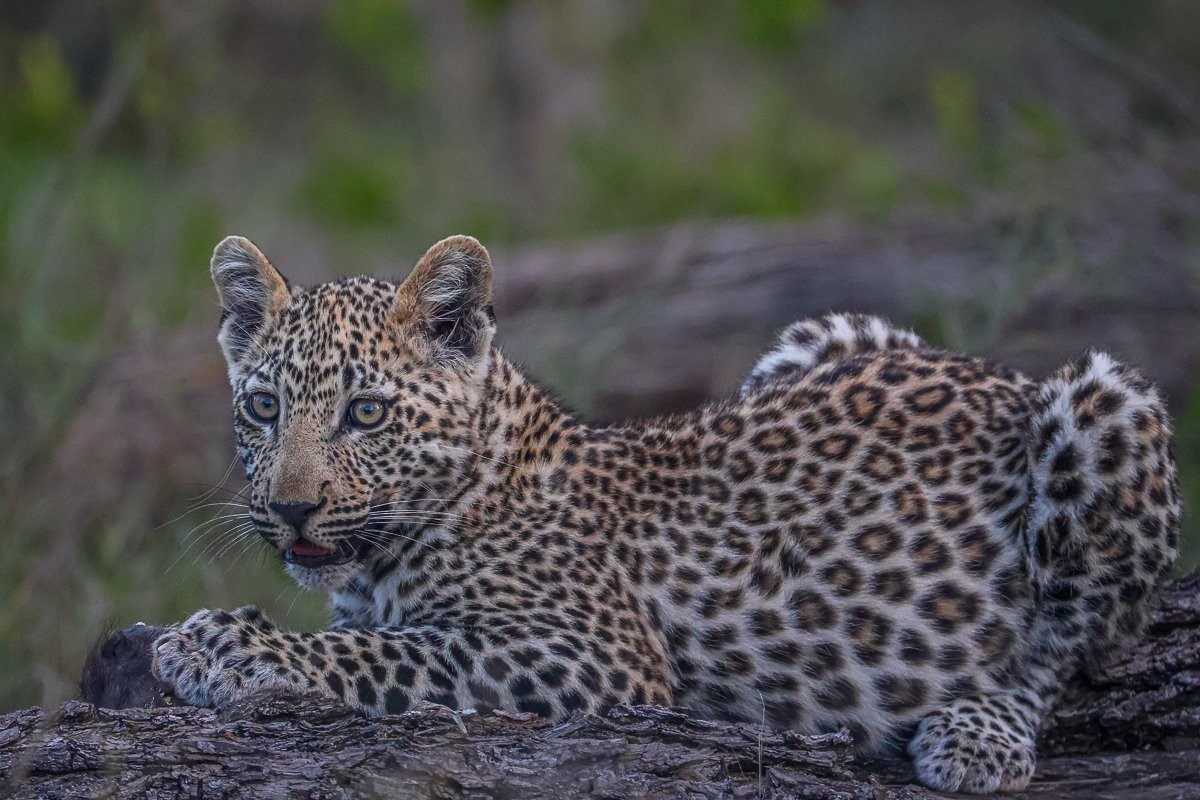
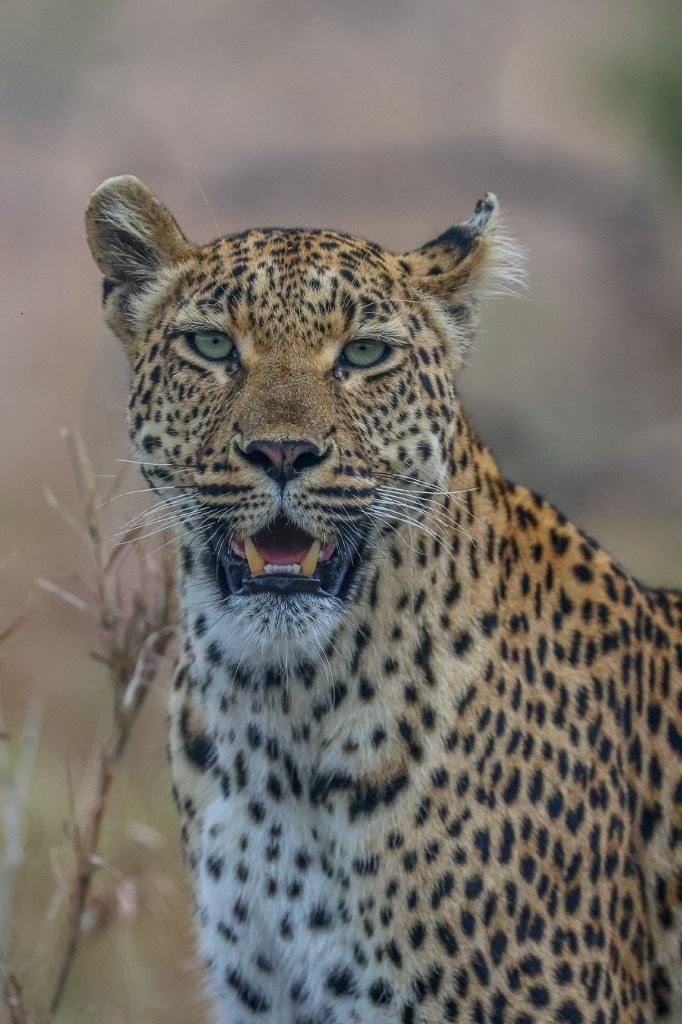
We spotted a cat-like figure watching us from the water’s edge, while another quickly disappeared into cover. Knowing it could only be a leopard, we stopped at a distance and gave them time to settle. As the cub made its way back to the other, we slowly moved closer, eventually watching the Jacana leopardess and her cub drinking from the dam, completely relaxed in our presence.
Giving them space and allowing them to feel comfortable around our vehicles is key to building trust. It allows us to observe these elusive animals behaving naturally, while helping them learn that our presence is no threat. It’s this patience and respect that creates truly special, once-in-a-lifetime sightings for our guests.
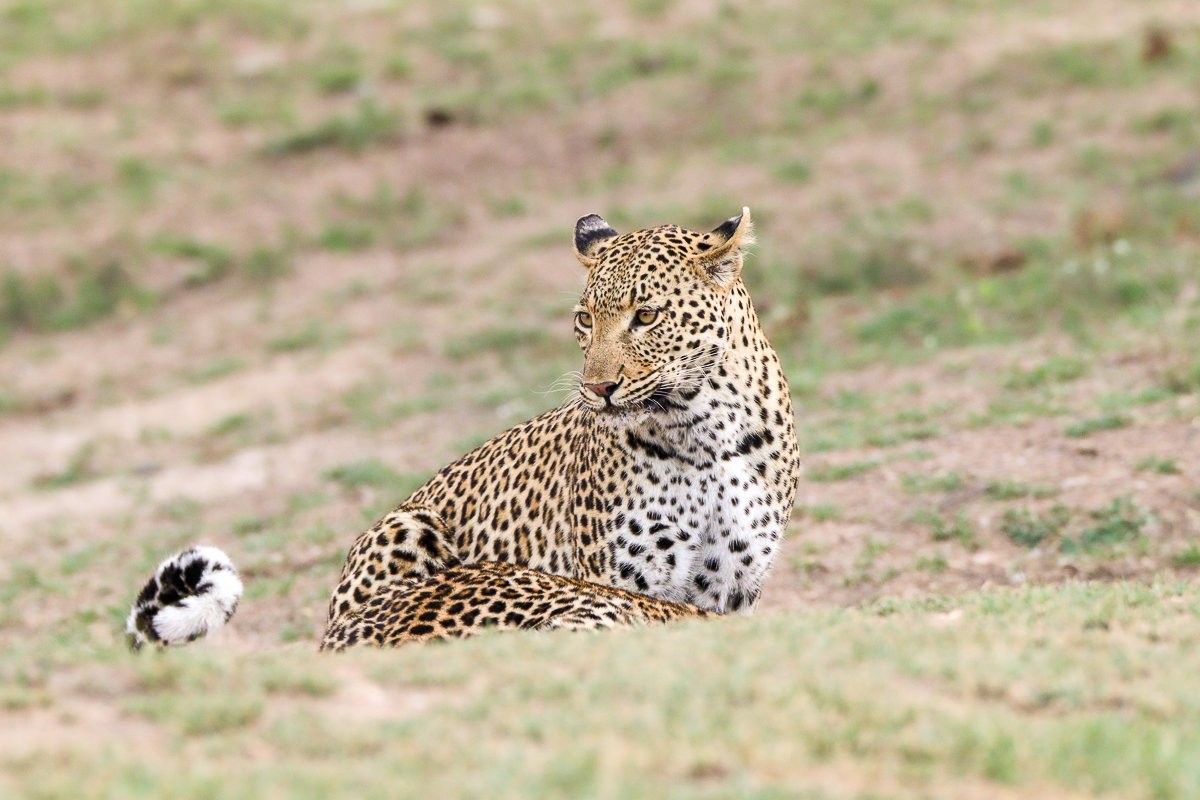
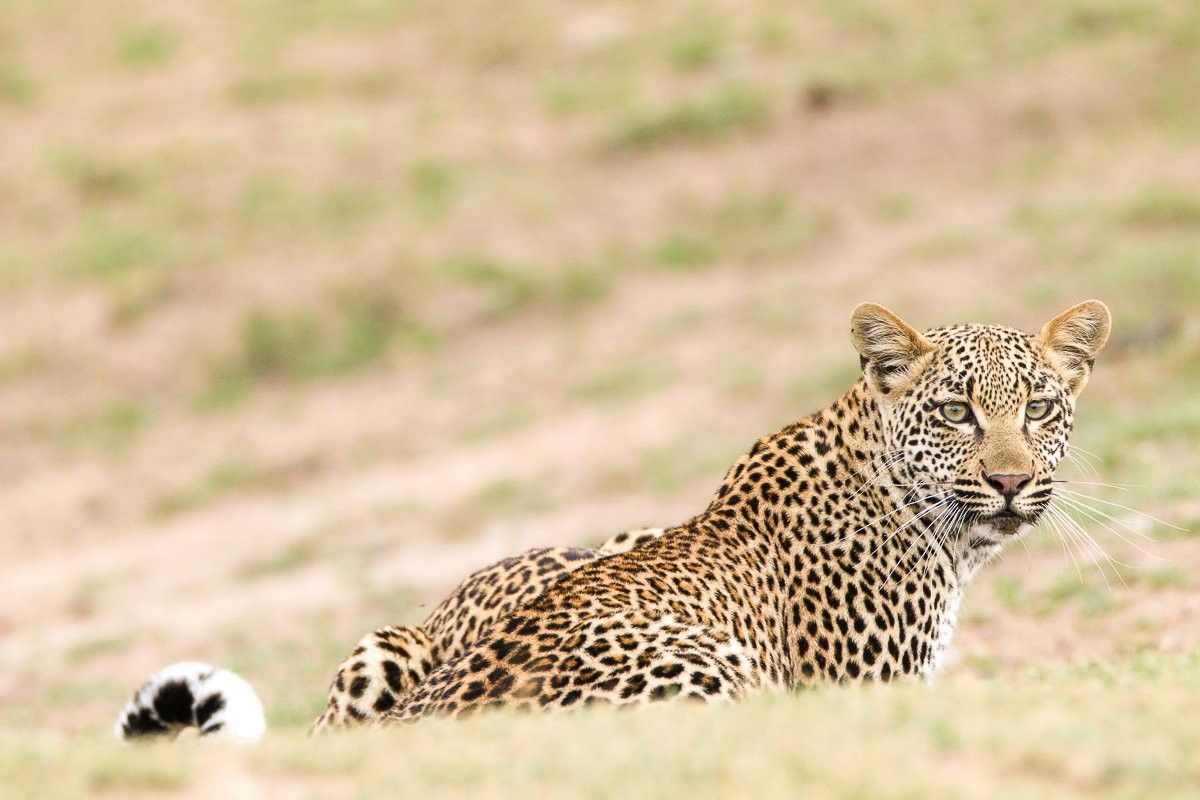
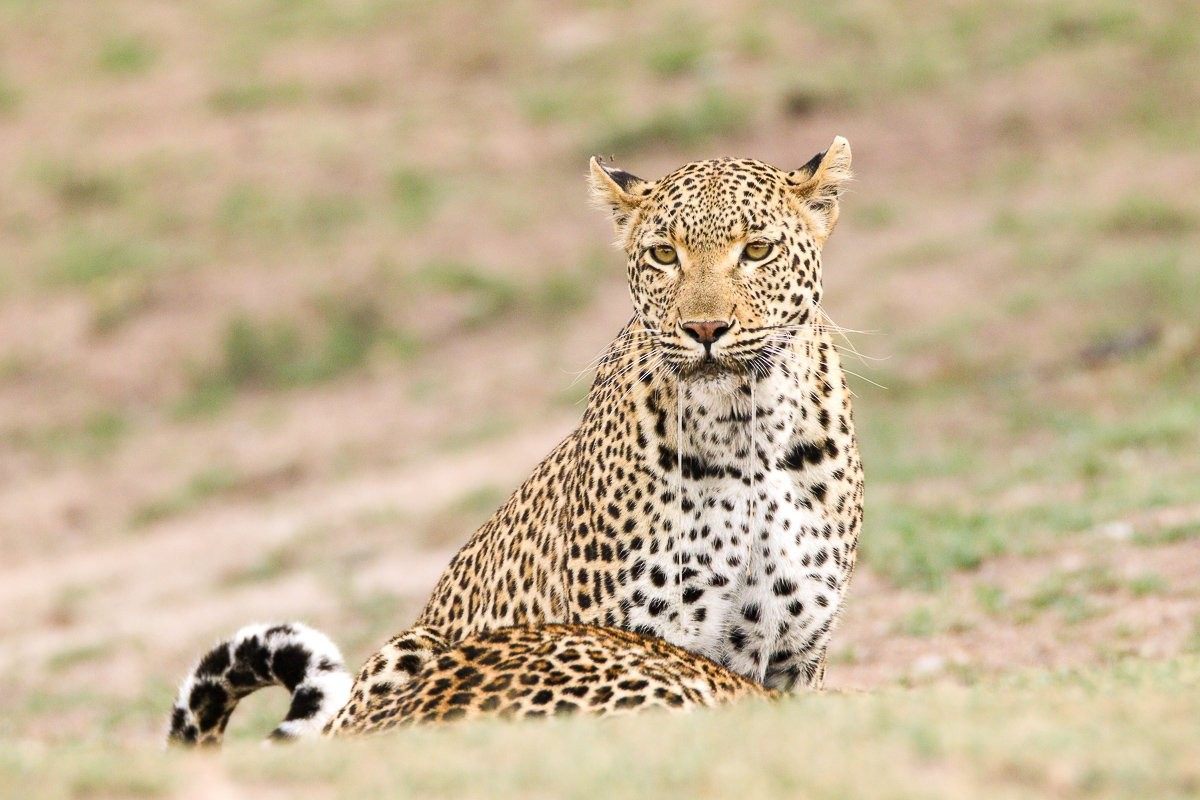
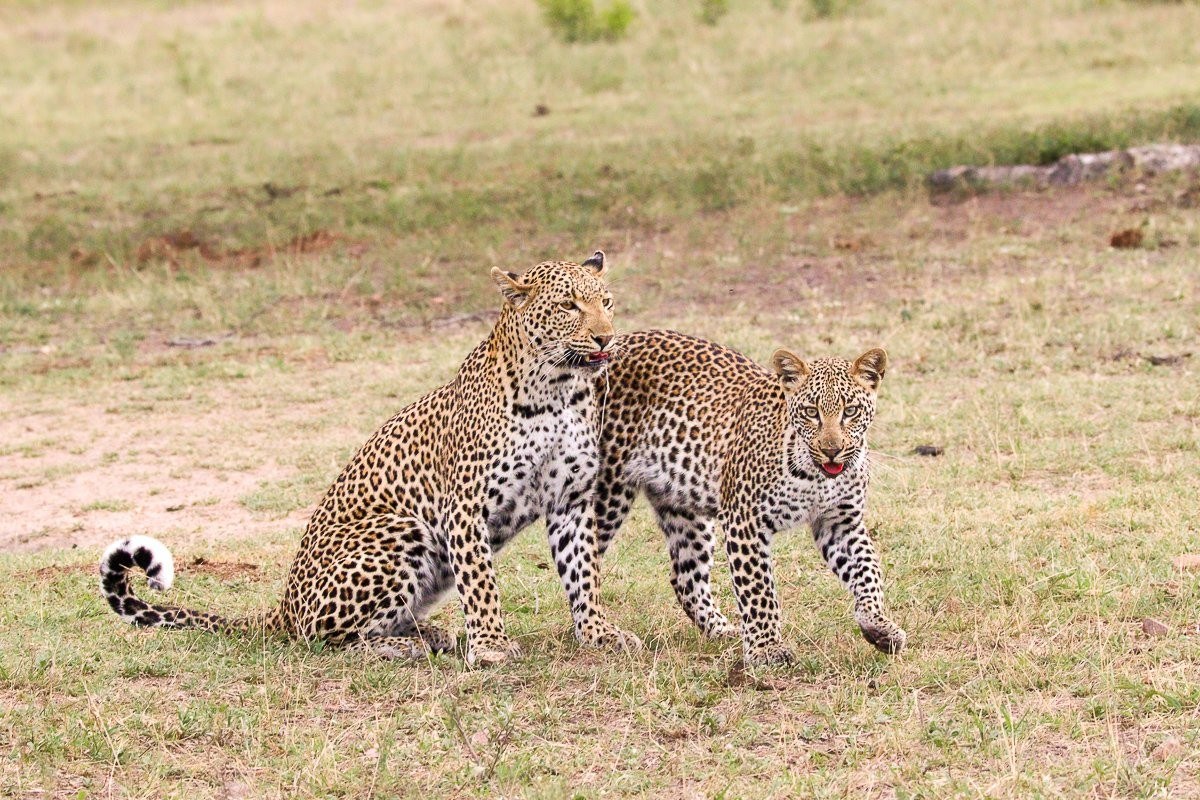
Golonyi was spotted moving through the southern sector of the reserve, heading towards an area where she had recently been seen with her cub. Following her movements, the team watched as she made her way to a rocky outcrop, where she was reunited with her cub and an old kill she had stashed beneath the thick tree cover.
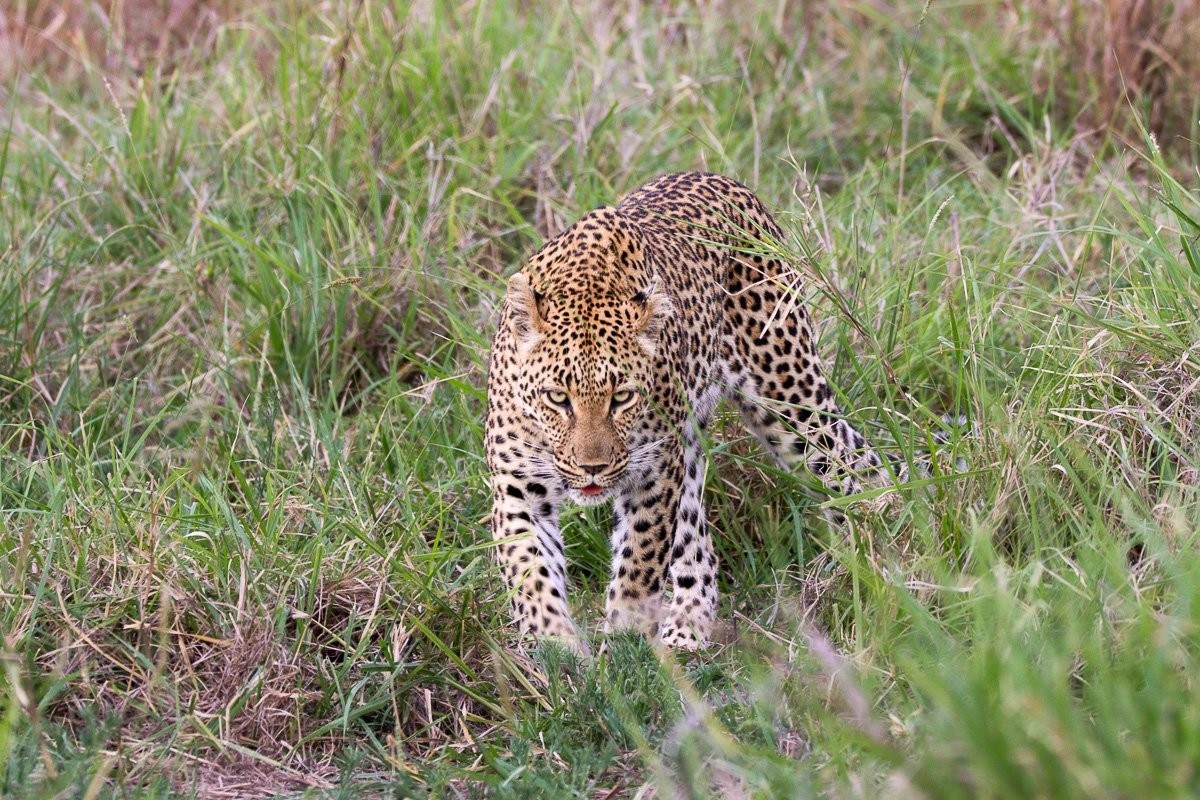
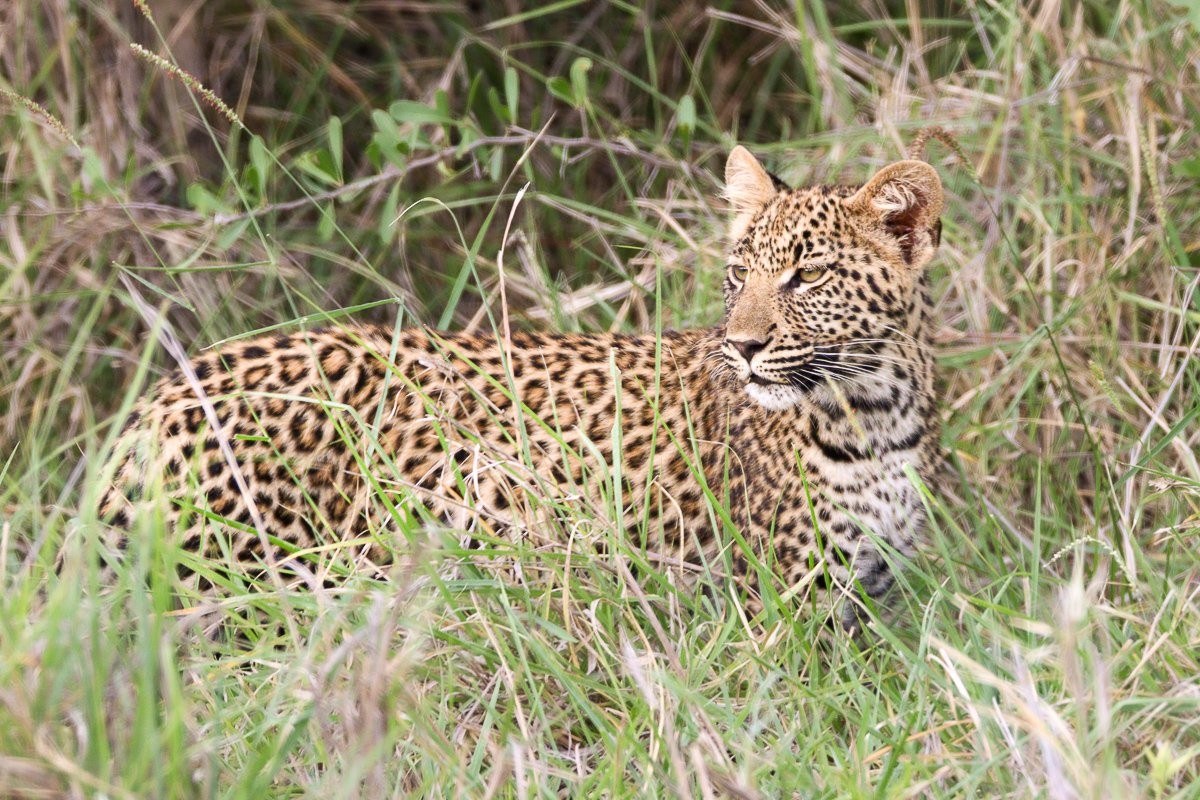
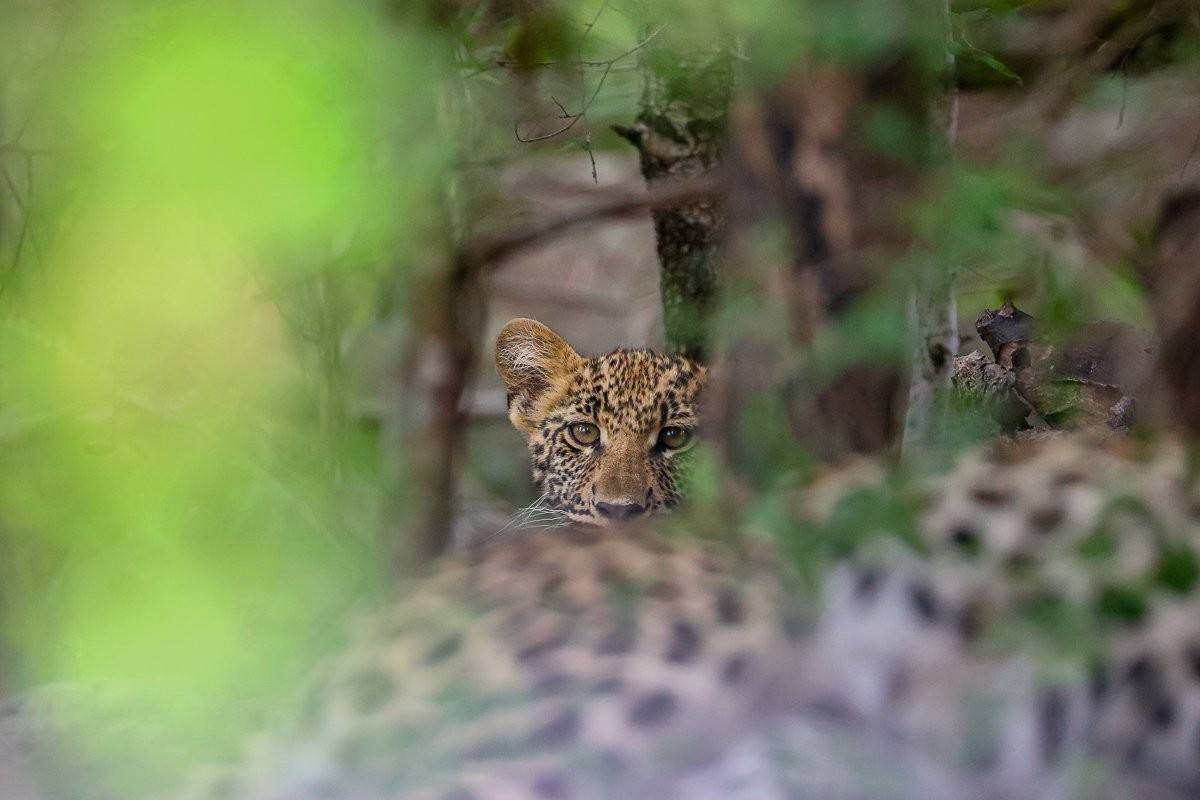
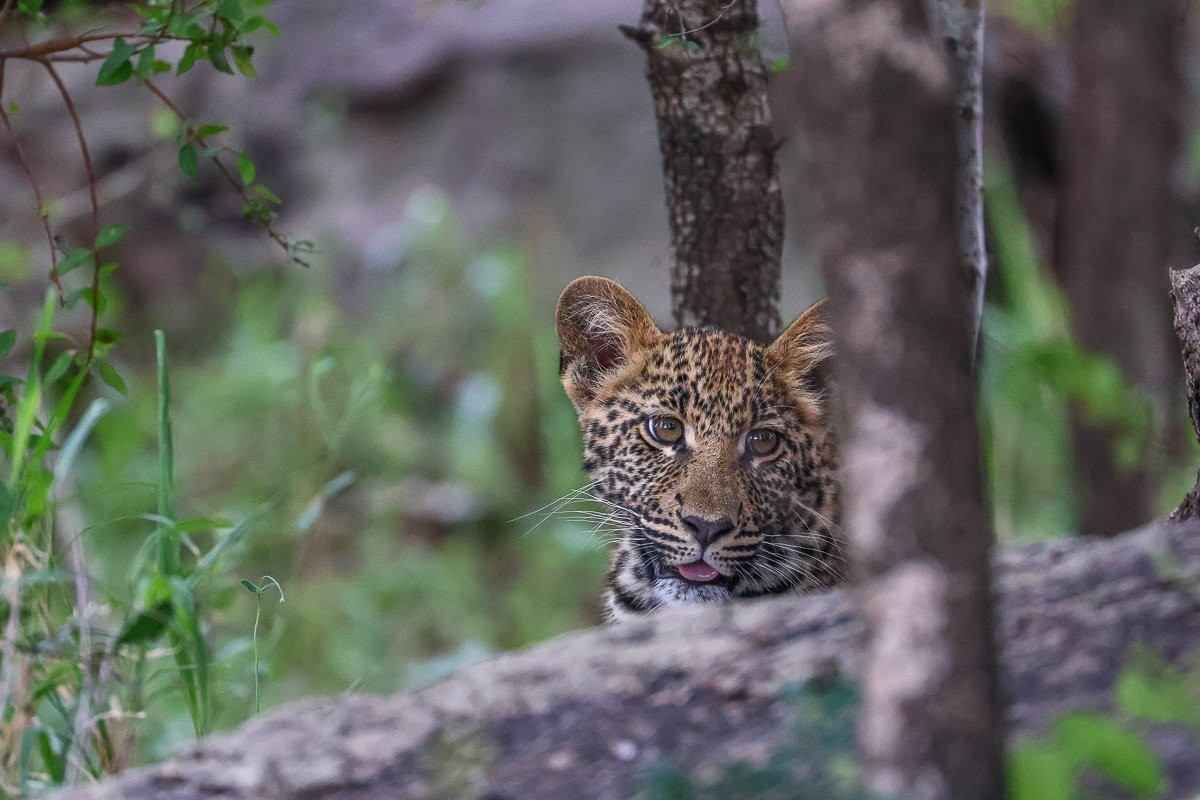
The following day, Golonyi had successfully brought down a fully grown impala. Having already fed, the pair were resting nearby, with the cub tucked away in a thicket while Golonyi settled on a termite mound, keeping a watchful eye on her surroundings. From this vantage point, she could spot any approaching predators or scavengers and avoid being caught off guard.
We left them to enjoy their rest, making the most of the shade and conserving energy until the cooler evening temperatures arrived. Having eaten most of their well-earned meal, they would likely wait until sunset before becoming active again.
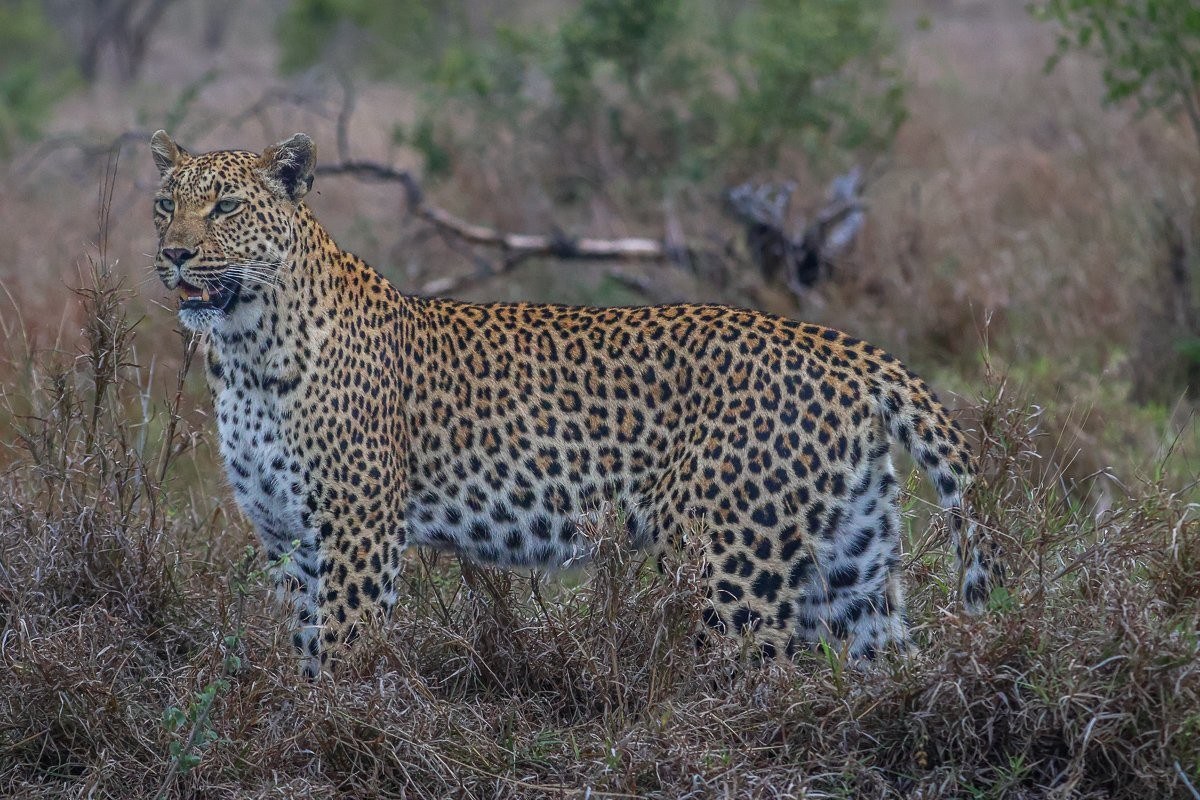
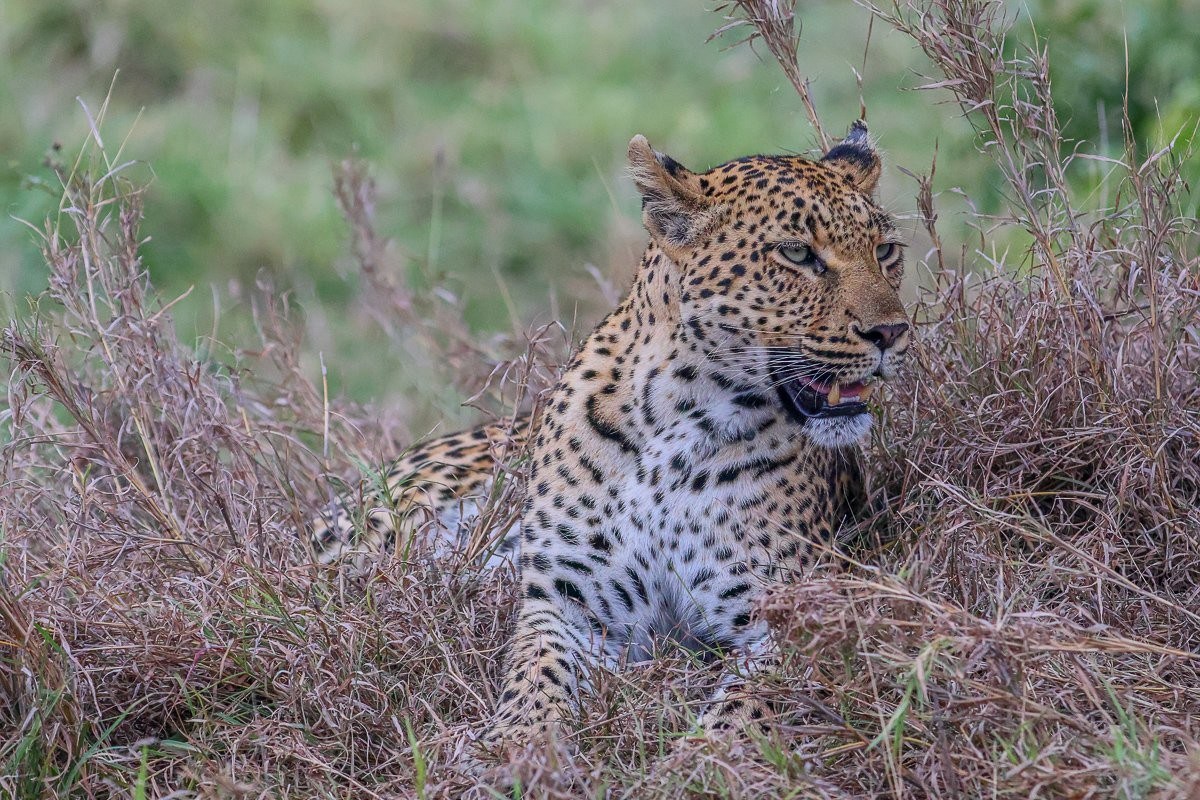
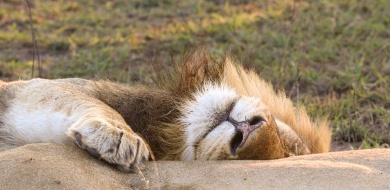
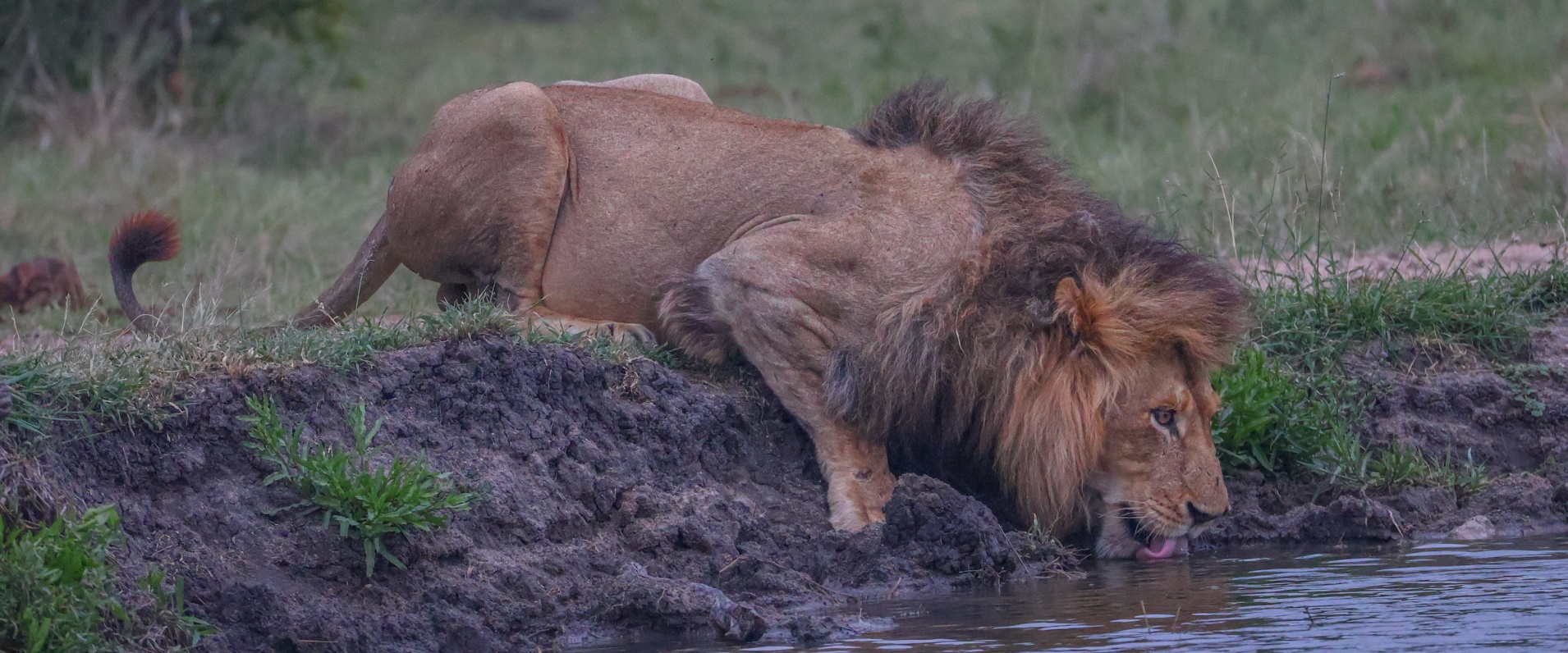
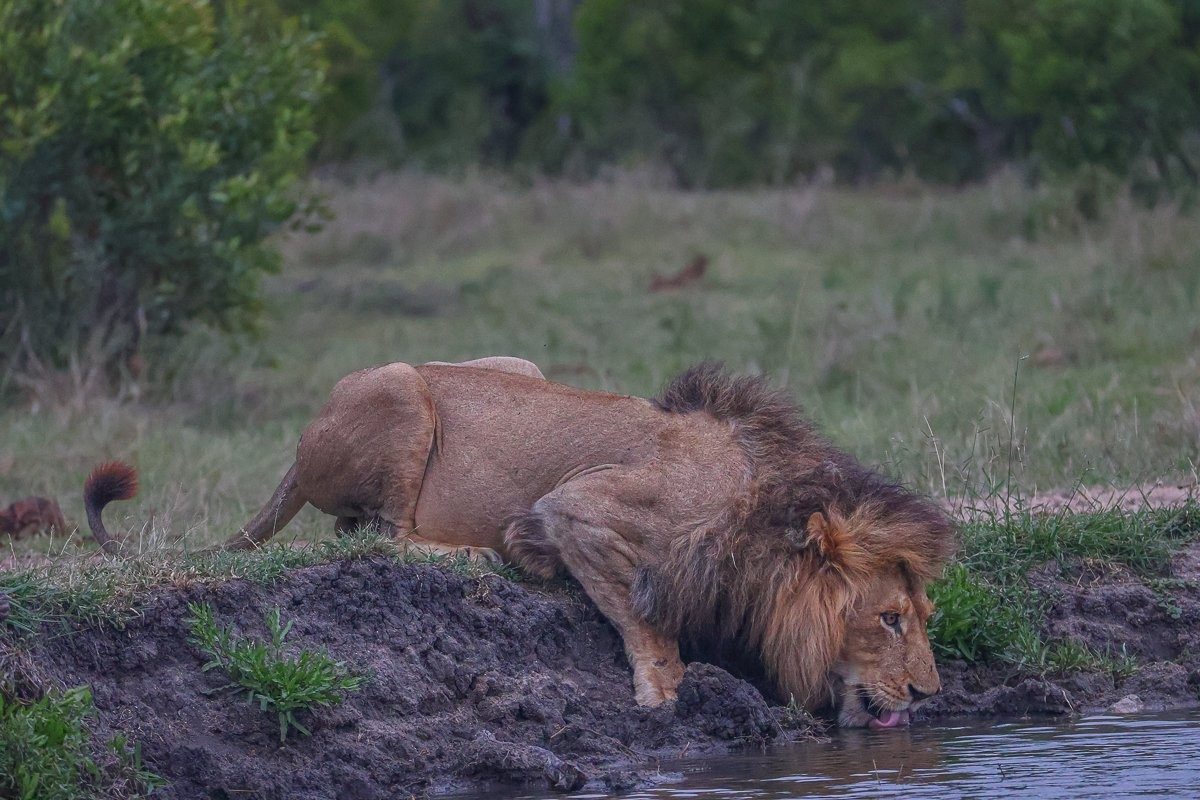
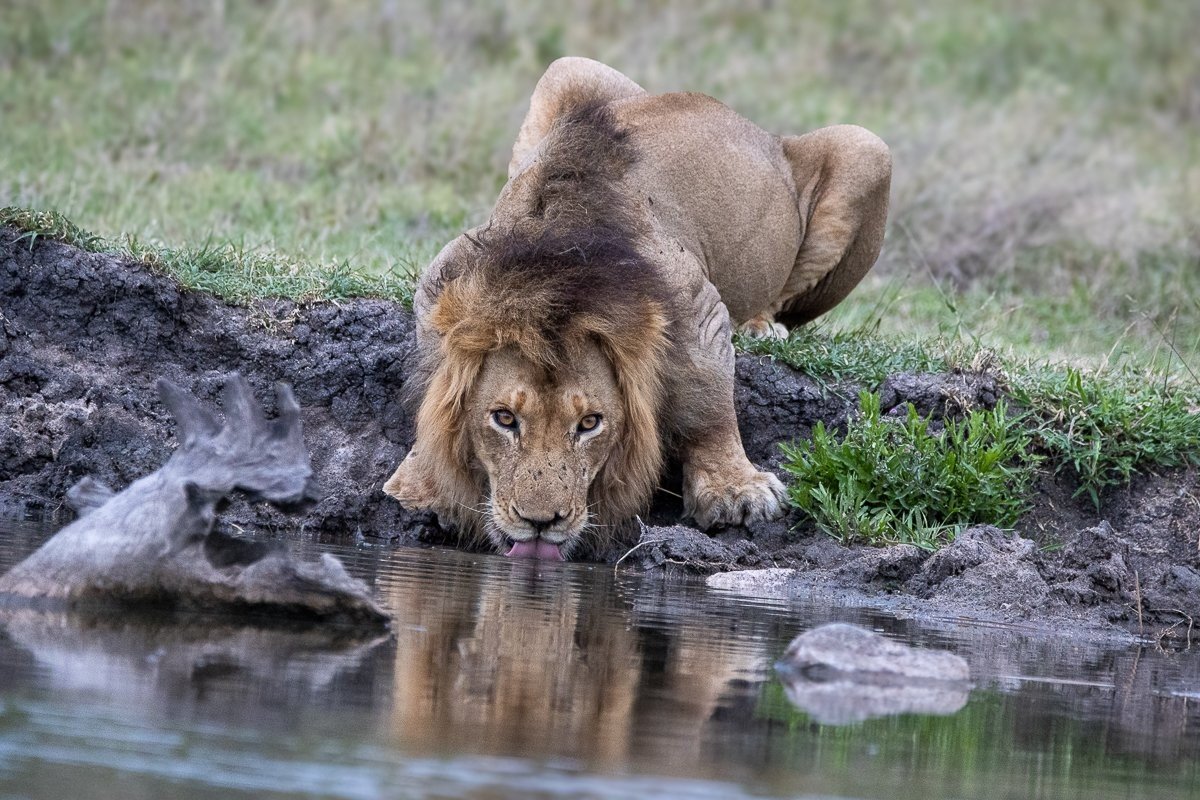
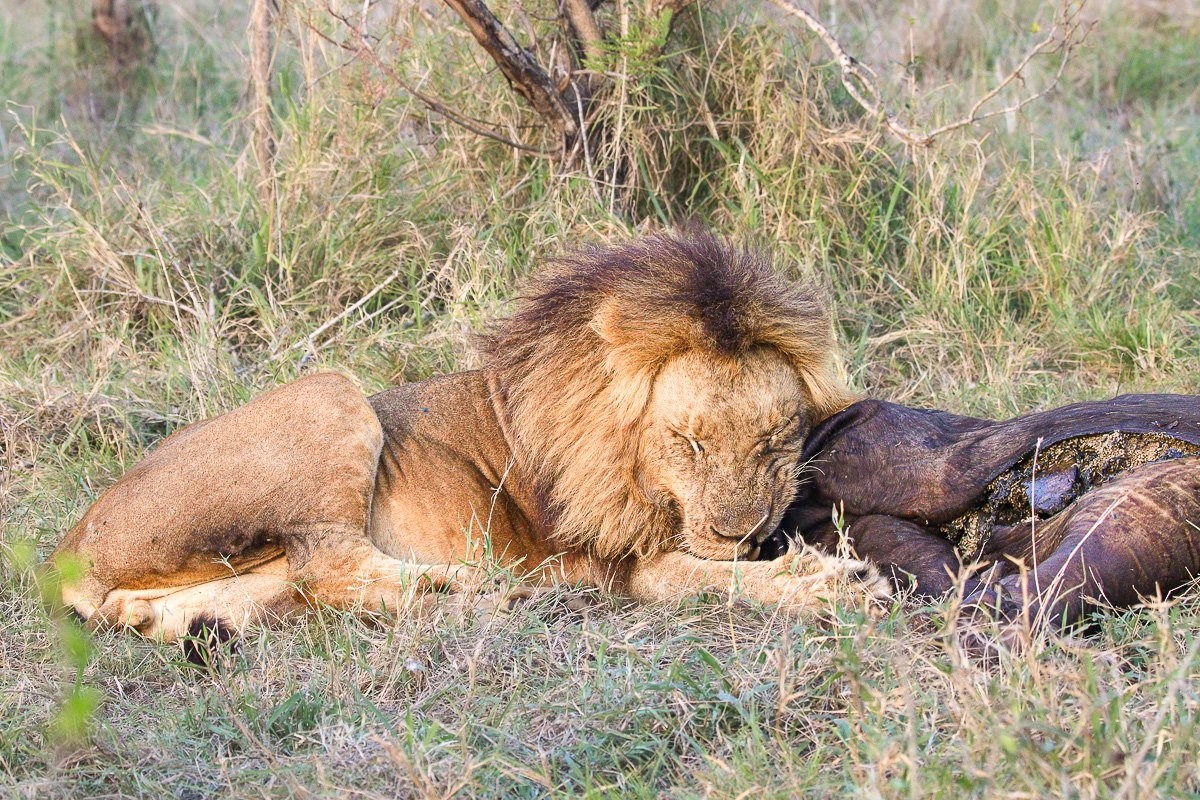
We followed up on the N’waswishaka males after their successful hunt of a large buffalo. When we found them, they were fast asleep, digesting their well-earned meal while keeping a watchful eye on the remains. Shortly afterwards, one of the males got up and made his way towards a nearby waterhole. We repositioned at the dam and waited for him to arrive, giving us a lovely opportunity to watch him quench his thirst.
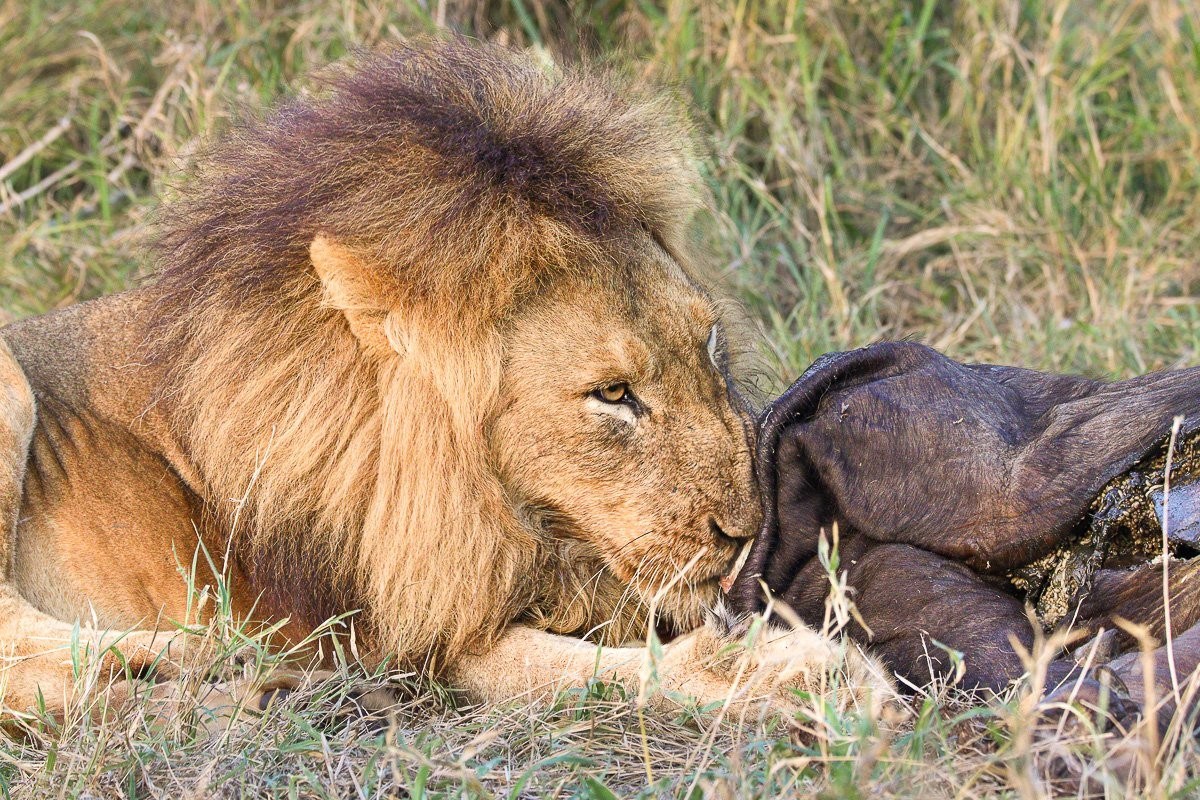
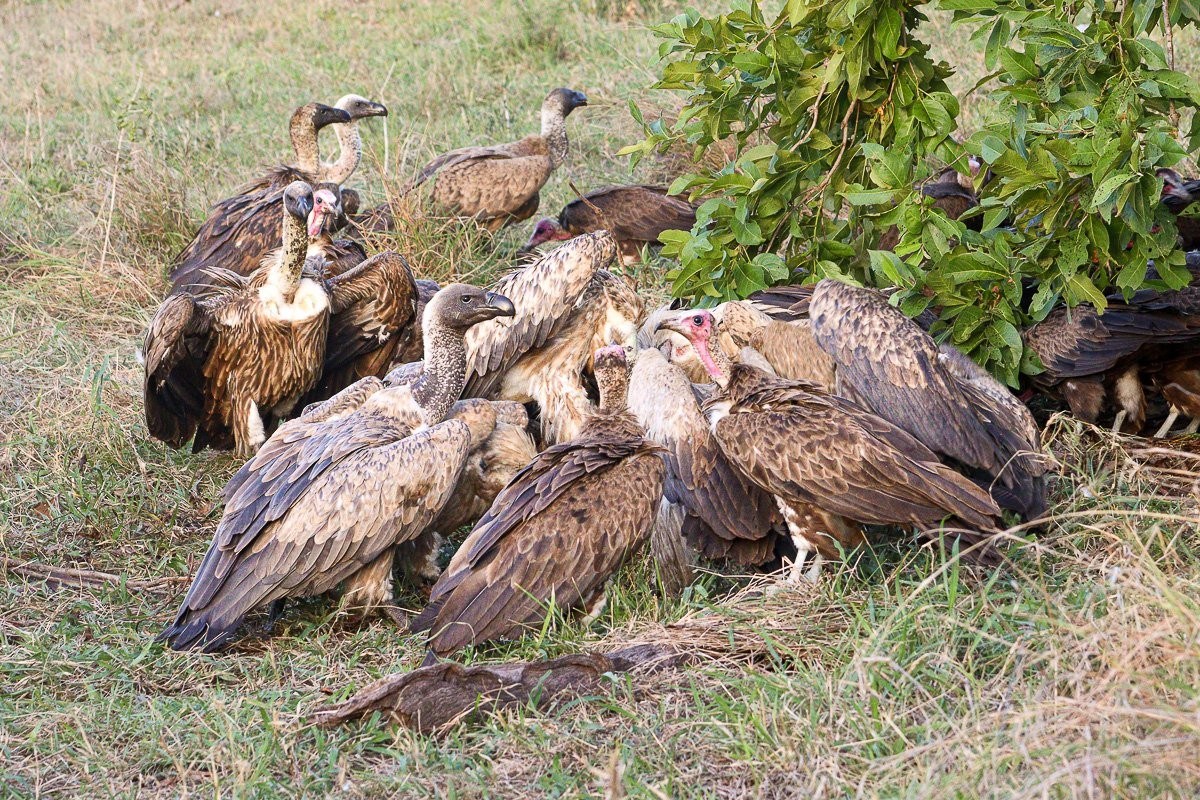
The following day, one of the males was feeding on the last remaining scraps of their kill before moving off to join his brother in the shade. As the male left the carcass, the vultures swarmed in to finally get their share of the meal that they had been waiting days for.
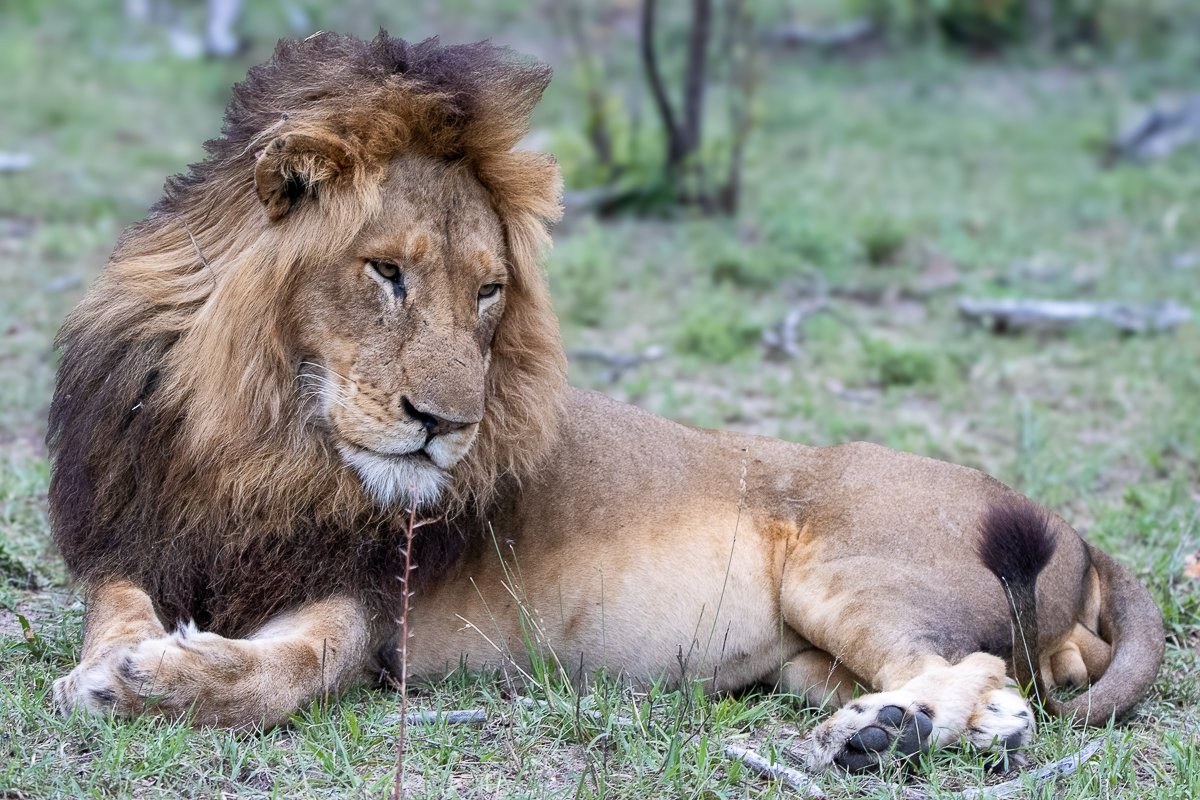
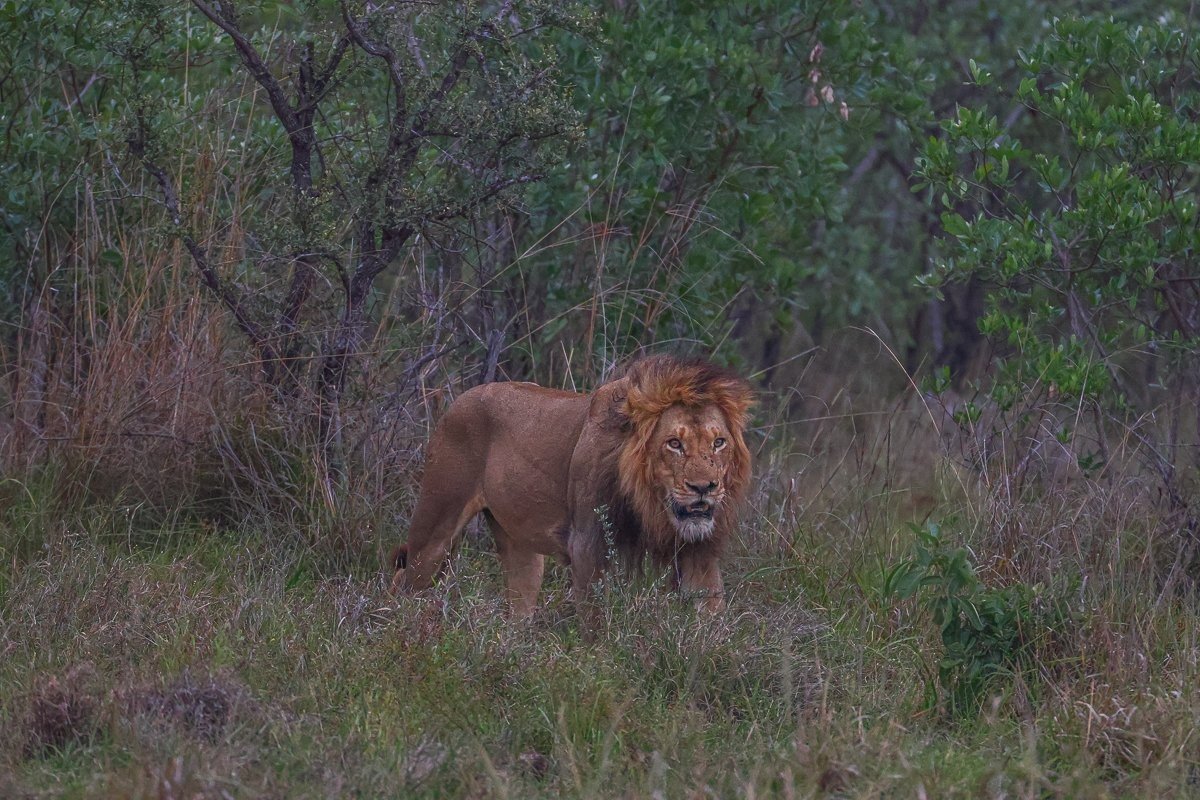
Resting in the open plains near Little Bush Camp, one of the N’waswishaka males lay alongside a young Msuthlu female. Knowing the rest of the pride was not too far away, we decided to wait and see if the opportunity to witness them mating would arise.
This behaviour is known as mate guarding, where a male stays close to a receptive female, preventing other males from mating with her. This not only reduces competition but also increases his chances of fathering her cubs.
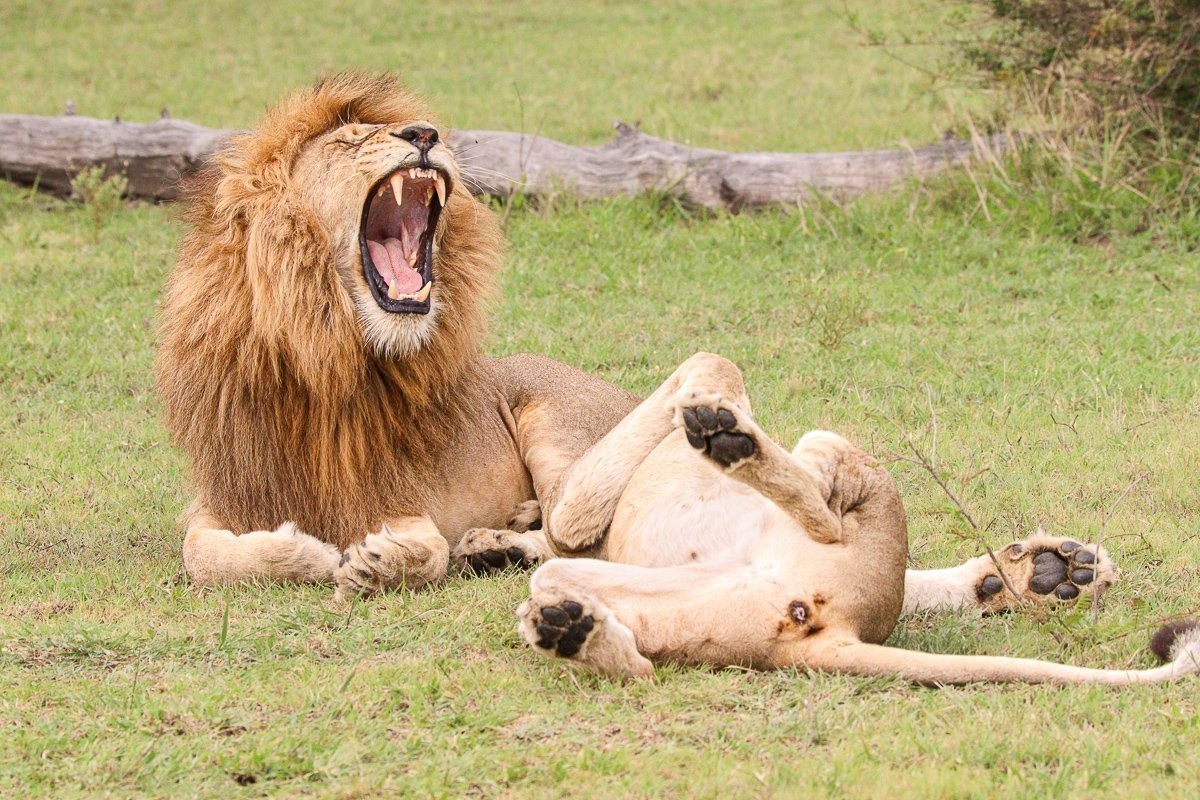
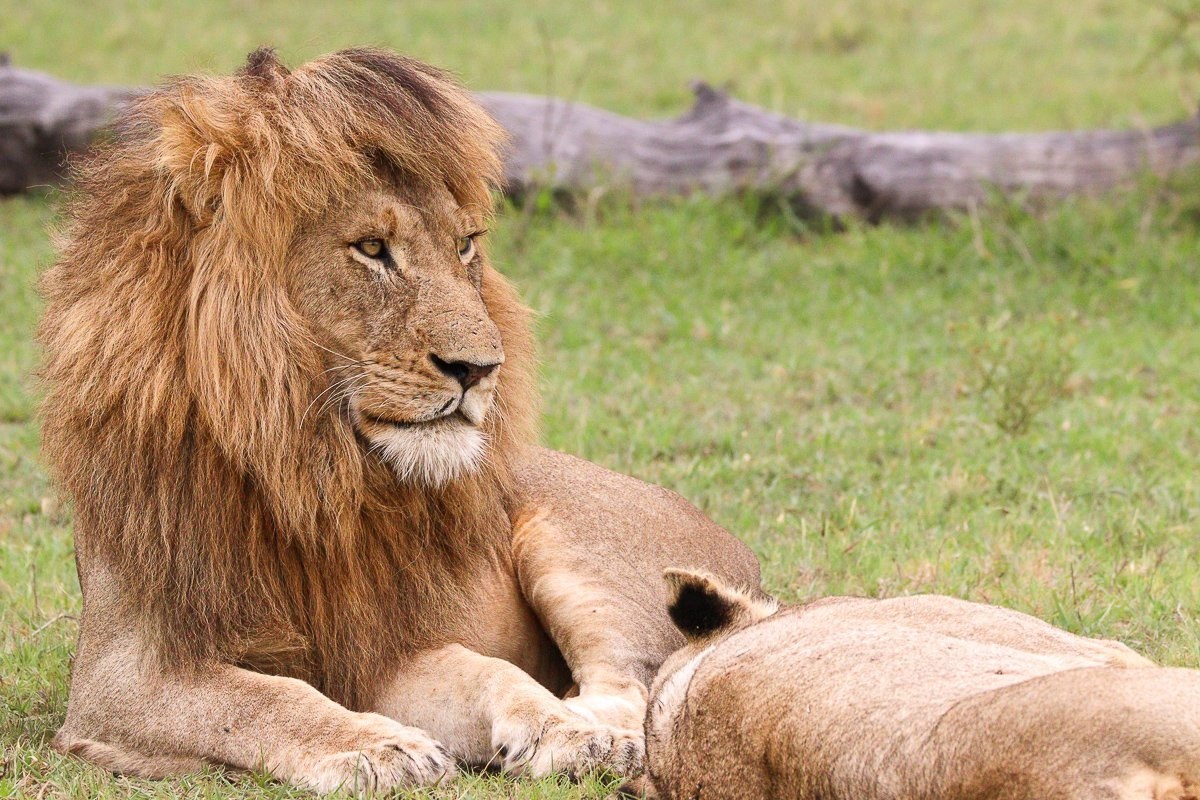
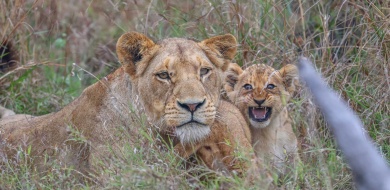
Shortly after leaving Earth Lodge for our morning safari, we picked up fresh tracks belonging to lionesses and cubs and immediately began following them. Along the way, we noticed the lion tracks overlapping with those of a buffalo herd, suggesting the lions had spent much of the night following the herd in search of a hunting opportunity. We eventually located the Southern Pride, consisting of three lionesses and two cubs, resting in the shade with the buffalo herd just out of sight. The lionesses were likely to spend much of the day remaining close to the herd, waiting for an opportunity to hunt. While the adults rested, the two cubs kept themselves entertained, playing and curiously observing their surroundings as they took in everything happening around them.
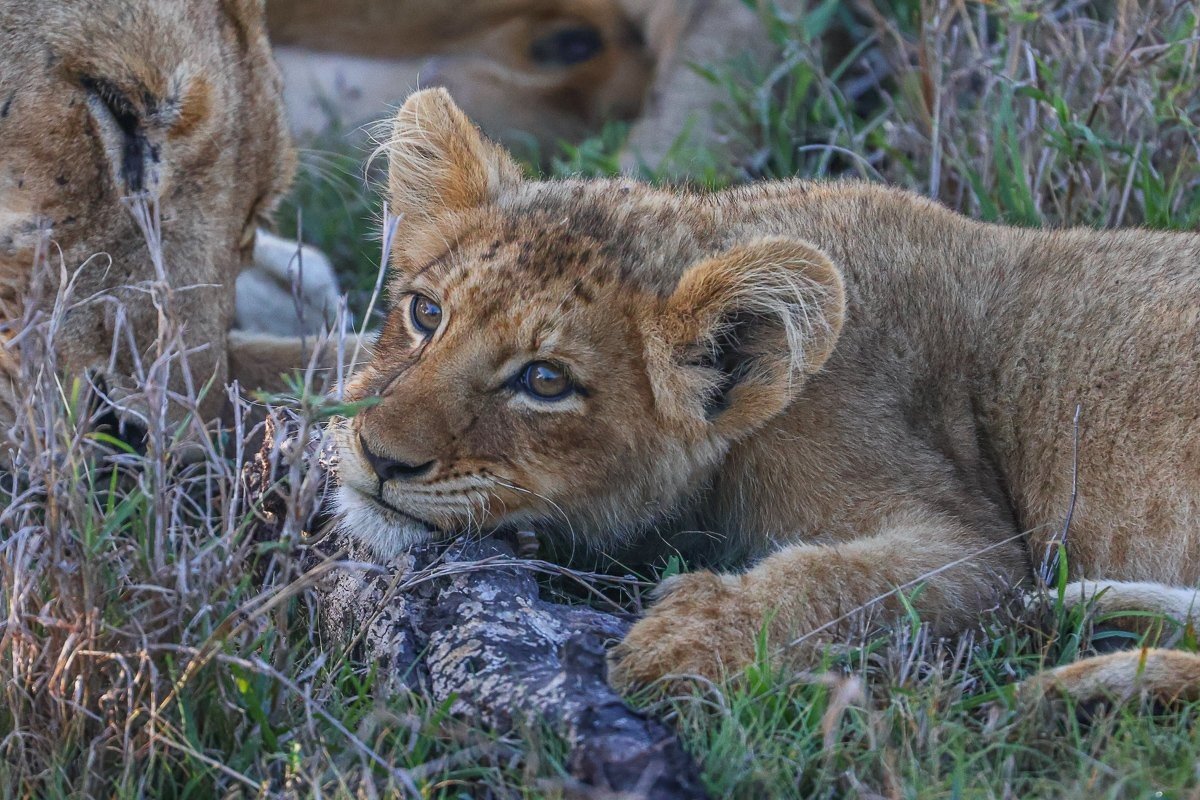
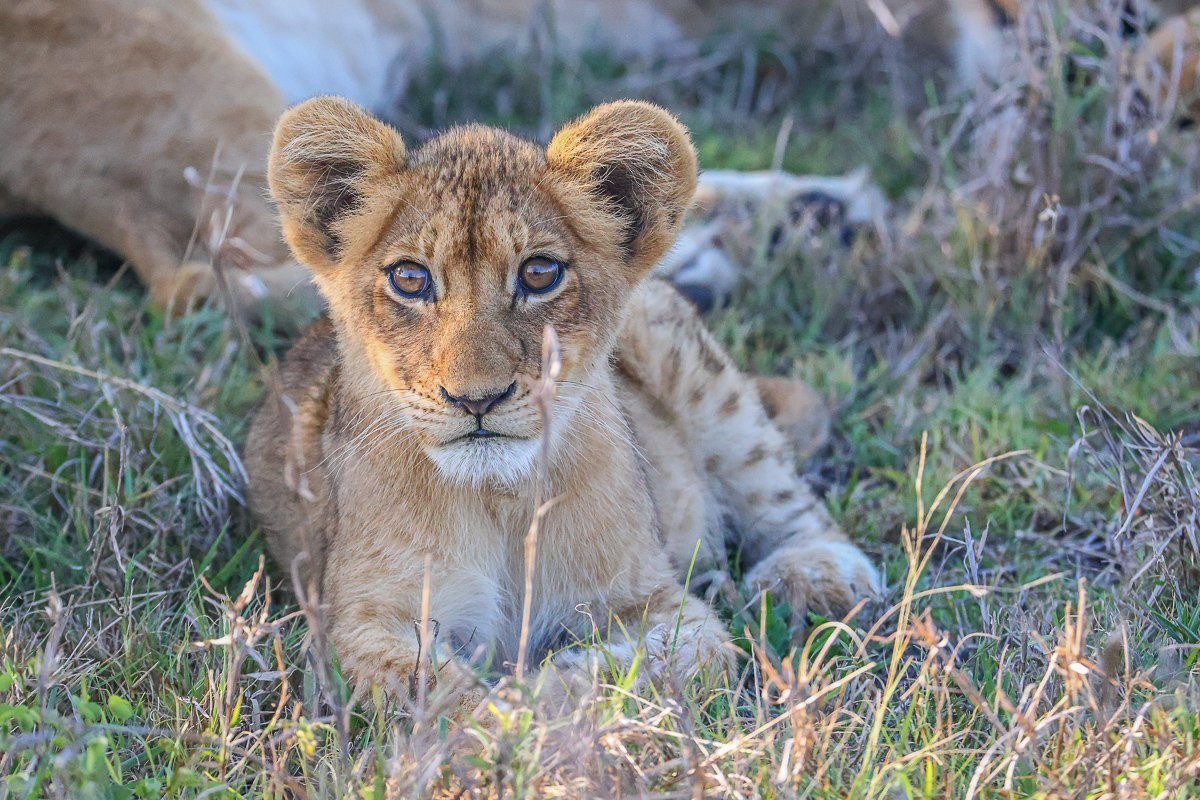
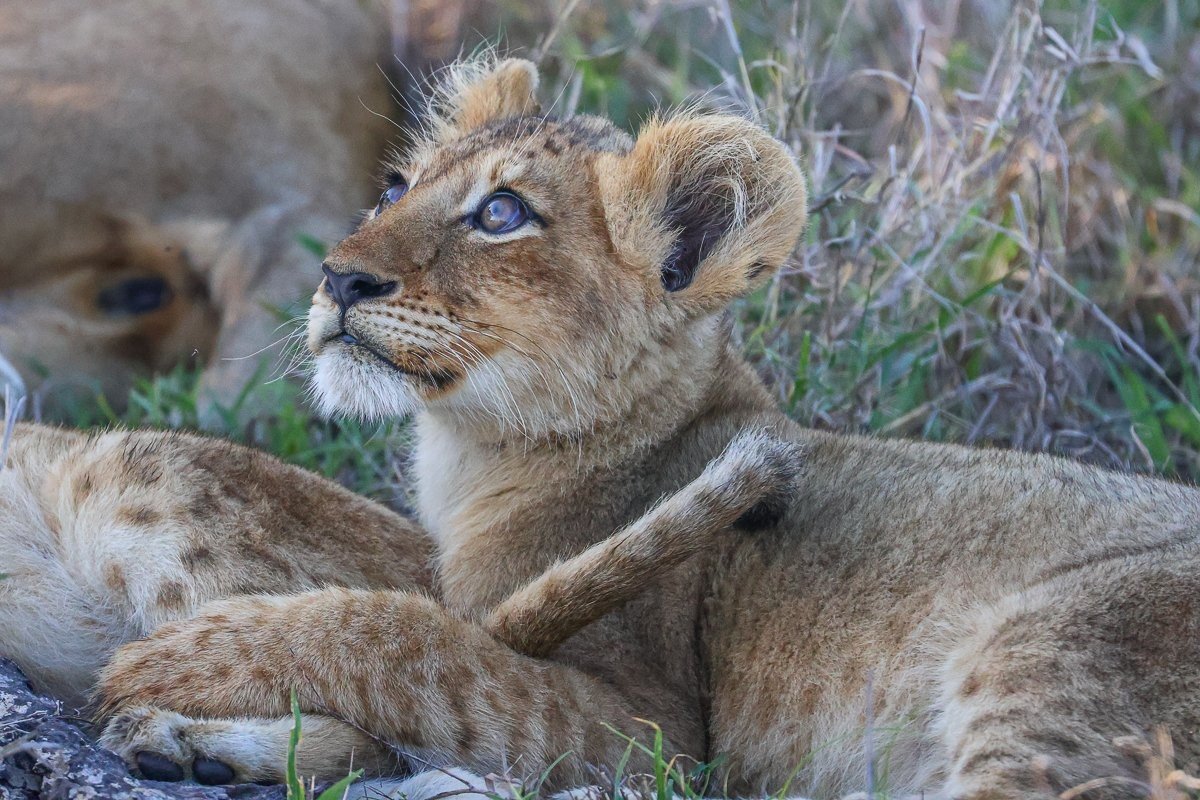
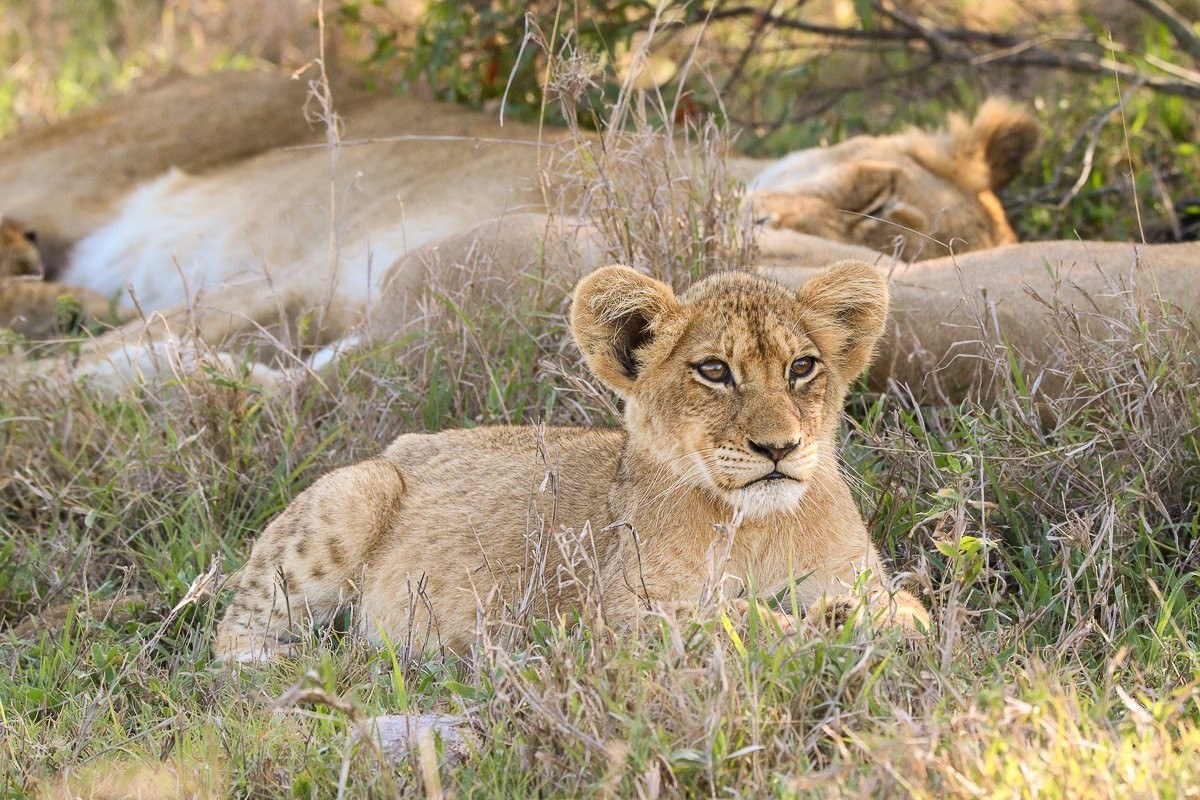
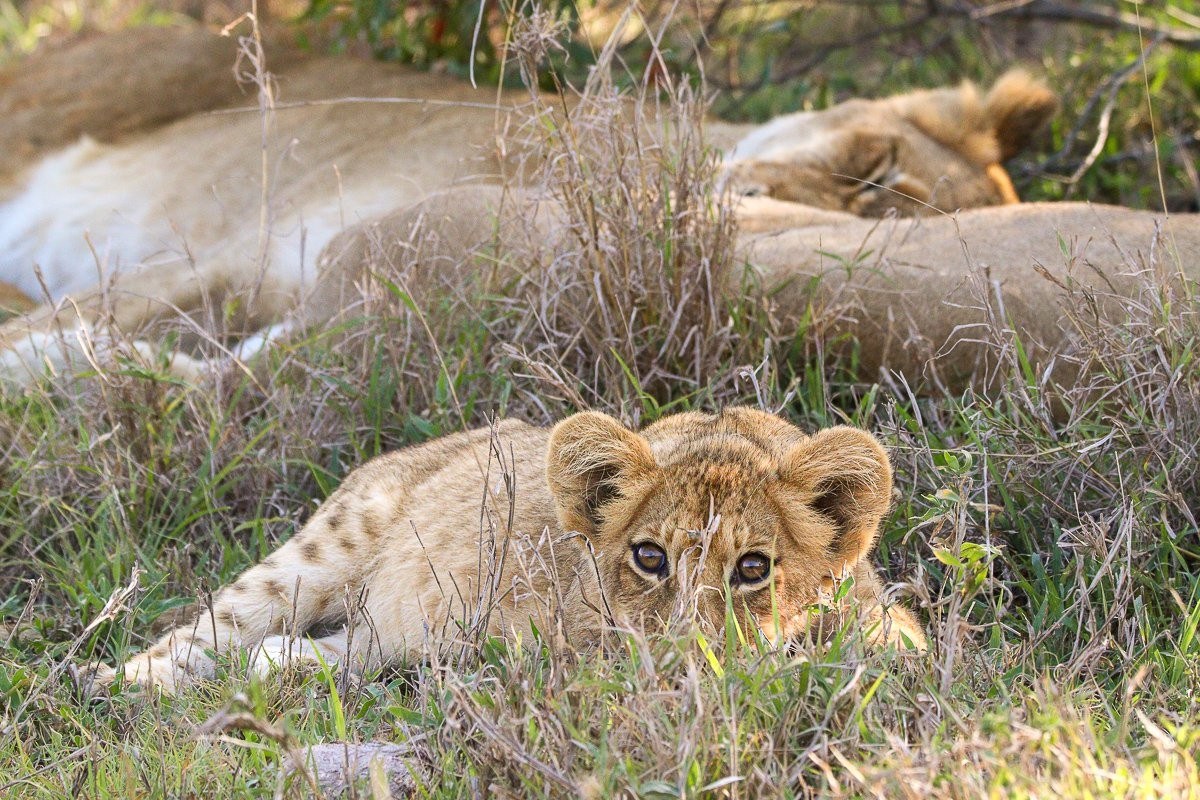
We followed up on the Southern Pride following their recent buffalo kill. With temperatures soaring, we knew they were unlikely to have moved far. After a short search, we found them resting in a drainage line, digesting their meal and making the most of the cooler conditions.
Drainage lines provide ideal resting spots during the heat of the day. Cooler air naturally settles along the banks, while the high water table keeps the sand noticeably cooler than the surrounding areas. We eventually left them fast asleep, waiting for the sun to set and temperatures to drop before becoming active again.
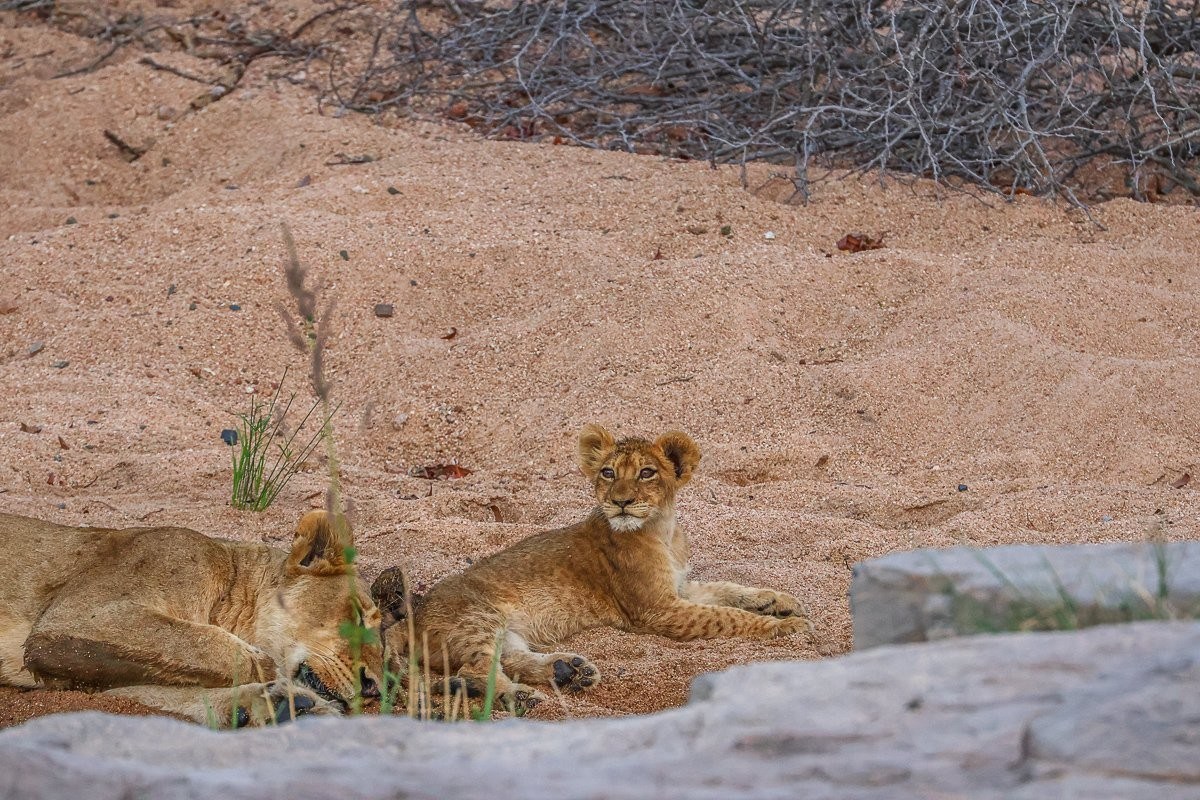
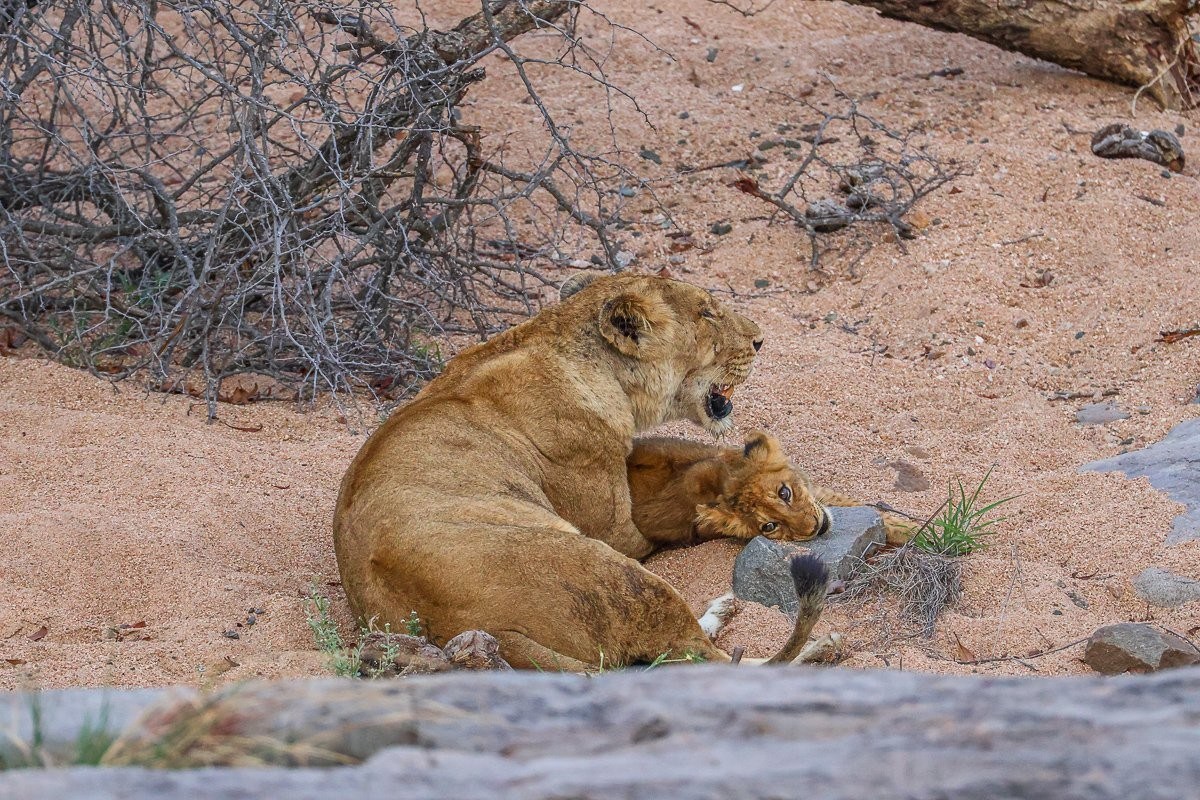
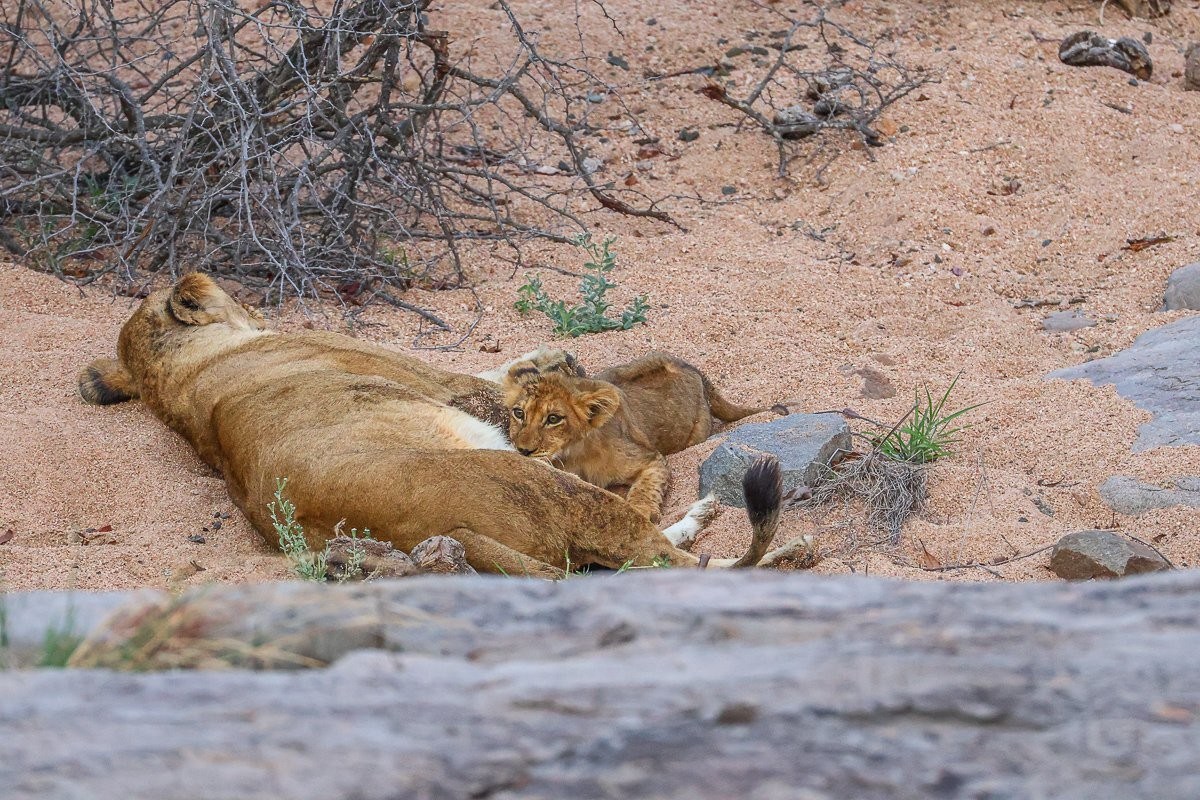
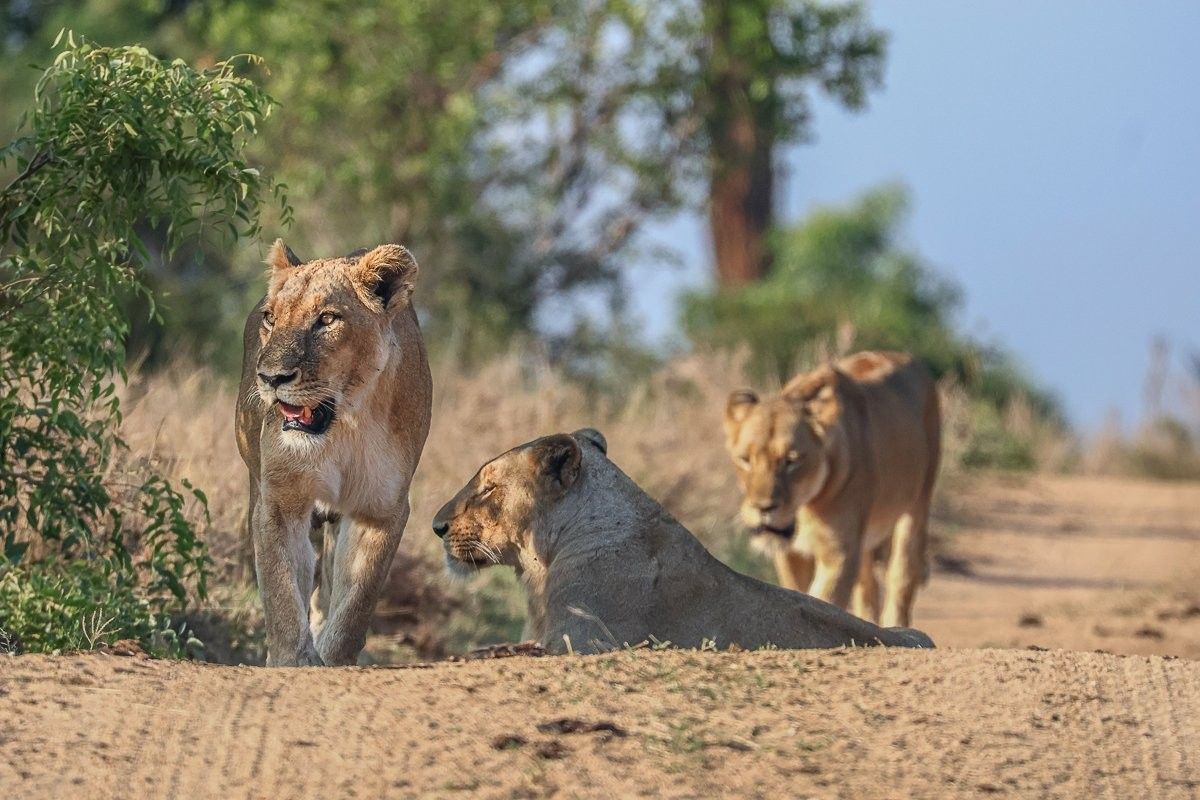
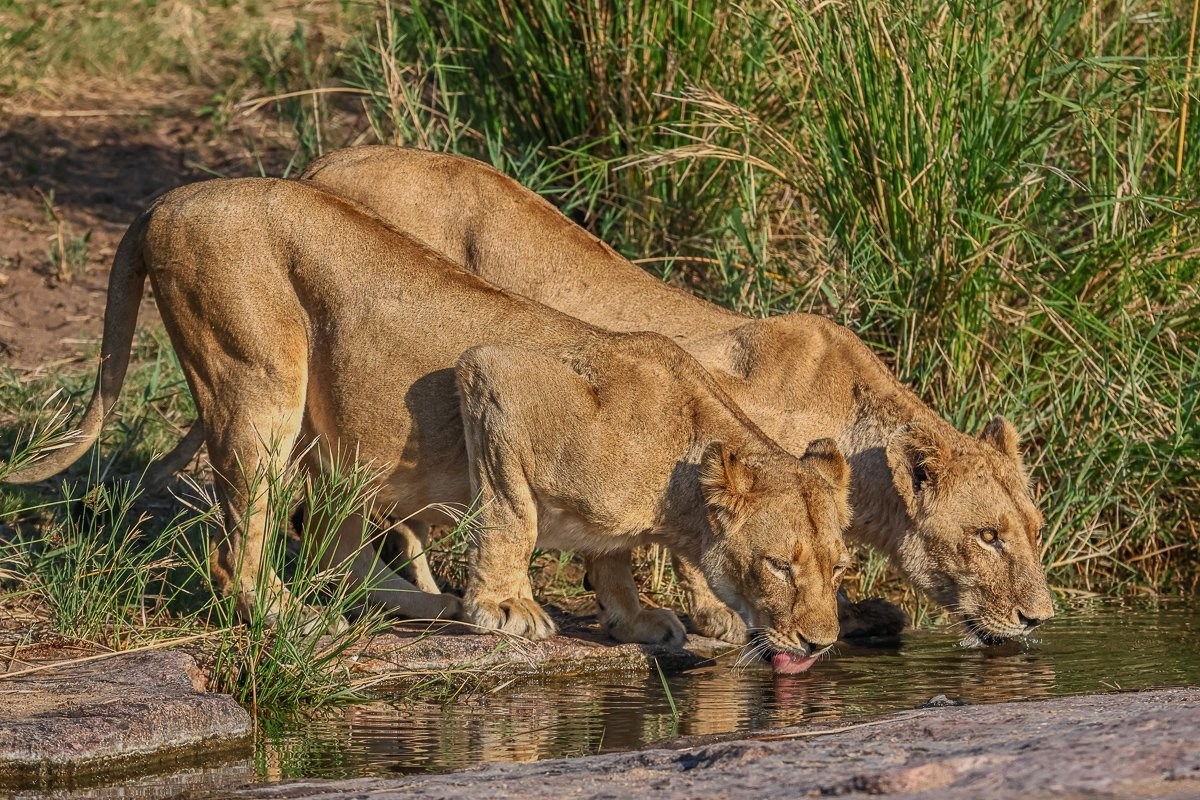
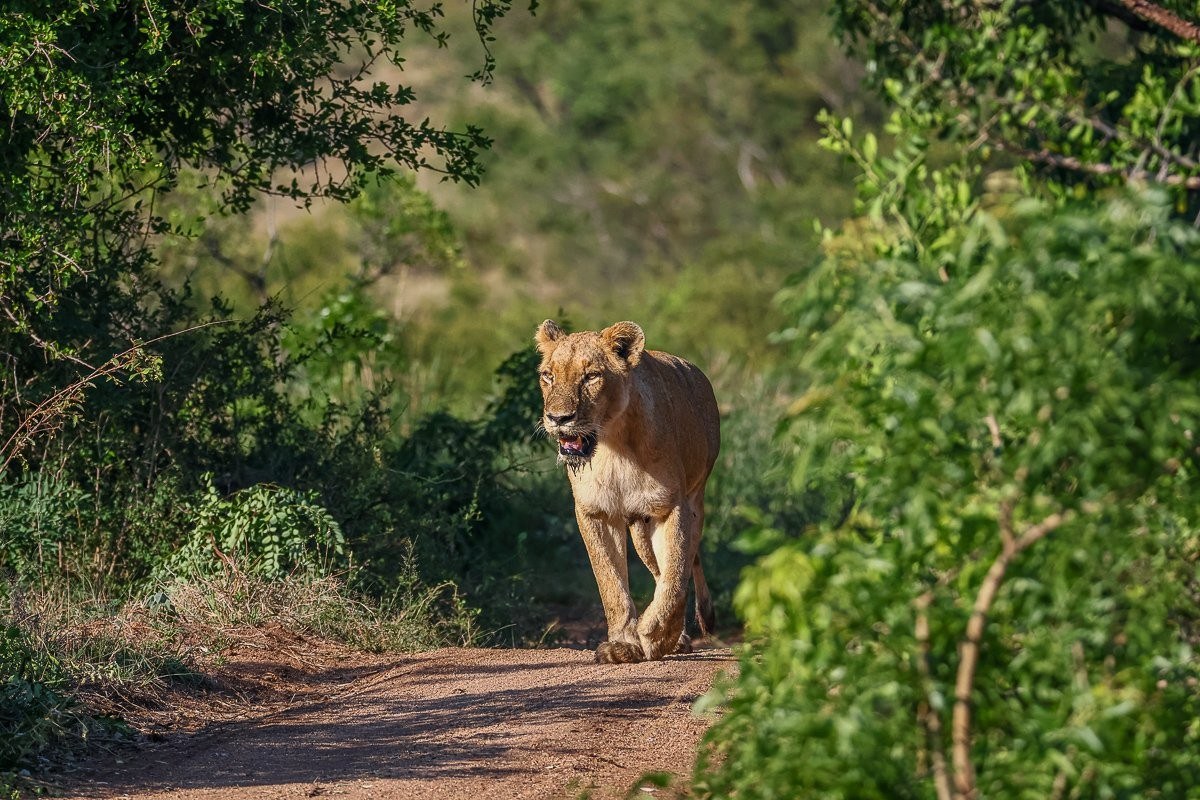
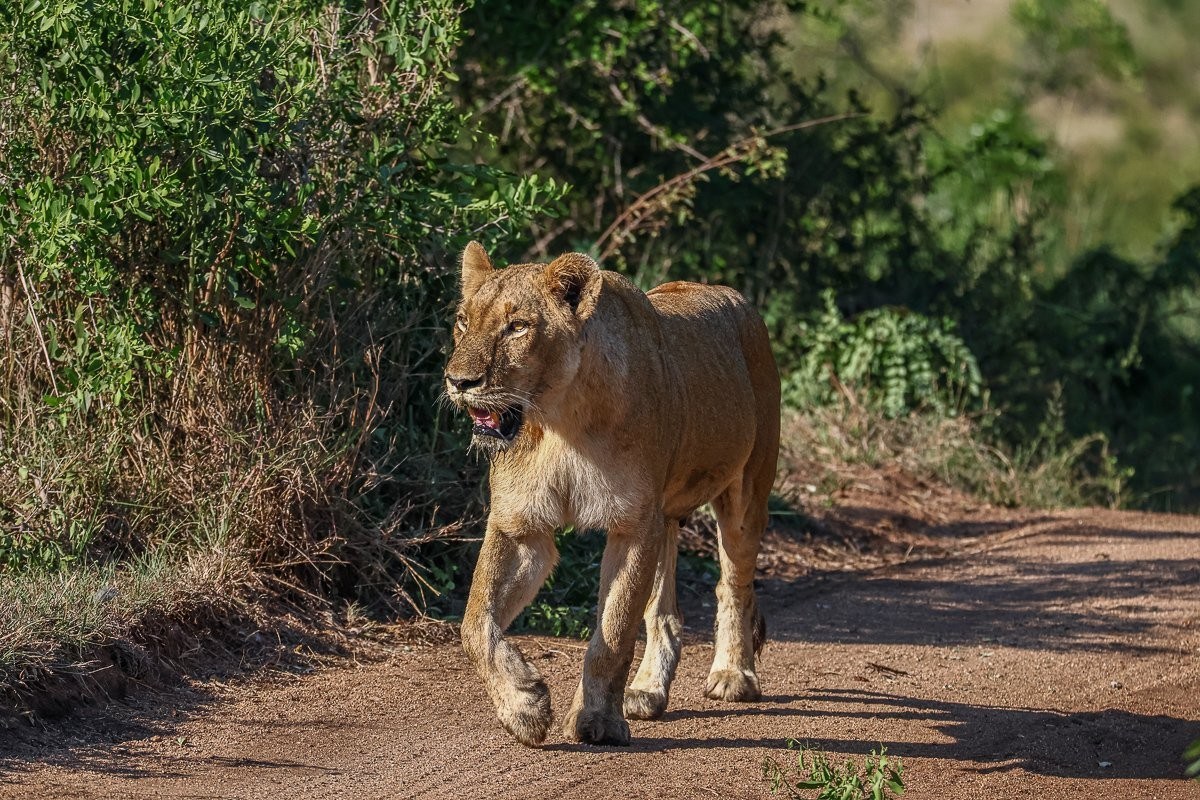
Driving out from Earth Lodge in the early morning, we spotted the Southern Pride making their way along the road towards a nearby drainage line. Once there, they stopped for a drink and settled into the shade. After a while, the lions slowly moved off, most likely heading back to their cubs to spend the warmest part of the day together, where the youngsters would remain safer and protected.
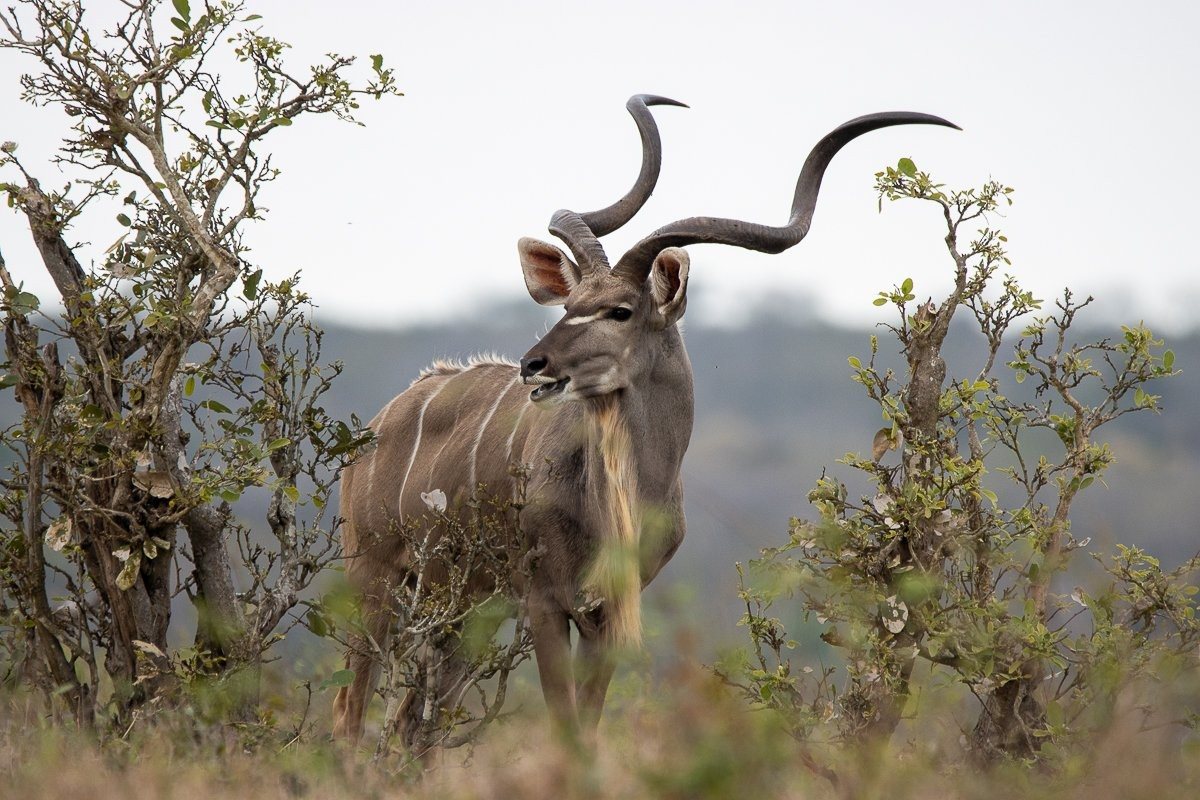
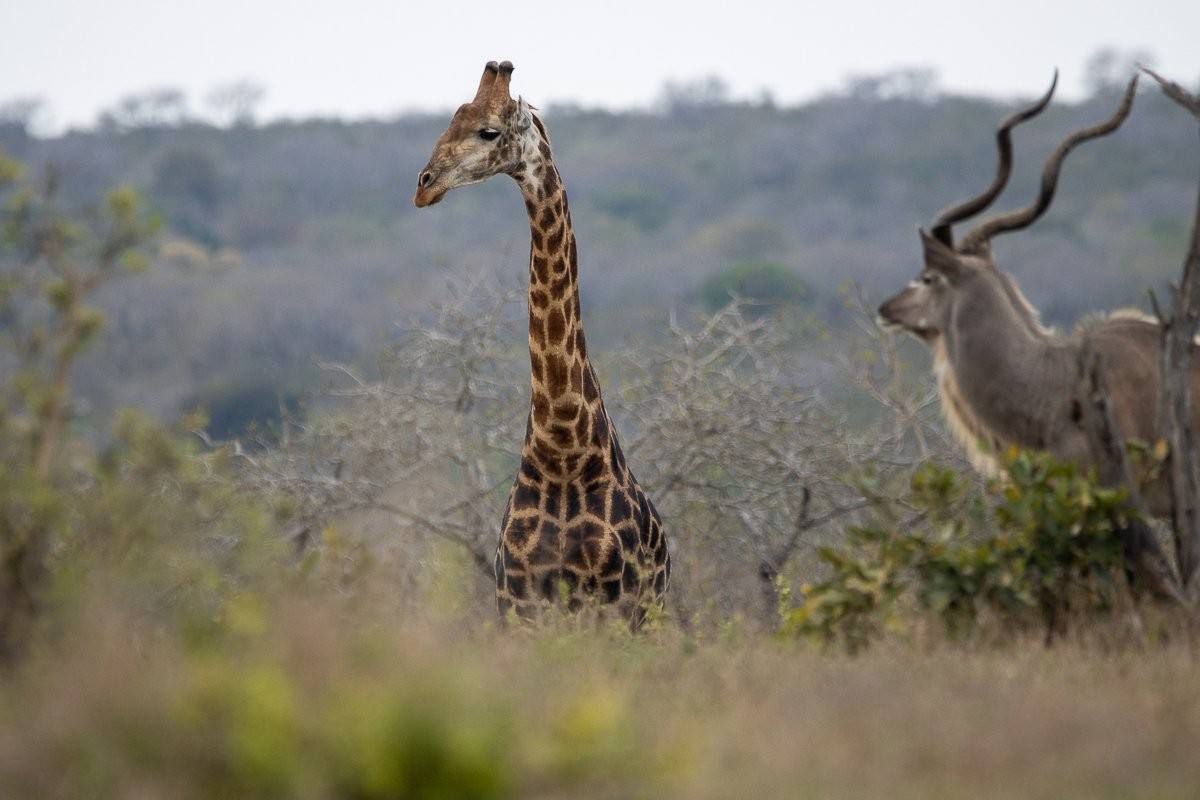
A peaceful scene as kudu and giraffes browse in the same area, feeding on the fresh leaves and shoots of the surrounding trees. With their different heights, they are able to make use of the same vegetation, each reaching for food at different levels. Kudu browse on the lower branches, while the giraffes stretch up to reach the higher leaves. A simple example of how different species share the same habitat, each making use of the resources available to them.
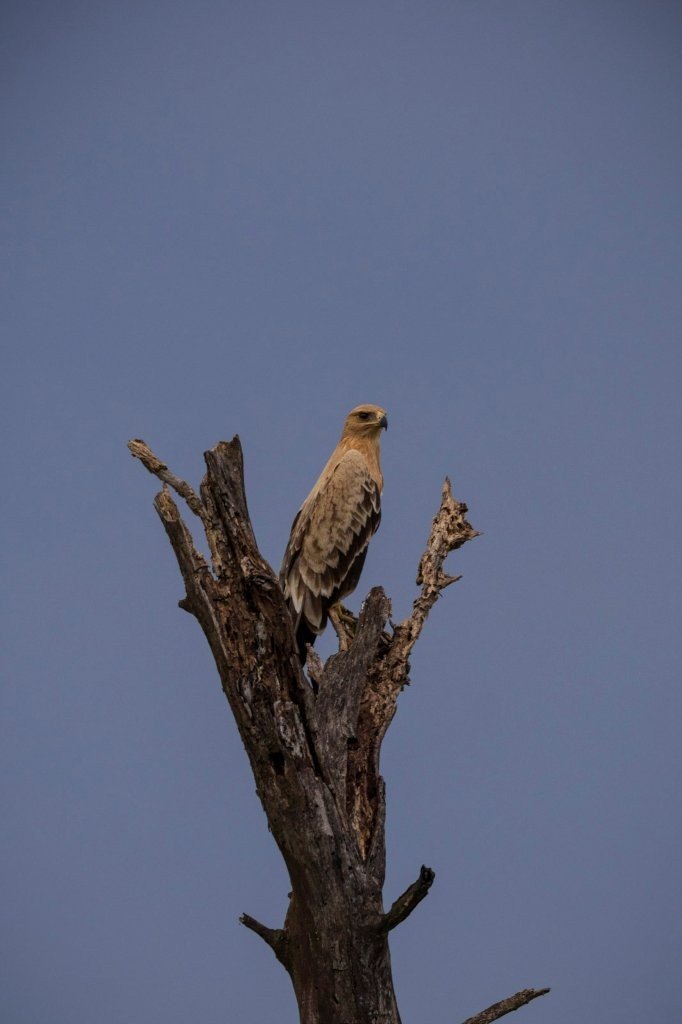
Perched high in a skeletal tree, a Tawny eagle stands against the open sky, its feathers ruffled by the breeze. From this stark vantage point, it scans the landscape below, watchful and patiently waiting.
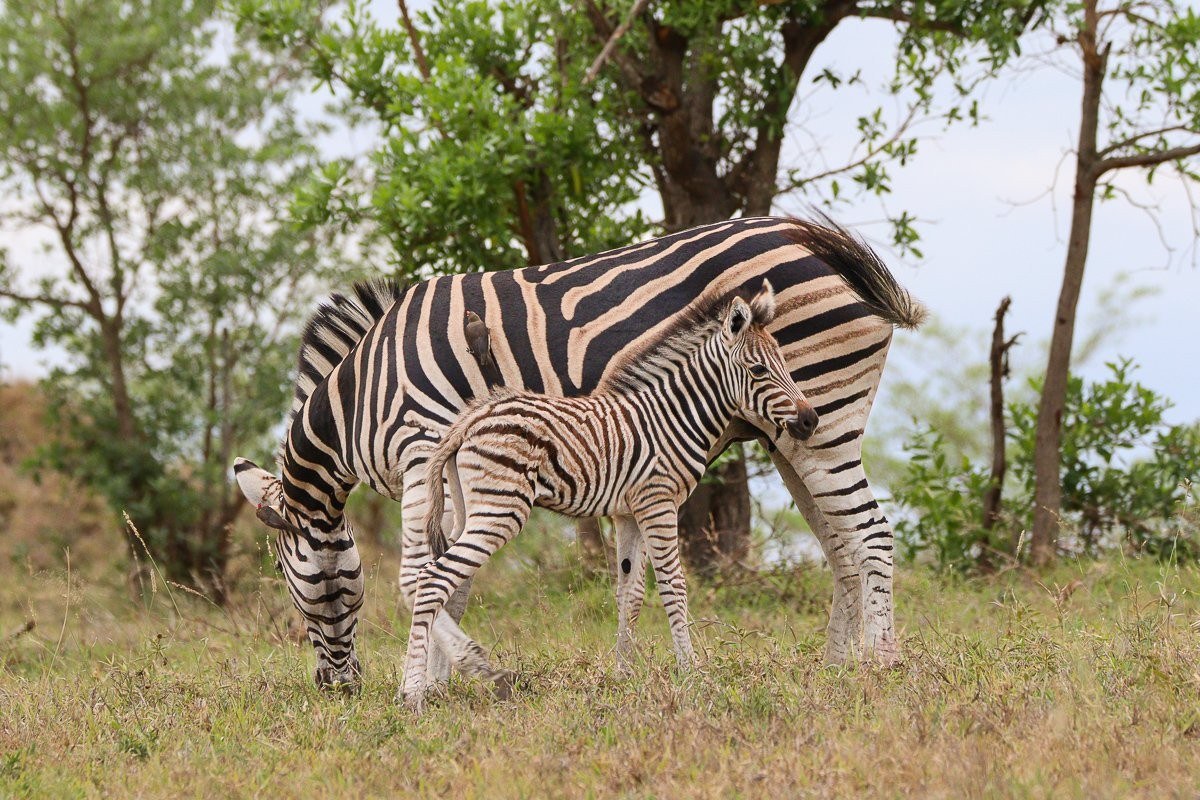
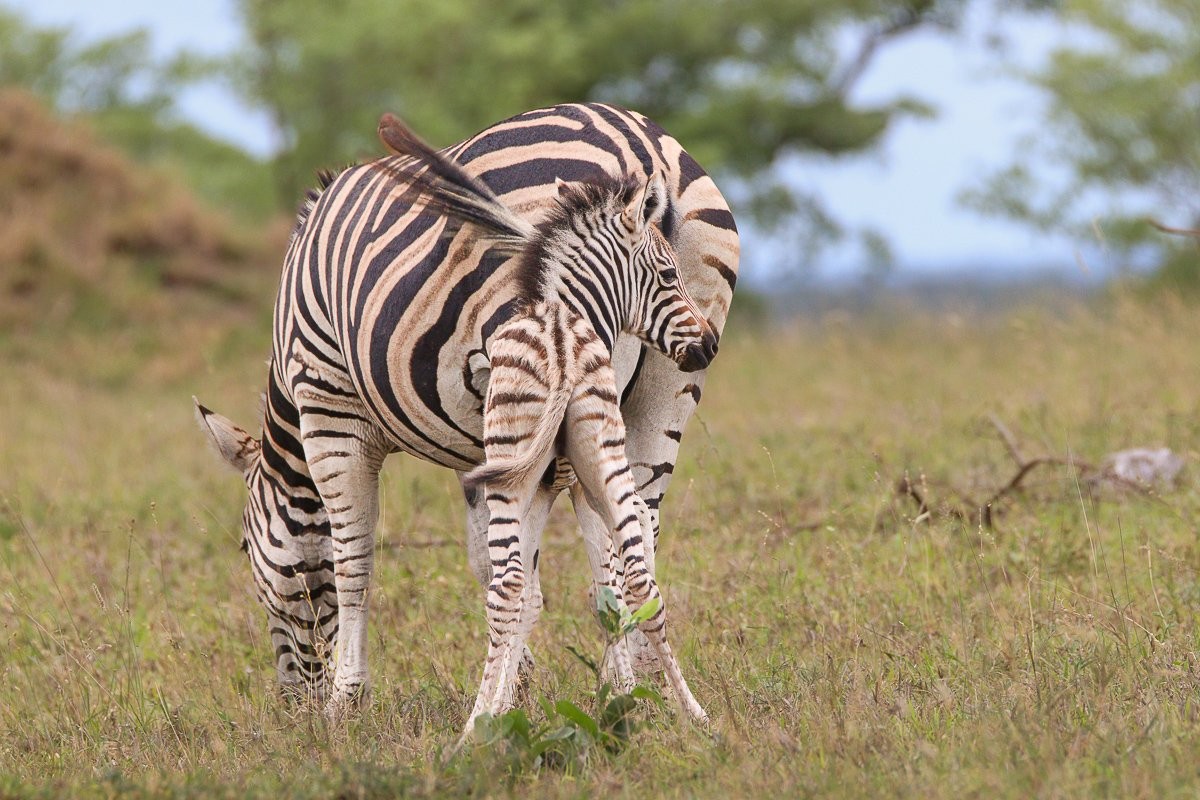
A dazzle of zebra moved across the open plains, with a new addition to the herd. A young foal stayed close to its mother, darting around her and stopping every few moments for a quick suckle before setting off again with playful bursts of energy.
Within just 20 minutes to an hour of birth, zebra foals are usually able to stand, walk and run, allowing them to keep up with the herd as it moves. These early movements are more than just play. As the foal follows its mother, it begins developing the coordination and agility needed to evade predators and survive in the wild.
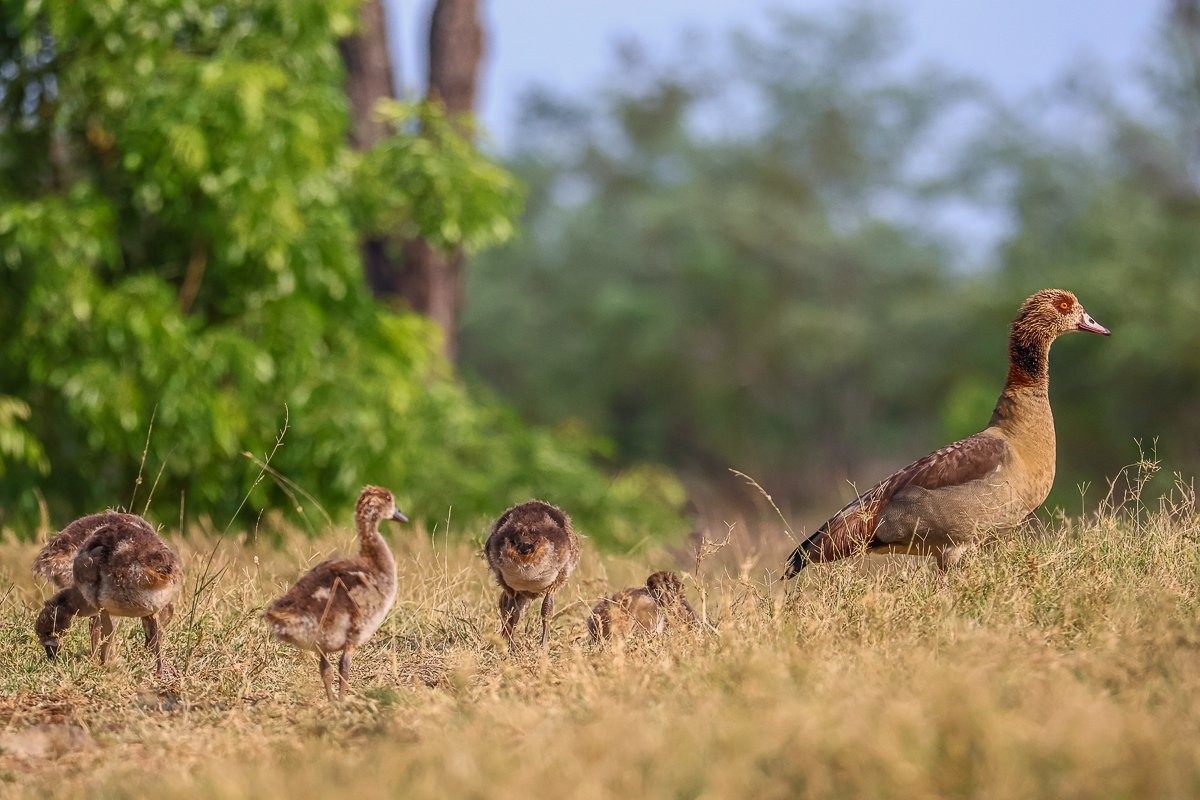
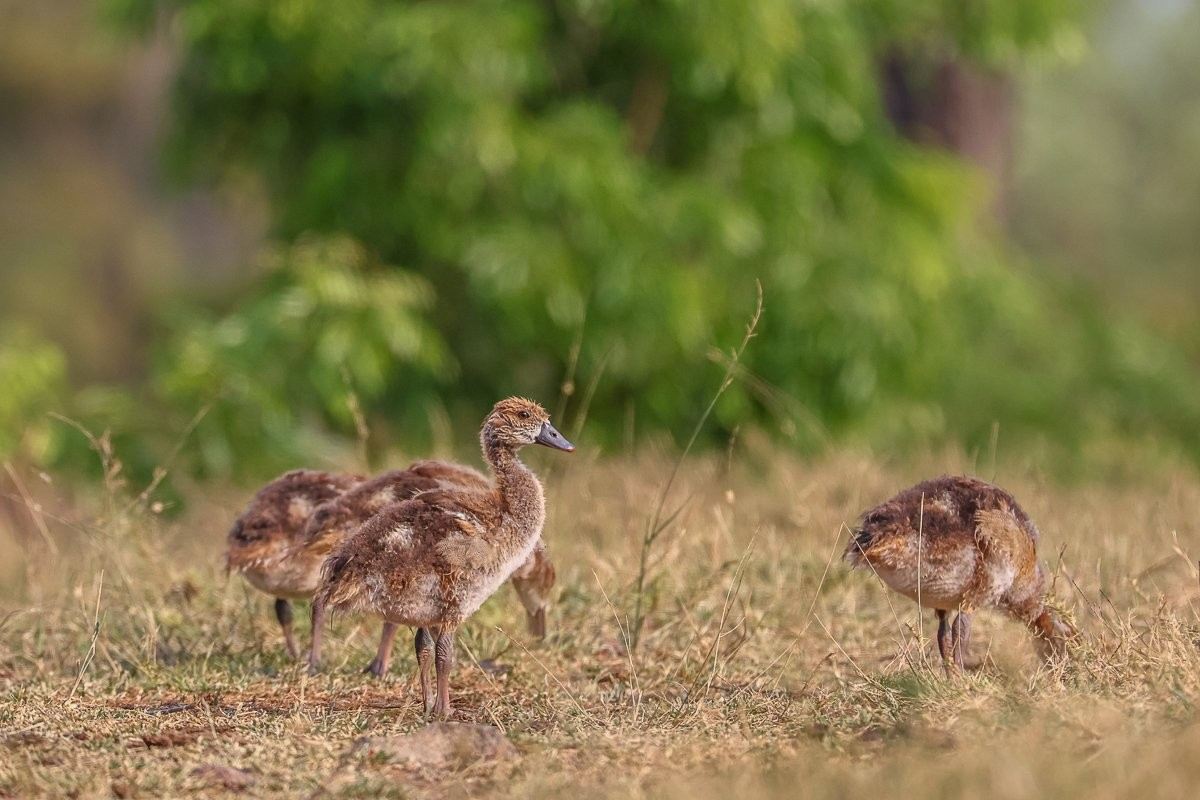
A female Egyptian goose kept a watchful eye on her young as they explored a dam wall, remaining alert to both their movements and the surrounding area. Egyptian geese are highly protective parents, with both adults playing an active role in defending their goslings against potential predators during these vulnerable early stages of life.
Until next time…
Blog by Wendy Claase
Images by Devon Jansen, Jana du Plessis, Ronald Mutero and Ruan Mey