The First Roar: The Challenges, Advantages and Survival of Lion Cubs at Sabi Sabi Private Game Reserve
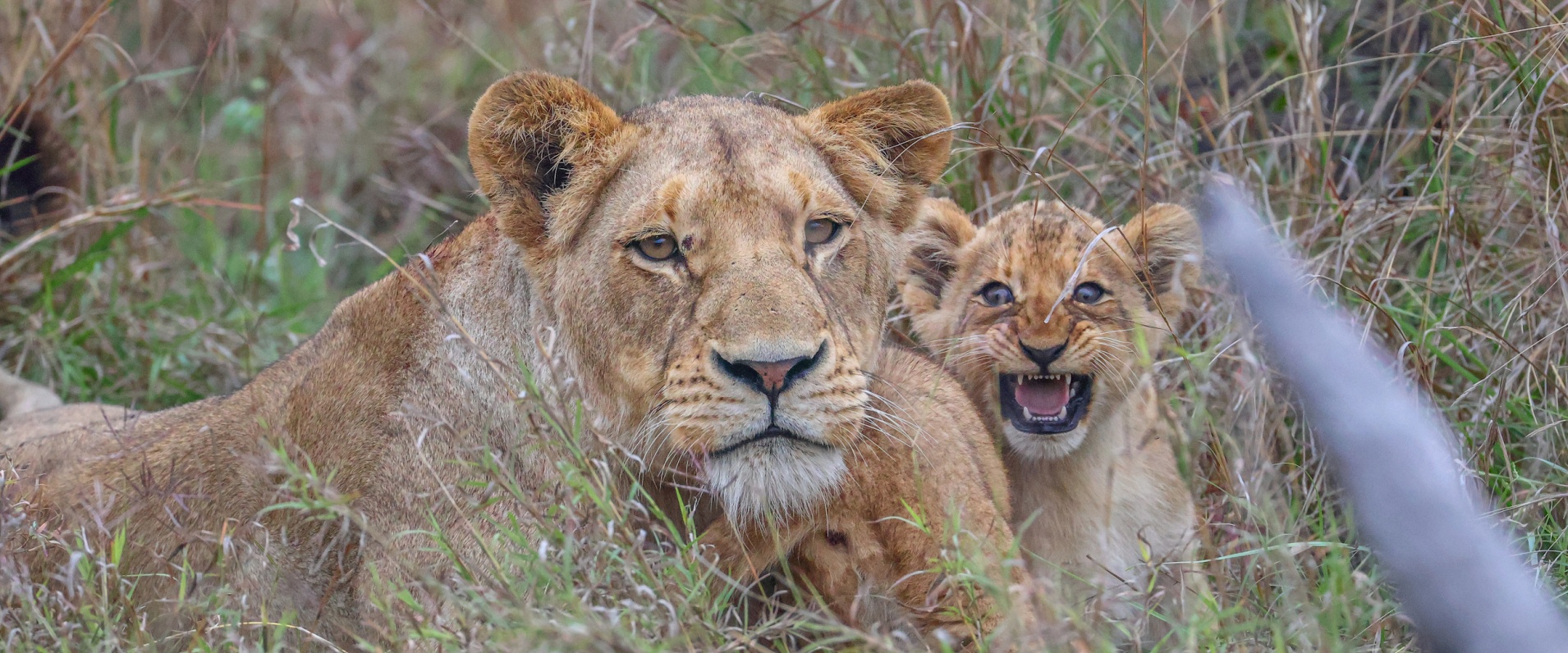
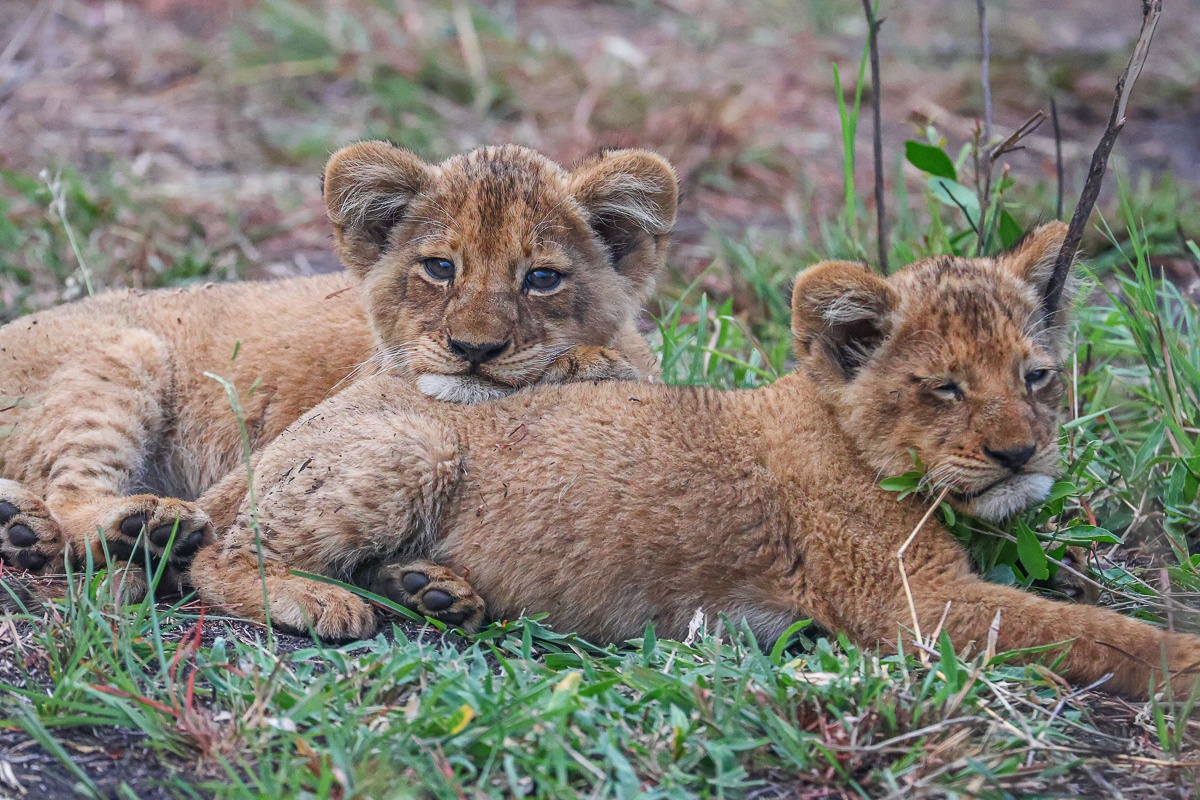
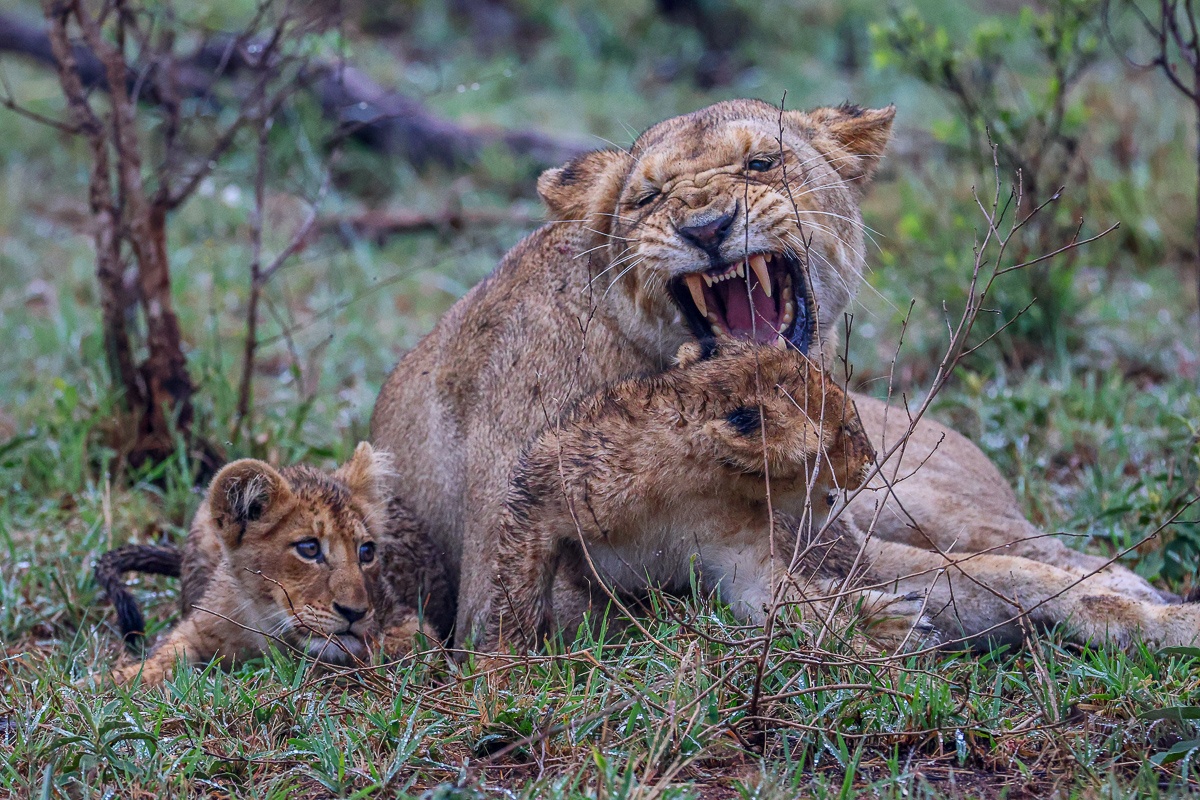
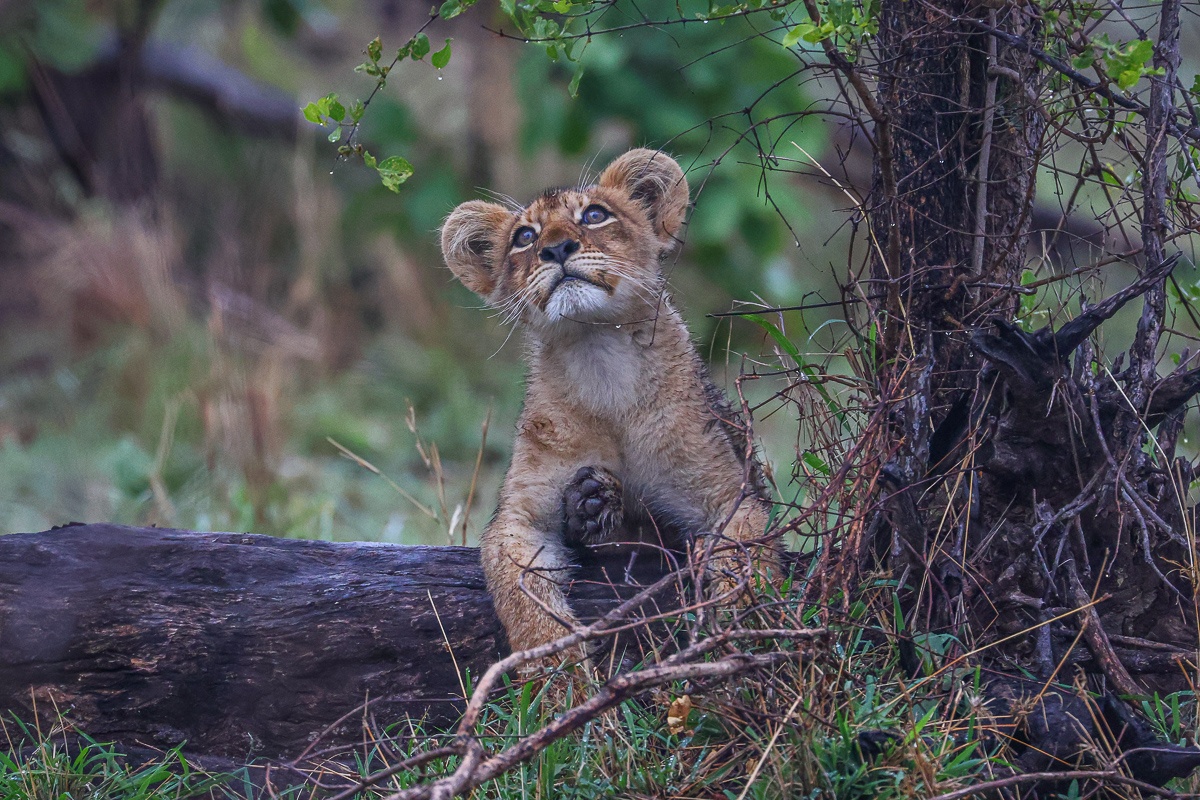
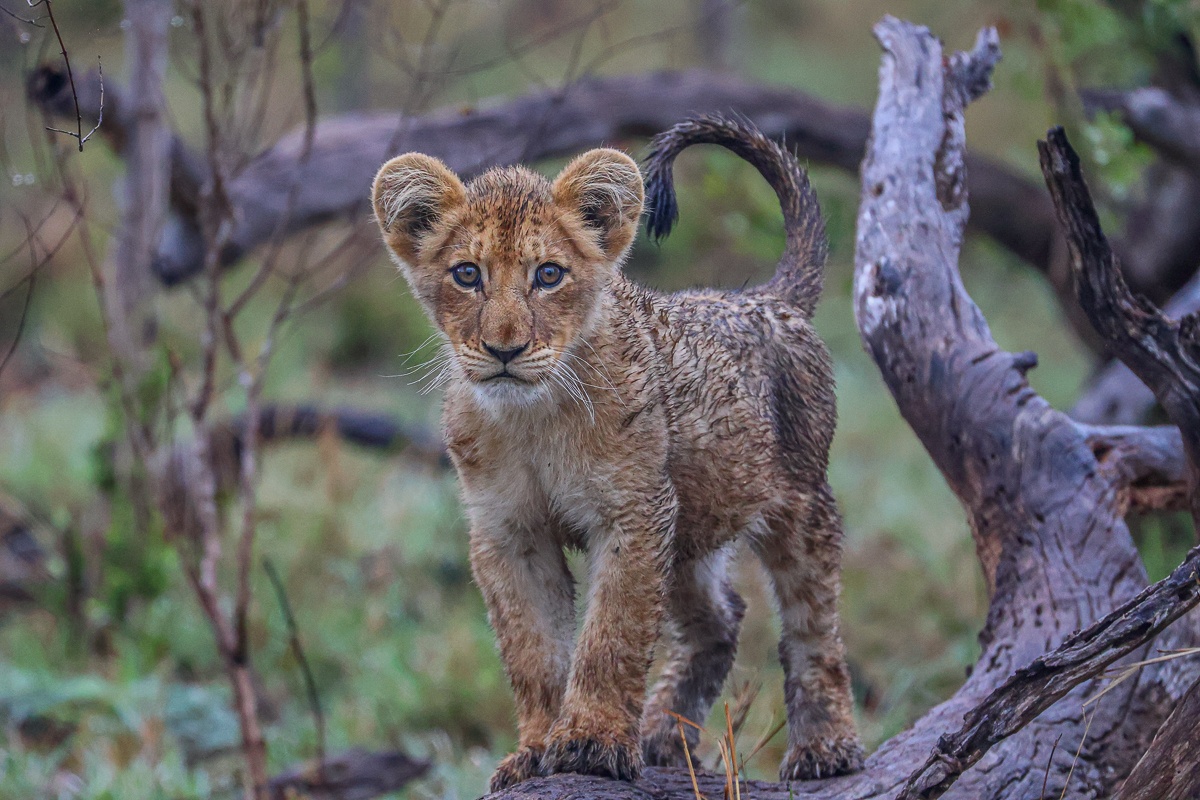
on Nov 24, 2026There are few sights in the African bushveld as captivating as a lion cub taking its first wobbly steps into the world. With their oversized paws, curious eyes and playful personalities, lion cubs are among the most enchanting animals to encounter on safari. However, beneath their adorable appearance lies a challenging journey of survival.
Here at Sabi Sabi Private Game Reserve, situated in the heart of South Africa's Greater Kruger region, lion cubs grow up in a fascinating yet demanding environment. From their first days hidden in thick vegetation to their eventual integration into the pride, every stage of their development brings new challenges, opportunities and lessons in survival.
But what does it really take for a lion cub to survive in the wild? And what advantages do these young predators have that help them overcome the odds?
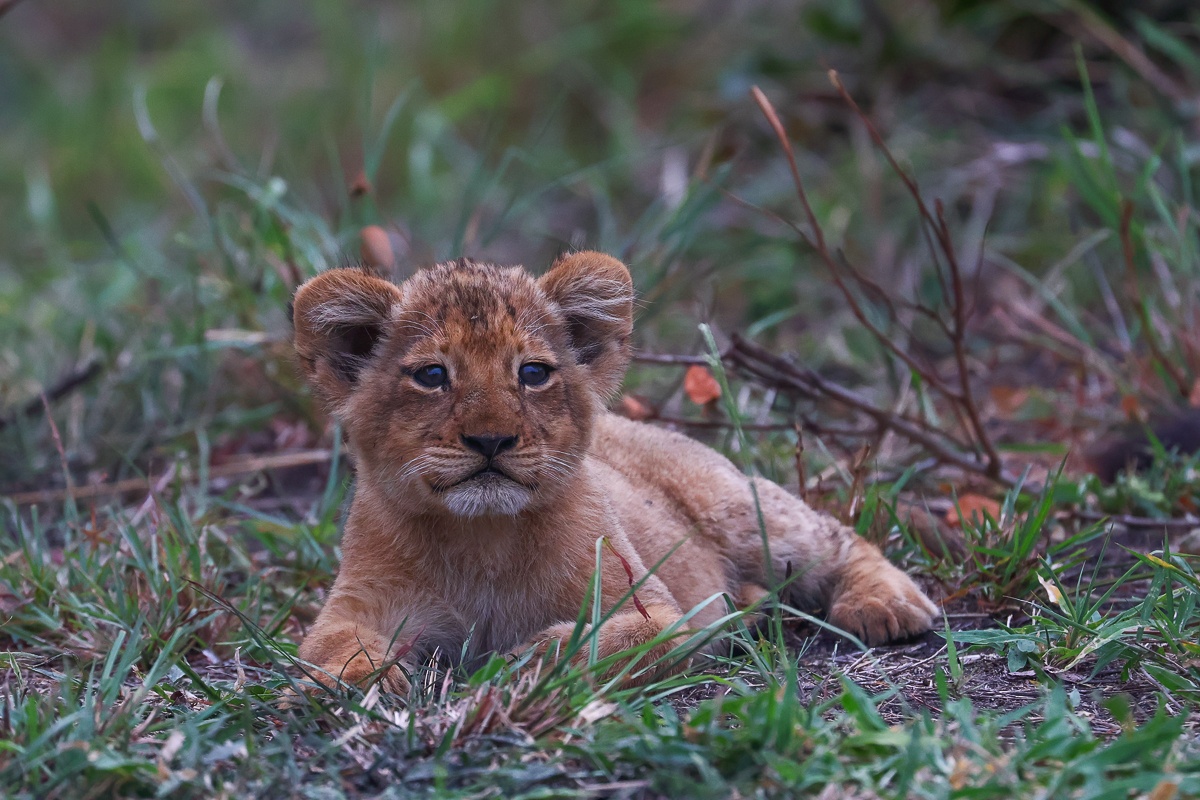
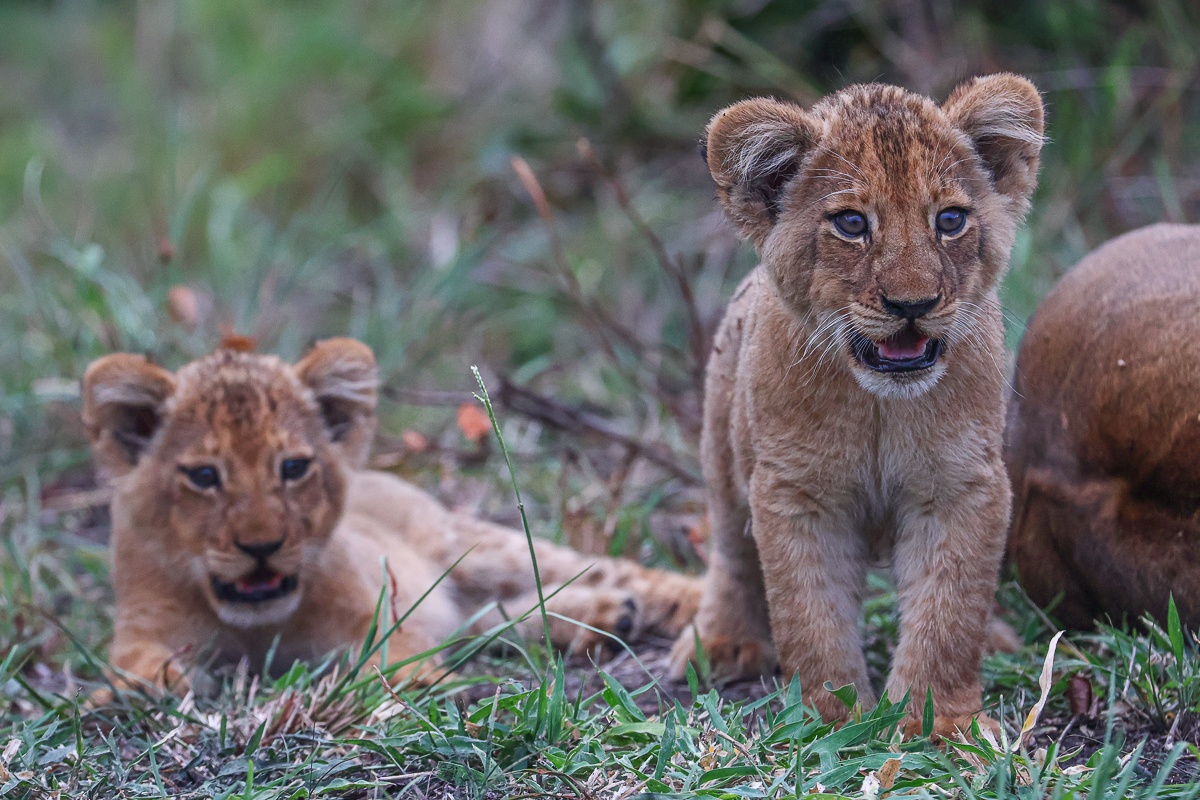
The beginning of life: A vulnerable start
Lion cubs are generally born after a gestation period of approximately 110 days. A lioness usually gives birth to between one and four cubs, although larger litters are possible. Unlike many other animals, lionesses often leave the pride temporarily to give birth in a secluded location. This may be a dense thicket, a rocky outcrop or an area of long grass where the newborn cubs can remain hidden from potential threats.
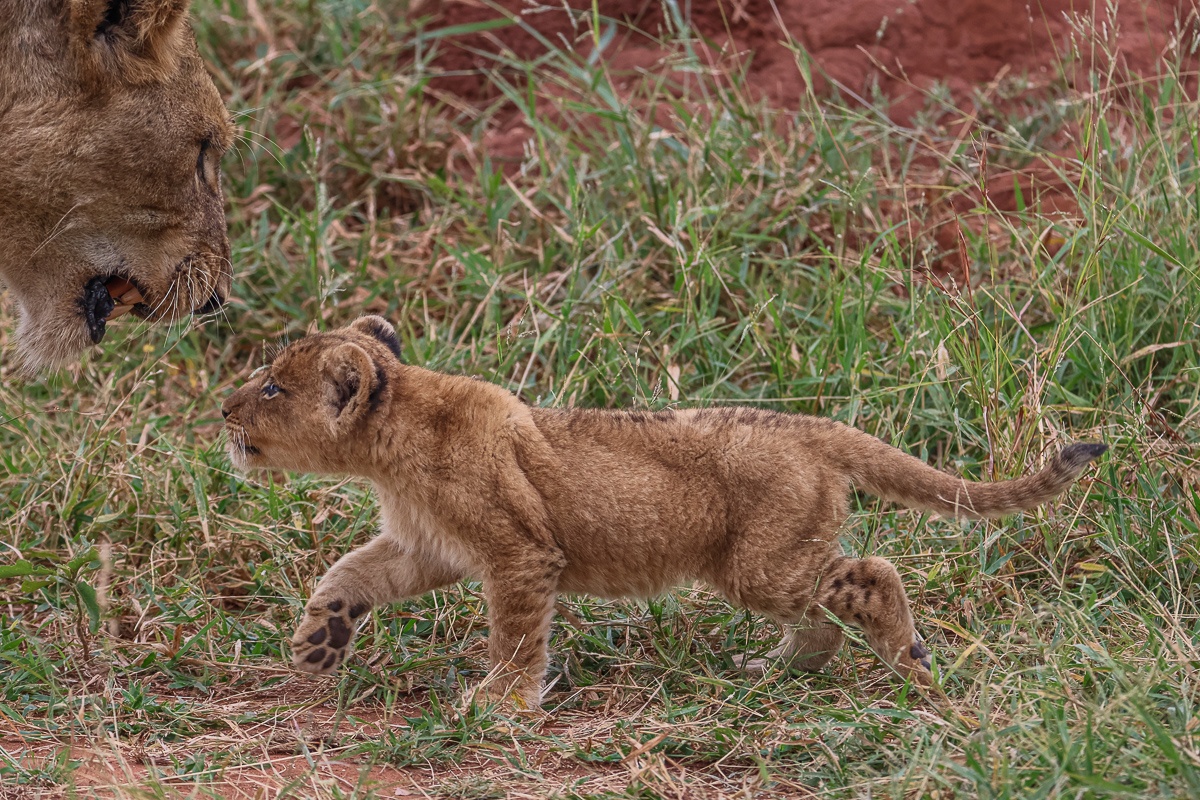
During their first few weeks, cubs are completely dependent on their mother. They are born with their eyes closed and are unable to defend themselves, hunt or regulate their surroundings independently. The mother provides milk, warmth, protection and essential maternal care. She also needs to leave periodically to hunt, which means that the cubs may spend periods alone. These early weeks are particularly dangerous. A cub that becomes separated from its mother, is discovered by another predator or experiences a disturbance may have very little chance of survival.
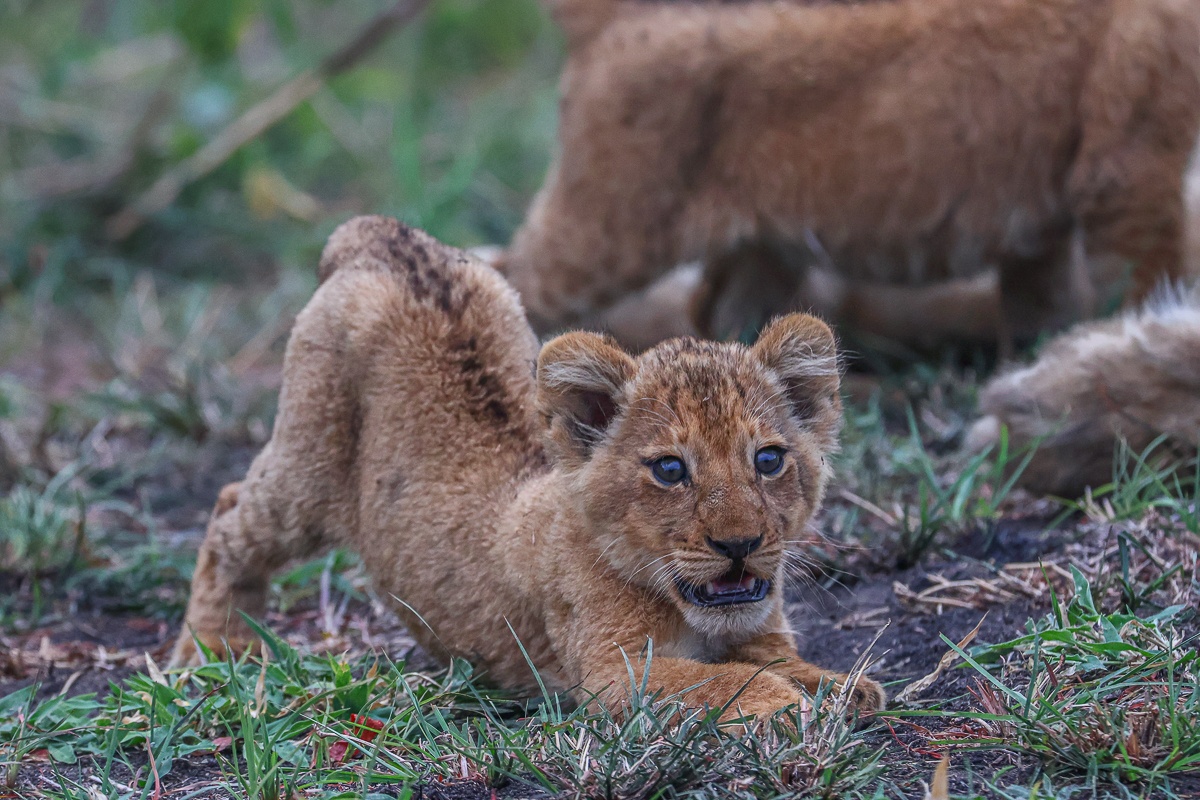
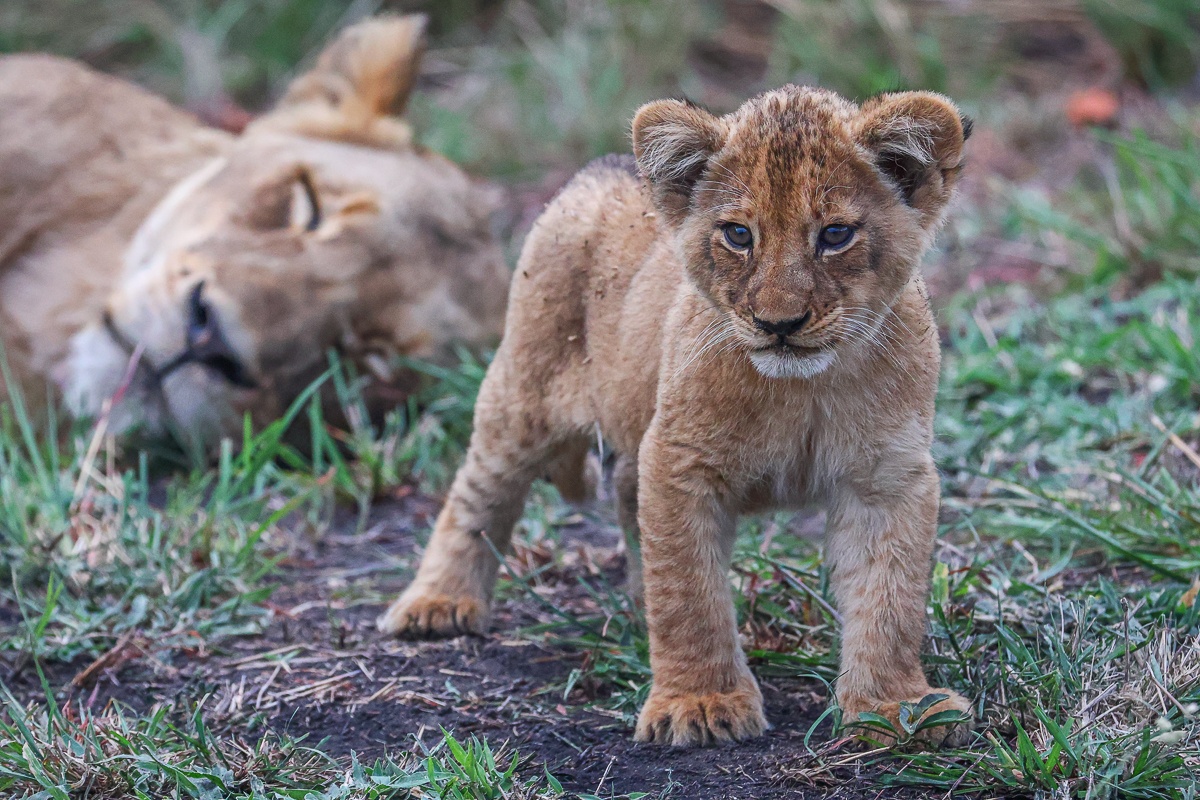
The biggest challenges facing lion cubs
Growing up in a reserve such as Sabi Sabi offers incredible opportunities, but it does not guarantee survival. Lion cubs face several natural challenges.
-
Predation and territorial conflict
One of the greatest threats to young lions comes from other lions.
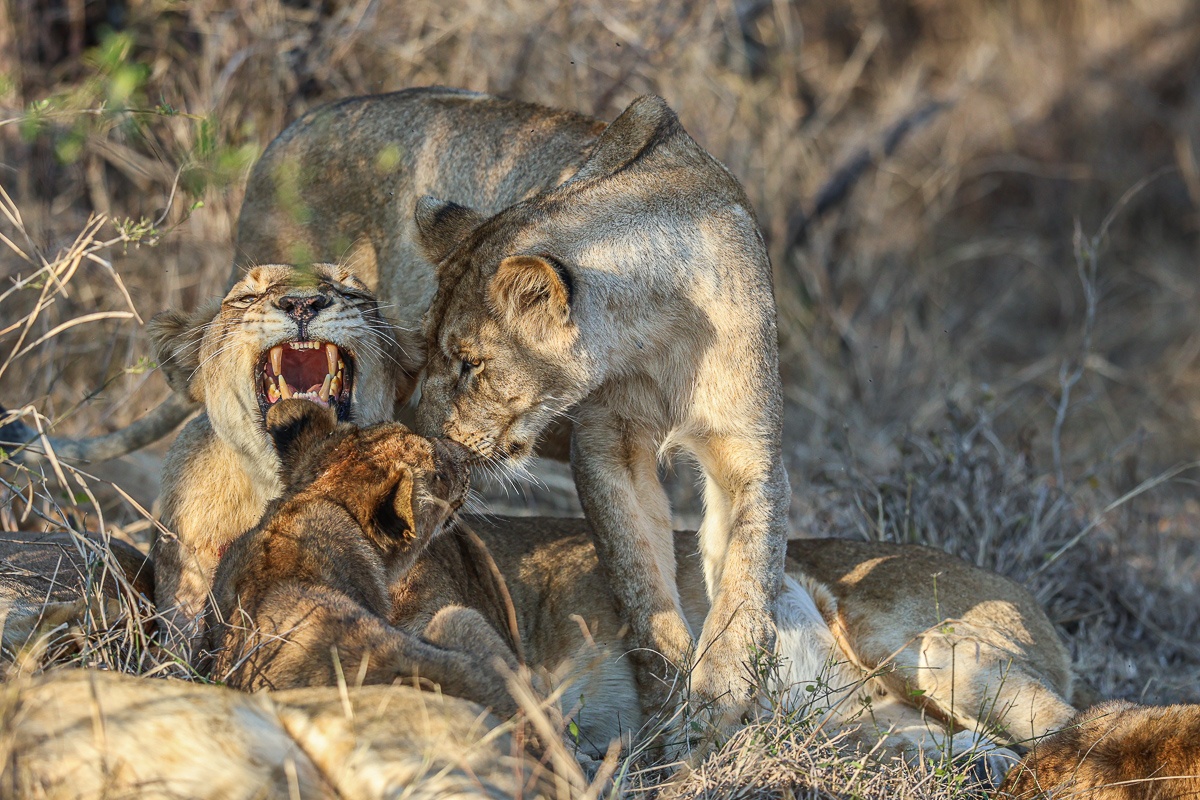
When unfamiliar male lions take over a pride's territory, they may kill existing dependent cubs. This behaviour, known as infanticide, is a natural part of lion social dynamics.
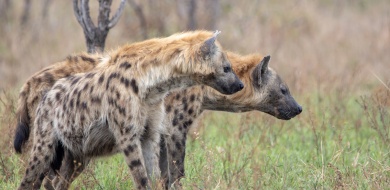
Although difficult to witness, it is linked to reproductive competition. By eliminating cubs fathered by previous males, incoming males can bring the females back into breeding condition sooner. Other predators, including Spotted hyenas, leopards and occasionally large raptors, can also threaten very young cubs.
-
Food availability and starvation
A lion cub's survival is closely connected to its mother's ability to hunt successfully.
During periods of prey scarcity, drought or difficult environmental conditions, lionesses may struggle to provide sufficient food for themselves and their growing offspring. As cubs become older, they begin eating meat alongside their mother's milk. However, they are not yet capable of providing for themselves. Competition between siblings can also become a problem. Stronger cubs may receive more food, leaving smaller or weaker littermates at a disadvantage.
-
Disease and parasites
Disease is another important factor affecting young lions.
Parasites, infections and other illnesses can weaken cubs, particularly while their immune systems are still developing. Environmental stress, poor nutrition and prolonged periods without adequate food can make these problems more serious.
-
Accidents and environmental dangers
The African bush is an unpredictable place. Young cubs may encounter dangers such as flooding, extreme heat, injuries and difficult terrain. Their curiosity can sometimes lead them away from the safety of their mother or into situations they are not yet equipped to handle.
The advantages lion cubs have in the wild
Despite these challenges, lion cubs have several important advantages that improve their chances of survival.
-
The protection of the pride
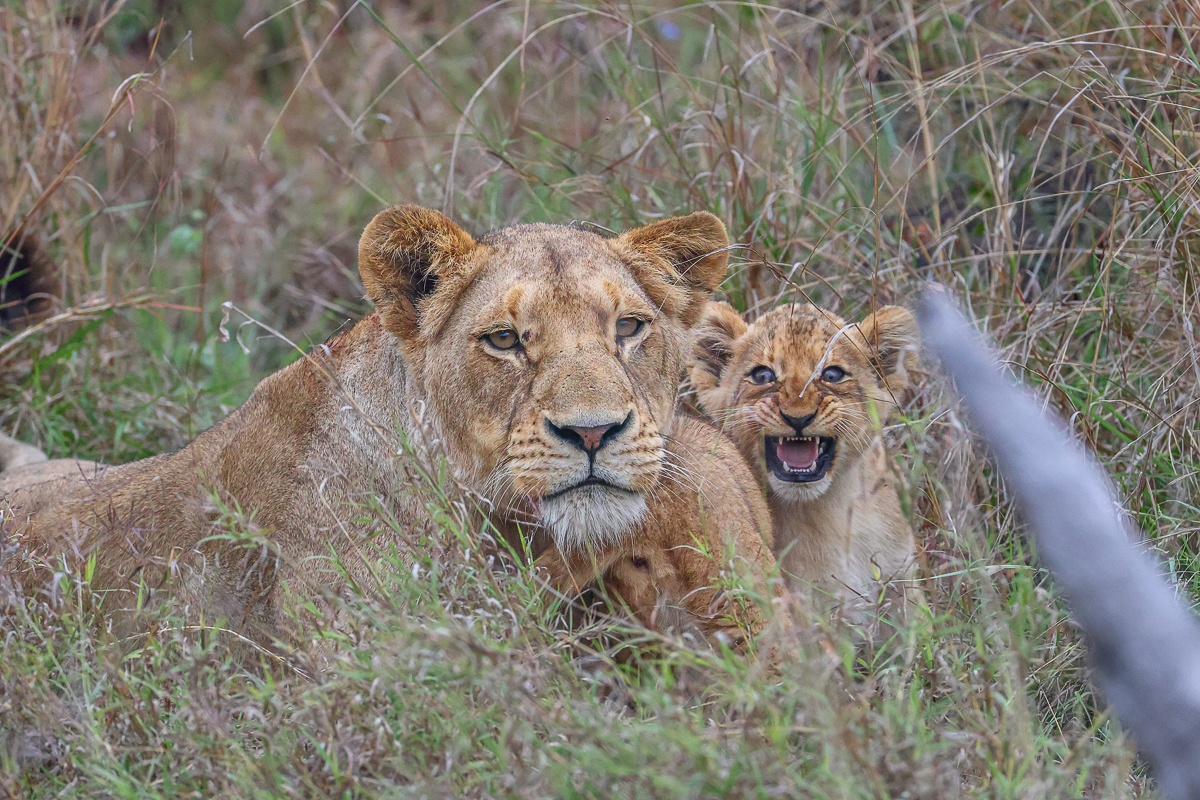
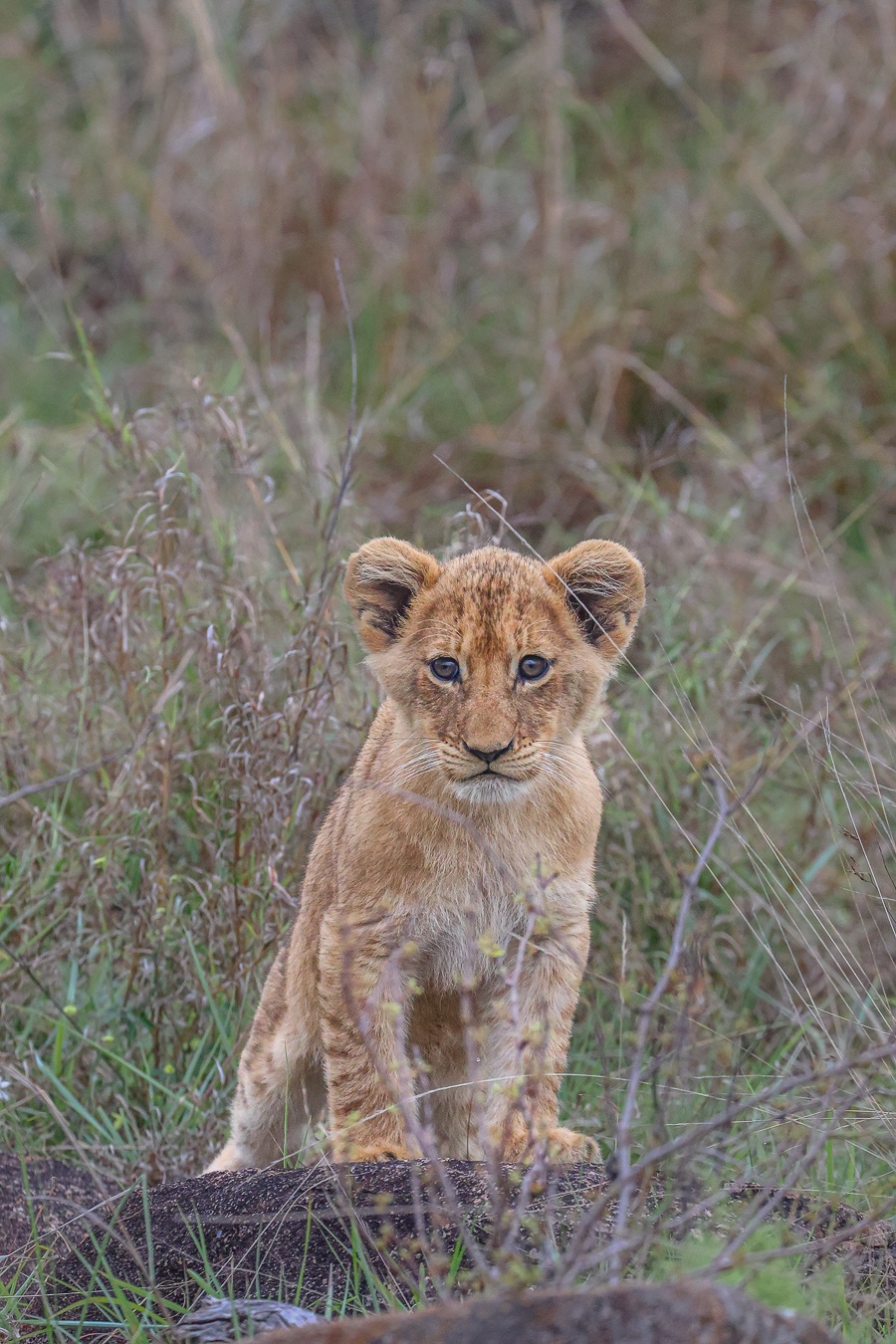
Perhaps the greatest advantage is being born into a successful pride.
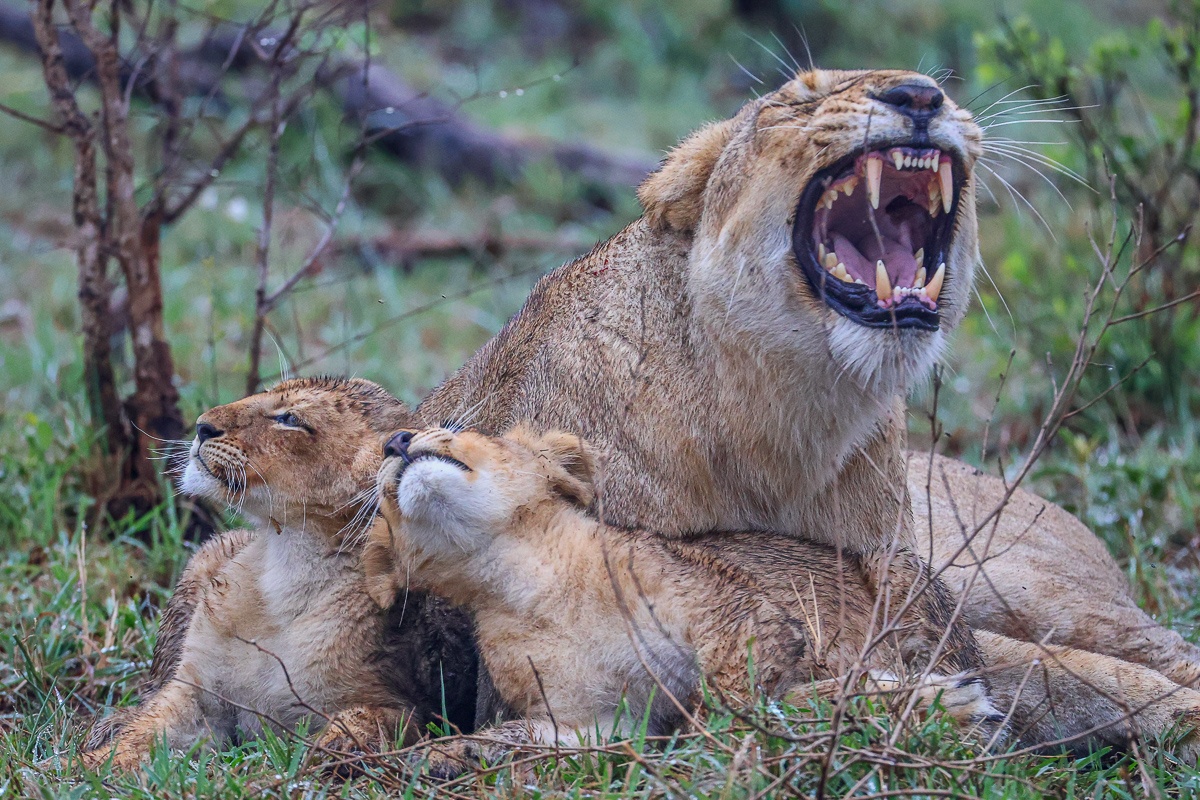
Lions are highly social animals, and unlike many other large cats, they raise their young within a family-based social structure. Multiple lionesses may help protect, supervise and care for cubs. This cooperative behaviour can make a significant difference, particularly when mothers are away hunting.
-
Communal nursing and maternal care
Lionesses within a pride sometimes allow other females to suckle their cubs. This behaviour is known as communal nursing or allosuckling.
It can provide additional feeding opportunities and strengthen social bonds between pride members. However, access to milk and protection is not always equal, and competition between cubs can still occur.
-
Learning through play
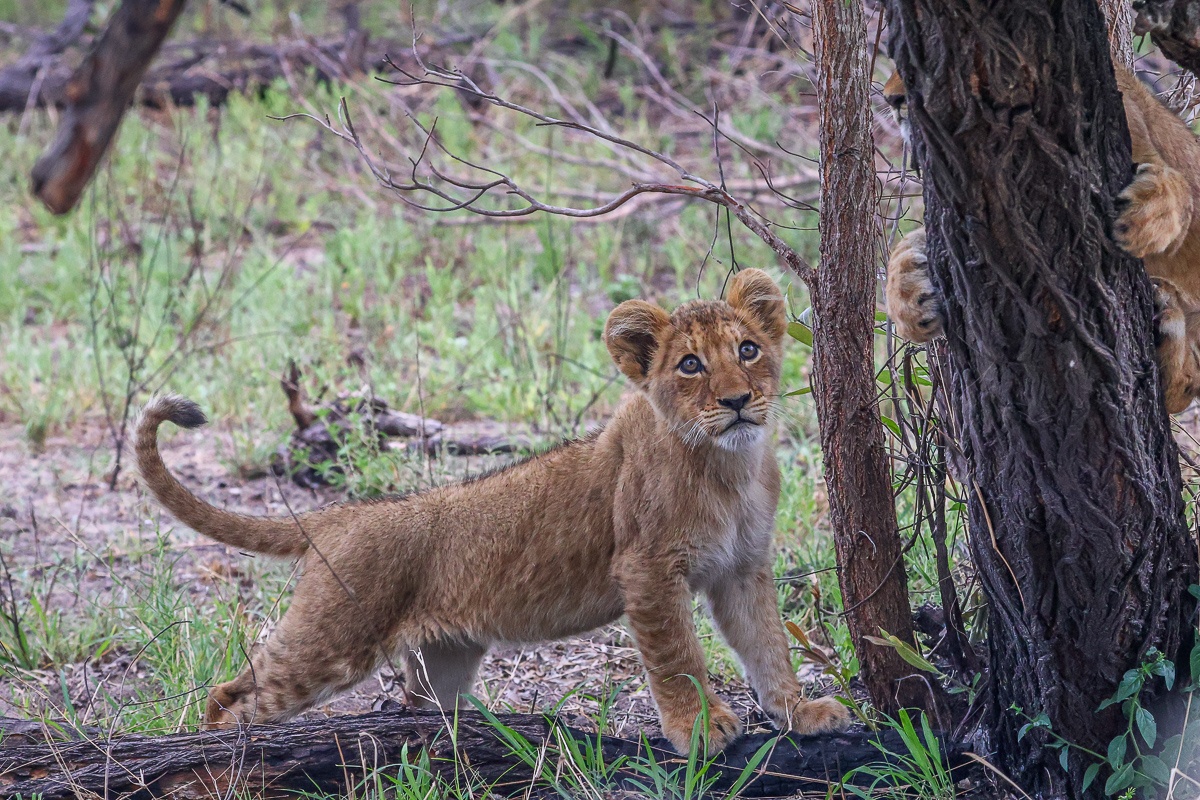
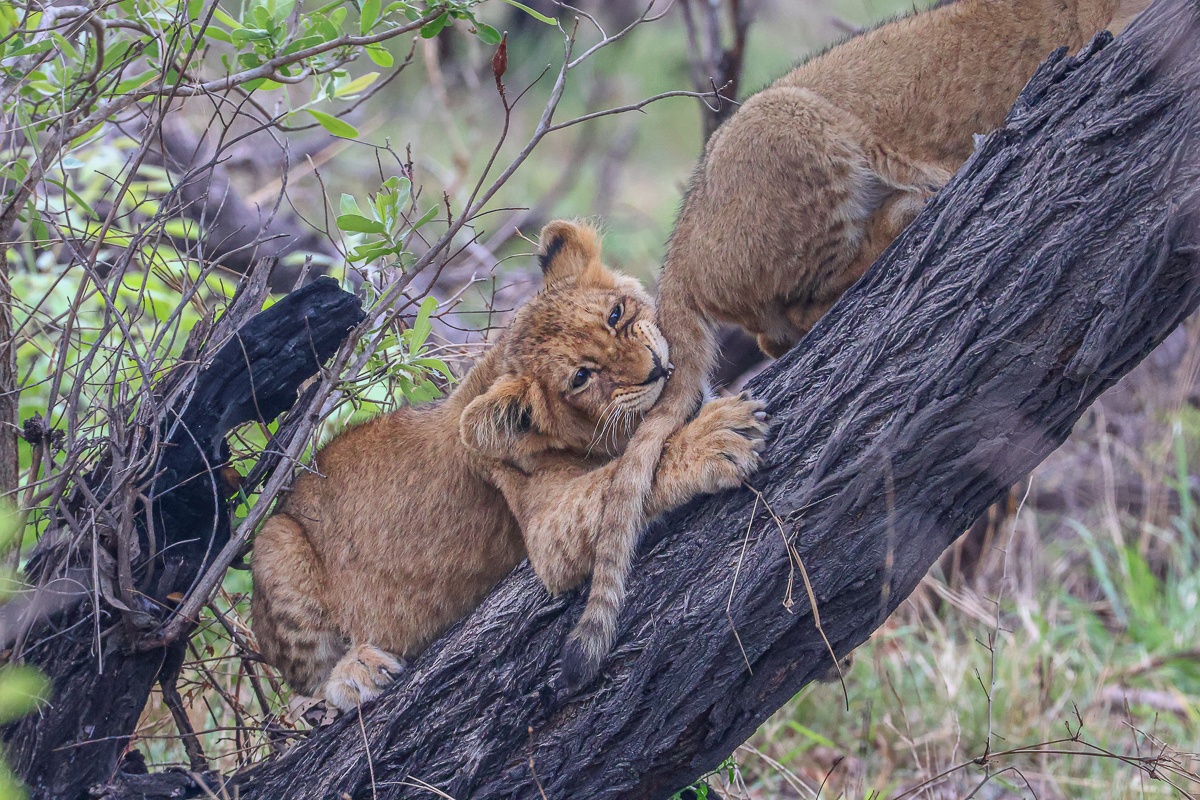
Play is much more than entertainment for young lions.
Through chasing, wrestling, stalking and mock hunting, cubs develop the physical abilities and behavioural skills they will eventually need as adults. These activities help them improve:
○ Coordination and balance.
○ Strength and muscle development.
○ Social relationships and communication.
○ Hunting instincts and stalking techniques.
○ Understanding of dominance and social boundaries.
-
A suitable habitat and abundant prey
Sabi Sabi forms part of the Greater Kruger ecosystem, an important wildlife landscape supporting a variety of prey species.
Animals such as impala, zebra, wildebeest and buffalo provide opportunities for adult lions to hunt. Where resident prey populations are healthy and environmental conditions are favourable, lionesses generally have better opportunities to feed themselves and their cubs.
How long does it take for a lion cub to become independent?
A lion cub's journey towards independence takes several years and involves a gradual transition from complete dependence to becoming a capable member of the pride.
The following stages provide a general guide:
|
Age |
Development |
|
0–3 months |
Completely dependent on their mother for milk, warmth, and protection. |
|
3–6 months |
Begin eating meat and become increasingly curious about their surroundings. |
|
6–12 months |
Become more active, develop hunting-related skills and strengthen social relationships. |
|
12–18 months |
Become stronger and more confident, although still dependent on the pride. |
|
18–24 months |
Develop greater independence and improve their hunting abilities. |
|
2–3 years |
Young lions approach adulthood and begin establishing their place within the social structure. |
Female lions often remain within their natal pride, while young males eventually leave or are forced out as they mature. Male dispersal can be particularly dangerous because young males must navigate unfamiliar territories and avoid established territorial lions.
Lion cub survival rates in the Sabi Sabi and Sabi Sand area
One of the most interesting aspects of lion conservation is understanding just how many cubs survive their first years of life.
It is important to distinguish between general African lion survival statistics and research conducted specifically in the Sabi Sand Game Reserve, which includes the broader ecosystem surrounding Sabi Sabi.
A scientific study by Balme and colleagues, published in 2017 in Behavioural Ecology, examined lion and leopard populations in the Sabi Sand Game Reserve between 2010 and 2015. The research monitored 254 individual lions and estimated annual survival rates according to age and sex.
The study reported the following survival estimates for juvenile lions under two years of age:
These figures are particularly interesting because they demonstrate how significantly survival improves once lions move beyond their most vulnerable juvenile years.
|
Lion category |
Estimated annual survival |
|
Female juveniles |
54% |
|
Male juveniles |
52% |
|
Female subadults (2–3 years) |
92% |
|
Male subadults (2–3 years) |
93% |
What does this mean for lion cubs?
The juvenile survival estimates suggest that young lions face substantial risks during their early development. Once they reach the subadult stage, their chances of surviving each year improve considerably.
However, these are annual survival estimates for an age category, not the percentage of cubs that survive from birth until their second birthday. There is also an important distinction: these figures represent the wider Sabi Sand study area and should not be presented as the exact survival rate of cubs born on Sabi Sabi's individual property.
There is currently no verified, publicly available Sabi Sabi-specific dataset establishing an exact percentage of cubs that survive their first year.
For context, broader southern African research suggests that first-year survival can vary considerably depending on prey availability, pride structure, habitat and male territorial stability.
How do environmental conditions affect cub survival?
The Greater Kruger ecosystem experiences distinct wet and dry seasons, and these seasonal changes influence the lives of lions.
-
The summer months (October to March) generally bring rainfall, fresh vegetation and increased water availability. These conditions support many herbivore populations and can provide favourable hunting opportunities for adult lions. However, heavy rainfall can also create challenges for young cubs, particularly those still hiding in exposed or low-lying den sites.
-
The winter months (April to September) are generally drier, with vegetation becoming less dense and water sources becoming increasingly important.
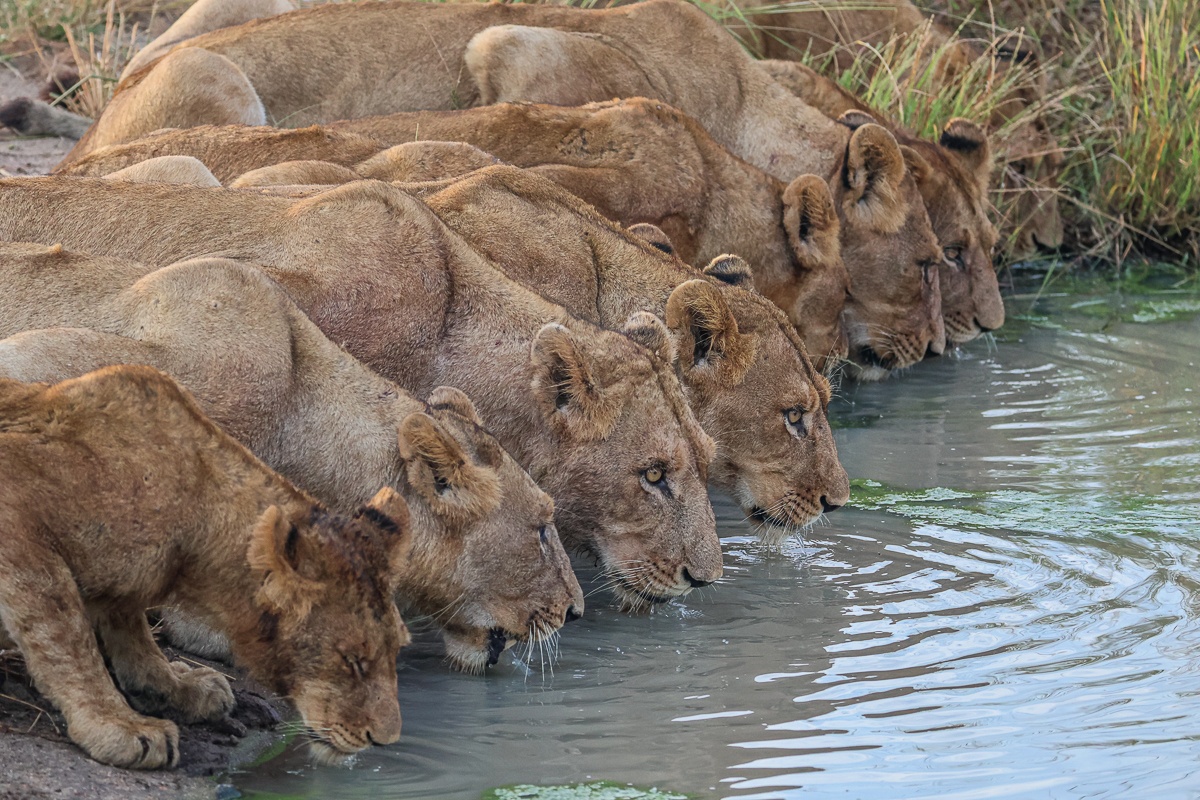
As the dry season progresses, prey animals may concentrate around available water sources. This can create hunting opportunities for lionesses, although prey availability and hunting success will vary.
Drought conditions can make survival more difficult when prey becomes scarce, or animals are weakened by environmental stress.
Ultimately, the ability of a lioness to maintain her own body condition and provide sufficient food for her cubs is one of the most important factors influencing their development.
The importance of conservation and responsible safari tourism
Protected areas such as Sabi Sabi play an important role in conserving African wildlife and maintaining functioning ecosystems. Responsible safari tourism contributes to this conservation model by supporting the people, infrastructure and management required to protect wildlife.
For lion cubs, conservation is not simply about protecting individual animals. It also involves maintaining the wider ecological balance that allows prides to function naturally.
This includes:
-
Protecting natural habitats and prey populations.
-
Maintaining suitable wildlife corridors and connected ecosystems.
-
Monitoring lion movements, pride structures and population dynamics.
-
Understanding the effects of disease and environmental changes.
-
Supporting responsible wildlife management and conservation research.
Safari guides and trackers also play an important educational role. By observing lion behaviour over time, they help guests understand that every sighting forms part of a much bigger ecological story.
Responsible viewing is equally important. Keeping appropriate distances, avoiding unnecessary disturbance and allowing animals to behave naturally should always be priorities.
The journey from cub to king or queen
Watching a lion cub grow into an adult is one of the most rewarding experiences in the African wilderness. The tiny cub that once depended entirely on its mother will eventually develop the strength, confidence and skills required to survive independently.
For females, this may mean becoming an important future breeding member of their natal pride. For males, it involves the difficult journey of dispersal, competition and eventually securing a territory of their own.
Not every cub will complete this journey. Some will succumb to disease, starvation, territorial conflict or predation. Others will overcome these obstacles and contribute to the next generation of lions.
In Sabi Sabi, every new litter represents hope for the future, but also a reminder of the delicate balance between life and death in the wild.
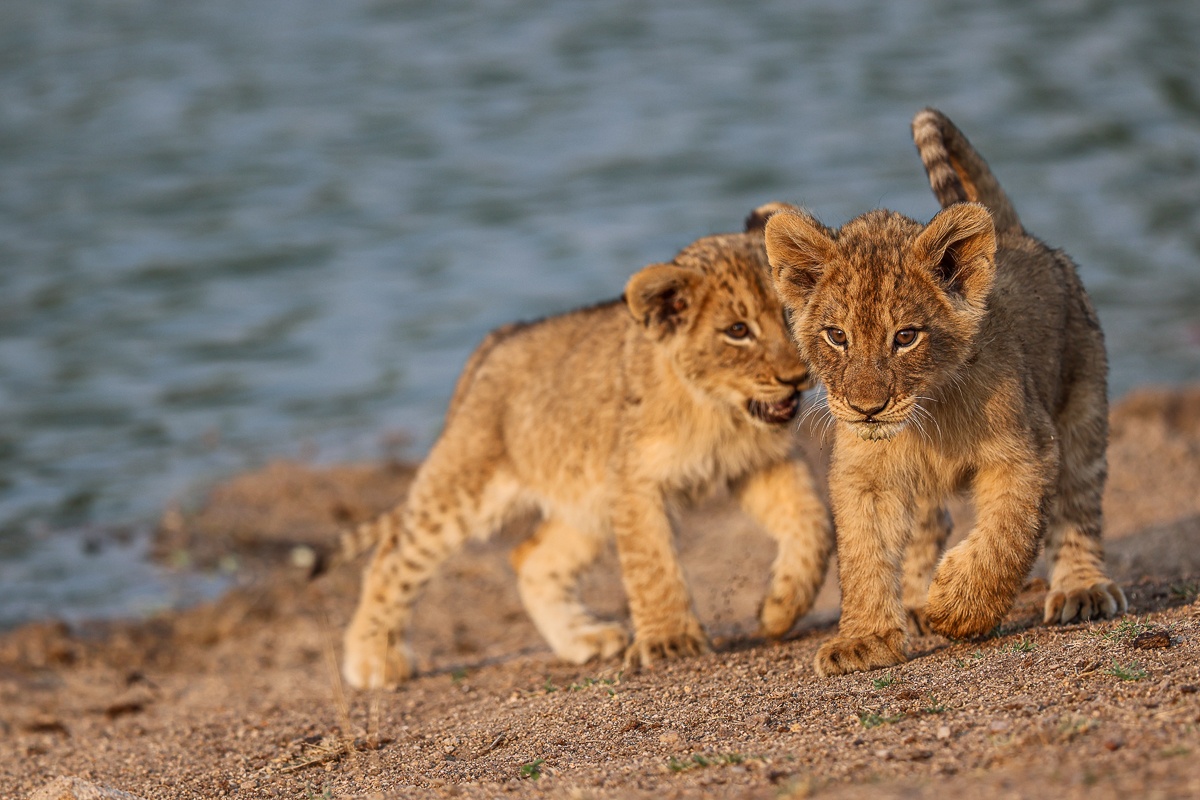
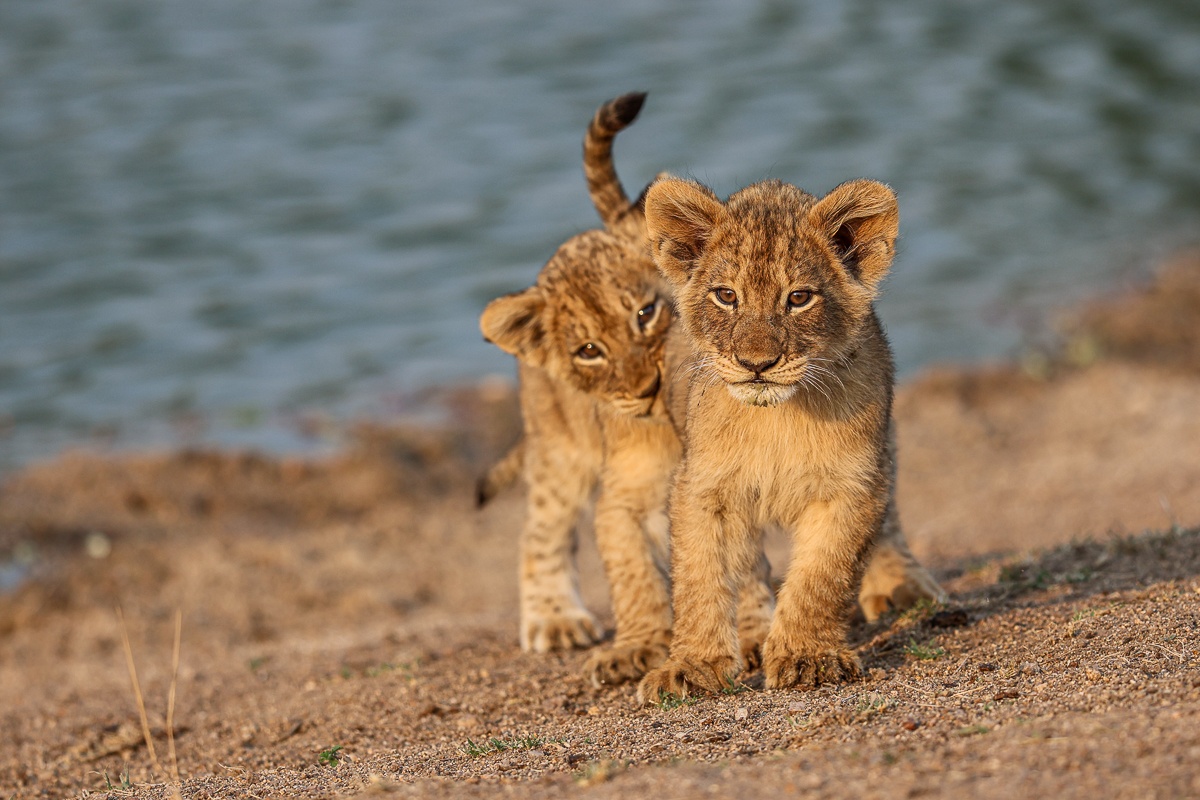
Every cub has a story
Lion cubs are much more than the adorable faces we see on our morning and afternoon game drives. They are developing predators, future pride members and an essential part of the African ecosystem.
Their journey is shaped by maternal care, social relationships, prey availability, environmental conditions and the ever-changing dynamics of lion territories.
The next time you encounter a litter of lion cubs at Sabi Sabi, take a moment to appreciate what you are witnessing. Behind every playful tumble and curious glance is a remarkable struggle for survival.
Because in the African bush, being born a lion is only the beginning. Surviving long enough to become one is the real achievement.
Blog by Ruan Mey (Earth Lodge Ranger)