A Week in the Bush Vol. 618
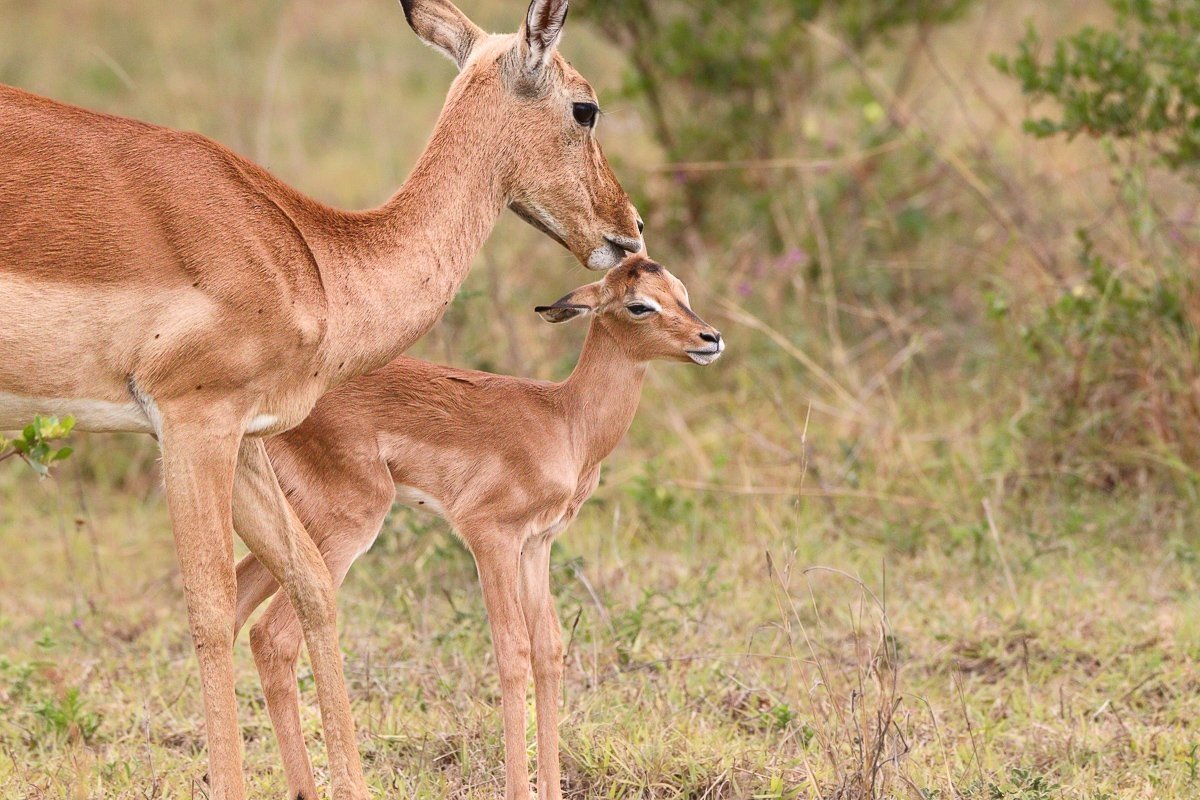
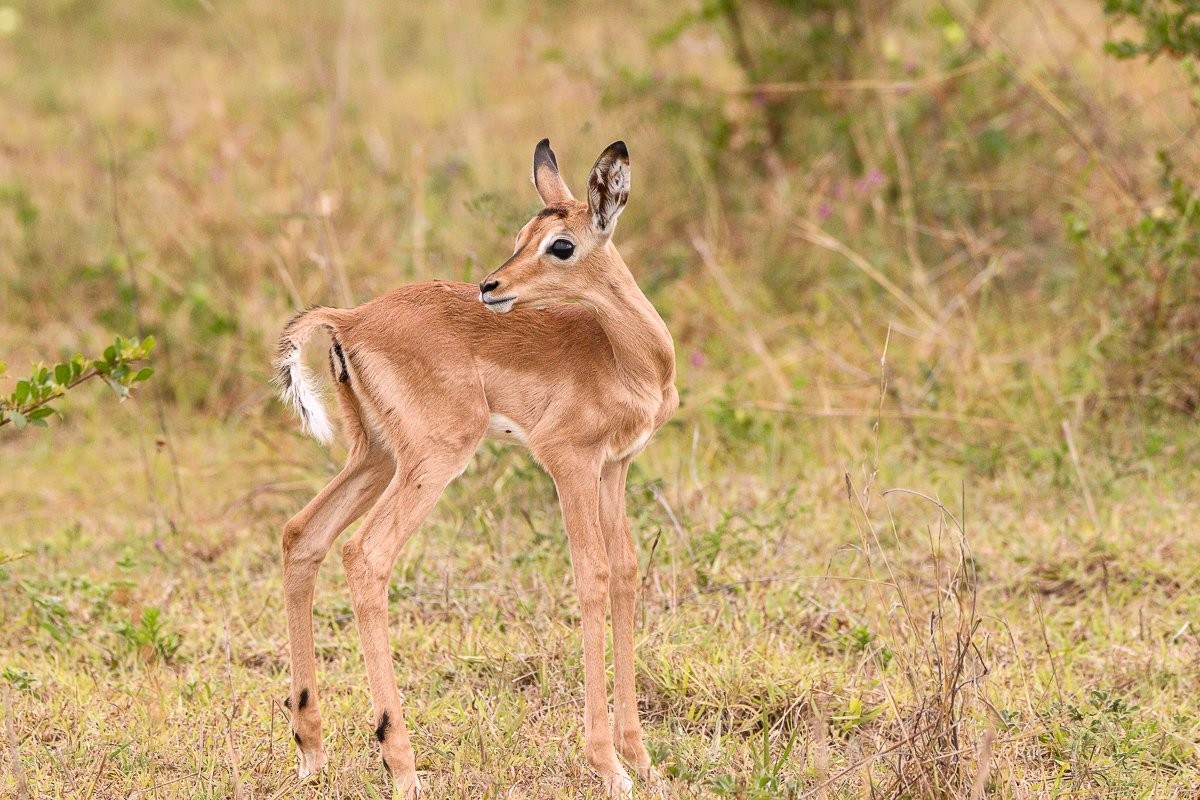
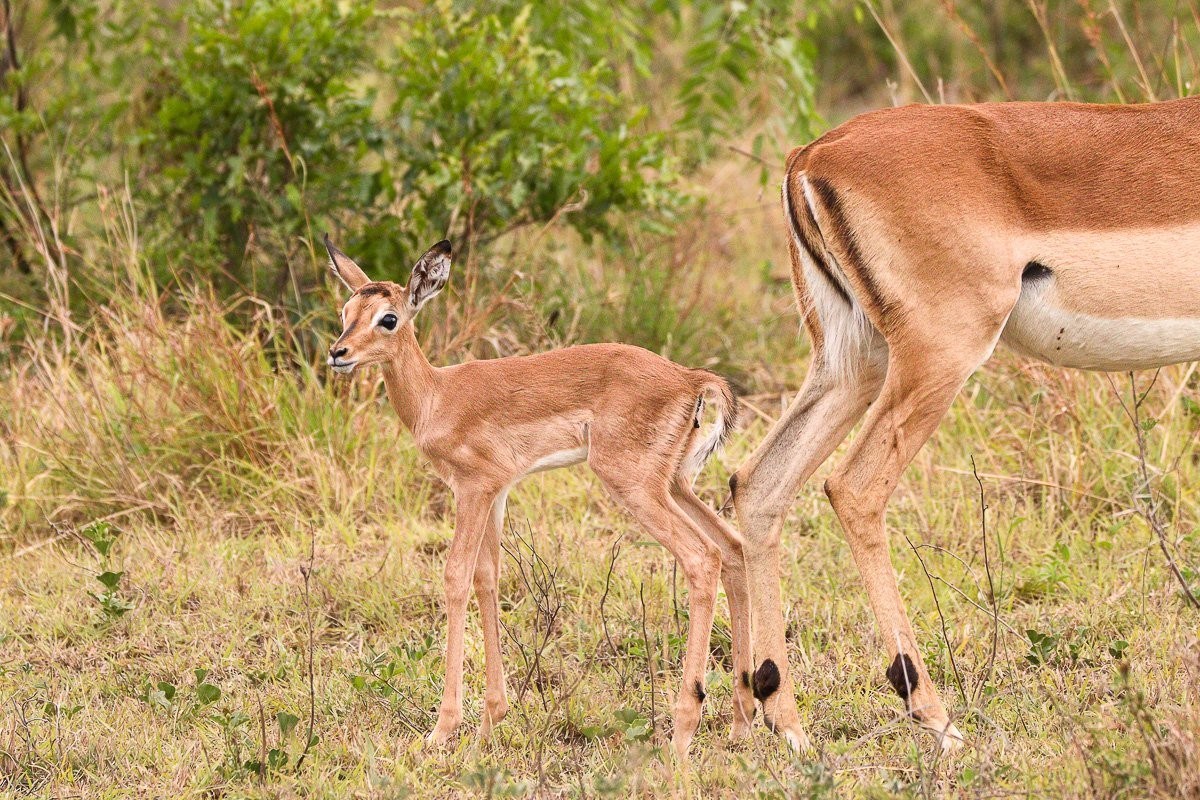
on Nov 18, 2026Over the past month, the bush has come alive with newly born impala lambs, with little ones now appearing throughout the reserve. During the first few days after birth, a lamb will remain hidden in dense vegetation while its mother leaves to feed, regularly returning throughout the day to check on it.
The bond between mother and lamb remains strong for around six months. During this time, the young lamb can often be seen staying close to its mother, following her movements and learning to keep pace with the herd to avoid being left behind and exposed to predators. As they grow, the lambs begin spending time together in groups known as “crèches”. These gatherings allow them to socialise with other young impalas, gain confidence and gradually learn to graze more independently, while their mothers remain nearby.
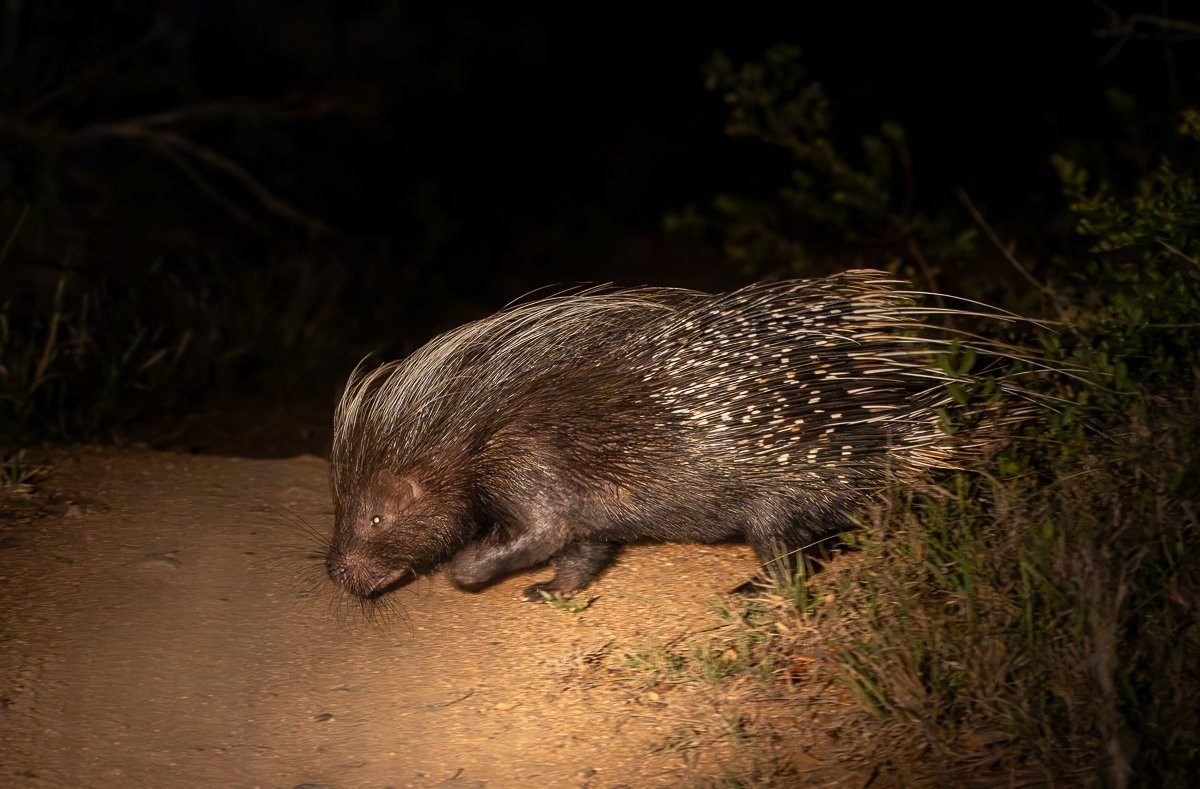
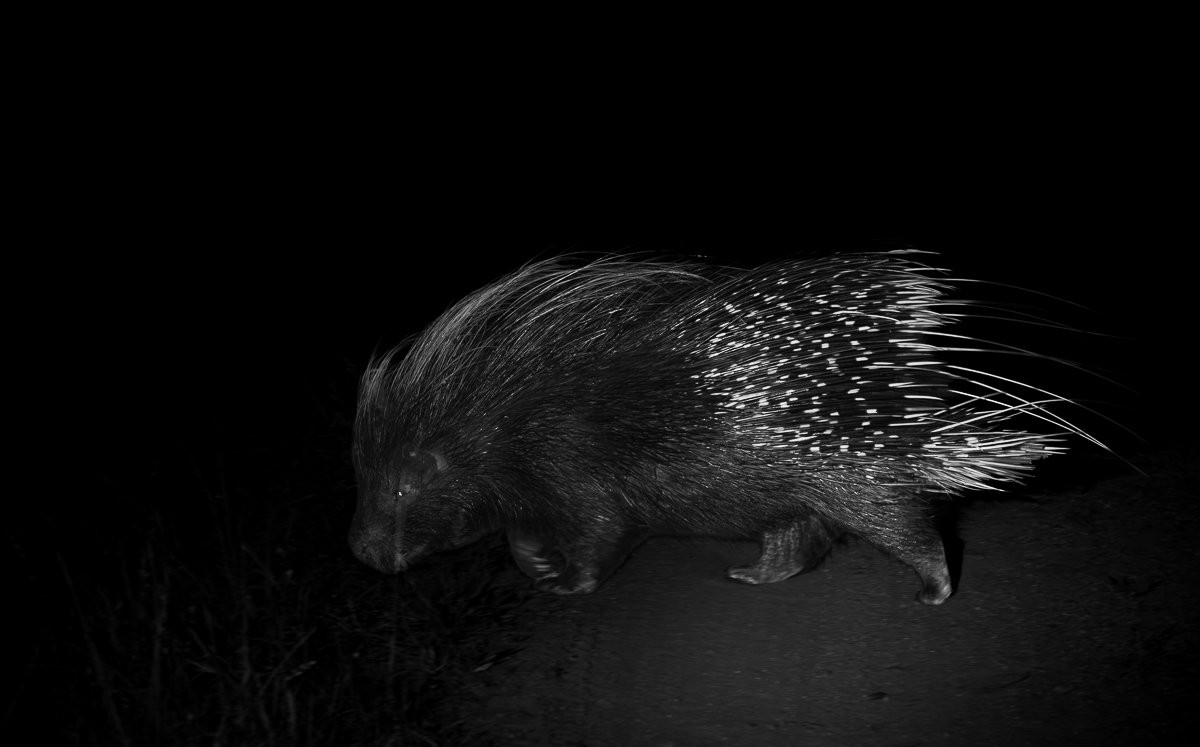
Our sundowner adventure brought one last surprise as we made our way back to camp. A relaxed porcupine emerged, seemingly unbothered by our presence, giving us a wonderful opportunity to observe this fascinating nocturnal resident up close. With its impressive quills and unhurried movements, it was a special sighting, particularly for guests who had been on several safaris across Africa but had never been fortunate enough to see a porcupine.
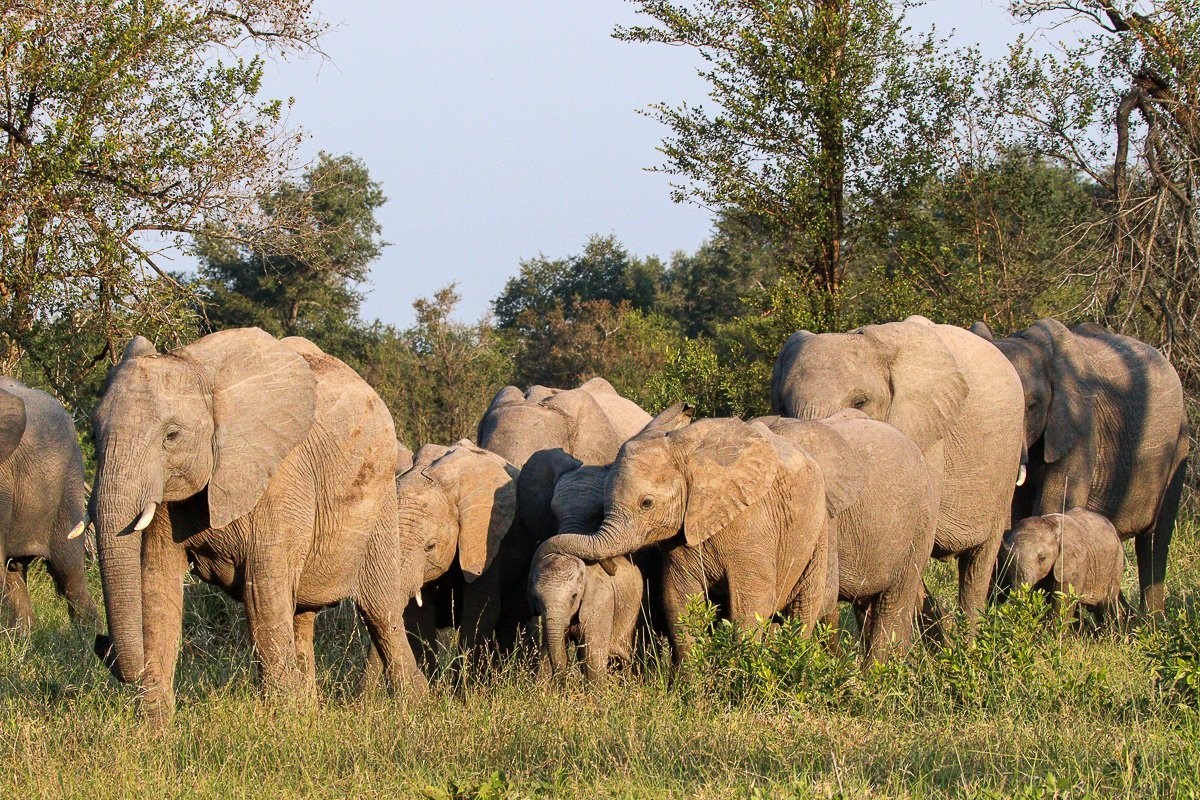
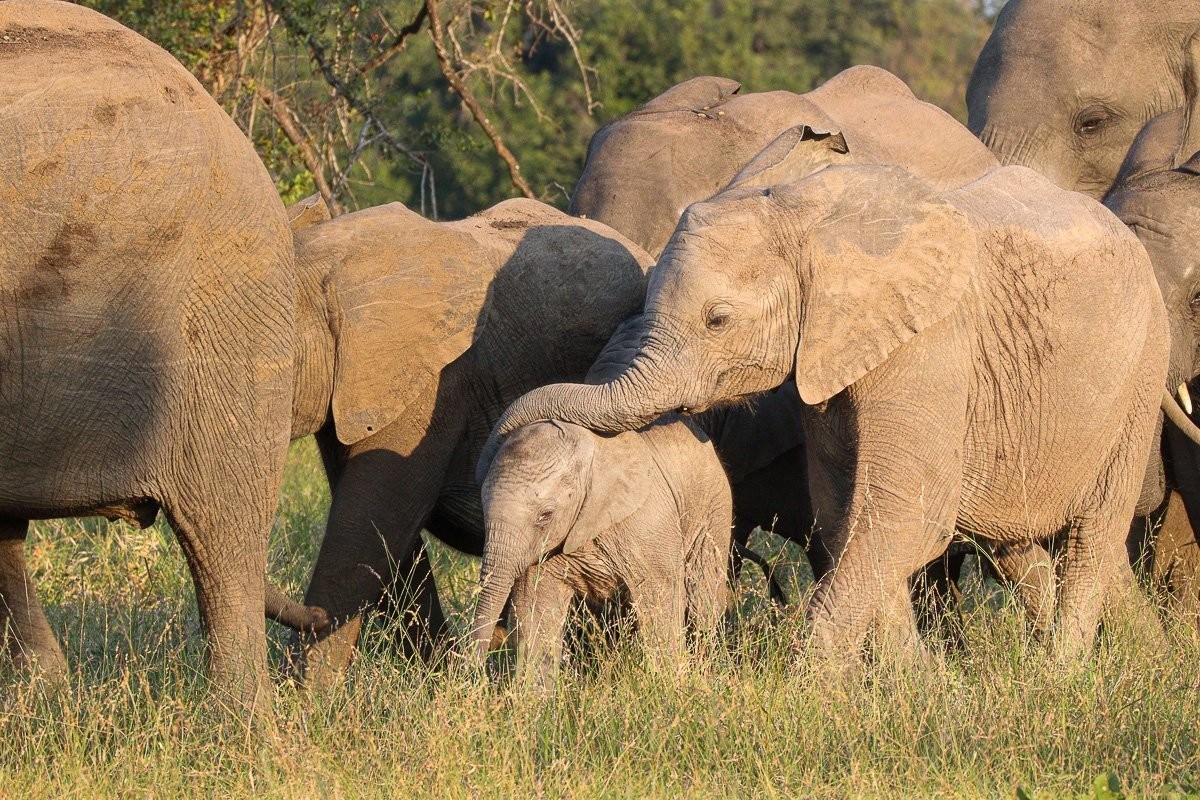
A large herd of elephants spent the afternoon moving past the waterhole at Selati Camp, keeping guests entertained for hours. Later, we set out on our afternoon safari, hopeful of finding them again. We didn’t have to travel far, spotting the herd not too far from camp as they made their way purposefully through the reserve towards the riverbed, where they continued feeding.
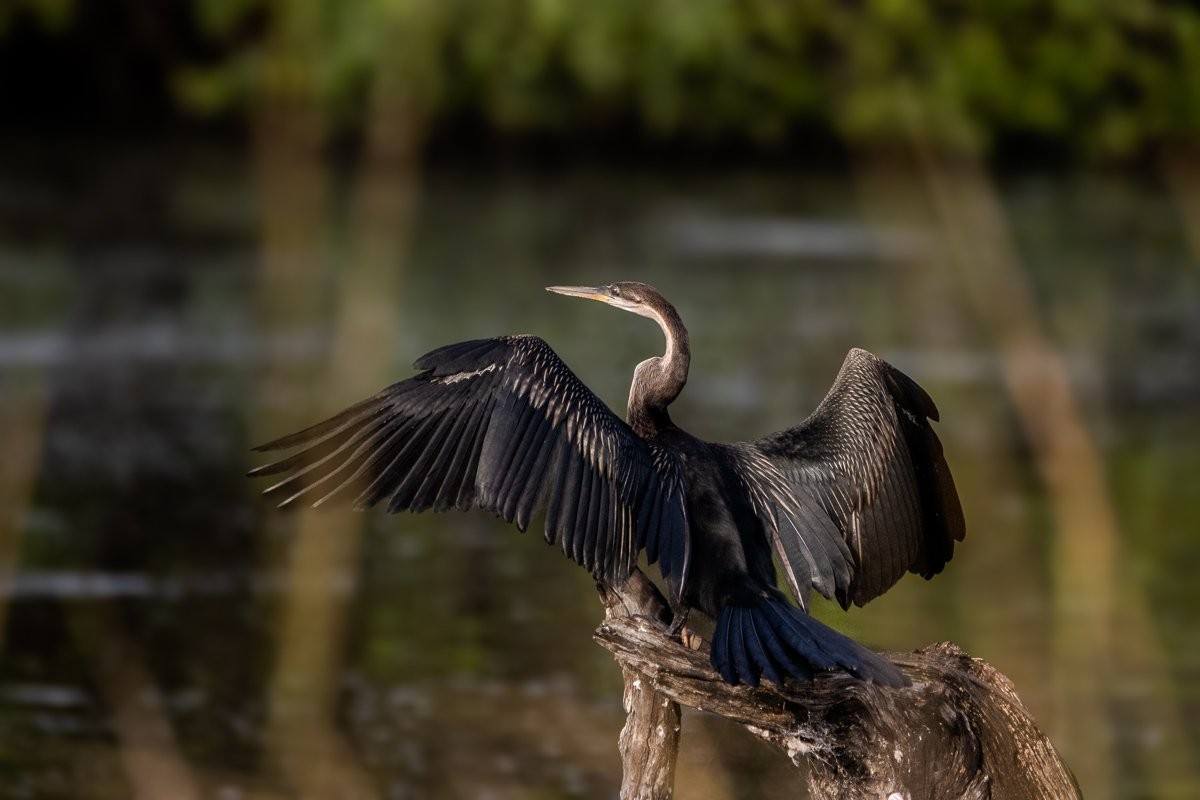
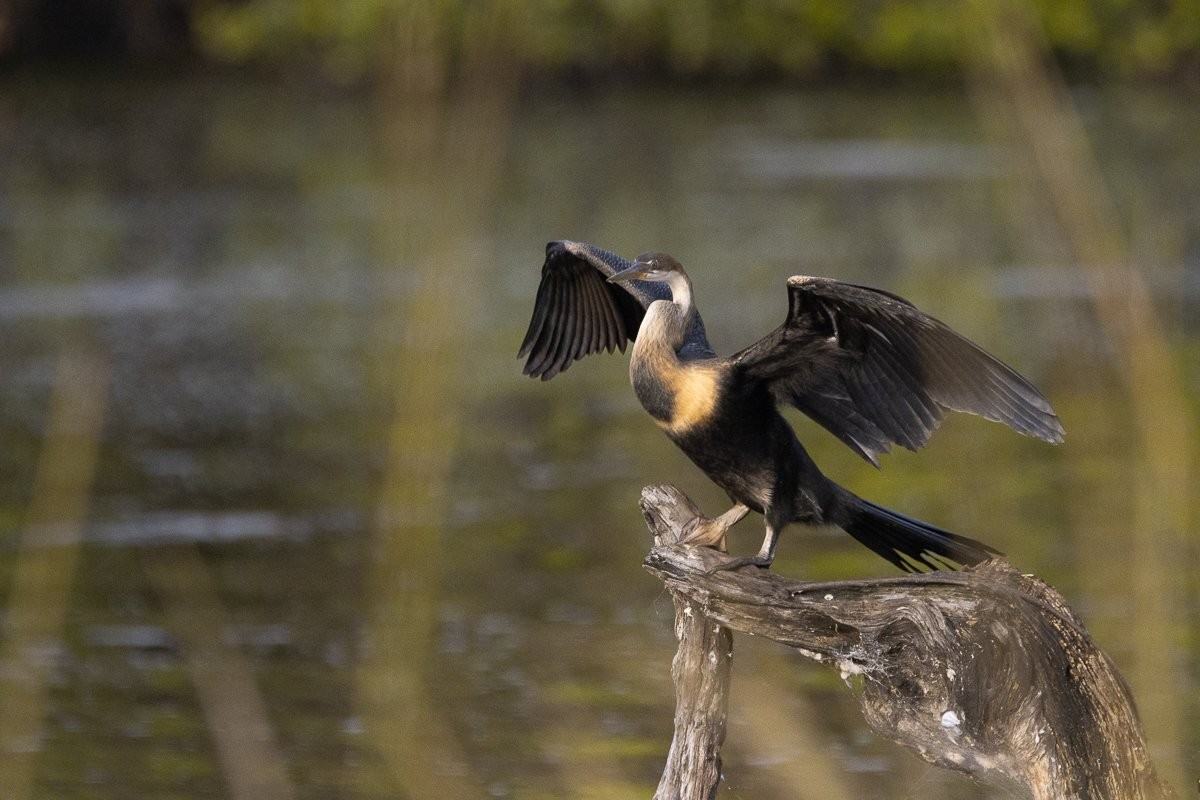
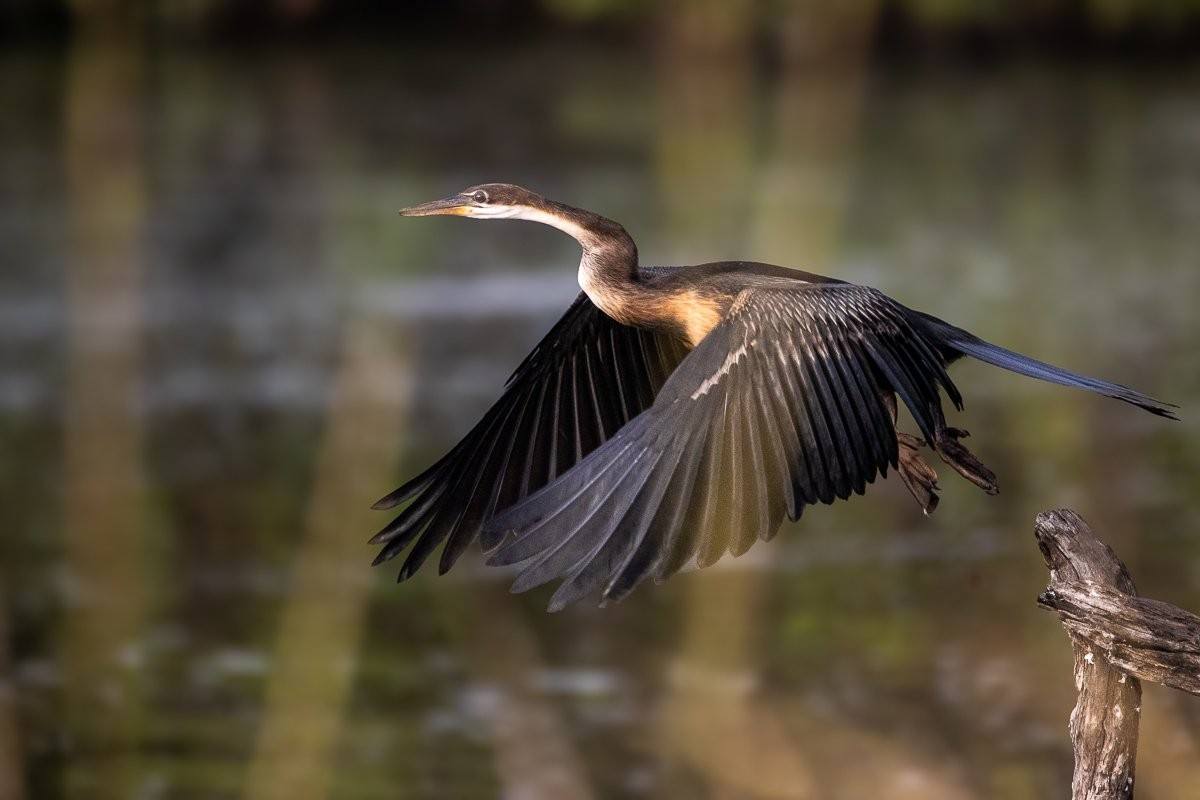
Unlike many other waterbirds, the African Darter lacks fully waterproof feathers. After diving underwater to catch fish with remarkable agility, it must perch with its wings outstretched to dry in the sun, creating one of its most recognisable poses. Quiet and patient, this highly specialised bird is perfectly adapted to life both above and below the water’s surface.
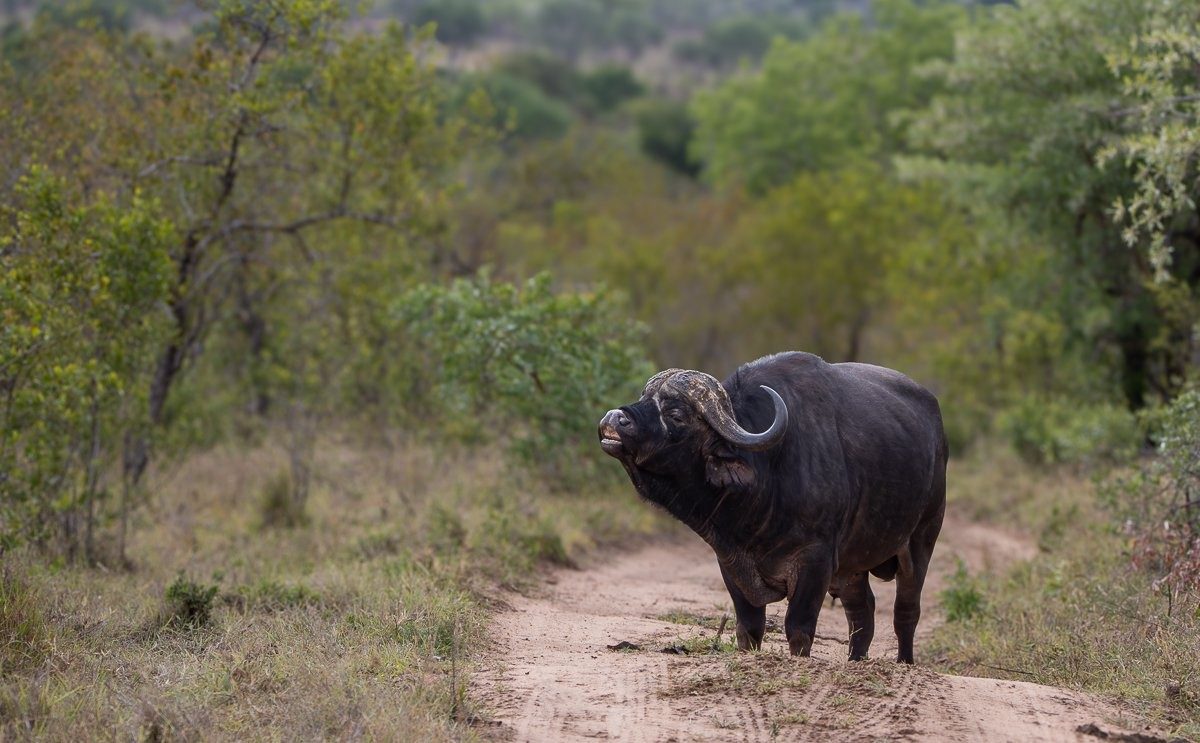
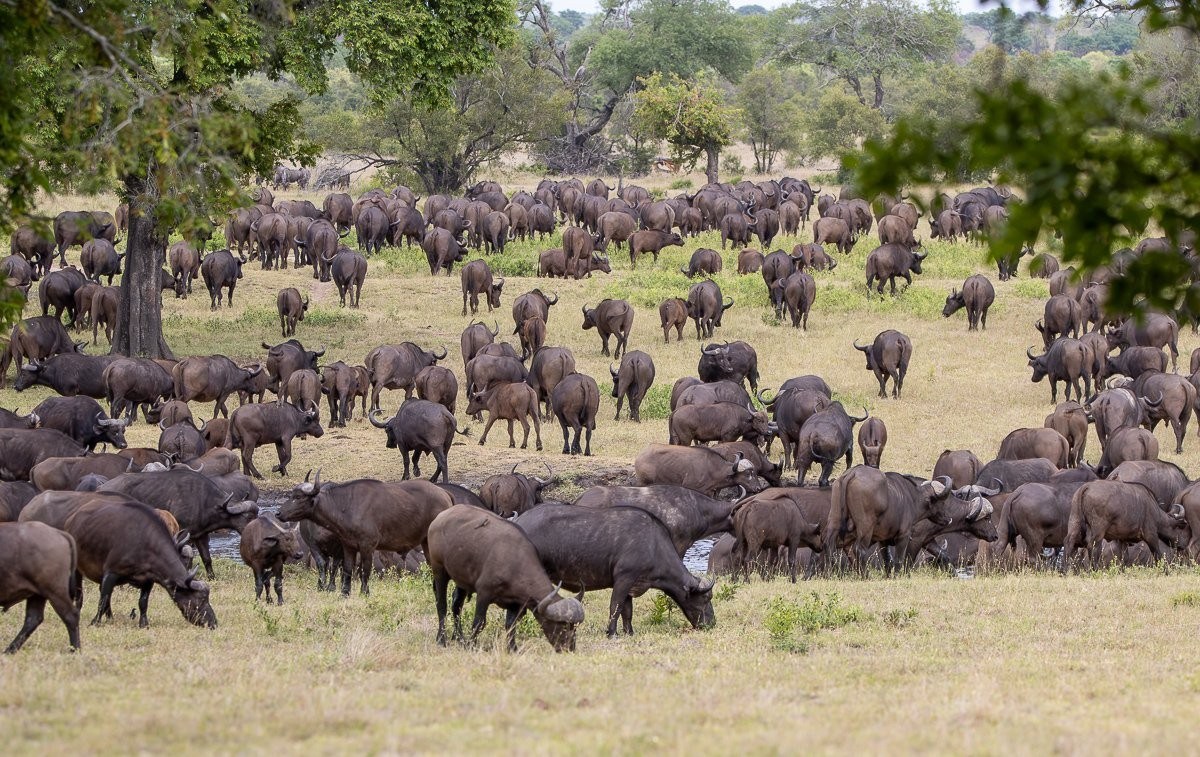
We came across a large herd of buffalo making their way towards Selati Camp, slowly feeding as they moved along the dry riverbed towards the waterhole in front of the lodge. One by one, they lowered their heavy heads to drink, taking advantage of the refreshing water and some much-needed relief from the scorching heat. Despite the temperatures, the herd remained close together, ever watchful of their surroundings. In the bush, a waterhole offers more than just a drink, providing an opportunity to cool down and wallow in the mud or water. The buffalo soon moved off as quickly as they had arrived, continuing towards the shelter of the nearby tree line.
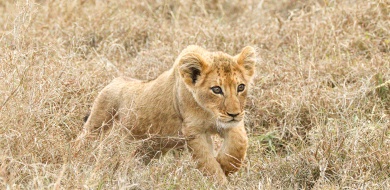
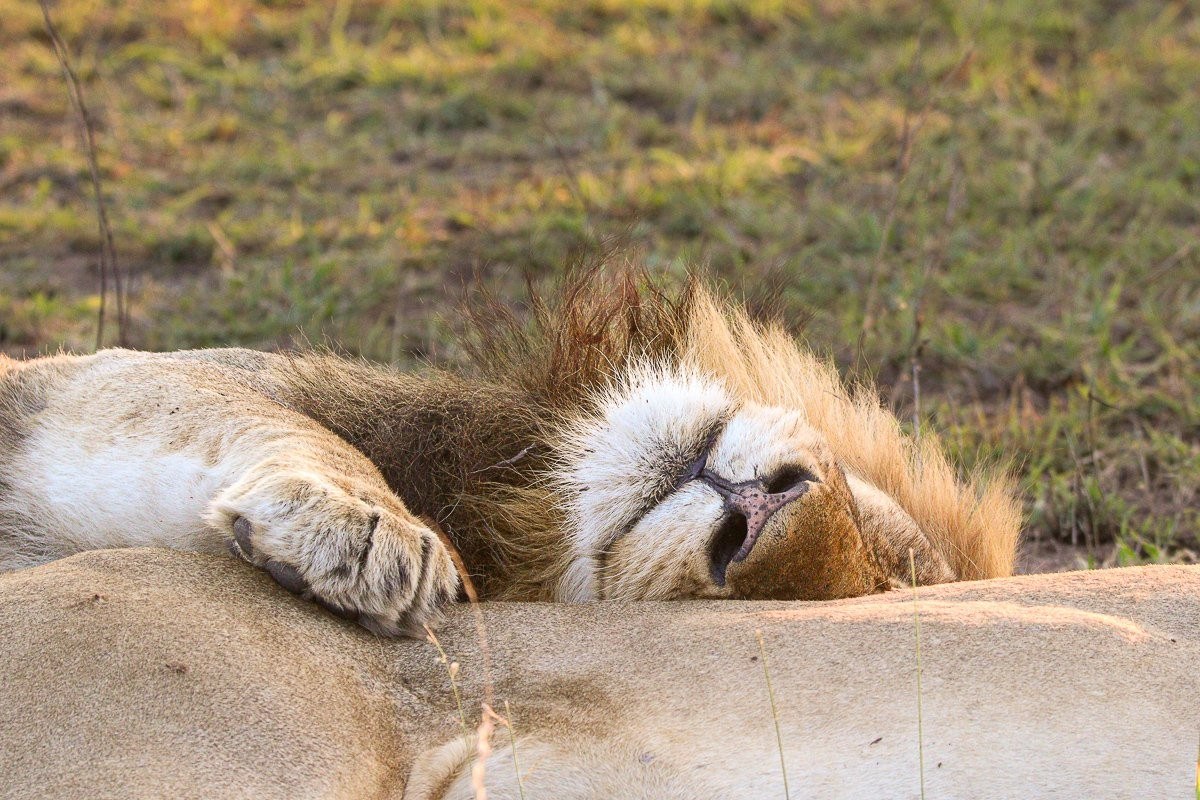
Shortly after leaving Earth Lodge for our morning safari, we found tracks for lions and after a short follow up found the Southern Pride resting in the morning drizzle. The adults tried to sleep while the two cubs were highly active, playing with each other and trying to get attention from any of the lionesses, but as it became clear the adults were tired and didn't want to be bothered, the cubs moved off and kept themselves busy.
Later, in the afternoon, they were seen again and this time, seeking refuge from the afternoon sun beneath the thick canopy of Silver Cluster-leaf trees. However, at this time of year, the trees are in flower, attracting flies that help pollinate them. The abundance of flies made it difficult for the lions to settle, forcing them to move around constantly as they tried to escape the persistent pests.
The cubs, however, found their own entertainment in the situation. They eagerly snapped at the flies buzzing around them and even turned their attention to their mothers' tails as they swished them to keep the flies away.
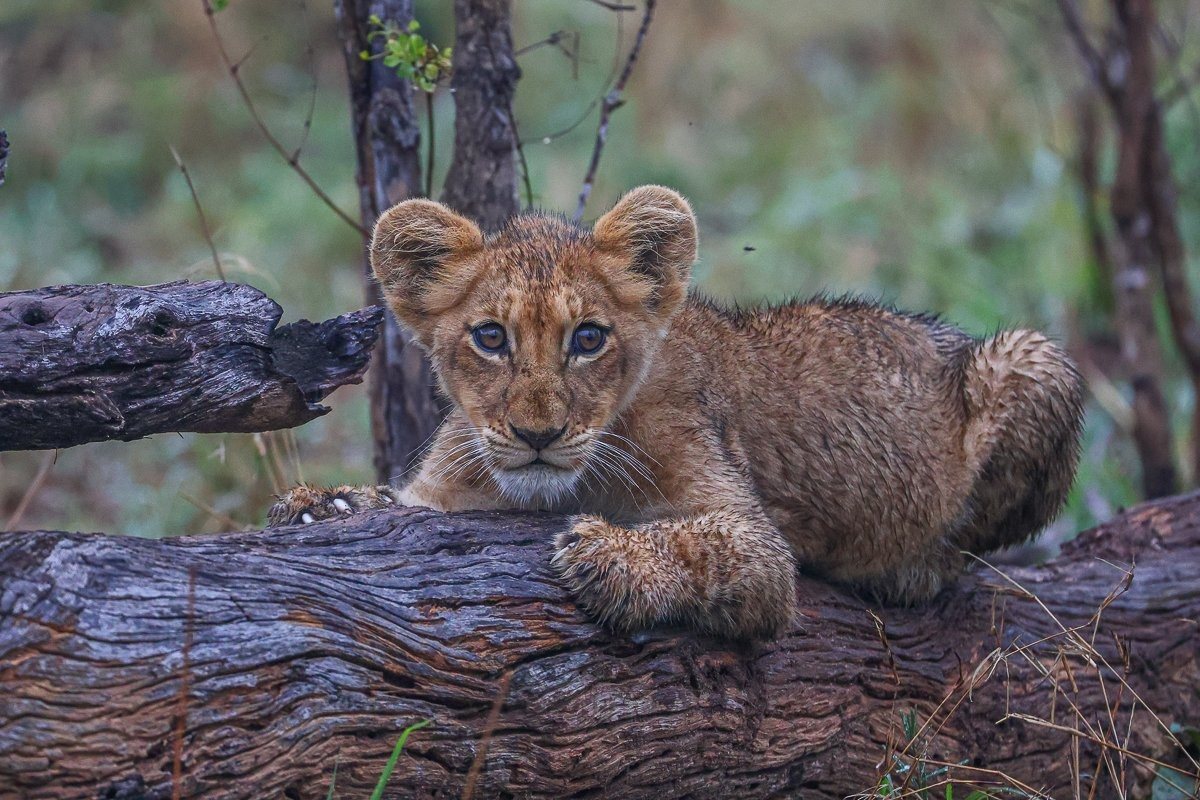
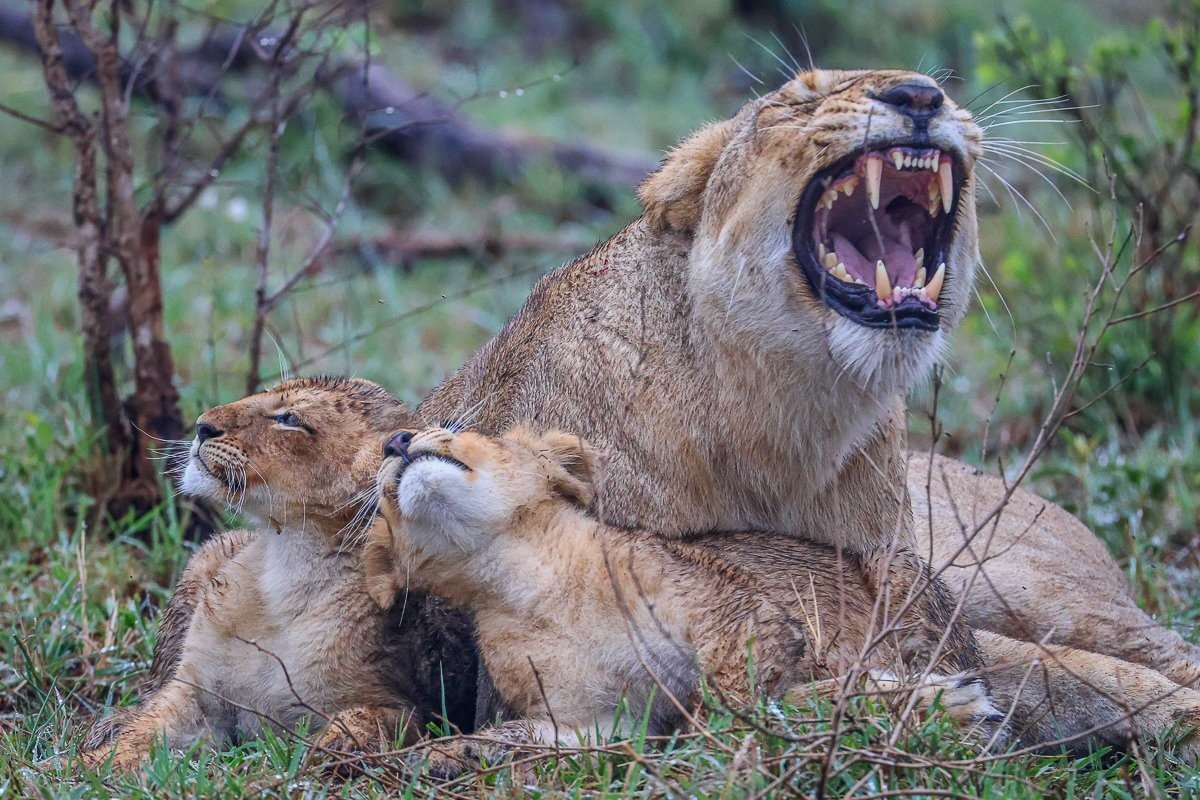
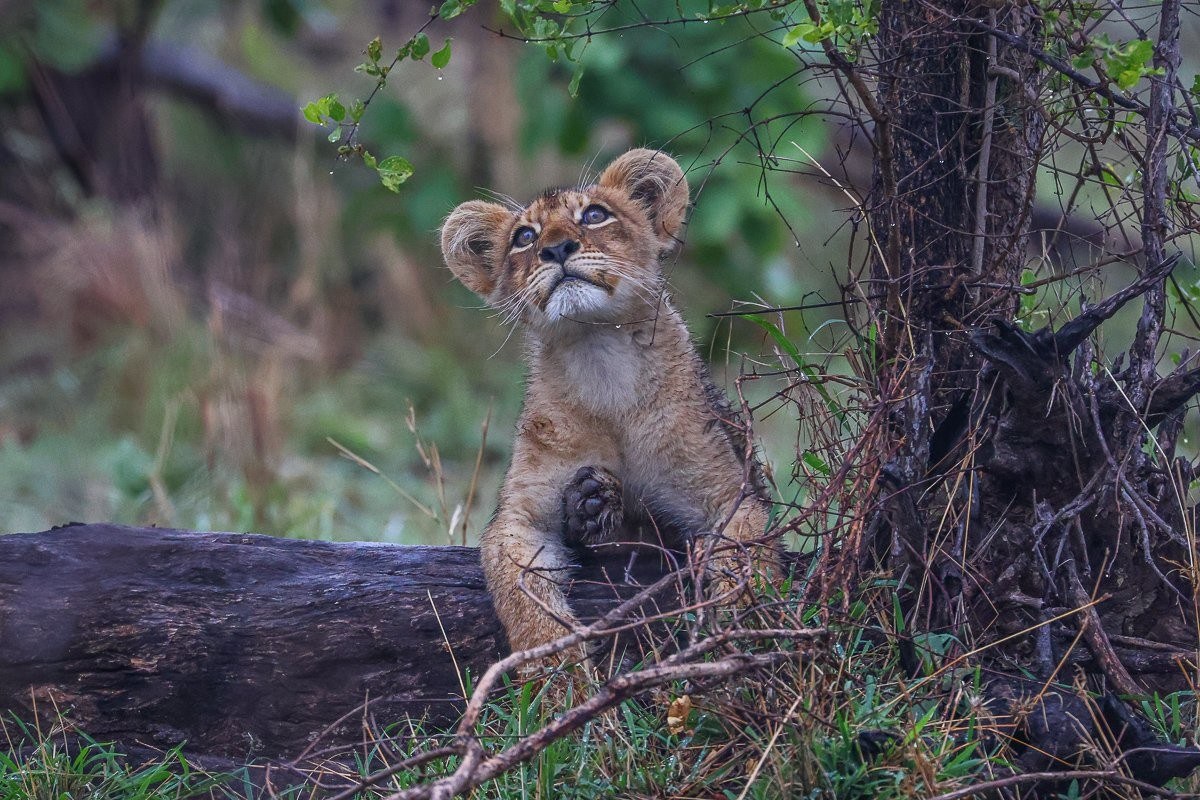
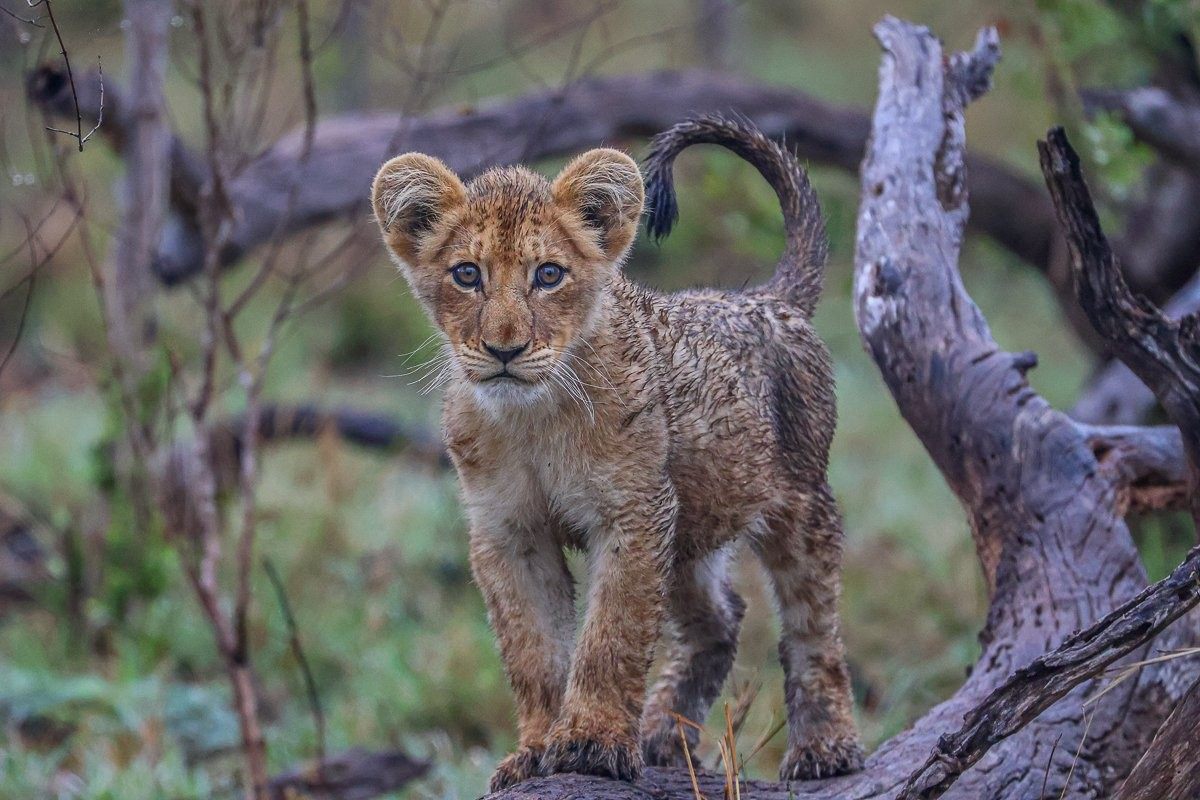
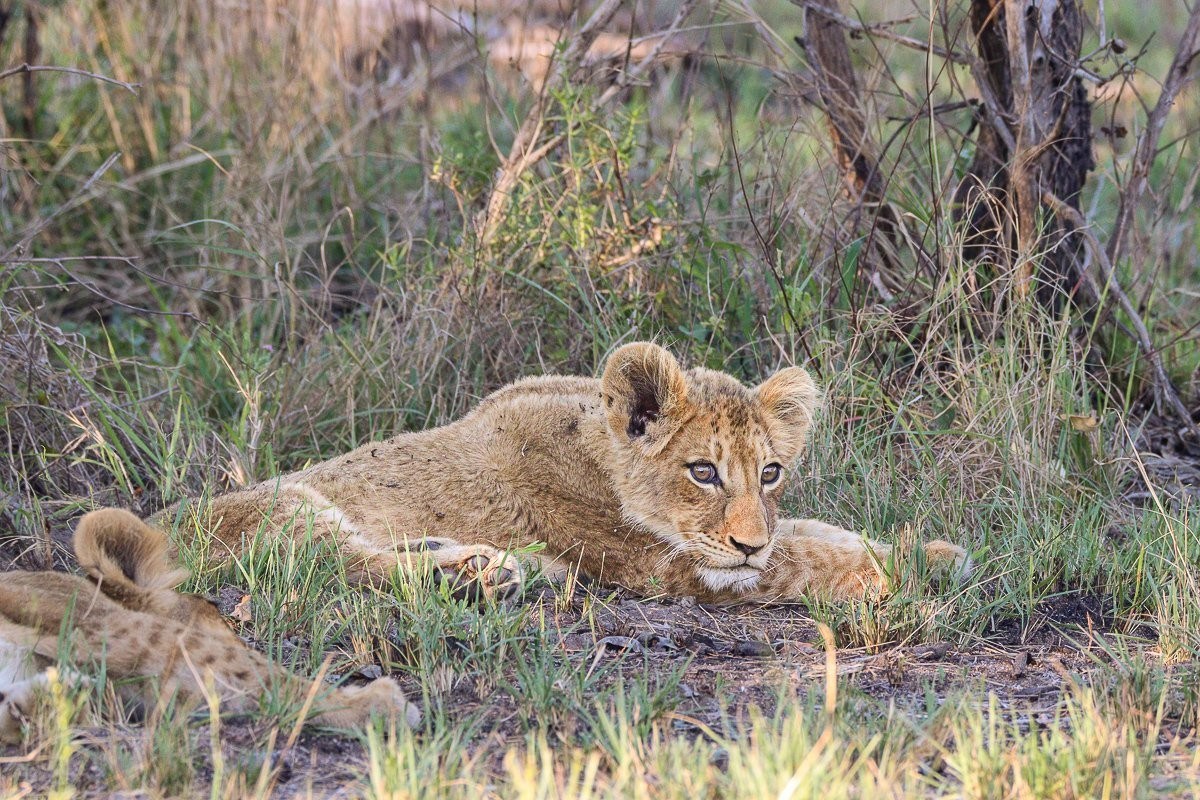
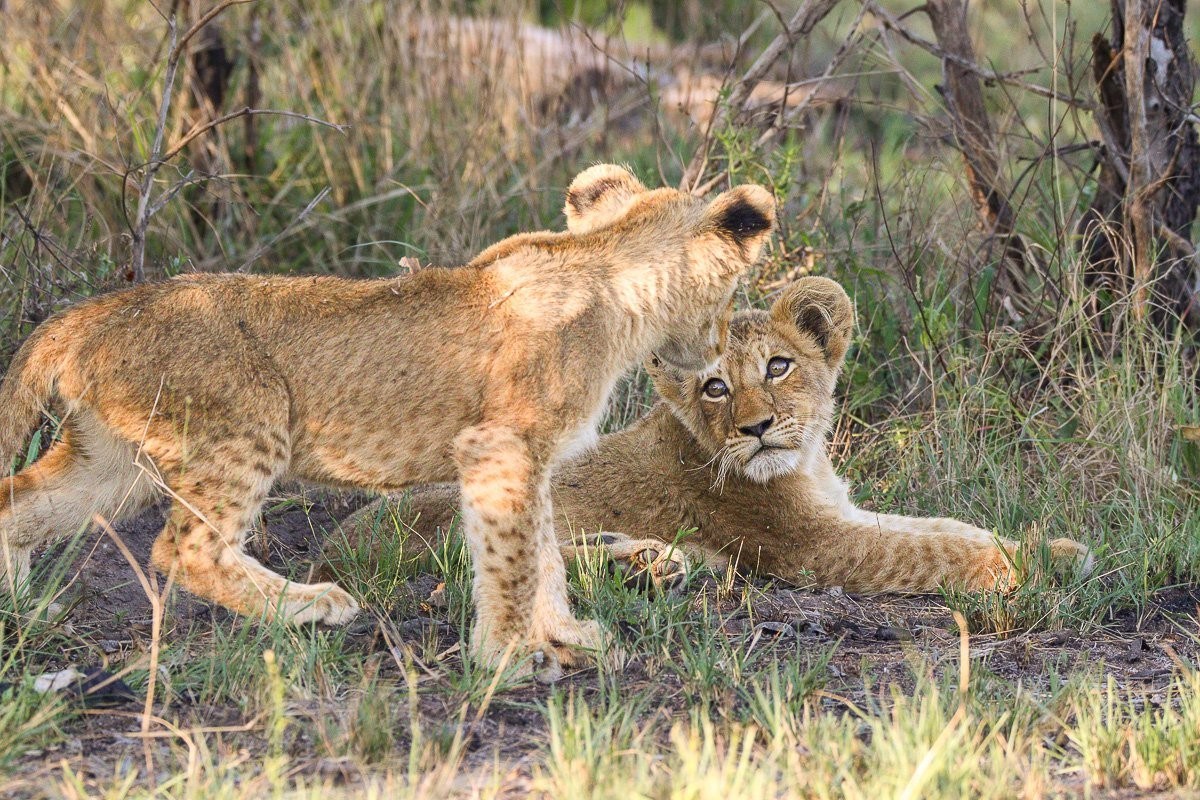
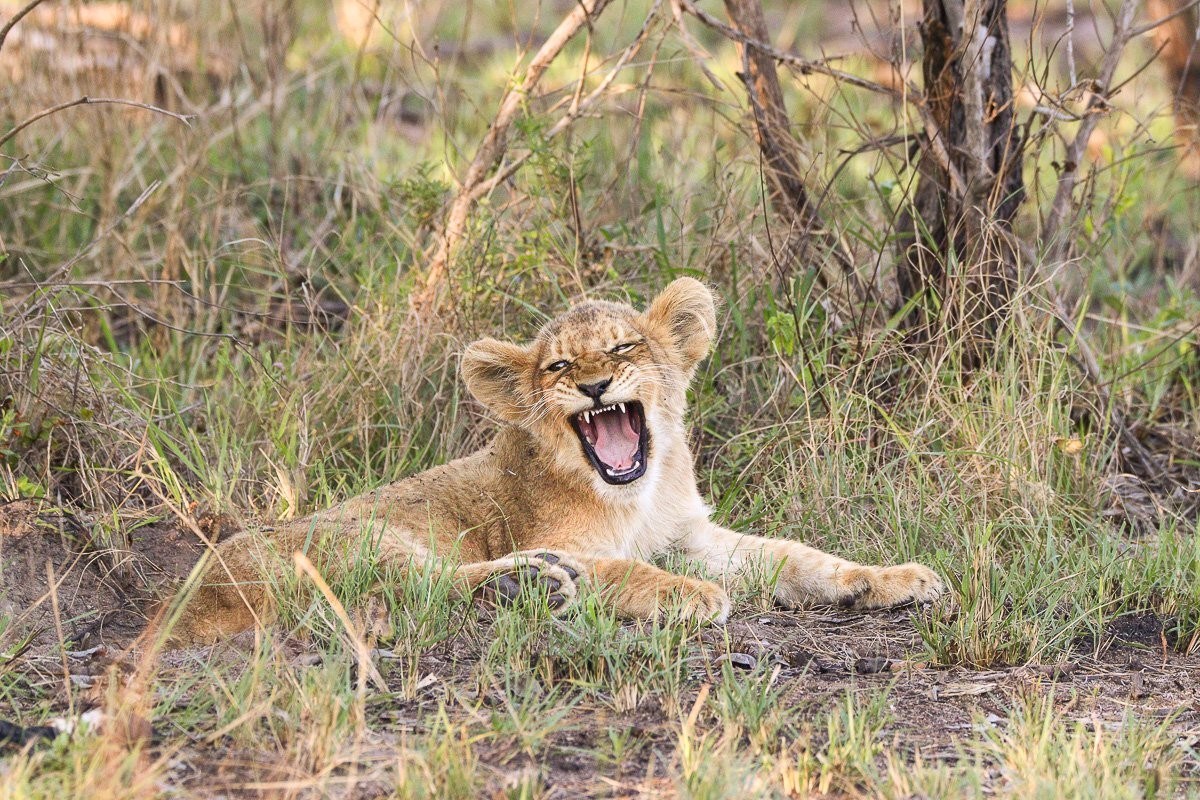
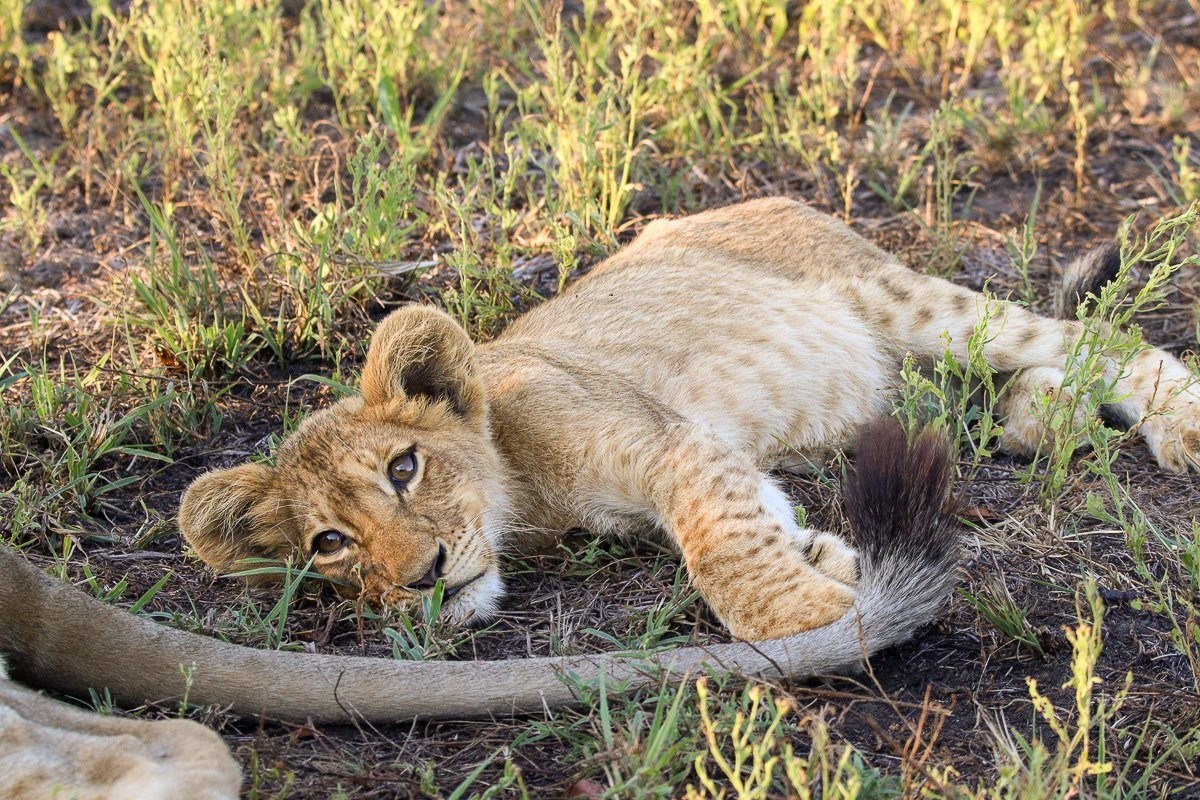
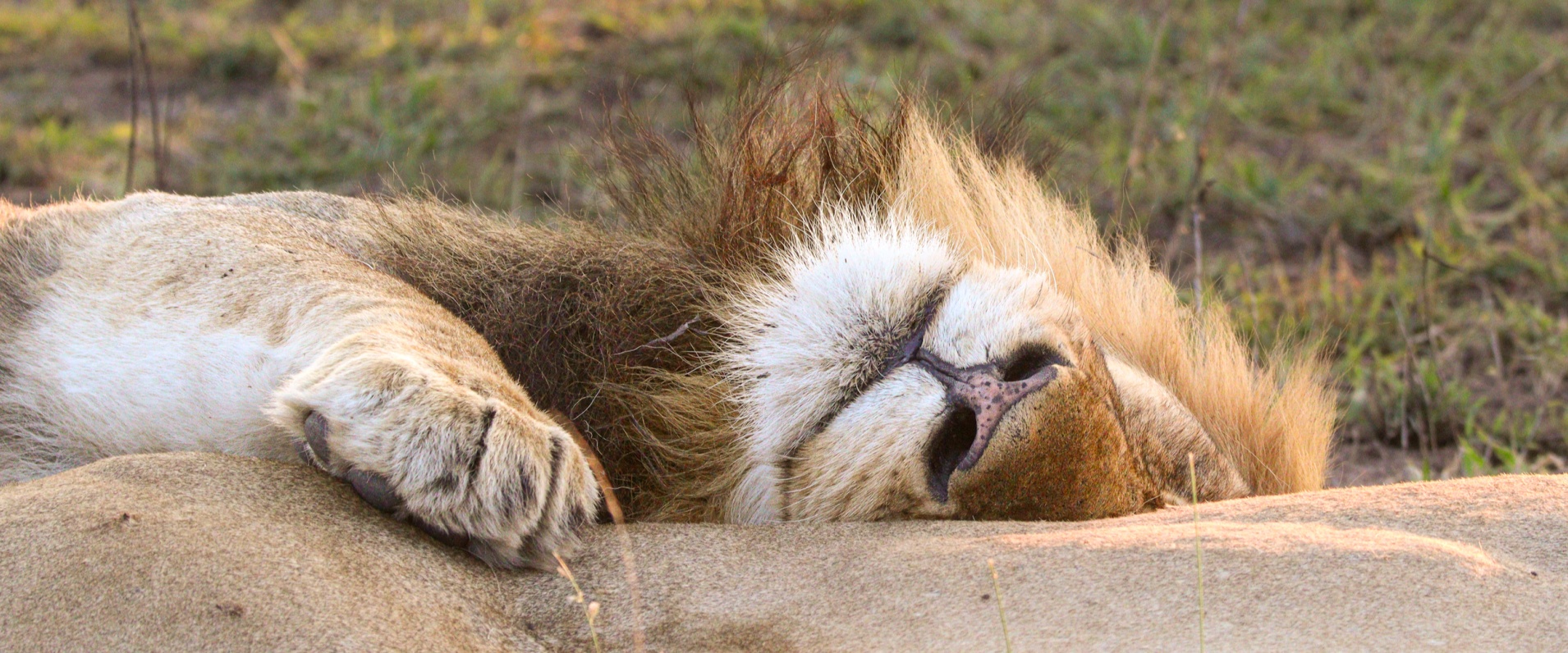
For much of the day, often between 16-20 hours, lions rest and sleep in the shade of nearby thickets. Resting close together is also an important part of their social bonding, strengthening the relationships and trust within the pride.
As the sun begins to set and temperatures cool, the lions gradually become more active. Yawning, stretching and grooming mark the start of their waking routine. Once one lion gets up and begins to move around, the others slowly follow suit, preparing for the activity and movements that lie ahead during the night.
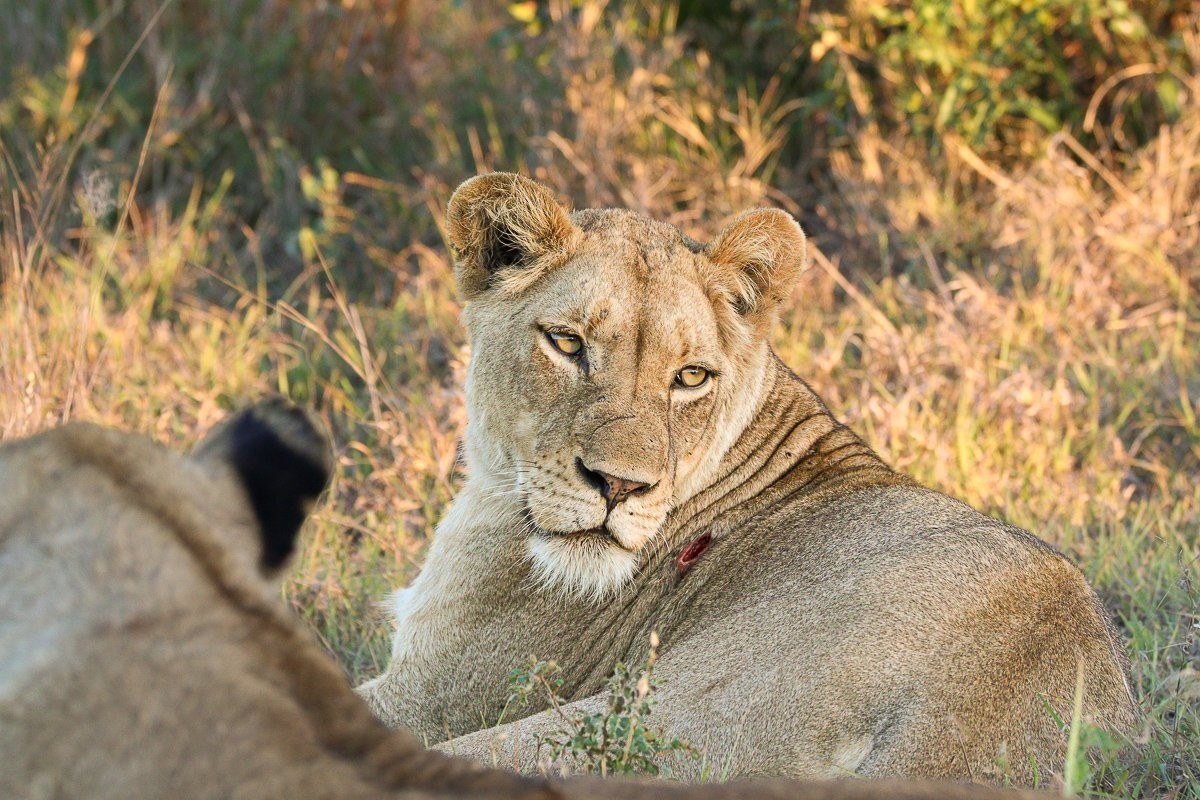
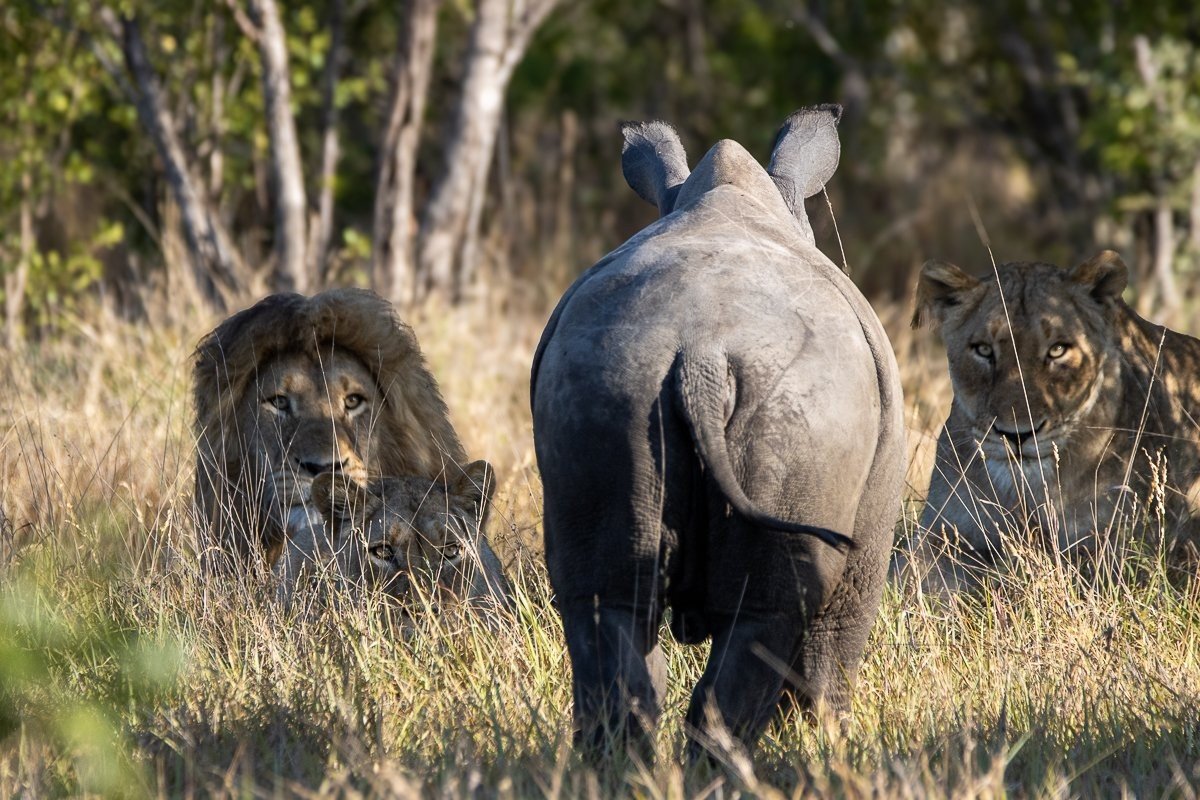
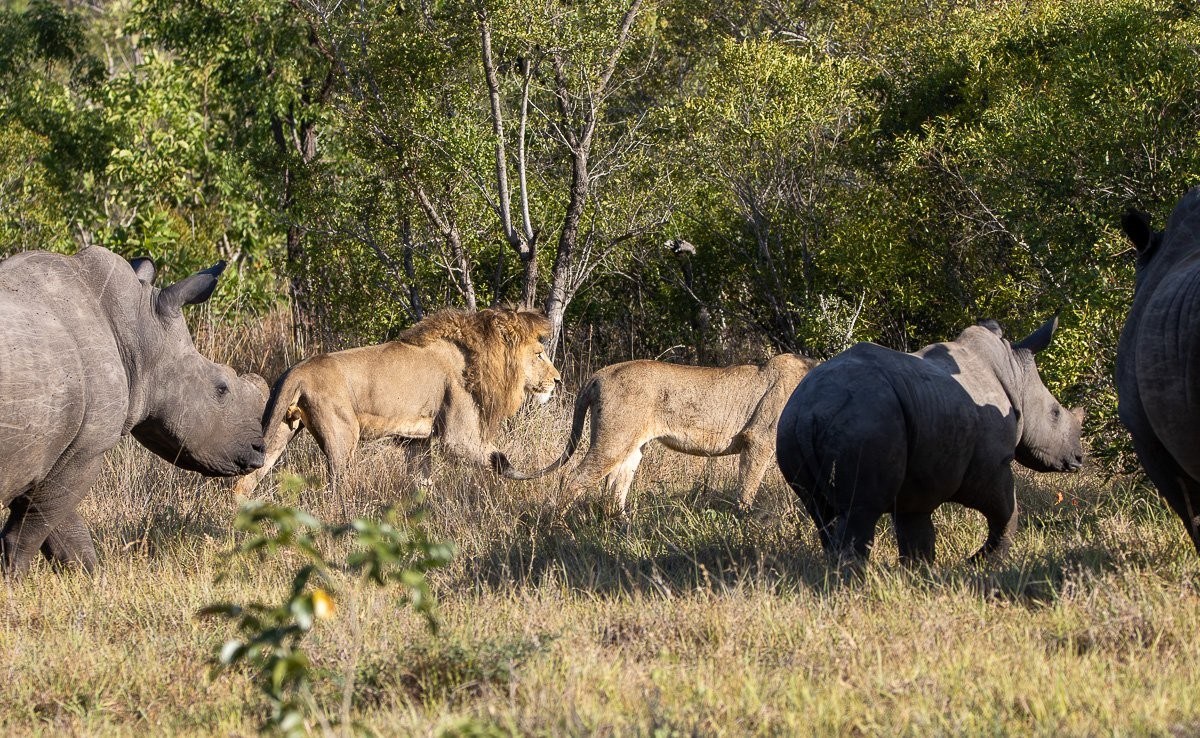
Early one morning, as we set off from the lodge, we could hear lions vocalising nearby, although we were unable to pinpoint their exact location. As we continued our drive, we came across fresh lion tracks and decided to follow them. It wasn't long before we found the lions resting in an open area. The behaviour of the nearby rhinos soon revealed just how close they were, with the adults staring intently in the lions' direction and occasionally charging towards them to scare them off. A rhino calf, however, seemed particularly determined to keep the lions on their toes, persistently chasing after them and following their every move, no matter where they tried to go.
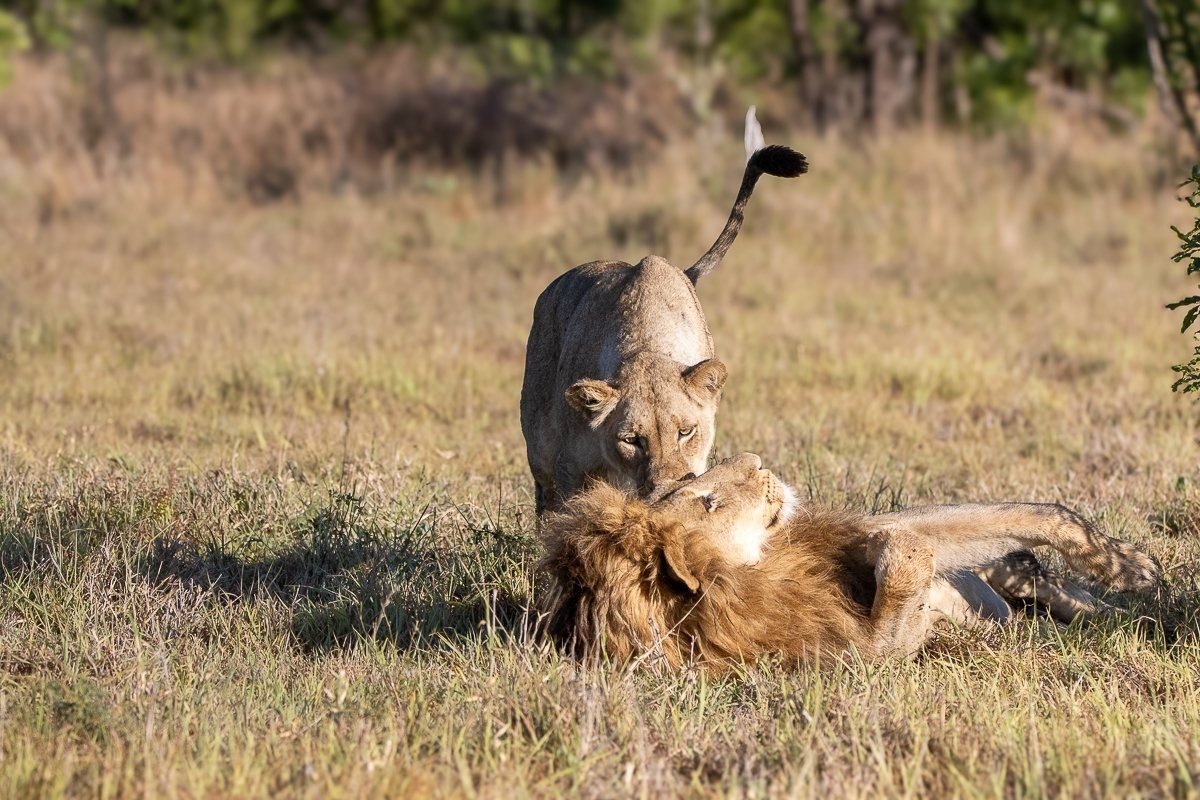
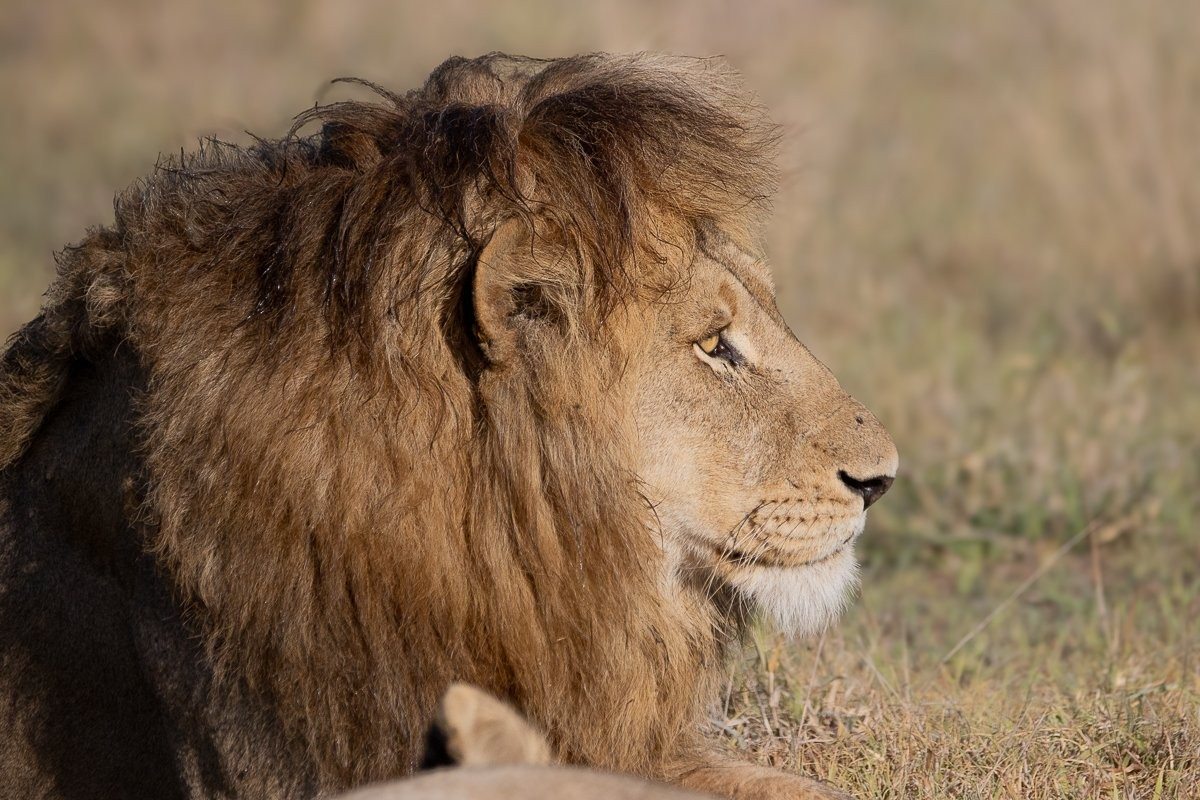
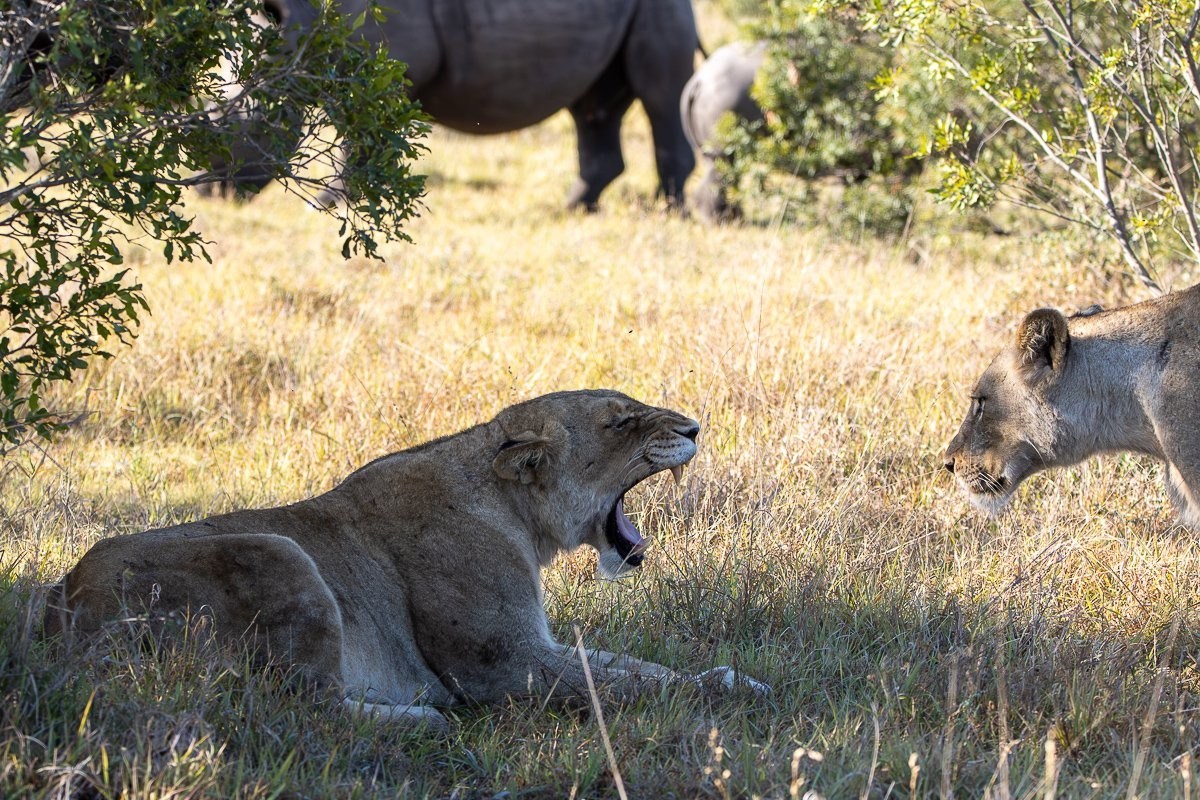
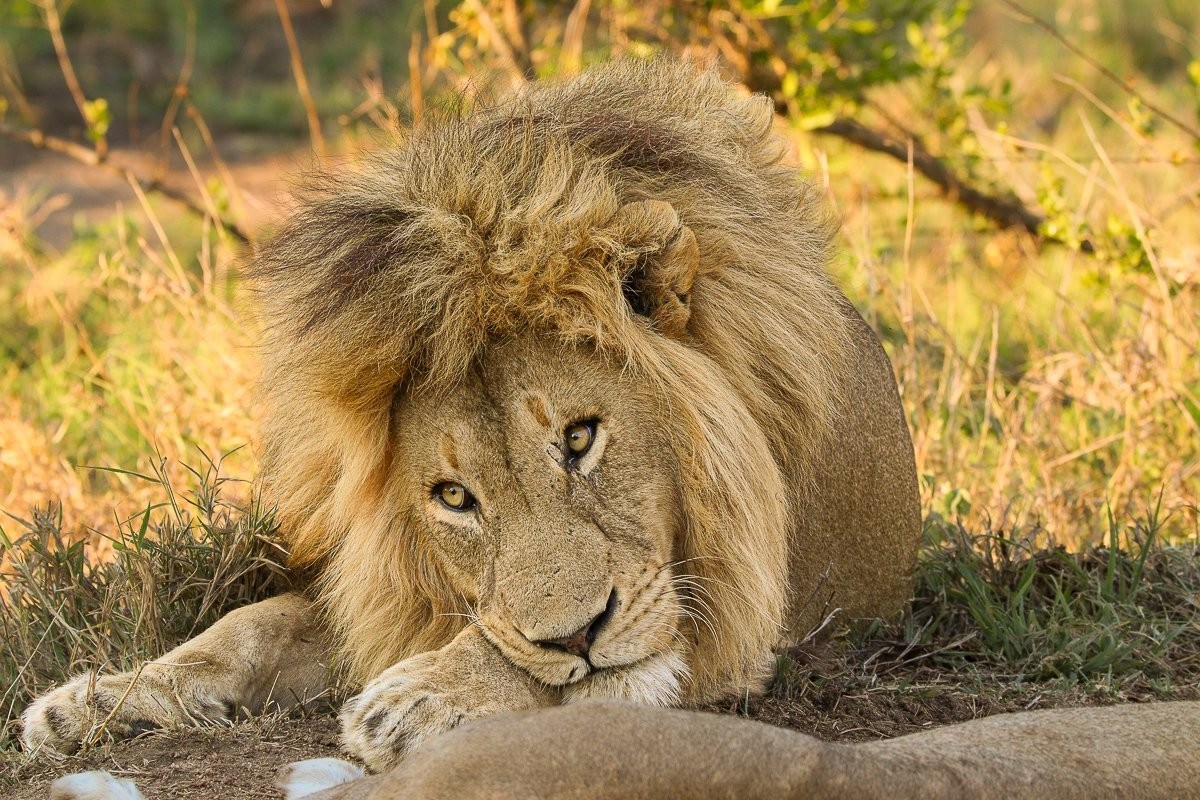
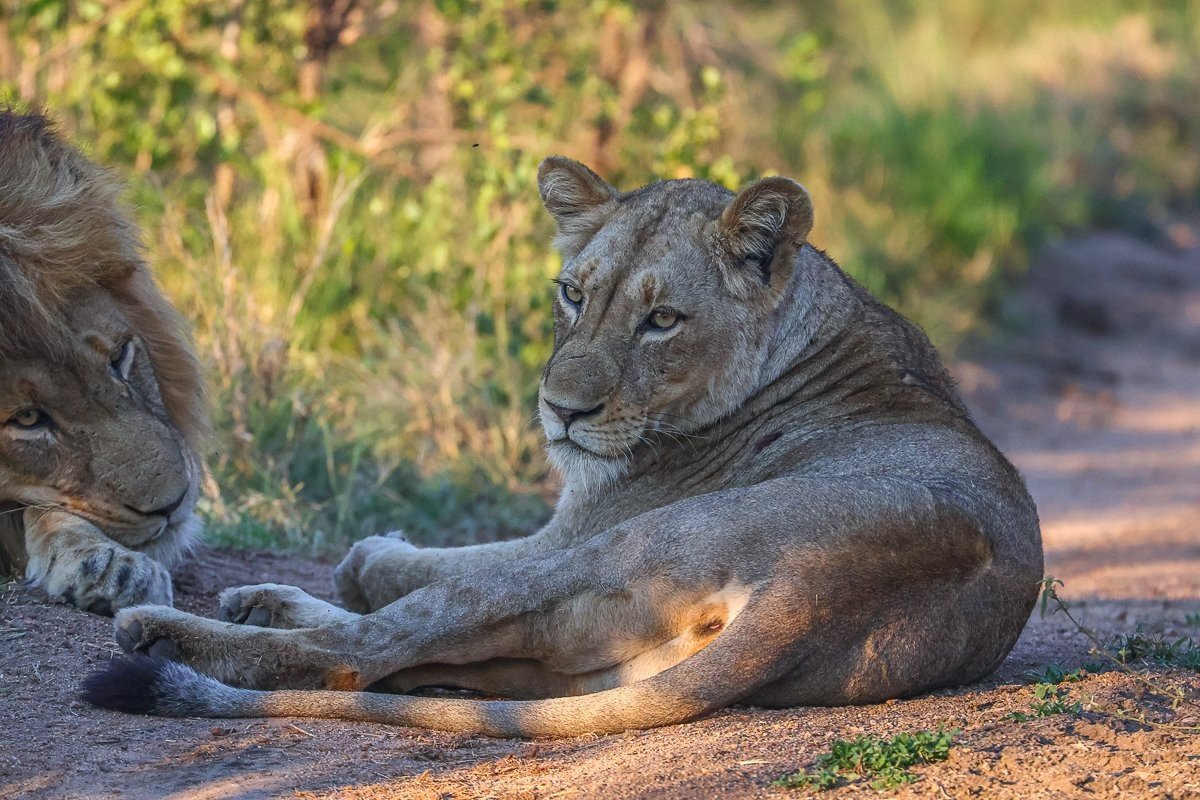
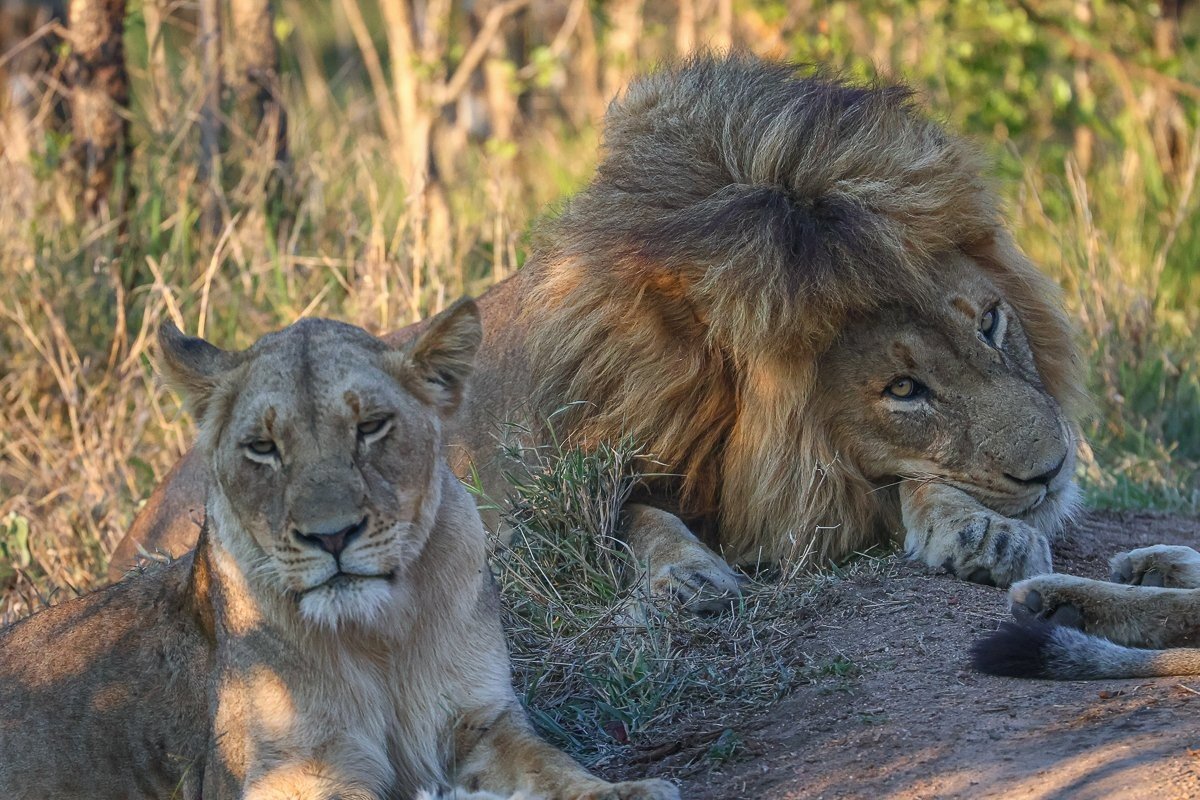
We followed up on the N’waswishaka males and Msuthlu lionesses and managed to locate three of the males and two lionesses resting in an open area. As the afternoon progressed, the lions became more active and began attempting to stalk a nearby herd of impalas. However, with so many watchful eyes in the herd, their approach was quickly detected, and the previously quiet bush was filled with alarm calls, giving away the lions’ position. Accepting defeat, the lions retreated to their resting spot, seemingly content to wait for sunset before making another attempt at a hunt.
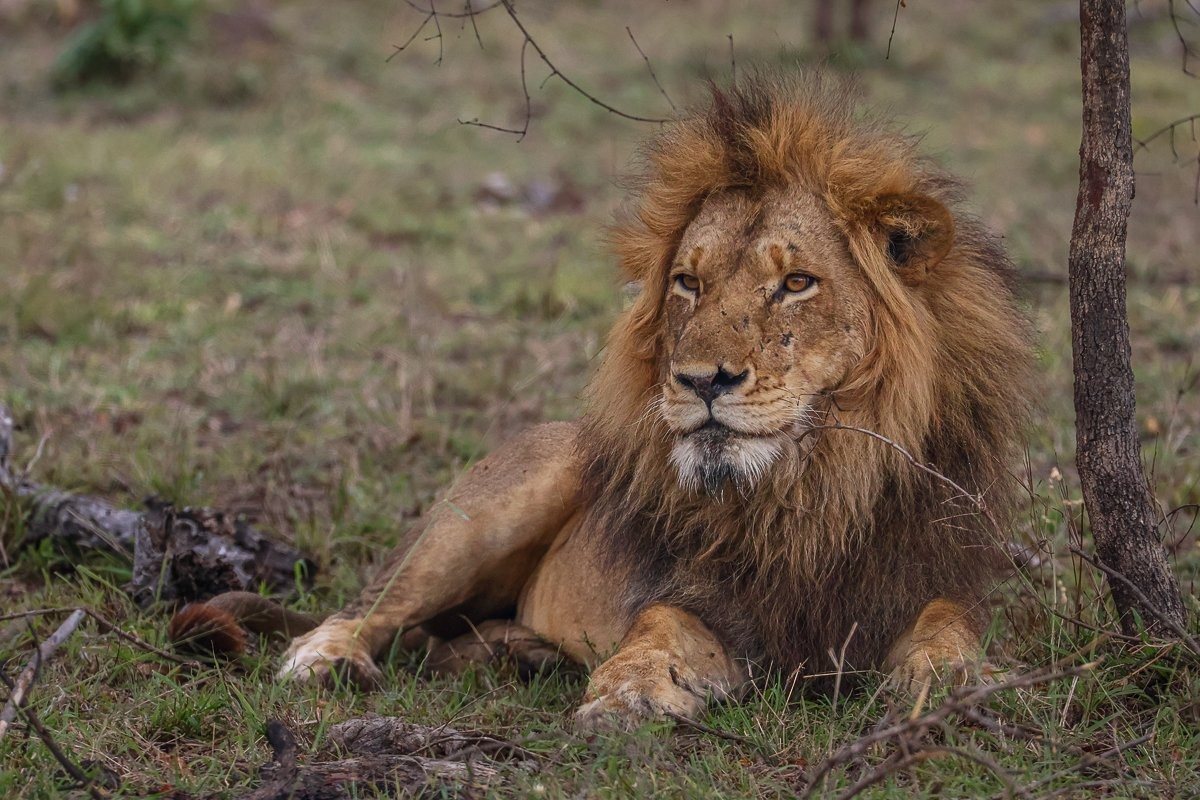
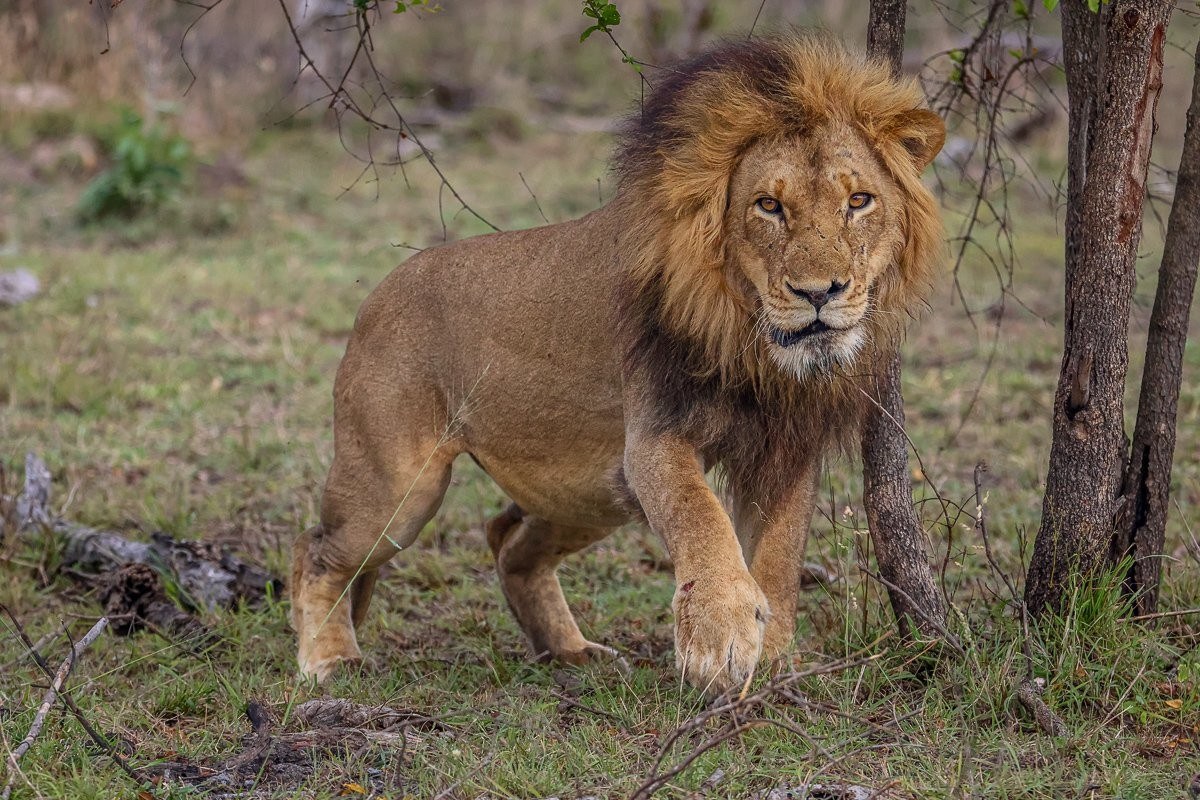
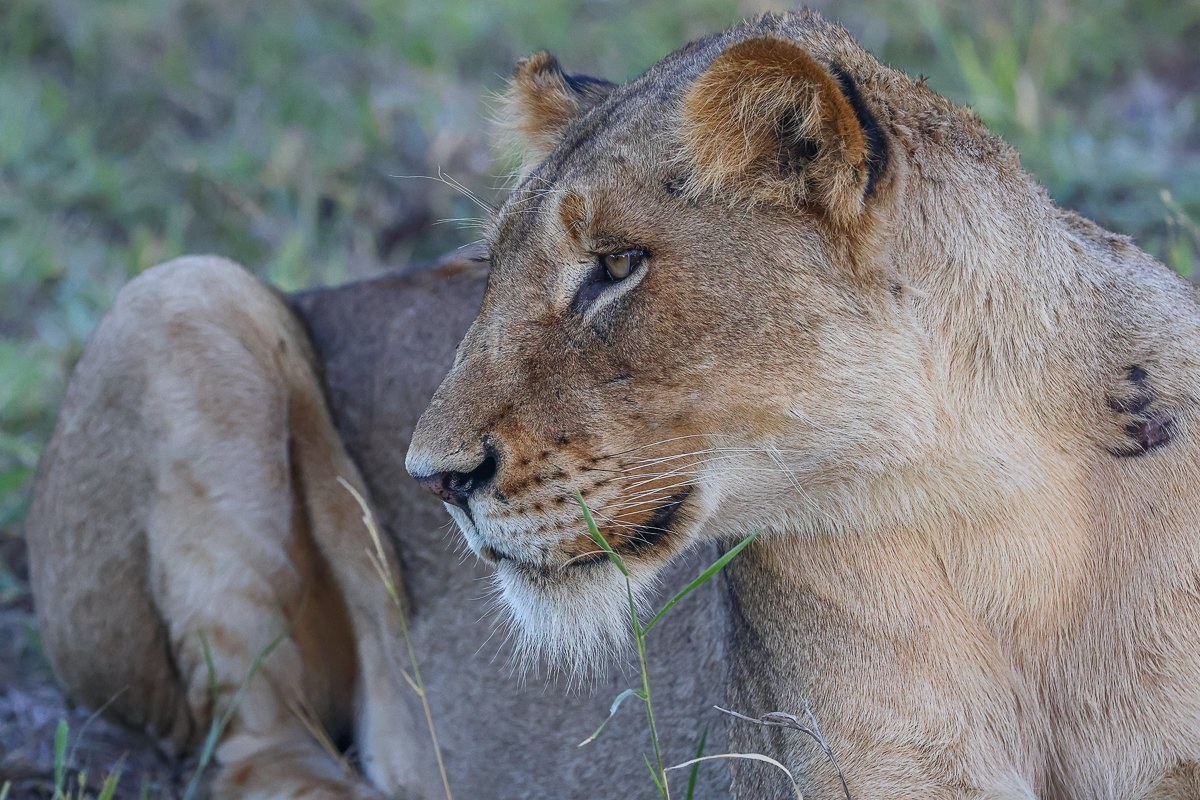
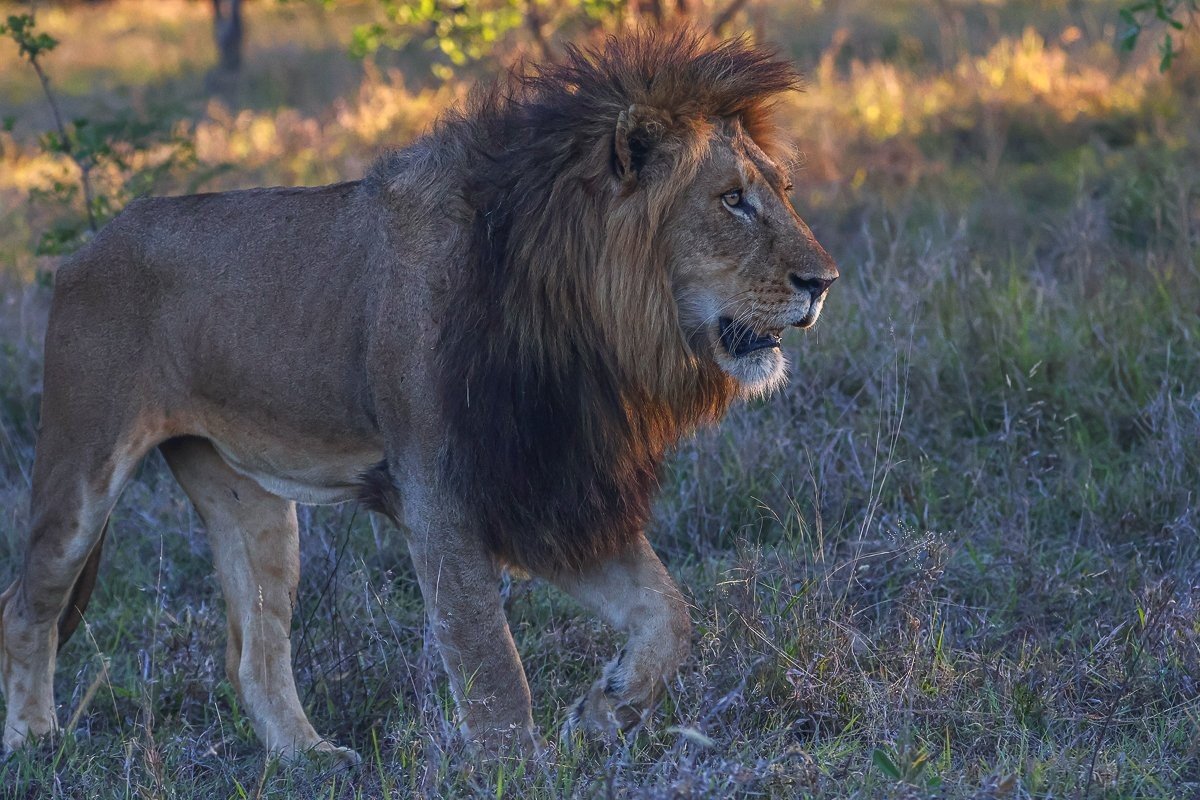
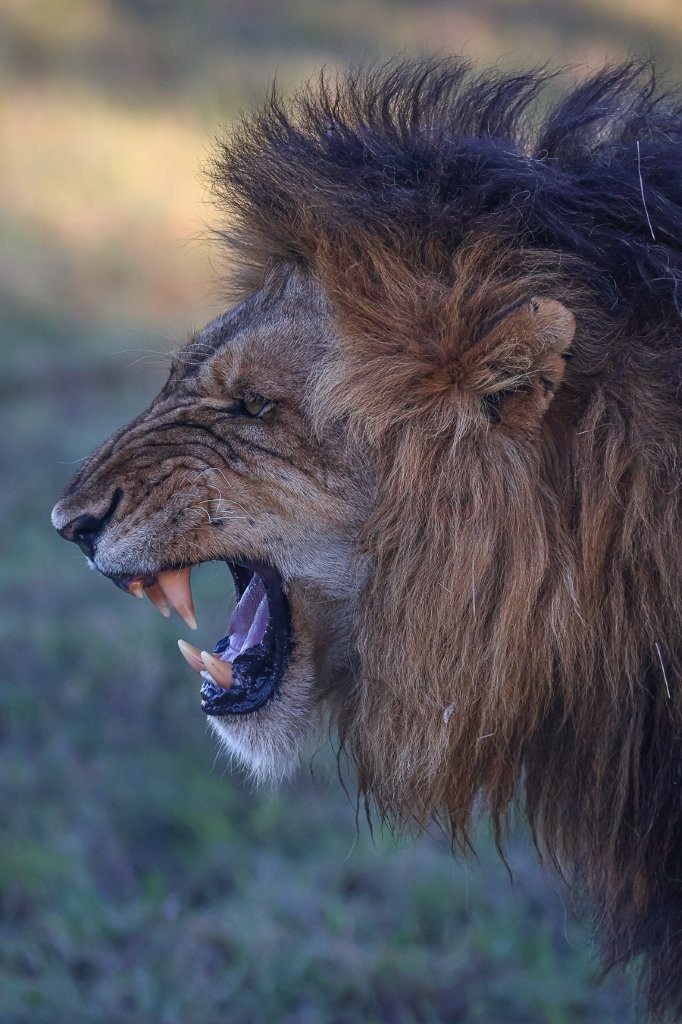
As the afternoon began to cool, three N’waswishaka males and three Msuthlu females started to wake up and slowly become more active. Two of the males were particularly focused on the females' scent, keeping a close eye on their movements. Whenever the opportunity arose, they performed what is known as the flehmen grimace, using this behaviour to assess whether the females were ready to mate.
Unfortunately for the males, the females were less than impressed by their constant attention. Eventually, they got to their feet and moved away, attempting to put a little more distance between themselves and their persistent admirers.
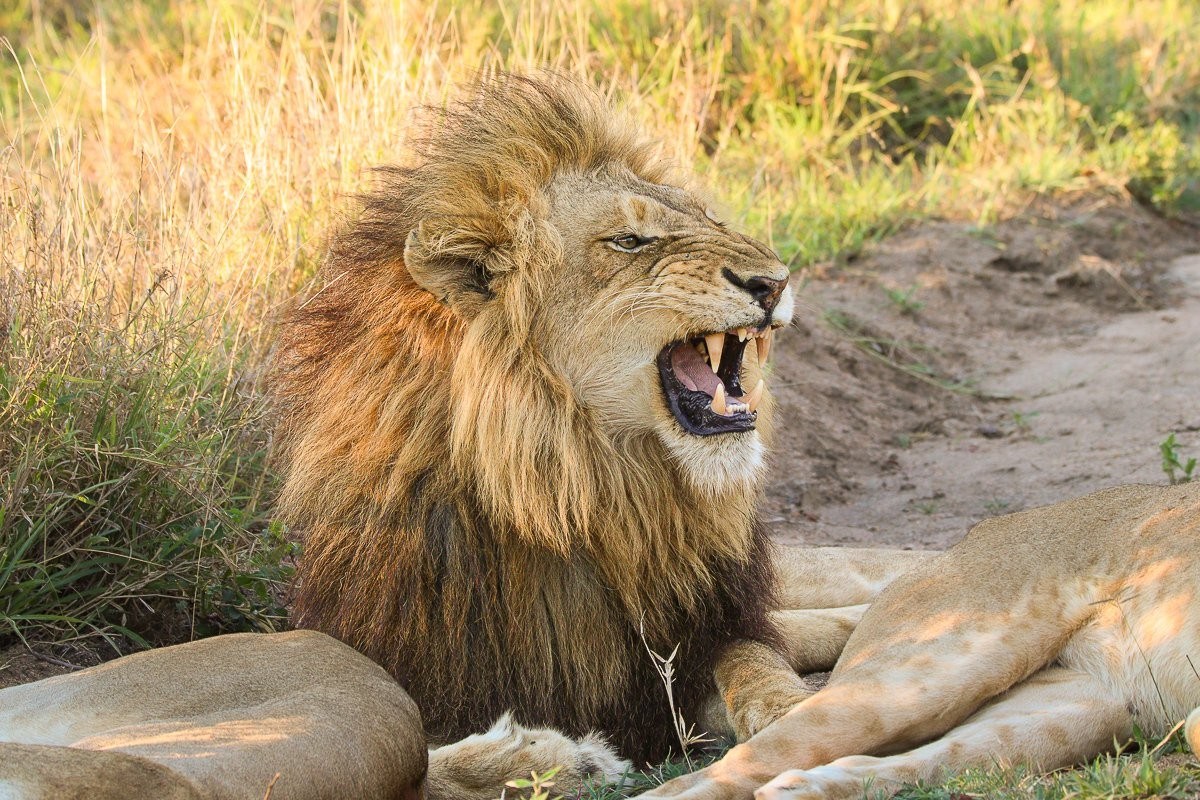
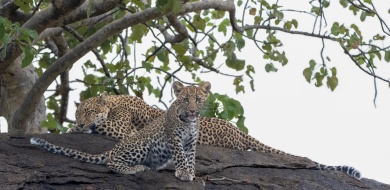
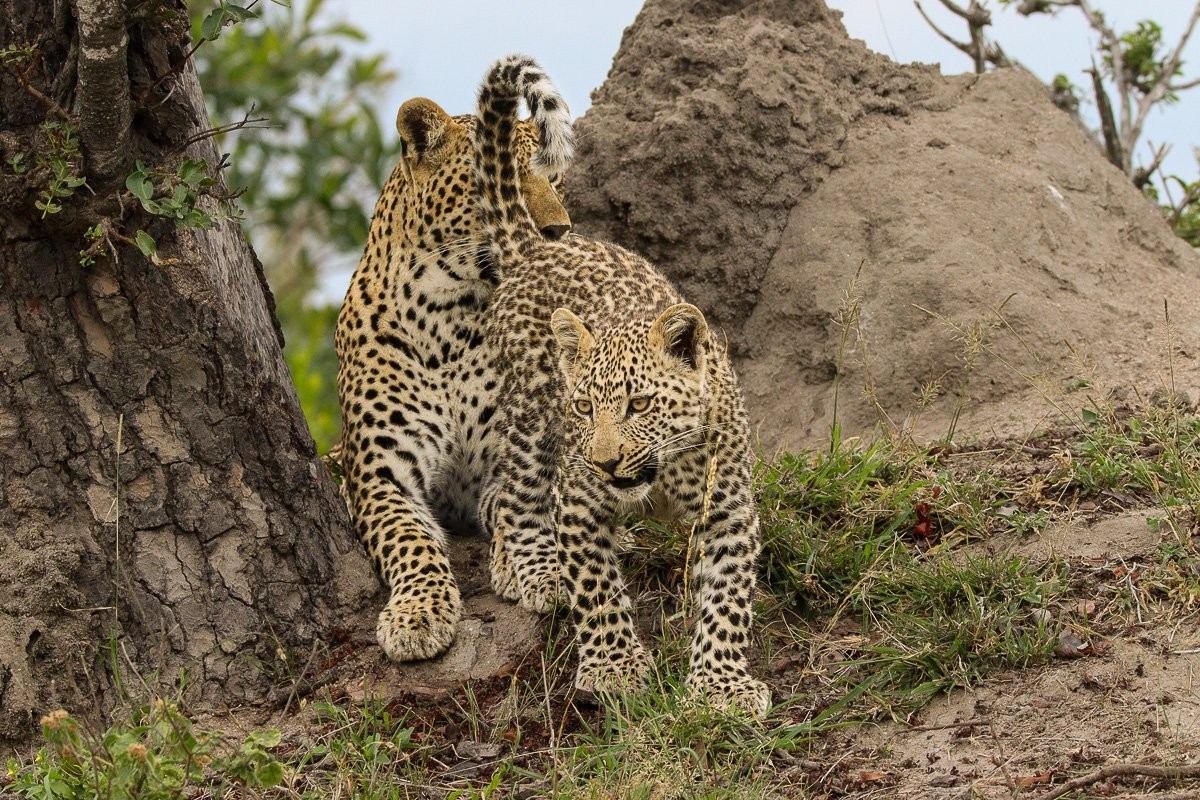
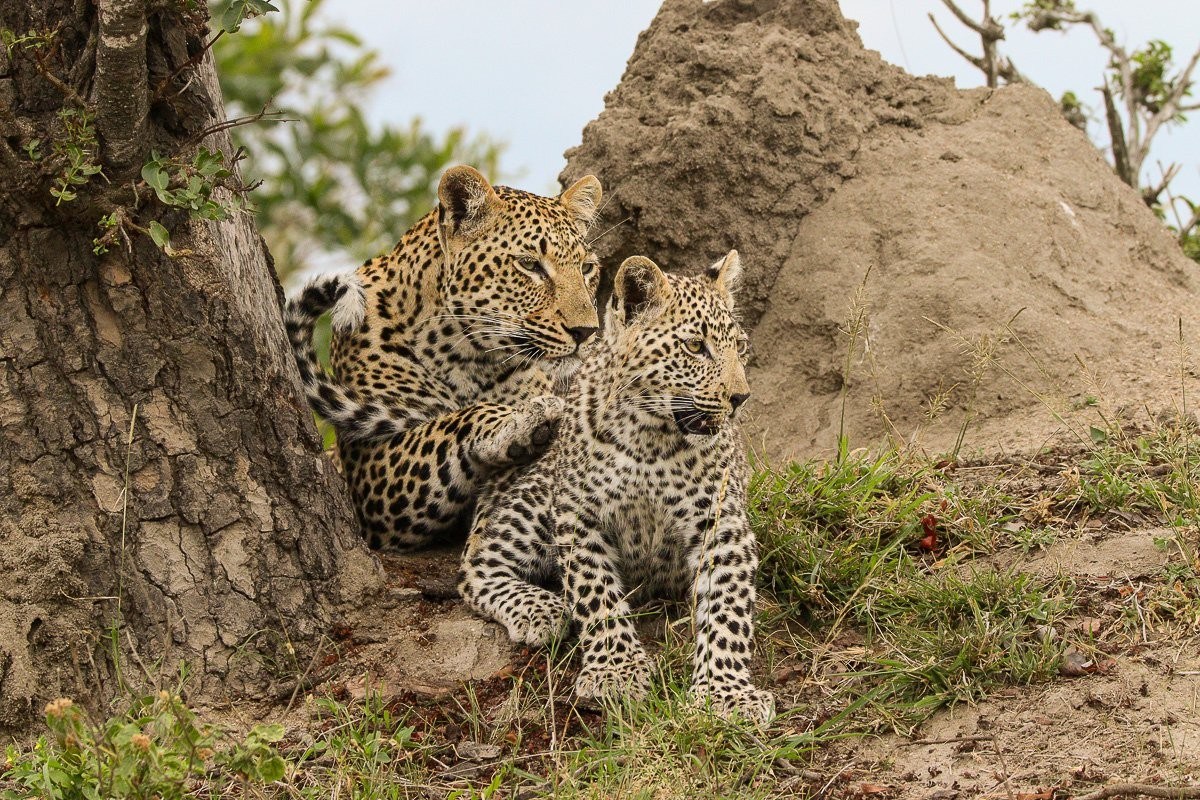
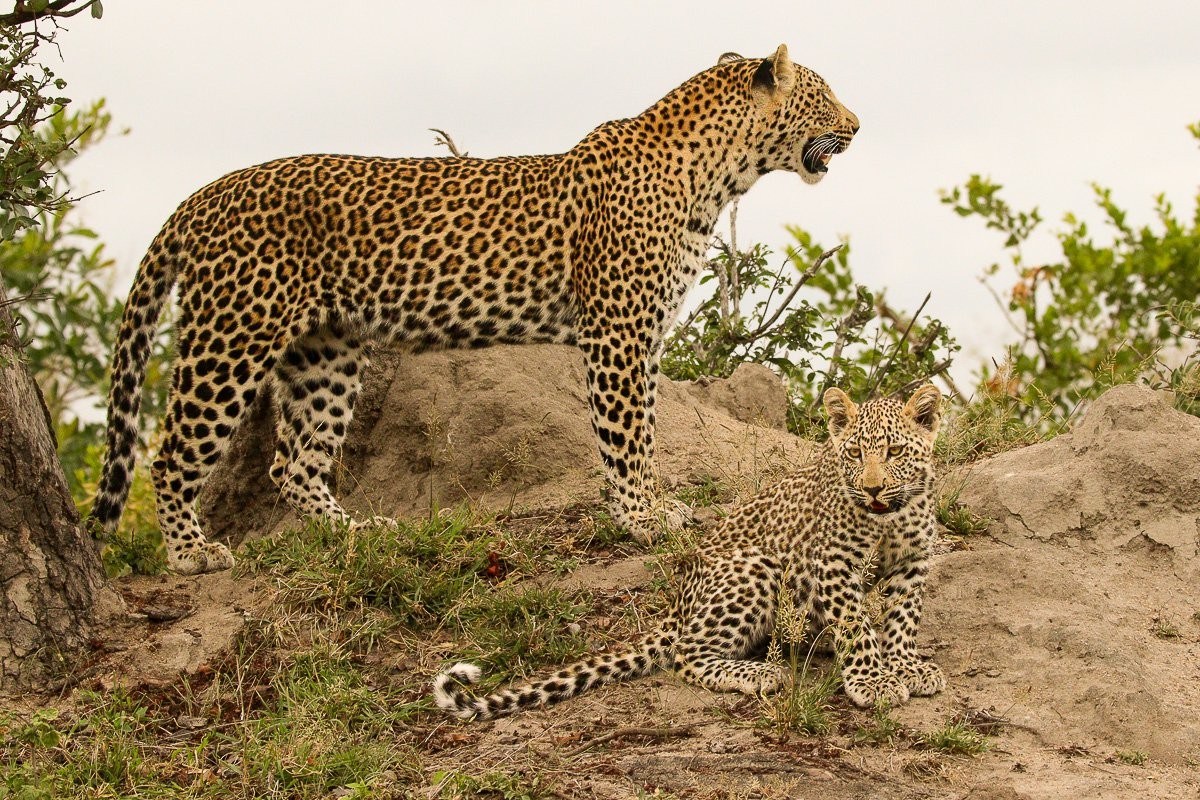
The Kurhula female and cub moved from one termite mound to another, pausing along the way to allow the cub to catch up and settle beside her. She took the opportunity to groom her youngster while keeping a watchful eye on her surroundings, observing a herd of impala moving through the bush. With no apparent interest in hunting, she eventually called the cub and led it into a nearby drainage line, where she left it safely tucked away beneath the thick cover of a tree before continuing with her territorial patrol.
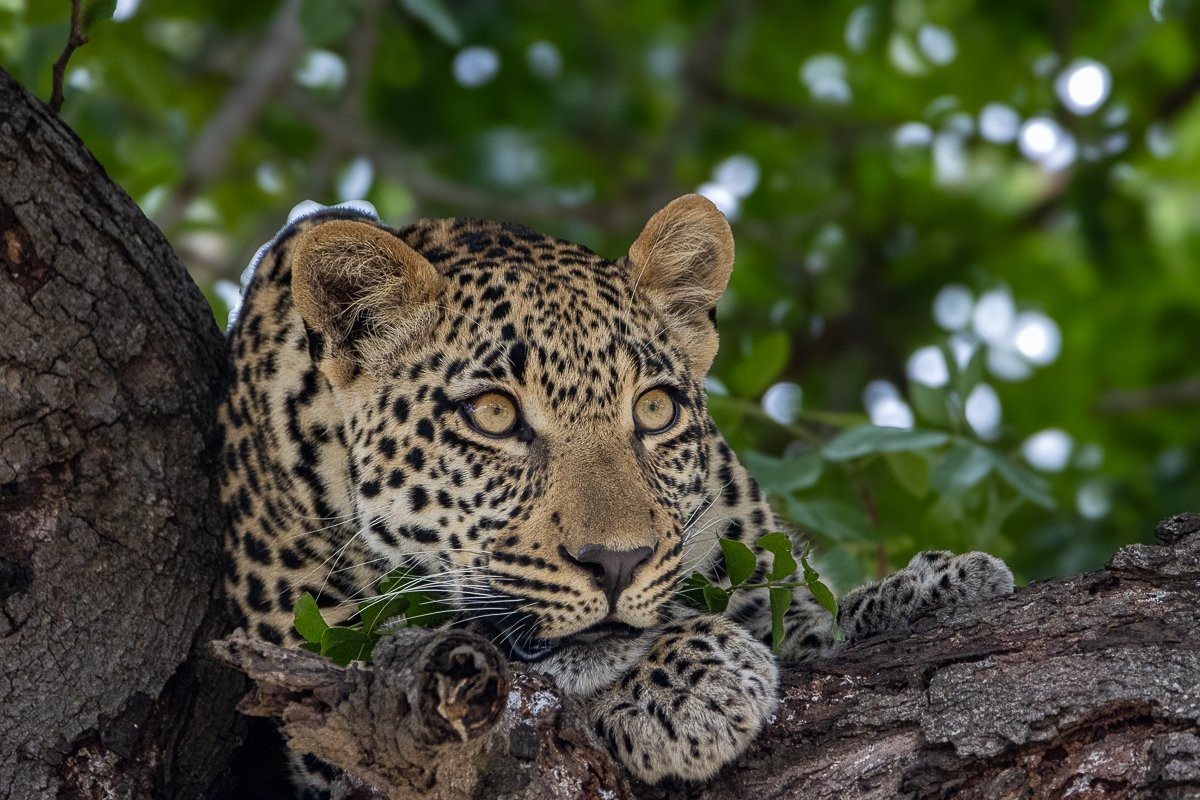
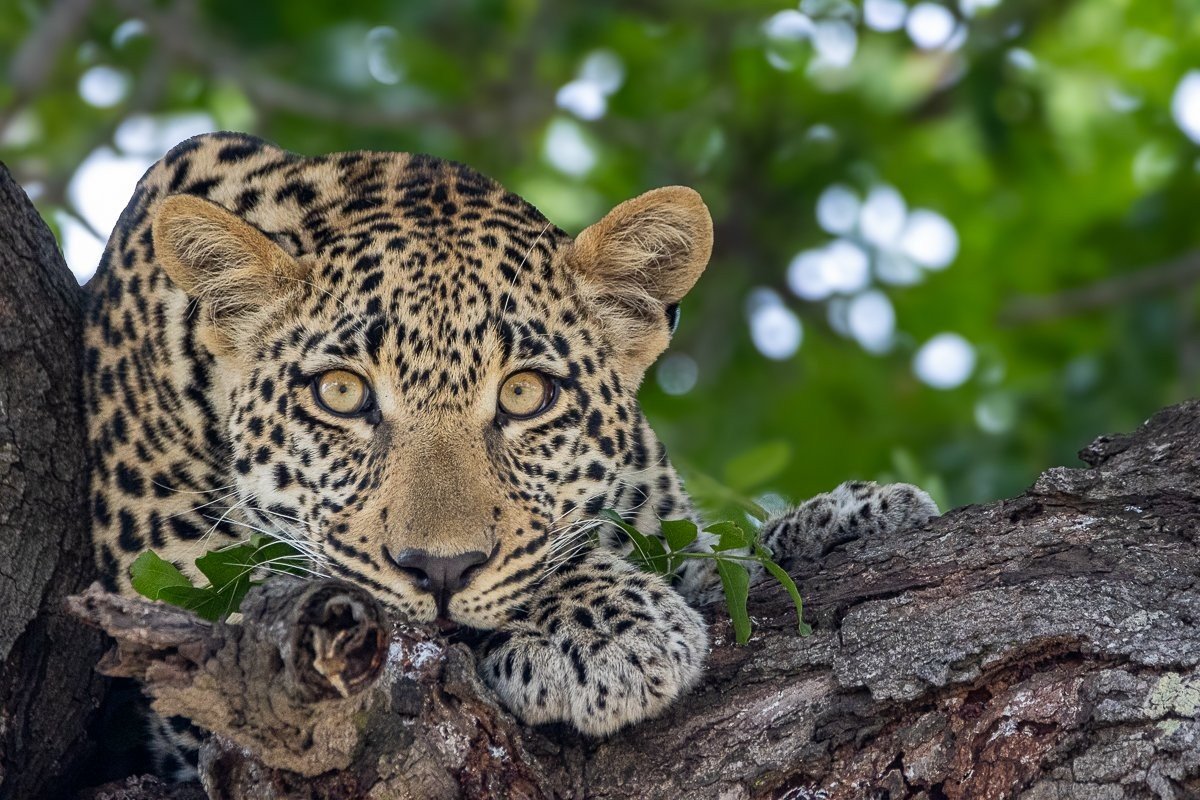
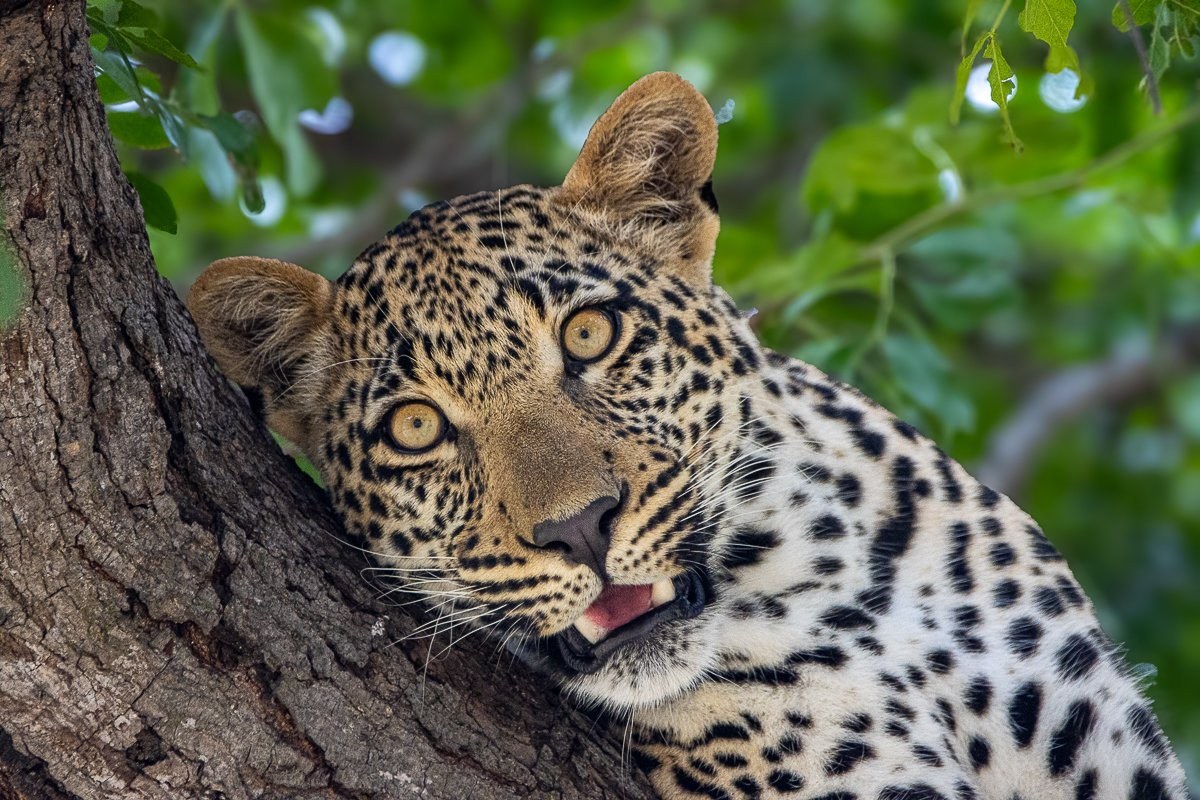
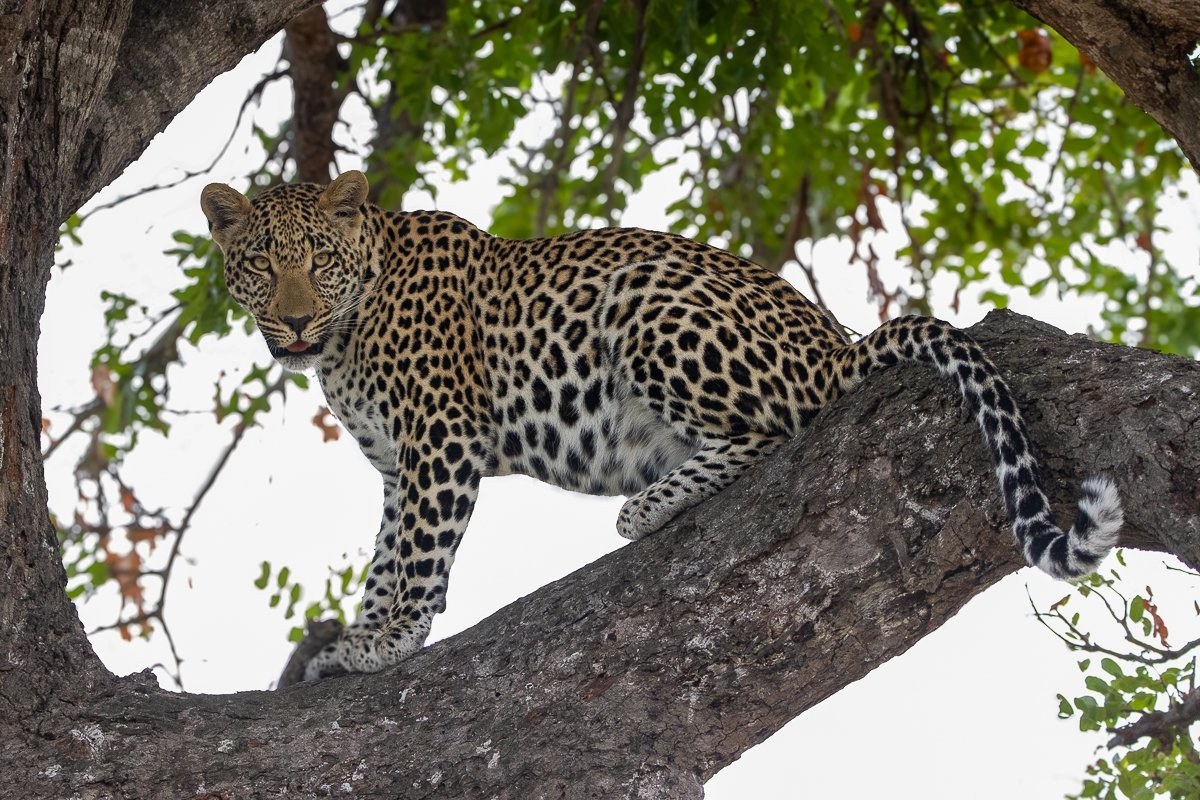
We found the young Tengile male leopard resting in a tree after tracking his movements for some time. Finding him proved challenging, as he had been moving back and forth across the road, following the movements of nearby impala herds. He appeared to be showing an interest in the herds, perhaps hoping to find a newly born impala that would offer an opportunity to practice his hunting skills. Although he was resting in the tree, his noticeably full belly suggested he may already have had some success earlier in the day. His mother could be heard calling nearby, but as darkness began to fall, we were unfortunately unable to locate her.
Young leopards are naturally curious and experimental, particularly when left to explore on their own while their mothers go off to hunt. They rarely remain in one place for long, often following anything that catches their attention, especially potential prey. These moments are an important part of their development as they begin to explore their surroundings and develop the skills they will eventually need to survive independently.
Until next time…

Blog by Wendy Claase
Images by Jana du Plessis, Ronald Mutero and Ruan Mey