A Week in the Bush Vol. 616
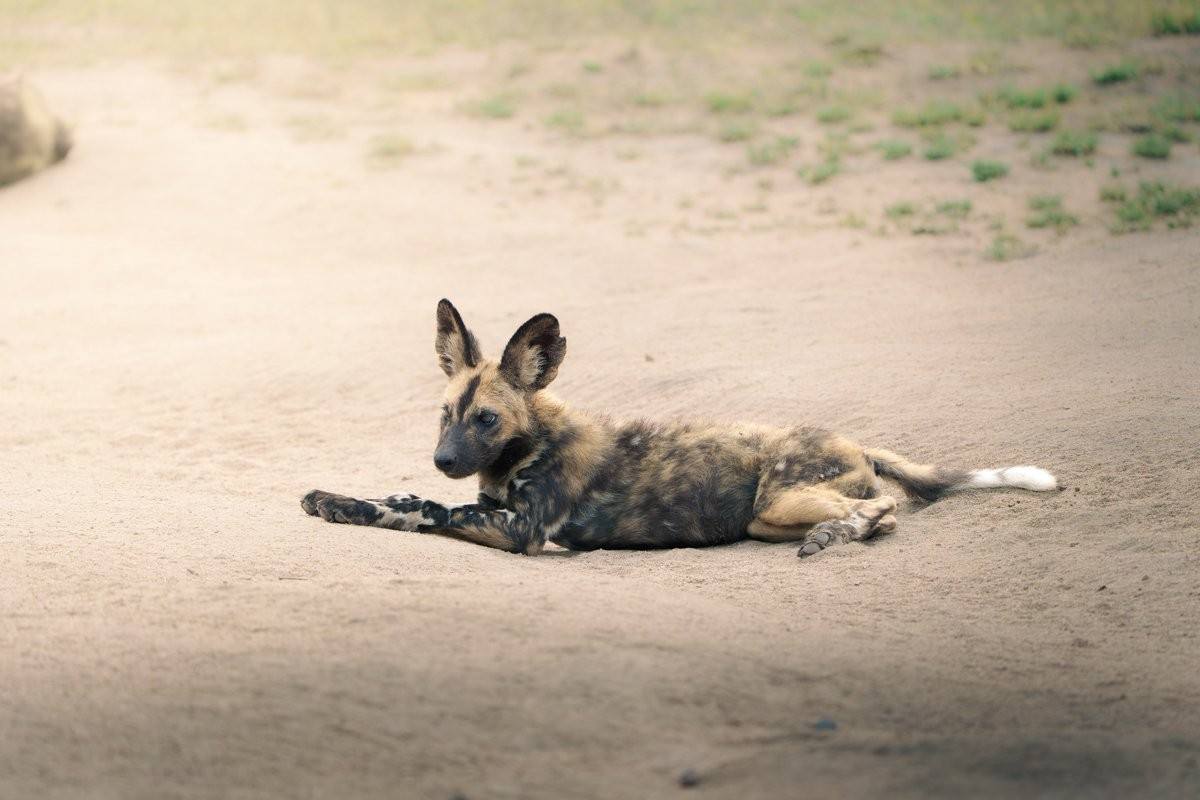
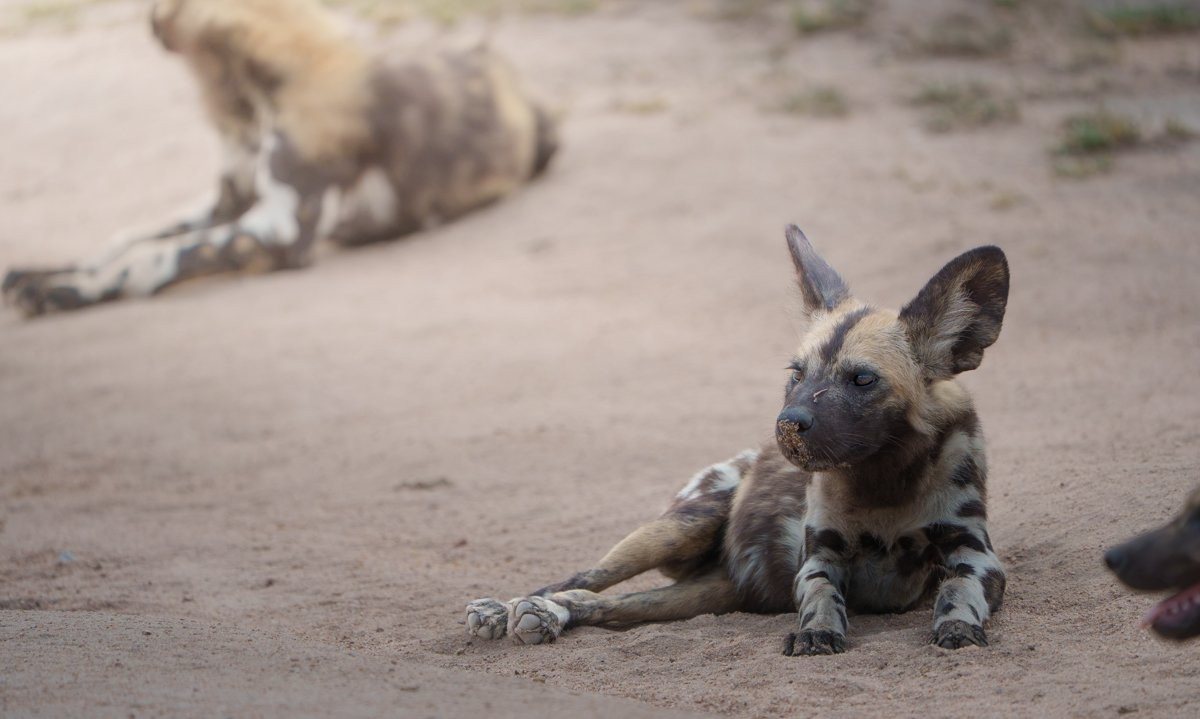
on Nov 04, 2026This growing pack of African wild dogs has been joined by its newest members. The pups are now old enough to leave the den and follow the adults as the pack covers its incredibly vast home range, searching for food and safe ground for the youngsters. During a well-earned rest on the road, this little one kept a curious eye on its surroundings, a dusting of sand on its nose the only sign of the morning’s adventures. With wild dogs being one of Africa’s most endangered predators, every new pup is a reason to celebrate.
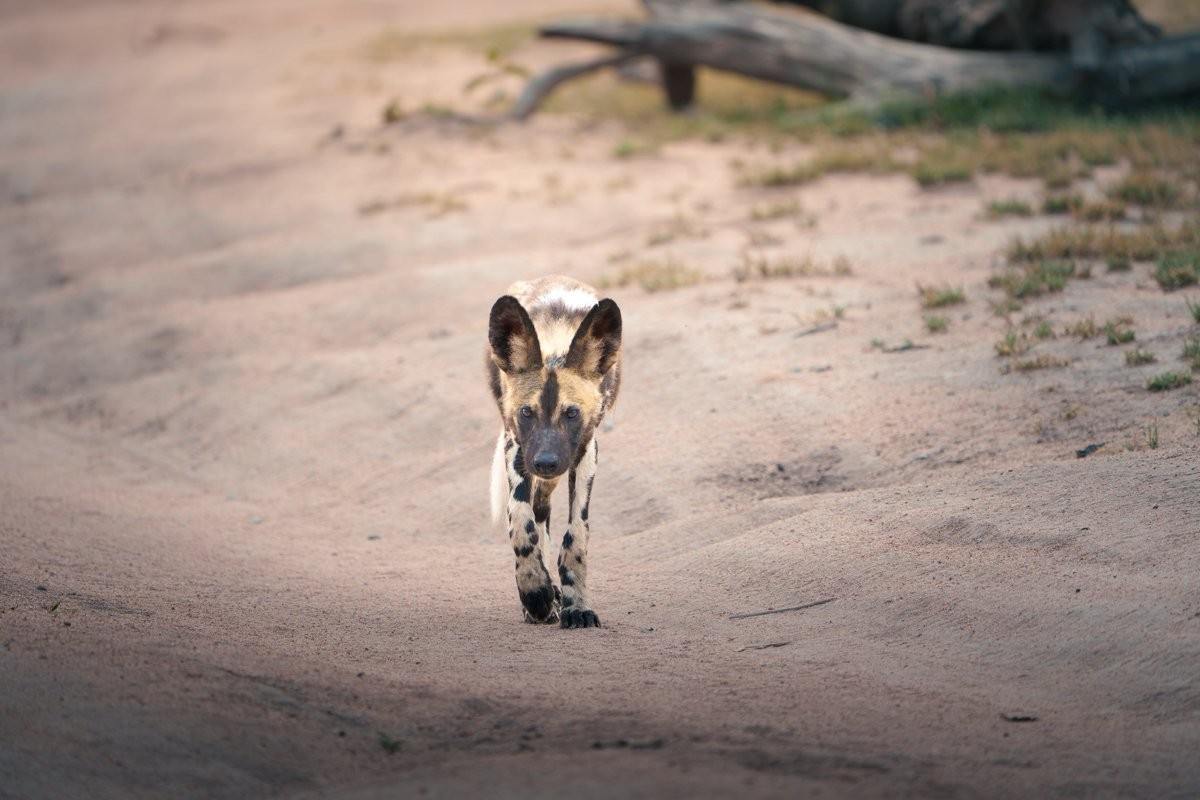
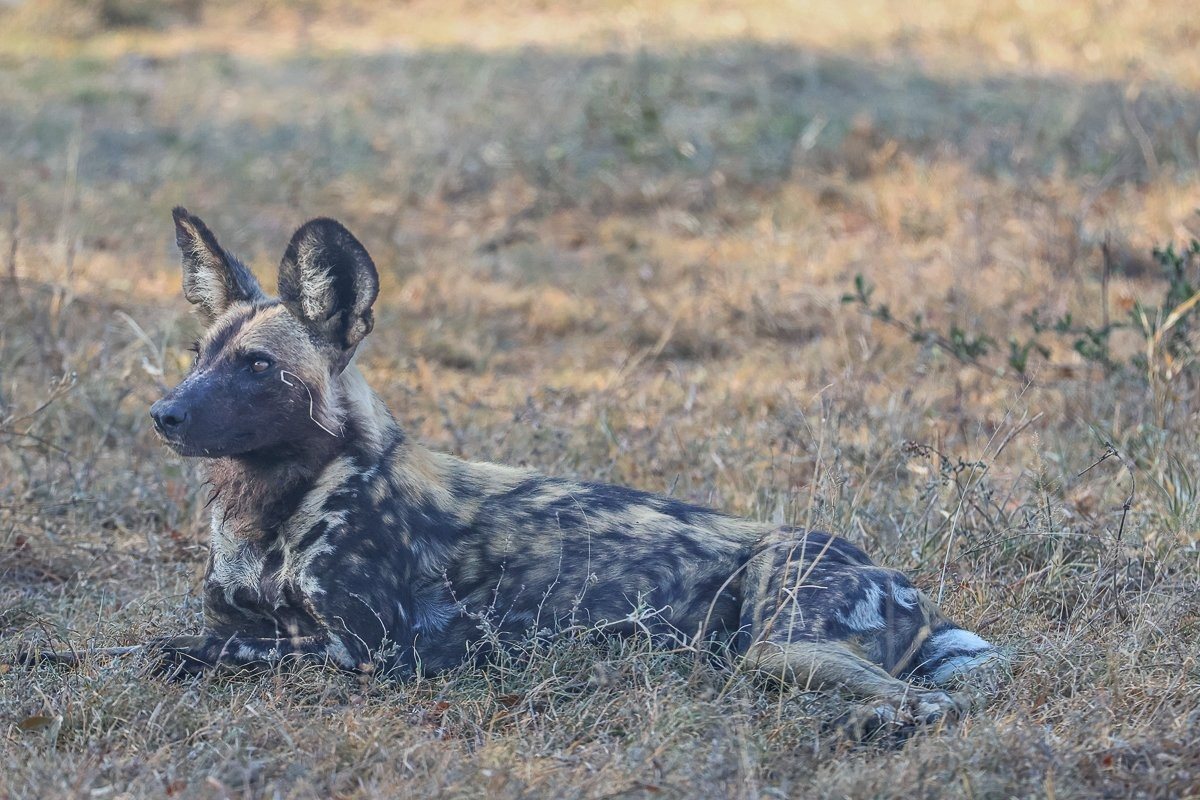
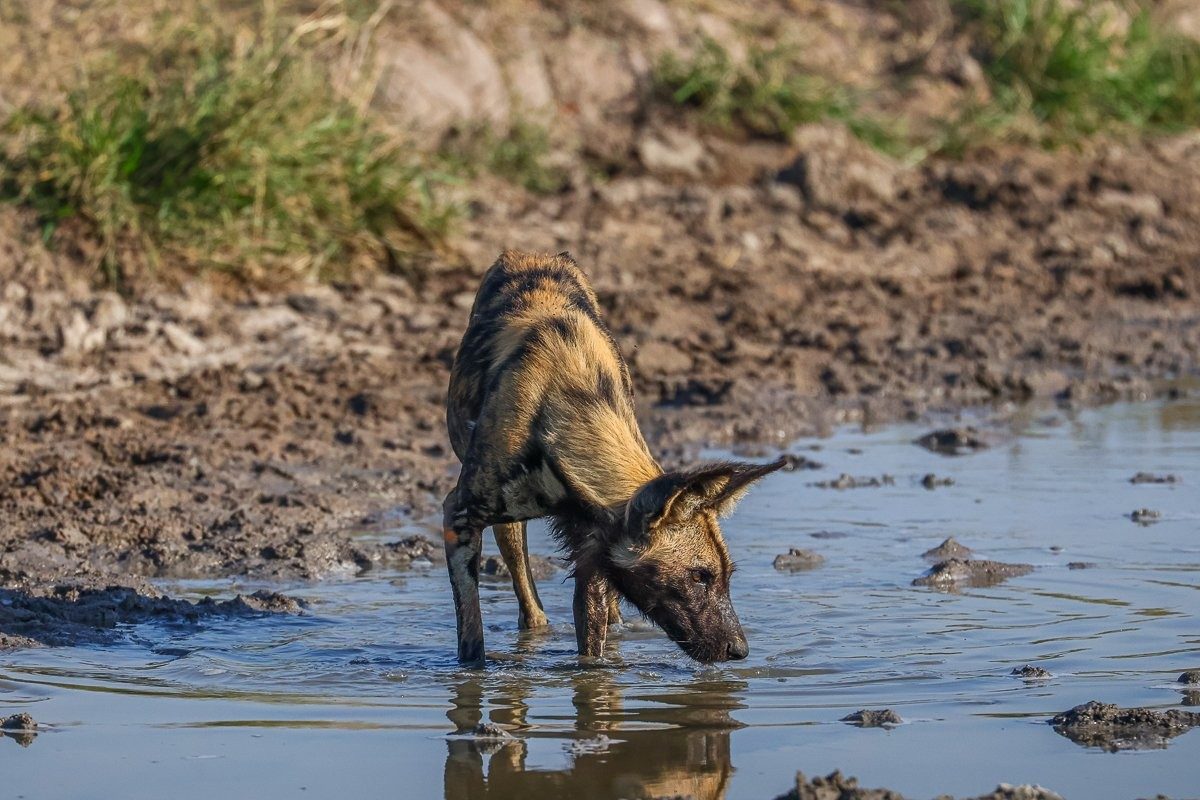
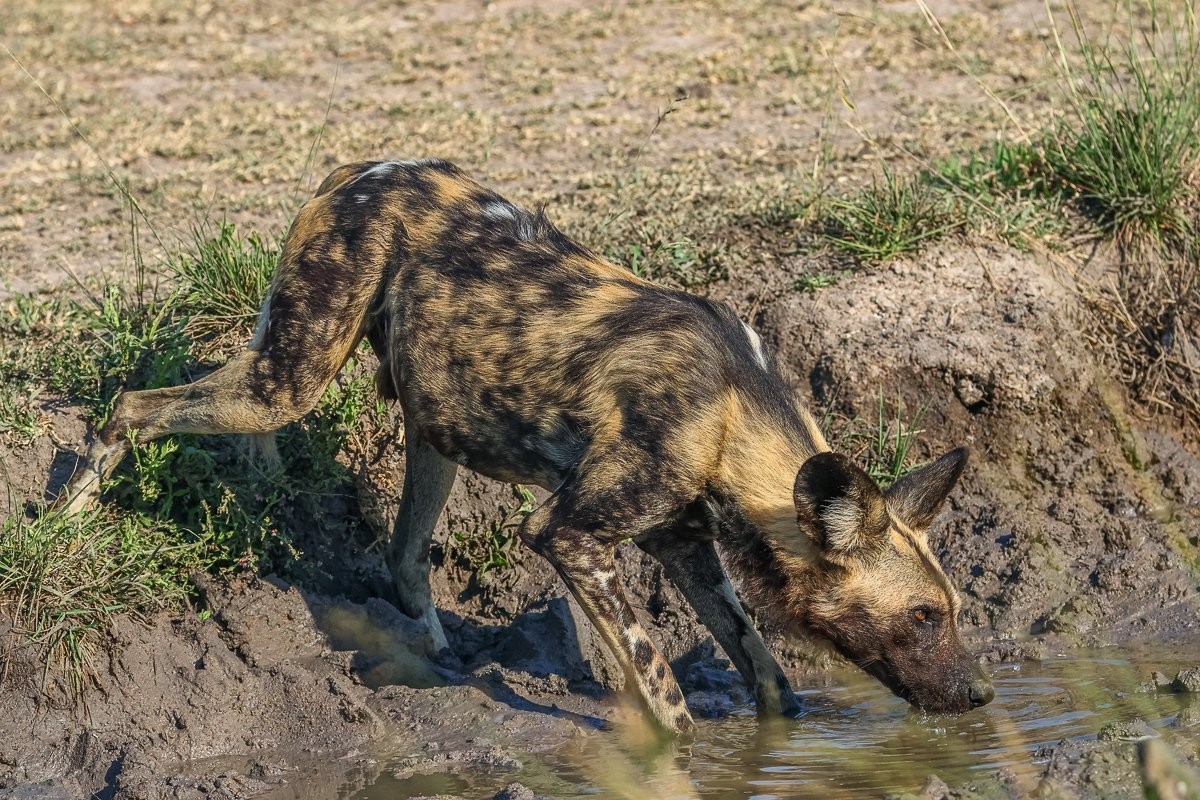
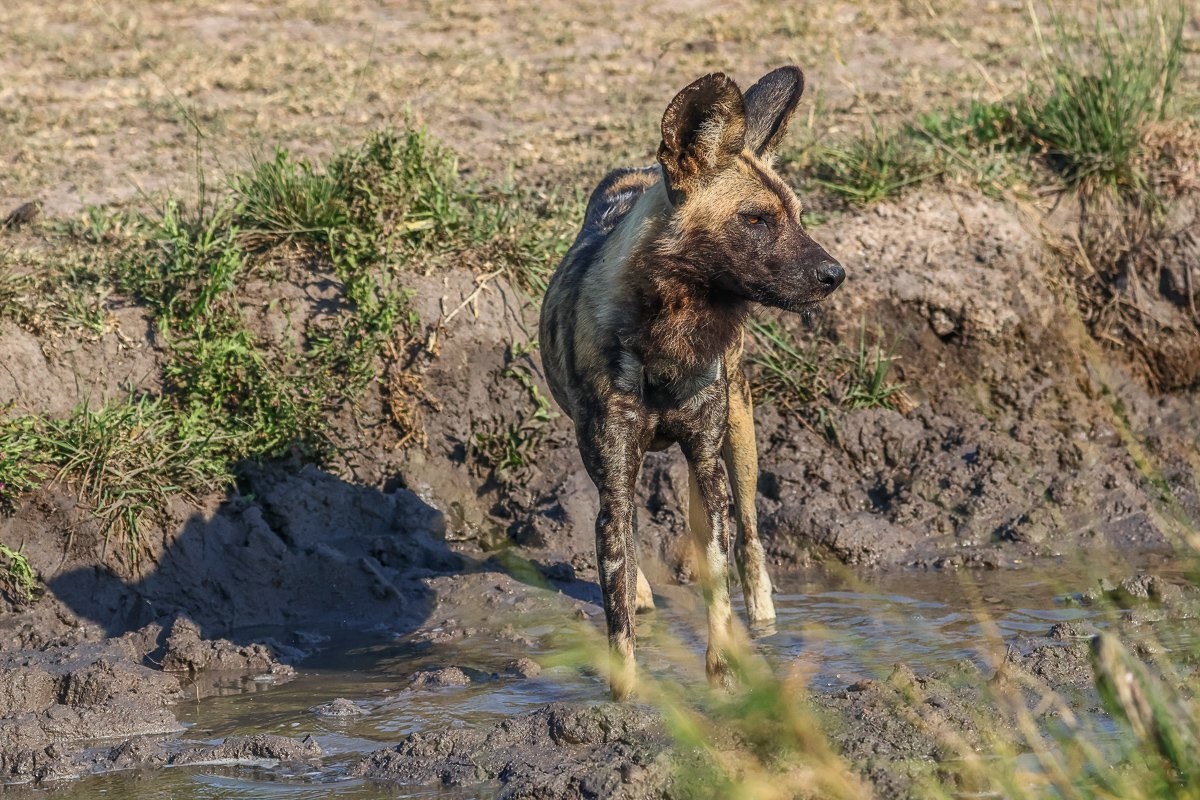
Driving through the bush, you never quite know what you might encounter. One morning, we were pleasantly surprised to come across three wild dogs as they slowly became active, stopping for a drink of water before heading deeper into the bush in search of their next hunting opportunity. Wild dogs are most active during the cooler hours of the early morning and late afternoon, when temperatures are more favourable and prey species also begin moving around again to feed and drink. These periods offer ideal opportunities for the pack to hunt.
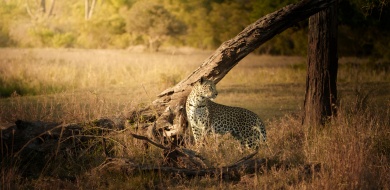
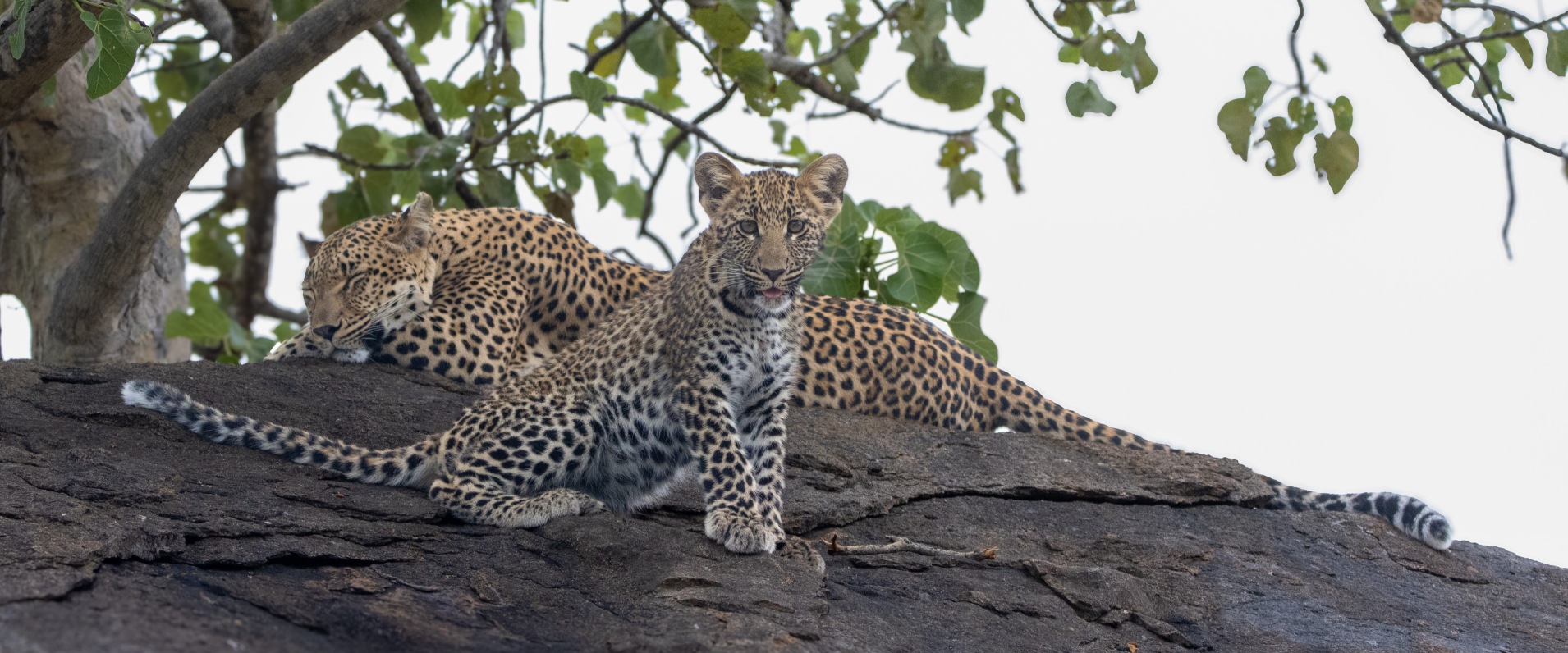
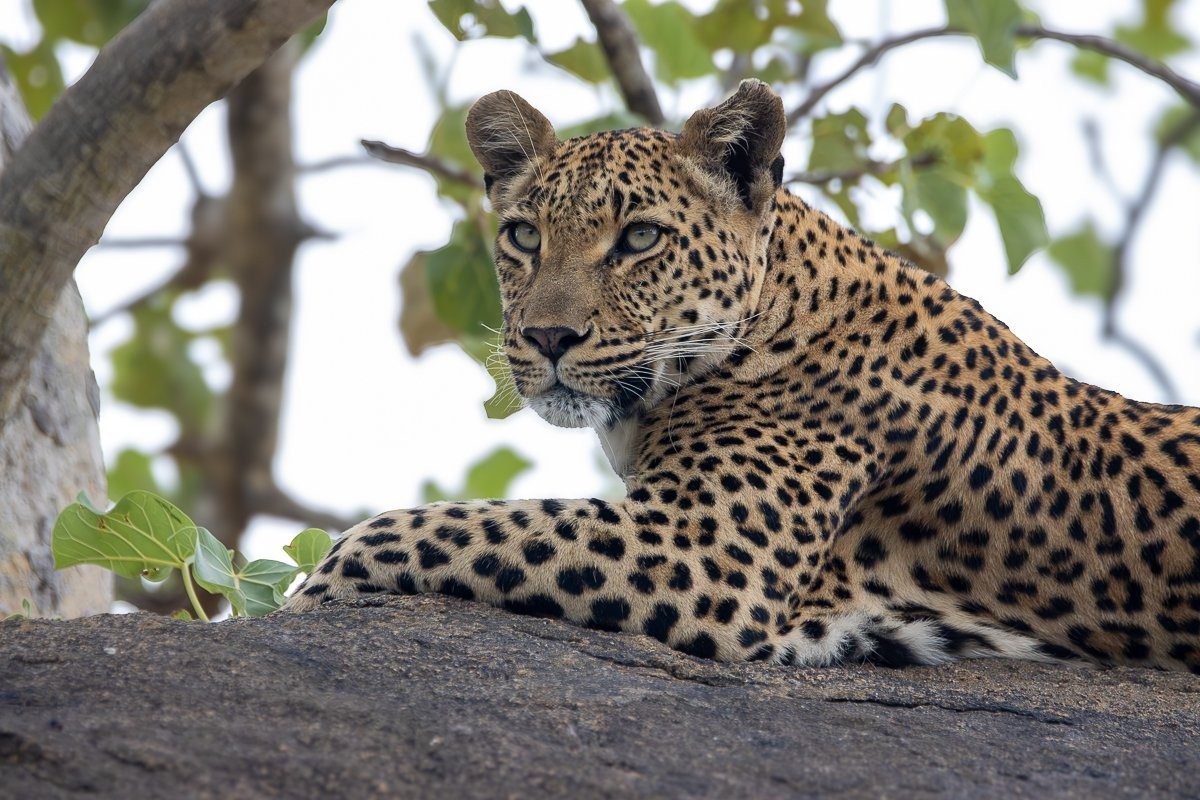
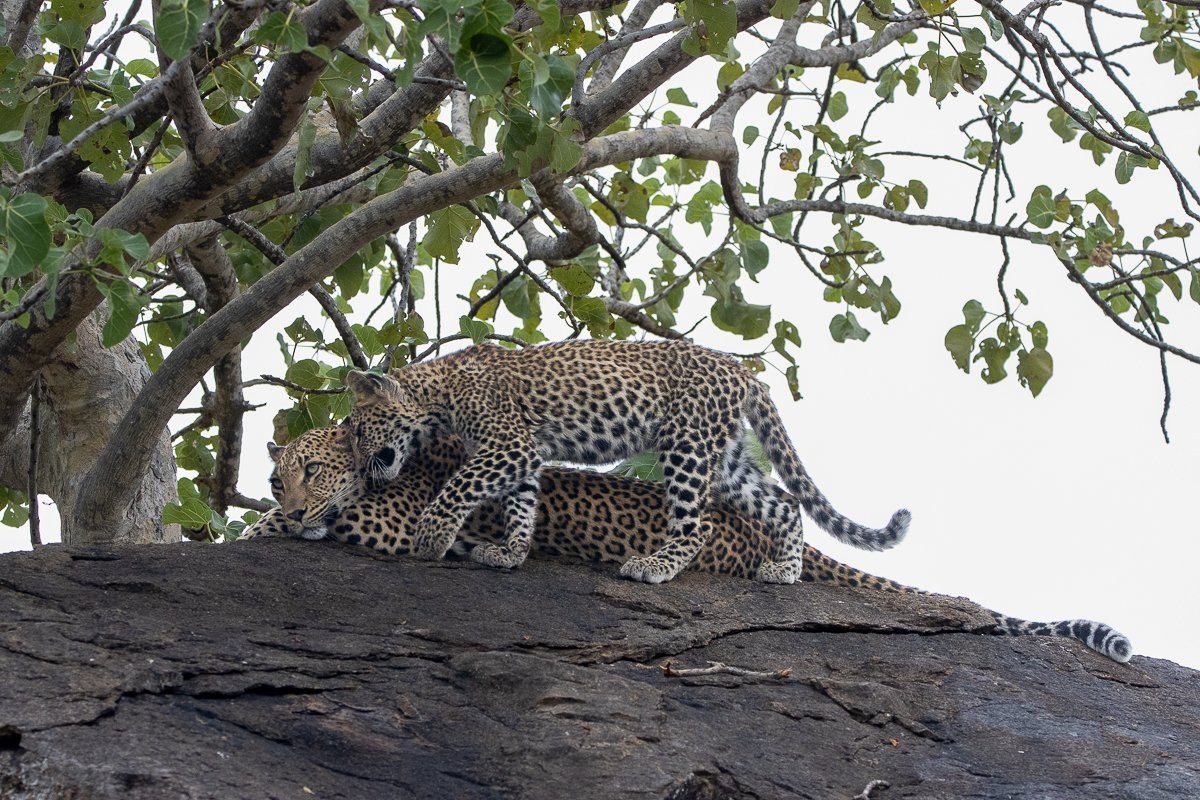
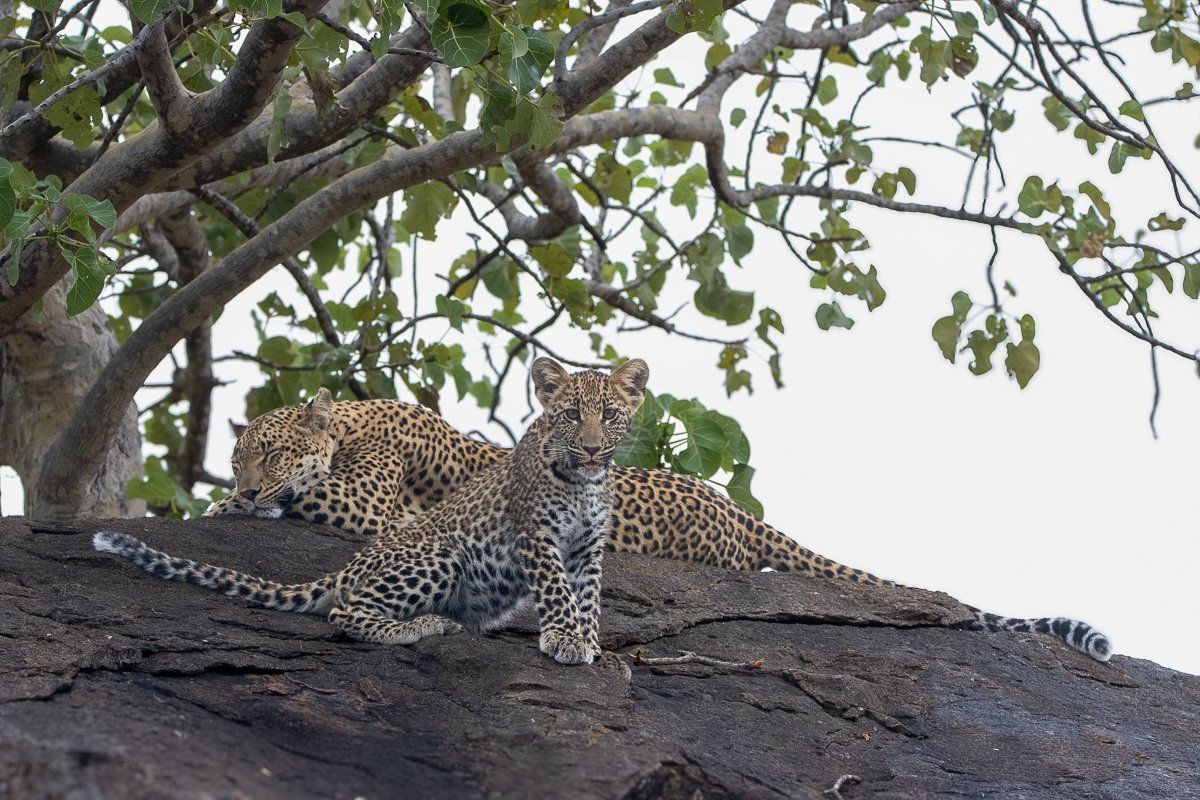
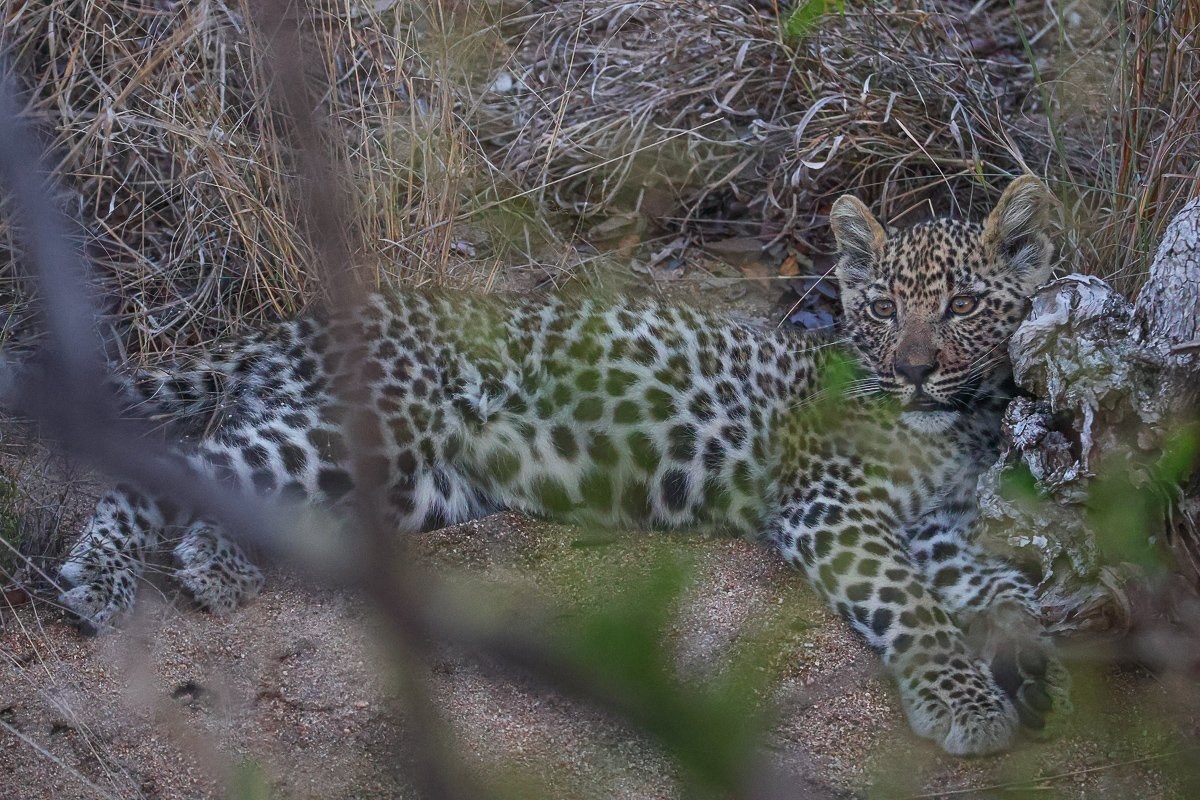
The morning began with a subtle clue: a drag mark etched into the sandy earth, hinting at the movements of a leopard and her cub. Following the trail patiently, we were eventually rewarded with a beautiful sight of Golonyi and her cub resting atop large granite rocks. Elevated above the ground, both appeared completely at ease, taking a well-deserved break from their travels.
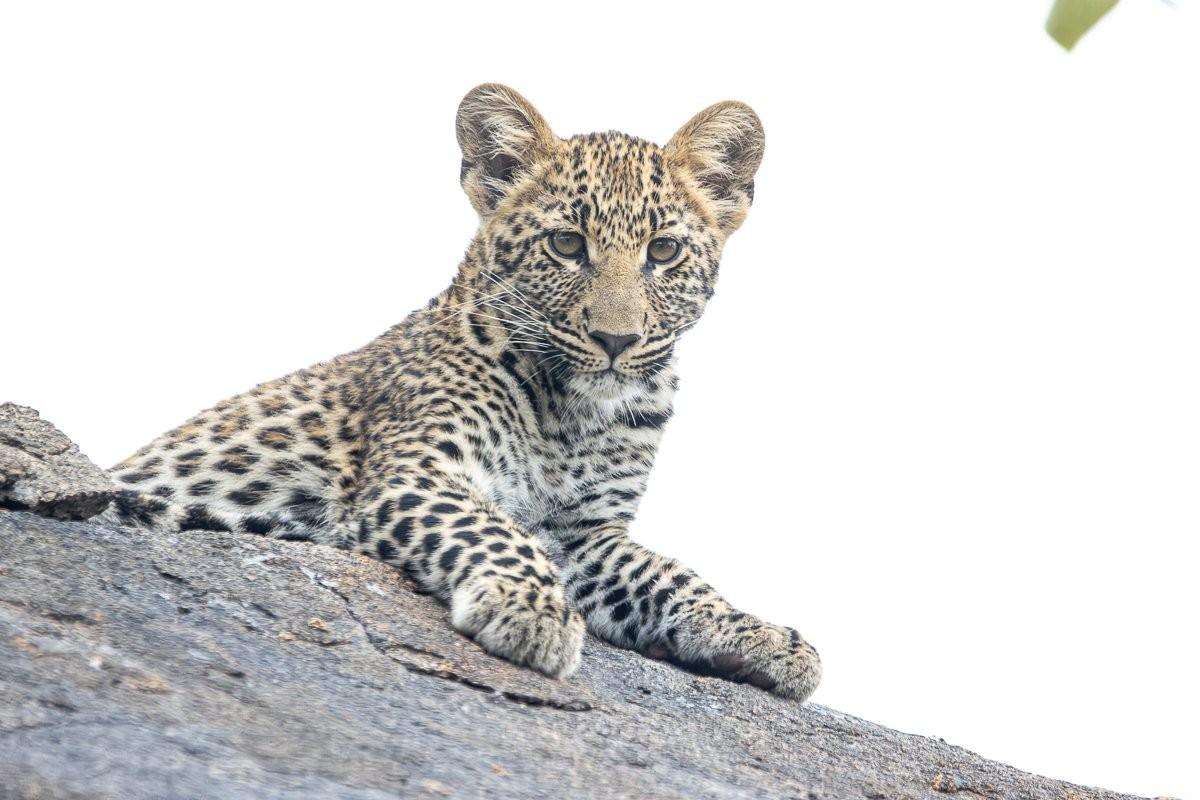
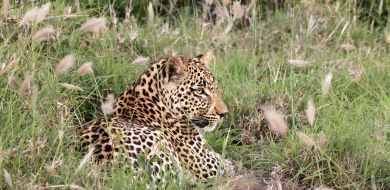
Our early morning search for a leopard was quickly rewarded with a beautiful sighting at a waterhole, where the Kurhula female leopard arrived with her cub. Both paused for a drink, taking their time to quench their thirst before settling down to rest along the water's edge. Their relaxed demeanour and noticeably full bellies suggested they had recently enjoyed a successful hunt. With no immediate need to move on, the pair enjoyed a peaceful moment together.
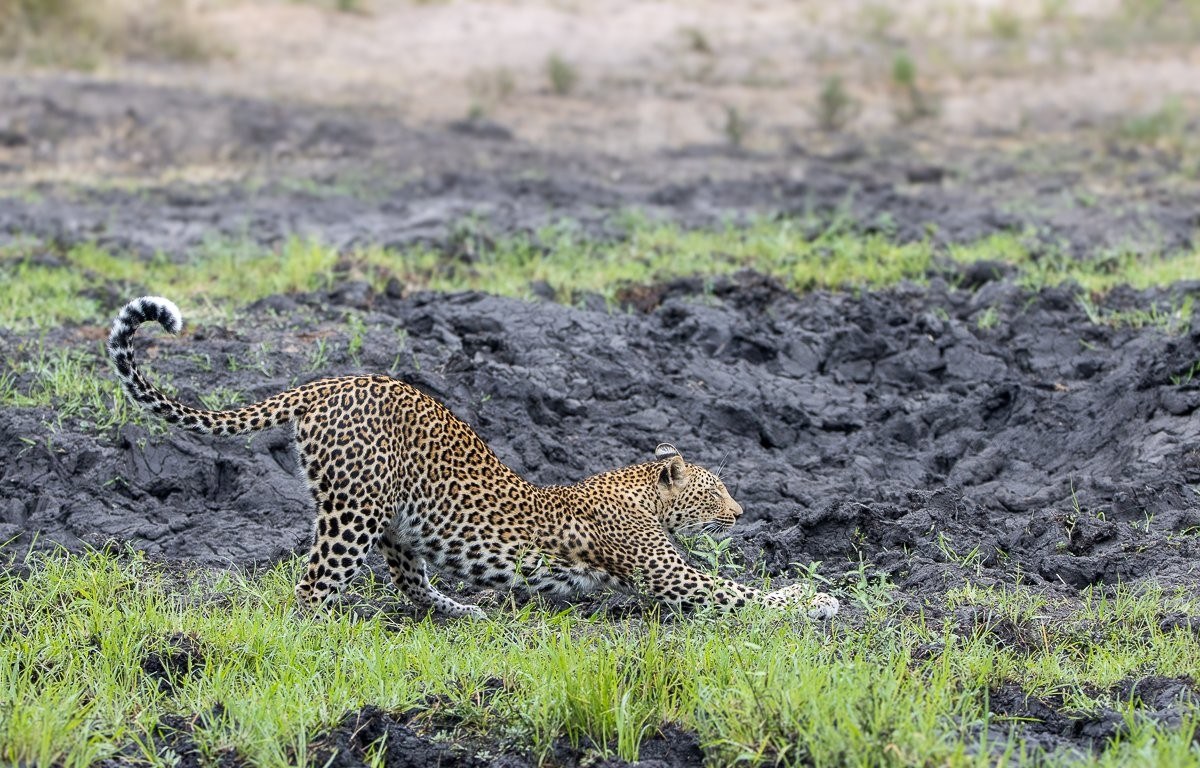
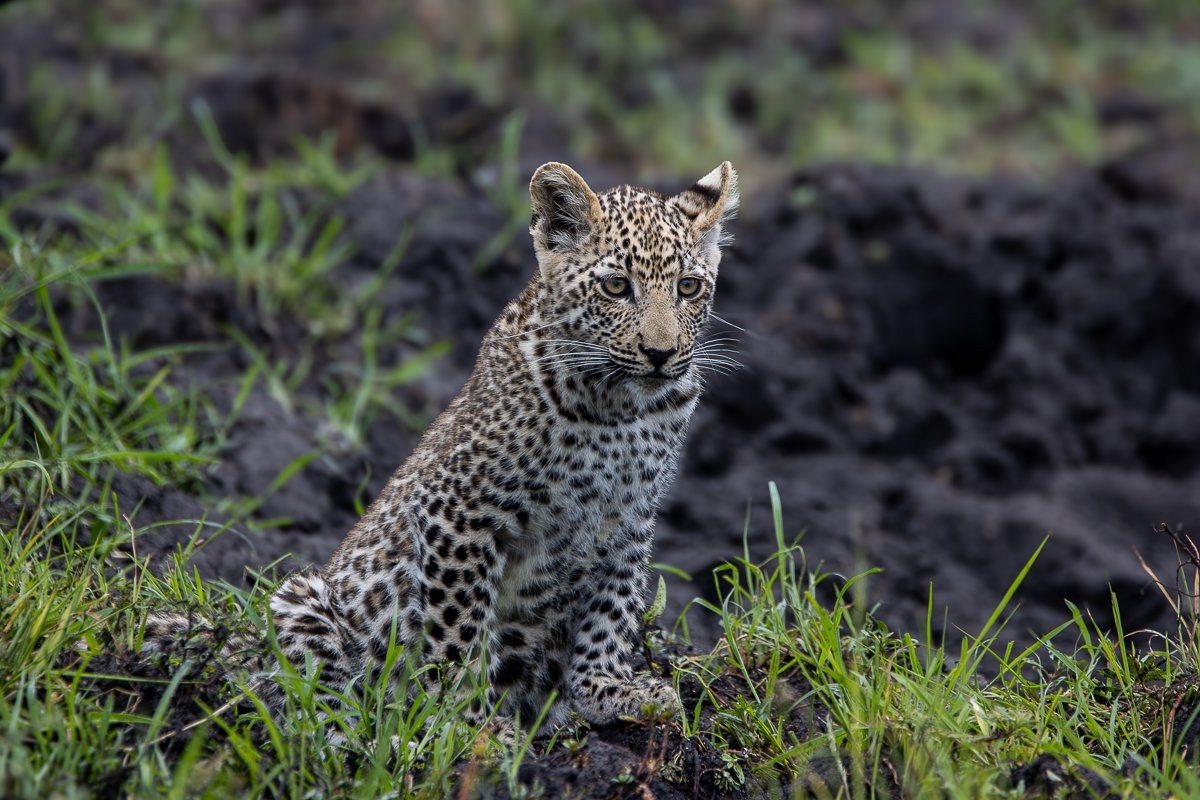
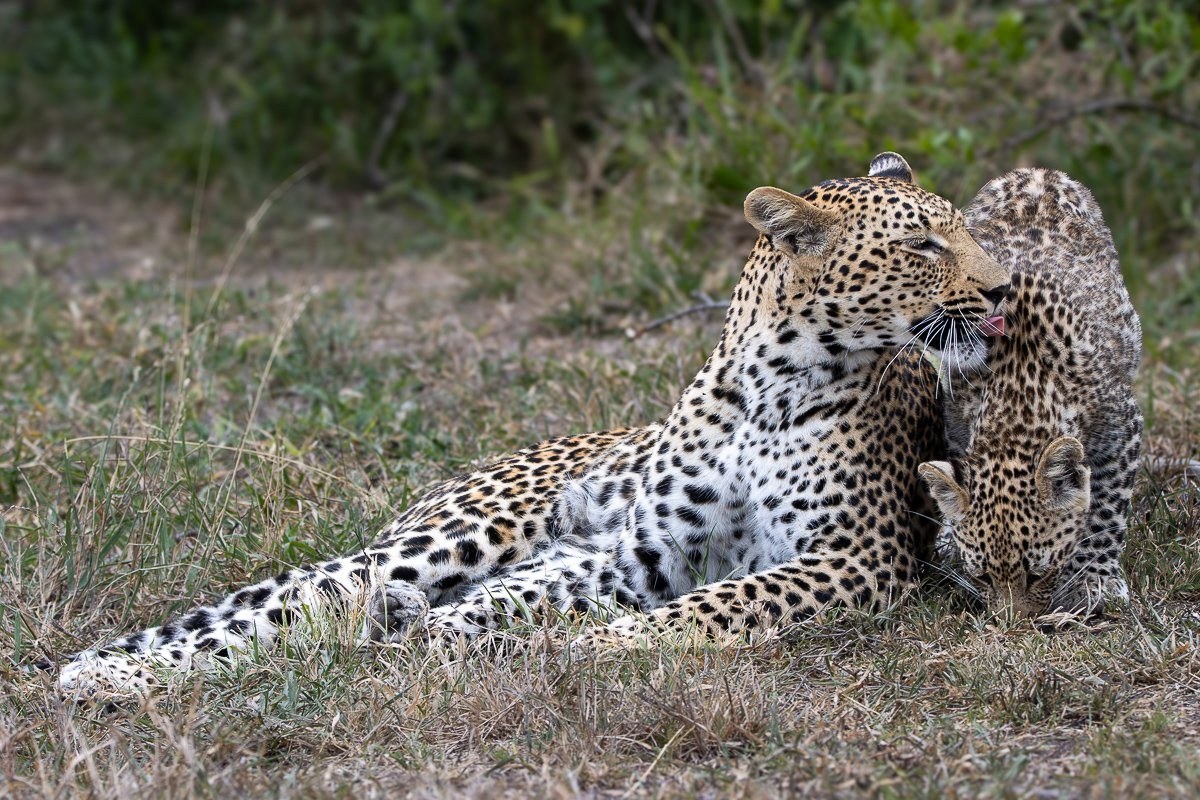
We followed up on the Kurhula female and her cub, who had made an impala kill in a particularly thick area. The adult female was still feeding in the tree, while her youngster rested in the drainage line beneath her, taking time to digest his meal. At this age, the cub has a full set of milk teeth and is gradually beginning to feed on pieces of solid meat. However, he still relies on his mother's milk for essential nutrients and development until his permanent teeth come through at around seven months of age.
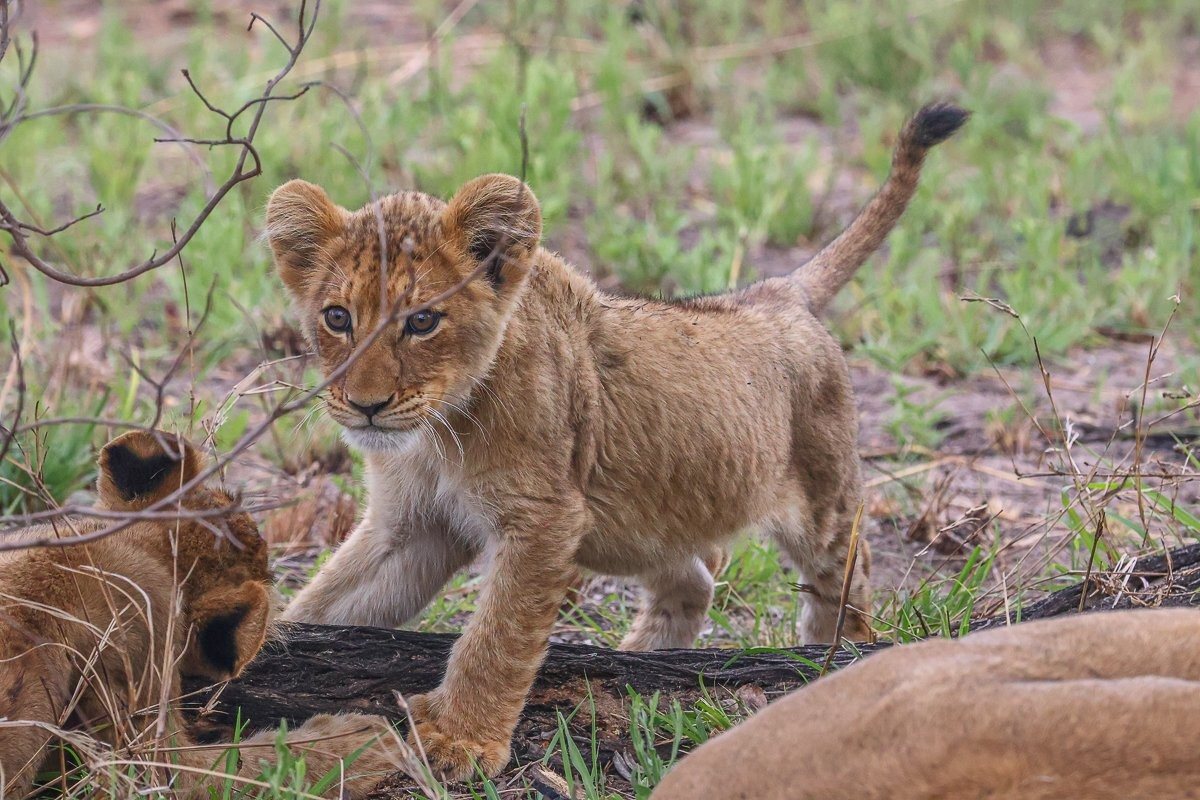
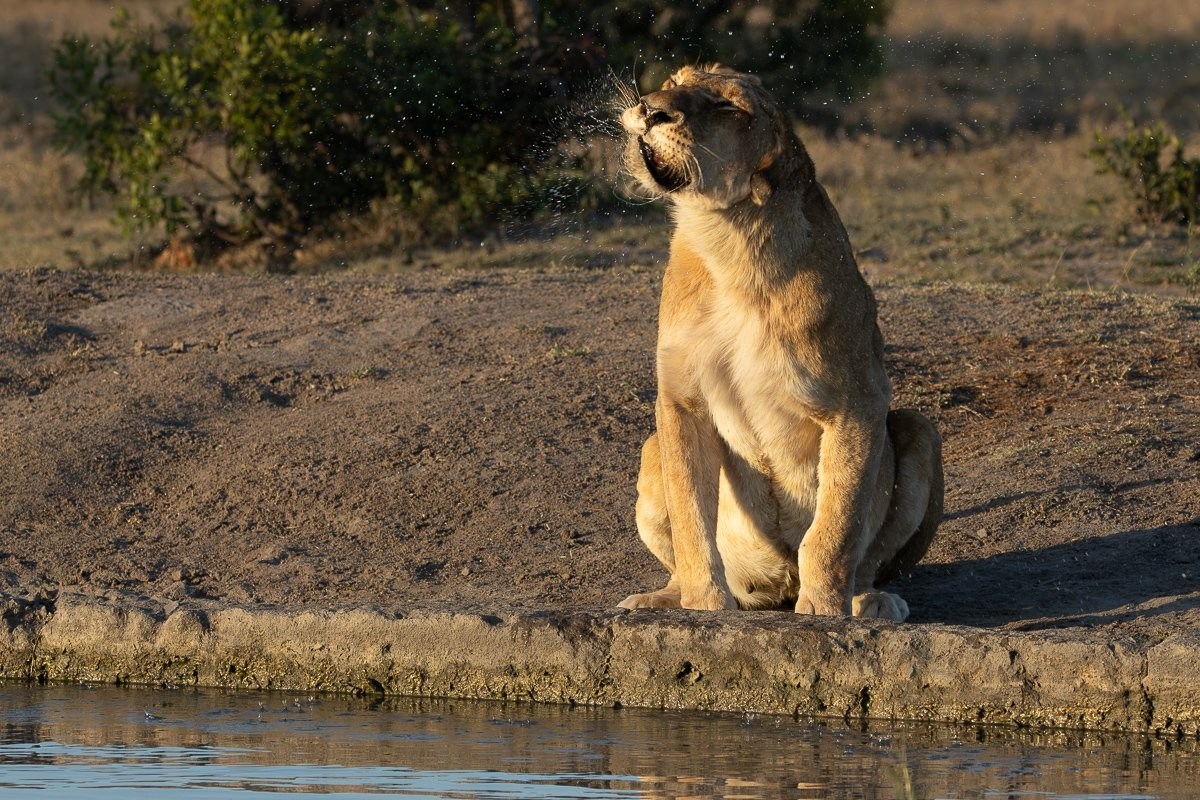
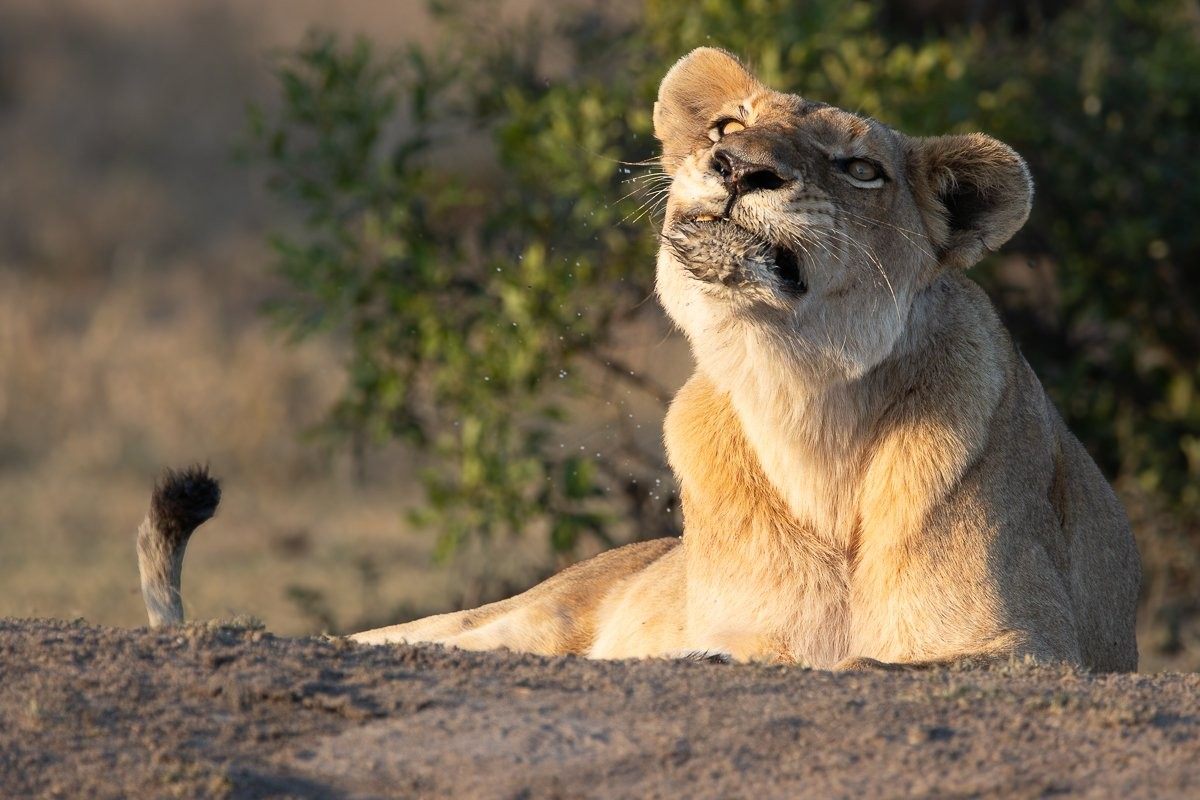
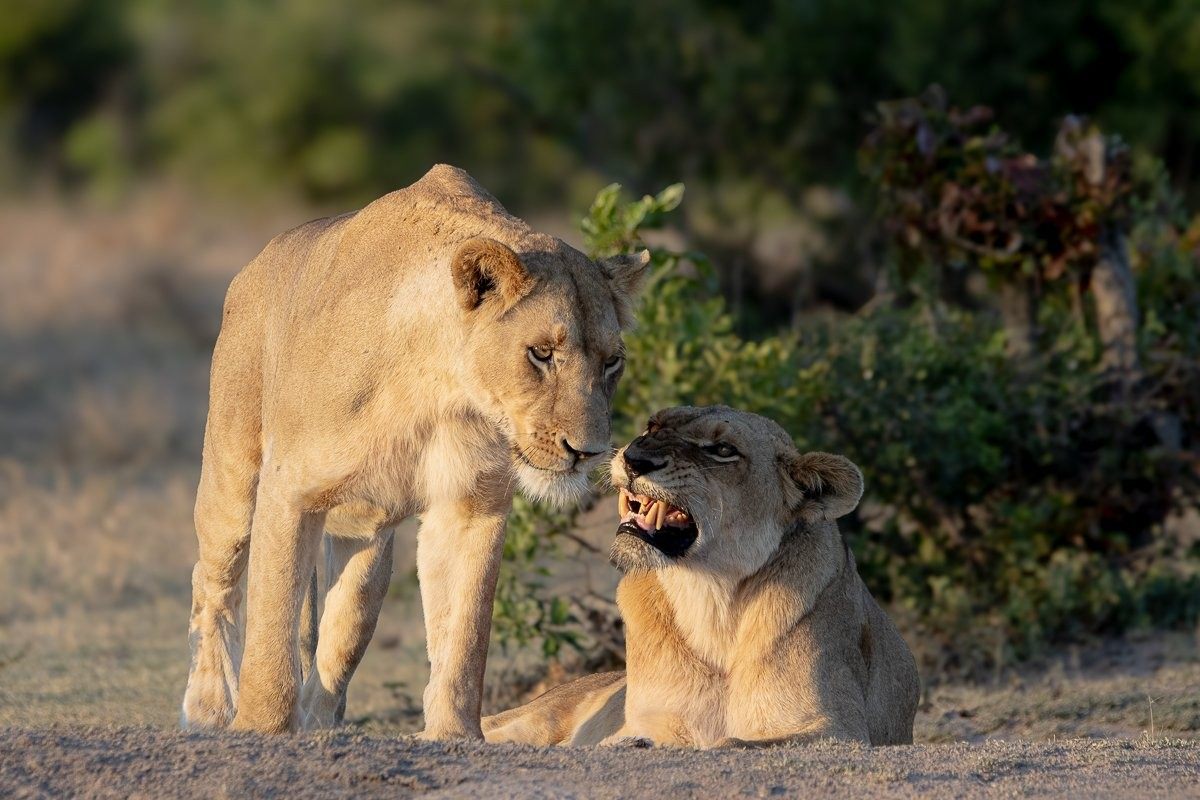
As we left Earth Lodge, the alarm calls of nearby impalas caught our attention. Following up, we soon found fresh lion tracks, along with the smaller prints of cubs. After a lengthy tracking exercise, we were rewarded with a sighting of three lionesses from the Southern Pride and two of their cubs. The lionesses were resting after a busy night of moving and roaring, while the two youngsters made the most of the opportunity to play, enjoying the security of having the adults close by. At this age, the cubs make the most of every chance to burn off their energy, knowing that once the adults move on in search of their next hunting opportunity, they may be tucked away and out of sight for some time.
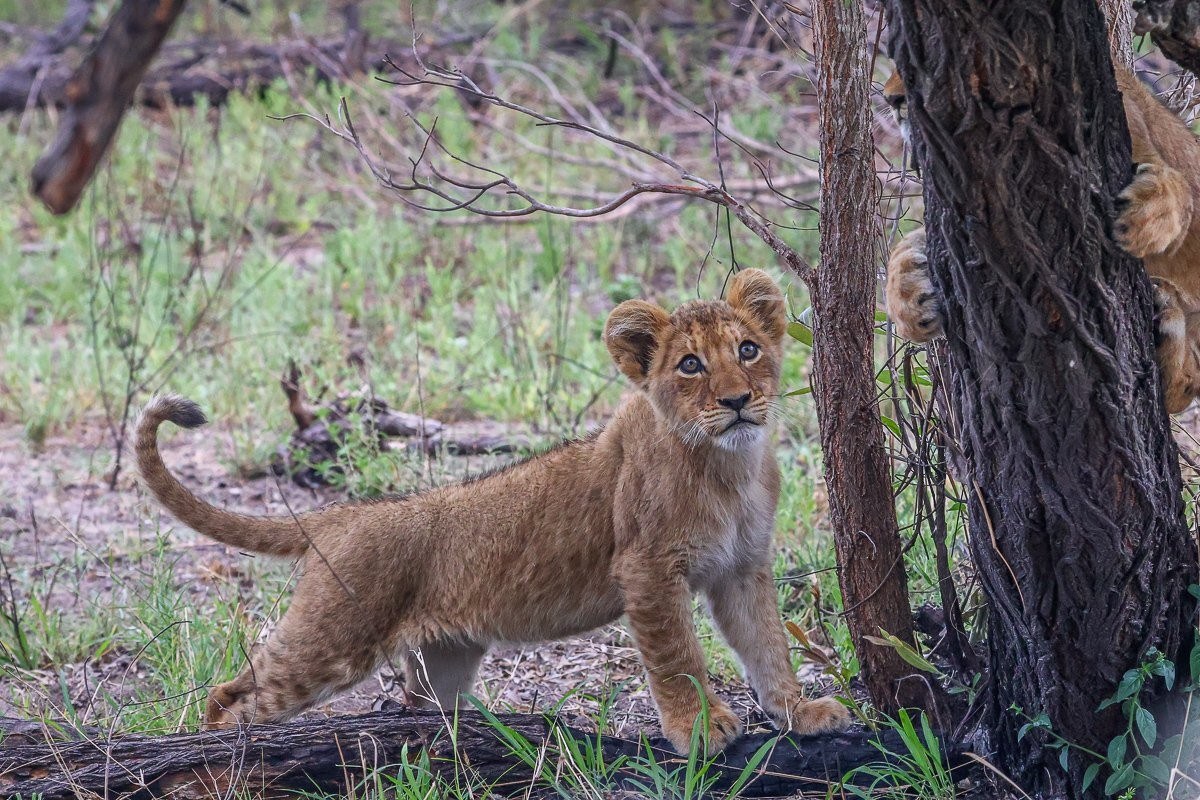
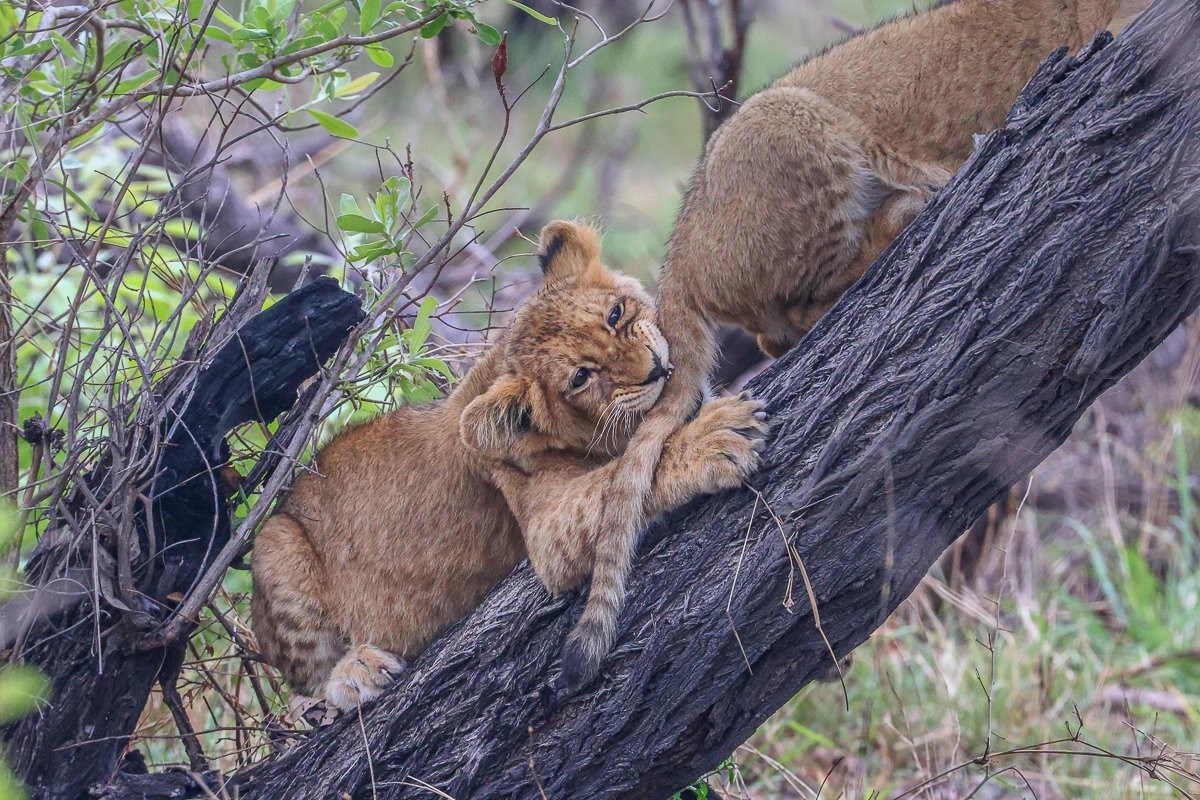
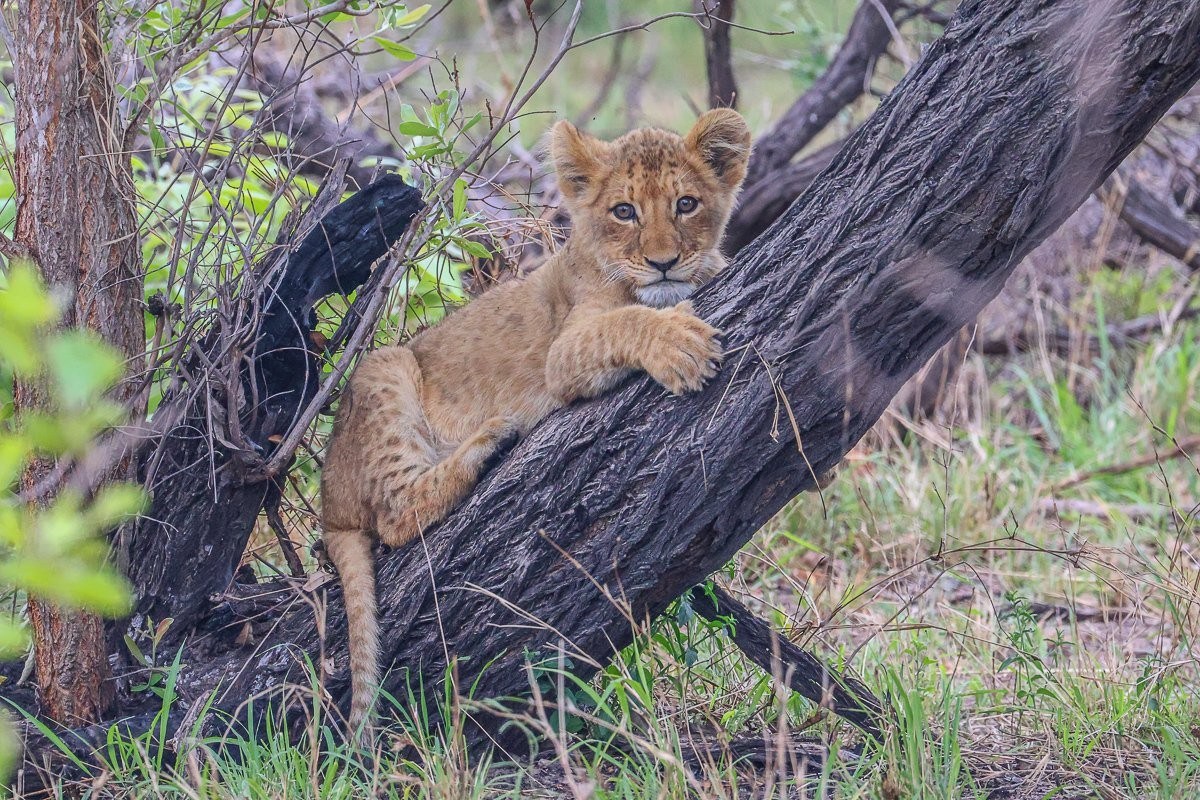
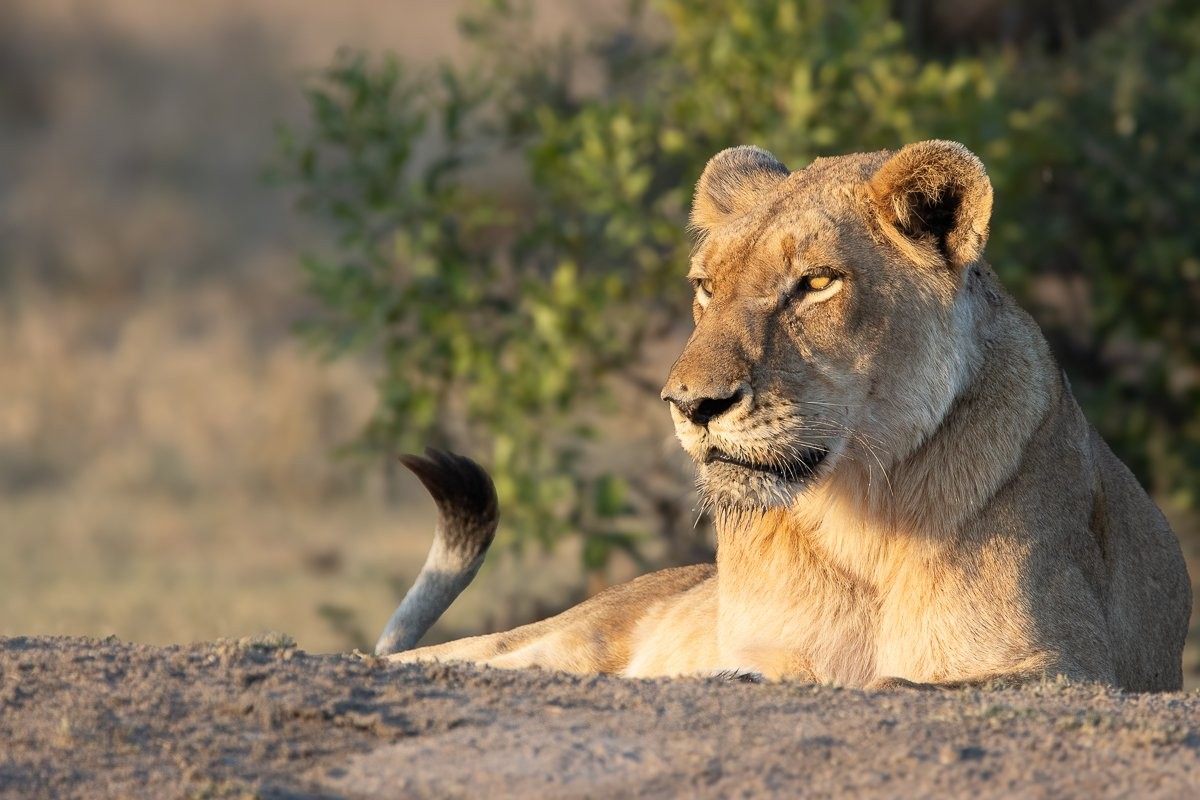
A couple of days later, we followed up on tracks of the Southern Pride and, after a short tracking exercise, managed to locate the lions. They had travelled a considerable distance since our last sighting the previous evening, suggesting they had been on the move in search of their next hunting opportunity. Despite their efforts, they had been unsuccessful but remained alert and attentive to their surroundings, still looking for a chance to hunt. With daytime temperatures remaining high, the lions will likely find a cool, shaded spot to rest and conserve energy before becoming active again and continuing their hunt after dark.
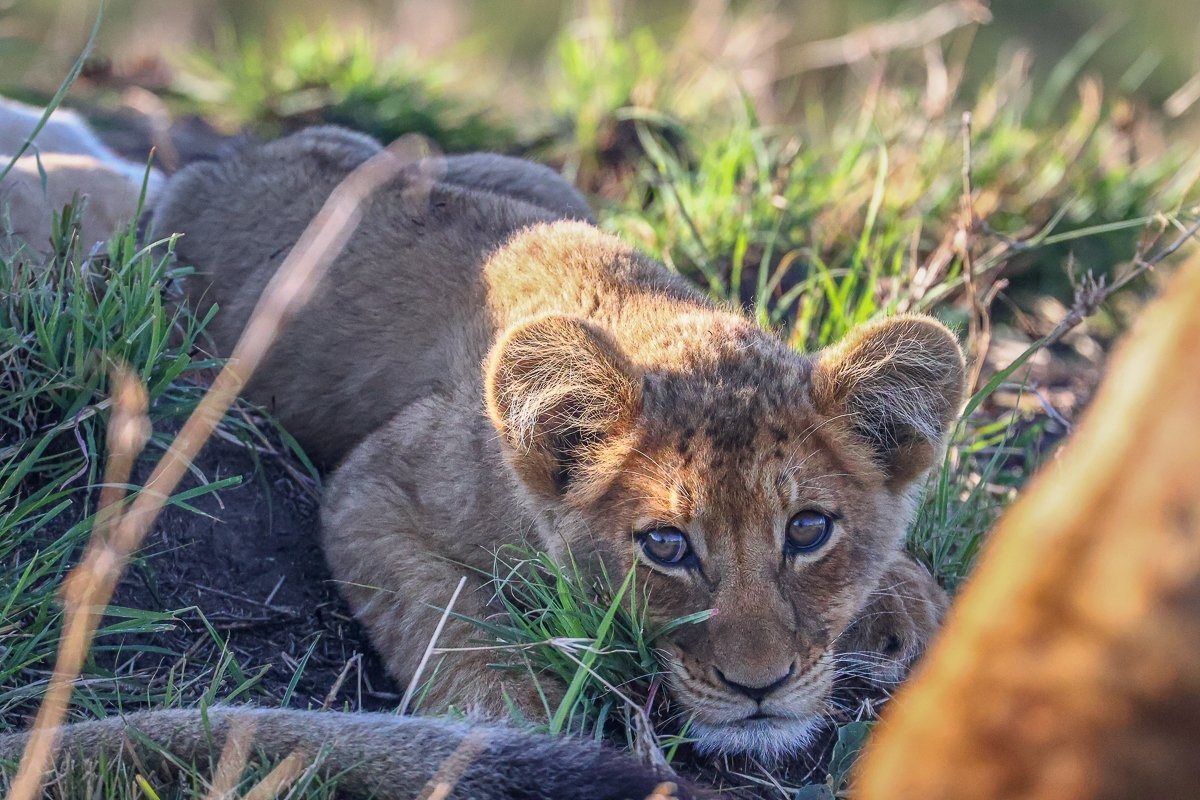
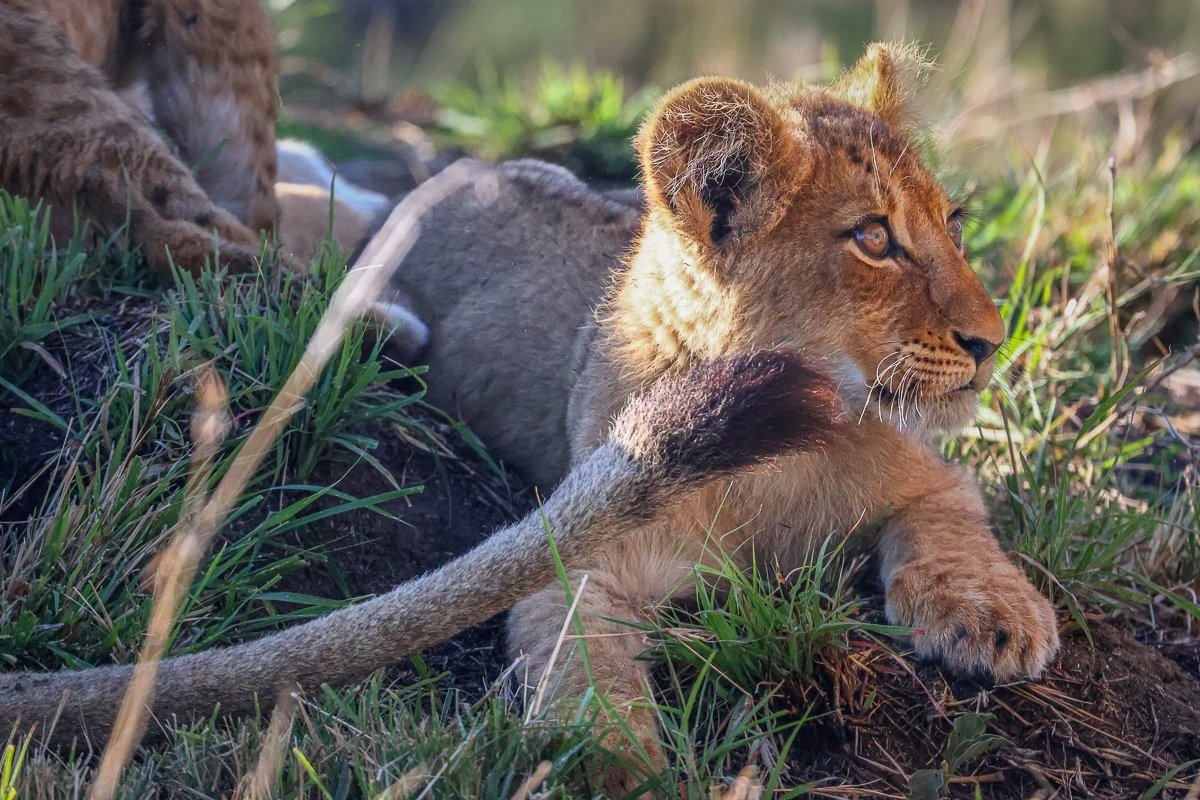
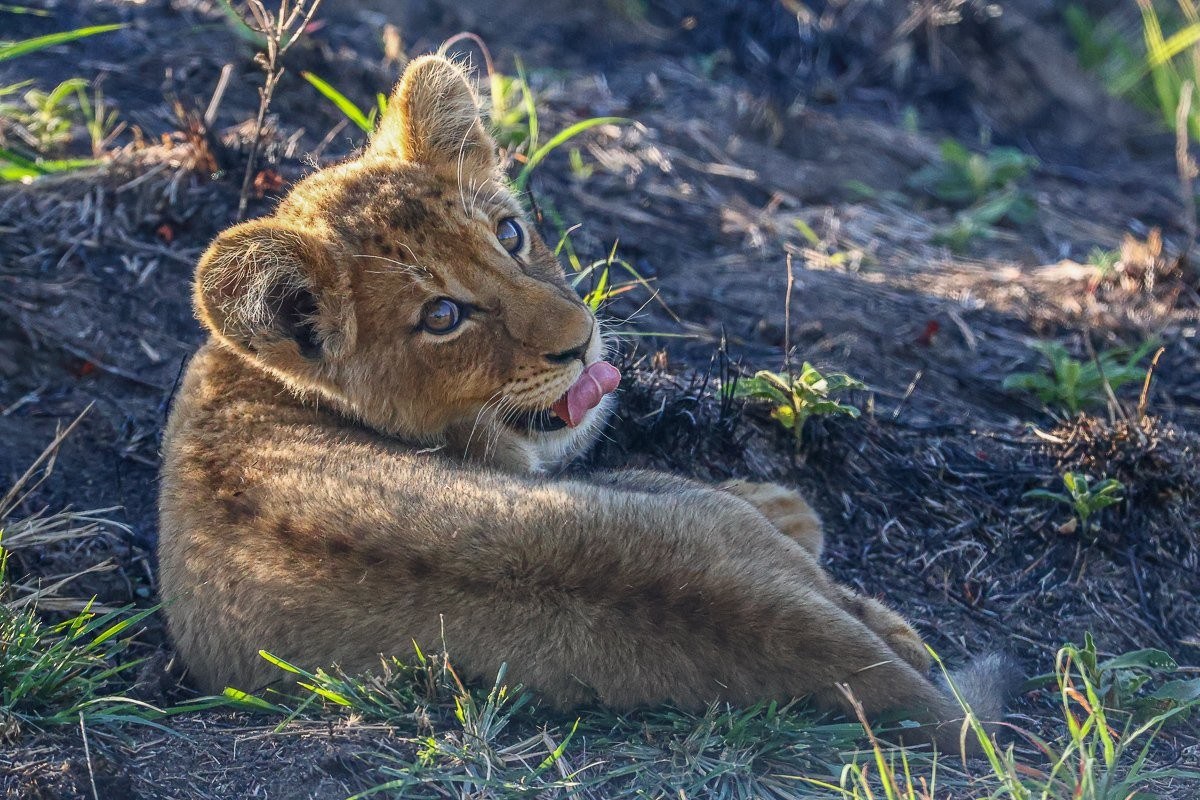
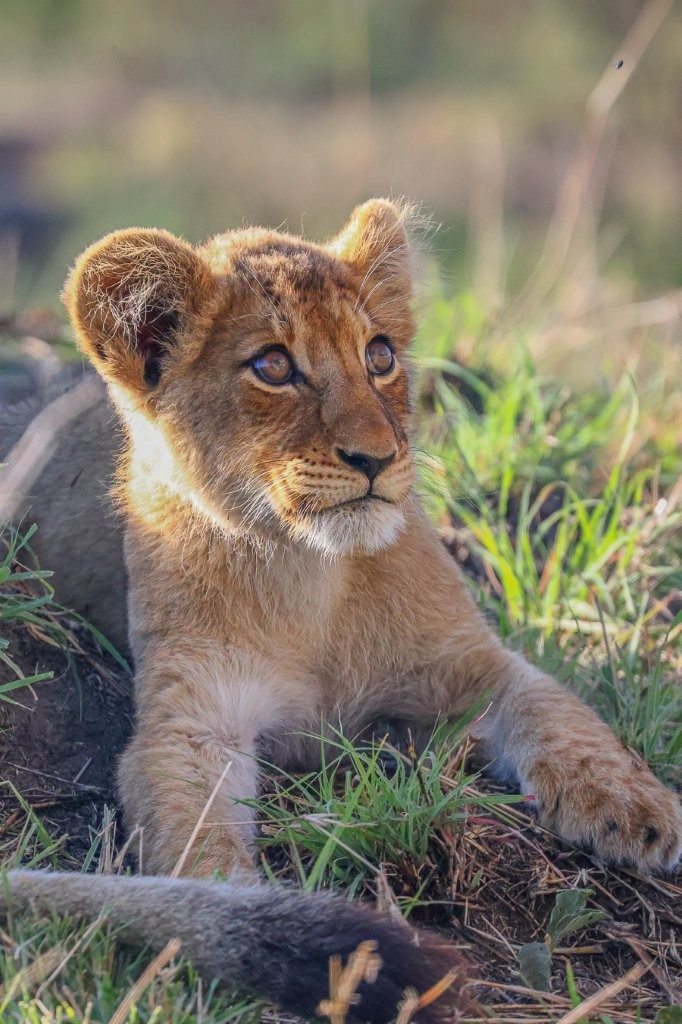
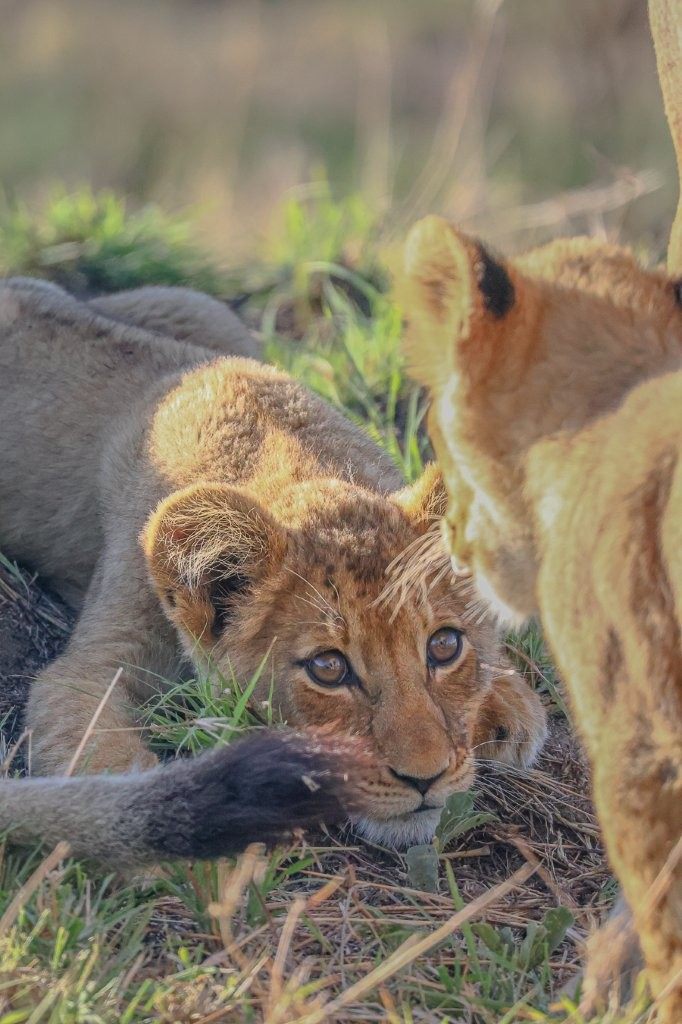
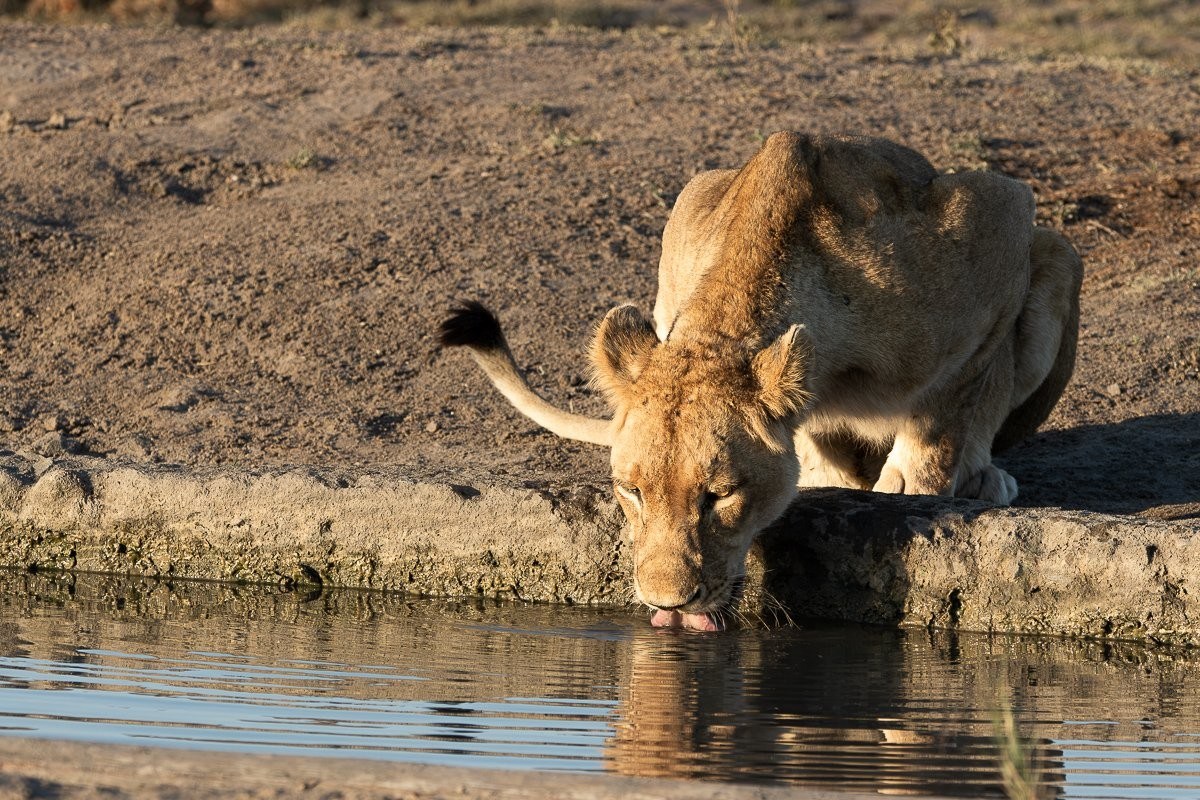
In our next sighting of the Southern Pride, they had made a kill and were quenching their thirst before settling down for a well-deserved rest. With their bellies full and the warmth of the sun beginning to settle over the bush, they relaxed in the shade, conserving energy after feeding.
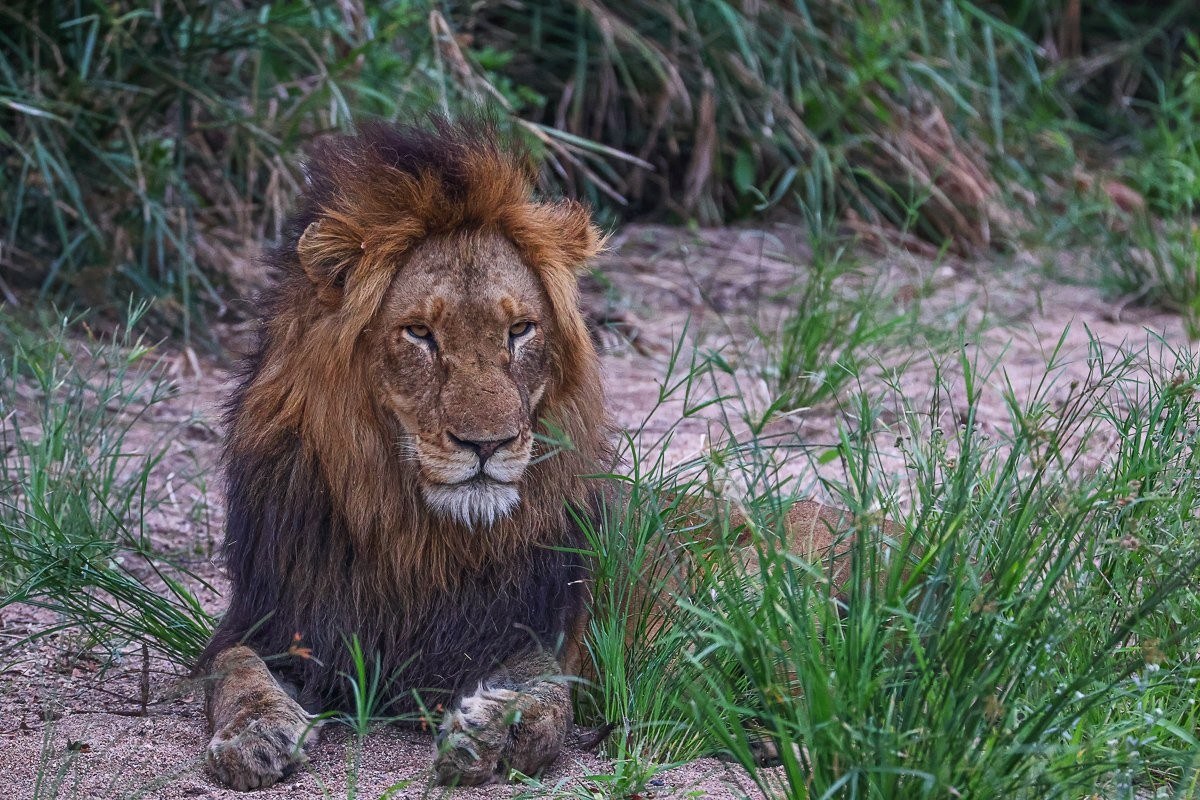
The four N’waswishaka males were resting in the central parts of the reserve. As the sun began to set, they slowly became more active, moving into a nearby open area before settling down once again. Territorial male lions will often position themselves in open spaces, making their presence known as a display of strength and dominance. These four will likely continue moving under the cover of darkness in search of their next hunting opportunity. With a large herd of buffalo nearby, the opportunity is certainly there, but only time will tell if they succeed.
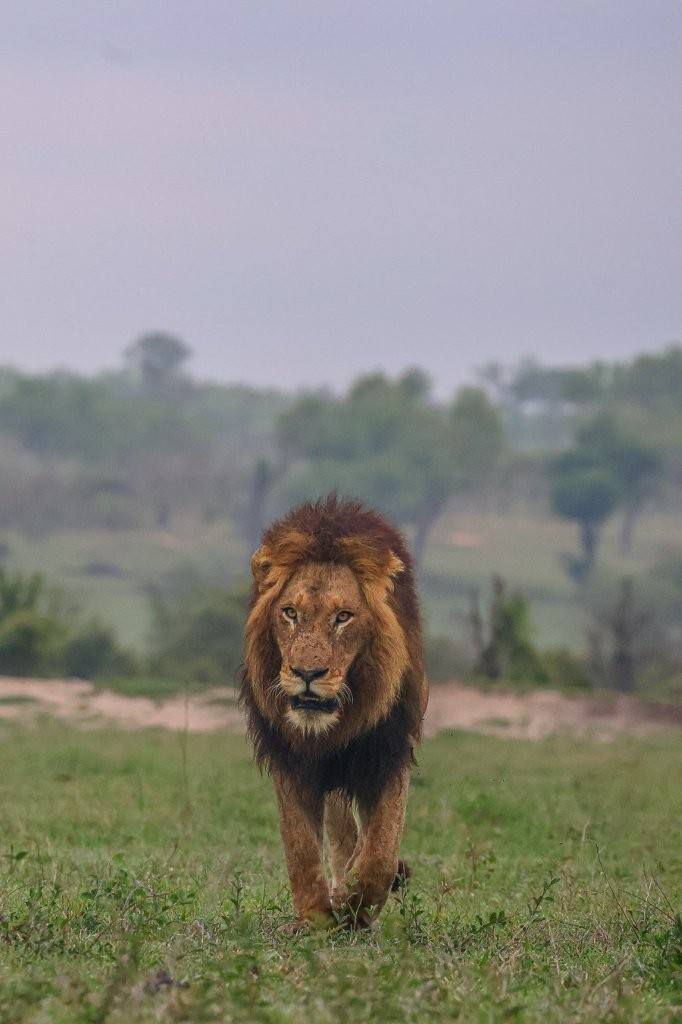
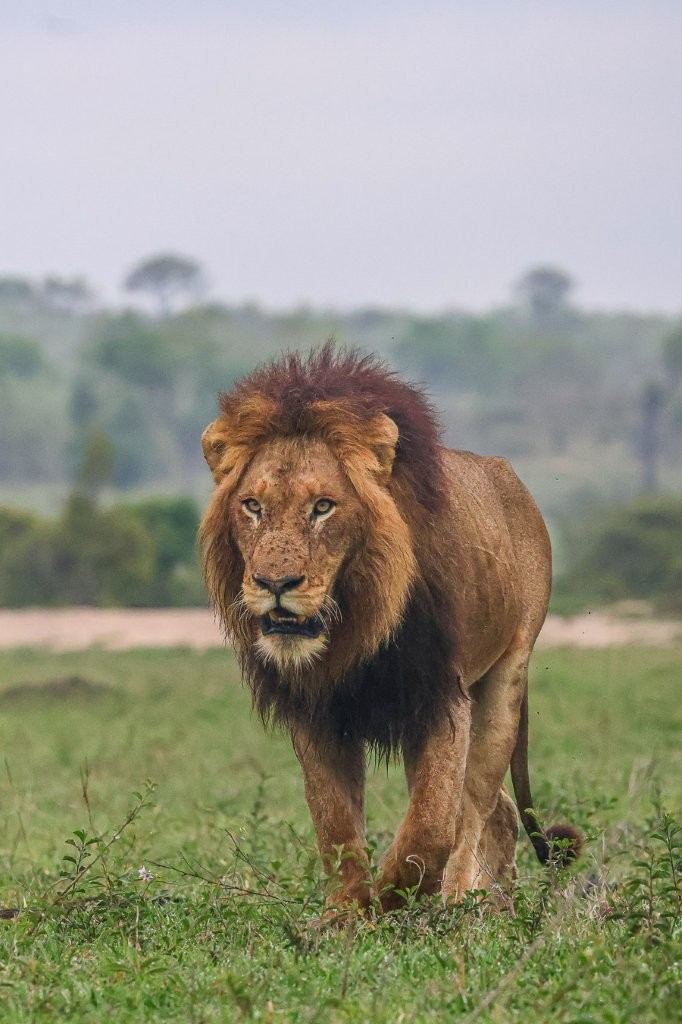
As a buffalo herd moved through the bush, the lions followed closely behind, appearing to keep a watchful eye on their movements. Along the way, the lions stopped at a waterhole to quench their thirst before continuing in the same direction as the herd. Although no hunting attempt was made, the proximity of these powerful predators added an interesting dynamic to the morning, leaving us curious as to how this encounter might unfold.
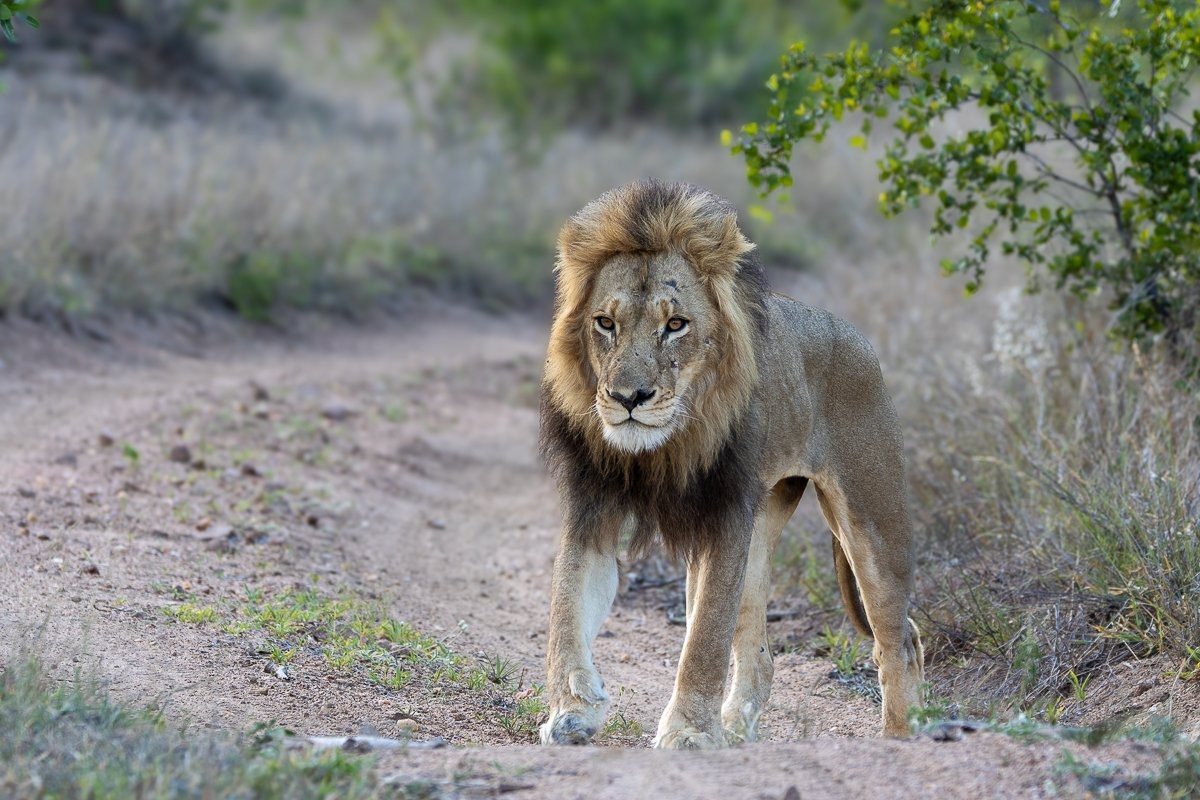
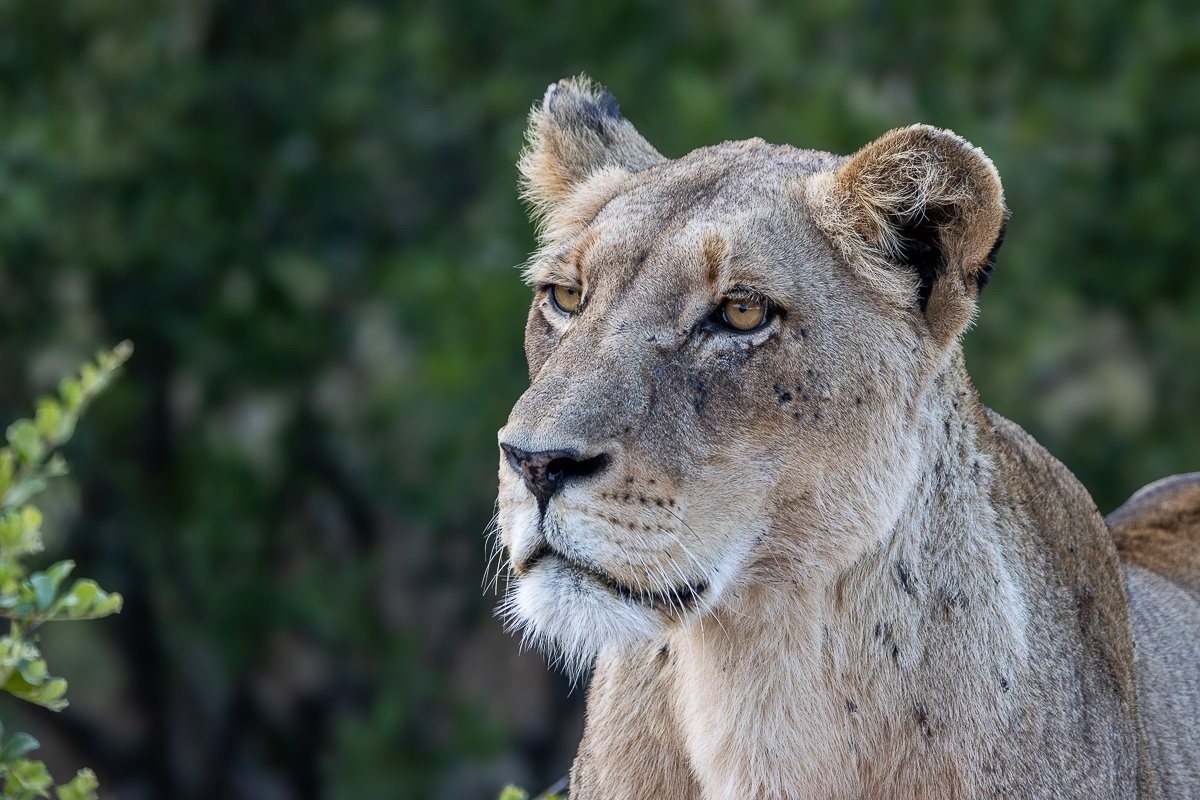
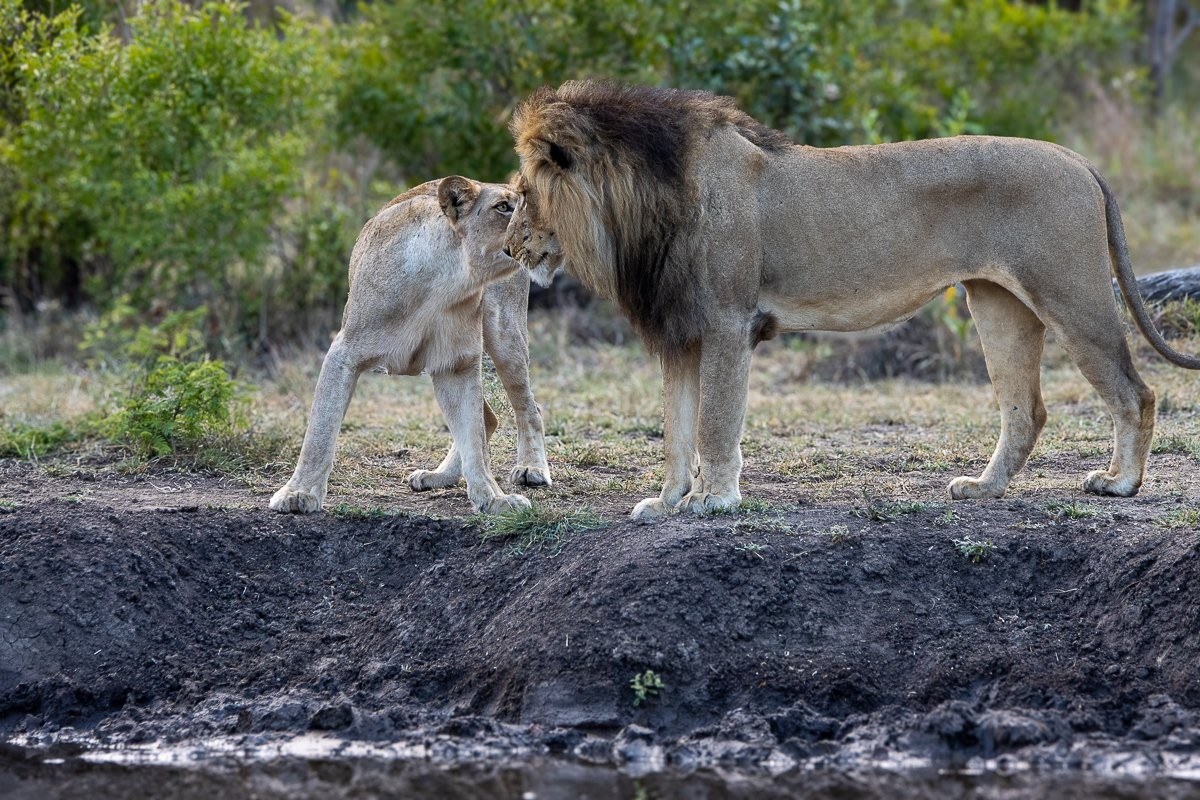
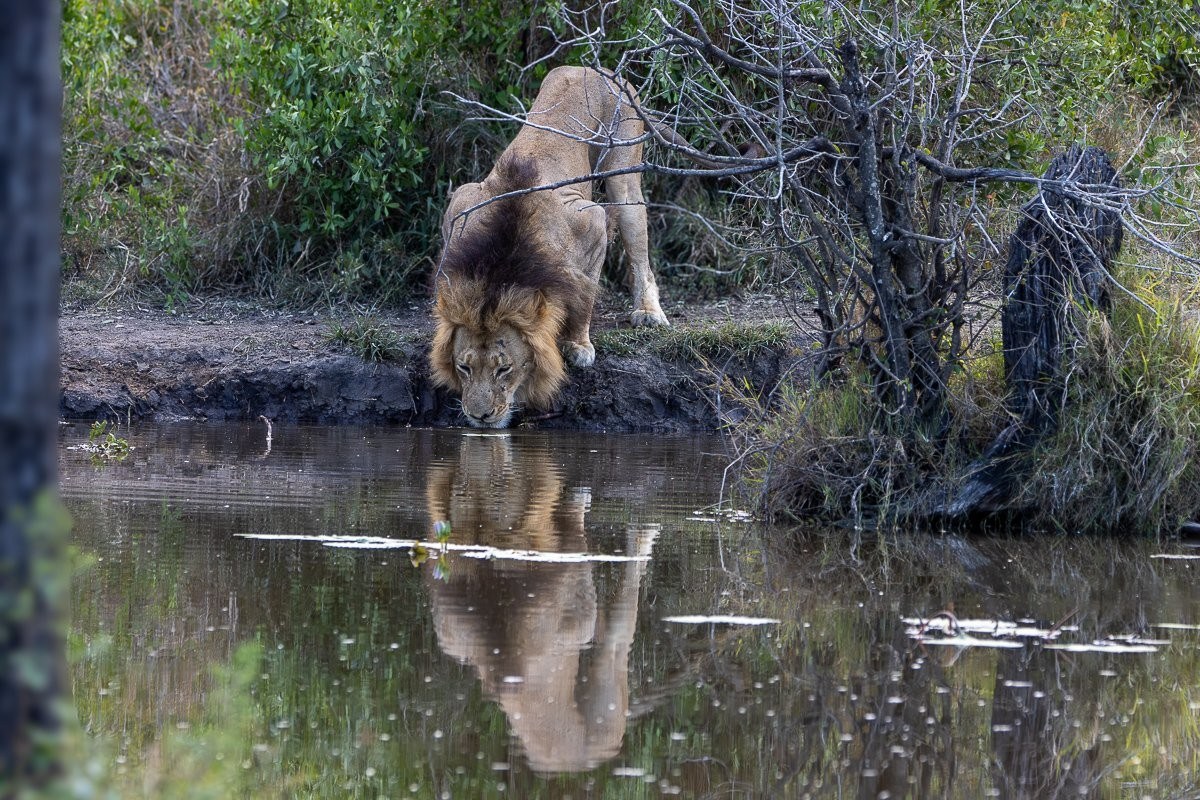
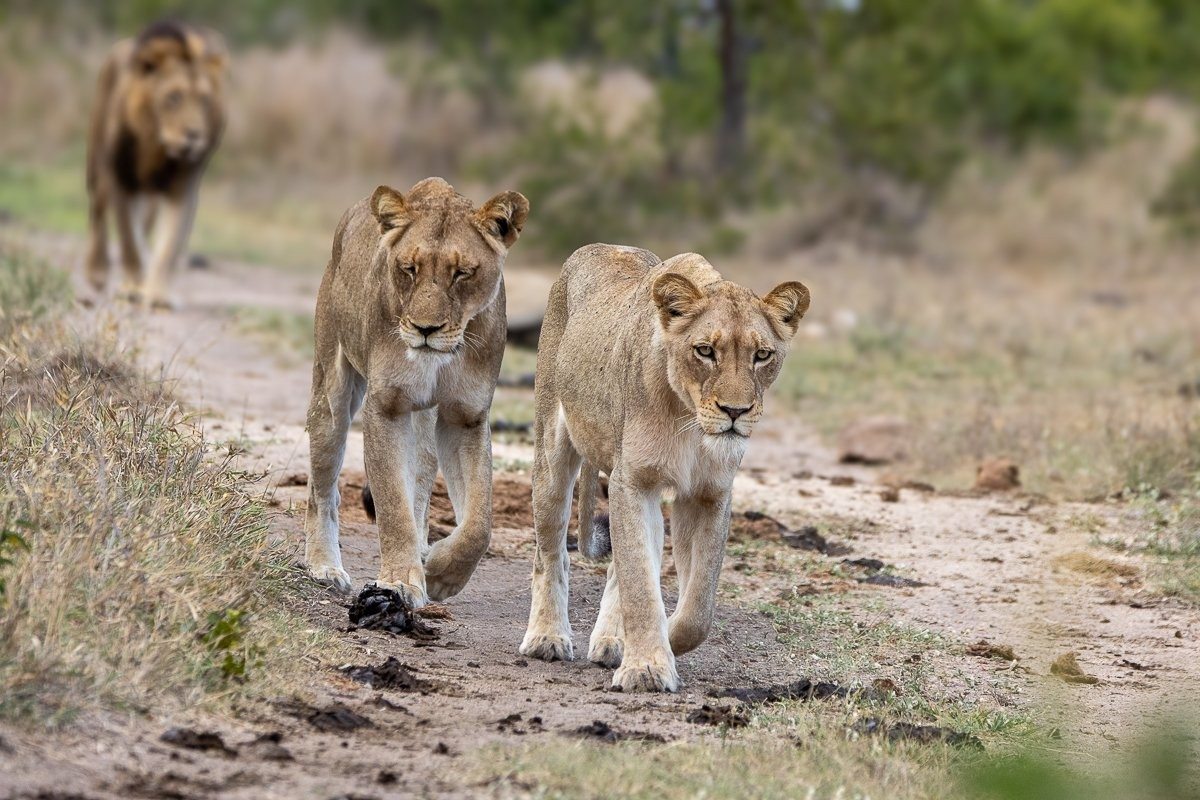
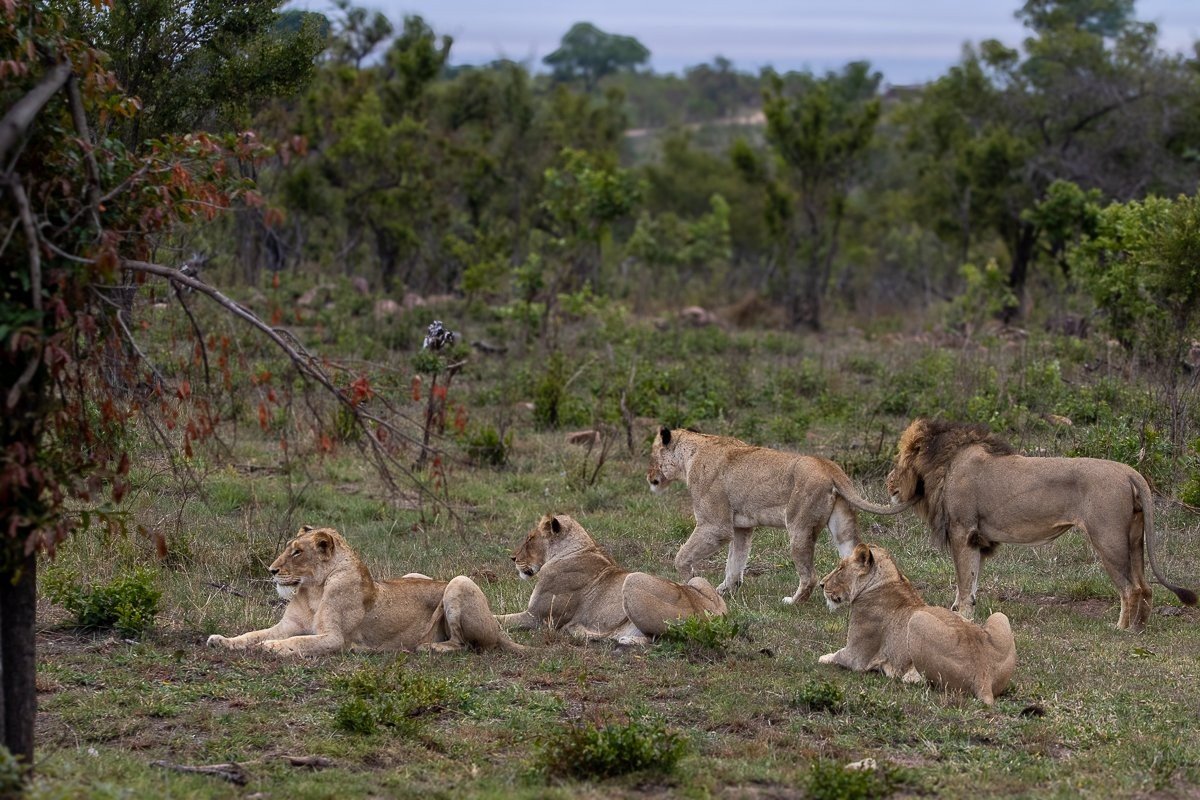
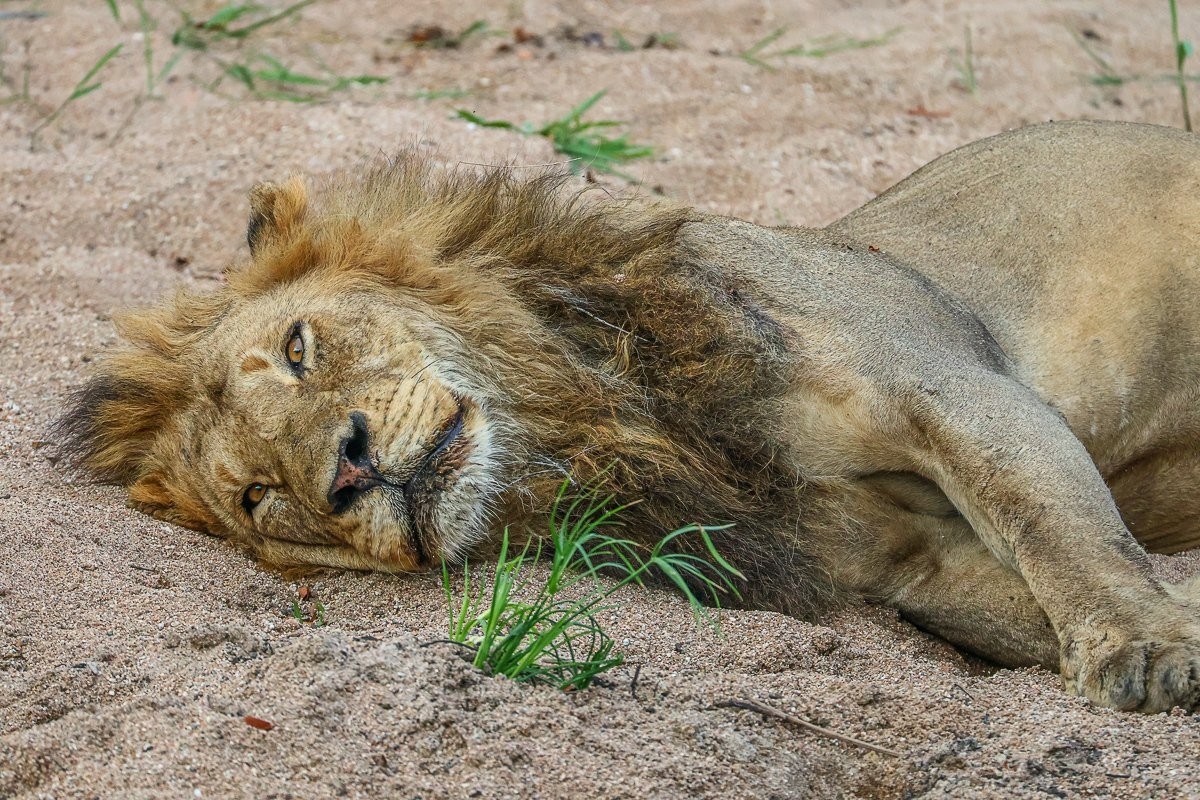
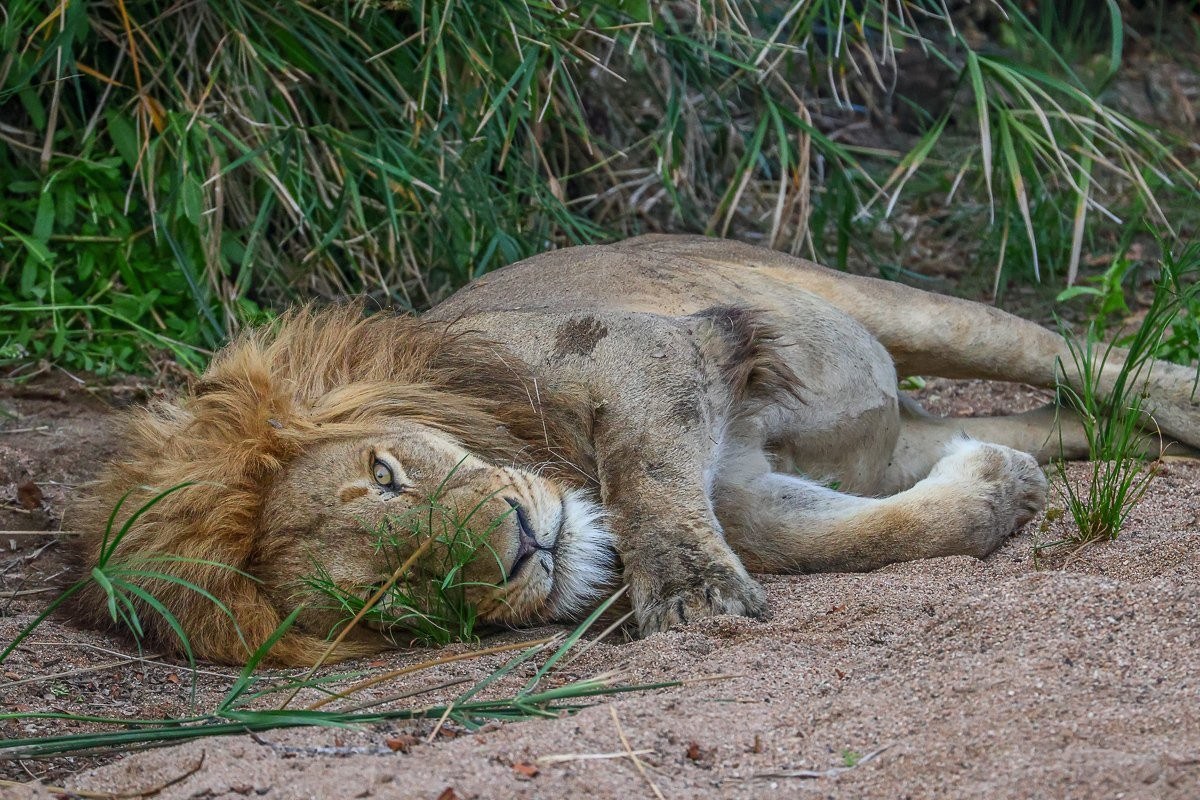
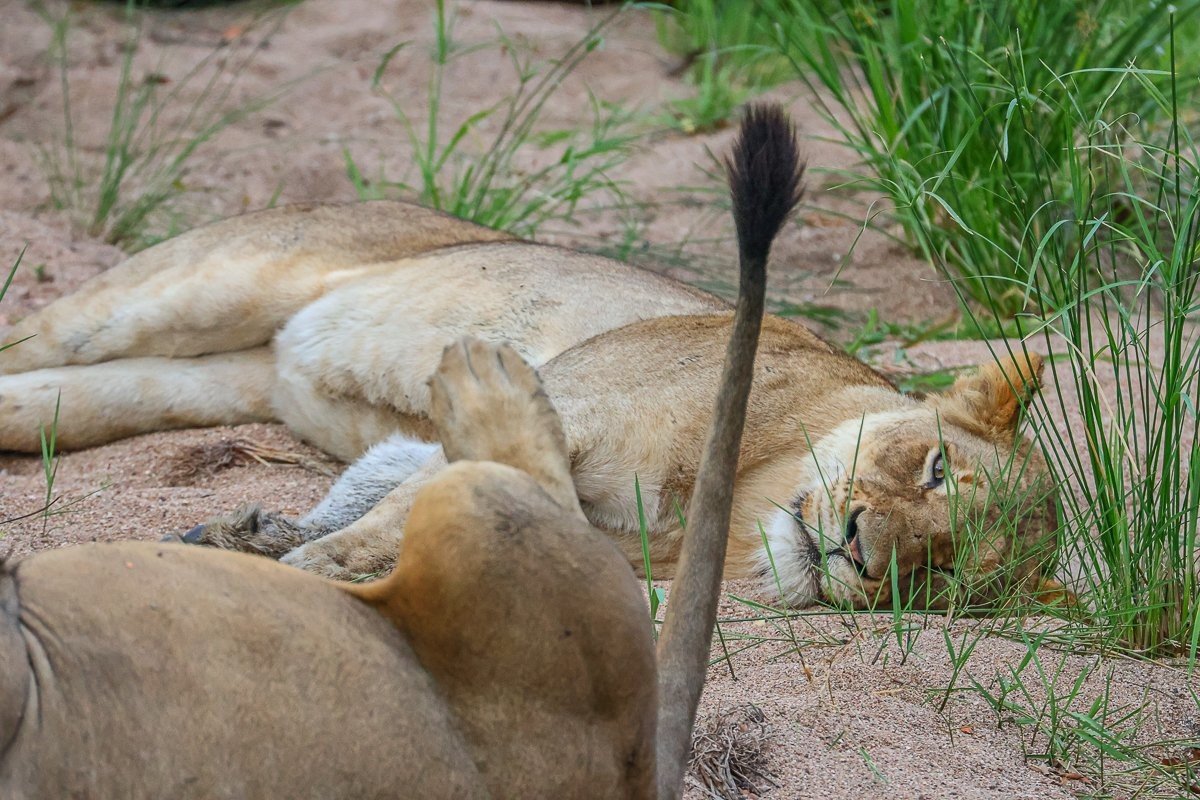
A few days later, the lions did make a kill and had finished feeding on their buffalo earlier in the morning. We found the entire pride resting in a nearby drainage line. With water close by, this low-lying area offered the perfect spot to rest, where the damp sand helped keep them cool and they could drink to aid digestion. As the day warmed up, all the lions were breathing heavily as they regulated their body temperatures and tried to stay comfortable. The males are likely to move off soon to continue patrolling their territory and checking in with their other prides, while the lionesses will remain in the area, with their cubs still nearby.
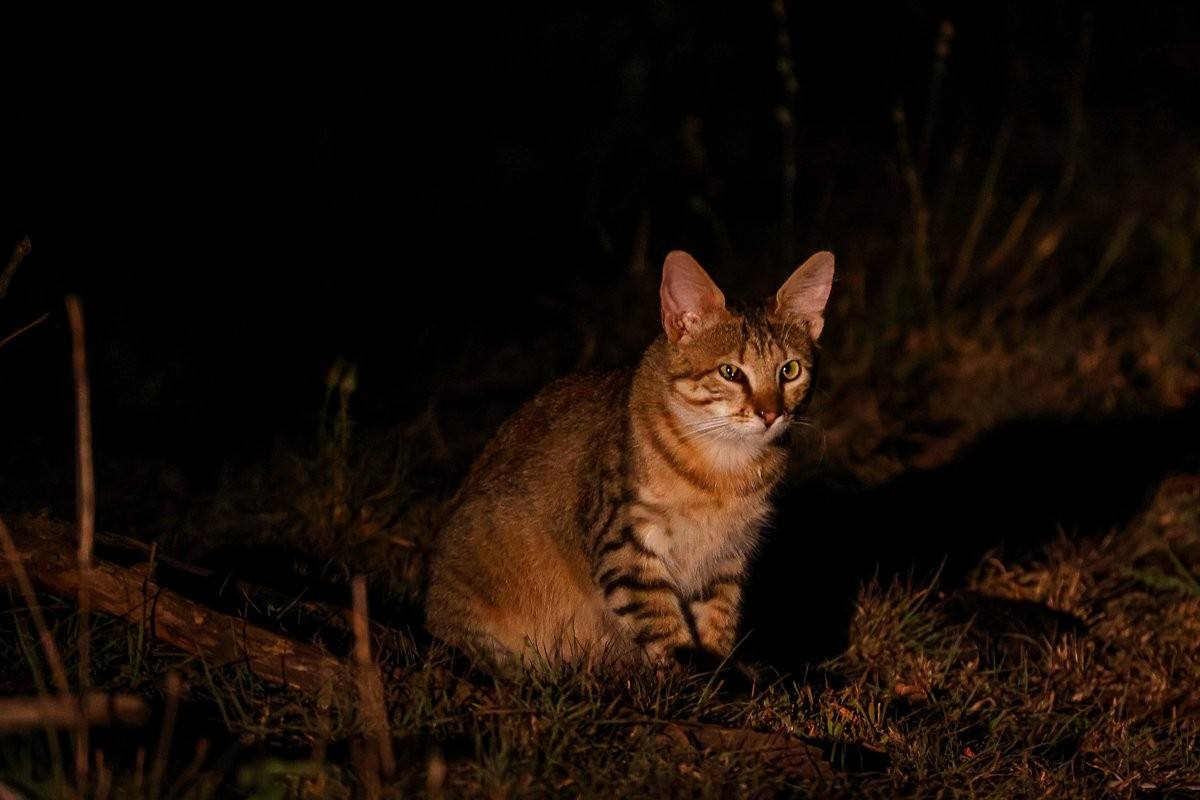
On our way back to Earth Lodge, we came across this beautiful African wildcat slowly making its way across a previously burnt area, searching for rodents and other small prey. Burnt areas often provide favourable hunting conditions for these small predators, as the reduced vegetation and shorter grass leave the ground more exposed, making it harder for rodents and other small prey to find cover.
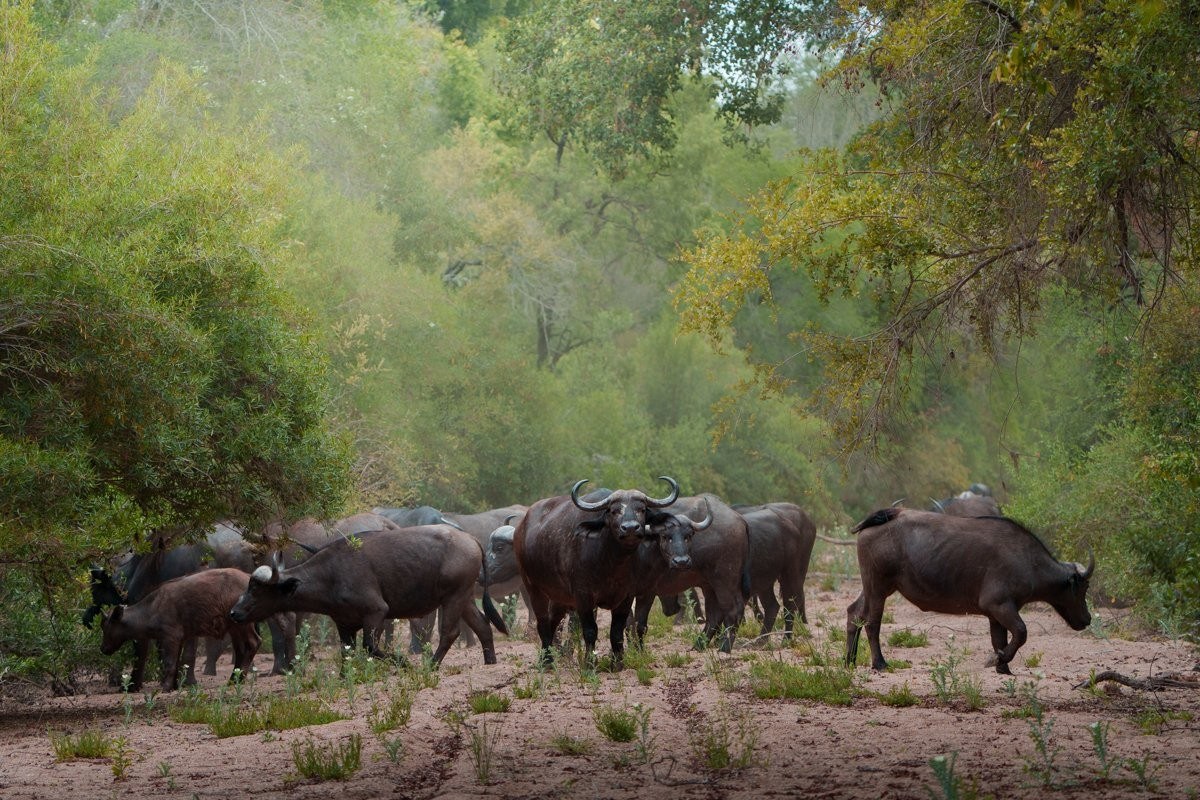
As bulk grazers, buffalo play an important ecological role. By feeding on tall, coarse grasses, they open up the grassland and stimulate fresh growth, creating better grazing conditions for more selective species such as zebra and wildebeest. Their reliance on regular access to water means herds often move between grazing areas and water sources each day.
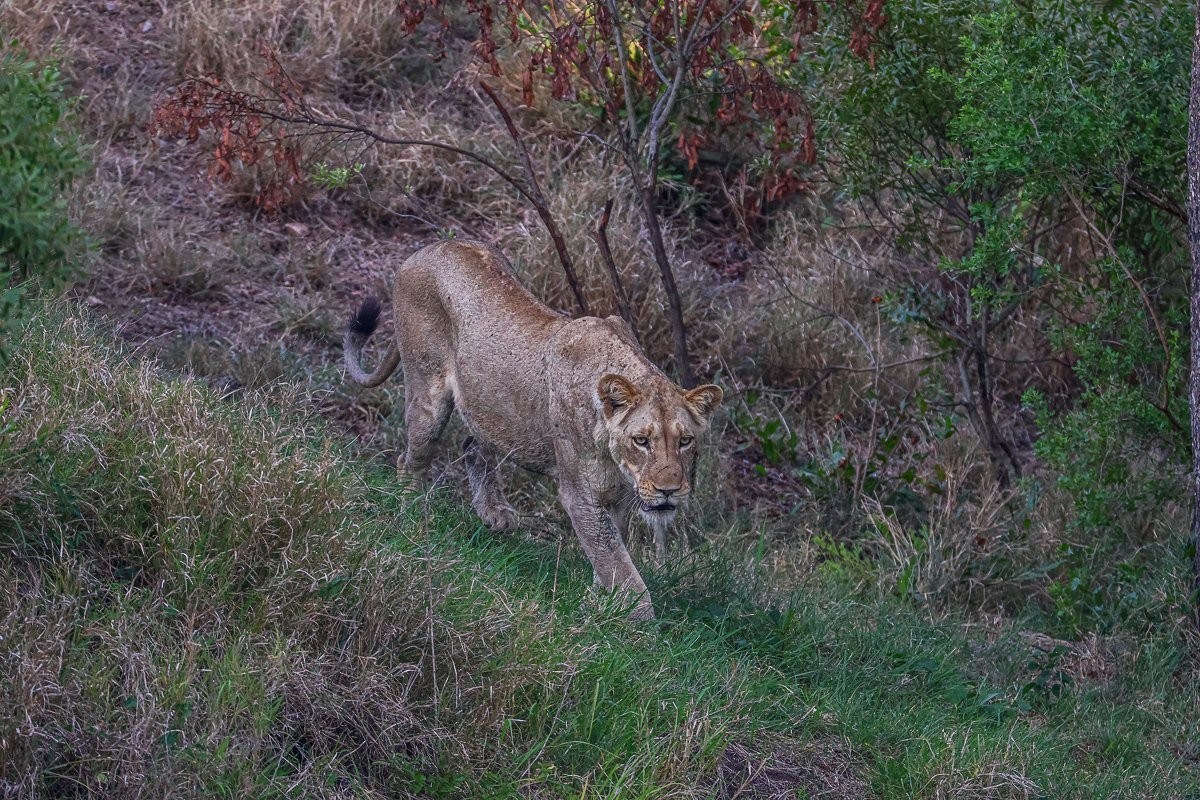
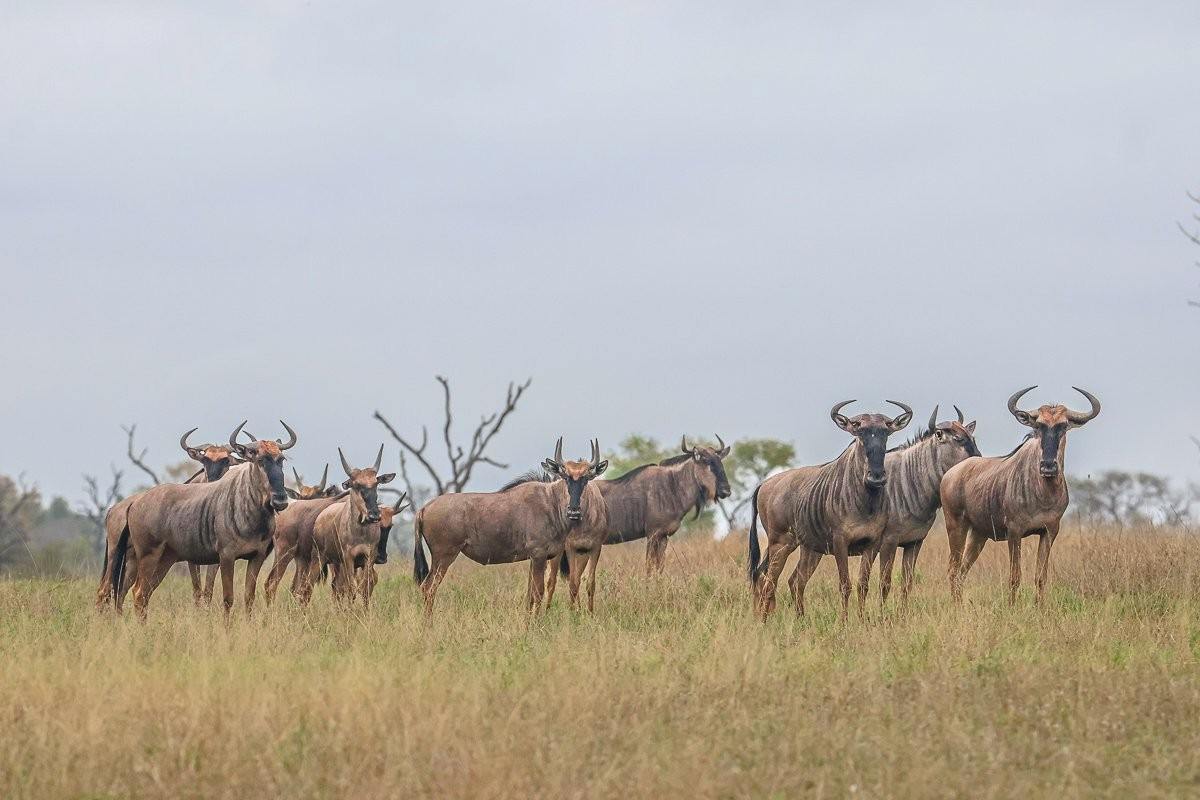
We sat in an open area watching a herd of blue wildebeest as they grazed peacefully. Suddenly, their behaviour changed; they became alert, raising their heads and staring intently in the same direction while calling out in alarm. To our surprise, a lioness soon appeared not far from the herd.
Their sharp senses and quick response are vital for survival in the African bush, with alarm calls also alerting other animals to the presence of a potential threat. The herd kept a close eye on the lioness as she moved past and disappeared into the thickets. Once she was out of sight, the wildebeest soon settled again, returning to grazing and continuing with their day.
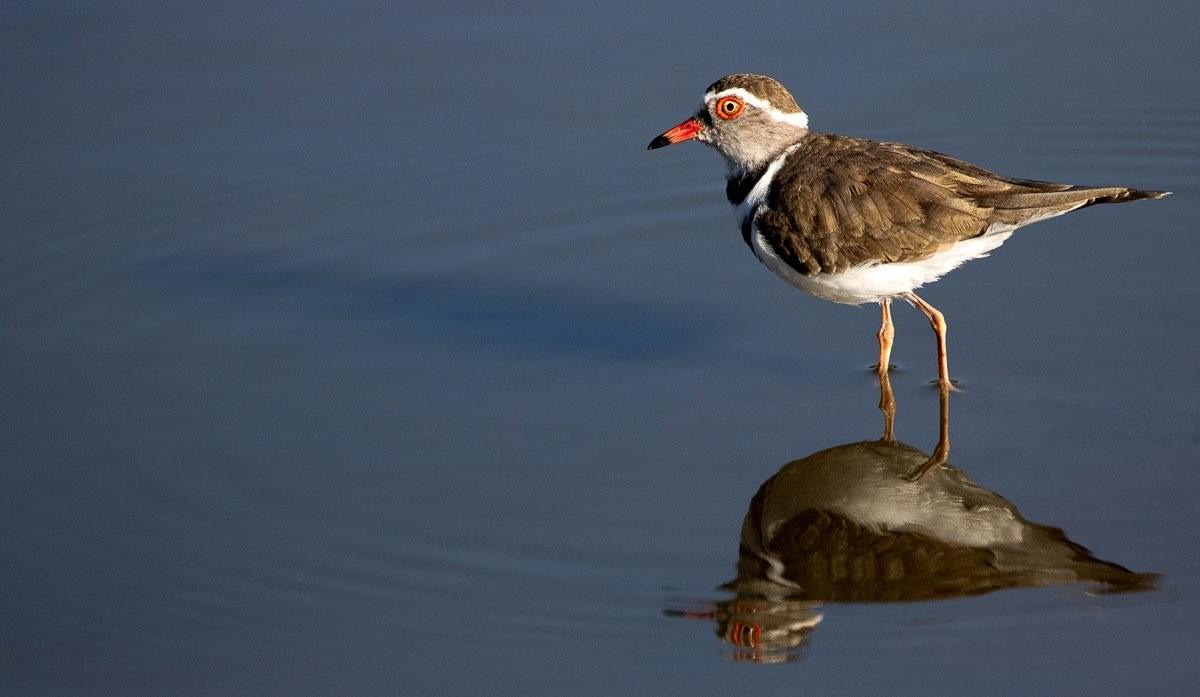
While the larger animals often steal the show, smaller birds are just as interesting to observe. The Three-banded Plover is one such visitor, often seen carefully picking its way along the muddy banks of waterholes and river crossings, searching for insects and worms. It's always worth taking a moment to appreciate these little birds and the fascinating details of life around the water.
Until next time…
Blog by Wendy Claase
Images by Jarrod Oflaherty, Ronald Mutero & Ruan Mey