A Week in the Bush Vol. 614
on Oct 21, 2026We have enjoyed a very cute week on safari in terms of cubs… leopard and lion cubs…
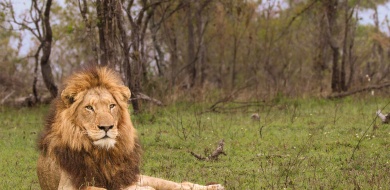
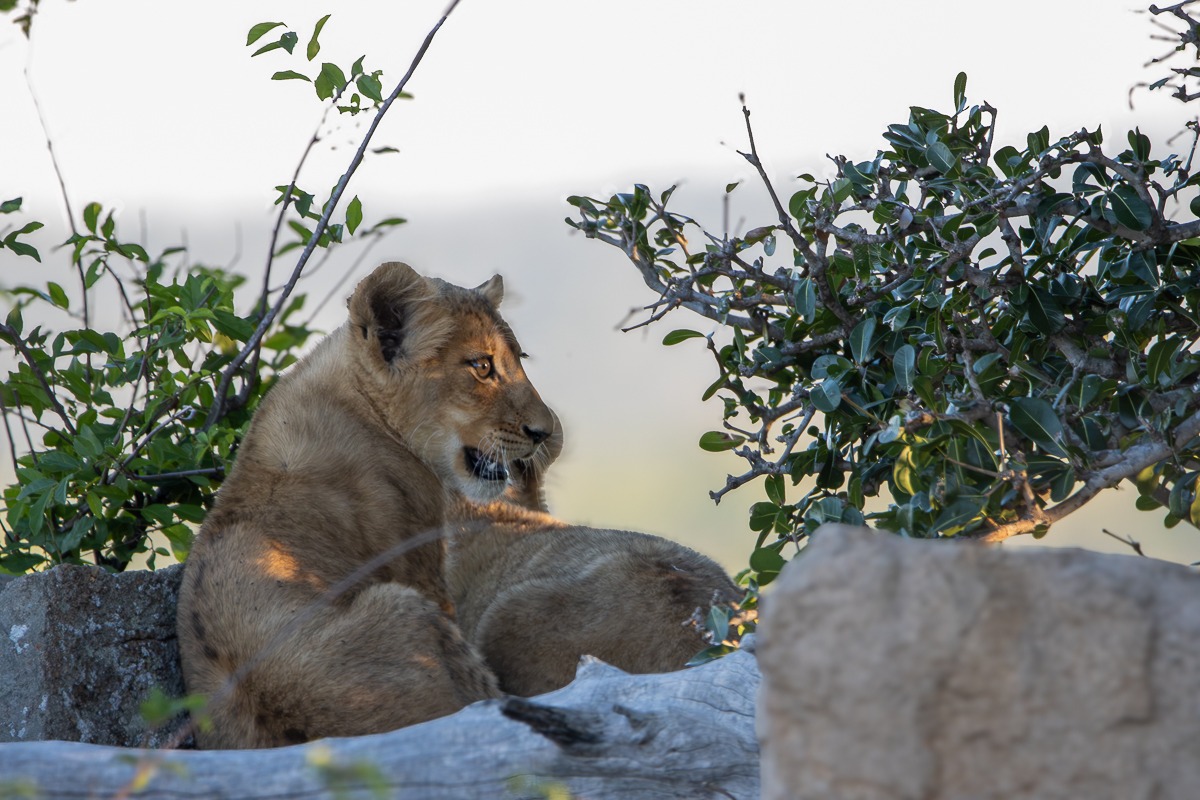
In the heat of the afternoon, the Southern Pride females rested in the tall grass, keeping out of the hot sun. We watched the pride for a while before two little heads suddenly popped up above the grass. The oldest Southern Pride lioness had brought her cubs out from the rocky outcrop where she had been keeping them safe.
The two curious cubs gave us a brief glimpse of themselves before heading over to suckle from their mother, disappearing into the tall grass once again.
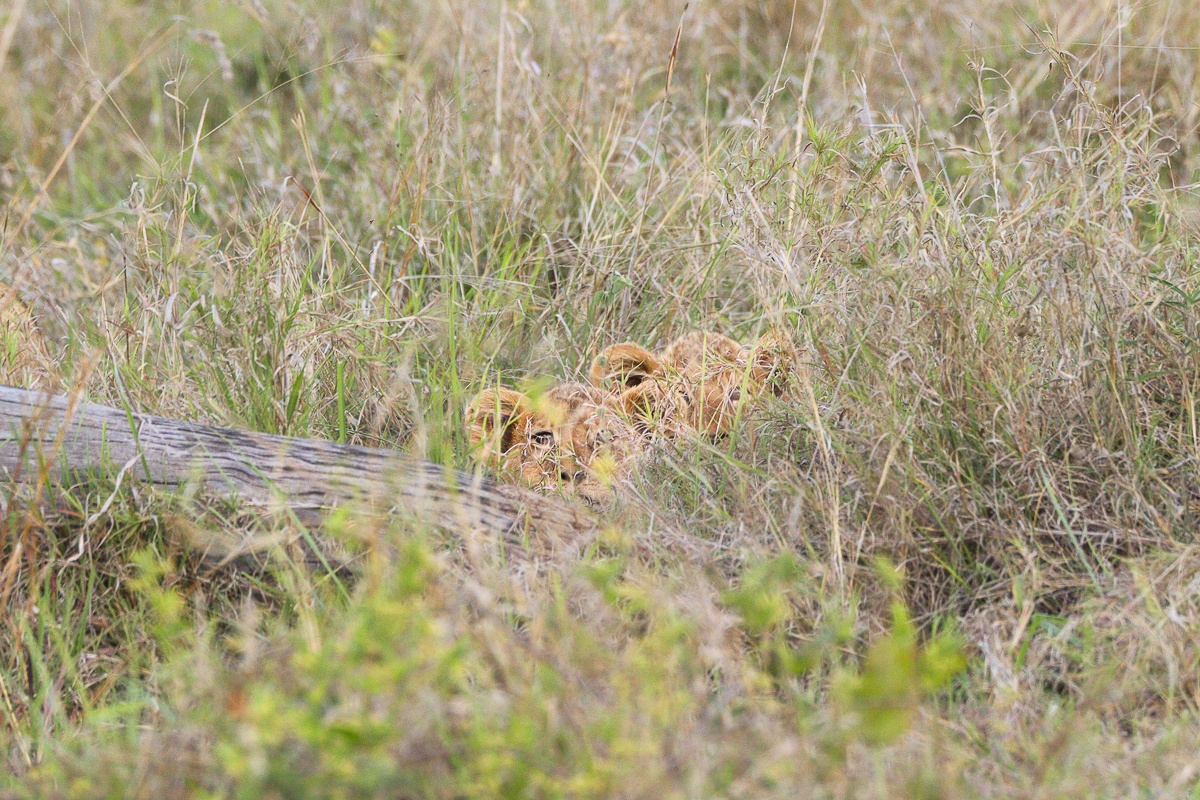
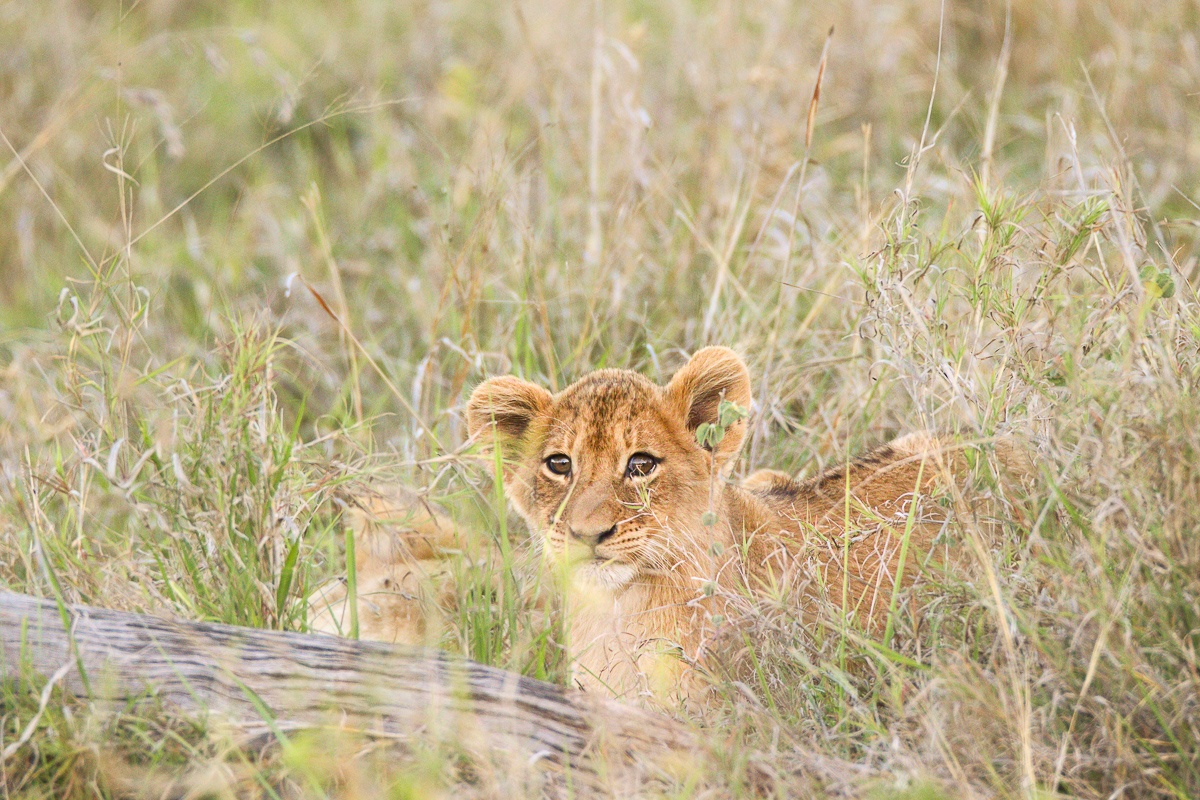
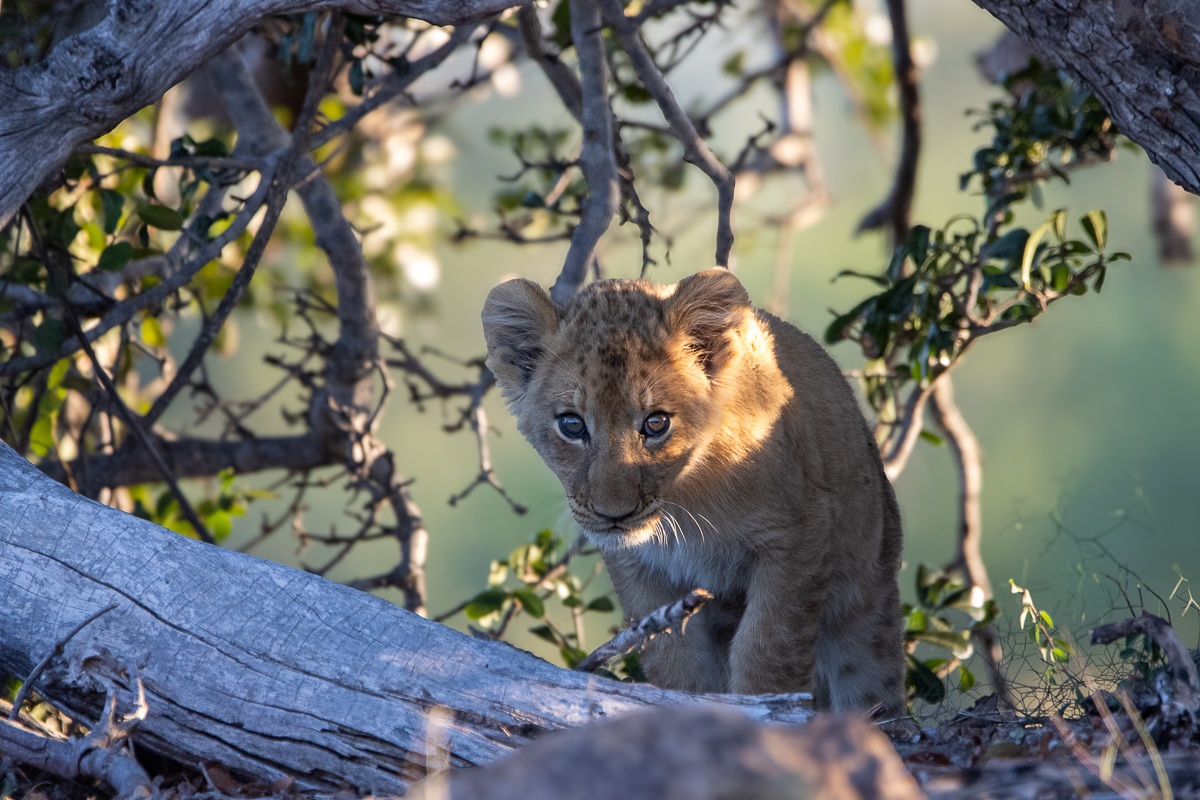
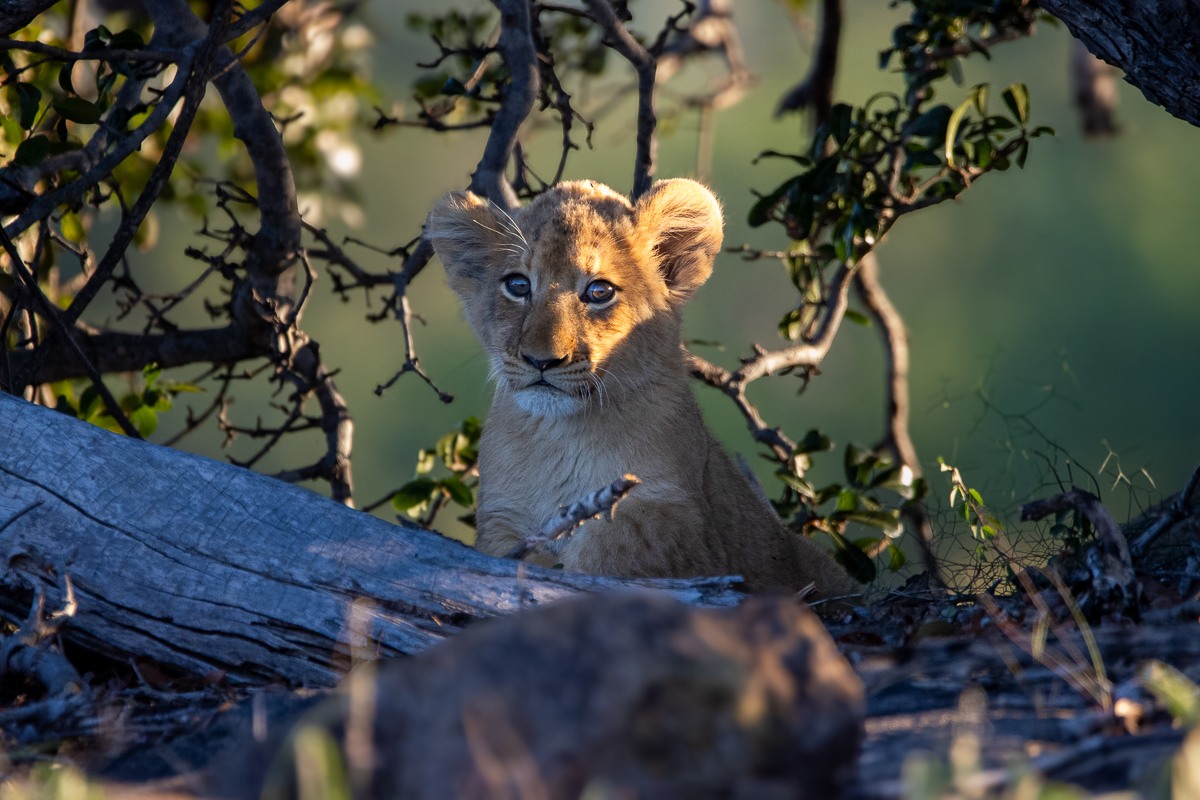
Beneath the protective shade of a tree, we found two very young lion cubs nestled together, seeking refuge from the scorching sun. At this tender age, conserving energy and avoiding the heat are essential, with much of their day spent resting and growing stronger. A short distance away, their mother rested quietly, keeping close while allowing her little ones some peace. Although she appeared relaxed, a lioness never truly switches off, remaining alert to her surroundings and the safety of her vulnerable cubs.
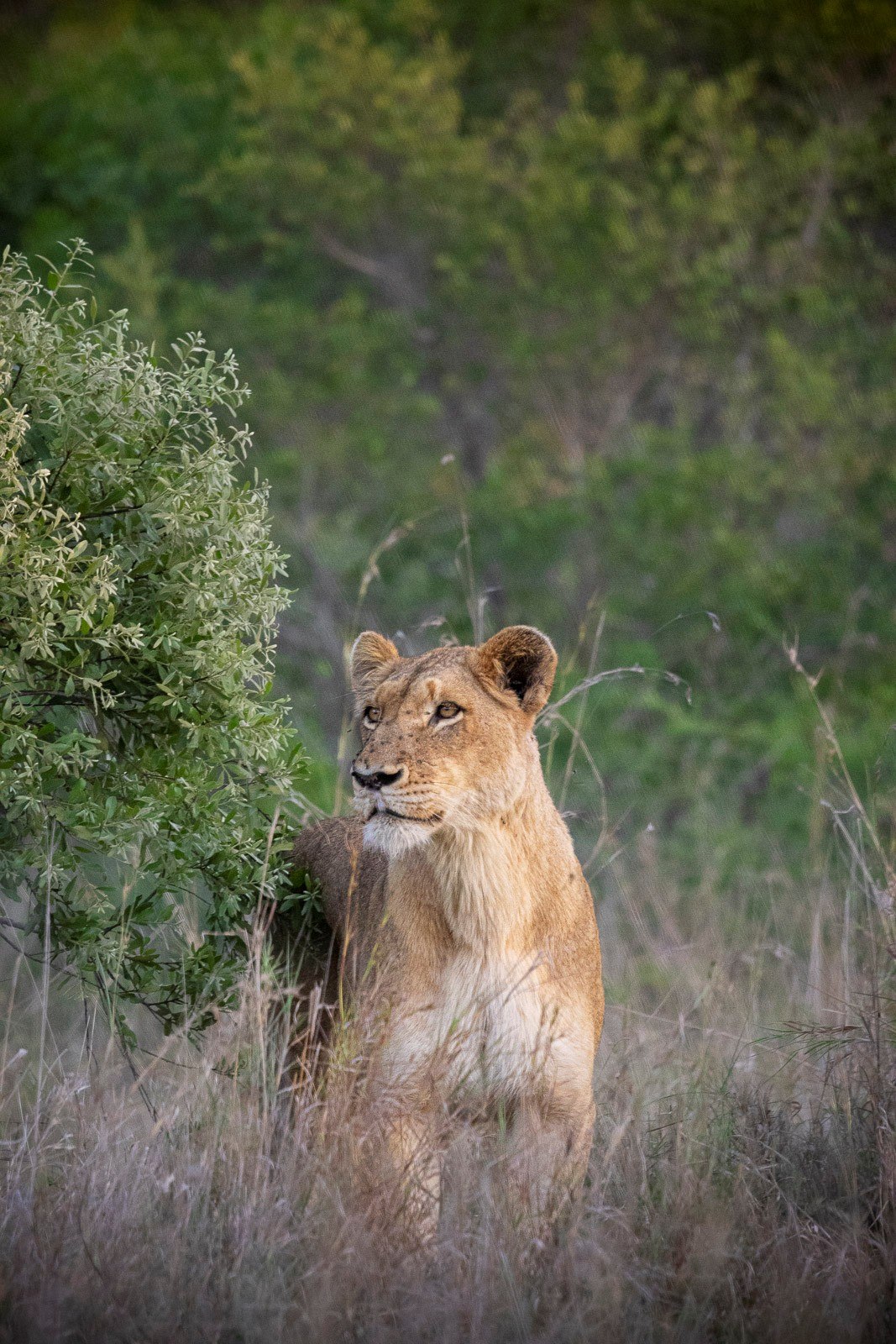
The iconic matriarch of the Southern Pride was found making her way along a drainage line, with a large herd of buffalo ahead of her, heading towards a nearby wallow for a refreshing drink after a particularly hot day. Emerging from the thickets, she carefully assessed the herd, watching the different shapes and sizes before her. Keeping low and moving cautiously to avoid detection, she continued to stalk the buffalo, patiently waiting for the cover of darkness before making her next move.
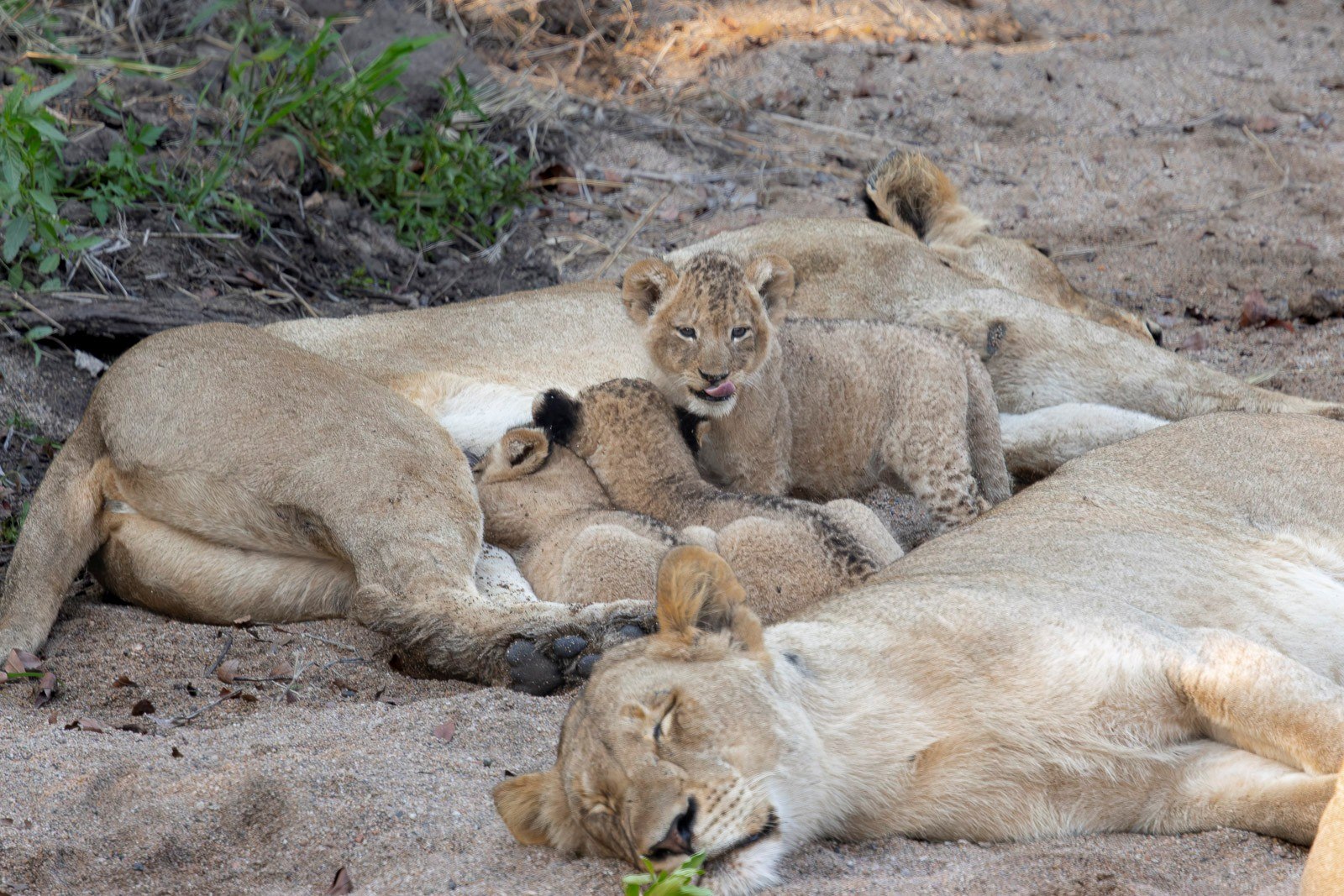
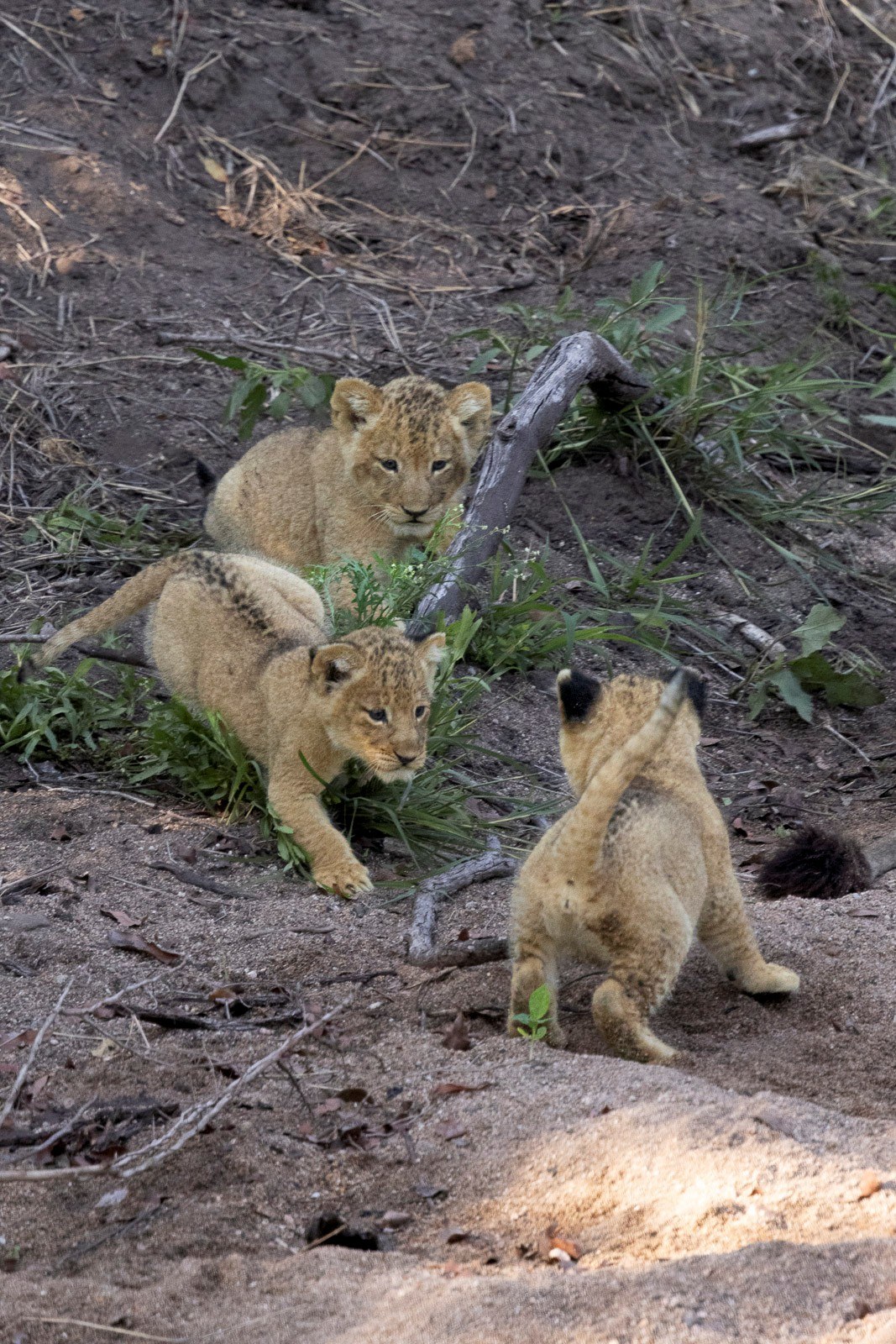
Hidden in the thickets along the Msuthlu River, a set of lioness tracks led us into the bush, where a small, open stretch of the river revealed a remarkable sight. Three lionesses lay resting on the cool sand, while between them, the three newest additions to the Msuthlu Pride suckled peacefully. Once they had finished feeding, the cubs’ extra energy quickly took over. They began playing with one another, batting at the adults’ tails and curiously exploring the world around them. It was a truly special sighting and a privilege to witness.
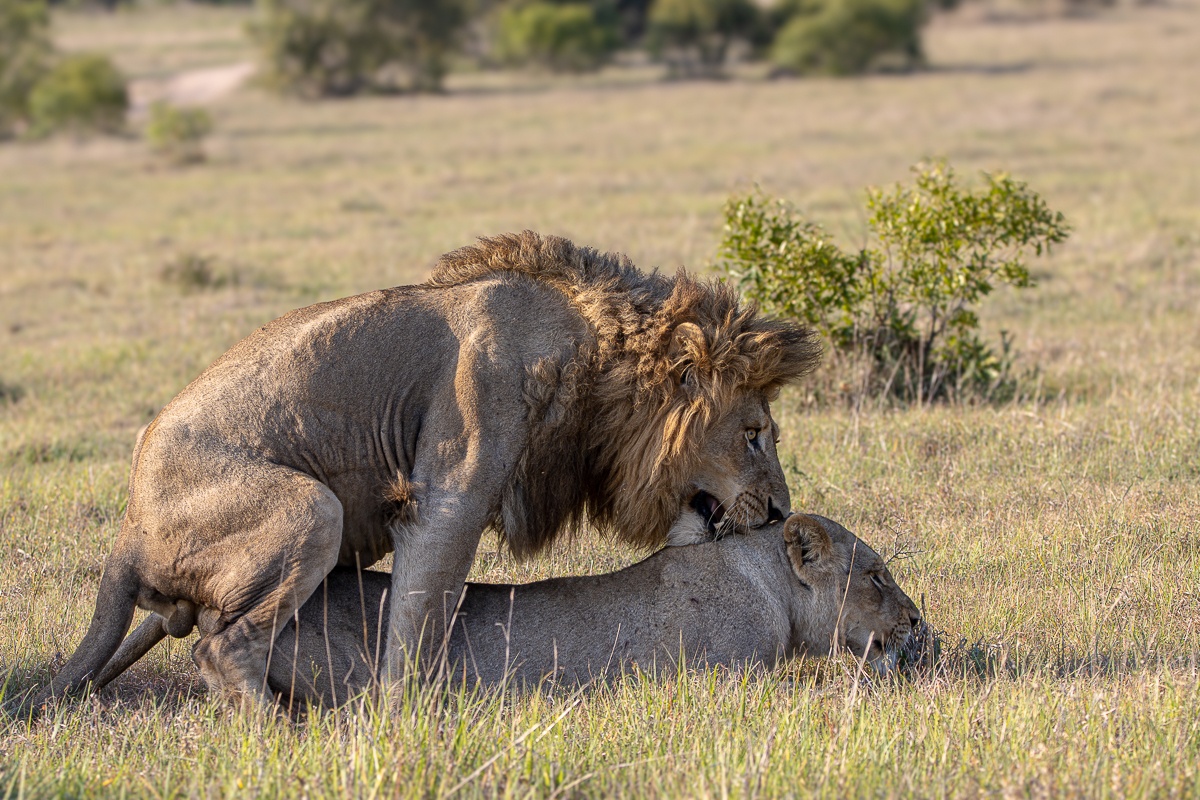
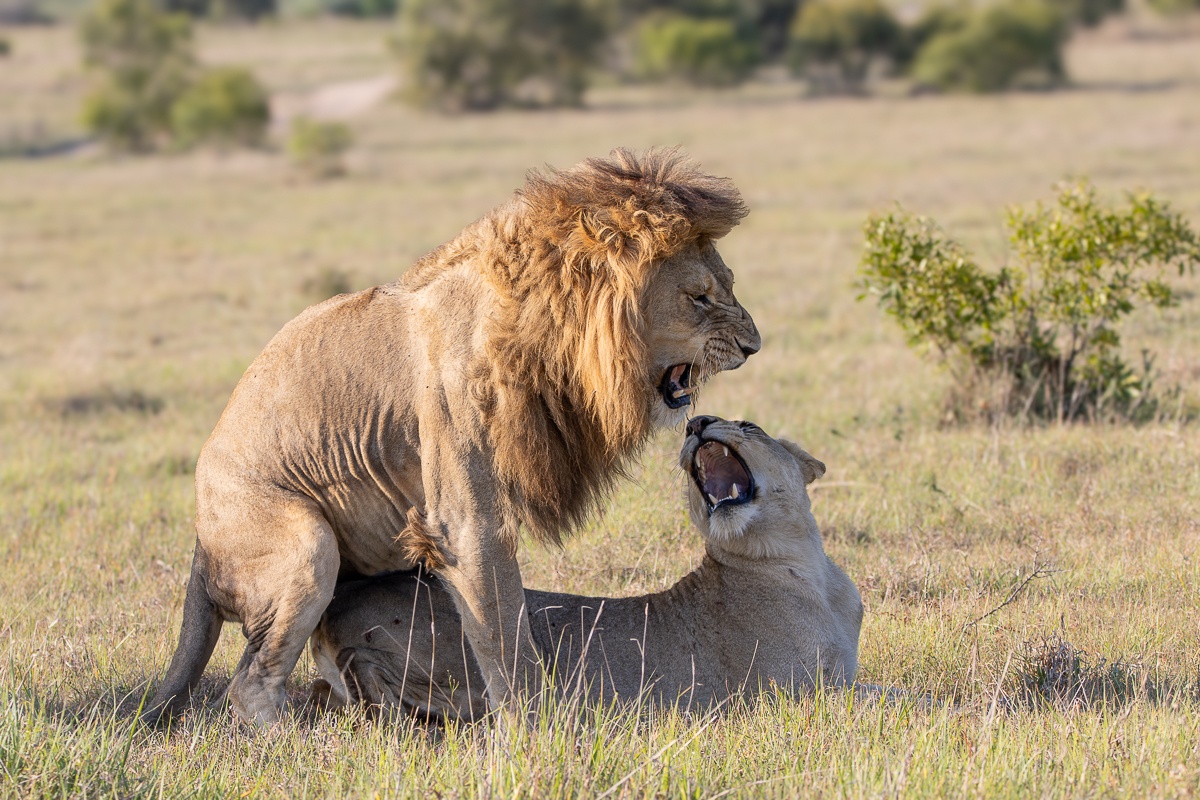
Our morning safari brought us to a fascinating moment as a pair of lions engaged in mating, a natural behaviour that plays an important role in the continuation of the pride. Interestingly, some of the lionesses within this same pride already have young cubs, offering a beautiful glimpse into the different stages of motherhood unfolding within one family. While some mothers are busy nurturing and protecting their vulnerable youngsters, this mating pair may be laying the foundation for the next generation. The Msuthlu Pride is growing slowly but surely.
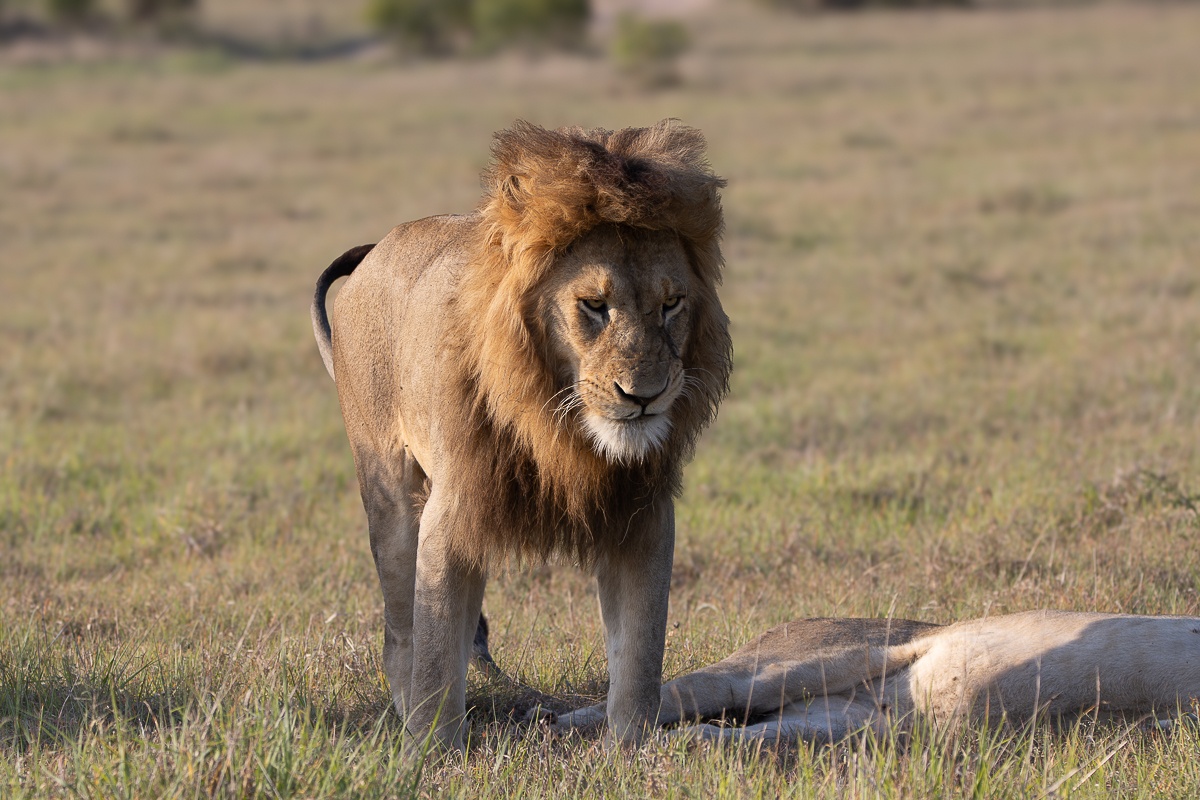
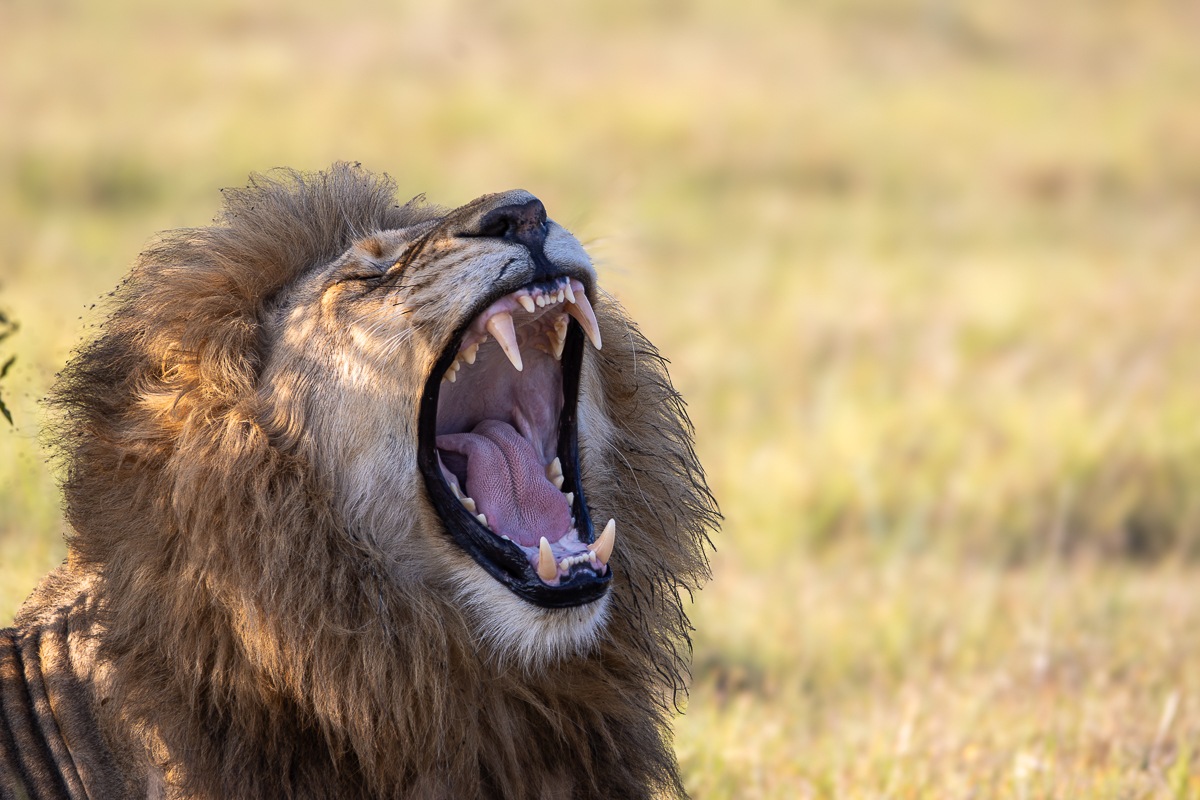
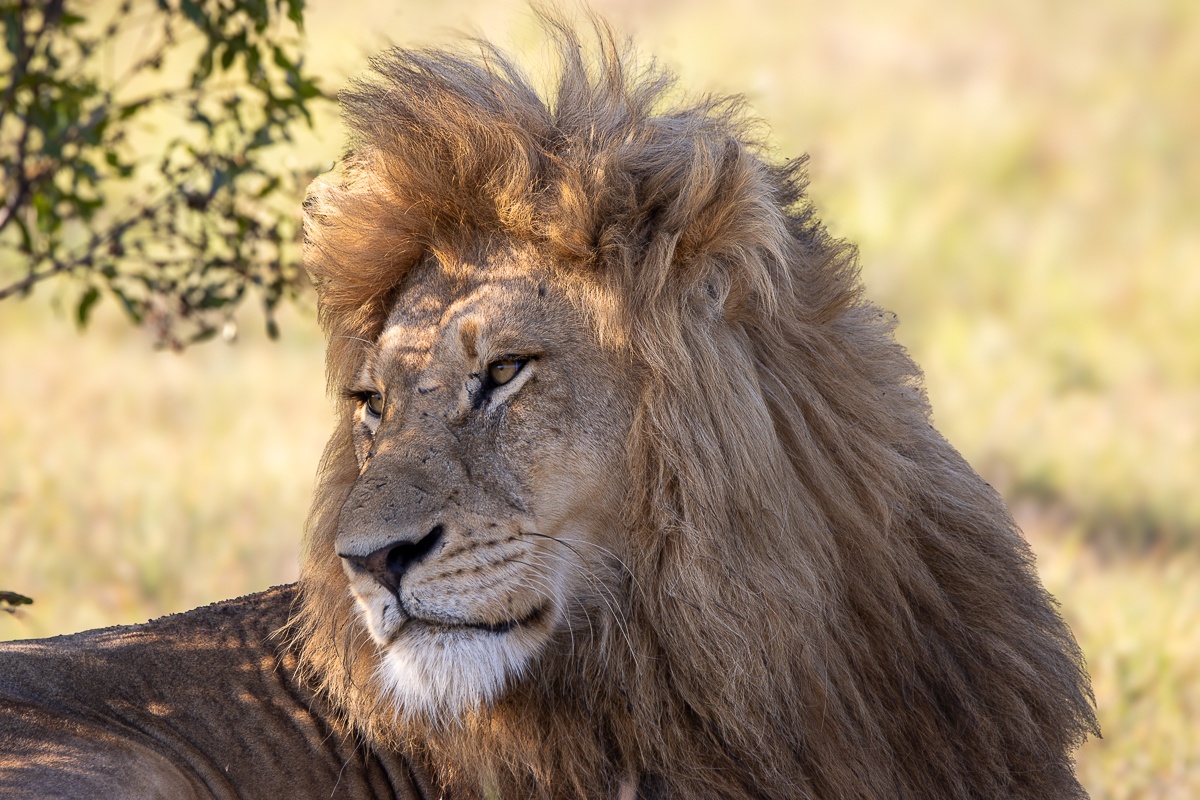
After finishing the buffalo cow they had killed, three N’waswishaka males and two Msuthlu females settled down to sleep in the limited shade beneath the nearby trees. As the morning sun climbed higher and the shade gradually shrank, we waited patiently, knowing the lions would eventually need to move.
The males slowly began to stir, and before long, one suddenly sprang to his feet after hearing a rustle in the bushes. Alert and ready to investigate what might be approaching their kill, he went to investigate, only to find it was one of the Msuthlu lionesses moving in search of a shadier spot.
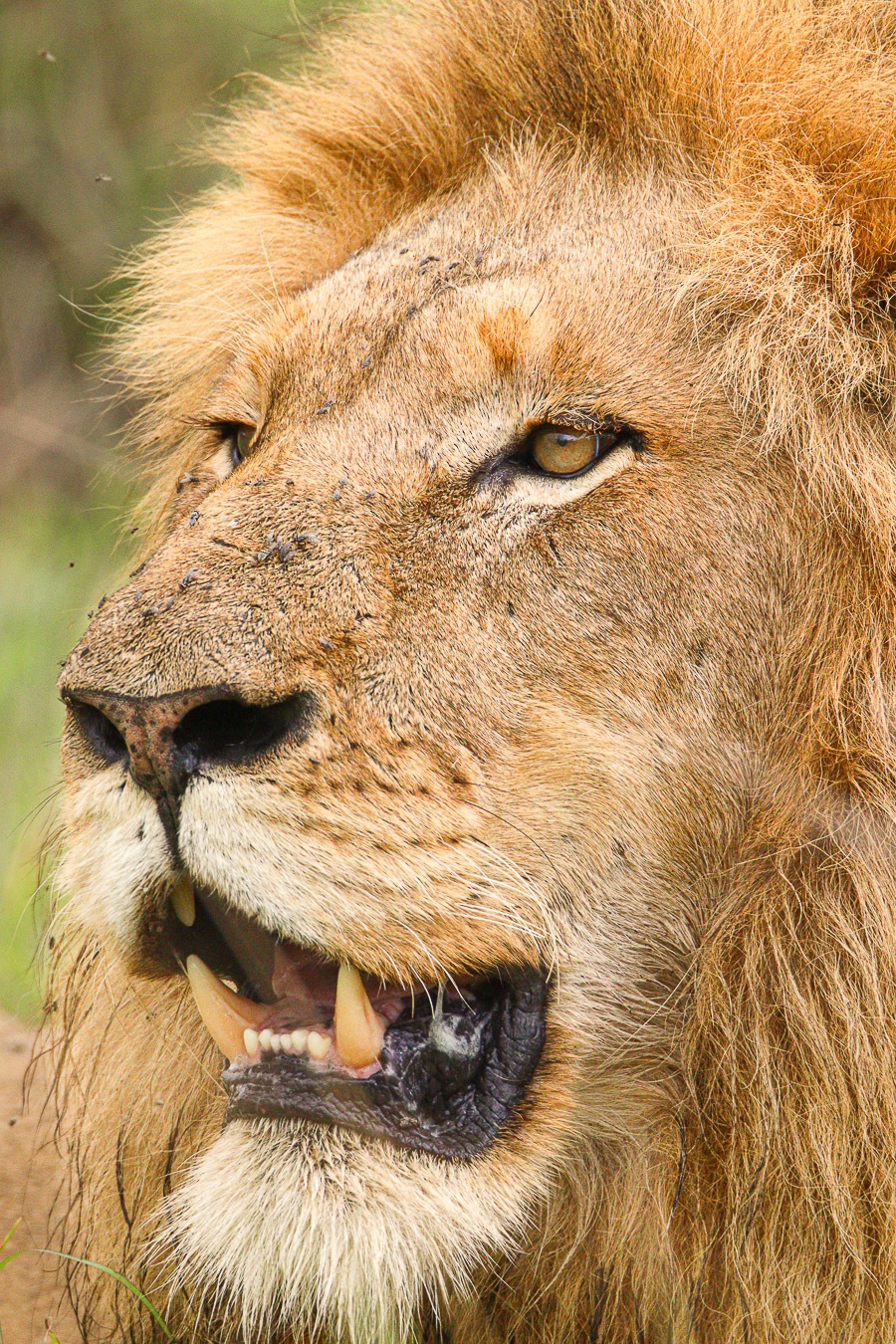
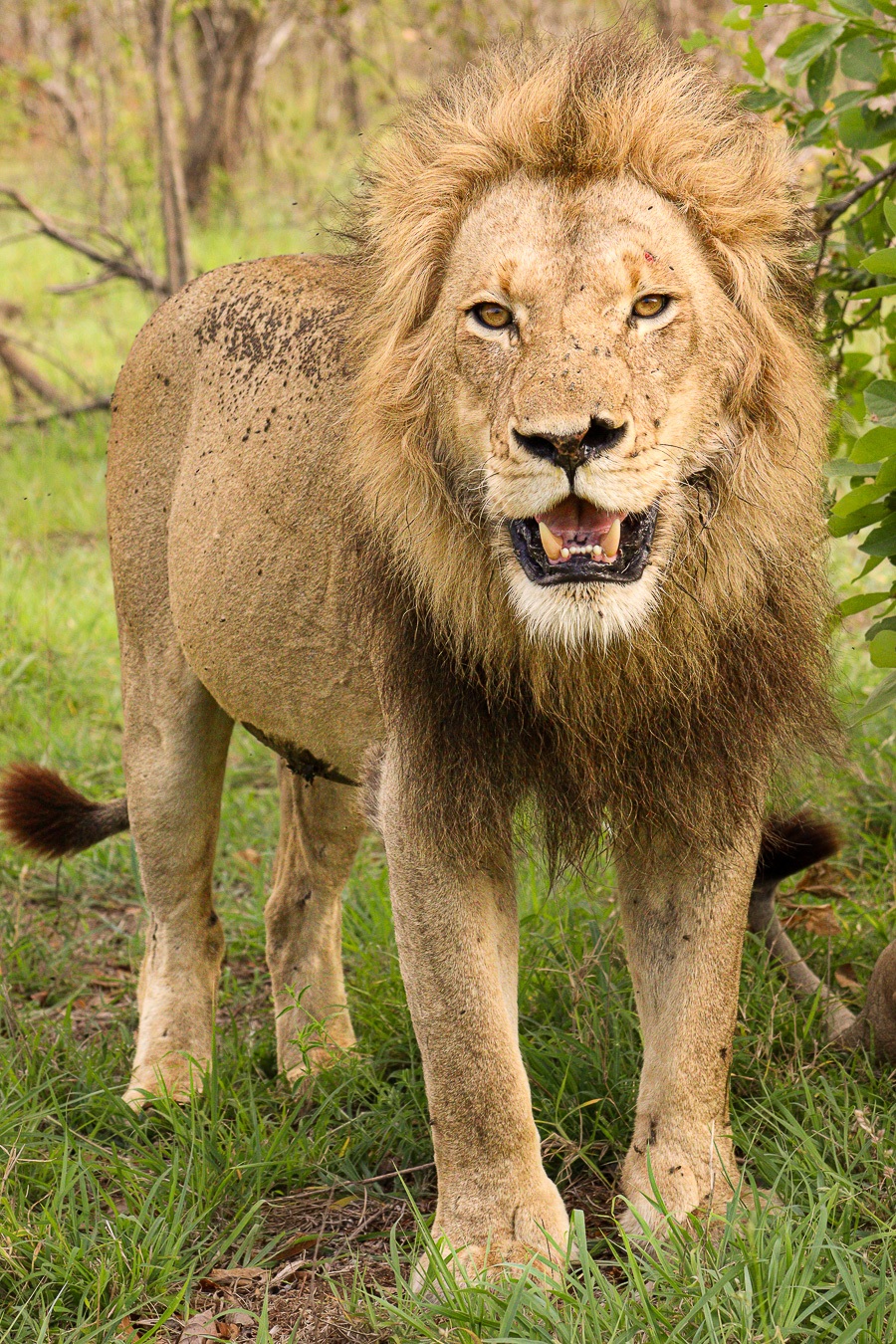
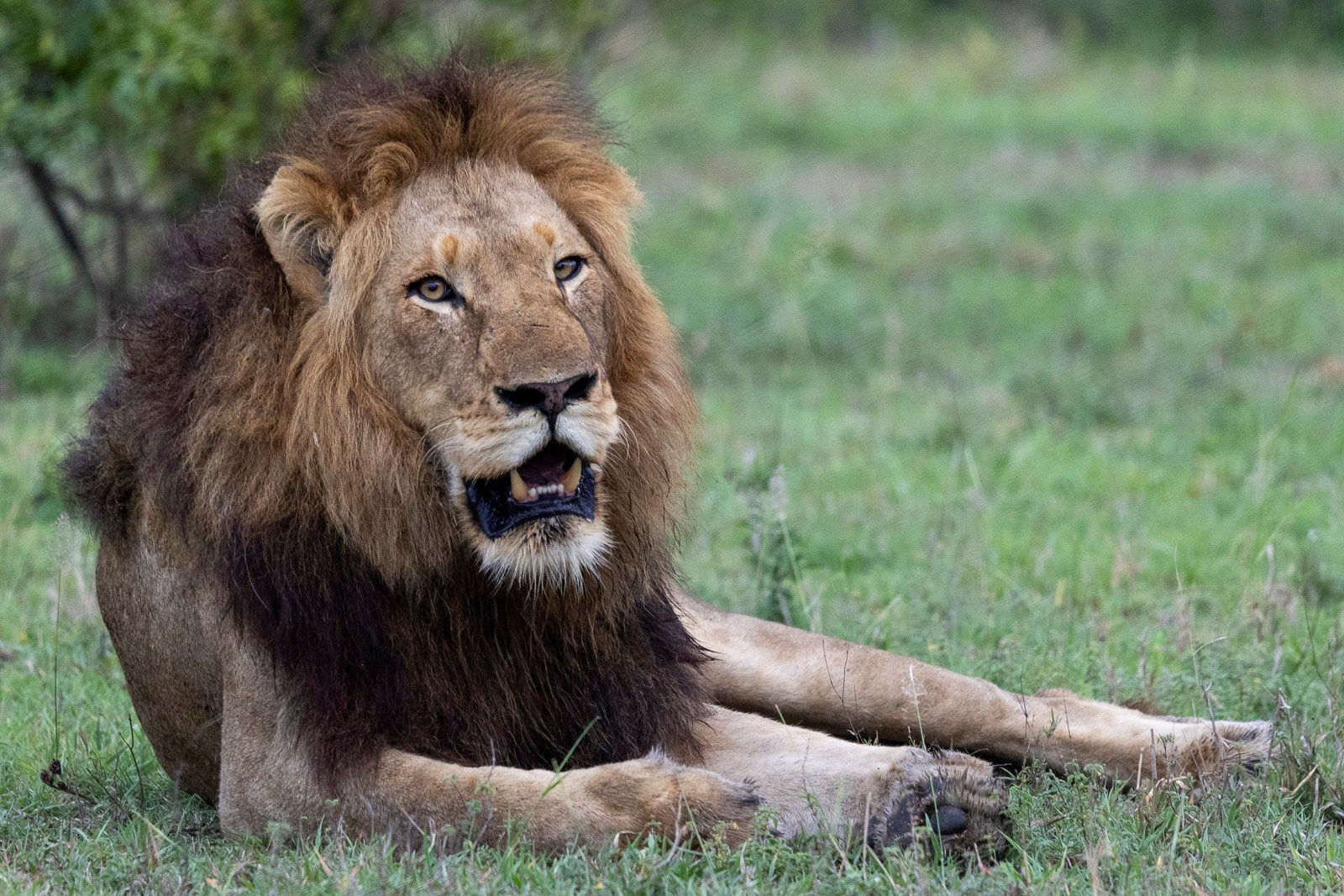
Throughout the night, the roars of lions echoed across the reserve. At first light, we set out to find the males responsible. It wasn’t long before we picked up their tracks, and as we followed the trail, the much softer sound of contact calls could be heard nearby. Moving towards the calls, we soon came across two of the N’waswishaka males sitting in an open area. With their bellies full after a busy night of feeding and roaring, they soon settled down for a well-earned day of rest and digestion.
As the morning heat started to build, Kurhula and her cub moved into the shade to rest. Well, Kurhula rested. The little one had other plans, pouncing, tumbling and climbing all over her while she patiently put up with it. Tucked away from the world, the two of them were completely lost in their own private moment, and we were lucky enough to share it.
A special moment unfolded during our afternoon safari as a mother leopard and her cub settled down to feed. Still learning the art of handling its meal, the cub repeatedly dropped the kill, only for its ever-patient mother to pick it up and hoist it back within reach. Each attempt became another small lesson in the journey towards independence. Beyond the nourishment, this was a beautiful display of maternal care, patience, and the quiet teachings that shape a young leopard’s future. In the wild, survival is not simply inherited; it is learned through observation, practice, and the gentle guidance of a mother who knows that one day, her little one will have to fend for itself.
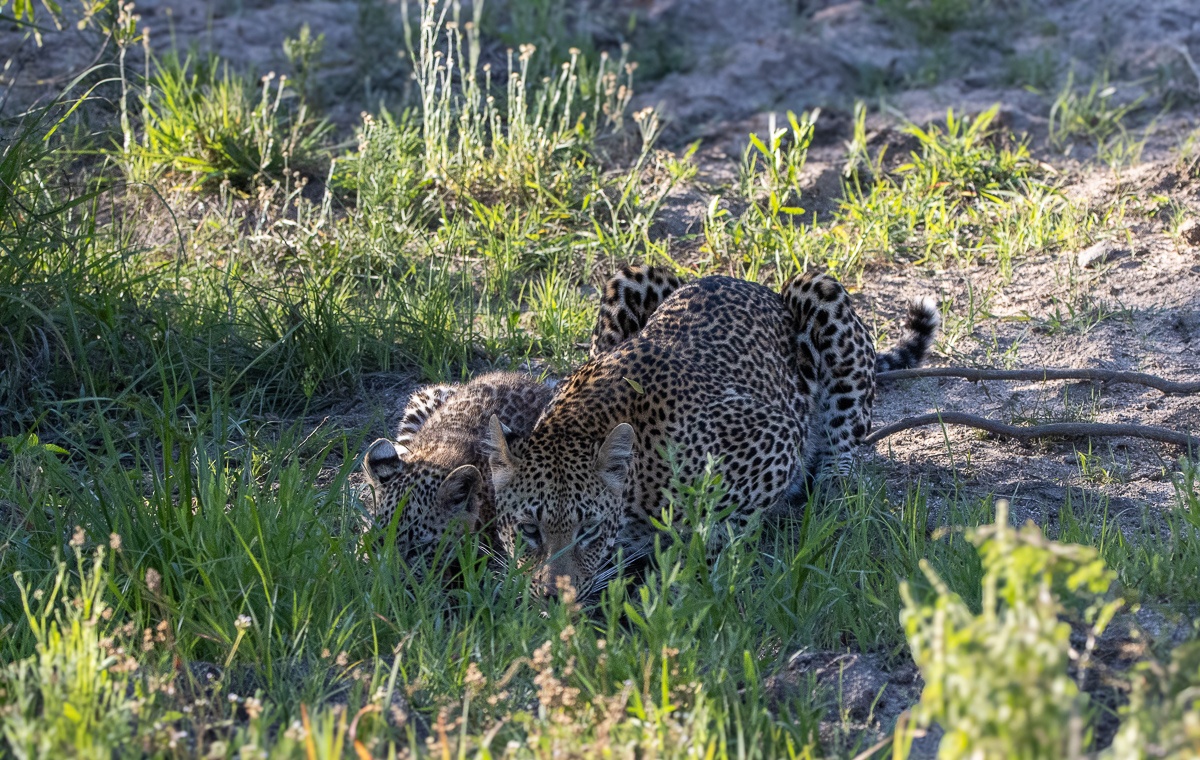
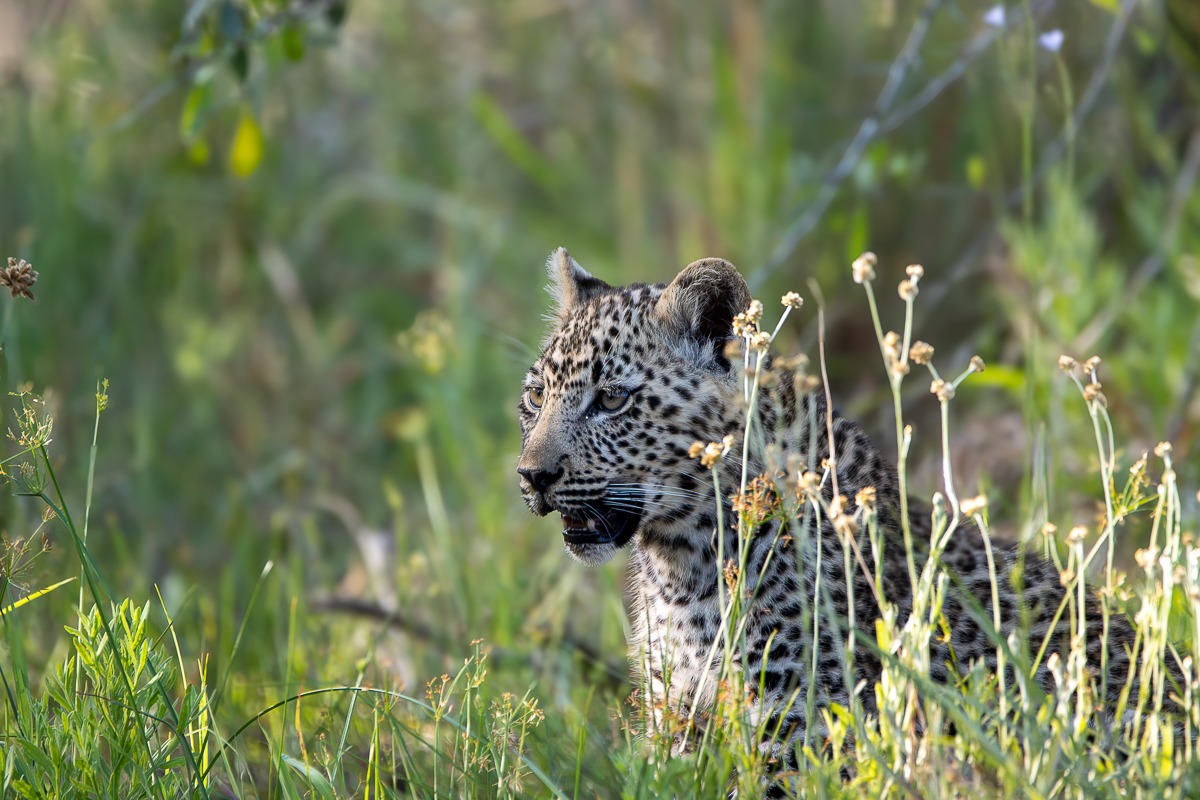
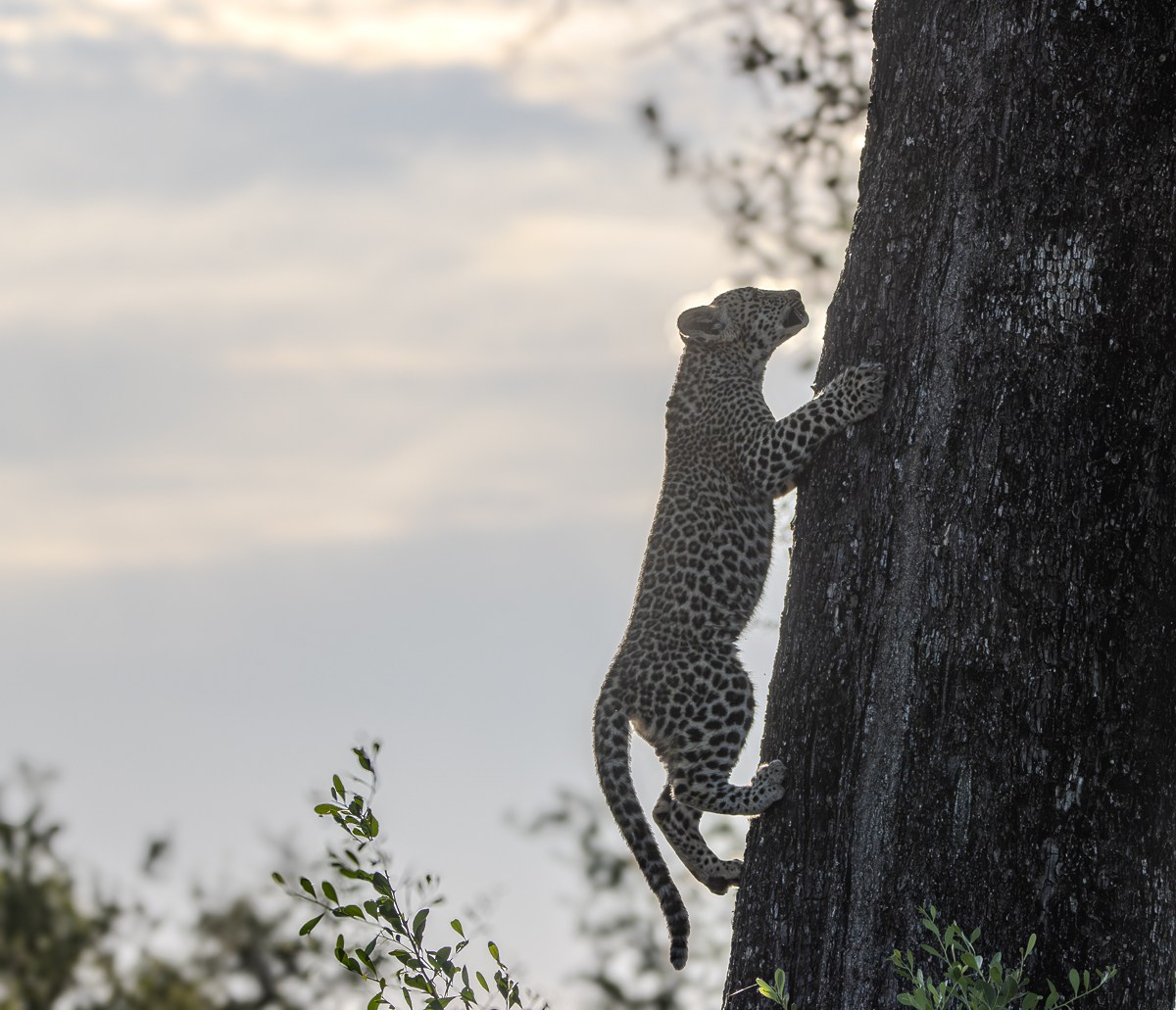
Resting on top of a termite mound, Tengile’s son struggled to settle in the afternoon heat, constantly shifting position in search of shade. Eventually, he moved off, leading us to his mother resting in the tall grass.
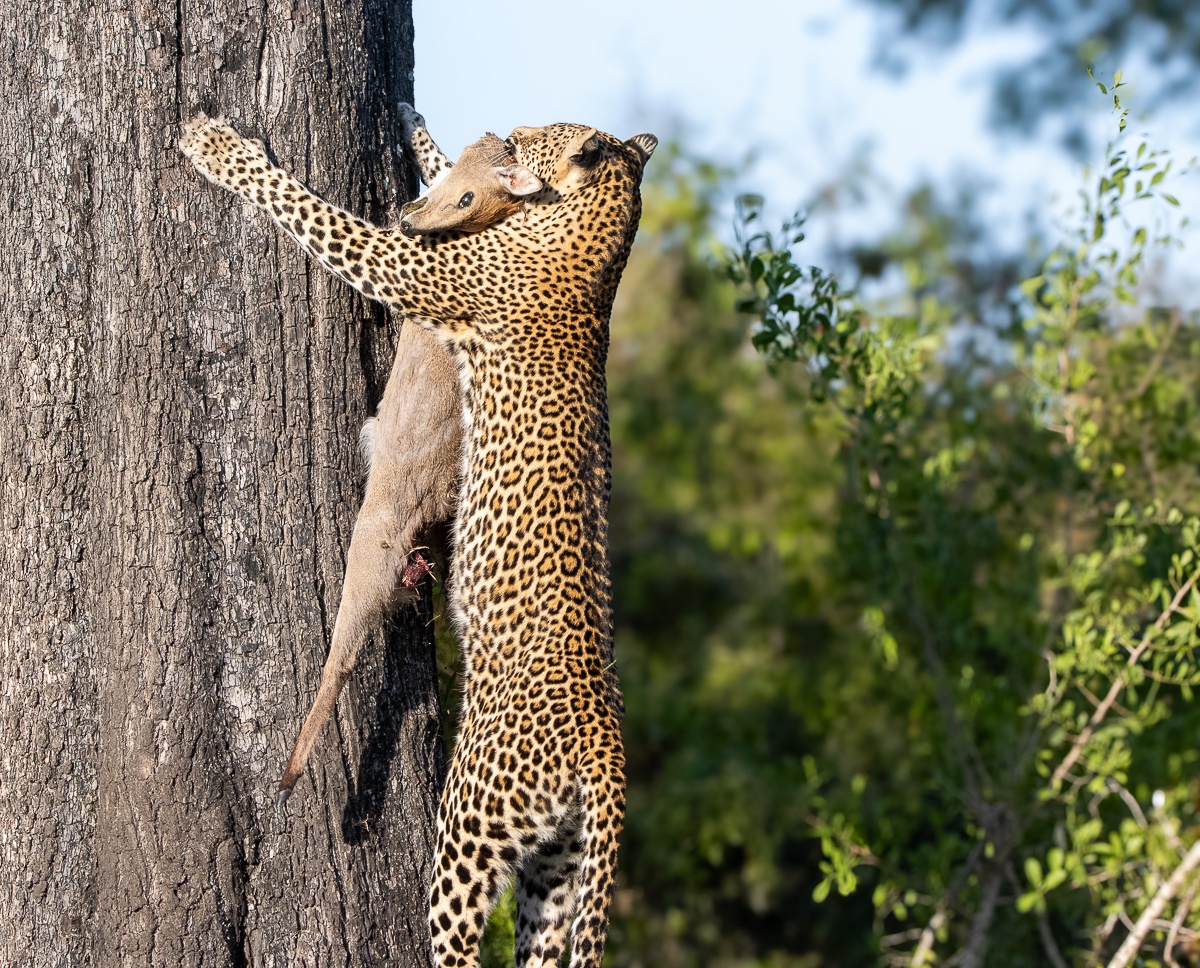
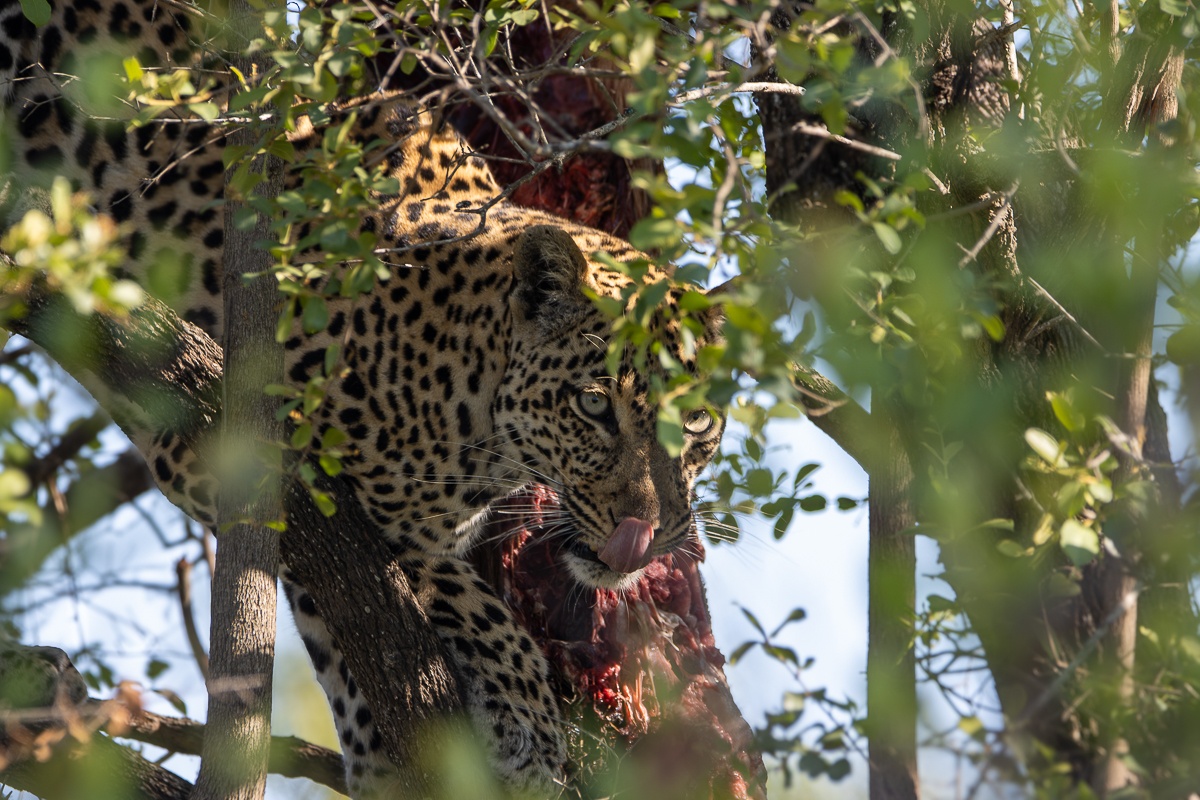
As nightfall approached, both got up and moved towards a thick bush, where Tengile emerged dragging the carcass of a large male impala. She hoisted it into a nearby Marula tree, safely out of reach of most scavengers, before settling down with her cub to feed and rest.
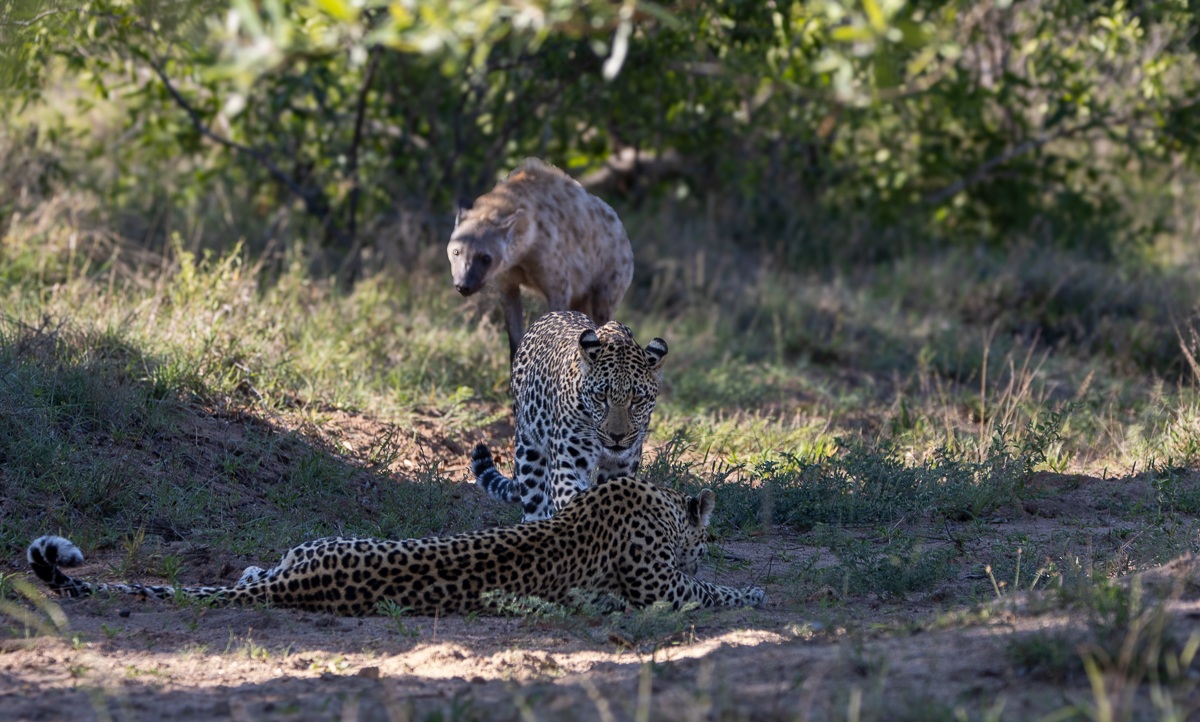
The following day, they were interrupted as persistent hyenas gathered below, drawn by the scent of the remaining carcass. Tengile remained alert, keeping a watchful eye on the activity beneath the tree while ensuring her youngster stayed safely above ground.
Even after a successful hunt, a leopard mother must remain vigilant. In the wild, there is always something to keep an eye on.
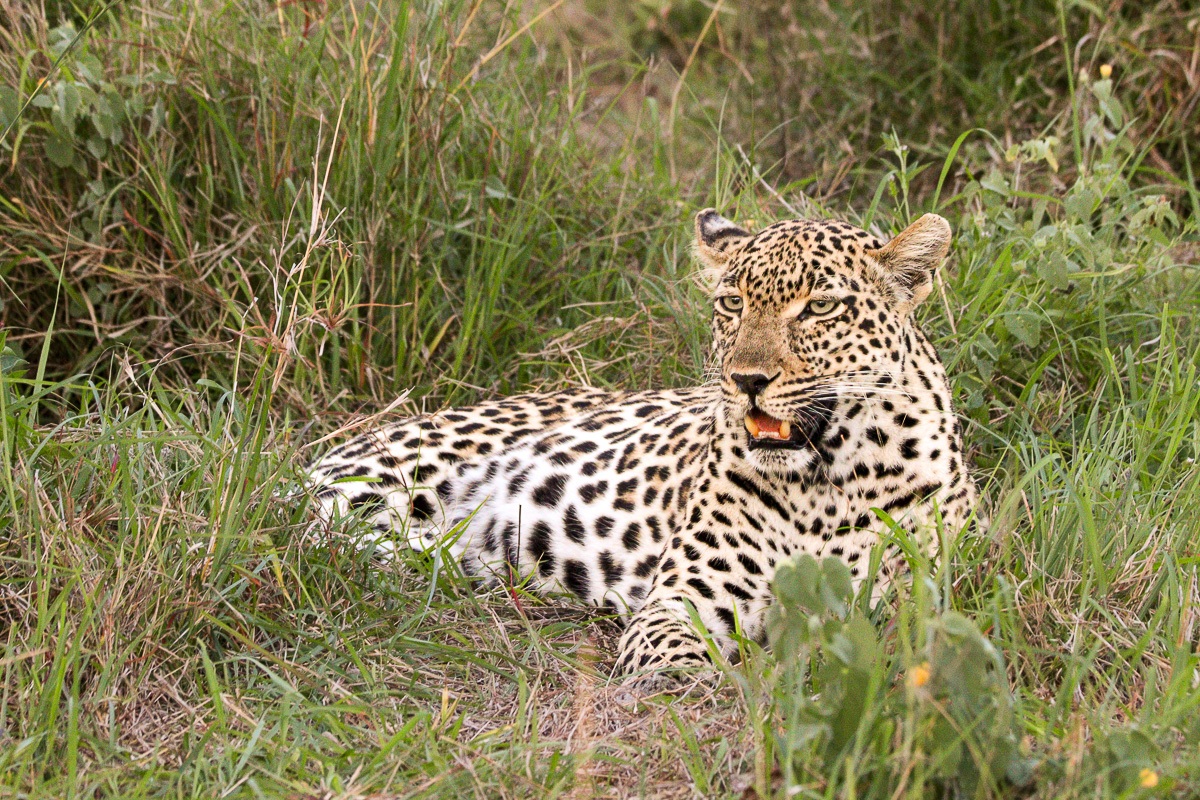
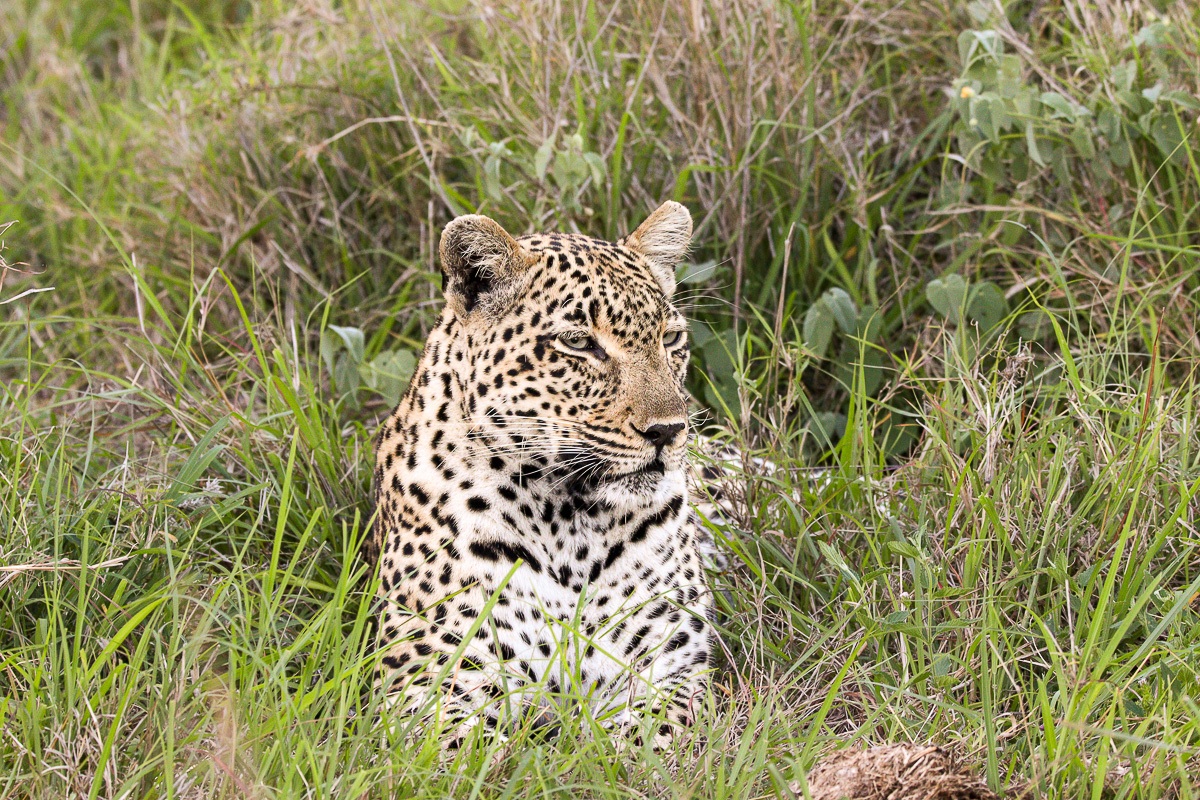
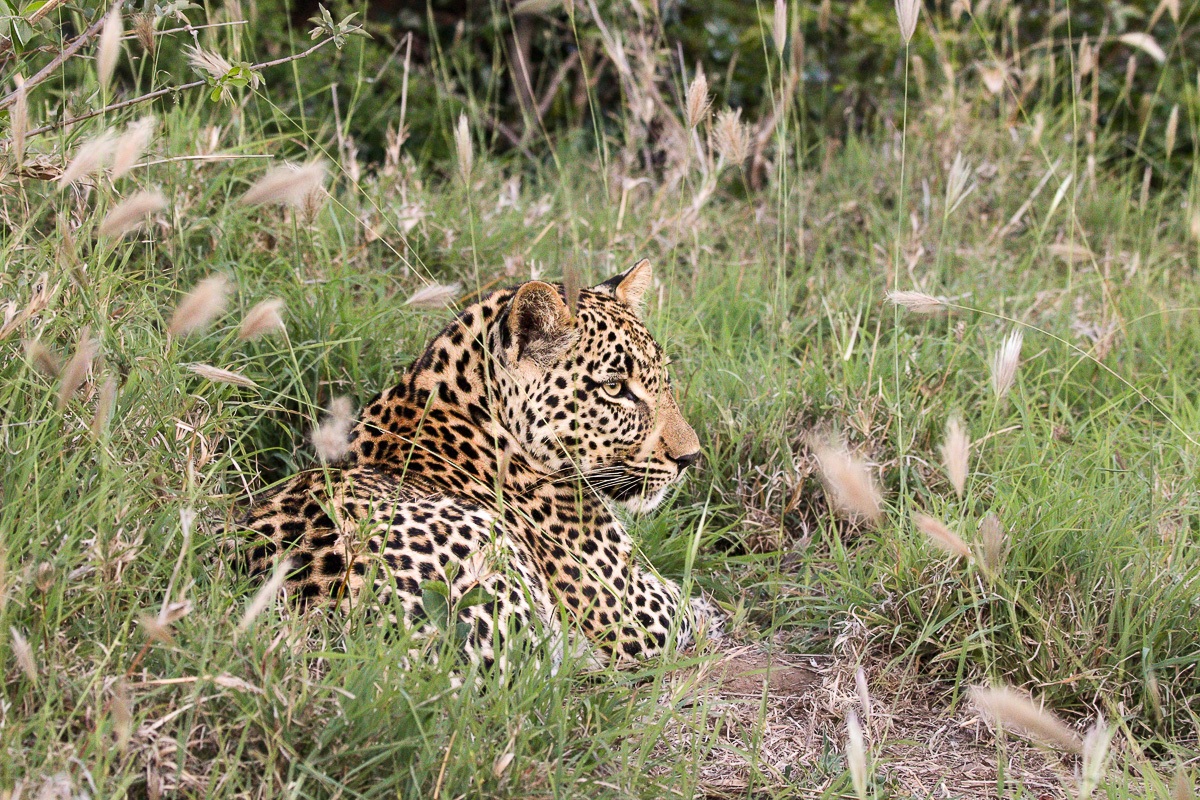
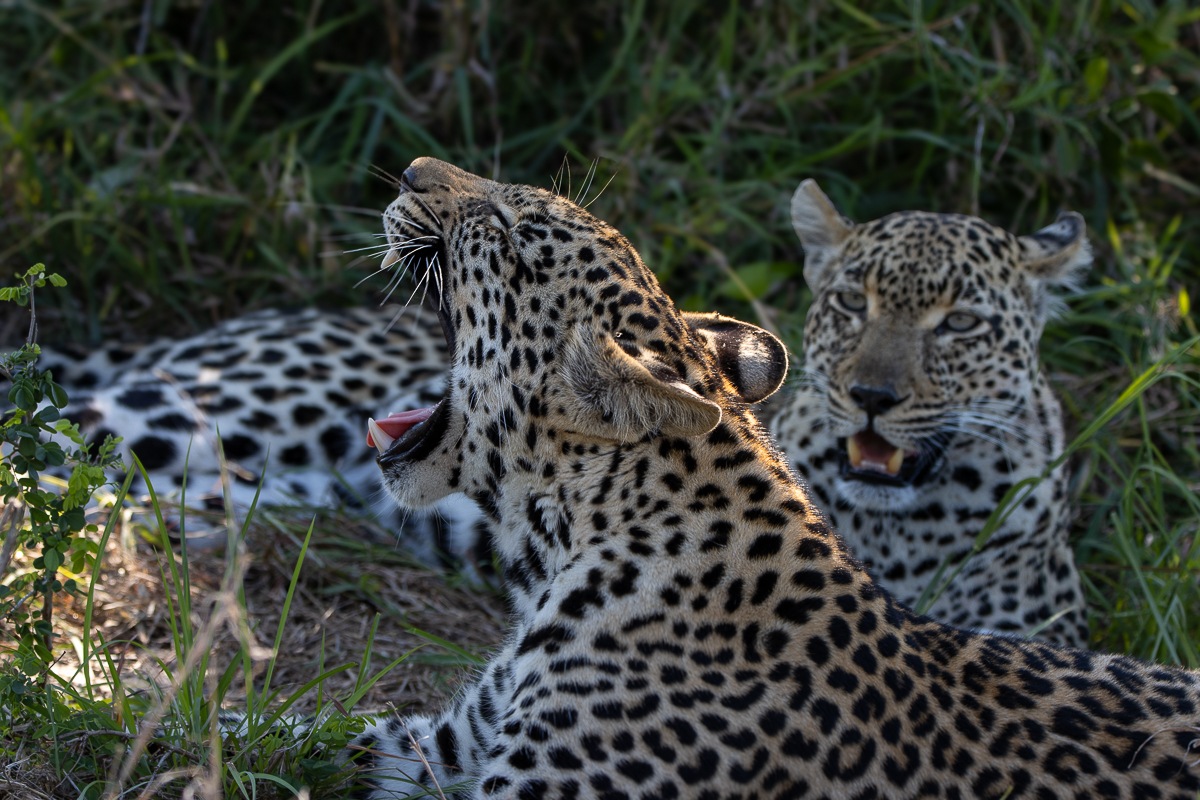
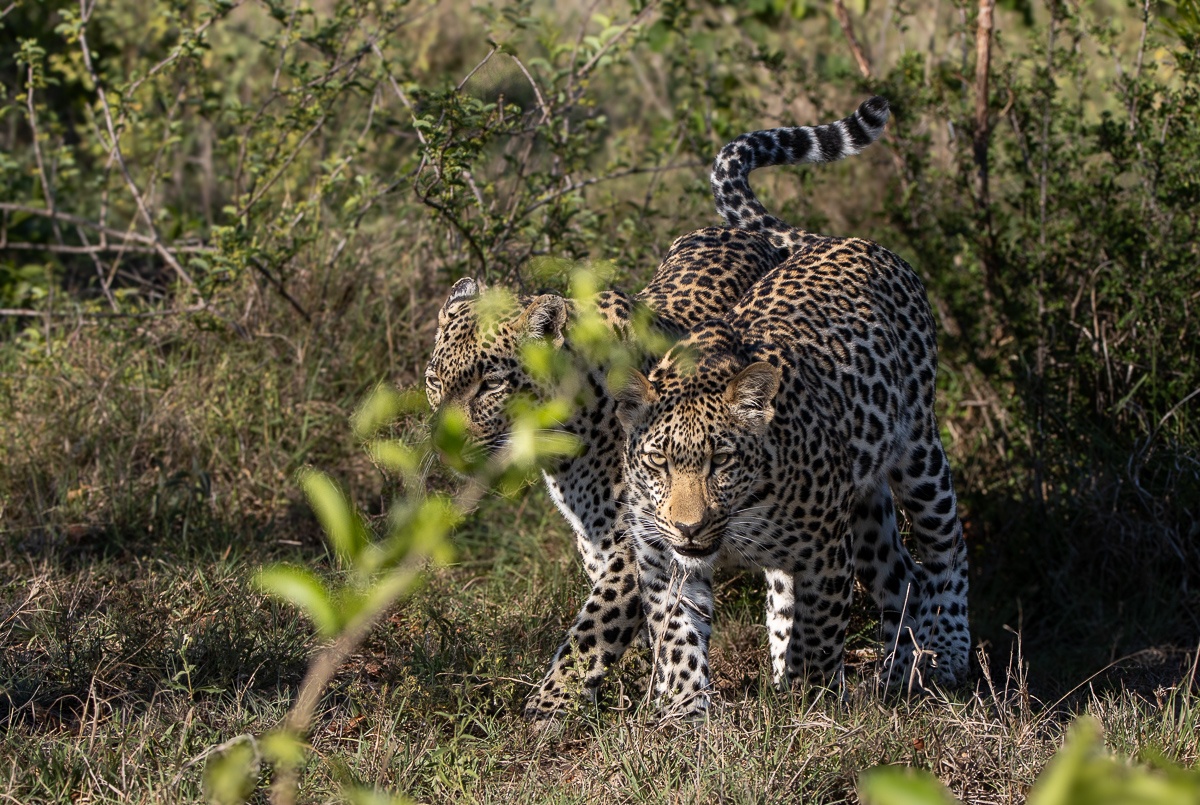
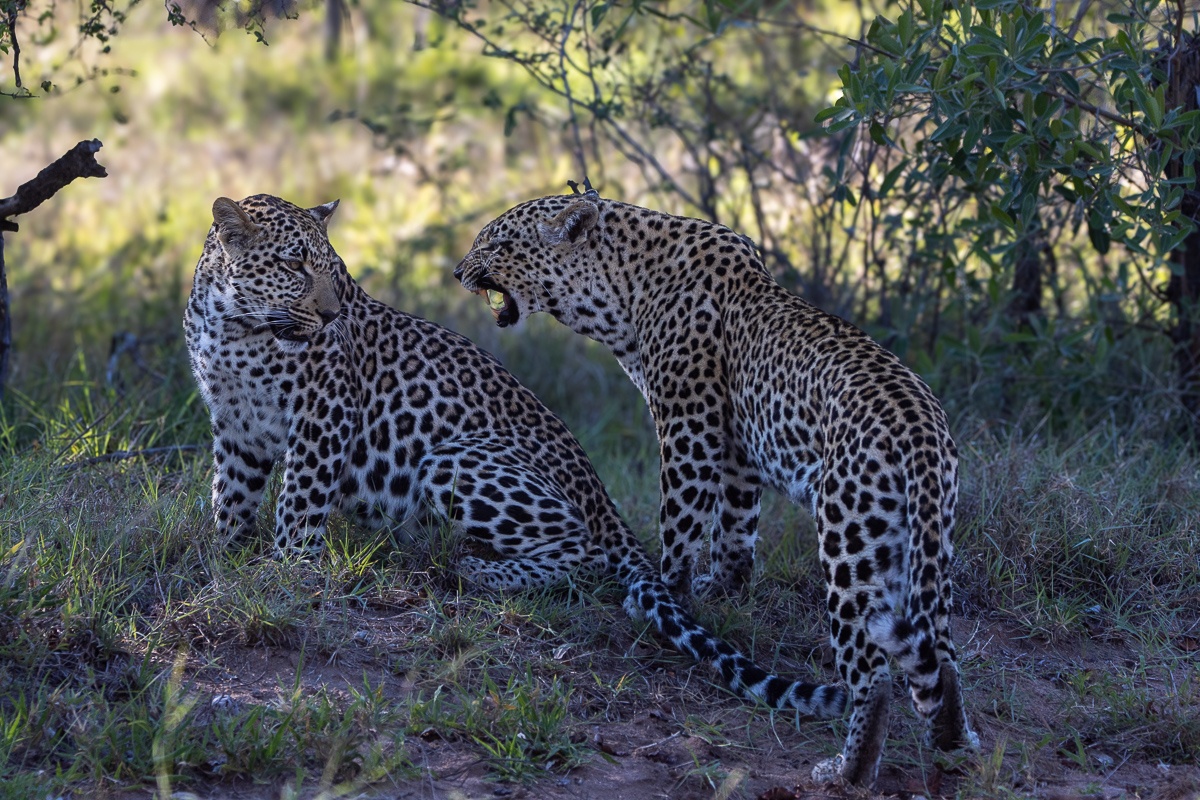
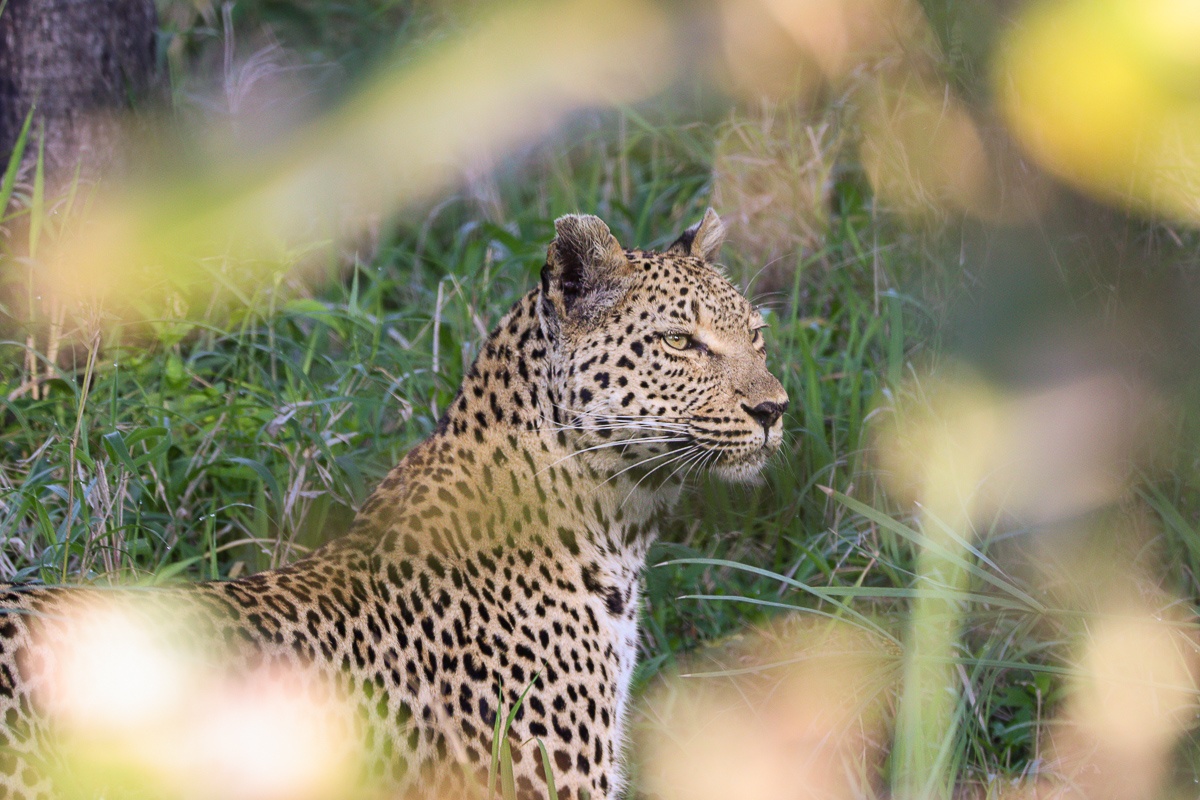
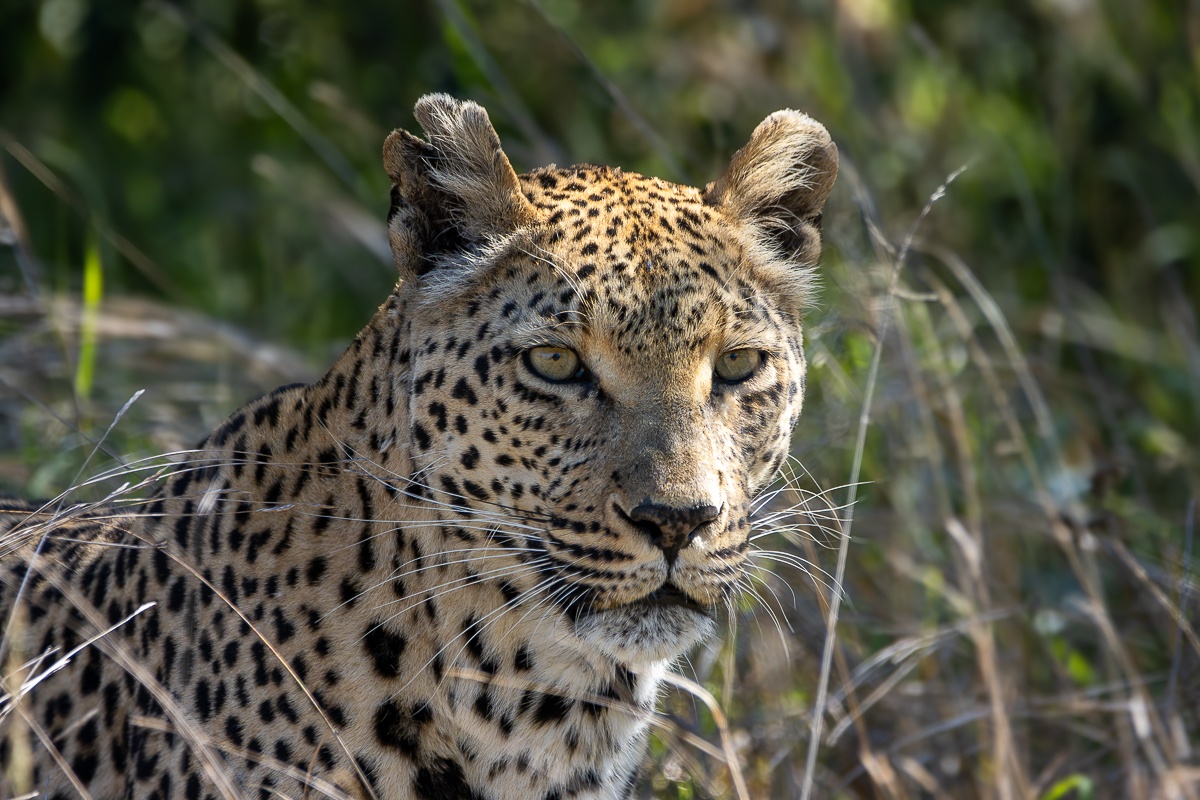
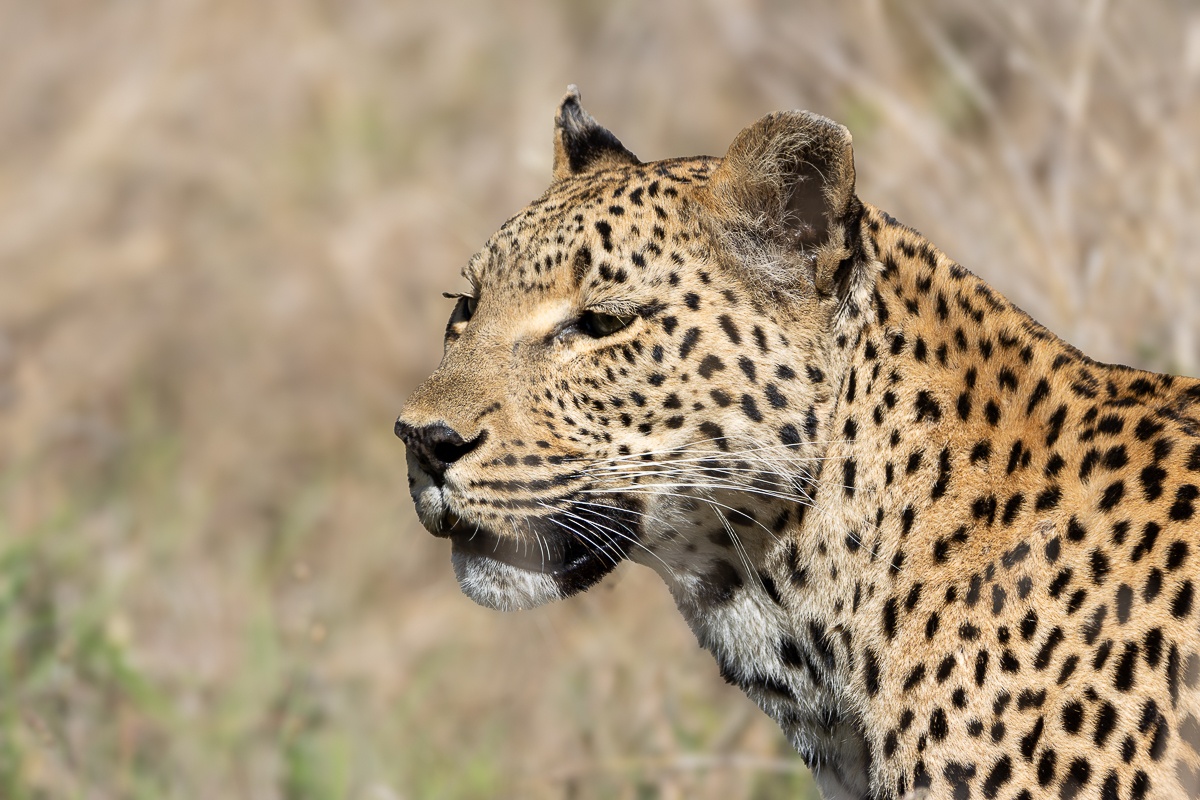
We found fresh leopard scat in the middle of the road, and after a short walk down the road, we found tracks of a female leopard. As we followed the tracks, we caught the strong scent of leopard urine, and knowing that she is out marking her territory, we had a good idea of where she could be.
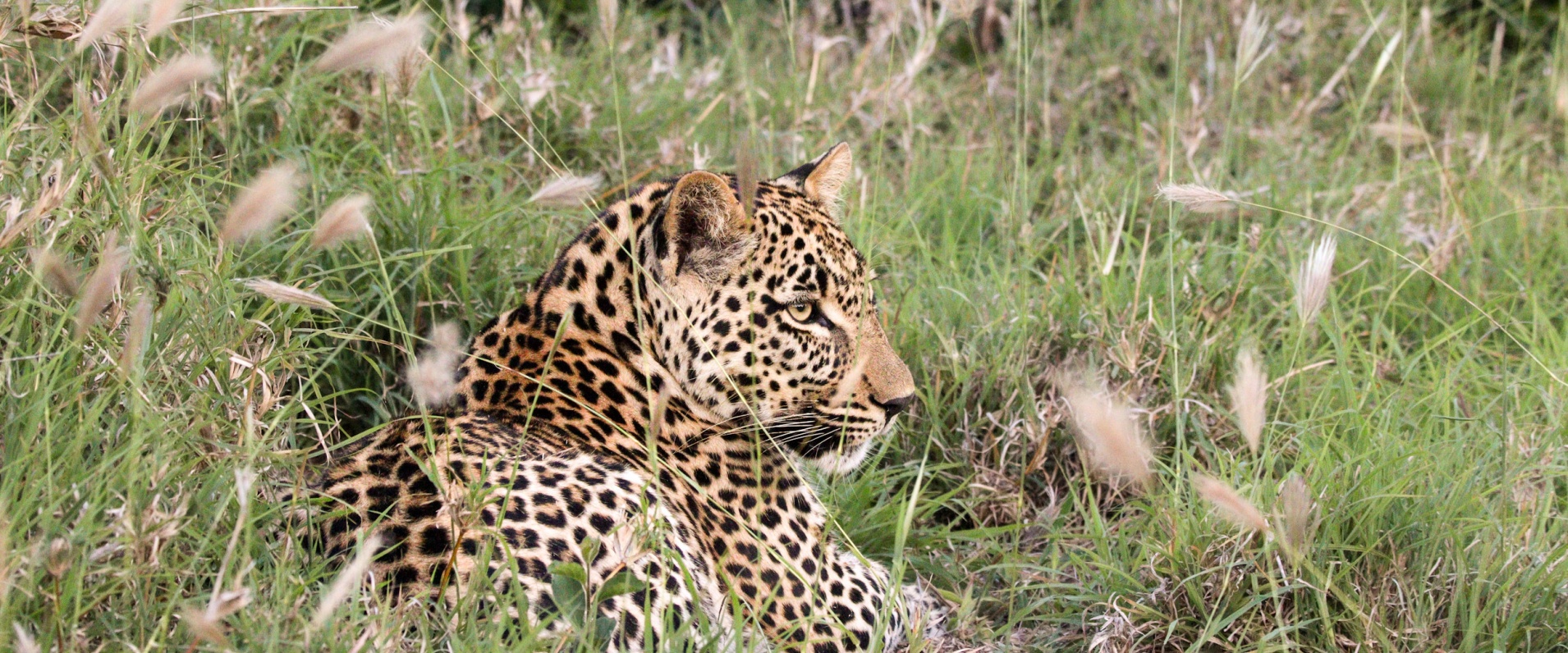
Her general direction of travel led to a small open waterhole, where we have seen her often having a drink, and not too far from that waterhole, the Ntsumi leopardess sat resting in the morning sun.
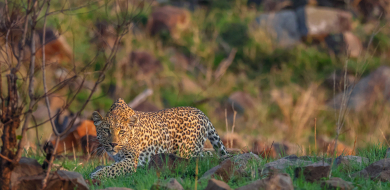
She then moved quietly through the tall grass as she stalked - her head low and ears alert. She seemed aware of everything around her, picking up on sights, sounds and scents that we could easily miss. At one point, a scrub hare burst out of a nearby bush and sprinted away, but the leopard wasn’t quite ready to make her move and let it go. Even for a skilled hunter, timing is everything.
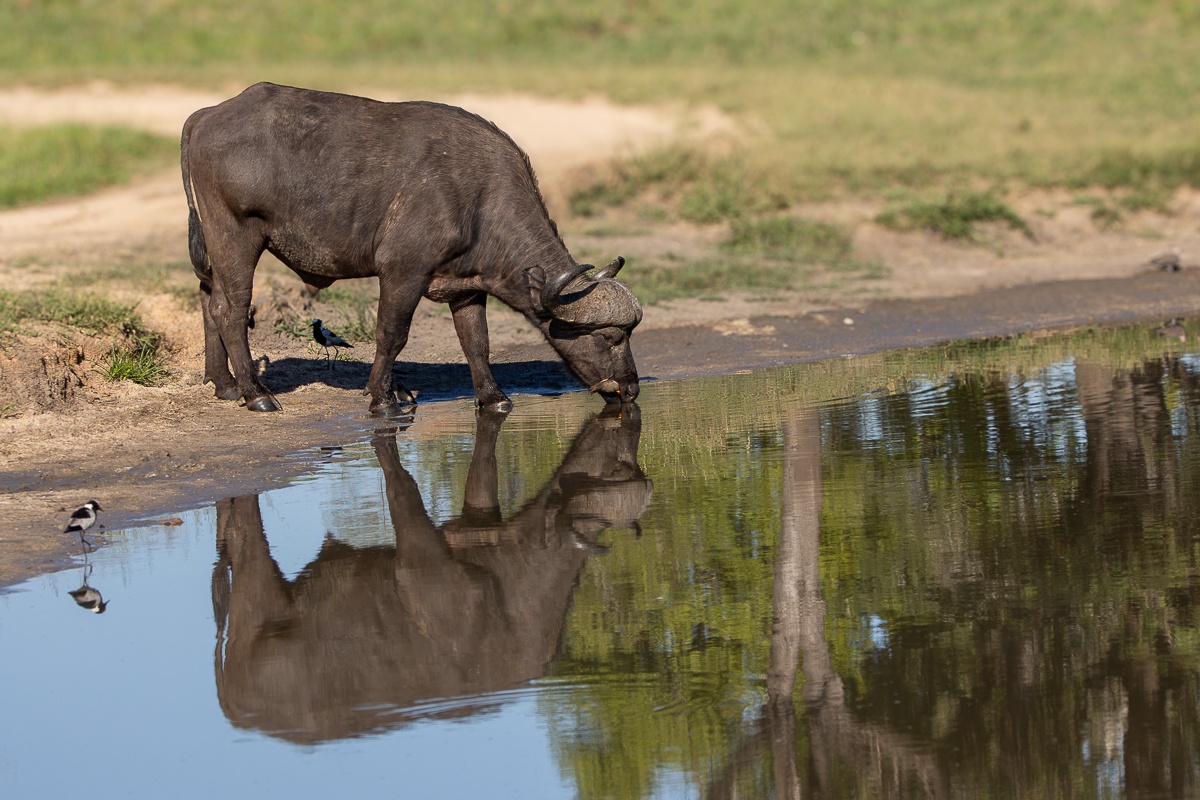
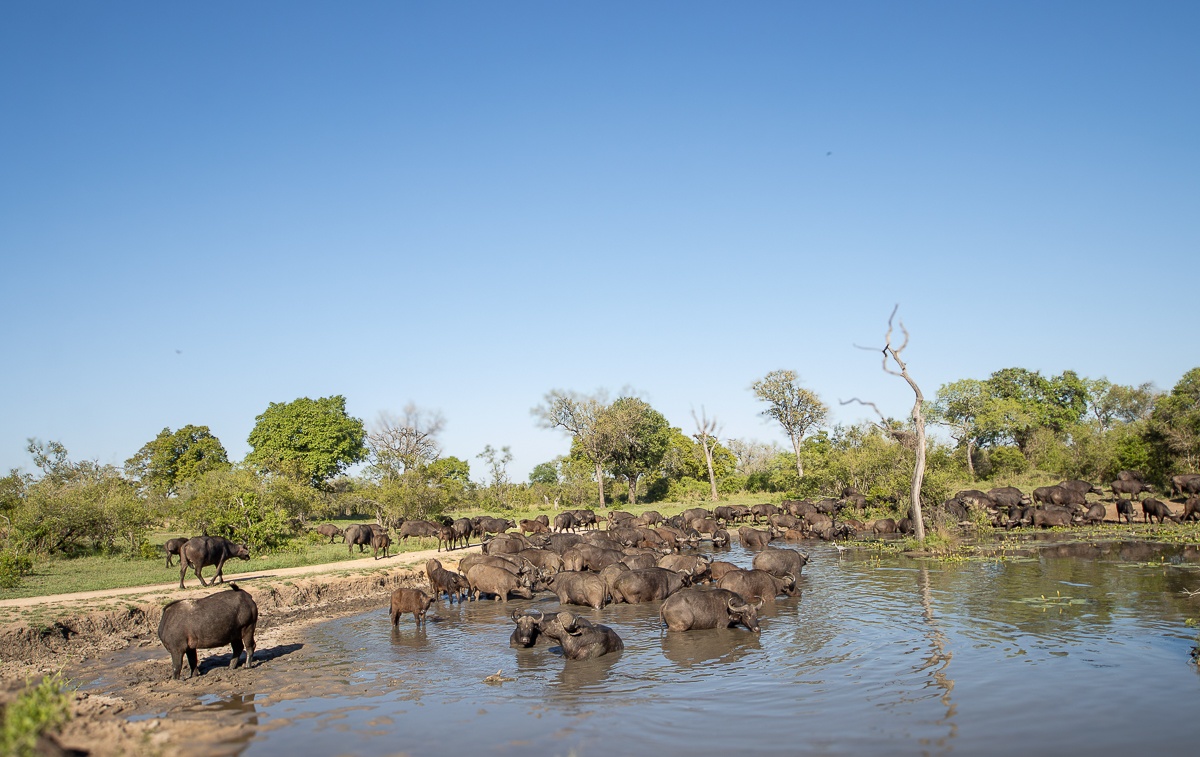
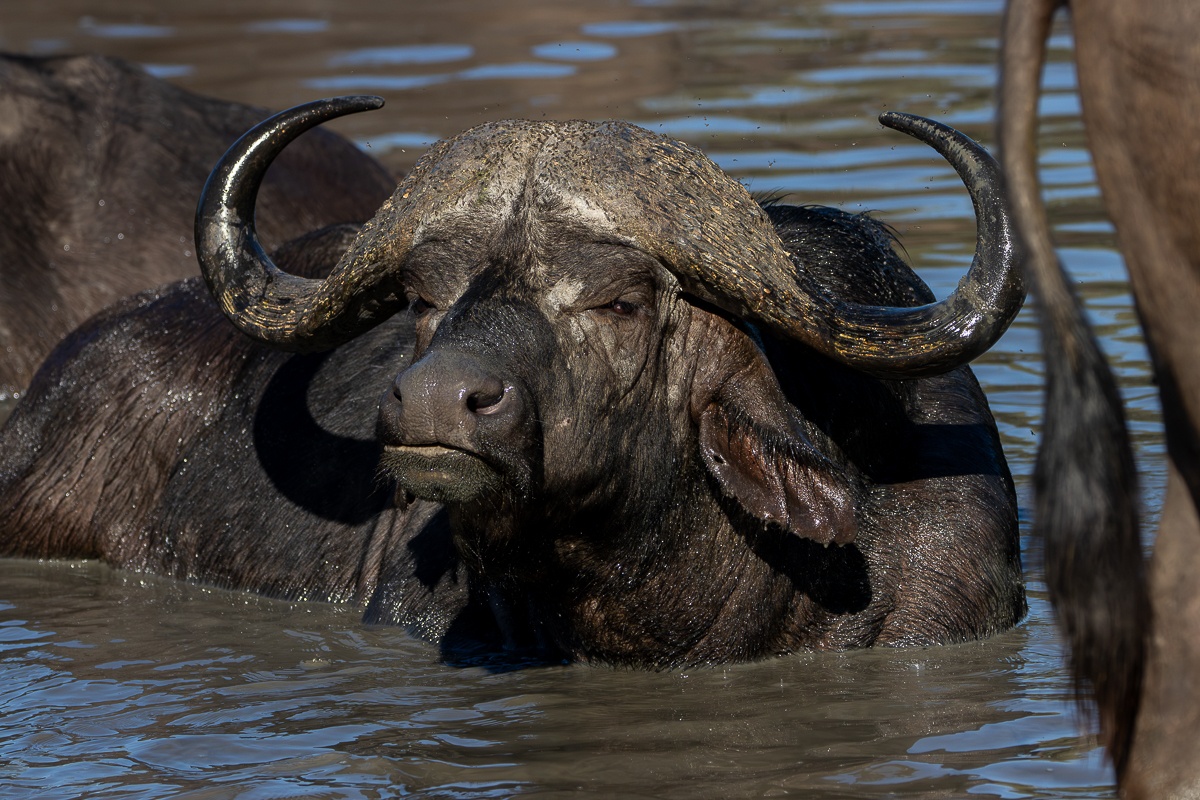
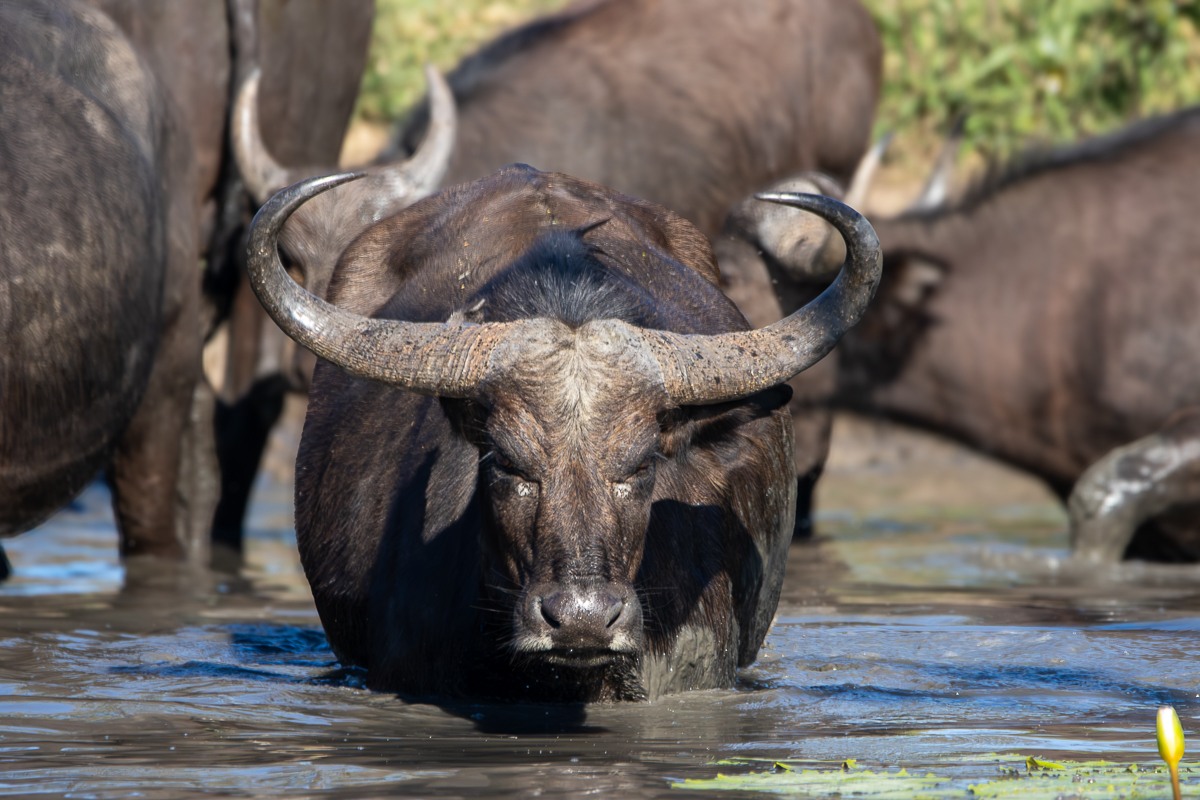
Shortly after sunrise, we came across a herd of buffalo resting in an open area. We spent some time watching as they gradually became more active and began moving off to graze. Following the herd, we were led to a nearby waterhole where they stopped for their first drink of the morning. It was a treat to watch them cooling off in the water after quenching their thirst. As the temperatures continued to rise, we left them enjoying their refreshing morning dip.
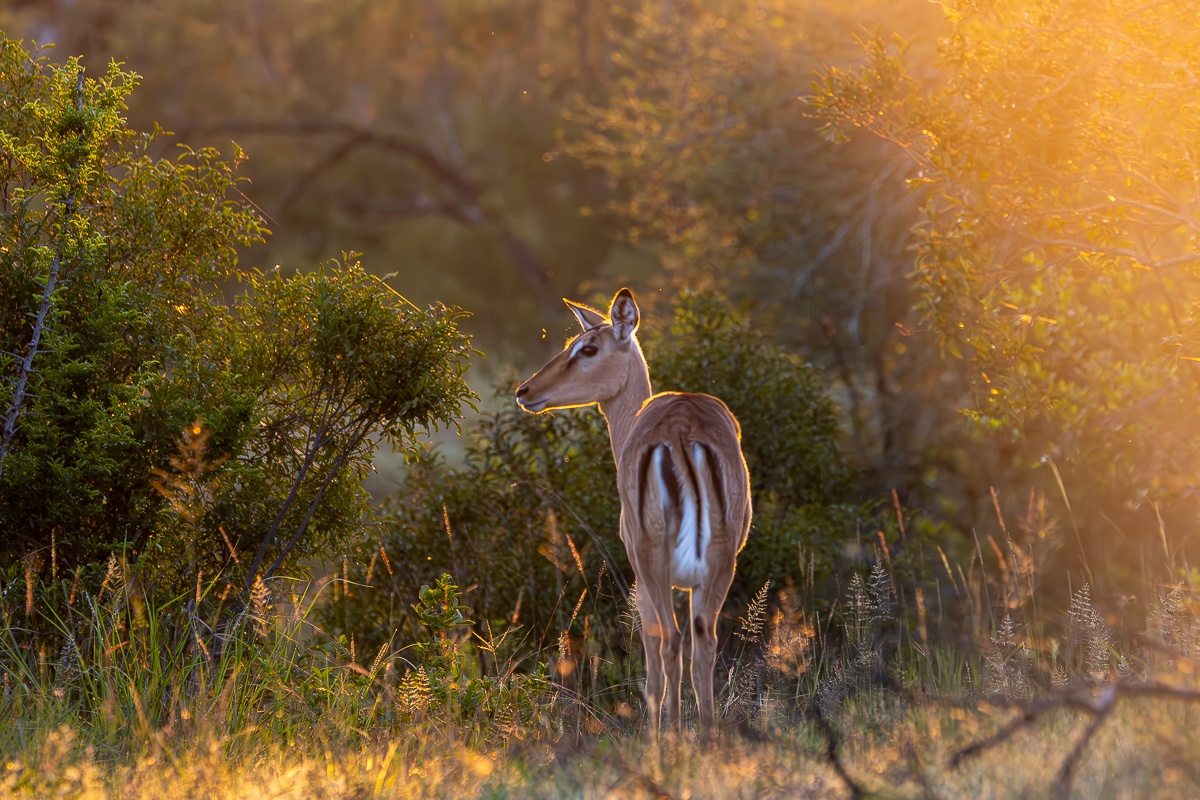
Bathed in the warm glow of the late afternoon sun, an impala makes the most of golden hour, her coat glowing against the bushveld as the day slowly draws to a close.
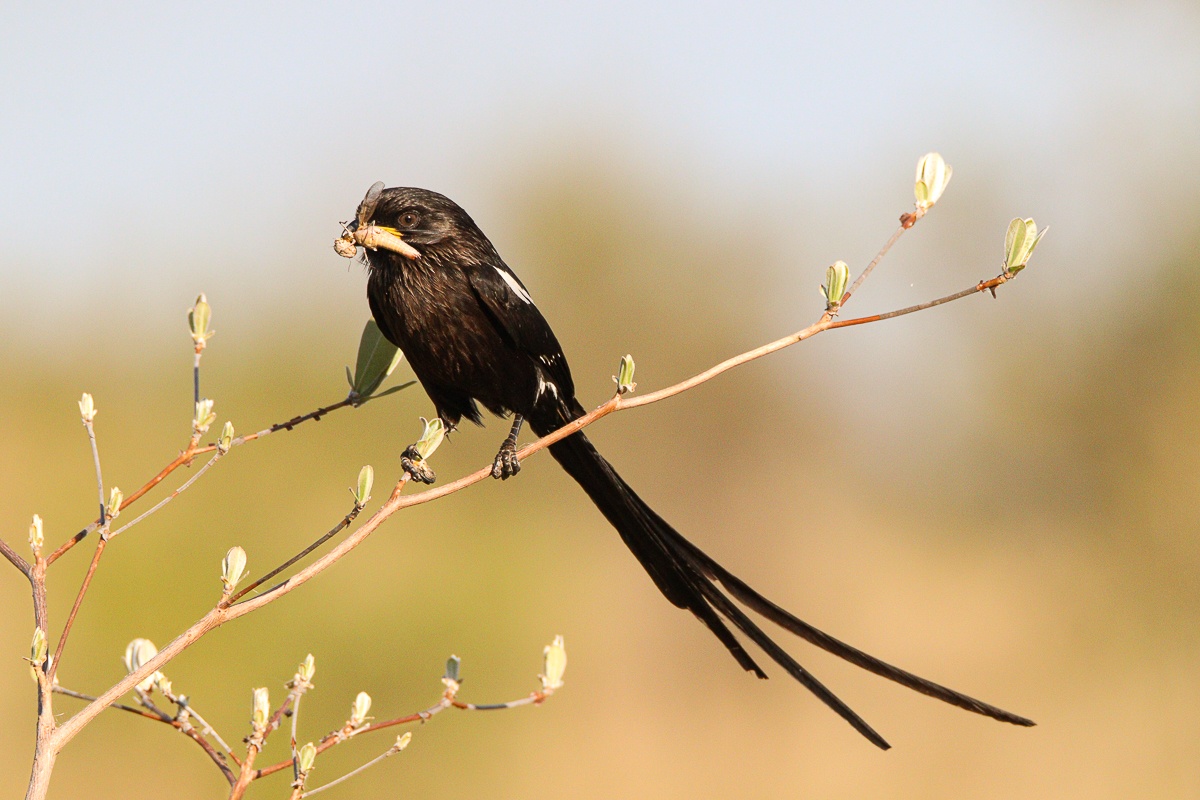
Perched on a branch beside the road, a Magpie Shrike held its latest catch firmly in its beak. With a grasshopper on the menu, it had most likely been foraging on the ground, hopping through the grass in search of hidden insects before flying up to its perch to enjoy its meal.
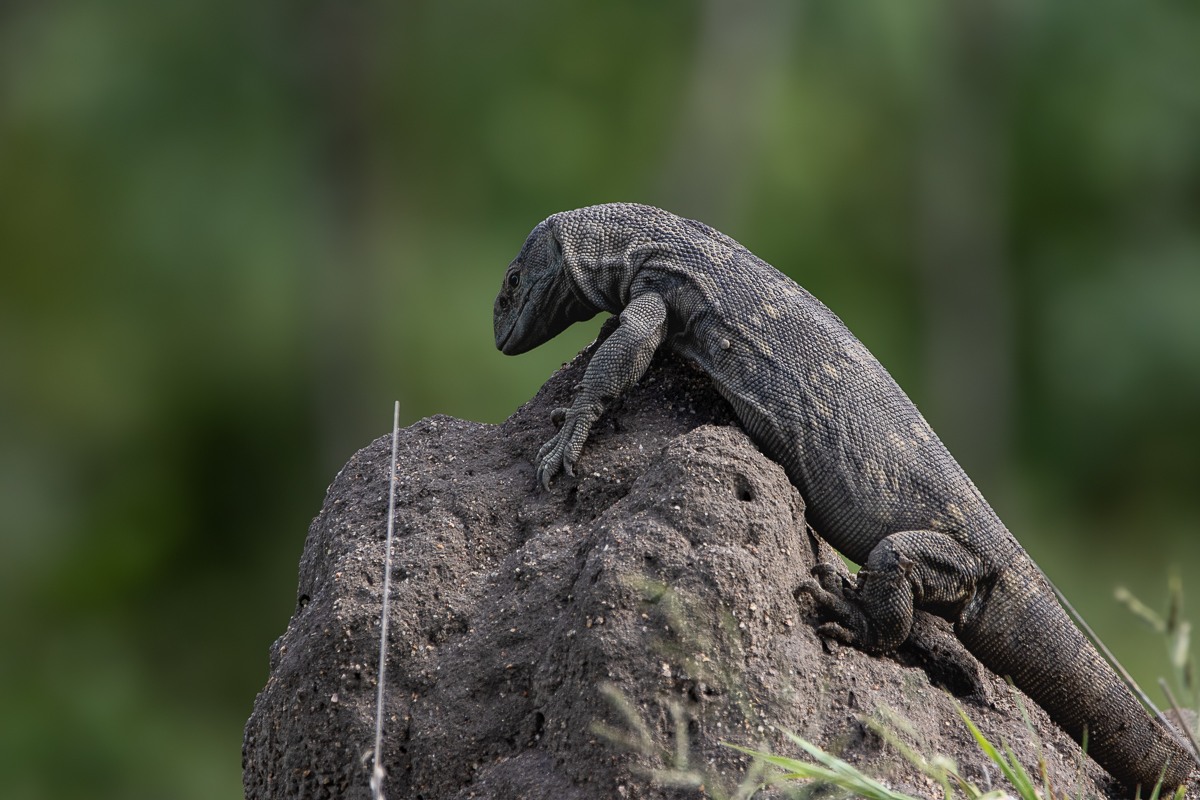
A rock monitor lizard was perched atop a sun-baked termite mound, using the extra height to survey its surroundings. Its forked tongue flicked in and out as it sampled the air for scents, helping it detect potential prey or danger. A powerful hunter and scavenger, the rock monitor feeds on insects, small mammals and eggs. The termite mound provides both a useful lookout point and a warm spot to bask in the African sun.
Until next time…
Blog by Wendy Claase
Images by Devon Jansen, Jana du Plessis and Ronald Mutero
Video by Jarrod Oflaherty