
The personalities of the elephants of Sabi Sabi
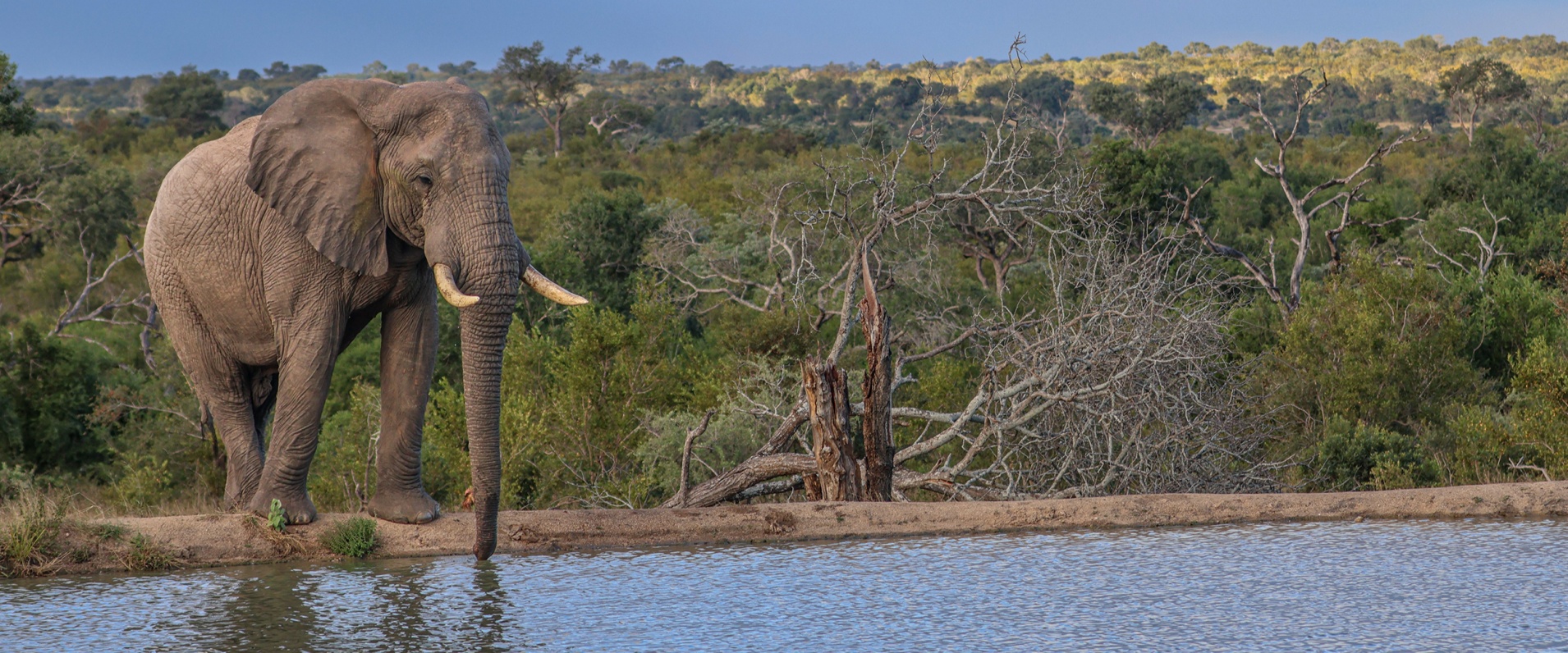
on Mar 24, 2026Working in the heart of Sabi Sabi Private Game Reserve, one quickly learns that elephants are far more than just the largest land mammals on Earth. They are individuals, each with a distinct personality, temperament, and role within their family structure. On any given drive, we might encounter a gentle matriarch calmly guiding her herd to water, a playful calf testing the limits of its courage, or a towering bull moving through the bush with quiet confidence. No two elephants behave in exactly the same way.
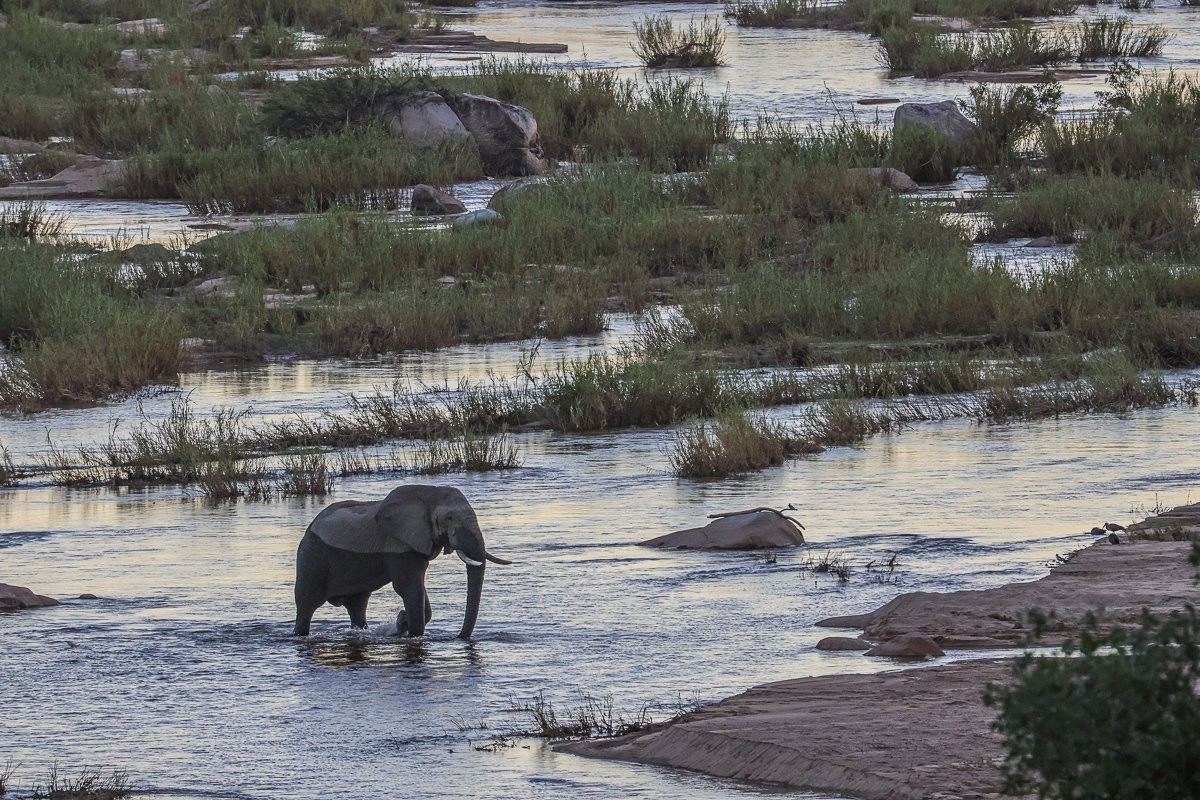
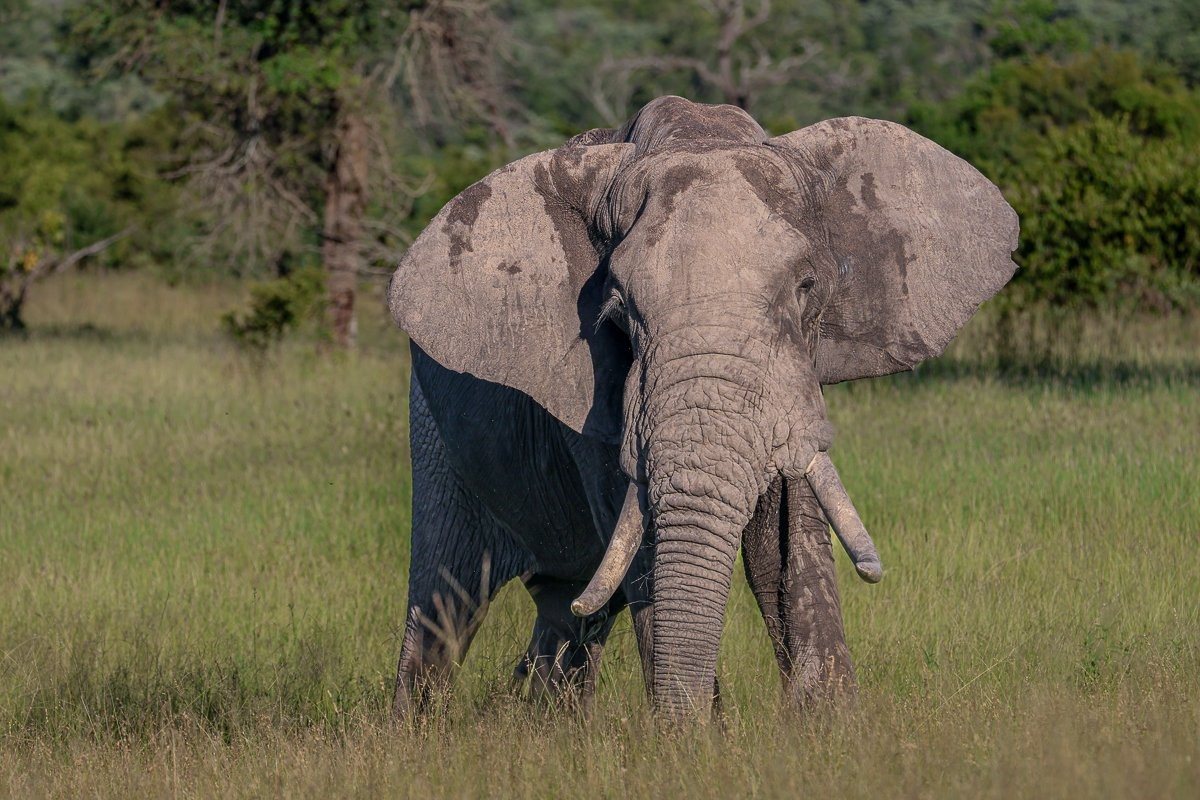
The matriarch is often described as the memory of the herd.
At the heart of every elephant family is this remarkable female - usually the oldest and most experienced in the group. She carries decades of knowledge: where to find water during drought, which paths offer safe crossings, and which areas should be avoided. Her leadership is calm but decisive. When she lifts her trunk to scent the air and pauses, the entire herd becomes alert. When she moves, the others follow. This is not dominance through aggression, but leadership earned through wisdom.
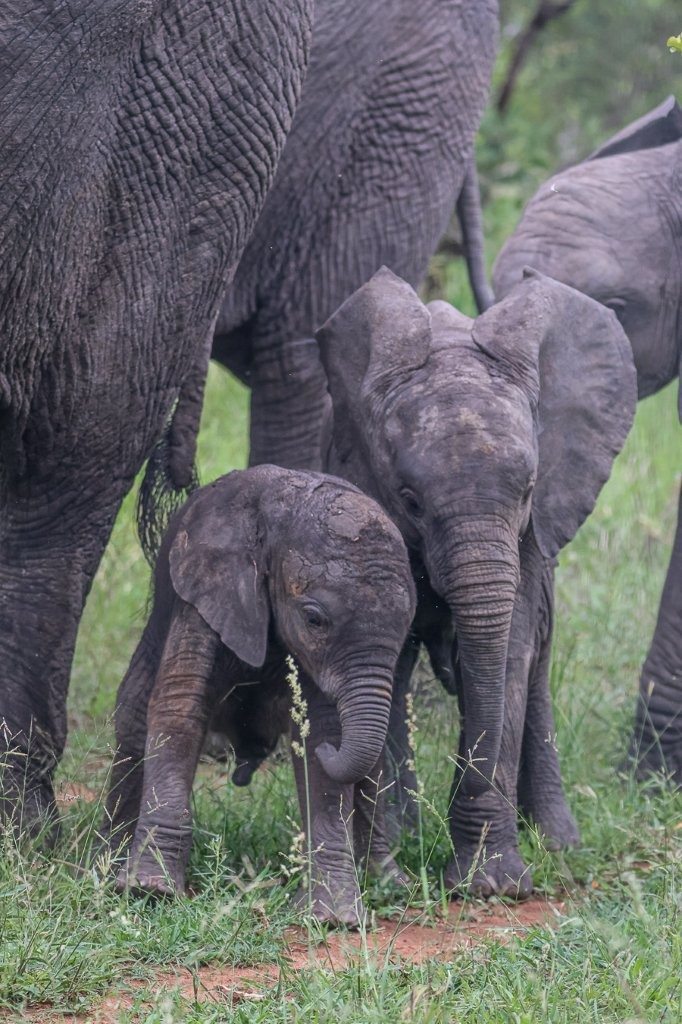
Mothers and allomothers are the next part of the elephant family.
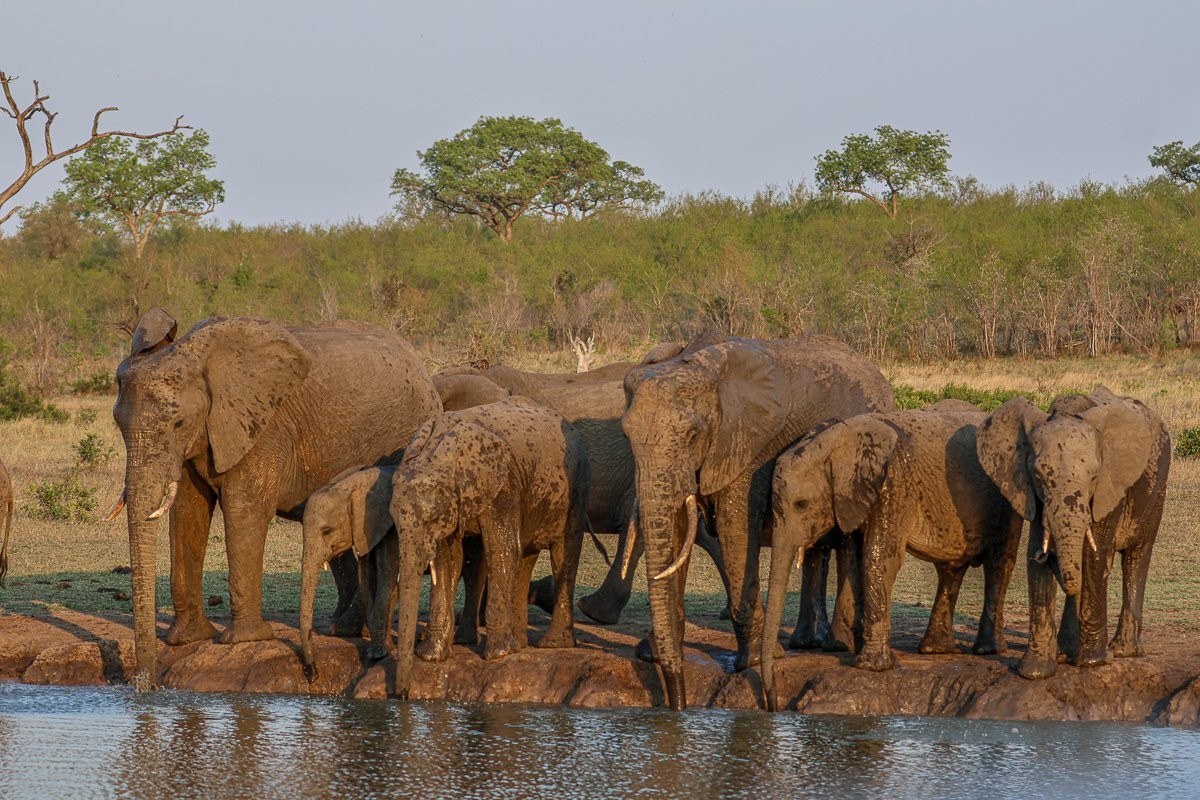
Elephant cows are deeply nurturing. A calf is rarely alone. If its mother feeds, another female, often a sister or aunt, steps in as an ‘allomother’. This cooperative care increases calf survival and strengthens bonds within the herd. Watching a group gently surround a newborn, trunks touching and rumbling softly, is one of the bush’s most powerful sights.
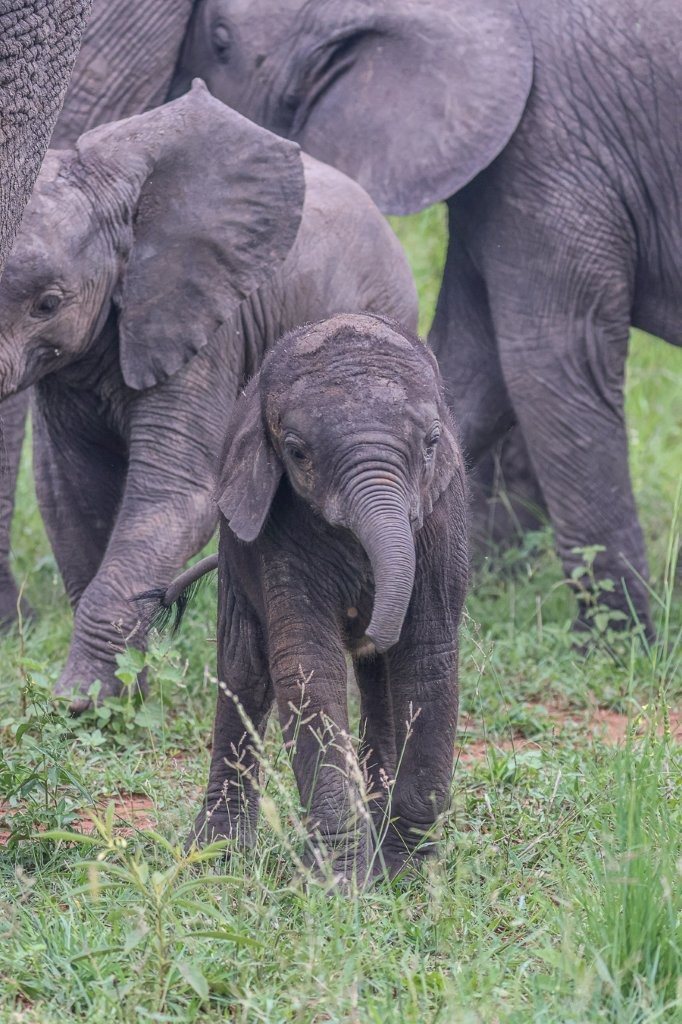
Then we get to the calves - curiosity in motion.
Young elephants are bundles of curiosity. They charge mock threats at birds, trip over their own trunks, and test their tiny tusks against unsuspecting shrubs. Yet every playful moment is part of a lesson - learning how to use their trunks properly, how to read the body language of others, and when to listen for signs of danger. Through play, they slowly develop the skills they will need to survive.
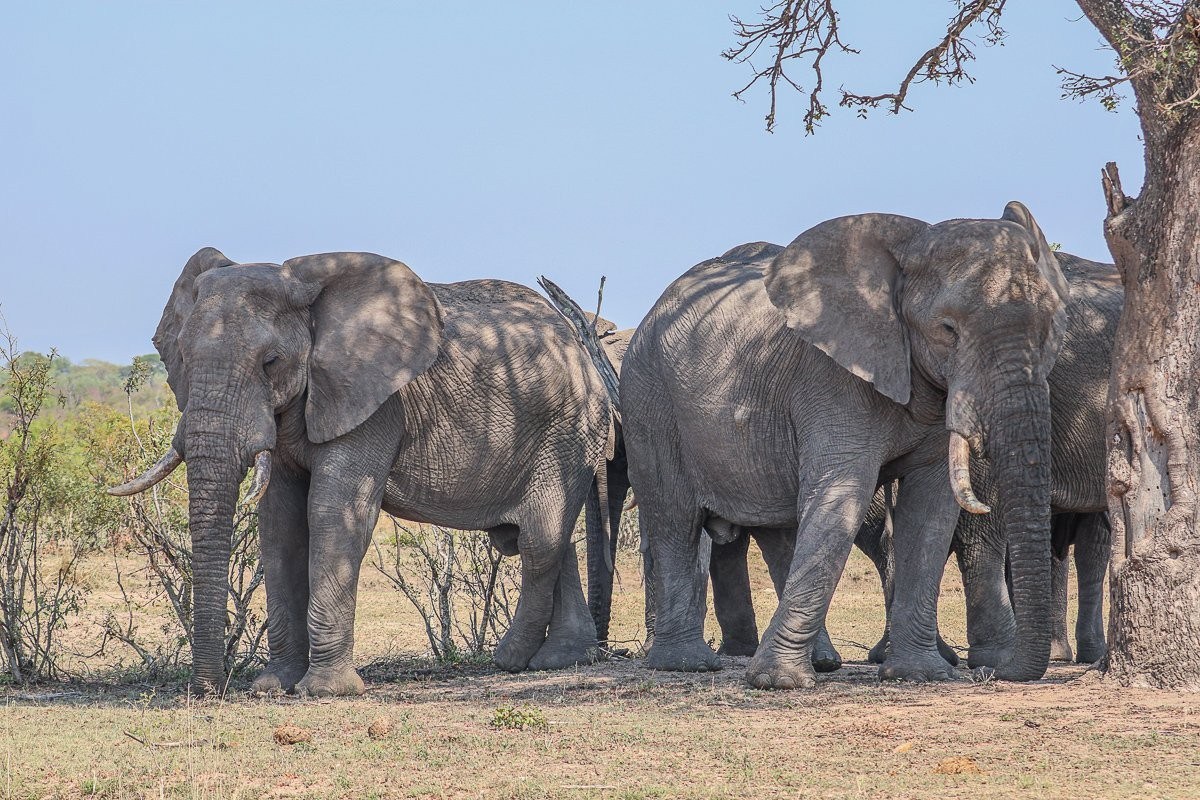
The bulls, often referred to as solitary giants with stories.
Unlike the tight-knit family herds, mature bulls often move alone or form loose bachelor groups. Some bulls are relaxed and tolerant of vehicles, feeding slowly in open areas. Others are more reserved, keeping to thicker bush and maintaining distance. During musth, a period of heightened testosterone that I have written about previously (Elephant bulls in musth), even the calmest bull may become more assertive and unpredictable.
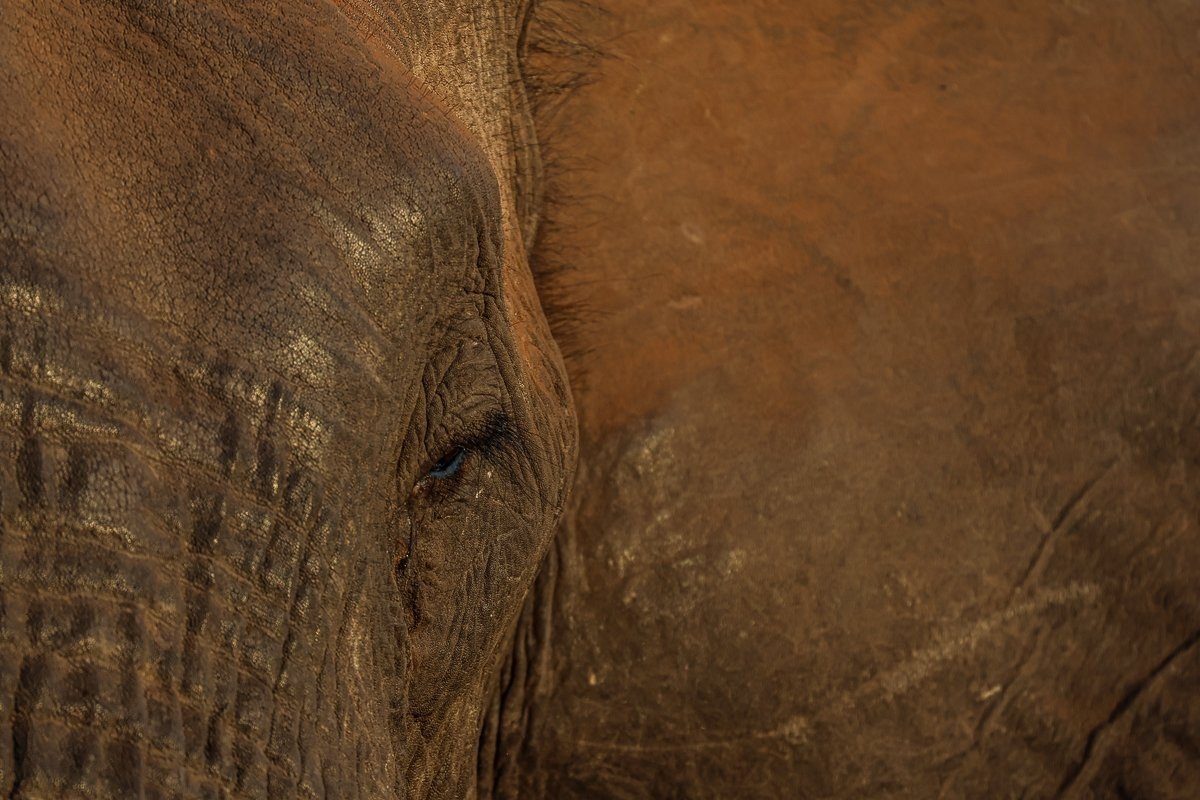
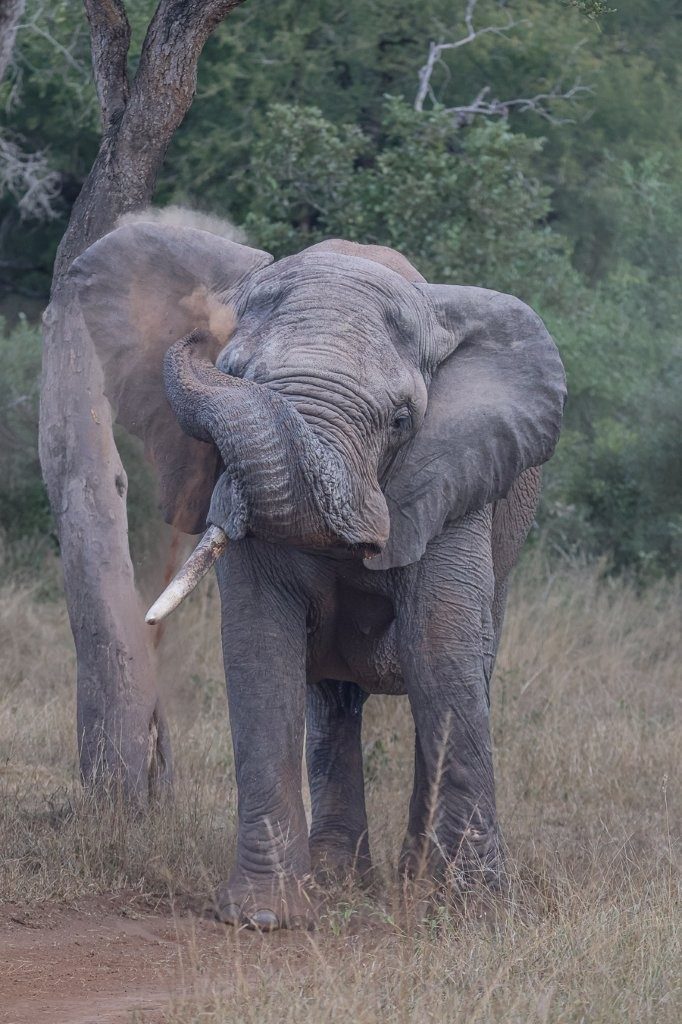
A bull in musth walks with purpose, head high, temporal glands streaming, a deep rumble resonating through the air. It is a powerful reminder of the complex biology behind behaviour.
Communication beyond sound - elephants communicate constantly.
Elephants communicate constantly, often in ways that go unnoticed by humans. They use low-frequency rumbles, sometimes below the range of human hearing, as well as ear positioning, trunk gestures, and subtle shifts in body posture. A relaxed elephant swings its trunk loosely and flaps its ears gently, while a nervous one stiffens, raises its head, and extends its ears. For a ranger, learning to read these signs is essential - it ensures both respectful viewing and the safety of guests.
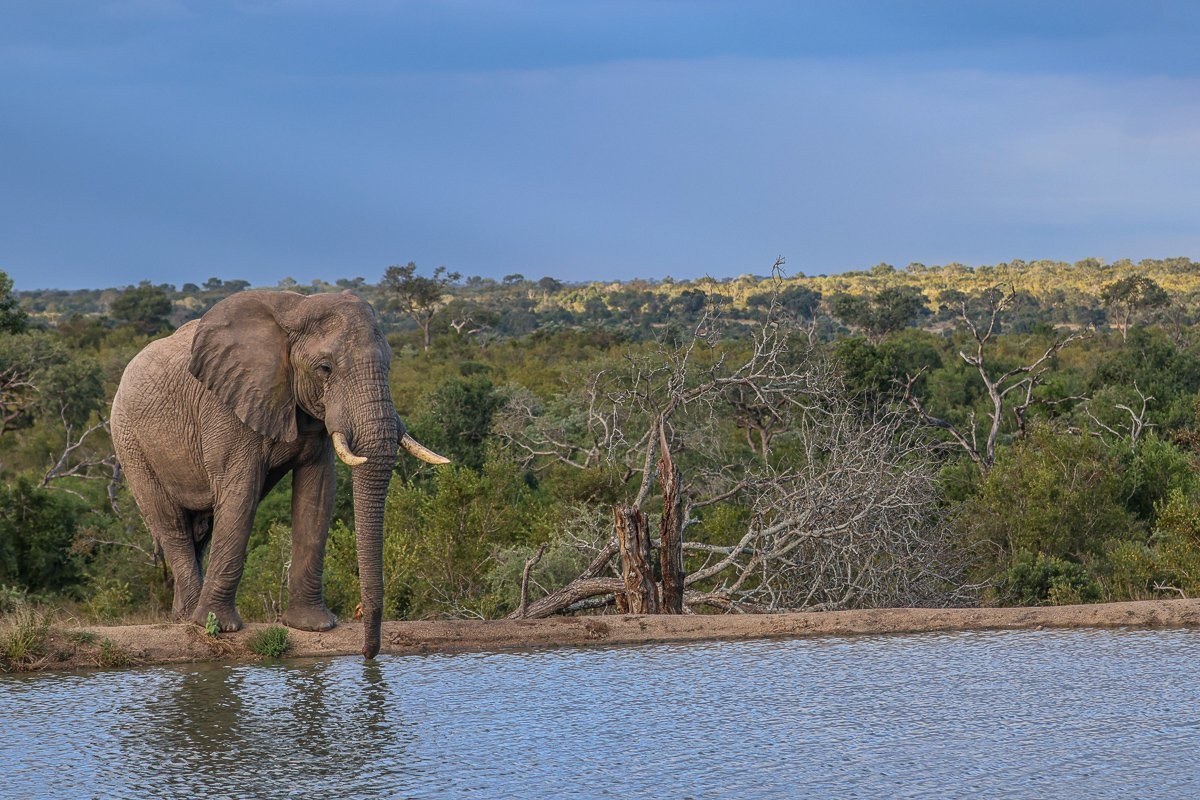
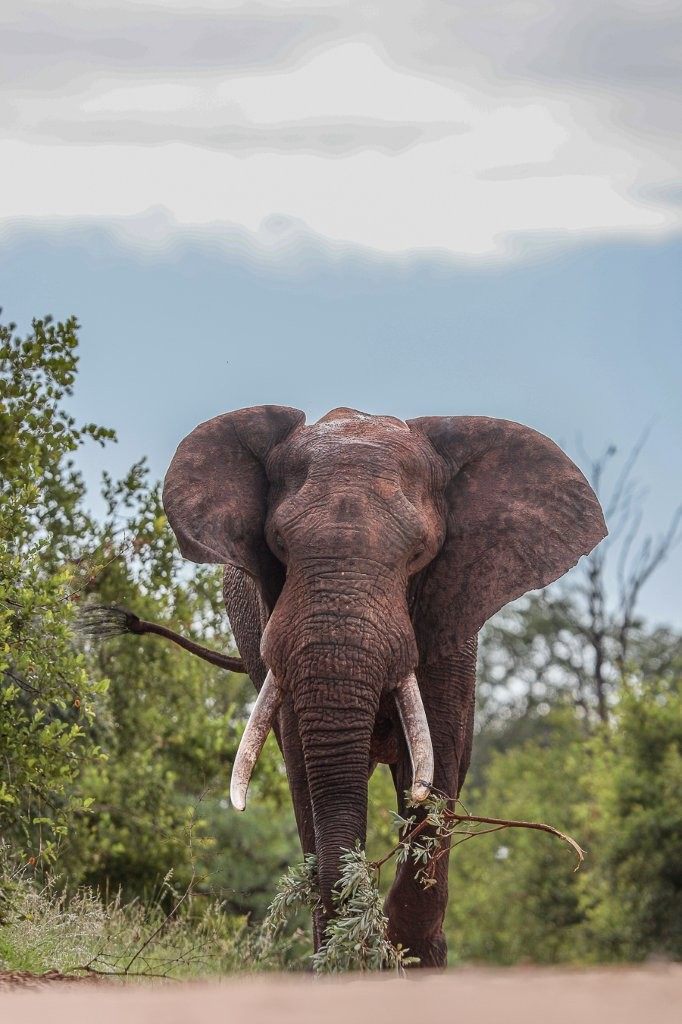
Perhaps the most fascinating aspect for guests is the emotional depth elephants display. They grieve the loss of a herd member, protect injured companions, and express joy during reunions. Years of research in and around the Greater Kruger area confirm what we witness daily in the field: elephants are socially complex, highly intelligent, and profoundly connected to one another.
An elephant sighting is never just about size or tusks.
It is about relationships.
Hierarchy.
Learning.
Memory.
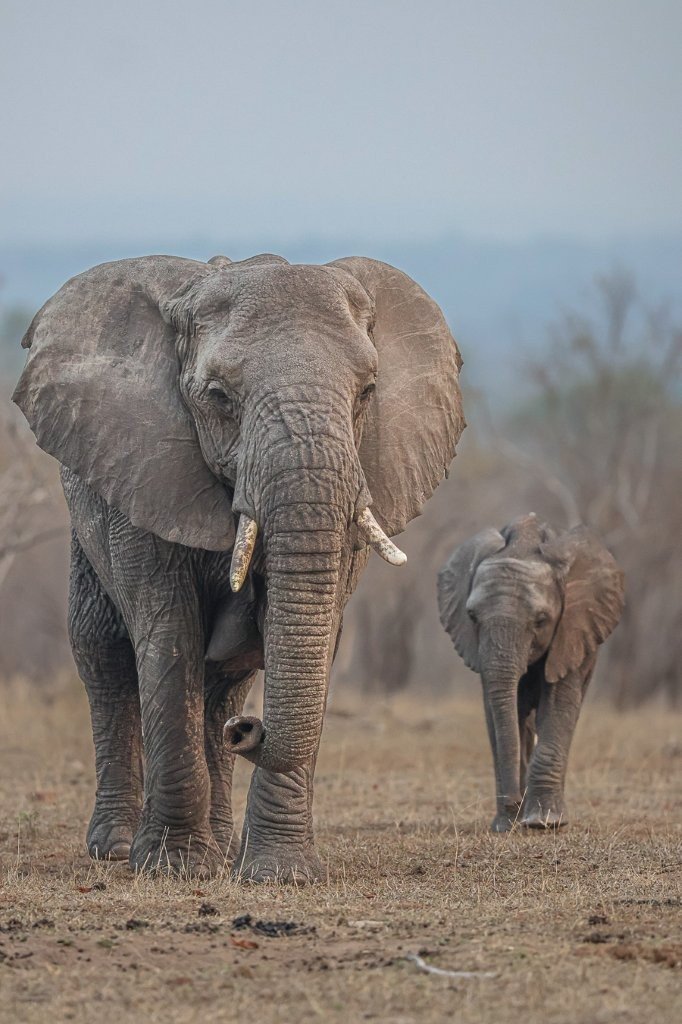
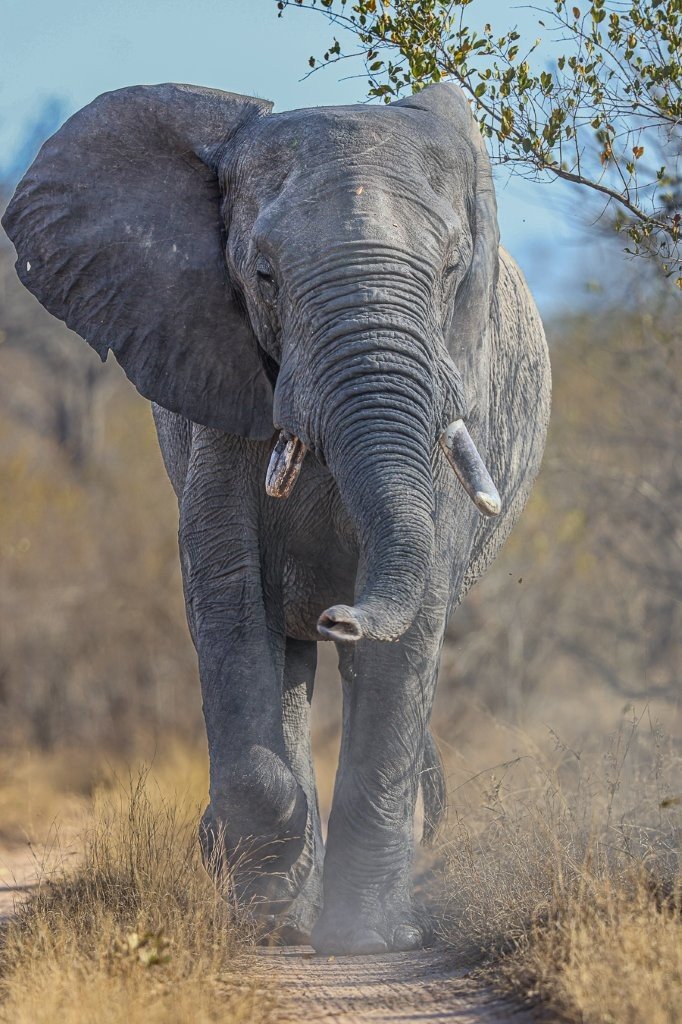
The next time we pause beside a breeding herd or a solitary bull, take a moment to look beyond the obvious. Notice who leads the way, who watches over the calves, and who lingers at the back. In these subtle details, you begin to see what we witness every day: not just elephants, but distinct personalities shaping the very rhythm of the African bush.
Blog by Ruan Mey (Earth Lodge Ranger)