
Impala rutting season
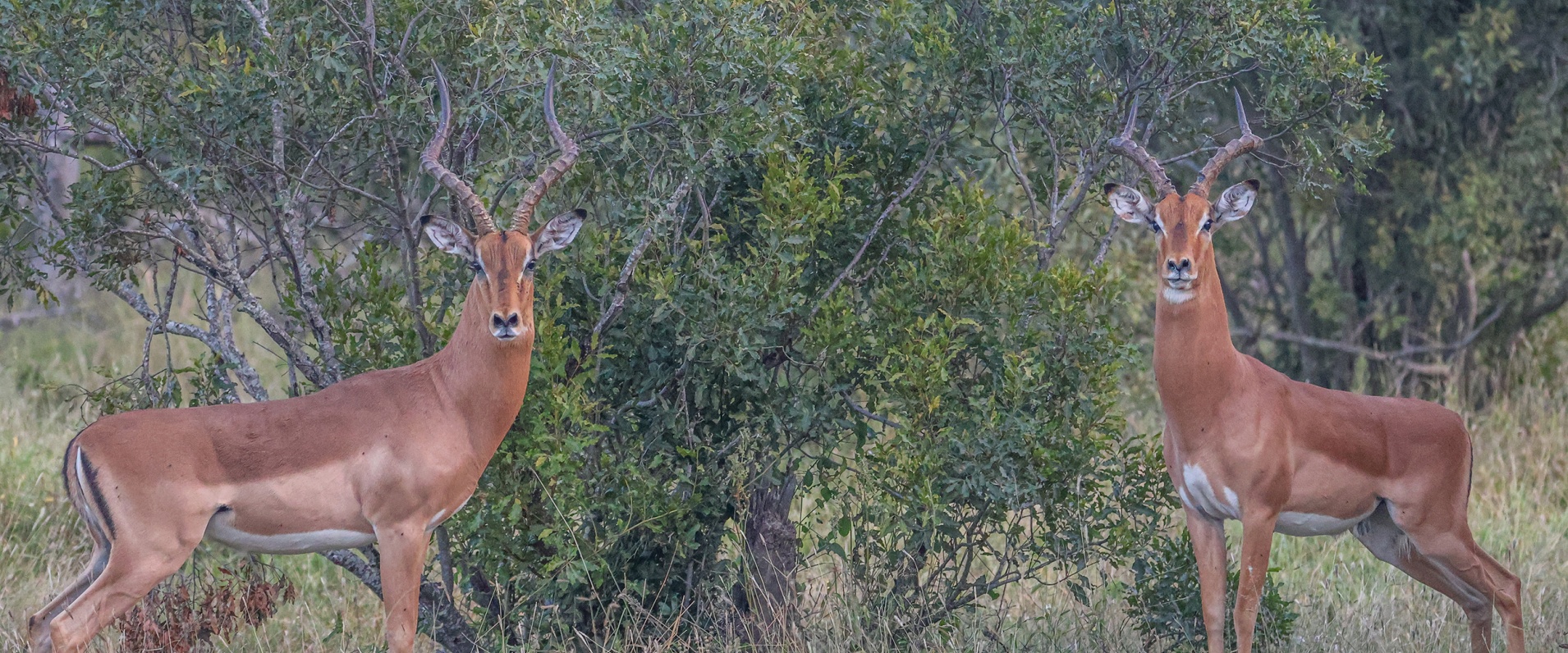
on May 12, 2026Impala rutting season turns the bushveld into a chaotic symphony of roars, clashes, and relentless chases. Peaking from mid-April to June across Southern Africa, including the Greater Kruger area, this intense breeding period is driven by powerful hormonal surges. For us, it brings exceptional wildlife viewing - while offering a raw glimpse into nature’s harsh and finely balanced reality.
Timing and triggers
Shortening daylight hours from late summer trigger the pituitary gland in male impalas, spiking testosterone levels and igniting the rut. Females release pheromones signaling oestrus, drawing rams into frenzied action at the end of the rainy season when they’re in peak condition. This synchronisation ensures births align with summer rains for abundant forage.
How the rut unfolds
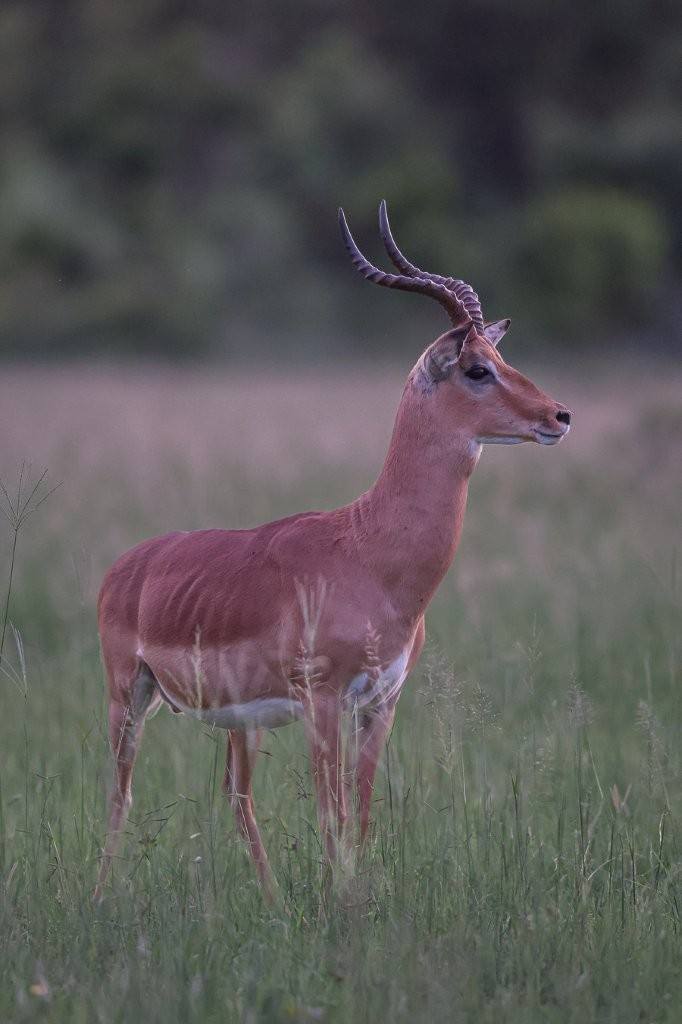
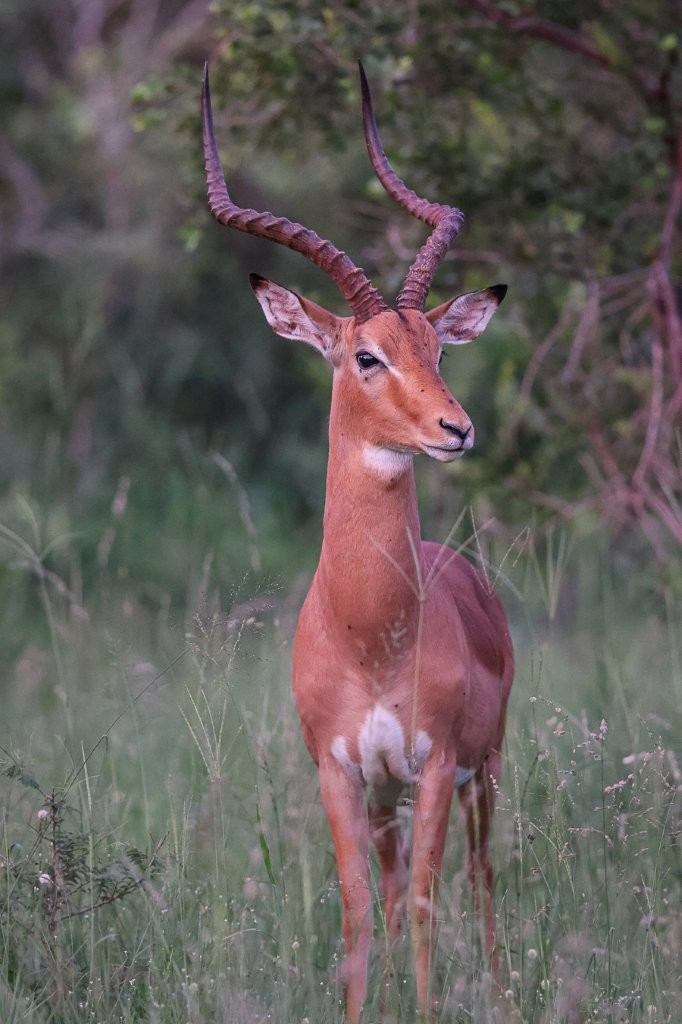
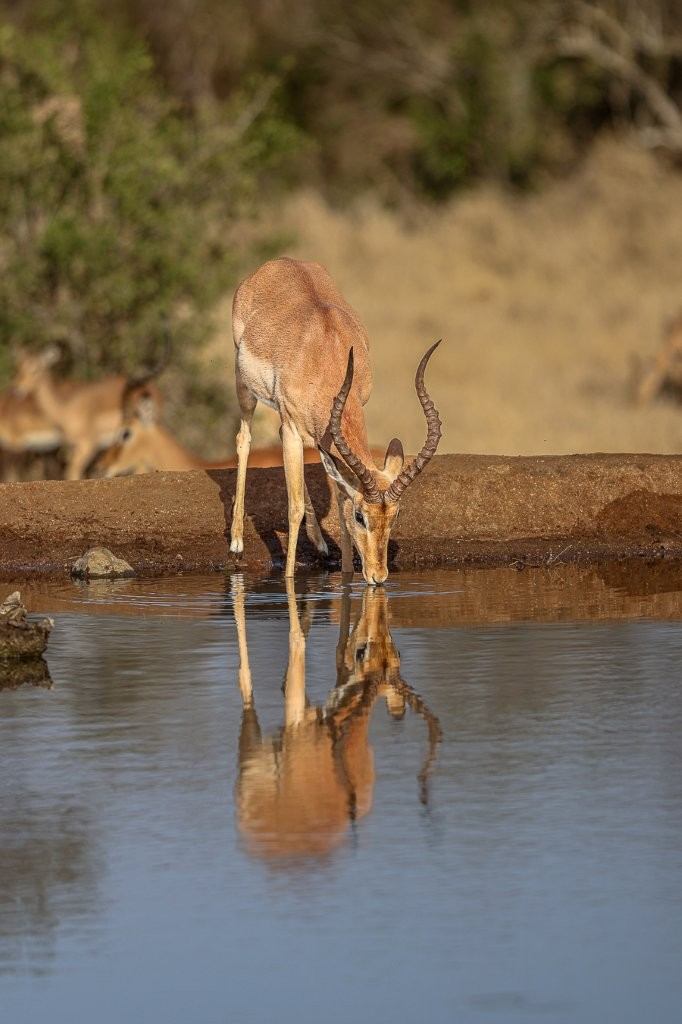
Rams establish and defend territories by rubbing their foreheads on bushes, leaving scent from glands at the base of their horns, and by thrashing vegetation and marking with urine. They announce their presence with deep, guttural roars - often mistaken for lions - carrying across the bush day and night for up to 2km.
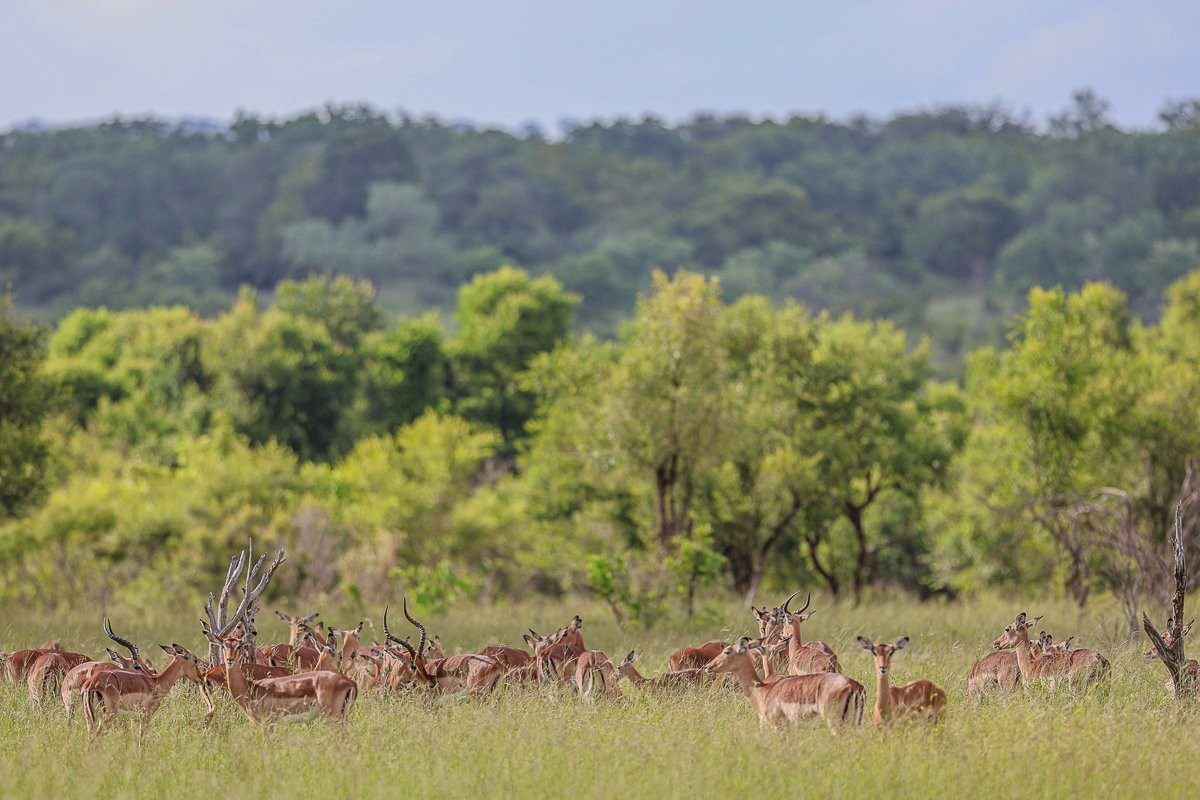
Once in control, a ram gathers and tightly herds a group of ewes, spending as much as a quarter of his time chasing off rivals or preventing females from straying. During the peak of the rut, he mates repeatedly with receptive females over a period of 3–5 days, until exhaustion eventually forces him out.
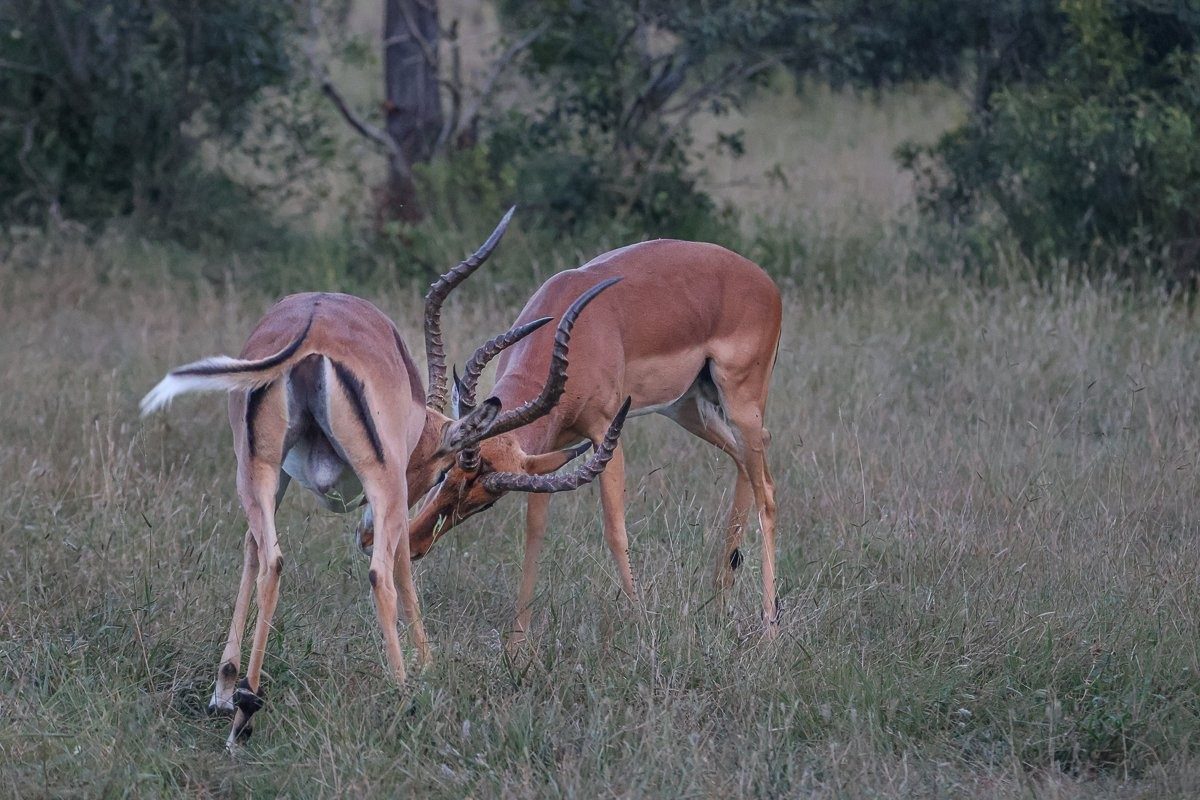
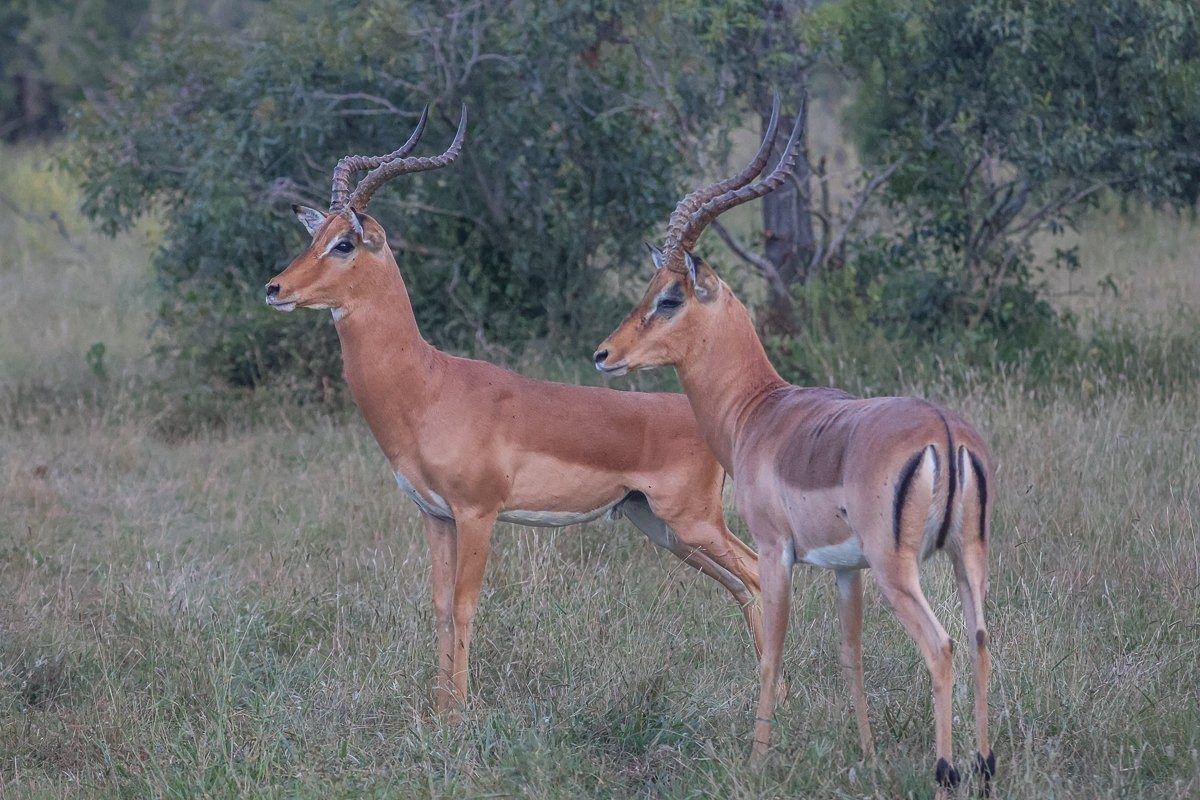
Encounters between males begin with ritualised displays - posturing, circling, and lip-licking - but can escalate into dramatic horn clashes and prolonged battles. Despite their intensity, these contests are often structured to minimise serious injury, ensuring that the strongest and most resilient males pass on their genes.
Impact on impalas
Rams largely abandon feeding, drinking, and grooming during the rut, and their condition declines rapidly. Many don’t make it through - succumbing to exhaustion, injuries from fights, or sheer weakness - so males account for the majority of rut-related deaths.
For females, however, timing is everything. Synchronised breeding leads to a surge of lambs born at once, overwhelming predators and boosting survival through sheer numbers. Meanwhile, oxpeckers become more active, helping to control parasites on these distracted, hard-pressed rams.
Effects on other species
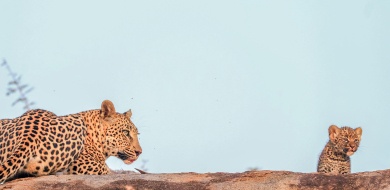
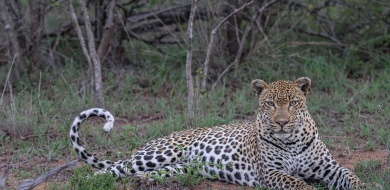
The rut disrupts herd vigilance, sending ripples through the food web and boosting predation. Leopards ambush distracted rams, wild dogs time their dens to exploit the heightened vulnerability, and opportunists like hyenas, jackals, and even lions all capitalise. This seasonal surge of easy prey becomes a vital lifeline, helping sustain growing cubs and packs through the lean dry months.
Predators benefit
Predators spend minimal energy, ambushing rams fixated on harems, studies show 95% of May-June kills are rutting males in some areas. Big cats shift to passive listening for roars or clashes, while packs thrive on weakened prey, enhancing their breeding success. This culls weaker impalas, indirectly strengthening the population long term.
Predators expend minimal energy during the rut, targeting rams so consumed with defending harems that they’re easy to ambush. In some areas, studies show that up to 95% of kills in May and June are rutting males. Big cats shift to passive hunting, keying in on roars and the sounds of clashes, while packs take full advantage of weakened, distracted prey - boosting their own breeding success. In the process, the rut acts as a natural filter, removing weaker individuals and ultimately strengthening the impala population over time.
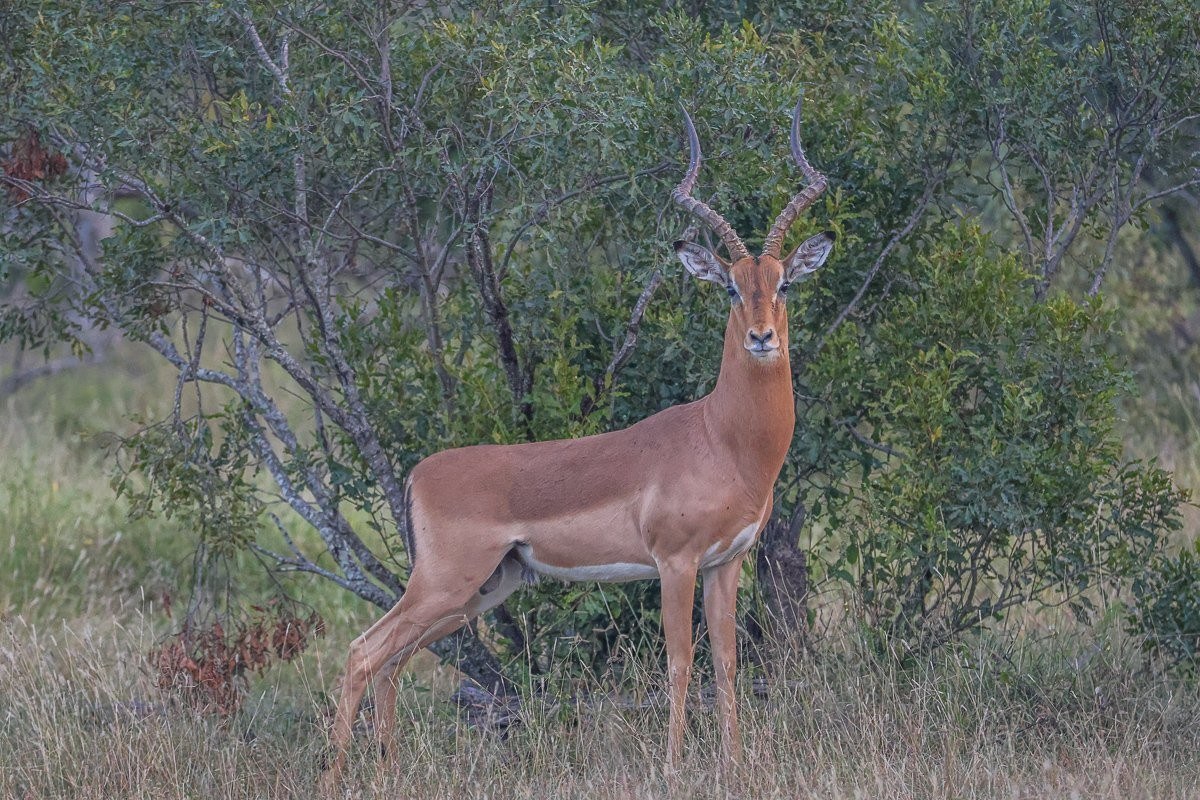
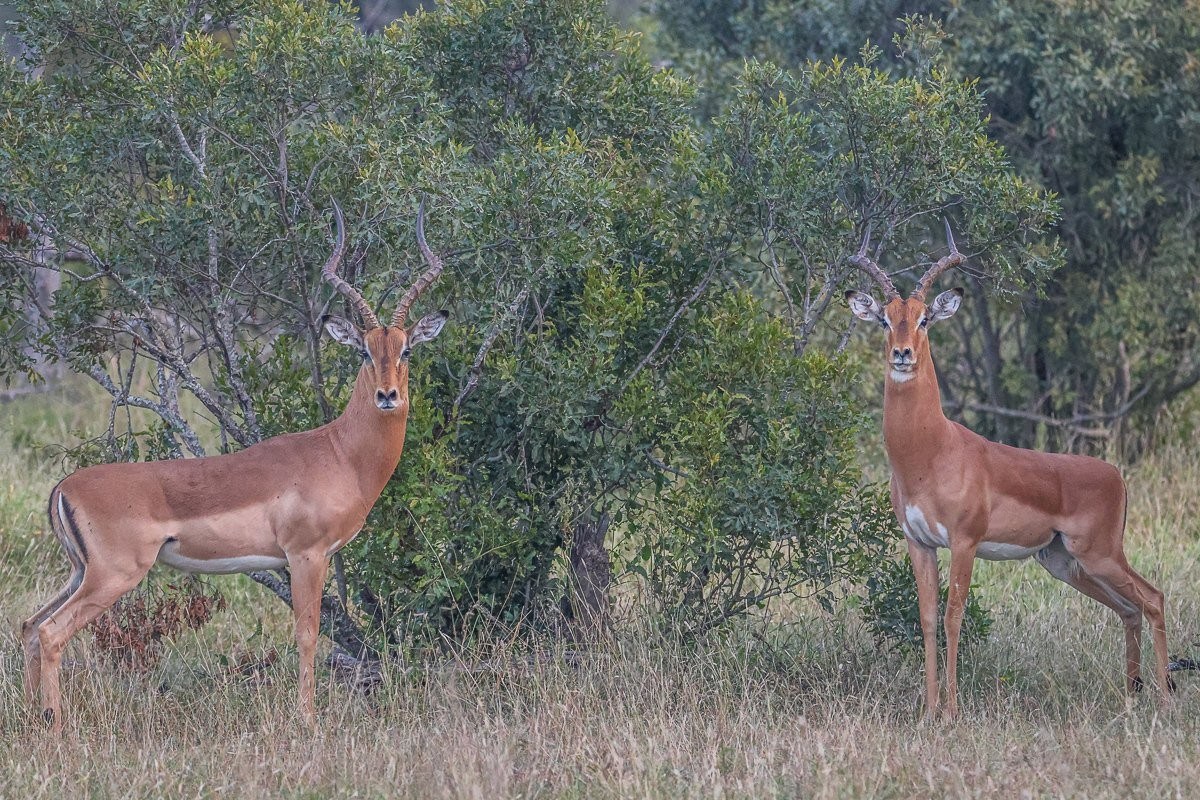
Spotting the rut takes early drives and a keen ear - listen for low grunts breaking the dawn silence and watch for frothy-mouthed rams moving stiffly with arched backs. Females bunch tightly together, while lambs are kept tucked safely out of sight.
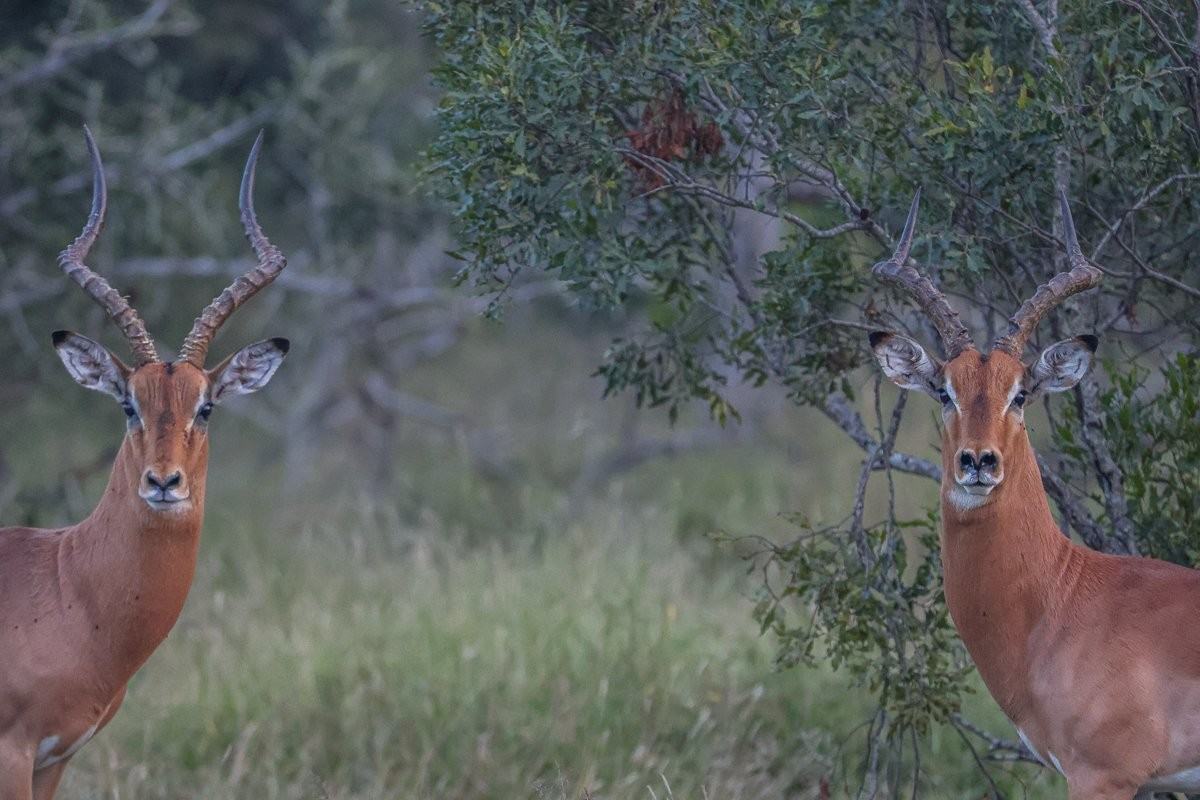
This cycle underscores the bush’s balance. Impalas thrive through sacrifice, fueling the food web that defines Africa’s wild heart.
Blog by Ruan Mey (Earth Lodge Ranger)