
A Rare Sighting: Leucistic Zebra Foal at Sabi Sabi Private Game Reserve
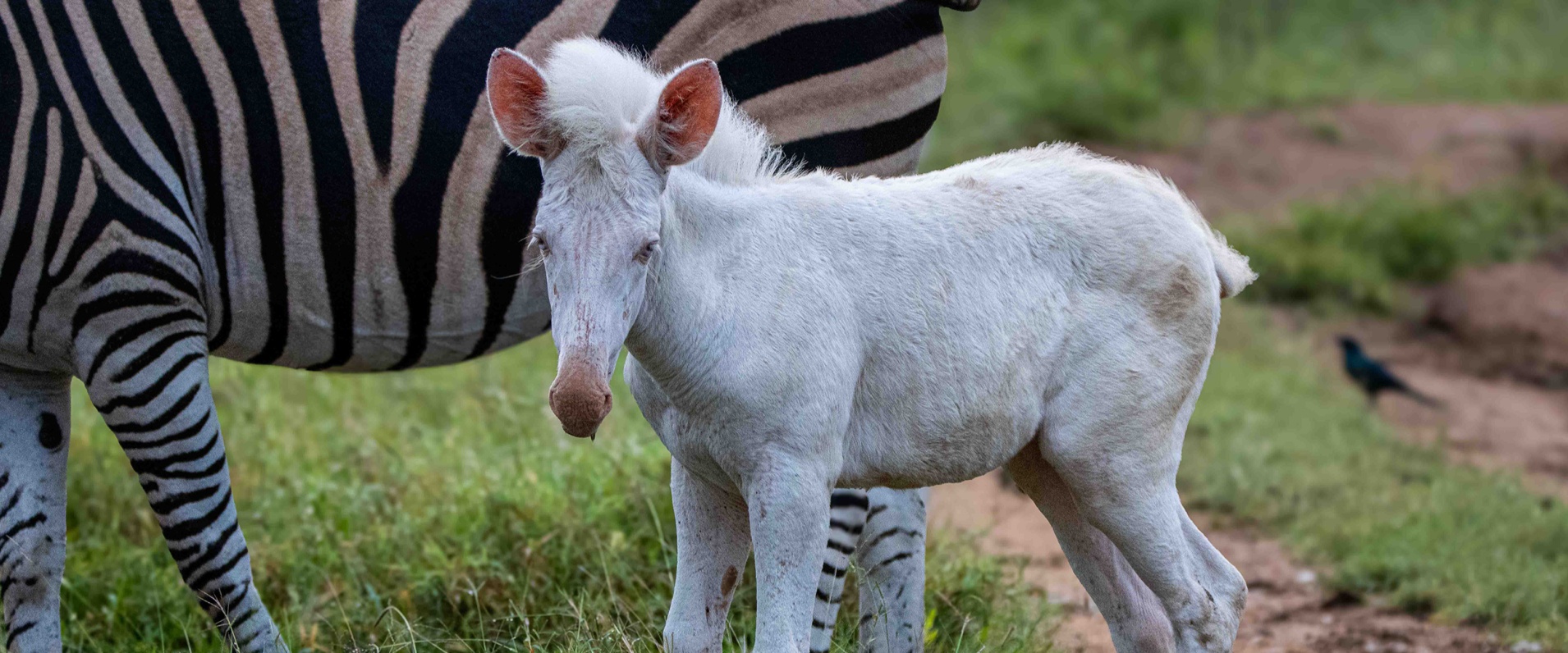
on Apr 14, 2026An unusual and unforgettable sighting on the open plains. While following a small herd of Plains Zebra, we noticed something extraordinary moving closely beside one of the mares, a nearly but all-white zebra foal.
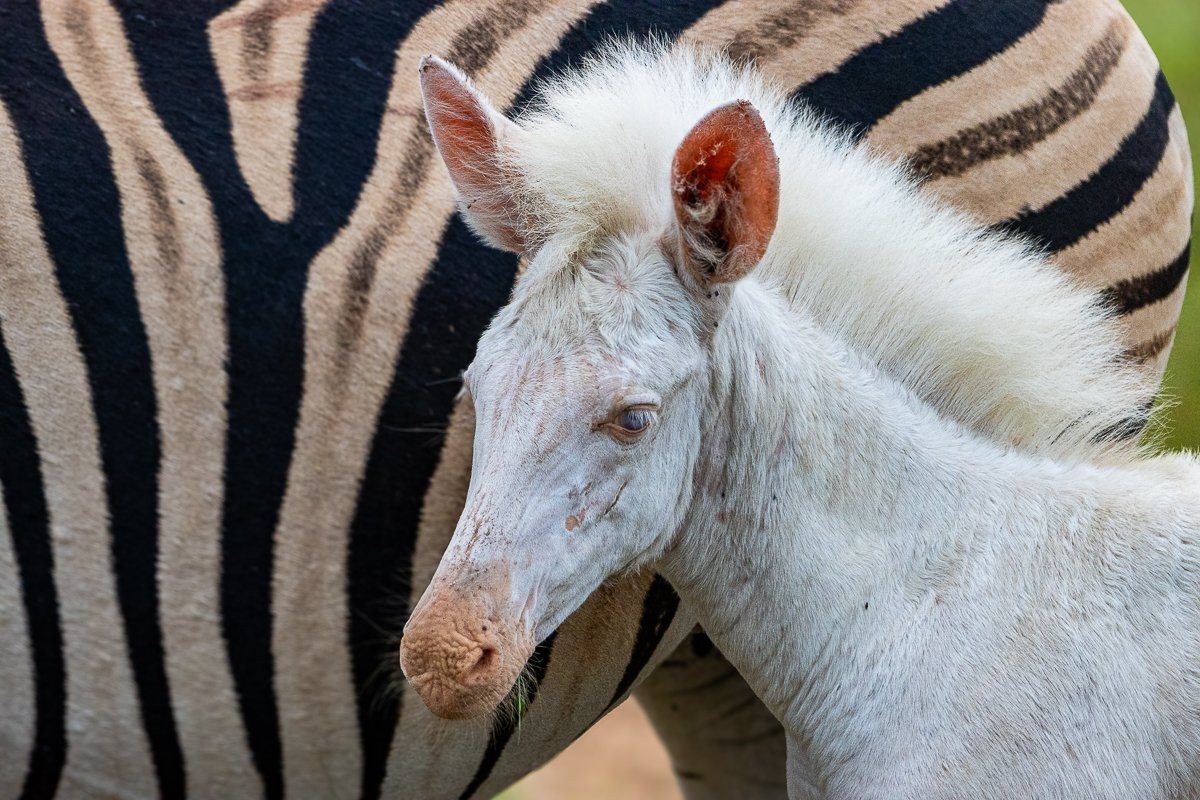
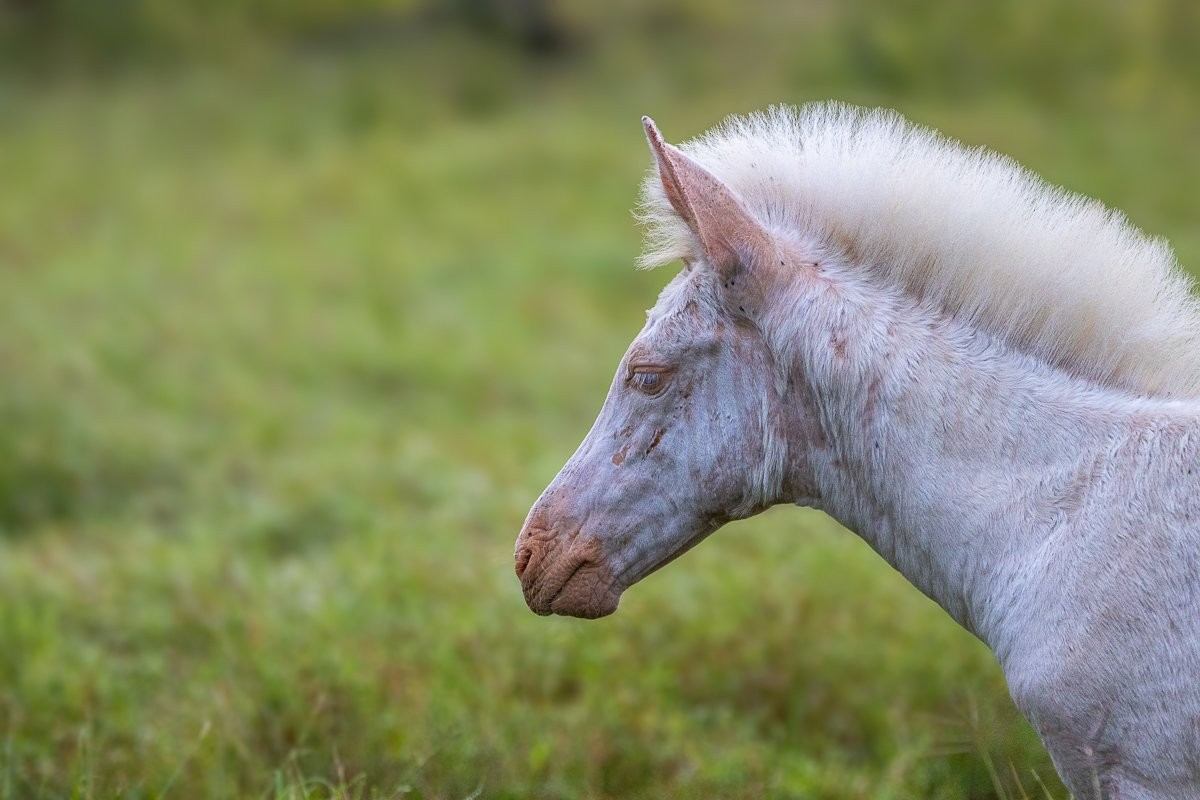
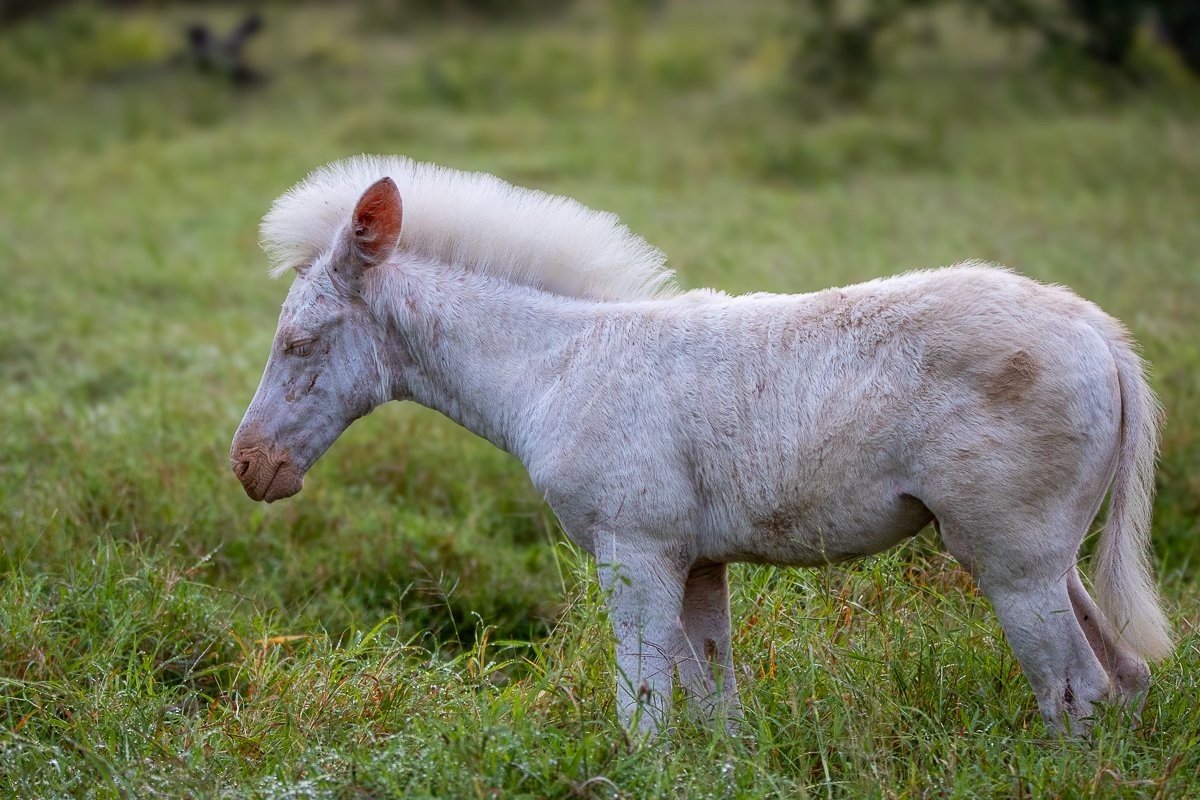
Unlike the typical bold black stripes that define the species, this young foal showed extremely faint to no markings, most likely the result of a rare genetic condition known as leucism, where pigmentation is partially lost. From a distance it almost appeared to glow against the green grass, standing out clearly among the rest of the herd.
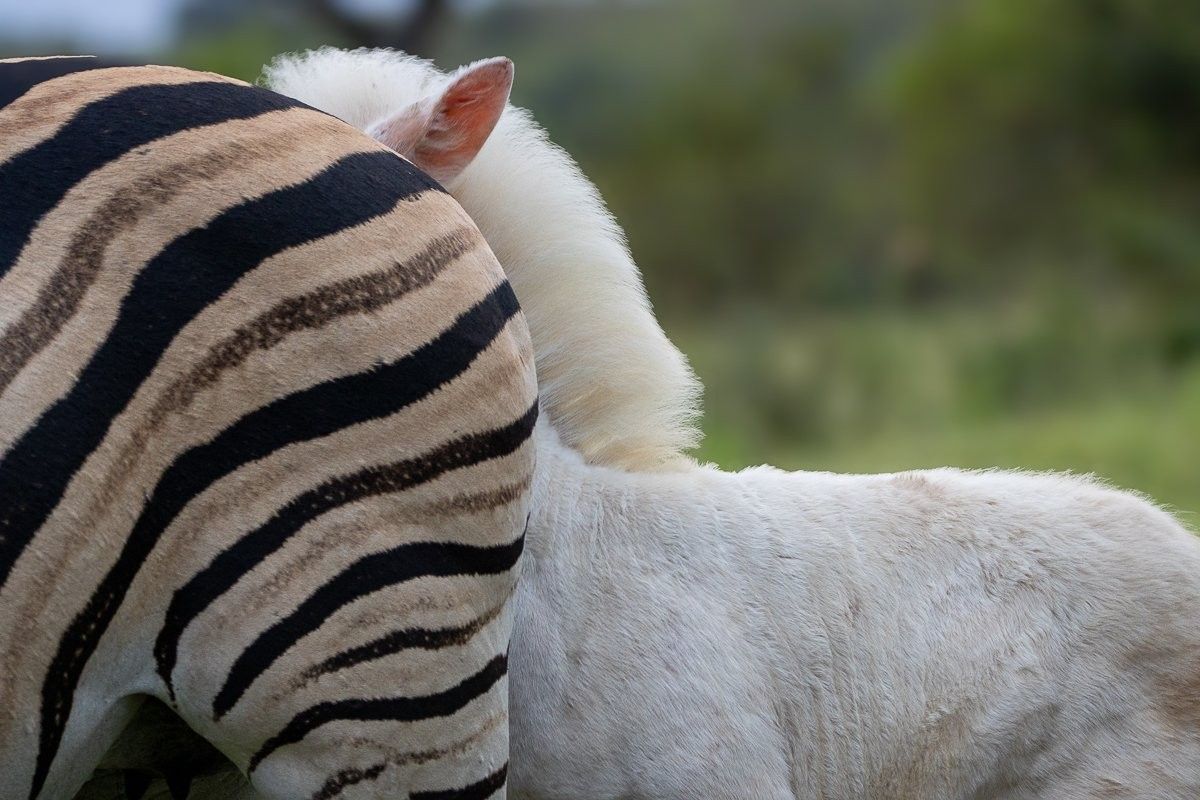
Despite its unusual colouring, the foal remained safely tucked beside its mother, occasionally nudging her as they grazed and moved slowly across the savannah. The herd itself was relaxed, ears flicking and heads lifting occasionally to scan their surroundings before settling back into feeding.
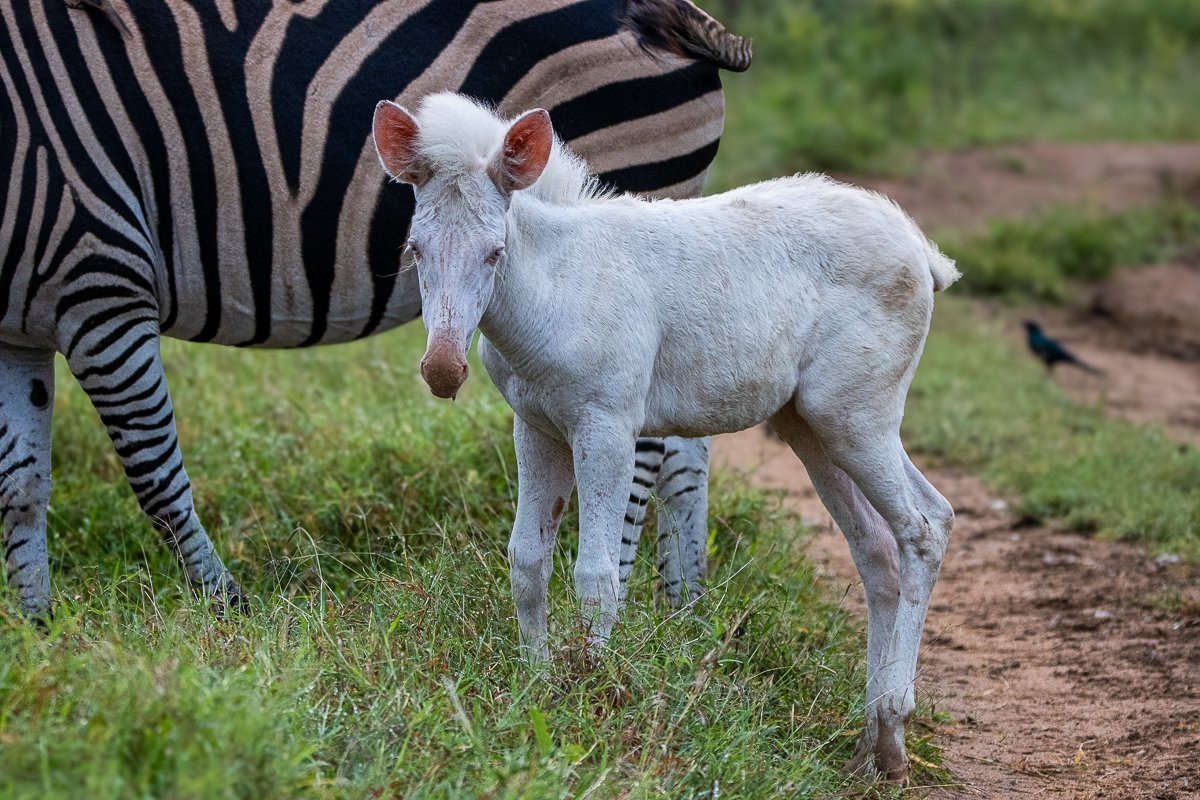
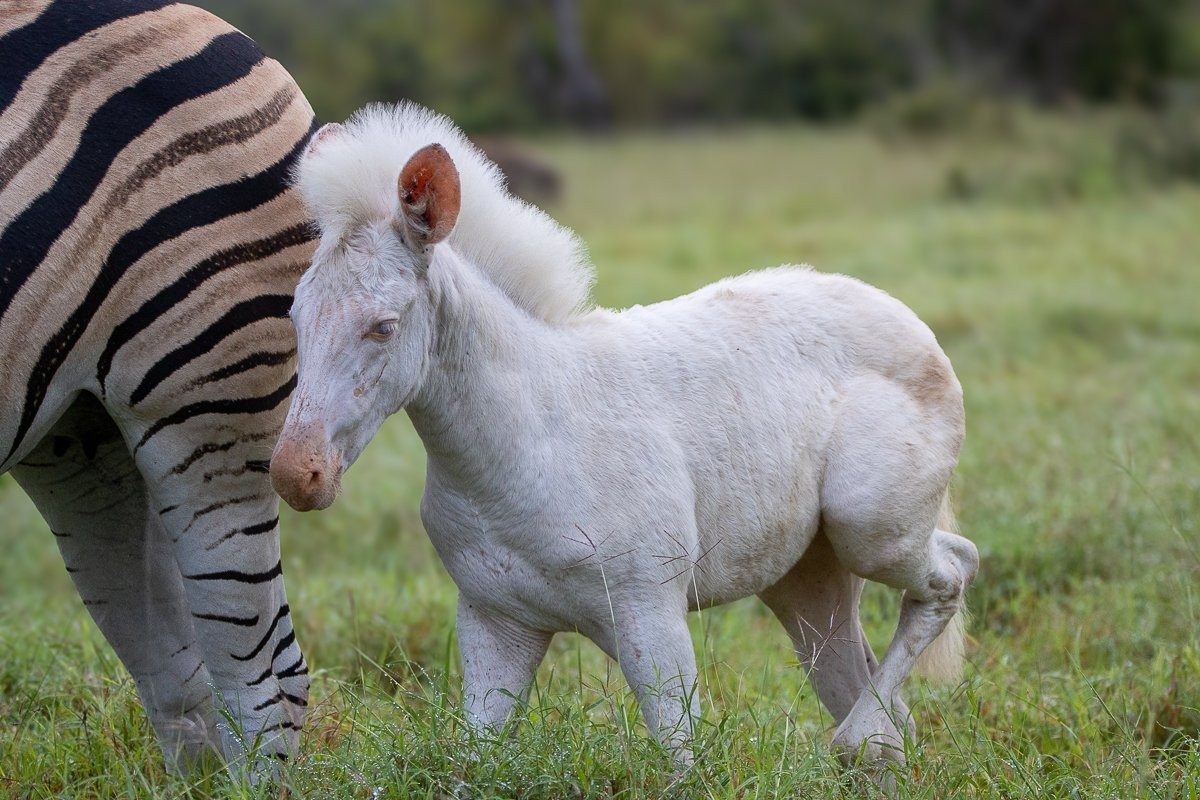
Moments like this remind us that the bush is never predictable. Even species we see almost every day can surprise us with something truly rare. For everyone on the vehicle, it was one of those quiet sightings that will be remembered long after the drive ended — a small white foal walking gently beside its striped mother under the wide African sky.
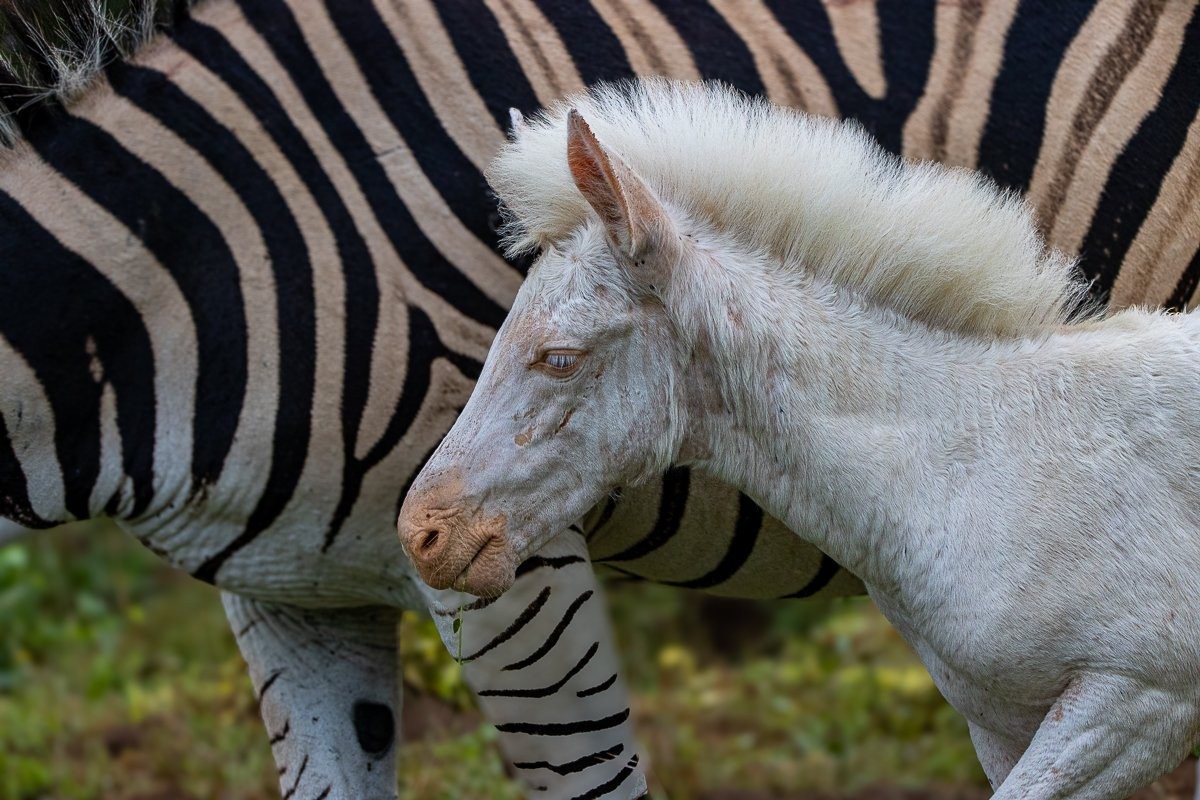
In normal zebras, coat colour is determined by the distribution of melanin, the pigment responsible for dark coloration in skin, hair, and eyes. During embryonic development, specialised pigment cells called melanocytes migrate through the skin and deposit pigment into growing hair follicles. In this foal, that process appears to have been disrupted.
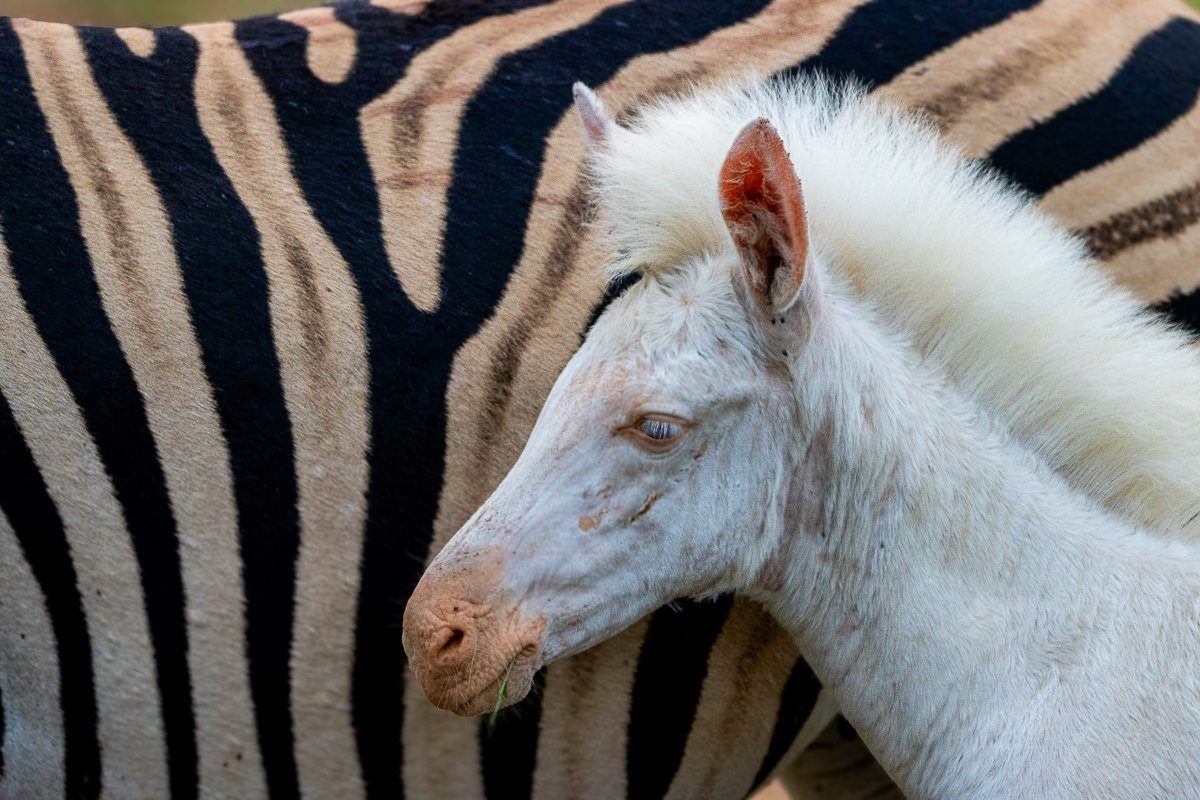
Leucism occurs when melanocytes fail to develop or migrate properly. Unlike albinism, which completely prevents melanin production and often results in red or pink eyes, leucistic animals may retain normal eye colour but have reduced pigmentation across their bodies. Some may want to know why zebra stripes matter, and yes, the stark black-and-white striping of zebras is not merely decorative.
Scientific studies have proposed several evolutionary functions for these patterns:
Predator confusion - when zebras move in a group, the stripes create a visual illusion that makes it difficult for predators such as lions to isolate a single individual.
Thermoregulation - differences in heat absorption between black and white stripes may generate micro air currents across the animal’s skin, helping regulate body temperature in hot savanna climates.
Recent research suggests that stripes may discourage biting flies, such as tsetse flies and horseflies, which are less attracted to striped surfaces.
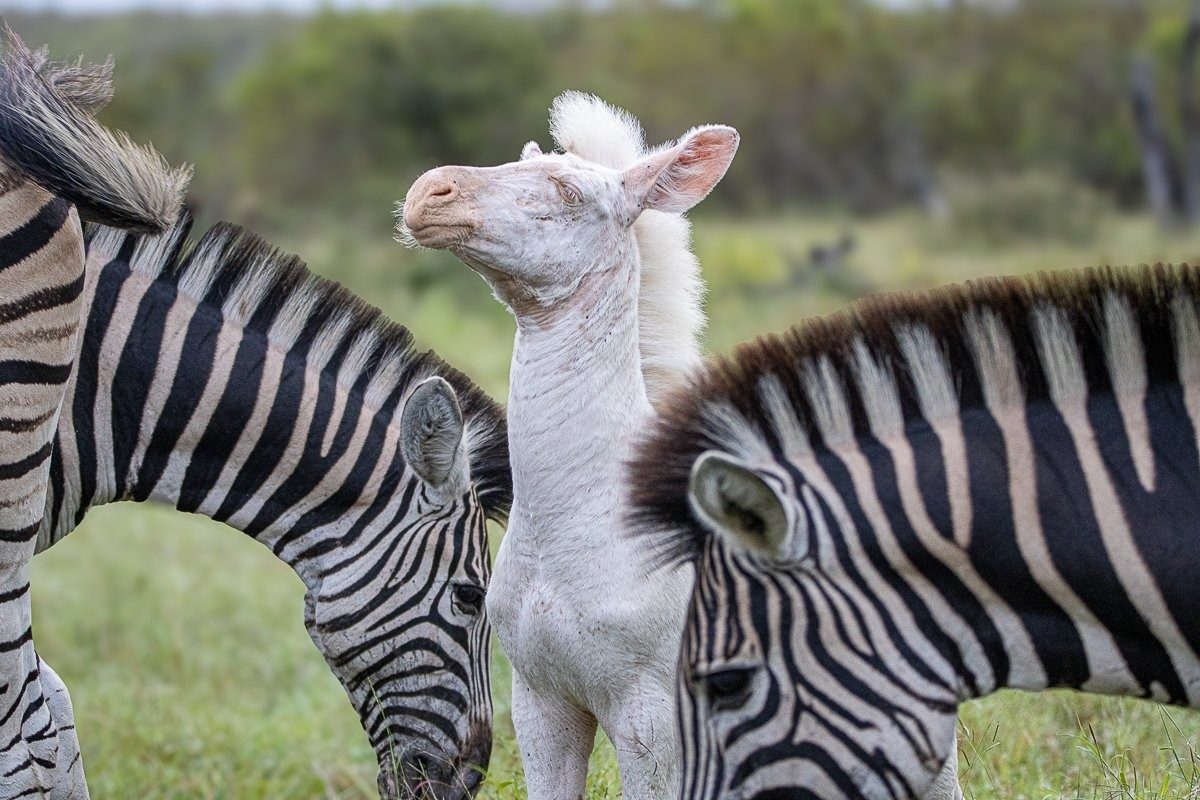
A leucistic zebra lacks this high-contrast pattern, which could reduce these protective benefits. There are however survival challenges for a white zebra, while visually striking, a pale zebra may face several ecological disadvantages. The white coat breaks the camouflage effect provided by the herd's striped patterns. Predators may spot the animal more easily, particularly in open grasslands. Zebras rely heavily on herd cohesion. Although mothers strongly protect their foals, unusual appearances may affect social dynamics within the group. Even with its unusual coloration, this foal’s strongest protection is still its mother and the collective vigilance of the herd.
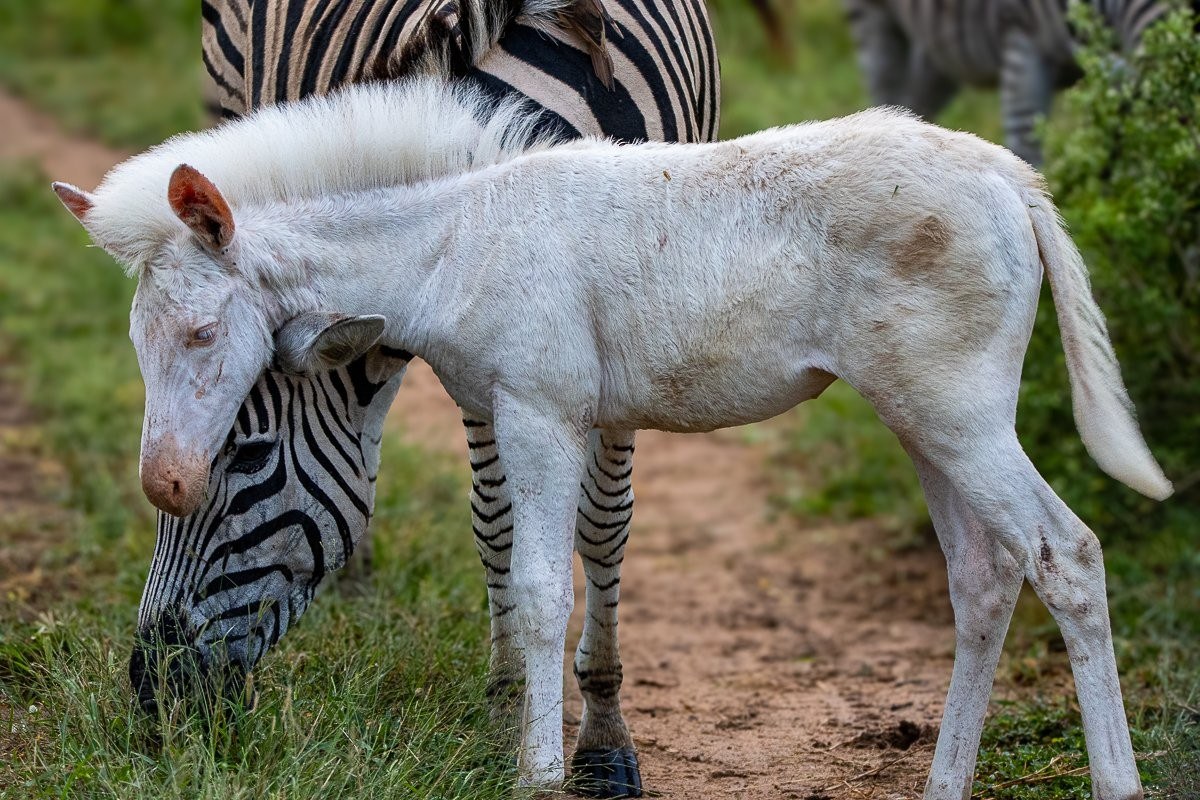
Leucistic zebras are exceptionally rare. Only a handful of documented cases exist across Africa, and sightings often generate excitement among wildlife researchers and safari guides alike. Each observation contributes valuable data to the understanding of genetic variation in wild populations.
Because zebras live in open habitats and travel widely across savannas, encountering such a uniquely coloured individual is both a scientific curiosity and a reminder of the incredible diversity present in nature.
This pale zebra foal represents more than an unusual photograph - it highlights the complex genetics underlying wildlife populations. Genetic mutations such as leucism occasionally emerge in natural populations, providing scientists with insights into pigmentation biology, evolutionary pressures, and survival dynamics in the wild.
Moments like this are rare gifts for wildlife observers. They remind us that even among well-known species like the zebra, nature continues to surprise us with extraordinary variations.
Blog by Ronald Mutero (Selati Camp Ranger)