
Leopard territory wars: A three-male epic at Sabi Sabi
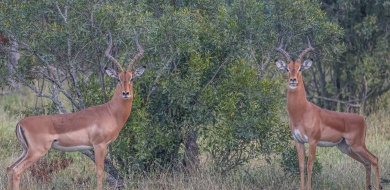
on May 05, 2026As Guides we’ve tracked countless dramas in these ancient sands bordering the Kruger National Park, but few rival the raw intensity of male leopards fighting for supremacy. Three male leopards: Mawelawela, Khulwana, and Nsuku - locked in a high stakes battle for a prime territory rich in impala and other prey species, core habitat along our riverine thickets and rocky outcrops. This isn’t fiction, it’s the pulse of survival, observed right here where leopard density hits around 12 per 100 square kilometres, among South Africa’s highest.
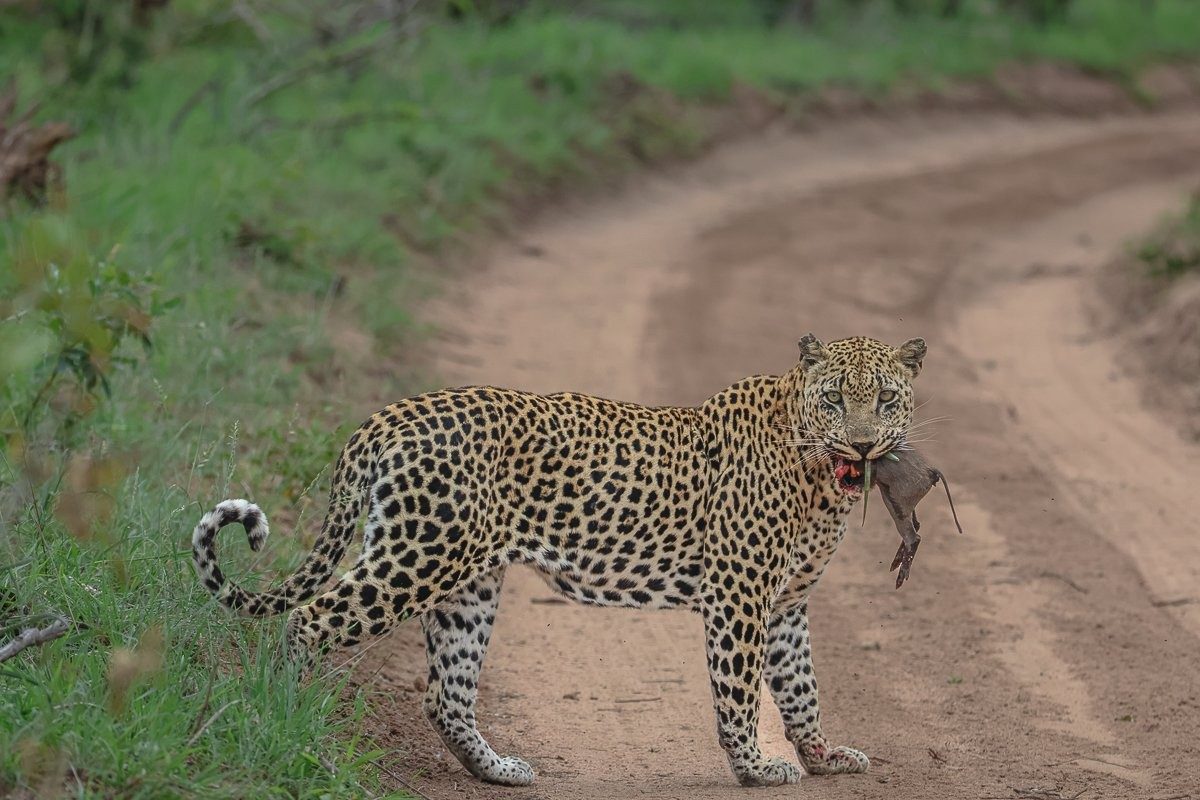
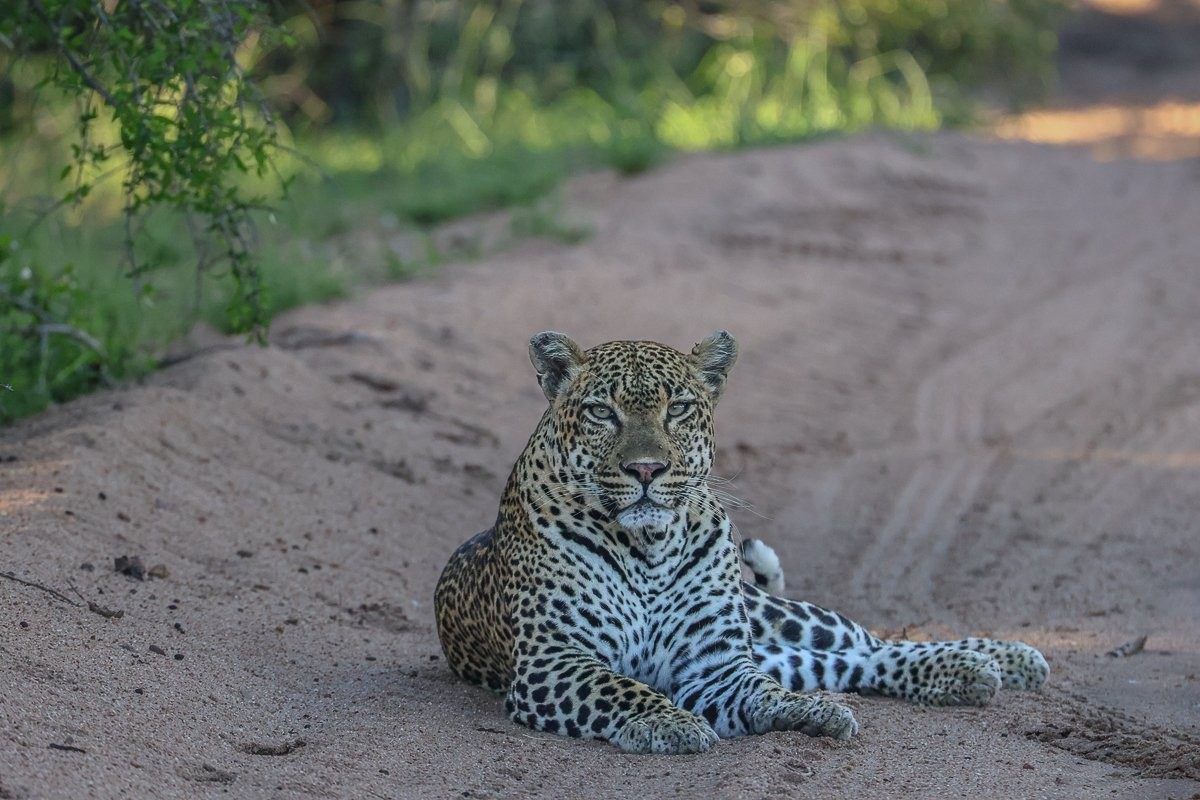
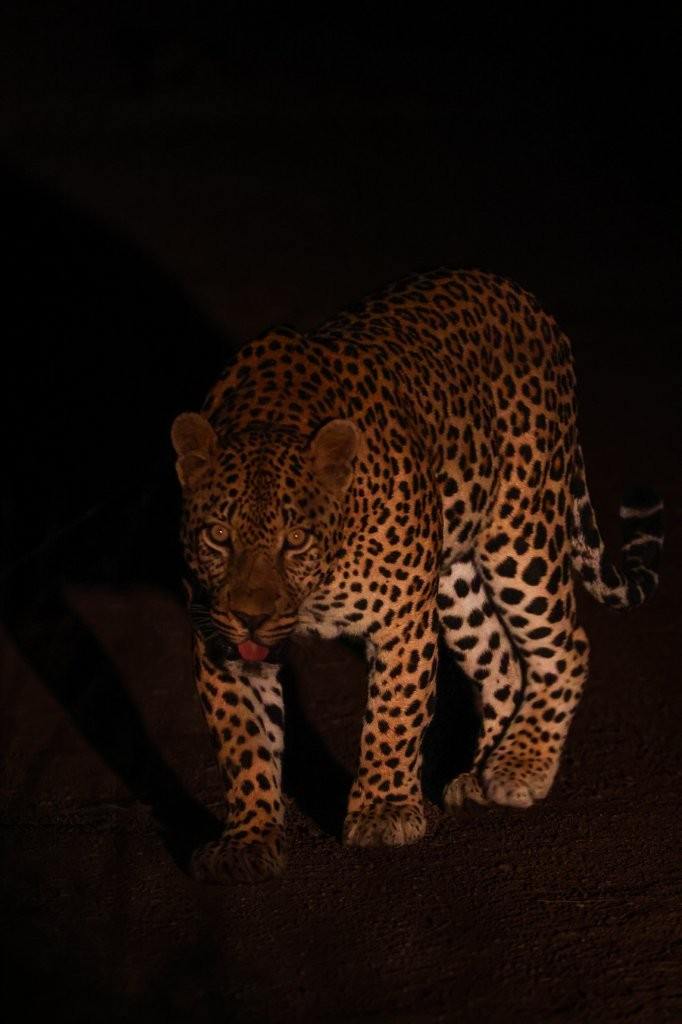
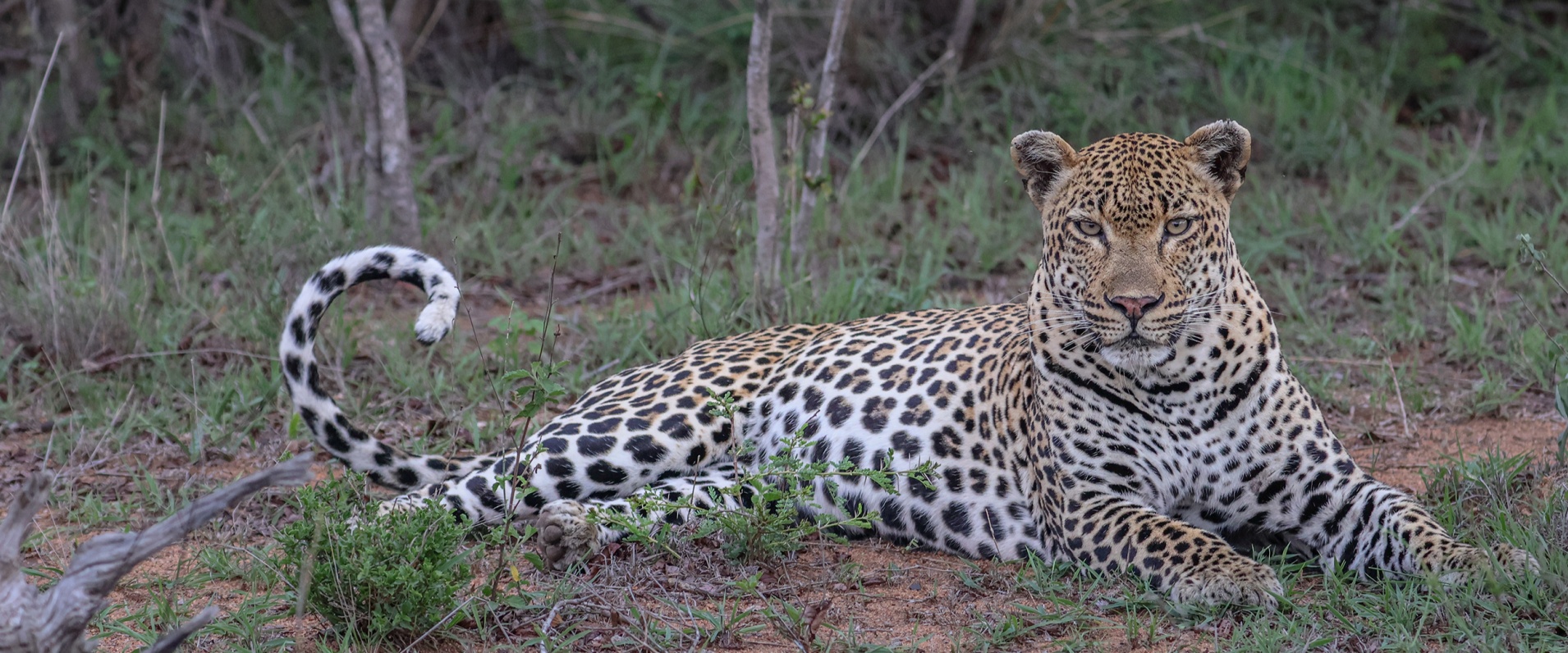
Mawelawela, the oldest at around 11 years, bears the battle scars of years spent fighting for dominance - an incumbent king who has earned his status. Khulwana, a mid-tier male of about 6–7 years, is an ambitious expander, steadily pushing the boundaries of his territory. Then there’s Nsuku, a youthful 5-year-old, still scouting for his first meaningful claim.
Males like these command vast ranges of up to 30 square kilometres, often overlapping with the smaller 15–25 square kilometre territories of several females to maximise both mating and hunting opportunities. Female leopards come into oestrus roughly every 46 days, remaining receptive for about a week - an event that draws competing males in like moths to a flame.
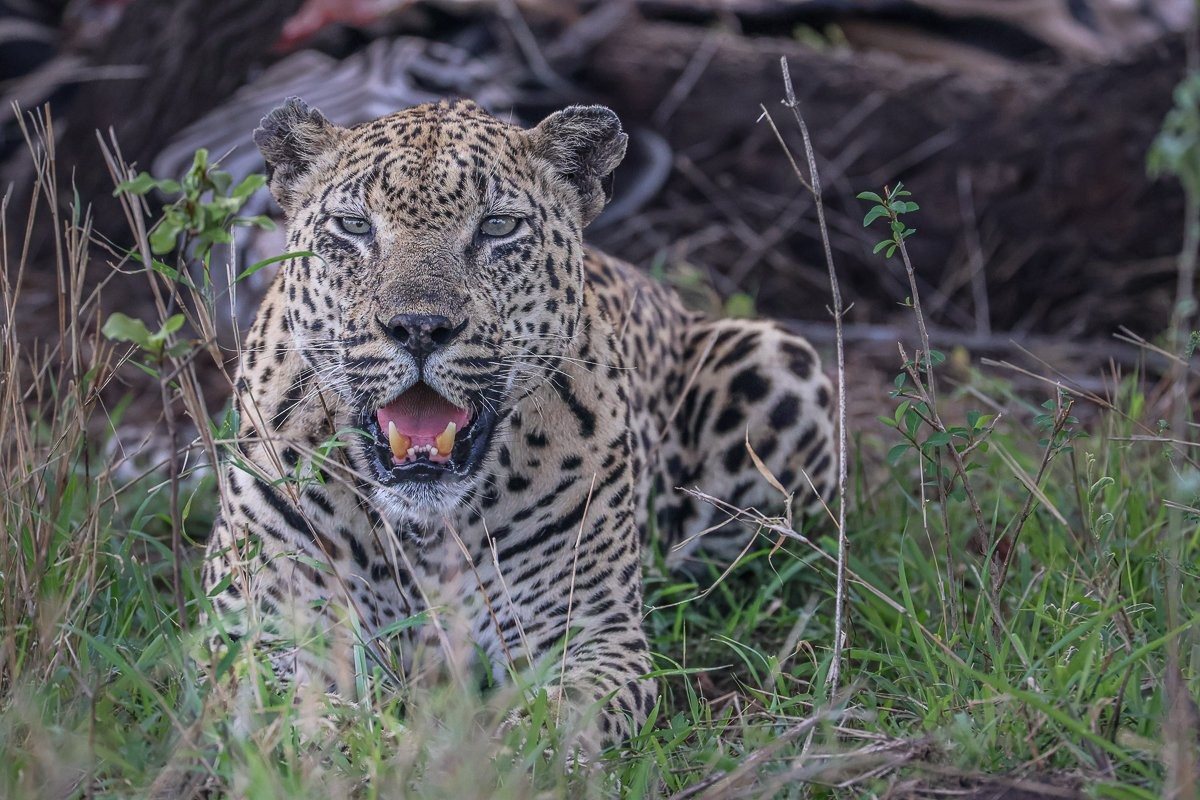
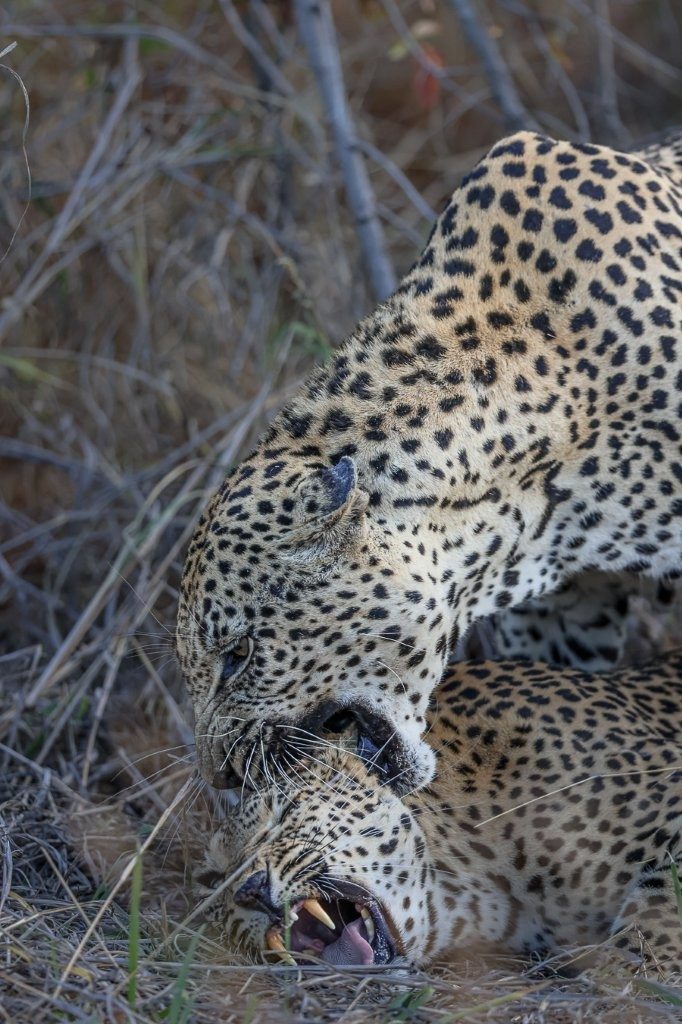
Signs of a showdown
Dawn patrols reveal the chaos, guttural sawing roars carrying 2-3 kilometres, urine sprayed bushes reeking of pheromones, and claw raked trees broadcasting ‘this is mine’.
Mawelawela’s core territory - his exclusive kill zone - is no longer secure. Khulwana and Nsuku are beginning to overlap his scent marks, leading to brief but telling skirmishes of swipes, bites, and short chases.
Young males, typically dispersing at 18–24 months, may wander up to 100 kilometres before settling, learning unfamiliar prey patterns and water sources as they go. Here at Sabi Sabi, a recent vacancy in the southern sector has opened the door for opportunists. No dominant male currently holds and defends this ground, although northern males like Mawelawela still pose a serious and ever-present threat.
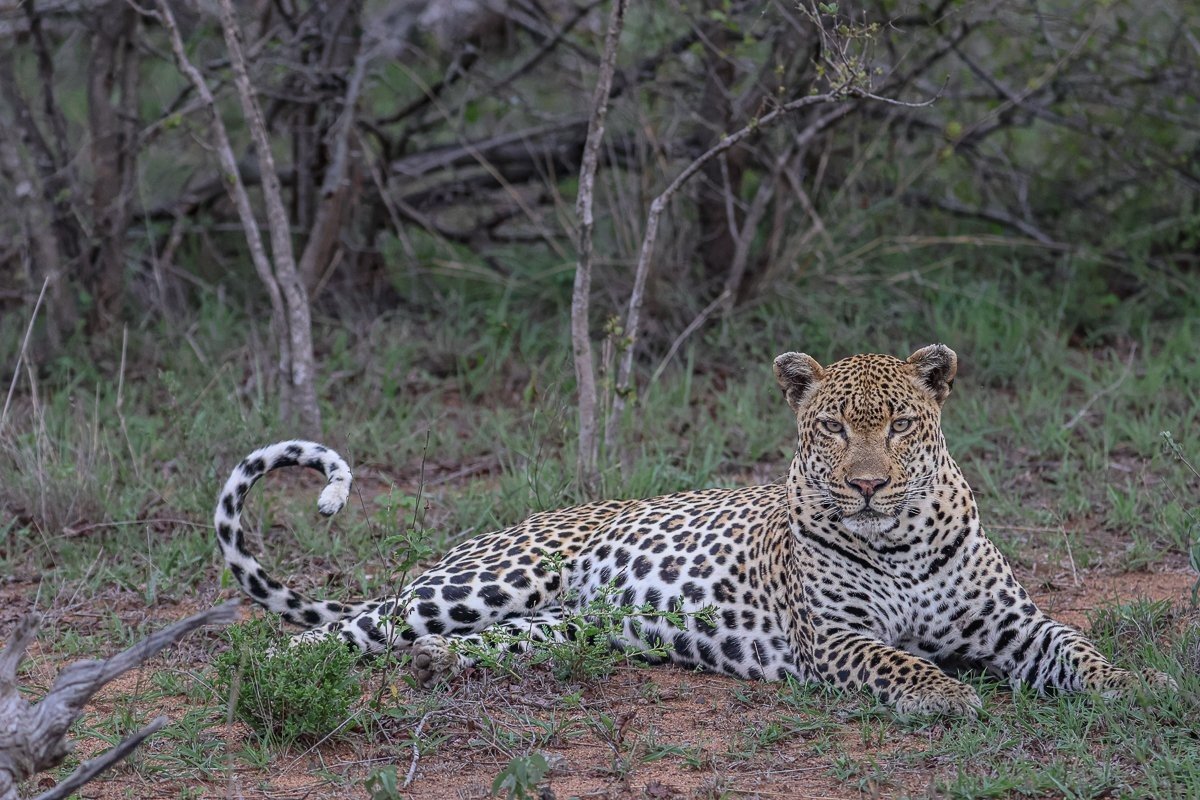
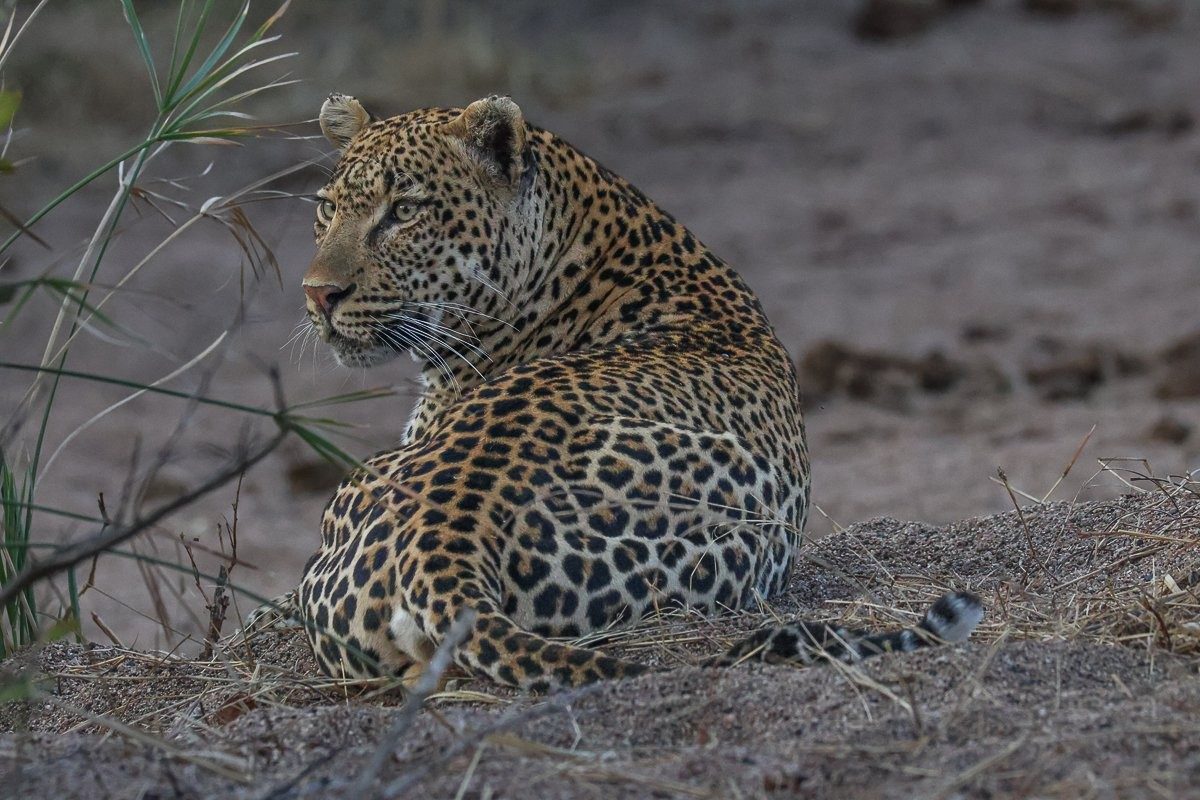
Fights peak when prey gets scarce and water dries up. Another big cause for fighting is infanticide, when the intruder males slay rival cubs to reboot the females’ reproductive cycles.
Ecology and adaptions
Leopards thrive as apex opportunists, nocturnal climbers hoisting kills into trees safely away from lions and hyenas. Solitary by nature, males tolerate females overlapping but clash fiercely with other males, territories shrink in prey rich areas like our reserve. Female leopards shift ranges and territories sideways for maturing daughters, but sons must conquer elsewhere by themselves.
Sabi Sabi’s stability mirrors the Panthera backed Sabi Sands Leopard Project, tracking over 800 leopards in over 110 000 sightings. This yields gold. Stable demographics, generational patterns, proving high-density havens like our model global conservation.
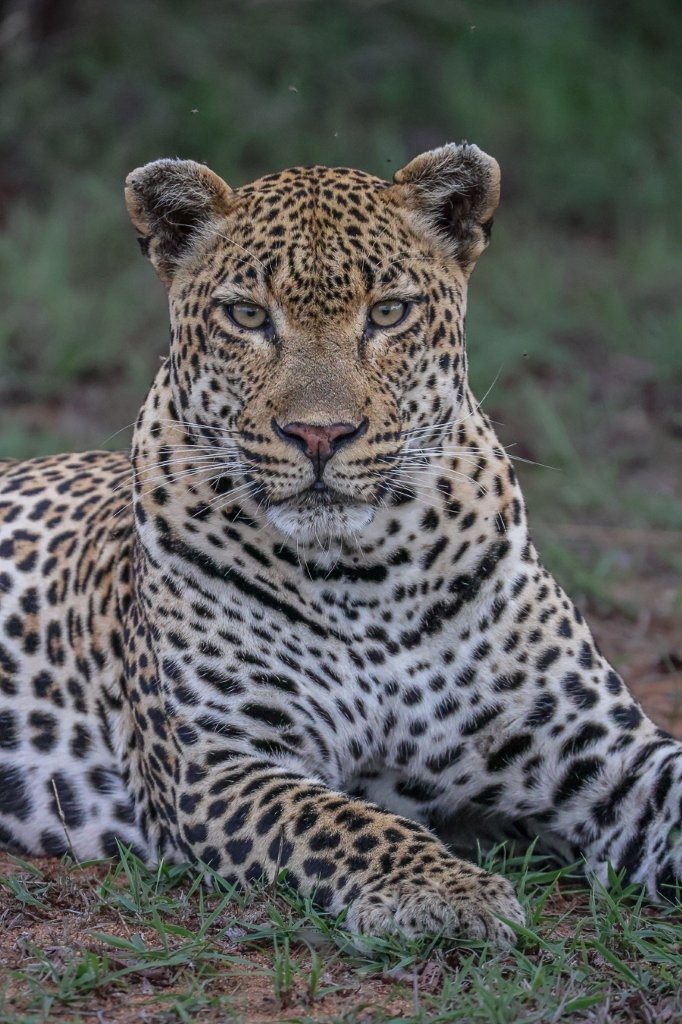
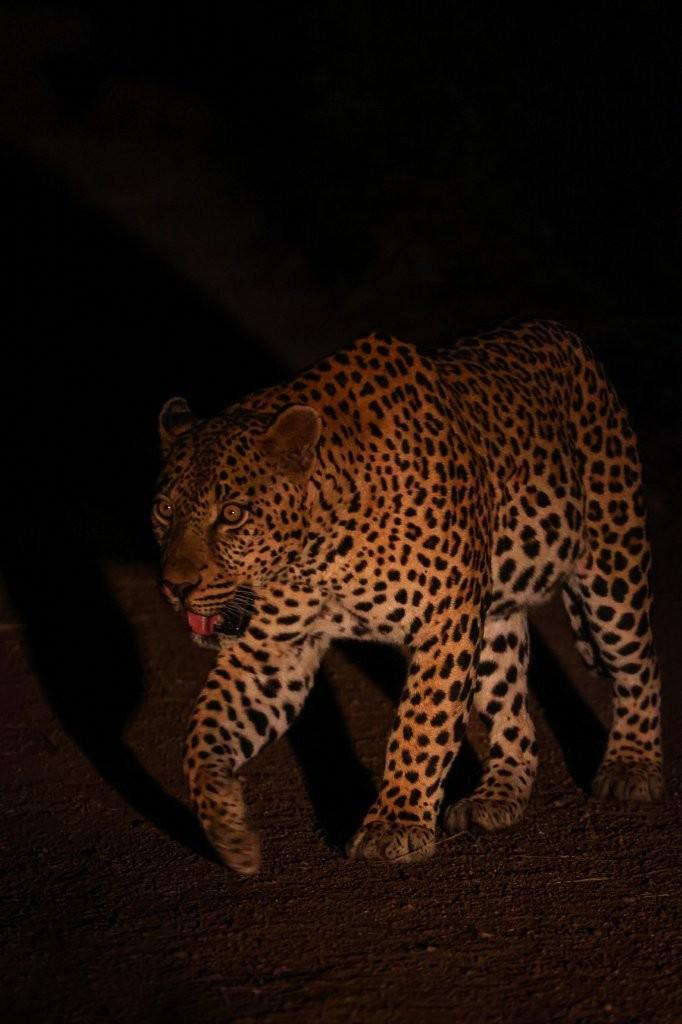
Over the past few months, we have witnessed all three these males moving in the same areas, meeting up with the same females and scent marking aggressively in the area, a clear sign that they are aware of each other’s presence.
Mawelawela, the oldest of the three, carries the advantage of experience - but age is beginning to show. He is growing slower, less dominant, and the pressure is mounting as rival males edge closer to his territory. Although he remains the reigning king, his hold is becoming increasingly fragile. In this world, dominance is never permanent, and his time is steadily running out - whether he is eventually pushed out or suffers a fatal injury in battle. For now, Mawelawela is the male with the most at stake, defending a territory he has known and controlled for years.
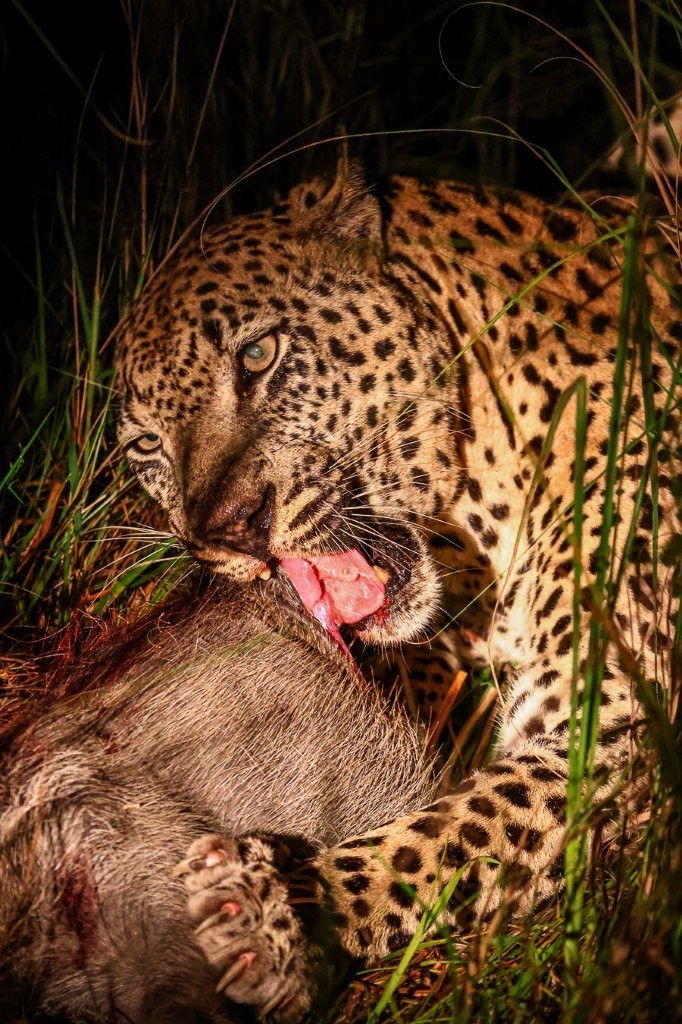
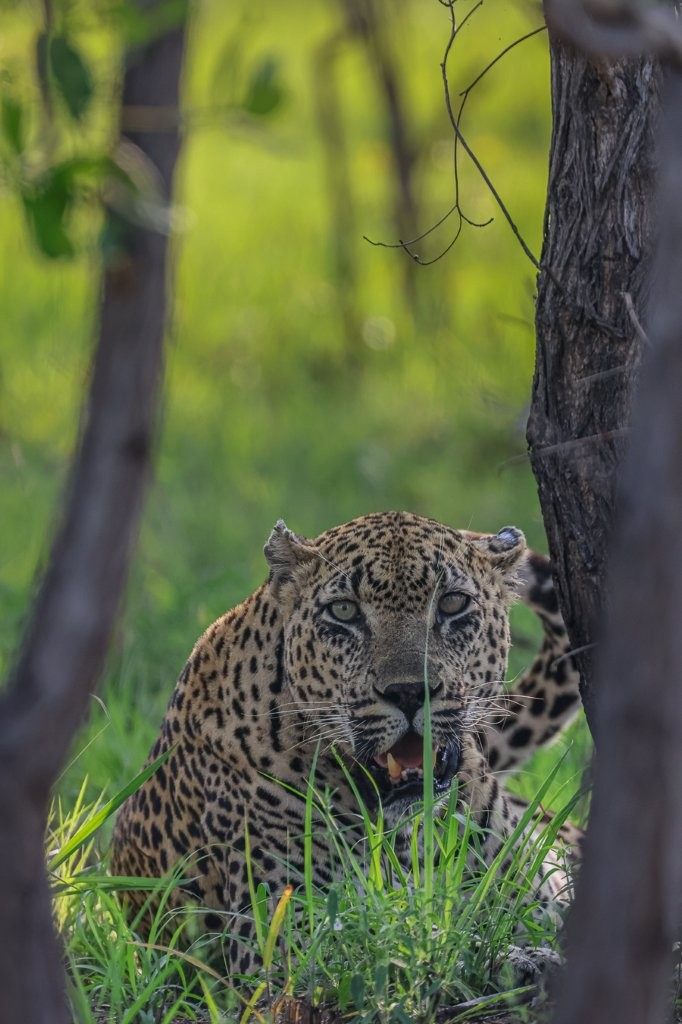
Khulwana has been a regular presence on the reserve for some time, becoming a familiar sight on safari. With that comes an intimate knowledge of the landscape - he knows every corner, from the most productive hunting grounds to the safest routes for avoiding rivals and other predators, as well as the areas where he’s most likely to encounter receptive females. Now in his prime, Khulwana is actively looking to expand his territory whenever the opportunity arises, steadily testing boundaries and pushing further as he builds toward dominance.
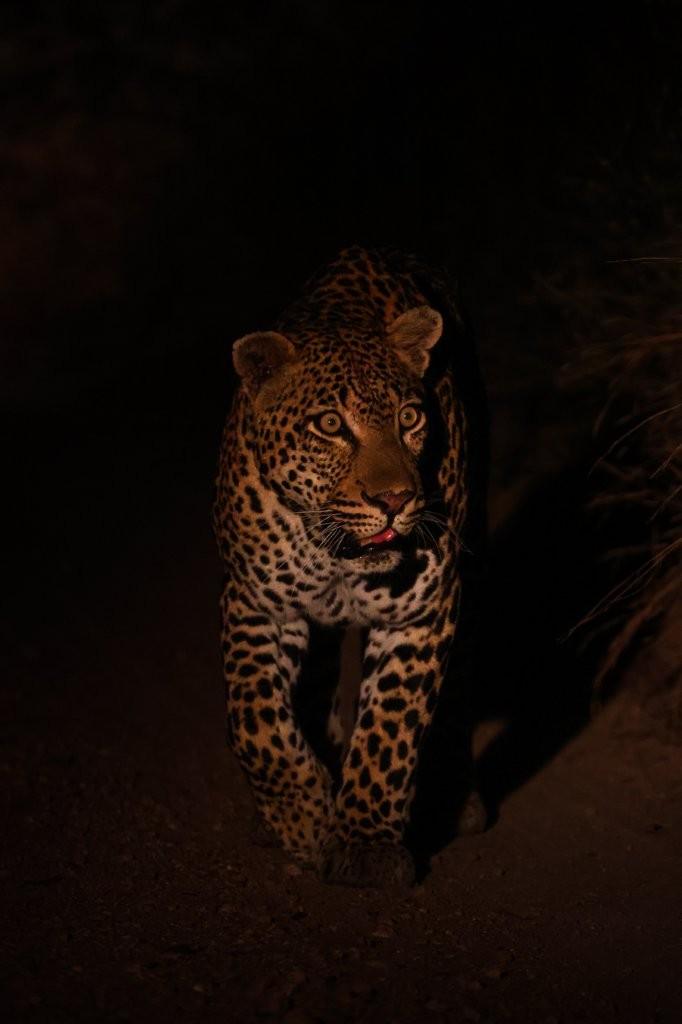
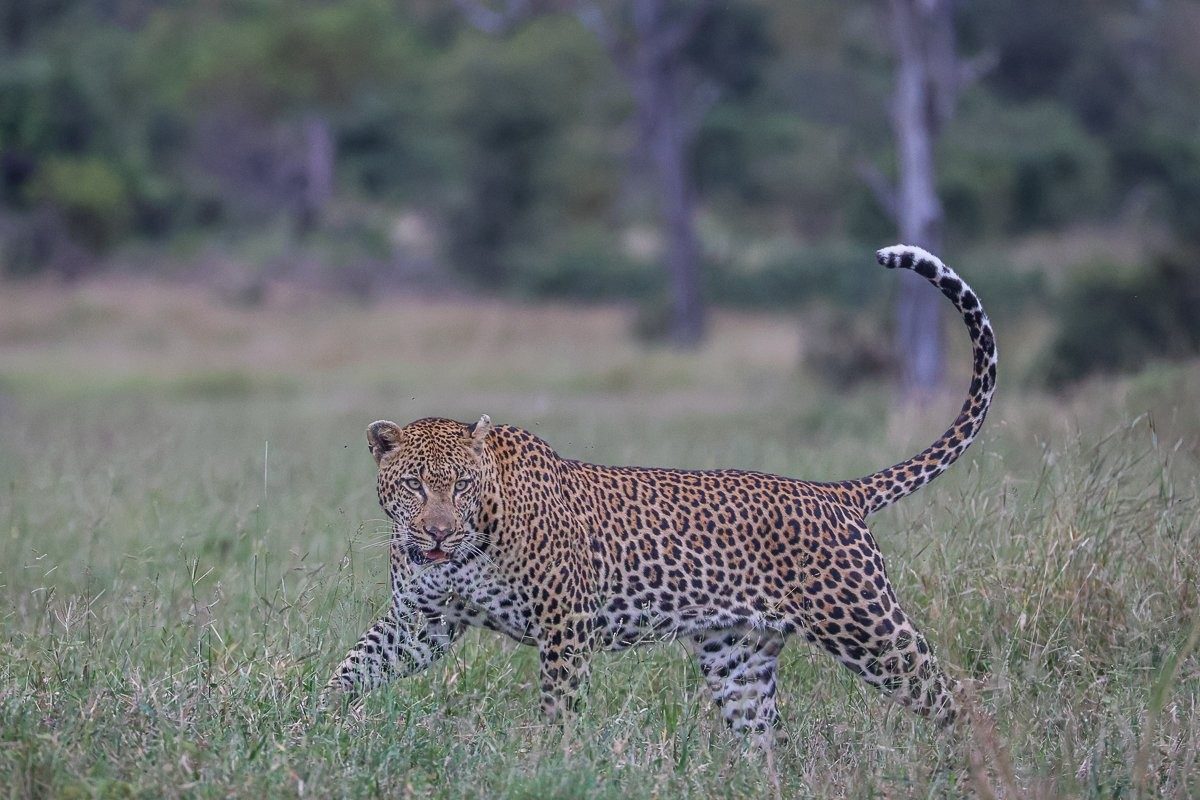
Nsuku is a relatively recent addition to the leopard sightings on the reserve, but he has quickly gained confidence. Over the past two months, he has been observed mating with females in the area, a clear sign of his growing presence and status. Although he is the youngest of the three males, Nsuku is already showing ambition - looking to establish his first true territory and begin building a kingdom of his own. Whether he succeeds in carving out space for himself on the reserve, or whether the pressure from stronger, more established males proves too much, remains to be seen.
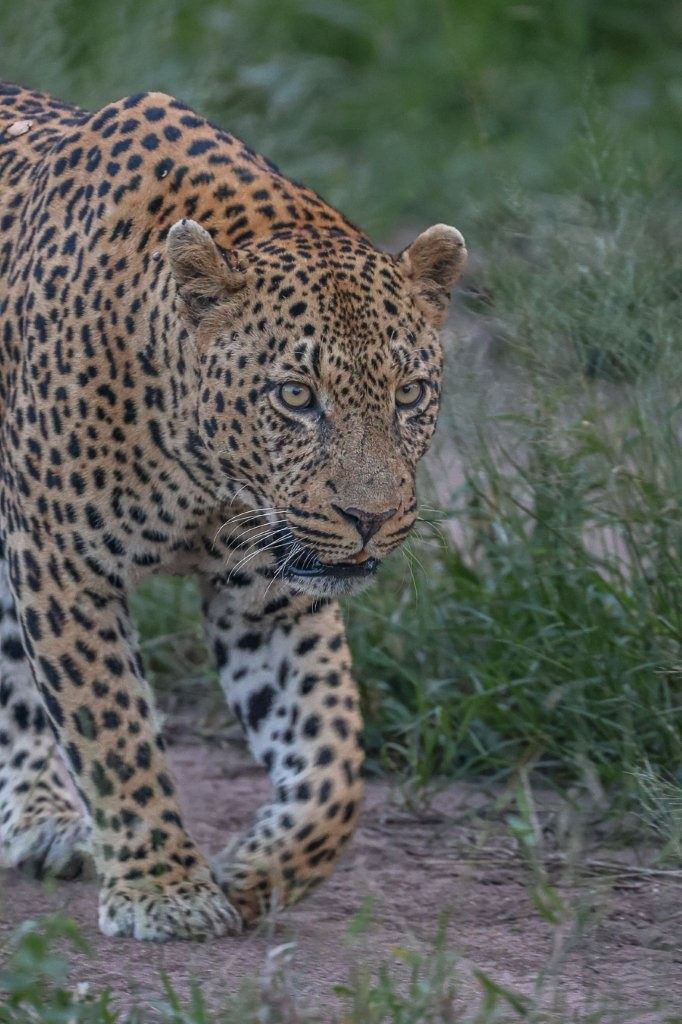
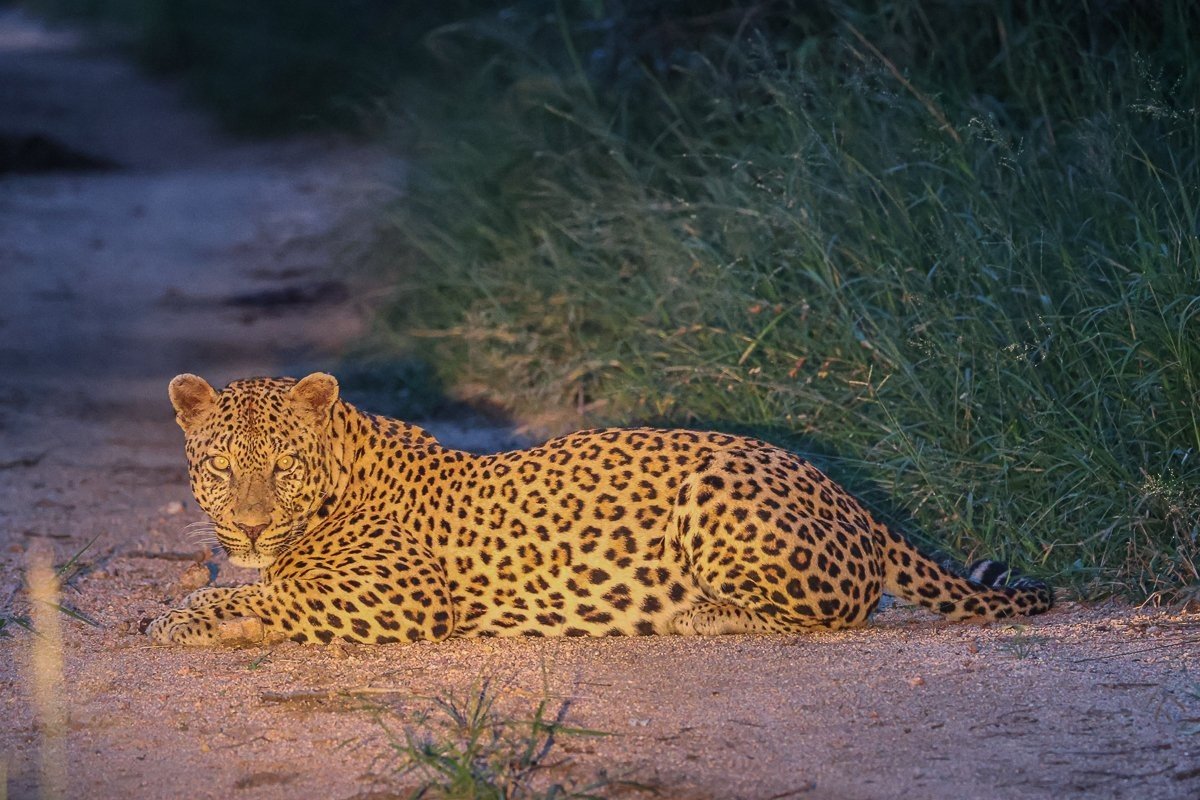
Moments like these are a stark reminder that the bush is not only beautiful, but also harsh and unforgiving. For these animals, survival and progress are never guaranteed - they are earned through constant struggle. Yet within that challenge lies a quiet truth: everything depends on hard work, resilience, and determination.
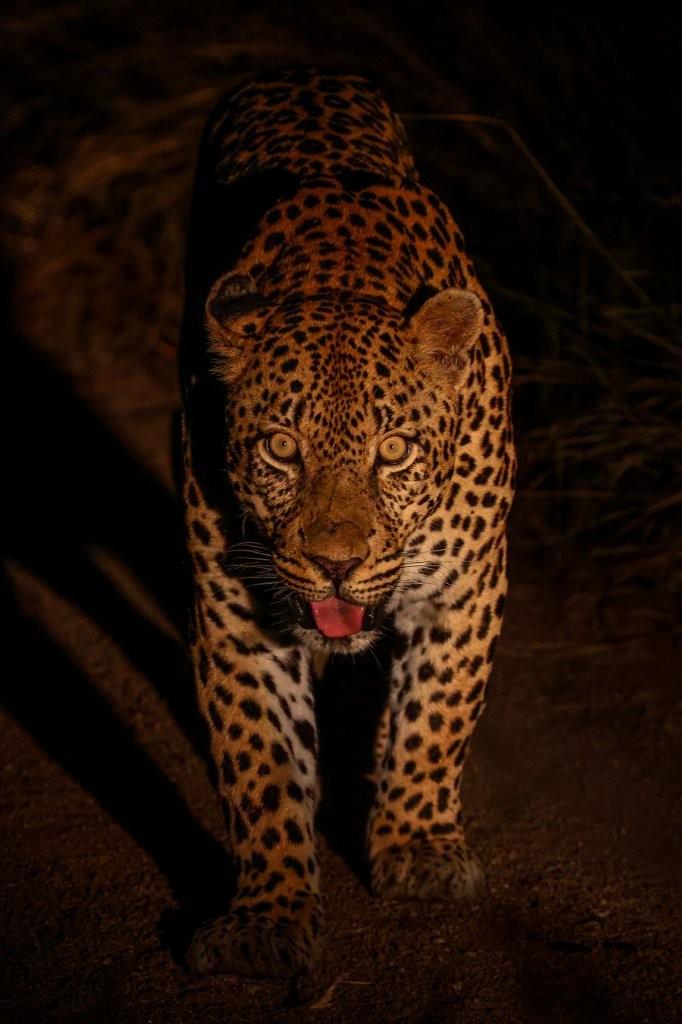
Only time will tell how these three males will shape their territories over the coming year. Their ranges may settle into a patchwork of smaller, overlapping areas driven by the high density of both leopards and prey in the region, or competition may intensify to the point where one male is ultimately forced out in search of quieter ground, where pressure is lower and opportunities more spaced out.
Blog by Ruan Mey (Earth Lodge Ranger)