
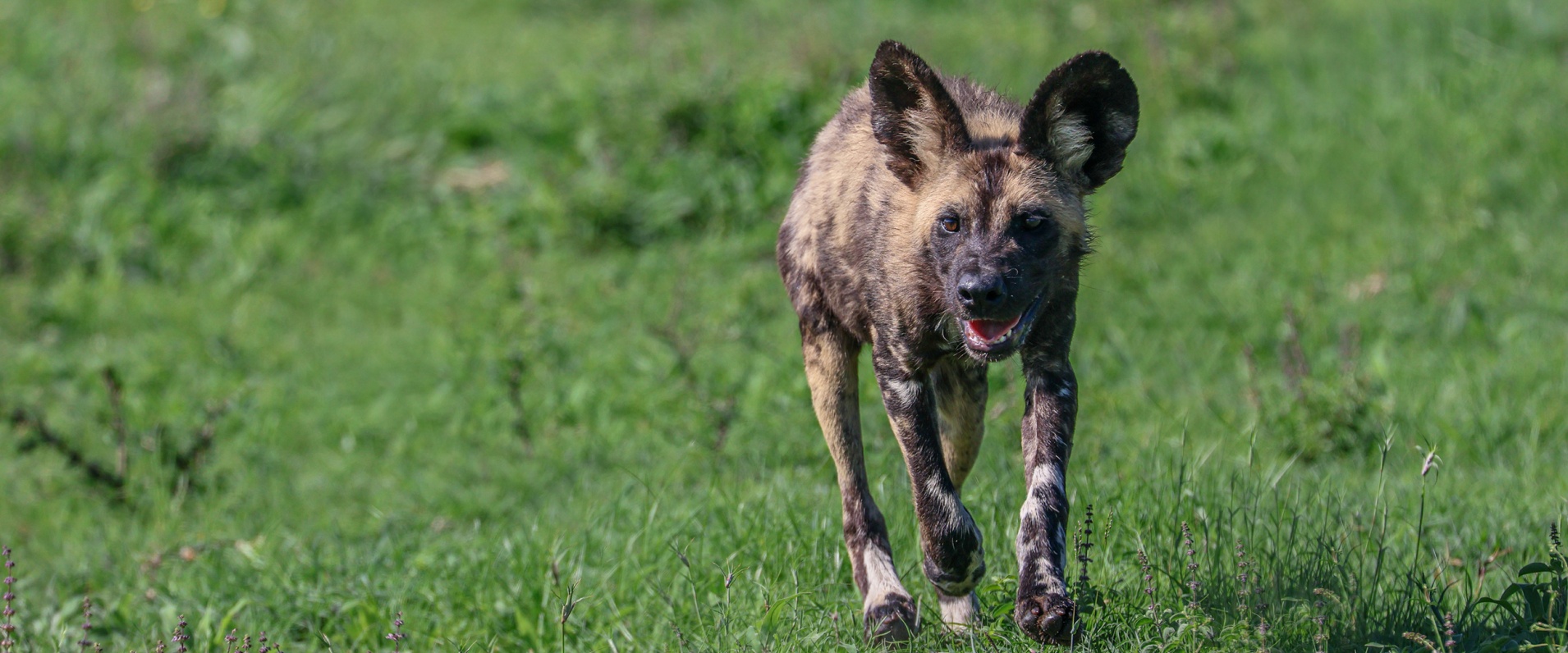
The African Wild Dog in the Great Kruger
on Feb 24, 2026There are few sightings that stir the soul of a guide quite like a pack of African wild dogs on the move. Known scientifically as Lycaon pictus, meaning painted wolf. These charismatic predators are among Africa’s most endangered carnivores, yet here in the Greater Kruger landscape, there is a story of cautious hope unfolding.
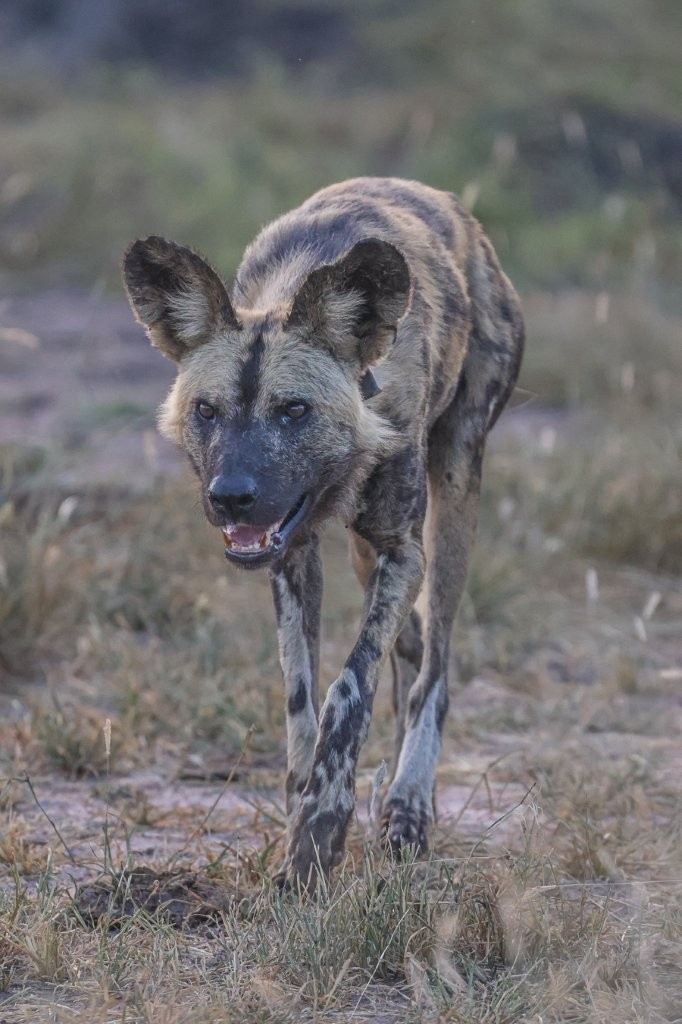
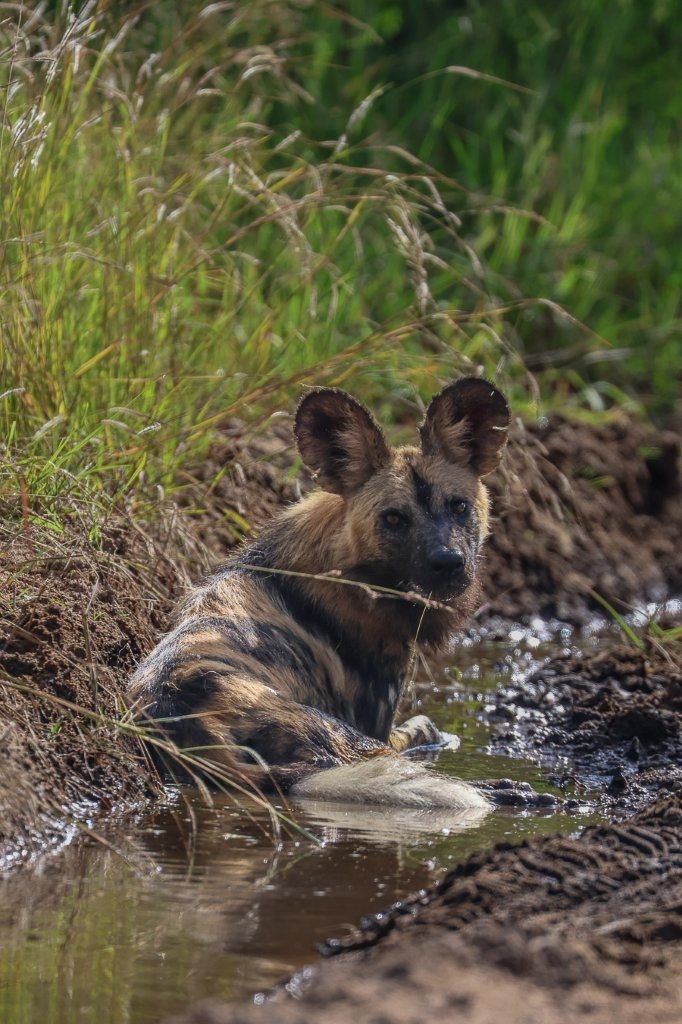
Historically, wild dogs roamed across most of sub-Saharan Africa. But habitat fragmentation, human-wildlife conflict, disease (particularly rabies and canine distemper), and snaring drastically reduced the numbers. By the late 20th Century, they had disappeared from much of their former range.
Even within the Greater Kruger area, including the iconic Kruger National Park, numbers were critically low. Packs became isolated, and genetic diversity was a growing concern.
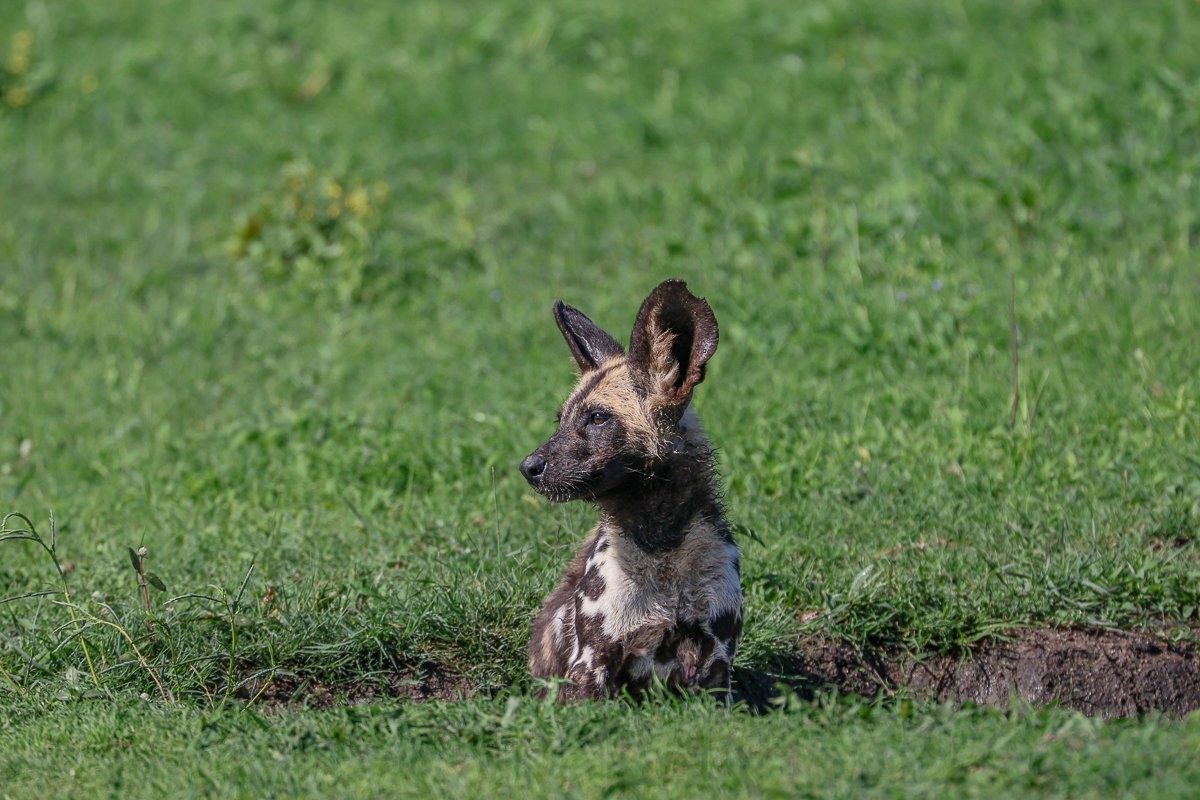
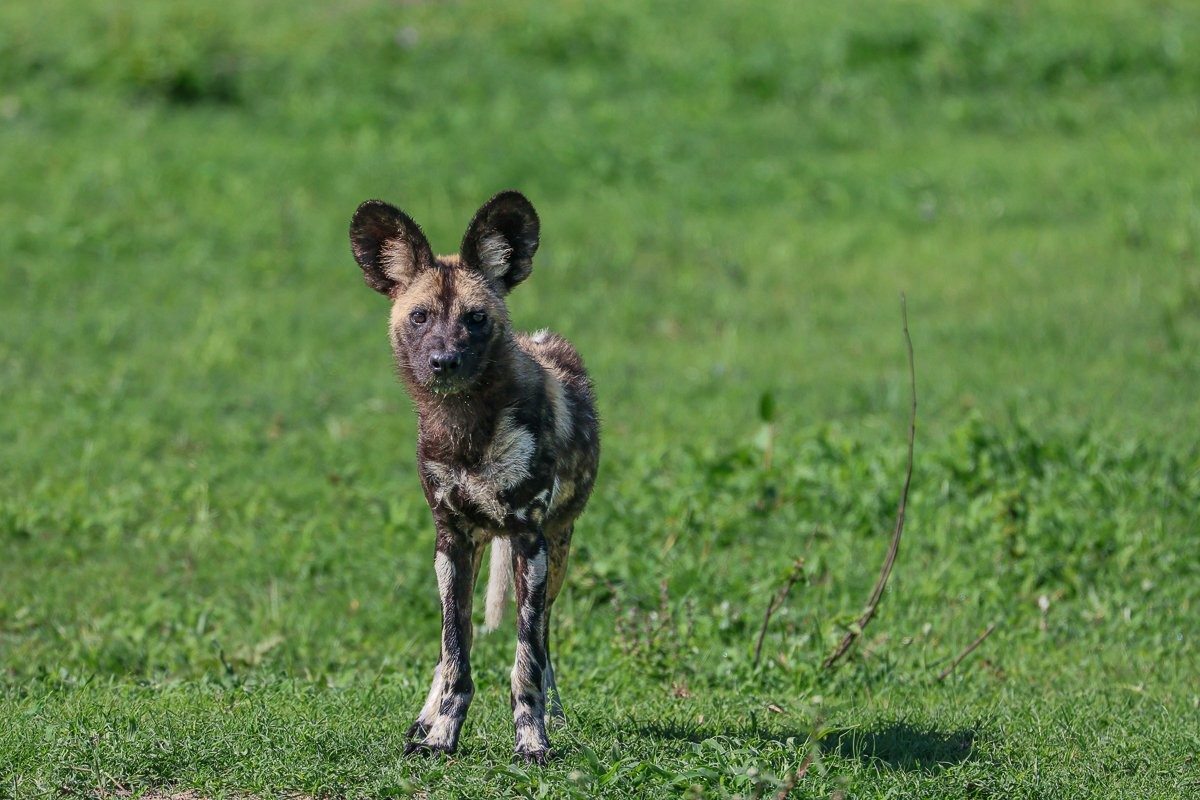
Thanks to the coordinated conservation efforts, wild dog populations in the Greater Kruger area have shown encouraging growth over the past two decades. Early 2000’s estimate suggested fewer than 150 individuals in the greater ecosystem. By 2010, numbers gradually increased as reintroduction and monitoring programs gained traction. In recent years the Greater Kruger region supports roughly 300-400 individuals, making it one of the most significant strongholds for the specie in Southern Africa.
These numbers fluctuate naturally due to pack dynamics, dispersal, disease outbreaks, and predation from lions and hyenas, but the trend has been one of resilience.
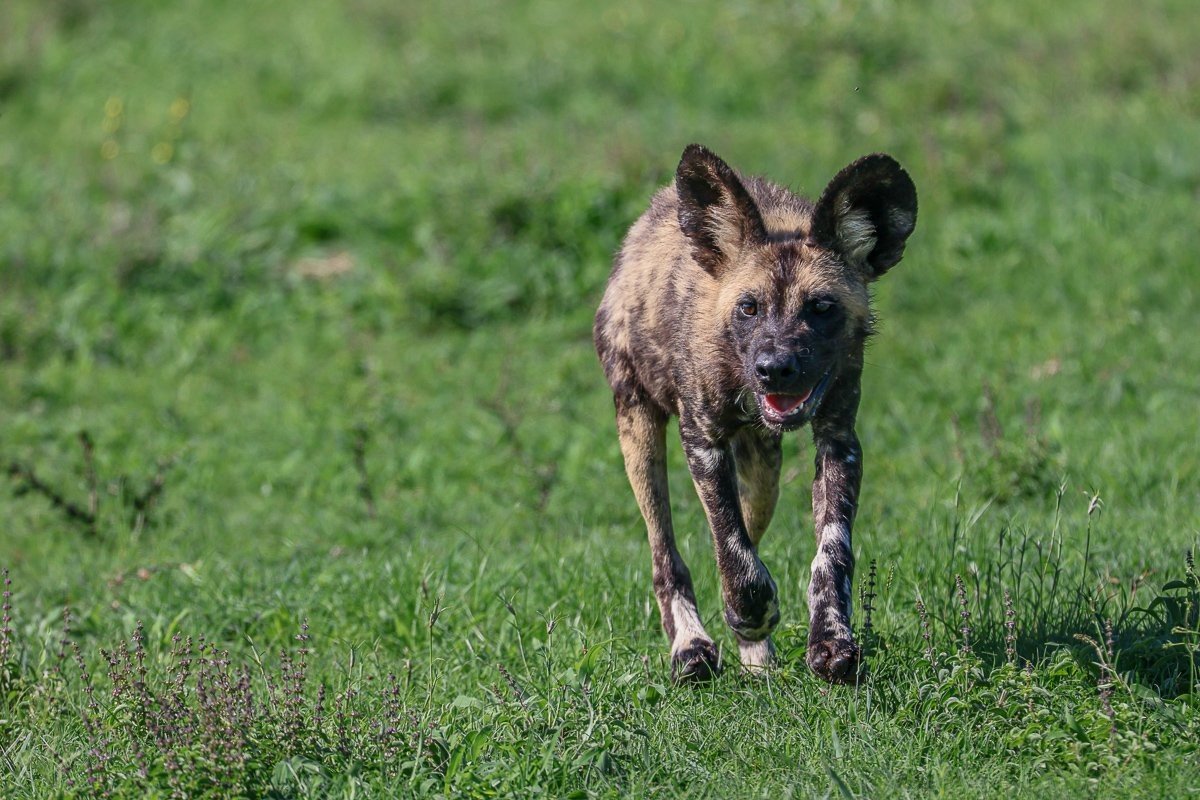
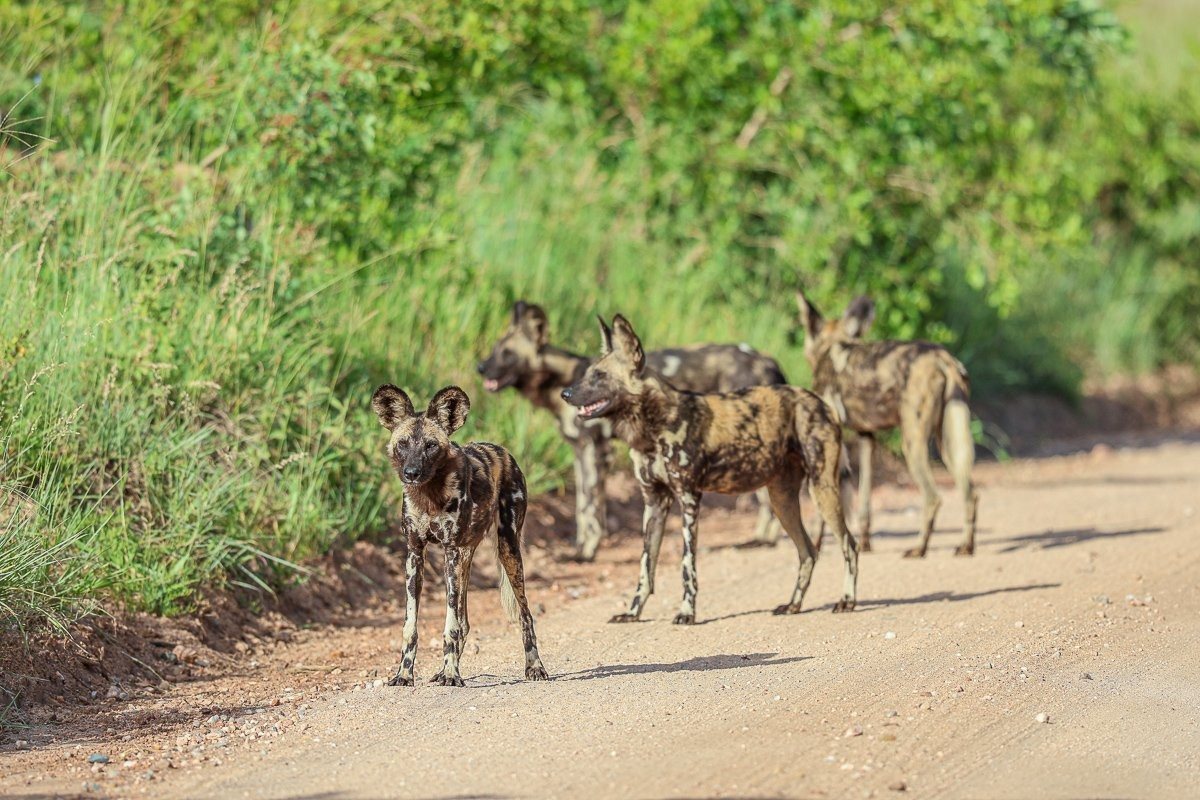
Now the big question, why does the Greater Kruger area work for wild dogs?
Wild dogs need space, vast, unfenced landscapes where they can hunt and disperse naturally. The open system between private reserves like us, and the Kruger National Park allows packs to roam freely, increasing genetic flow and reducing territorial pressure.
Their hunting success rate, often over 70%, makes them incredibly efficient predators. Unlike many other carnivores, they rely on teamwork, stamina, and coordination rather than brute strength.
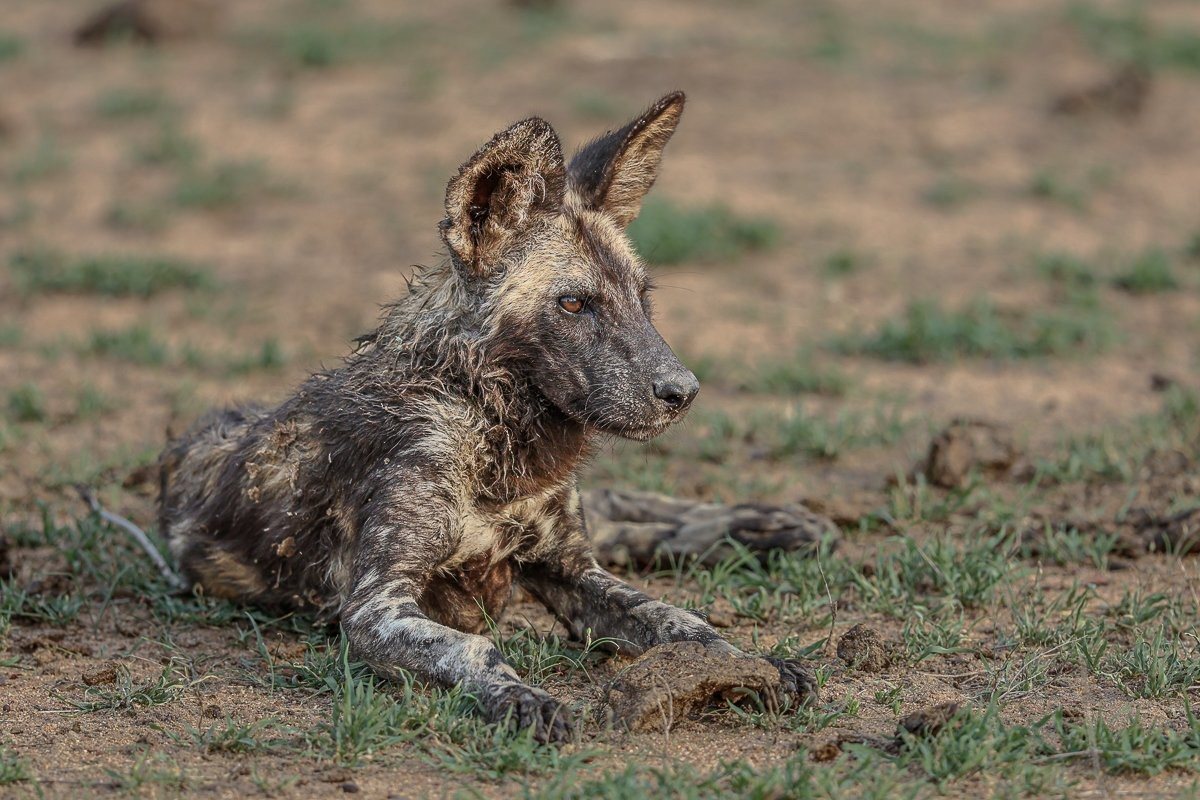
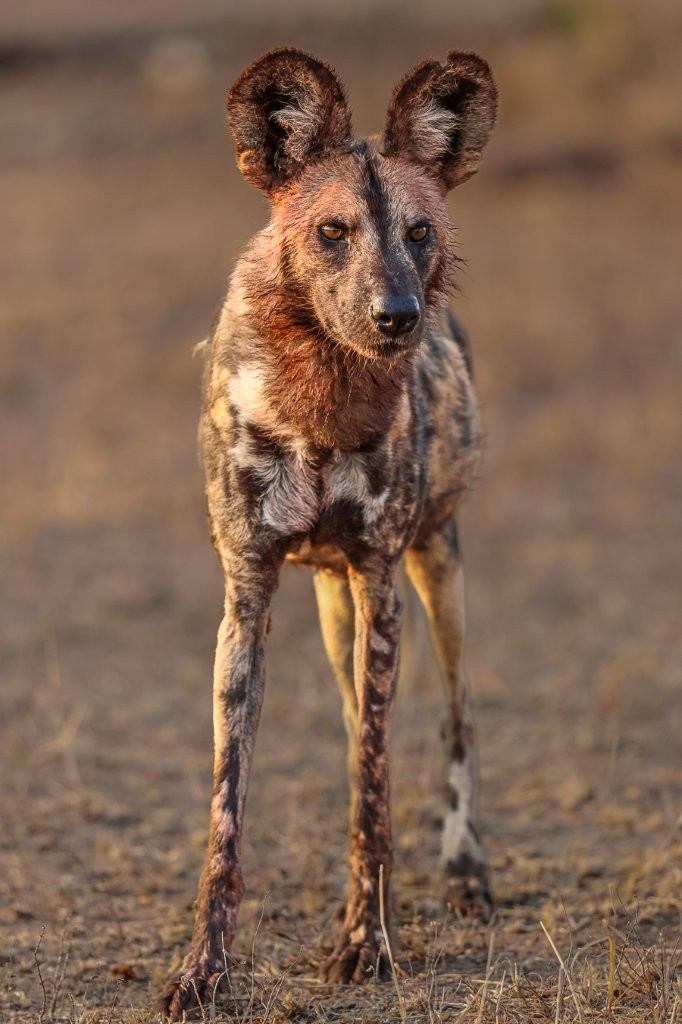
There are a few conservation efforts making a difference that have helped boost wild dog numbers.
The first one is metapopulation management. Small, isolated populations across Southern Africa are managed as one connected population. Individuals translocated between reserves to mimic natural dispersal and maintain genetic diversity.
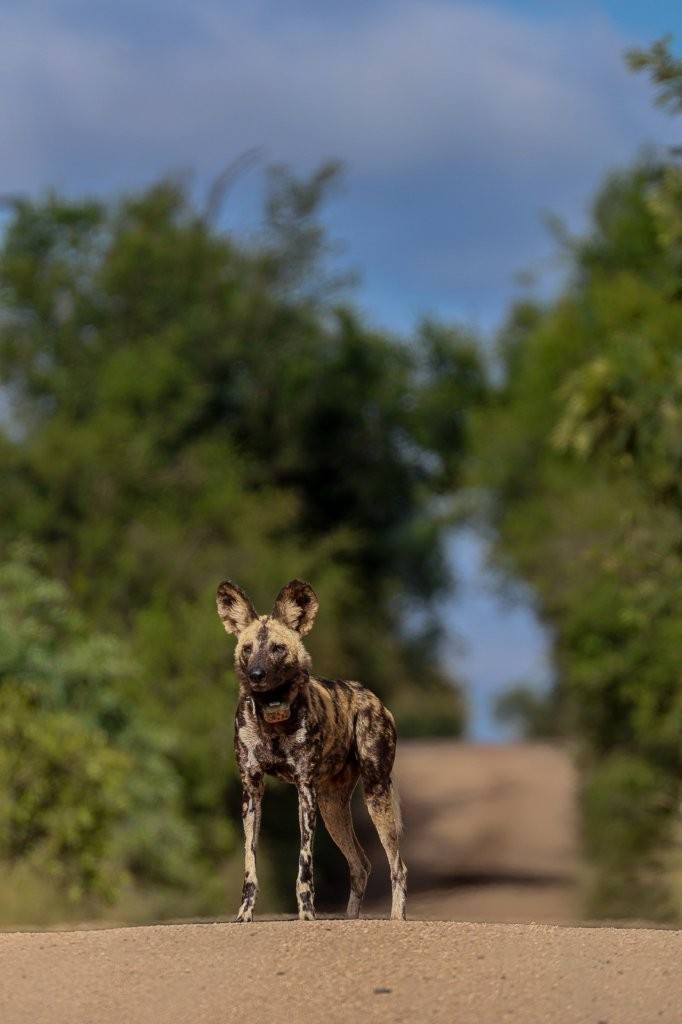
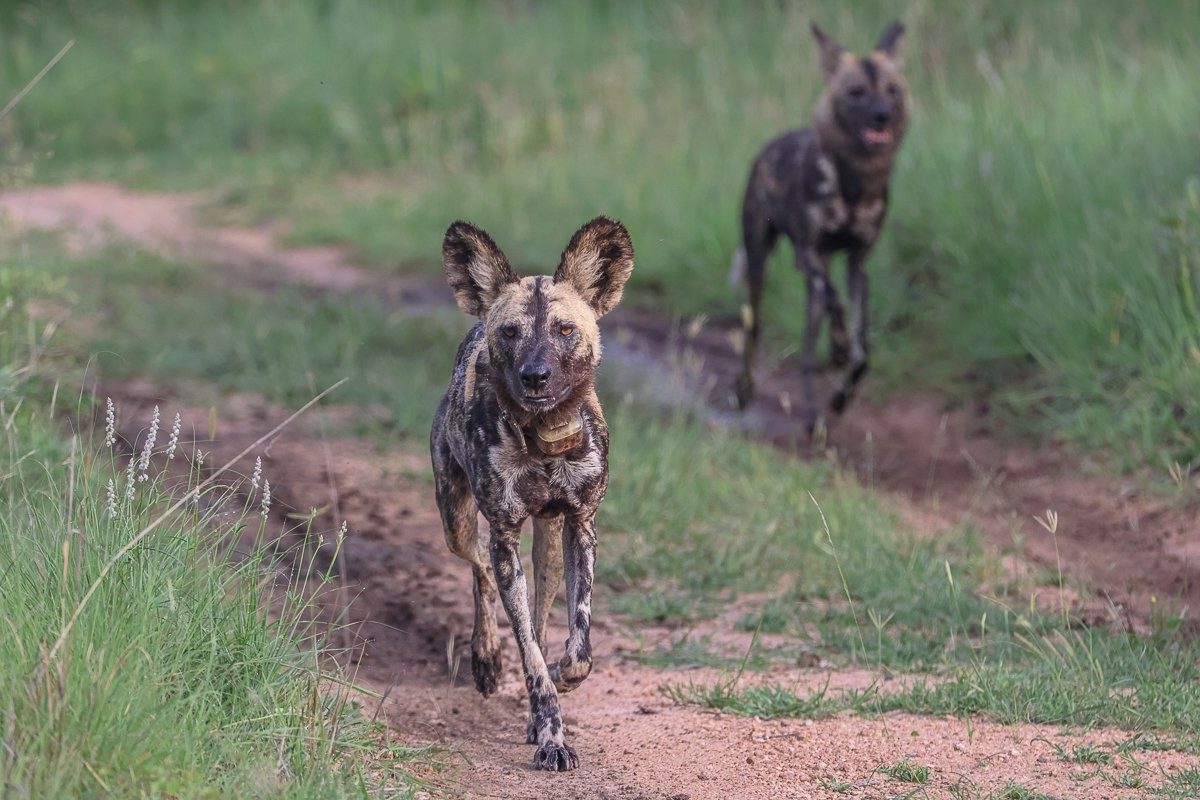
The second one is monitoring and collaring. Radio and GPS collars allow conservation teams to track movements, respond to snaring incidents and monitor pack health. Also, when the packs have pups, it allows the conservationists to follow up on the survival rates of the young, getting a better understanding of the challenges they face in the wild.
The third one is community engagement. Working with surrounding communities to reduce conflict, promote awareness, and improve livestock protection has been critical.
The fourth one is anti-snaring units. Wild dogs are particularly vulnerable to wire snares for bushmeat. Dedicated anti-poaching and snare-removal teams save countless animals each year.
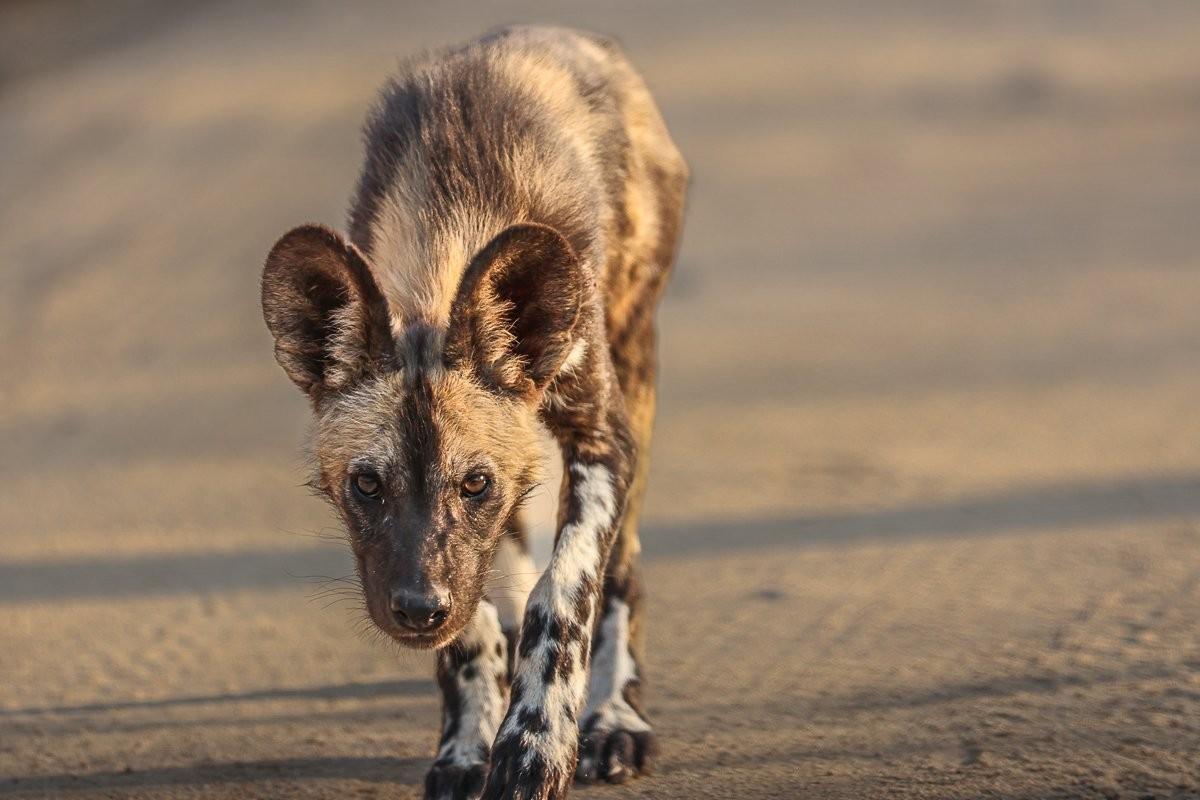
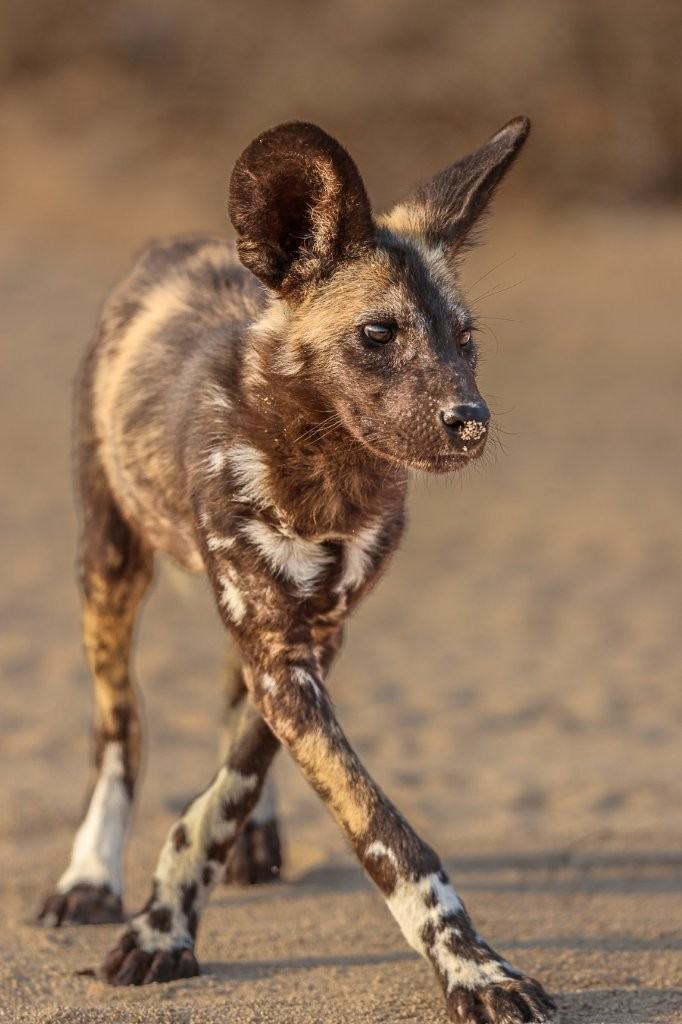
Disease control also plays a big role. Vaccination programs in buffer communities help reduce the risk of rabies and distemper spilling over from domestic dogs.
Despite progress, wild dogs remain endangered. High pup mortality, competition with lions, and expanding human populations continue to put pressure on them. A single disease outbreak can set back years of progress.
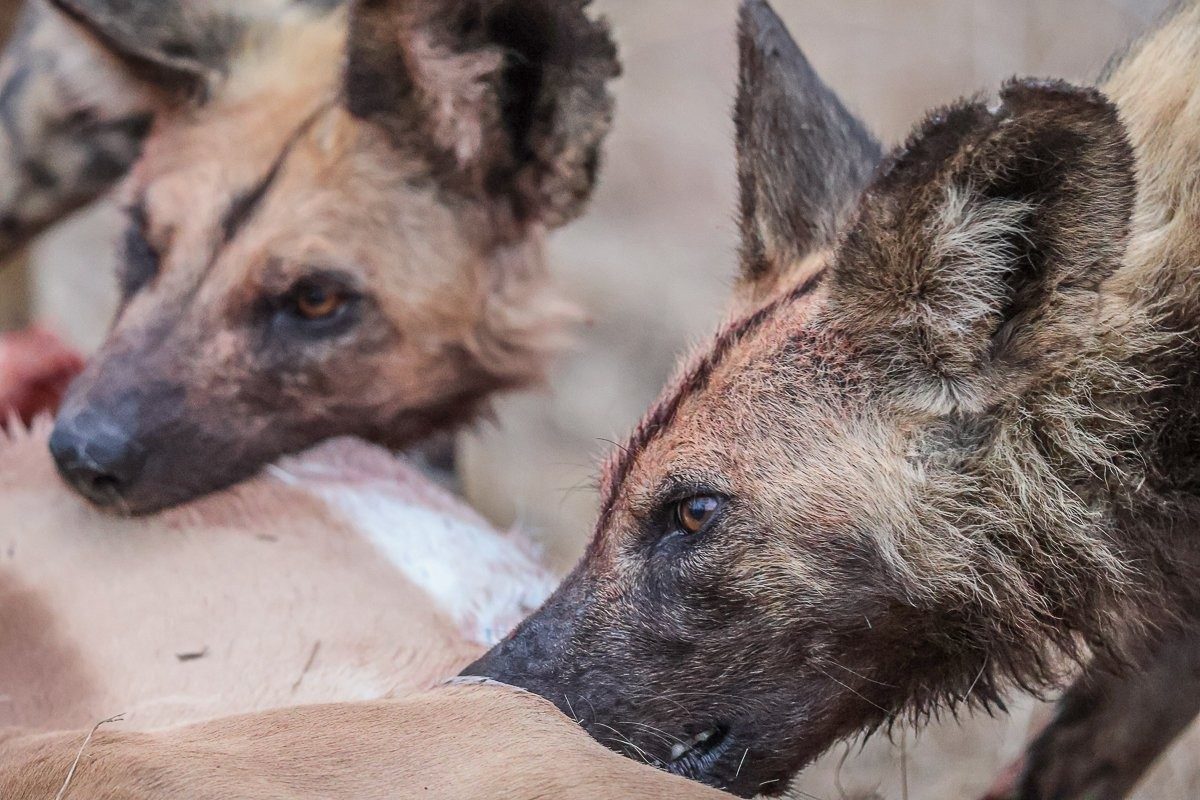
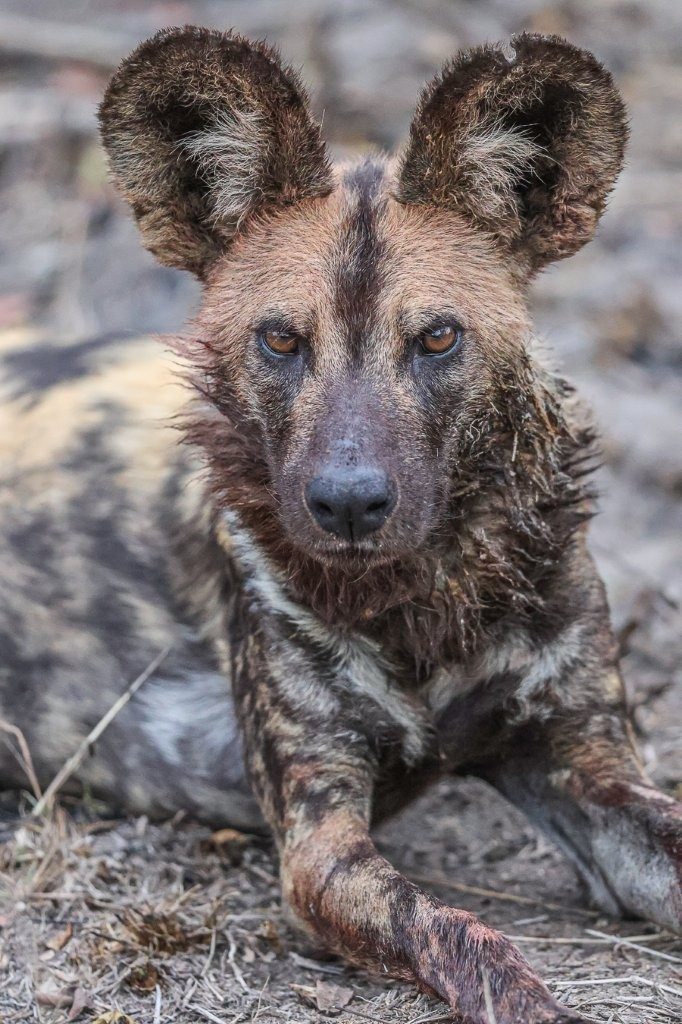
Yet every time we see a den site buzzing with curious pups or watch a pack disappear into the golden grass at sunrise, it’s a reminder of what conservation partnerships can achieve.
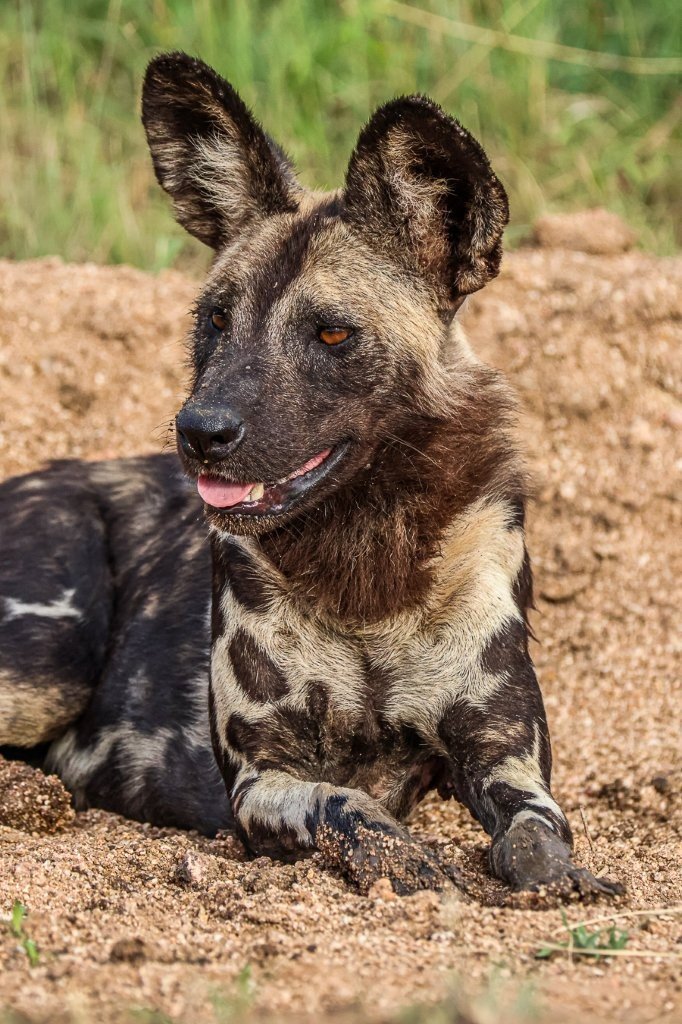
As rangers, sightings of wild dogs are more than just exciting, they are deeply meaningful. Each individual represents decades of conservation efforts. Each successful hunt means pups will eat. Each dispersing pair carries the future of the species into new territories.
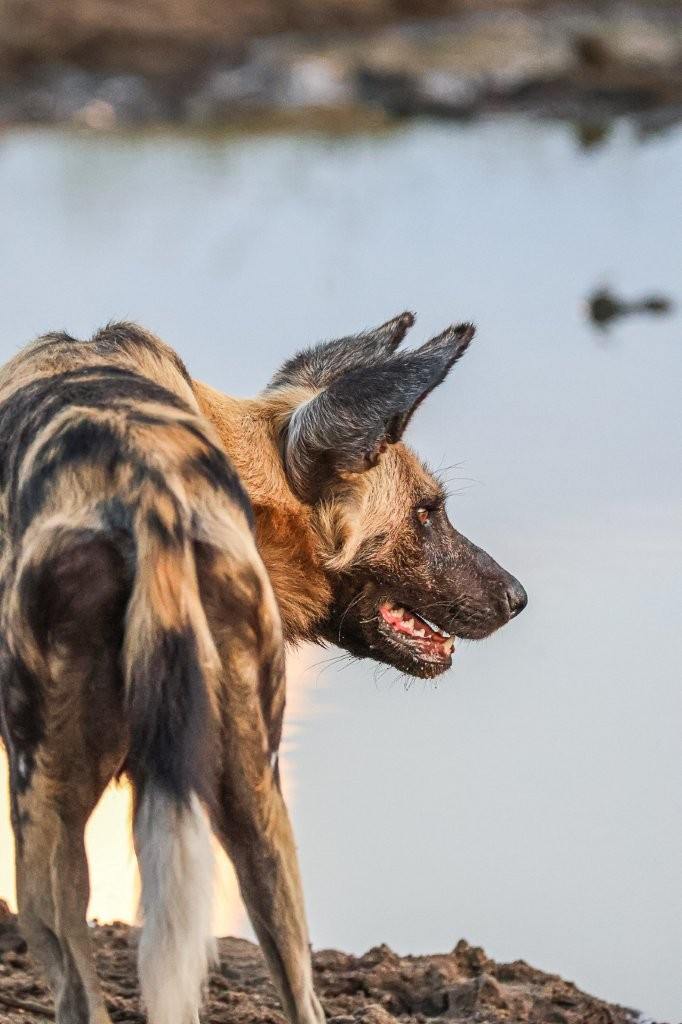
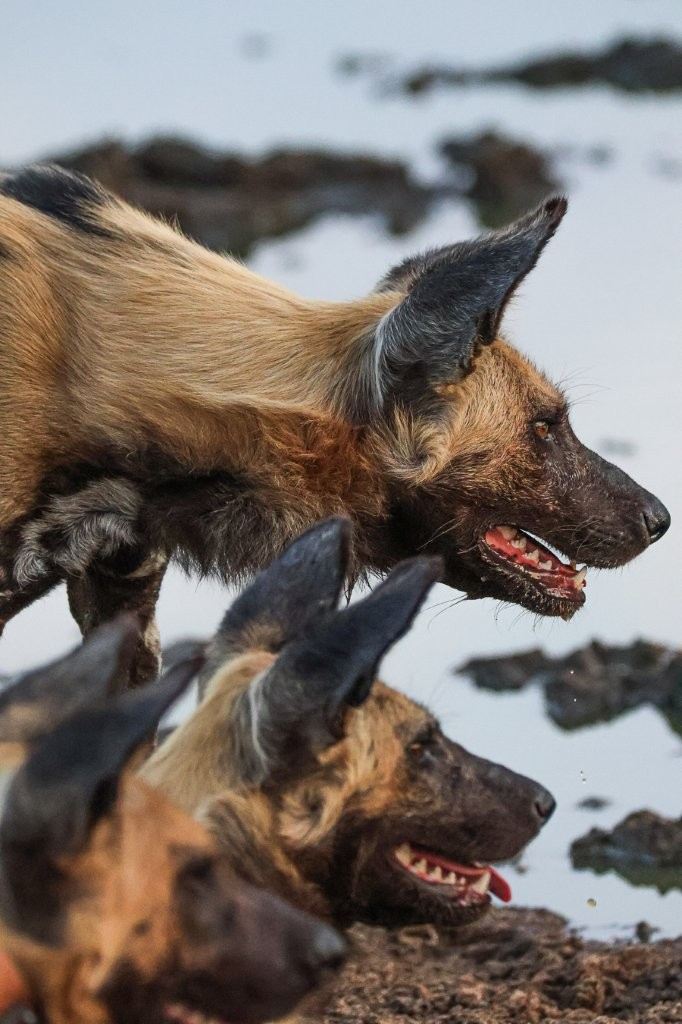
In the Greater Kruger, the painted wolves are not just surviving, they are slowly reclaiming their place in the ecosystem.
And for those of us fortunate enough to follow their tracks at first light, that is truly something special.
Blog by Ruan Mey (Earth Lodge Ranger)