
Six-Week Recap: Embracing the Rhythm of the Rains
on Jan 06, 2026As I come to the end of this six-week working cycle, the bush has well and truly entered its summer phase, and the rainy season is now in full swing. Over the past weeks, consistent and often heavy rainfall has reshaped the landscape, breathing new life into every corner of the reserve. Rivers that were once reduced to sandy crossings are flowing again, drainage lines are running, and seasonal pans are holding water, a clear sign of a healthy and responsive ecosystem.
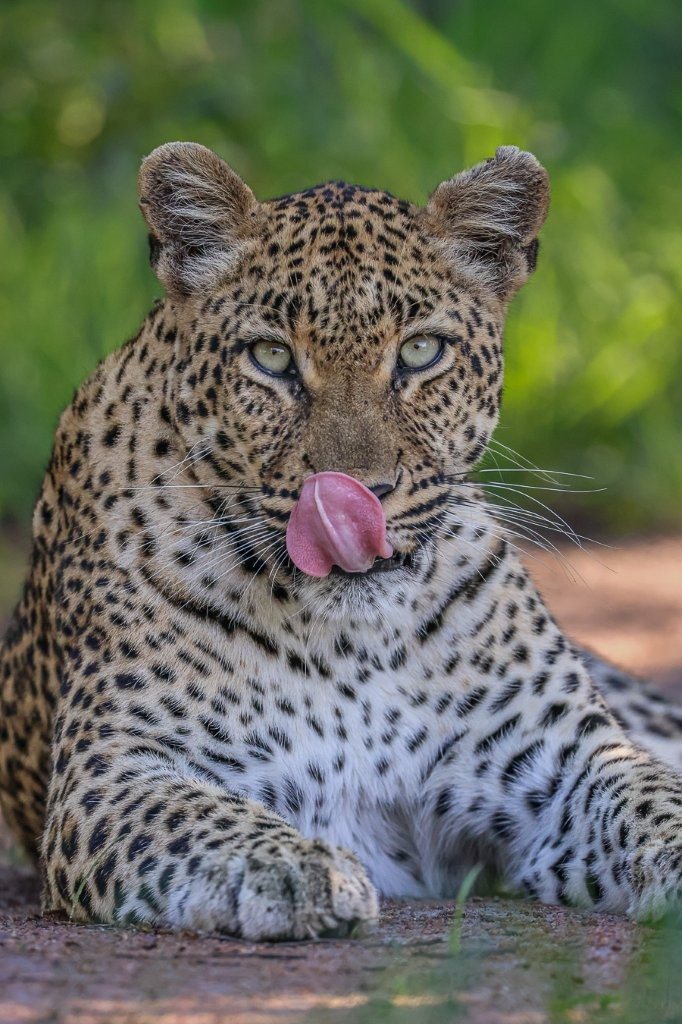
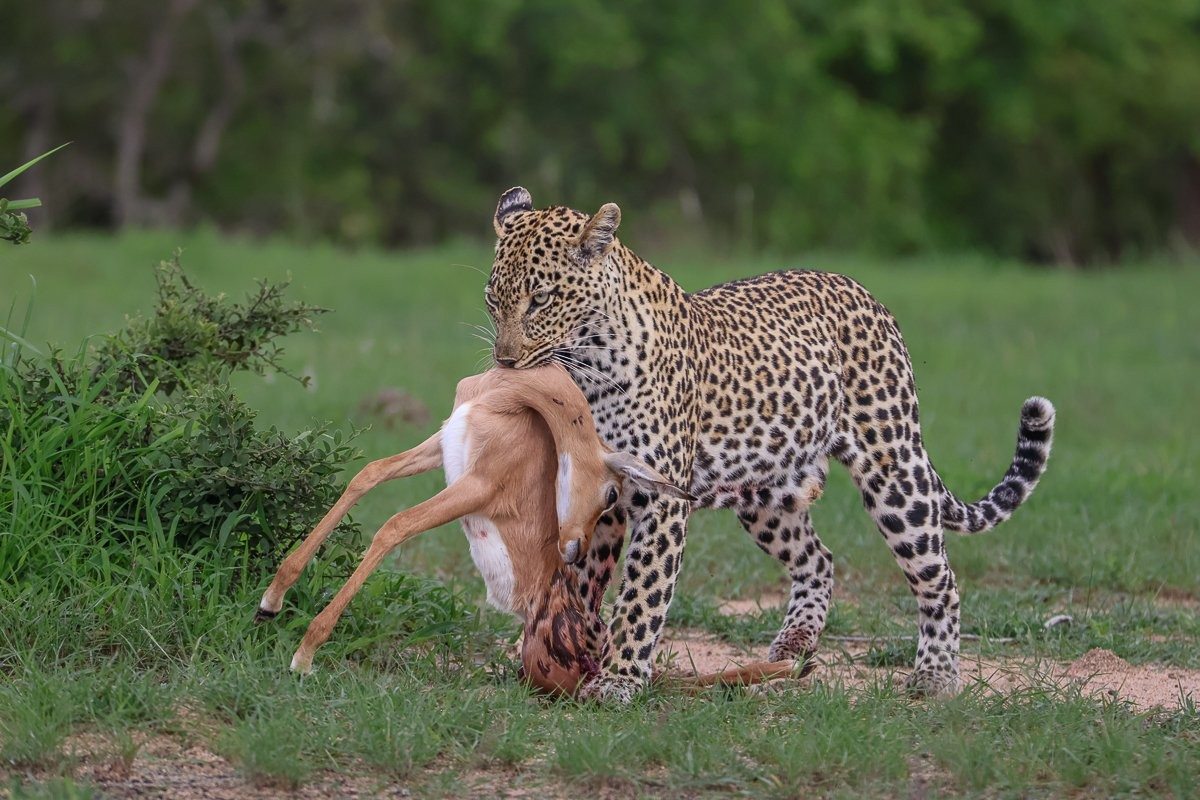
With the arrival of the rains, the bush has exploded into green. Grasses are growing rapidly, trees are flush with new leaves, and the once open woodlands are now dense and layered. While this transformation is spectacular, it also brings a very different kind of game viewing. Tracks are quickly washed away, visibility is limited, and the animals are no longer tied to permanent water sources or open areas. Wildlife can move freely, often unseen, making each drive both challenging and exciting in equal measure.
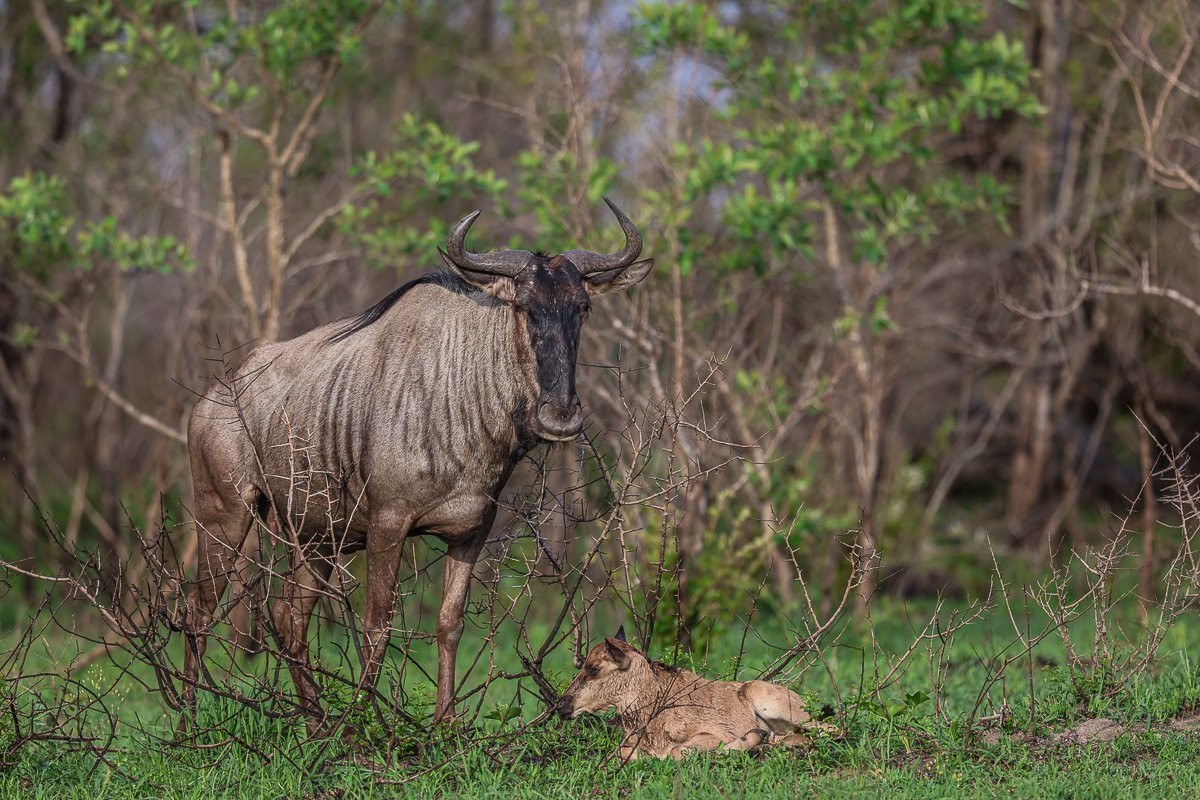
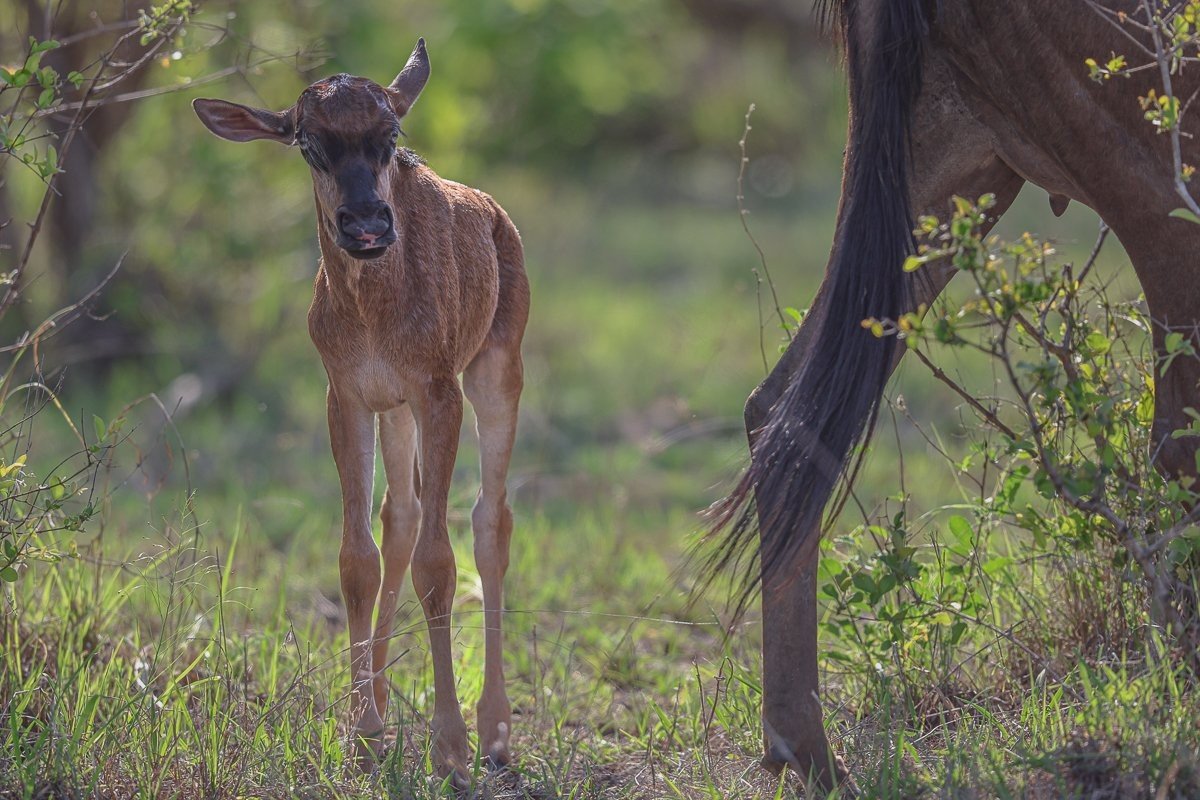
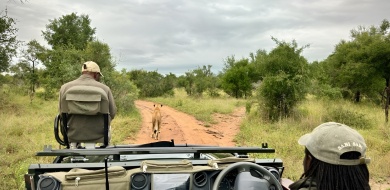
This time of year, demands patience and adaptability from both rangers and guests. Routes change constantly as water levels rise and fall, river crossing requires careful assessment, and certain areas become temporarily inaccessible. Buts its precisely these conditions that remind us how dynamic and unpredictable the bush truly is. No two drives are the same, and no plan is ever guaranteed.
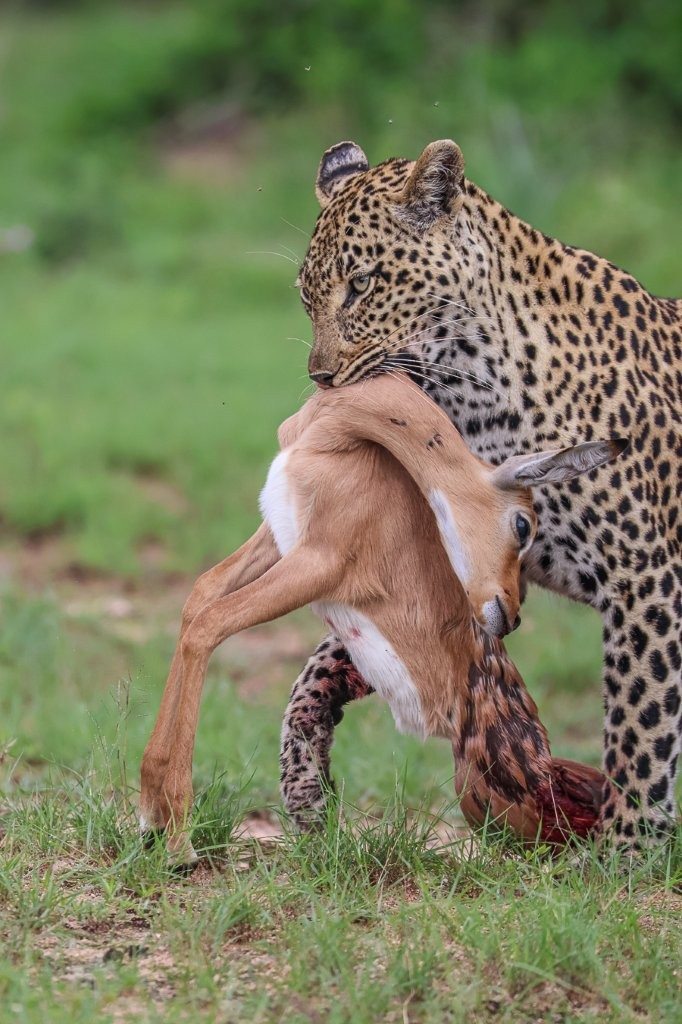
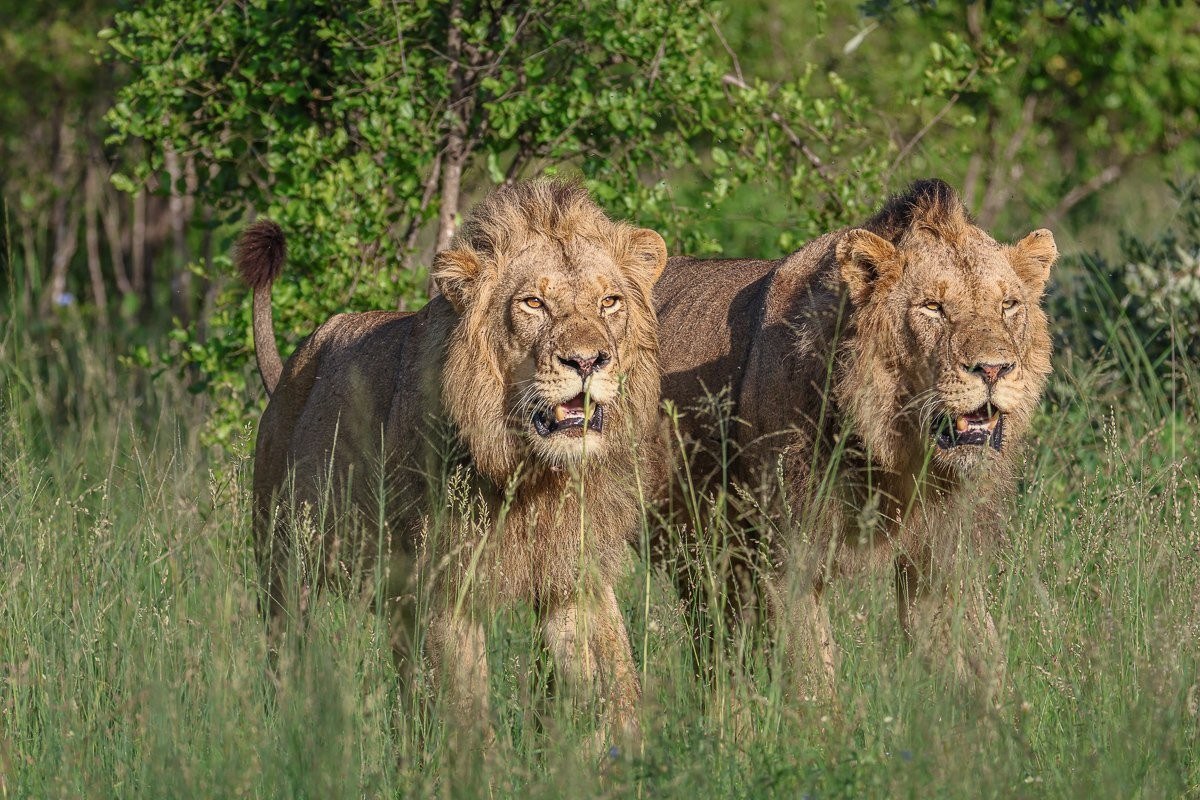
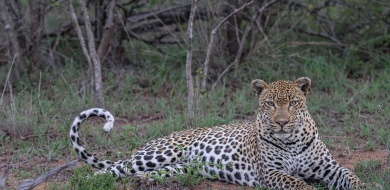
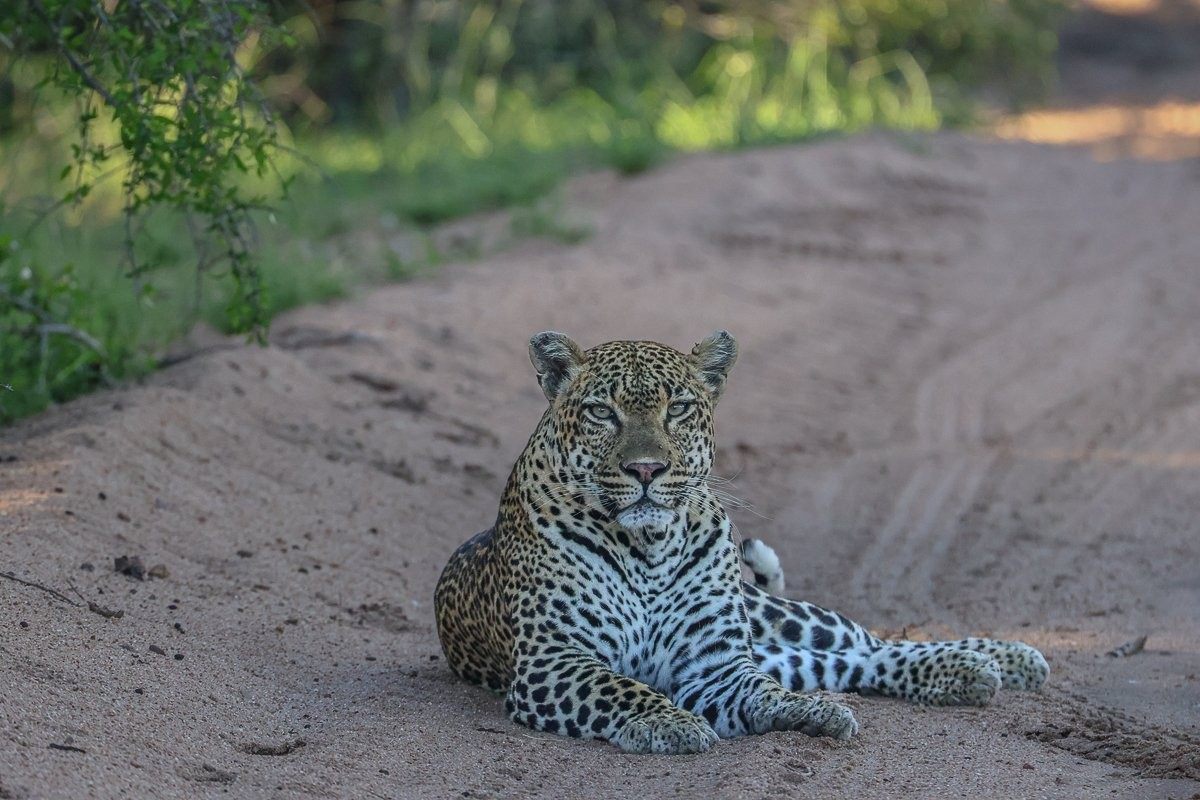
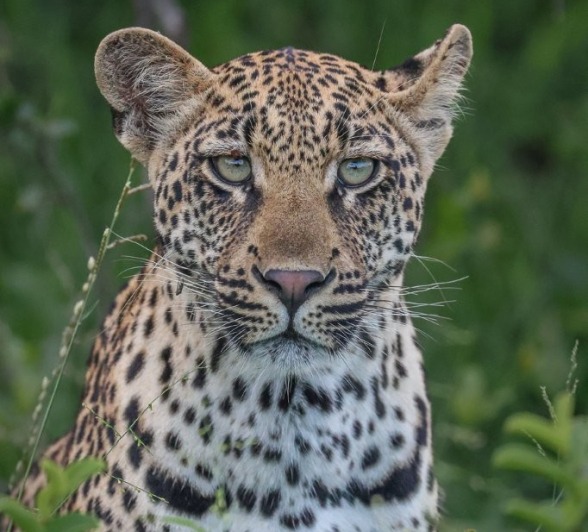
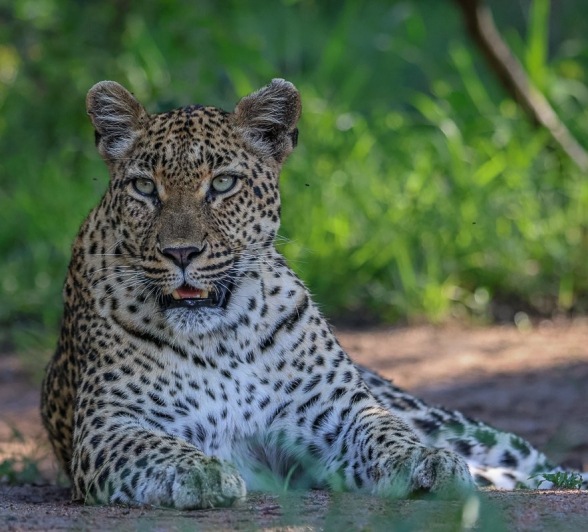
Despite the challenges, the reward of the rainy season is unique. Fresh tracks after a storm tell overnight stories of movement, predators and prey alike taking advantage of cooler temperatures and soft ground. Leopards become ghosts in the thick vegetation, often seen only briefly before disappearing into the greenery. Elephant herds melt out of the bush silently, their presence felt before they are seen. Buffalo spread out across the landscape, grazing in areas that were bare just weeks ago.
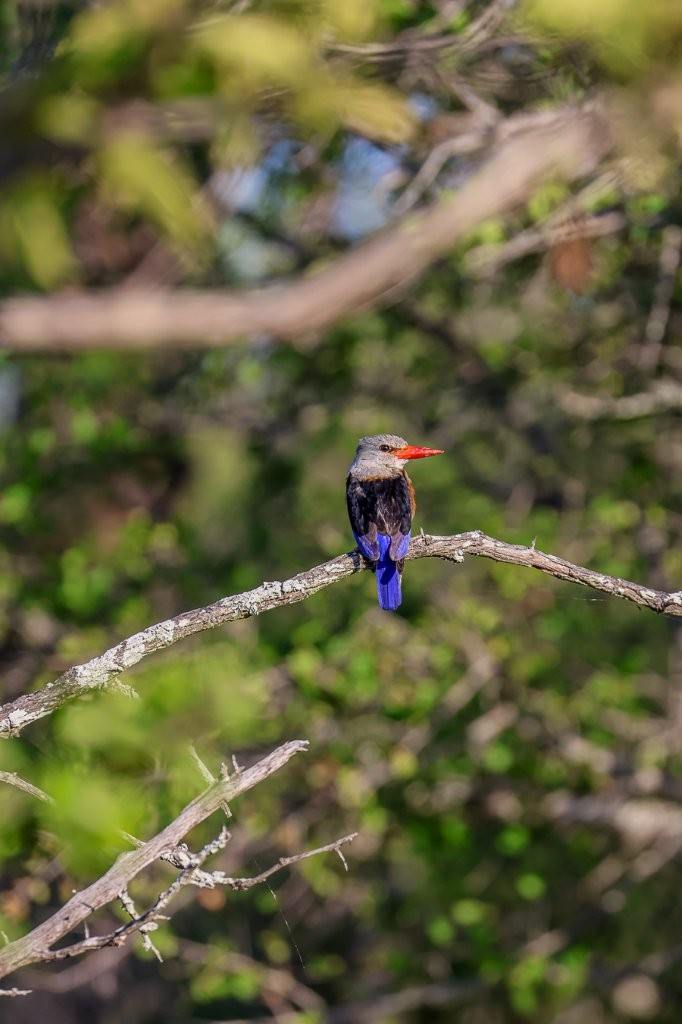
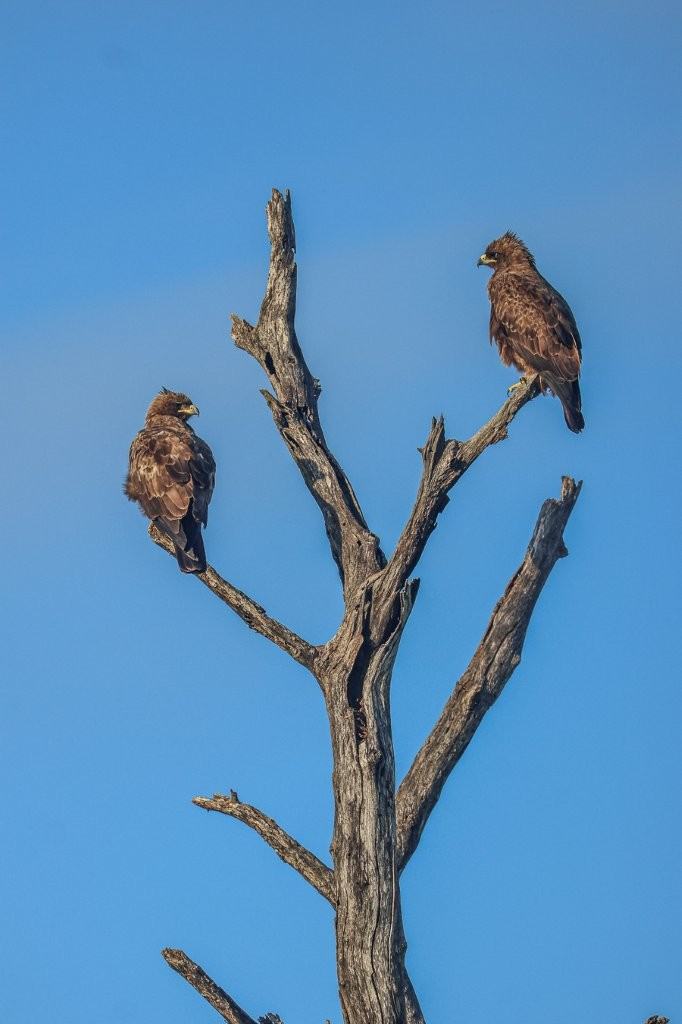
Birdlife has been a major highlight throughout this cycle. Migrant species have returned in numbers, many now in full breeding plumage, filling the mornings and evenings with song. Raptors taking advantage of the abundance of prey stirred up by the rain, while waterbirds gather wherever standing water appears. The chorus of frogs after sunset is unmistakable, a reminder that even the smallest creatures play a vital role in this seasonal surge of life.
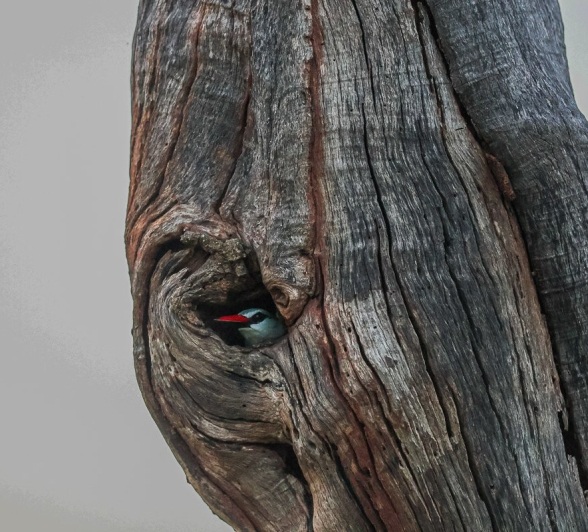
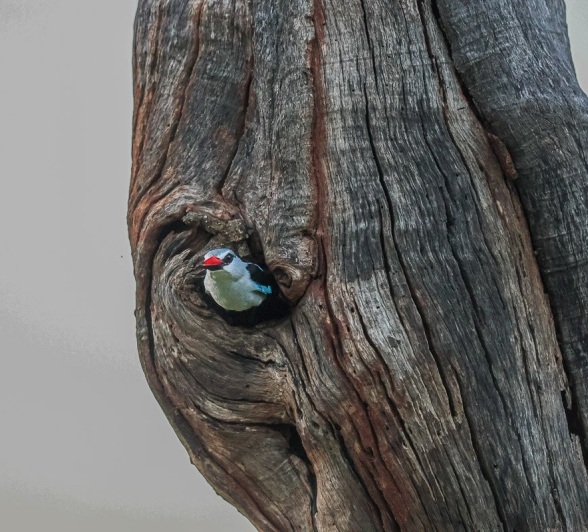
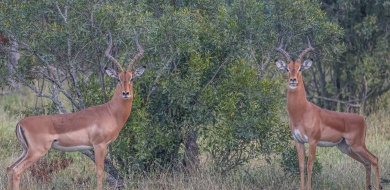
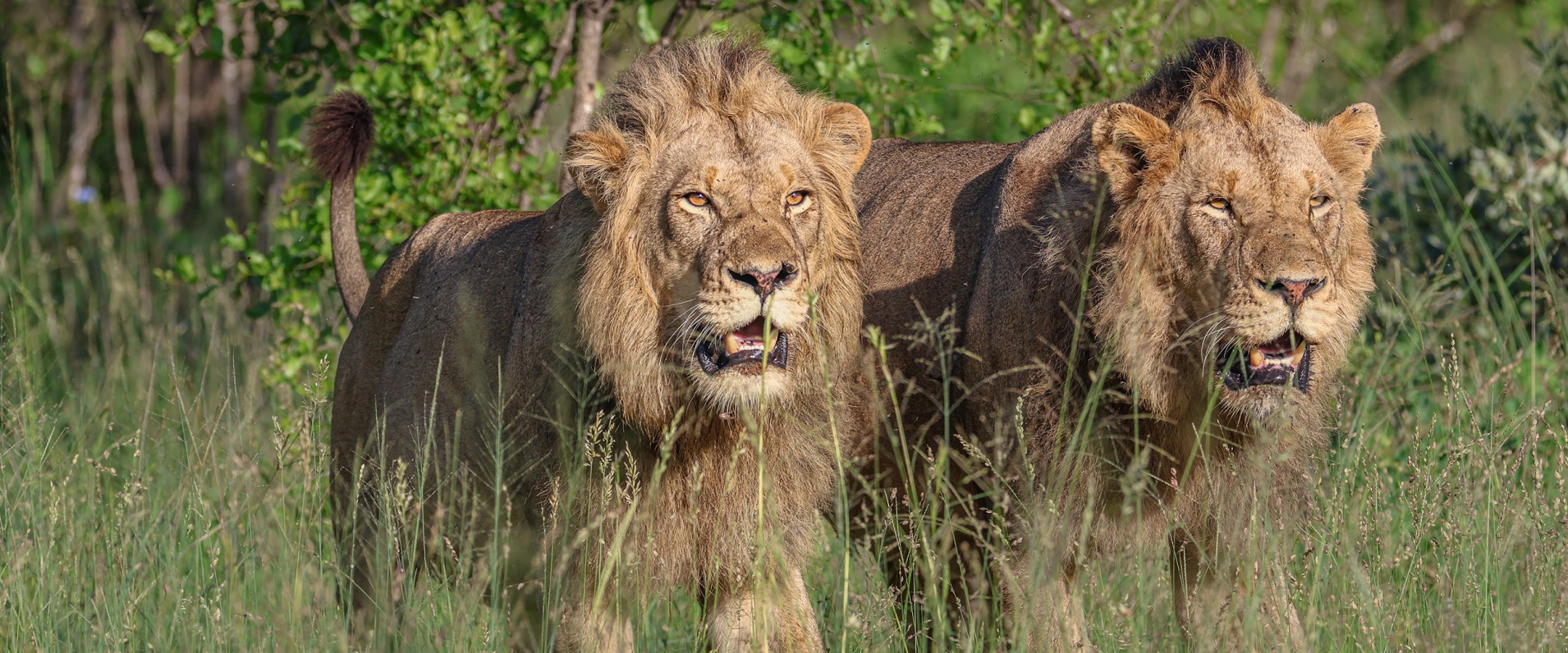
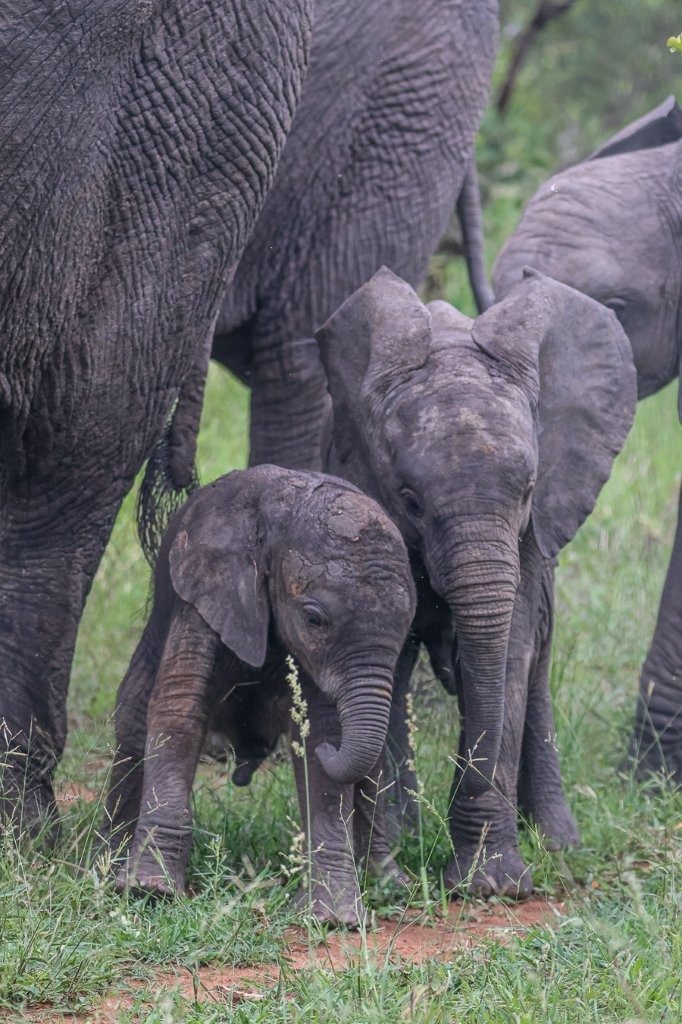
The rain also signals the season of new beginnings. Many herbivores are in excellent condition, and young animals are increasingly visible, testing their strength and awareness in a landscape that offers both abundance and danger. Predators adapt their strategies accordingly, relying on ambush and cover rather than speed. Often, hunting is a shorter window when conditions are just right.
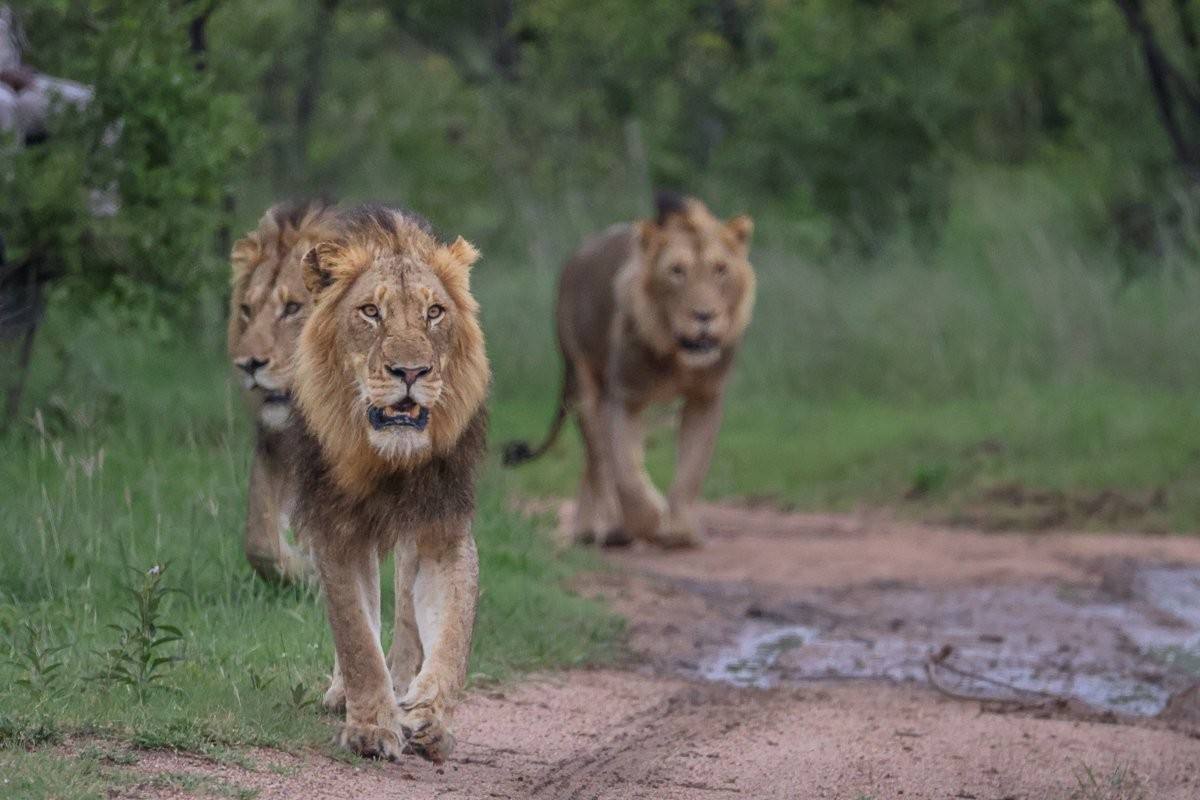
For us as rangers, this six-week period has been about reading the bush rather than forcing it. Slow drives, sharper observation, and a deeper understanding of subtle signs become essential. Sometimes the greatest moments come not from a perfect sighting, but from interpreting tracks, listening to alarm calls, or watching storm clouds build on the horizon while the bush holds its breath.
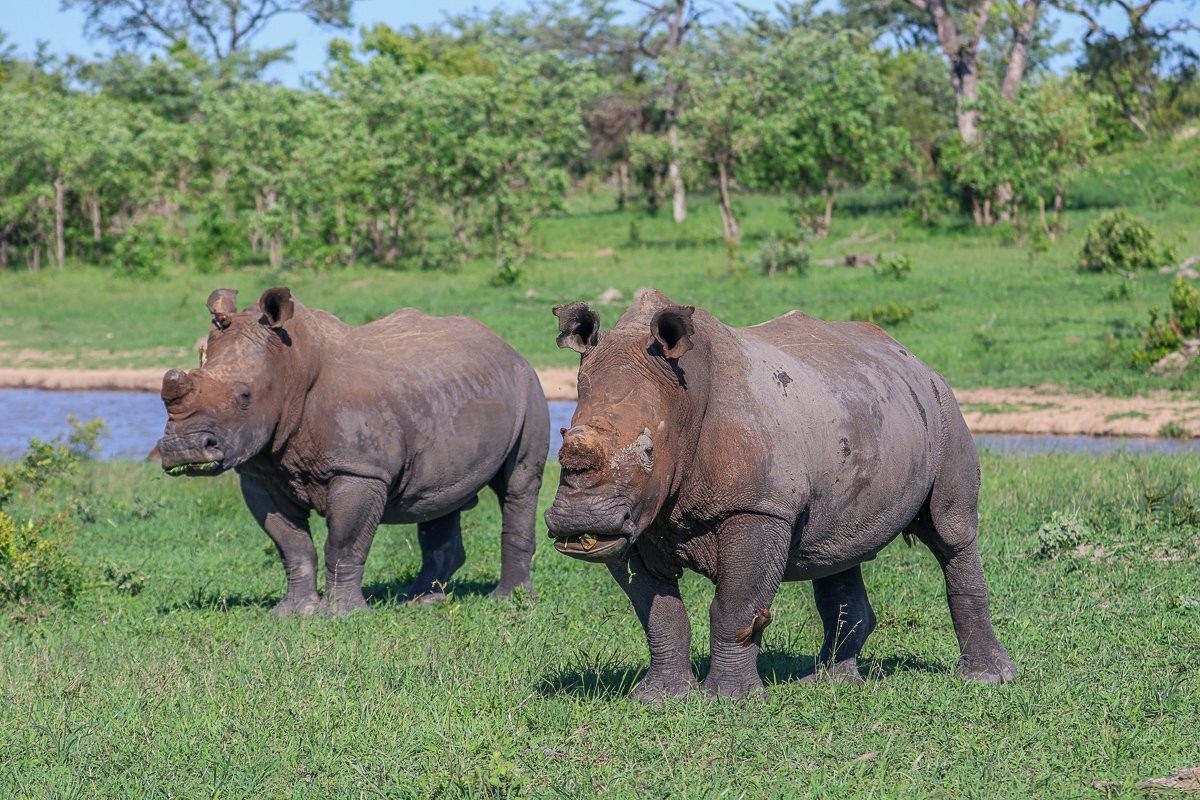
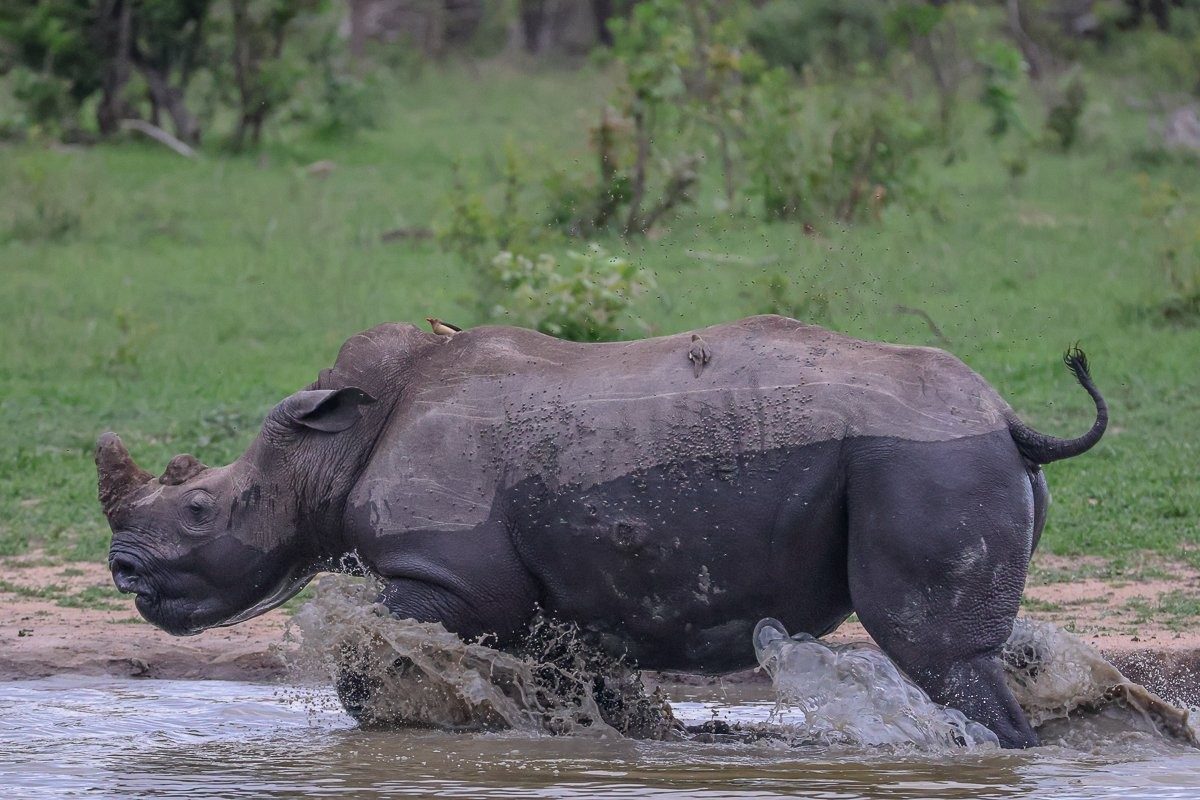
As we move deeper into the rainy season, the bush remains unpredictable, vibrant, and alive. Sightings may be fleeting, and success is never guaranteed, but that sense of not knowing what lies around the next bend is what makes this time of year so special. The bush is healthy, the water is flowing, and life is thriving in every form.
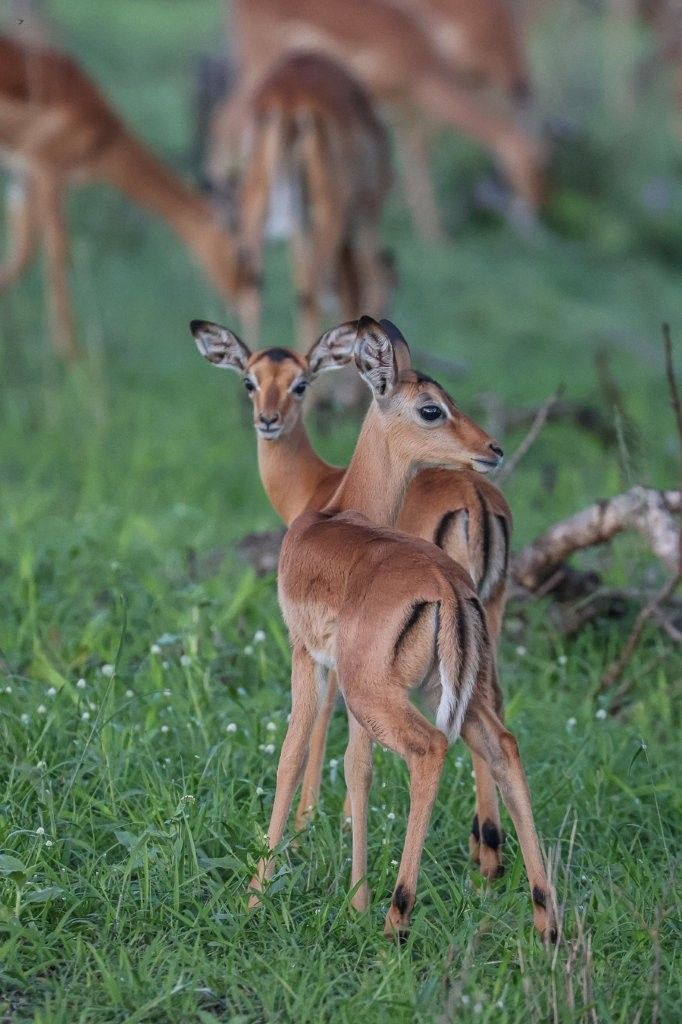
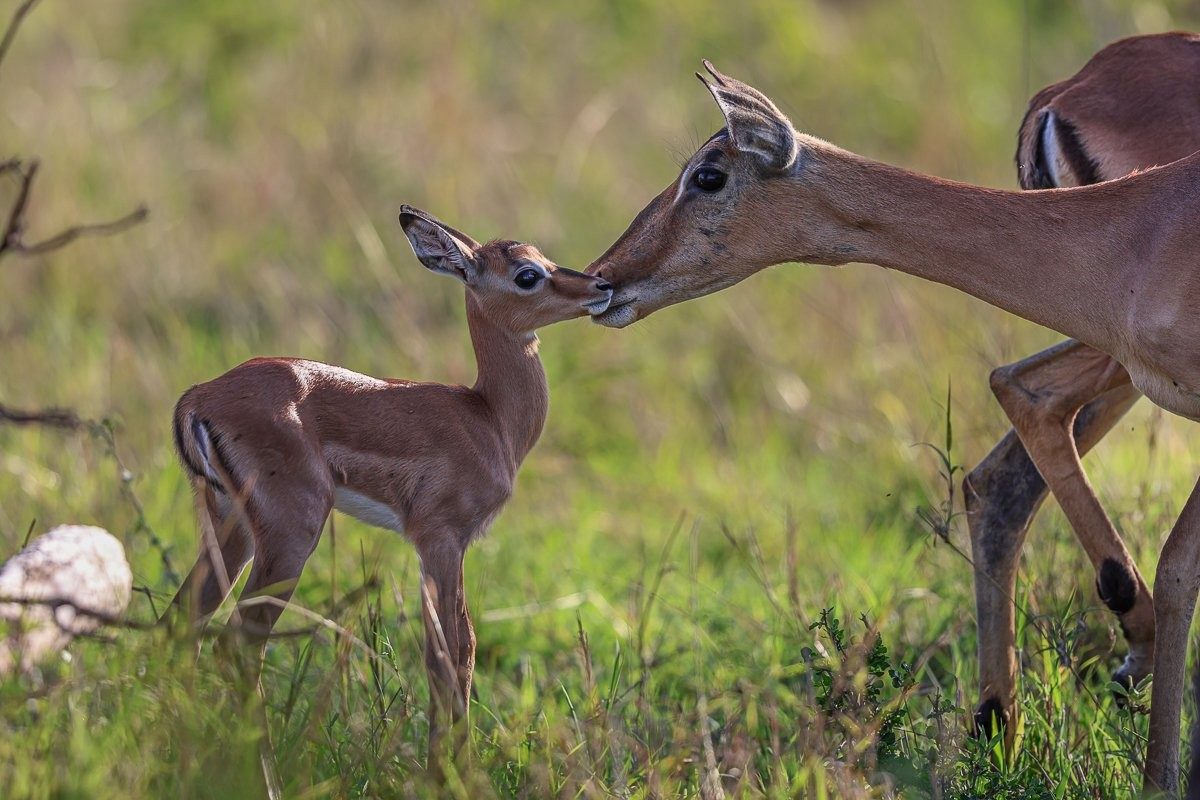
Out here, the rain sets the pace, and we simply follow. And that is one of the greatest privileges of being a ranger.
Blog by Ruan Mey (Earth Lodge Ranger)